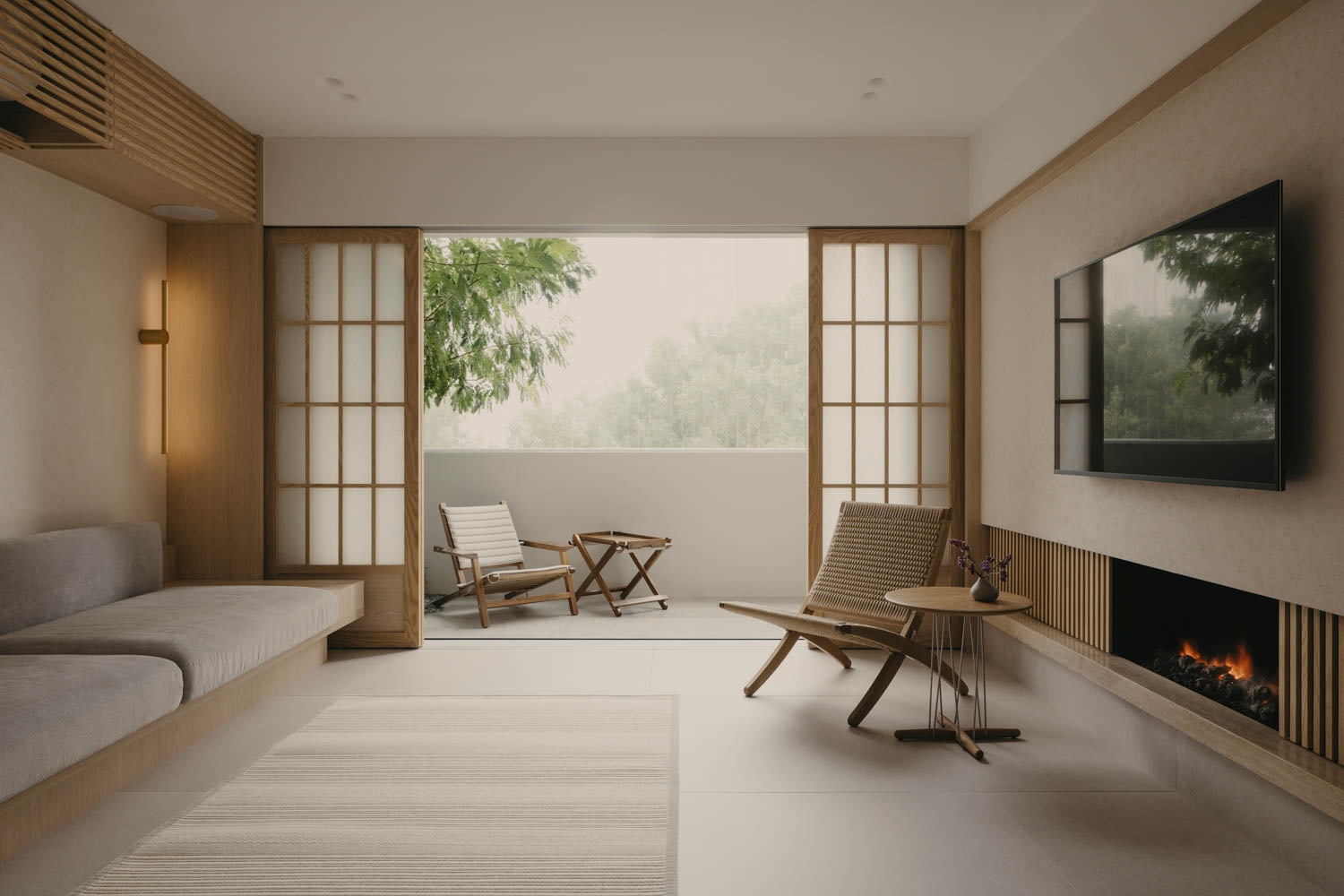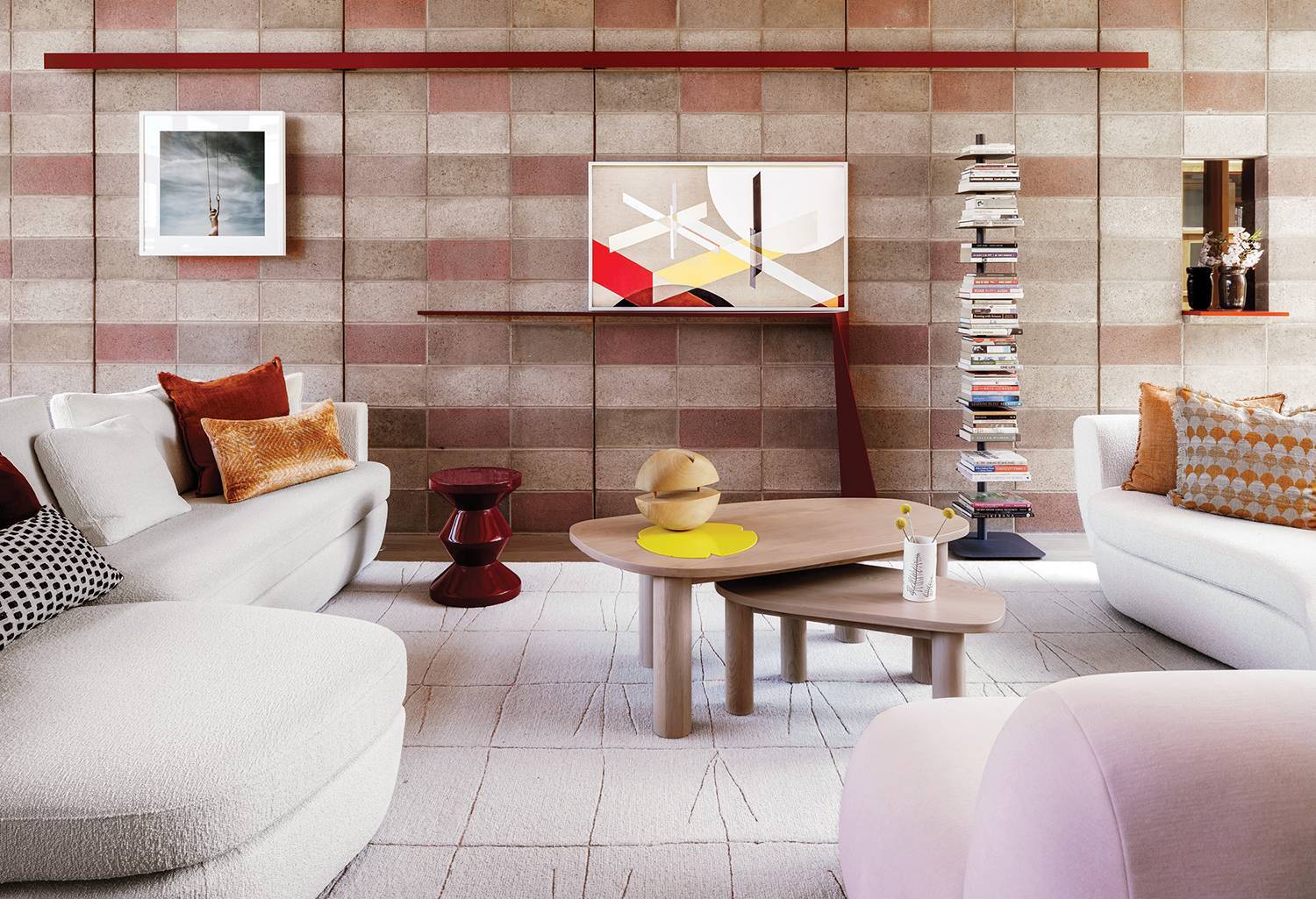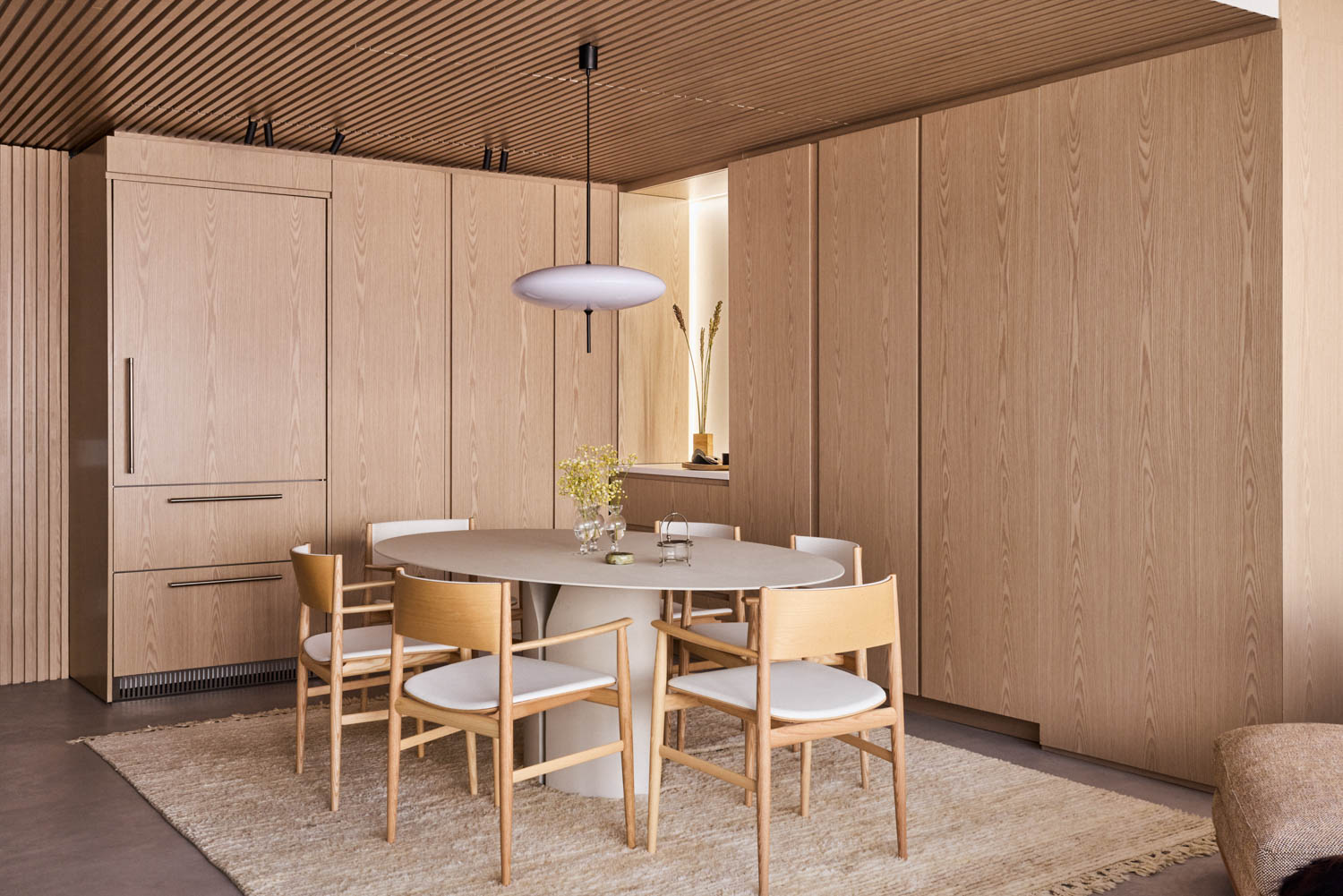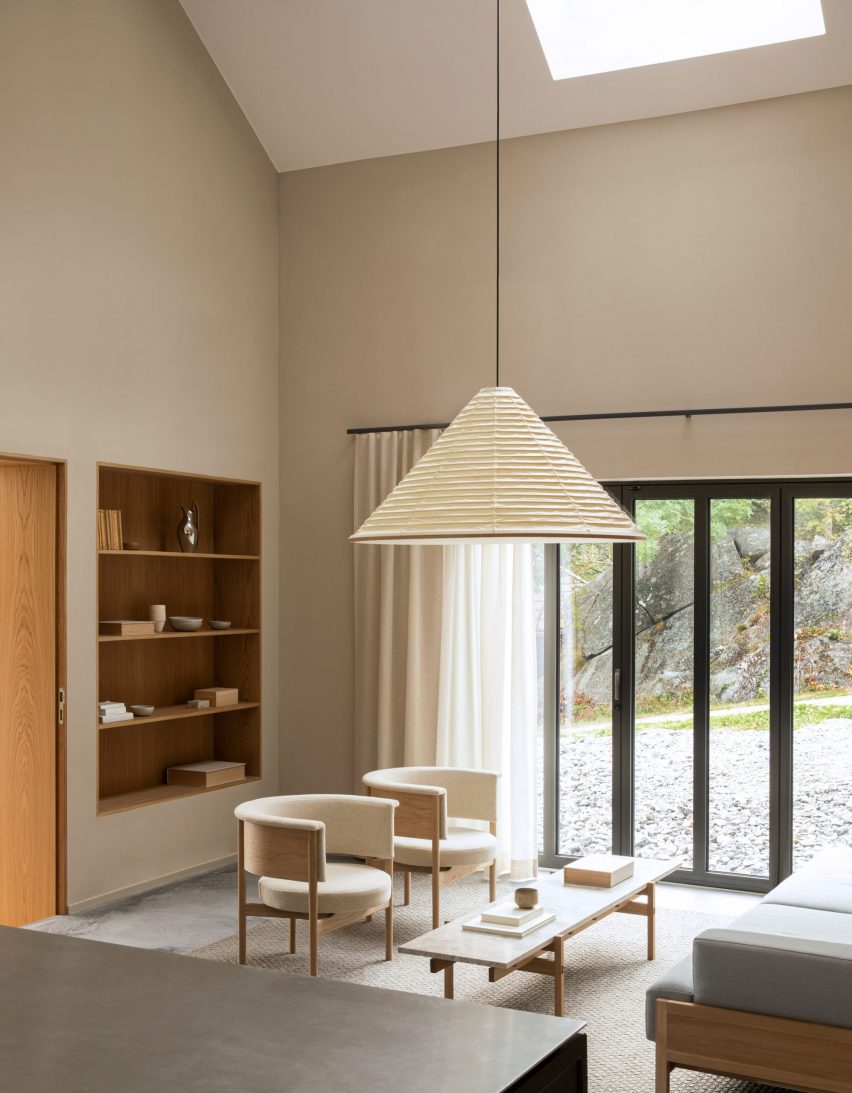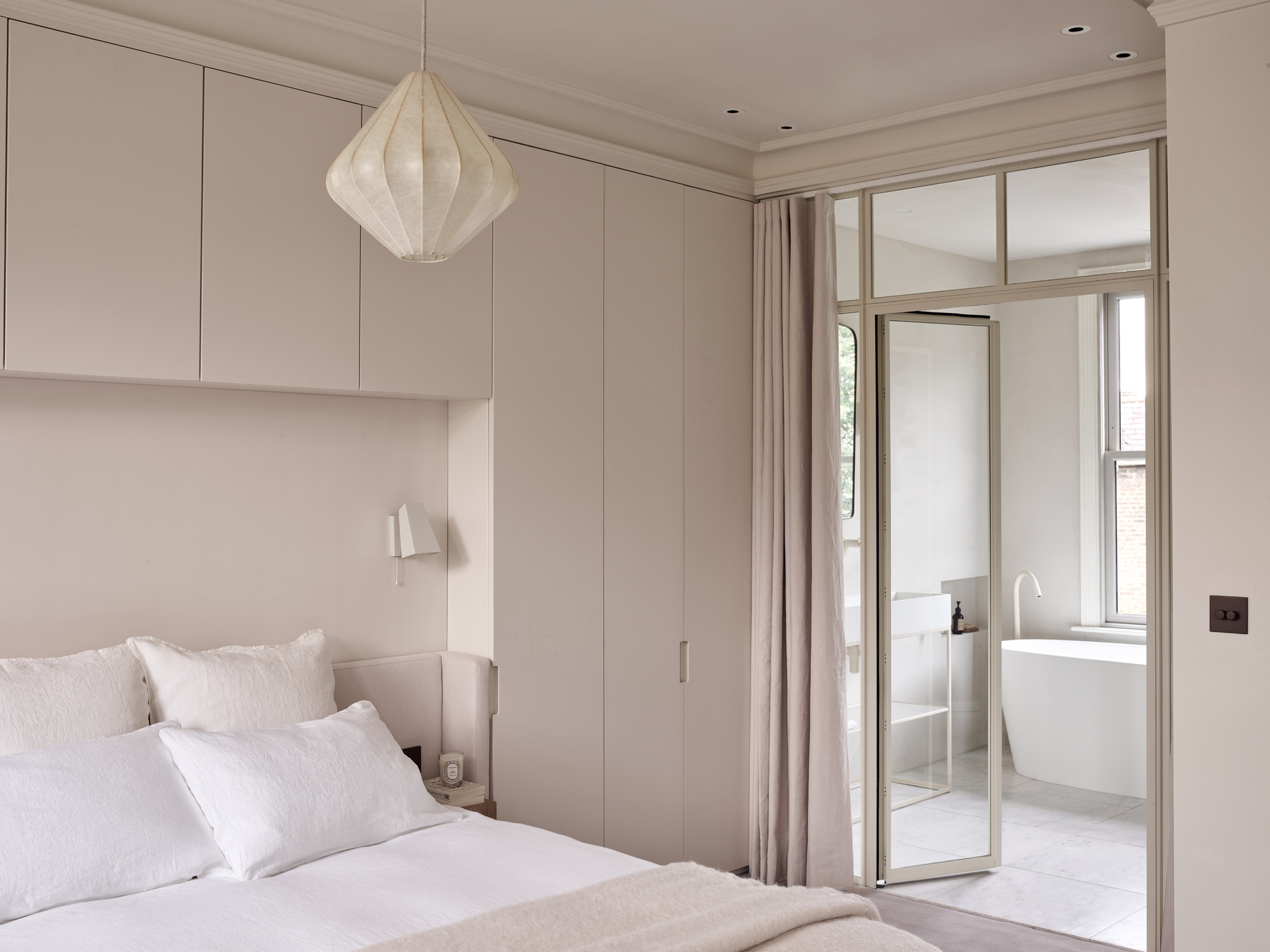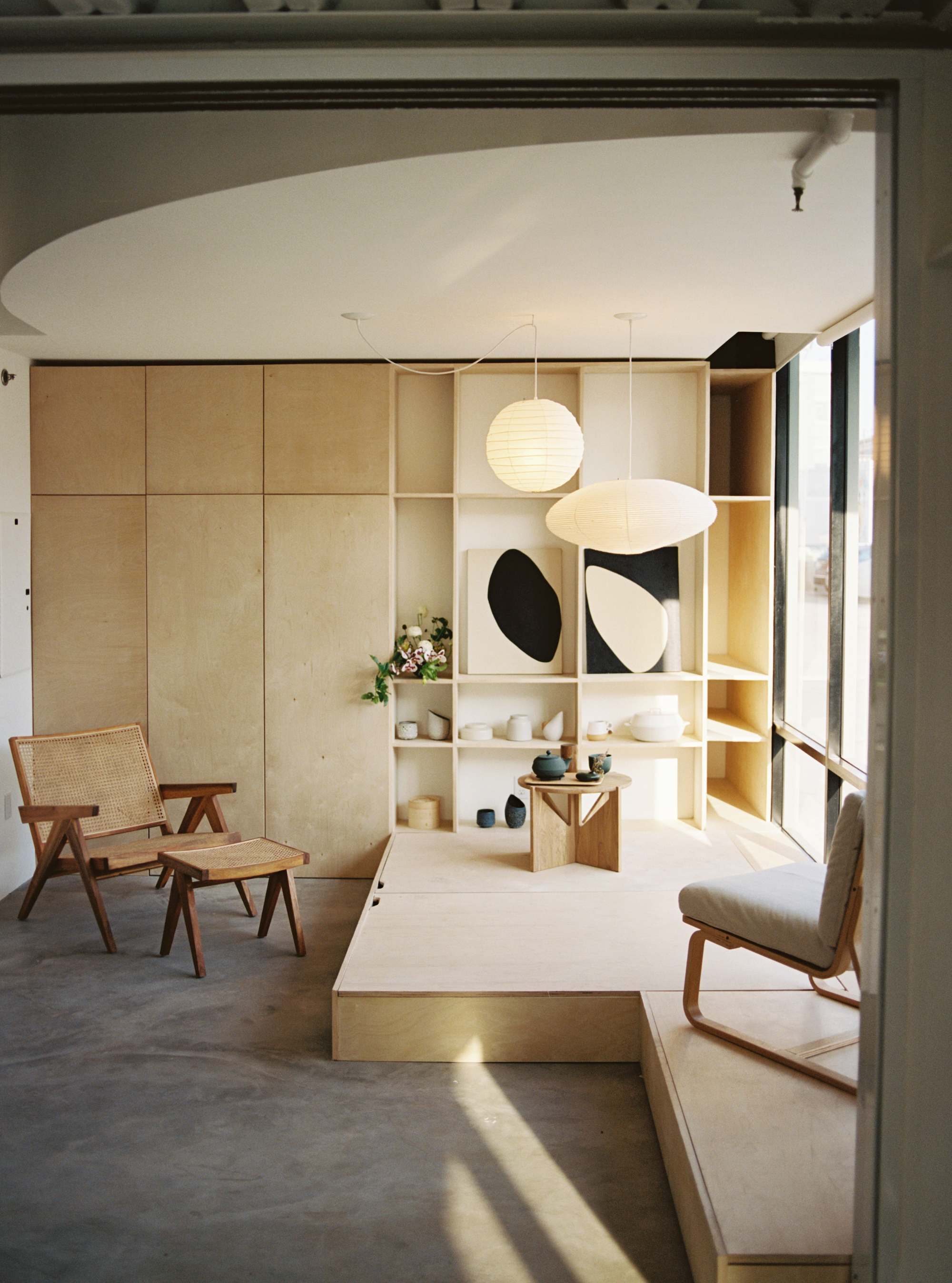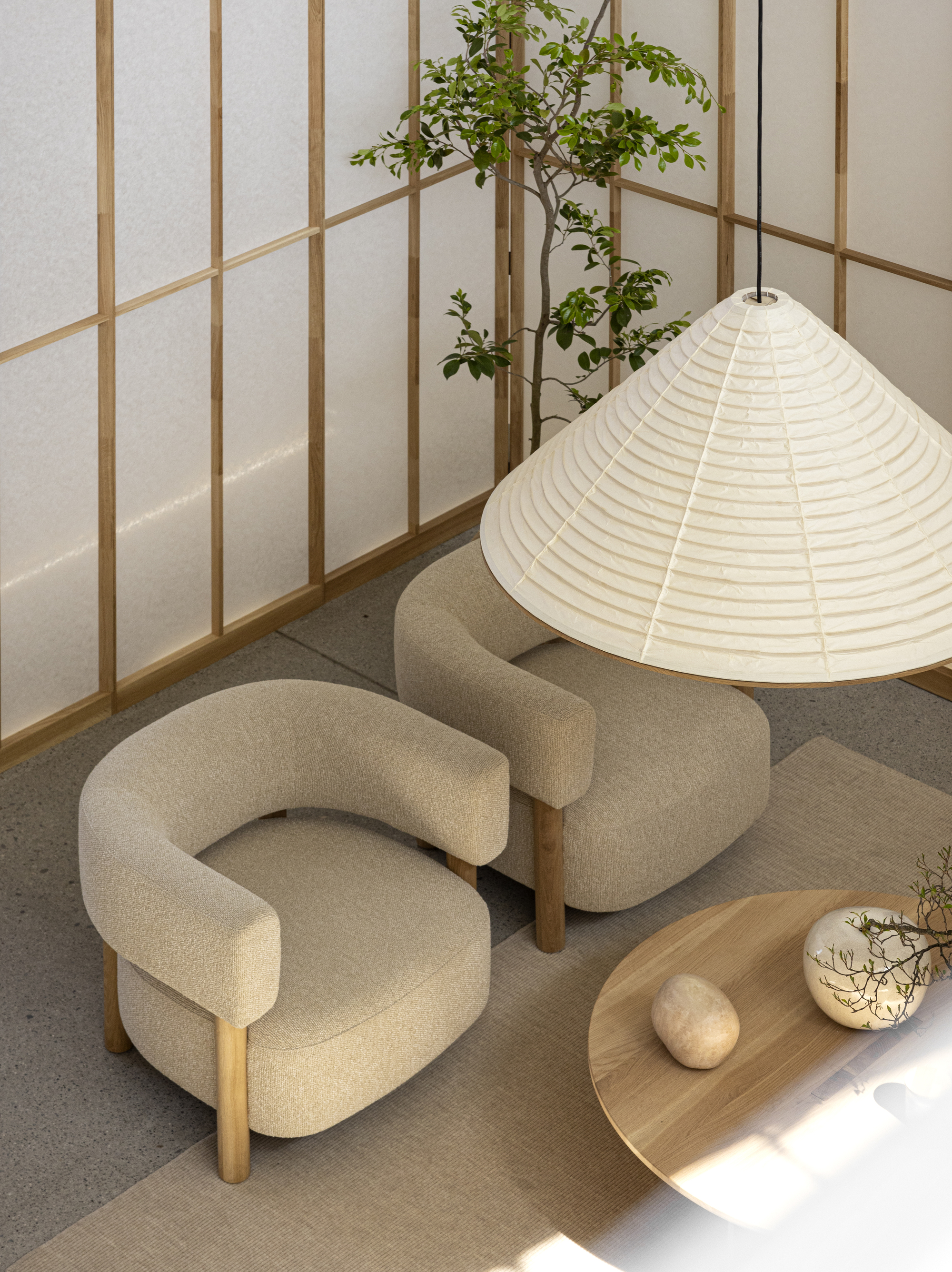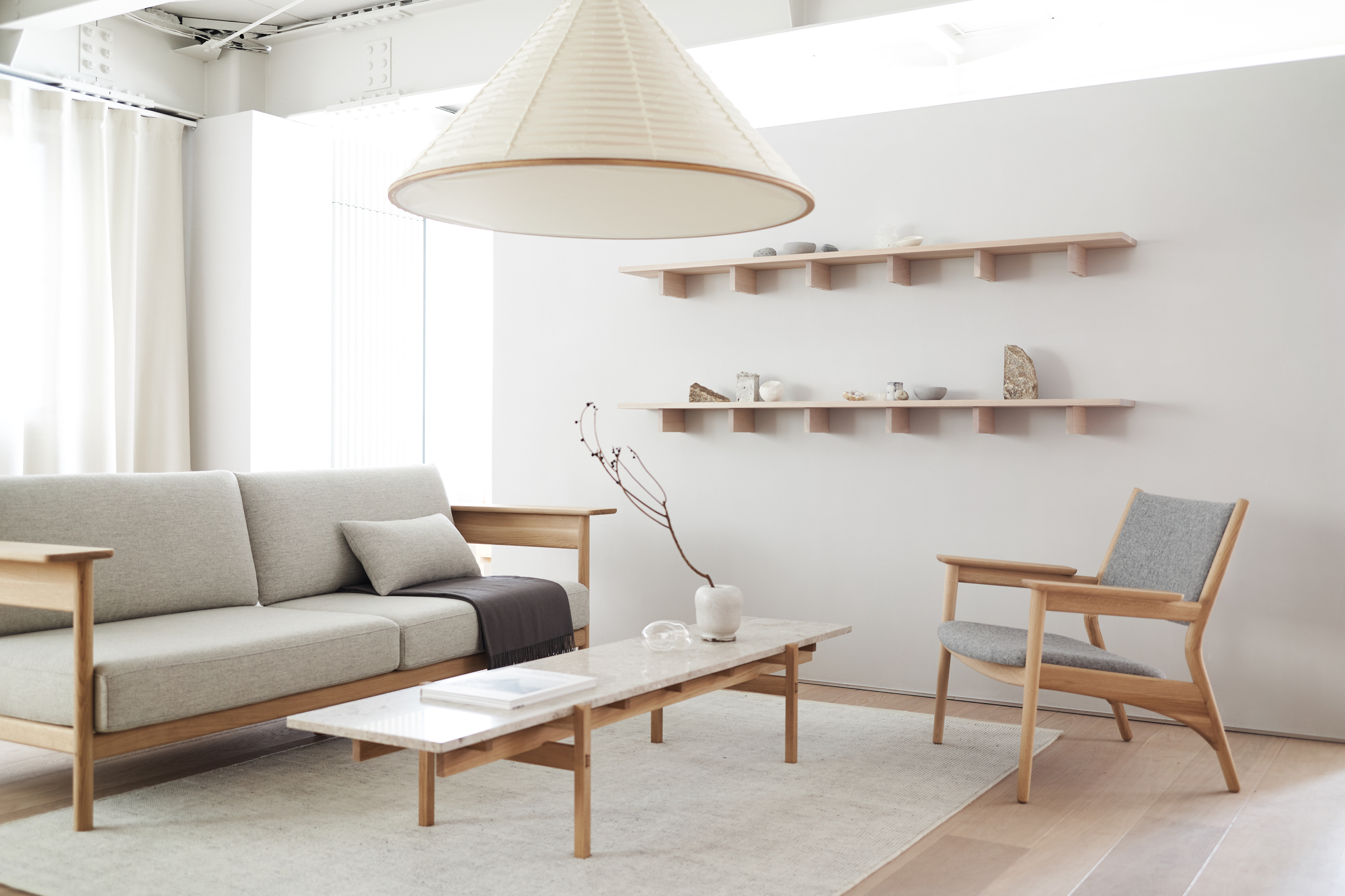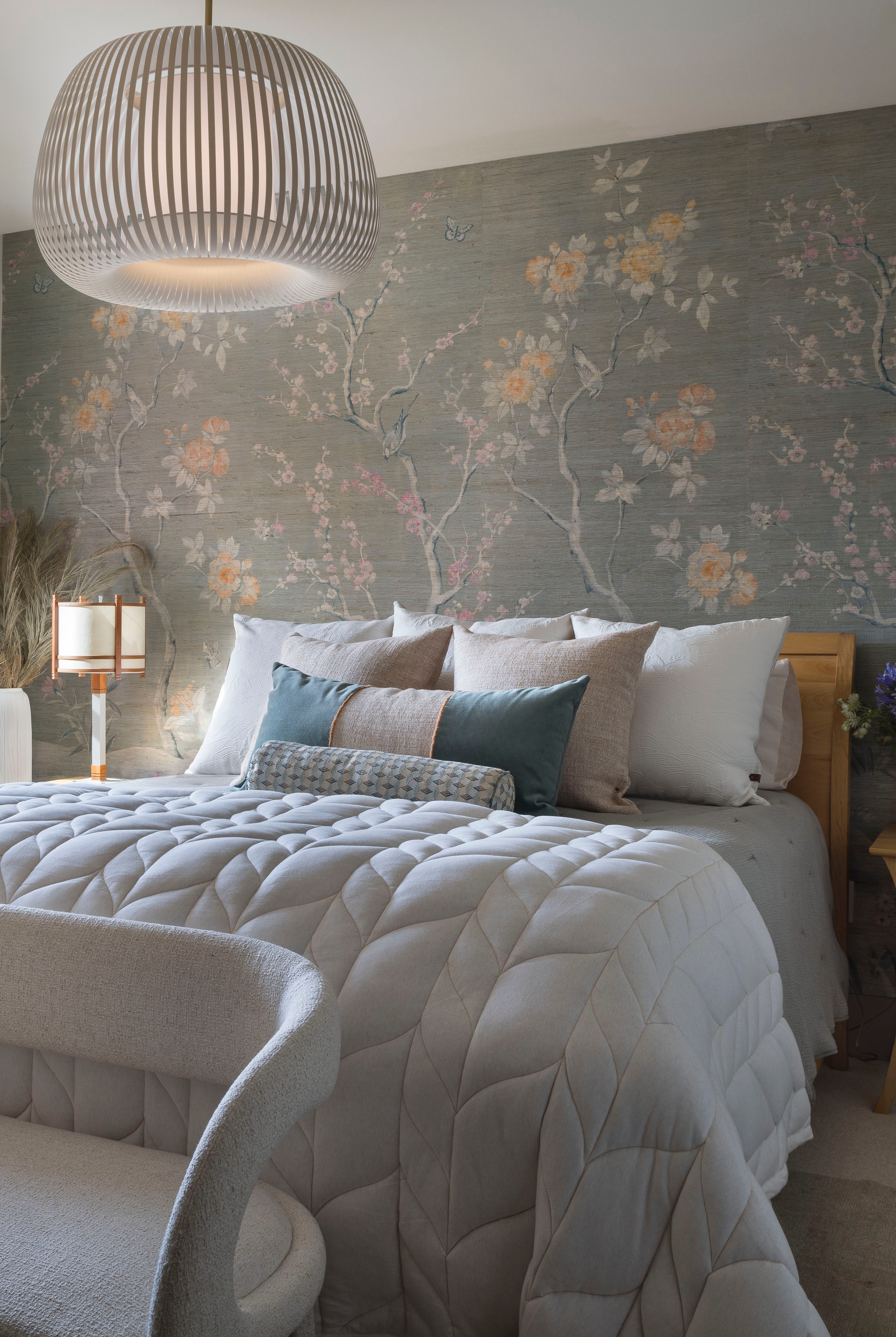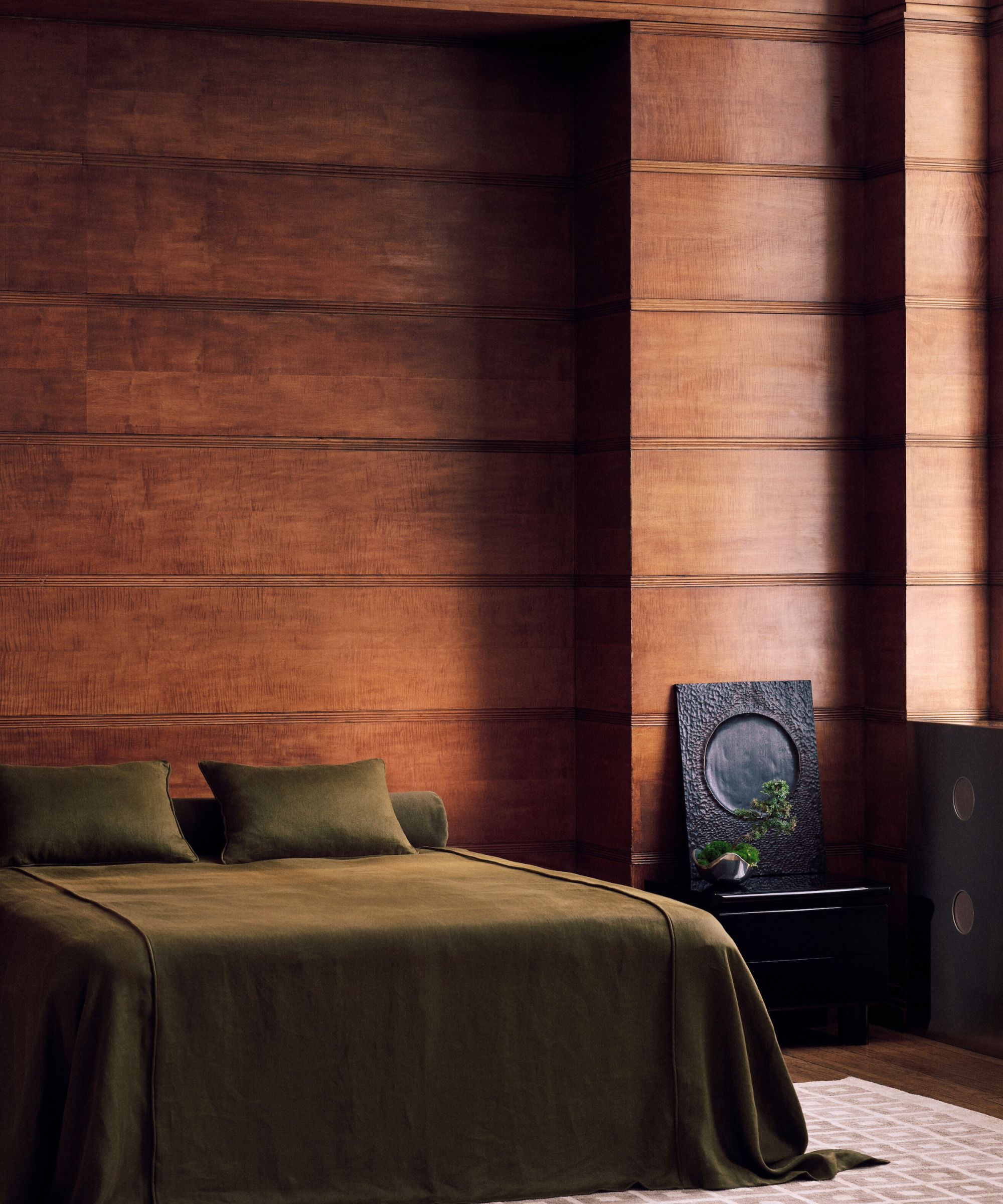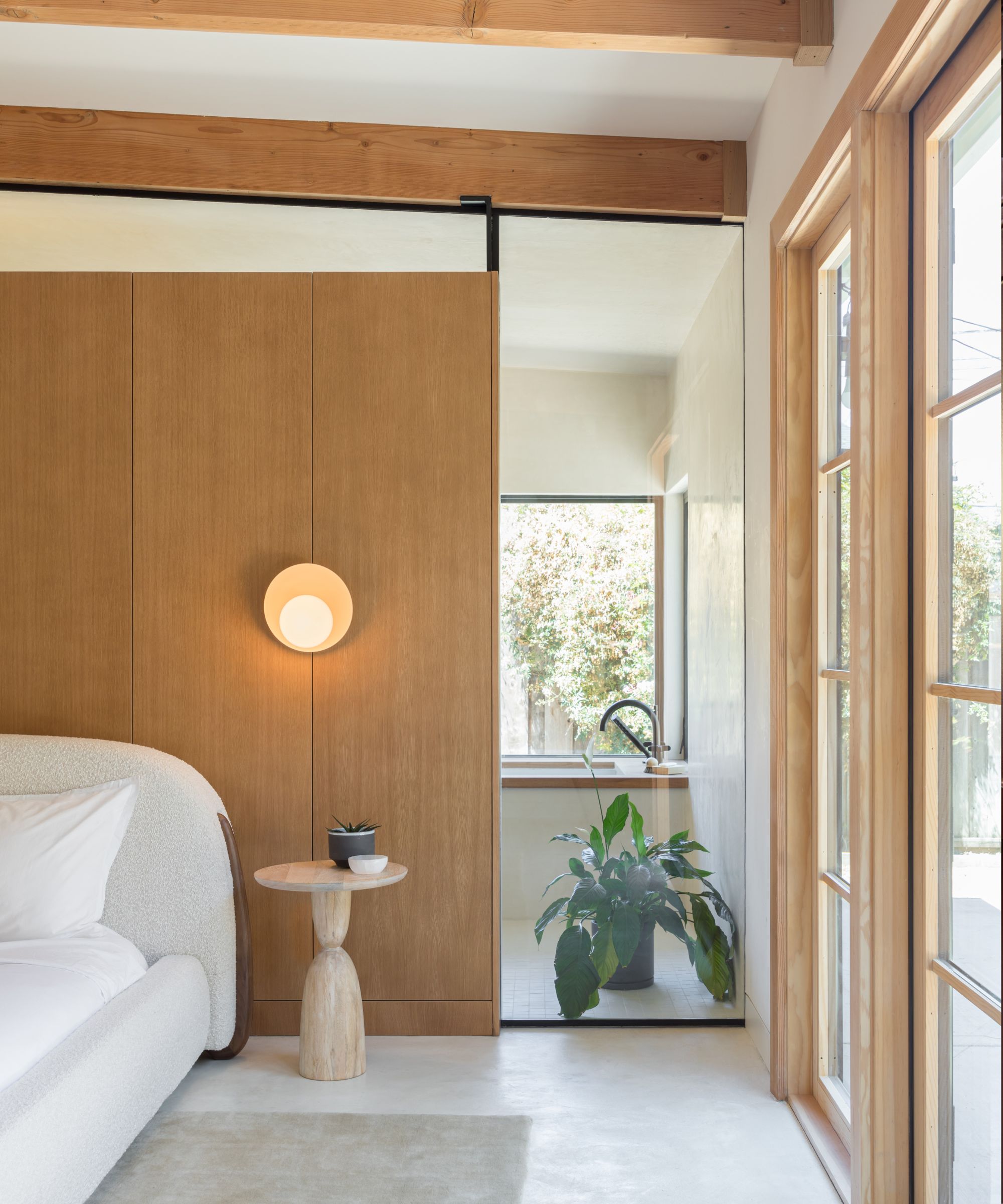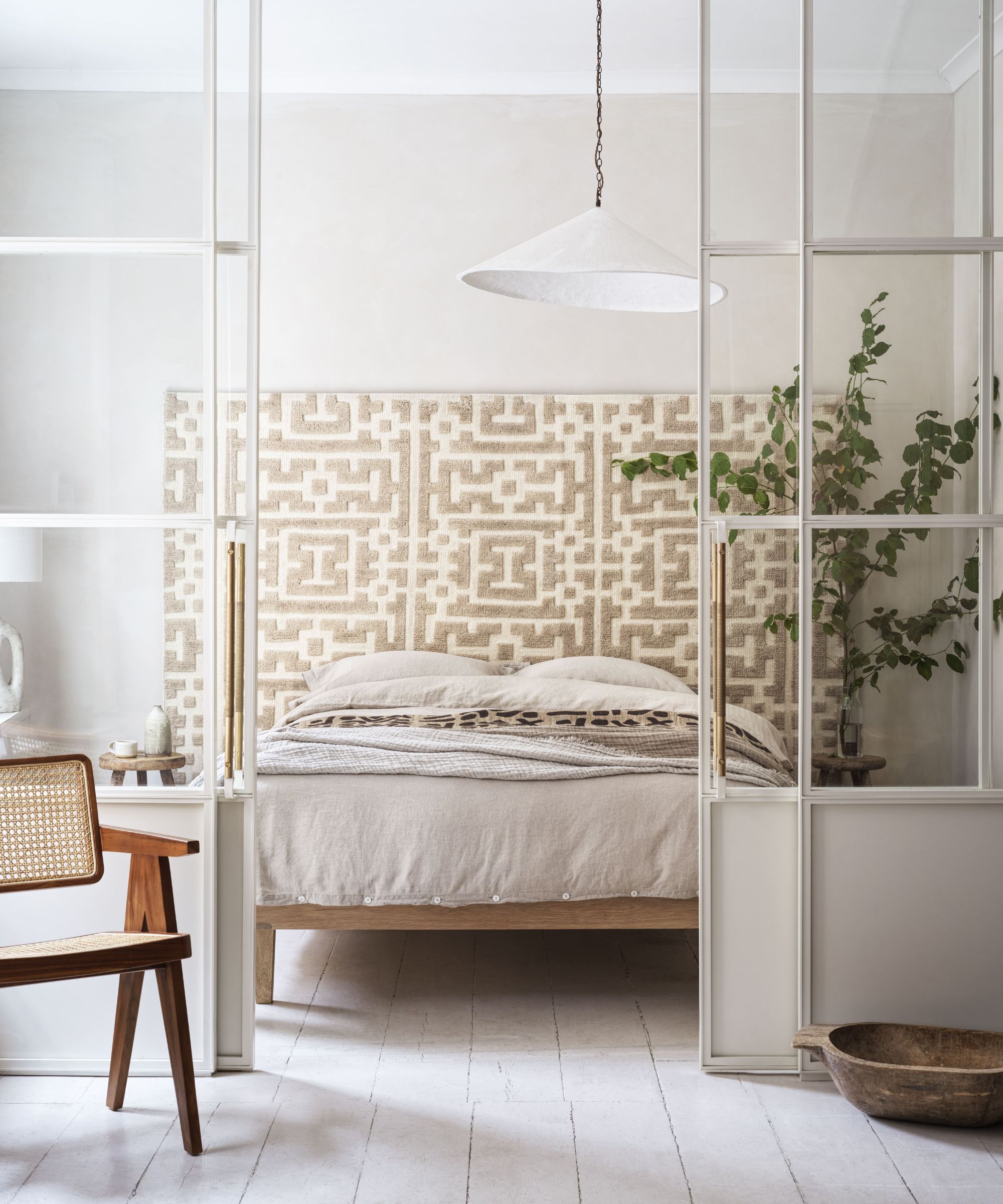
Japandi merges the comfort of hygge with zen minimalism
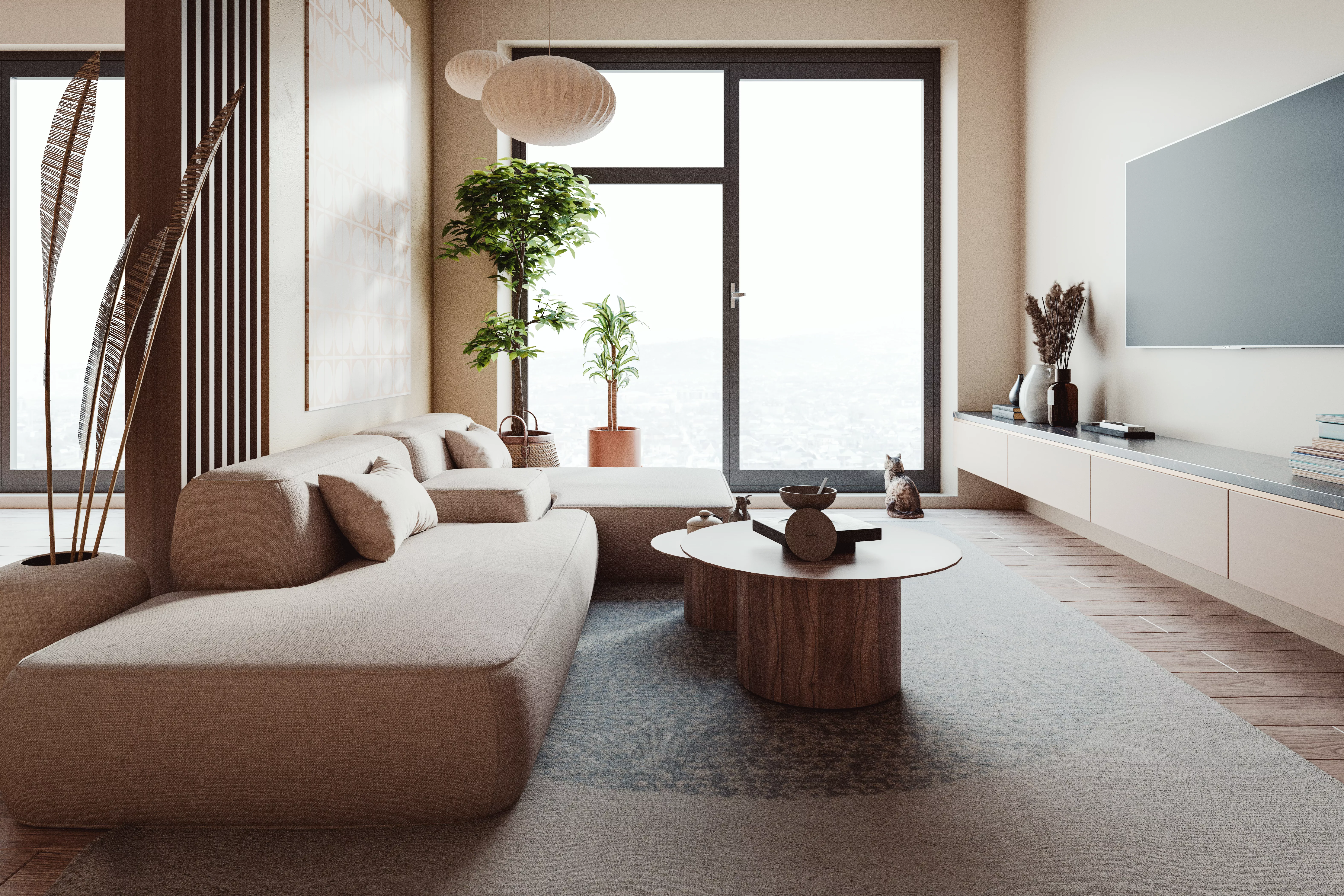
The 'Japandi' interior style has gained prominence in interior design since 2020, offering a unique blend of Japanese Zen and Scandinavian aesthetics. This trend aligns with the broader embrace of natural living, similar to biophilic interiors, but focuses more broadly on creating serene, light, and airy spaces. To understand Japandi, it is essential to first explore its two foundational styles.
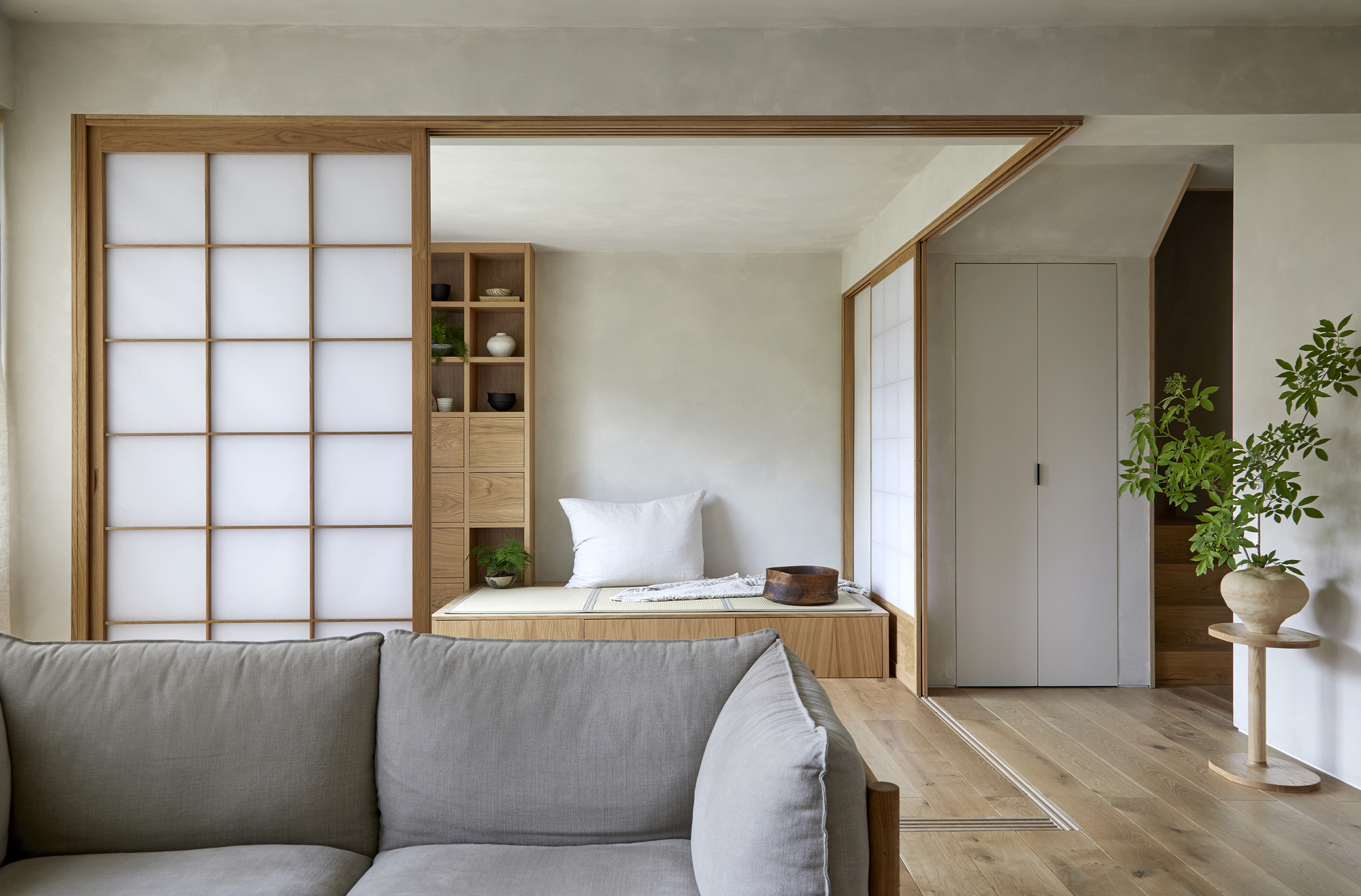
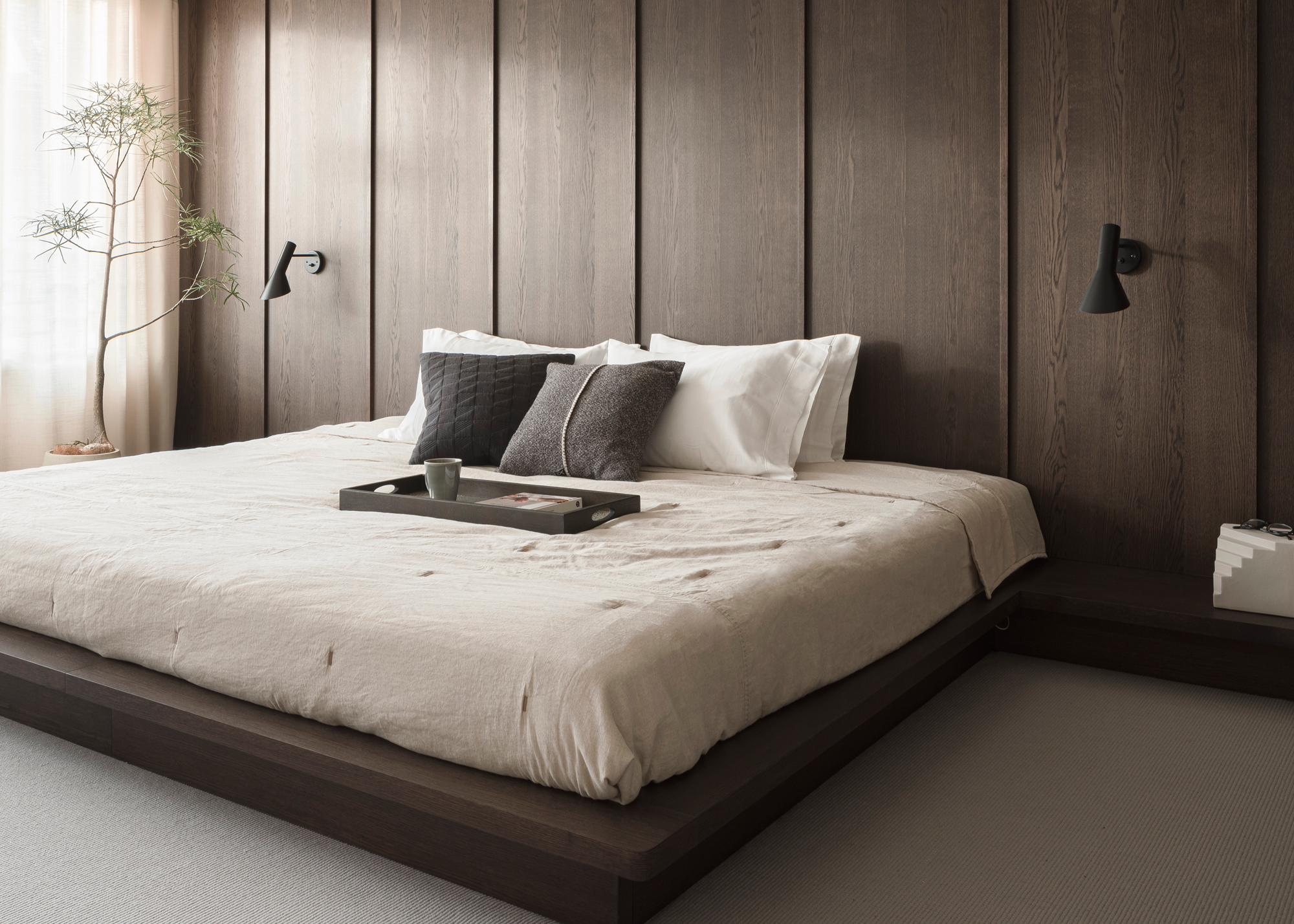
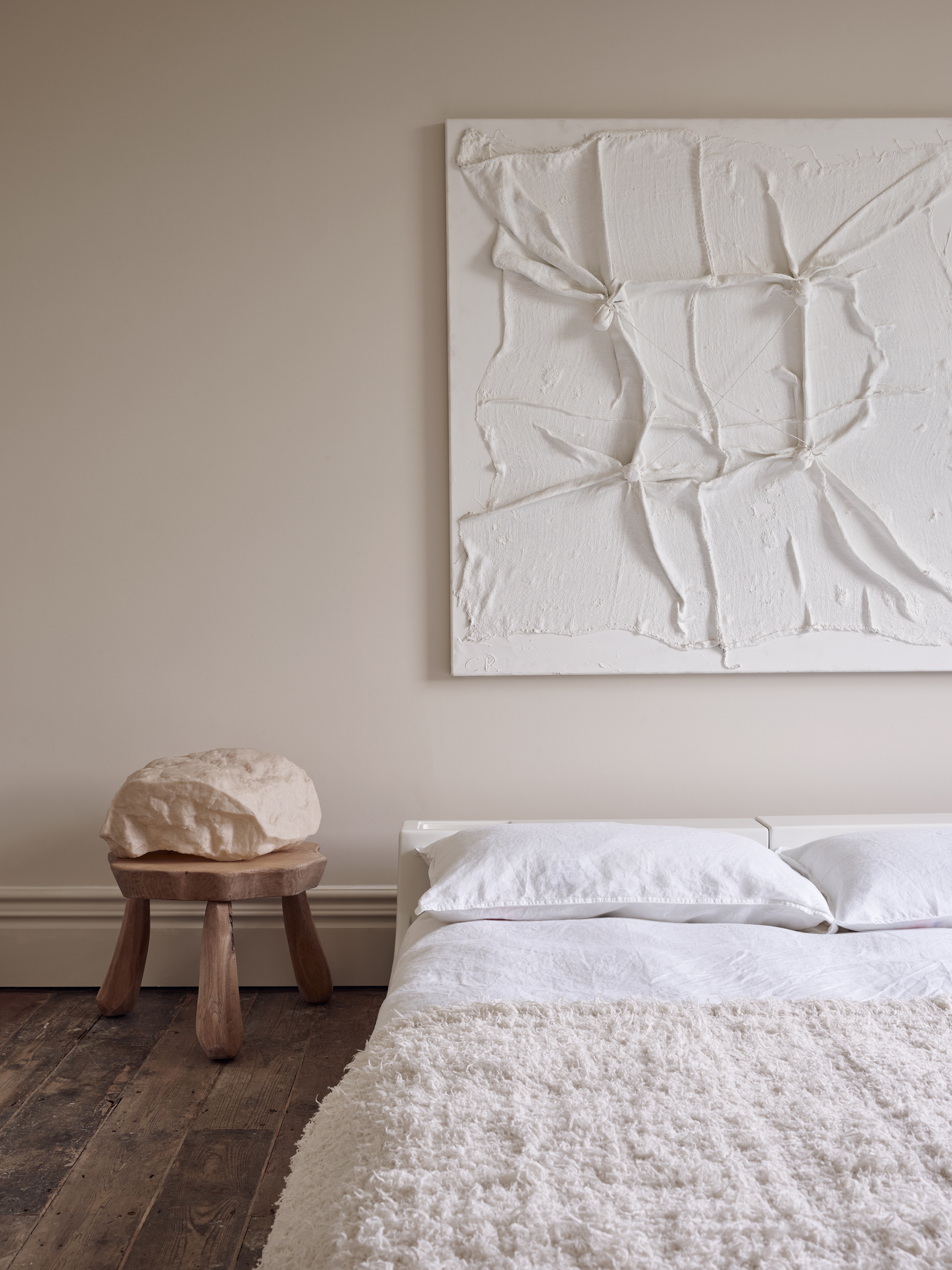

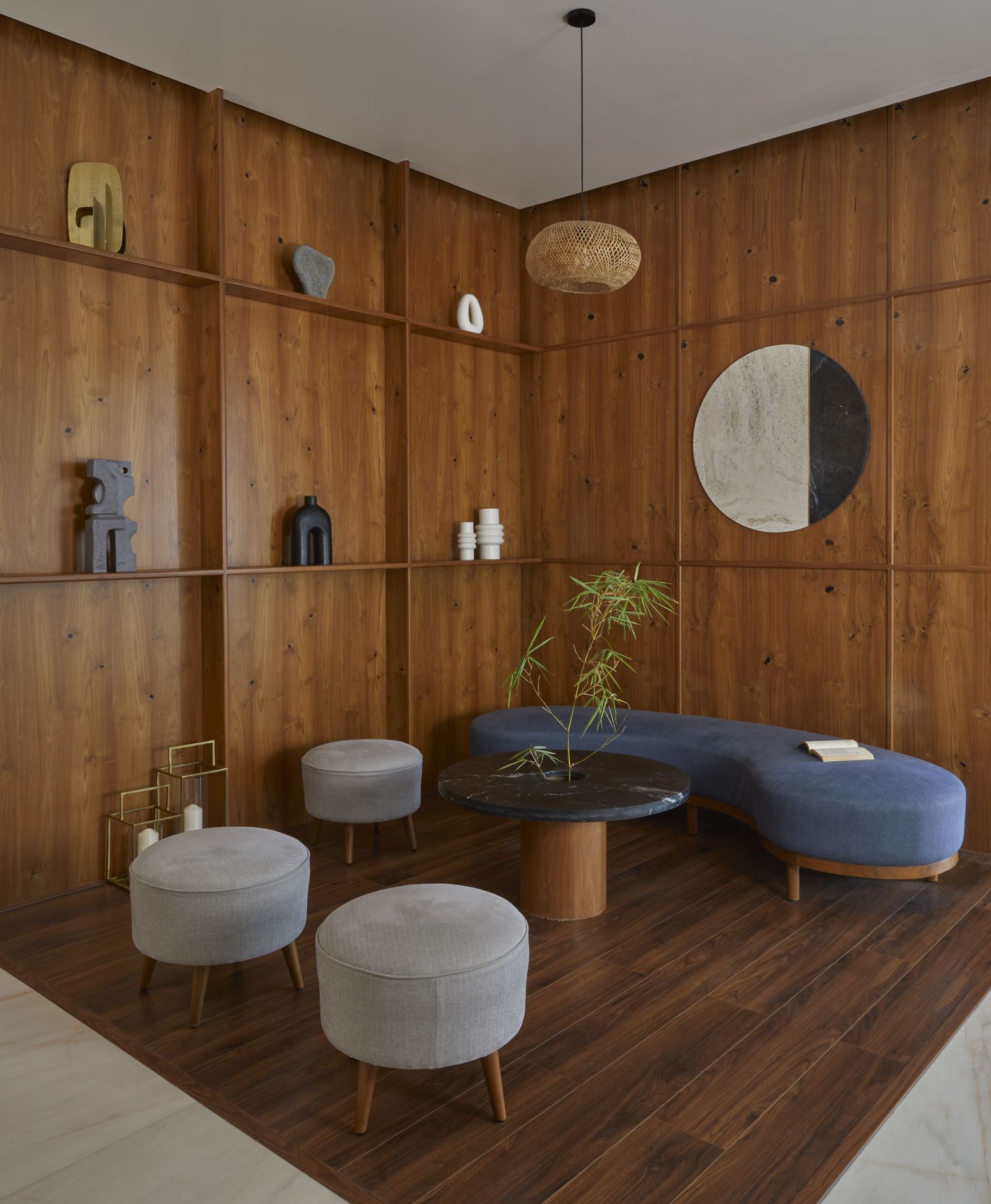
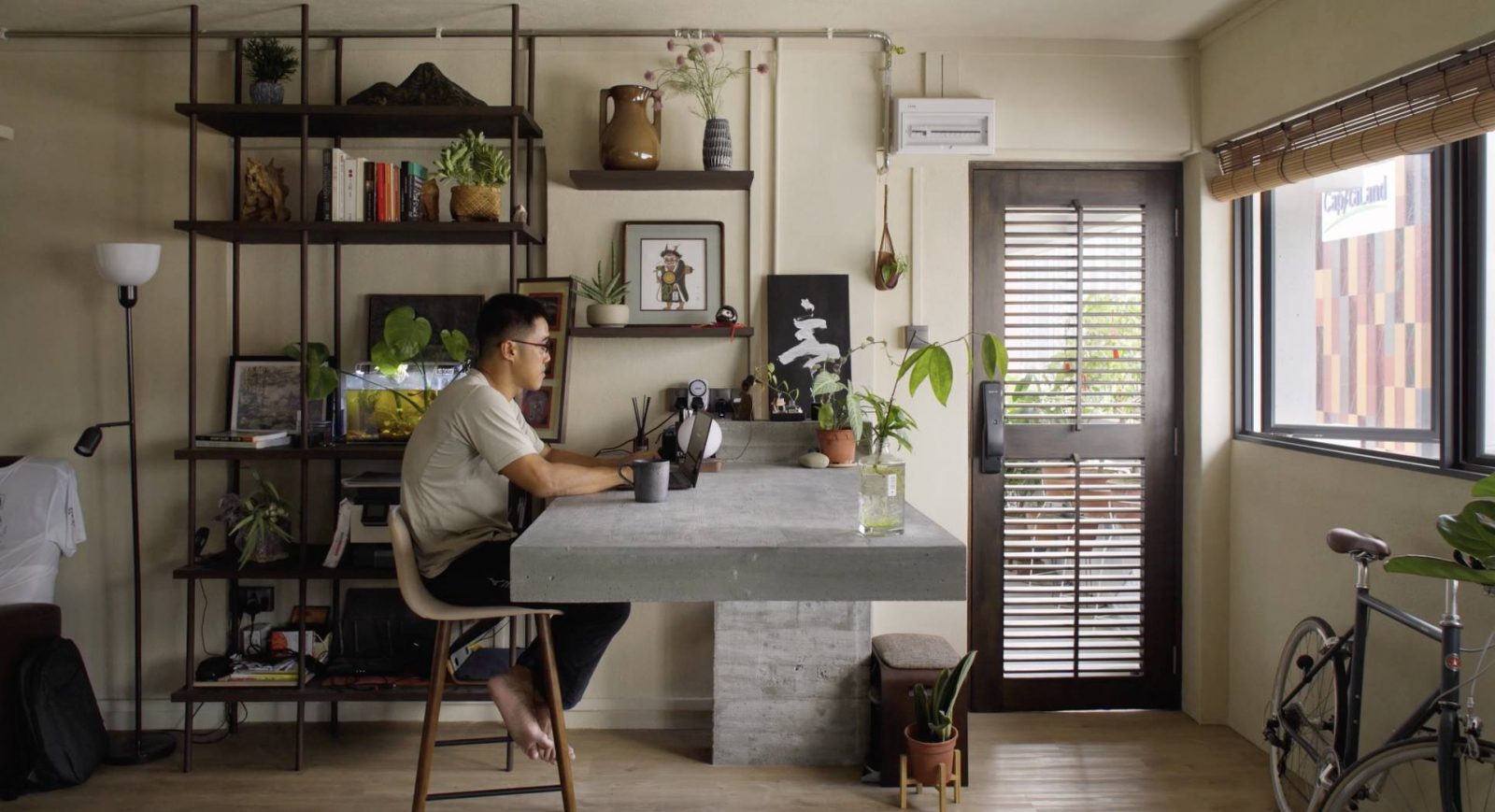
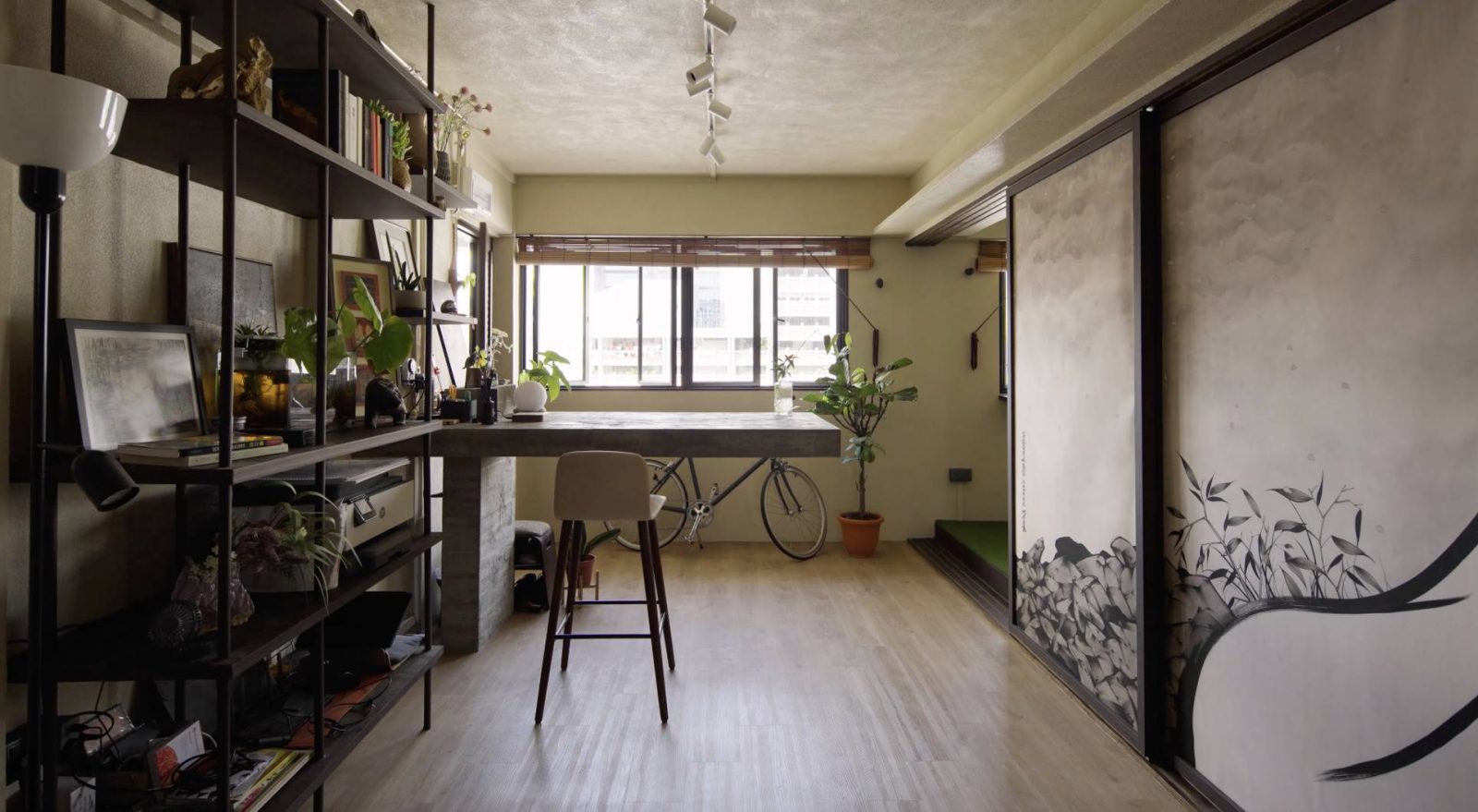
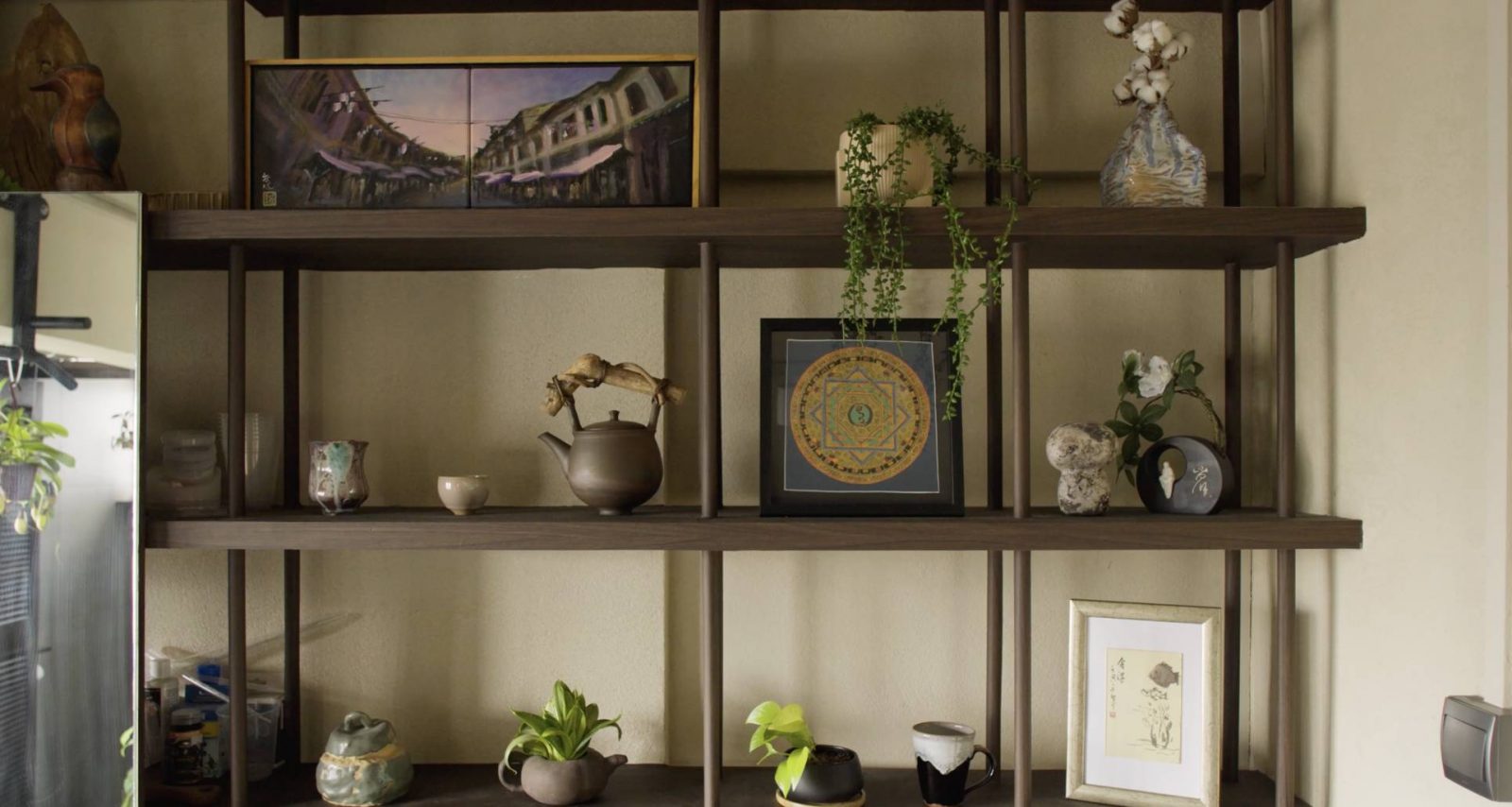
Japanese Zen interiors emphasize simplicity, utilizing low-to-the-ground furniture and natural materials, predominantly wood. Earthy tones are central to evoking a sense of calm and peace. The aesthetic leans towards minimalism, incorporating imperfect forms that mimic nature's organic flow. A core concept in Japanese aesthetics is *wabi sabi*, which celebrates imperfection. This philosophy extends to interiors by valuing natural, handcrafted items that possess unique marks and distinctions, considering these imperfections as character-defining rather than flaws. The idea is to prioritize quality over quantity, appreciating objects made with care and mending broken items to honor their history and character.
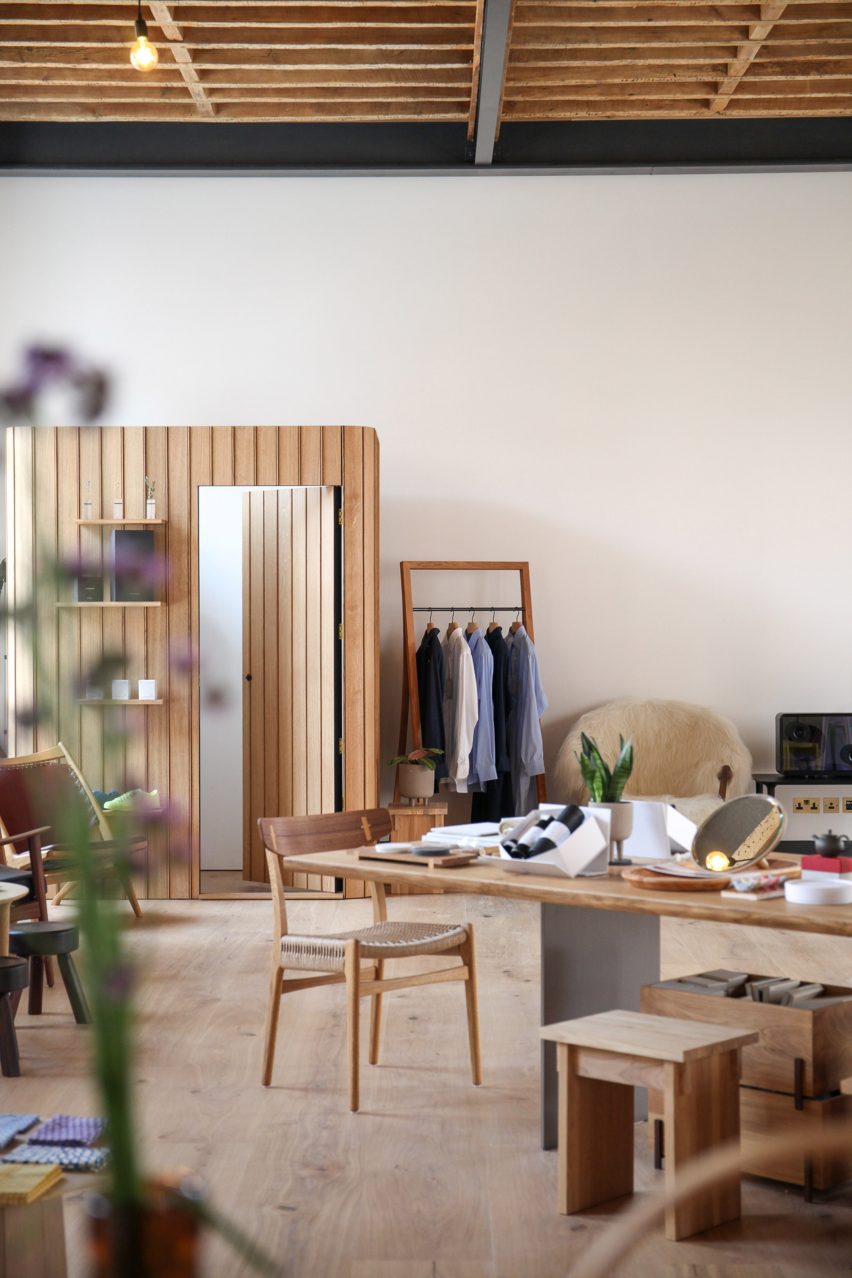
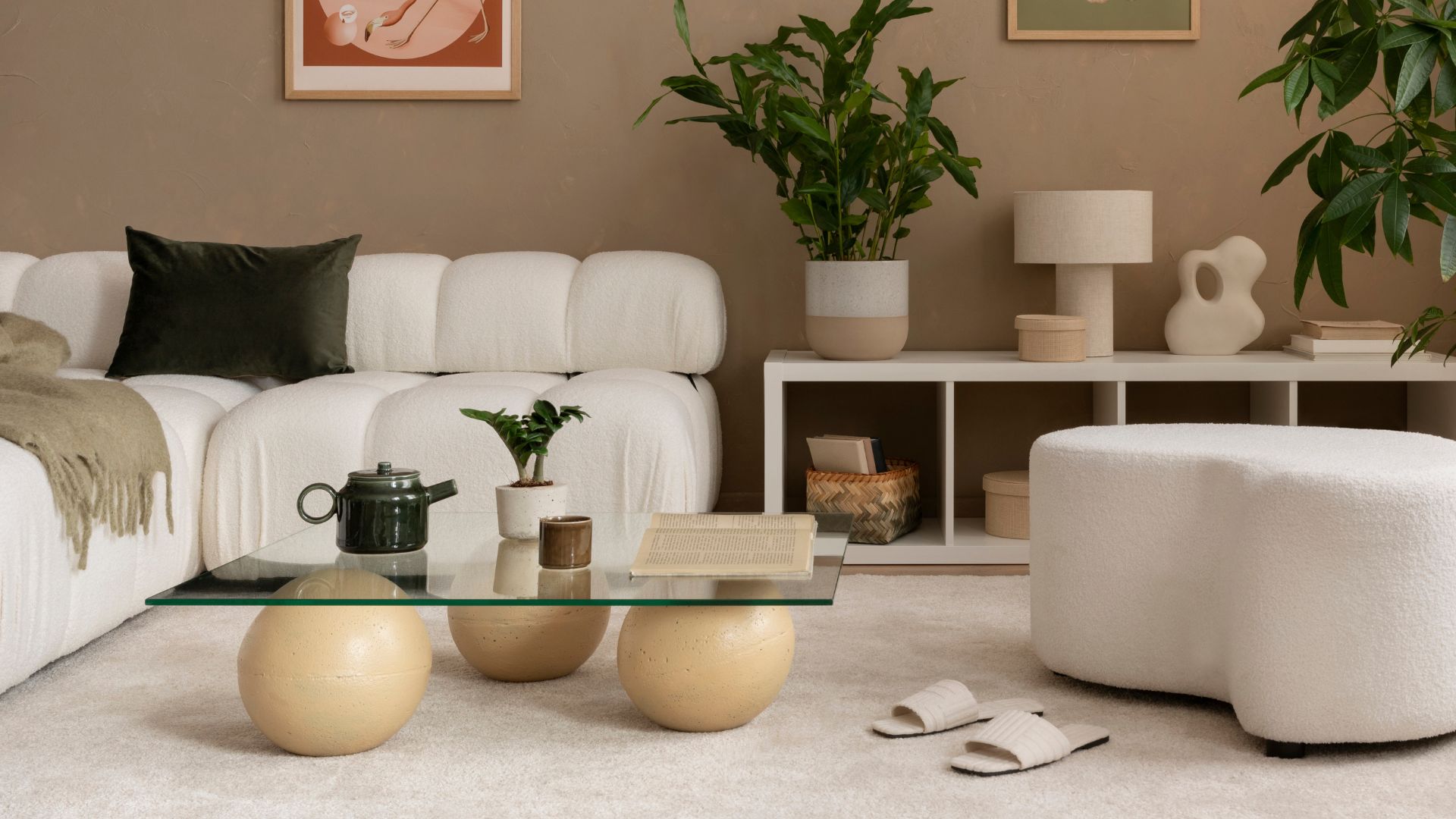
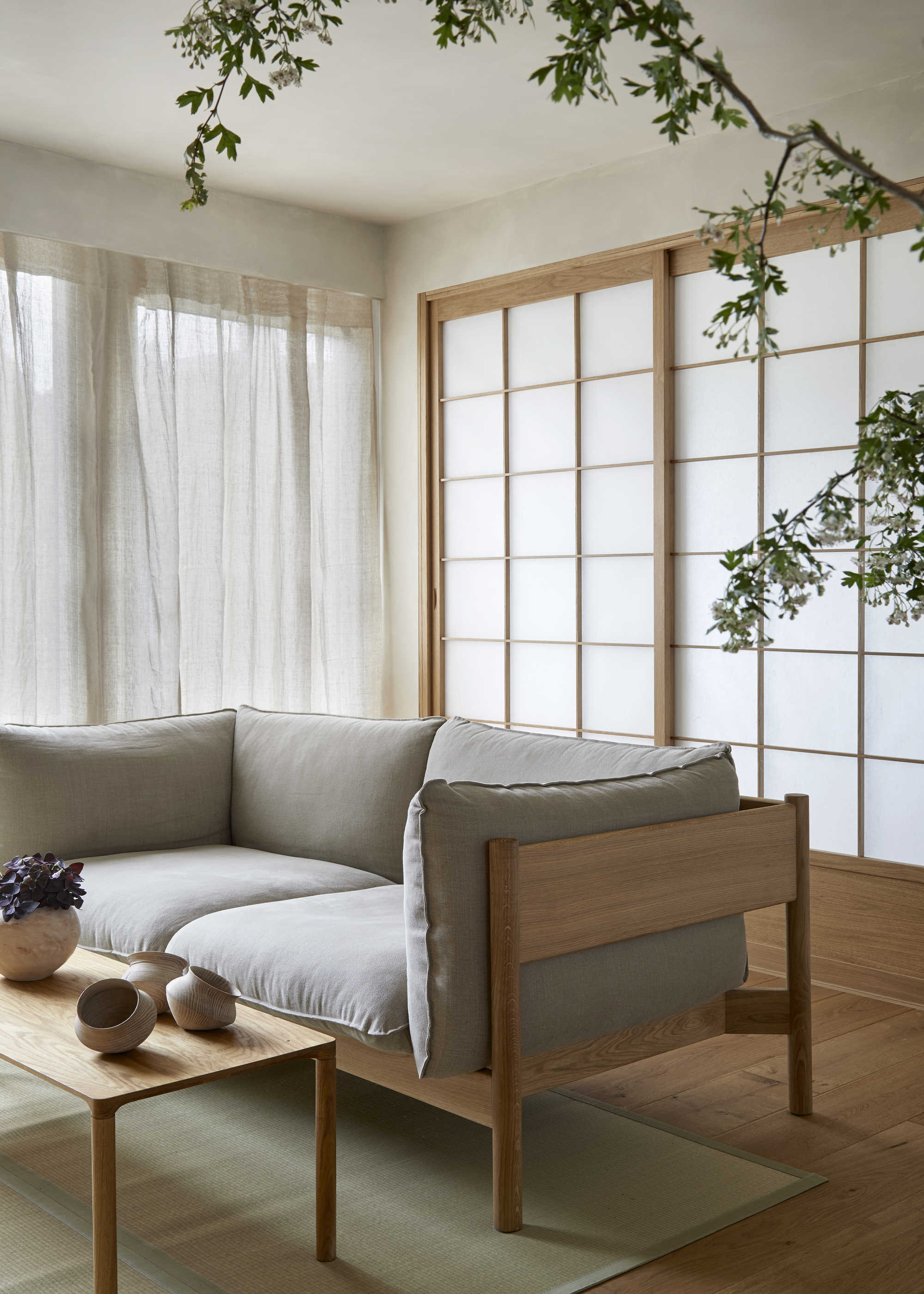
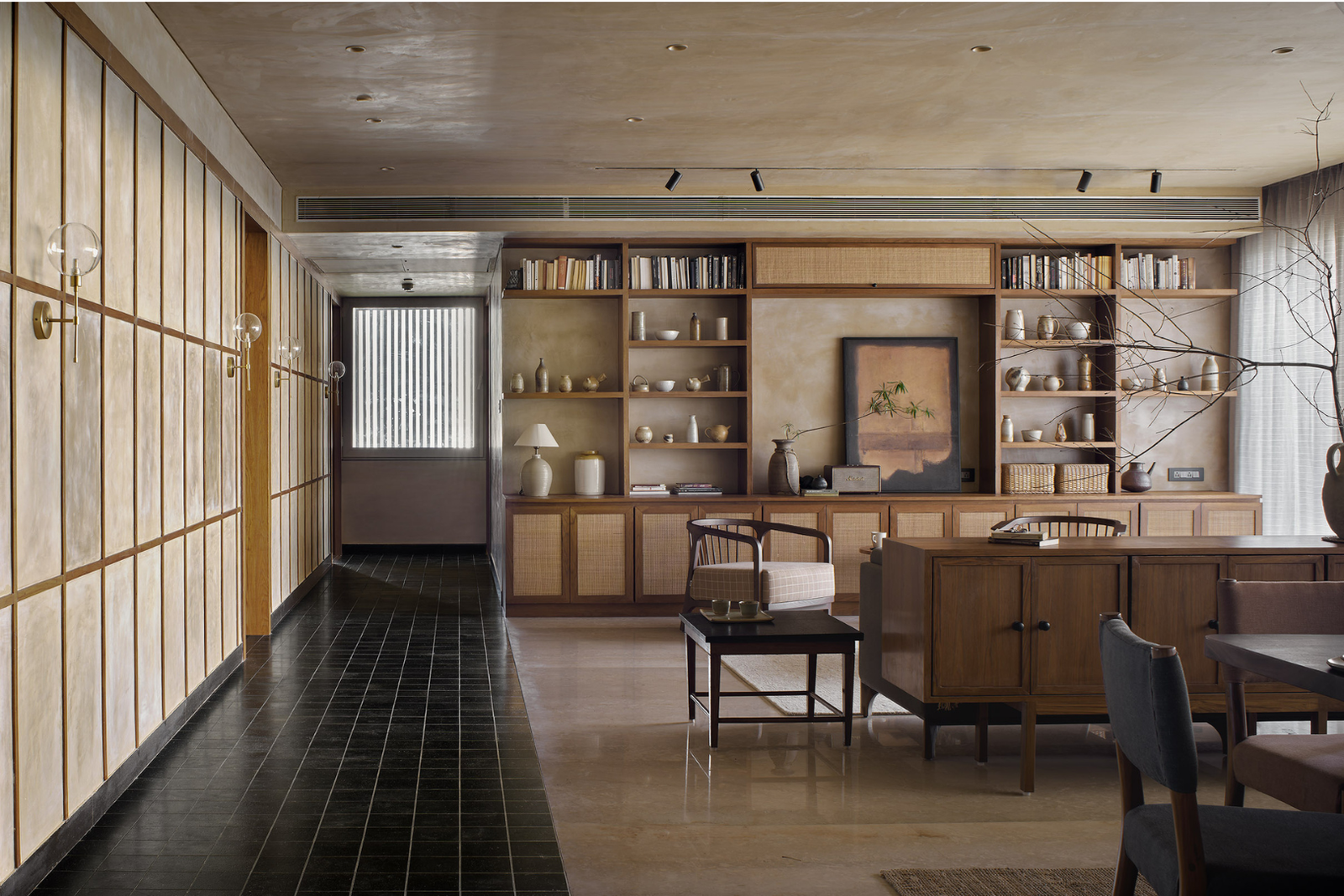
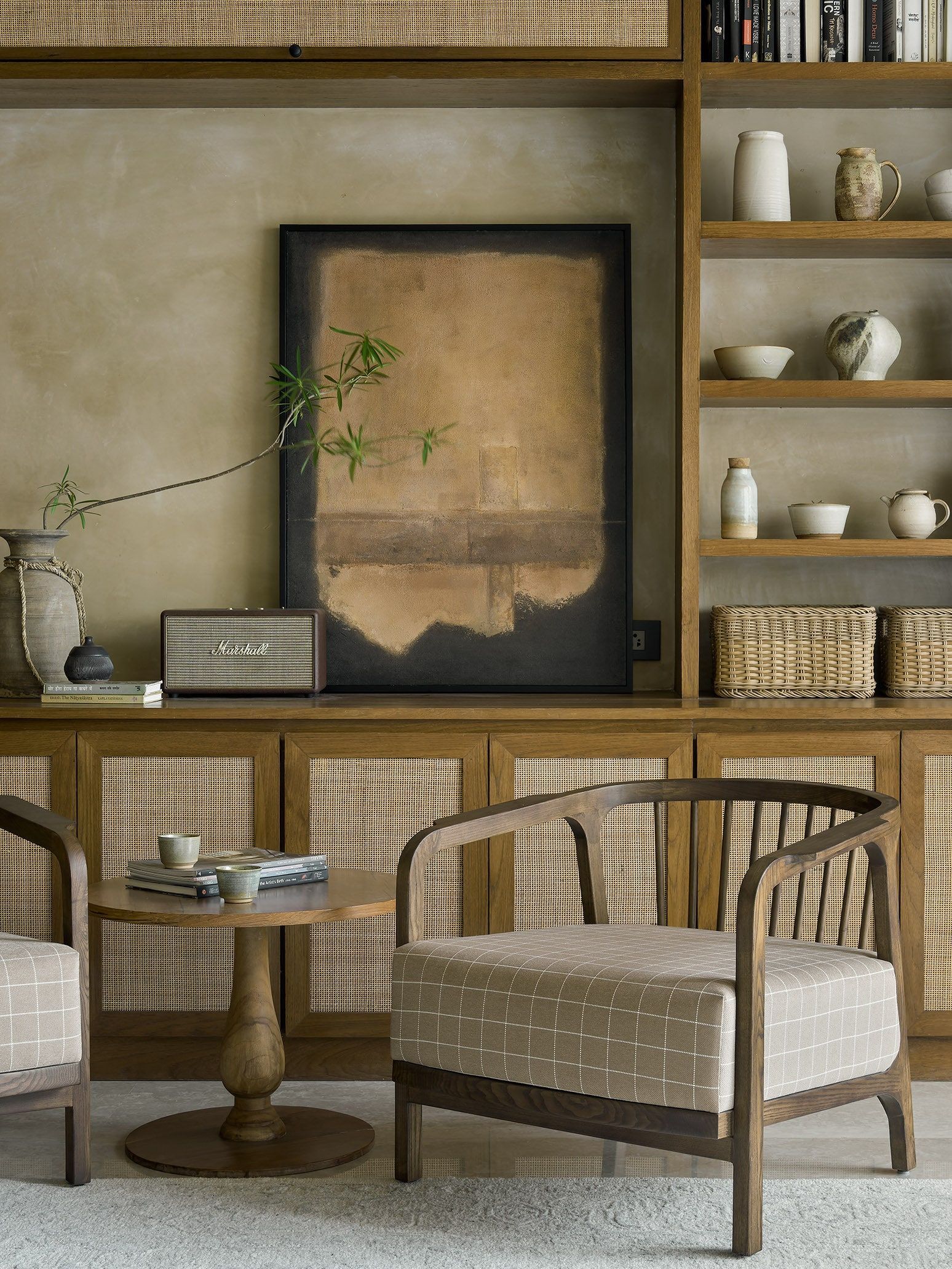
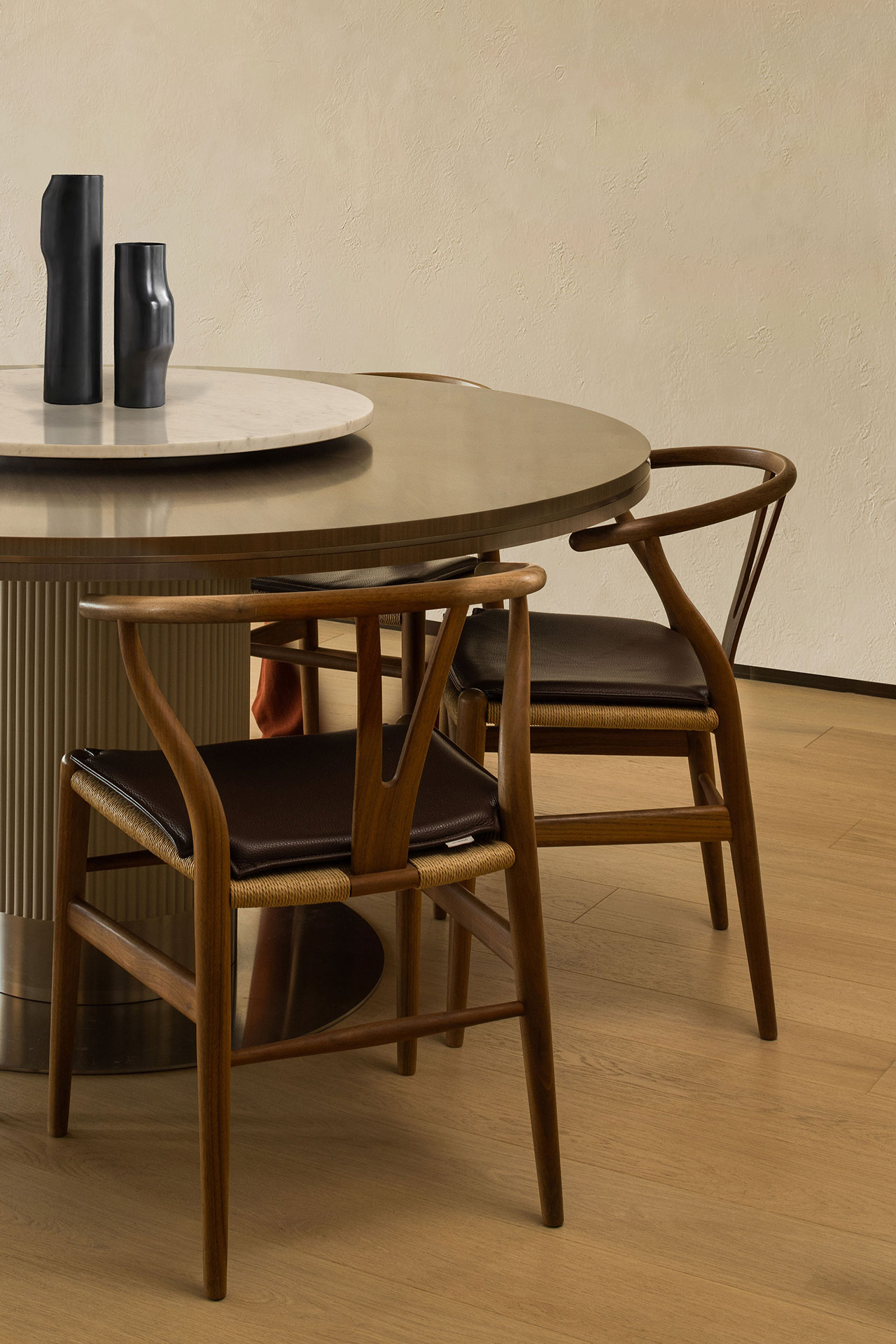
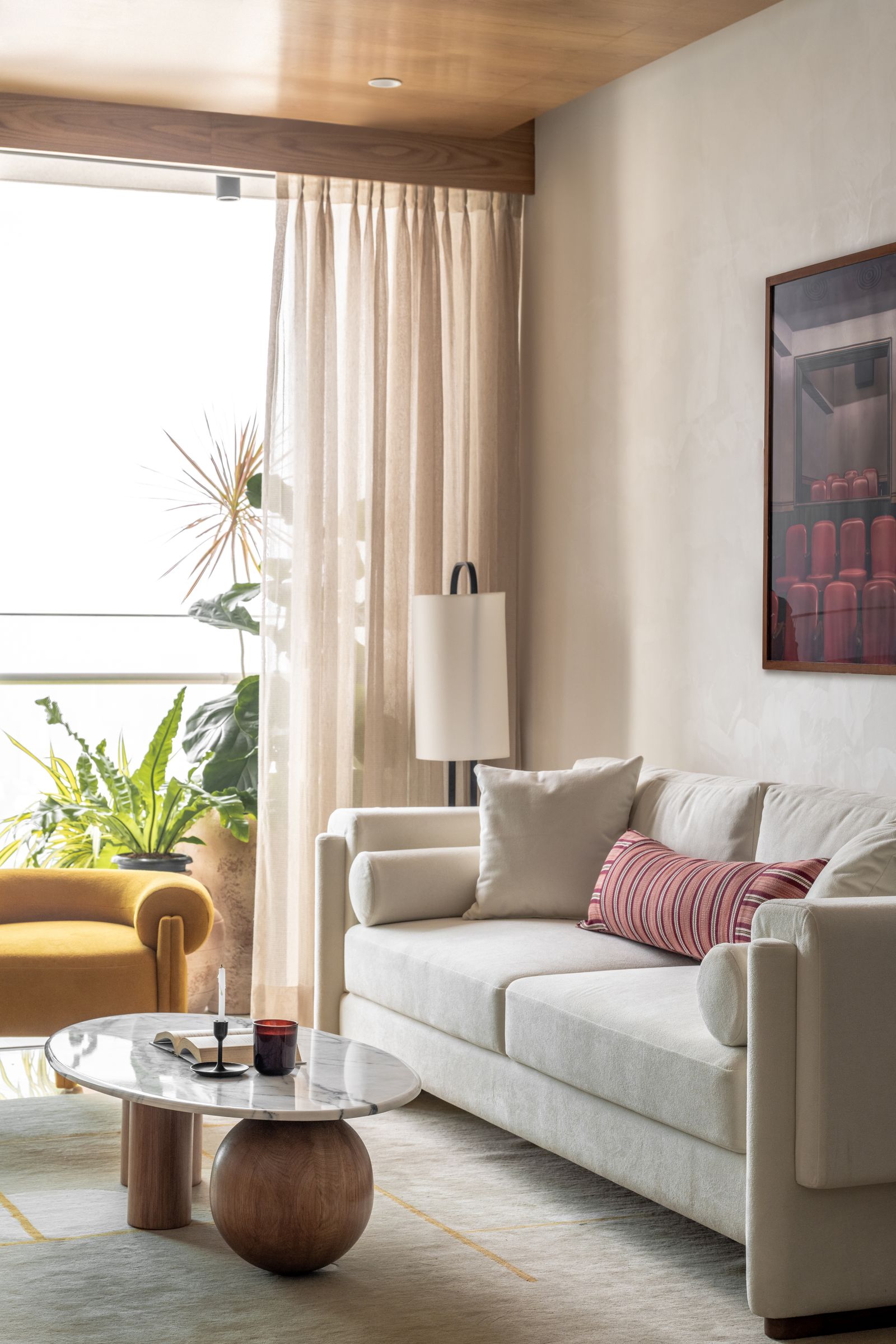
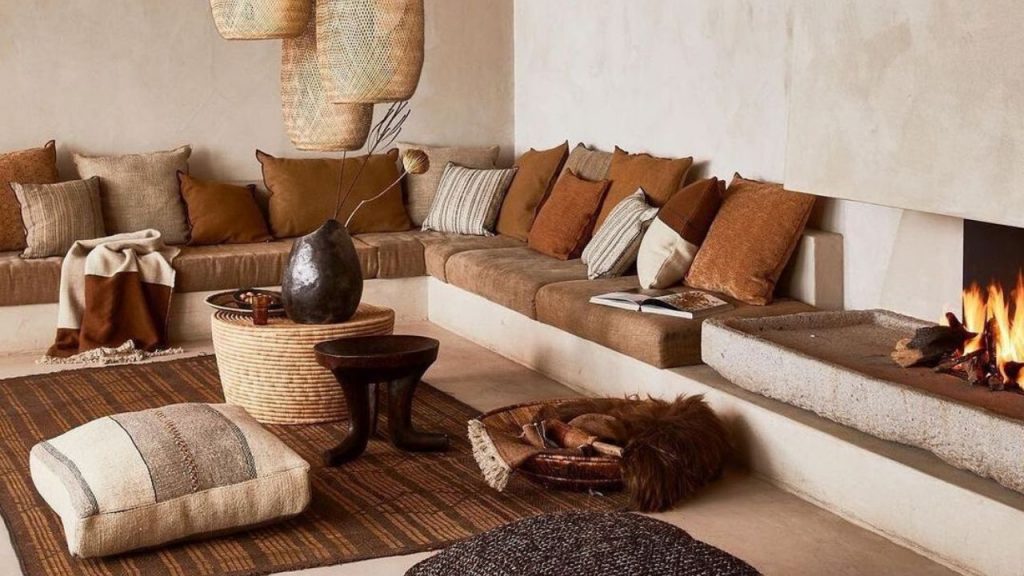
Scandinavian interiors, much like their Japanese counterparts, are characterized by simple, clean furniture and forms. However, they tend to use lighter color palettes, including white, beige, and various neutrals. Both Japanese and Scandinavian styles share a preference for natural materials with neutral tones, such as wood, rattan, cotton, and linen. A significant cultural tradition in Sweden, *hygge*, parallels *wabi sabi* in its influence on interior design. *Hygge* embodies the concept of comfort, translating into interior spaces through clean, neutral colors that provide a grounding effect. Natural elements like woven baskets and rattan drawers contribute to a sense of homeliness, evoking the cozy atmosphere of a countryside cottage.
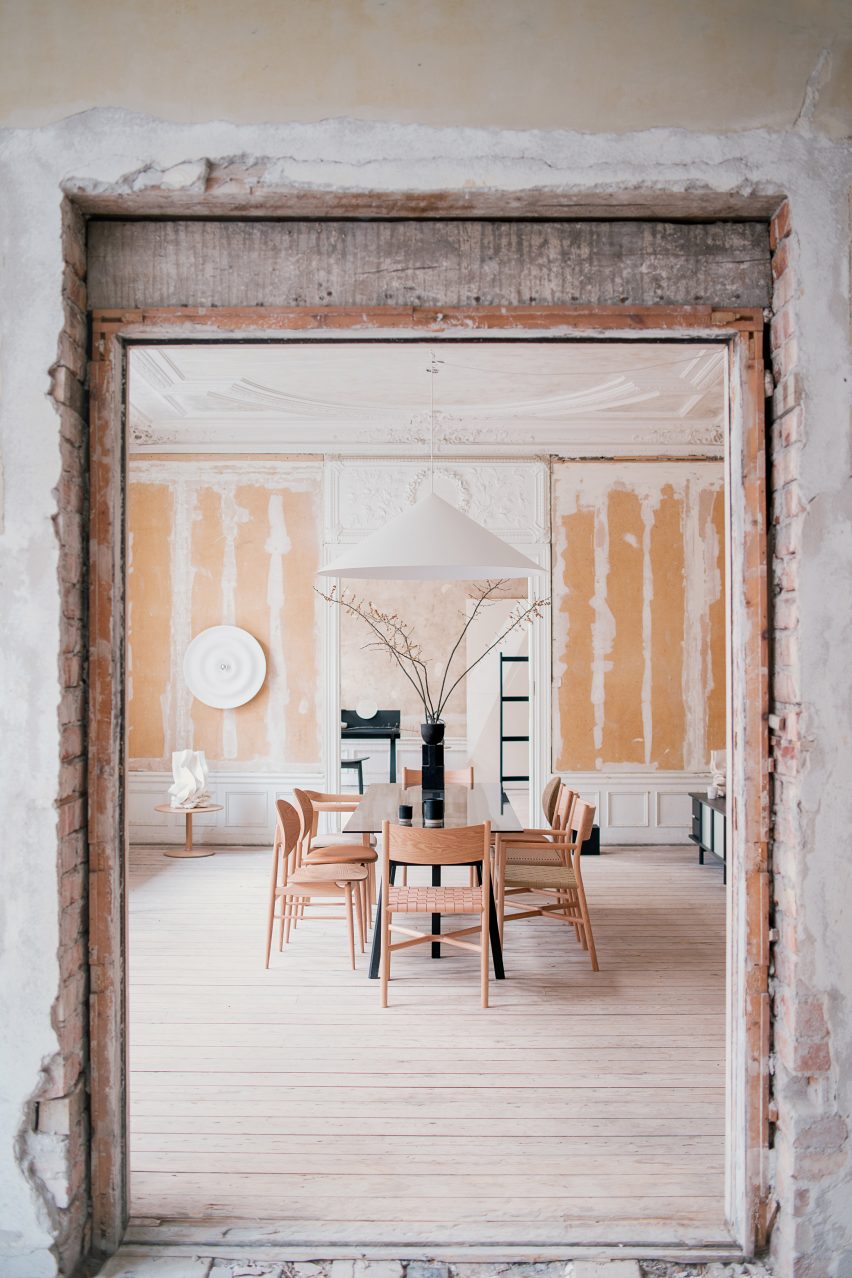
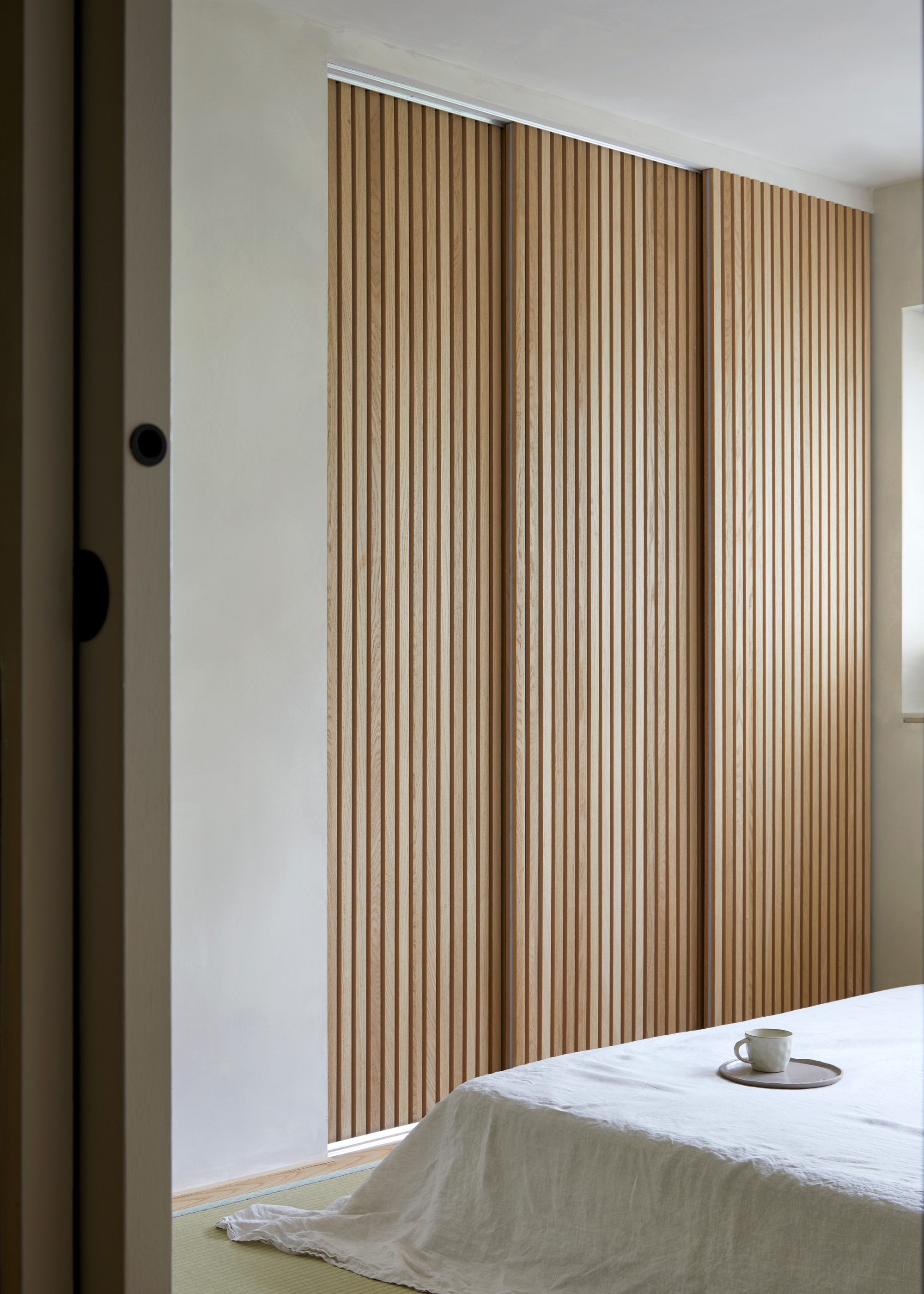
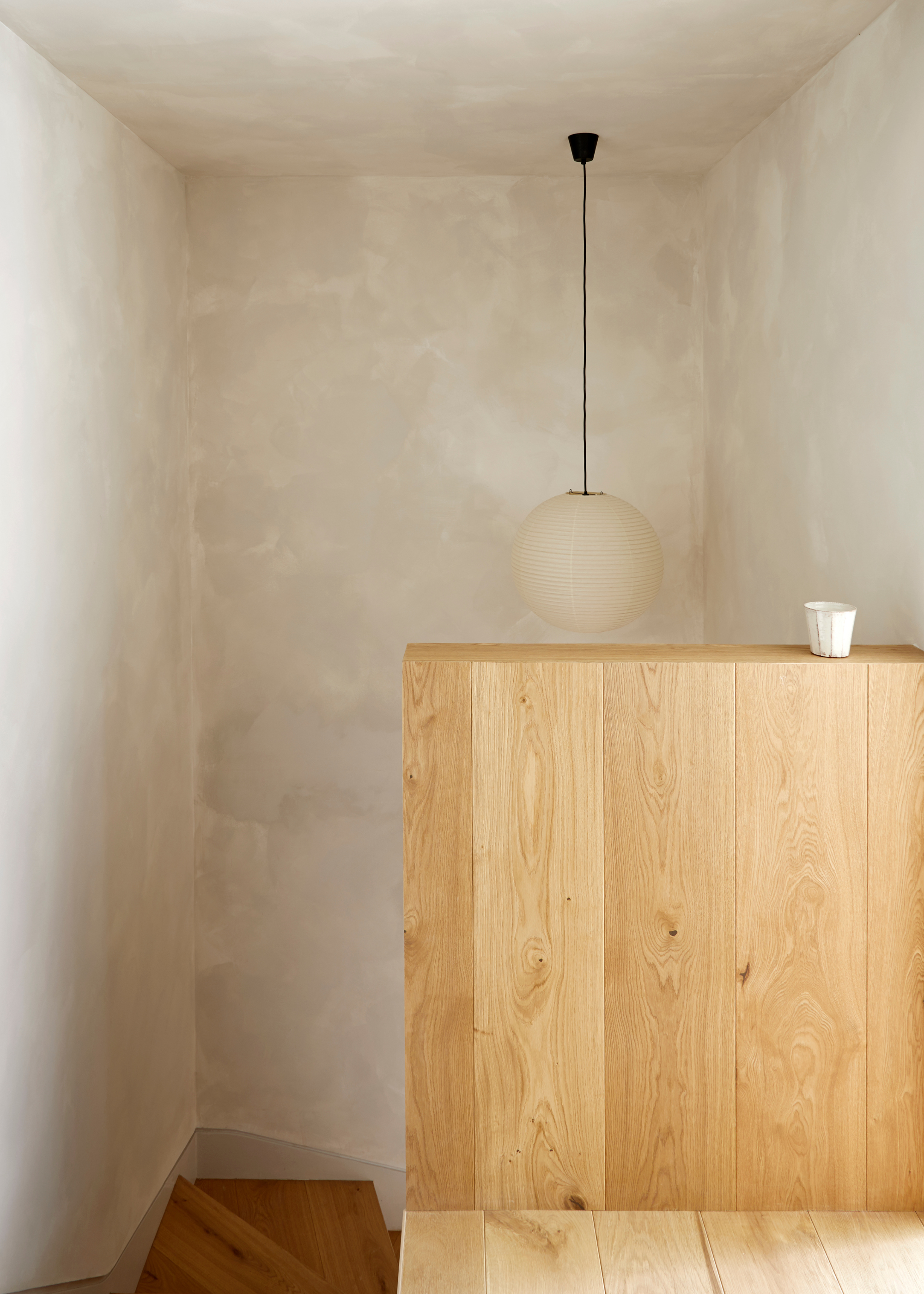
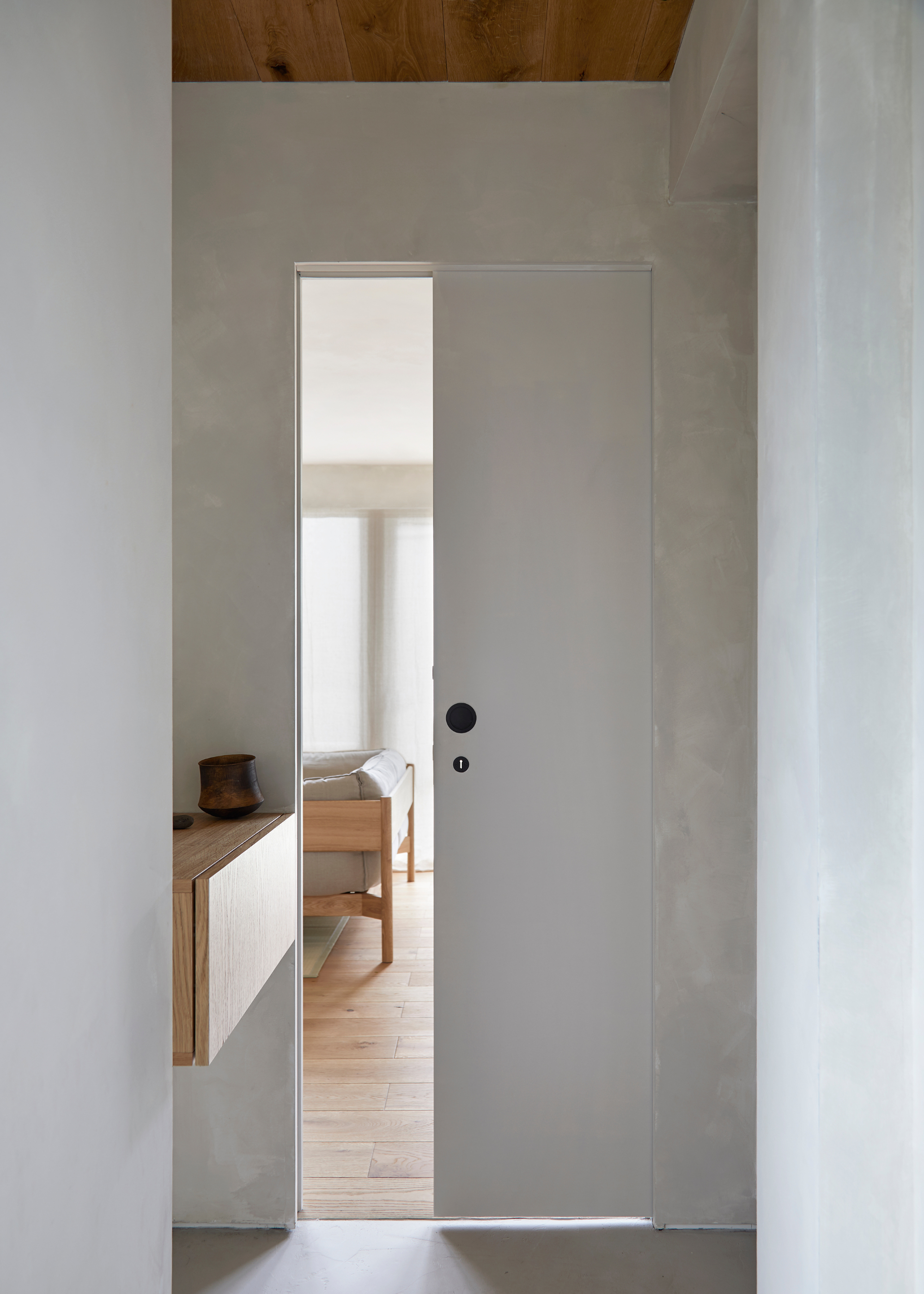
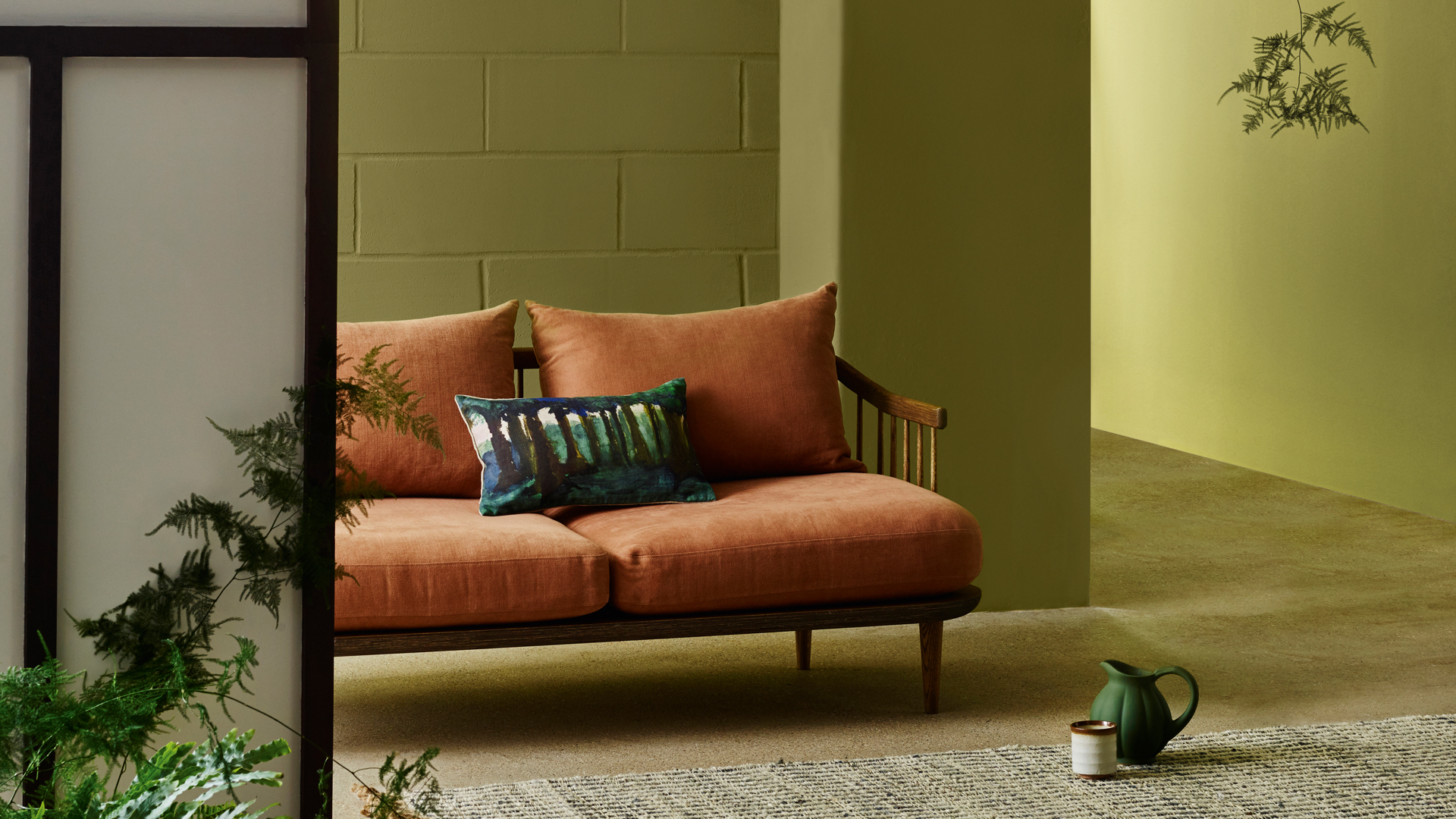
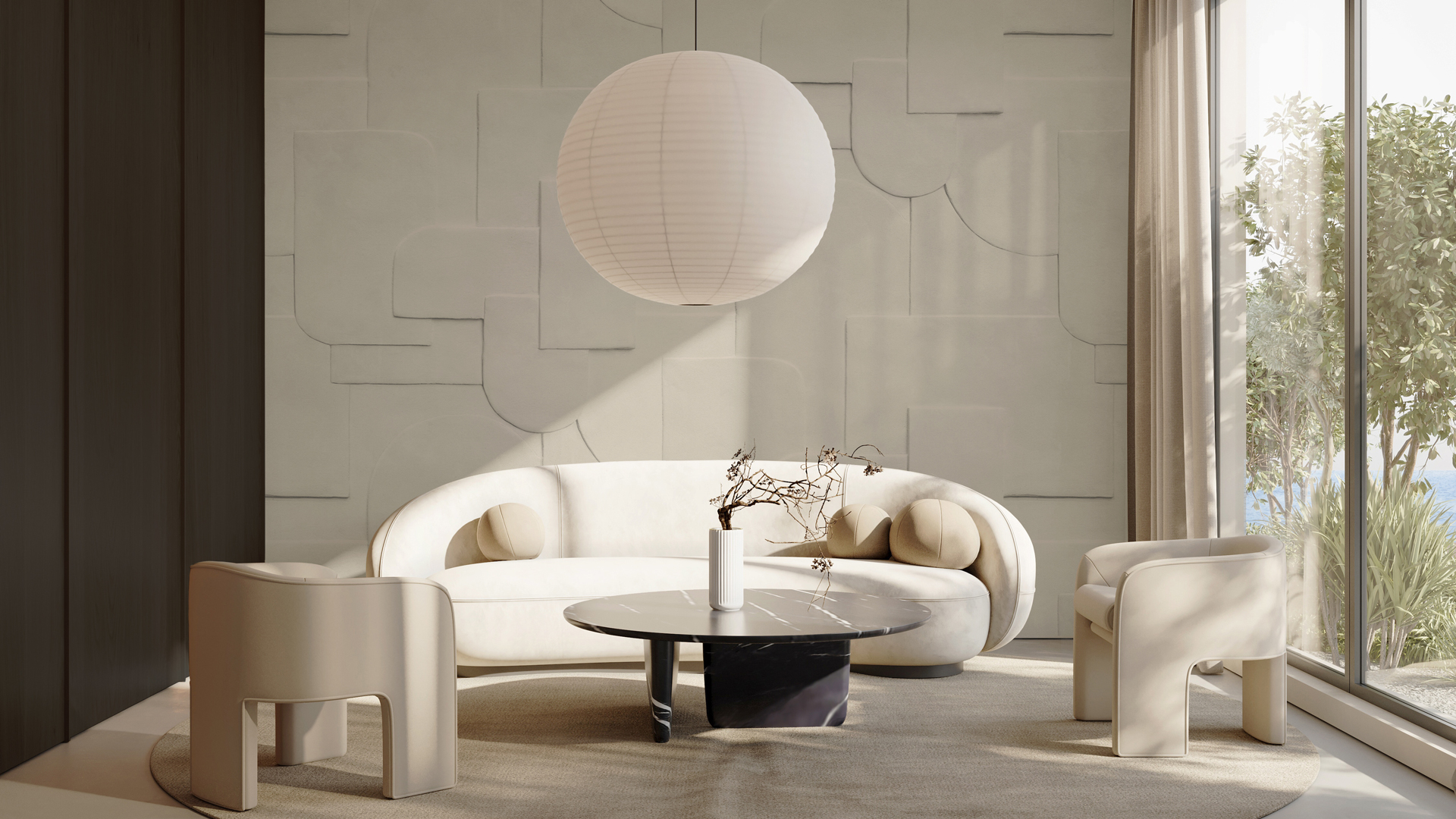
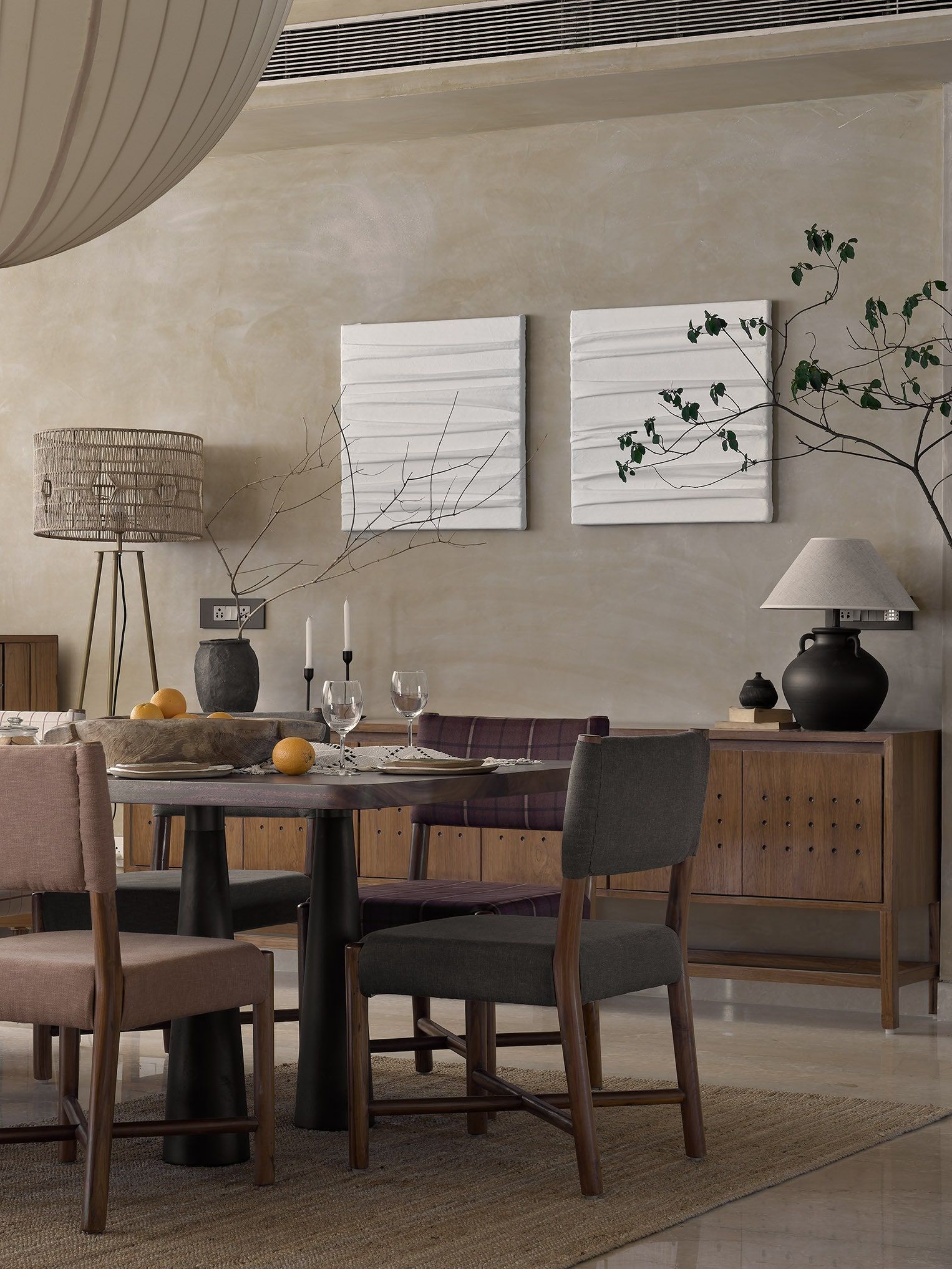
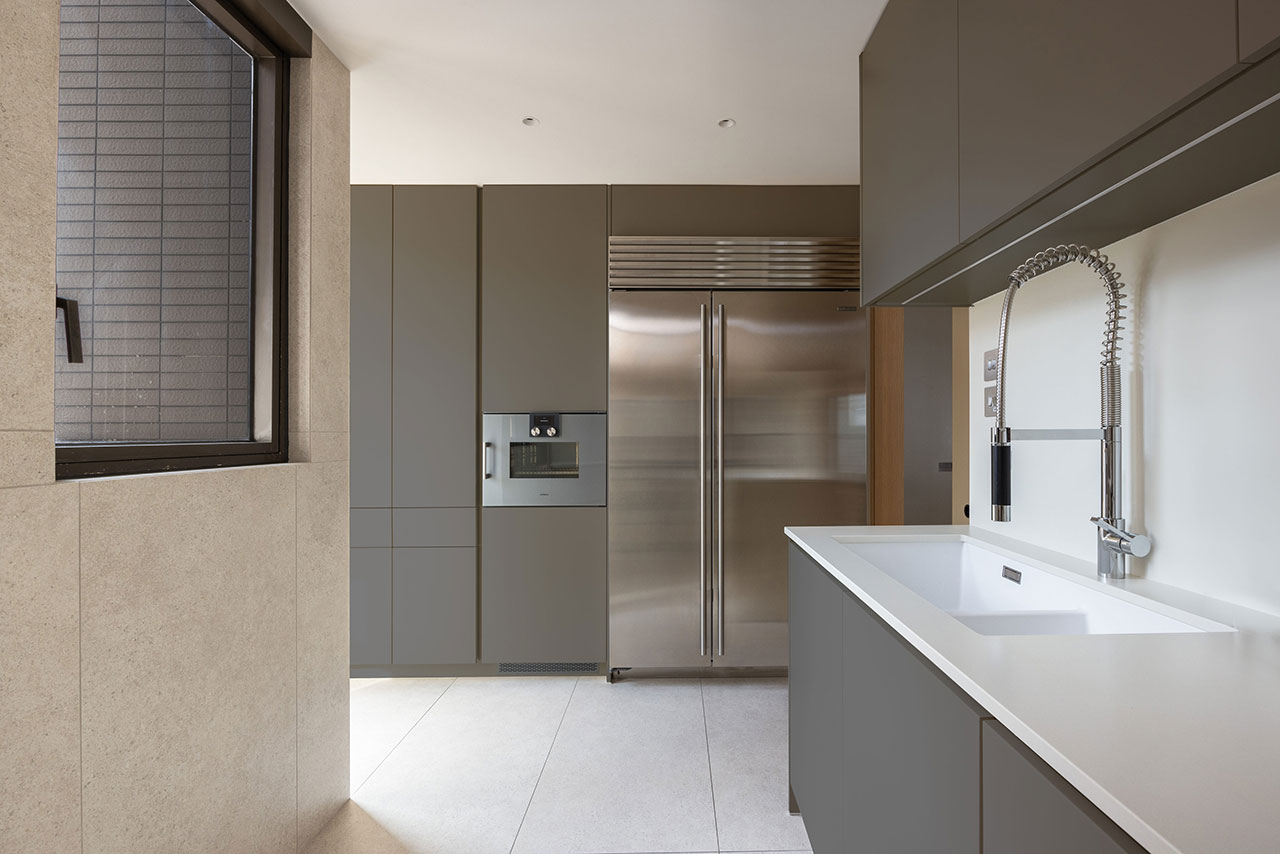
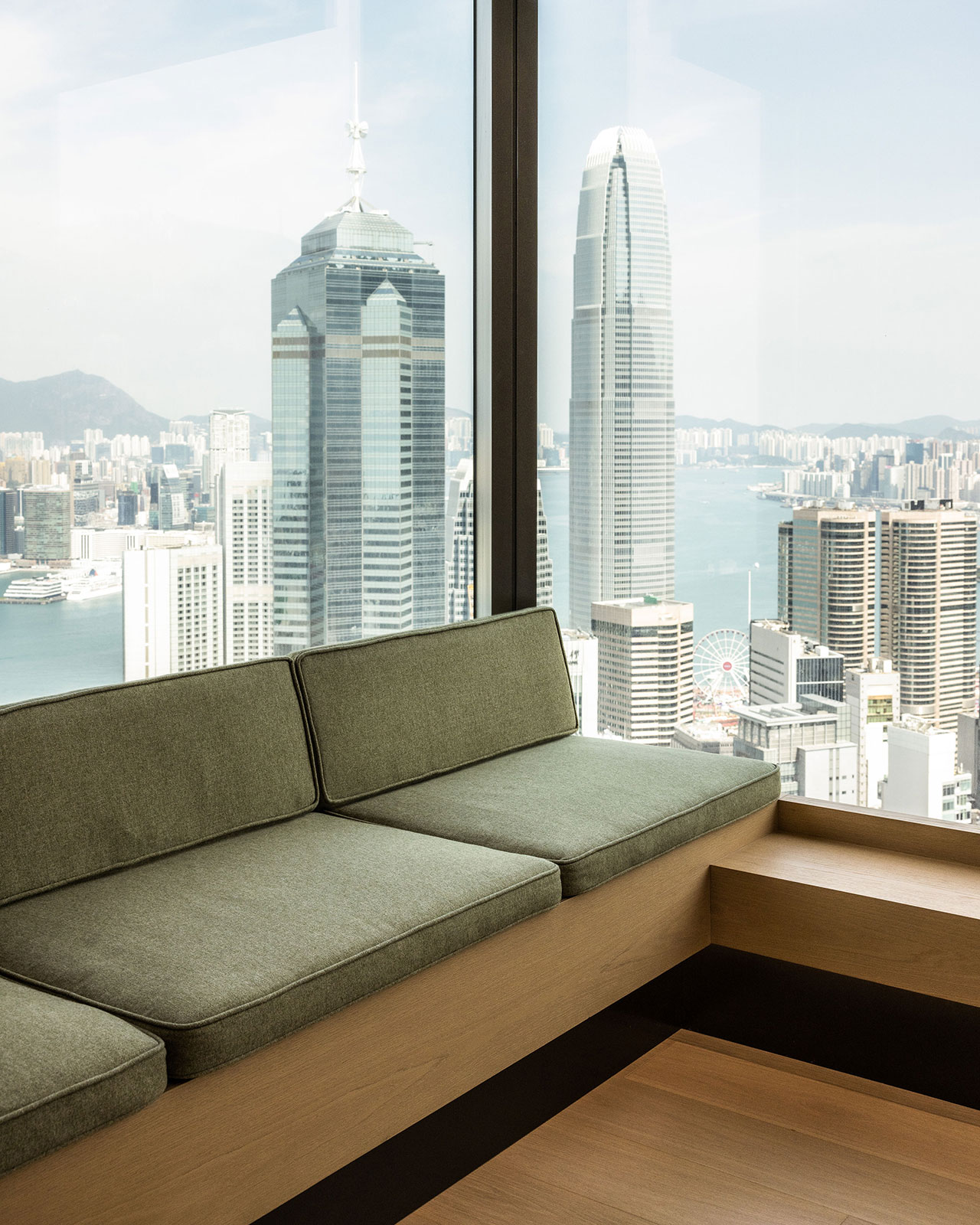
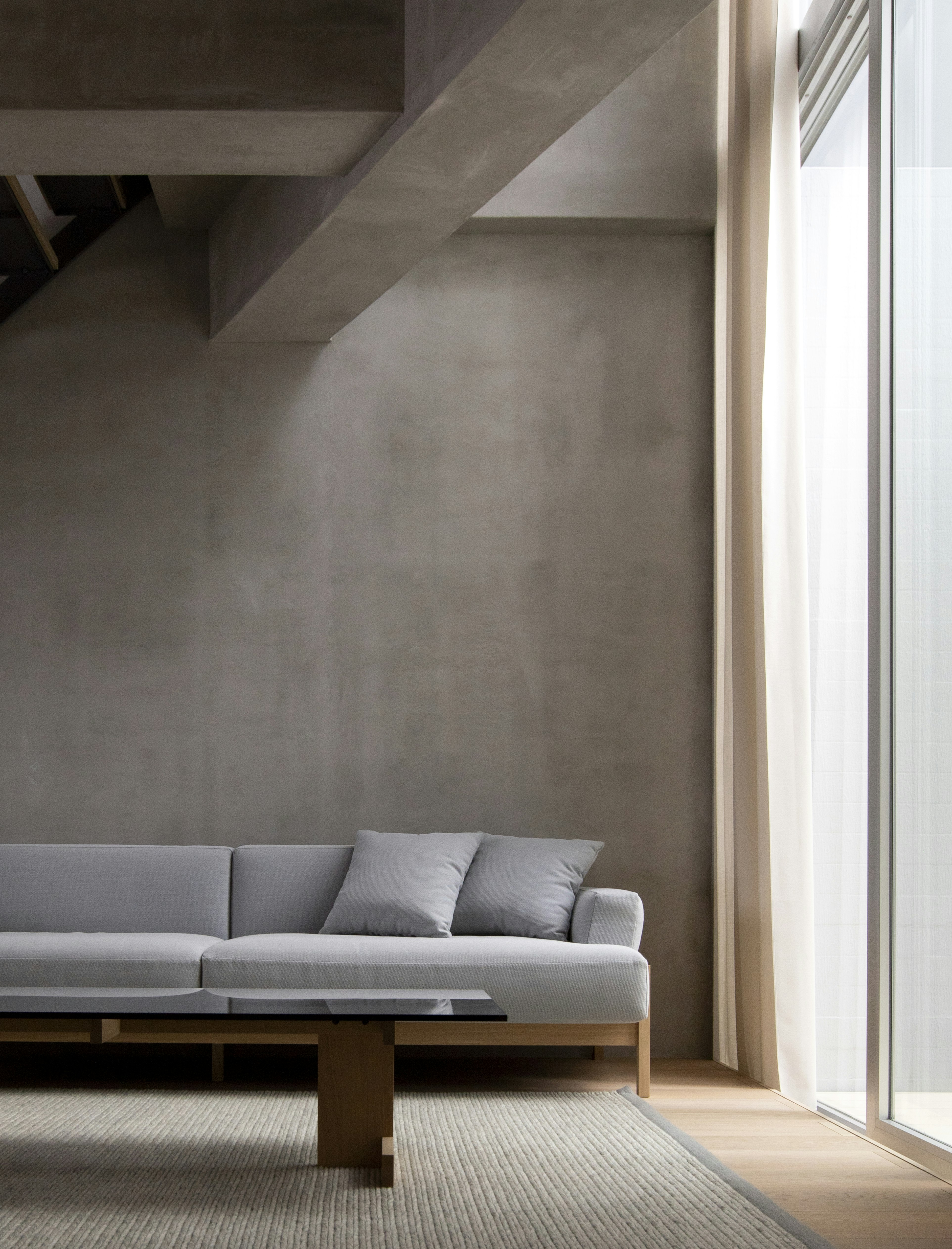
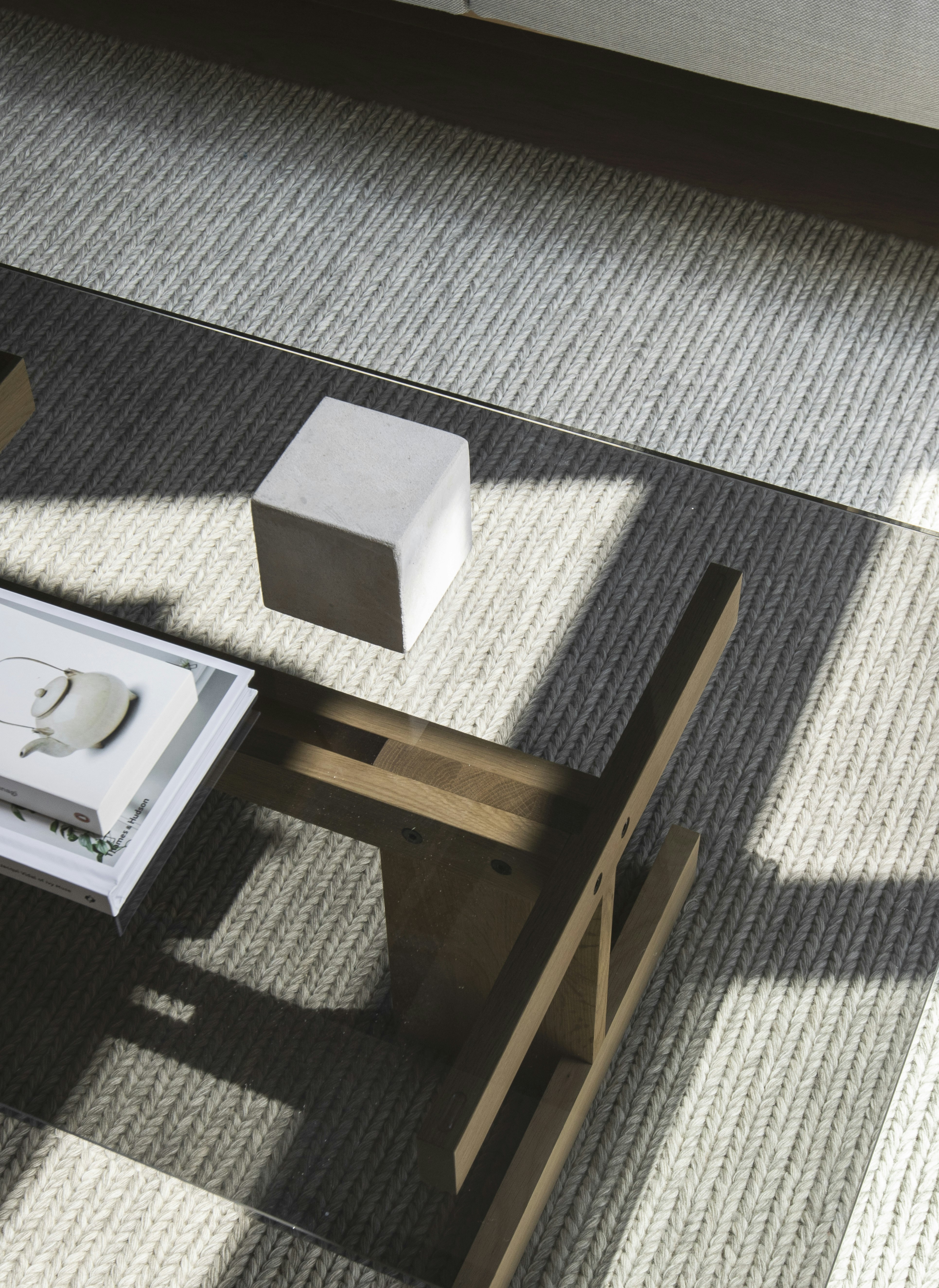
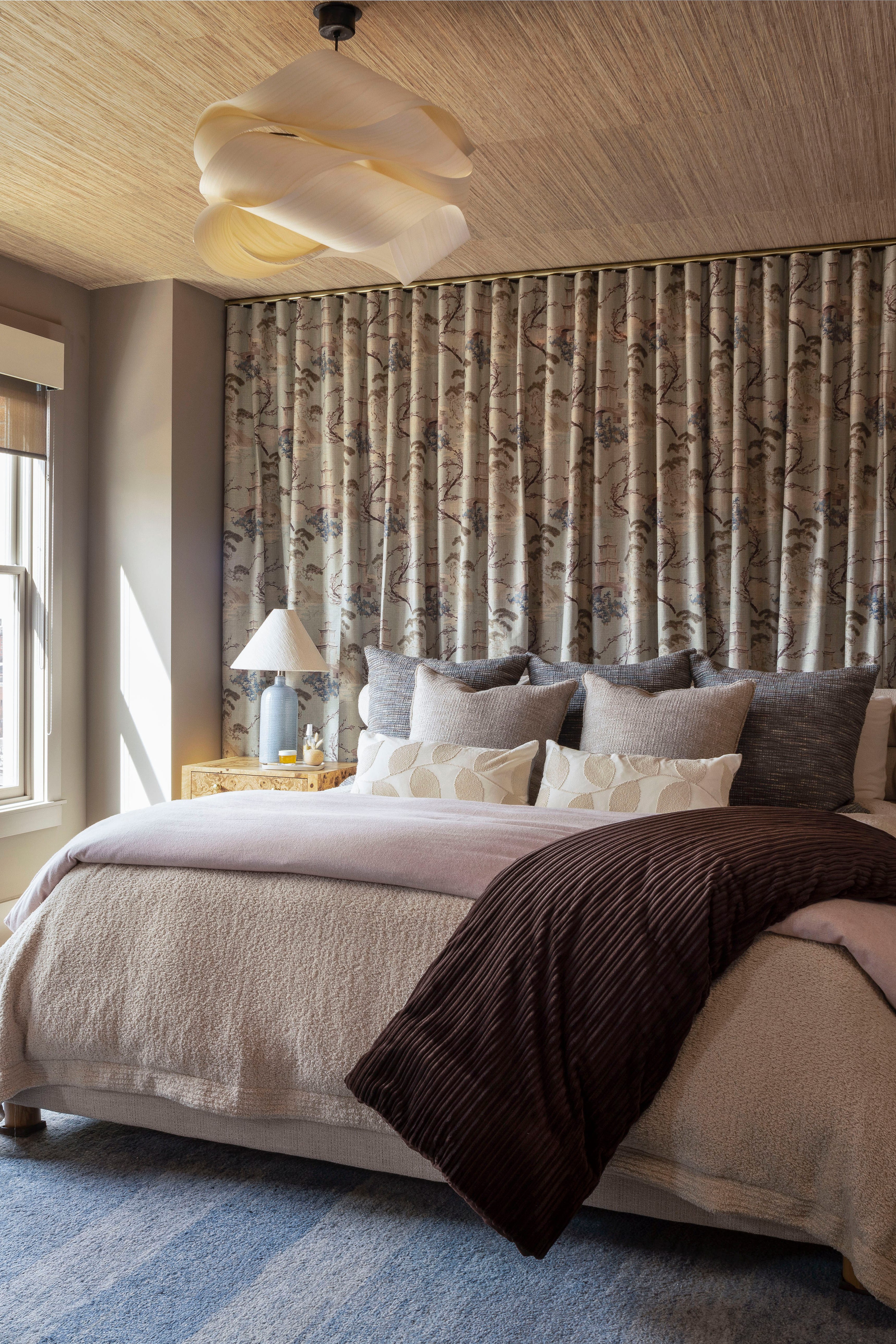
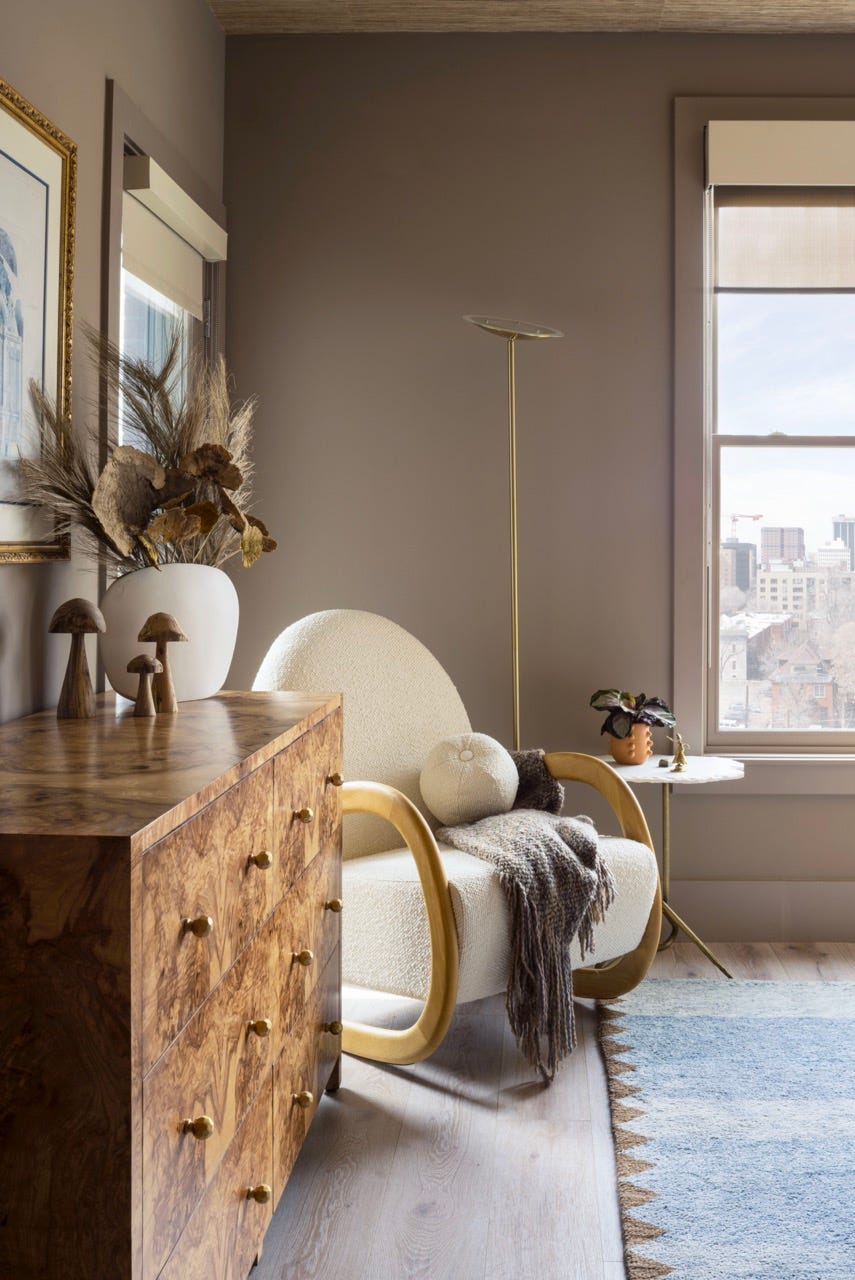
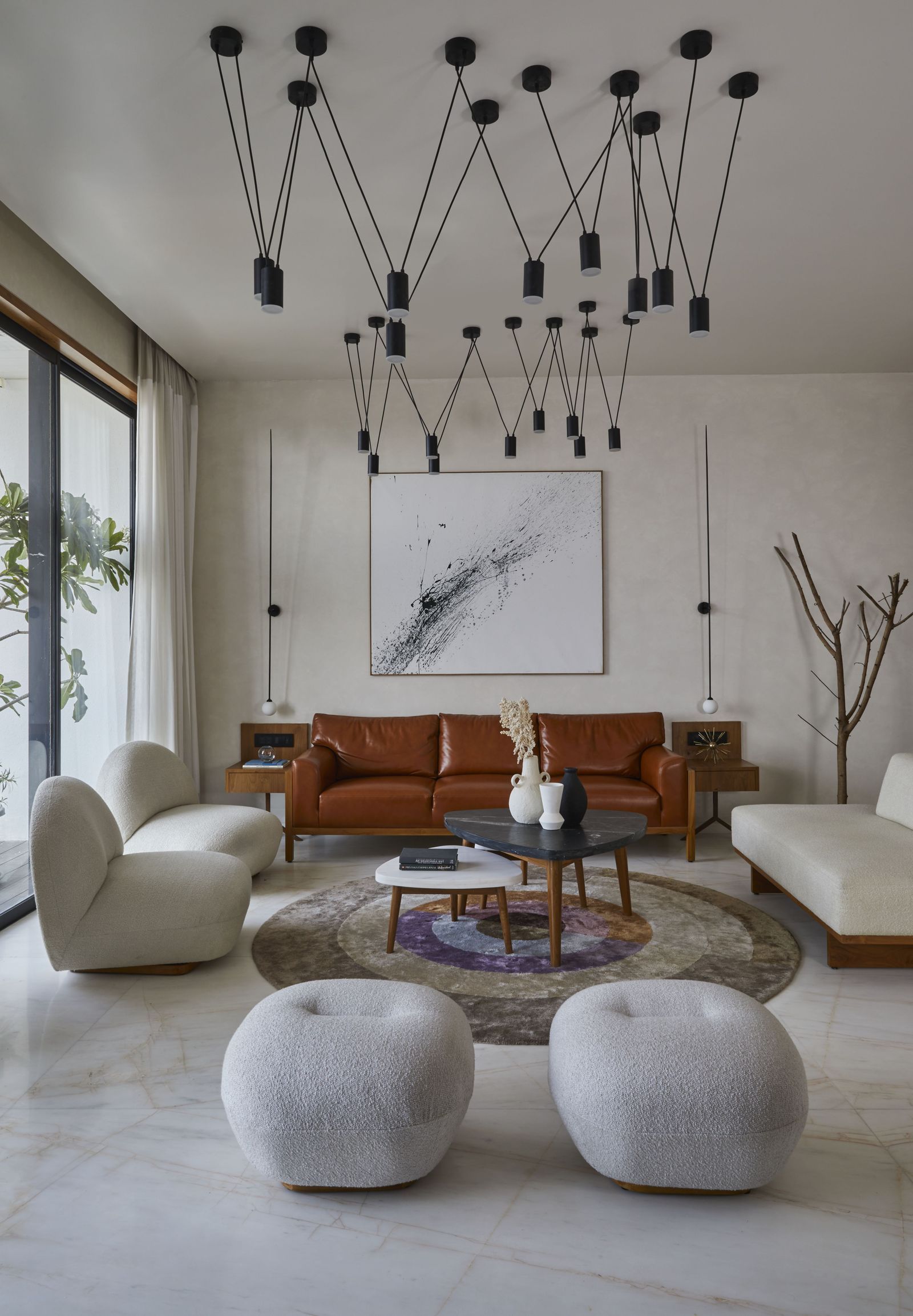
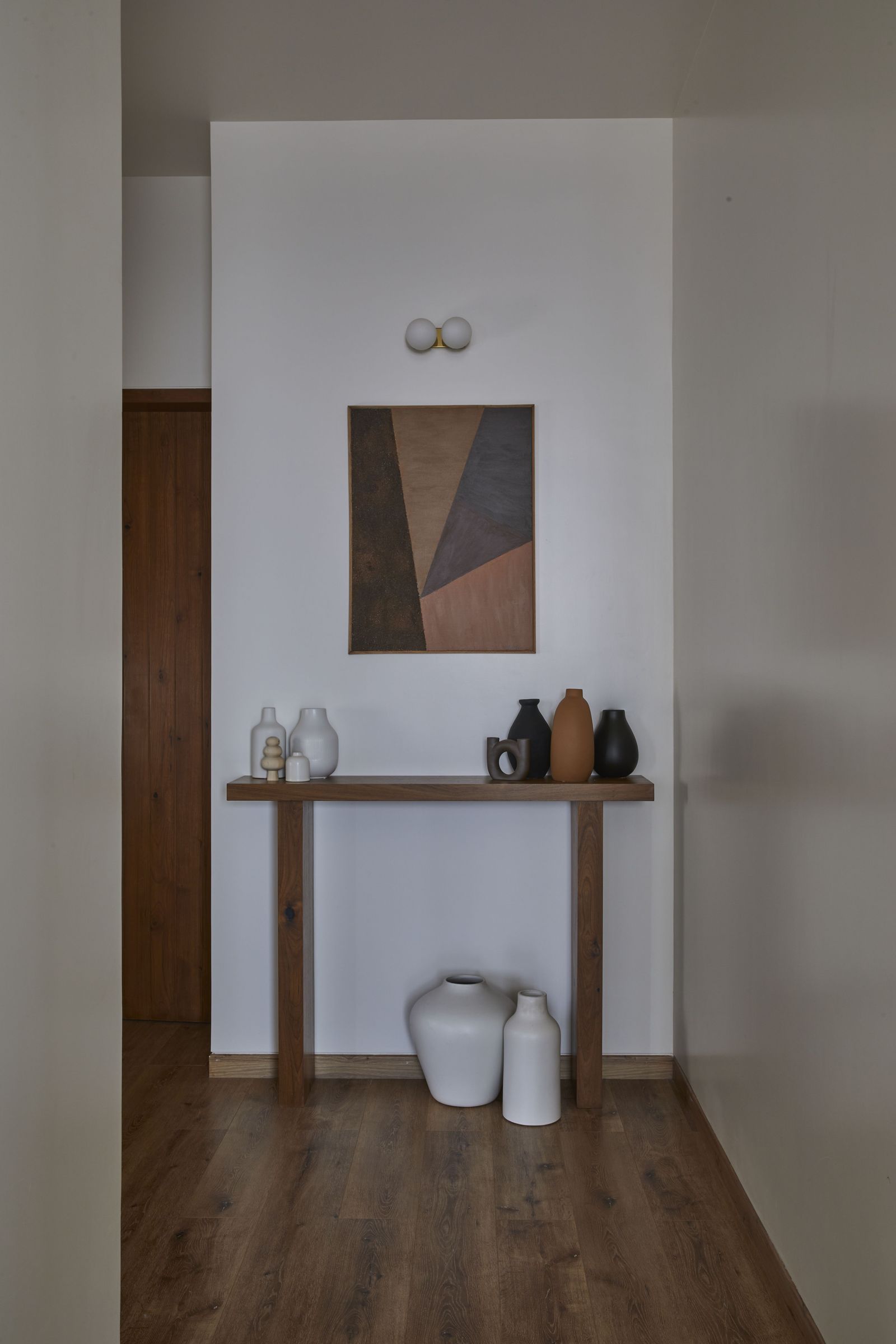
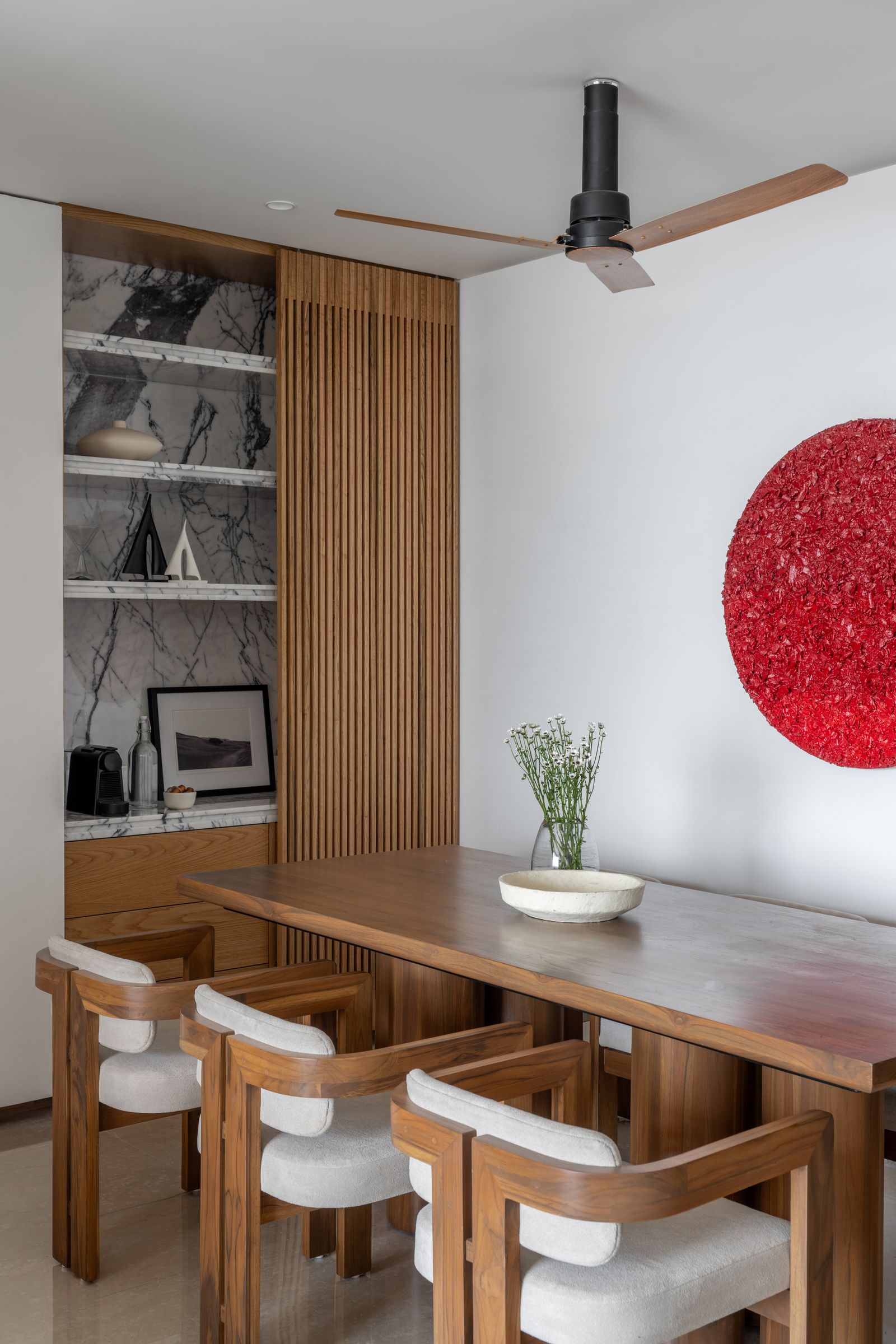
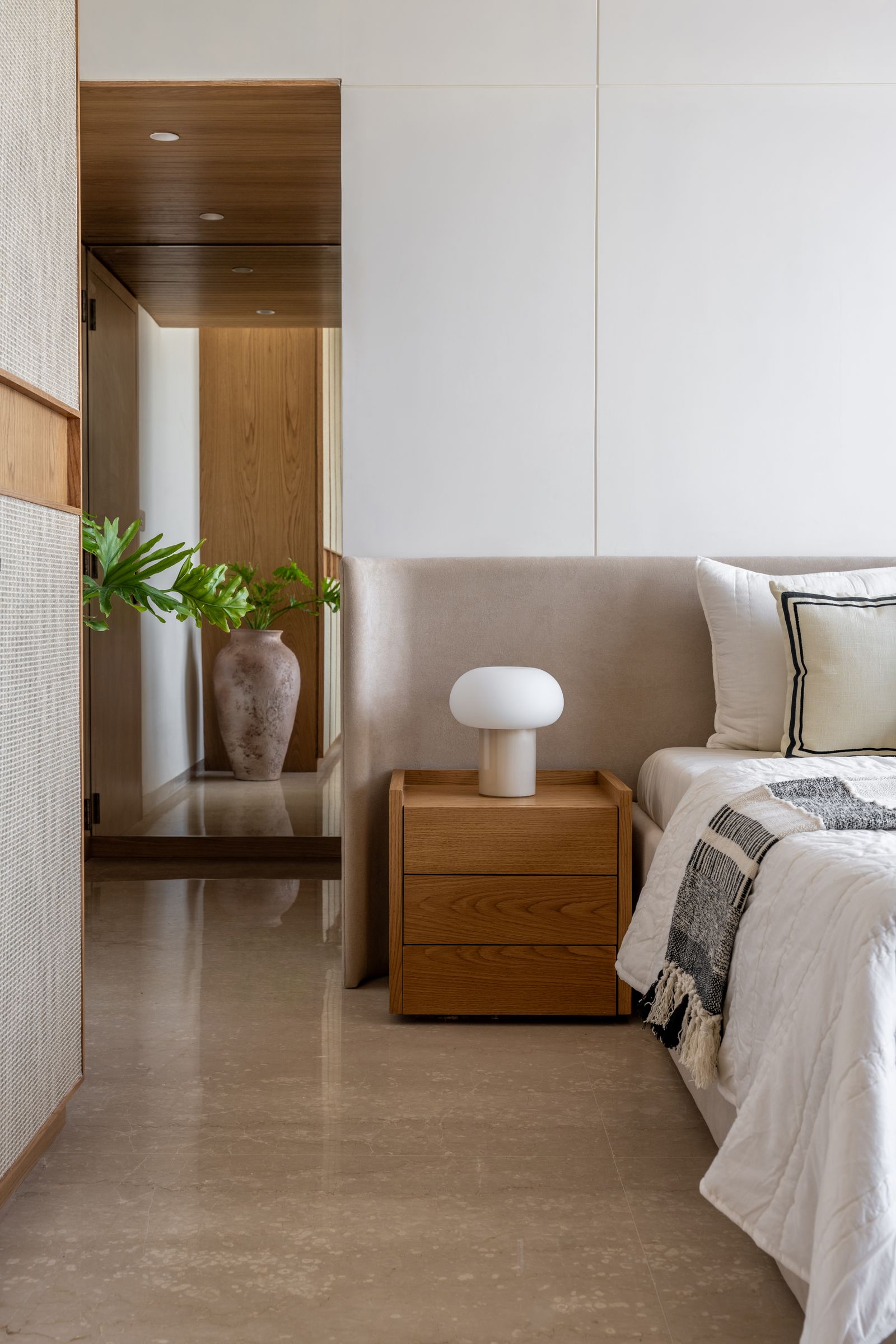
Japandi effectively combines the most desirable elements of both these interior worlds. It marries the clean, cozy feel of Scandinavian design with the calm, earthy aesthetic of Japanese Zen, which embraces imperfections. This fusion creates a 'sweet spot' where comfort, nature, and minimalism converge. Achieving a Japandi look involves several key principles. Maintaining simplicity in forms and shapes is crucial, as minimalism is a foundational aspect of creating a Zen space, advocating for decluttering. The color palette typically involves a contrast between lighter woods, such as light oak floors, and darker earthy tones, ensuring not to go excessively dark. Neutral-toned objects are then layered in to maintain a clean and calm atmosphere, primarily featuring woods and whites with intermediate shades. Emphasizing natural materials is also vital, incorporating woven baskets, rattan drawers, wooden floors, and natural cottons and linens. Finally, embracing *wabi sabi* means accepting and even highlighting imperfections within the space, such as a crack in a wooden shelf or a mended ceramic object, to imbue the environment with uniqueness and character, reflecting a personal extension of oneself.
#Japandi #InteriorDesign #Minimalism #Hygge #WabiSabi #ScandinavianDesign #JapaneseZen #HomeDecor #DesignTrends #Japandi #InteriorDesign #Minimalism #Hygge #WabiSabi #ScandinavianDesign #JapaneseZen #HomeDecor #DesignTrends
0 comment in total
 No comments yet
You may also like
Elevate Your Space With These Inspiring Japandi Interiors

Muji Living Room Ideas — 5 Ways to Harness the Calming Qualities of This Japanese Design Style

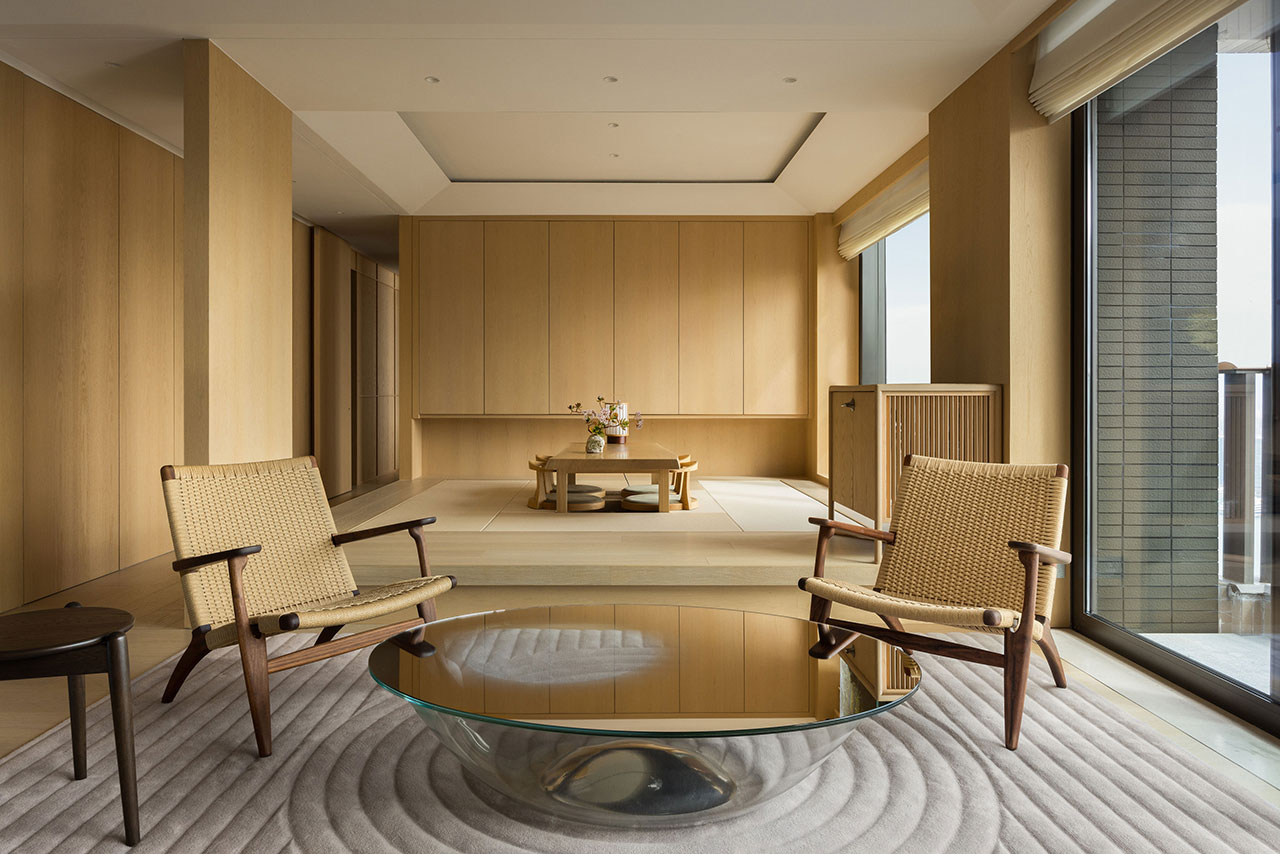
A Japanese Design Inspired Pied-à-Terre in the Heart of Hong Kong

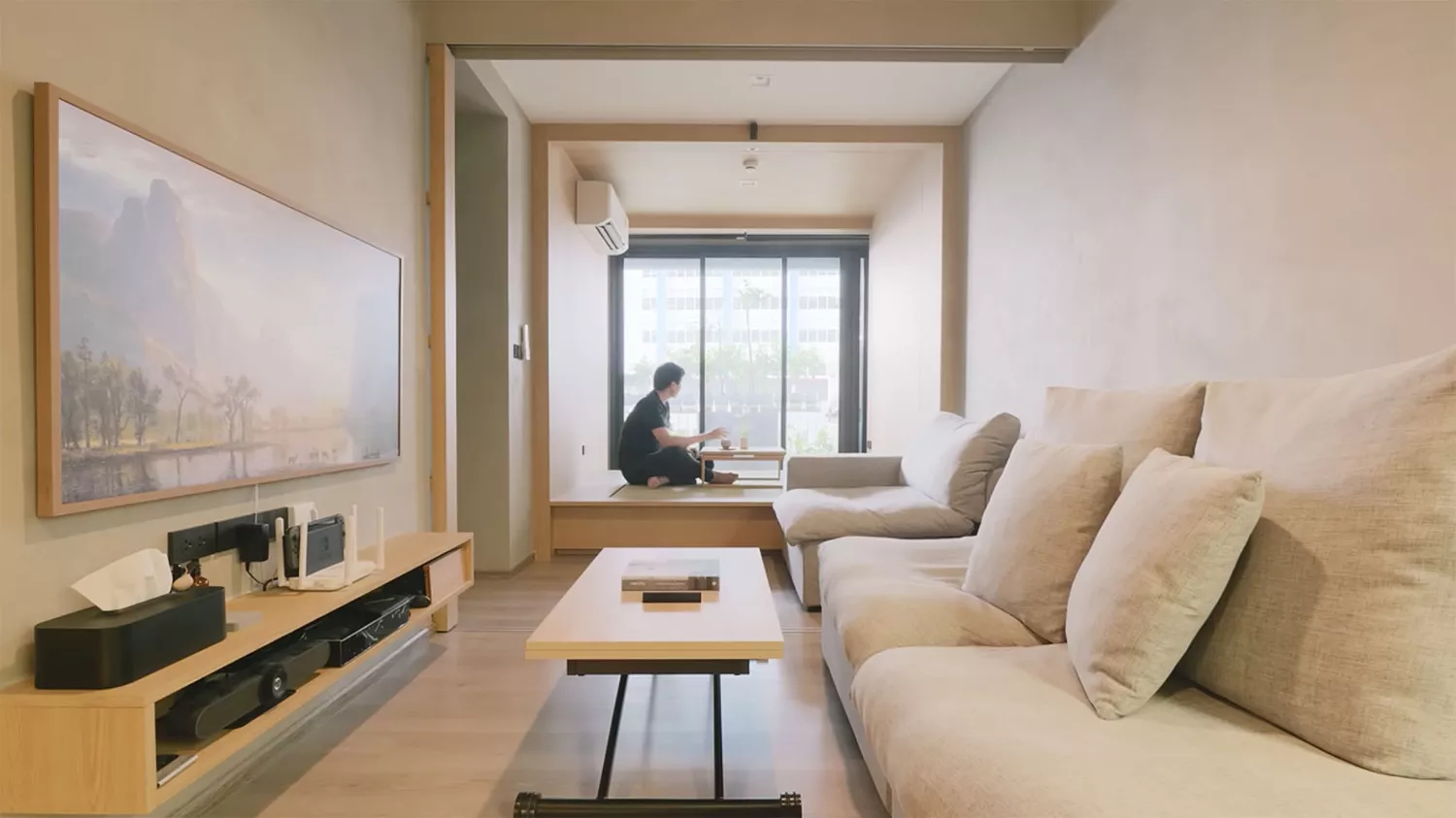
Zen-Like Micro-Apartment Renovation Is Inspired by Japanese Inns
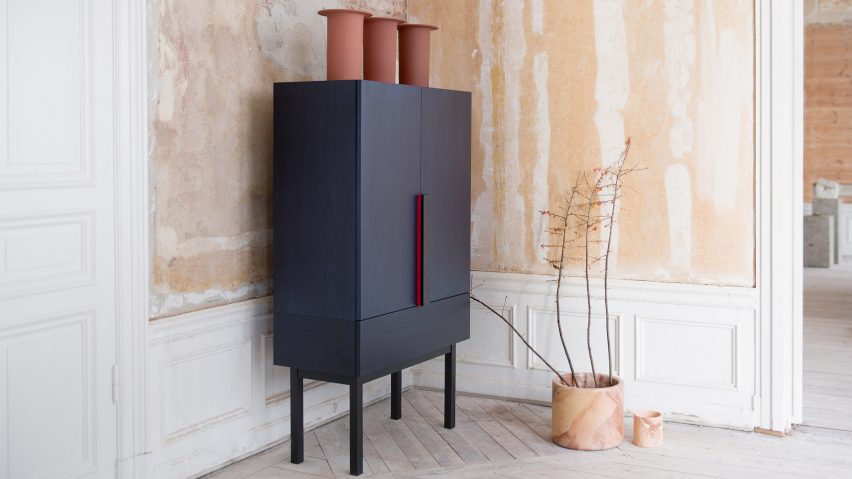
Seven "Japandi" interiors that blend Japanese and Scandinavian design
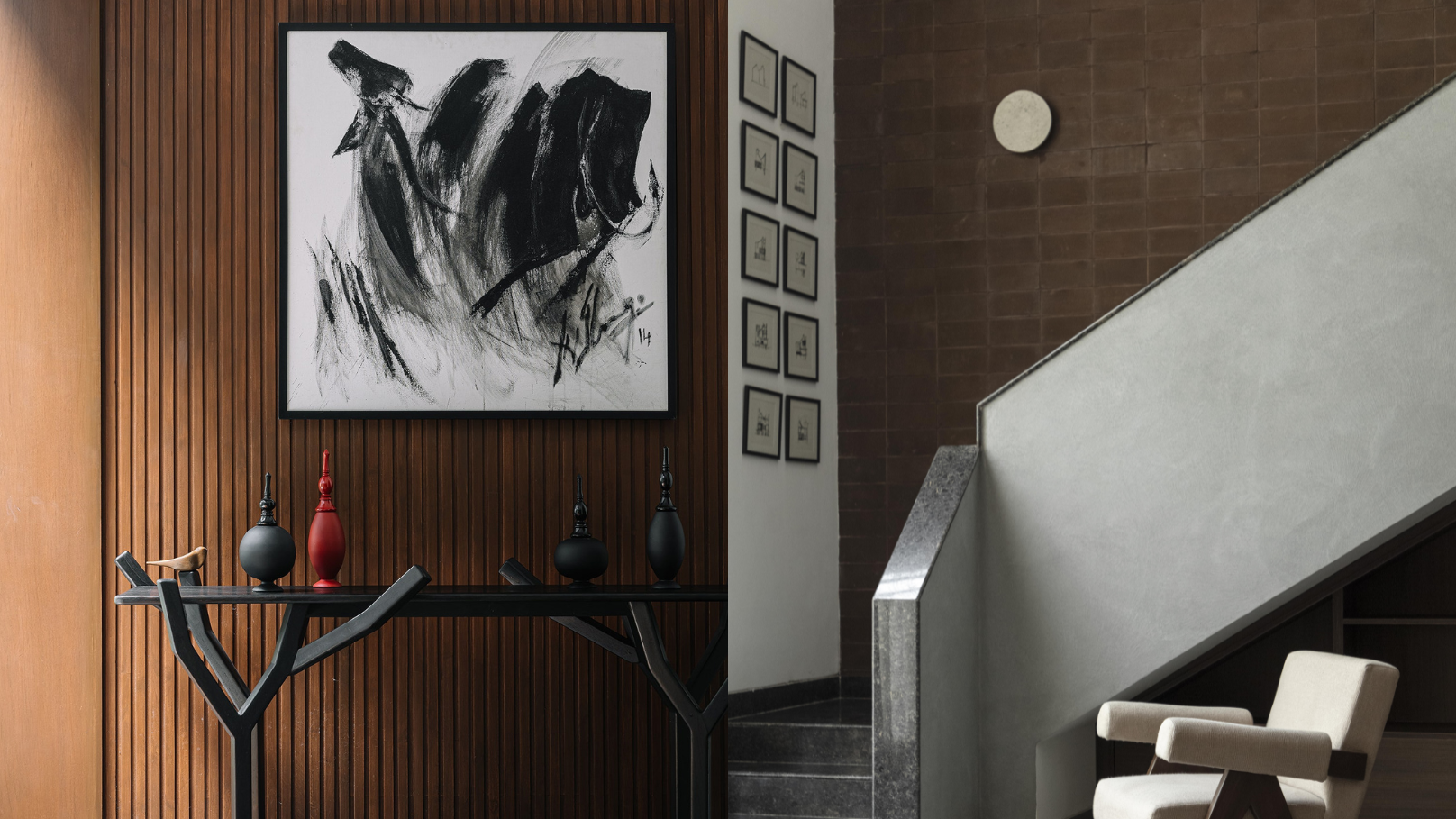
5 homes that bring serene Japanese-inspired design to life

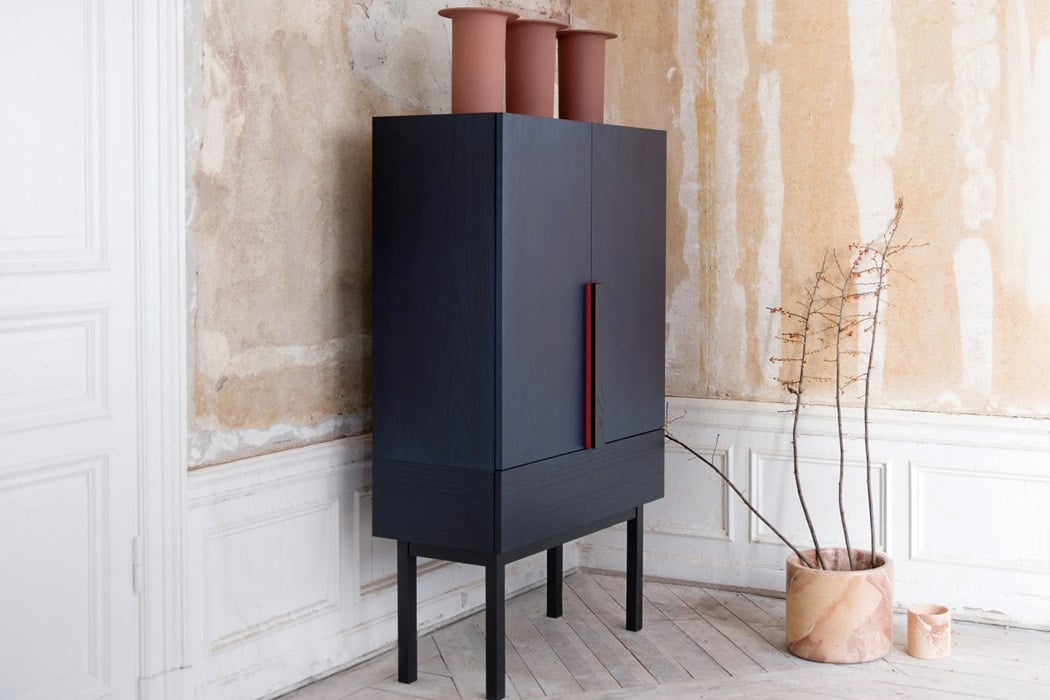
Scandinavian and Japanese interior designs come together to prove Japandi is not just a passing trend!

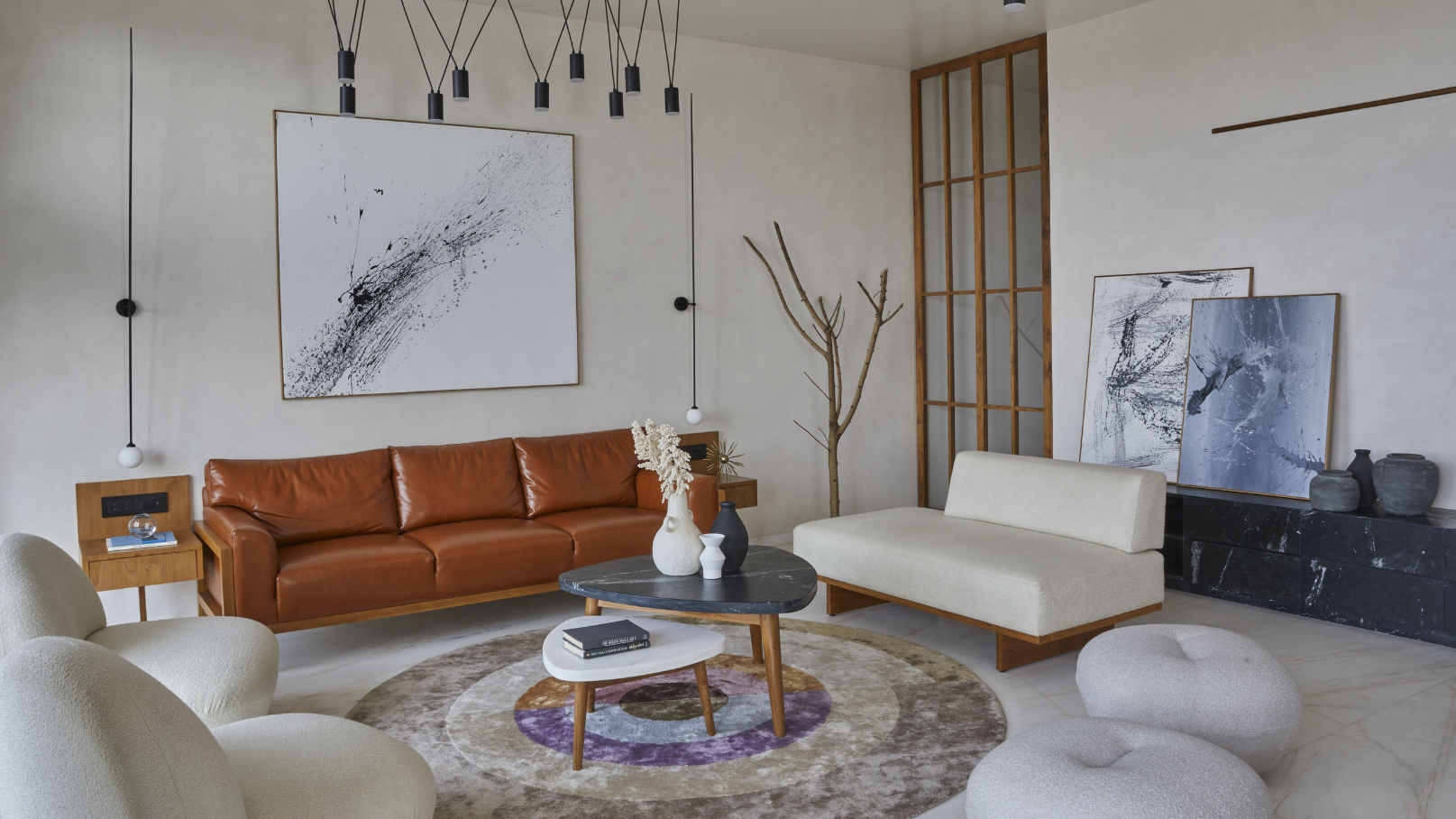
Japanese minimalism brings zen to this Alibaug penthouse
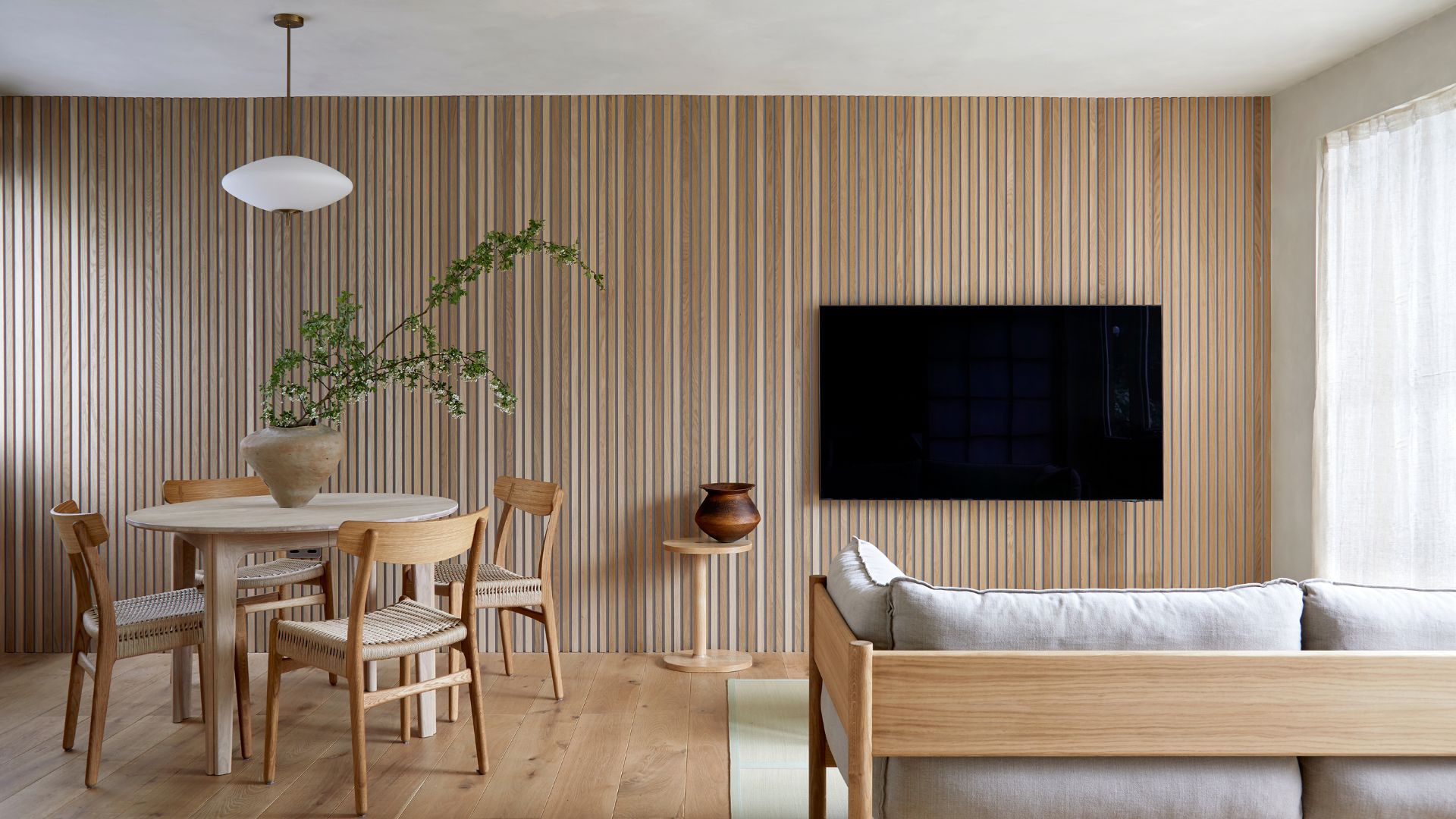
'Ma' (間) Is the Japanese Minimalist Aesthetic I Think Everyone Should Read About Before They Start Decorating
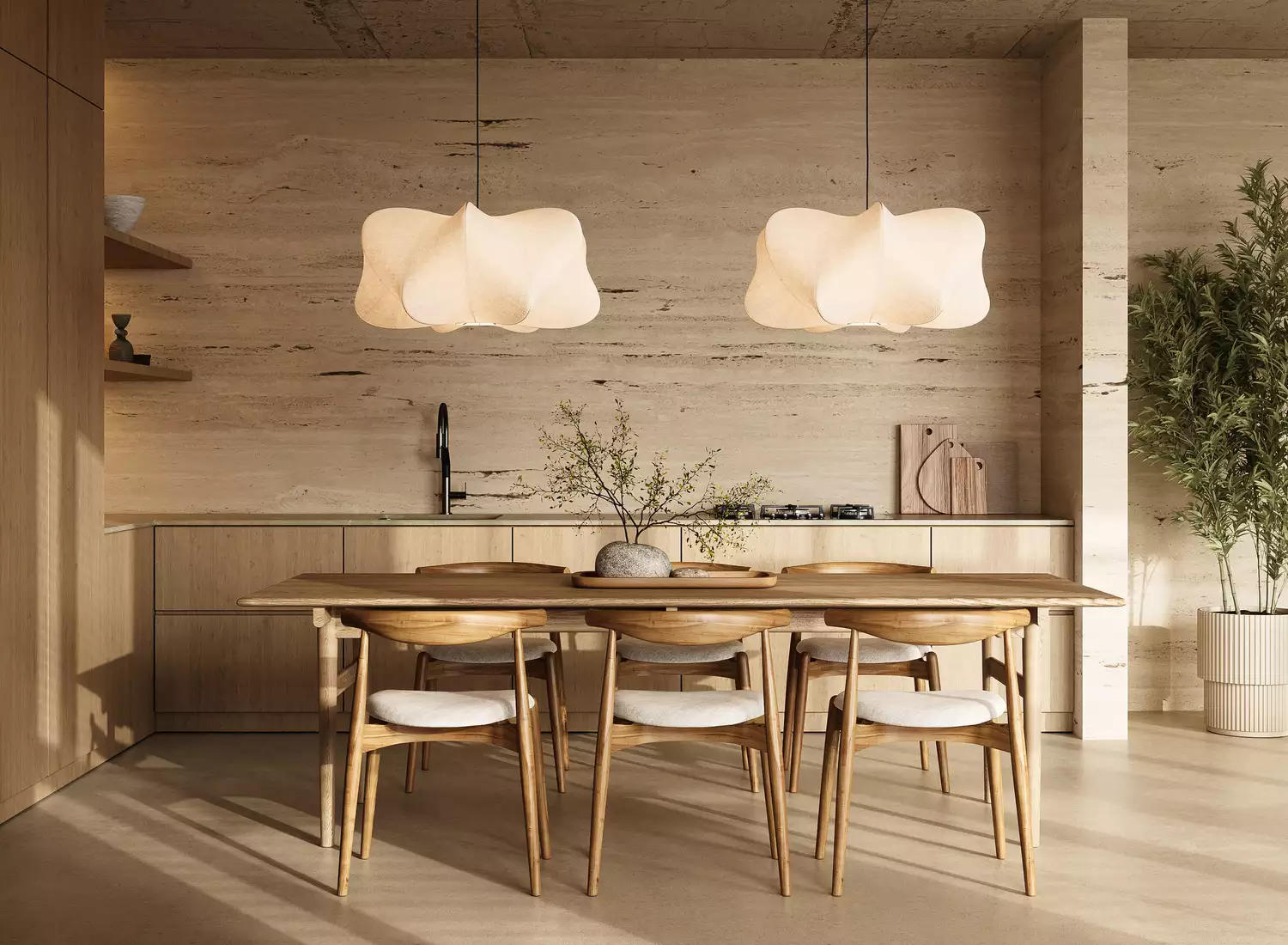
What Is Japandi Style? Interior Designers Explain the Cozy, Minimalist Aesthetic

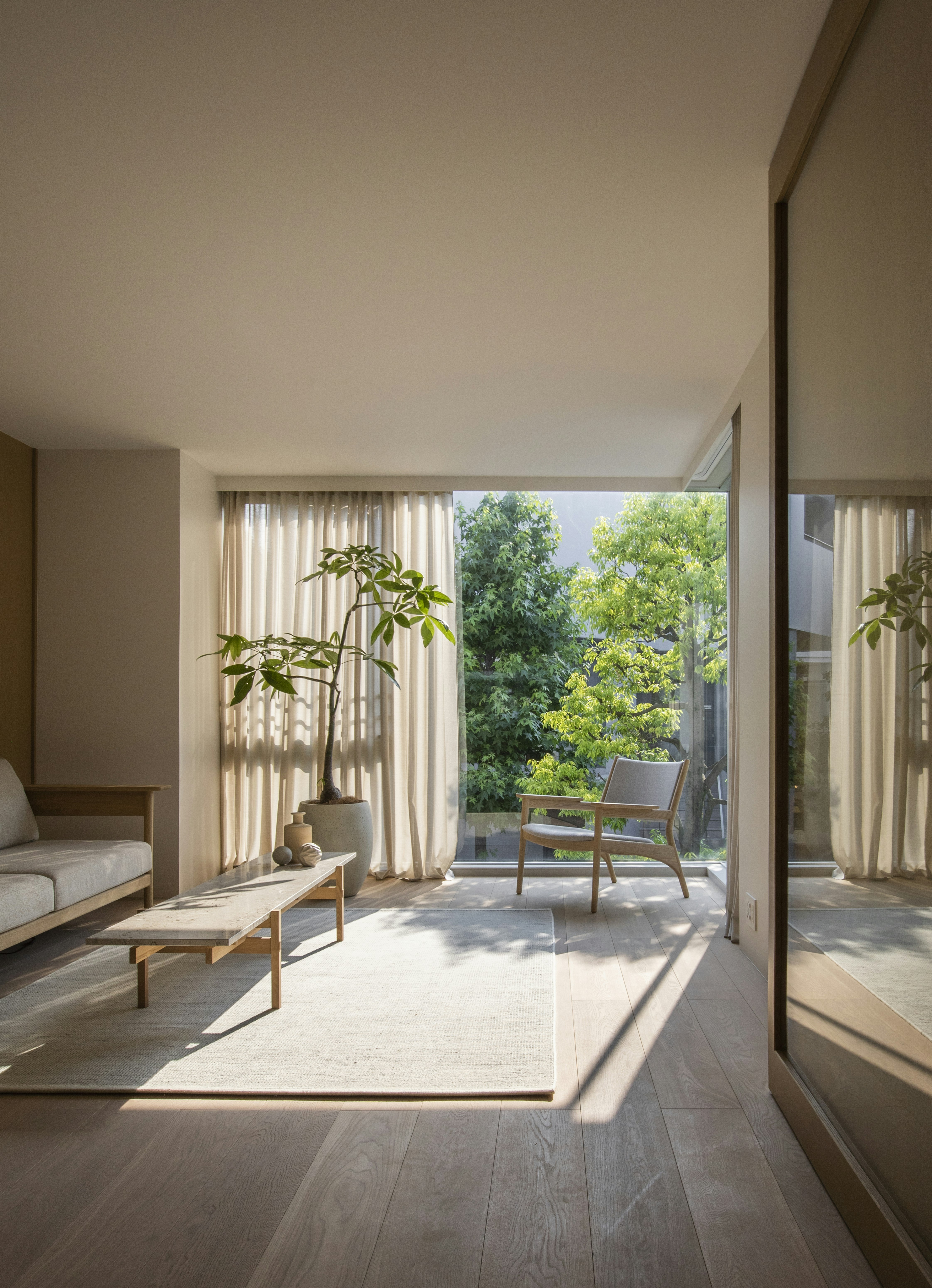
These Serene, Minimalist Apartments in Tokyo Are Filled With Light and Nature

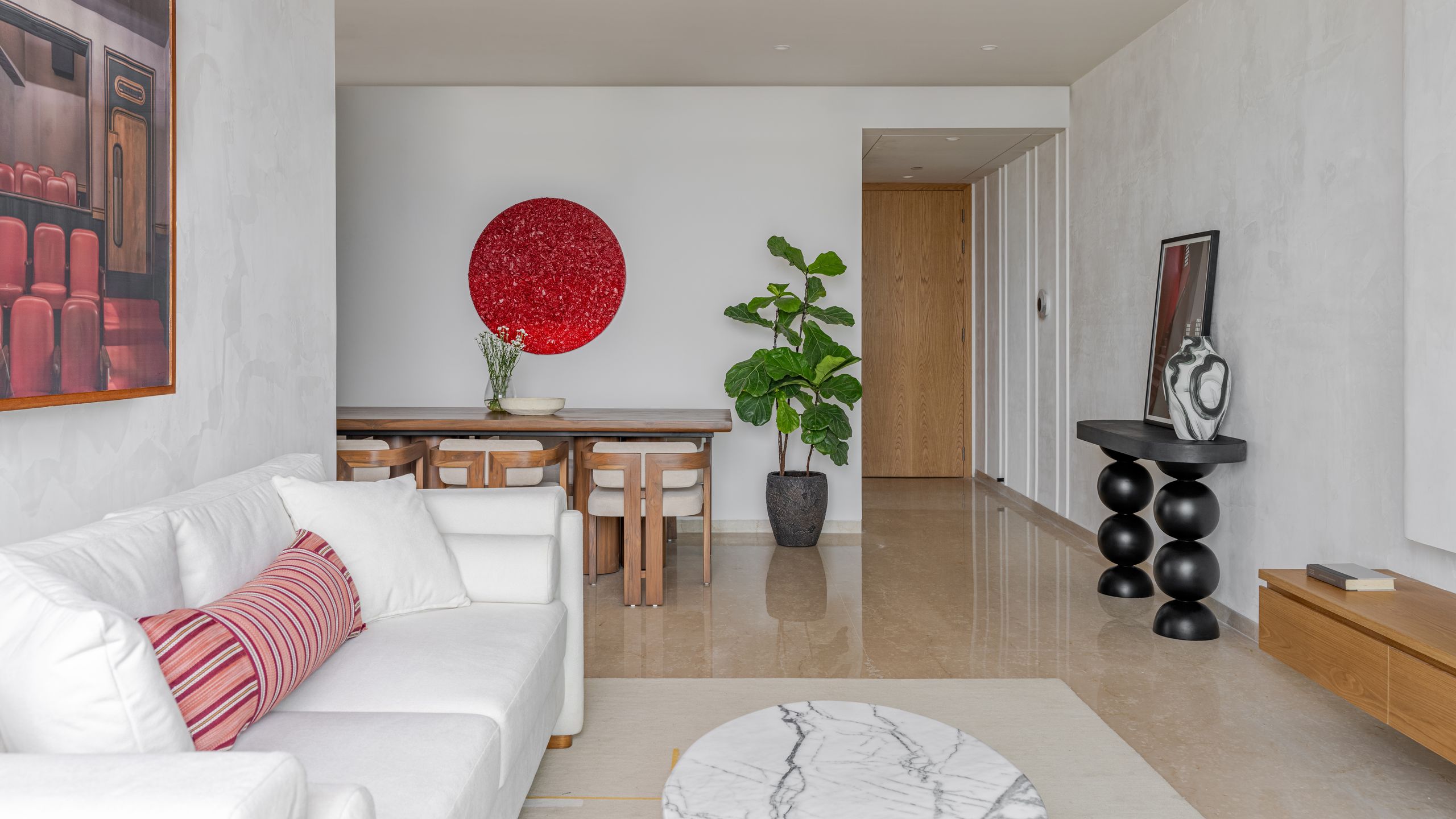
This 1,100-square-foot Mumbai home embodies a quiet stillness

Japandi merges the comfort of hygge with zen minimalism

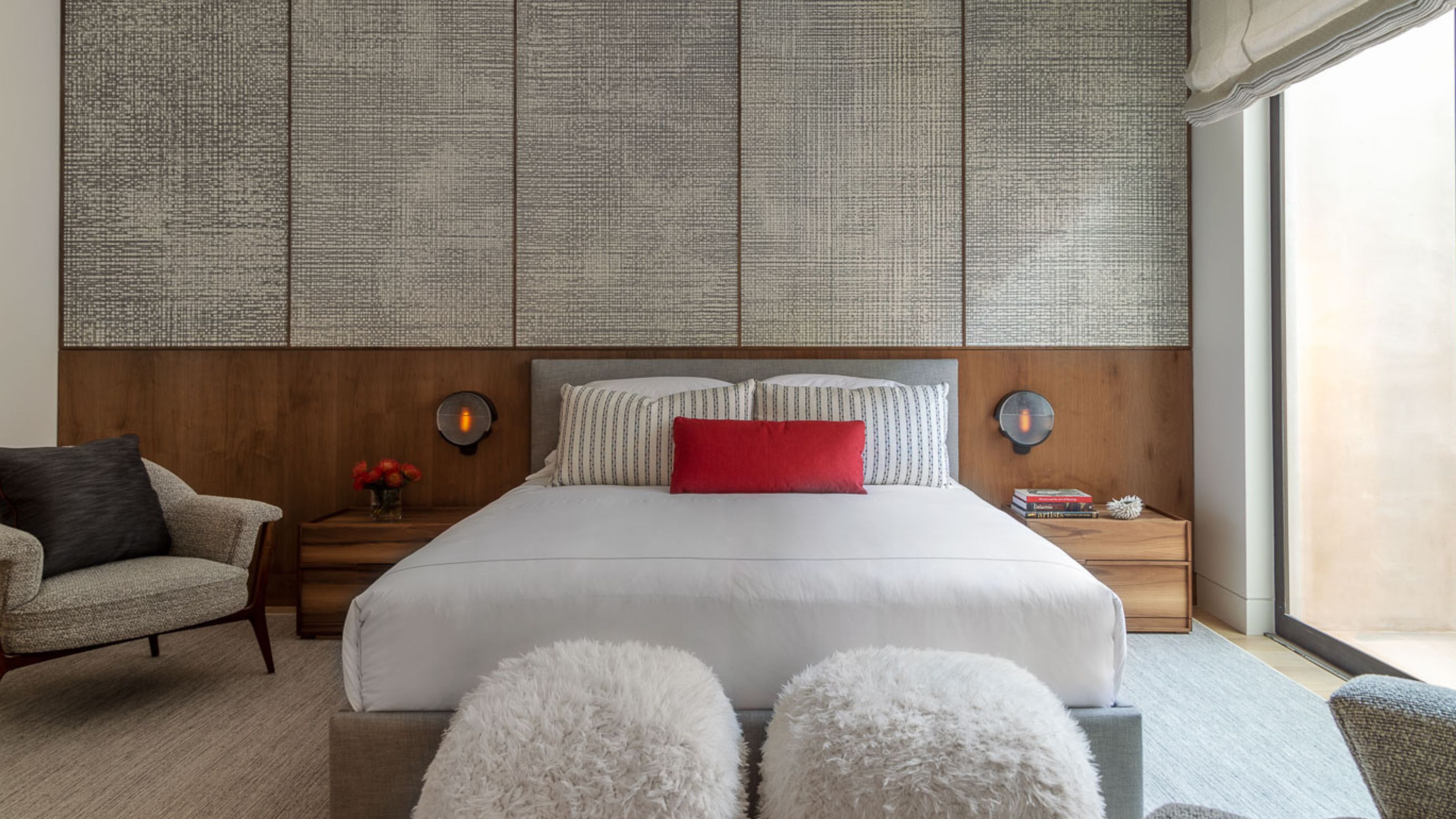
8 Japandi Bedrooms I Dream of Sleeping In — Minimalist and Cozy, They've Got to Be the Most Relaxing Spaces
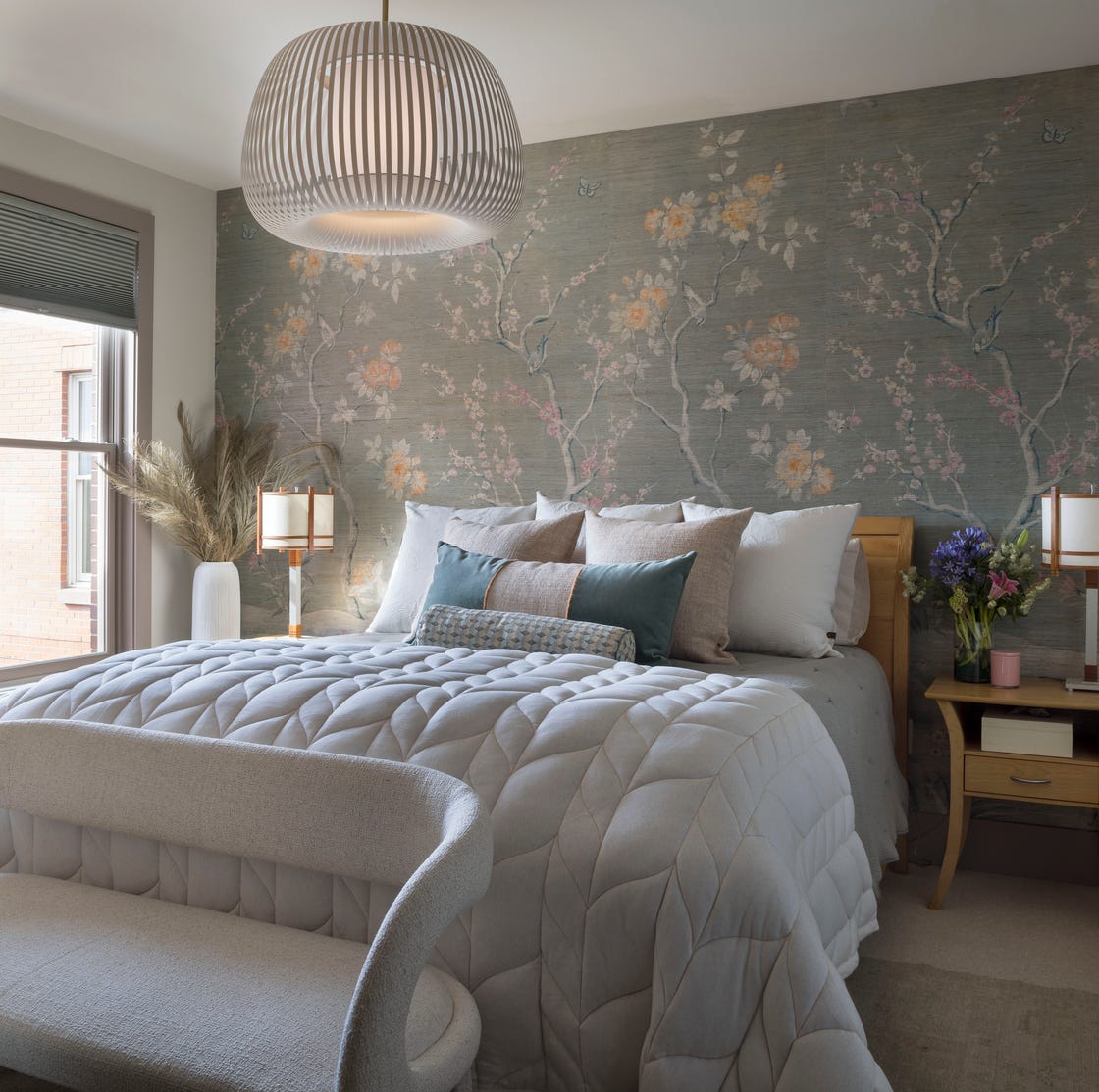
12 Japandi Bedroom Ideas That Bring Harmony to Your Personal Space

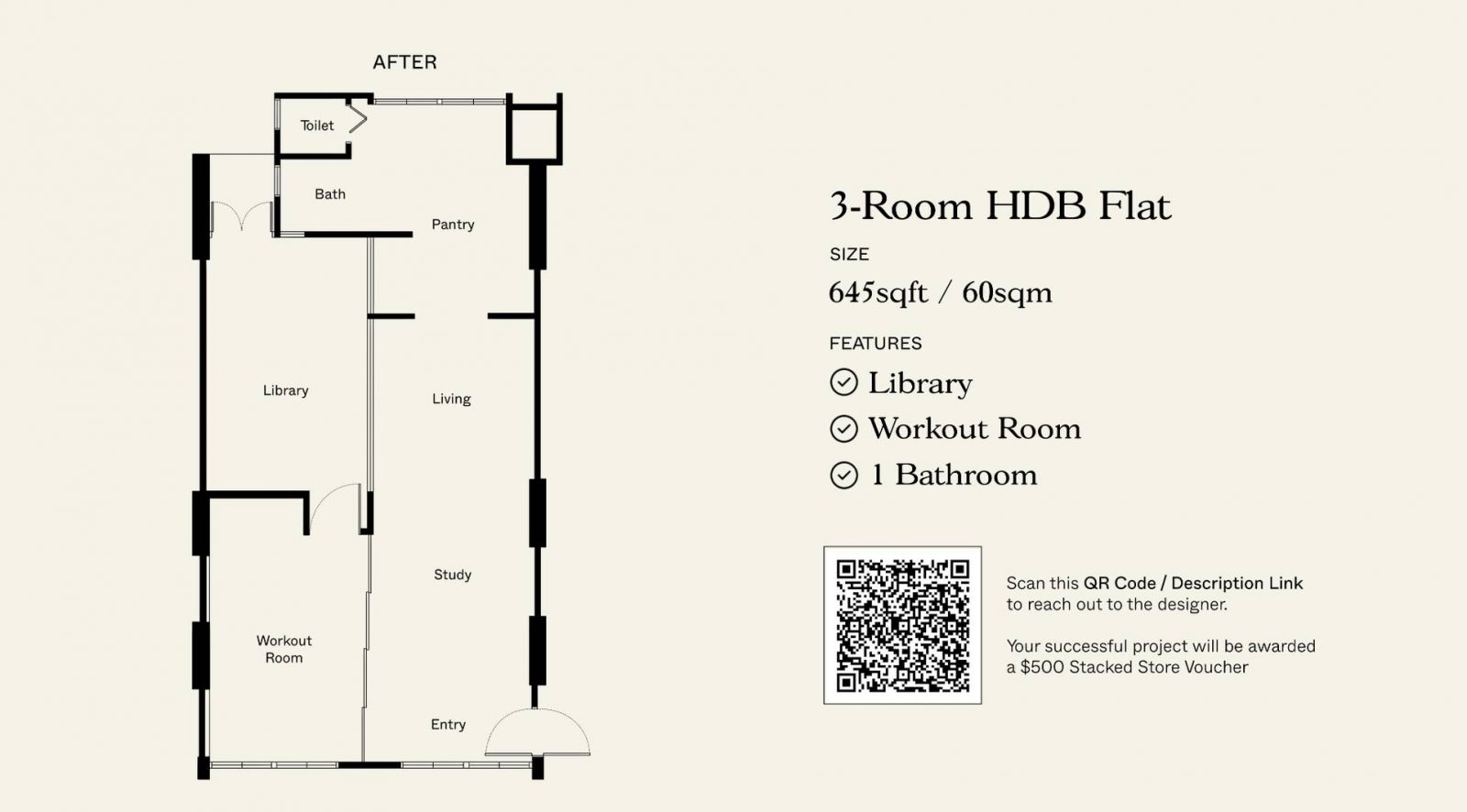
How This Homeowner Transformed A 3-Room HDB Into A Japanese Zen Home With A Secret Garden

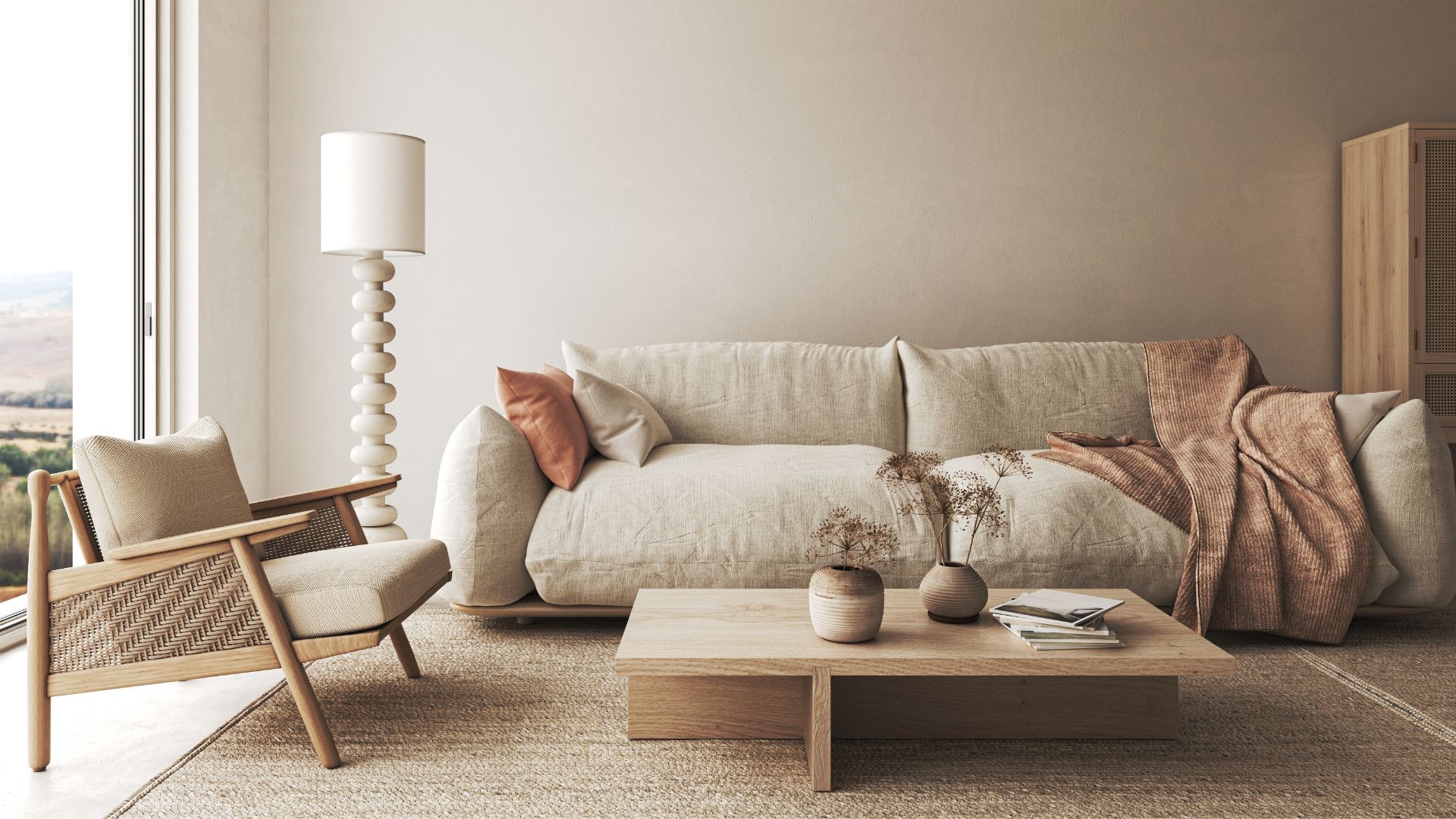
10 essential Japandi living room design tips to create a sense of calm and restfulness

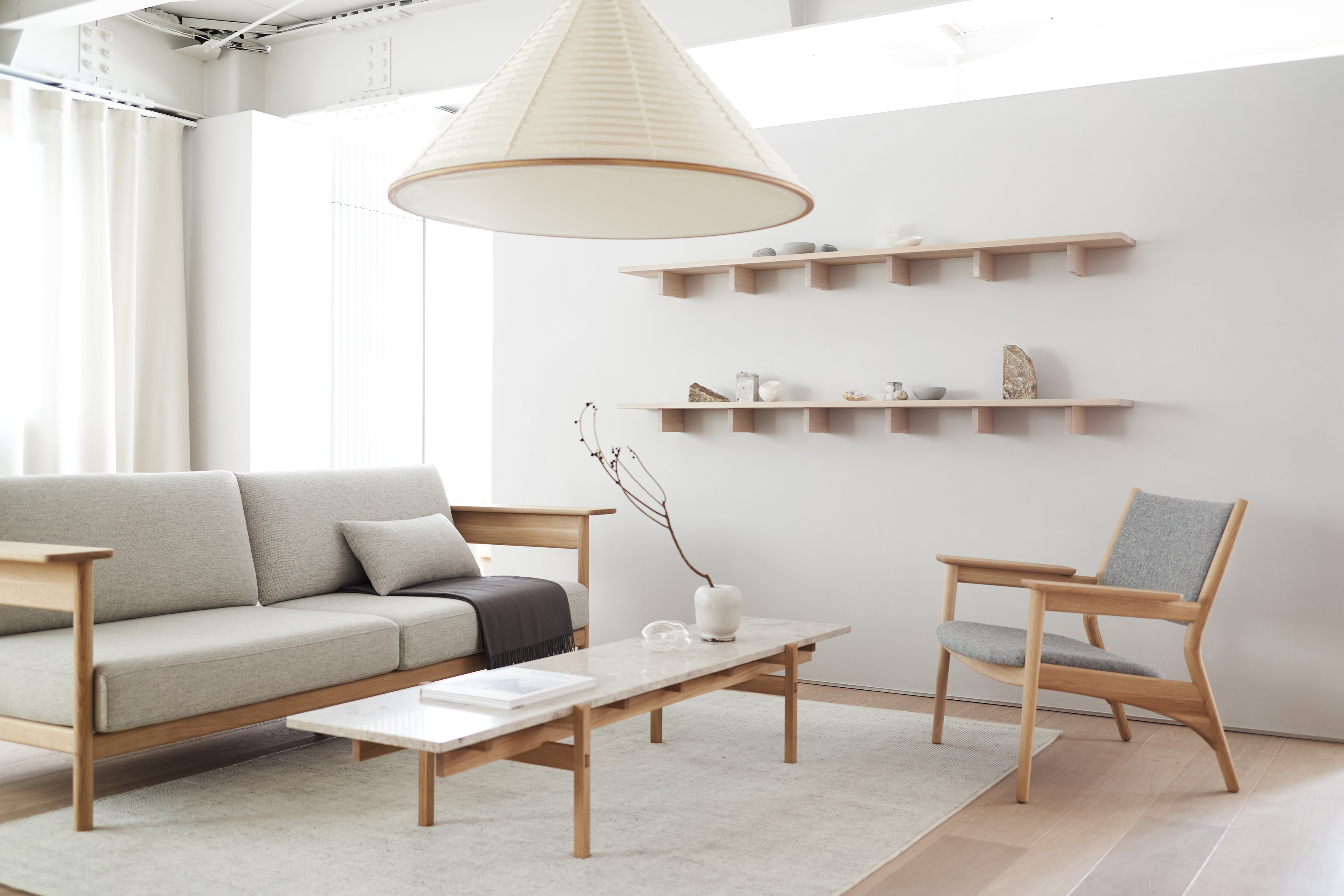
5 Design Rules Japanese-Style Living Rooms Always Follow — "This Approach Makes Any Home So Calming"
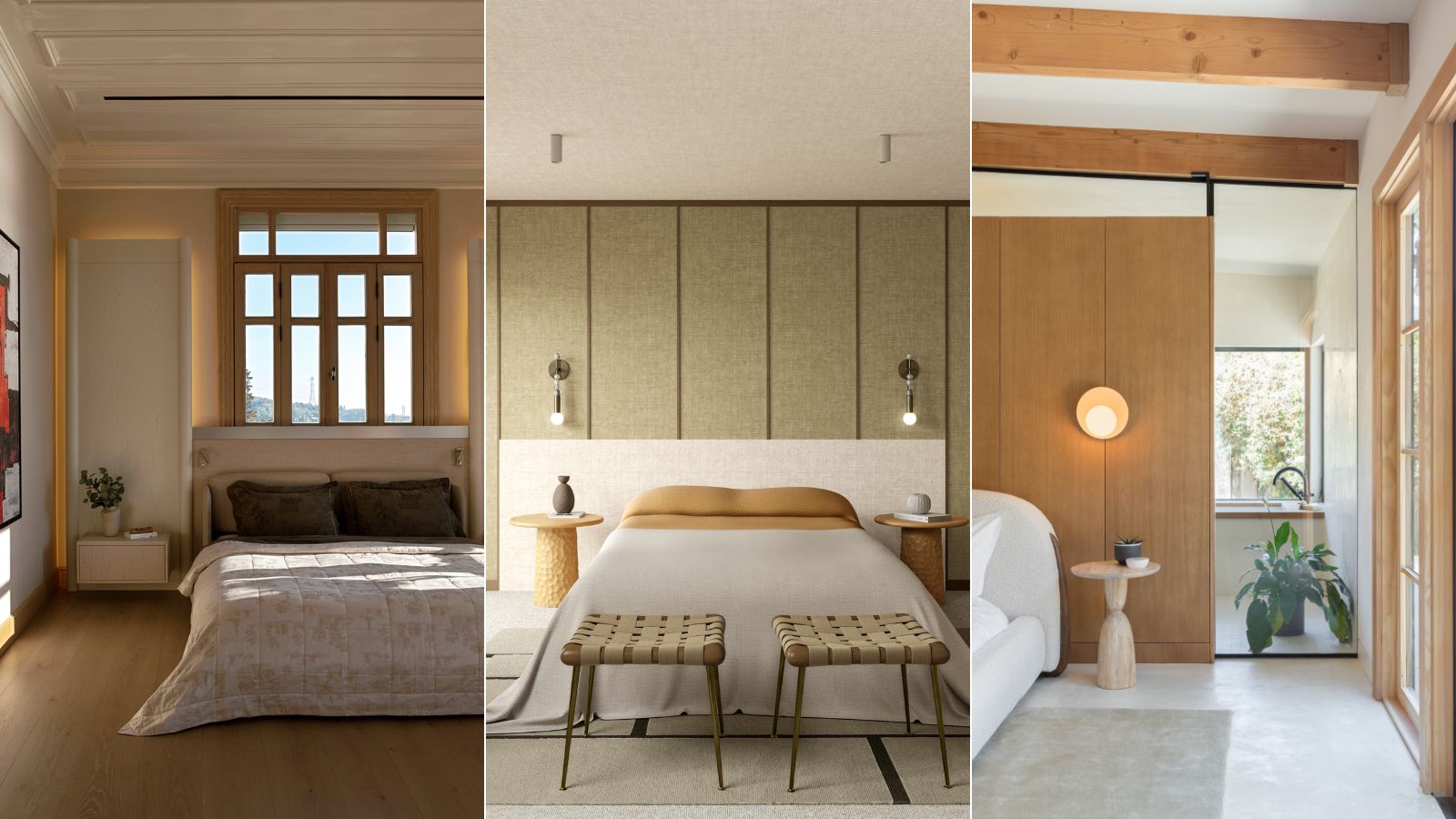
9 Japandi bedroom ideas to create a serene and stylish scheme
Japanese Living Room Design Is Trending—Here’s How to Achieve the Style