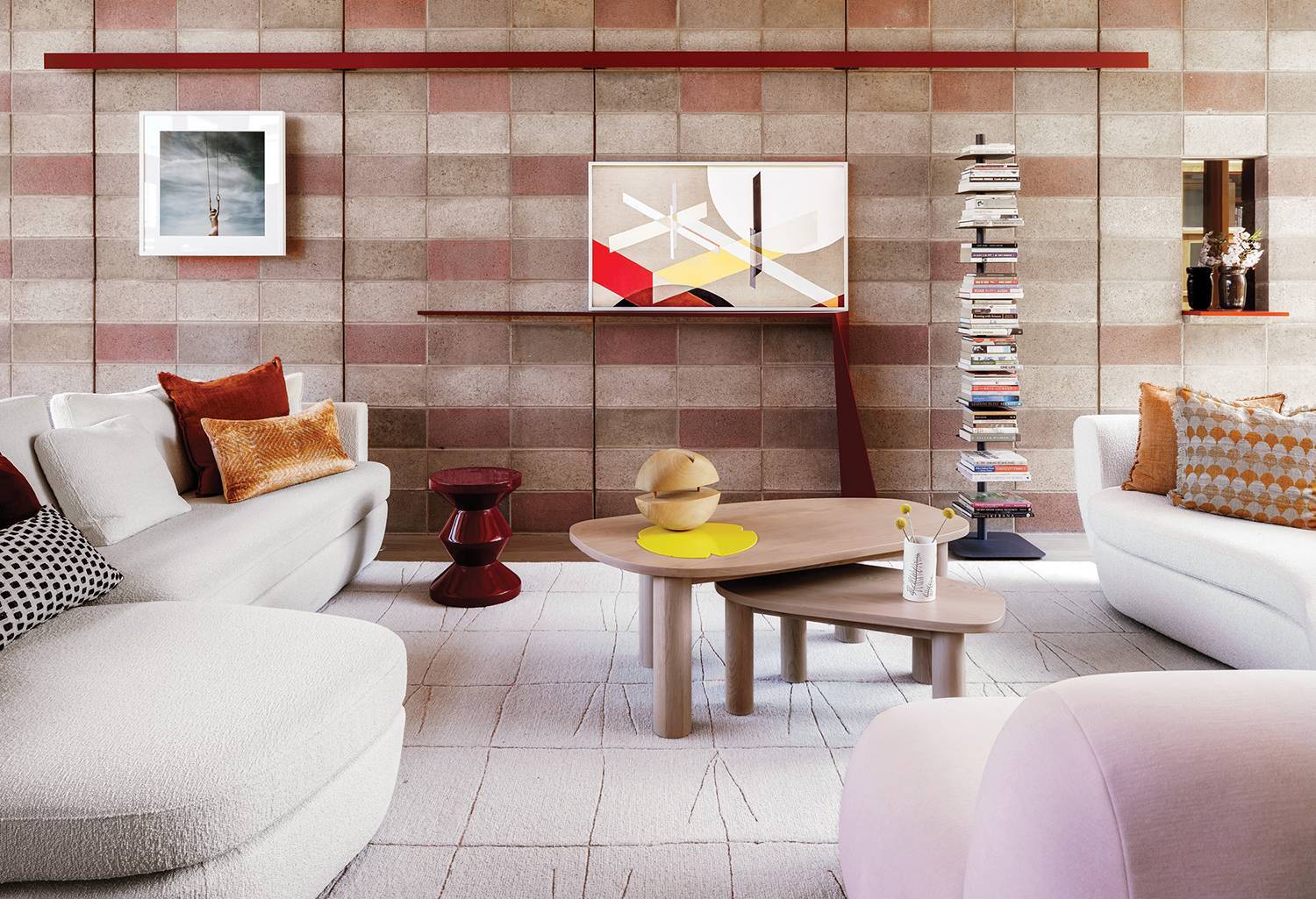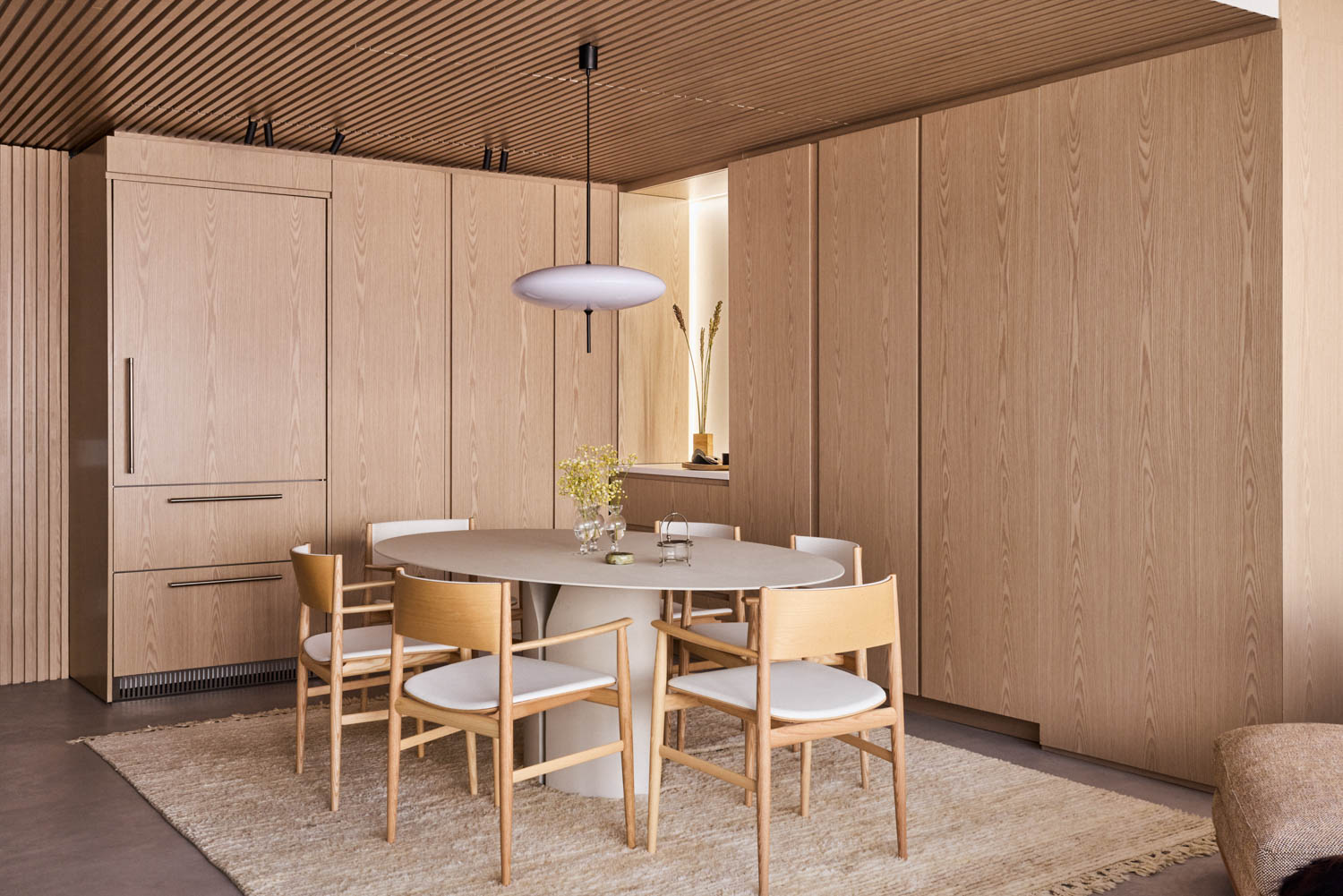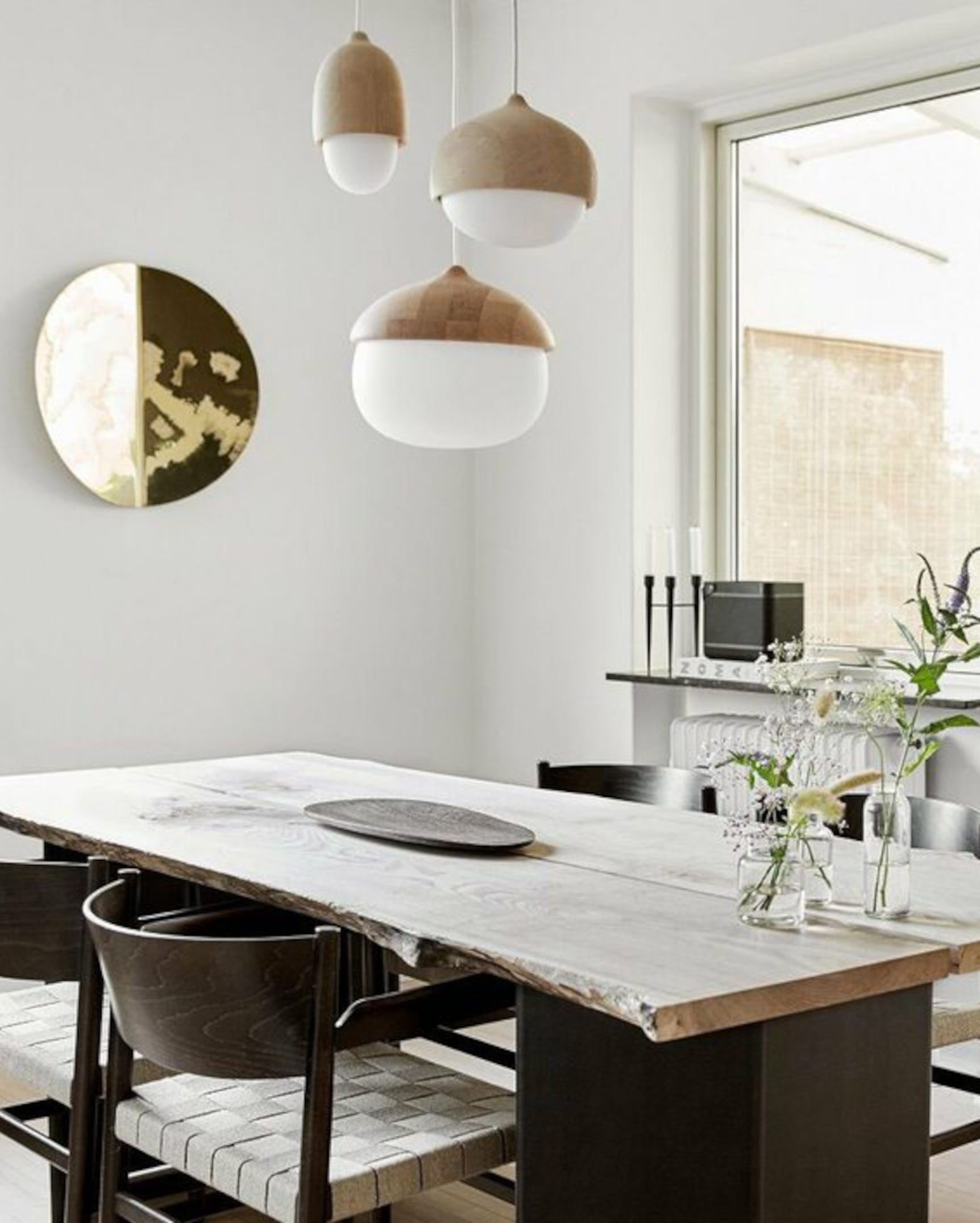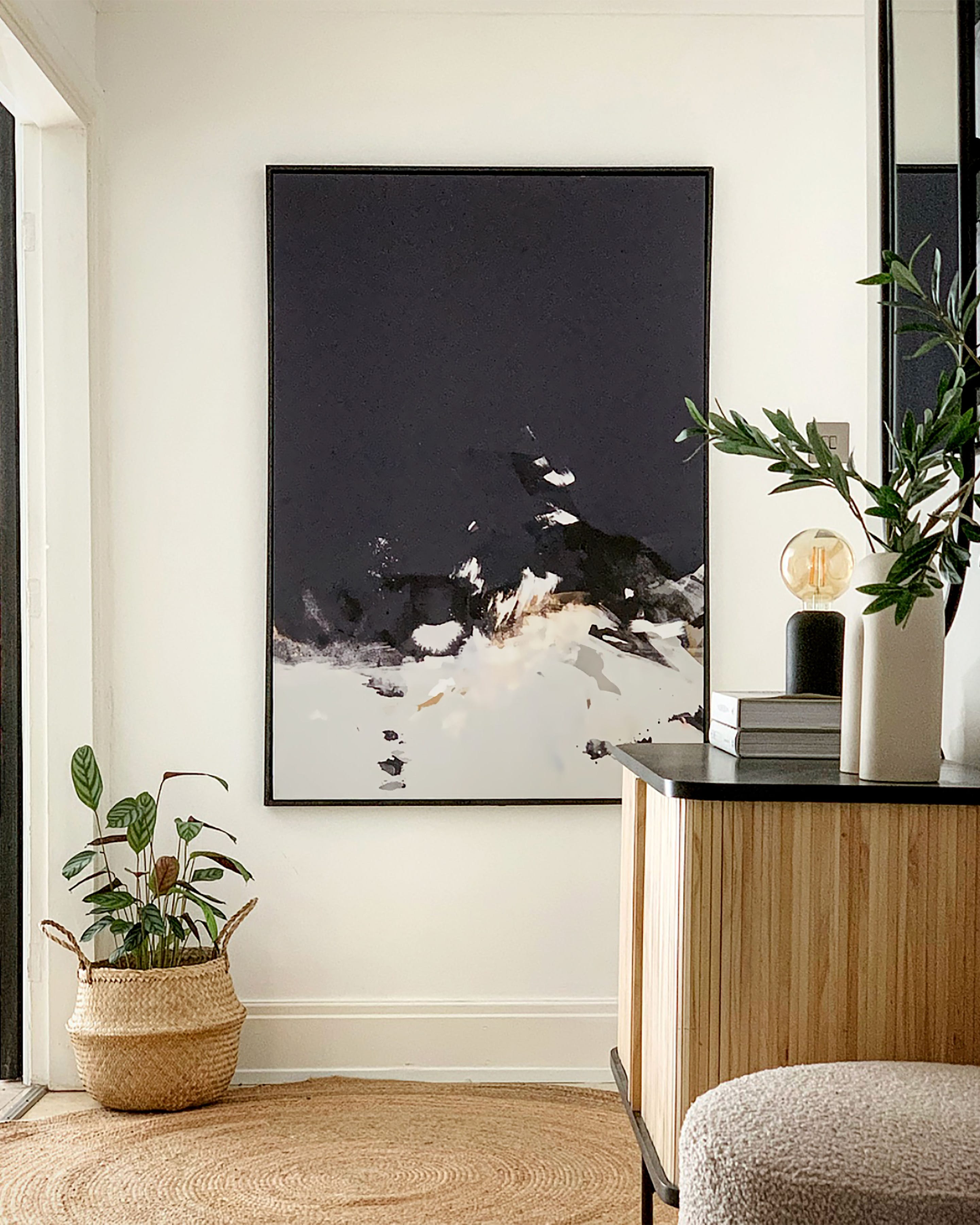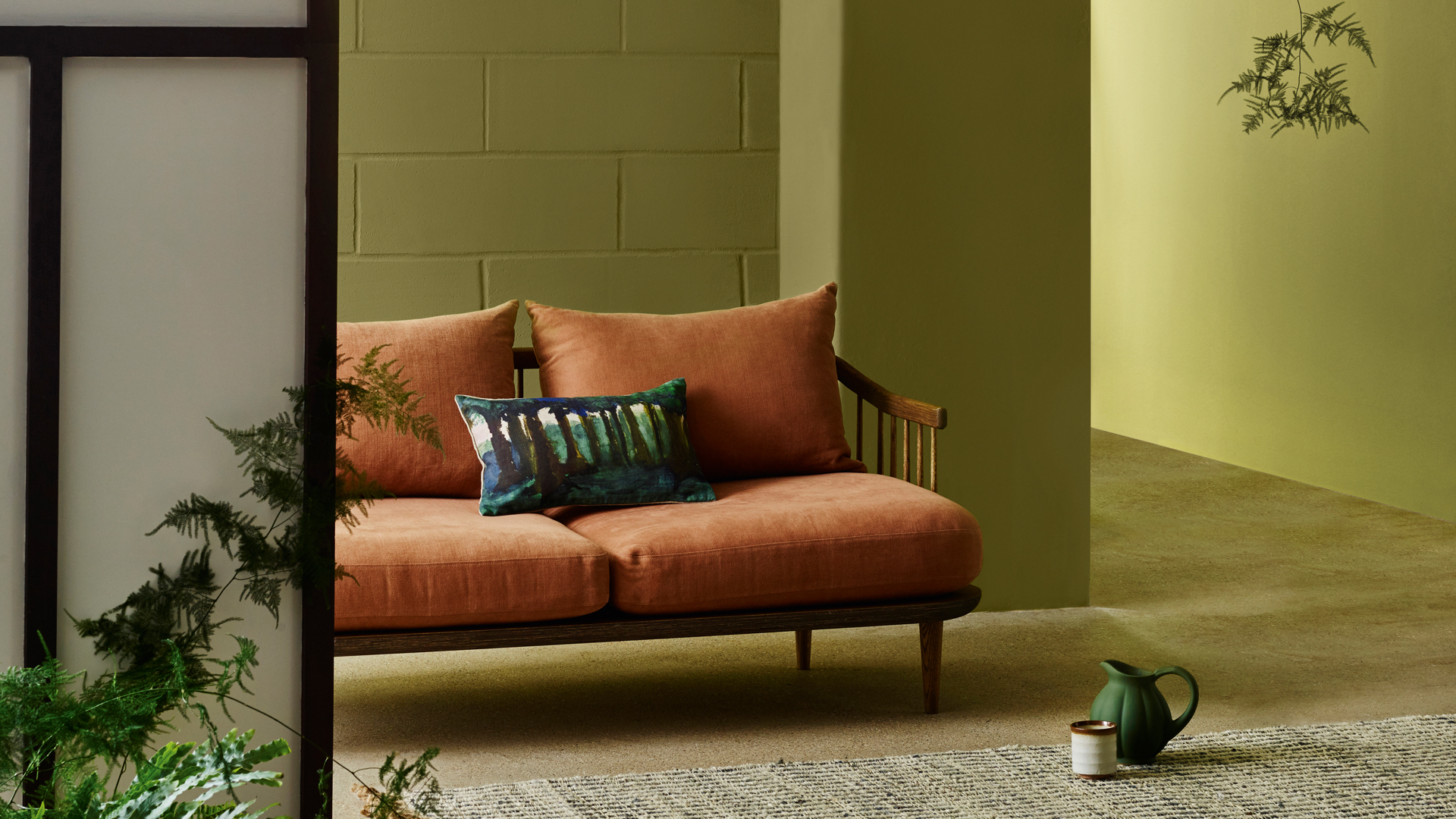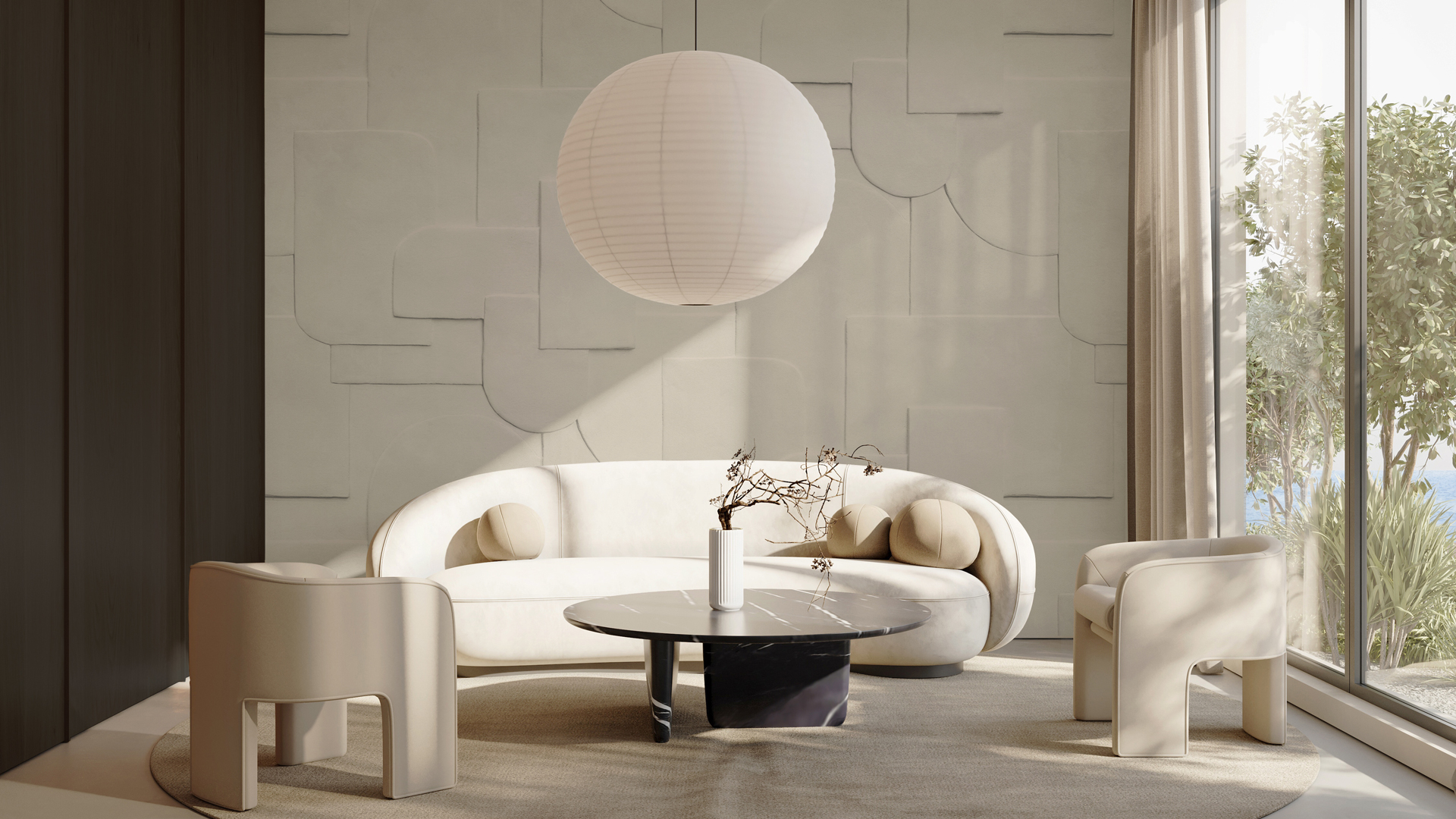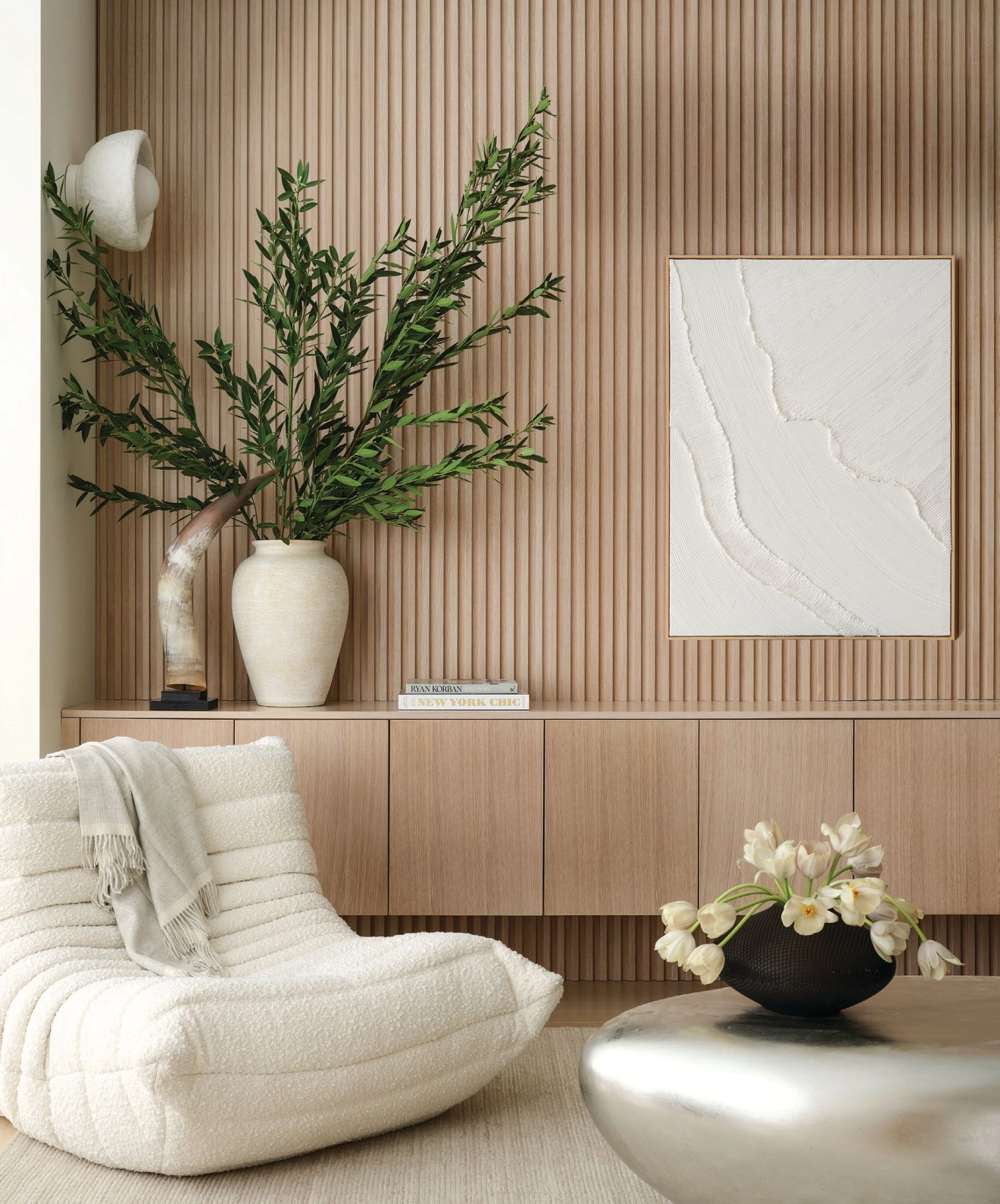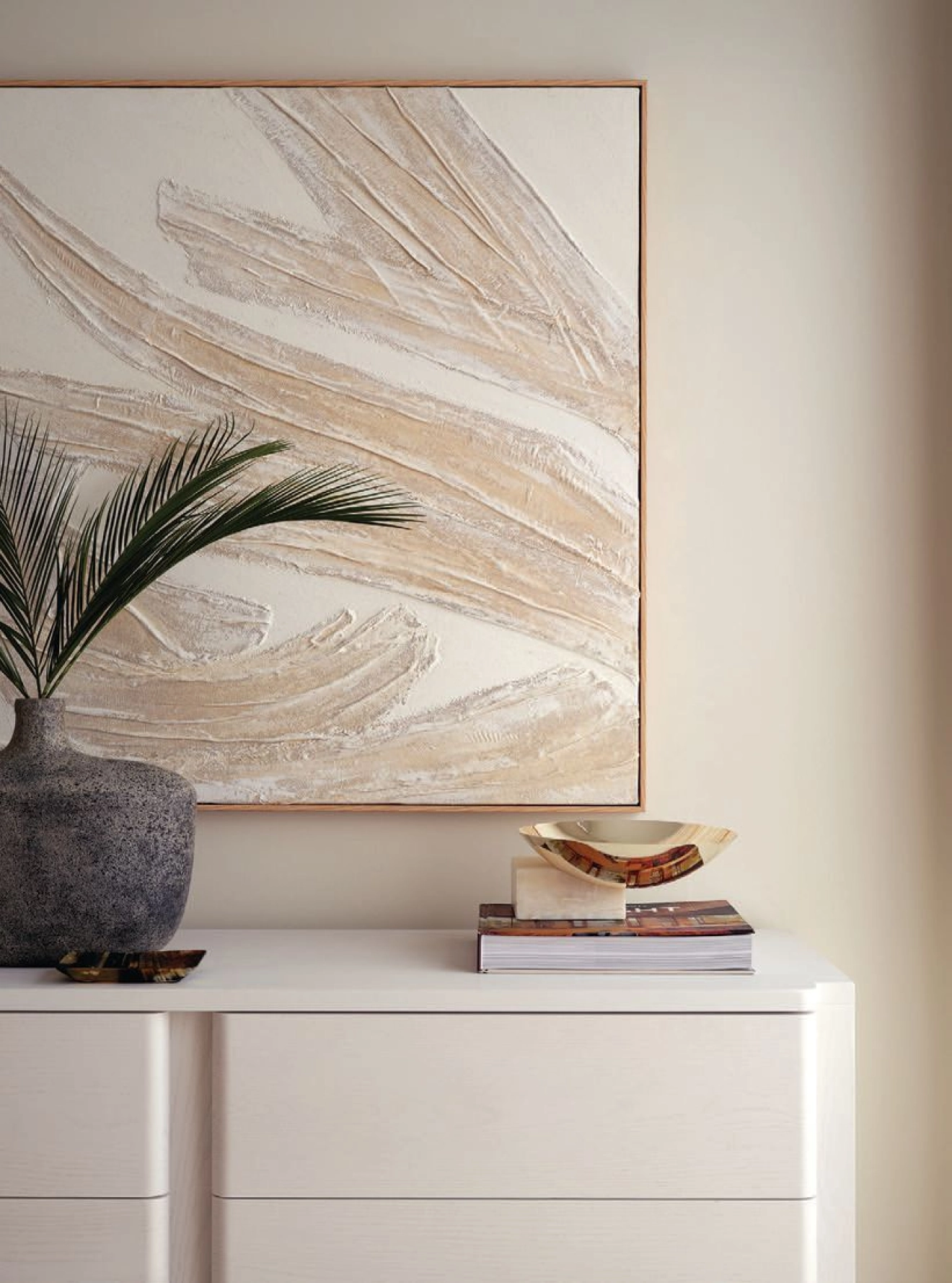
Scandinavian and Japanese interior designs come together to prove Japandi is not just a passing trend!
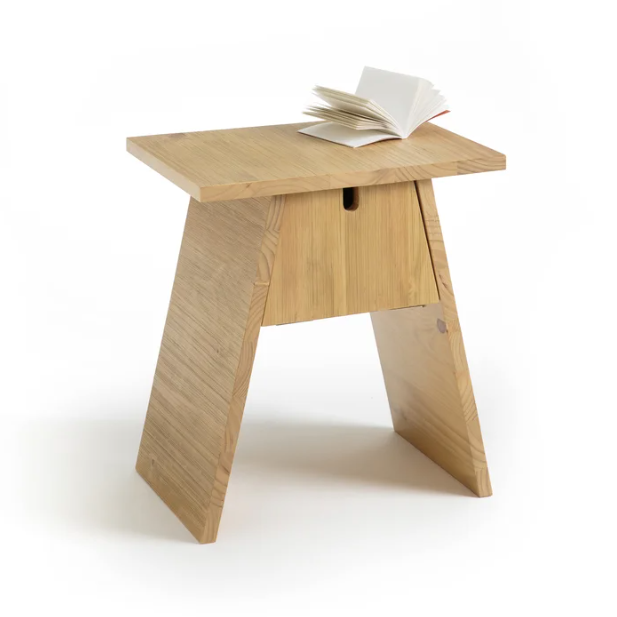
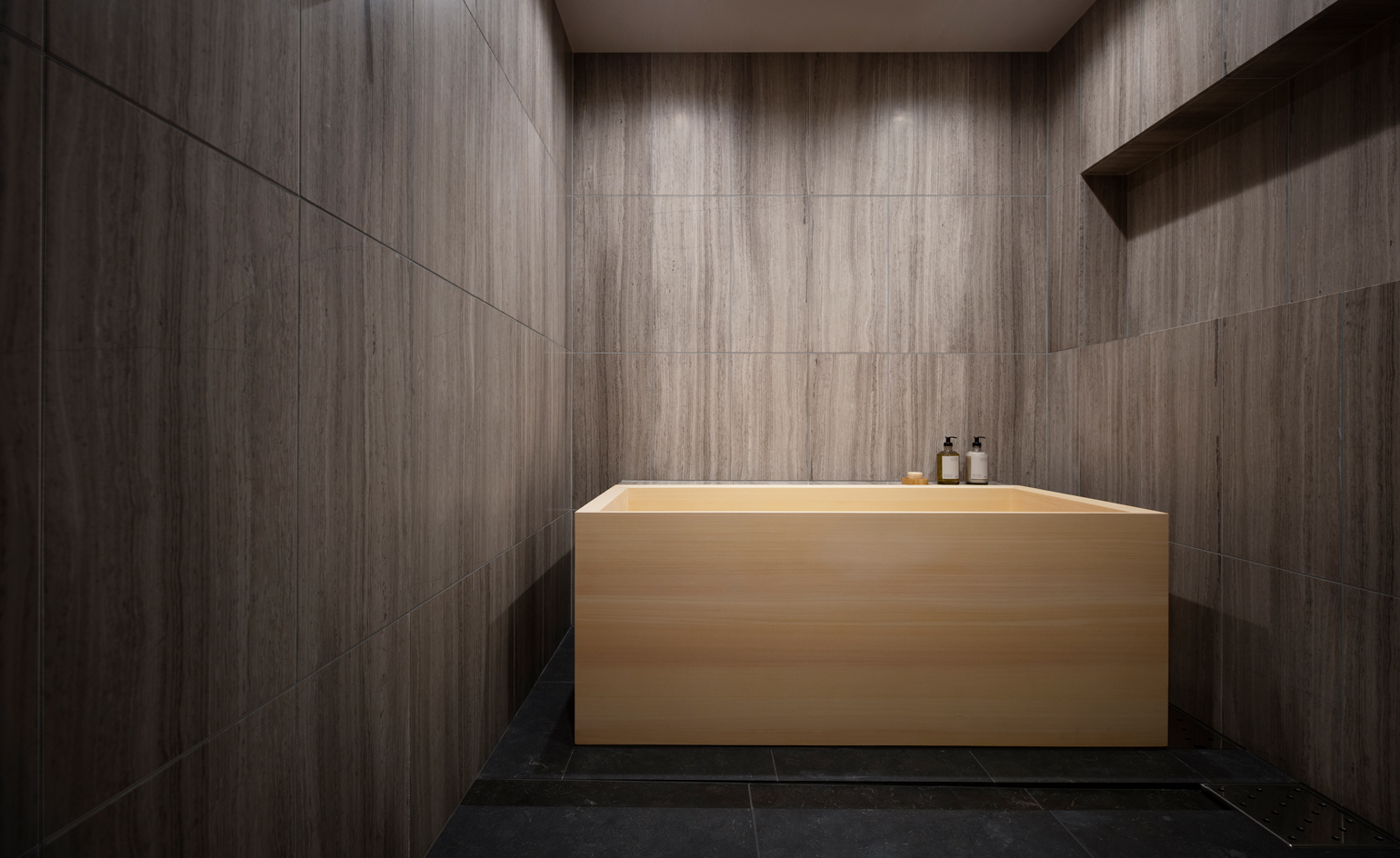
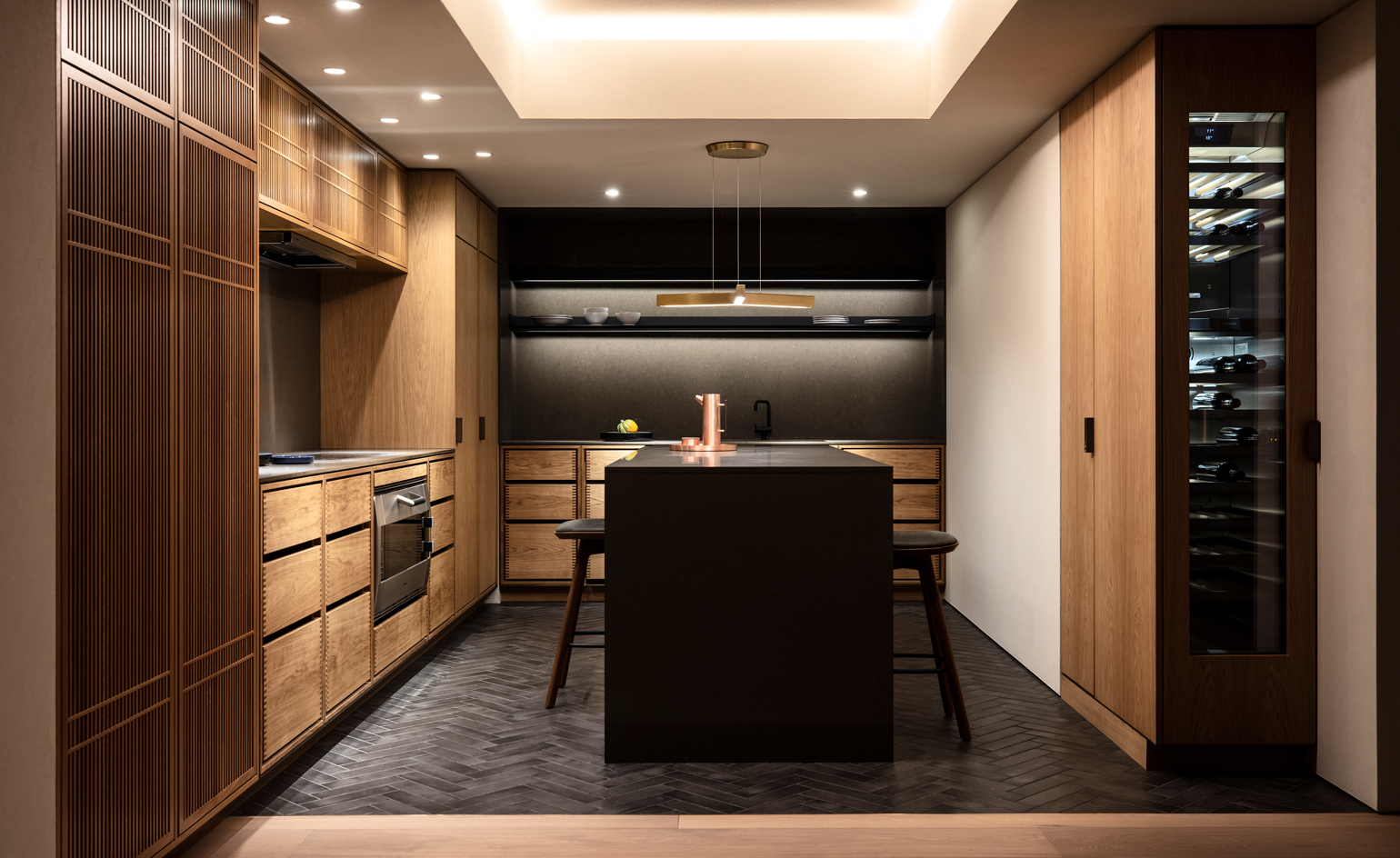
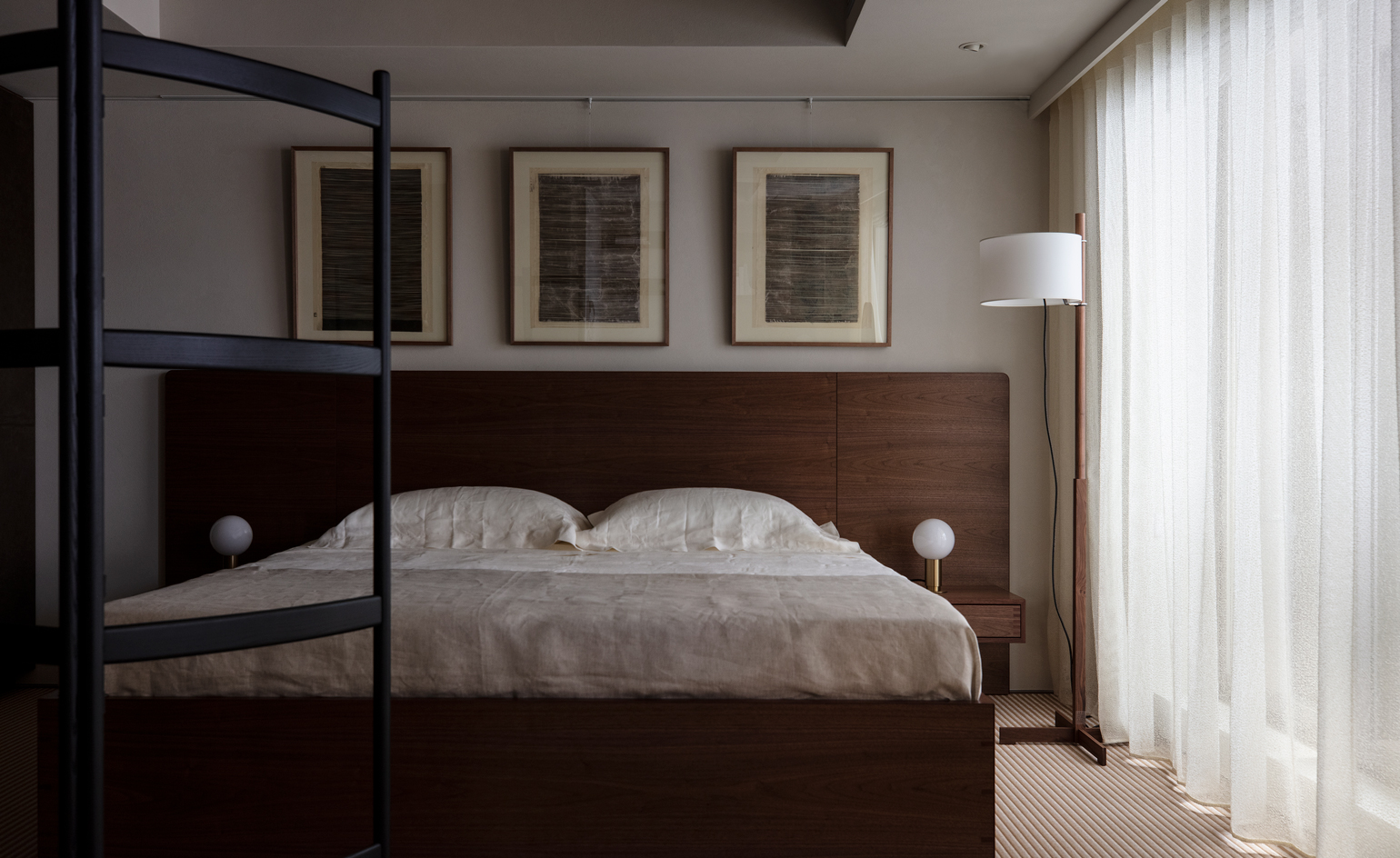
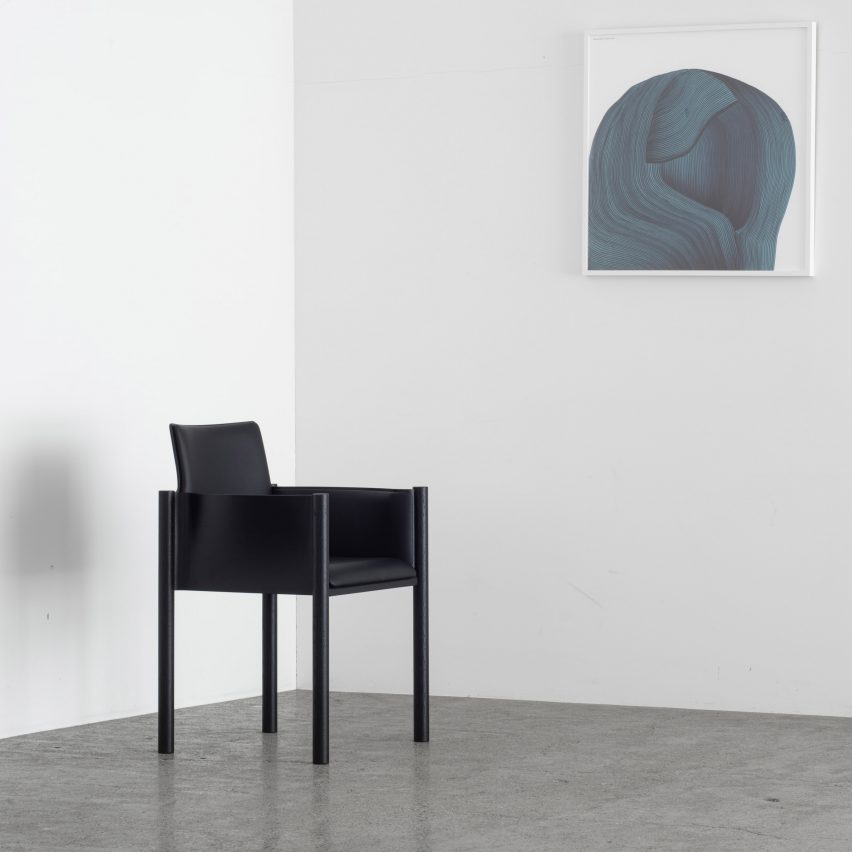
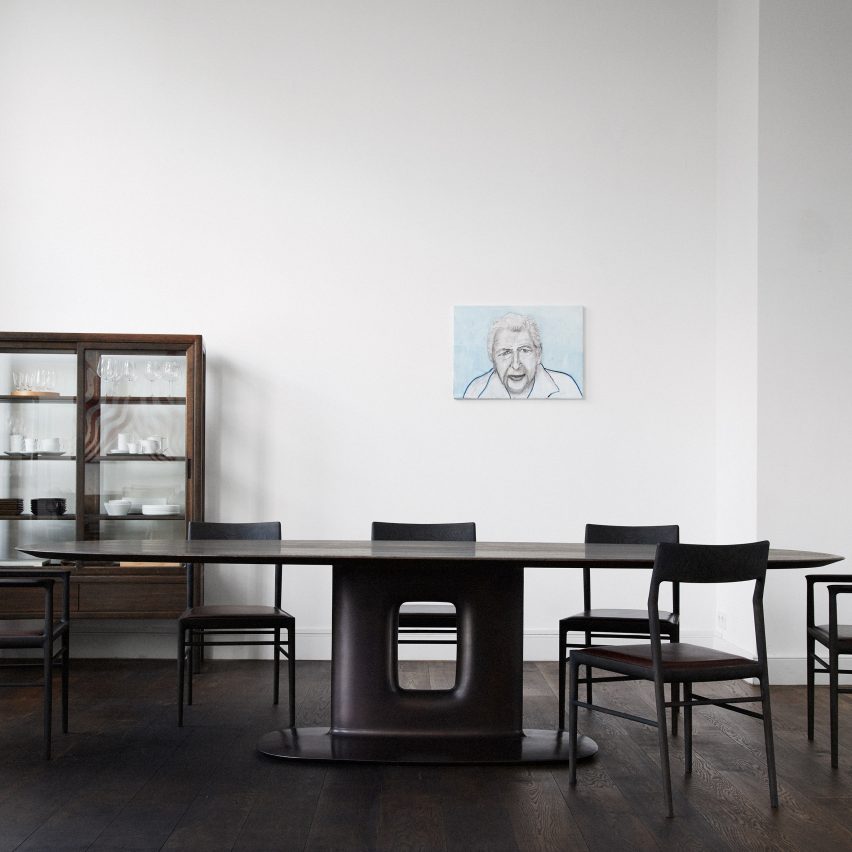
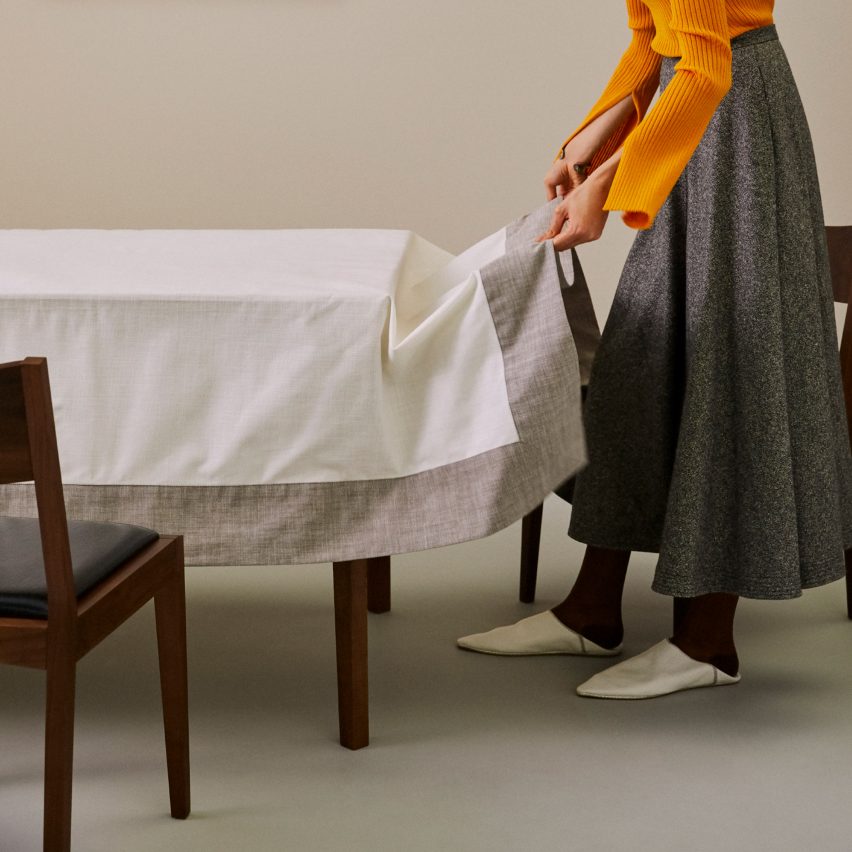
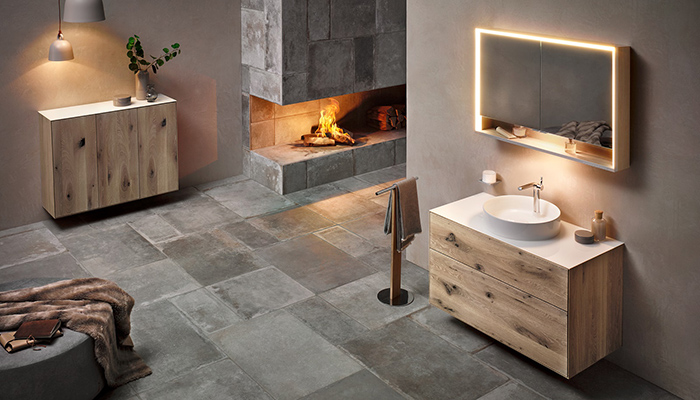
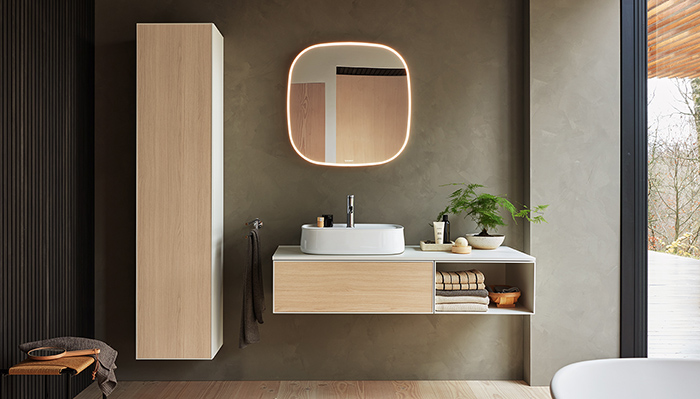
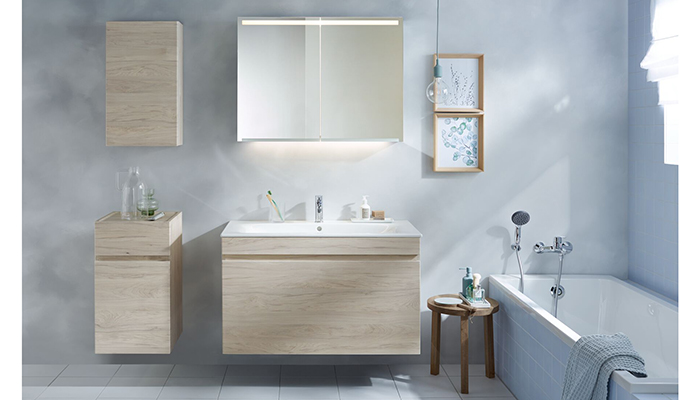

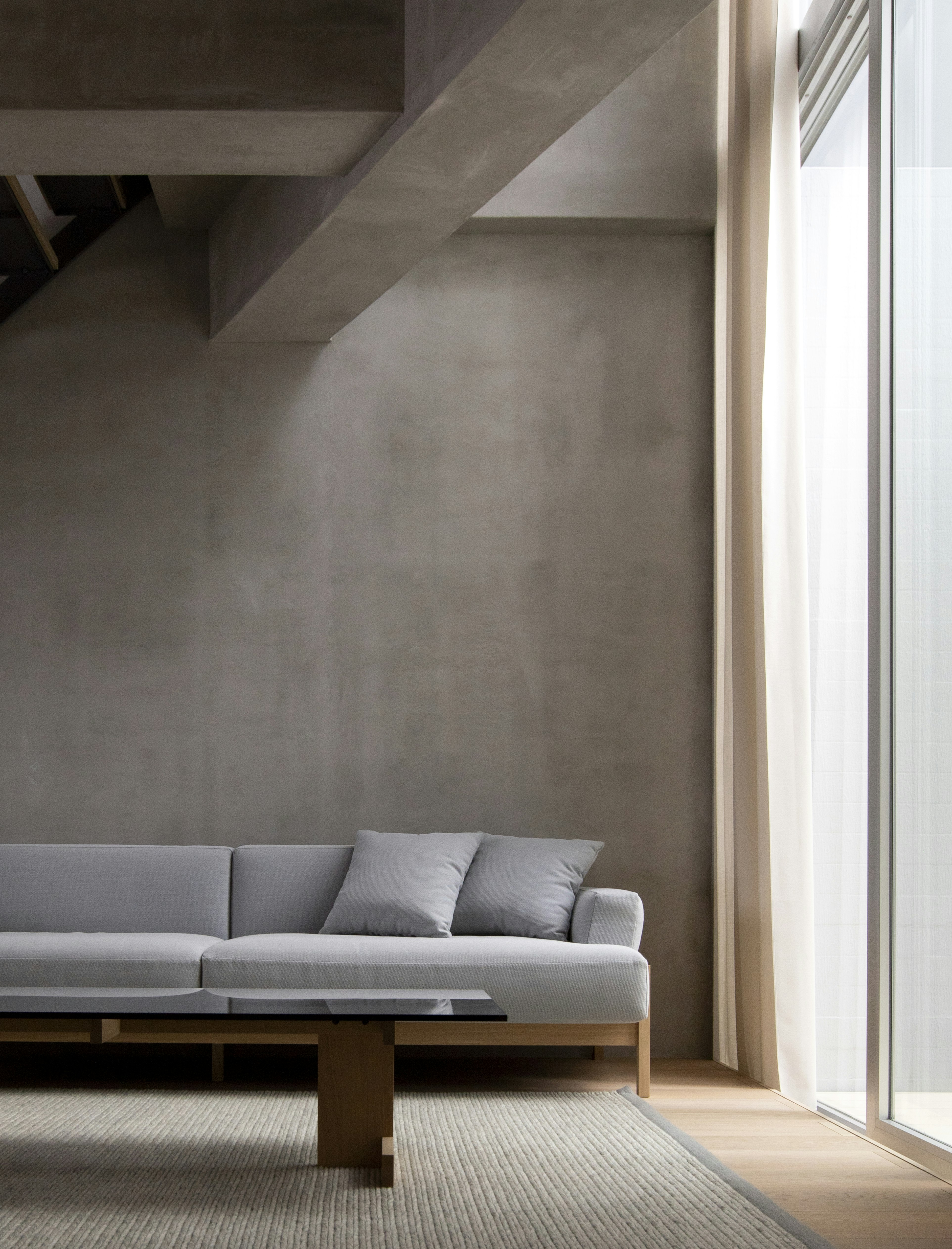
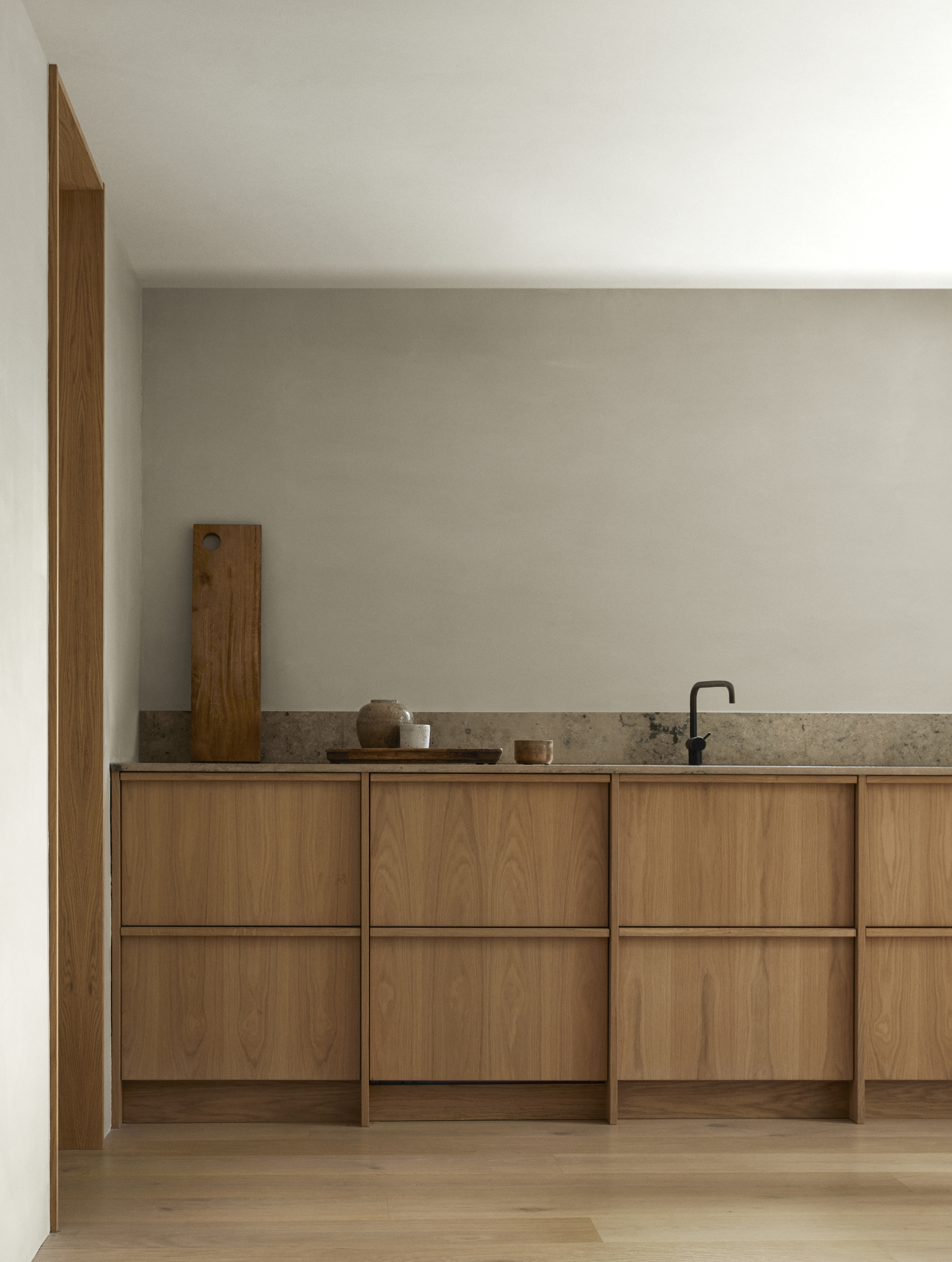
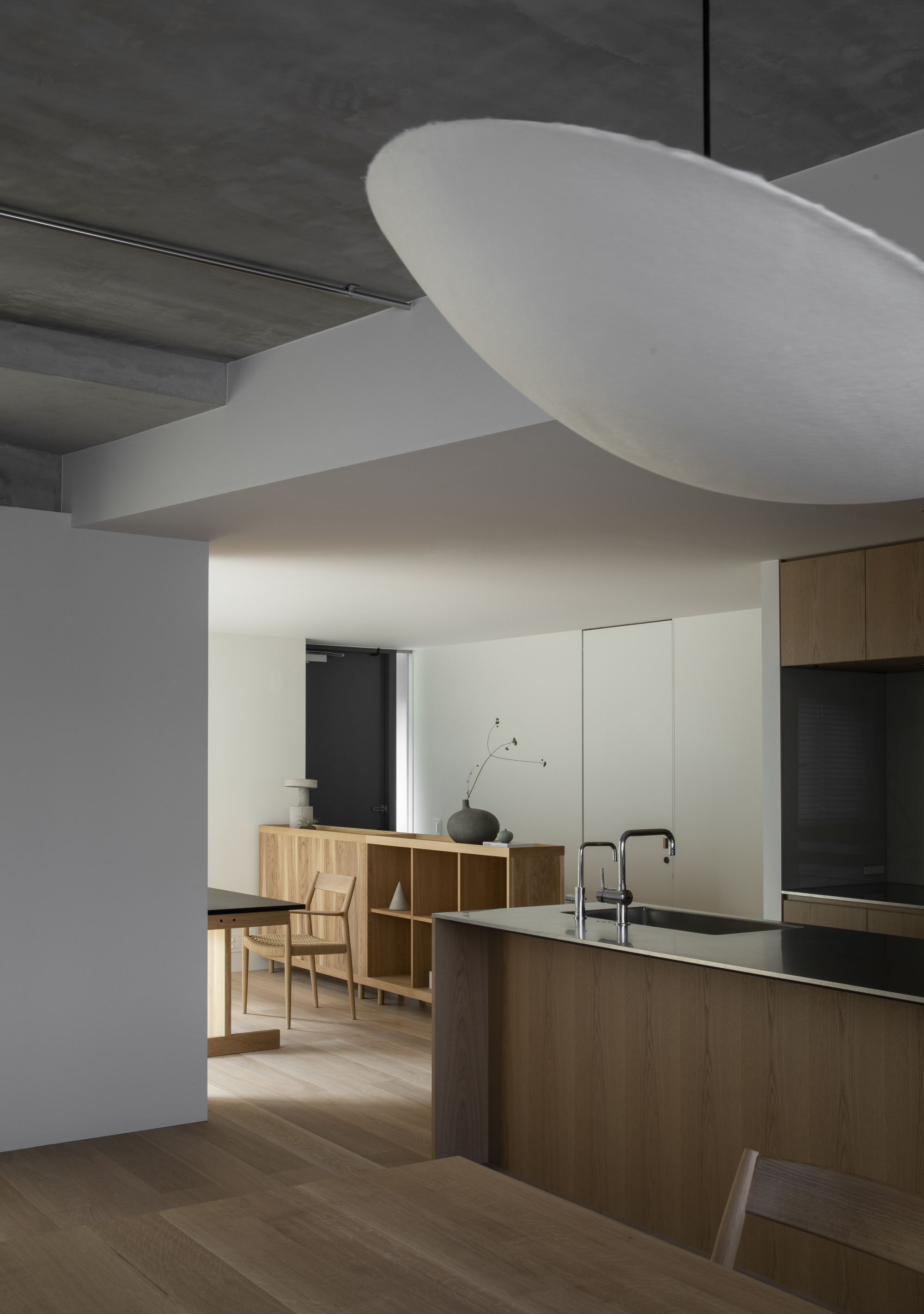
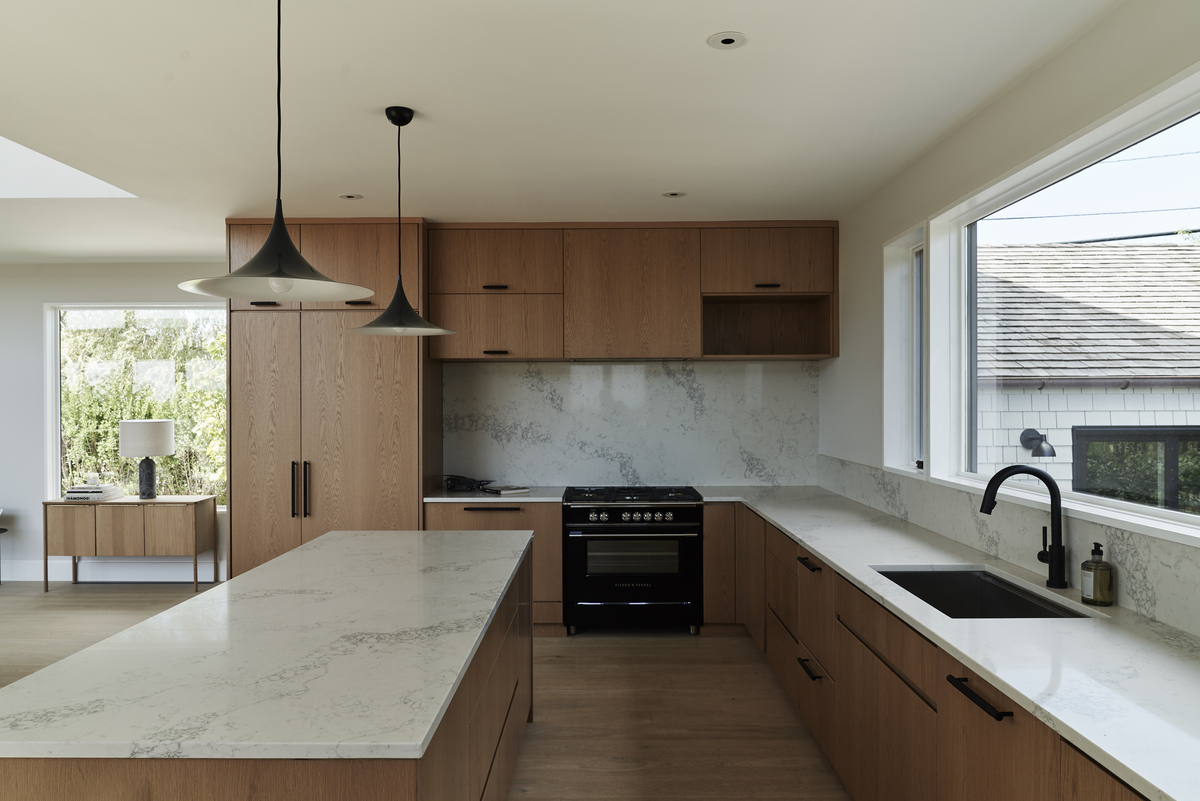
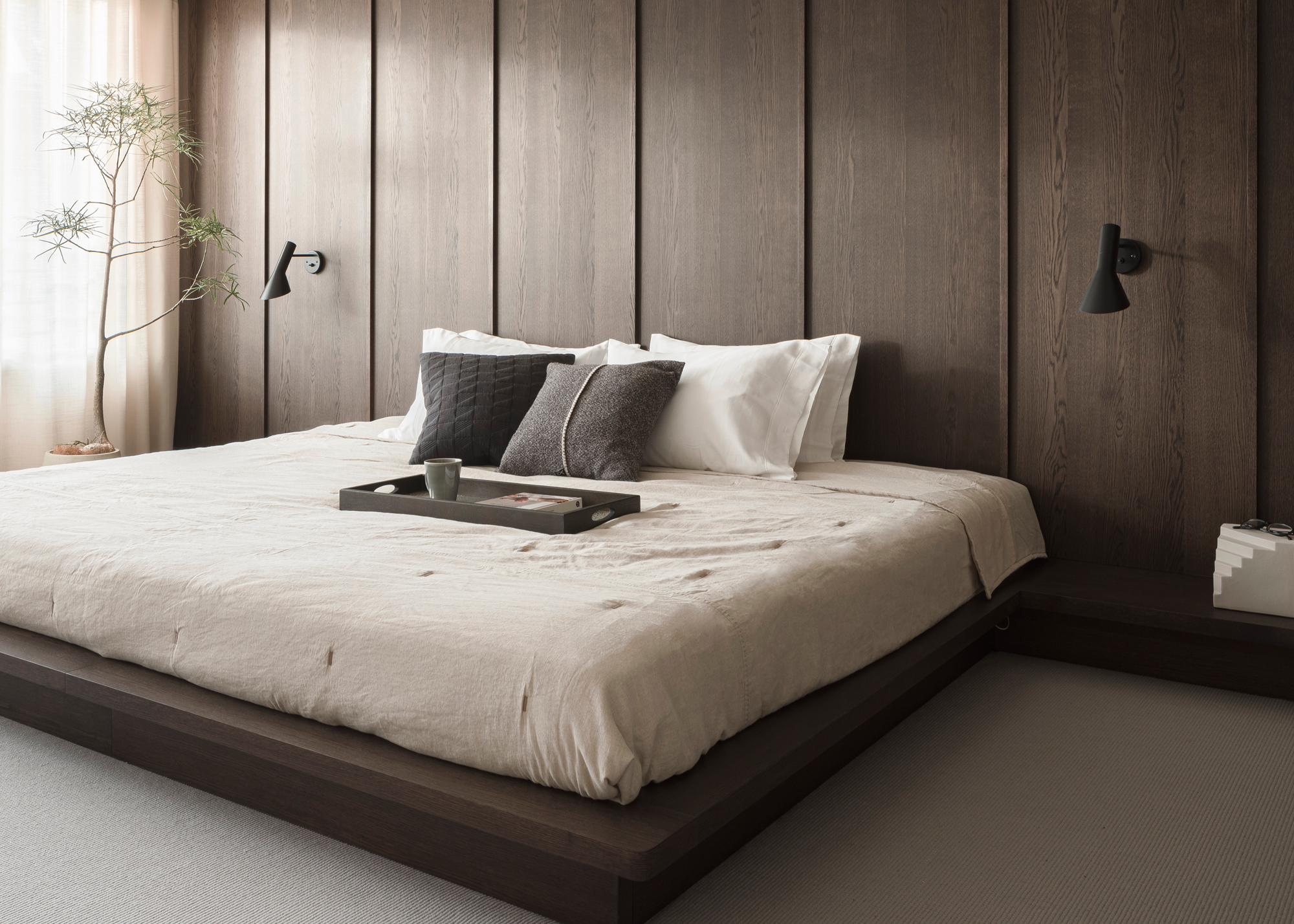
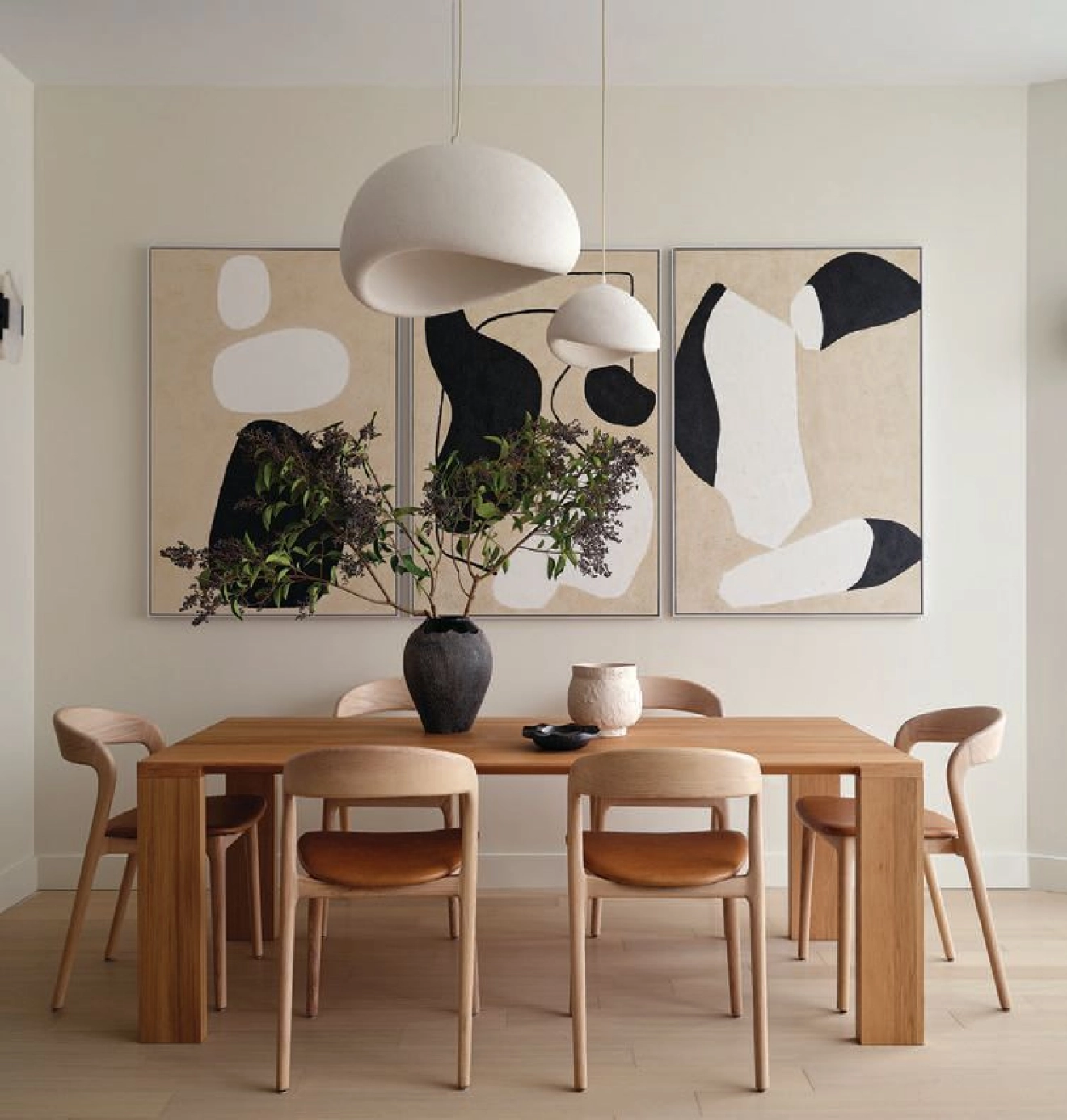
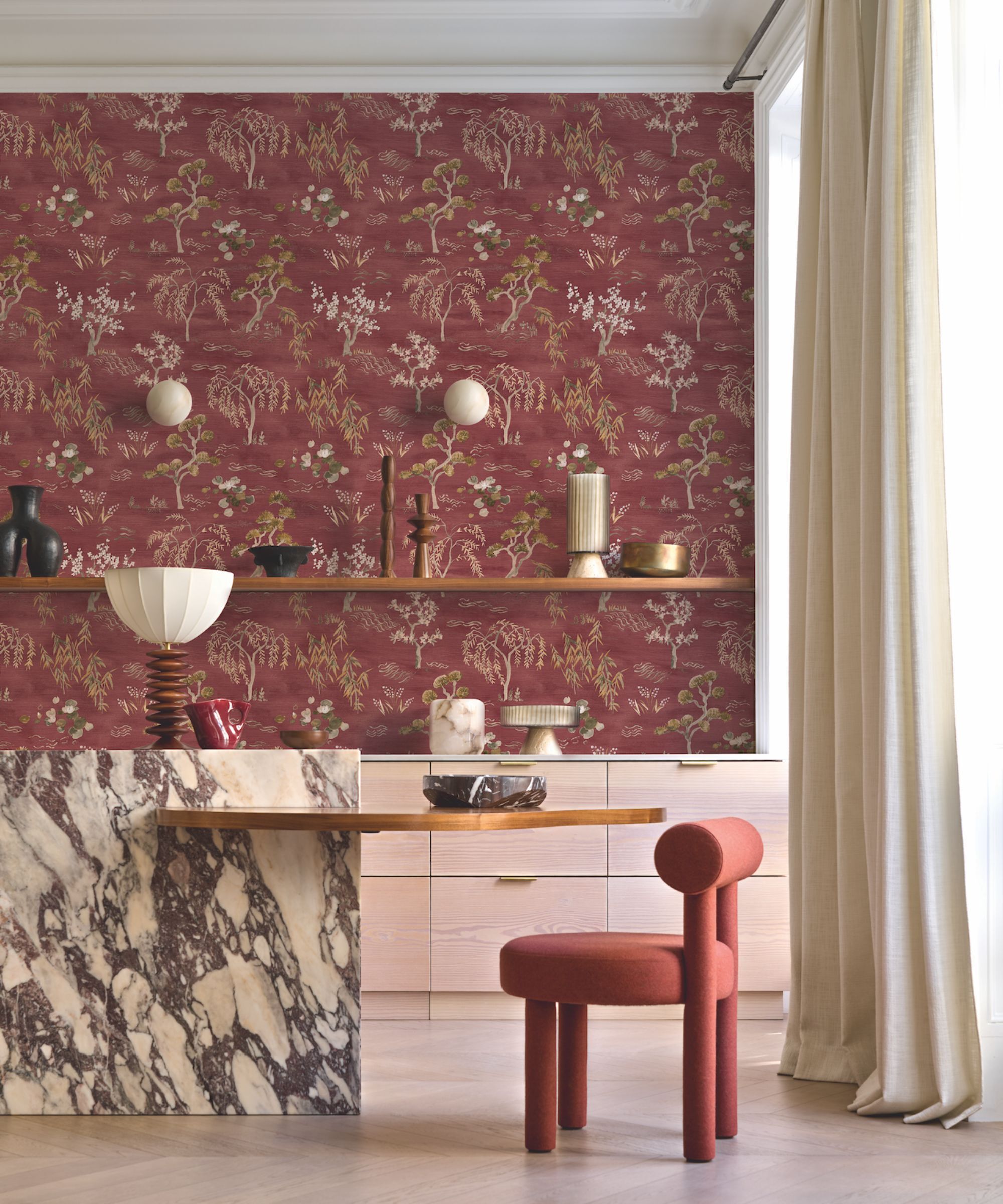
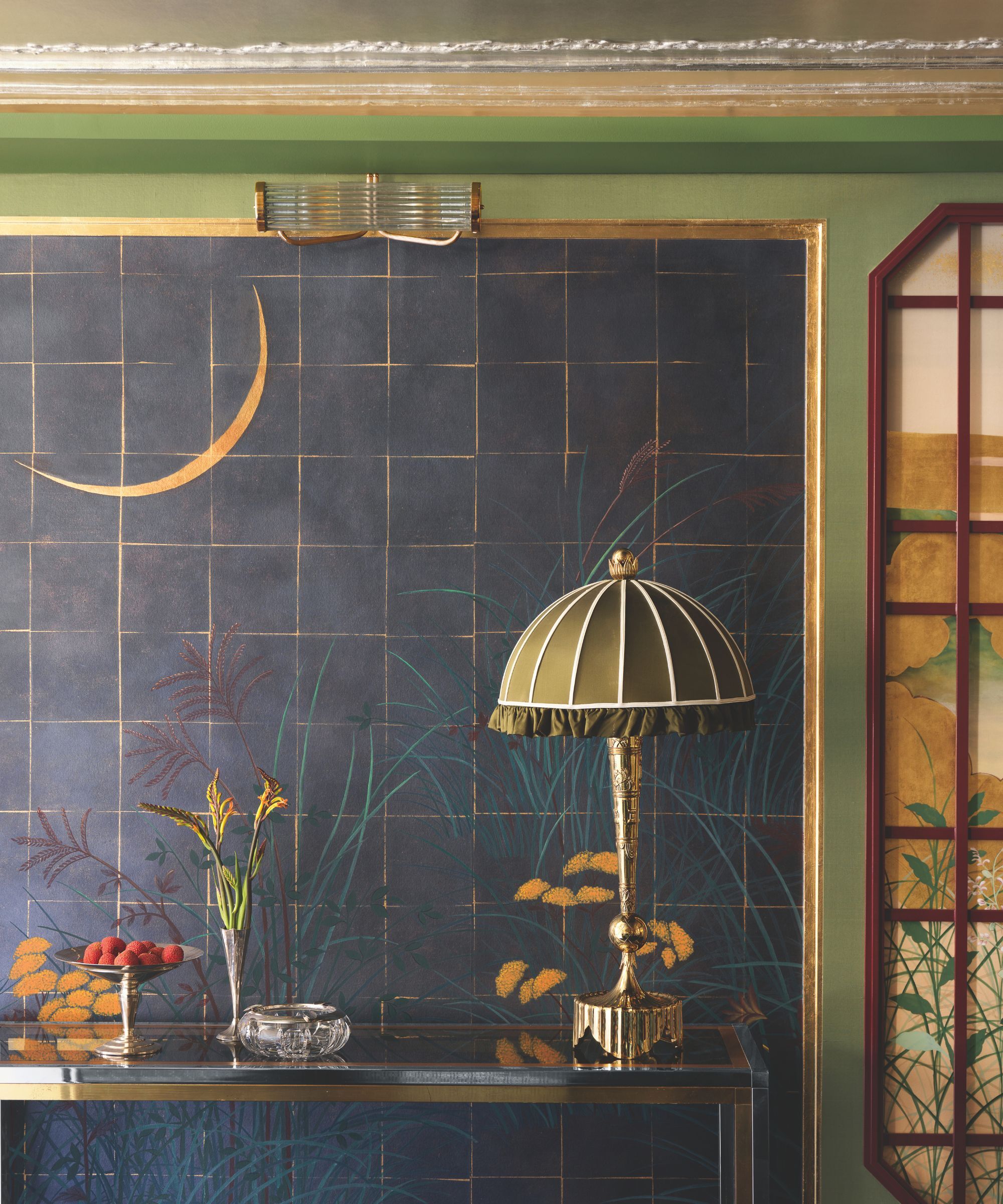
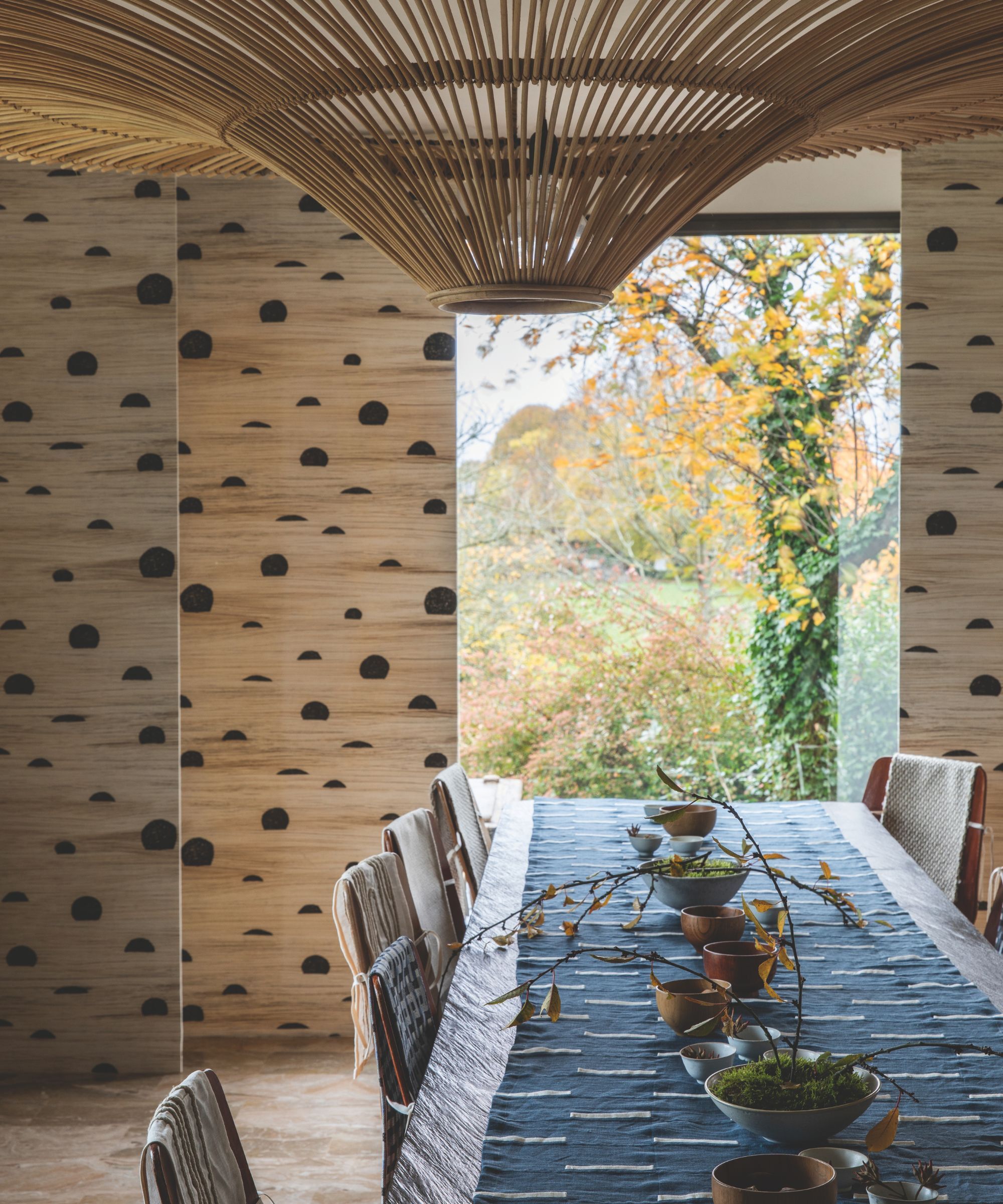
The interior design trend known as 'Japandi' is a fusion of Japanese minimalism and Scandinavian functionality, creating spaces that are warm, neutral, and comforting. This aesthetic integrates natural materials, craftsmanship, and calming color palettes to achieve a balanced and inviting atmosphere. Several examples illustrate the successful application of Japandi principles in various settings.
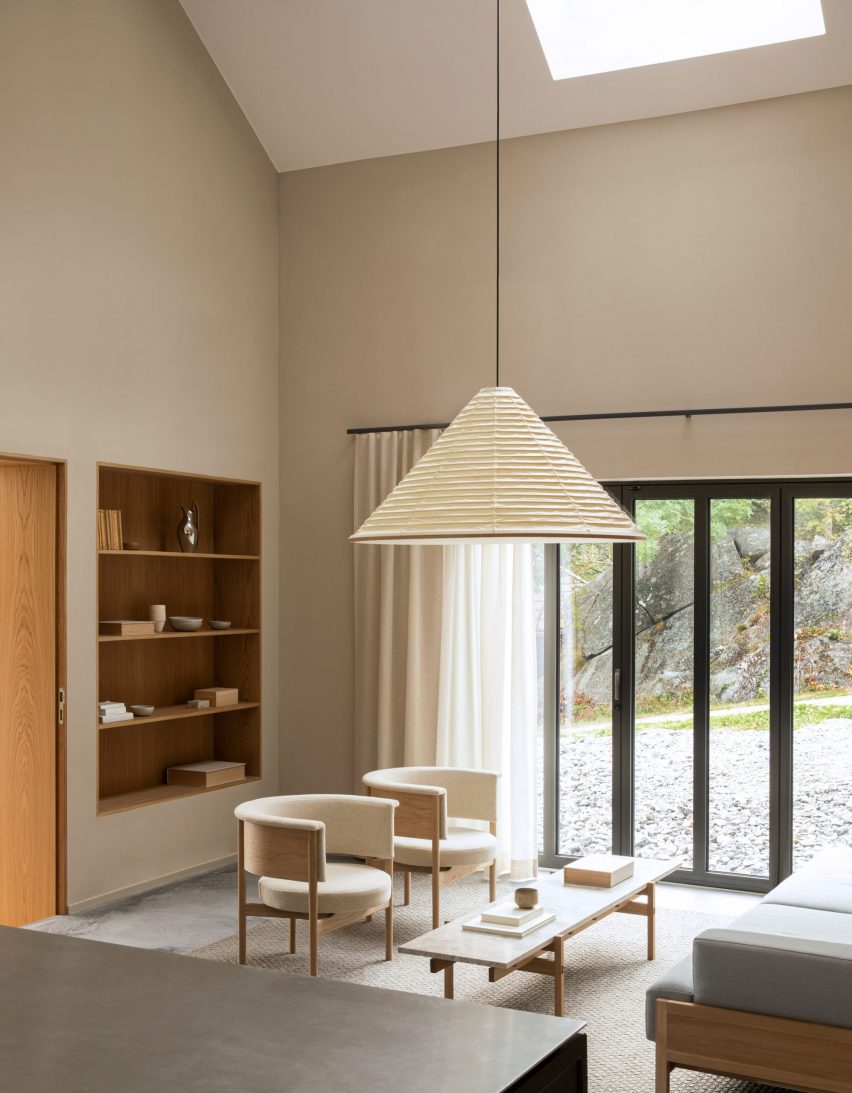
Norm Architects' Archipelago Home, a holiday residence, exemplifies Japandi through its consistent use of creams, greys, and whites, complemented by light wood furniture. This design choice maintains a sense of tranquility and understated elegance characteristic of both Japanese and Scandinavian styles.
In Tokyo, the Inua Restaurant, designed by OEO Studio, seamlessly blends Danish cabinetry and Japanese-inspired gardens. The interior features Danish timber floorboards, juxtaposed with a ceiling grid pattern reminiscent of Japanese Tatami mats, showcasing a harmonious cultural integration.
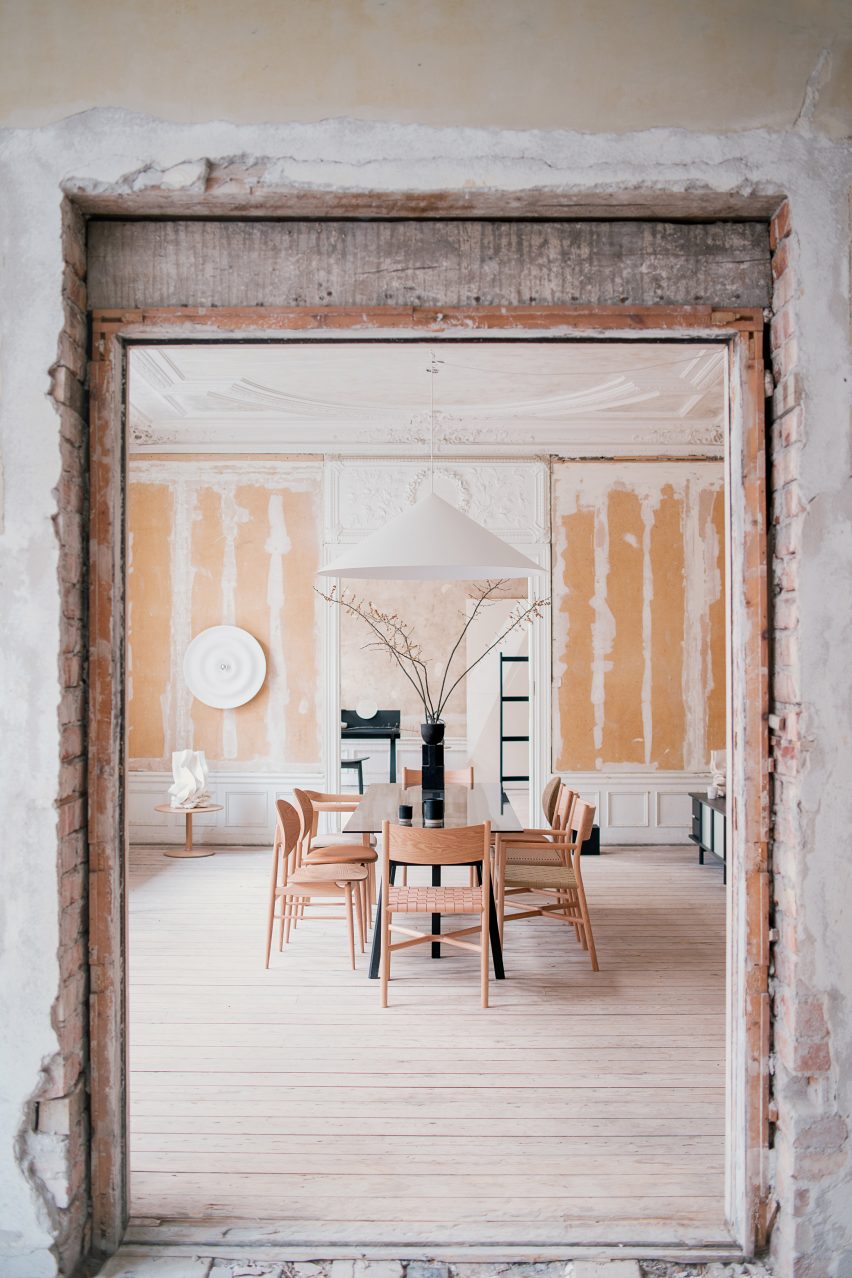
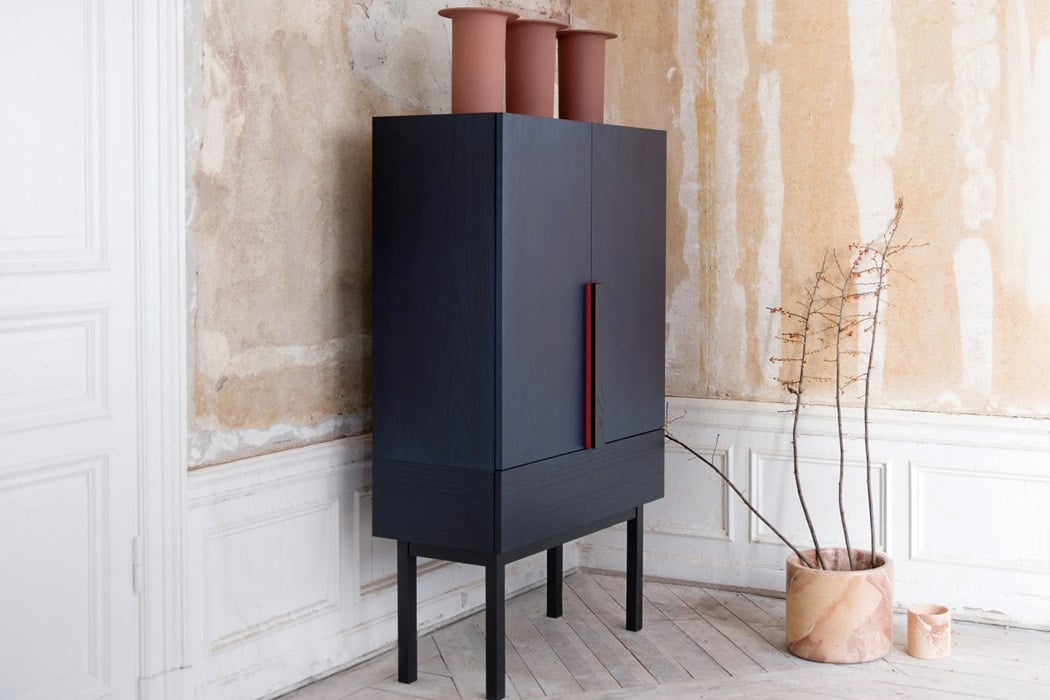
The Japanese furniture brand Ariake held an exhibition in Stockholm's former Mexican embassy, where clean wooden furniture was showcased against textured, crumbling walls and ceilings. This setting highlighted the authentic Japanese craftsmanship within a raw, rustic Scandinavian architectural context, demonstrating the synergy of these design philosophies.
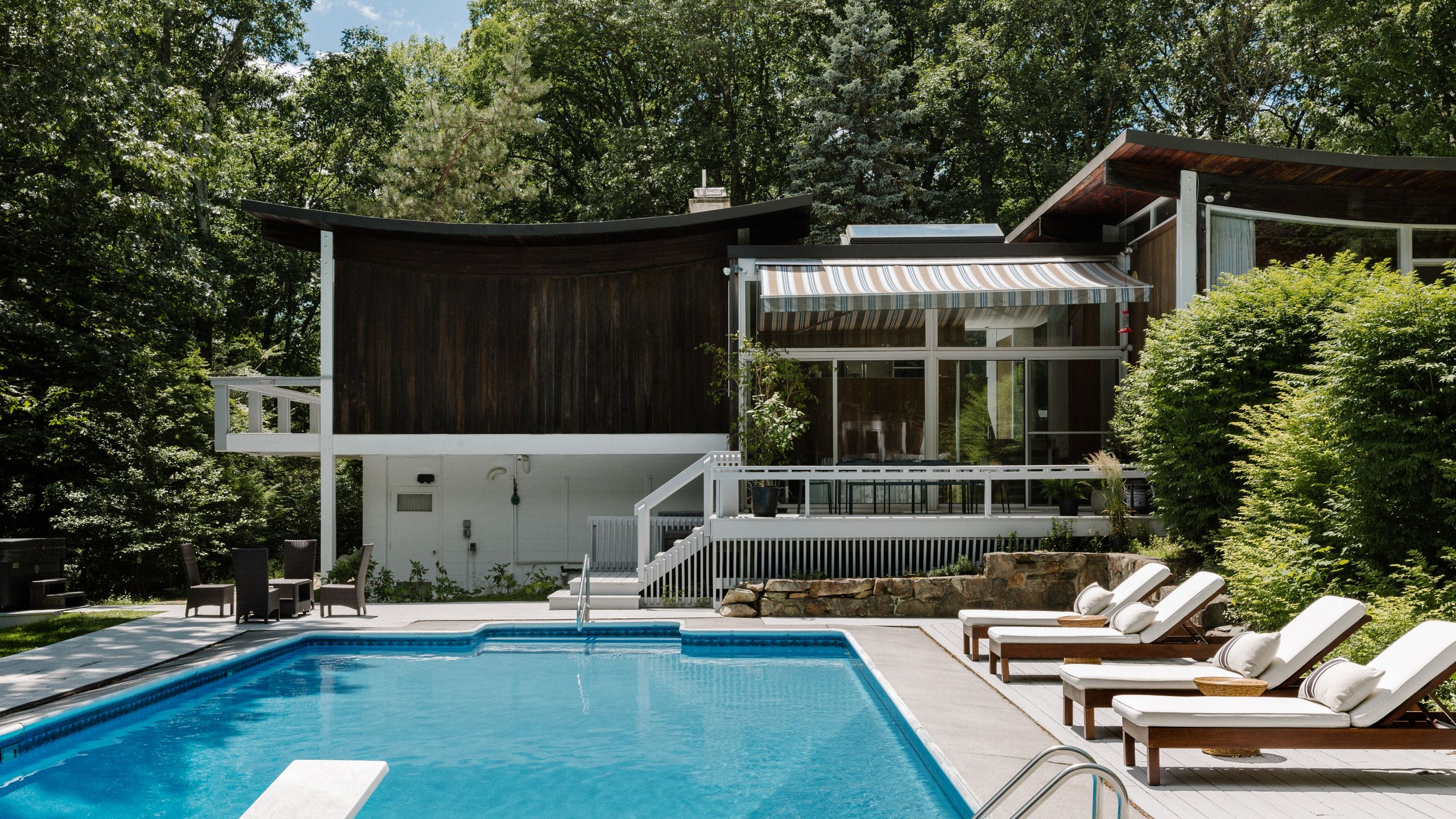
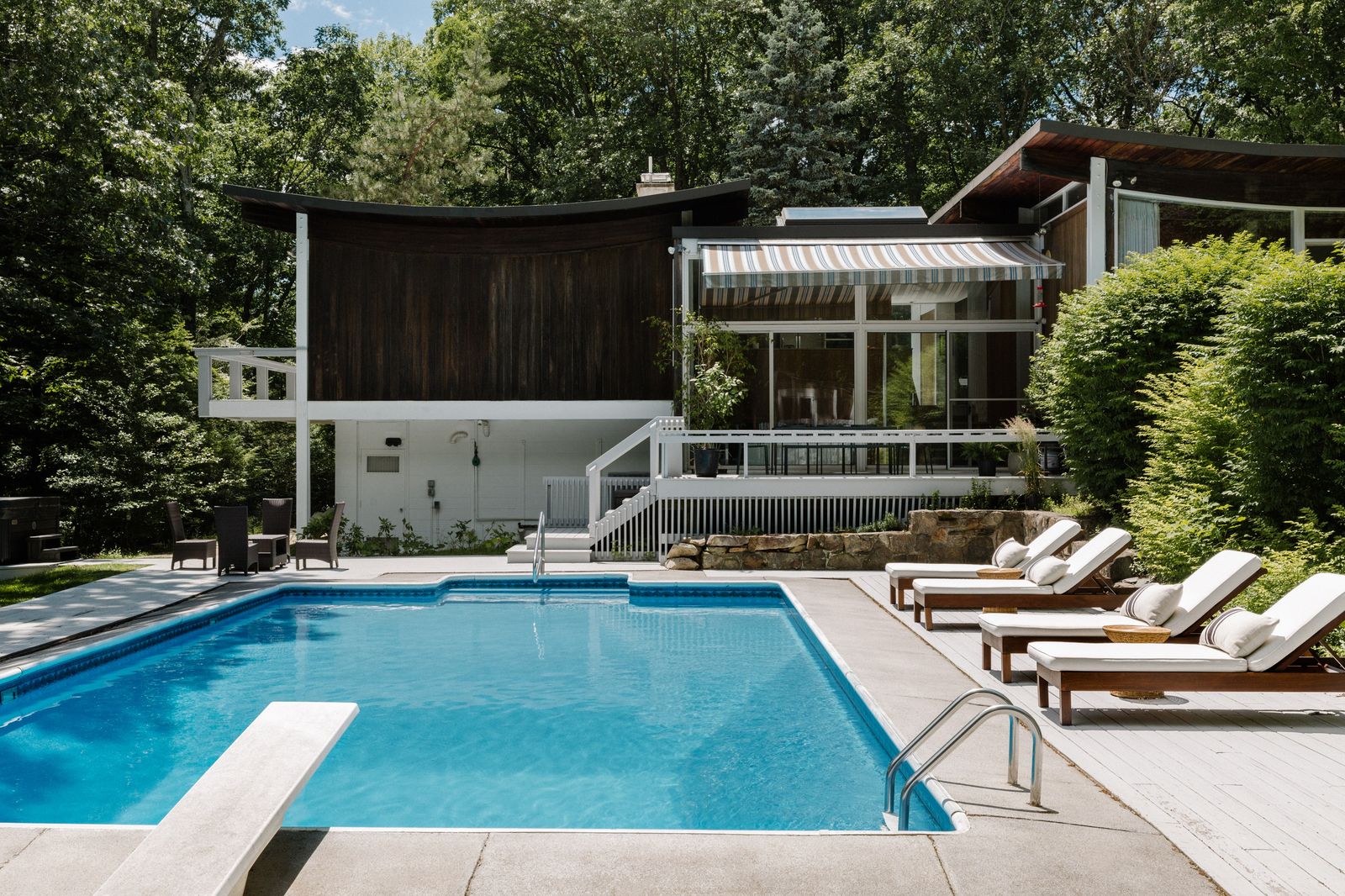
Magdalena Keck's holiday home in the Catskill Mountains incorporates Japanese minimalism and Danish design, along with American crafts. The use of wooden floors, Danish furniture, Japanese pottery, and aspen wall cladding collectively forms a distinctly Japandi environment.
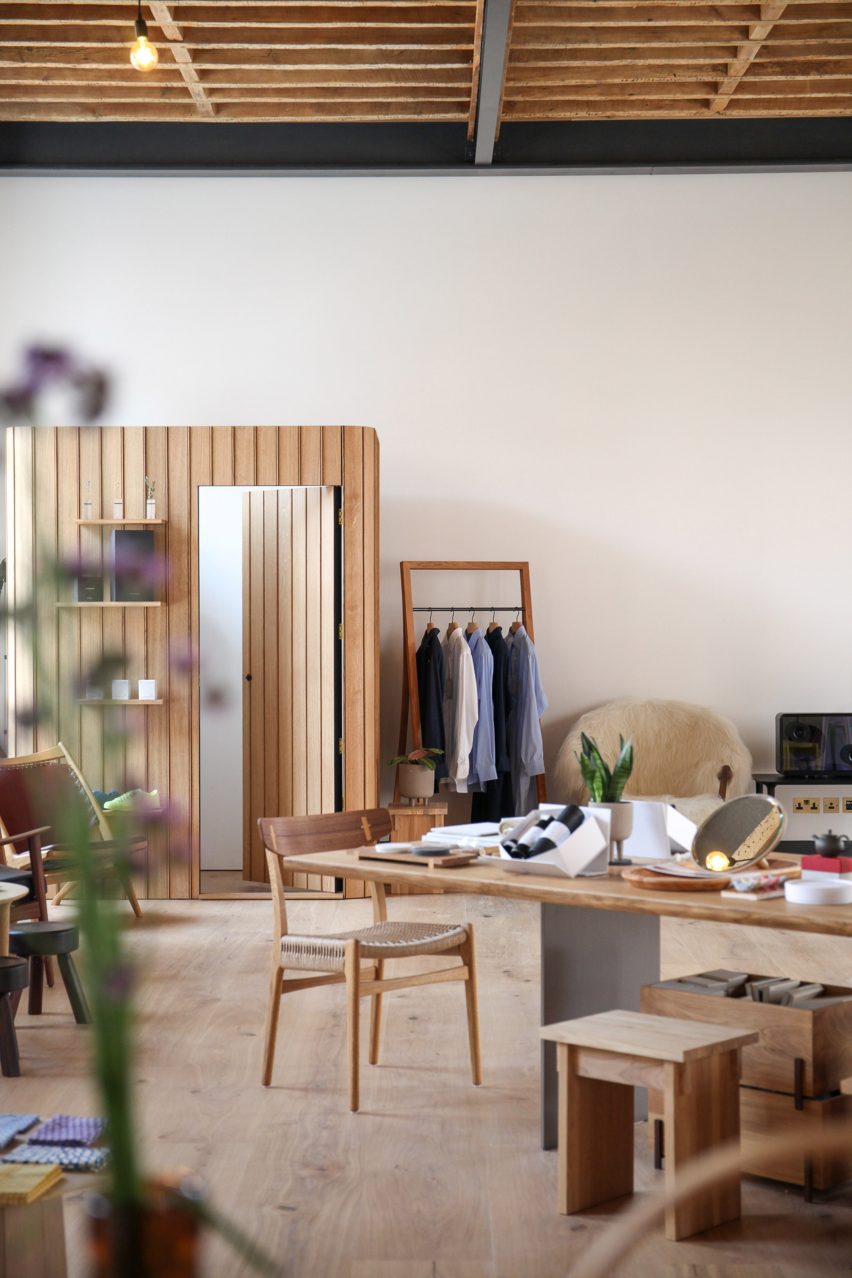
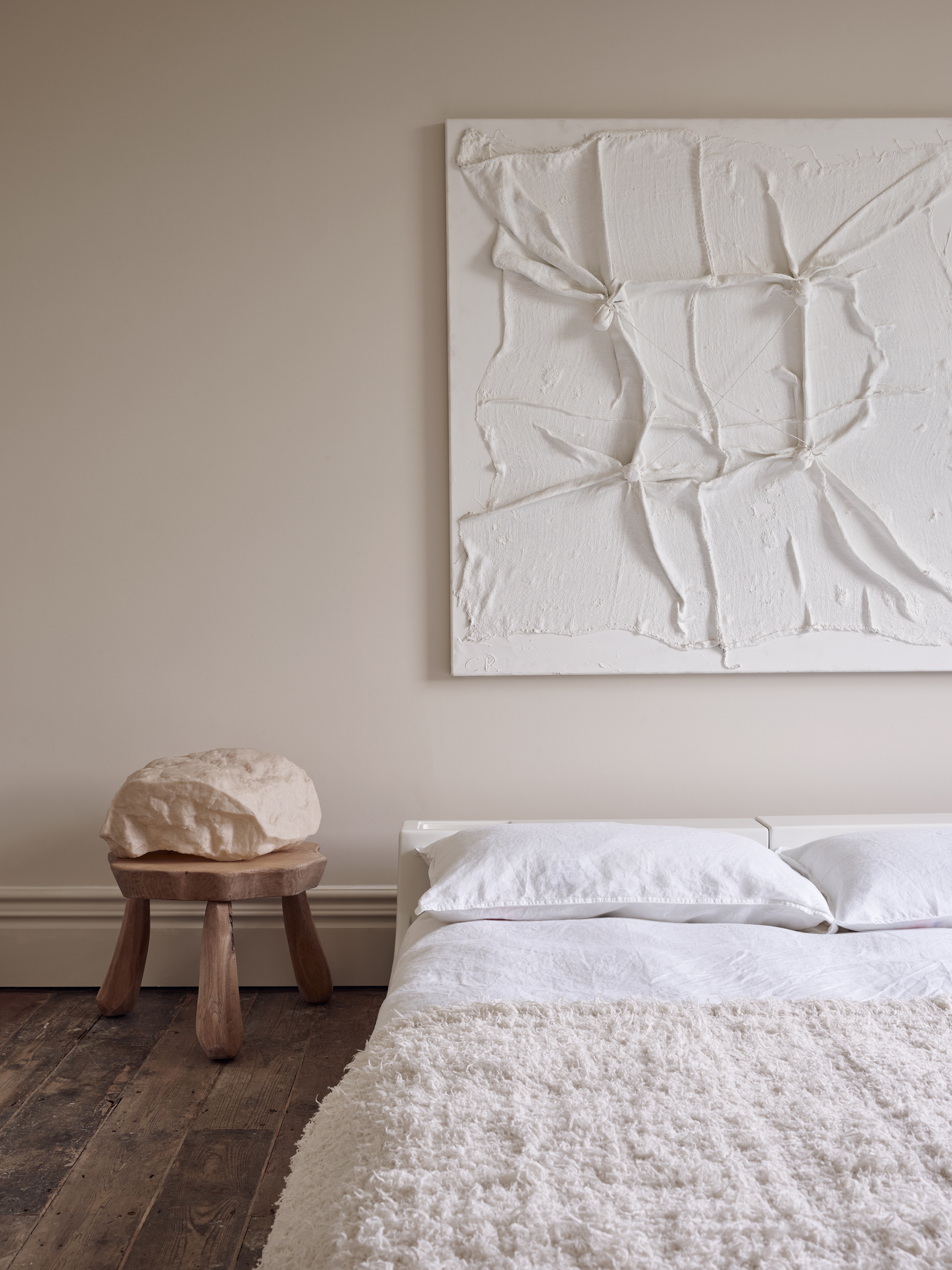
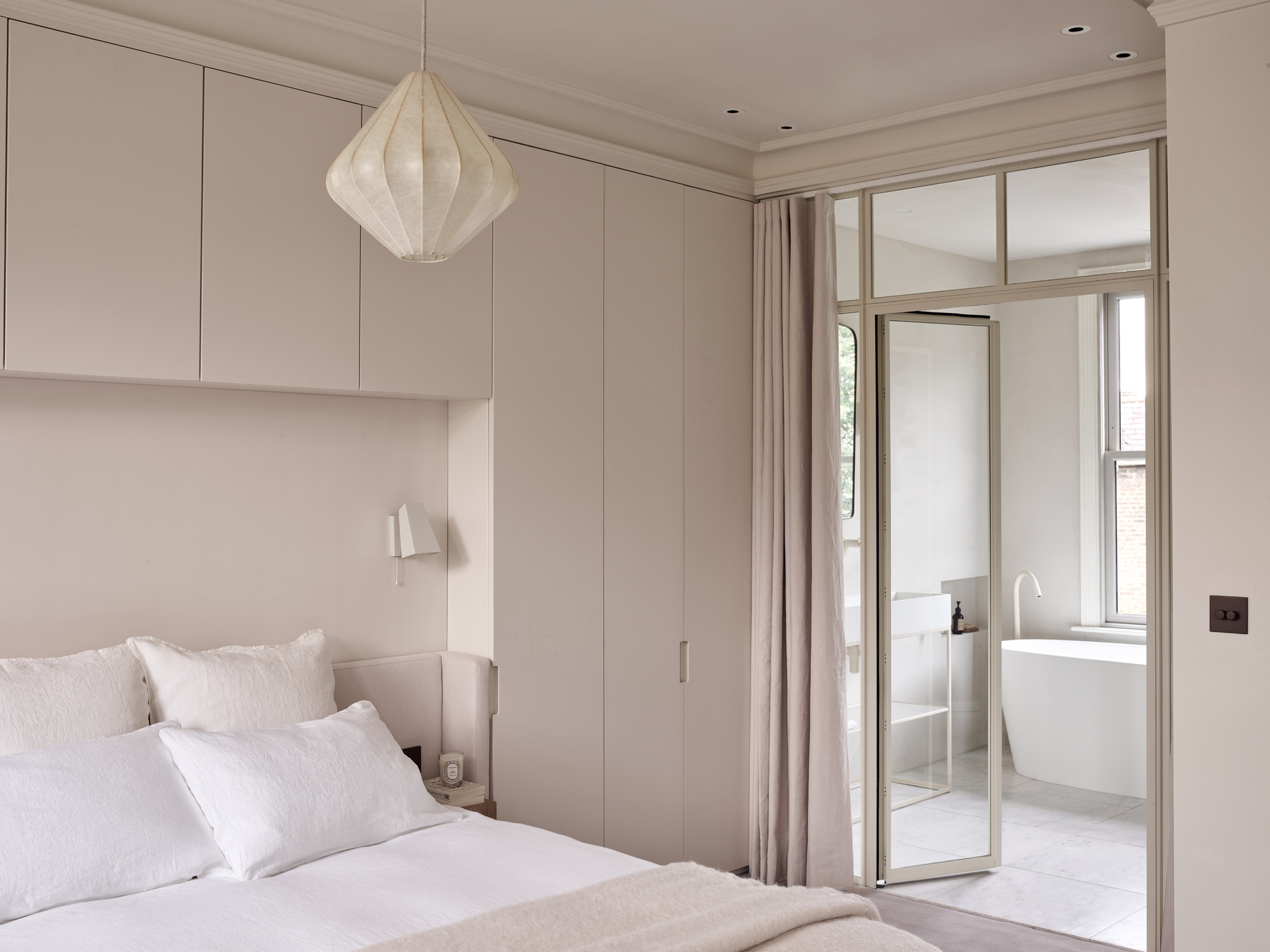
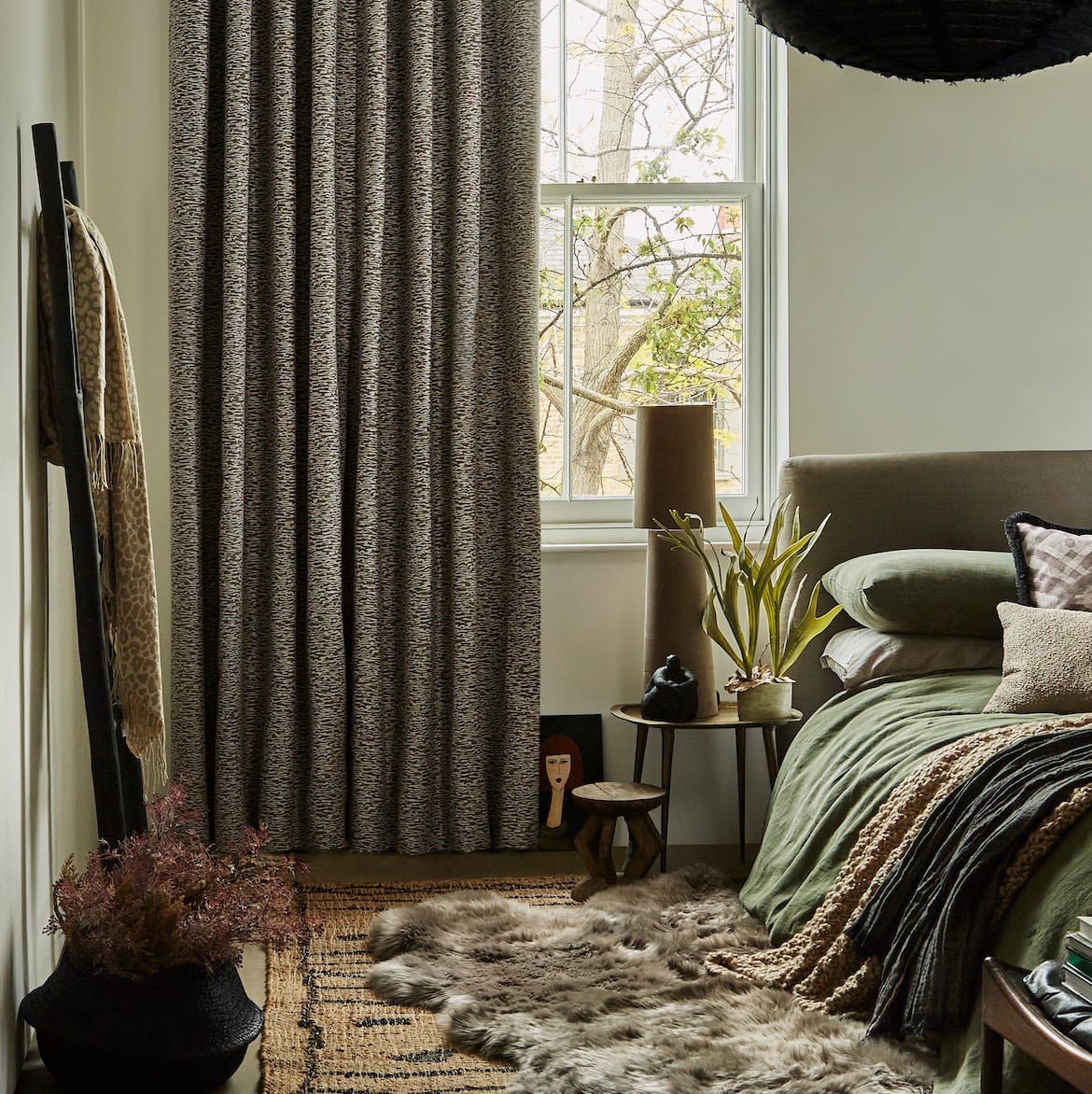
Daytrip Design Studio's renovation of an East London home transformed it into a serene space using white-washed walls, Douglas fir wood cabinetry, and neutral-colored furniture. The palette of pale off-whites on most surfaces creates a modern urban living space that reflects Japanese and Scandinavian aesthetics.
HAF Studio designed the Yuzu burger restaurant in Reykjvík, blending Japanese and Nordic influences through raw natural materials. Concrete bricks, Douglas fir flooring, and yellow glass, common in Nordic design, are combined with raw concrete walls and uncolored wooden furniture to achieve Japanese minimalism.
Norm Architects' workspace for Kinfolk magazine in Copenhagen utilizes wood, plaster, and glass to create an open and harmonious environment. Muted, somber tones contribute to a minimal and comforting space, fostering a sense of flow and calm.
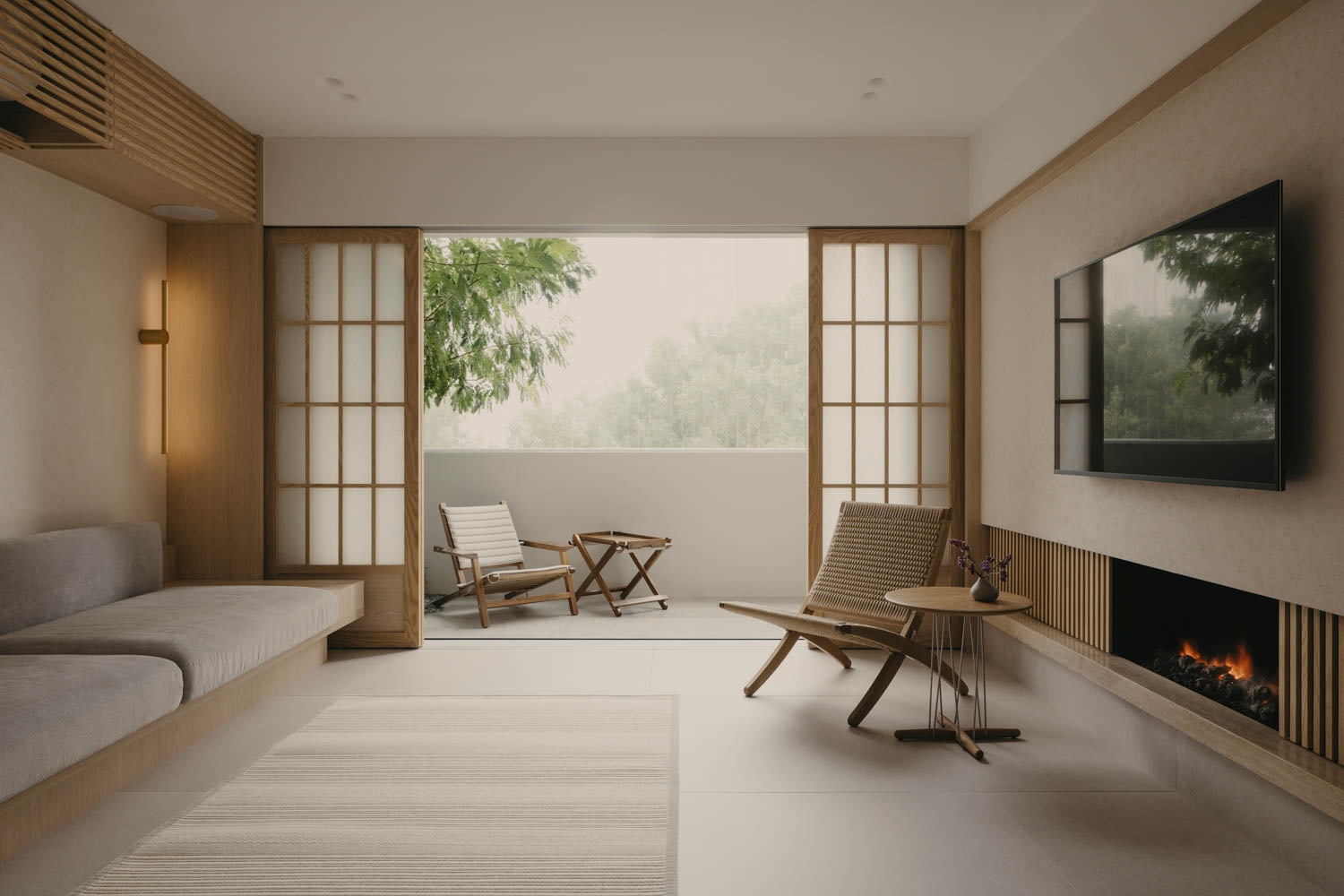
Pan-Projects and Mok Architects collaborated on Izumi, a Japanese restaurant in Copenhagen, integrating traditional Japanese elements like translucent doors with Nordish aesthetics such as extensive oak usage. This blend creates an interior that respects both cultural origins.
Finally, Working Holiday Studio's Casa Mami, a holiday home in Pioneertown, California, draws inspiration from Scandinavian and Japanese designs. Beige walls, grey floors, and minimal, muted furniture pieces define this Japandi-style residence.
These examples collectively demonstrate that Japandi is a versatile and enduring design trend that successfully combines the best elements of Japanese and Scandinavian aesthetics to create functional, beautiful, and calming spaces.
#Japandi #JapaneseDesign #ScandinavianDesign #InteriorDesign #Minimalism #Functionality #NaturalMaterials #HomeDecor #DesignTrend #Japandi #JapaneseDesign #ScandinavianDesign #InteriorDesign #Minimalism #Functionality #NaturalMaterials #HomeDecor #DesignTrend
0 comment in total
 No comments yet
You may also like
Seven "Japandi" interiors that blend Japanese and Scandinavian design
Ten furniture and lighting designs by Japanese brands and designers
5 Things Japandi Designers do in Their Kitchens That Make Them Minimalist and Serene

What Is Japandi Style? Interior Designers Explain the Cozy, Minimalist Aesthetic

Elevate Your Space With These Inspiring Japandi Interiors

How consumers are embracing calm, minimal Japandi-style bathrooms

Japandi merges the comfort of hygge with zen minimalism

10 essential Japandi living room design tips to create a sense of calm and restfulness

Revealed: the countries inspiring interior design trends the most

How Japan influenced Nordic design aesthetics and vice versa

8 Japandi Bedrooms I Dream of Sleeping In — Minimalist and Cozy, They've Got to Be the Most Relaxing Spaces
Japandi-Inspired New Hampshire Pied-à-Terre Design
All About Japandi Design, a Mix of Japanese and Scandinavian Design

These Serene, Minimalist Apartments in Tokyo Are Filled With Light and Nature

Kumiko Cabinets Combine Japanese Tradition with Scandinavian Expression

The Rise of Japanese-Inspired Interiors: Why Calm, Craft, and Simplicity Are Redefining Modern Design

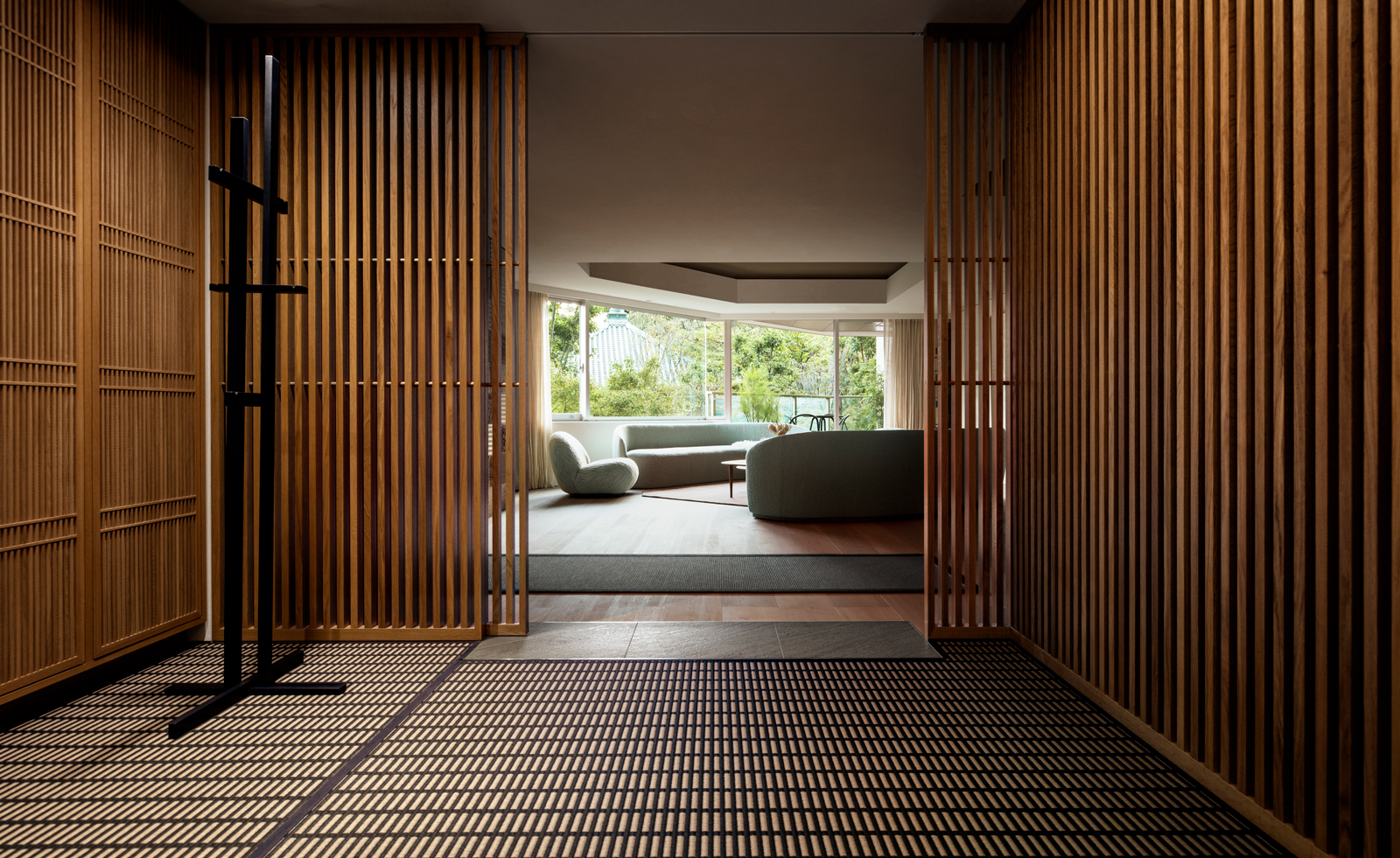
Scandinavian design meets Japanese heritage in OEO Studio’s Tokyo apartment

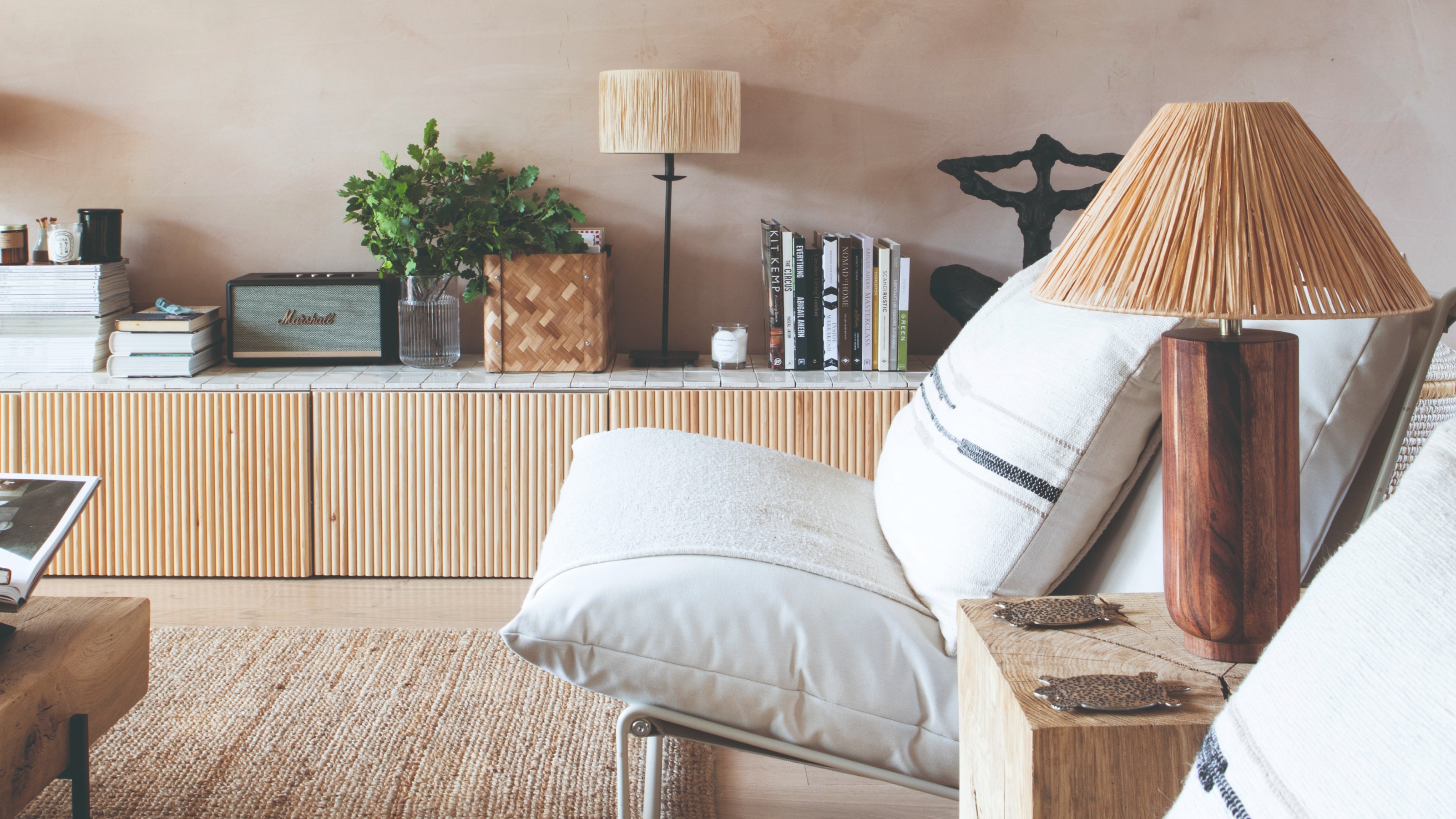
Will Japandi rule your living room in 2026? Interior experts weigh in

Tour 5 Japanese-Inspired Modern Homes That Embody Contemporary Elegance

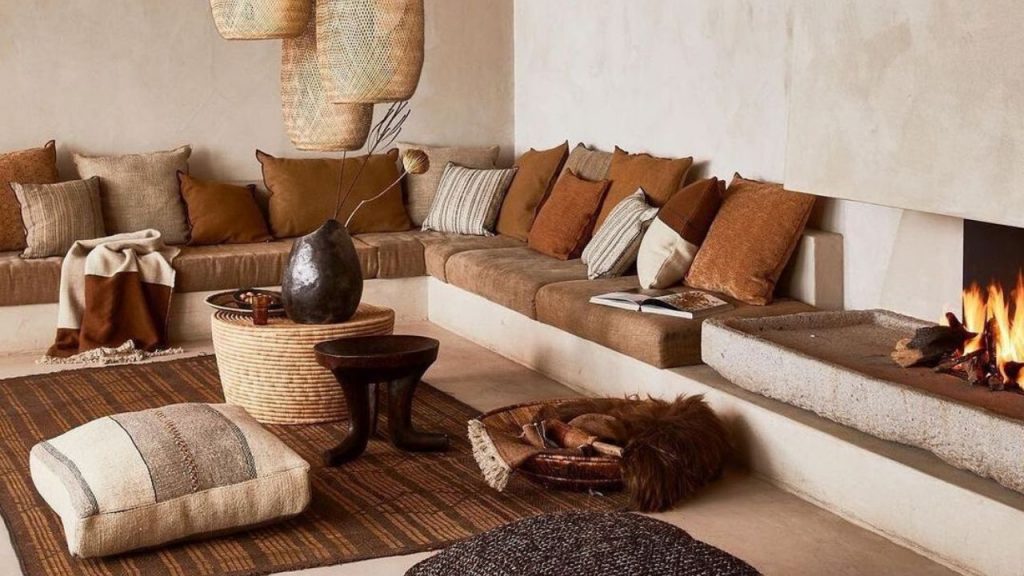
Japandi merges the comfort of hygge with zen minimalism