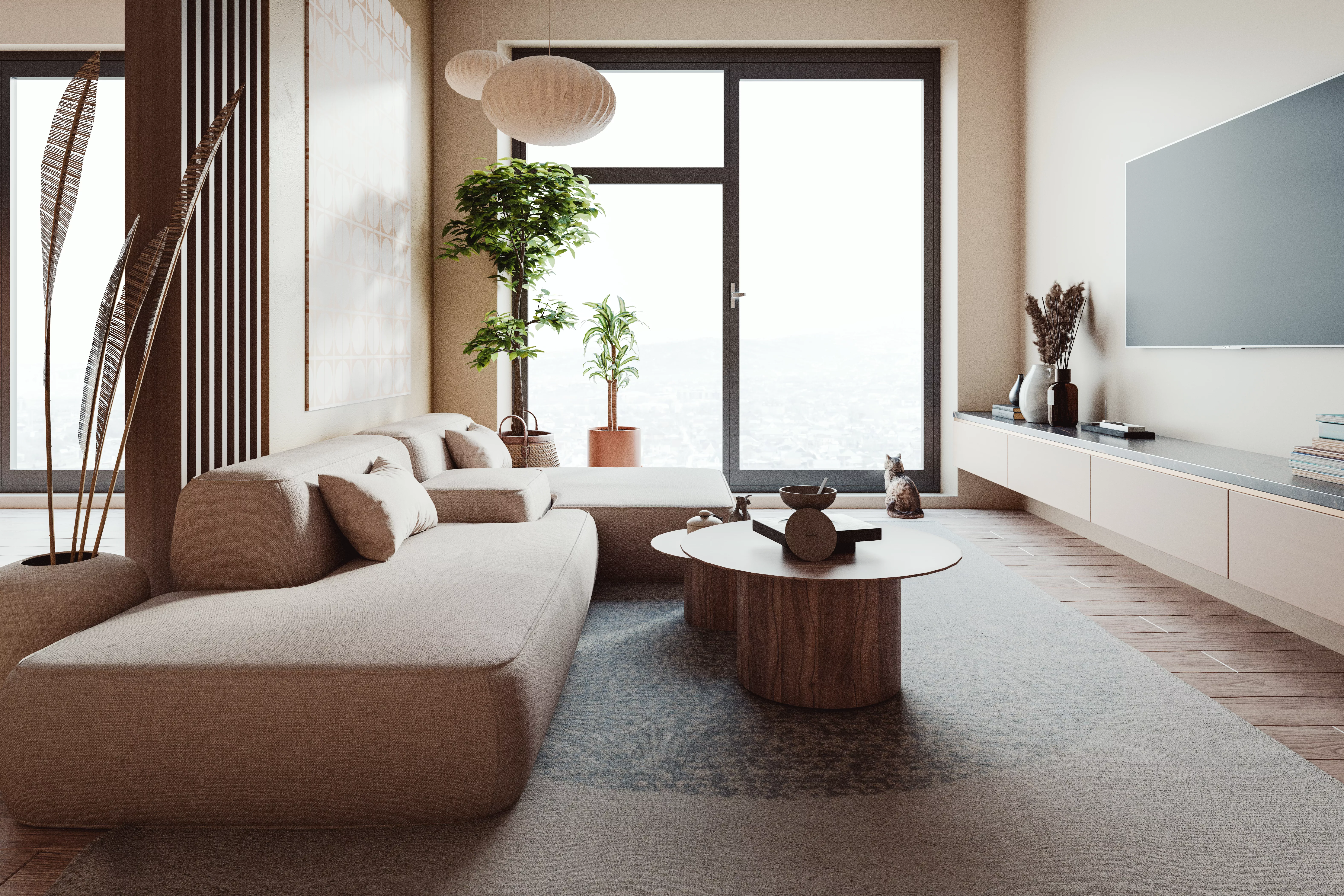
Japanese Living Room Design Is Trending—Here’s How to Achieve the Style
The popularity of Japanese living room design is on the rise, evidenced by a 135% increase in Pinterest searches for the style. This trend is attributed to a growing desire for mindfulness and tranquility in homes, aligning with the Zen principles inherent in Japanese design. Designers Yoko Oda and Jarret Yoshida highlight that this interest is also linked to the broader appeal of styles like Japandi and organic modern, and an increase in travel to Japan, which exposes more people to its unique cultural balance of ancient traditions and modern technology.
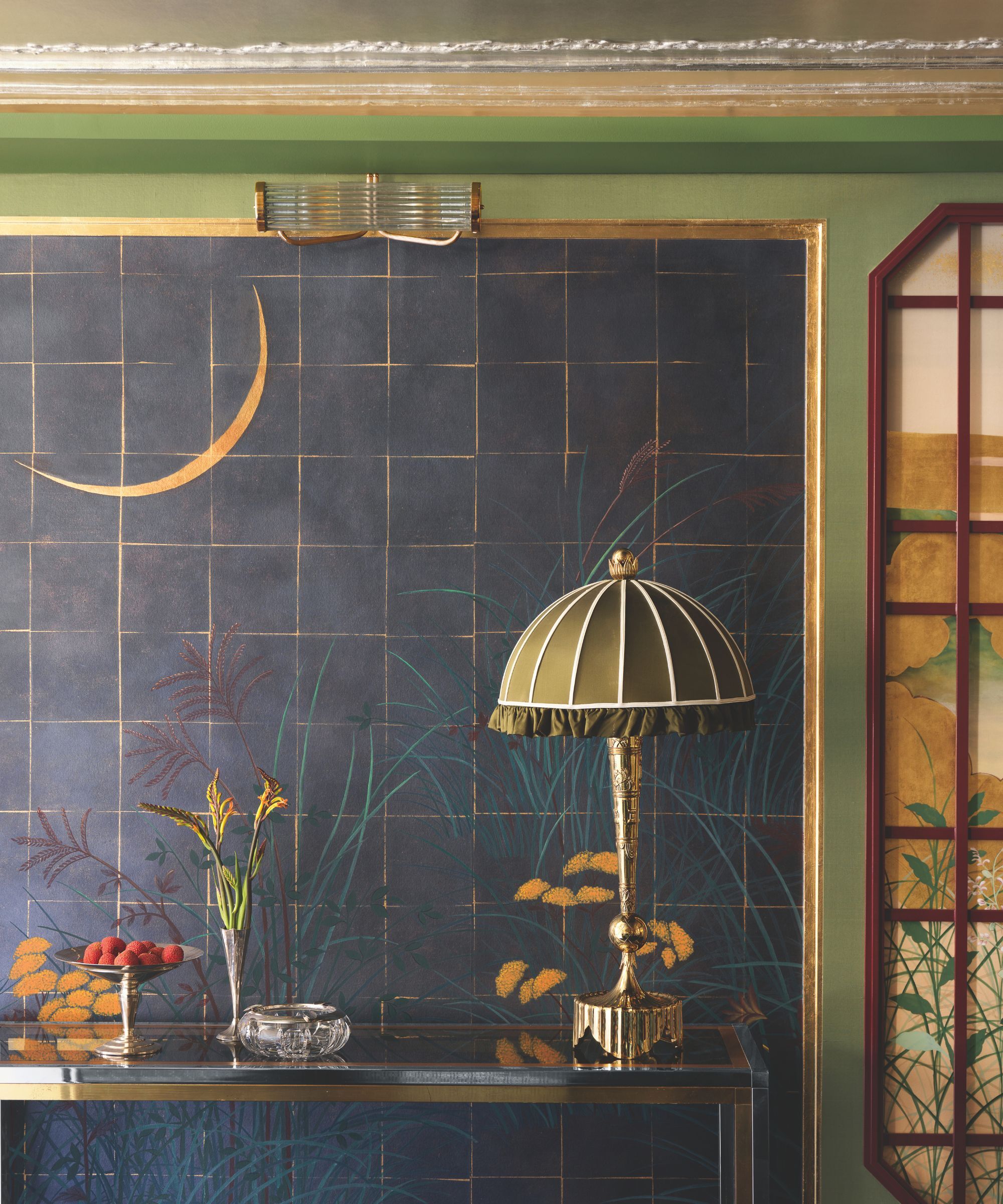
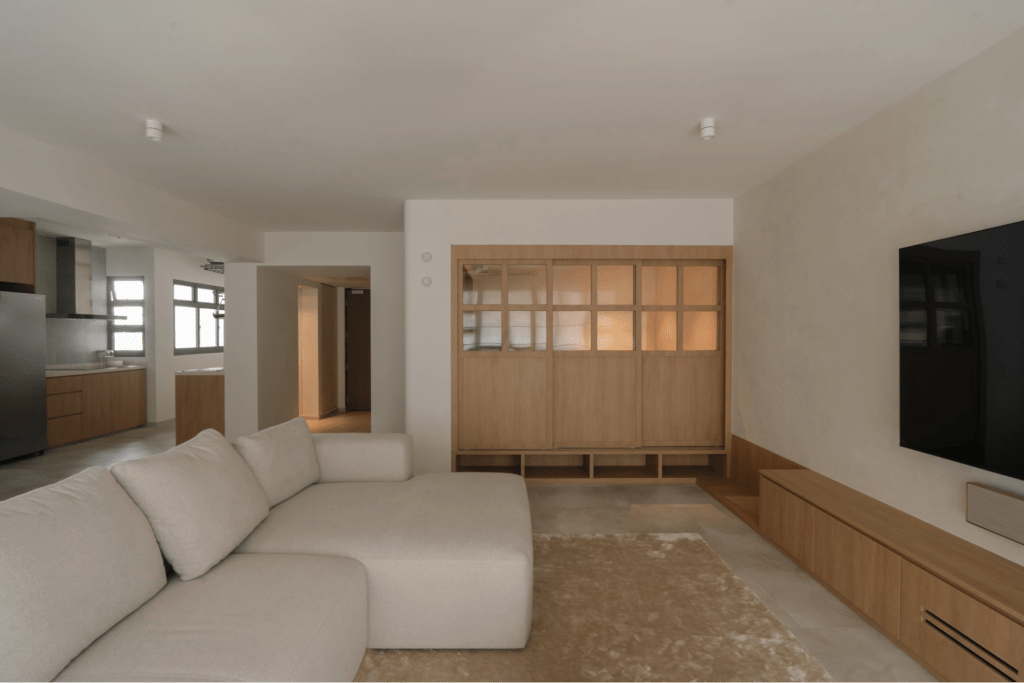
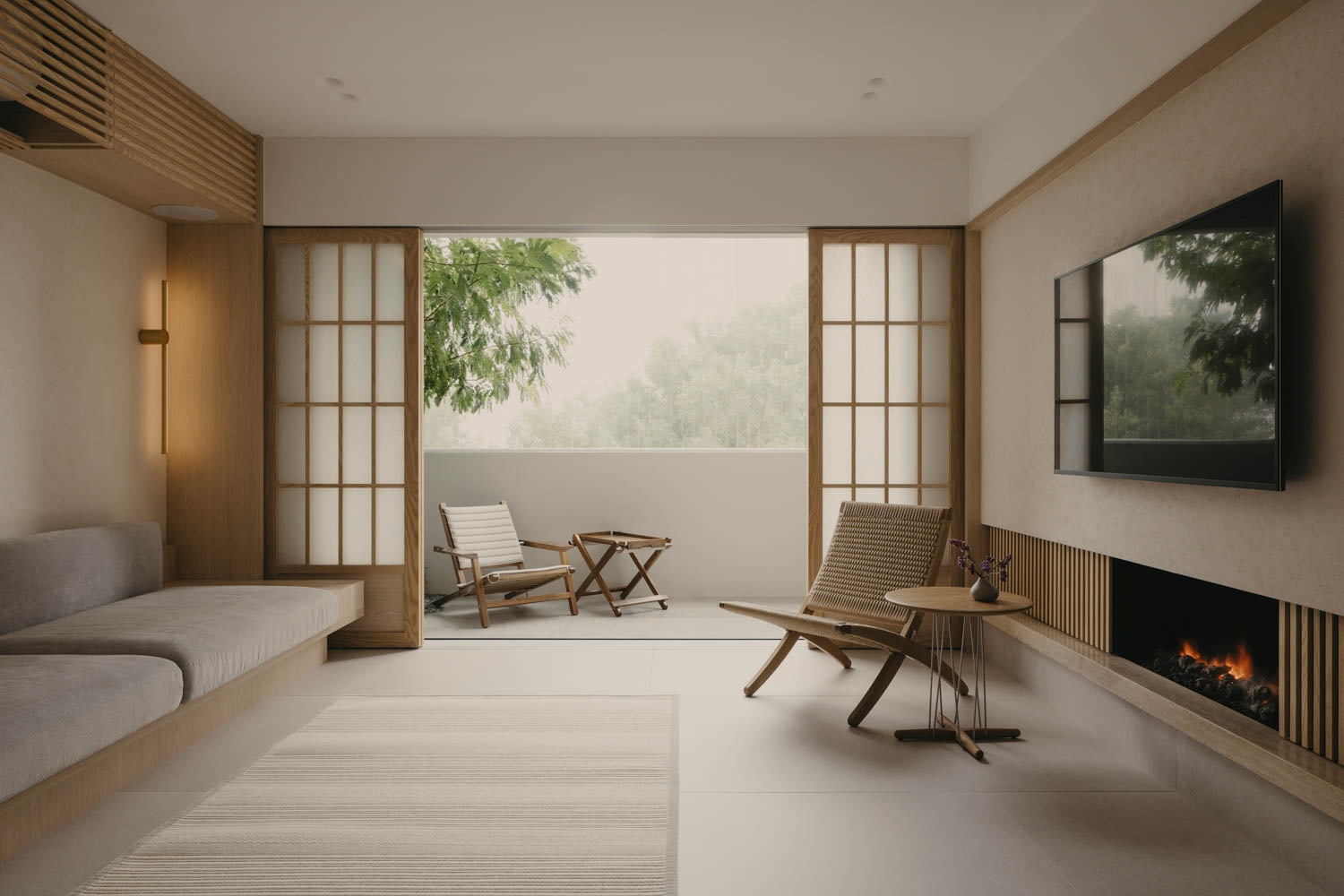
Japanese living room design can be interpreted in two ways: contemporary Japanese interiors or a Western interpretation of traditional Japanese ideas. While literal incorporation of traditional elements, such as shoji screens, is cautioned against, the essence and spirit of these principles are key. The goal is to create peaceful, sanctuary-like spaces through thoughtful design choices. This style is surprisingly adaptable to modern homes due to its clean lines and simplicity.
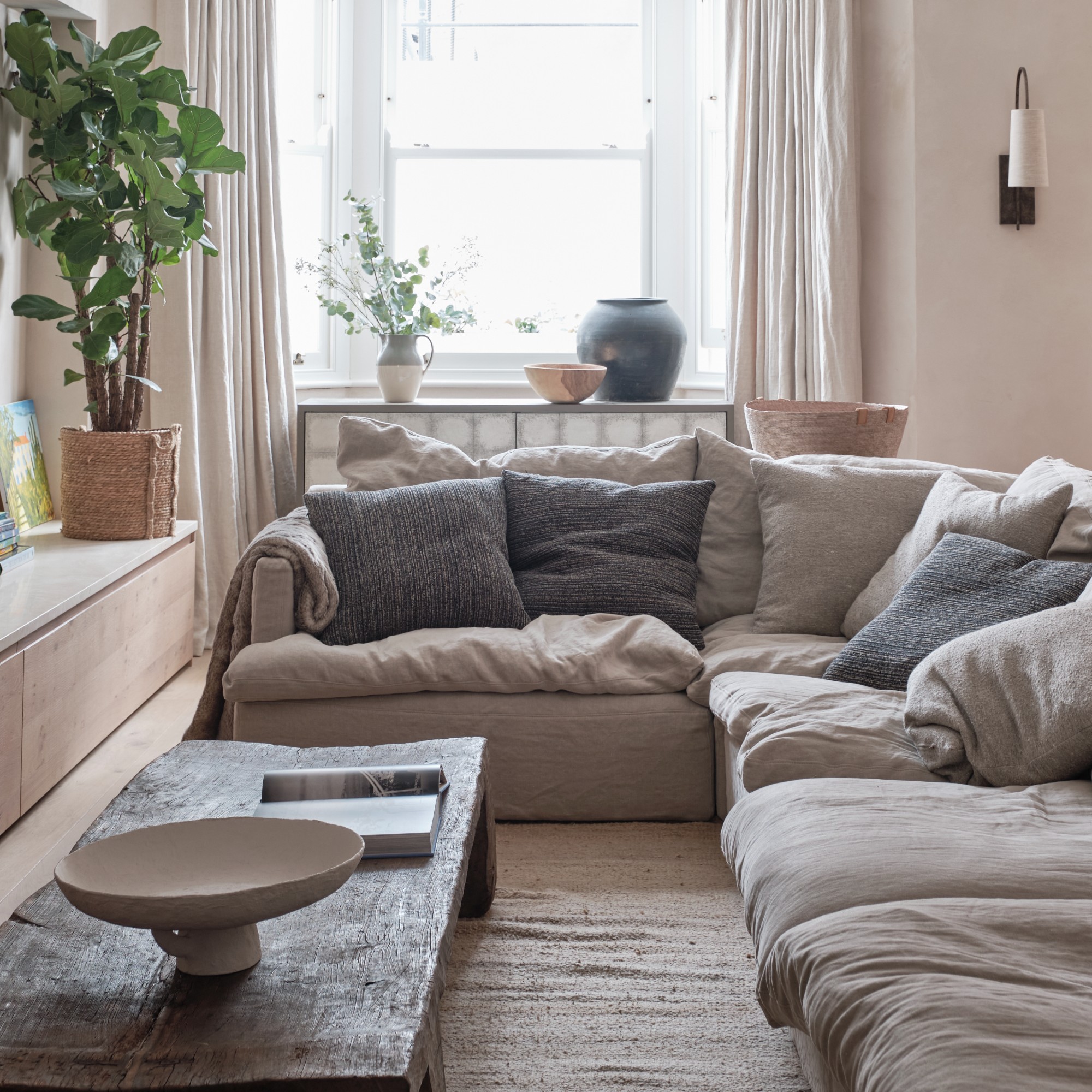
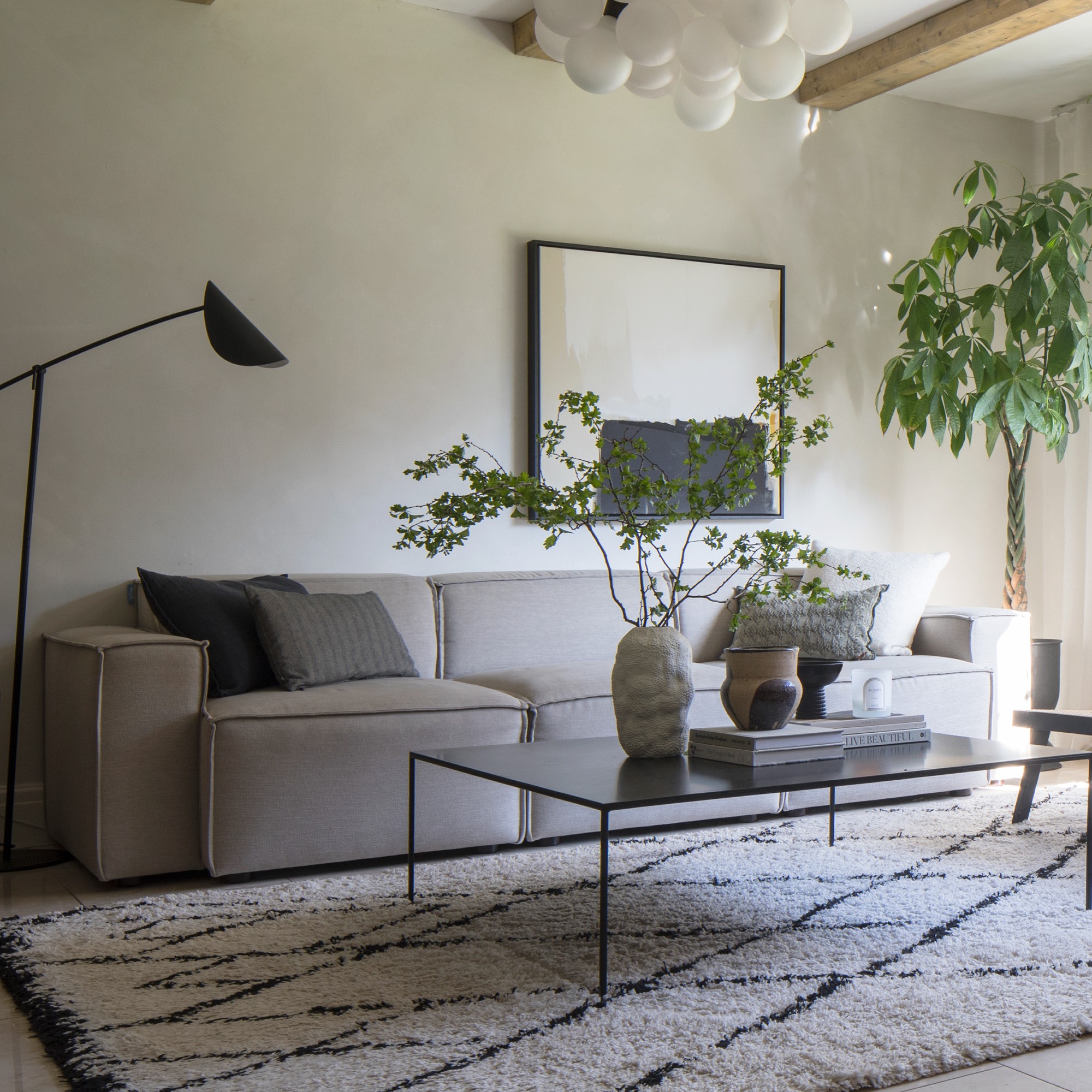
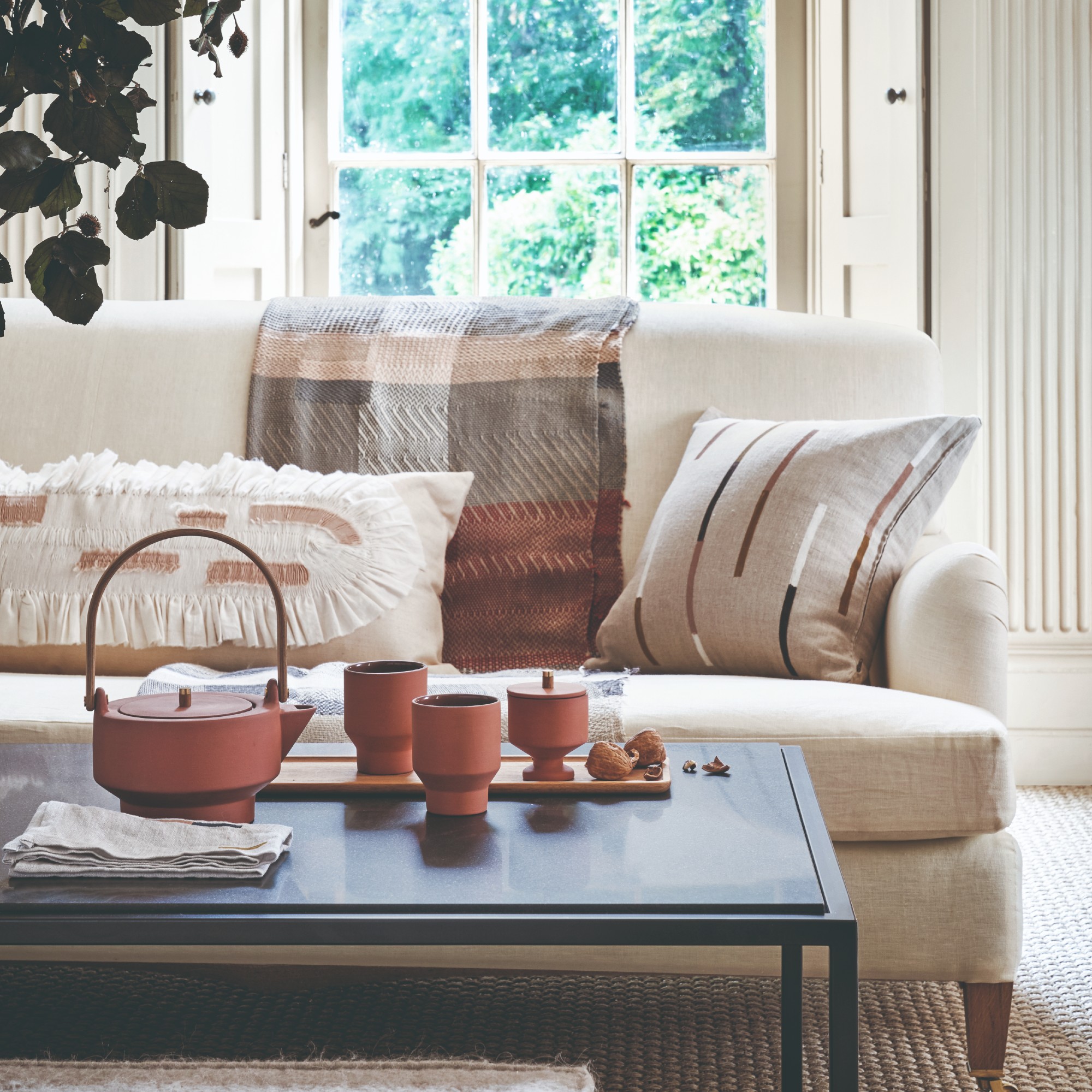
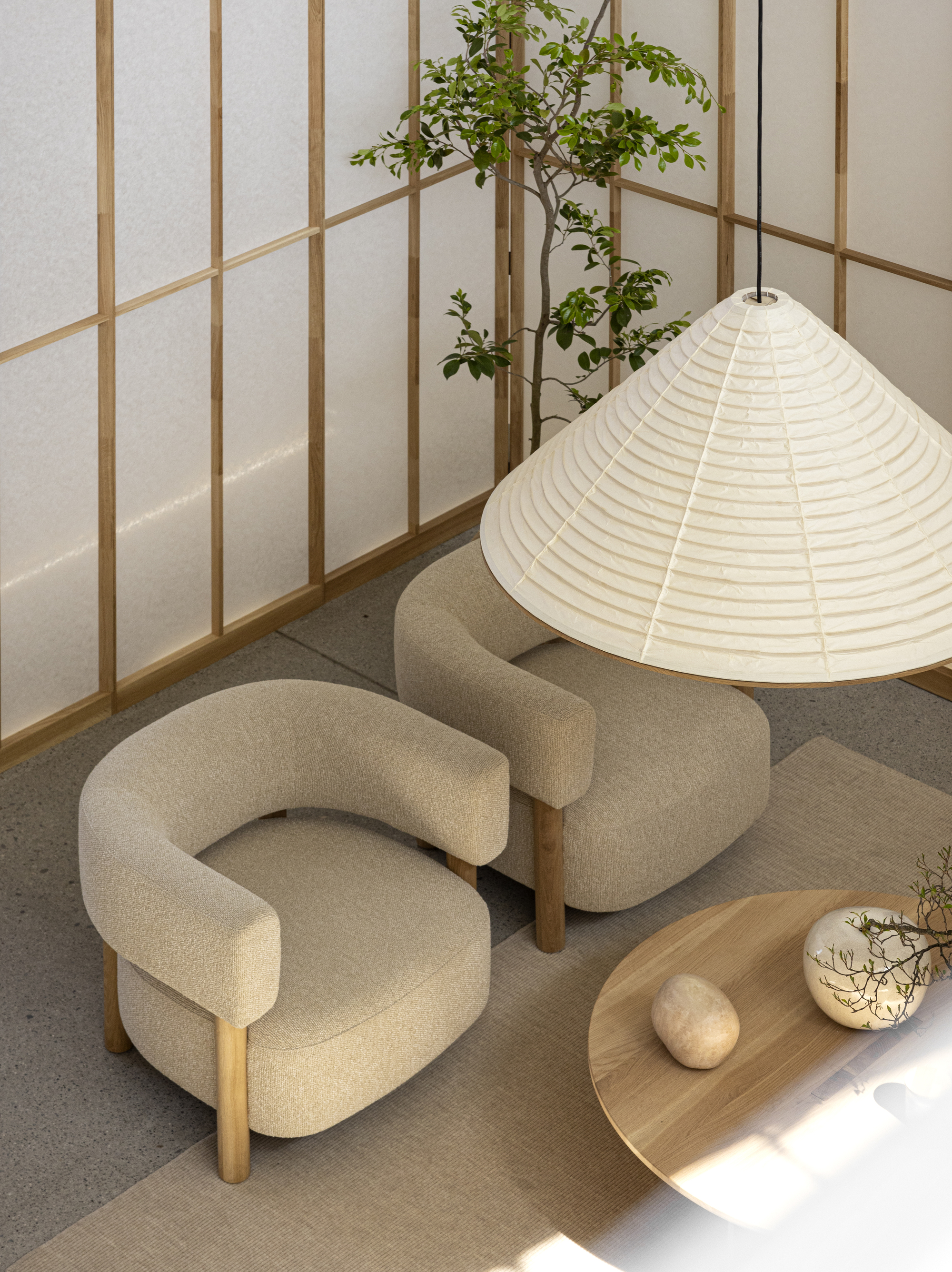
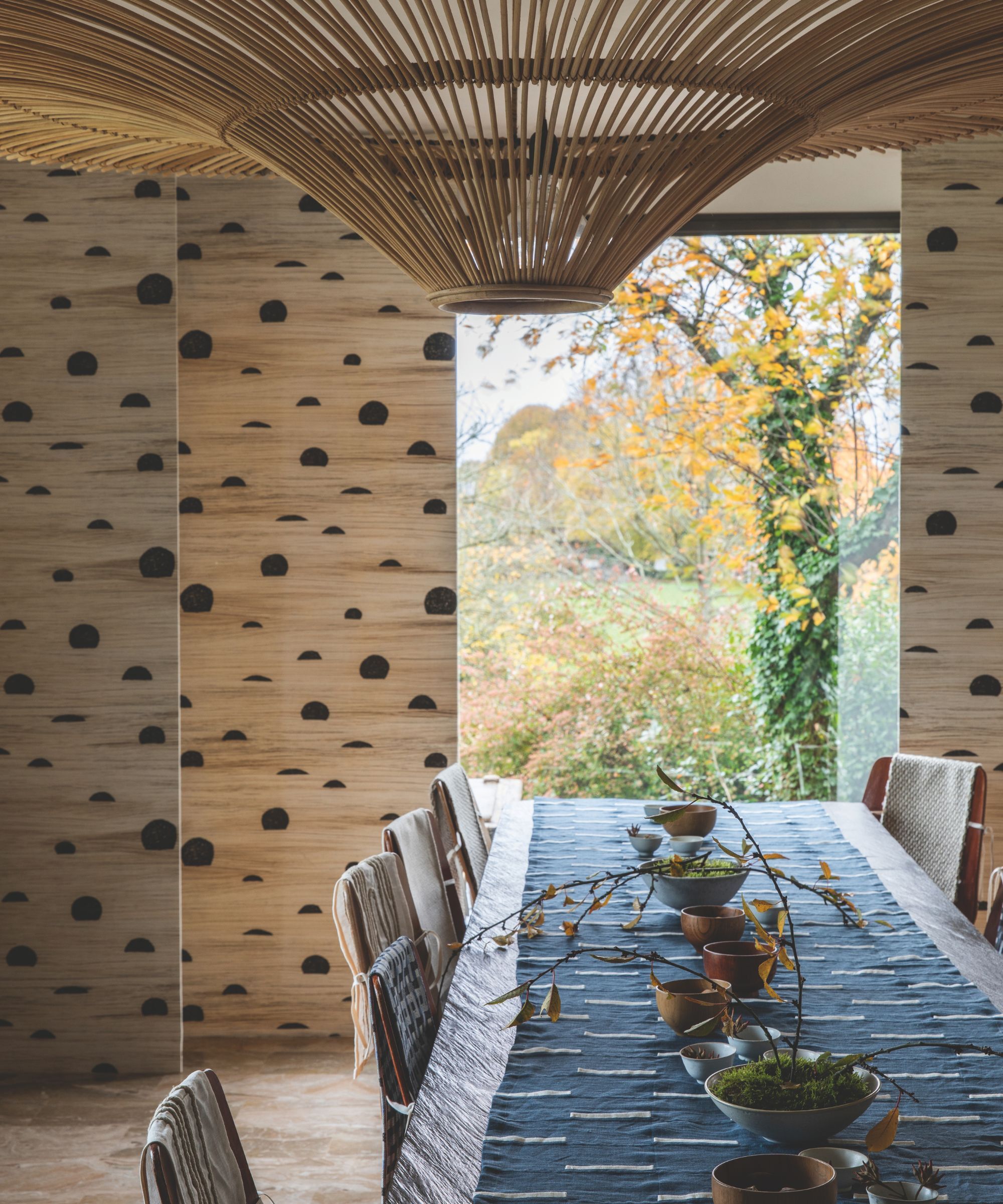
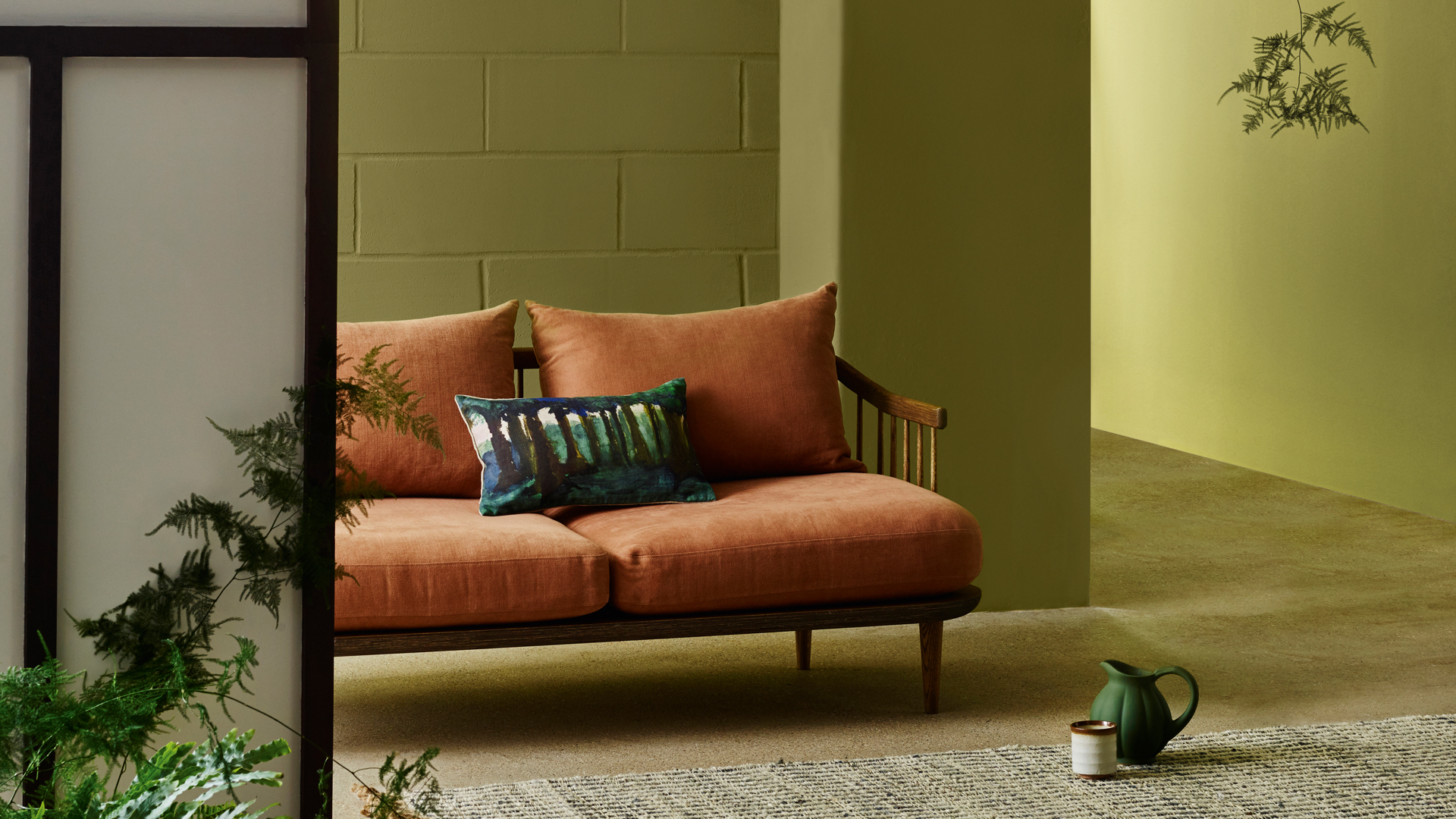
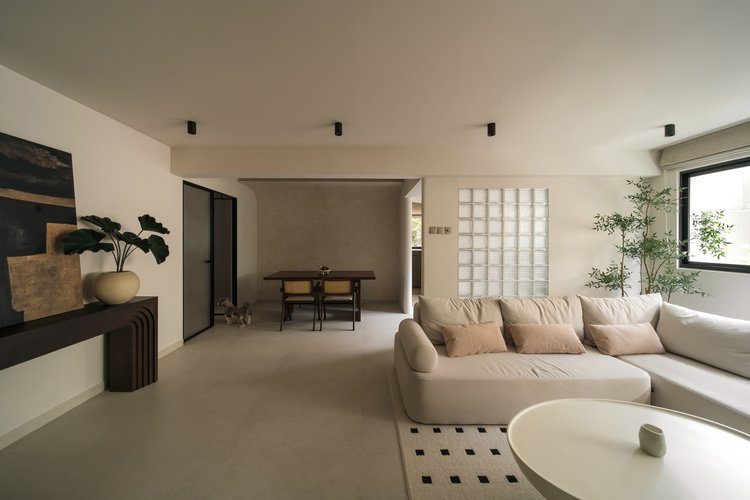
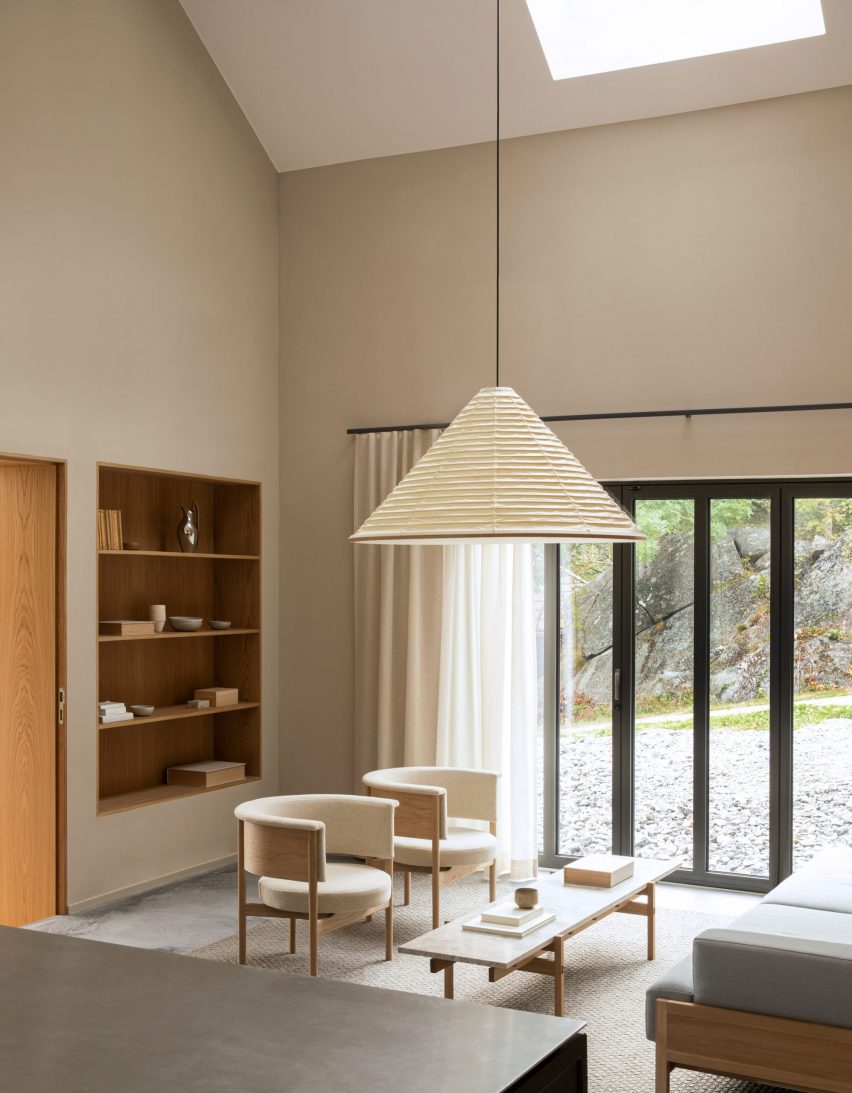
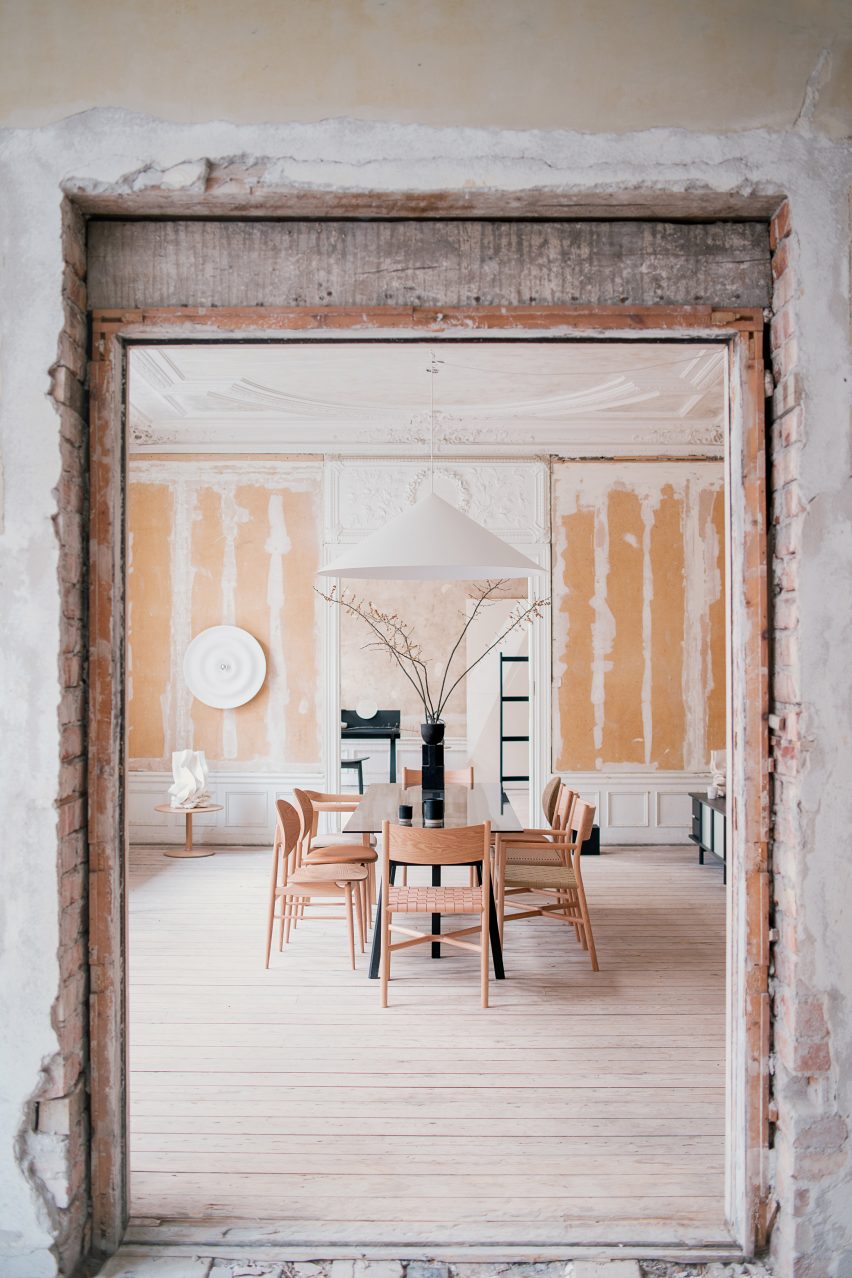
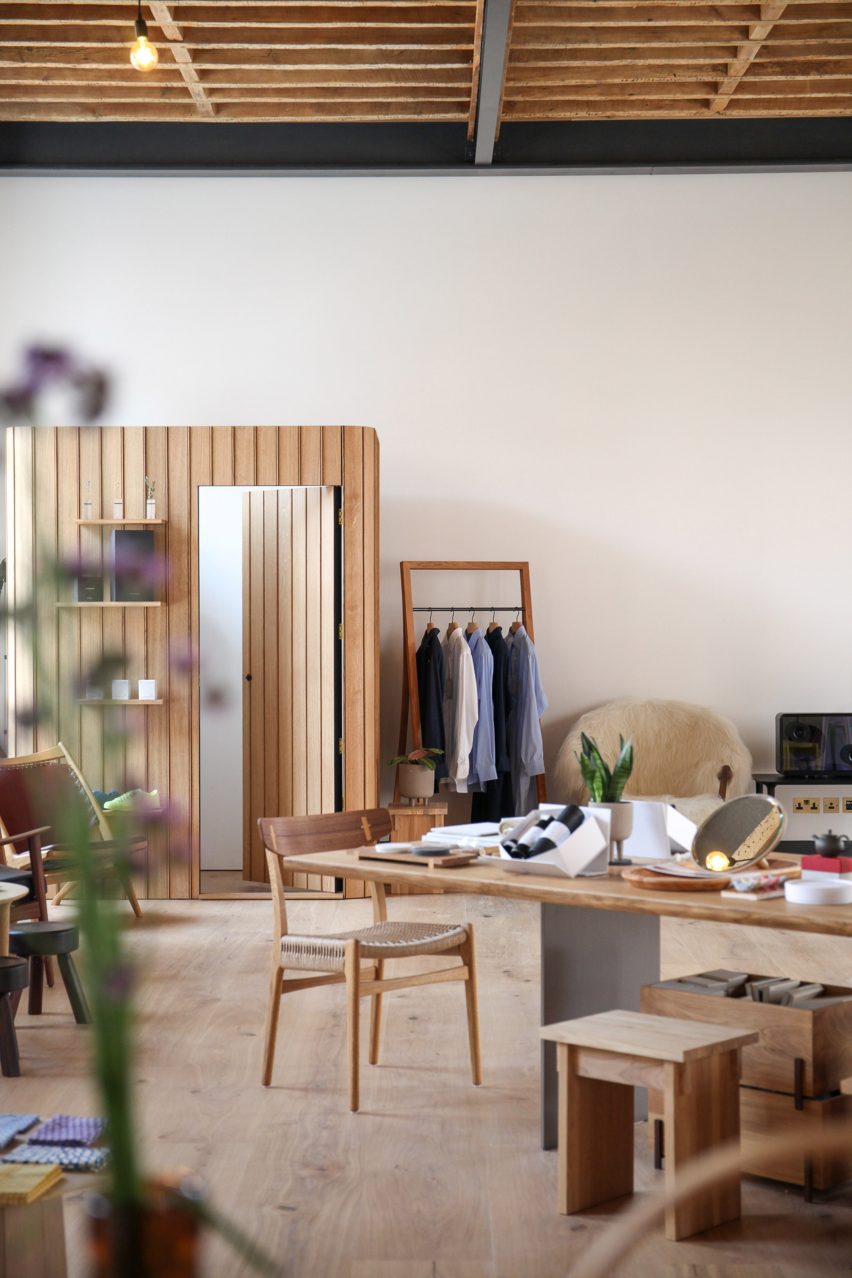
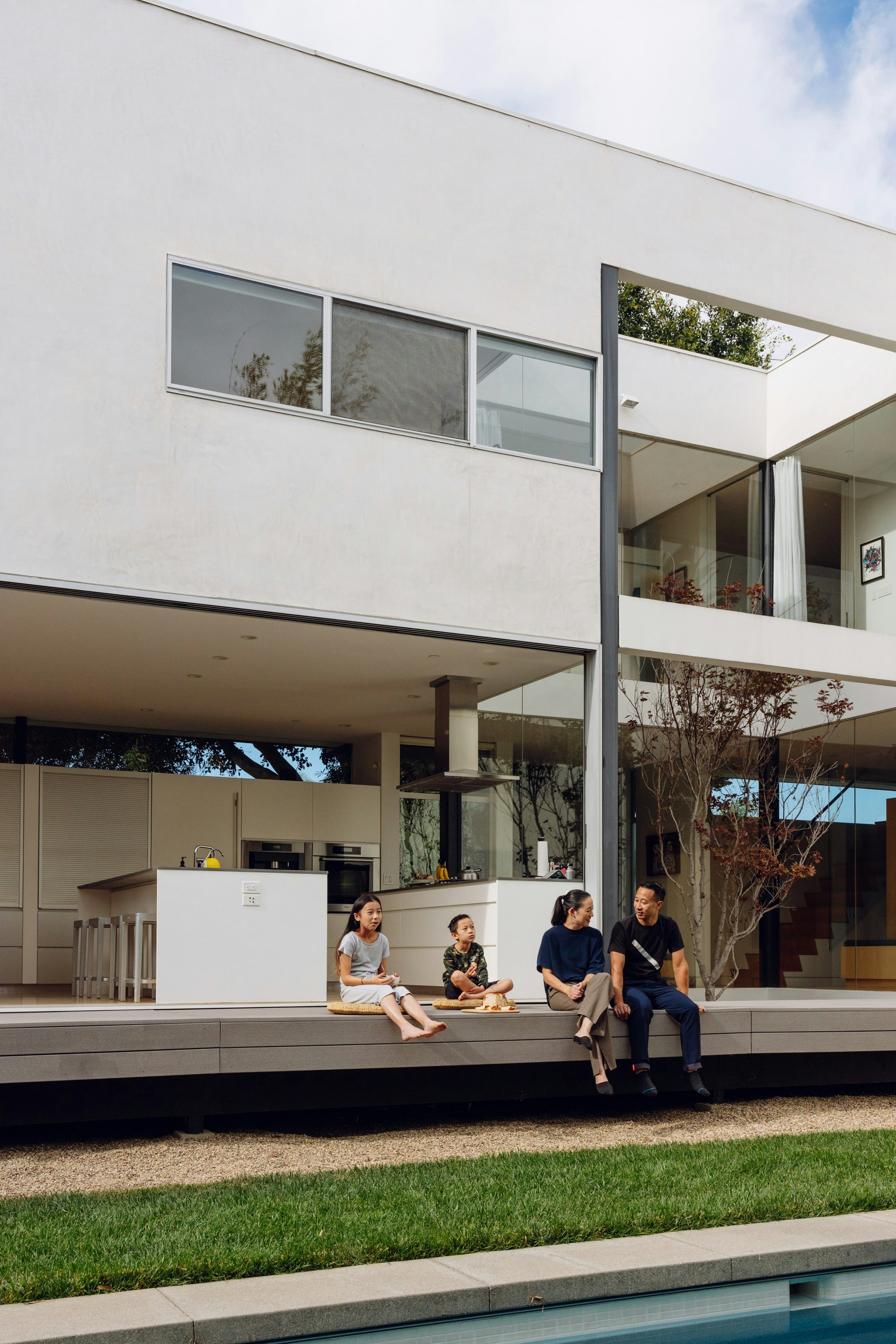
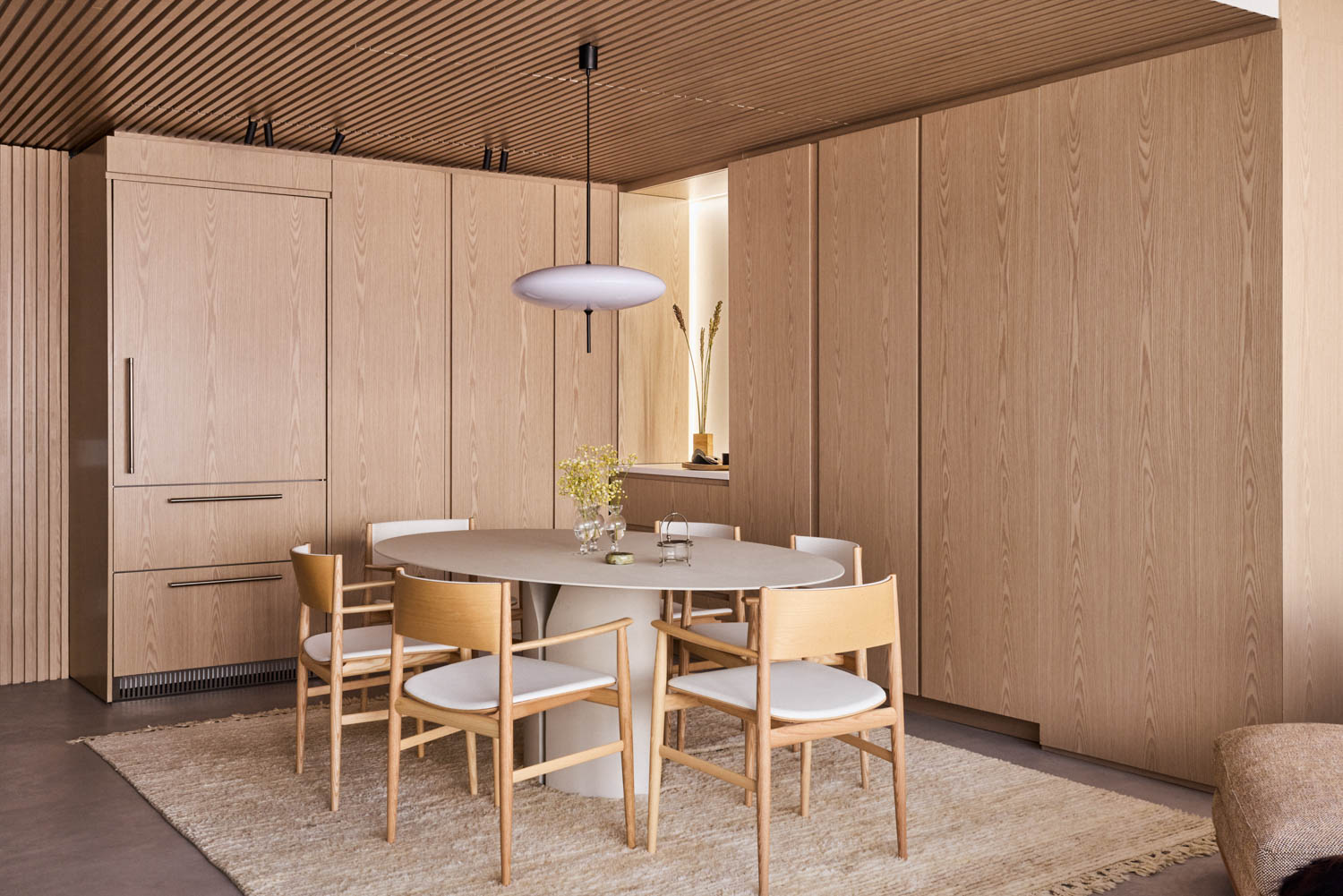
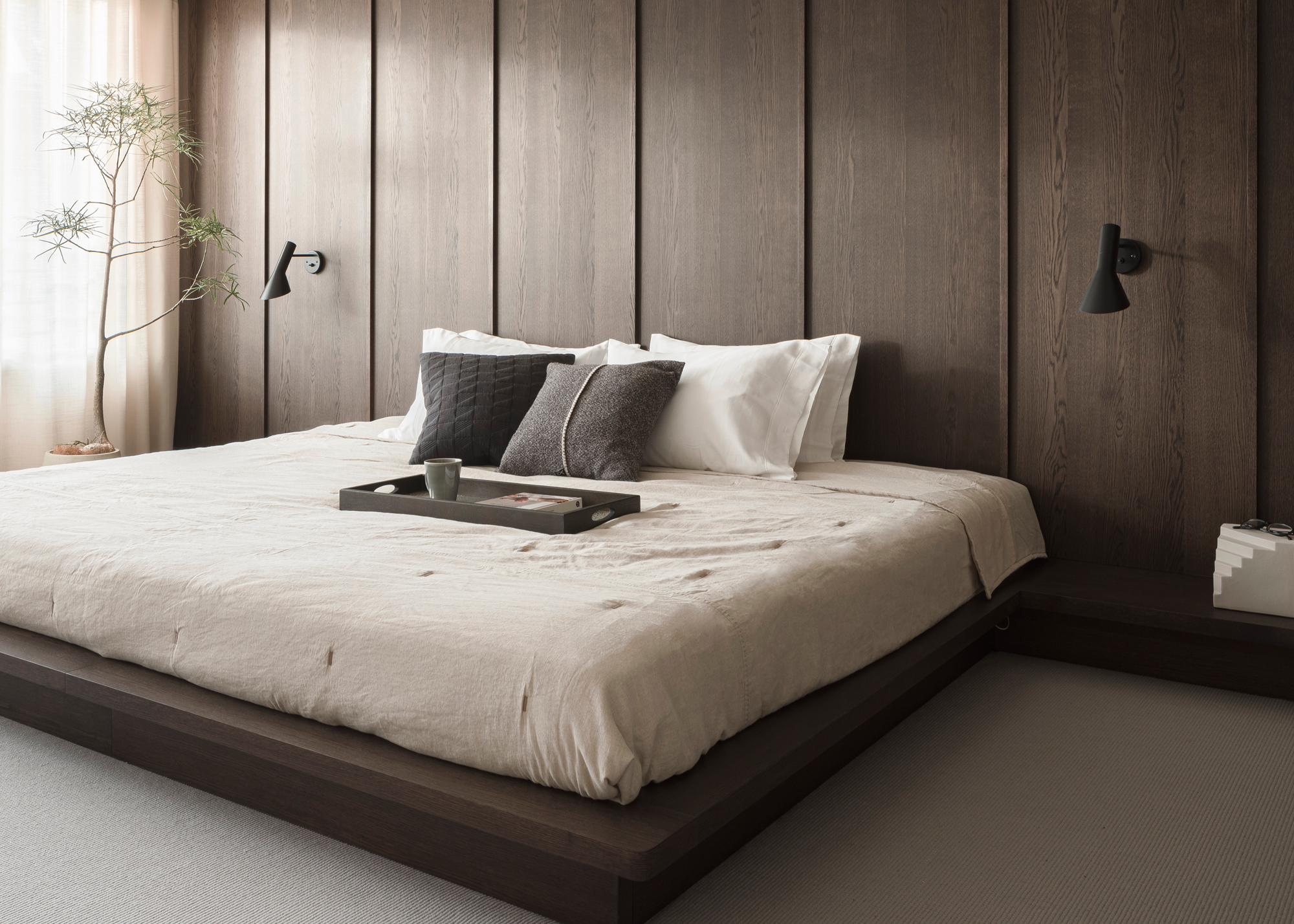
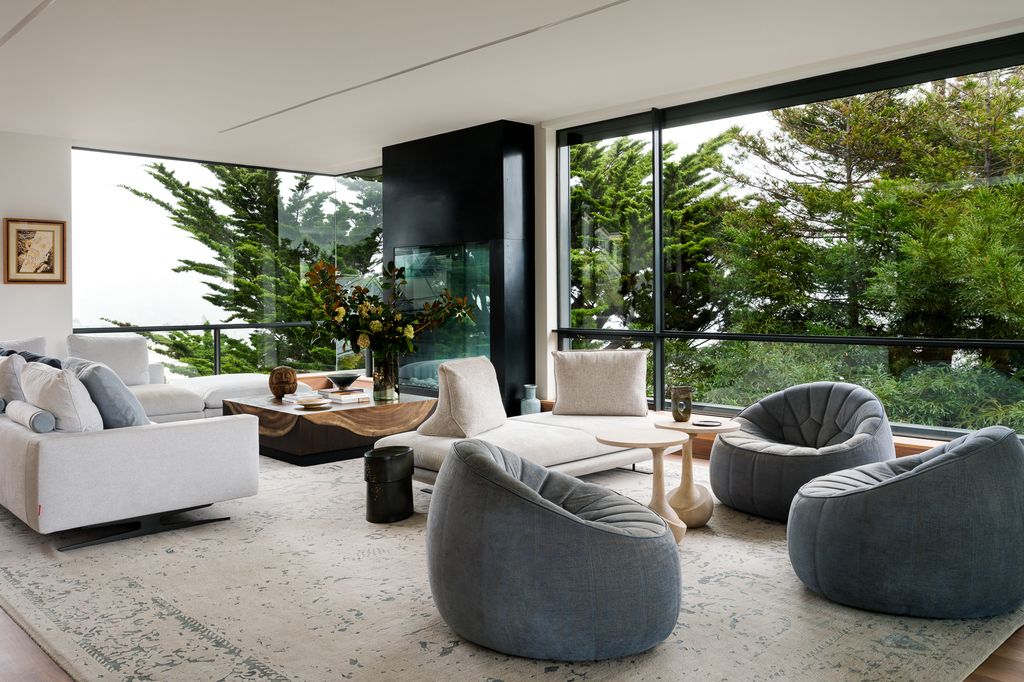
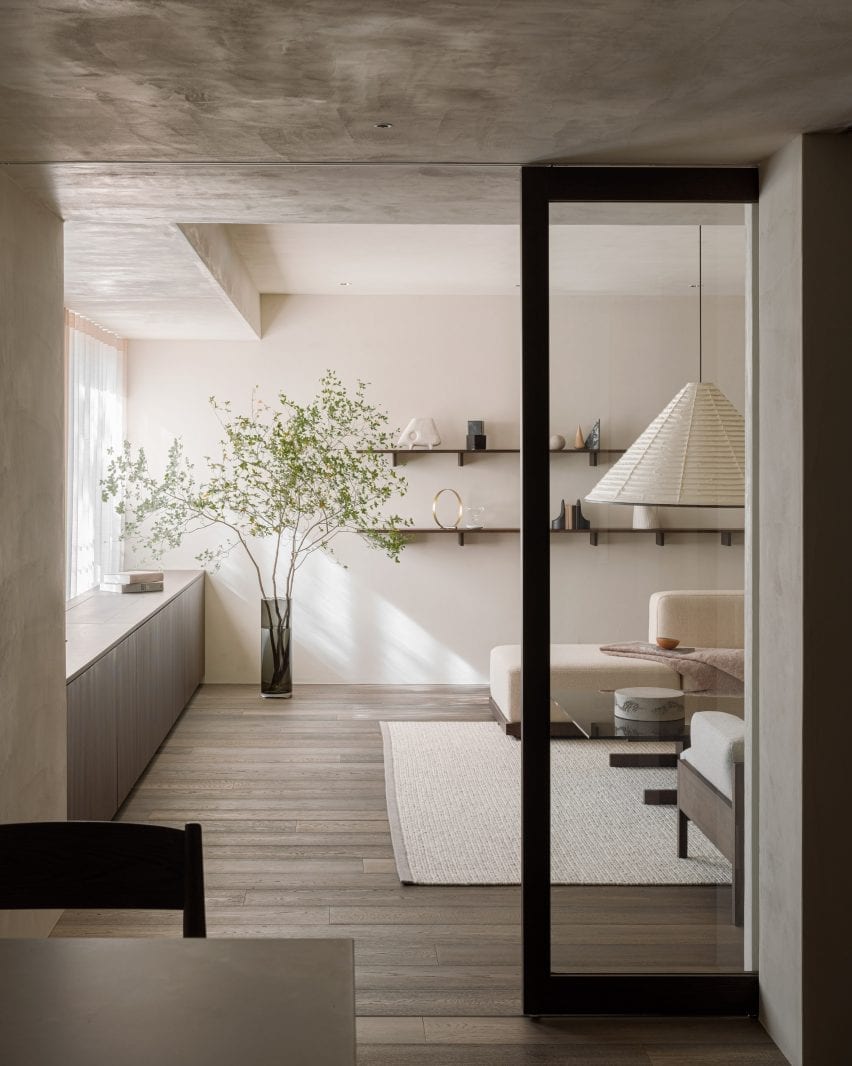
Key elements of Japanese living room design include a strong connection to the outdoors, even if it's symbolic. Traditional homes often feature central courtyards, blurring the lines between indoor and outdoor spaces. For those without such architectural features, incorporating plants or nature-inspired elements can evoke this connection. The use of nature-inspired materials and colors is fundamental, with palettes typically composed of quiet, neutral earth tones. Materials like Tatami mats, wood, and bamboo add warmth, while natural textures such as slate, rope, and hemp are preferred over man-made alternatives. Yakisugi, a traditional burnt wood, also features as a durable and aesthetically pleasing material.
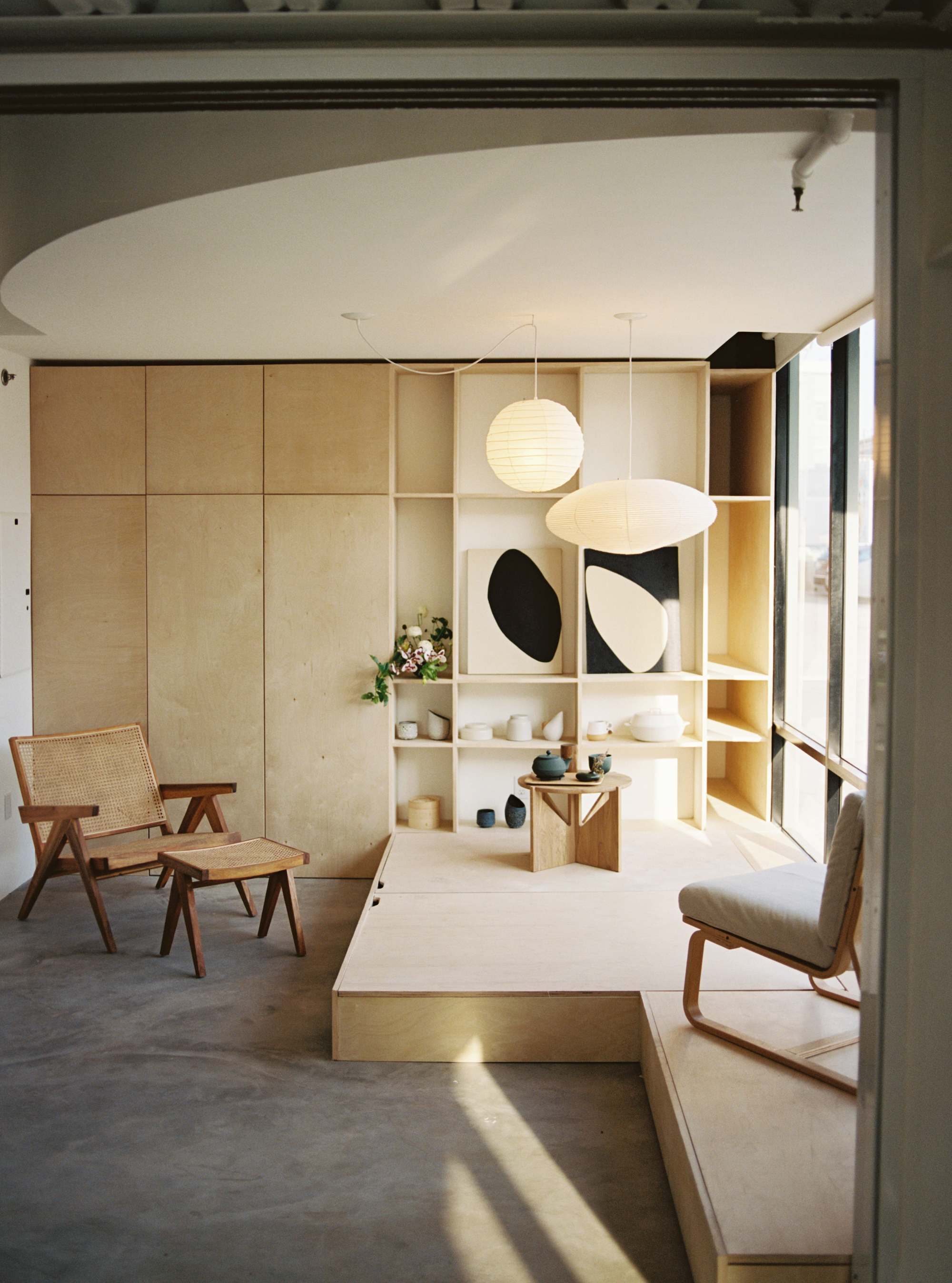
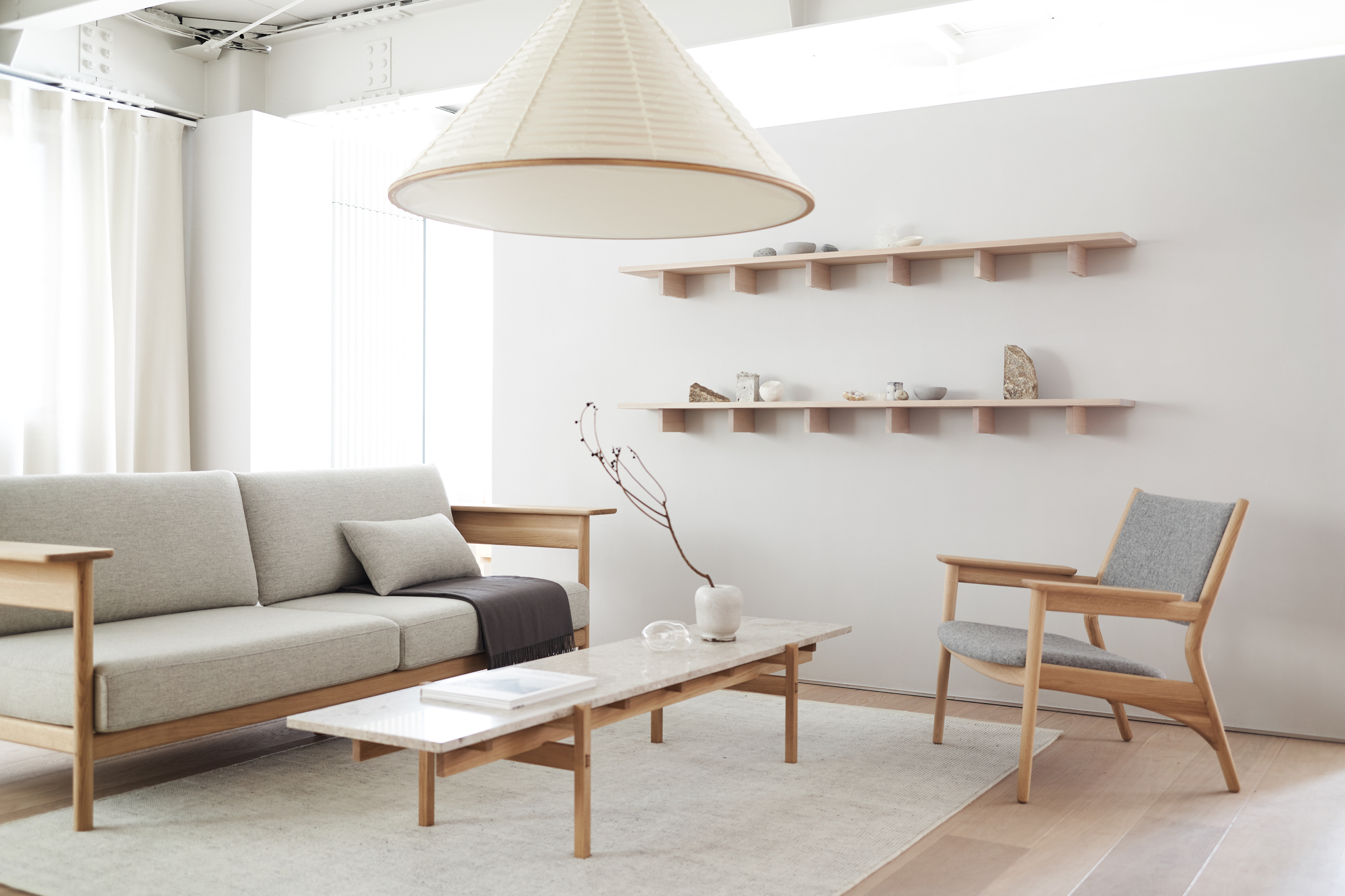
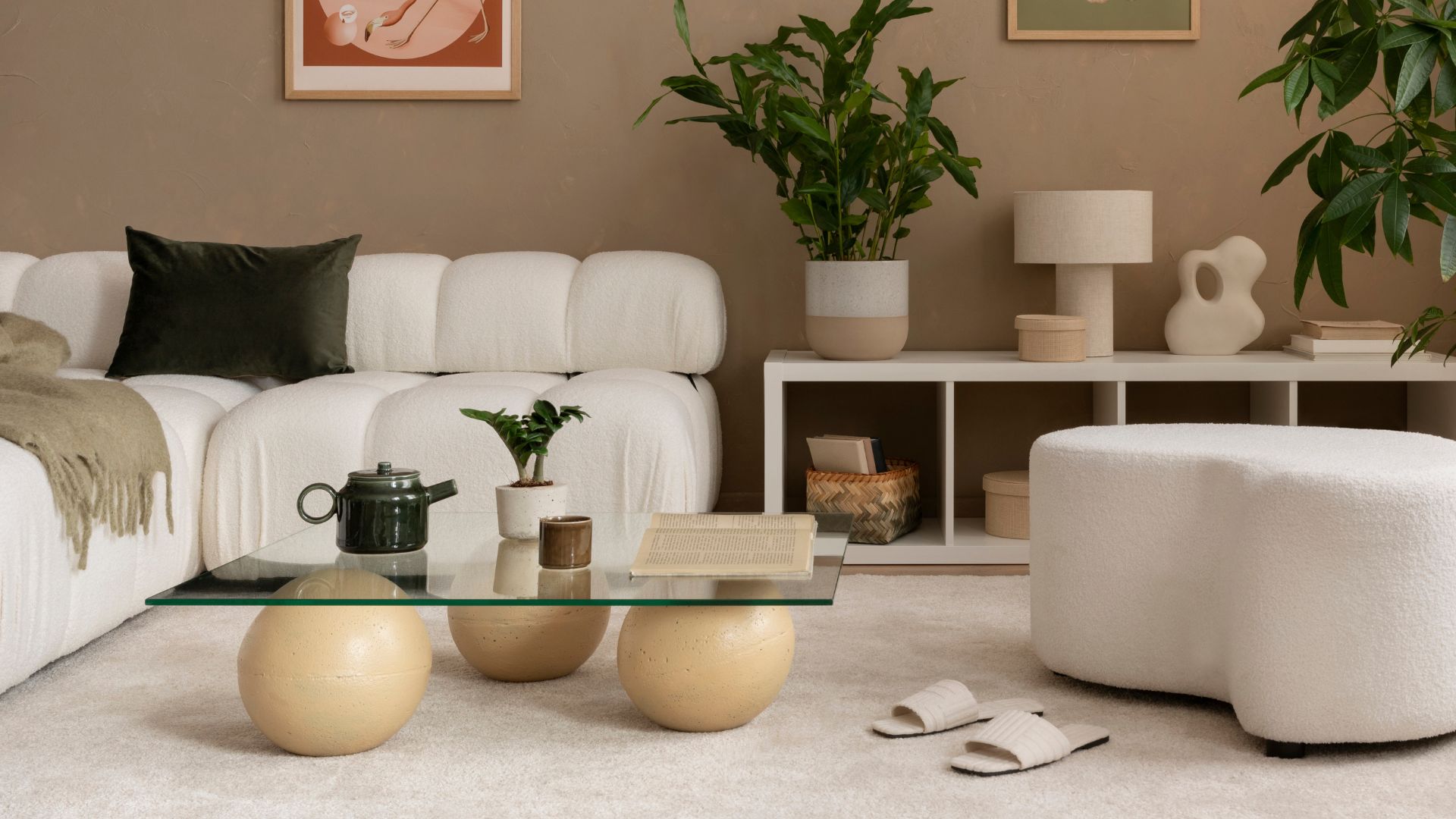
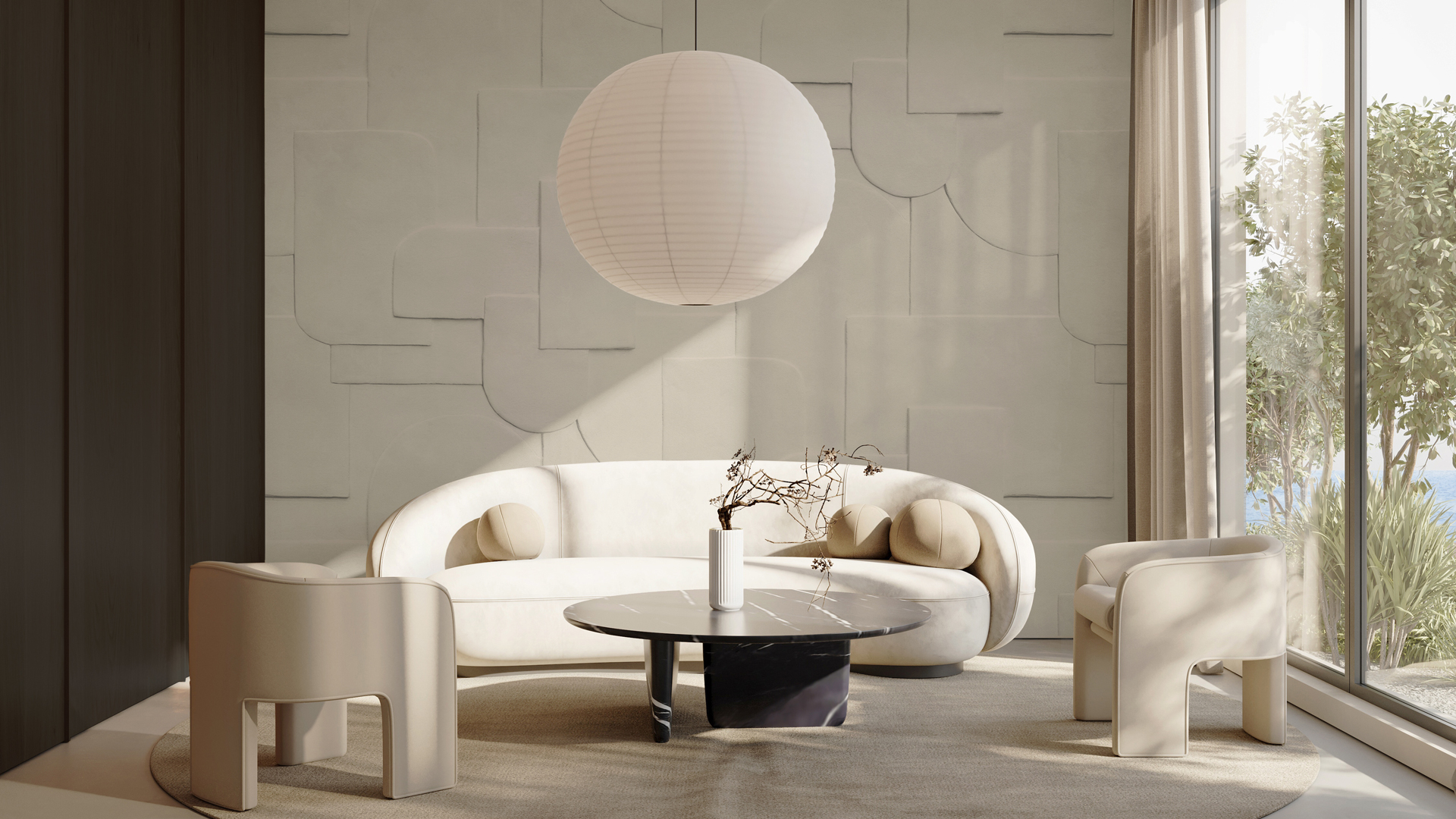
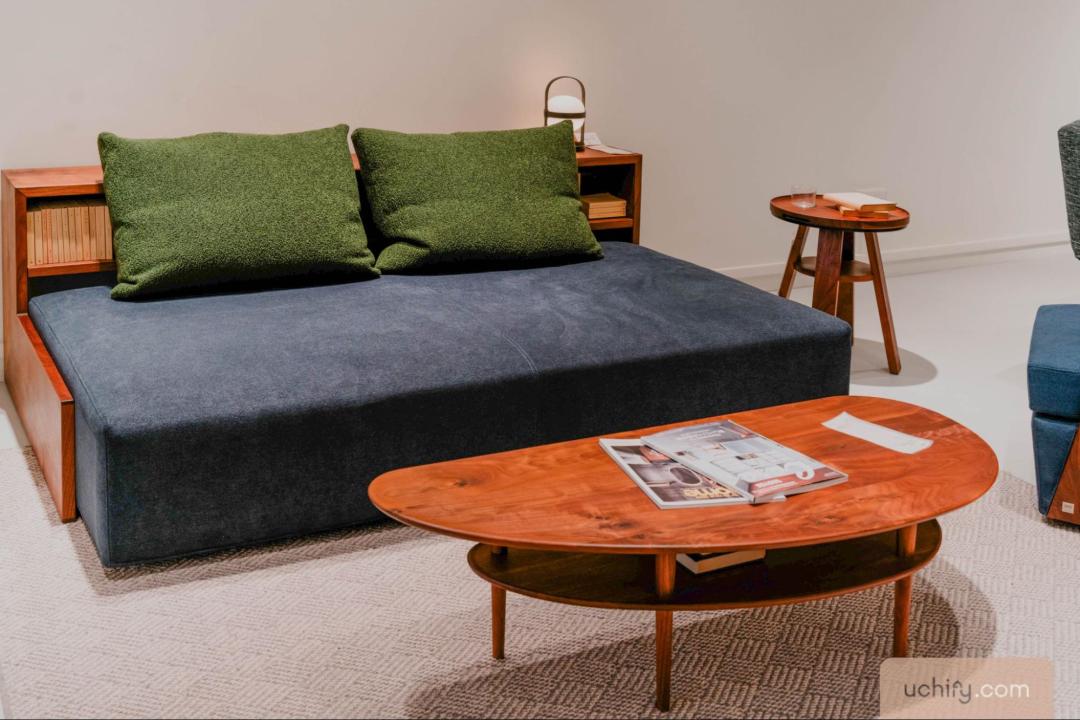
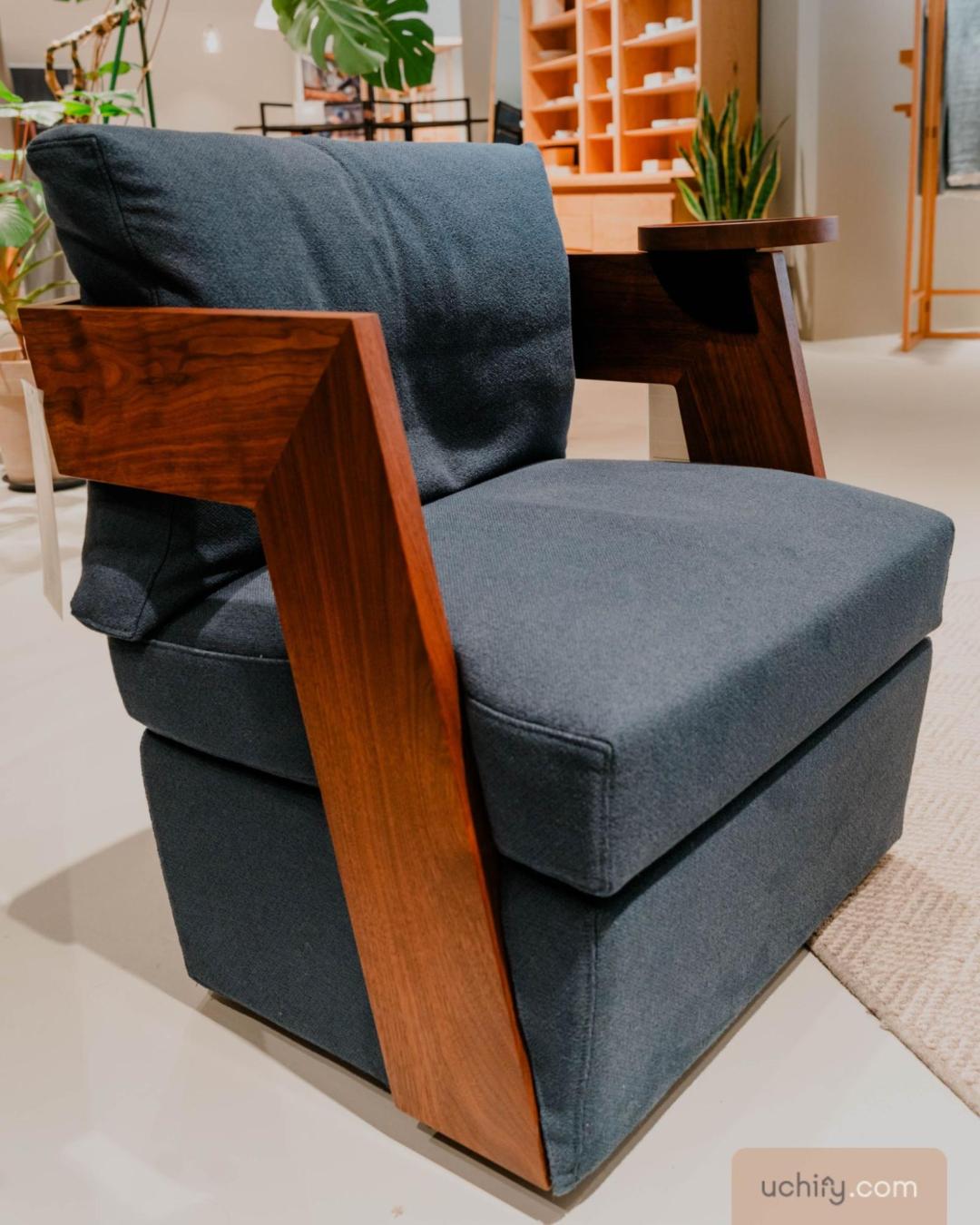
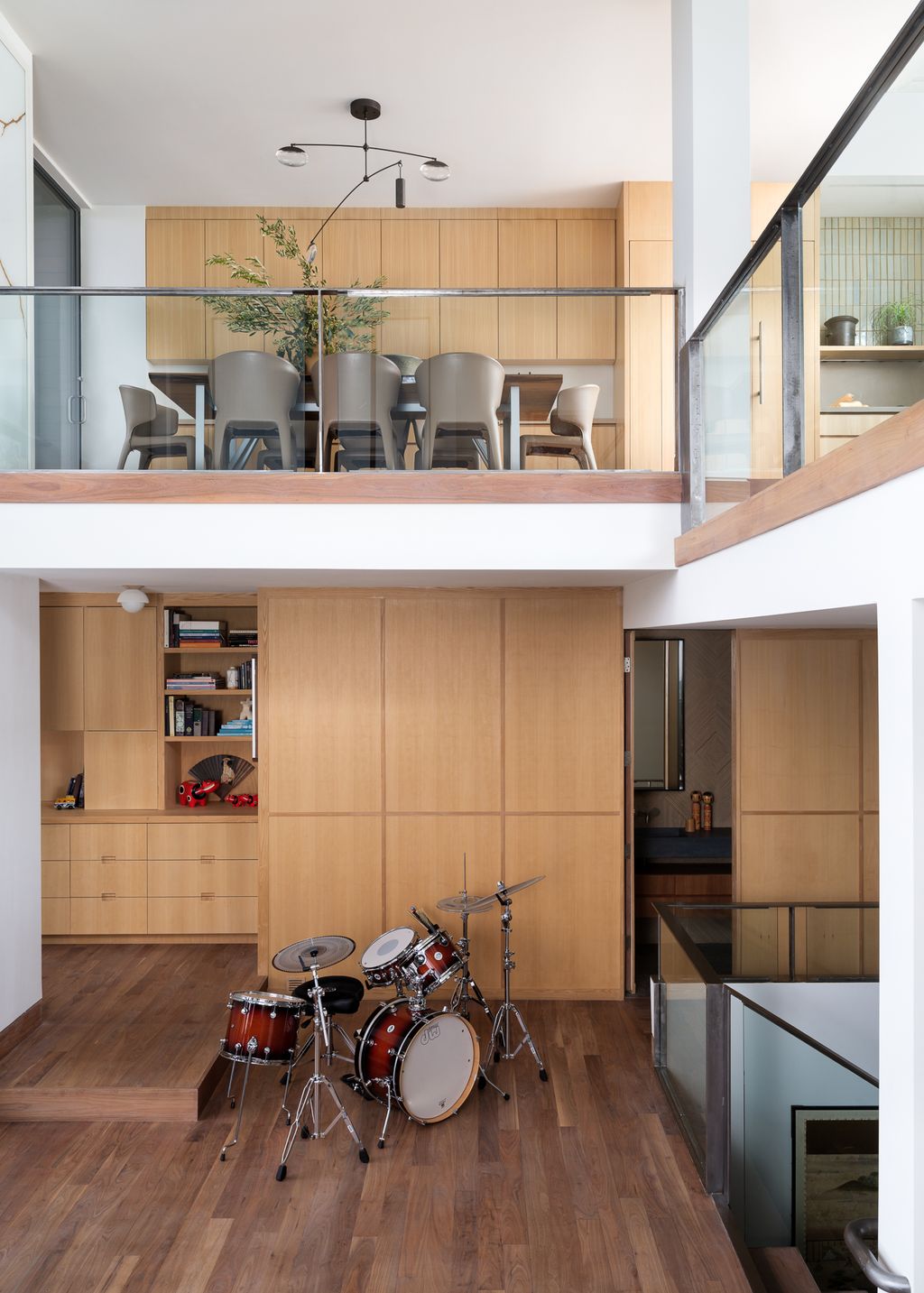
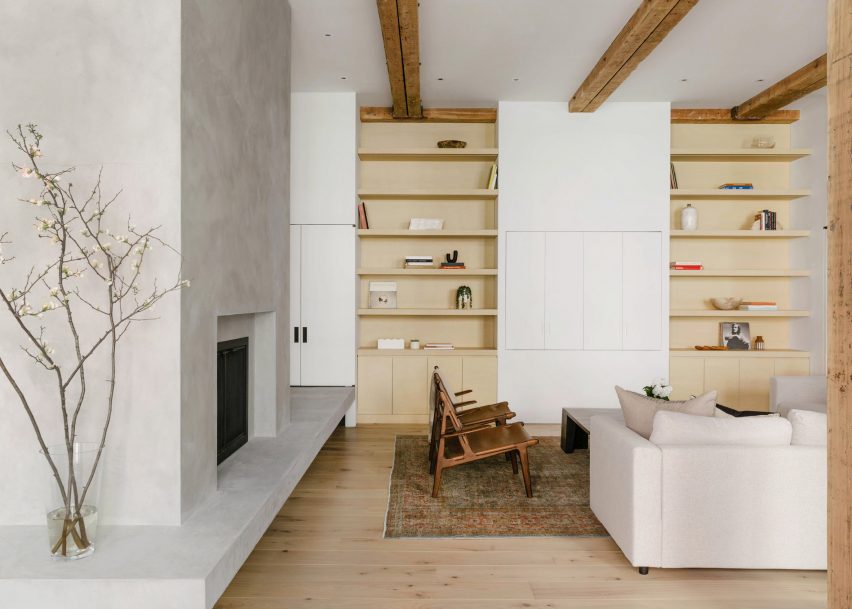
Clean lines and a minimalist approach define furniture and overall spatial organization. Historically, Japanese living involved sitting on Tatami floors with sparse, often built-in furniture, leading to uncluttered spaces. To achieve this, homeowners are advised to simplify their living rooms by removing unnecessary items and opting for functional, low-profile furniture with neutral colors. While traditional shoji screens and partitions offer privacy and light control, modern alternatives like bamboo blinds or paper lanterns can achieve a similar effect without being overly literal.
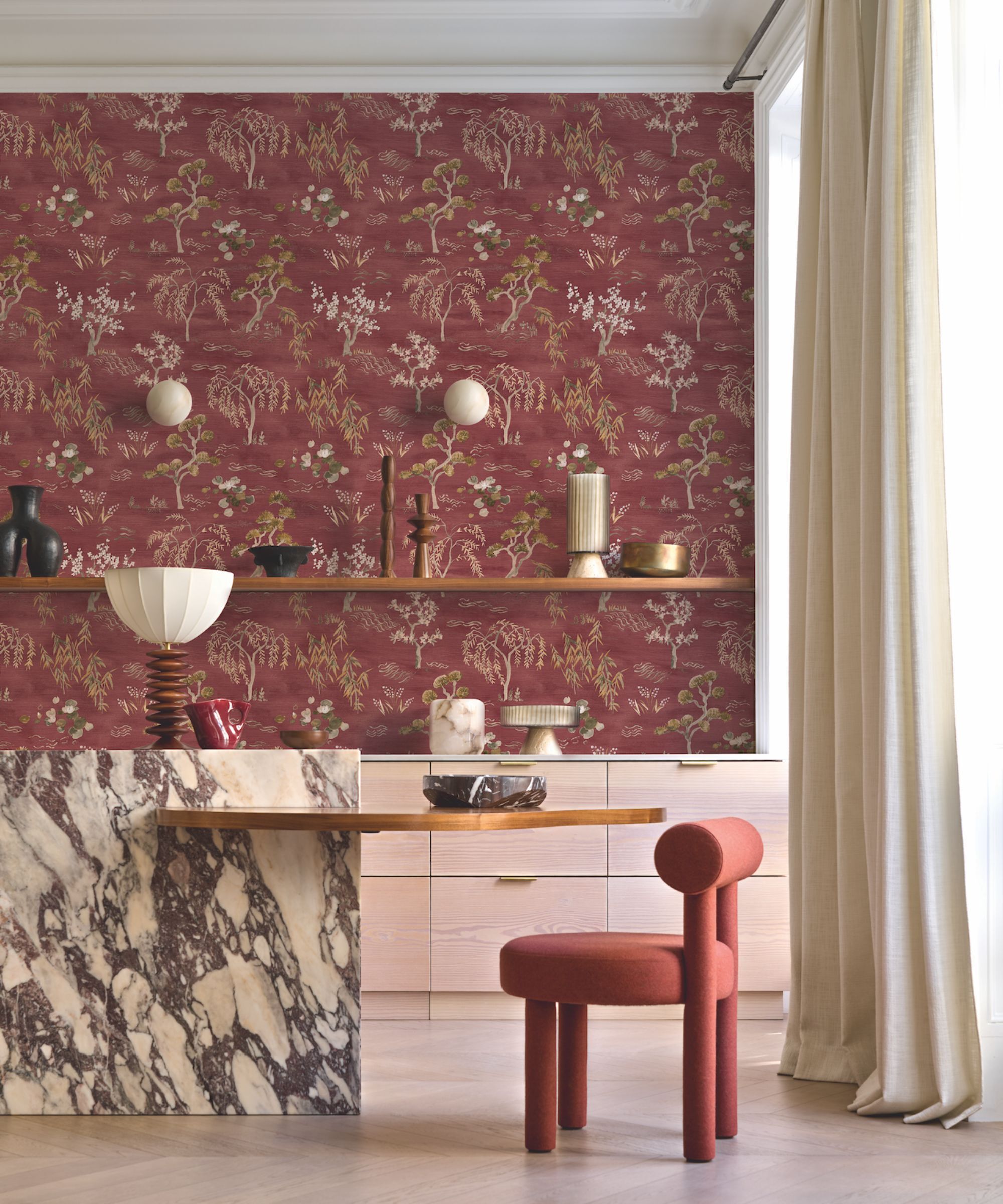
A tokonoma, a traditional decorative alcove, reflects an appreciation for nature and art. This can be reinterpreted by dedicating a small shelf or space for a simple, seasonal display. Decor should be limited and intentional, focusing on pieces that have meaning or function rather than purely decorative items. This approach avoids clutter and contributes to a calm atmosphere. The design ethos also embraces antique and vintage elements, celebrating wabi-sabi—the beauty of imperfection and age—and promoting limited, high-quality purchases that are meant to last a lifetime. This conscious consumption contrasts with fast furniture trends, advocating for authenticity and sustainability. Ultimately, when in doubt, the guiding principle for Japanese living room design is to default to nature for inspiration in decorative accents and overall aesthetic choices.
#JapaneseDesign #LivingRoomDesign #MinimalistDecor #ZenPrinciples #HomeTrends #NatureInspired #InteriorDesign #SustainableDecor #JapaneseDesign #LivingRoomDesign #MinimalistDecor #ZenPrinciples #HomeTrends #NatureInspired #InteriorDesign #SustainableDecor
0 comment in total
 No comments yet
You may also like
Will Japandi rule your living room in 2026? Interior experts weigh in
Japanese bathroom design is trending – here's everything you need to know to recreate this serene, mindful style
Ten furniture and lighting designs by Japanese brands and designers
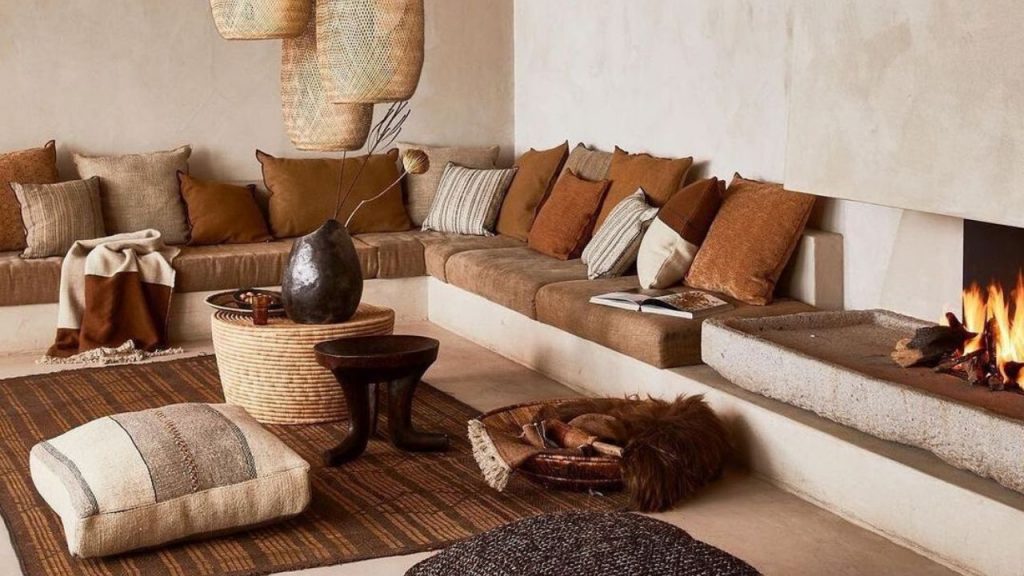
Japandi merges the comfort of hygge with zen minimalism

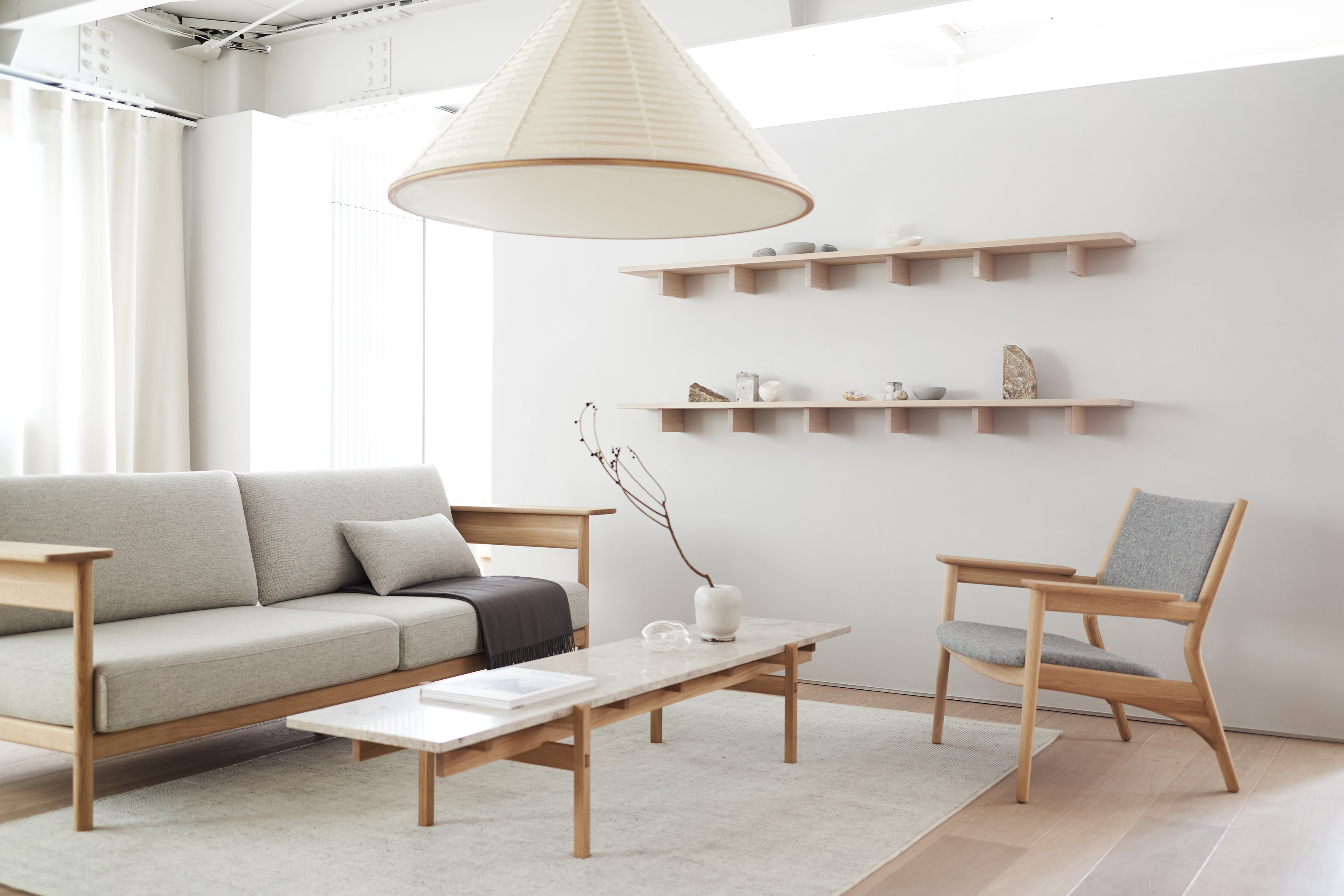
5 Design Rules Japanese-Style Living Rooms Always Follow — "This Approach Makes Any Home So Calming"

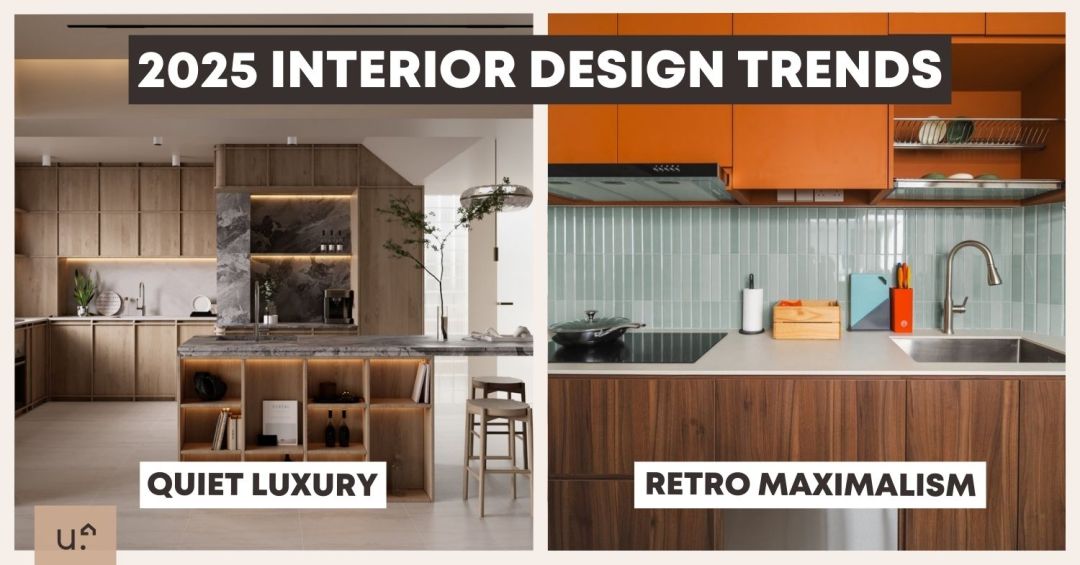
11 Biggest Interior Trends Of 2025, Design Solutions & Reno Tips As Revealed By An Interior Designer

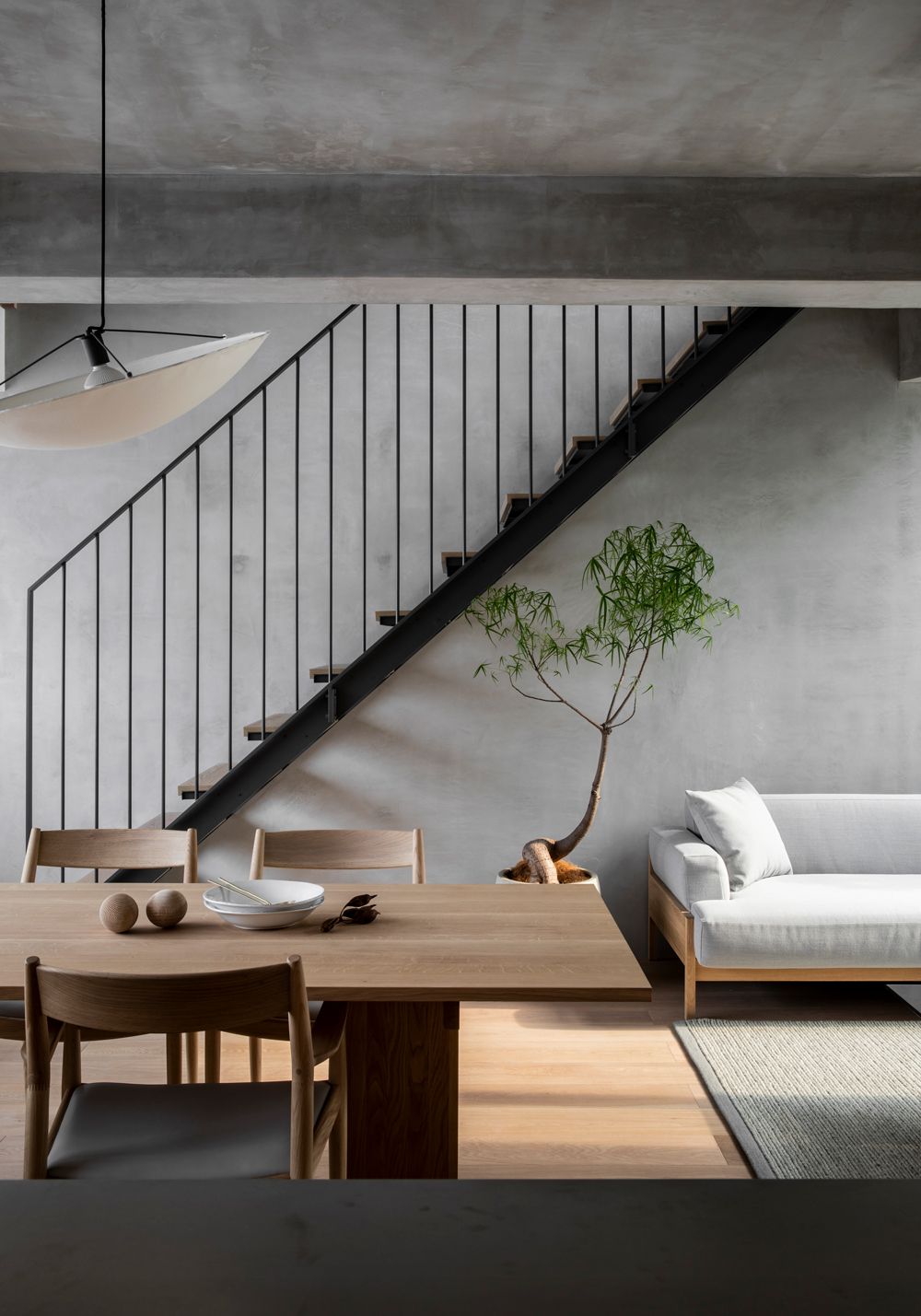
What Is Japanese Interior Design? Read Our Guide to This Minimalist Aesthetic
8 Japandi Bedrooms I Dream of Sleeping In — Minimalist and Cozy, They've Got to Be the Most Relaxing Spaces
The Rise of Japanese-Inspired Interiors: Why Calm, Craft, and Simplicity Are Redefining Modern Design


Interior Design Icks: Do You Regret Your Decor?
Seven "Japandi" interiors that blend Japanese and Scandinavian design
Step Inside a Japanese-Inspired California Treehouse

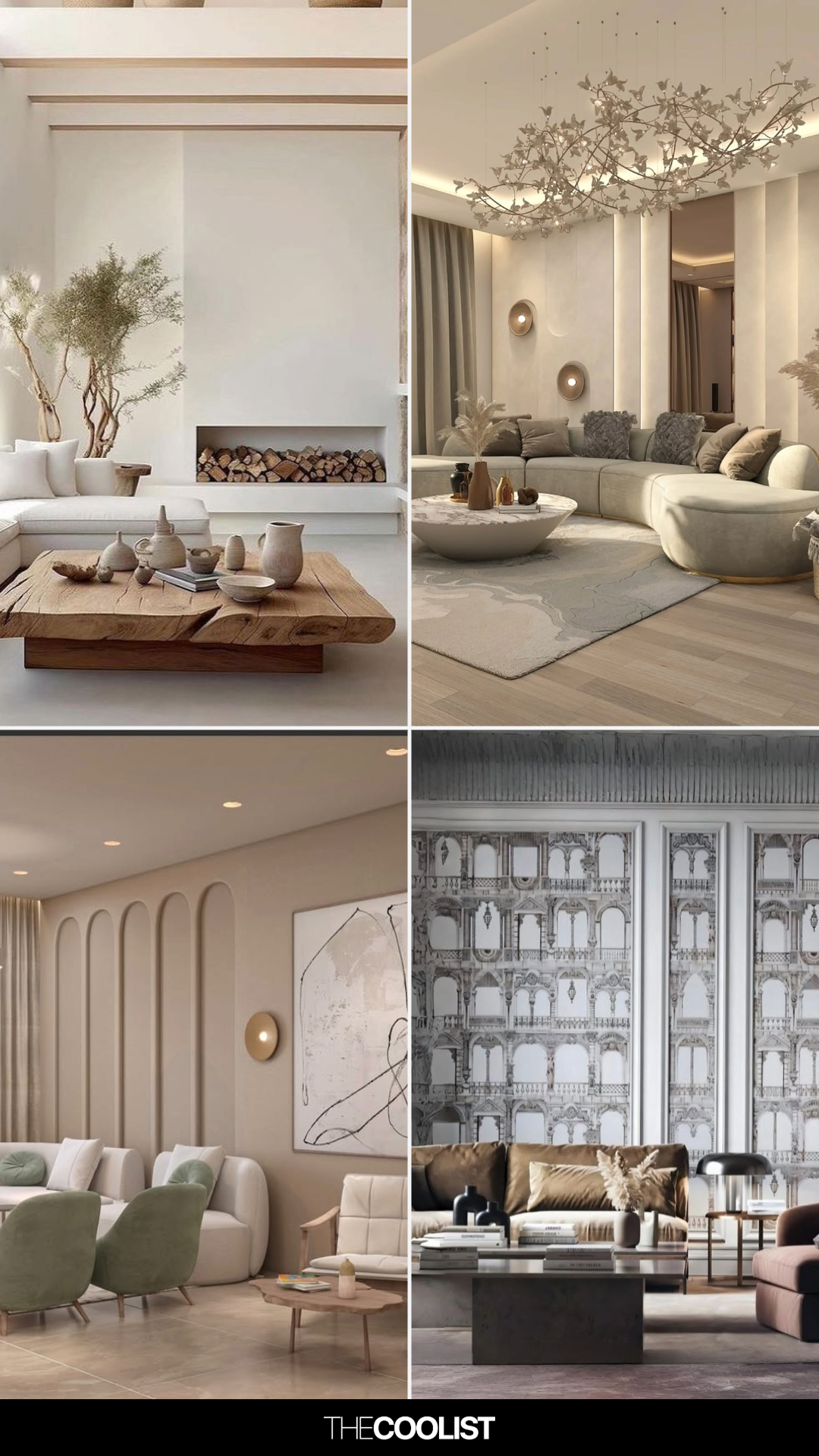
25 Chic Japandi Living Room Ideas That Could Be Straight Out of a Tokyo Loft
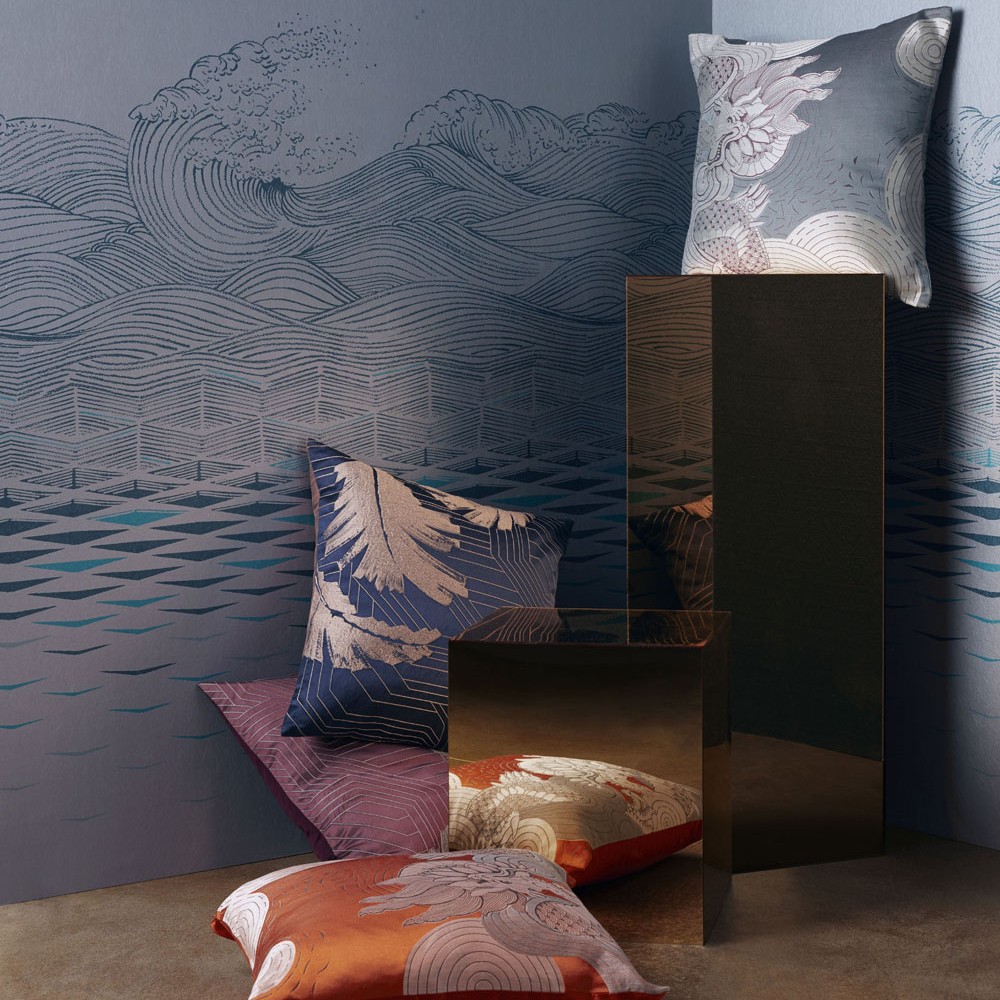
John Lewis stay ahead of the Japanese trend with V&A inspired range

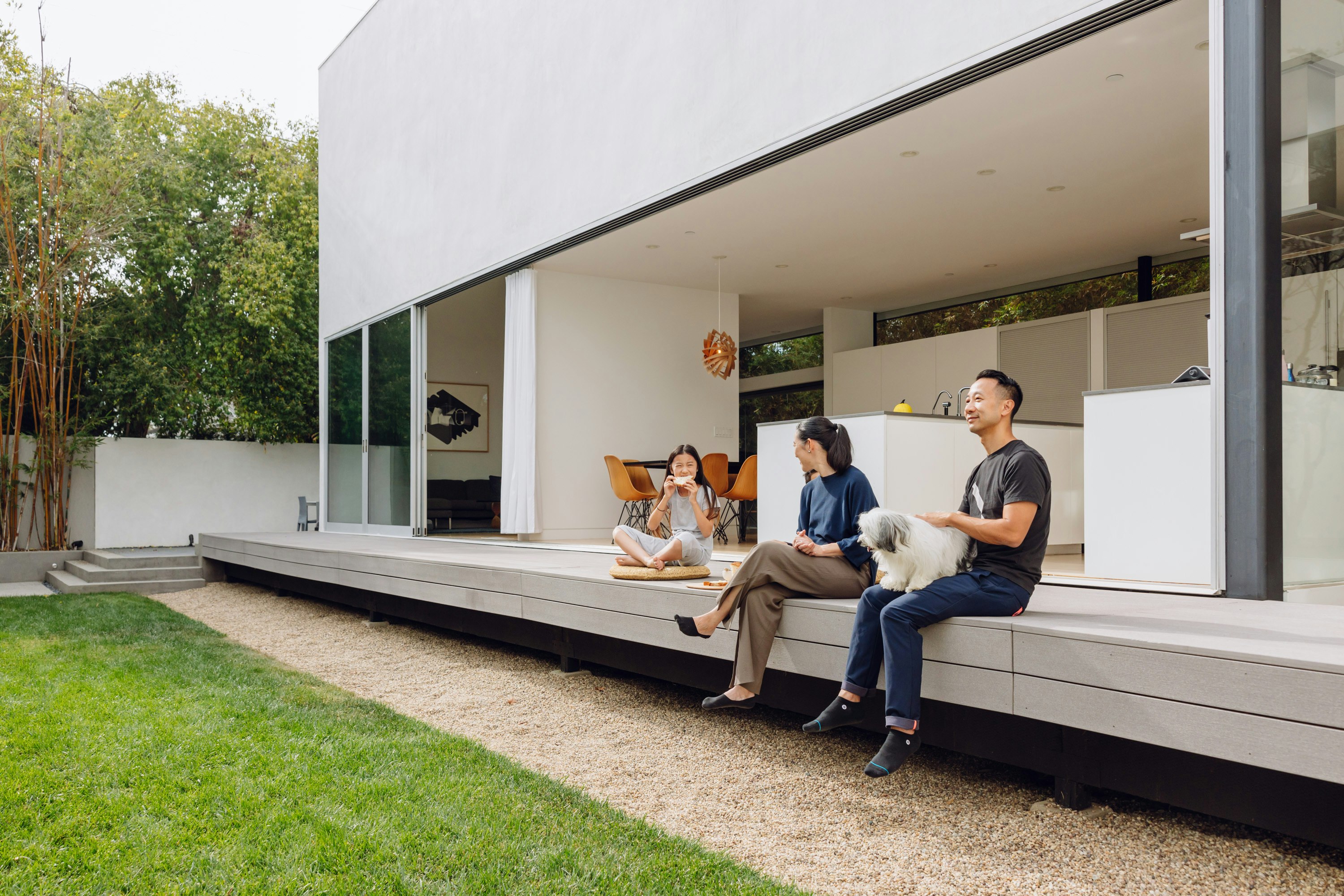
A Minimalist Home Full of Clever Design Tricks Appears to Levitate Above the Earth

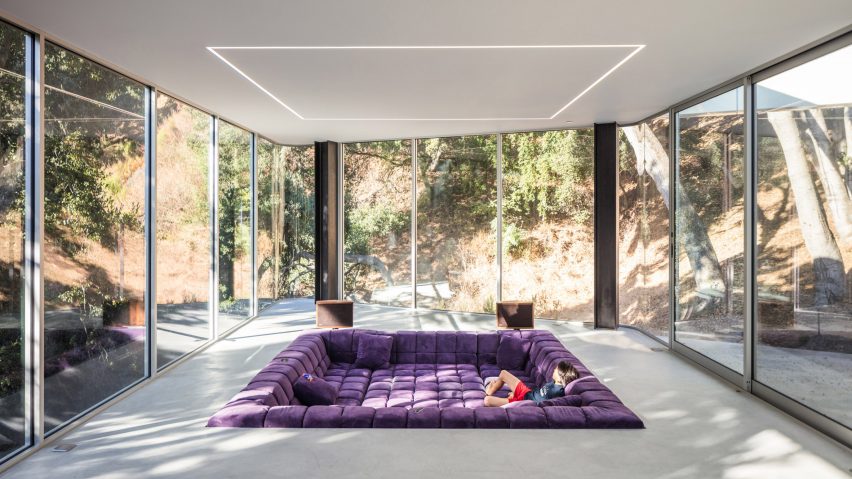
Ten living room design ideas from Dezeen

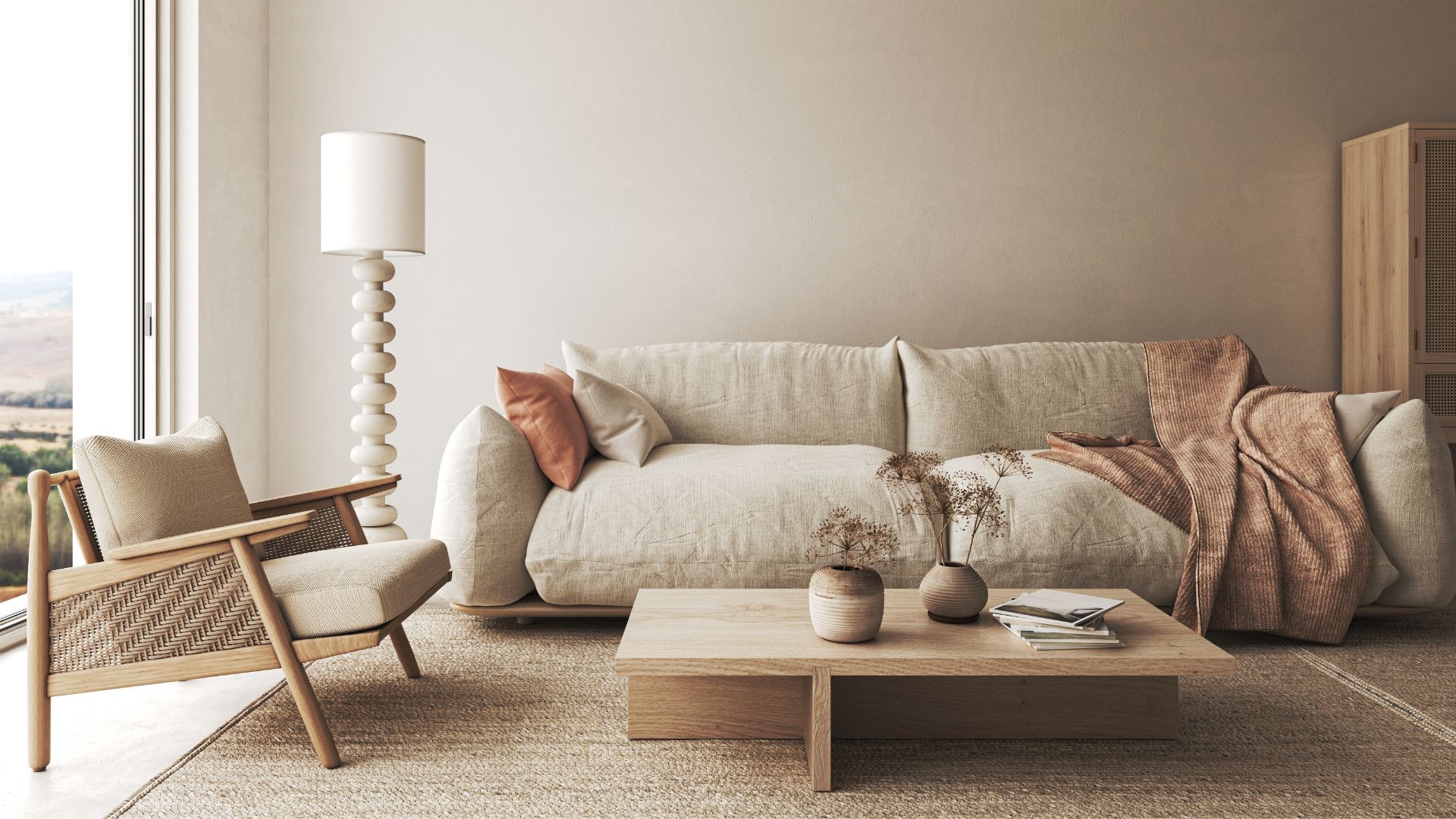
10 essential Japandi living room design tips to create a sense of calm and restfulness

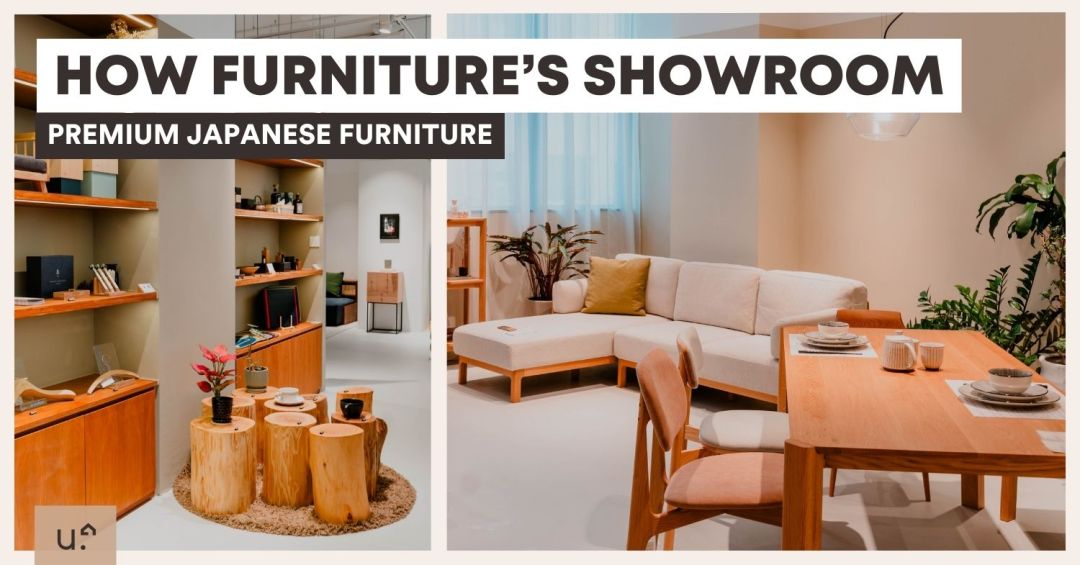
HOW Furniture: A Premium Japanese Furniture Showroom For Japandi Lovers Who Don’t Want To Settle For MUJI
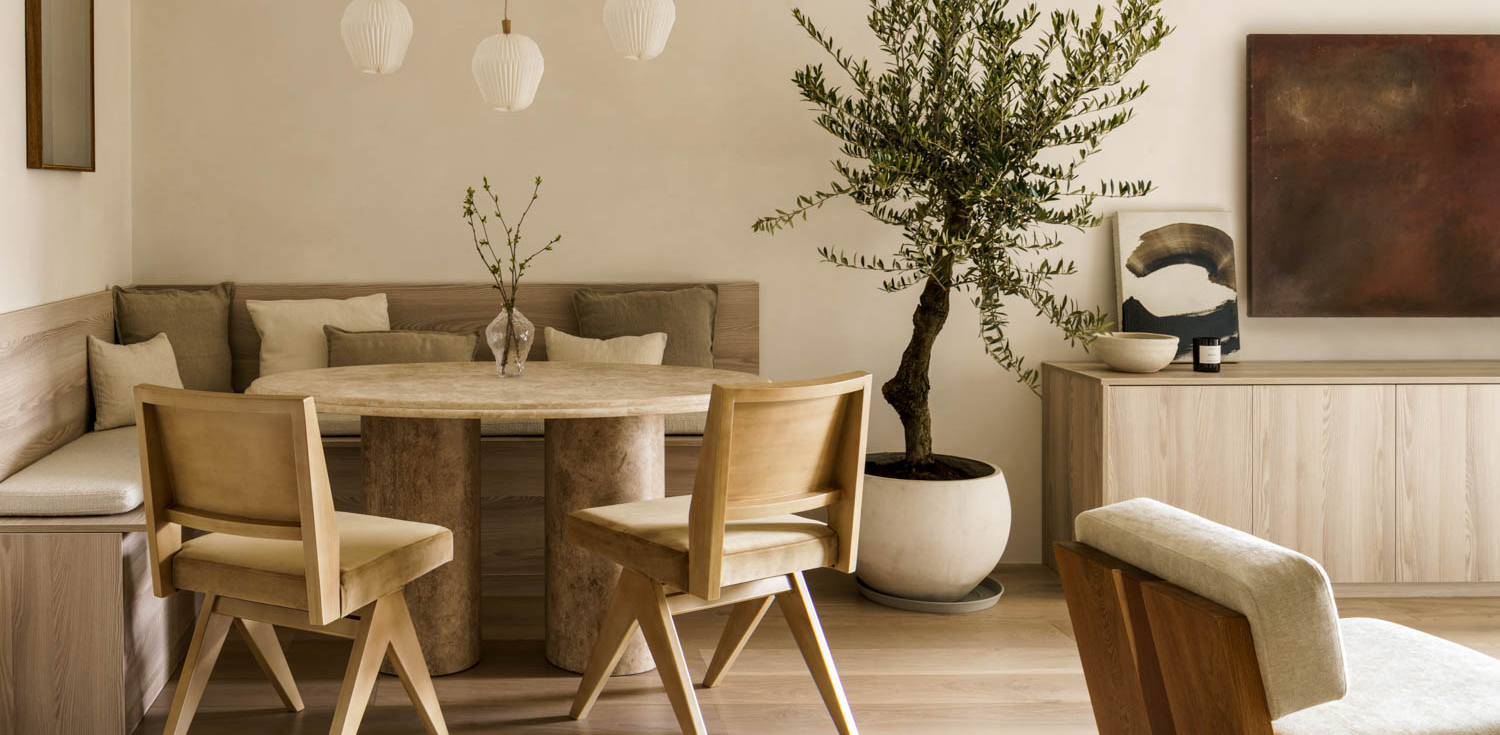
Elevate Your Space With These Inspiring Japandi Interiors

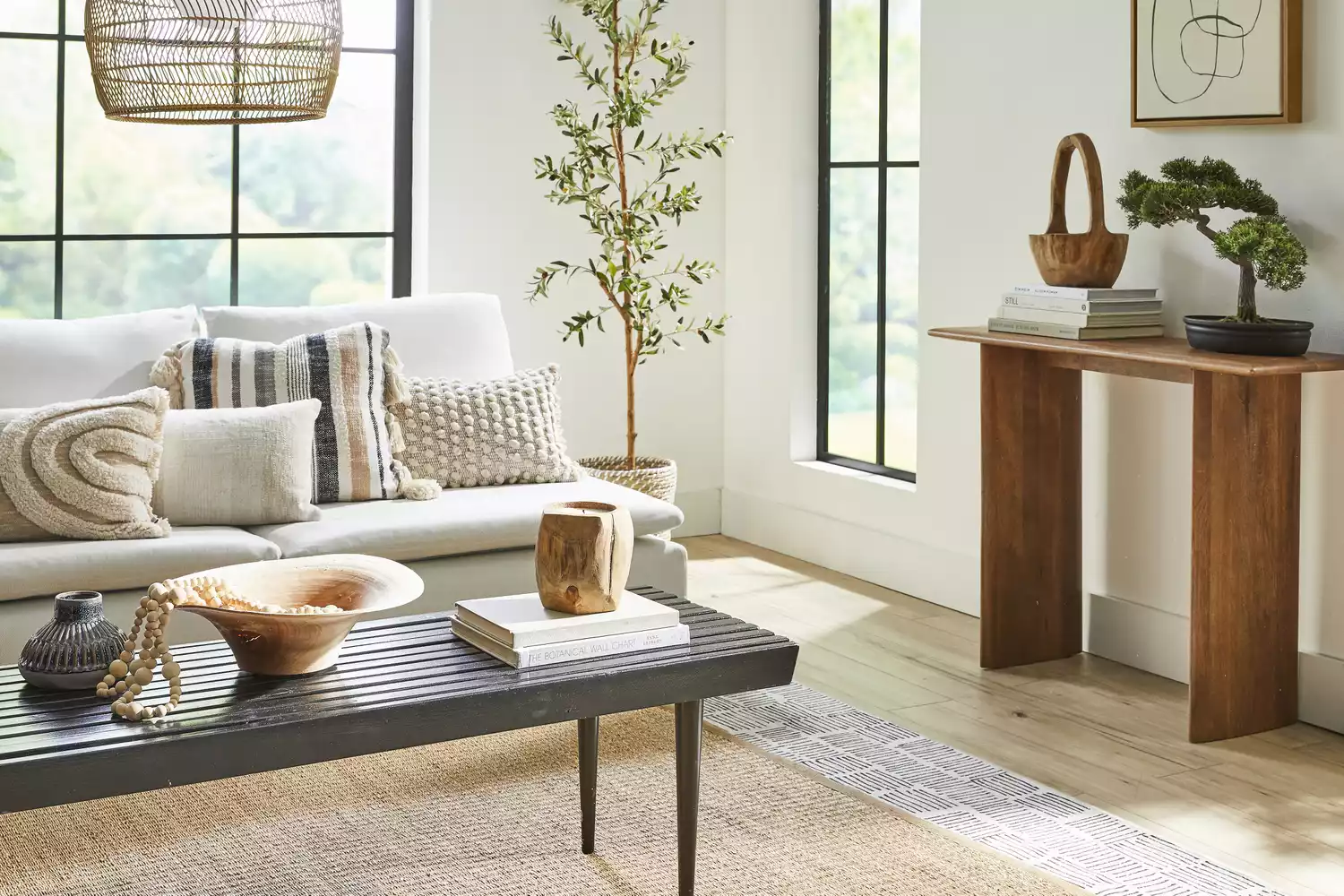
All About Japandi Design, a Mix of Japanese and Scandinavian Design