What Is Japanese Interior Design? Read Our Guide to This Minimalist Aesthetic
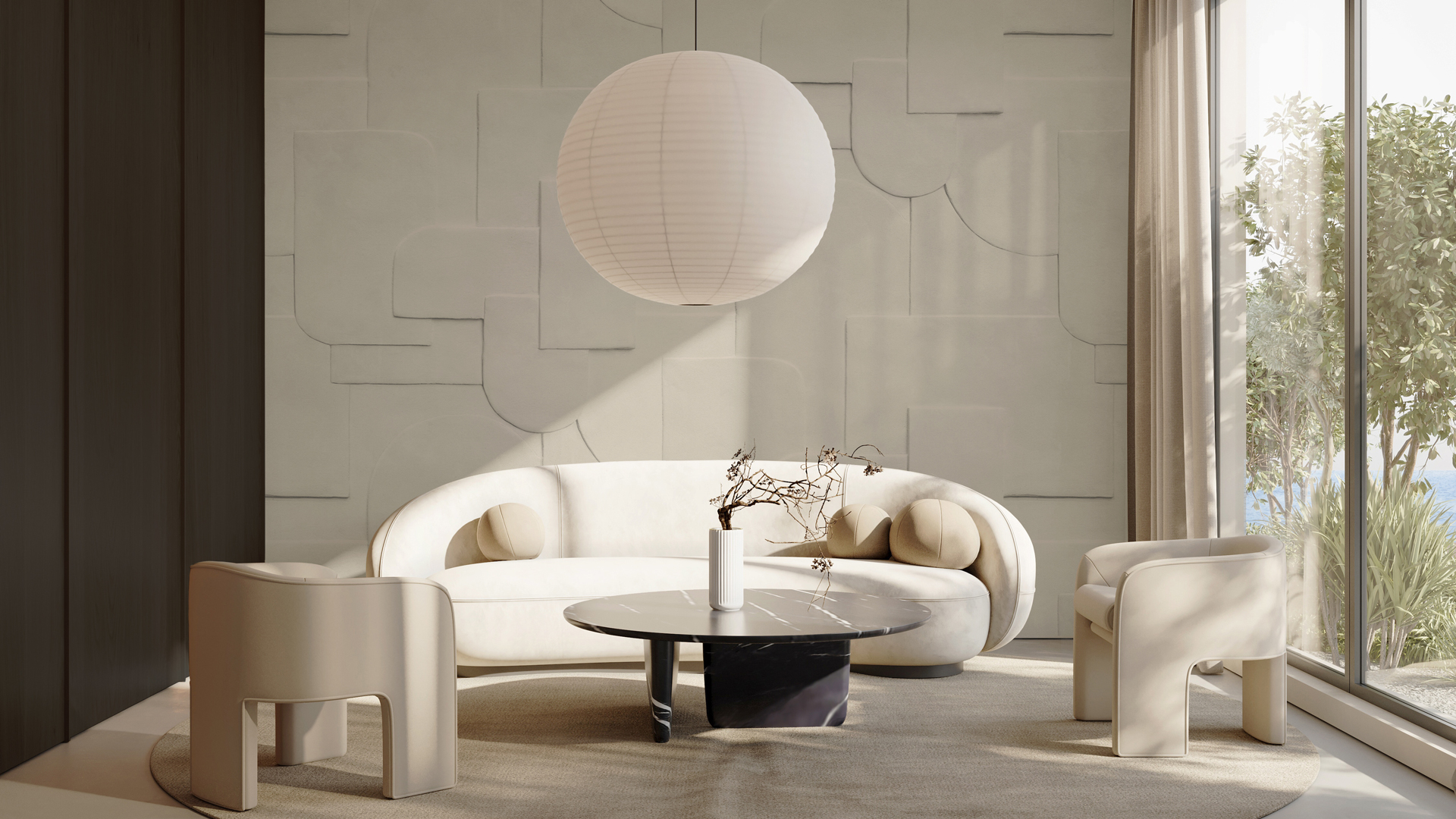
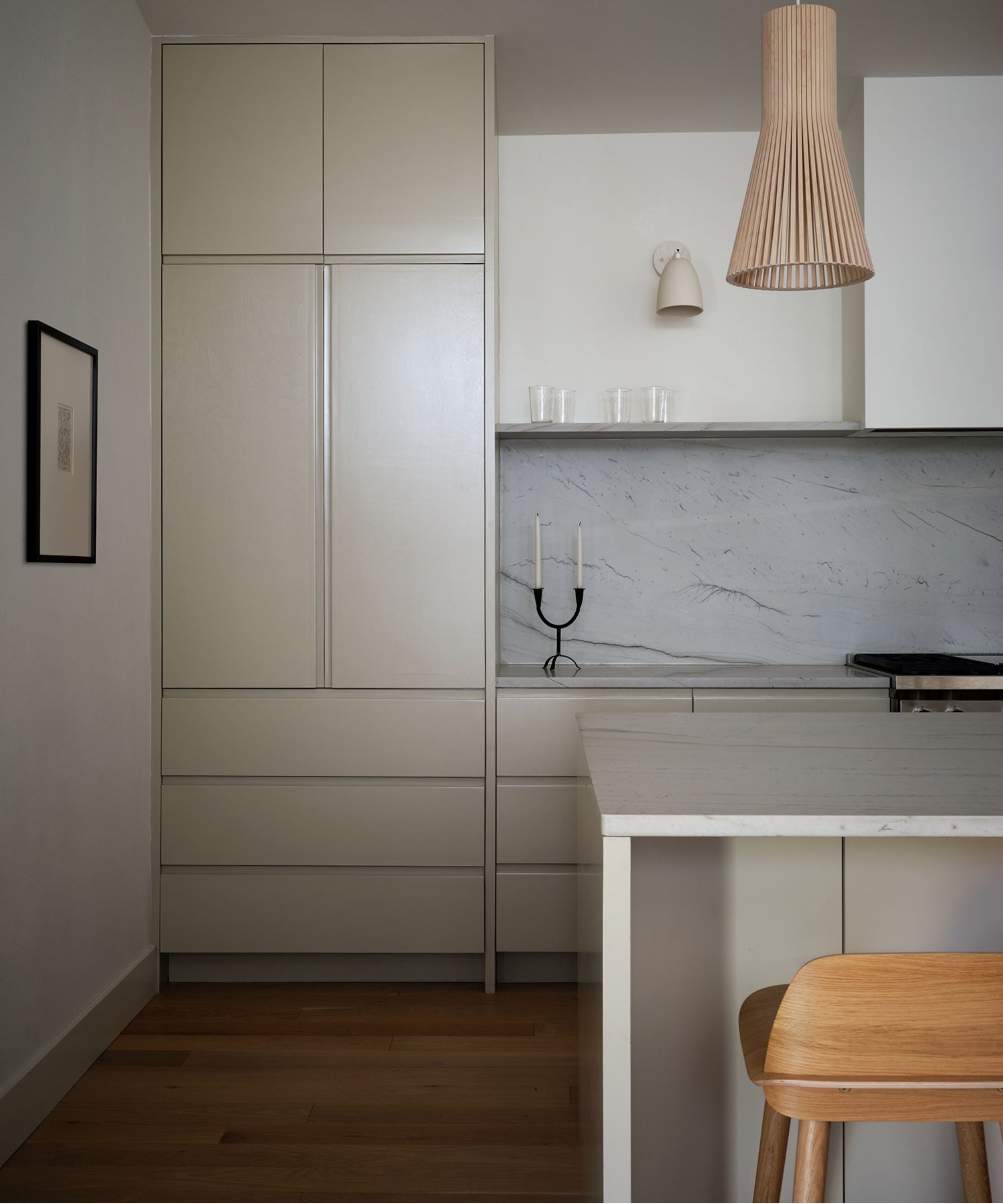
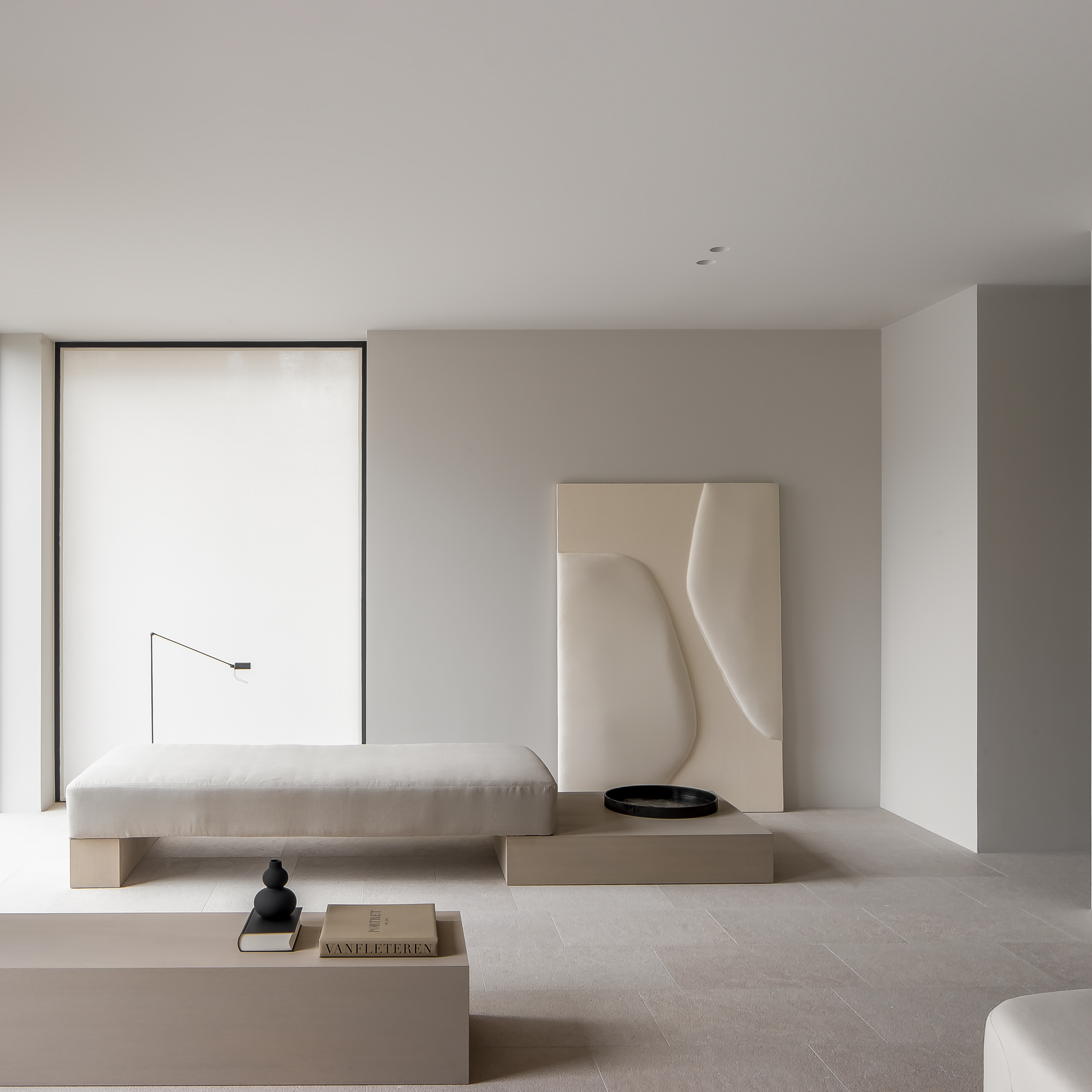
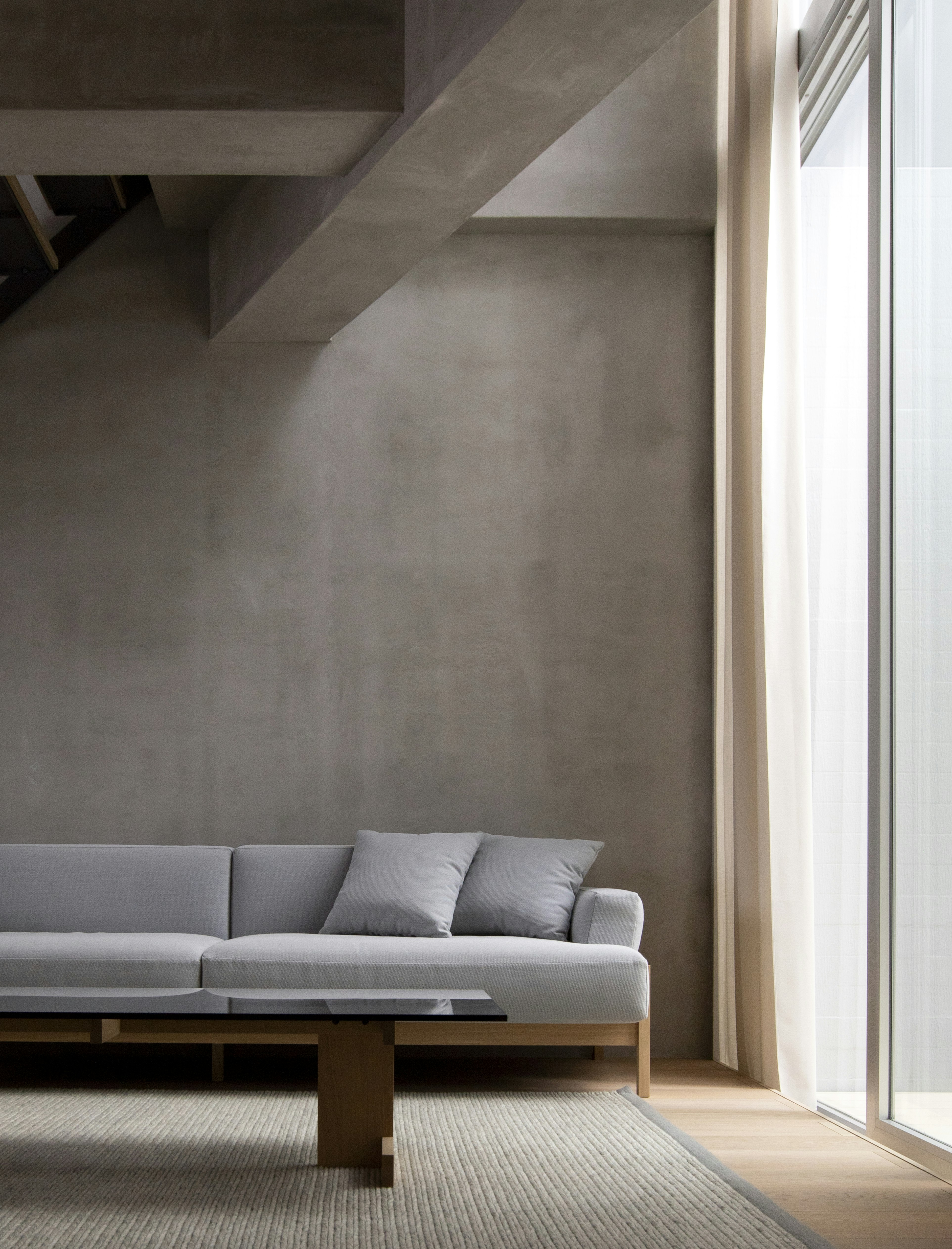
Japanese interior design is characterized by its timeless simplicity and profound connection to nature, offering a peaceful and harmonious aesthetic that encourages relaxation. This style prioritizes clean lines, natural materials, a neutral color palette, and minimal styling, often integrating the concept of 'ma,' or negative space, to foster a sense of openness and tranquility. The growing popularity of Japandi, a fusion of Japanese and Scandinavian design, highlights the increasing appreciation for these principles in Western interiors.
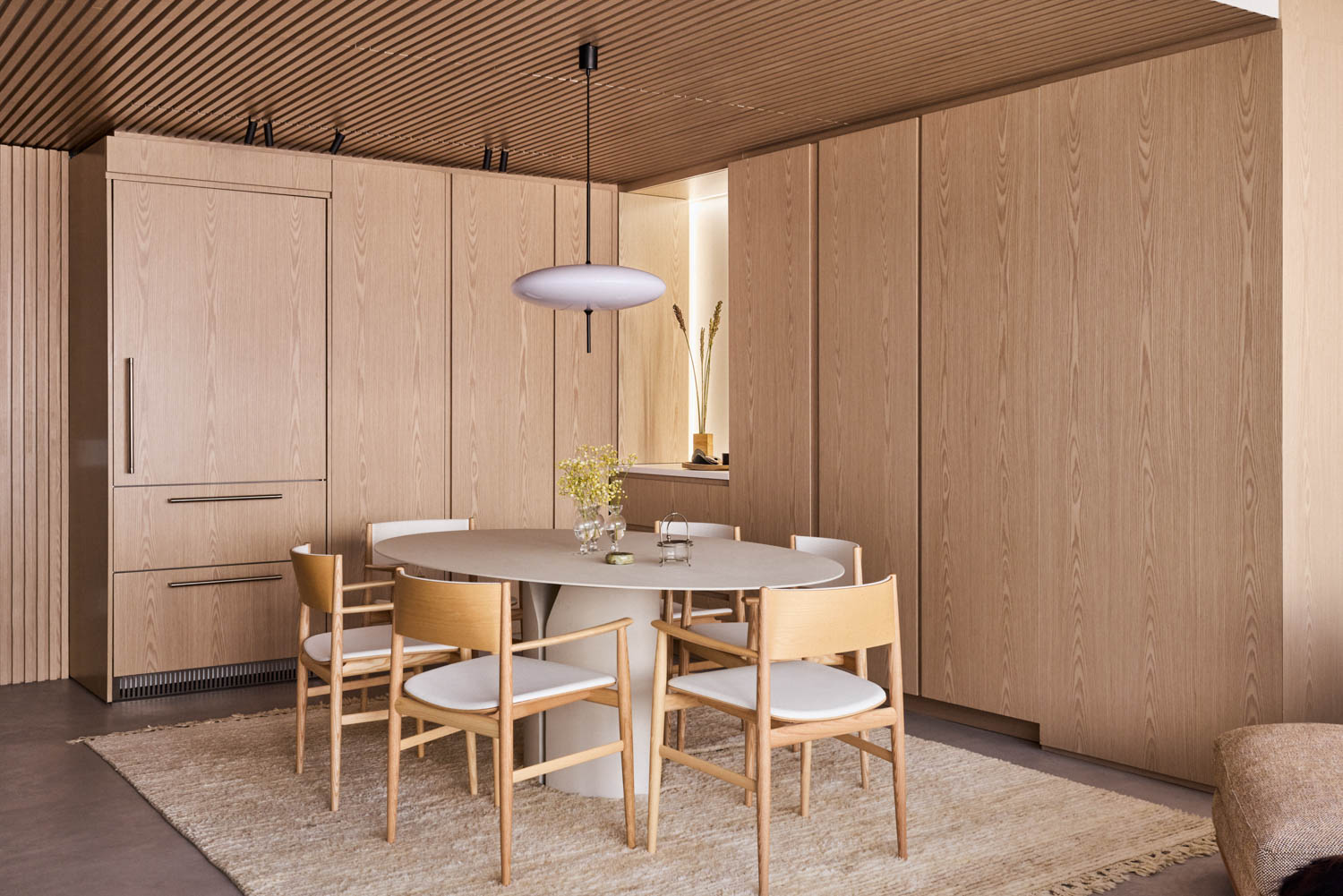
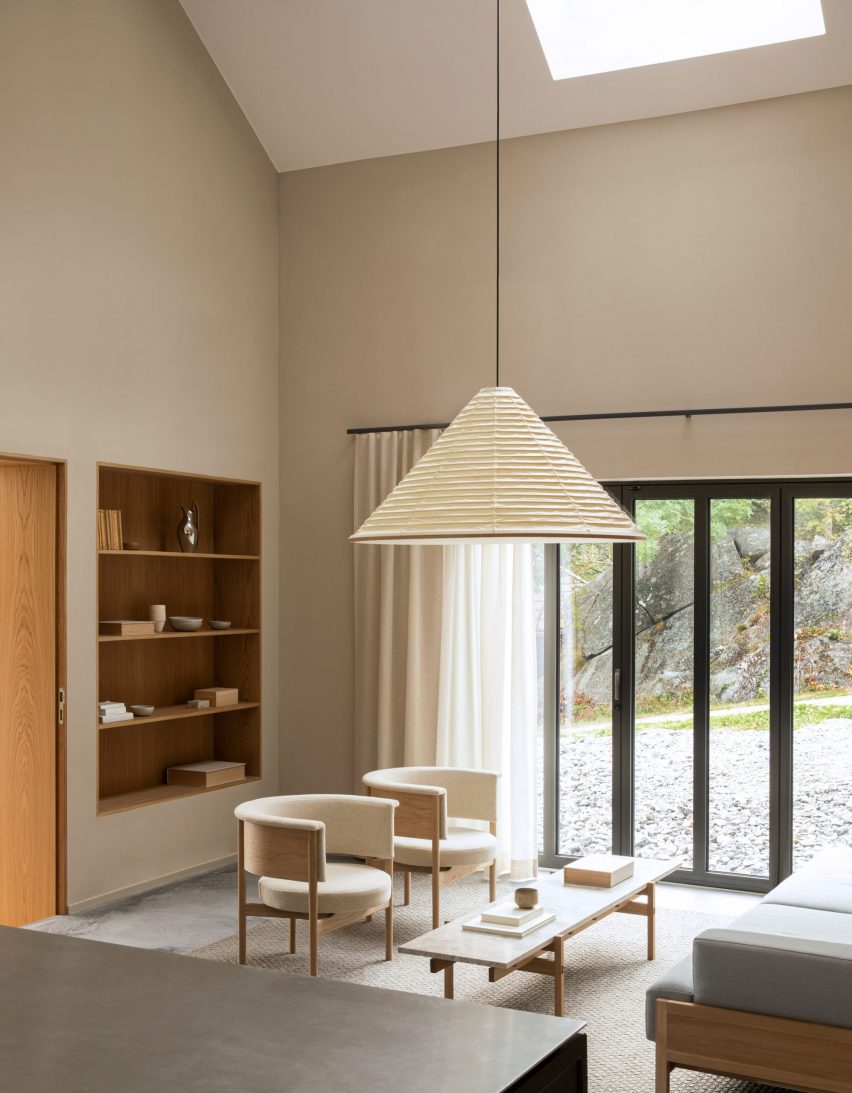
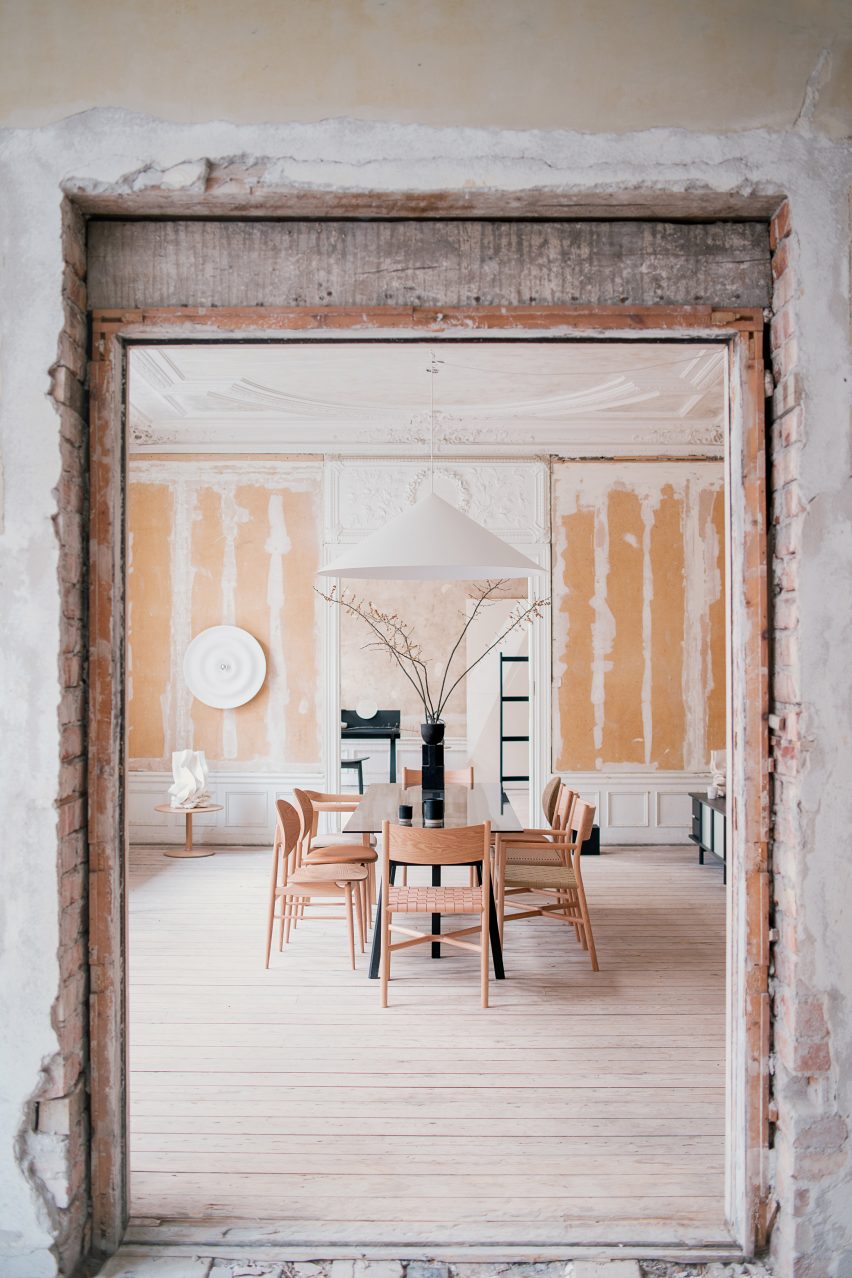
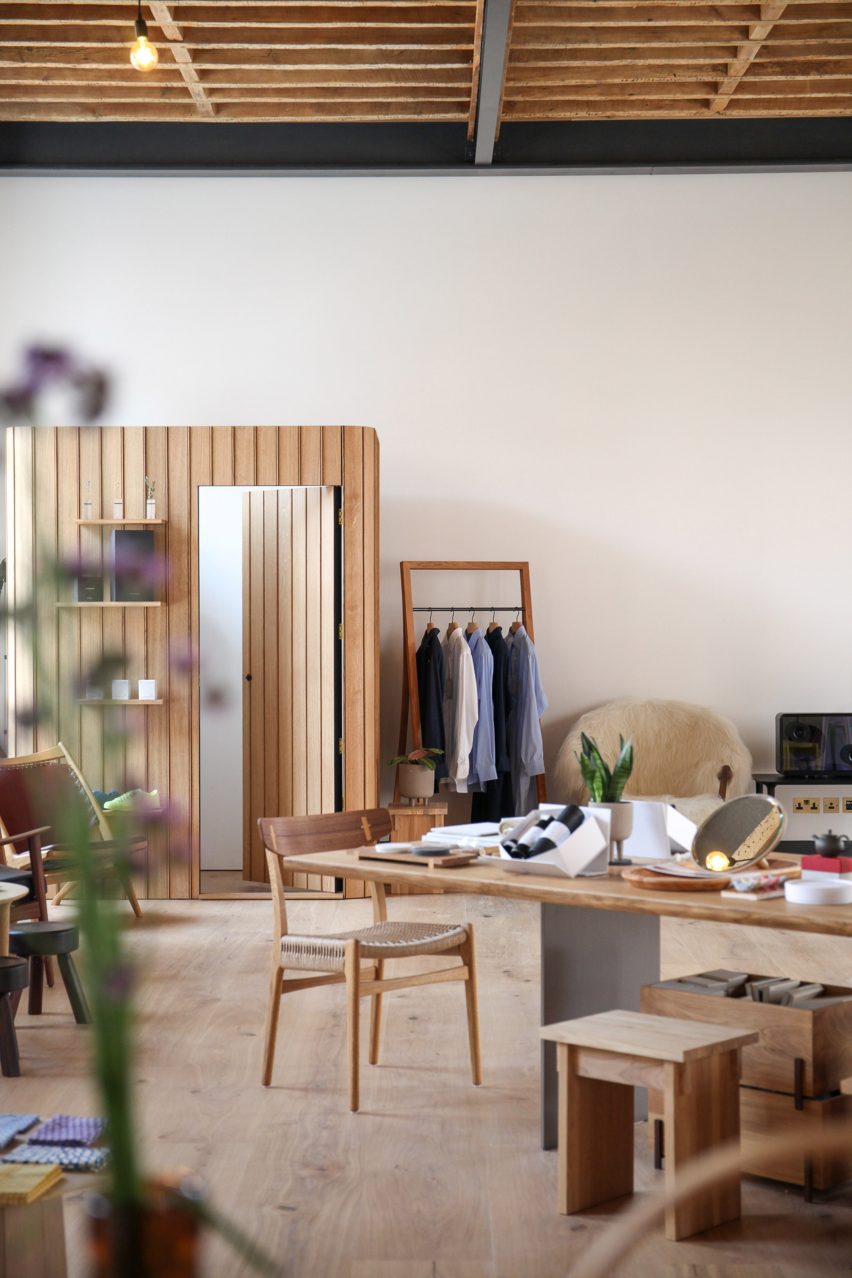
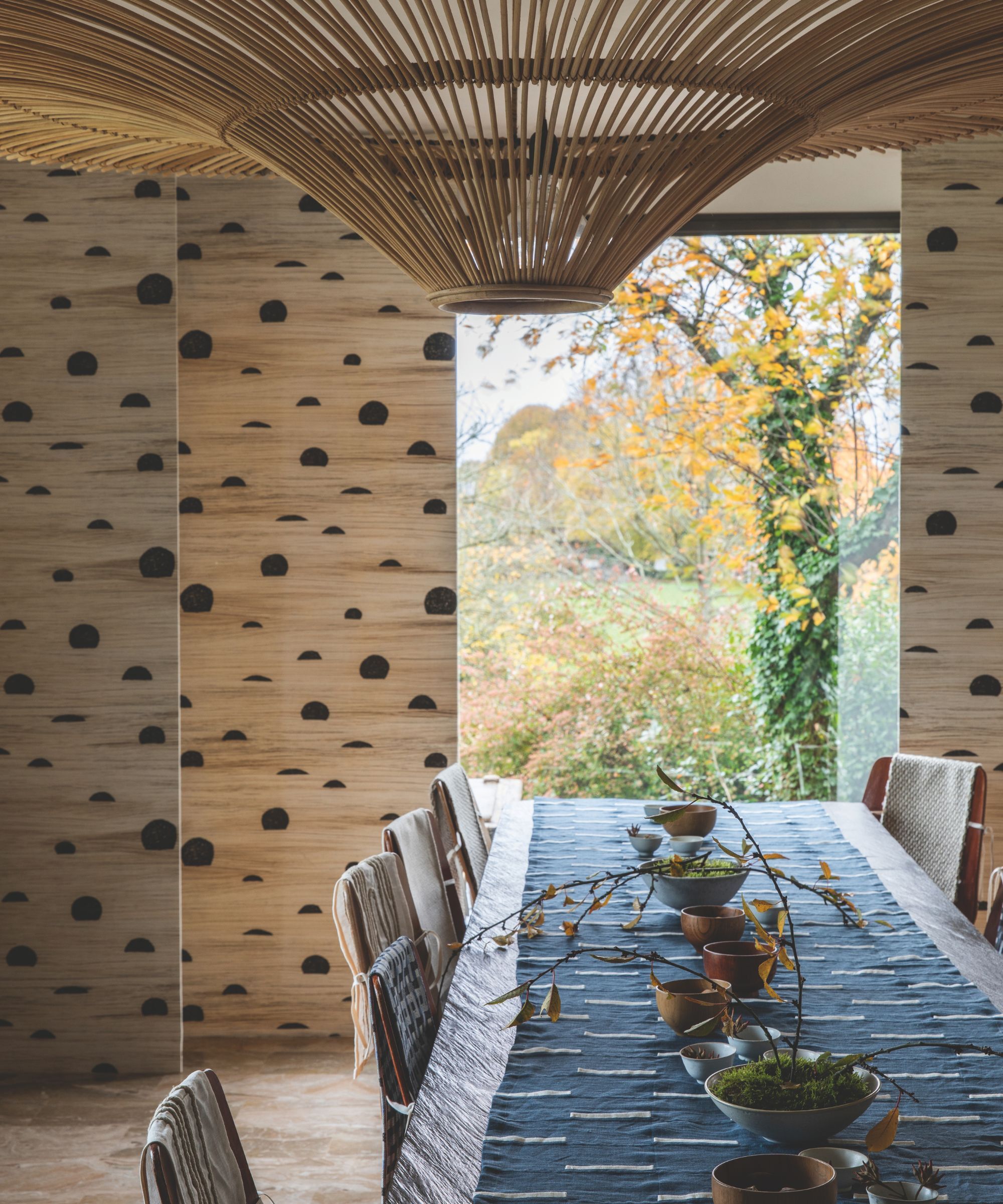
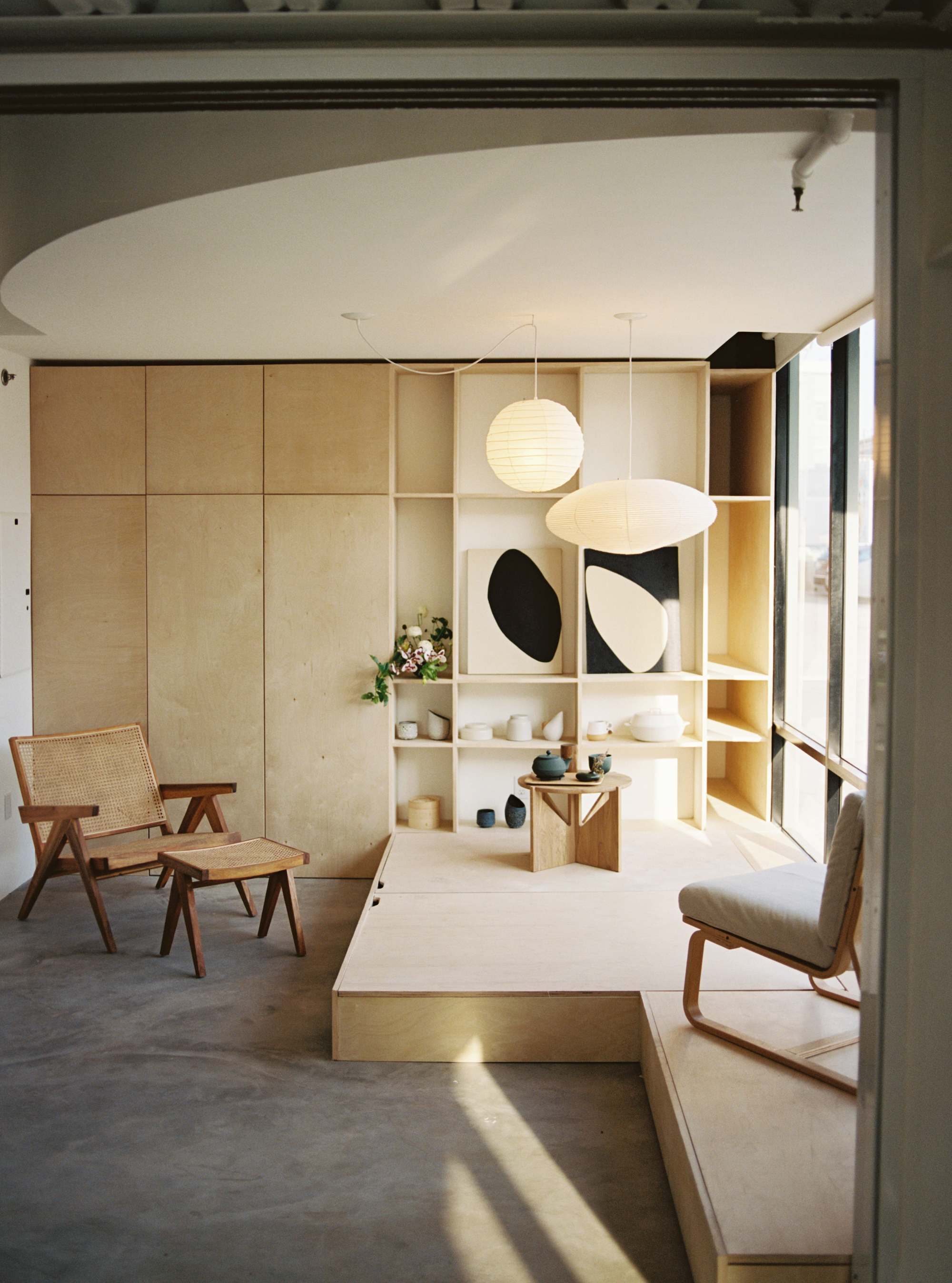
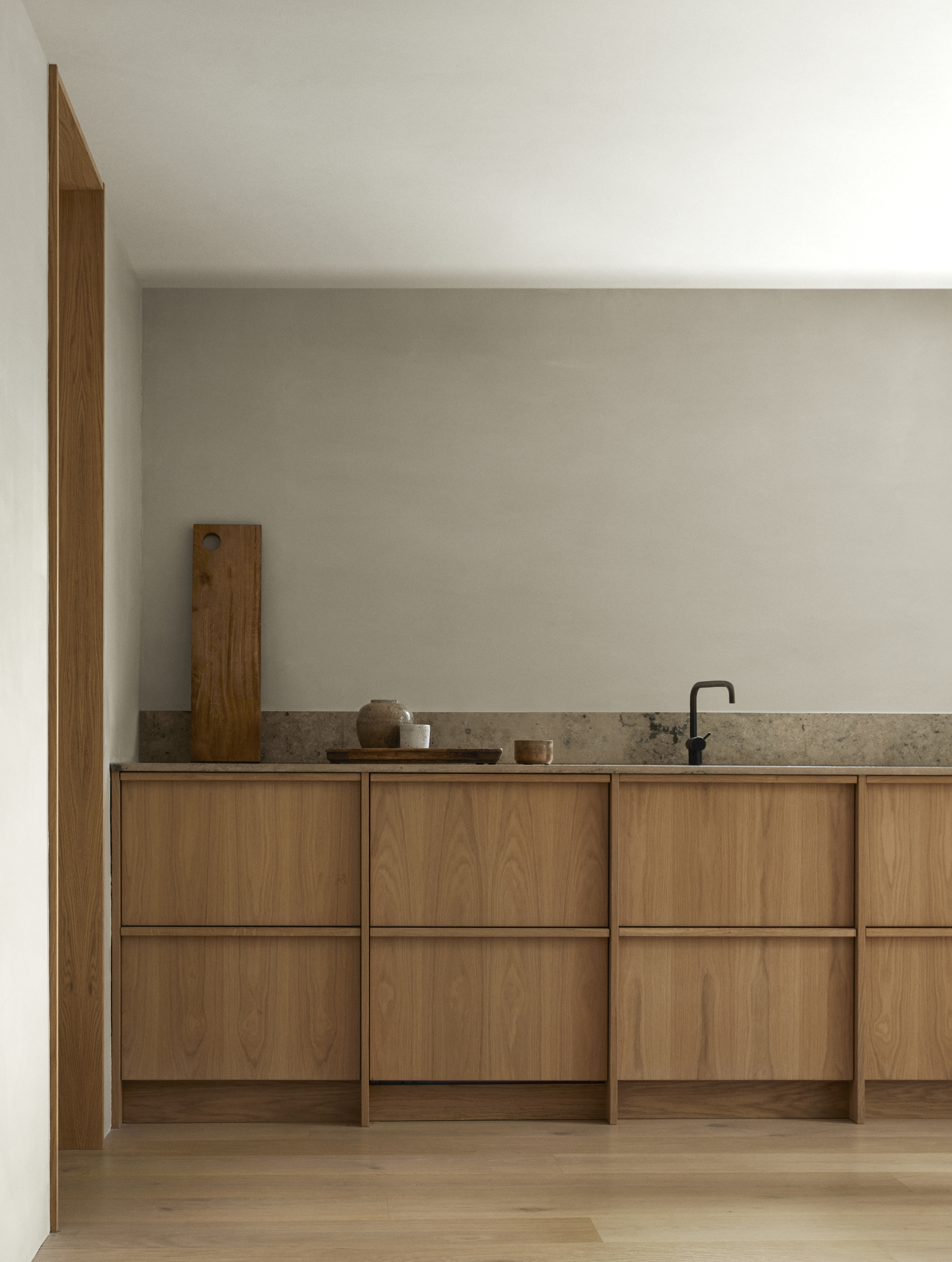
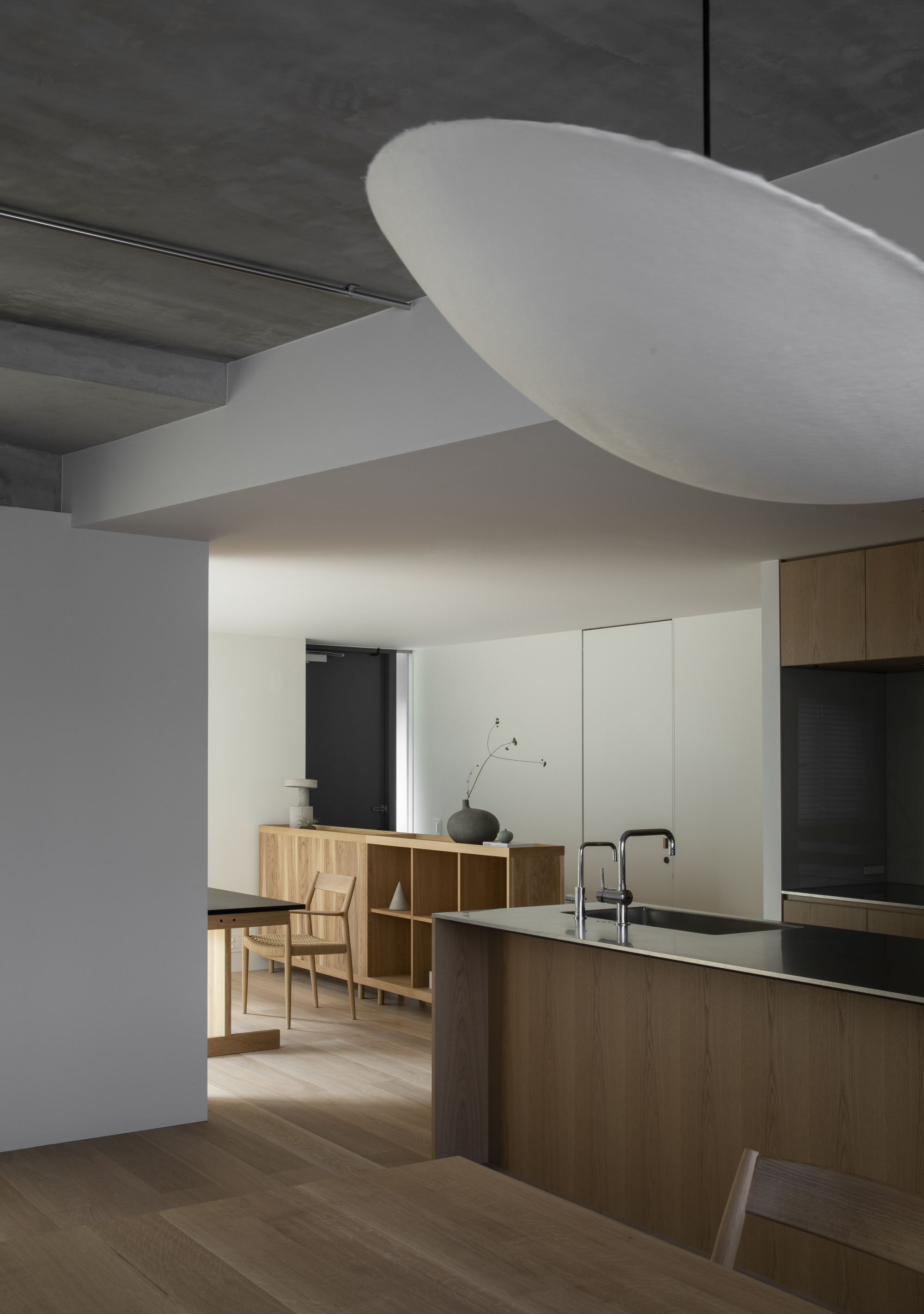
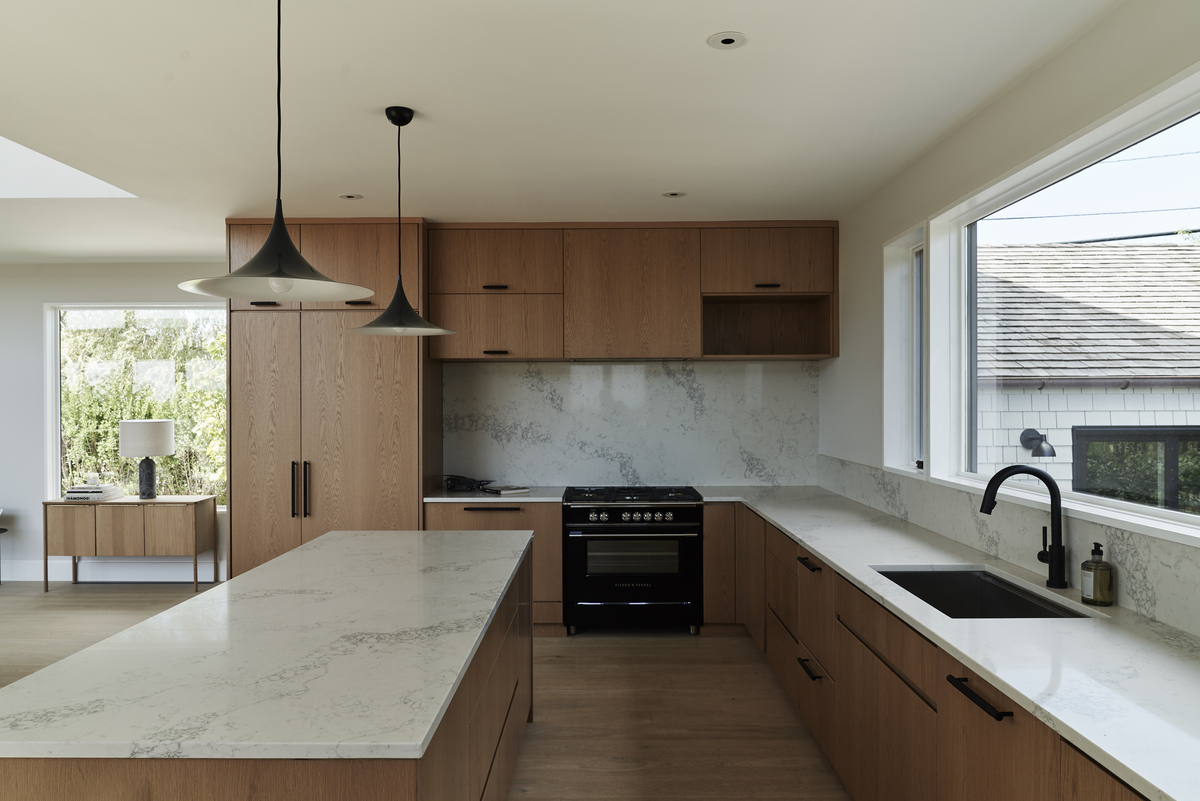
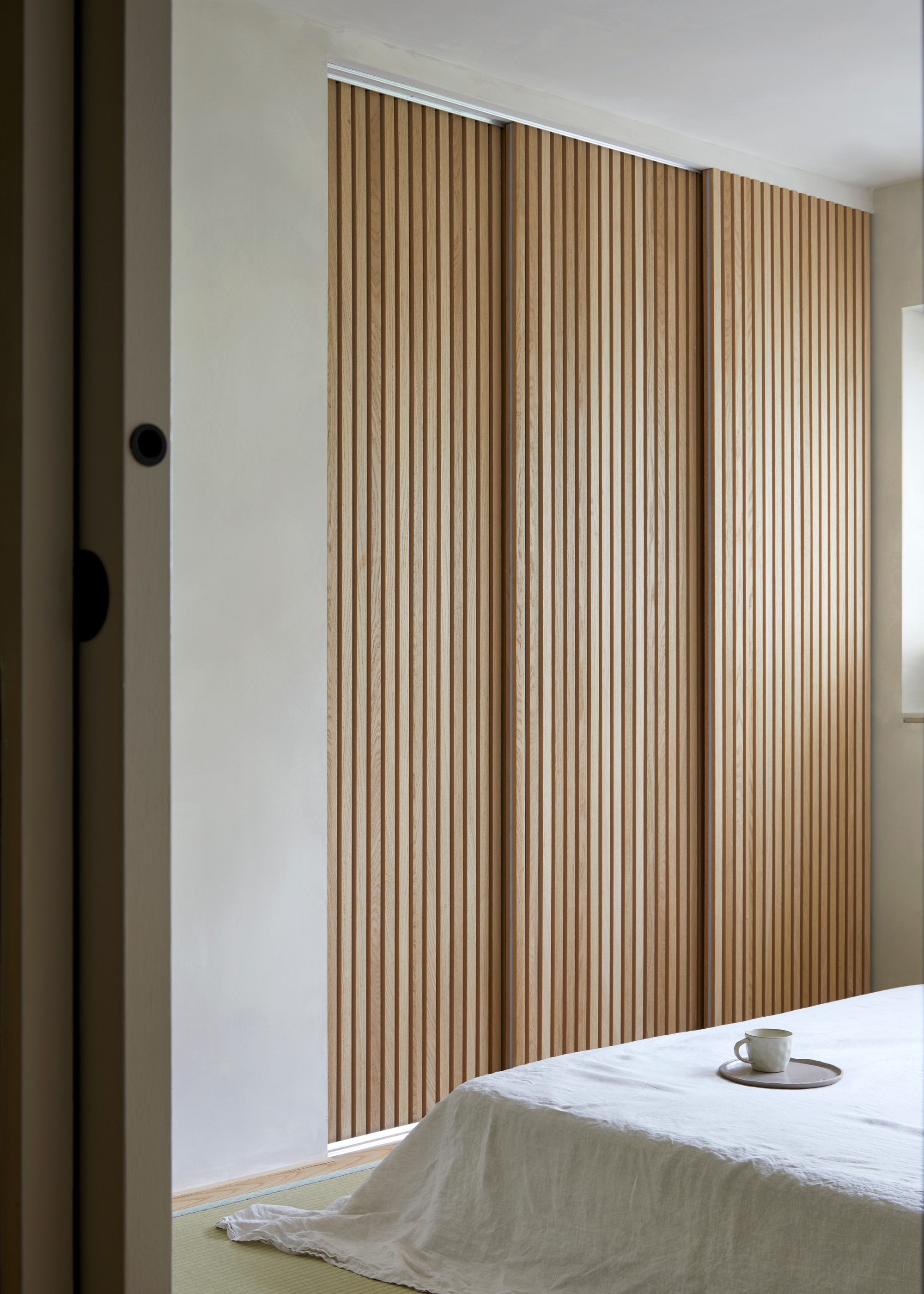
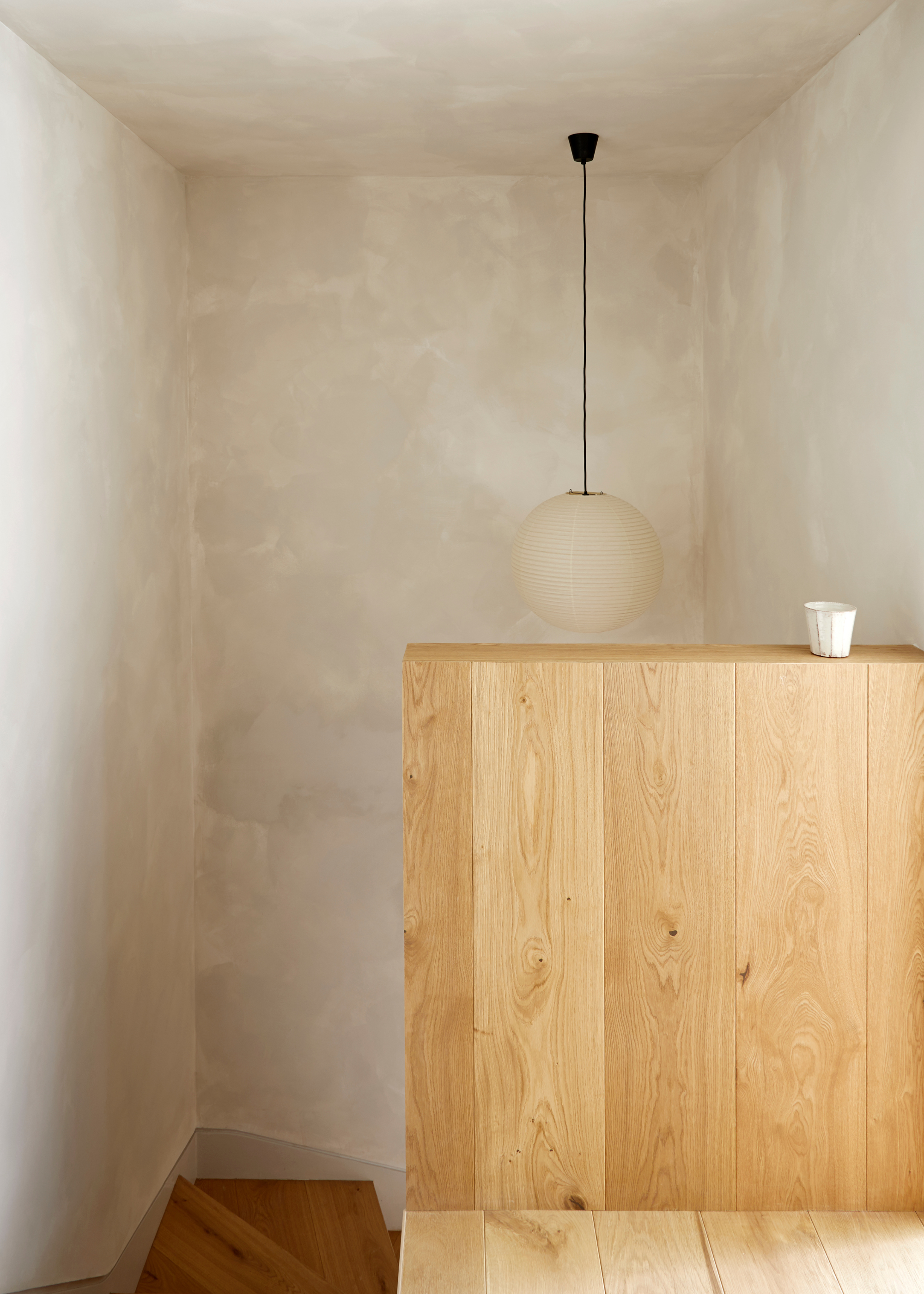
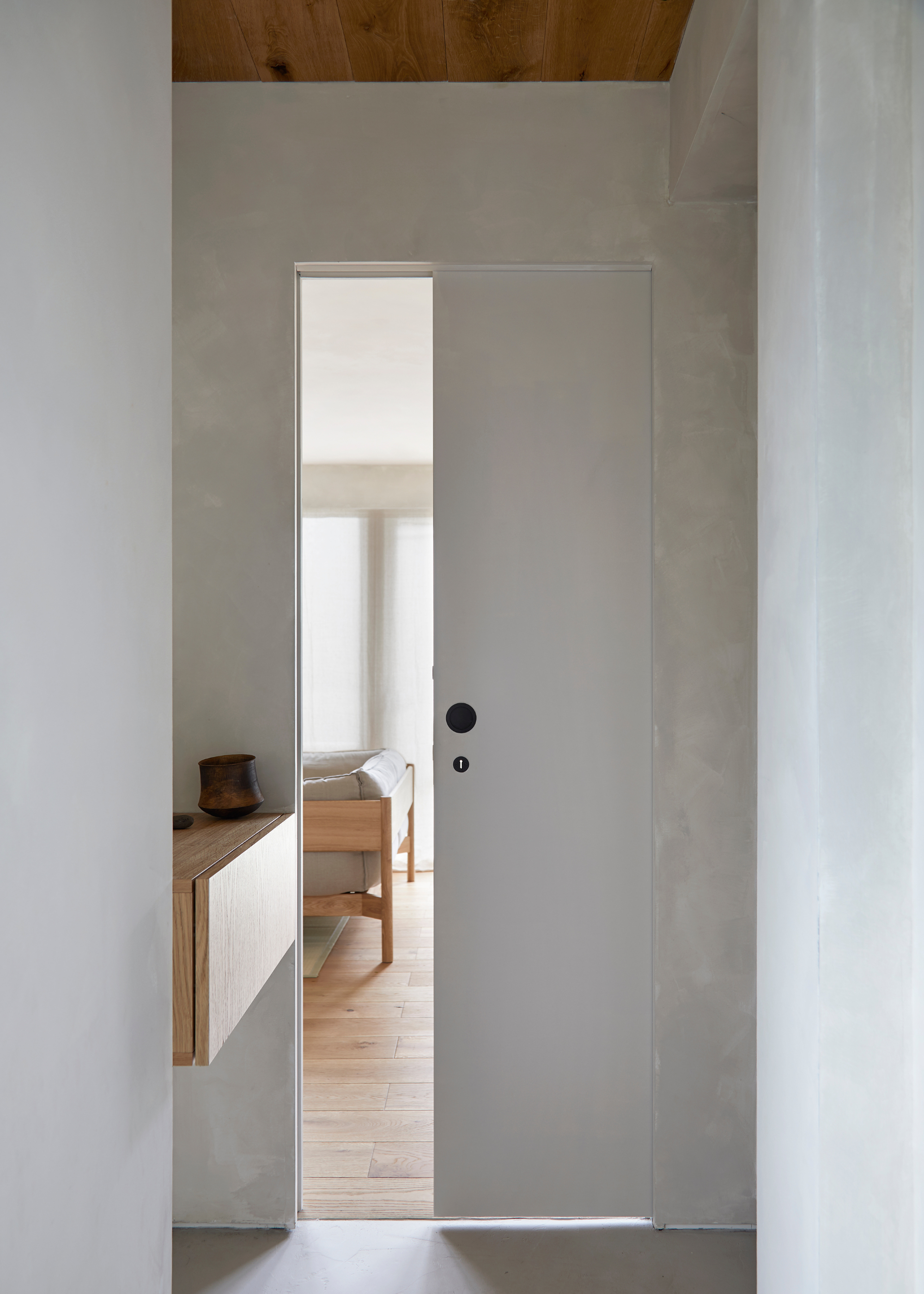
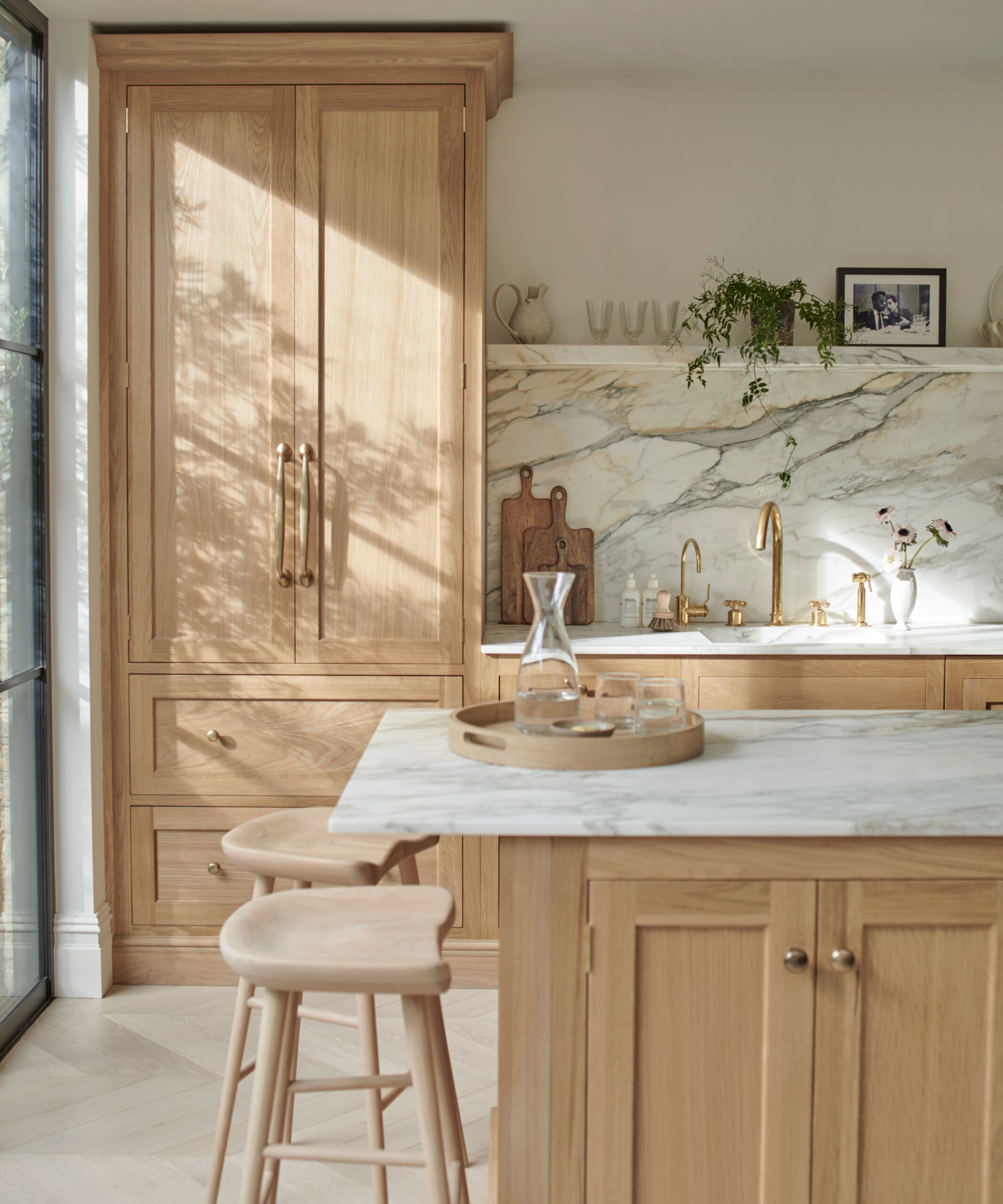
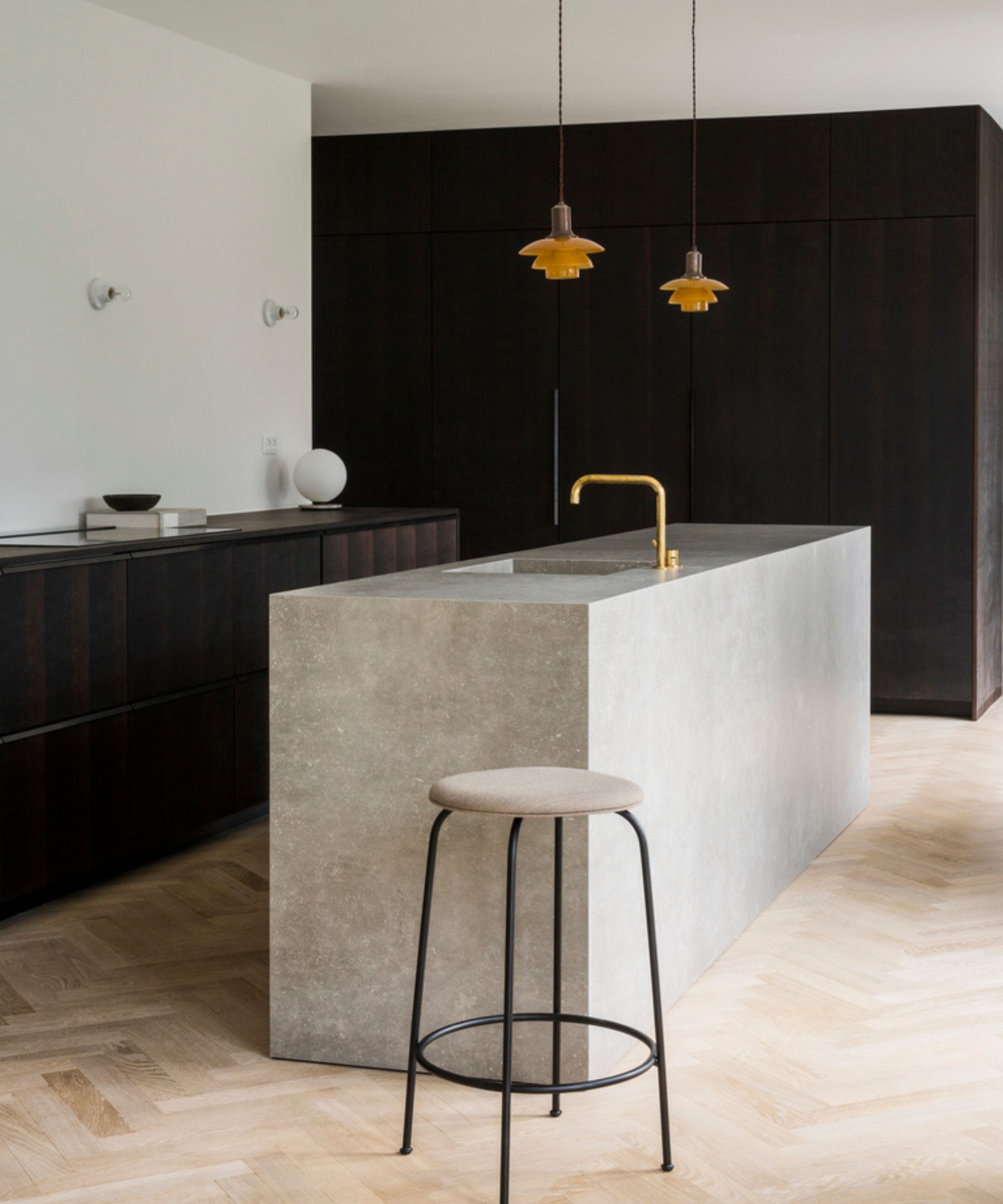
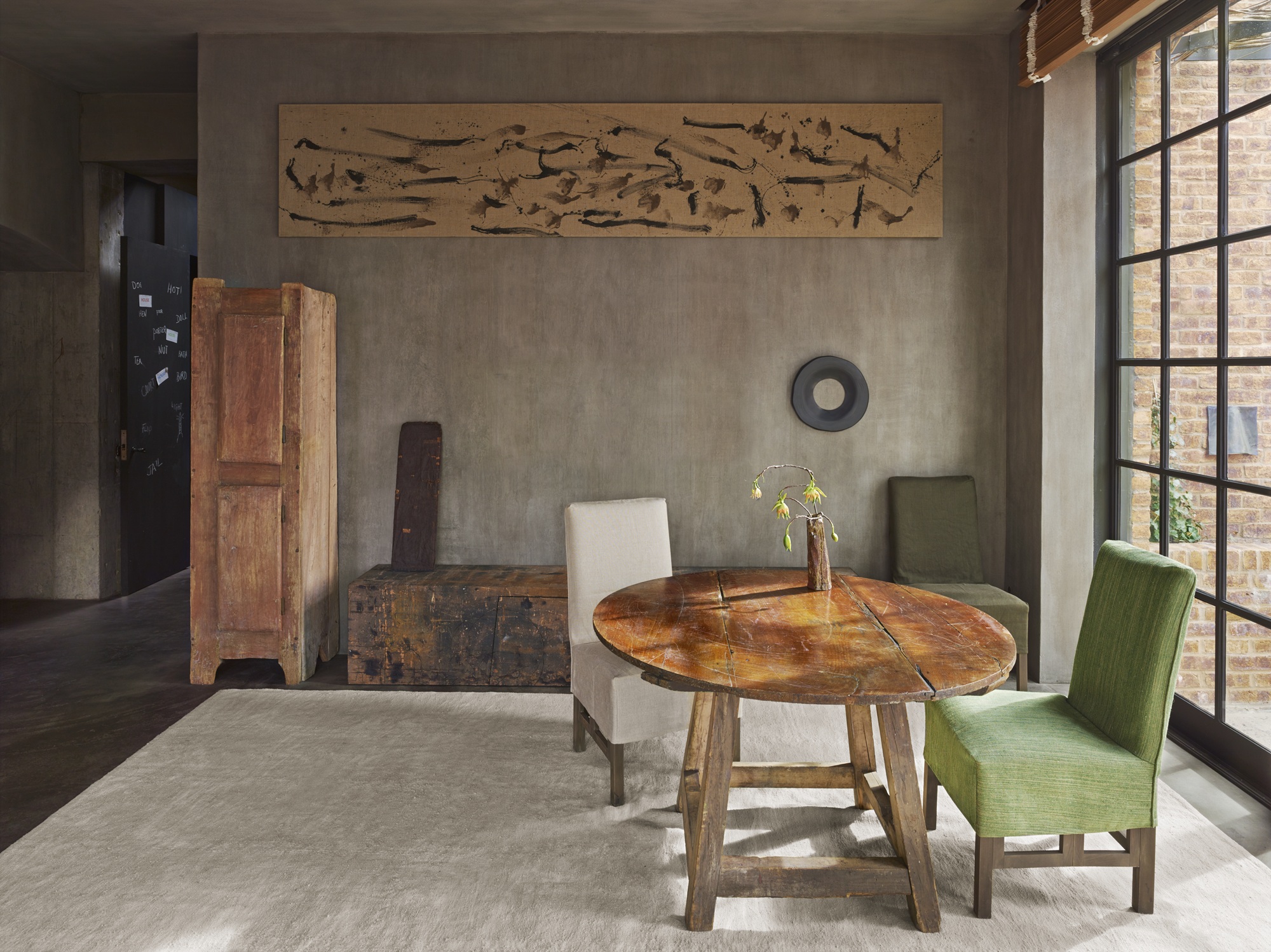
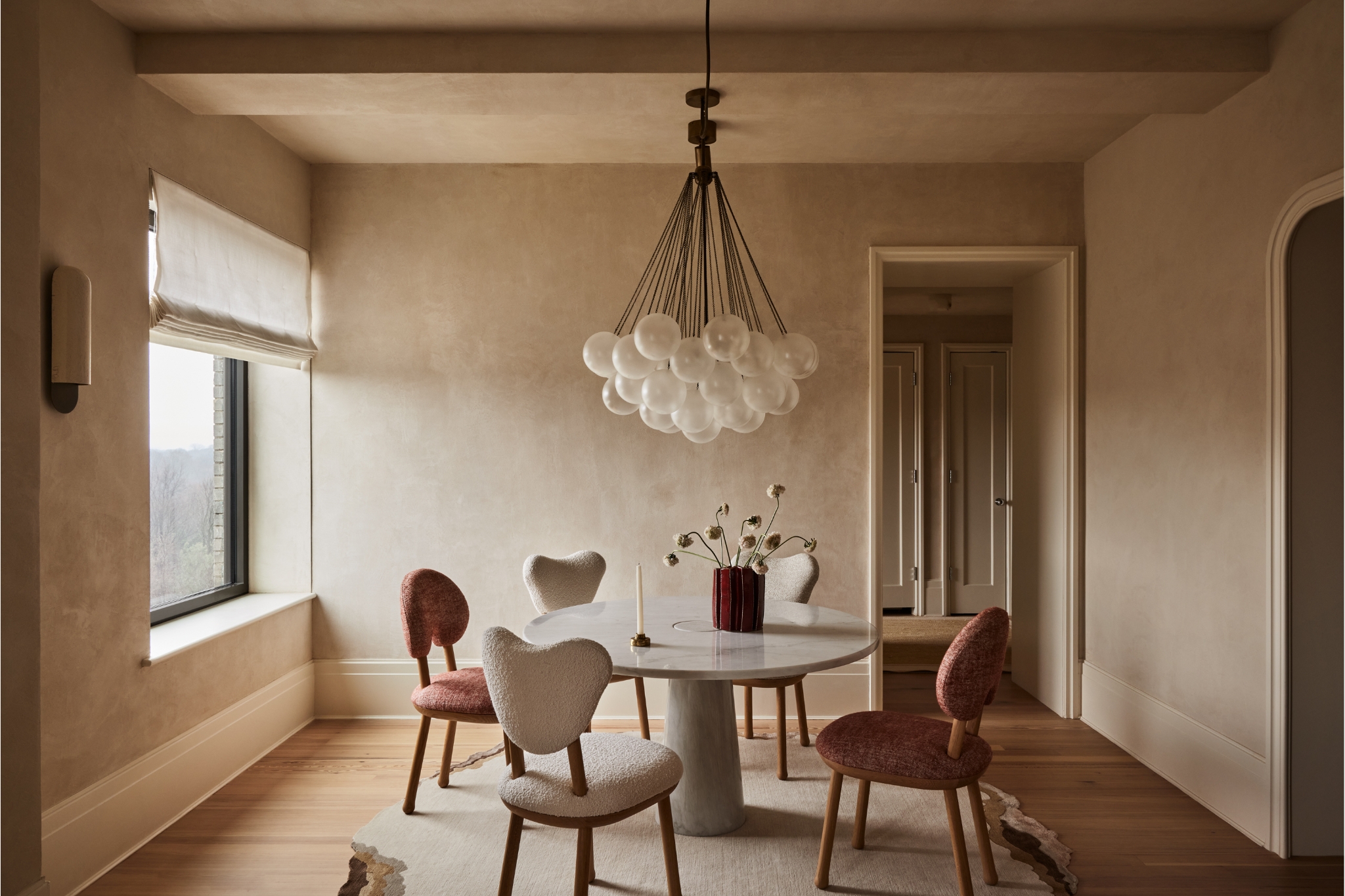
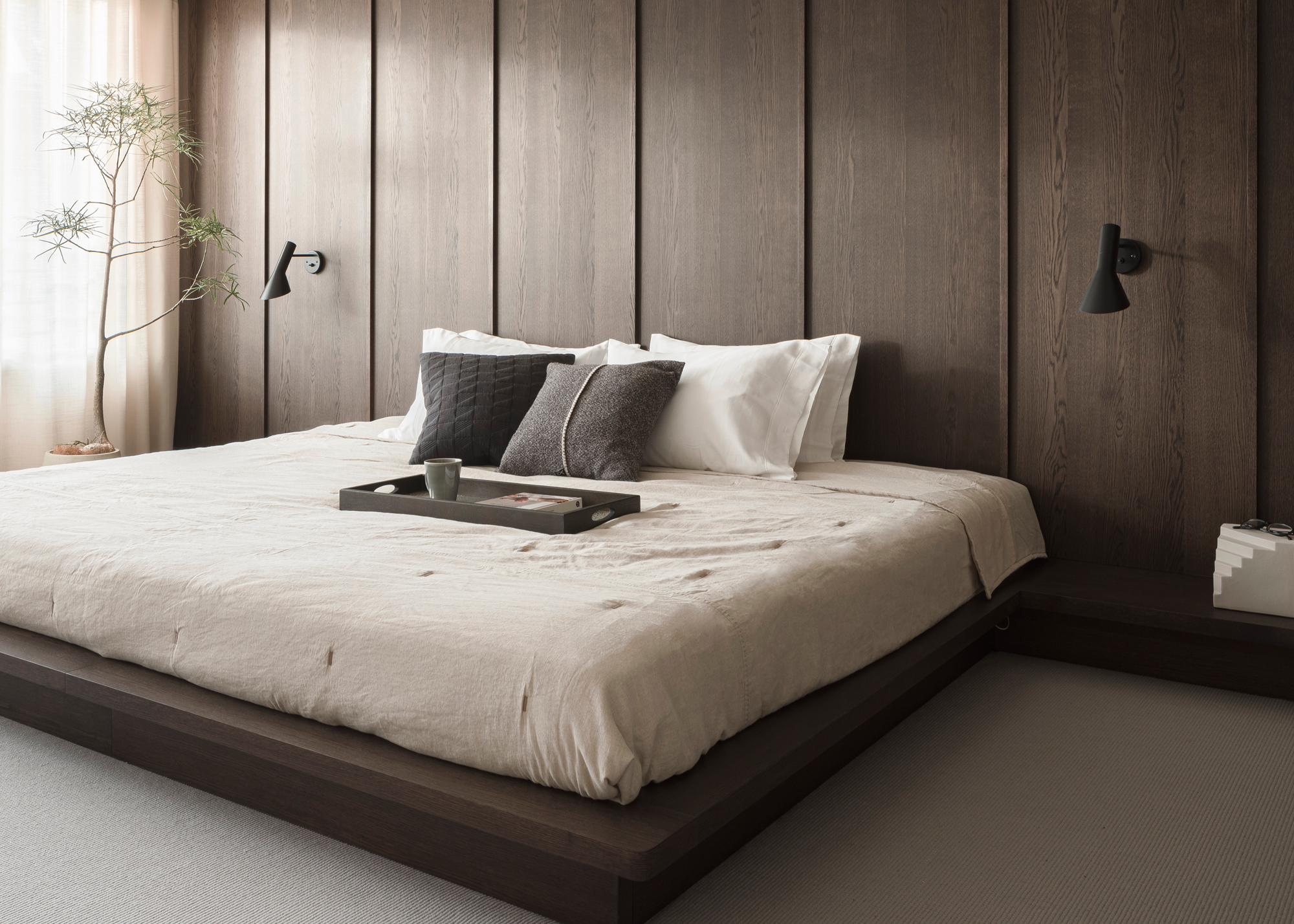
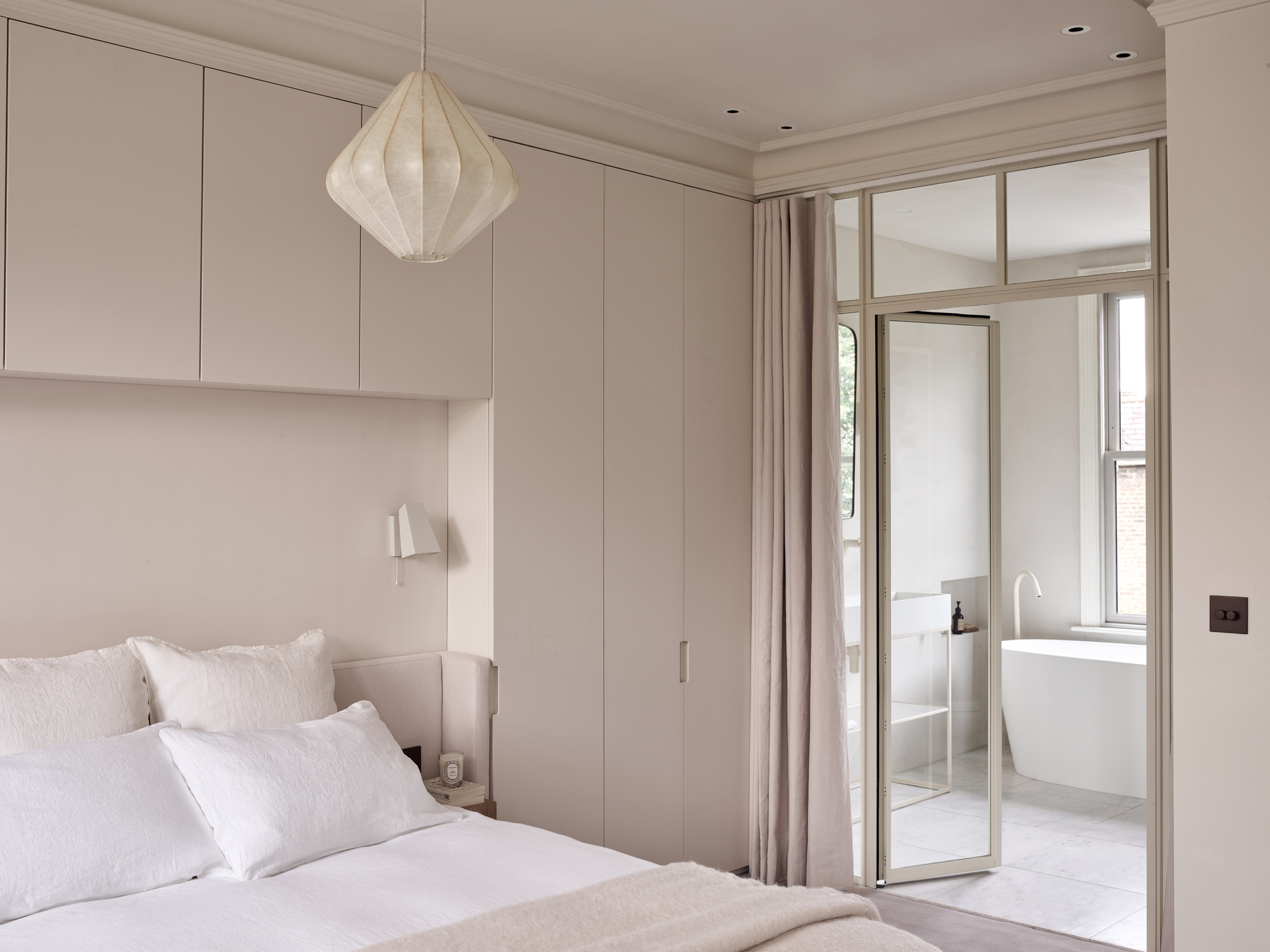
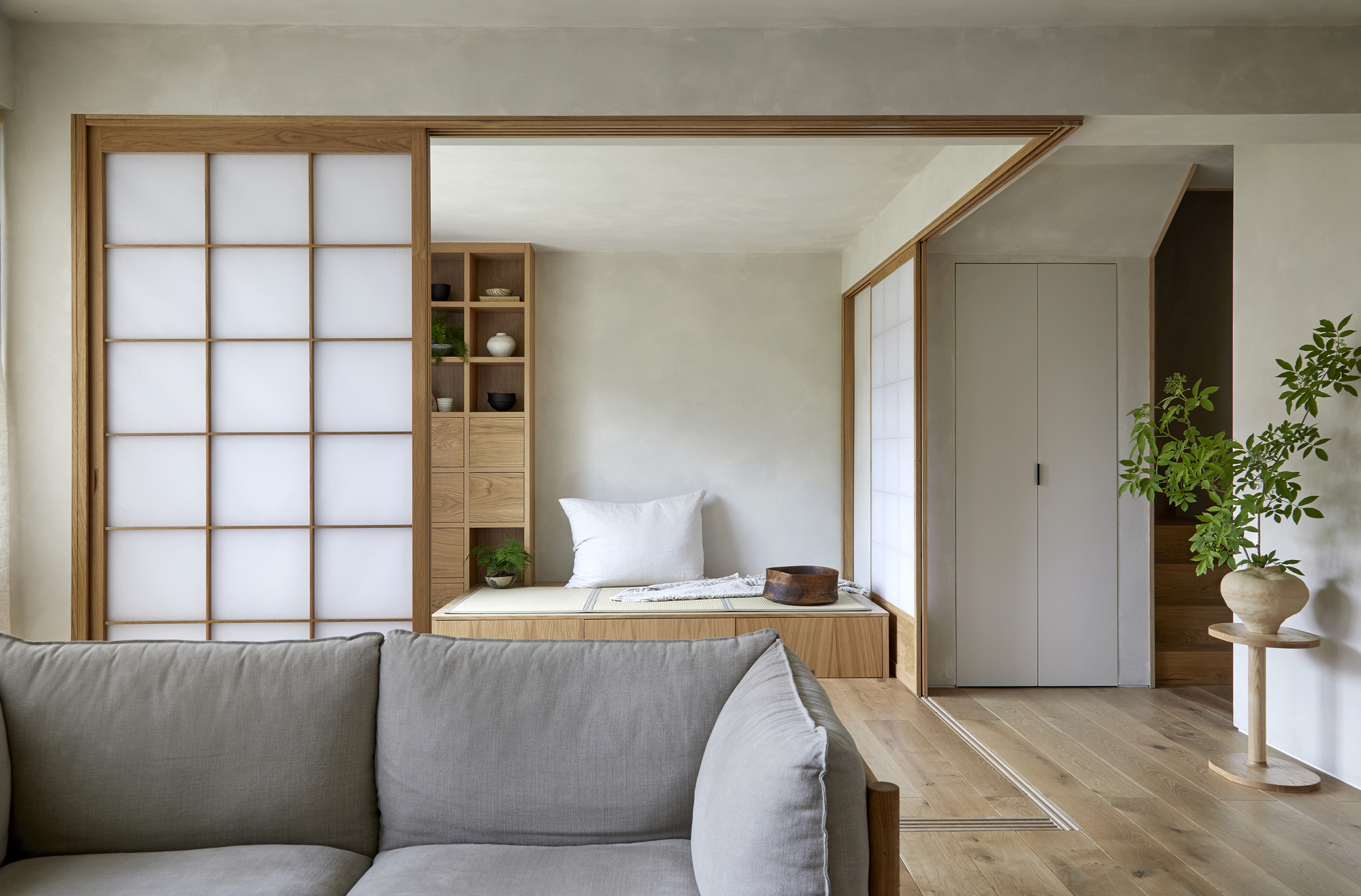
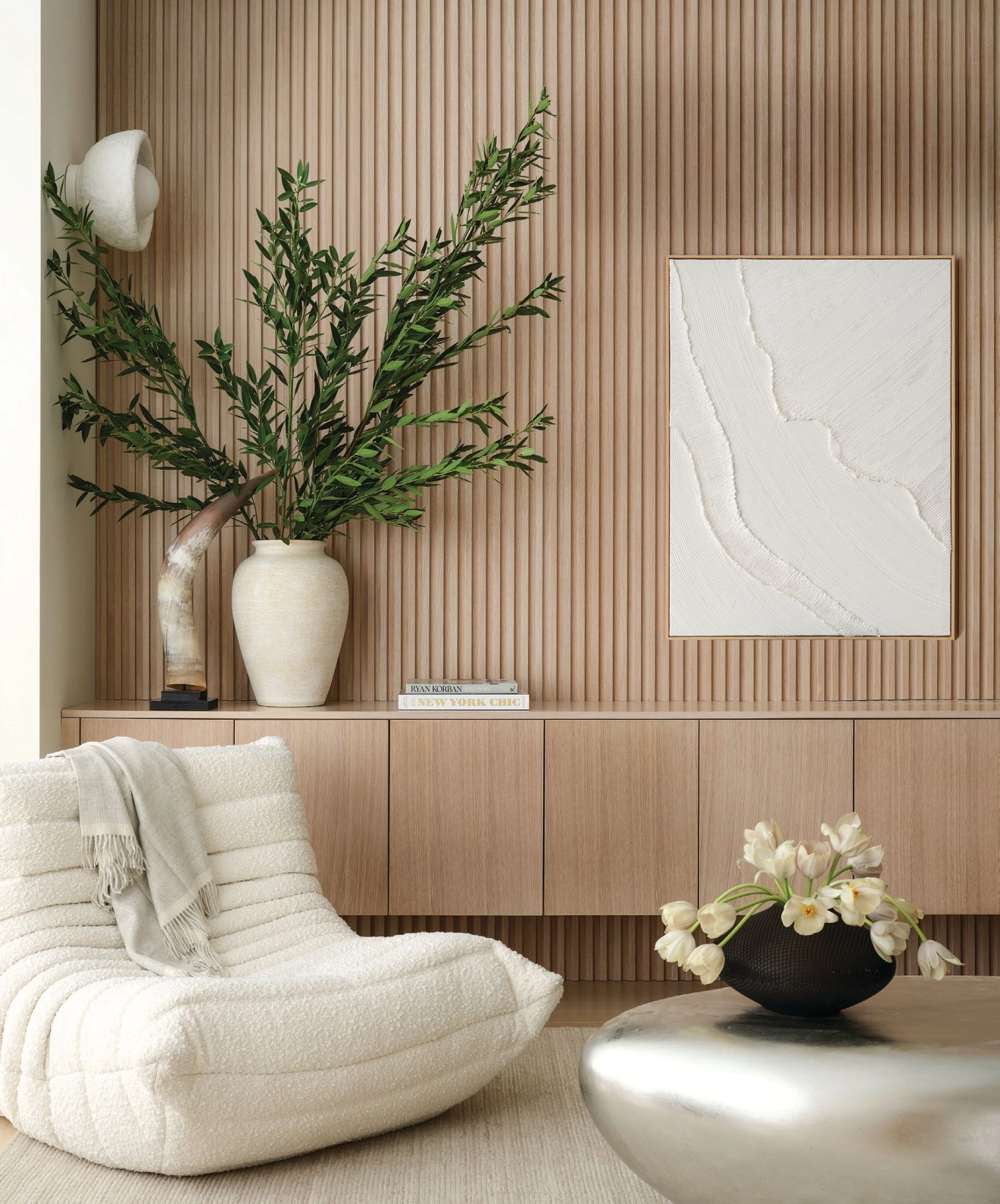
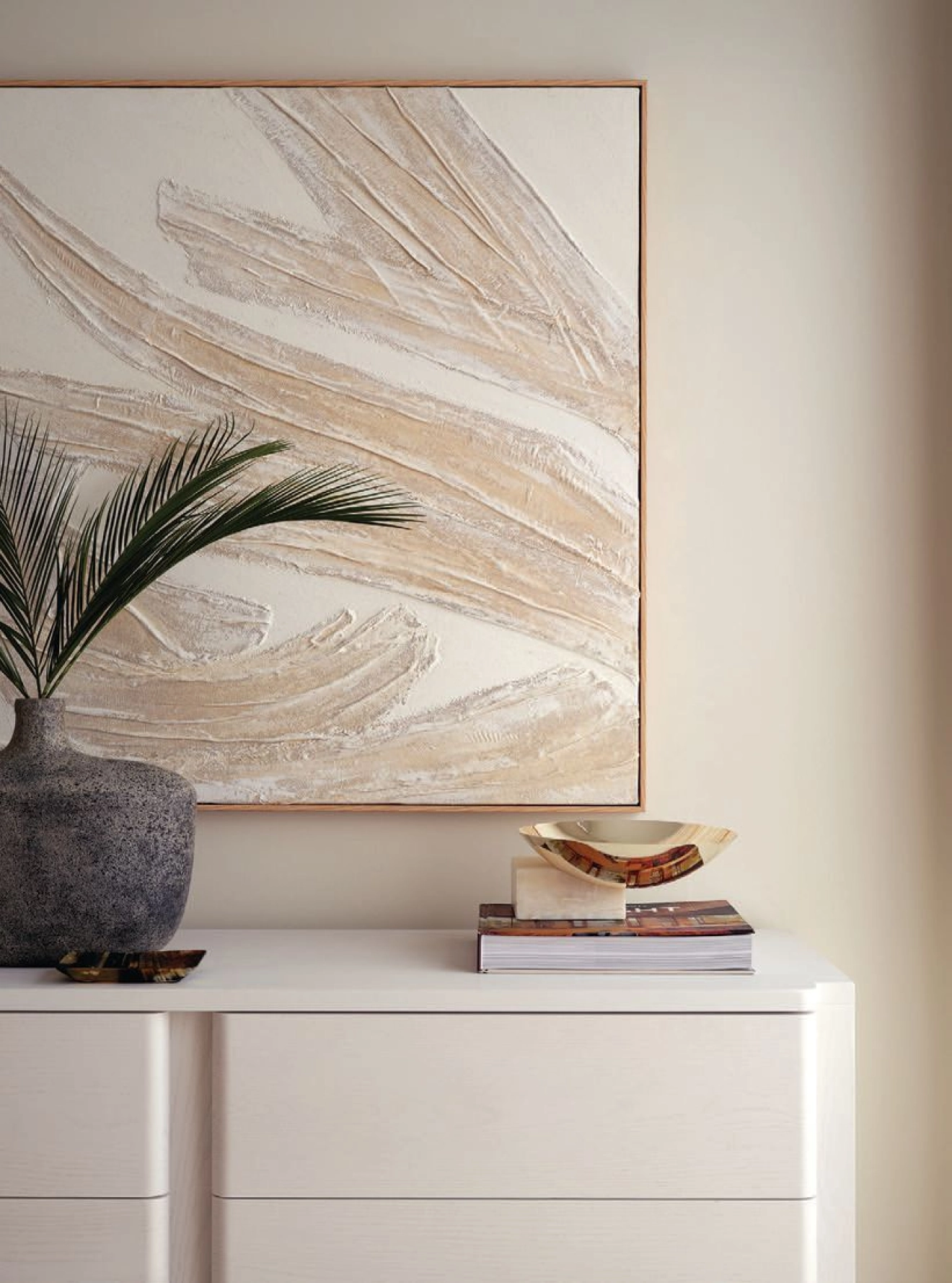
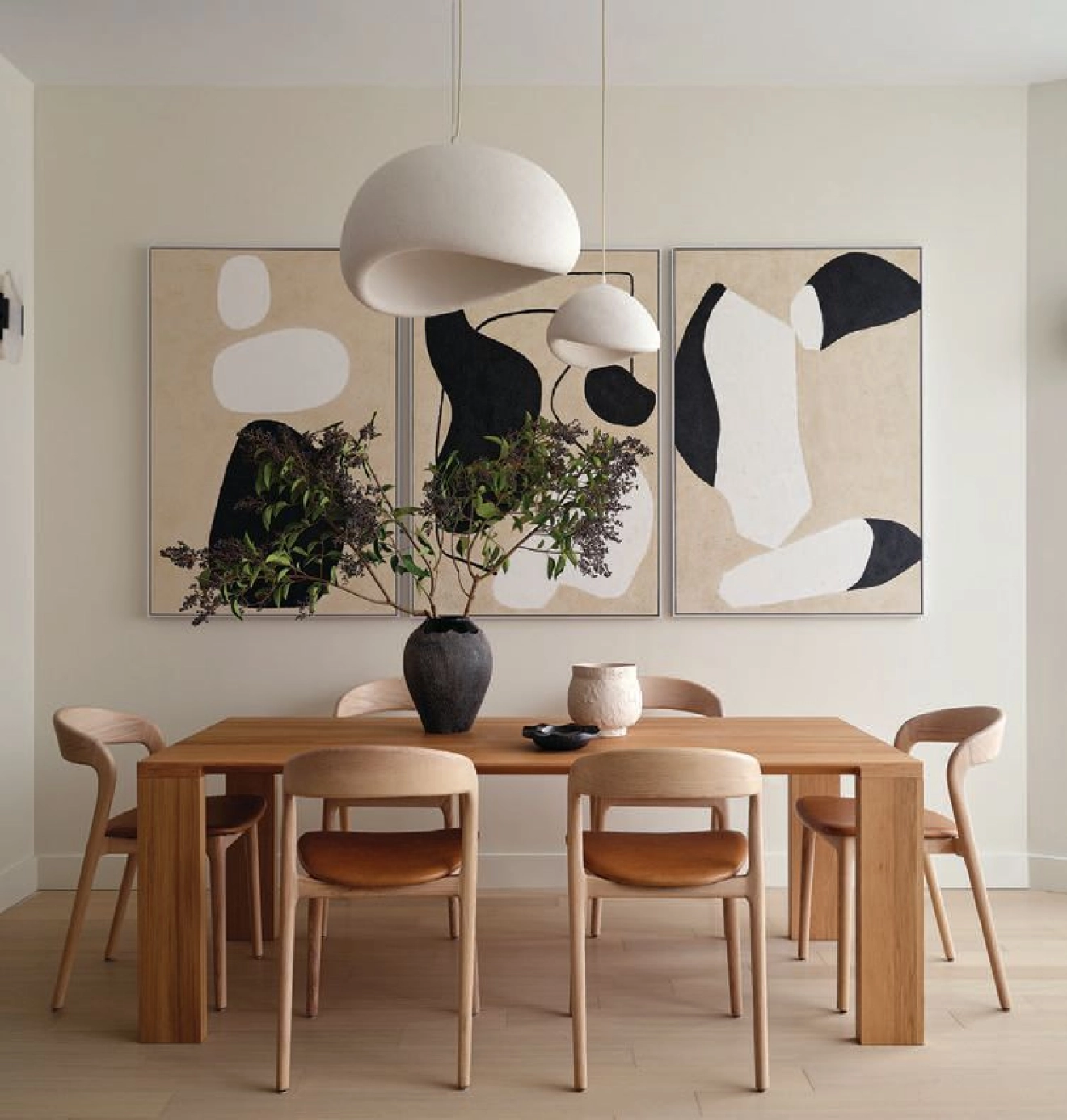
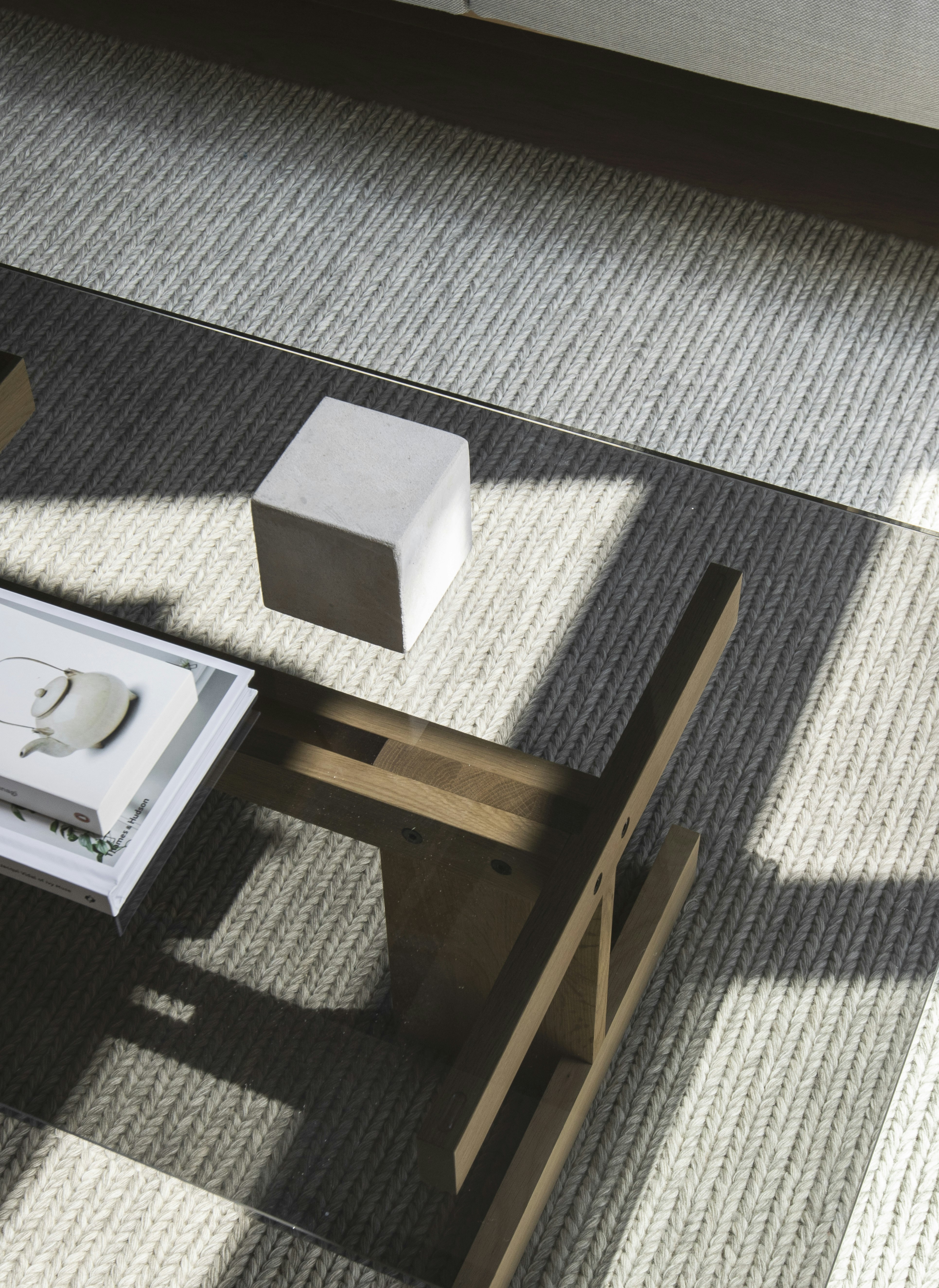
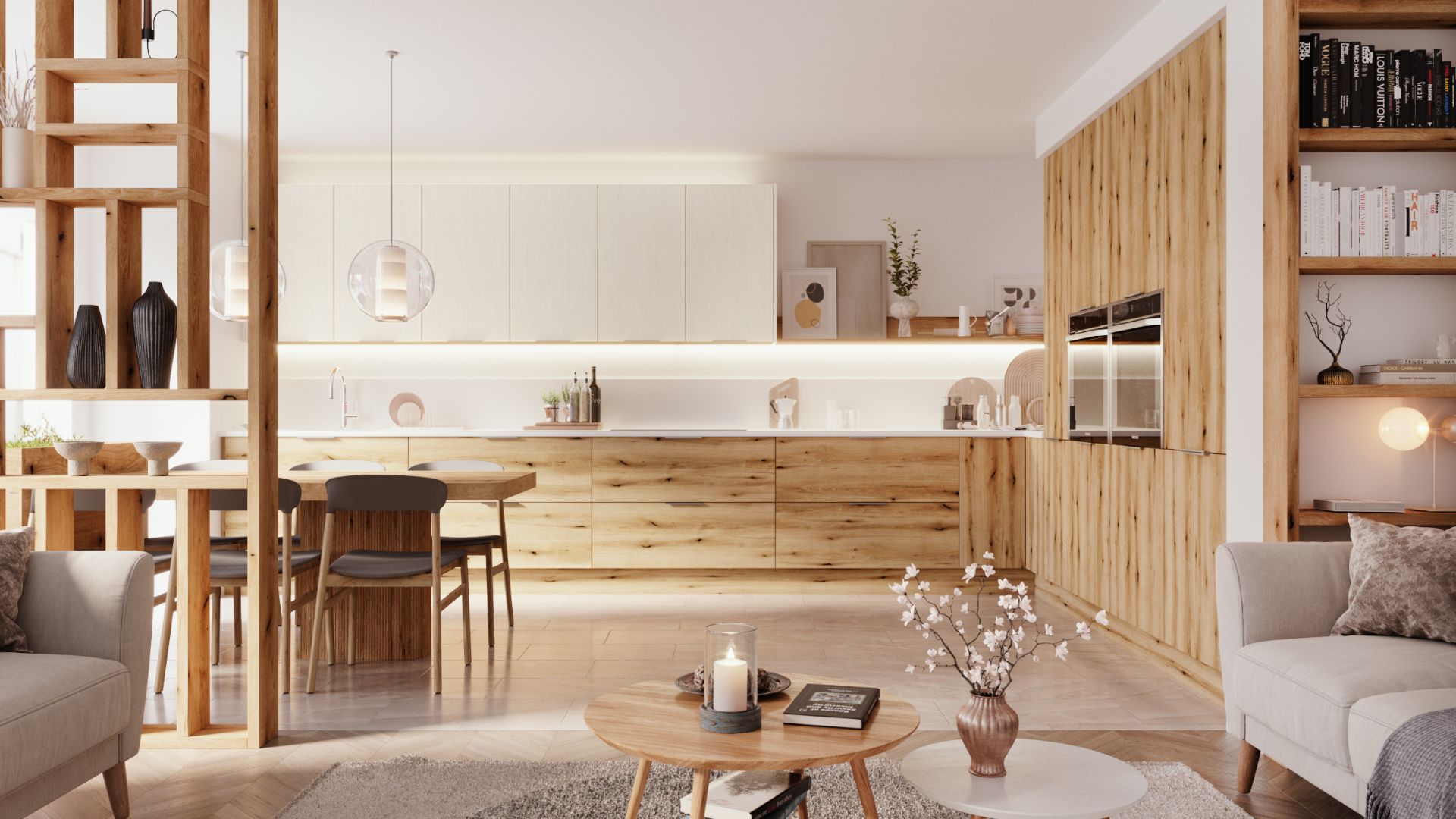
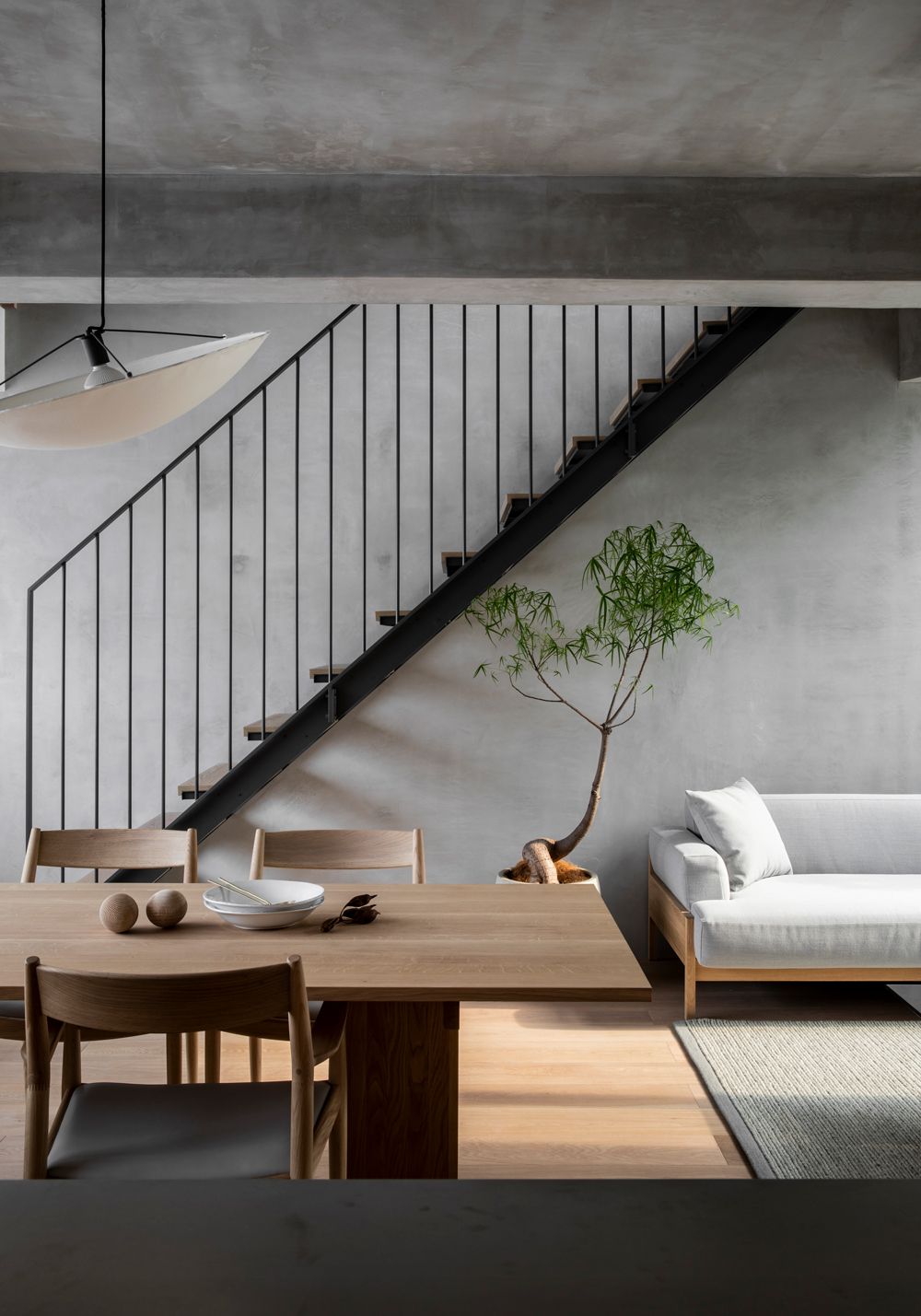
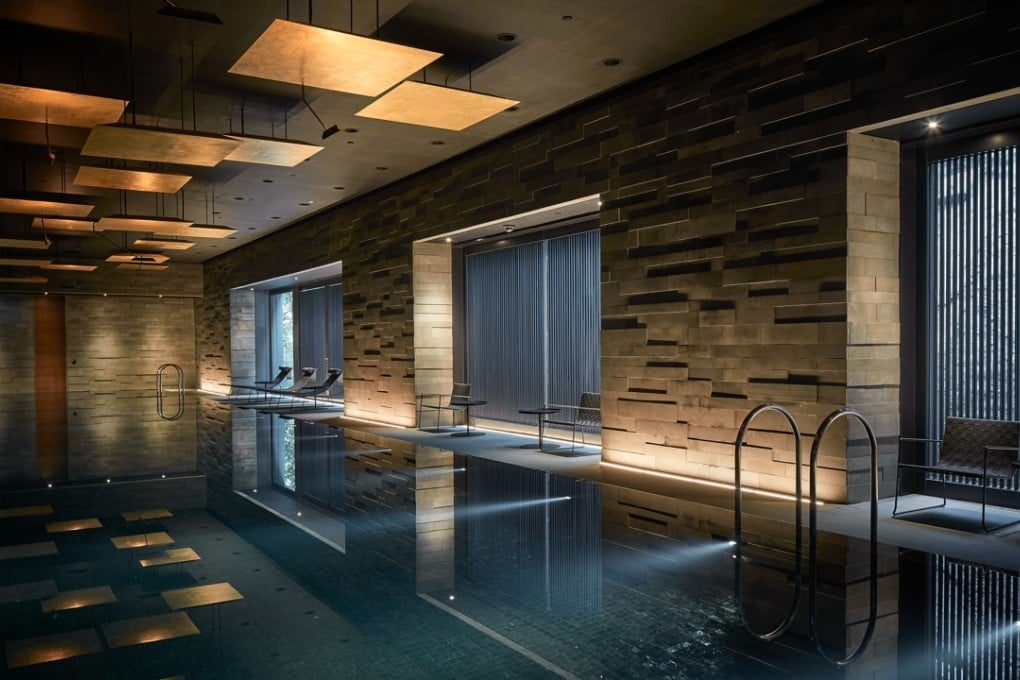
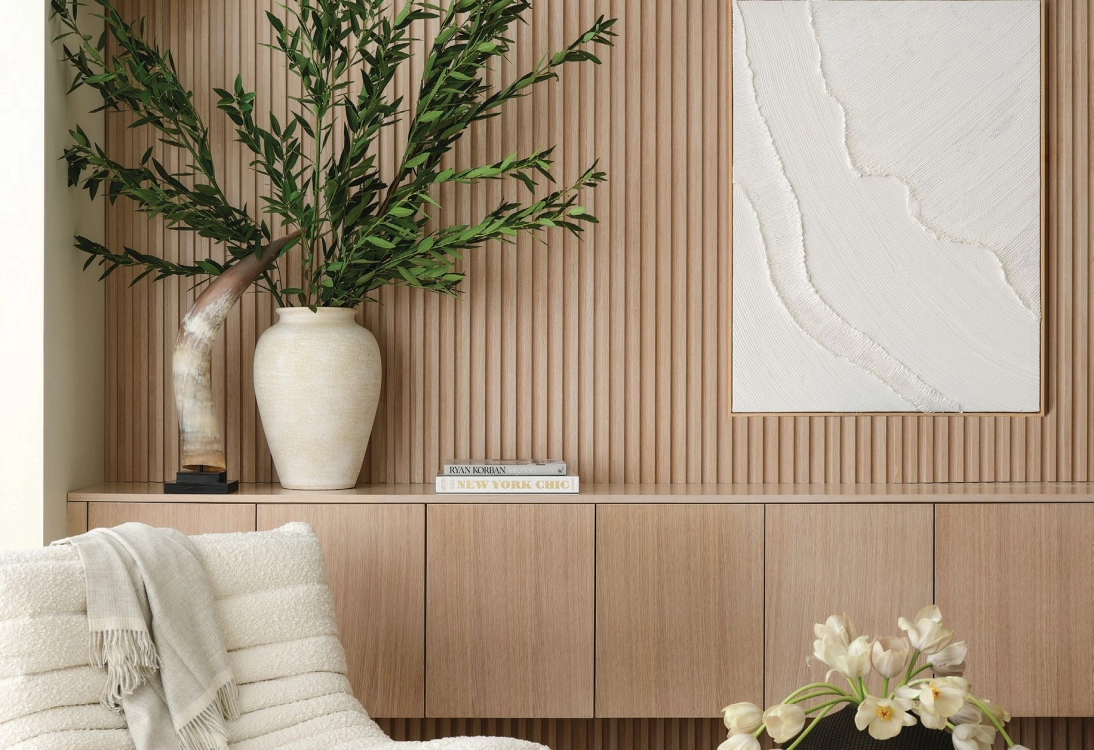
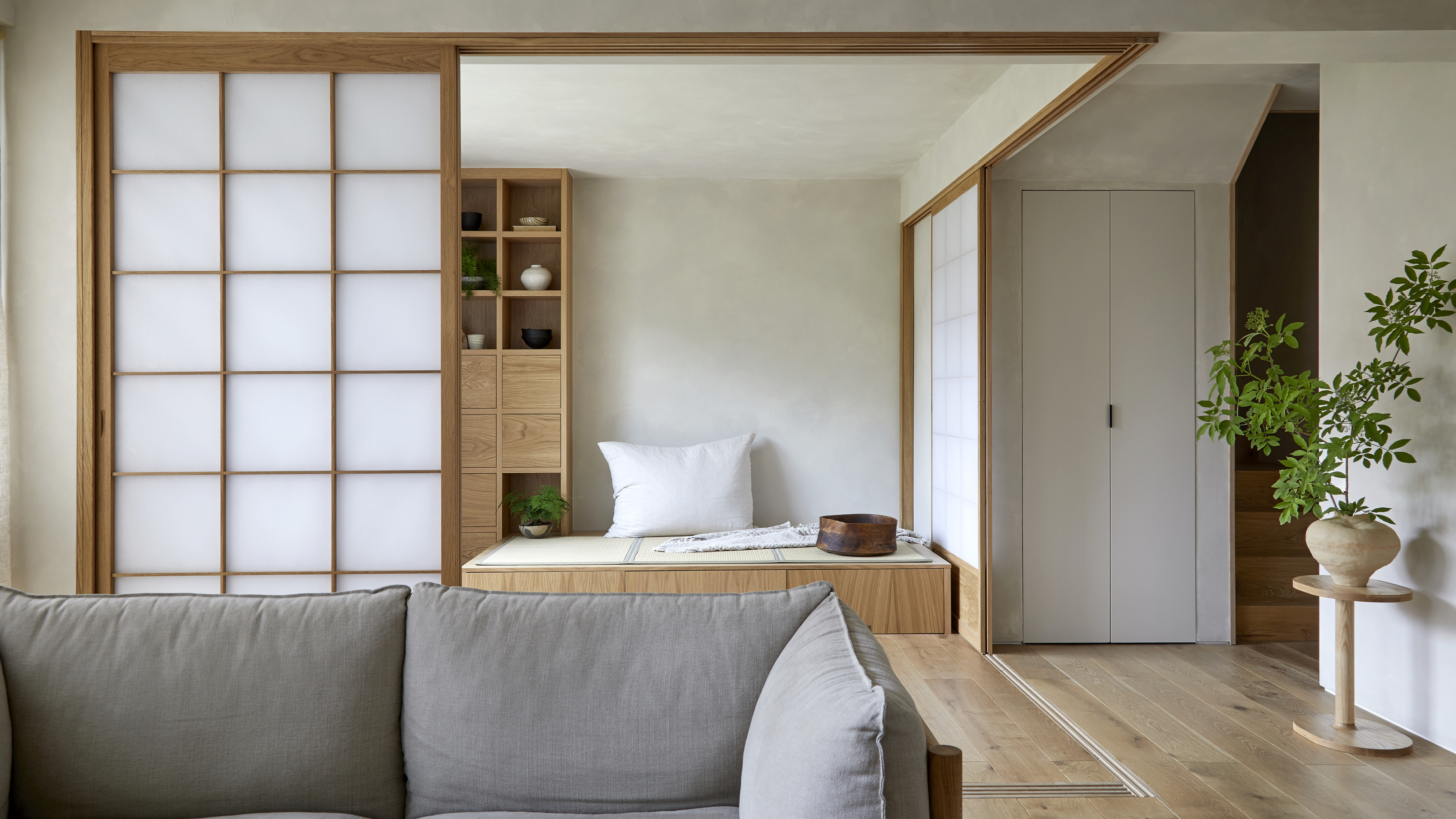
A fundamental aspect of Japanese design is the incorporation of natural materials and textures. Woods like birch and white oak, with their light, natural tones and minimal redness, are frequently used for both ceilings and floors, creating a cohesive and serene environment. Complementary to this is a strict adherence to a neutral color palette, typically featuring white or light beige plaster walls. When colors are introduced, they are subtle, nature-inspired gradations, ensuring harmony with the natural materials.
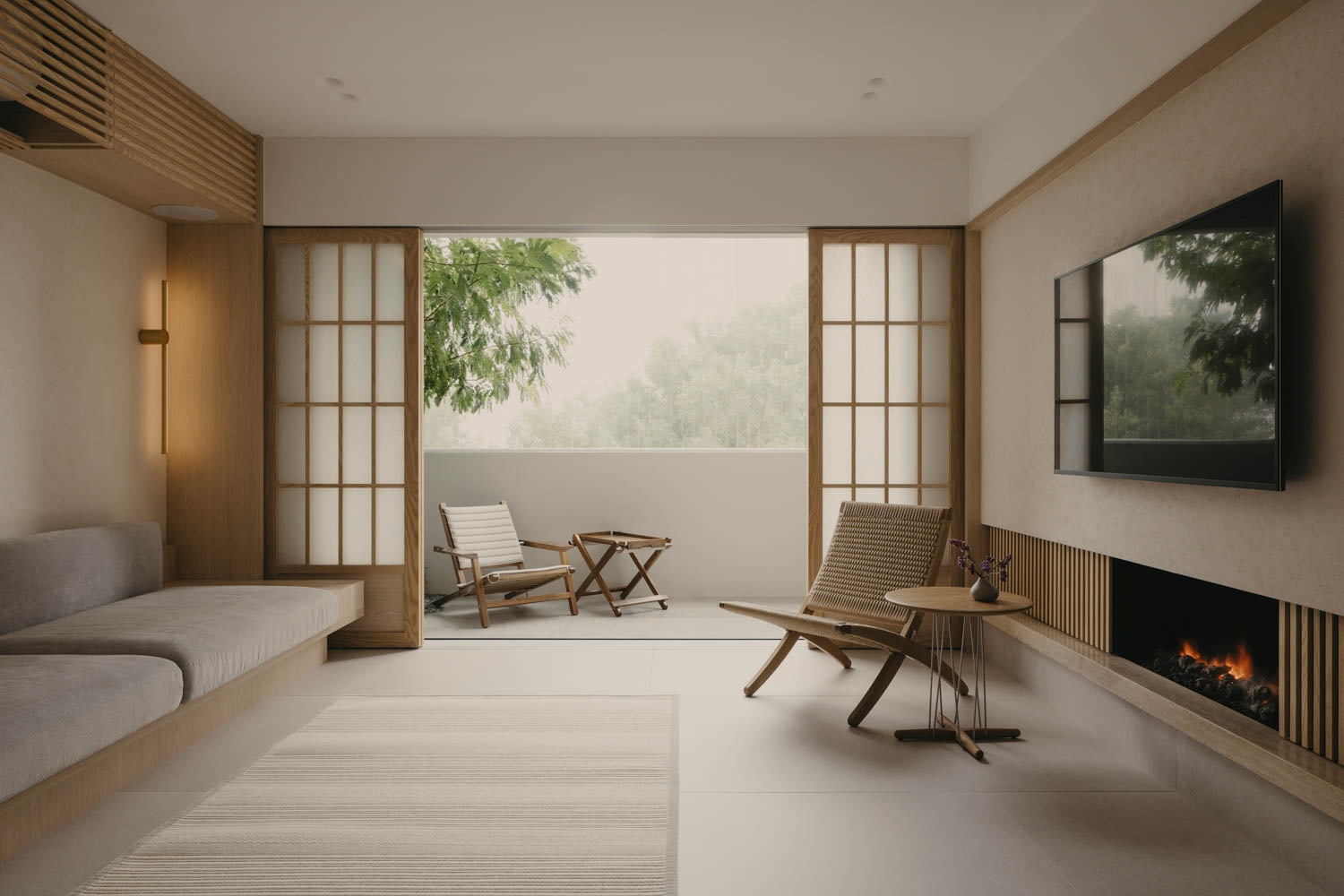
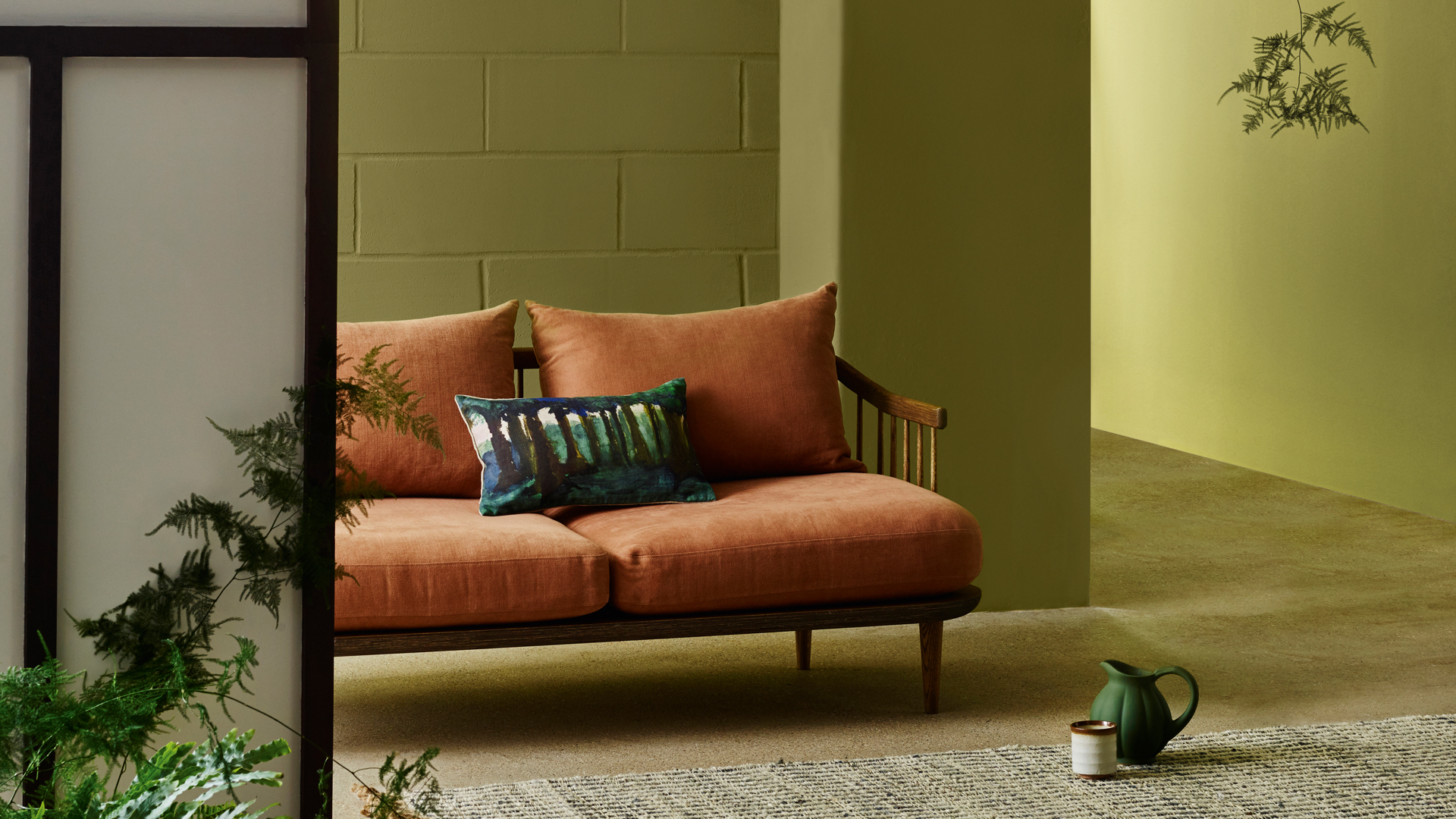
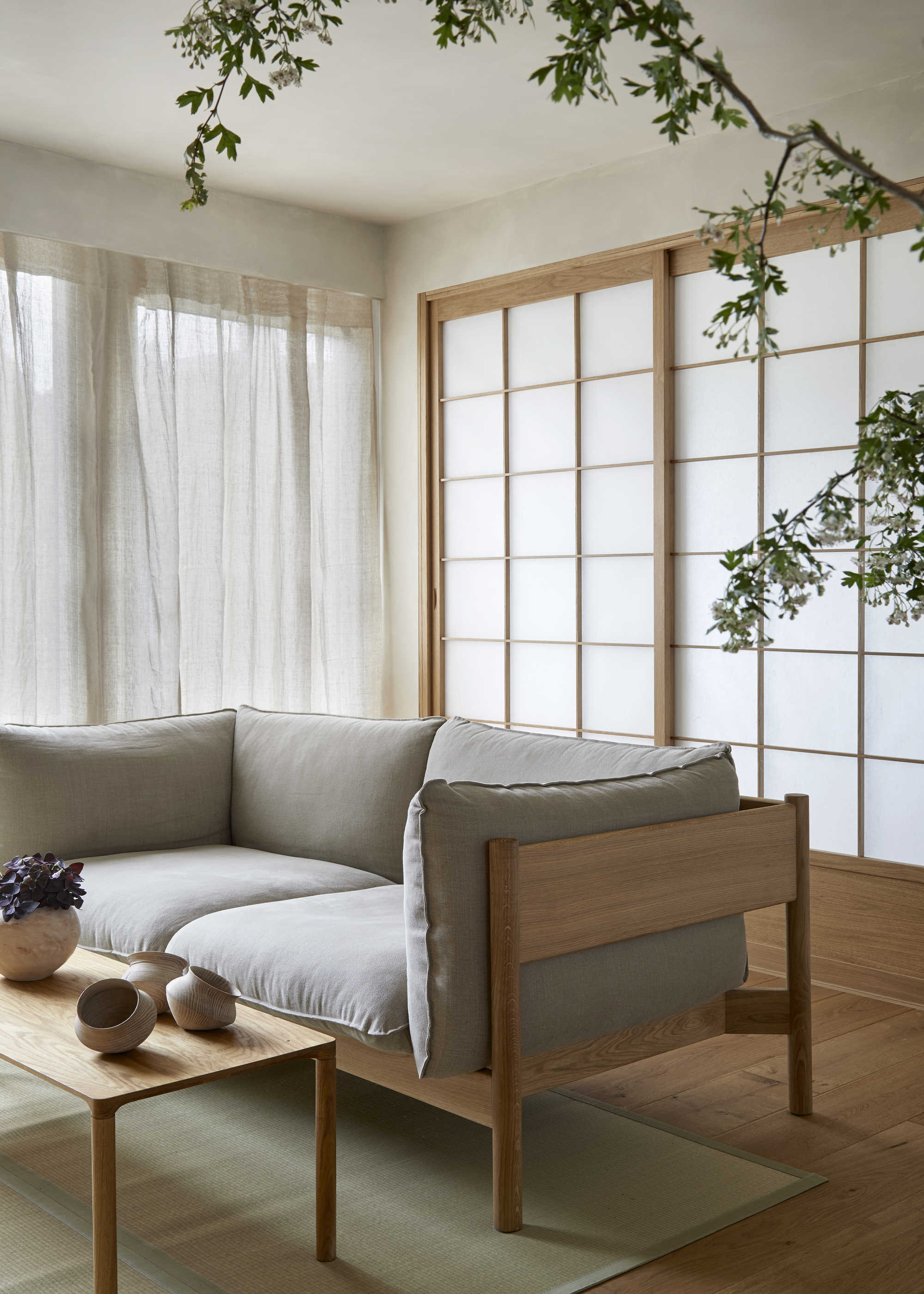

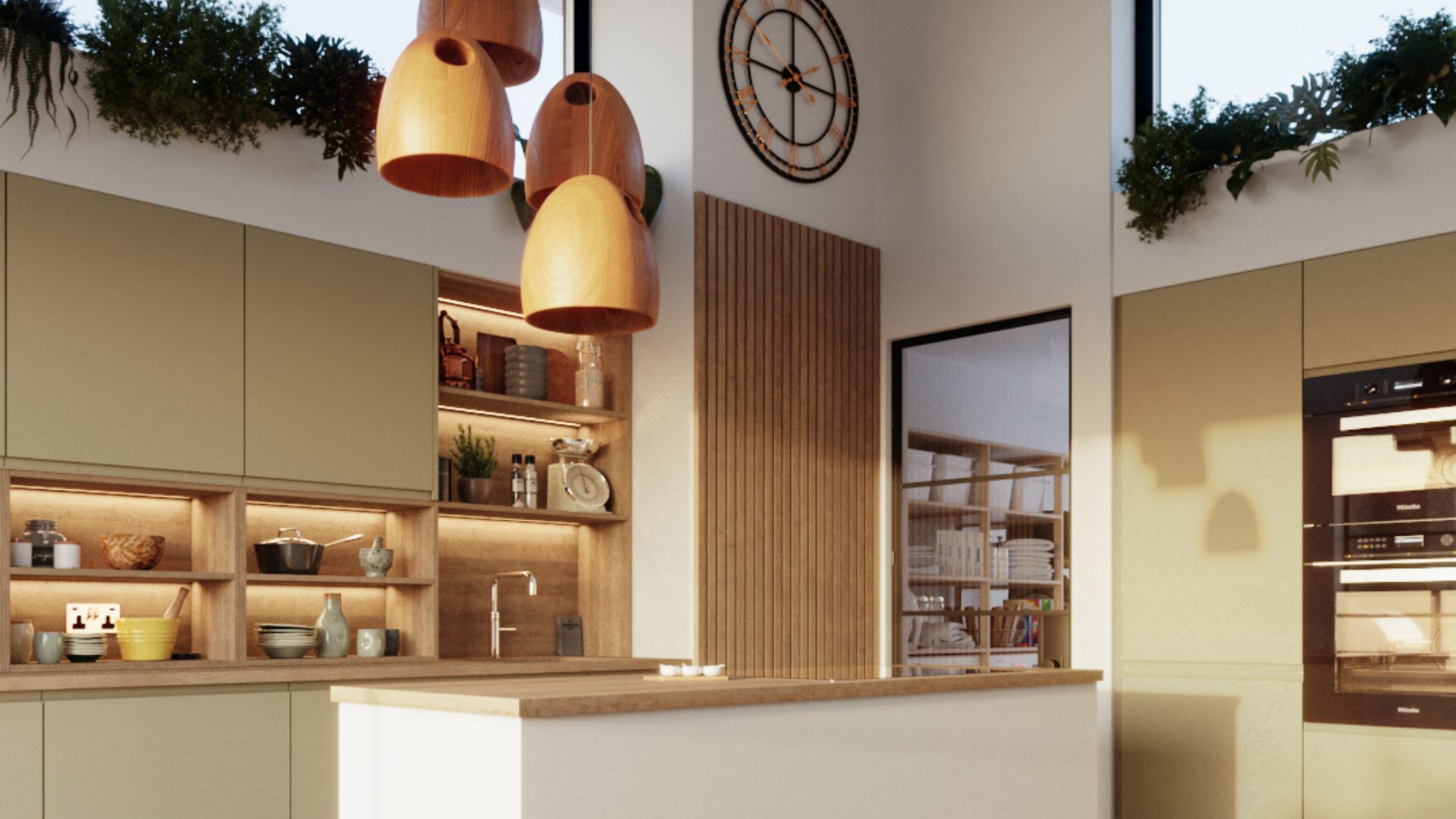
A strong emphasis is placed on blending indoor and outdoor spaces. Japanese architecture often features large windows and sliding doors that open to gardens, allowing residents to enjoy natural views and fresh air. Even in the absence of a direct garden view, indoor plants like succulents and herbs are used to bring natural elements inside, acting as living decor that changes with the seasons.
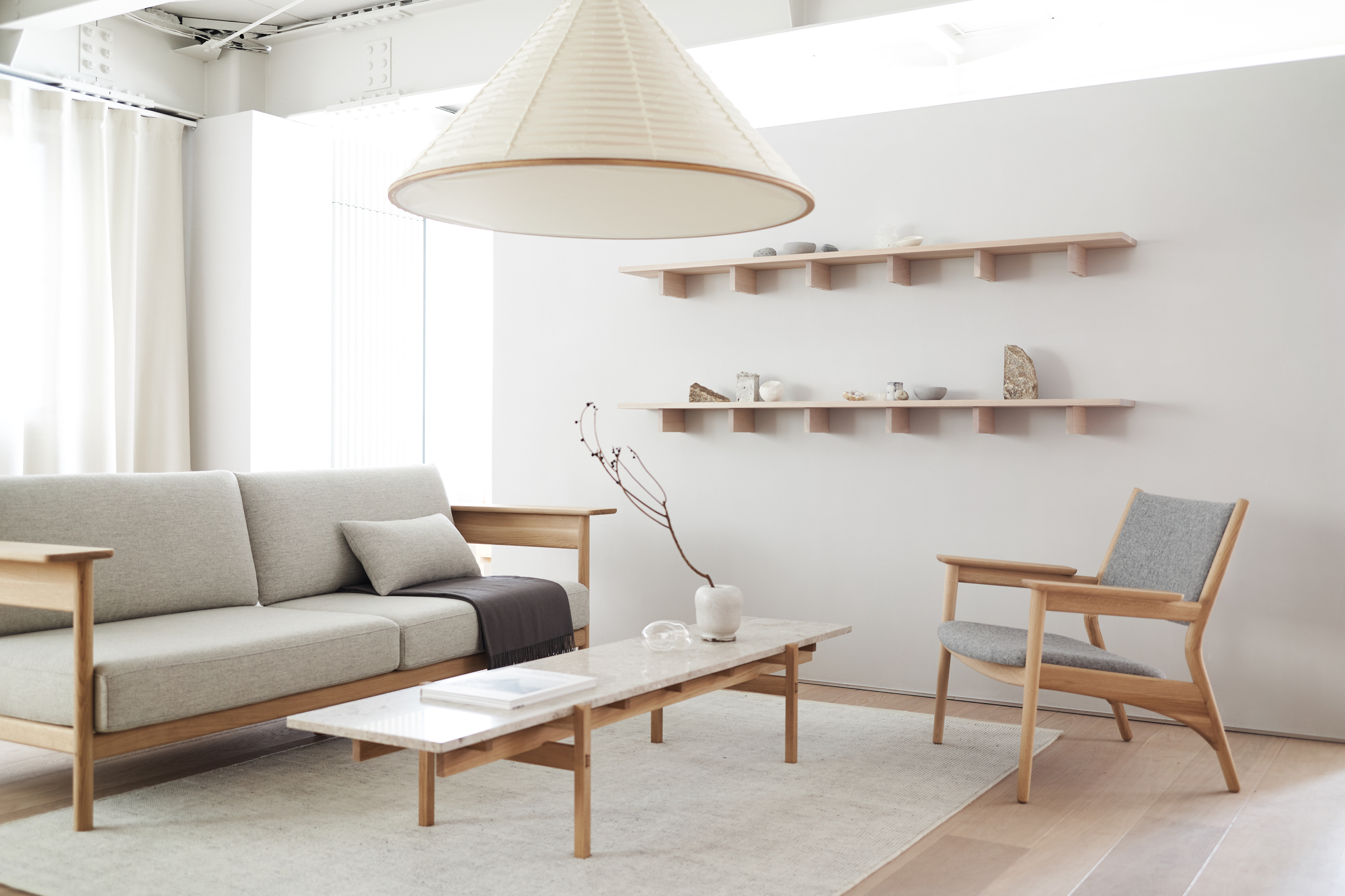
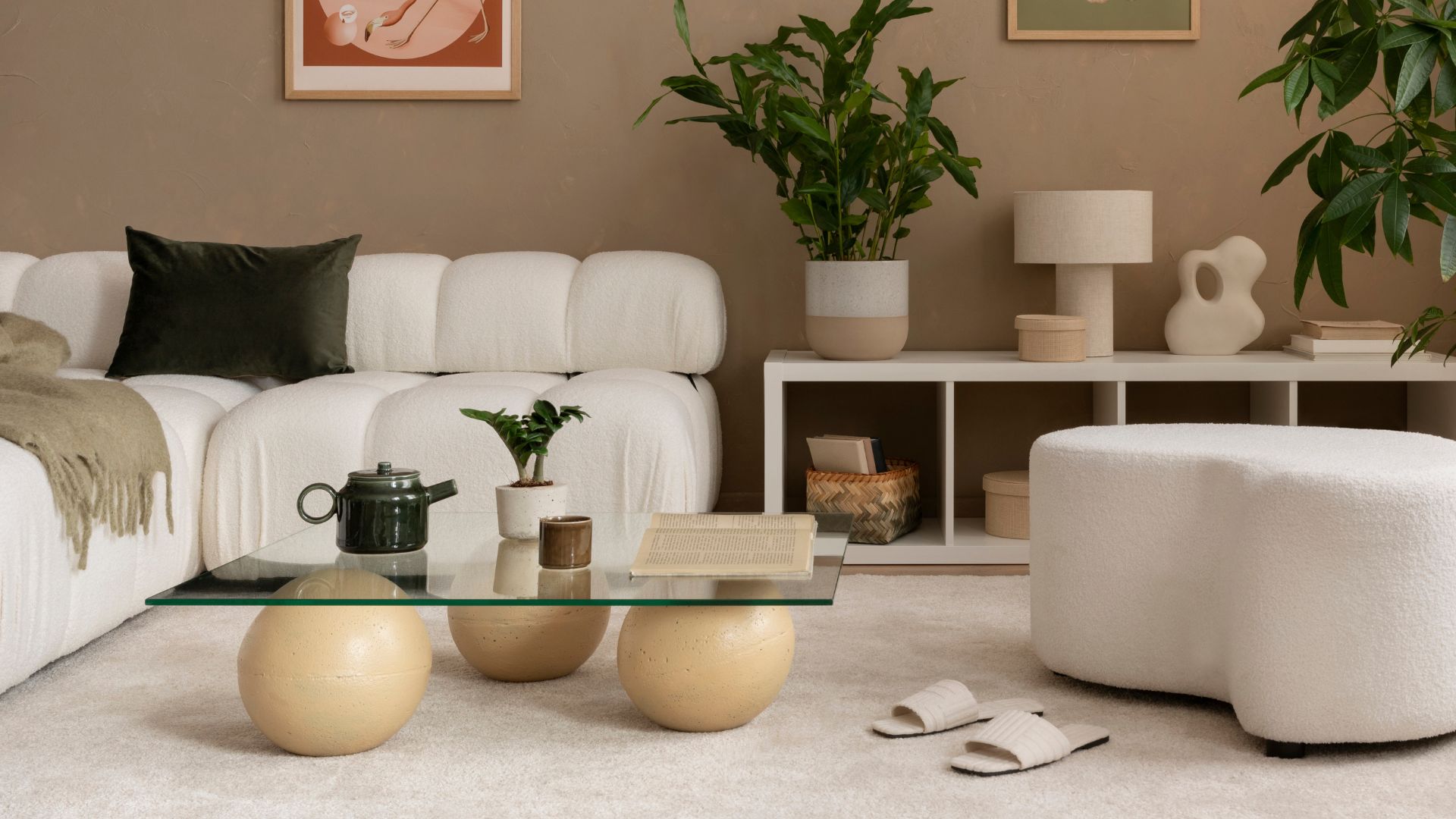
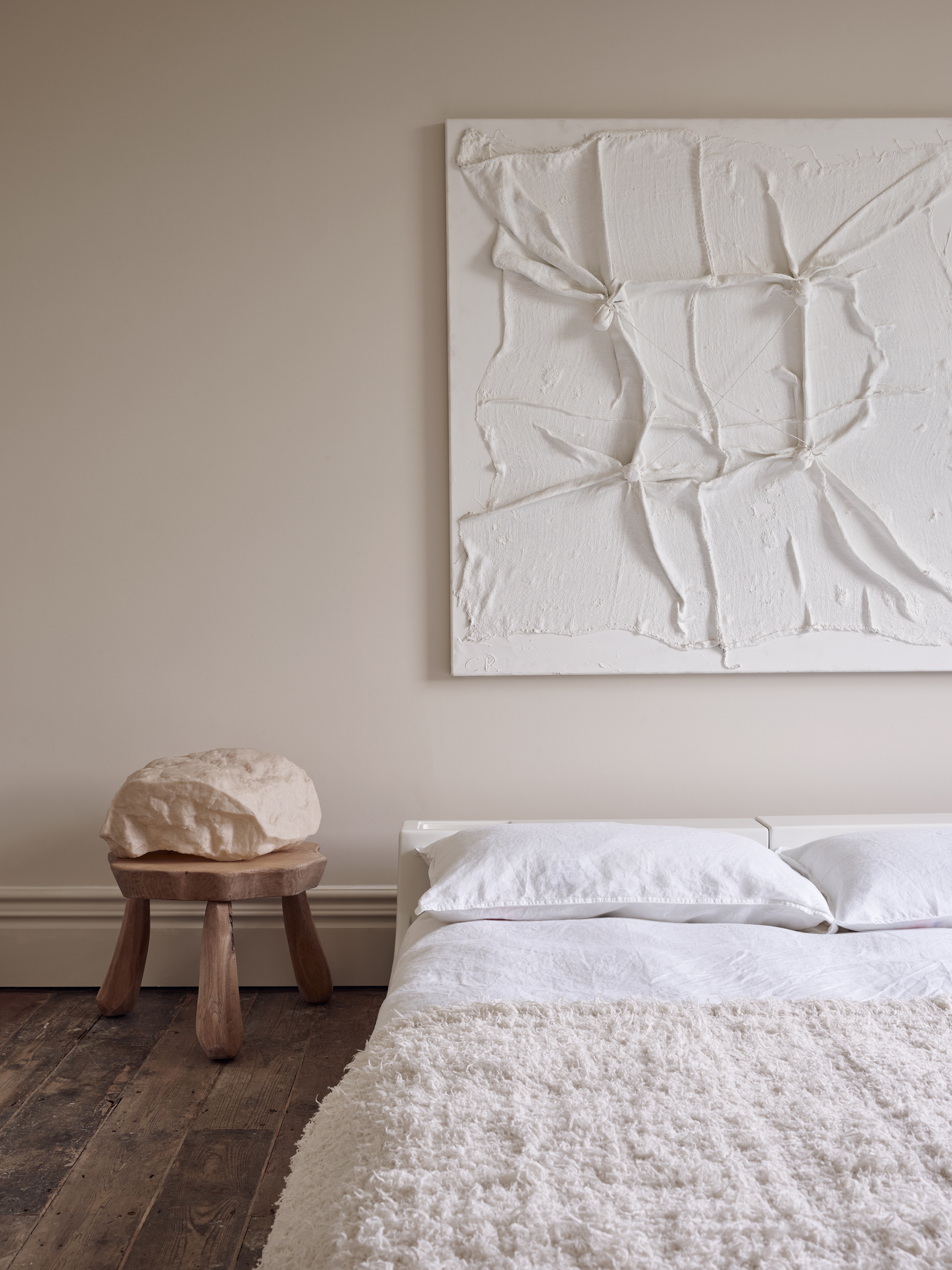
Clutter reduction is a core tenet, aiming to minimize visual 'noise' and promote calmness. This philosophy, encapsulated by the idea that 'less is more,' involves intentional accessorizing. Decorations are chosen with purpose, often featuring a single, unique piece, such as a hanging scroll or an ikebana flower arrangement in a tokonoma (alcove), rather than numerous items scattered throughout the room. Furniture pieces are selected for their simplicity, clean lines, and natural materials, often low to the ground to maintain a balanced and uncluttered appearance.
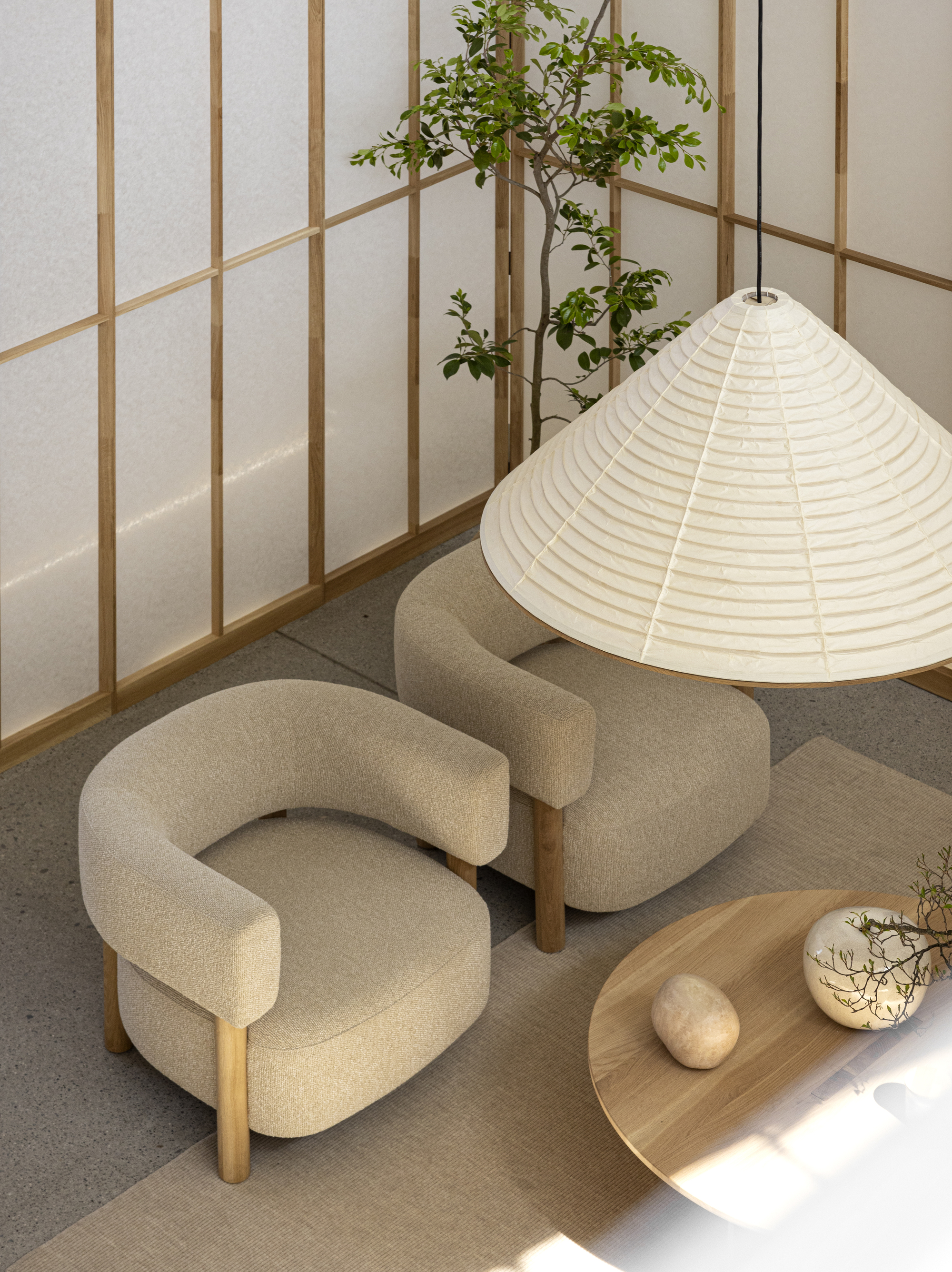
Washi paper, a traditional Japanese handmade paper, is another distinctive element, commonly used in shoji screens, doors, or windows. When illuminated, washi paper diffuses a soft, warm glow, contributing to a restful atmosphere. Artisanal pieces made with washi paper or Kumiko woodworking are integrated as functional art, further emphasizing simplicity and natural beauty. The article also mentions the embrace of dark exteriors using techniques like shou sugi ban, where charred wood siding provides a durable, dramatic, and natural finish.
Finally, the philosophy of 'wabi-sabi' is central to Japanese interior design, celebrating imperfection, incompleteness, and impermanence. This is reflected in the use of natural materials that develop a patina over time, such as weathered wood or burnished metal, and in the art of kintsugi, where broken pottery is repaired with gold, highlighting its flaws as part of its beauty. Asymmetry in furniture layouts and flower arrangements, like ikebana, further embodies the wabi-sabi aesthetic, distinguishing Japanese design from Western approaches that might strive for perfect symmetry. Both traditional and modern Japanese design styles uphold a minimalist aesthetic, with modern iterations offering a more streamlined look compared to the exposed wooden pillars and beams found in older homes.
#JapaneseInteriorDesign #MinimalistDesign #NaturalMaterials #NeutralColorPalette #WabiSabi #IndoorOutdoorLiving #Decluttering #WashiPaper #ShouSugiBan #JapaneseInteriorDesign #MinimalistDesign #NaturalMaterials #NeutralColorPalette #WabiSabi #IndoorOutdoorLiving #Decluttering #WashiPaper #ShouSugiBan
0 comment in total
 No comments yet
You may also like
Elevate Your Space With These Inspiring Japandi Interiors

5 Things Japandi Designers do in Their Kitchens That Make Them Minimalist and Serene

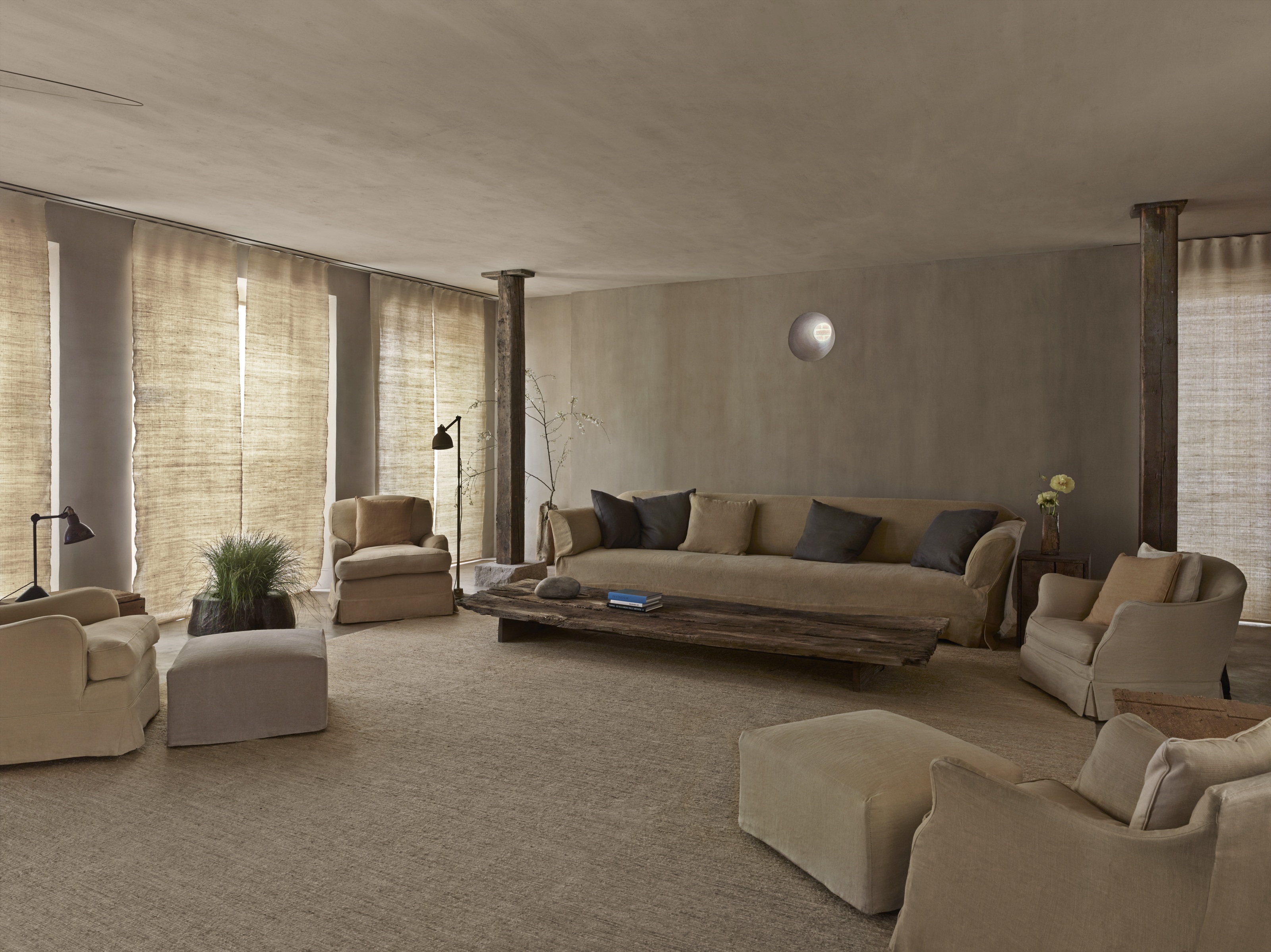
13 of the Best Minimalist Interior Designers I'm Following for Room Inspiration
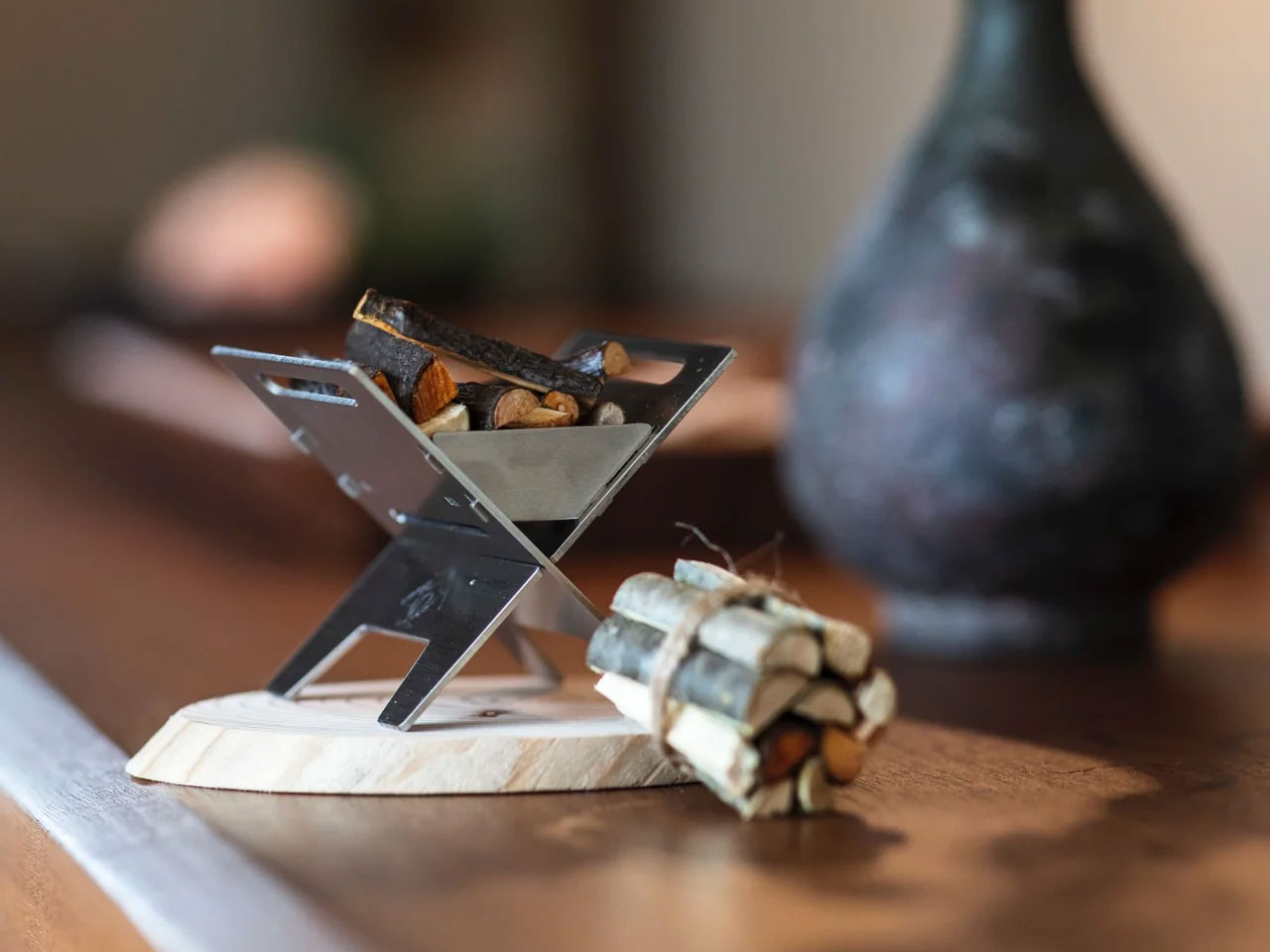
5 Best Japanese-Inspired Home Accessories Designed To Bring Nature & Tranquility Indoors

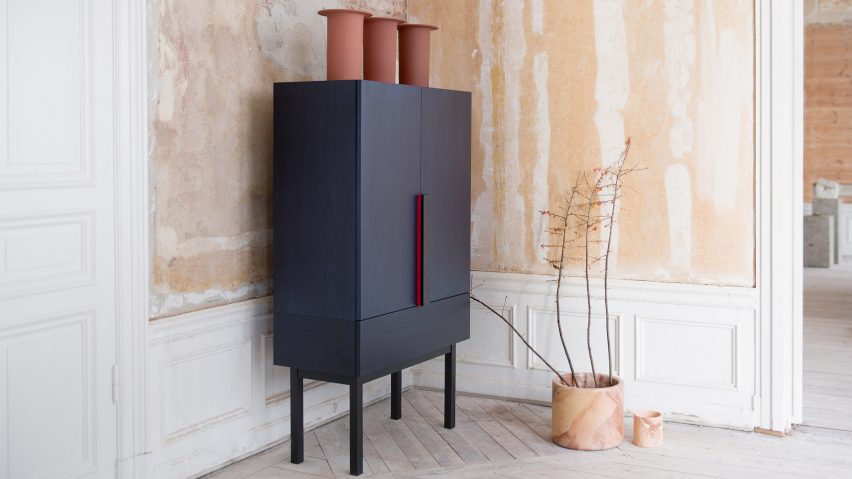
Seven "Japandi" interiors that blend Japanese and Scandinavian design
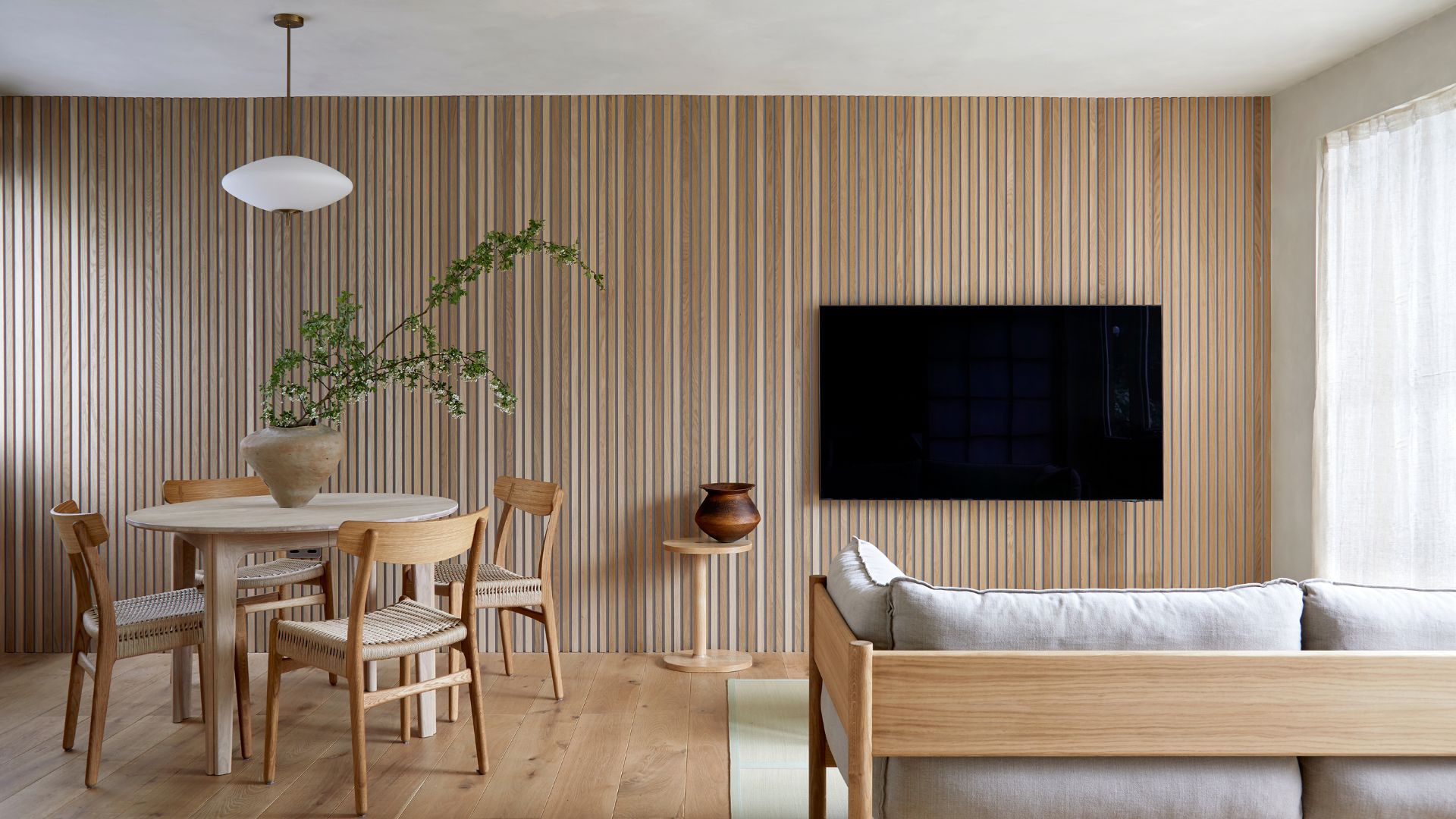
'Ma' (間) Is the Japanese Minimalist Aesthetic I Think Everyone Should Read About Before They Start Decorating
How Japan influenced Nordic design aesthetics and vice versa

Japandi-Inspired New Hampshire Pied-à-Terre Design
The Rise of Japanese-Inspired Interiors: Why Calm, Craft, and Simplicity Are Redefining Modern Design

Japandi merges the comfort of hygge with zen minimalism

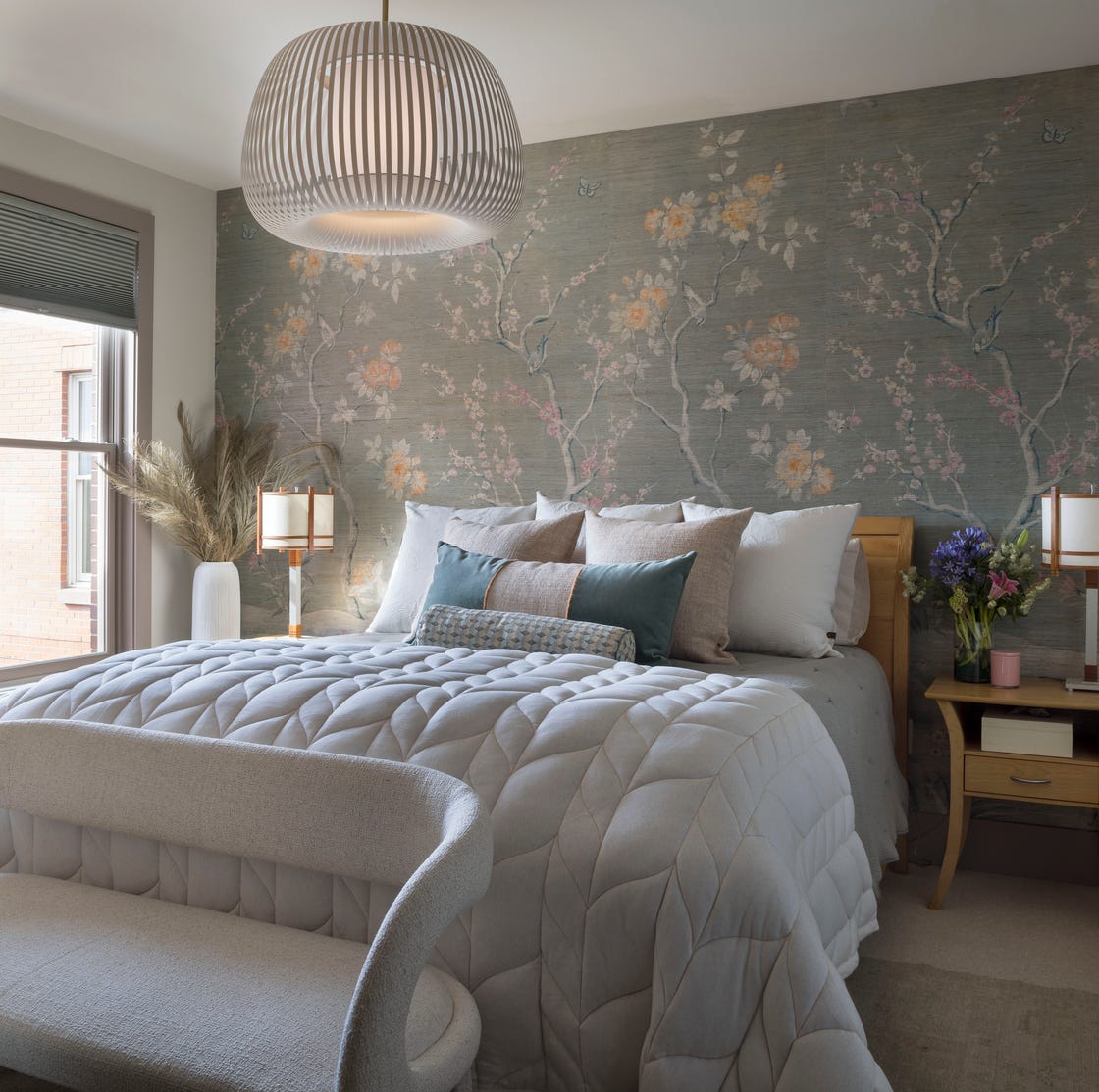
12 Japandi Bedroom Ideas That Bring Harmony to Your Personal Space

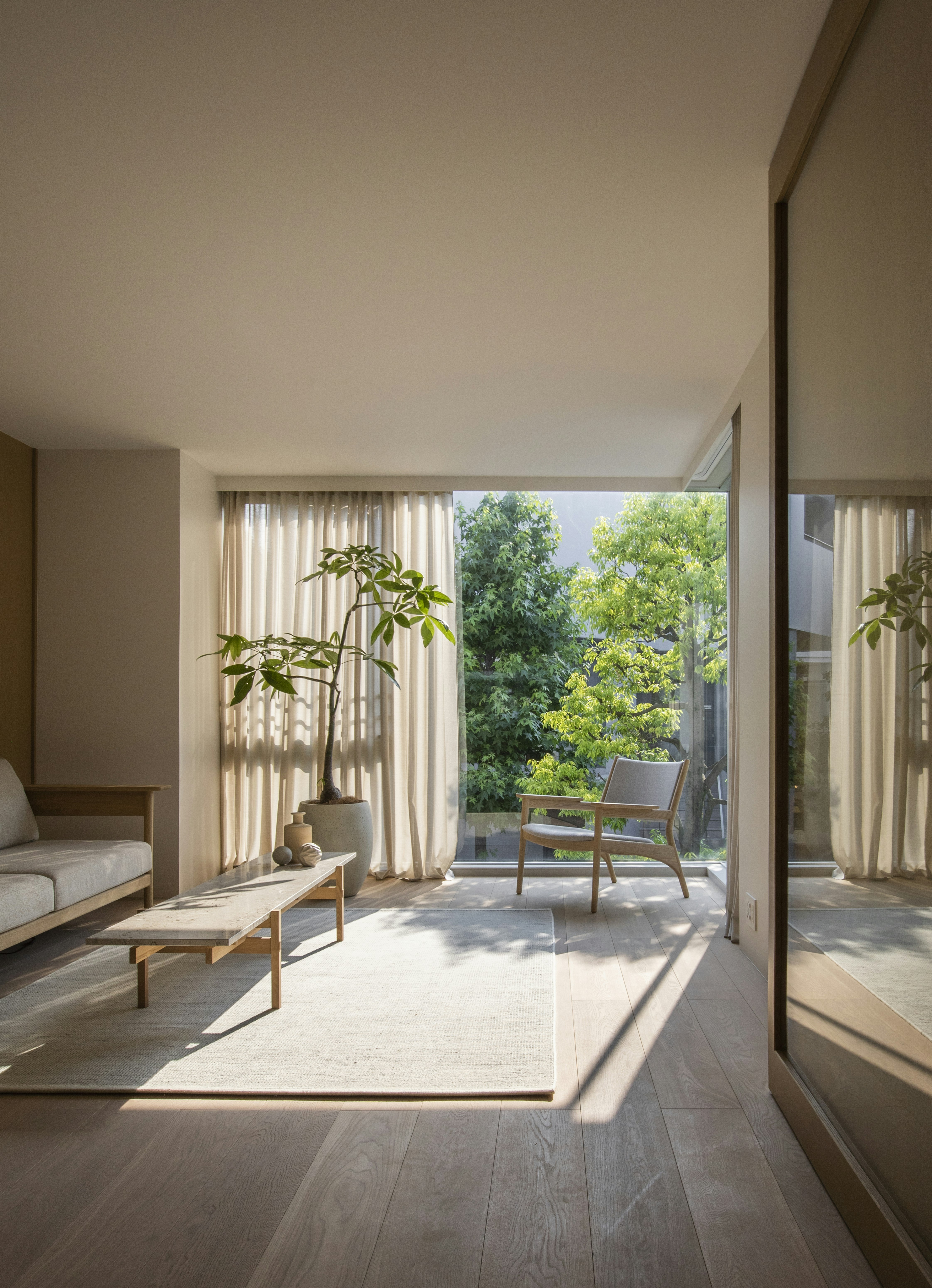
These Serene, Minimalist Apartments in Tokyo Are Filled With Light and Nature

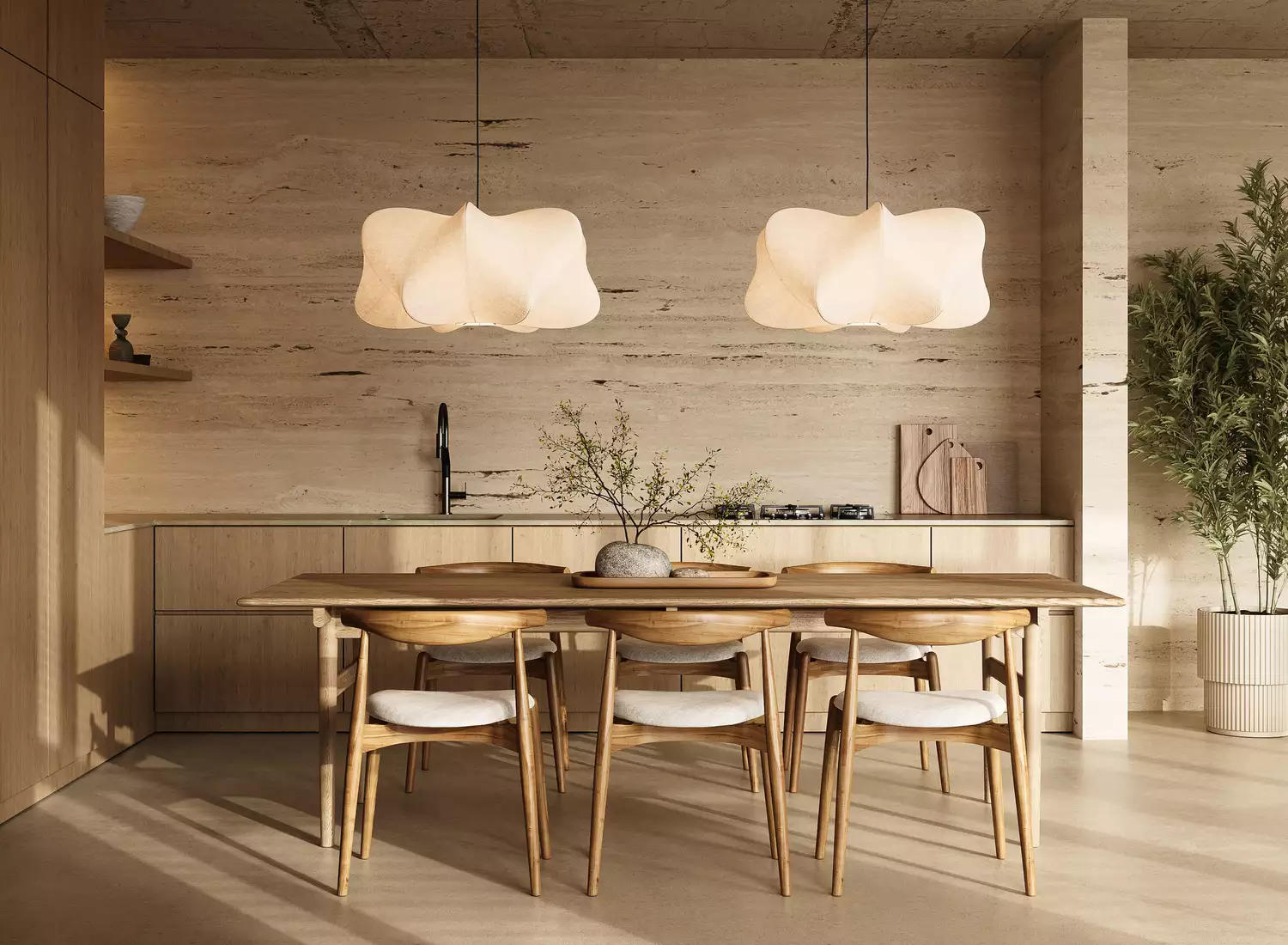
What Is Japandi Style? Interior Designers Explain the Cozy, Minimalist Aesthetic

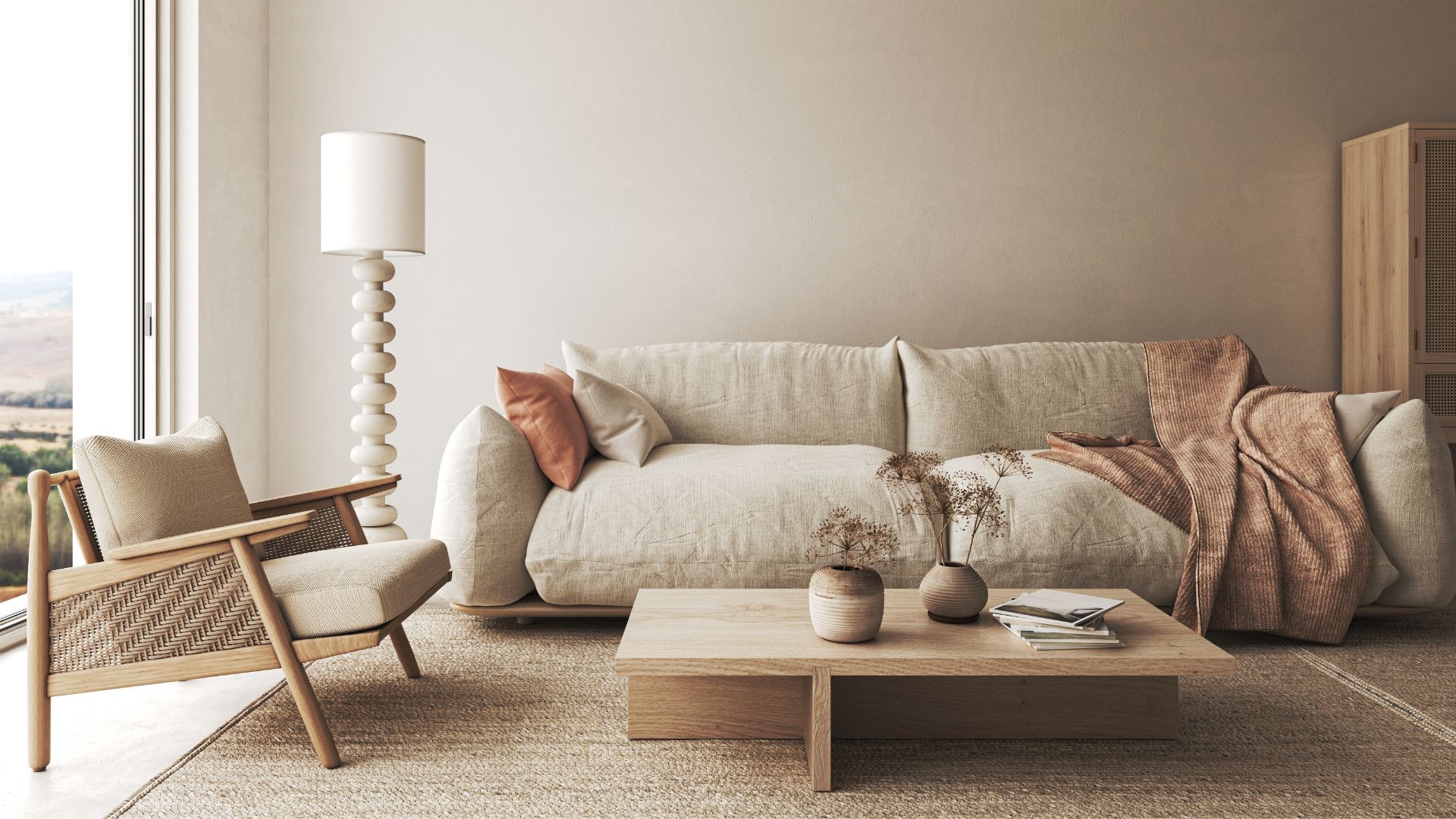
10 essential Japandi living room design tips to create a sense of calm and restfulness

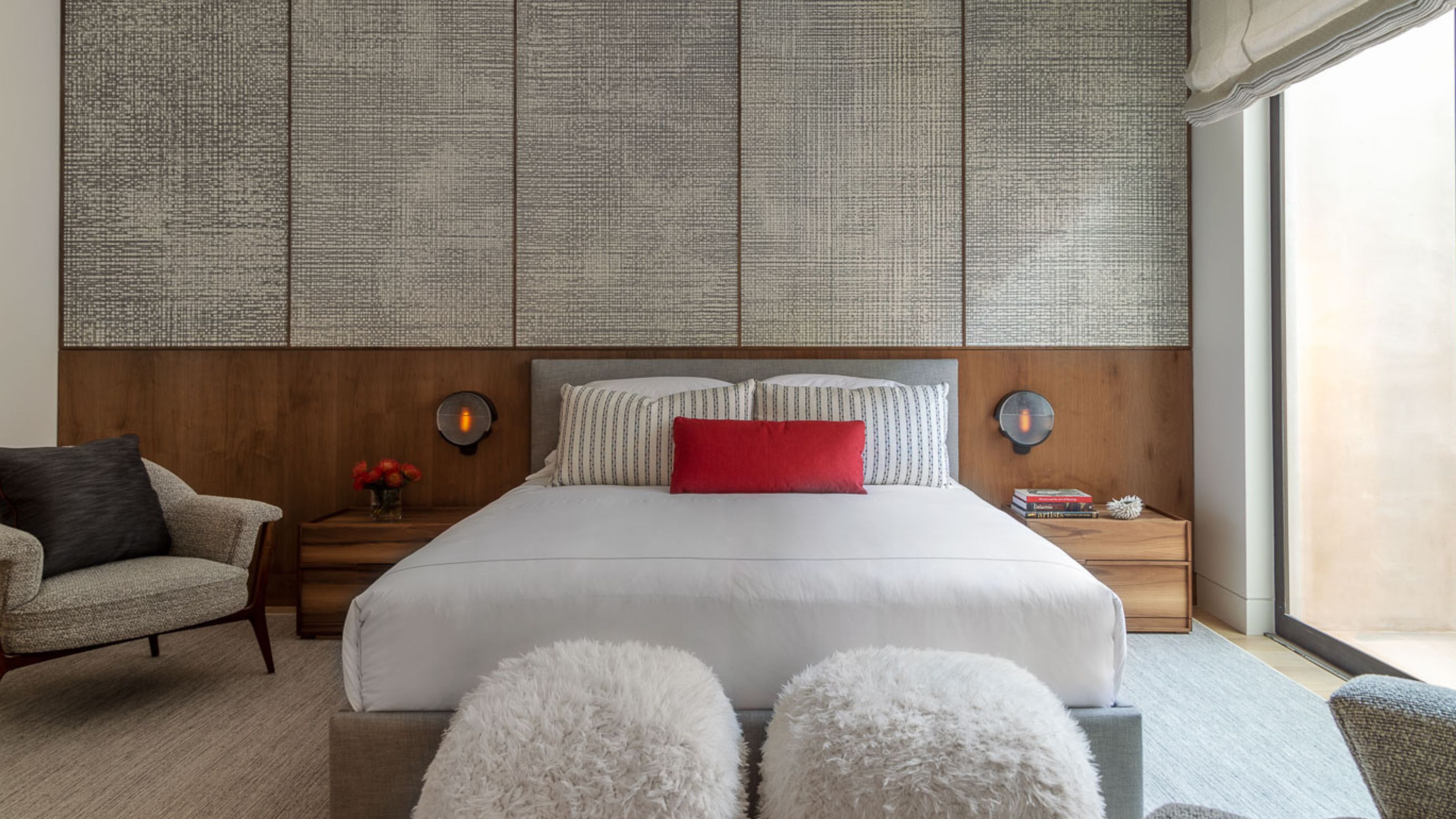
8 Japandi Bedrooms I Dream of Sleeping In — Minimalist and Cozy, They've Got to Be the Most Relaxing Spaces
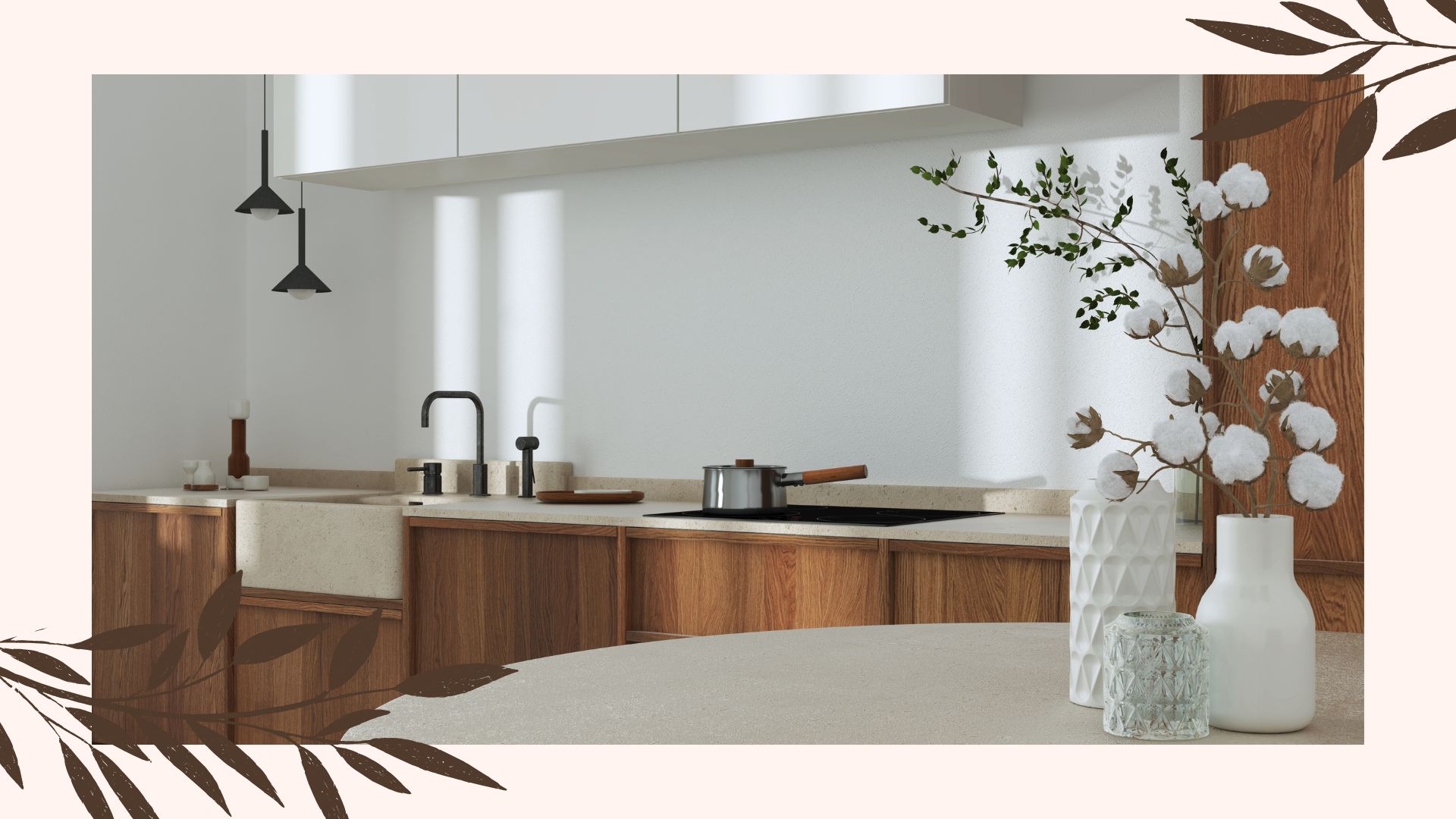
How to create a Japandi kitchen: 10 simple ways to style this serene, on-trend look
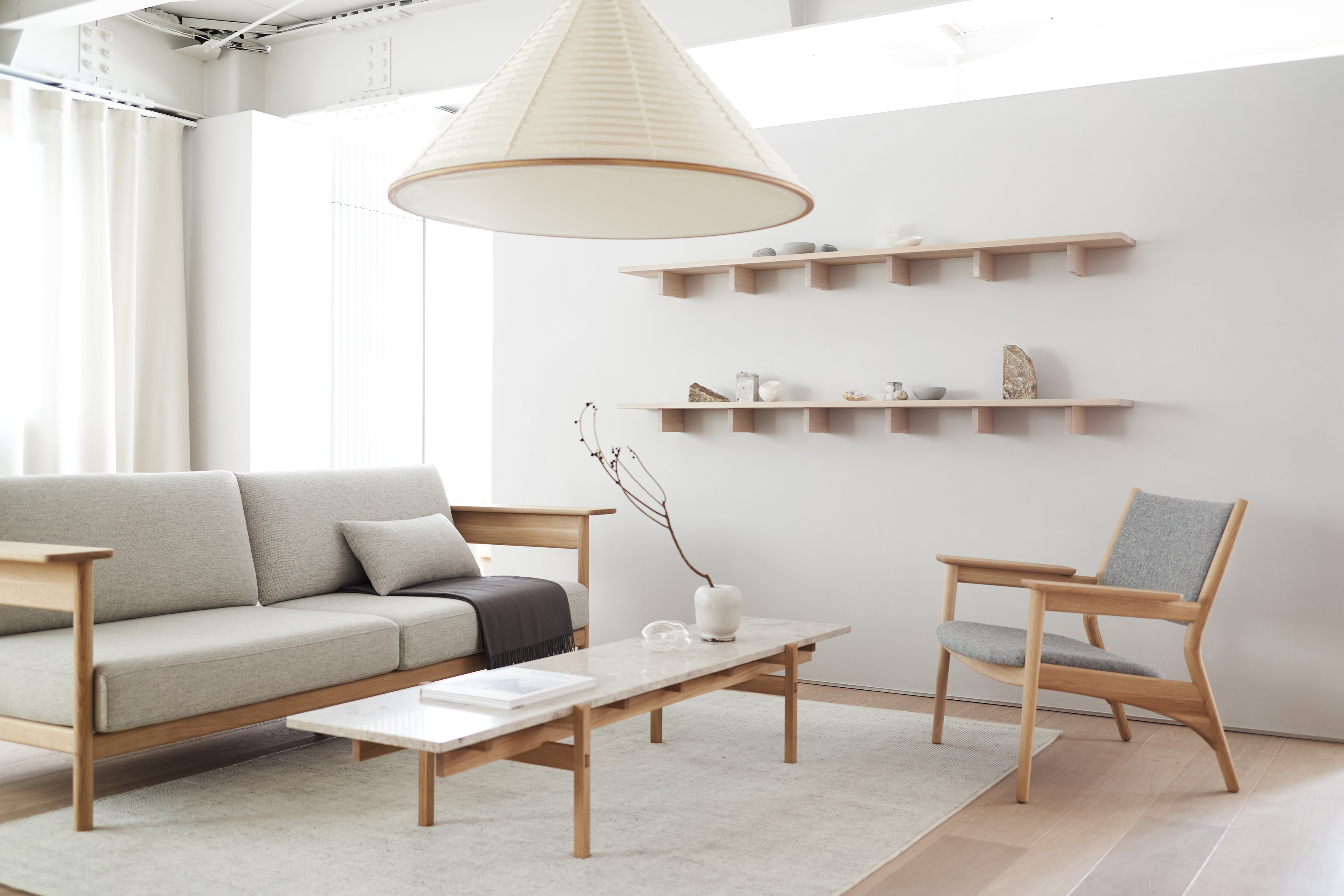
5 Design Rules Japanese-Style Living Rooms Always Follow — "This Approach Makes Any Home So Calming"
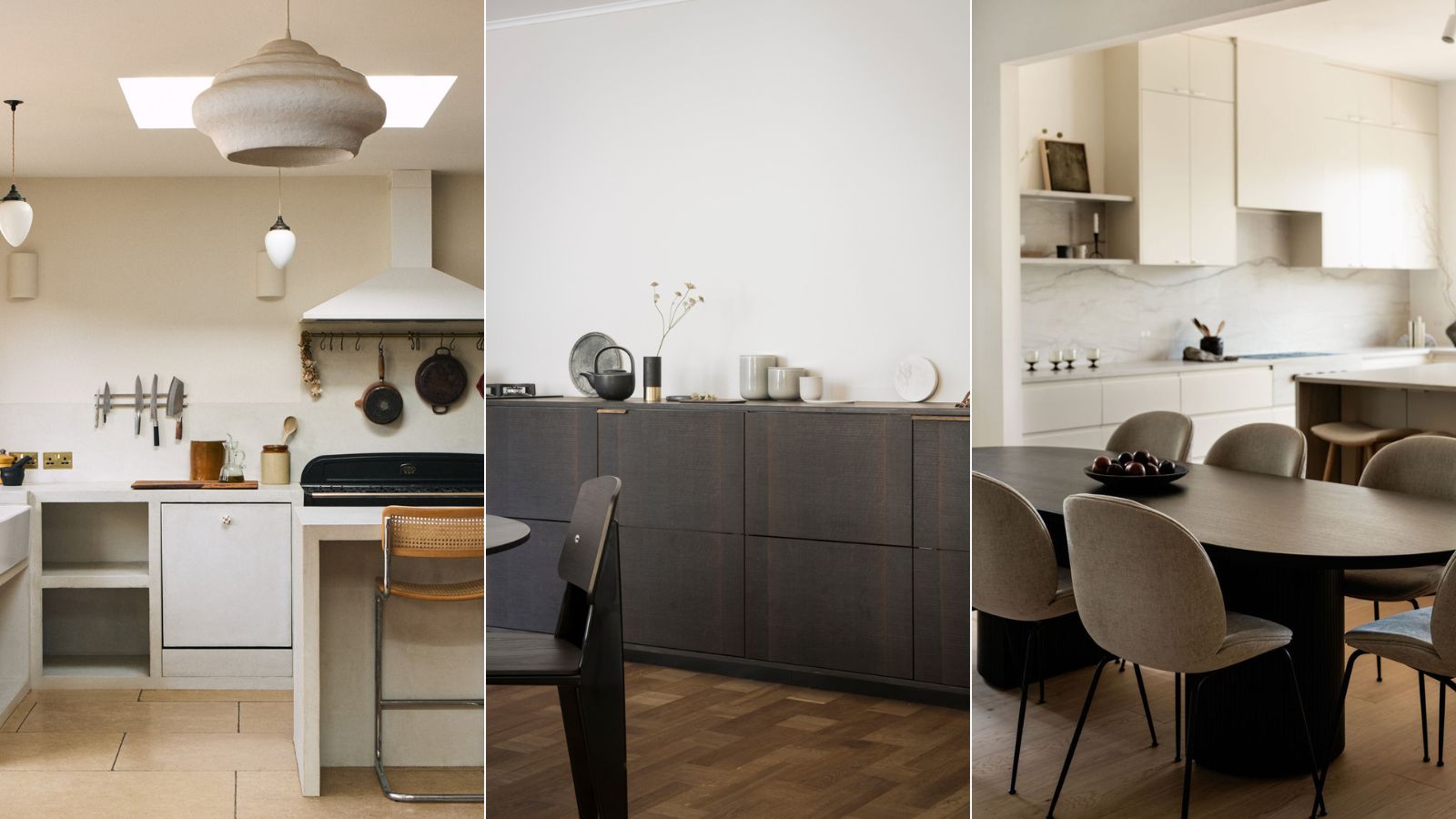
How to create a Japandi kitchen – 6 design ideas to nail this simple-yet-soothing look
Muji Living Room Ideas — 5 Ways to Harness the Calming Qualities of This Japanese Design Style
All About Japandi Design, a Mix of Japanese and Scandinavian Design