All About Japandi Design, a Mix of Japanese and Scandinavian Design
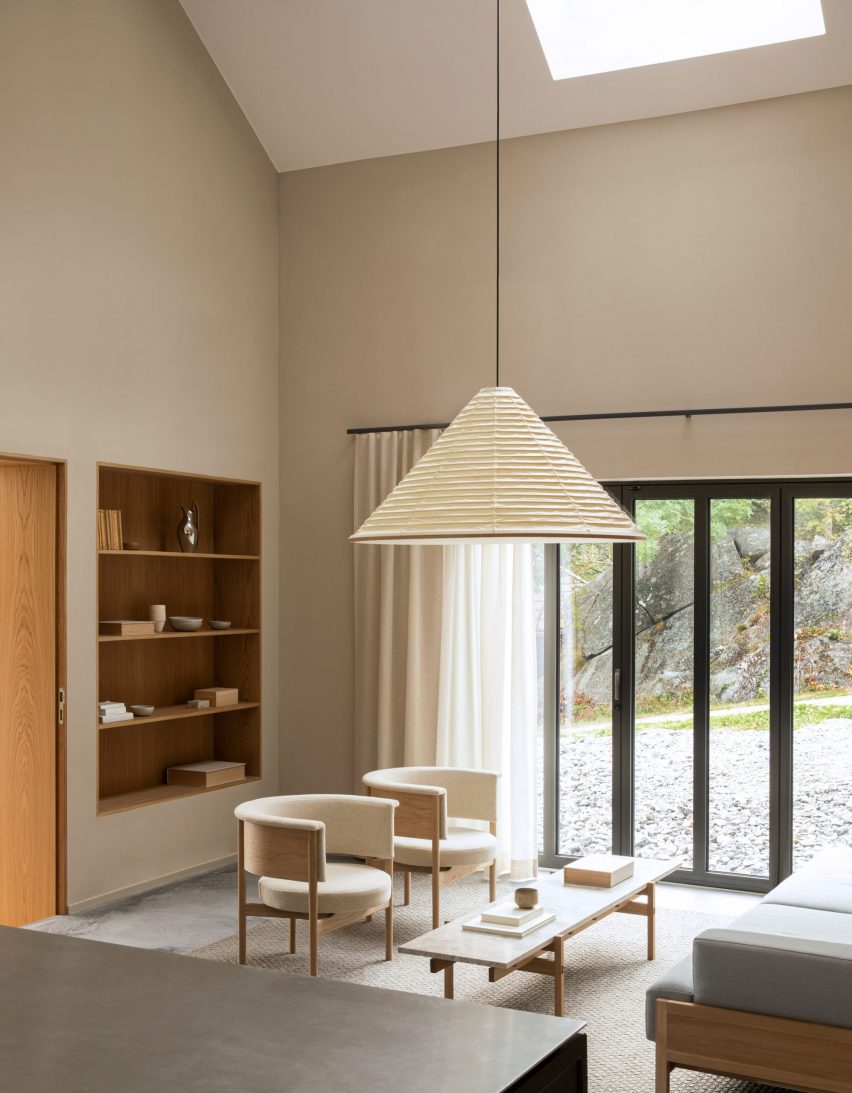
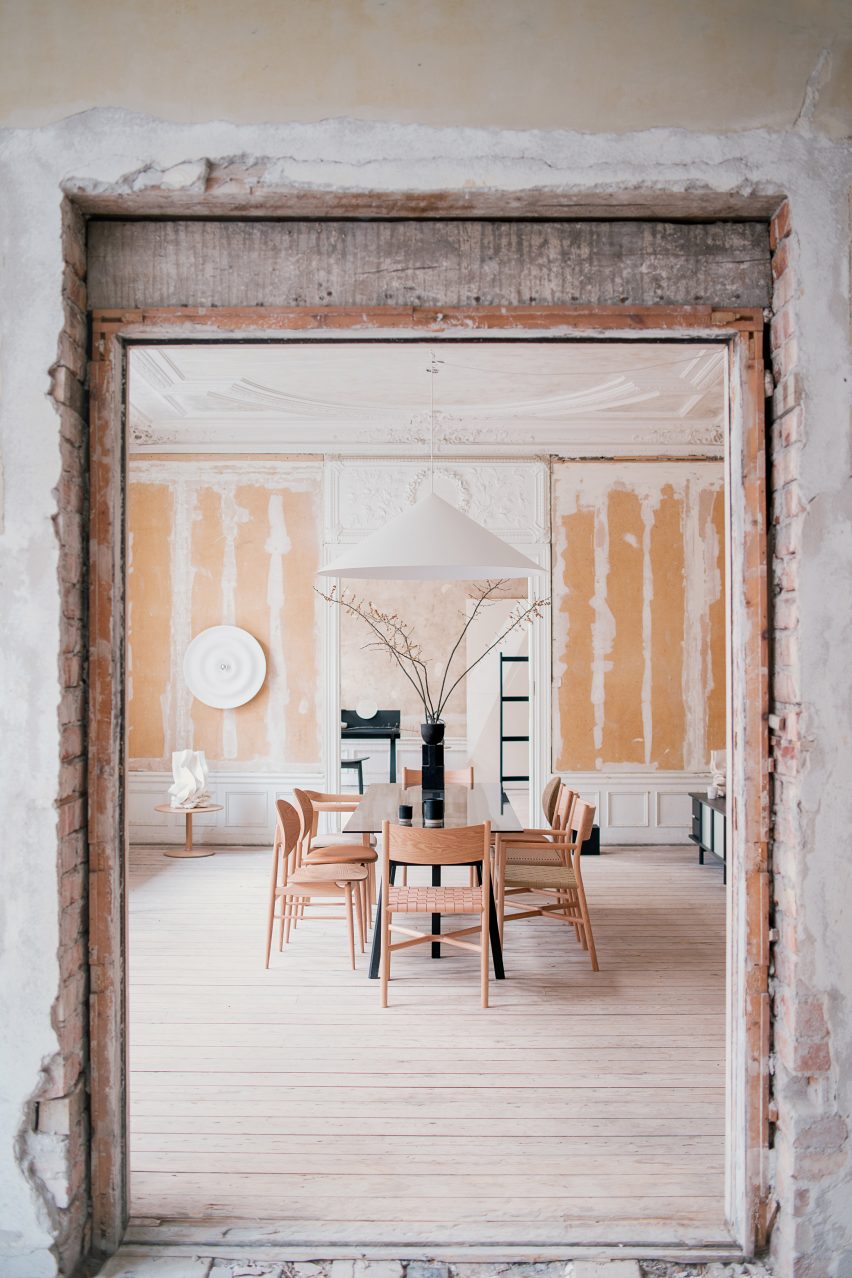
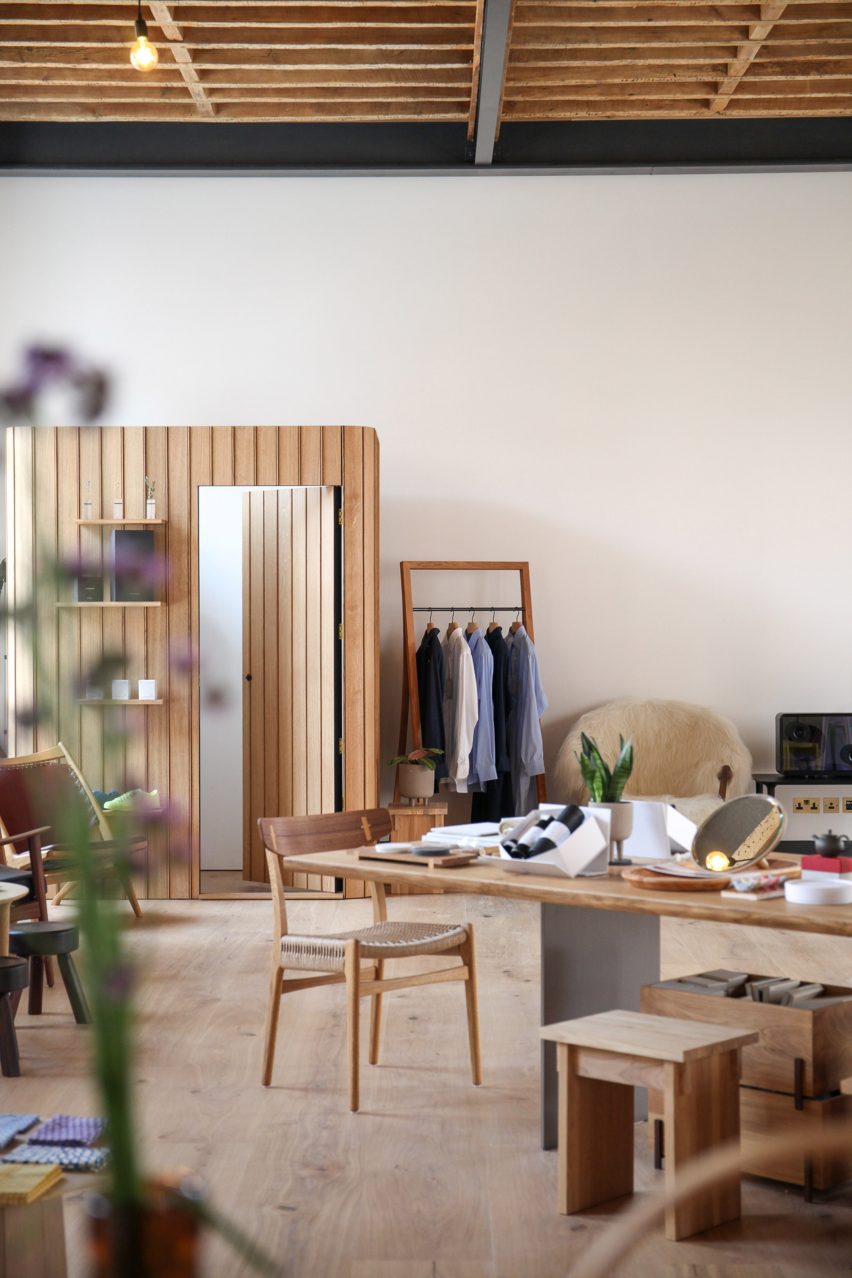
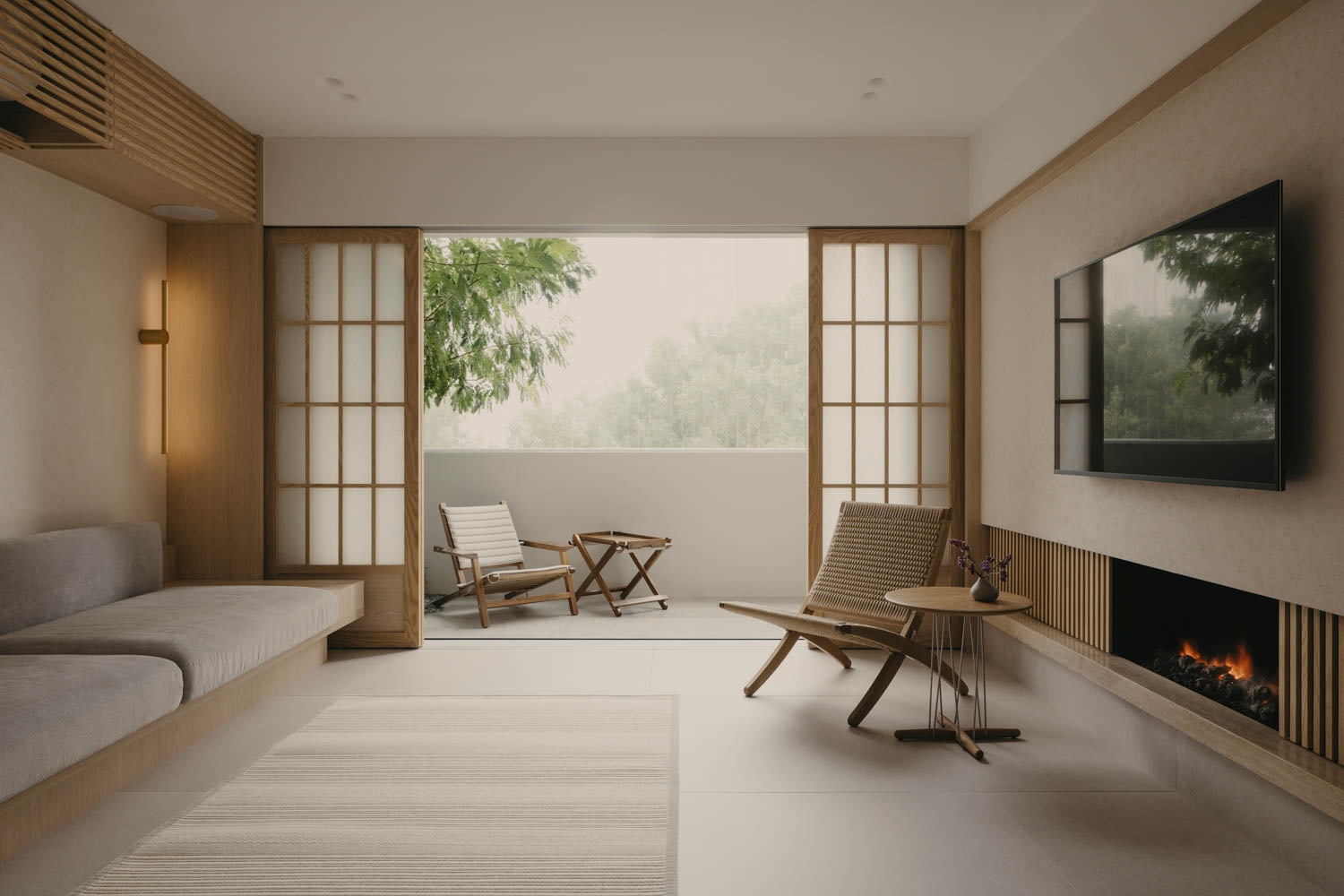
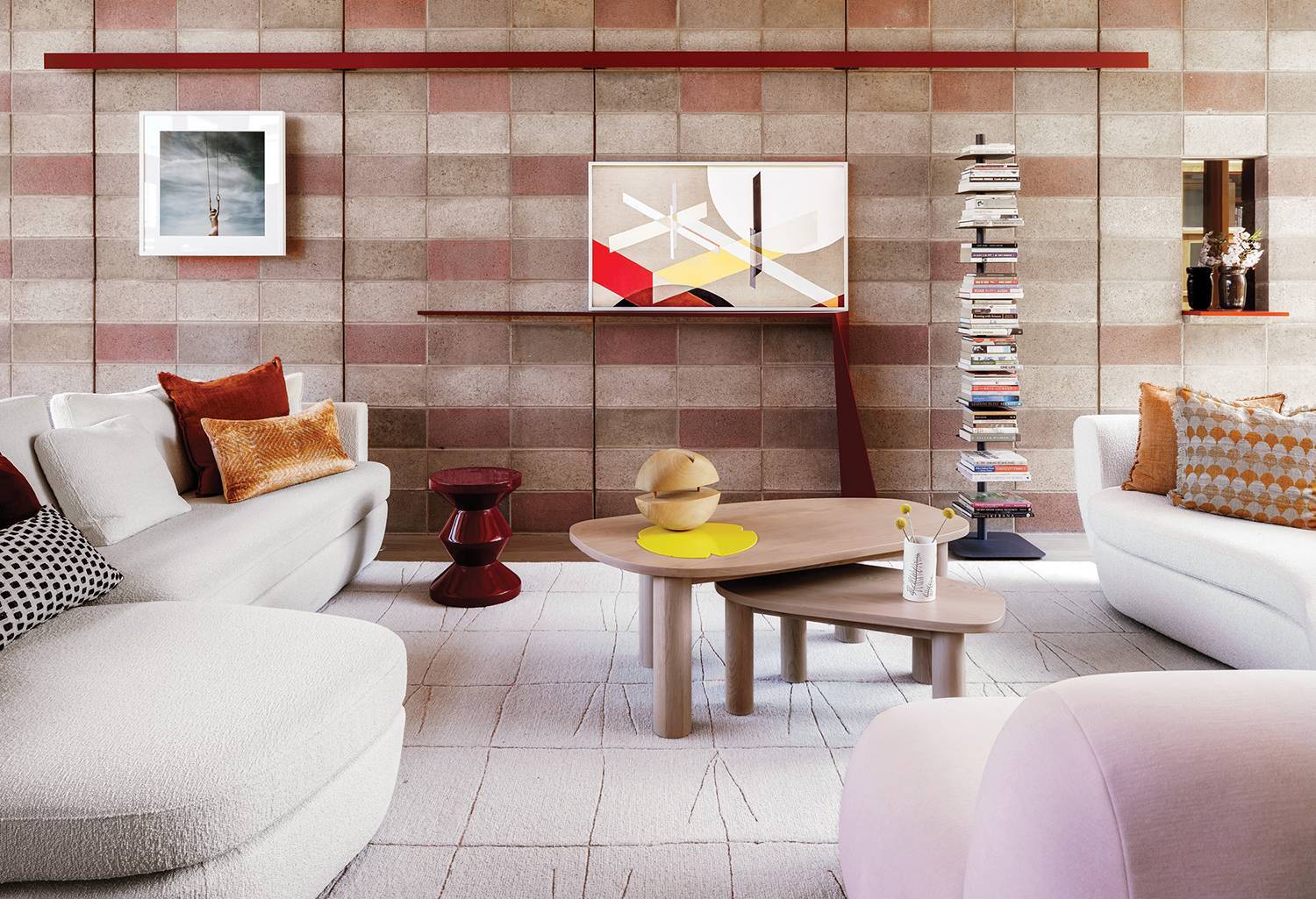
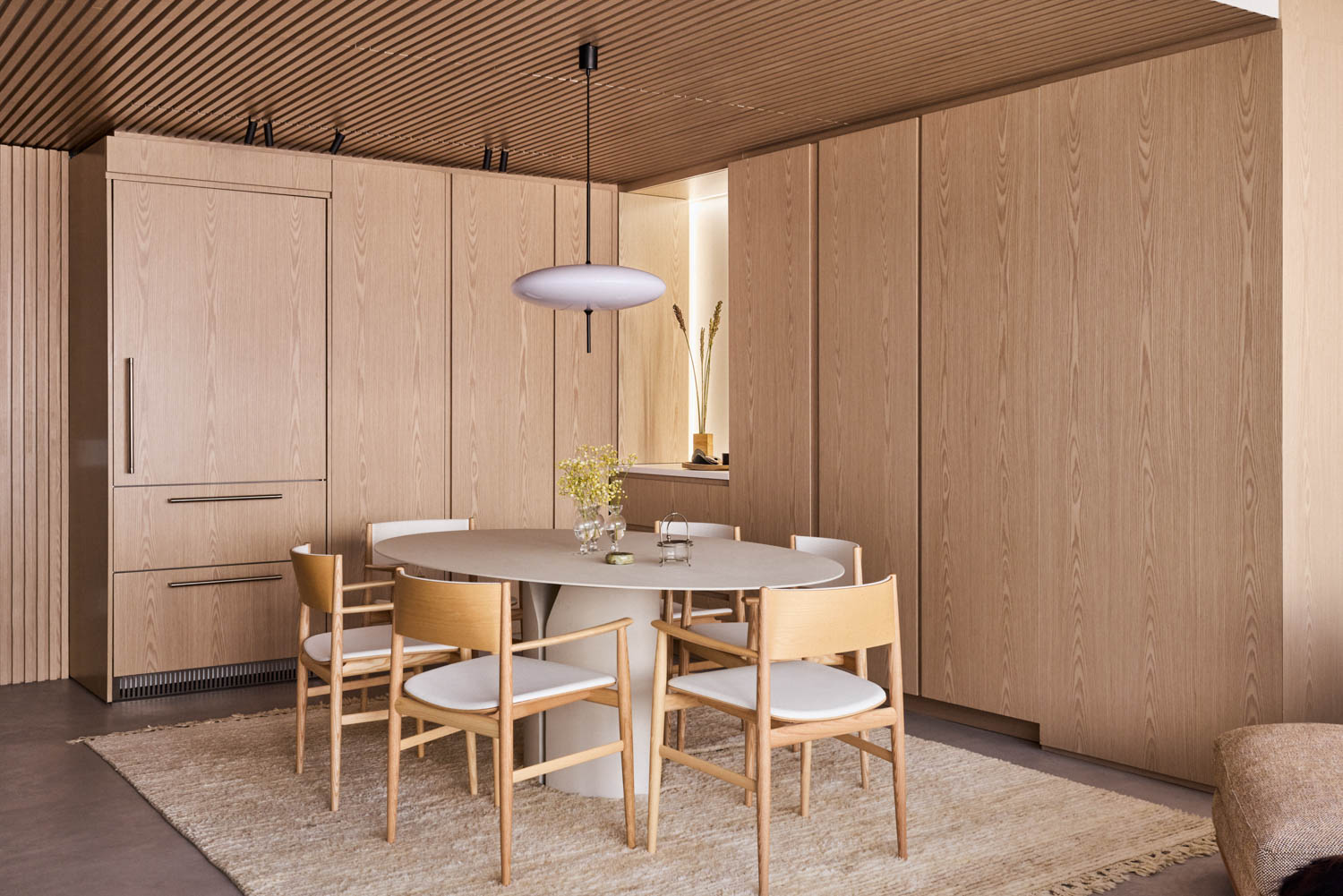
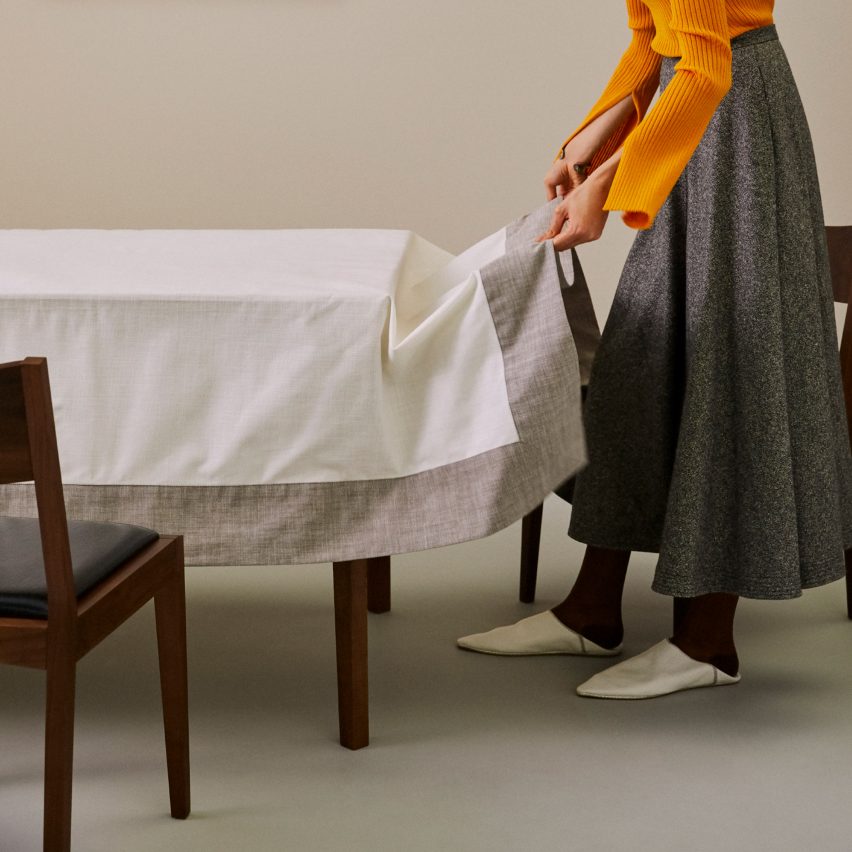
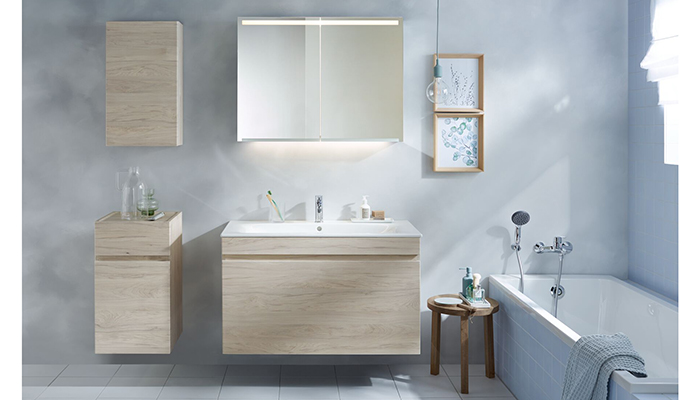
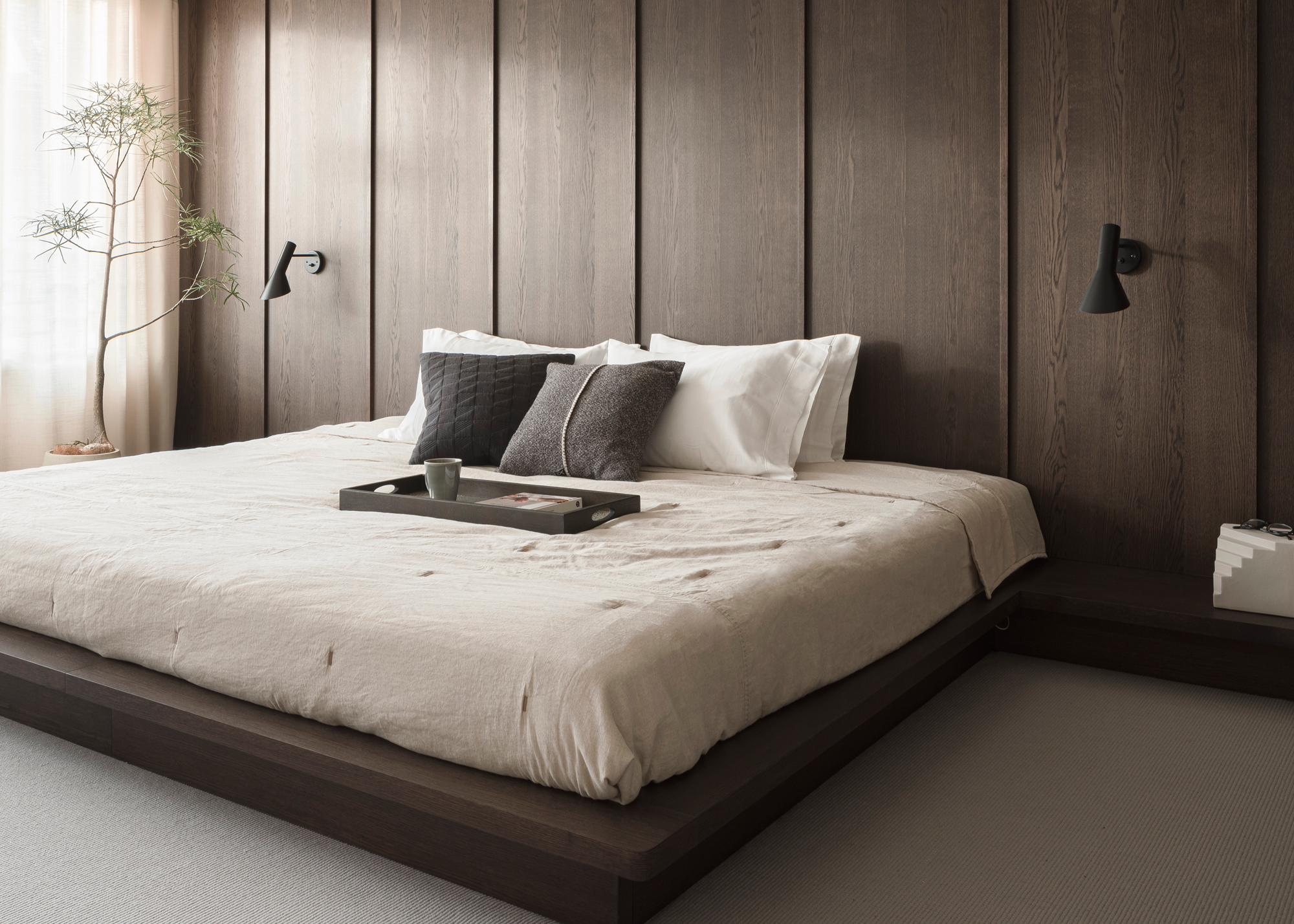
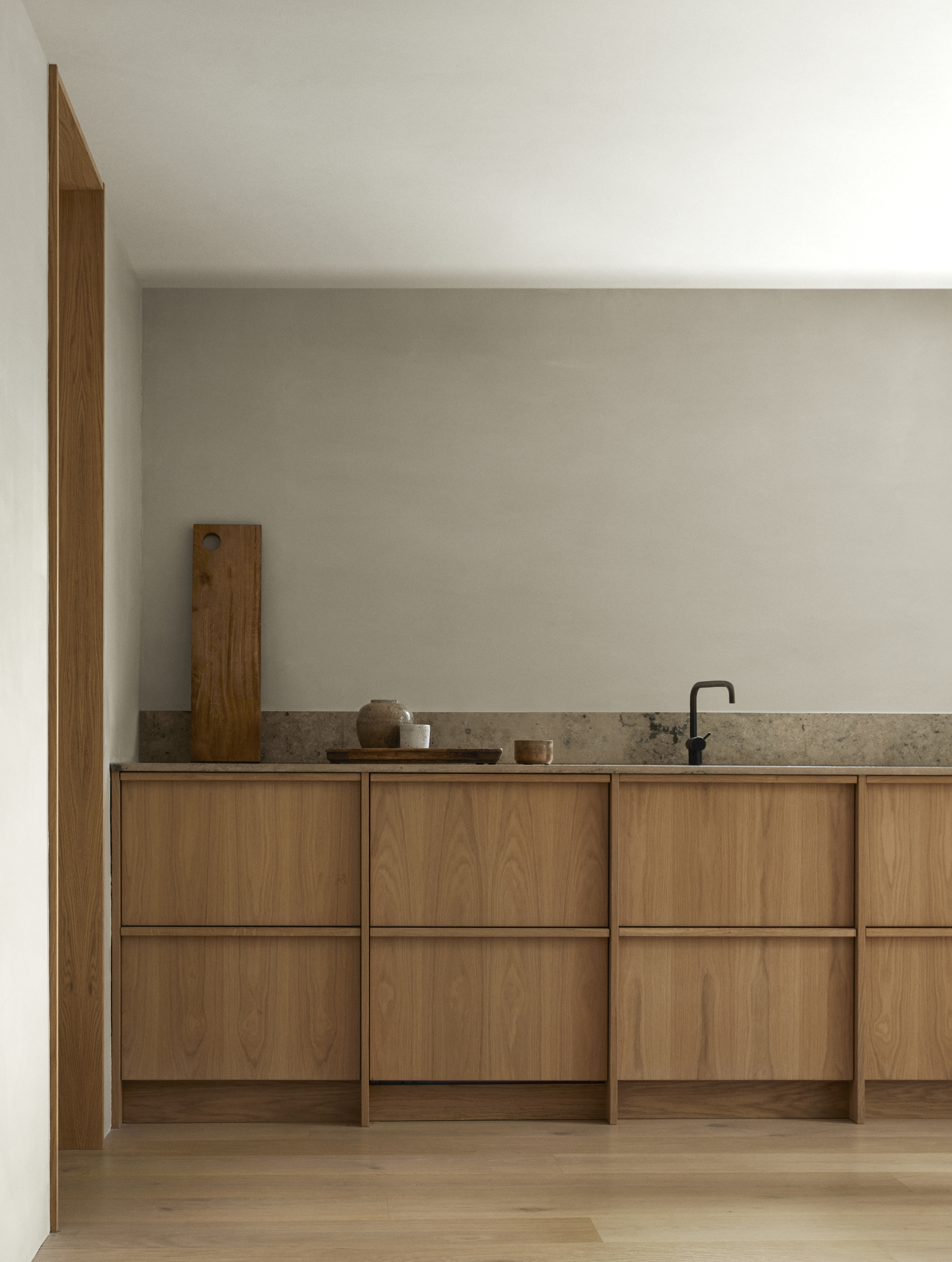
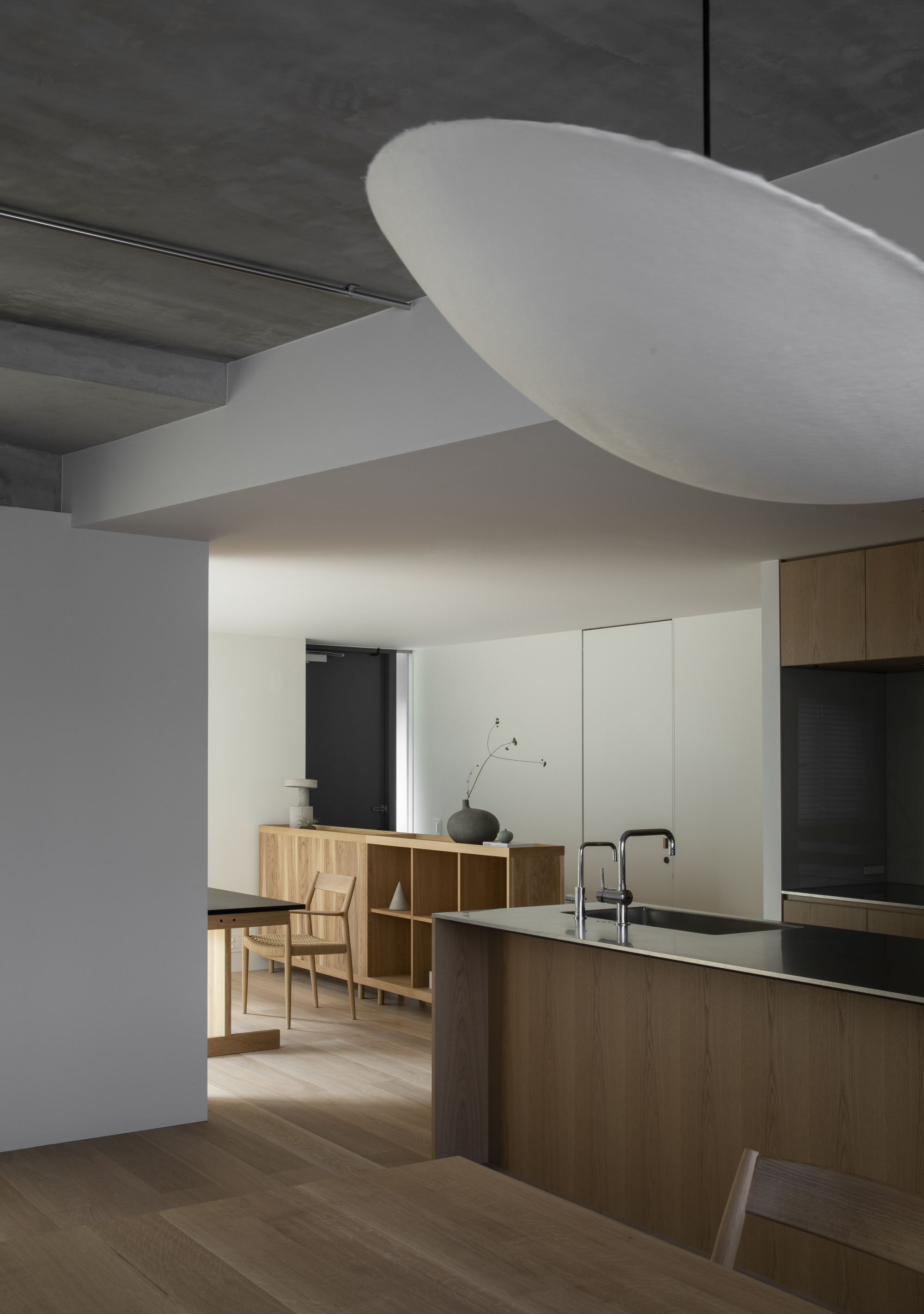
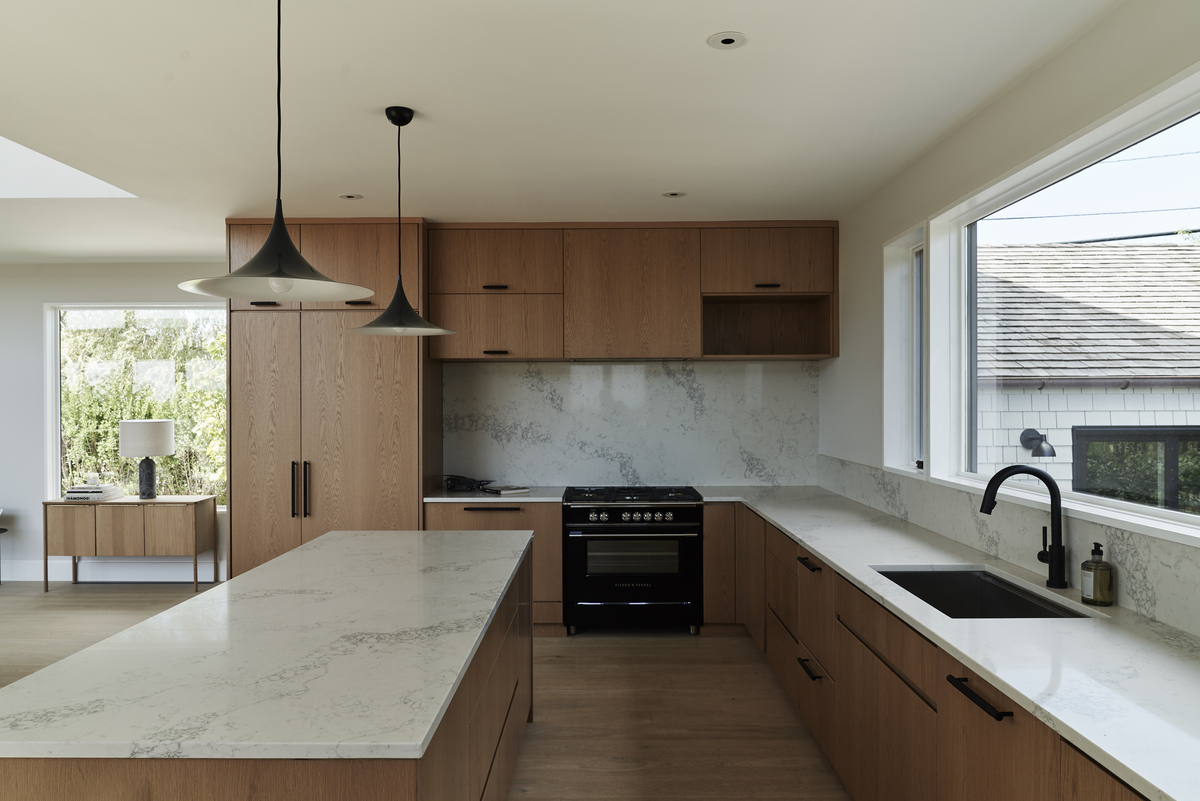
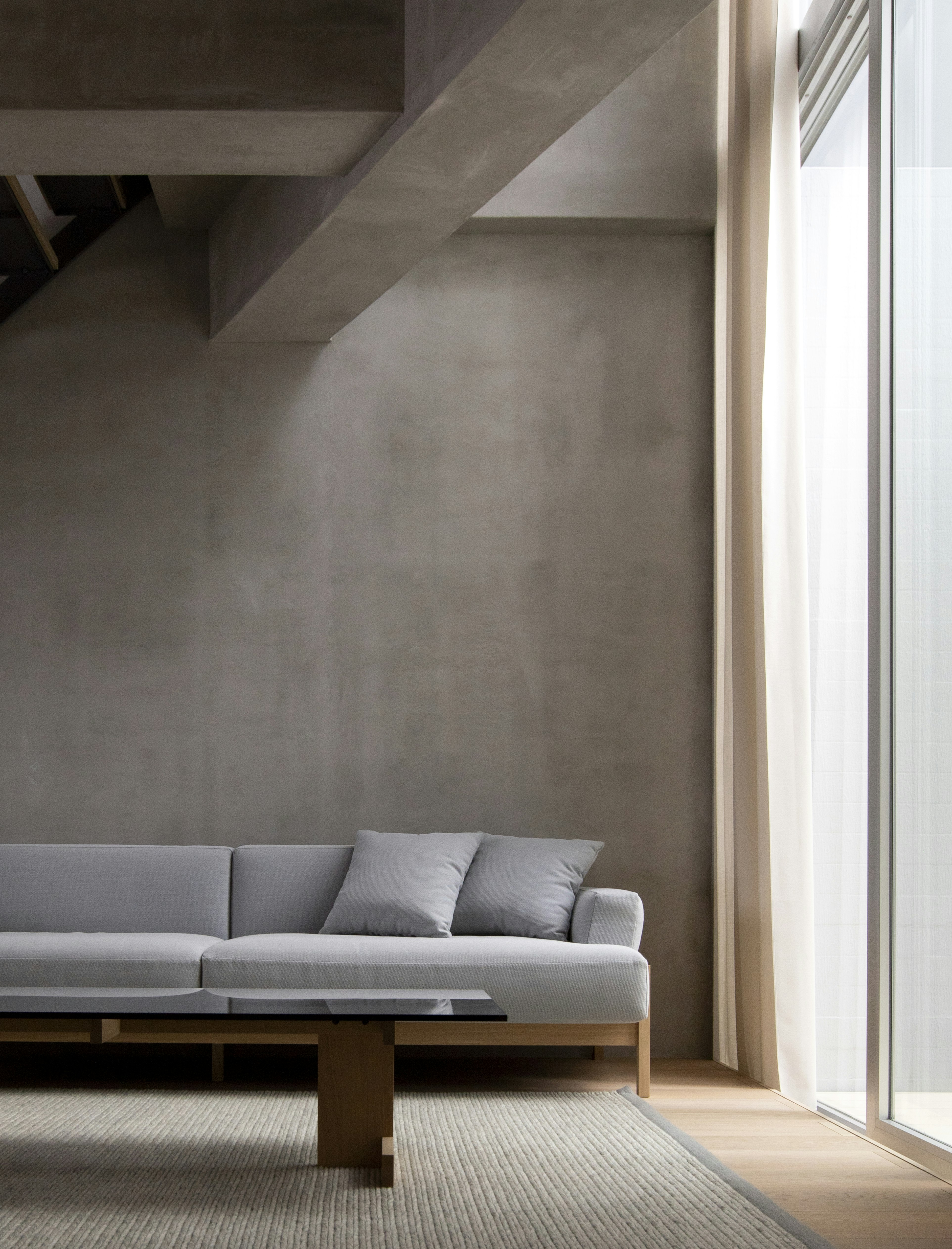
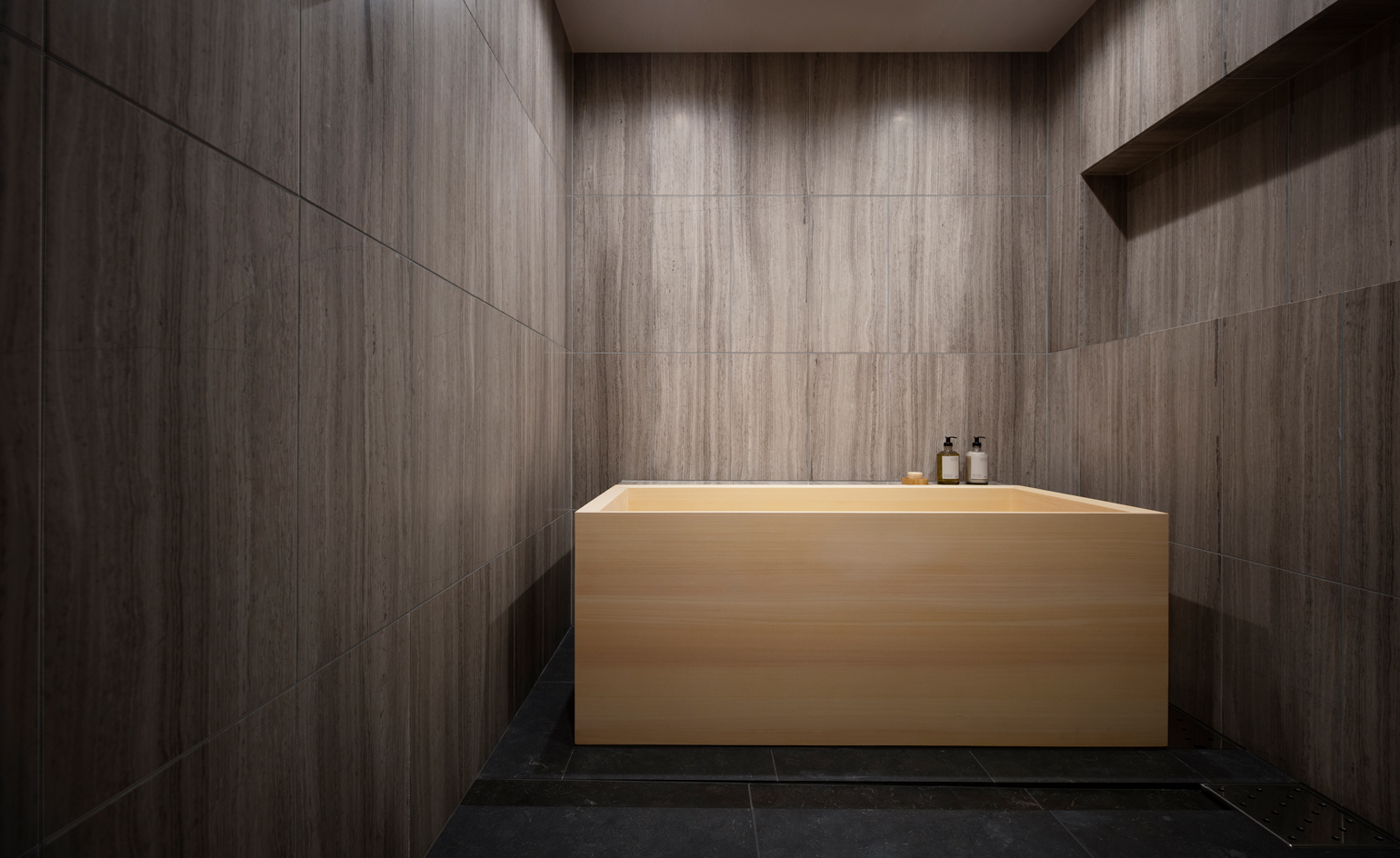
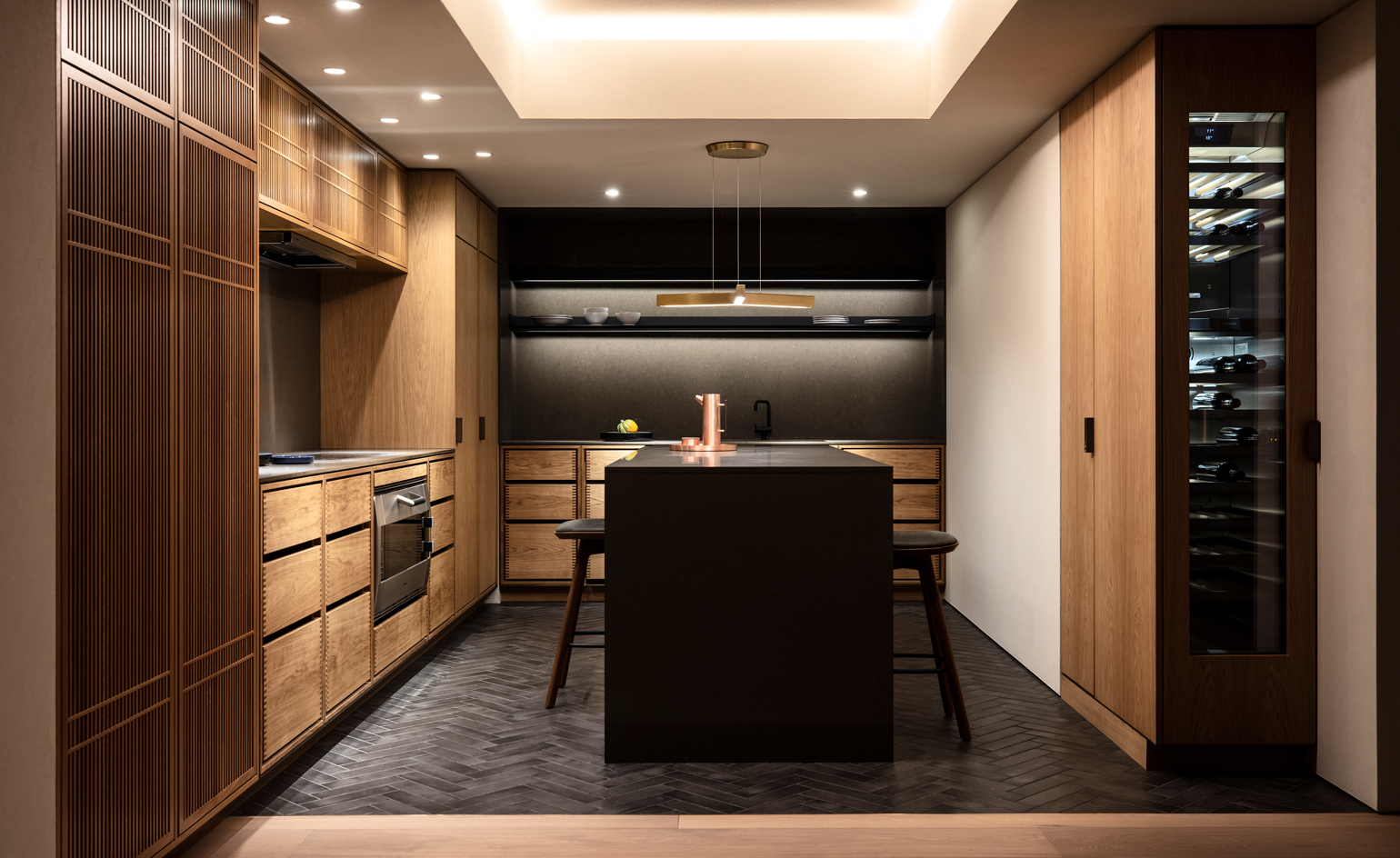
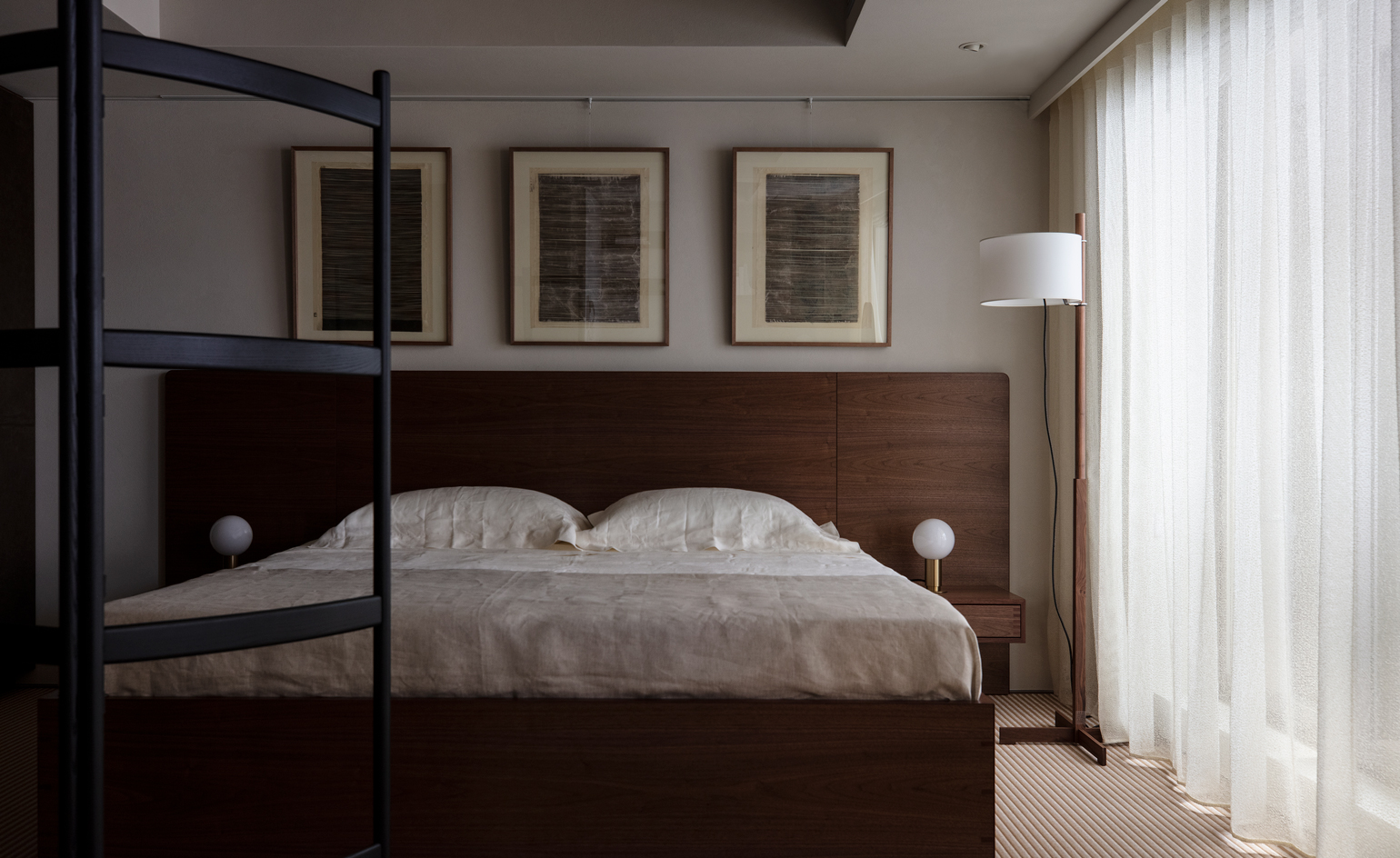
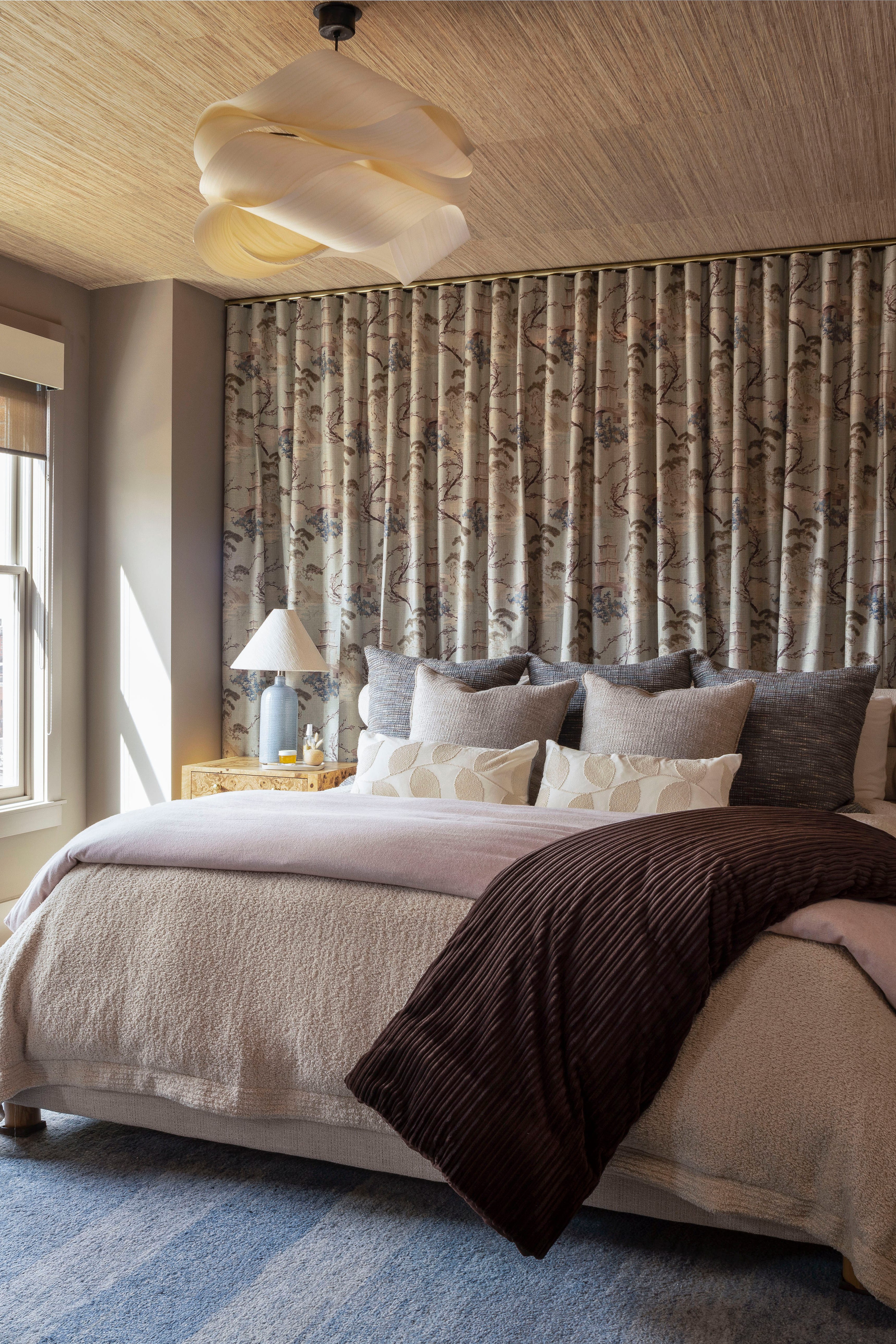
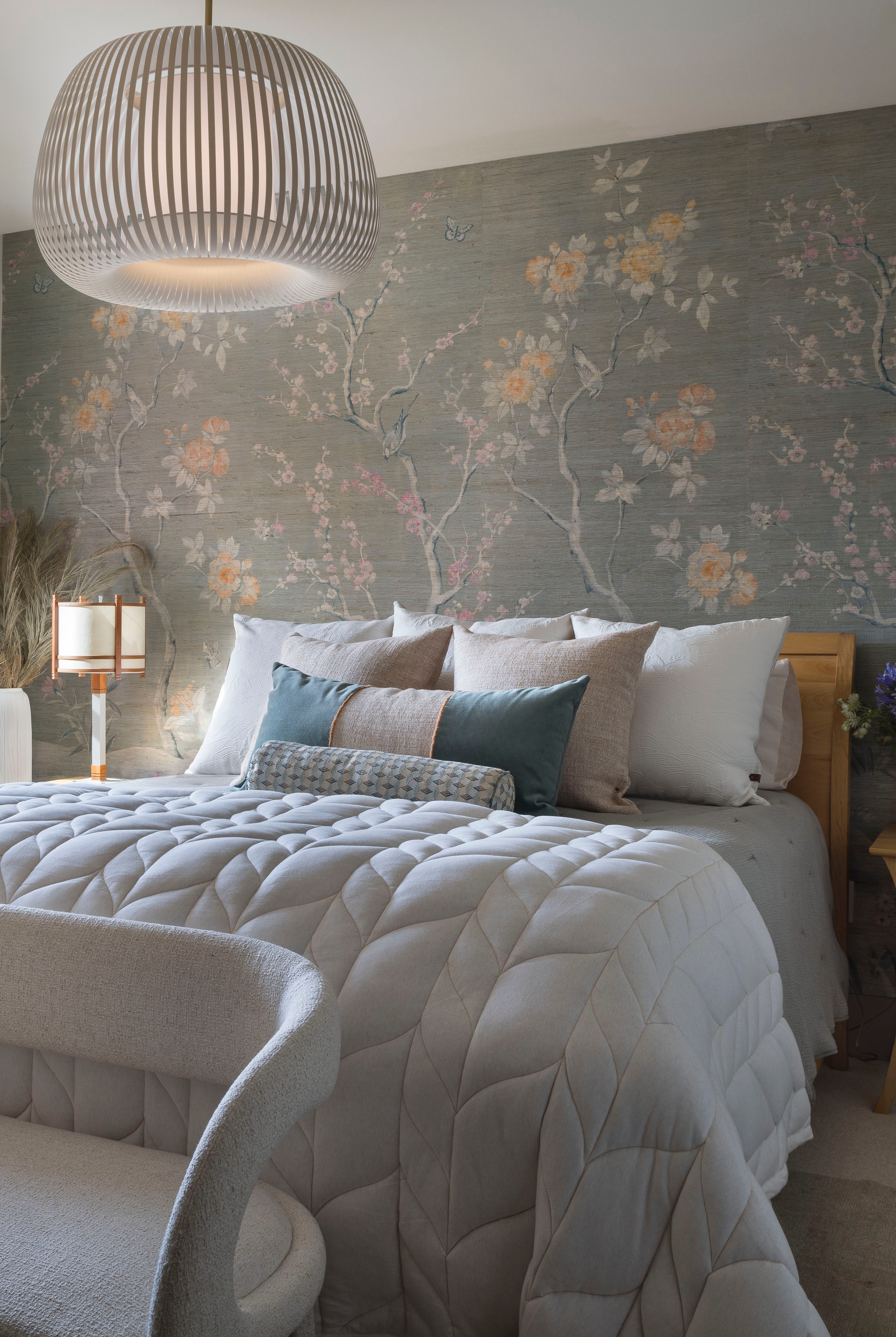
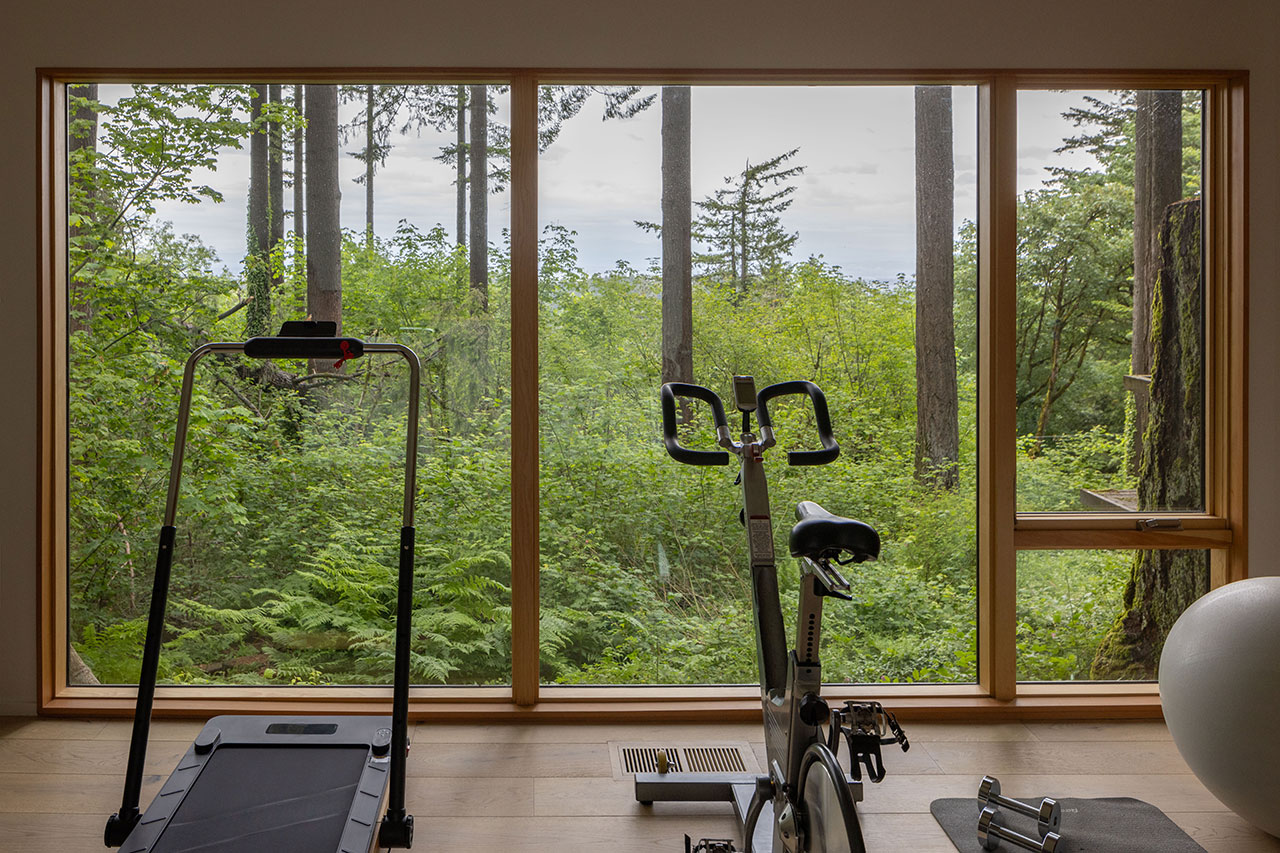
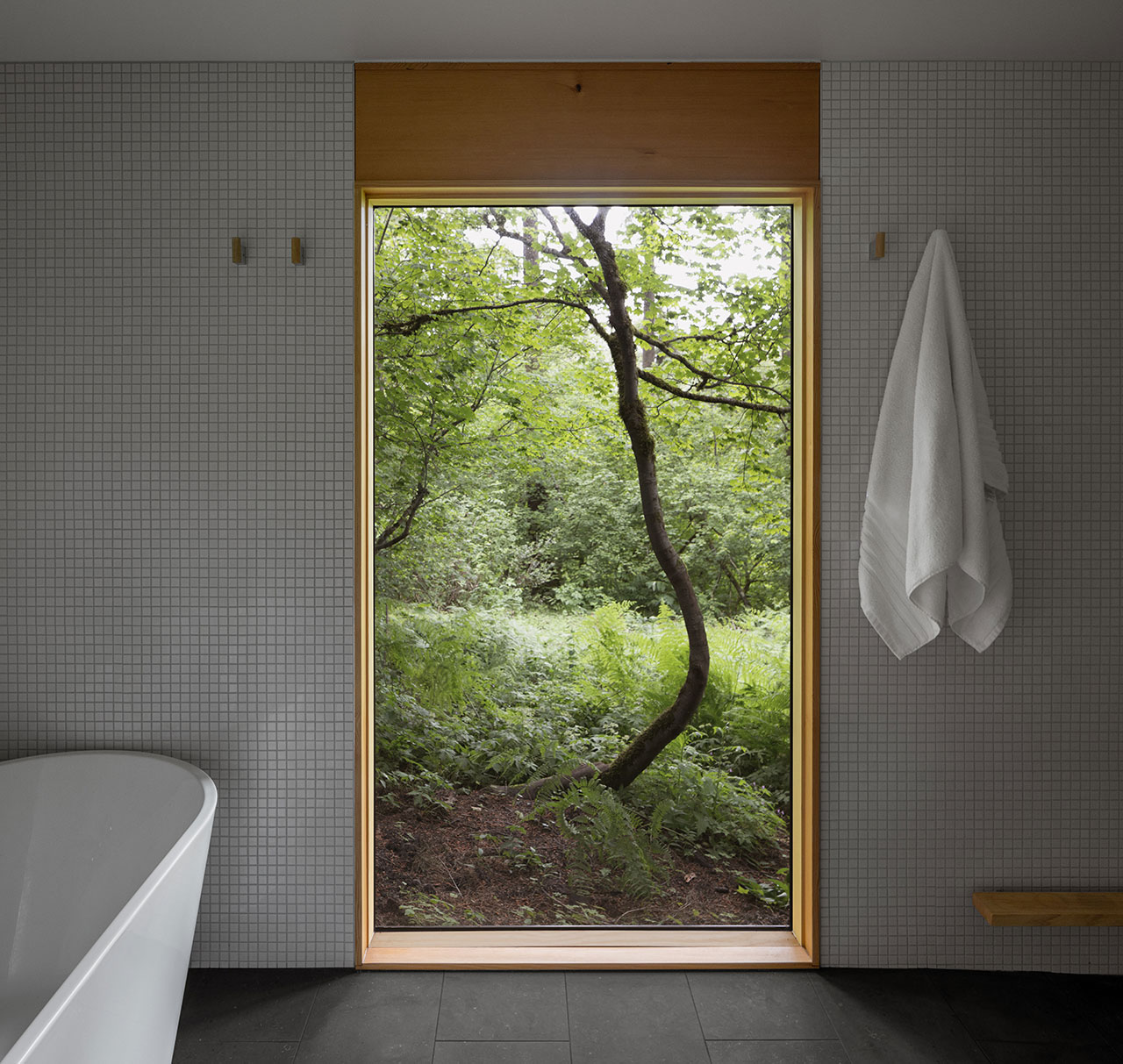
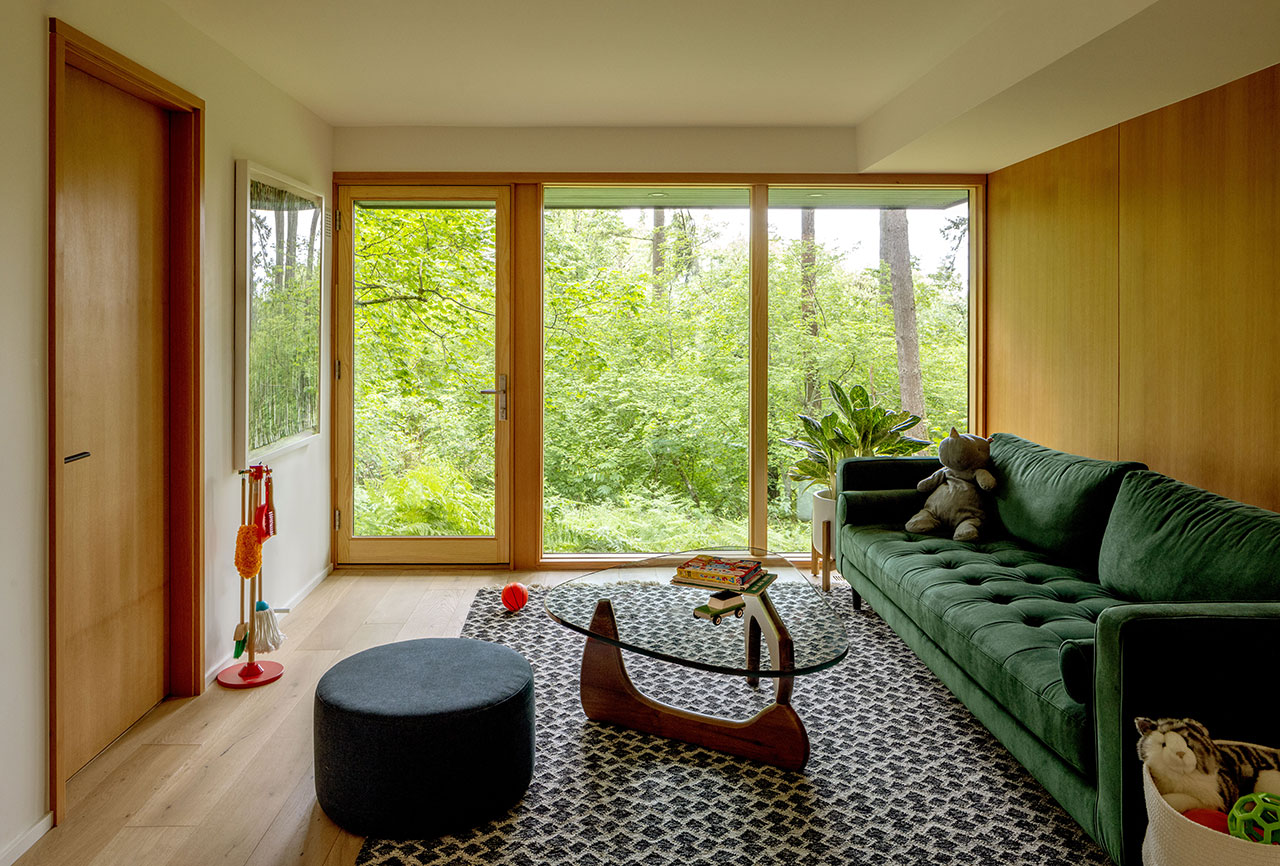
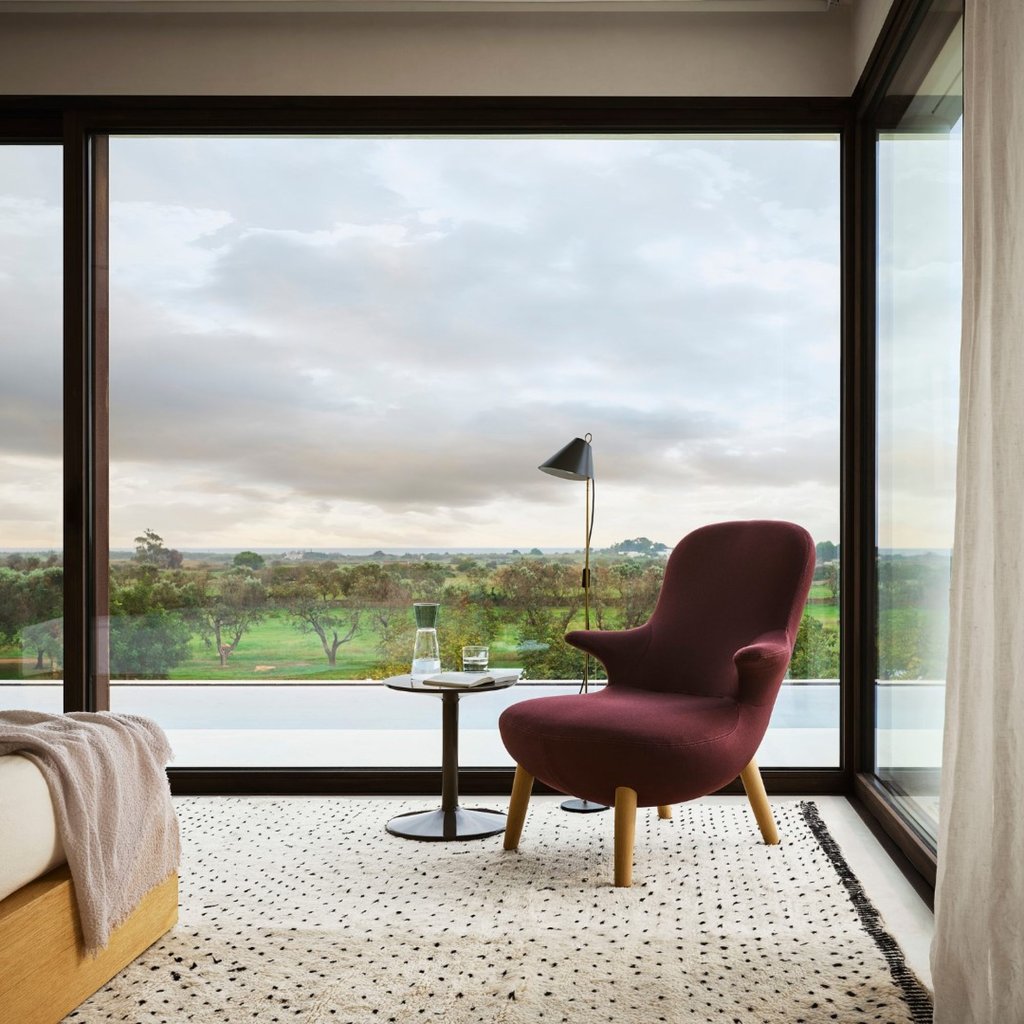
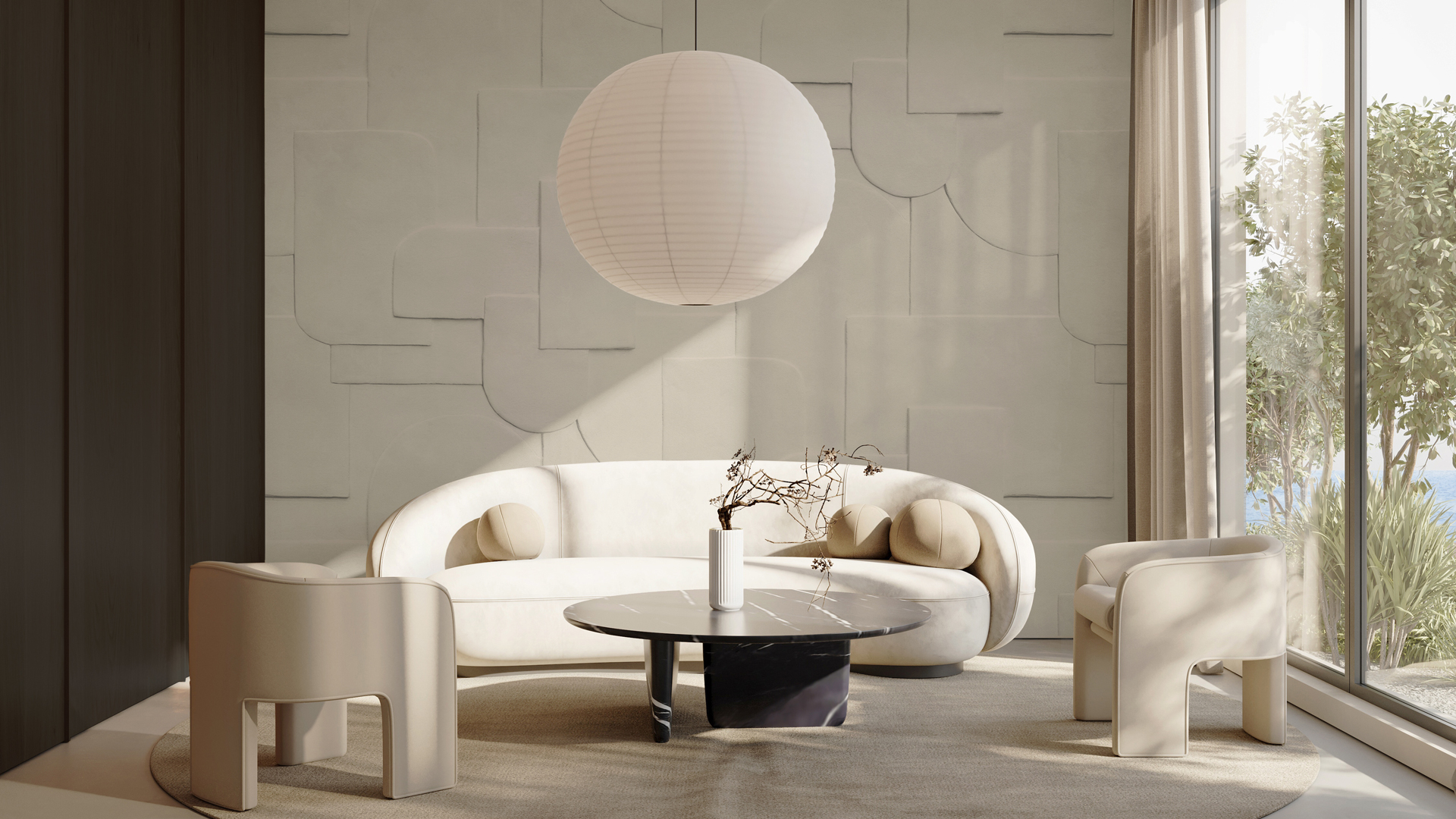
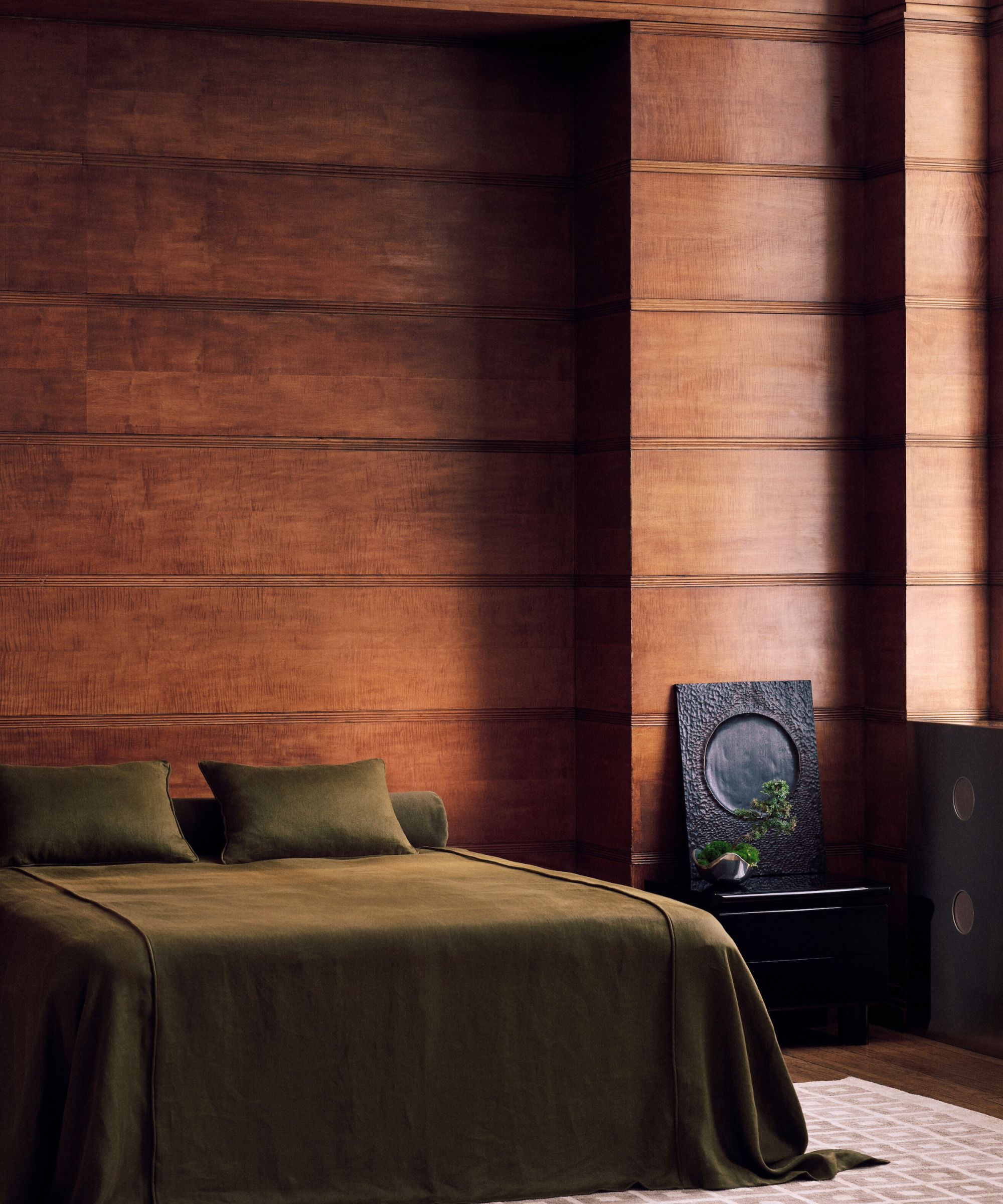
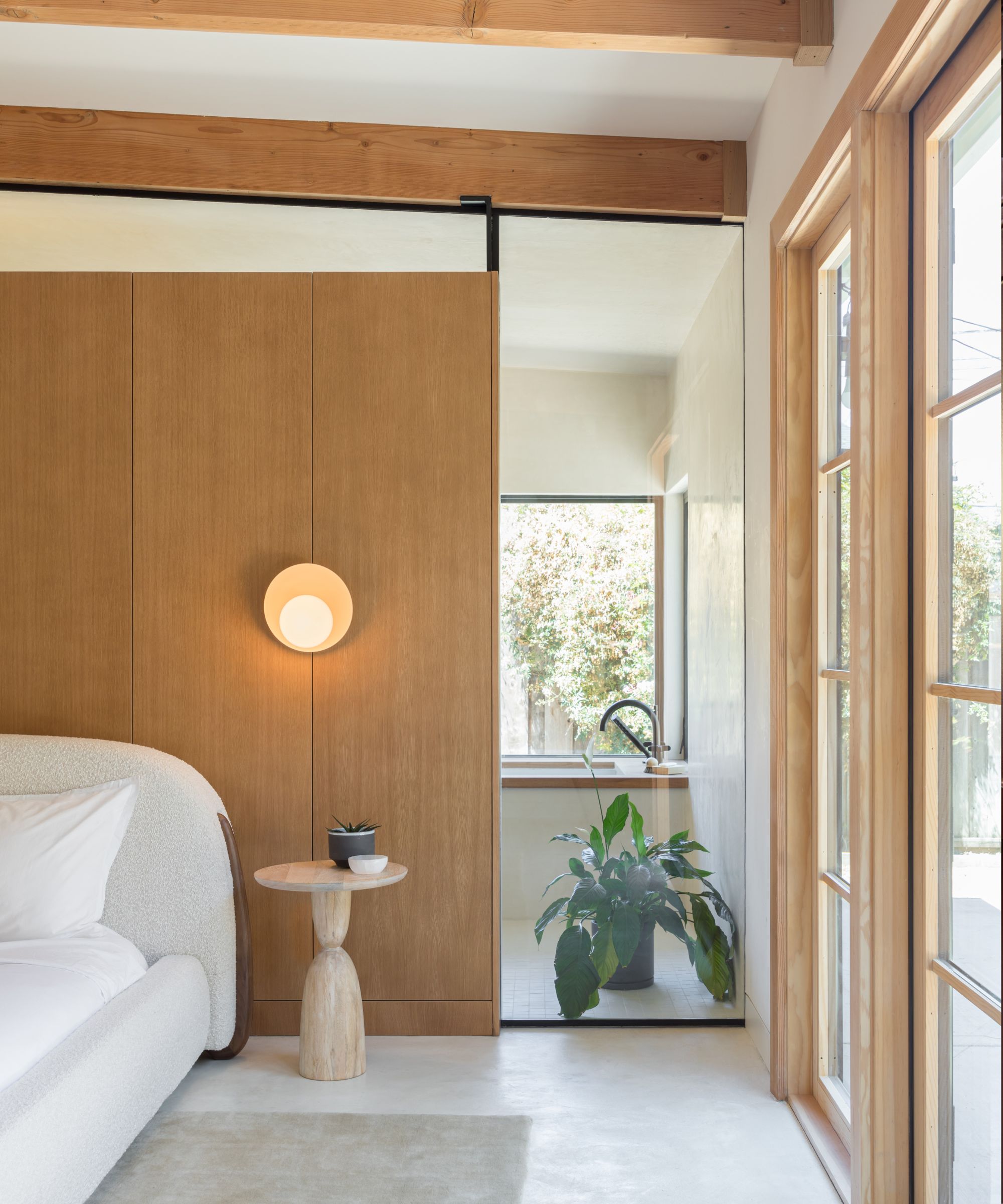
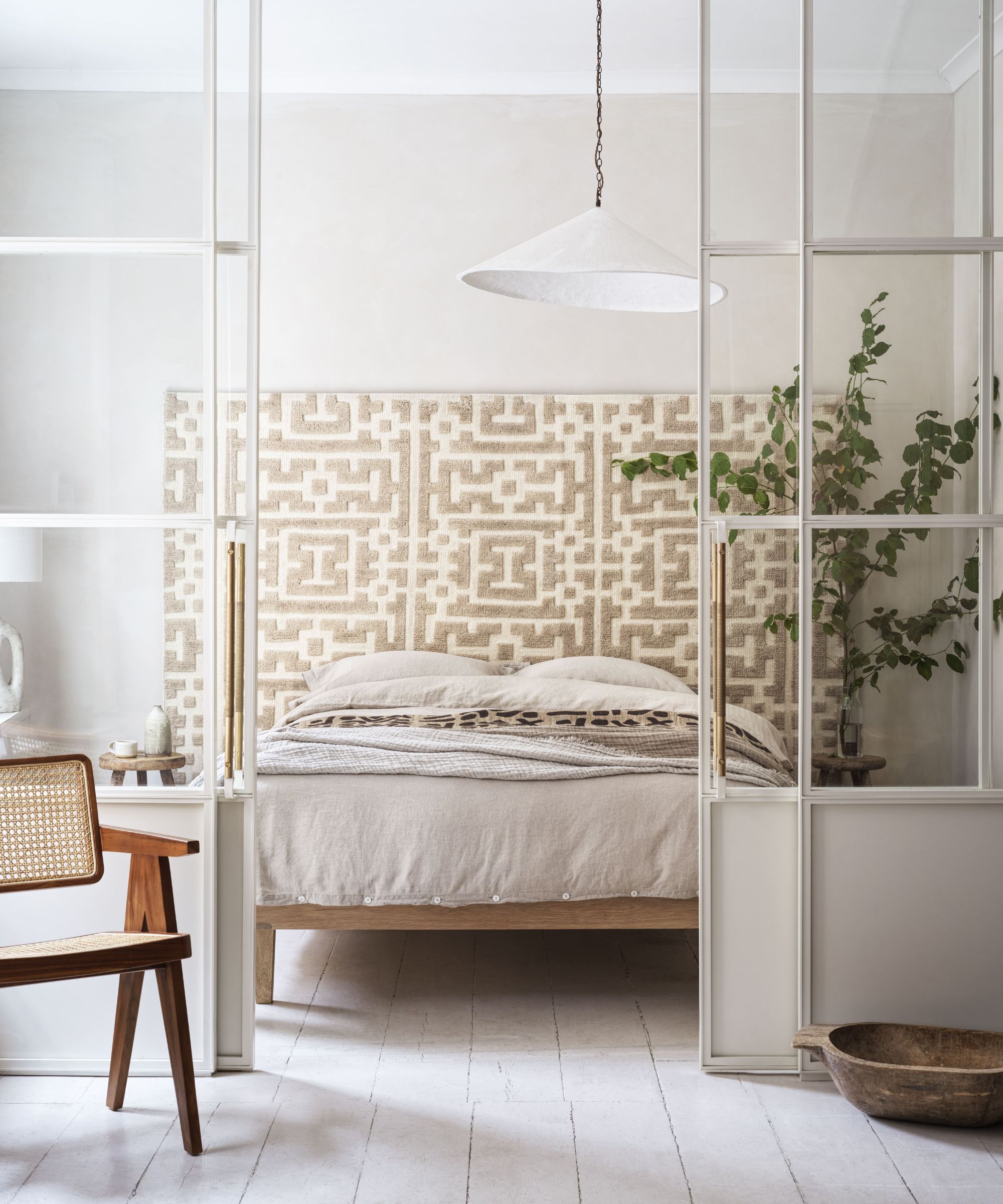
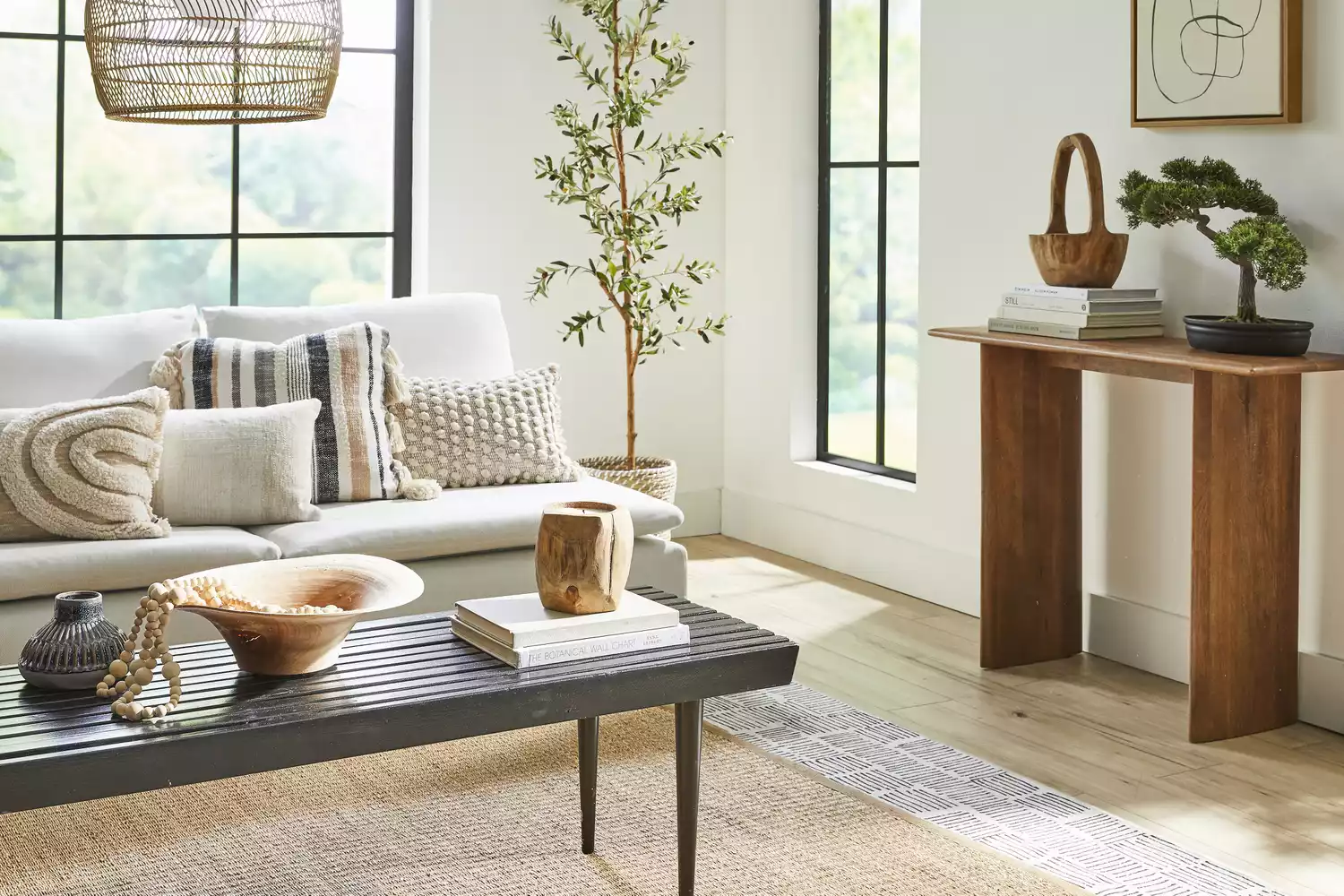
Japandi design, a fusion of traditional Japanese and Scandinavian styles, emphasizes comfort, minimalism, and natural elements. This aesthetic gained popularity due to its focus on clean lines, functionality, and sustainability. The design approach is a harmonious blend of the light, bright, and functional aspects of Scandinavian design with the warm, sophisticated elements of Japanese design, resulting in a minimalist, earthy, and organic aesthetic.
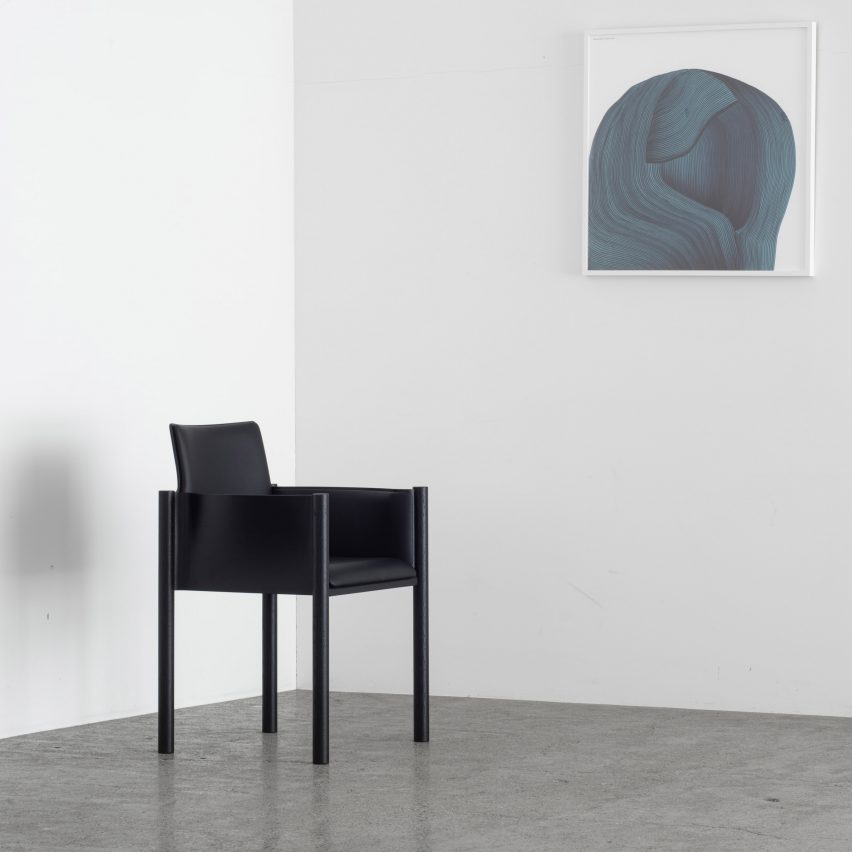
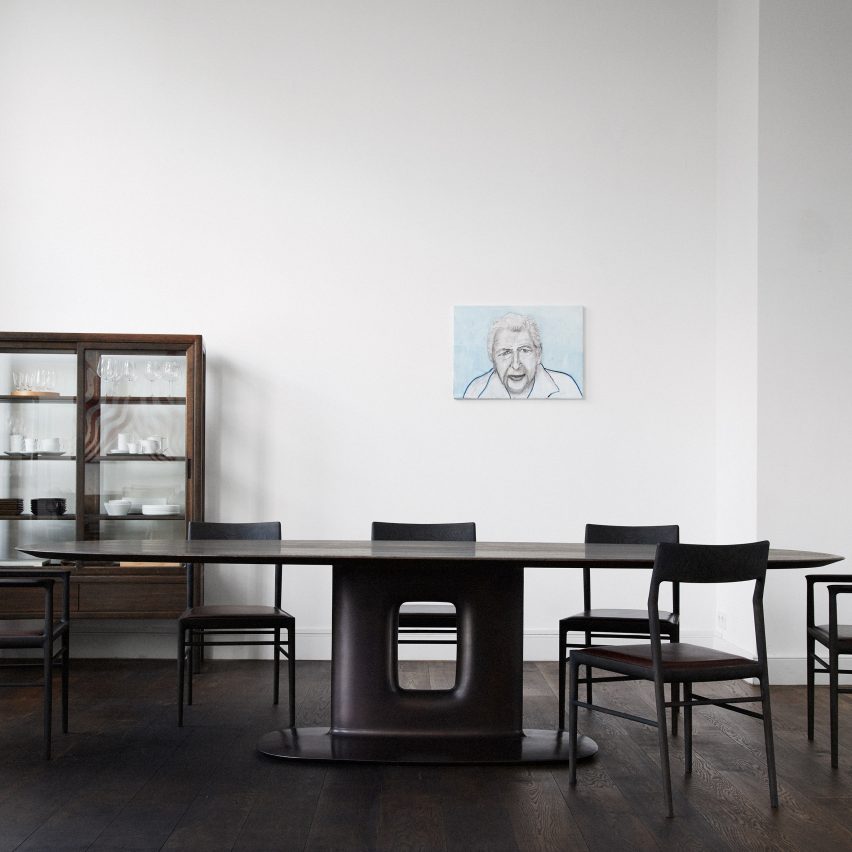
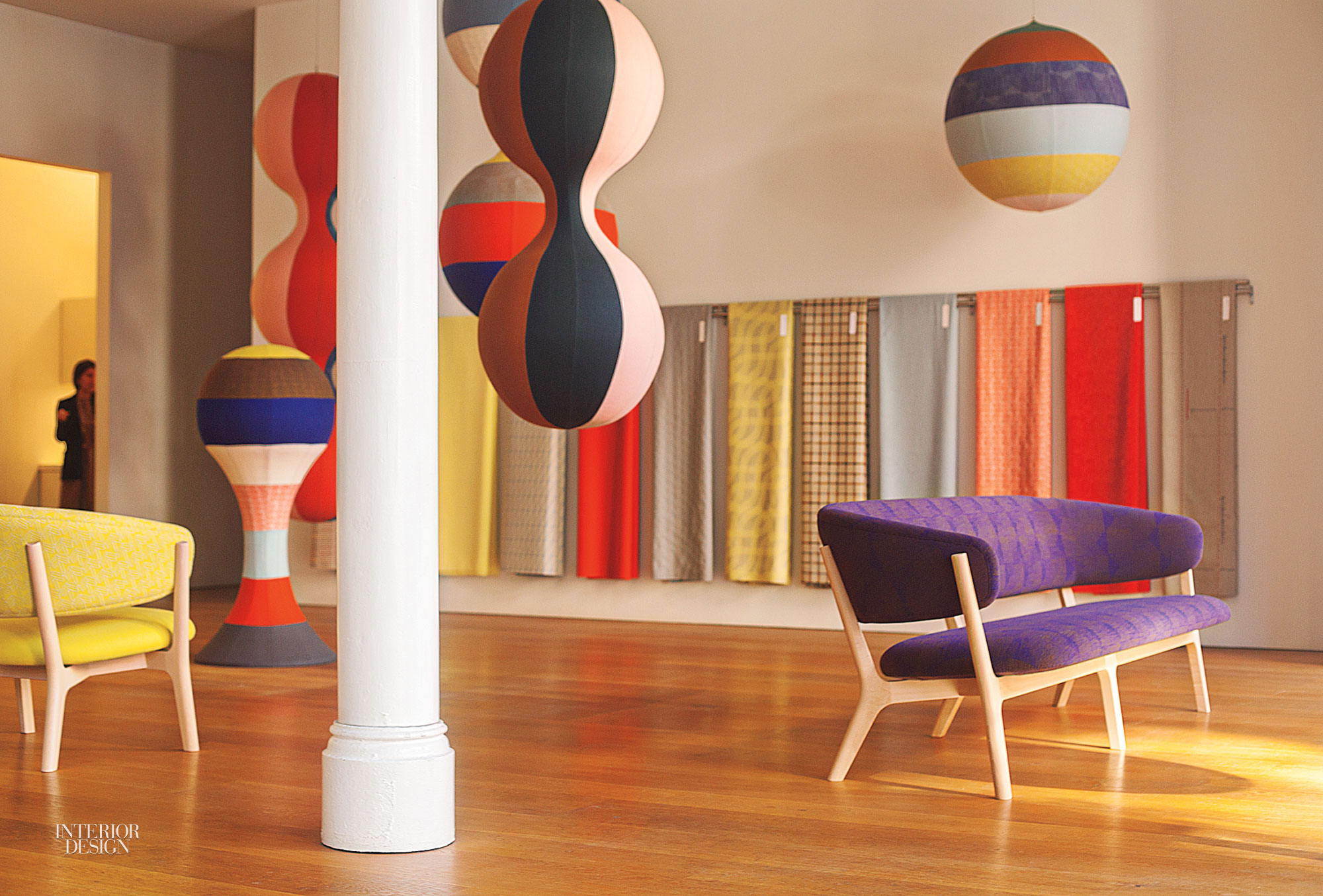
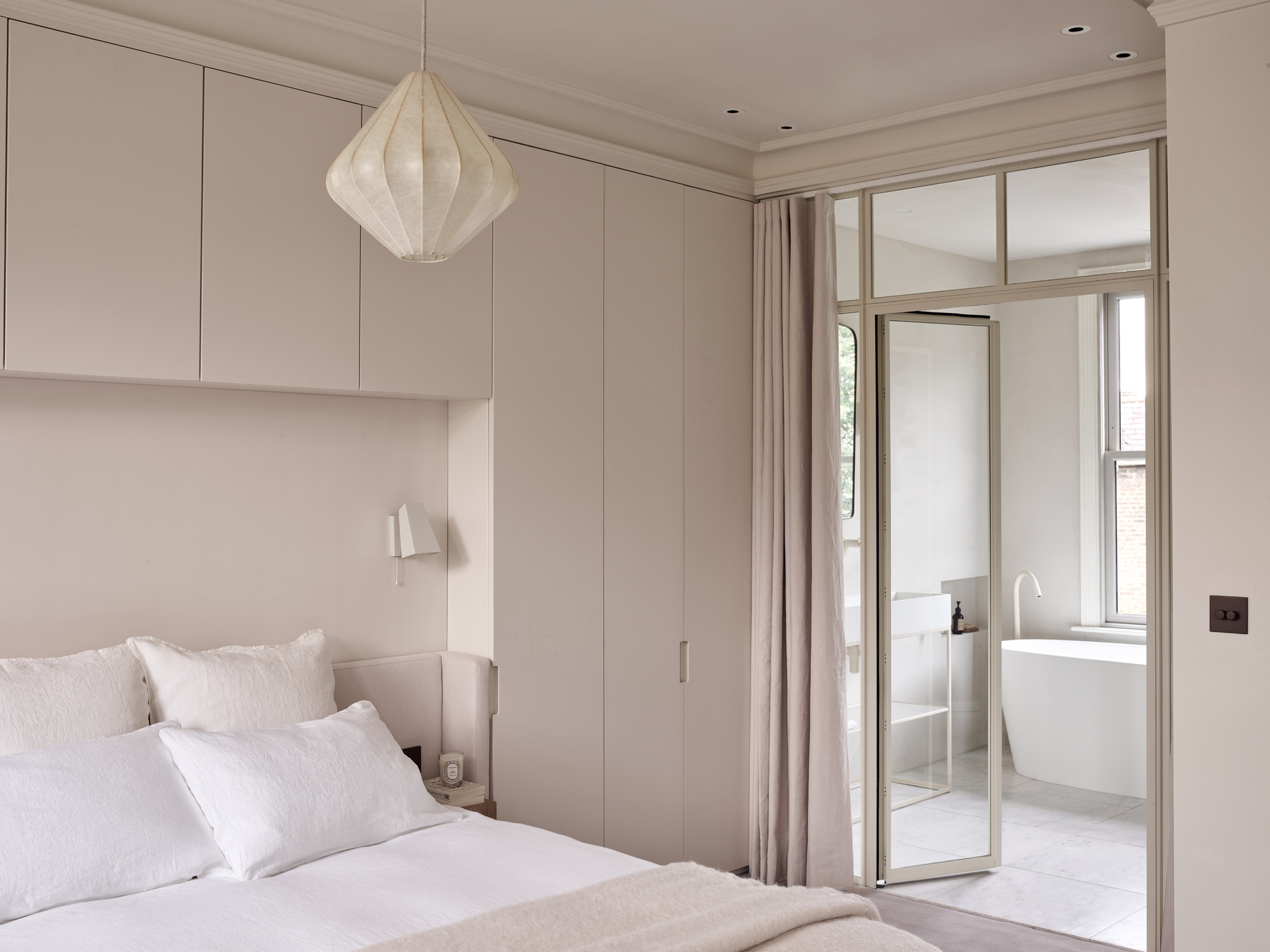
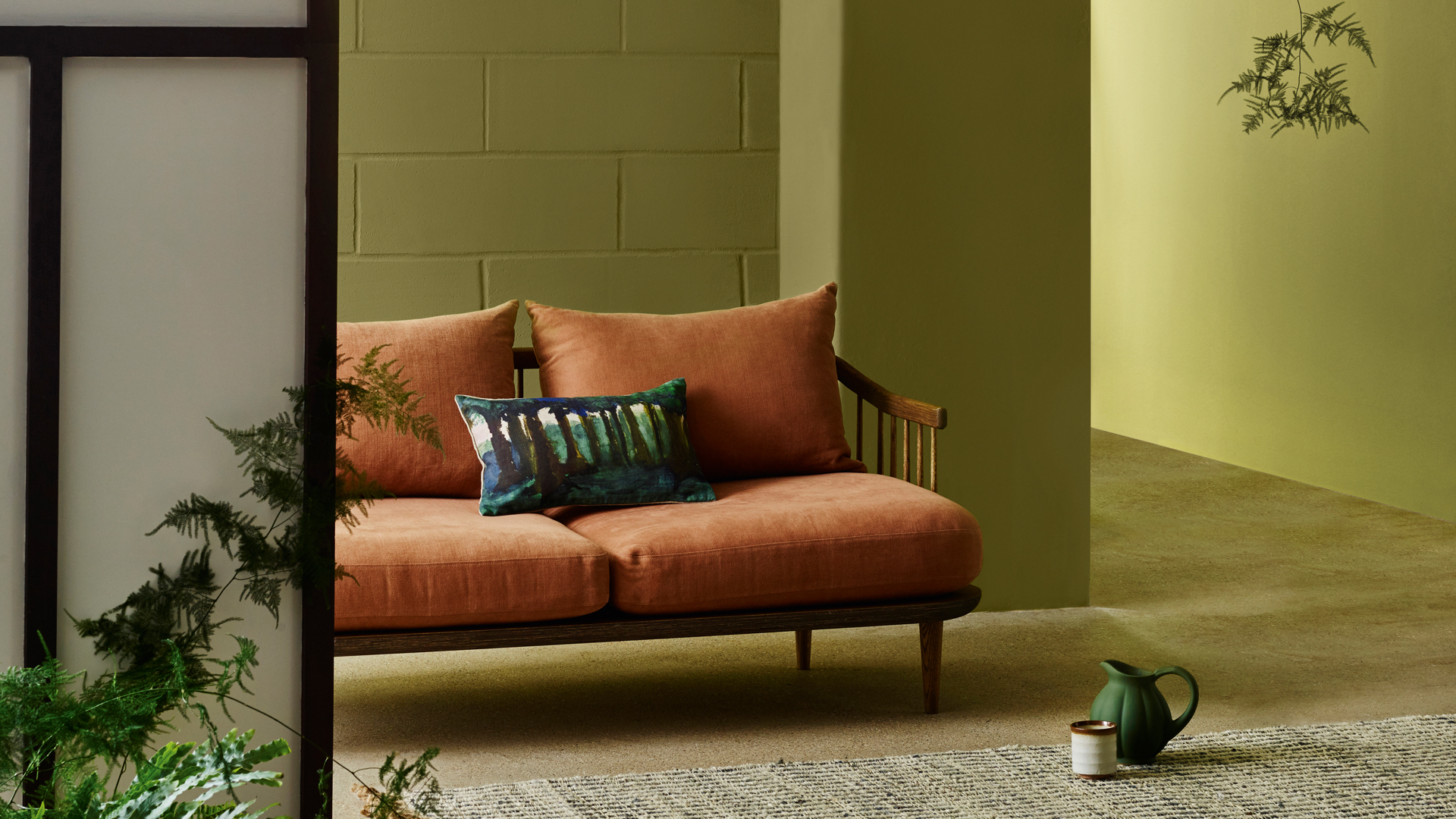
At its core, Japandi design prioritizes aesthetically pleasing and highly functional minimalist designs. Experts in the field highlight that 'less is more,' promoting quality and handmade pieces over inexpensive, disposable items. The style predominantly features neutral color palettes and paint choices to complement furniture and accessories, creating calming, tranquil, and peaceful spaces. When brighter colors are used, they are incorporated meaningfully and subtly. A significant aspect of Japandi style is its emphasis on sustainability, utilizing natural materials and simple designs, making it an eco-friendly decor choice that resonates with consumers seeking environmentally conscious aesthetics.
The history of Japandi design dates back approximately 150 years when Scandinavian designers began visiting Japan after its borders opened. This cultural exchange revealed shared principles between the two regions, such as a mutual appreciation for simplicity and handmade, natural items. This realization fostered an East-West design fusion that has endured and evolved, now prominently featured in interior design magazines, stores, and blogs, with notable designers like Norm Architects, Keiji Design, and Daytrip contributing to its prevalence.
The compatibility between Japanese and Scandinavian design principles is evident. Scandinavian design incorporates 'hygge,' a concept centered around coziness and making a home a sanctuary. This blends seamlessly with the Japanese notion of 'wabi-sabi,' which celebrates the beauty in imperfection. Together, these philosophies create a design marriage that is both easygoing and sophisticated. Their differences also complement each other; Japanese interiors, known for their sleekness, are balanced by the rustic appeal of Nordic designs. The richer, yet still neutral, colors found in Japanese design prevent the crisp, stark palettes of Scandinavian homes from feeling cold or clinical. This combination elevates Scandinavian design and makes Japanese design more accessible, according to experts.
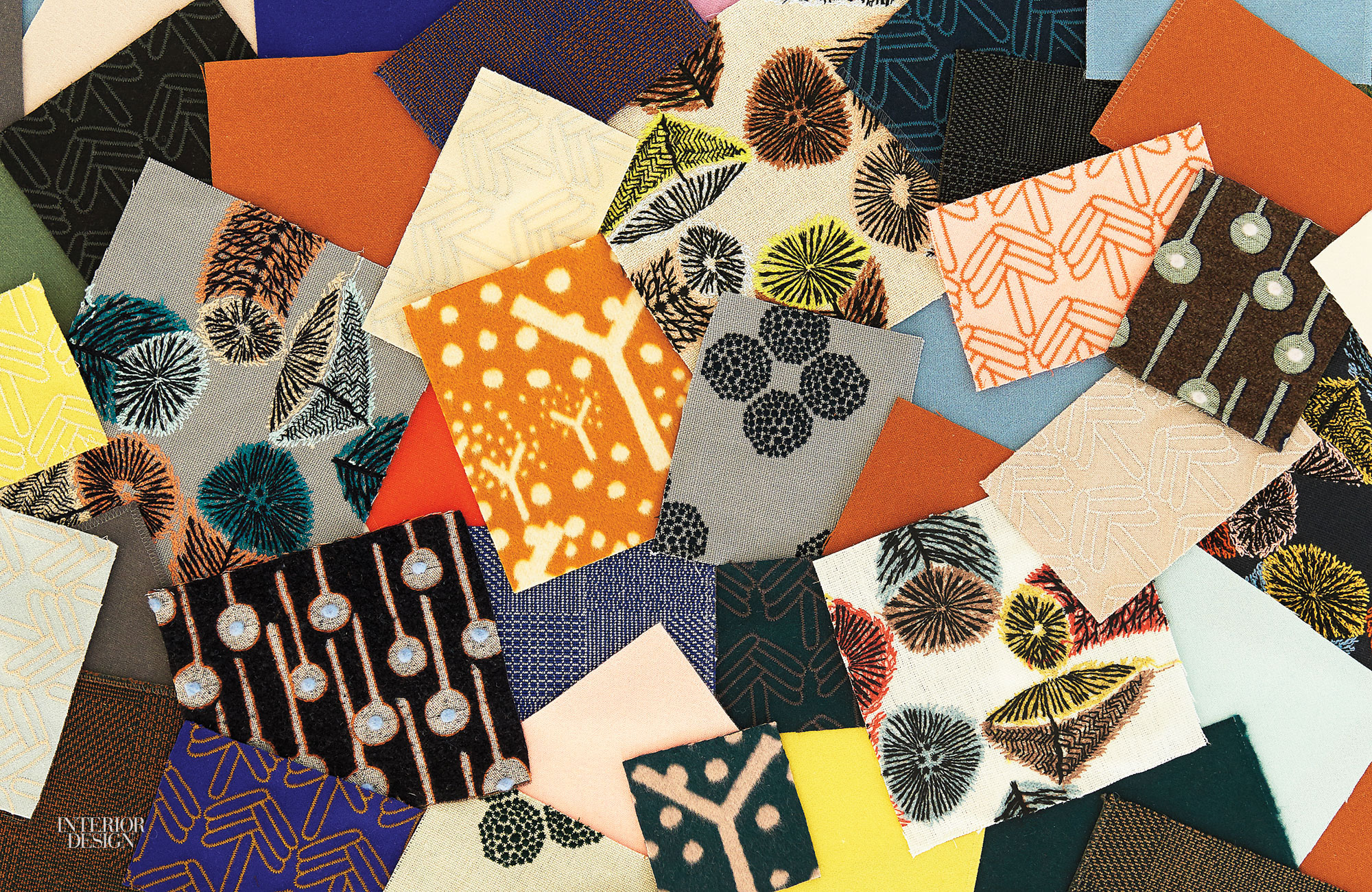
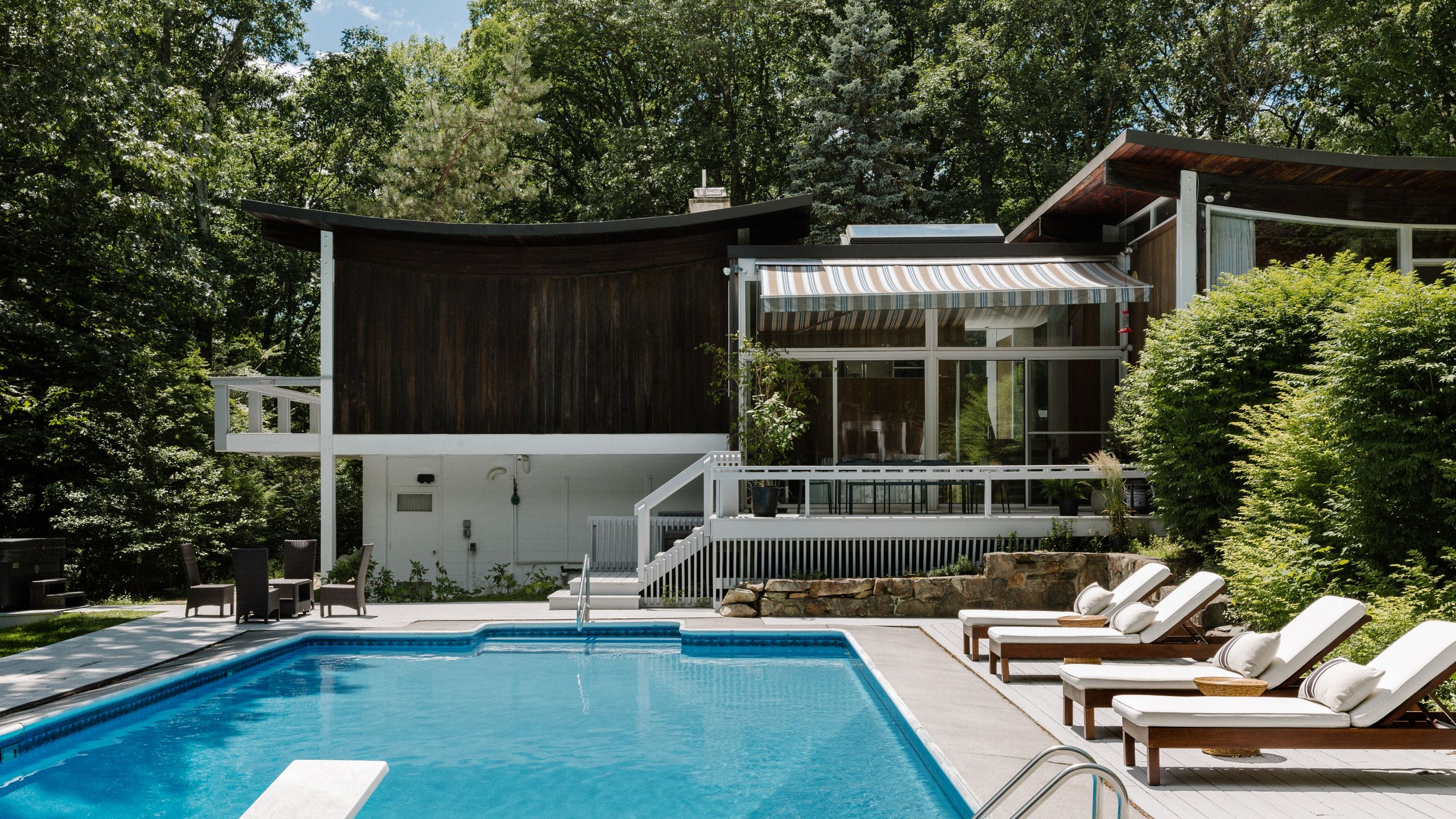
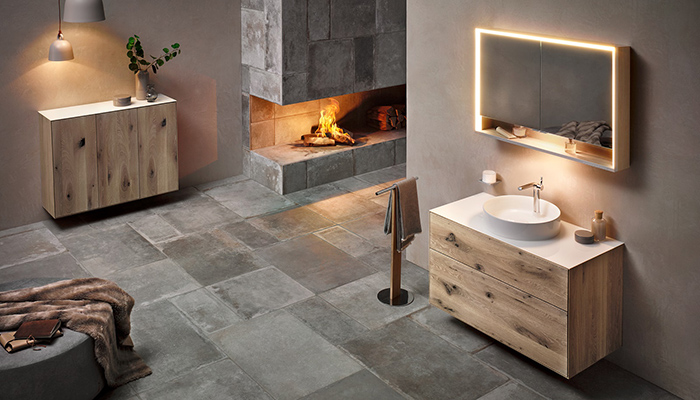
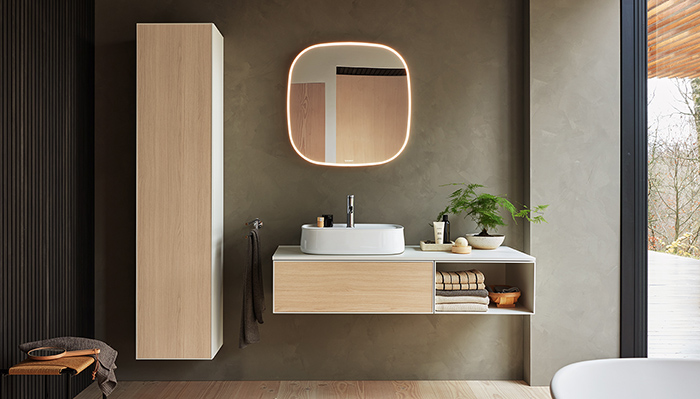
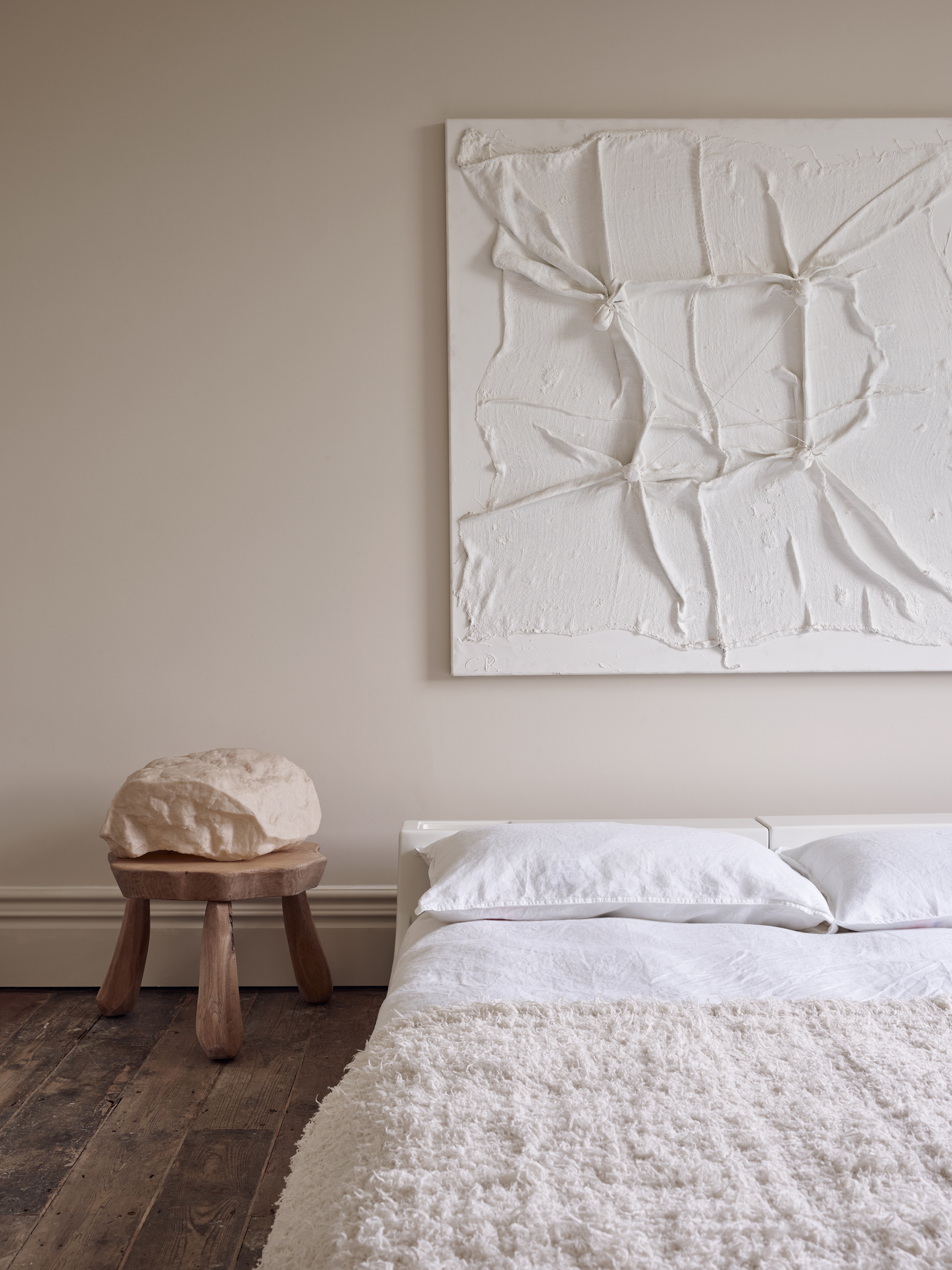

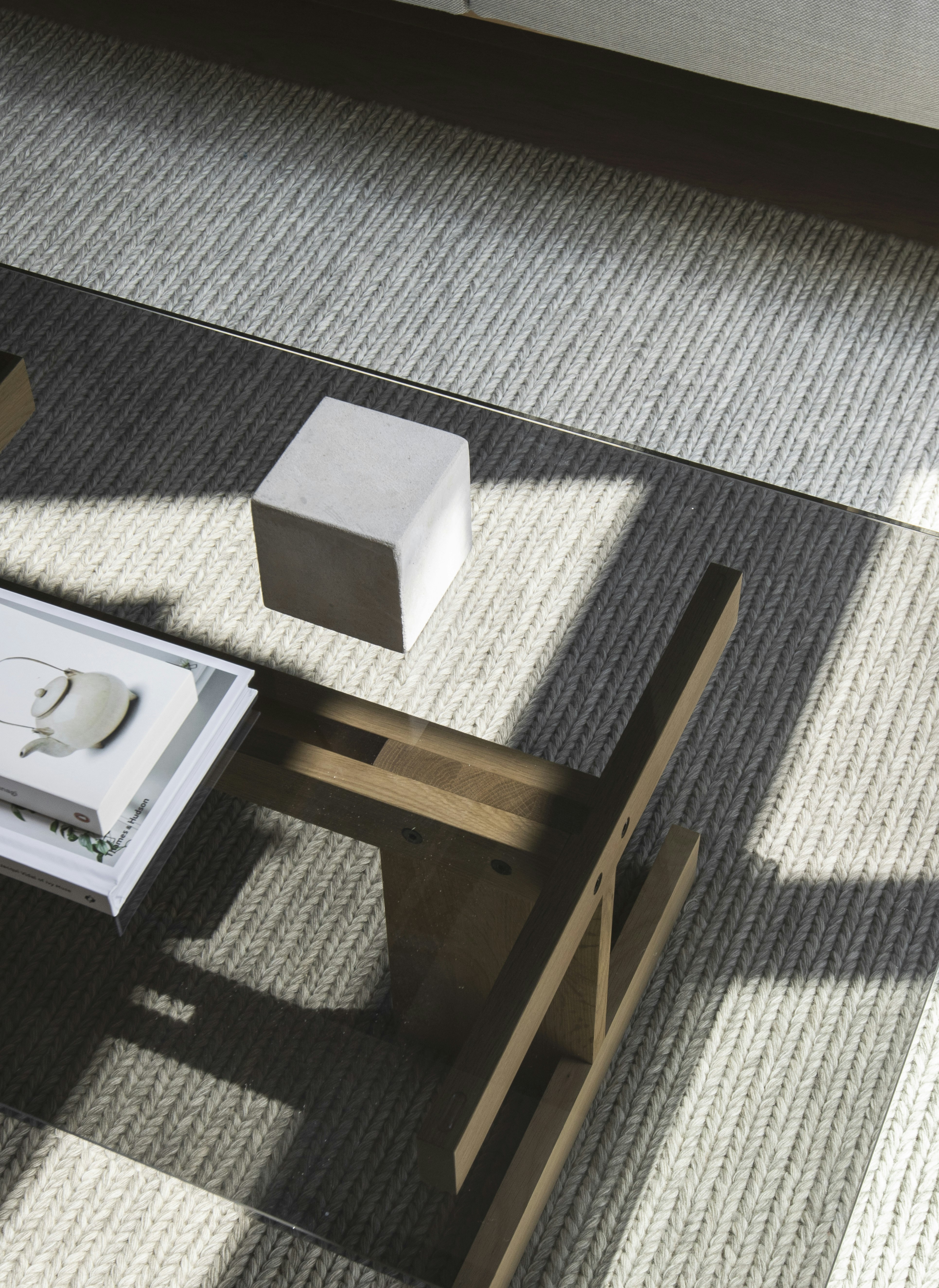
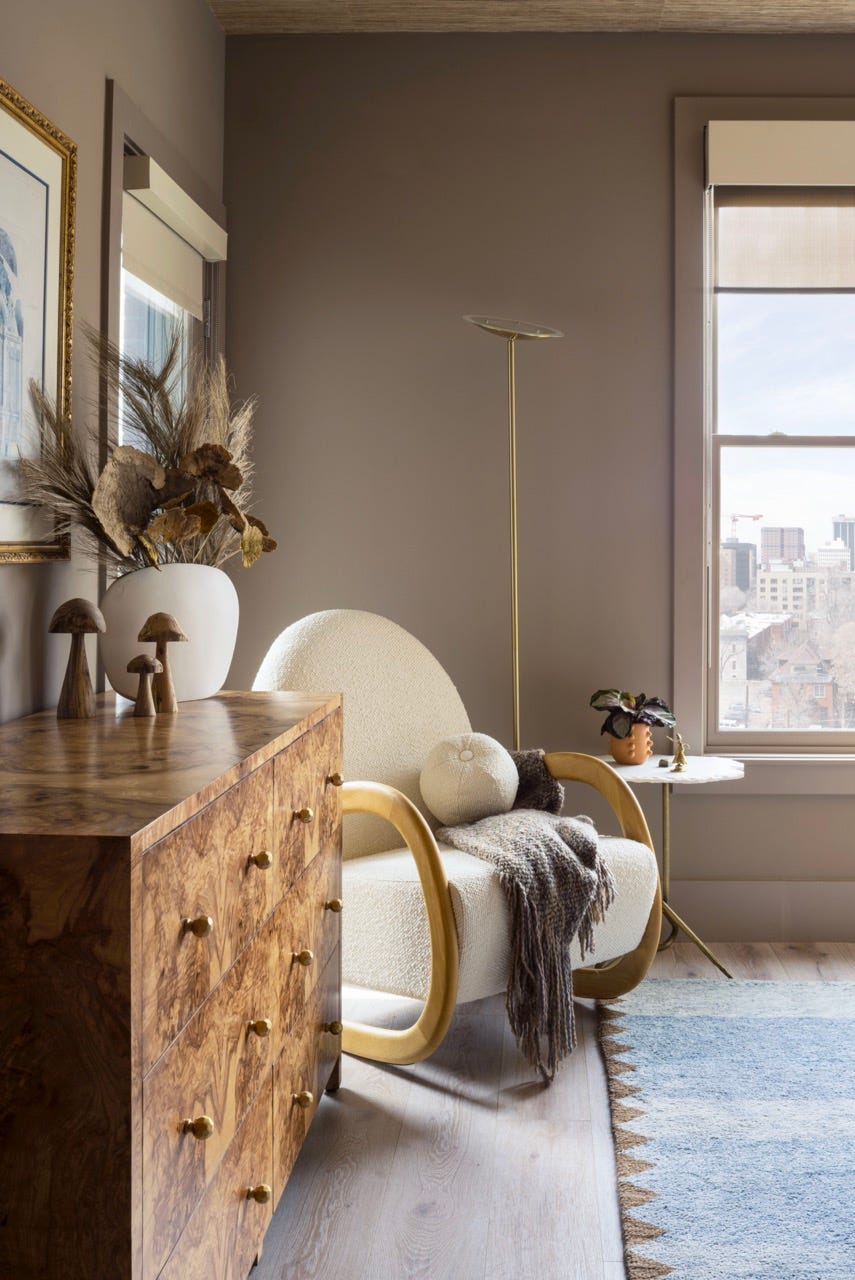
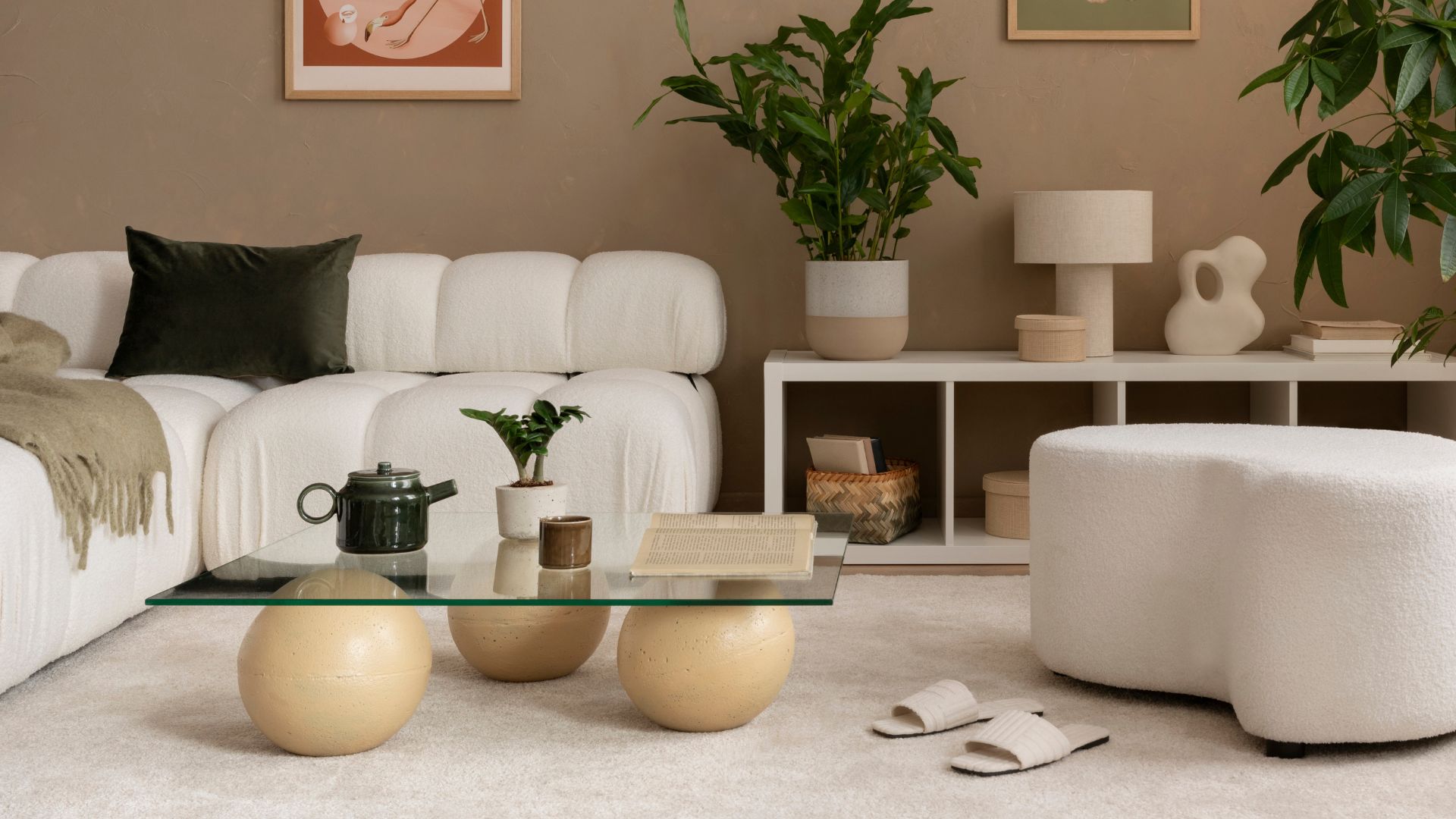
Incorporating Japandi style into a home involves several key steps. Utilizing natural materials like unfinished wood or bamboo brings a sense of nature and simple beauty. Muted colors with hints of pale green and the inclusion of plants help to create an outdoor living feel. Oak wood furniture is particularly recommended for its alignment with the aesthetic. Reducing clutter is crucial, with an emphasis on clean lines and open spaces. For active households, 'faux minimalism' can be achieved using natural containers, built-ins, or folding screens to discreetly store items. Texture plays a vital role, combining the coziness of Scandi design with warm textures and soft pieces, such as boucle fabric and ceramic accents, to maintain the elegance of Japanese decor and a Zen-like sense of calm. Color variation should be minimal, ideally sticking to a monochromatic palette with one lead color and one accent color. Finally, investing in quality, sustainable, and durable items is essential, as Japandi design stands as an antidote to disposable culture, focusing on craftsmanship that endures over time.
#JapandiDesign #InteriorDesign #ScandinavianDesign #JapaneseDesign #MinimalistHome #NaturalMaterials #SustainableDesign #HomeDecor #DesignTrends #JapandiDesign #InteriorDesign #ScandinavianDesign #JapaneseDesign #MinimalistHome #NaturalMaterials #SustainableDesign #HomeDecor #DesignTrends
0 comment in total
 No comments yet
You may also like
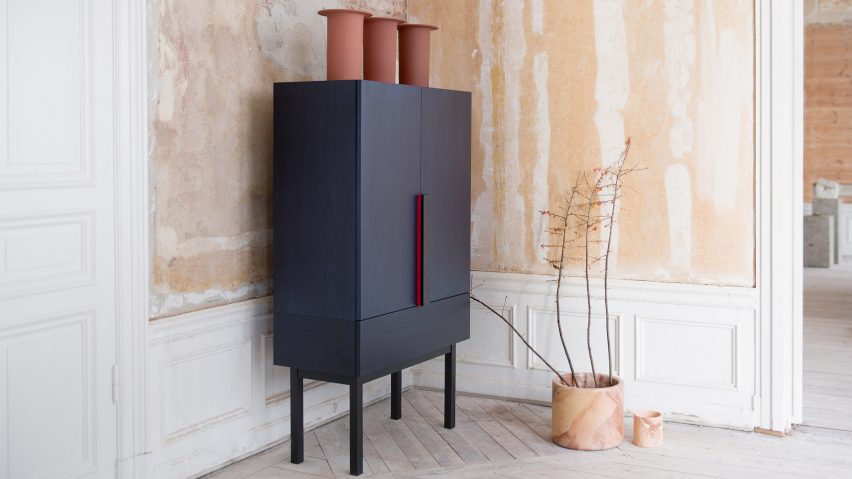
Seven "Japandi" interiors that blend Japanese and Scandinavian design

Tour 5 Japanese-Inspired Modern Homes That Embody Contemporary Elegance

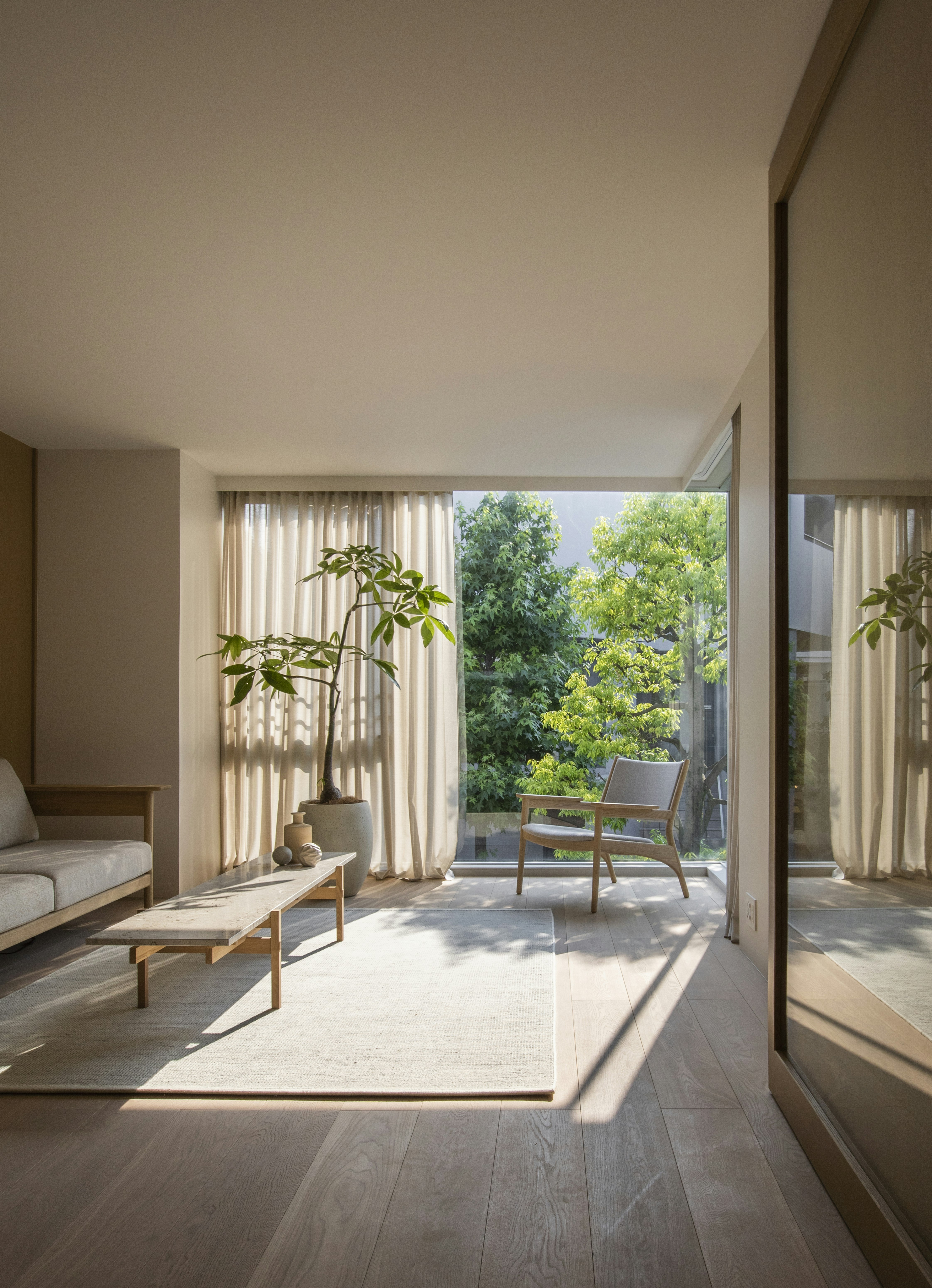
These Serene, Minimalist Apartments in Tokyo Are Filled With Light and Nature

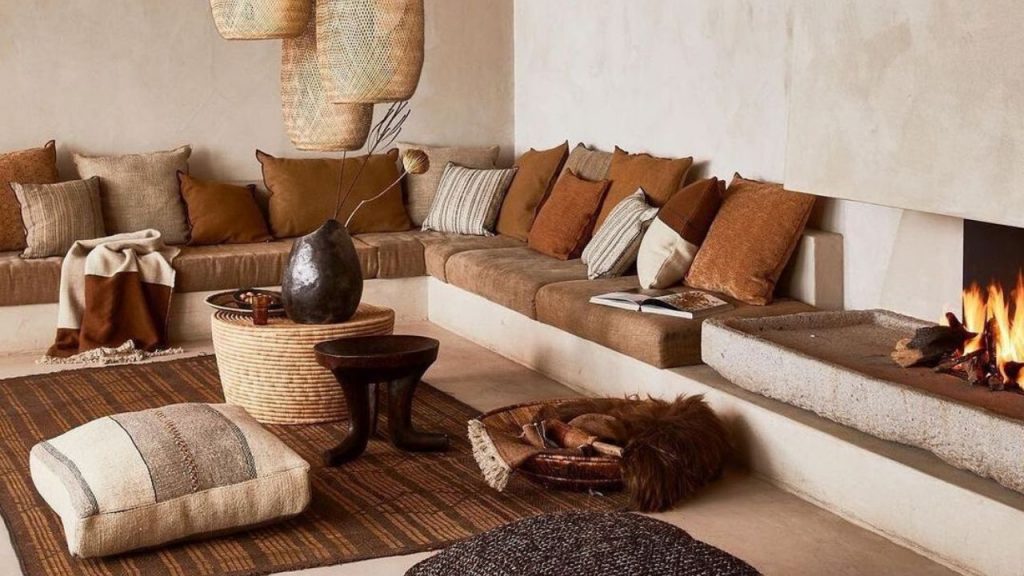
Japandi merges the comfort of hygge with zen minimalism

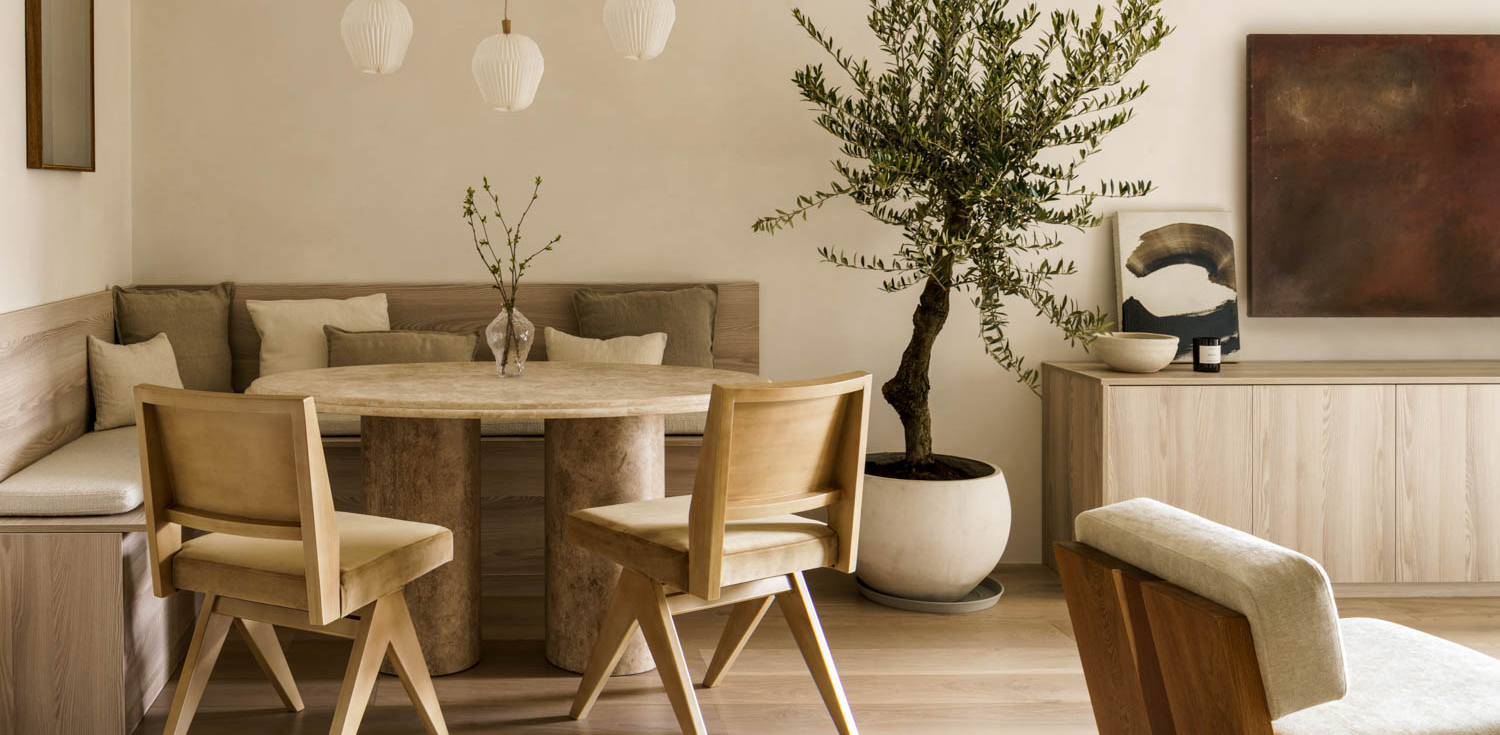
Elevate Your Space With These Inspiring Japandi Interiors

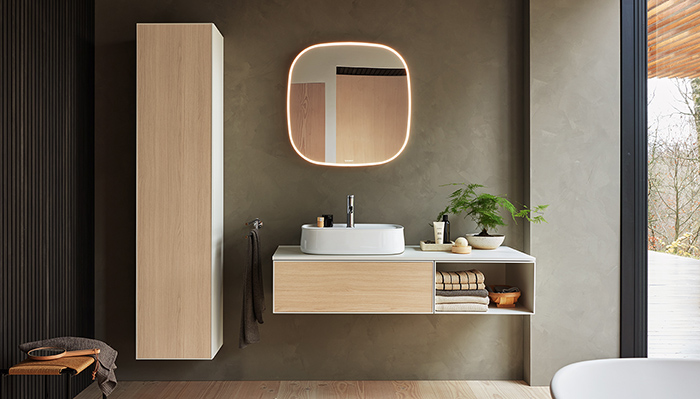
How consumers are embracing calm, minimal Japandi-style bathrooms
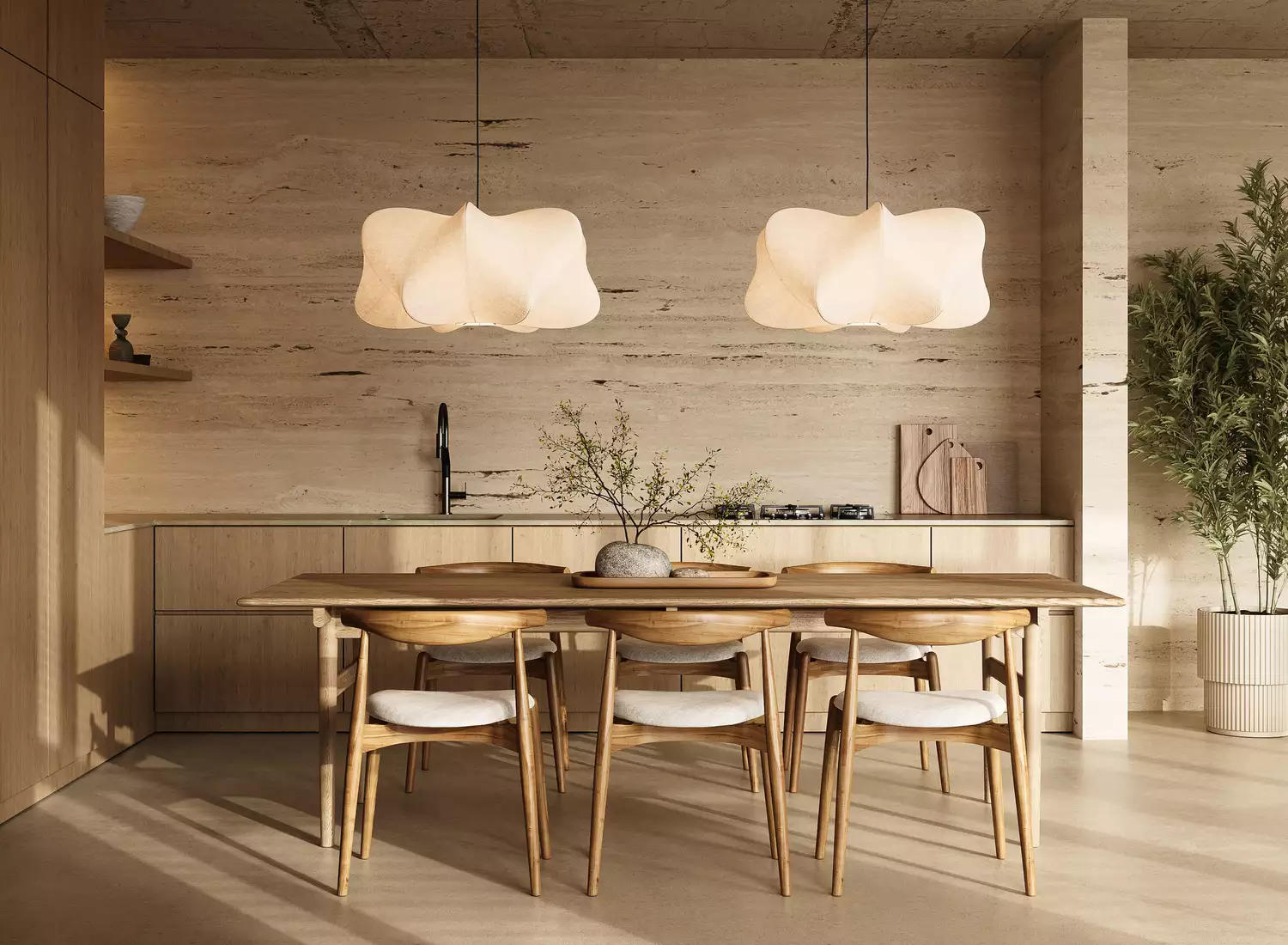
What Is Japandi Style? Interior Designers Explain the Cozy, Minimalist Aesthetic


A conversation with design visionary Naoto Fukasawa

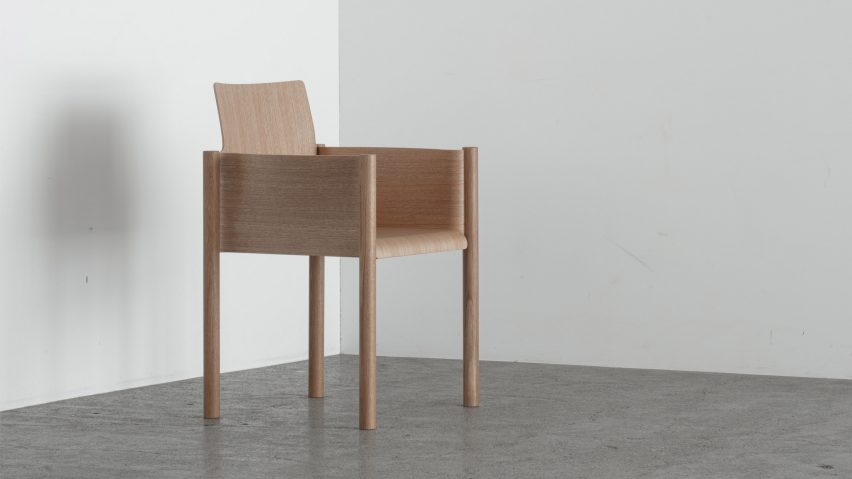
Ten furniture and lighting designs by Japanese brands and designers
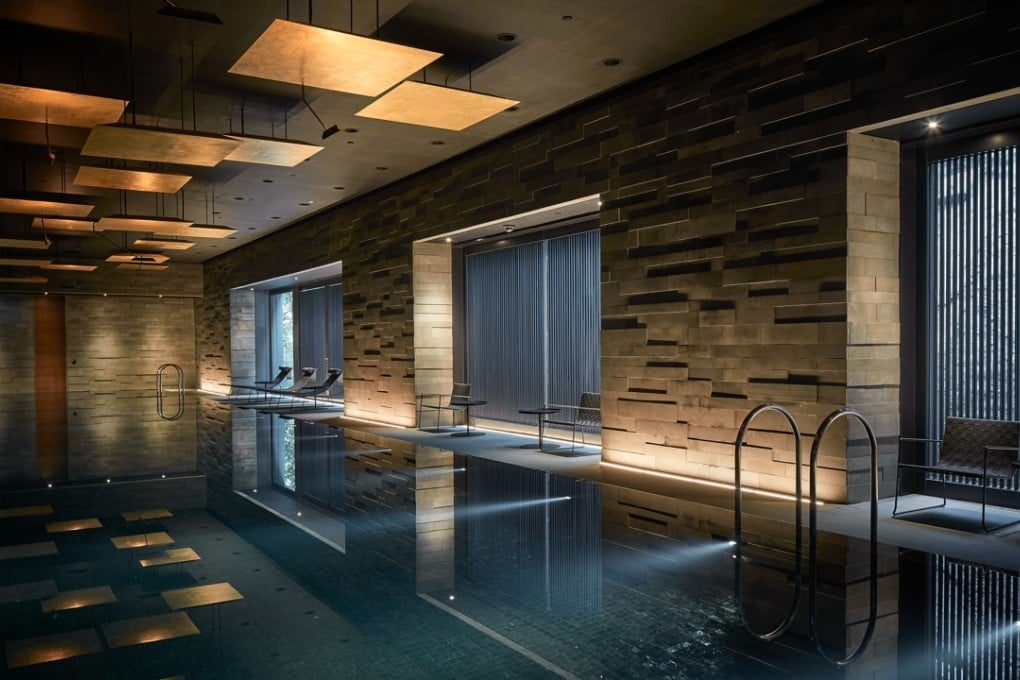
How Japan influenced Nordic design aesthetics and vice versa
Scandinavian design meets Japanese heritage in OEO Studio’s Tokyo apartment

10 essential Japandi living room design tips to create a sense of calm and restfulness

Scandinavian and Japanese interior designs come together to prove Japandi is not just a passing trend!

8 Japandi Bedrooms I Dream of Sleeping In — Minimalist and Cozy, They've Got to Be the Most Relaxing Spaces

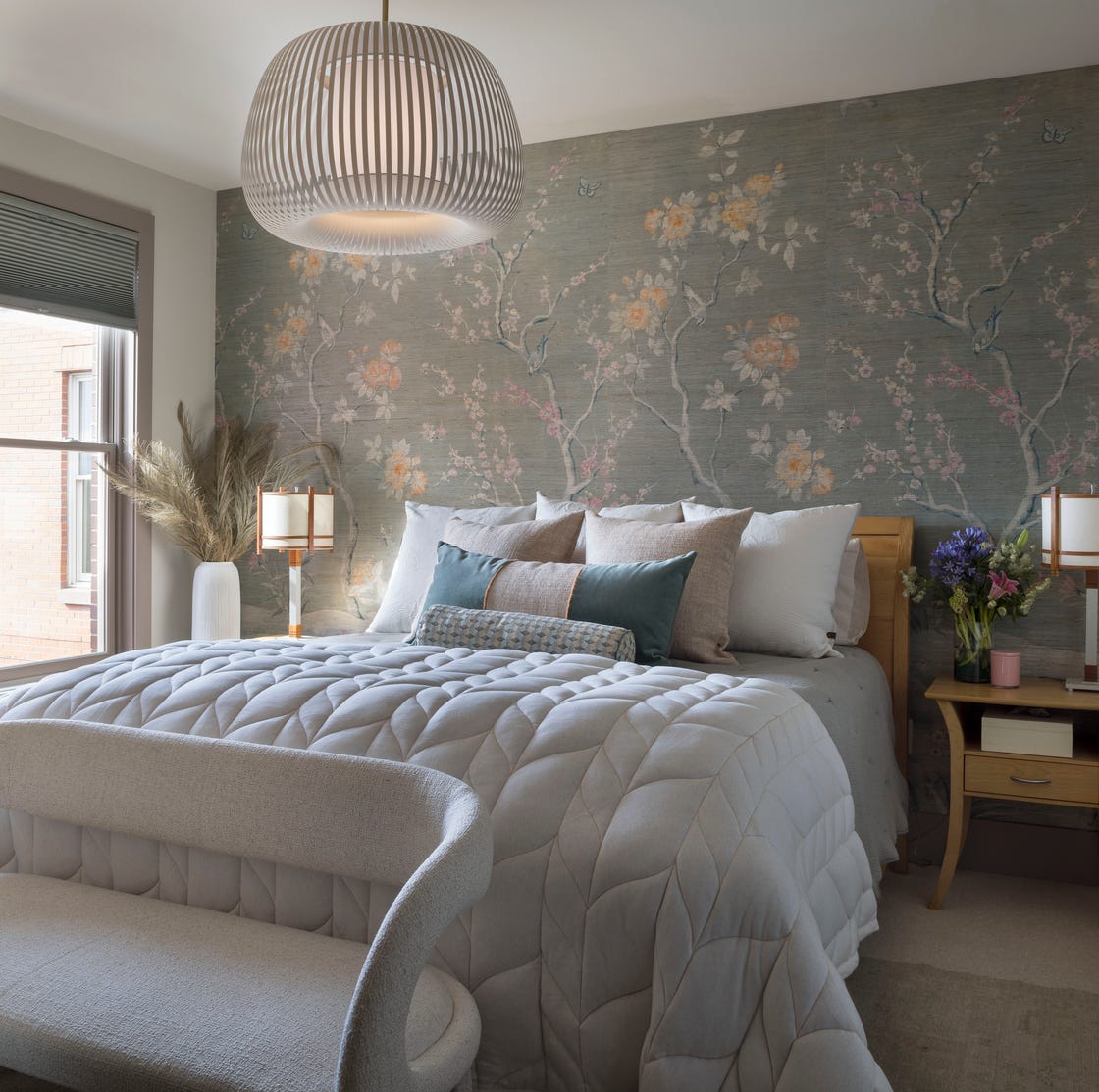
12 Japandi Bedroom Ideas That Bring Harmony to Your Personal Space

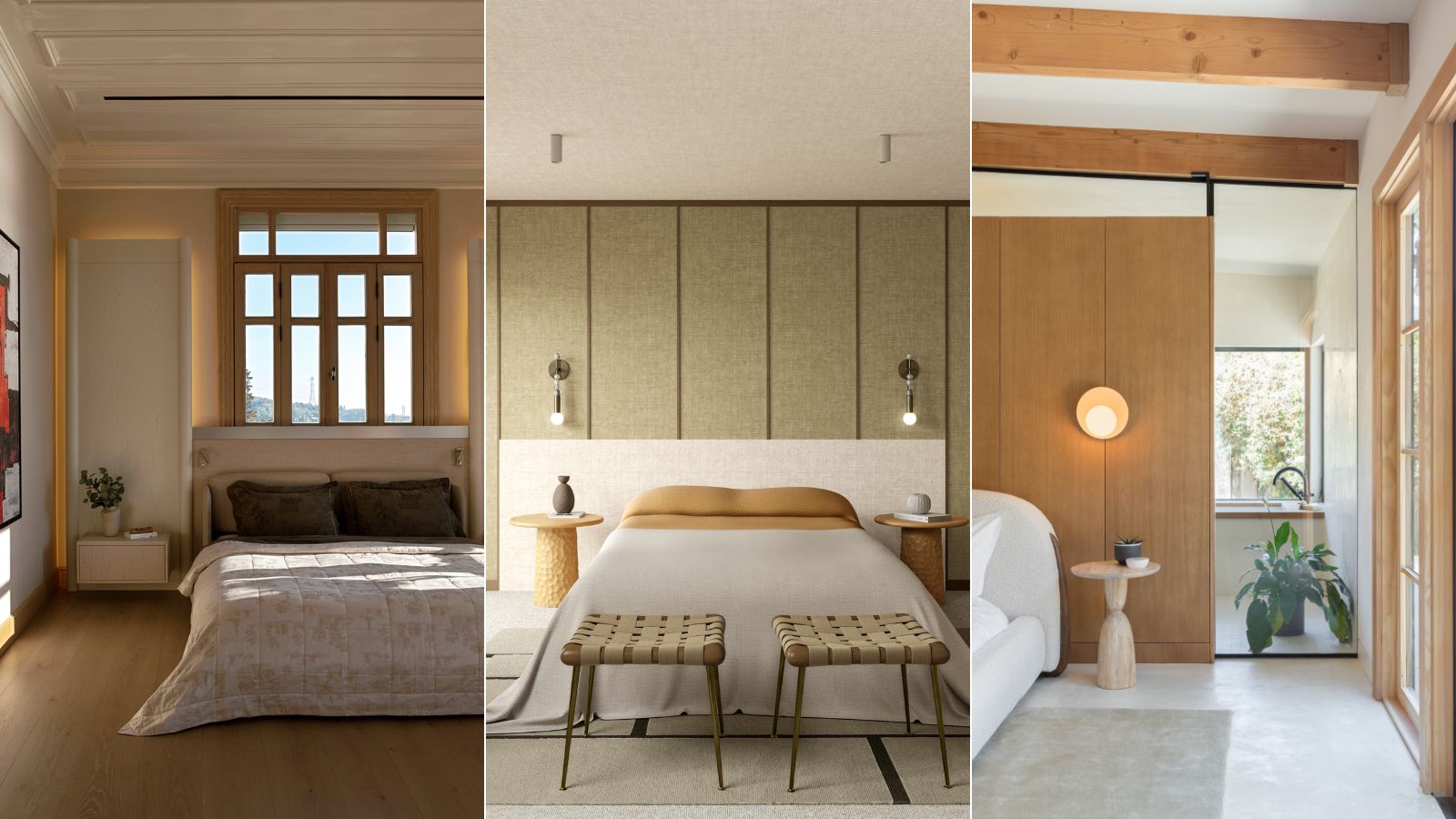
9 Japandi bedroom ideas to create a serene and stylish scheme
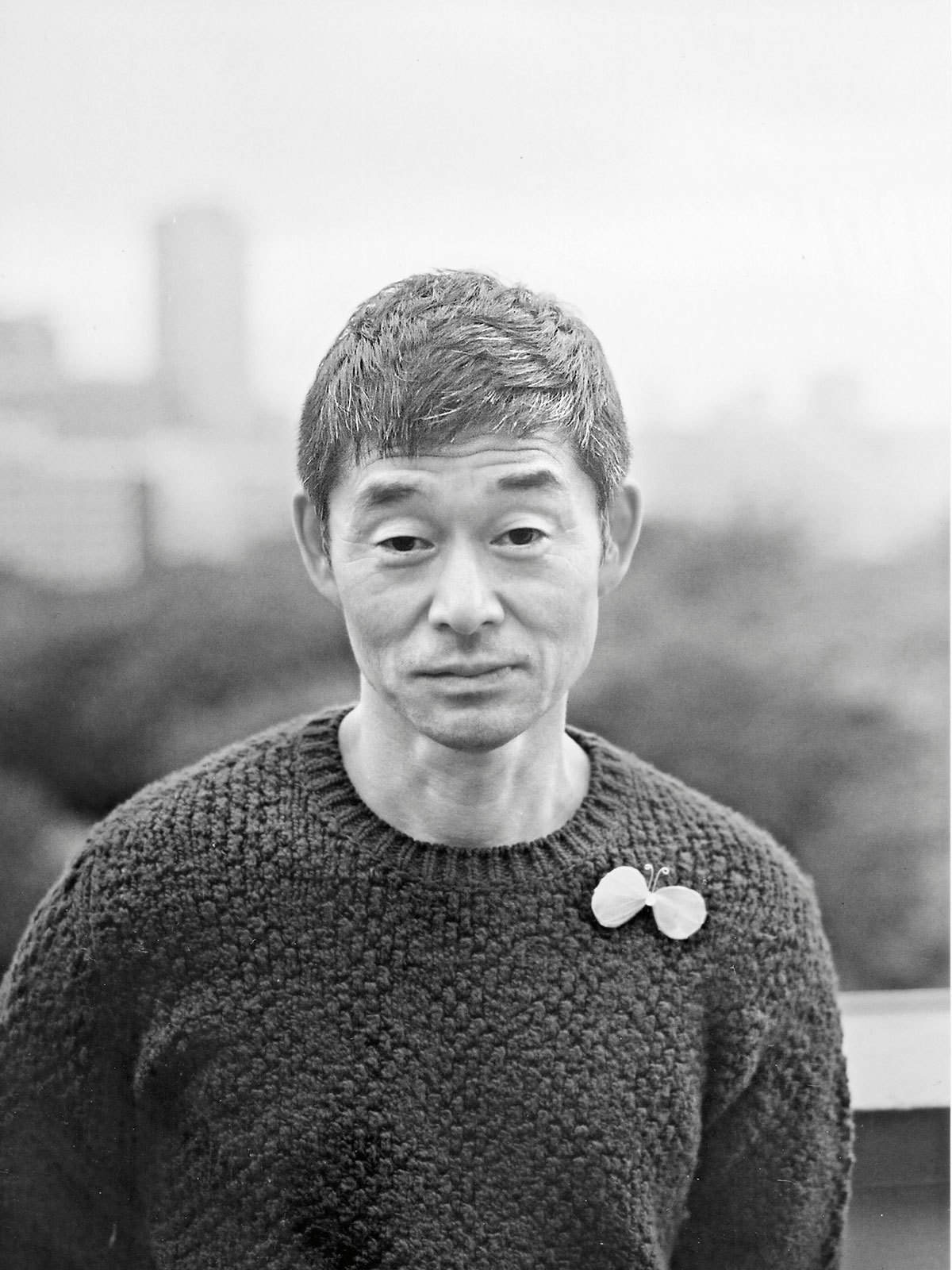
Akira Minagawa’s Japanese-Nordic Style Spans Fashion to Fabrics
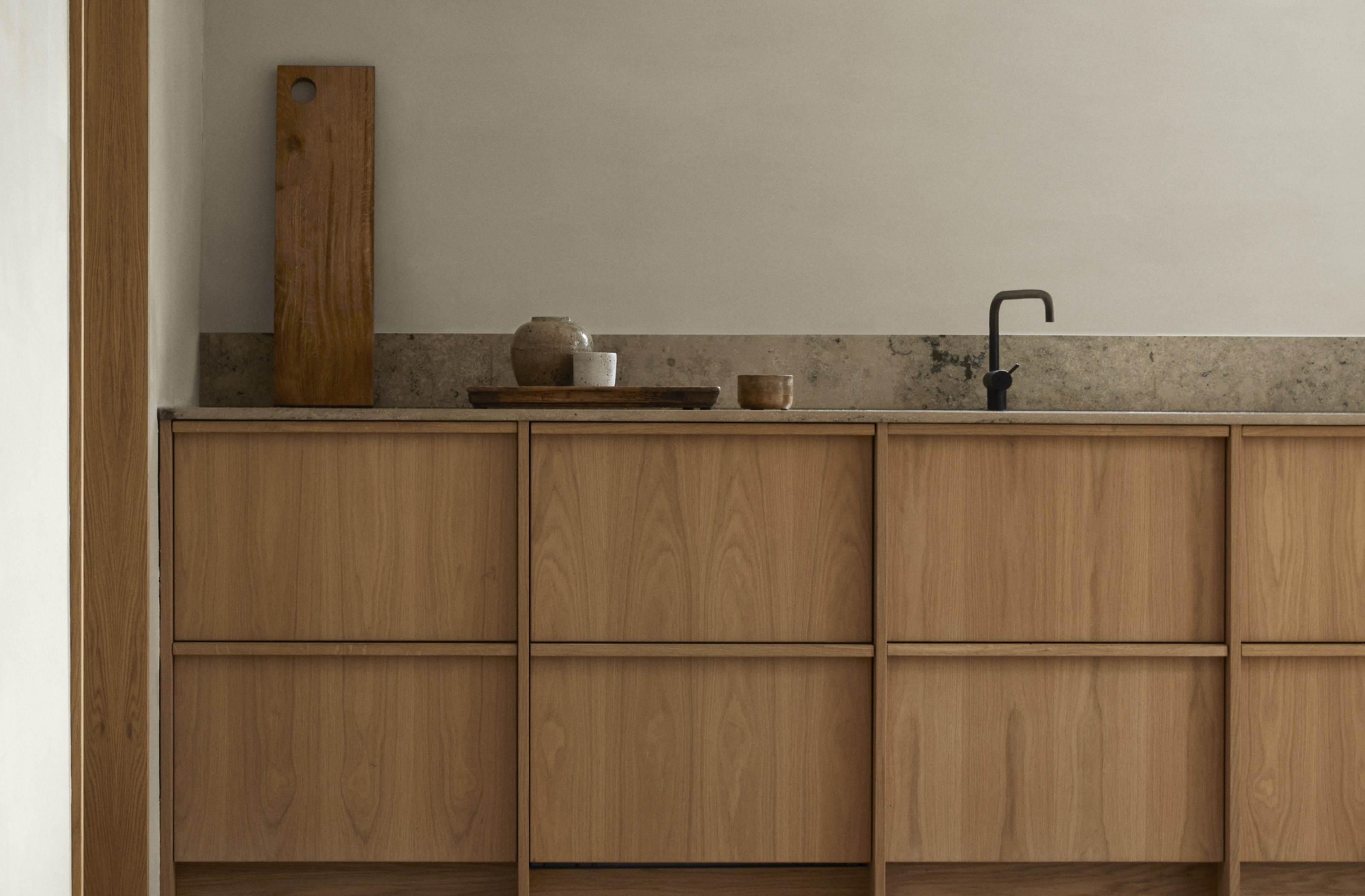
5 Things Japandi Designers do in Their Kitchens That Make Them Minimalist and Serene
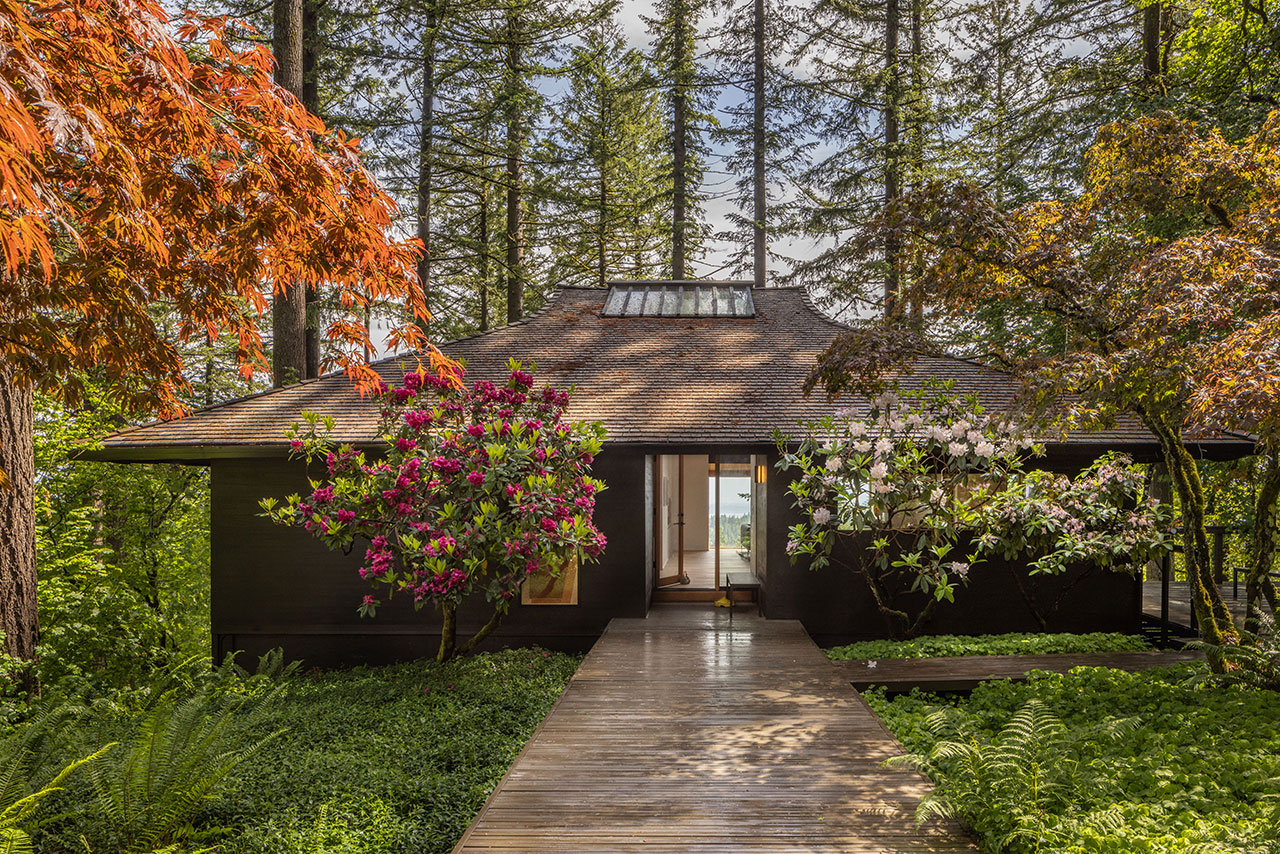
SHED Revives a Mid-Century House in Portland With Japanese Minimalism

Japandi merges the comfort of hygge with zen minimalism