1/10
How consumers are embracing calm, minimal Japandi-style bathrooms
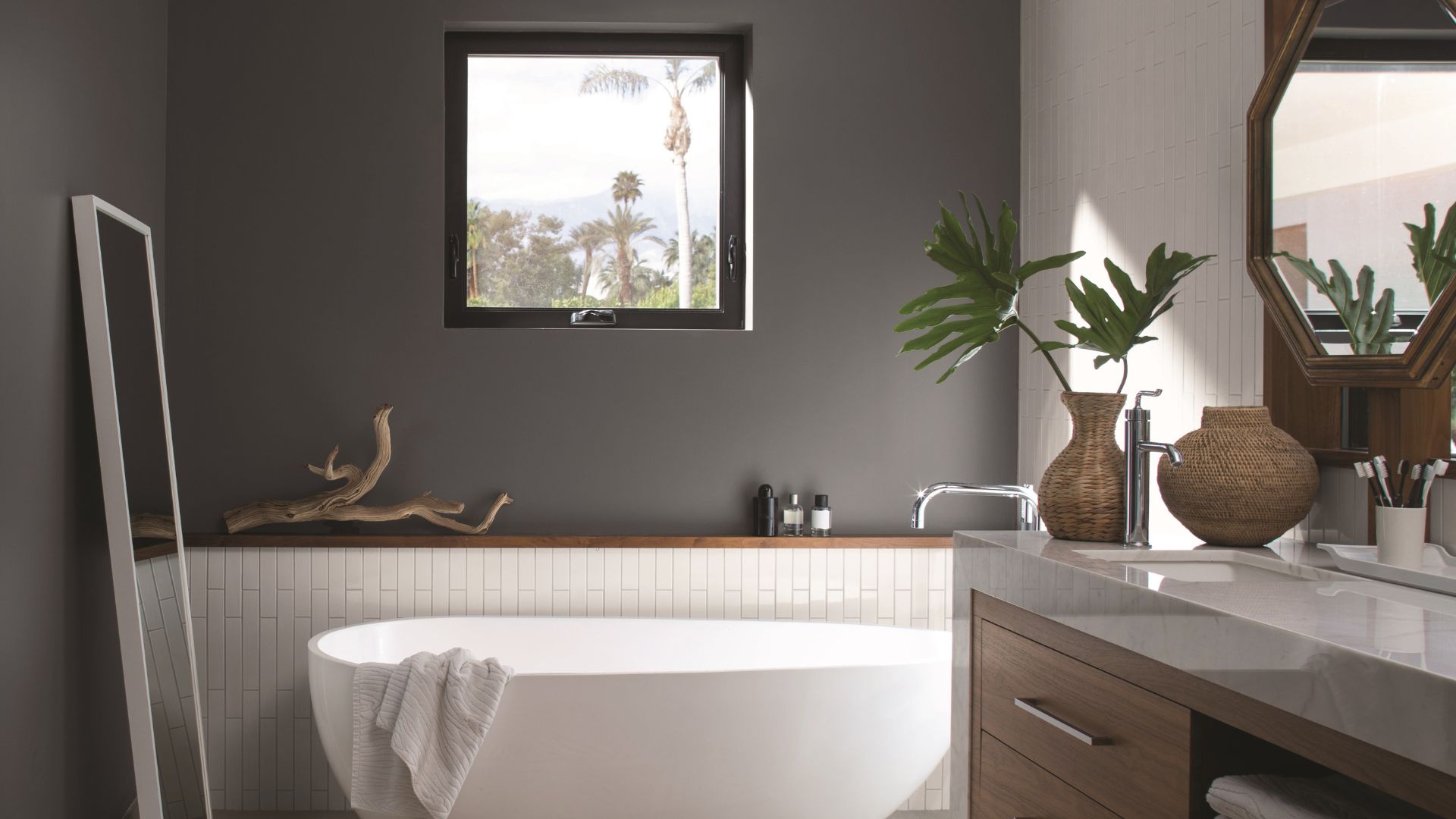
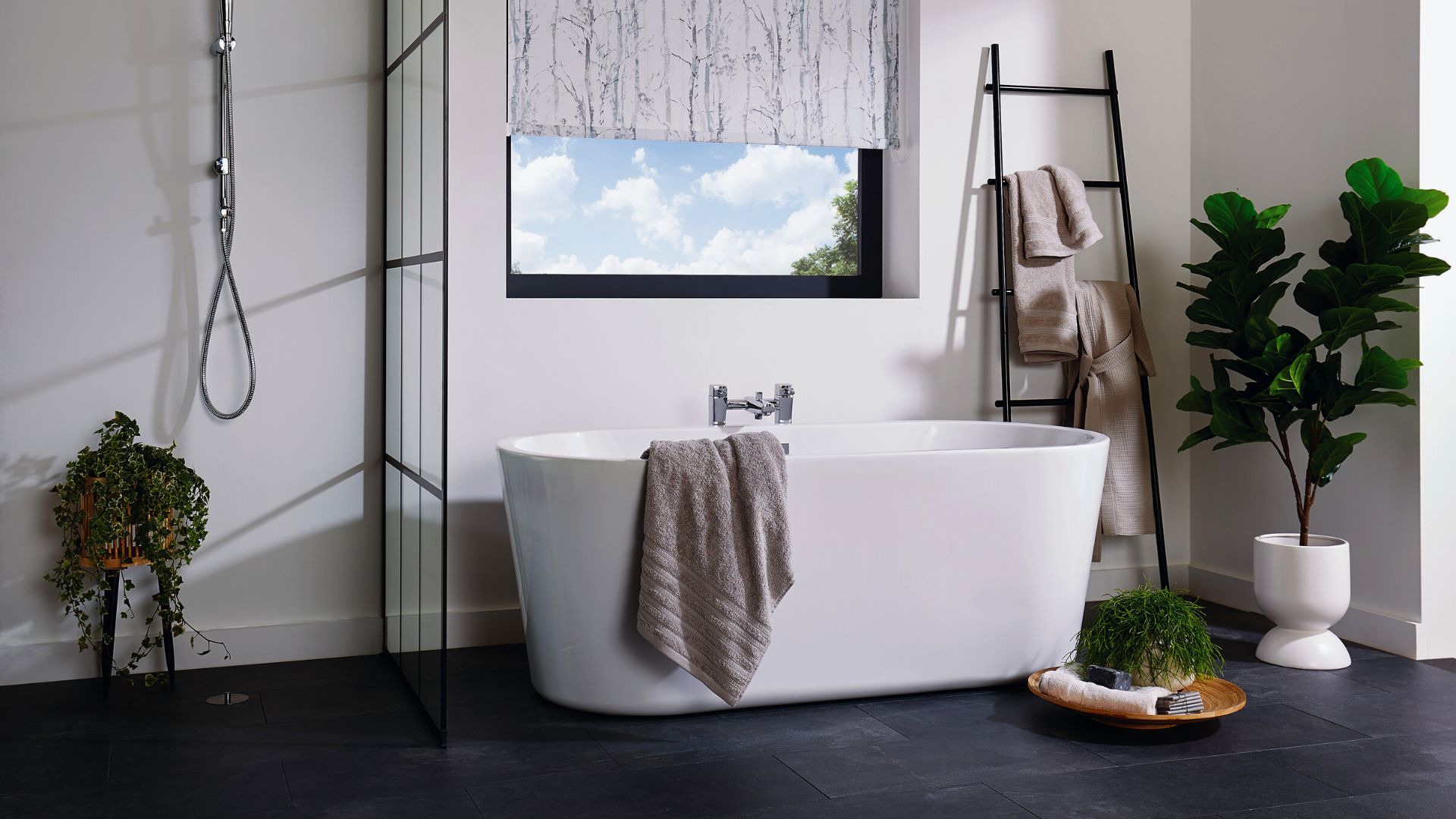
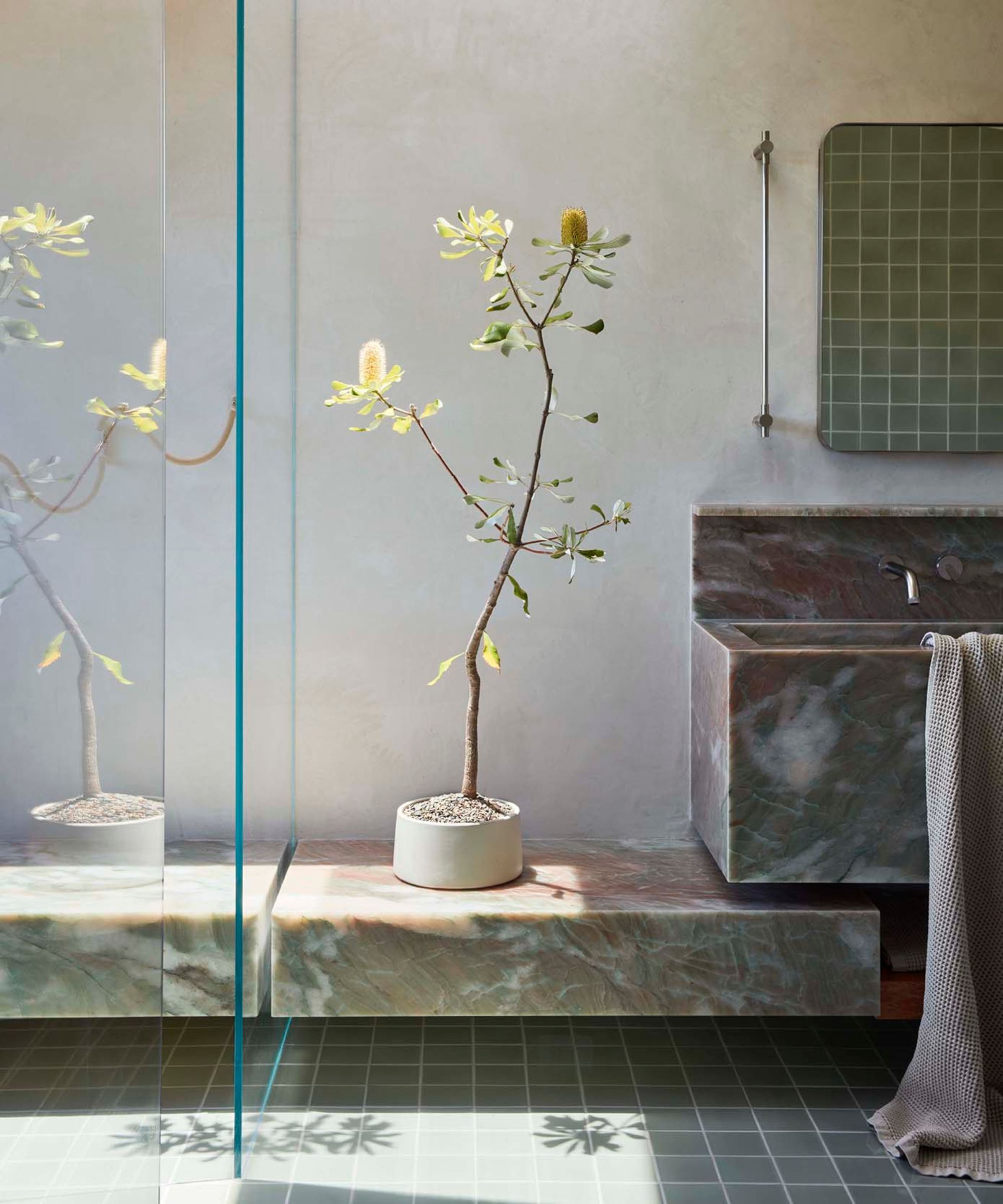
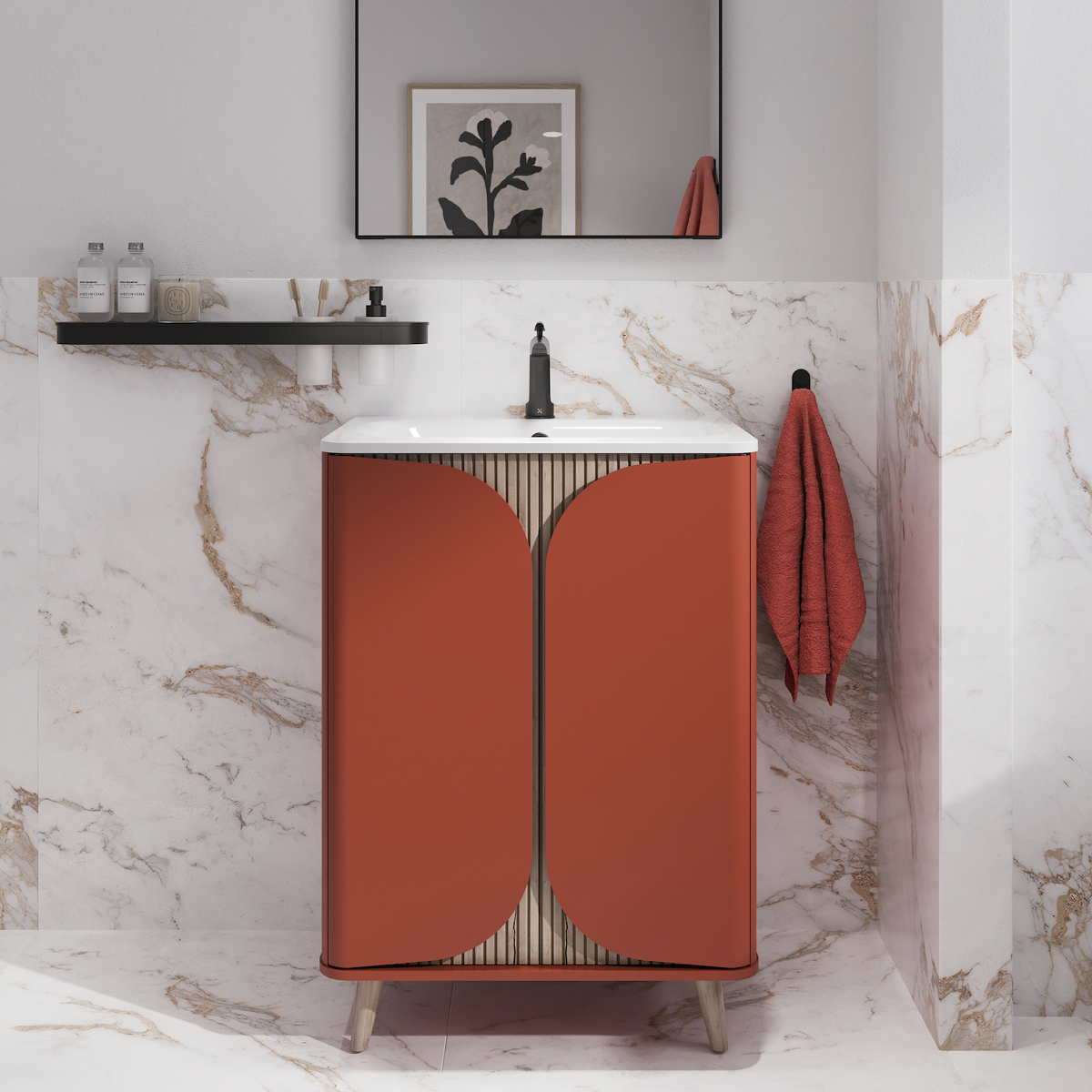
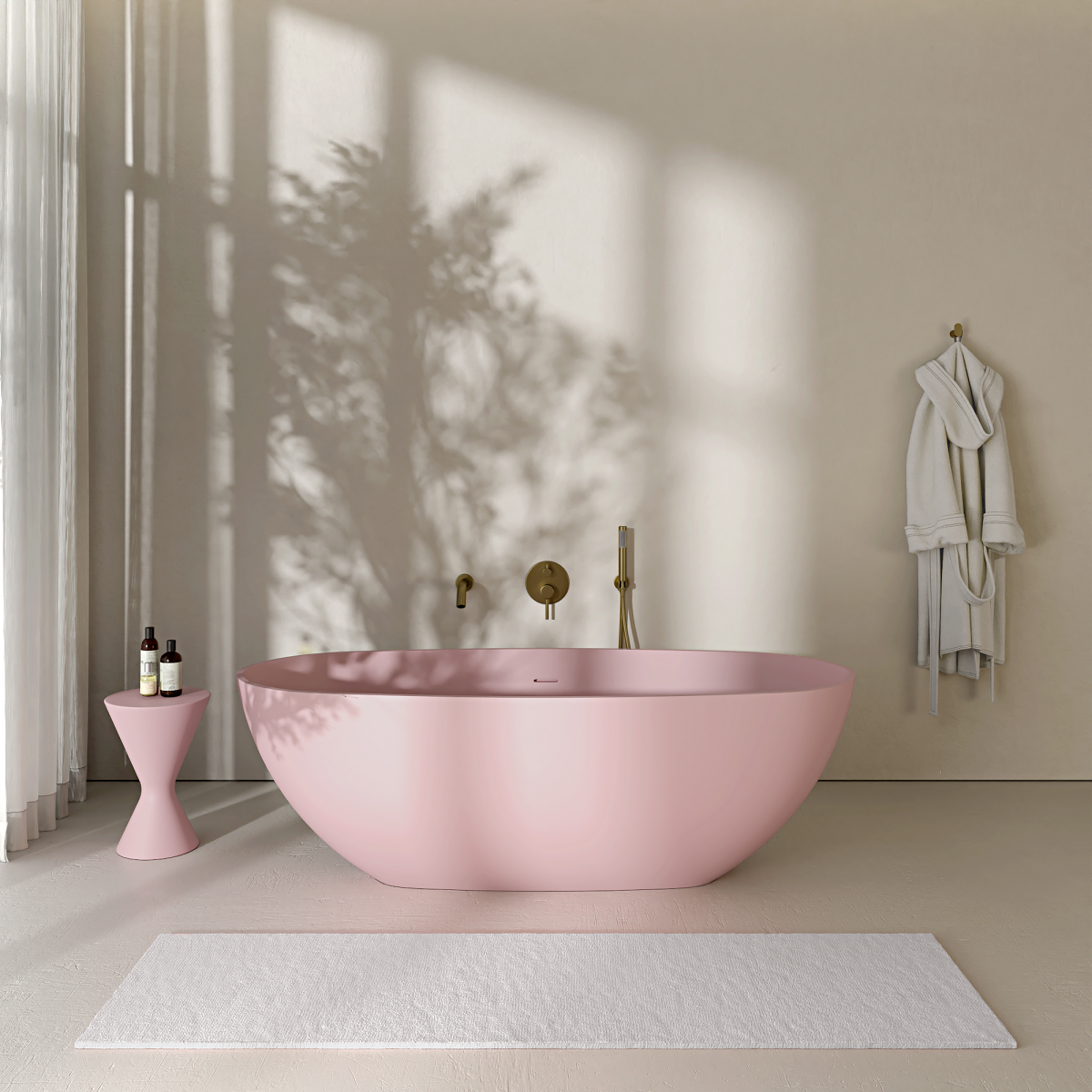
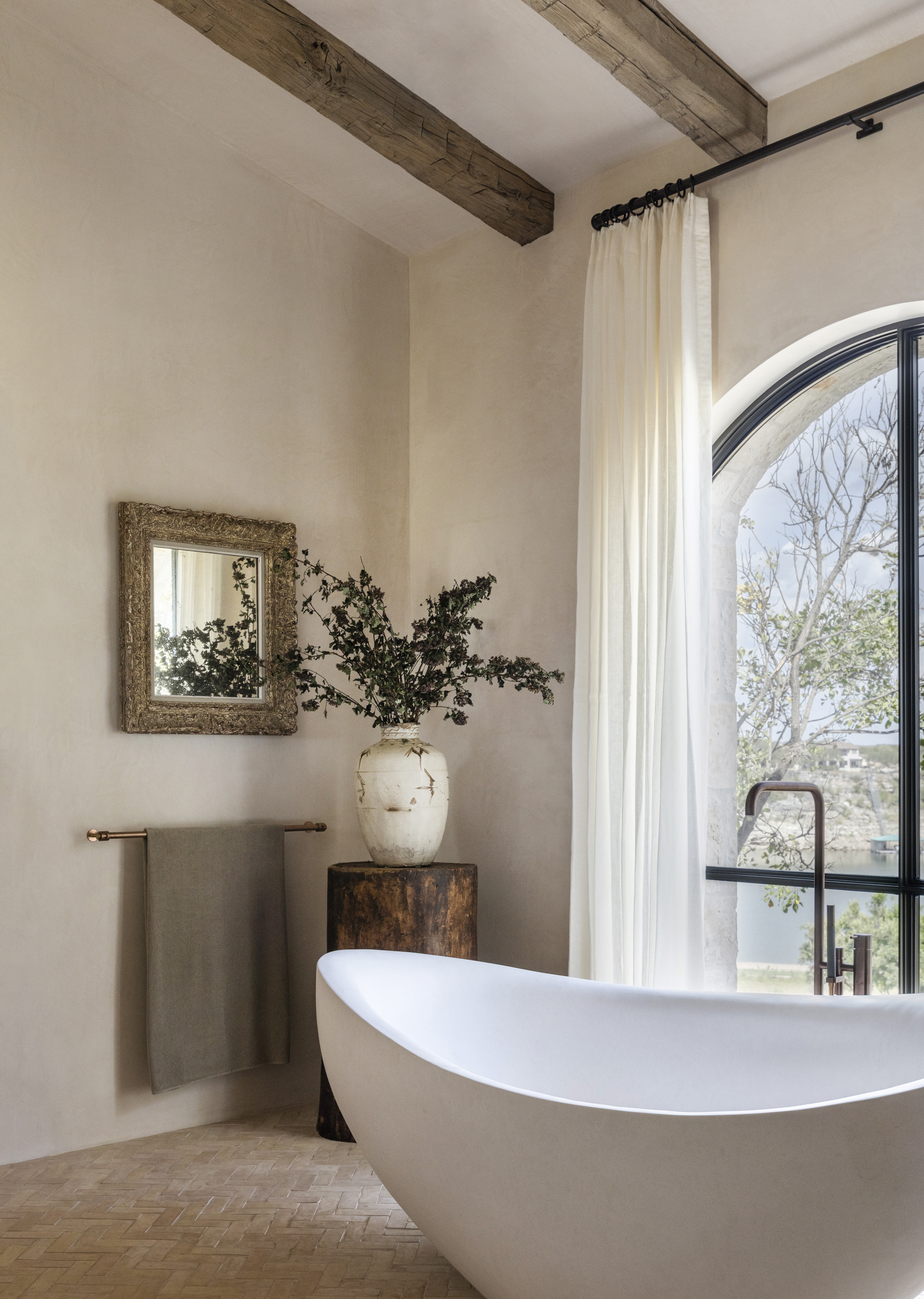
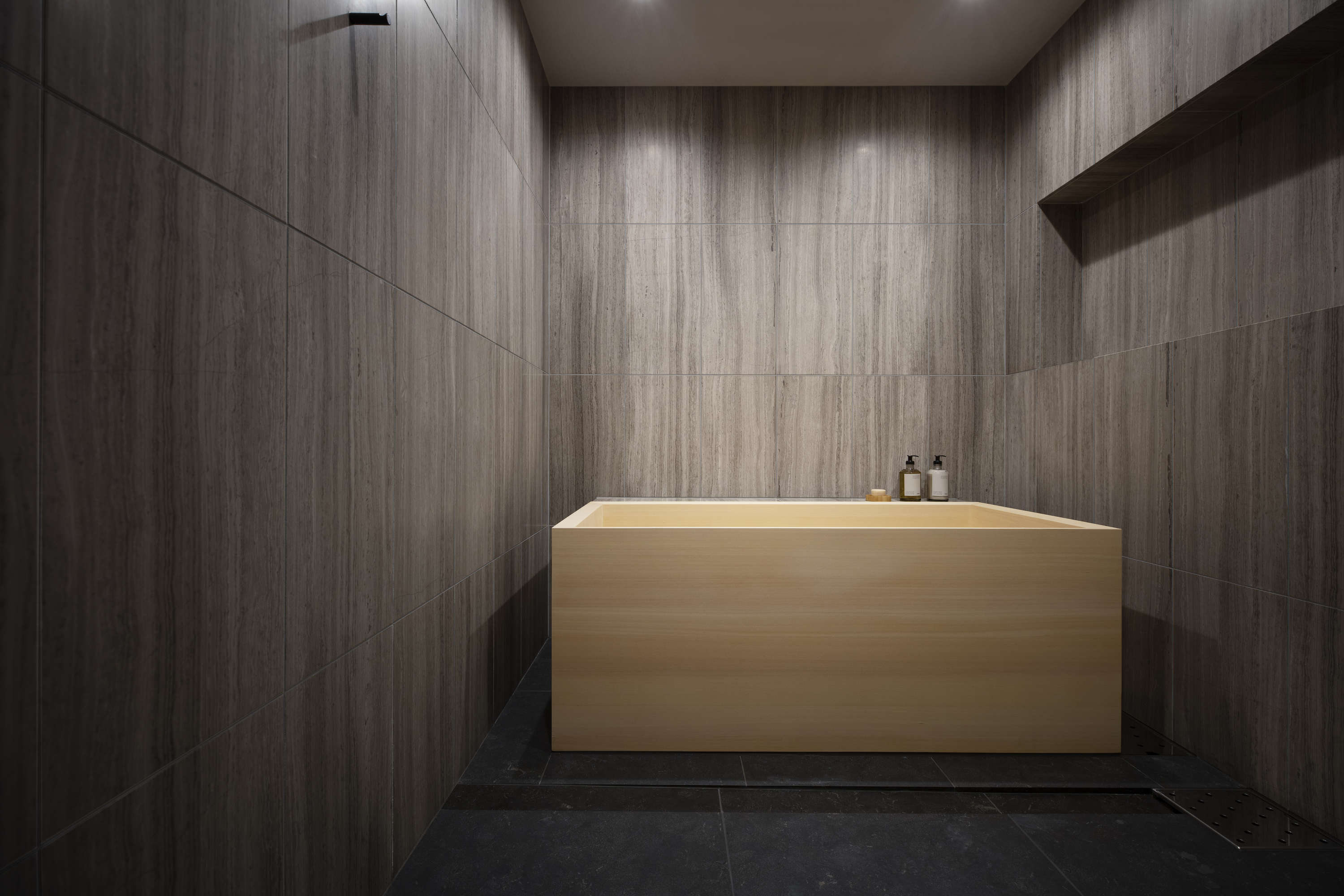
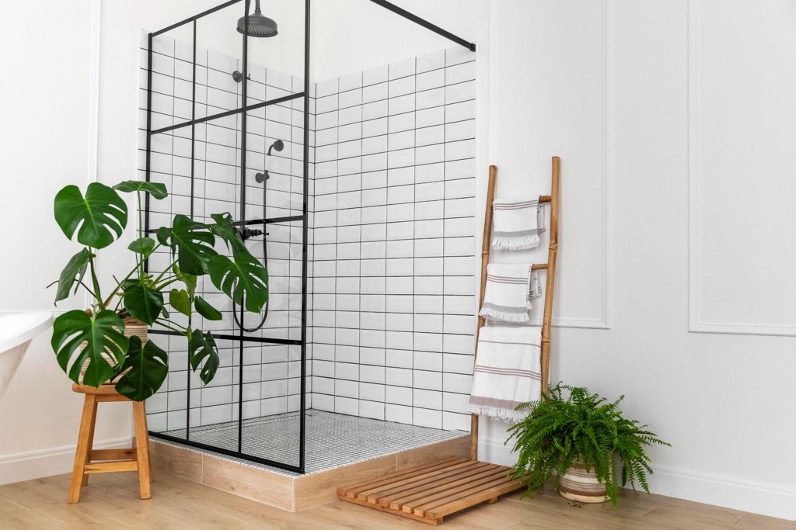
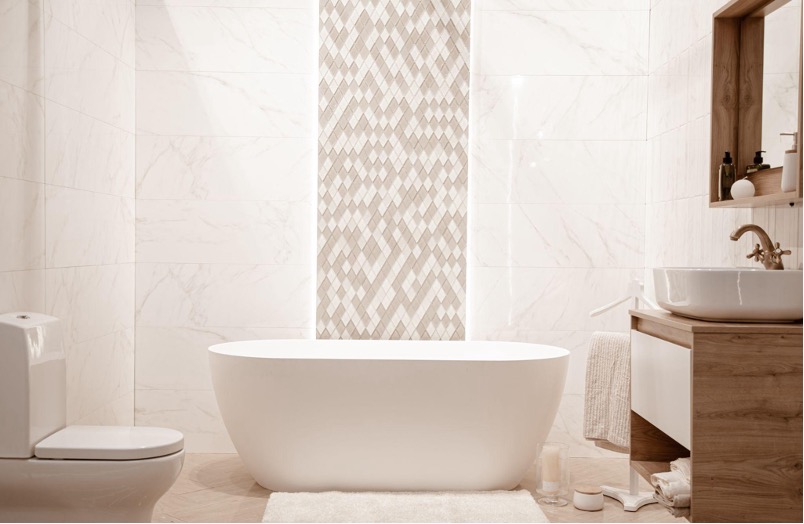
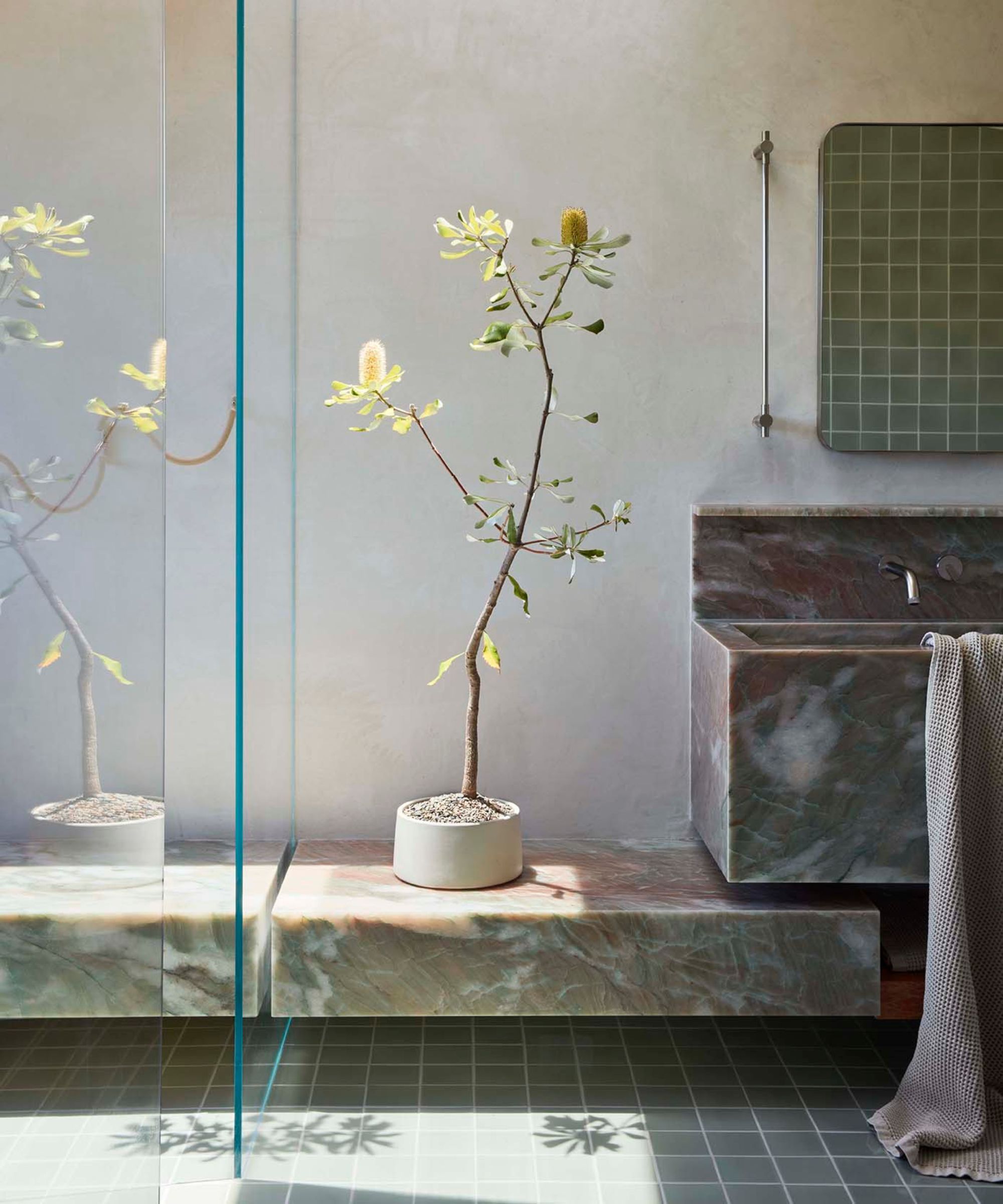
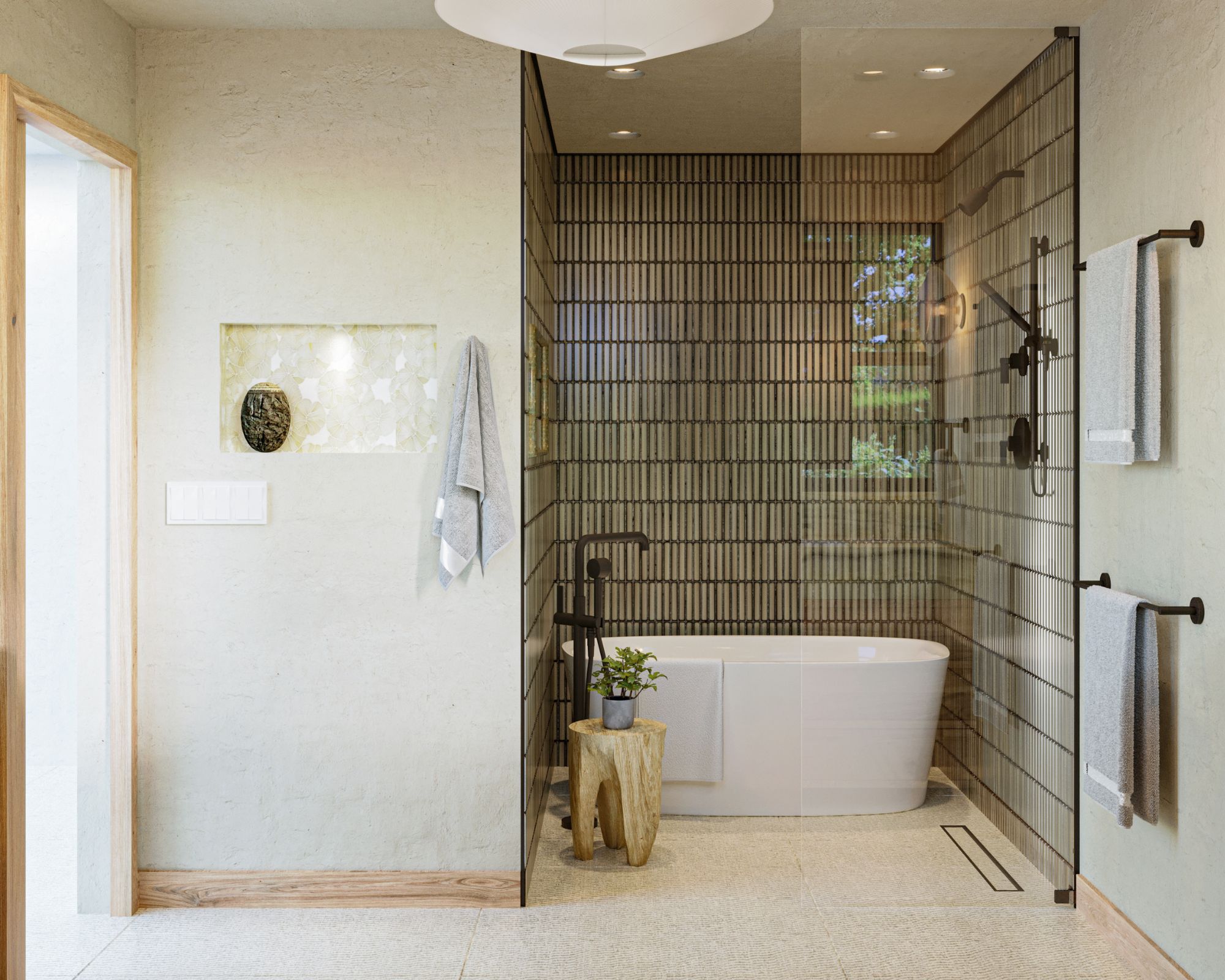
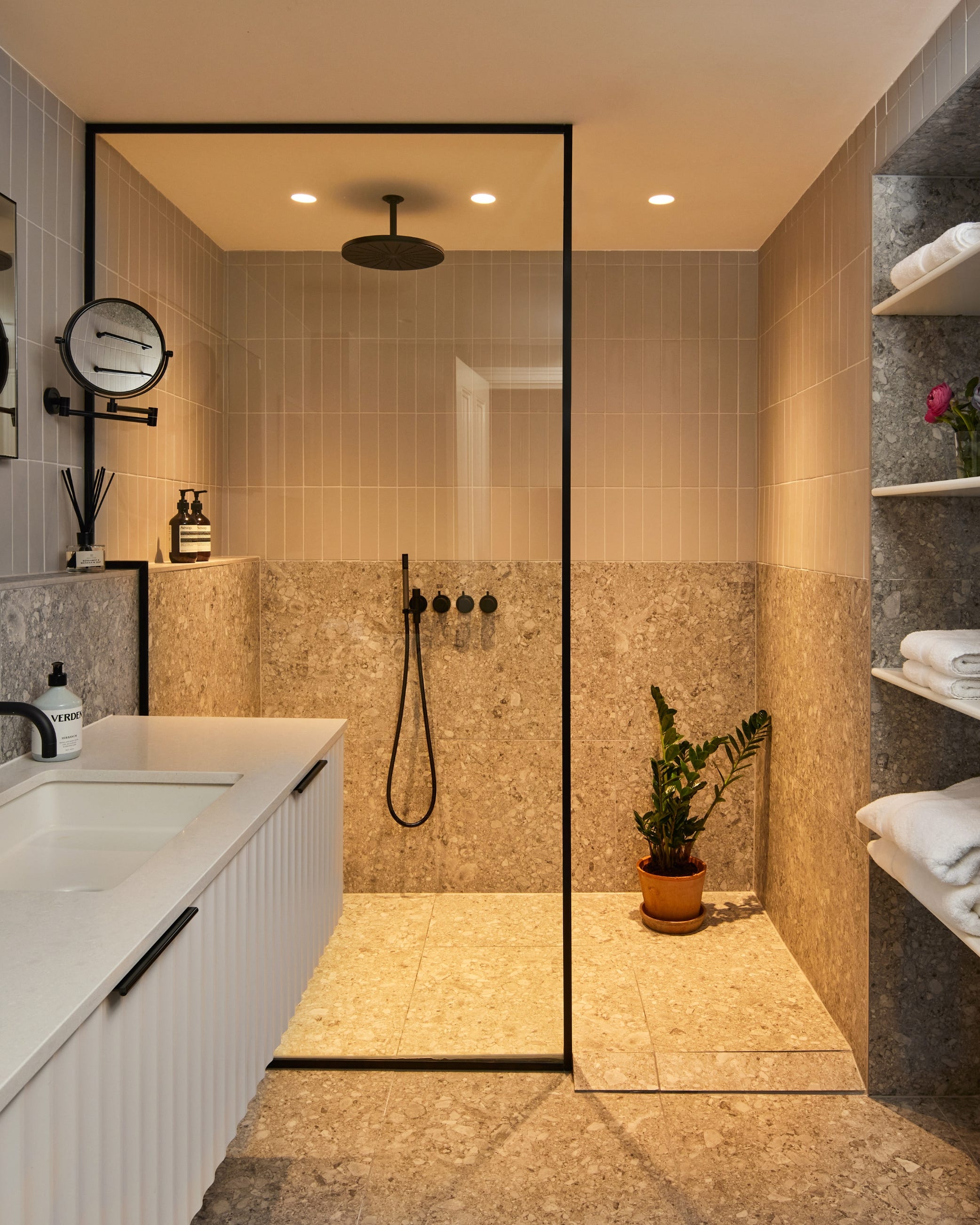
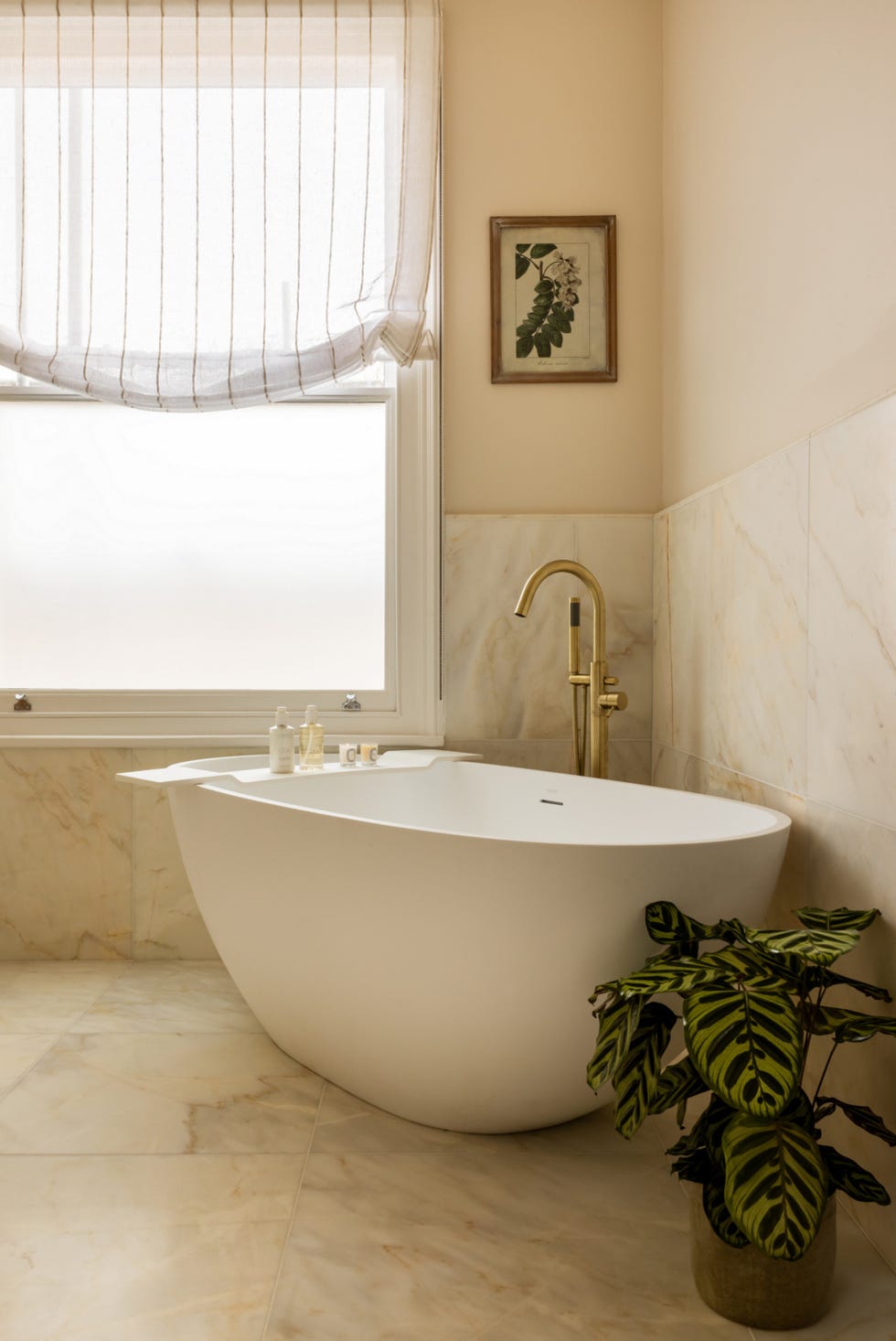
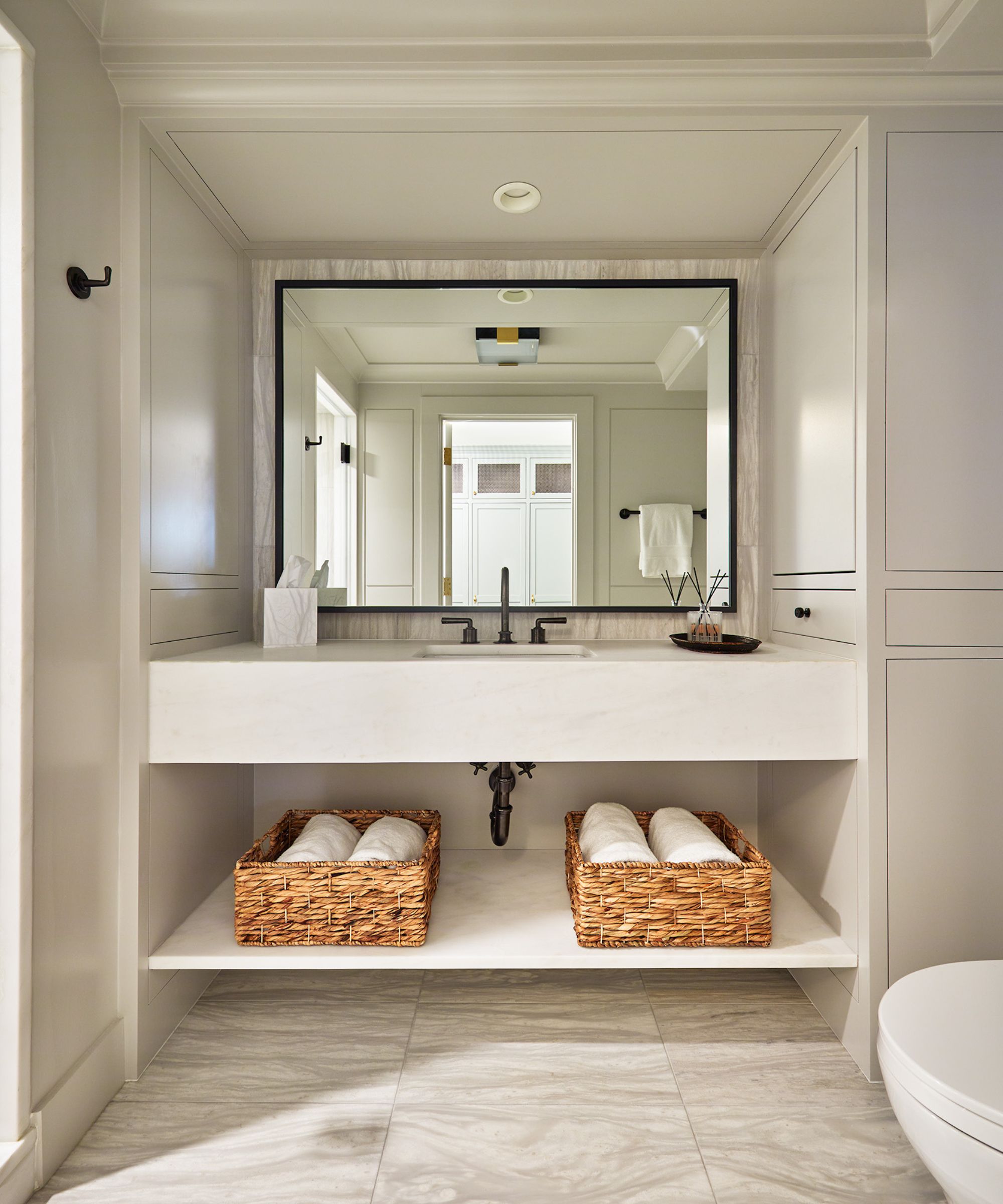
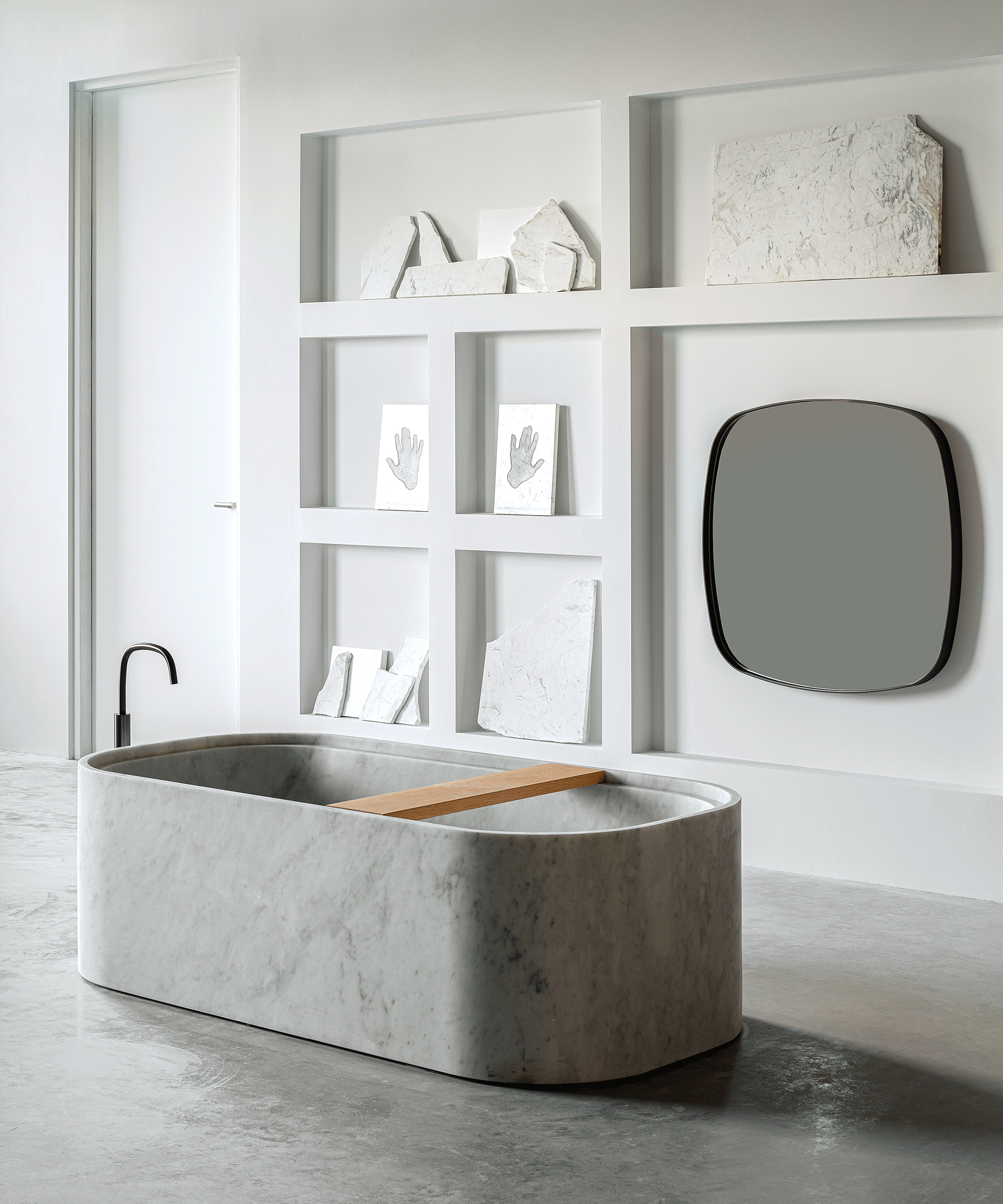
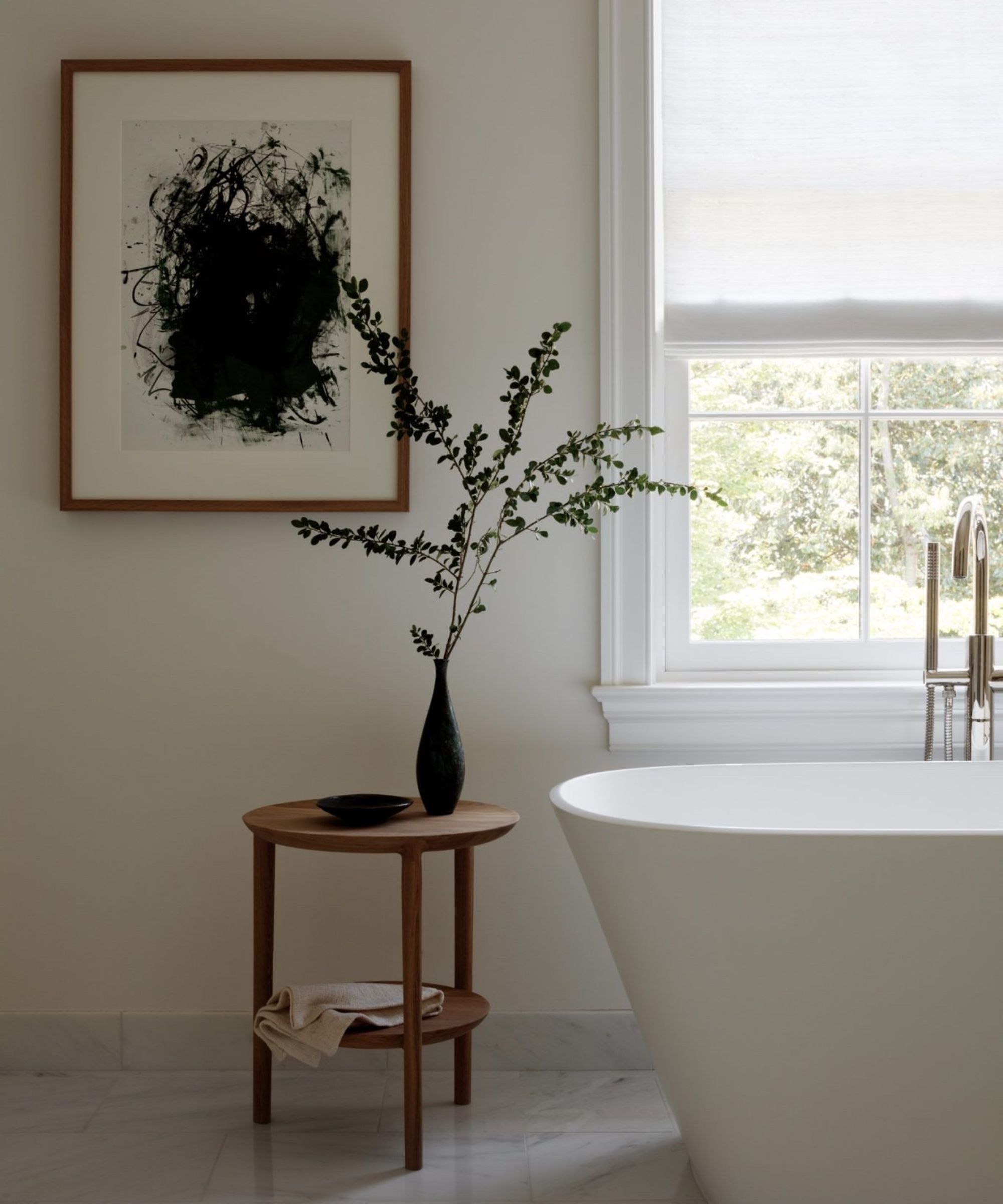
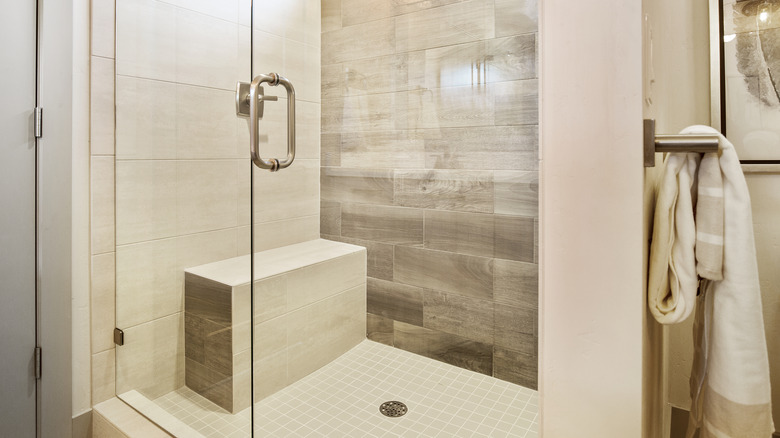
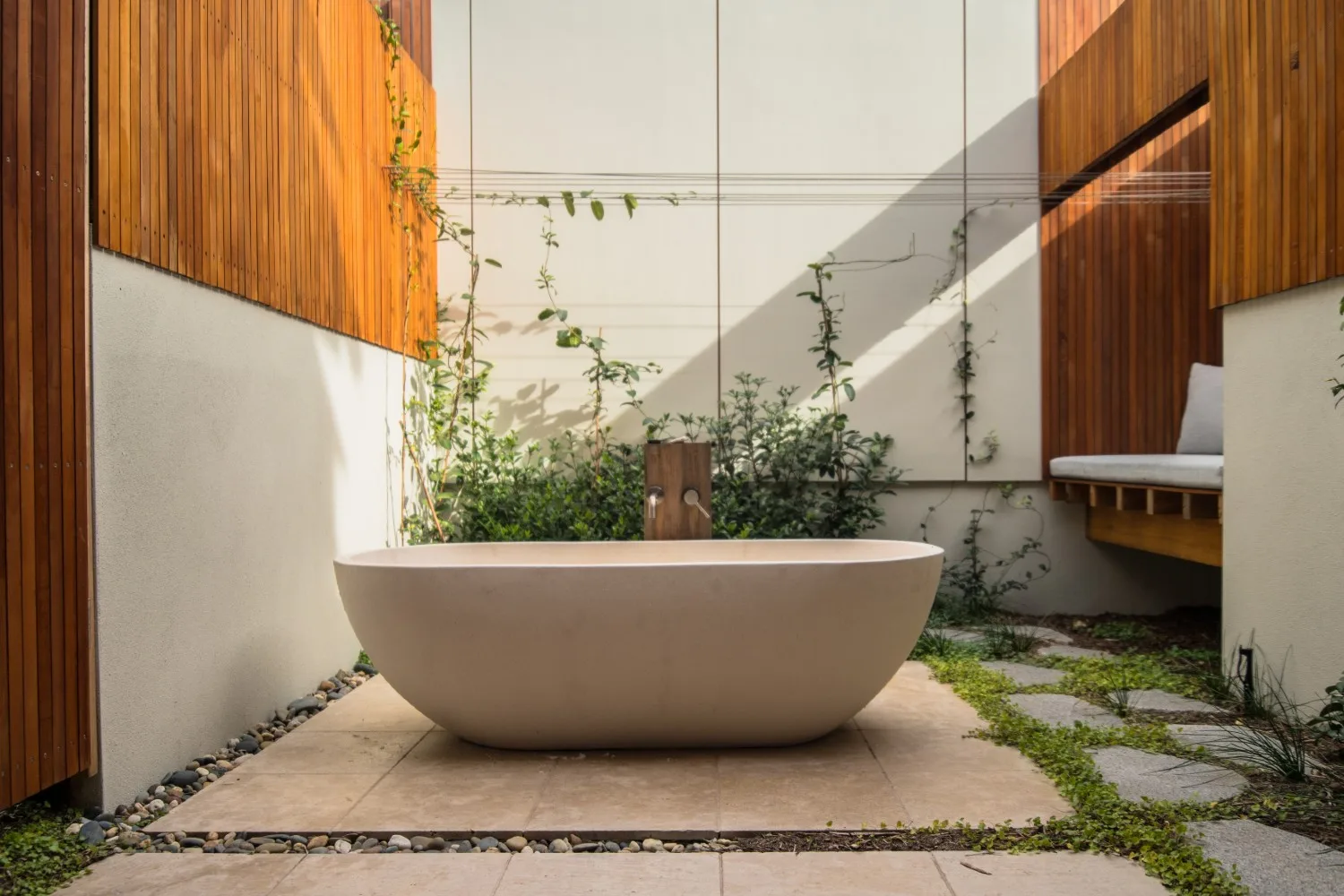
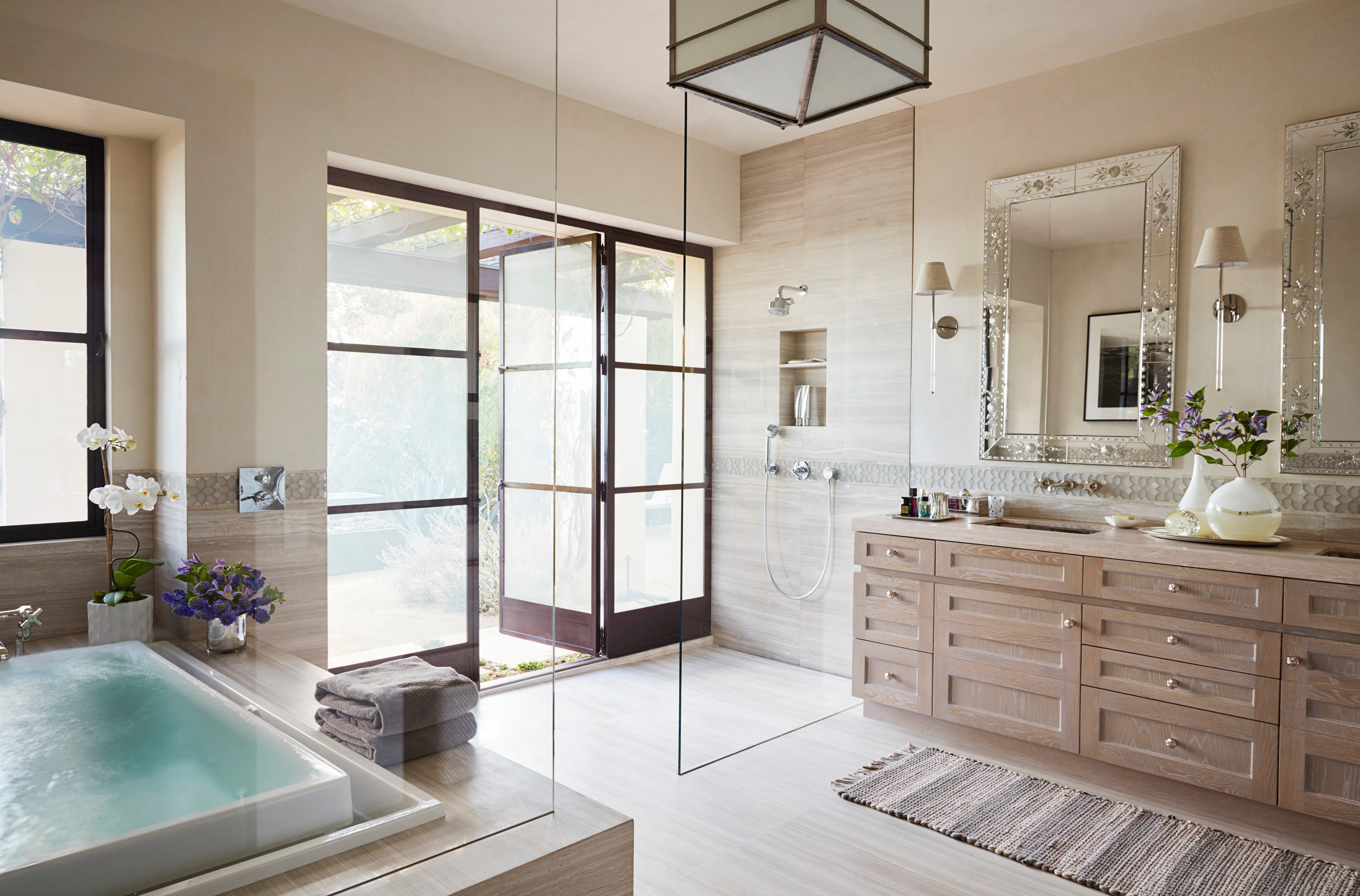
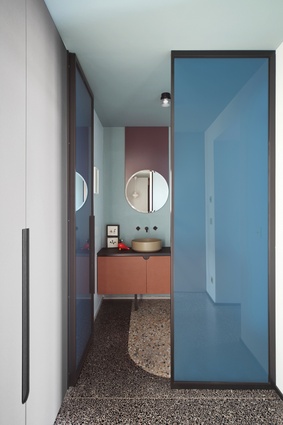
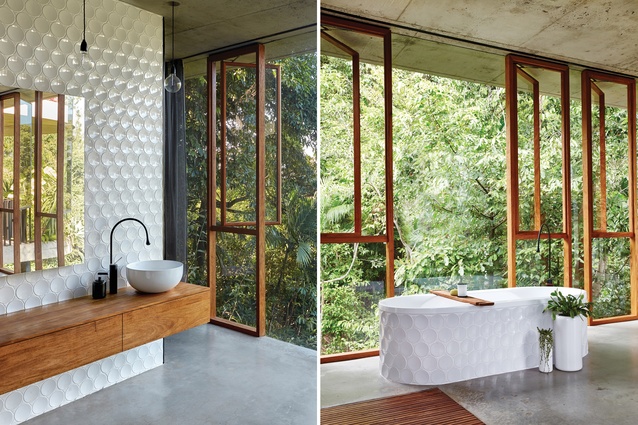
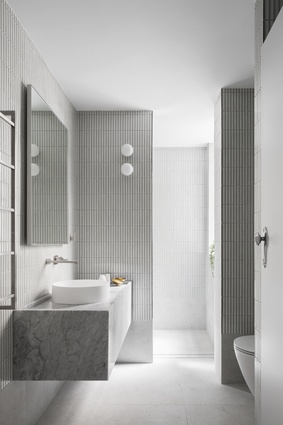
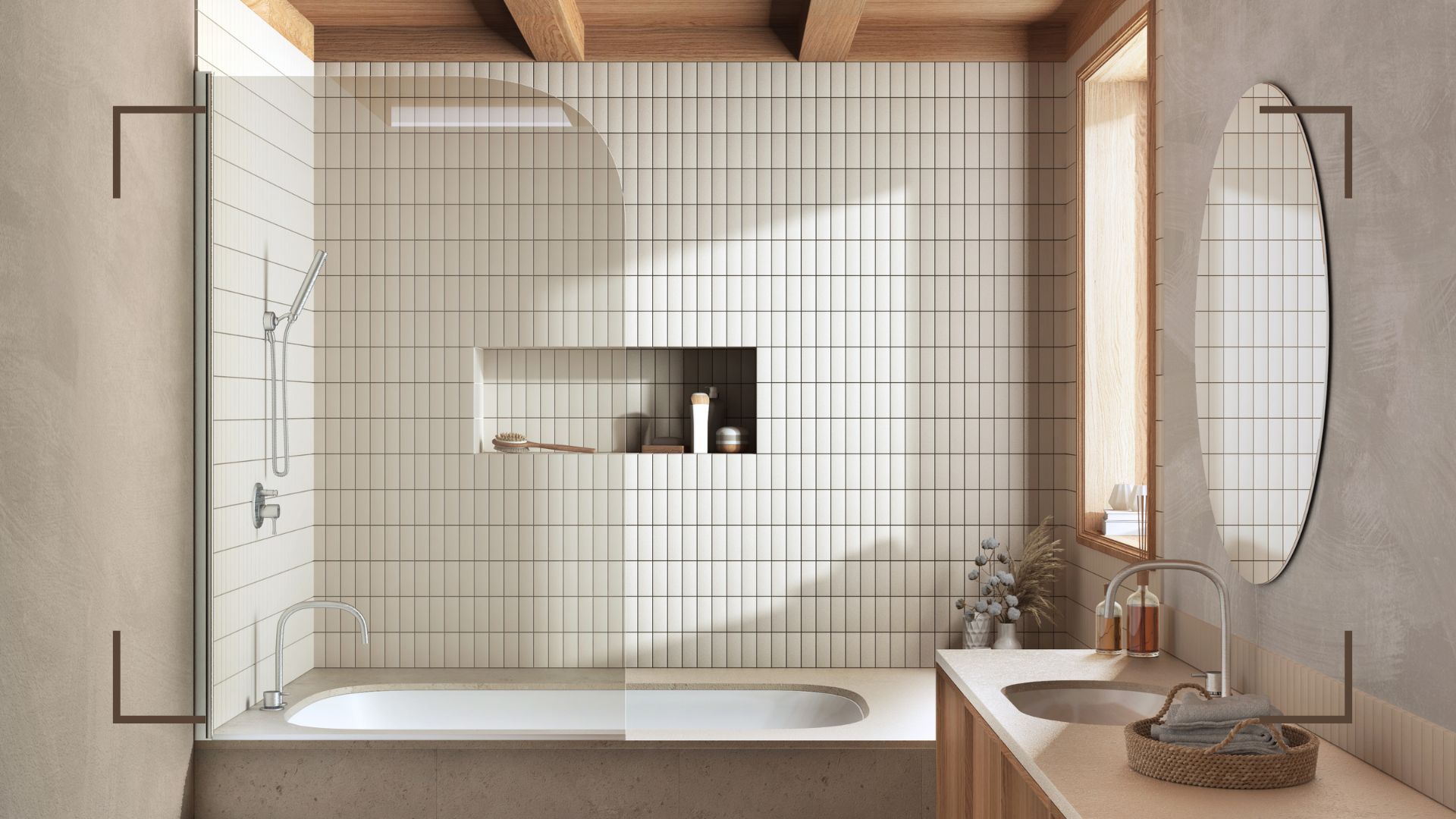
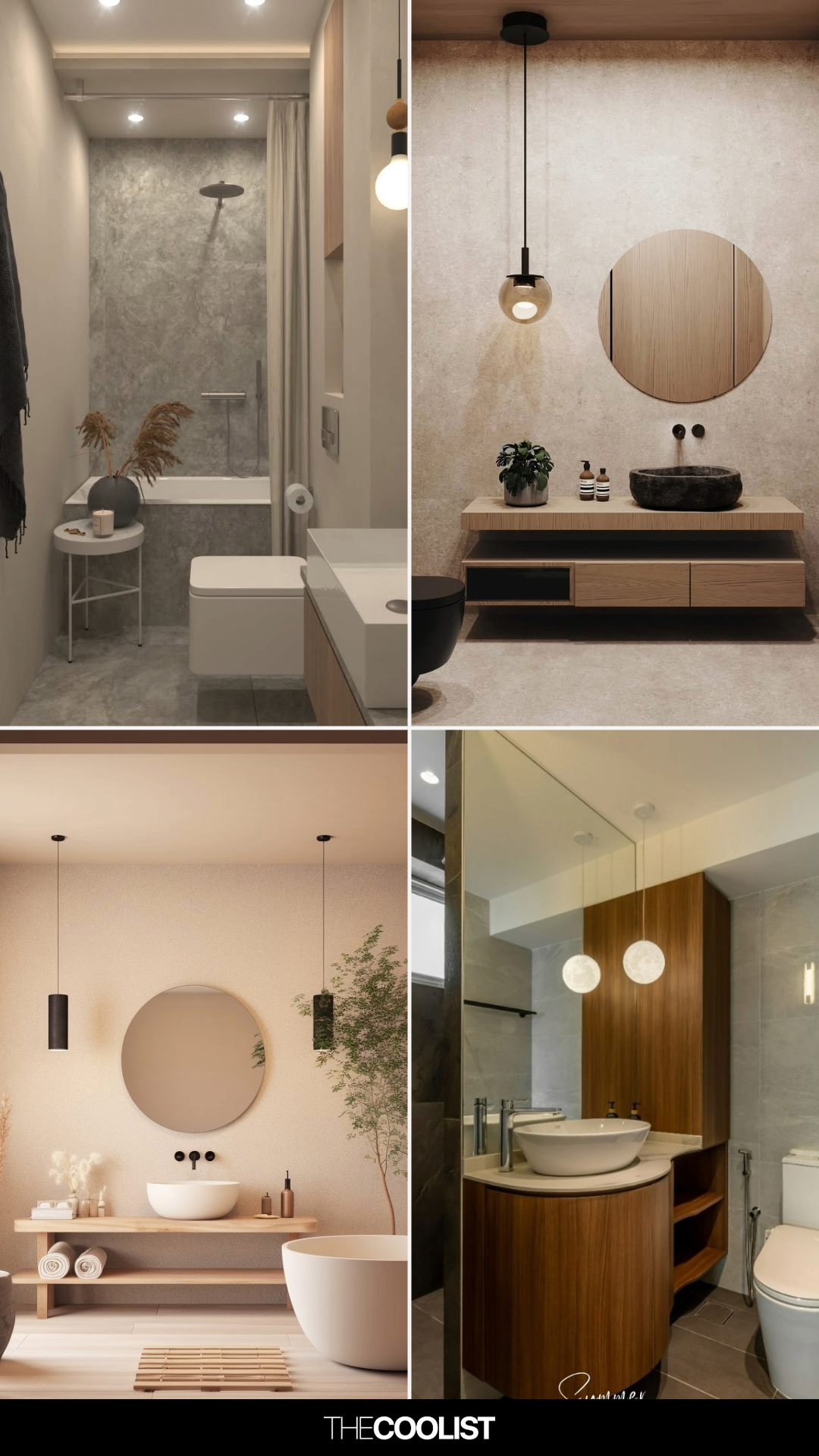
The Japandi interior design trend, a harmonious blend of Japanese design and Scandinavian style, is gaining significant traction, particularly in bathroom aesthetics. This East-meets-West fusion offers a relaxed, minimal, and modern appeal, characterized by the use of natural materials and neutral colors. This aesthetic is increasingly embraced by designers and consumers seeking to transform their bathrooms into tranquil, spa-like sanctuaries.
The rise in popularity of Japandi can be attributed to a desire for sanctuary spaces within the home, especially given the increased stresses and multifunctional demands placed on residences during and after the pandemic. The style effectively creates this sanctuary through its combined simplicity, natural elements, and comfort. It merges the rustic minimalism of Scandinavian design with sleek Japanese functionality, emphasizing clean lines, bright spaces, and light color palettes.
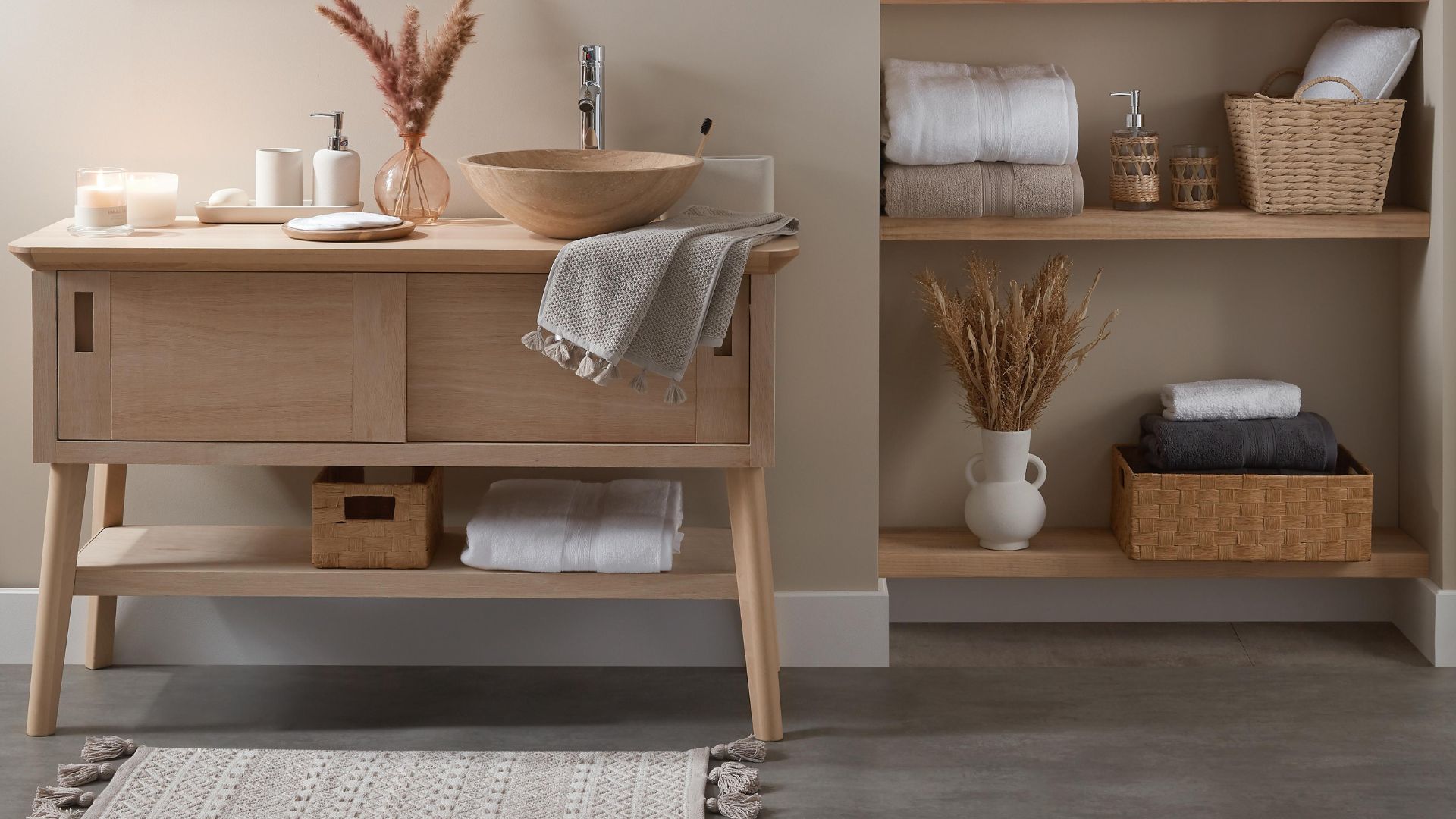
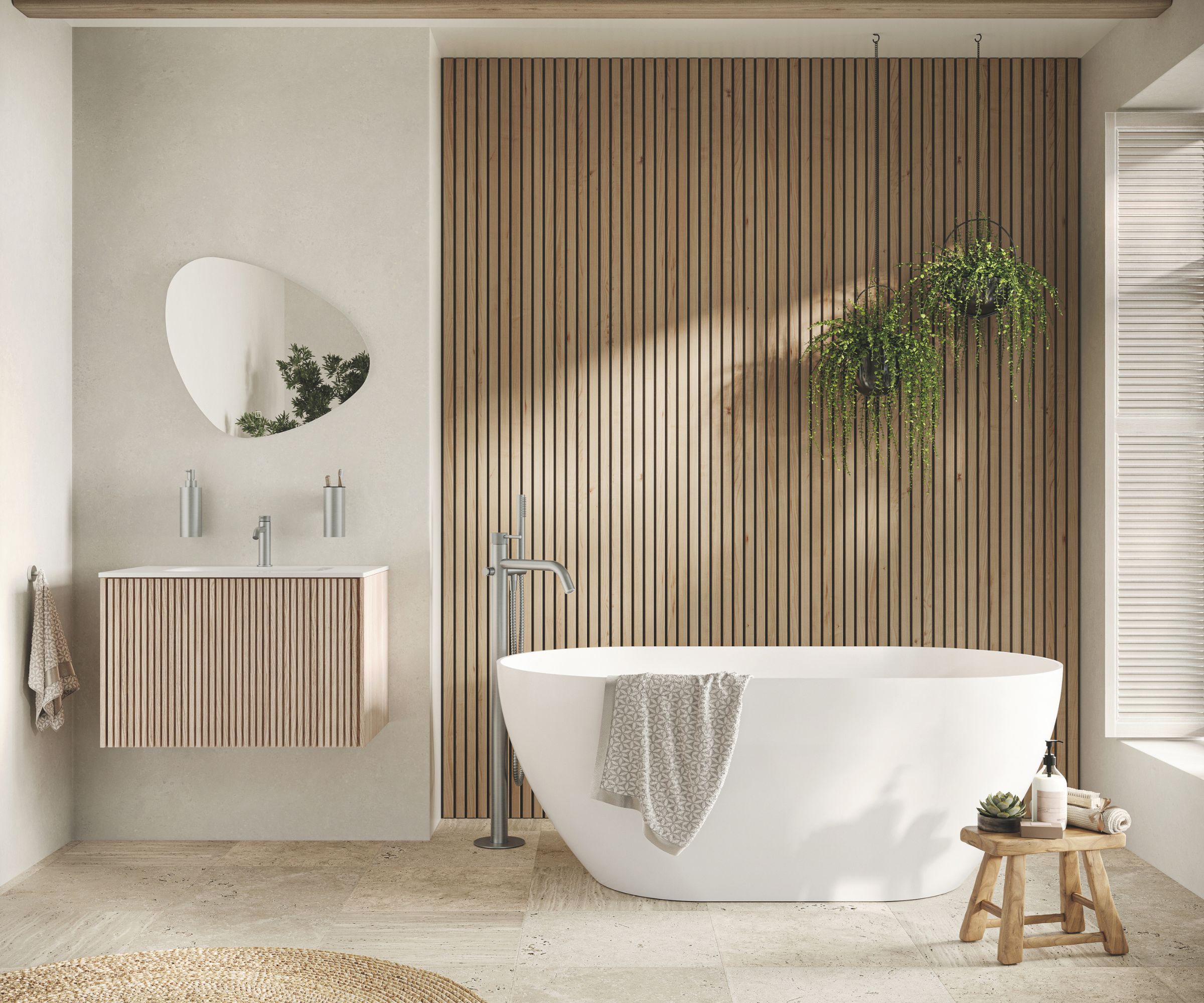
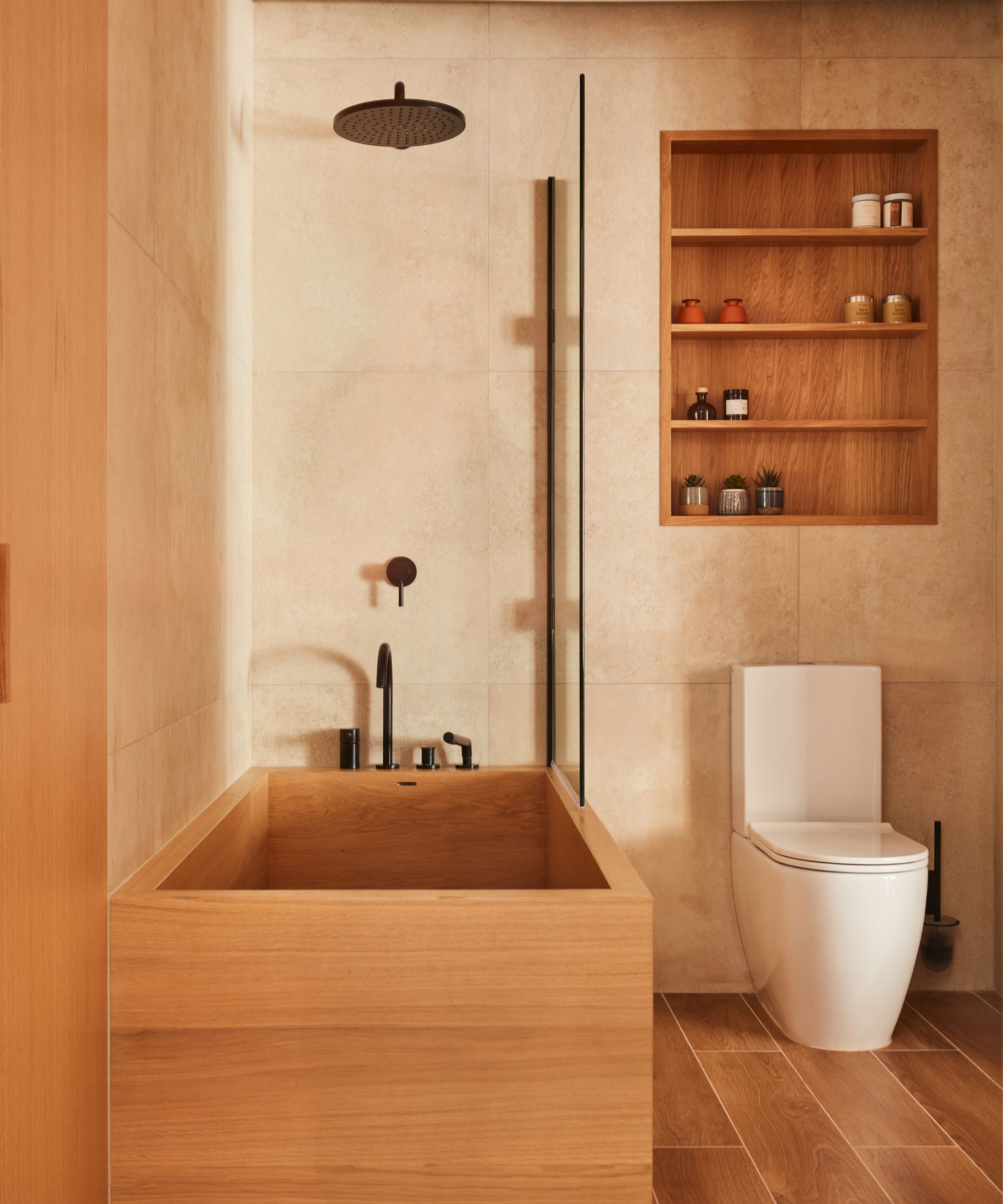
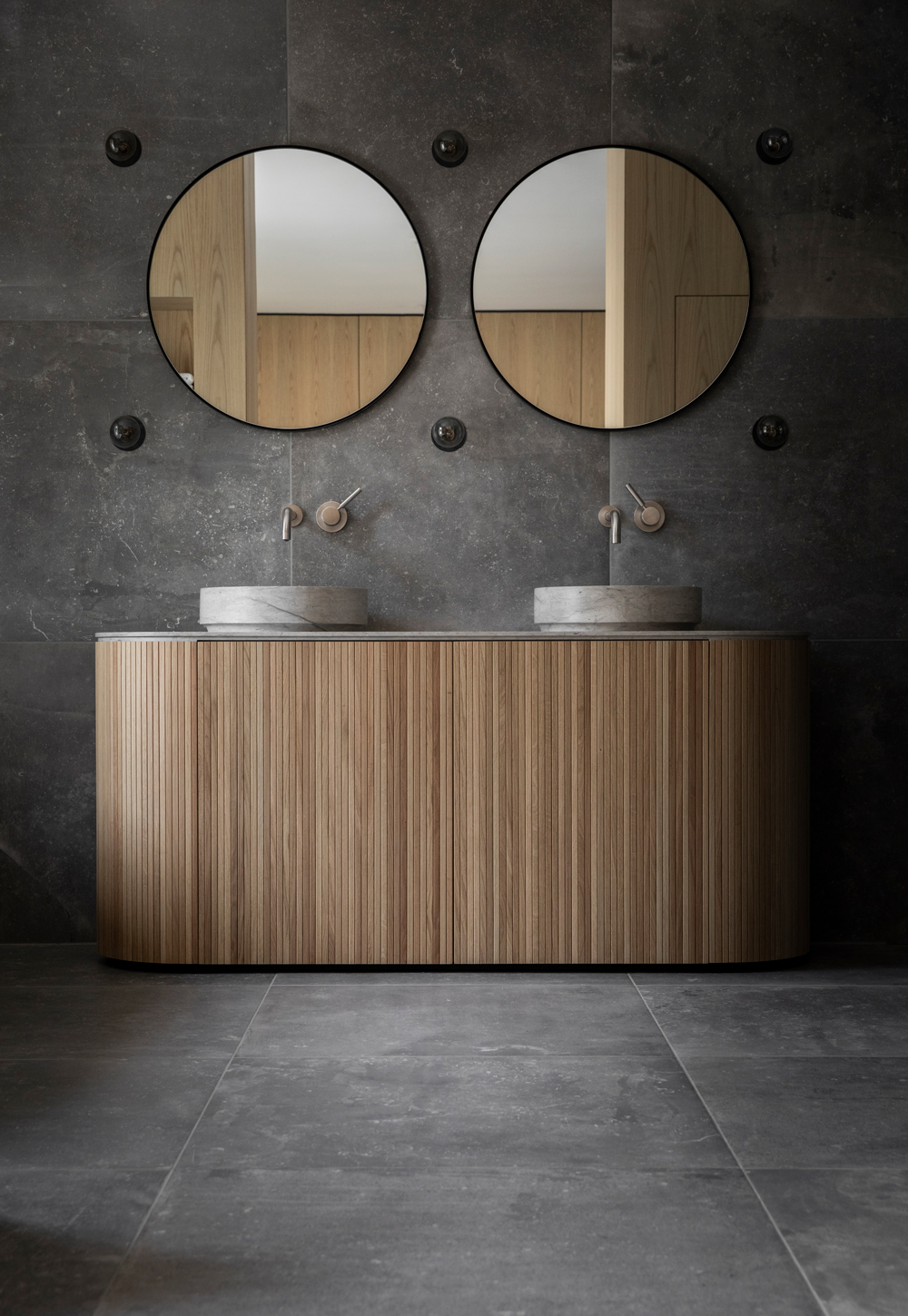
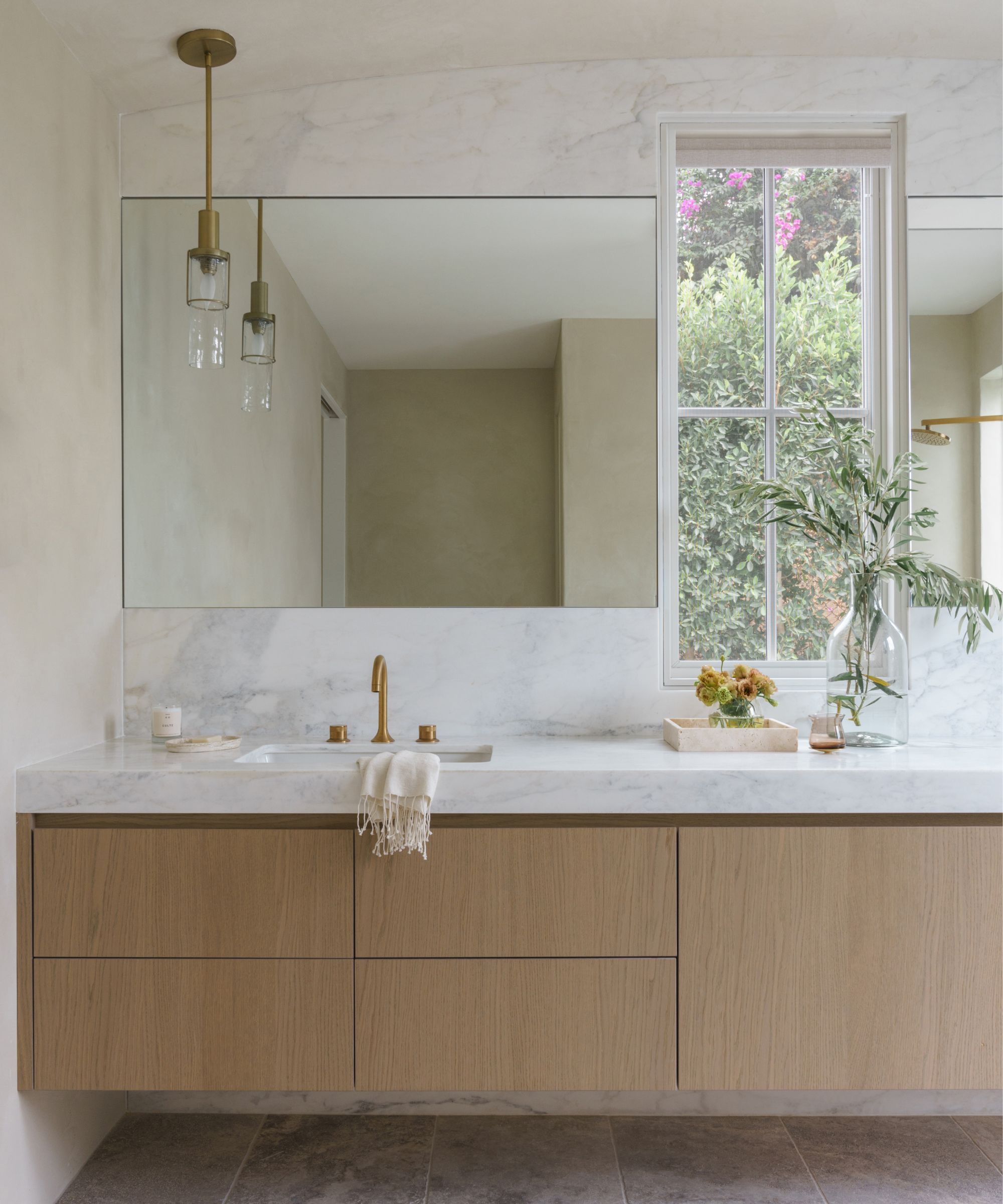
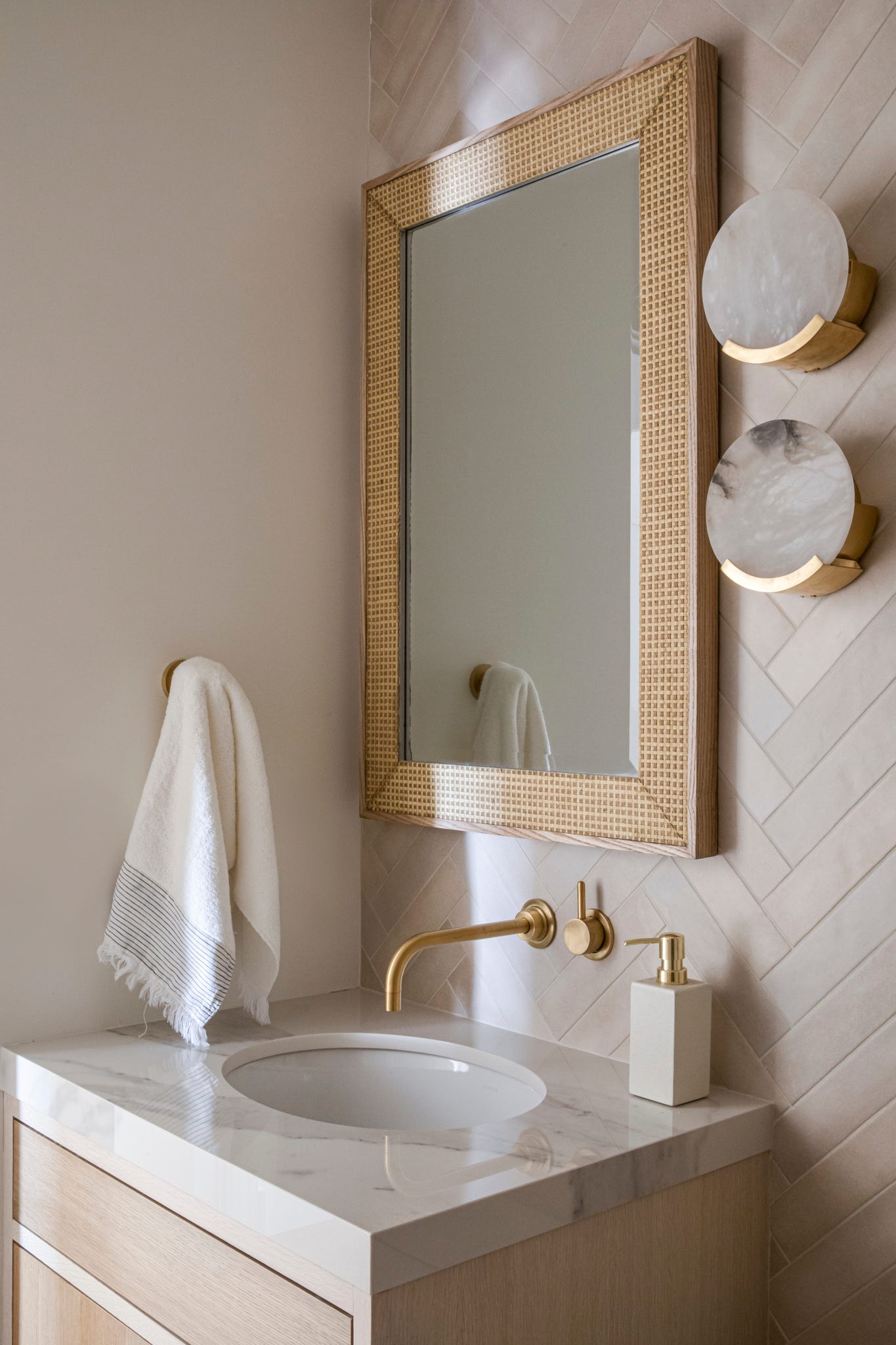
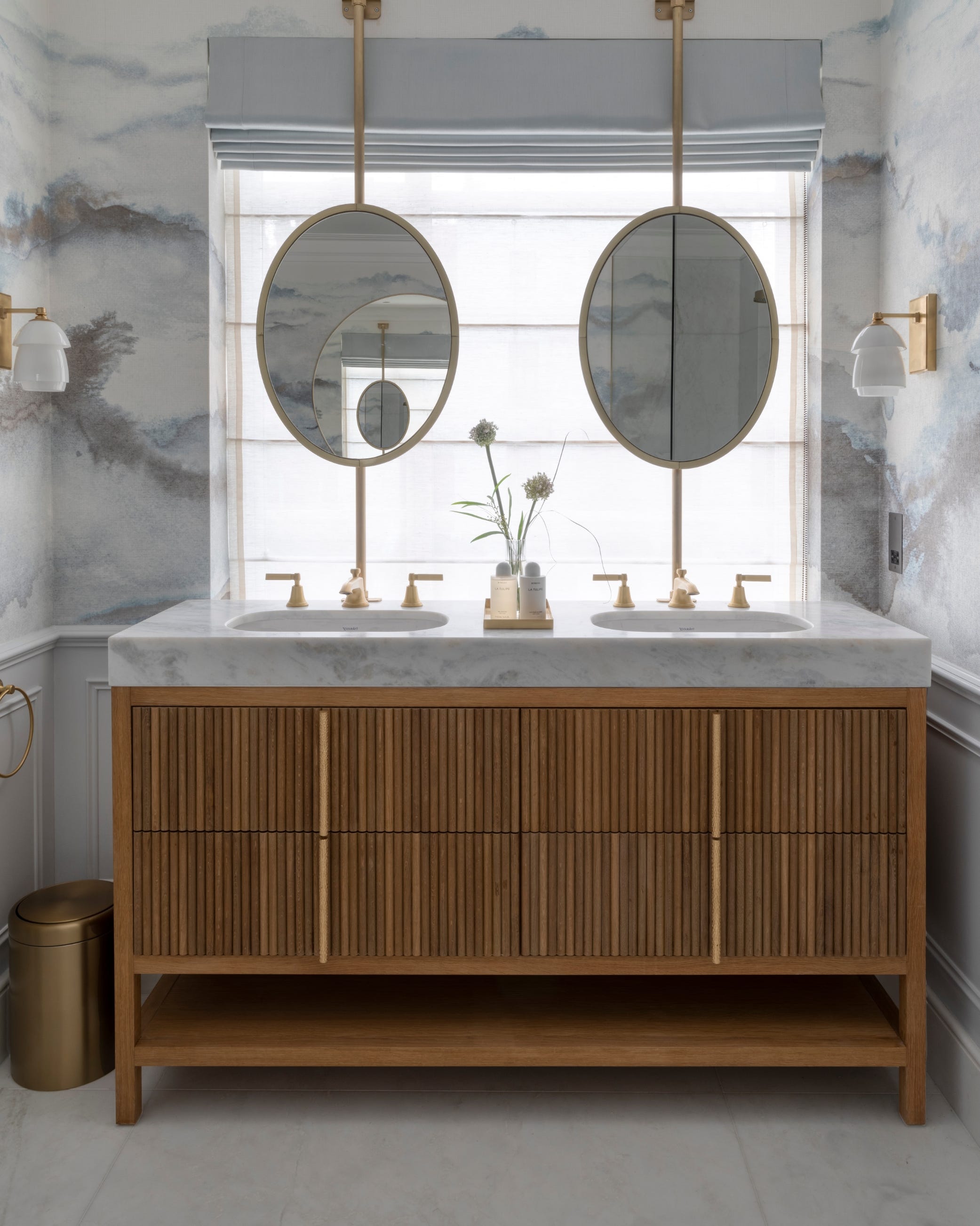
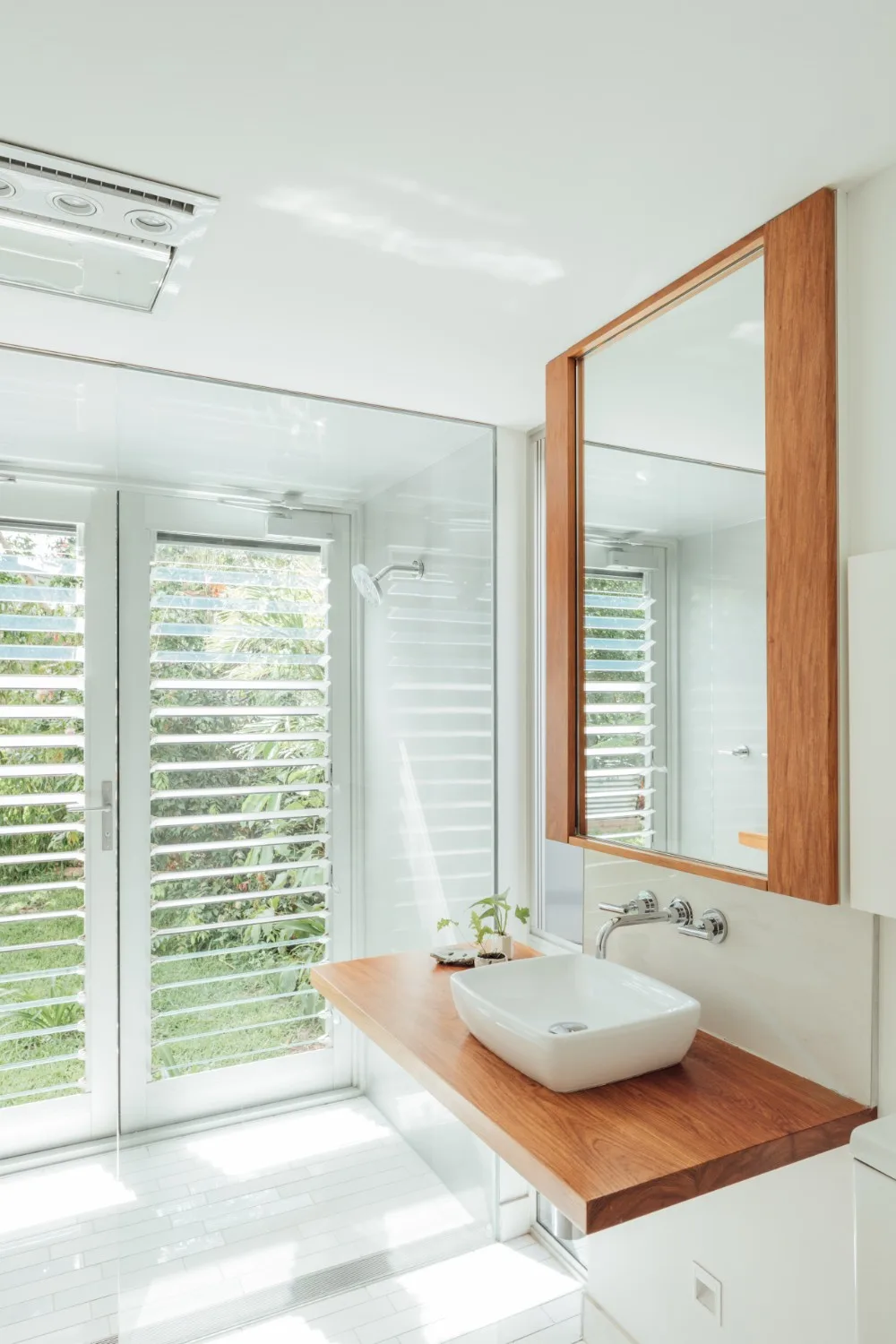
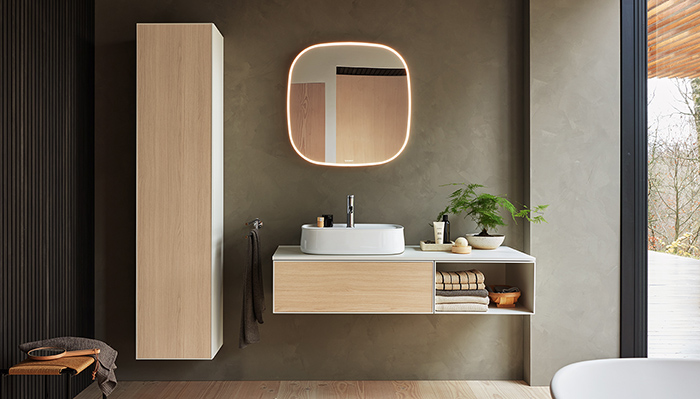
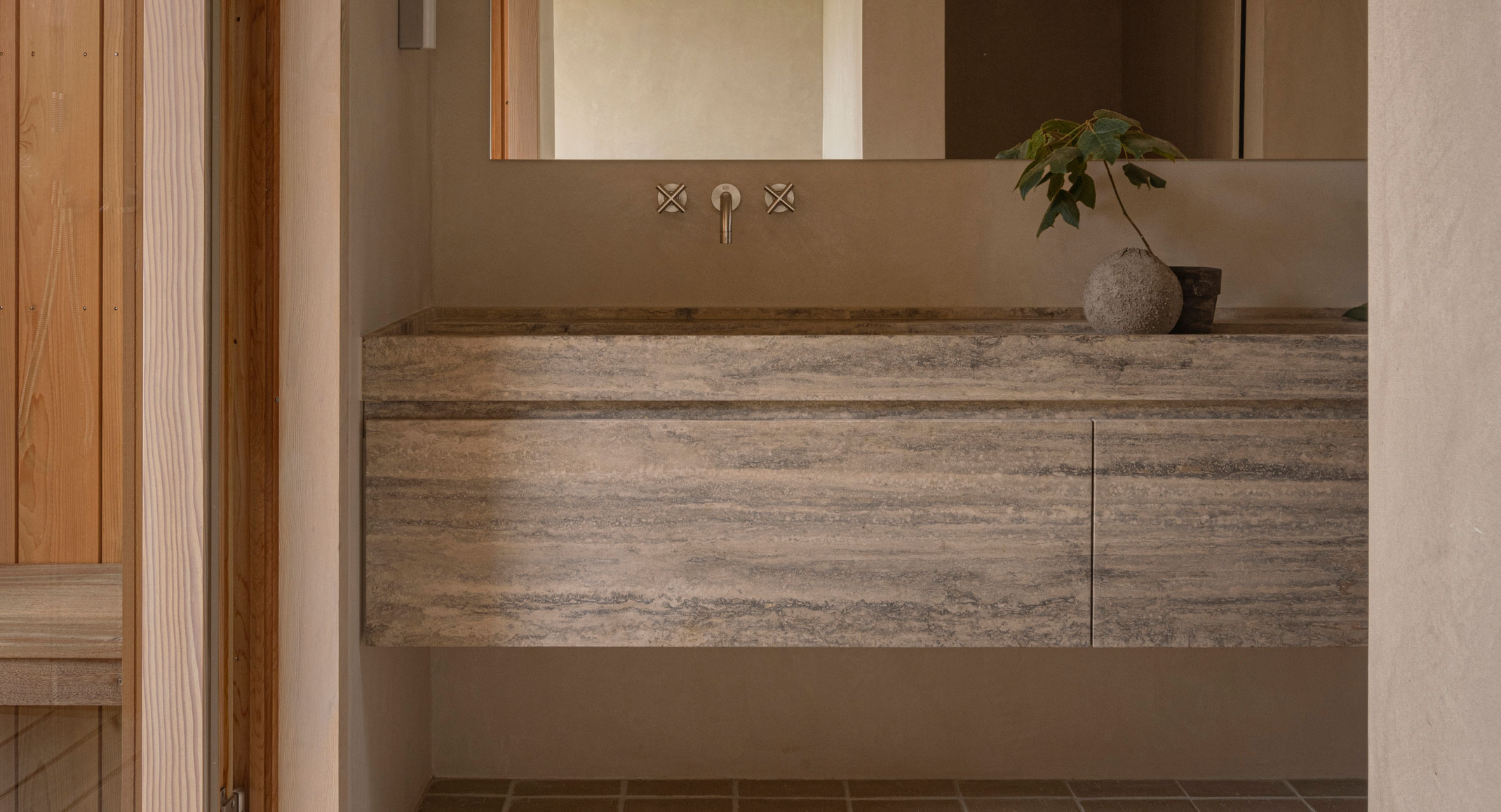
A key component of the Japandi trend in bathrooms is contemporary wooden furniture. This choice reflects a broader consumer shift towards sustainable furniture and a clear antidote to fast-fashion interior design choices. The natural finish of wood introduces warmth and coziness while also delivering on functionality and longevity. Light-colored wood furniture, in particular, offers versatility, allowing it to seamlessly integrate into existing decors or pair well with a variety of other colors and materials.
Industry experts like Holly Aspinall from Geberit, Ben Bryden from RAK Ceramics, Helen Clark from Utopia, and Ash Chilver from HiB concur on the growing demand for Japandi-style wooden bathroom furniture. They highlight the trend's alignment with a 'back to nature' movement, providing homeowners with a soothing, harmonious environment. The style is defined by very clean lines, simple styling, and a distinct organic dimension.
The concept of "wabi-sabi," the Japanese appreciation for imperfect beauty, is also subtly reflected in the use of wood, where each piece's unique grain and texture are celebrated. Wood's inherent warm tones complement fresh, clean ceramics, contributing to the appealing aesthetic of Japandi designs. The incorporation of contemporary wooden bathroom furniture, whether freestanding or wall-hung, is an effortless way to introduce this relaxed style without it becoming dated, provided it maintains a simple, minimalist form with a clear functional purpose.
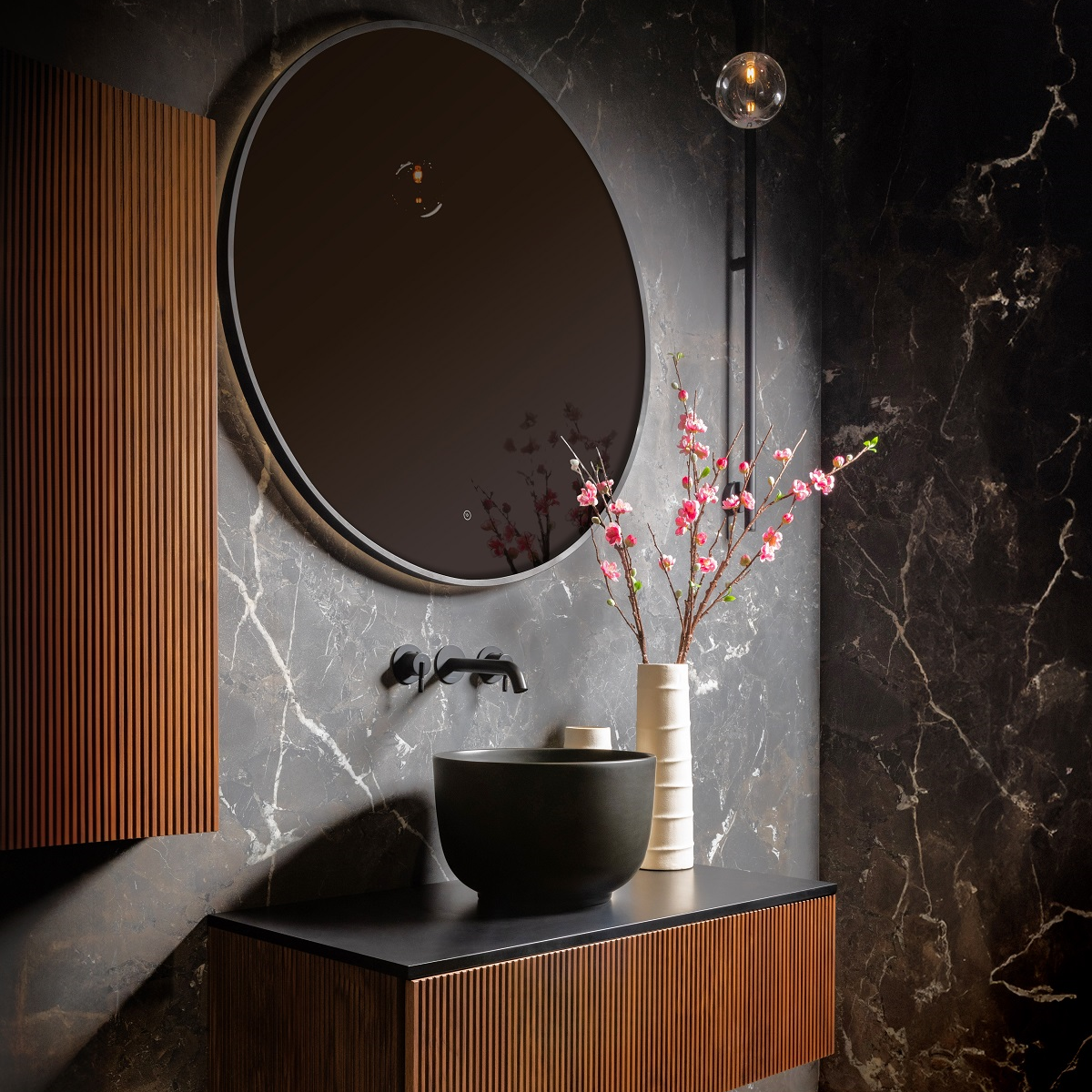
Manufacturers are responding to this trend with collections that feature organic materials and textures, such as solid wood furniture in wild white oak with prominent dark knots, delicate vanity units with thin frames in natural oak finishes, and modular ranges in Scandinavian oak. These offerings underscore the industry's embrace of the Japandi aesthetic, providing consumers with options to create serene and functional bathroom spaces that embody this calming design philosophy.
#JapandiStyle #BathroomDesign #ScandinavianDesign #JapaneseDesign #NaturalMaterials #WoodenFurniture #SpaStyle #MinimalistDesign #InteriorTrends #JapandiStyle #BathroomDesign #ScandinavianDesign #JapaneseDesign #NaturalMaterials #WoodenFurniture #SpaStyle #MinimalistDesign #InteriorTrends
0 comment in total
 No comments yet
You may also like
This New Bathroom Trend Is Going to TRIGGER Minimalists

Year in review: 5 design-led bathroom products from 2024
Here Are the Hottest Bathroom Trends for 2023, According to Design Pros

The Bathroom Shower Upgrade That Is On Trend For 2026
Japandi bathroom ideas : 11 ways to create a calming sanctuary

5 Japandi Bathroom Ideas for Minimalist, Calming Spaces You'll Love to Spend Time in

7 Japanese real estate inspired bathroom decor ideas for a calm and mindful home
“Toilet with a view”: the bathroom trend quickly gaining in popularity

Bathroom Trends
38 Show-Stealing Japandi Bathroom Ideas That Make Other Bathrooms Look Outdated

For Gen Z, bathroom is where the heart, and Instagram is
The 5 Biggest Bathroom Trends for 2023, According to Designers
The Most Popular Finishes for Bathroom Remodels
The Art of Elegance in Bathroom Design: Embracing the 6 Trends of the 2024 Aesthetic

6 Biggest Bathroom Trends Of 2025 – From Walk-In Showers To Double Basins
2019 Bathroom focus: international trends
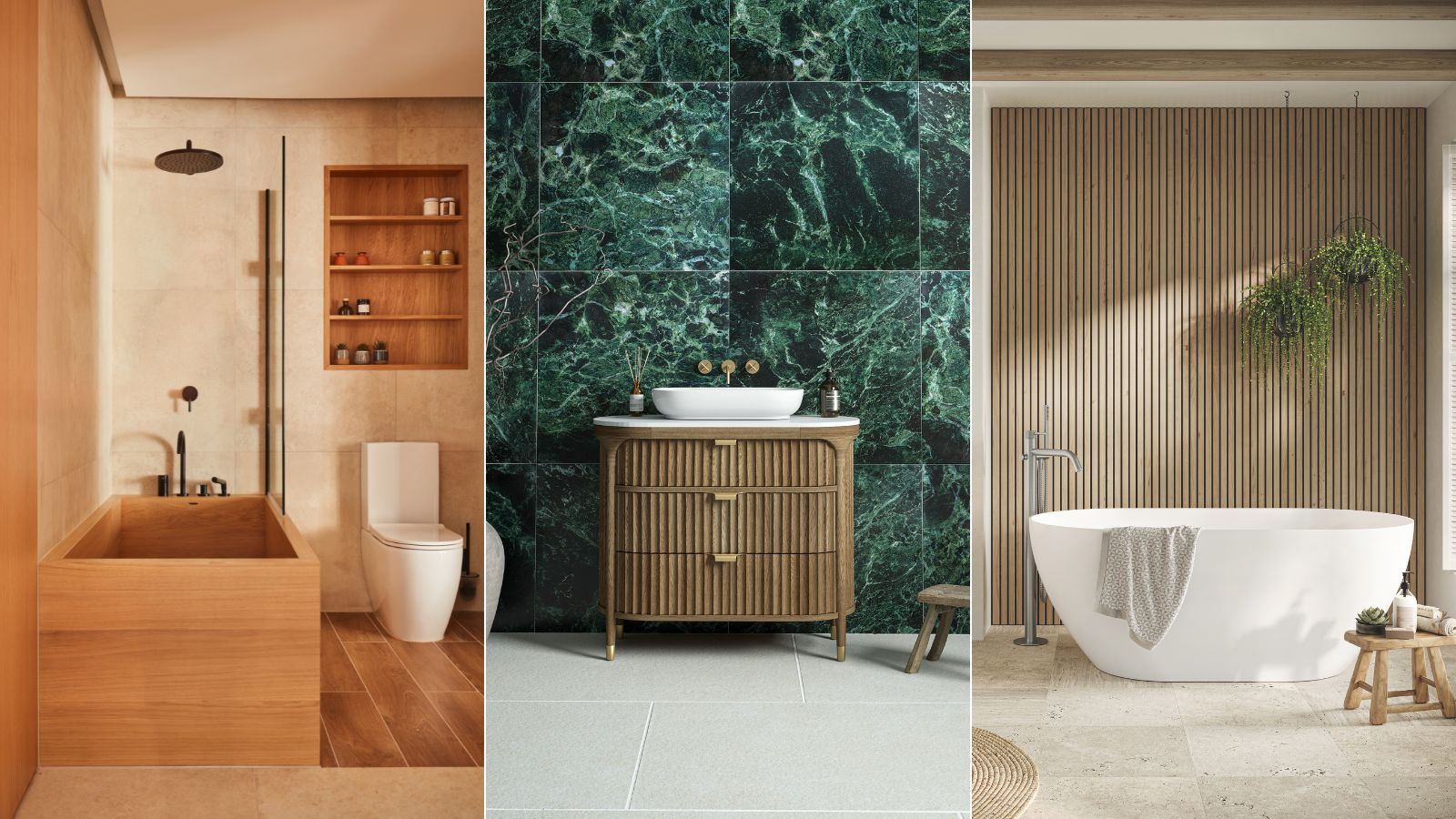
Japanese bathroom design is trending – here's everything you need to know to recreate this serene, mindful style
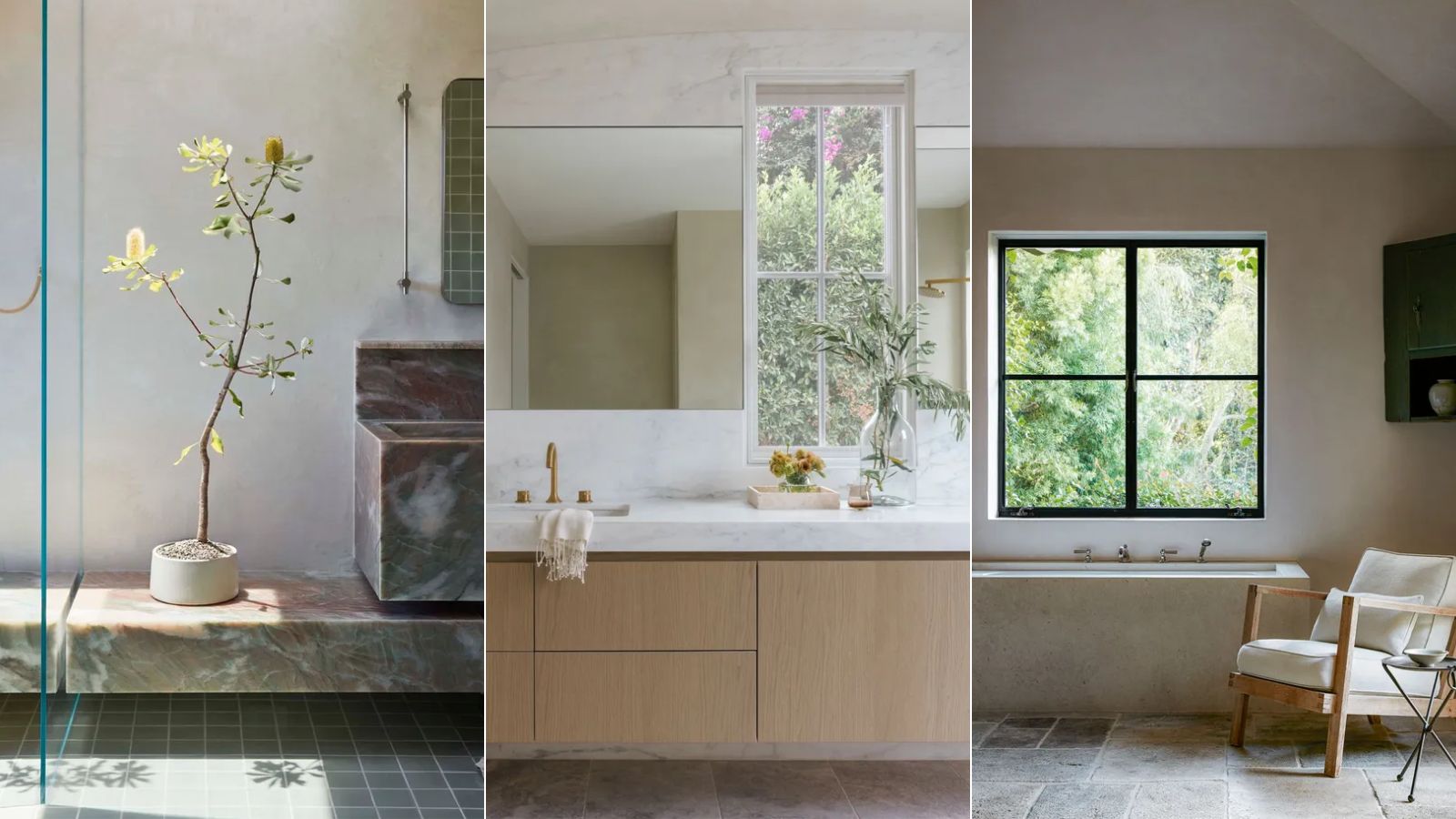
Japandi bathroom ideas – 8 ways to create a nature-inspired, calming sanctuary
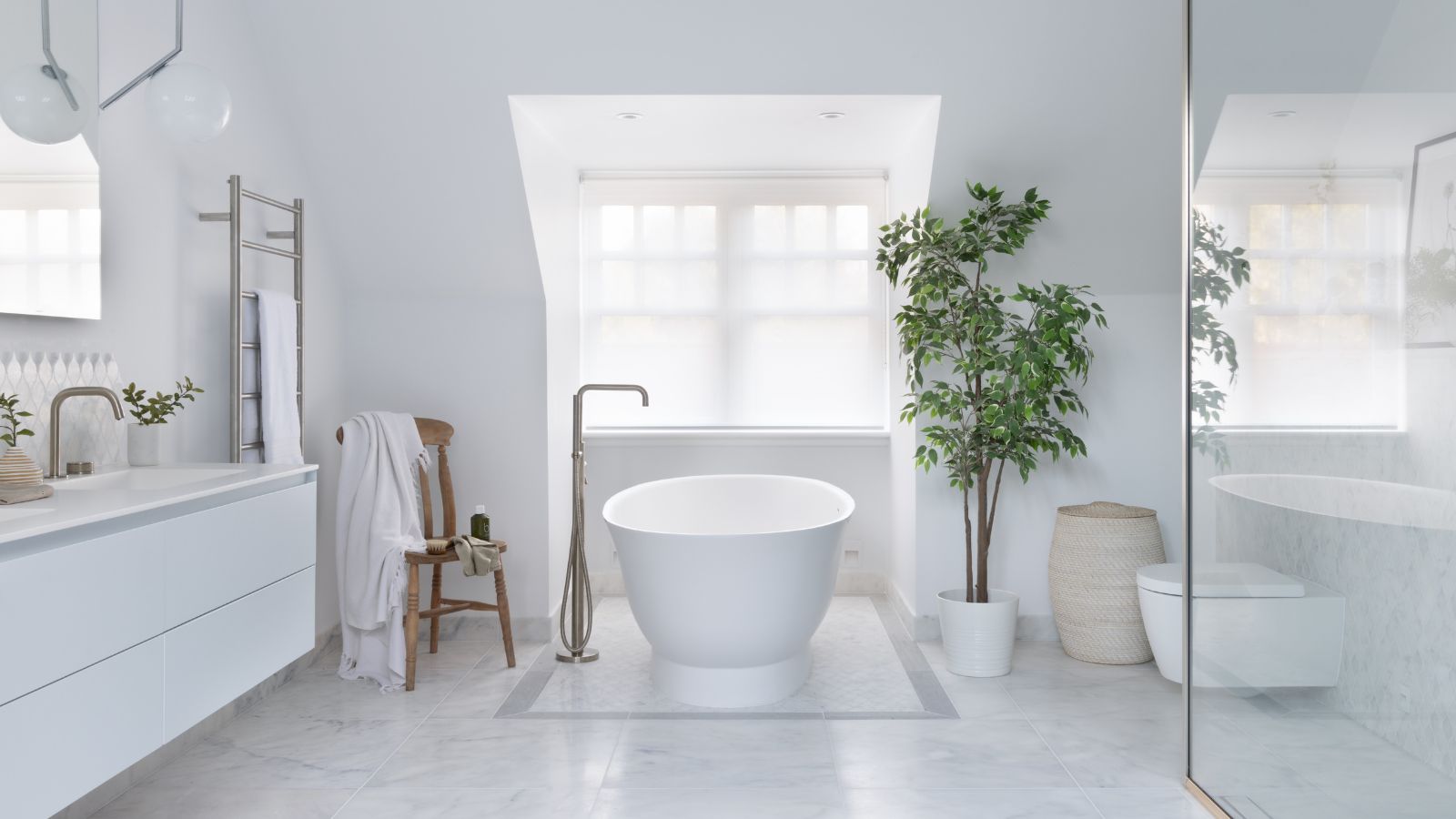
9 minimalist bathroom ideas that bring personality and interest to pared-back schemes
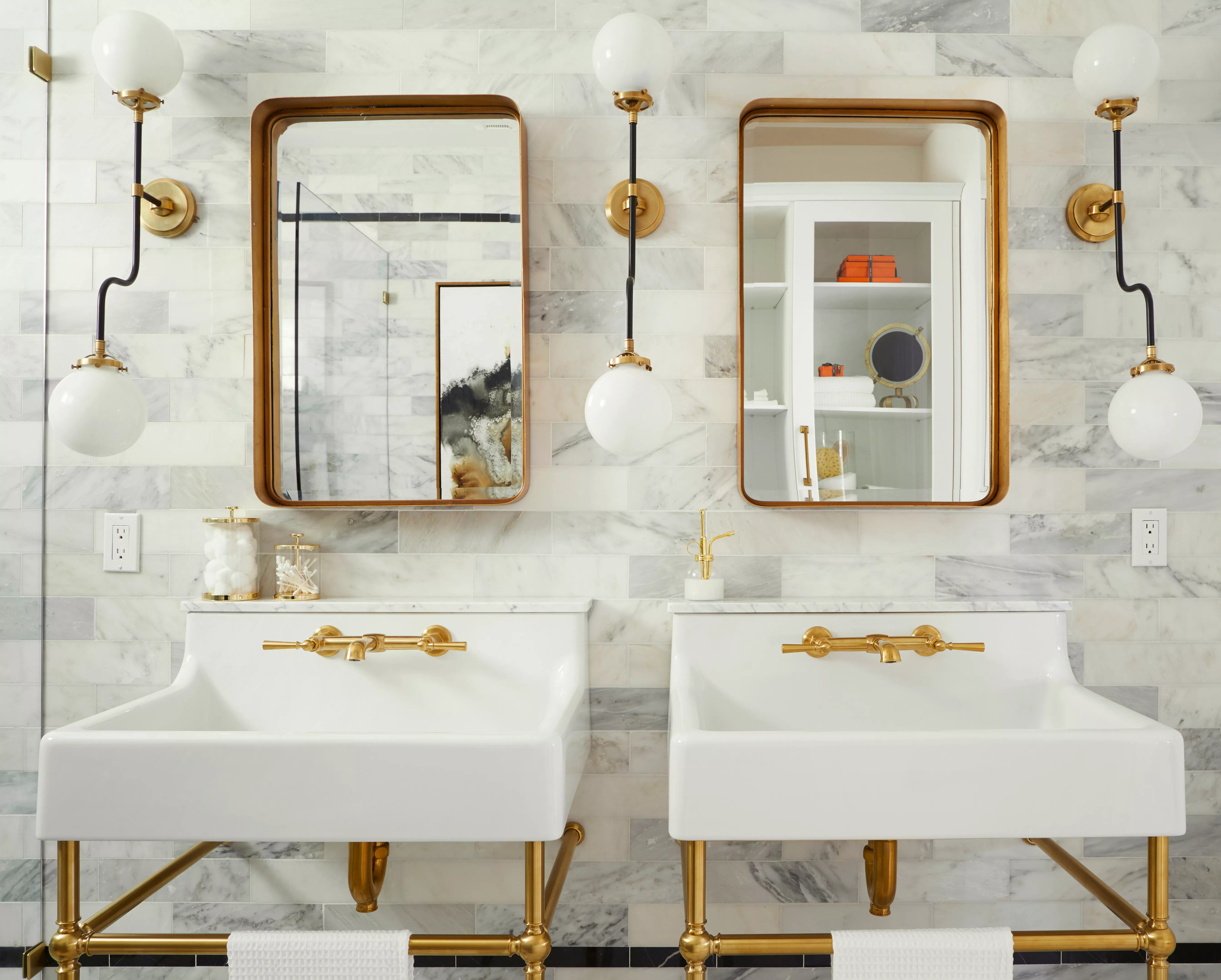
8 Bathroom Design Trends to Refresh Your Home and Routine in 2025