1/12
9 minimalist bathroom ideas that bring personality and interest to pared-back schemes
The article explores contemporary minimalist bathroom design, highlighting how the style has evolved from stark white spaces to more layered and warm approaches. It emphasizes that current minimalism focuses on creating visual interest through careful selection of materials, textures, and tonal contrasts, rather than simply decluttering. The piece presents nine distinct ideas for achieving a chic minimalist bathroom, drawing on insights from various designers.
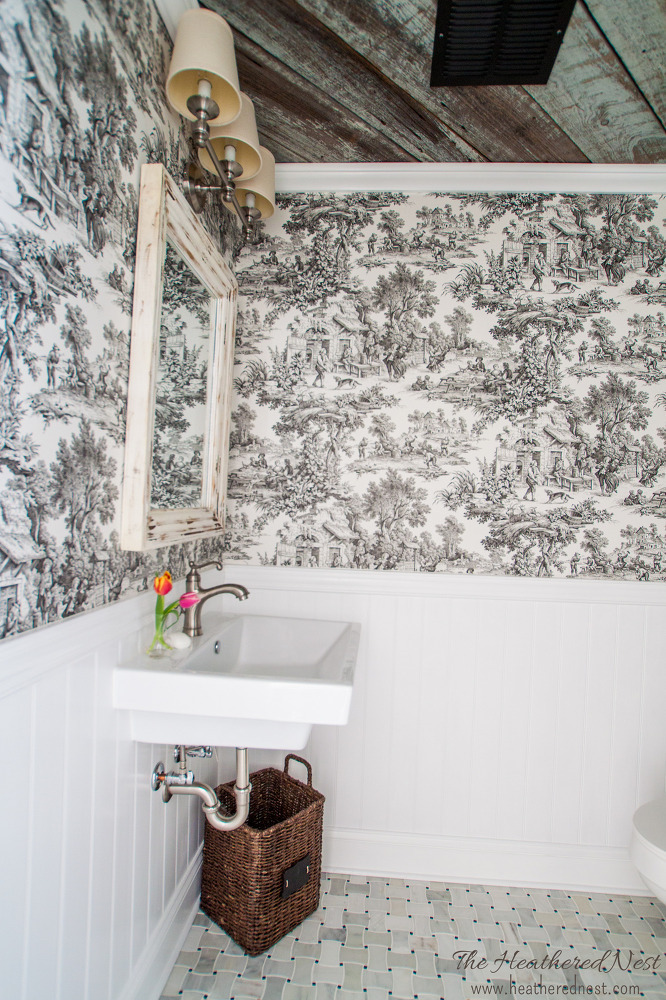
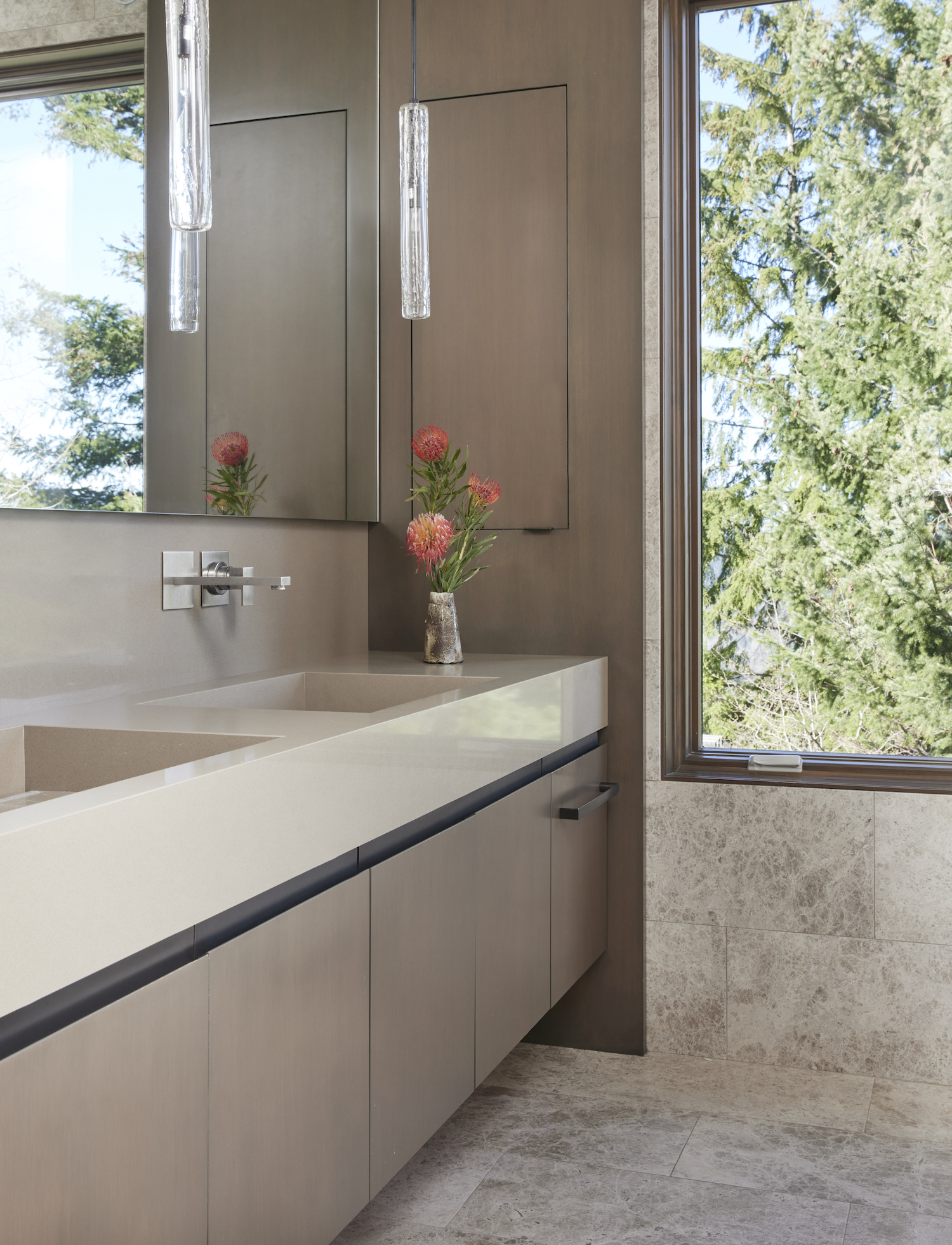
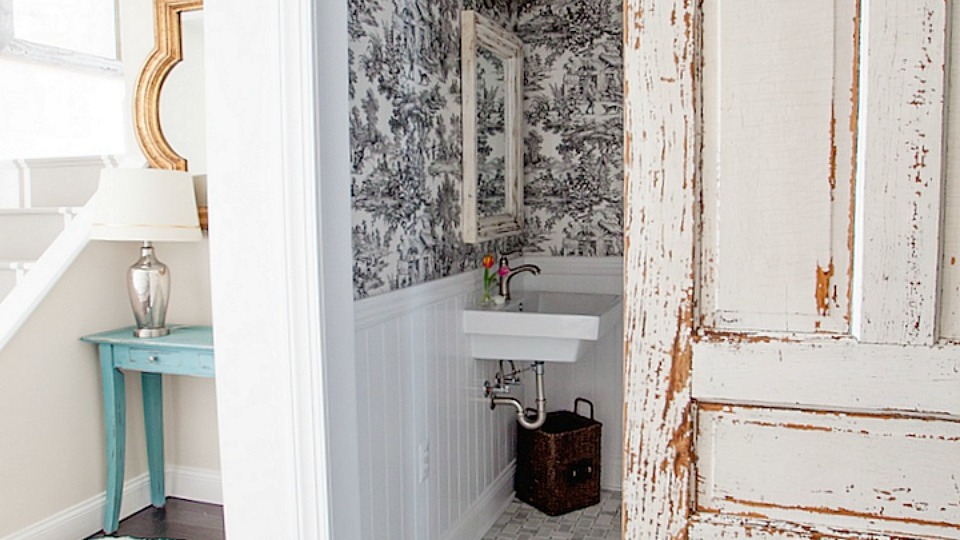
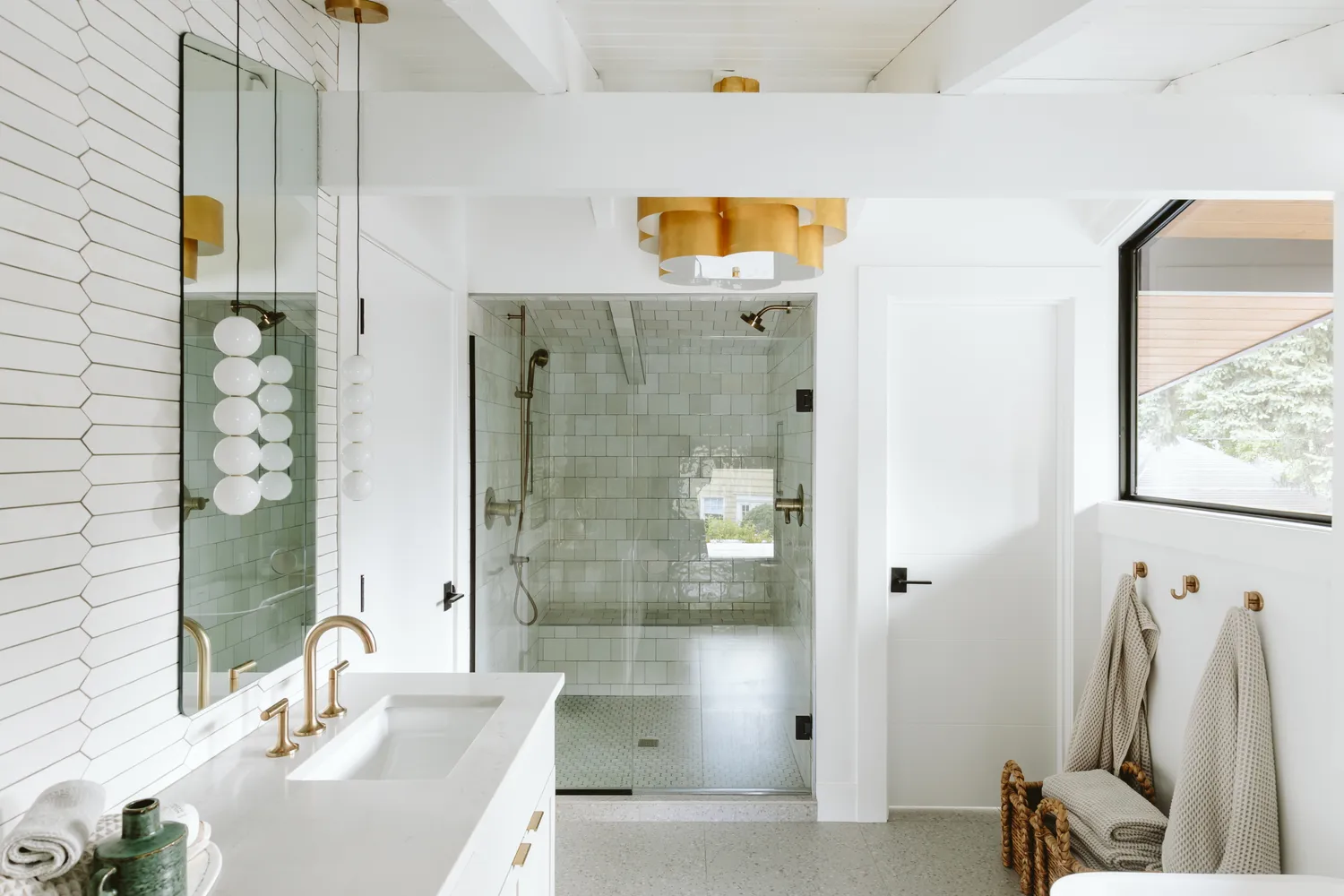
One key idea is the incorporation of wood paneling to add visual depth. Contrary to the misconception of minimalism as empty, sterile spaces, designers like Stefan Hurray of BVA BarnesVanze Architects demonstrate how flush wood paneling and patterned stone tiles can introduce subtle yet effective interest. Black details provide contrast, while woven storage baskets add warmth and natural materials, contributing to a layered aesthetic.
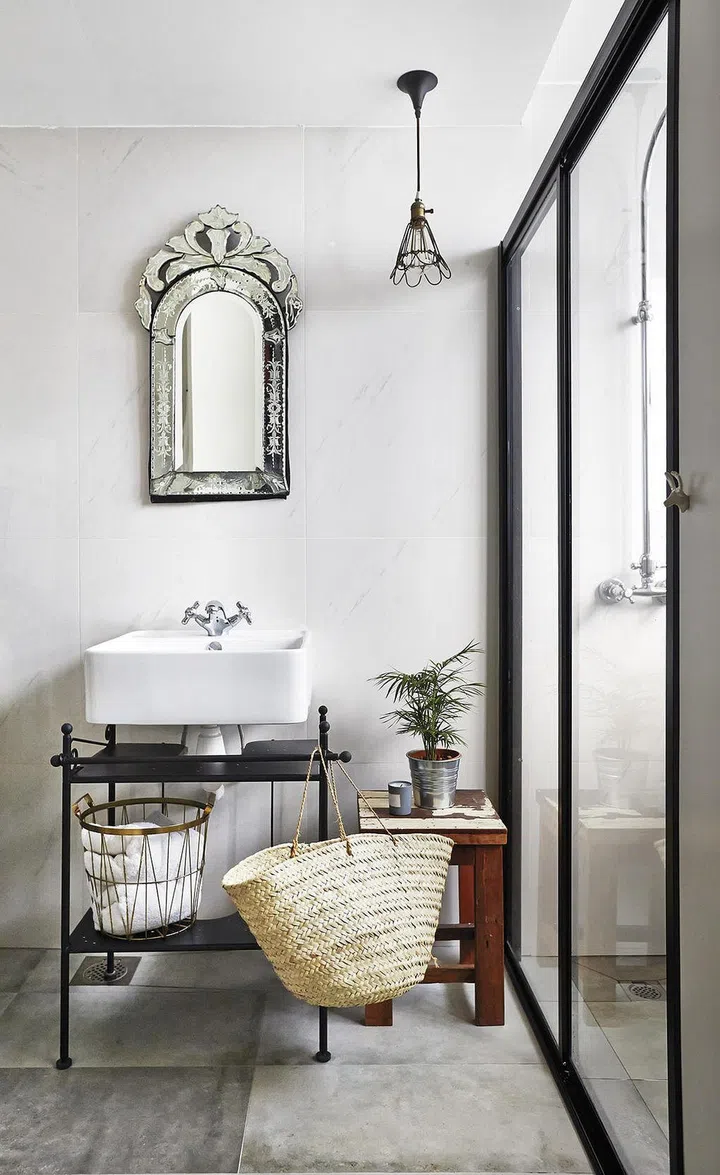
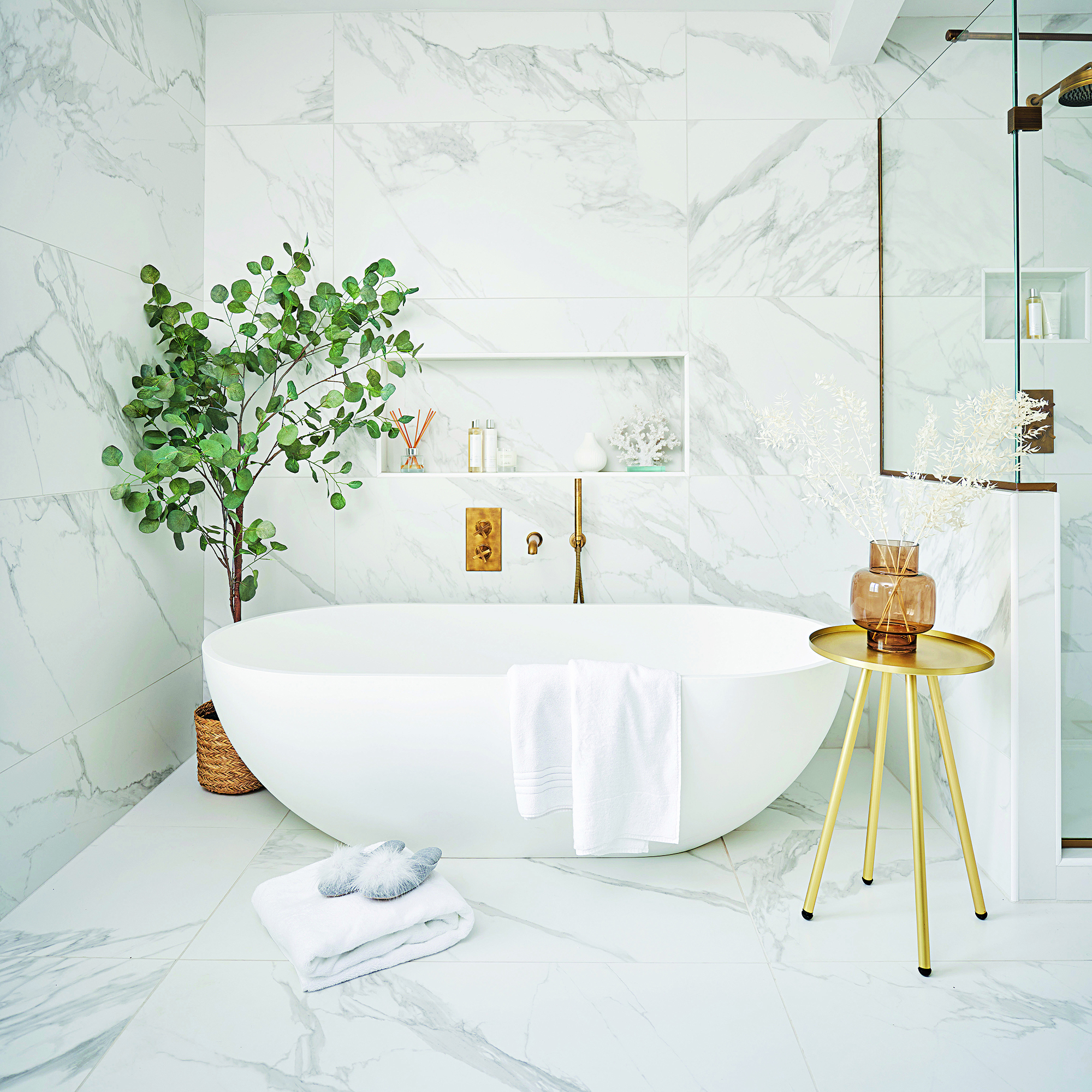
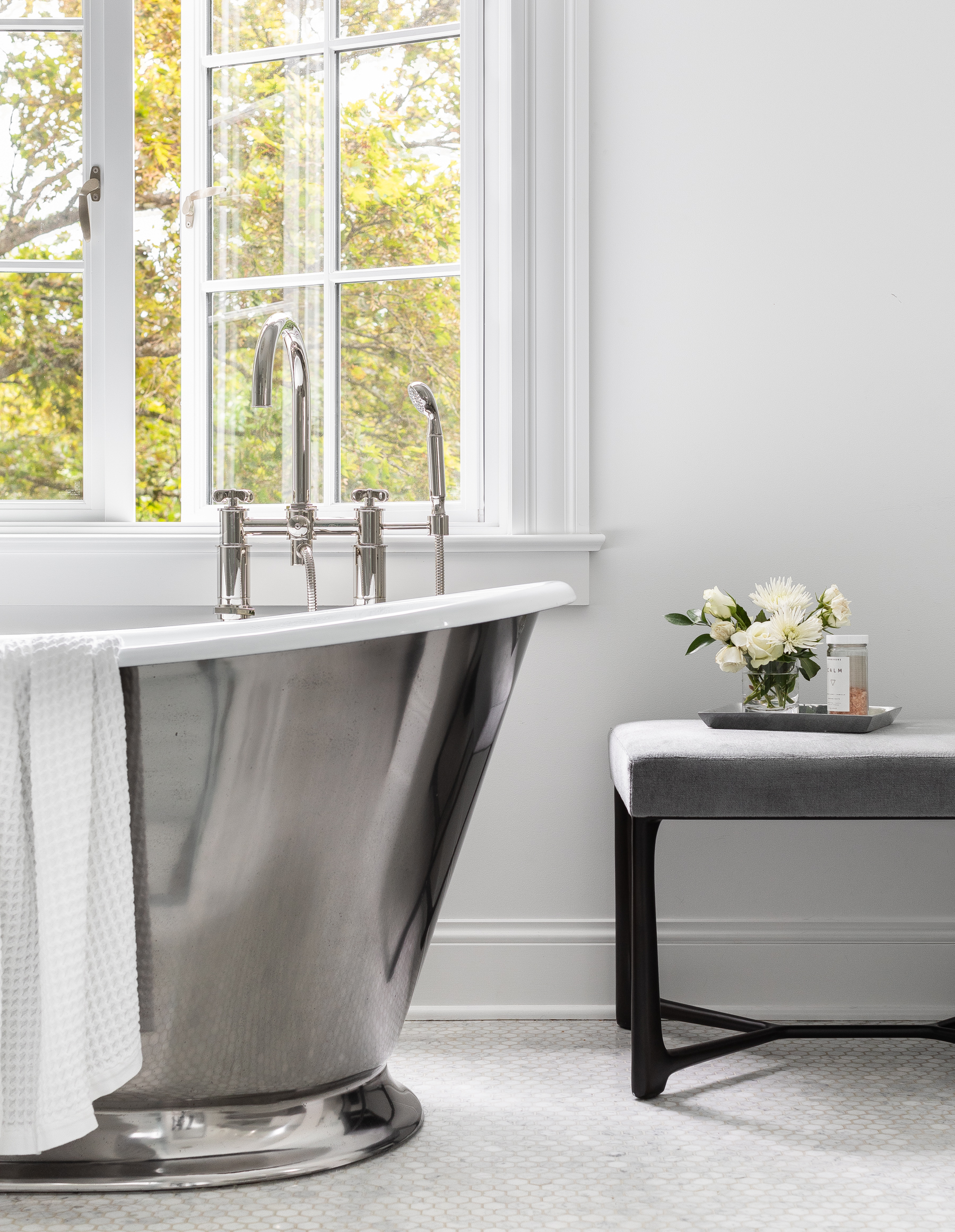
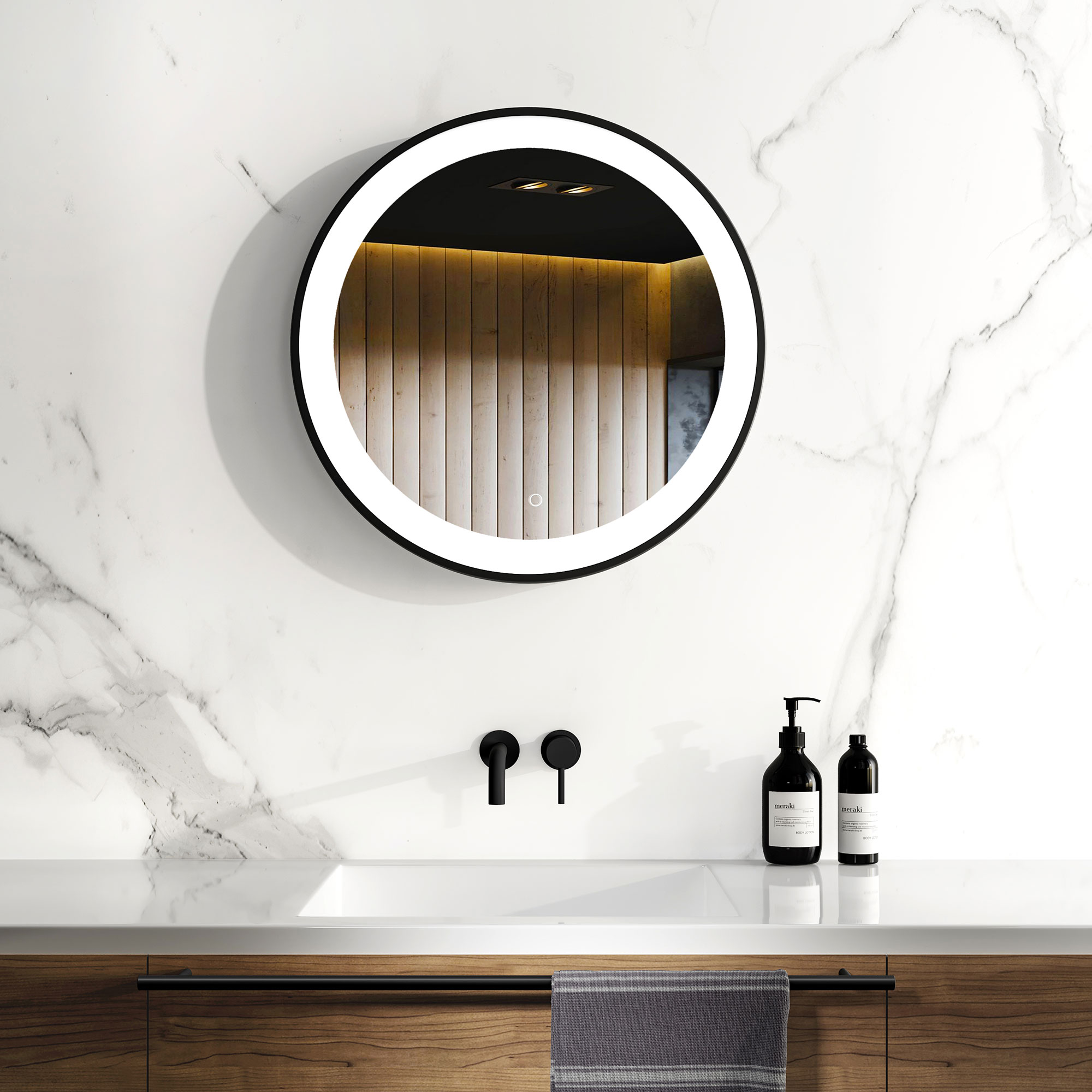
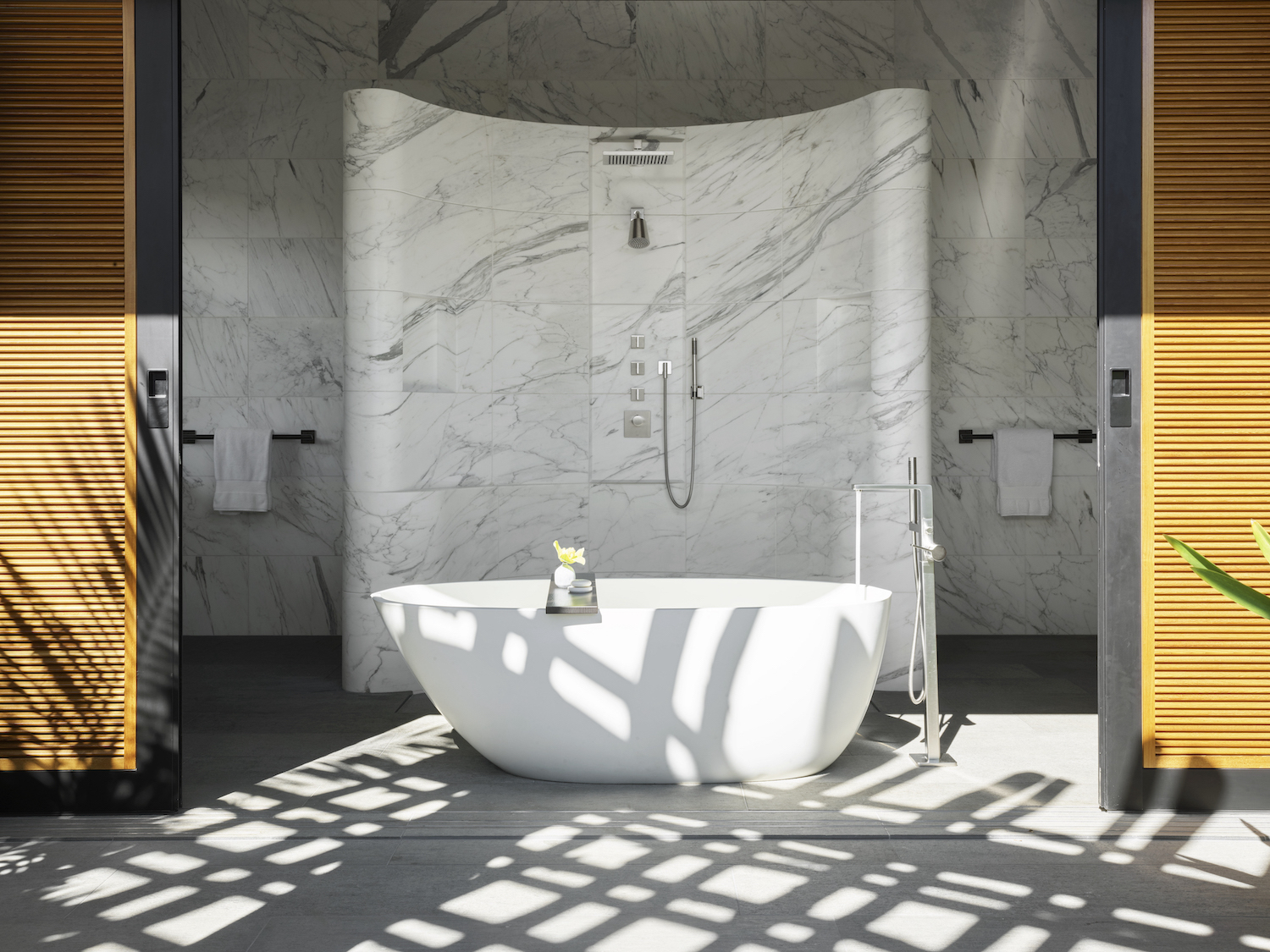
Another approach involves utilizing diverse textures within a neutral color palette to prevent the space from feeling flat. The article illustrates this with an example of a white bathroom that uses different textural layers, such as rustic stone decor, an organic-shaped black mirror, and a prominent freestanding white marble bathtub. These elements, while minimalist in form, collectively create a rich visual experience.
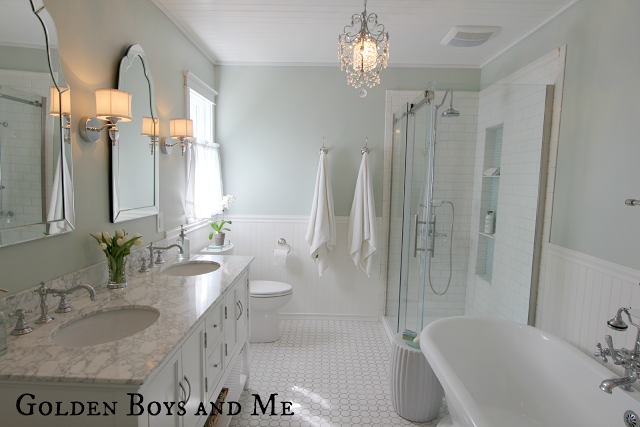
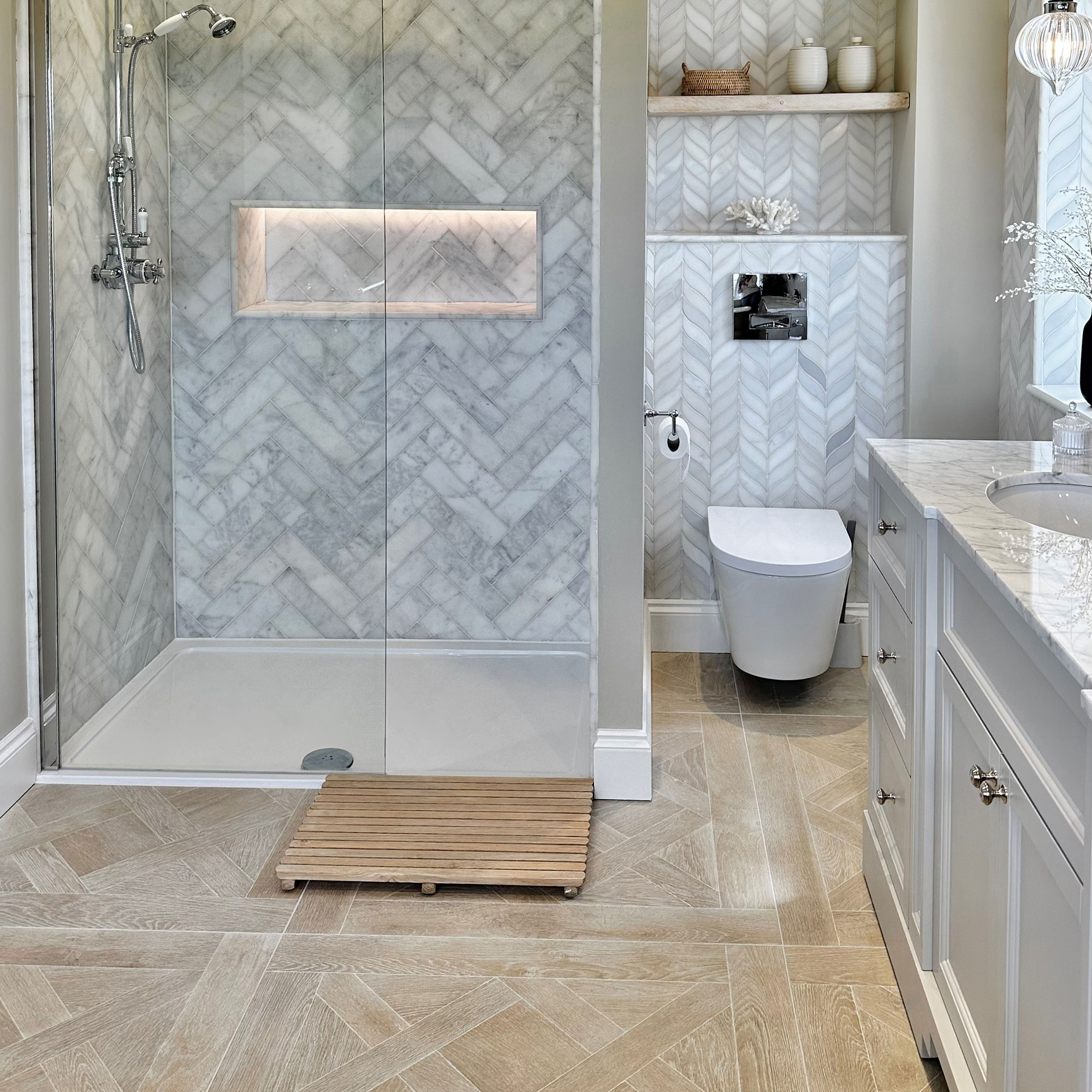
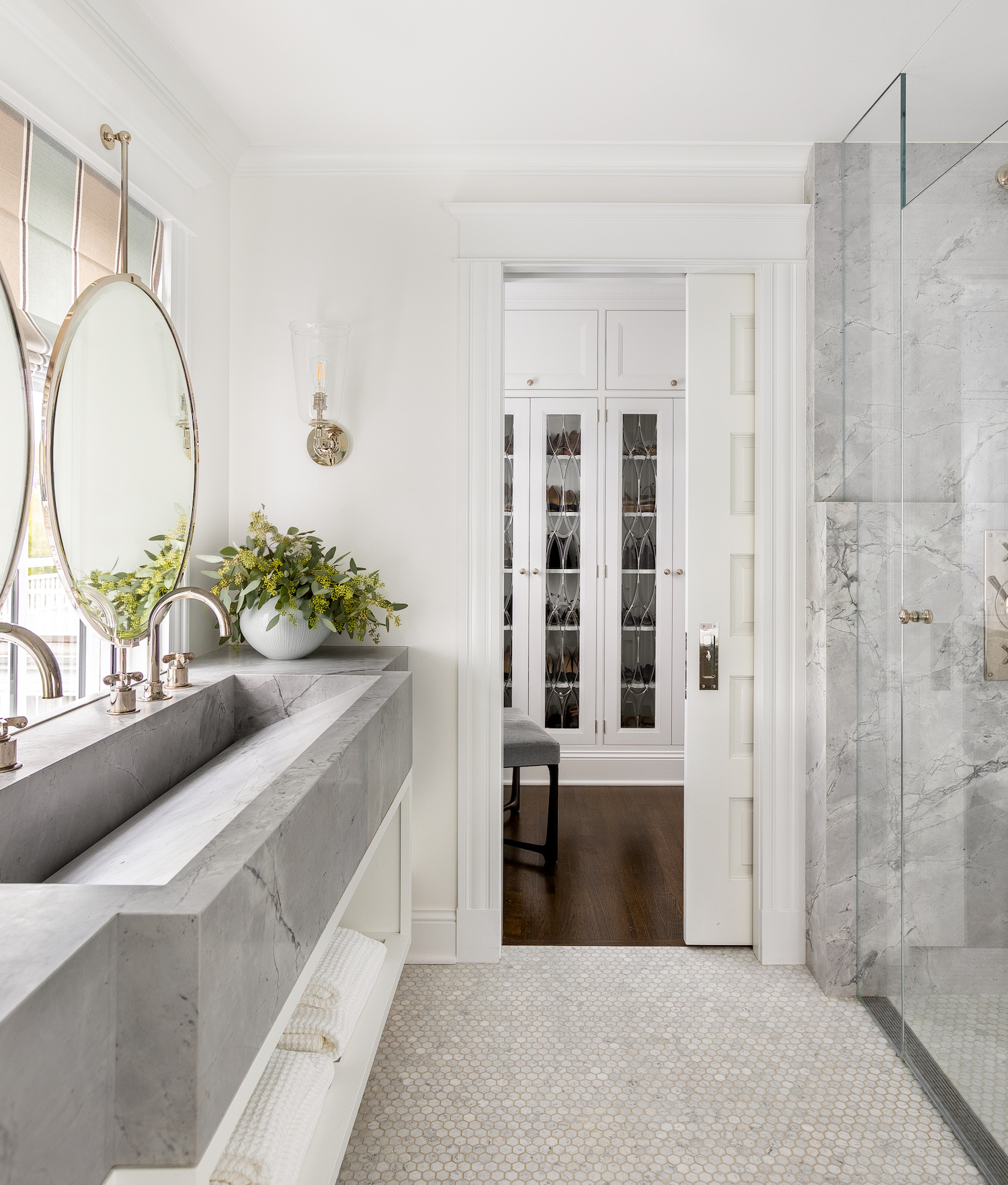
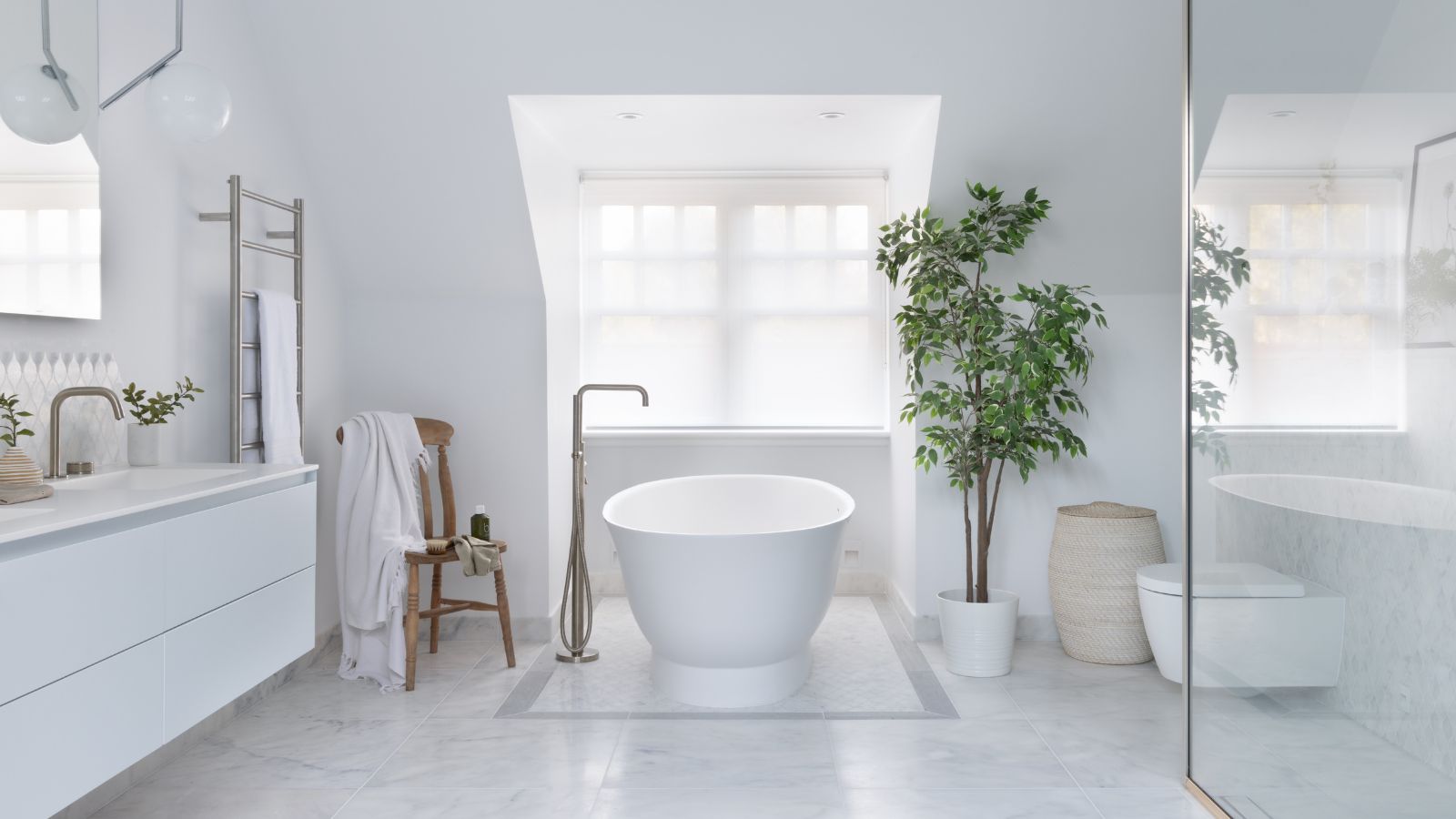
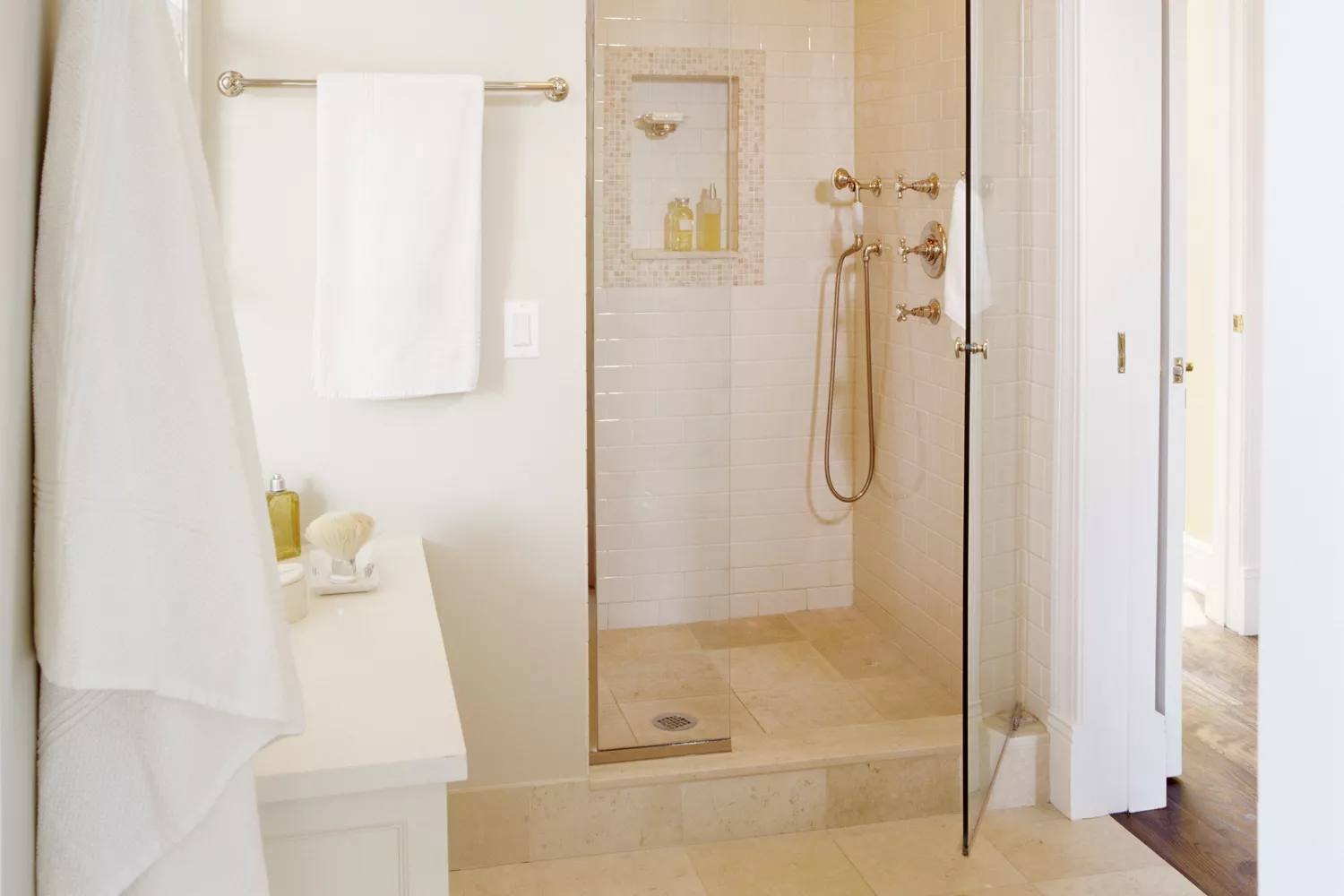
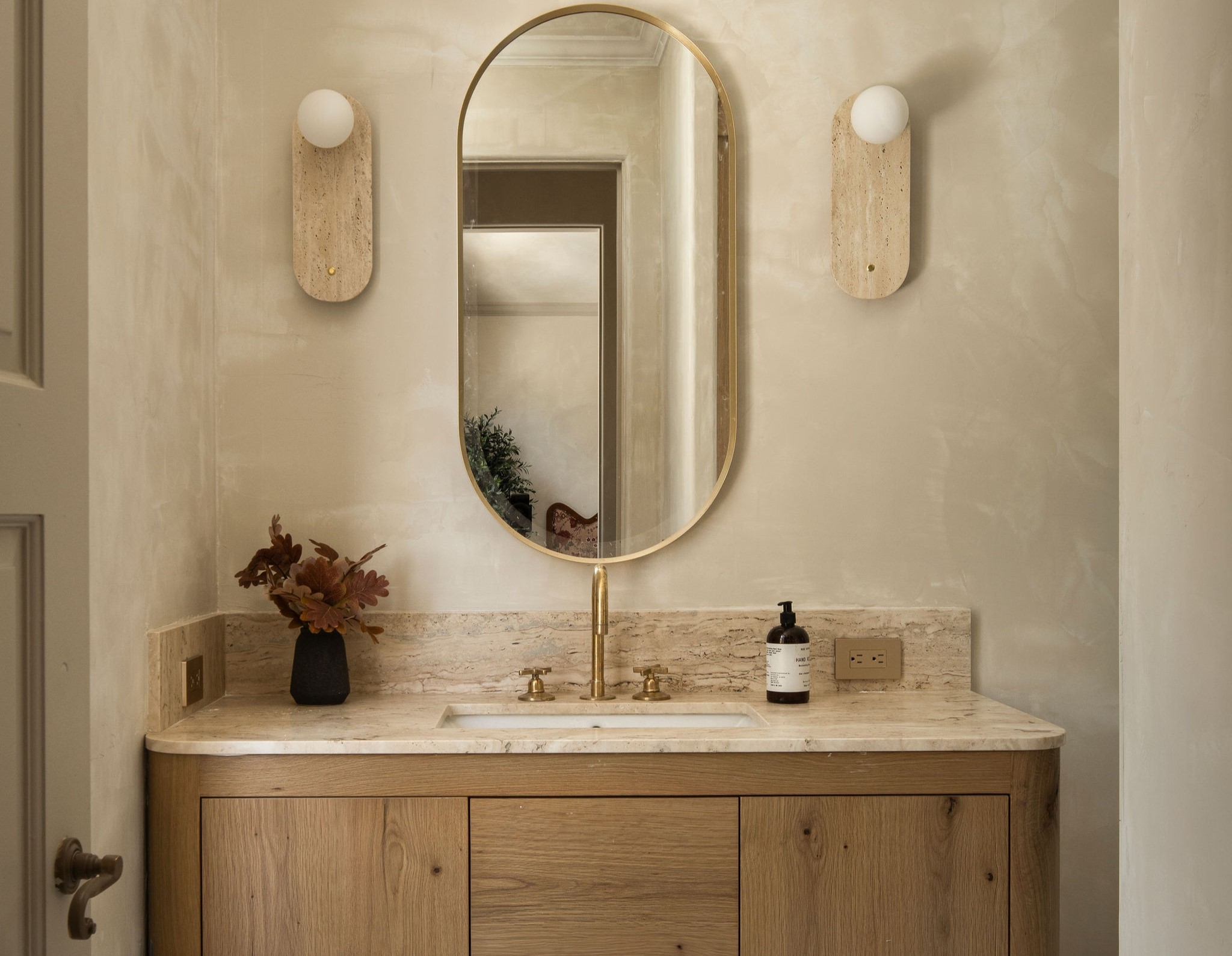
The article also discusses achieving luxury and tranquility through simplicity. Christopher Boutlier Interiors' design exemplifies this by using a limited palette of warm whites, soft-veined marble, and subtle nickel accents. The emphasis is on materiality and proportion, with intentional design choices like slender vanity profiles, flush fixtures, and concealed electrical outlets to maintain visual clarity and avoid clutter. Sculptural yet discrete lighting and natural elements like wood and greenery further enhance the luxurious feel.
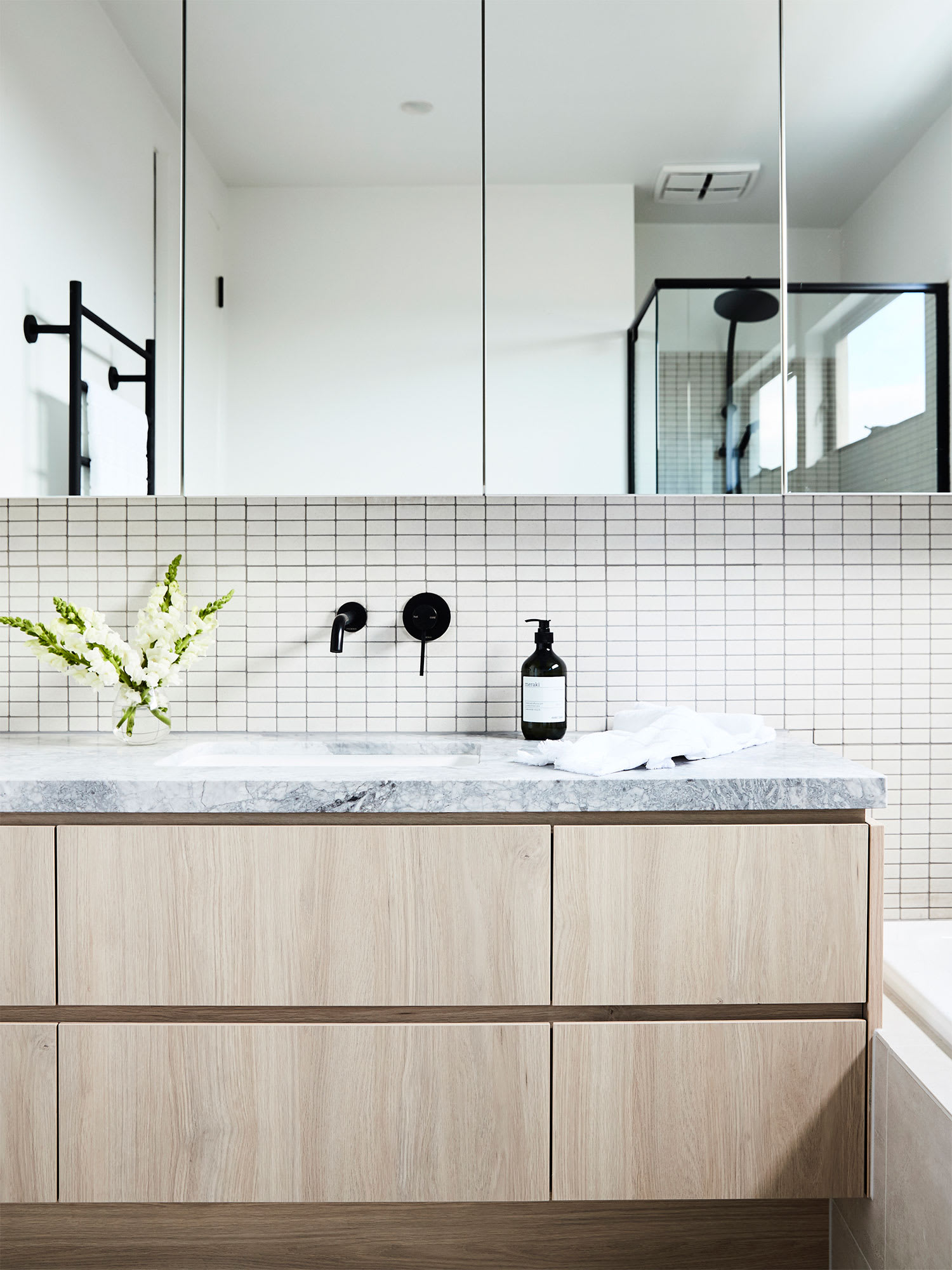
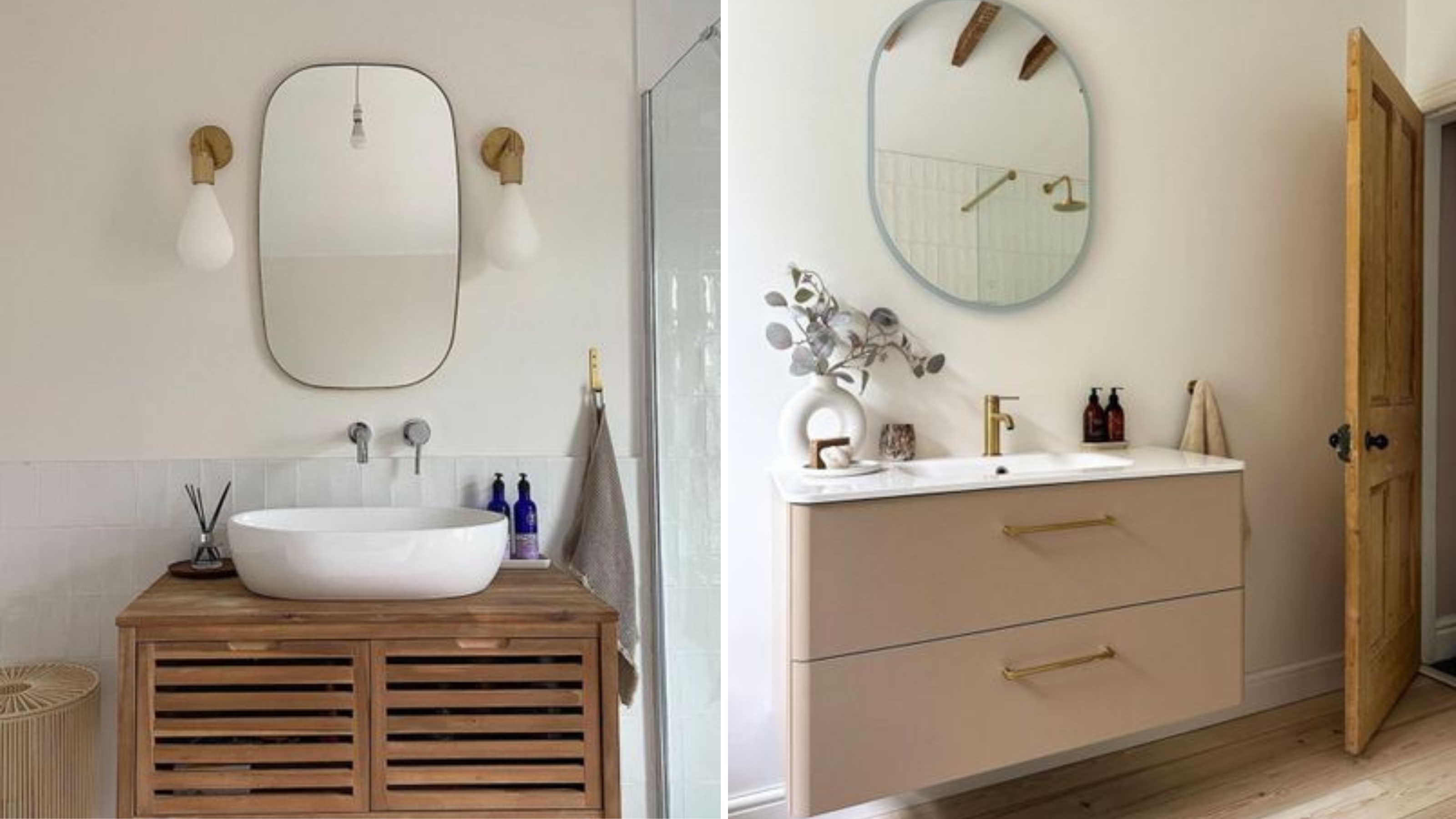
Embracing Japandi style is presented as a way to integrate minimalism with warmth and serenity. This approach uses warm neutrals and subtle textures on all surfaces, often incorporating wooden vanities or other natural finishes to evoke a calming, nature-inspired atmosphere. This style effectively balances simplicity with inviting elements, avoiding a cold or stark outcome.
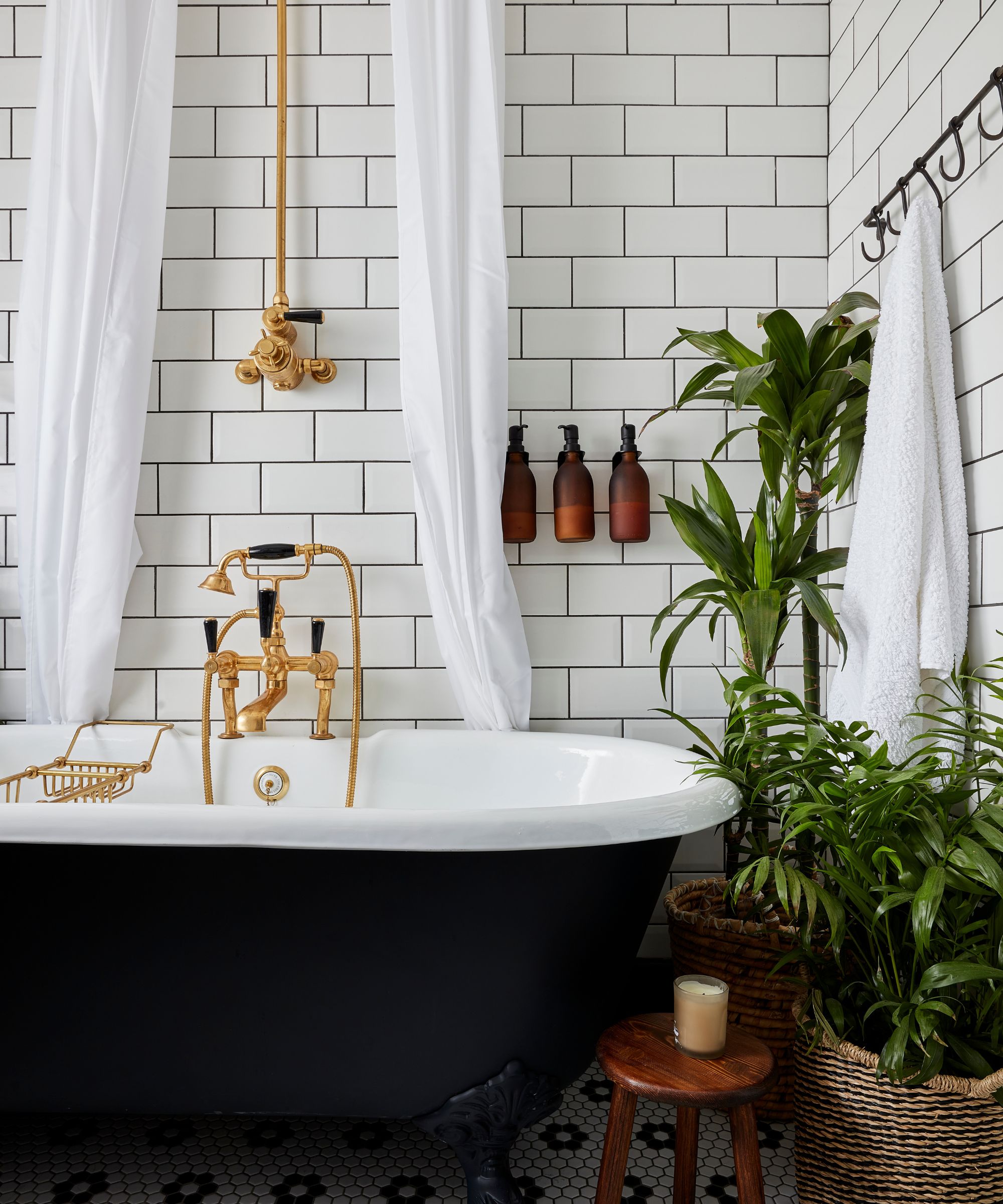
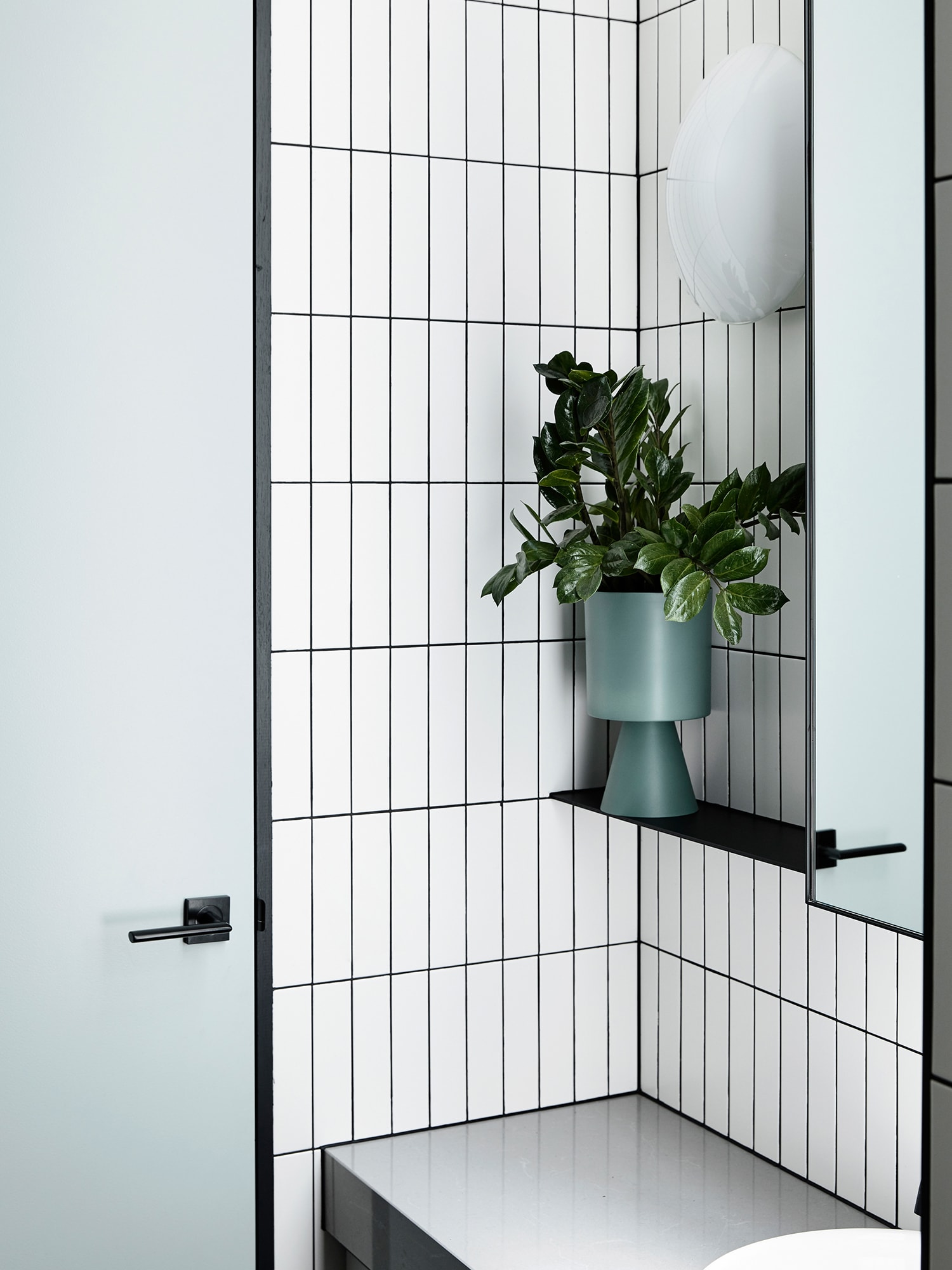
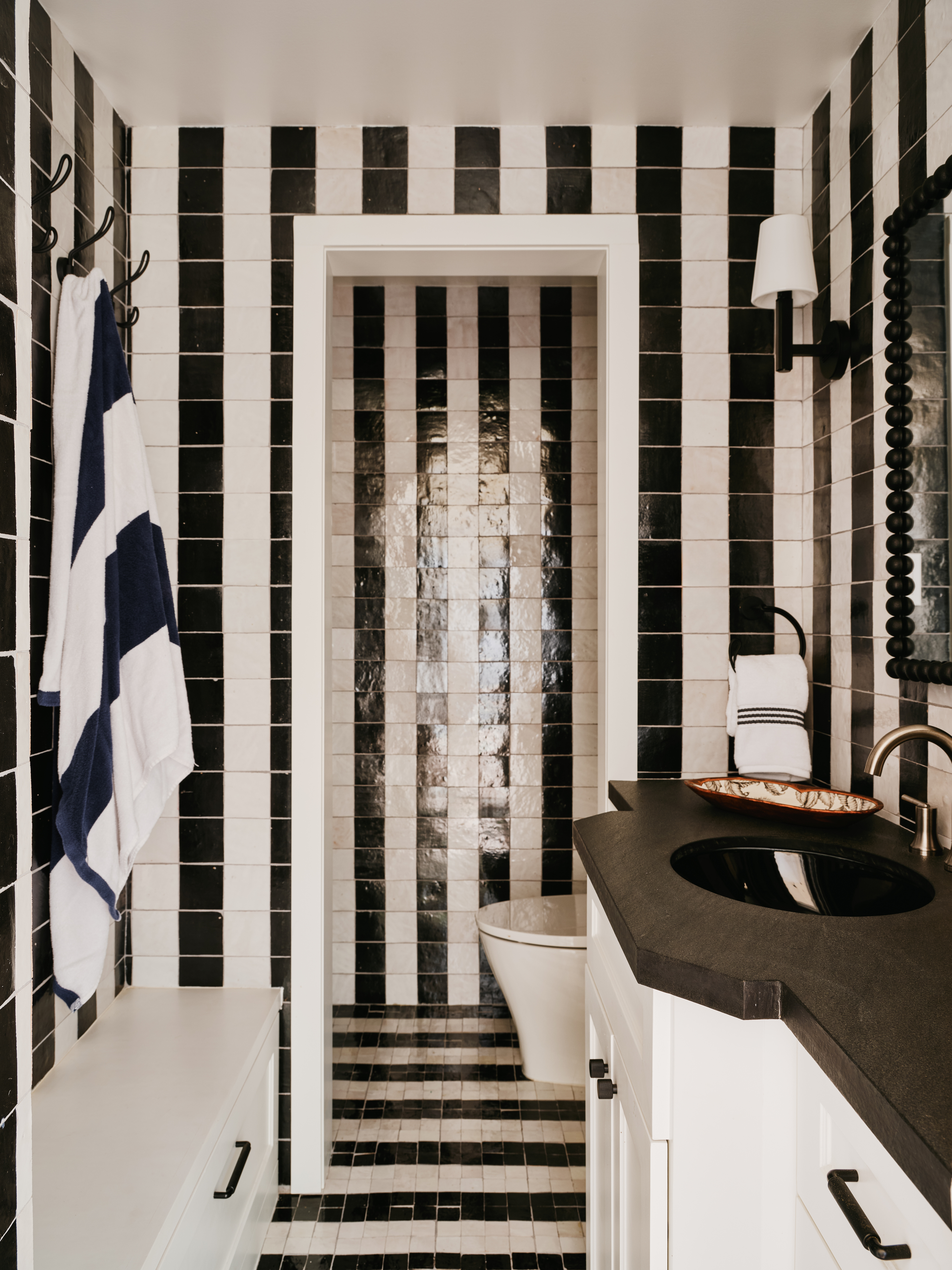
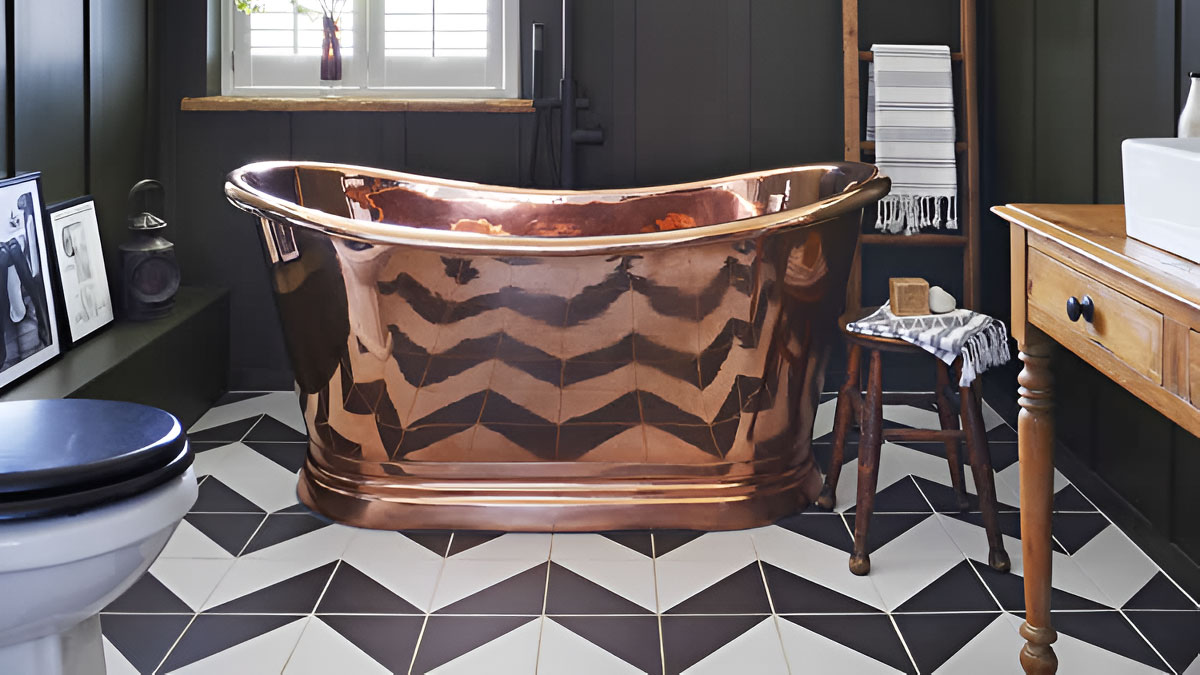
Tonal contrast, particularly black and white, is highlighted as a powerful tool for adding interest to minimalist schemes. Christopher Boutlier's black and white bathroom design, featuring blackened wood, white walls, honed marble, and dark hexagonal tiles, creates striking visual dynamics. Monochromatic decor and chrome faucets unify the palette, while natural variations in materials add depth and tactility.
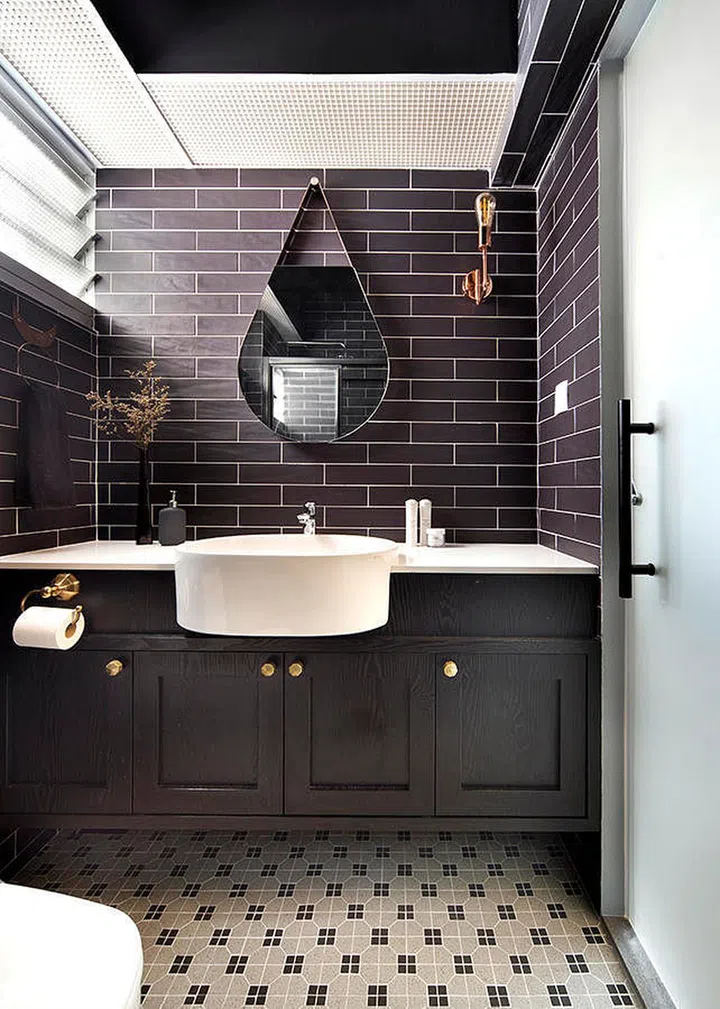
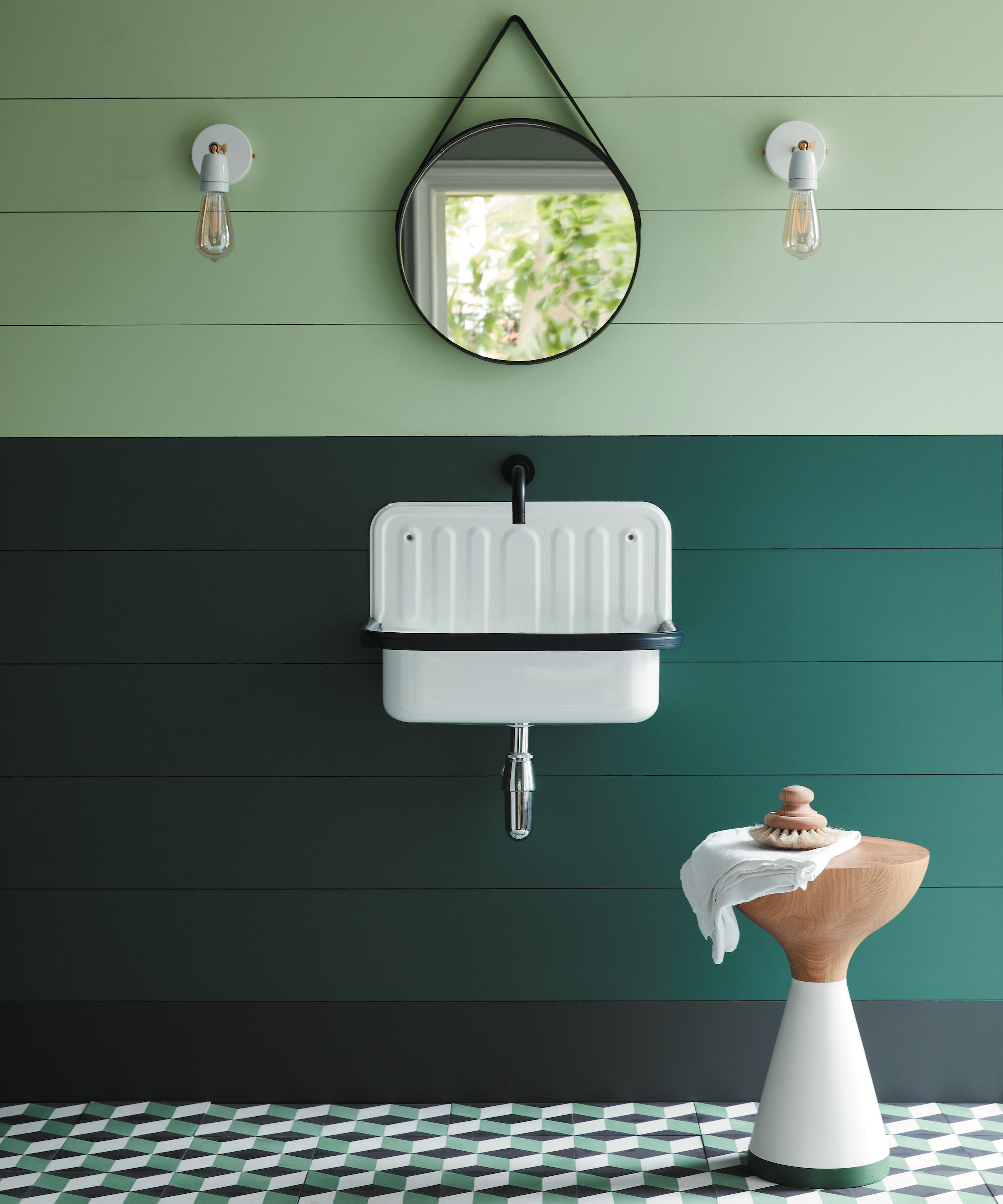
Furthermore, the article suggests exploring darker shades of minimalism, moving beyond light neutrals. Bambi A’Lynn Bratton of Bambi A’Lynn Interior Design champions this by creating moody minimalist spaces where materials like dark tiles speak for themselves. The focus remains on form, texture, and light, with minimal need for art or accessories, ensuring every element serves a purpose.
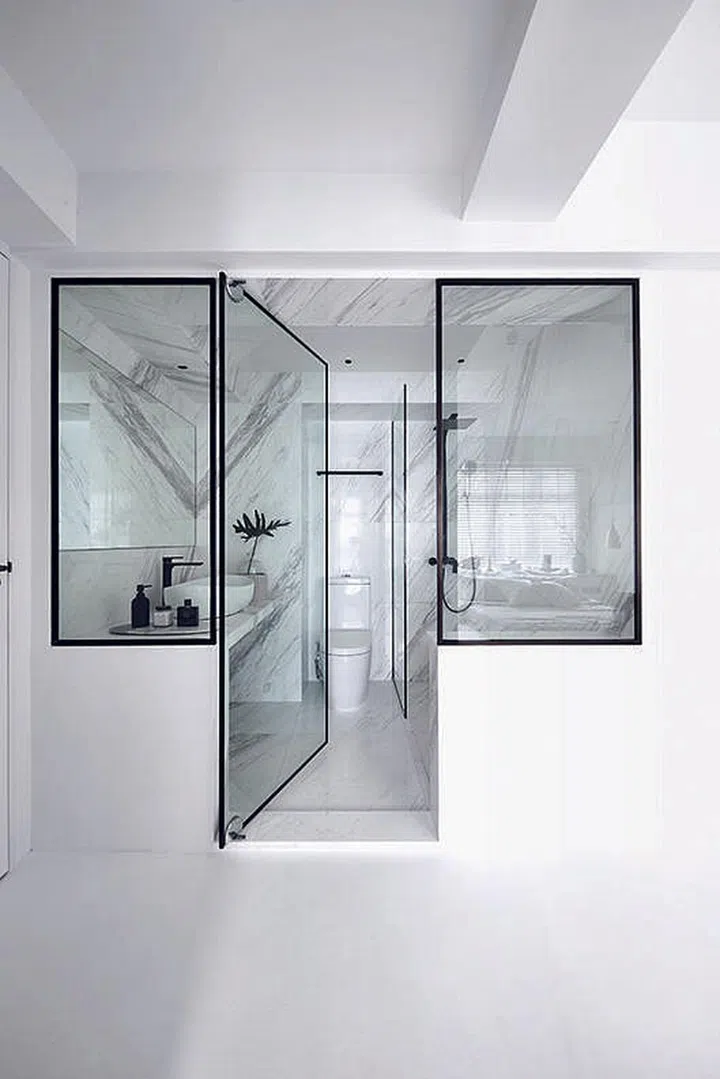
To create an uninterrupted flow in a minimalist bathroom, large format tiles are recommended. Louise Ashdown of West One Bathrooms explains how such tiles enhance the sense of space and flow, especially when combined with soft-edged geometry and a tonal palette. This design strategy ensures that the space feels open and airy without visual breaks.
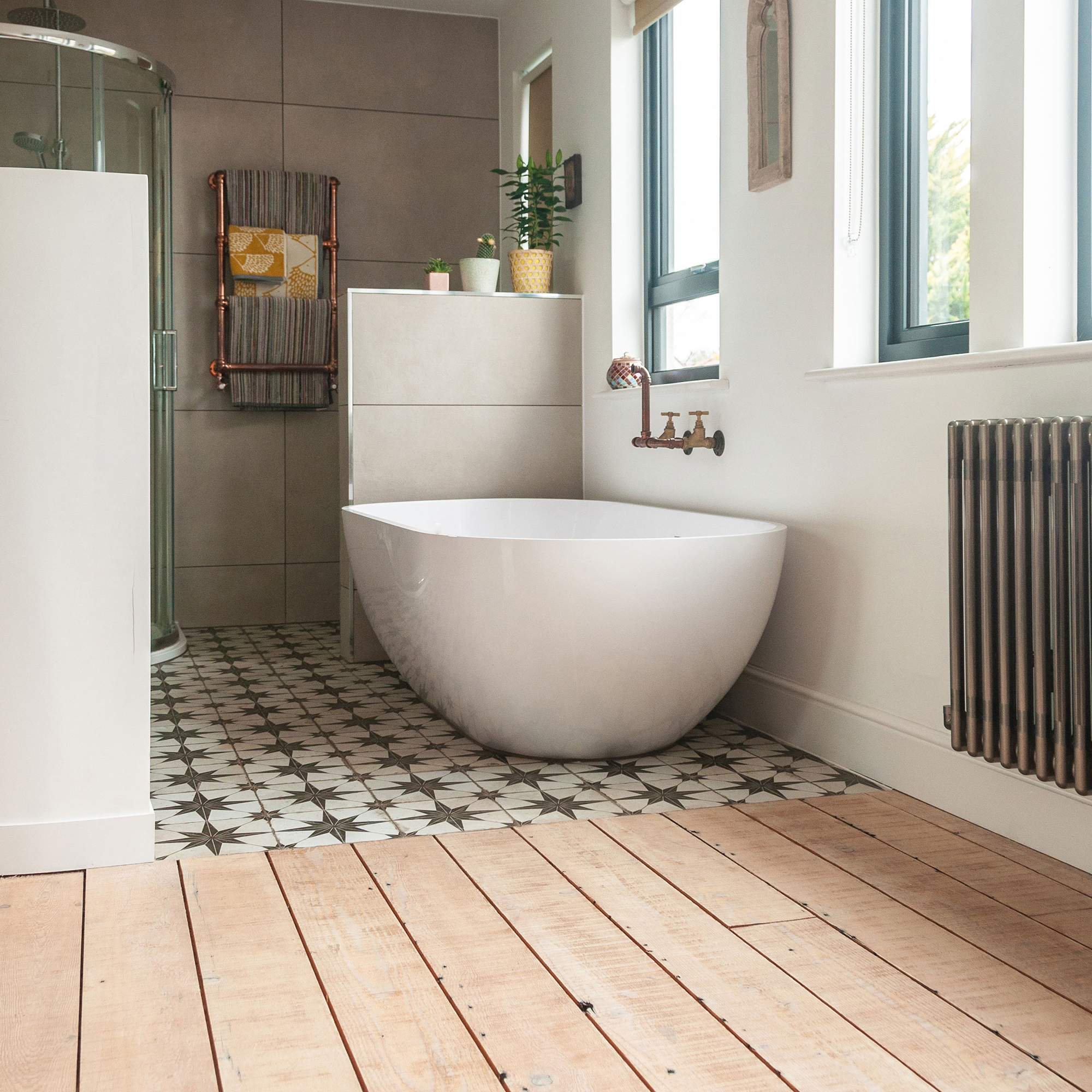
Focusing on form and materials is another crucial aspect. The article features a bathroom by BC Designs that adopts a structured approach to minimalism, using clean lines, defined zones, and a limited color palette. A freestanding bath serves as a focal point, and different tile formats help delineate areas without clutter, ensuring the space remains functional and inviting.
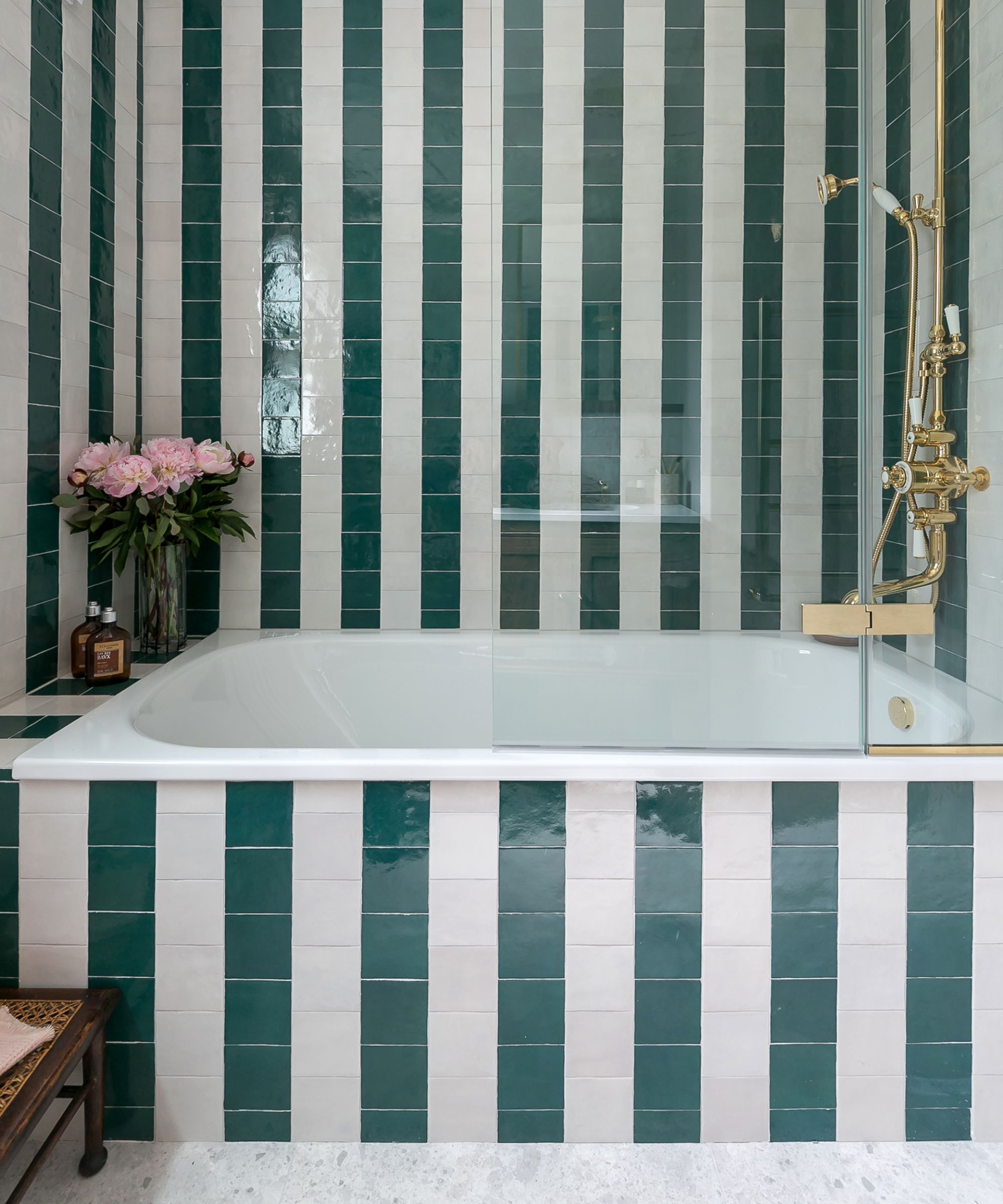
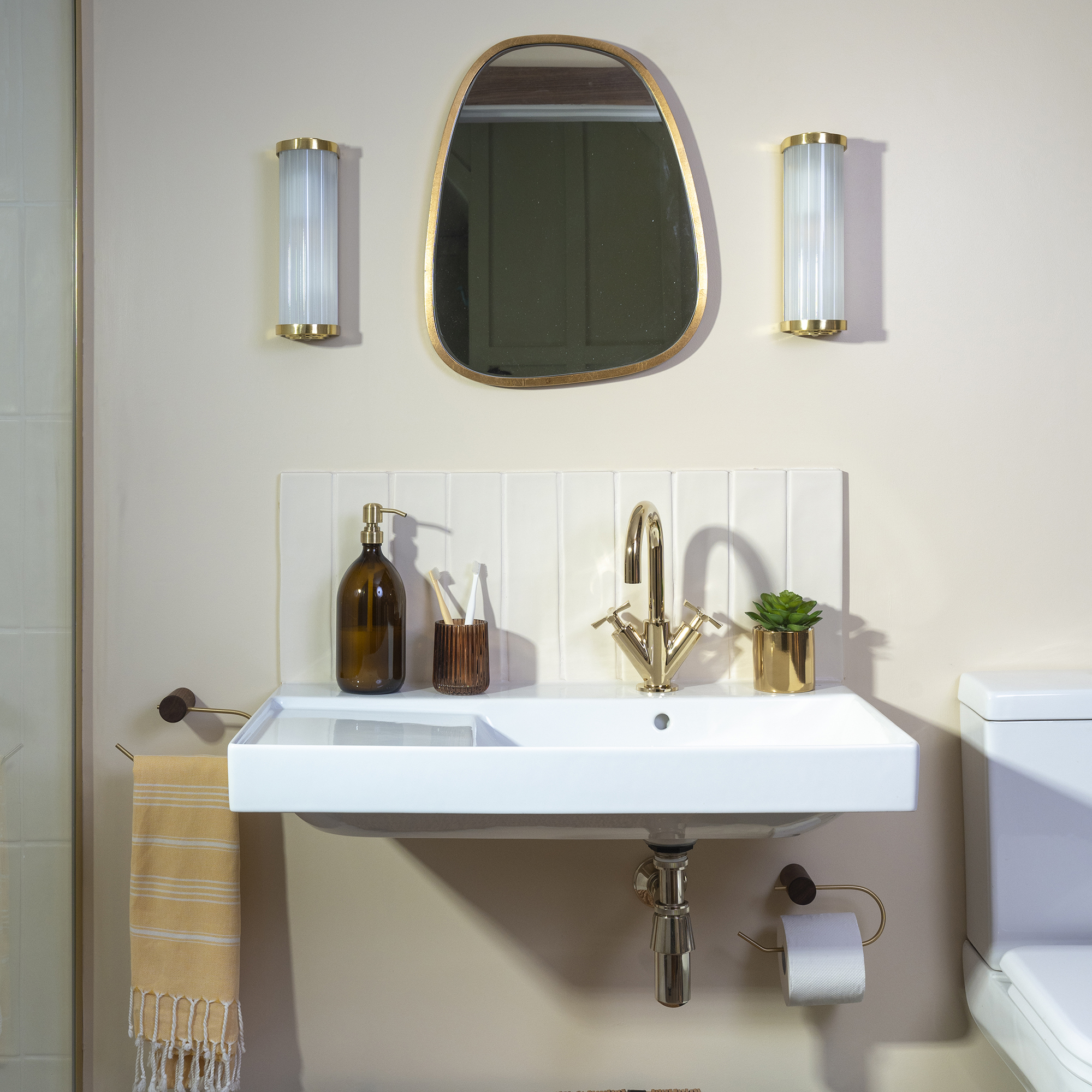
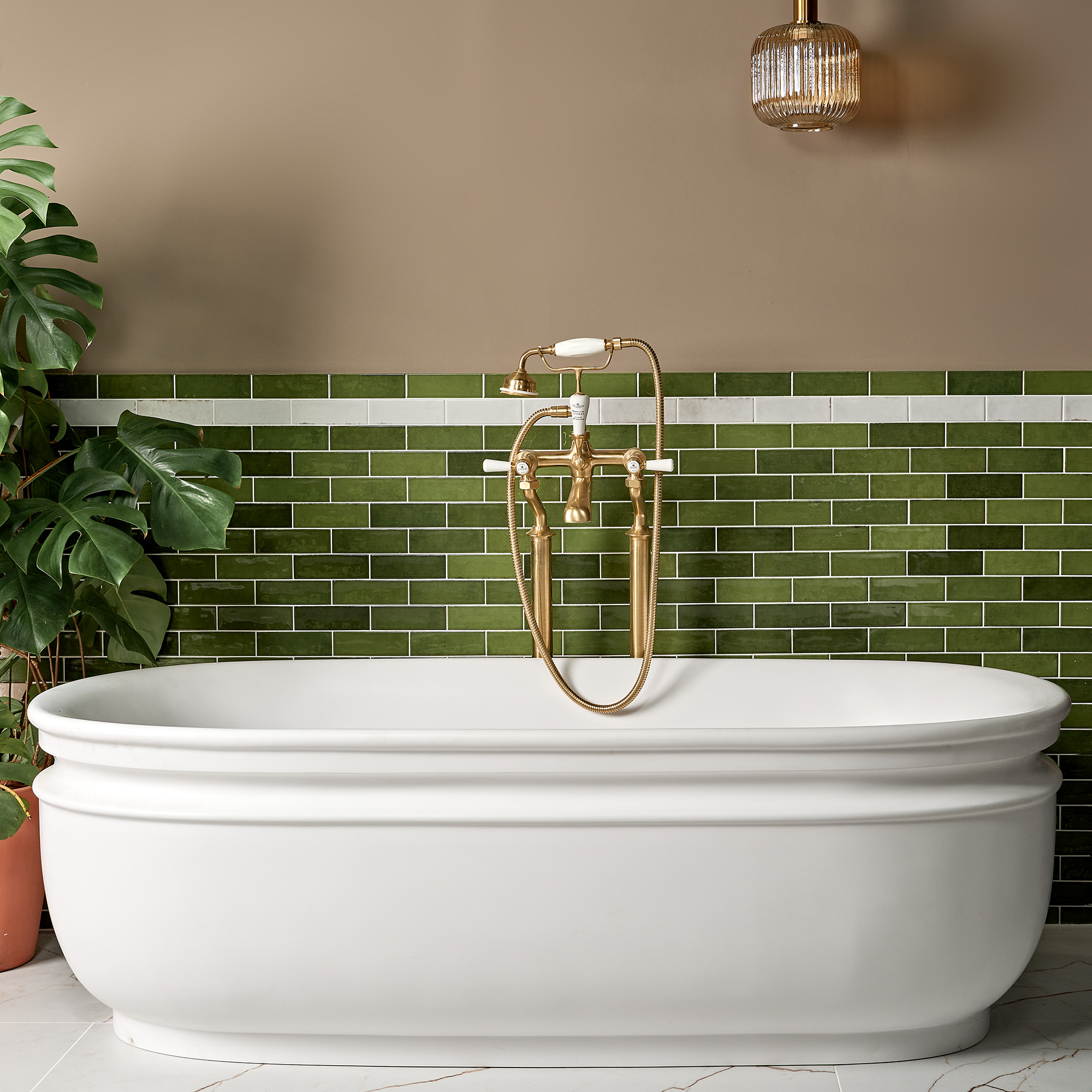
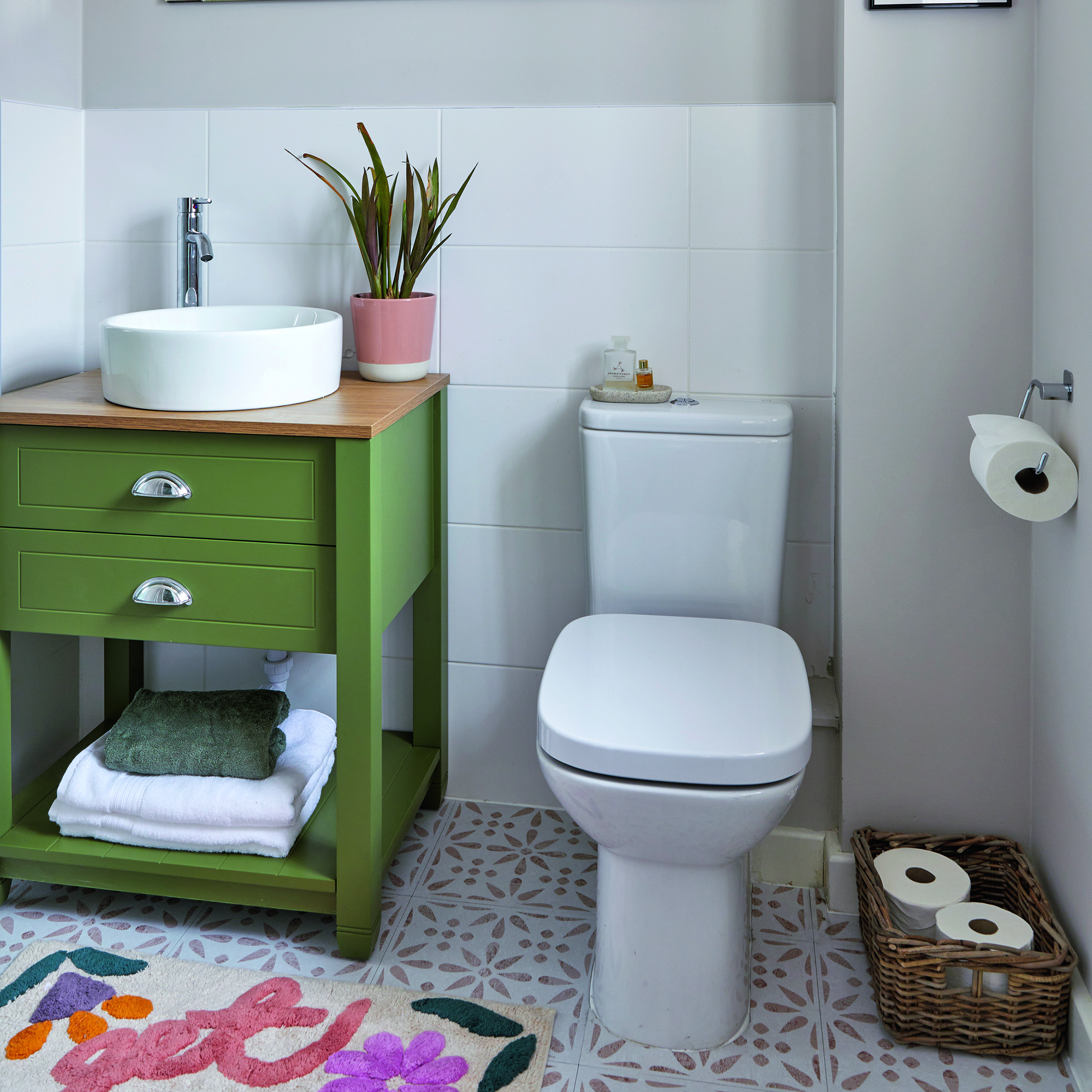
Finally, the article challenges the notion that minimalist bathrooms must be white by advocating for warmer hues and more saturated colors. Tissino's example of a minimalist bathroom with a green floating vanity, beige wall tiles, and gold accents demonstrates how these elements can introduce warmth and interest without compromising the minimalist ethos. Large-format tiles and fluted glass screens maintain an open feel while adding subtle detailing, proving that color can coexist harmoniously with minimalist design principles.
Overall, the article establishes that contemporary minimalism in bathrooms is about thoughtful design that incorporates visual interest, texture, and warmth, moving away from past, often cold, interpretations of the style. These varied approaches demonstrate the versatility and enduring appeal of a well-executed minimalist aesthetic. #MinimalistBathroom #InteriorDesign #BathroomIdeas #JapandiStyle #ModernDesign #TexturalDesign #TonalContrast #HomeDecor #DesignTrends
0 comment in total
 No comments yet
You may also like
8 minimalist small bathroom ideas to keep things simple

9 Small bathroom flooring ideas that make a big impact in a little way
20 small bathroom ideas to give a tiny space an on-trend makeover
8 Tricks to Make Your Small Bathroom Look Bigger, According to Designers

Add some character to your bathroom with these budget-friendly design ideas
9 color palettes for minimalist bathrooms - instantly relaxing looks that feel elegant and expensive

22 Powder Room Ideas That Pack Style into a Small Space

Small Bathroom Ideas — 31 Tiny, Yet Super Clever Spaces That Easily Fit Style and Practicality

Small en suite bathroom ideas - 10 stylish solutions for a compact space
7 Small Bathroom Decorating Tips Minimalists Always Use to Maximize Their Space

Small bathroom ideas: The best decorating tricks for compact spaces
6 unusual and original bathroom design ideas for small homes

9 Bathroom Layout Ideas for a More Relaxing, Tranquil Space
Small Bathroom Design Ideas and Solutions
31 small bathroom ideas designers recommend – for a beautiful bijou scheme
14 budget small bathroom ideas to spruce up your space for less

Bathroom design ideas: Minimalist and marble-clad bathrooms prove to be a crowd favourite
Small bathroom layouts – 19 expert strategies for compact spaces
Small budget bathroom ideas that will have a big impact on your space
7 Things Minimalists Never Forget to Do to Create a Relaxing Bathroom Retreat