7 Small Bathroom Decorating Tips Minimalists Always Use to Maximize Their Space
This article explores seven key decorating tips that minimalists employ to maximize space and enhance the aesthetic appeal of small bathrooms. The core philosophy revolves around simplicity and smart design, transforming compact areas into serene and functional retreats. Several design experts, including Andrea Goldman of Andrea Goldman Design, Emily Ruff of Cohesively Curated Interiors, and Patrick Cunningham of C&C Partners, contribute their insights.
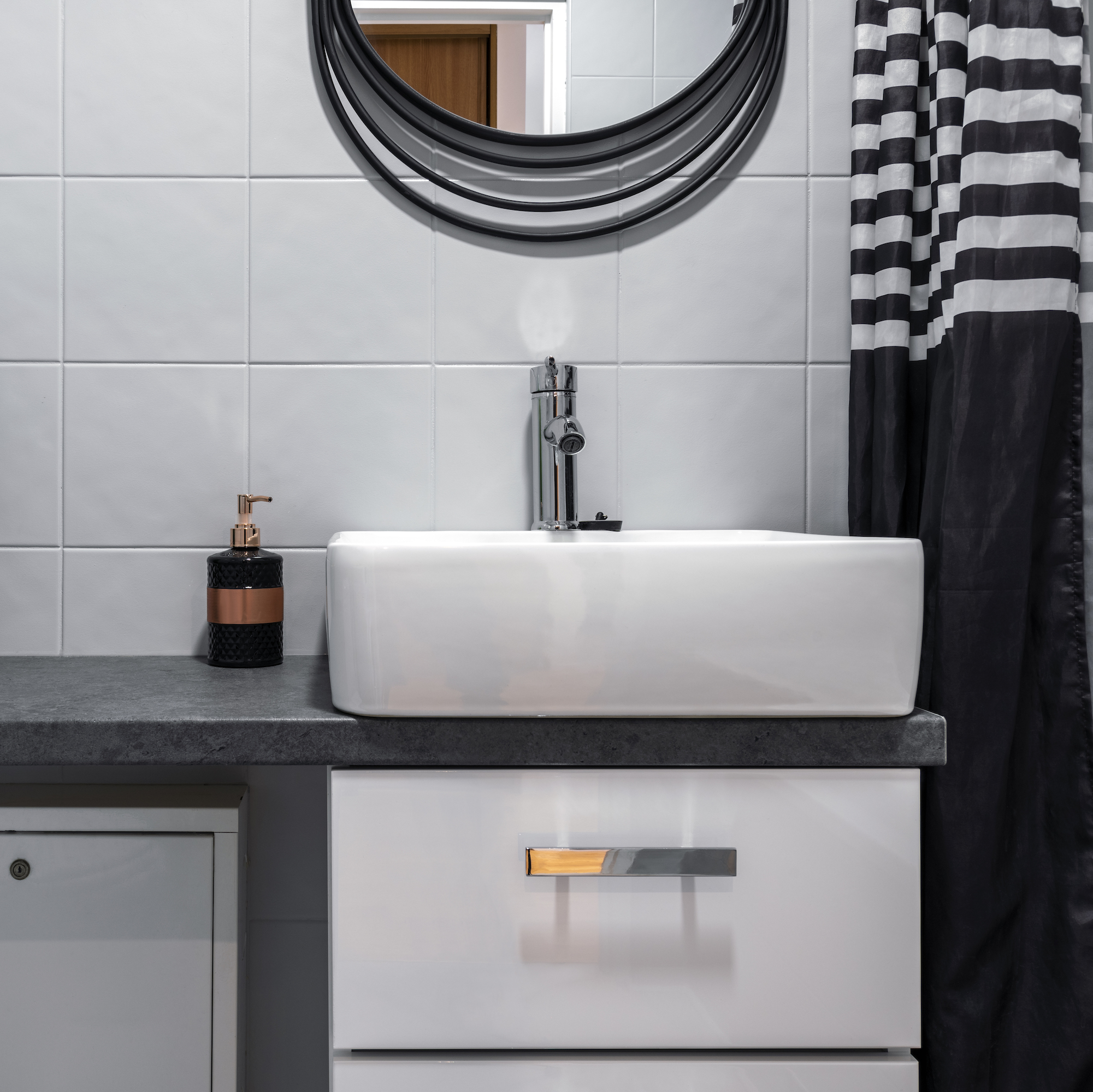
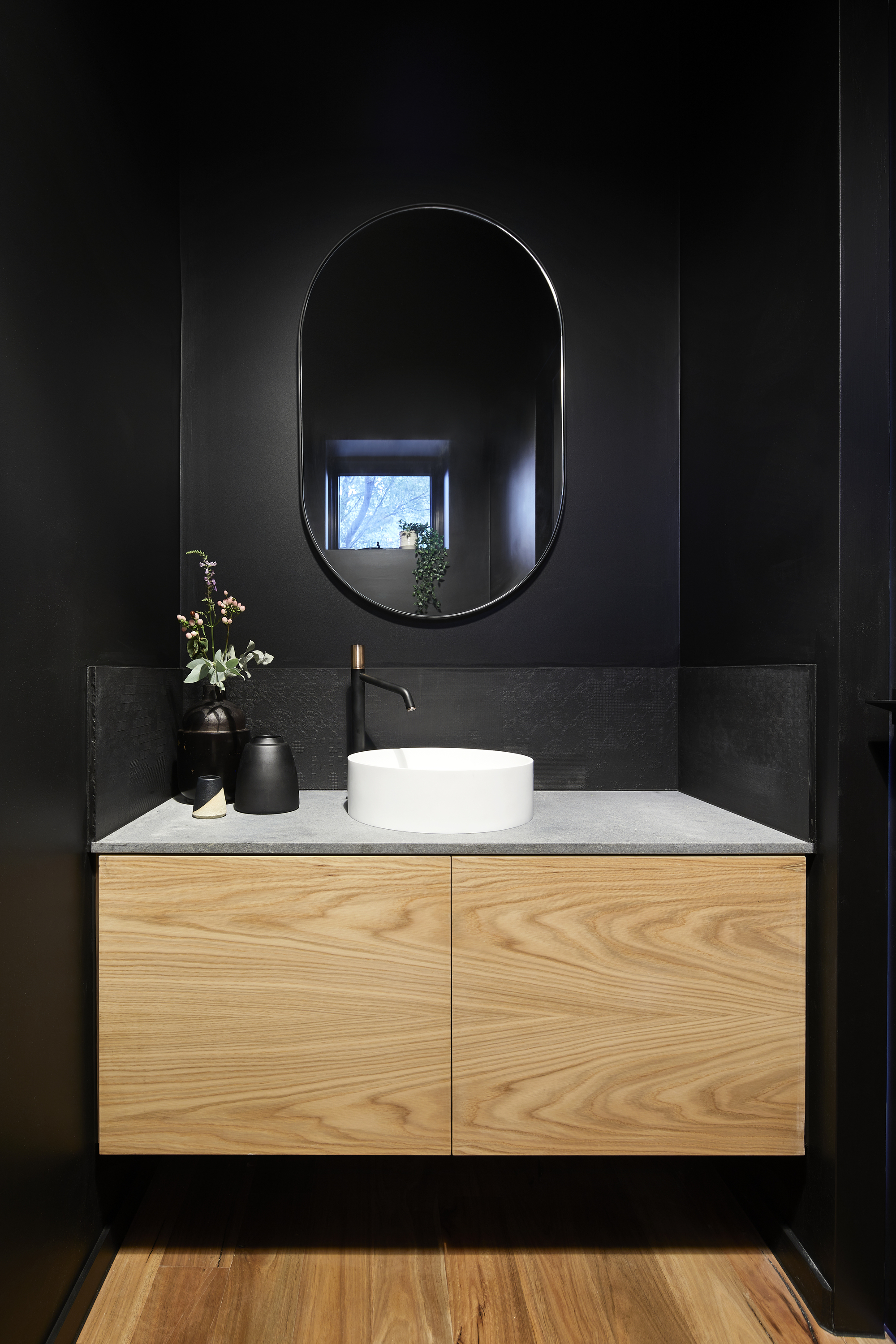
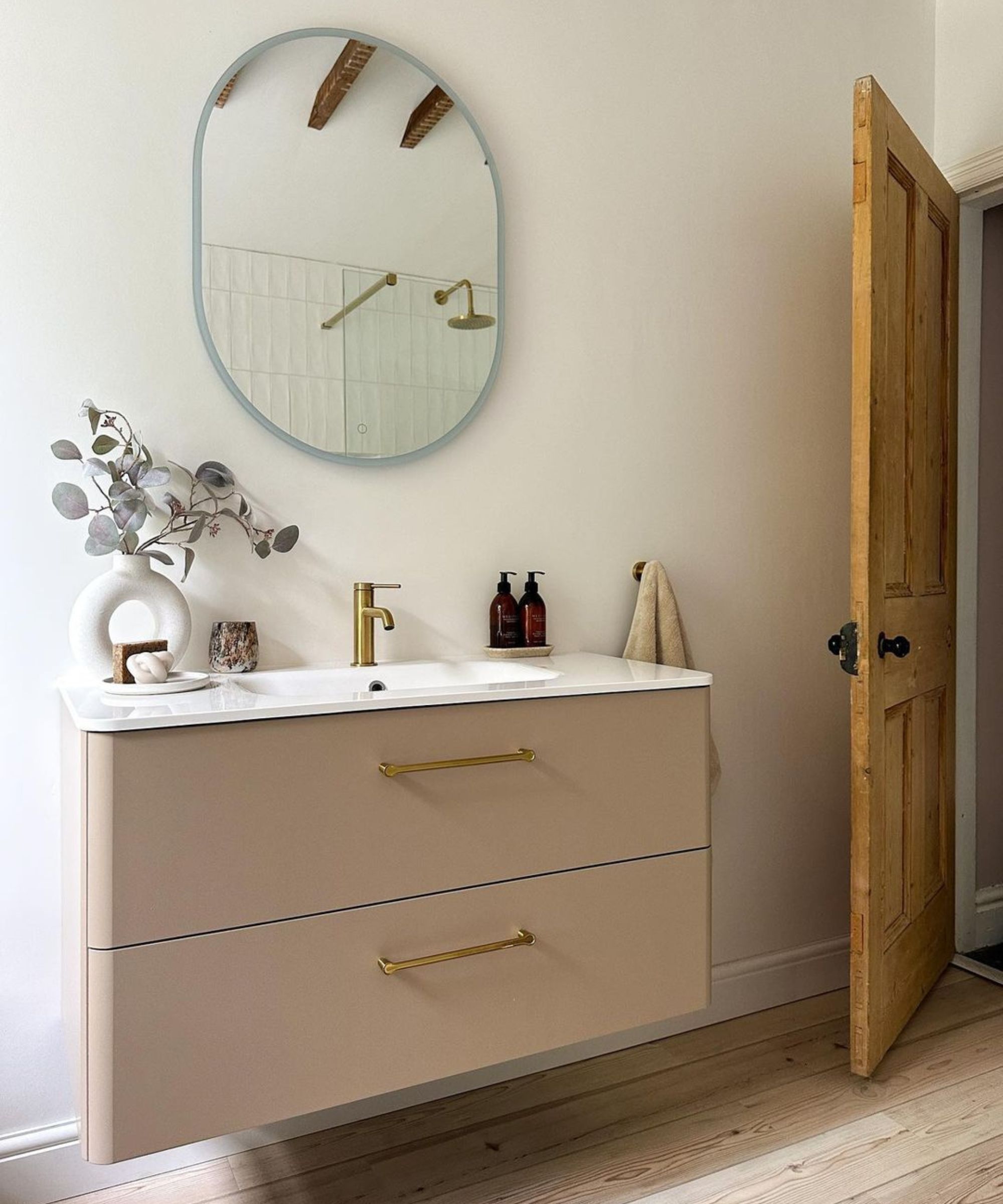
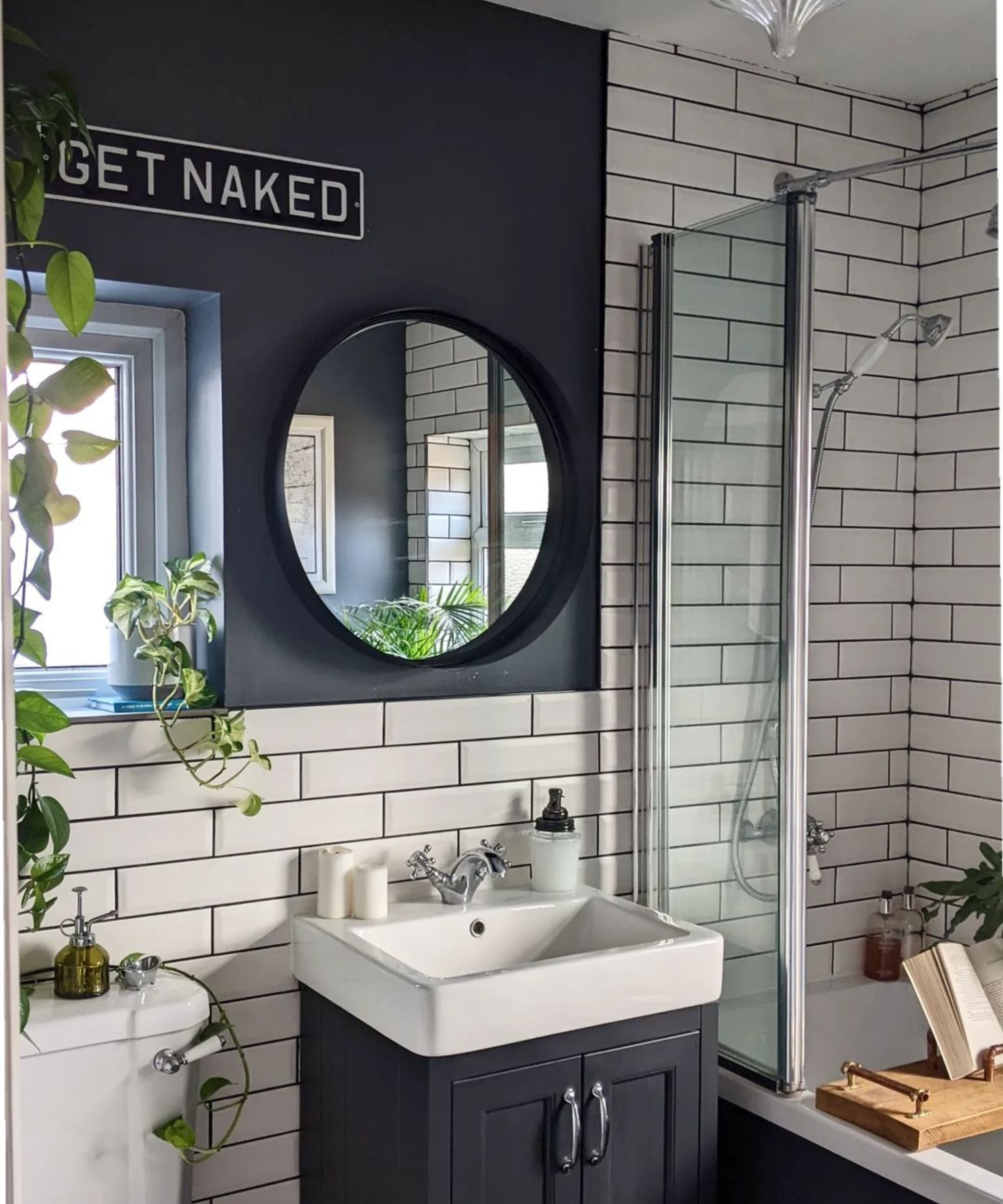
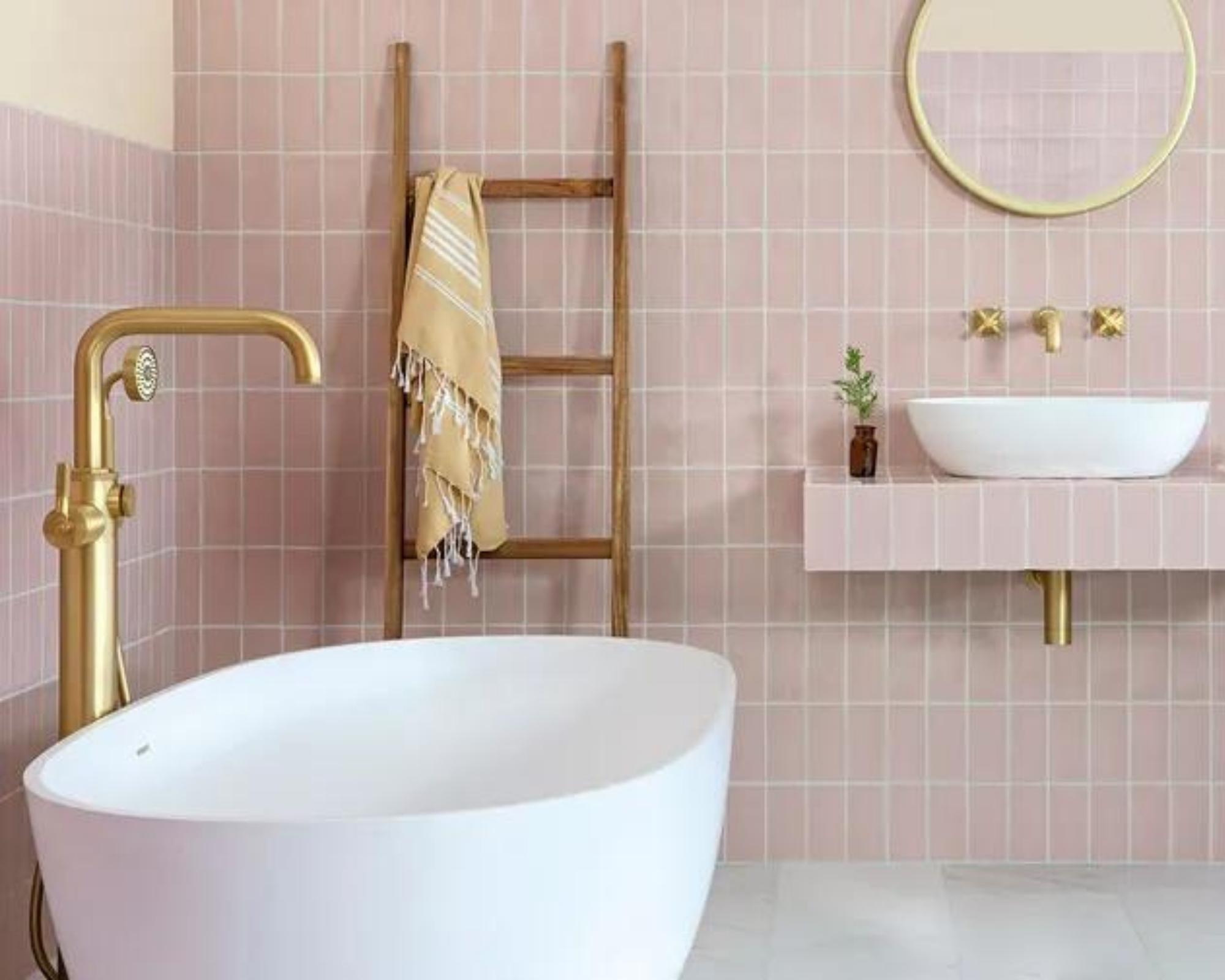
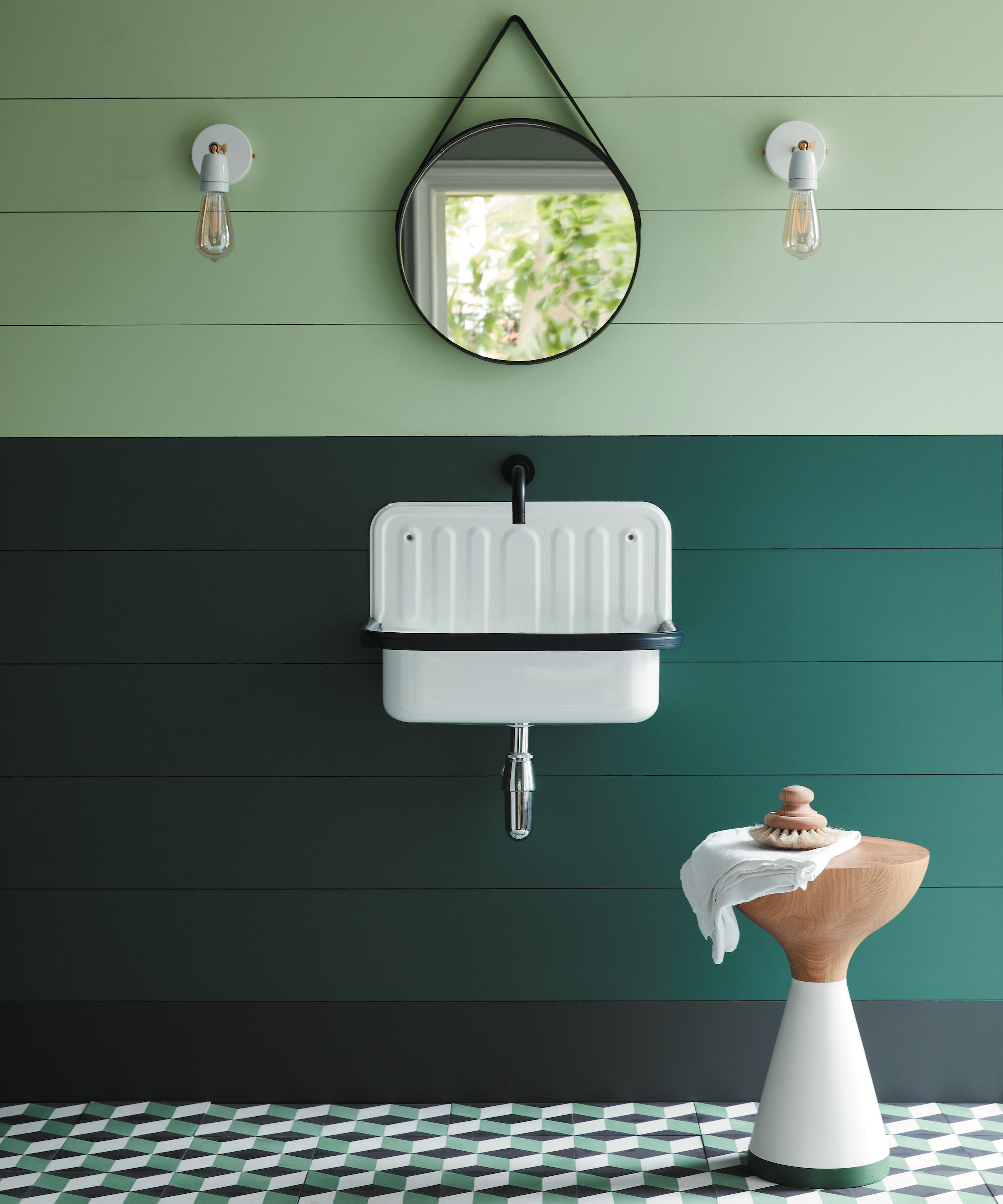
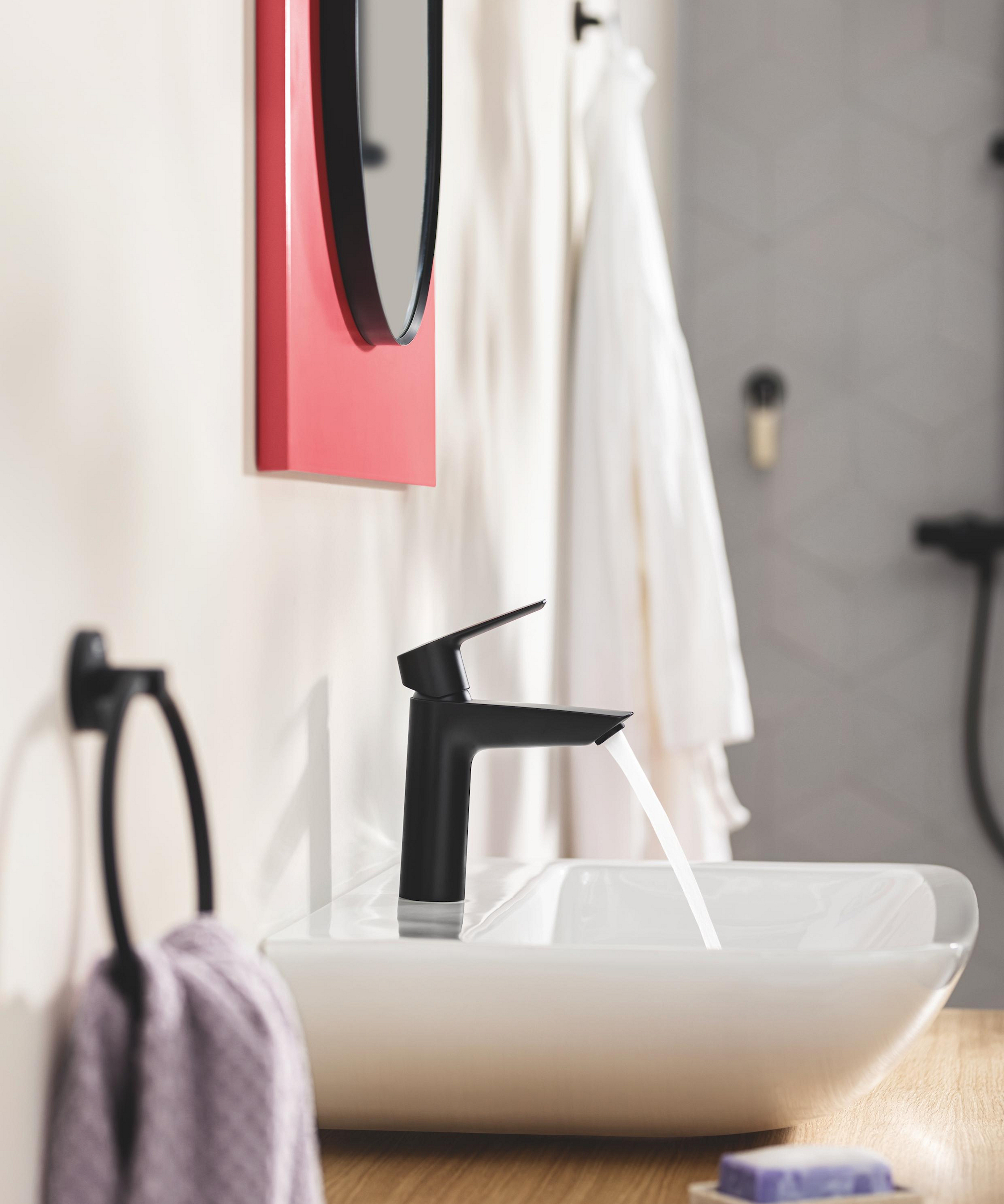
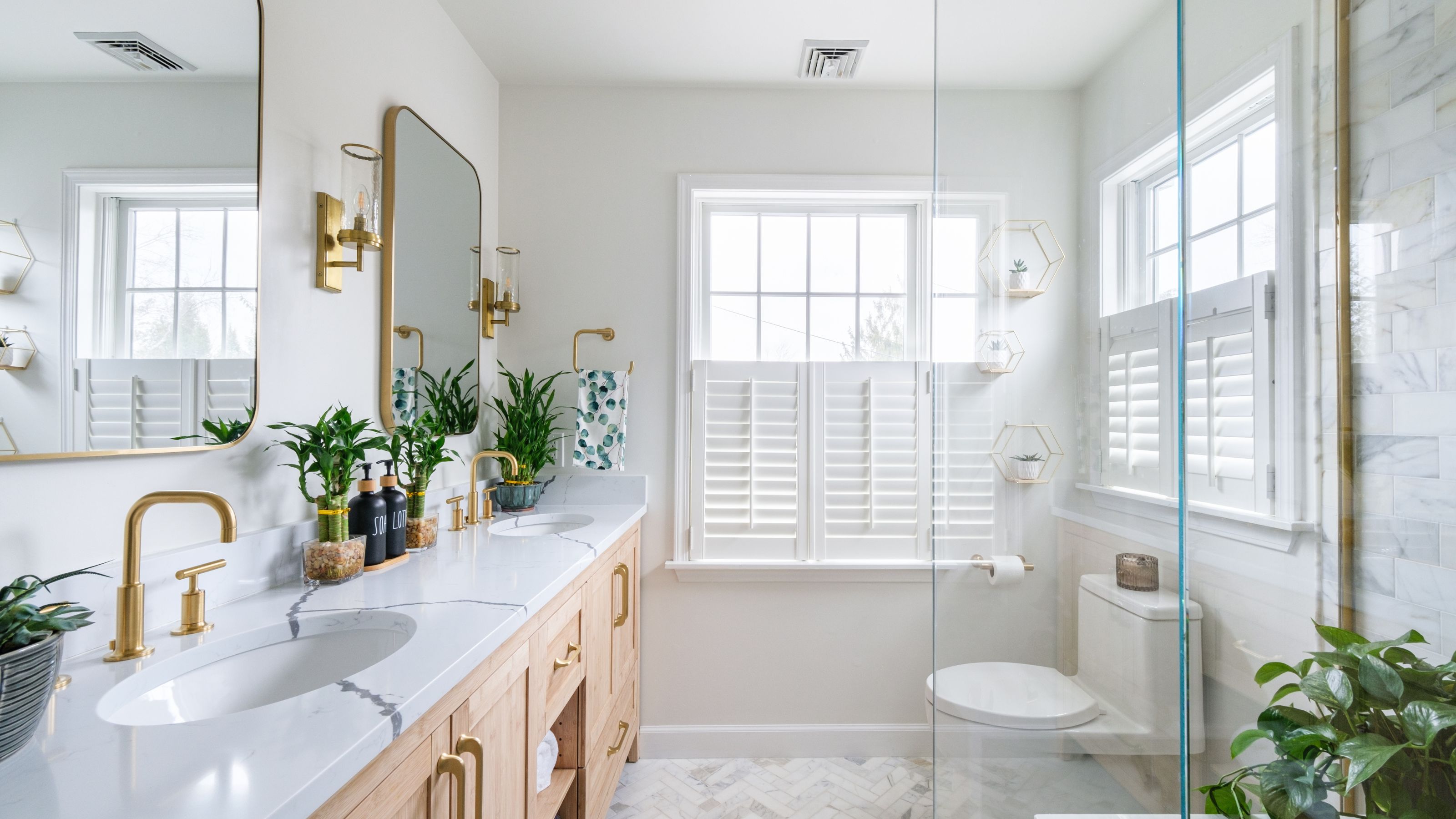
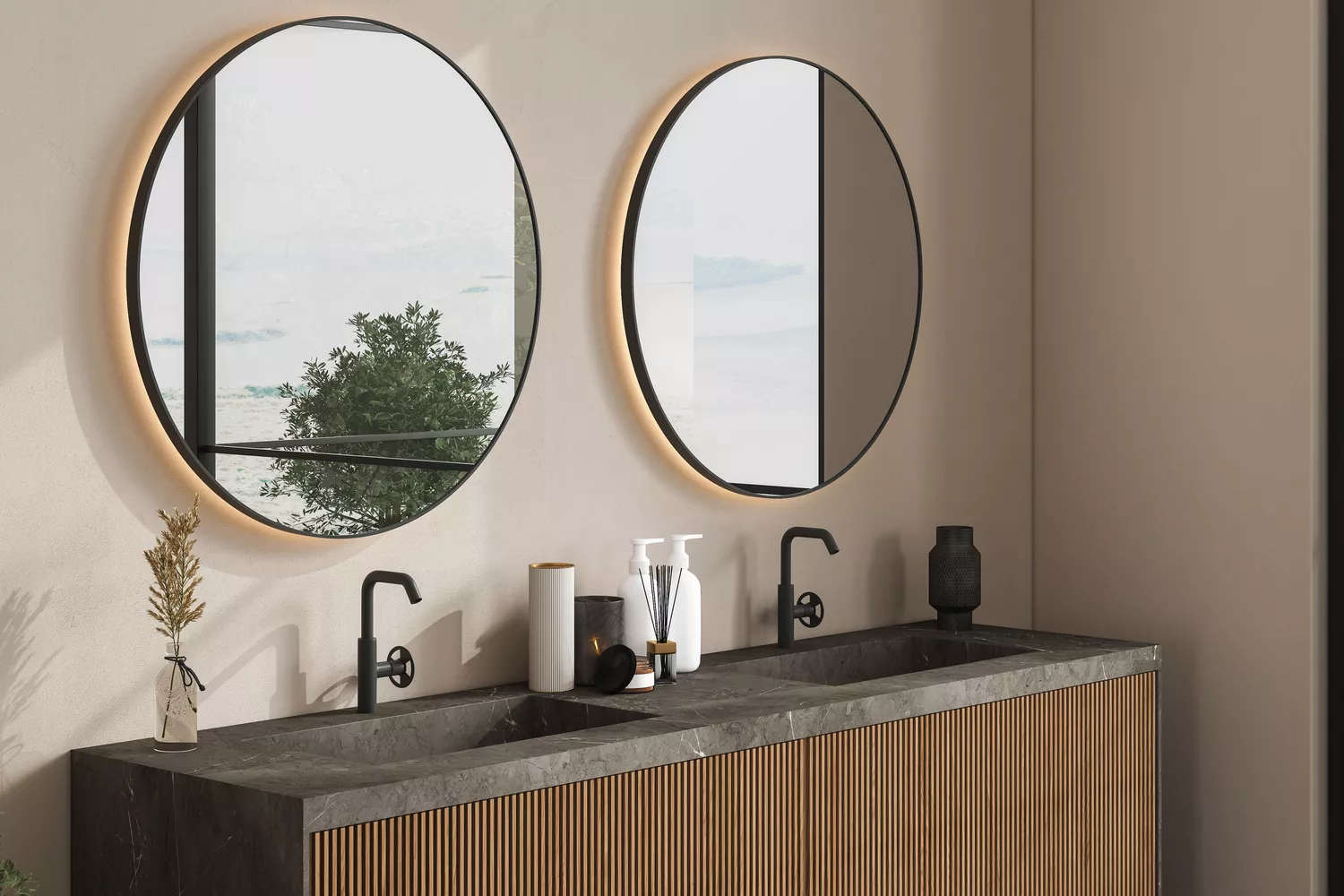
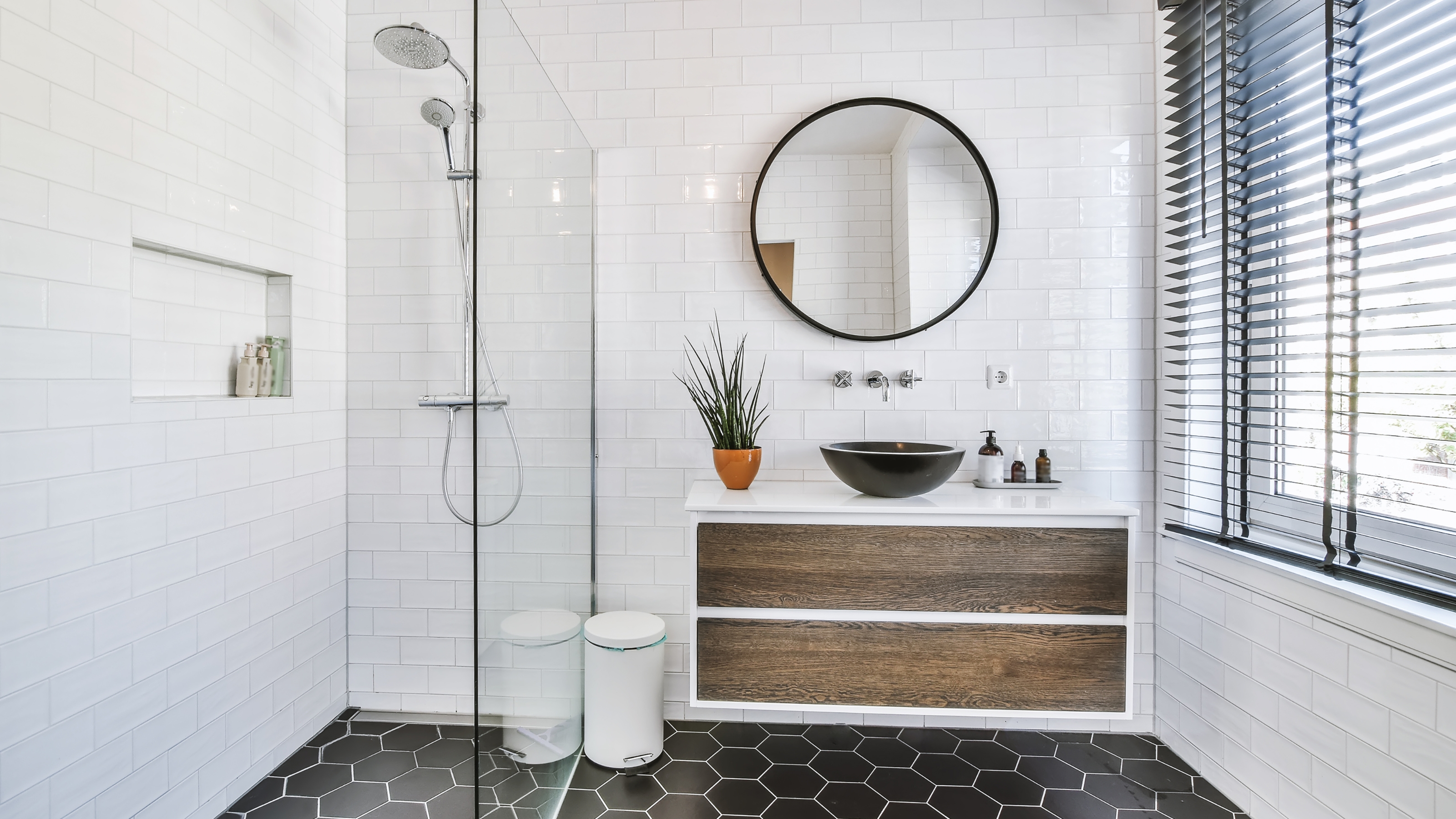
One significant tip involves the use of round mirrors. In minimalist bathrooms, where opportunities for decorative elements are limited, the vanity mirror becomes a crucial focal point. Emily Ruff suggests opting for round mirrors over harsh, square-lined ones. Round mirrors introduce a gentle flow, effectively counteracting the angularity often found in minimalist designs and adding a carefully curated touch, especially when chosen with a distinctive finish like burl wood or brightly colored lacquer.
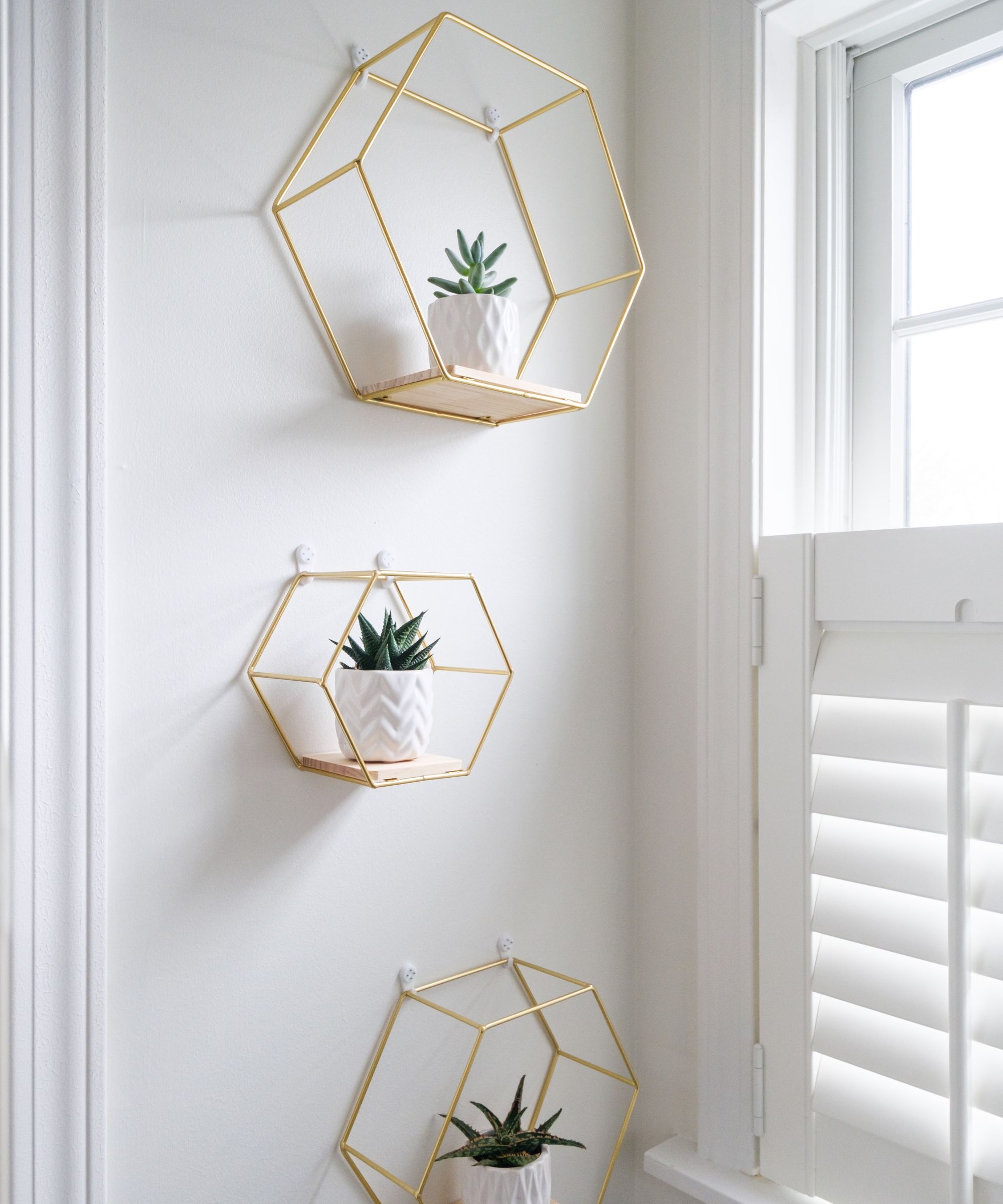
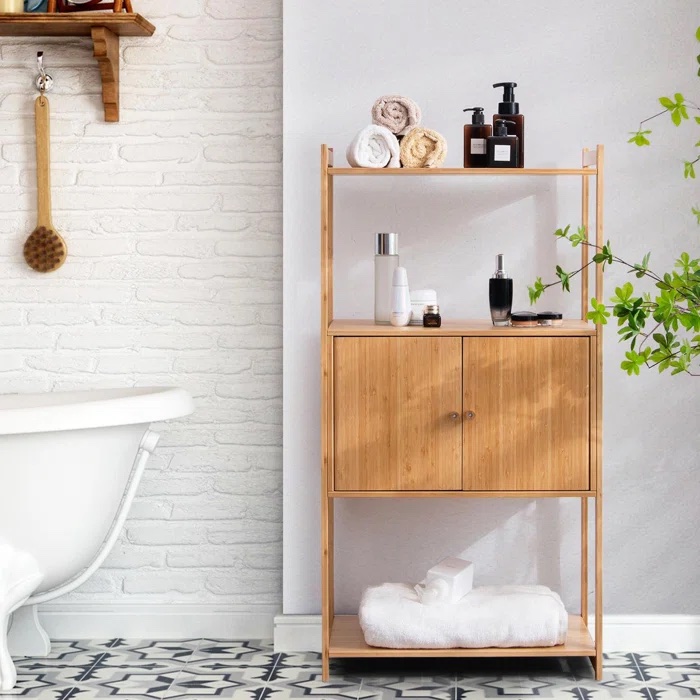
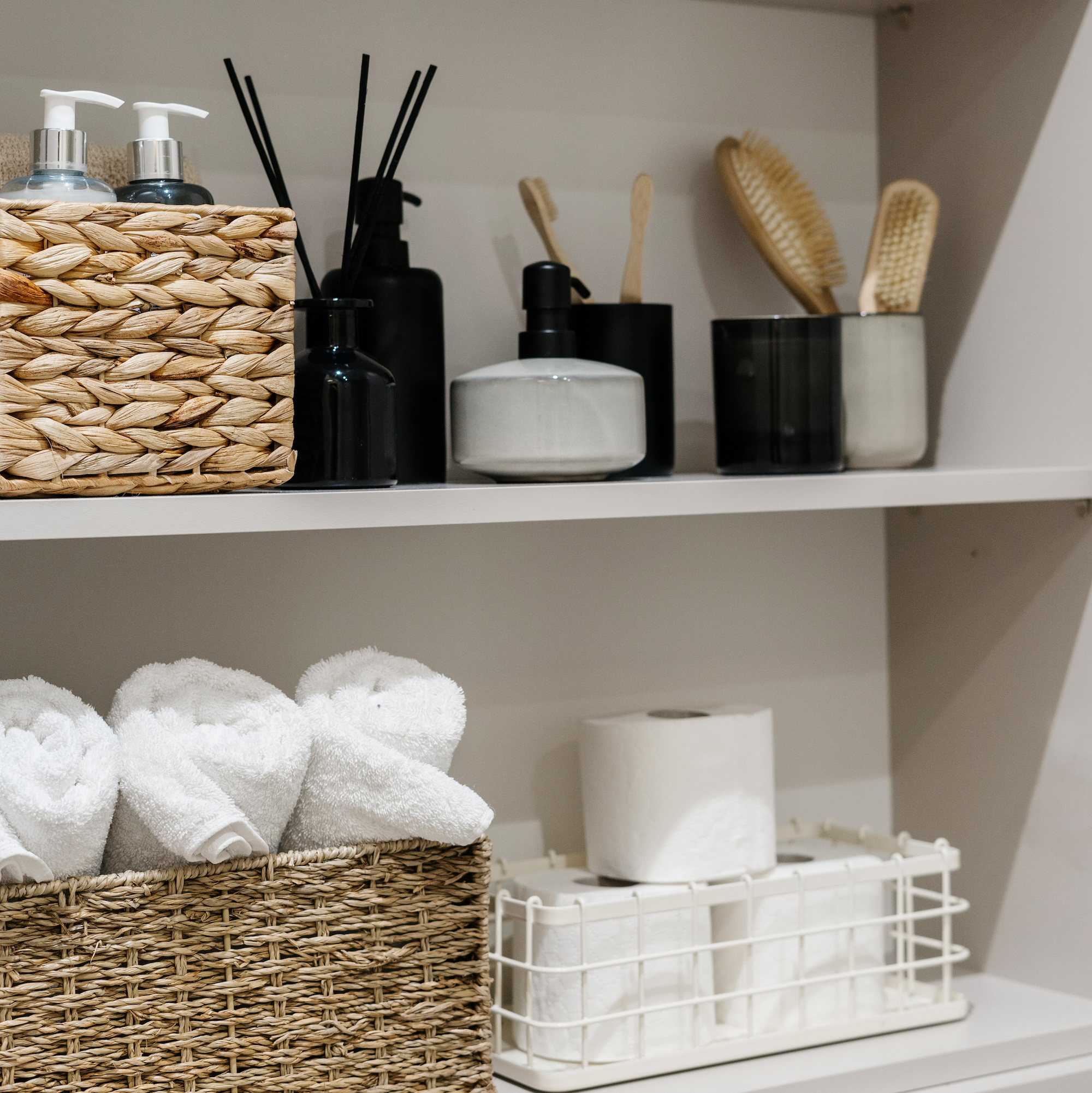
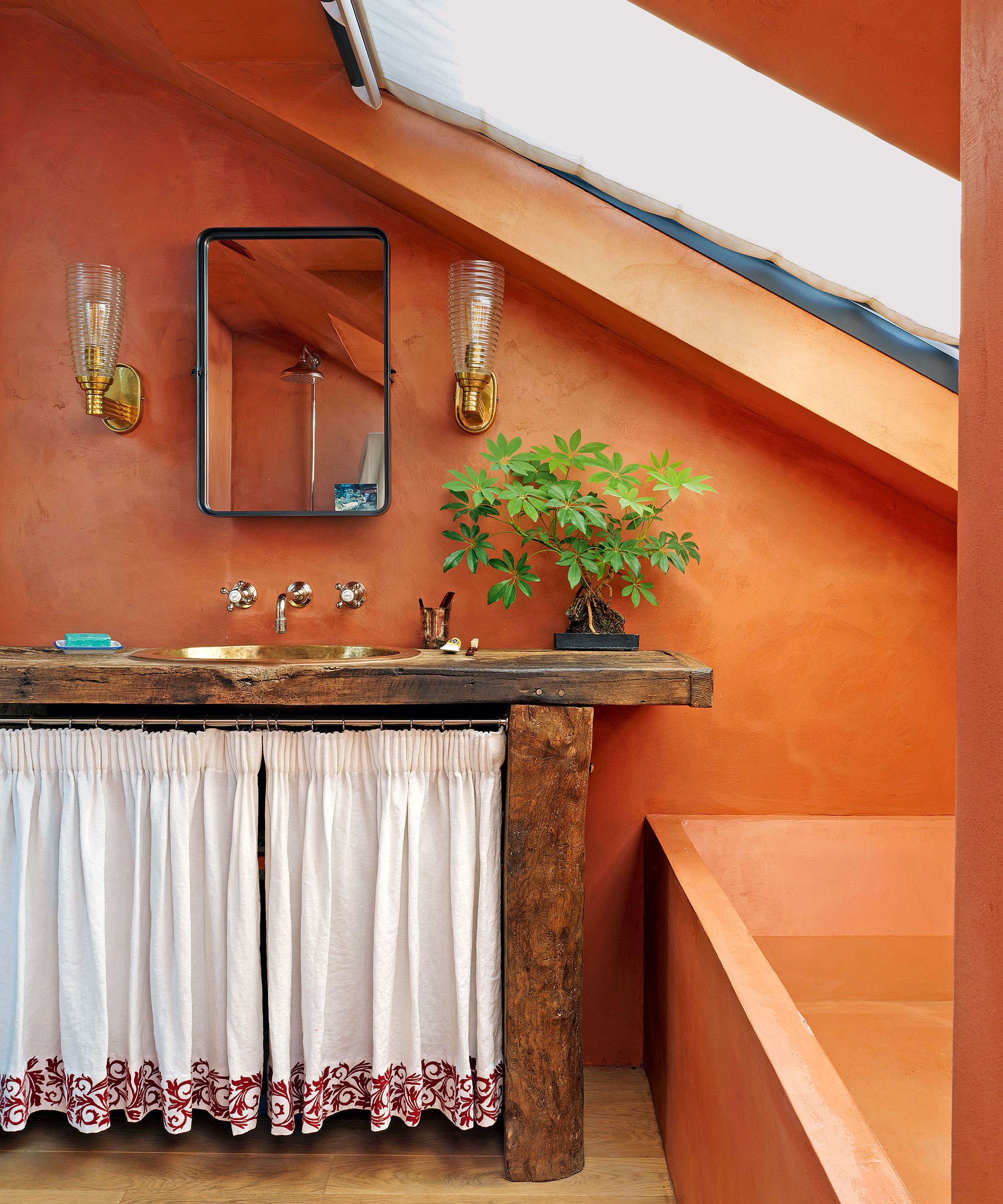
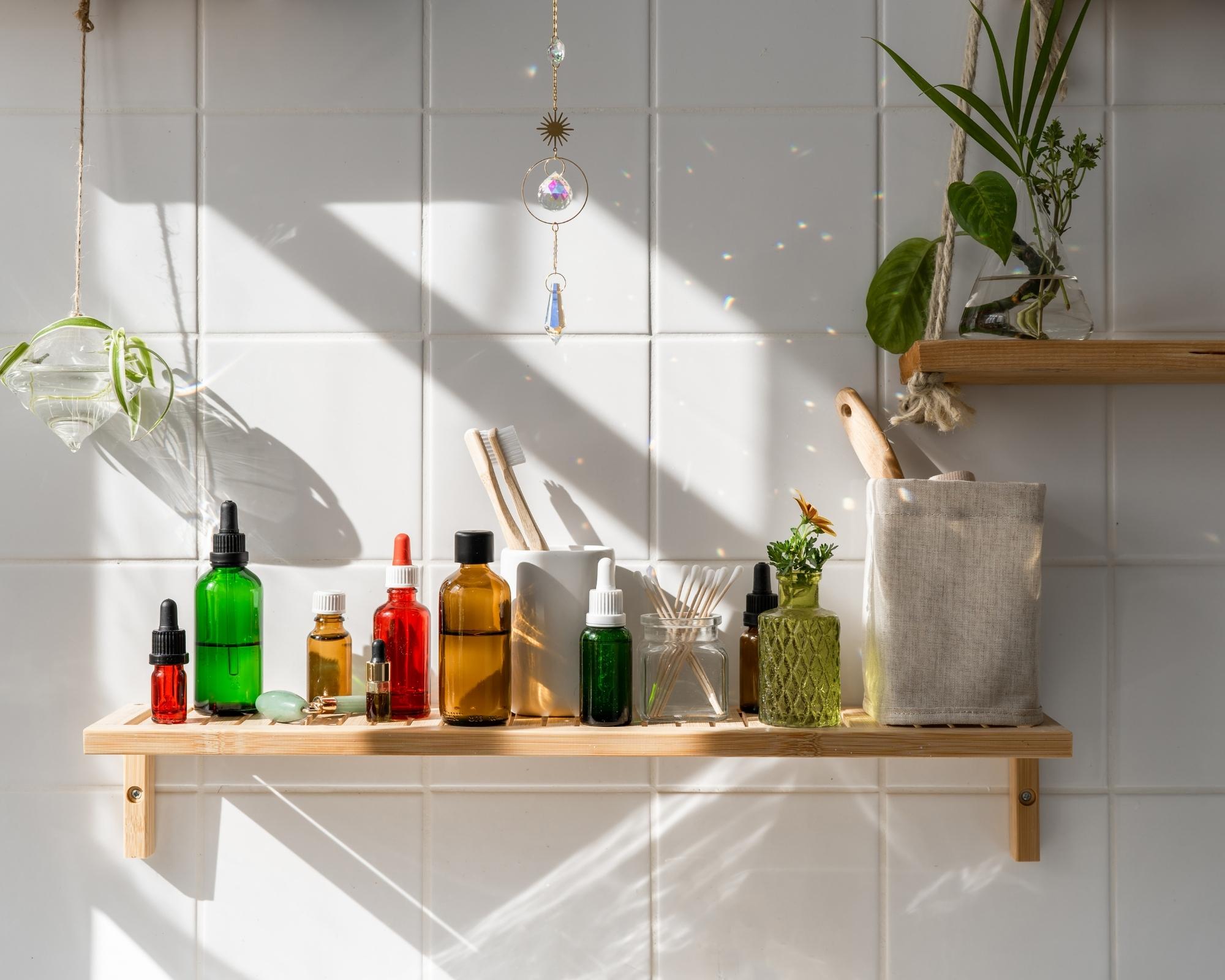
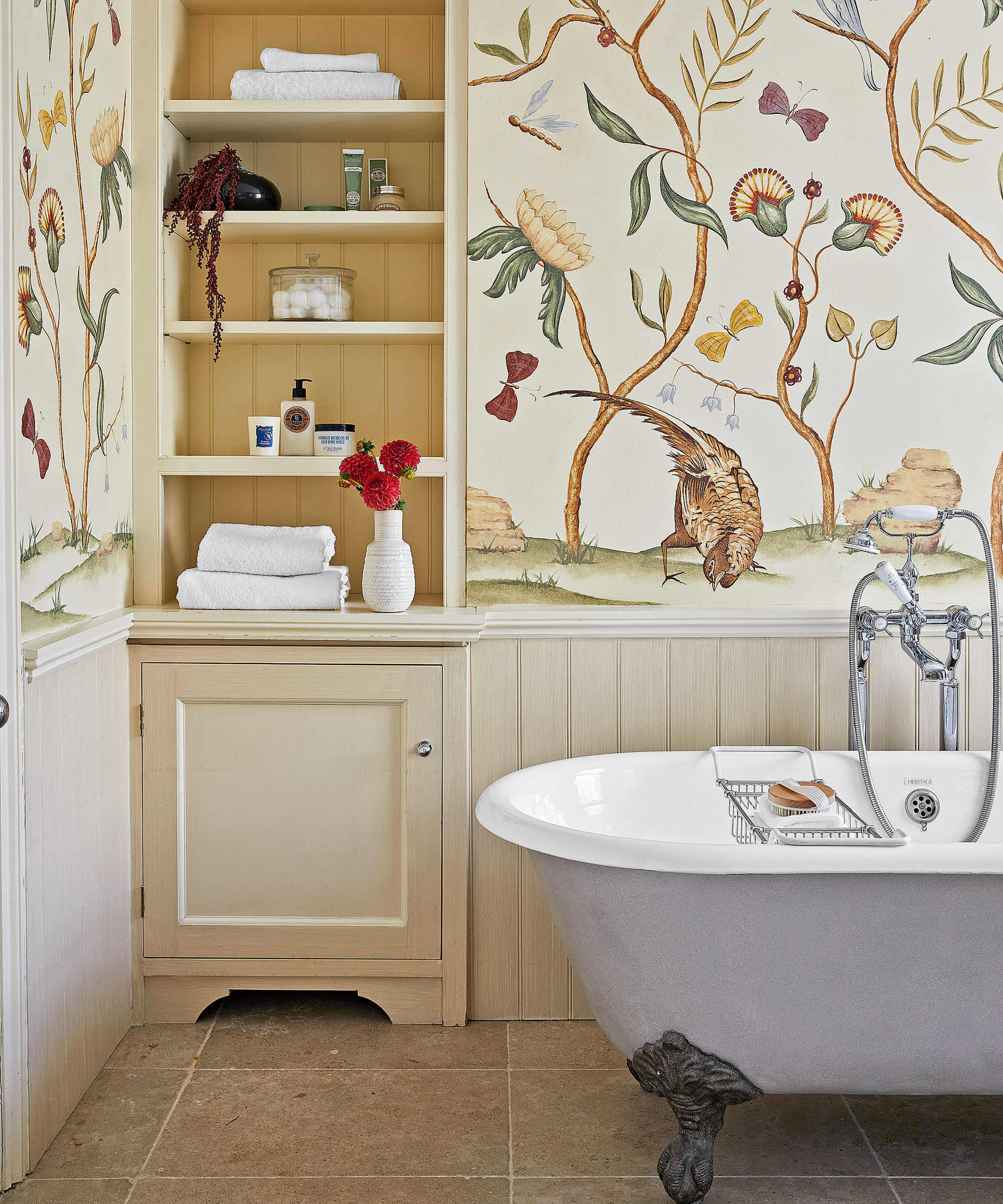
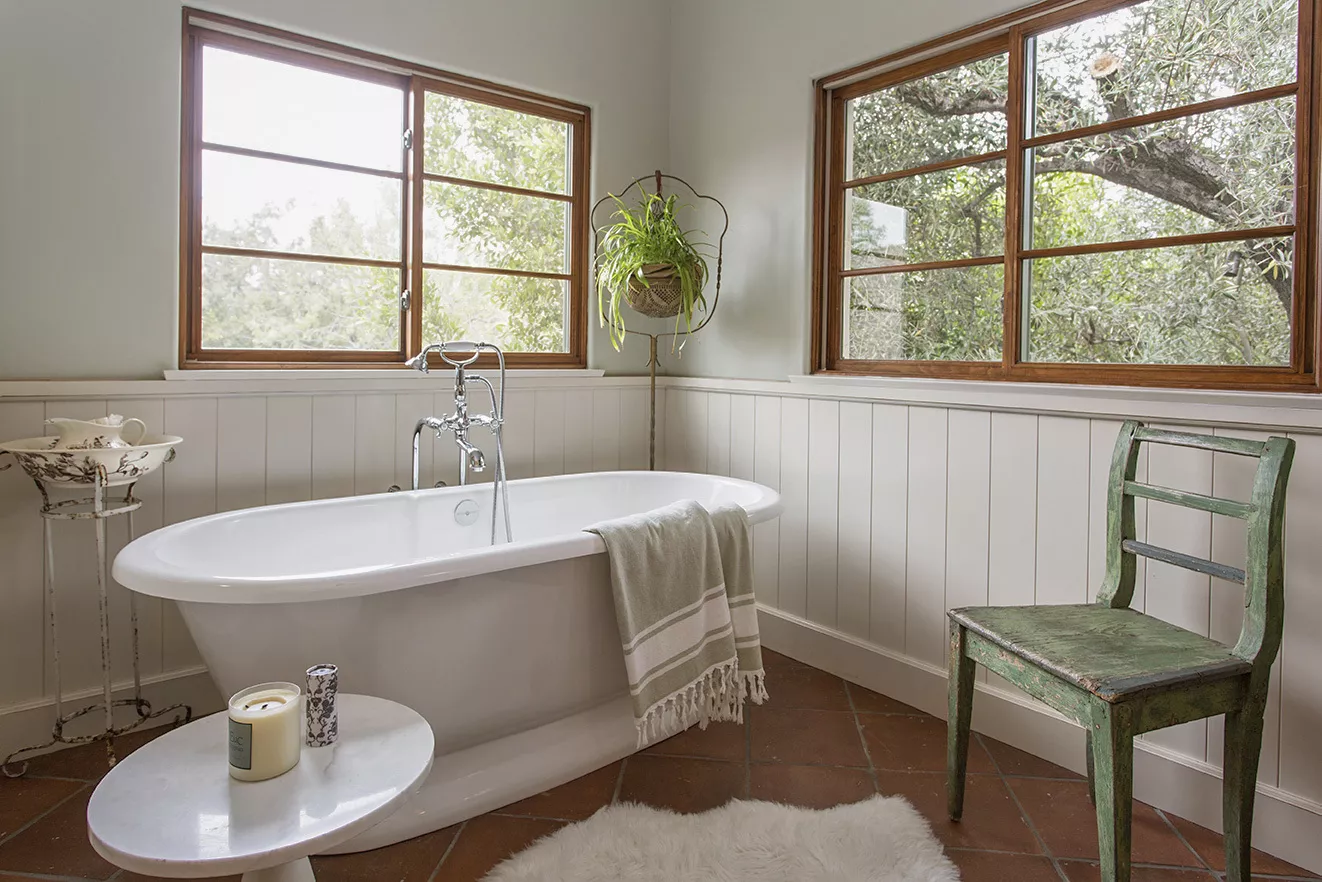
The integration of natural materials is another vital aspect. Andrea Goldman points out that minimalist bathrooms can sometimes feel cold. To mitigate this, she recommends incorporating organic accents such as plants, wicker, and jute. These materials act as a perfect counterbalance to sharp edges, injecting warmth and life into the space. For bathrooms with limited floor space, alternatives like sconces with wicker or rattan shades, bamboo roller shades, or flat woven baskets and feathered juju hats as wall art can provide texture without occupying valuable floor area.
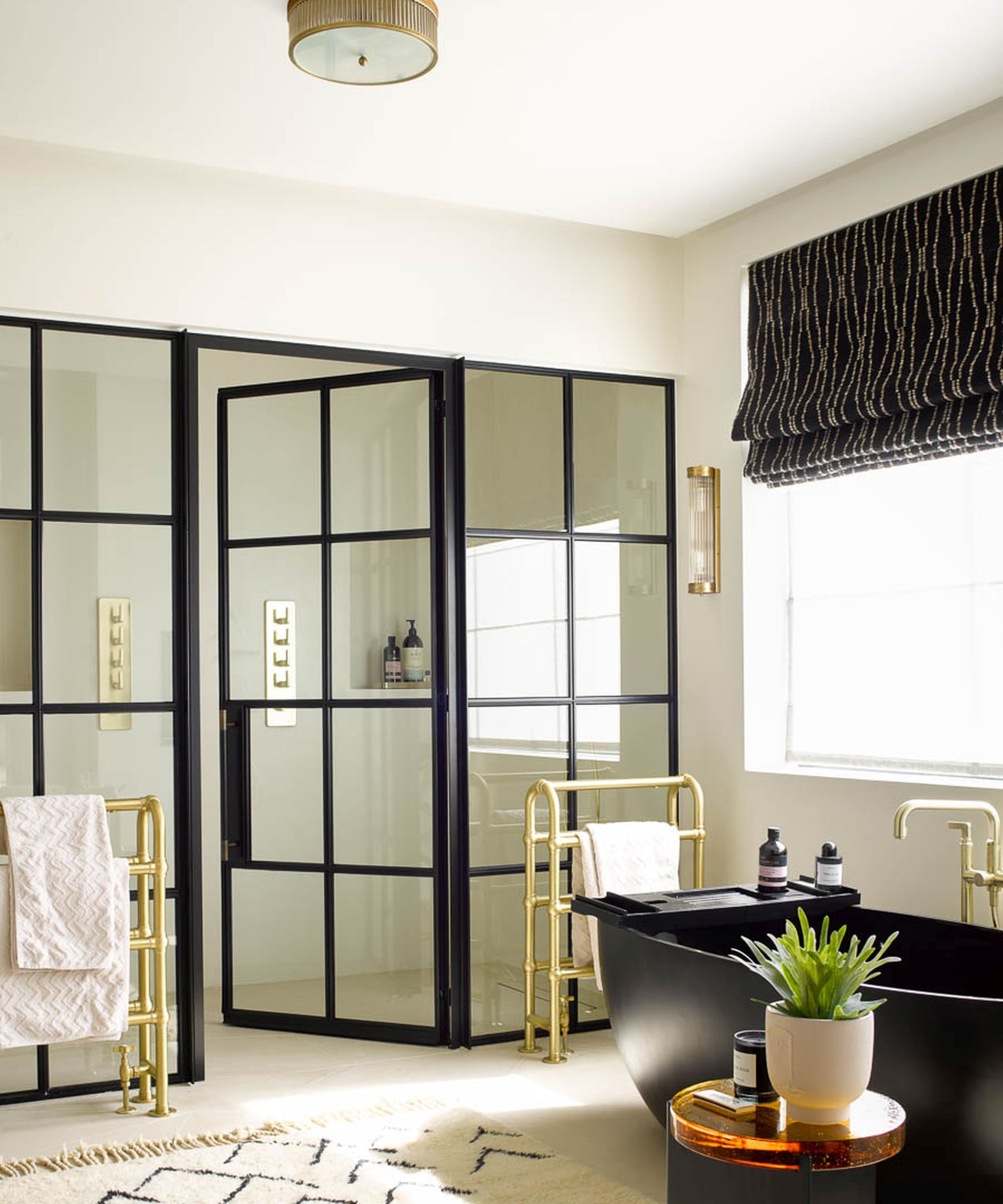
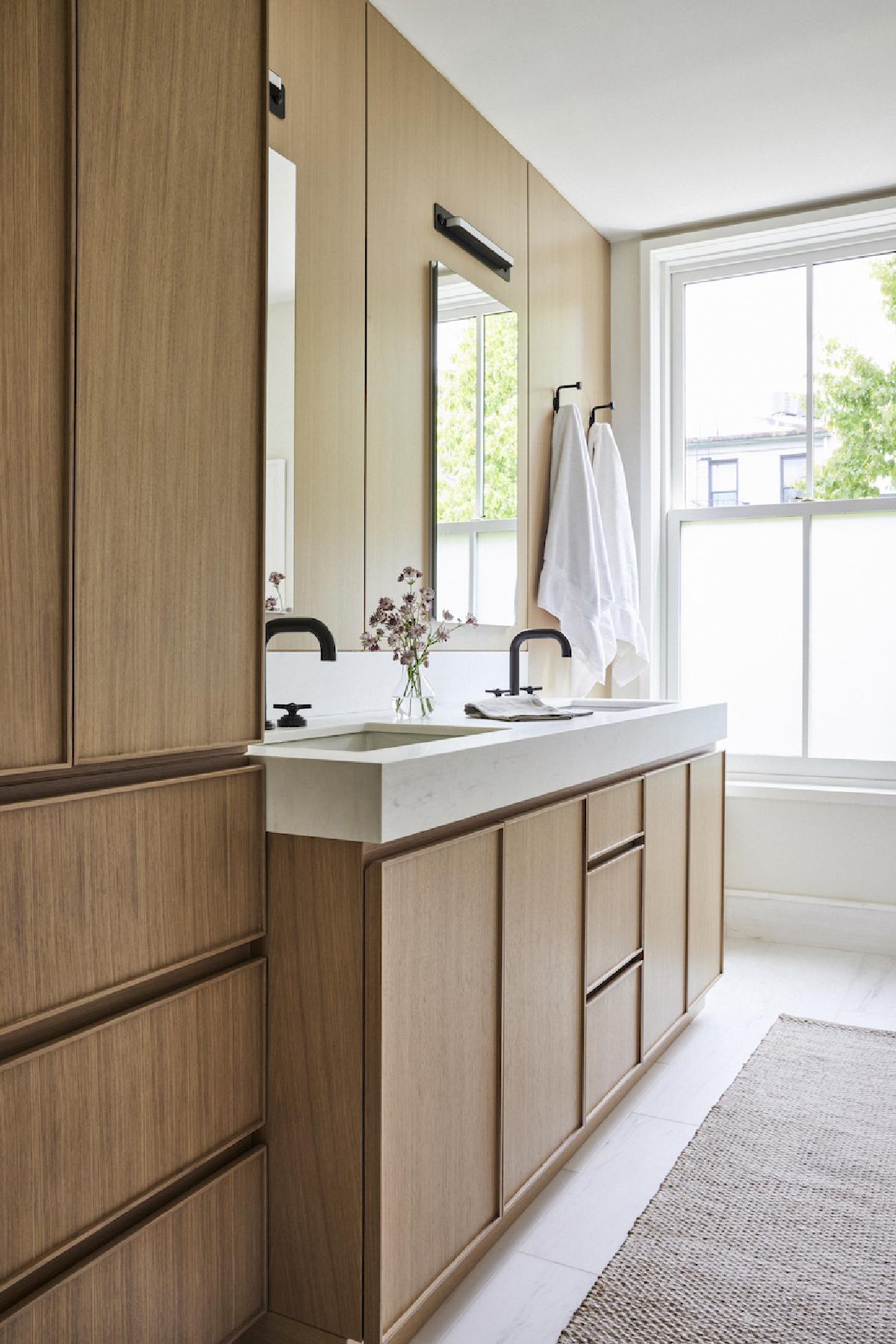
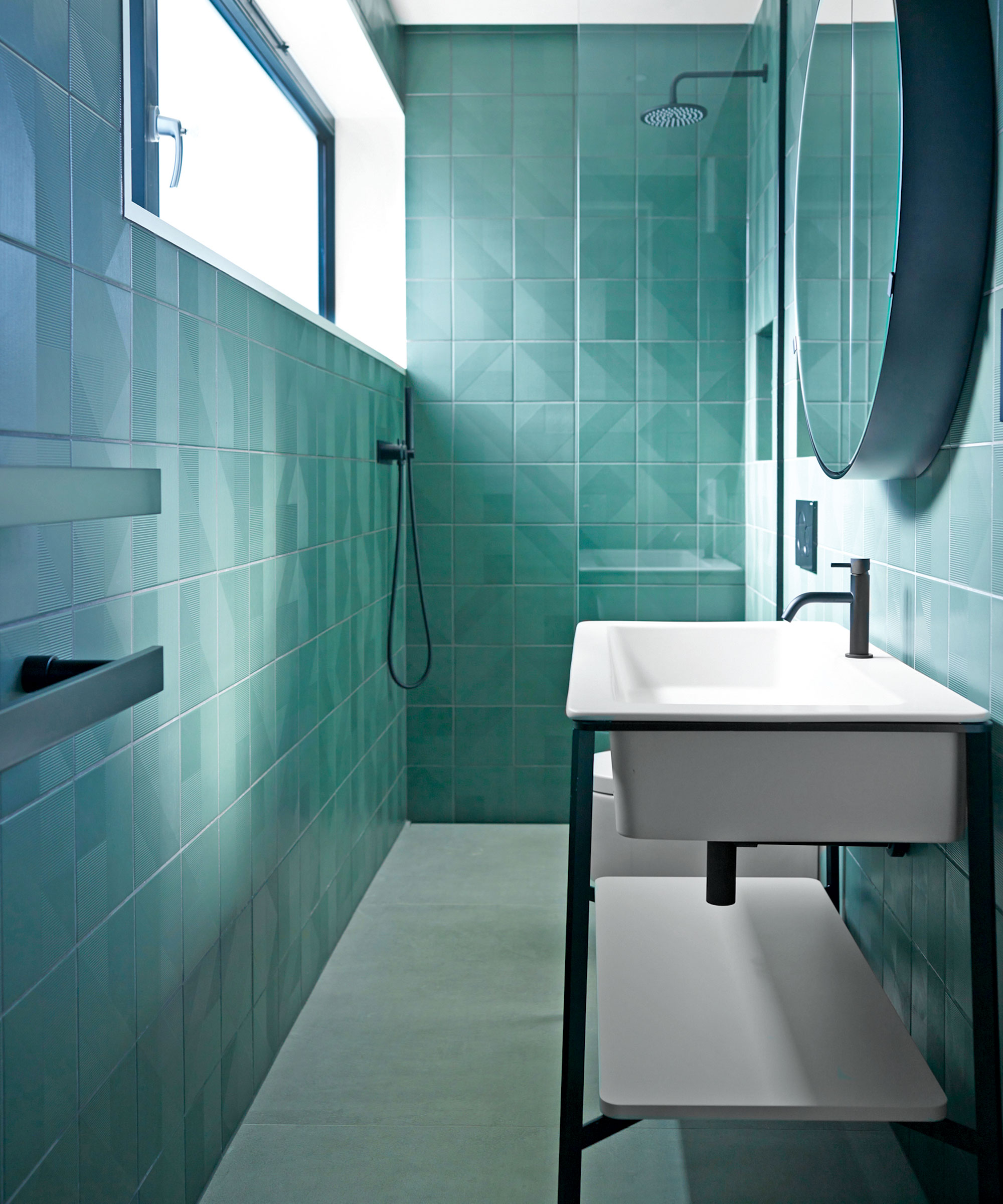
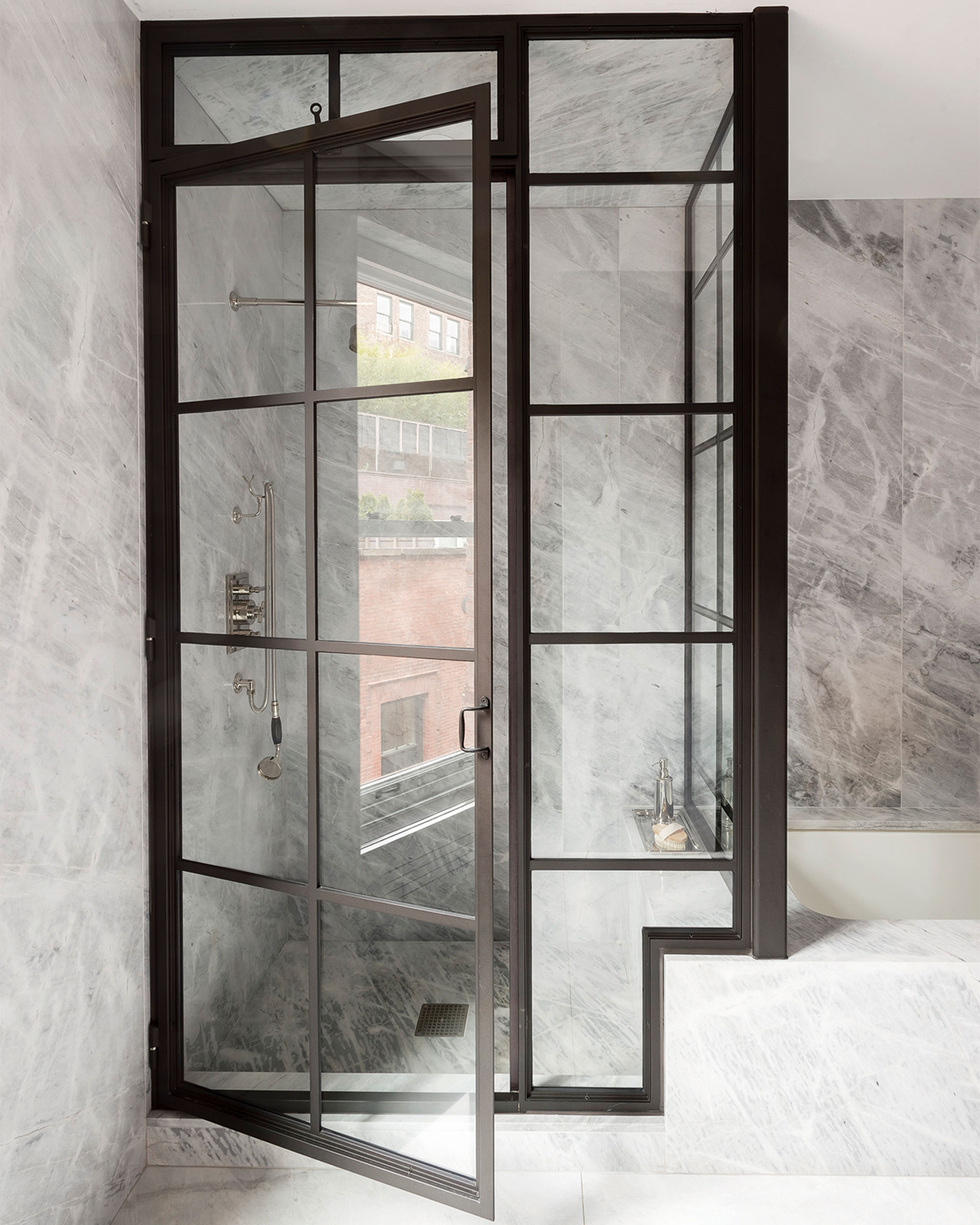
Large-scale windows are highlighted as a clever way to introduce character without clutter. Patrick Cunningham emphasizes that big windows not only frame the outdoors as living art but also flood the bathroom with natural light, altering the space's energy. For added visual interest, blocked or paned glass, or even stained glass windows in an exceptionally minimalist setting, can be considered.
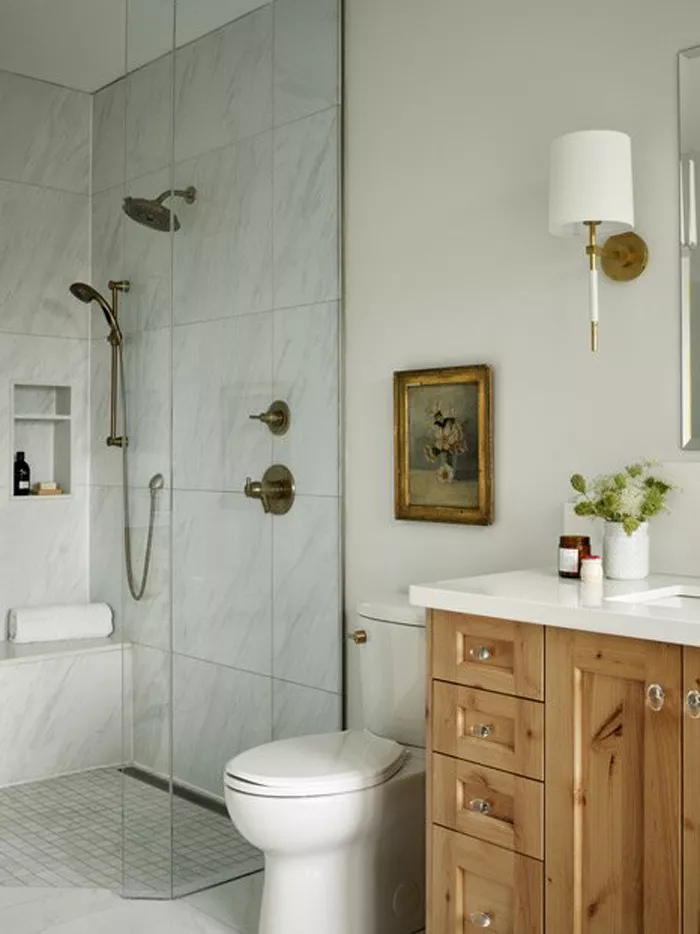
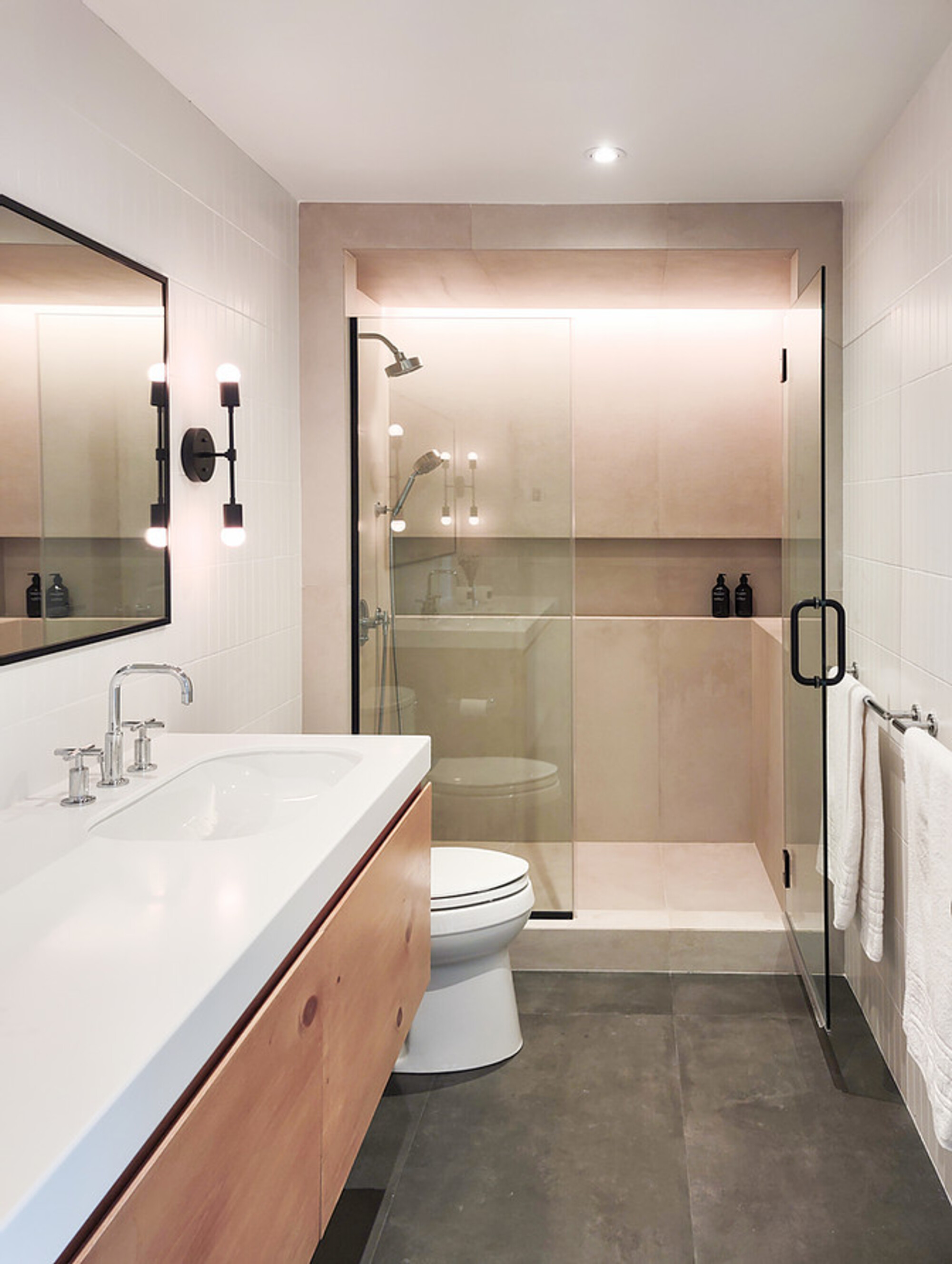
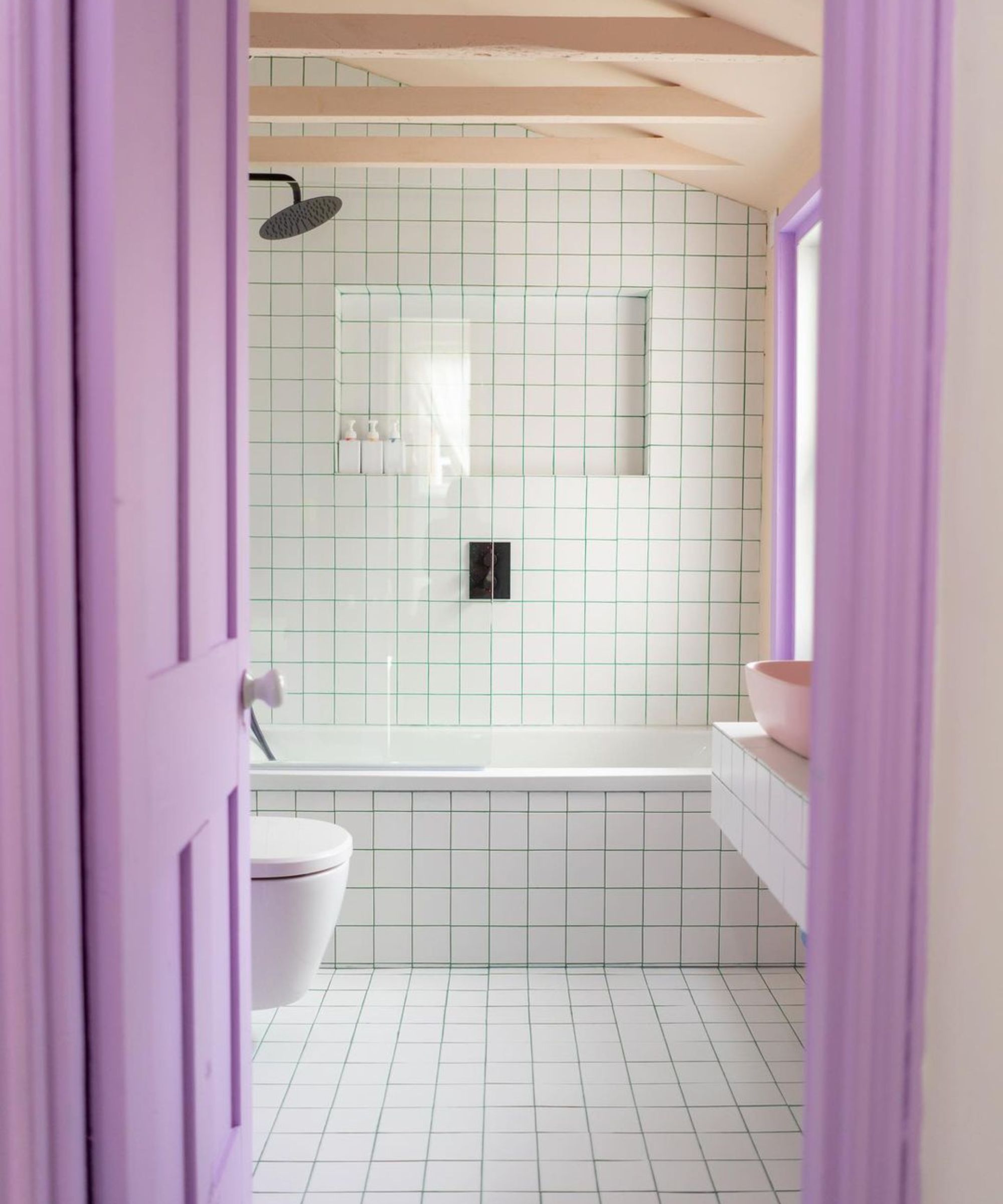
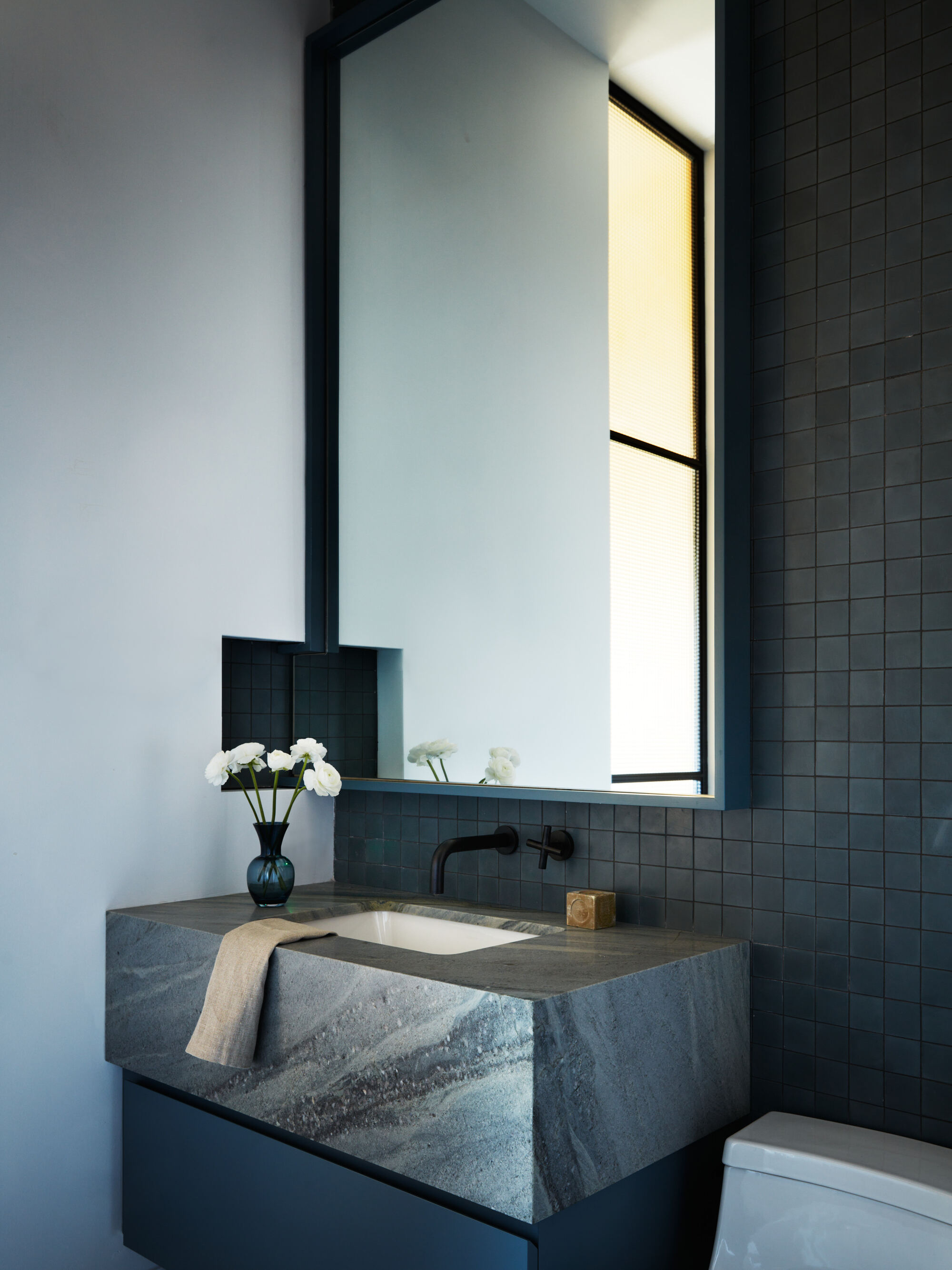
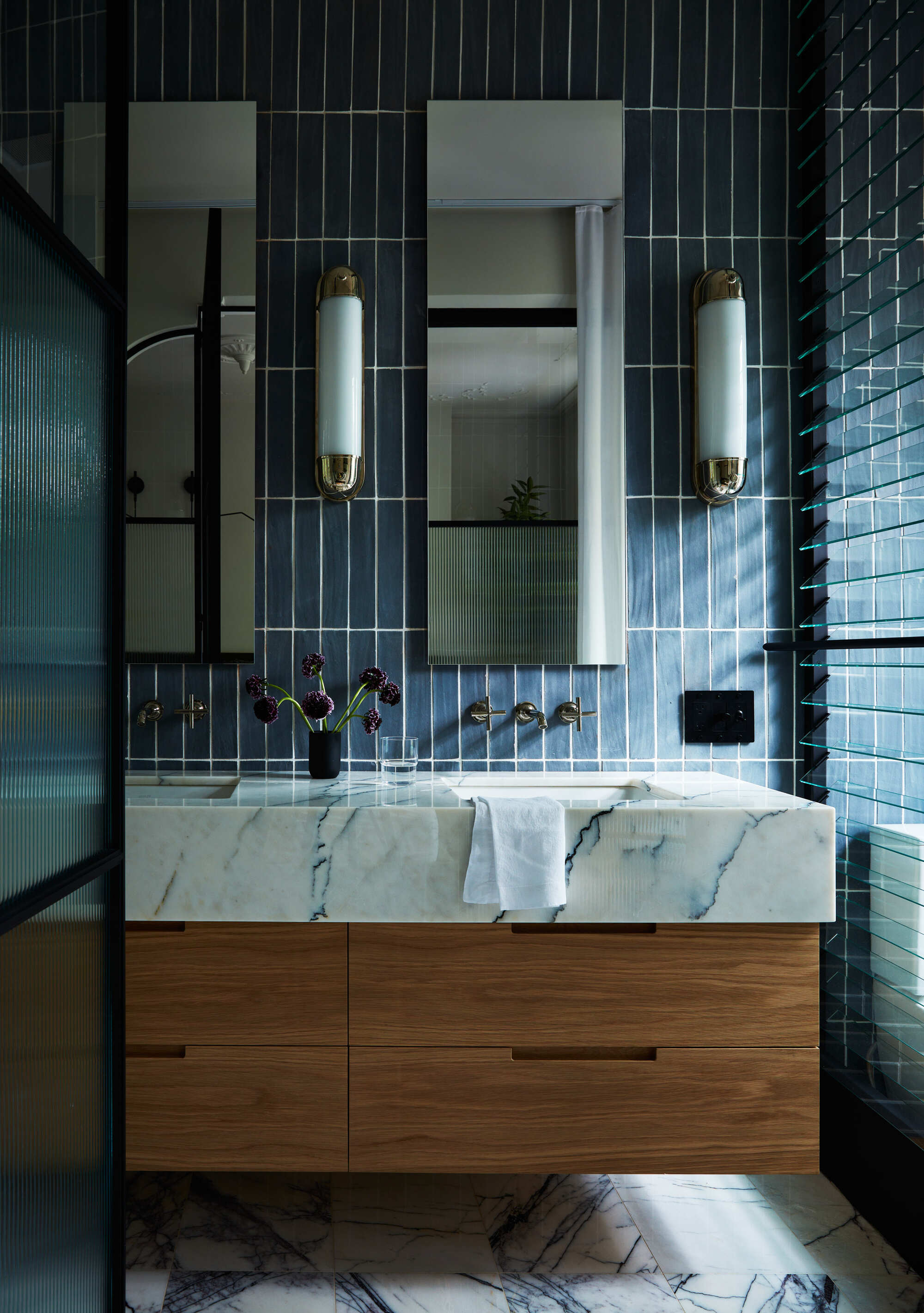
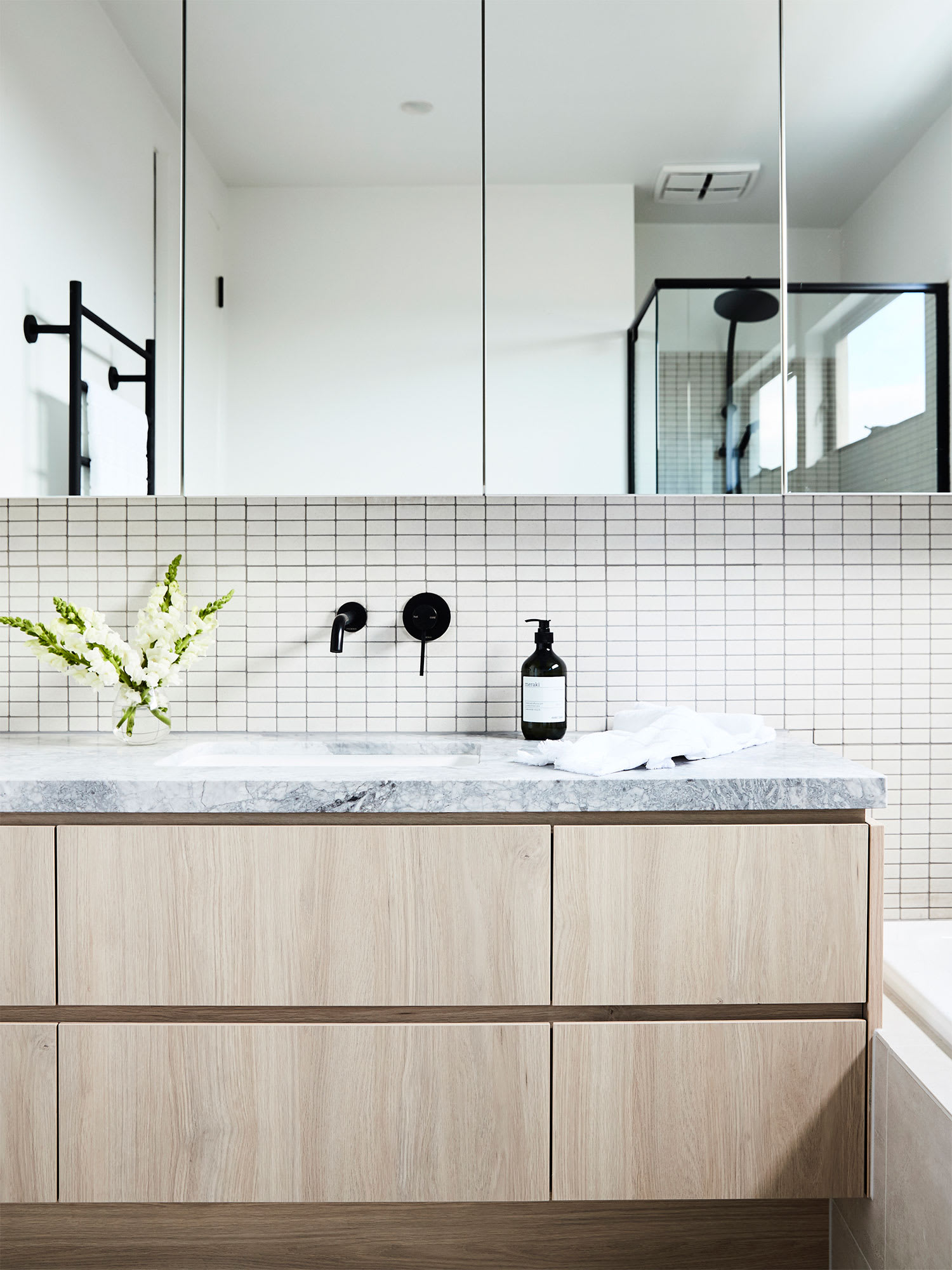
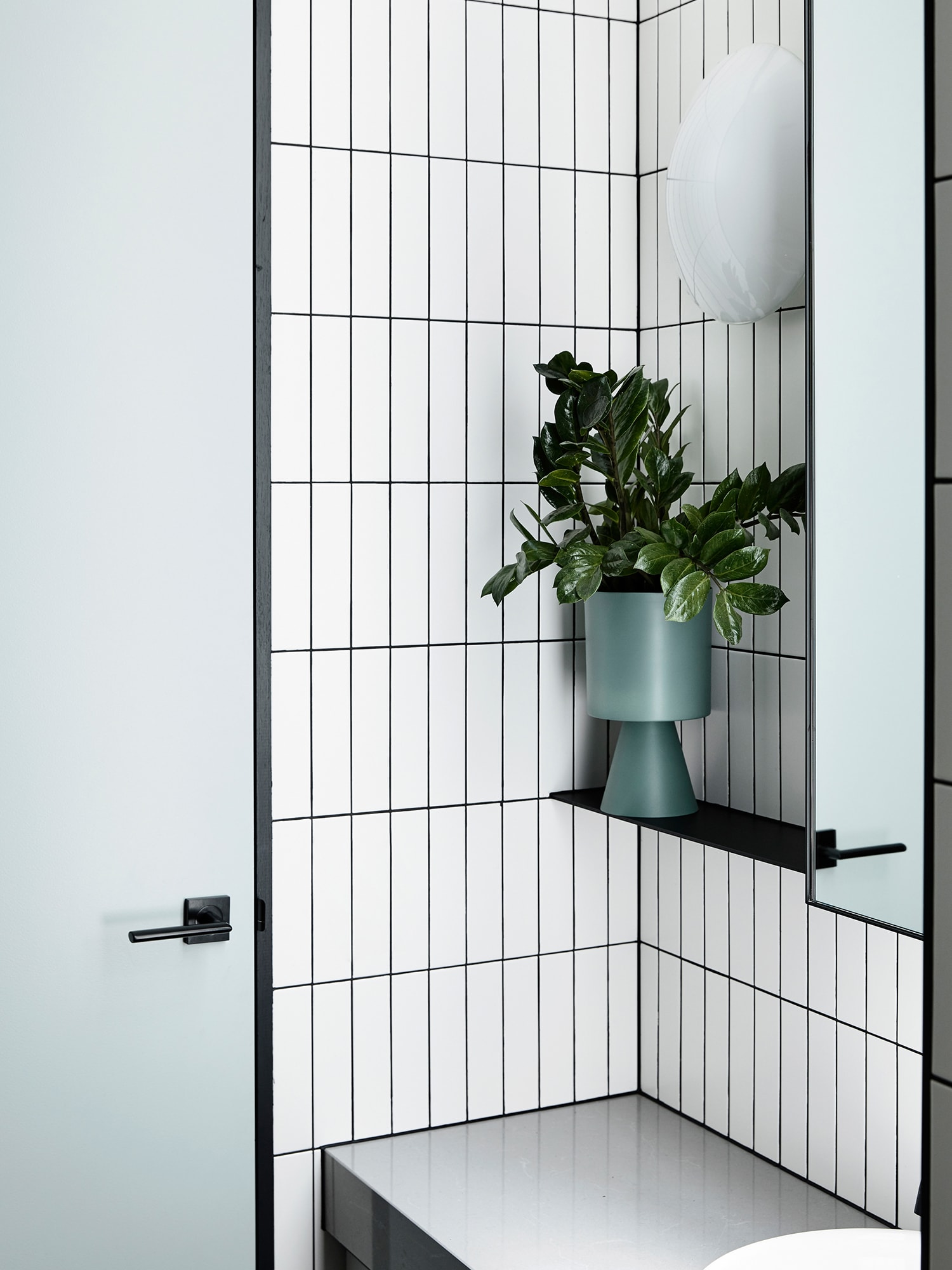
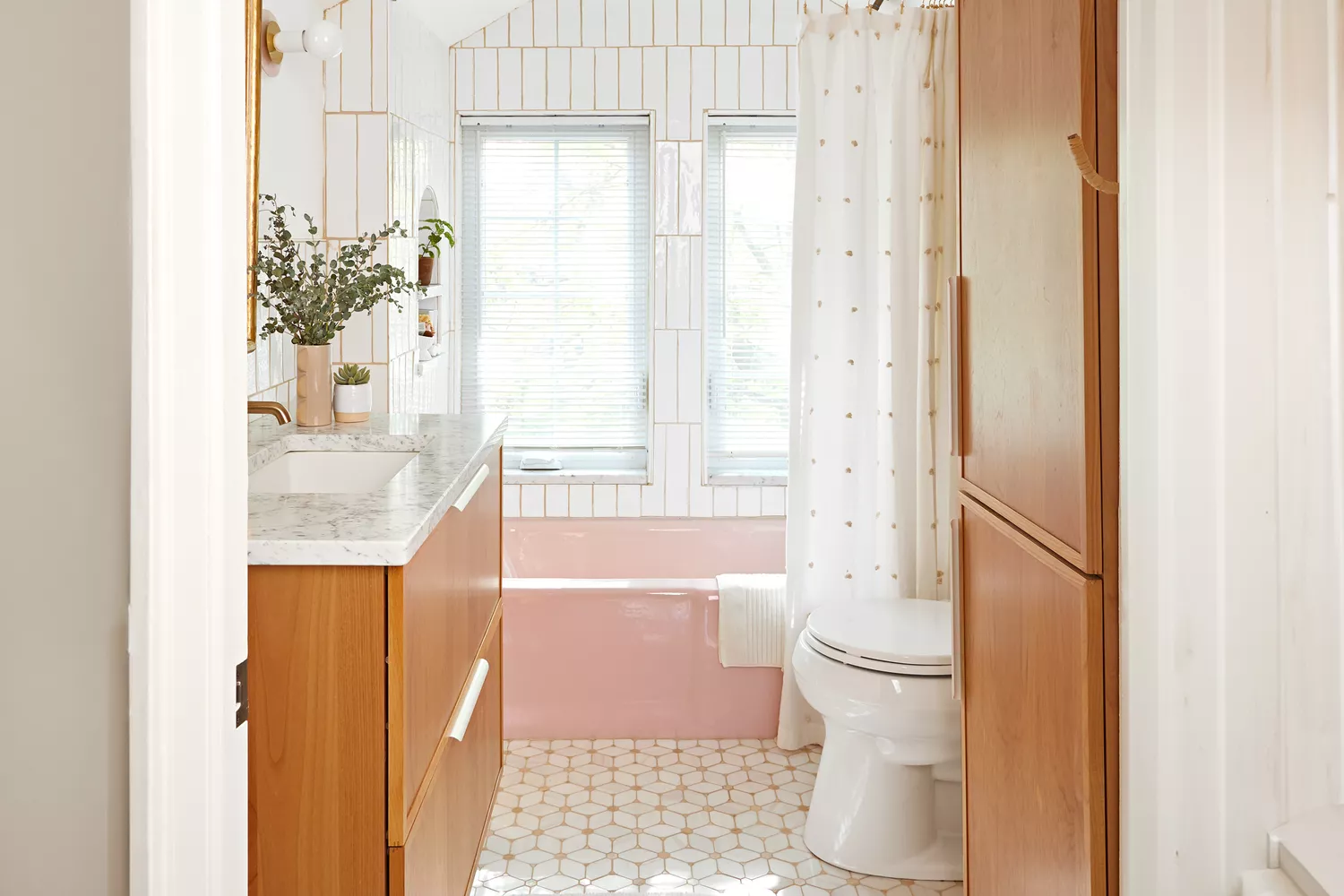
Full tile walls offer an opportunity for a bold statement within minimalist constraints. A seamless tile backsplash creates a modern focal point without disrupting the overall simplicity. Minimalist bathrooms provide an ideal canvas for experimenting with more extroverted tile choices, such as tiny mosaic tiles in an ombre palette or vertically stacked subway tiles in contrasting hues.
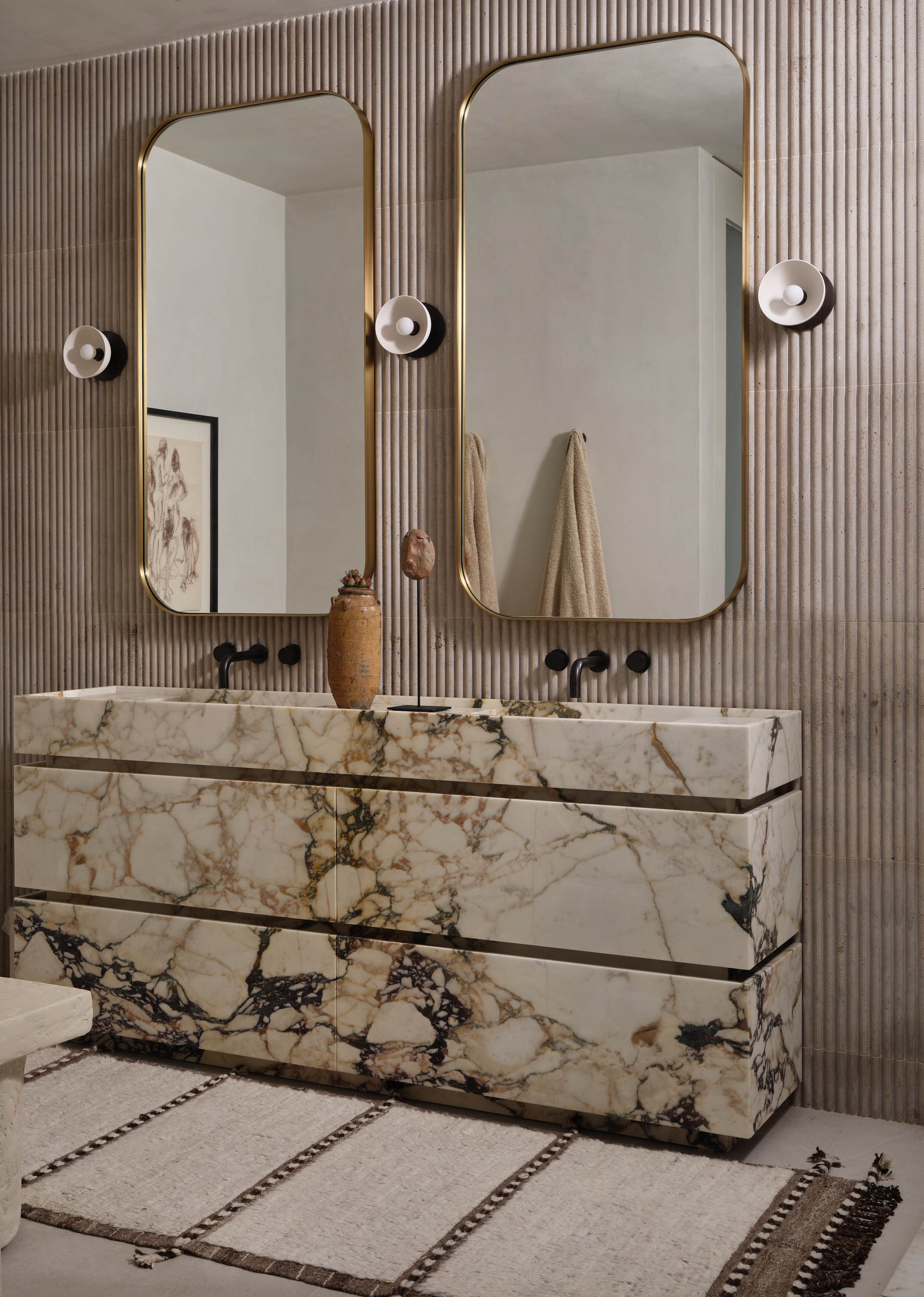
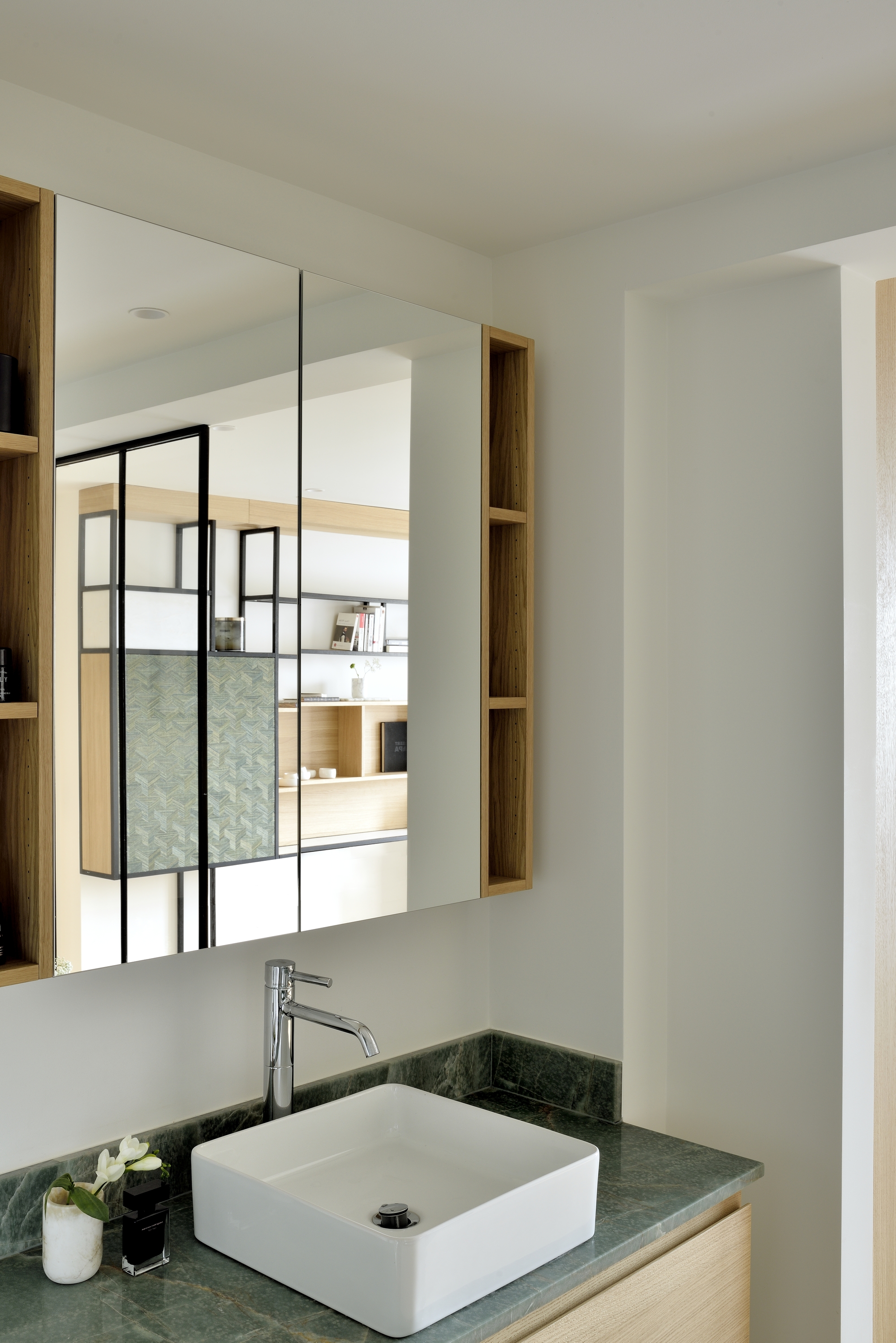
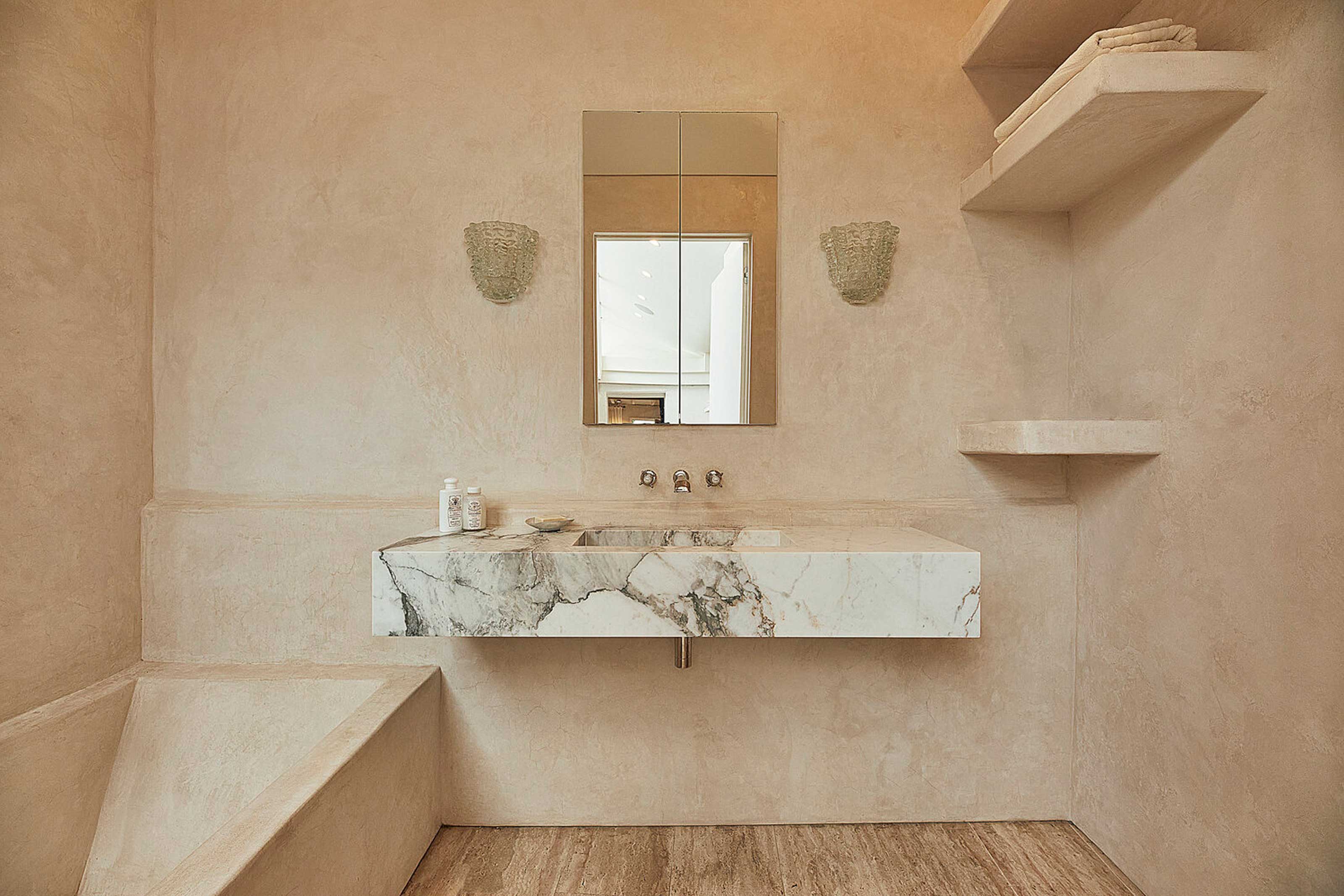
Achieving a seamless sink design is crucial for maintaining a minimalist flow. Andrea Goldman advises against introducing too many different materials, which can make a space feel disjointed. Instead, shared materials, such as wall tile extending onto the floor or a countertop material flowing into the sink basin, are preferred. Integrated stone sinks, where the countertop and sink are crafted from the same material, exemplify this principle, creating an effortless and cohesive vanity.
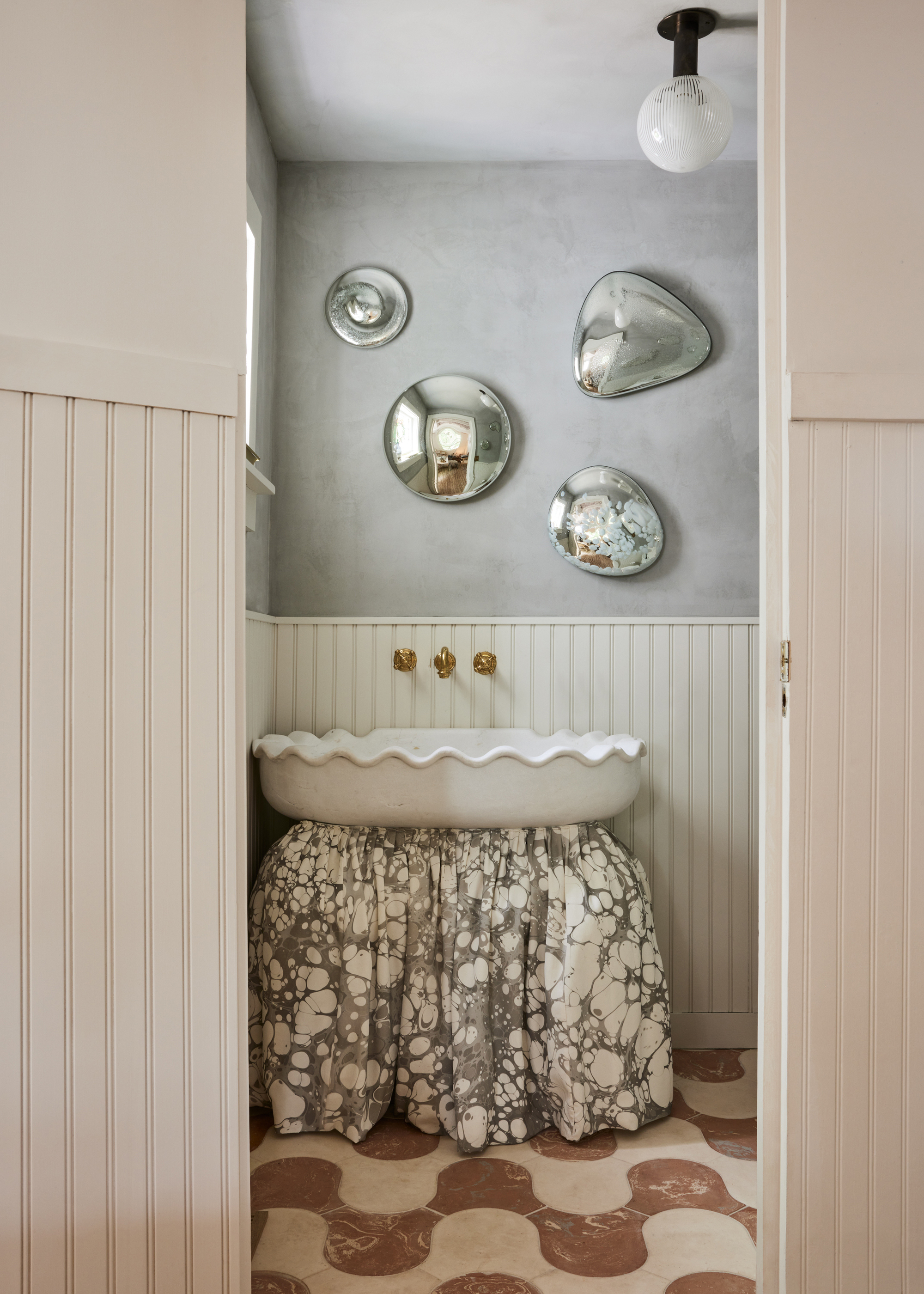
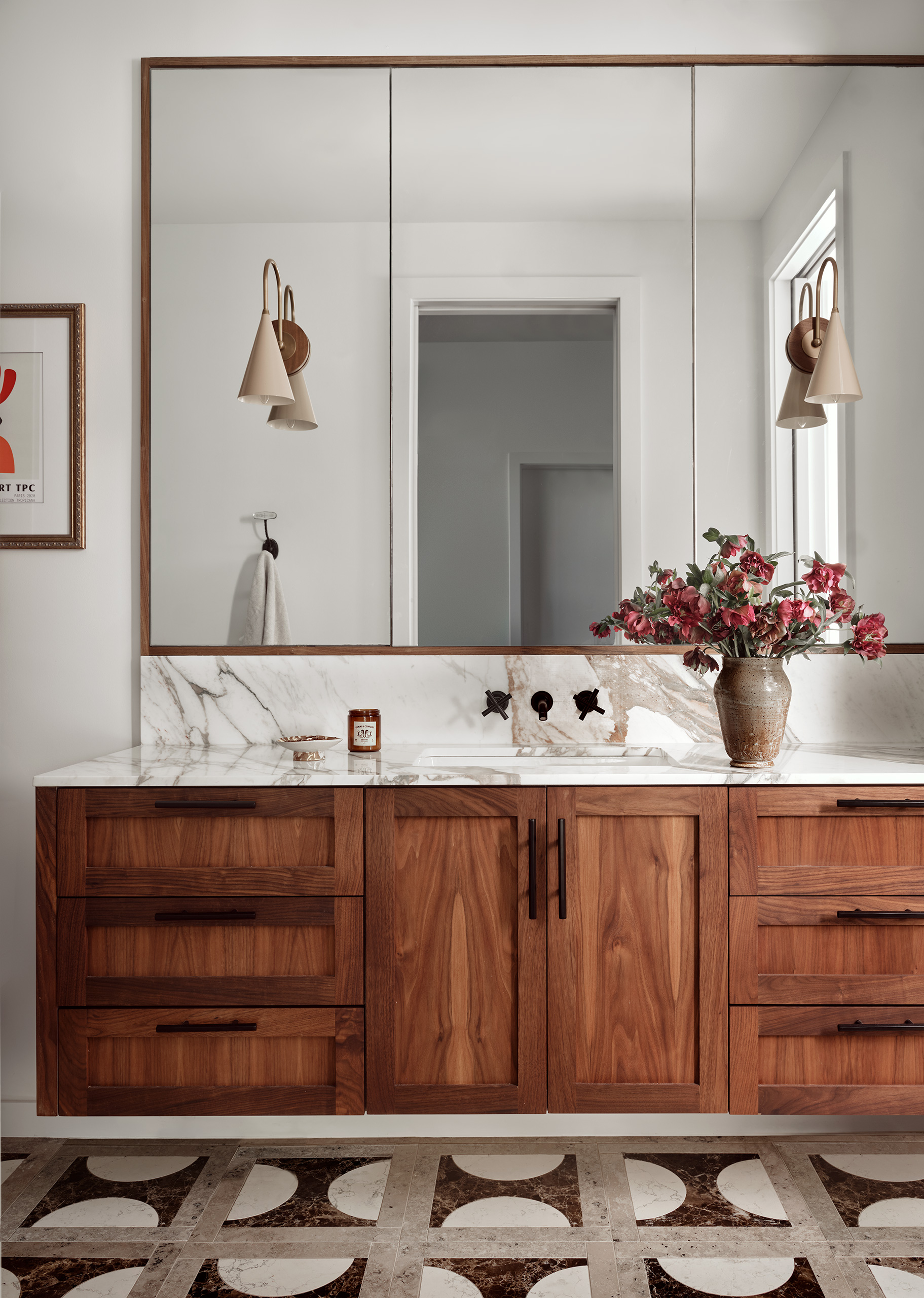
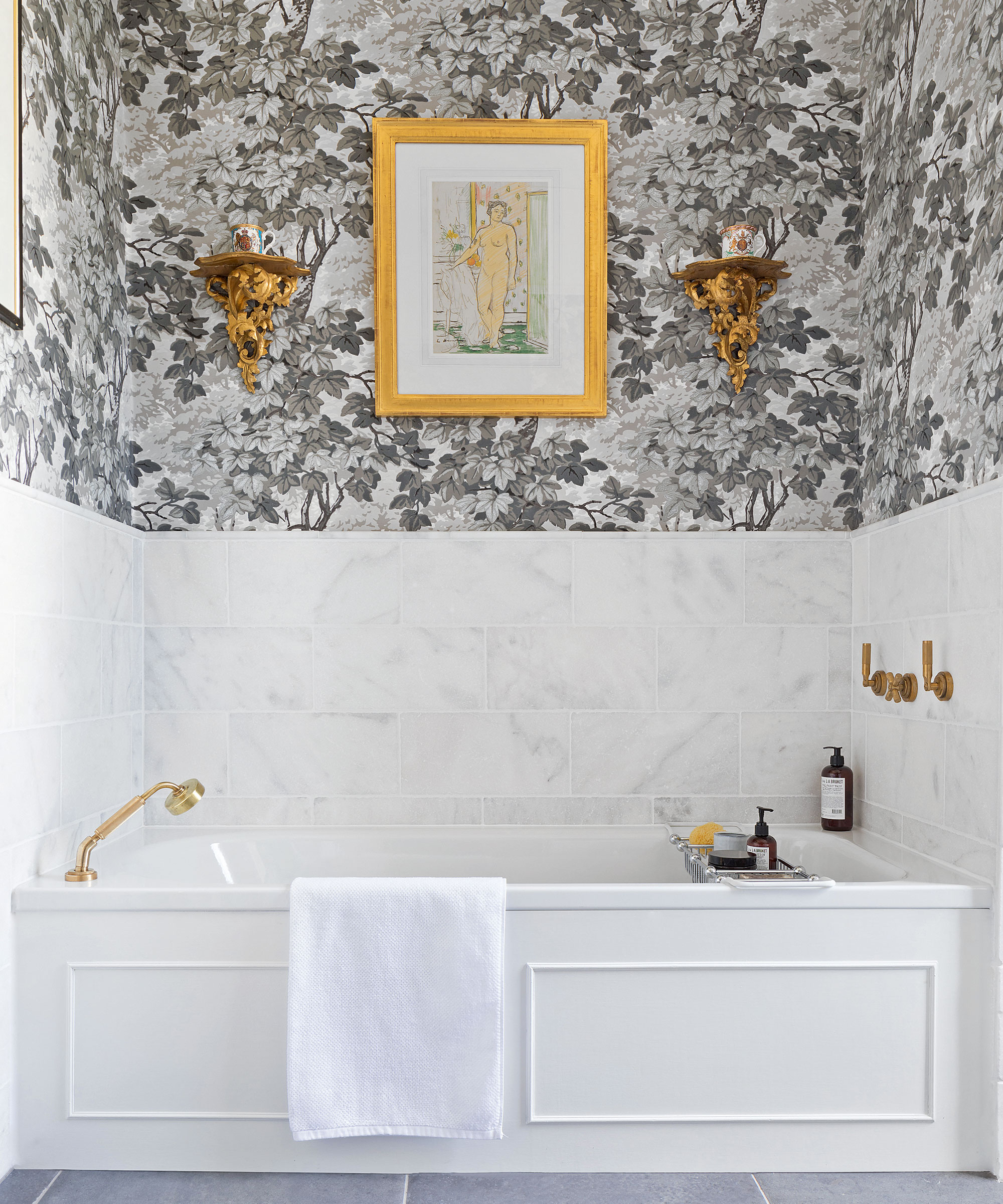
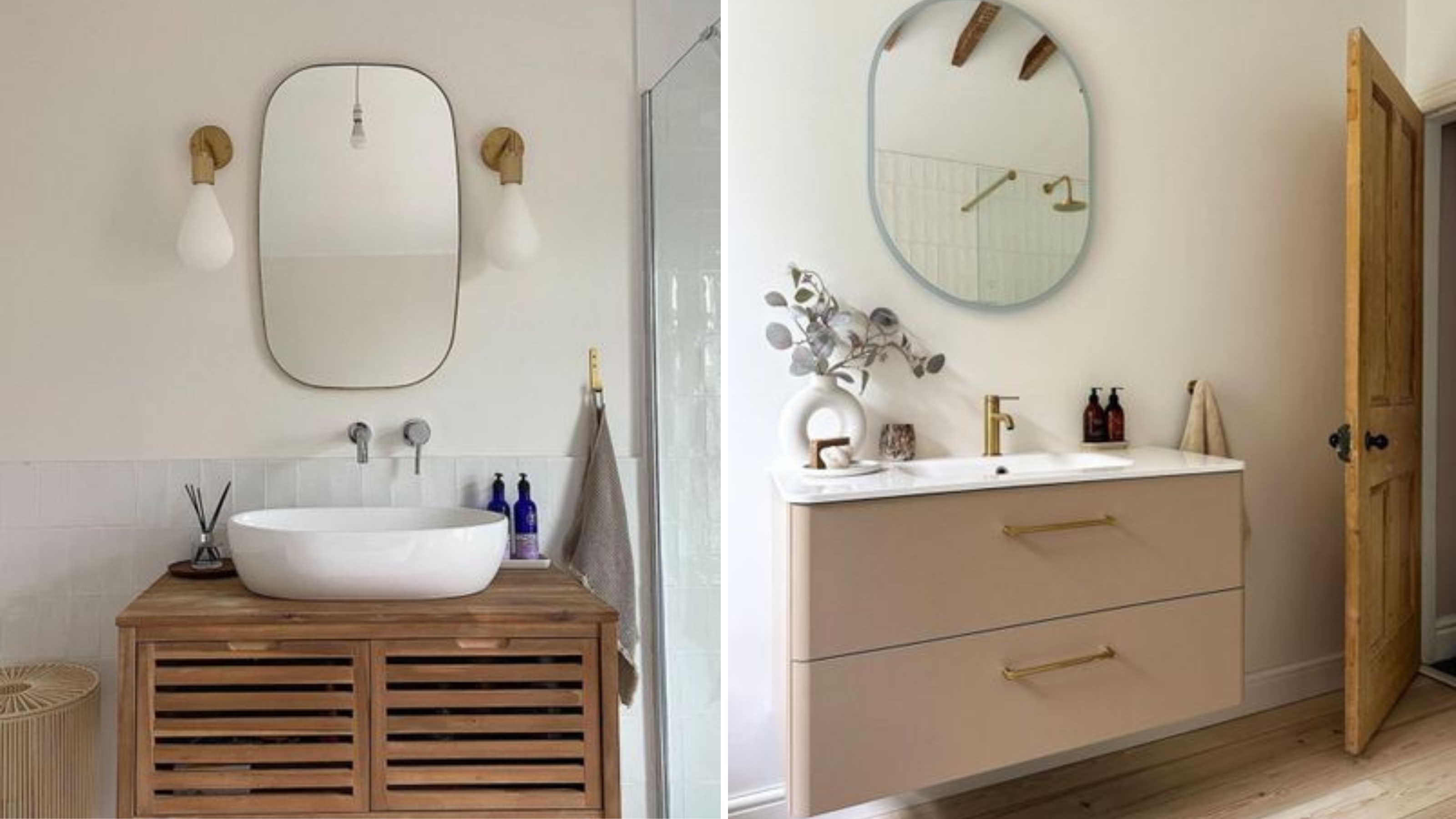
Architectural arches provide an elegant solution for adding character while preserving a clutter-free environment. Arches create a vaulted effect that draws the eye upward, adding subtle drama and refinement. For those not undertaking a full renovation, arched mirrors or medicine cabinets can evoke the same aesthetic. Finally, decorative lighting offers another avenue for injecting personality. Goldman suggests choices like globe sconces, cylindrical sconces, or LED rod sconces, which add style and uniqueness without appearing overly fussy. These elements collectively help achieve the balance between individuality and restraint that defines successful minimalist design.
#SmallBathroom #MinimalistDesign #BathroomDecorating #InteriorDesignTips #NaturalMaterials #SpaceMaximization #HomeImprovement #SmallBathroom #MinimalistDesign #BathroomDecorating #InteriorDesignTips #NaturalMaterials #SpaceMaximization #HomeImprovement
0 comment in total
 No comments yet
You may also like
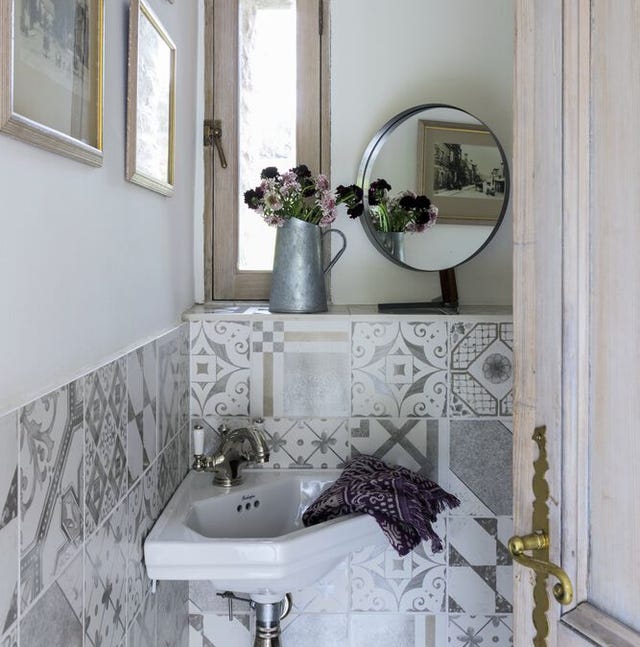
Small bathroom ideas: The best decorating tricks for compact spaces
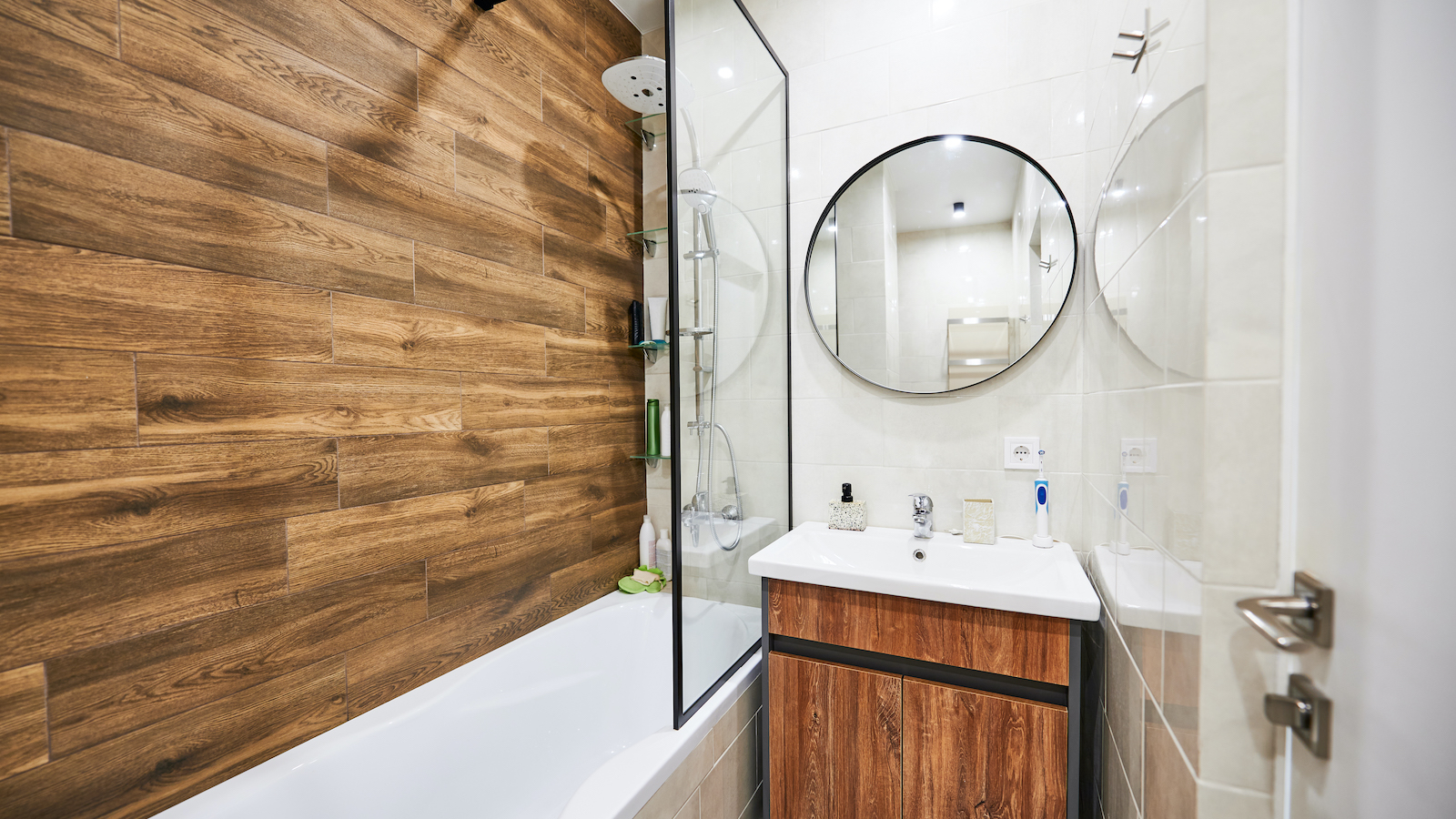
Small bathroom design mistakes that are red-flag worthy, according to the pros

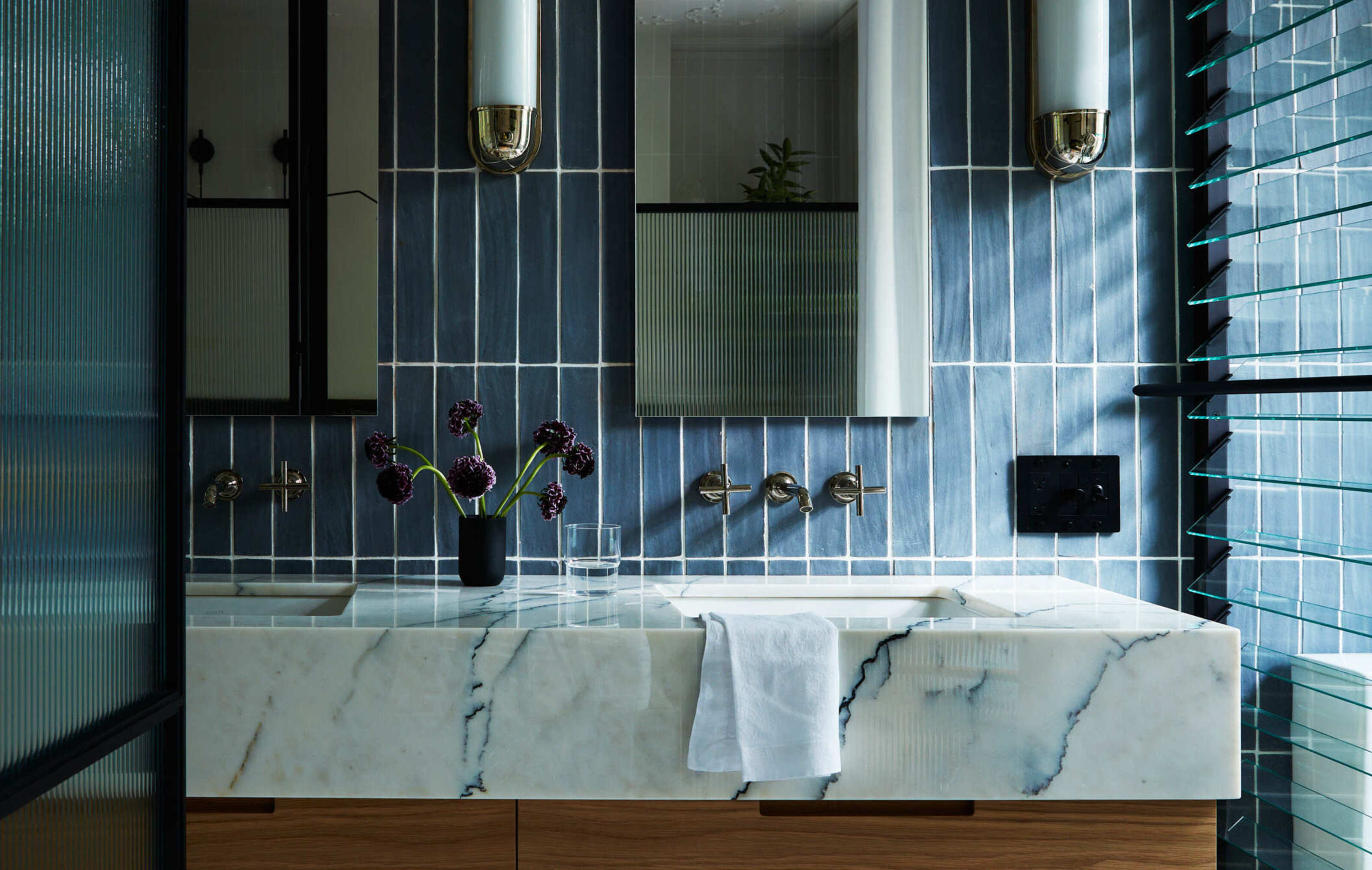
How to Save Space in a Small Bathroom — 6 Designer-Approved Tricks to Make the Most of a Tiny Footprint

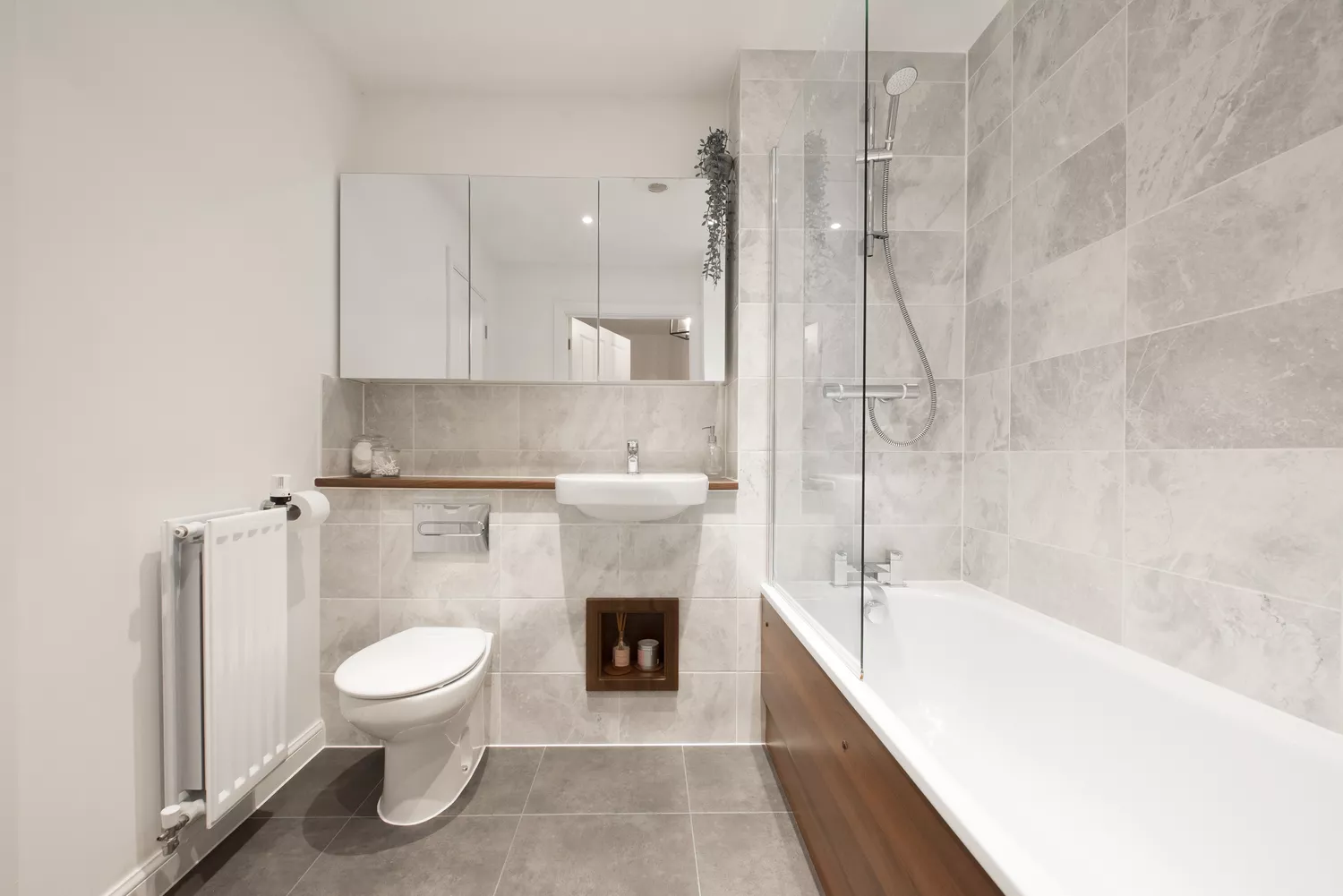
How to Instantly Make a Windowless Bathroom Feel Light and Airy, According to a Designer
How to maximize space in a small bathroom — 7 pro tips that may surprise you
How can I make my small bathroom feel more minimalist? 10 design tips to reduce clutter in tiny spaces

8 Tricks to Make Your Small Bathroom Look Bigger, According to Designers

Tiny bathroom ideas – 10 rules for decorating and designing a bijou space

7 ideas for organizing a bathroom with little to no storage - these are the tricks designers rely on for small spaces
7 Things Minimalists Never Forget to Do to Create a Relaxing Bathroom Retreat
10 space-saving bathrooms – clever tricks to steal from interior designers
Small Bathroom Design Ideas and Solutions
6 Small Bathroom Decorating Secrets Pros Want You to Know

11 small bathroom organization ideas to maximize small spaces
Designer tips for making more space in a small bathroom — and you'll see a huge difference
27 Things That Were Practically Designed For Your Tiny Bathroom
8 items interior designers never have in small bathrooms

8 minimalist small bathroom ideas to keep things simple
Small bathroom layouts – 19 expert strategies for compact spaces
30 Small Bathroom Organization Ideas You’ll Want to Try Before Buying Another Basket