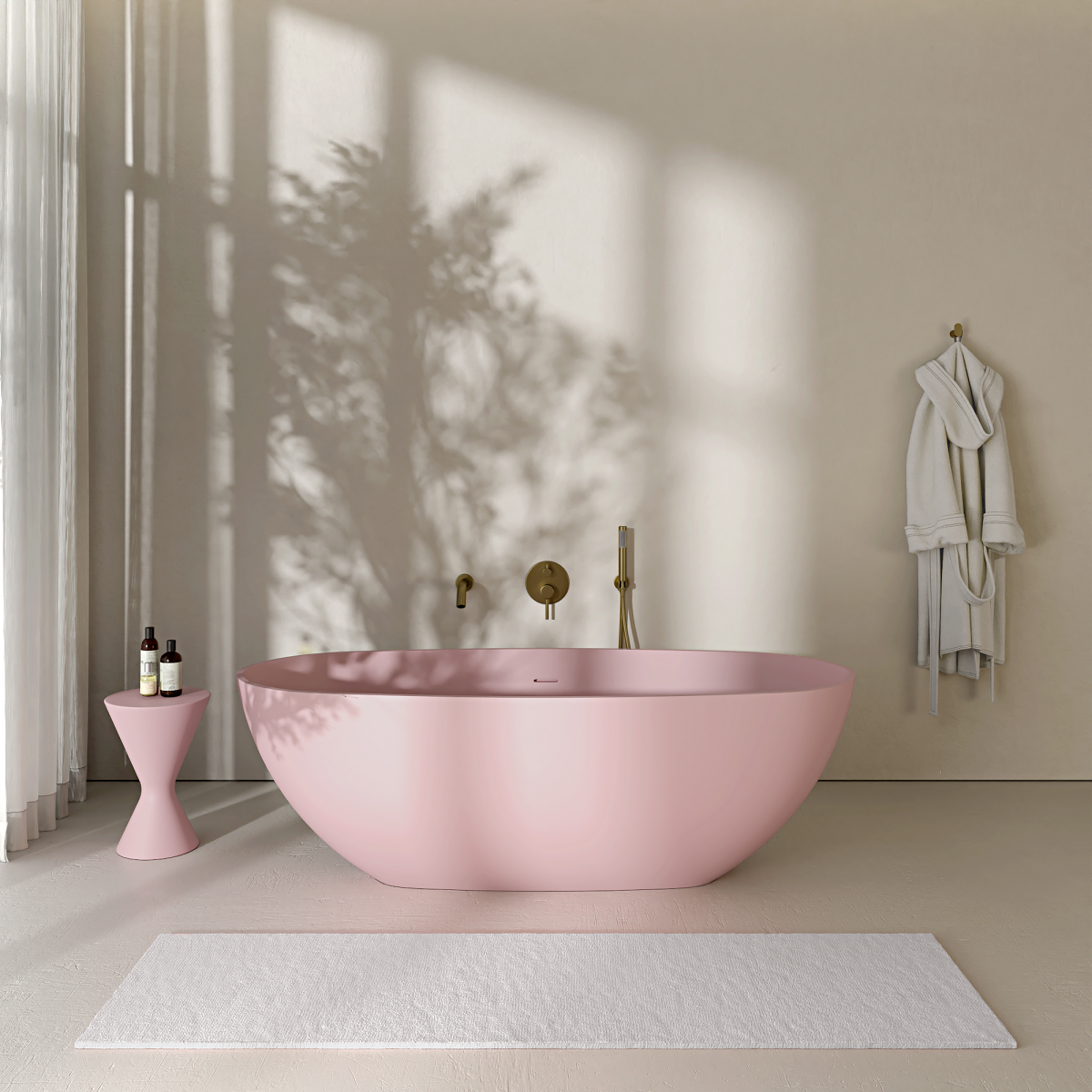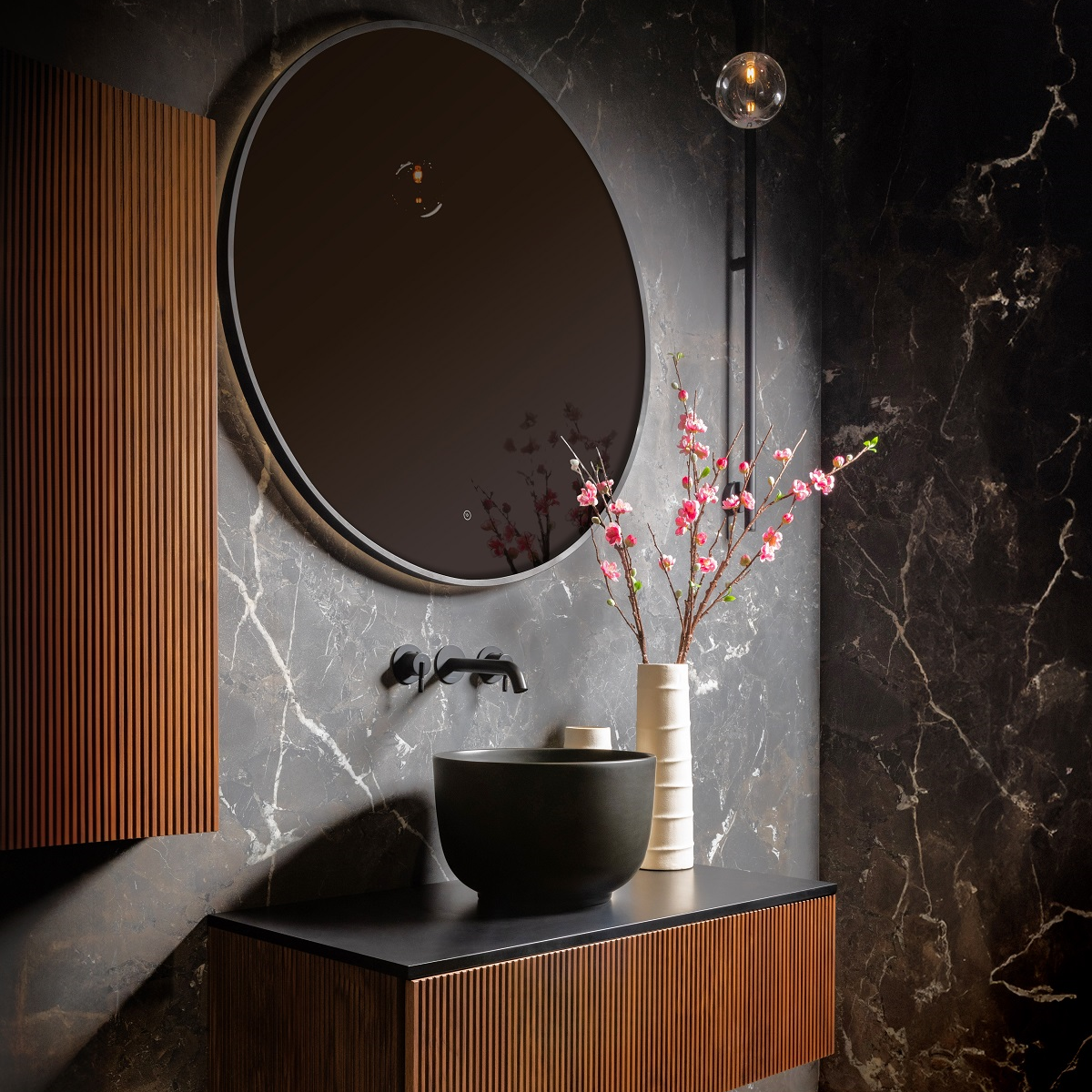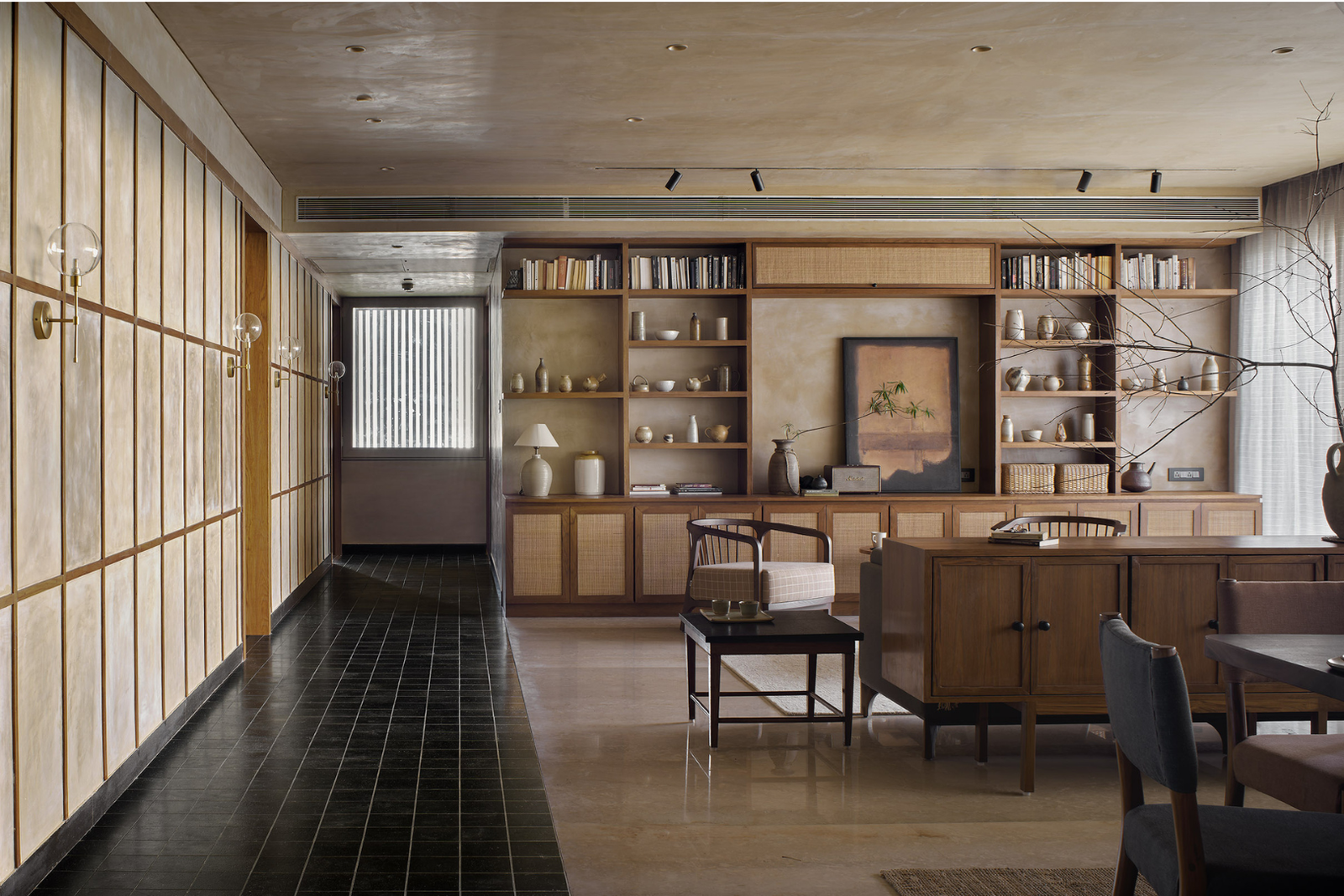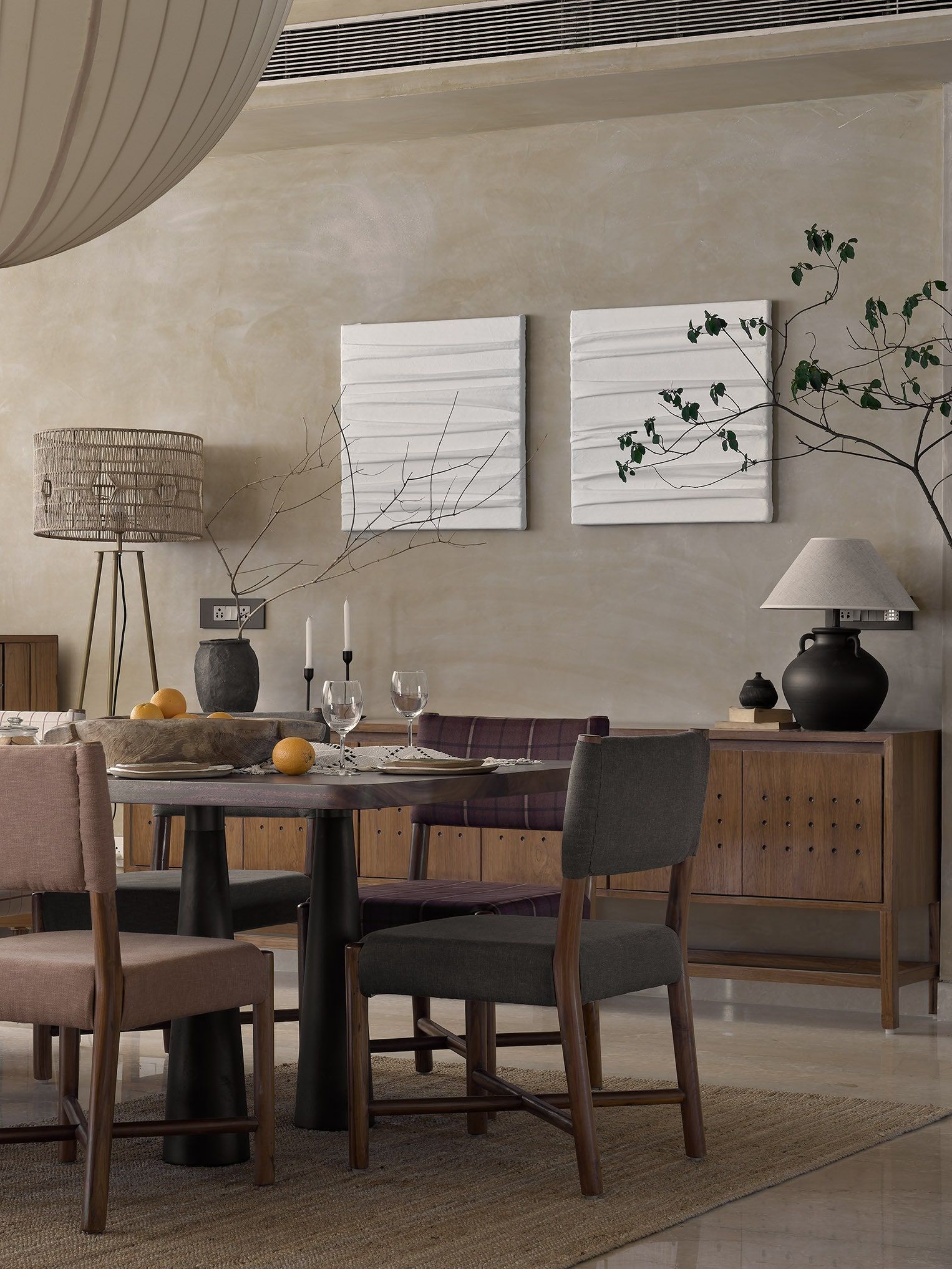
7 Japanese real estate inspired bathroom decor ideas for a calm and mindful home
The Japanese approach to interior design, particularly concerning bathrooms, is deeply rooted in cultural philosophies that prioritize simplicity, nature, and ritual. These principles are evident in how Japanese bathrooms are designed, serving not merely as functional spaces but as sanctuaries for cleanliness, purity, and rejuvenation. A 2025 real estate survey highlighted this cultural emphasis, revealing that approximately 80% of Japanese apartment seekers prefer separate bathing and toilet areas, indicating strong preferences for distinct functional zones within their homes.
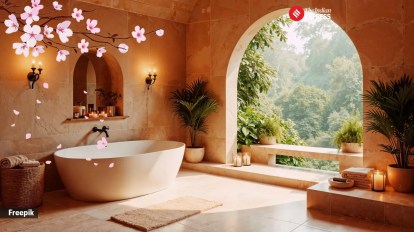
Japanese bathrooms draw inspiration from three core philosophies: kanso (simplicity), shizen (naturalness), and wabi-sabi (embracing imperfection). These concepts collectively aim to foster a sense of calm, mindfulness, and a harmonious connection with the natural world, transforming the daily act of bathing into a holistic ritual of renewal and reflection. This article outlines seven decor ideas inspired by these Japanese real estate trends.
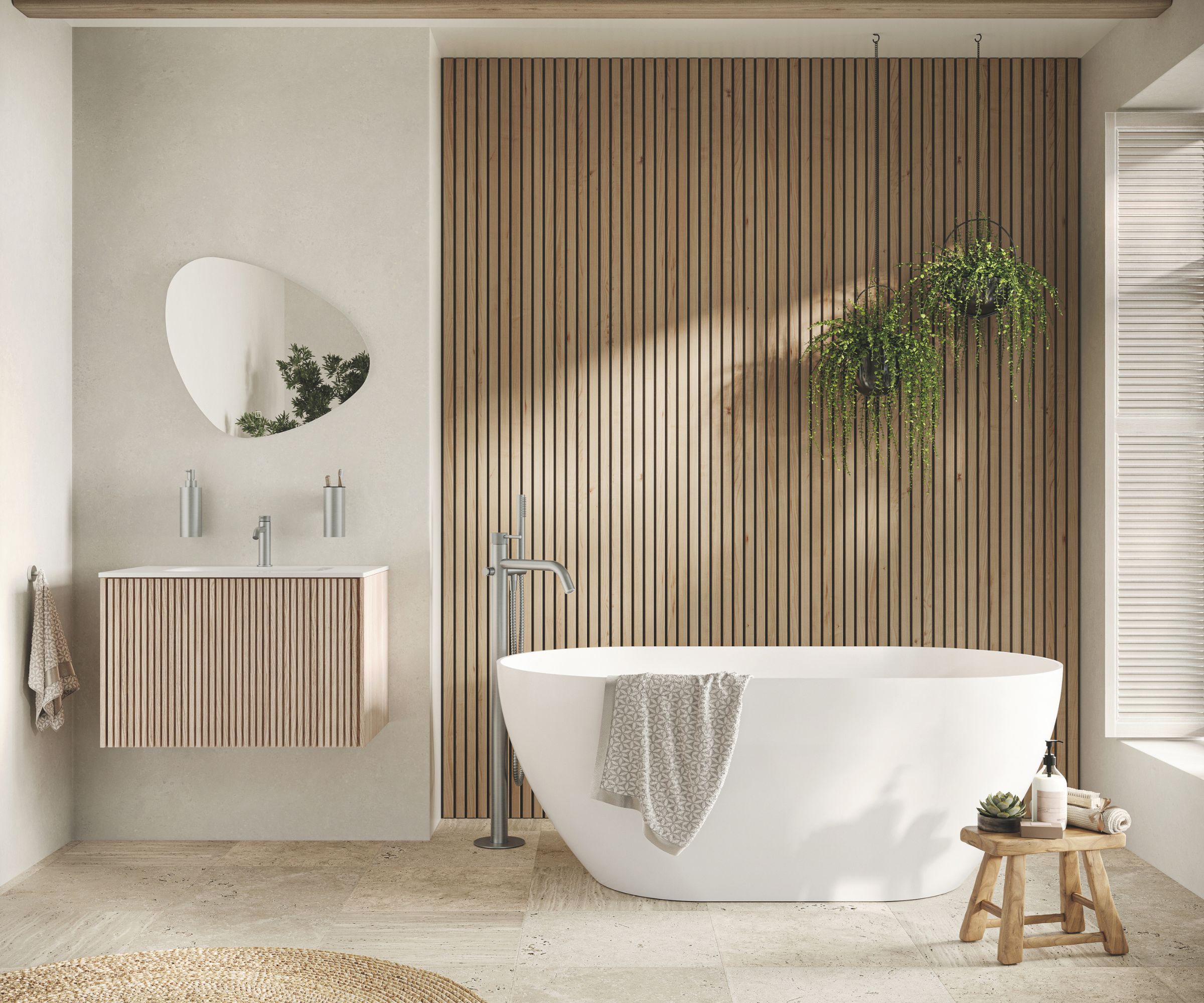
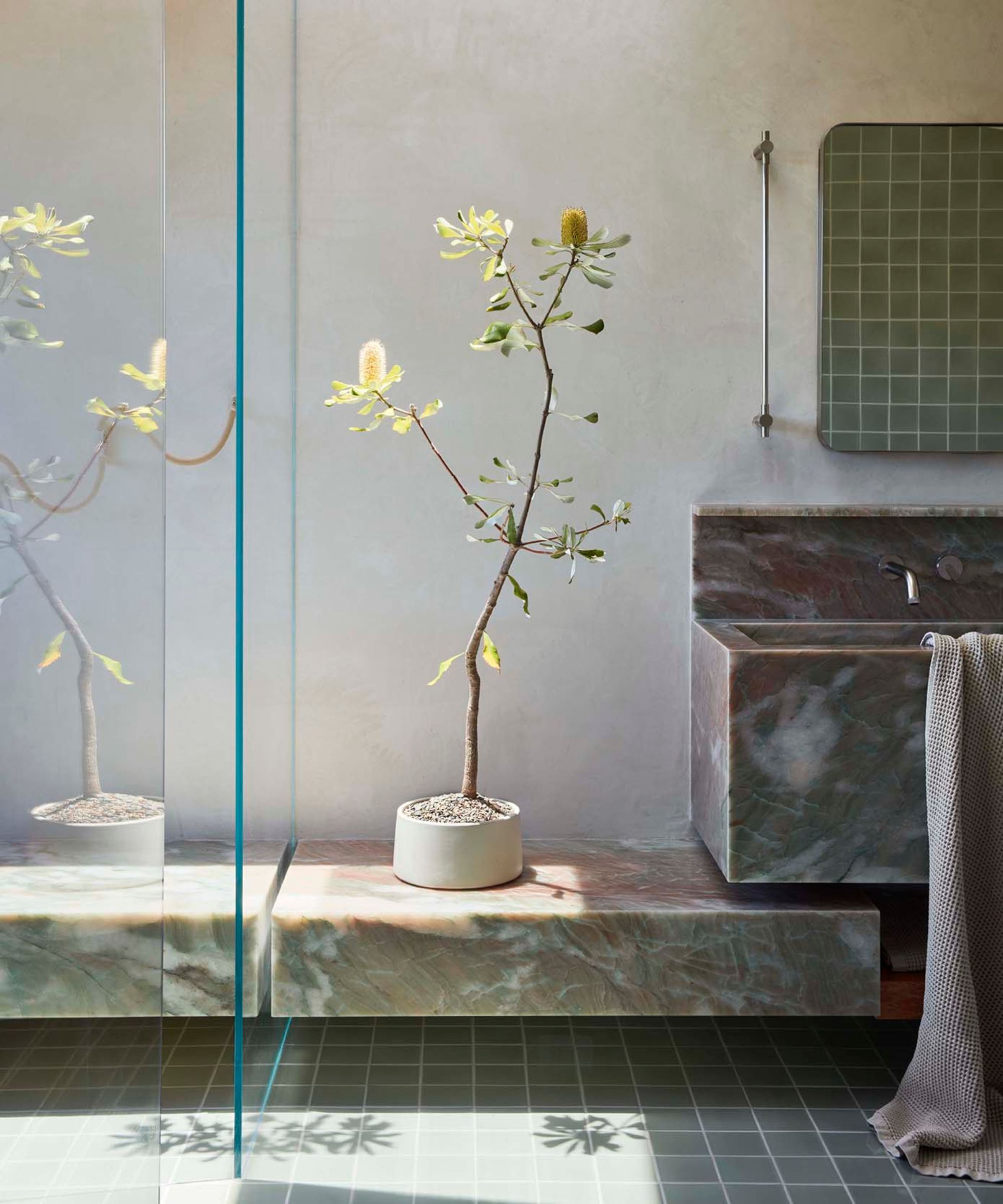
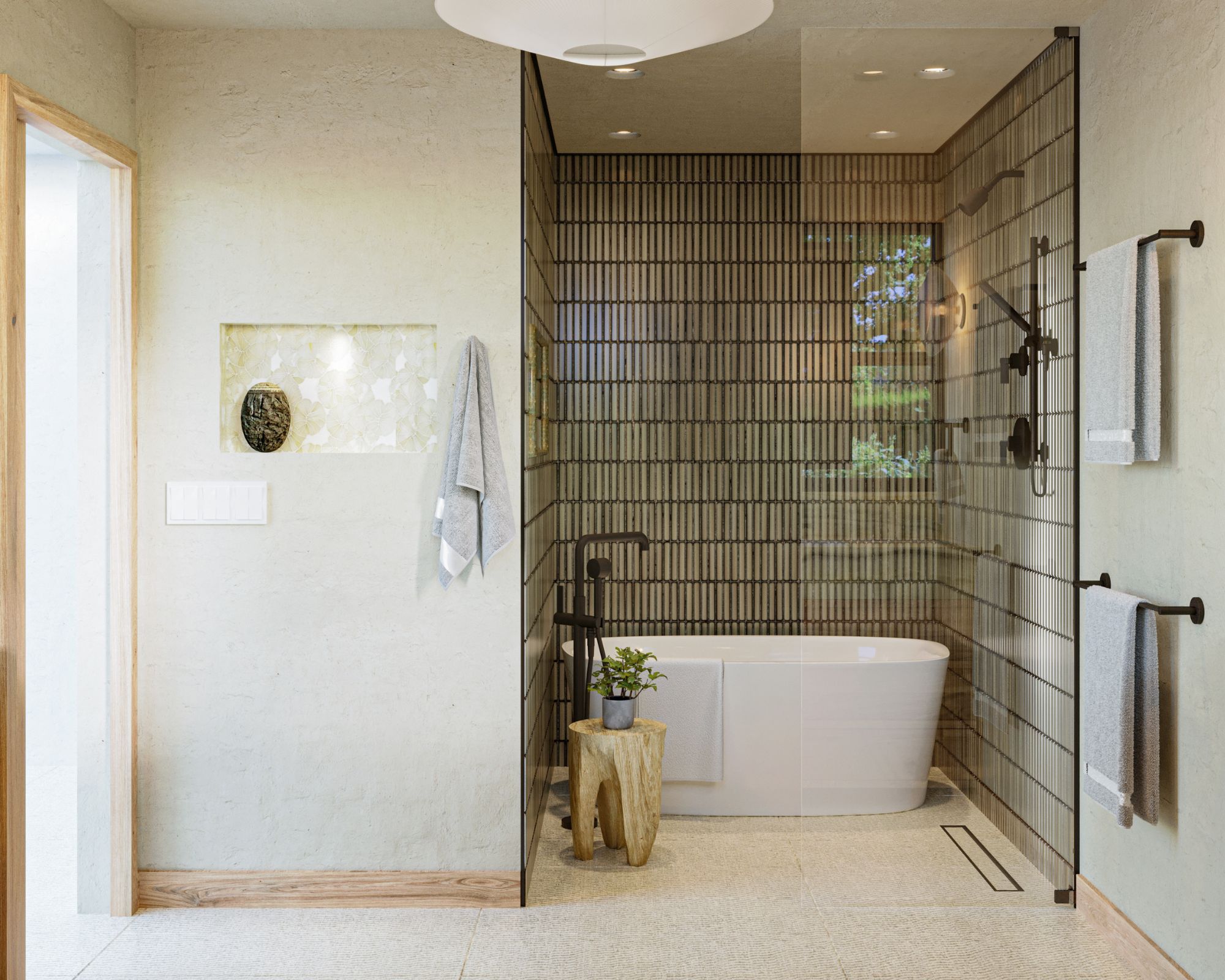
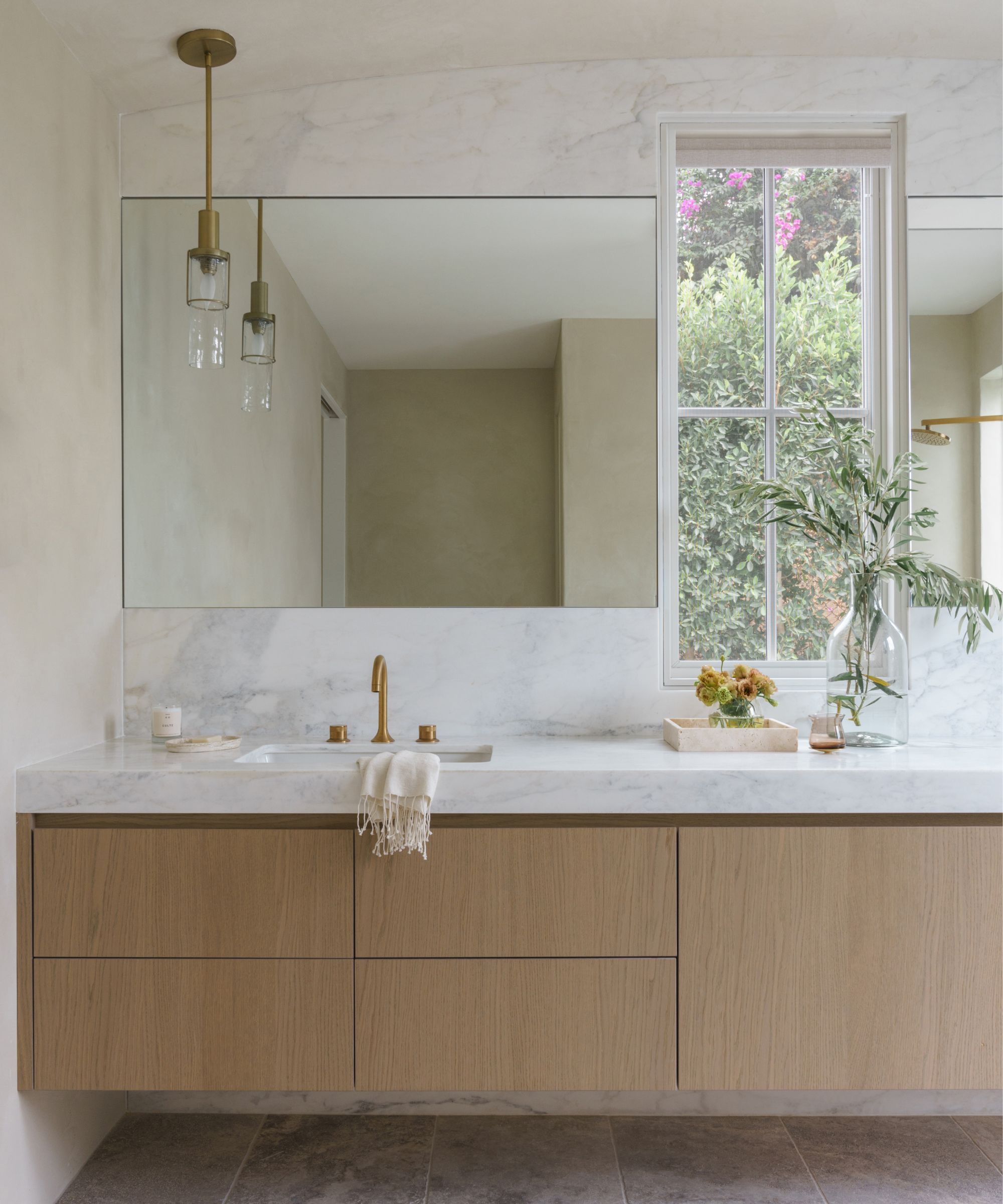
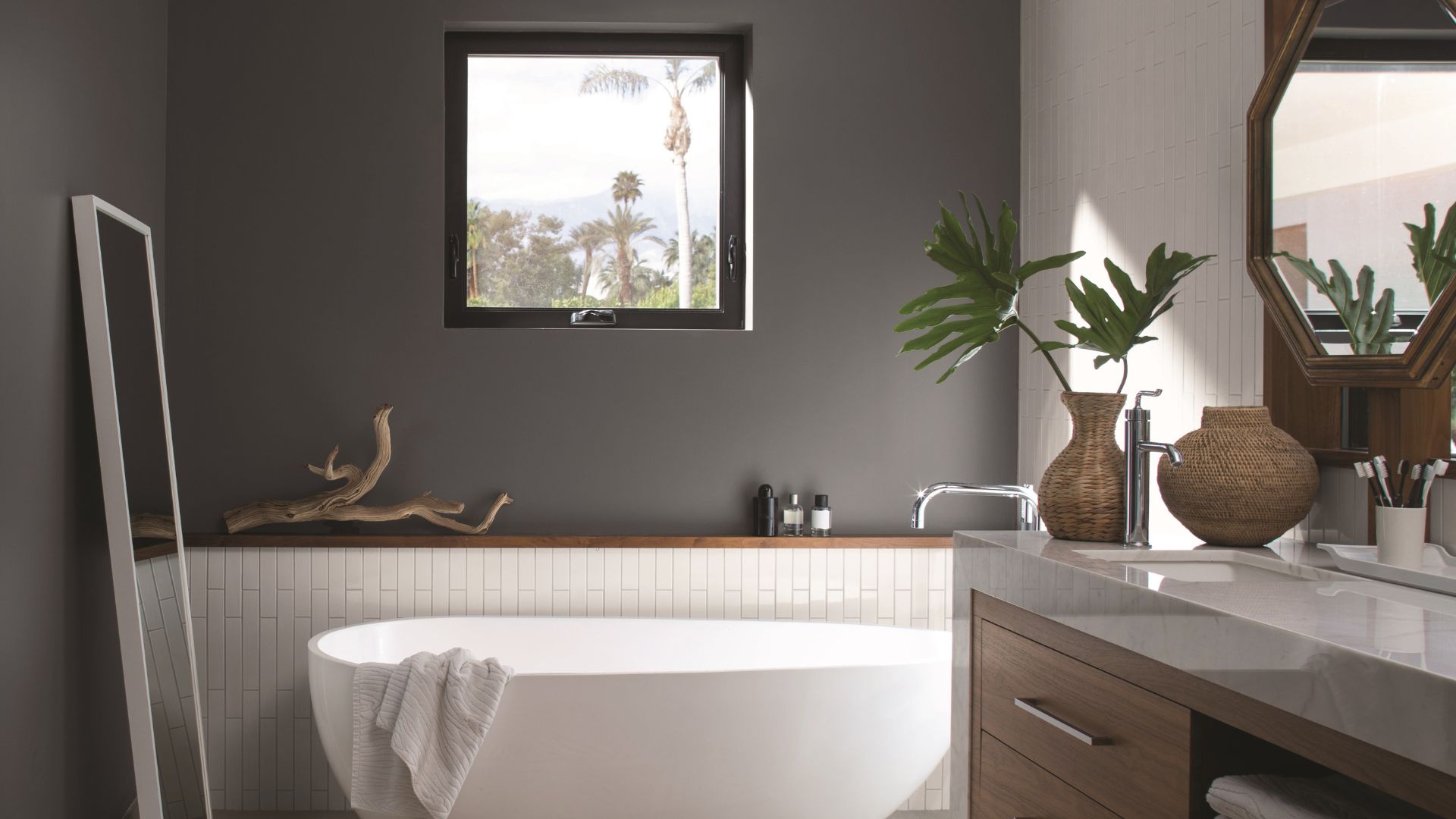
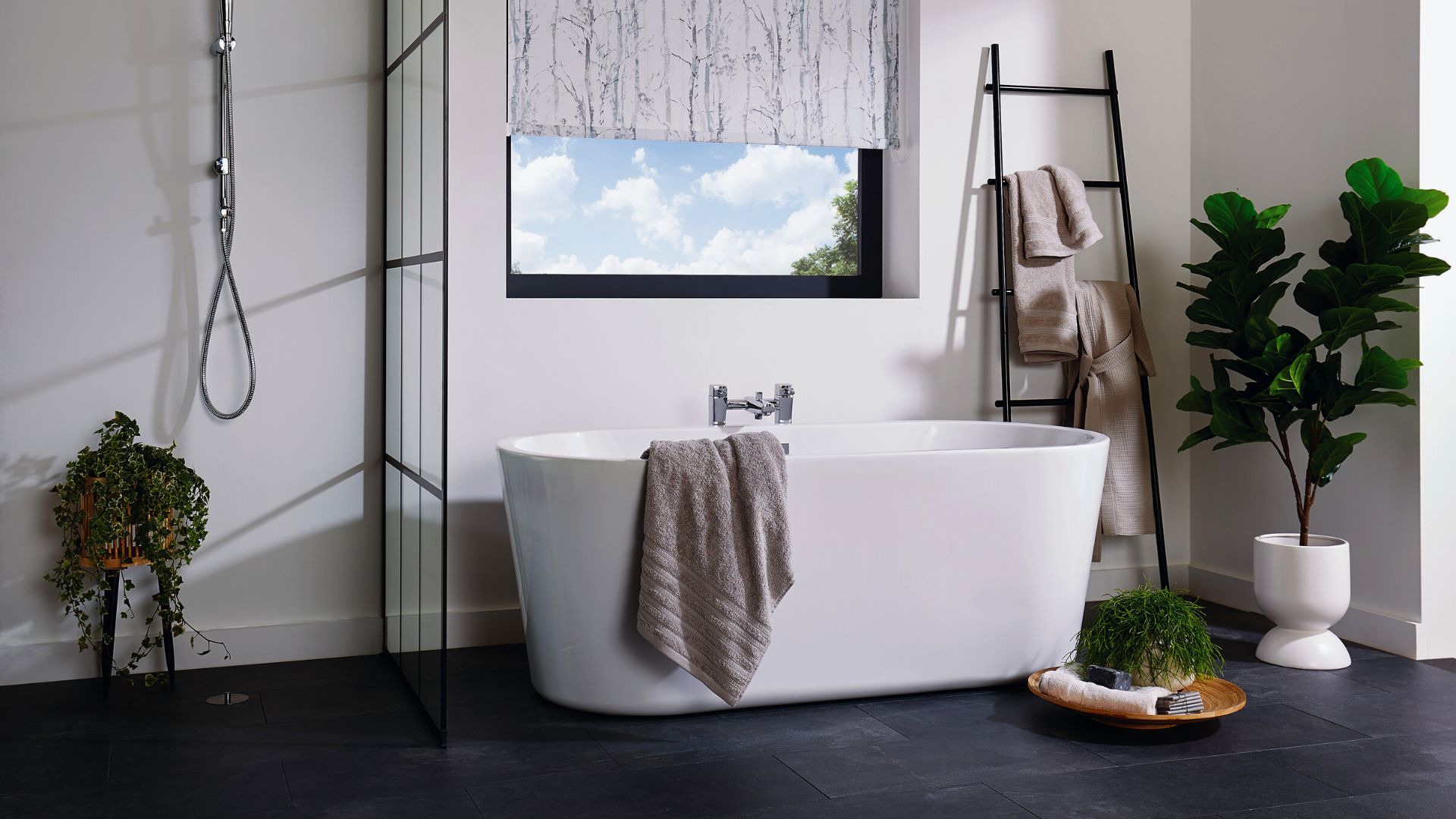
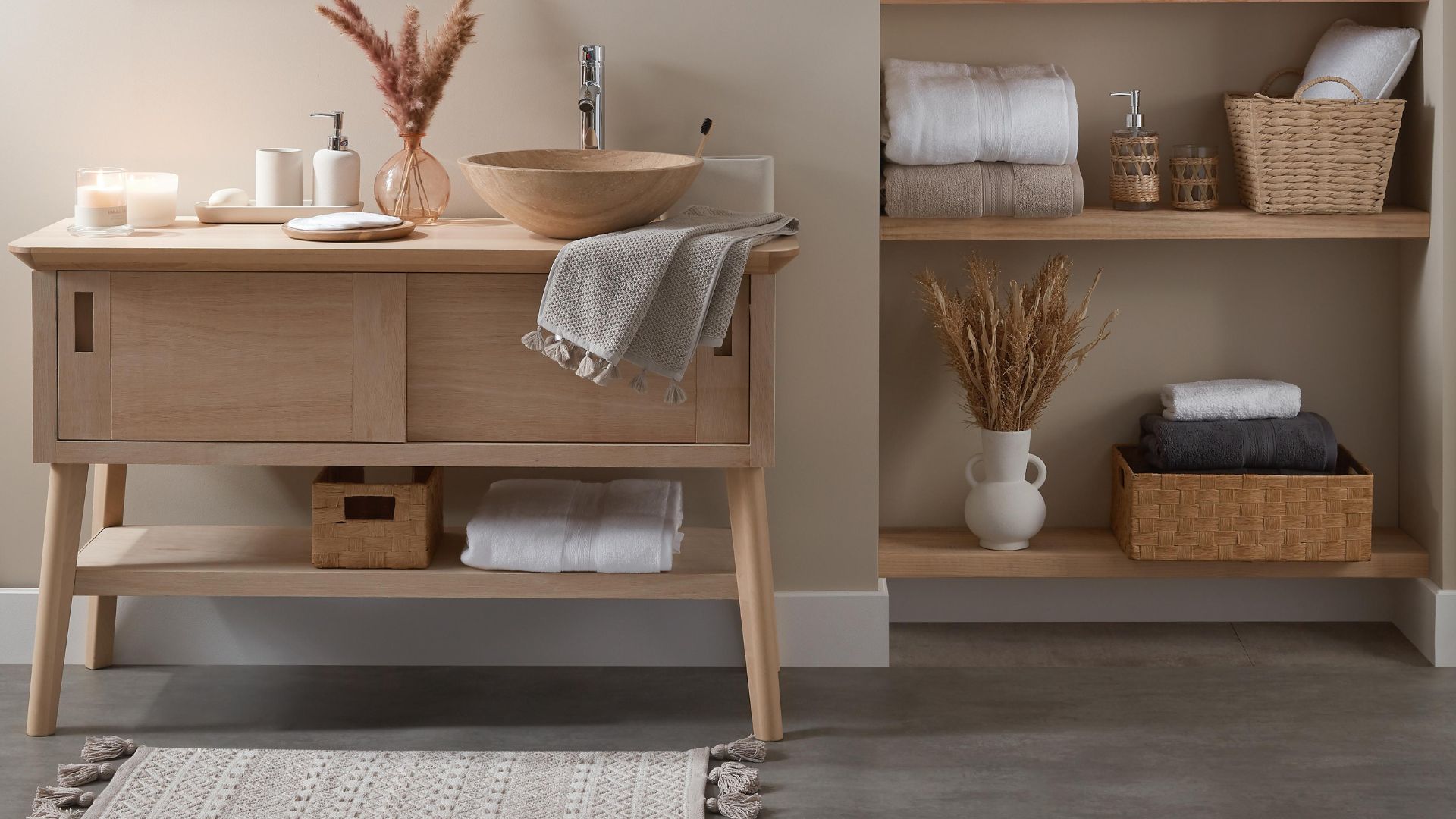
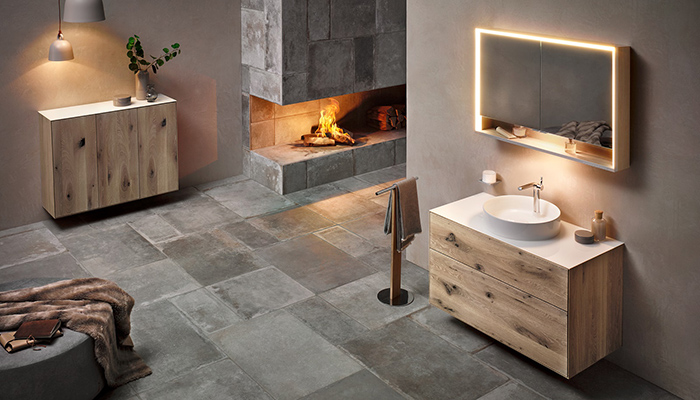
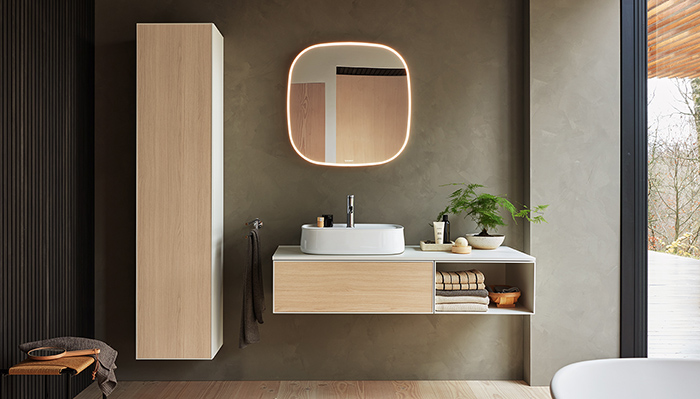
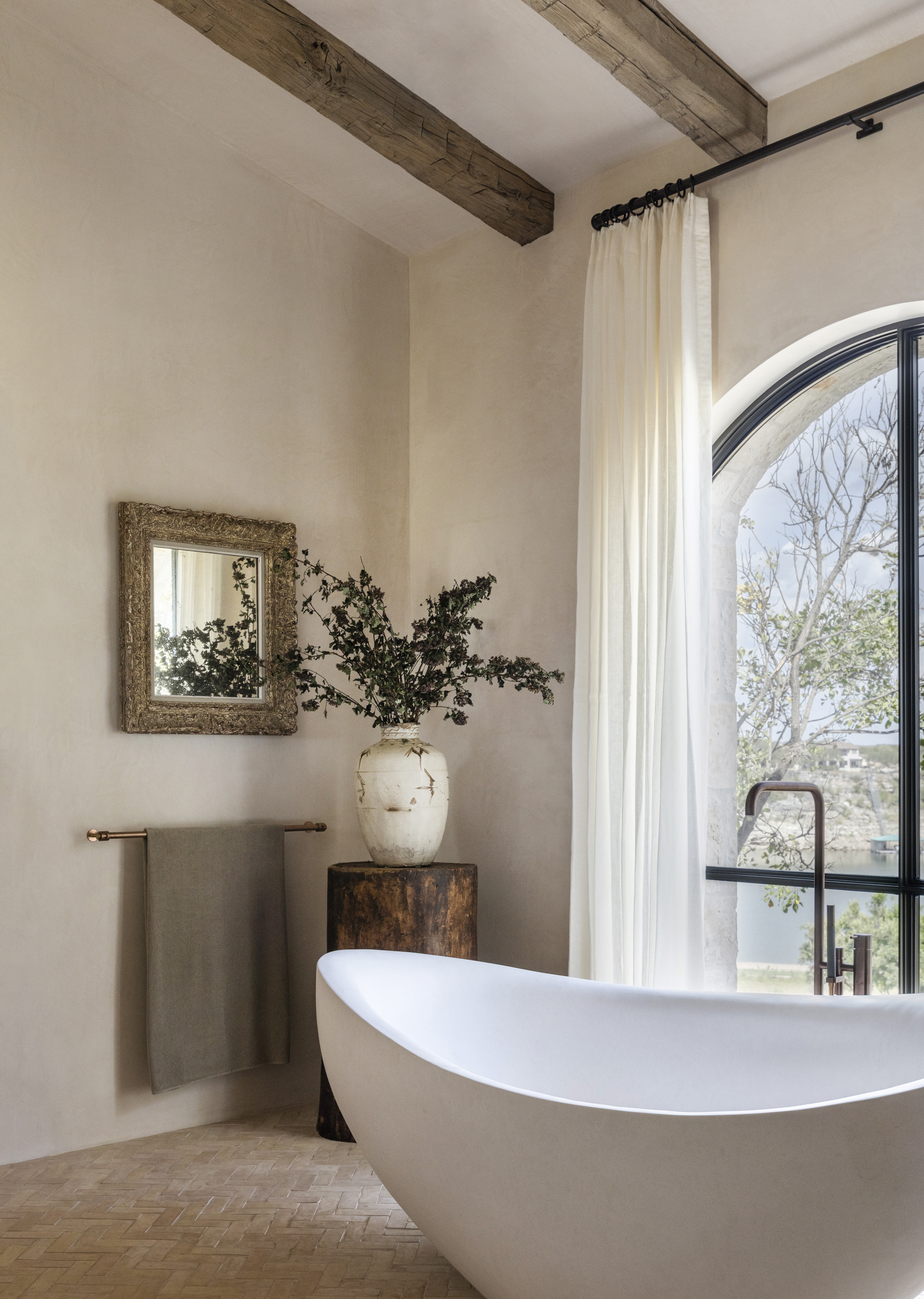
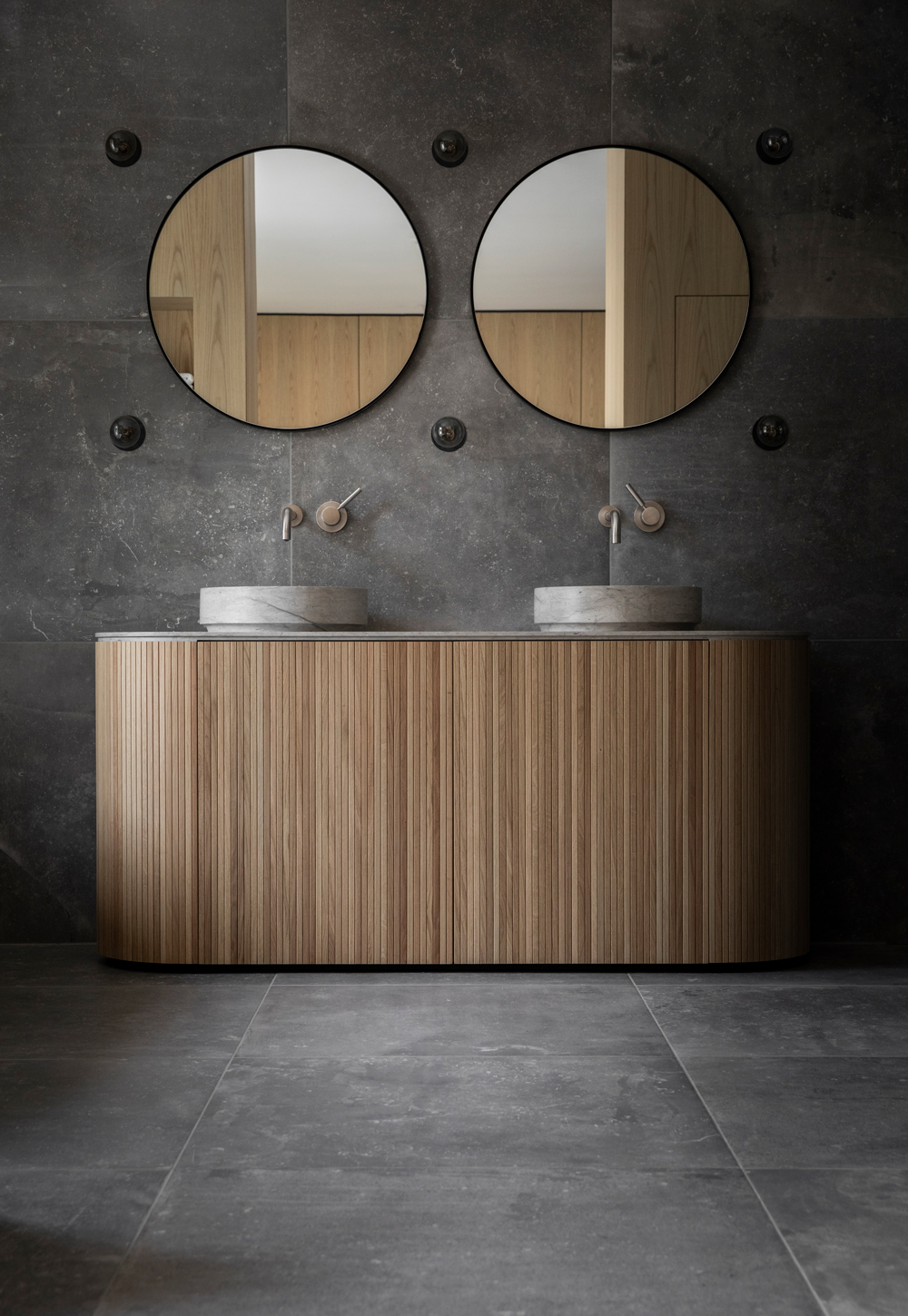
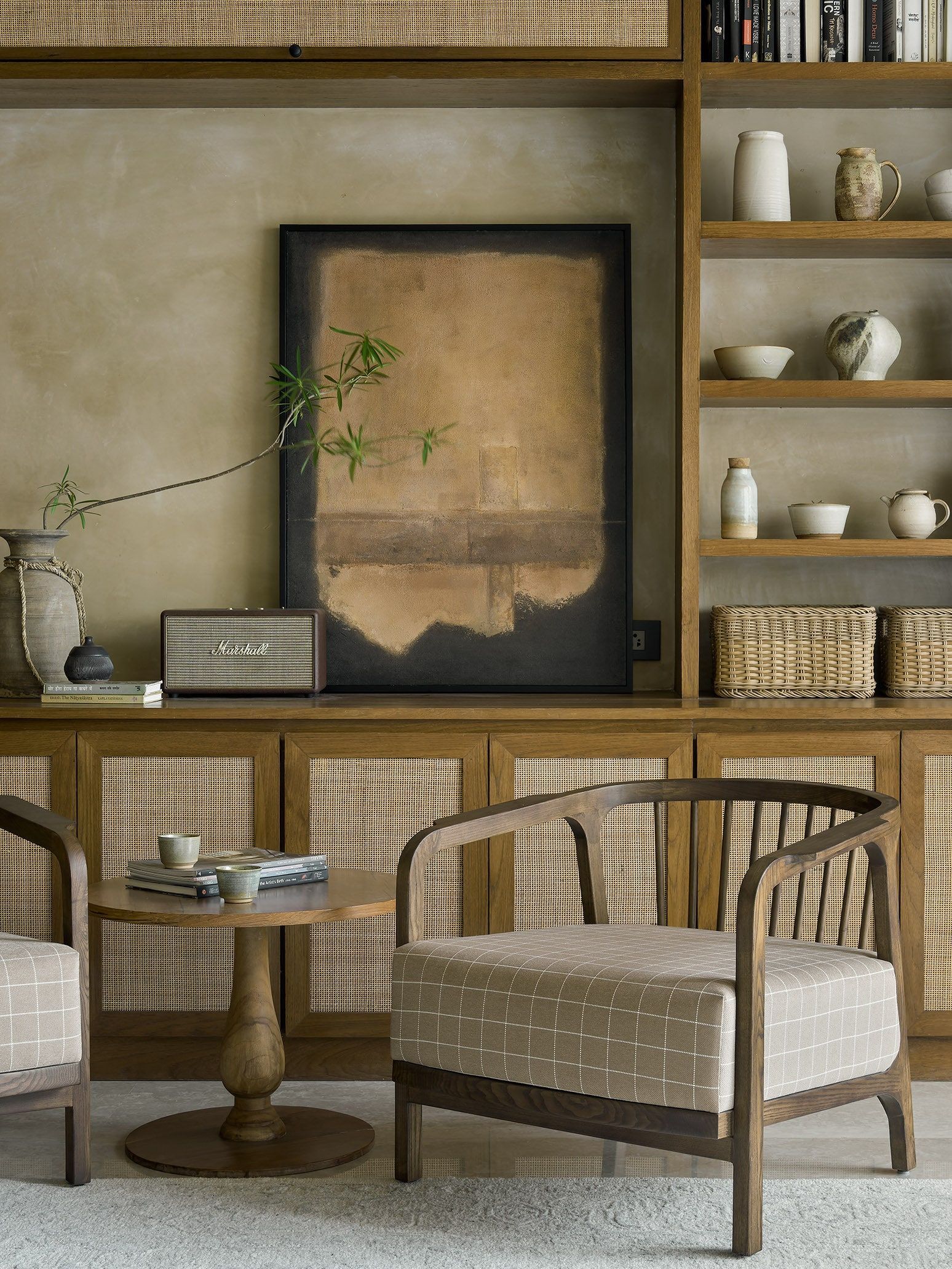
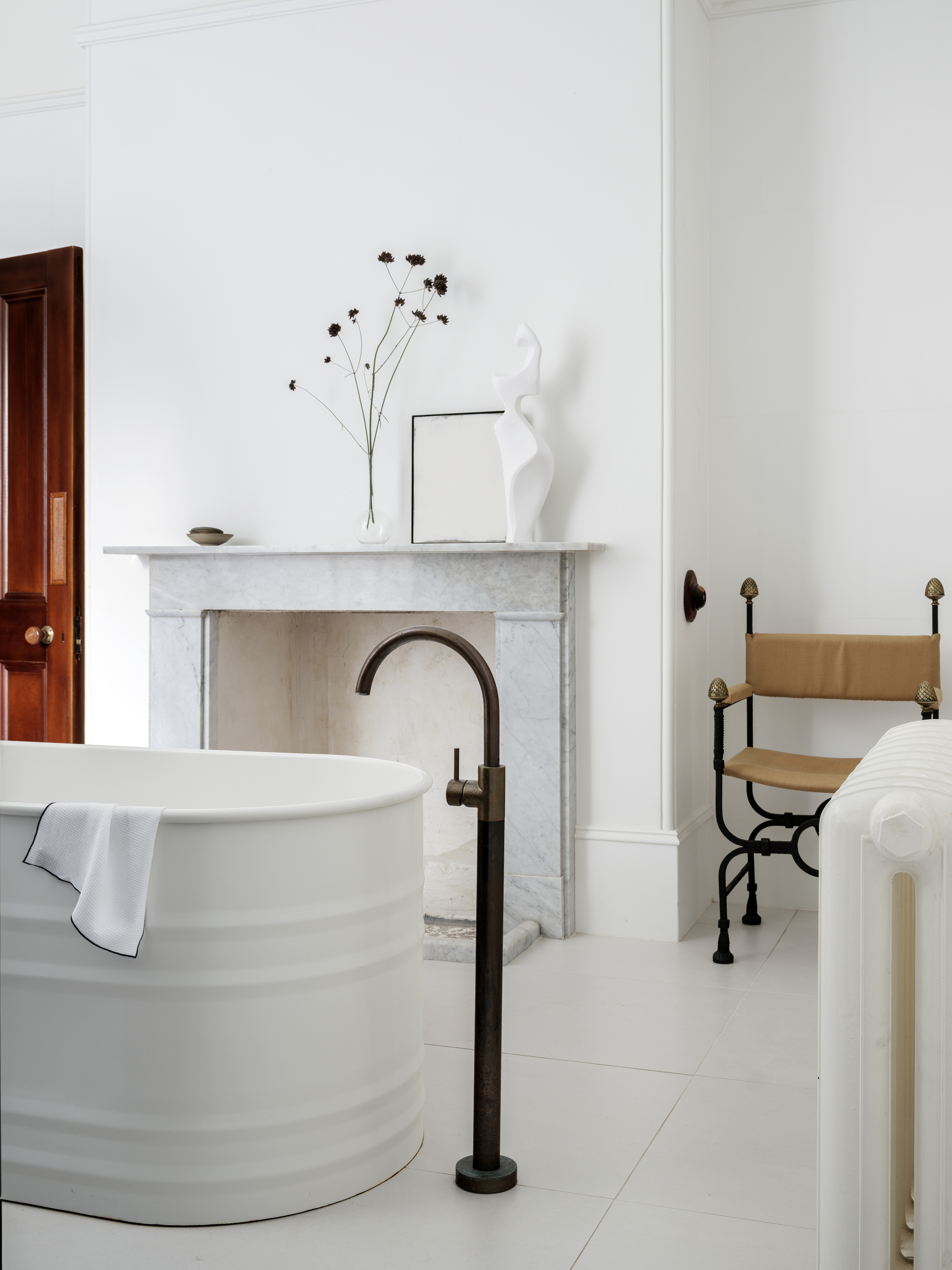
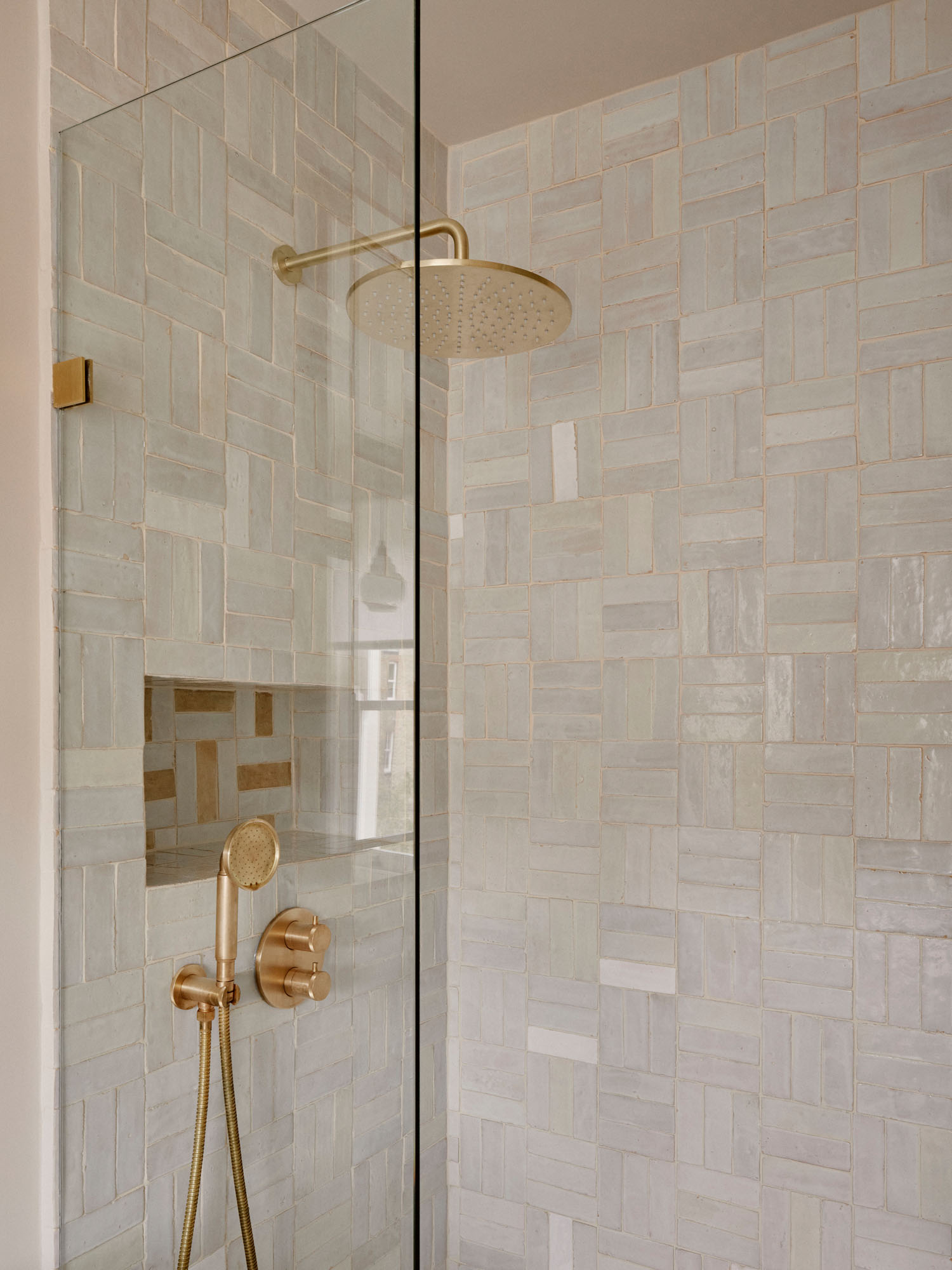
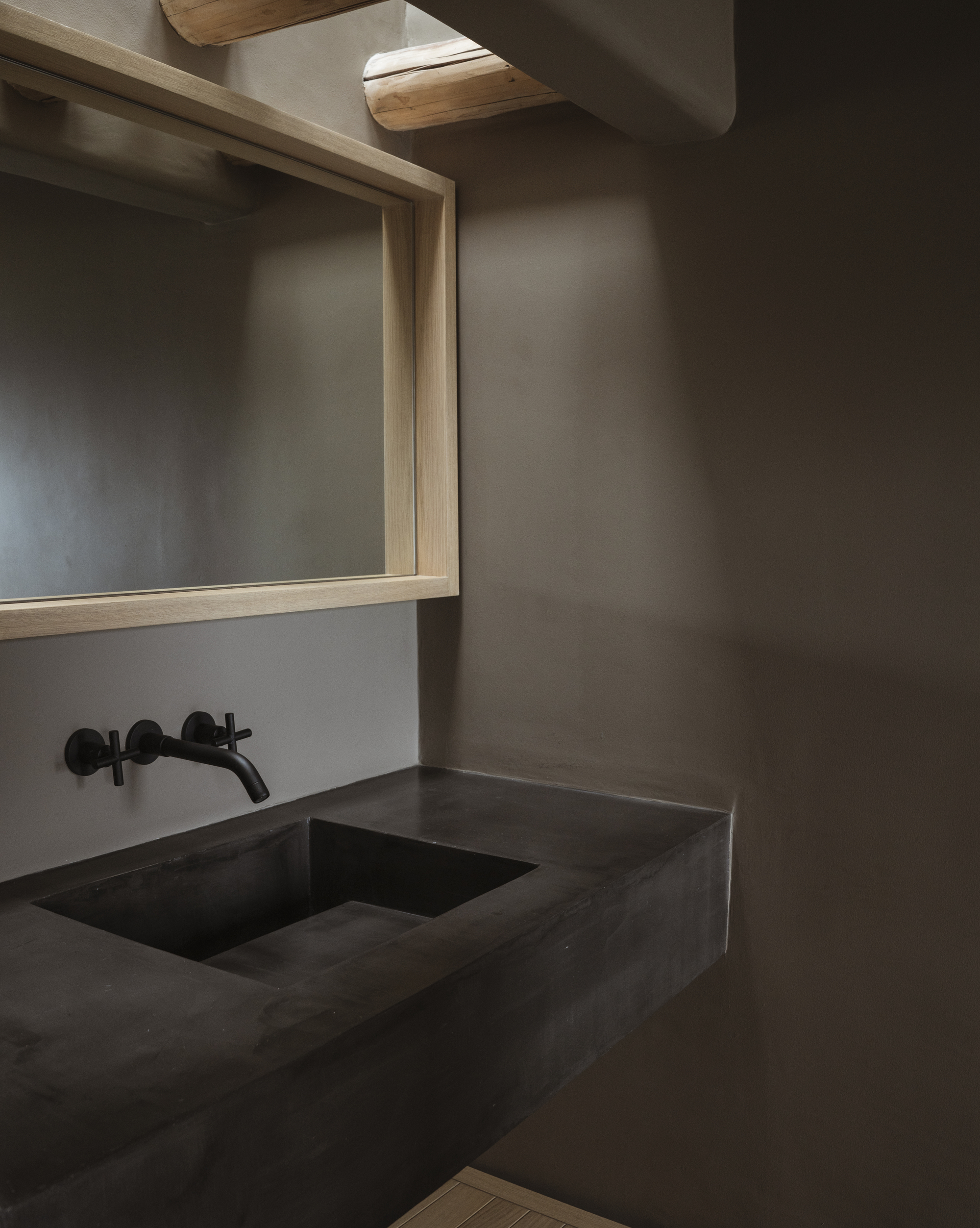
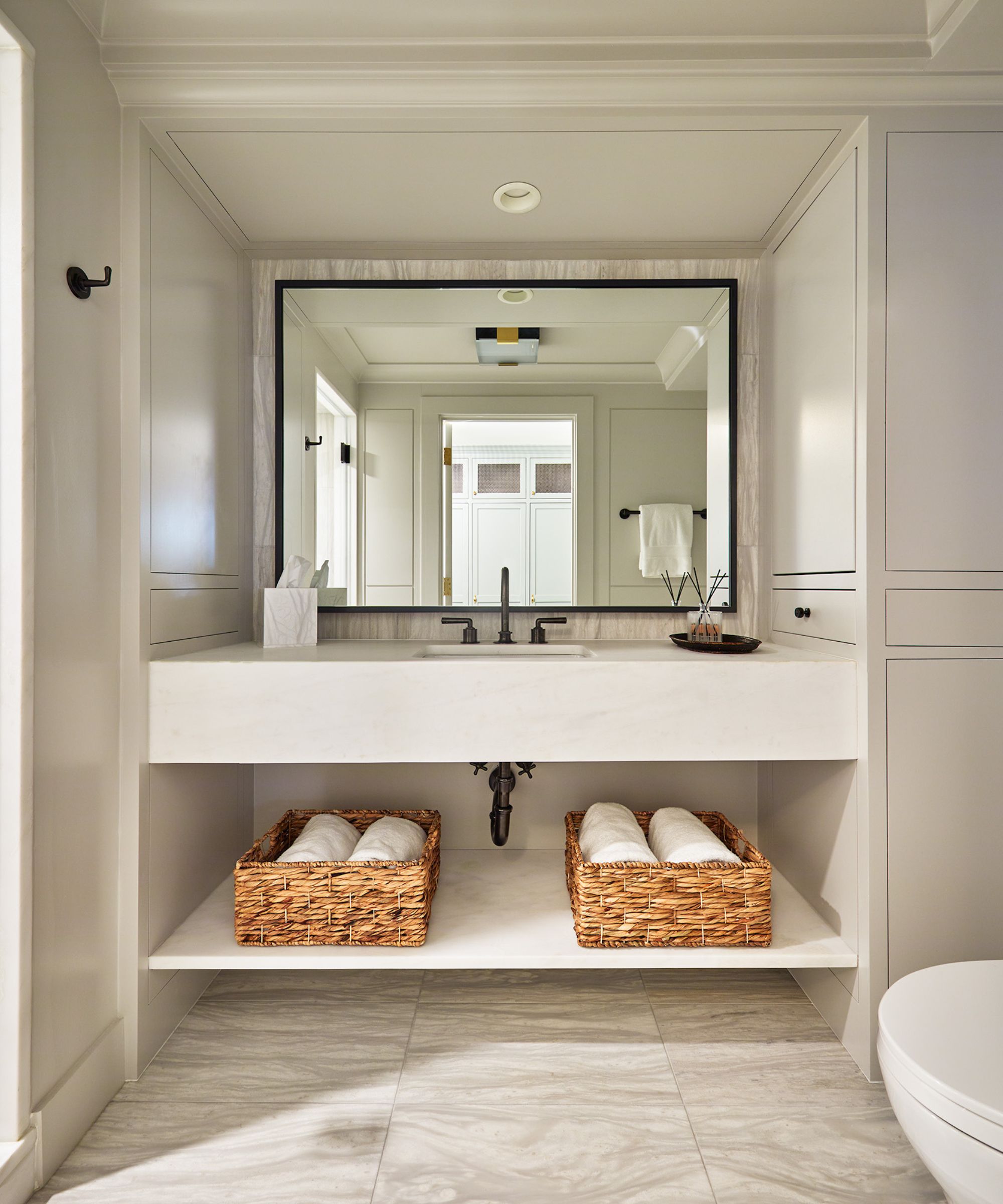
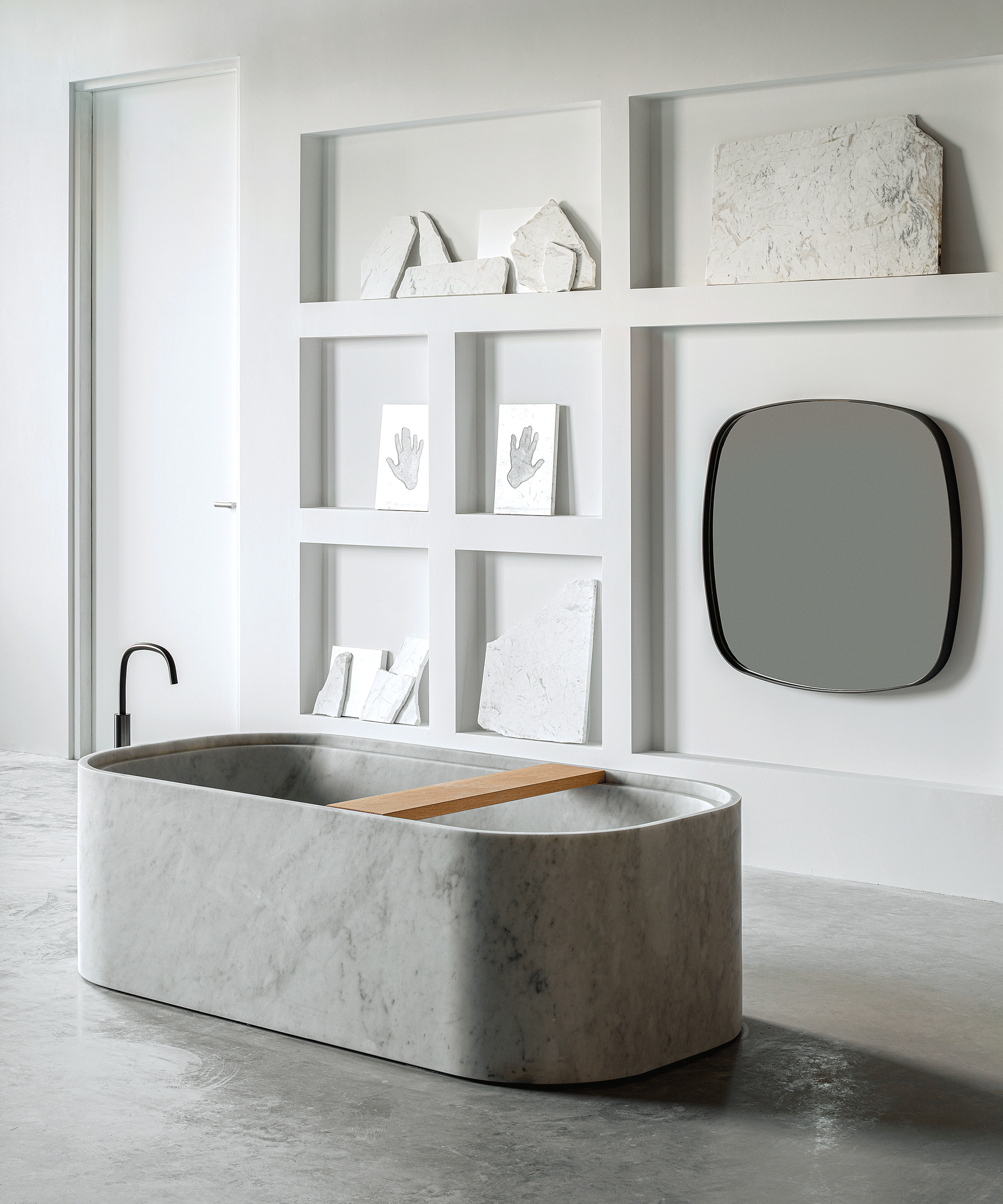
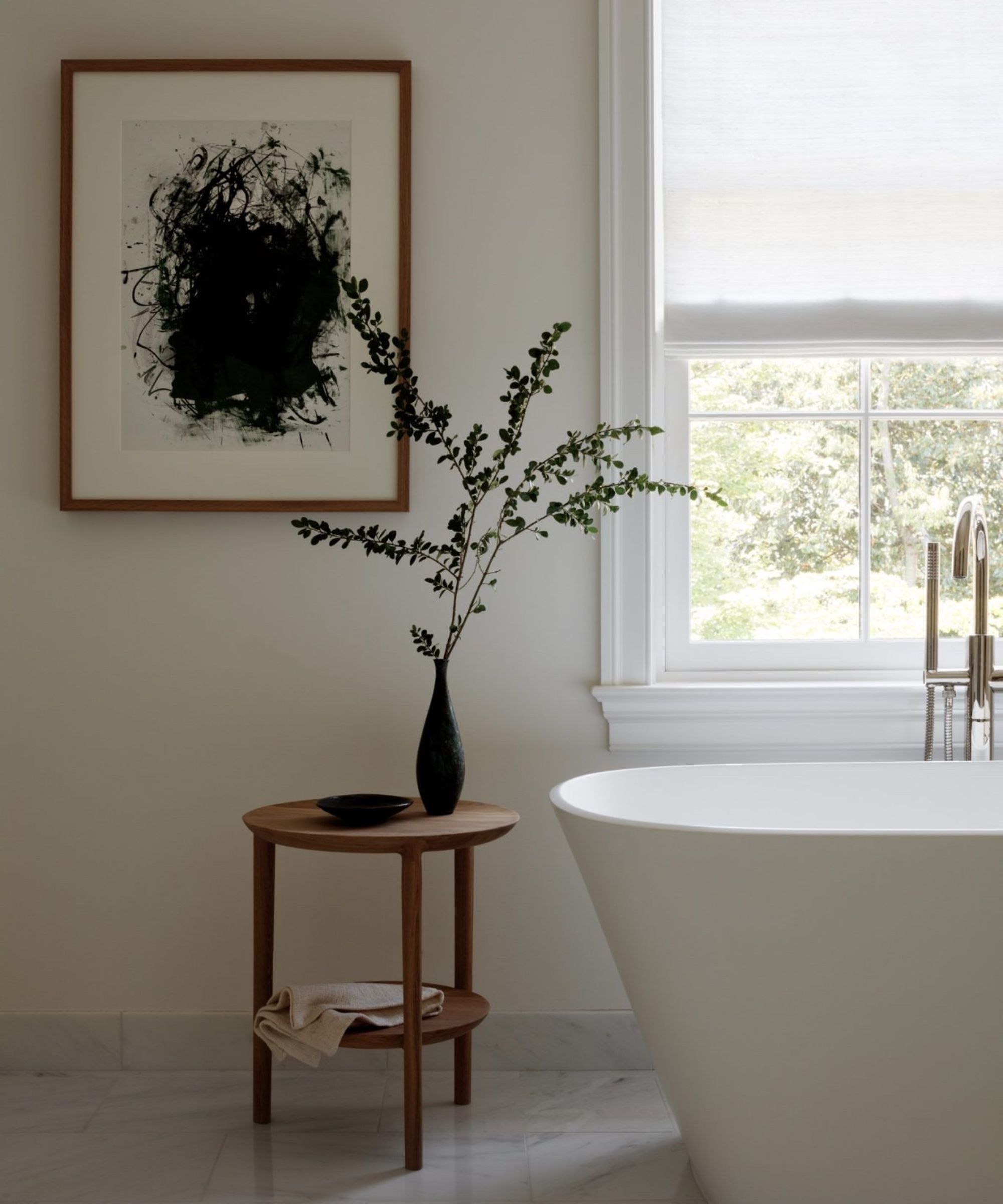
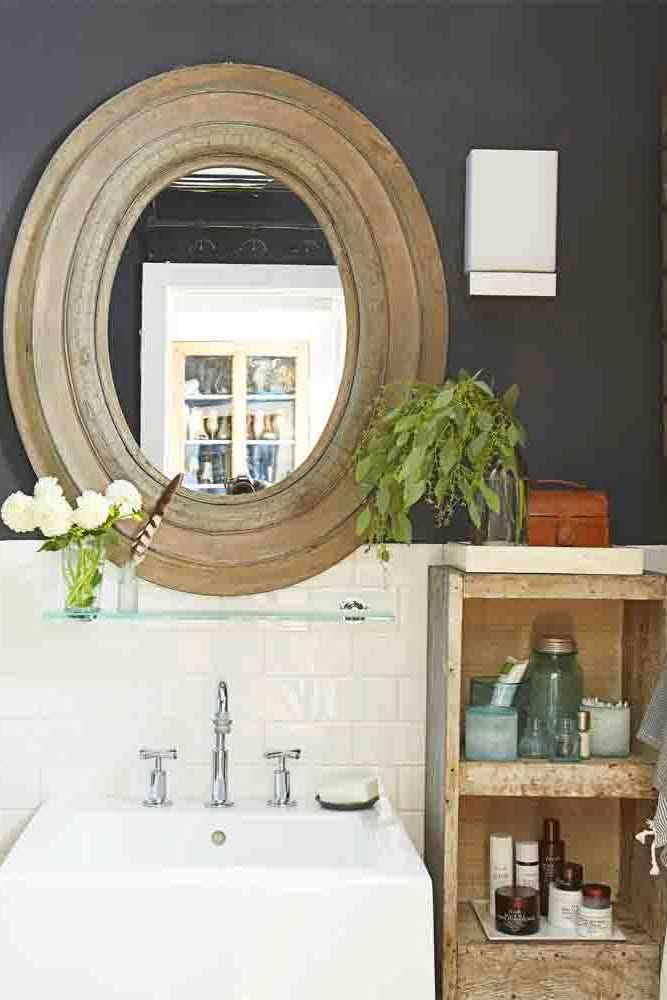
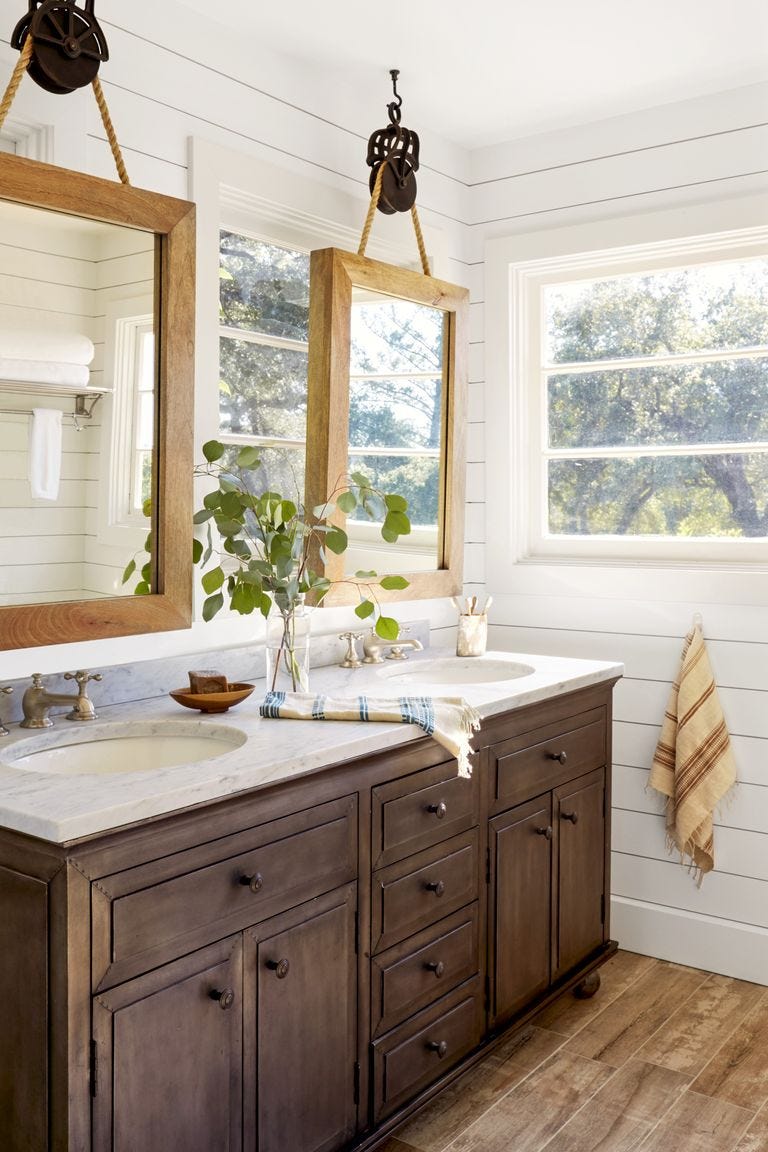
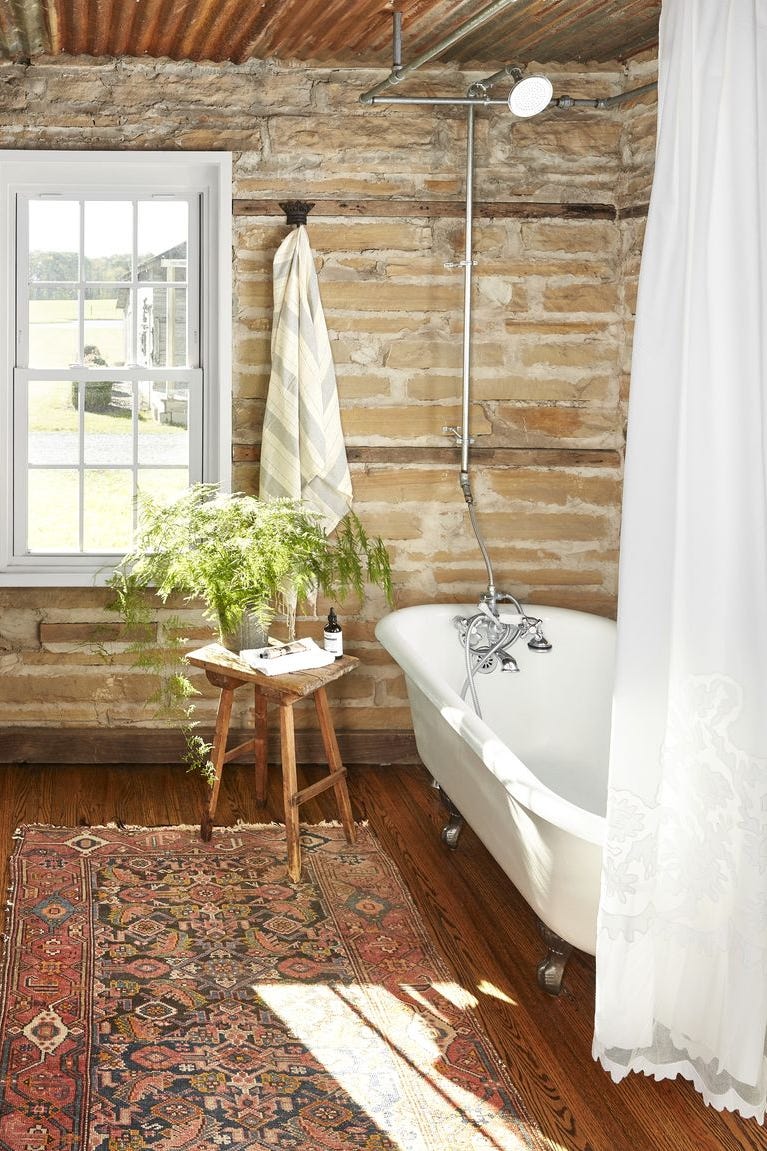
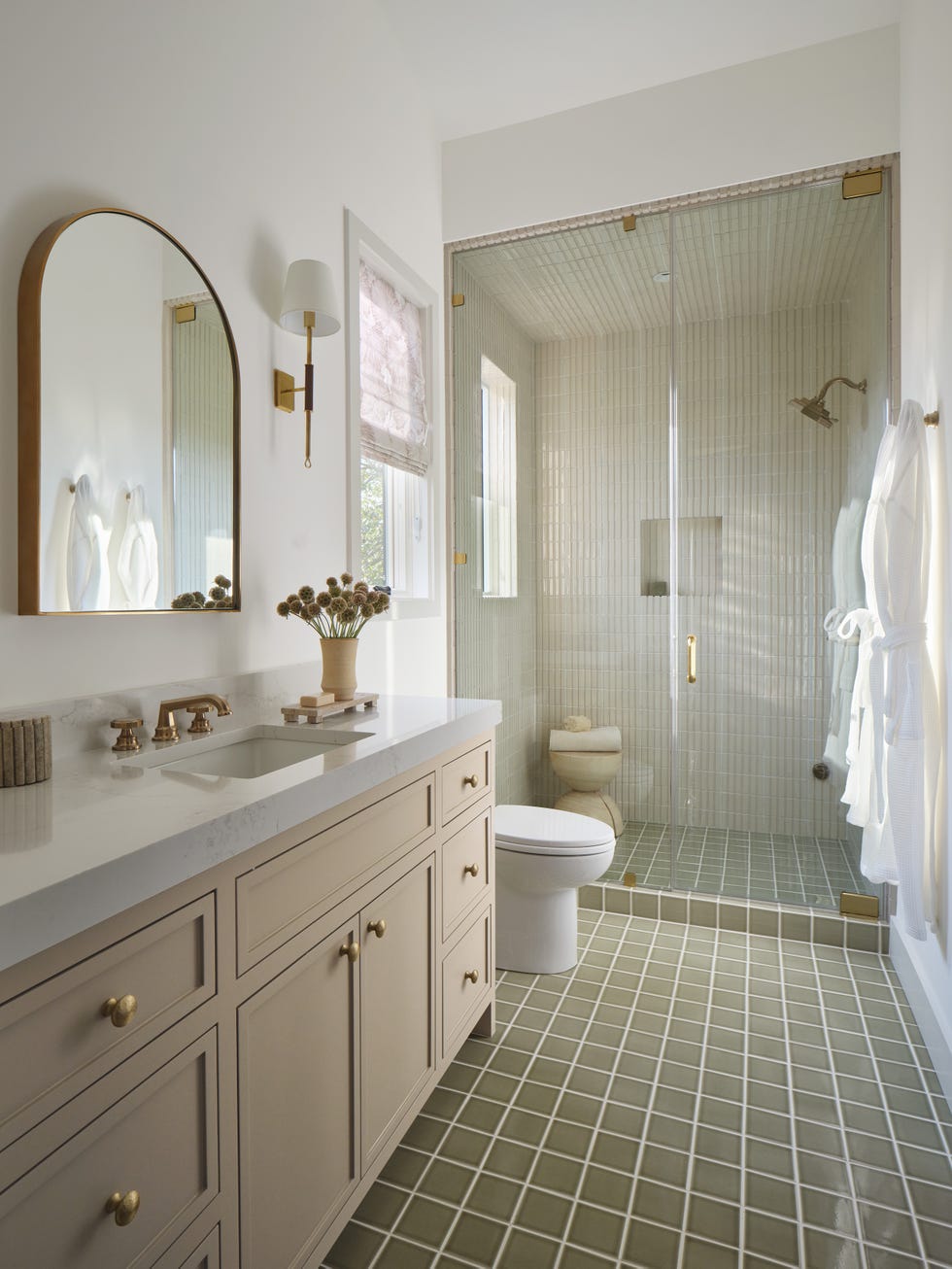
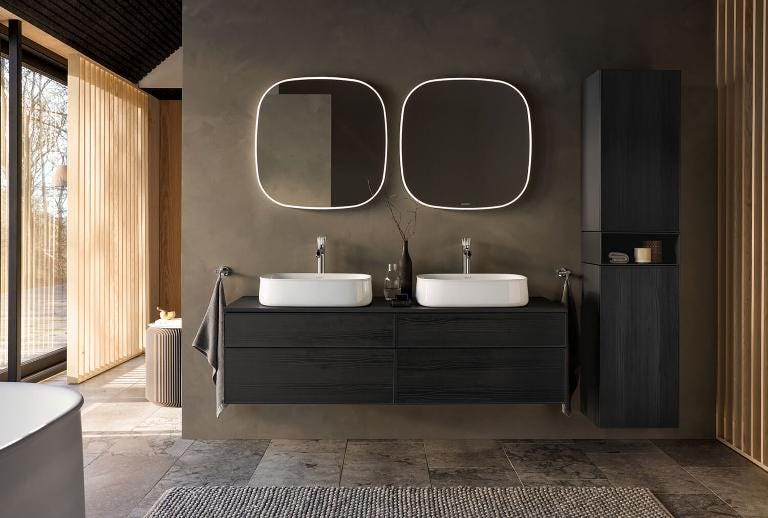
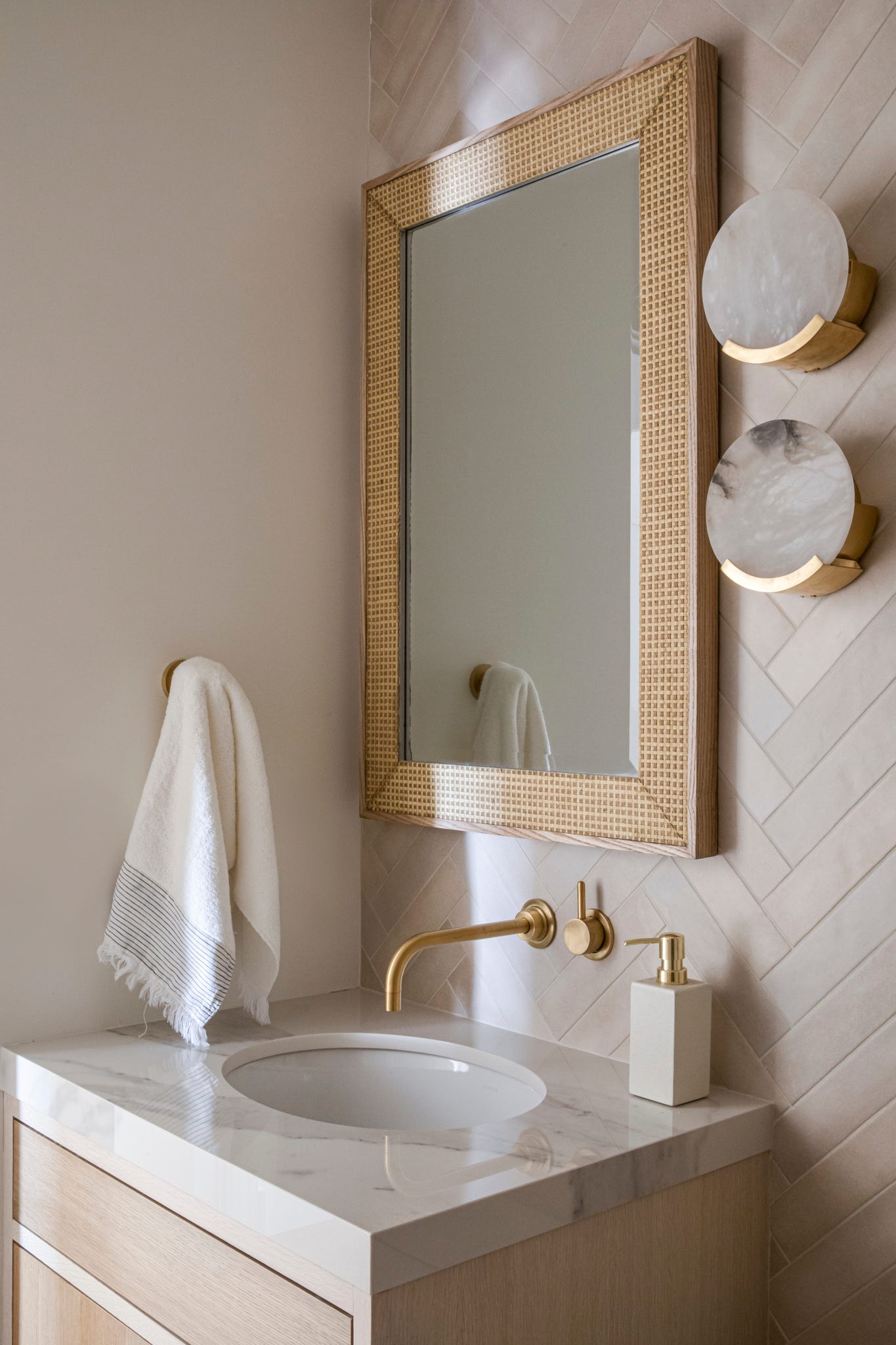
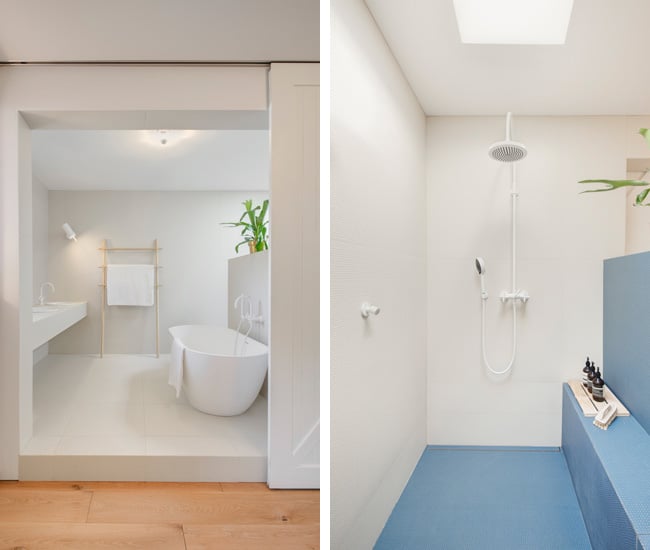
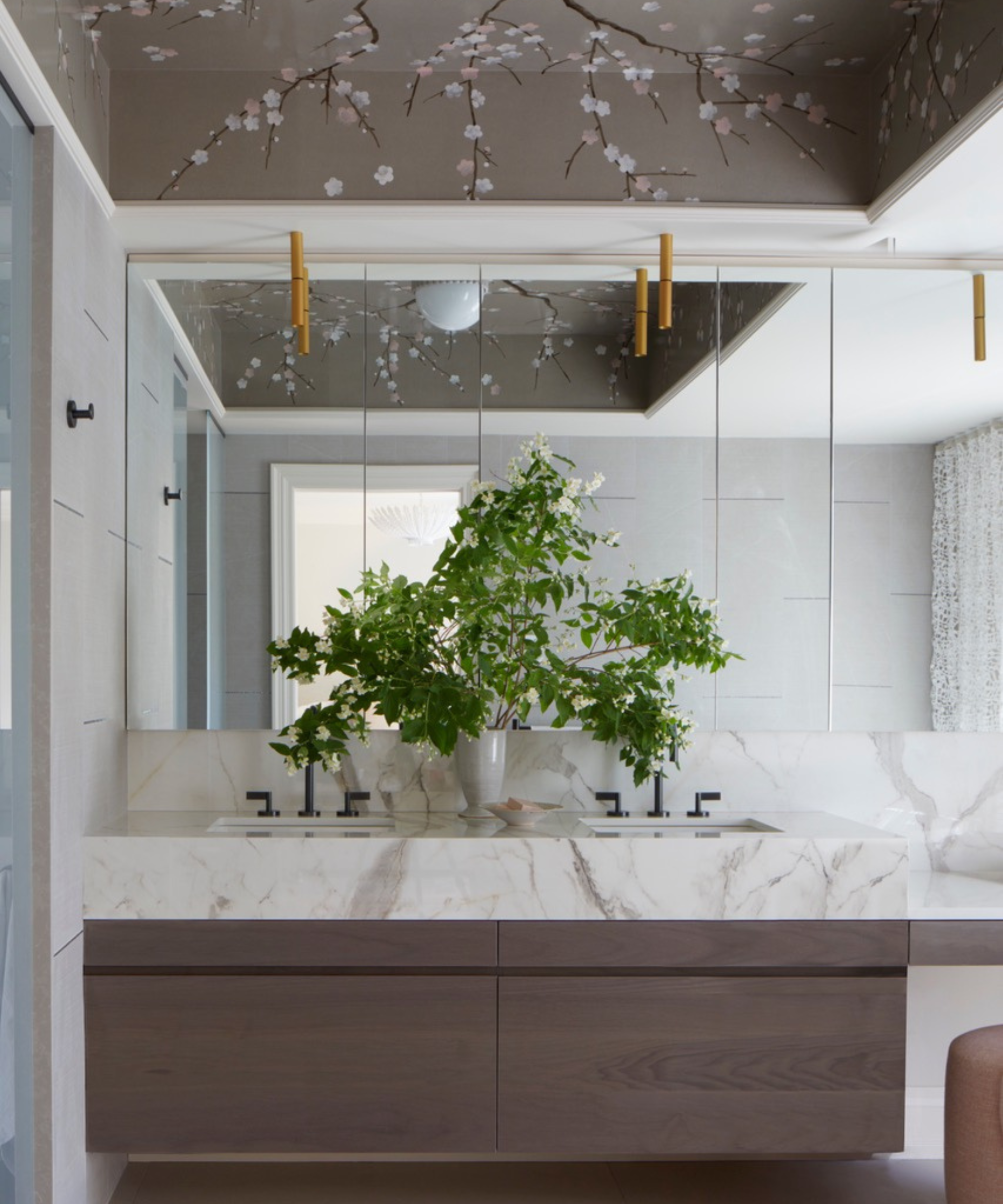
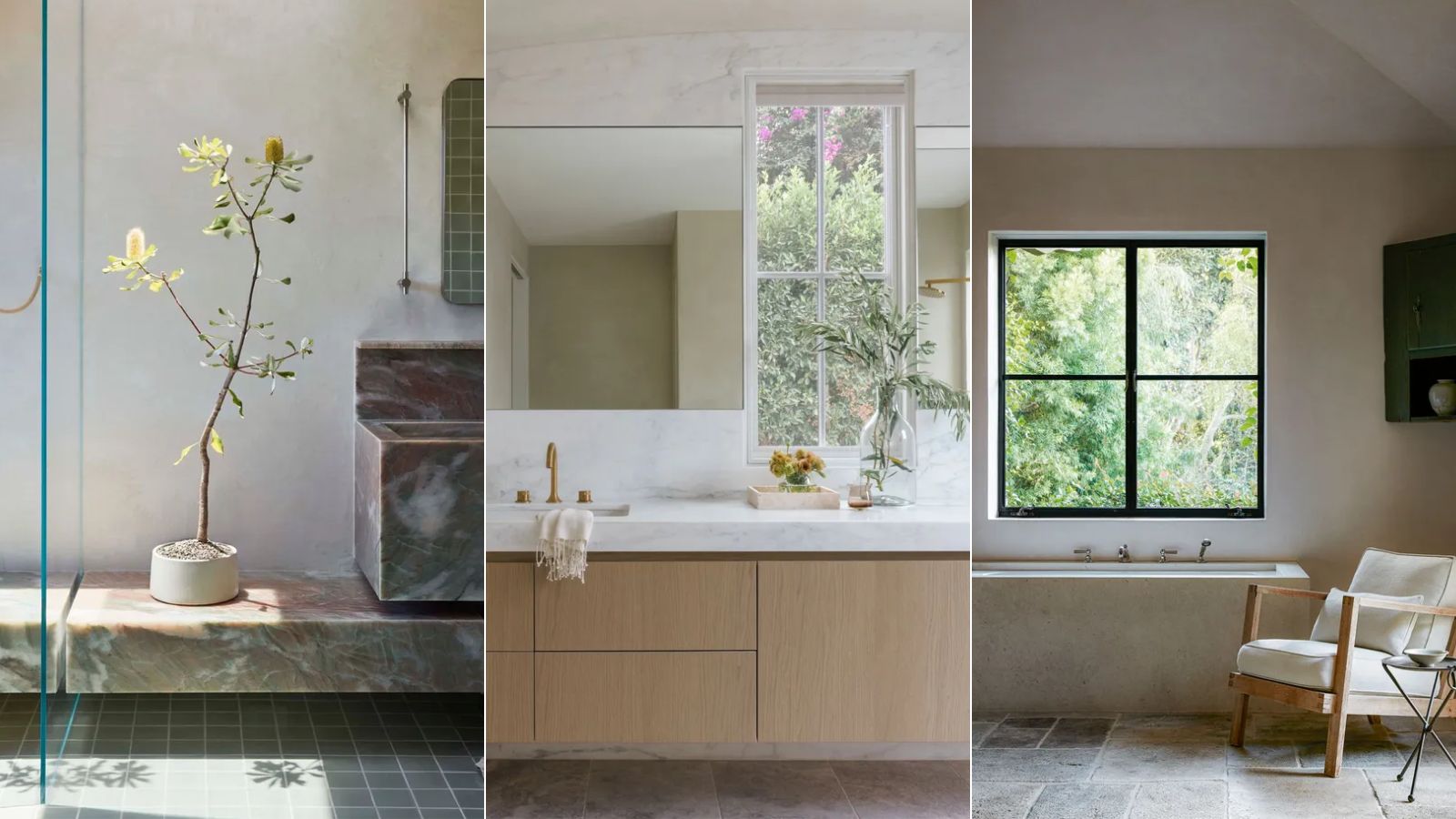
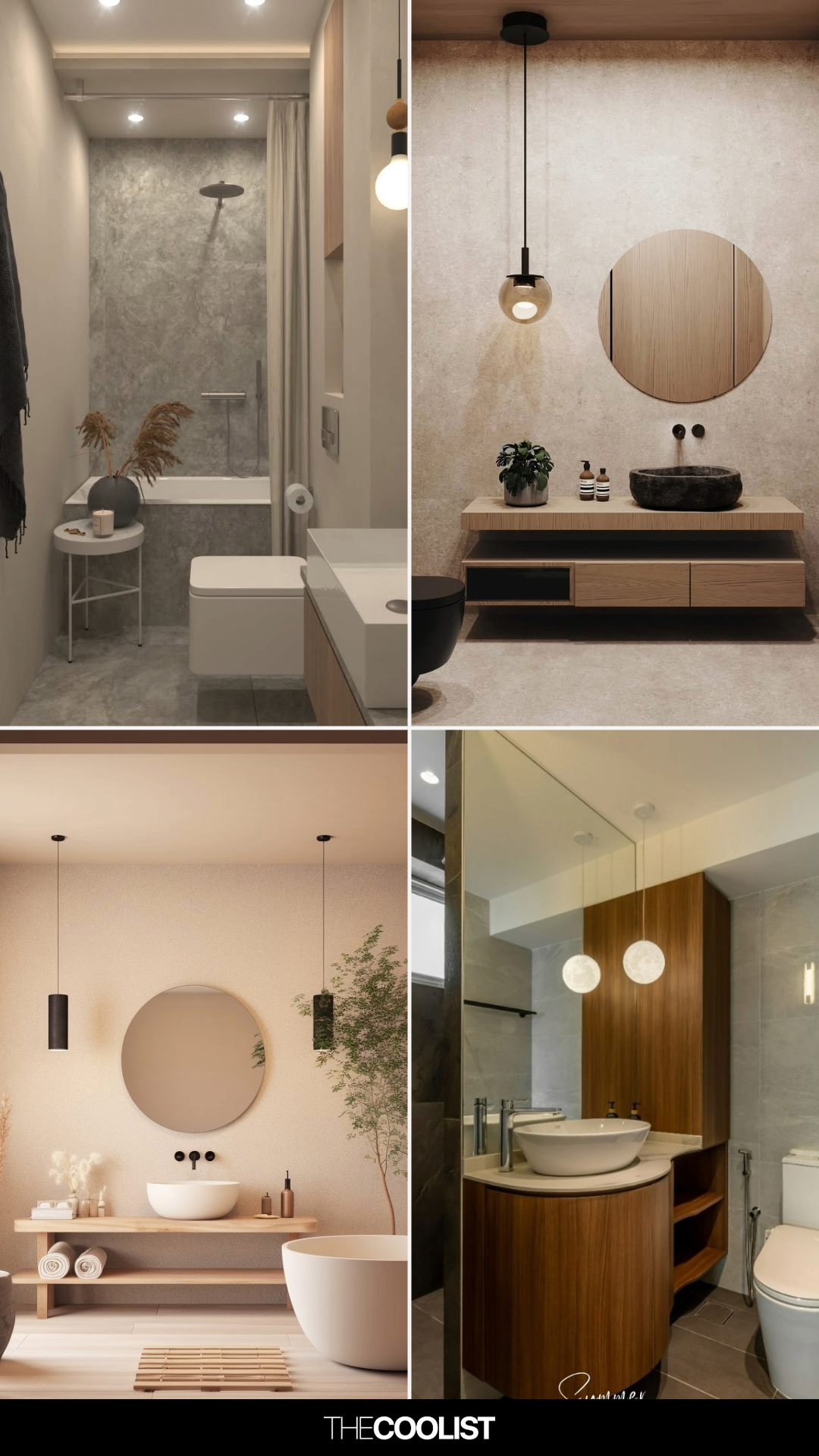
Firstly, embracing natural materials like stone, bamboo, and wood is central to Japanese bathroom design. These elements establish a tactile warmth and a grounding connection to the outdoors, with untreated wood and stone textures contributing to a sensory calm. Secondly, a neutral color palette, featuring soft, muted tones such as beiges, warm greys, and subdued greens, aligns with the kanso philosophy. This approach minimizes visual clutter, allowing natural light to subtly influence the mood throughout the day. Thirdly, integrating greenery, such as ferns, moss, or bonsai trees, is vital. These plants enhance aesthetics, purify the air, boost productivity, and refresh the mood, seamlessly merging indoor and outdoor environments.
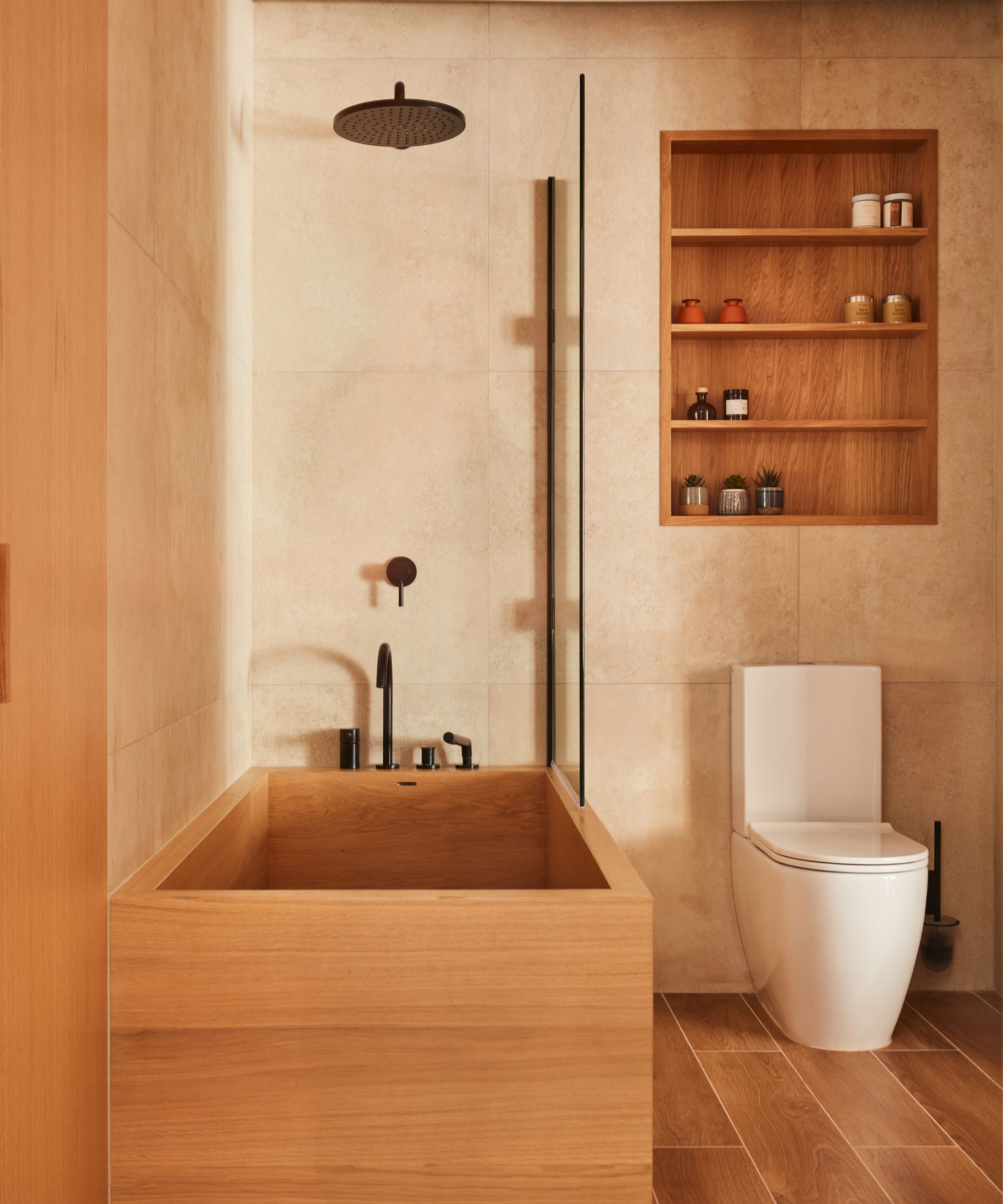
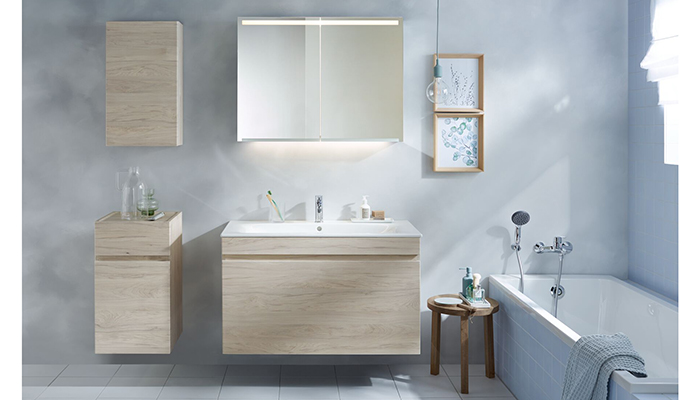
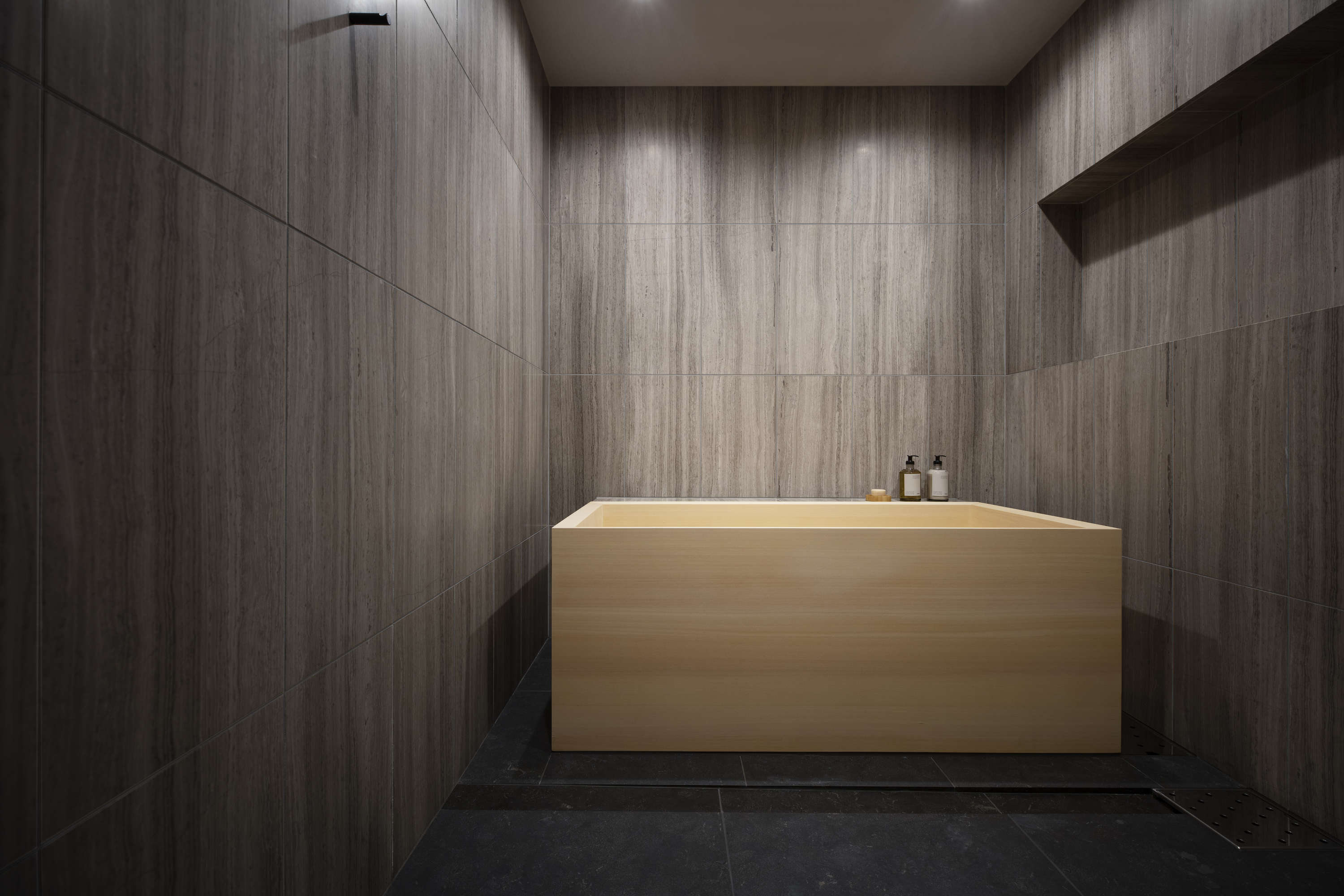
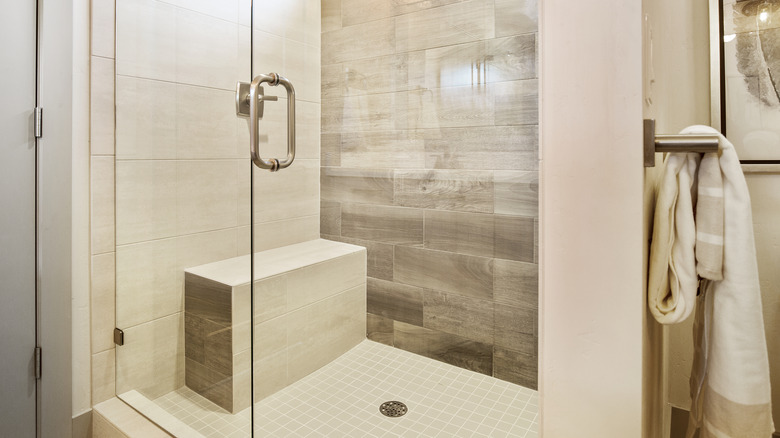
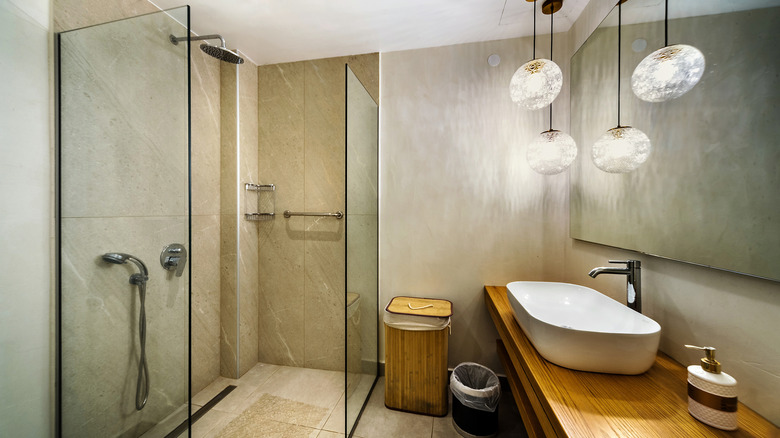
Fourthly, defining distinct wet and dry areas is a practical and hygienic aspect of traditional Japanese bathrooms. This involves separating the toilet from the bathing and dressing spaces, which is believed to maintain the purity of the relaxing area and prevent mold and mildew. Fifthly, the Japanese consider bathing a sacred ritual, not just a cleansing activity. This is exemplified by the use of deep wooden tubs called ofuro, designed for rest and rejuvenation, where individuals wash outside the tub before soaking in hot water, a practice scientifically linked to lowering cortisol levels and improving sleep quality.
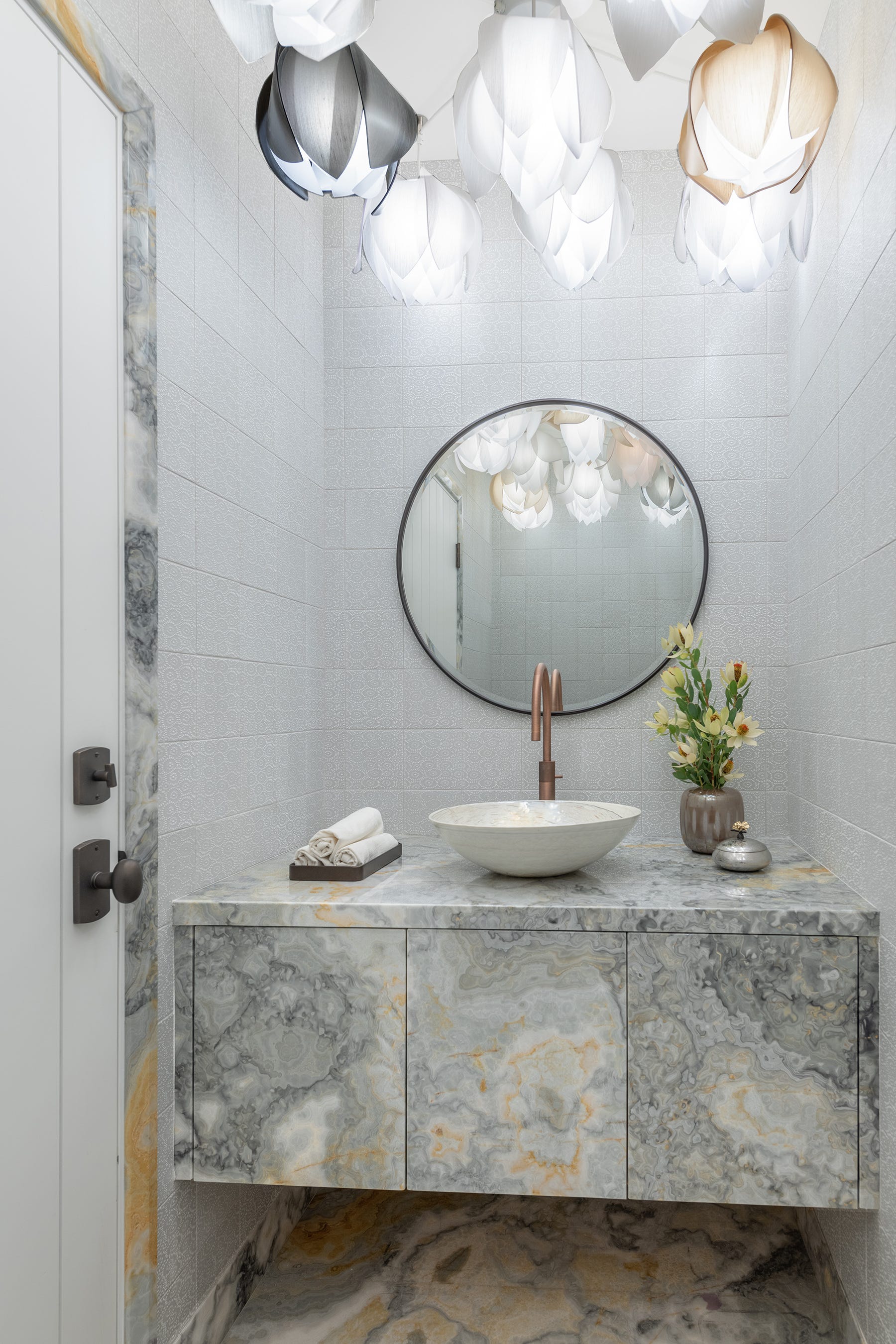
Sixthly, celebrating imperfection through wabi-sabi involves valuing the natural characteristics of materials, such as wood grains, uneven stone surfaces, and handcrafted pottery. This philosophy encourages authenticity and acceptance in design. Lastly, incorporating soft lighting and water elements creates a soothing ambiance. Warm lighting emulates the glow of Japanese hot springs (onsens), known for its stress-alleviating effects, while small water features like pebble trays with gentle flowing water introduce healing soundscapes, further enhancing the tranquil atmosphere.
#JapaneseDesign #BathroomDecor #KansoPhilosophy #Shizen #WabiSabi #NaturalMaterials #BathingRituals #HomeWellness #MindfulLiving #JapaneseDesign #BathroomDecor #KansoPhilosophy #Shizen #WabiSabi #NaturalMaterials #BathingRituals #HomeWellness #MindfulLiving
0 comment in total
 No comments yet
You may also like
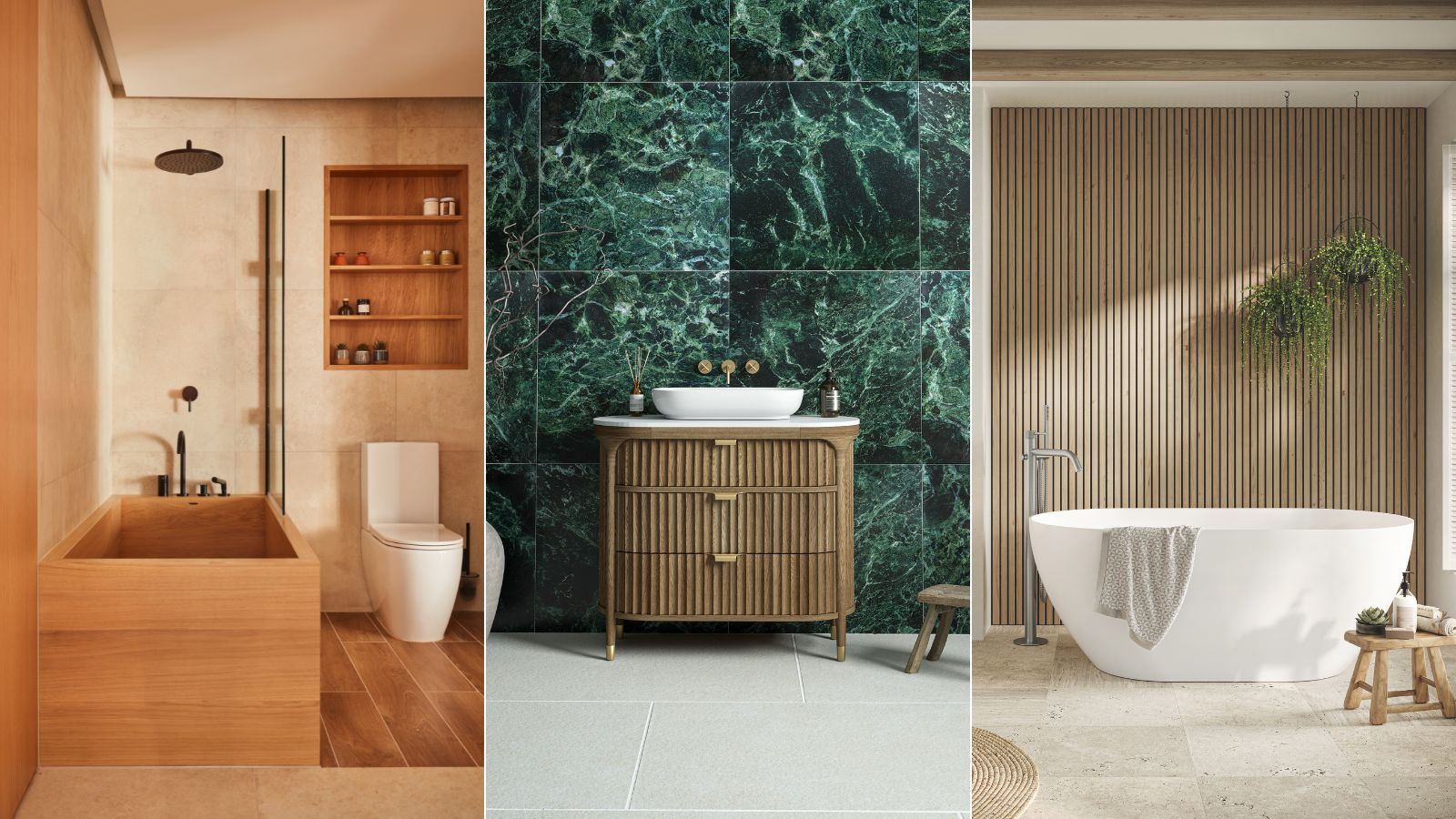
Japanese bathroom design is trending – here's everything you need to know to recreate this serene, mindful style
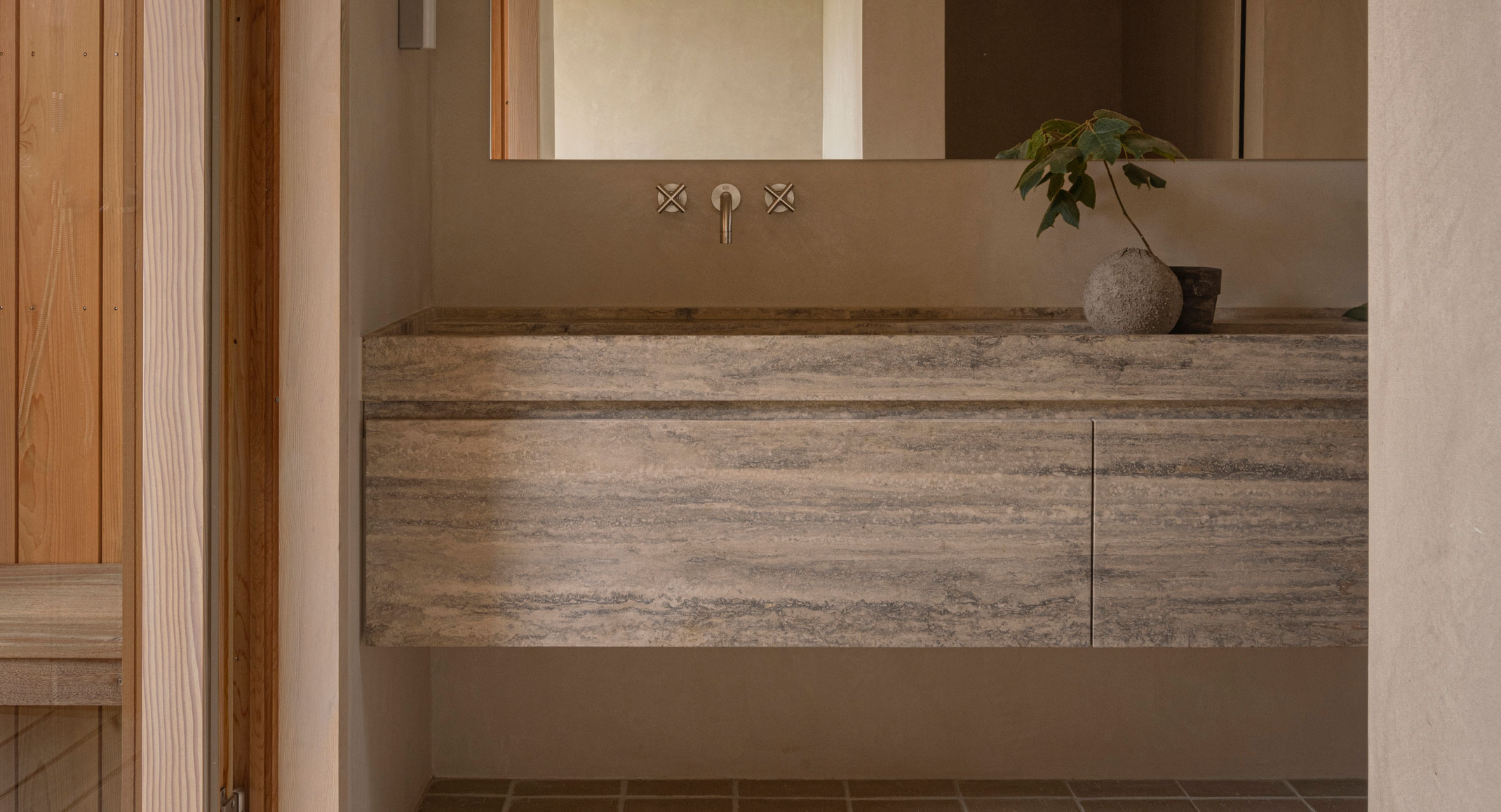
5 Japandi Bathroom Ideas for Minimalist, Calming Spaces You'll Love to Spend Time in

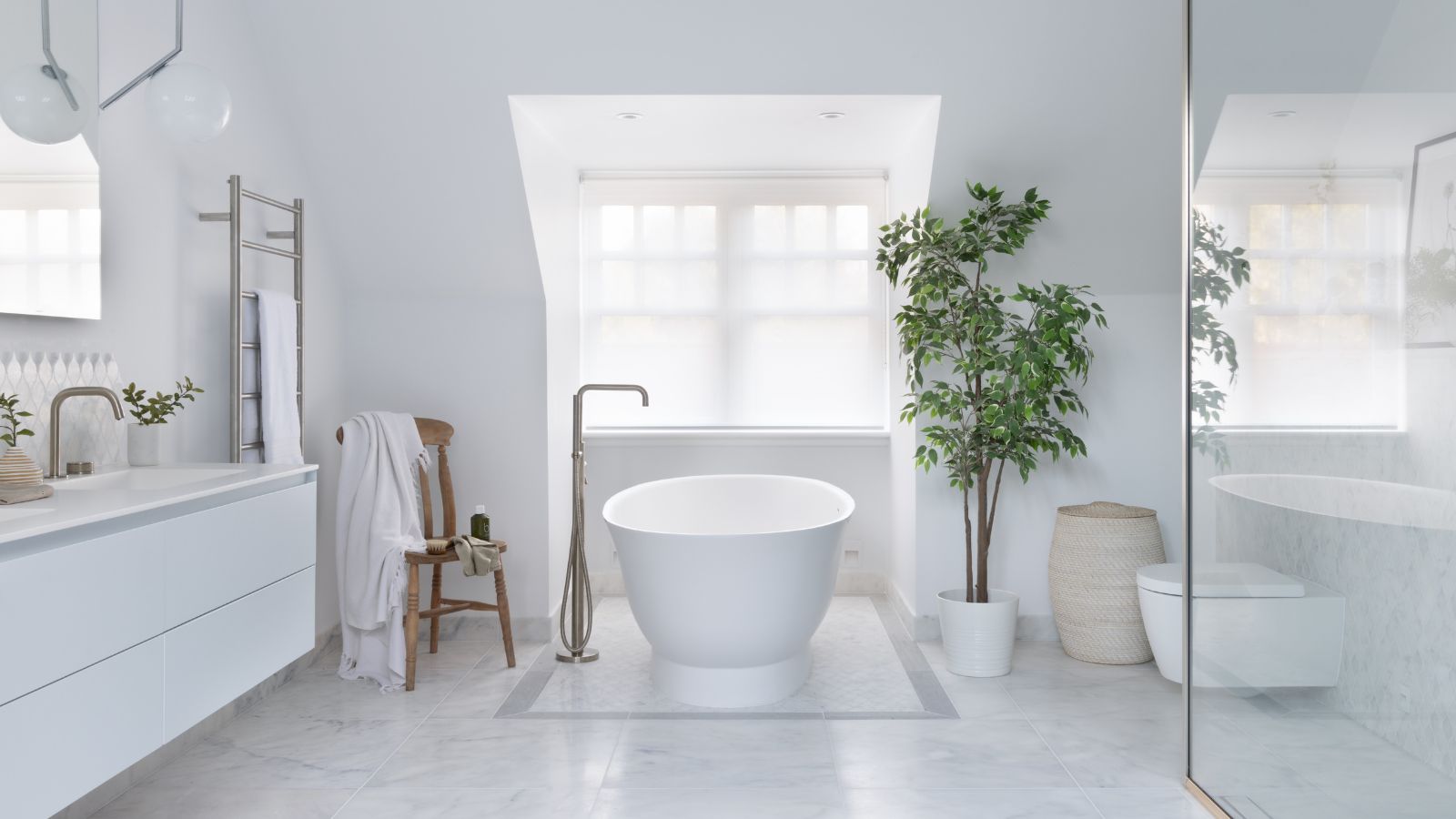
9 minimalist bathroom ideas that bring personality and interest to pared-back schemes
7 Luxe Bathroom Ideas to Boost Your Well-Being

Japandi bathroom ideas – 8 ways to create a nature-inspired, calming sanctuary
Year in review: 5 design-led bathroom products from 2024
The Bathroom Shower Upgrade That Is On Trend For 2026
Here Are the Hottest Bathroom Trends for 2023, According to Design Pros

Japandi bathroom ideas : 11 ways to create a calming sanctuary

40 Best Bathroom Ideas For A Relaxing Retreat
These Rustic Bathroom Ideas Will Turn Your Space into a Relaxing Haven
10 Bathroom Design Ideas from Inspiring Homes

38 Show-Stealing Japandi Bathroom Ideas That Make Other Bathrooms Look Outdated

5 homes that bring serene Japanese-inspired design to life

How do you decide on a bathroom style? Interior designers offer their top tips

Here are the best things designers have bought for their bathrooms
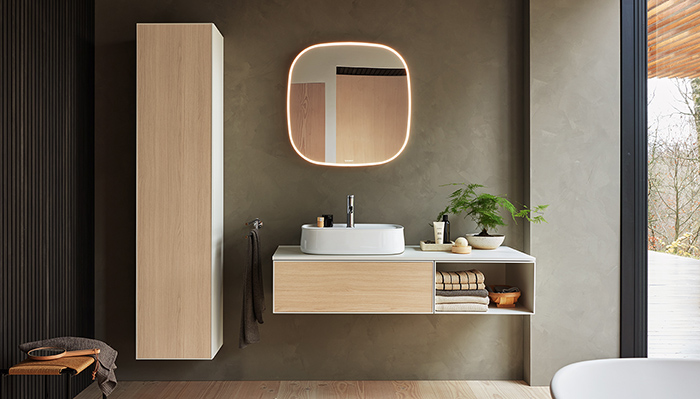
How consumers are embracing calm, minimal Japandi-style bathrooms
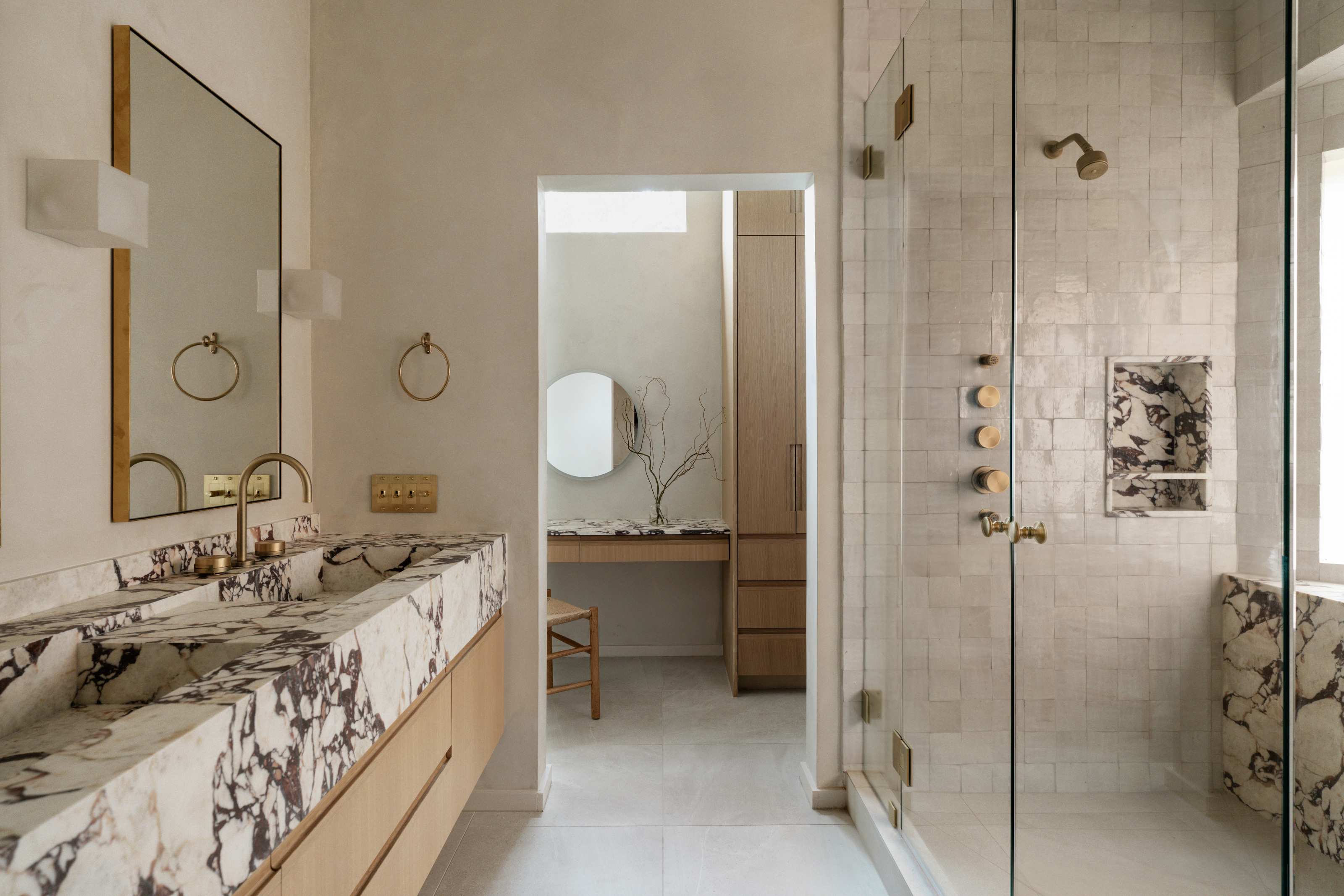
10 ideas interior designers use to create calming bathrooms that feel like at-home spas
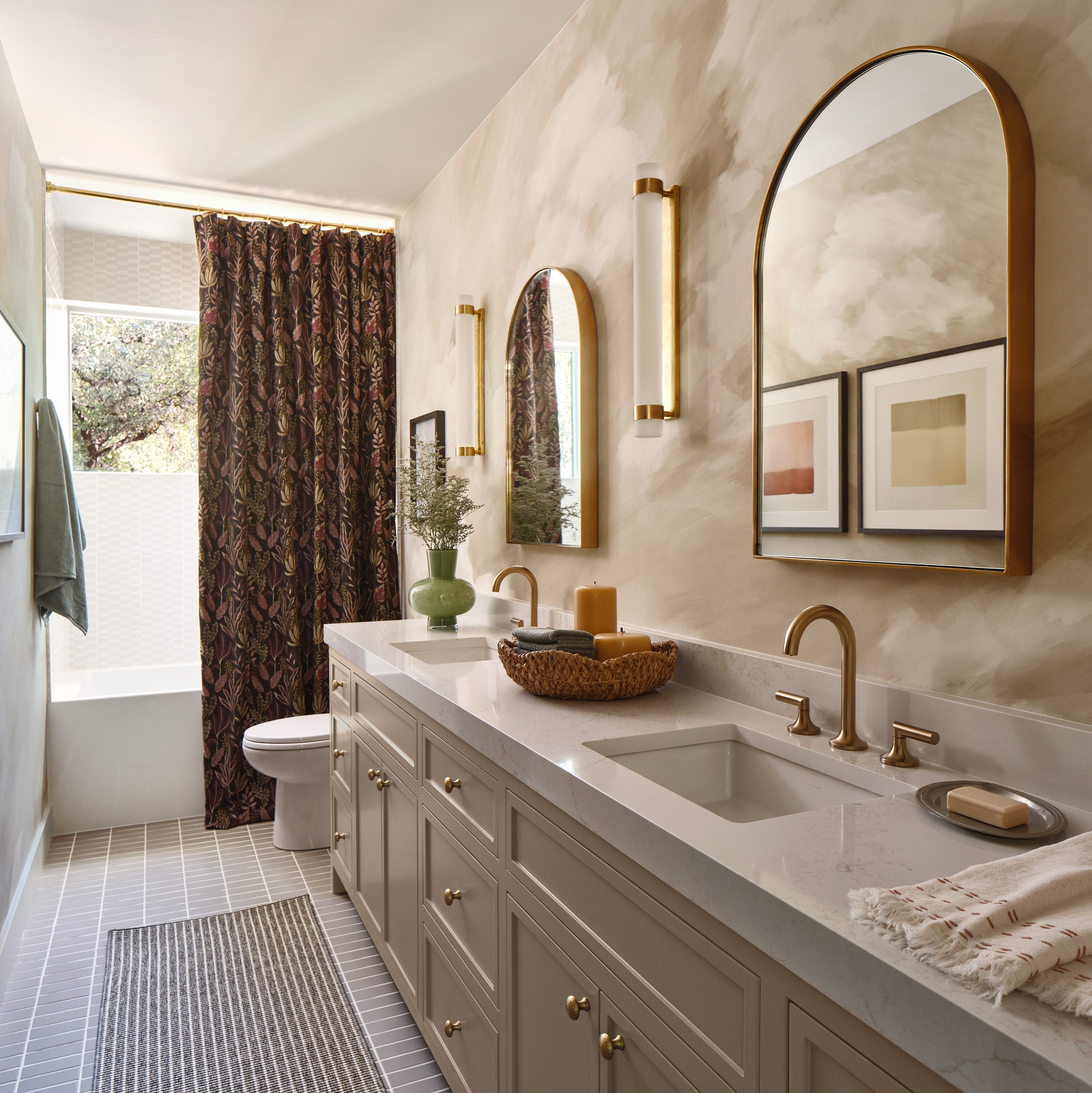
4 Designer Bathroom Ideas That Offer a Tranquil Twist on Spa-Like Luxury

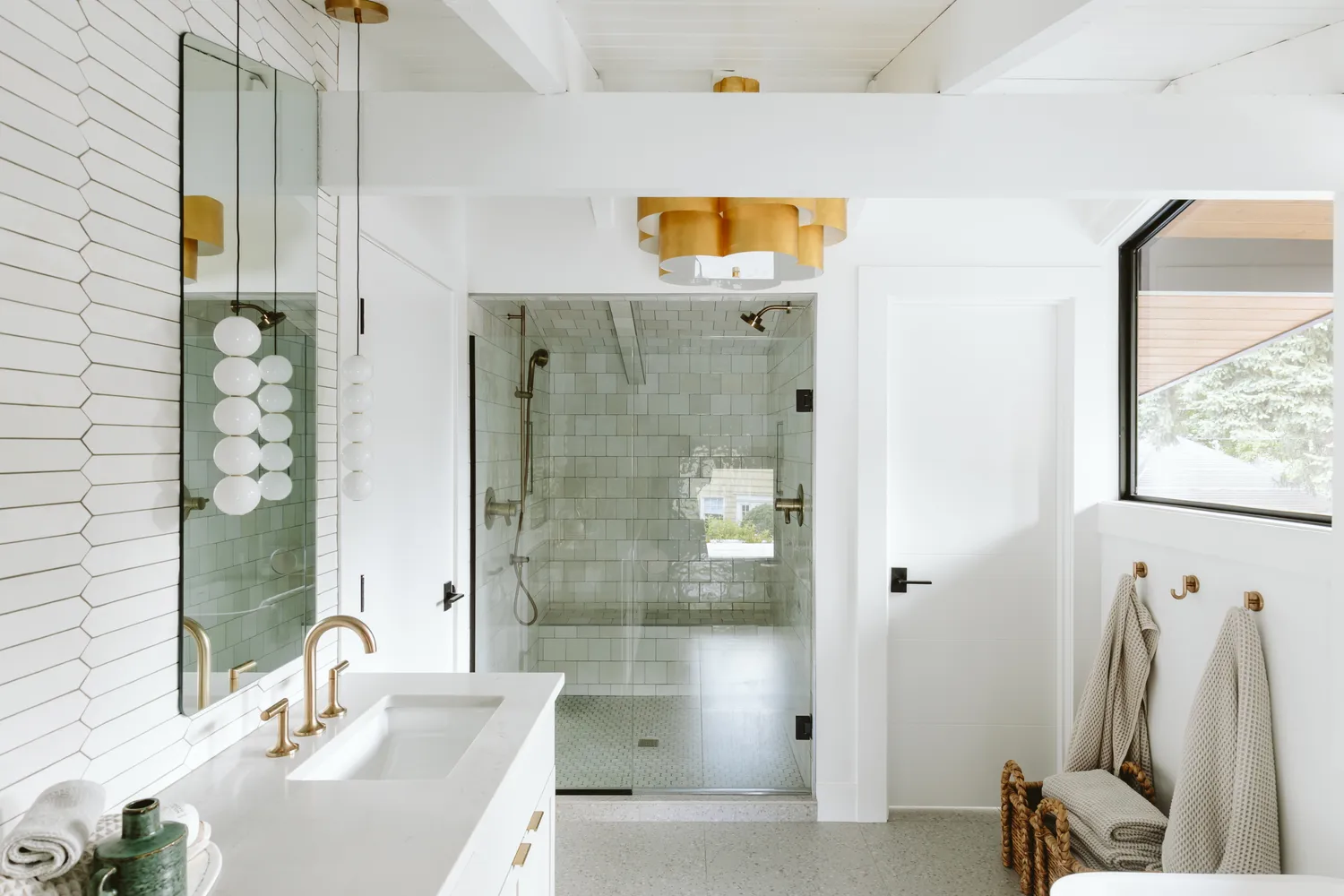
9 Bathroom Layout Ideas for a More Relaxing, Tranquil Space