1/9
8 Japandi Bedrooms I Dream of Sleeping In — Minimalist and Cozy, They've Got to Be the Most Relaxing Spaces
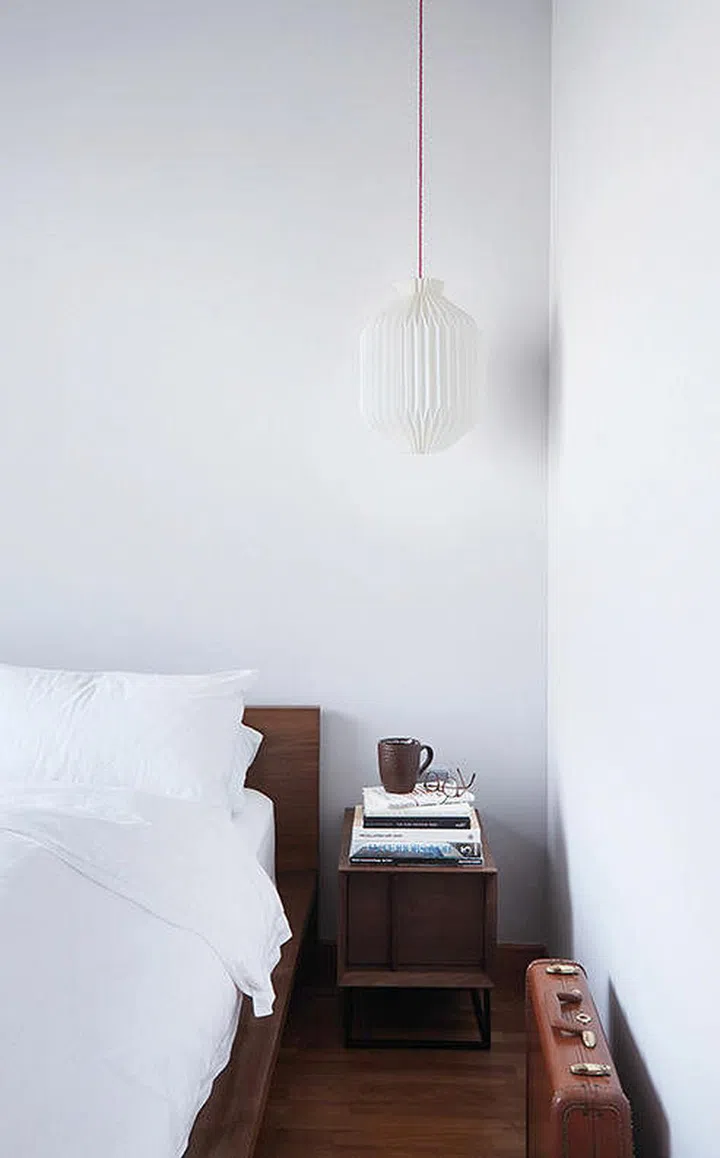
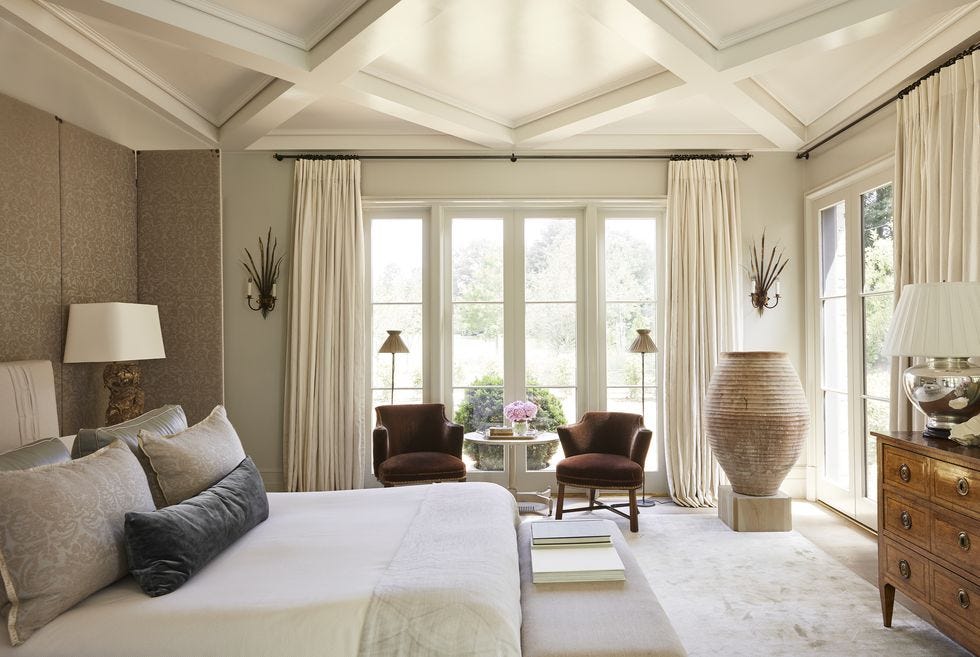
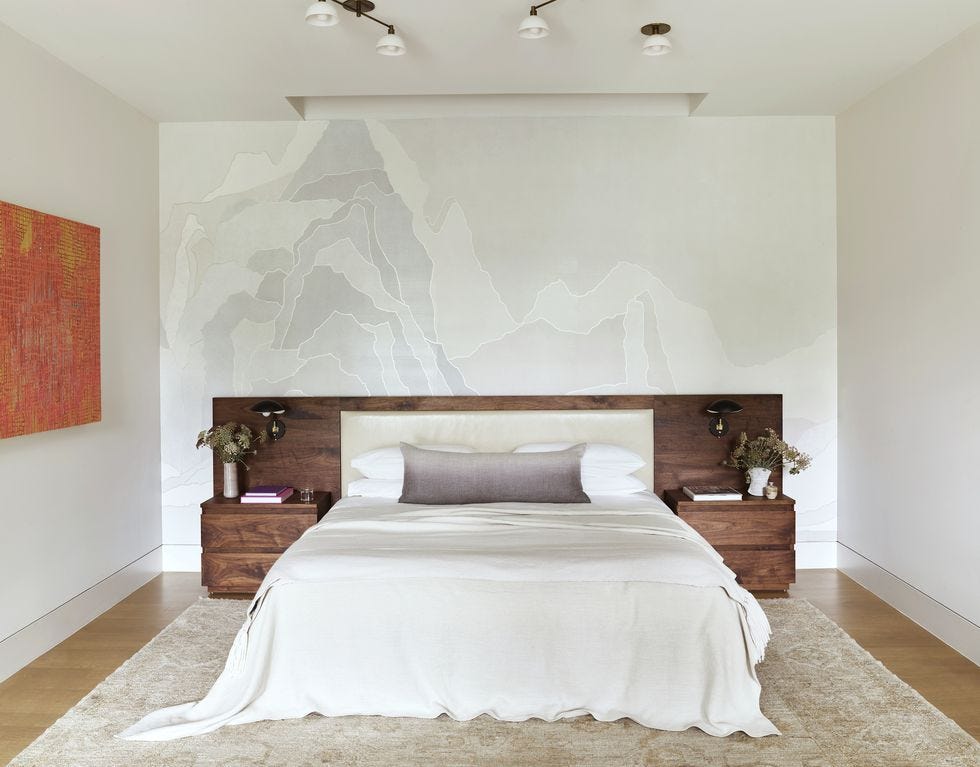
The article explores Japandi bedroom ideas, a design aesthetic that blends Japanese minimalism with Scandinavian practicality, to create serene and functional sleeping spaces. The core principle of Japandi design is to achieve a peaceful and personalized atmosphere, particularly crucial in a bedroom setting. This hybrid style incorporates soothing color palettes, intentional lighting, and high-quality materials to produce environments that are both visually appealing and conducive to well-being.
According to Frederik Werner, a designer and partner at Norm Architects, both Scandinavian and traditional Japanese design philosophies share common ground in their emphasis on simplicity, functionality, refinement, and meticulous attention to detail. The article highlights that while these two influences originate from different parts of the world, their similarities make for a cohesive and harmonious design fusion. However, achieving the right balance between these distinct cultures can be challenging, leading to the expert advice provided throughout the piece.
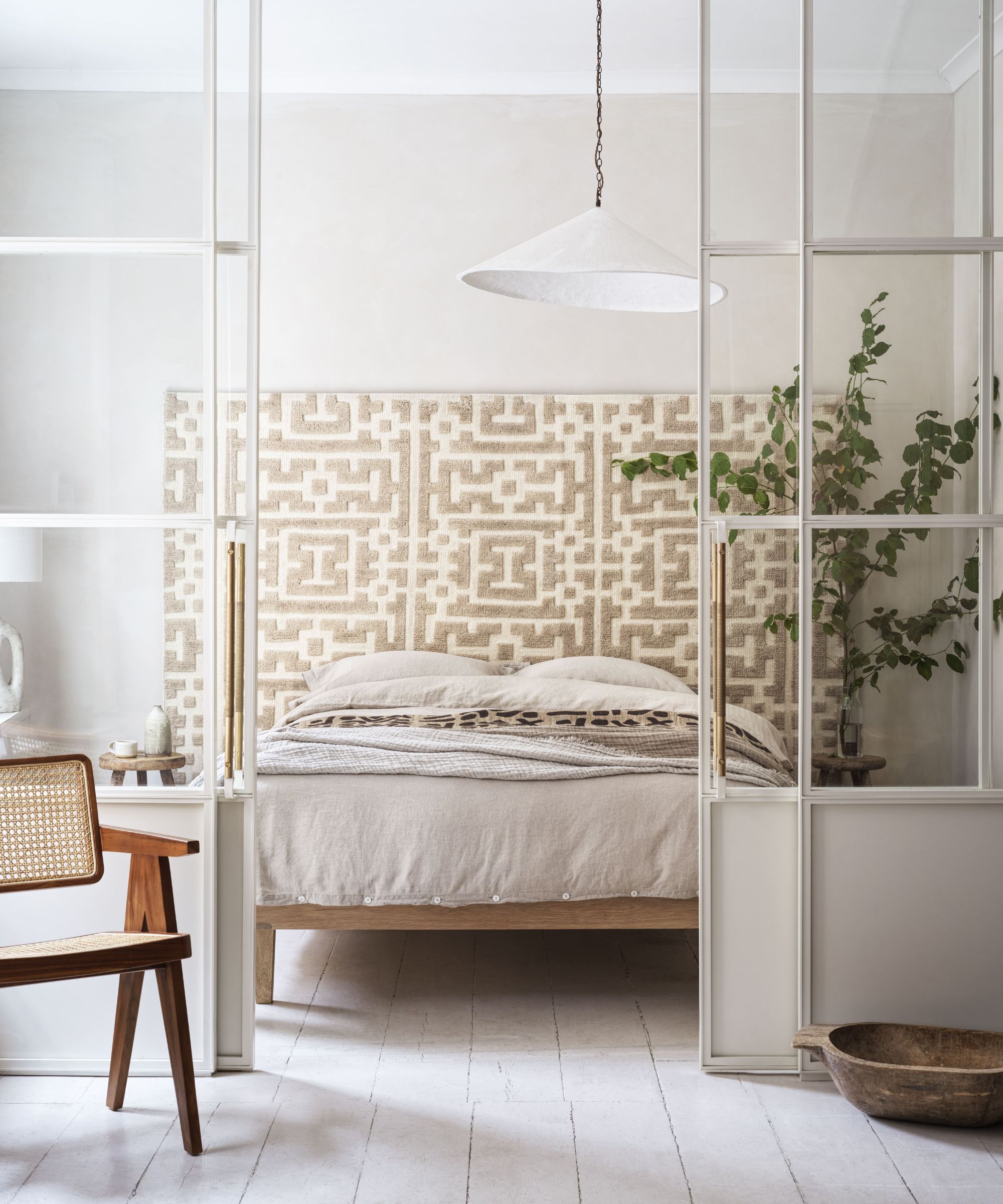
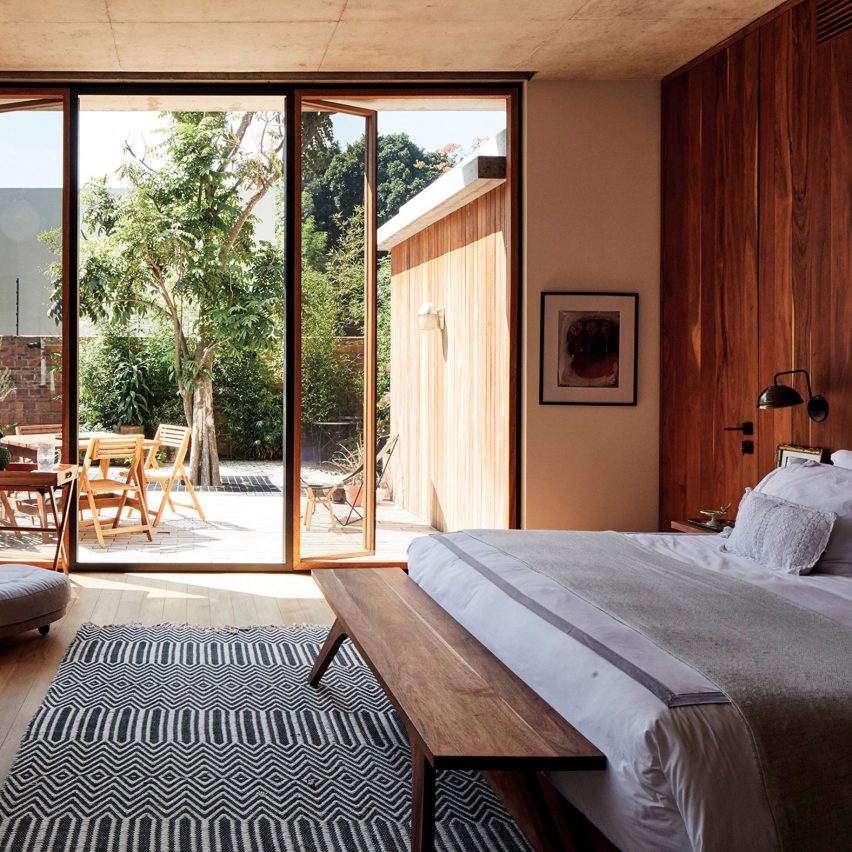
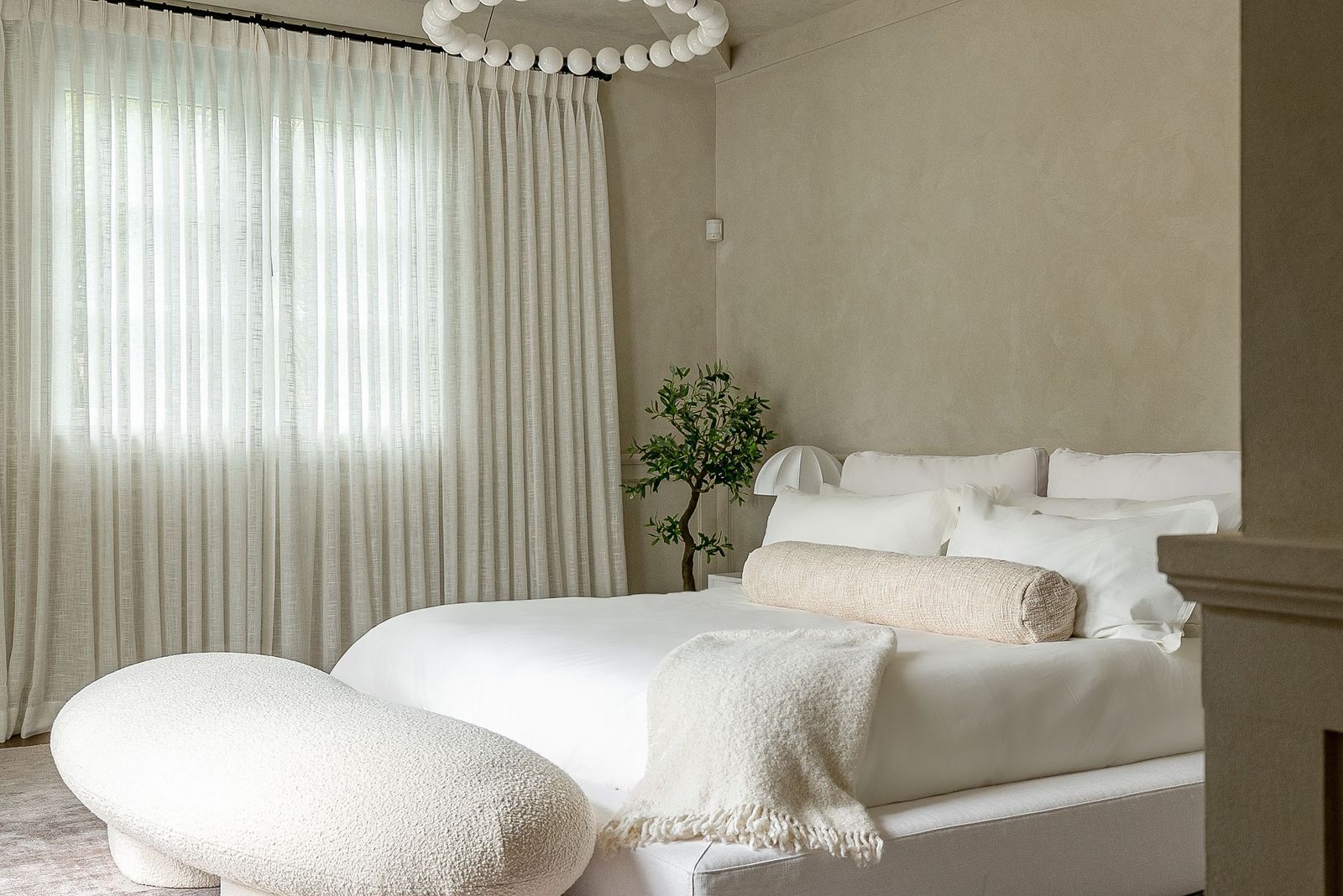
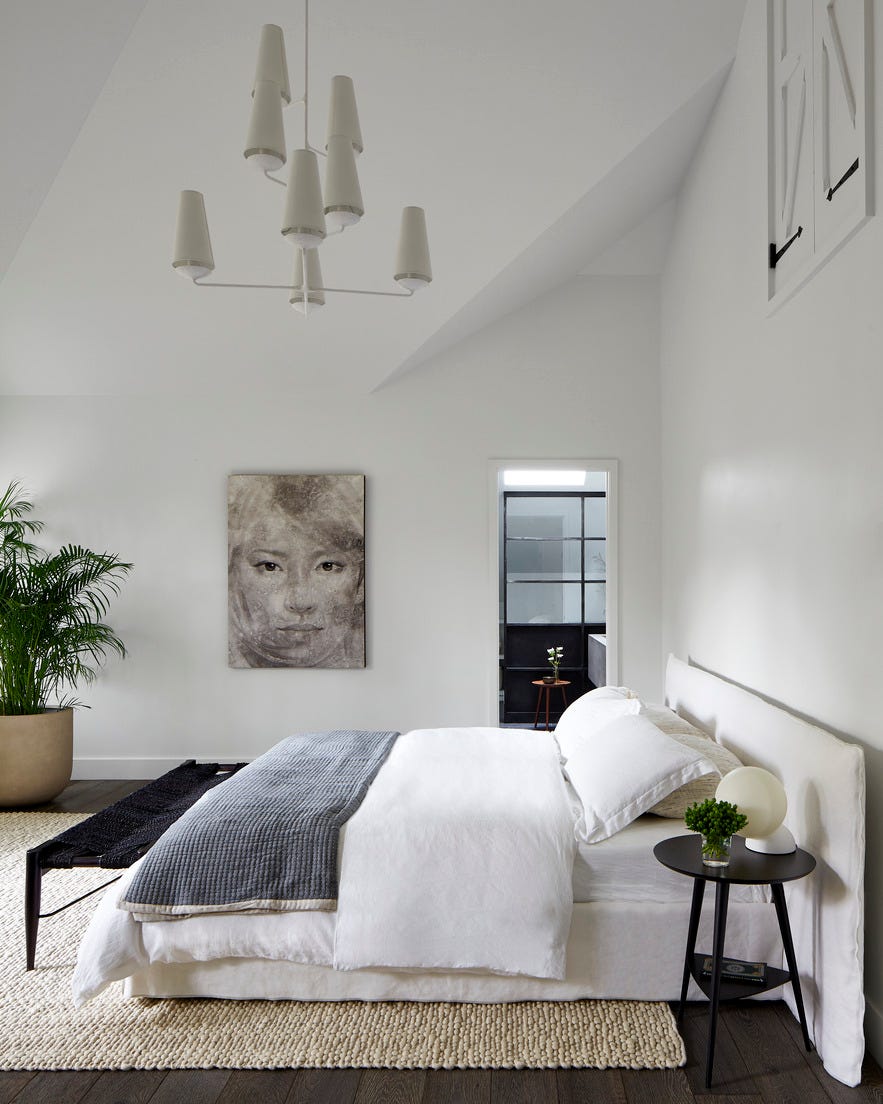
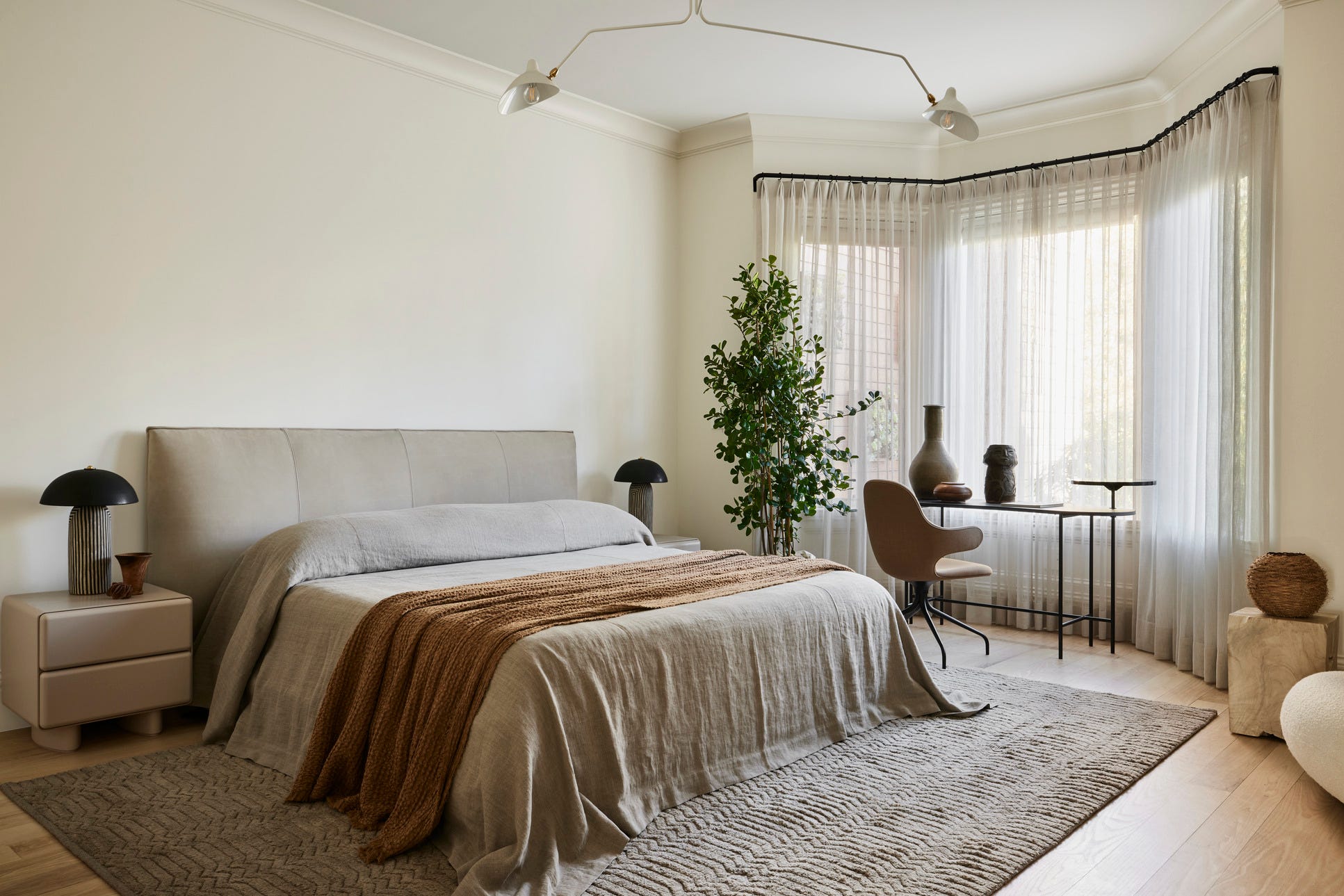
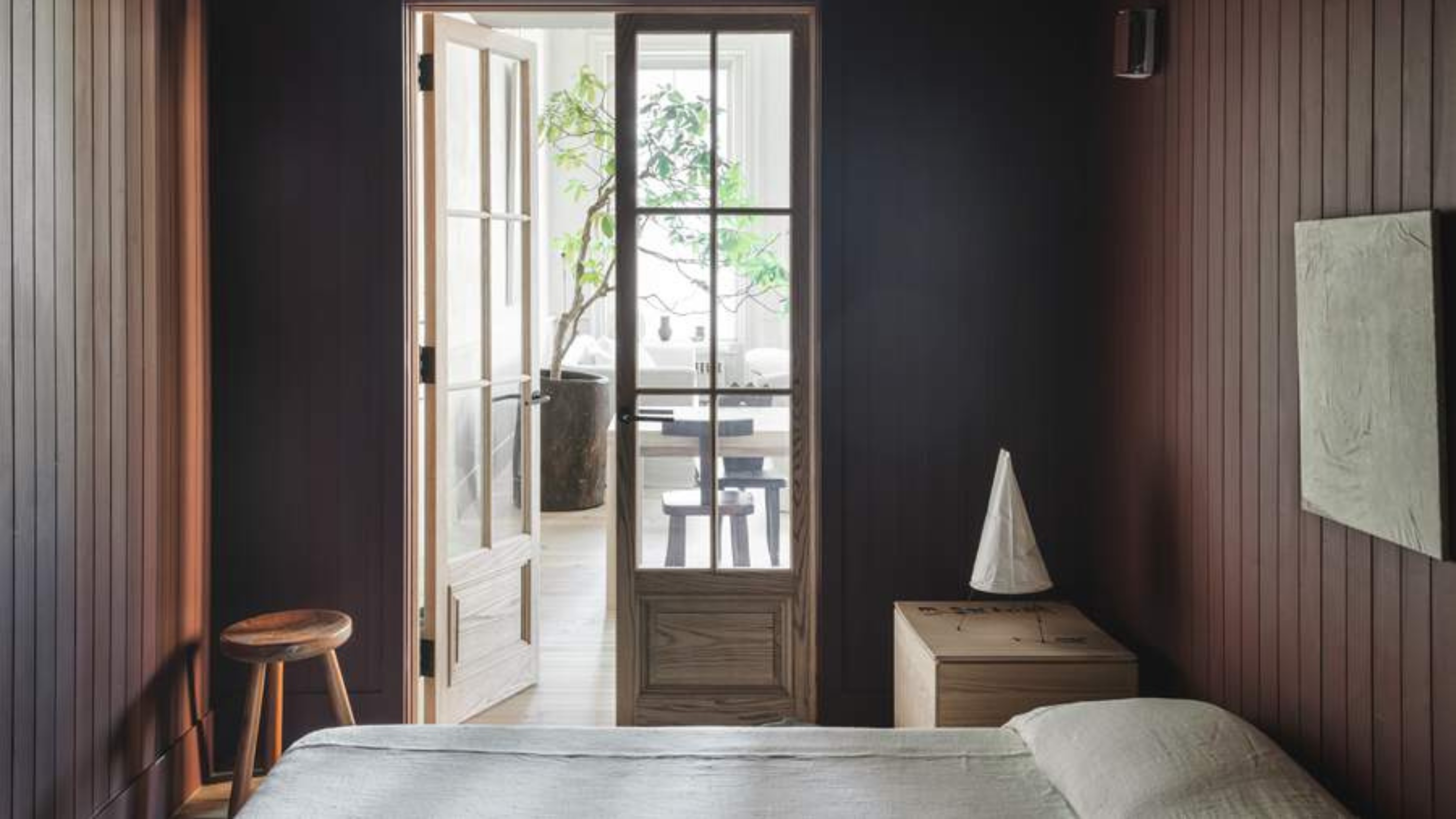
One key recommendation is to strategically incorporate natural elements into the bedroom. While Japanese and Scandinavian designs both appreciate natural materials, muted colors, and craftsmanship, their approaches to accessorizing differ. Jonas Bjerre-Poulsen, architect and founding partner at Norm Architects, explains that Scandinavian 'hygge' embraces filling interiors with objects for coziness, whereas Japanese 'Ma' values void or emptiness. A compromise suggested is to add an indoor houseplant, like a thriving tree, to introduce nature without cluttering the space.
Further emphasizing the connection to nature, the article suggests integrating organic details. London firm Daytrip, for instance, used rustic and contemporary elements in a Japandi bedroom to achieve understated elegance. Handcrafted wooden stools serving as bedside tables, topped with stone-like decor, complement the earthy tones. A vintage resin bed and dimensional artwork add depth to the minimalist decor, showcasing how natural materials and unique pieces contribute to the aesthetic.
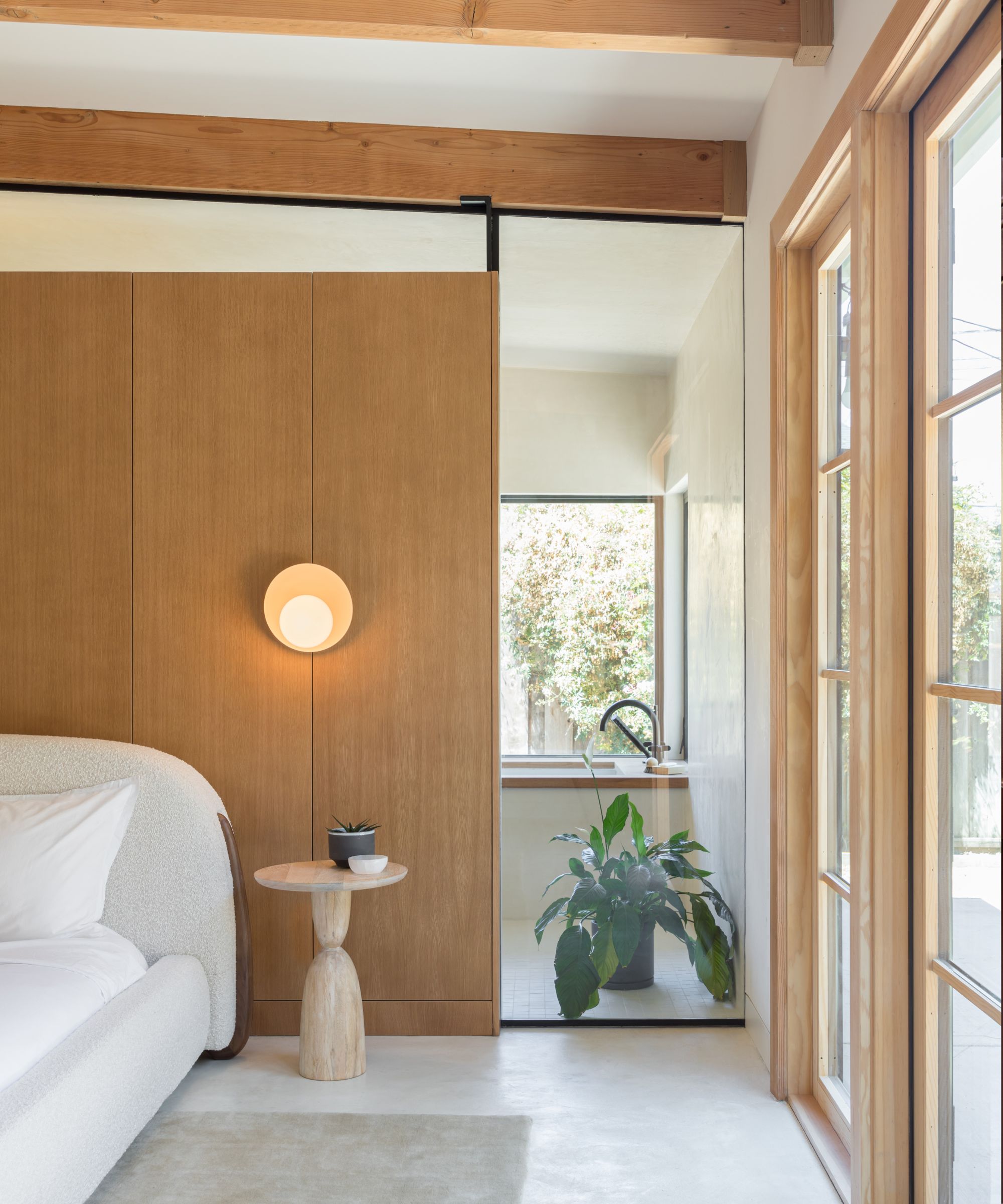
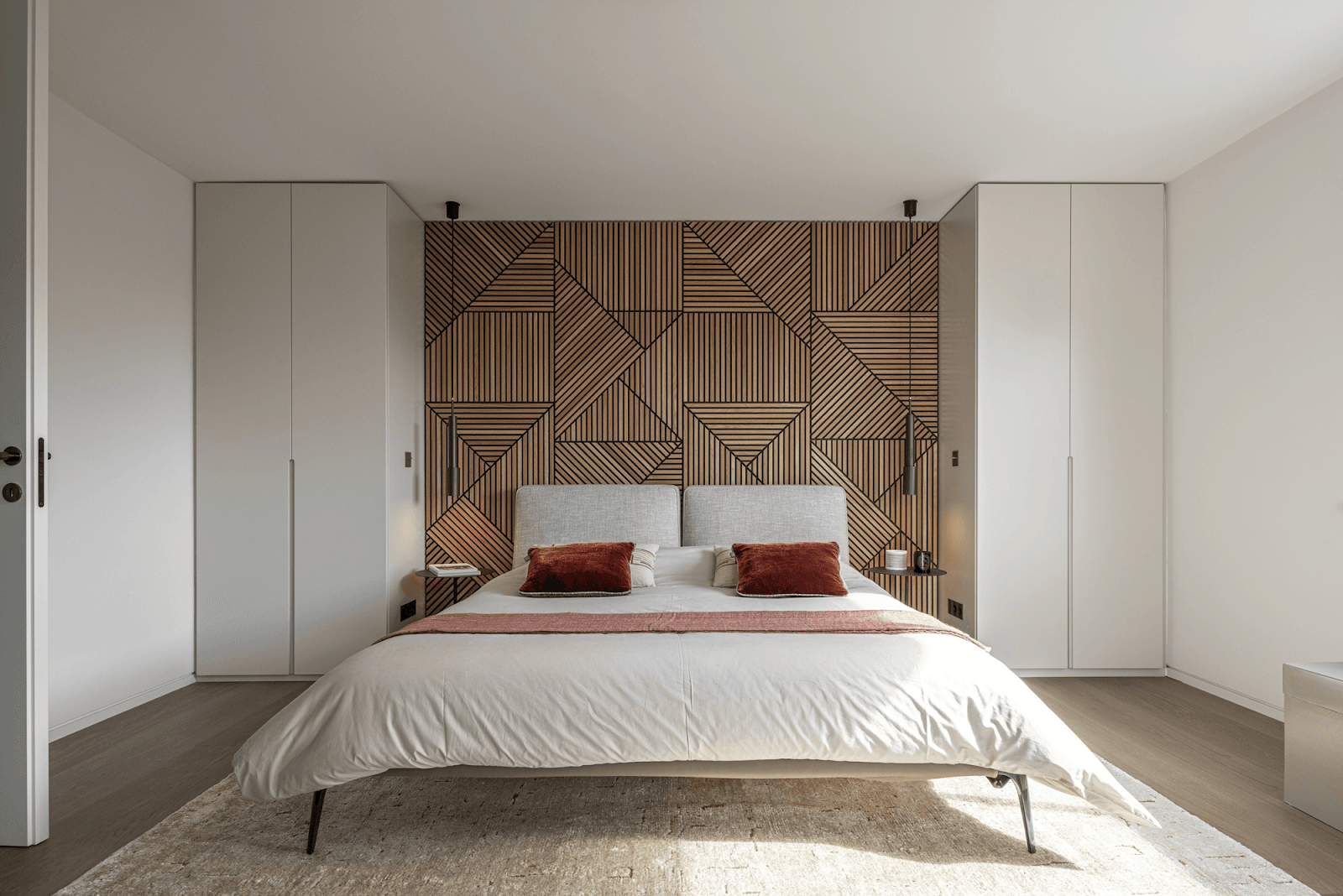
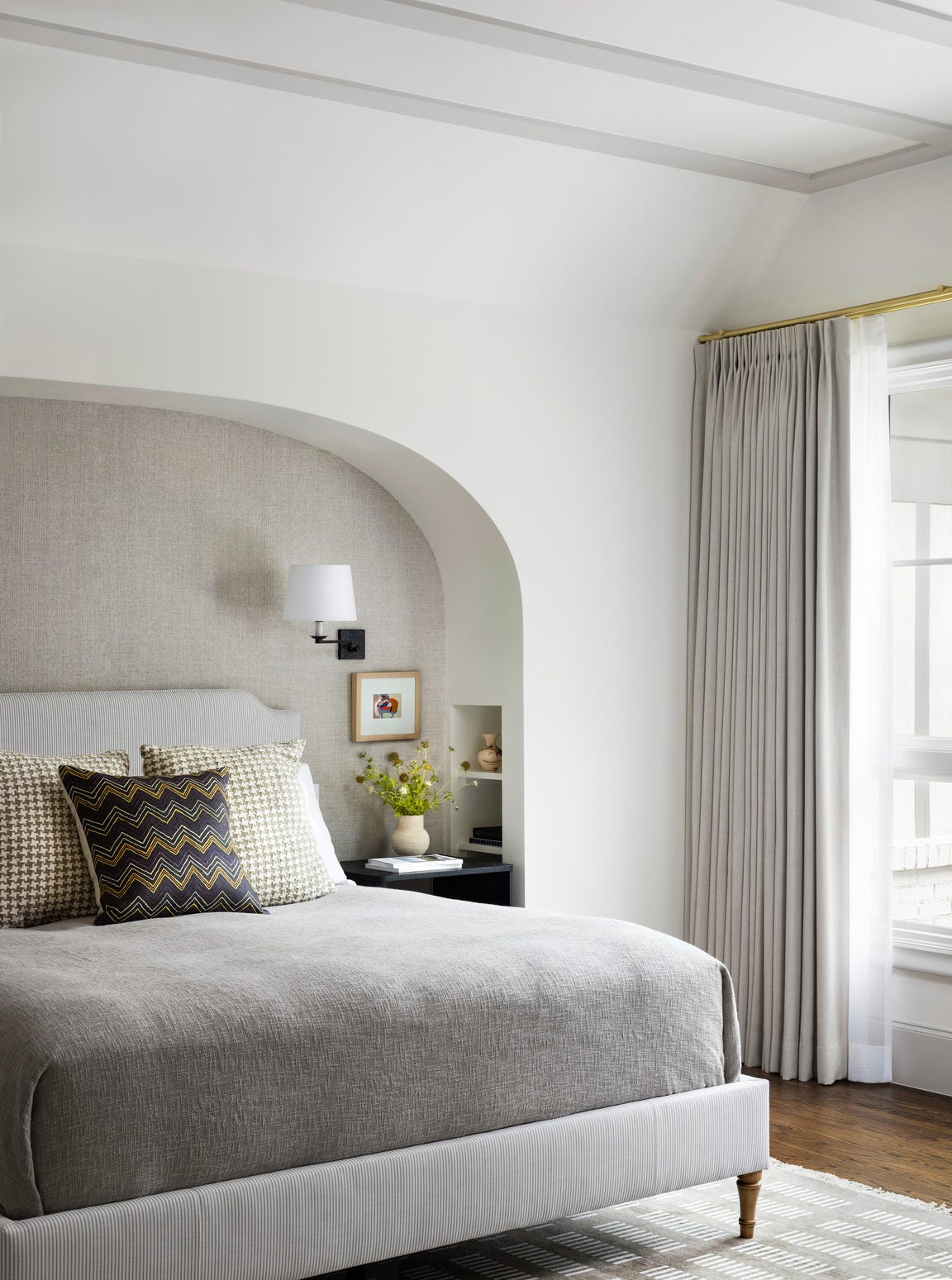
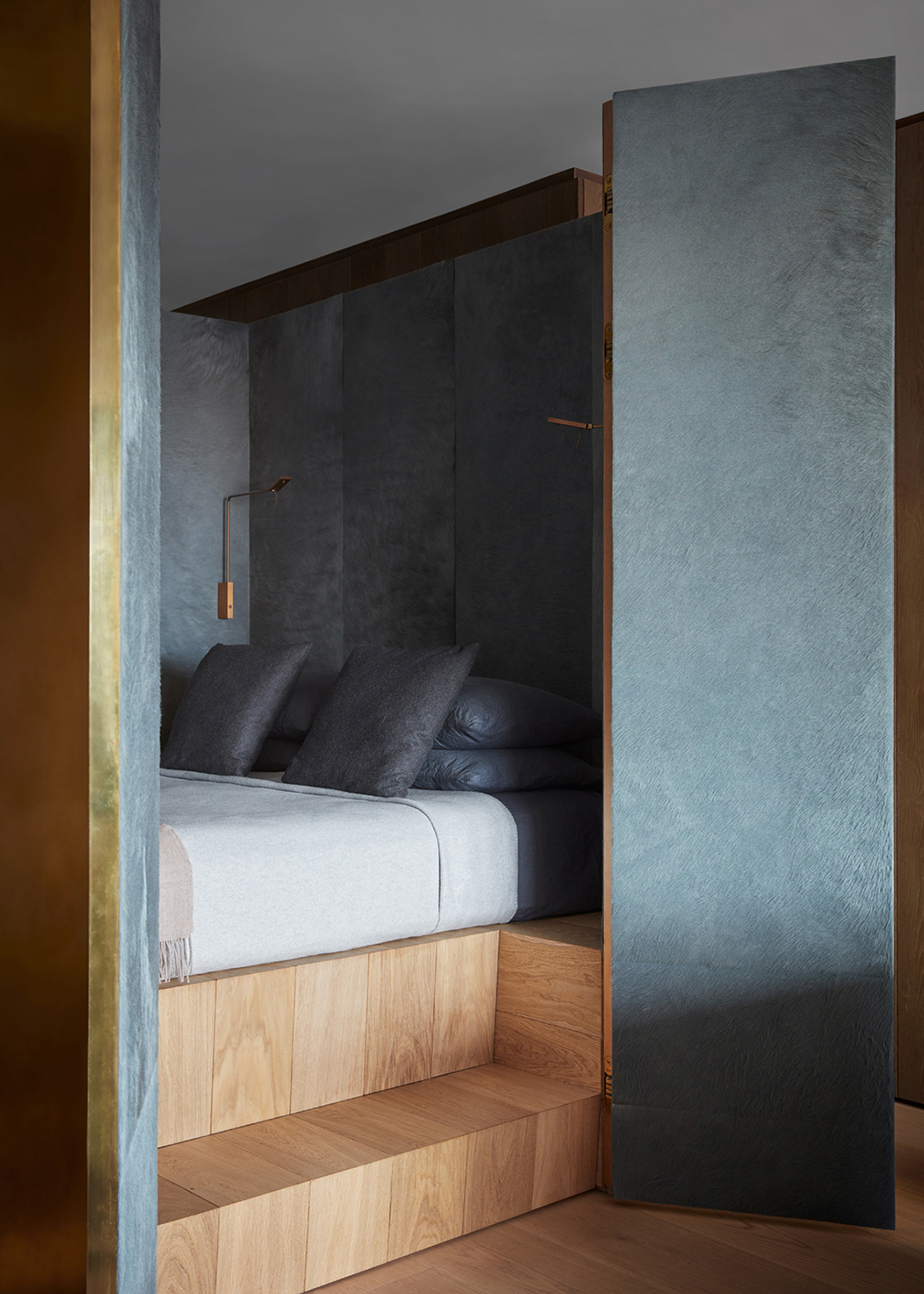
Streamlined storage is another important aspect, particularly for smaller bedrooms. The article notes that Japandi design's focus on practicality means style and space efficiency are not mutually exclusive. Daytrip's design of a bedroom with built-in storage exemplifies this, providing ample room for essentials while flat-fronted wardrobe doors maintain Japanese simplicity. The integrated storage also creates a comfortable alcove for the mattress, enhancing the room's inviting feel.
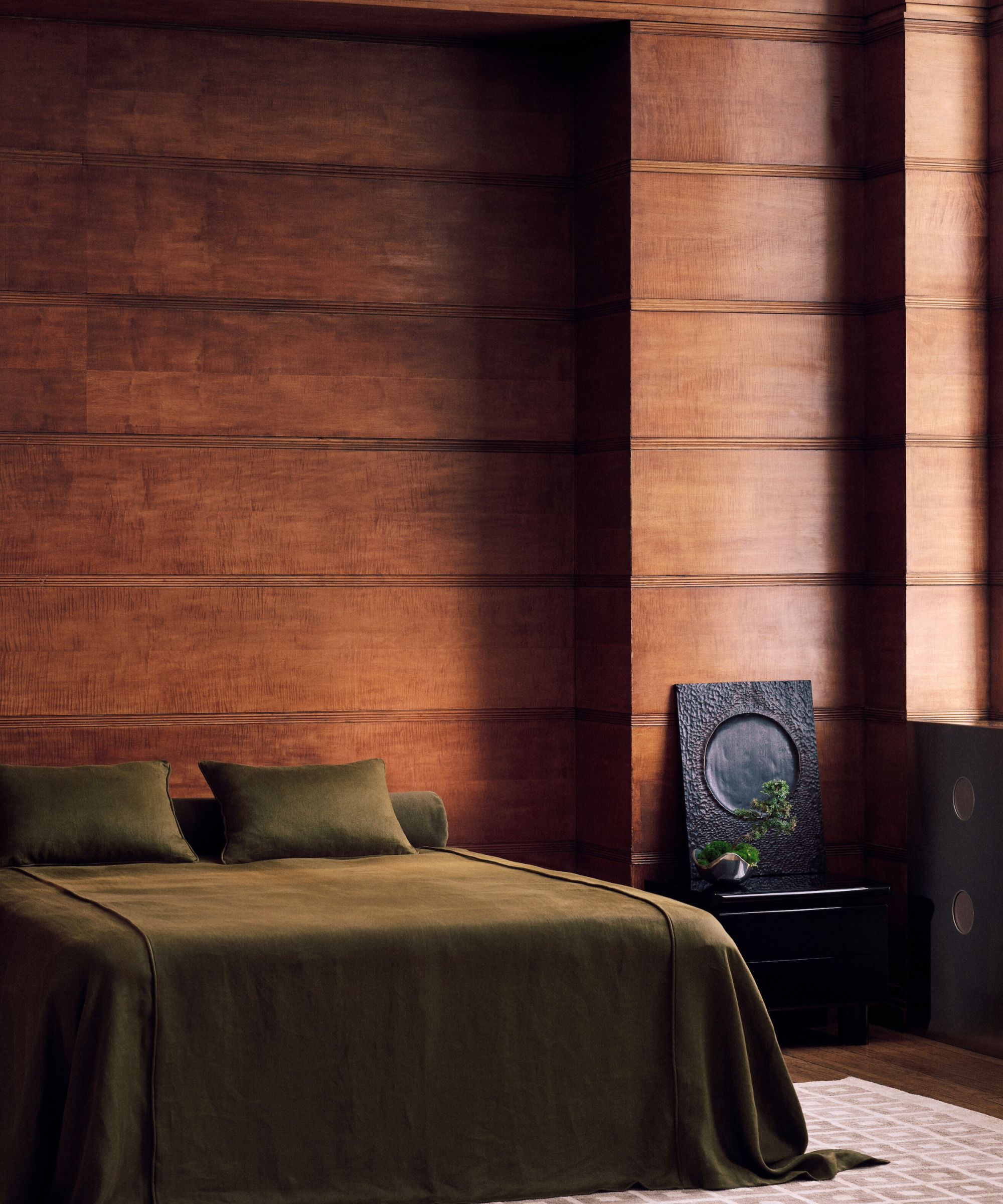
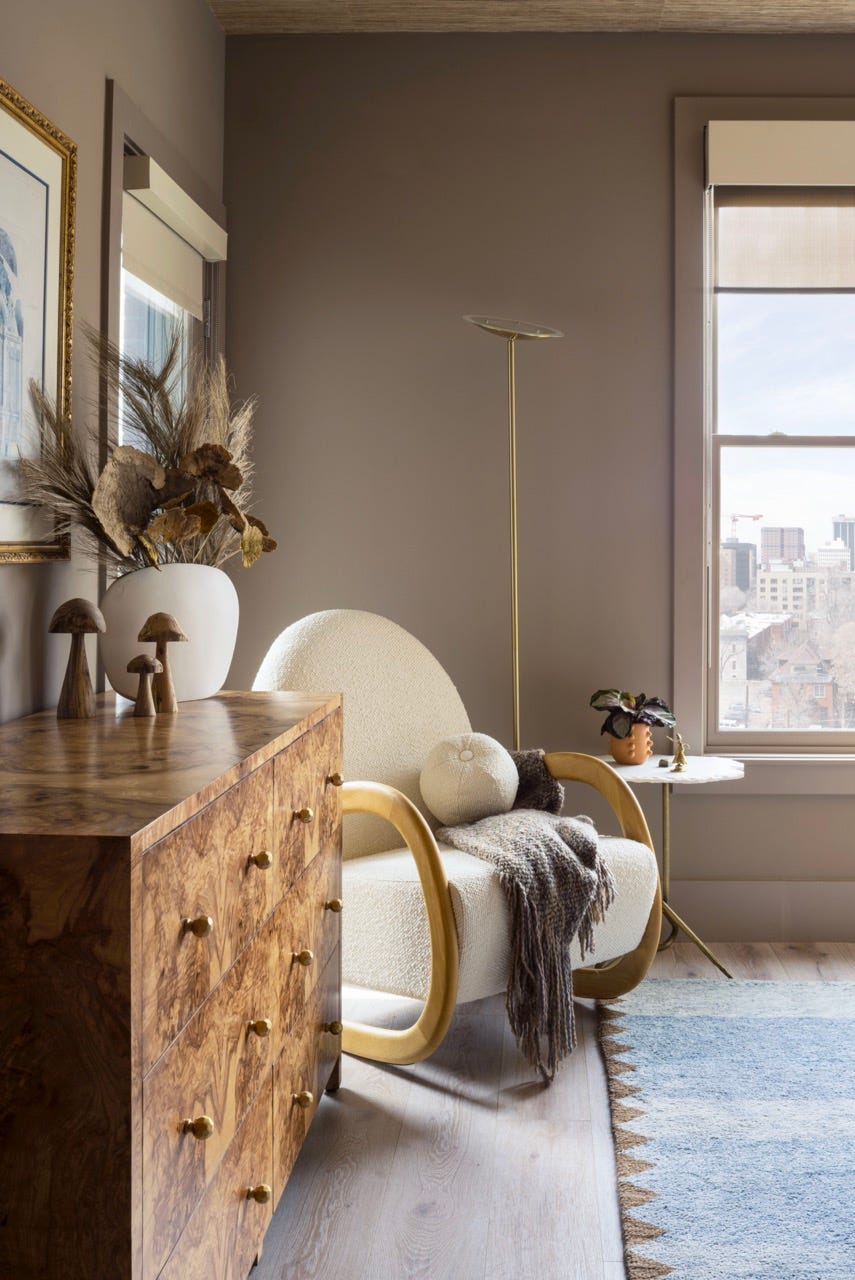
The article also touches on incorporating mid-century modern elements. Sydney-based interior decorator Reynard Lowell suggests that mid-century modernism, with its unique furniture and interesting shapes, can align with the Japanese principle of 'wabi-sabi'—finding beauty in imperfection. He advises softening sharp lines with curved edges and embracing the imperfections of natural materials to create a harmonious space that transcends trends.
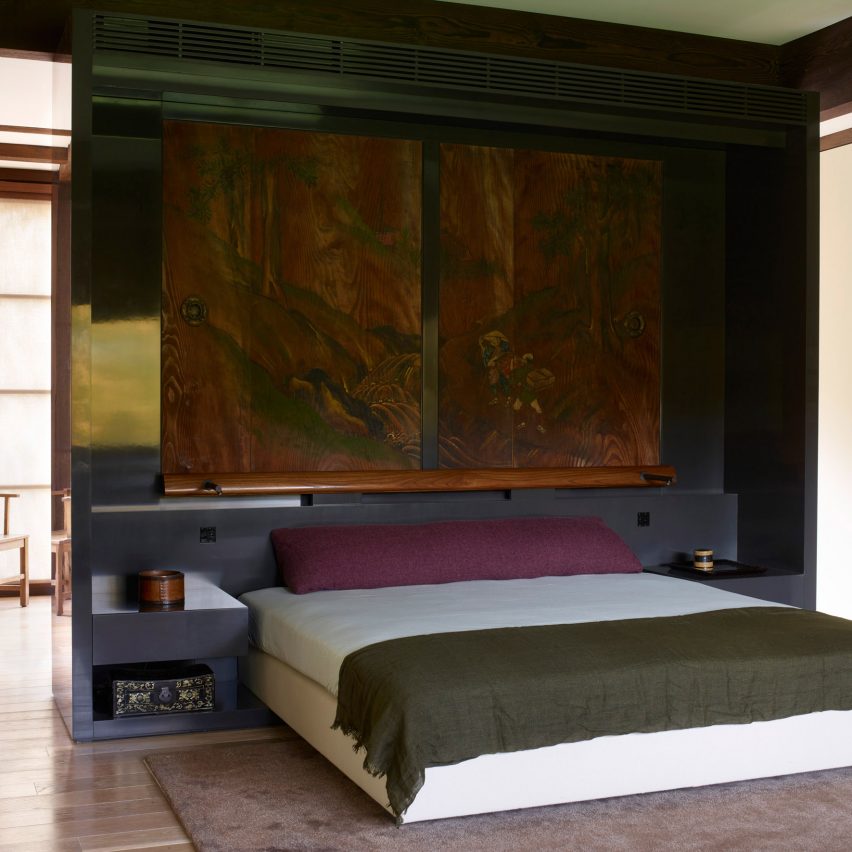
Quality over quantity is a foundational principle of Japandi design. Shanty Wijaya of Allprace stresses the importance of celebrating excellent craftsmanship, encouraging the use of vintage, second-hand, or investment pieces that last a lifetime. This approach values beauty in simple, imperfect items, demonstrated by a room featuring a paper fan and an artful mural, proving that small, splurge-worthy moments can significantly impact the design.
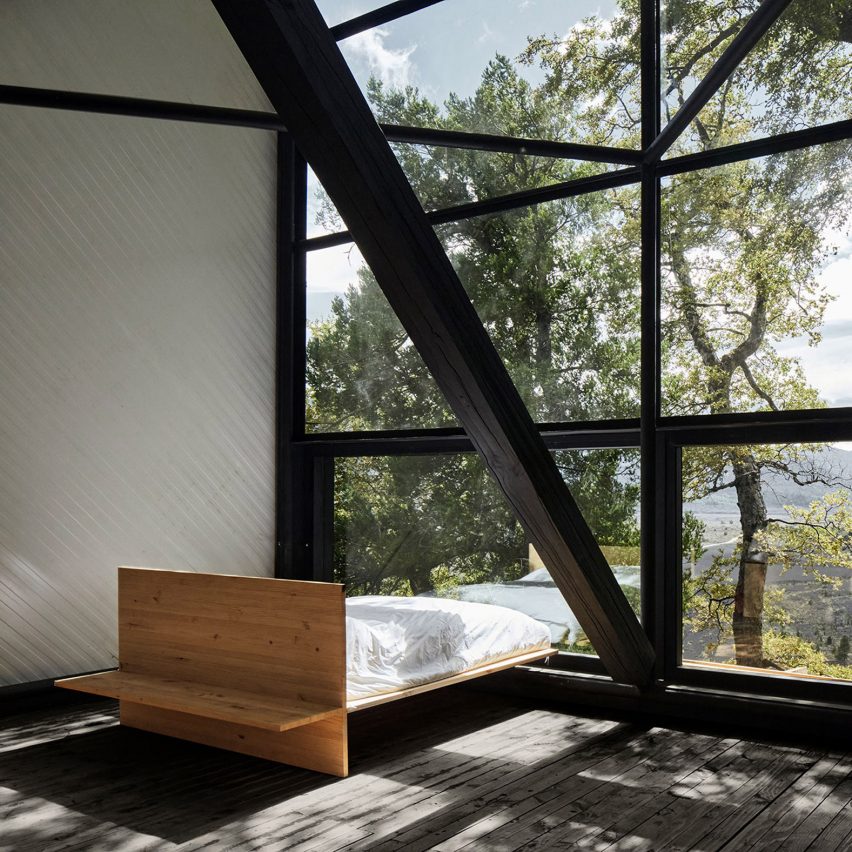
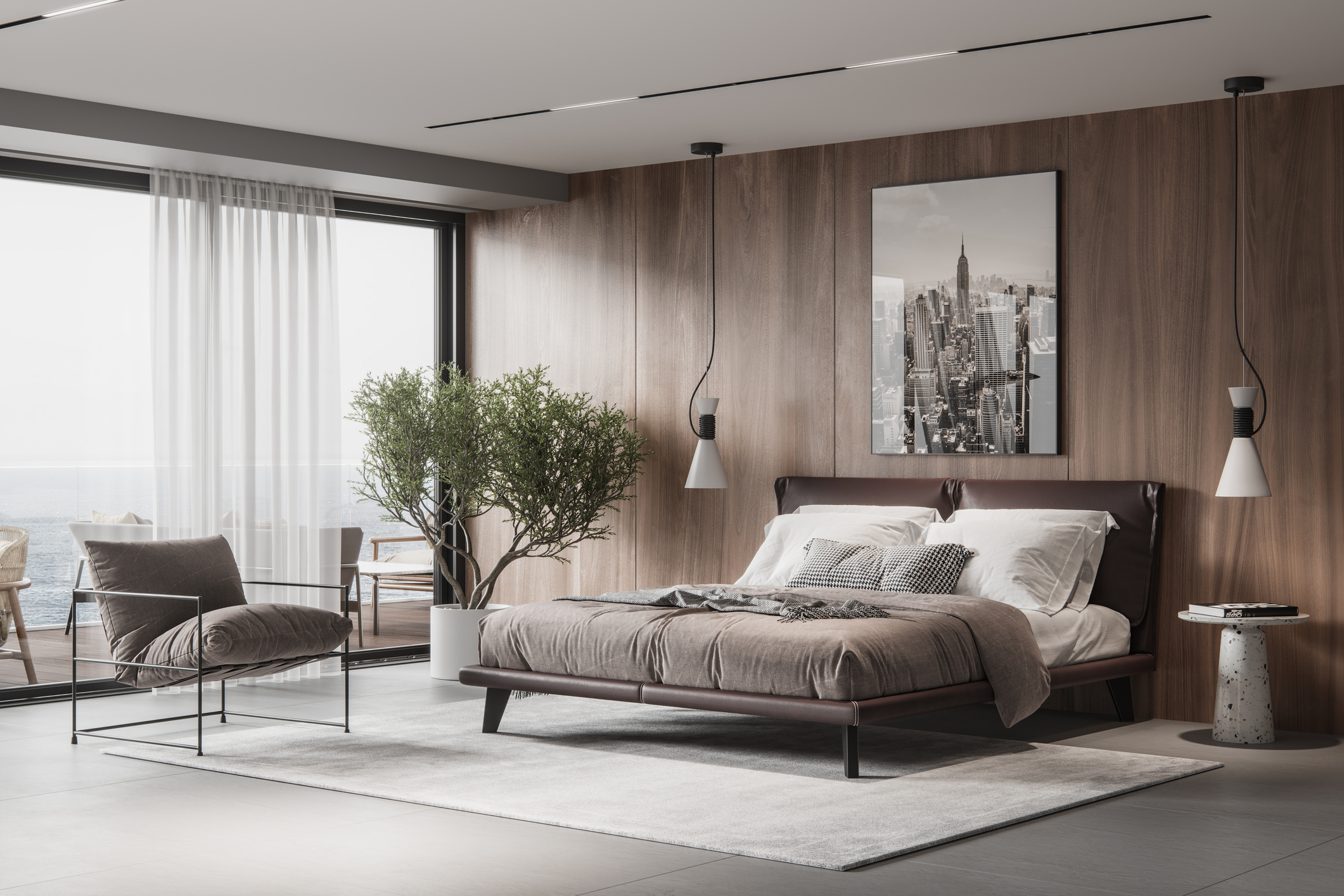
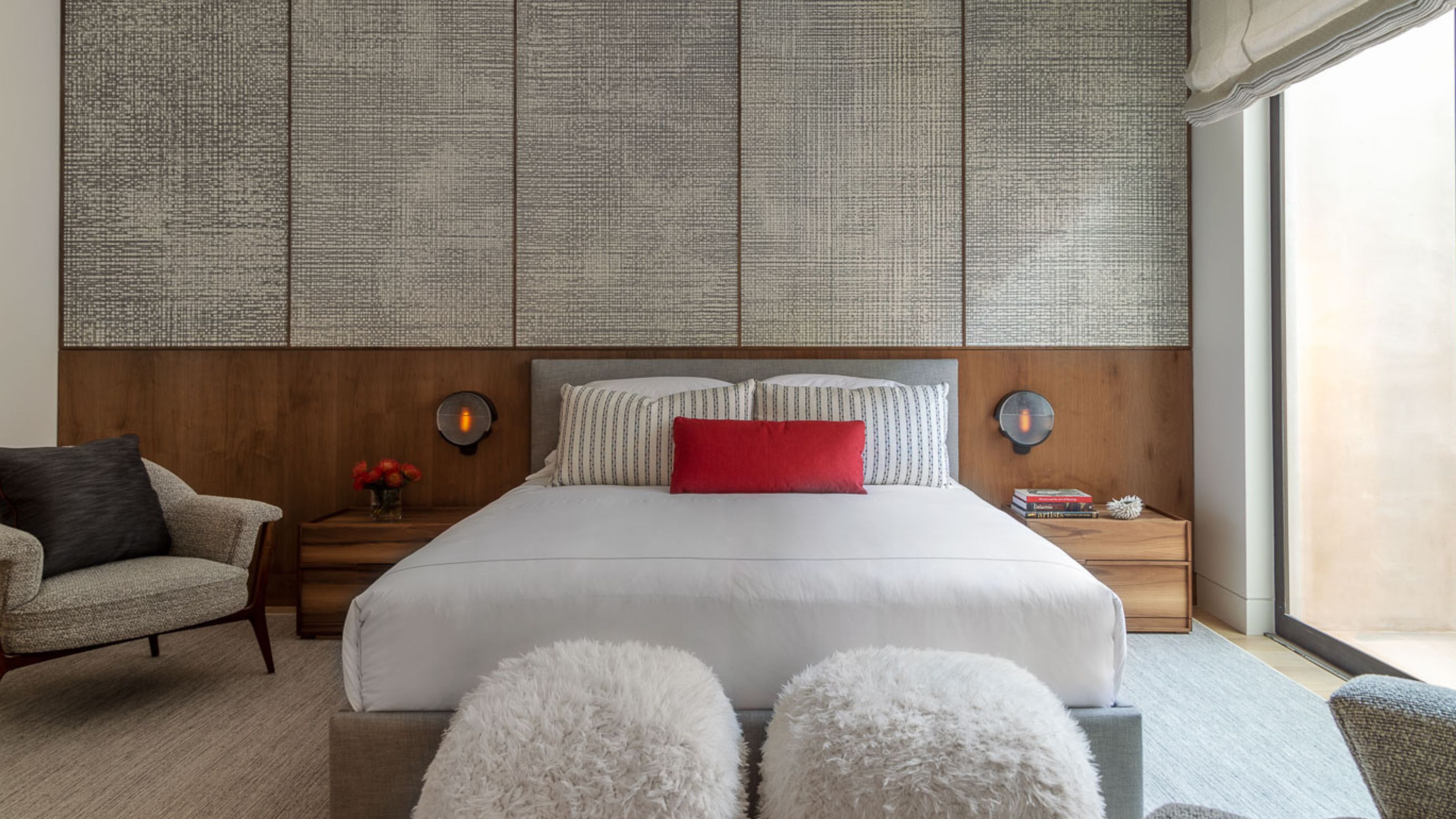
Another distinctive feature is the use of low-slung furnishings, a nod to the Japanese tradition of sitting on tatami mats or directly on the floor. Interior designer Heather Hilliard designed an in-law suite with low furniture and screens to honor this tradition, creating a clean, minimalist design with warm wood and gray accents that evoke a sense of 'hygge'.
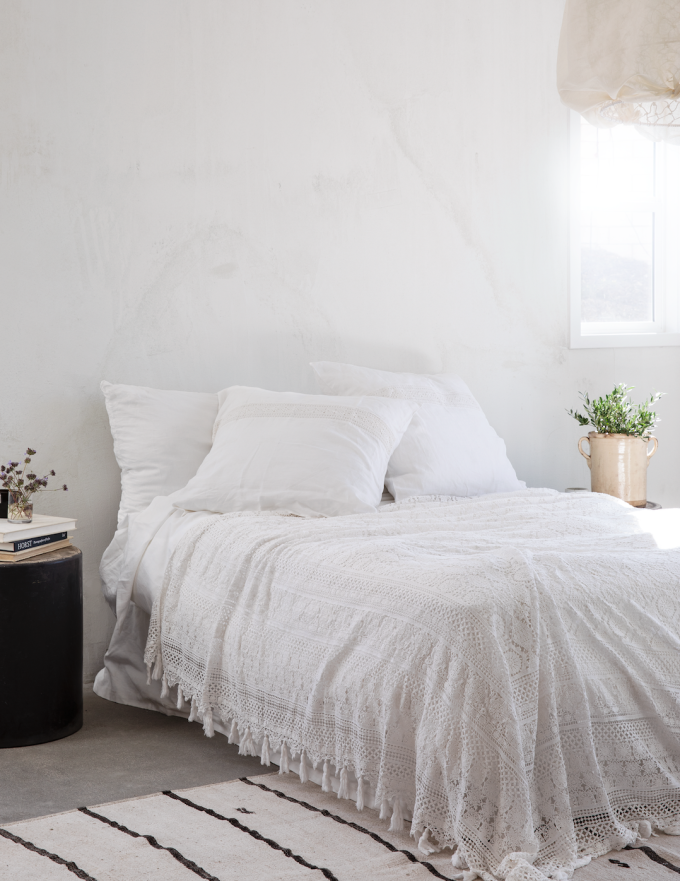
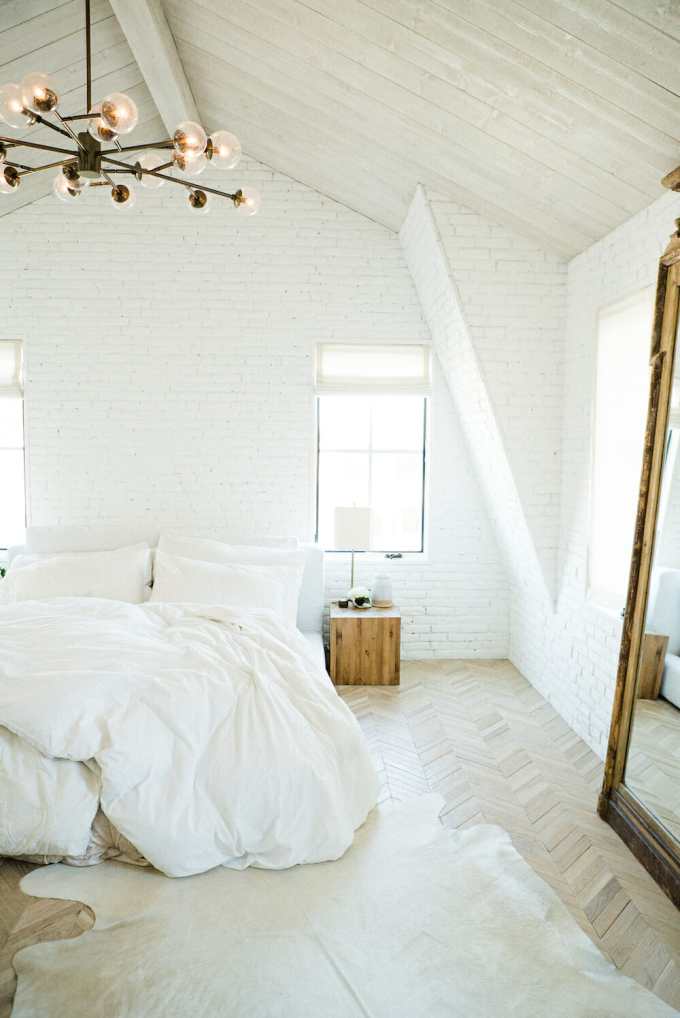
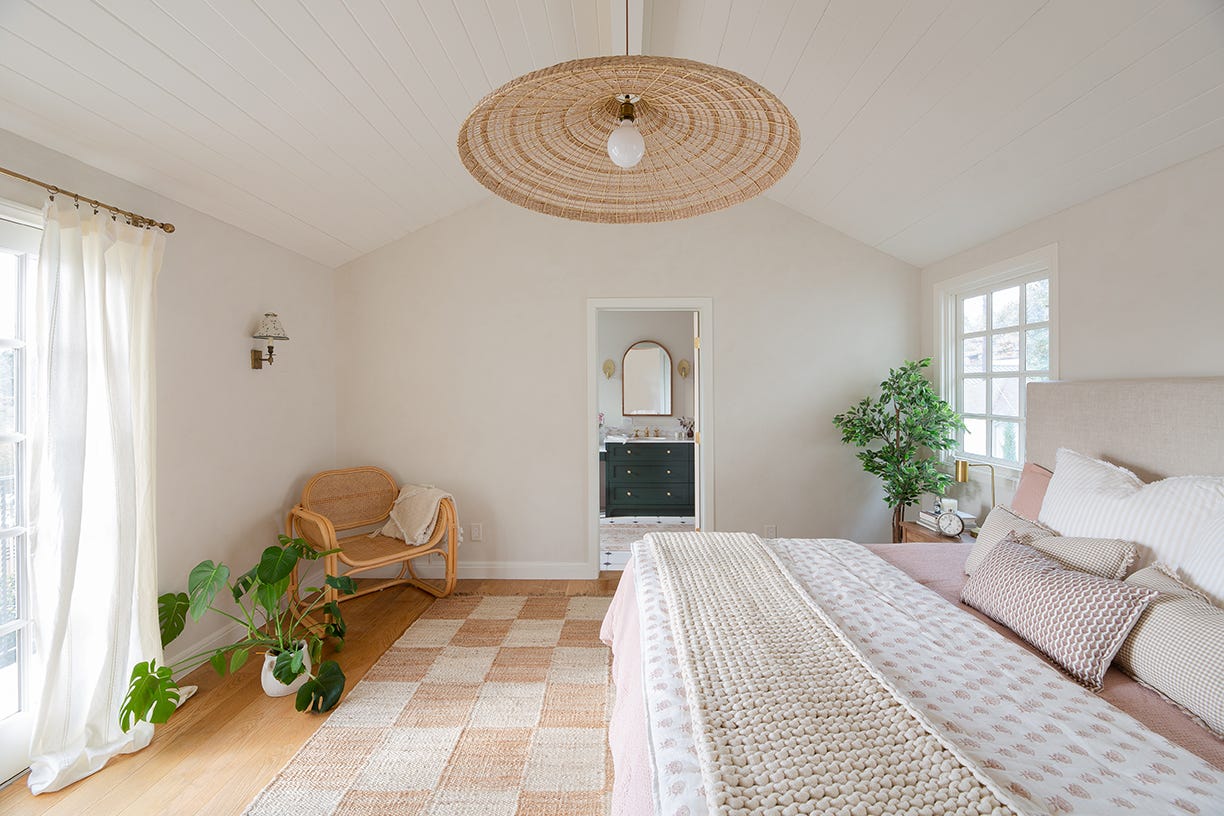
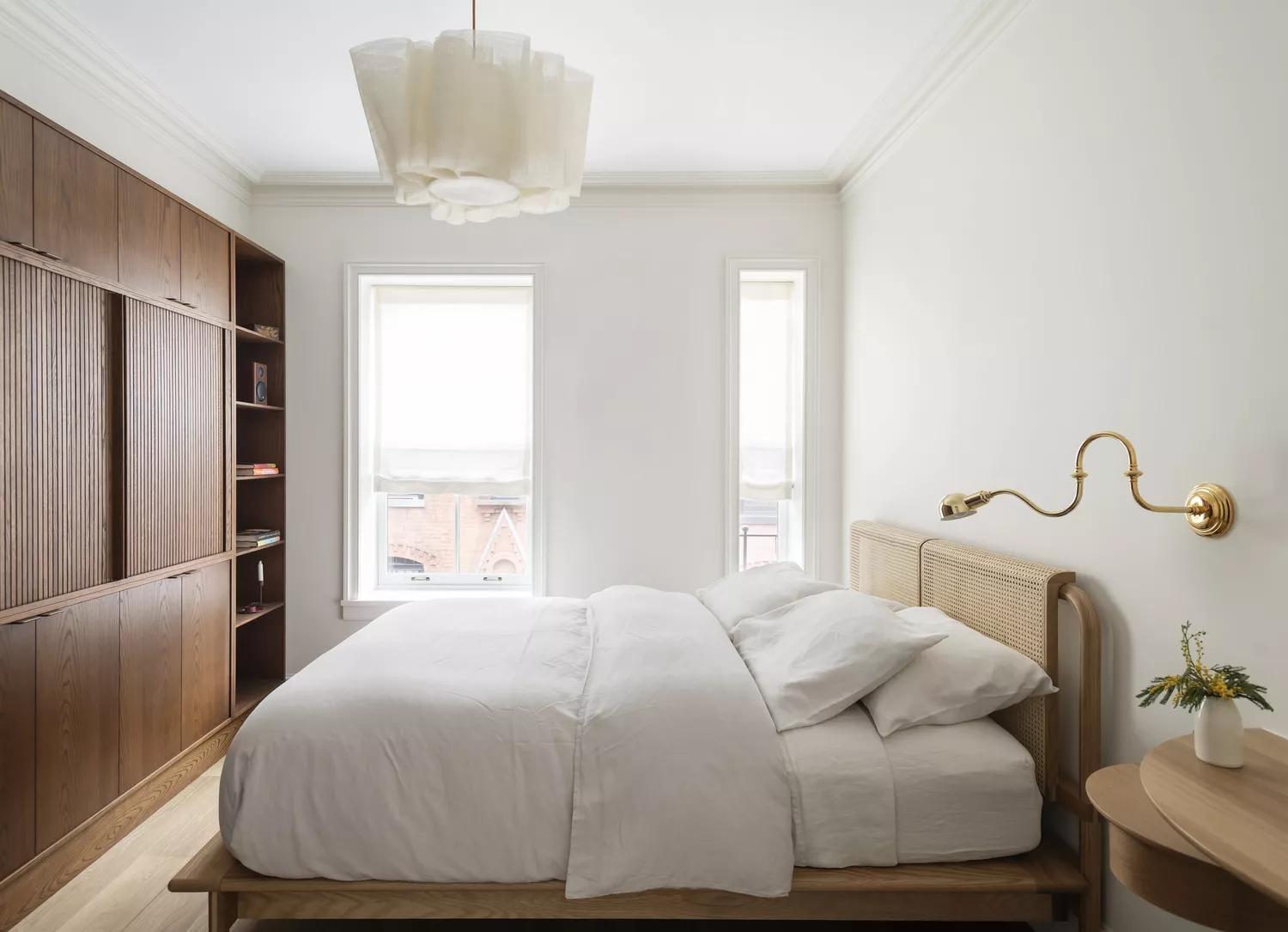
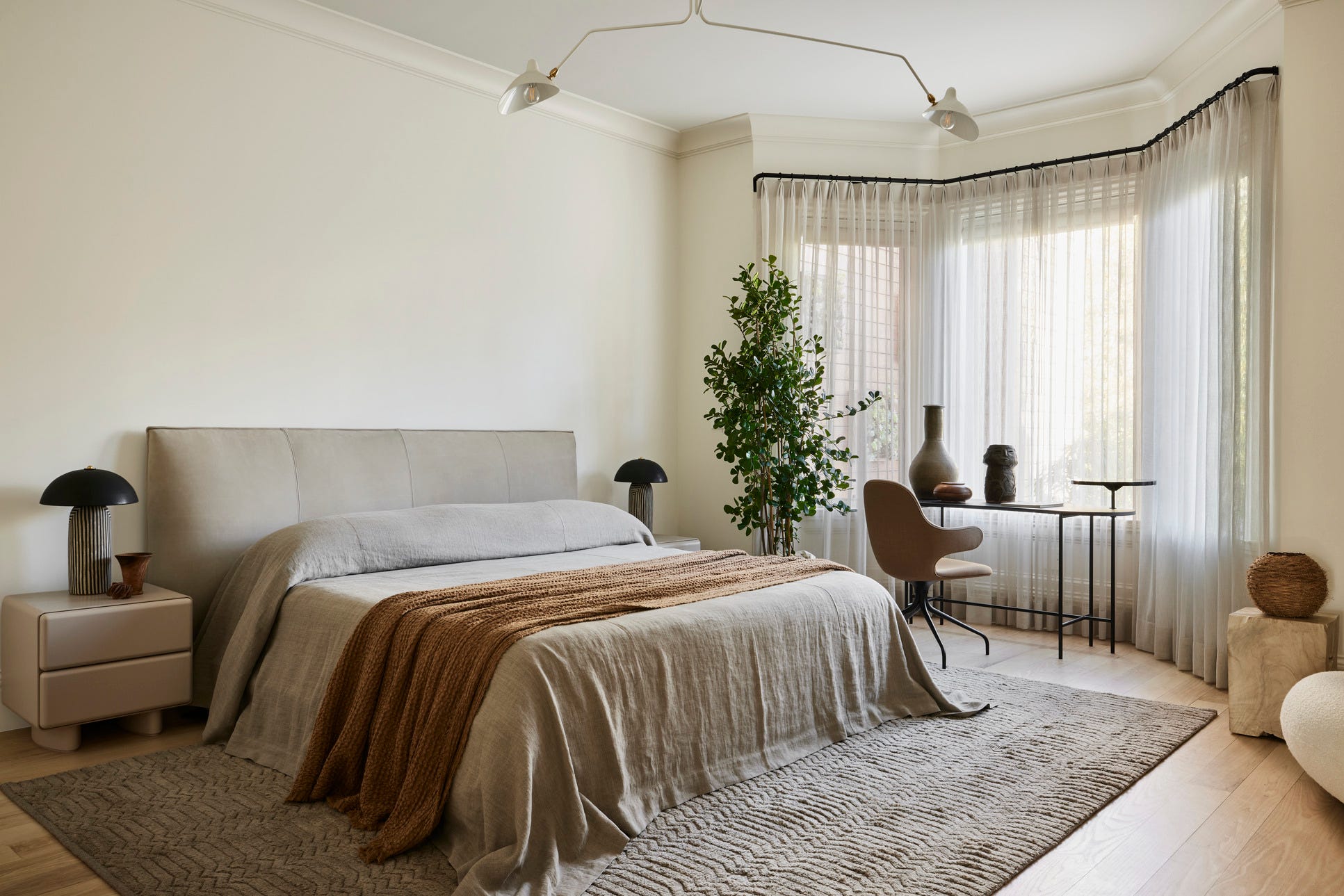
The article highlights the importance of texture in Japandi bedrooms. Given the practical and pared-back nature of both Japanese and Scandinavian cultures, color palettes can remain simple. Erin Roberts' design demonstrates that an all-white room doesn't have to be bland if various materials in the same shade are incorporated. Woven rattan, textured linen, and light oak prevent the space from feeling sterile, making it snug and inviting.
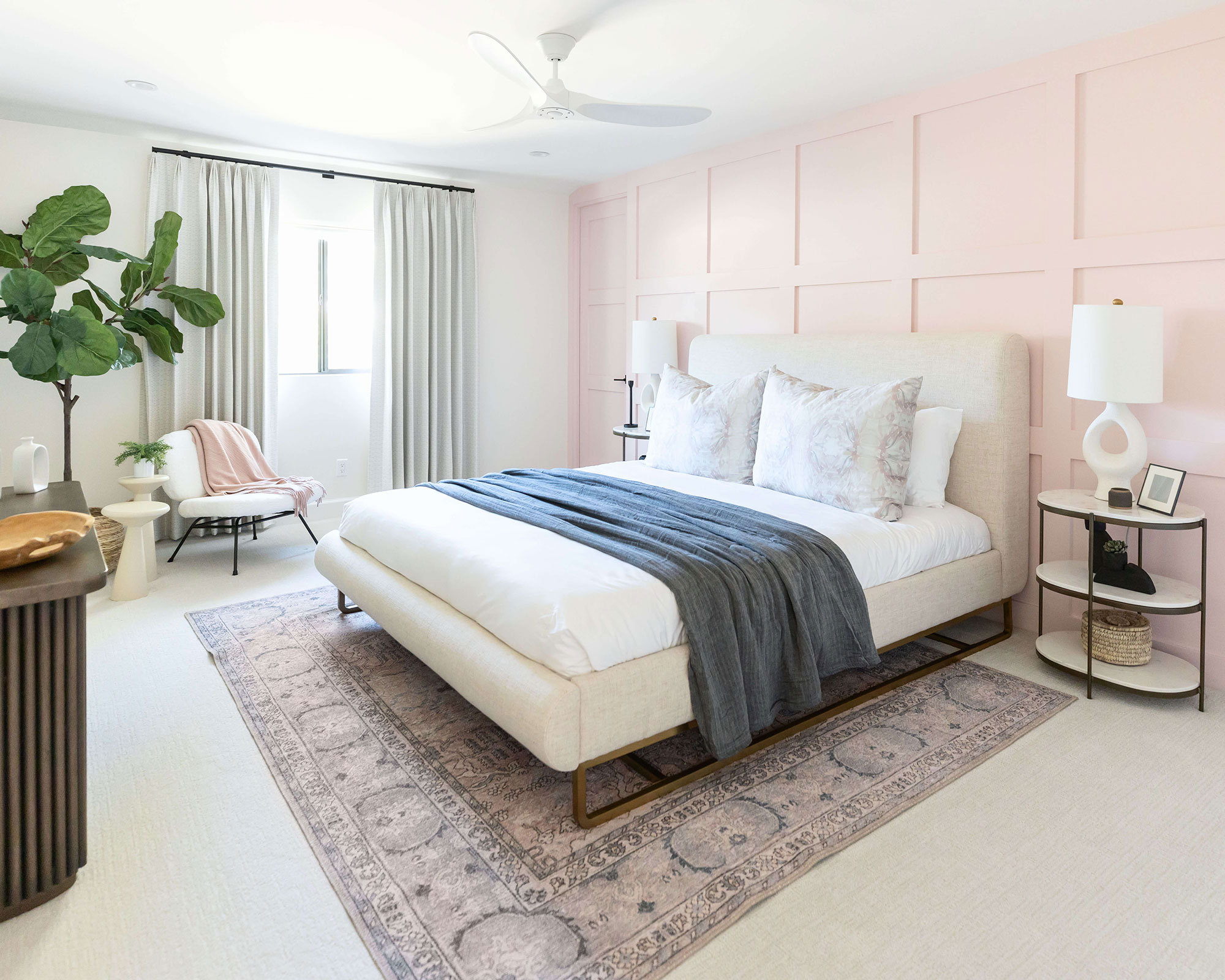
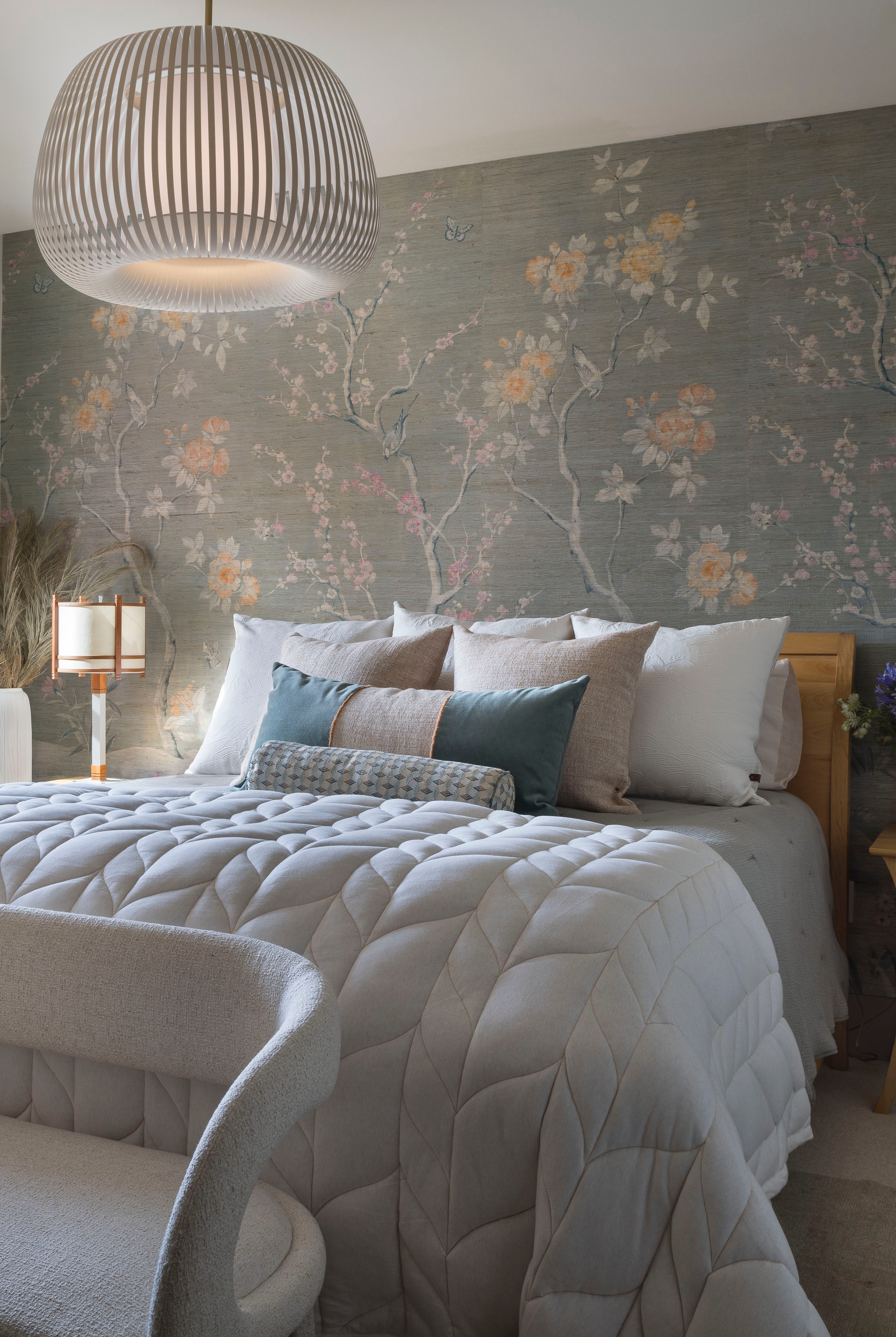
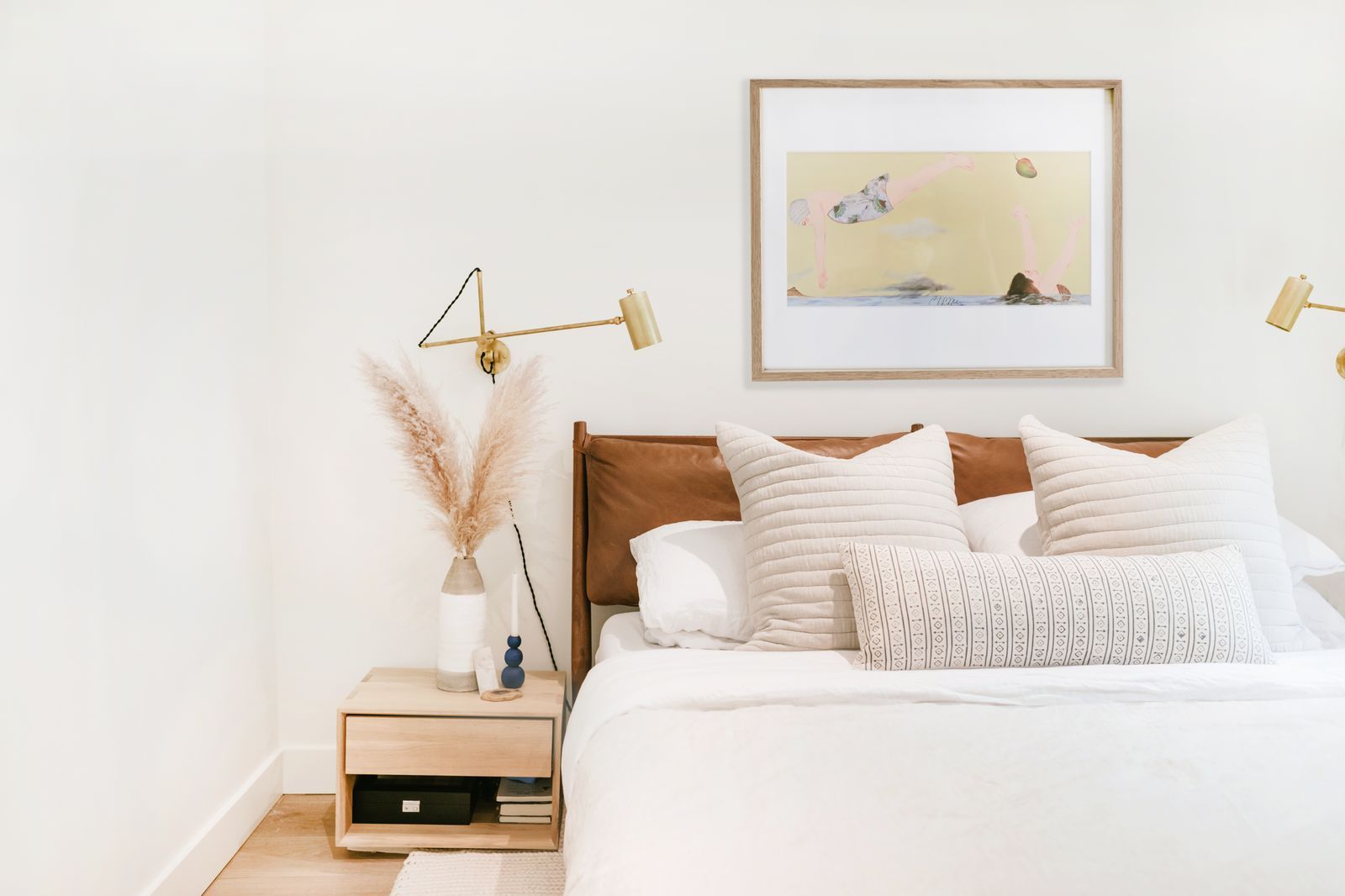
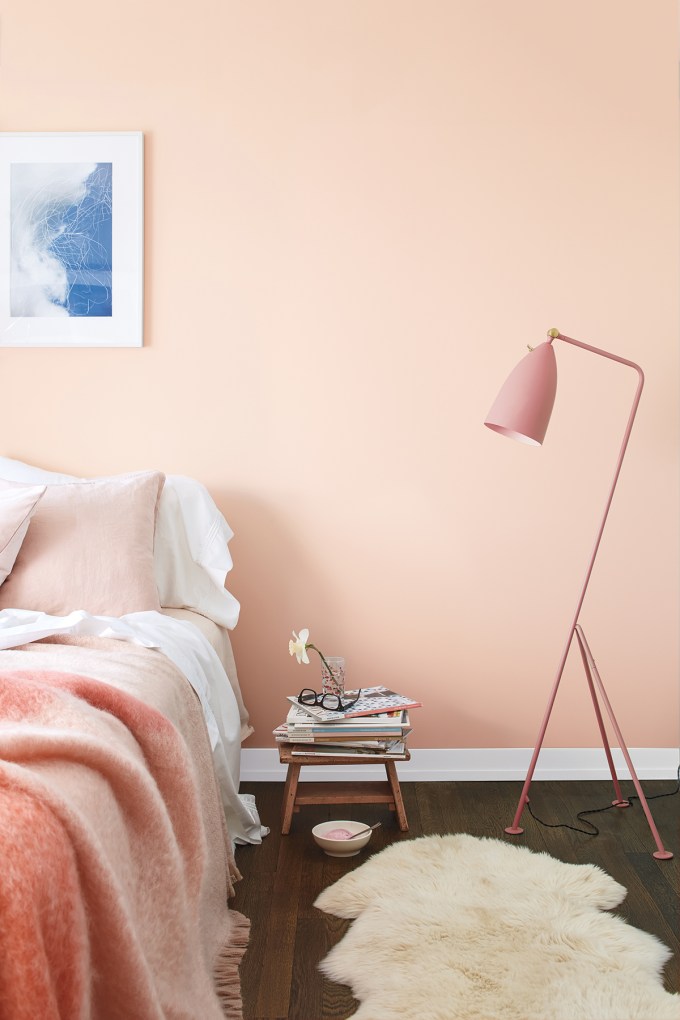
Finally, the piece addresses the use of color, specifically pastels. While neutrals are common, Cathie Hong, a Bay Area designer, suggests that subtle pops of color are acceptable. She emphasizes a muted palette, layered textiles, and simple graphics to maintain warmth while keeping a minimalist aesthetic. Incorporating lighter pastel bedspreads, for example, can add a statement without overwhelming the serene environment. Overall, the article underscores that Japandi design is not just about aesthetics but also about embracing imperfection, connecting with nature, and appreciating life's simple pleasures. #JapandiStyle #BedroomDesign #InteriorDesign #Minimalism #ScandinavianDesign #JapaneseAesthetics #NaturalMaterials #HomeDecor
0 comment in total
 No comments yet
You may also like
Eight compact bedrooms that make the most of small spaces
28 Cozy Bedrooms To Get Some Well Deserved R&R

11 minimalist bedroom design tricks to create a calming space

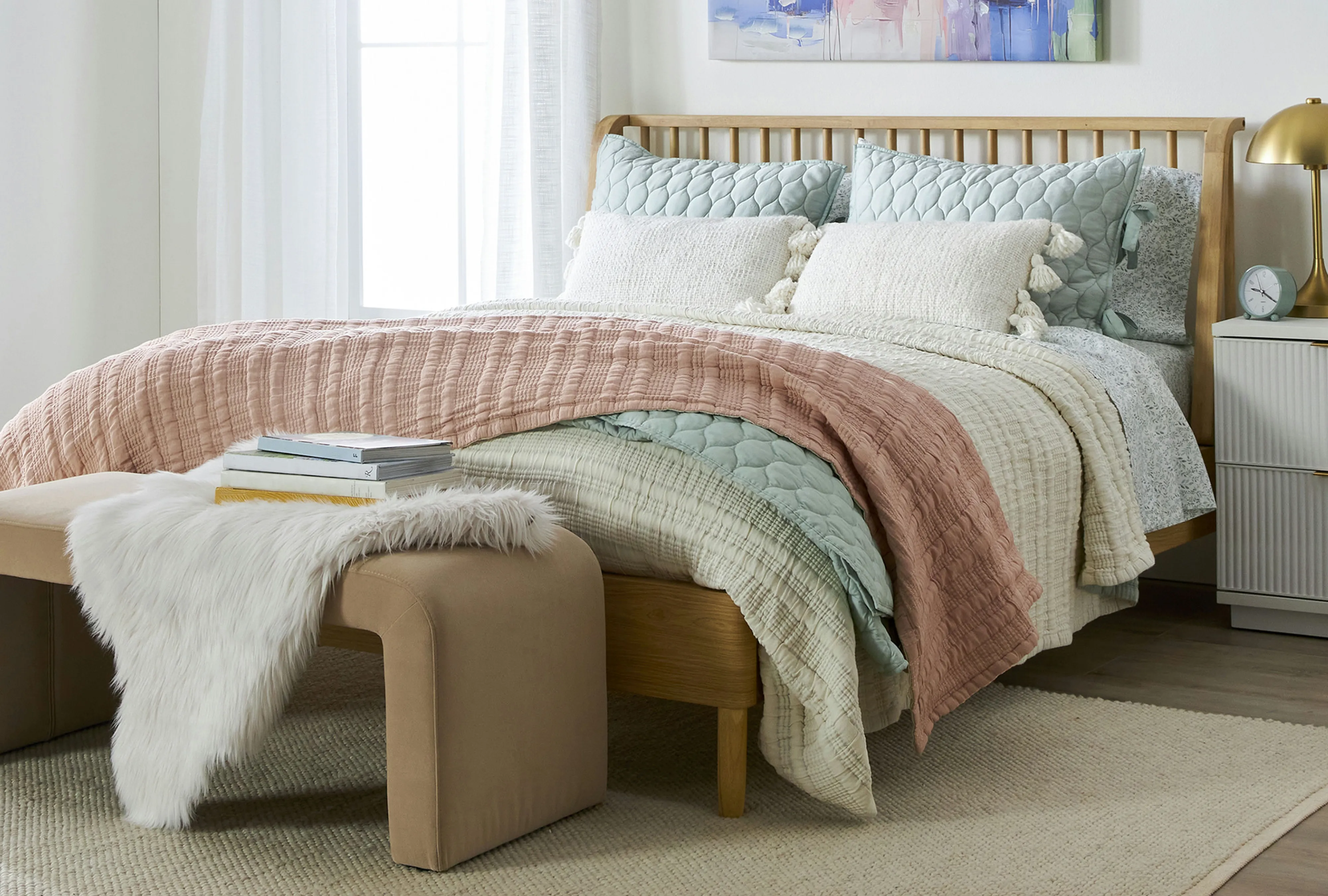
Make Your Bedroom the Ultimate Spot to Unwind with Our 8 Cozy Furniture Picks

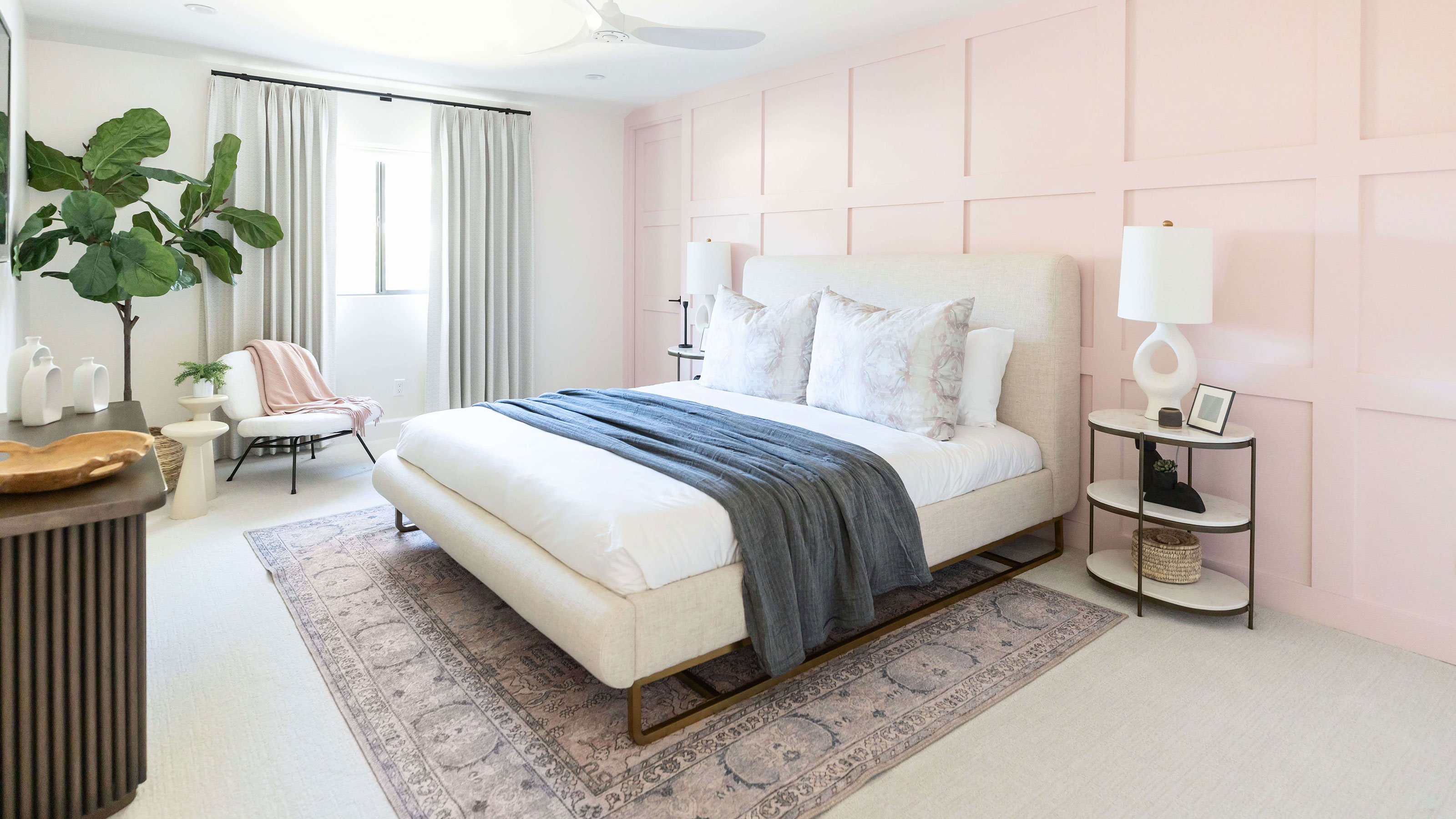
10 minimalist small bedroom ideas that still feel cozy

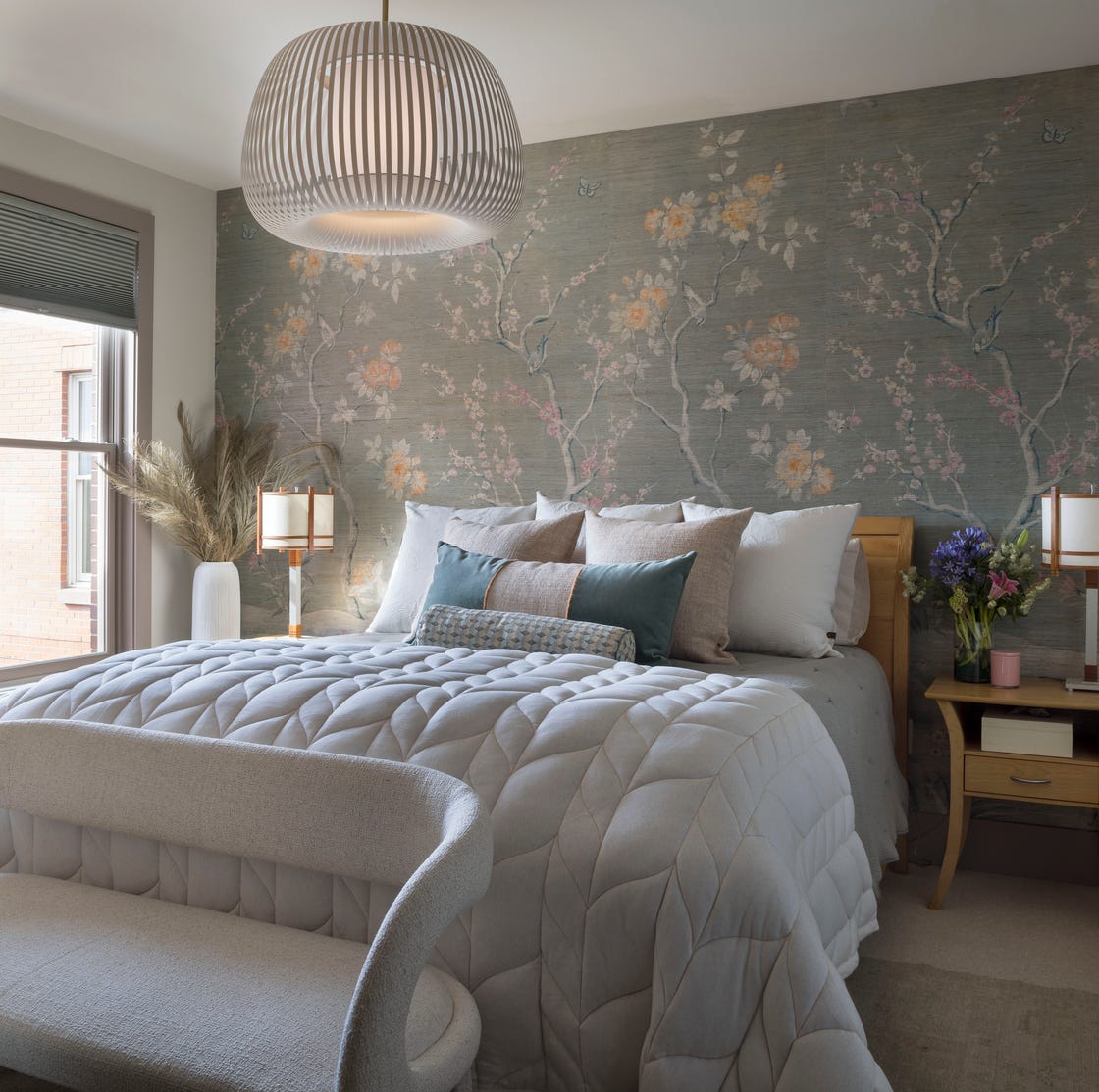
12 Japandi Bedroom Ideas That Bring Harmony to Your Personal Space

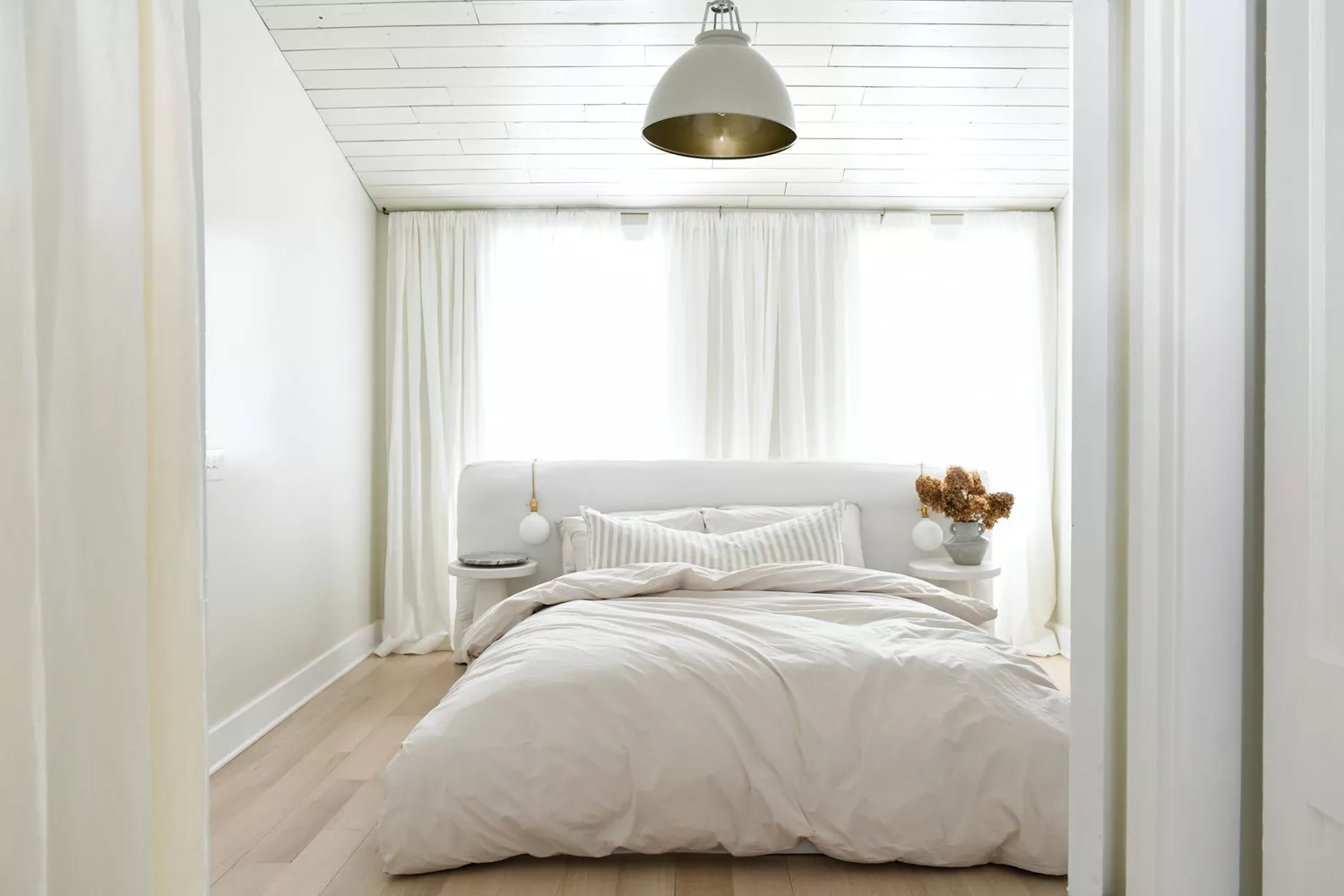
60 Minimalist Bedroom Ideas for a Calming Refuge From the Chaos of Life

"It's Time to Make Yourself a Bedwomb," a Design Expert Tells Me — Why the Smallest Bedroom Is Best and How It Can Improve Your Sleep
21 Minimalist Bedroom Ideas That Still Feel Plenty Cozy
28 Bedroom Interior Ideas You Can Try Without Repainting, Remodeling, or Spending a Fortune
59 Designer-Approved Minimalist Bedrooms That Always Work to Calm Their Clients
Bedroom design ideas: 6 small, simple and stylish spaces
23 Minimalist Bedroom Ideas That Create a Calm and Clutter-Free Sanctuary
Relaxing Bedroom Ideas with Simple Bedding Essentials
6 Minimalist Bedroom Ideas for Creating—and Maintaining—a Serene Space

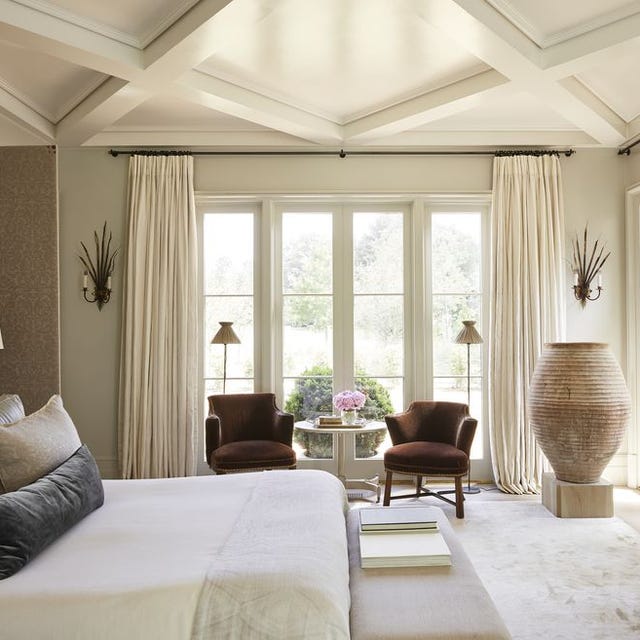
35 Minimalist Bedrooms That Won't Make You Sacrifice Style
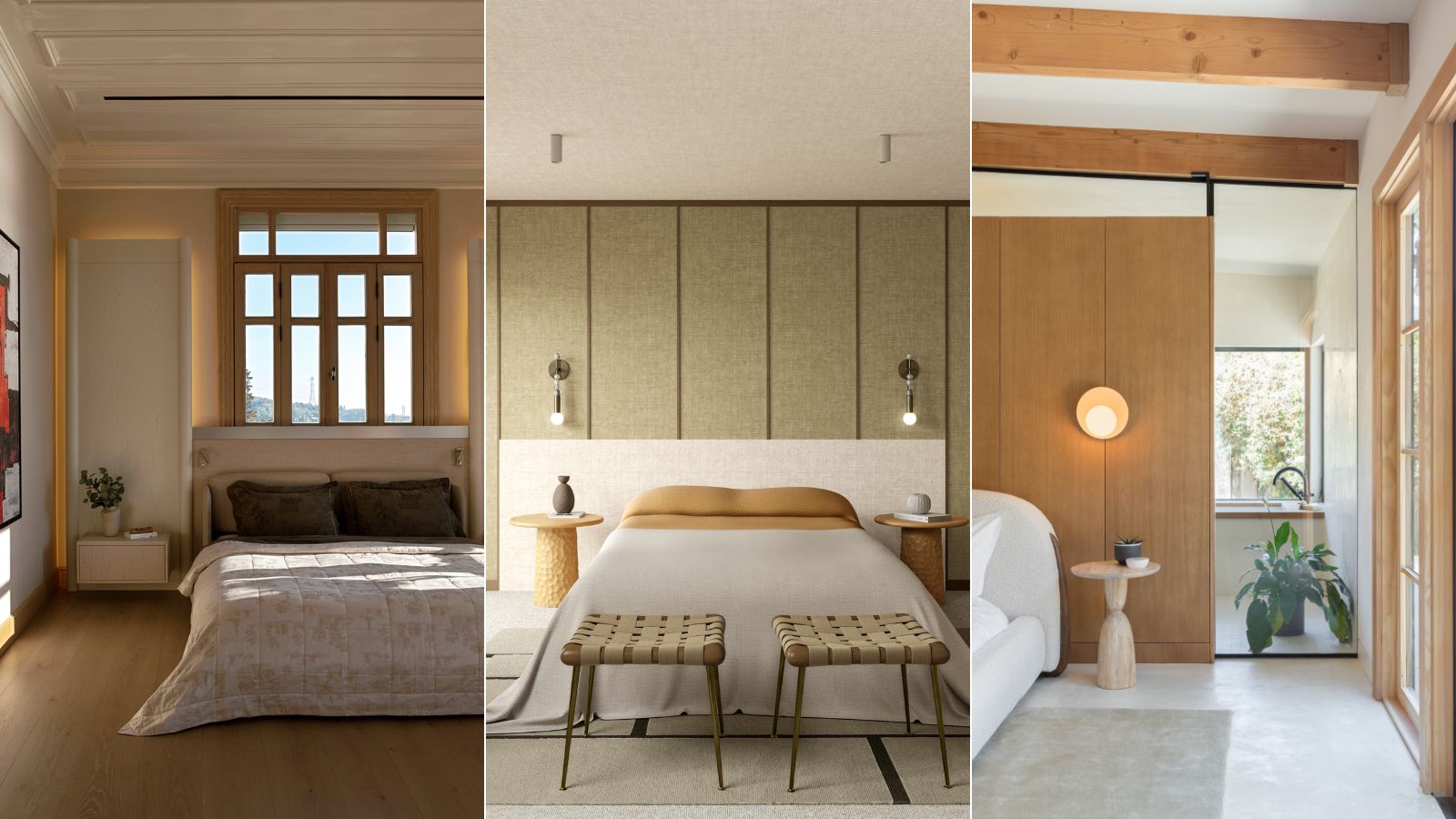
9 Japandi bedroom ideas to create a serene and stylish scheme
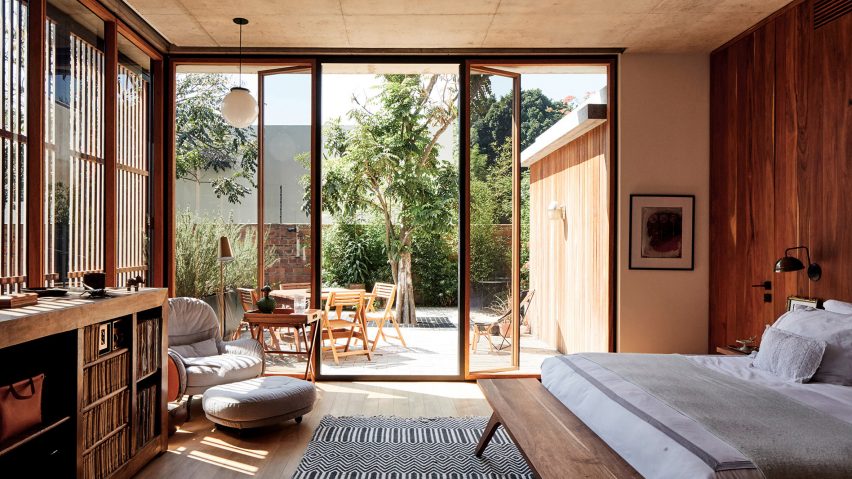
Ten peaceful bedrooms designed by architects

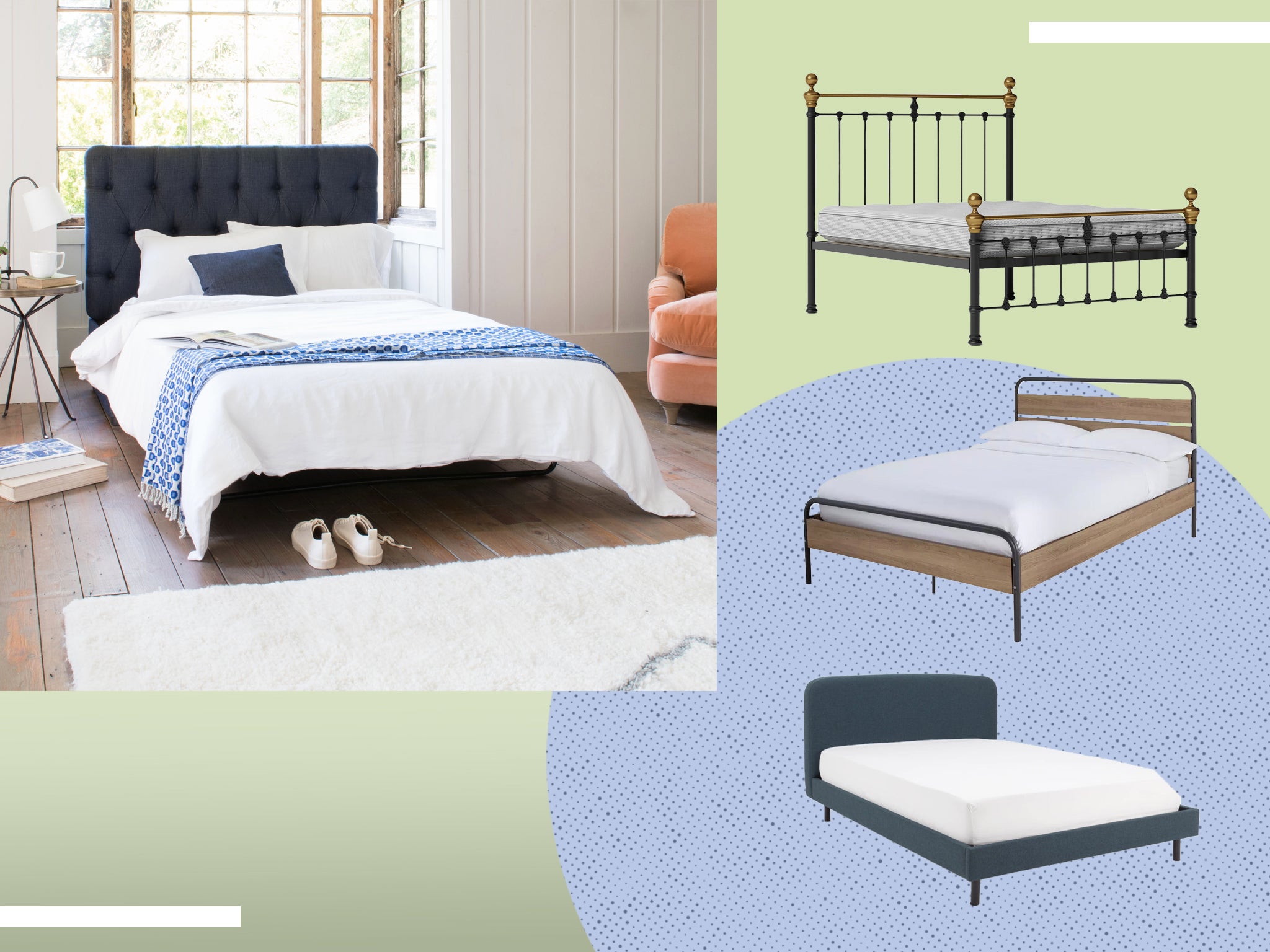
9 best guest beds that are perfect for small spaces

25 Floating Bed Ideas That Make You Want to Redesign Your Entire Bedroom