1/17
8 Things You Should Never Clean with a Swiffer
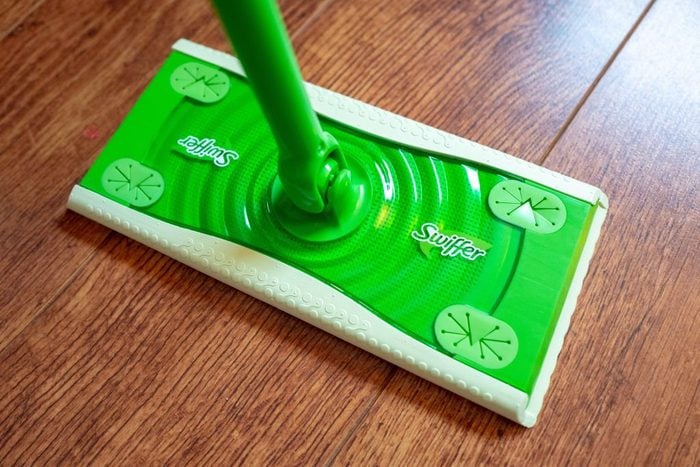
Swiffer products are widely recognized for their convenience and ease of use in household cleaning. However, cleaning experts advise against using Swiffer products on all surfaces, as their chemical composition and physical design can cause damage or be ineffective in certain situations. This article outlines eight specific surfaces and materials where Swiffer products, particularly the Swiffer Wet Jet, should be avoided, and suggests appropriate alternative cleaning methods.
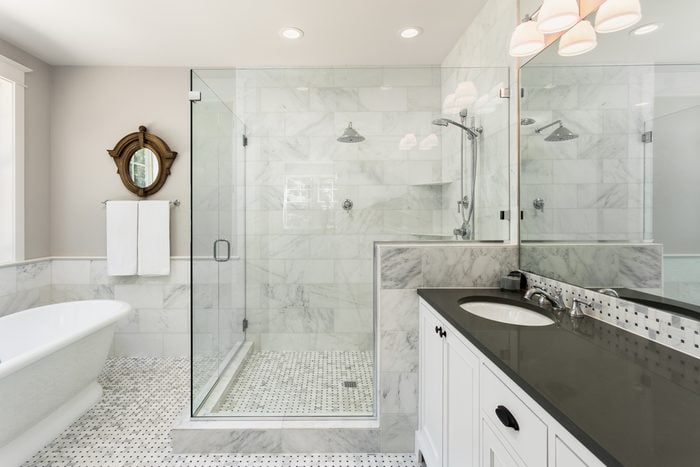
One significant concern with Swiffer Wet Jet is its alkaline pH level of ten. This makes it unsuitable for delicate surfaces like marble, which require a neutral pH cleaner (between six and eight) to prevent etching or damage. For marble, a product like Weiman Laminate & Stone Floor Cleaner is recommended as a safer alternative.
Laminate floors also pose a problem for the Swiffer Wet Jet due to its alkaline nature and tendency to leave streaks and merely redistribute dirt rather than effectively clean. Instead of a Swiffer, a mixture of a small drop of Dawn dish soap and hot water is suggested for cleaning laminate surfaces.
Vinyl floors are another surface where the Swiffer Wet Jet is deemed a poor choice. The thin pads are not effective at scrubbing tough spots, and the cleaning solvent dries quickly, potentially leaving a sticky residue and making the floor appear dirtier. This method is also criticized for being environmentally and economically wasteful, requiring multiple pads for even a regular-sized kitchen. A commercial-grade microfiber mop or an E-Cloth mop is a more effective and sustainable alternative for vinyl floors.
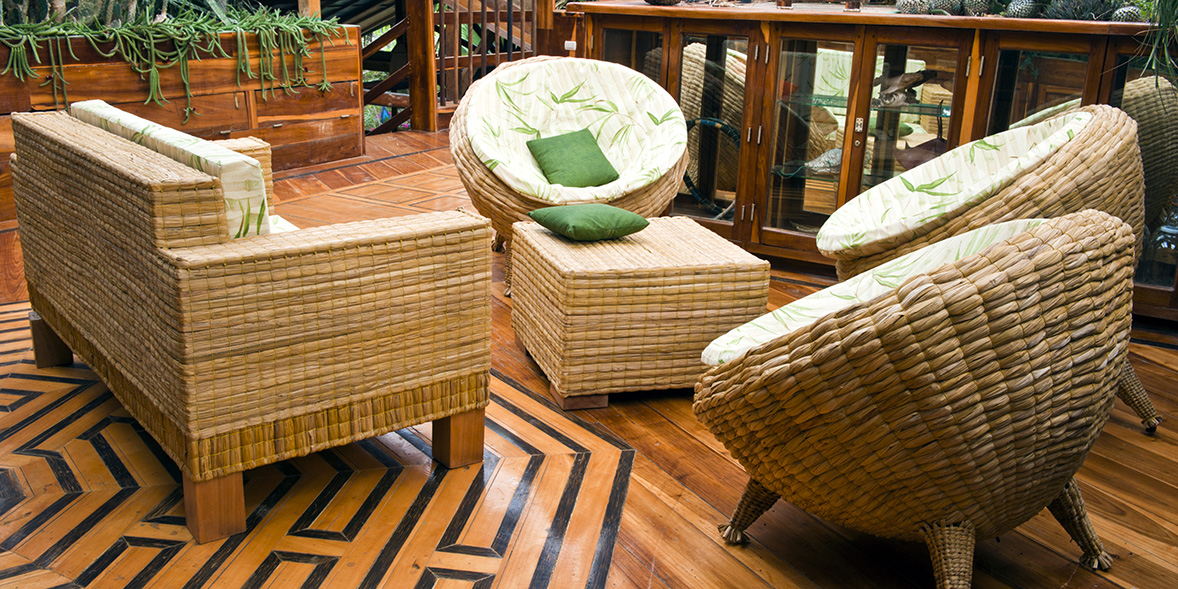
Wooden decks, especially those that are rough or unfinished, are not suitable for Swiffer products because the thin pads can easily tear. Additionally, Swiffers are not recommended for waxed, oiled, or unfinished wood. A regular mop with a gentle cleaner like Citra Clean Concentrate Cleaner is advised for wooden decks. If the deck has a finished surface, checking the Swiffer's label for compatibility is important.
Plastic mats, often found in bathrooms, do not get adequately cleaned with a Swiffer. Instead, it is recommended to wash them in a washing machine with a towel to create a scrubbing action. Adding half a cup of vinegar during a sanitizing cycle can disinfect them, but they should not be put in a dryer due to potential plastic damage.
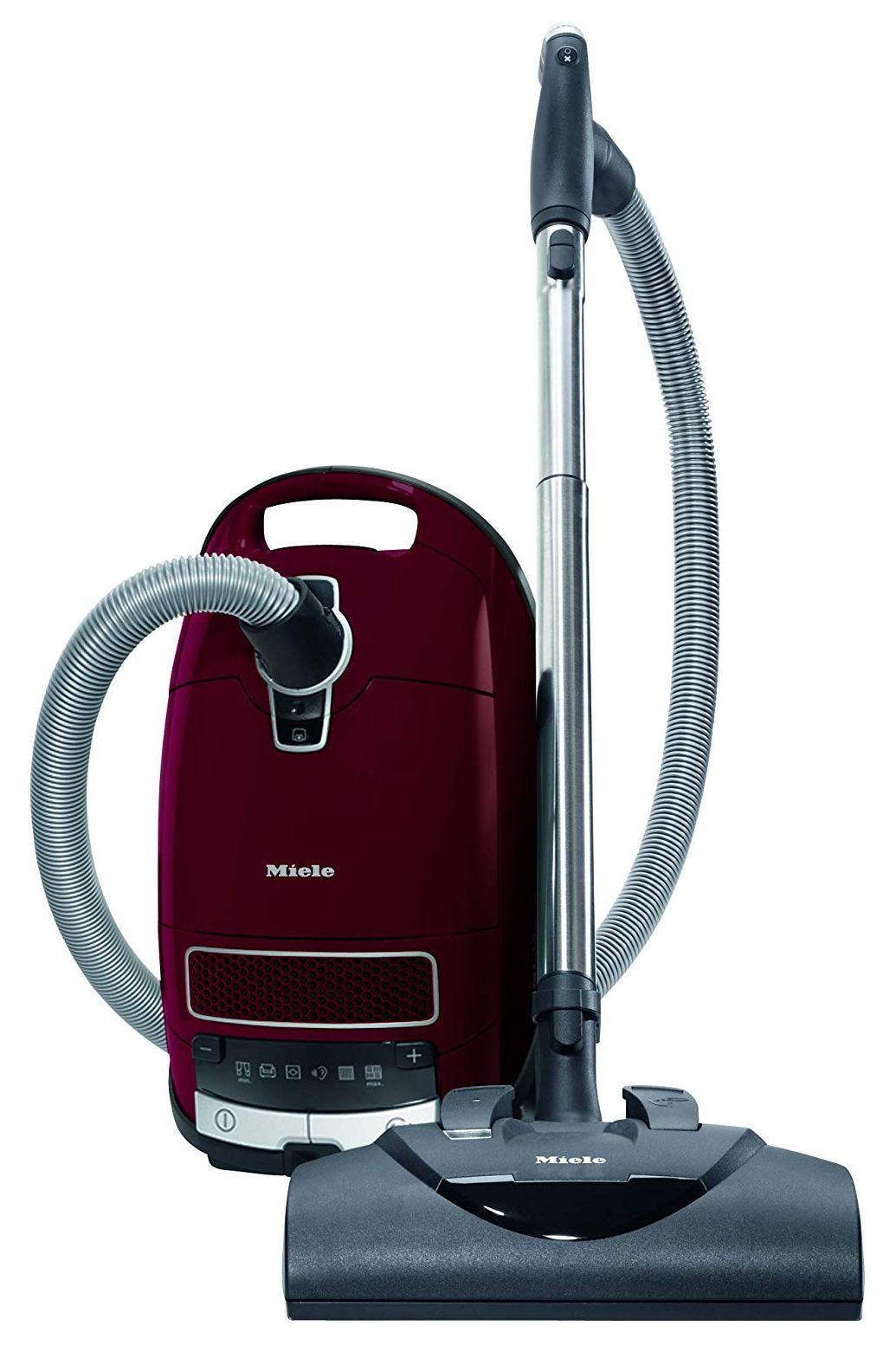
Carpets and rugs, which can harbor bacteria, germs, and allergens, cannot be properly cleaned with a Swiffer. Maintaining cleanliness on these surfaces involves a strict "no shoes" policy indoors and frequent vacuuming, especially daily if there are infants or toddlers. Annual professional steam cleaning is also recommended for a deeper clean.
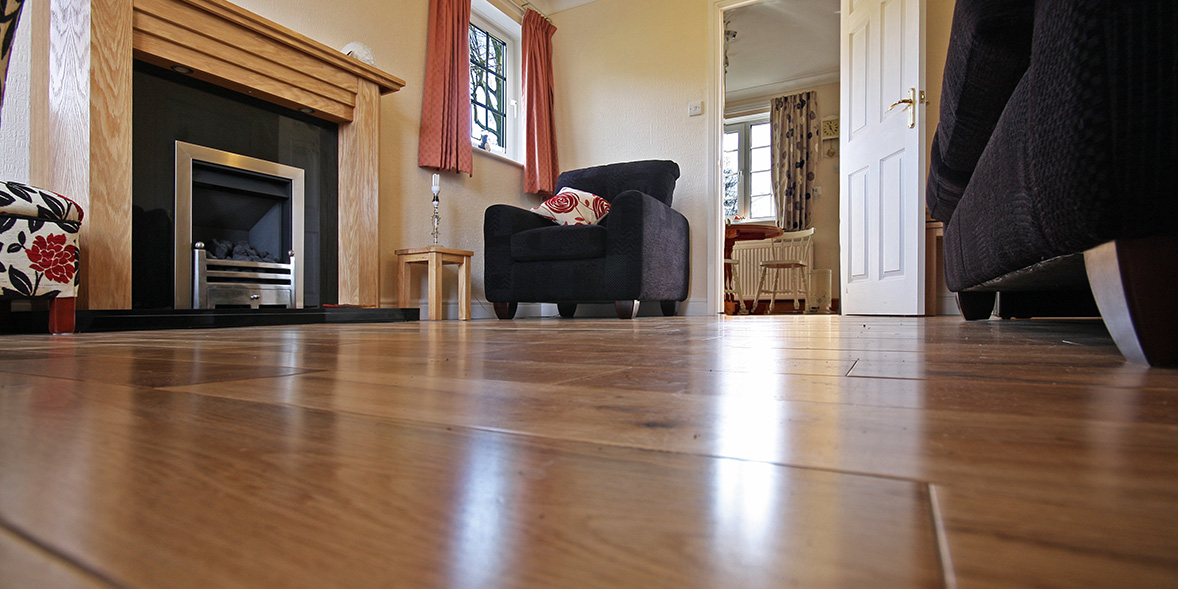
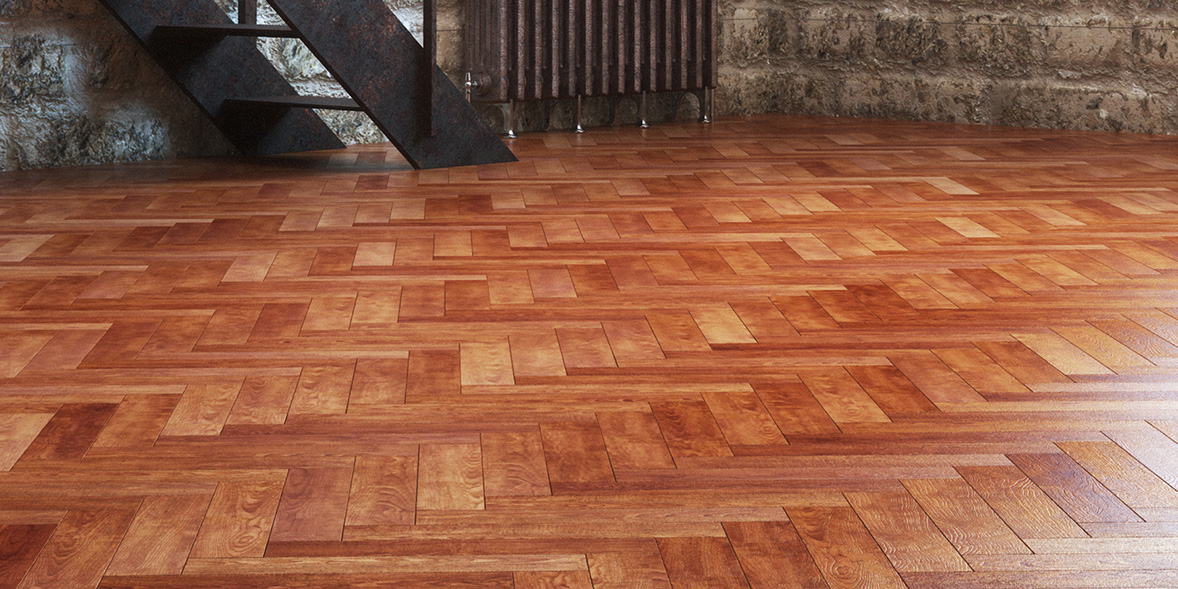
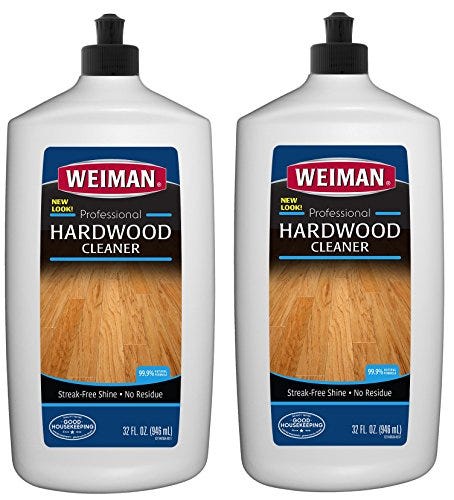
Indoor wood floors, while seemingly compatible with Swiffer, can have issues with dirt and dust accumulation in corners, where the Swiffer is less effective. Pairing a Swiffer with a standard microfiber mop for corners is a practical solution. For particularly dirty areas, hand-wiping with a microfiber cloth may be necessary.
Finally, the article mentions indoor tiles as another area where Swiffer products might not be the optimal choice, though it doesn't elaborate on the specific reasons as much as for other surfaces, pointing to alternative mops for effective deep cleaning.
#SwifferCleaning #CleaningTips #HouseholdMaintenance #FloorCare #HomeCleaning #CleaningProducts #DIYCleaning #SurfaceSpecificCleaning #SwifferCleaning #CleaningTips #HouseholdMaintenance #FloorCare #HomeCleaning #CleaningProducts #DIYCleaning #SurfaceSpecificCleaning
Toplam 0 yorum
 Henüz yorum yok
Bu da beğenebilirsiniz
13 Things You Should Never Clean with Windex
5 things you should never clean with baking soda – according to professionals

8 Things You Should NEVER Keep On Your Kitchen Counter
6 Things You Should Never Use to Clean Wood Floors (Unless You Want to Ruin Them)

8 items to never clean with bleach – according to cleaning professionals
5 surfaces you shouldn't use a steam cleaner on
11 Things You Should Never Clean with Rubbing Alcohol

From fluffy towels to medicine cabinets: 9 things professional organisers never keep in the bathroom

8 Things You Should Never Wash Down The Sink

6 Things You Should Never Clean With All-Purpose Cleaner

6 things to never clean with rubbing alcohol around your home, and what to use instead
6 Things You Should Never Put in a Guest Bathroom

6 Things You Should Never Clean With All-Purpose Cleaner

10 things decluttering experts won't keep in their kitchen cupboards
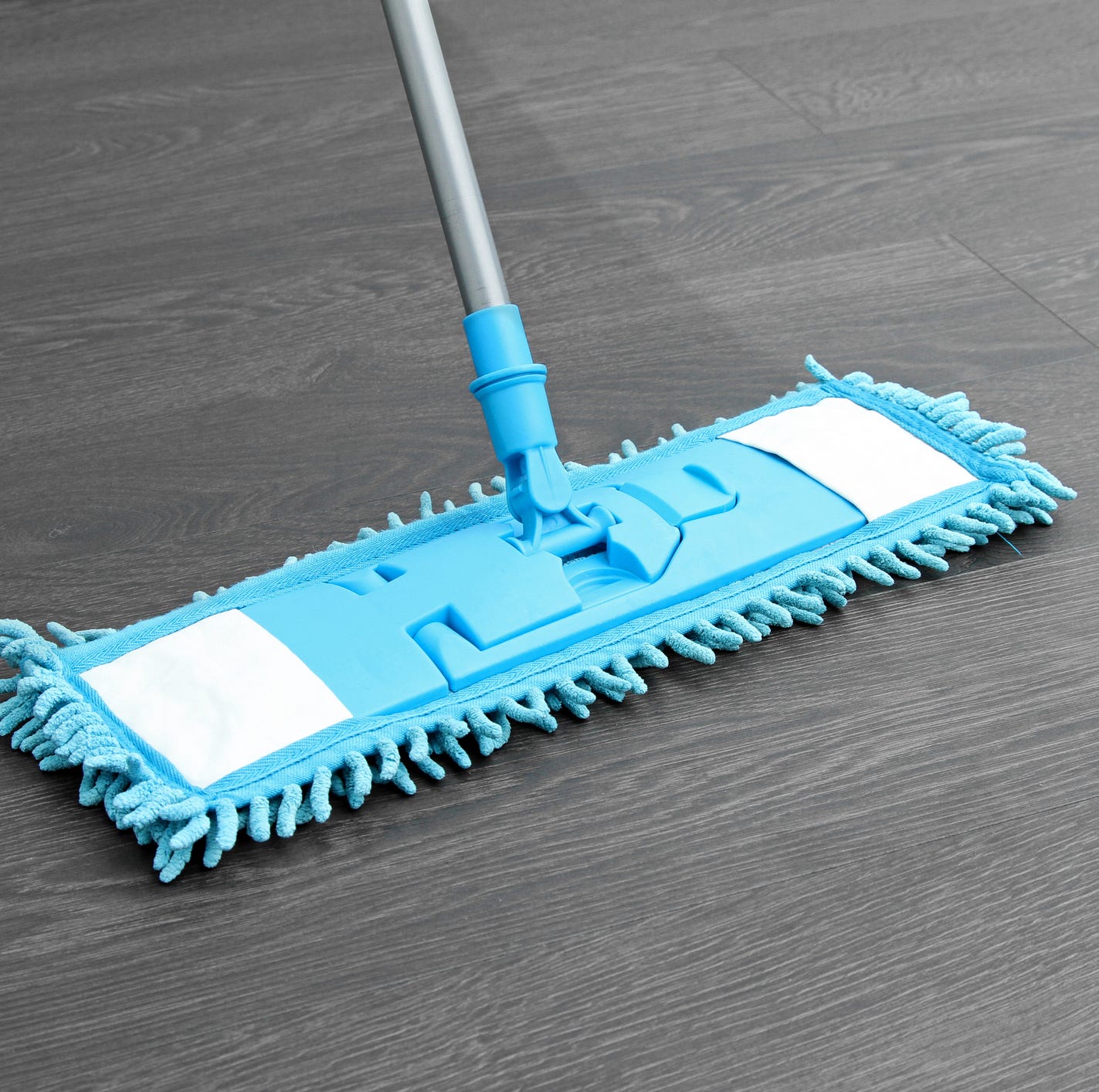
The One Way You Should NEVER Clean Laminate Floors


9 items never to store in a bathroom vanity – according to the experts
9 Things Professional Declutterers Won’t Keep In Their Bathroom
6 Vacuum cleaner mistakes to avoid – and why they aren’t cleaning your home

5 Common Sofa Cleaning Mistakes You Might Be Making

The Surprising Cleaning Supplies Experts Say to Never Use in Your Bathroom