1/10
Kitchen floorplan: expert tips for getting your layout right
The kitchen, often considered the heart of the home, plays a pivotal role in both functionality and aesthetic appeal, and is a key factor in selling a house. Beyond its primary use for cooking and meal preparation, the kitchen serves as a central hub for entertaining and socializing. Therefore, when designing a new kitchen, equal emphasis should be placed on its visual appeal and its functional efficiency, particularly concerning bench space and storage.
The fundamental principle guiding kitchen layout is the "kitchen triangle," which refers to the optimal placement of the sink, cooktop, and fridge. This concept dictates that these three essential elements should be easily accessible and within comfortable walking distance of each other, without creating a cramped environment. Key considerations for each component include the fridge's location and accessibility, as it is frequently accessed throughout the day. For the cooktop, ample bench space (at least 300mm) on either side is crucial for food preparation and serving. The sink, used for both cleaning and food preparation, needs to be practical in size and well-located, often positioned under a window or in a kitchen island for good light and accessibility. Sufficient bench space overall is a valuable asset, enabling comfortable meal preparation without feeling confined.
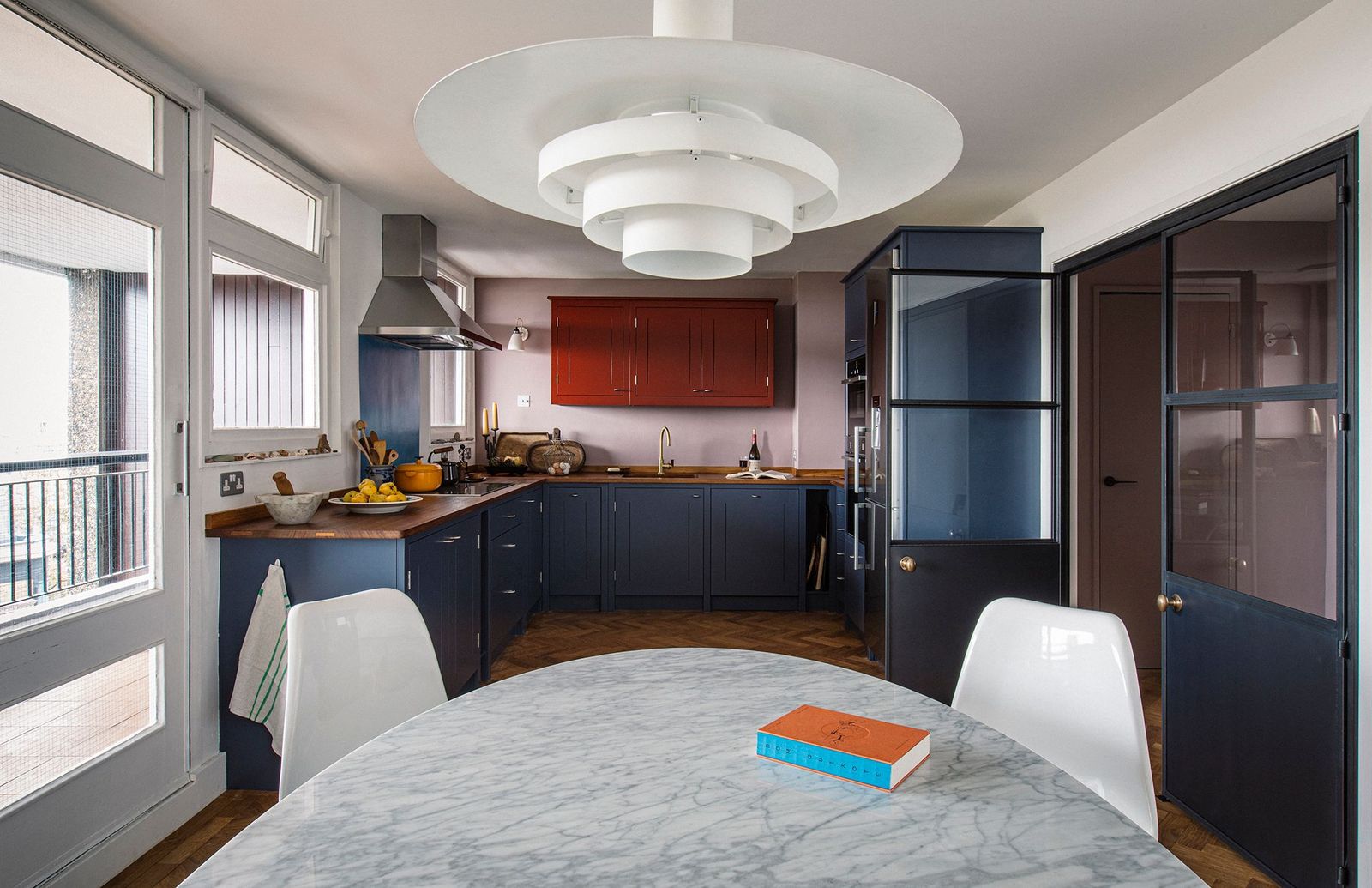
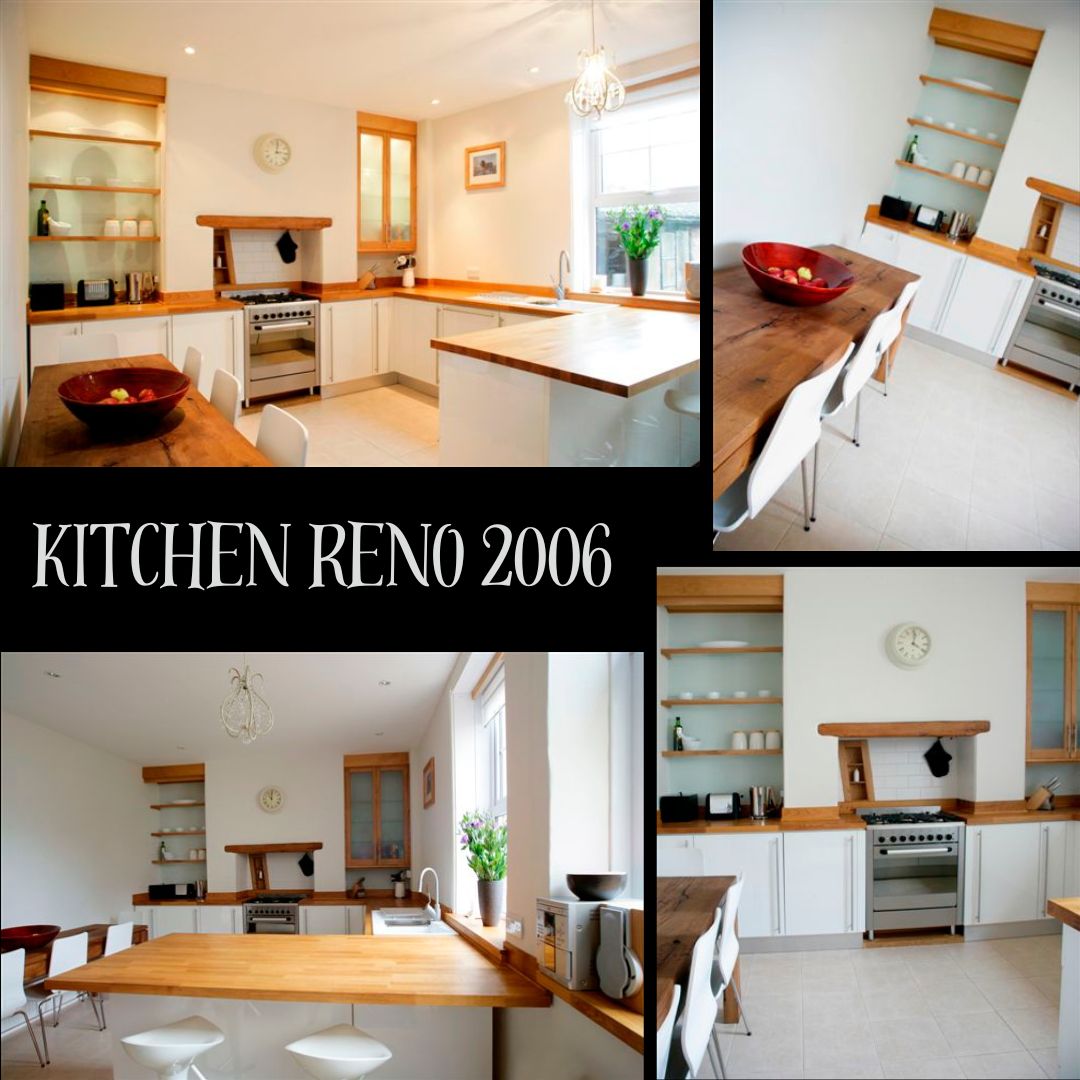
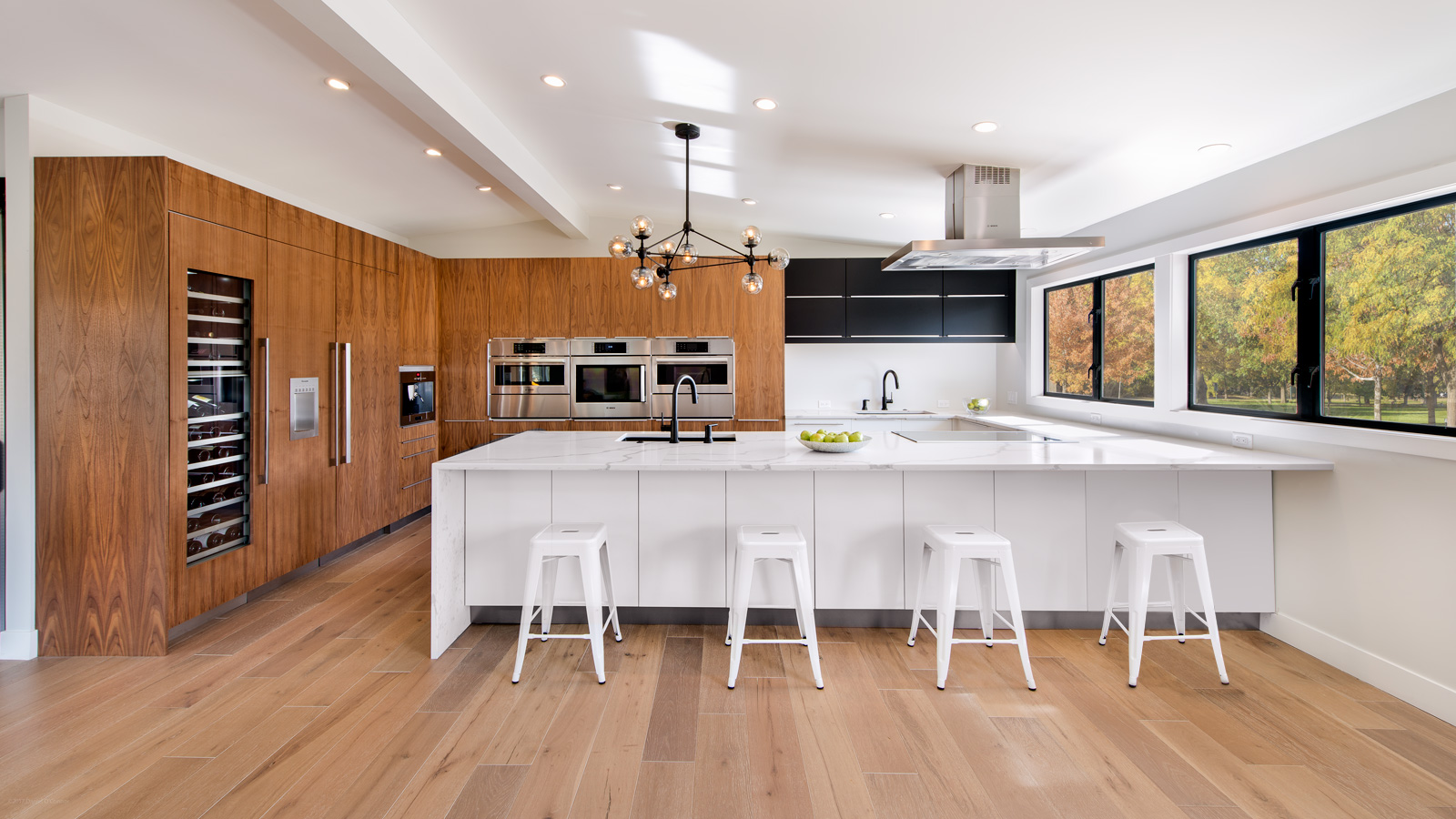
Several common kitchen layouts exist, each with its own advantages and disadvantages. The U-shaped kitchen features cabinetry that wraps around in a 'U' formation, typically across three or two walls. This layout effectively separates storage, cooking, and cleaning zones, providing ample bench space and allowing multiple individuals to move freely. The three main components of the kitchen triangle are usually placed on each side of the 'U', optimizing workflow. A potential drawback of the U-shaped layout is the presence of two corner cabinets, which can become 'dead' spaces if not equipped with modern access solutions like swing-out mechanisms.
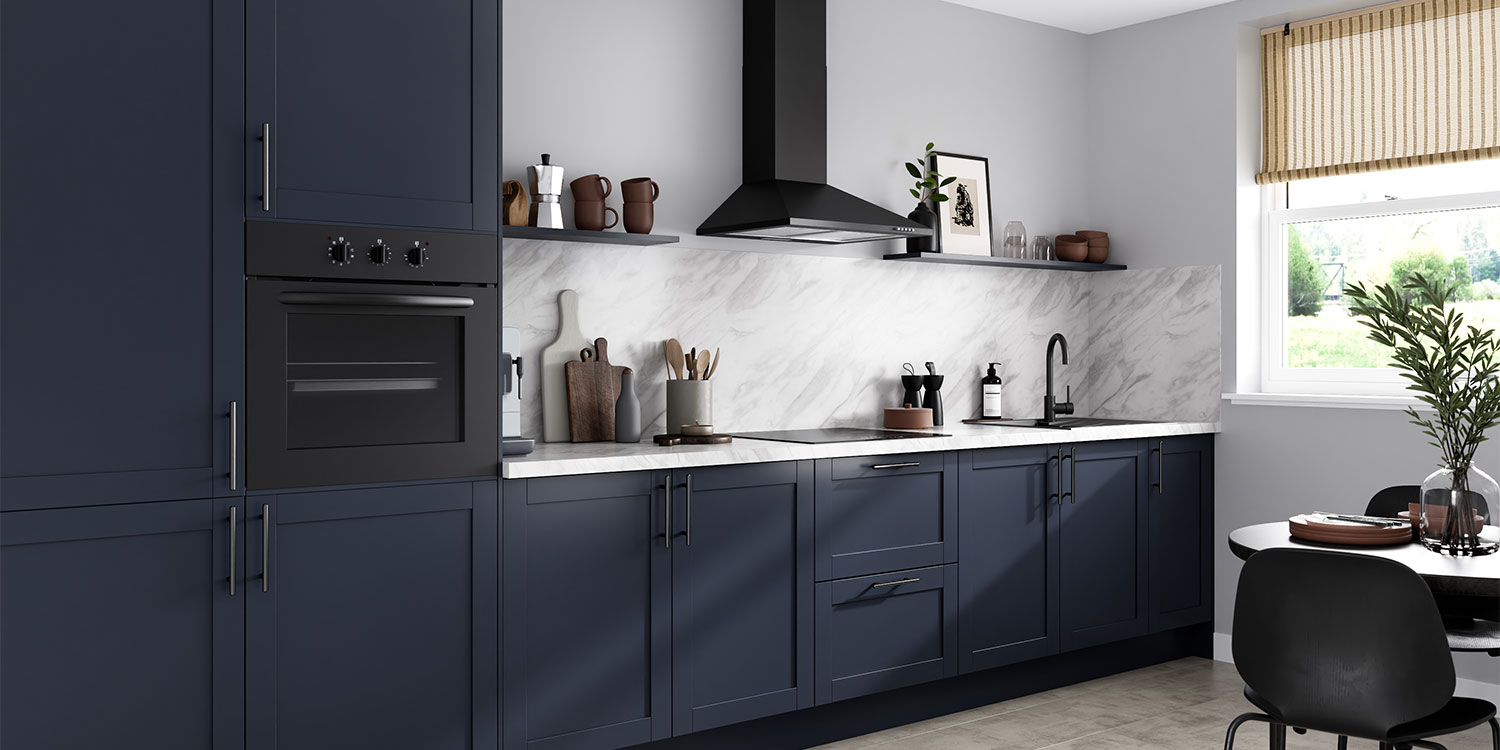
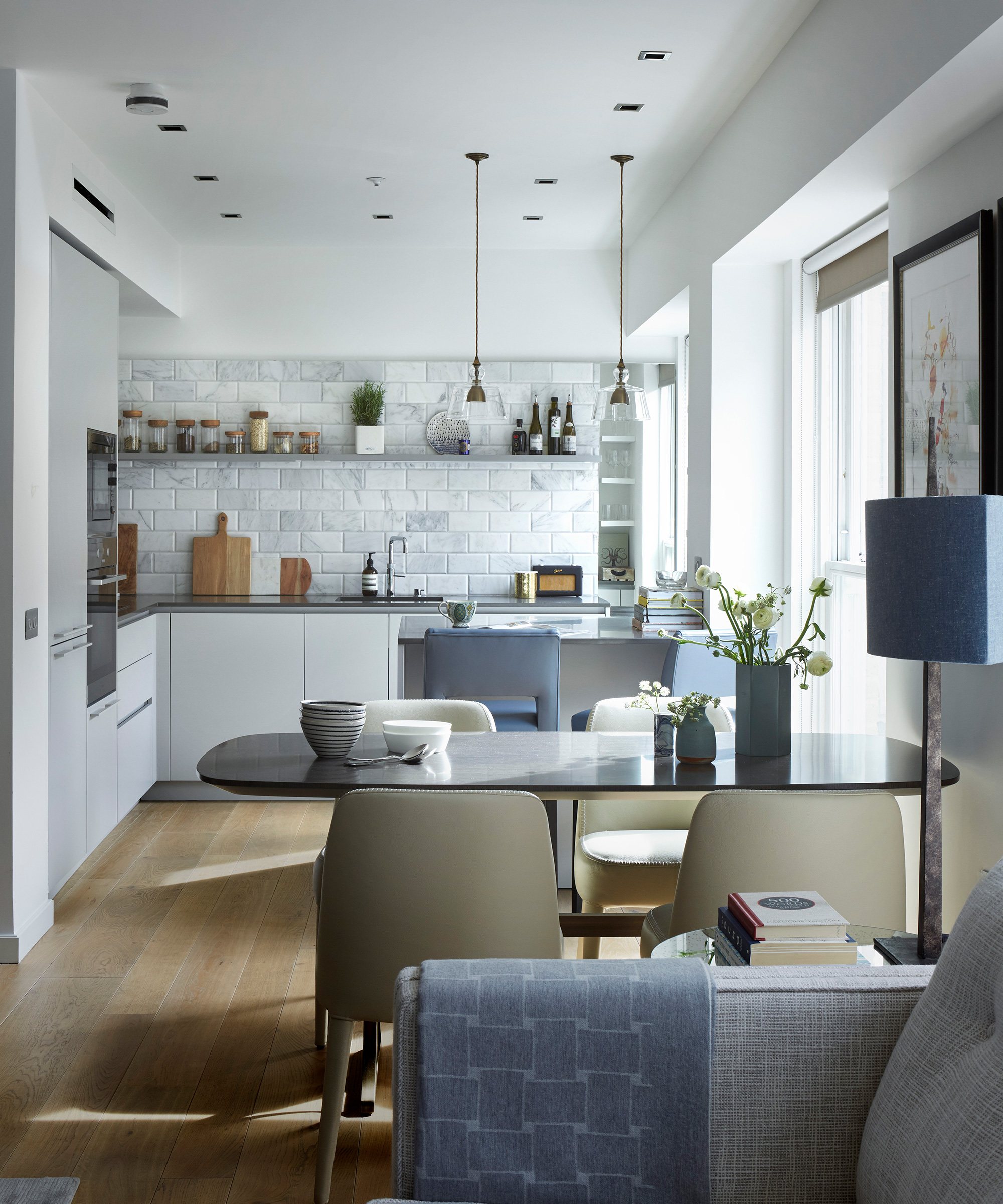
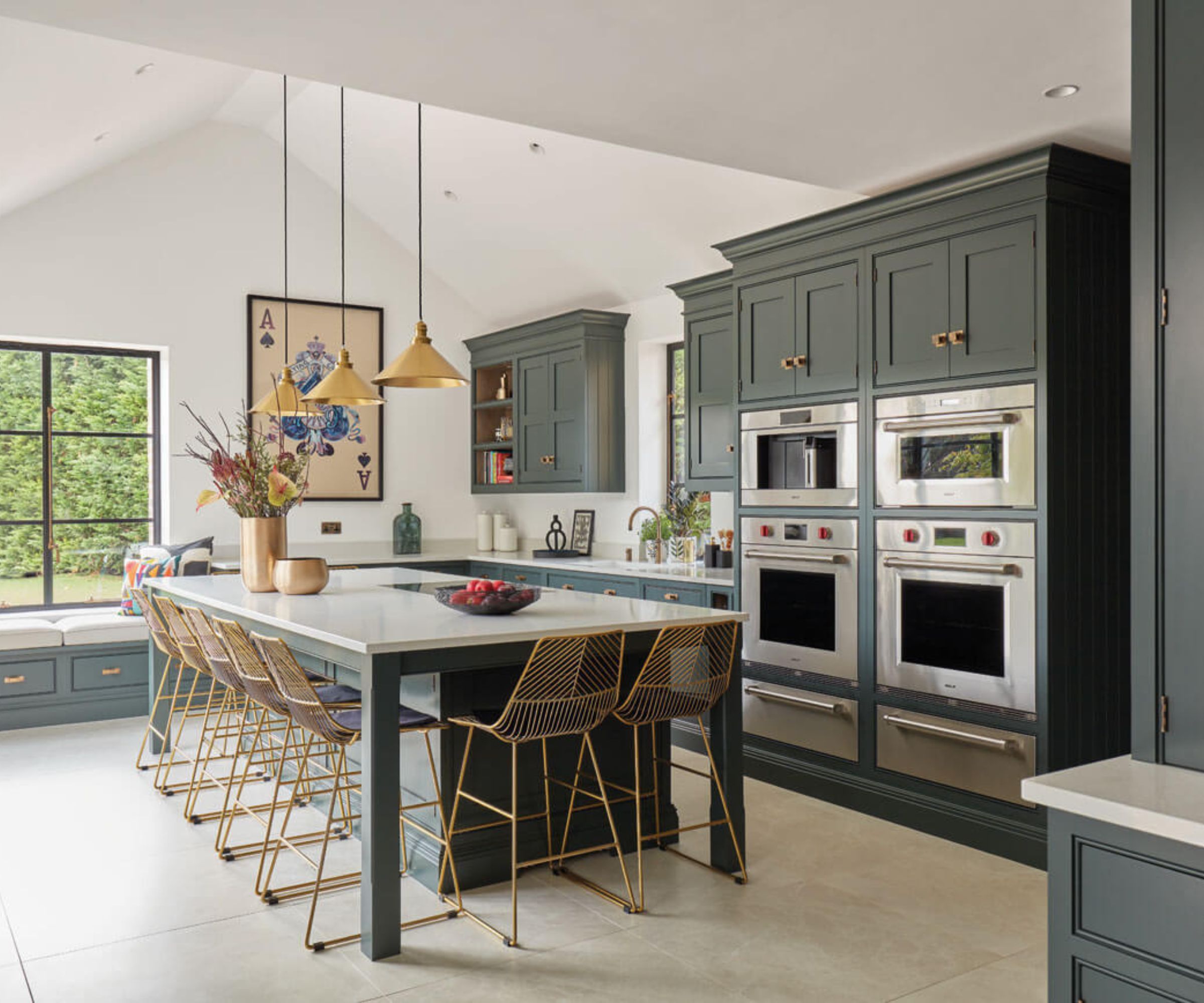
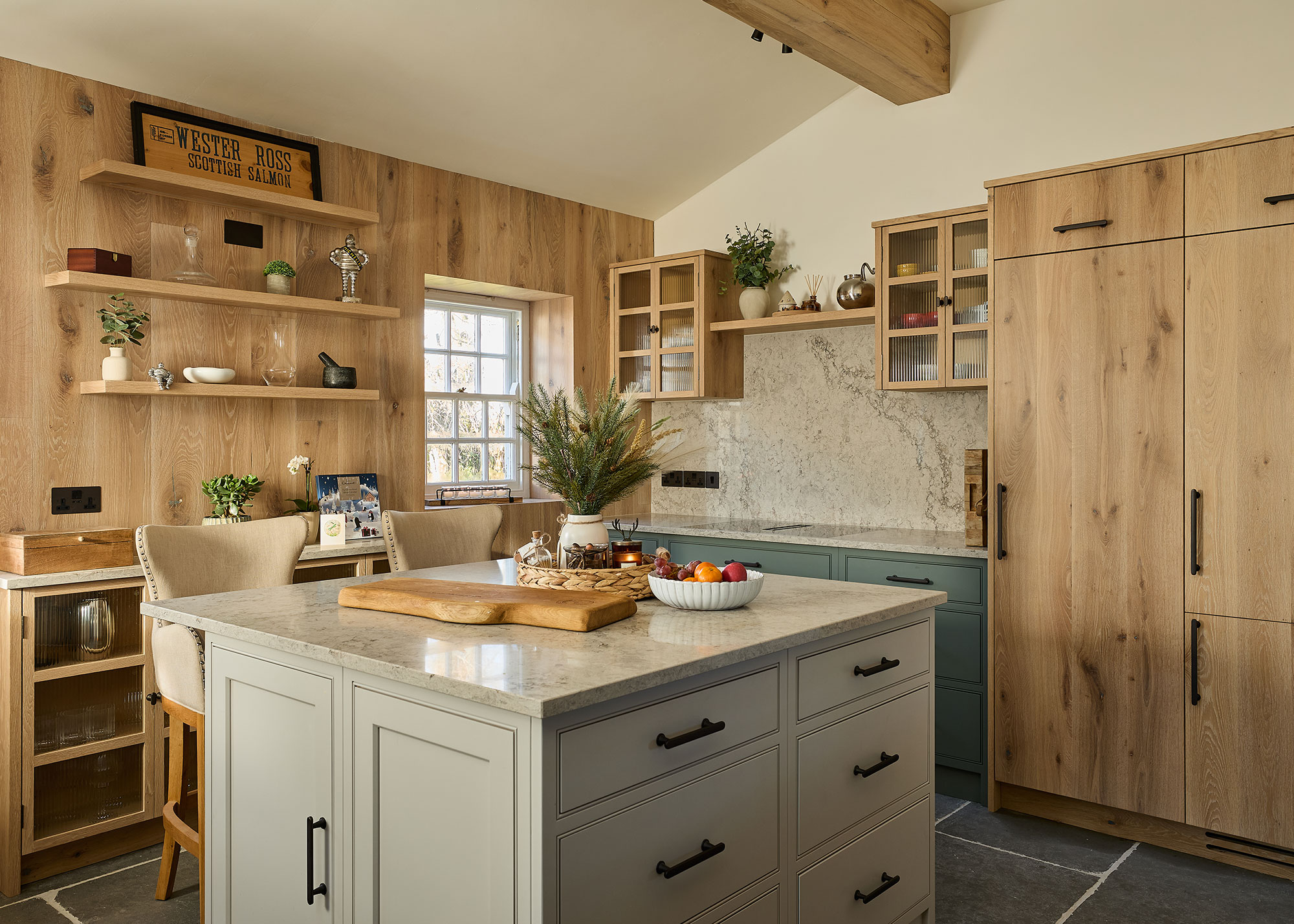
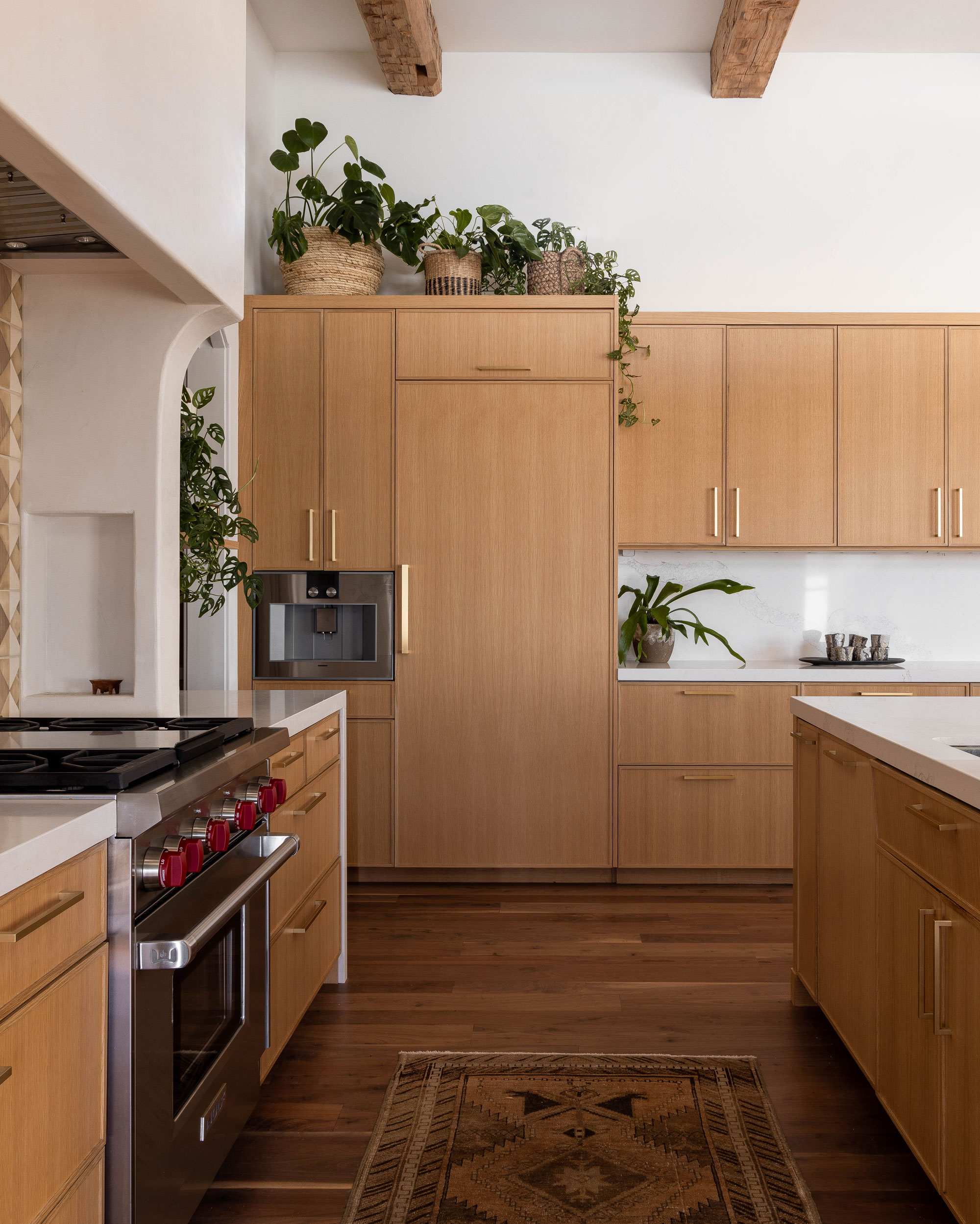
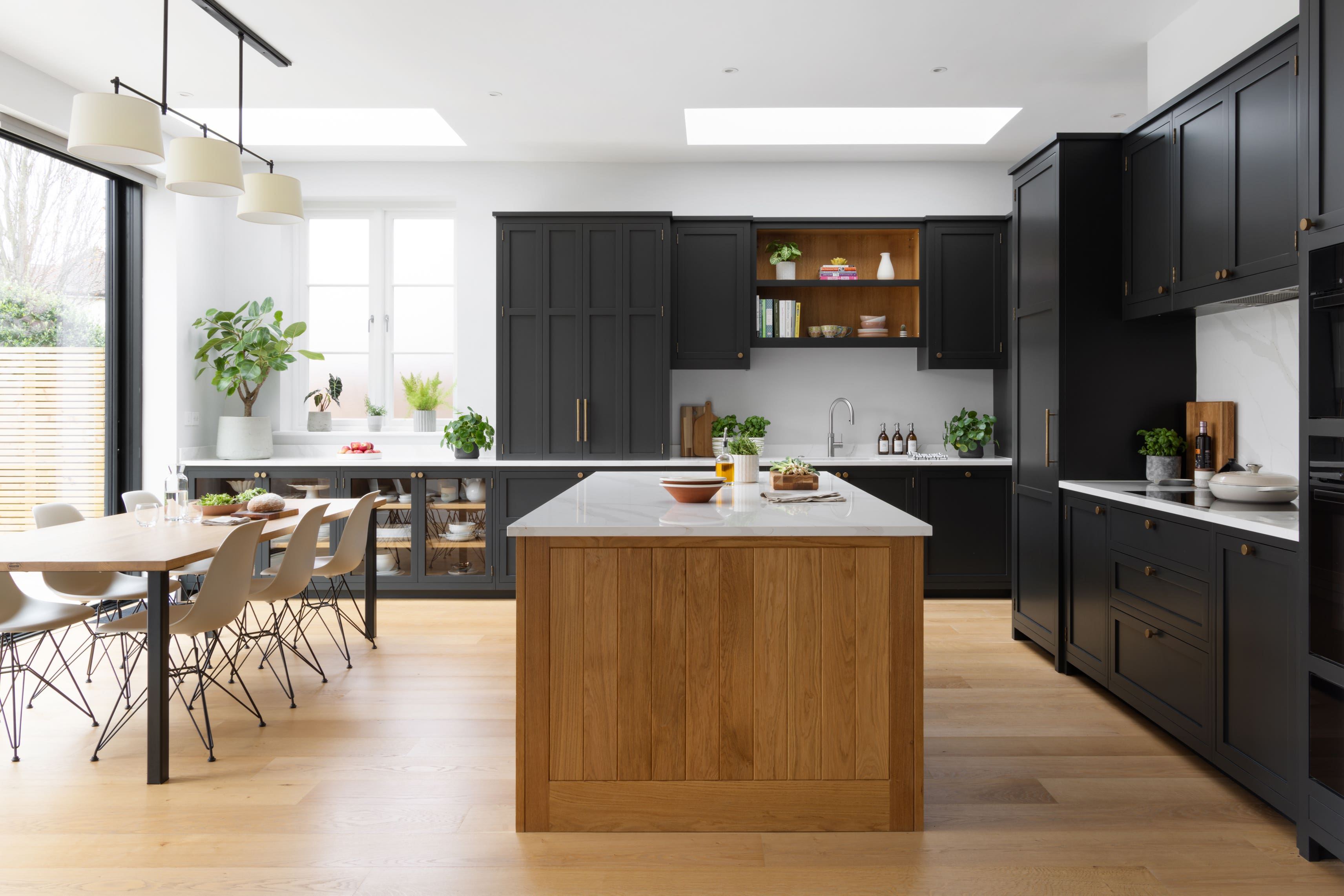
The L-shaped kitchen, characterized by adjacent benches, is a suitable option for households where more than one person frequently uses the kitchen. This design promotes an open-plan feel and often integrates with a dining room, sometimes allowing the dining table to function as an island. Modern L-shaped kitchens frequently incorporate an island in the center, which helps define the space and prevents a feeling of exposed appliances and cabinetry. However, if one side of the 'L' becomes too long, it can disrupt the efficiency of the kitchen triangle by increasing the distance between key components. In smaller or narrower spaces, the L-shape can be advantageous, as it places cabinetry along perimeter walls, maximizing usable floor space in the center.
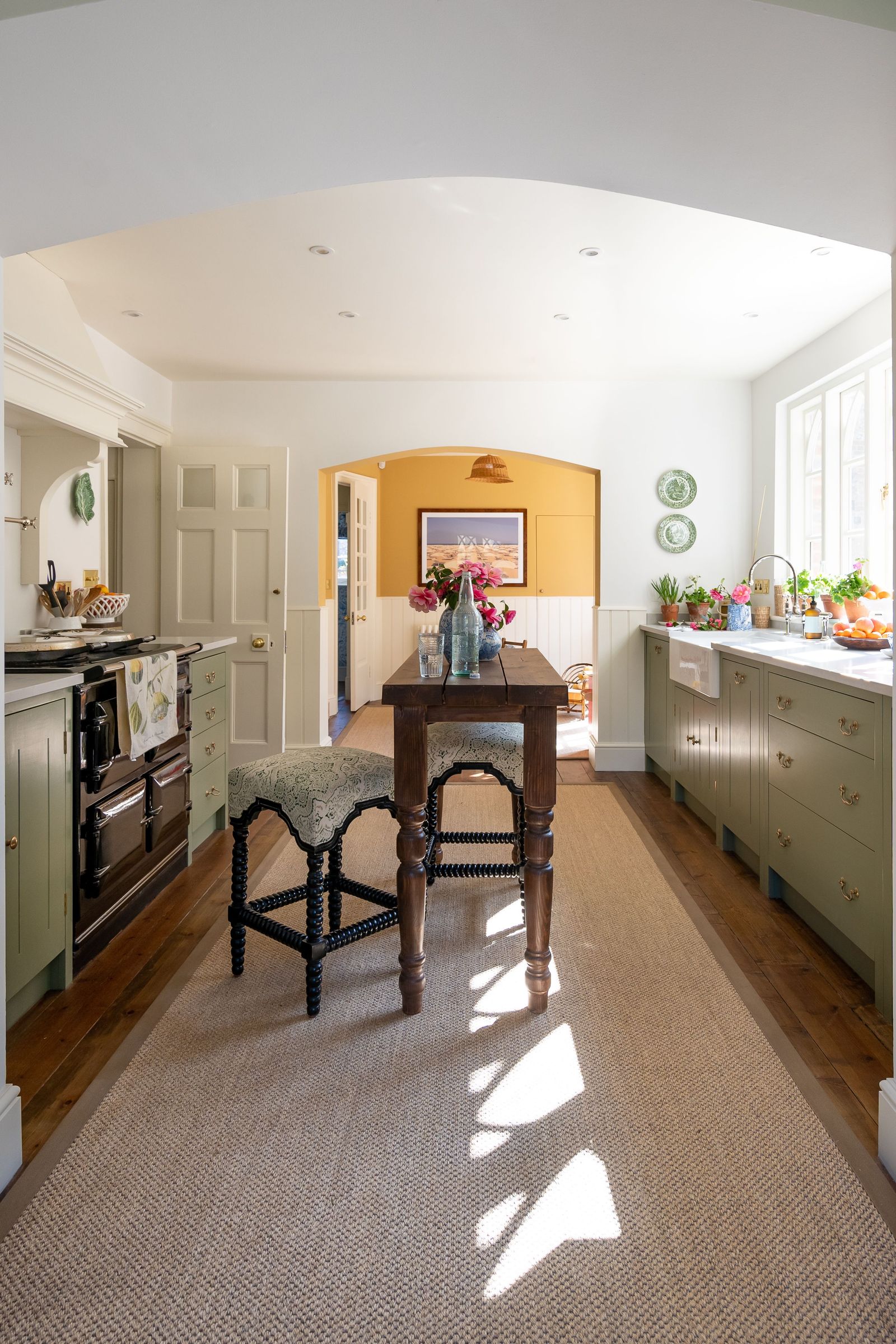
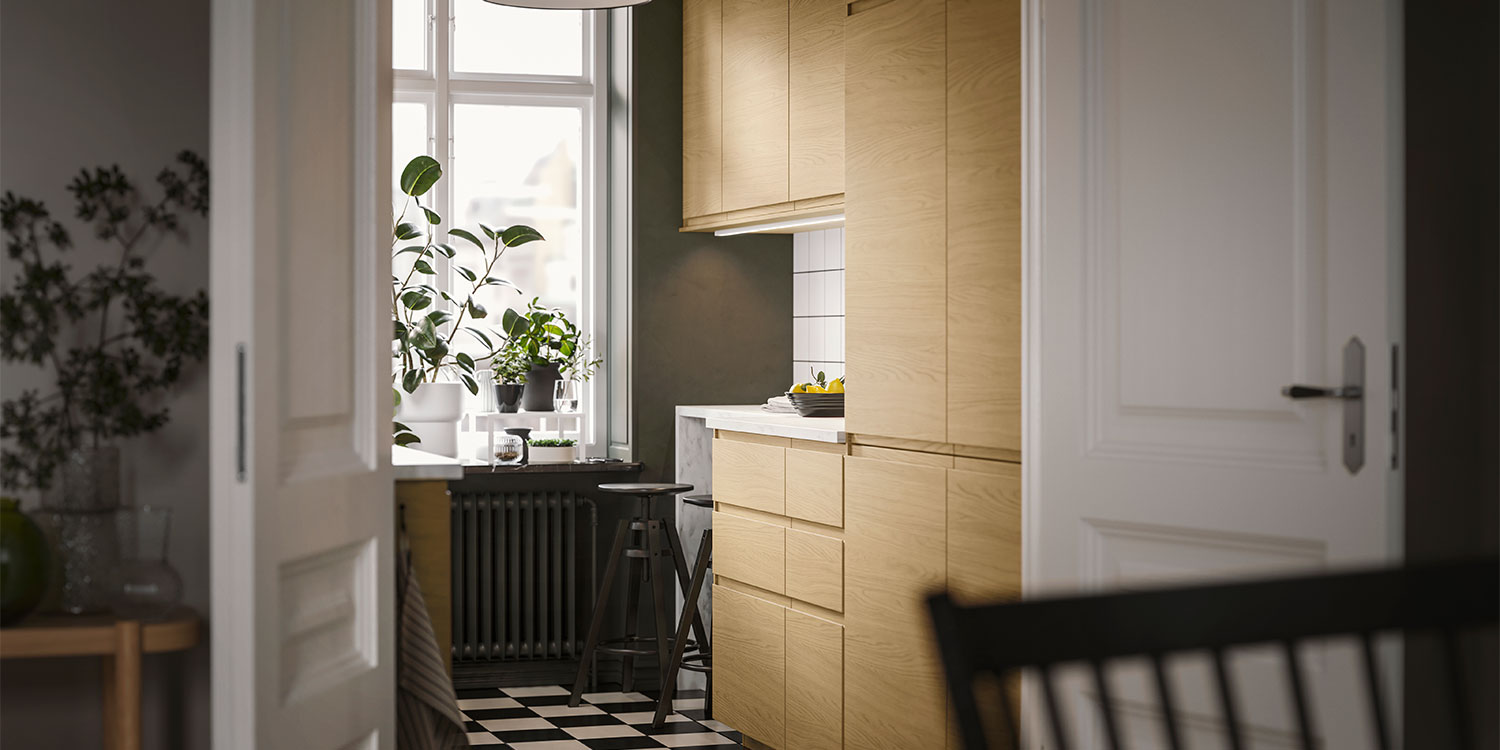
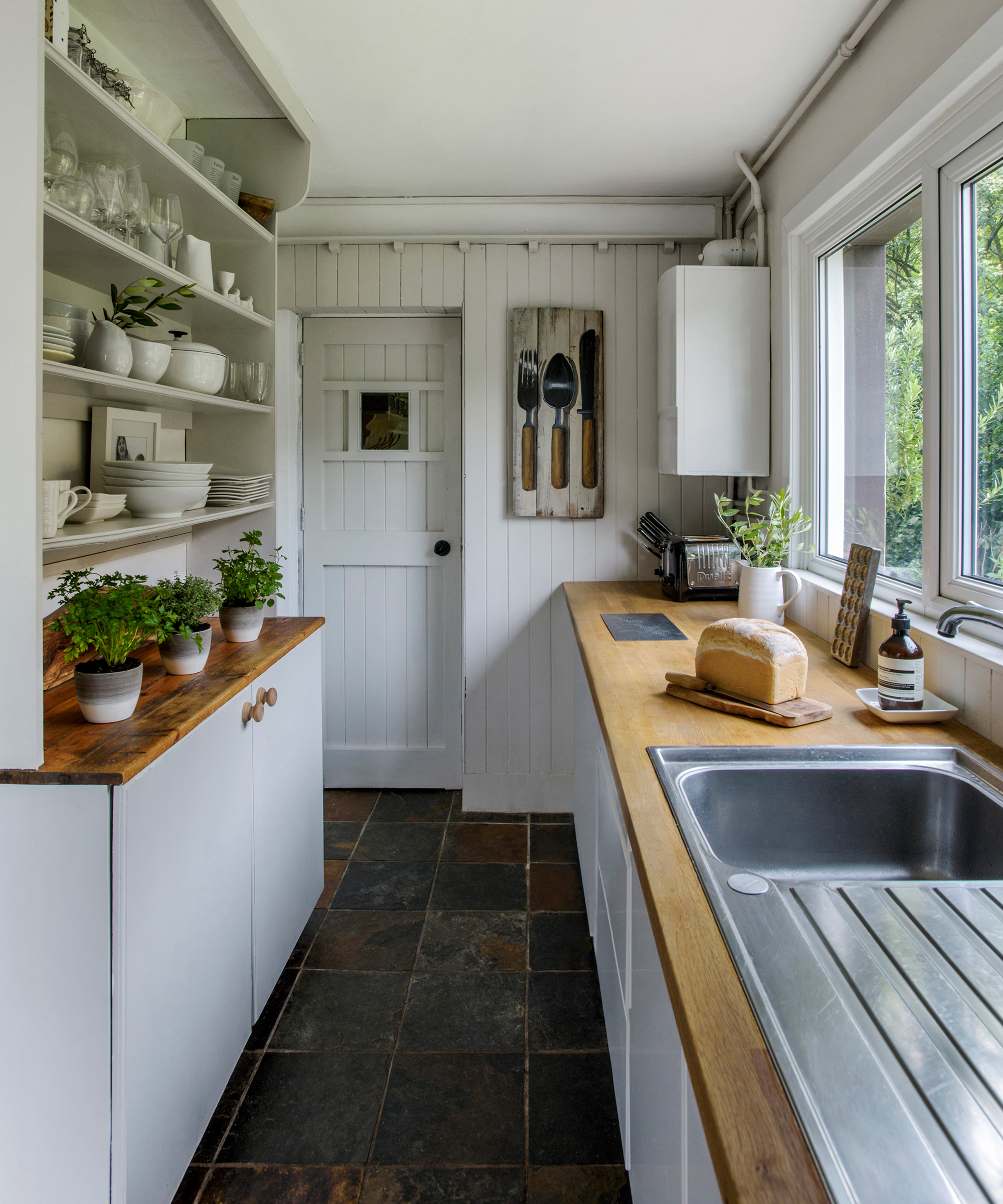
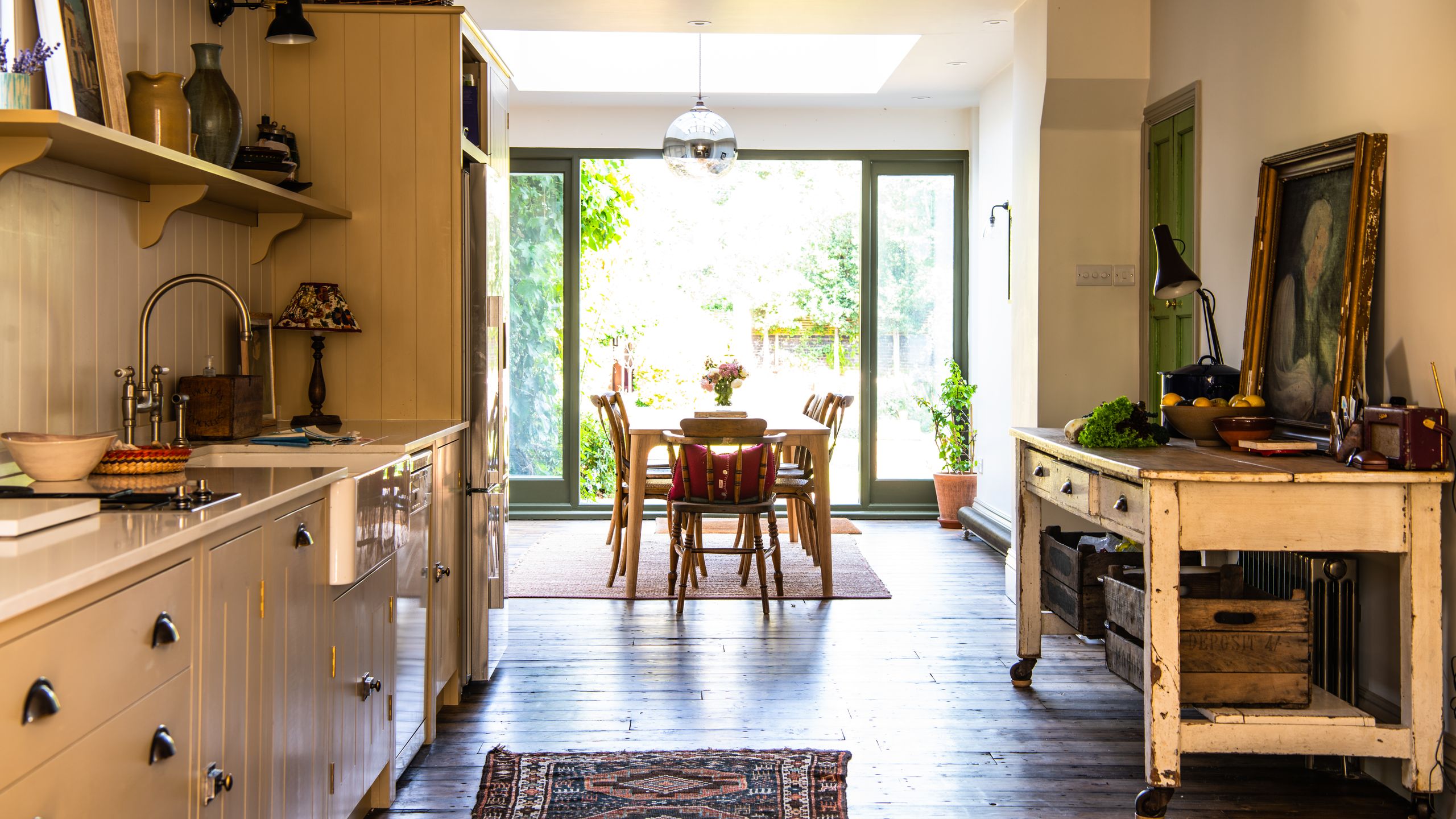
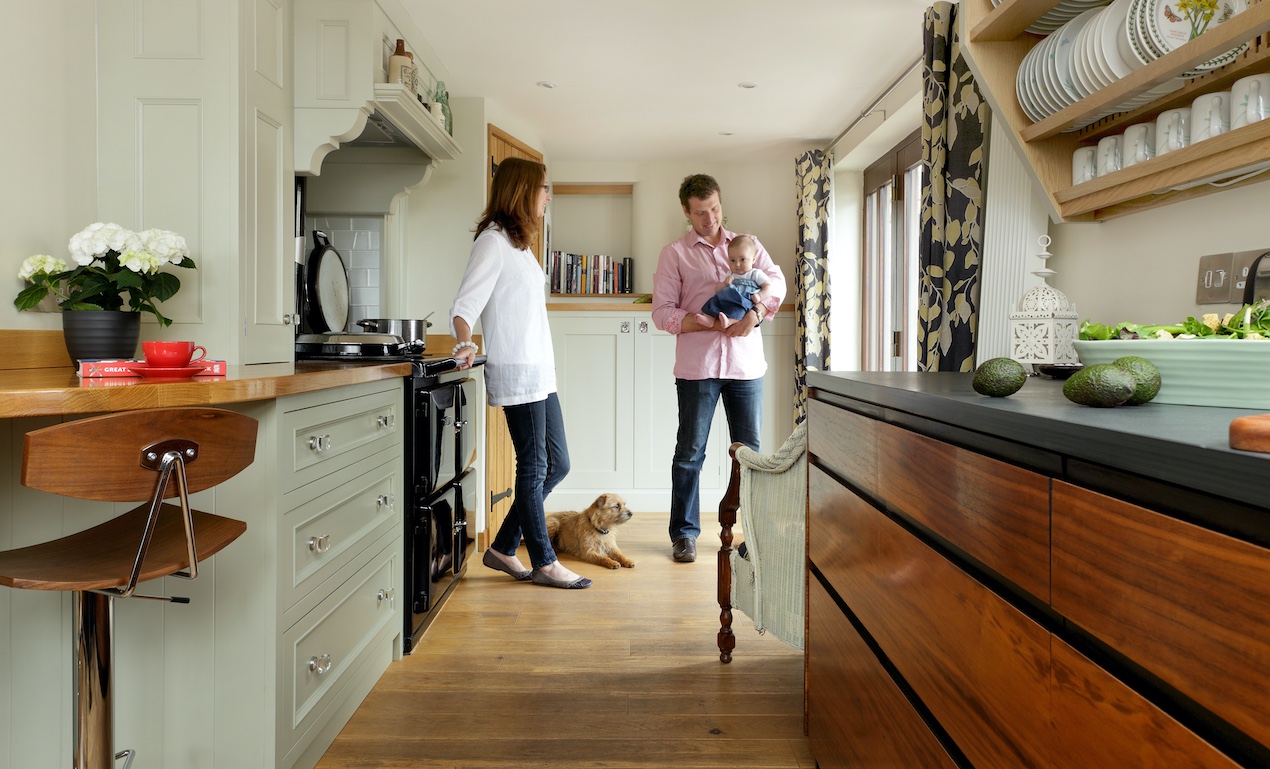
Finally, the galley-style kitchen, inspired by boat kitchens, consists of two runs of cabinetry facing each other. This layout is ideal for compact spaces and when access for multiple people is important. Positioned between two walls, it creates a thoroughfare, ensuring smooth flow within the home. The galley layout is efficient as it avoids tricky corner cabinets and maintains the kitchen triangle by separating cooking, cleaning, and preparation areas. However, for families, the thoroughfare created by this layout can be challenging to navigate during food preparation, particularly with children moving through the space.
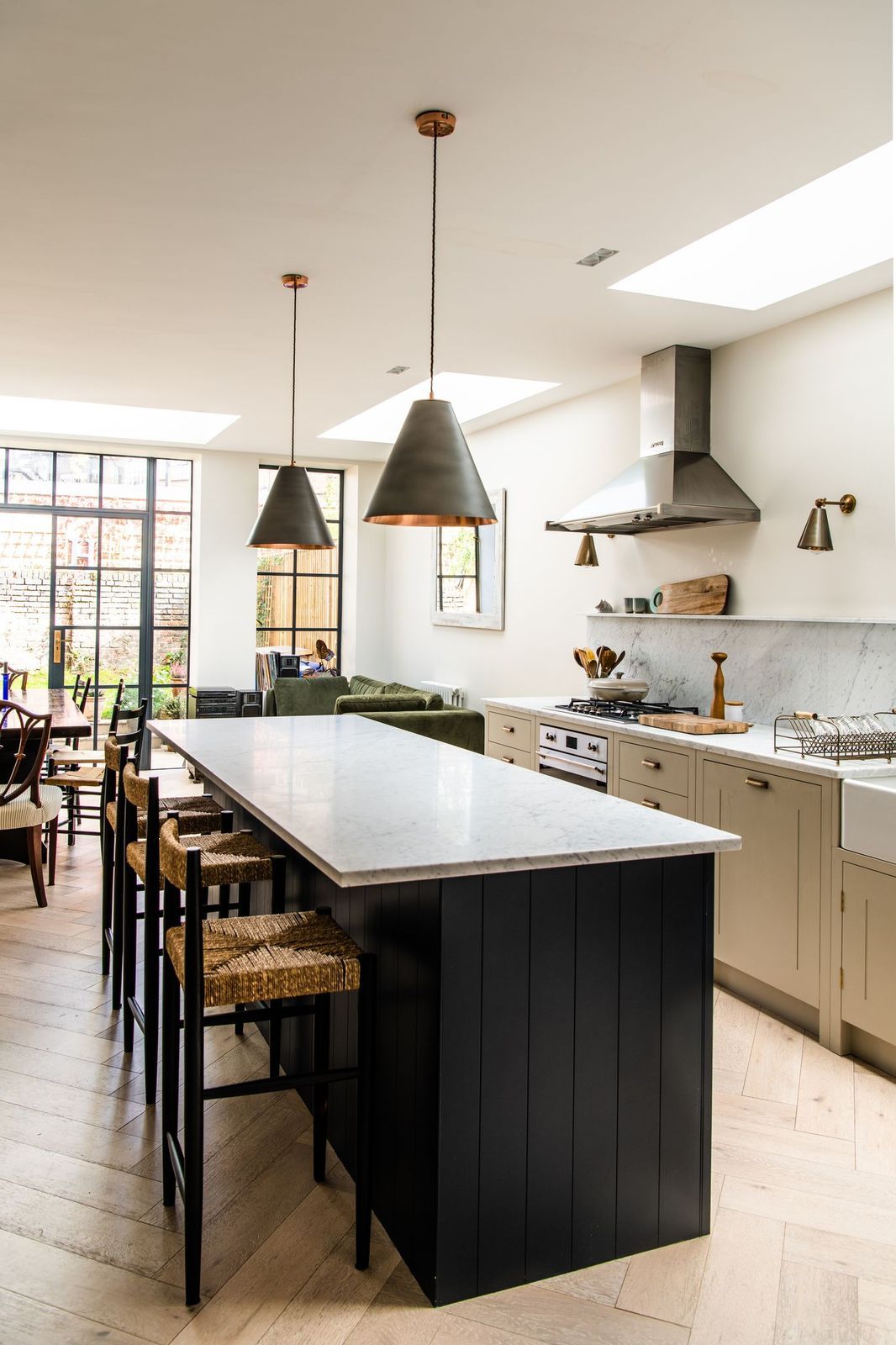
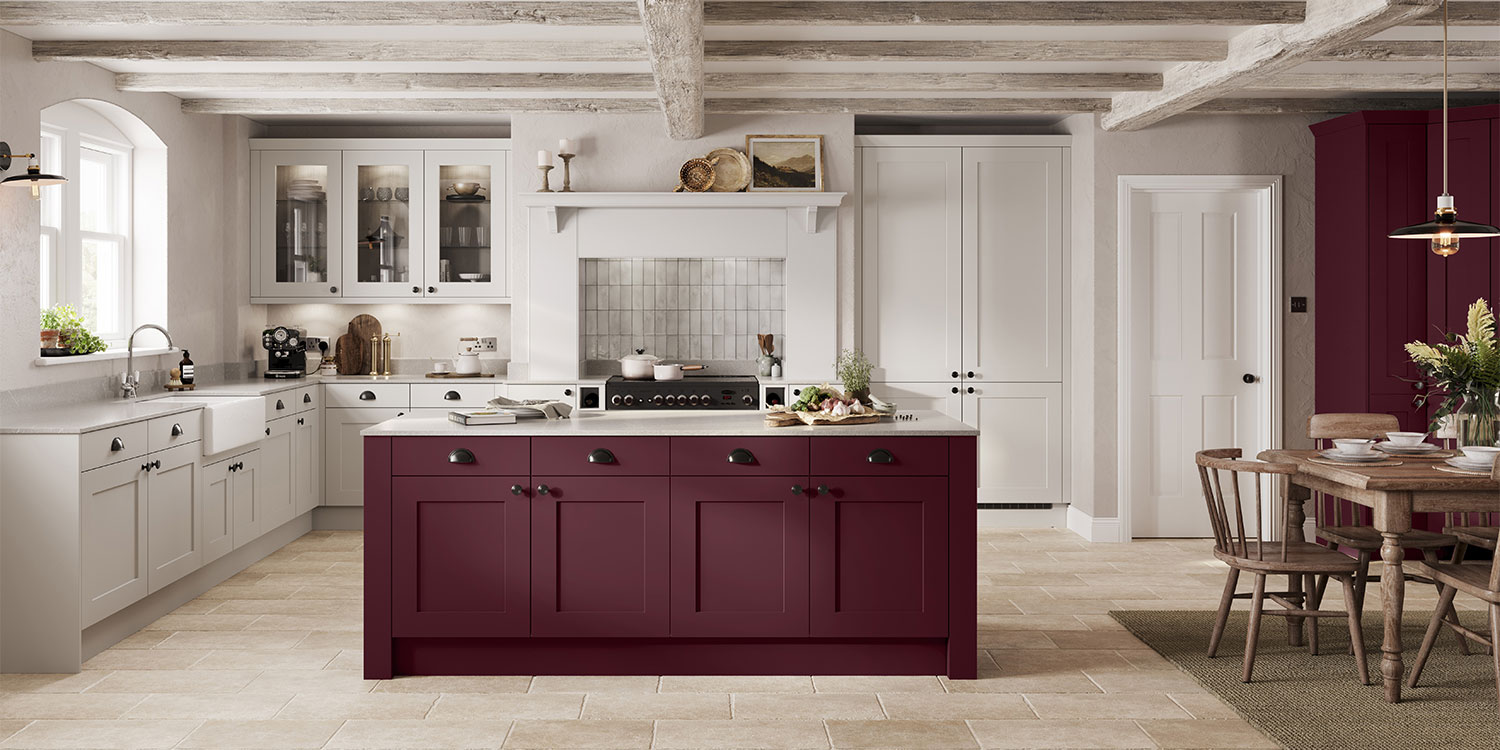
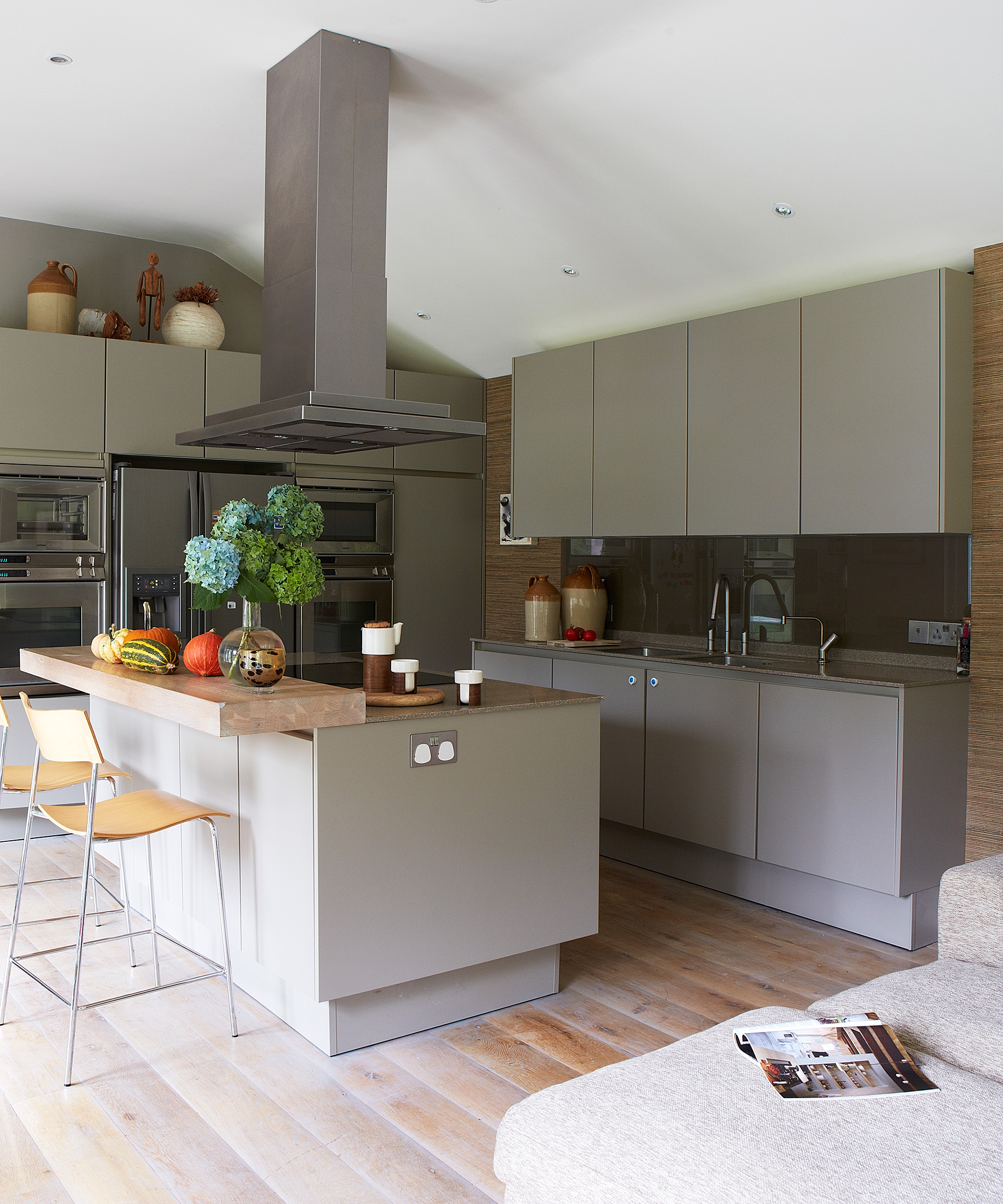
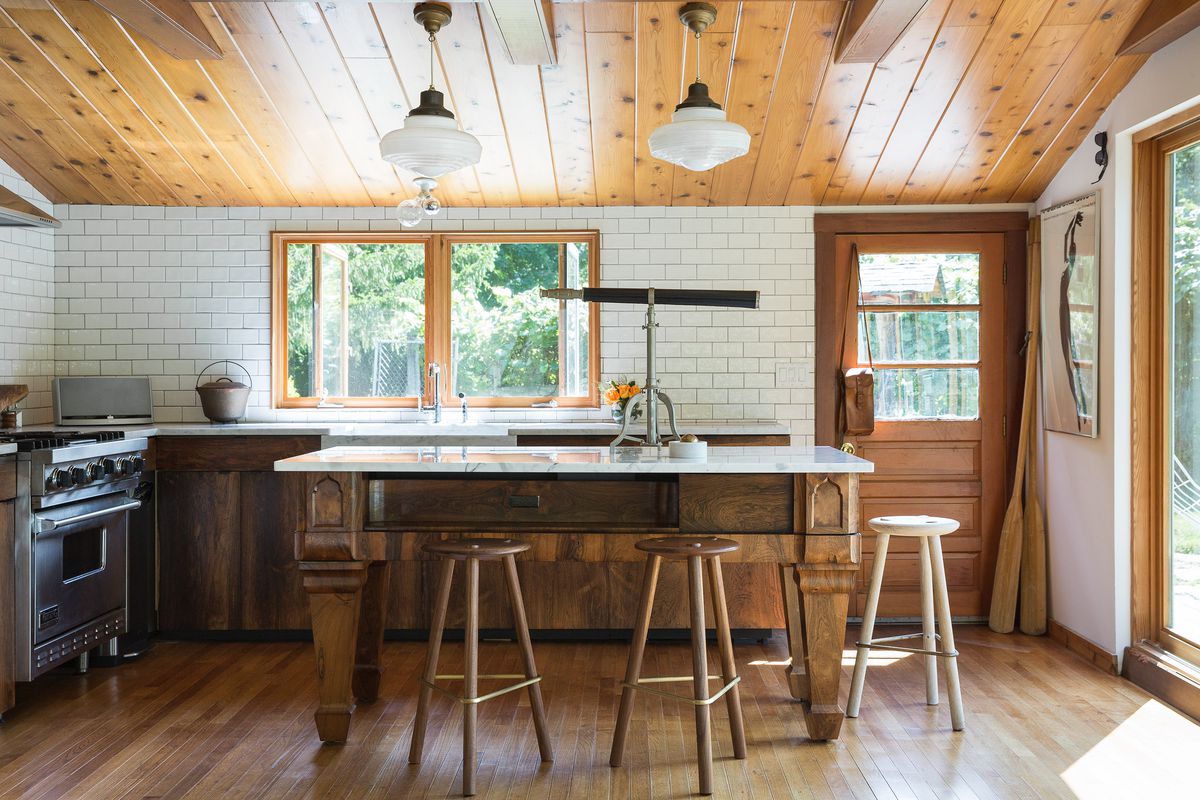
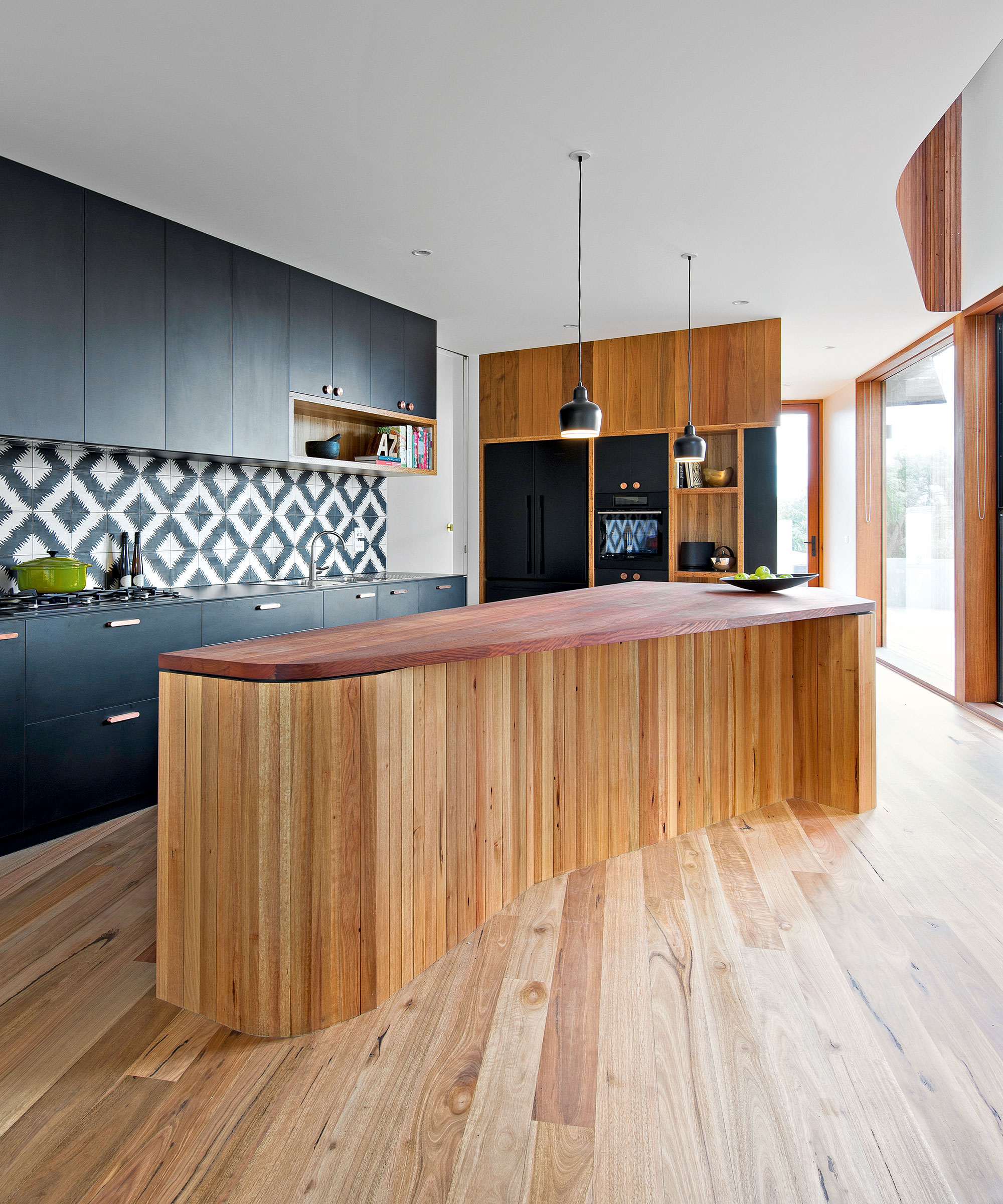
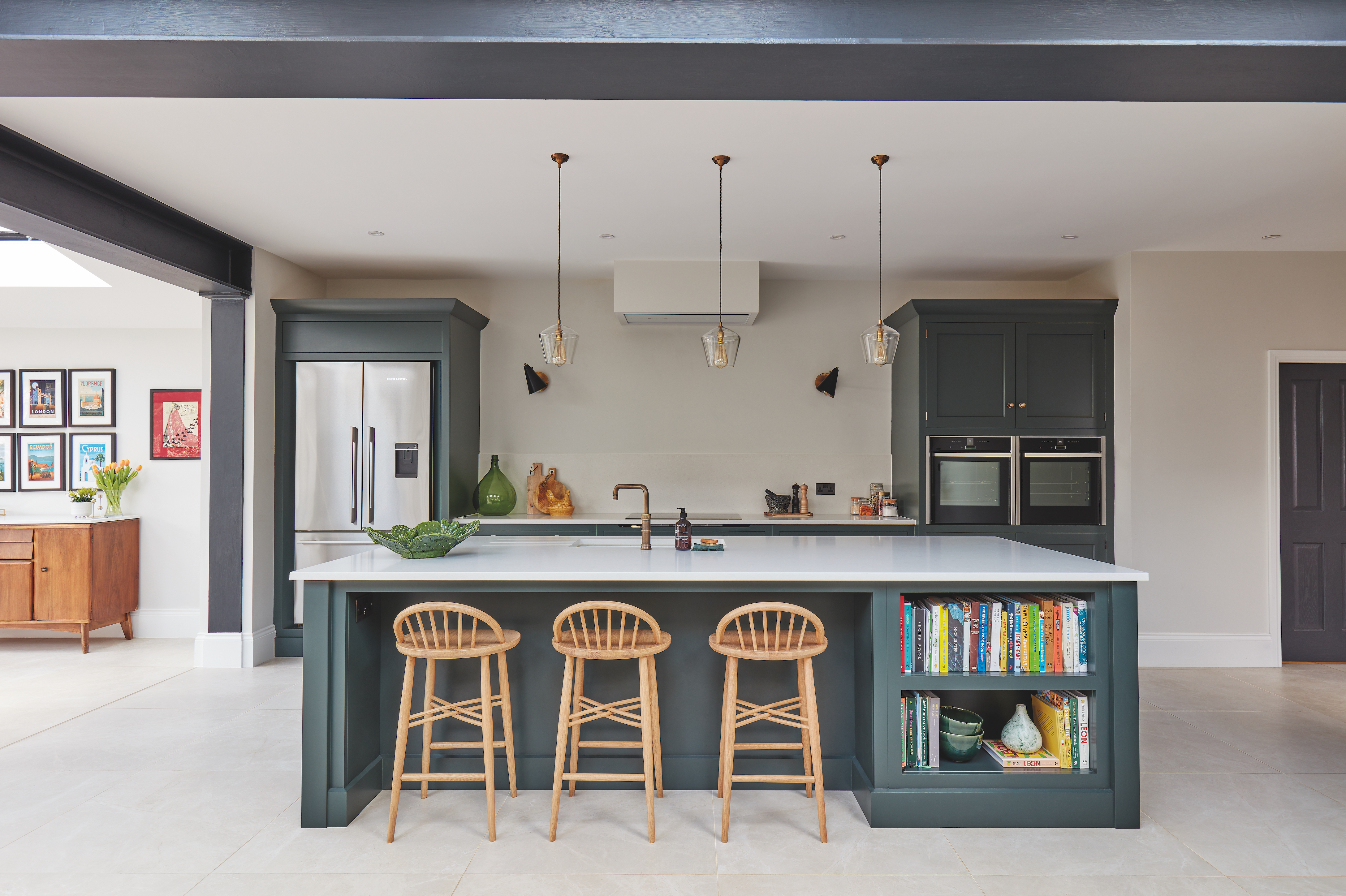
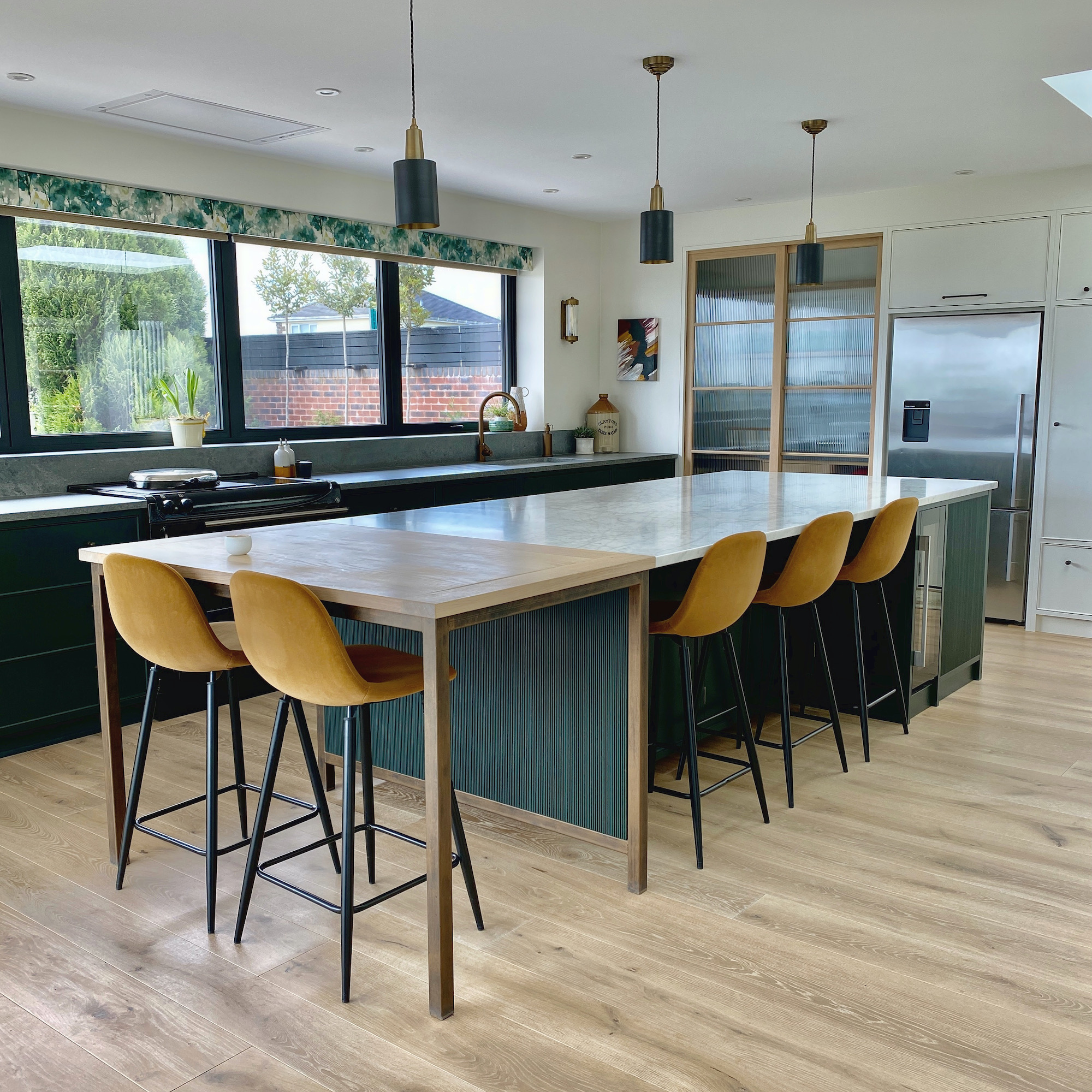
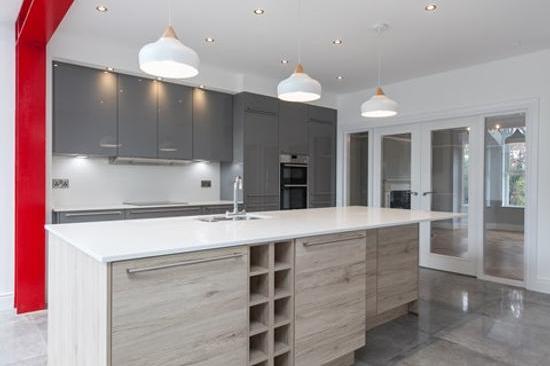
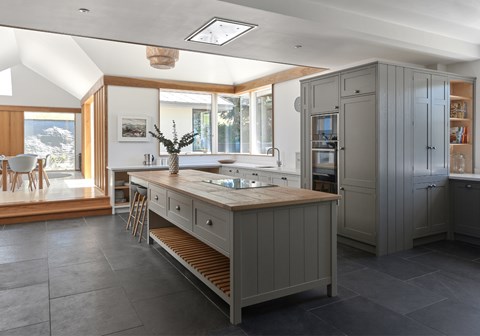
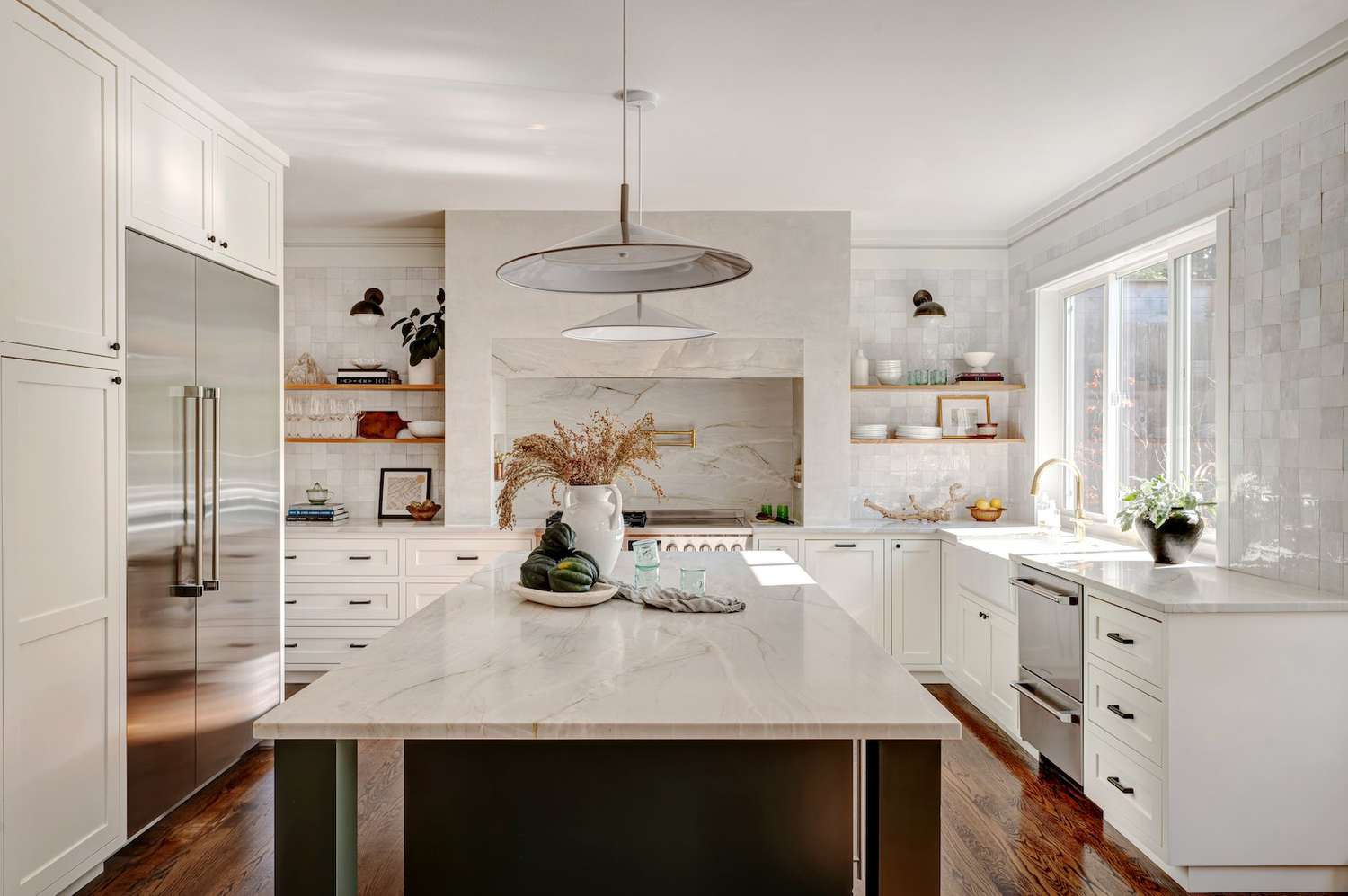
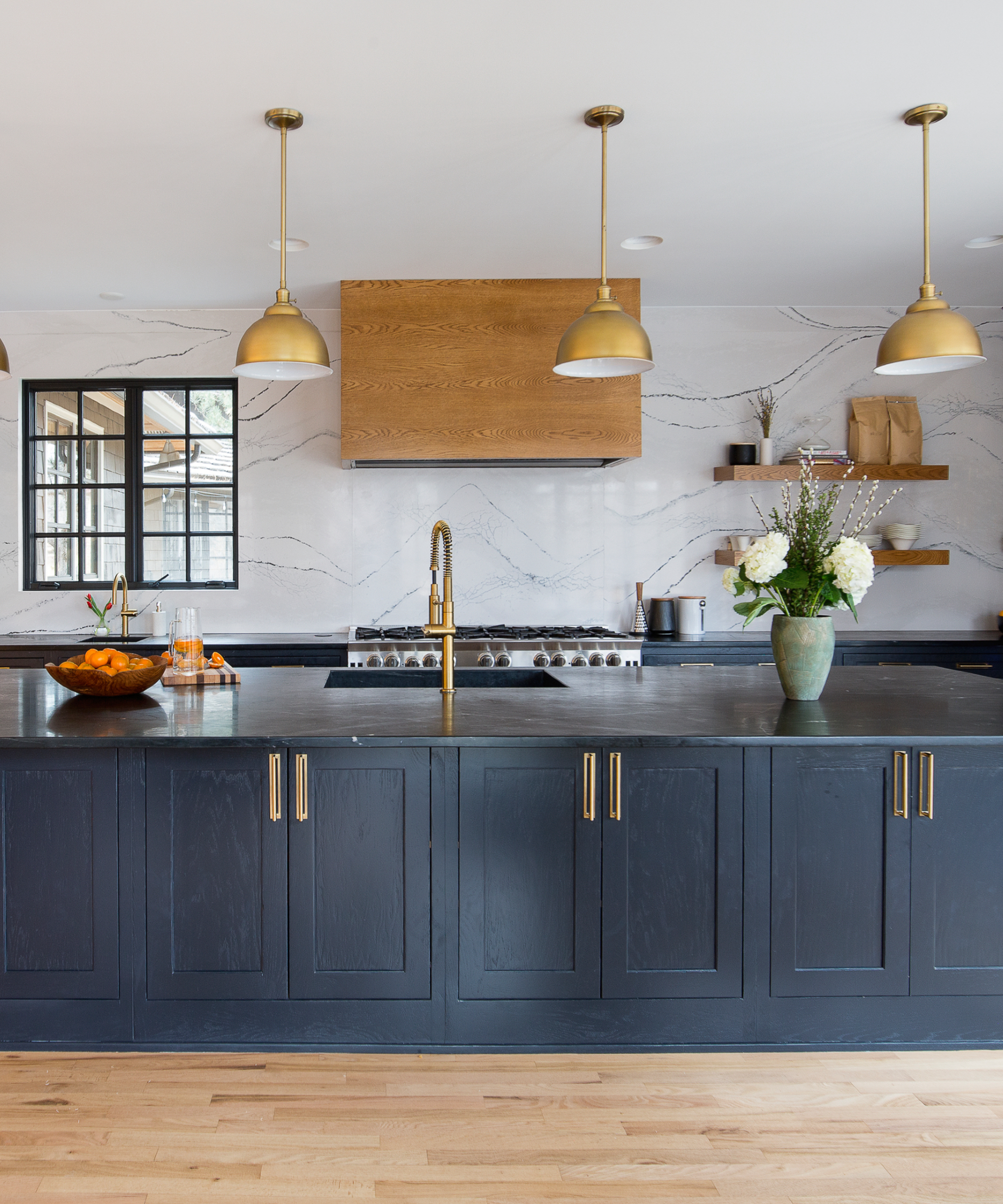
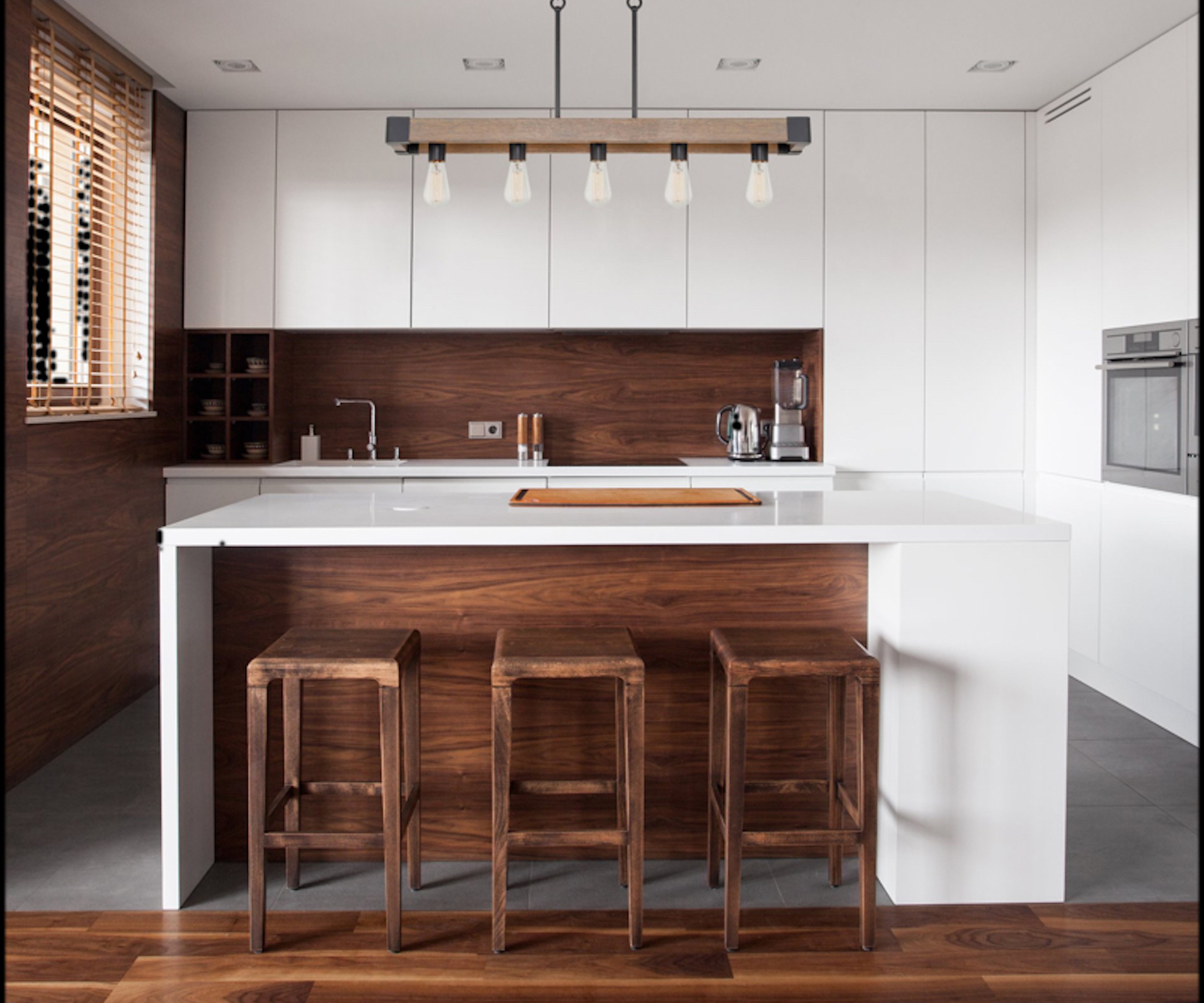
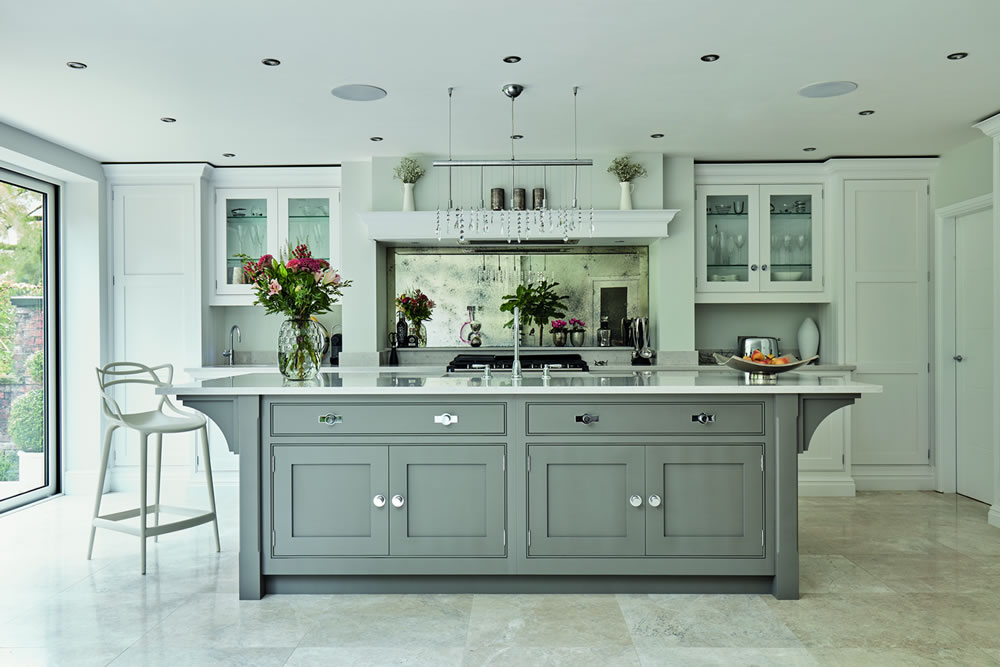
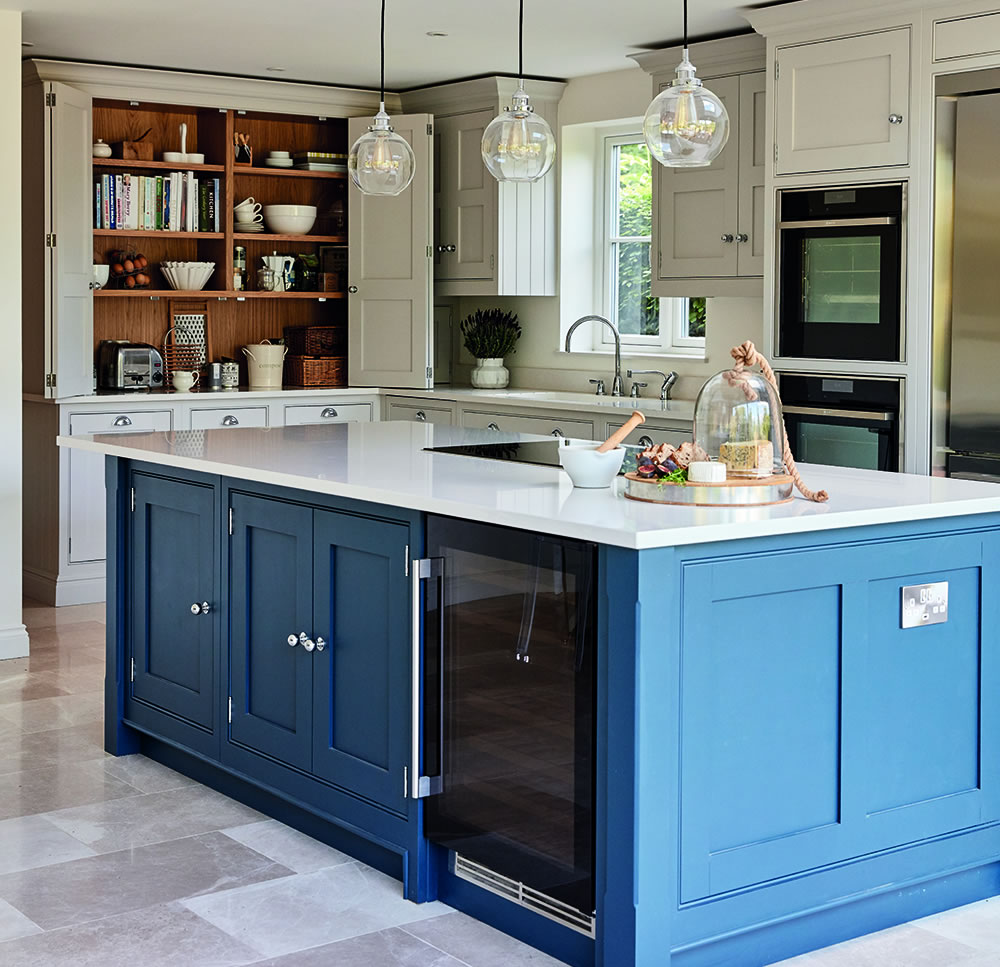
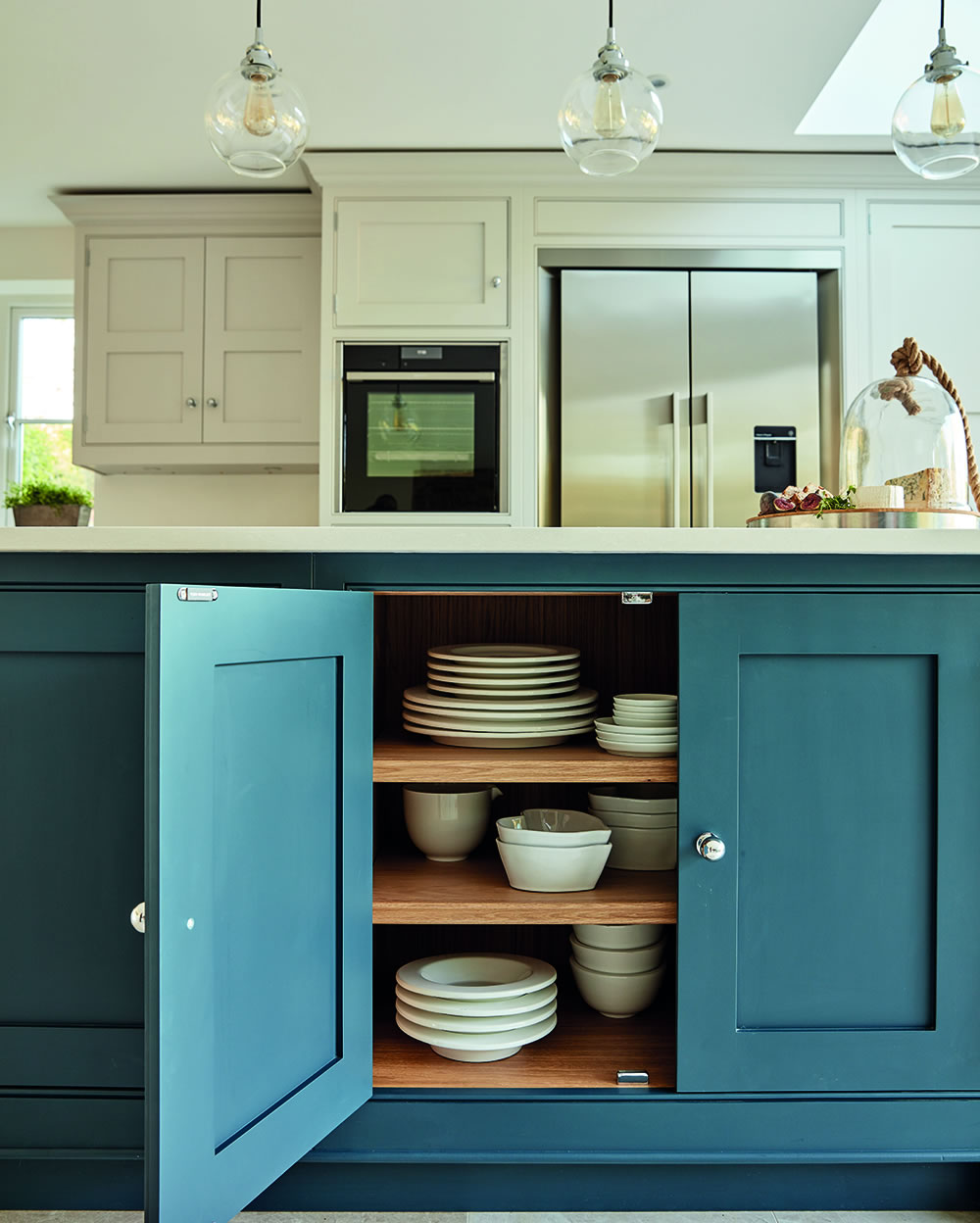
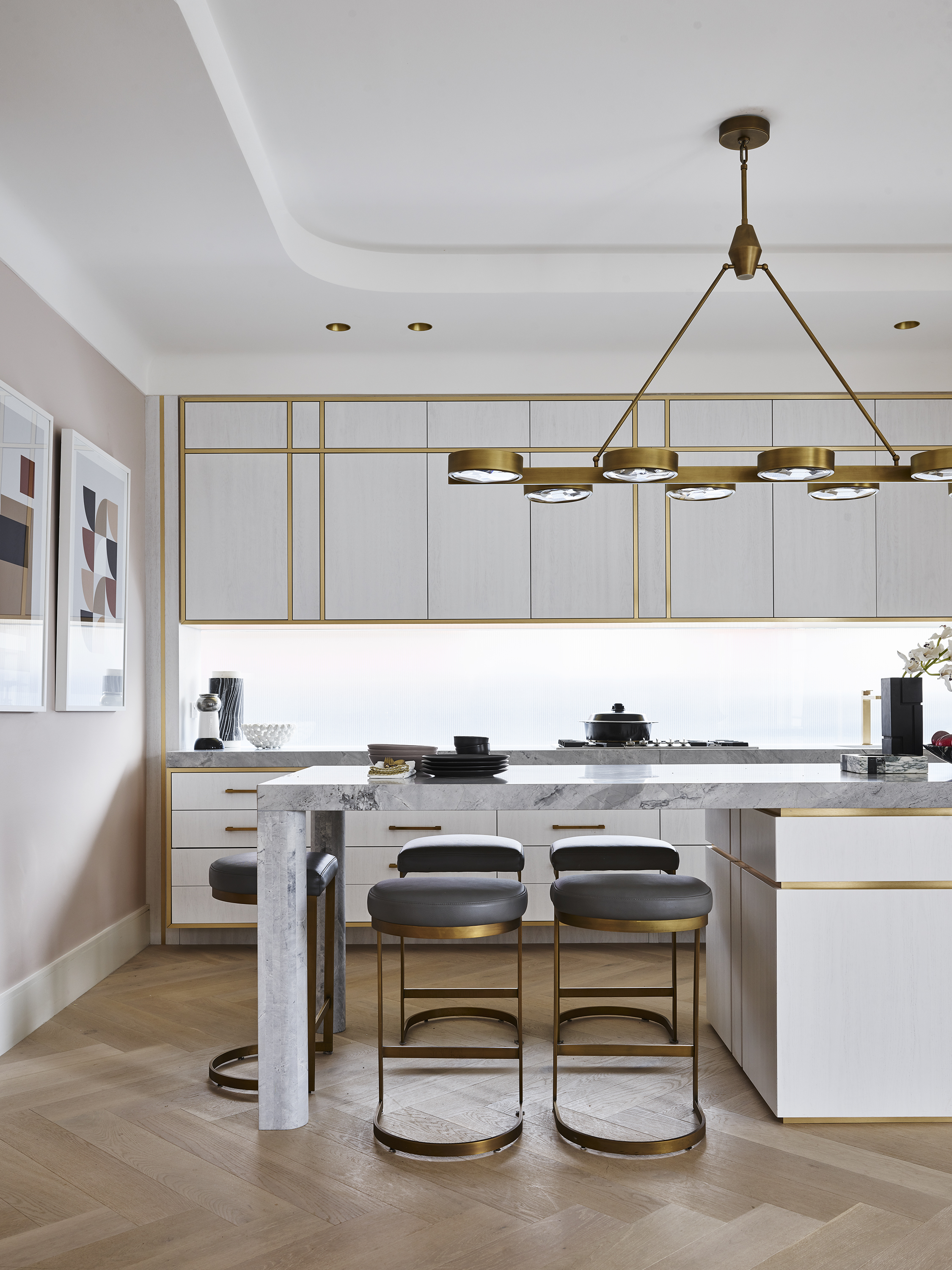
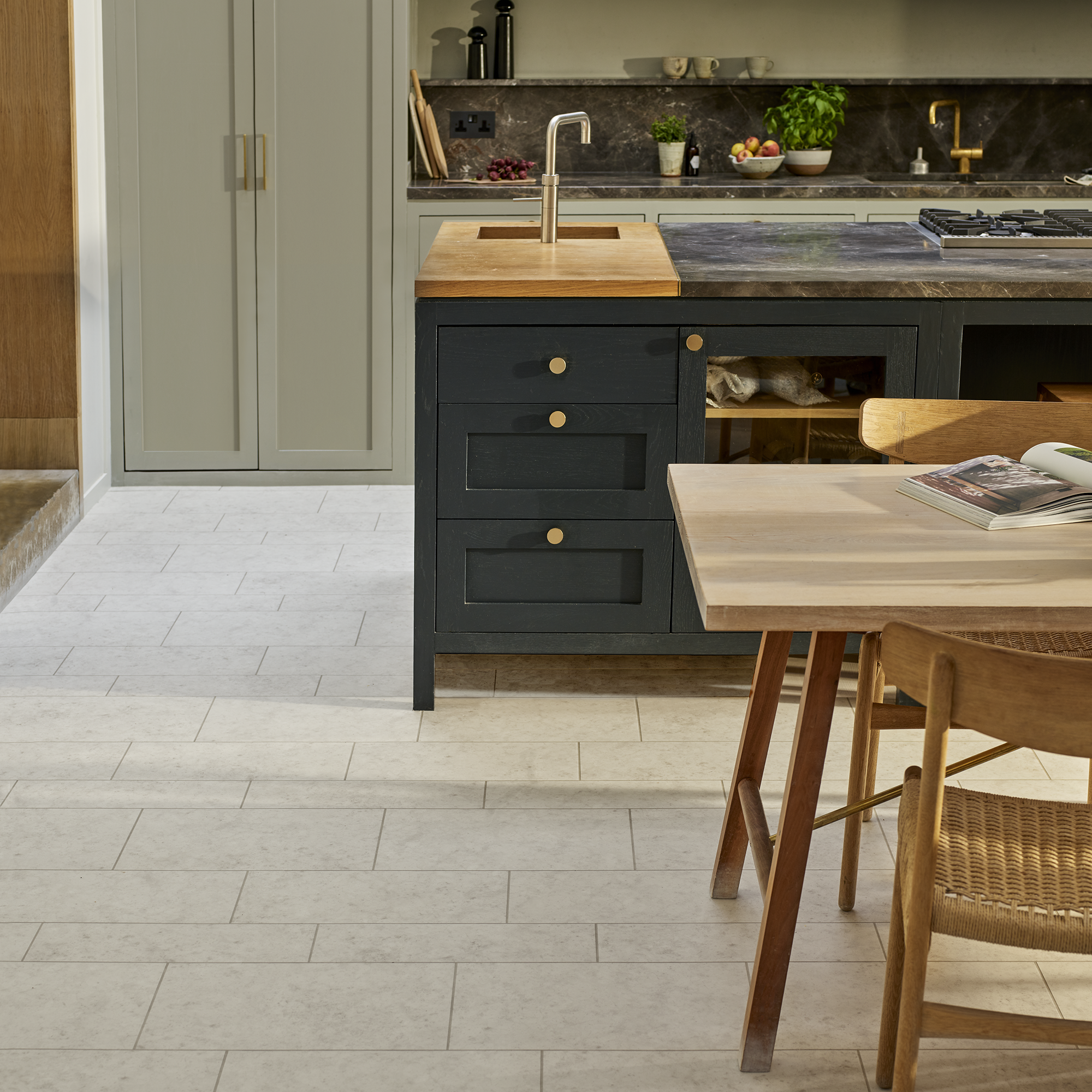
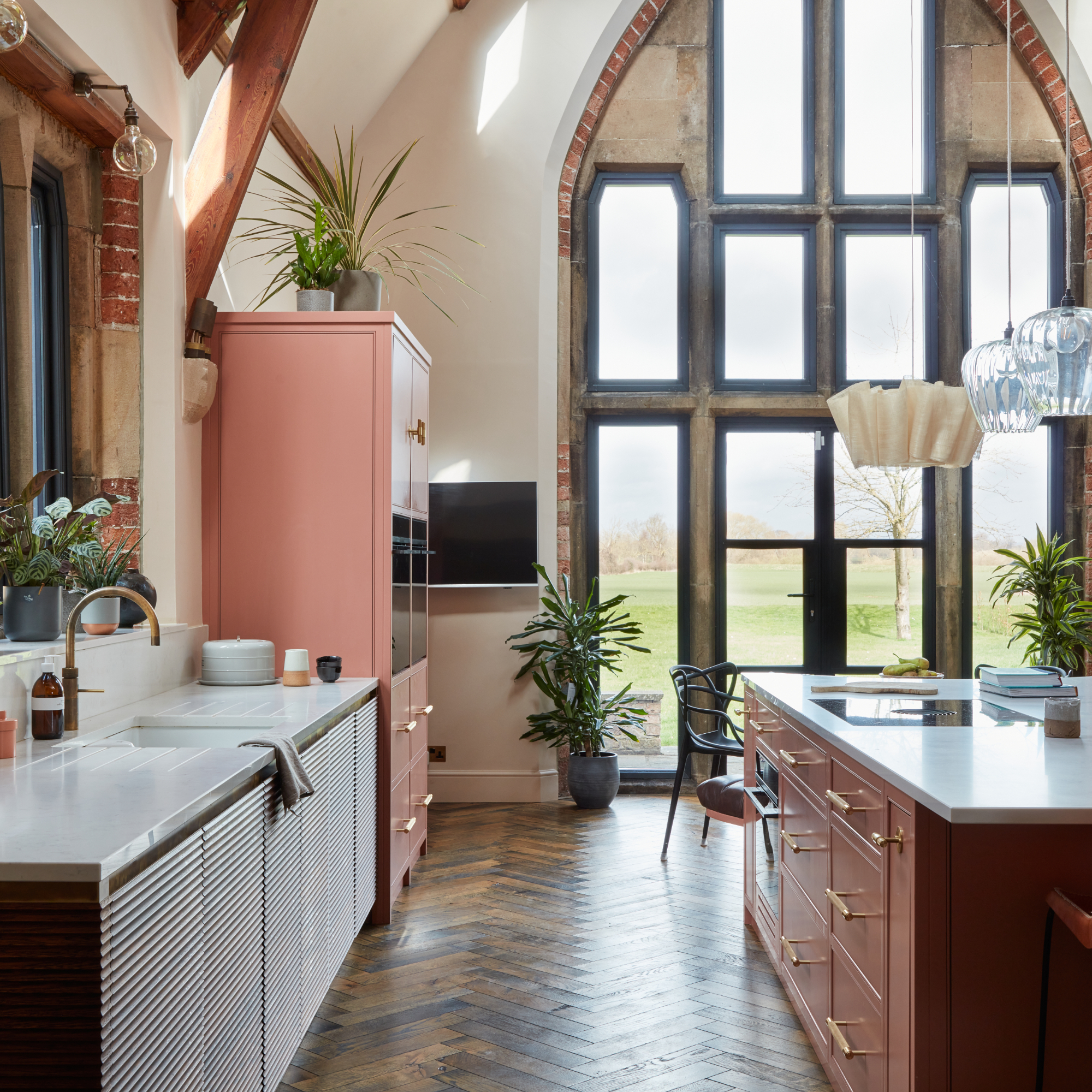
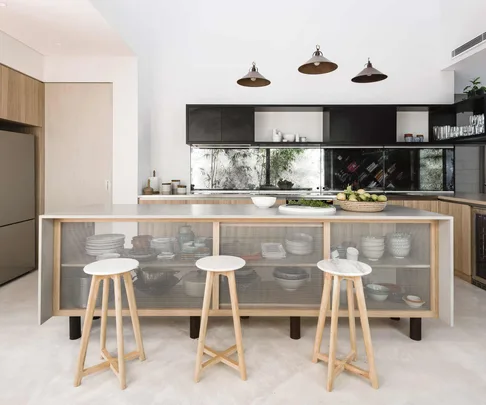
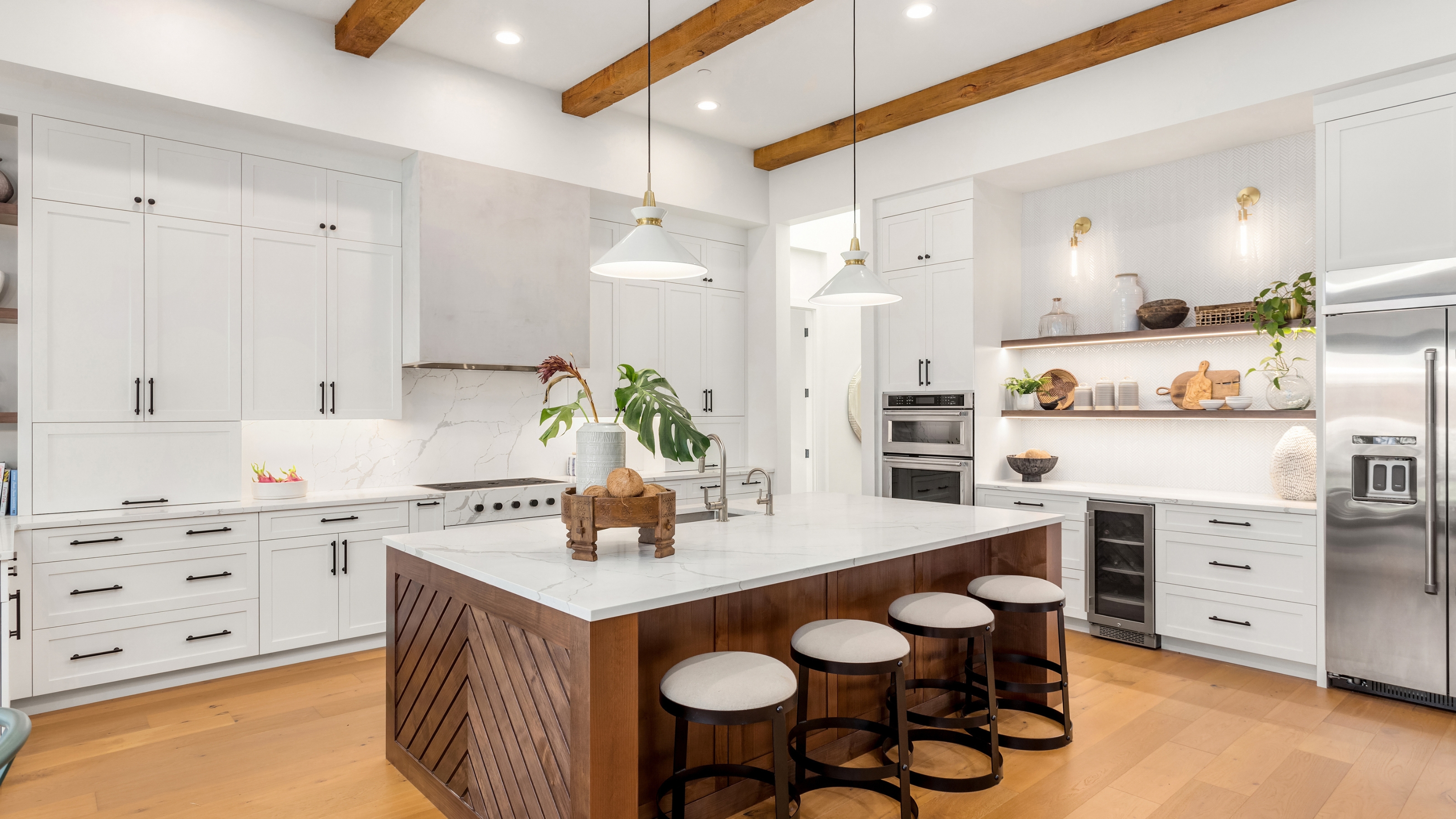
The island bench kitchen layout, a popular feature in modern Australian kitchens, provides practical bench space for food preparation and serving, especially for hot items or fresh produce from the fridge. This design often functions similarly to a galley kitchen, with two runs of cabinetry, but the island distinguishes it by linking the kitchen to the rest of the home, crucial for open-plan living. The island can be integrated with galley and L-shape styles, providing the benefits of the kitchen triangle while acting as a visual barrier between the kitchen and living areas. It also serves as a natural gathering spot for family and friends. Important measurements for kitchen design include a minimum of 1200mm between cabinetry runs for easy access, 900mm around an island for comfortable movement and appliance access, and an island bench overhang of approximately 300mm for comfortable seating. The selection of the best kitchen layout ultimately depends on the kitchen's location, utility placement, and how it can best add value and performance for the homeowners.
#KitchenLayout #KitchenDesign #KitchenTriangle #HomeRenovation #InteriorDesign #UshapedKitchen #LshapedKitchen #GalleyKitchen #KitchenIsland #KitchenLayout #KitchenDesign #KitchenTriangle #HomeRenovation #InteriorDesign #UshapedKitchen #LshapedKitchen #GalleyKitchen #KitchenIsland
Toplam 0 yorum
 Henüz yorum yok
Bu da beğenebilirsiniz
How to choose a kitchen layout
How to design your perfect kitchen

6 cooking experts on how to organise your kitchen

The Ultimate Kitchen-Design Hack
Kitchen planning and layout ideas
7 kitchen space distance rules – for layout perfection

33 Clever Kitchen Layout Ideas to Maximize Even the Weirdest of Spaces

Kitchen island design: The design tips you should know

Floor Plan tips and hints
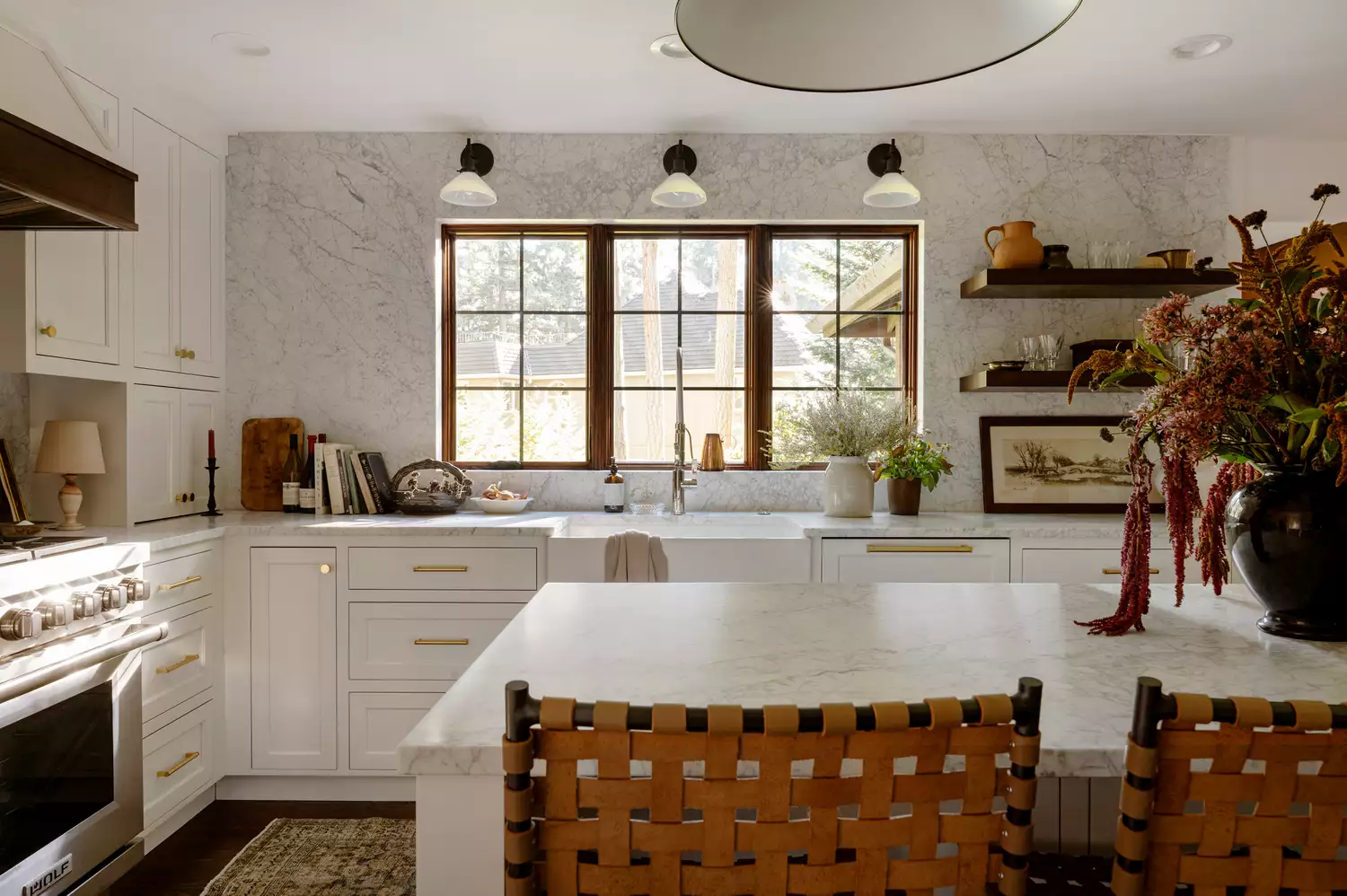
What Is a Kitchen Triangle Layout? Why Pros Love Using This Design to Maximize Space
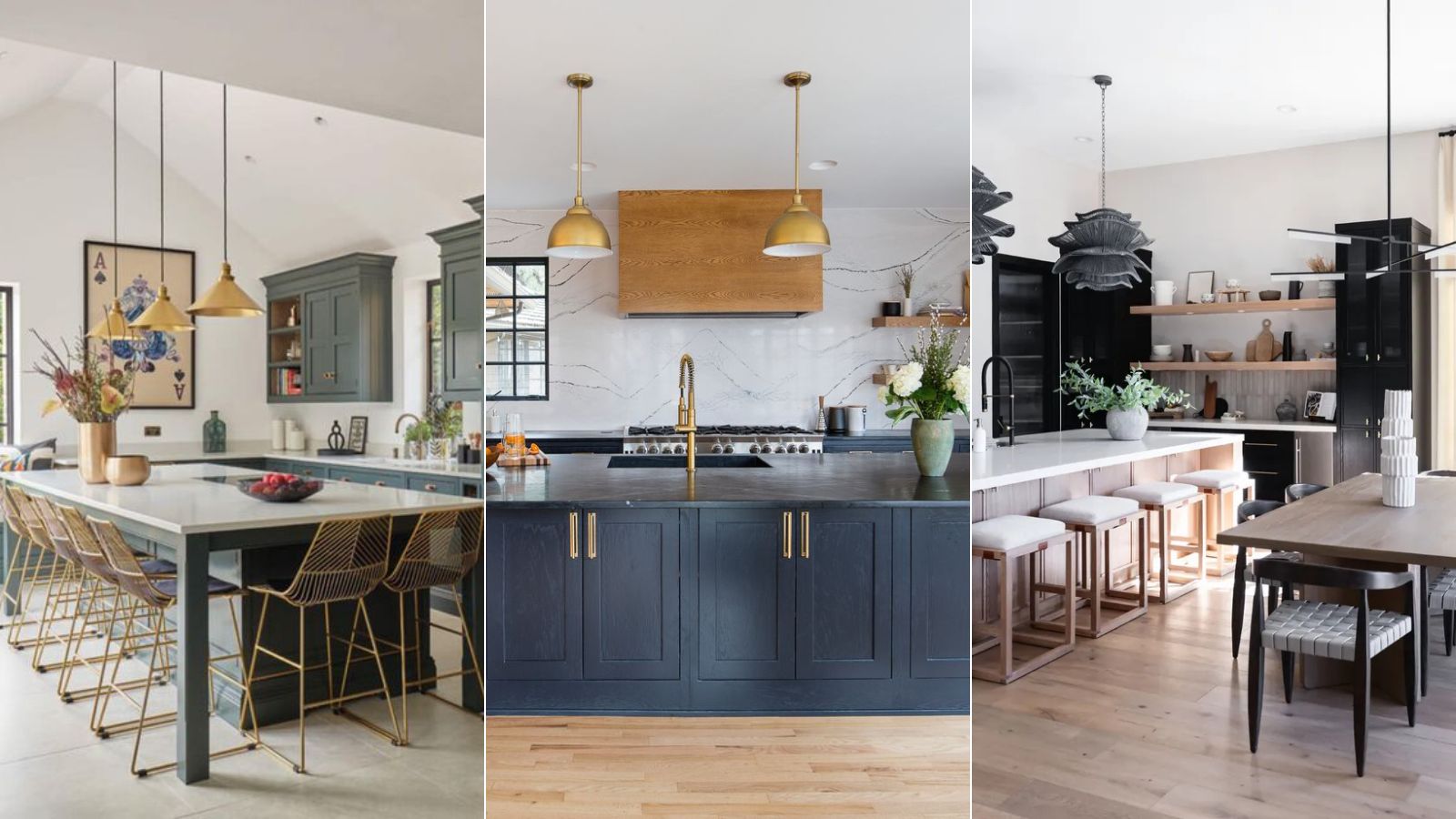
9 kitchen layout trends to have on your radar for 2025, according to designers
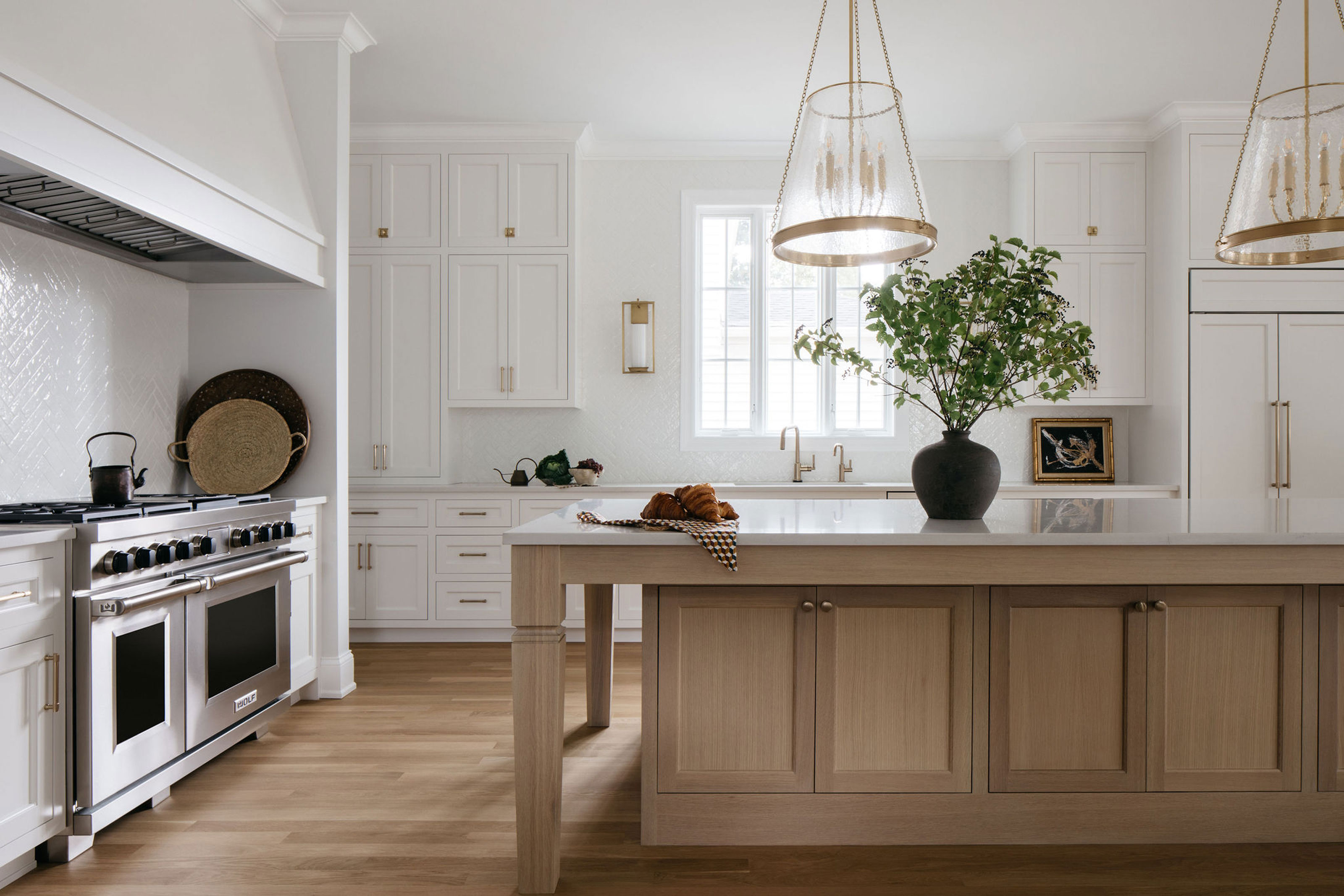
Should You Put Flooring Under Kitchen Cabinets? It All Depends on the Type of Floor, Say Professional Remodelers

Kitchen remodel: How to plan your layout like a pro
I’ve renovated four kitchens and these are the eight key lessons I've learnt along the way
How to organize a kitchen island — 7 expert tips from pros

The best floor colours to make a small kitchen look bigger - experts say these are the shades to go for
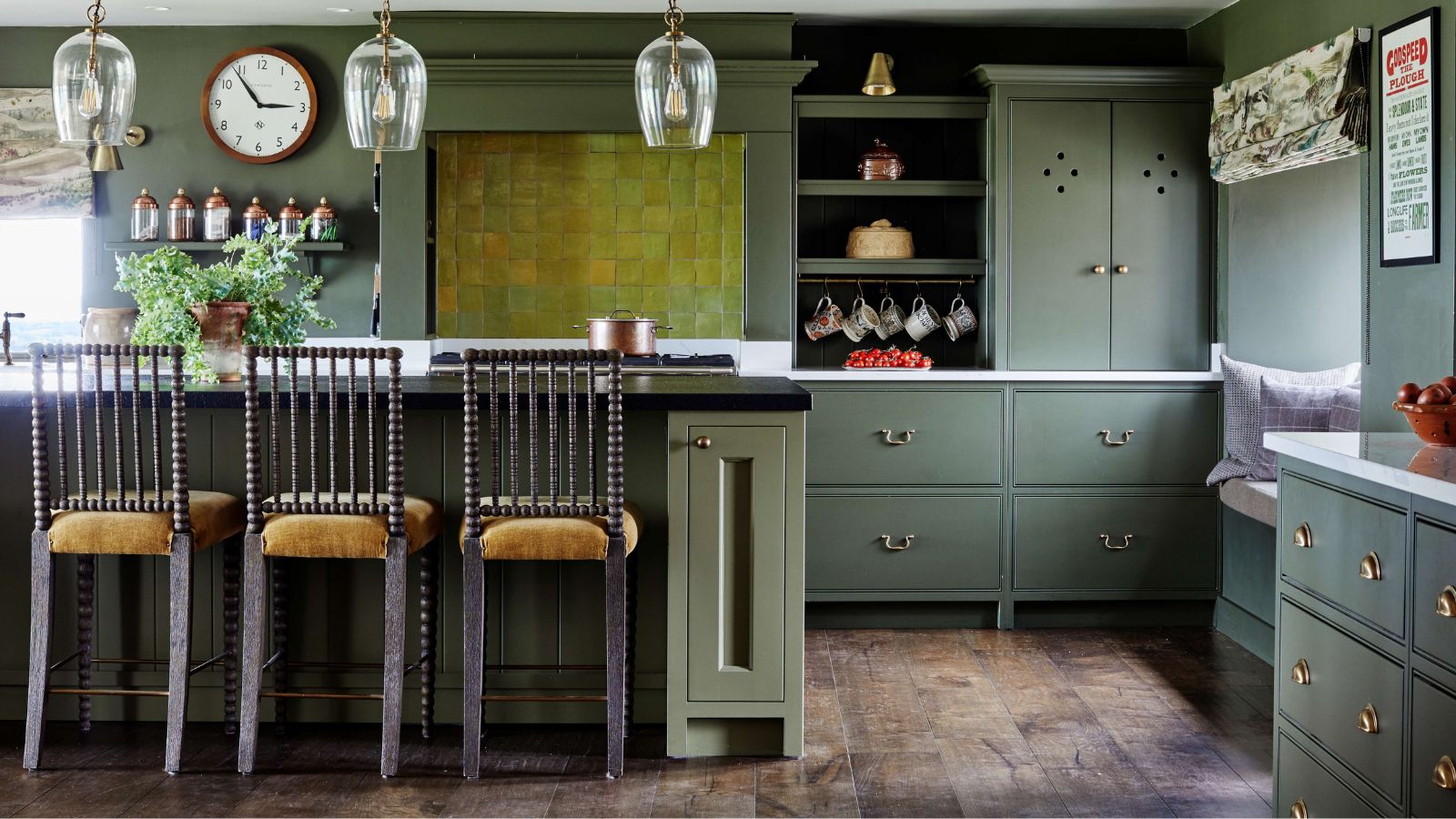
These are the worst kitchen layouts according to designers (and the tips on how to work with them)
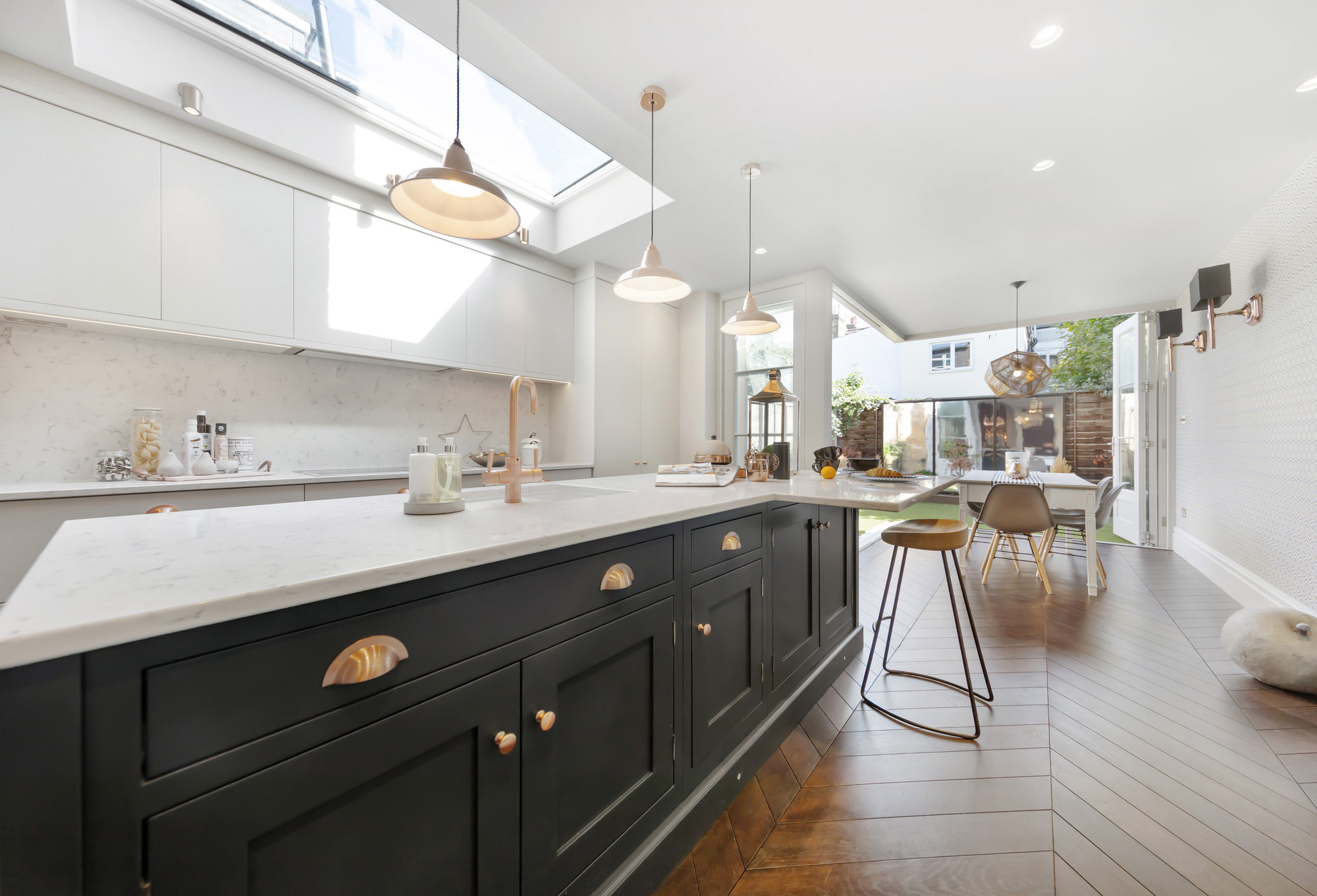
Planning a kitchen: The ultimate guide to renovation and installation
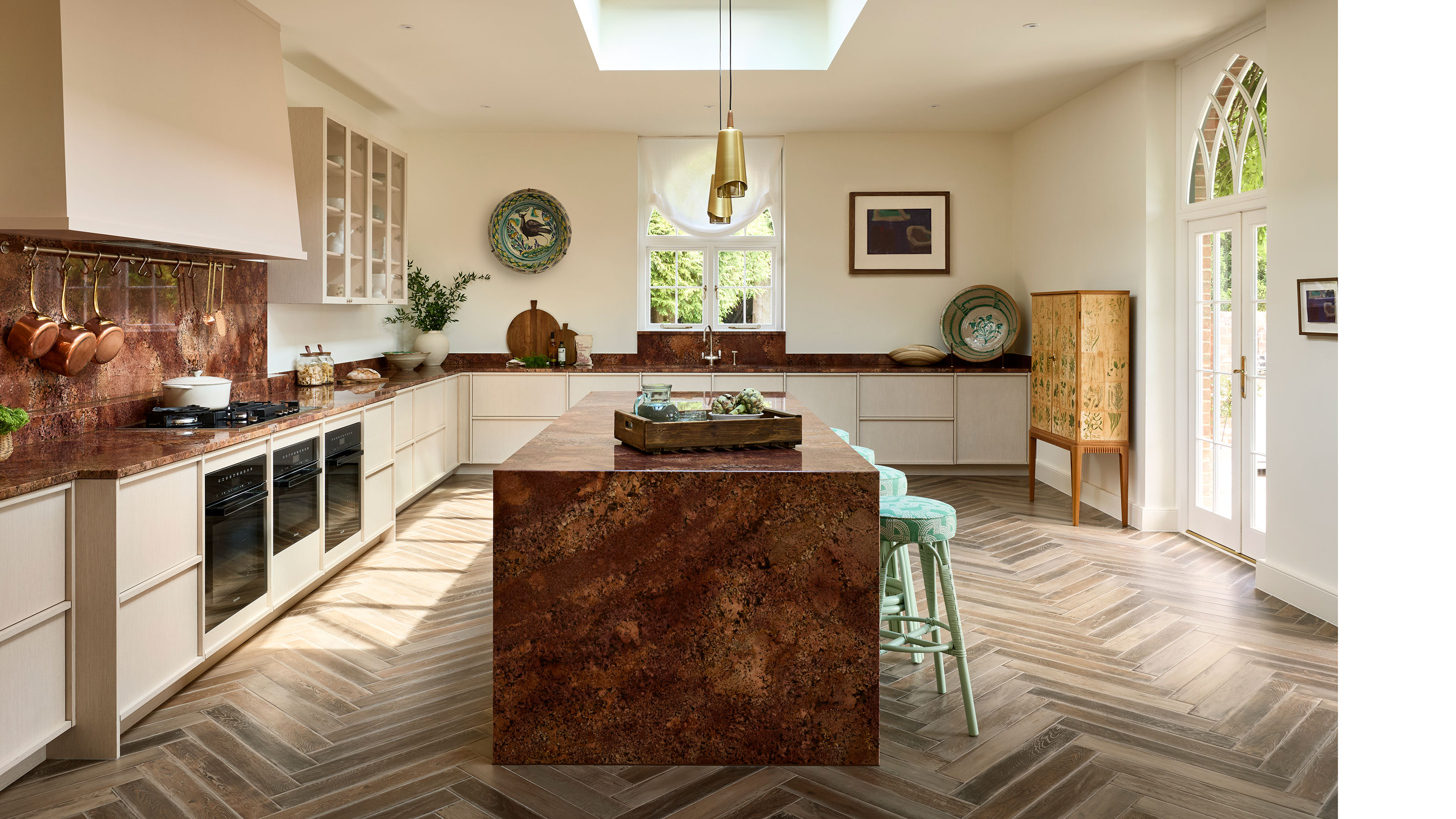
Should a Kitchen Island Be Centered? "There Is No One-Size-Fits All" Solution, Say the Experts
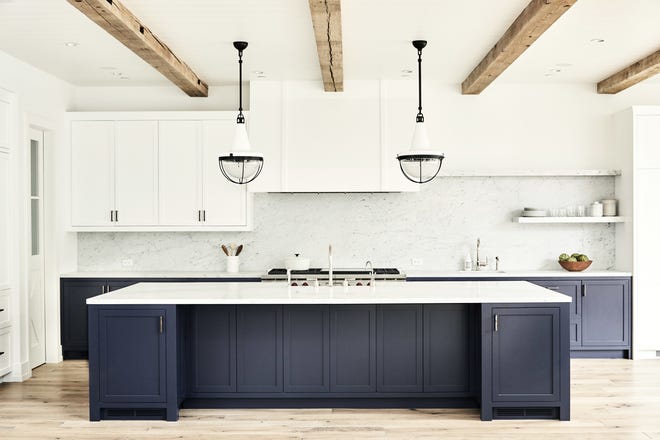
Creating the perfect kitchen island