1/4
Are closed layouts back on trend? Designers weigh in on why we are over open plan
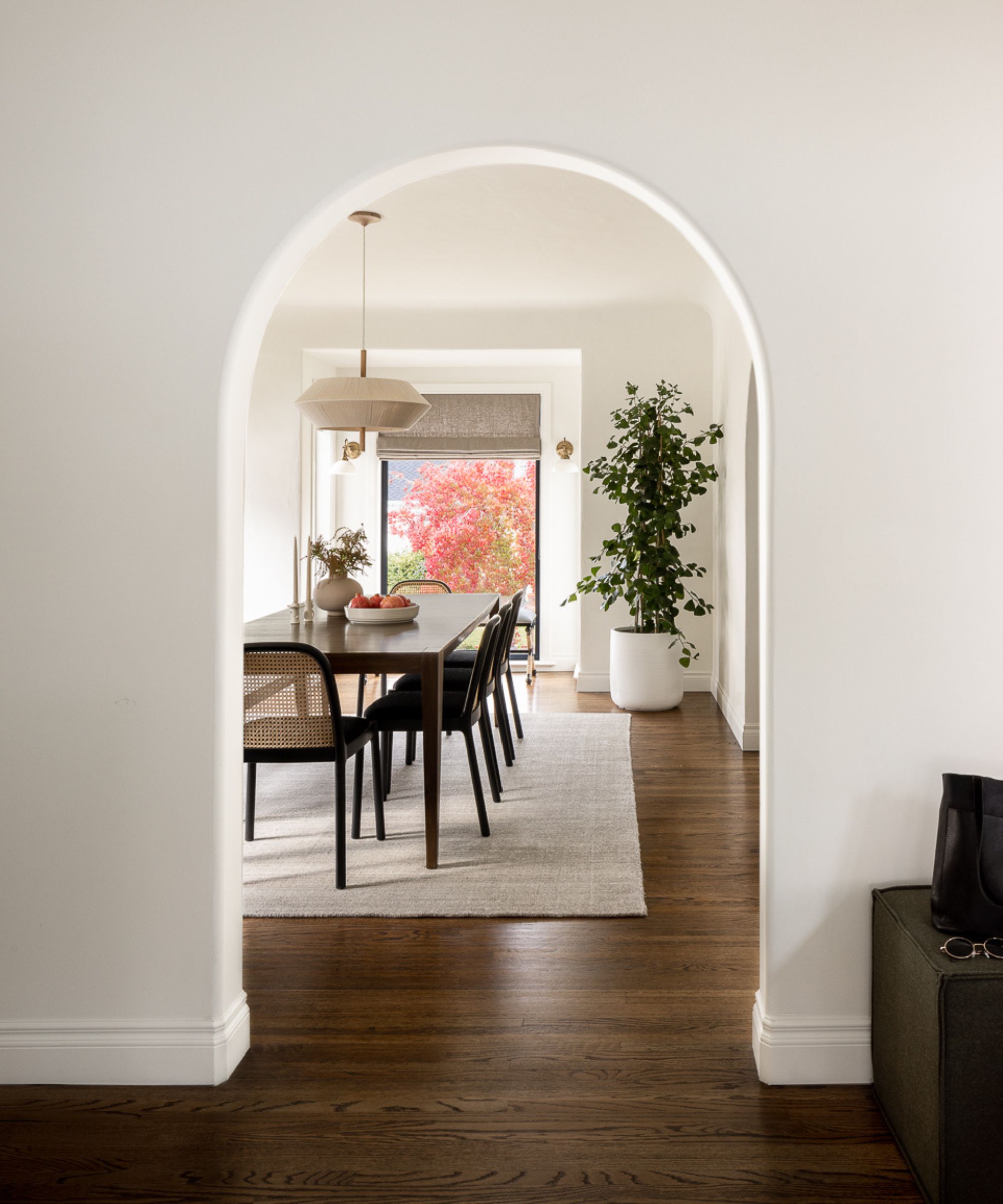
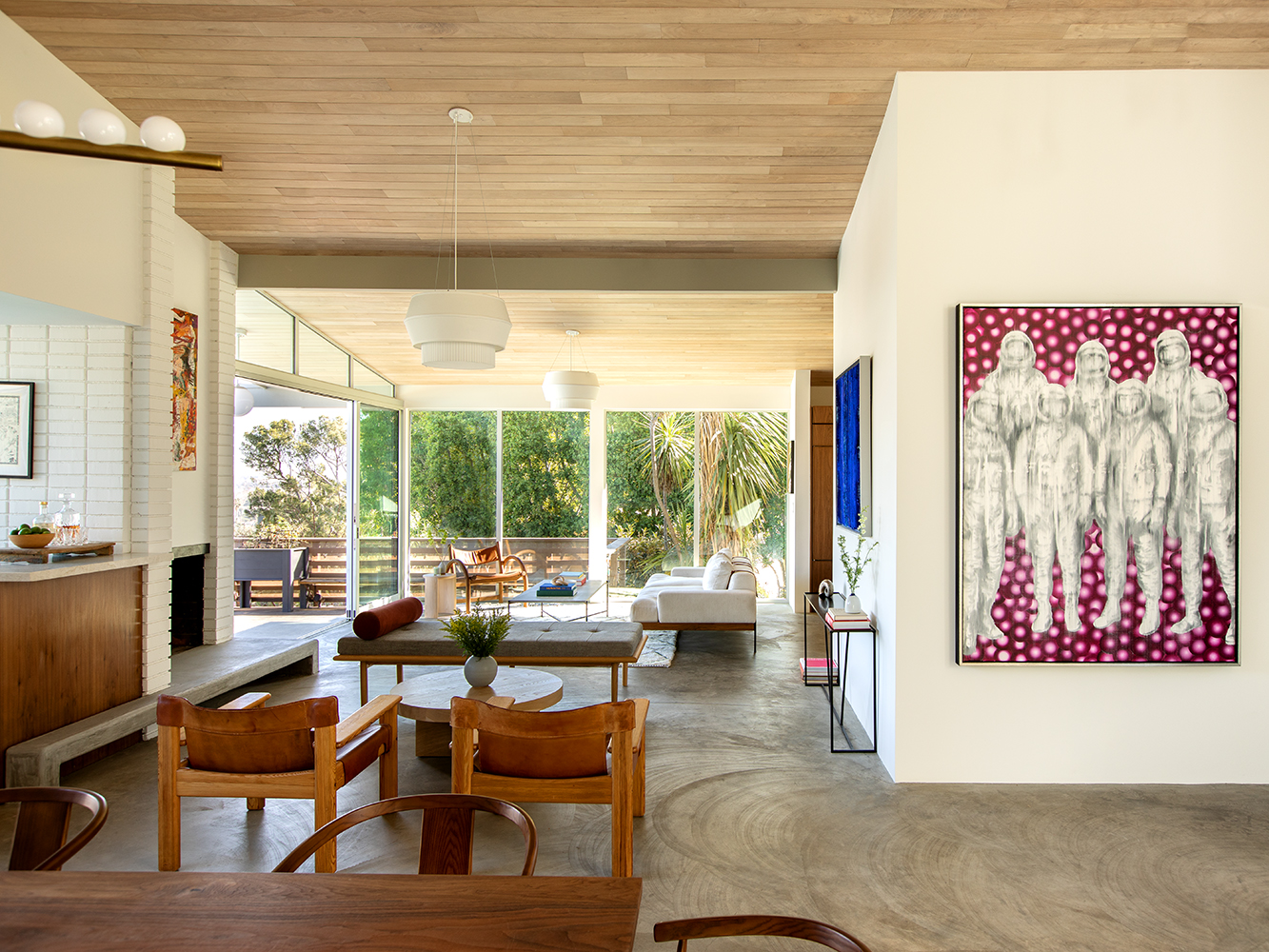
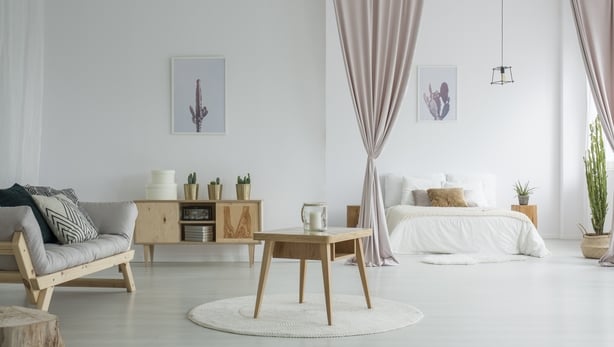
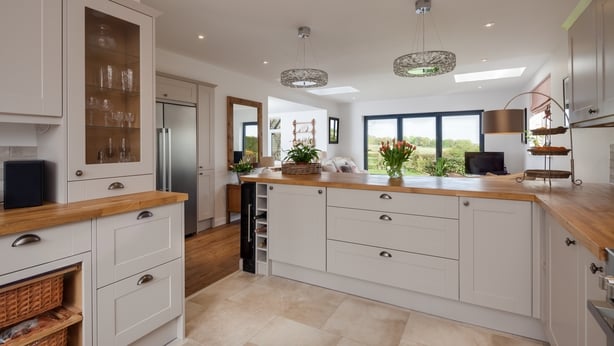
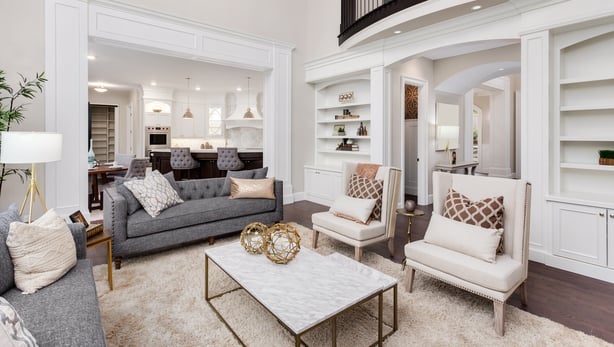
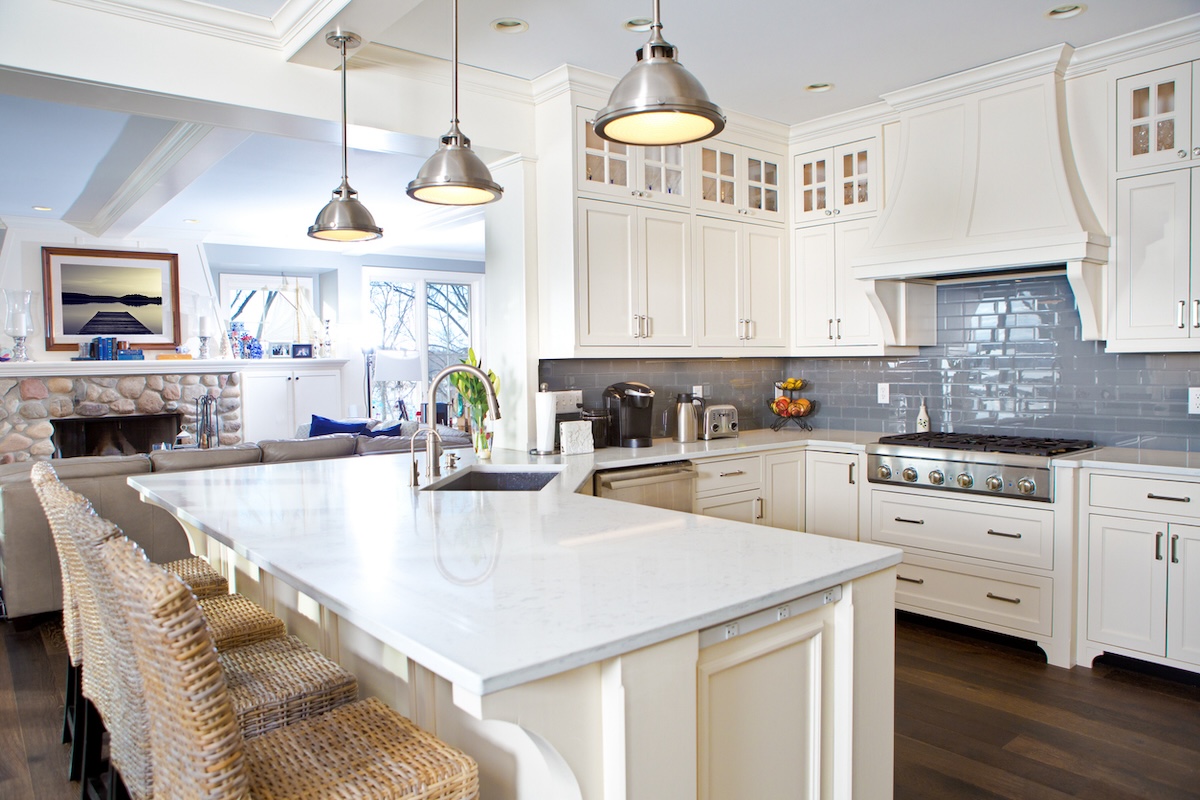
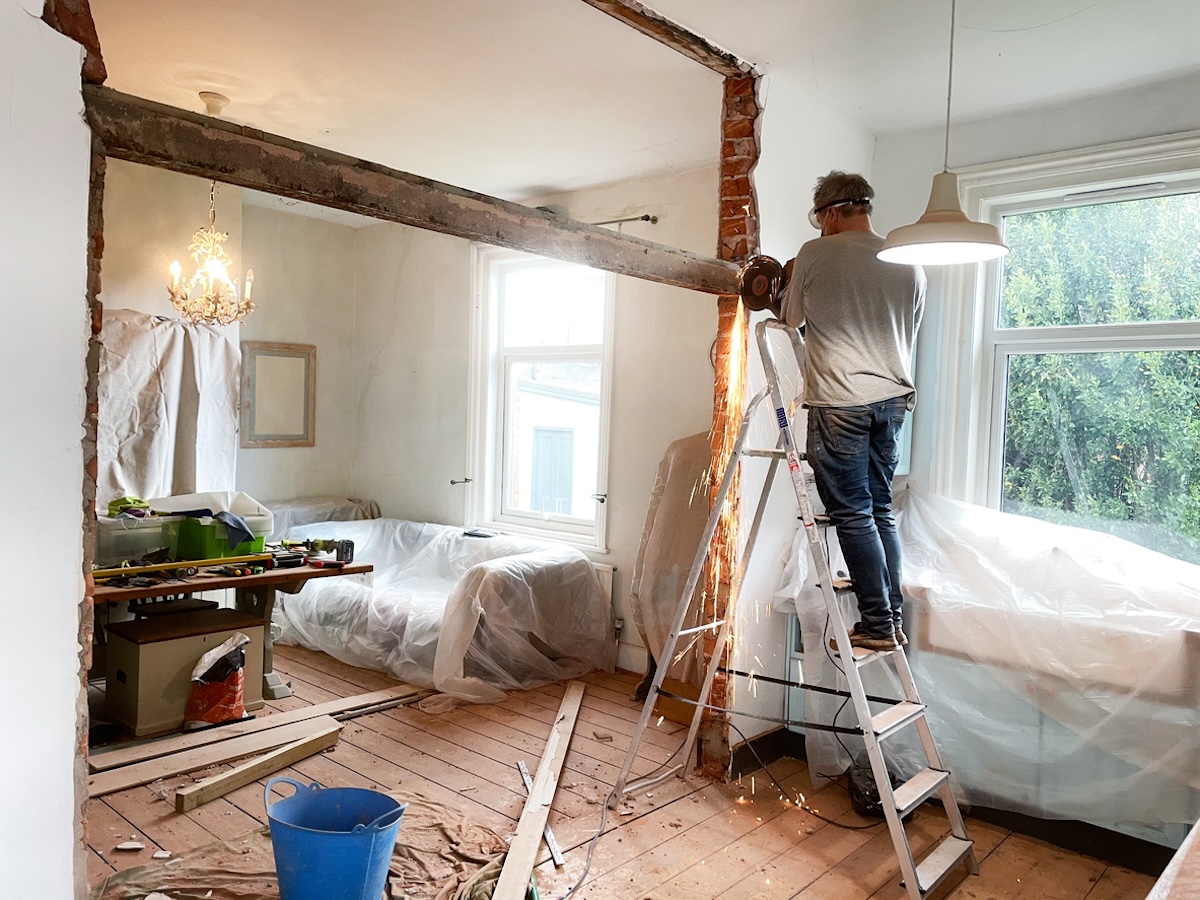
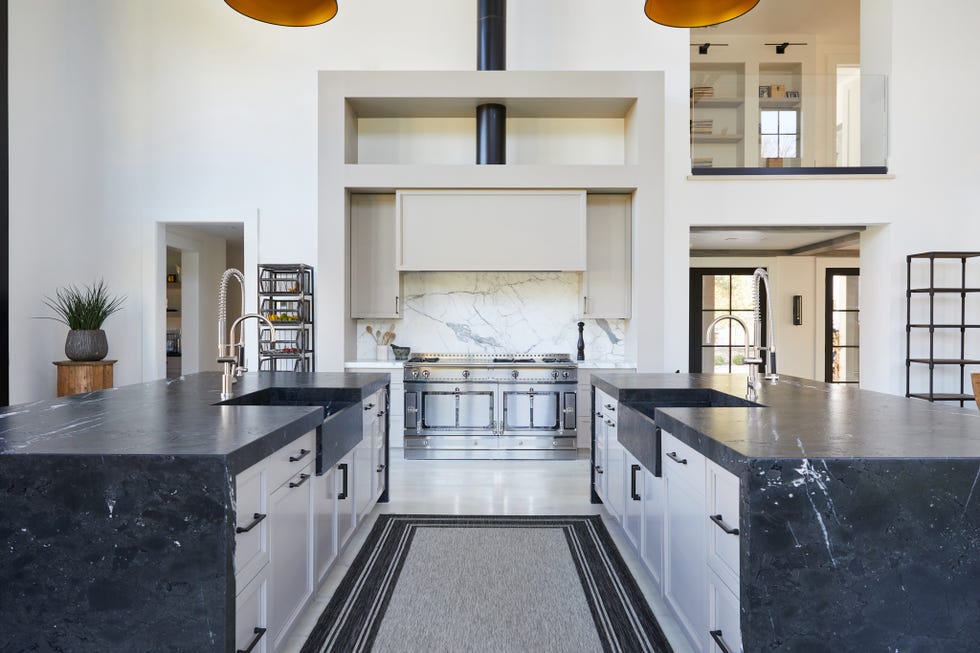
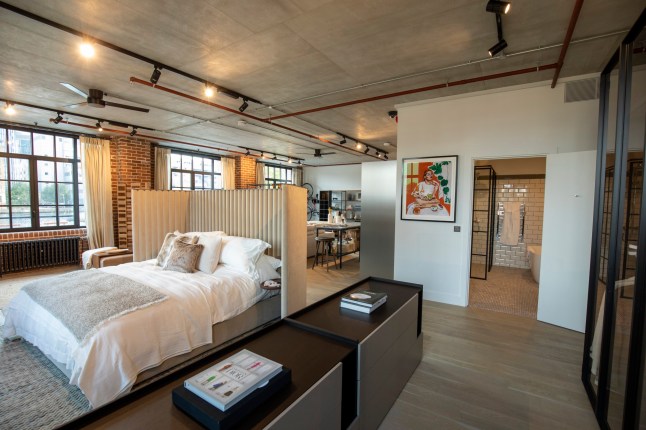
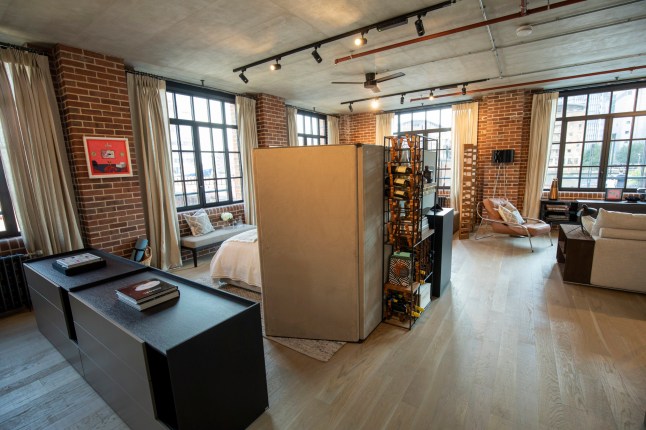
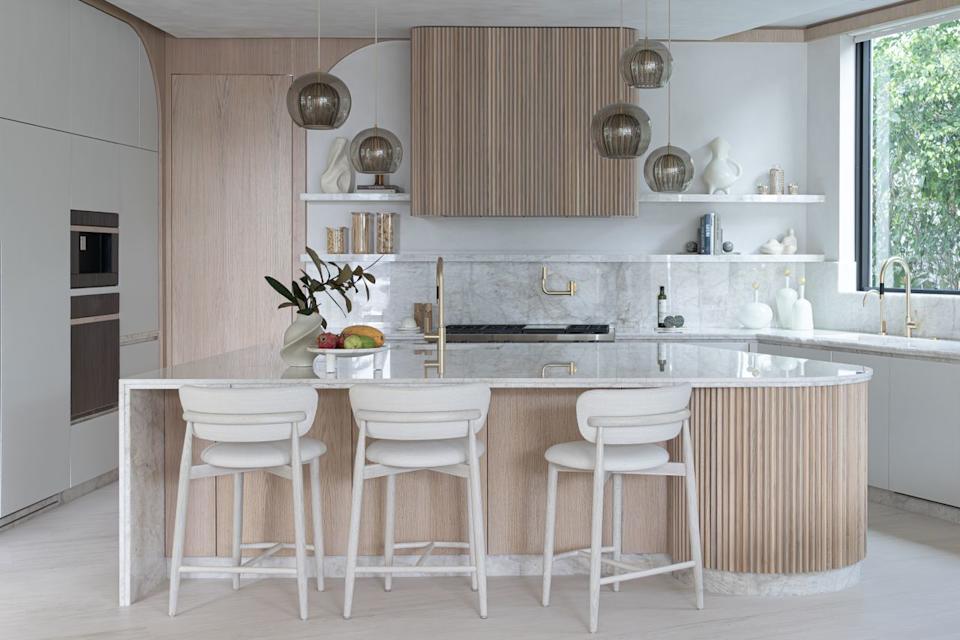
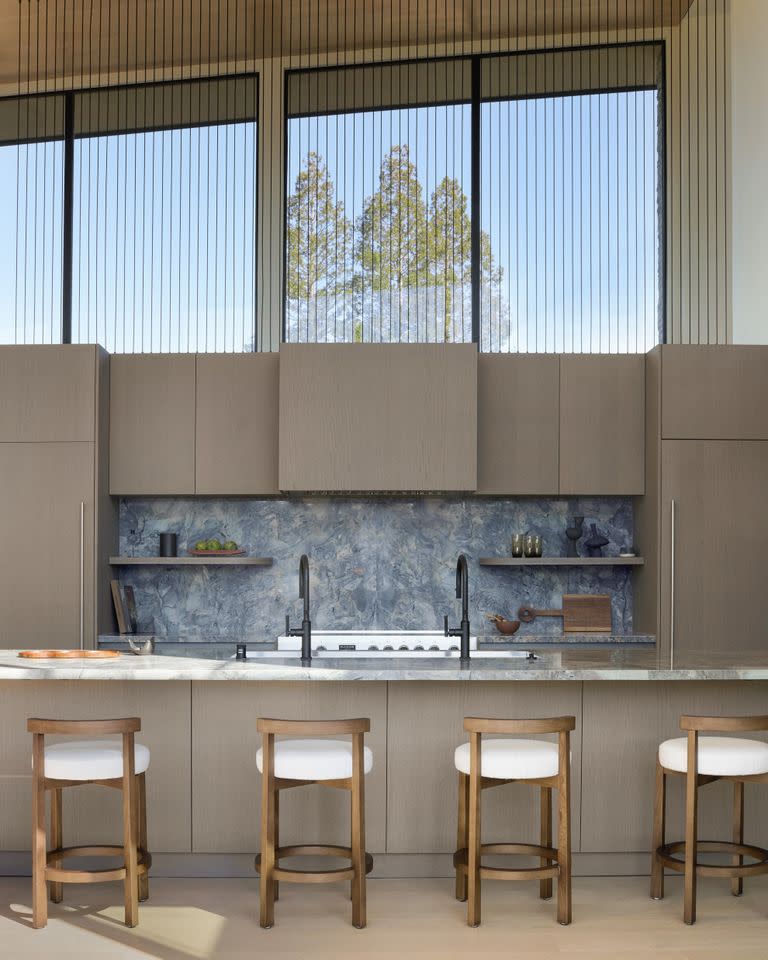
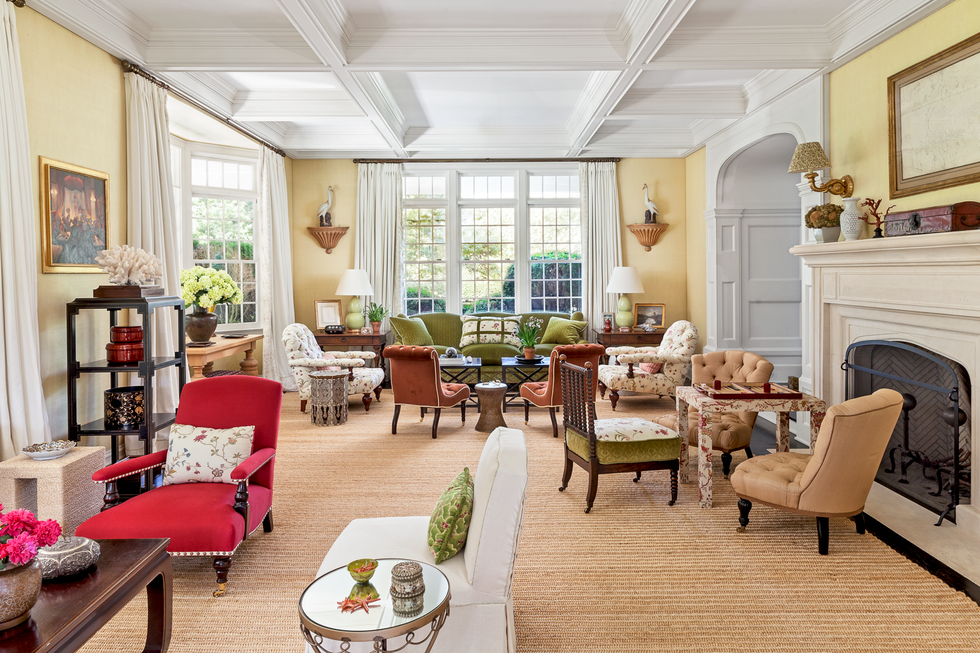
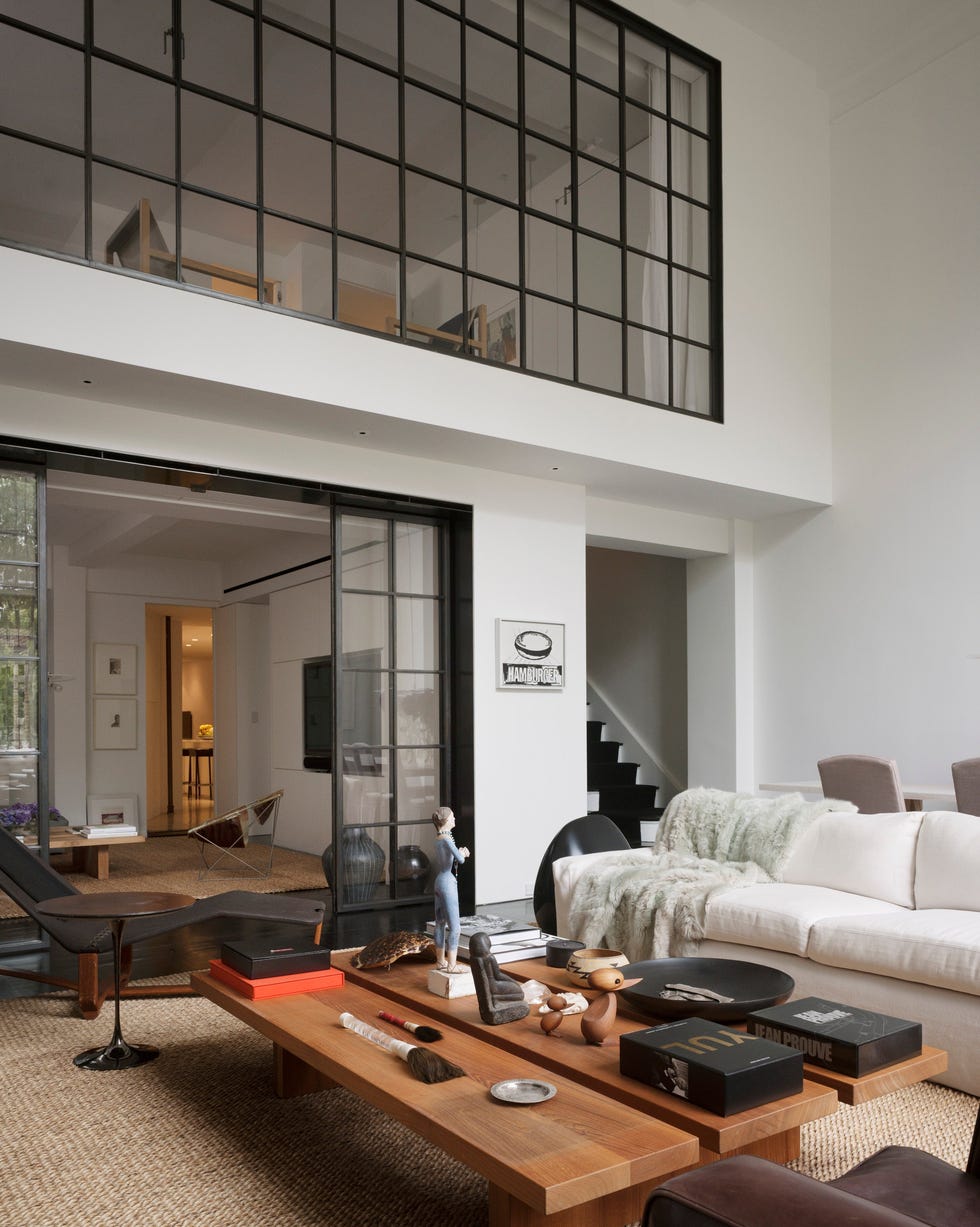
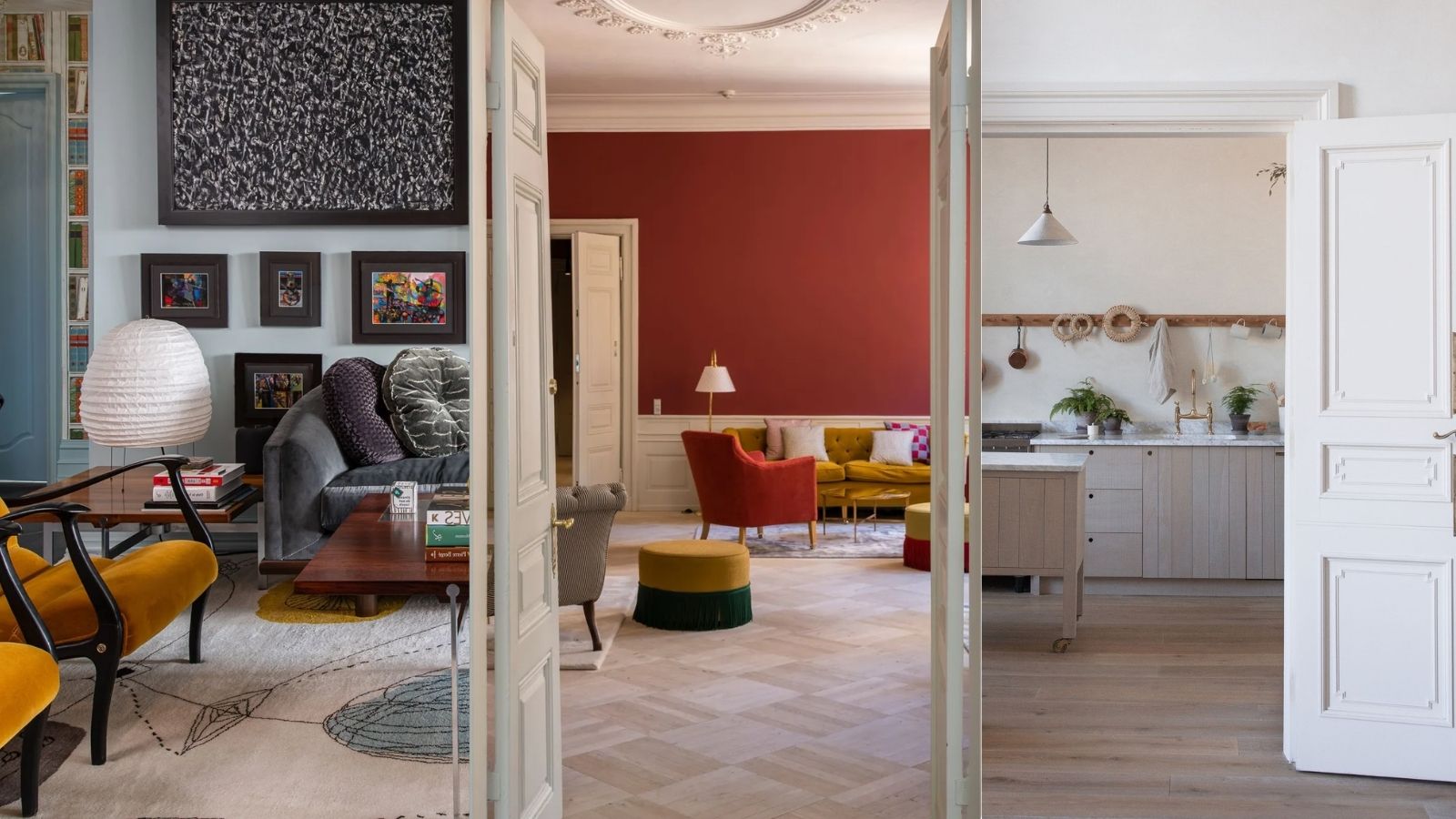
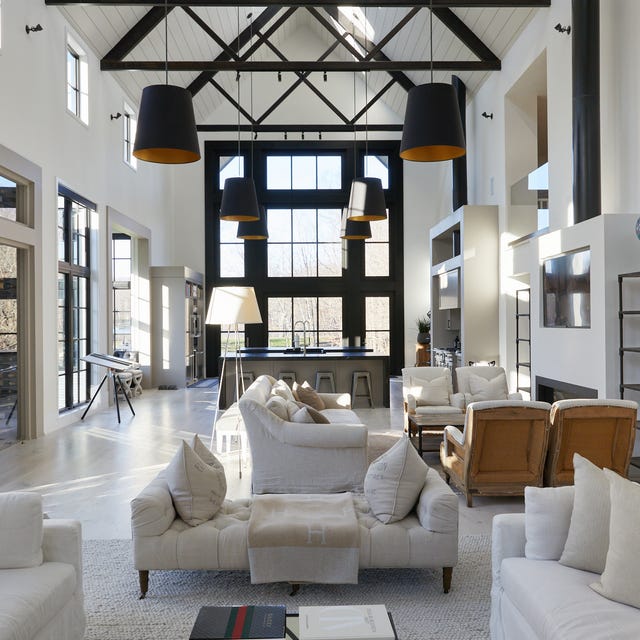
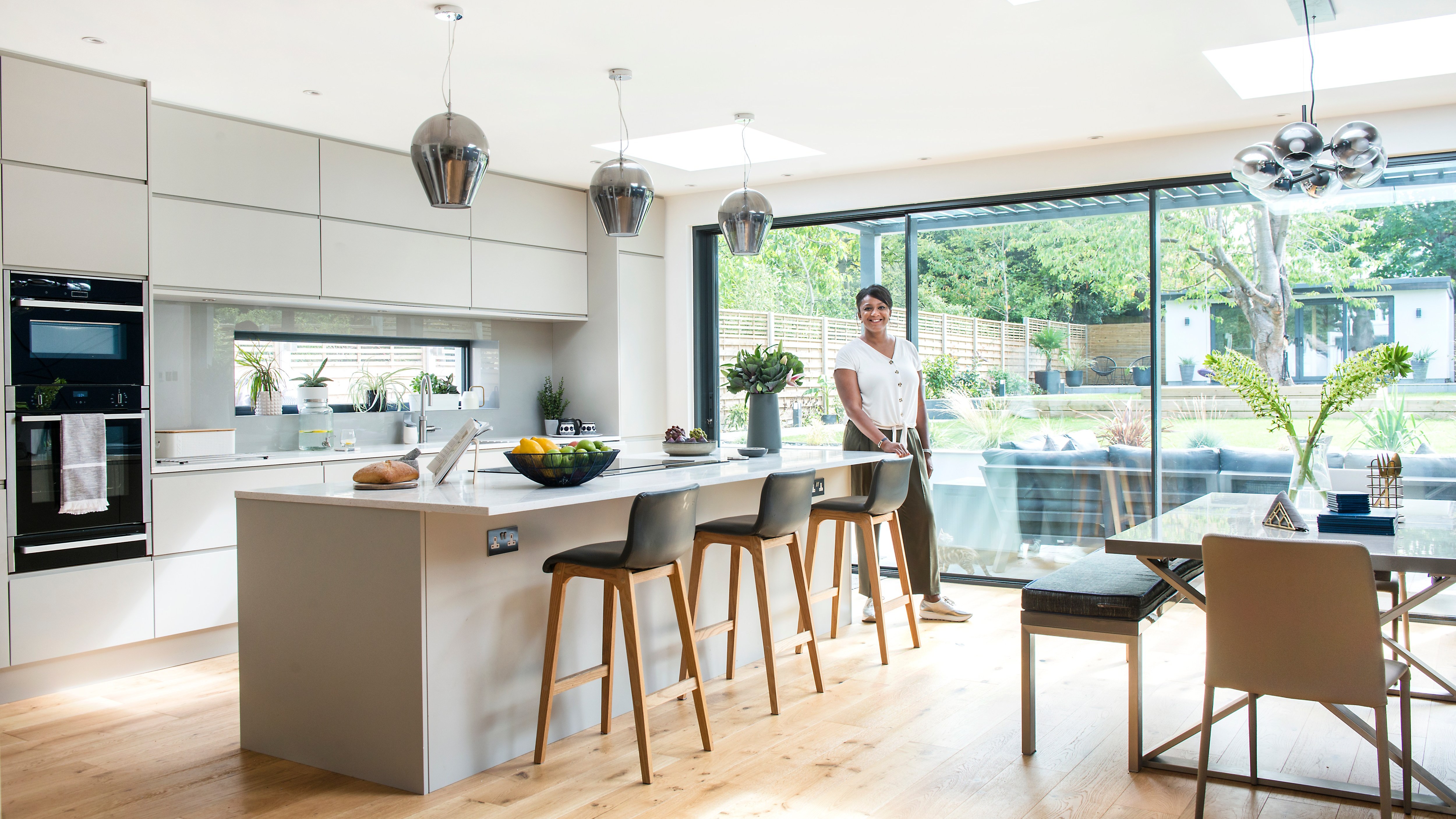
For an extended period, open-concept floor plans, which seamlessly integrate the kitchen, dining, and living areas, were considered the most practical and desirable for contemporary living. However, there has been a noticeable shift in design preferences, with an increasing number of homeowners opting to introduce walls rather than remove them, thereby converting open-plan spaces into more defined, closed-concept layouts. This change suggests a re-evaluation of the advantages offered by separated rooms and a potential decline in the universal appeal of open-plan designs. This article explores the reasons behind this emerging trend towards more divided floor plans.
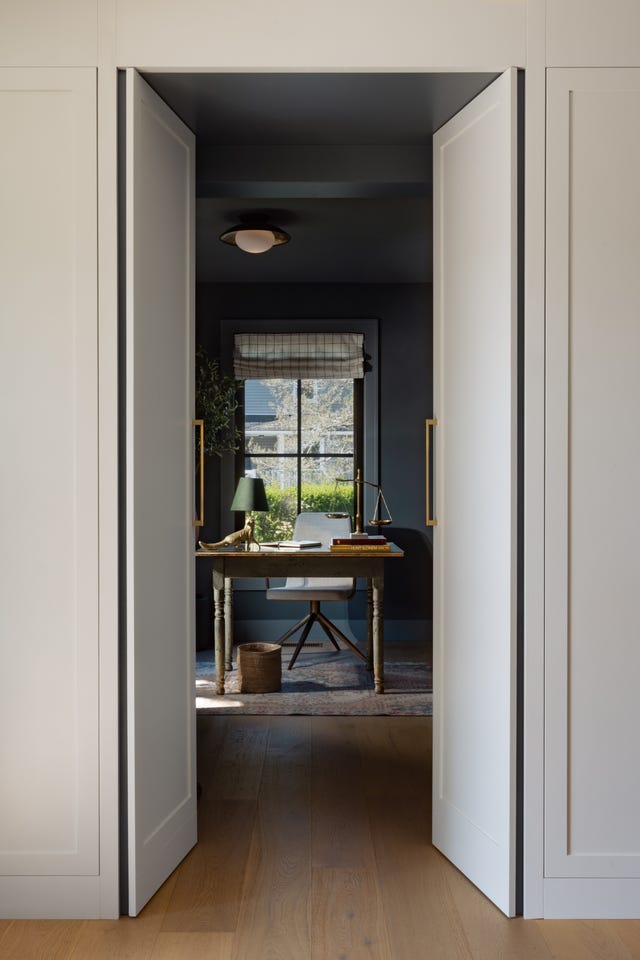
The COVID-19 pandemic played a significant role in fostering this renewed appreciation for closed-off spaces. During periods of increased time spent at home, individuals experienced a heightened need for private areas dedicated to work, study, or quiet relaxation. While the intensity of stay-at-home mandates has diminished, the value placed on layouts that offer privacy and seclusion persists. Architects, such as Alessandro Ronfini of DEMO Architects, have observed this inclination among clients who prefer distinct divisions between living spaces and view the kitchen as less of a central focal point. This indicates a direct consequence of altered lifestyle habits stemming from the pandemic.
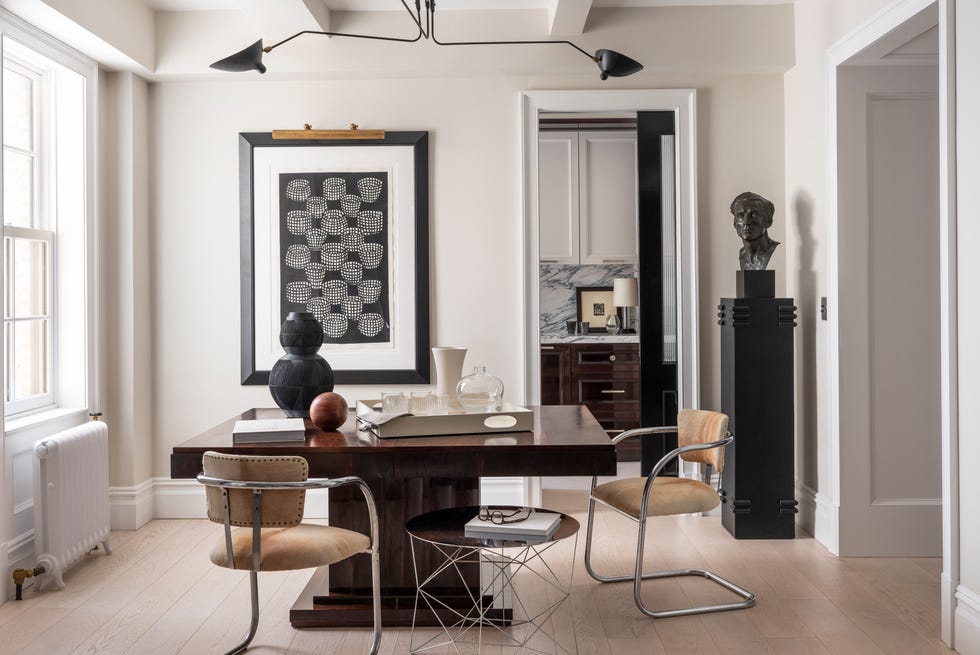
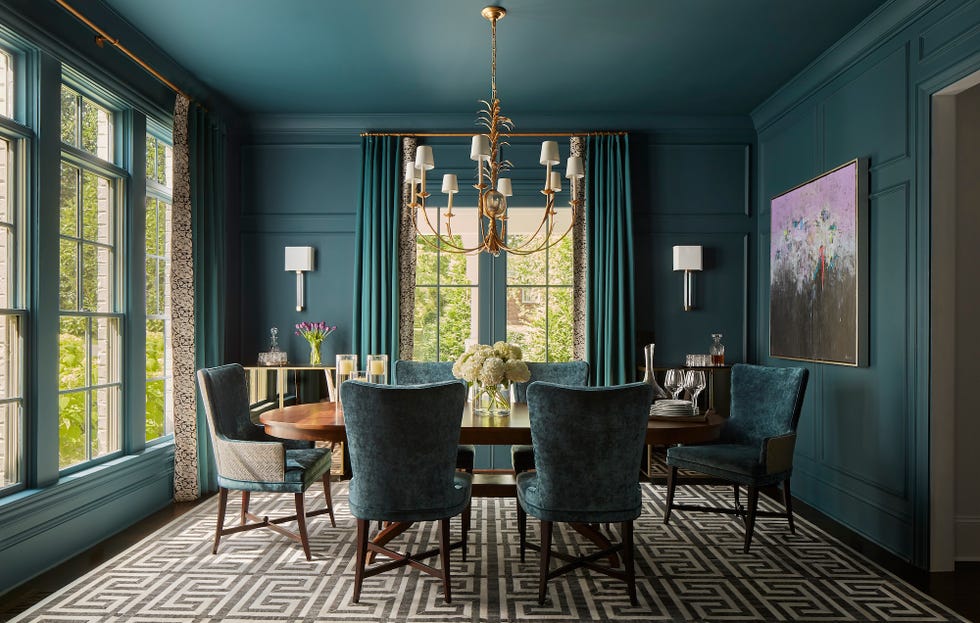
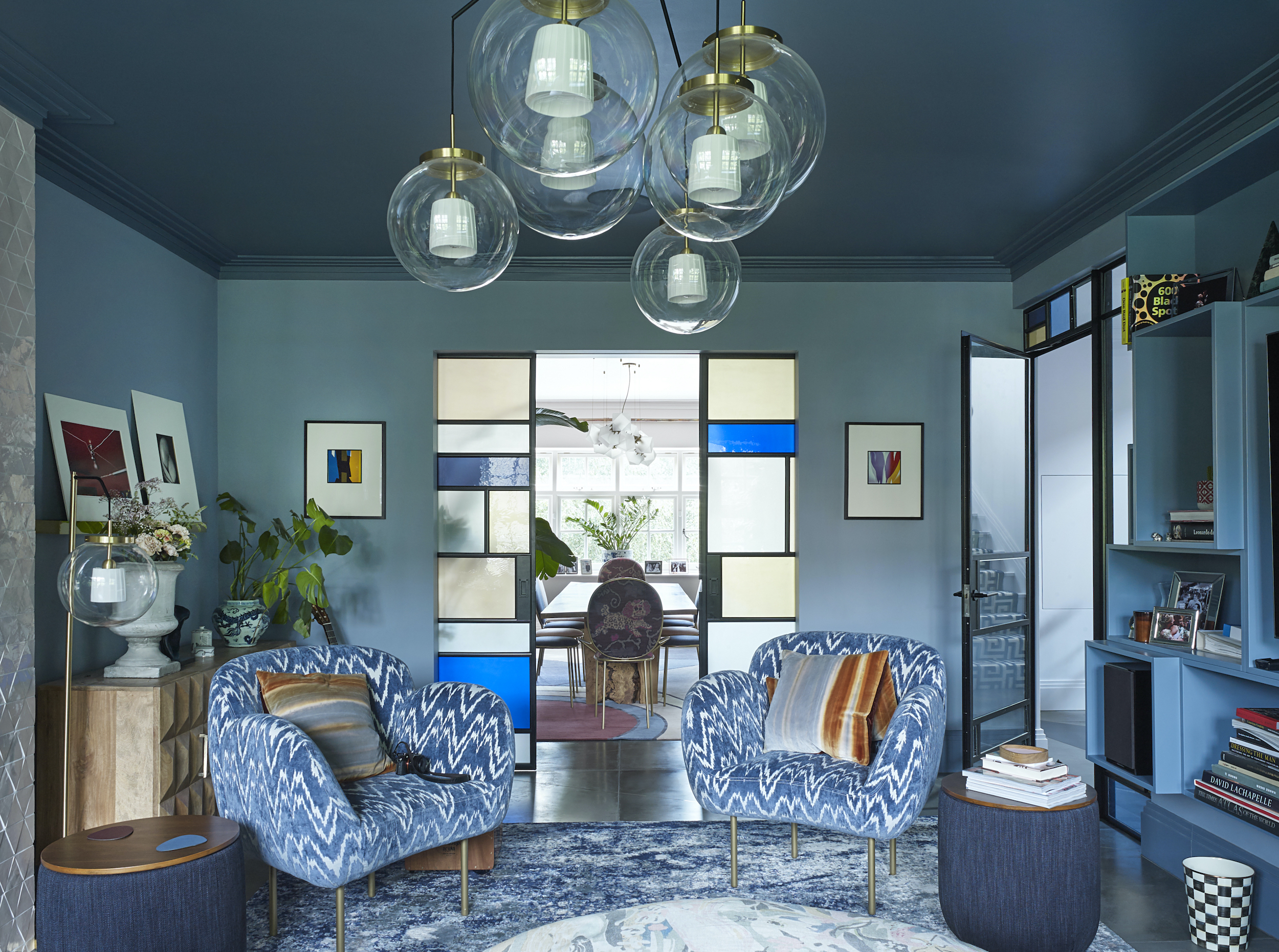
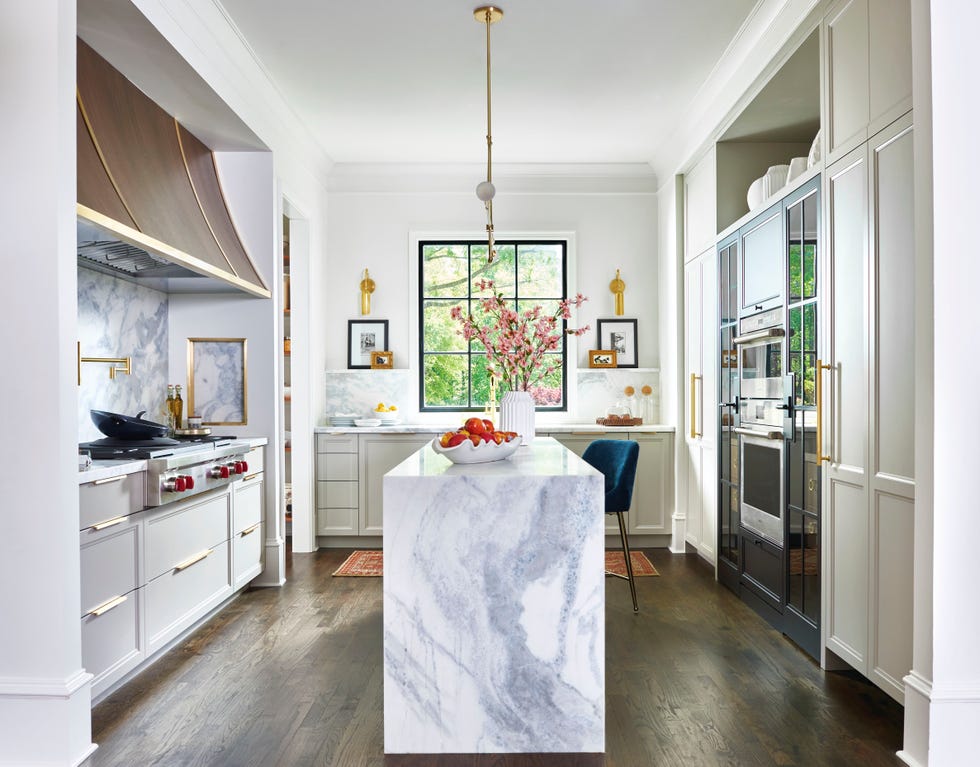
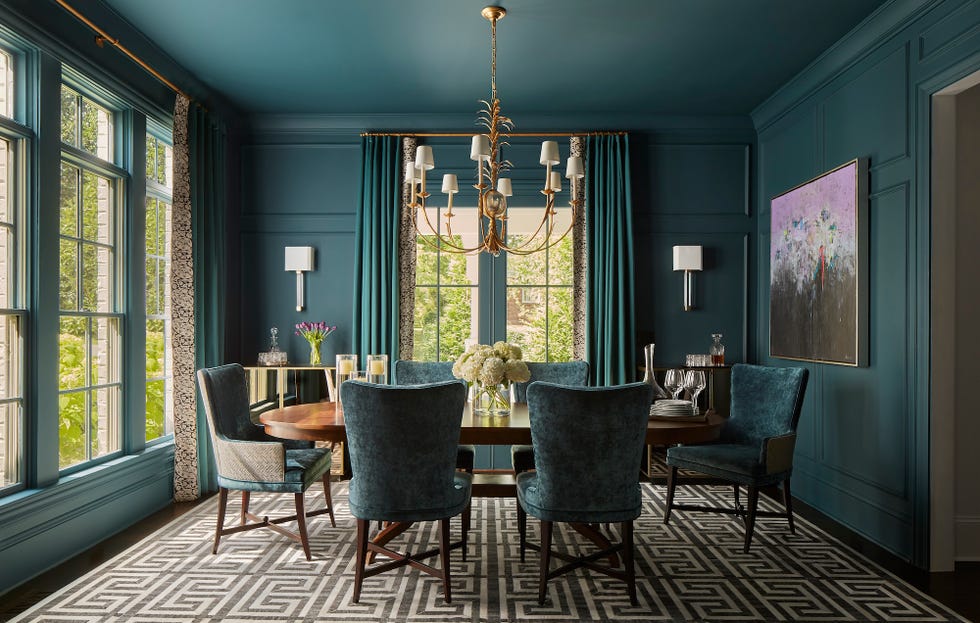
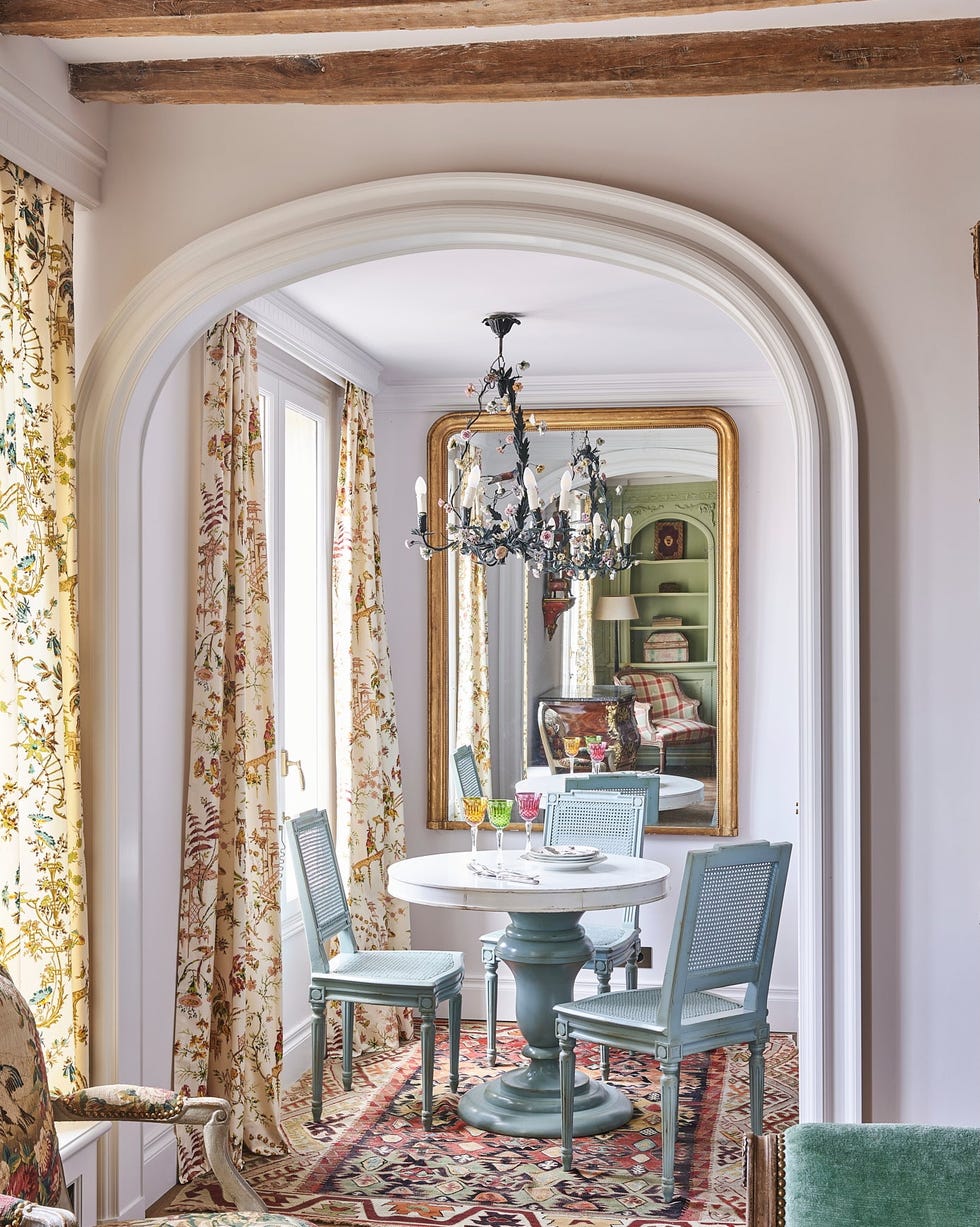
Interior designer Kati Curtis corroborates that the pandemic acted as a catalyst for a broader national movement towards separate kitchens and more compartmentalized living areas. She notes a resurgence in the popularity of the 'Classic Six' layout in New York City's real estate market. This traditional apartment layout, common before the 1940s, typically includes a formal dining room, living room, kitchen, two bedrooms, and a bathroom. The renewed demand for such layouts over open-concept designs underscores a preference for distinct, separate spaces, with homeowners across the country adopting a similar approach to modern living, recognizing the practicality and privacy these layouts provide, especially after extensive periods spent at home.
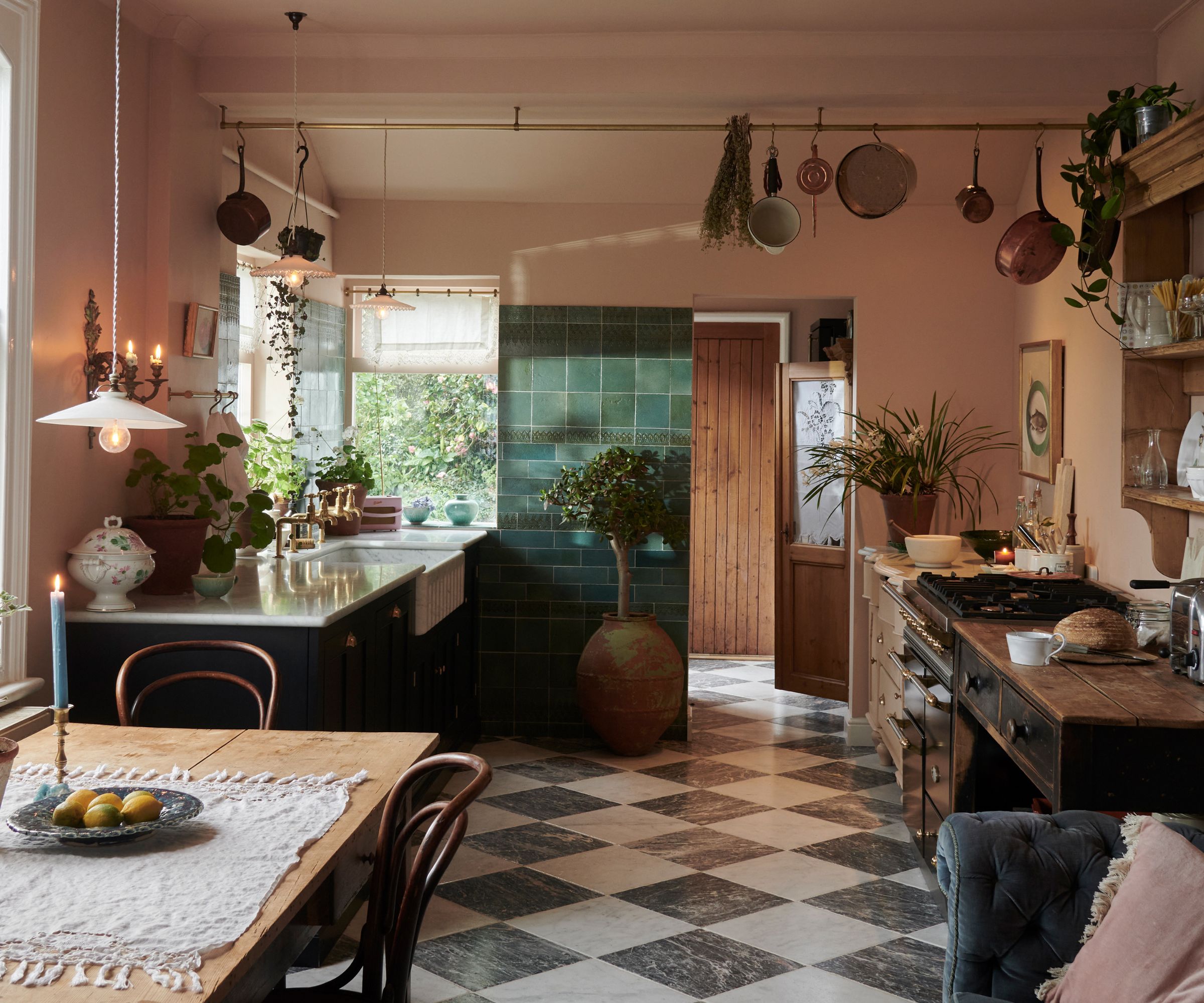
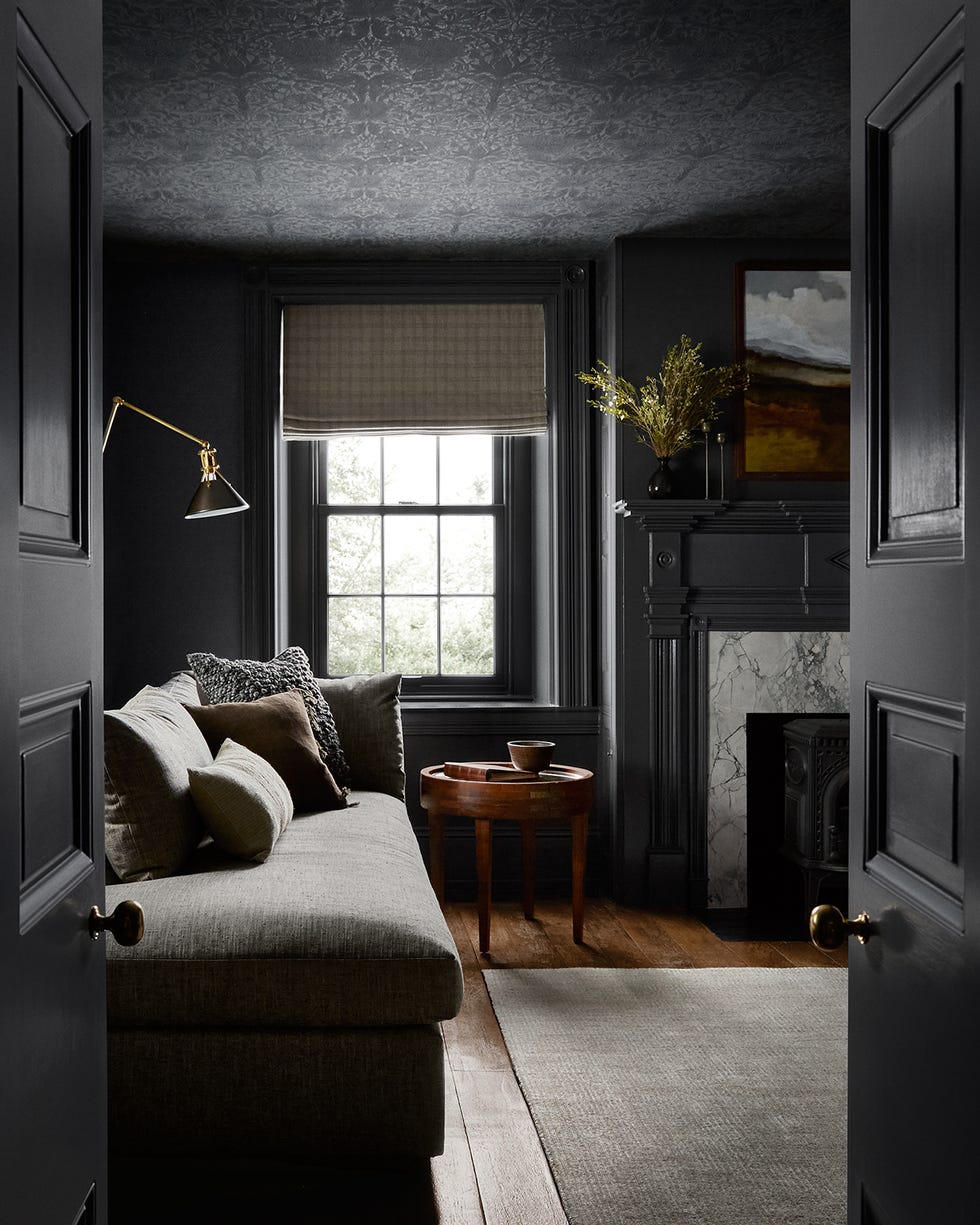
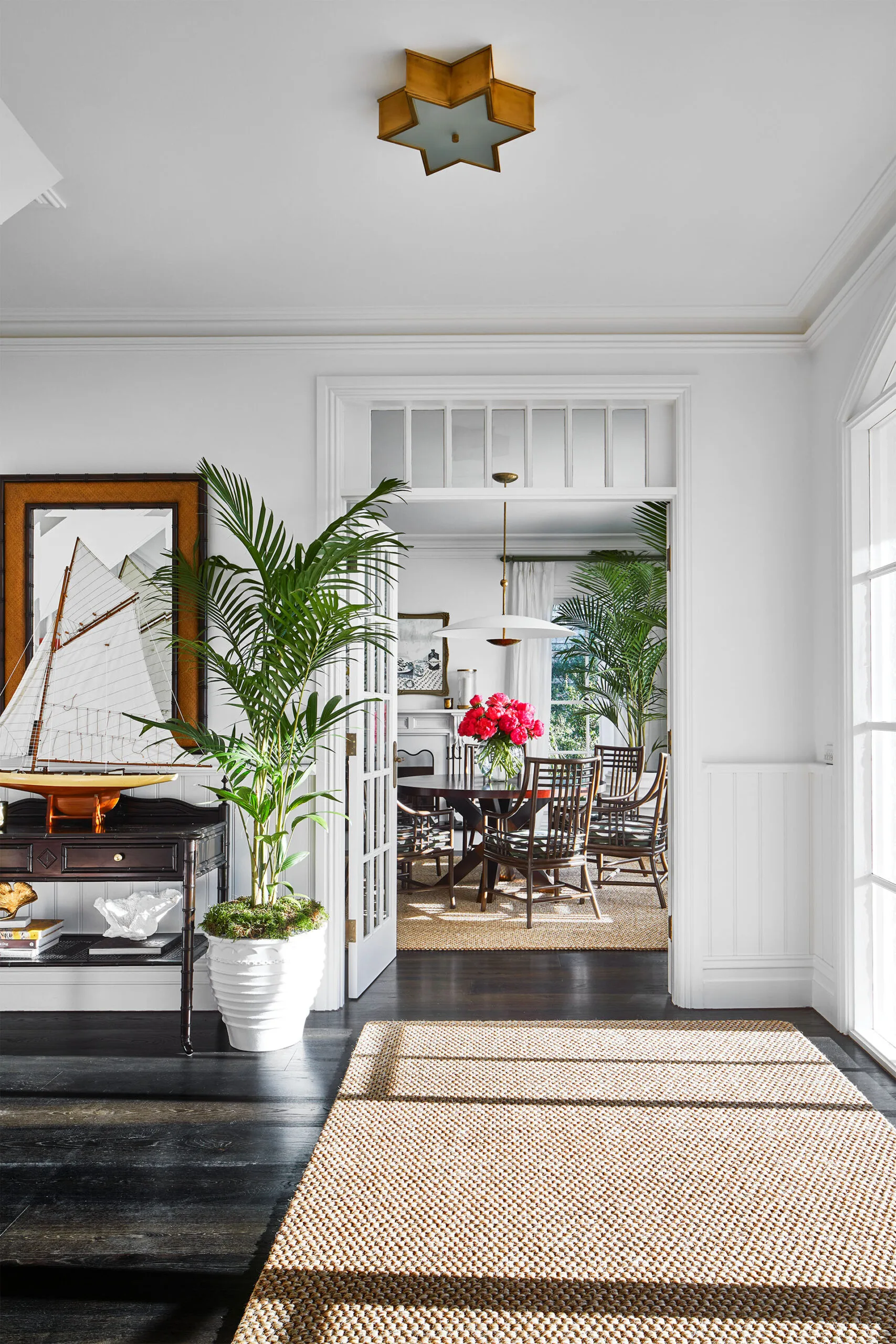
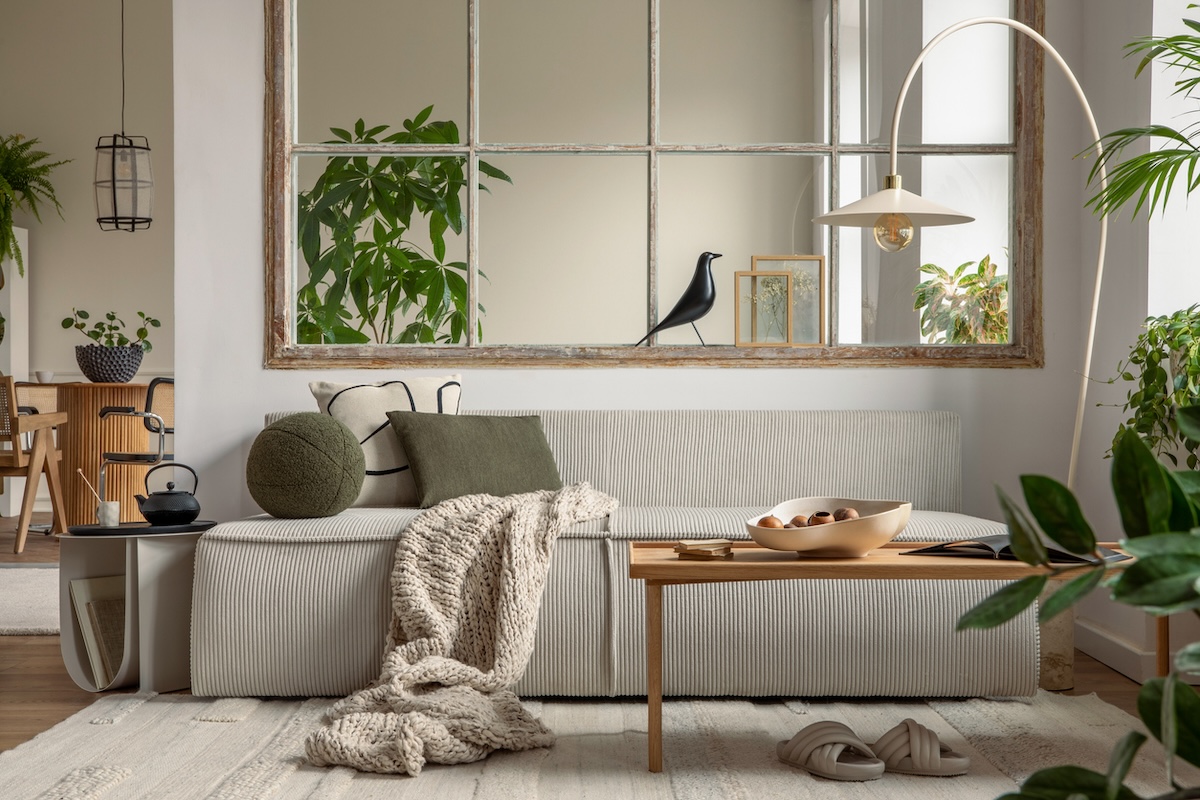
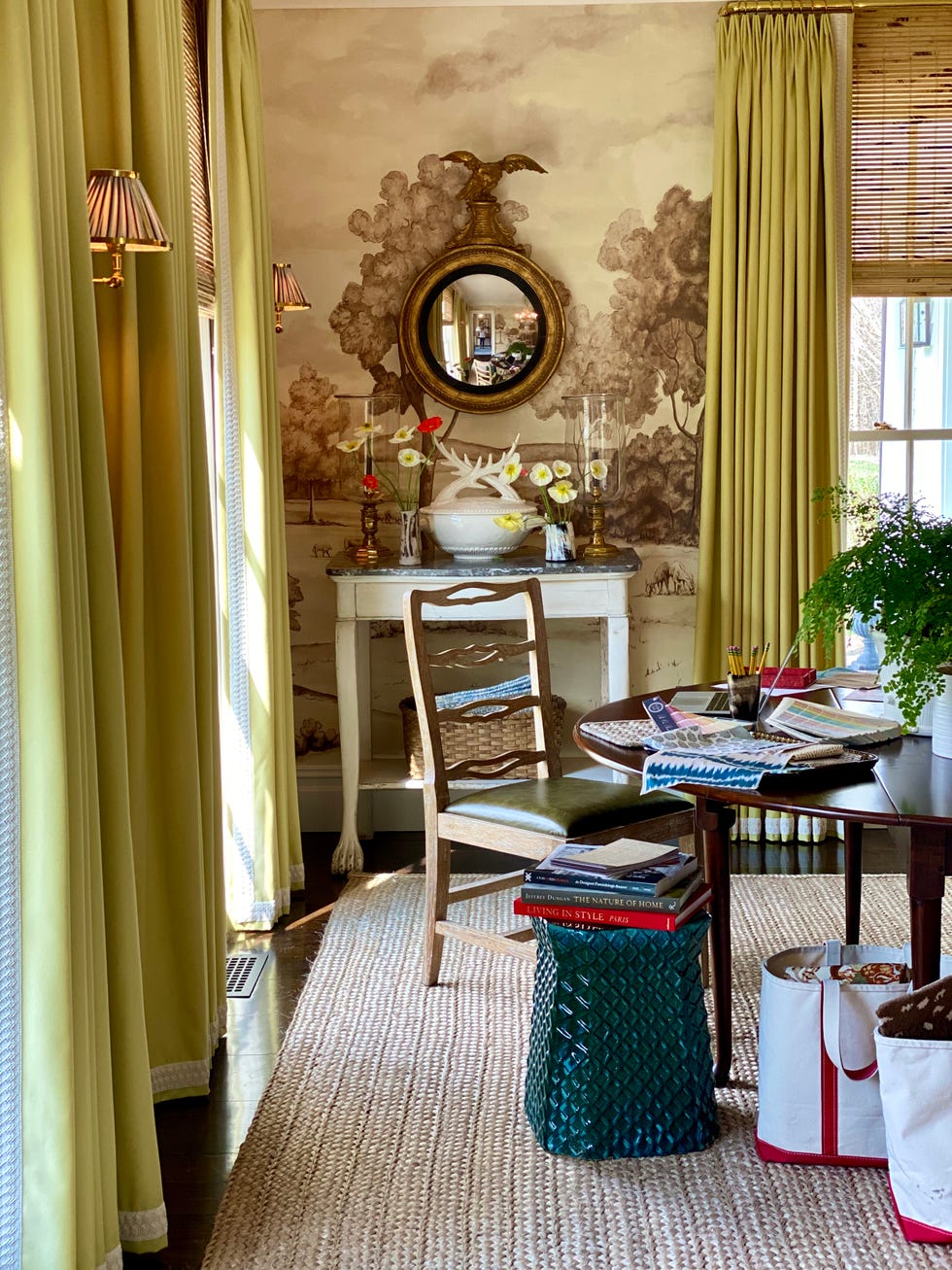
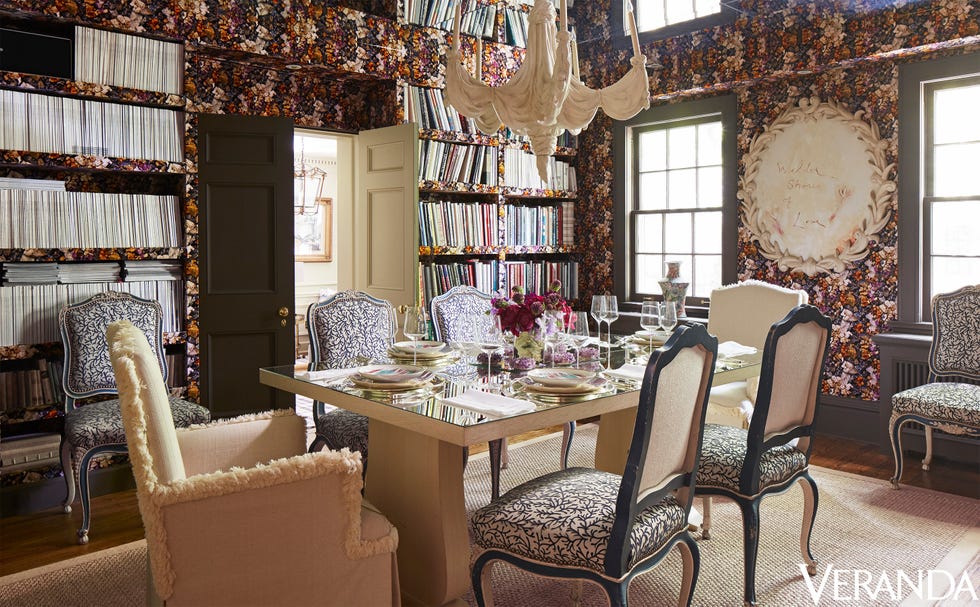
Beyond the pandemic's influence, other interior design trends also contribute to the shift towards closed-concept spaces. Breegan Jane, an interior designer, suggests that the current popularity of 'individualized homes' and styles like maximalism and dopamine design favors separated rooms. These design philosophies often involve an abundance of color, texture, and personality, which can be overwhelming in large, open spaces. Smaller, divided rooms allow for a more curated application of these visually stimulating elements, preventing sensory overload. Jane also notes a shift from the pandemic-era craving for large, open, nature-inspired spaces to a current desire for playfulness and personalized design, which closed concepts facilitate more effectively.
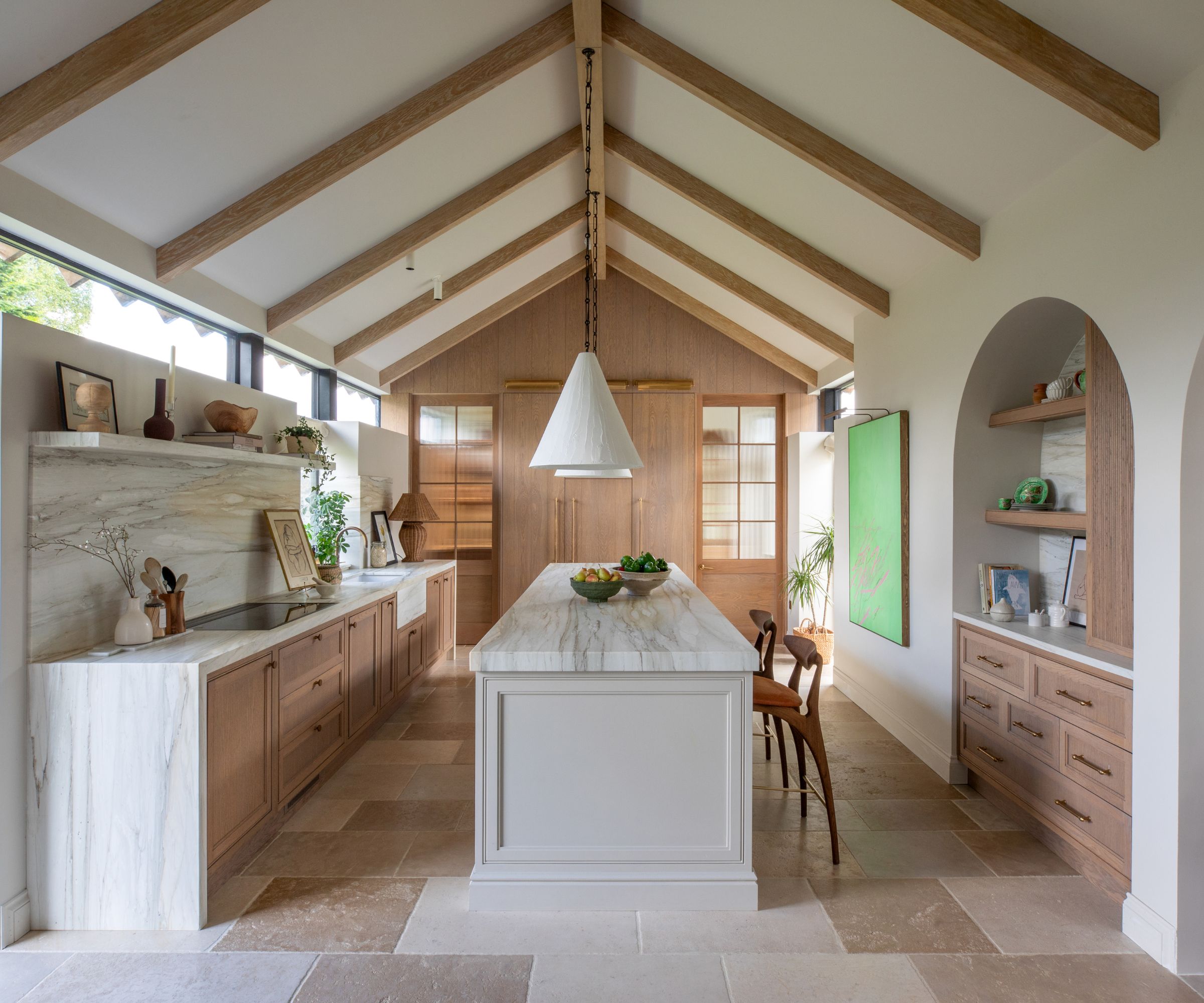
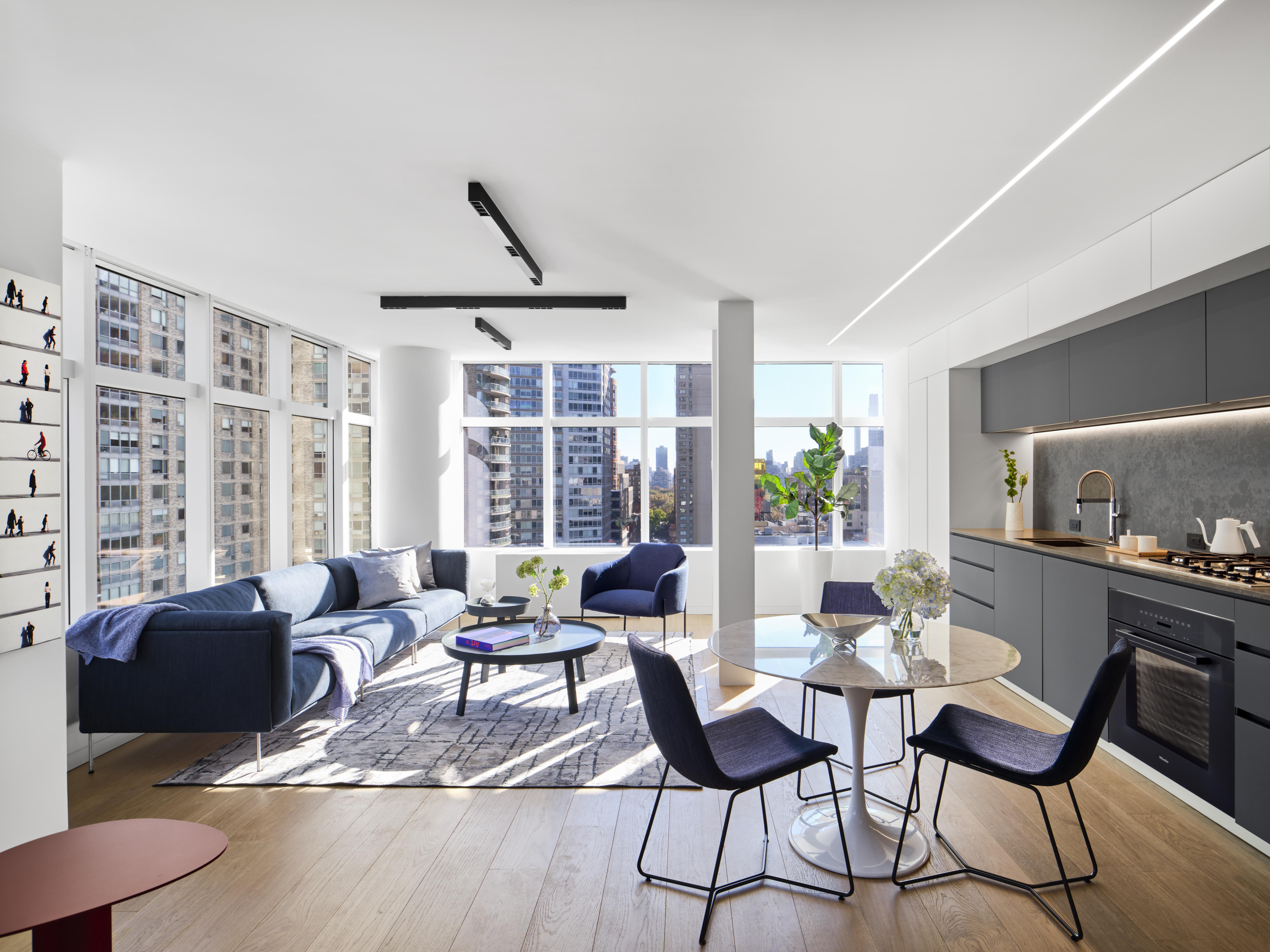
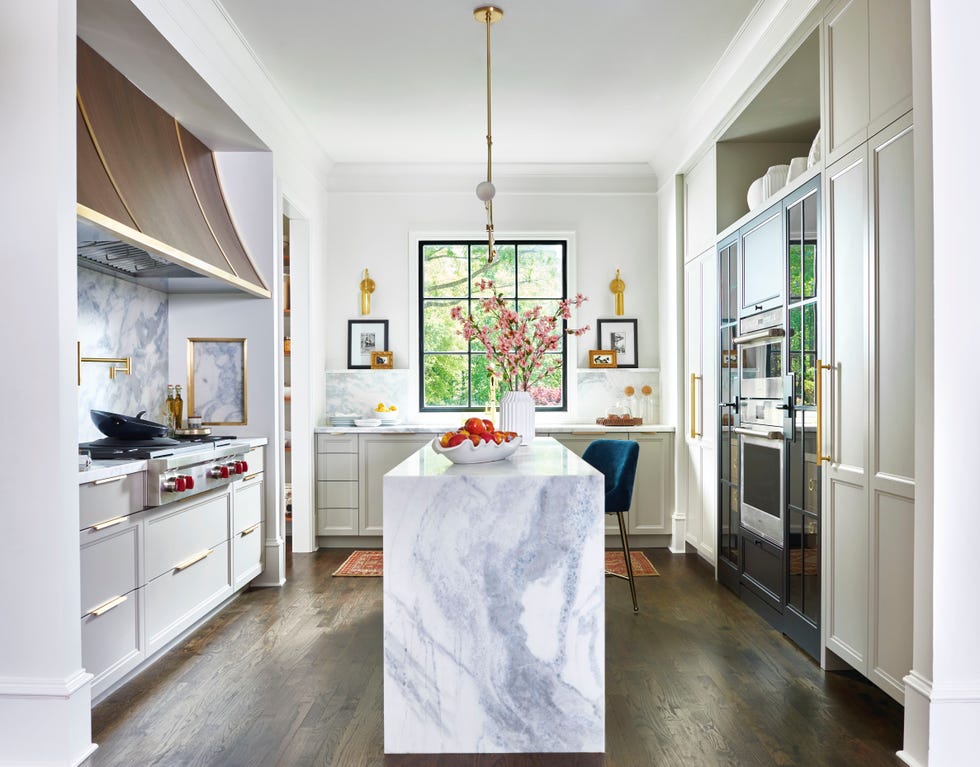
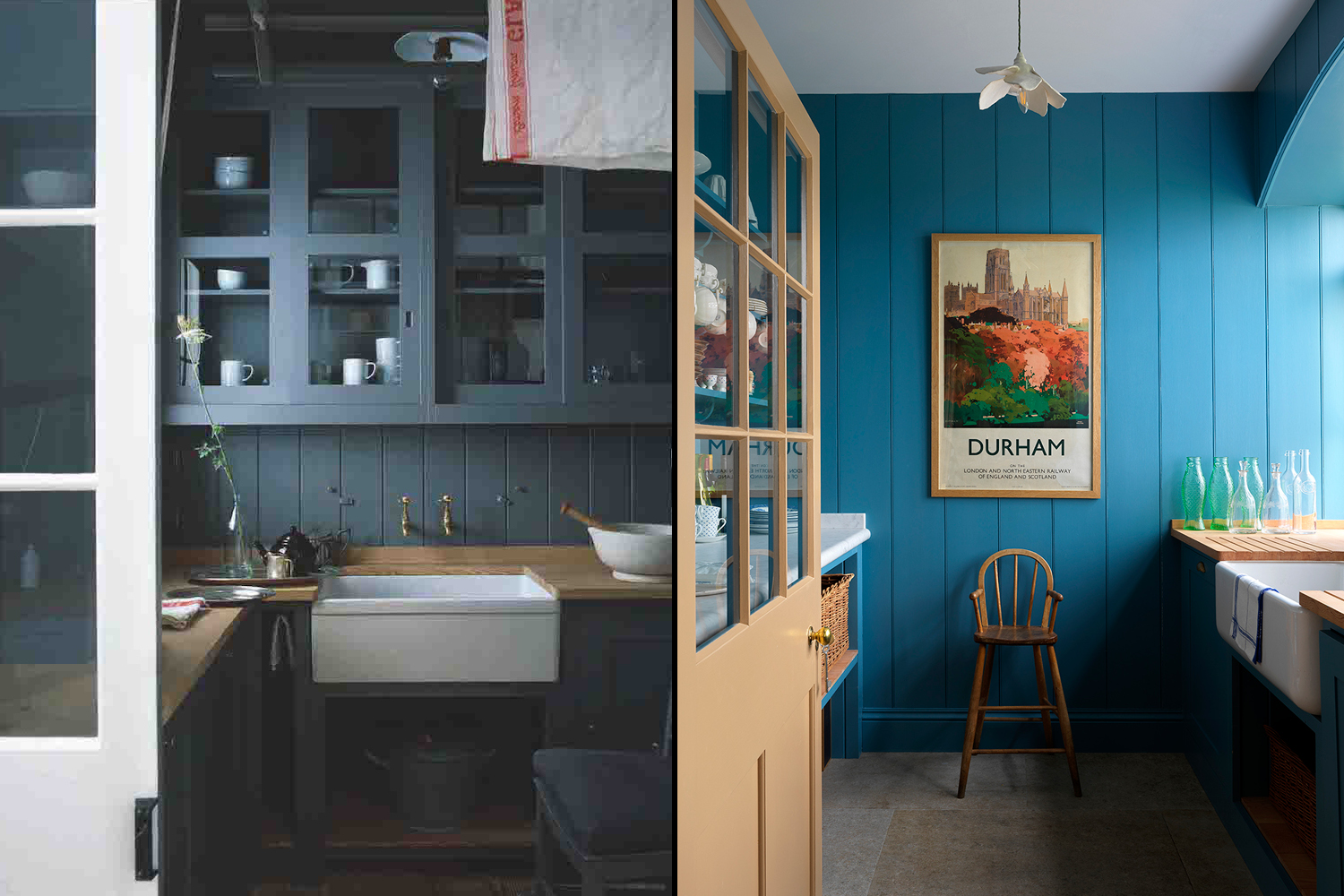
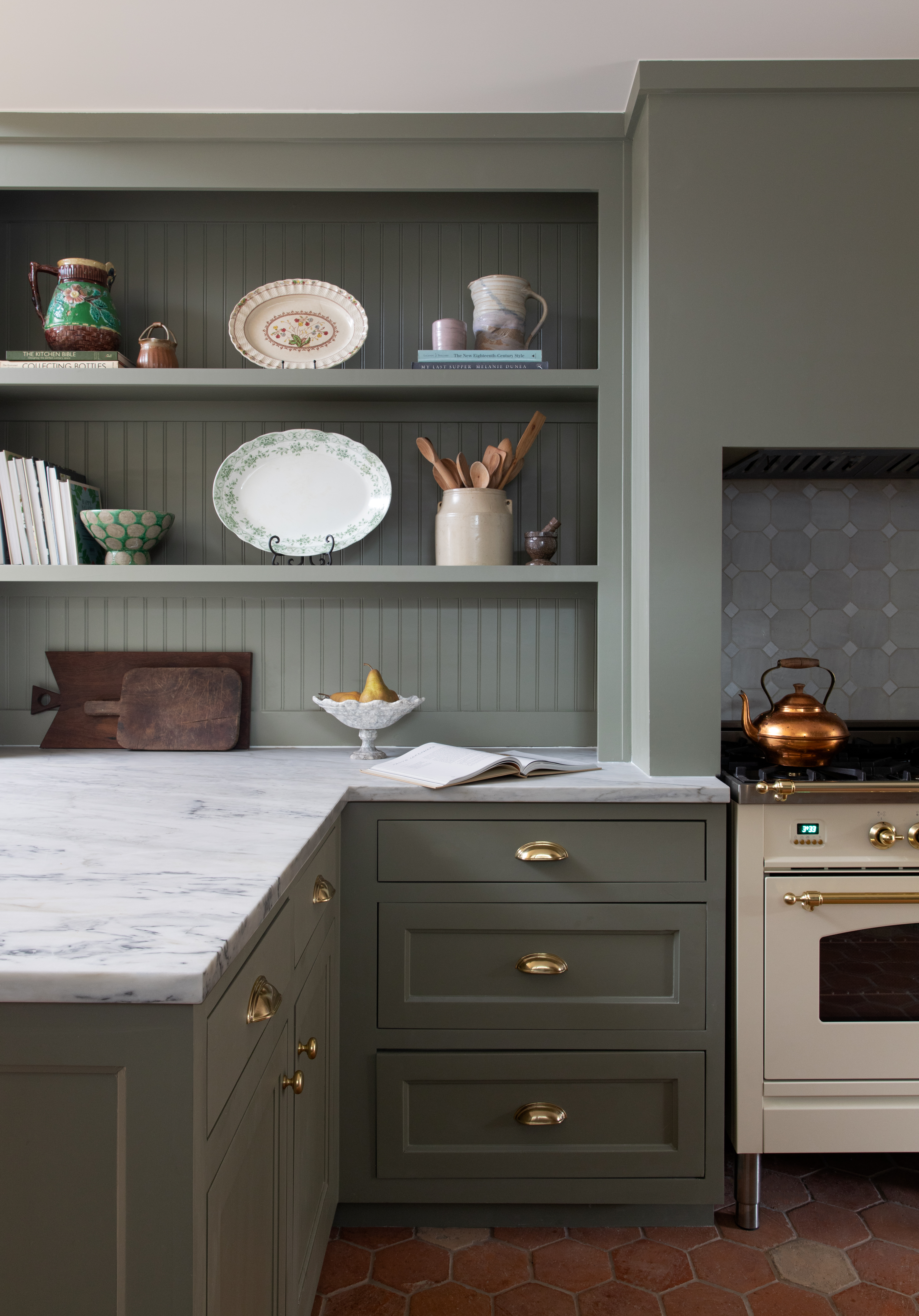
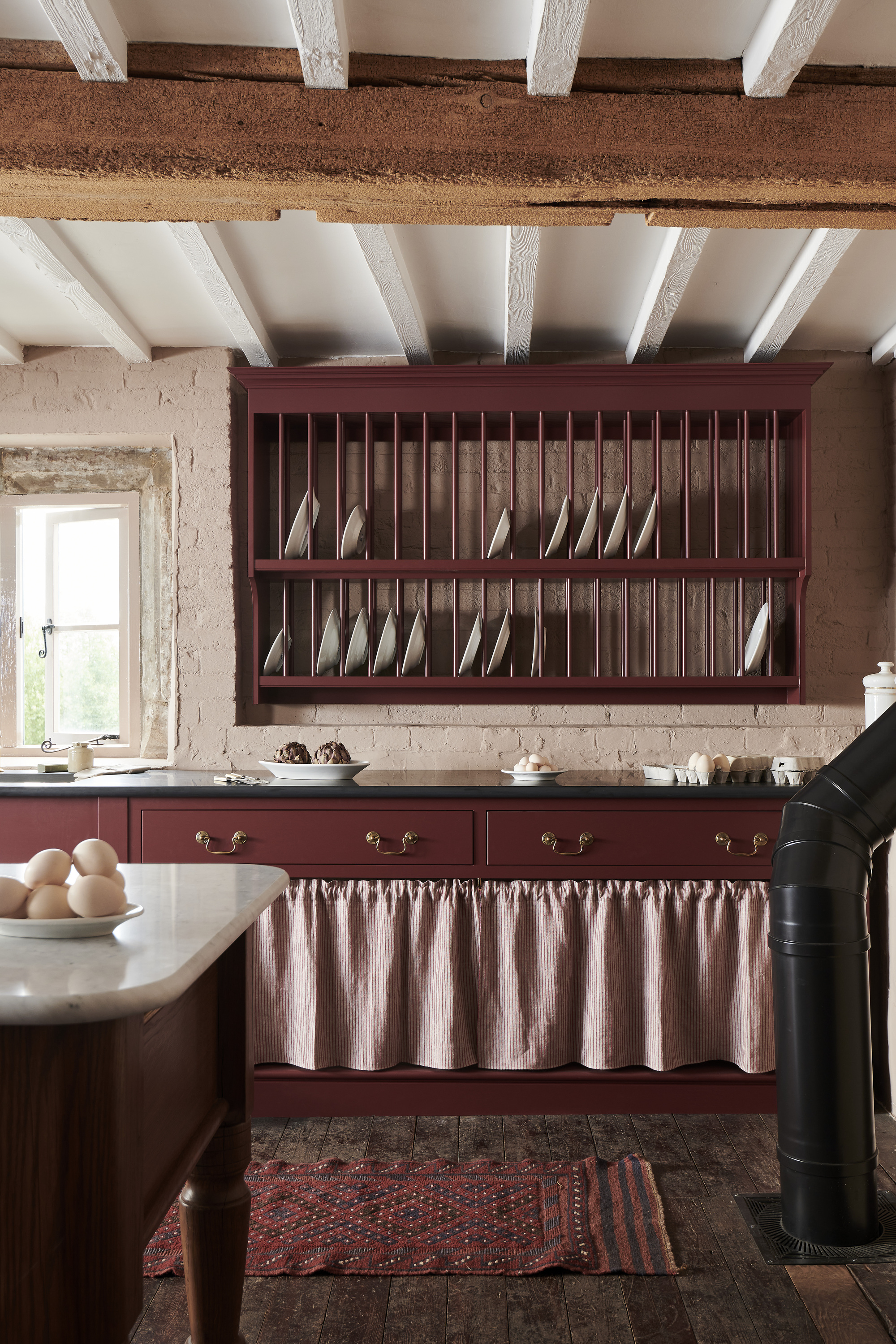
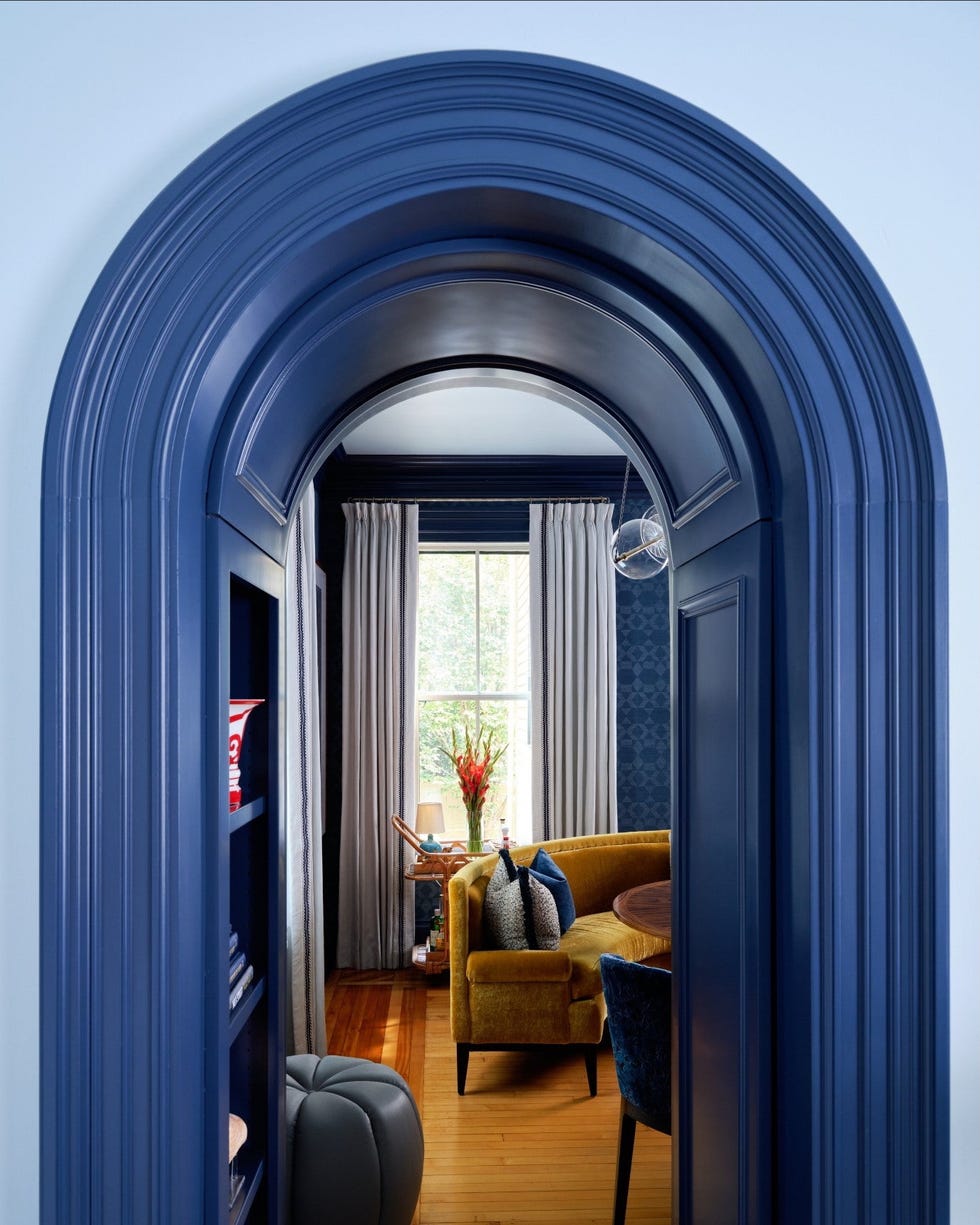
The choice between open and closed-concept layouts ultimately depends on personal preference and practical considerations, particularly the size of the property. For instance, city apartments often benefit from open kitchens to maximize natural light and perceived space. Storage needs and tolerance for clutter are also crucial factors. Ilaria Barion of Barion Design highlights that closed concepts effectively isolate cooking odors, noise, and visual clutter, maintaining the aesthetic appeal and functionality of other living areas. This compartmentalization also allows for more precise control over heating, cooling, and lighting, enhancing energy efficiency.
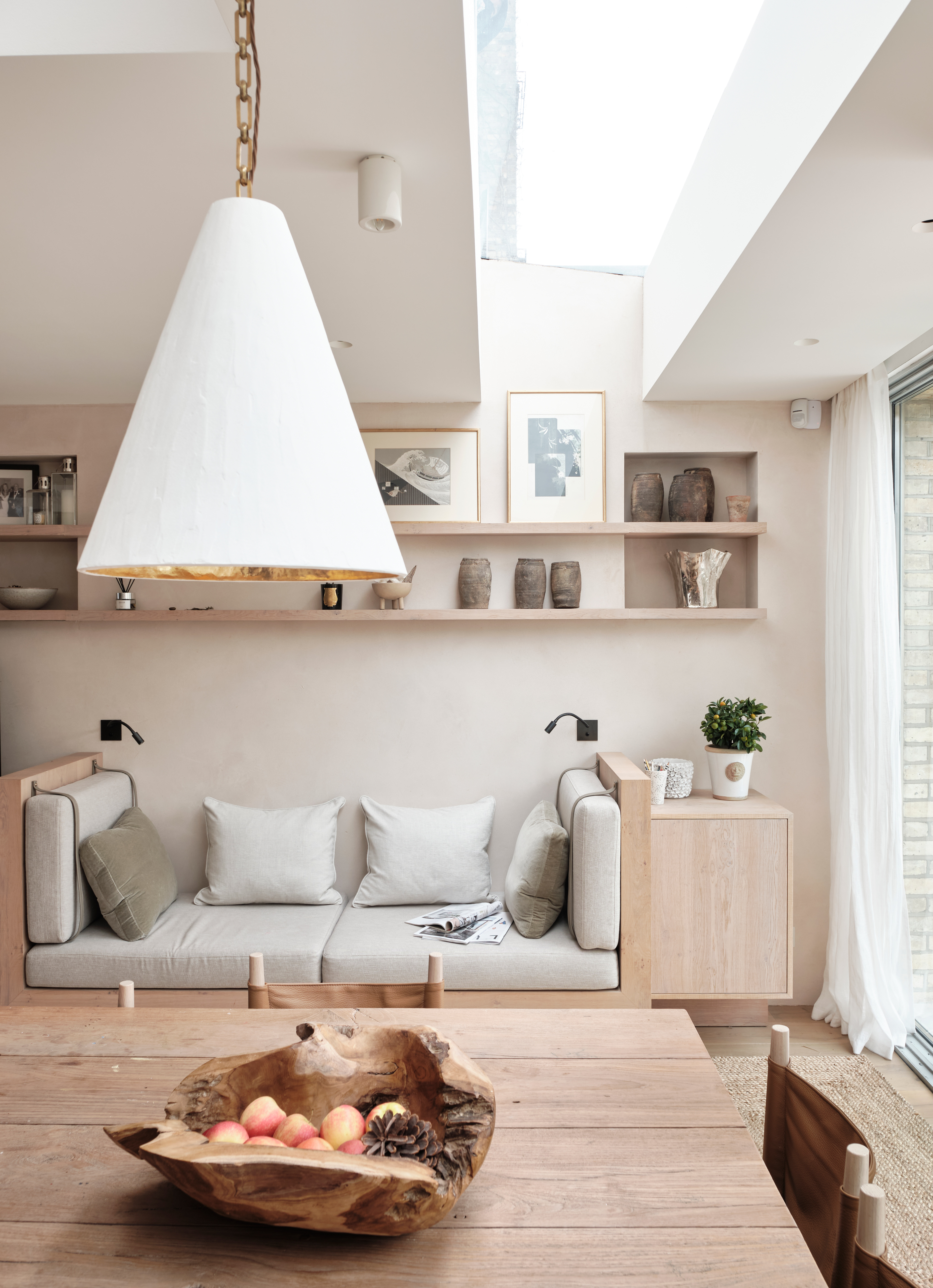
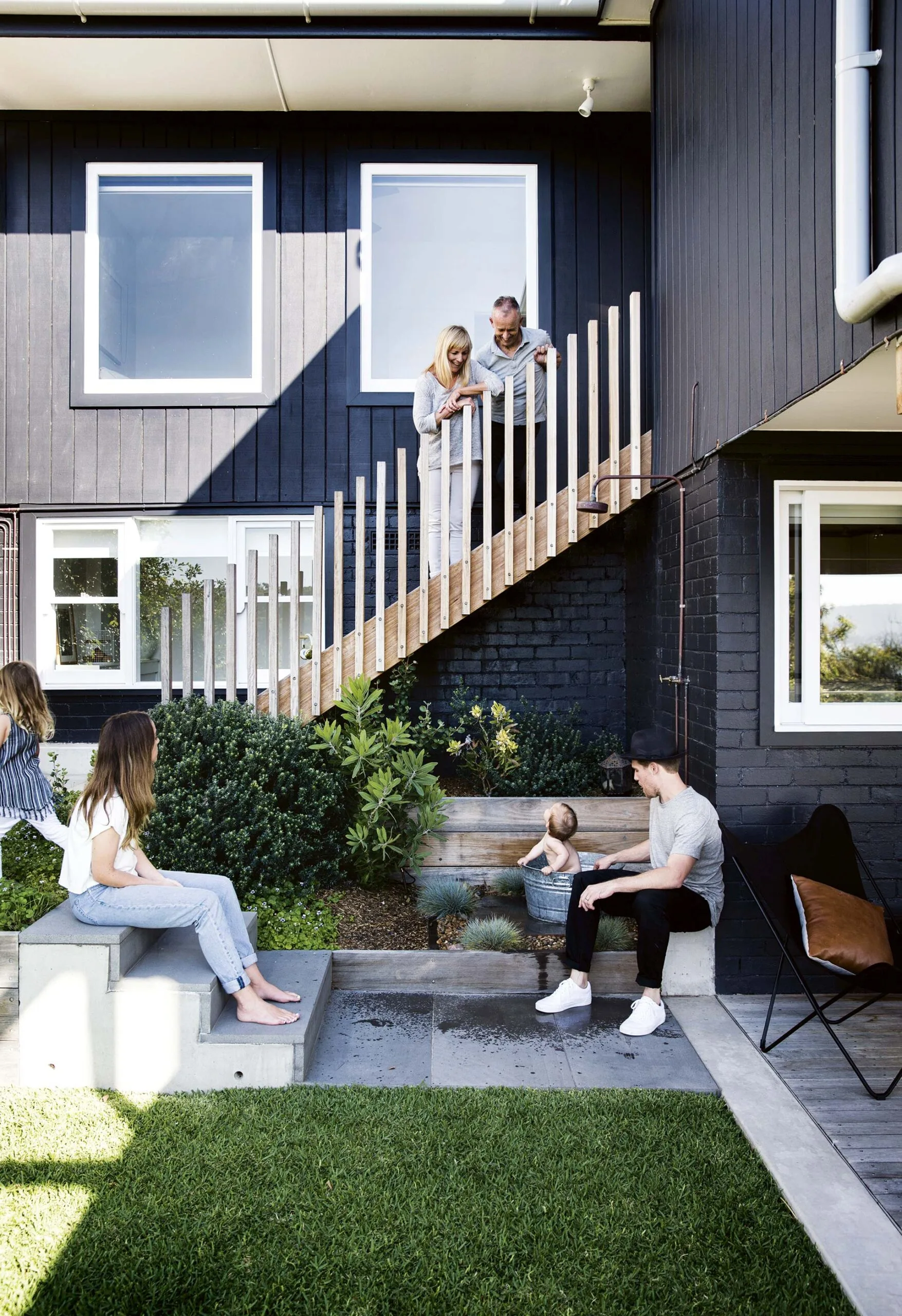
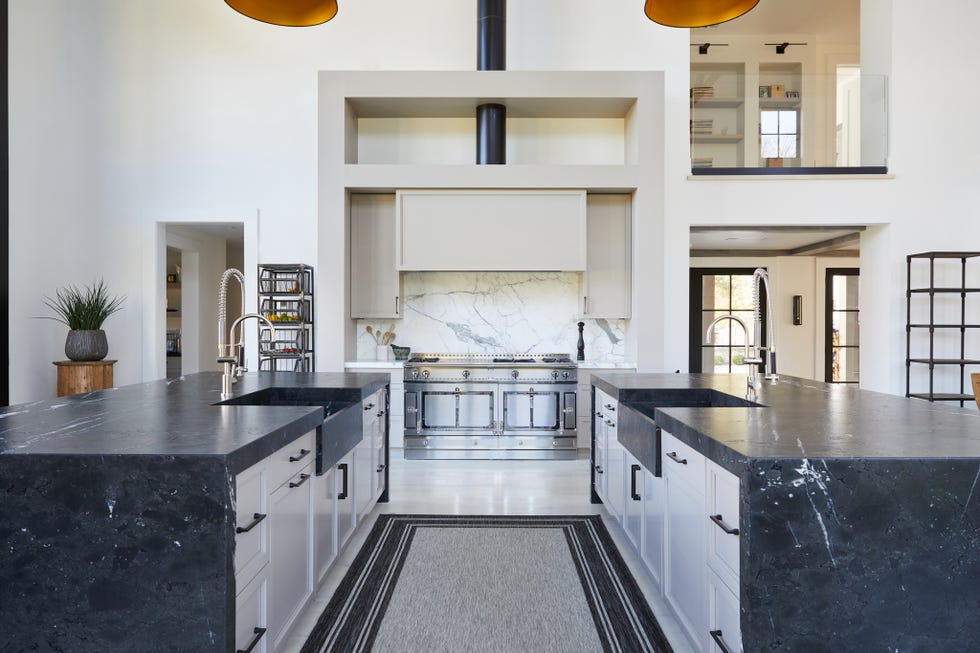
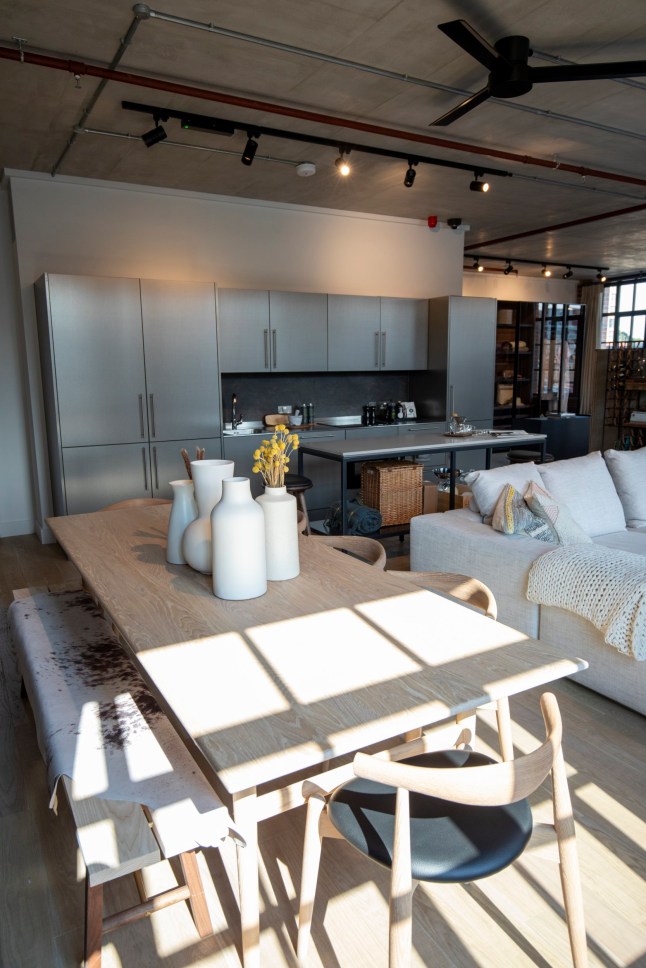
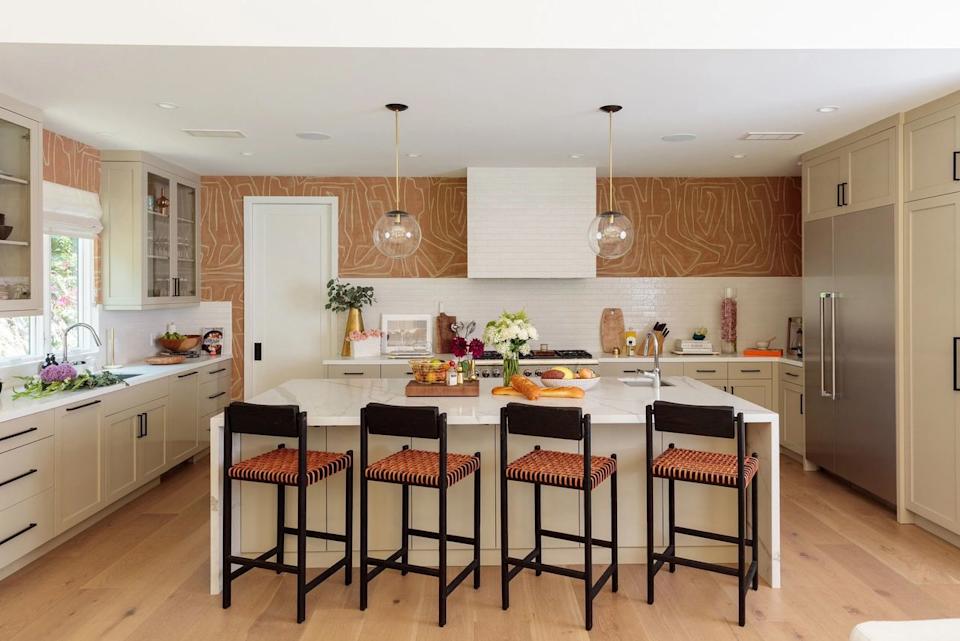
Despite the growing interest in closed concepts, open-plan living is not expected to completely disappear. Designers emphasize its continued appeal for those who enjoy entertaining guests and families with young children, as it fosters interaction and keeps everyone connected. The key to a long-lasting and adaptable home layout lies in carefully considering daily routines, the needs of occupants, and specific activities. For example, avid cooks might prefer a more divided layout, while those caring for young grandchildren might find an open-plan design more convenient for supervision.
#InteriorDesign #ClosedConcept #OpenPlan #HomeLayout #PostPandemicTrends #MaximalistDesign #DopamineDecor #ClassicSixLayout #InteriorDesign #ClosedConcept #OpenPlan #HomeLayout #PostPandemicTrends #MaximalistDesign #DopamineDecor #ClassicSixLayout
0 комментариев всего
 Комментариев пока нет
Вам также может понравиться
Is open plan going out of style? Experts weigh on whether this once-loved layout is starting to date

Open plan living: The new normal or passing trend?

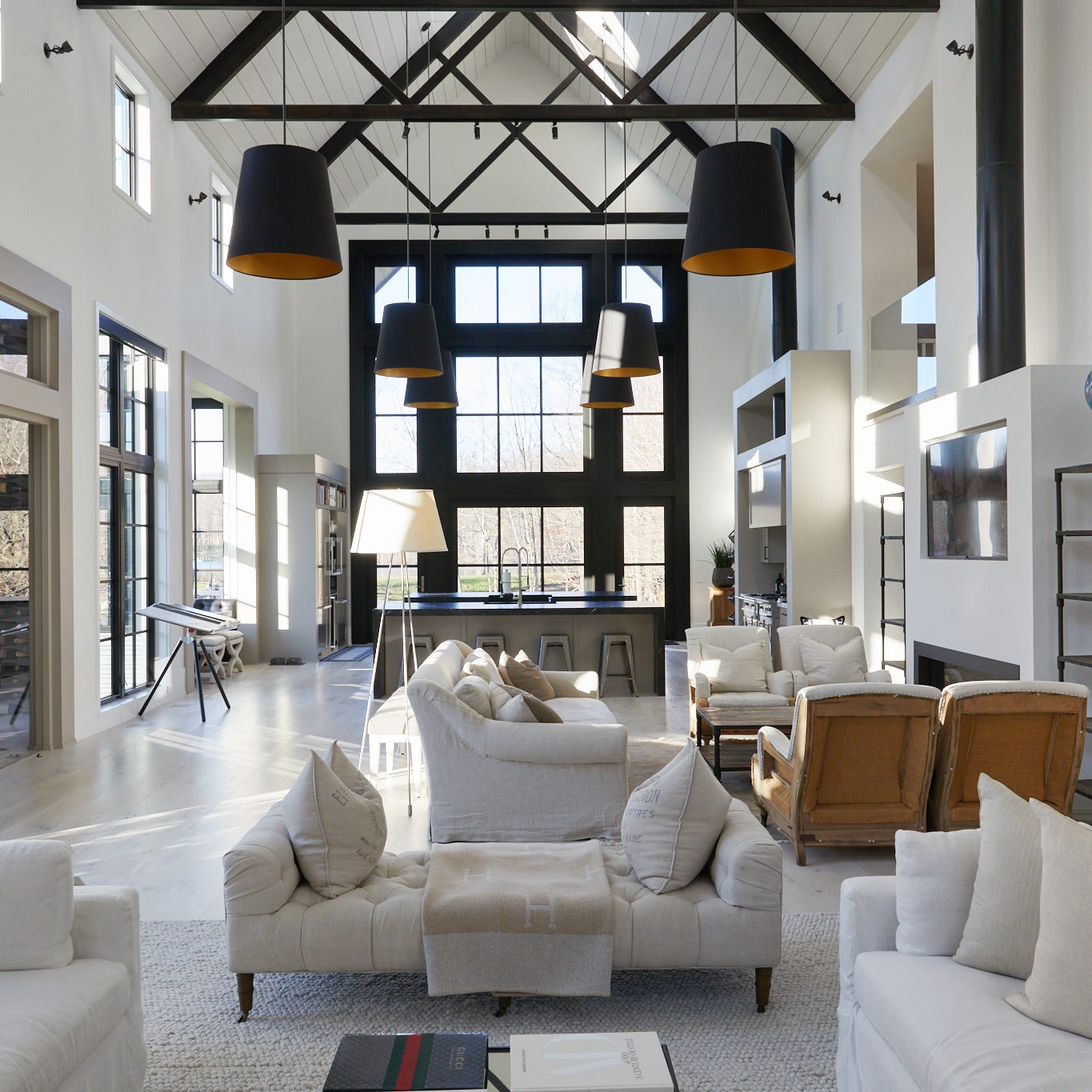
This Controversial Home Layout Has DIVIDED the Design World

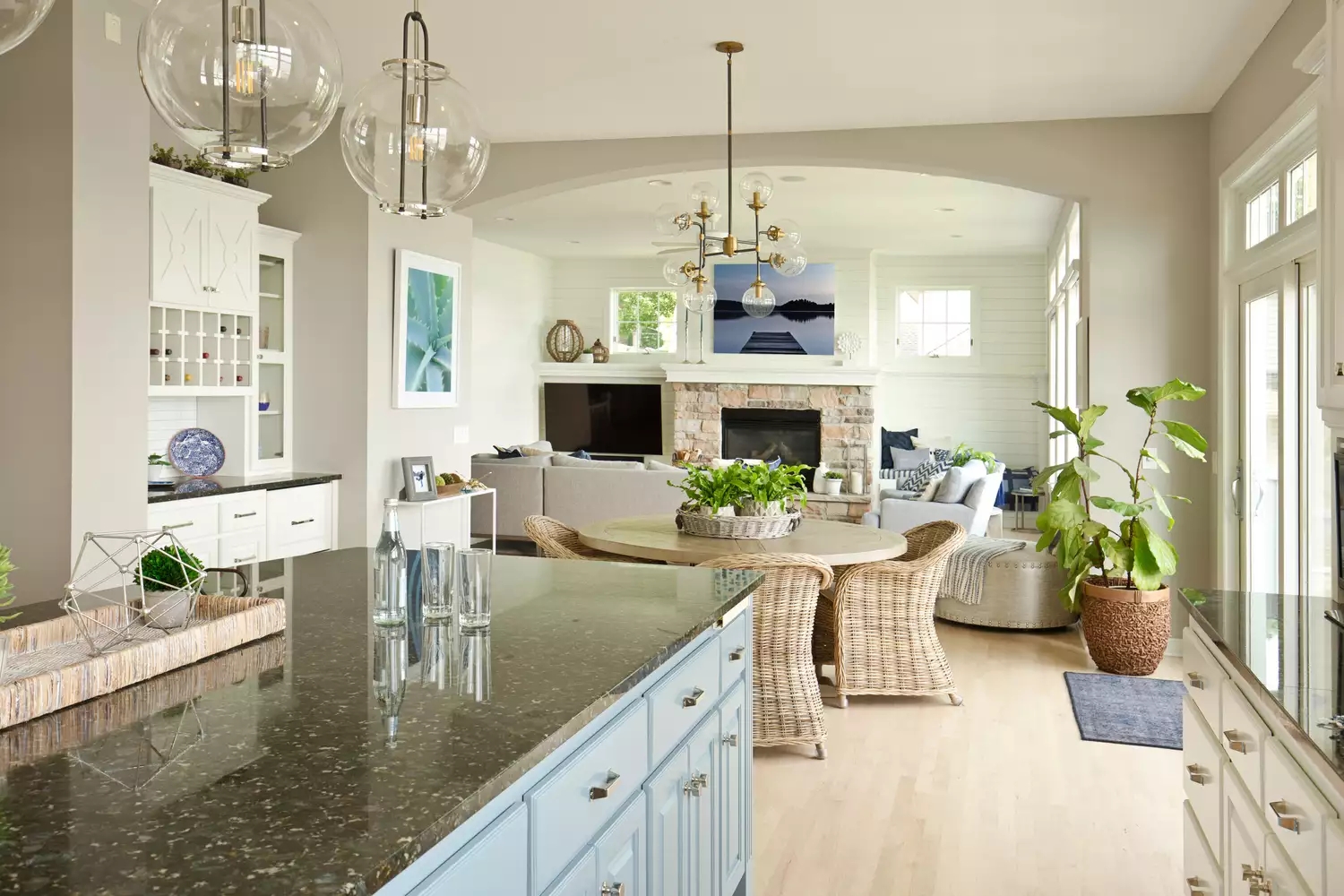
Are Open Floor Plans Outdated? We Asked Designers What They Really Think

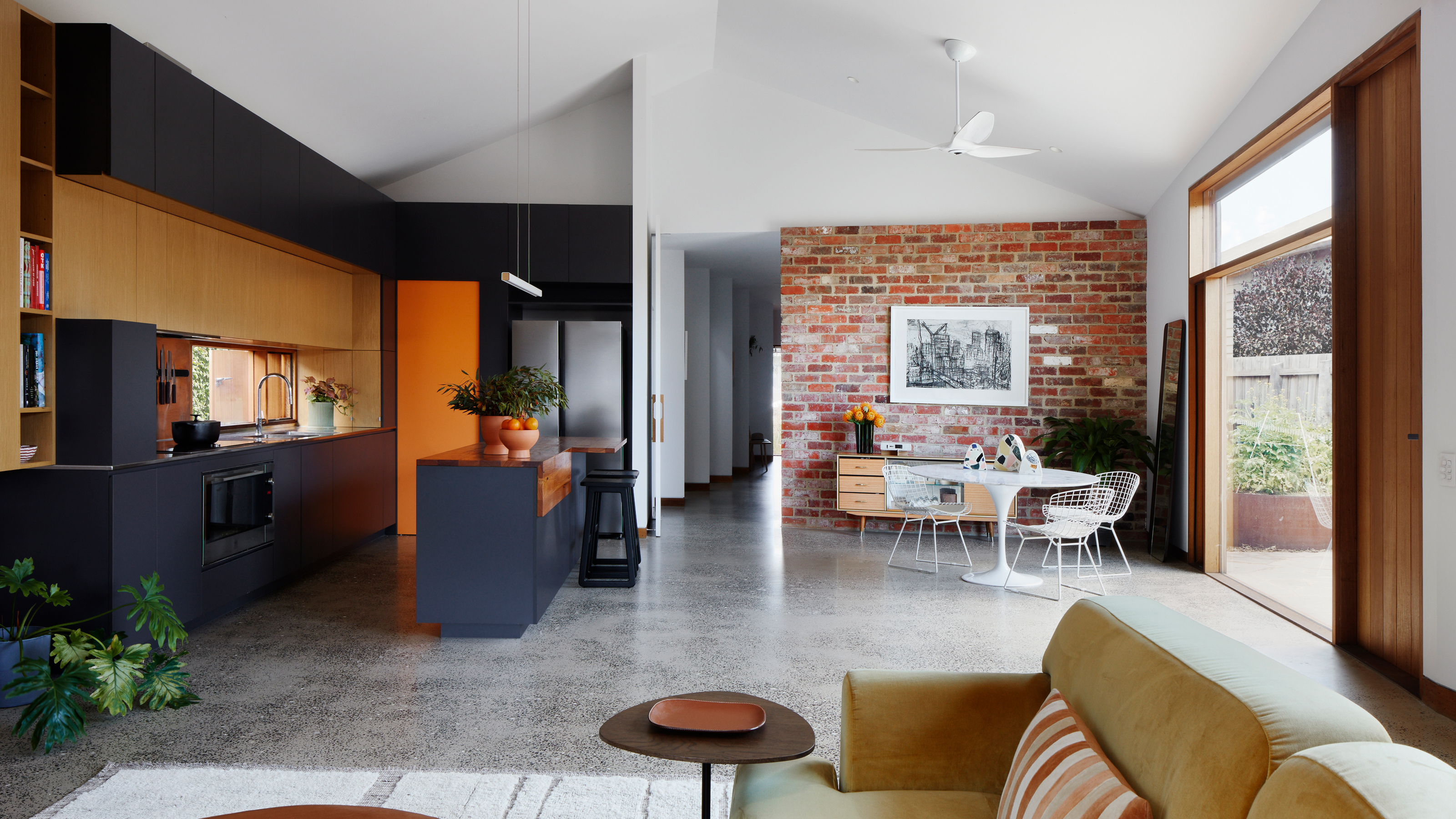
Are Open Concept Floor Plans Still in Style? Here's Why Designers are Opting Against This Once-Loved Layout

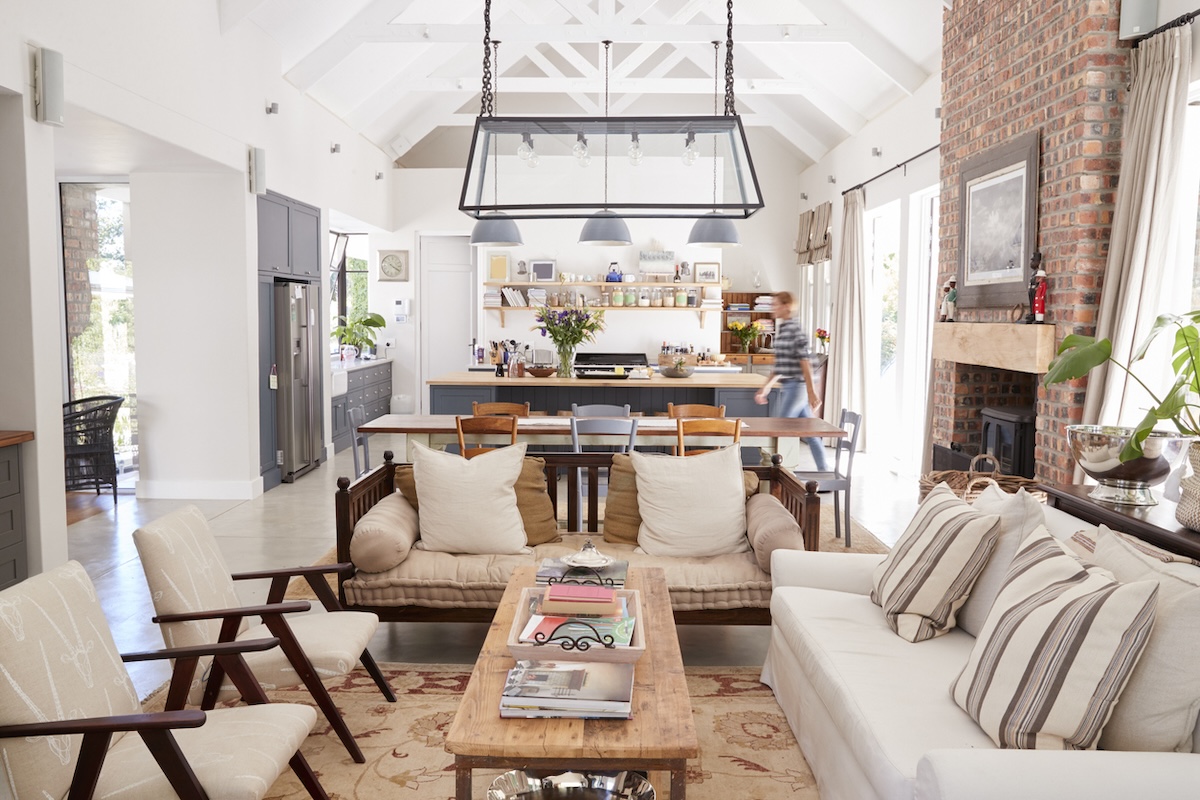
The One Wall Most People Want to Rip Out: Ideas for Open and Semi-Open Floor Plans
Are Open Concept Floor Plans Going Out of Style? We Asked Designers and They All Agreed

Are Open Shelves Finally Out of Style in 2026? Designers Weigh In
Designers Agree: Open Concept Is Out, Tradition Is In

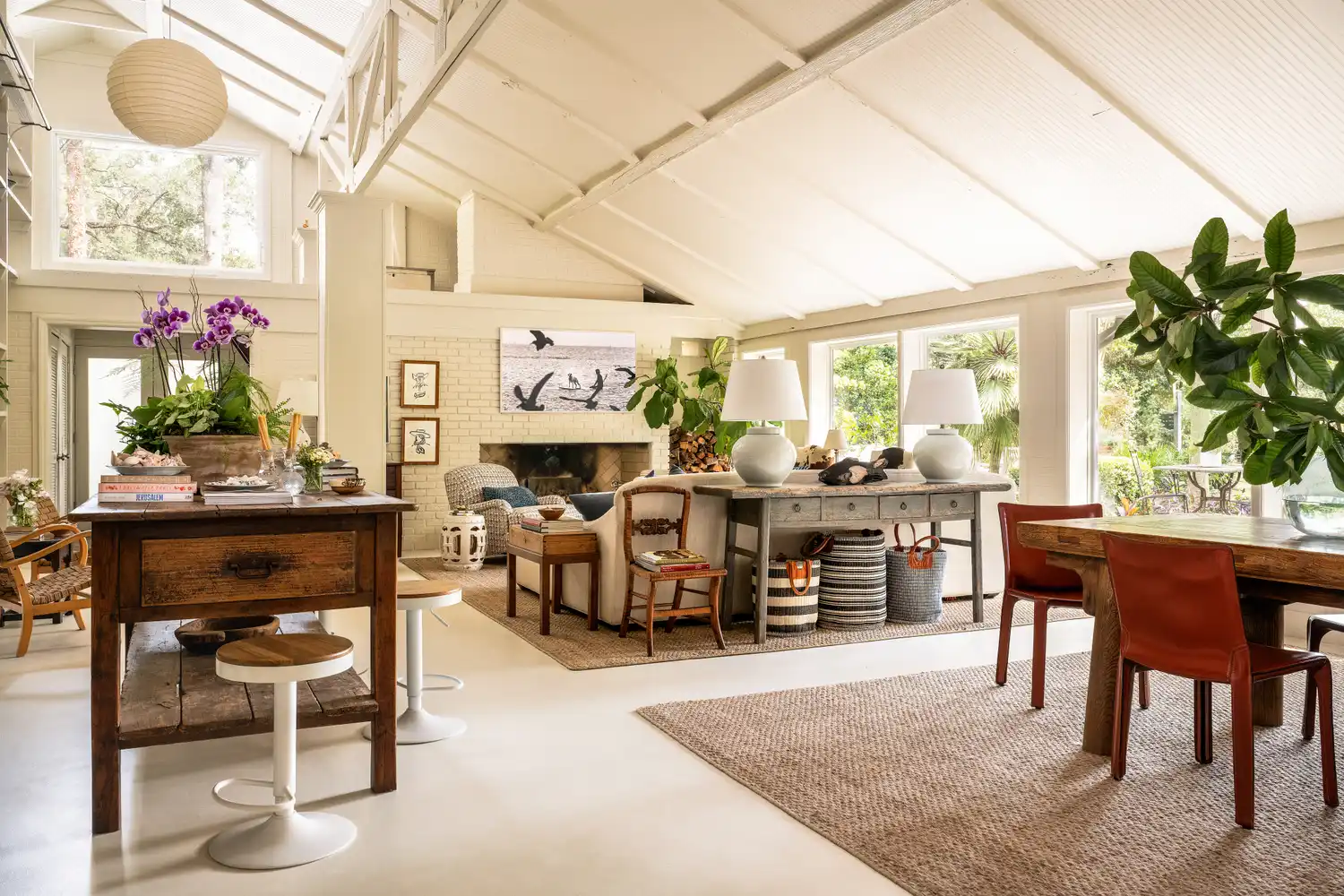
Are Open Floor Plans Going Out Of Style? Designers Share Their Take
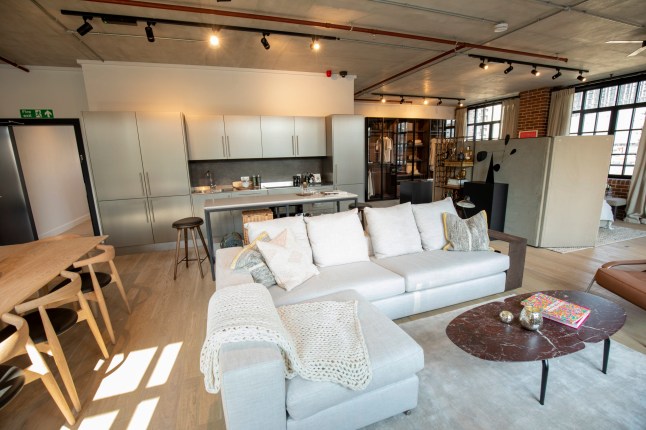
Say goodbye walls, open-plan living is the trend that's here to stay

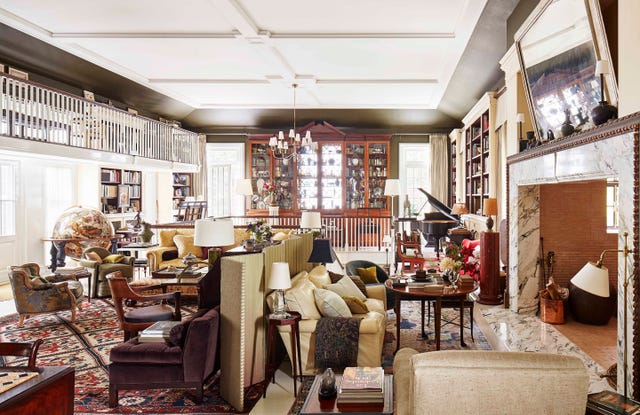
Will The Pandemic Be The Death Of The Open Floor Plan?
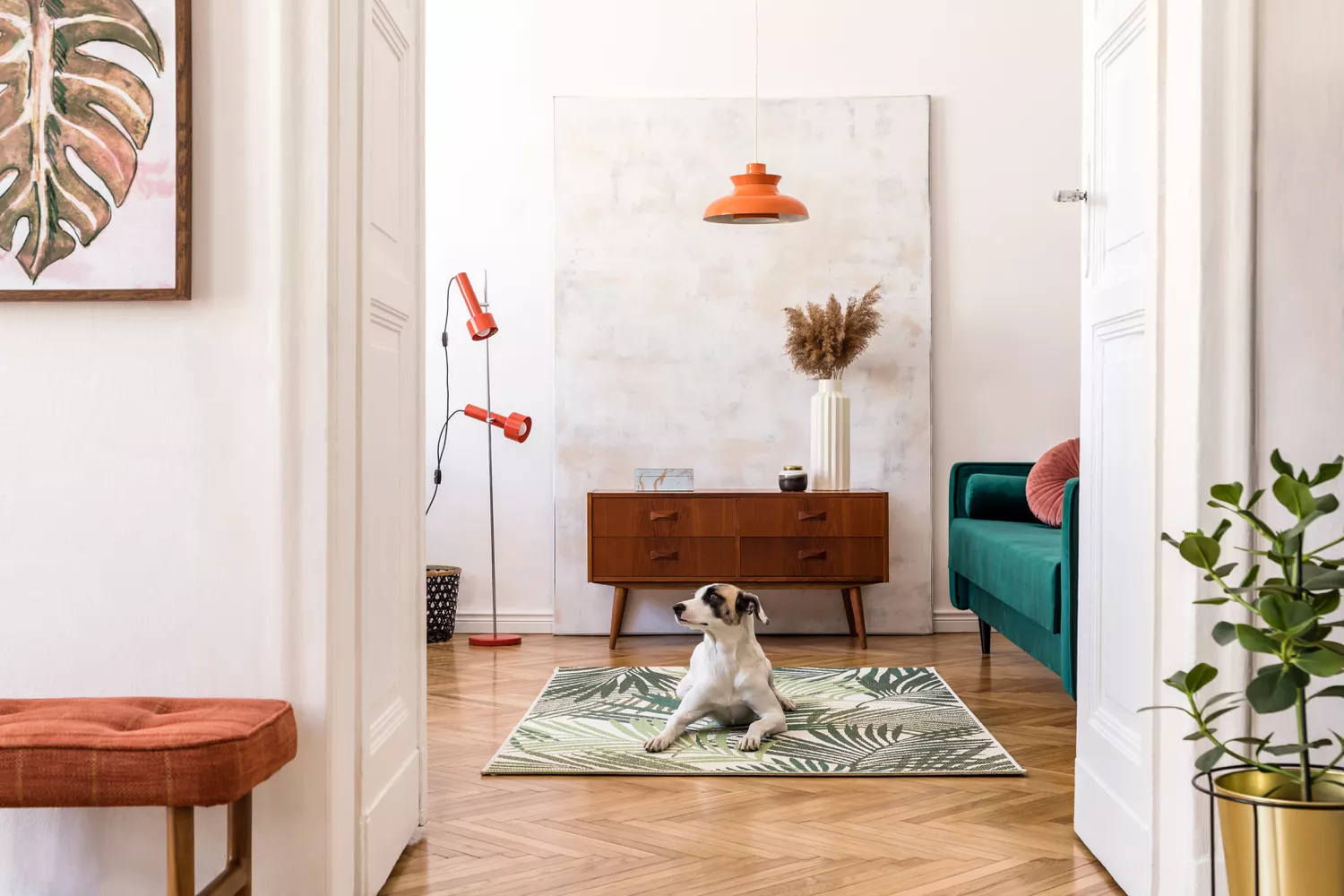
Closed Floor Plans Are Making a Comeback—but Designers Say They’re Not for Everyone

Is It Time to Shut the Door on Open-Concept Living?
Are Open Kitchen Shelves Still in Style? This Interior Designer Told Us to Ditch Them — Here's Why
Why Designers Are Ditching Traditional Layouts for "Broken Floor Plans"
Is open-plan living dead? Here's what the design experts say

Open plan living is over. Here’s why we all want walls again
Broken dreams: Has COVID called time on open-plan kitchen designs?
Are Open Concept Floor Plans Going Out of Style? Here's What Interior Designers Say