1/9
Exploring the Impact of AI on Sustainable Building Design and Construction
Artificial intelligence is profoundly changing the approach to sustainability within the architecture, engineering, and construction (AEC) industry. By leveraging AI's capacity to analyze extensive datasets and optimize various processes, the environmental footprint of buildings can be significantly reduced. With the accelerating pace of urbanization and the increasing demand for sustainable development, AI offers architects innovative tools to create energy-efficient and environmentally sound structures. This integration of AI not only refines existing practices but also facilitates the development of smarter, greener buildings capable of adapting to environmental shifts and anticipating climate change challenges.
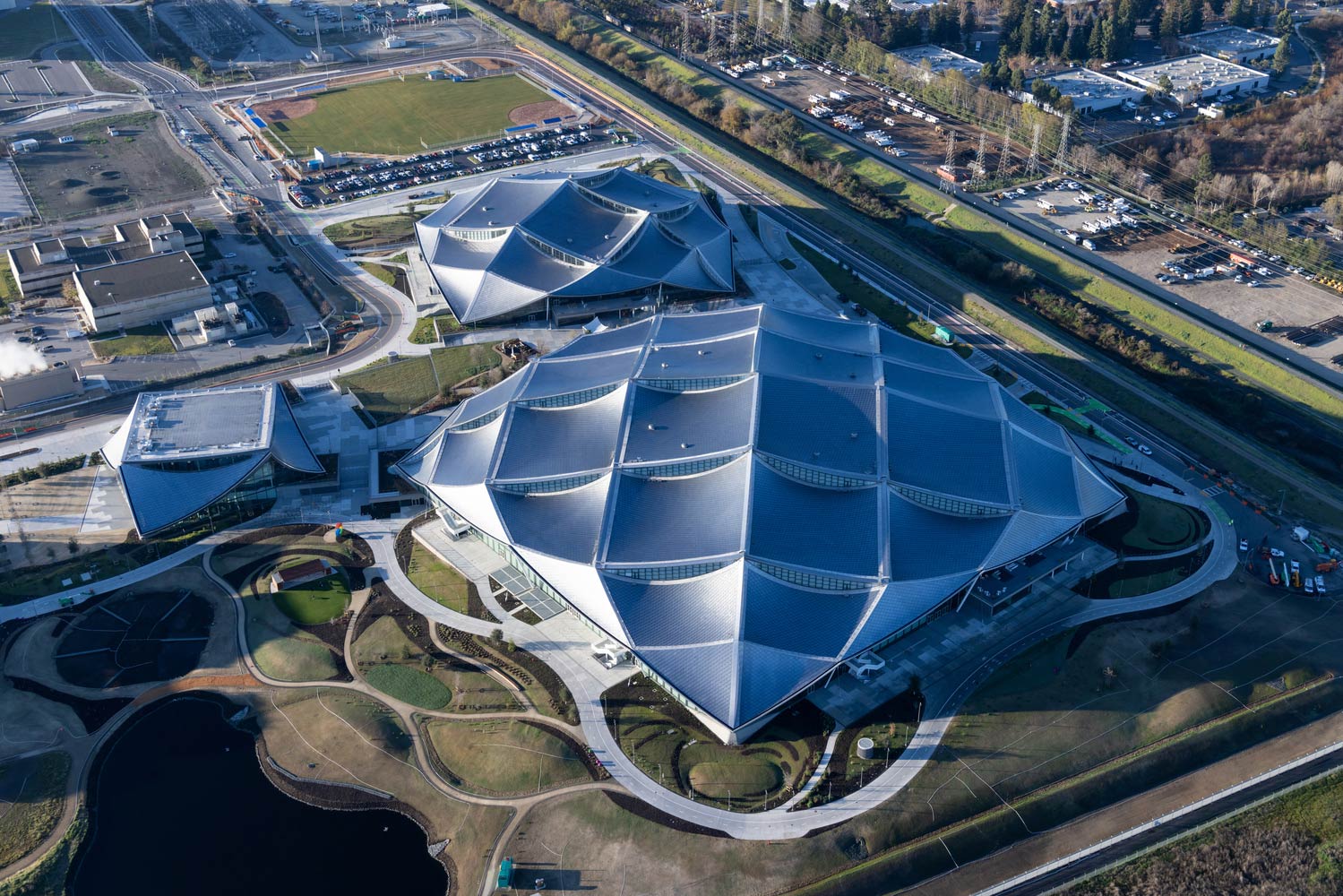
One area where AI is making a substantial difference is in sustainable construction methods. AI-driven systems enhance construction precision and minimize waste. For example, in large urban projects, AI is employed to optimize construction workflows, ensuring the efficient use of materials such as steel, concrete, and glass. Building Information Modeling (BIM), a core AI technology in design, allows architects to simulate various construction scenarios and select the most sustainable materials and processes. AI-enabled BIM technology in China has successfully reduced material waste and improved energy efficiency by incorporating recycled materials. Projects like Masdar City in the UAE utilize AI tools to guide construction practices, minimizing resource consumption and continuously analyzing real-time data to pinpoint inefficiencies and reduce carbon emissions. Google's Bay View Campus also exemplifies AI integration for managing renewable energy sources like solar and geothermal energy throughout the construction phase.
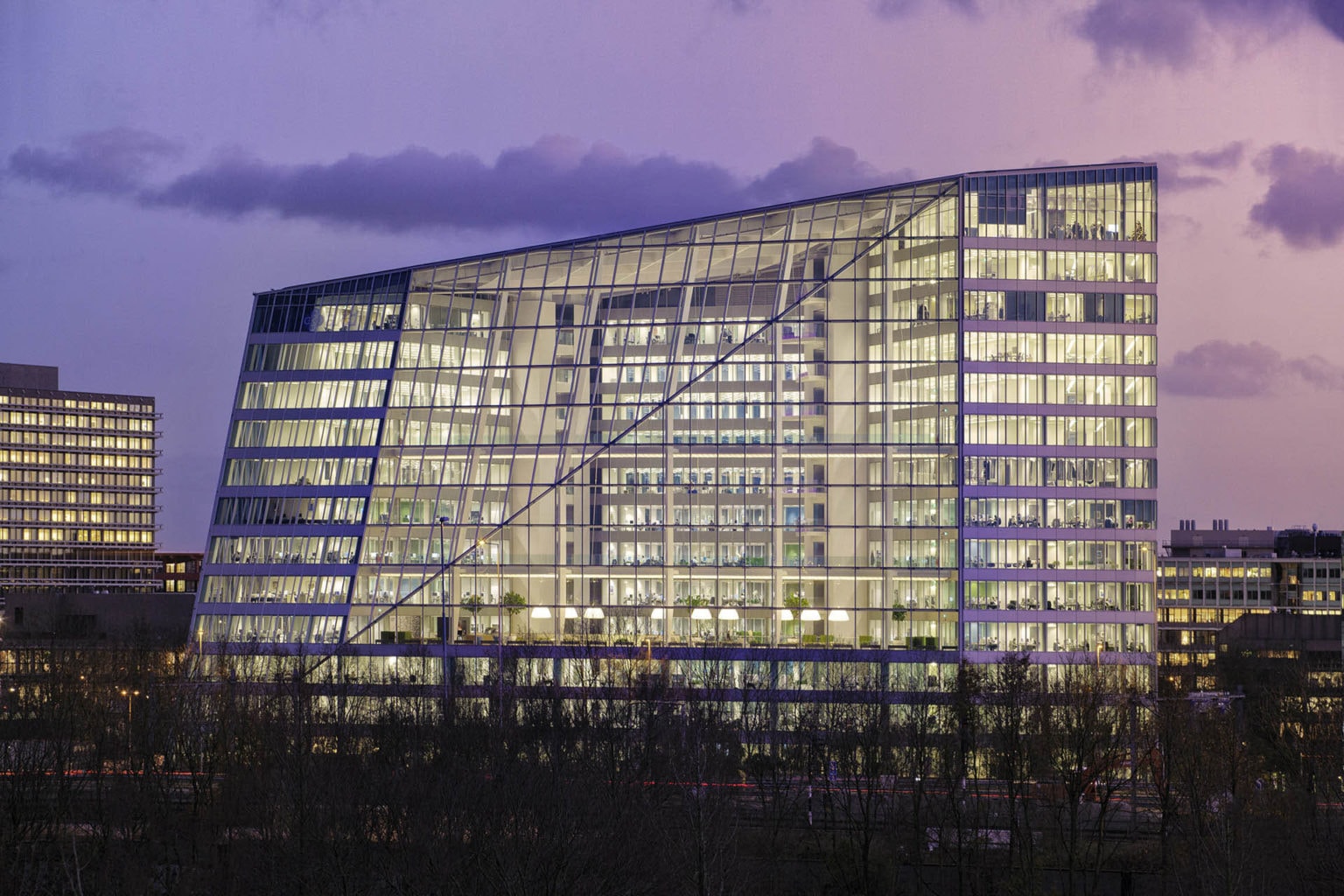
AI technology plays a crucial role in optimizing buildings' energy consumption during operation. AI-driven smart systems monitor and adjust energy usage in real-time, ensuring efficient resource allocation. The Edge building in Amsterdam, recognized as a highly sustainable office building, employs AI-powered facility management systems to dynamically control lighting, heating, and cooling based on occupancy, resulting in significant energy savings. Seattle’s Bullitt Centre uses sensors to track energy and water use, allowing for real-time resource modification. These innovations enable buildings to become energy-positive, generating more energy than they consume, and demonstrating AI's predictive capabilities in anticipating energy demand to prevent waste.
The influence of AI extends to powering smart cities through smart grids. These AI-driven grids analyze urban data in real-time to forecast peak energy loads and adjust power distribution from renewable sources, thereby optimizing energy use and reducing reliance on fossil fuels. In Sidewalk Labs’ Quayside project proposal, smart grids were designed to manage energy distribution based on demand, maximizing renewable energy integration. Masdar City's AI systems balance energy demand with supply, adapting to environmental conditions and minimizing external energy reliance. This makes structures more sustainable and resilient to energy shortages.
AI's contribution to sustainable building also encompasses urban planning and transportation design, fostering the development of smart cities that optimize energy use, minimize waste, and enhance overall quality of life. The Songdo International Business District in South Korea uses AI to manage energy, transportation, and waste, ensuring maximum efficiency and minimal environmental impact. Hudson Yards in New York City employs AI for energy distribution, water recycling, and overall building performance, serving as a model for future sustainable urban environments. Furthermore, AI-powered transportation solutions, such as autonomous electric buses in Masdar City, reduce the carbon footprint of urban commuting by optimizing routes based on real-time traffic data, leading to reduced energy consumption and congestion. Singapore's AI-driven traffic management systems analyze real-time conditions to optimize traffic flow and reduce emissions, contributing to a more efficient and sustainable urban mobility system. As AI technology advances, its role in sustainable architecture is expected to grow, inspiring new generations of architects and engineers to leverage AI for processing complex environmental data and guiding sustainability practices.
#ArtificialIntelligence #SustainableBuildingDesign #ConstructionMethods #EnergyEfficiency #SmartCities #UrbanPlanning #TransportationDesign #BIM #AECIndustry #ArtificialIntelligence #SustainableBuildingDesign #ConstructionMethods #EnergyEfficiency #SmartCities #UrbanPlanning #TransportationDesign #BIM #AECIndustry
0 opmerkingen in totaal
 Nog geen opmerkingen
Dit vindt u mogelijk ook leuk
How can AI and simulation tools transform sustainable building design?
Sustainable Buildings: Pioneering a Green Revolution in Urban Design

10 Revolutionary AI Tools Reshaping Architectural Design

Material Acts - Elsa Mäki - Stitching: Future Fabrication and Traditions of Reuse
Bitable: AI in the design and build world

Application of bionic architecture in low-carbon design: a systematic review from nature inspiration to architectural practice
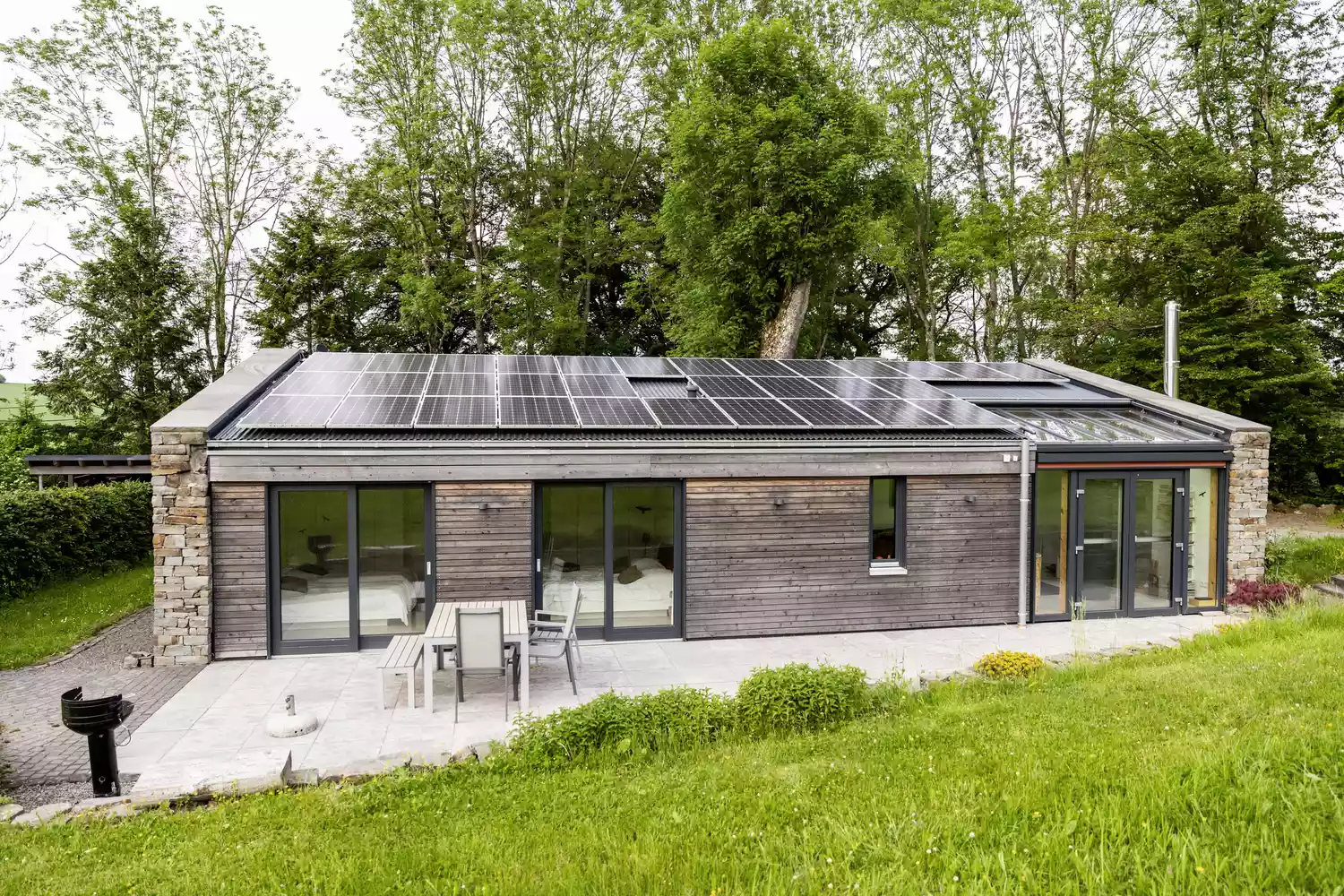
Want an Eco-Friendly Home? Everything You Should Know About Sustainable Architecture


The Influence of AI in the Interior Design Industry
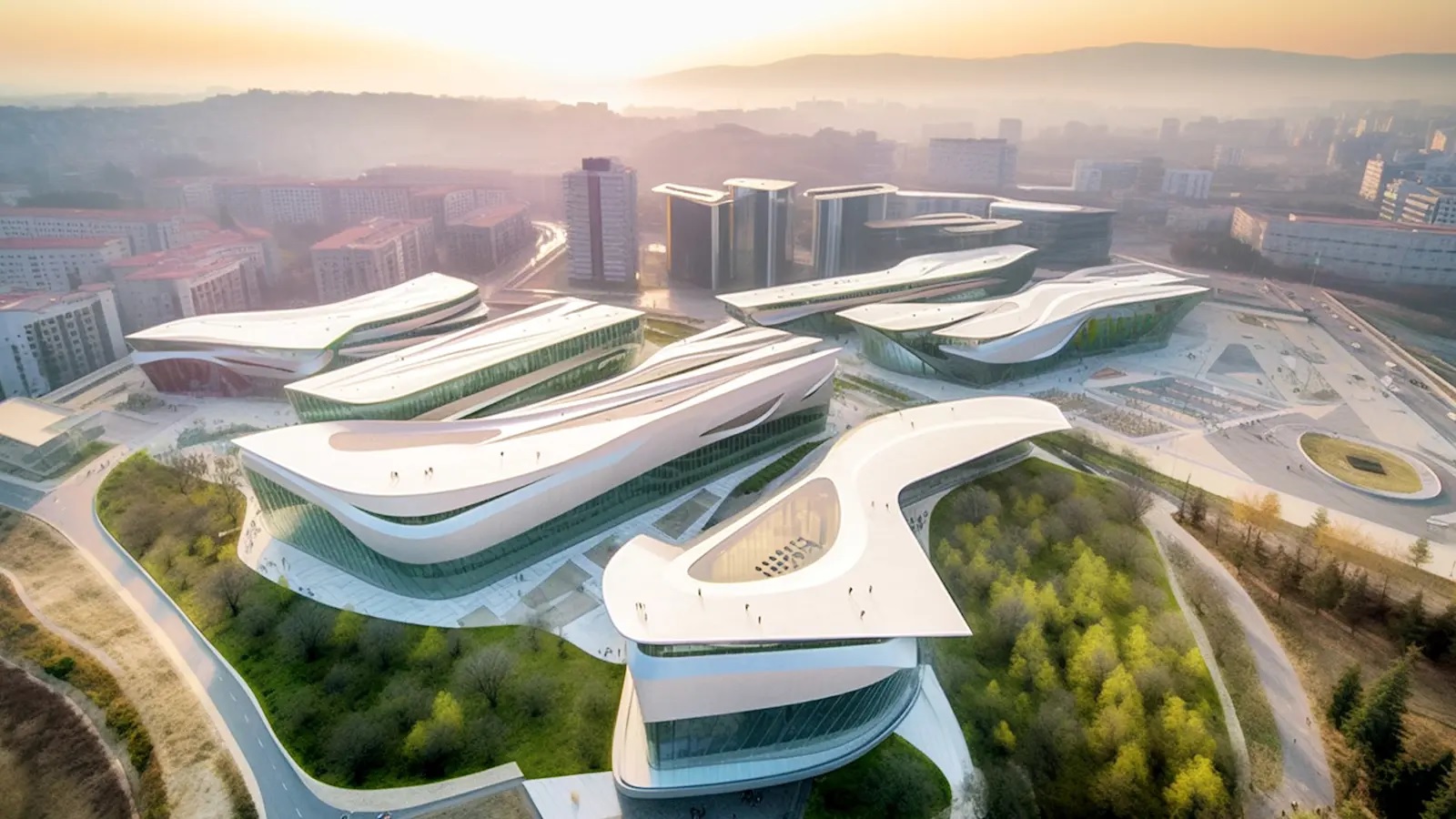
The Transformative Power of AI in Architecture Design

How Does Architectural Design Change When the City Becomes Equipped with the “Most Recent Advances in Artificial Intelligence”? / Alessandro Armando, Giovanni Durbiano for the Shenzhen Biennale (UABB) 2019


10 AI tools to generate interior and architectural images

Rammed Earth Fits Into Urban Architecture’s Sustainable Future

Innovations Driving Sustainable Building and Architecture Forward
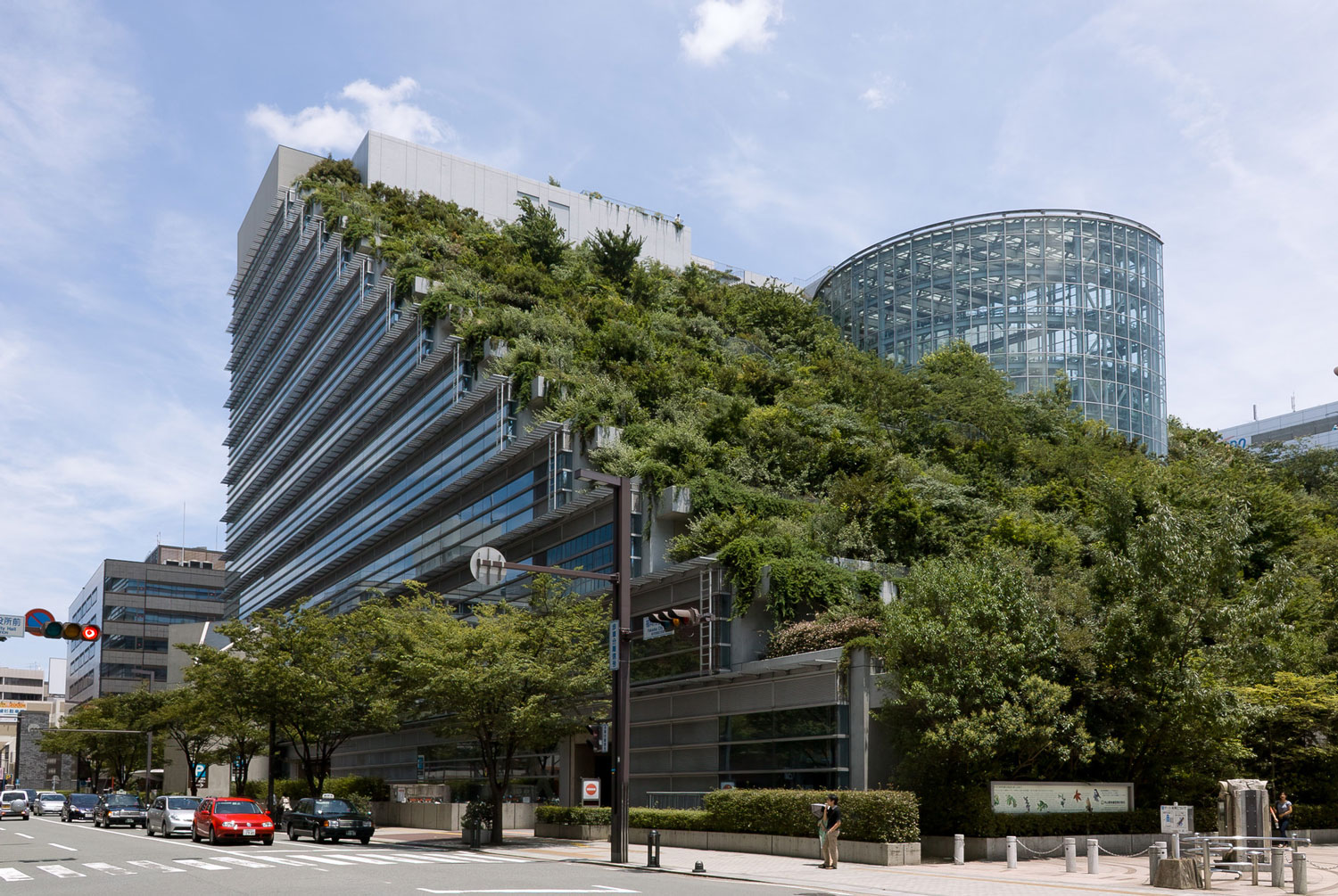
Top 10 Examples of Most Sustainable Architecture in 2025
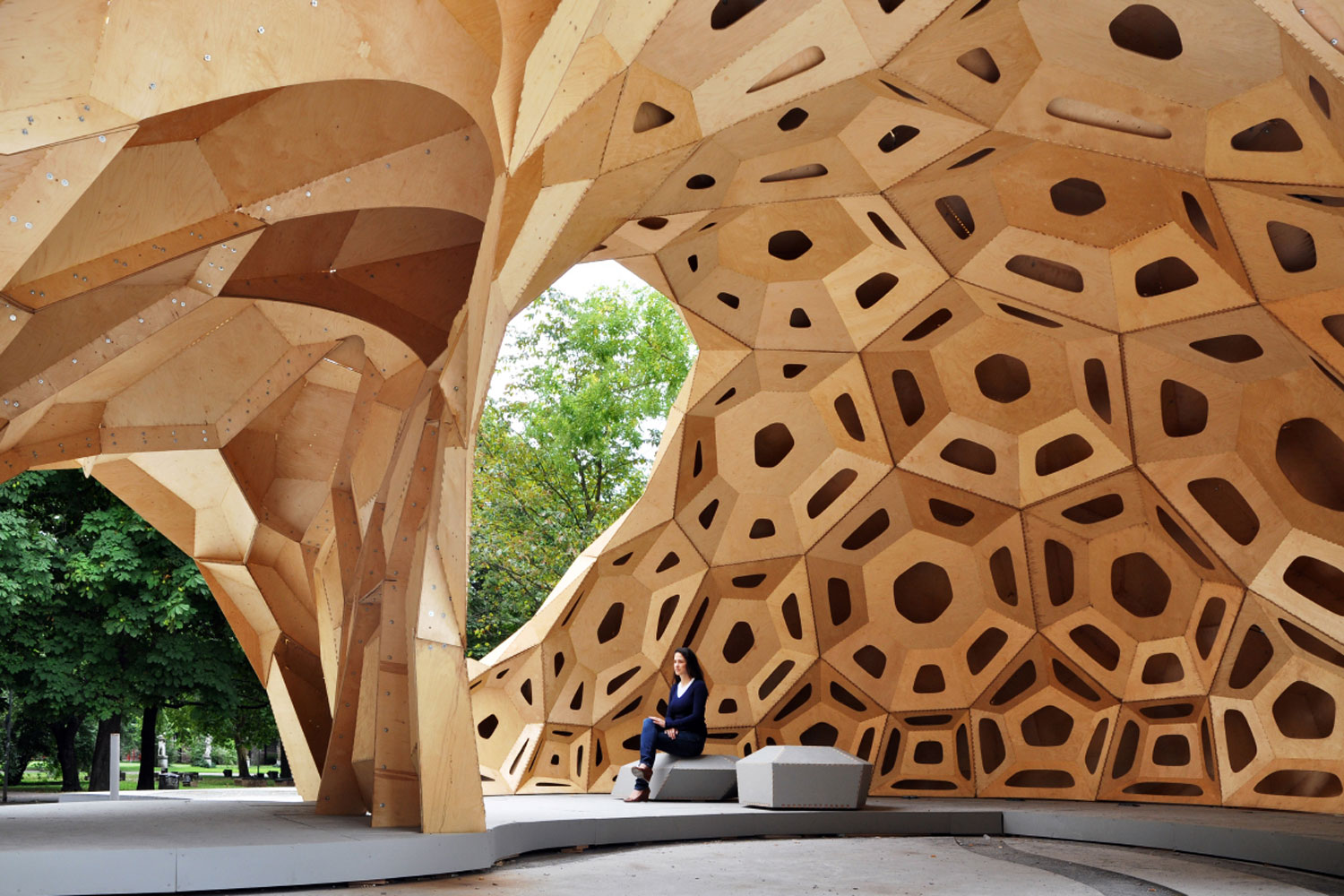
How generative design is shaping the future of architecture?

Will Artificial Intelligence Replace Designers?
A review of artificial intelligence methodologies in computational automated generation of high performance floorplans
The impact of machine learning on architectural design

Sustainable architecture: 46 innovative and inspiring building designs


The future of sustainable building materials