1/11
9 ways to add texture to your home
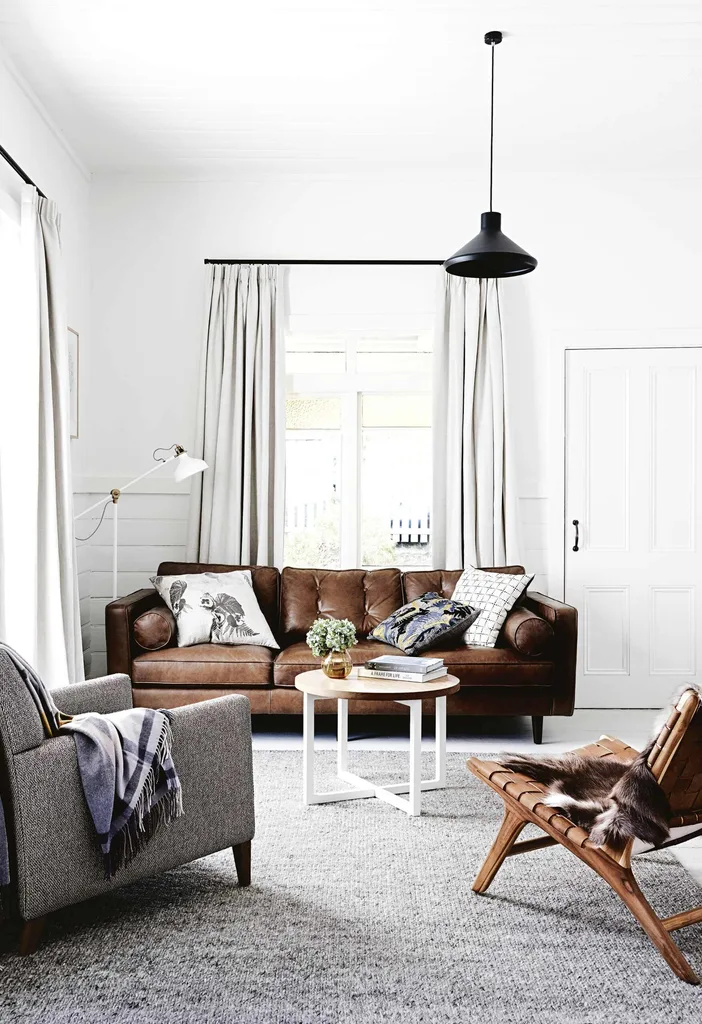
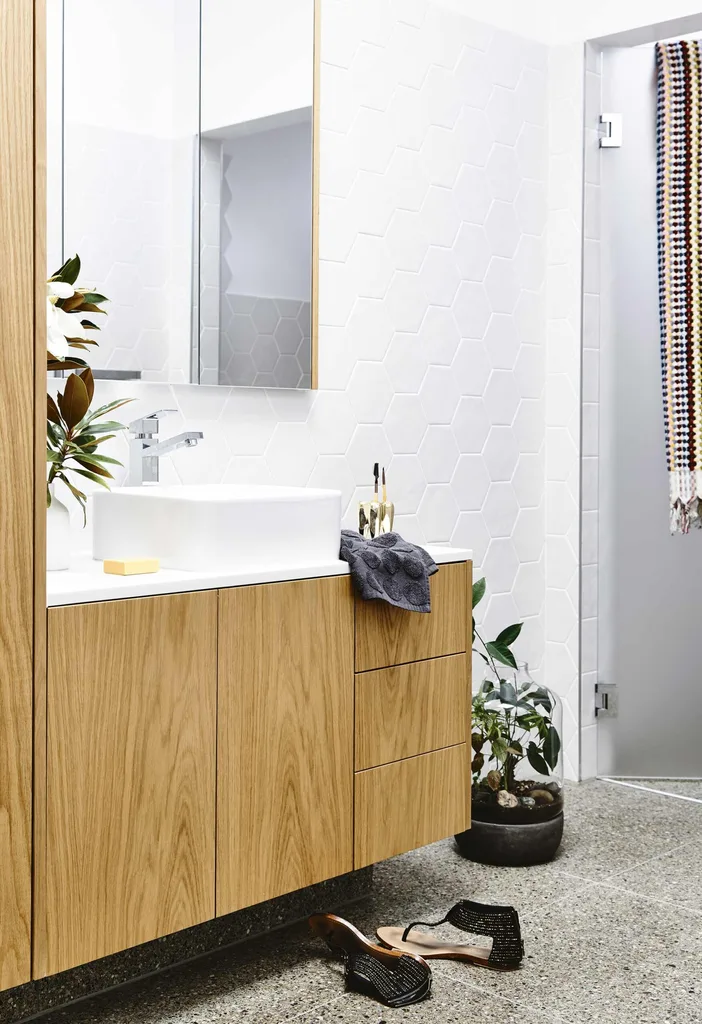
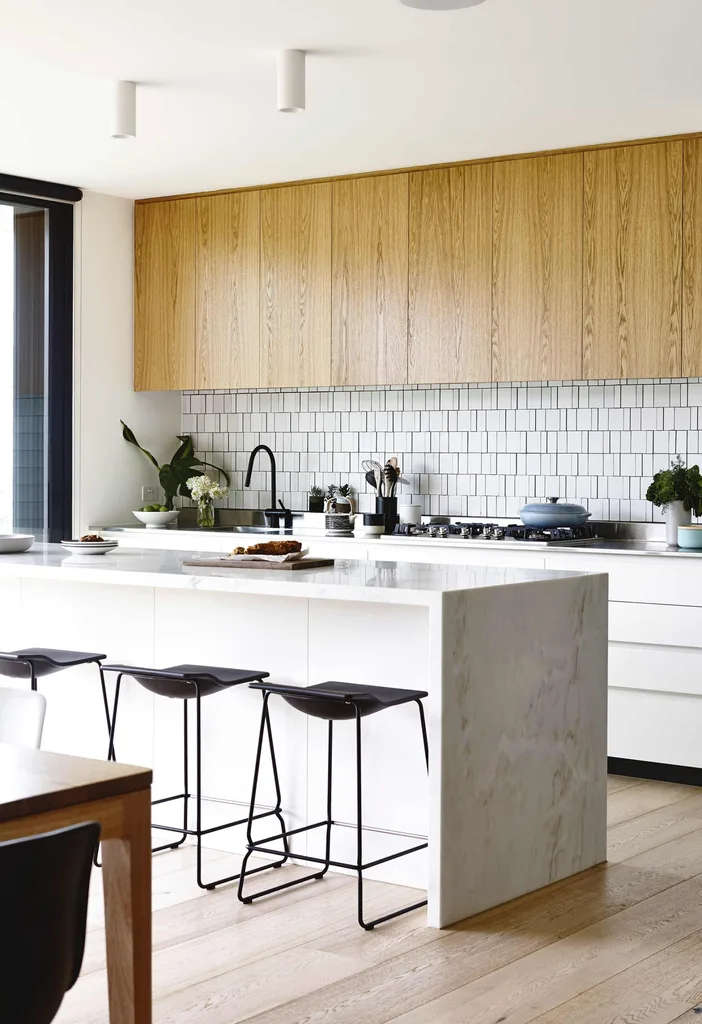
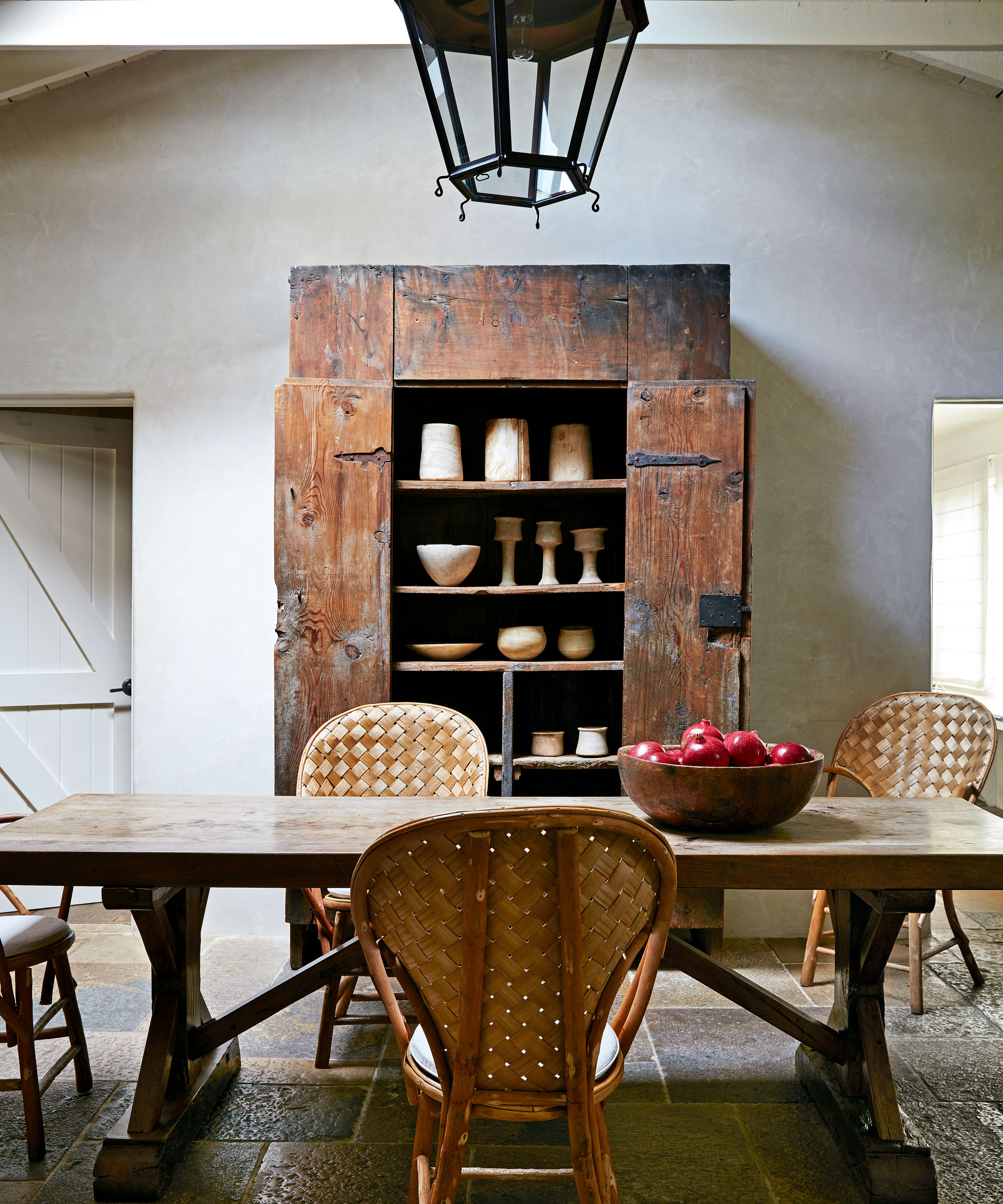
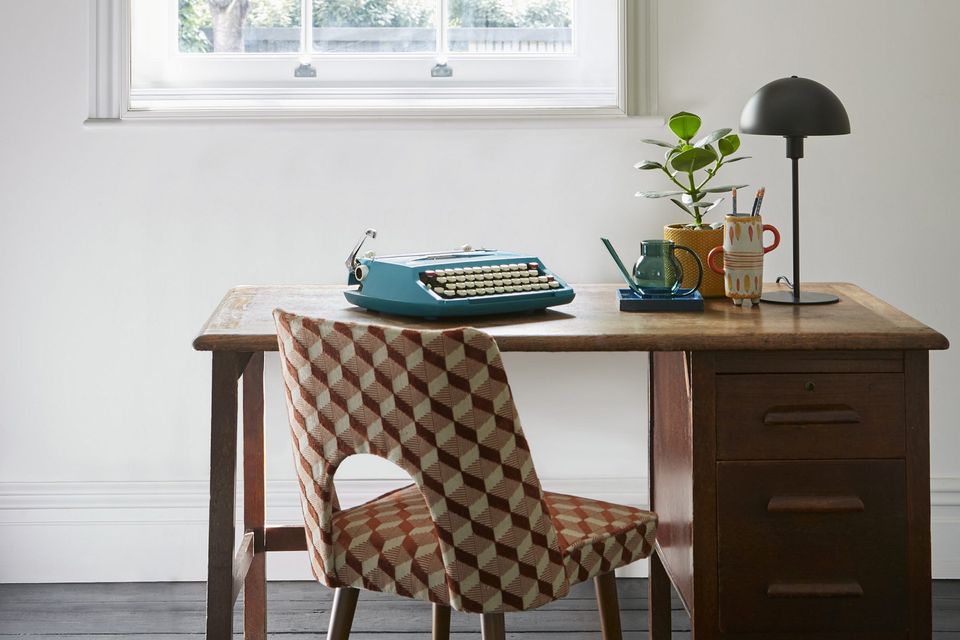
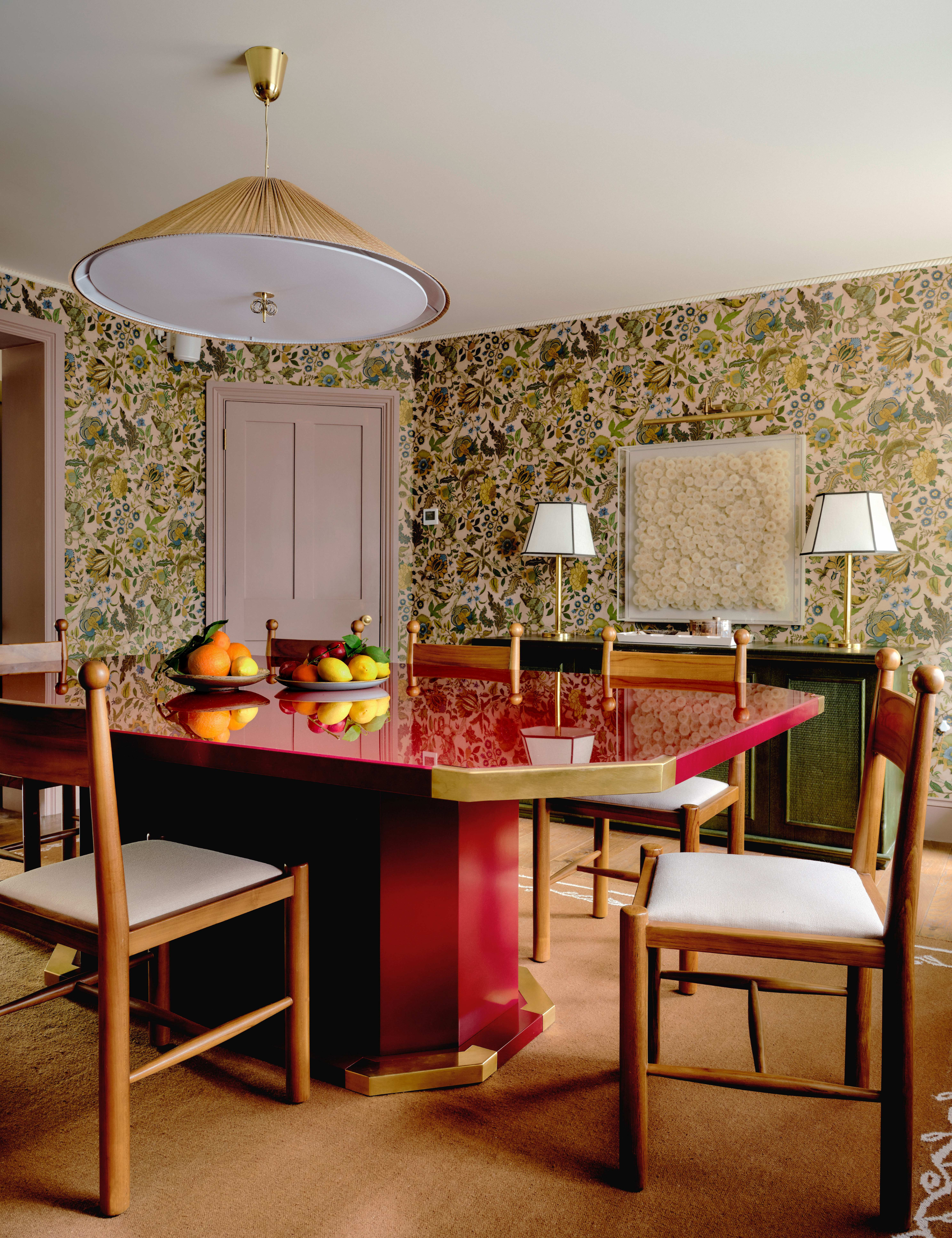
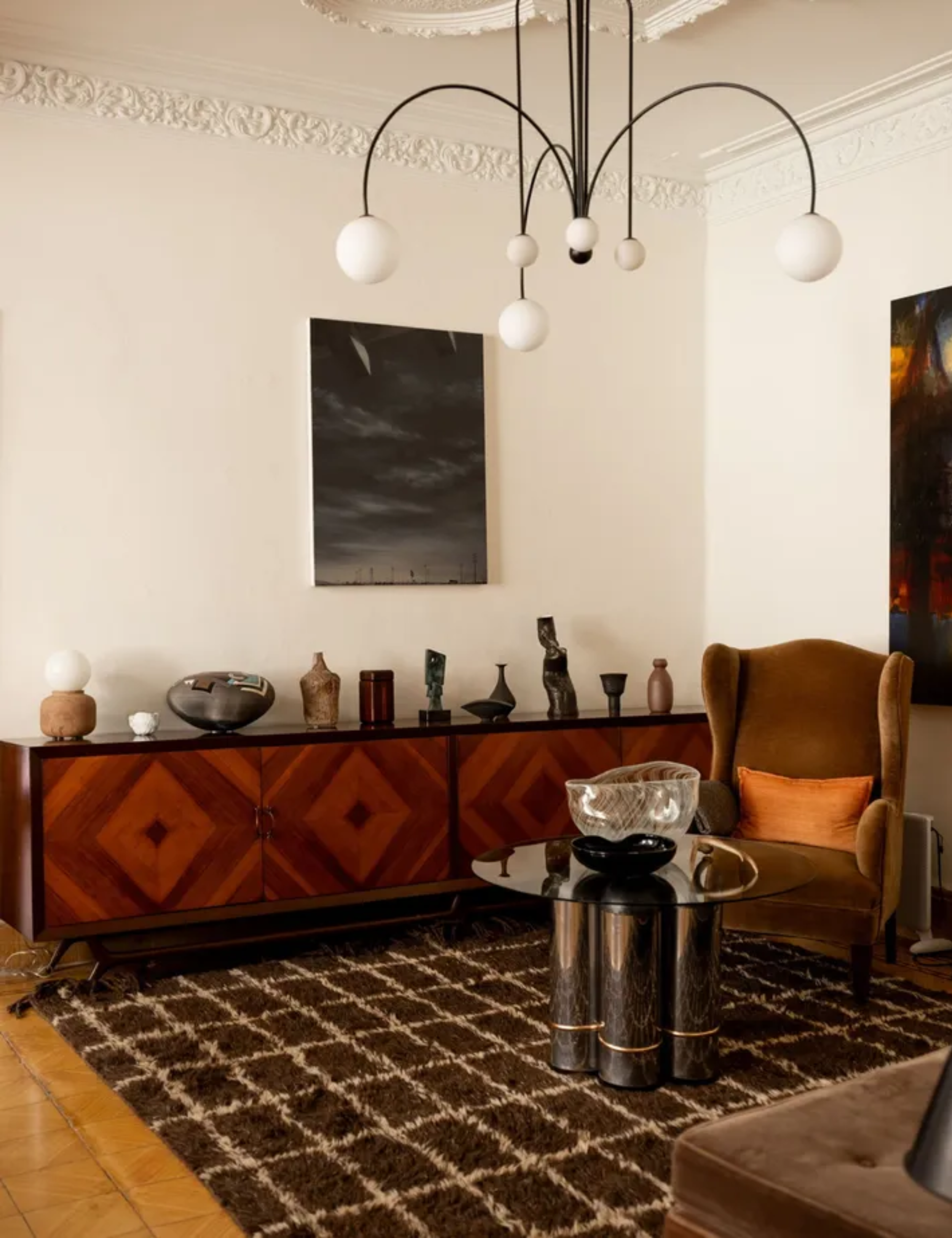
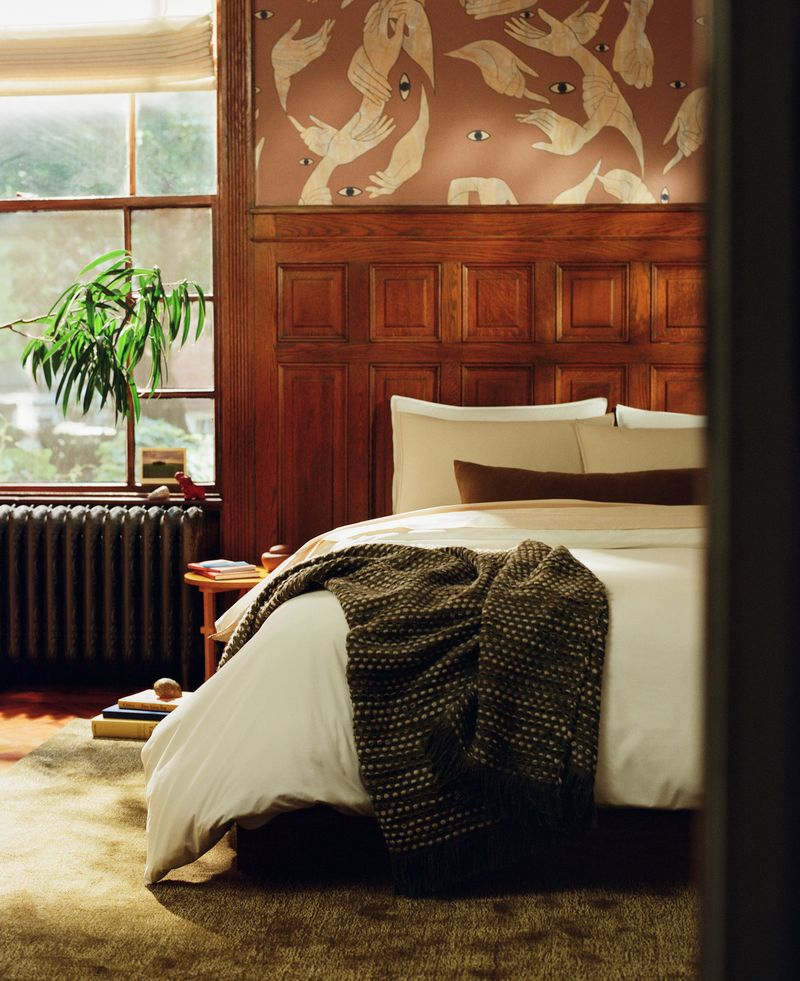
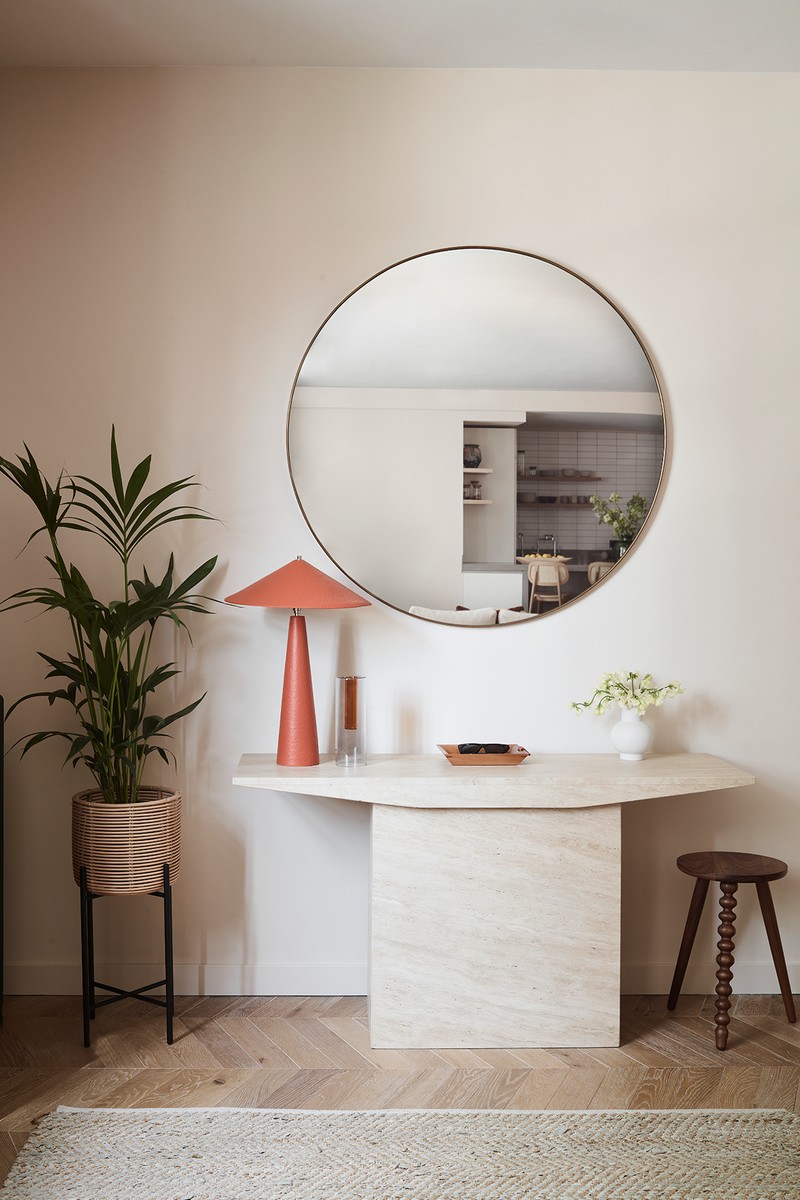
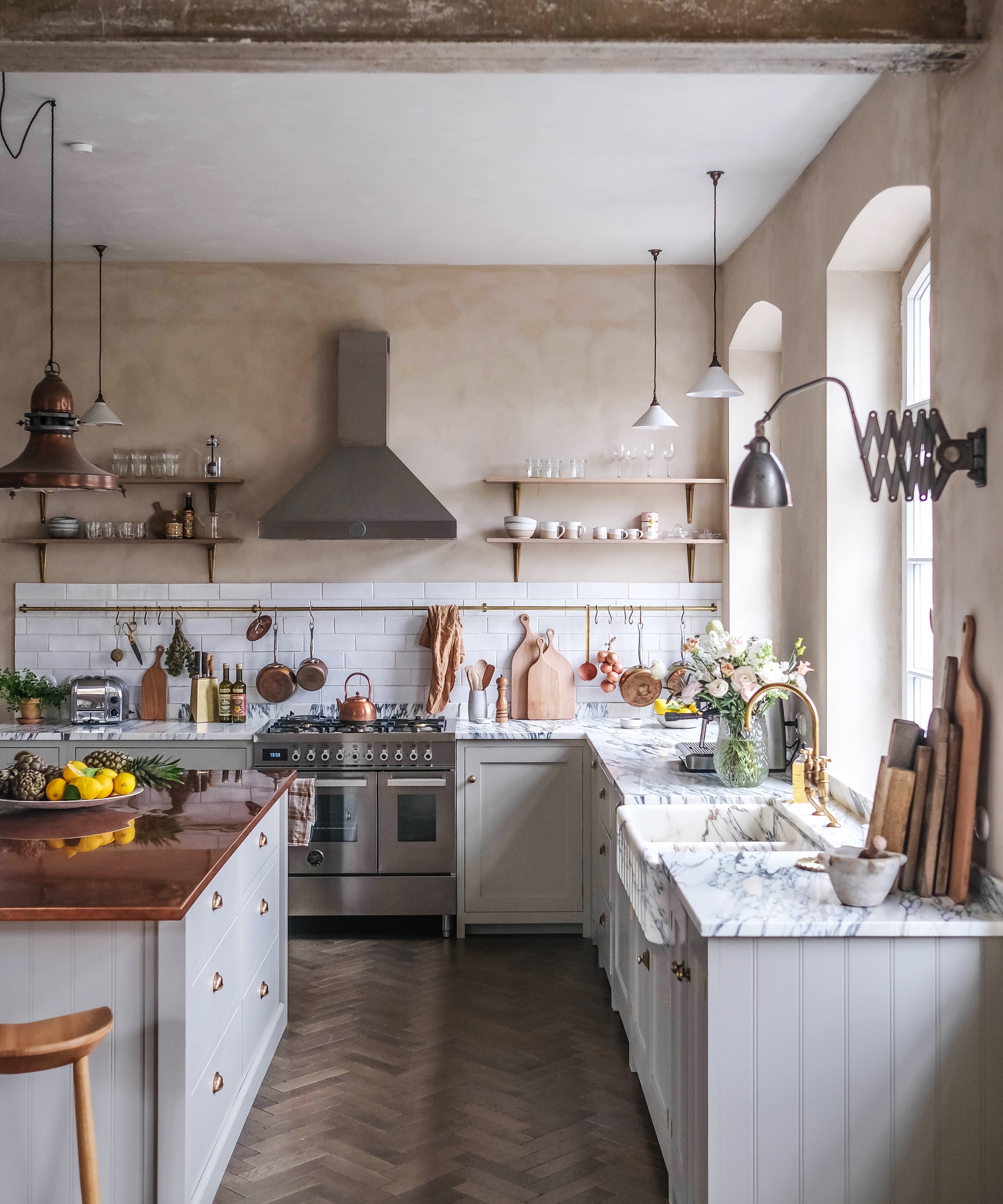
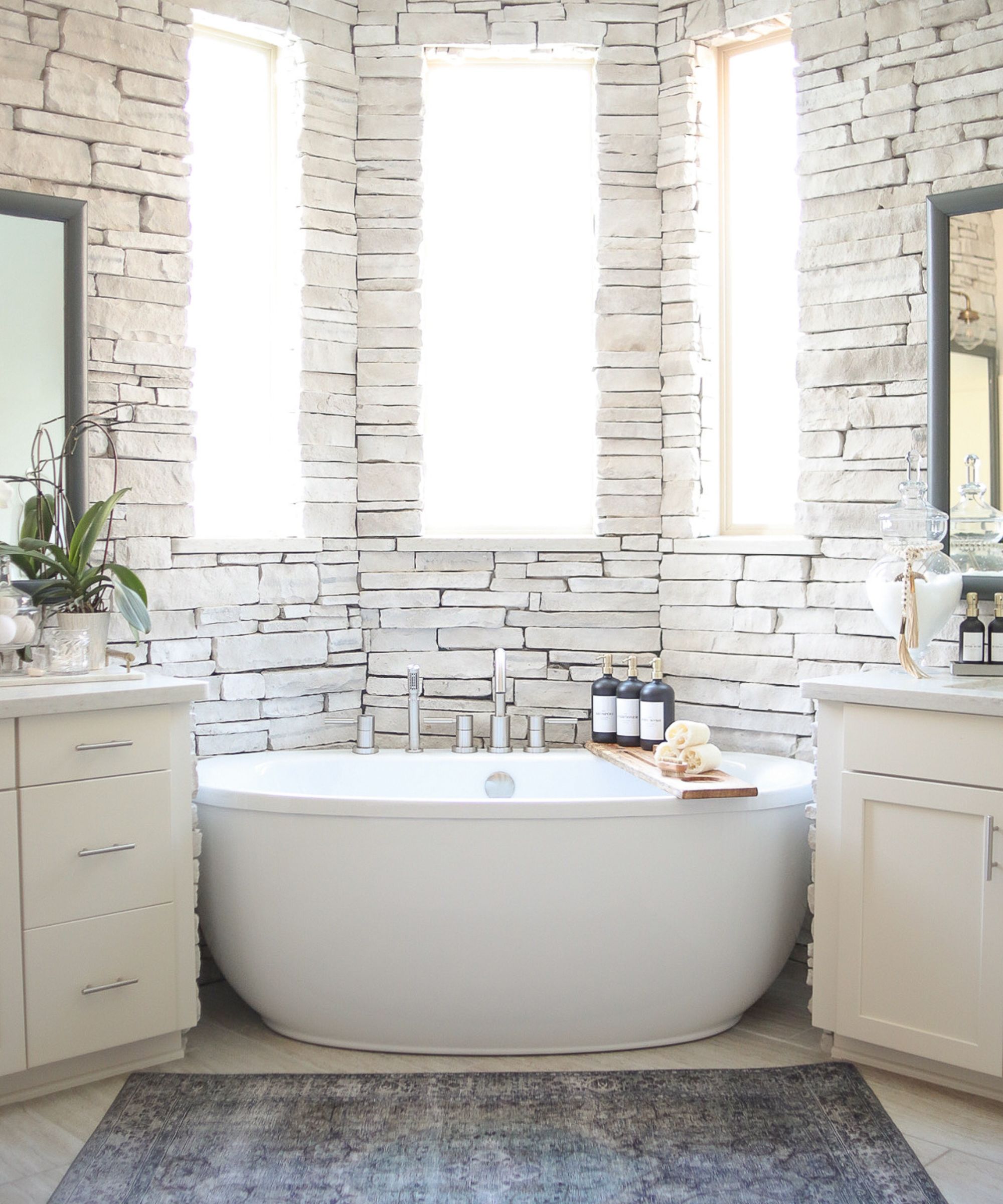
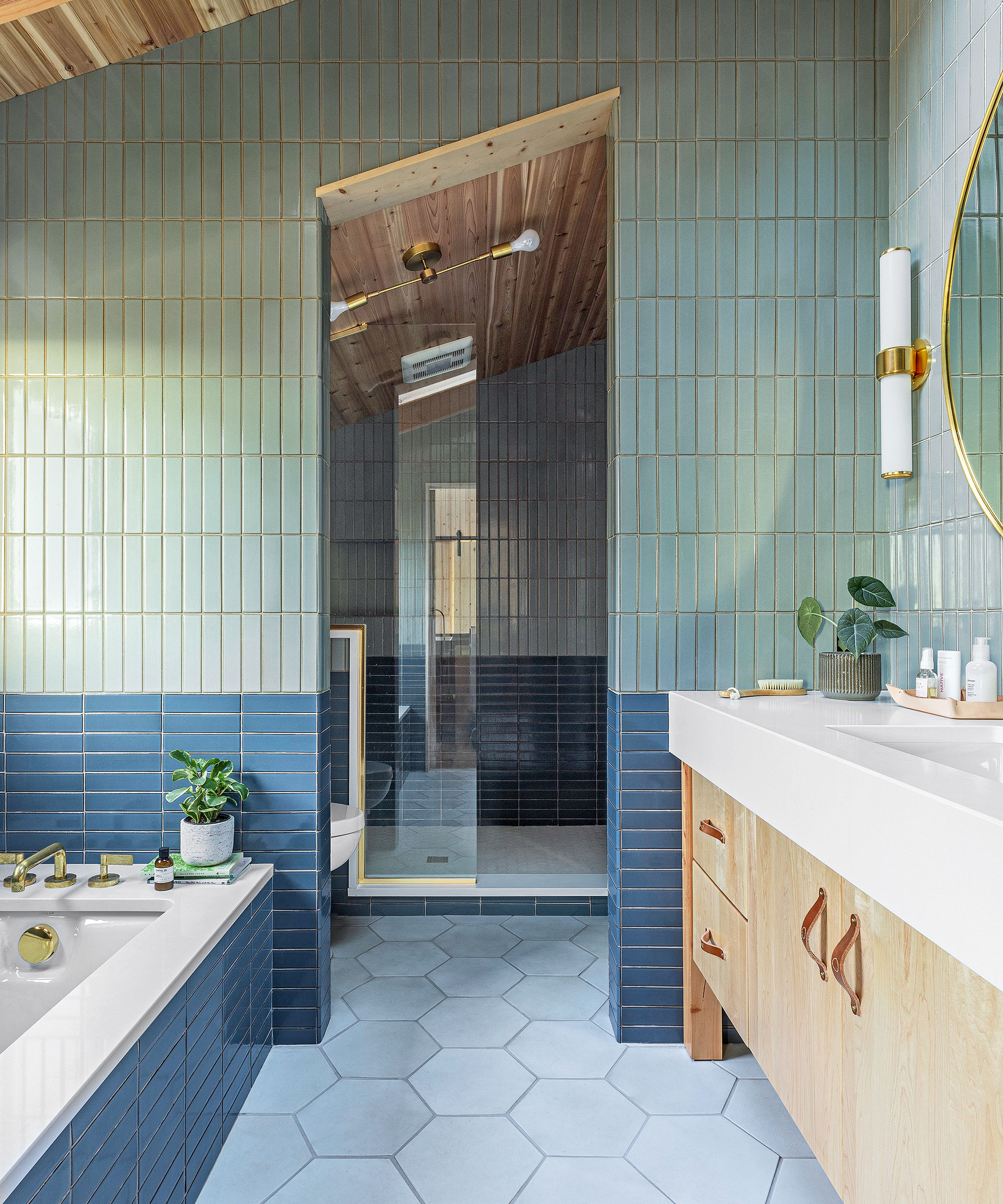
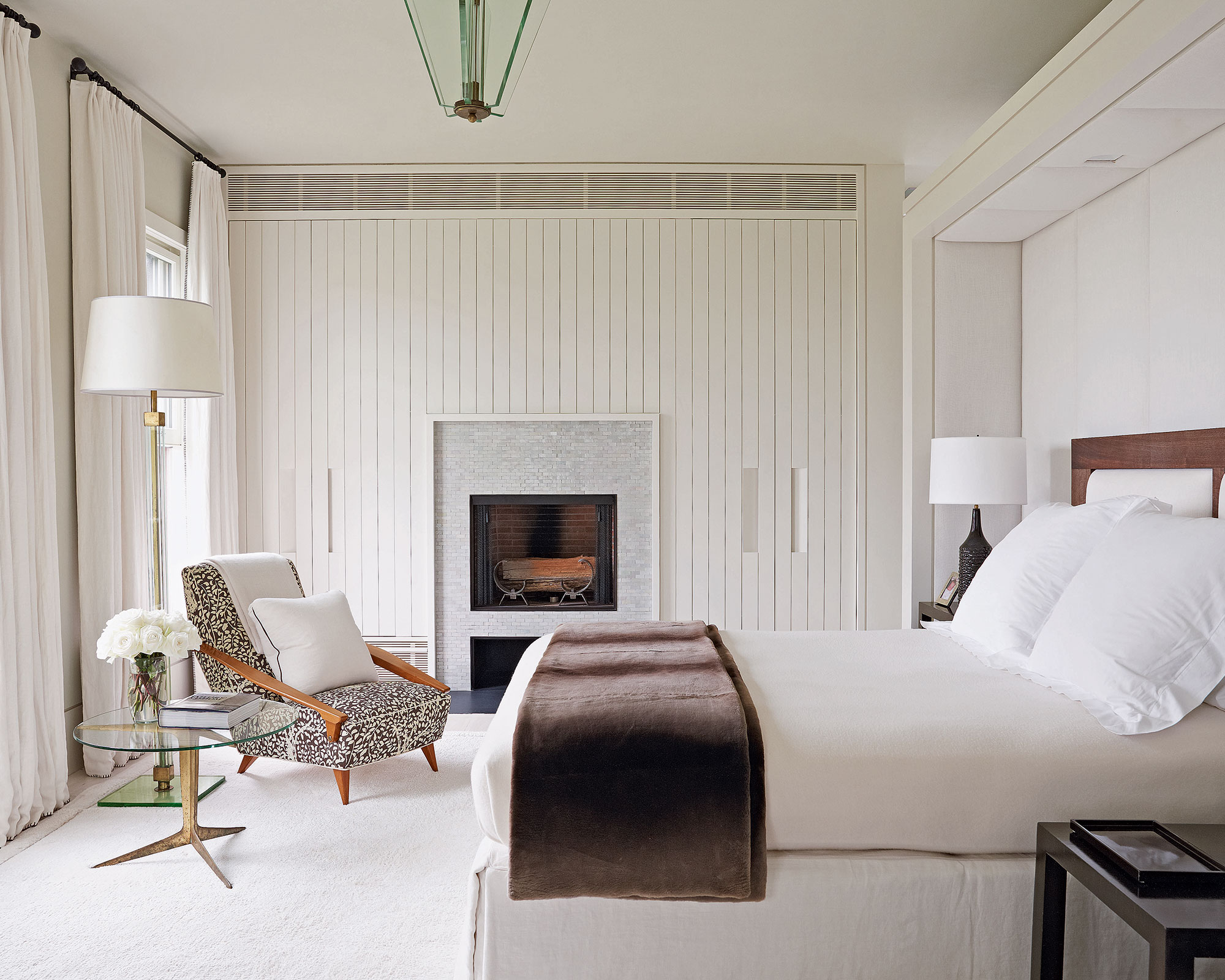
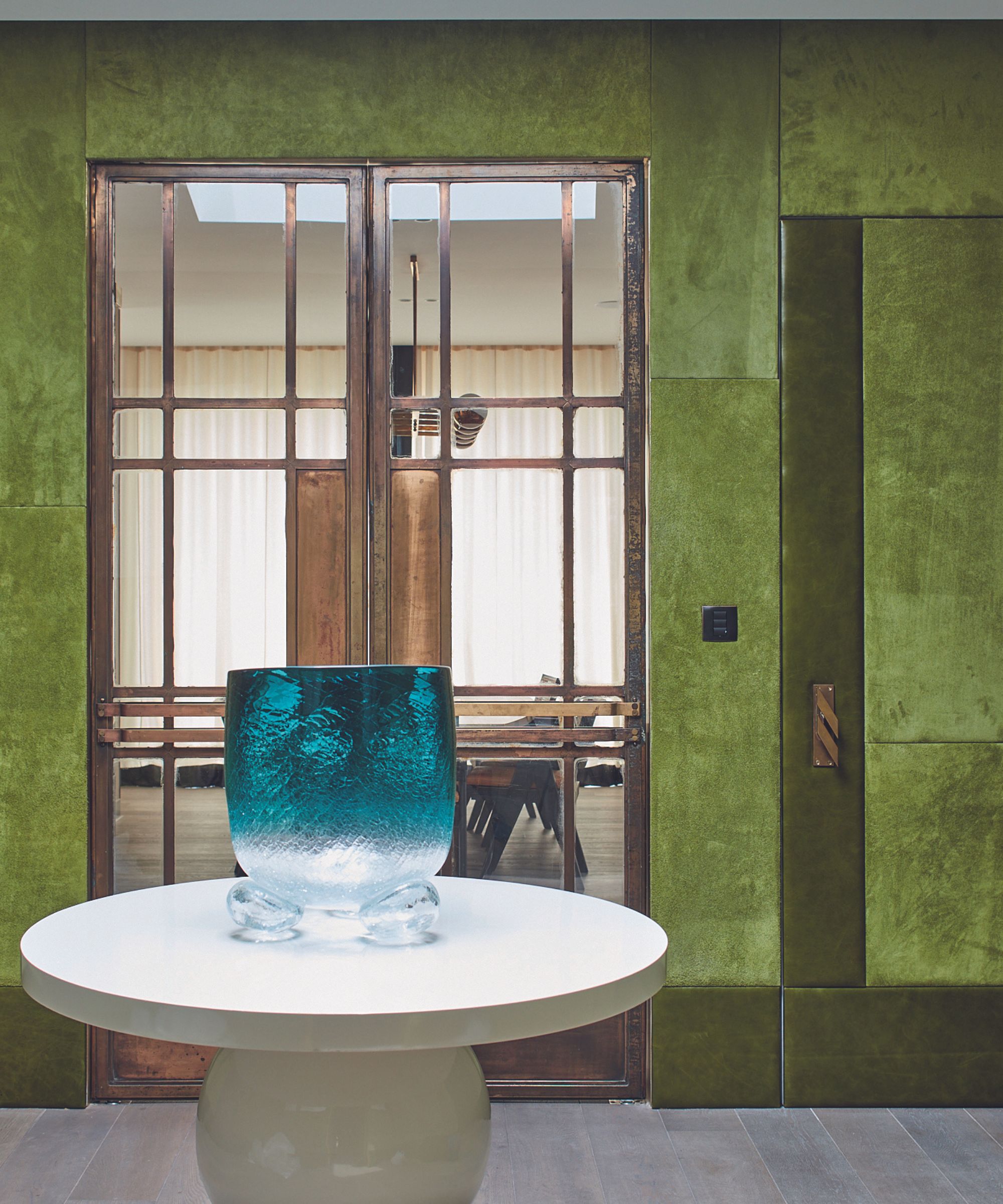
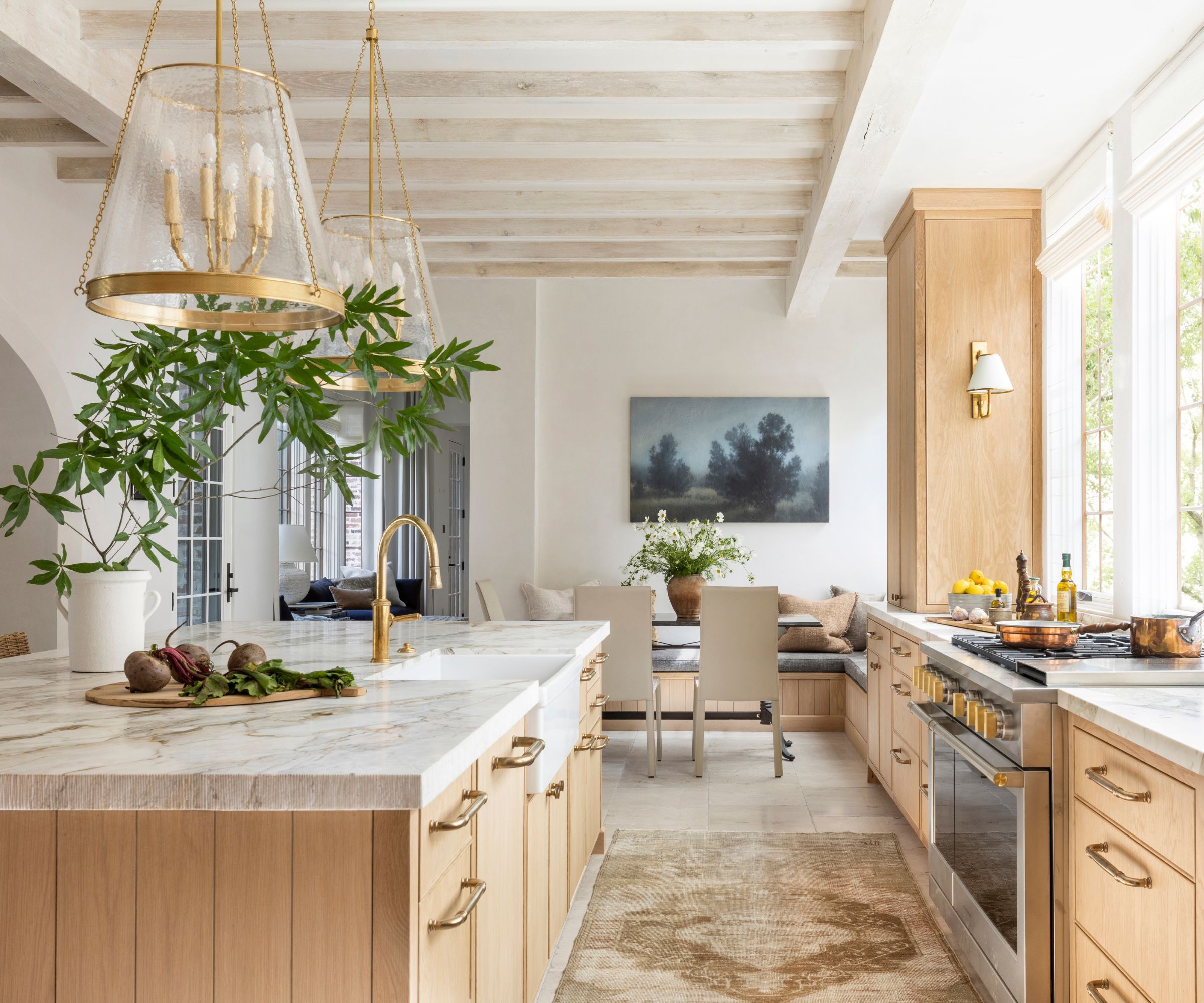
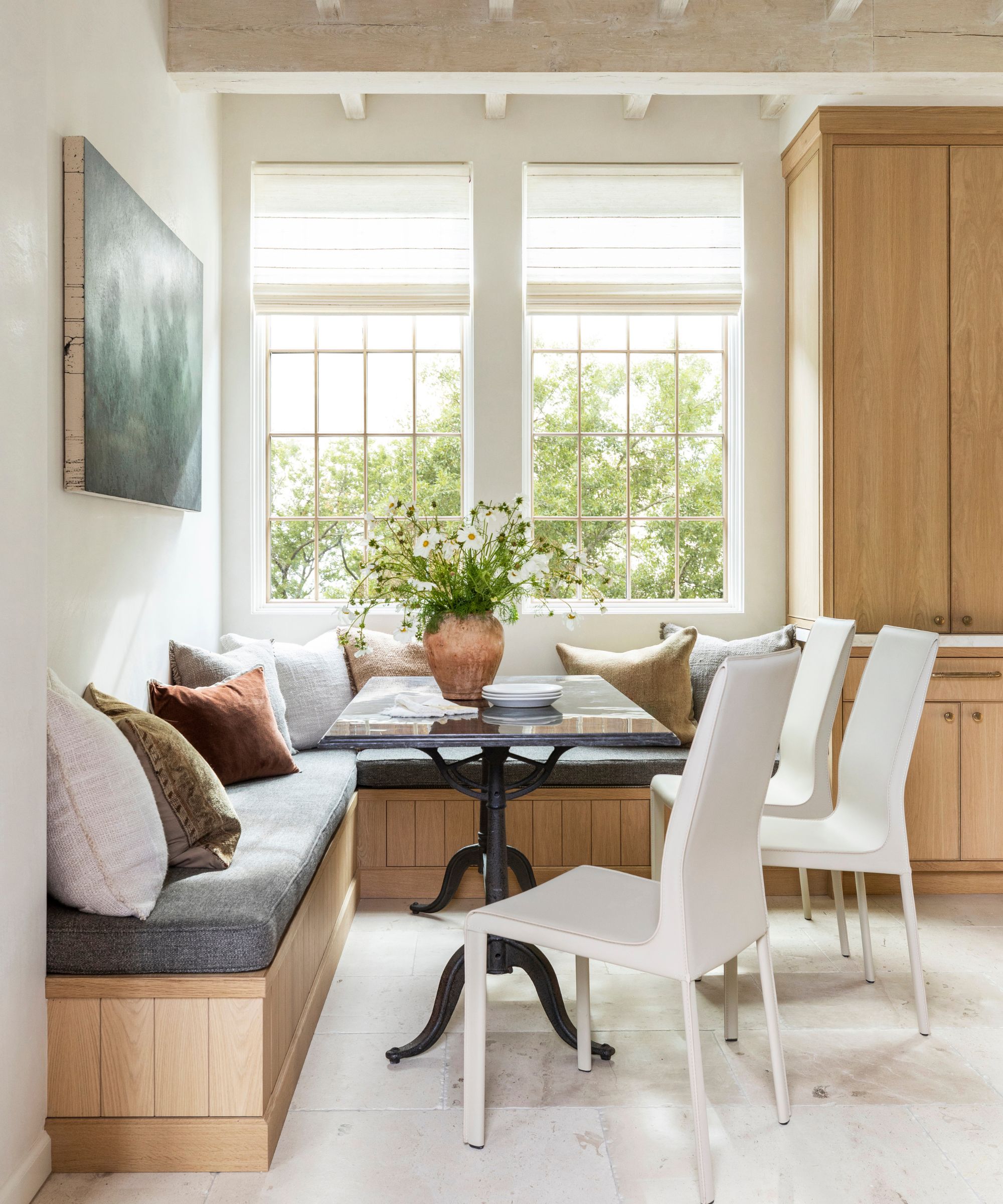
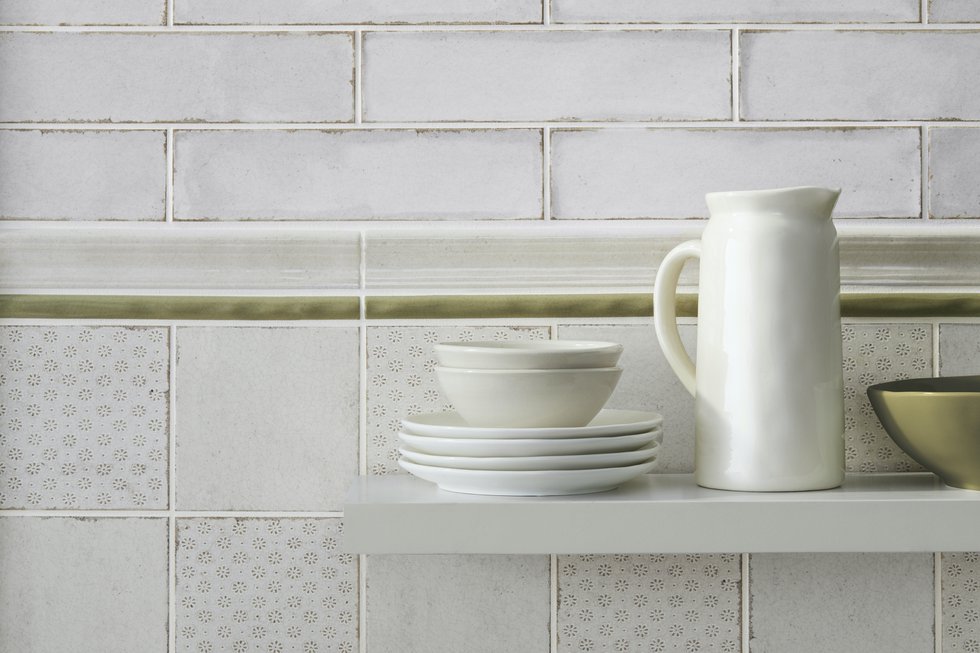
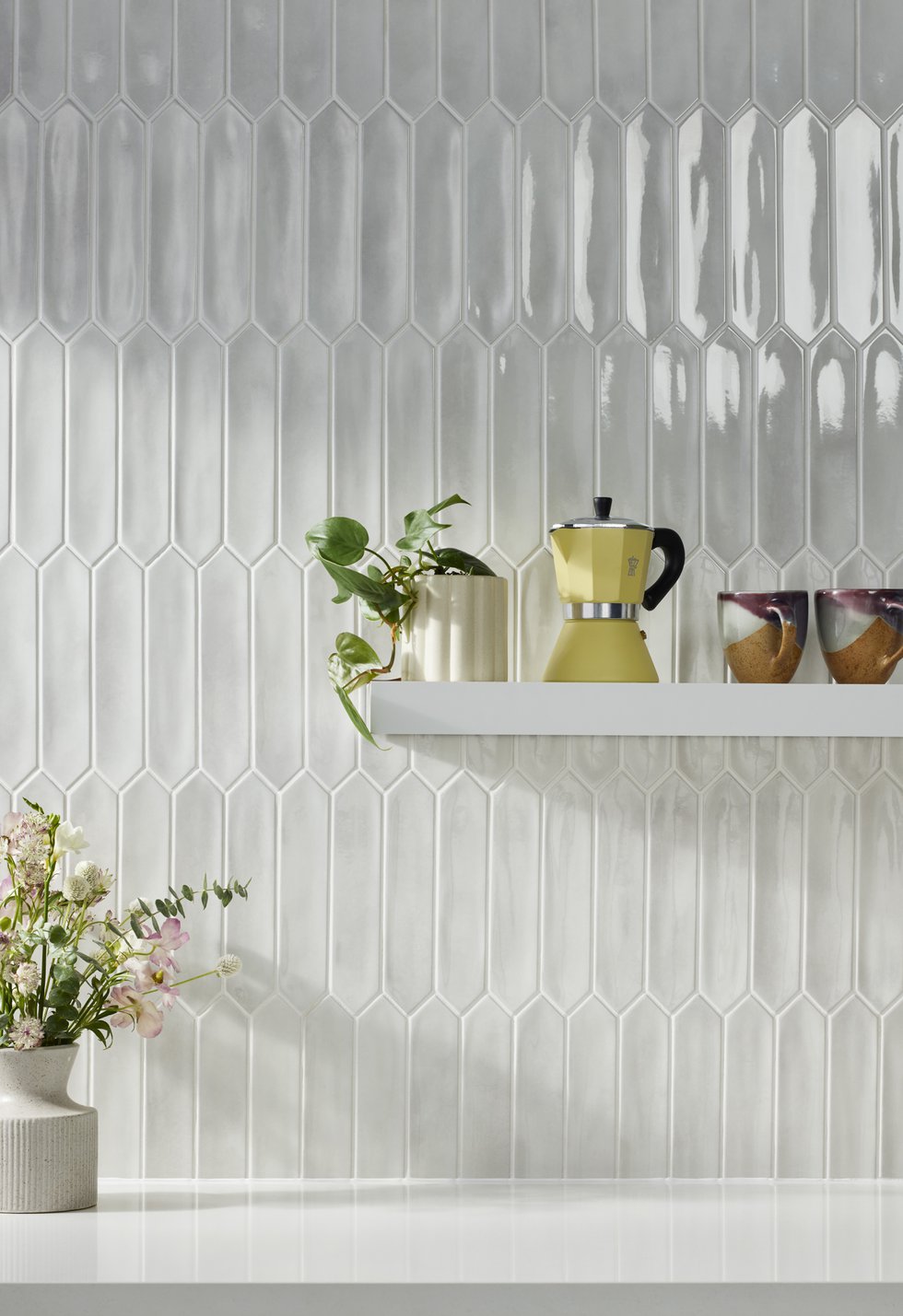
Adding texture is a fundamental aspect of interior design, crucial for creating a dynamic and inviting living space. It encompasses a wide array of surfaces and materials, ranging from furniture finishes like metallic, wood, brushed, or upholstered, to various textiles, wall treatments, and floor coverings. The successful integration of these textural elements, as highlighted by interior design expert Darren Palmer, orchestrates a harmonious 'symphony' within a room, elevating its aesthetic beyond mere decorative additions. Stylist Jessica Bellef of Temple and Webster offers nine practical methods to infuse texture and soften a home's appearance.
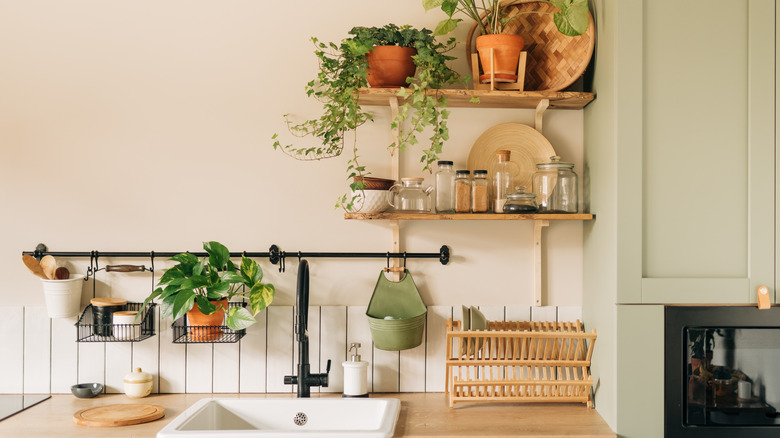
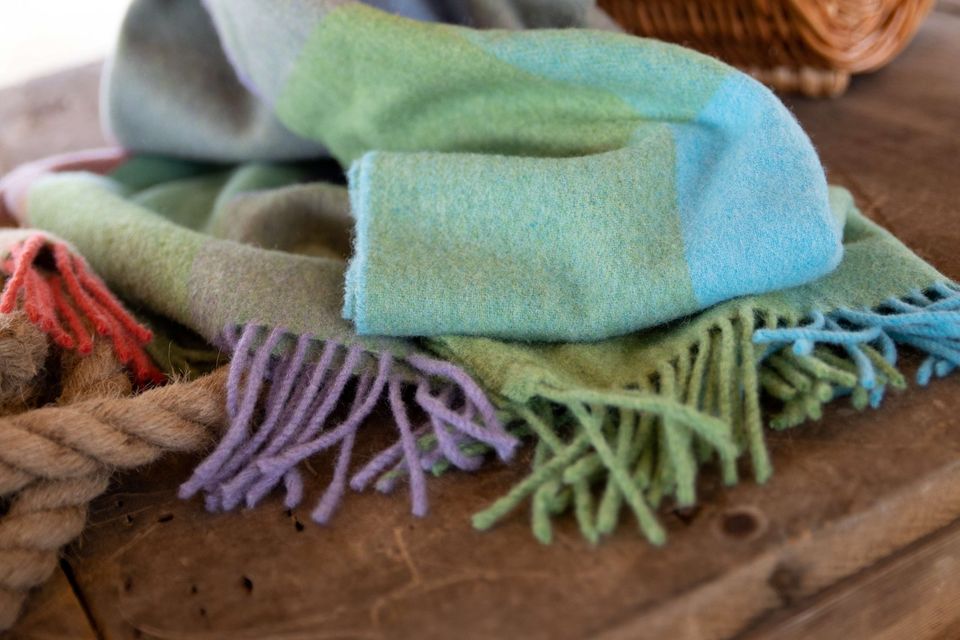
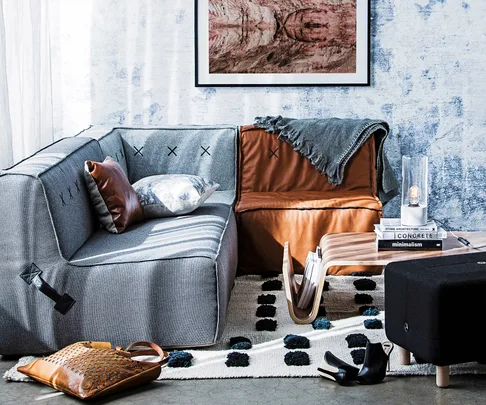
One effective strategy is incorporating rugs, particularly those with high piles, tassels, or fringing. Rugs introduce tactile warmth and can significantly alter a room's feel, with bonus points for layering multiple styles to enhance textural depth. Another approach involves integrating natural elements such as foraged pampas grass in sculptural vases or vintage trays filled with seedpods and shells. Air-purifying plants with diverse leaf shapes and sizes, grouped for visual impact, also contribute organic texture.
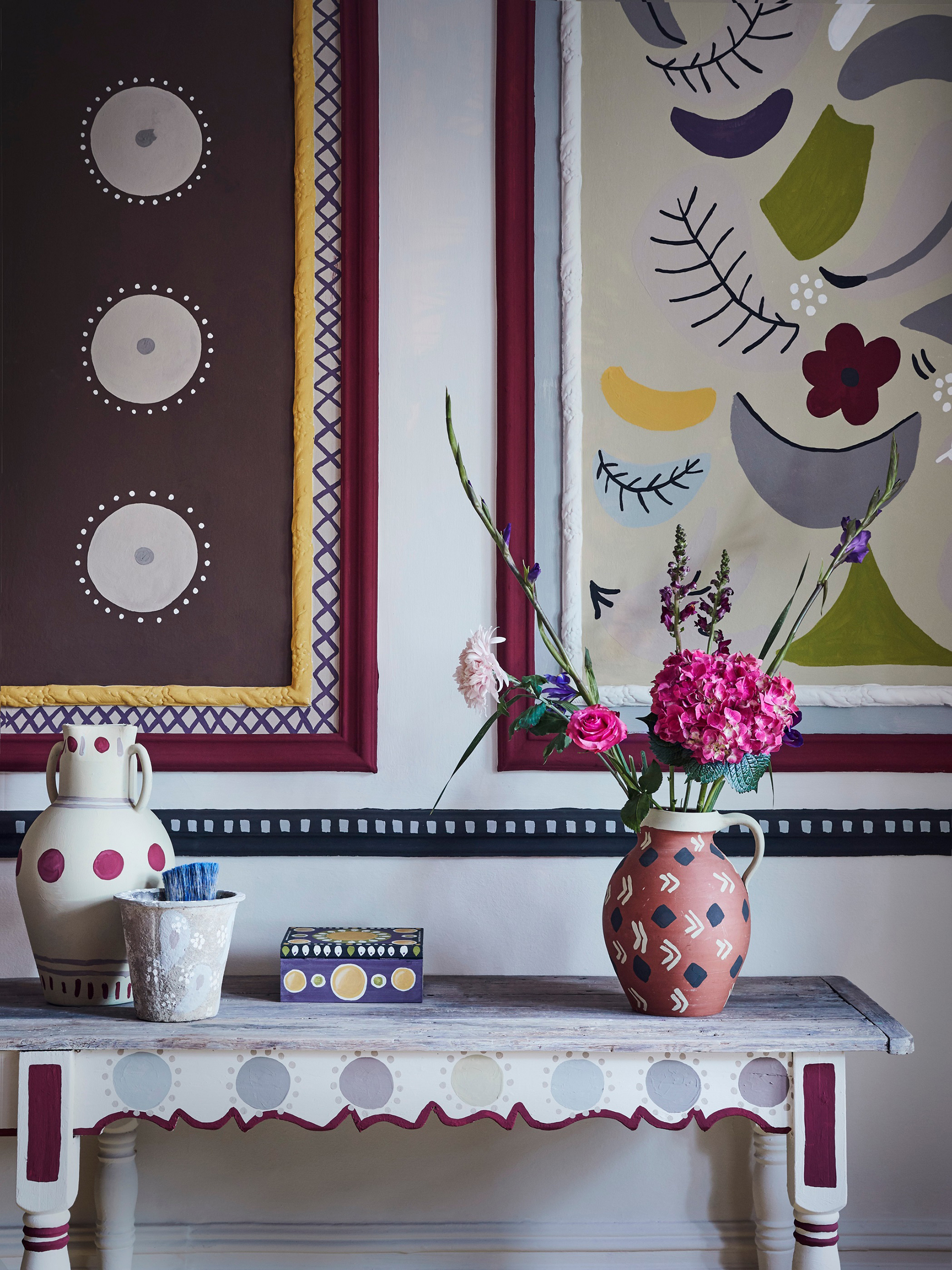
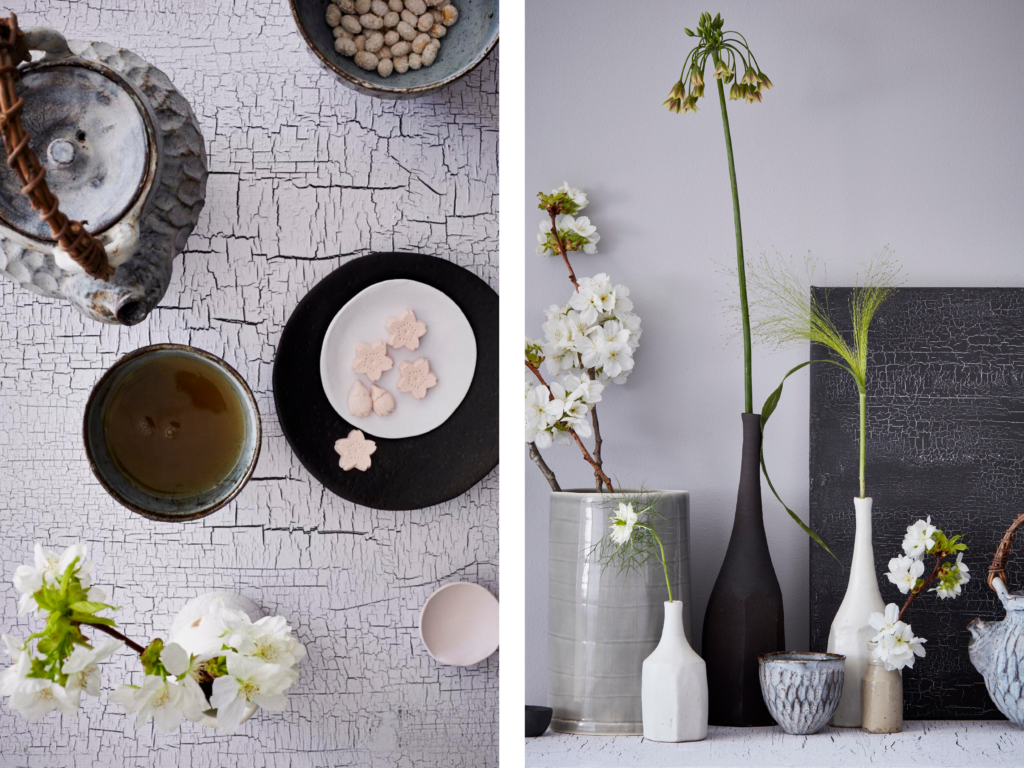
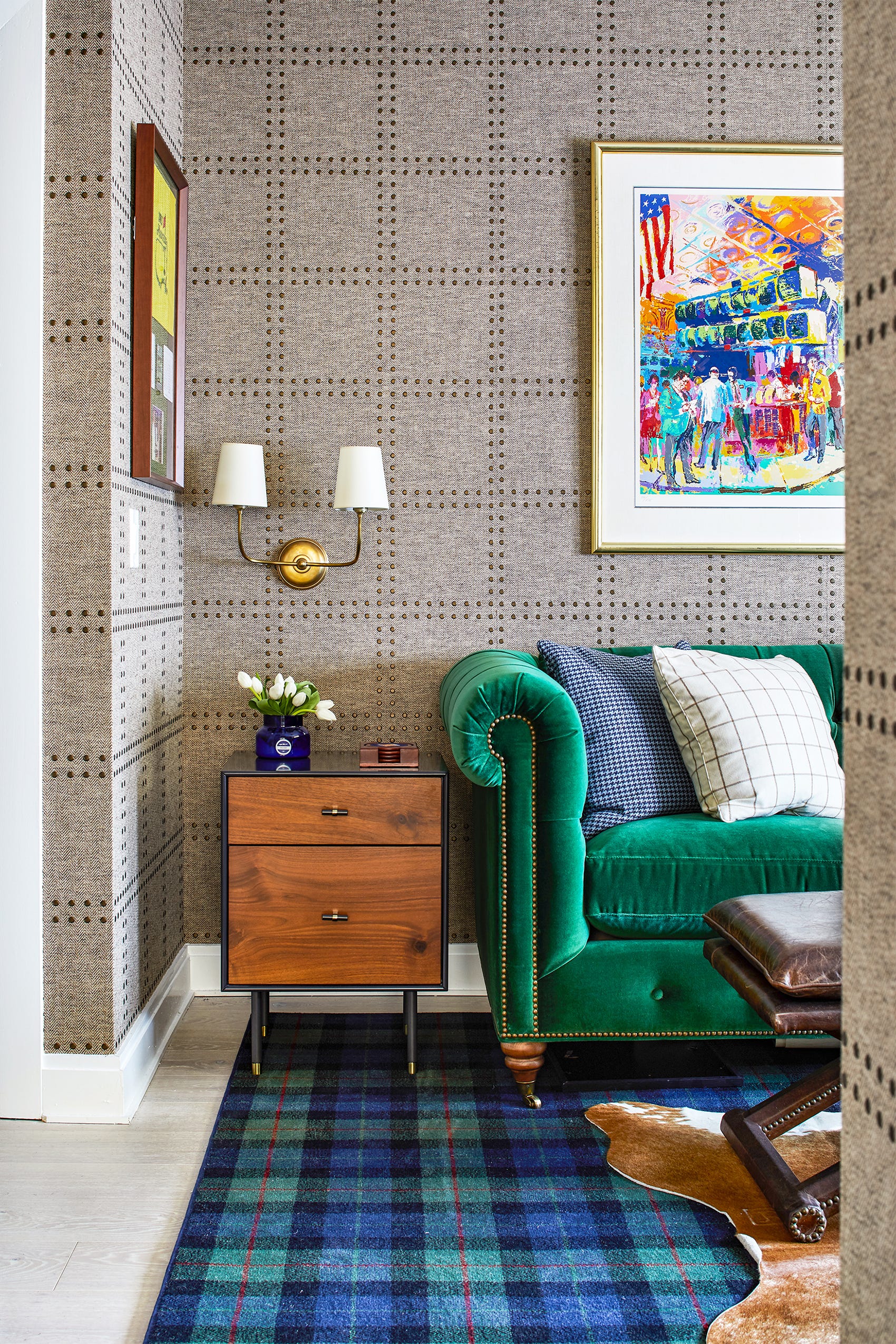
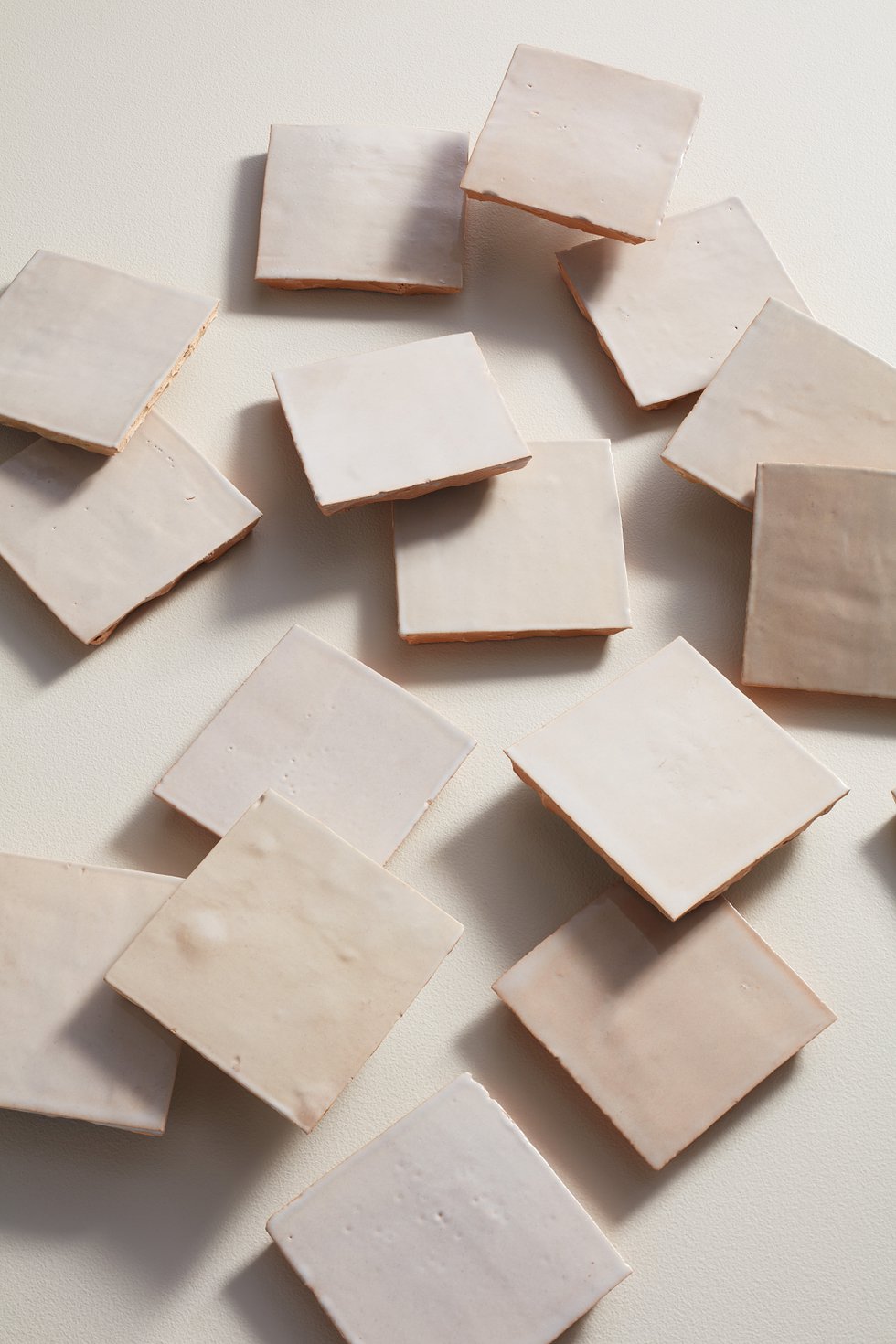
Embracing imperfection, as inspired by the Japanese philosophy of wabi-sabi, is key to adding unique character. This means incorporating vintage items that bear the marks of age or handmade pieces that reveal the maker's touch. Uneven surfaces and patinas not only relax the ambiance but also invite touch and engagement. Pattern play, even without a raised surface, adds significant texture. Starting with small elements like printed cushions or rugs and gradually increasing pattern density can create a vibrant, layered effect.
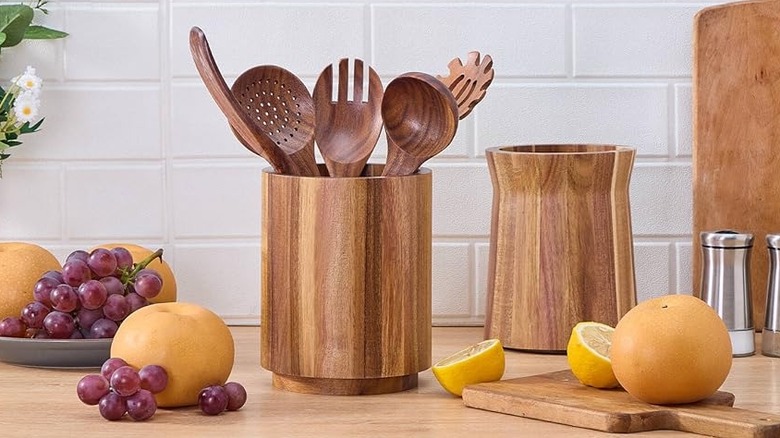
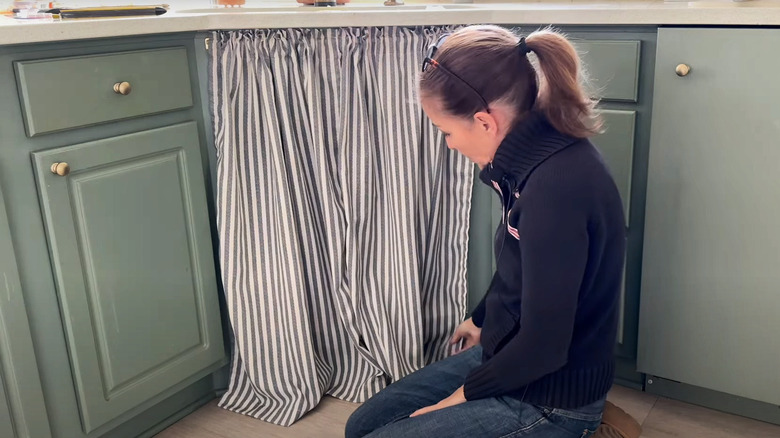
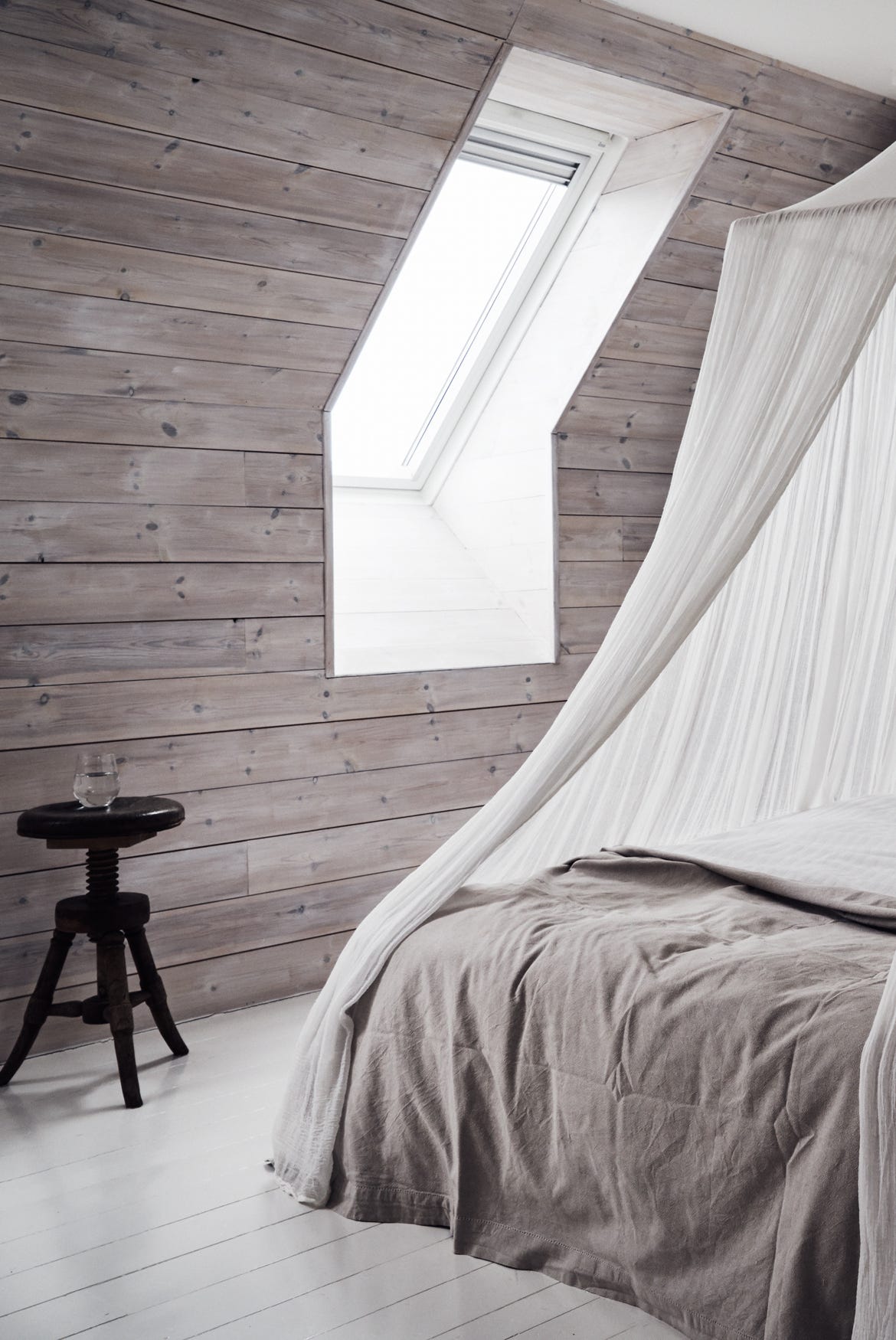
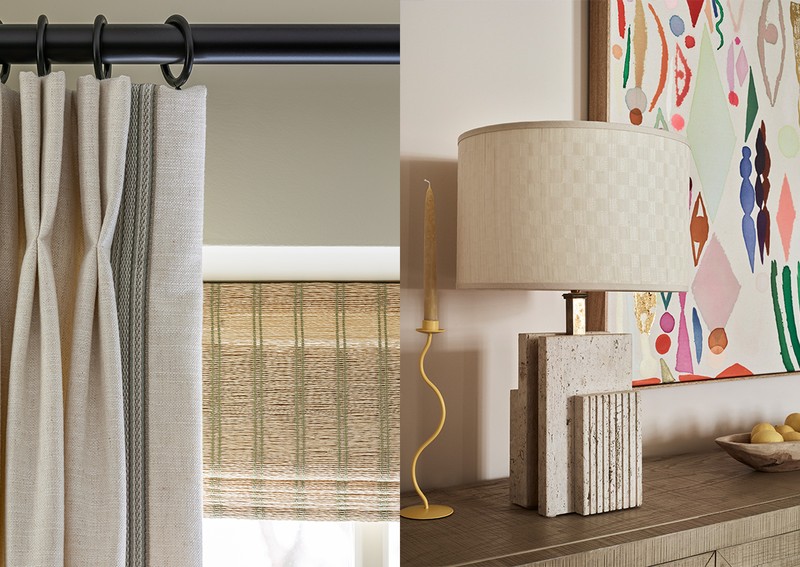
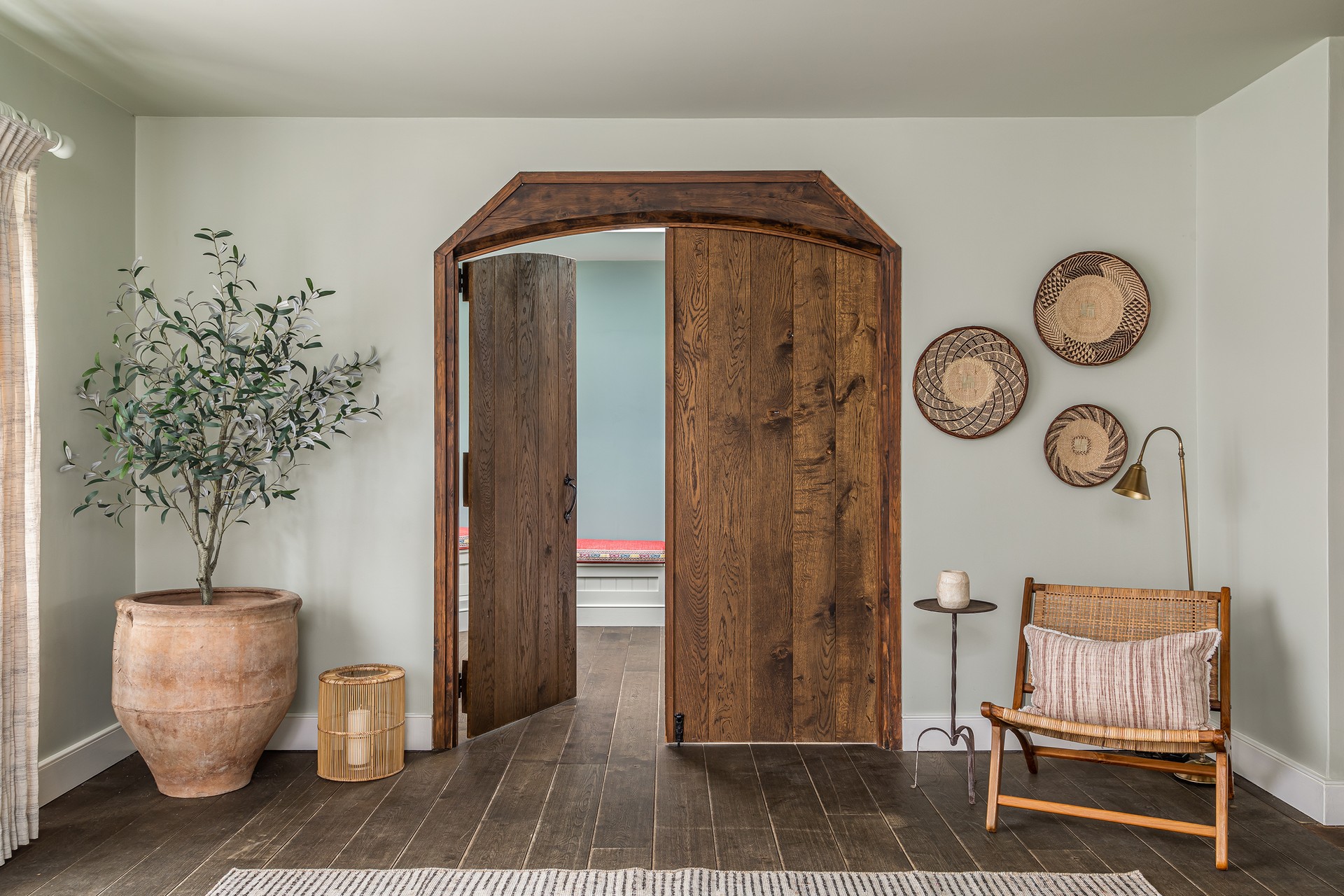
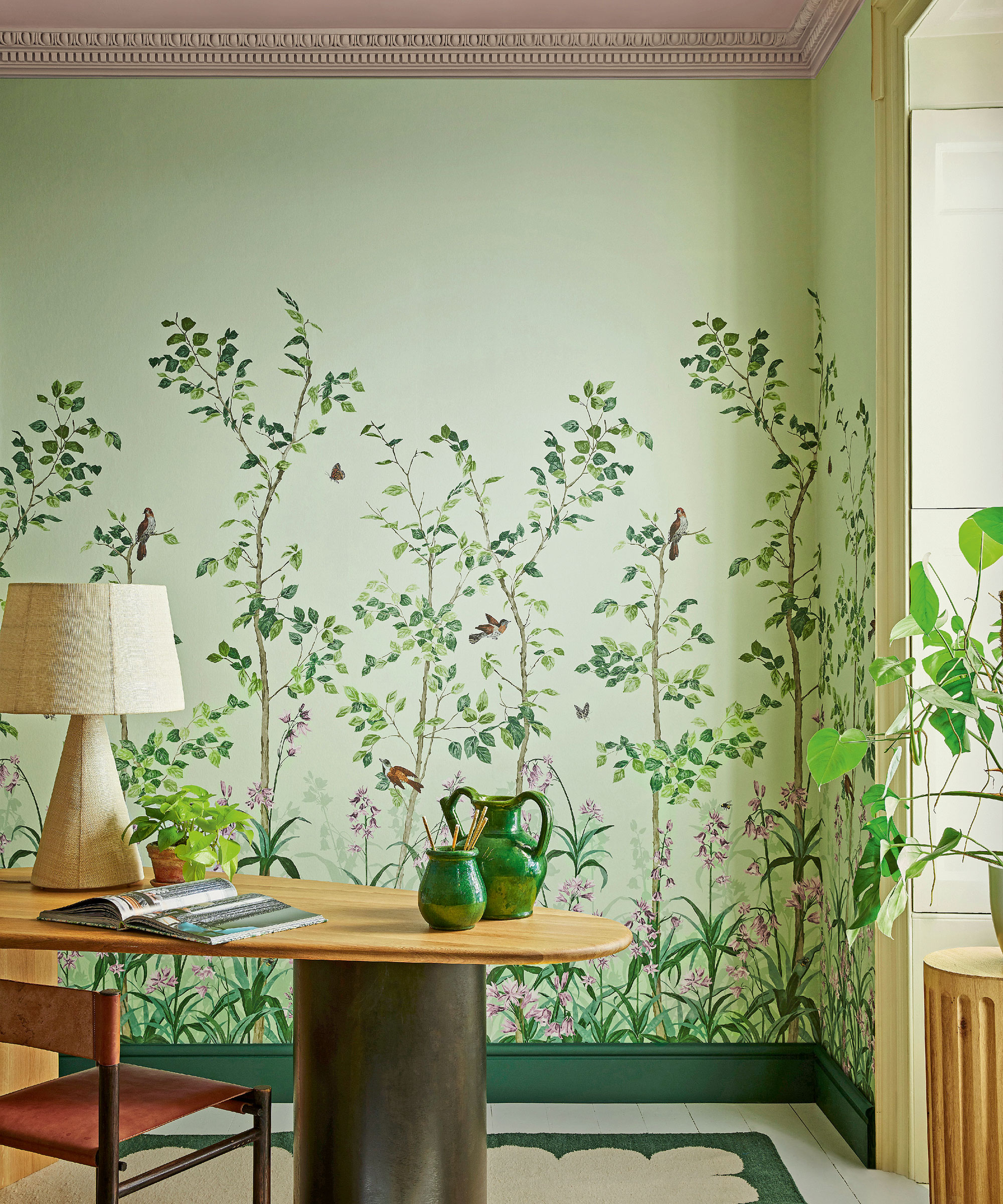
Favoring natural fibers like linen, timber, stone, hides, and leather over synthetic alternatives enriches a space with inherent depth, pleasant tactile qualities, and subtle aromas. Wall hangings, beyond traditional art and mirrors, can transform flat walls into focal points. Weavings, wall-mounted plants, unique fabrics, and floating shelves displaying evolving vignettes add lushness and visual interest. Curtains and blinds, when chosen thoughtfully, also act as decorative elements, softening a room and adding another layer of texture, with options like natural linens or woven blinds providing distinct styles.
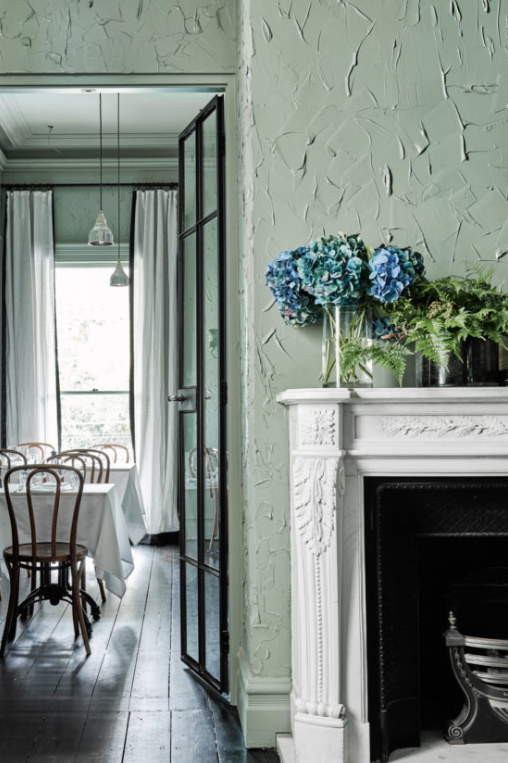
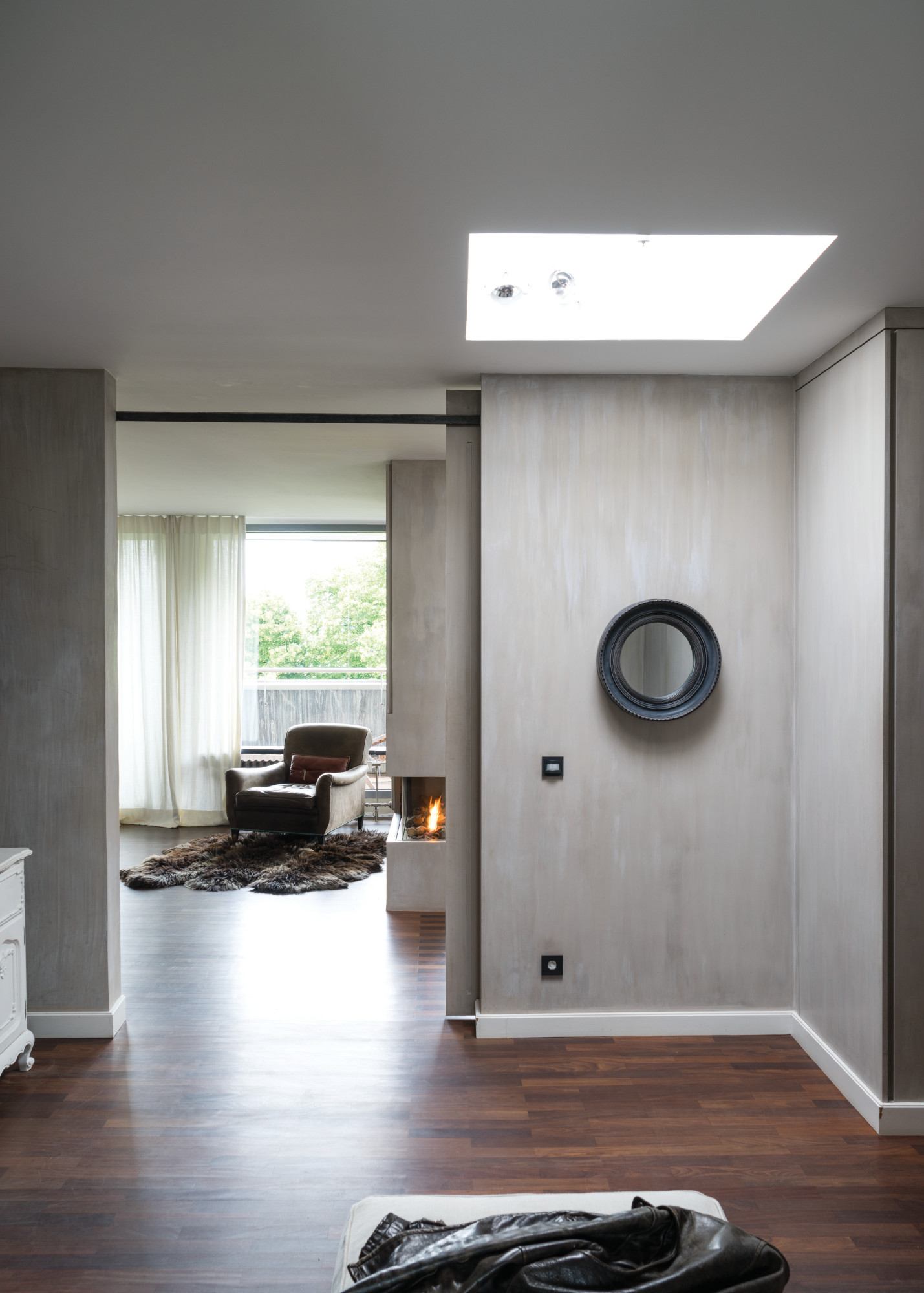
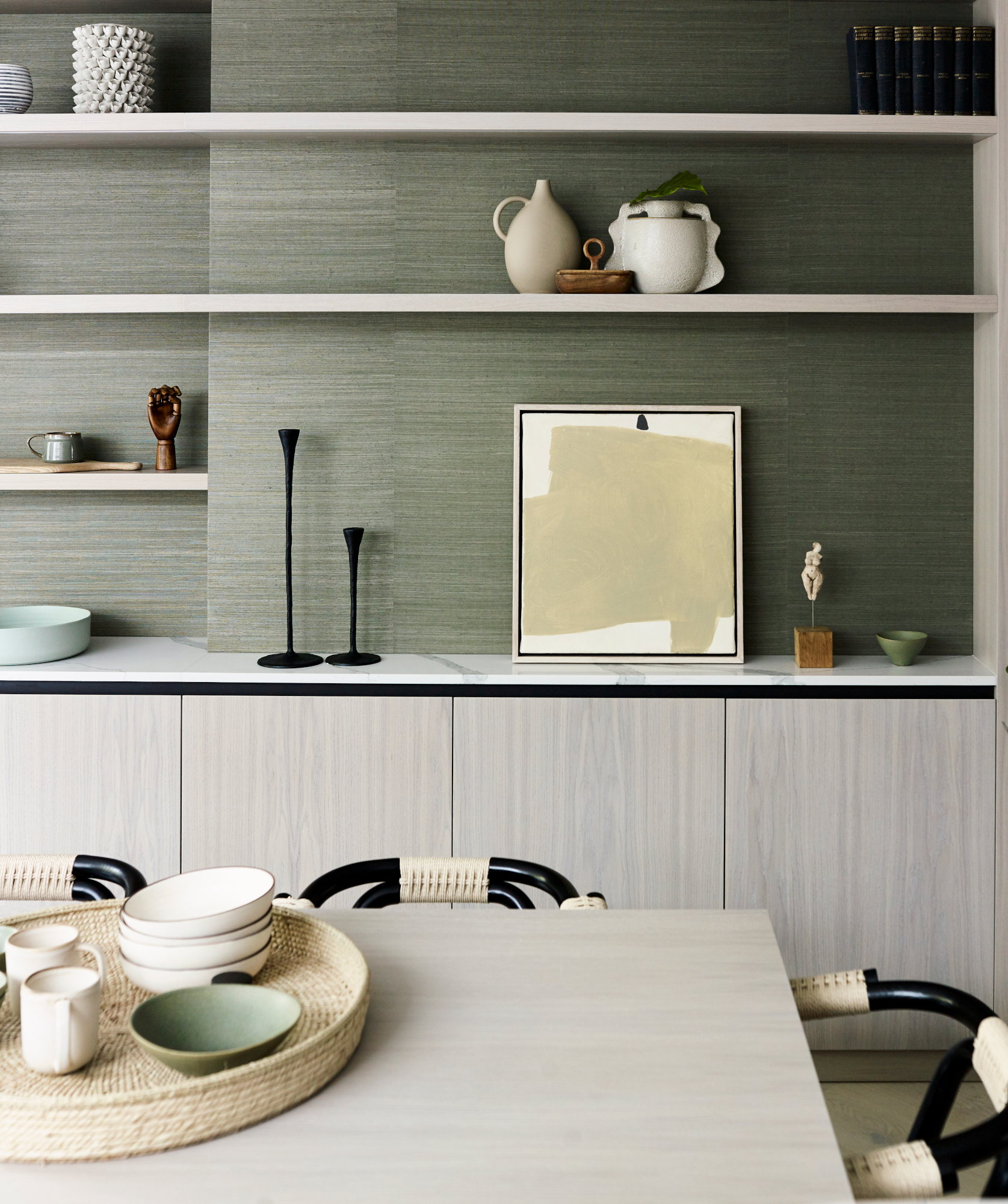
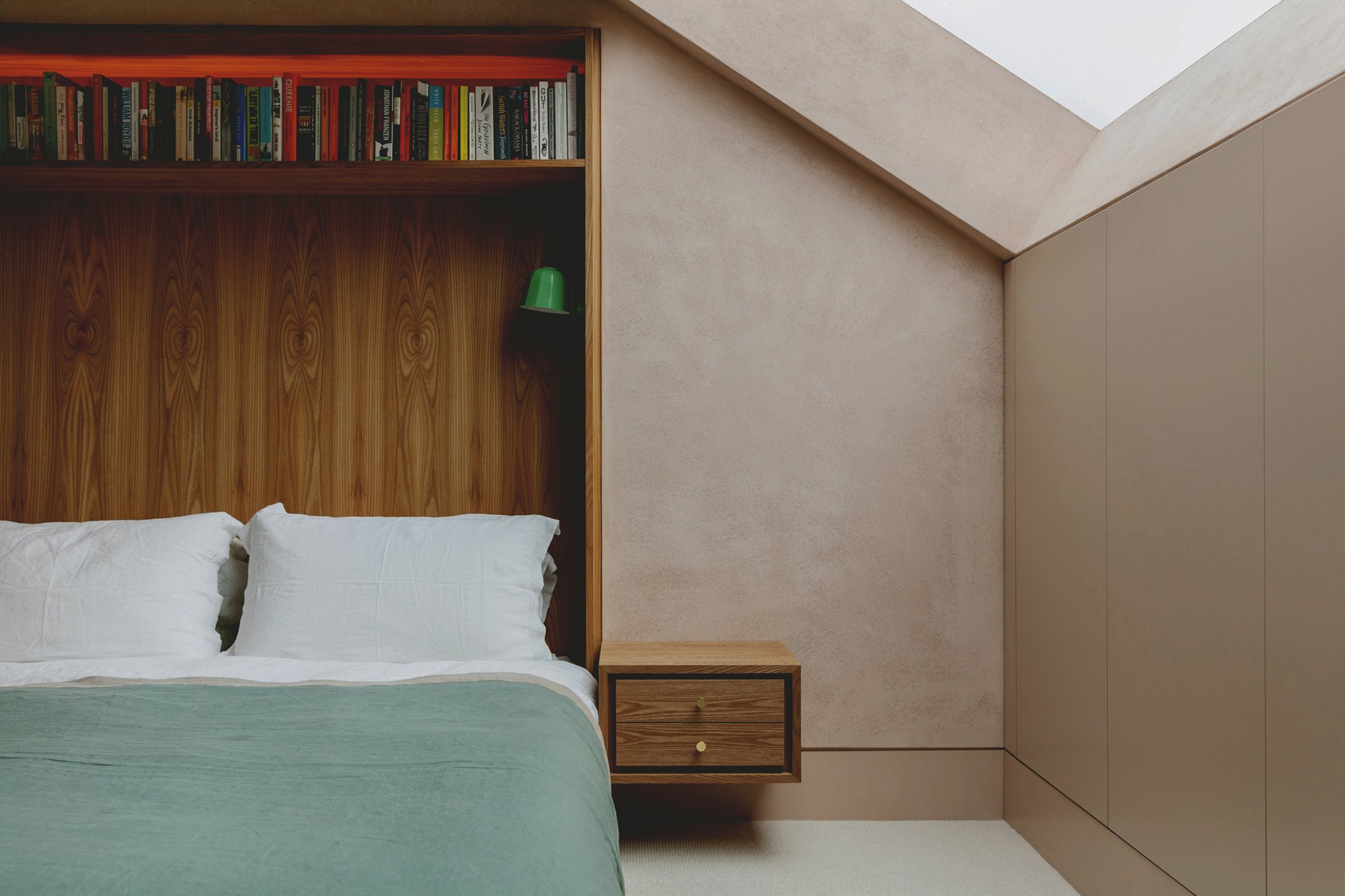
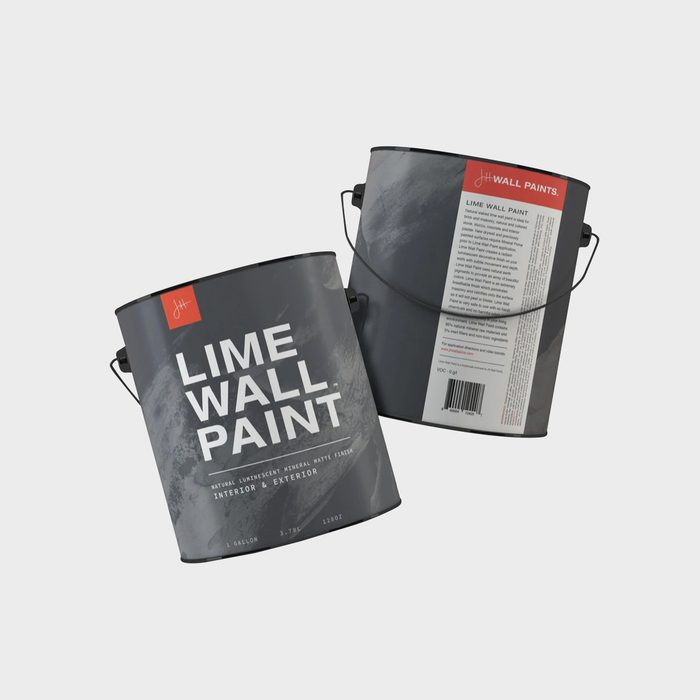
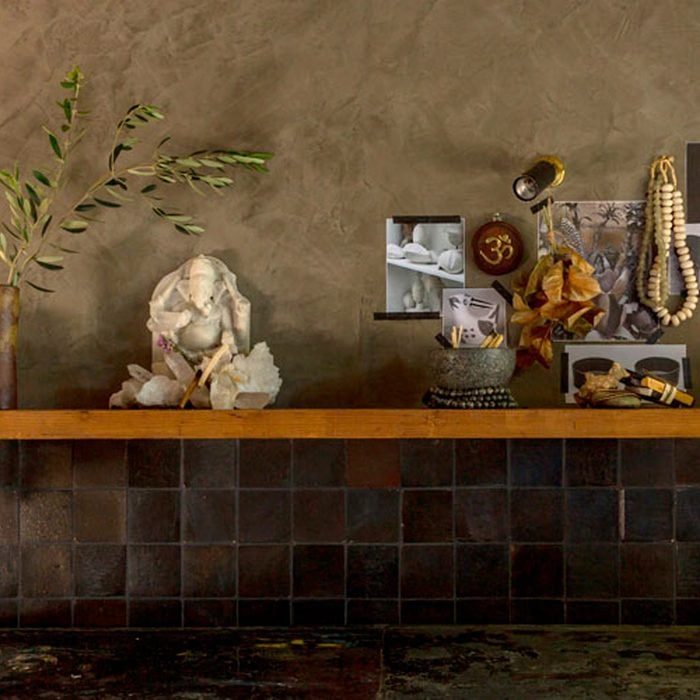
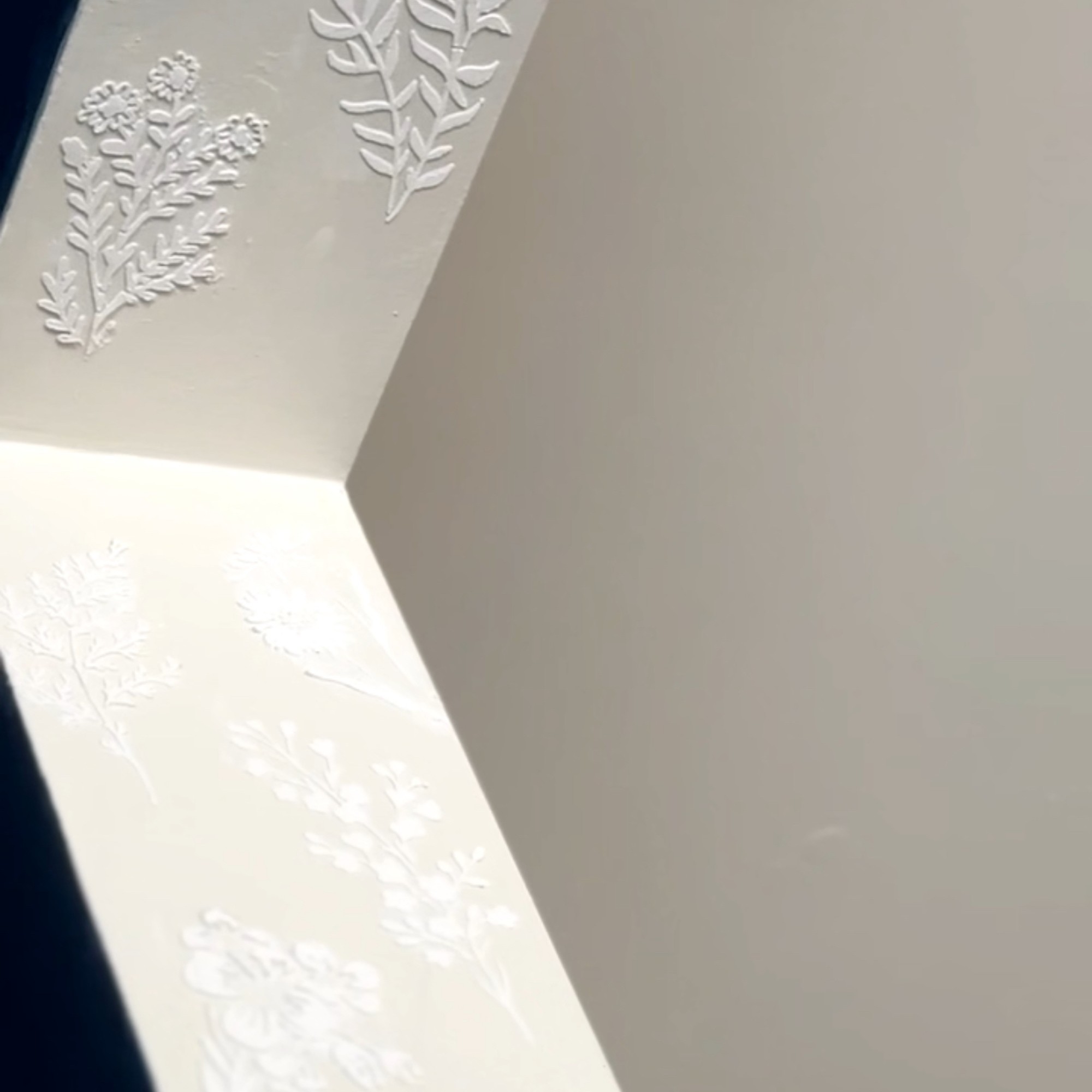
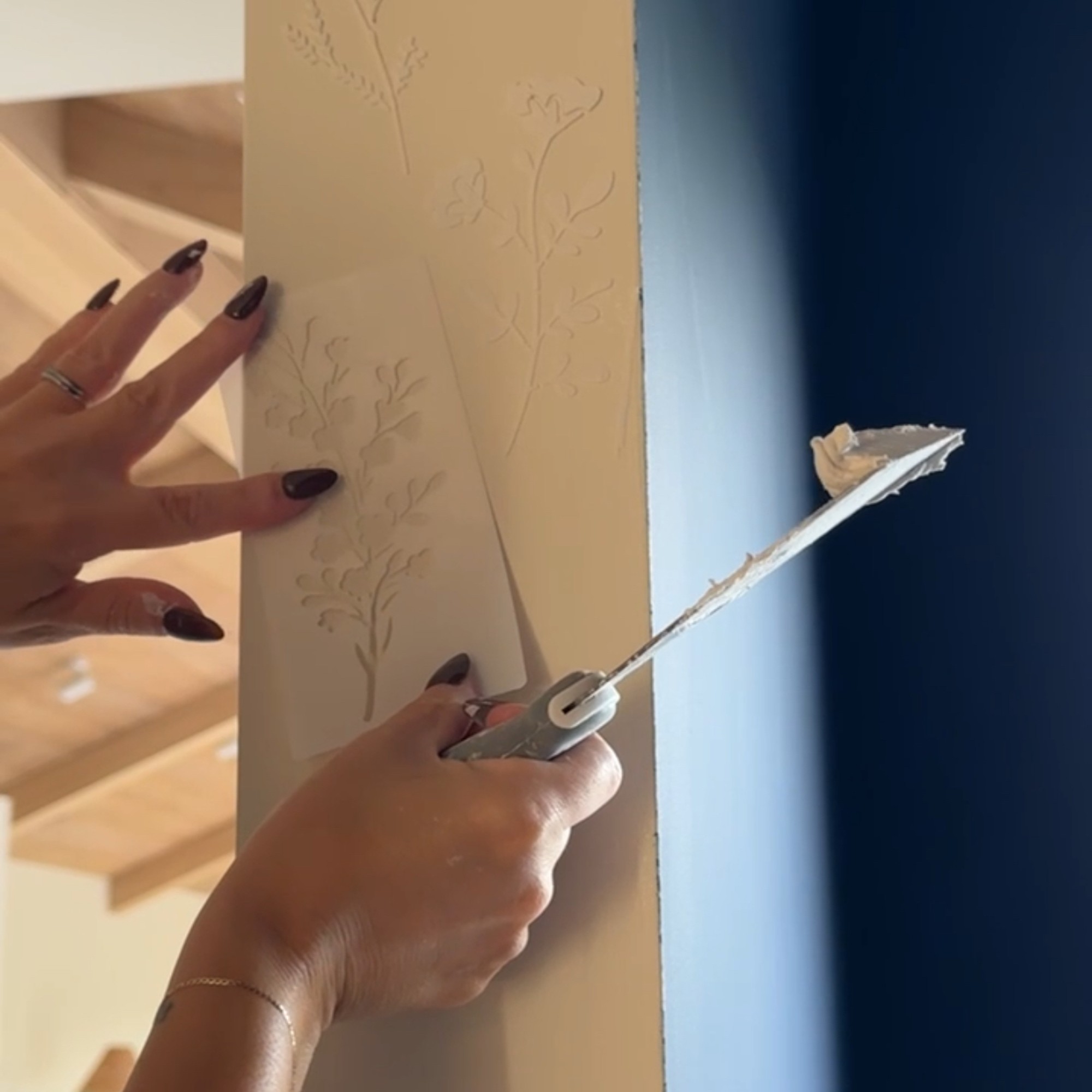
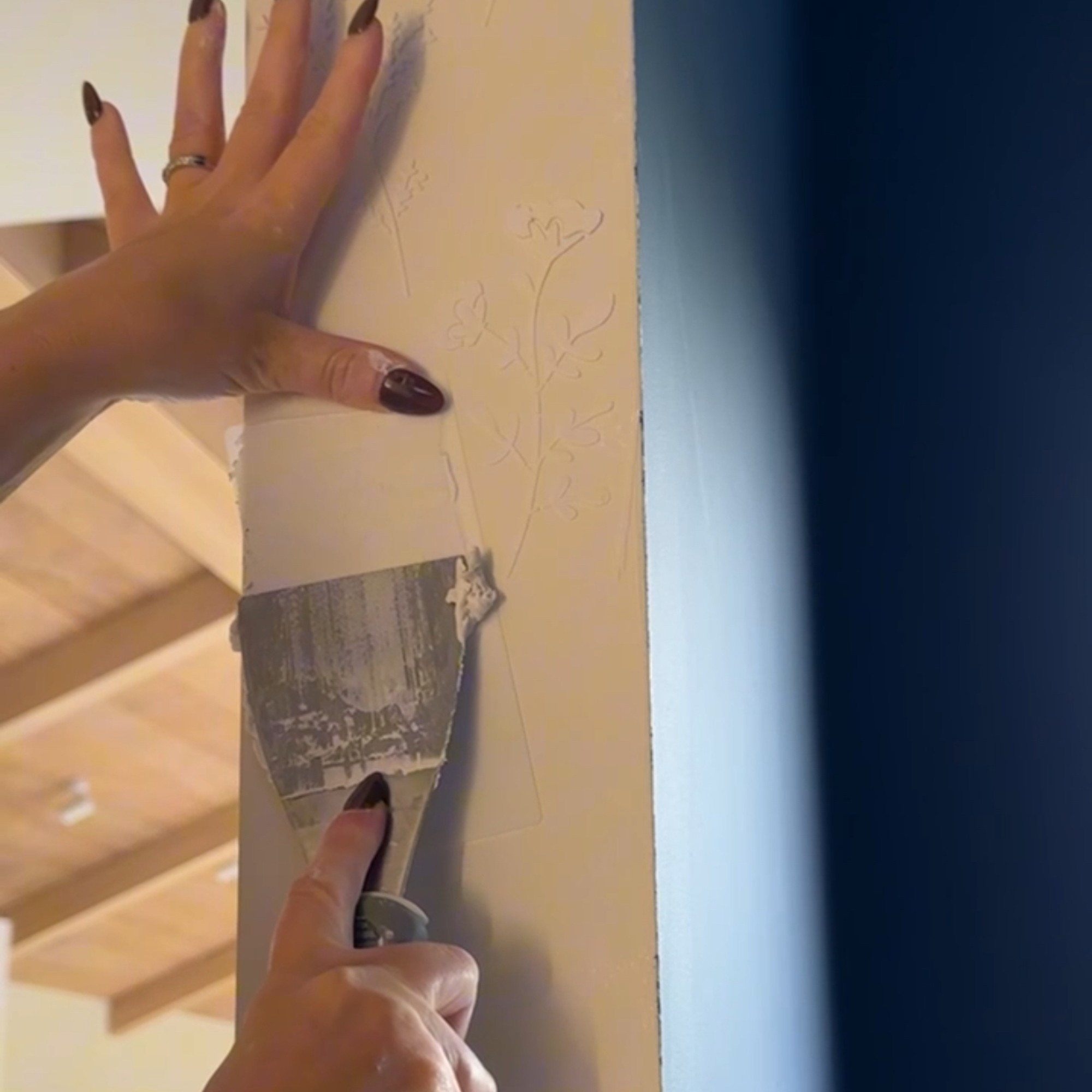
Baskets offer both aesthetic appeal and practical storage. Their varied weaves, from loose to tight, allow them to blend seamlessly with different decor styles while introducing an organic touch. Finally, texturing walls and ceilings can dramatically cozy up a room. Techniques like French wash paint, textured grass cloth, embossed removable wallpaper, or exposed raw ply ceilings and beams create captivating surfaces that interact beautifully with light, enhancing the overall textural richness of the home. These diverse methods collectively contribute to a well-balanced and visually stimulating interior environment.
#HomeDecor #InteriorDesign #TexturalElements #Rugs #NaturalFibers #WallDecor #Greenery #WabiSabi #HomeStyling #HomeDecor #InteriorDesign #TexturalElements #Rugs #NaturalFibers #WallDecor #Greenery #WabiSabi #HomeStyling
0 opmerkingen in totaal
 Nog geen opmerkingen
Dit vindt u mogelijk ook leuk
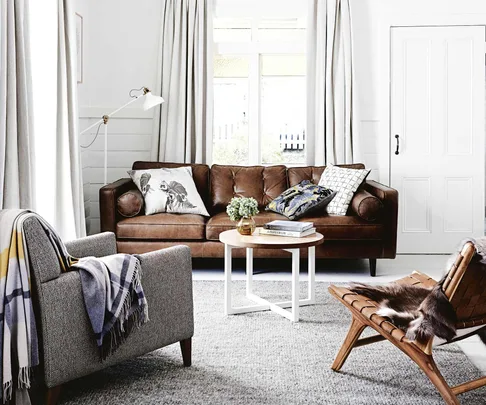
How to layer materials and add texture to your home decor
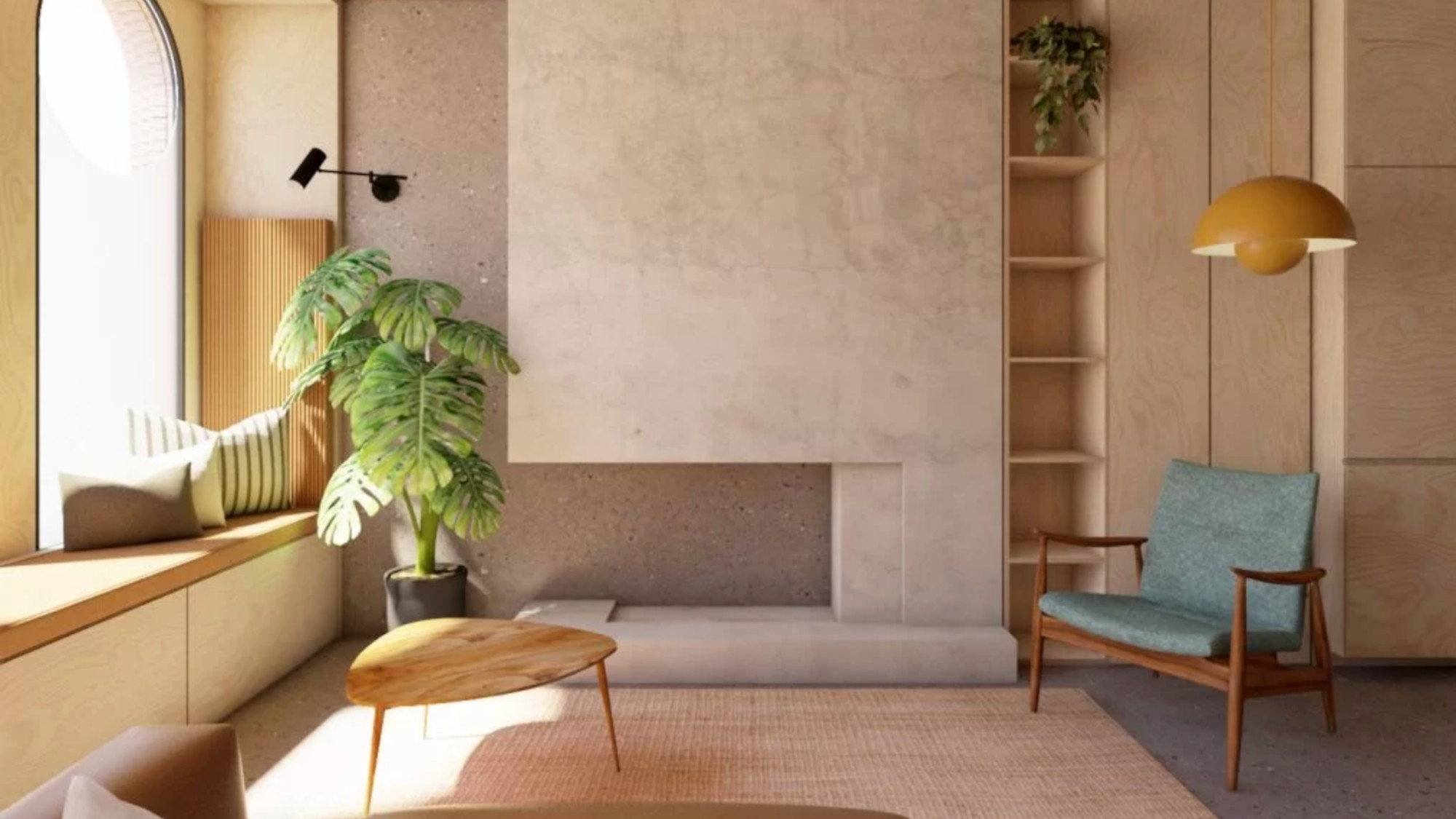
How to add texture to your walls - a beginner's guide to the many beautiful plaster finishes

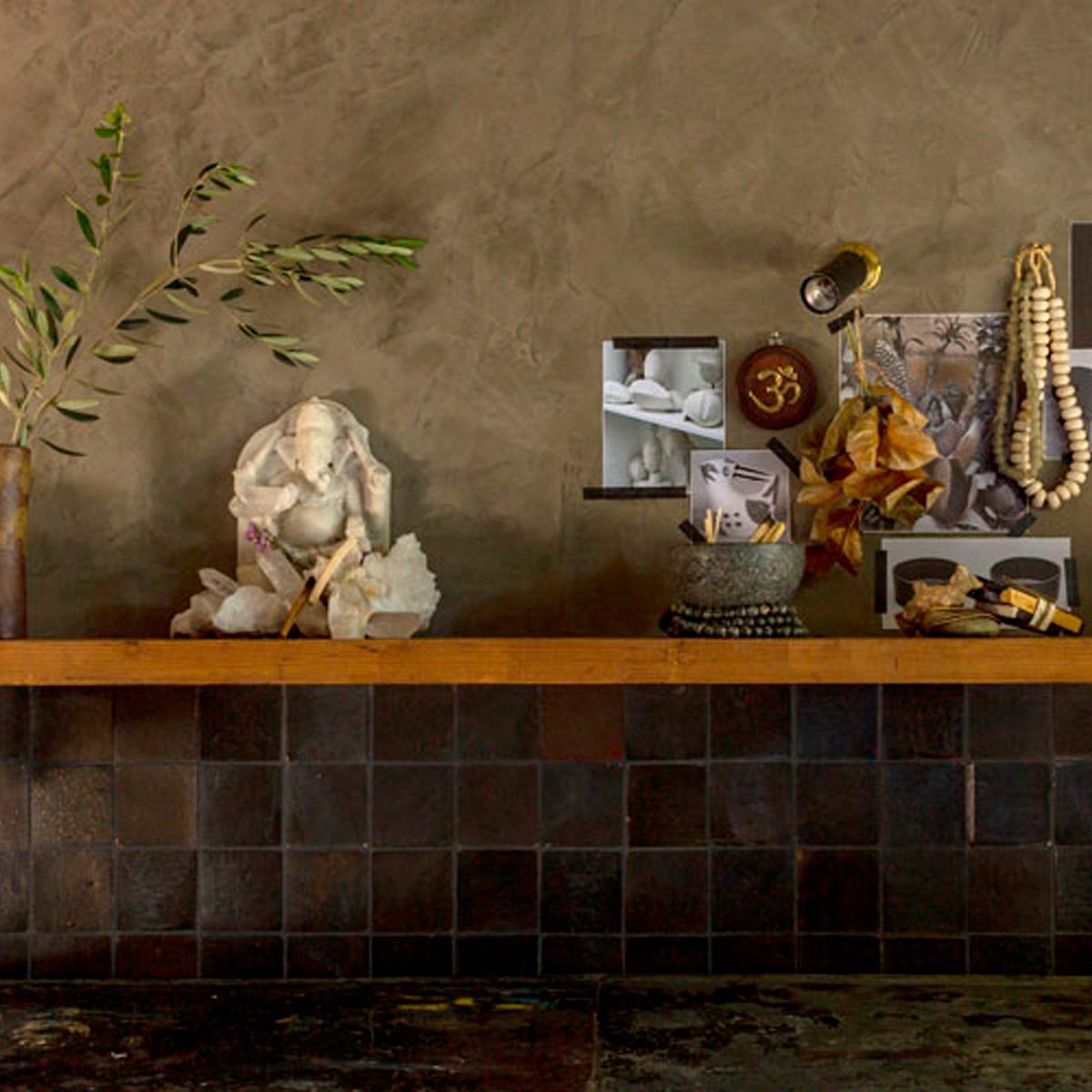
7 Best Interior Texture Paints

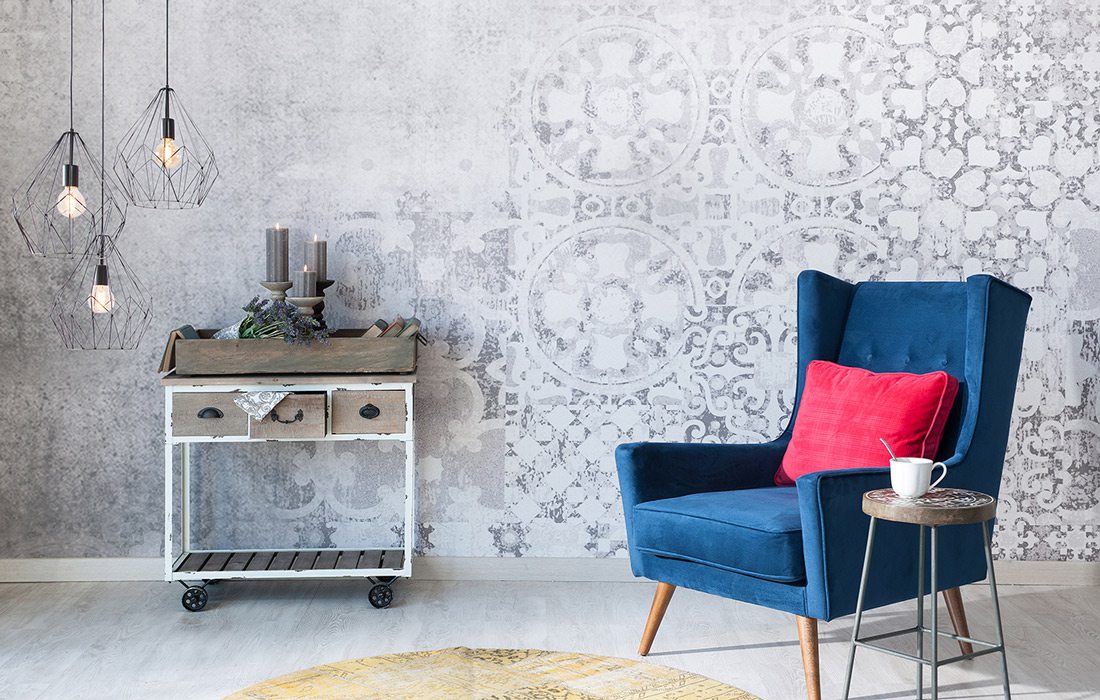
How to Use Textured Wallpaper in Your Home
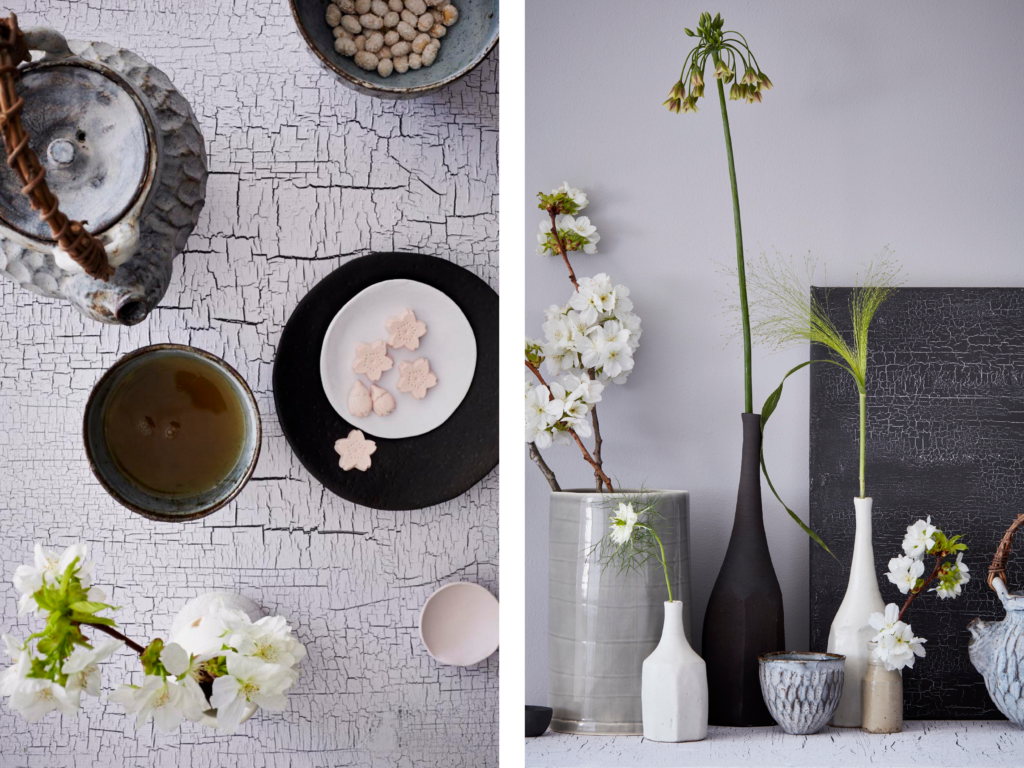
10 ways to use textured paint in your home

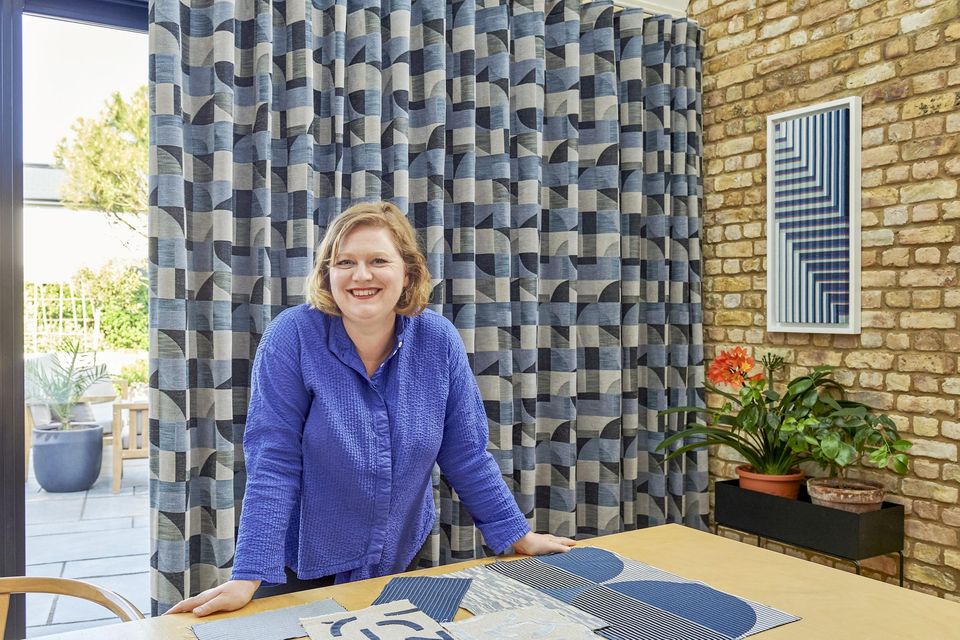
How to use woven fabrics to add texture to your interior space
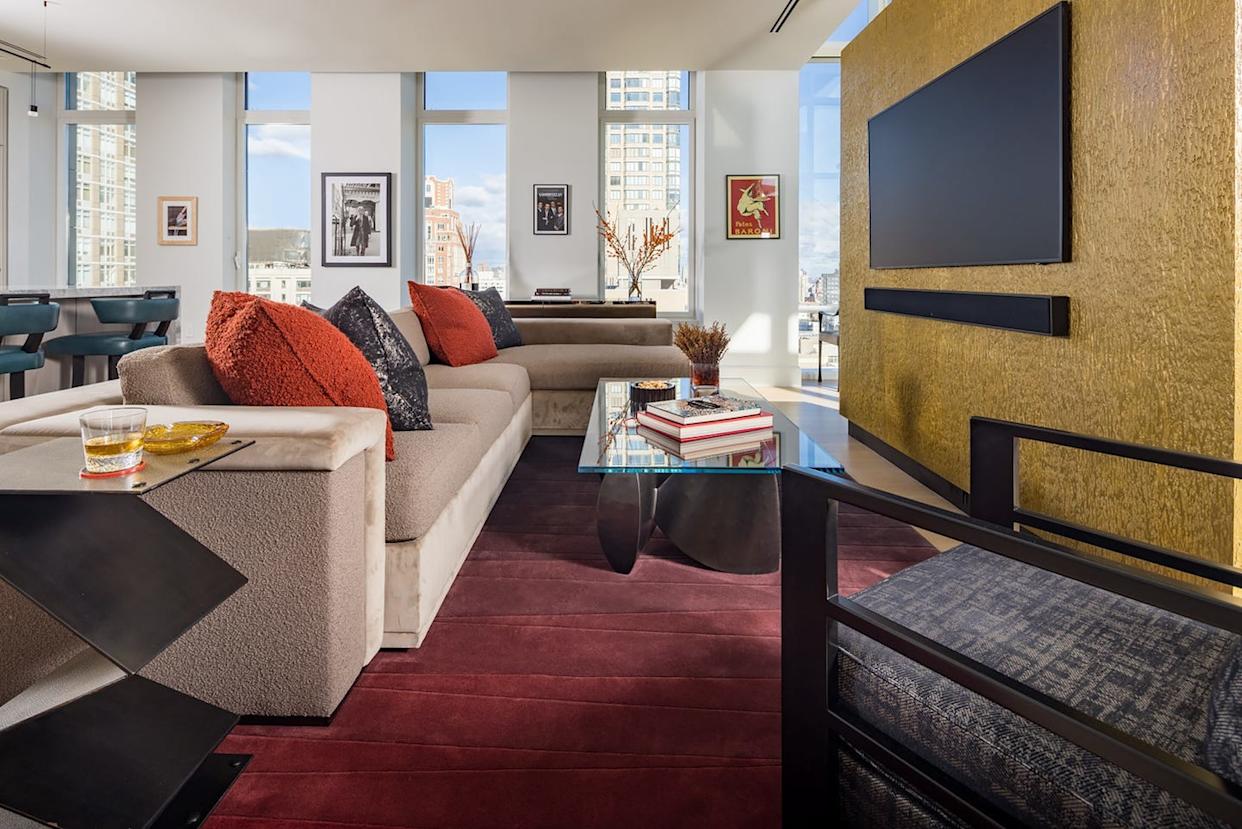
Designers Say You Might Be Mixing Textures in Your Home All Wrong

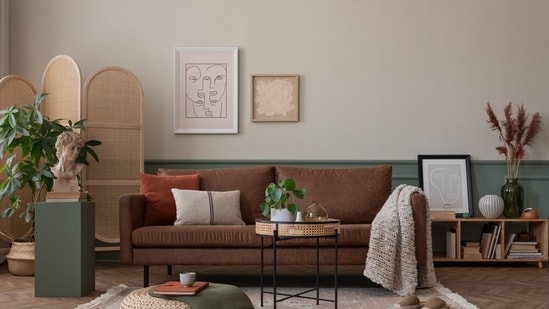
Is your home feeling lifeless? 5 layering hacks to make the interiors warm and inviting | Hindustan Times

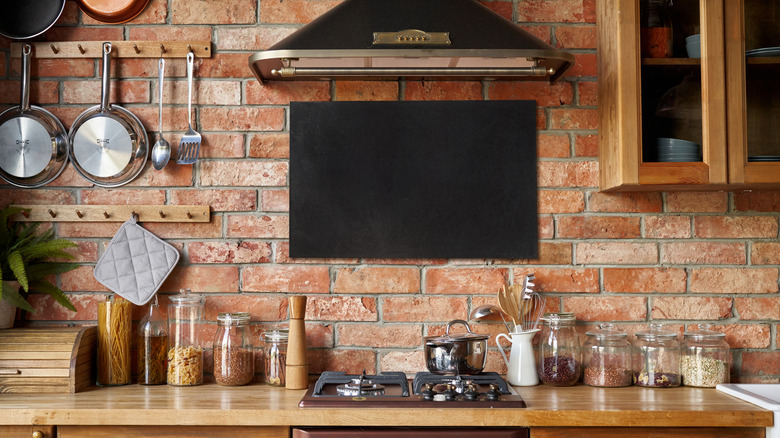
9 Ways To Refresh Your Kitchen By Adding Texture
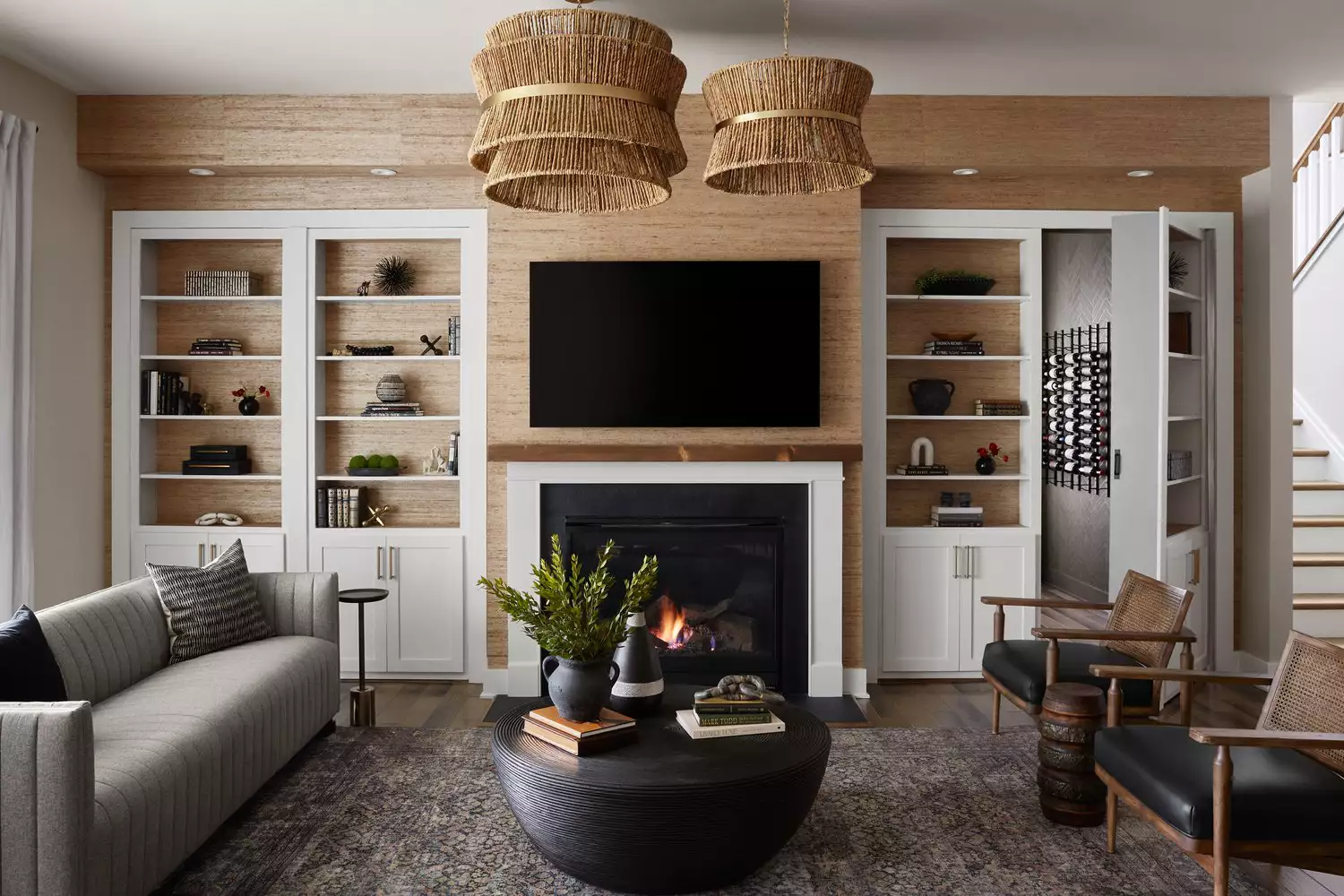
The One Design Feature You're Overlooking That Will Instantly Elevate Any Room
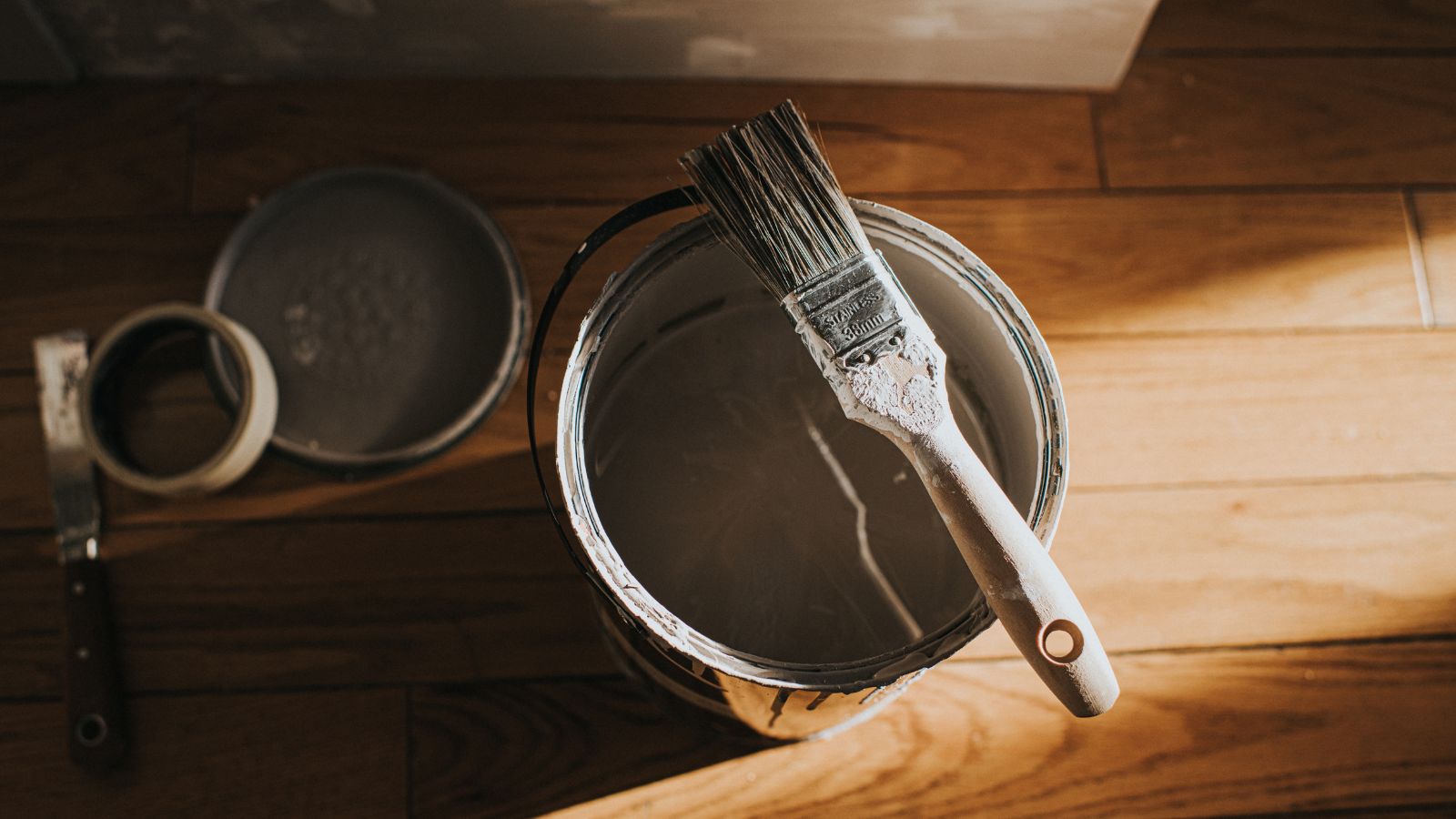
How to texture a wall – 5 expert methods for intriguing wall textures
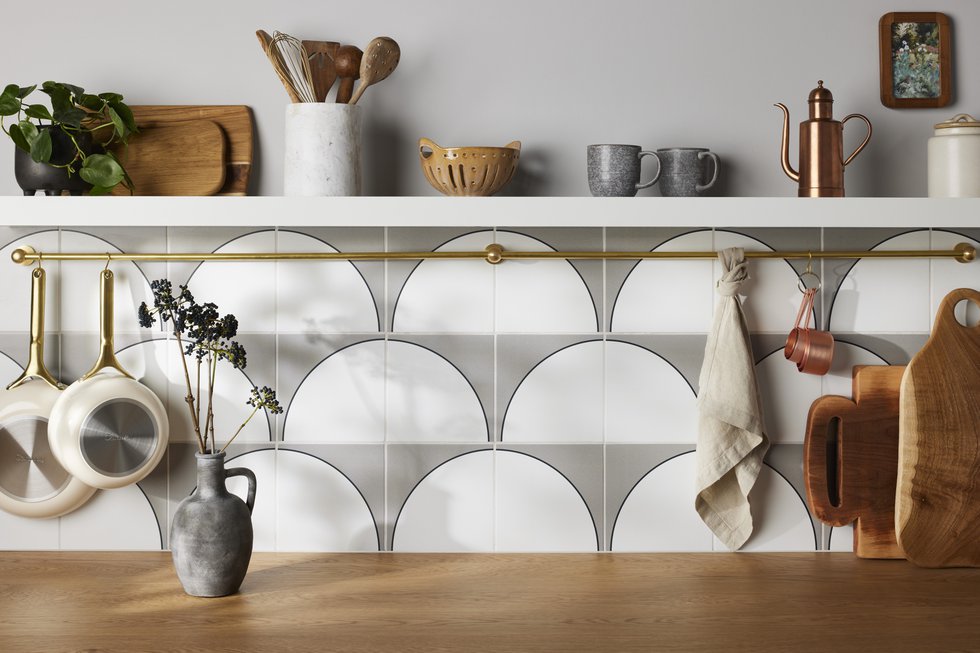
Tile Style: Four Ways to Dress Up Your Home
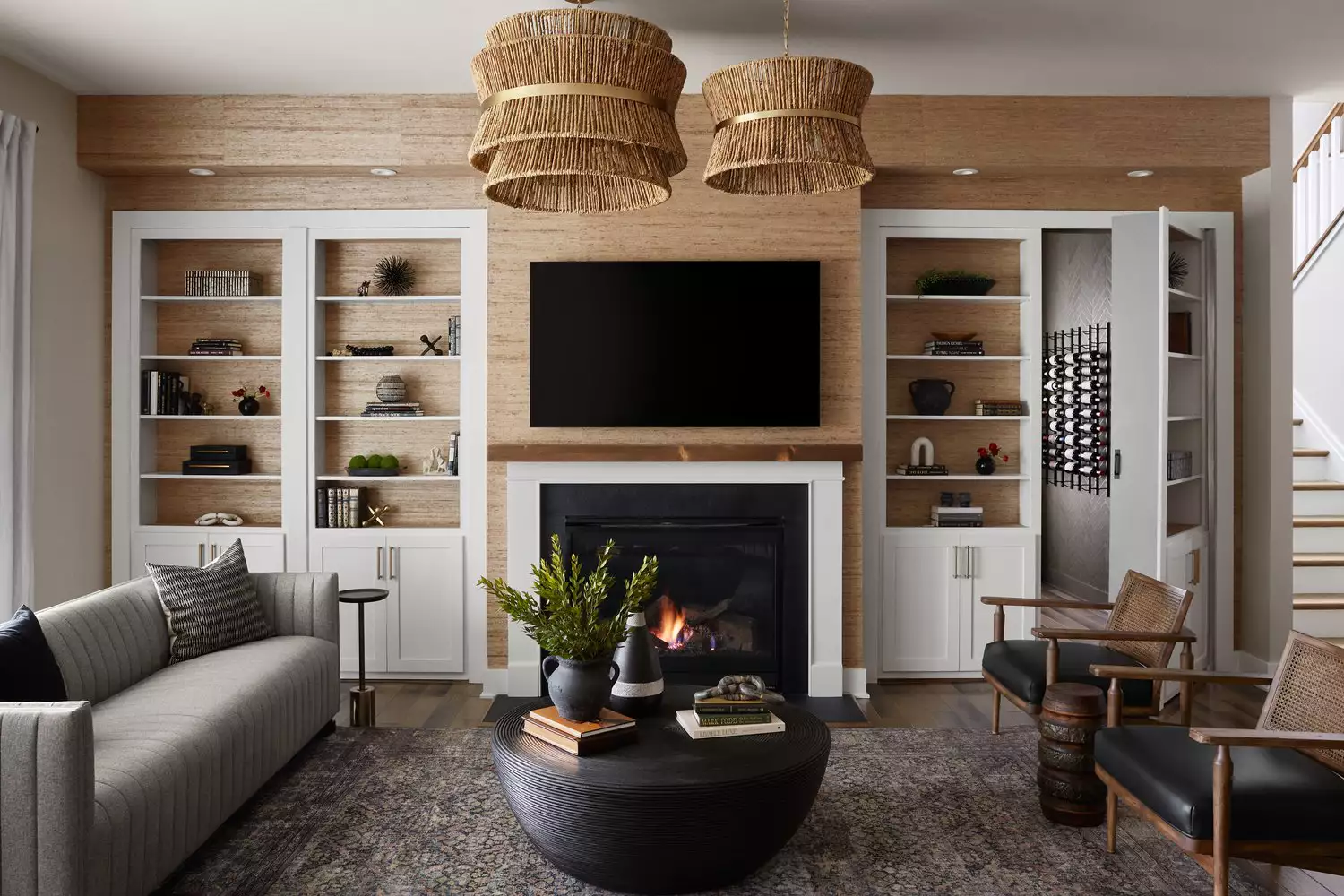
The One Design Feature You're Overlooking That Can Instantly Elevate Any Room

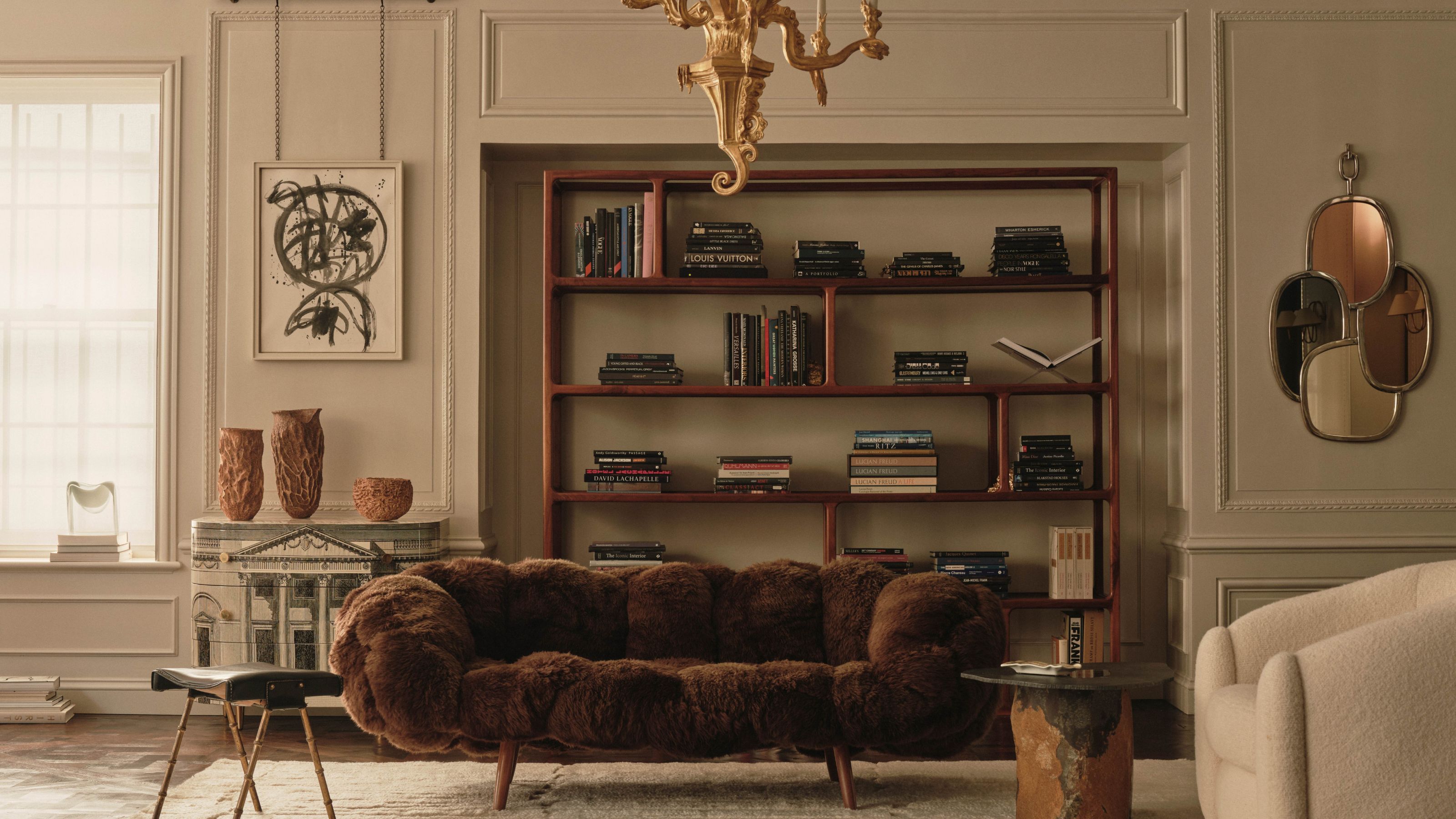
The Power of Texture in Interior Design – 6 Ways Designers Use It to Shape the Look (and Feel) of Every Room
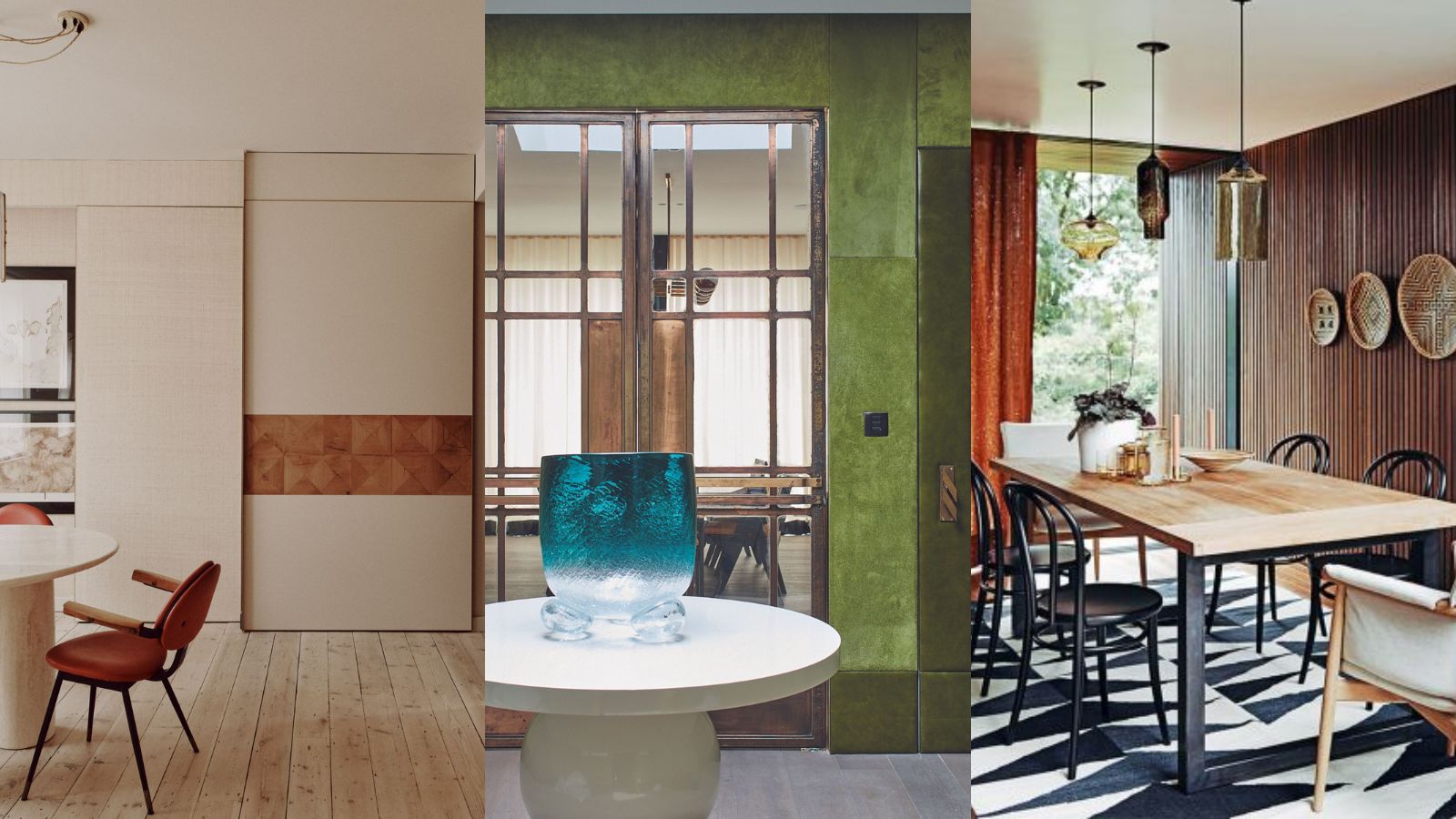
Textured wall ideas – 13 surfaces you'll want to reach out and touch
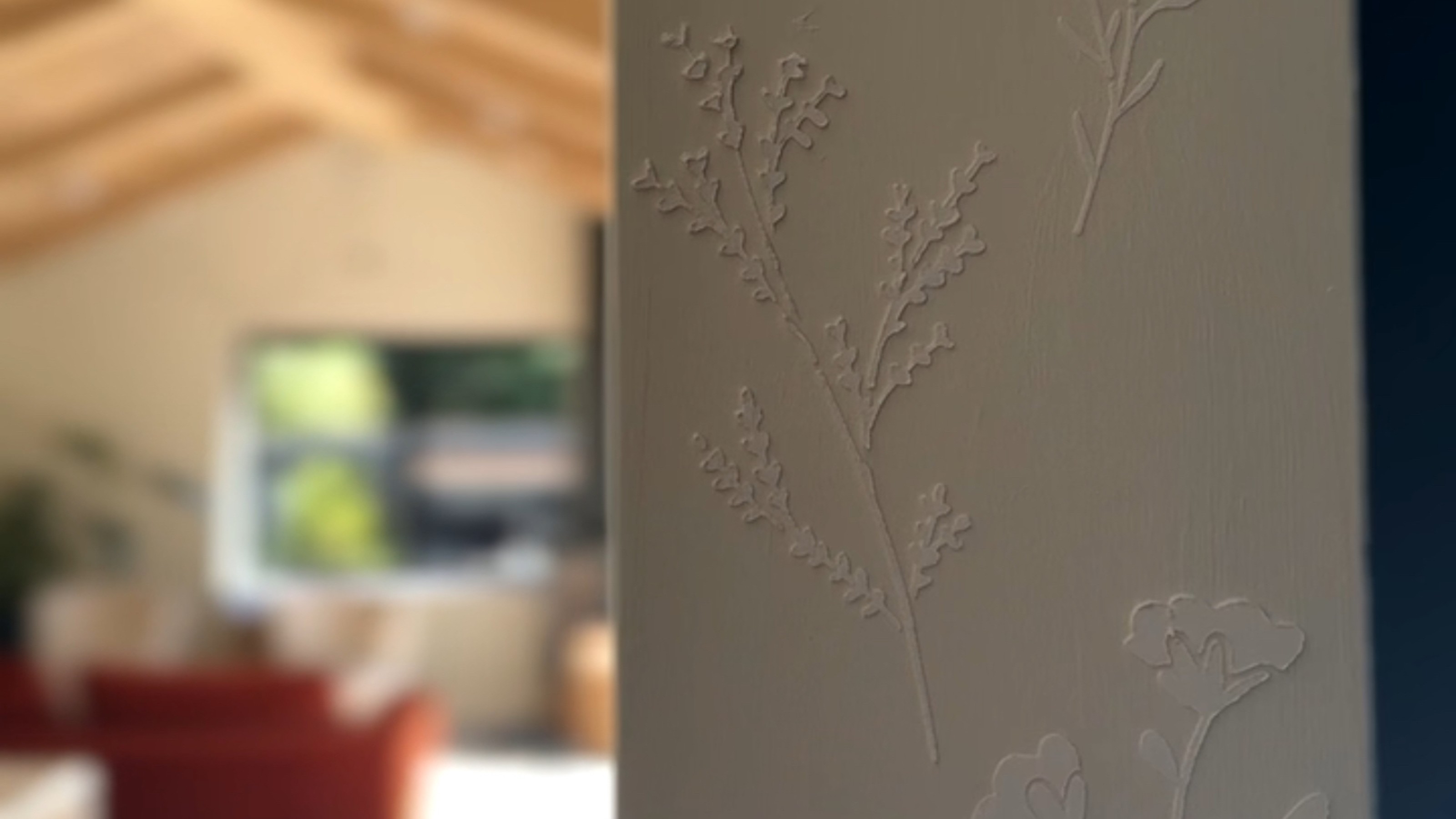
3D stencilling is trending on TikTok and Instagram
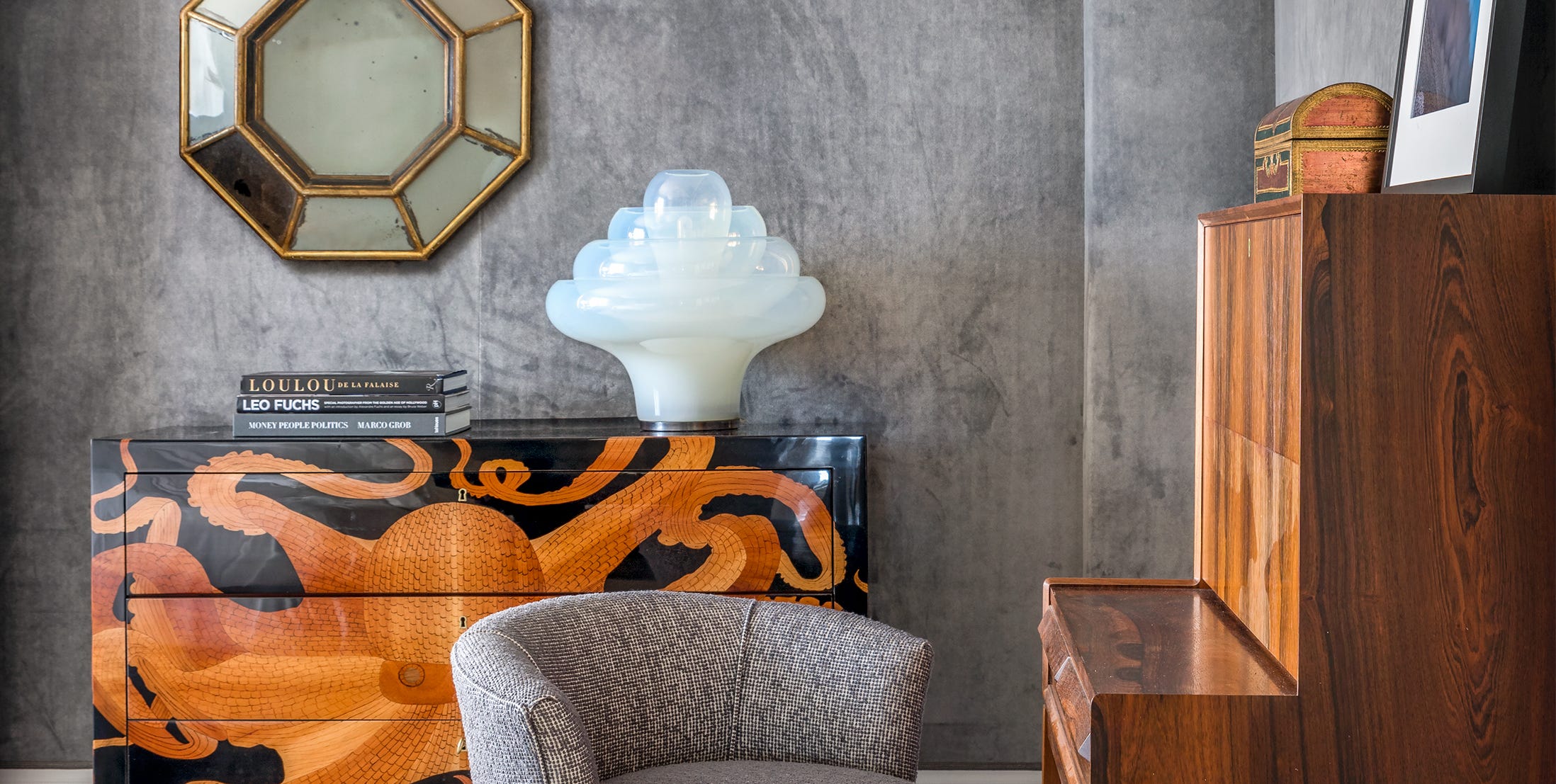
The Best Wall Texture Ideas for Adding Depth to Any Room
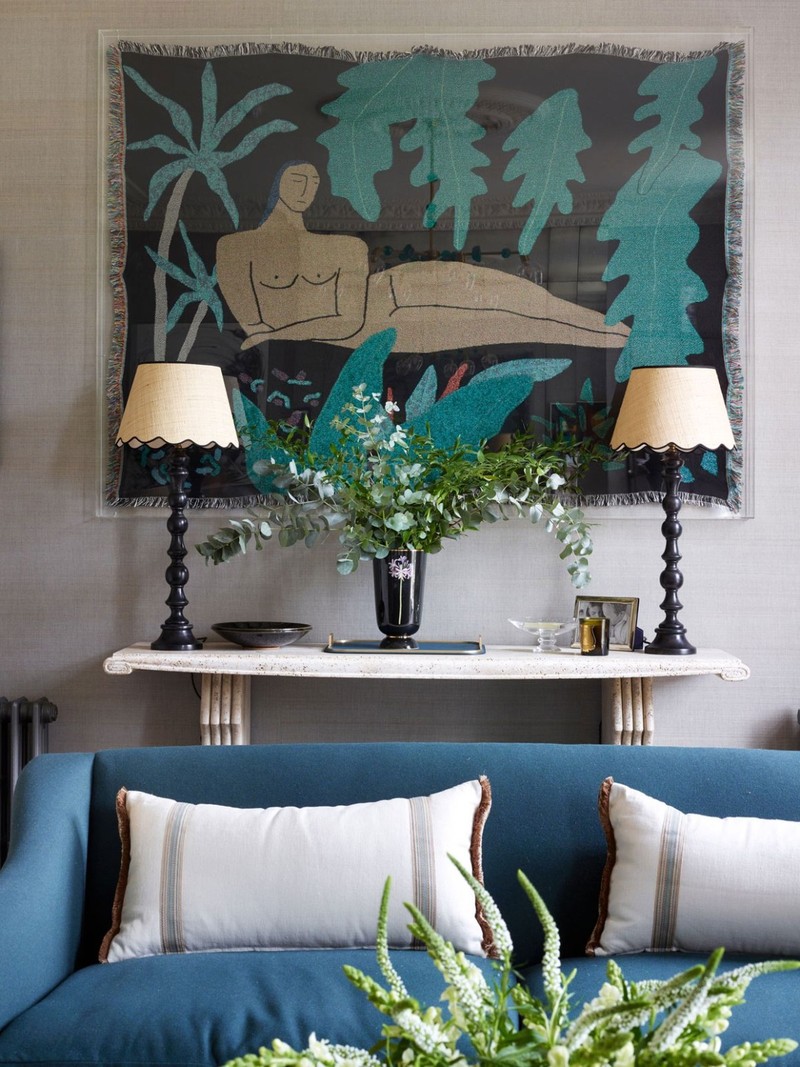
How To Add More Character & Interest To Your Home
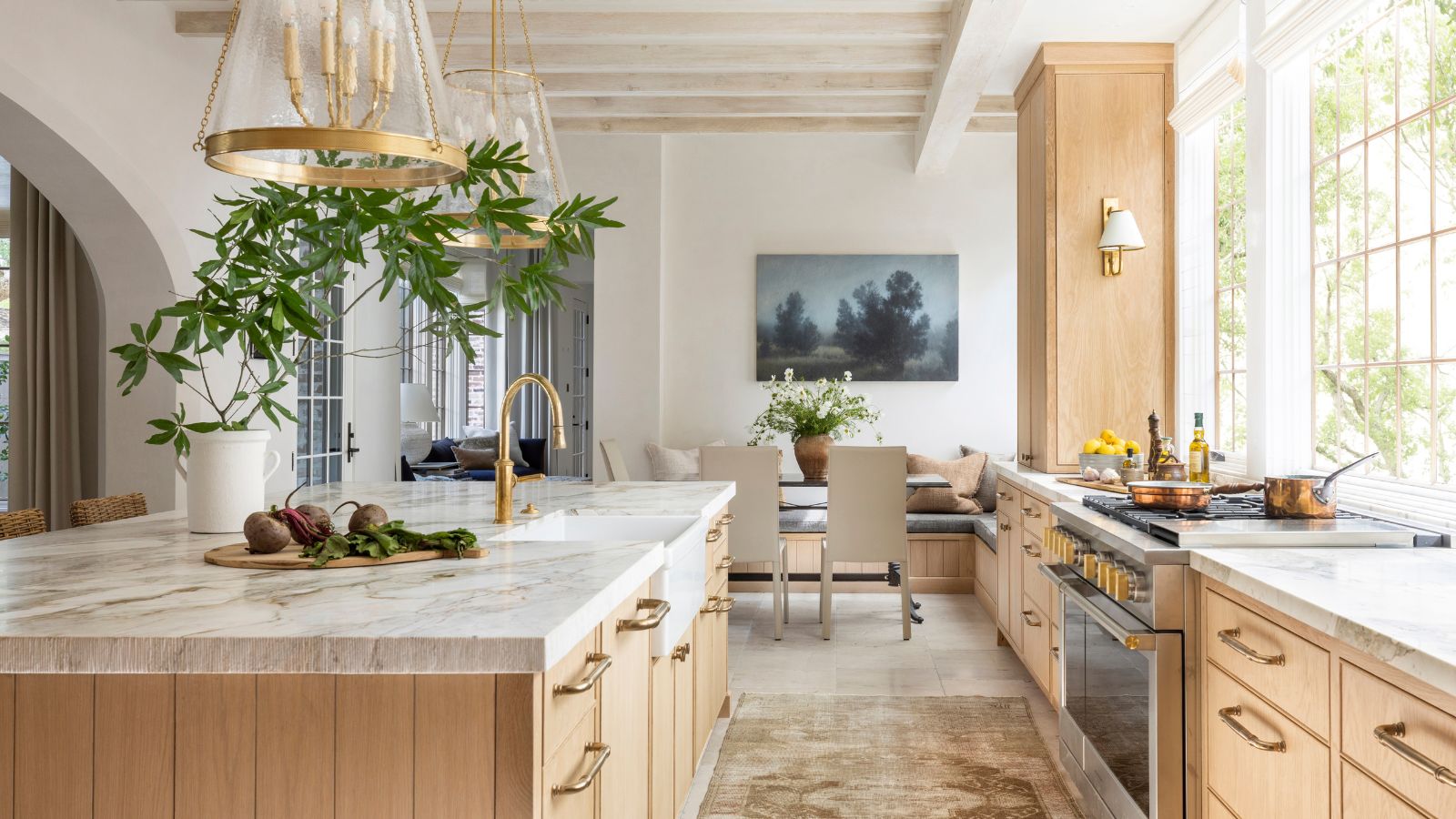
How can you add texture to a kitchen? This designer's kitchen is a lesson in adding tactile touches
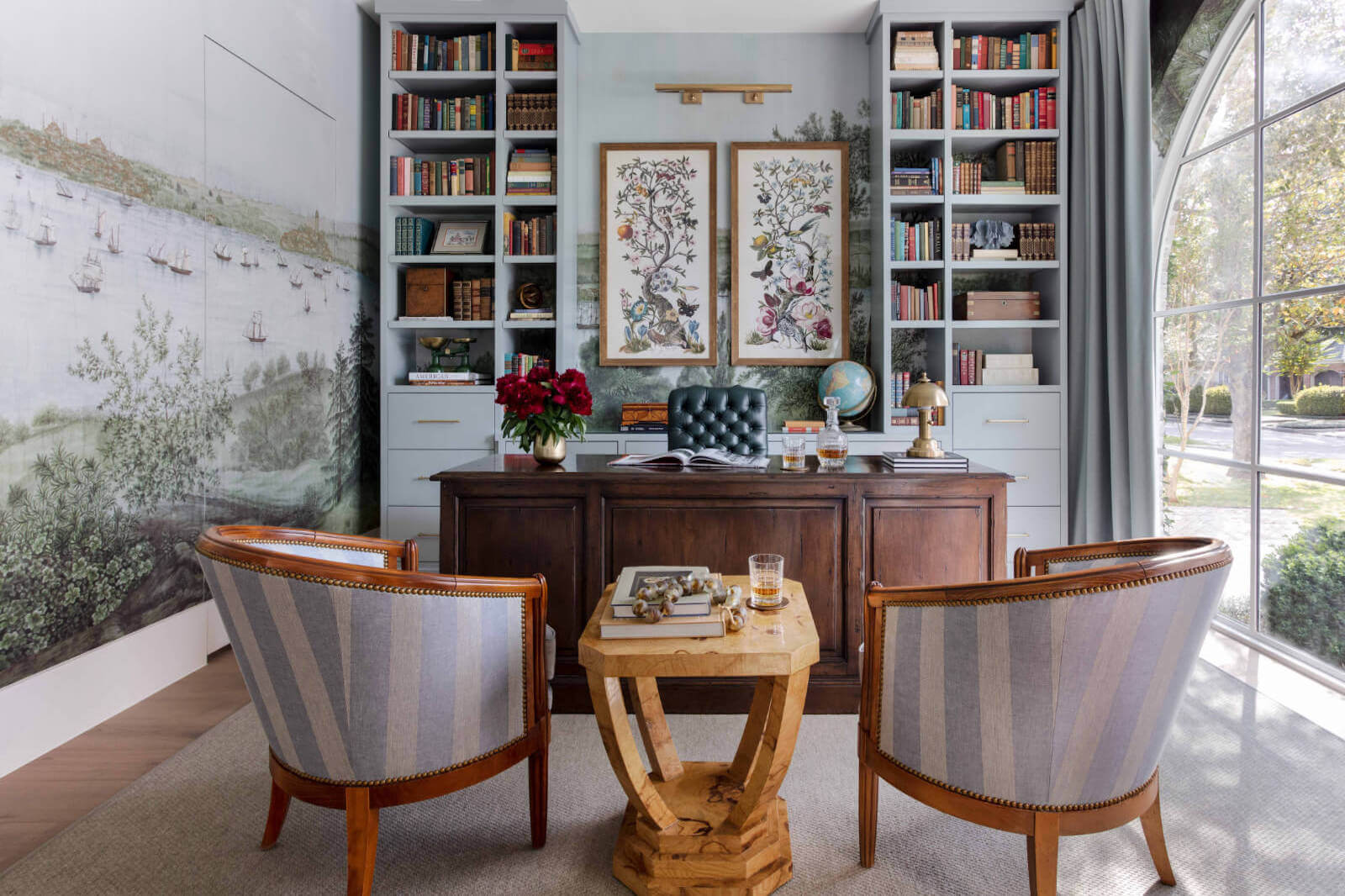
Interior Design Tips: The Dos and Don’ts of Layering