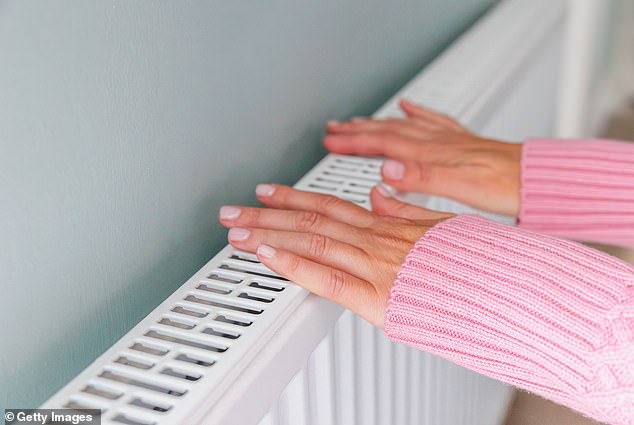
1/2
How do I bleed my radiator? We asked a plumbing expert for their top tips
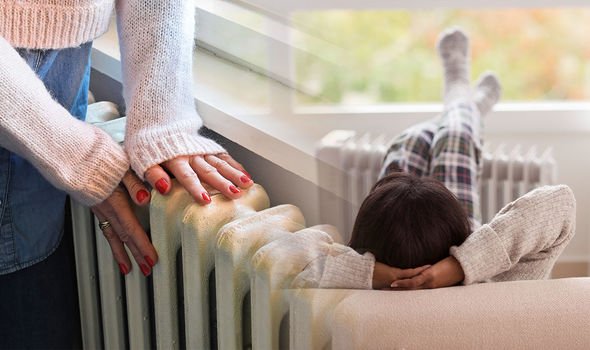
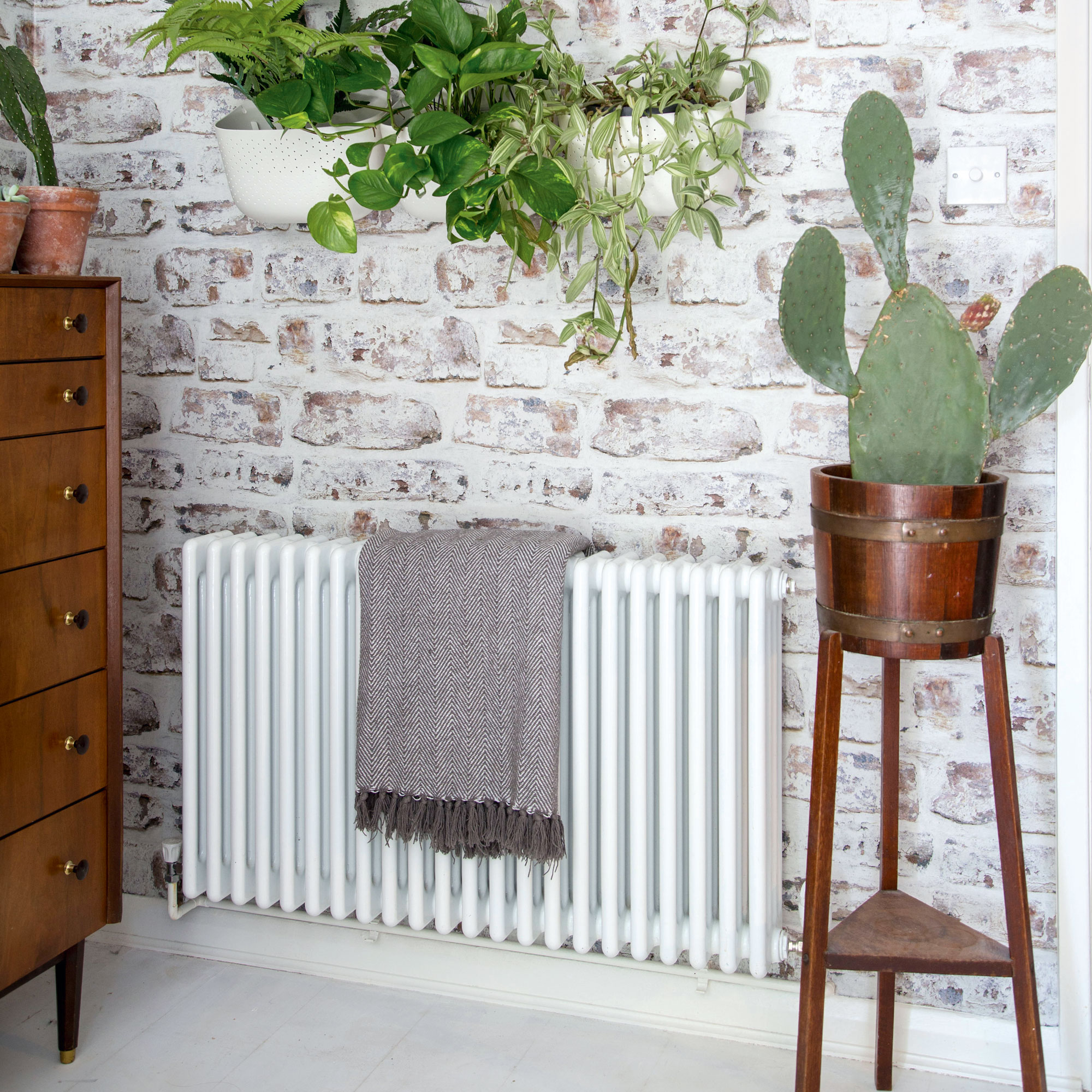
As winter approaches and temperatures drop, many homeowners are turning on their heating systems for the first time in months. A common issue that arises during this period is poorly functioning radiators, often indicated by uneven heating or gurgling noises. This problem is frequently caused by trapped air inside the radiator, which impedes proper heat distribution and reduces the system's efficiency, leading to higher energy bills. Recognizing this widespread concern, plumbing expert Ryan Calvert from Hiatt Hardware provides a straightforward guide on how to effectively bleed a radiator.
The first step in addressing a cold or gurgling radiator is to determine if bleeding is necessary. Over-bleeding can lead to an unnecessary mess and potentially decrease boiler pressure, causing the central heating system to shut down. To check, turn on the central heating and feel the radiator. If it is warm at the bottom but cold at the top, or has unheated patches, it signals the presence of trapped air.
Once it's confirmed that a radiator needs bleeding, the process begins with turning off the heating system. This crucial step is often overlooked but is essential for safety, as radiators contain scalding hot water when operational. It is advised to turn off the heating at least 30 minutes, or preferably an hour, before starting the bleeding process to allow the water to cool and the system pressure to stabilize.
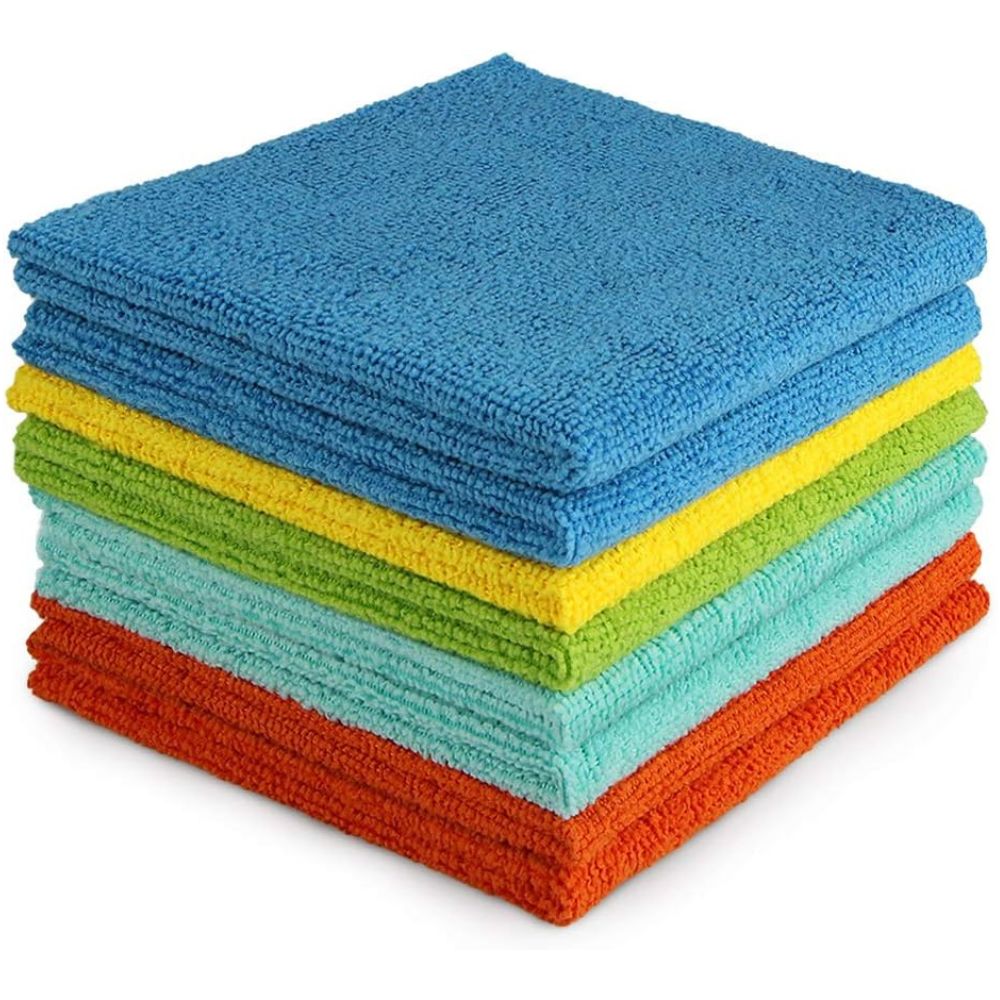
Next, preparation is key to avoid mess. Placing water-catching containers, such as Tupperware or buckets, directly underneath the pipes on both sides of the radiator is recommended. Additionally, laying down a towel can help absorb any sudden splashes of water. This preventative measure ensures that any water released during the bleeding process is contained.
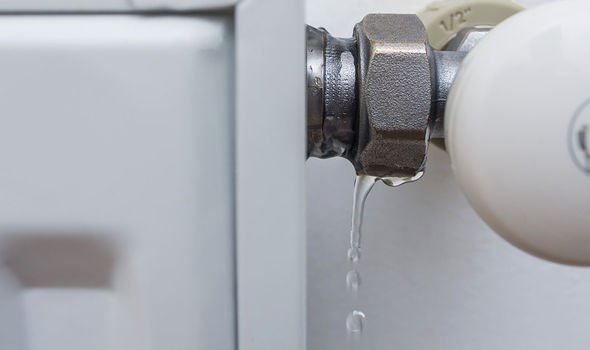
Before loosening the bleed valve, the thermostatic and lockshield valves on the radiator need to be closed. The thermostatic valve controls the heat level, while the lockshield valve regulates water flow to the radiator. Both should be turned clockwise, using a spanner if needed, and the number of turns required to fully secure them should be noted. This prevents excessive water loss and a drop in boiler pressure.
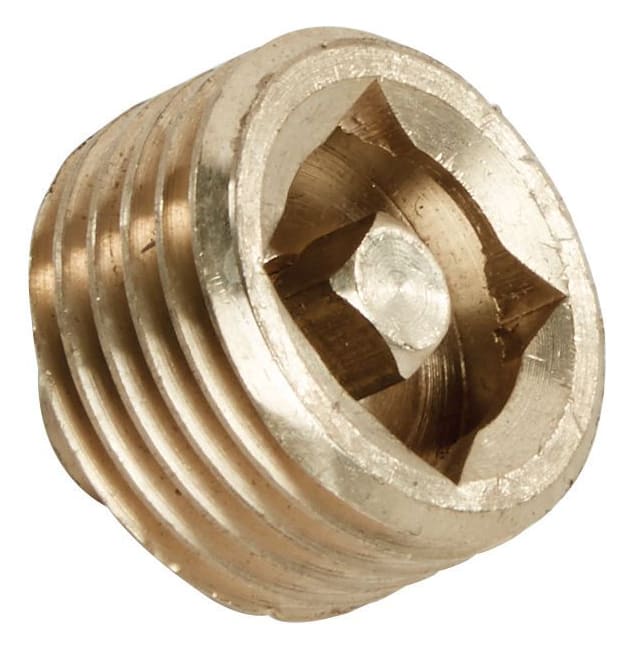
With the valves closed, the bleed valve, typically located at the top of the radiator, can be loosened using a radiator valve key. Turning the key anti-clockwise will release the trapped air, which will be audible as a hissing sound. This initial release of air will eventually be followed by a small trickle of water. The bleeding process is complete when the water flow becomes steady, at which point the valve should be tightened by turning the key clockwise.
Finally, after bleeding the radiator, the thermostatic and lockshield valves should be reopened. This is done by turning them anti-clockwise the same number of turns noted in step three. This entire process can be repeated for any other radiators in the home that exhibit similar issues, ensuring the entire heating system operates efficiently and effectively, ultimately contributing to lower energy consumption and a warmer living environment.
#RadiatorBleeding #HomeMaintenance #PlumbingTips #HeatingSystem #EnergyEfficiency #DIYHome #WinterPreparation #HouseholdTips #HomeComfort #RadiatorBleeding #HomeMaintenance #PlumbingTips #HeatingSystem #EnergyEfficiency #DIYHome #WinterPreparation #HouseholdTips #HomeComfort
合計0件のコメント
 まだコメントはありません
あなたも好きかもしれません
How to paint a radiator - an easy guide to update an ugly radiator in an afternoon
How to hide a radiator - the expert guide to decorating tricks to help them blend in

5 Ways to Make Radiators Actually Look Good —…

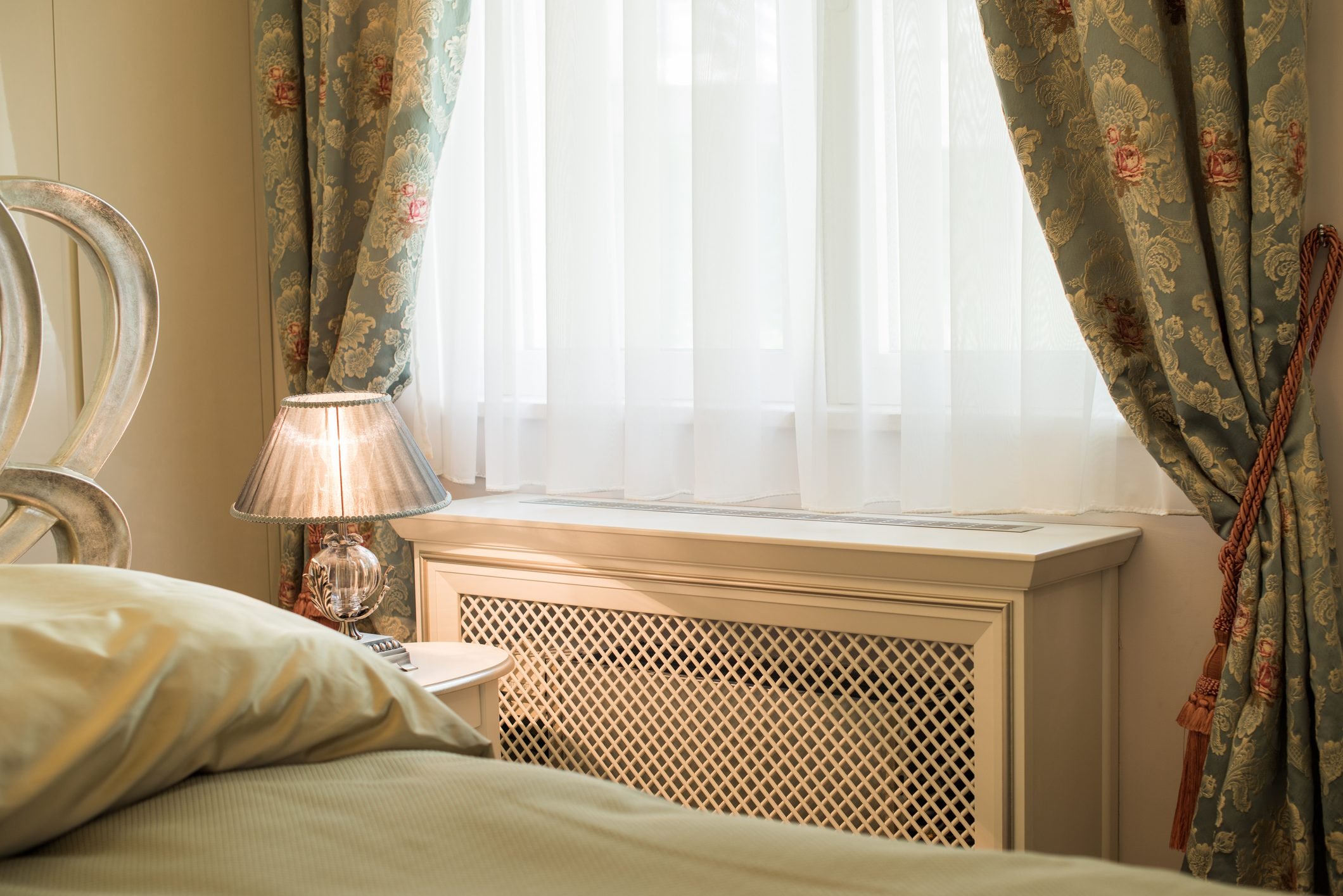
Radiator Covers Buyer’s Guide: Why Use, Types (Wood, Metal &; More), Costs Etc.

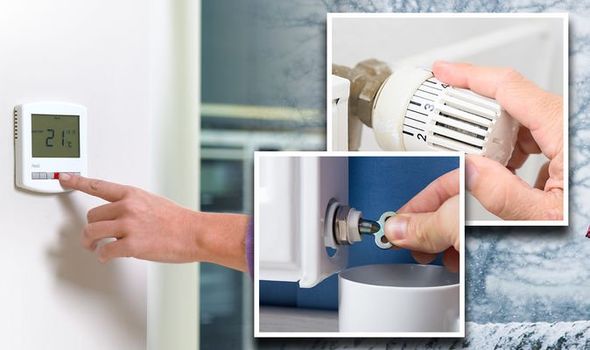
How to stop radiators knocking and banging when they turn on - KEY tips
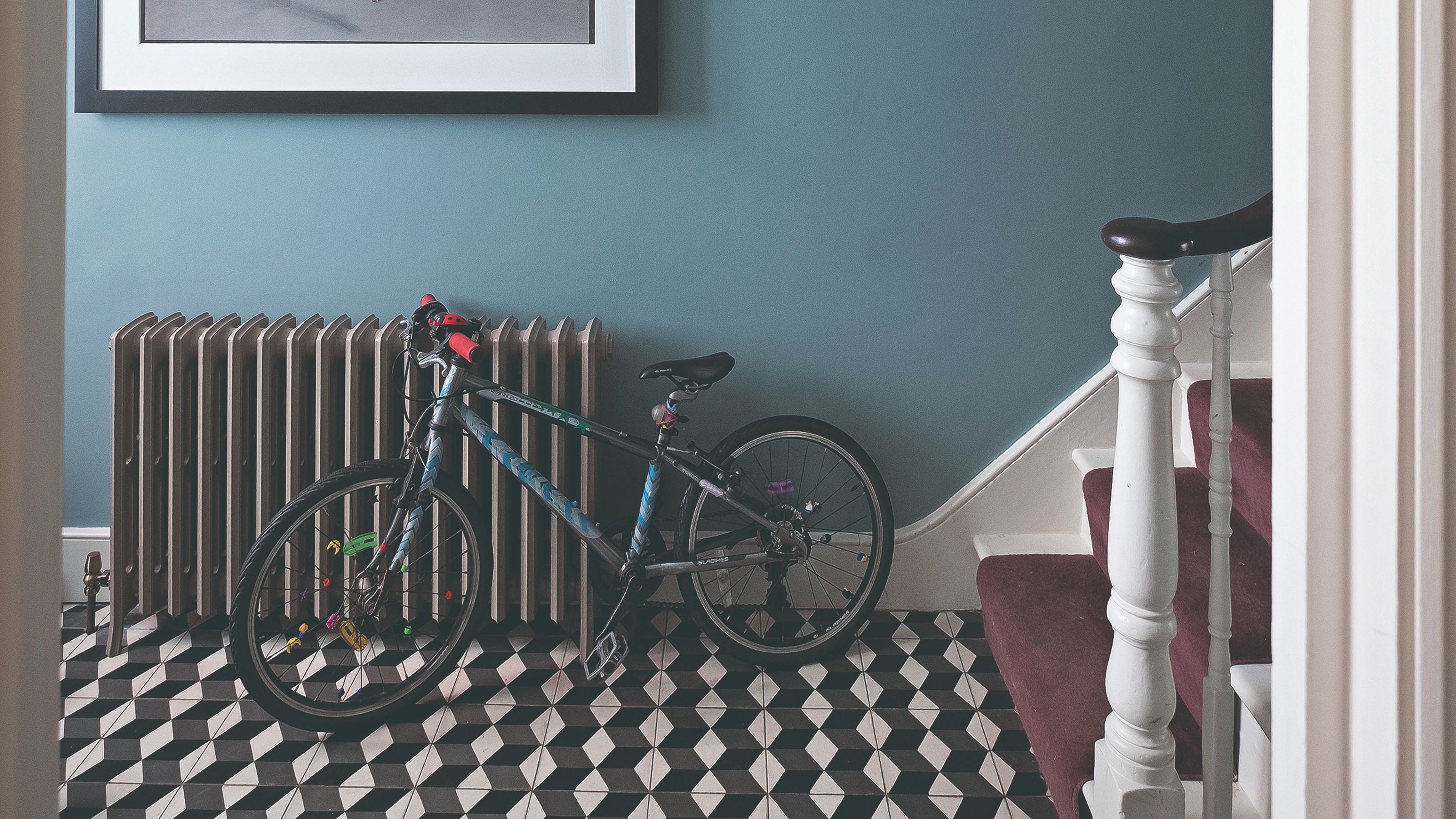
Is your radiator not heating up? Why it happens and how to fix the problem asap
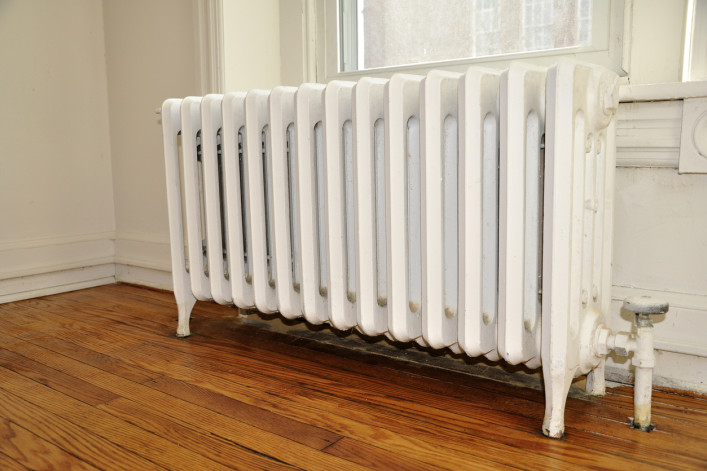
How to make sure your radiator is safe in an NYC apartment
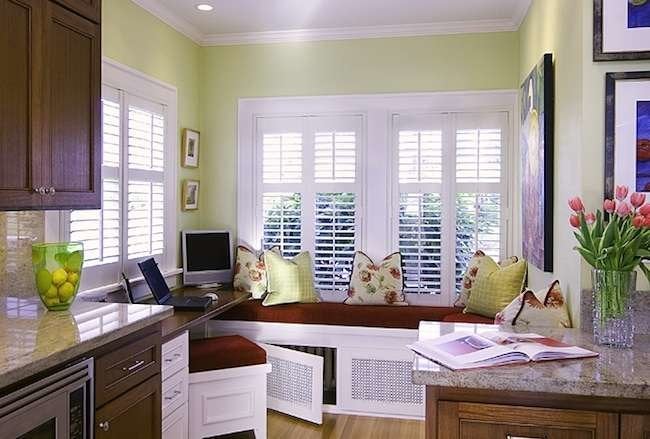
11 Stylish Ways to Enhance—or Hide—Your Radiators

Radiator Valves

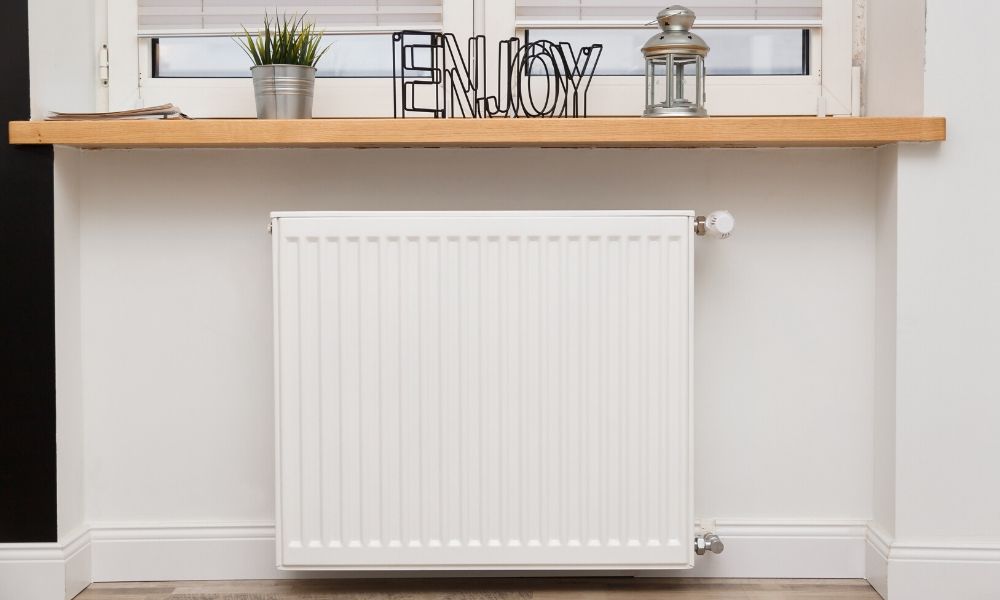
How to Dress Up Your Baseboard Radiator Space
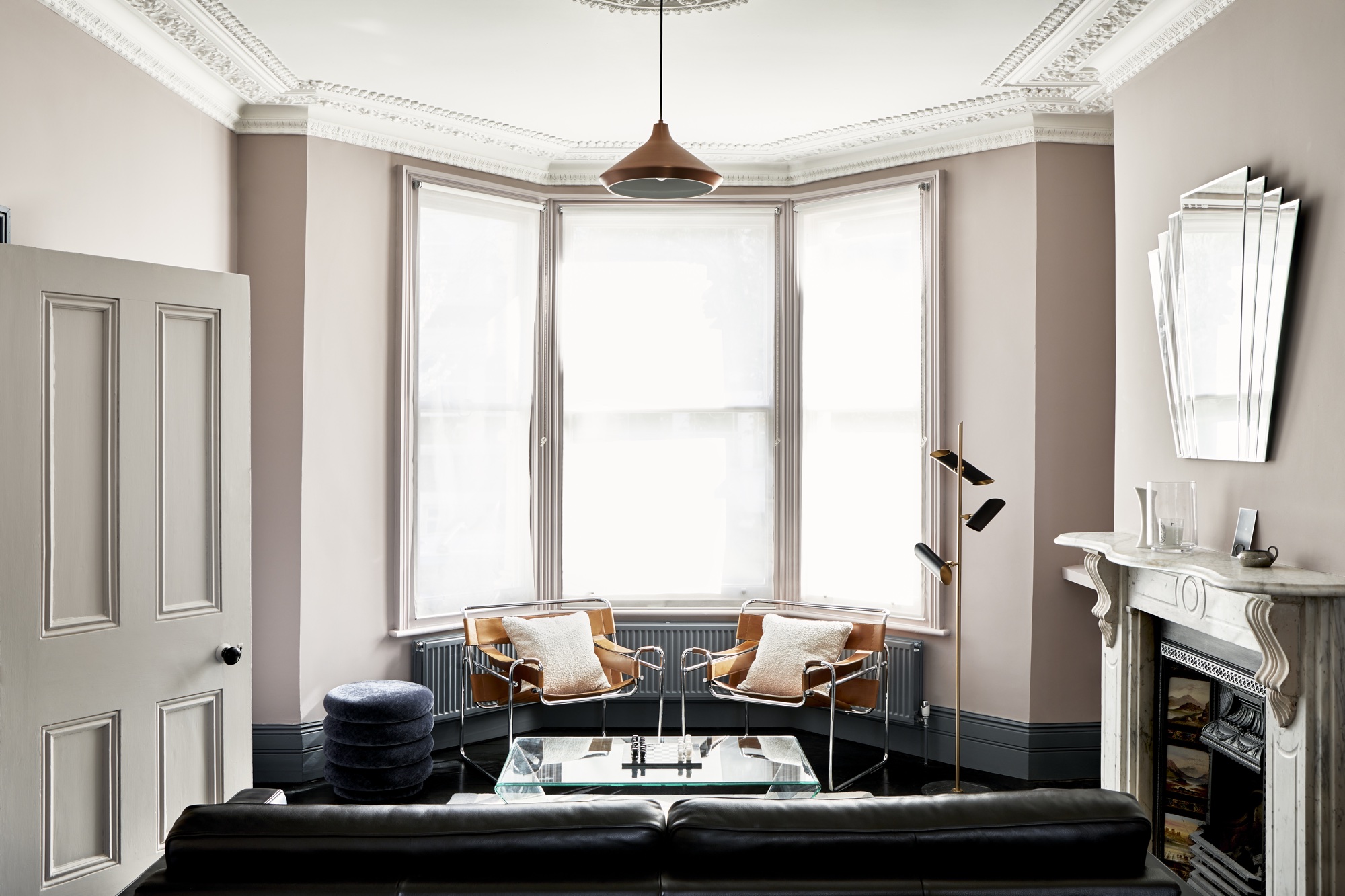
How to paint behind a radiator - expert tips for a pro-worthy finish

Here’s What to Do With the Radiators When You Renovate a Brownstone or Townhouse
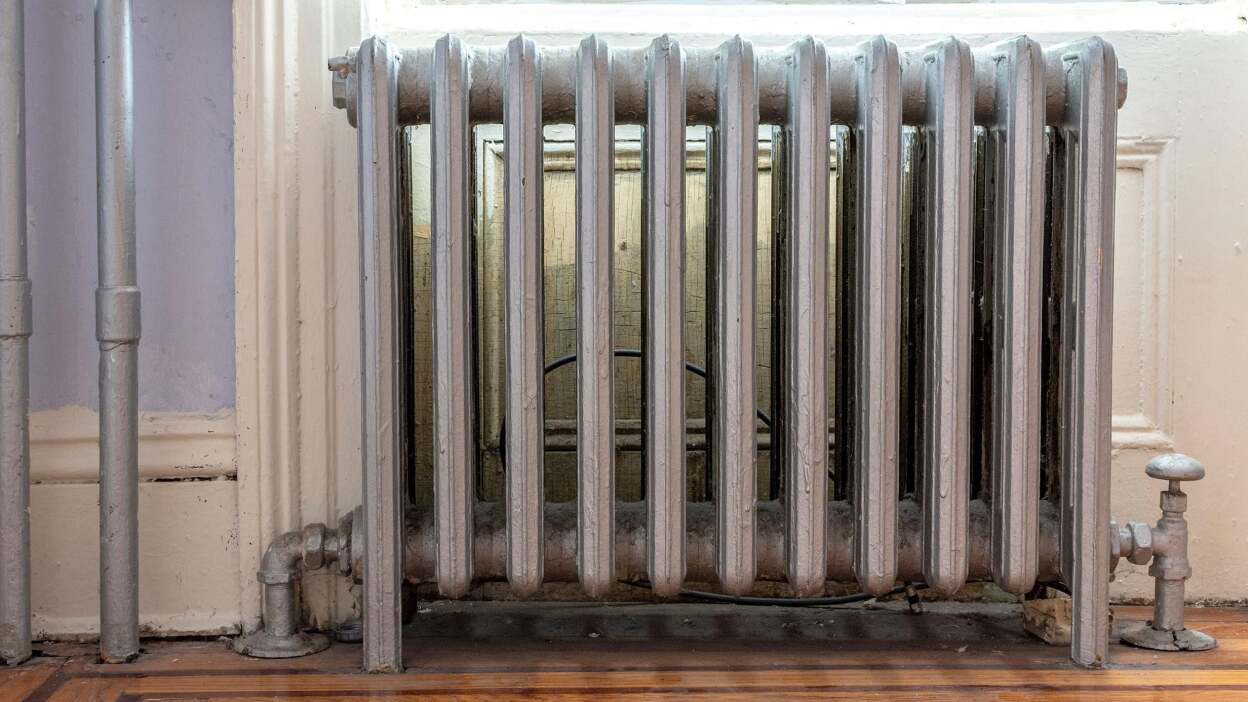
How to Fix Your Noisy Radiator Based on the Sound It’s Making

How to clean radiators inside and out – to ensure better efficiency this winter

6 clever ways to make a radiator look good – there is no excuse for an ugly radiator to sabotage your scheme
Do Radiator Covers Block Heat? Heating Experts Break It Down
Radiators

Our guide to choosing a bathroom radiator - avoid the dreaded post-shower shivers with these rules to follow
Discover the lesser-known hack to power up your struggling radiators

Take cover / Turn your unsightly radiator into a thing of beauty with an enclosure