1/5
Home insulation materials
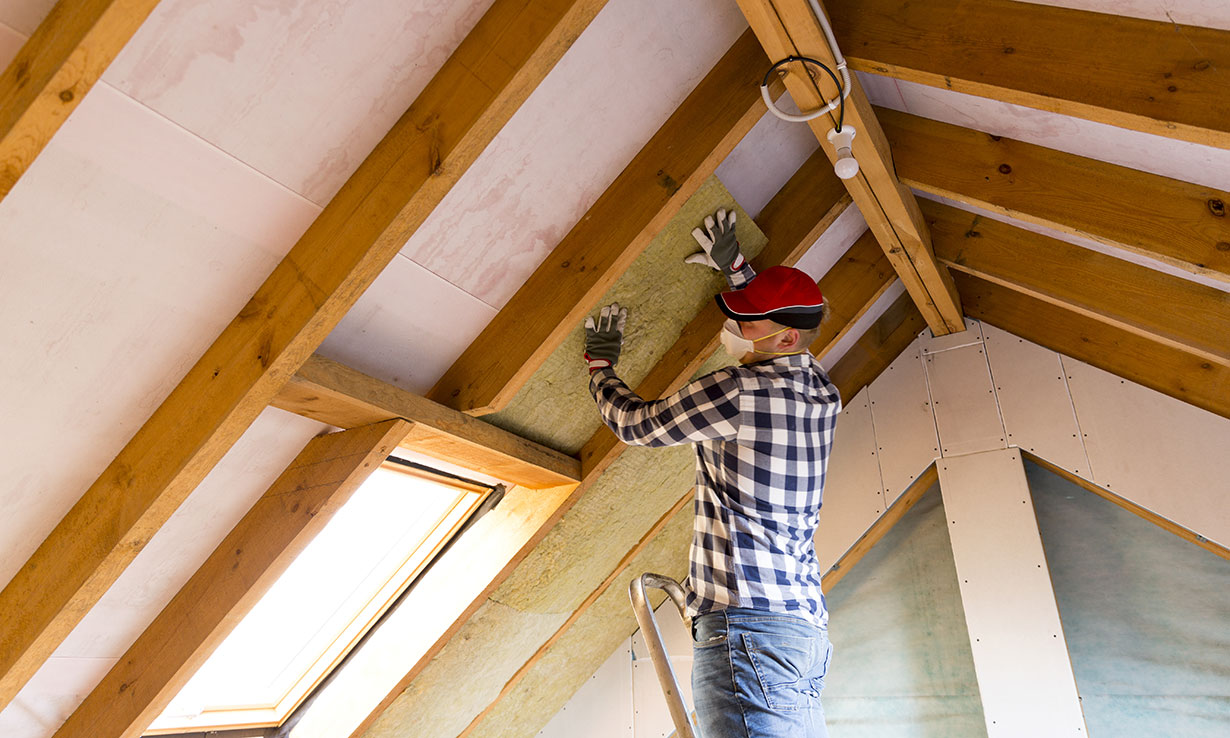
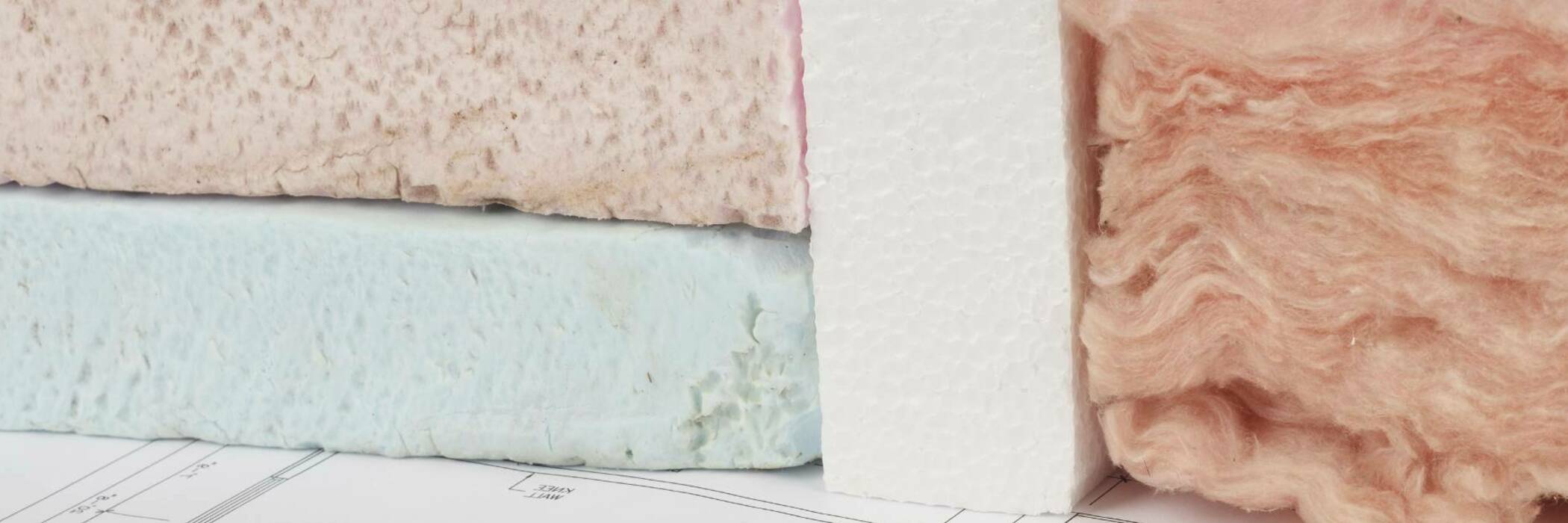
The article details various types of home insulation materials, outlining their pros and cons to help homeowners make informed decisions. It covers expanded polystyrene, glass fibre, loose fill insulation (macerated paper, mineral wool, waste glass fibre, and wool), polyester and wool blends, and spray foam insulation.
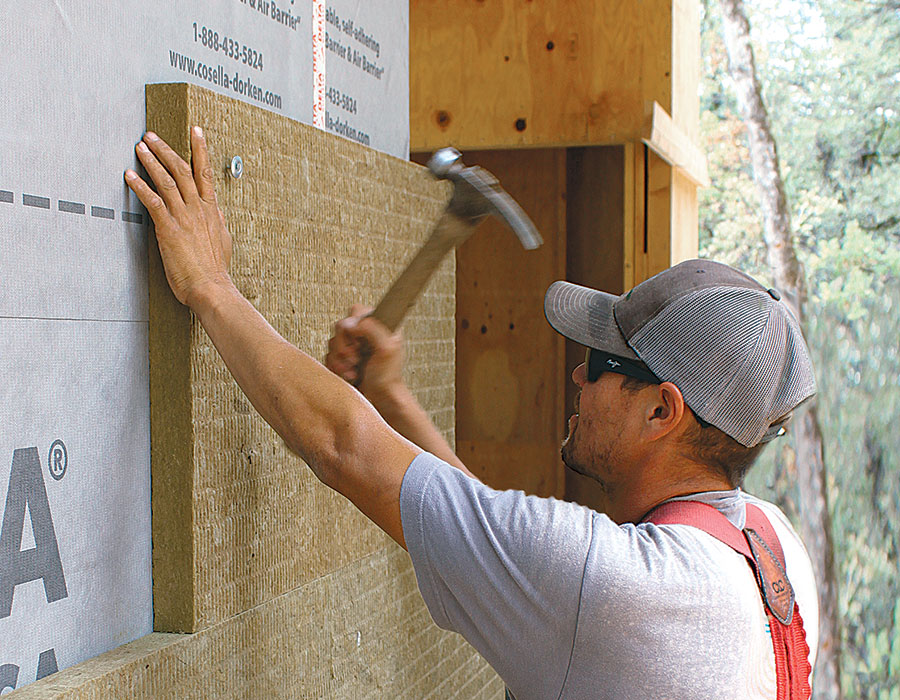
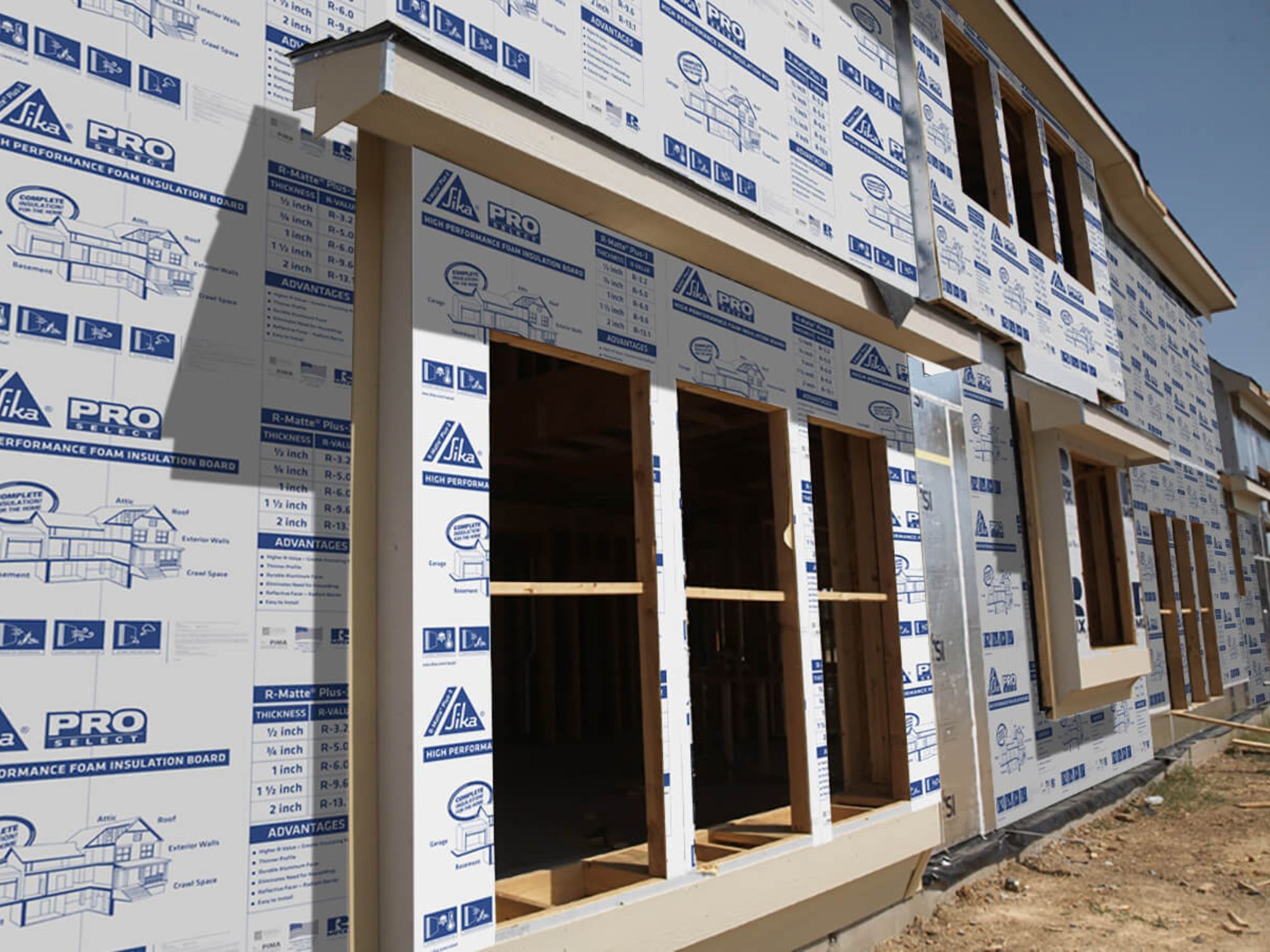
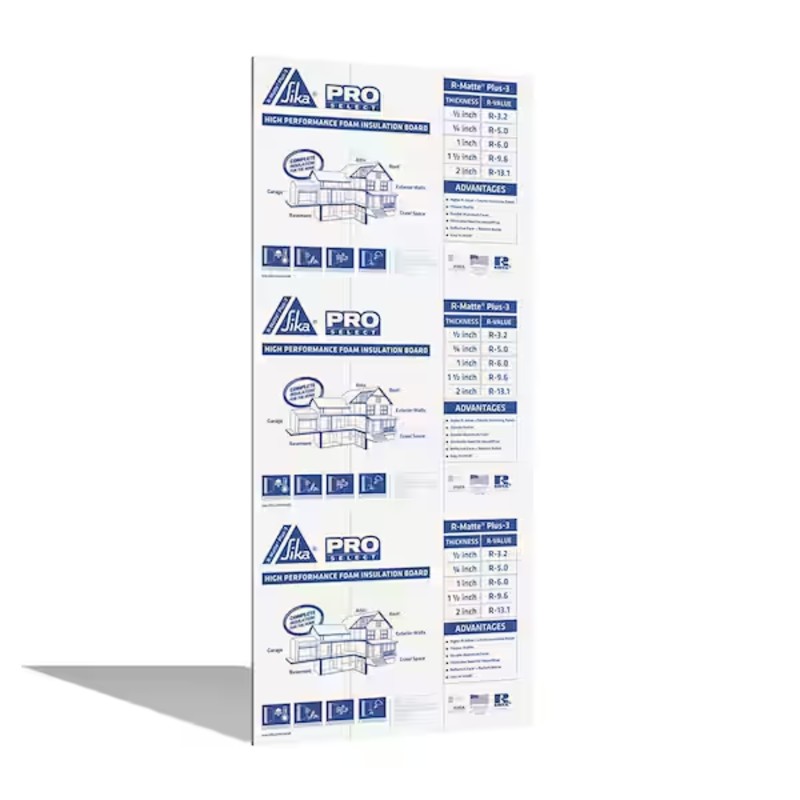
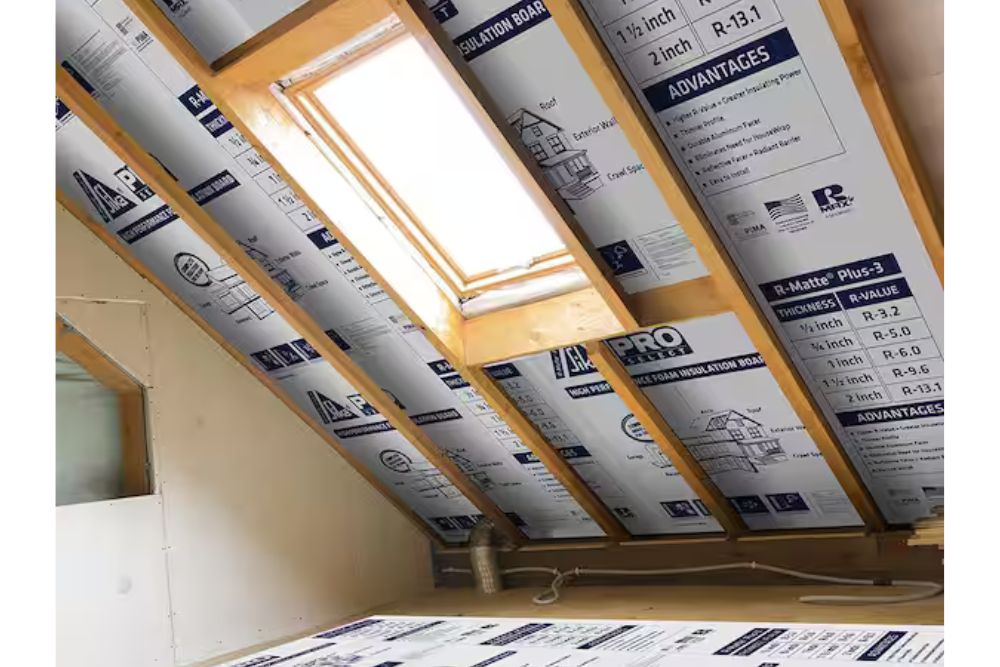
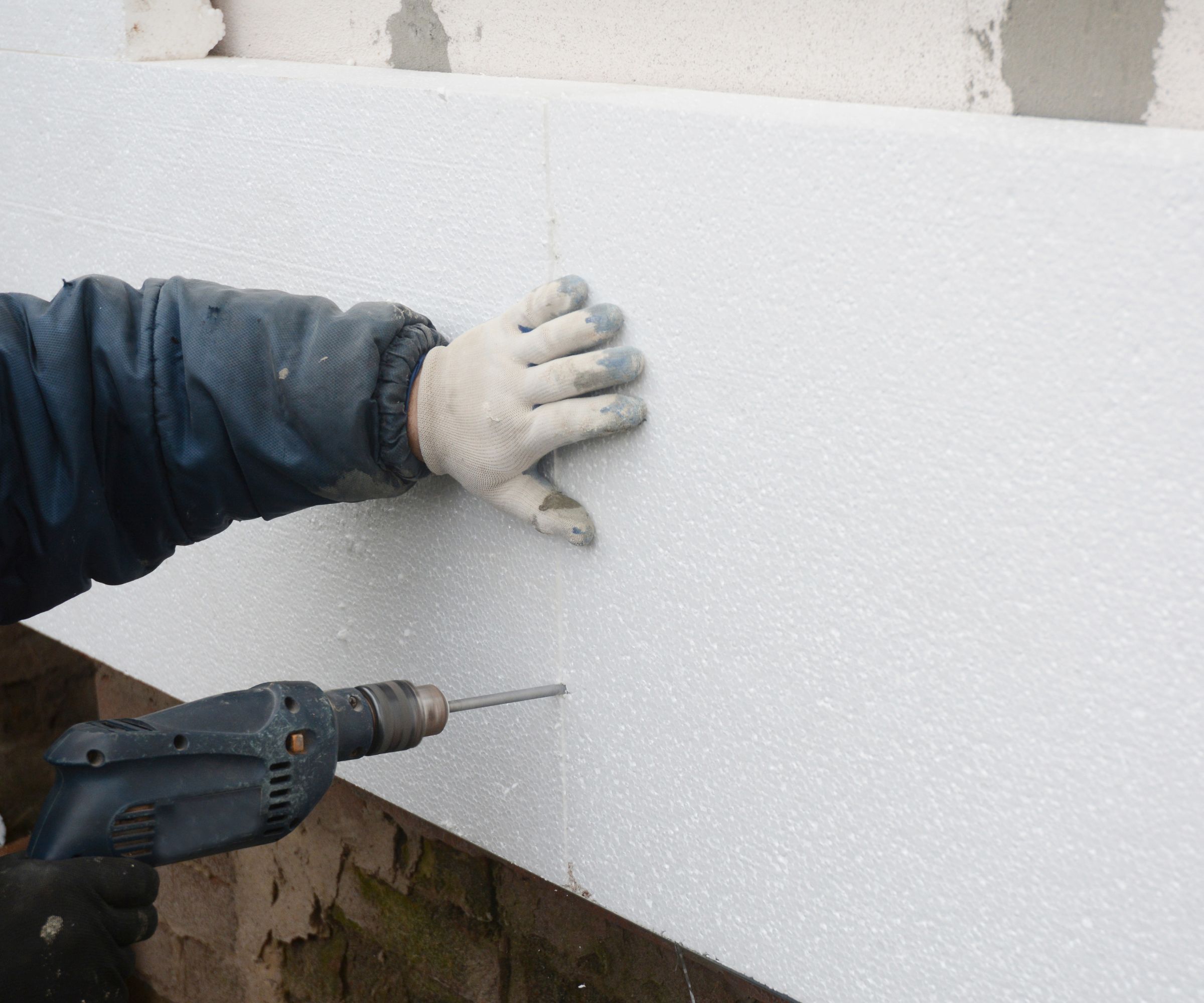
Expanded polystyrene, available in rigid foam sheets, is suitable for exterior cladding, concrete floor insulation, and insulating floors, walls, and ceilings. Its ease of installation between floor joists, provided there is adequate working space, is highlighted. It is crucial that expanded polystyrene for insulation is manufactured with compressible edges to ensure a tight fit.
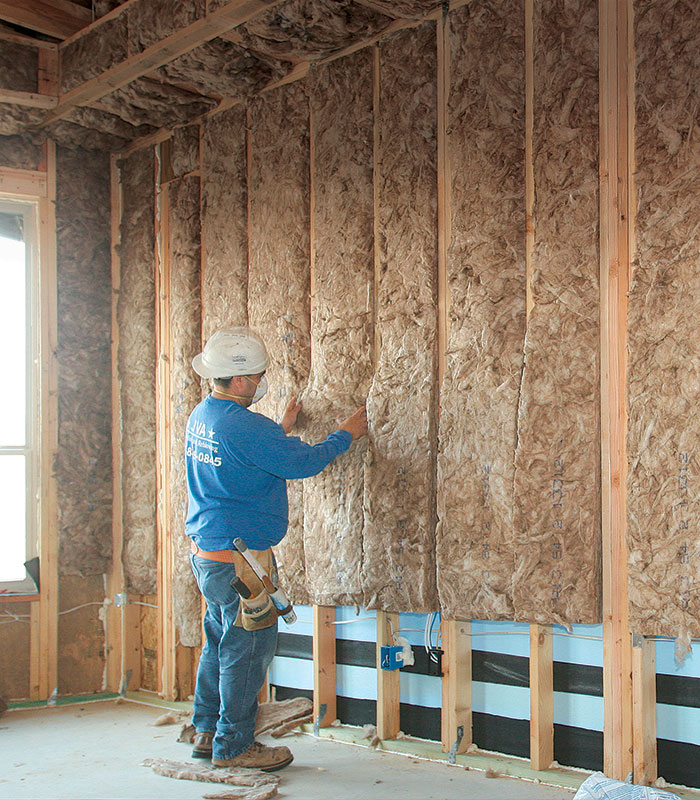
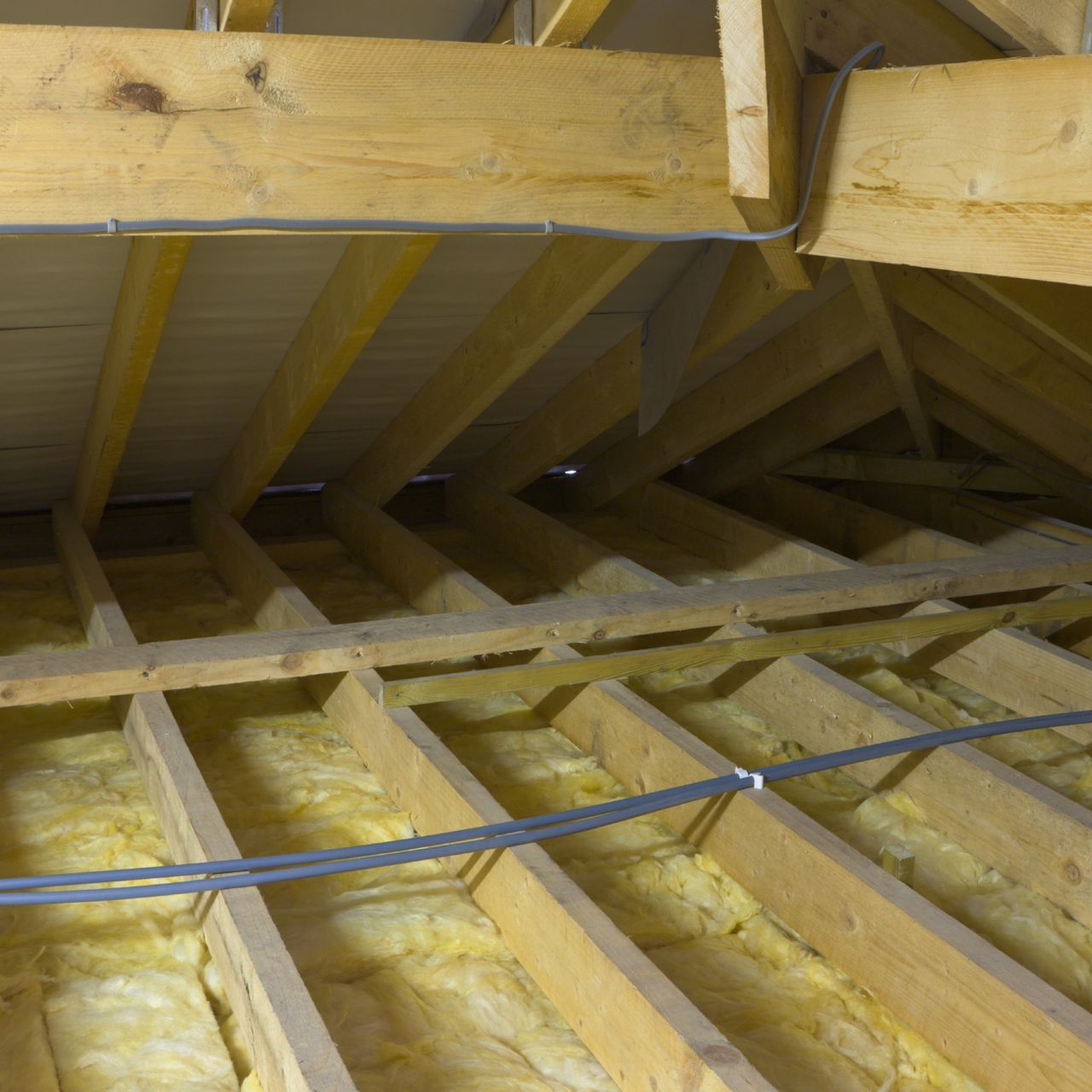
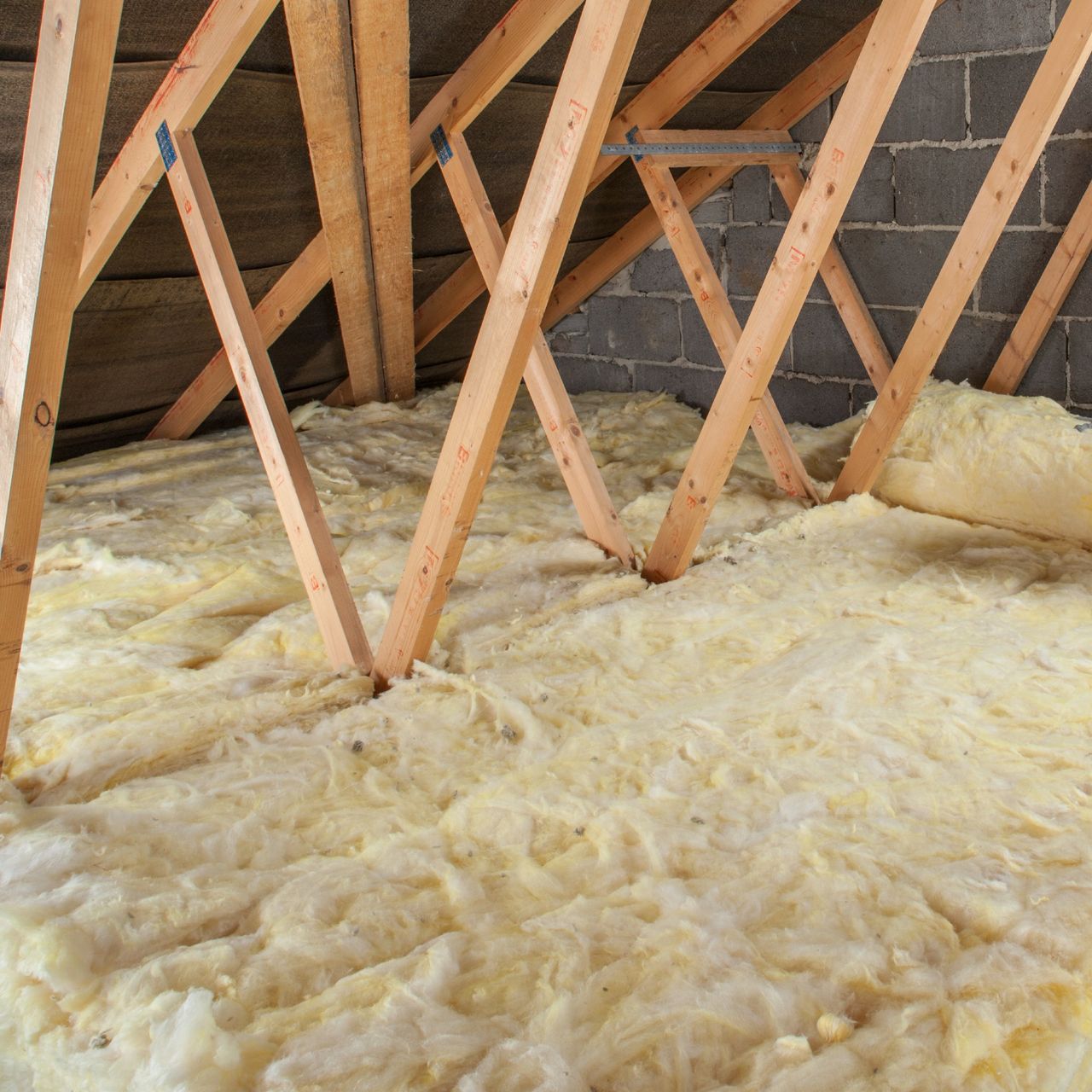
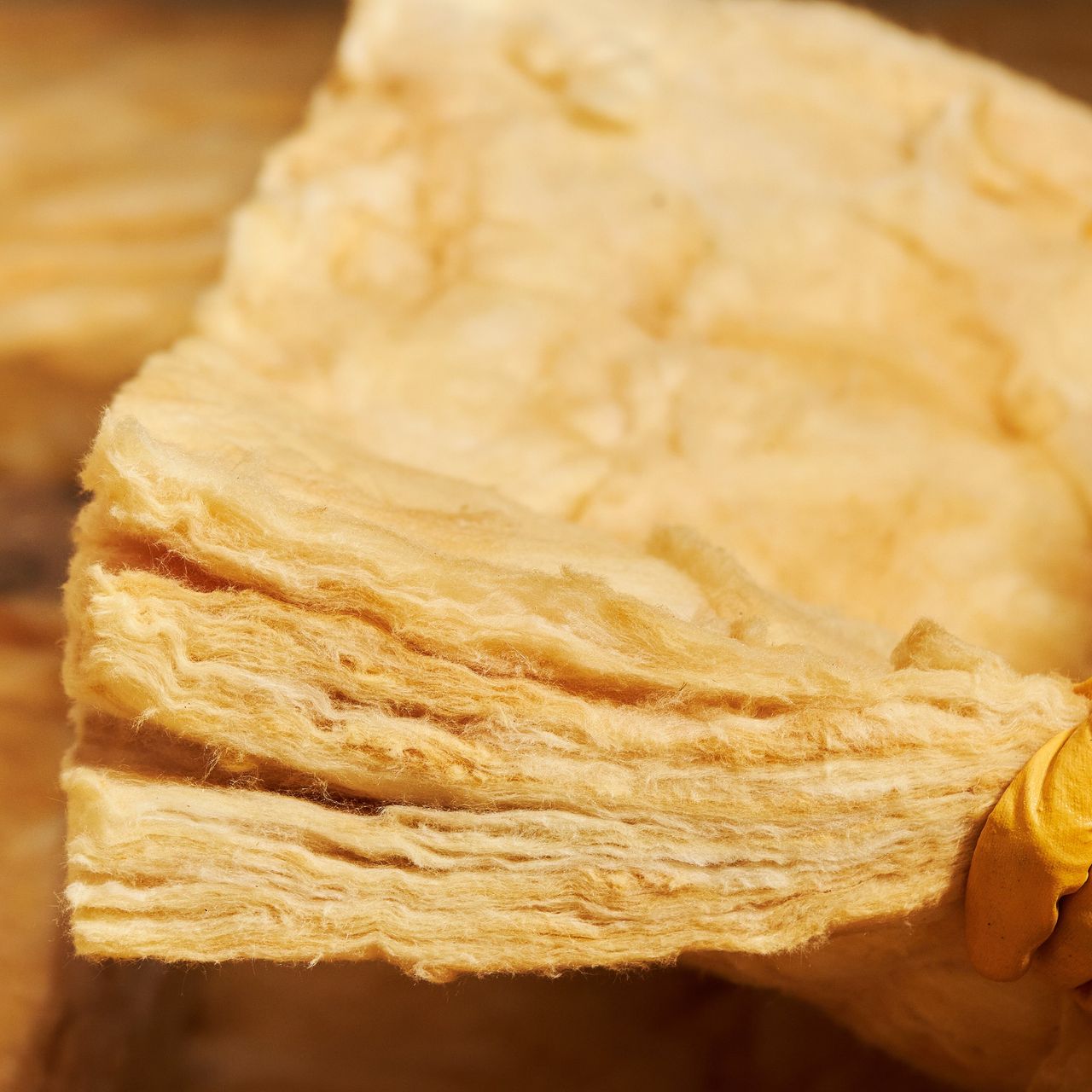
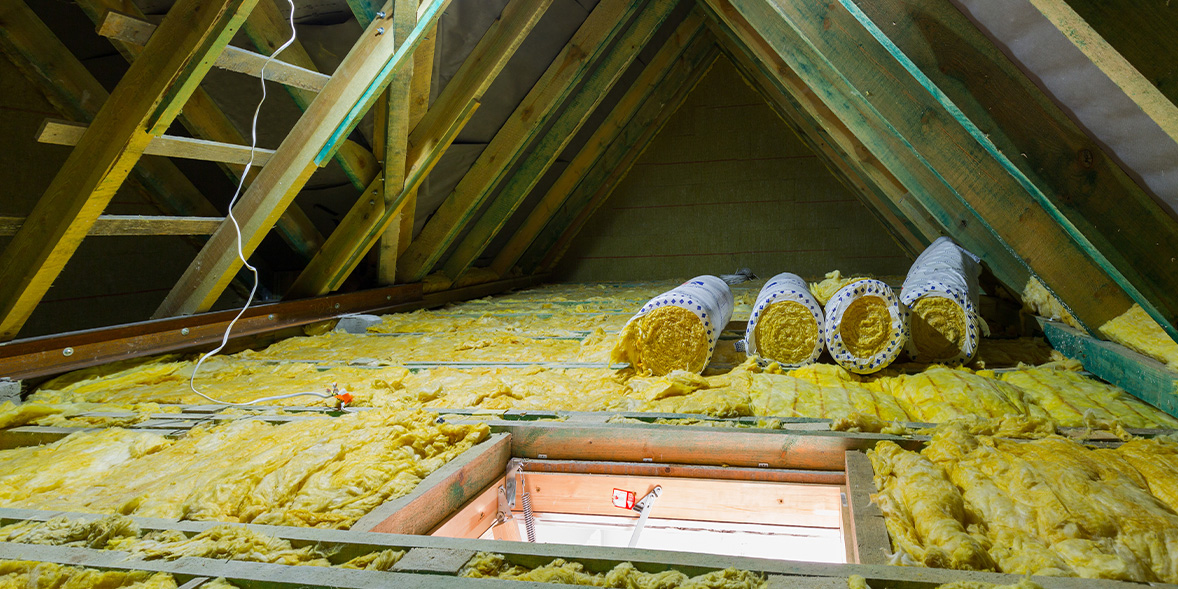
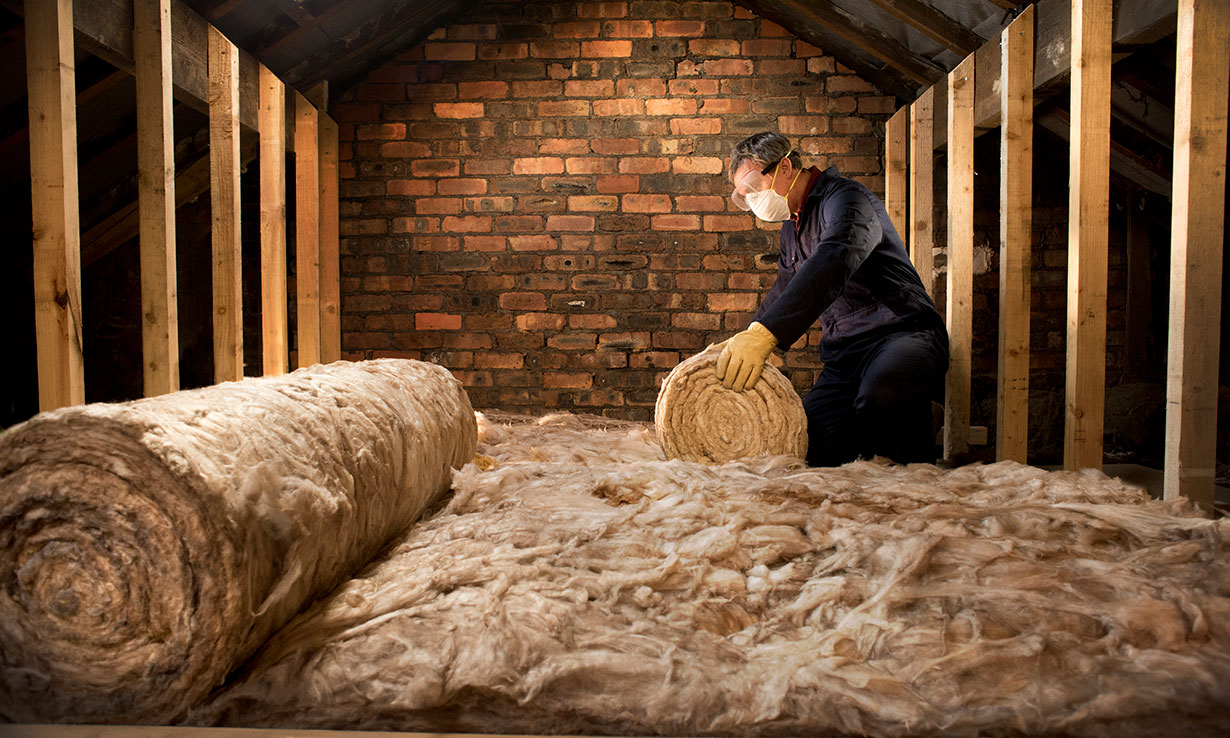
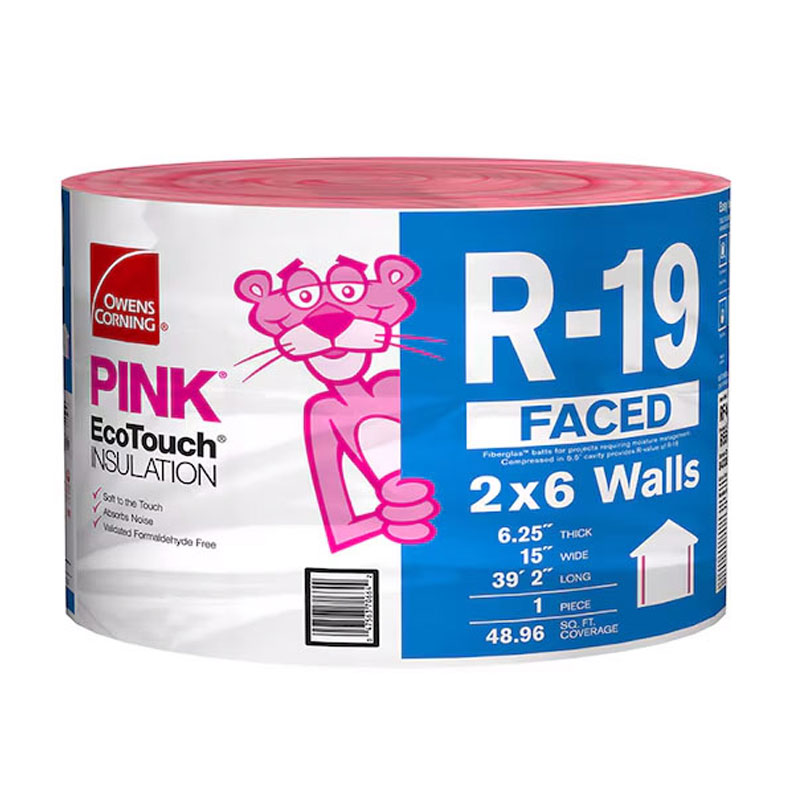
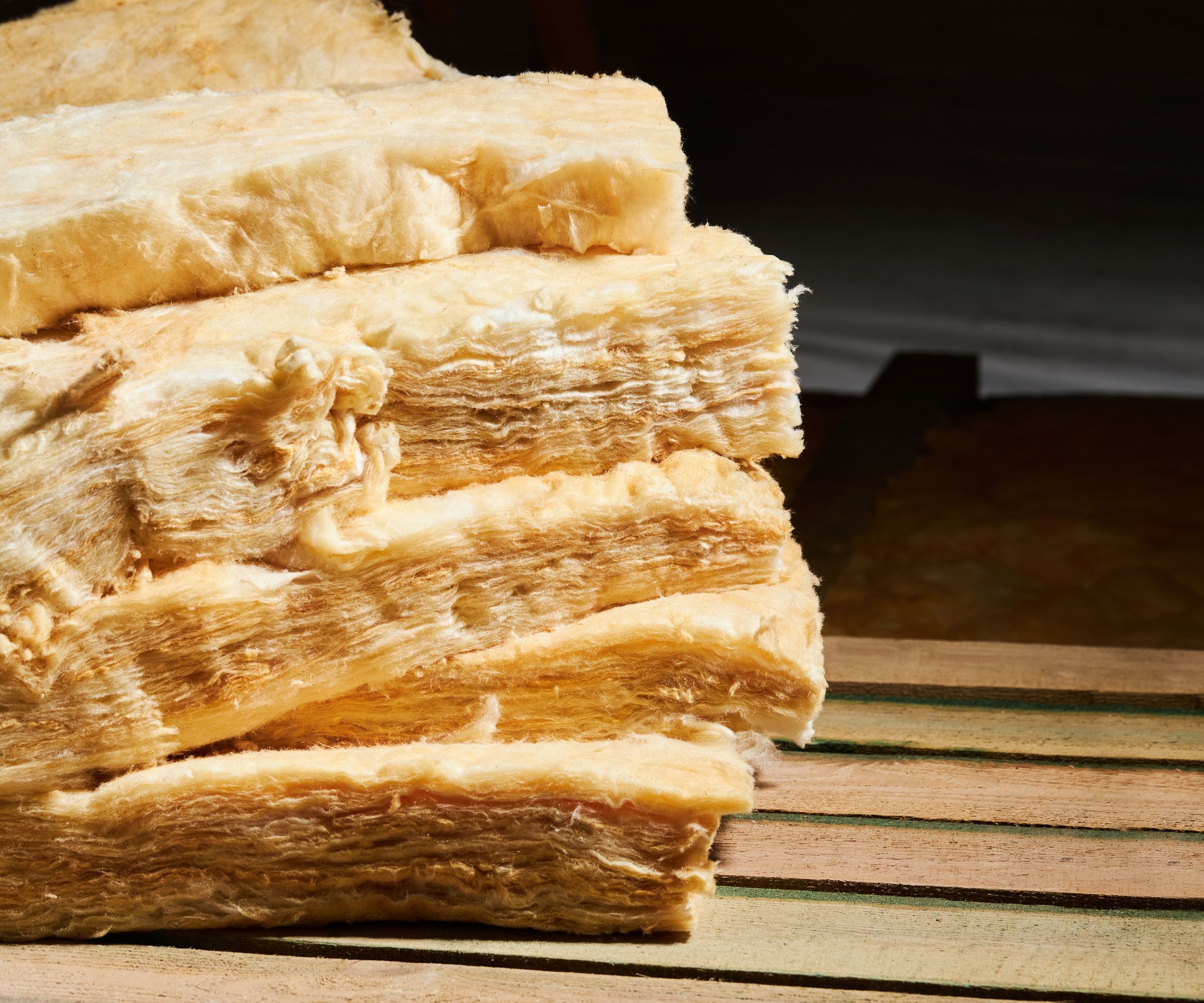
Glass fibre, a common insulation material made from recycled glass, comes in rolls or segments for various applications. The article addresses past concerns about glass fibre being a possible carcinogen, noting that the International Agency for Research on Cancer has since reclassified it as not classifiable as carcinogenic to humans. However, it can still cause irritation during installation, necessitating protective gear. Professional installation can be more cost-effective due to trade rates, and proper installation without compression and with firmly butted joins is essential to maintain its R-value.
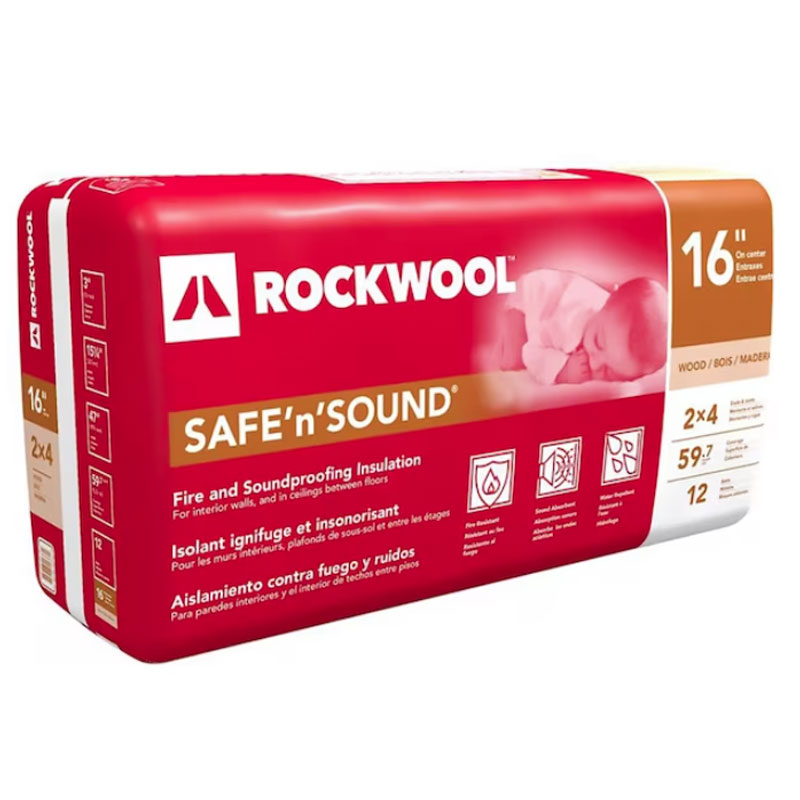
Loose fill insulation is typically machine-blown into ceiling spaces, offering an effective solution for difficult-to-reach areas. Common types include macerated paper (cellulose fibre), glass fibre, mineral wool, and new or recycled wool. Macerated paper, made from recycled newsprint, is the cheapest but has a history of problems, including dustiness, moisture retention, settling, and attractiveness to rodents. Mineral wool is more expensive but more stable and fire-resistant. Waste glass fibre, while non-combustible, can be dusty and prone to settling. Wool-based loose fill, made from low-grade natural wool or waste clothing, can be dusty and is combustible in an established fire. Both paper and wool insulation types are less effective at drying out after roof leaks, potentially leading to mould. For loose fill, comparing density (kilograms per square metre) and ensuring the correct amount is used are important considerations. The Fire Service has raised concerns about macerated paper and wool smouldering.
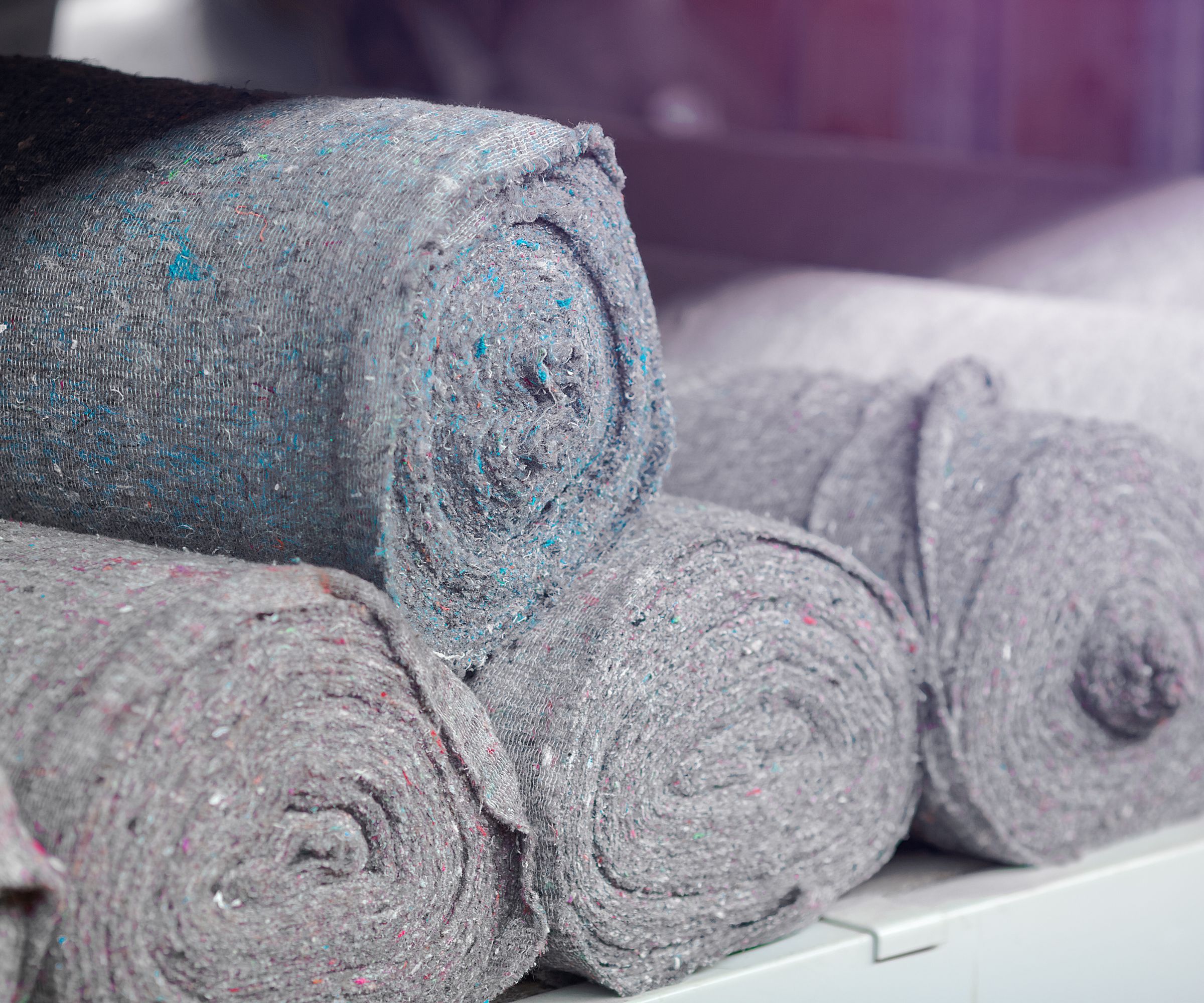
Polyester and wool, available in rolls or segments, are newer options that are more pleasant to handle than glass fibre, as they do not cause skin irritation, but they are also more expensive and harder to cut. Reflective foil, once common for underfloor insulation, was banned from installation and repair in residential buildings in 2016 due to electrocution risks associated with contact with electrical wiring.
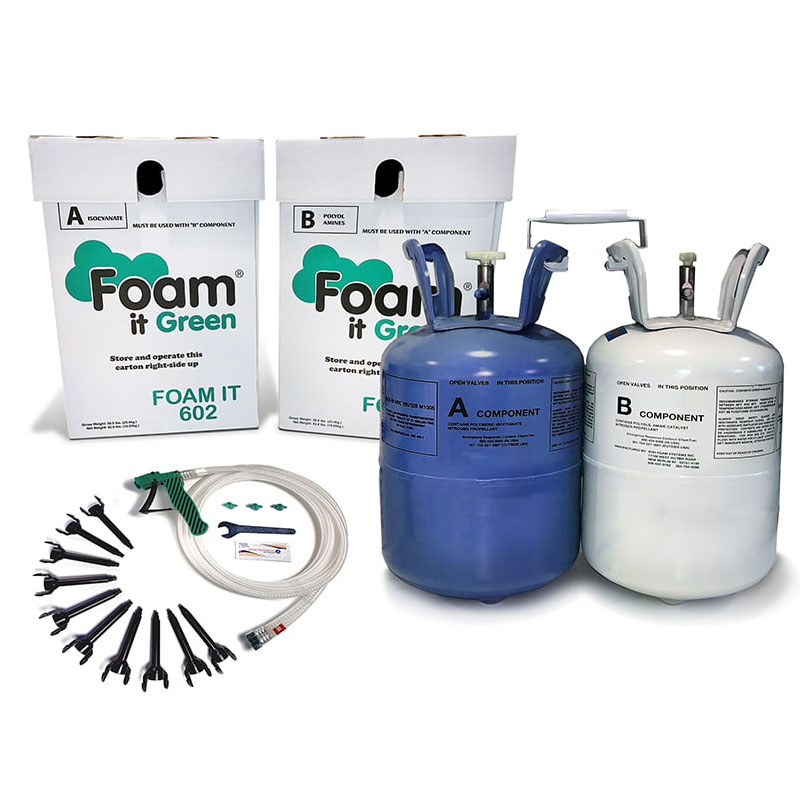
Spray foam insulation, applied with a spray gun, expands and hardens upon contact, creating a superior airtight seal compared to other products. Its thermal performance depends on coverage and thickness. Installation is a specialist task, requiring professional expertise, but homeowners can still verify correct thickness and absence of gaps. The article concludes by recommending a Beacon Pathway report for further details on insulation material characteristics in New Zealand homes.
#HomeInsulation #InsulationMaterials #ExpandedPolystyrene #GlassFibre #LooseFillInsulation #PolyesterWool #SprayFoamInsulation #HomeImprovement #EnergyEfficiency #HomeInsulation #InsulationMaterials #ExpandedPolystyrene #GlassFibre #LooseFillInsulation #PolyesterWool #SprayFoamInsulation #HomeImprovement #EnergyEfficiency
0 commenti in totale
 Nessun commento ancora
Potresti anche gradire
Loft Insulation


The 4 areas of your home pros say to always insulate to keep it toasty in colder weather – plus, where to never insulate

How to insulate a loft or roof

6 Expert-Backed Ways to Keep Cold Air—and High Energy Bills—Out of Your House This Winter

What to Consider When Choosing Insulation

This is how to get your roof and loft insulation right so that your home stays warm and energy efficient all winter long
Sheathing and Insulation in One
6 areas of your home you should never insulate – and why it's a hazard that can do more harm than good
After Researching Over 20 Options for Exterior Walls Insulation, There is One Clear Winner

It's a wrap: External wall insulation for your home


5 ways to insulate a wall to lower your energy bills and block out noise – and which ones are a mistake to DIY

6 types of attic insulation and how to pick one for your home

How to insulate your period house

How to insulate a cold wall from the inside, and why the type of wall you have matters
9 basement insulation ideas
Podcast 209: Exterior Caulk, Tub Drains, and Adding Insulation to Leaky Walls


The best floor insulation options for your home, explained
An Easy Way To Build a Well-Insulated House

Should you insulate a basement ceiling? Expert advice for a comfortable home
Ask the Carpenter: Is it OK to use exterior paint inside?