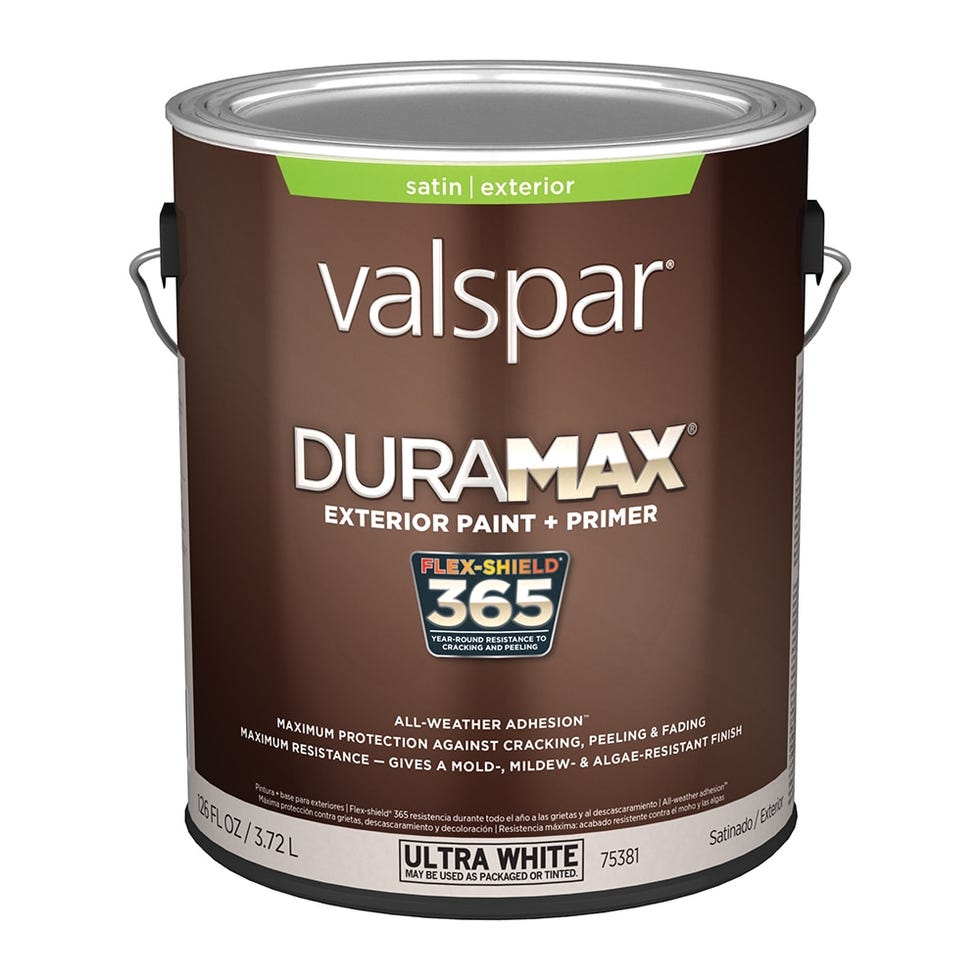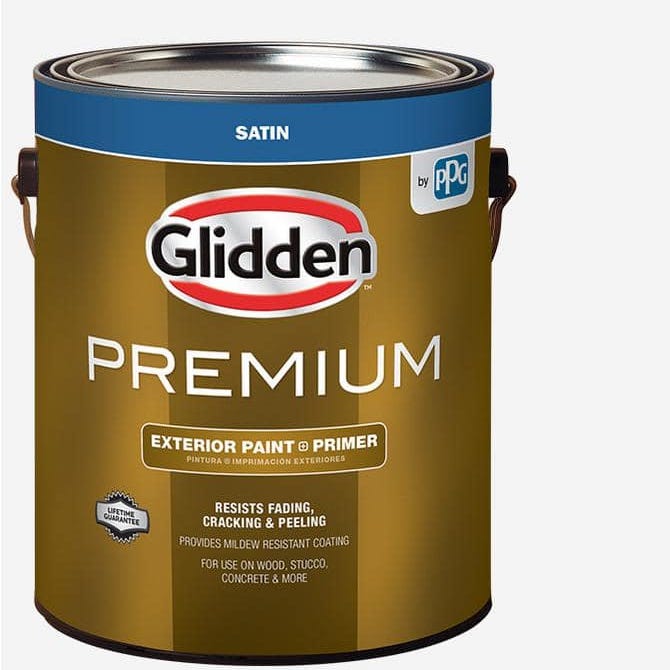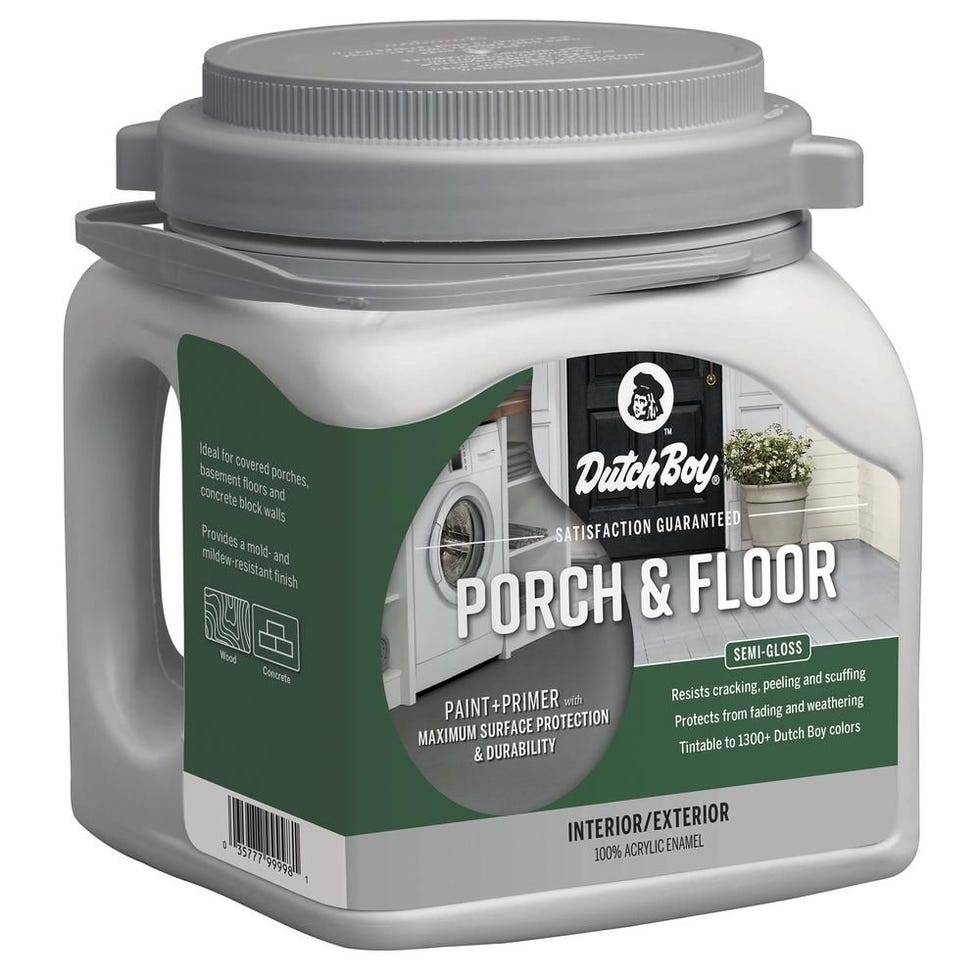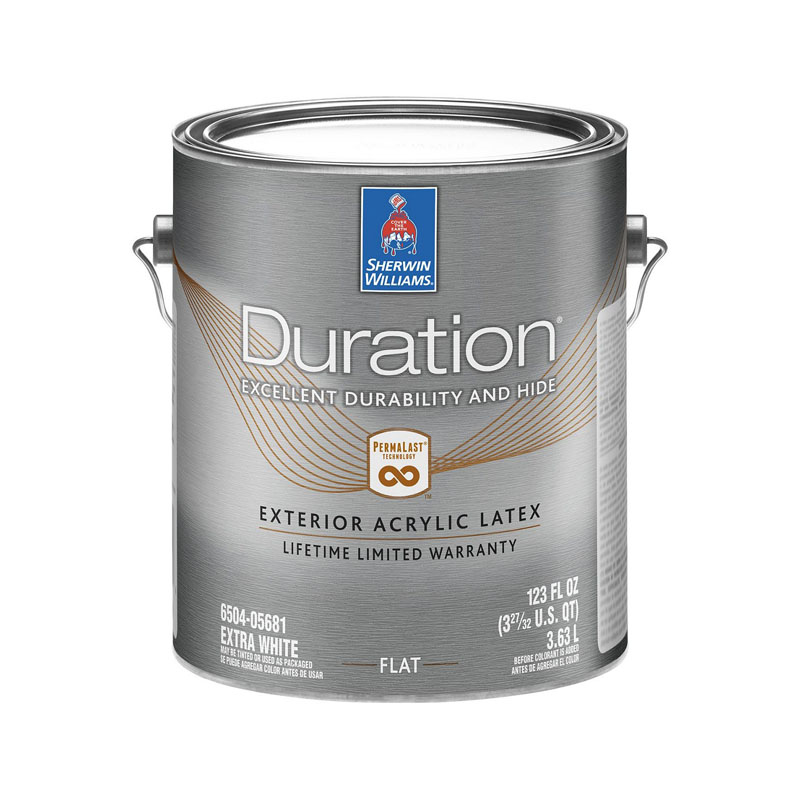
Ask the Carpenter: Is it OK to use exterior paint inside?
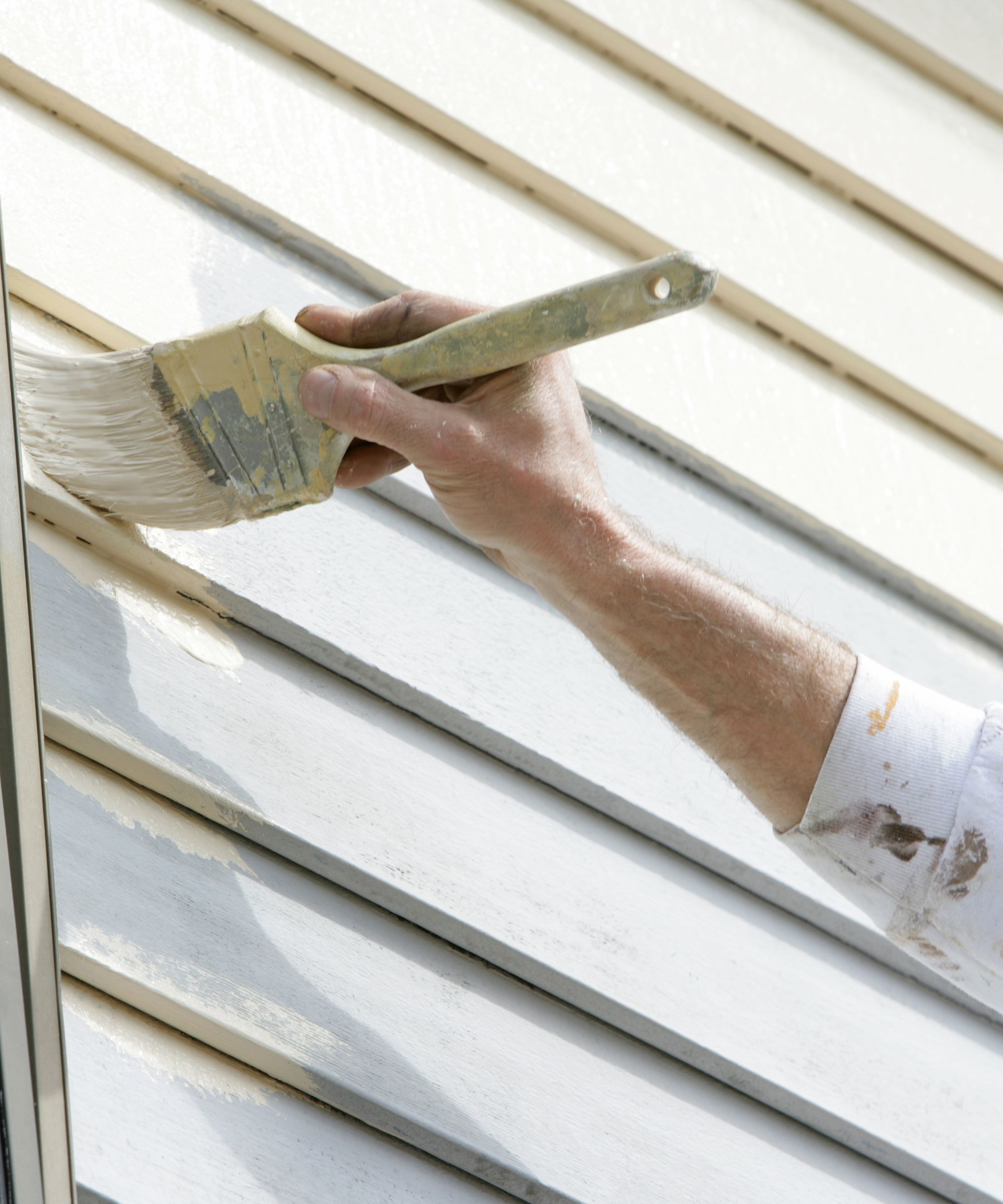
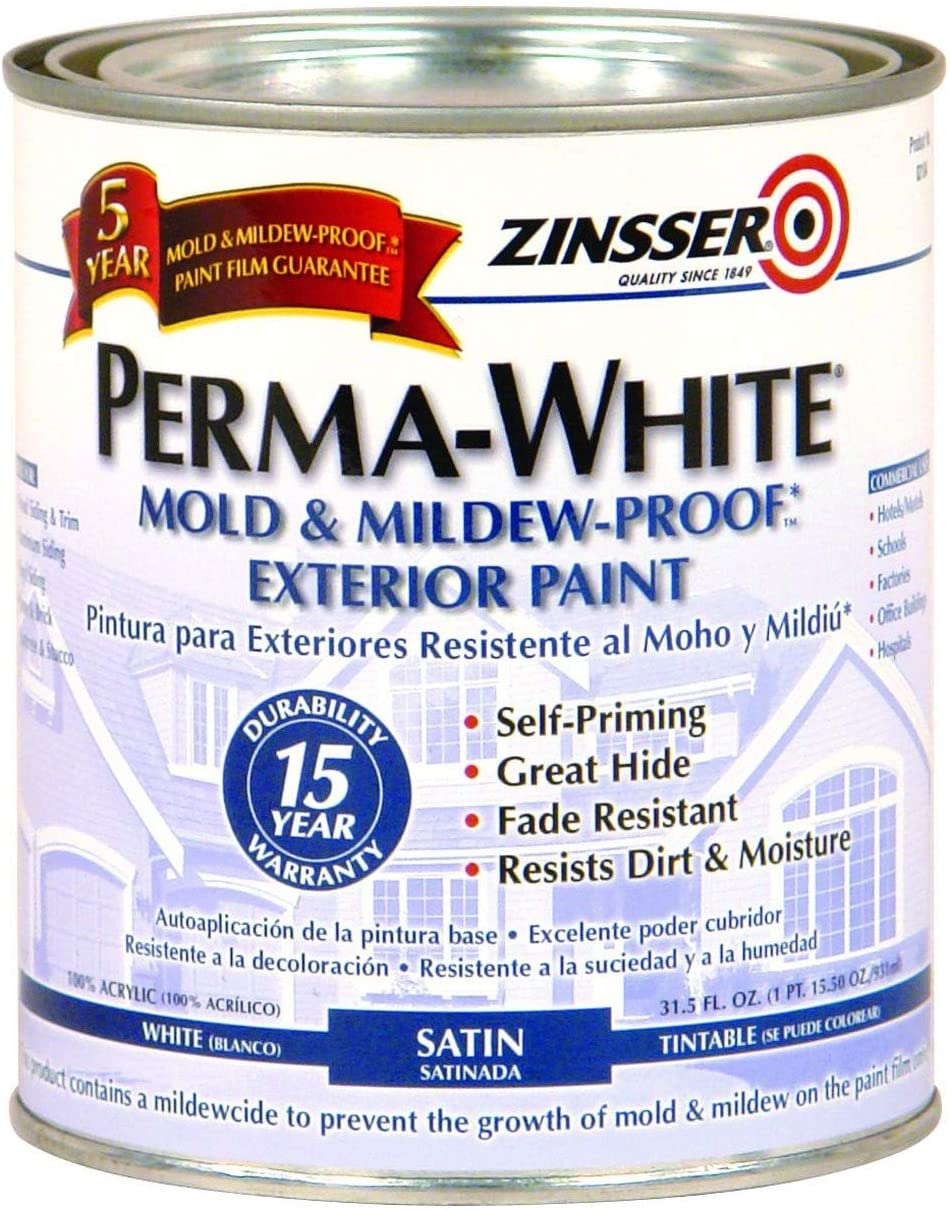
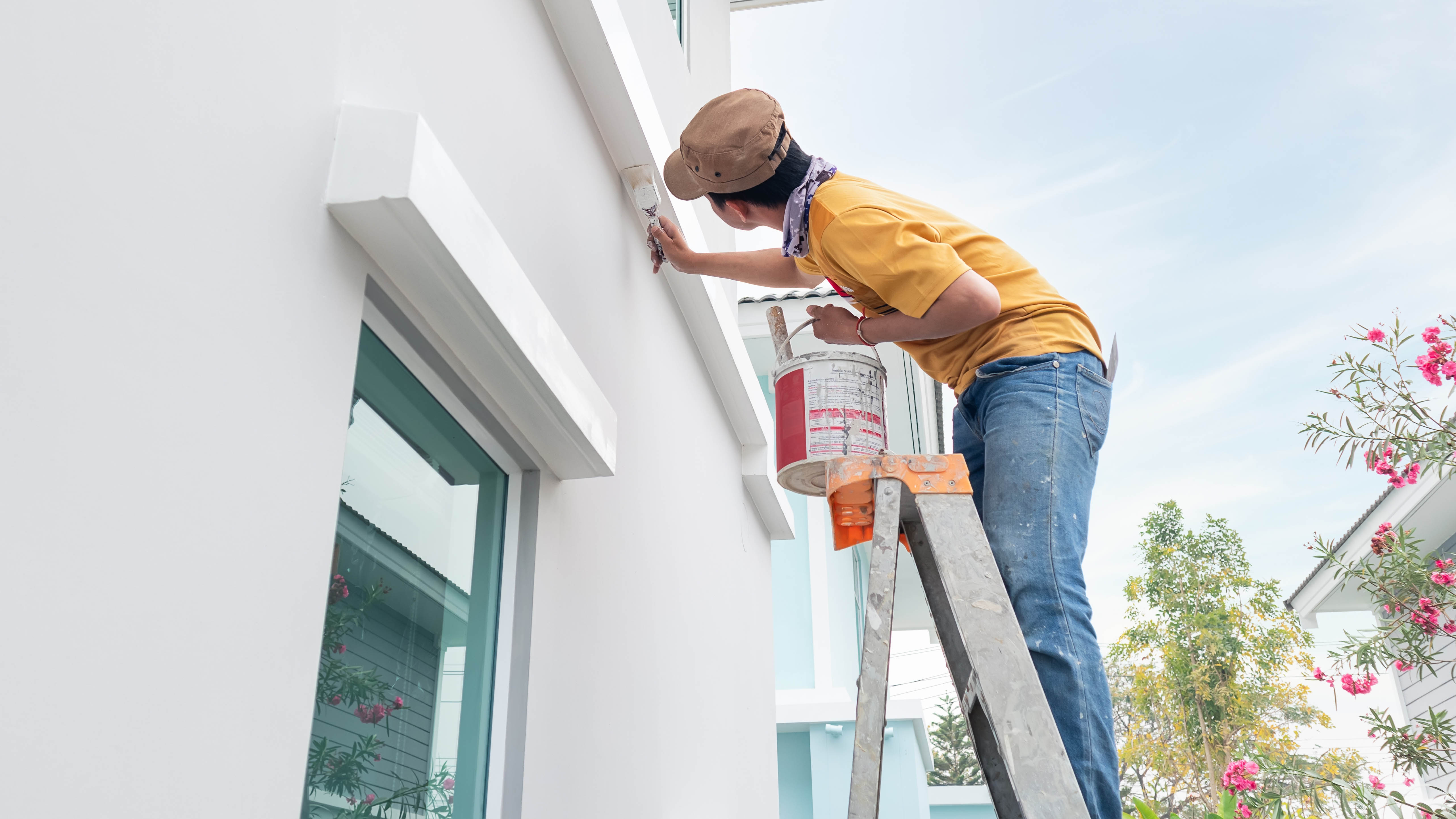
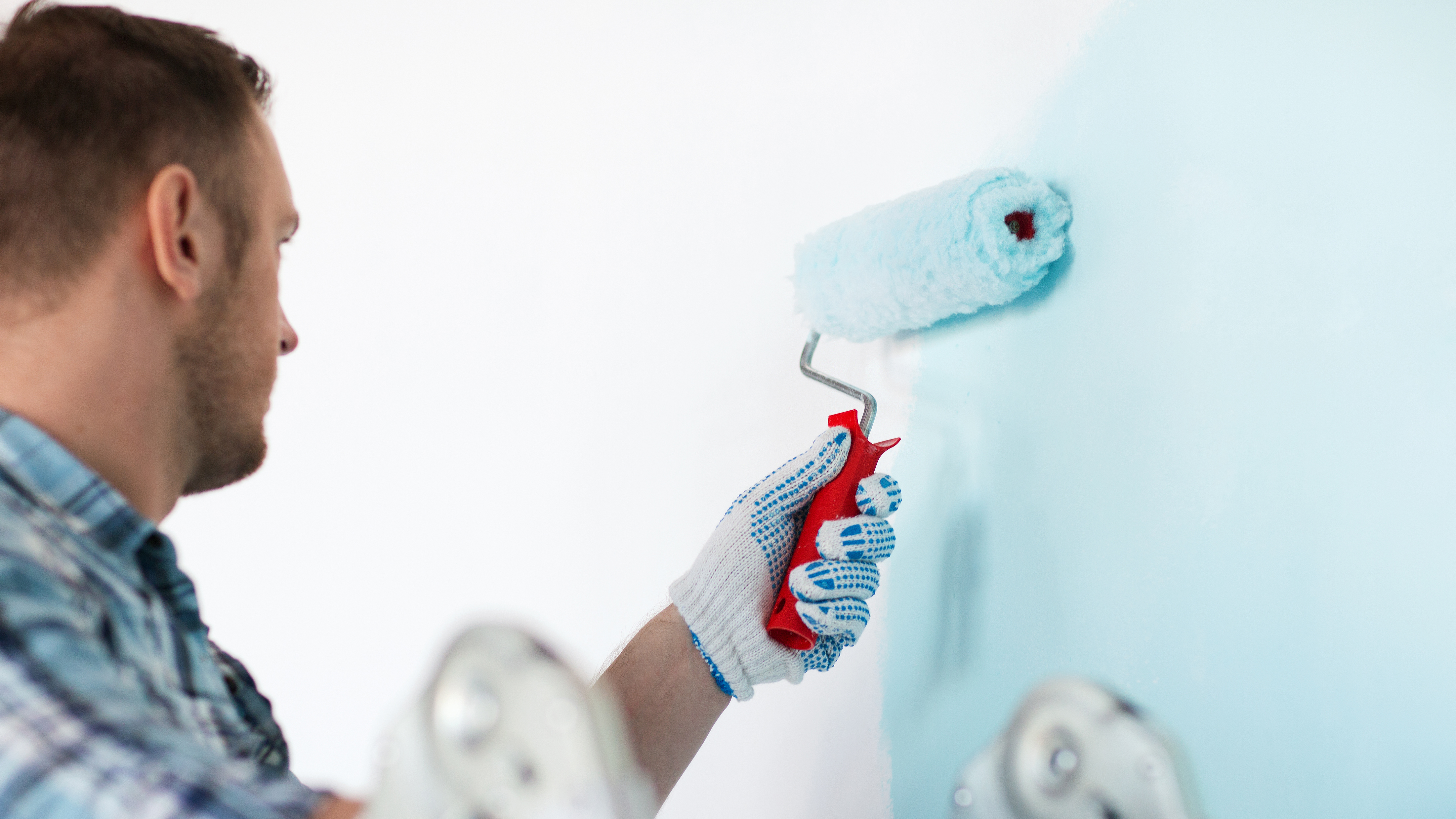
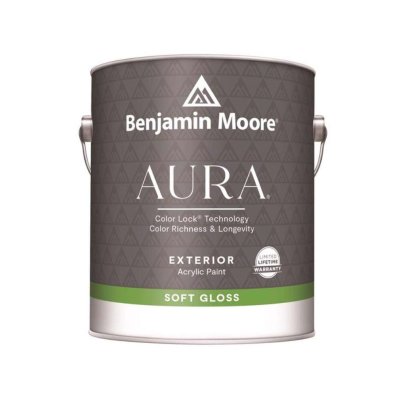
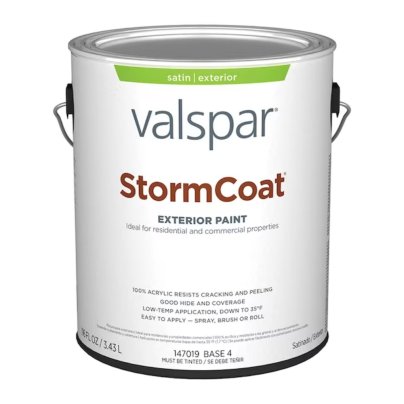
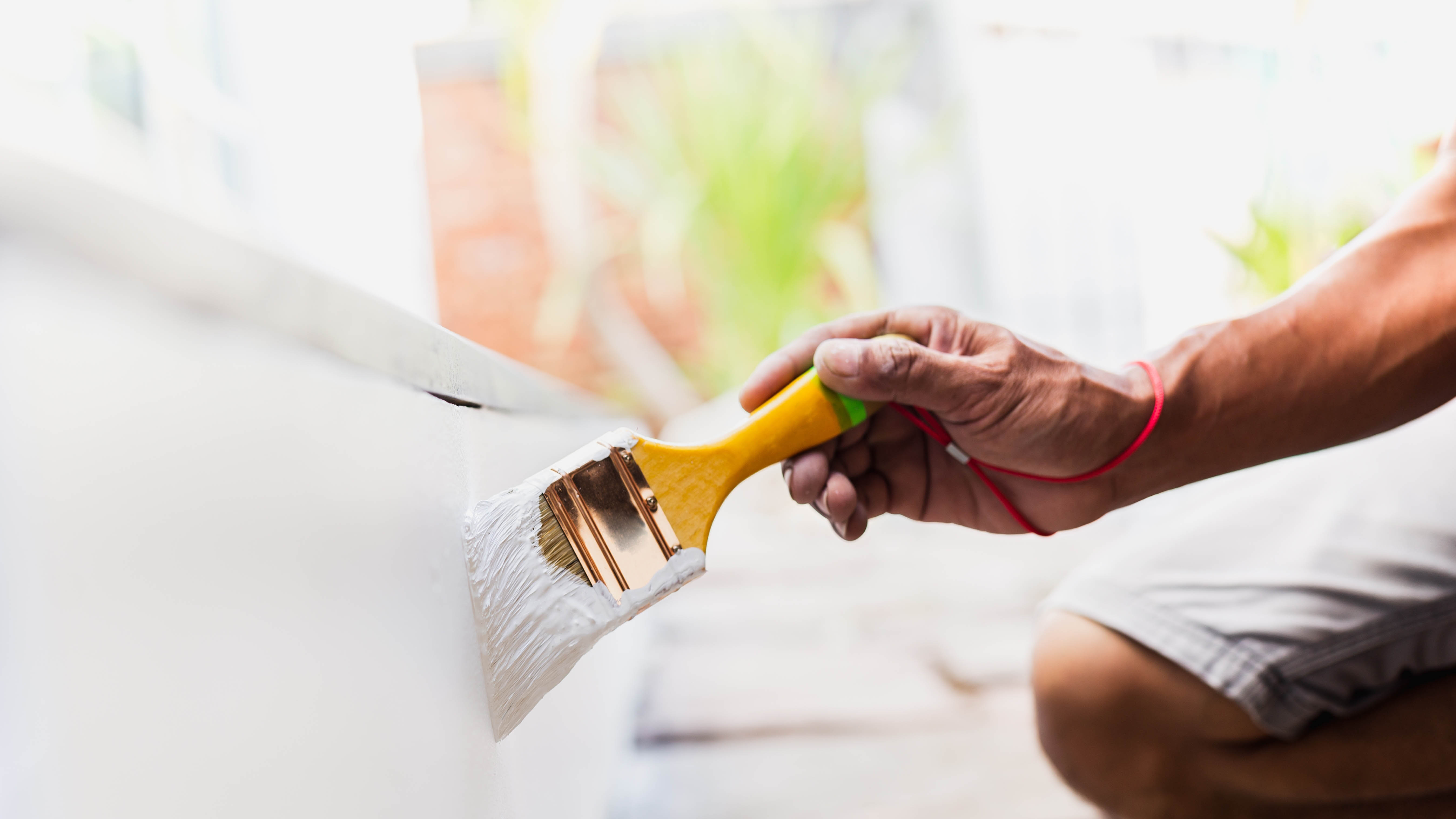
This article addresses two common home improvement questions: the appropriateness of using exterior paint indoors and how to insulate a converted porch without deconstructing walls. The first query focuses on a homeowner who inadvertently had their children's bedroom painted with white exterior paint. The article clarifies that while both latex interior and exterior paints share some components, their specific chemical formulations differ significantly. Exterior paints are designed to withstand harsh outdoor conditions and often contain fungicides, UV-protective additives, and mildewcides. These additives, along with a higher volume of acrylics, can lead to a lingering odor that may be unhealthy in enclosed indoor environments. Paint manufacturers and professional painters consistently recommend using paints only for their intended purposes.
The article emphasizes that while exterior paint should ideally not be used indoors due to these health and odor concerns, it does not necessarily need to be removed completely. Instead, the homeowner is advised to sand or de-gloss the existing exterior paint surface to create a suitable base for new interior semi-gloss paint. It also highlights the importance of being aware of Volatile Organic Compounds (VOCs) in paints. VOCs are solvents that off-gas at room temperature and are linked to various short-term and long-term health problems, including headaches, dizziness, respiratory issues, liver damage, and potentially certain cancers. Indoor water-based paints, particularly latex varieties, are specifically formulated to have low to no VOC levels, which is often not the case with exterior paints.
The second question concerns insulating a converted porch that now serves as a mudroom/entryway, without resorting to tearing down walls. The homeowner had researched blowing in spray foam through drill holes in the exterior siding but sought further guidance. In response, a professional insulation contractor recommends using cellulose material instead of spray foam for this type of application. Cellulose is suggested as a more cost-effective option that can achieve similar R-values (a measure of thermal resistance) without leaving voids, which can be a concern with other insulation methods. The article advises contacting Mass Save for an energy audit and information on potential rebate incentives, suggesting a practical and financially beneficial approach to improving home insulation.
Rob Robillard, a general contractor, carpenter, and editor, offers this advice, reinforcing the importance of using appropriate materials and seeking professional guidance for home improvement projects.
#HomeImprovement #PaintSafety #VOCs #Insulation #RealEstateNews #DIYHome #BuildingMaterials #HomeImprovement #PaintSafety #VOCs #Insulation #RealEstateNews #DIYHome #BuildingMaterials
0 comment in total
 No comments yet
You may also like

The best time to paint a house exterior, according to pros

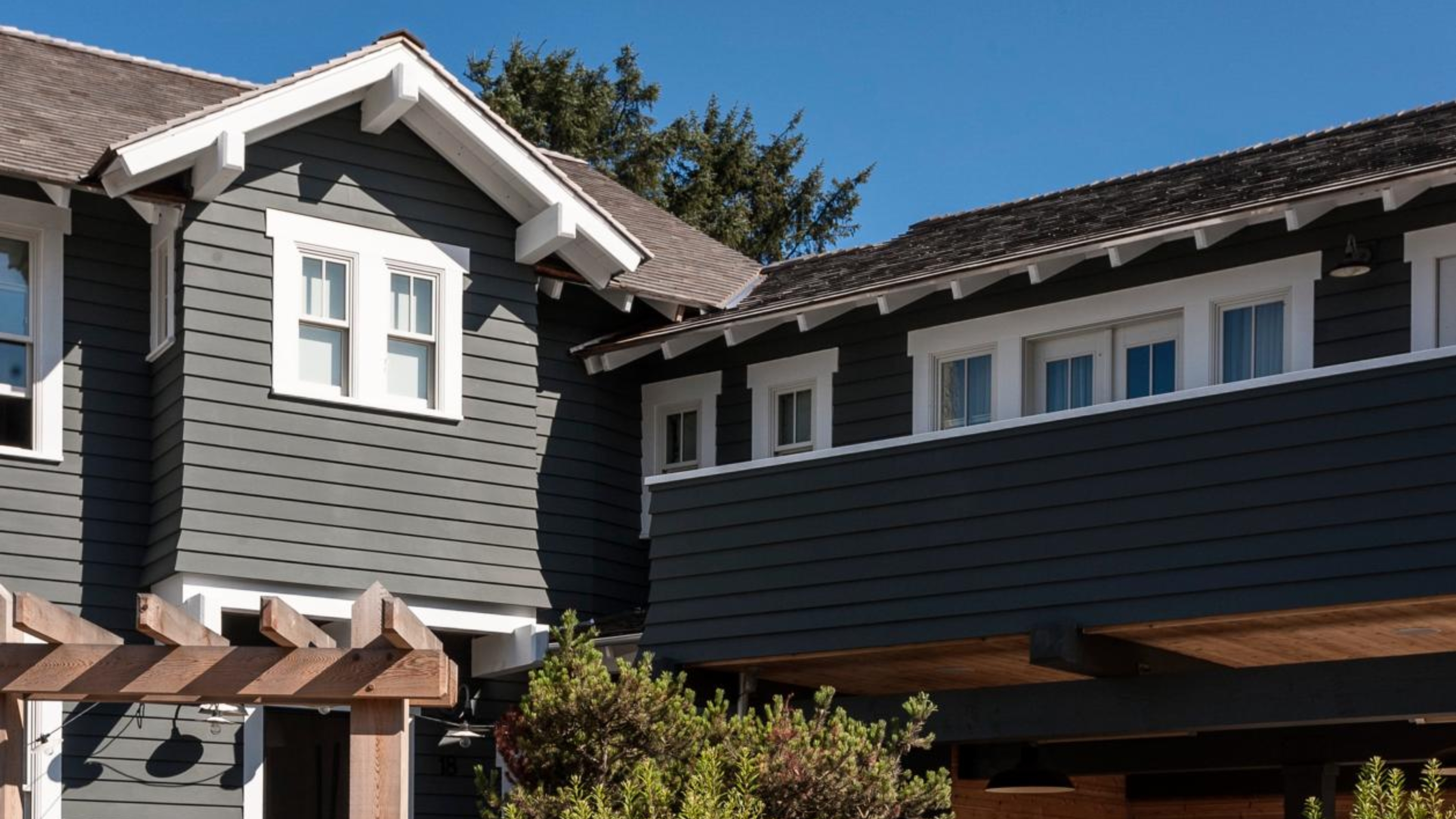
5 Exterior Paint Mistakes to Avoid If You Don't Want Your House to Become the Worst-Looking on the Street

The Best Paint for Garage Doors to Upgrade Your Home’s Look

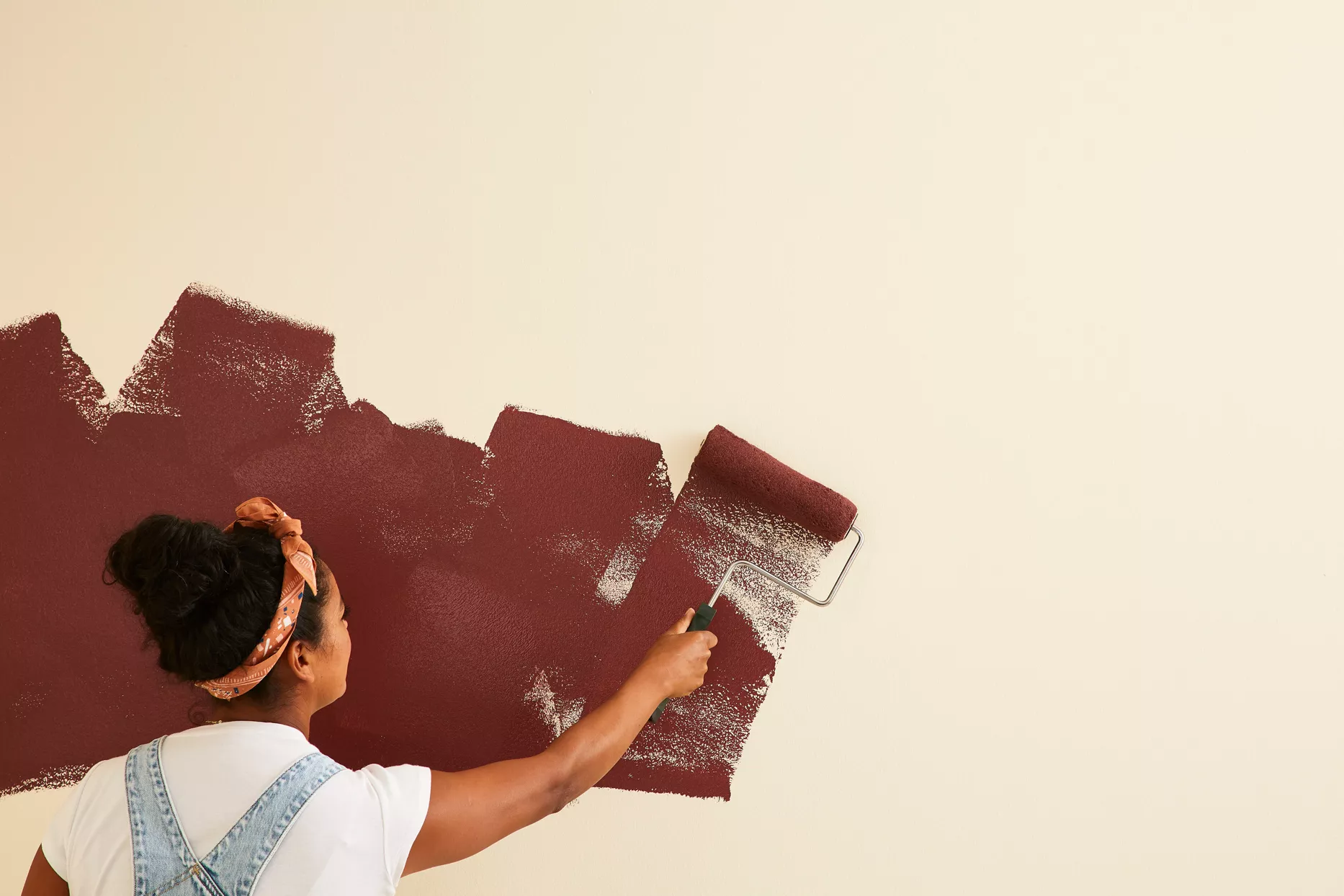
Should You Paint Inside if It’s Humid Out? Here's What the Experts Say
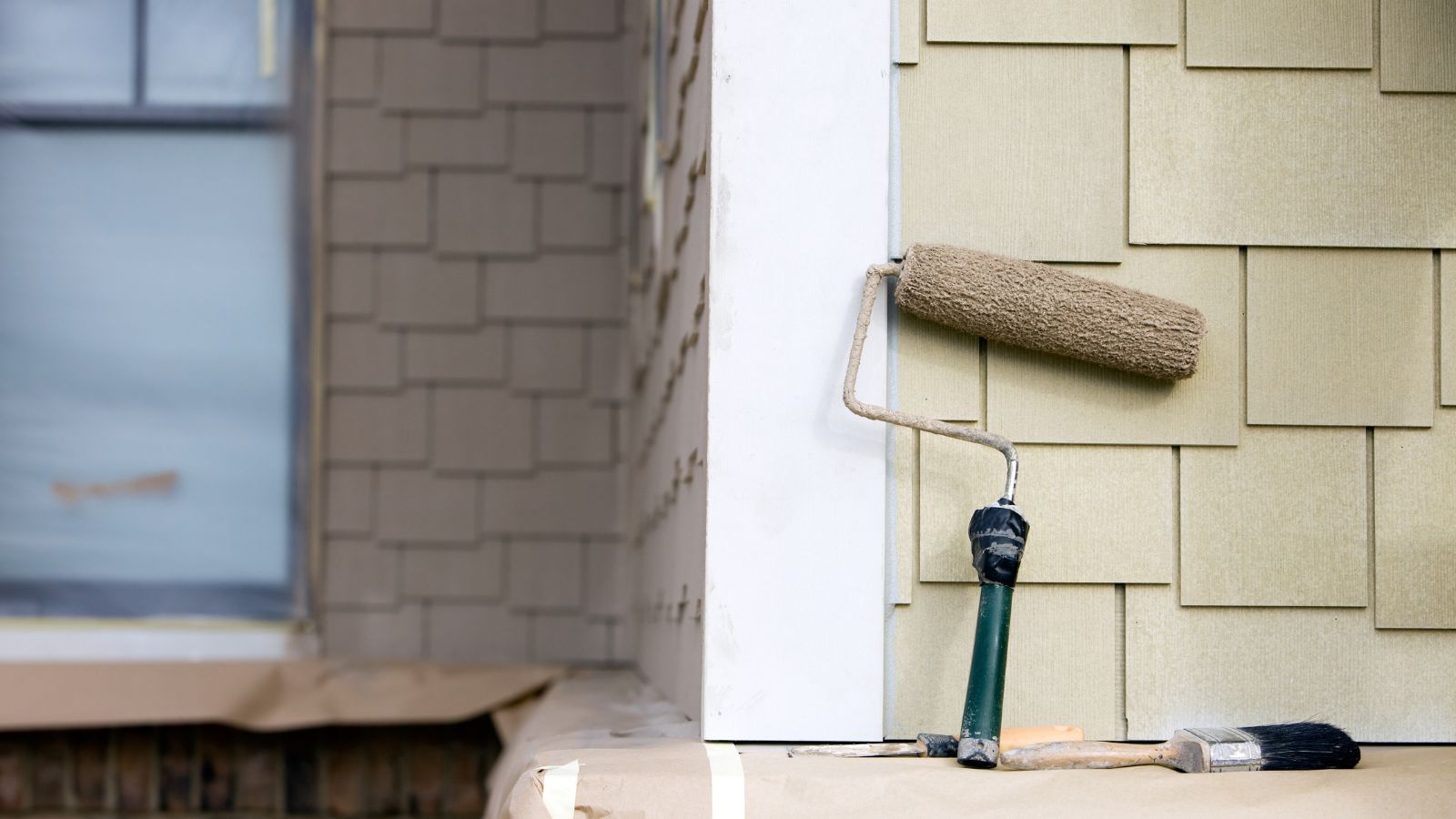
How often to paint a house – and three things that impact longevity

Interior Paint


Is It Safe to Paint Your Space When You’re Stuck Indoors?


The Best Interior Paints, According to Expert Testing

6 Best Exterior Paints for Your Home, According to Experts
Can You Use Interior Paint Outside? Pros Say It's Not Worth Your Time — Here's Why


Interior Paint: A Guide to Buying the Best Paints for Your Home

The Most Popular Paint Swatches Renovators Are Testing Out on Their Exteriors
Can you use interior paint outside? Paint professionals give their expert verdict

How to choose the best exterior paint for doors and windows
The Best Paint for Garage Walls in
There's still time! I’m a painting expert and it's the best month to paint inside your home for a silky-smooth finish
The Best Exterior Paints for Every Outdoor Surface

Decorating expert reveals this is the best time of year to paint your home

Exterior Paint | Outdoor Painting & Decorating

Is it an okay temperature to paint outside? Why it might be too cold to decorate your home's exterior right now