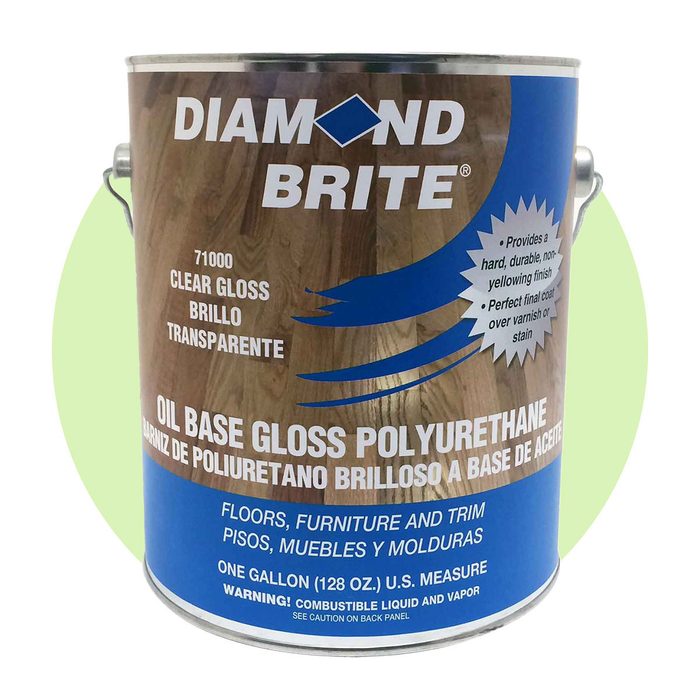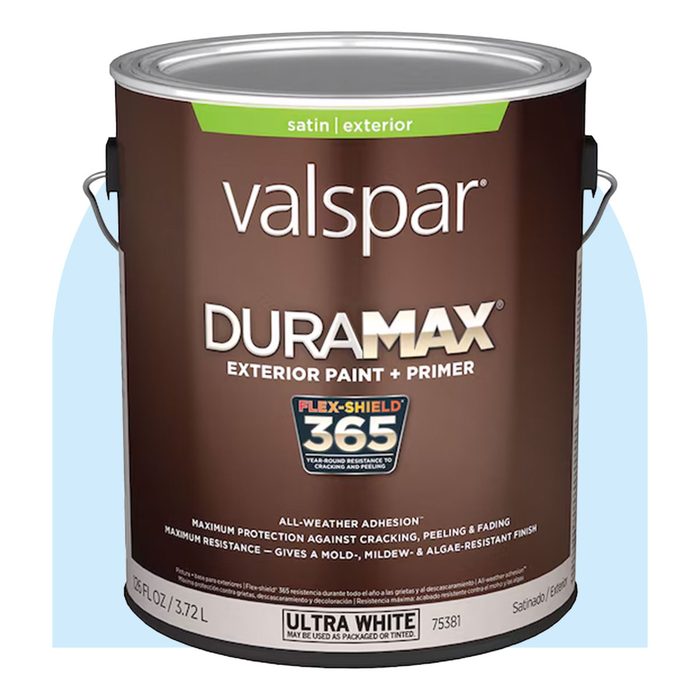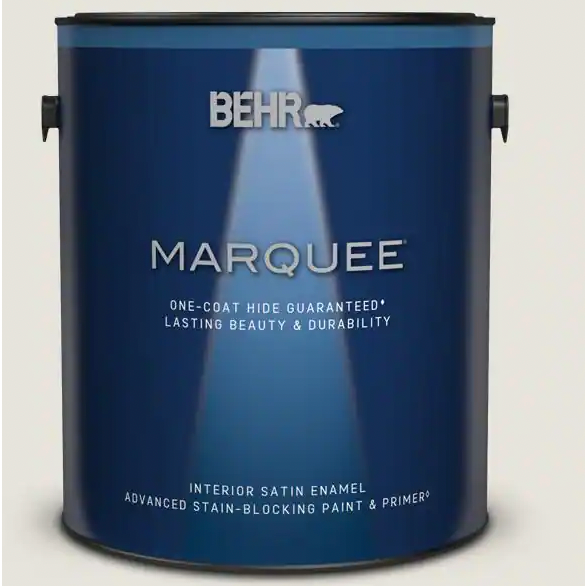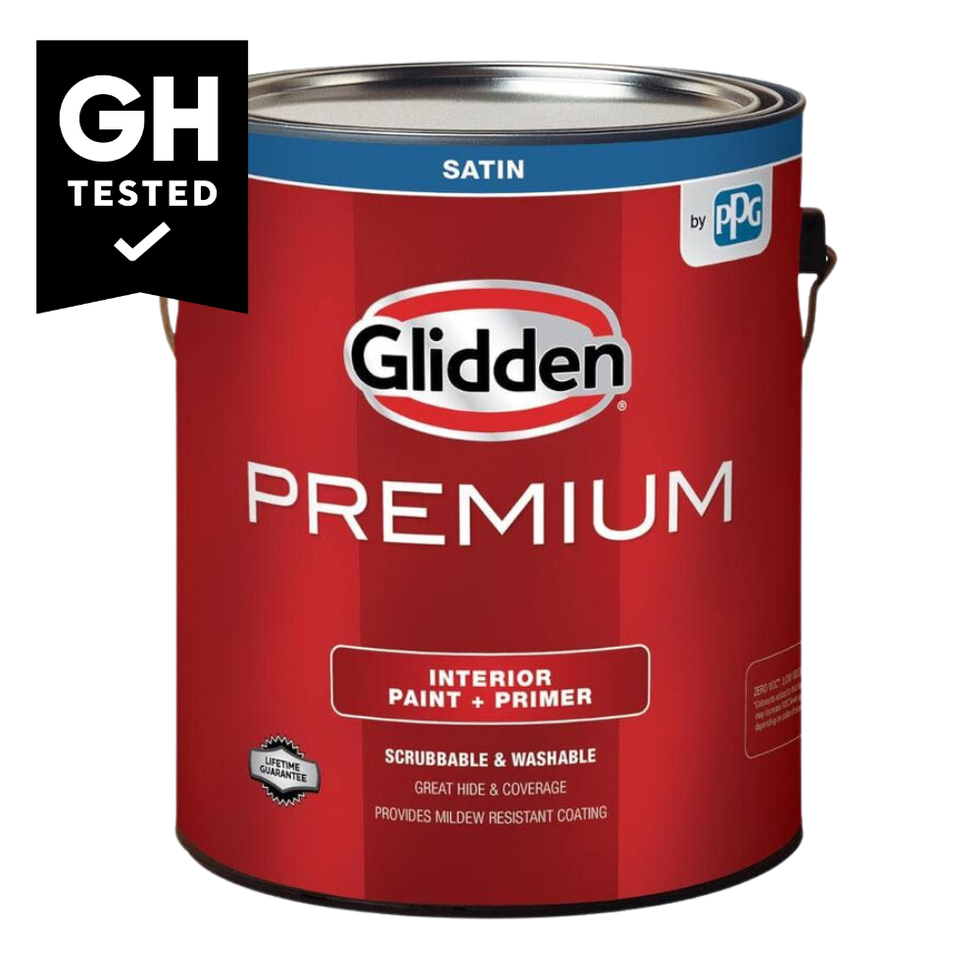
Can you use interior paint outside? Paint professionals give their expert verdict
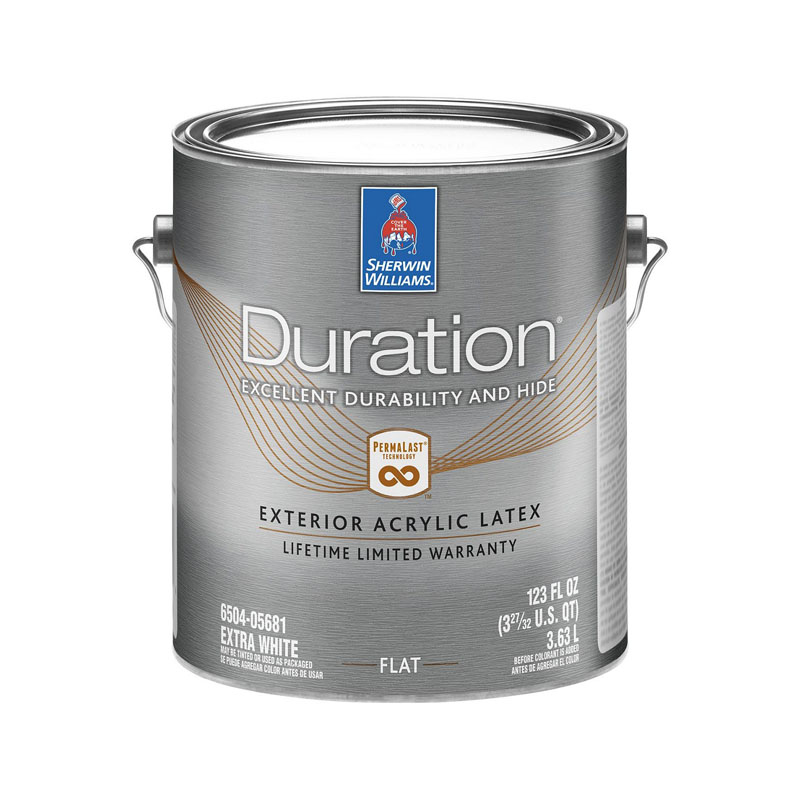
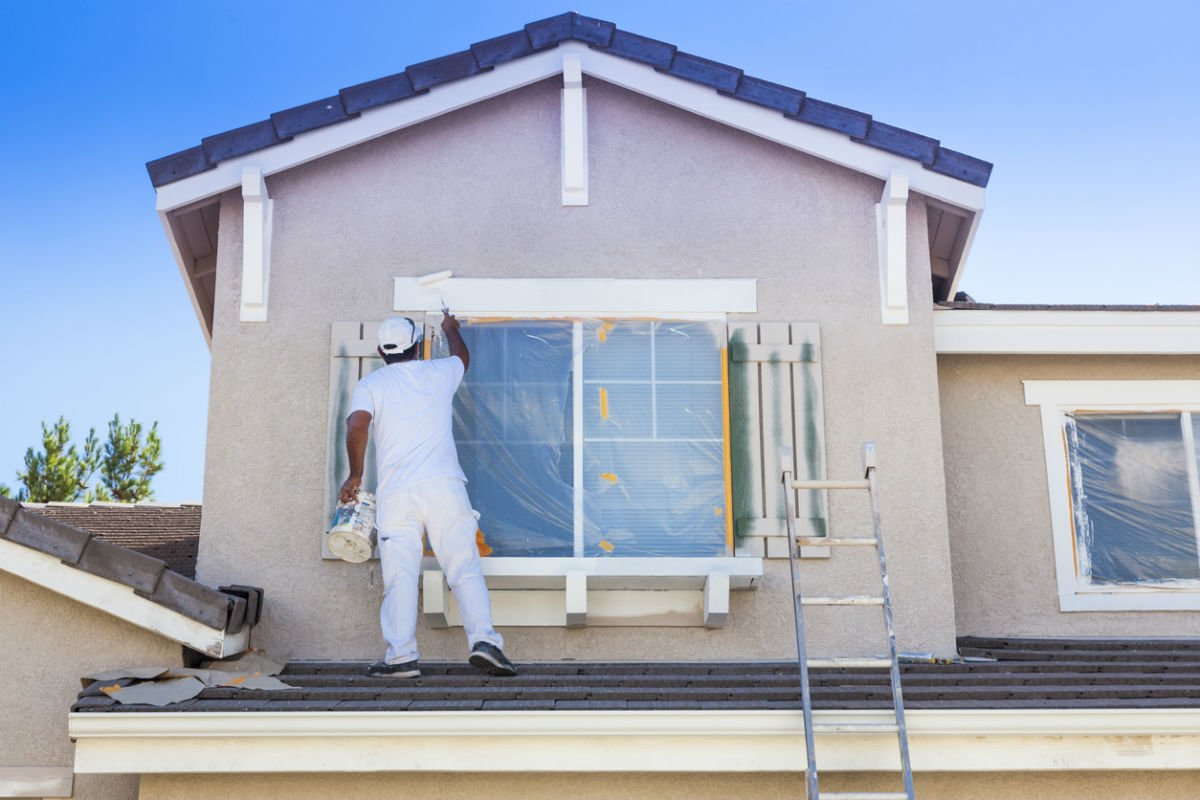
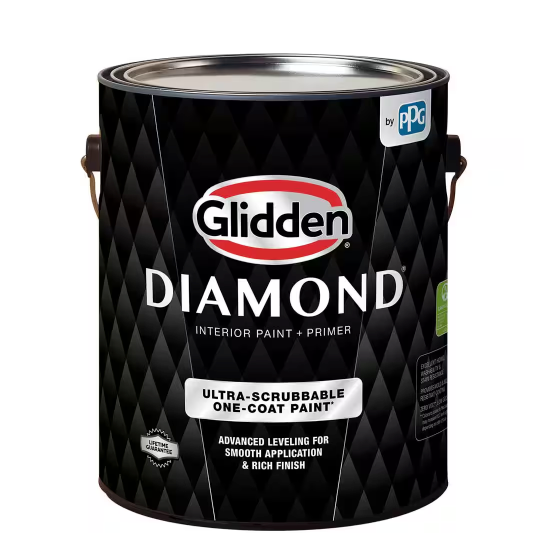
Using interior paint for outdoor projects is generally not recommended due to fundamental differences in their chemical composition and performance characteristics. Interior paints are designed to withstand the typical conditions of indoor environments, offering durability against scuffs, stains, and frequent cleaning, often with a focus on low volatile organic compound (VOC) levels for indoor air quality. In contrast, exterior paints are formulated to endure the harsh and variable conditions of the outdoors, including extreme temperatures, UV radiation from the sun, rain, snow, and humidity. These paints contain additives that provide enhanced resistance to fading, cracking, peeling, mildew growth, and moisture penetration.
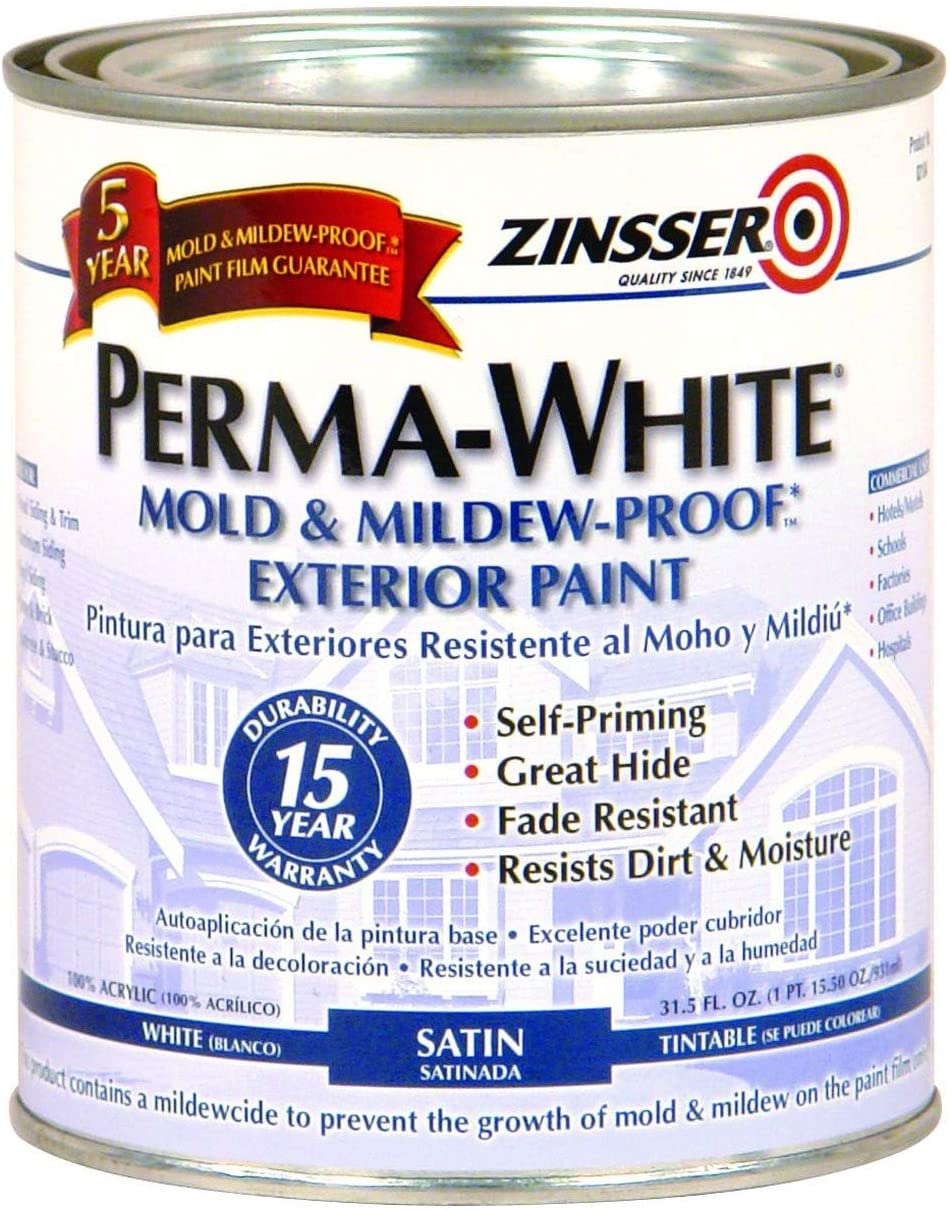
Key differences between interior and exterior paints highlight why interchanging them is problematic. Exterior paints typically incorporate flexible binders that allow them to expand and contract with temperature changes, preventing cracking and peeling on outdoor surfaces. They also contain UV-resistant pigments and binders to prevent color degradation from sun exposure, a feature largely absent in interior paints. Furthermore, exterior paints often include mildewcides and fungicides to combat mold and mildew growth in damp outdoor conditions, an essential property not prioritized in interior formulations. The resins used in exterior paints are generally harder and more resilient, providing a protective barrier against weathering and abrasion, while interior paints may use softer resins for a smoother finish and easier cleanup.
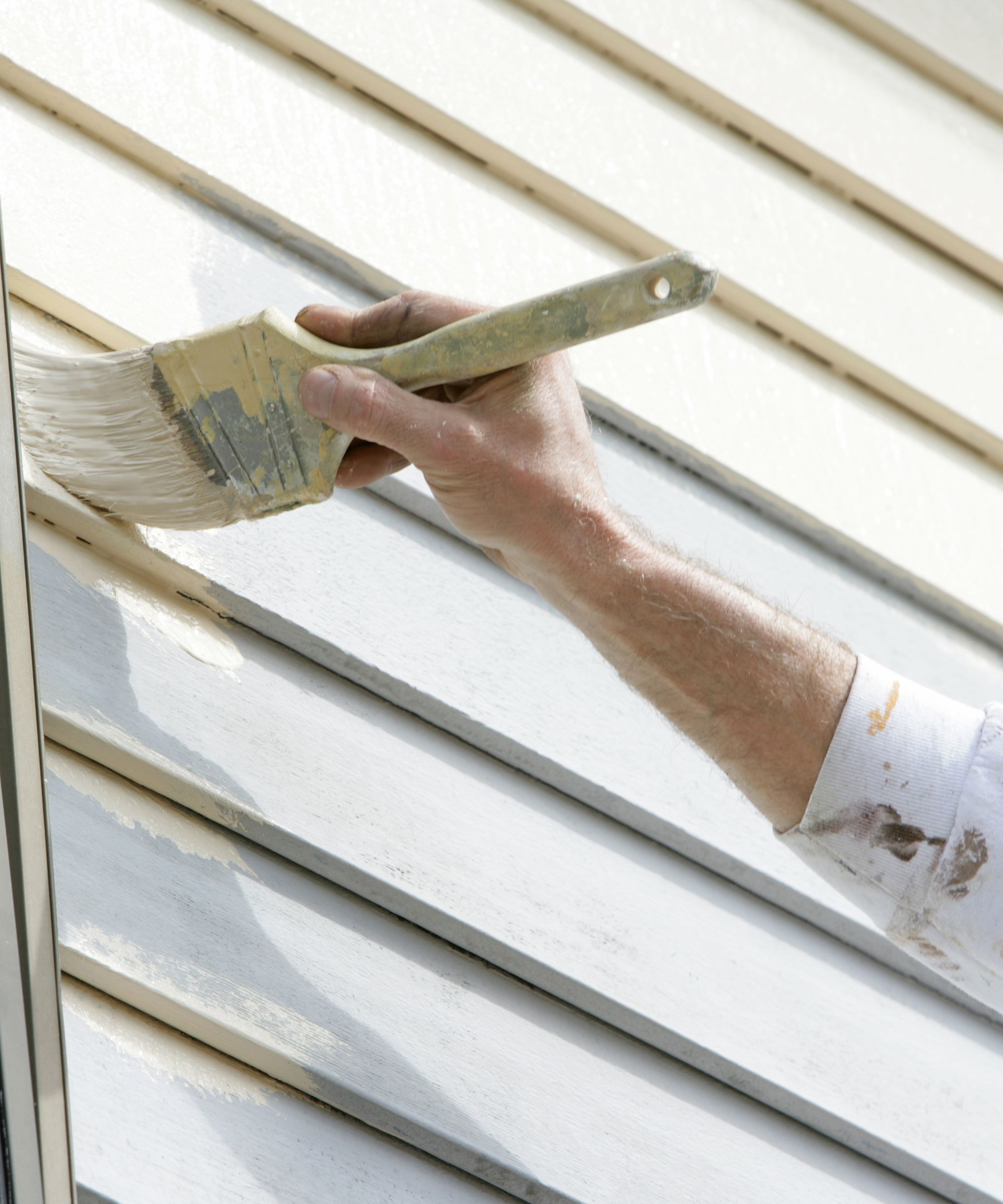
Expert advice consistently warns against using interior paint outdoors. Jay Sanders, a professional painter and owner of Castle Dream Construction, emphasizes that interior paint would quickly deteriorate when exposed to outdoor elements like UV rays and moisture, leading to premature fading, chalking, and blistering. This degradation not only compromises the aesthetic appeal but also offers no protective barrier to the underlying surface, potentially causing costly damage to materials like wood or siding. Similarly, while interior paint could theoretically be used on outdoor items that are fully sheltered from the elements, such as porch furniture stored in a covered area, it would still not offer the same level of long-term durability and protection as a dedicated exterior paint.
Conversely, using exterior paint indoors is also ill-advised, primarily due to higher VOC content and the presence of stronger chemicals. While modern exterior paints have lower VOCs than older formulations, they generally still contain more than their interior counterparts, which can lead to unpleasant odors and potential health concerns when used in enclosed spaces. Additionally, exterior paints are engineered for hardness and weather resistance, which can result in a less aesthetically pleasing finish indoors, appearing duller or less smooth than interior-specific formulations. The cost difference between the two types of paint is usually minimal, making the choice to use the correct paint for the application a sensible and economical one in the long run.
Therefore, selecting the appropriate paint type for a given application is crucial for achieving both durability and an optimal finish. Using interior paint outside will result in a short-lived and unsatisfactory result, requiring re-painting sooner than necessary and potentially causing damage to the painted surface. Professional painters consistently advise against this practice to ensure the longevity and integrity of painted surfaces, whether indoors or outdoors. It is essential to choose paints specifically formulated for the environmental conditions they will face to avoid unnecessary expenses and labor in the future.
#ExteriorPaint #InteriorPaint #PaintDurability #PaintFormulation #HomeImprovement #DIYPainting #PaintSelection #WeatherResistance #ExteriorPaint #InteriorPaint #PaintDurability #PaintFormulation #HomeImprovement #DIYPainting #PaintSelection #WeatherResistance
0 comment in total
 No comments yet
You may also like
The Best Exterior Paints for Every Outdoor Surface

Exterior Paint | Outdoor Painting & Decorating

How to choose the best exterior paint for doors and windows


What's the Ideal Outdoor Temperature Range for Using Exterior Paint?
The best time to paint a house exterior, according to pros

The best exterior paints to transform a rundown garden in a weekend

Should You Paint Inside if It’s Humid Out? Here's What the Experts Say
Best exterior wood paint 2020

How often to paint a house – and three things that impact longevity
Ask the Carpenter: Is it OK to use exterior paint inside?
7 Best Paints for an Outdoor Fence

The Best Paint for Garage Doors to Upgrade Your Home’s Look

Can You Use Interior Paint Outside? Pros Say It's Not Worth Your Time — Here's Why

6 Best Exterior Paints for Your Home, According to Experts
The Best Interior Paints, According to Expert Testing
The Best Exterior House Paint Colors for Hot and Cold Climates
5 Exterior Paint Mistakes to Avoid If You Don't Want Your House to Become the Worst-Looking on the Street
7 rules designers always follow to find the best exterior paint for your home
The Most Popular Paint Swatches Renovators Are Testing Out on Their Exteriors
Don't Wait Much Longer—This Is the Best Time of Year to Paint a House, Reno Pros Say