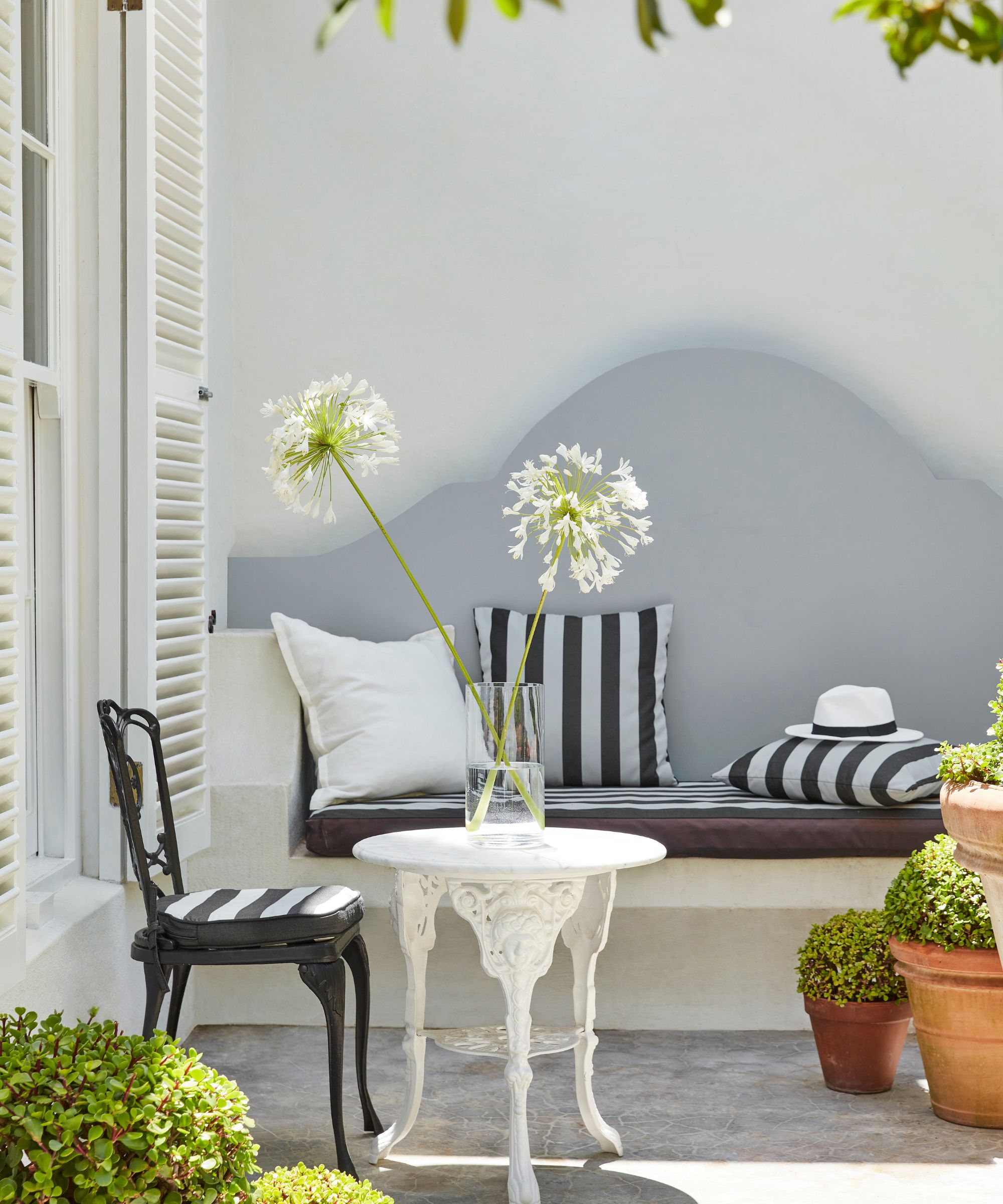
1/2
What's the Ideal Outdoor Temperature Range for Using Exterior Paint?
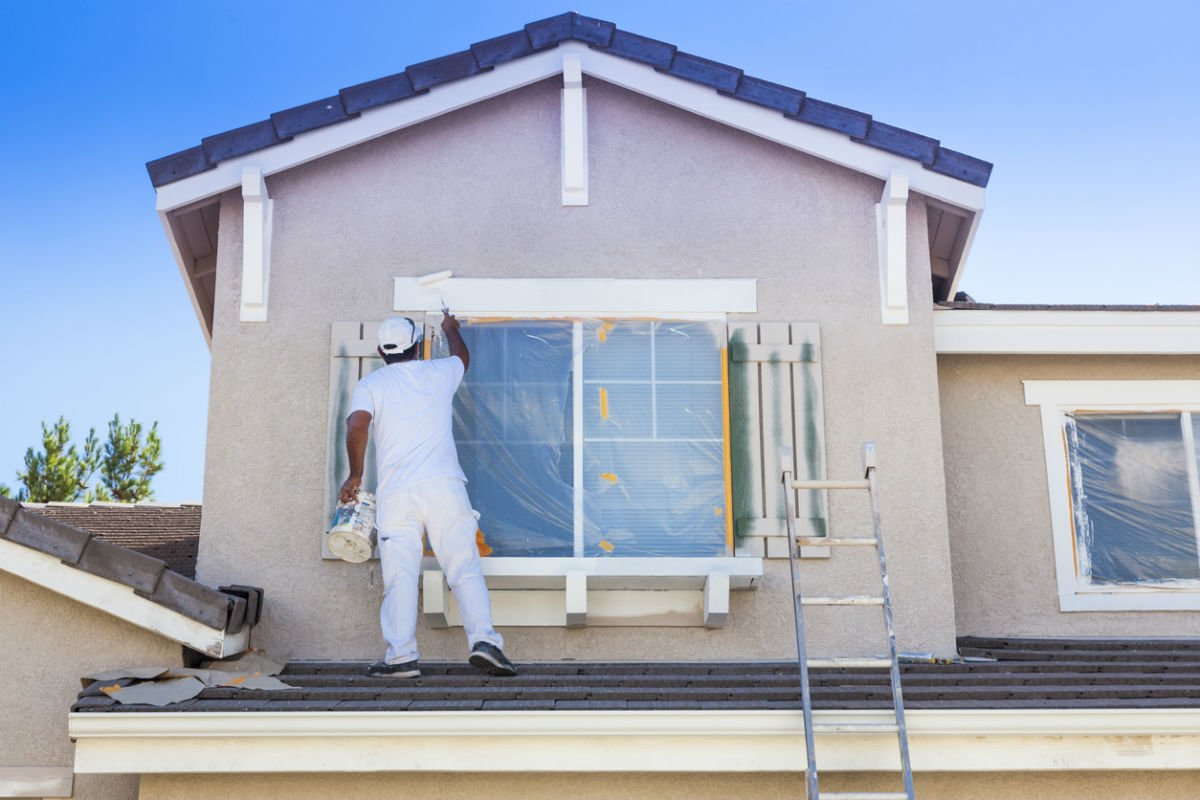
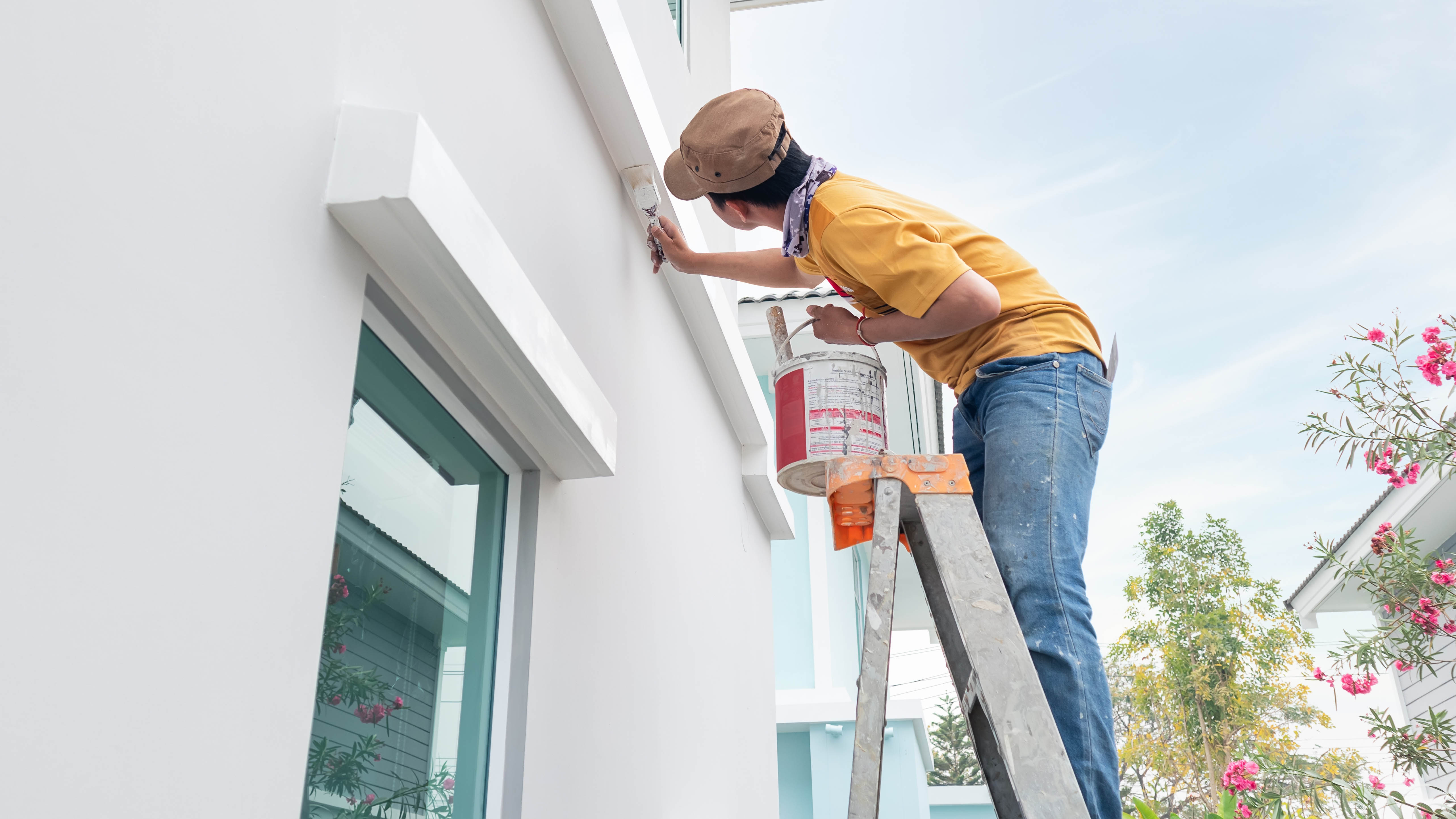
The article discusses the critical role of outdoor temperature in achieving a successful exterior paint job, particularly for water-based paints. It emphasizes that improper curing due to unsuitable temperatures can lead to premature paint failure, necessitating a repaint sooner than expected. Rico de Paz, an expert in paint tests, highlights that the temperature should be at least 50°F during paint application and should not fall below 32°F at night for several days post-application. This is because paint needs sufficient time to cure or fully harden. If temperatures drop too low, dew can form on surfaces, causing the water in the paint to evaporate slowly, which negatively impacts the paint's durability, cracking resistance, and can lead to staining or mildew formation.
The article identifies spring and fall as the optimal seasons for exterior painting across most regions, attributing this to mild temperatures and less intense sun, which prevents surfaces from overheating. For southern states like Florida, painting might extend into winter, provided daily low temperatures remain above 40°F for several consecutive days. While some paint manufacturers claim their products can cure at temperatures as low as 35°F, it's generally advisable to adhere to the higher temperature recommendations for best results. Regarding upper temperature limits, there isn't a strict rule for how hot is too hot, but a practical test is to check the surface temperature of the walls: if it's too hot to touch comfortably for more than a few seconds, it's too hot to paint.
Beyond temperature considerations, the article provides essential preparation steps for a DIY exterior paint job. These include protecting surrounding areas like plantings and vents with drop cloths, and tying back shrubs. Crucially, surfaces must be thoroughly cleaned to remove dirt, mildew, and chalky old paint to ensure proper adhesion of the new paint. If the house was built before 1978, testing for lead paint is necessary, and if present, a certified lead-abatement contractor should handle surface preparation. For non-lead-based surfaces, scrubbing with a wire brush or pressure washer and cleaning with a detergent is recommended. Mildew should be removed using a bleach and water solution or a commercial cleaner, followed by scraping out and filling any rotted wood areas. Finally, old caulk around windows, doors, and trim should be replaced with fresh acrylic caulk, and bare wood should be primed with a manufacturer-recommended primer or a high-performing self-priming paint.
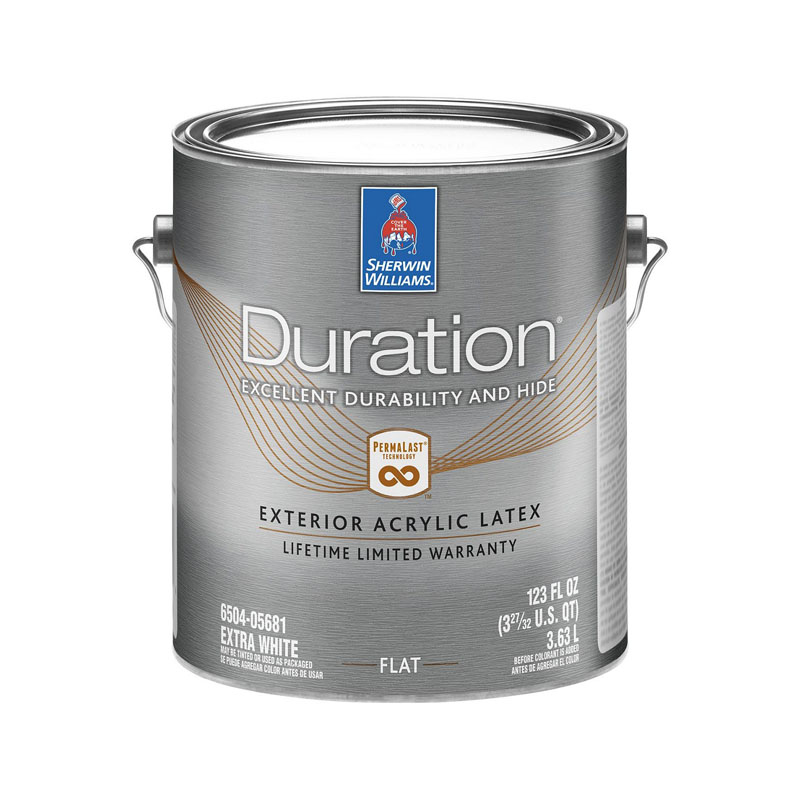
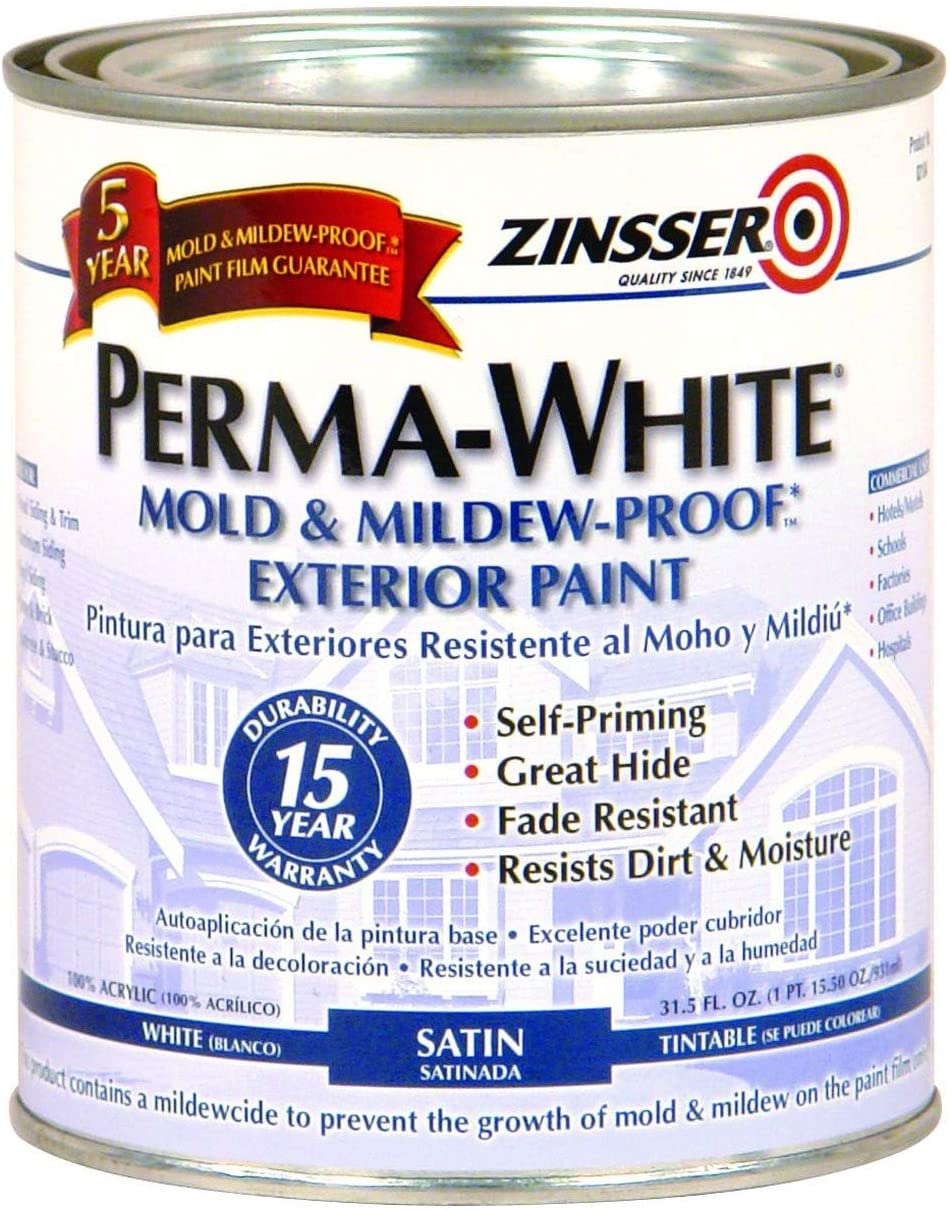
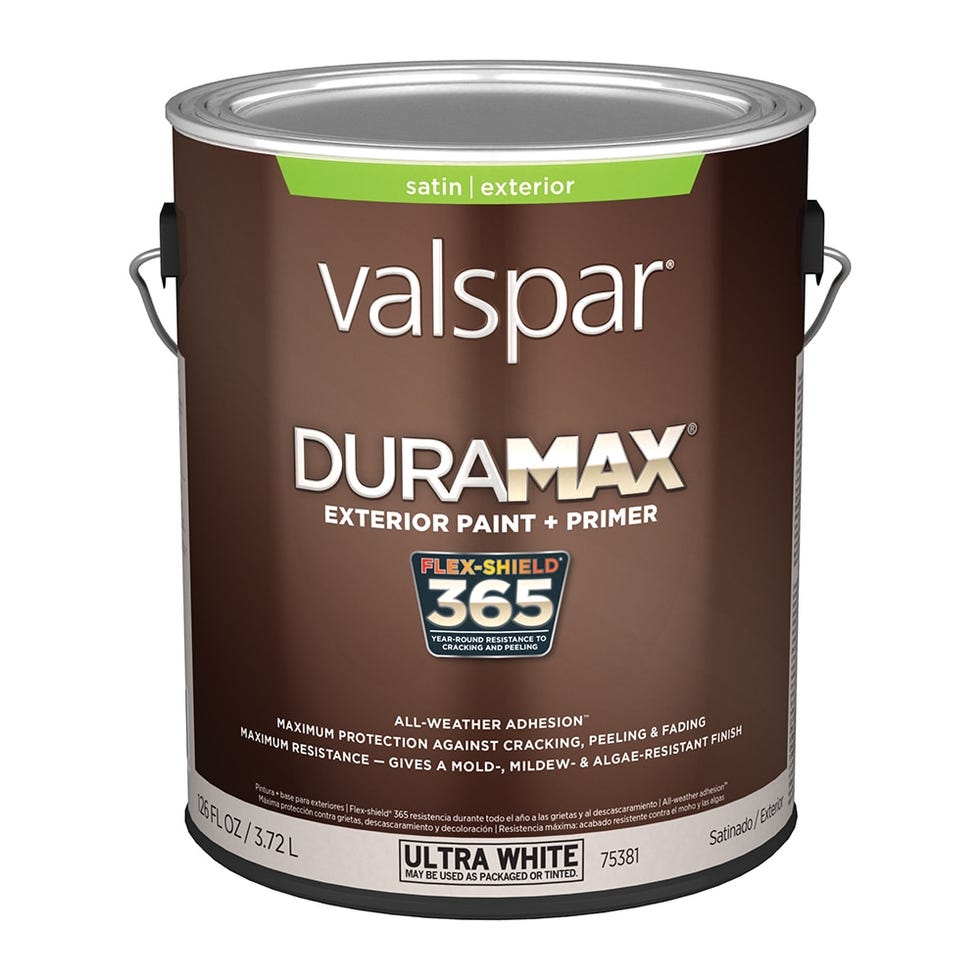
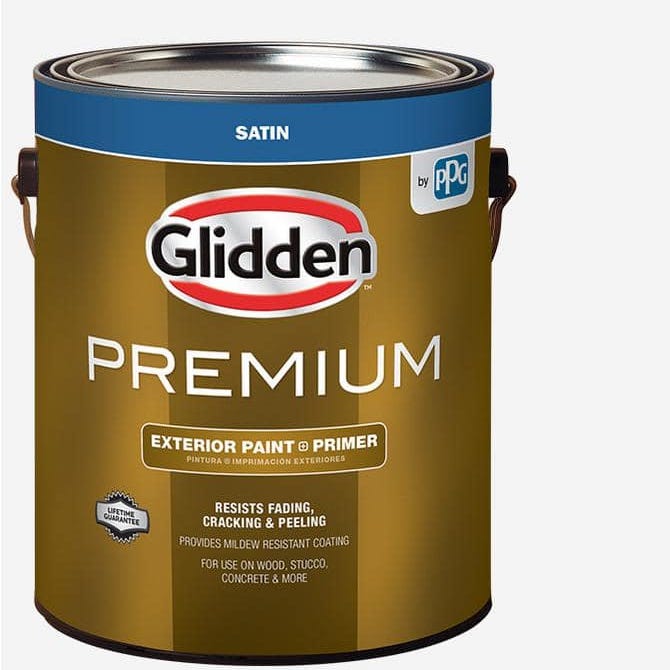
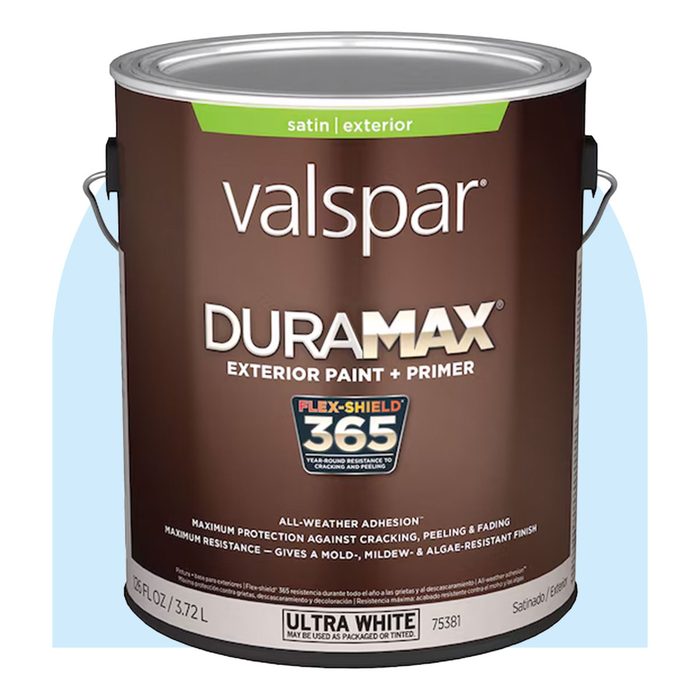
The testing methodology employed by Consumer Reports for exterior paints involves applying two coats to pine boards and then exposing them to elements on angled racks for three years. This accelerated testing simulates approximately nine years of wear on vertical house surfaces, providing a robust measure of durability. Mildew resistance is evaluated by placing painted panels on vertical racks in shaded areas. The article also mentions various paint brands across different price points, including Color Place, Glidden, Valspar, Behr, Clark+Kensington, HGTV Home, Benjamin Moore, and Sherwin-Williams, highlighting that many top-ranked paints are self-priming. While exterior paints have improved in durability and resistance to cracking and fading over the past decade, they may be less resistant to dirt buildup. This guide aims to help homeowners achieve a durable and aesthetically pleasing exterior paint finish by adhering to optimal environmental conditions and thorough preparation techniques.
#ExteriorPainting #PaintApplication #TemperatureGuidelines #HomeImprovement #DIYPainting #PaintCuring #ConsumerReports #SurfacePreparation #WaterBasedPaint #ExteriorPainting #PaintApplication #TemperatureGuidelines #HomeImprovement #DIYPainting #PaintCuring #ConsumerReports #SurfacePreparation #WaterBasedPaint
0 comment in total
 No comments yet
You may also like
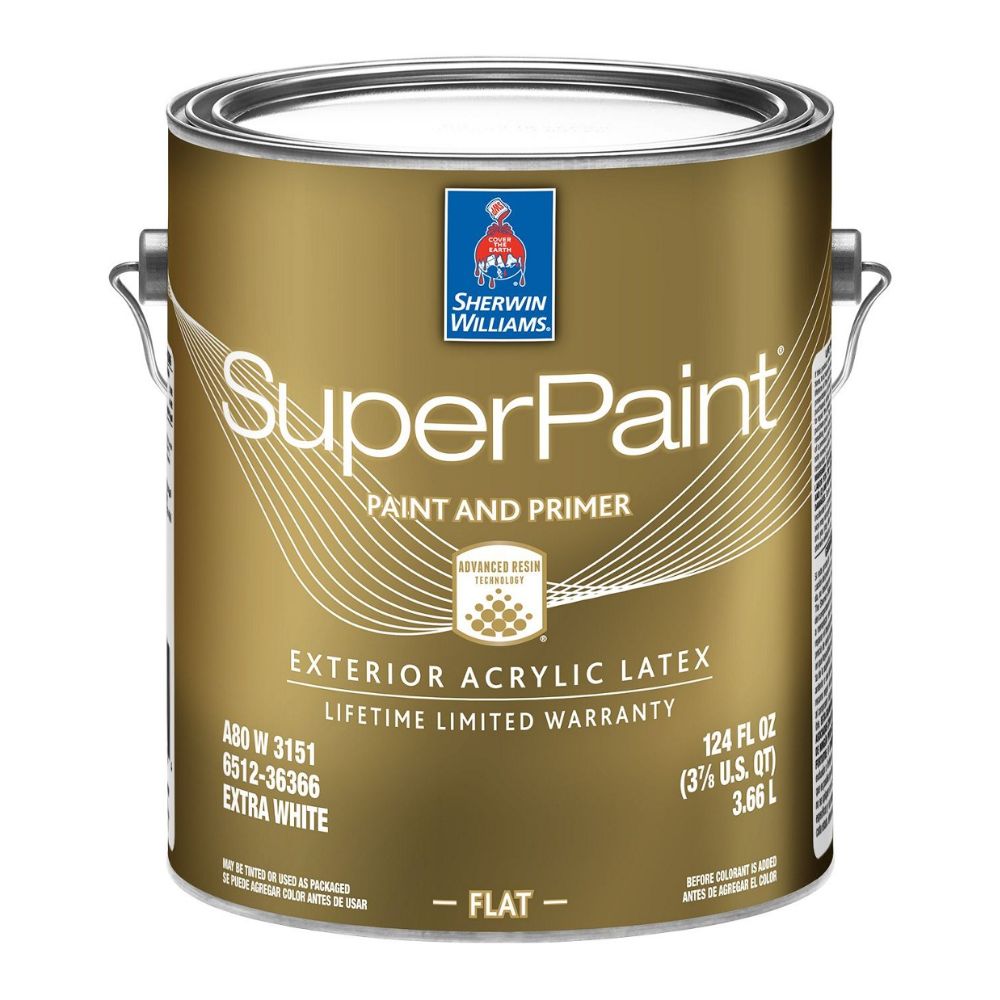
The Best Exterior Paints for Every Outdoor Surface
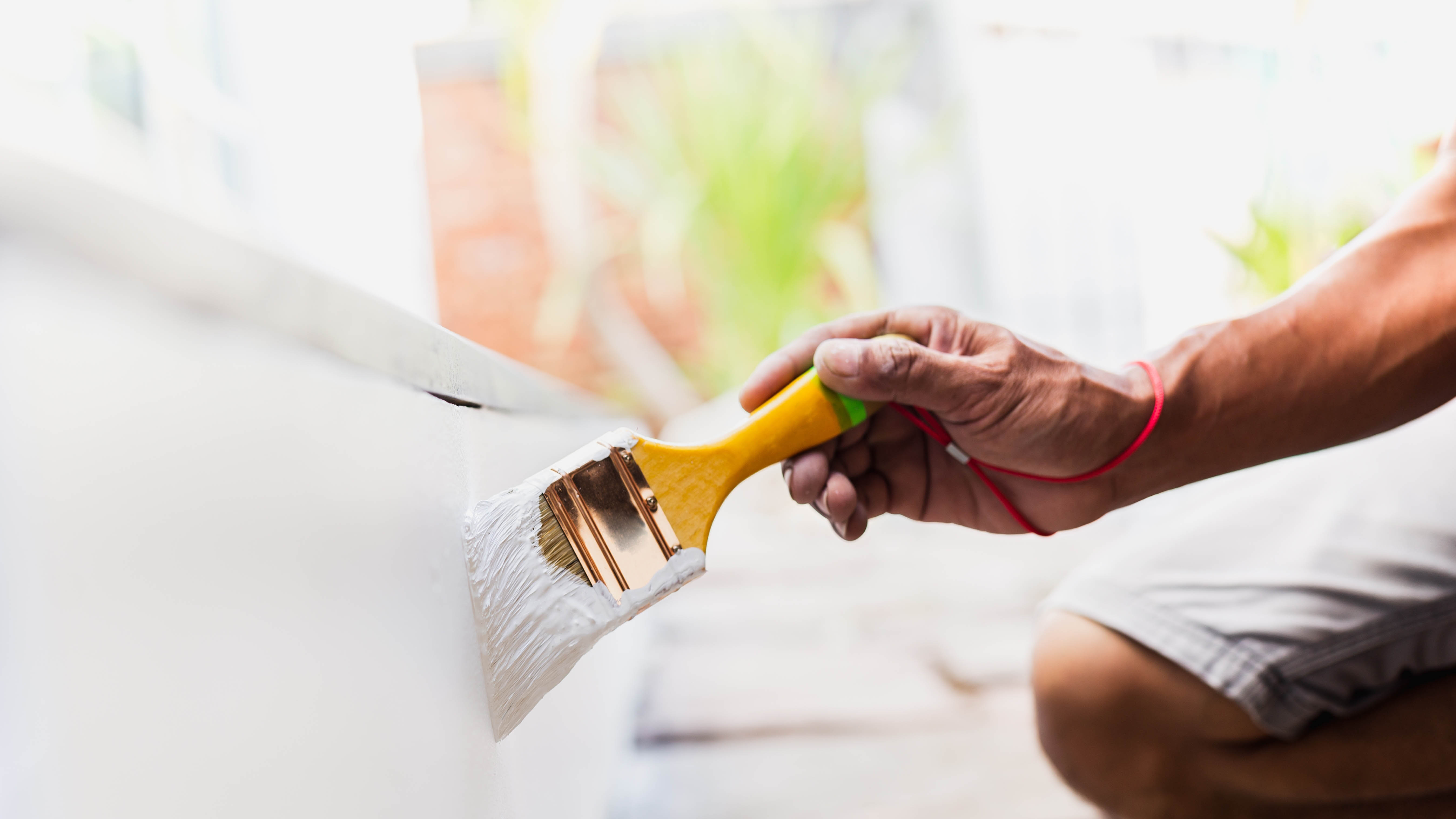
Decorating expert reveals this is the best time of year to paint your home

5 Exterior Paint Mistakes to Avoid If You Don't Want Your House to Become the Worst-Looking on the Street

Can you use interior paint outside? Paint professionals give their expert verdict

The Best Exterior House Paint Colors for Hot and Cold Climates
Exterior Paint | Outdoor Painting & Decorating

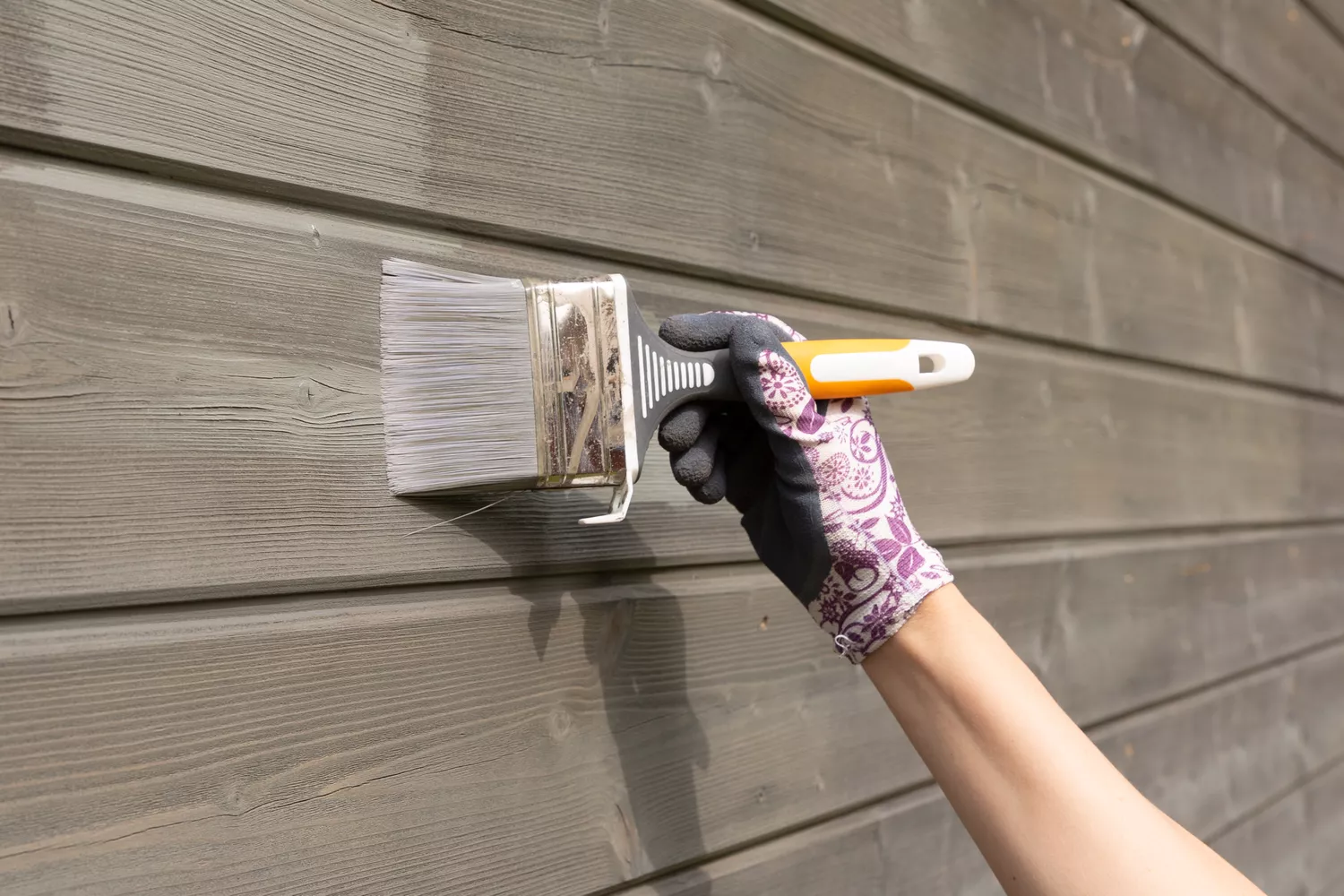
Don't Wait Much Longer—This Is the Best Time of Year to Paint a House, Reno Pros Say

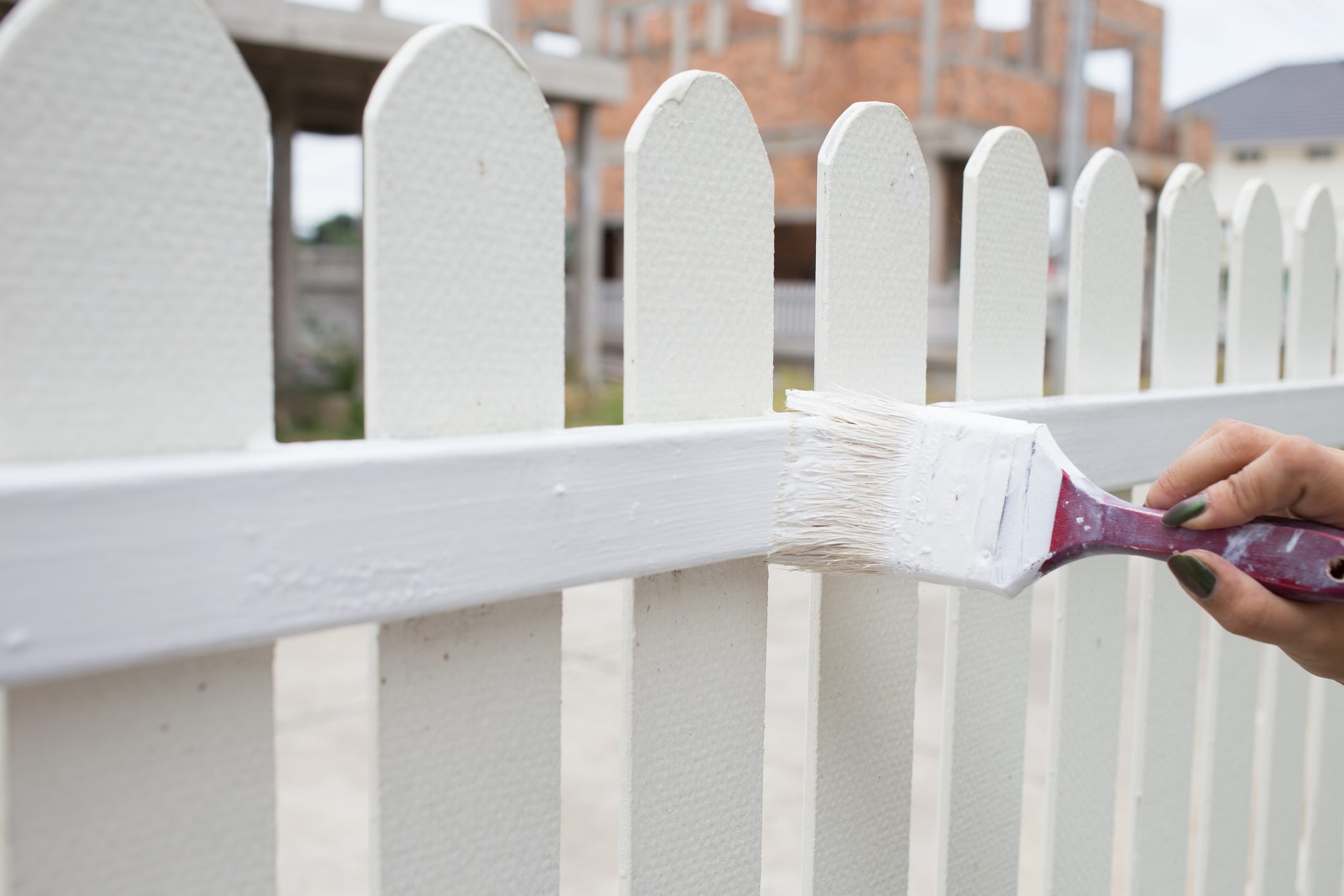
7 Best Paints for an Outdoor Fence

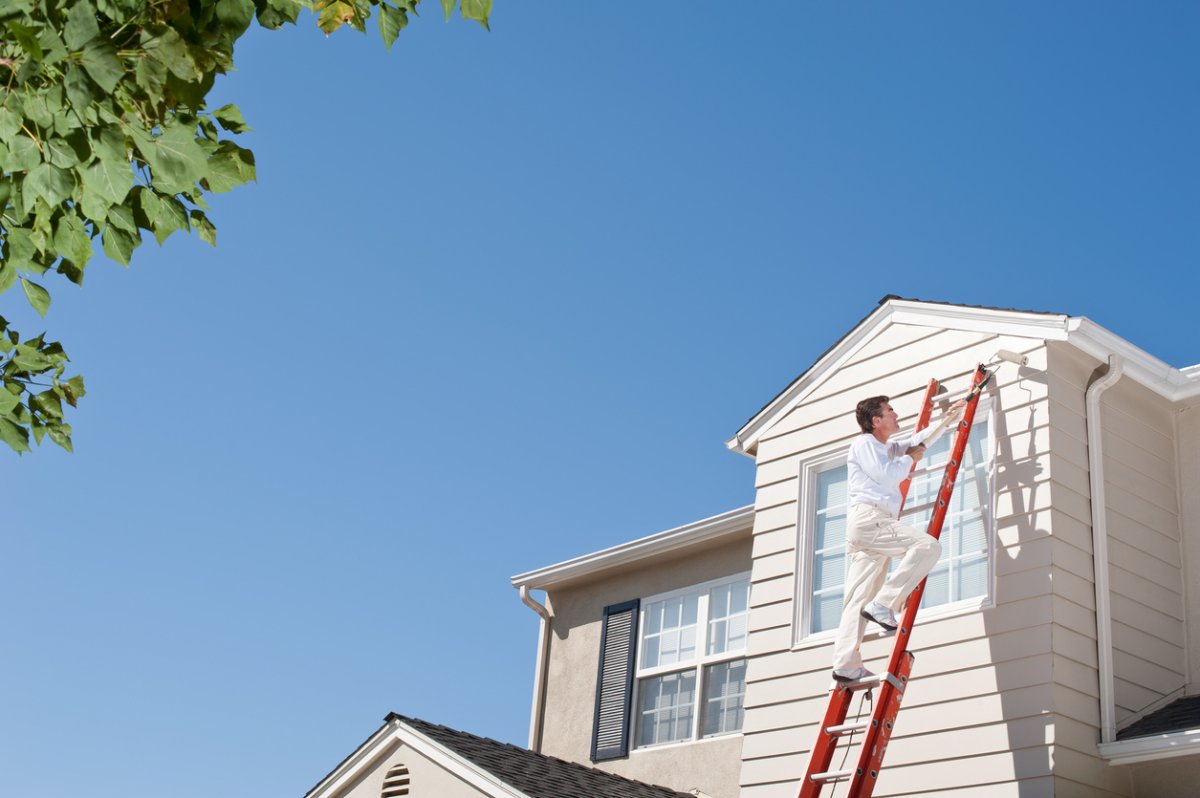
The Best Exterior House Paint Colors for Hot and Cold Climates

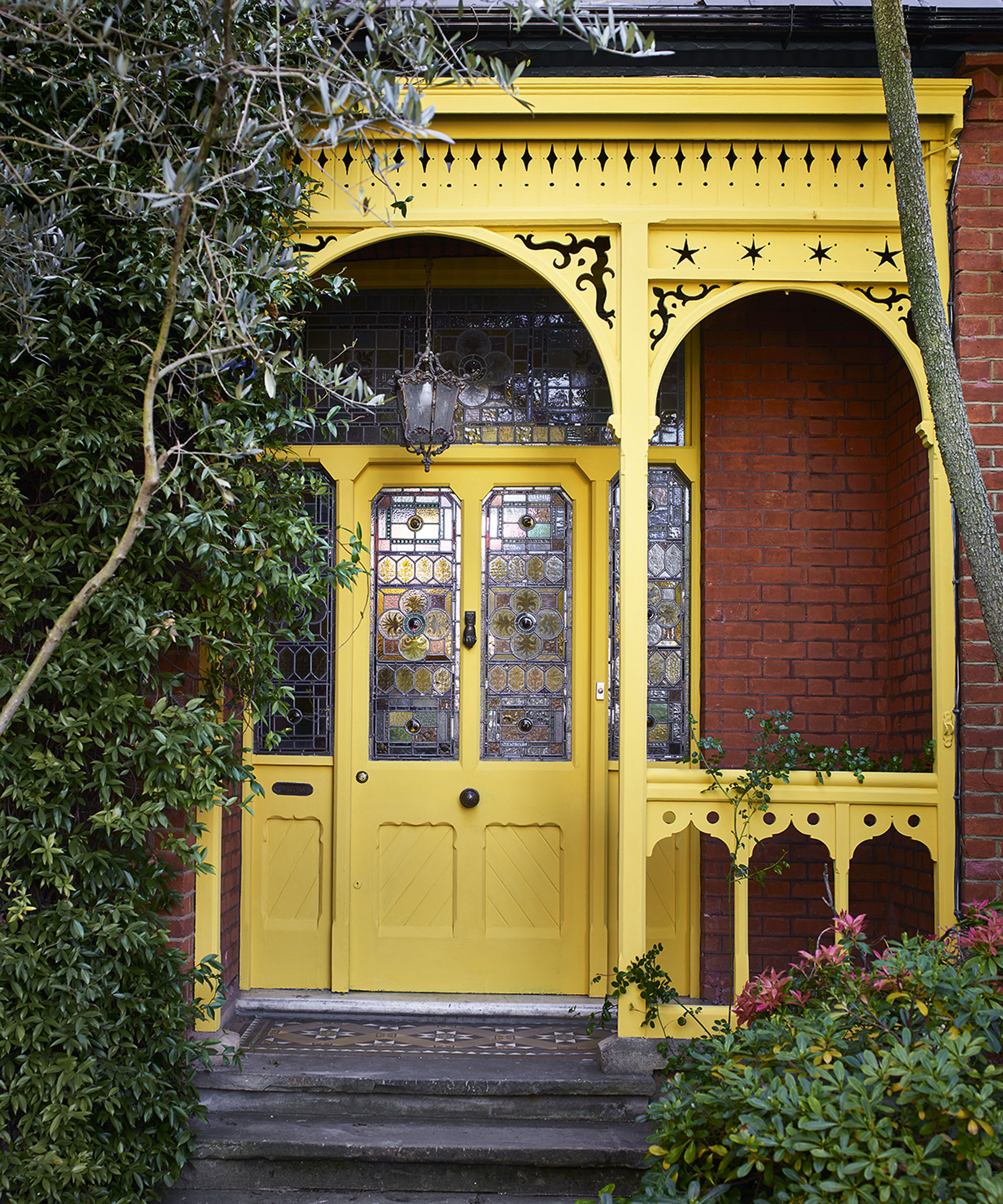
Is it an okay temperature to paint outside? Why it might be too cold to decorate your home's exterior right now
6 Best Exterior Paints for Your Home, According to Experts

The best exterior paints to transform a rundown garden in a weekend
What Is the Best Temperature to Paint Outside?
How to choose the best exterior paint for doors and windows
Best exterior wood paint 2020

Exterior paint trends 2025 – 8 stylish color ideas for the outside of your home

The best time to paint a house exterior, according to pros
How often to paint a house – and three things that impact longevity
The Best Exterior Paint Colors Designers Have Ever Used

Story from Arizona Painting Company: Strategies for painting in Arizona’s hot, dry weather