Should You Paint Inside if It’s Humid Out? Here's What the Experts Say
The success of interior painting projects is significantly influenced by external weather conditions, particularly humidity. While many consider indoor painting immune to such factors, high humidity can negatively impact various aspects of the paint job, including drying time, adhesion, paint quality, and even lead to mold growth. Understanding these effects and implementing preventative measures are crucial for achieving a durable and aesthetically pleasing finish.
High humidity substantially extends the drying time of paint, making the process sluggish. This delay can lead to an uneven finish if different sections are painted at varying humidity levels throughout the day. Moreover, prolonged drying times increase the risk of paint runs, especially if the paint is applied too thickly, requiring additional preparation work before subsequent coats. Beyond just drying, humidity compromises the paint's ability to adhere properly to surfaces. When humidity levels are too high, the paint's adhesion capacity is reduced or even eliminated, making it difficult for additional coats to bond and potentially causing the paint to peel or flake prematurely.
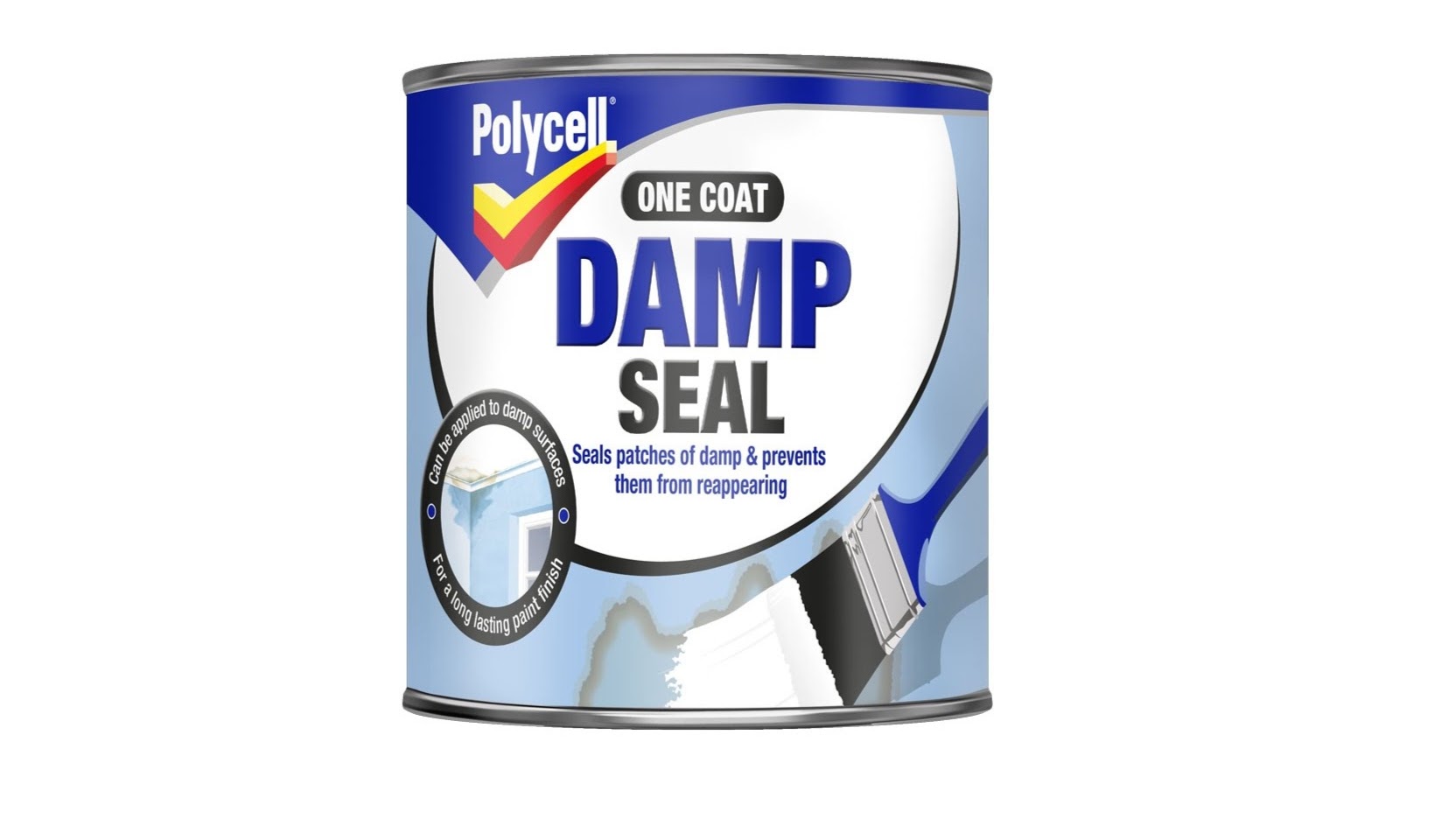
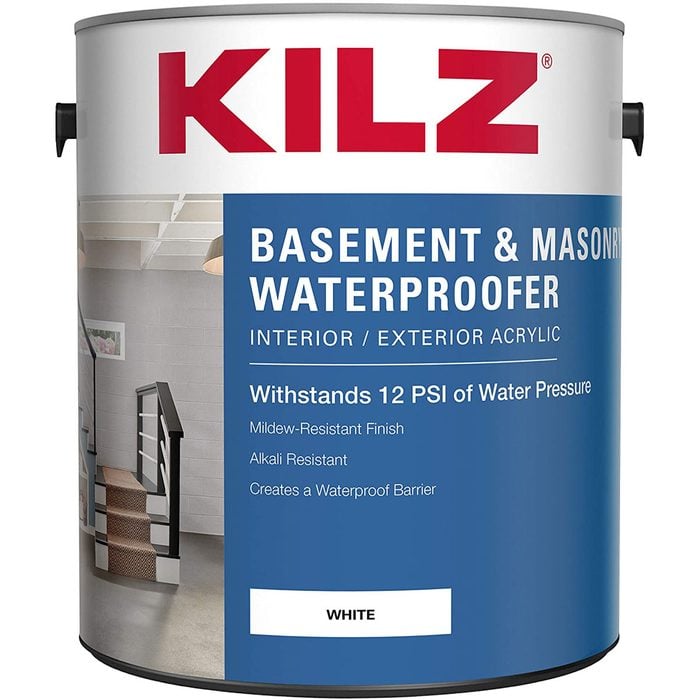
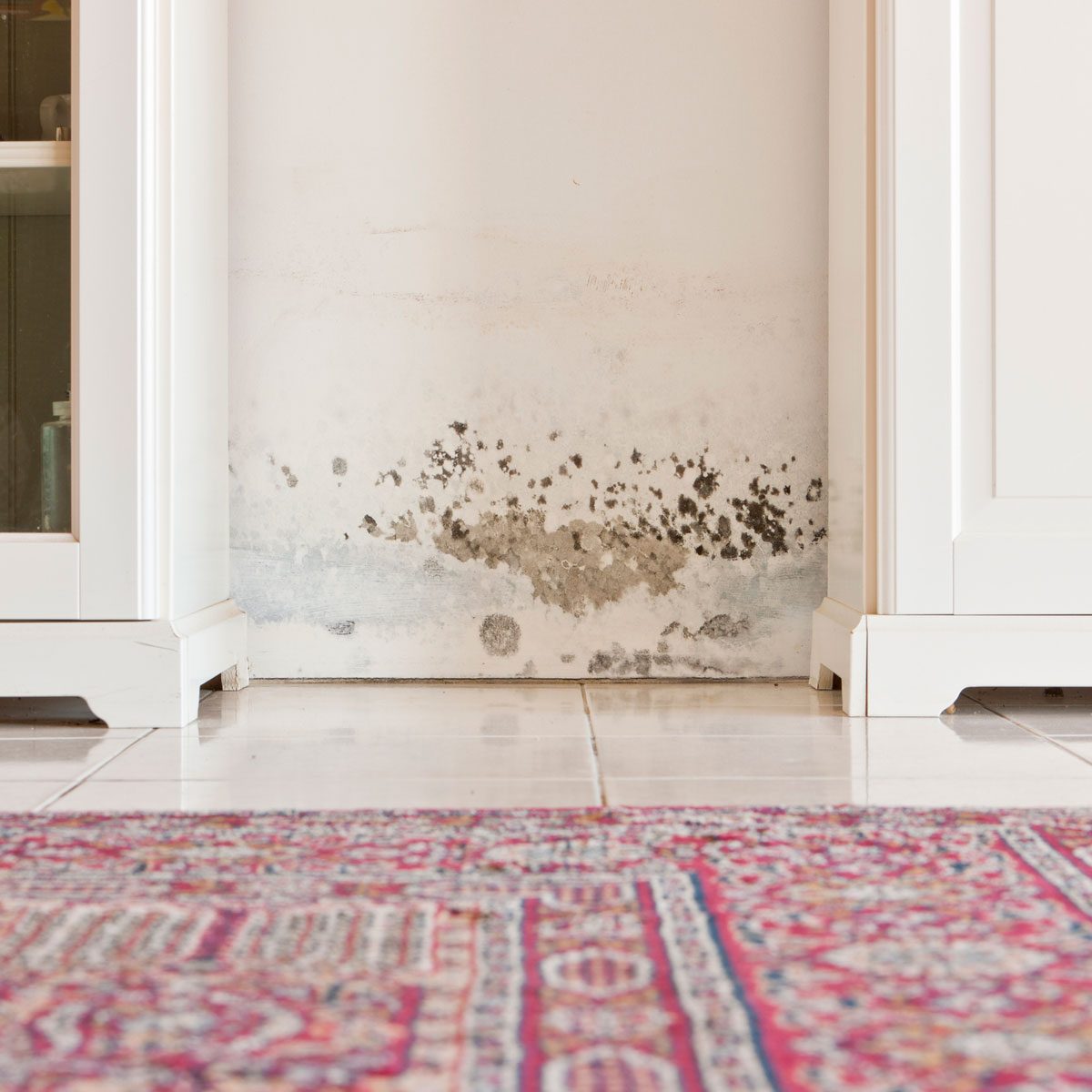
A significant concern when painting in humid conditions is the increased susceptibility to mold and mildew. High humidity generally fosters mold growth, and if paint is applied in such an environment, mold spores can become embedded within the paint layers, leading to a ruined finish. Even if initial application seems successful, the long-term effects of high humidity can manifest as cracking, blistering, flaking, stripping, and peeling of the paint. These issues can affect localized areas or the entire painted surface, depending on the conditions and the type of paint used. Furthermore, high humidity can cause leaching of colors or chemicals from underlying primer or paint layers, resulting in splotchy discoloration.
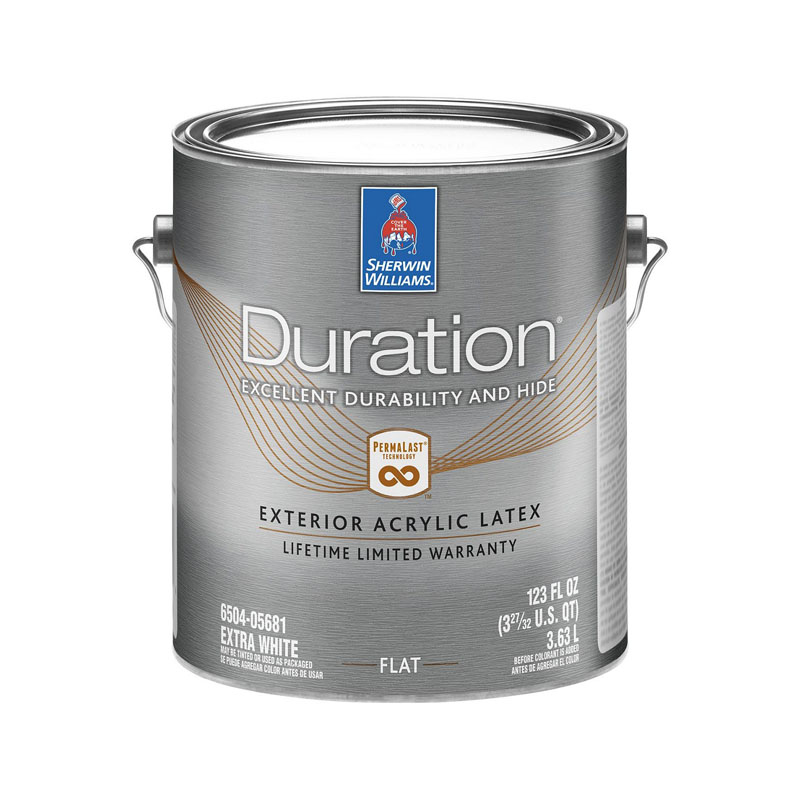
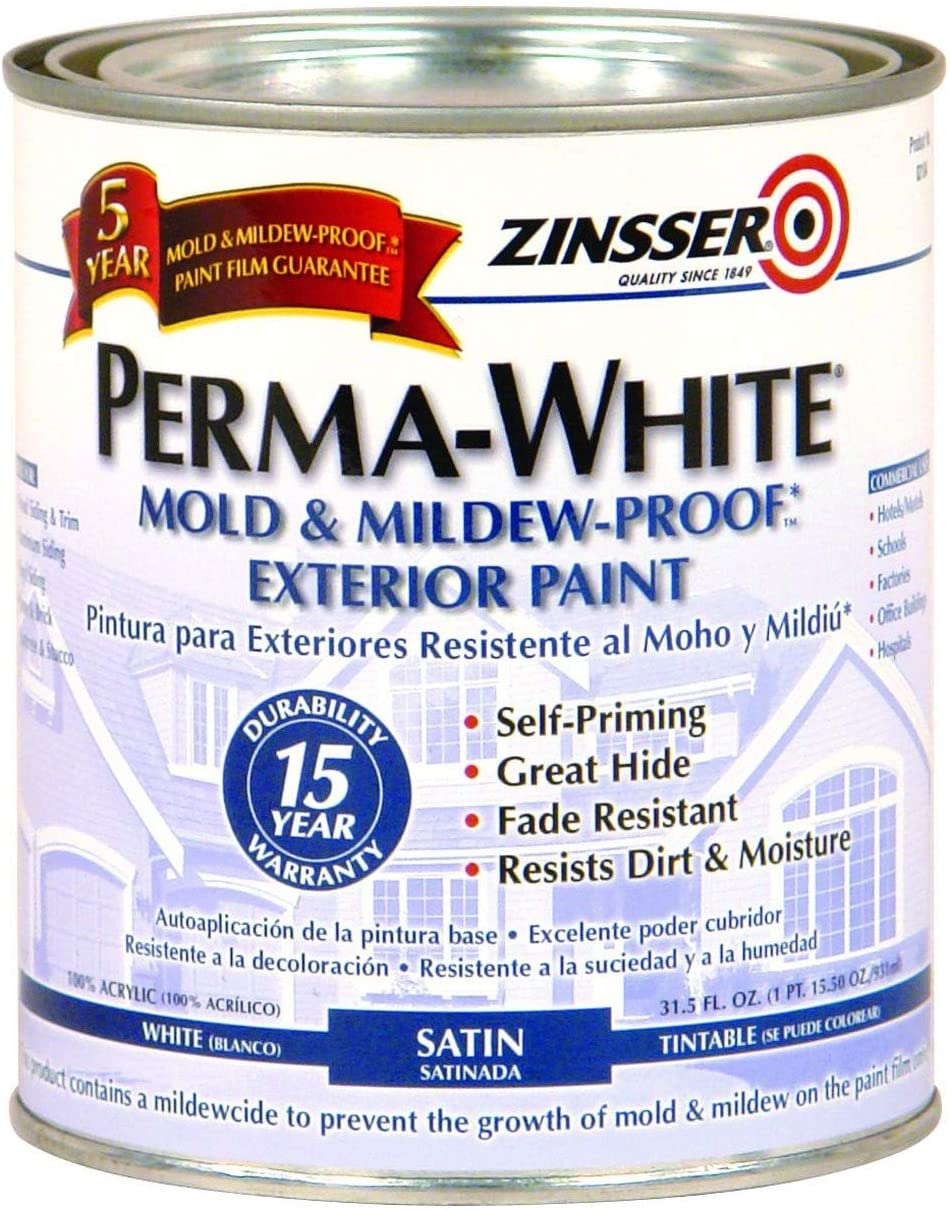
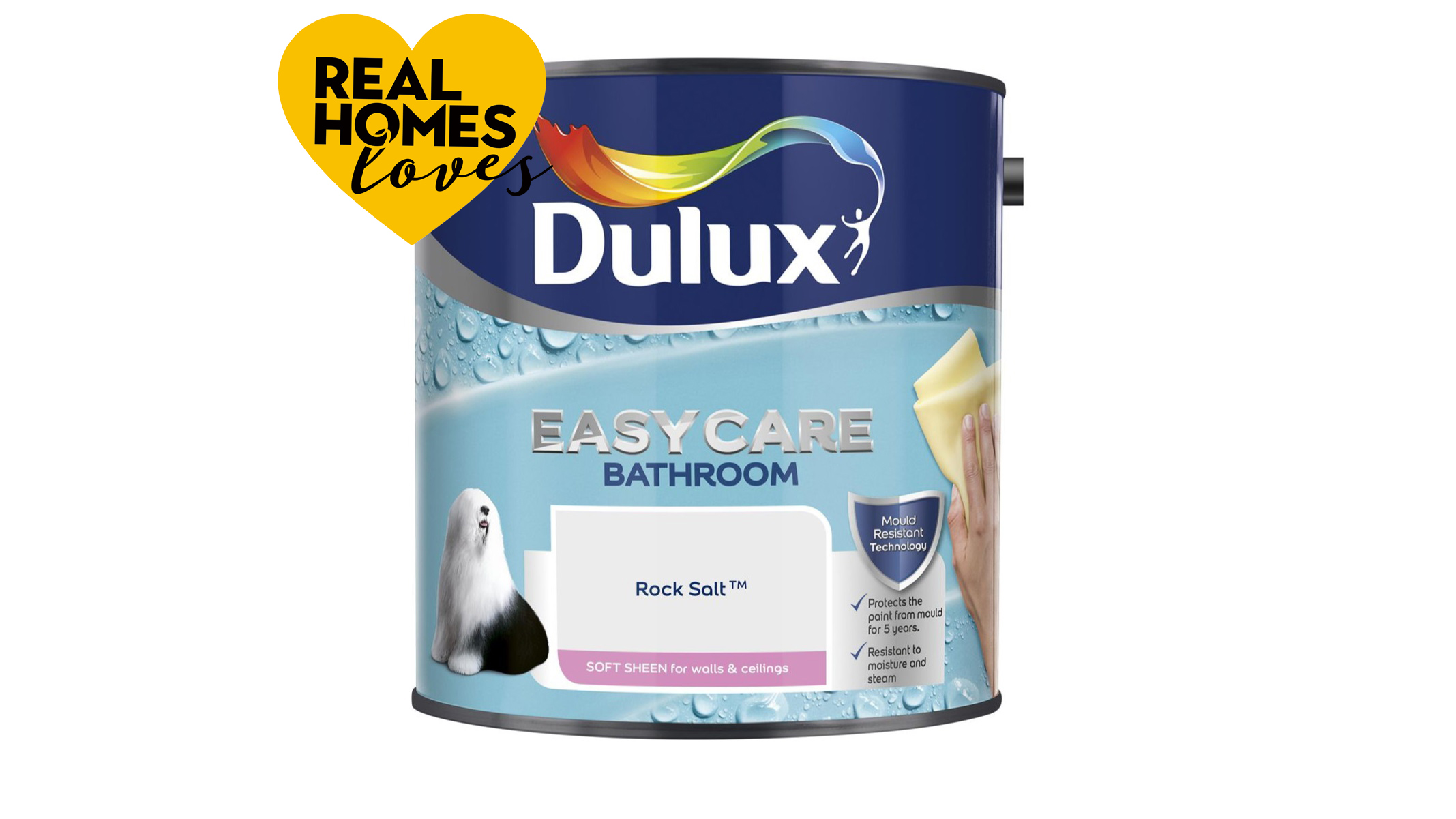
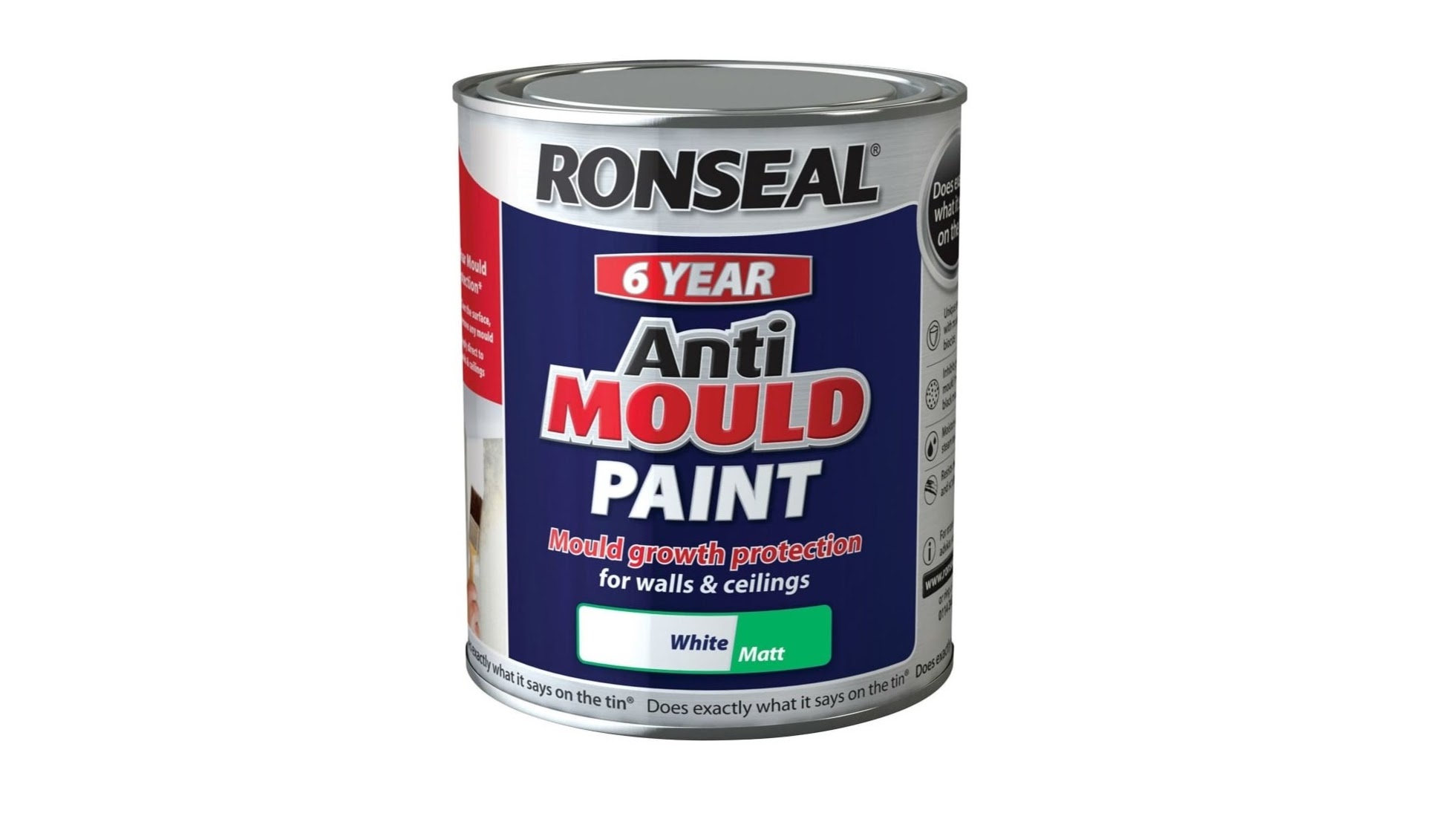
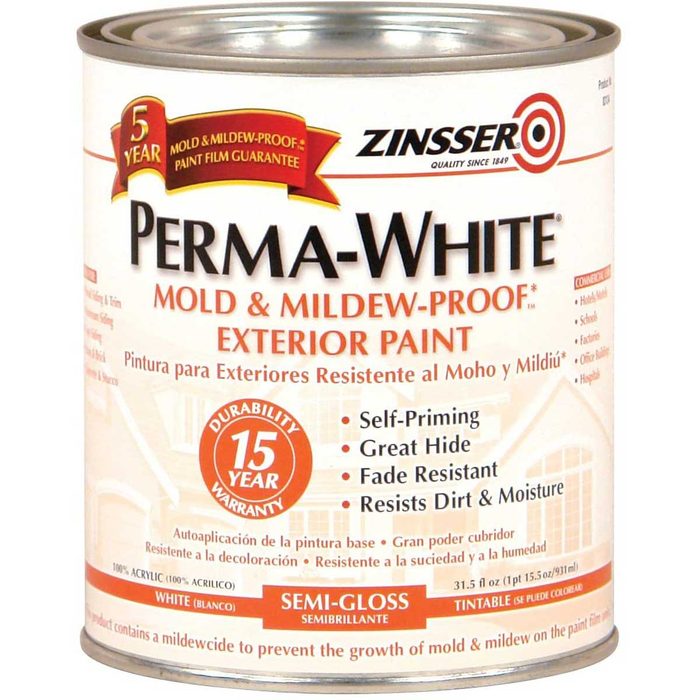
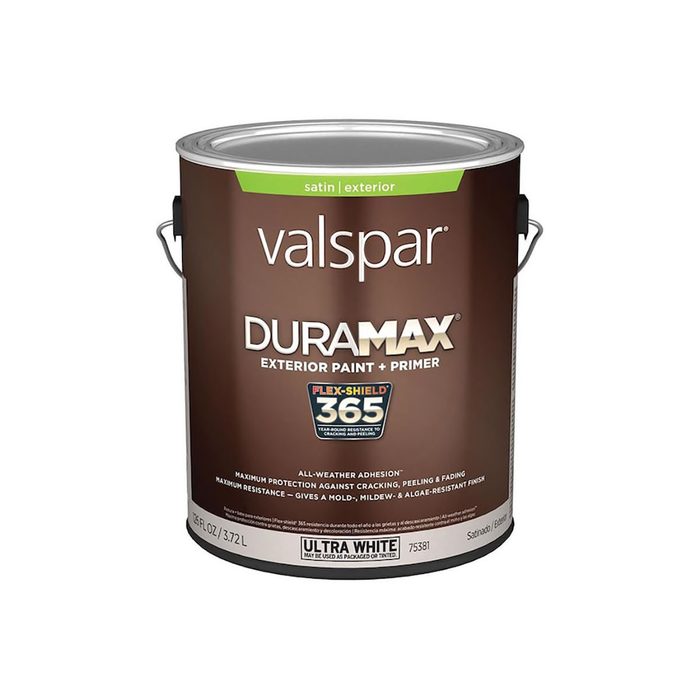
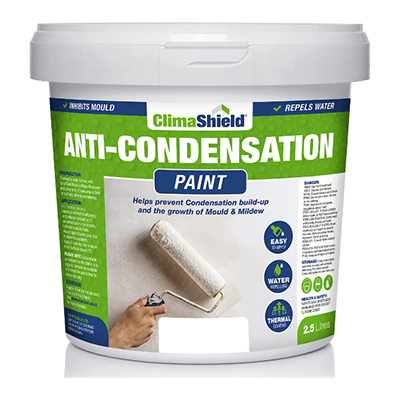
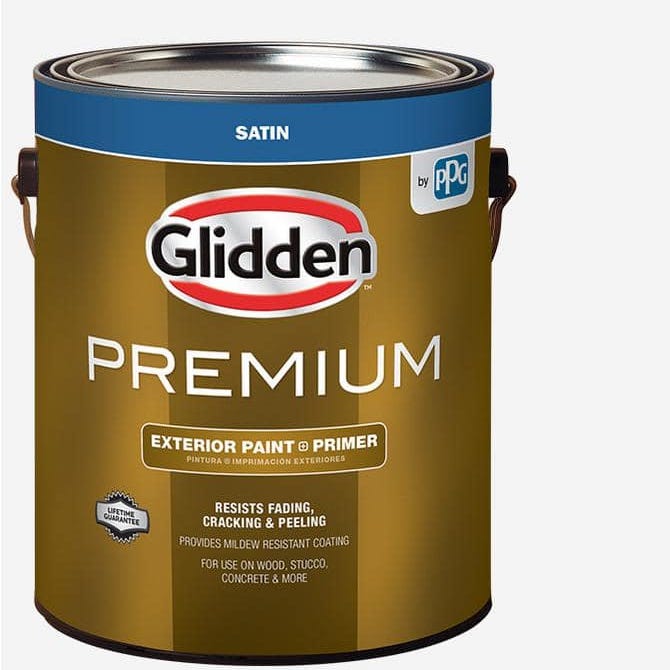
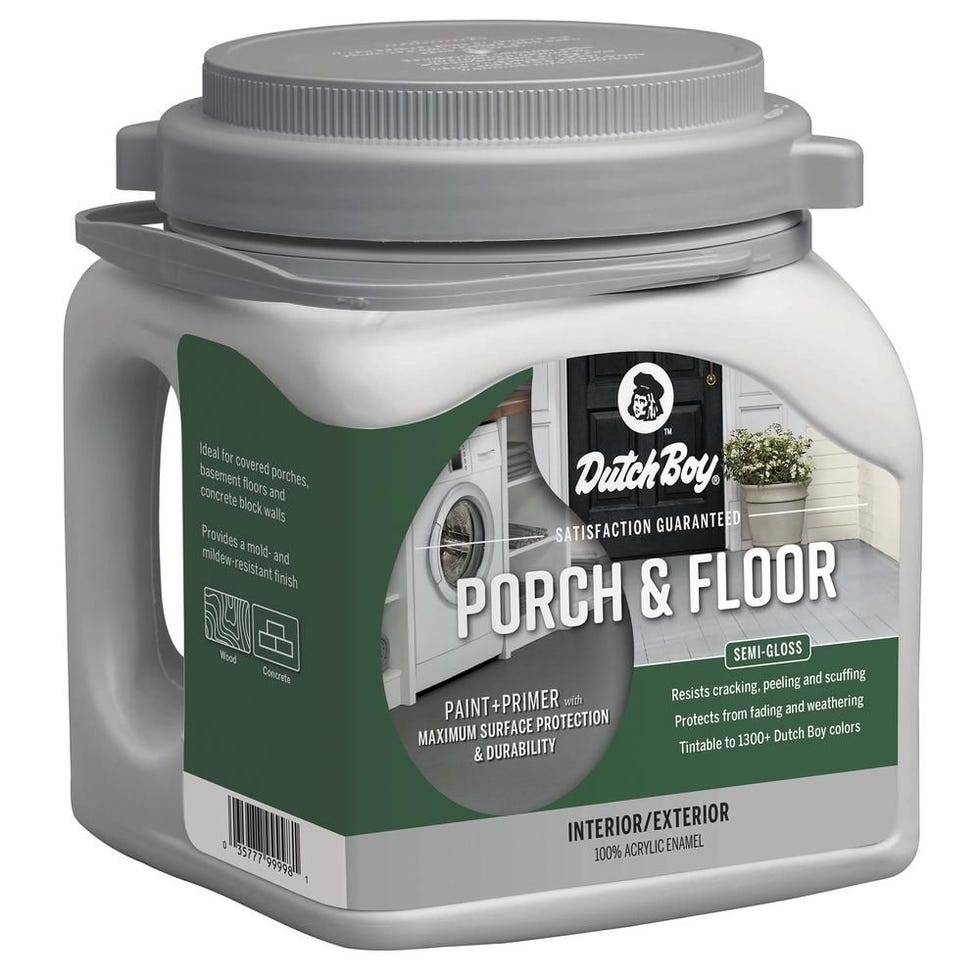
To mitigate these problems, selecting the appropriate type of paint is essential. Finishes like high gloss, semi-gloss, and satin are more resistant to humidity compared to flat paints, which tend to absorb moisture. Specialized paints designed to inhibit mold and mildew growth are also available, though they might be more expensive. Regardless of the paint choice, adhering to the manufacturer's recommended temperature and humidity guidelines is vital. Utilizing a moisture meter can provide accurate readings of indoor humidity and water vapor, helping to determine if conditions are suitable for painting. Experts suggest an ideal environment of 77°F at 50% relative humidity.
Eliminating humidity from the painting area before starting and maintaining a controlled environment during and after the painting process is paramount. Using central air conditioning can help regulate temperature and humidity, but care must be taken to prevent dust and debris from settling on wet paint. Dehumidifiers are highly effective in removing excess moisture from the air, significantly improving the quality and longevity of the paint job. It is also advisable to check walls for any existing moisture build-up. Ultimately, if environmental conditions are not ideal, postponing the painting project is the most prudent course of action to avoid potential issues and ensure a successful outcome.
#HomeImprovement #InteriorPainting #HumidityEffects #PaintAdhesion #MoldPrevention #DryingTime #HomeRenovation #PaintSelection #DehumidifierUse #HomeImprovement #InteriorPainting #HumidityEffects #PaintAdhesion #MoldPrevention #DryingTime #HomeRenovation #PaintSelection #DehumidifierUse
0 comment in total
 No comments yet
You may also like
Decorating expert reveals this is the best time of year to paint your home

5 Exterior Paint Mistakes to Avoid If You Don't Want Your House to Become the Worst-Looking on the Street

Bathroom paint - the ultimate guide to the right colors and finishes for walls, ceilings and radiators
You Should Paint Your Home's Exterior Right Now, a Pro Says—Here's Why

The best time to paint a house exterior, according to pros

The Best Exterior Paints for Every Outdoor Surface

Professional painters reveal how to make paint dry faster – without compromising on quality
These Master Tips Will Help You Avoid Choosing The Wrong Type Of Paint
How often to paint a house – and three things that impact longevity
Can You Use Interior Paint Outside? Pros Say It's Not Worth Your Time — Here's Why

When you should and shouldn't paint your ceiling, according to interior designers

What paint finish should you use in a bathroom? Experts agree this is the best finish for a high humidity space

Can you use interior paint outside? Paint professionals give their expert verdict

Best bathroom paints: 6 moisture resistant paints

The Best Exterior House Paint Colors for Hot and Cold Climates
6 Best Exterior Paints for Your Home, According to Experts

How to prolong the life of your paint job, according to painters and decorators
The best exterior paints to transform a rundown garden in a weekend
Best Mold- and Mildew-Resistant Paints for 2025

Don't Wait Much Longer—This Is the Best Time of Year to Paint a House, Reno Pros Say