1/5
Is open-plan living dead? Here's what the design experts say
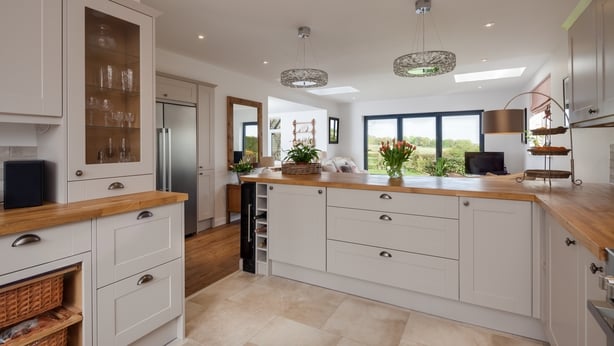
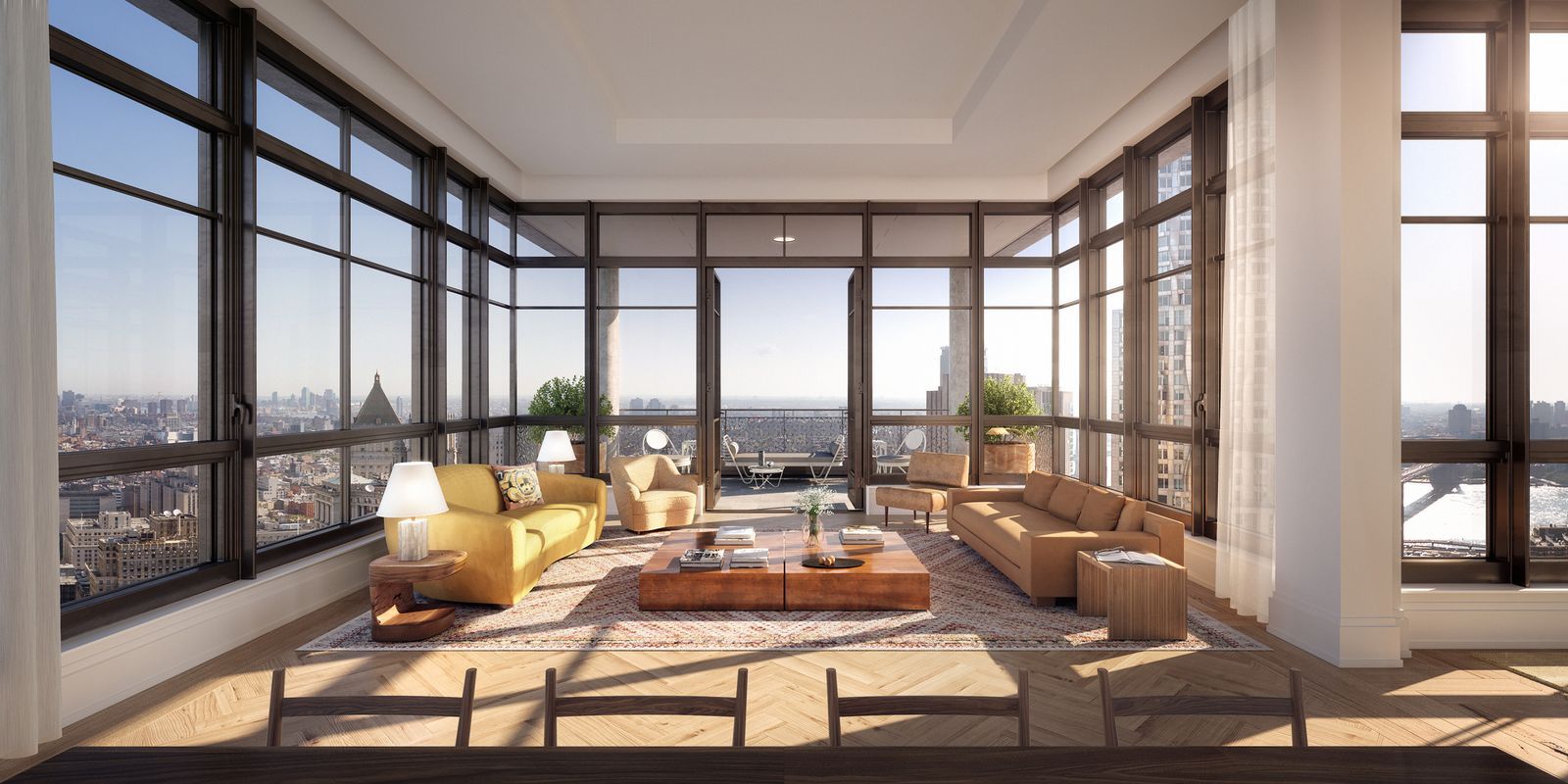
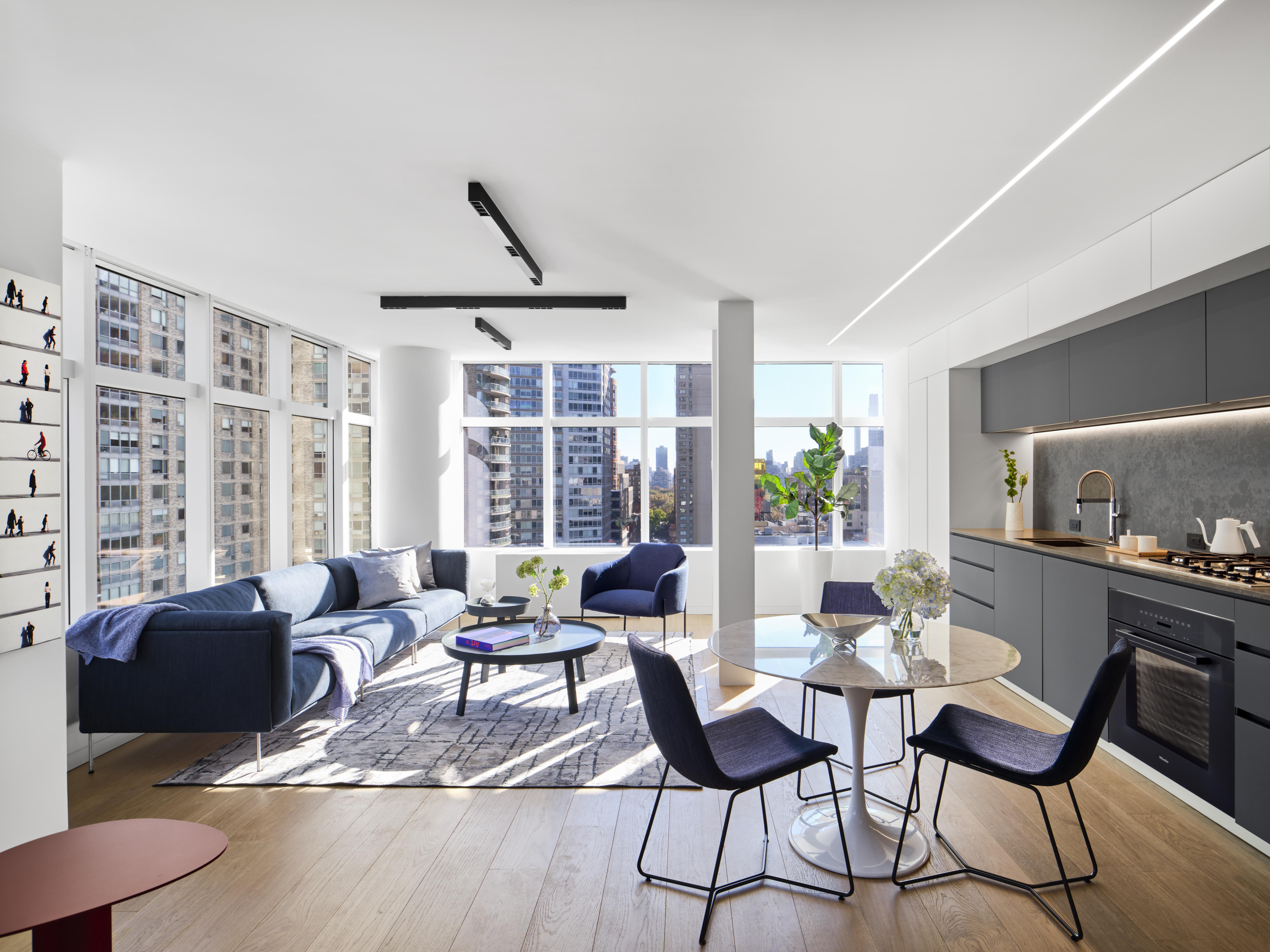
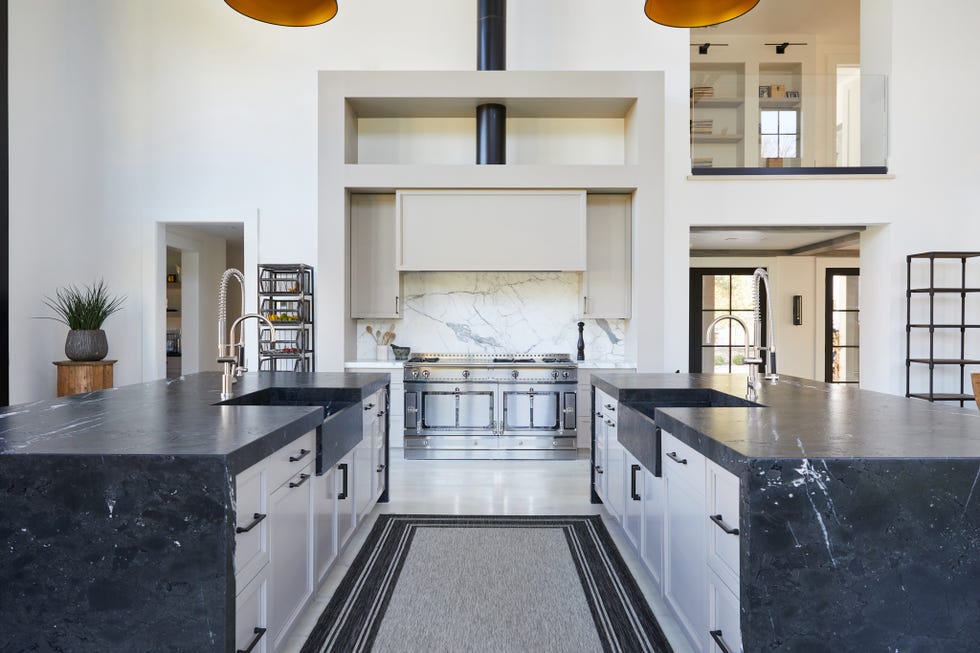
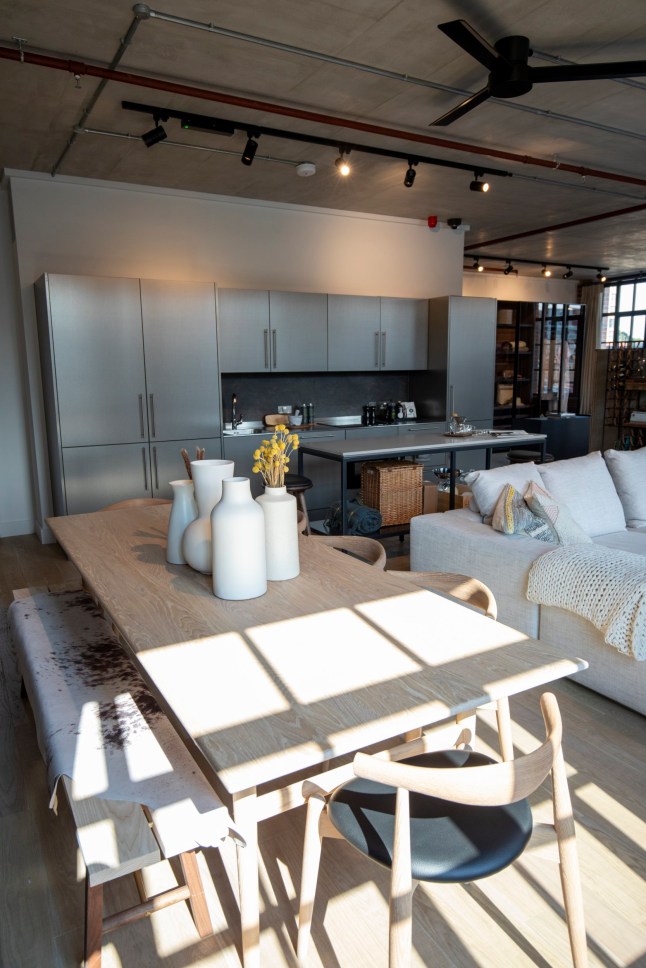
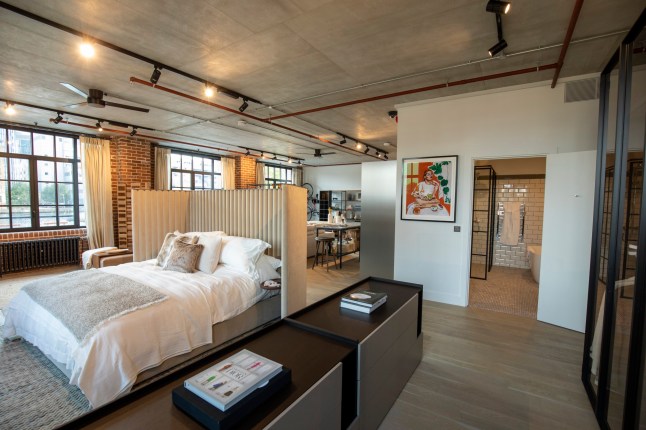
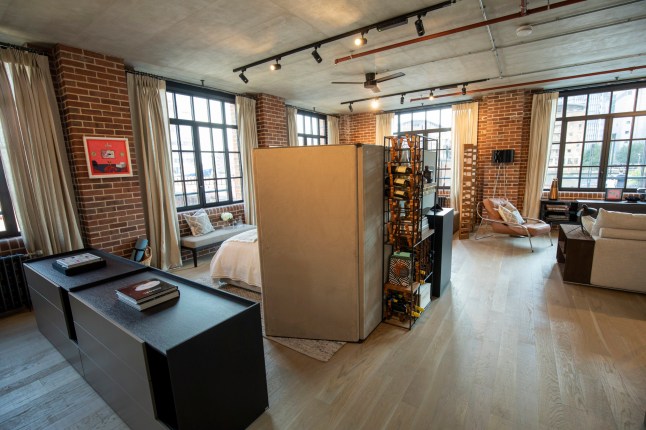
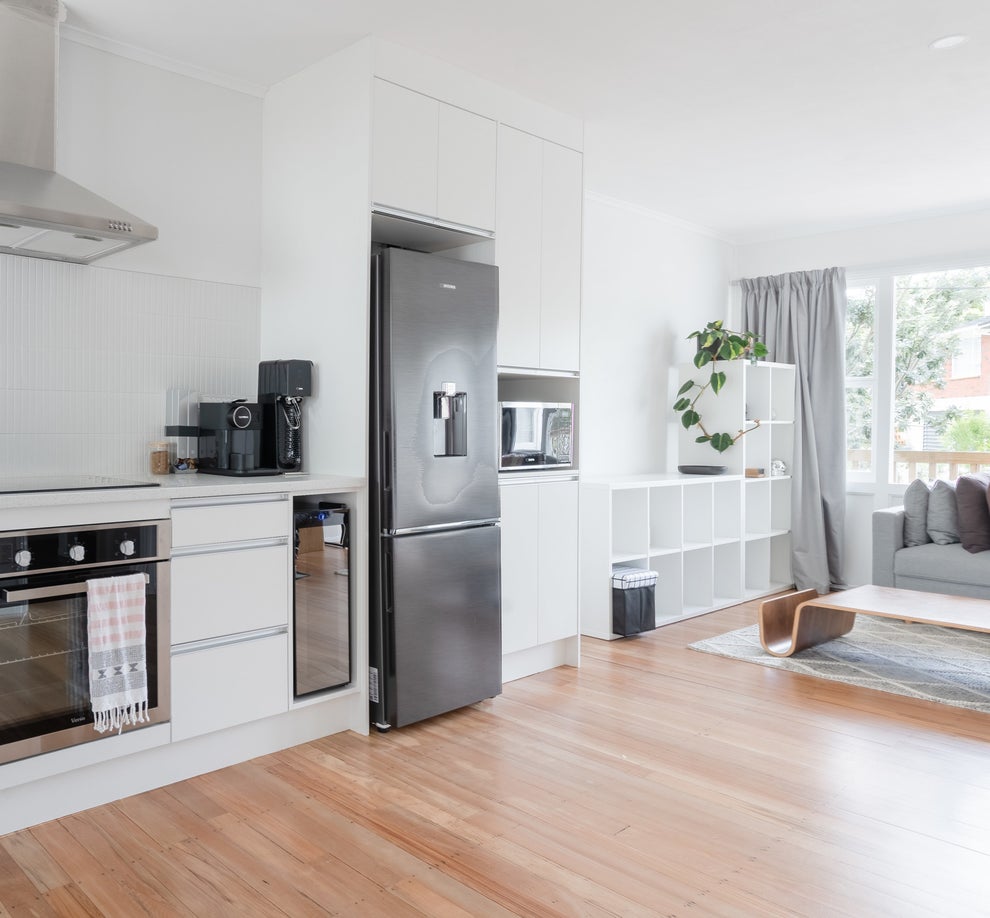
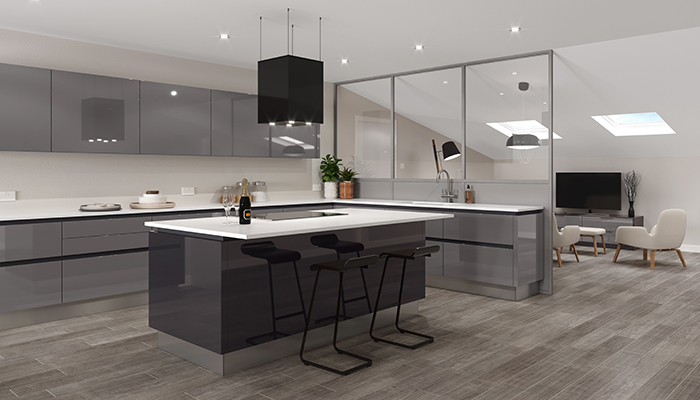
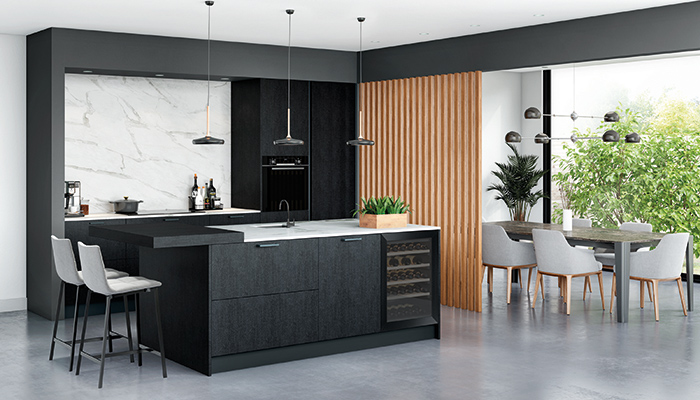
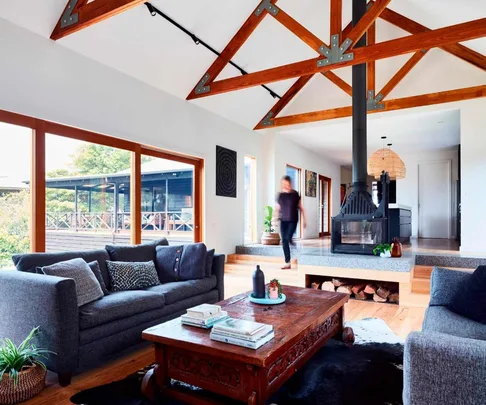
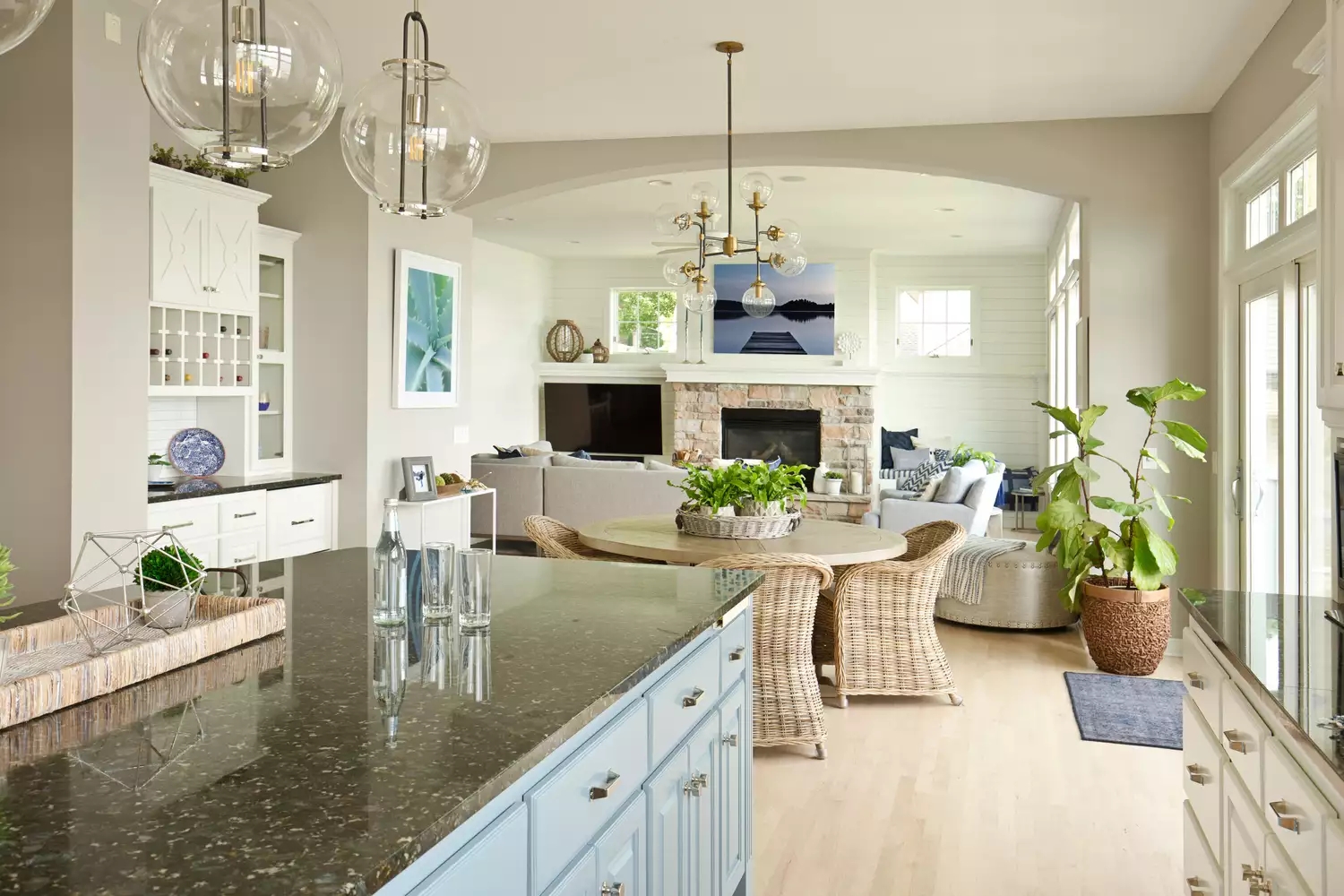
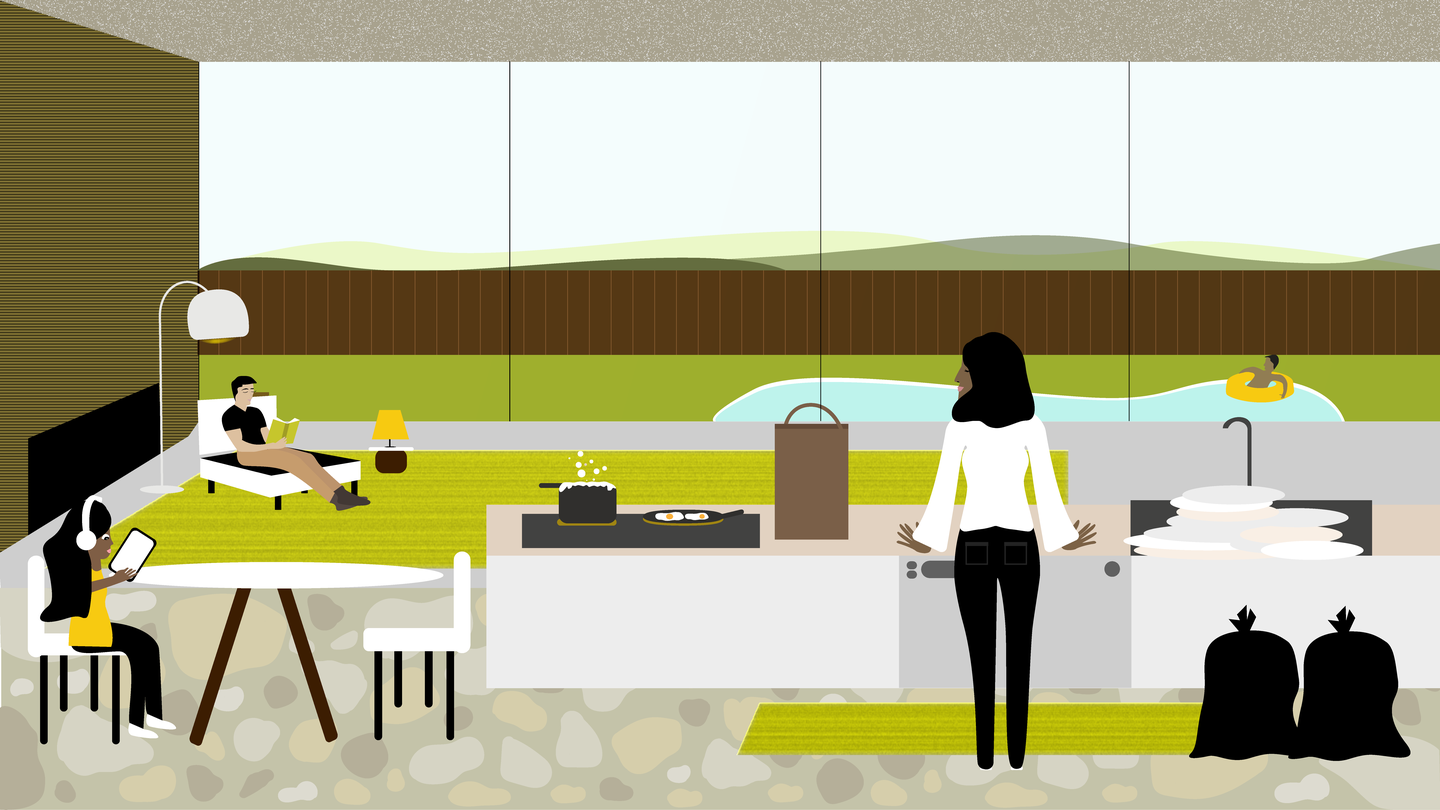
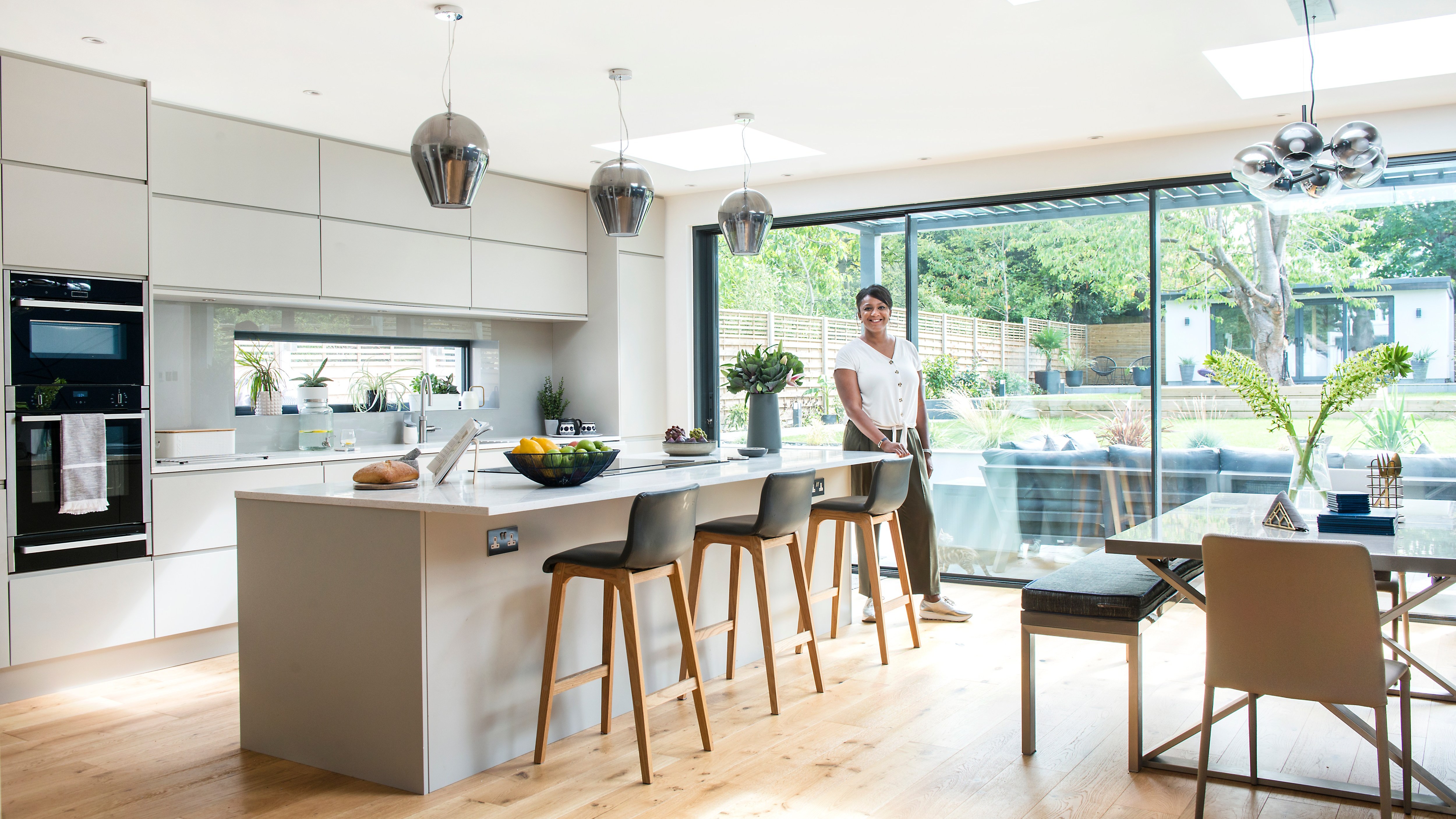
The COVID-19 pandemic significantly altered domestic living patterns, leading to increased time spent at home, often with extended family members. This shift has prompted a re-evaluation of the open-plan living concept, with many individuals and families now seeking more defined and private spaces within their homes. The traditional open-plan layout, characterized by large, combined kitchen, living, and dining areas, faces scrutiny as homes become multi-functional hubs for work, study, and leisure for diverse age groups.
A key factor influencing this re-evaluation is the rise of multi-generational living. According to a University of Melbourne report, young adults increasingly reside with their parents into their twenties, while many aging Australians also cohabitate with their families. This demographic trend means homes are often populated by individuals with varying needs and schedules, making the continuous open environment less conducive to privacy and individual pursuits. Architects, such as Andrew Benn of Benn & Penna, note a growing demand for multi-generational homes designed to support families emotionally and financially while also addressing the need for personal space.
Designing for multi-generational households presents specific challenges, particularly regarding privacy. Andrew Benn highlights that different generations often have established habits and preferences, making tailored separation crucial for harmonious cohabitation. For example, grandparents may require independence with regular contact and comfortably serviced, albeit smaller, spaces. In contrast, adult children might need more expansive areas but less direct interaction. This nuanced approach to spatial planning aims to balance communal living with individual autonomy.
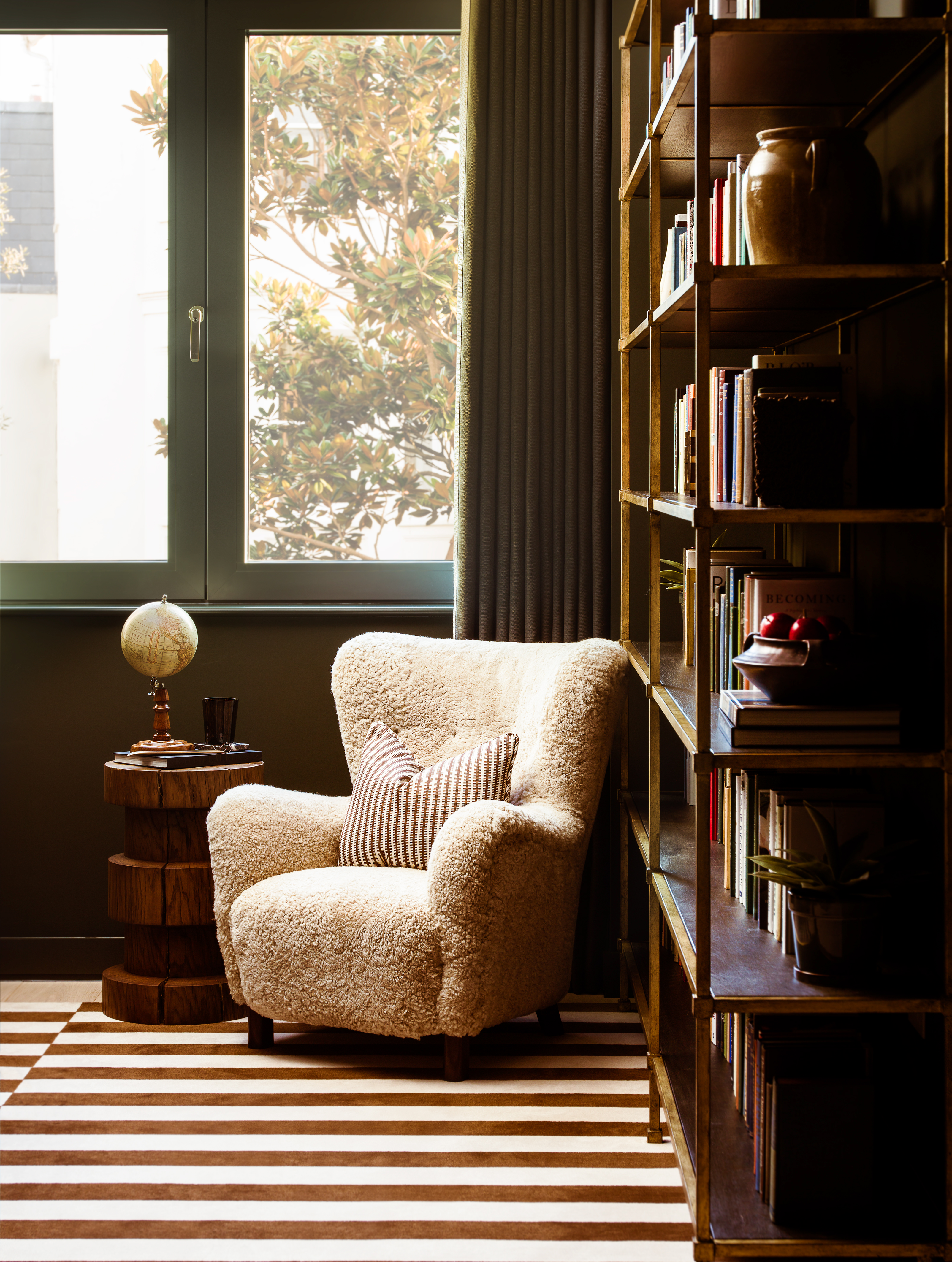
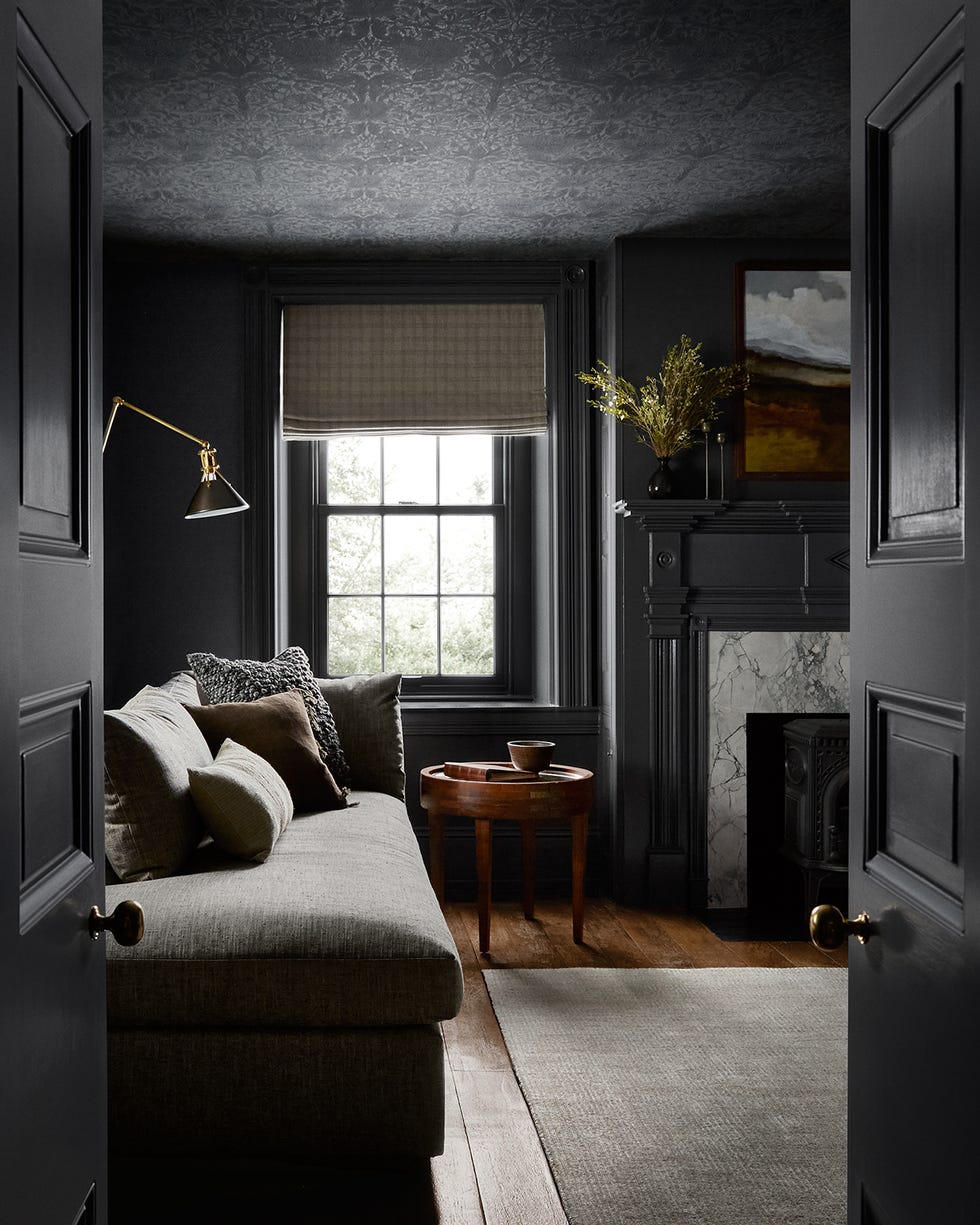
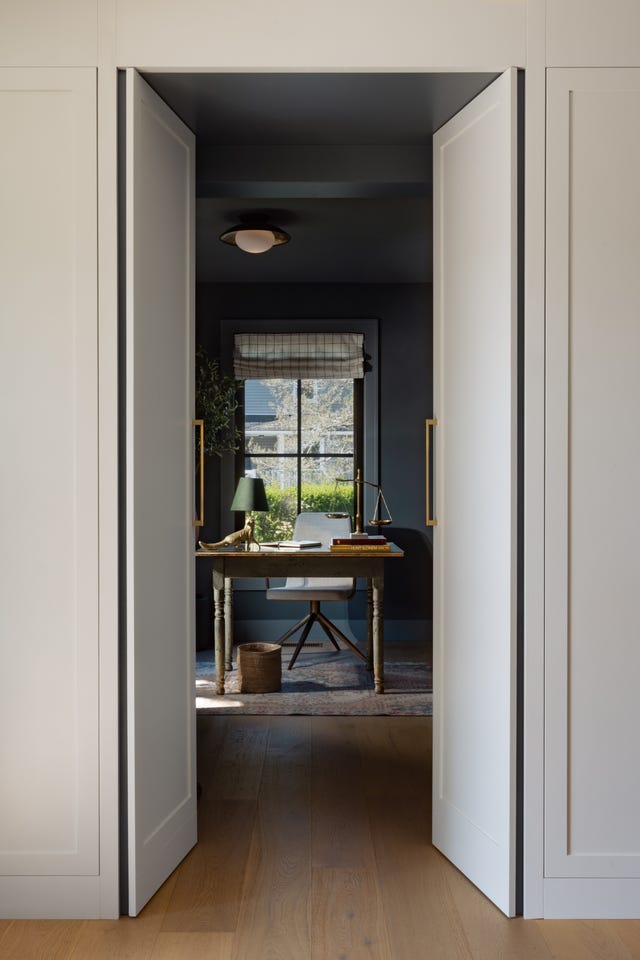
Another emergent trend is the increasing popularity of “escape rooms” – dedicated single-function spaces that offer retreat from the main living areas and family interactions. The pandemic fueled requests for specialized rooms like home offices, gyms, yoga spaces, and even “Zoom rooms” designed for video conferencing without disturbances. A U.S. survey of architects indicated a significant surge in demand for home offices between 2019 and 2020. Additionally, ancillary structures like pool houses, tennis pavilions, and accommodations above garages are gaining interest for their potential to serve as guest houses, home offices, or even sources of secondary rental income.
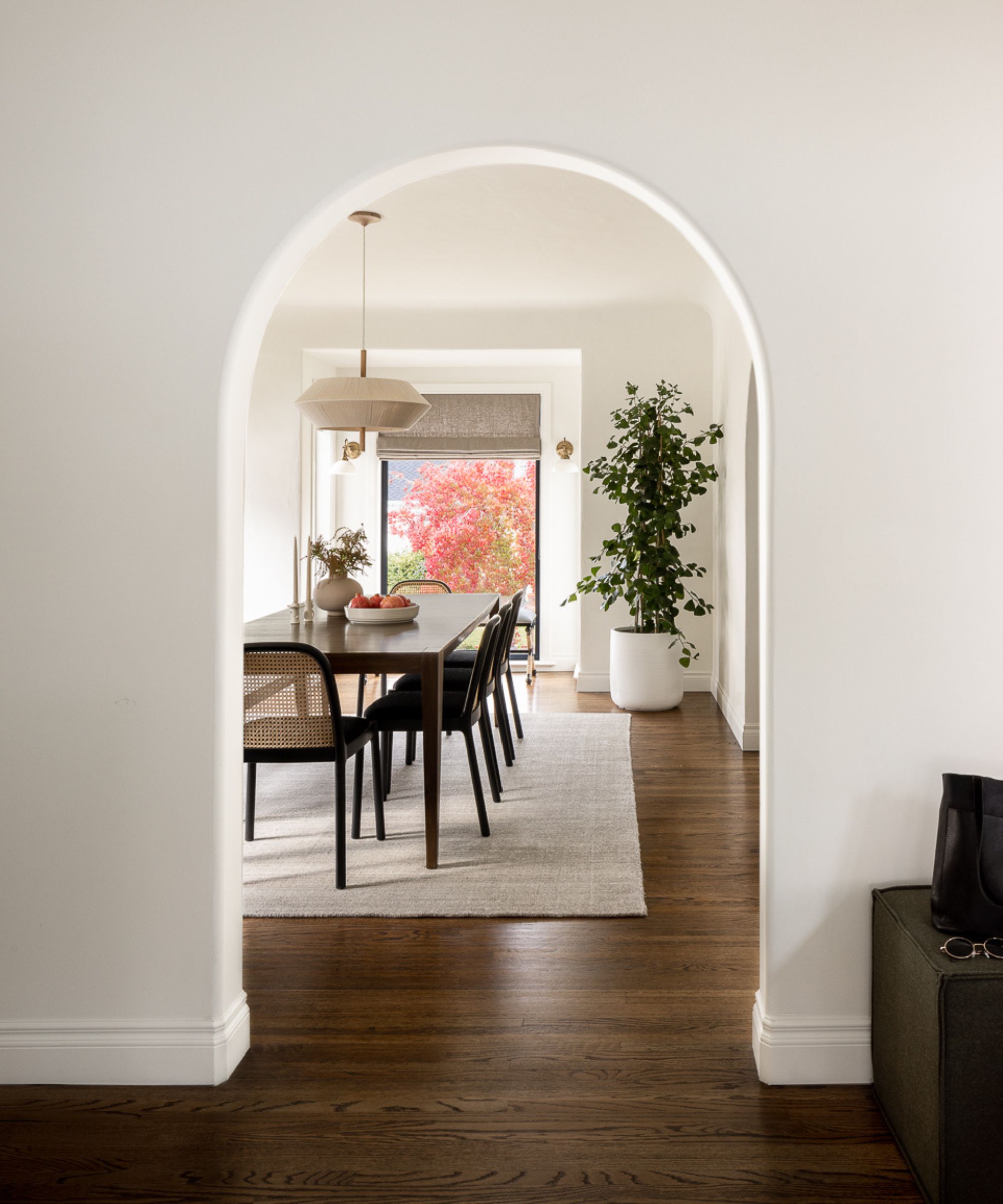
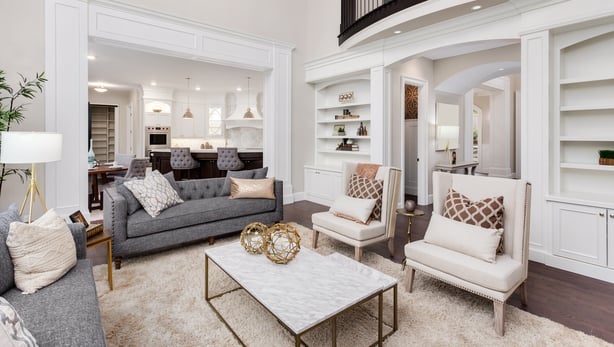
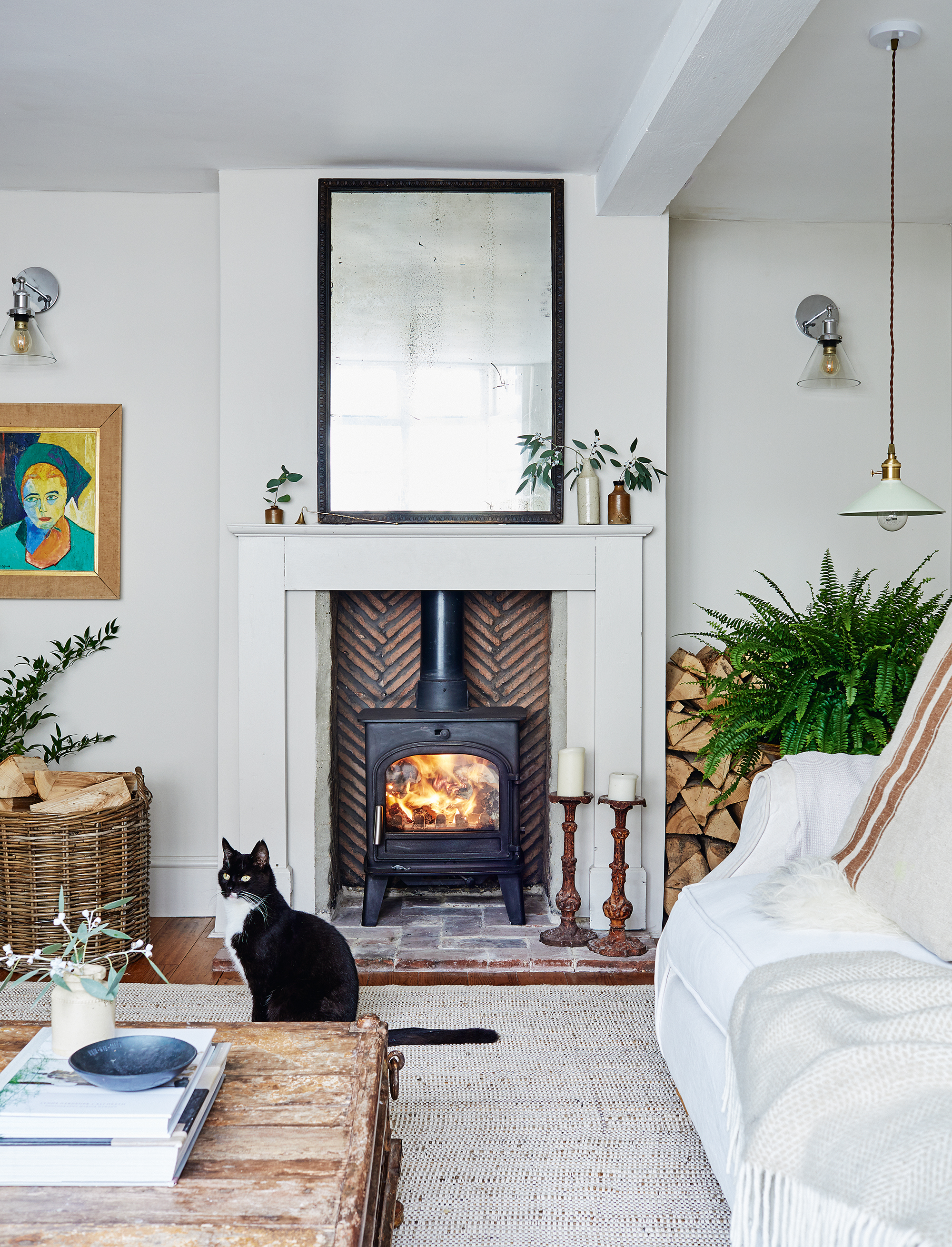
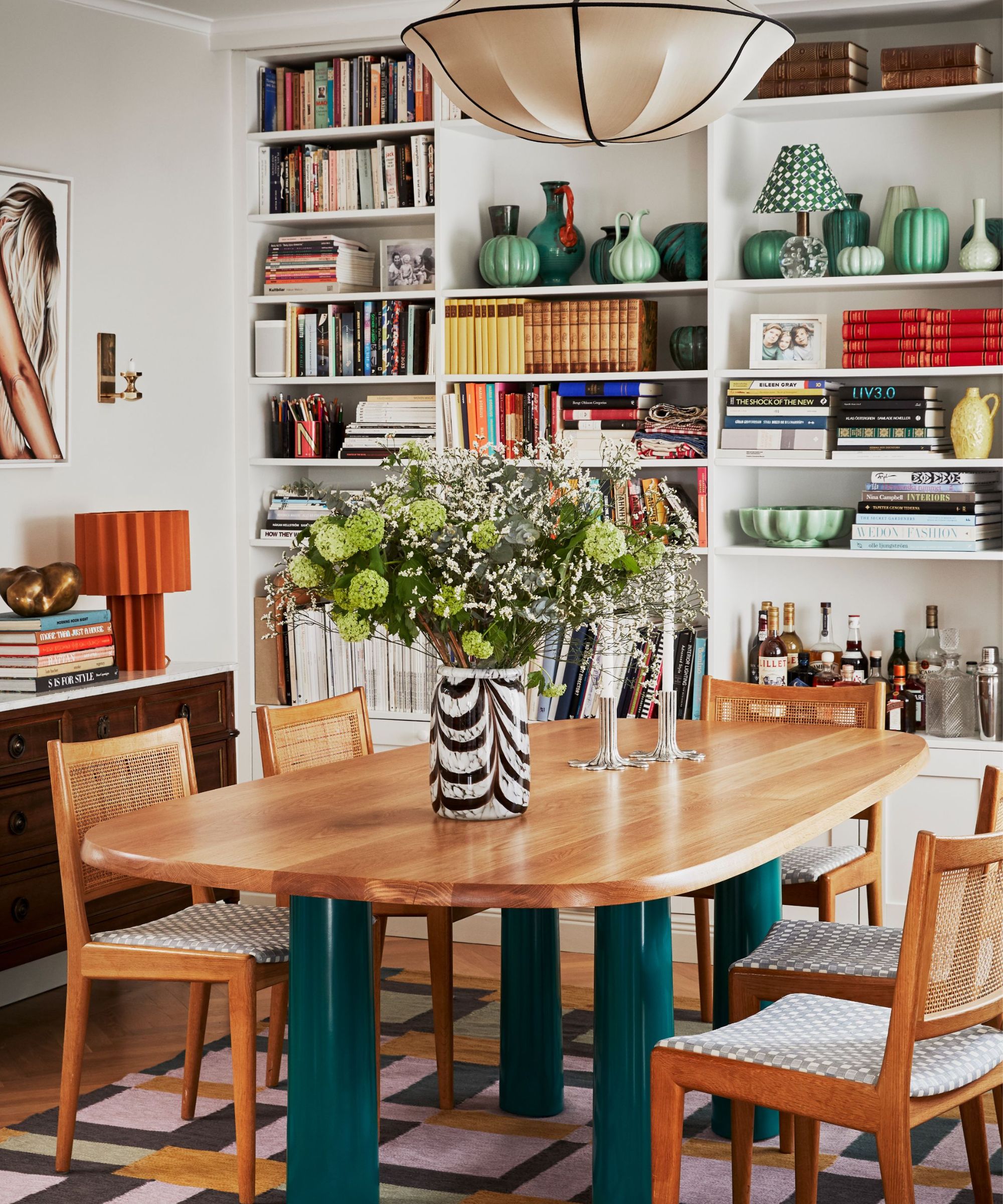
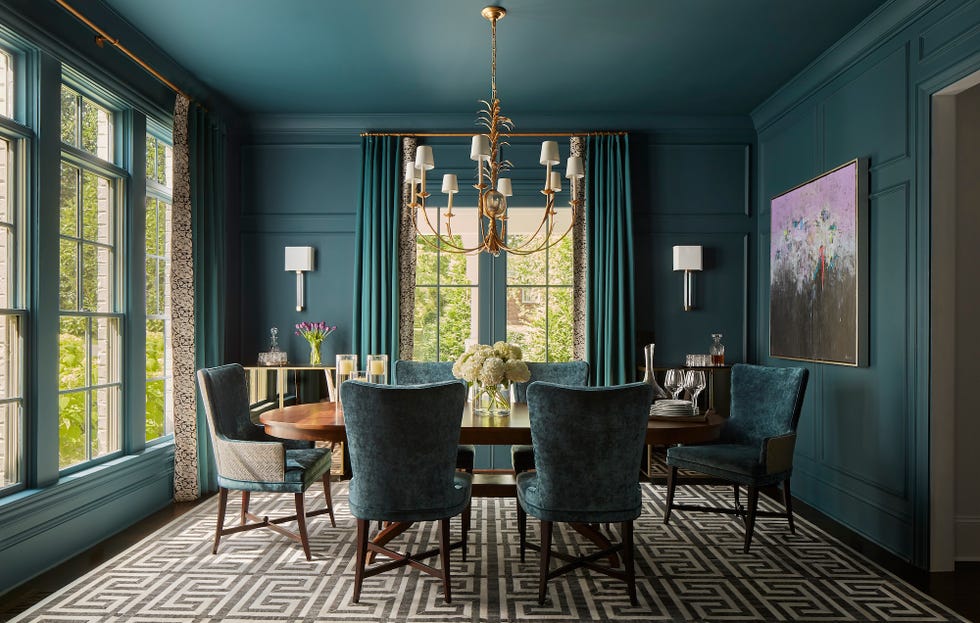
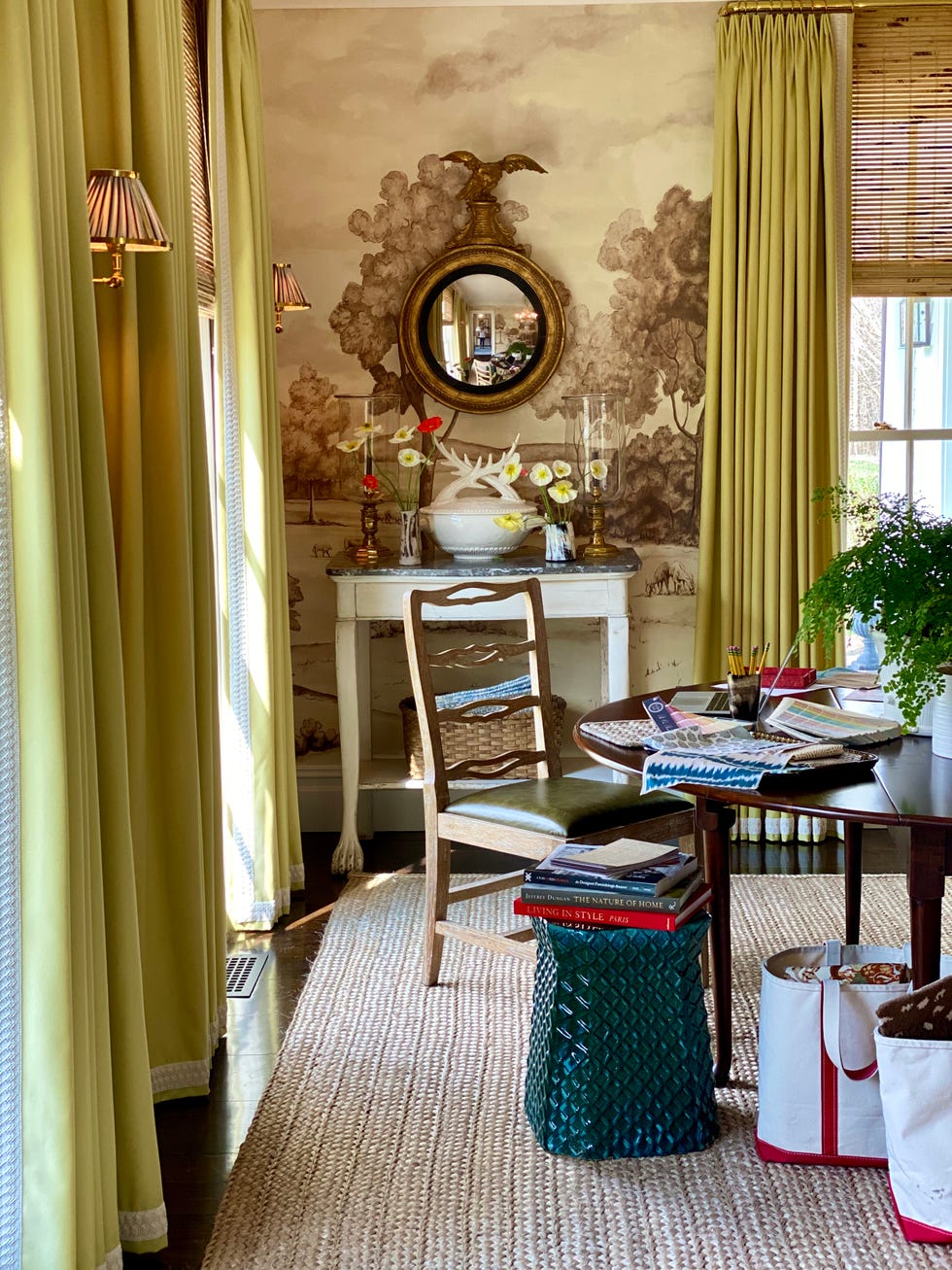
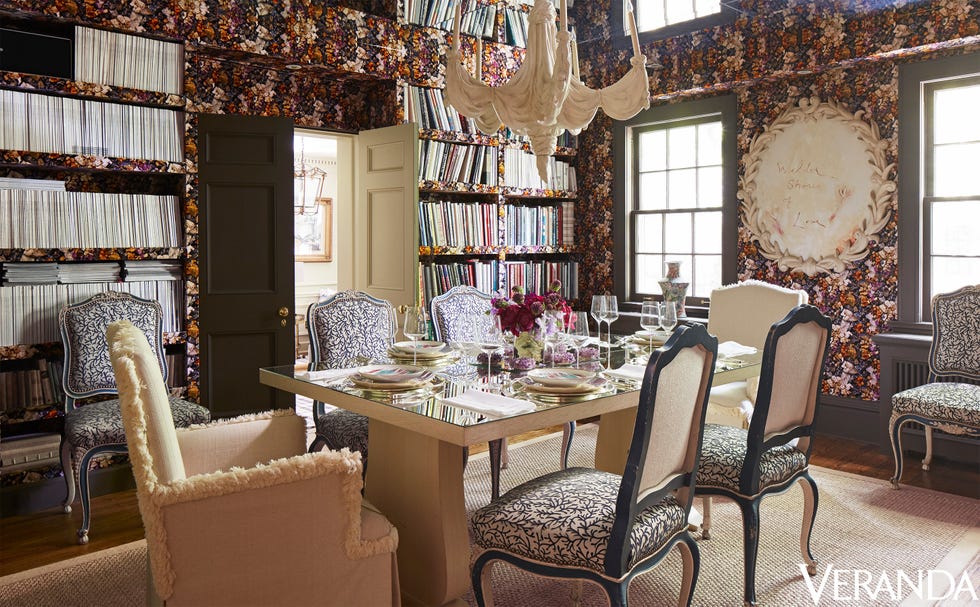
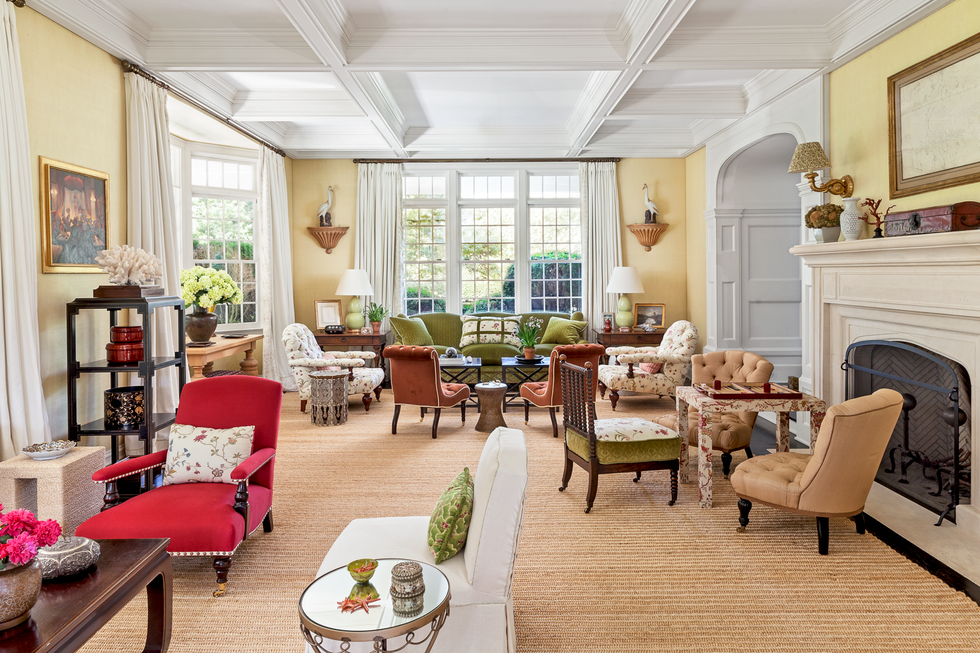
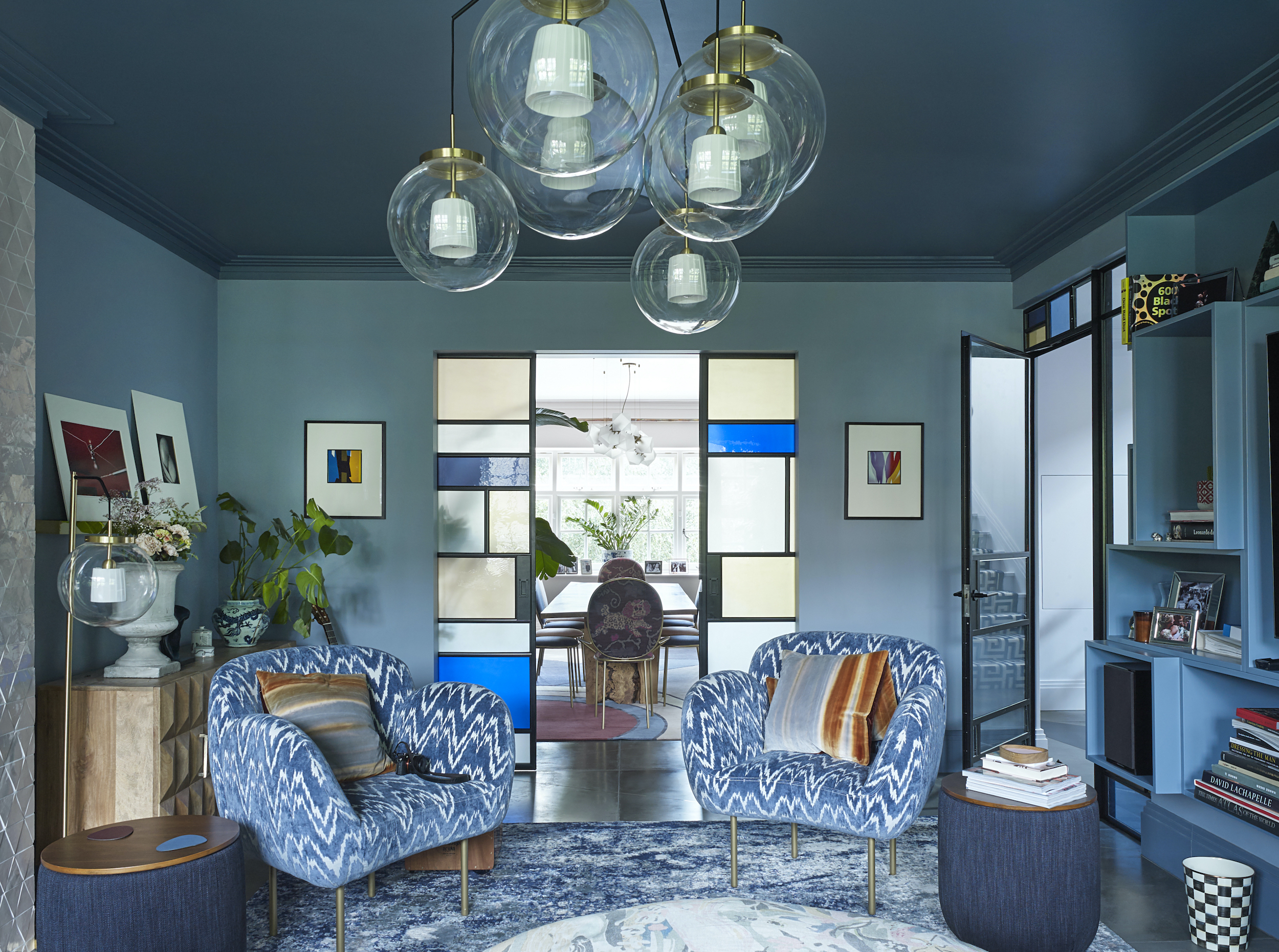
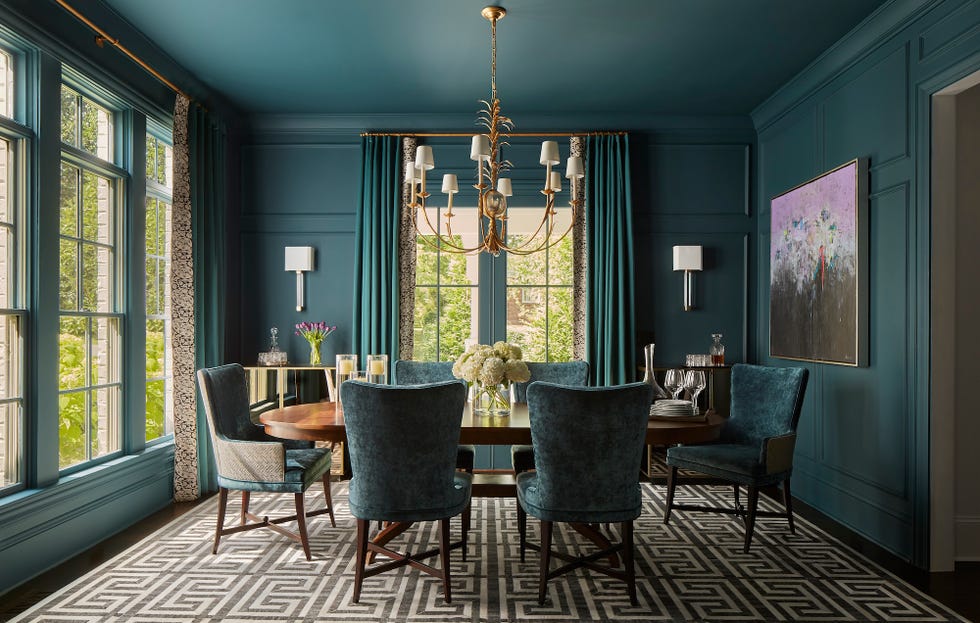
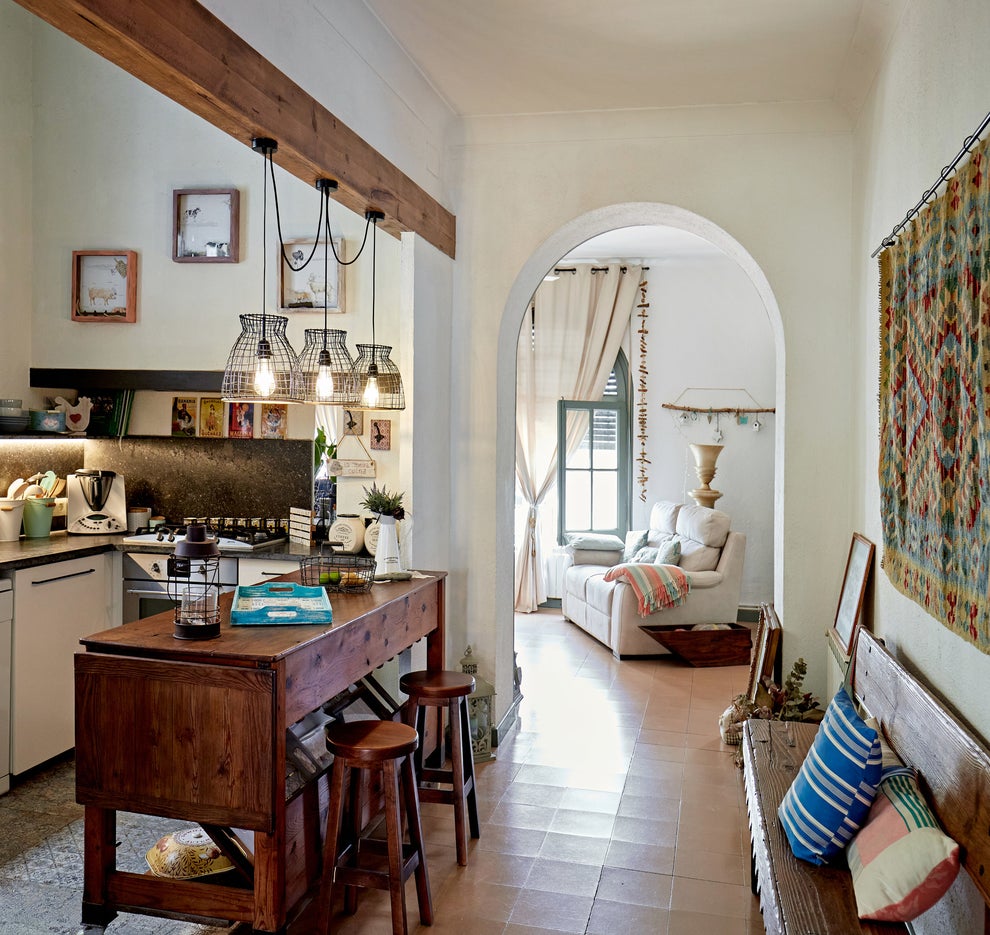
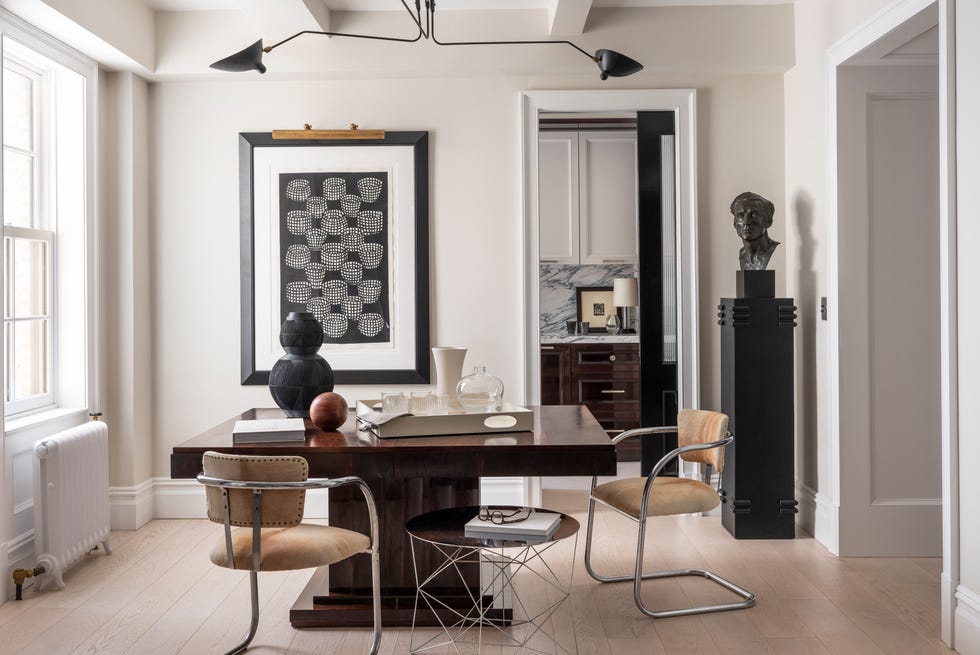
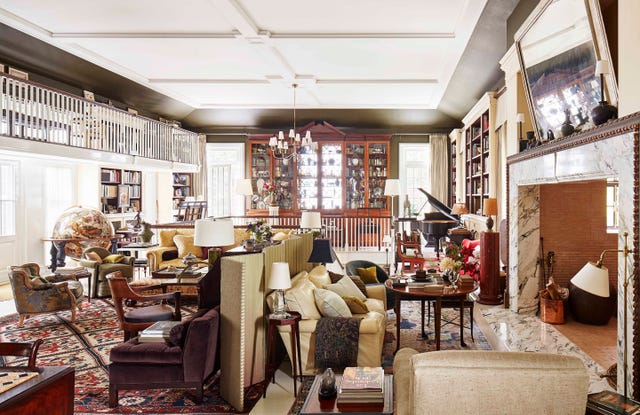
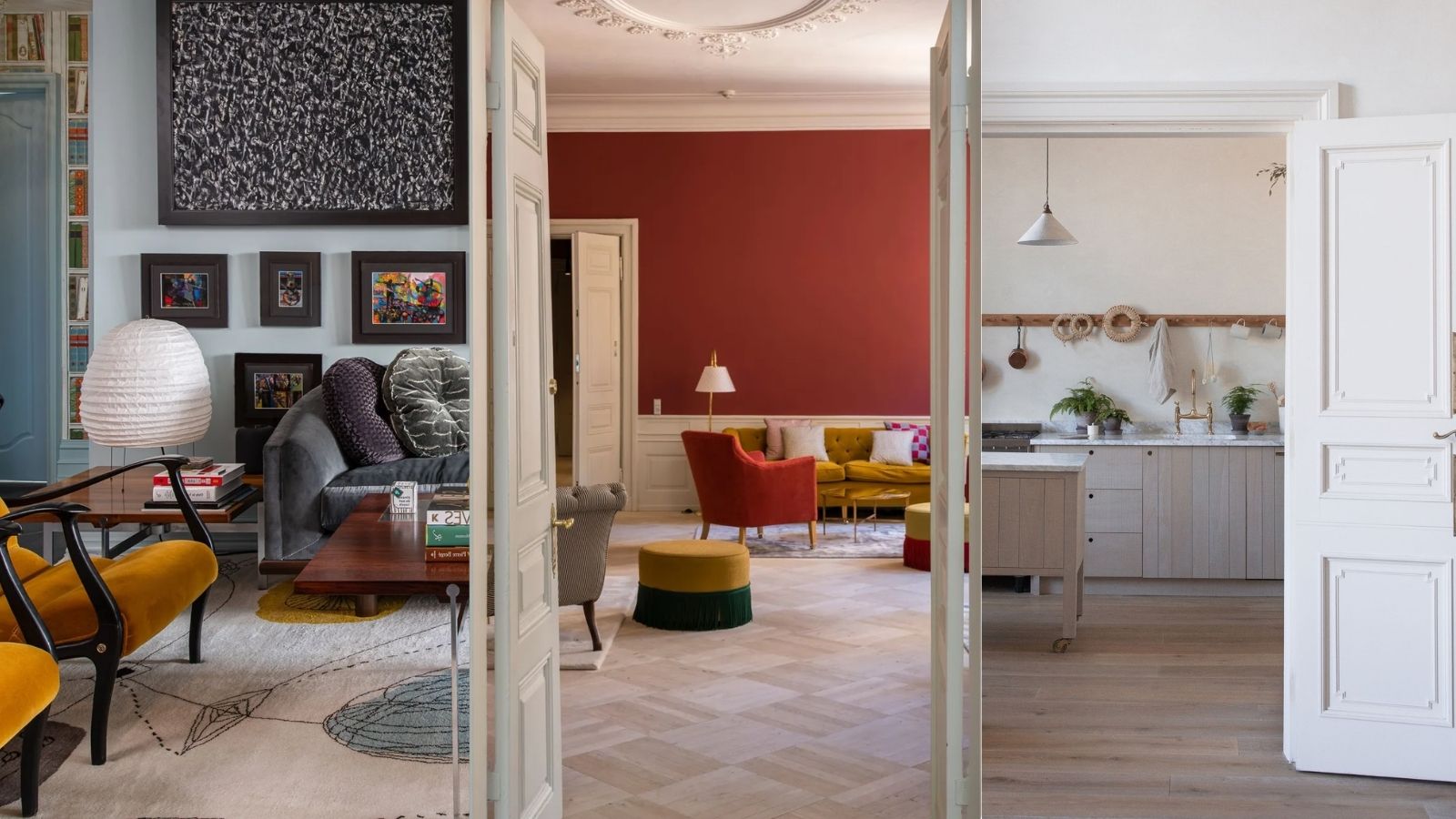
This shift also signifies a potential return to more traditional room definitions, reminiscent of Victorian-era parlors or “good rooms.” Designers like Kate Walker, founder of KWD, advocate for designated dining rooms that can double as study or Zoom areas, and separate living rooms that create varied moods and more intimate settings. Walker emphasizes that smaller, more defined spaces are easier to furnish beautifully and maintain tidiness, contrasting with the challenges of furnishing and organizing large open areas. She suggests that homes with rooms that reveal themselves gradually offer a more engaging and inspiring living experience, moving away from the purely utilitarian aspects of open-plan designs.
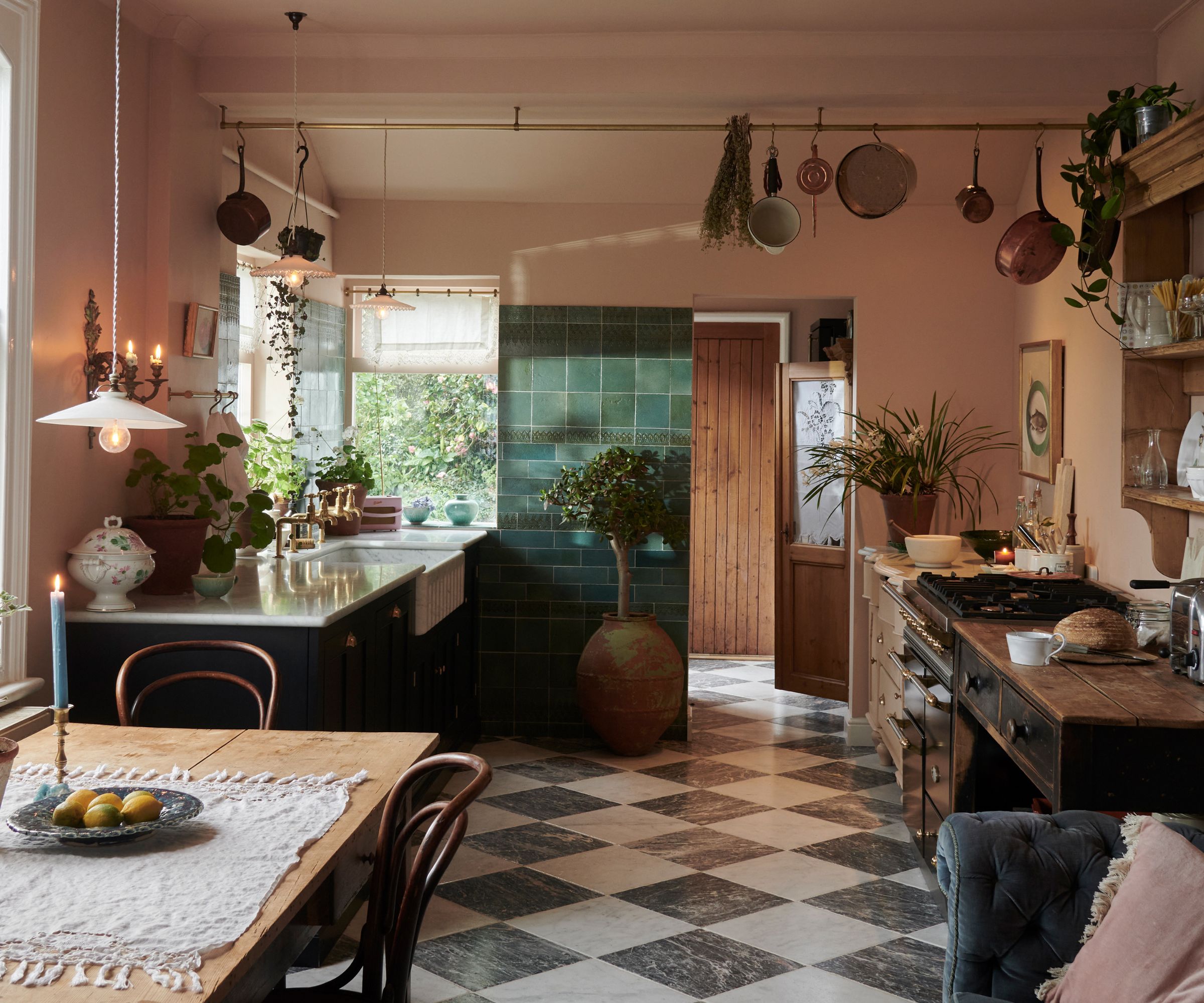
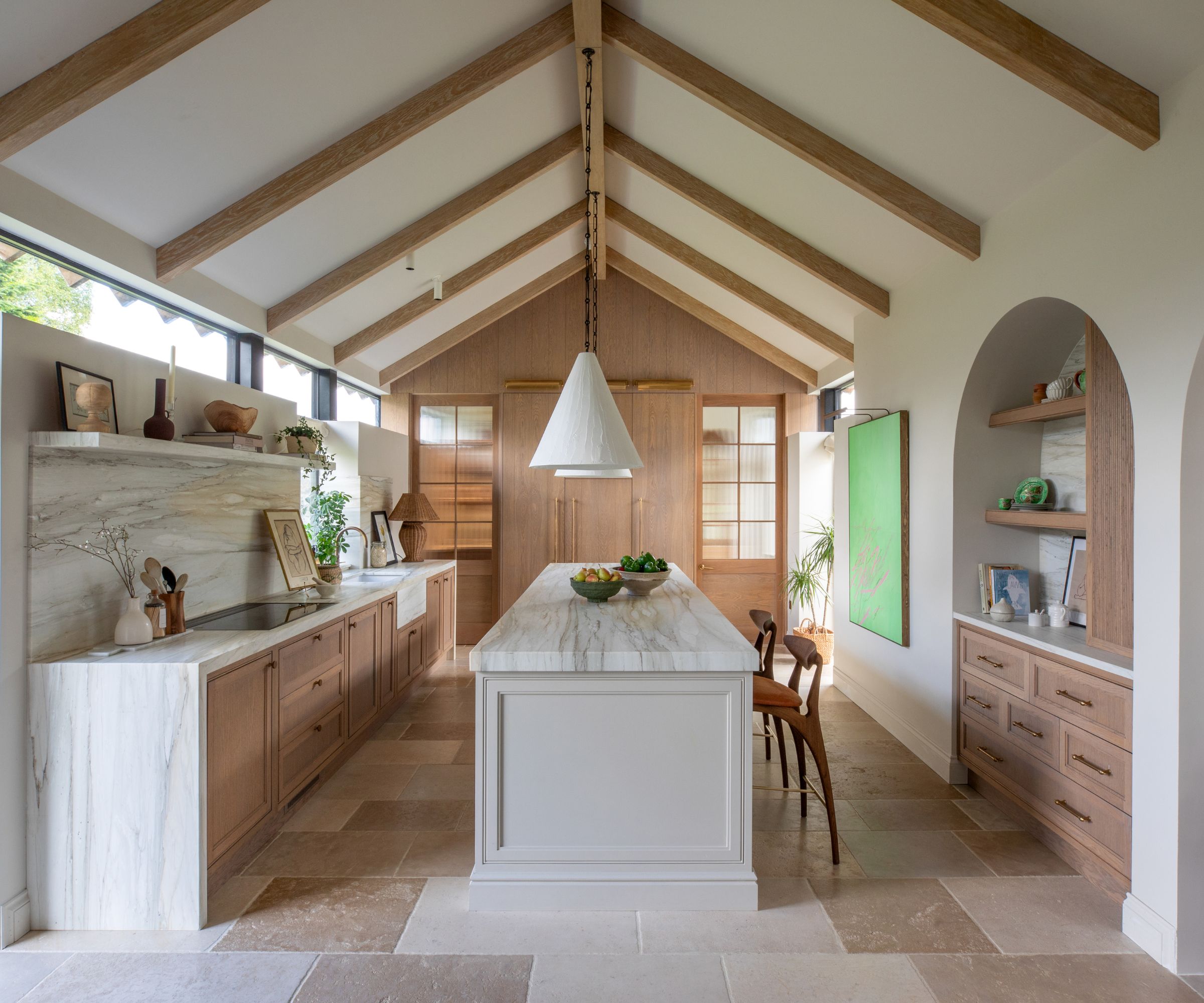
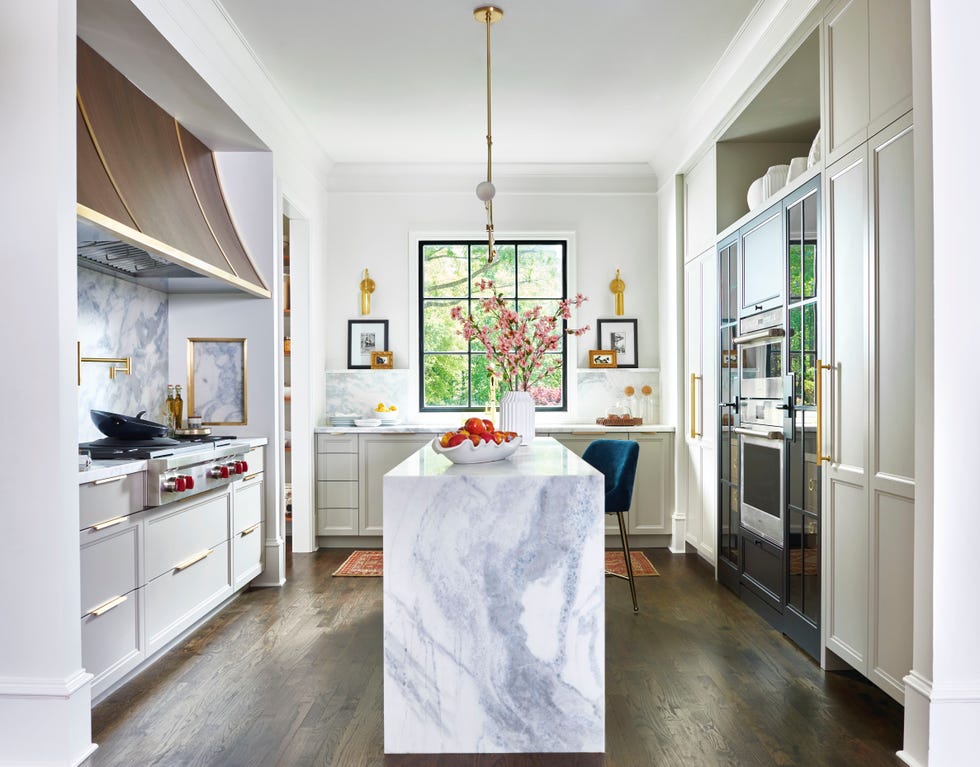
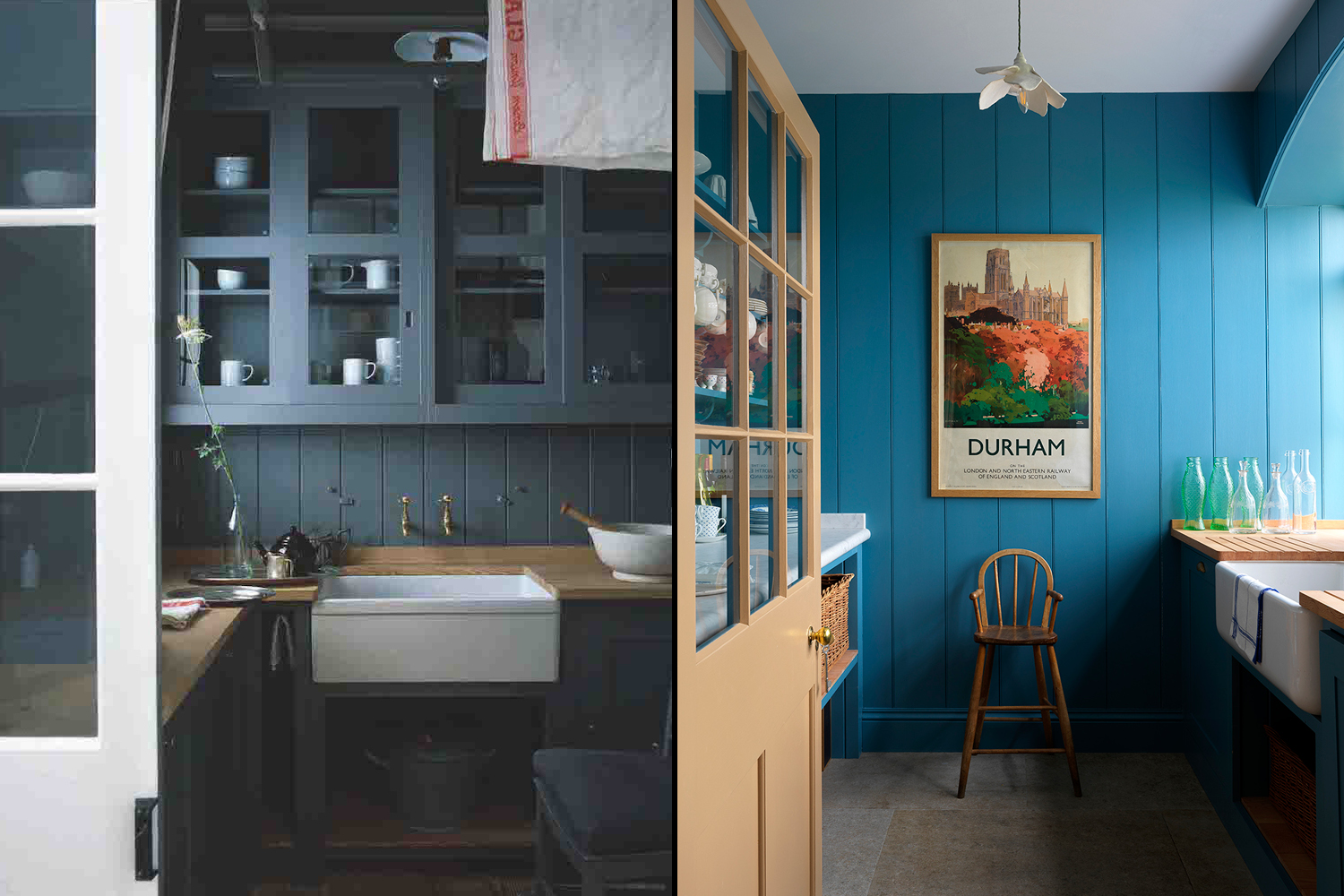
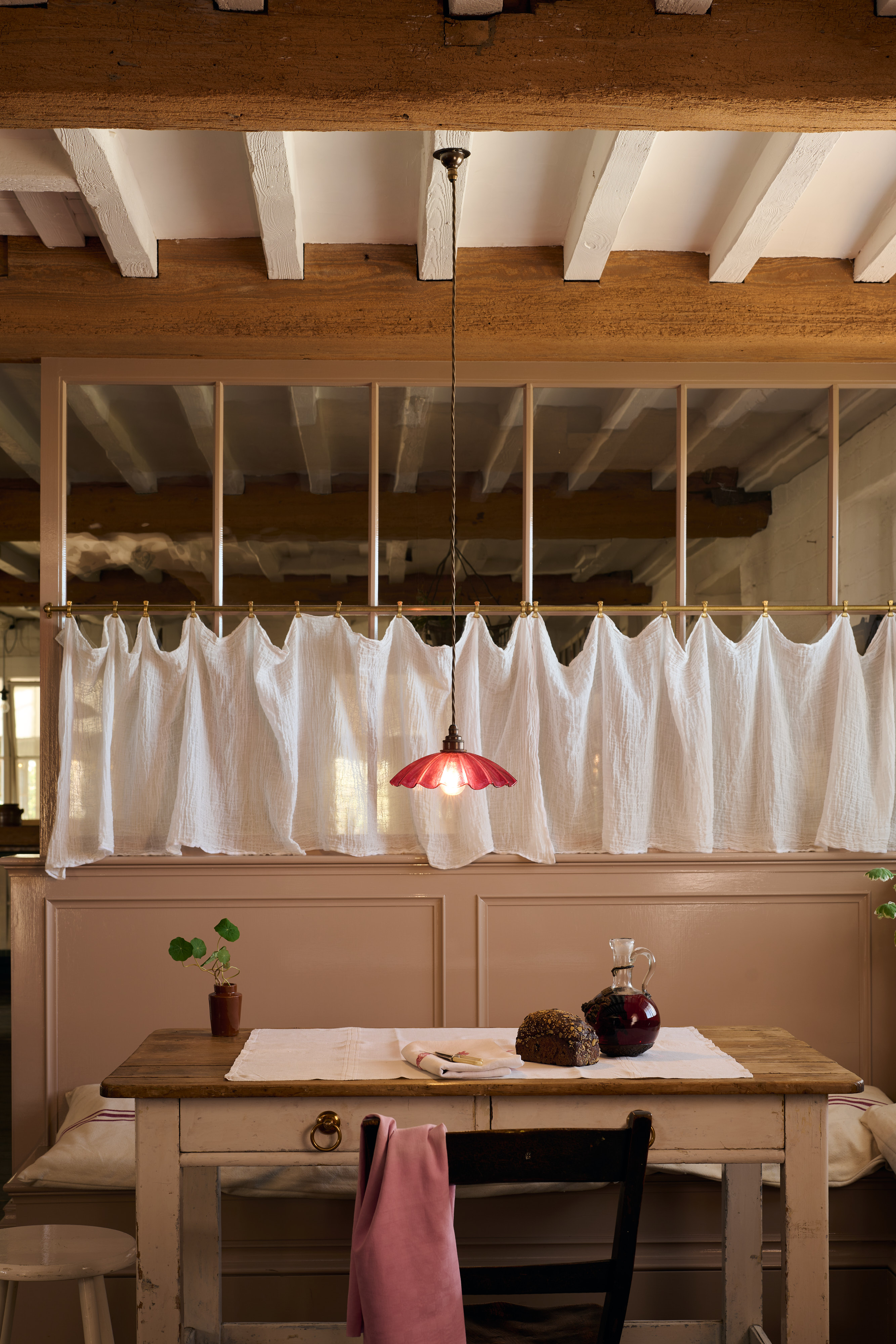
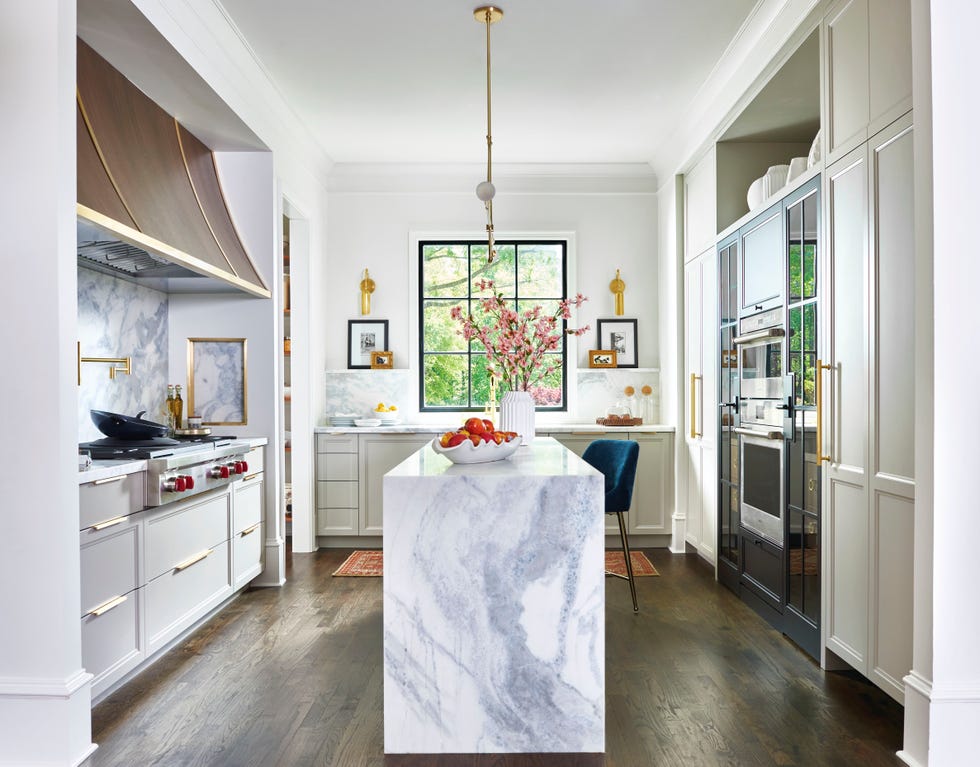
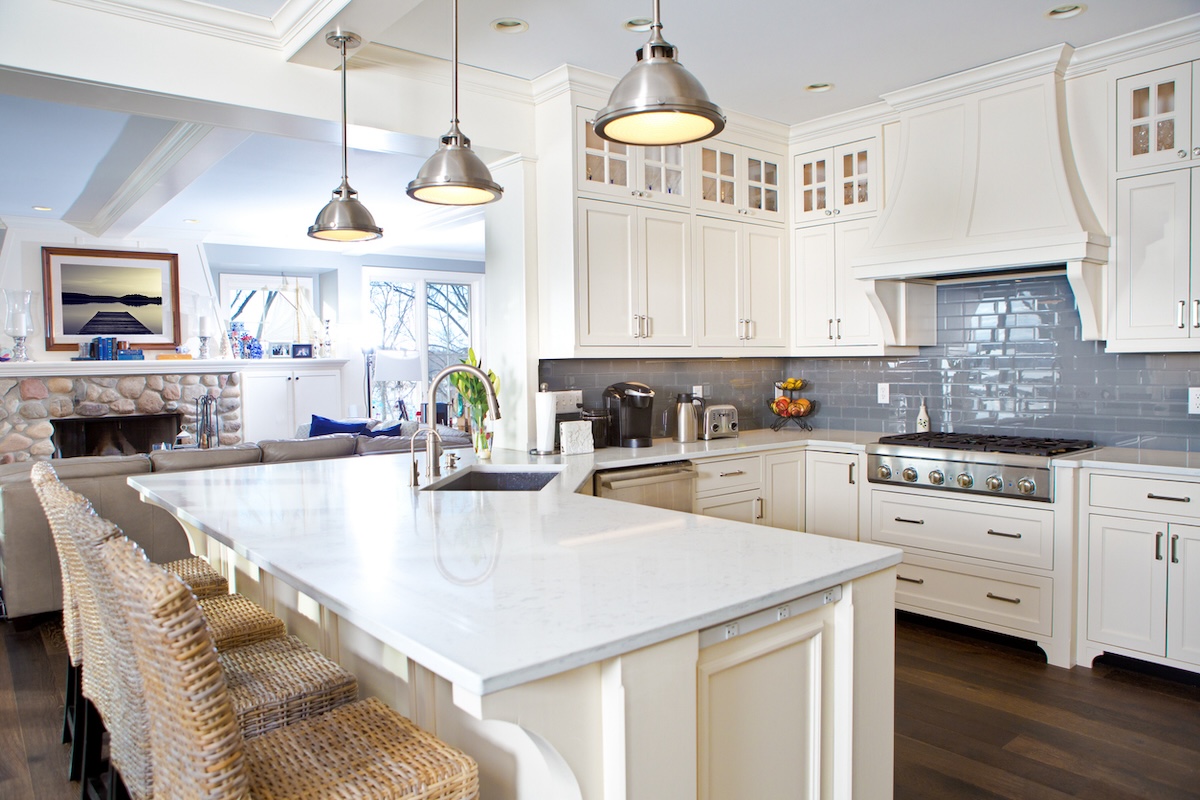
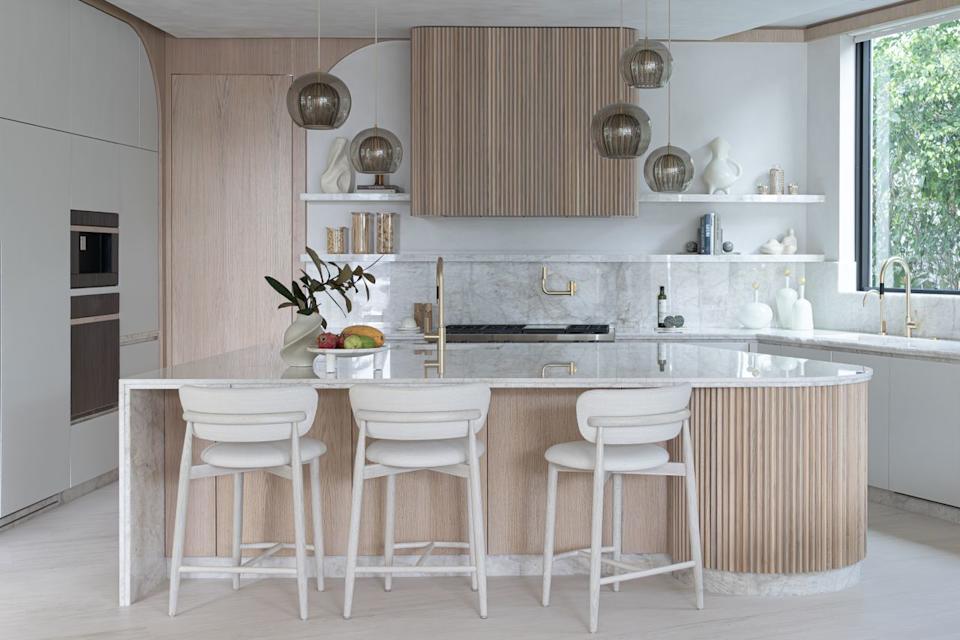
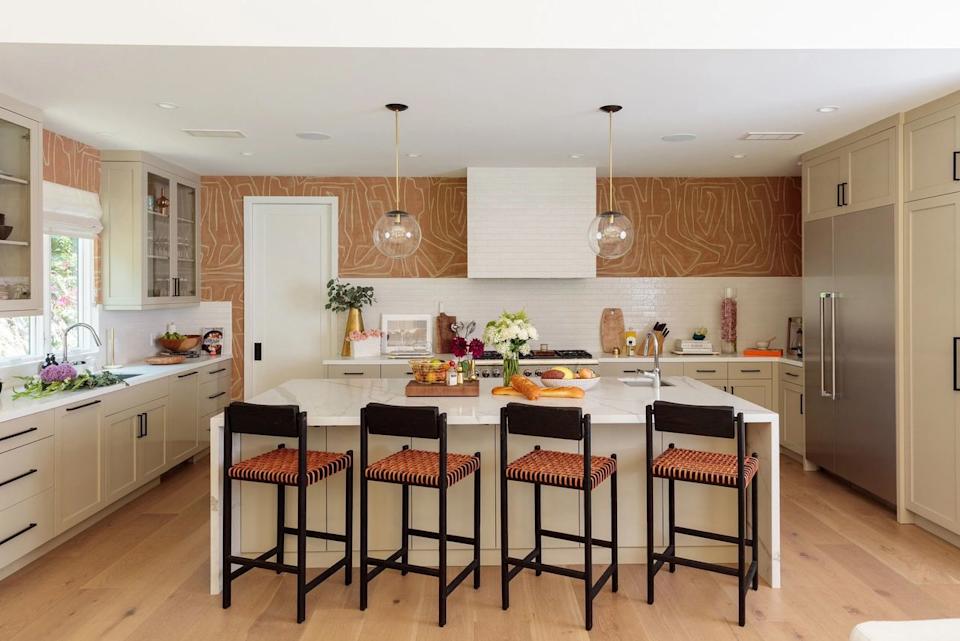
Functionality in the kitchen space is also being reconsidered. While not universally accessible due to budget or floor plan constraints, butler’s pantries are becoming a sought-after feature. These secondary kitchens allow for food preparation and dirty dishes to be concealed, maintaining the cleanliness and aesthetic appeal of the main kitchen and dining areas. Annika Speakman, who renovated her Federation bungalow, intentionally opted for a semi-separate kitchen and a butler’s pantry, rejecting the open-plan kitchen concept to avoid common issues like noise disruption and constant visibility of culinary activities.
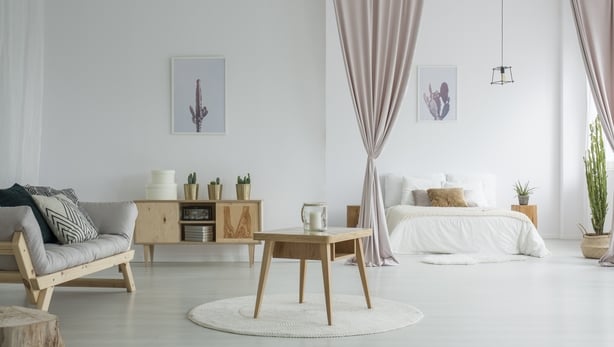
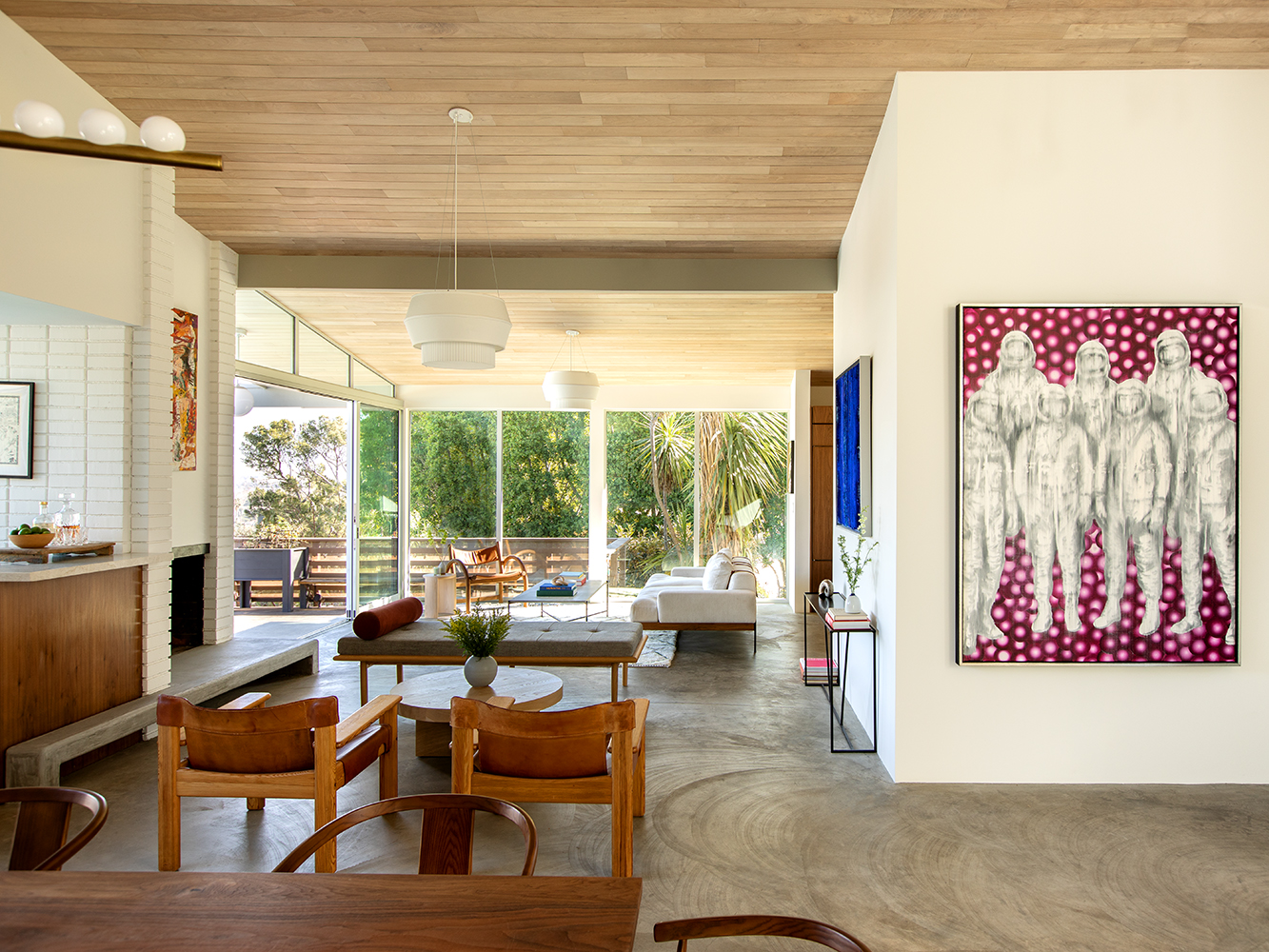
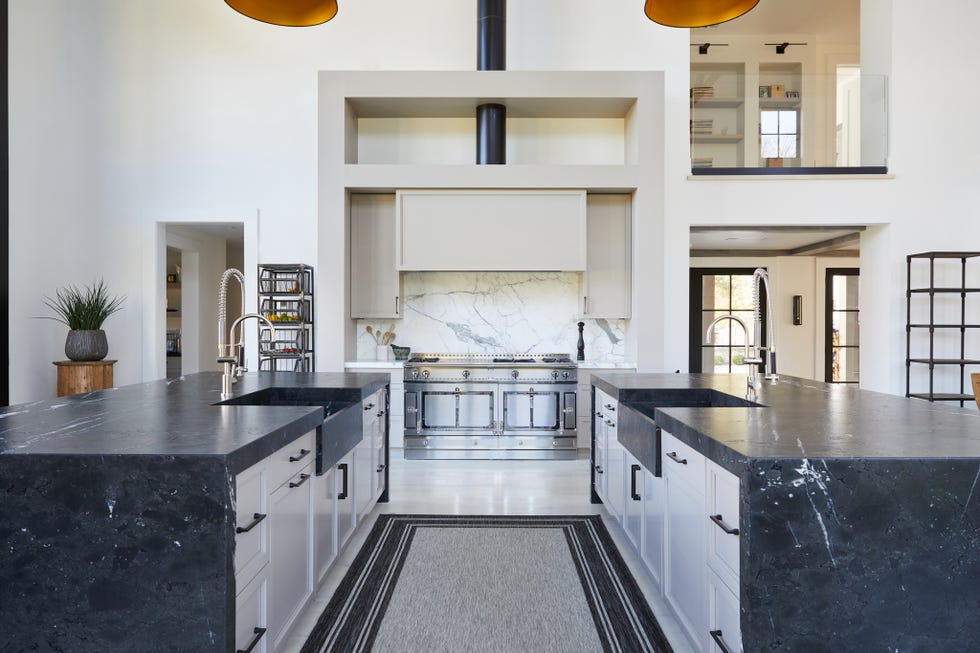
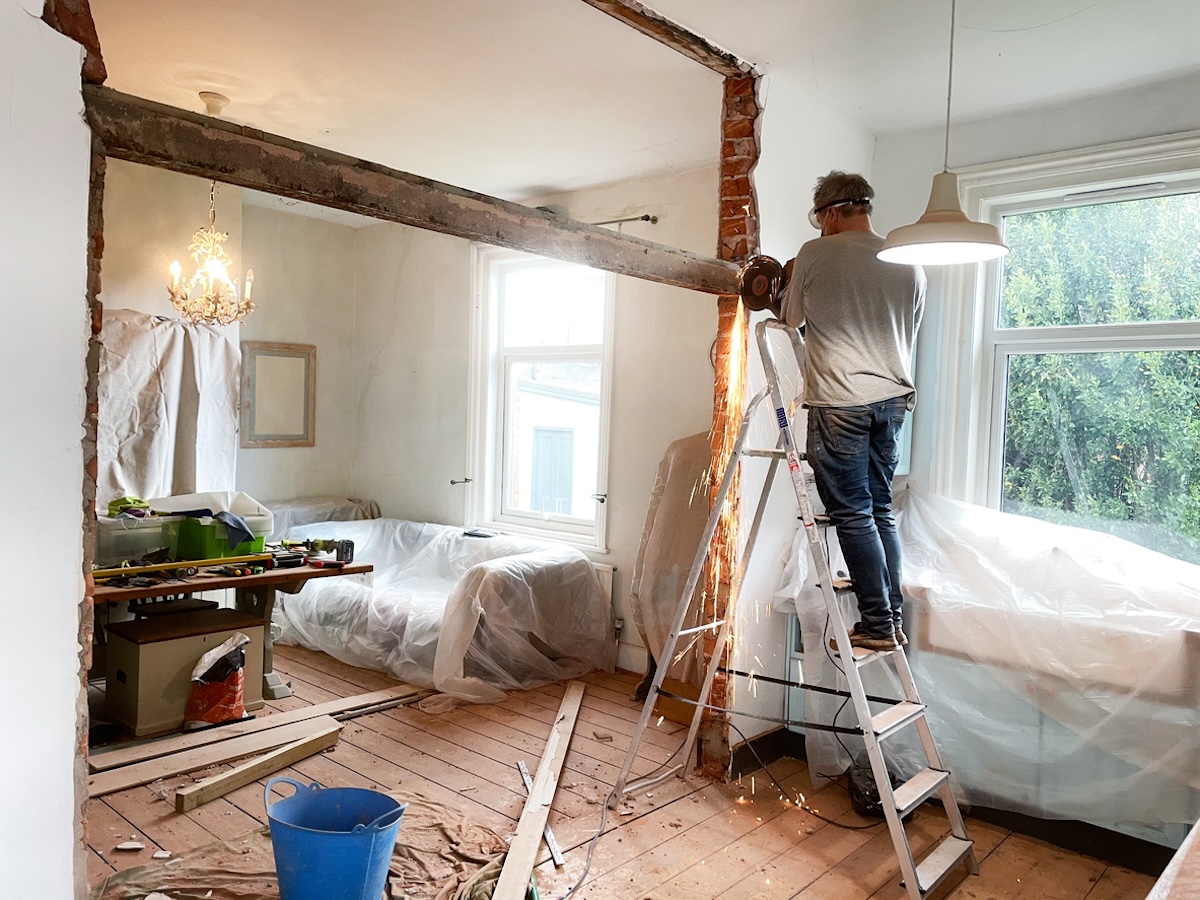
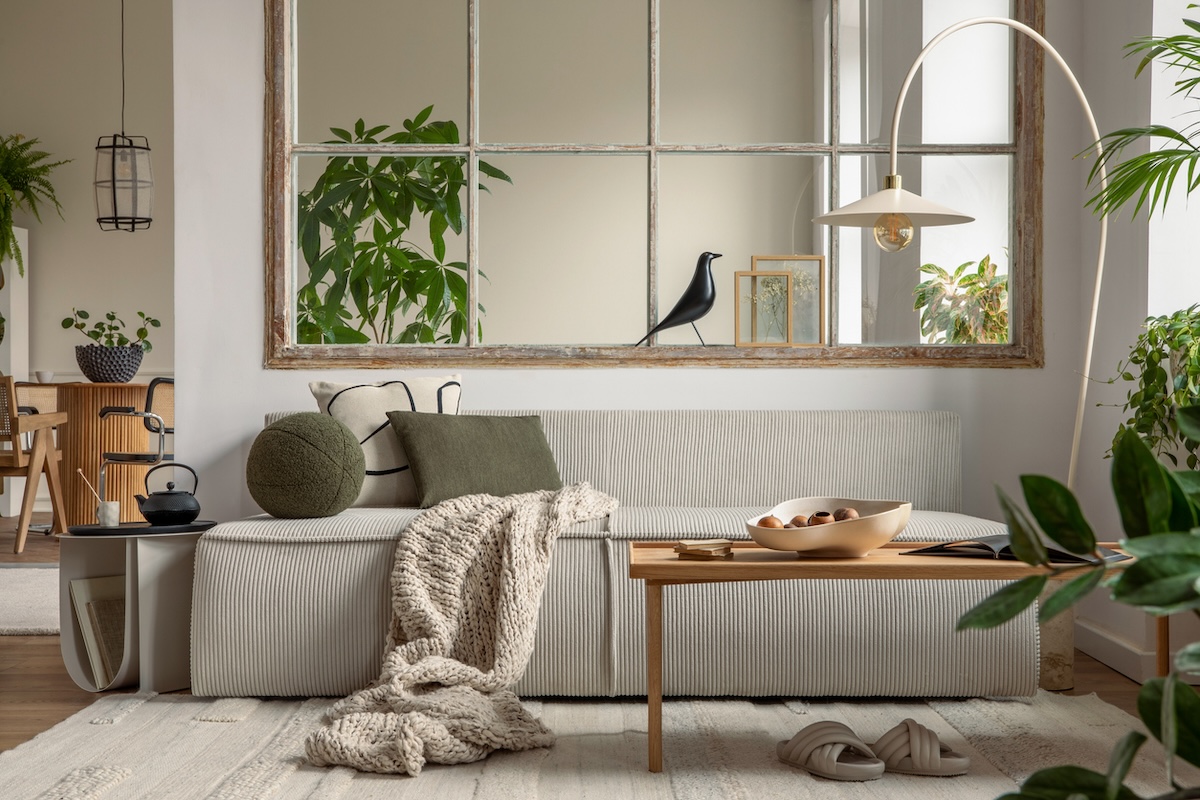
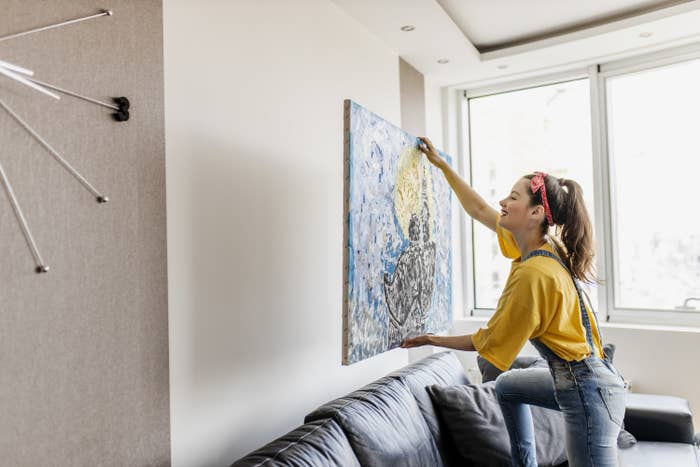
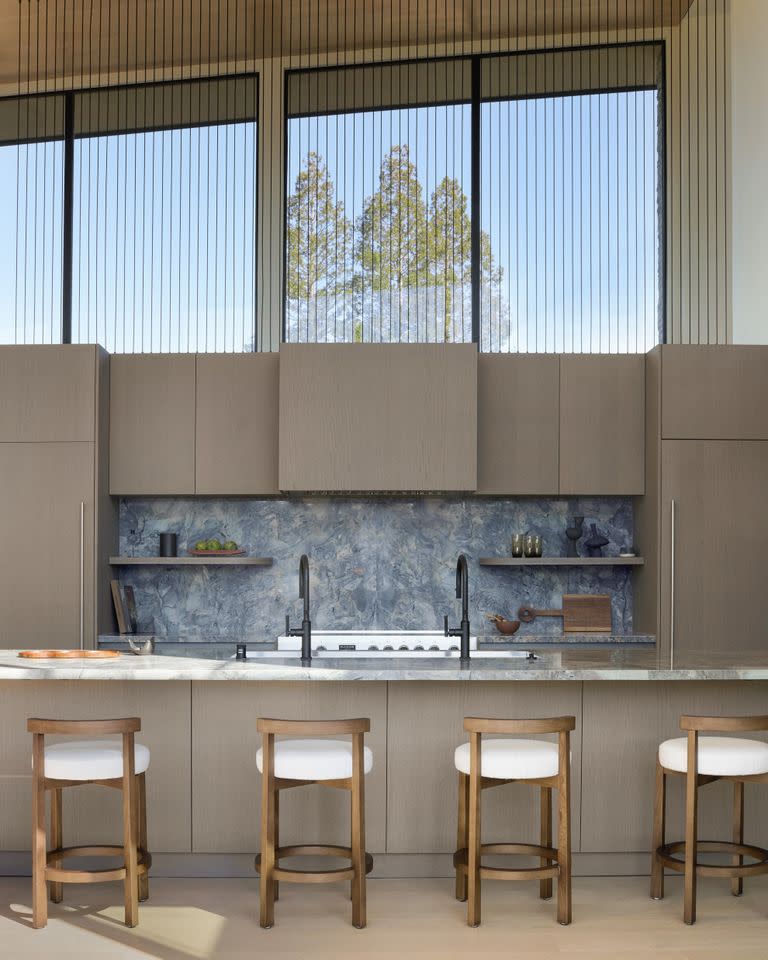
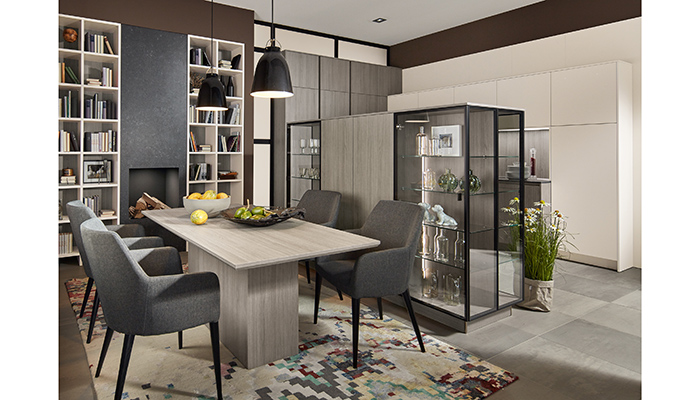
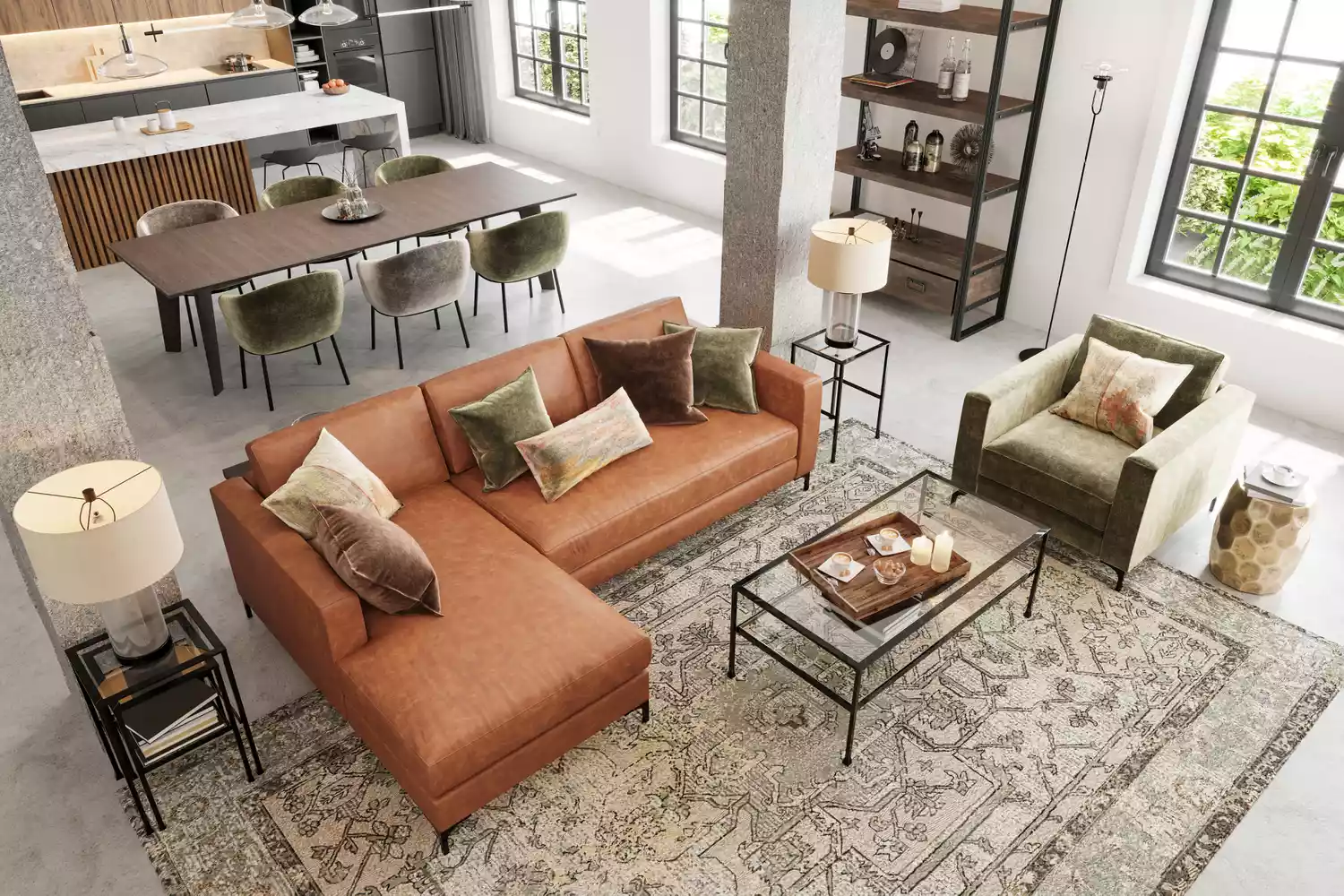
While some designers, like Kate Walker, express reservations about open-plan living due to acoustic challenges, tidiness, and furnishing difficulties, others acknowledge that the concept is not entirely obsolete. Instead, its application requires greater customization to align with individual lifestyles. For couples who frequently entertain, open spaces might remain suitable, whereas families with young children might benefit more from zoned areas. Ultimately, making open-plan living work involves strategic design elements such as using rugs, lighting, and artwork to define zones, incorporating ample storage to minimize clutter, investing in quiet appliances to manage noise, and fostering a spirit of tolerance and compromise among household members.
#OpenPlanLiving #HomeDesign #InteriorArchitecture #MultigenerationalHomes #HomeRenovation #PostPandemicLiving #HomeOffice #Butler'sPantry #InteriorDesignTrends #OpenPlanLiving #HomeDesign #InteriorArchitecture #MultigenerationalHomes #HomeRenovation #PostPandemicLiving #HomeOffice #Butler'sPantry #InteriorDesignTrends
कुल 0 टिप्पणियाँ
 कोई टिप्पणी नहीं
आपको यह भी पसंद आ सकता है
Is open plan going out of style? Experts weigh on whether this once-loved layout is starting to date

Is It Time to Shut the Door on Open-Concept Living?

This Controversial Home Layout Has DIVIDED the Design World
Are Open Concept Floor Plans Going Out of Style? We Asked Designers and They All Agreed

Open plan living: The new normal or passing trend?

Will The Pandemic Be The Death Of The Open Floor Plan?
Are Open Floor Plans Outdated? We Asked Designers What They Really Think

The Curse of an Open Floor Plan

Are closed layouts back on trend? Designers weigh in on why we are over open plan
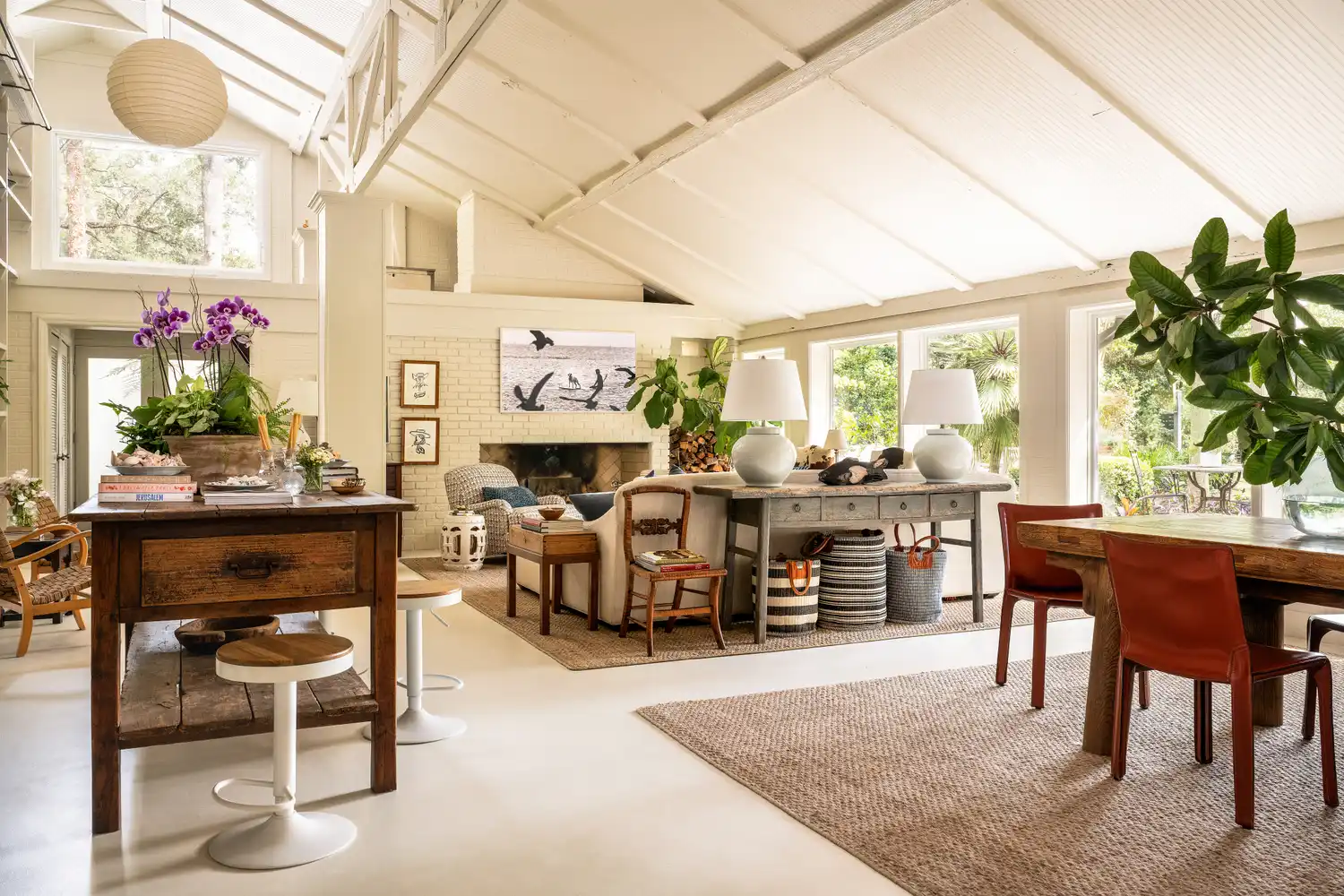
Are Open Floor Plans Going Out Of Style? Designers Share Their Take
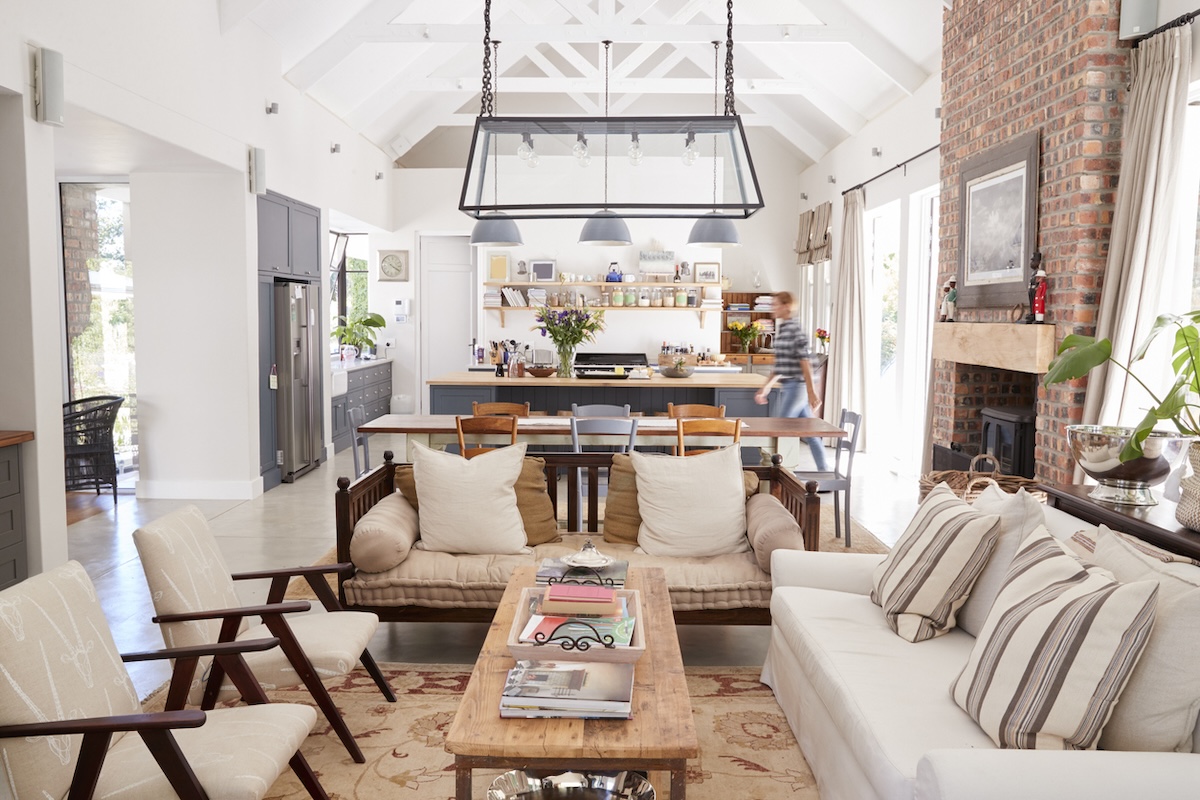
The One Wall Most People Want to Rip Out: Ideas for Open and Semi-Open Floor Plans

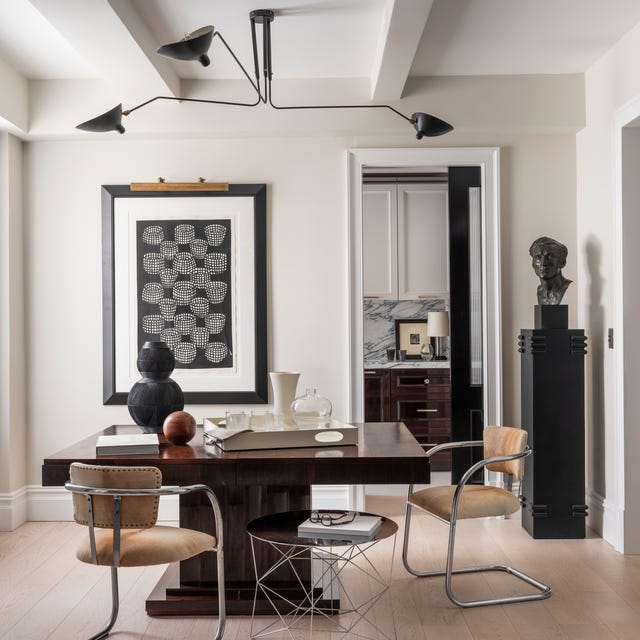
Designers Agree: Open Concept Is Out, Tradition Is In

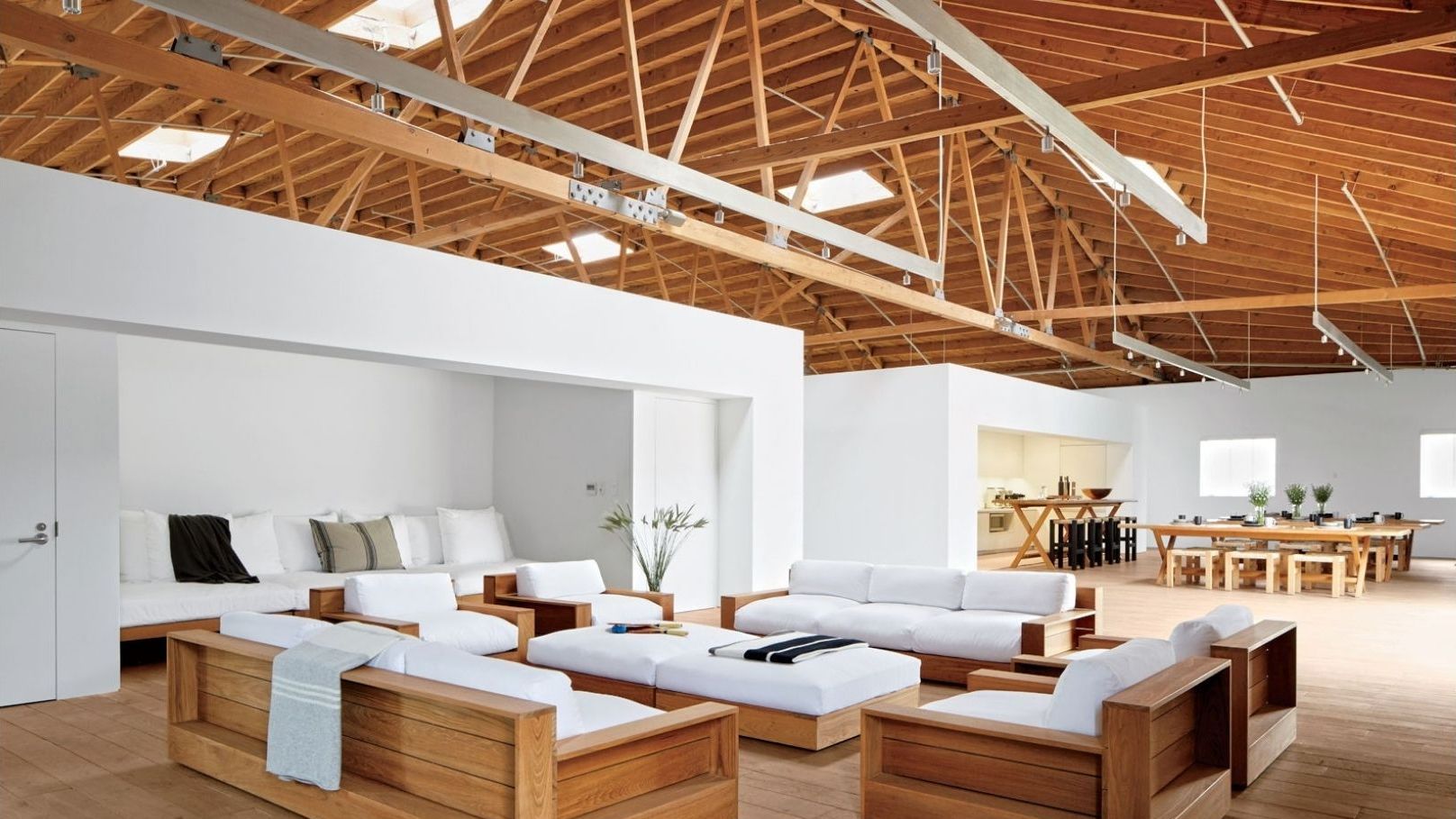
Is the open floor plan really dead?

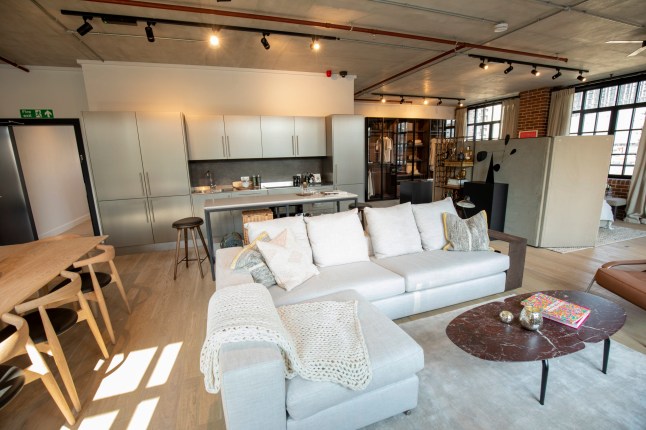
Say goodbye walls, open-plan living is the trend that's here to stay

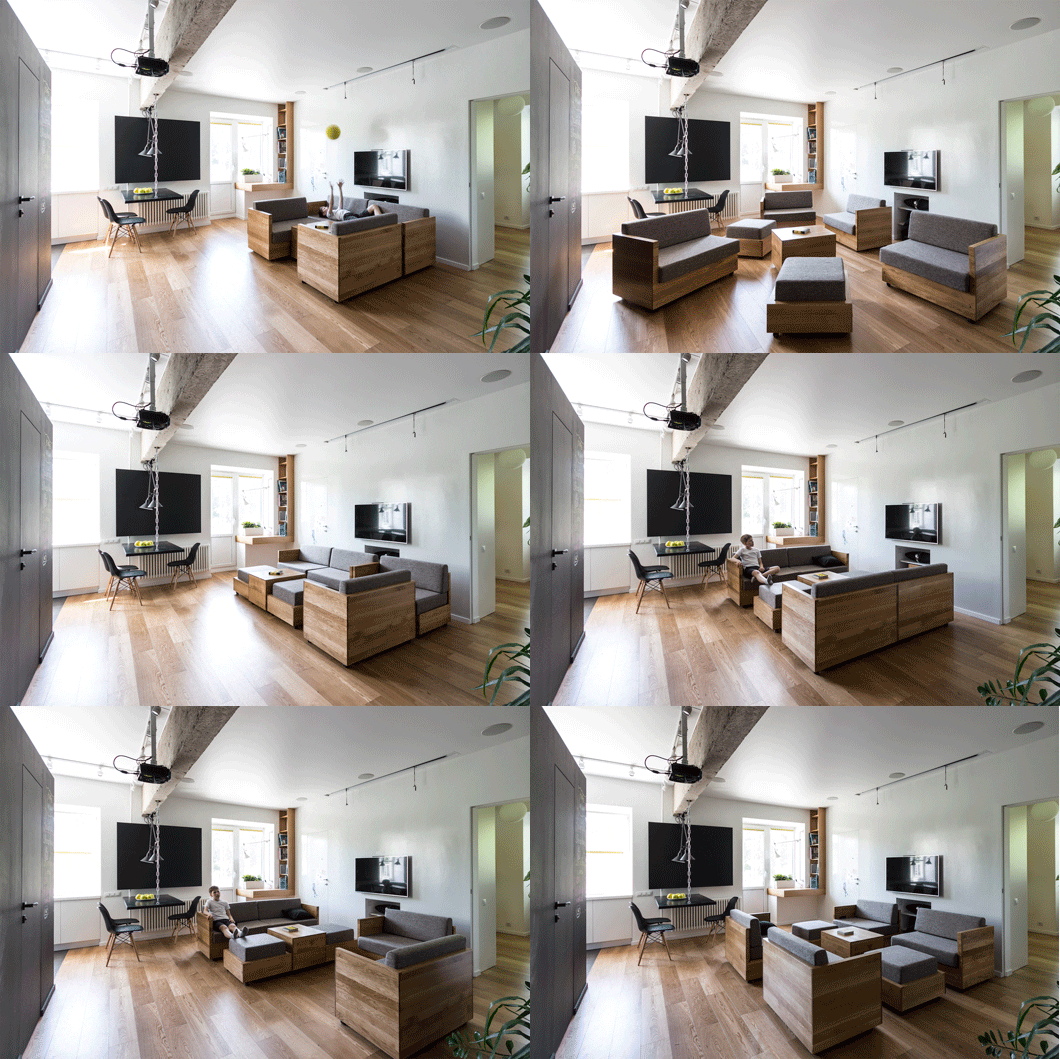
The "Death Of Open Floor Plans" And 9 Other 2022 Home Trends (That Pros Are Surprisingly Torn Over)

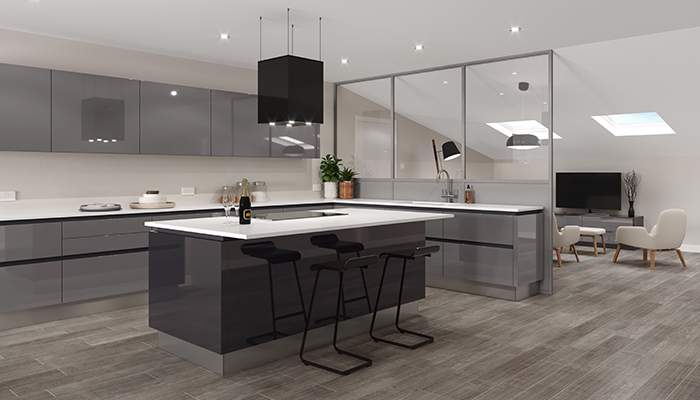
Broken dreams: Has COVID called time on open-plan kitchen designs?
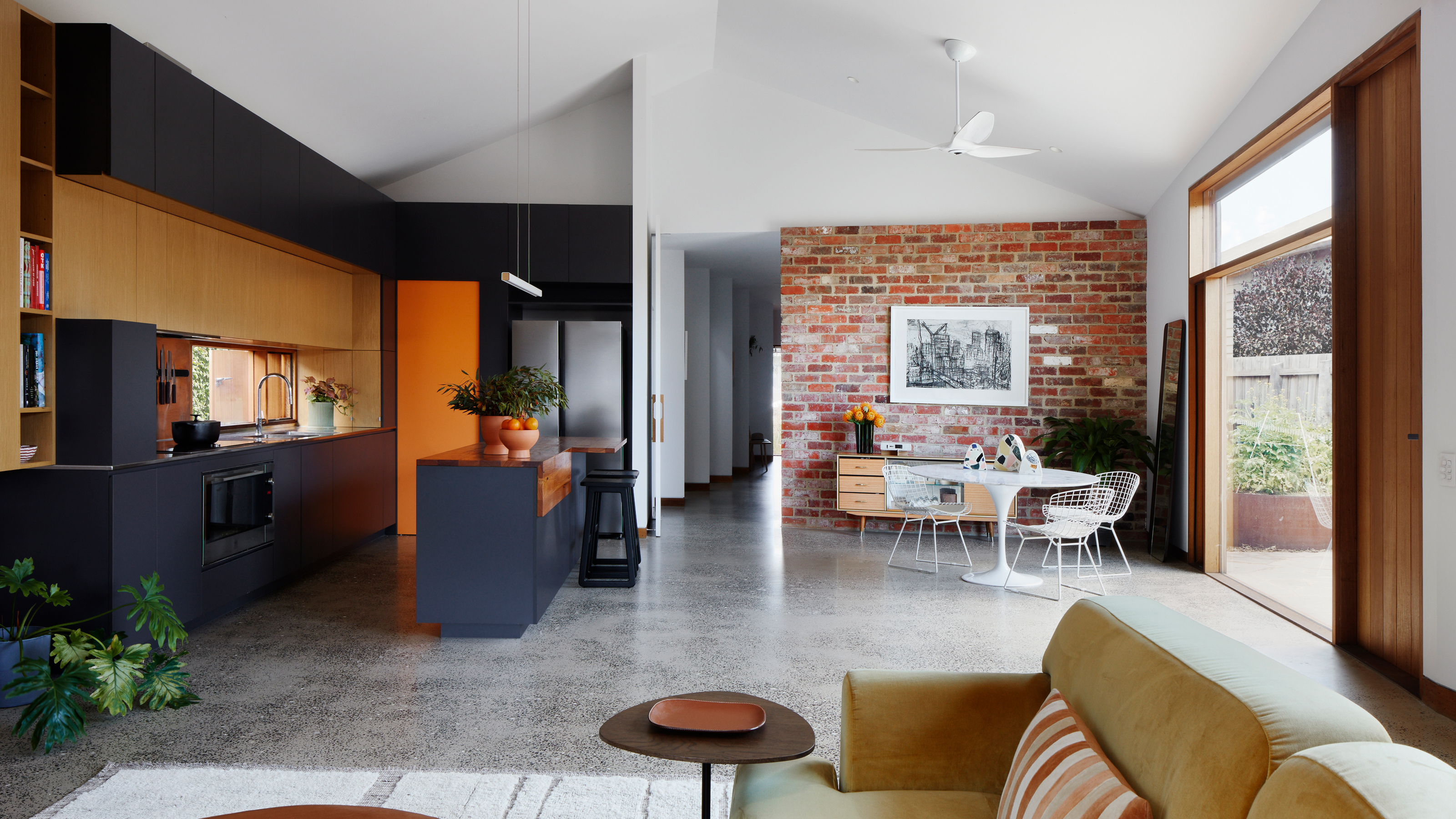
Are Open Concept Floor Plans Still in Style? Here's Why Designers are Opting Against This Once-Loved Layout

Open plan living is over. Here’s why we all want walls again
Are Open Shelves Finally Out of Style in 2026? Designers Weigh In
Are Open Concept Floor Plans Going Out of Style? Here's What Interior Designers Say