1/2
7 Things You Should Never Store in Your Pantry—They Take Up Space and Attract Pests
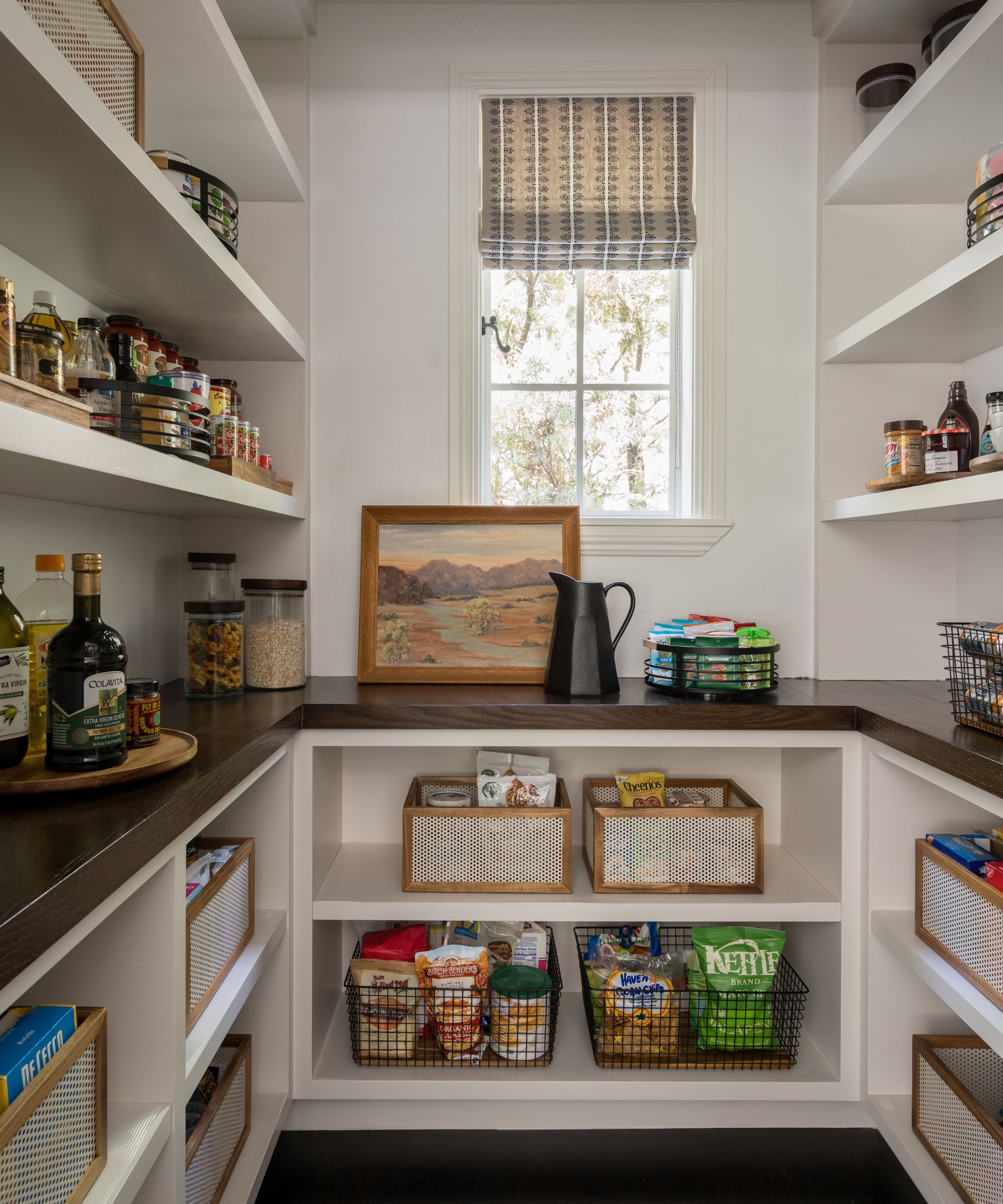
Maintaining a well-stocked and organized pantry is a goal for many home chefs, and effective pantry organization strategies can significantly enhance kitchen efficiency and space utilization. However, certain items should be explicitly excluded from pantry storage due to potential risks to food quality, pest infestations, and food-based health concerns. Understanding what not to store in a pantry and identifying suitable alternative storage solutions is crucial for a safe and functional kitchen environment.
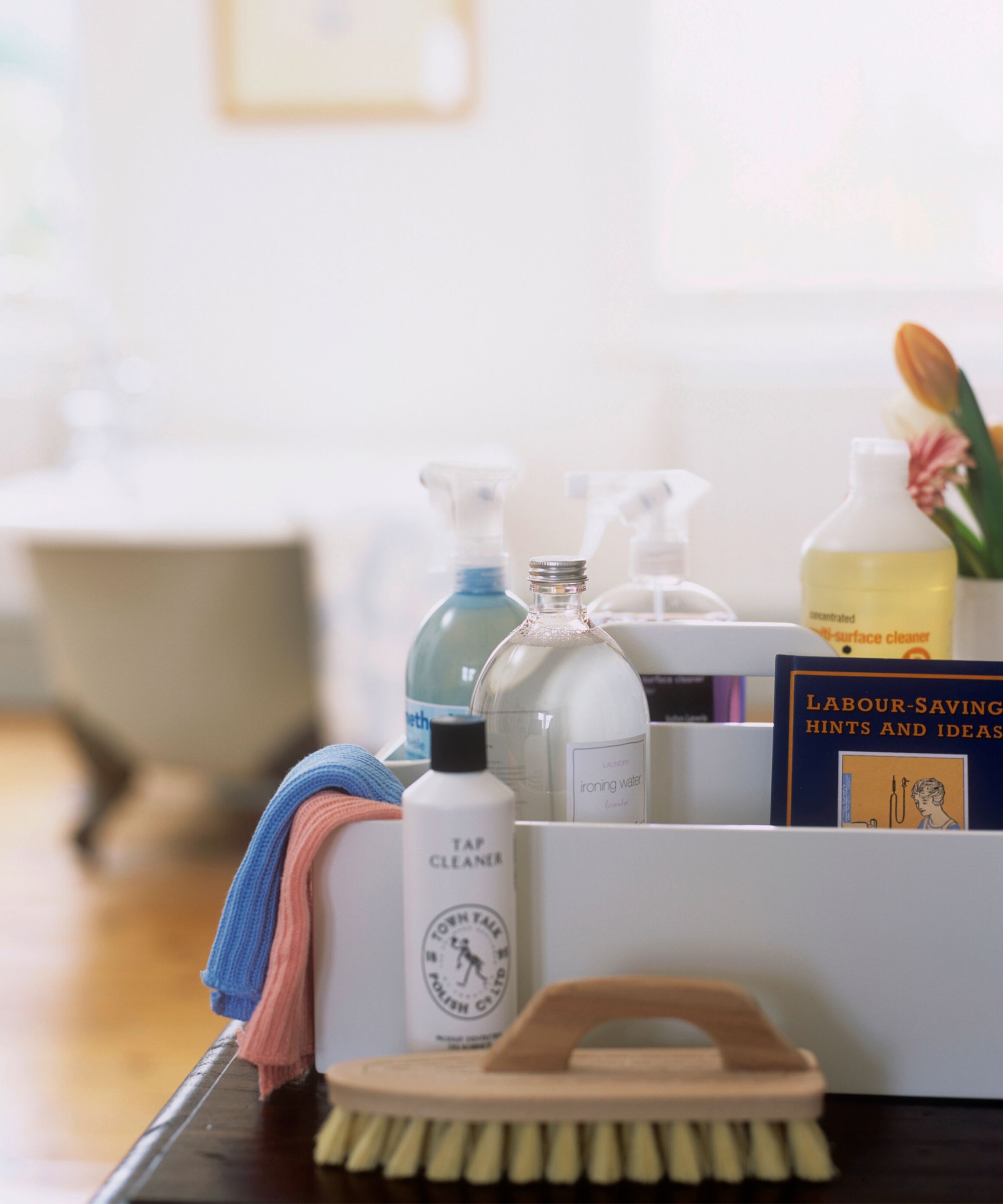
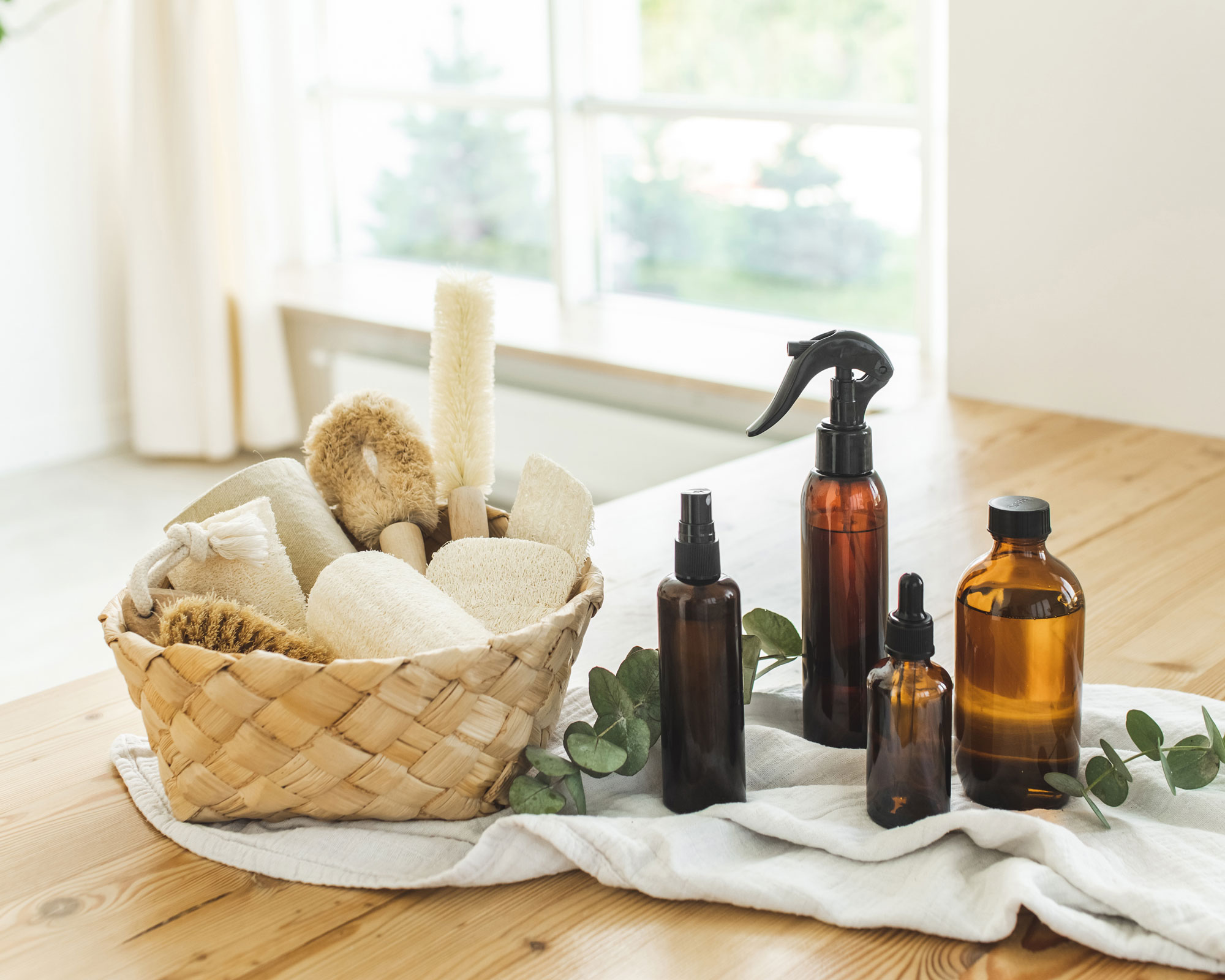
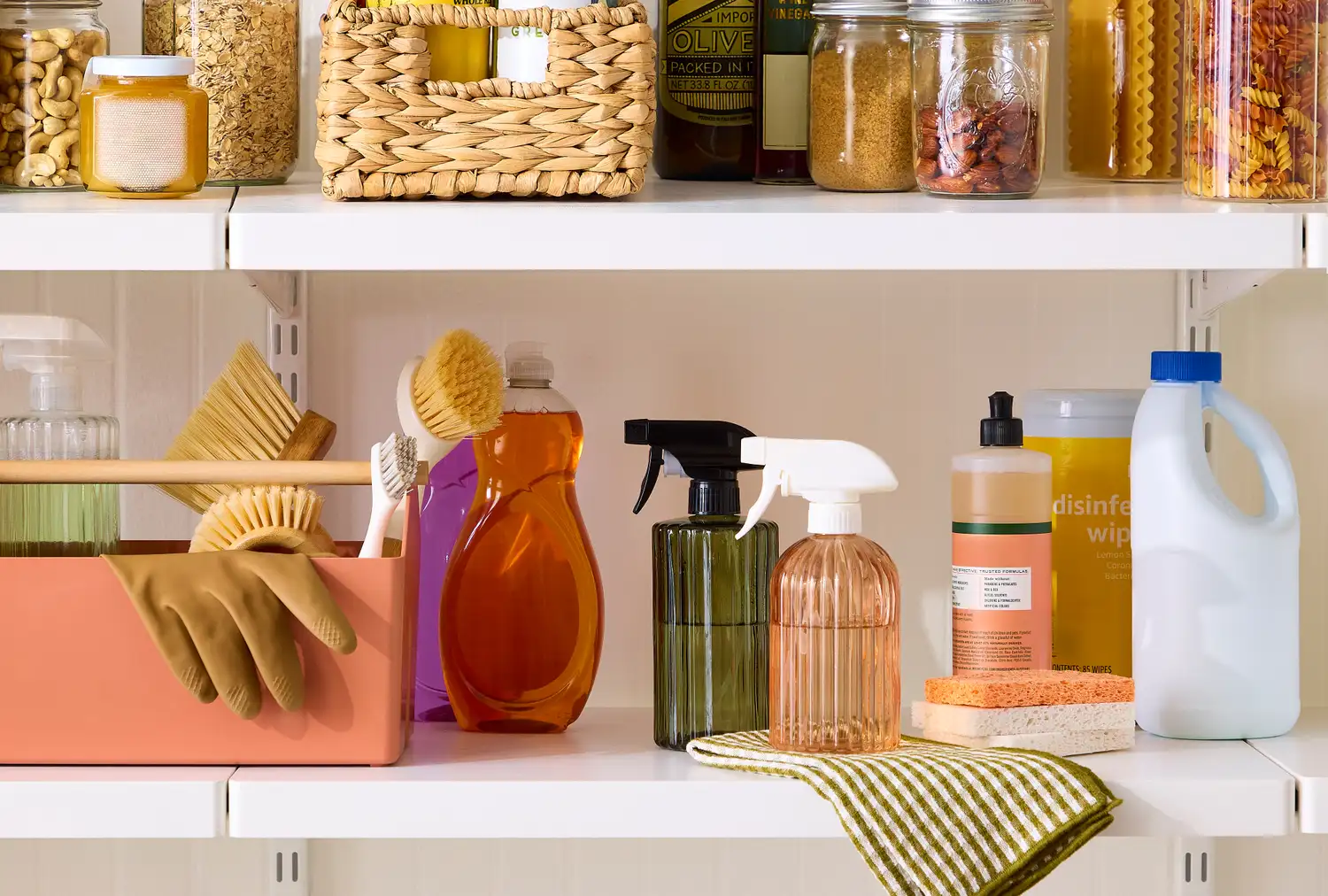
One significant category to avoid storing in the pantry is cleaning supplies. While it might seem convenient to group non-perishable foods with household items, this practice poses a serious food safety risk. The US Food and Drug Administration (FDA) advises against storing food near chemicals or poisons due to the potential for chemical cross-contamination, especially in the event of leaks or spills. Instead, cleaning products should be kept in designated areas, such as a cabinet under the kitchen sink or in a utility room, ensuring they are isolated from food items.
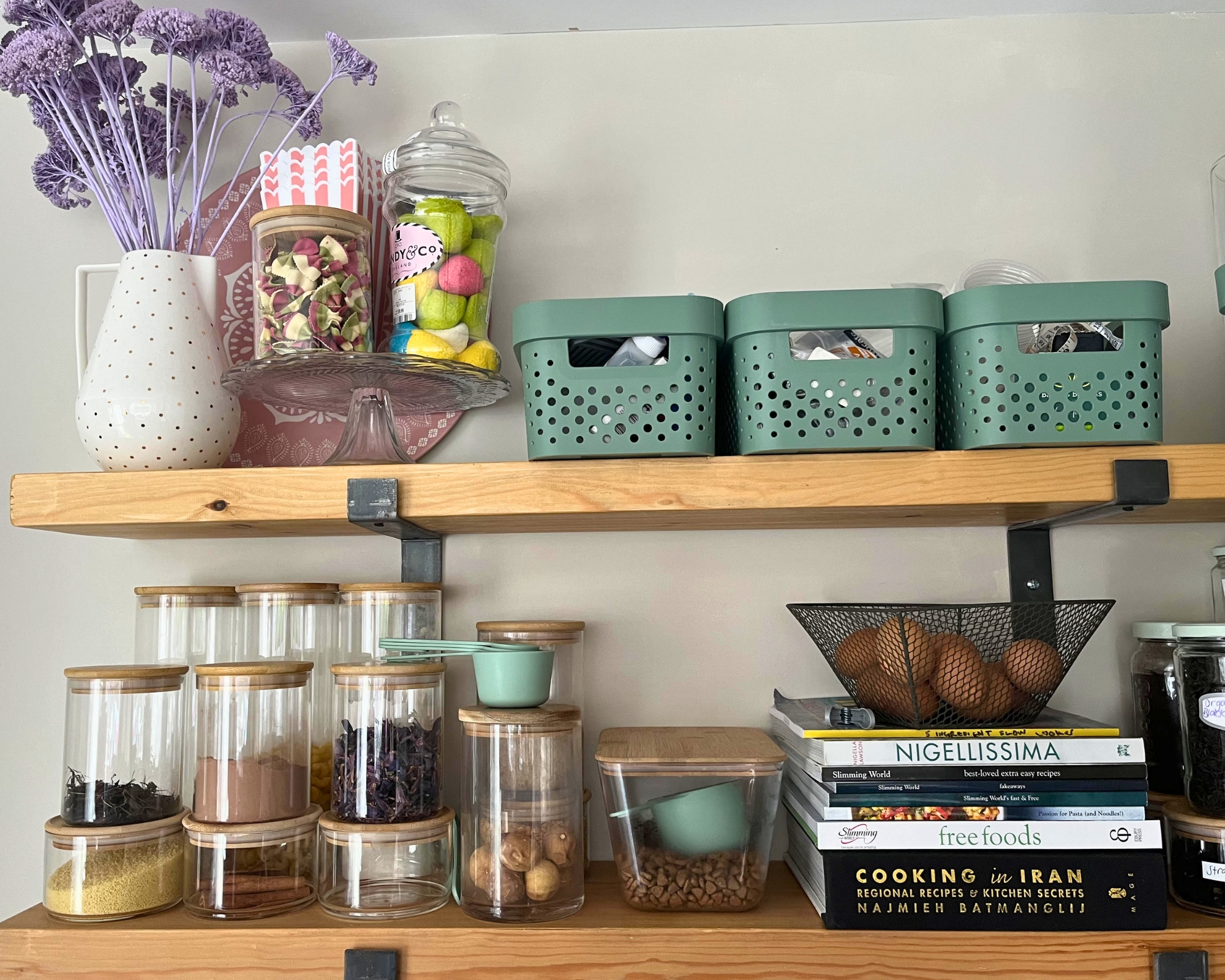
Similarly, non-cleaning utility items like batteries and lighters should also be kept out of the pantry. The fluids contained within these items are considered poisonous, mirroring the concerns associated with cleaning chemicals. Batteries can erode over time, releasing toxic liquids, and lighter fluid poses a risk of leaking onto food. Adhering to the FDA's guidance on poisons, even for non-bottled chemicals, means restricting pantry storage solely to food items to ensure safety.
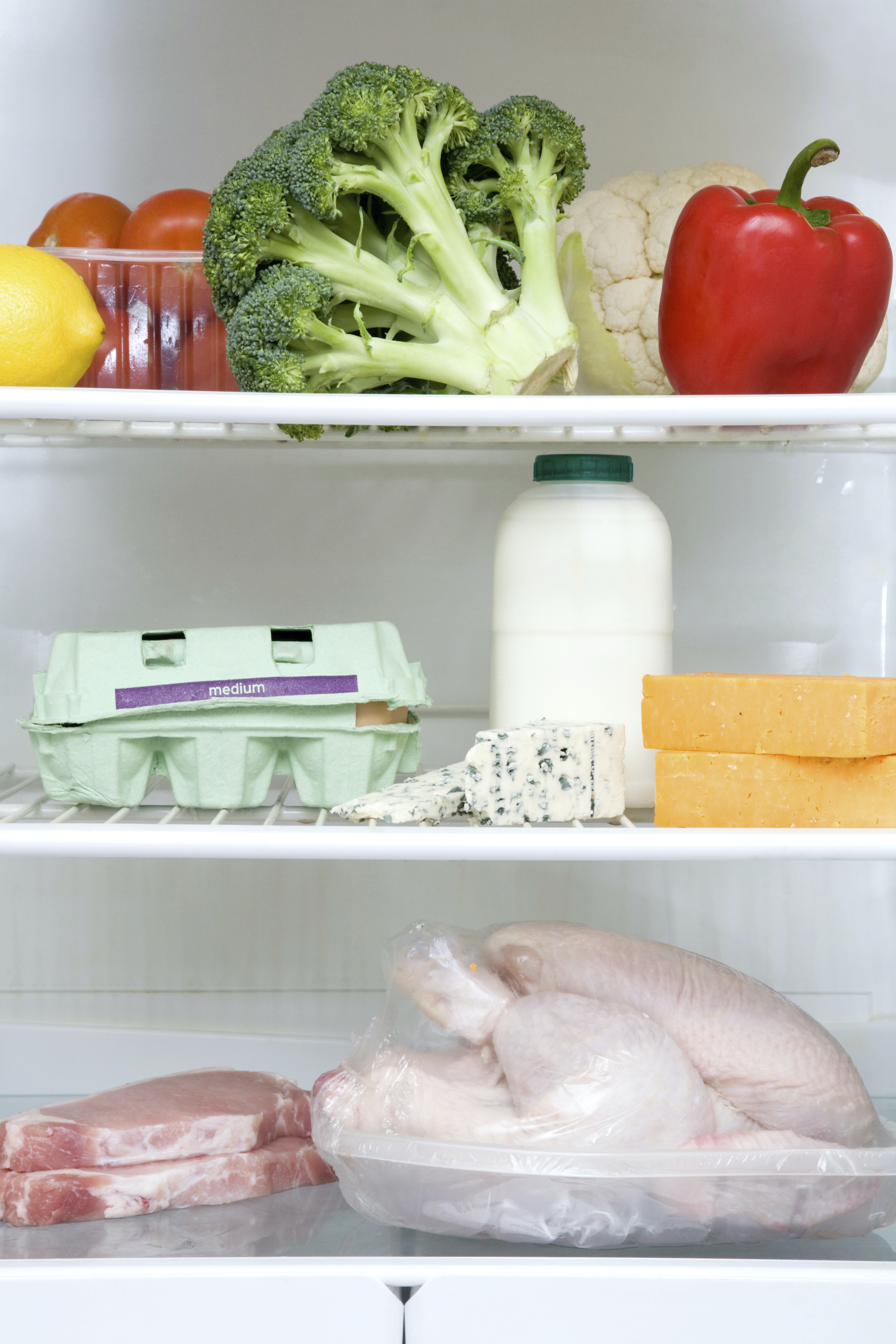
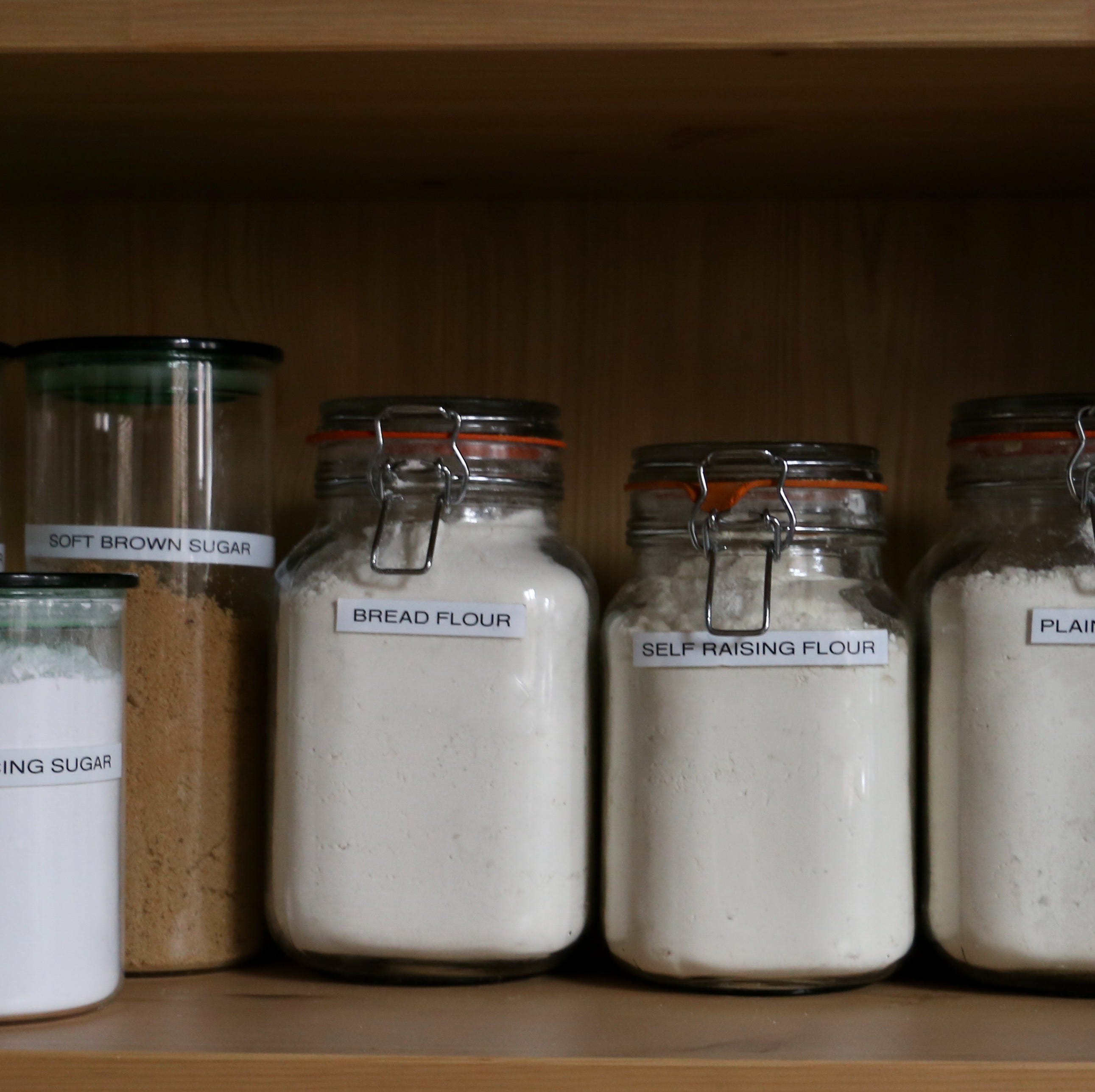
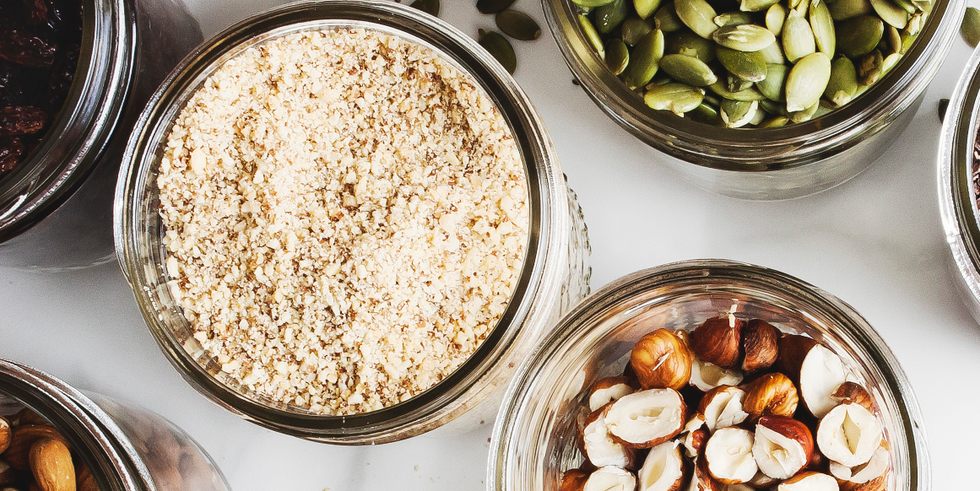
Flour, a common pantry staple, presents a unique health risk when stored at room temperature. Flour and flour-based products can become a breeding ground for dust mites, which can trigger respiratory issues, asthma attacks, and anaphylactic reactions in individuals with mite allergies if ingested. To mitigate this risk, flour should be transferred to a resealable plastic bag immediately after purchase and stored in the freezer, or the refrigerator as a secondary option.
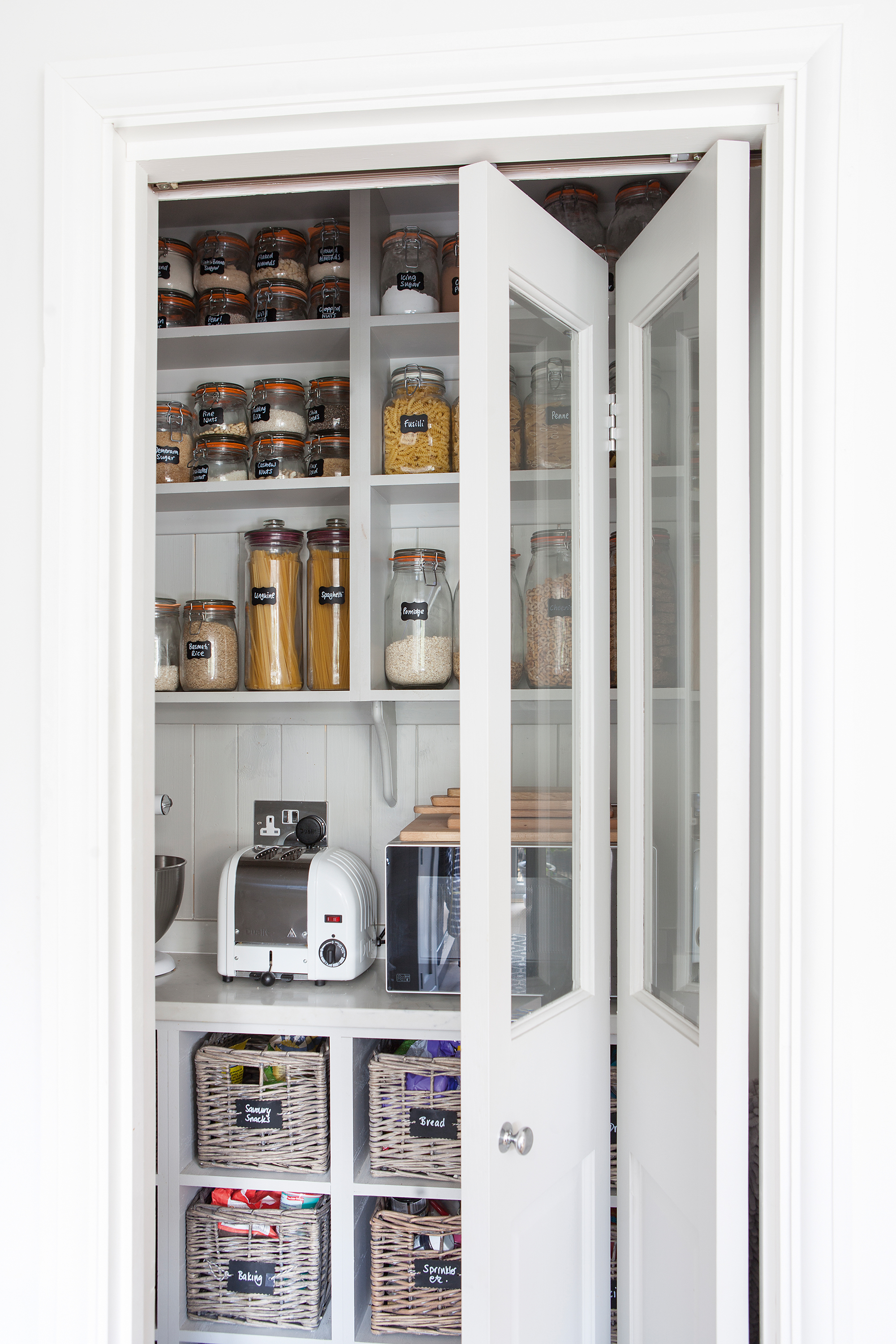
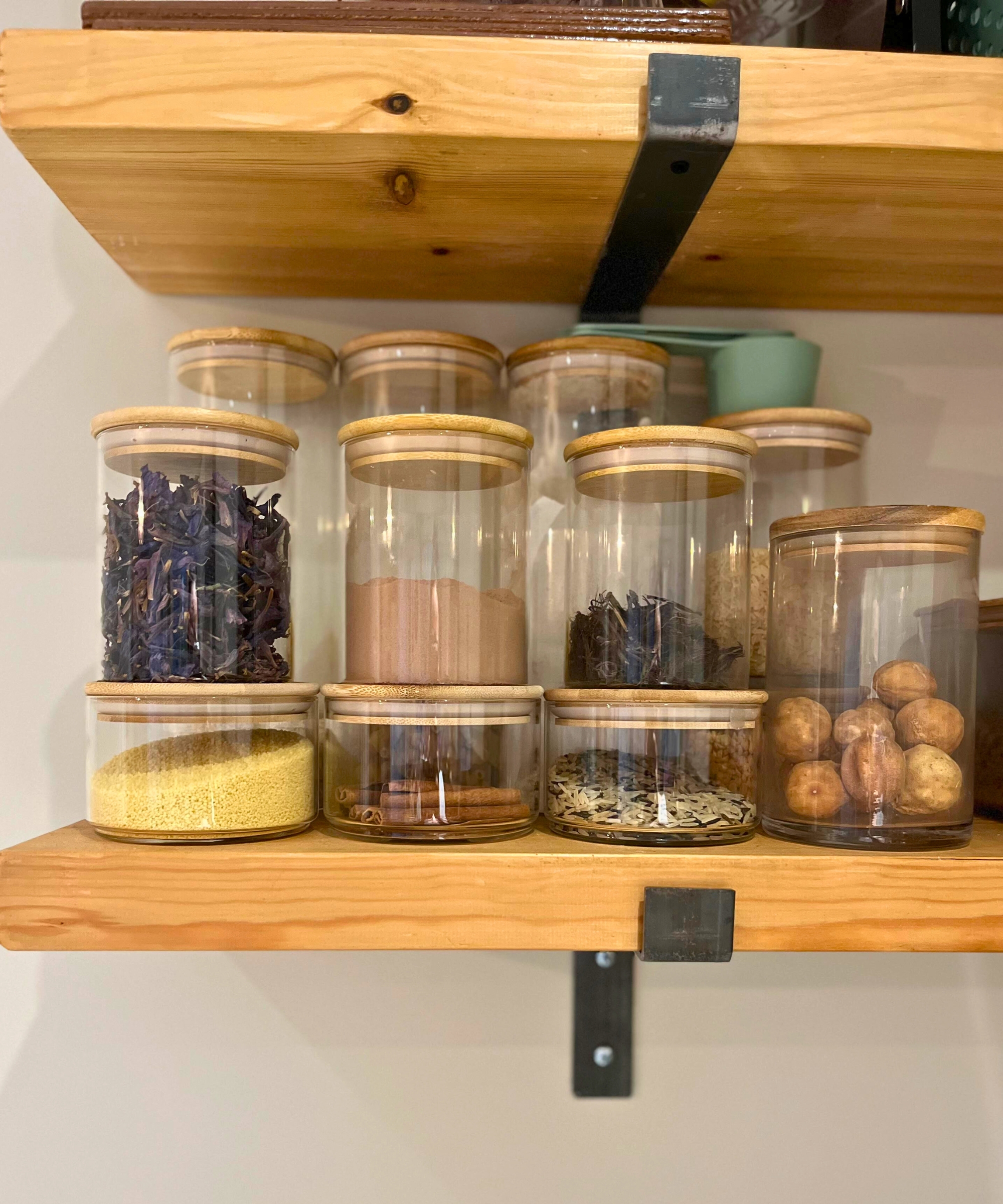
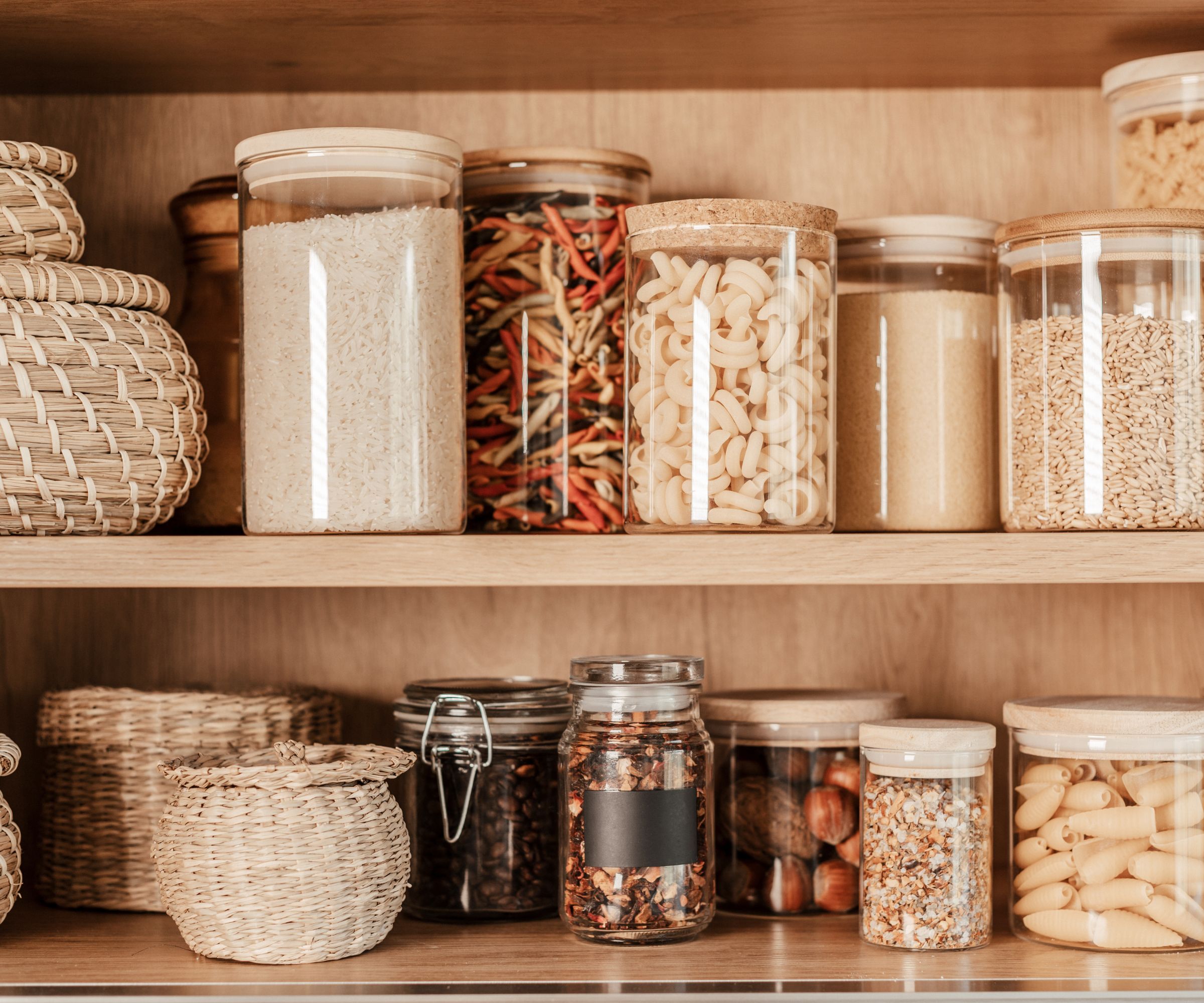
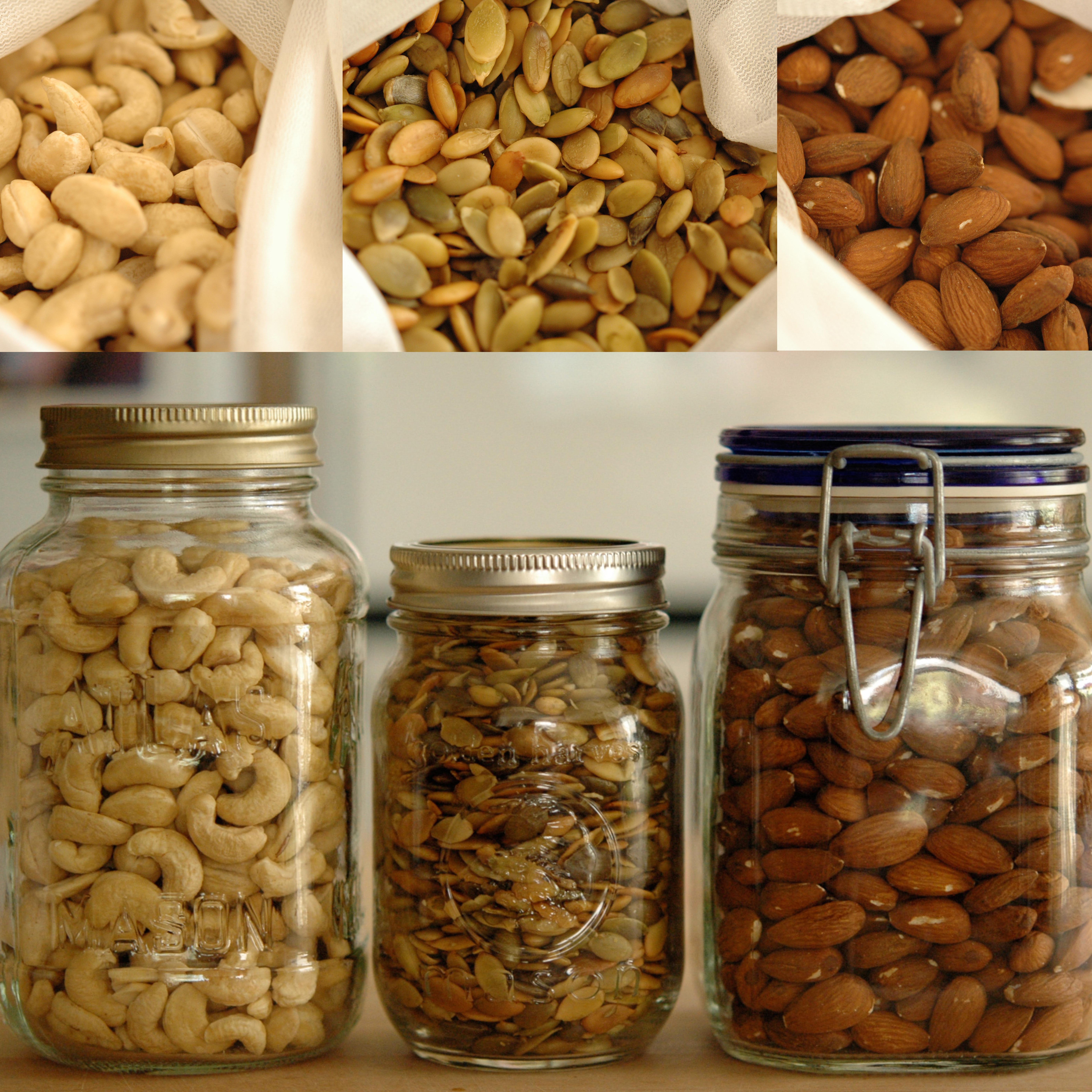
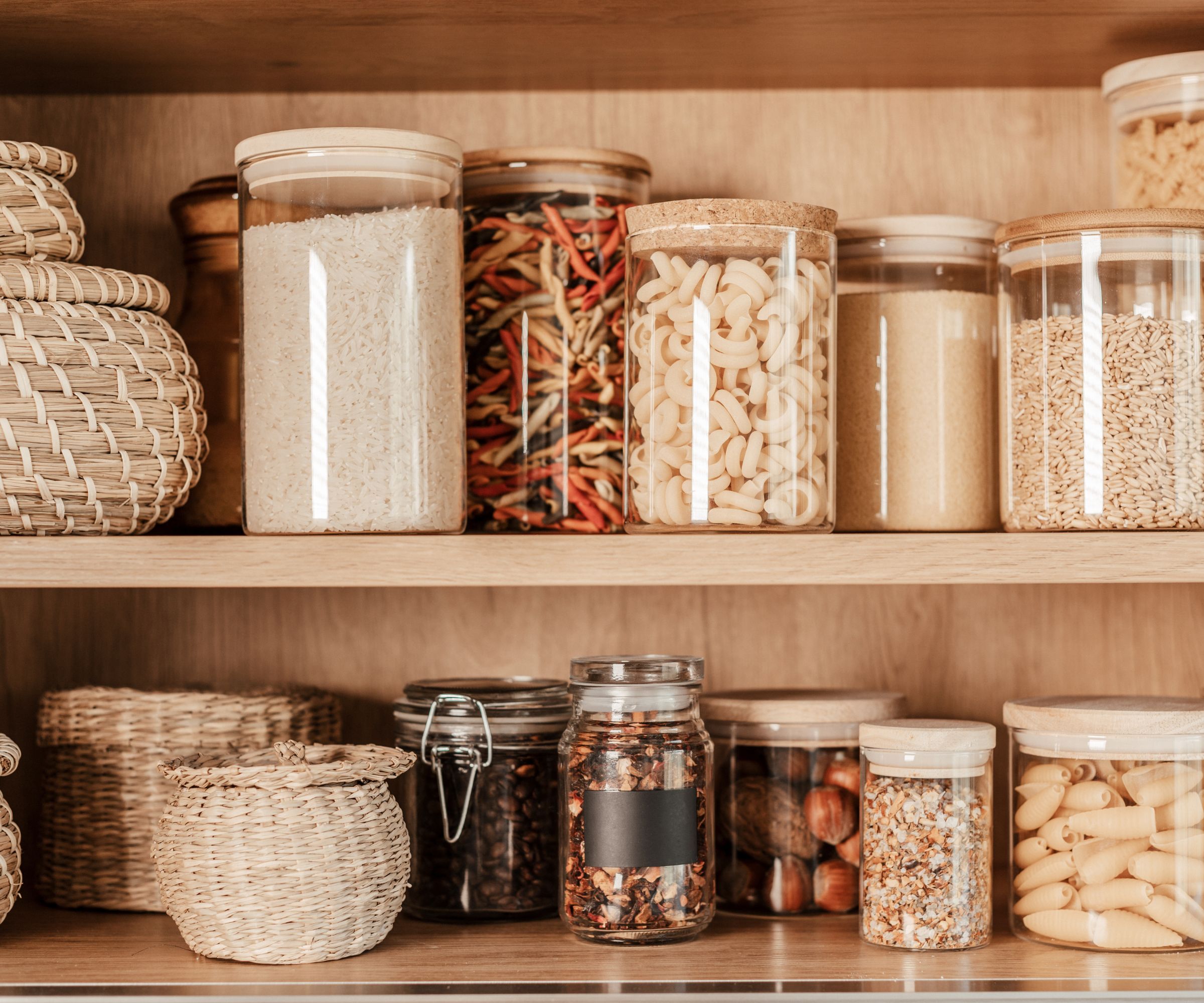
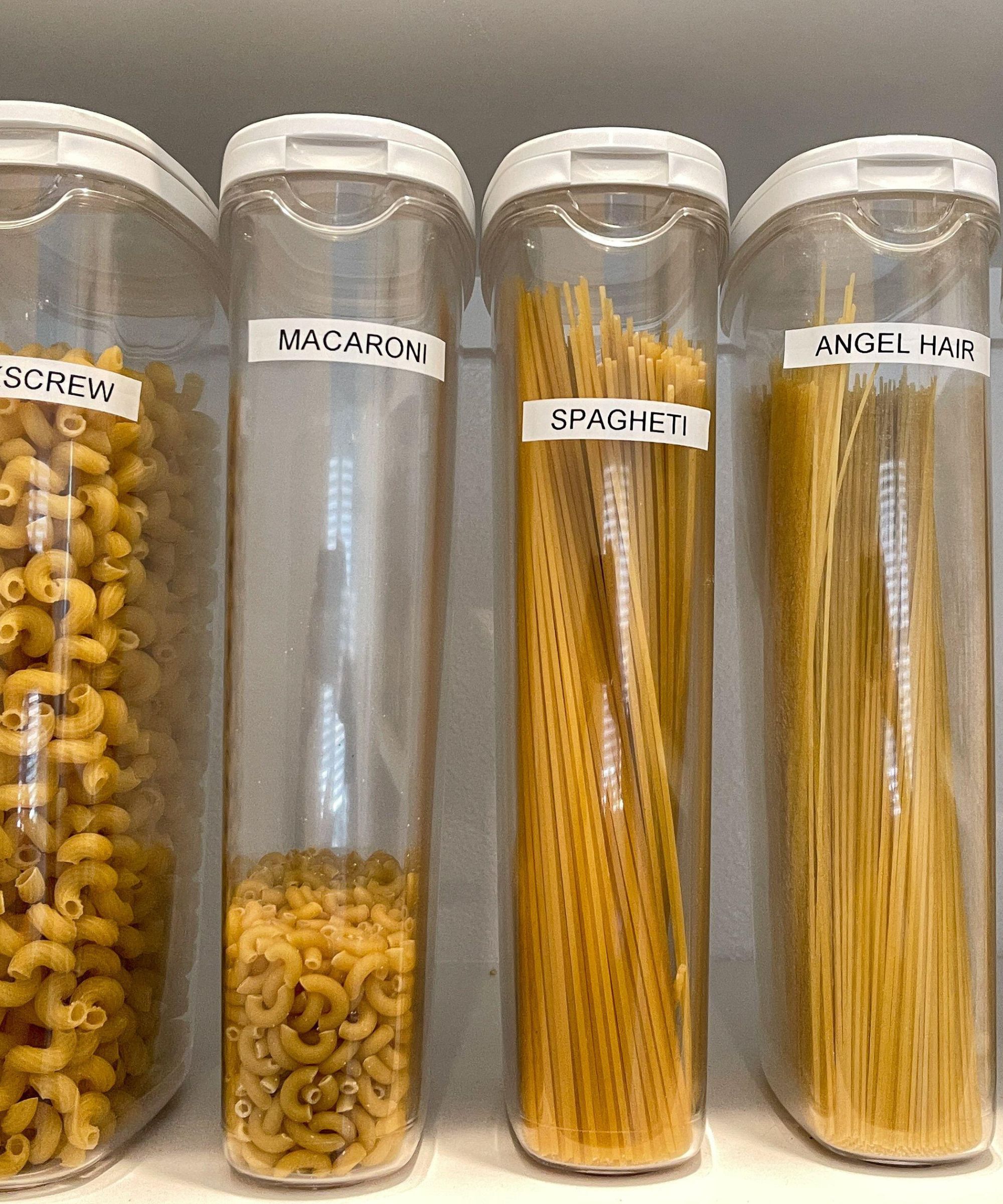
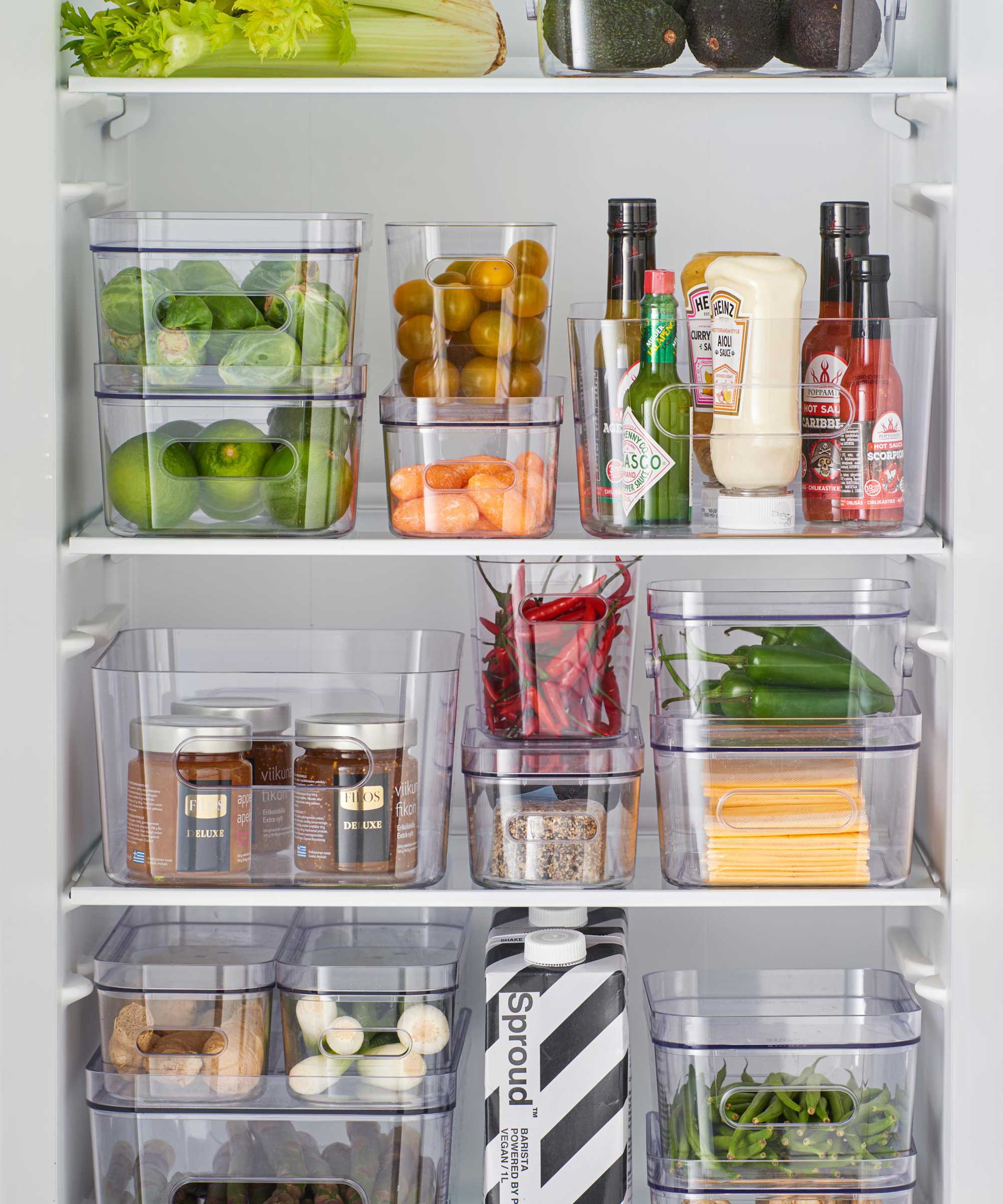
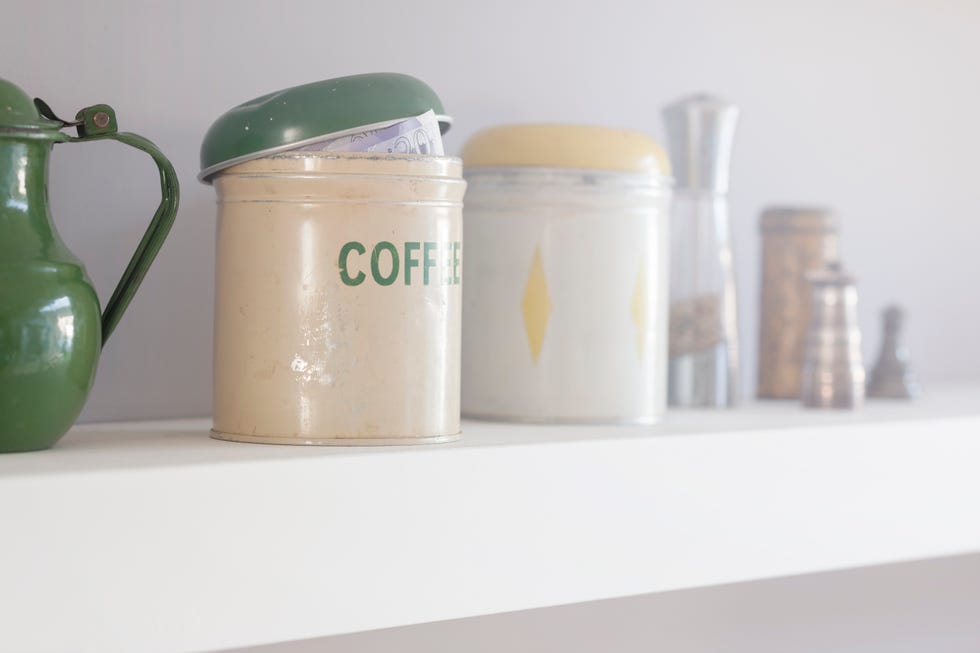
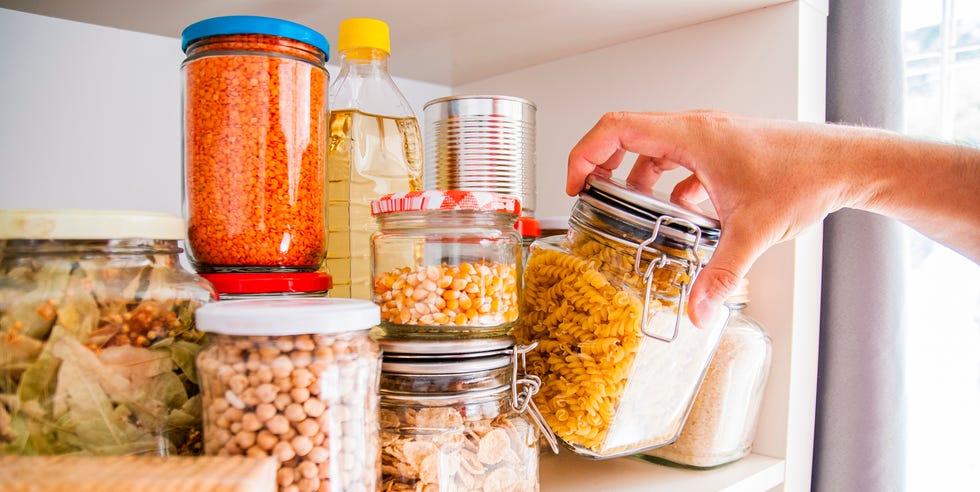
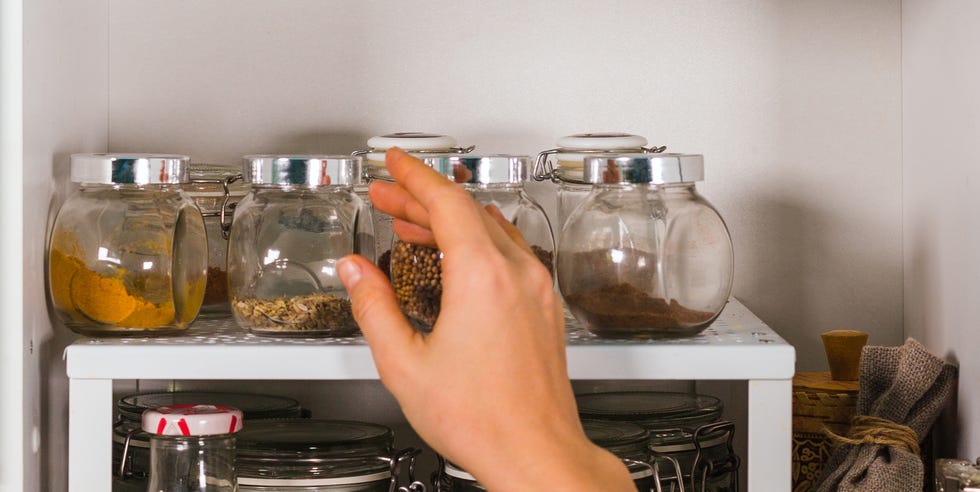
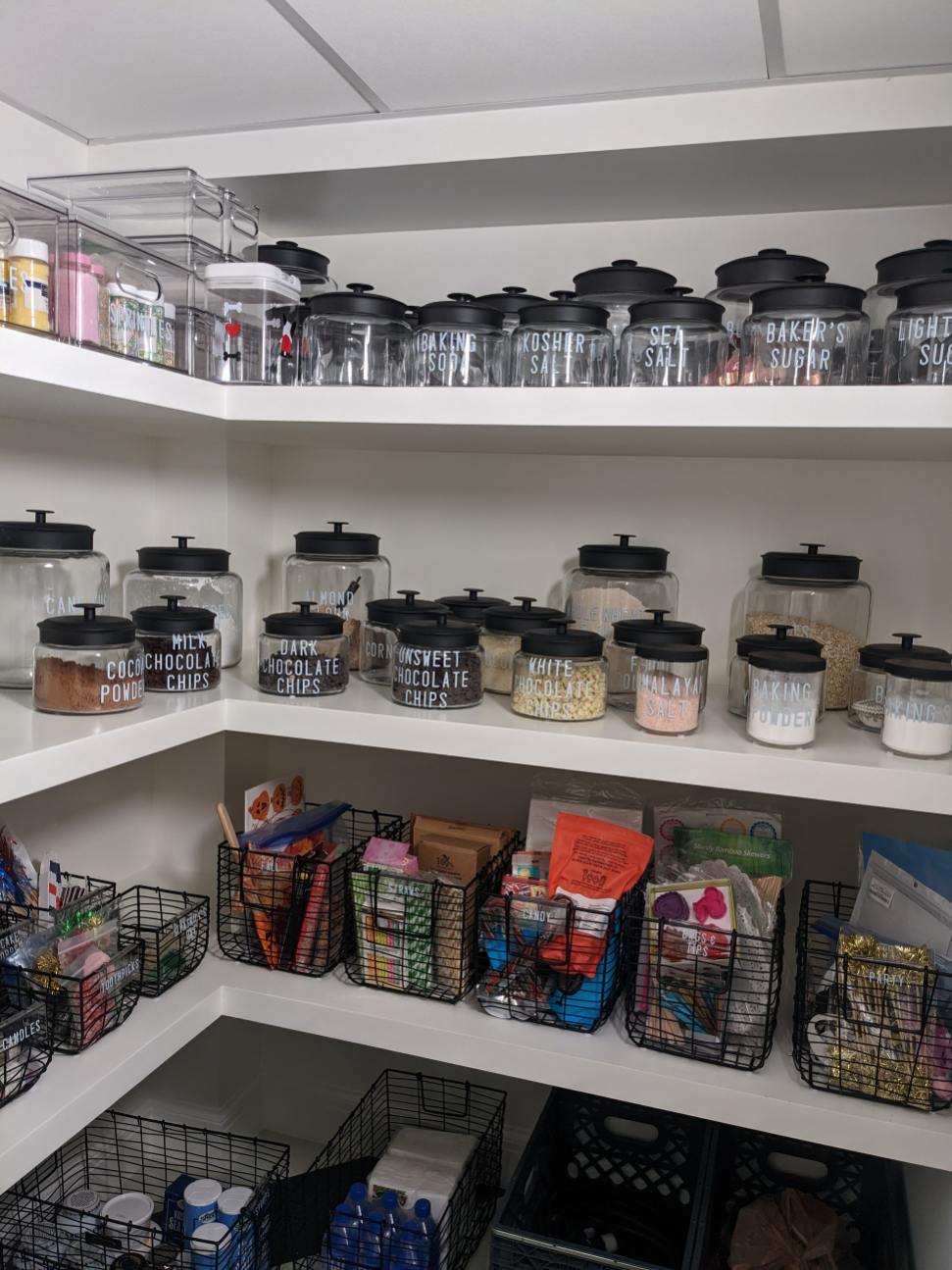
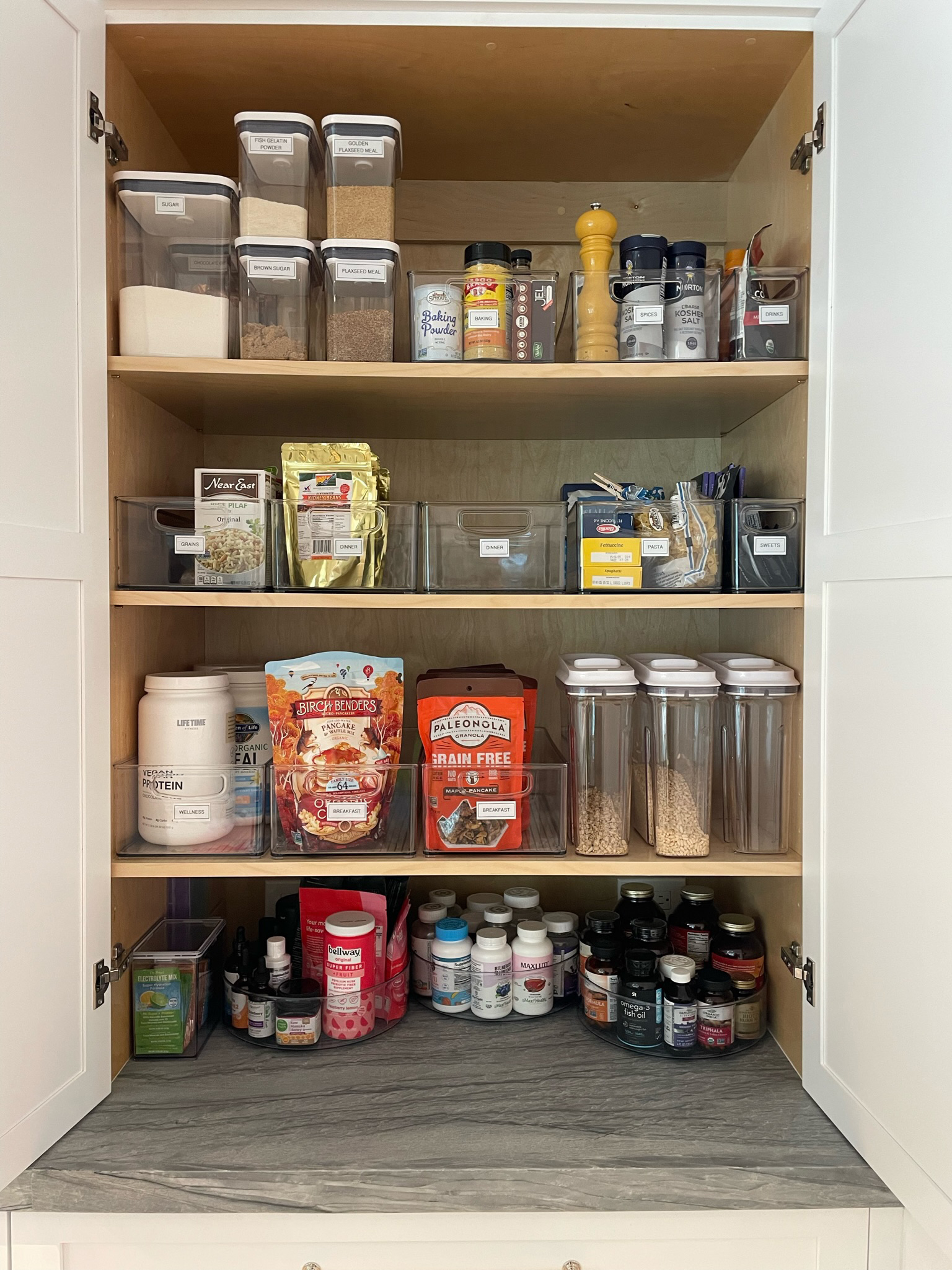
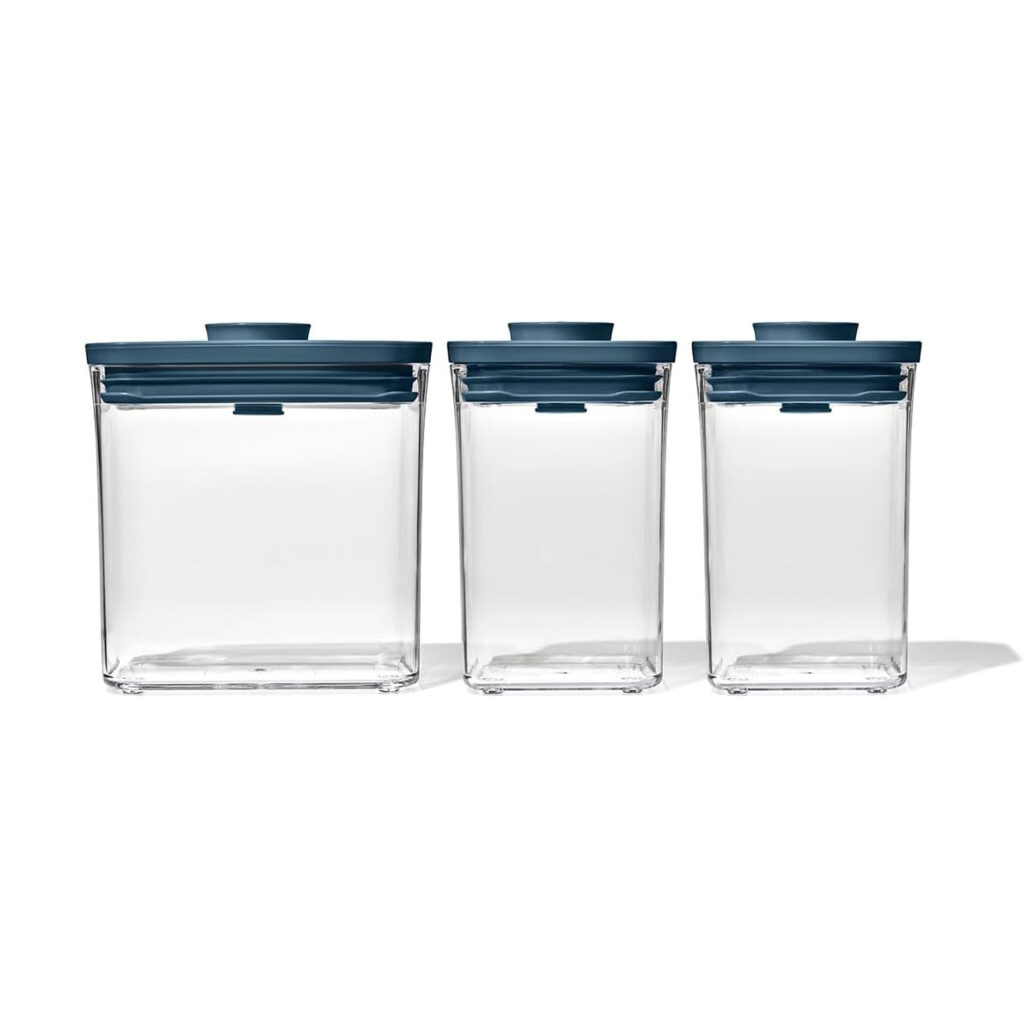
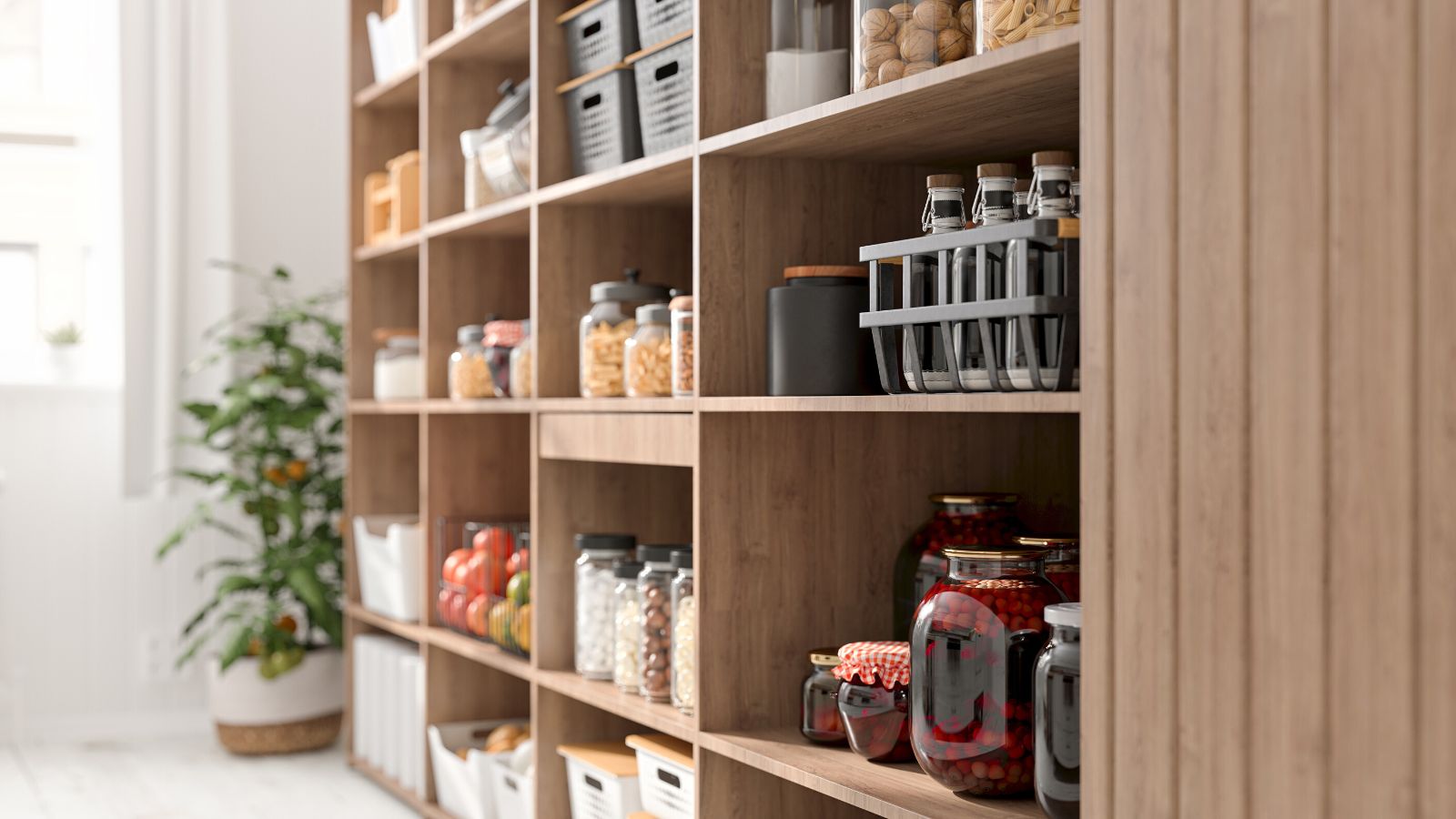
Open food packages, including items like pasta, rice, and bulk spices, are highly attractive to pests such as bugs, mice, and rats. To prevent infestations, the Center for Disease Control and Prevention (CDC) recommends storing non-perishable foods in airtight plastic or glass containers. This not only deters pests but also contributes to a more organized and aesthetically pleasing pantry space.
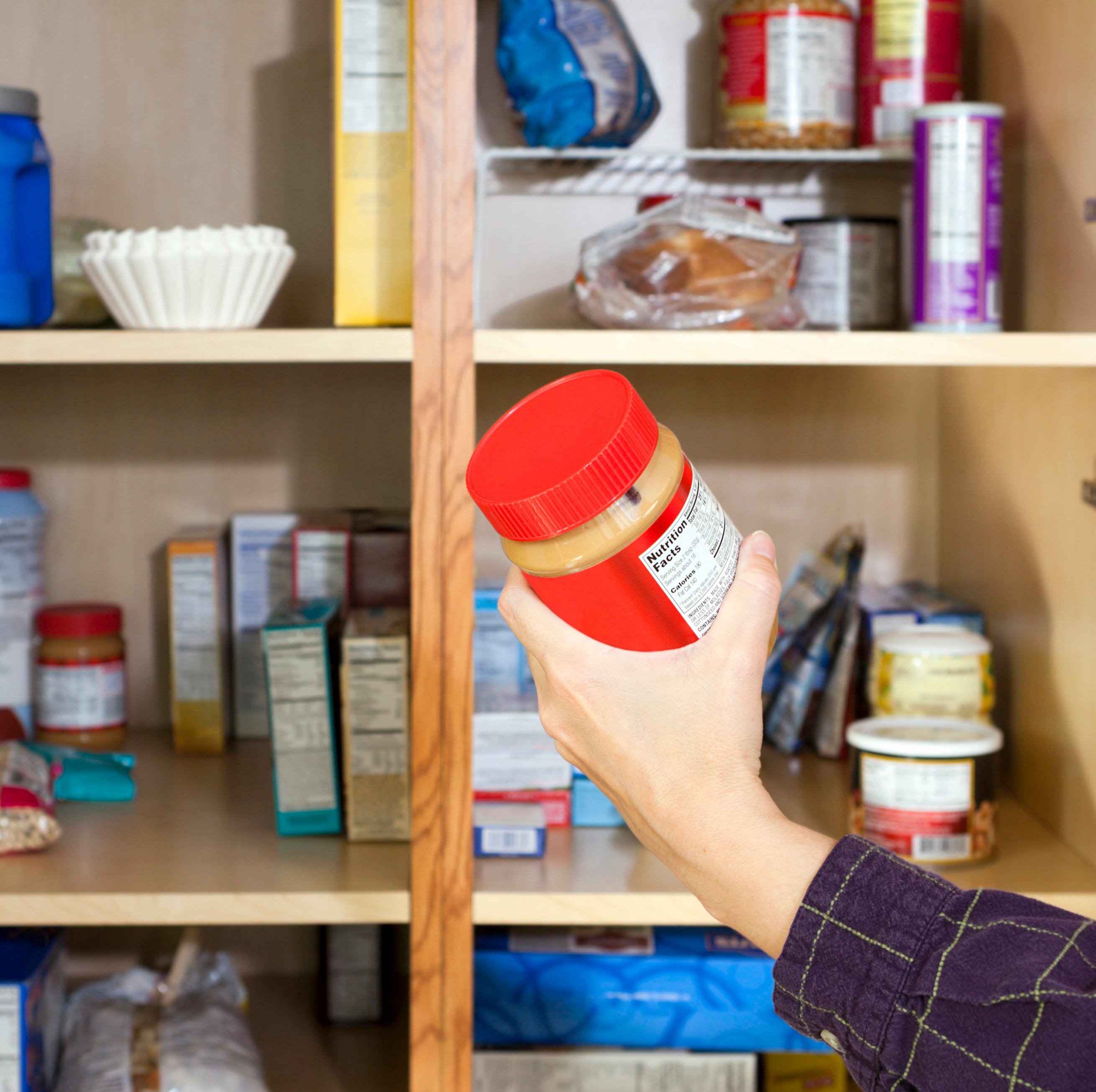
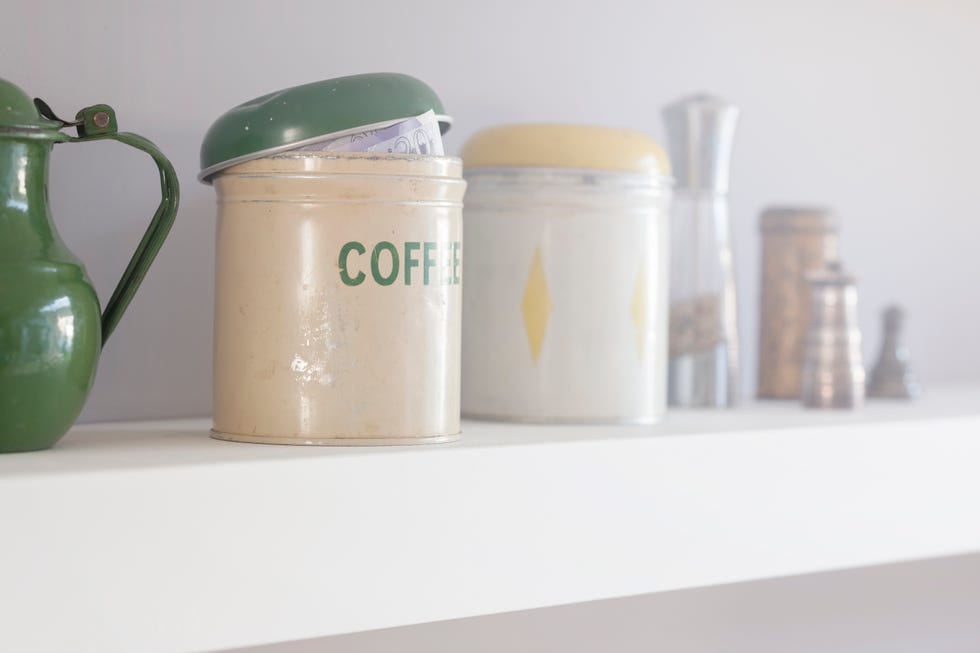
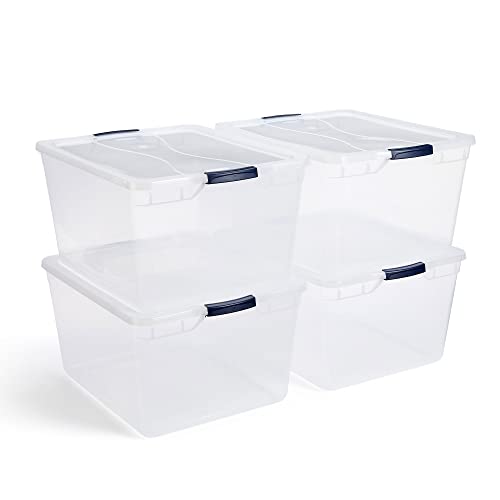
While opaque or decorative containers may offer aesthetic appeal, they are not practical for pantry storage. Non-transparent containers make it difficult to monitor inventory levels and identify when ingredients, particularly items like flour, need to be discarded due to spoilage or expiration. Opting for airtight acrylic containers allows for visibility of contents, and personalized labels can still be used to add a touch of style. Additionally, adding purchase or expiration dates to labels is a practical measure to track ingredient freshness and reduce waste.
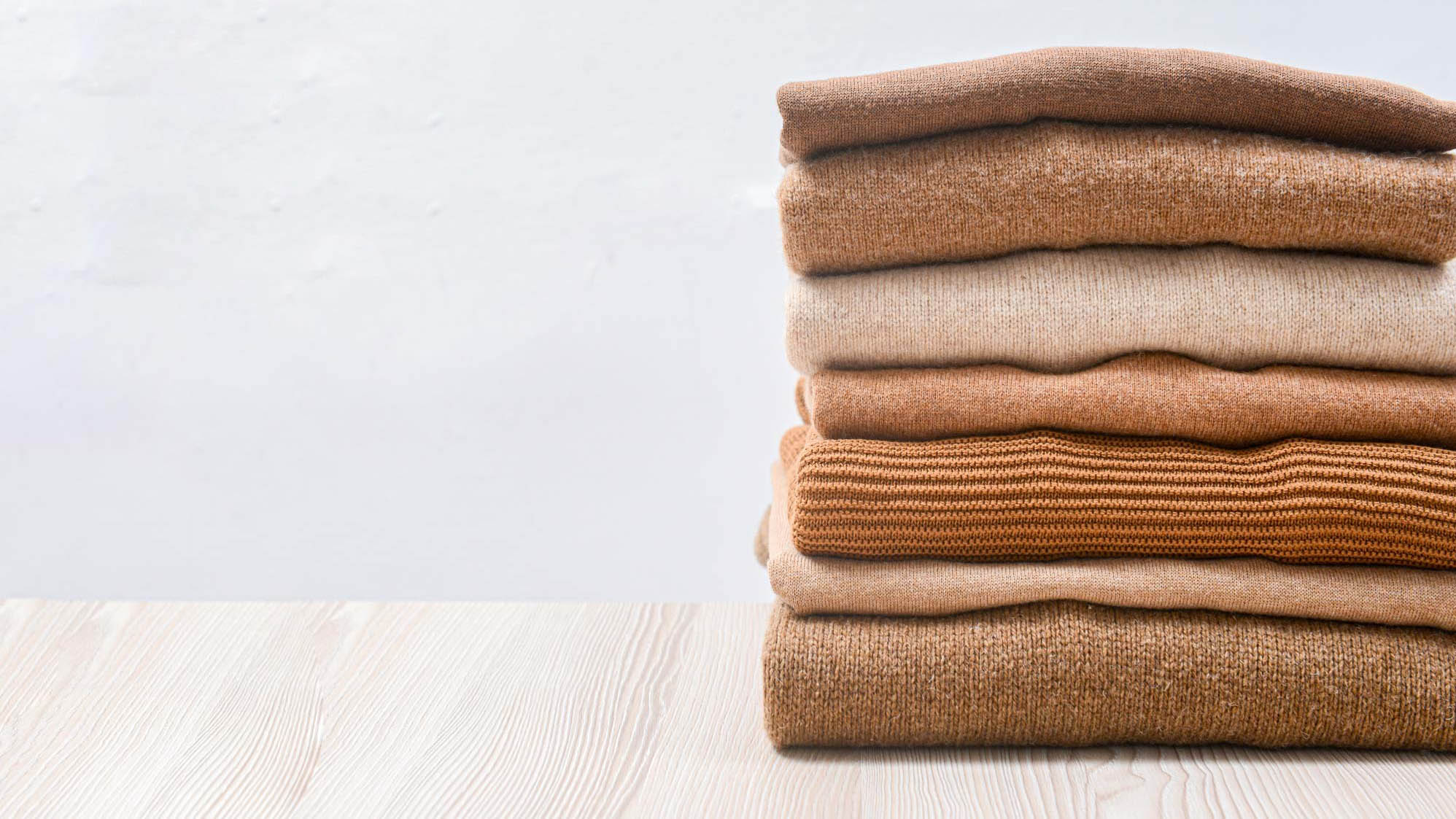
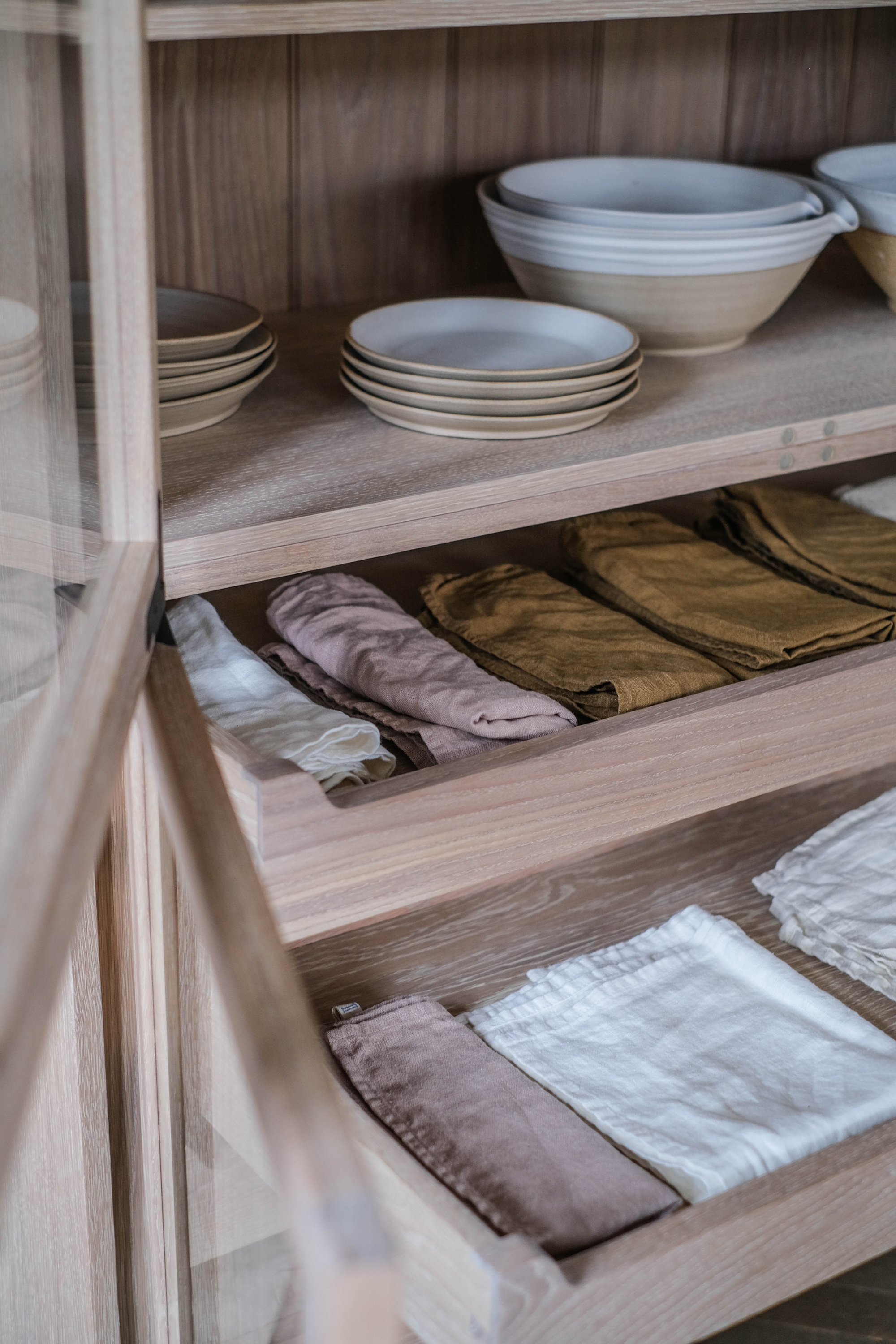
Dish towels, often kept within reach in the kitchen, should not be stored in a pantry. The dark, enclosed environment of most pantries creates ideal conditions for mold growth. Dish towels require ample light and air circulation to prevent mold and bacterial proliferation. They should be hung in an open area, such as on a hook beside the sink or draped over an oven handle, and washed regularly to maintain hygiene.
Finally, pet food, despite often being used in the kitchen, should be stored separately from human food in the pantry. The strong odor of dry pet food can permeate the pantry, potentially affecting the flavors of human food items and leaving an undesirable aftertaste. Unless strictly storing sealed cans of wet pet food, it is advisable to dedicate a separate area solely for pet supplies storage, ensuring the integrity of human food items and maintaining a pleasant pantry environment.
#PantryOrganization #FoodSafety #PestControl #KitchenStorage #HomeOrganization #CleaningSuppliesStorage #FoodStorageTips #HomeHacks #InteriorDesign #PantryOrganization #FoodSafety #PestControl #KitchenStorage #HomeOrganization #CleaningSuppliesStorage #FoodStorageTips #HomeHacks #InteriorDesign
0 commentaire au total
 Aucun commentaire pour le moment
Vous aimerez aussi
11 things you should never store in a pantry, according to experts


Never store these 6 things on open kitchen shelving, warn pro organisers
8 Things You Should NEVER Keep On Your Kitchen Counter
6 Things You Should Never Store In Your Laundry Room, According To Experts
Pros warn never to keep these 8 things in your pantry
These 7 things should never be stored in plastic bins – don't risk damaging your possessions
13 Items You Should Remove from Your Pantry Right Now


7 Kitchen Storage Trends That Designers say are Best Avoided

6 Things You Should NEVER Keep In Your Pantry, According To Pro Organizers & Chefs
6 Things You Should Never Store in Your Kitchen Cabinets—and Where to Keep Them Instead


Items to never store in an entryway, according to cleaning, organizing and interiors experts
'Where there are hooks, people will always hang coats' – 8 things you should never store in your entryway to avoid it becoming a dumping ground
7 Items You Should Never Store In Kitchen Cabinets
7 things you should never store in plastic containers
8 Things In Your Pantry You Should Toss ASAP, According To Pro Organizers
Don’t Skip These 6 Tasks When Organizing Your Pantry
7 types of storage you should never use in a pantry – they'll make utilizing this space well 10 times harder, pros say
6 Things You Should Never Keep on Your Kitchen Counter


15 things you should never store in your basement – and why
10 Things You Should Never Store In Your Bedroom Closet