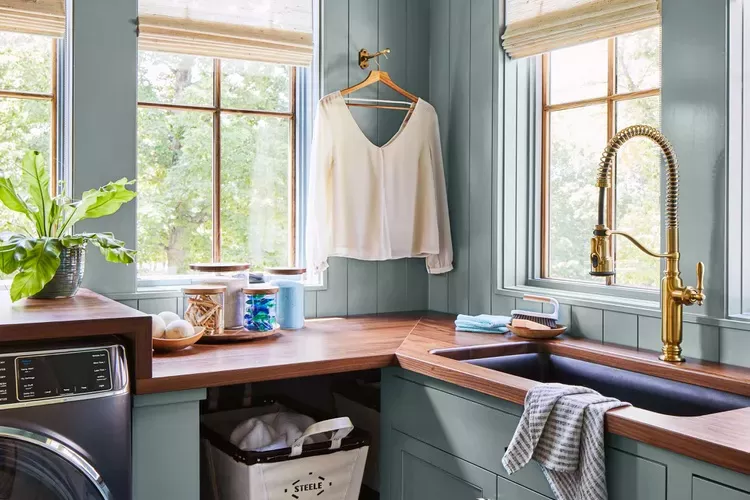
6 Things You Should Never Store In Your Laundry Room, According To Experts
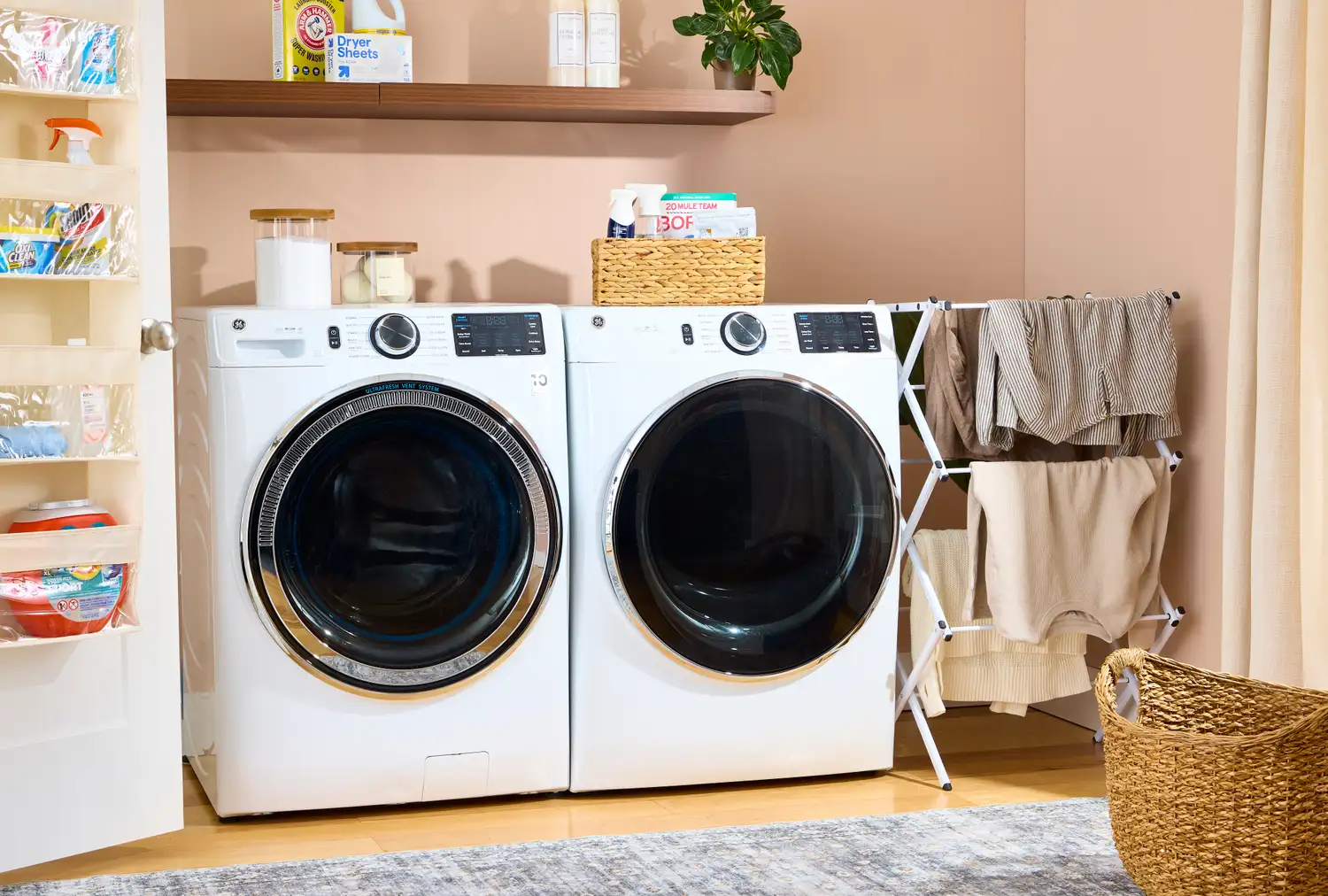
The laundry room, while often perceived as a utility space, should not be treated as a catch-all for miscellaneous household items. Interior designers emphasize that certain categories of items are unsuitable for storage in this area due to the specific environmental conditions and the functional purpose of the room. Filling the laundry room with inappropriate items can lead to damage, health hazards, and an overall cluttered and inefficient living space. Maintaining a clear understanding of what should and should not be stored in the laundry room is crucial for effective home organization and preservation of belongings.
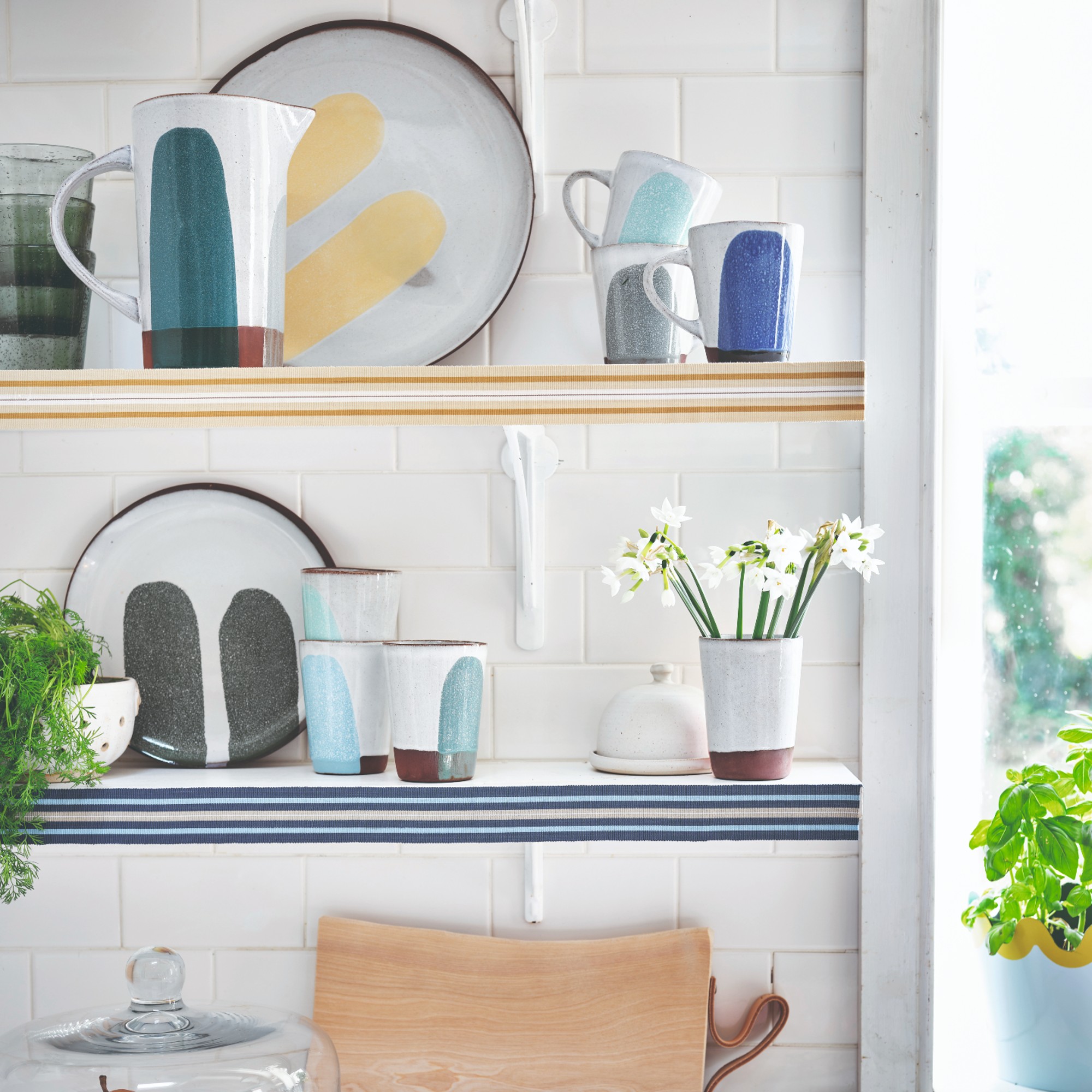
One significant category to avoid storing in the laundry room is entertaining supplies, including items like glassware and fine china. While these may not be used daily, interior designers suggest that such items should be kept in more prominent locations like dining or living rooms. This approach allows these accessories to contribute to the aesthetic appeal of a room and ensures they are readily accessible for entertaining purposes. Keeping them in an environment with fluctuating temperatures and humidity, as is common in a laundry room, could also potentially affect their quality over time.
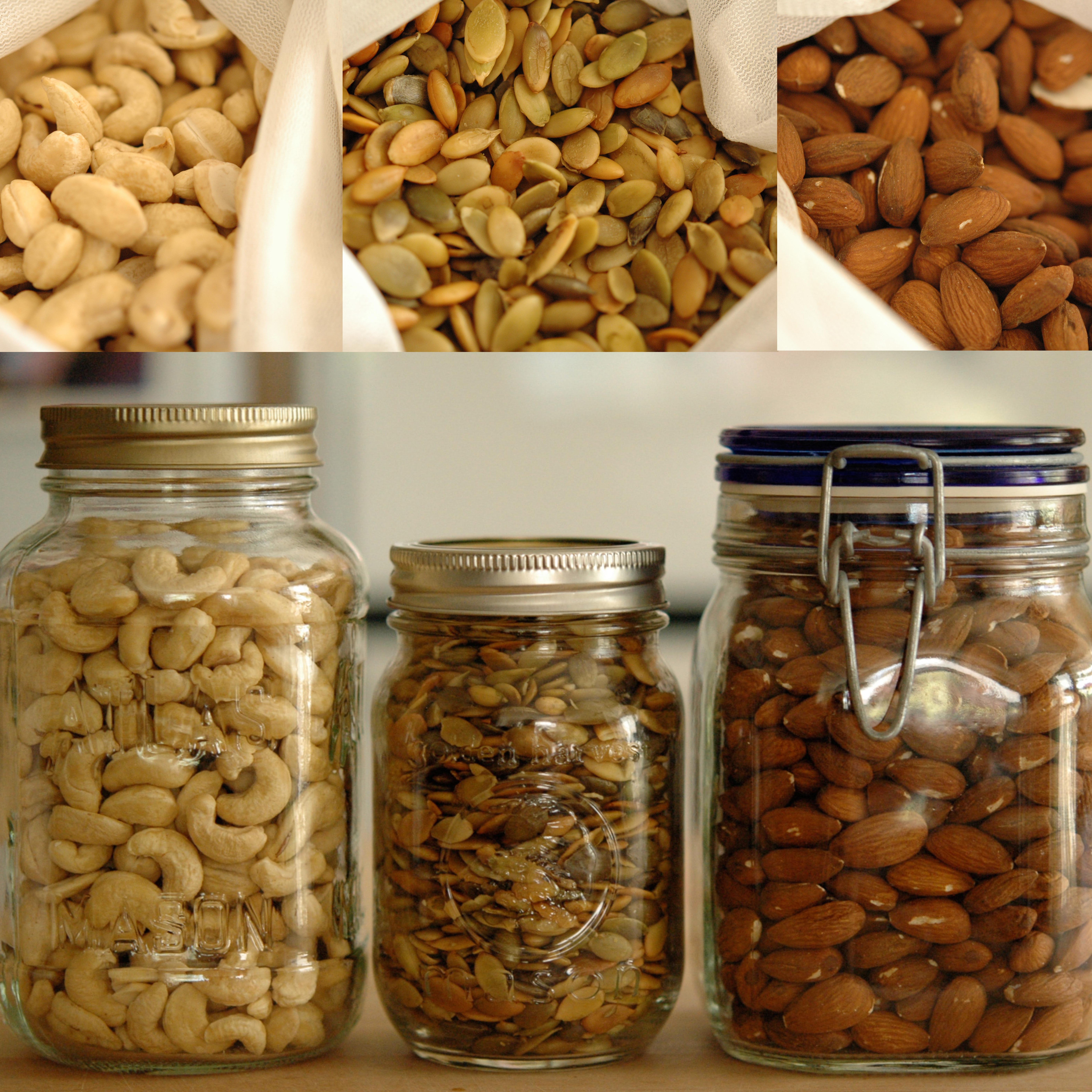
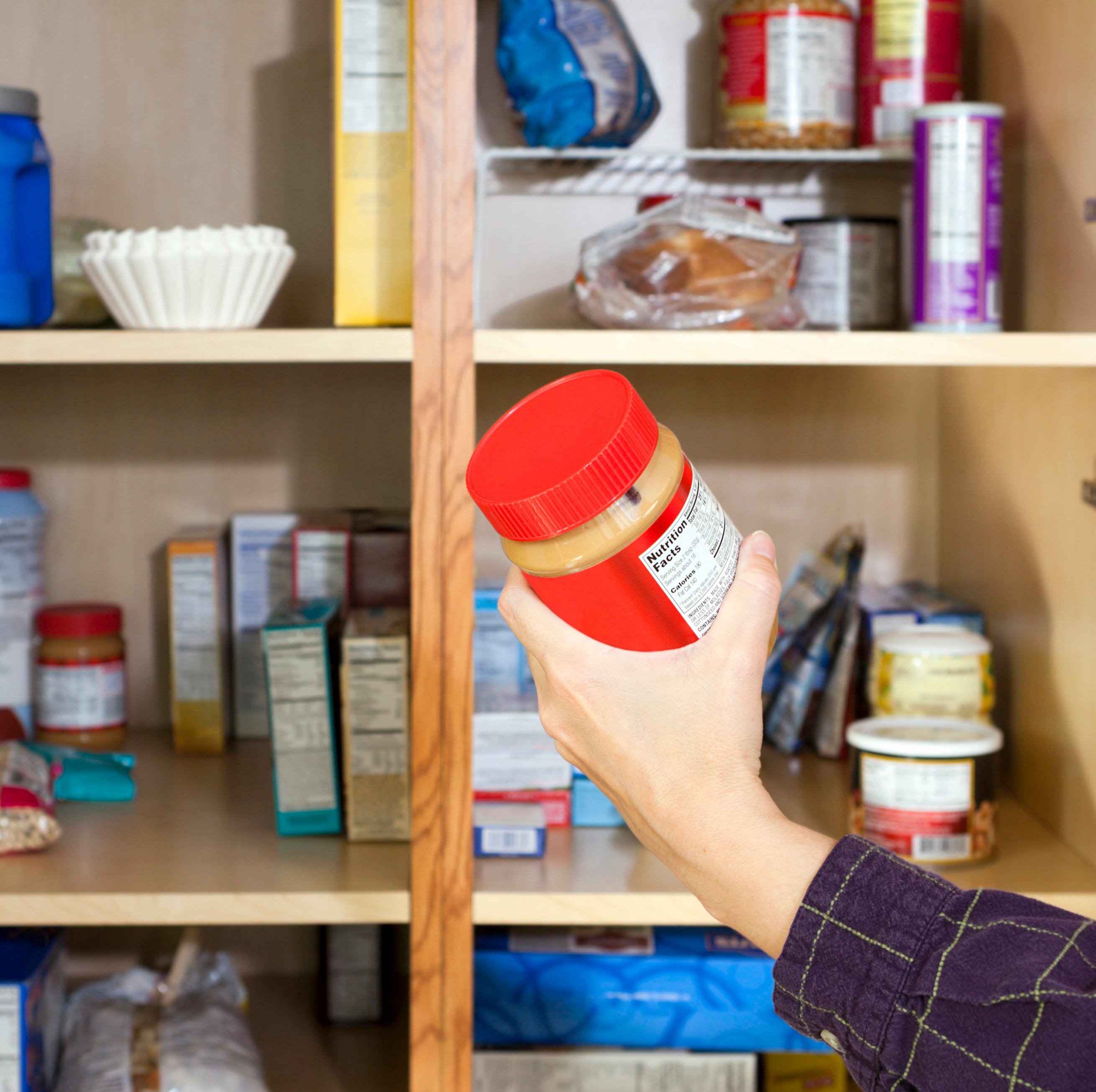
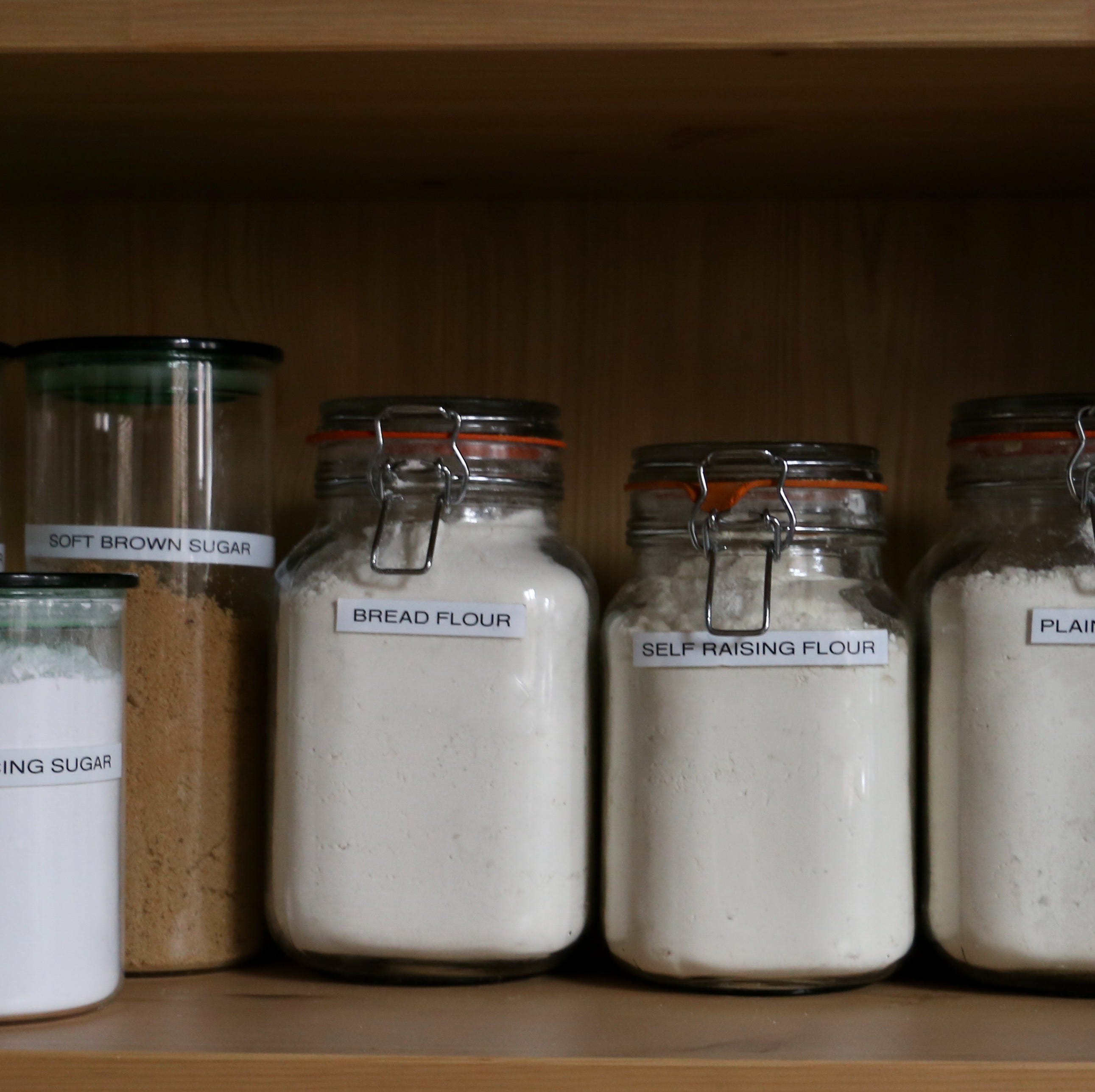
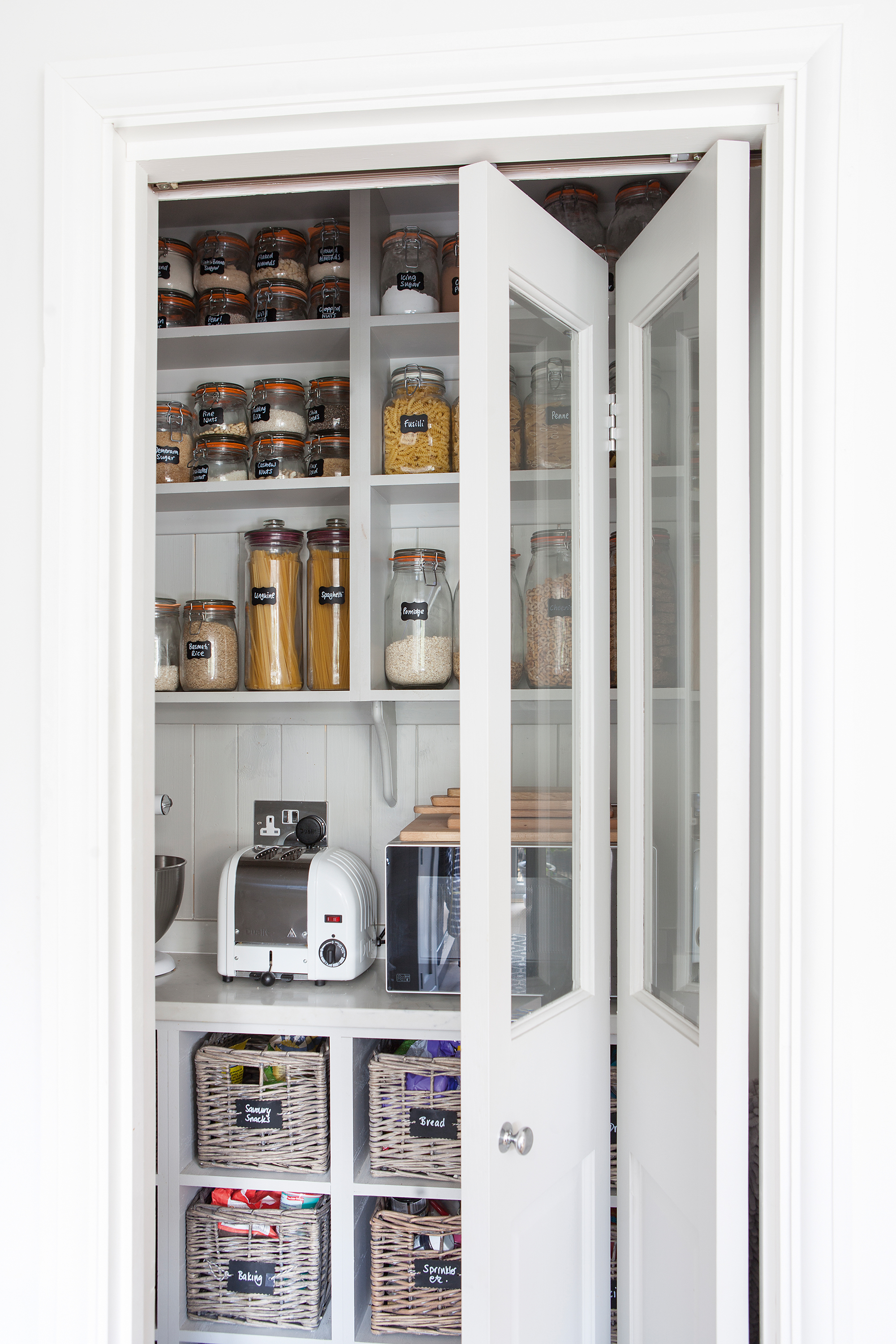
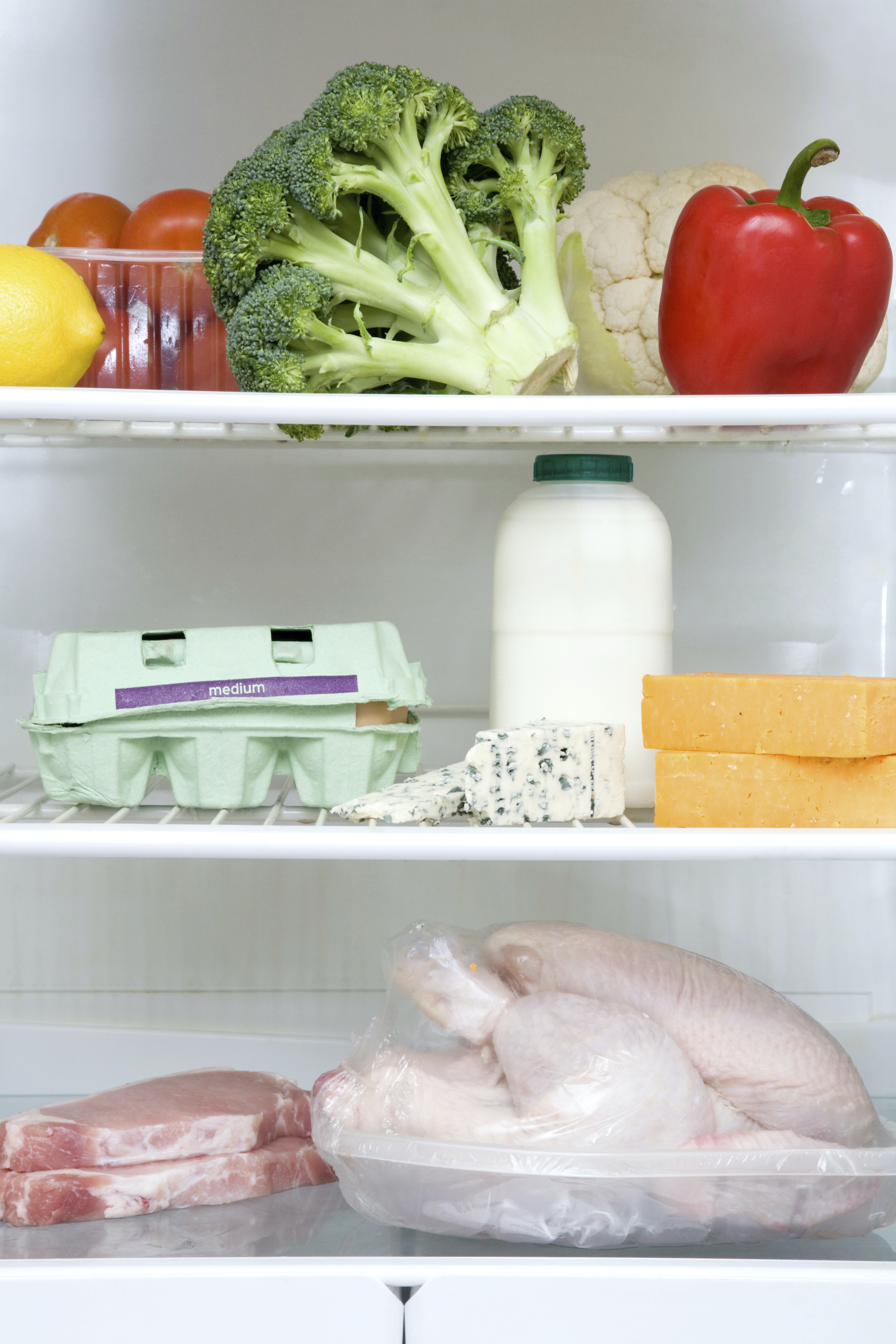
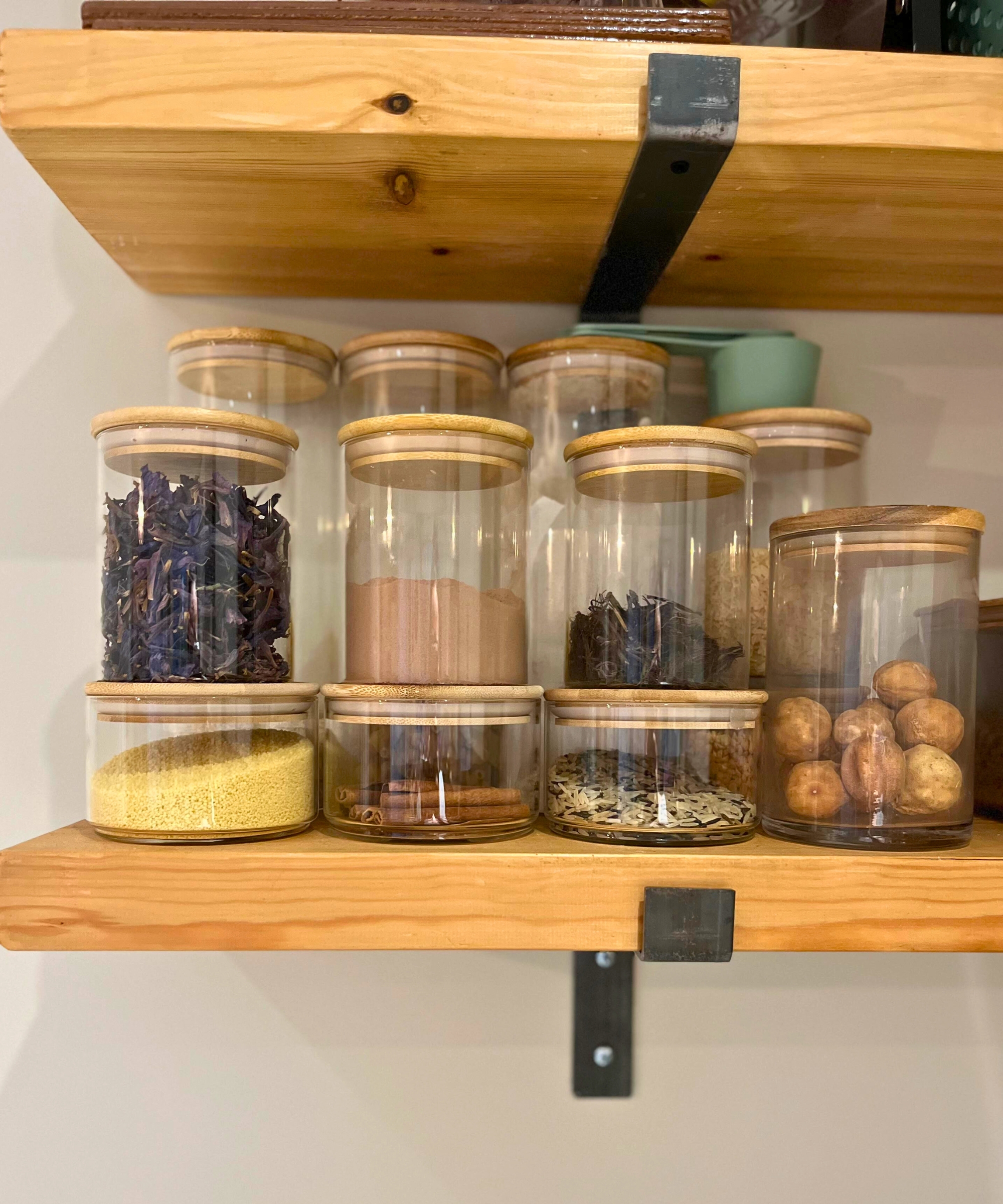
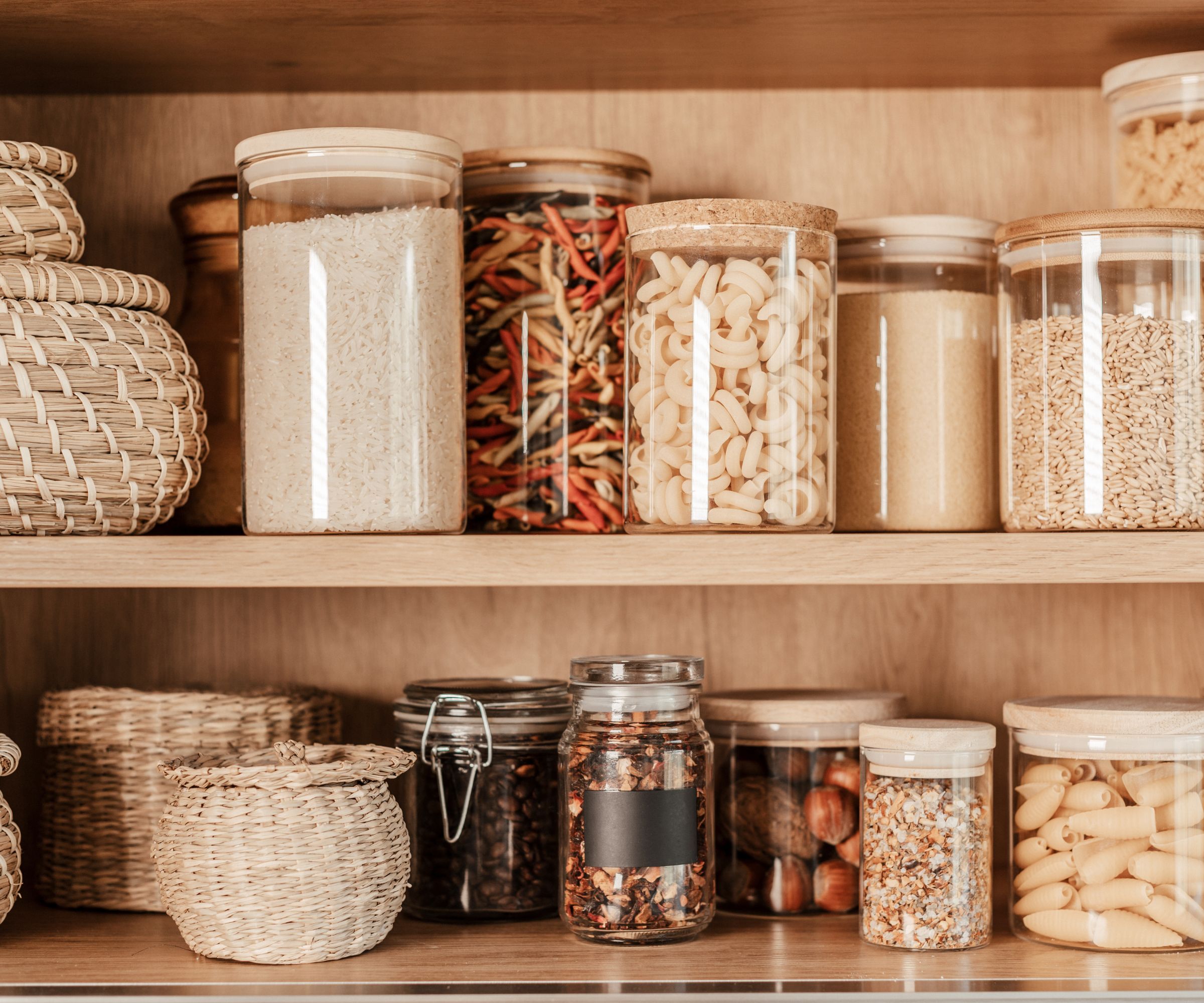
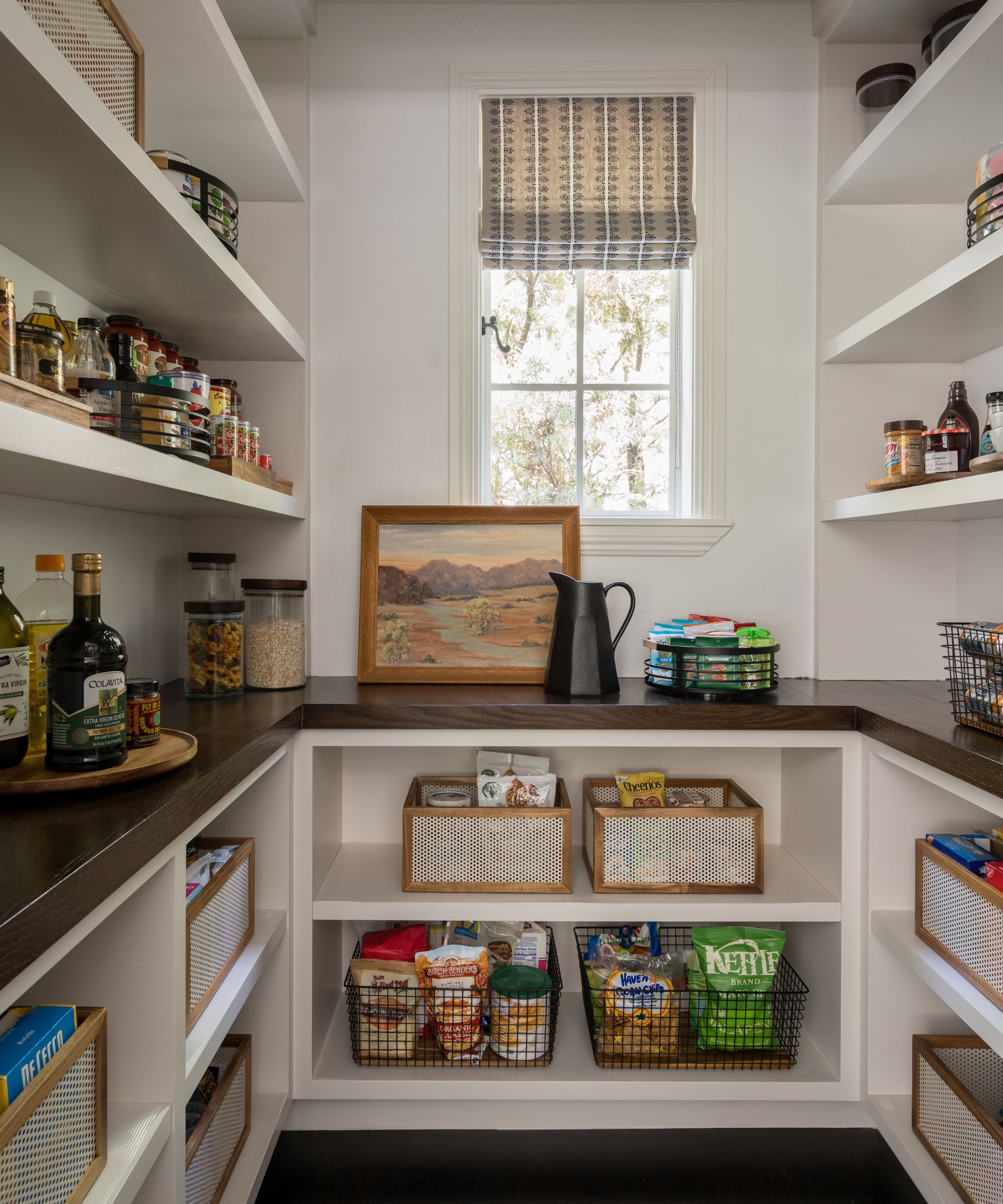
Food and pantry items are also not suitable for laundry room storage. The heat and humidity generated by washing machines and dryers can create an environment that is detrimental to perishable goods. This can lead to spoilage, mold growth, and a reduction in shelf life for food items. Instead, bulk food purchases and pantry overflow should be stored in dedicated pantry spaces or other areas with stable, cool, and dry conditions to maintain their freshness and safety.
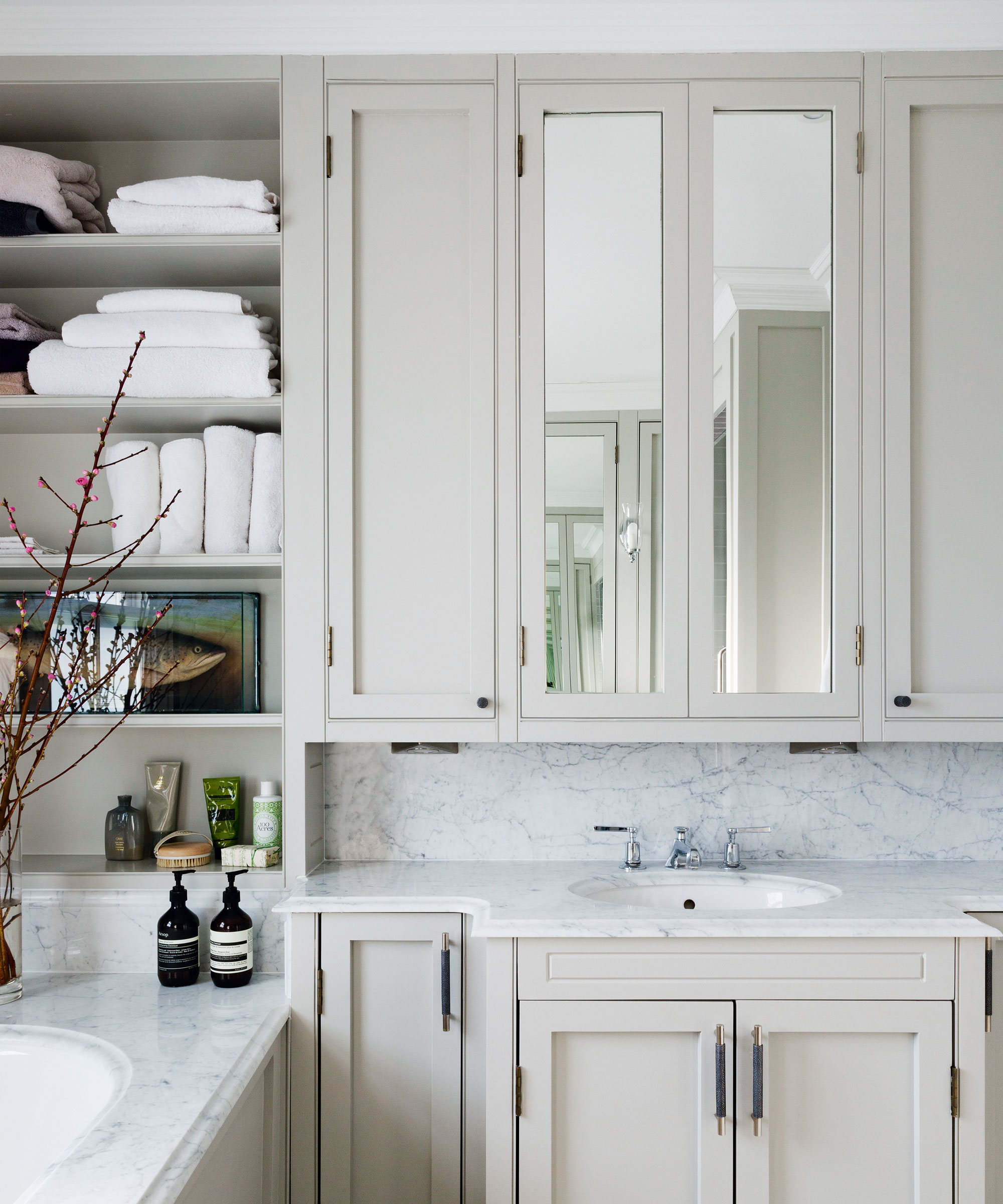
Even common household goods like paper towels and toilet paper should be kept out of the laundry room. The humid atmosphere can cause these paper products to absorb moisture, leading to them becoming damp, moldy, and ultimately unusable. A pantry or linen closet provides a much more appropriate and dry environment for such absorbent items, preserving their utility and hygiene.
Pet-related items, specifically cat litter boxes and dog crates, should never be placed in the laundry room. The presence of pet waste can introduce unpleasant odors and hygiene issues into an area where clothing is cleaned. Designers recommend utilizing dedicated spaces like a mudroom for these items, ensuring the laundry room remains a fresh and clean environment for its primary function.
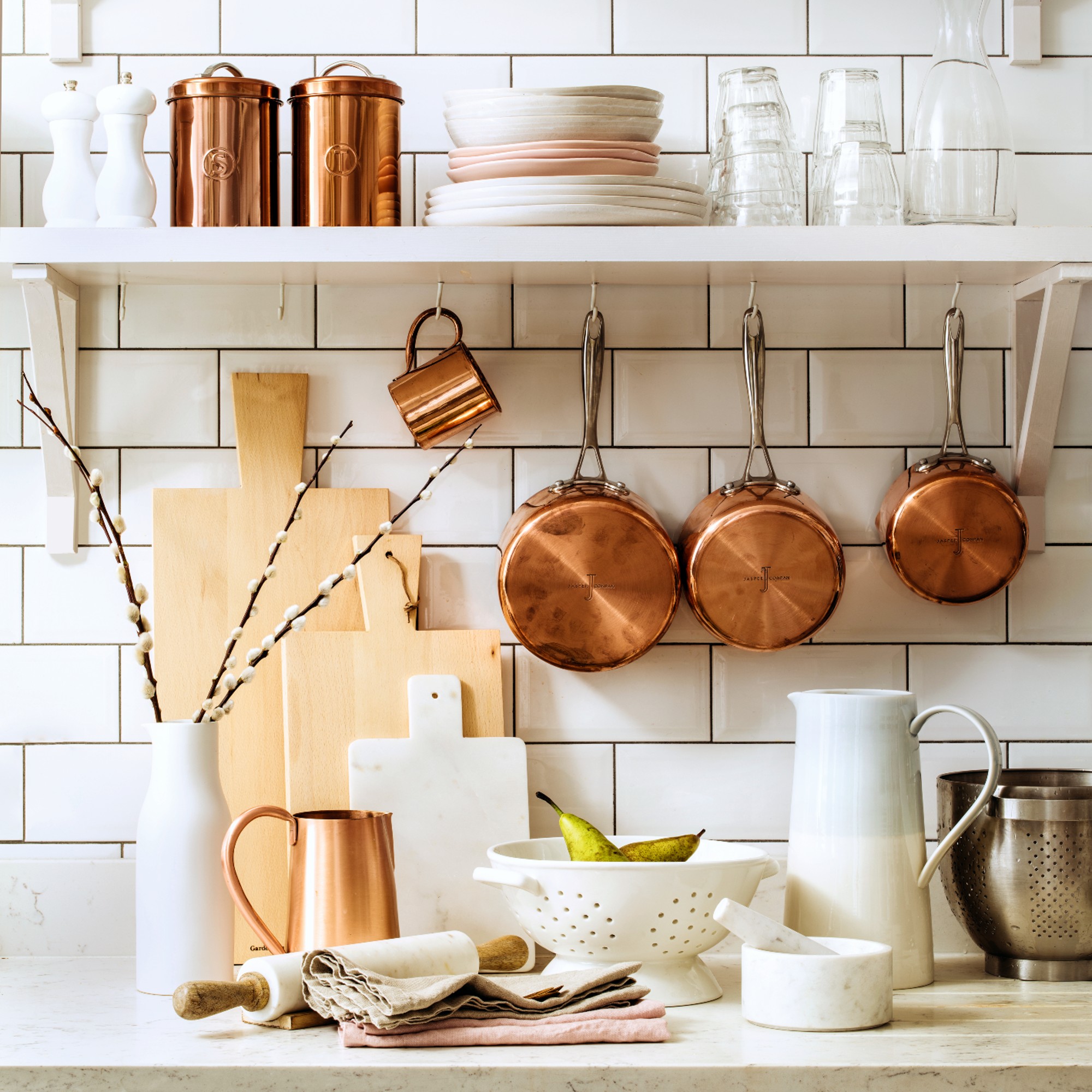
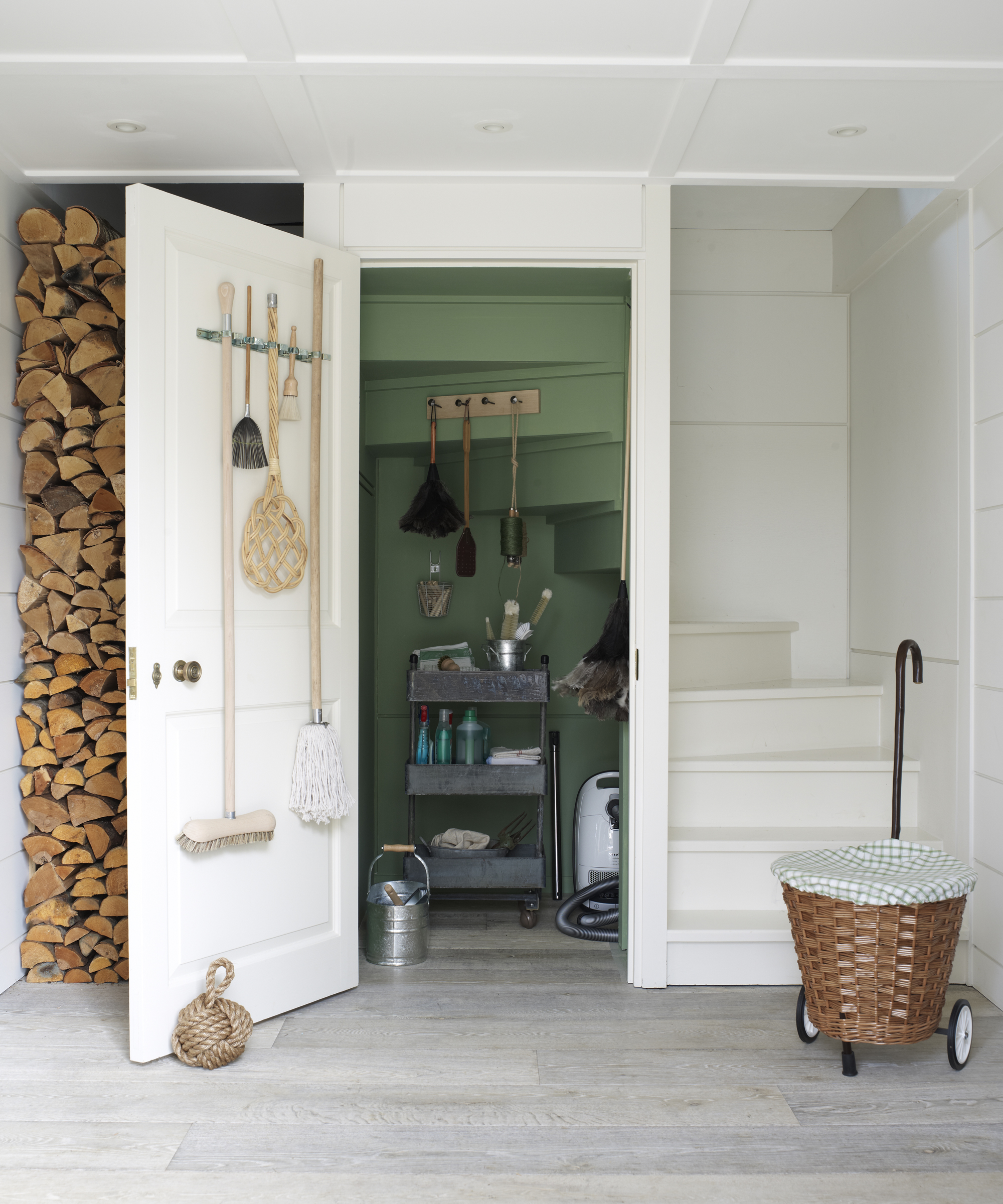
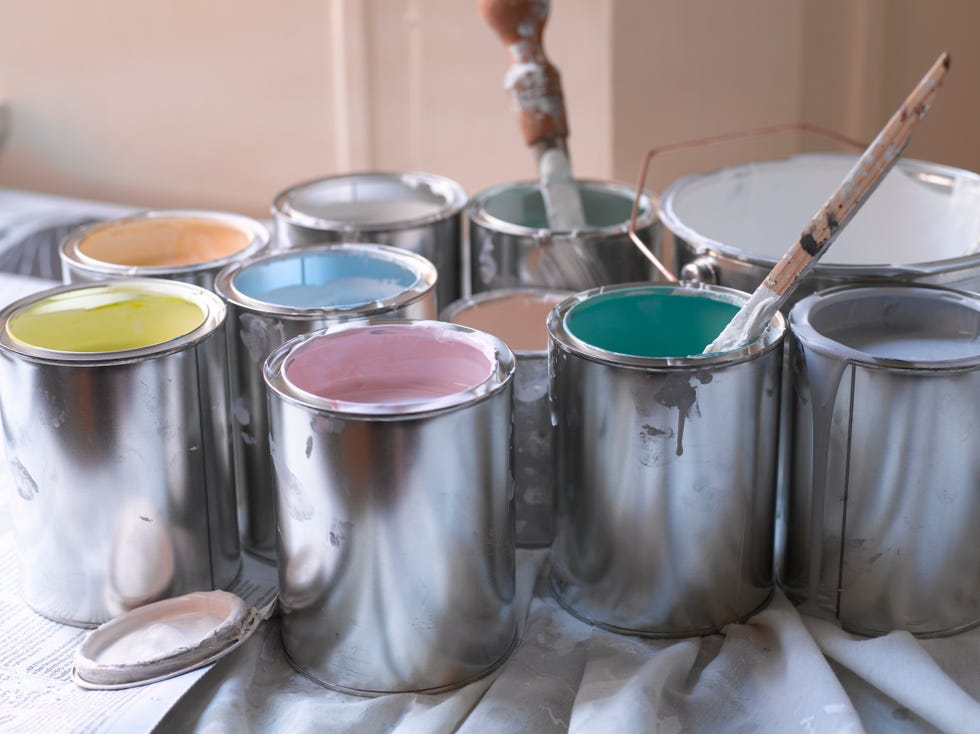
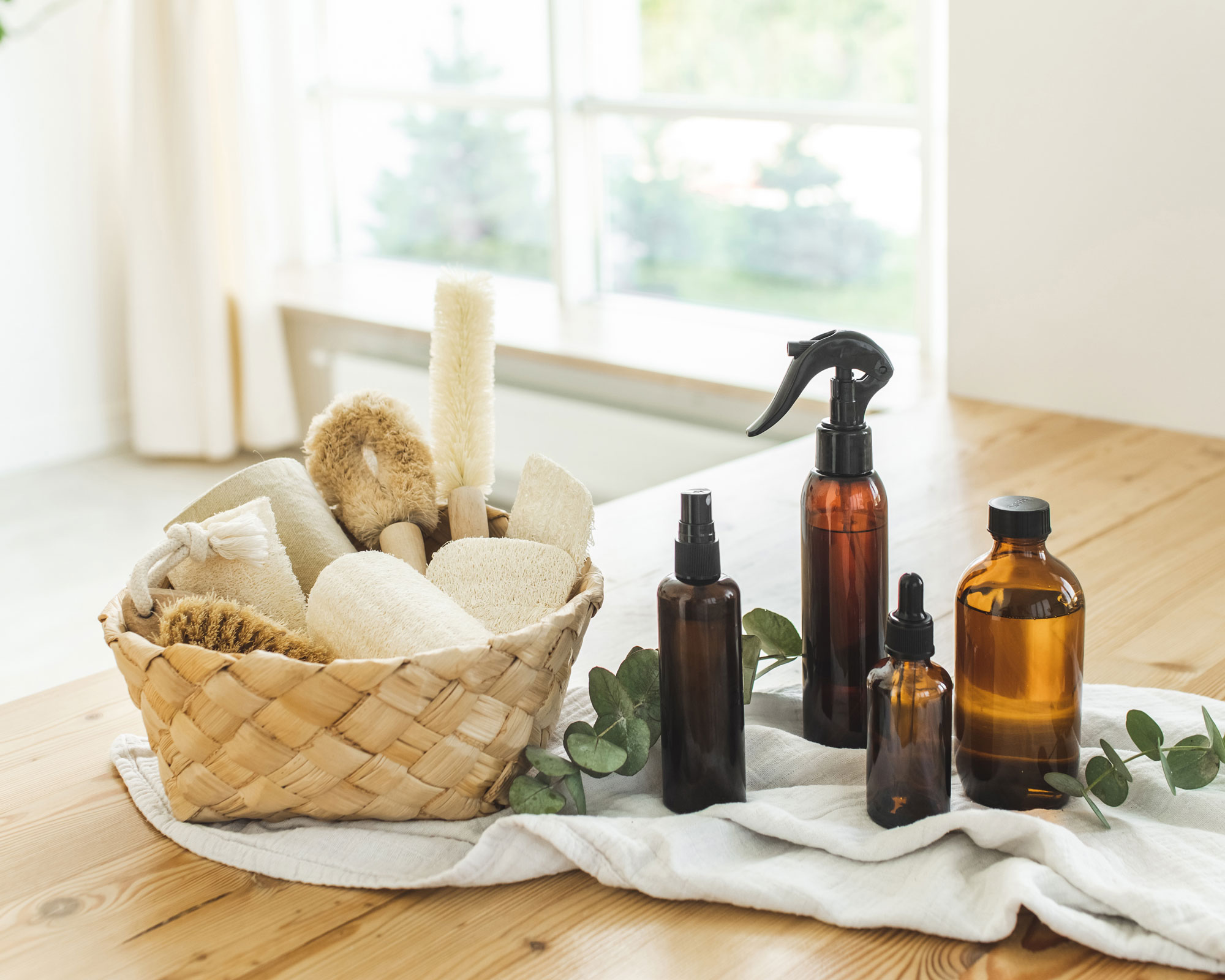
Storing general cleaning supplies, beyond those specifically for laundry, is also ill-advised. Items such as bug spray, extra bleach, and fertilizers contain various chemicals and strong fragrances. Combining these different chemical fumes in a confined space like a laundry room can lead to an overwhelming and potentially unhealthy mix of odors. These types of cleaning agents are better stored in a garage, utility closet, or another well-ventilated area where their fumes will not accumulate or interact adversely with other items.
Finally, hobby items and decorative pieces should be excluded from laundry room storage. Craft supplies, holiday decorations, personal photos, and other similar odds and ends contribute to clutter and detract from the room's primary purpose. The laundry room already serves a demanding function, and adding unnecessary items can make it feel more chaotic and less efficient. Furthermore, delicate decor or sentimental items could be easily damaged in a high-traffic, utilitarian space where machinery is in operation. Each room in a home benefits from a clear identity and purpose, and the laundry room is no exception; it should be optimized for laundry-related tasks and organization.
#LaundryRoom #HomeOrganization #StorageTips #InteriorDesign #HouseholdItems #ClutterControl #LaundryRoom #HomeOrganization #StorageTips #InteriorDesign #HouseholdItems #ClutterControl
0 comment in total
 No comments yet
You may also like
6 Things You Should NEVER Keep In Your Pantry, According To Pro Organizers & Chefs
11 things you should never store in a pantry, according to experts


8 Things You Should Never Wash Down The Sink

10 Things You Should Never Store in the Bathroom

9 items never to store in a bathroom vanity – according to the experts
11 items not to store in a bathroom cabinet, and what experts say to do instead
10 Items You Should Never Store In The Bathroom
15 things you should never store in your basement – and why
Items to never store in an entryway, according to cleaning, organizing and interiors experts
10 Things You Should Never Store In Your Bedroom Closet
6 Things You Should Never Put in a Guest Bathroom

5 places to never put a wardrobe in a bedroom, according to feng shui and interior designers
6 Things You Should Never Store in Your Laundry Room, According to Pro Organizers

Pros warn never to keep these 8 things in your pantry
6 powder room storage mistakes to avoid – and what you should be doing instead
'Where there are hooks, people will always hang coats' – 8 things you should never store in your entryway to avoid it becoming a dumping ground

Never store these 6 things on open kitchen shelving, warn pro organisers
5 Things You Should NEVER Leave in Your Shed, According to an Expert
8 Things Experts Would Never Store Under the Bed (and Neither Should You!)

17 Things You Should Never Store Under Your Sink (but Probably Are)