1/6
How to clean vent covers and how often to do it - TODAY
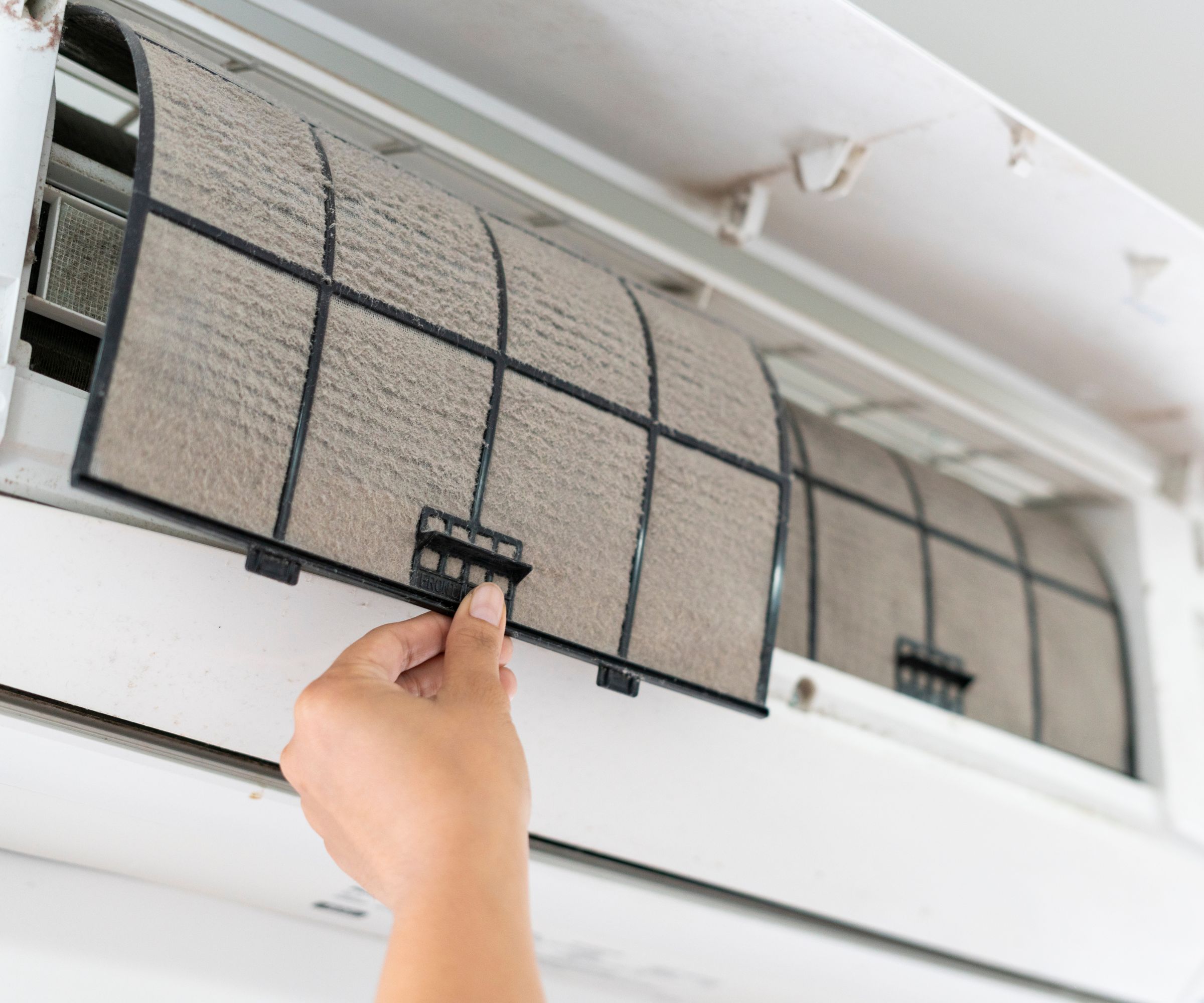
Maintaining clean air conditioning and heating vent covers is crucial for reducing allergens, improving HVAC efficiency, and enhancing the overall appearance of a home. Dust accumulation on vent covers signifies neglect in regular filter changes and general home cleanliness. Expert advice from green cleaning coach Leslie Reichert and Jessica Ek, Senior Director of Digital Communications at the American Cleaning Institute, provides a comprehensive guide to effective vent cover cleaning.
Vent covers should undergo a light cleaning monthly and a more thorough cleaning one to two times annually. The monthly routine involves wiping down the exterior of the vents, while the deeper cleaning, ideally performed during spring cleaning, includes removing the covers, washing them in hot, soapy water, rinsing, and allowing them to dry completely before reinstallation. Filters should be changed monthly, with the date noted on the filter for easy tracking. If mold is present on vent covers, a diluted bleach solution can be used for disinfection, followed by thorough rinsing and drying.
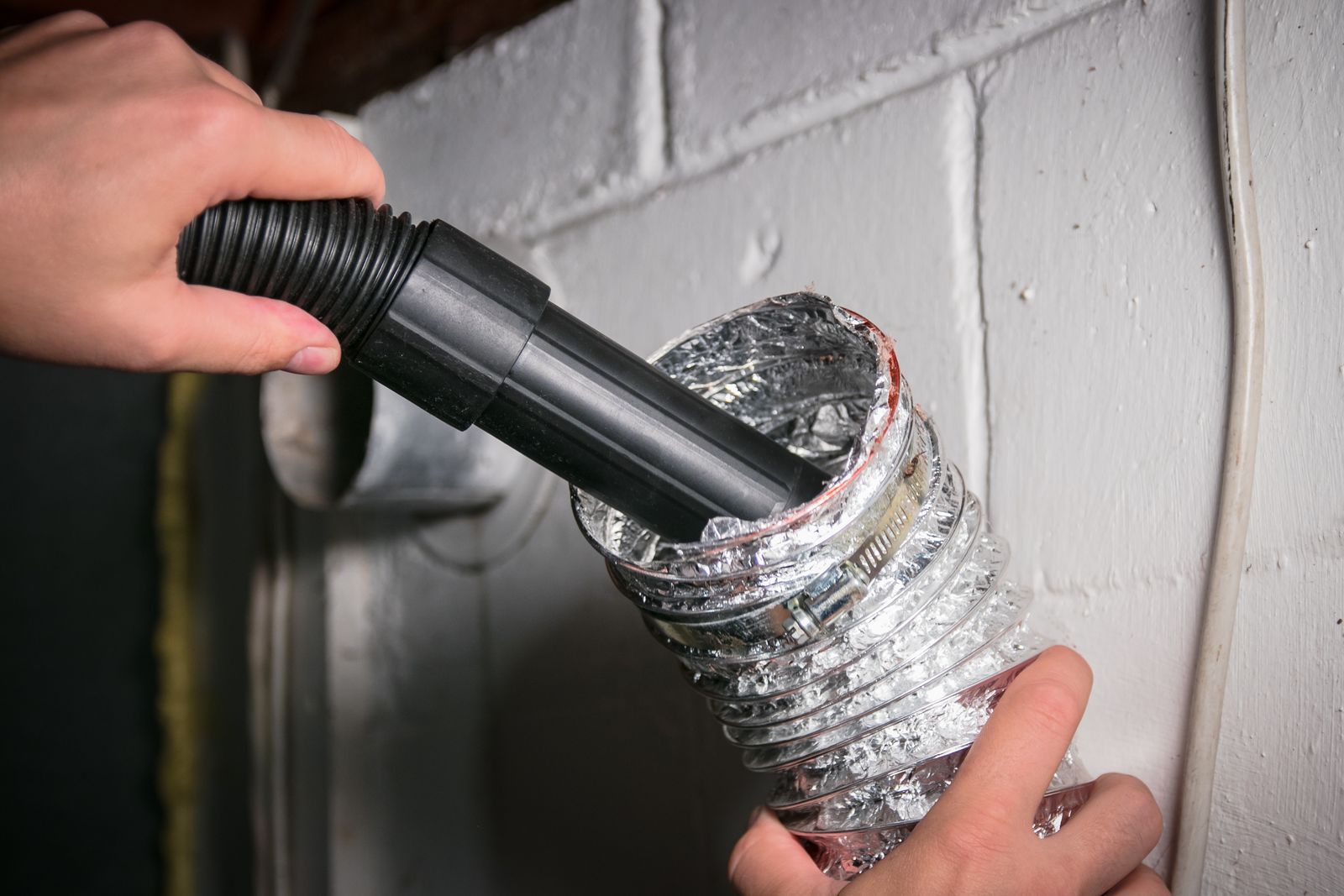
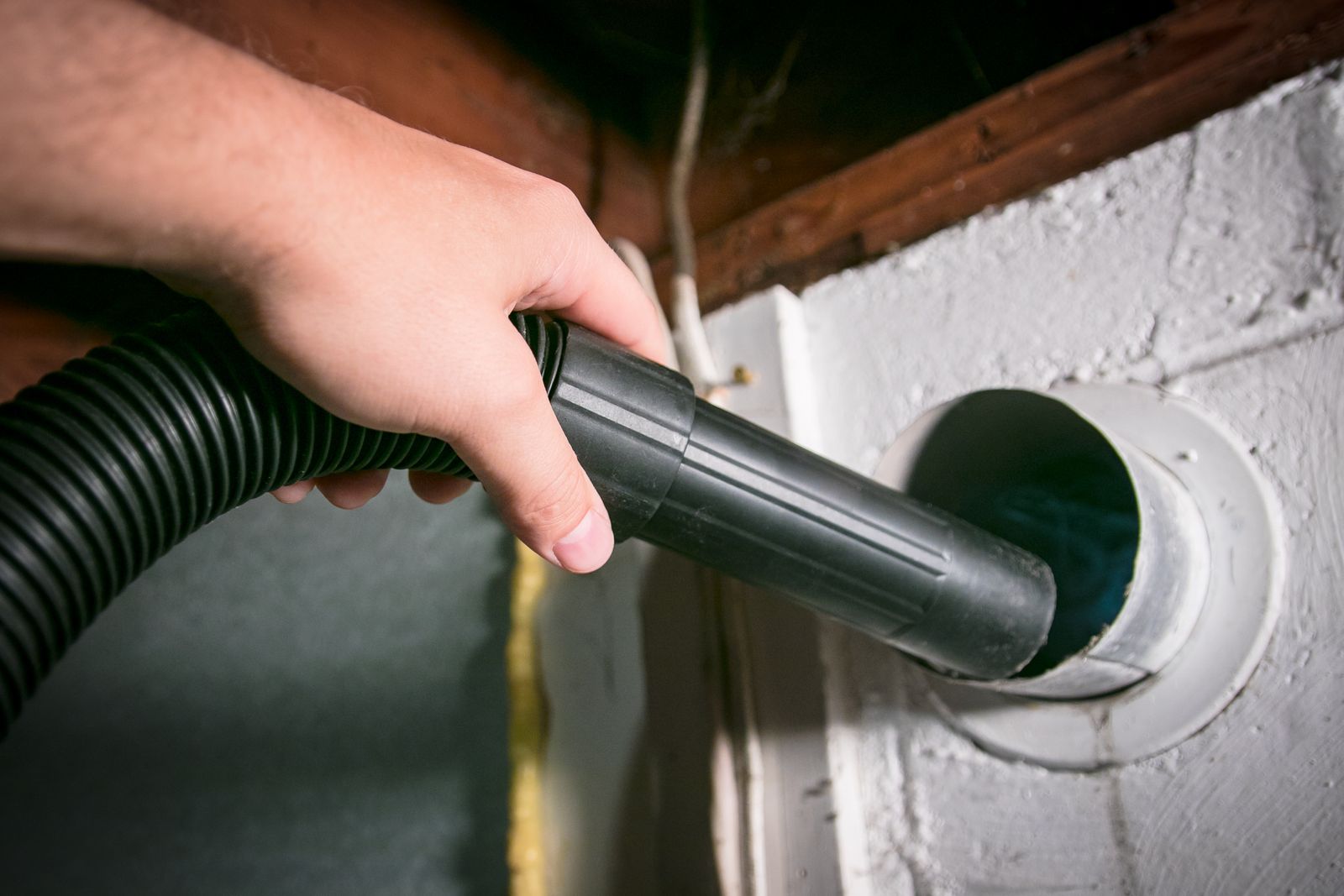
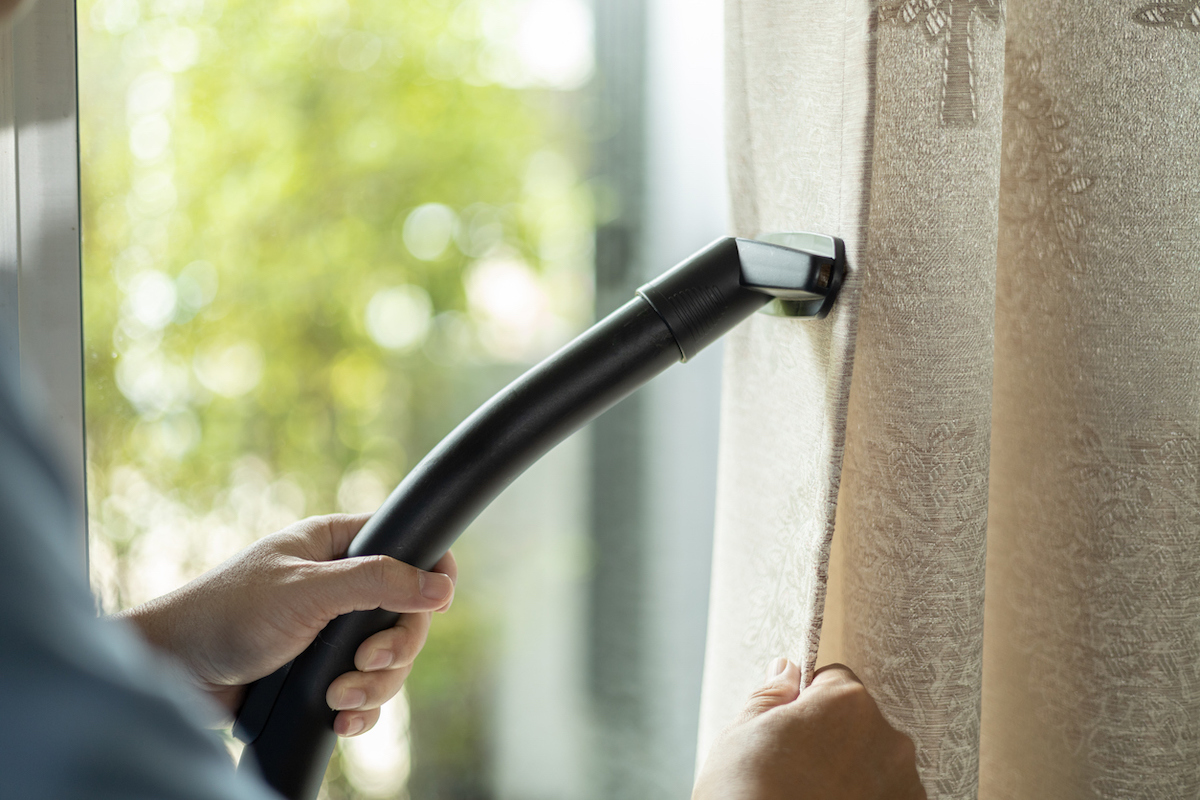
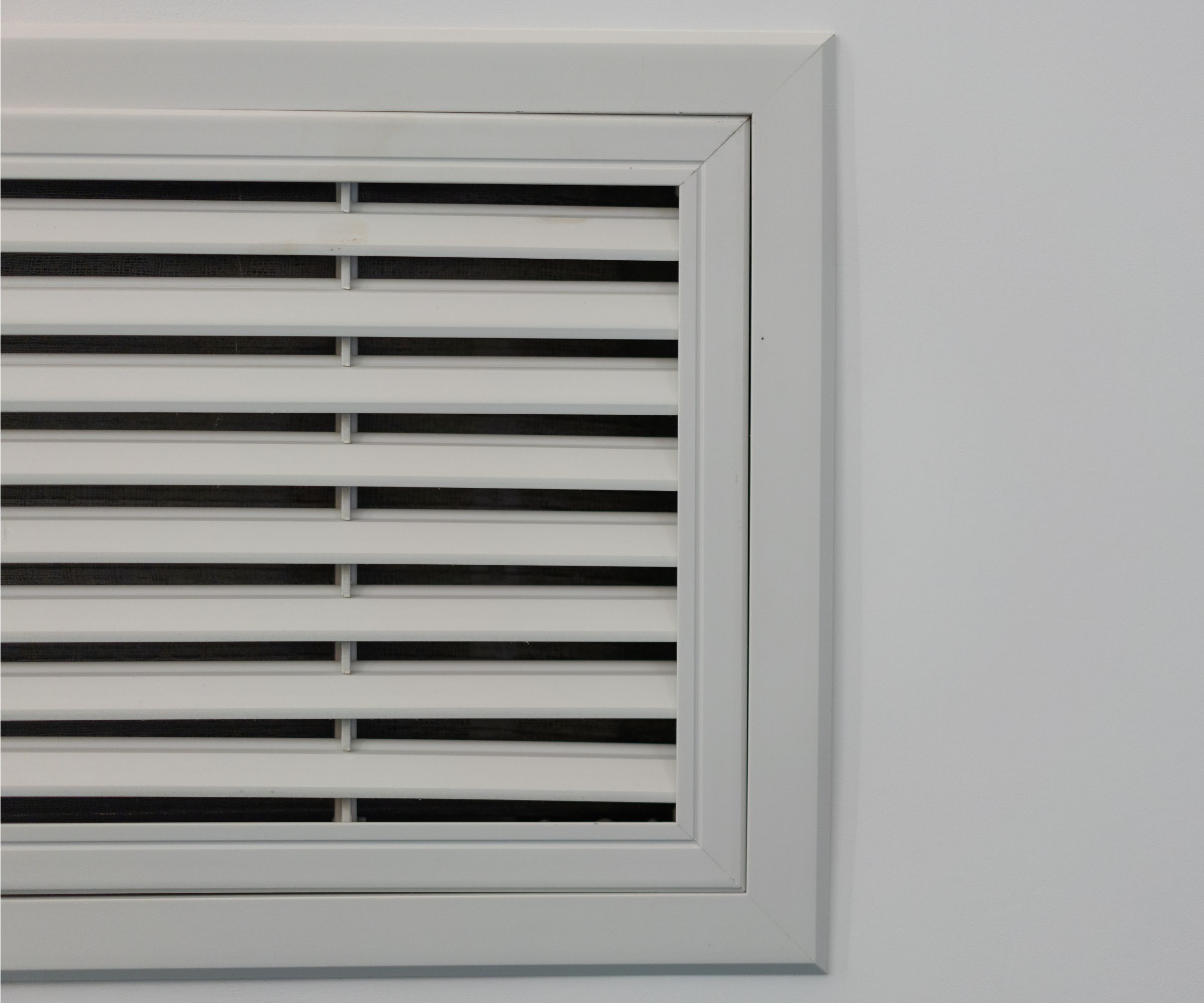
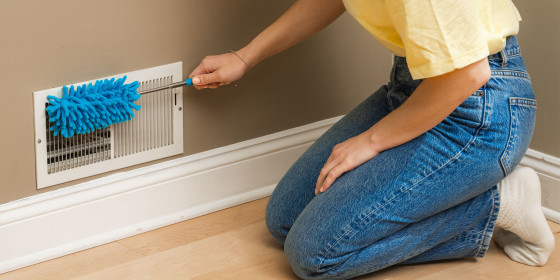
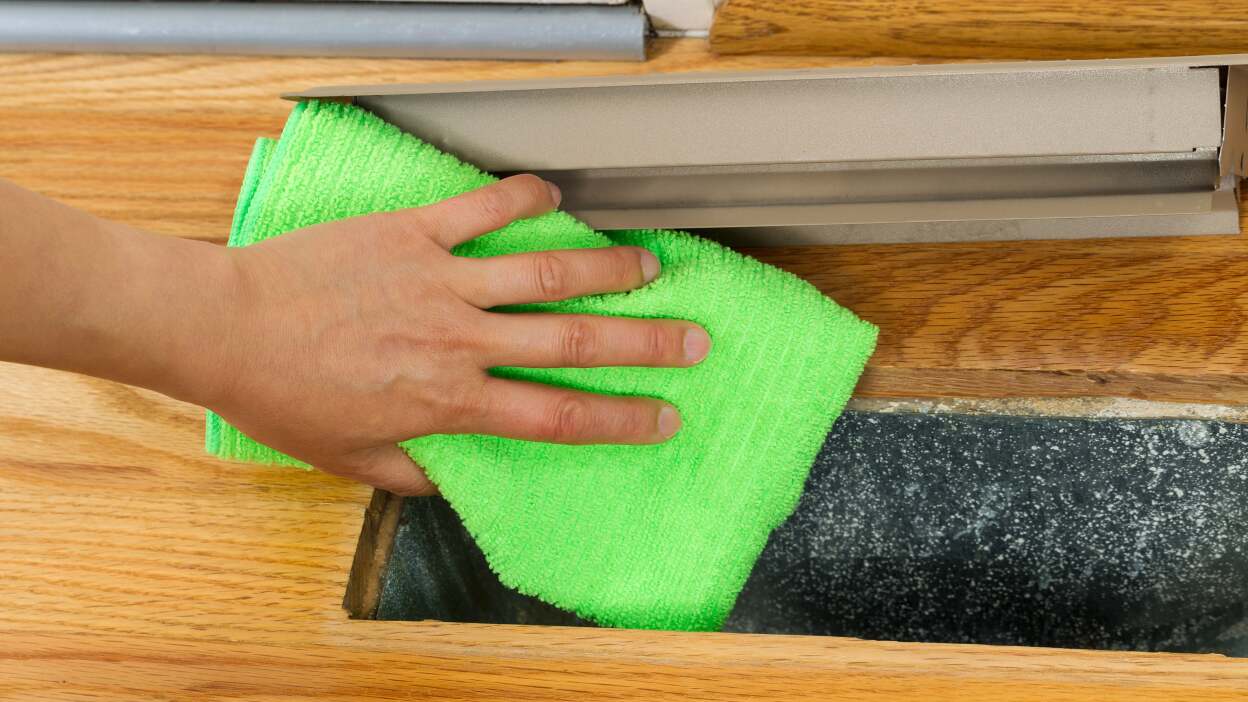
Cleaning methods for ceiling and floor vent covers are similar, though ceiling vents may require a vacuum attachment for accessibility. When cleaning ceiling vents, placing a sheet underneath can help catch falling dust. For cleaning vent covers without removal, it is essential to first turn off the heating or A/C unit. For ceiling vents, a baseball cap is recommended to protect the eyes and hair from falling dust. Vents should be vacuumed using a dusting brush attachment or a microfiber extendable duster. Alternatively, a dry microfiber cloth or a slightly damp Mr. Clean Magic Eraser can be used. It is important to avoid water or cleaning products directly on unremoved vents to prevent smearing dust onto walls or ceilings.
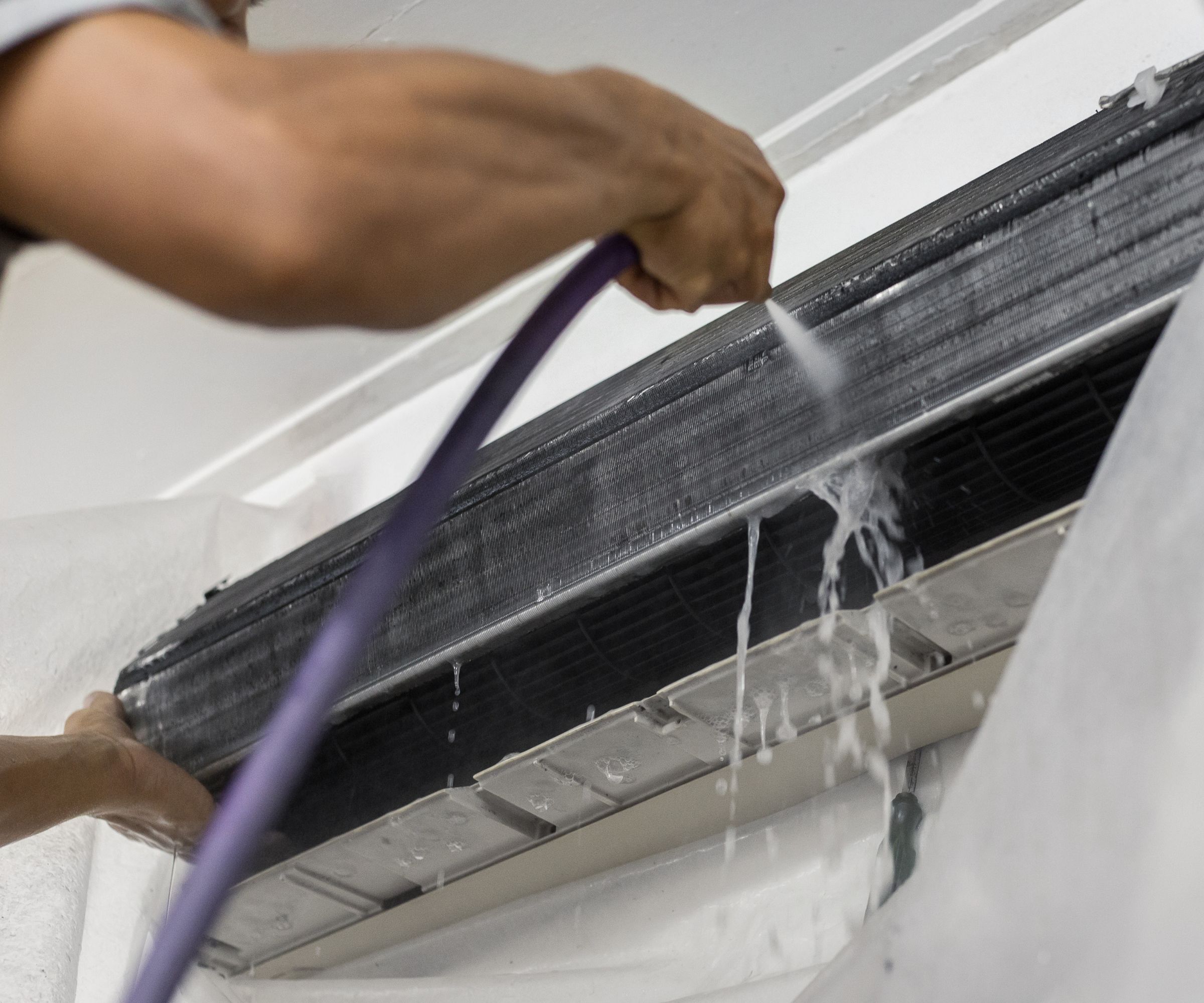
Cleaning the inside of vents should be done a couple of times a year, though a complete ductwork cleaning requires professional service. To clean smaller vent covers, they should be unscrewed and placed in a sink with hot, soapy water and a small amount of dish detergent. Soaking should be brief to avoid paint damage. For oily residue, rubbing alcohol can be applied lightly with a microfiber cloth. Larger intake covers can be cleaned similarly outdoors or in a bathtub. All covers must be completely dry before reinstallation to prevent dust from clinging. A final wipe with a microfiber cloth can eliminate water spots.
Recommended products for vent cover cleaning include an 8-Piece Crevice Cleaning Kit for dusting slats without removal, mild liquid dish soap for soaking and washing, rubbing alcohol for cutting through oily residue, microfiber cleaning cloths for various cleaning tasks, and a duster with an extension pole for reaching high vent covers.
#HomeMaintenance #CleaningTips #AirQuality #HVACMaintenance #DustControl #HomeCleaning #AllergenReduction #DIYCleaning #HomeMaintenance #CleaningTips #AirQuality #HVACMaintenance #DustControl #HomeCleaning #AllergenReduction #DIYCleaning
Hay 0 comentarios en total
 Aún no hay comentarios
También te puede gustar

You Need to Clean Your Chimney Yearly. Here's How.


How to Clean a Slipcover, According to Experts
This Is the Right Way to Wash Your Curtains, According to Experts

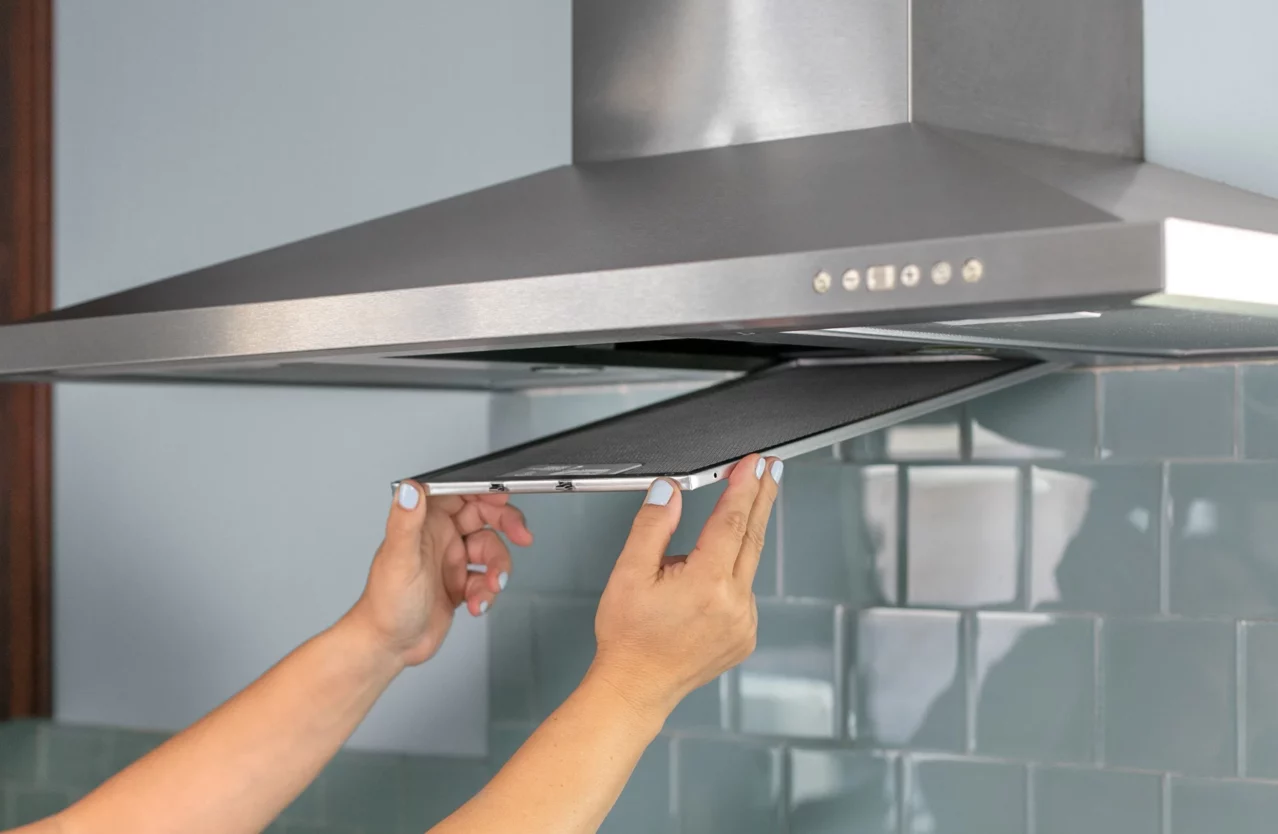
CLEAN YOUR KITCHEN VENTS DAY - June 17, 2026

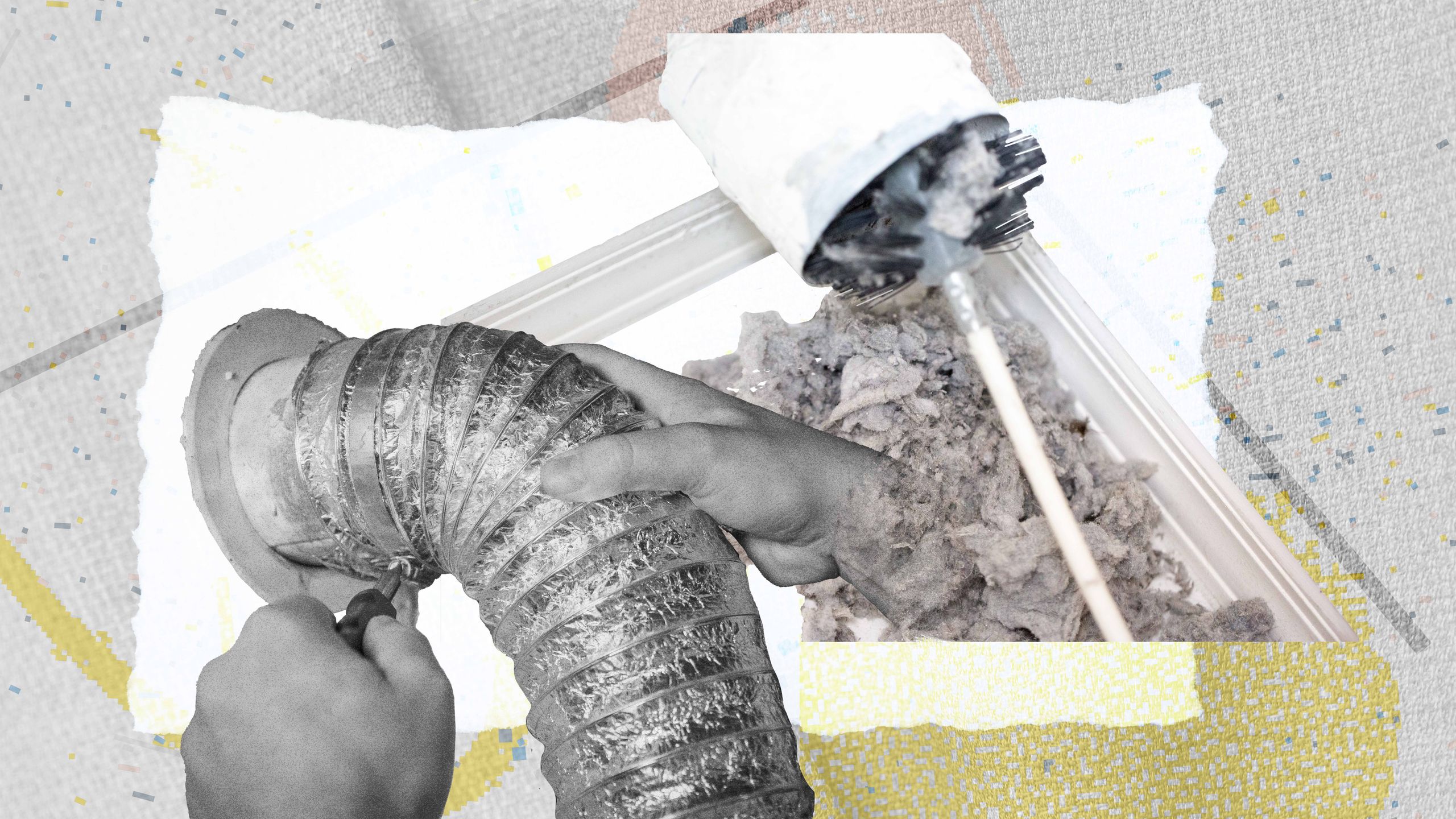
How to Clean a Dryer Vent in 7 Simple Steps


Have you forgotten about cleaning your oven extractor fan vent? This viral hack may be key to banishing years of grease
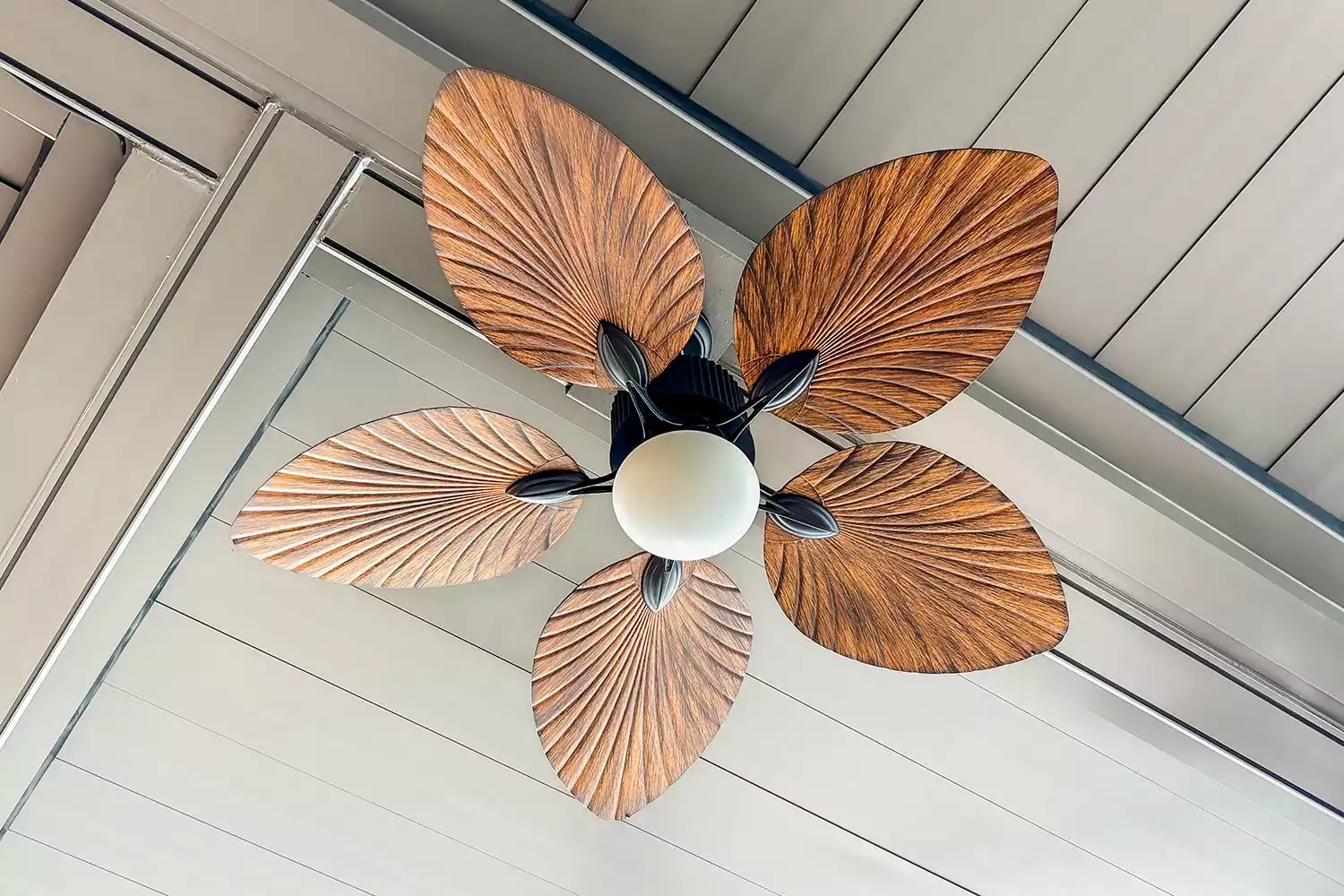
How to Clean a Ceiling Fan, From the Blades to the Motor
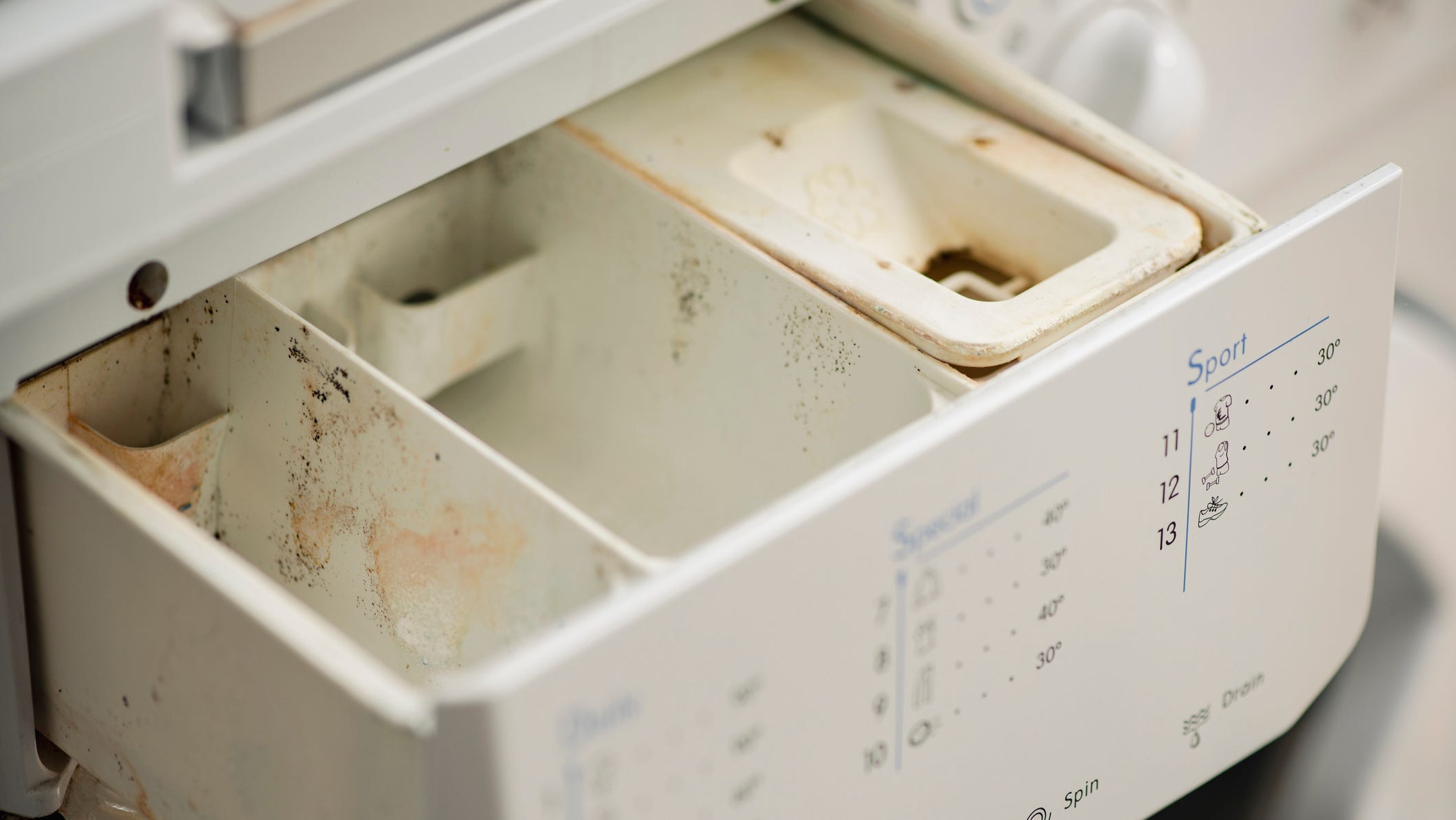
Here’s How Often You Should Clean Your Washer to Stop Mildew

You need to deep clean your couch every few months — here’s how experts say to do it

How to Clean Your Range Hood and Vent in 4 Easy Steps

From a quirky TikTok hack and a $99 sell-out Kmart buy, here are five ways to clean your sofa

How To Clean Vinyl Plank Flooring Like a Pro

How to Clean Your Air Vents

How often should you vacuum? Experts weigh in on the damage caused by doing the bare minimum


How often should you deep clean your carpet?
I use a laundry item to clean my fan - it works so much better than a cloth, and the coating repels dust for weeks


Are You Cleaning Your Couch Enough? Here's How to Do It the Right Way

How to Clean a Couch, According to Experts | NBC Select


How to clean your HVAC system – 6 expert tips to make this essential task DIY-friendly

How Often You Should Wash Your Sheets (And How to Get Them Really Clean) | Reviews by Wirecutter