15 Surprising Things Interior Designers Would Never Do
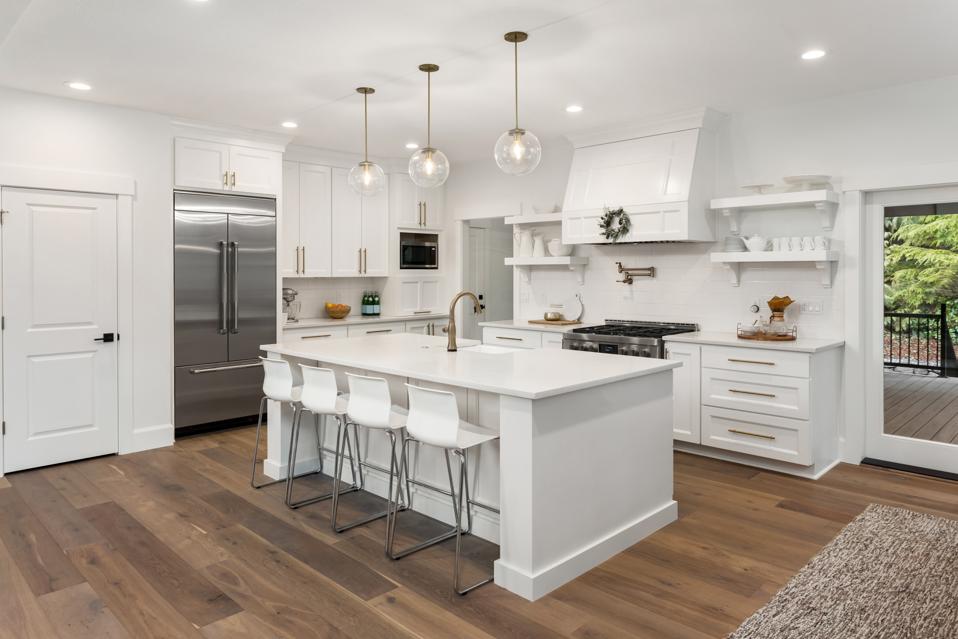
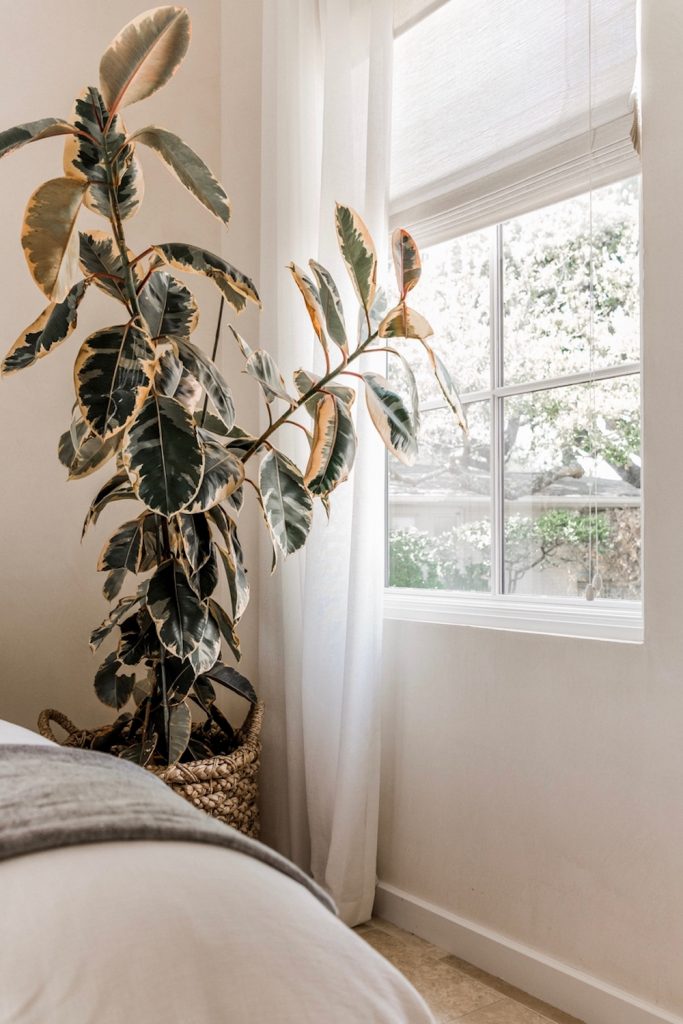
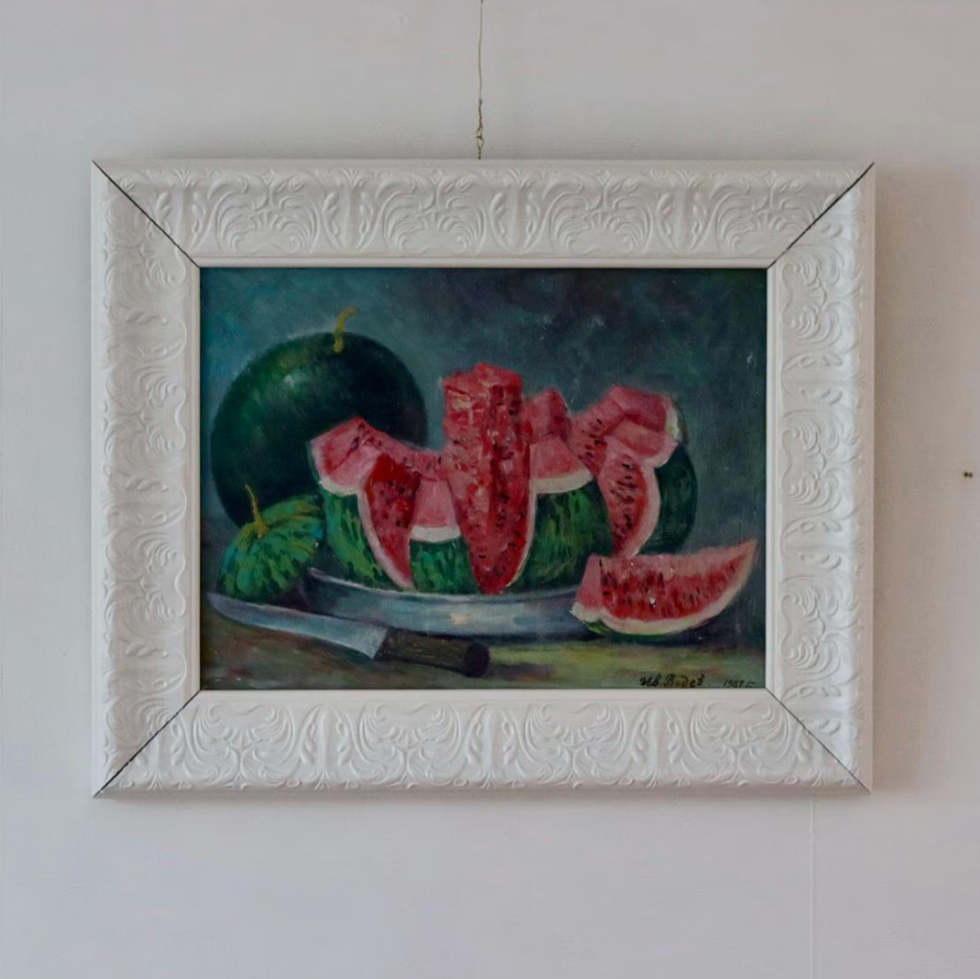
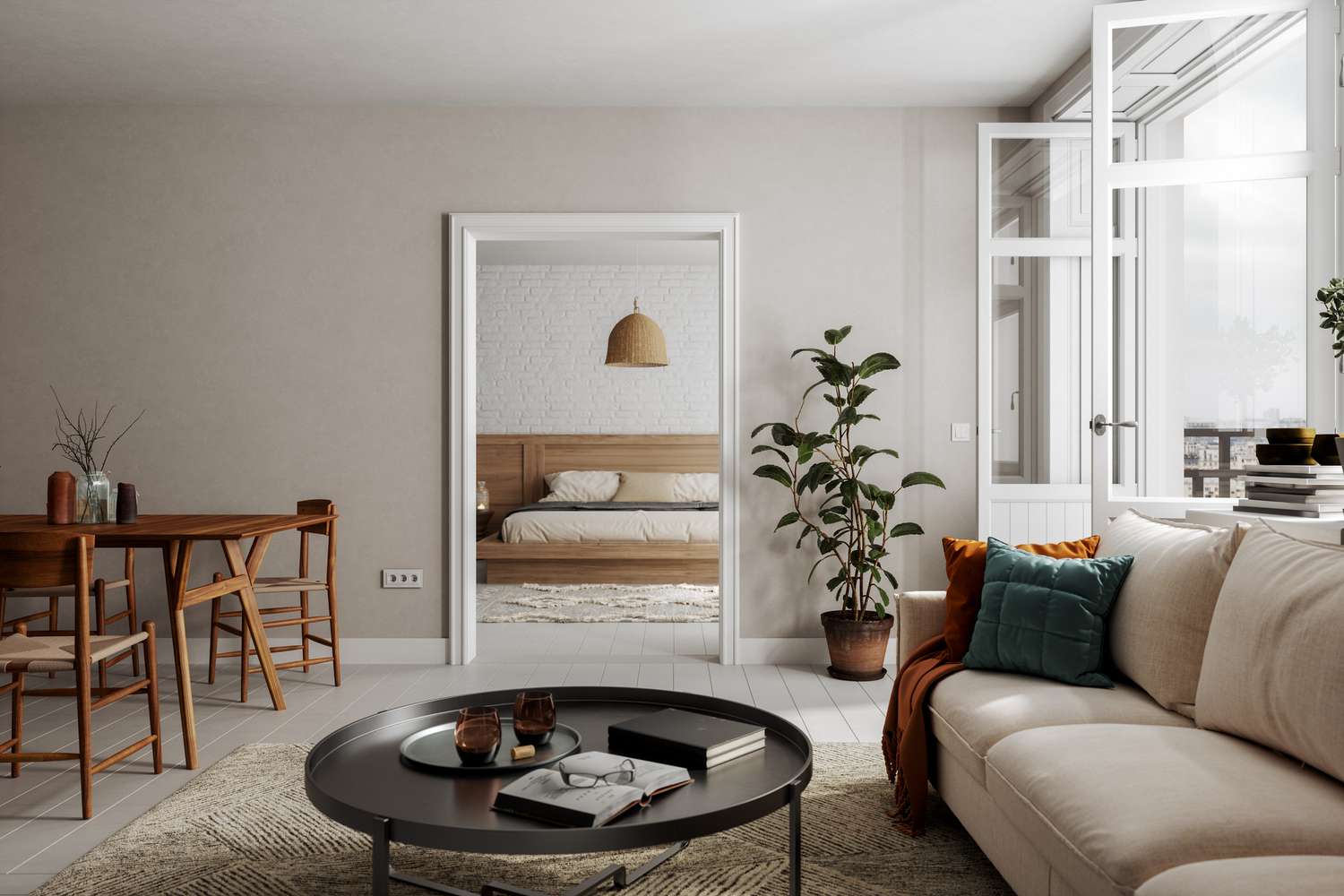
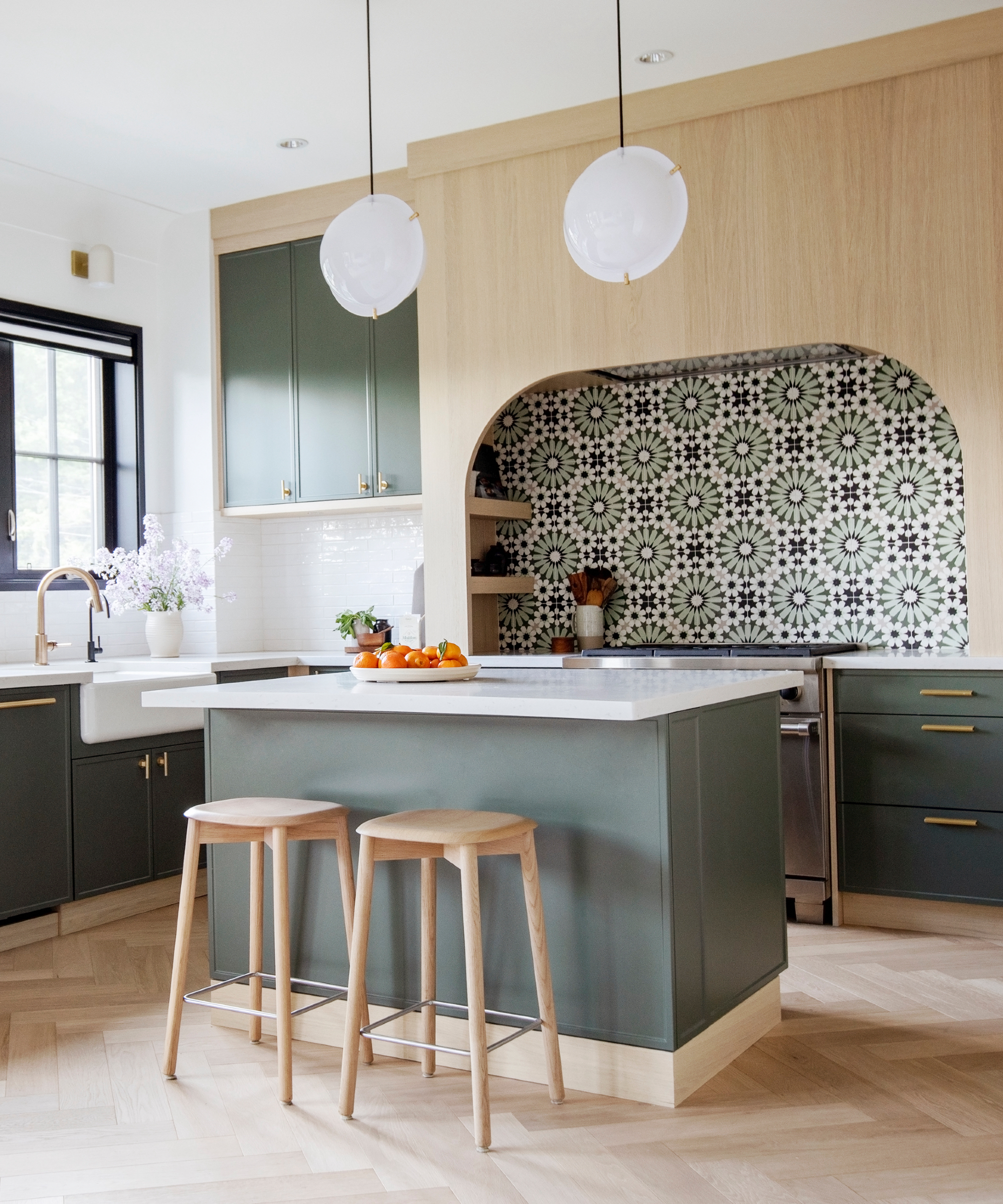
The article explores common practices and misconceptions in interior design by highlighting 15 things professional interior designers typically avoid. It emphasizes that a well-designed room should feel layered and curated over time, rather than looking like it was furnished all at once from a single retailer. Designers recommend incorporating antique or vintage pieces to add character and tell a story, moving away from a "matchy-matchy" aesthetic.
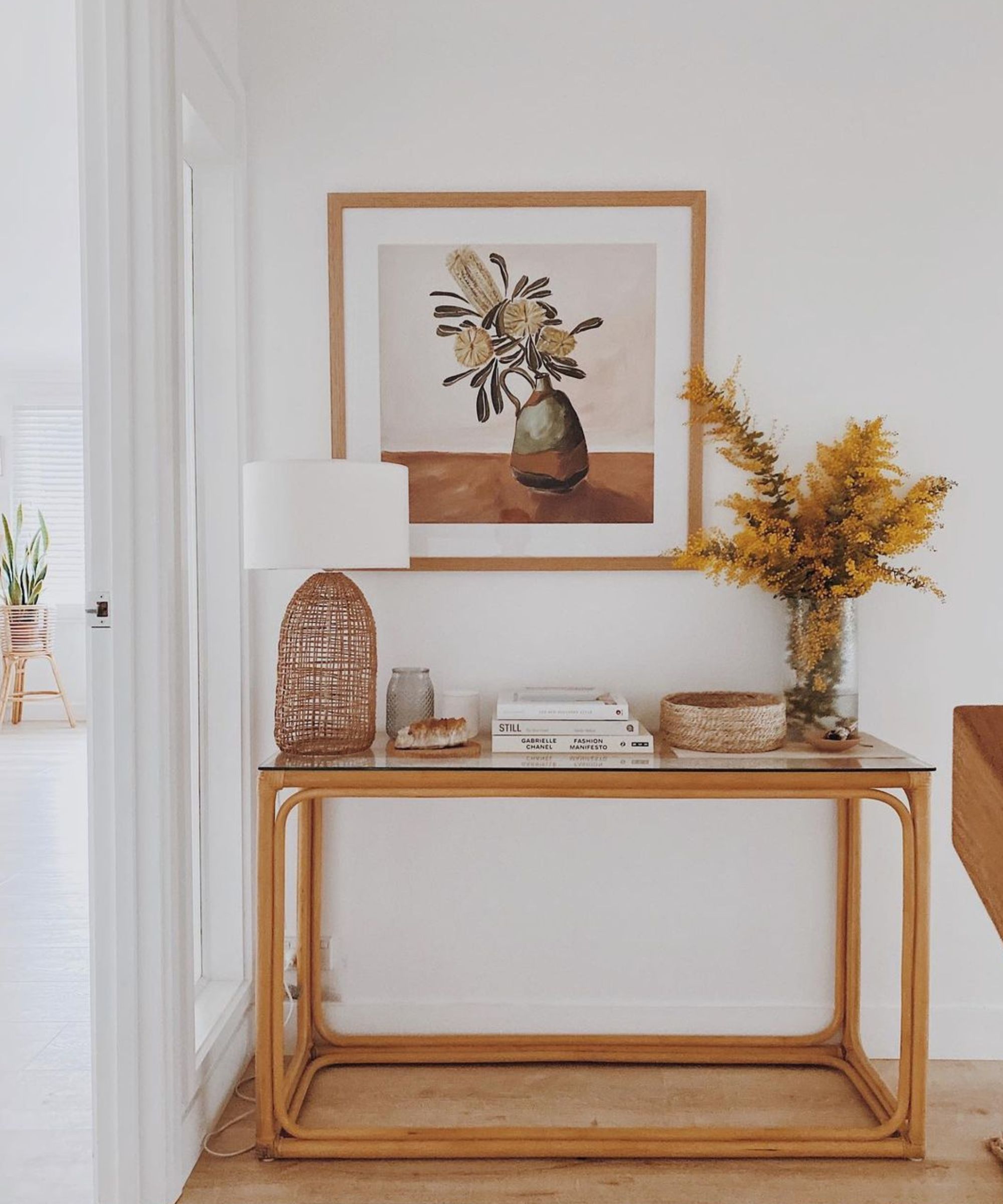
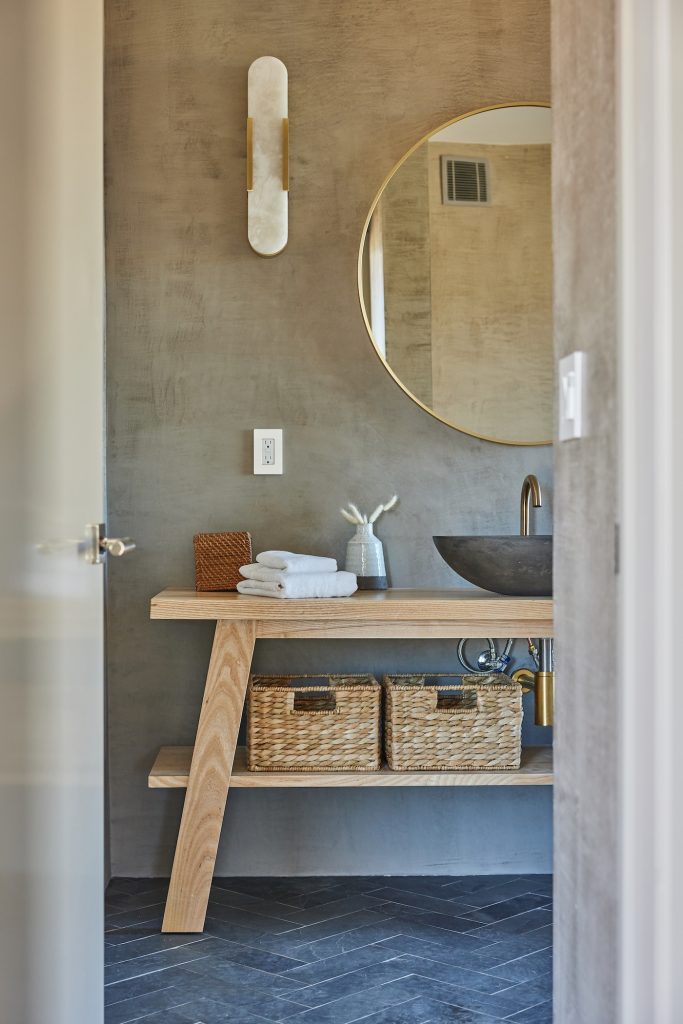
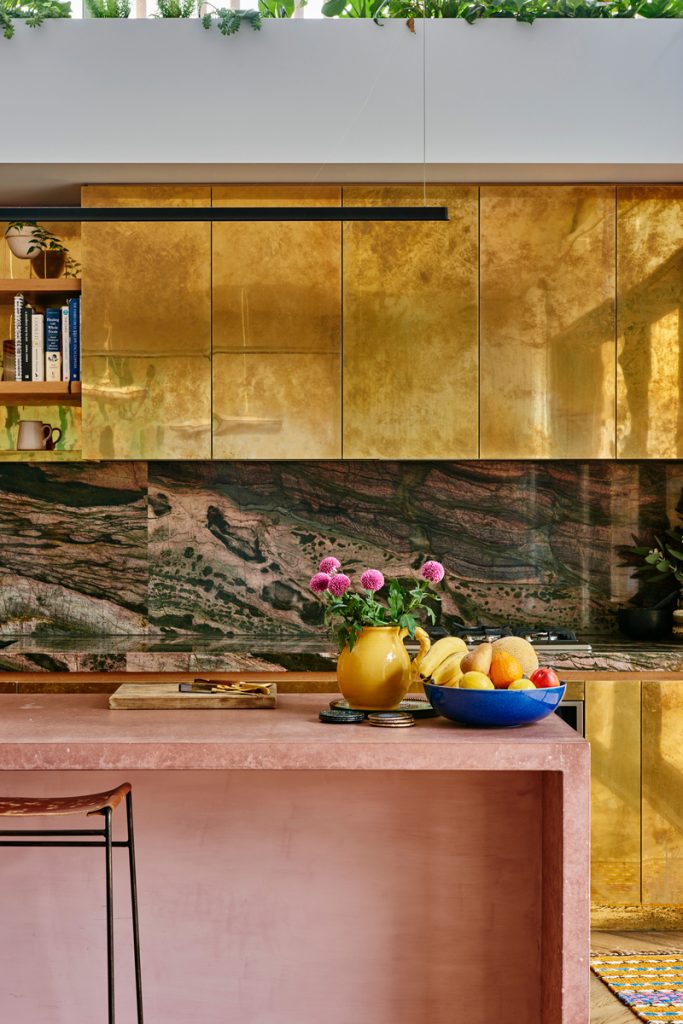
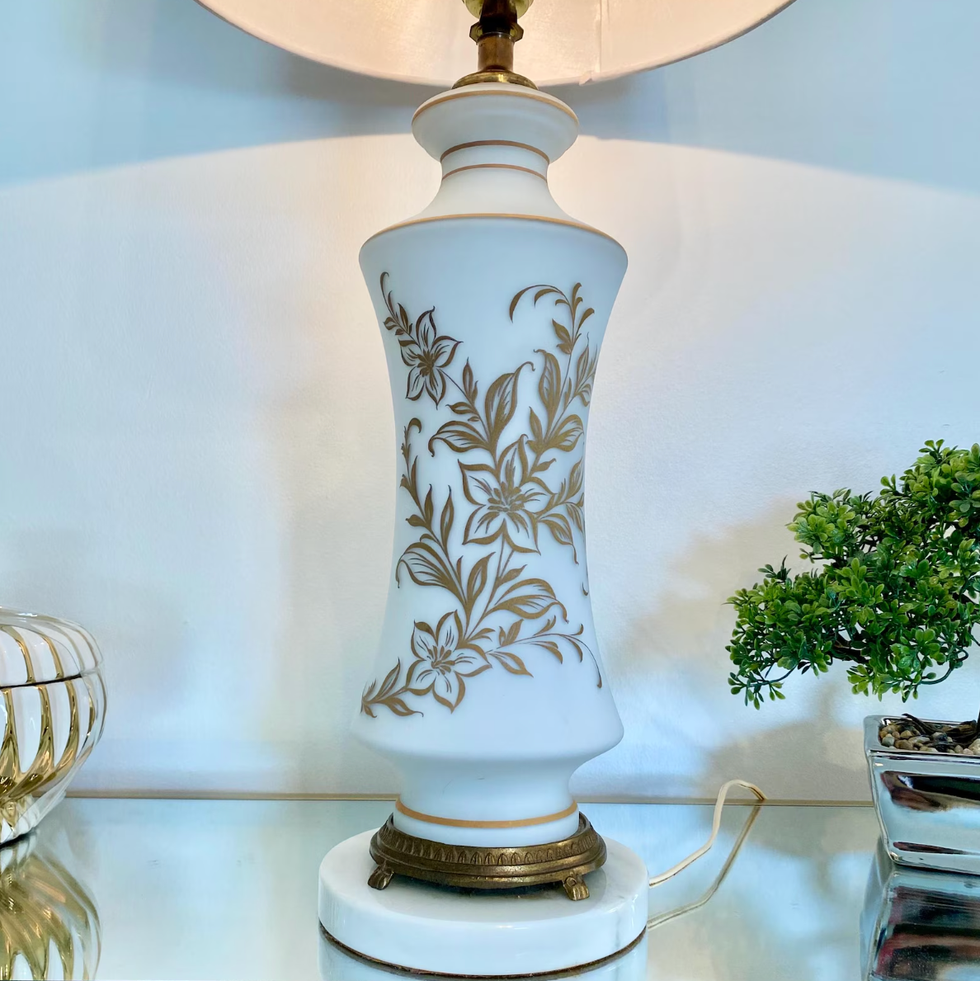
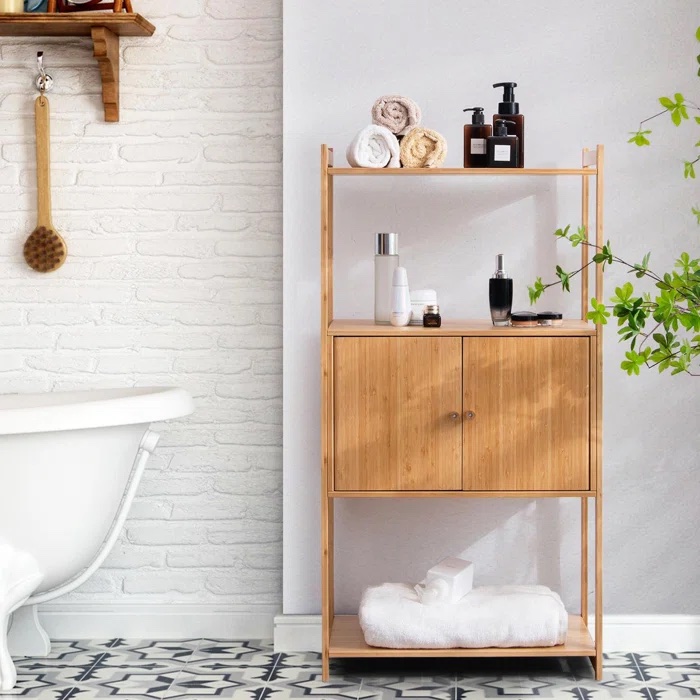
The article advises against playing it safe with design choices, encouraging homeowners to embrace exciting ideas that push the boundaries of their comfort zone. It also suggests replacing traditional bath towel bars with towel hooks for practicality and a cleaner look, as people often don't have time to neatly fold towels. The importance of lampshades in injecting color, pattern, and texture is underscored, with a suggestion to consider custom or hand-painted shades to match existing decor.
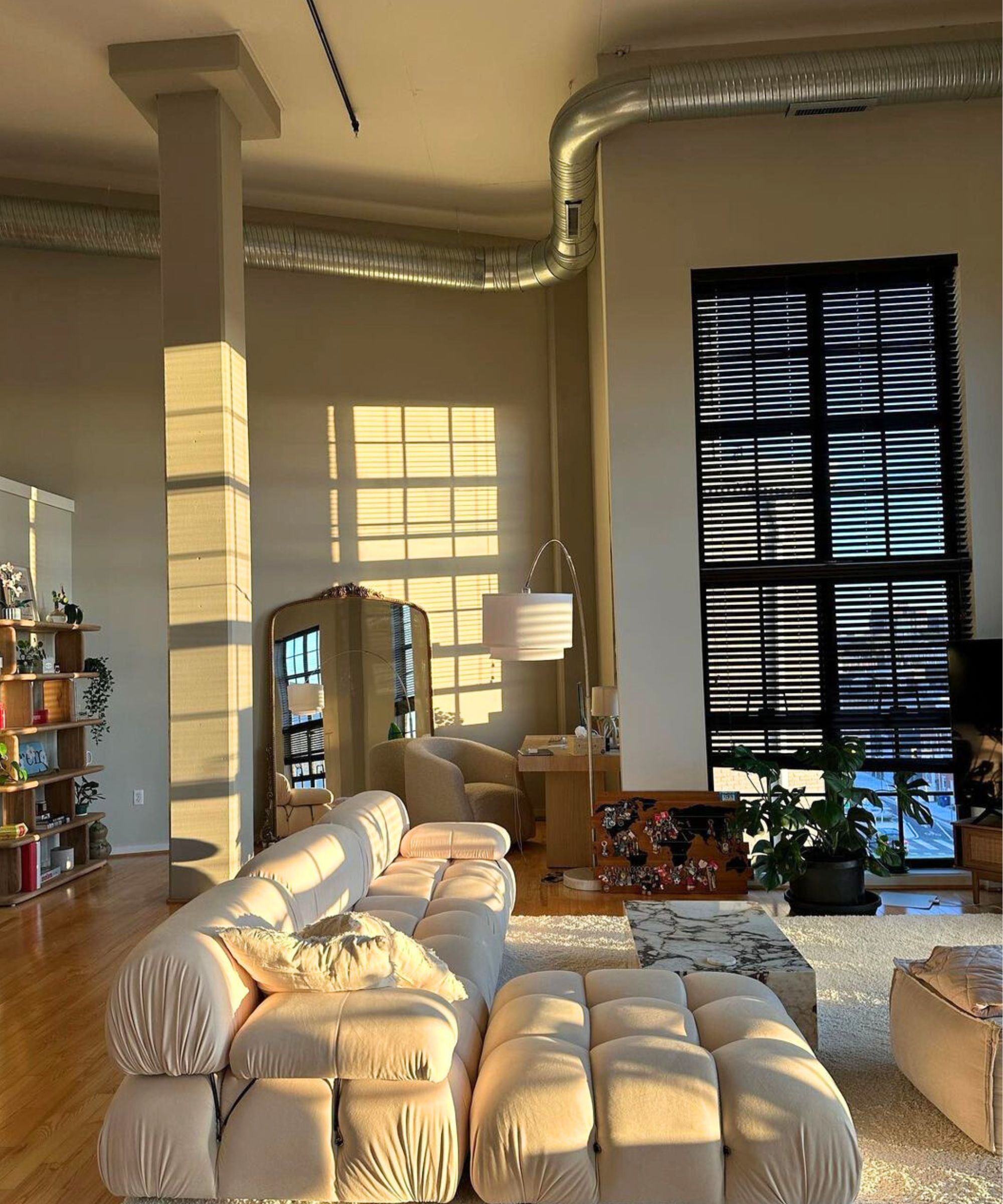
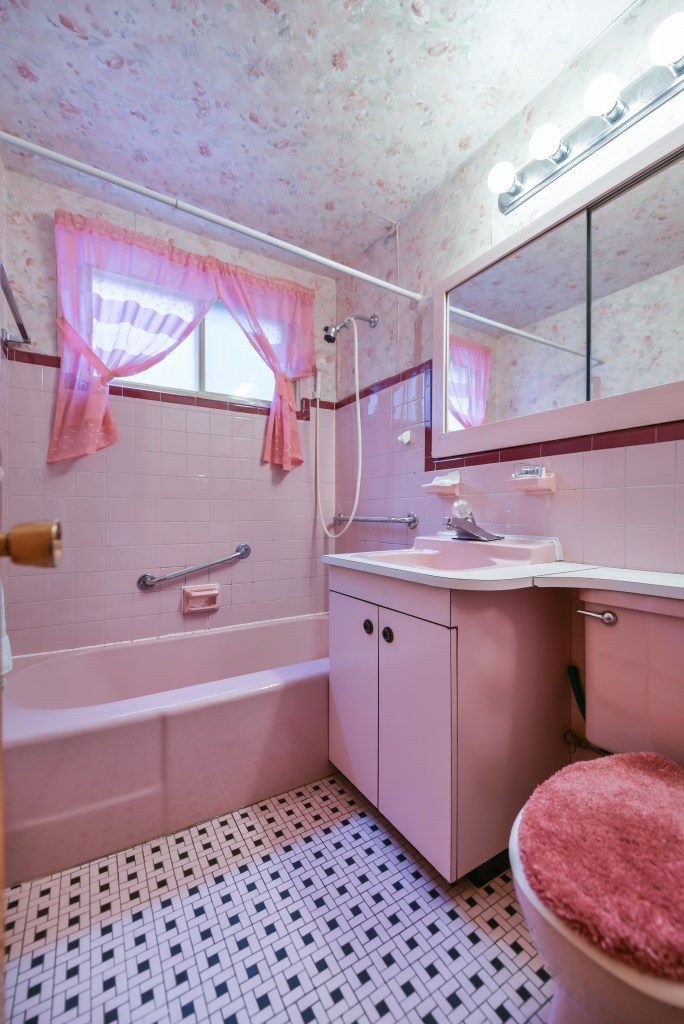
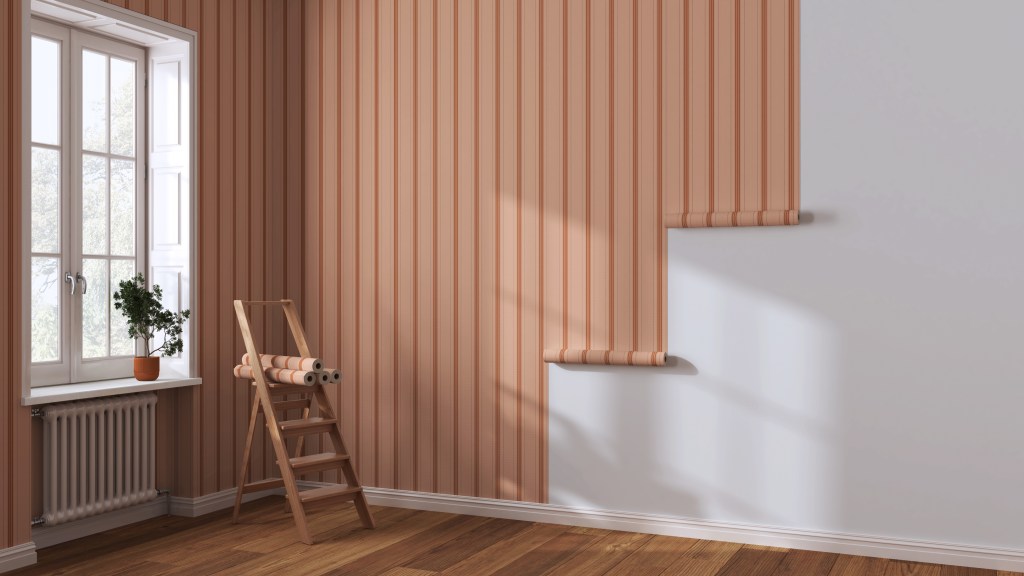
Another key point is the concept of the "fifth wall," or the ceiling, which designers suggest should not be limited to basic white. Painting or wallpapering the ceiling can draw the eye upward and add mood or personality to a room, citing examples like gold leaf tea paper for a glowing den or a subtle shell pink for a primary bedroom. Traditional Southern Haint Blue for outdoor spaces is also mentioned.
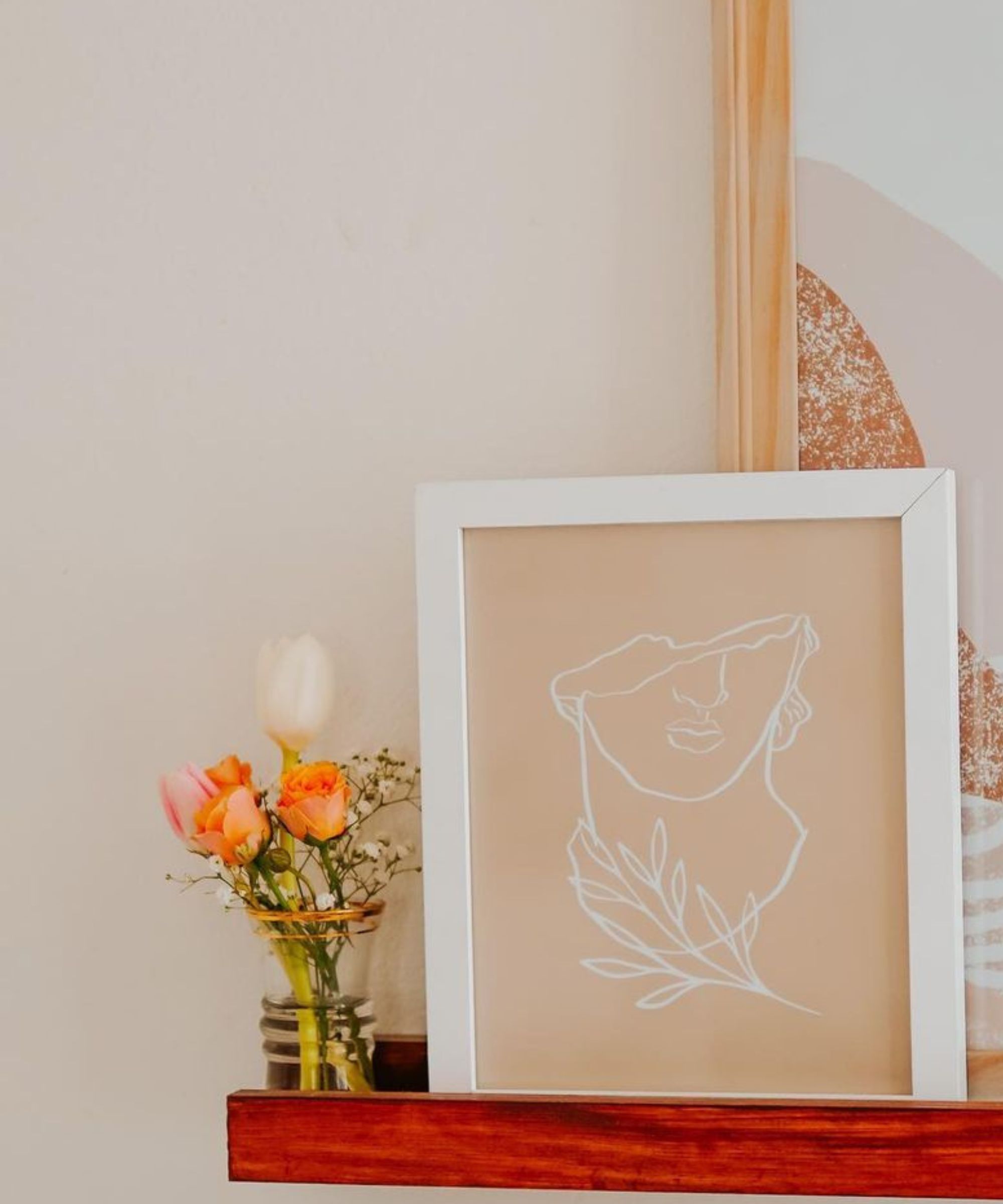
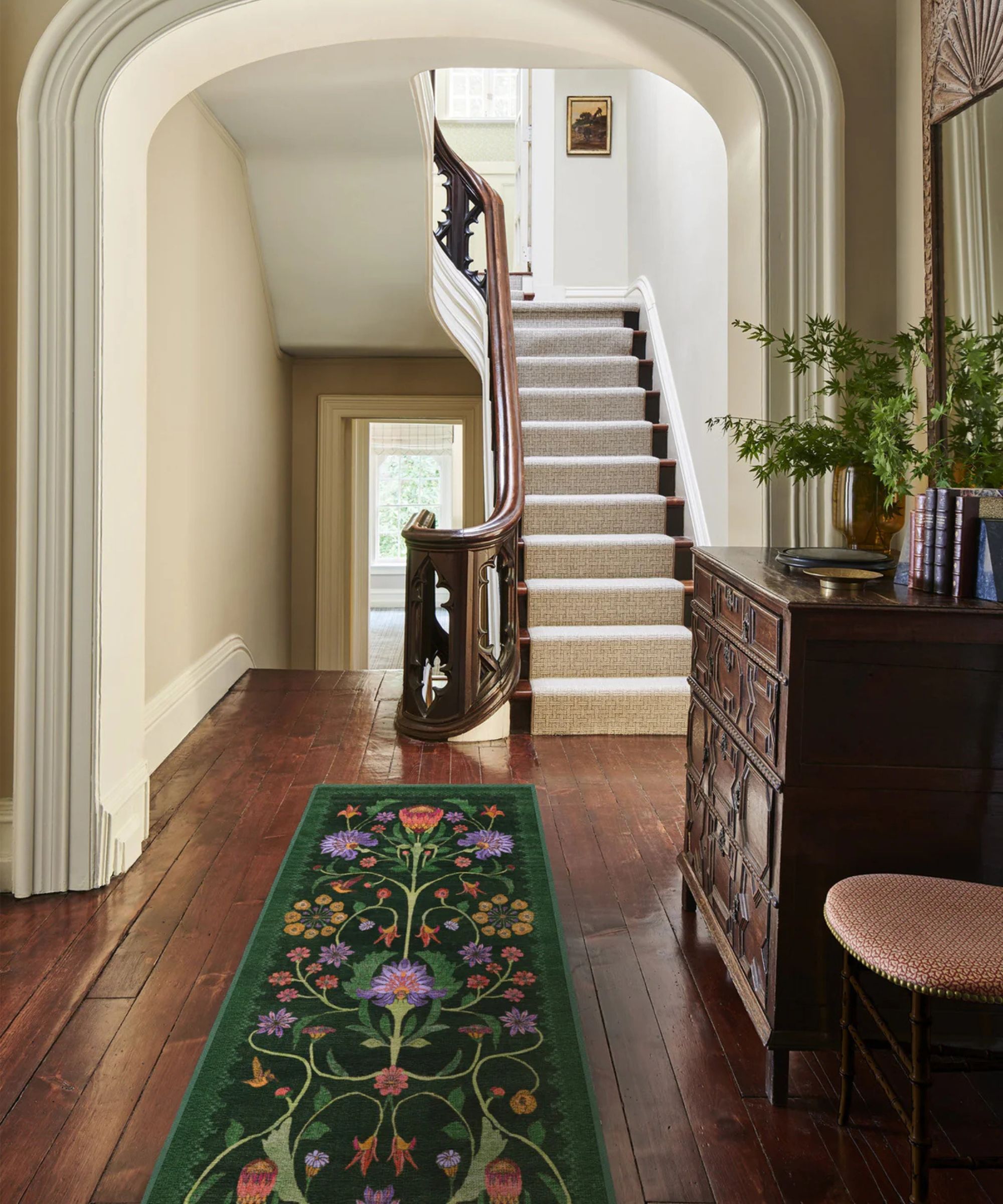
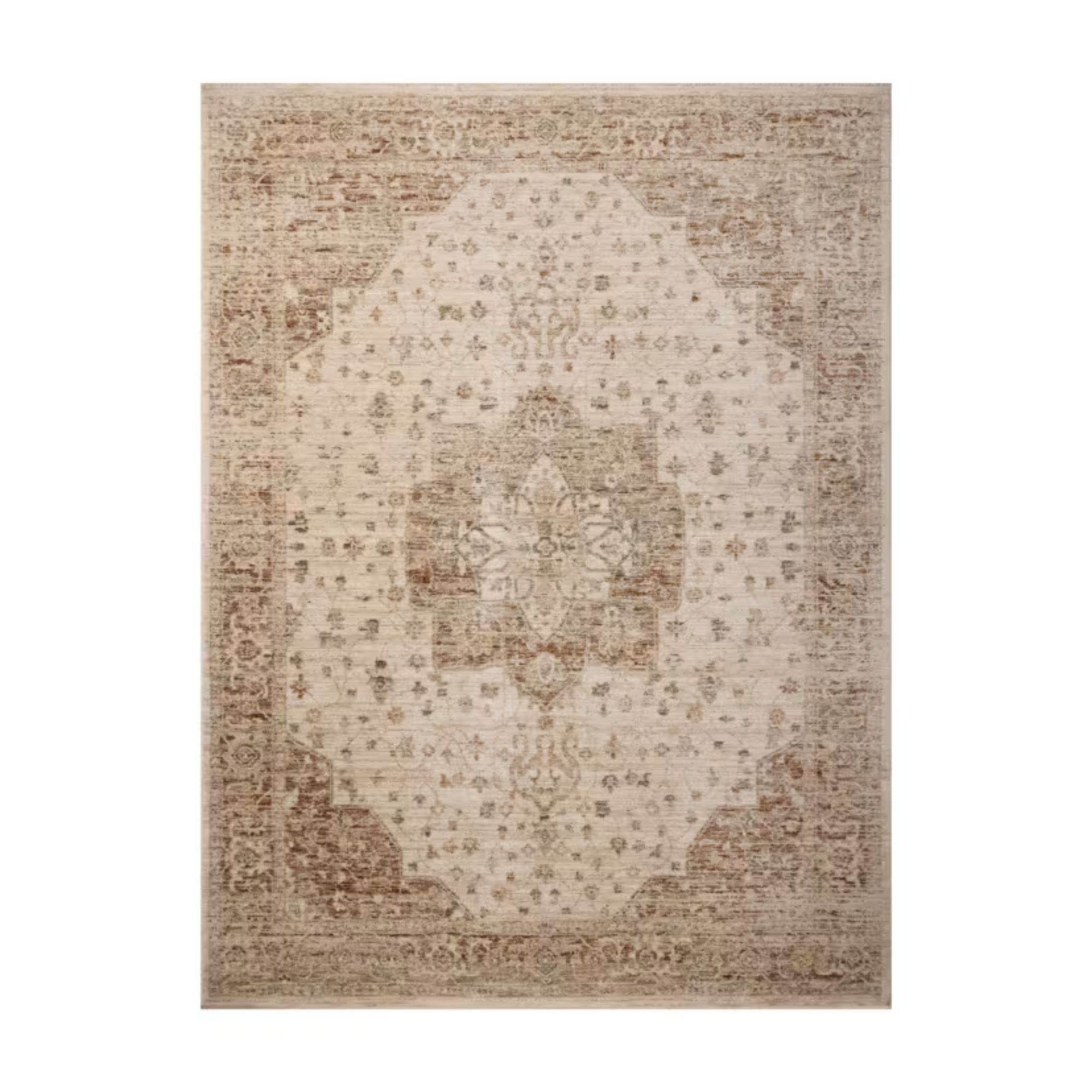
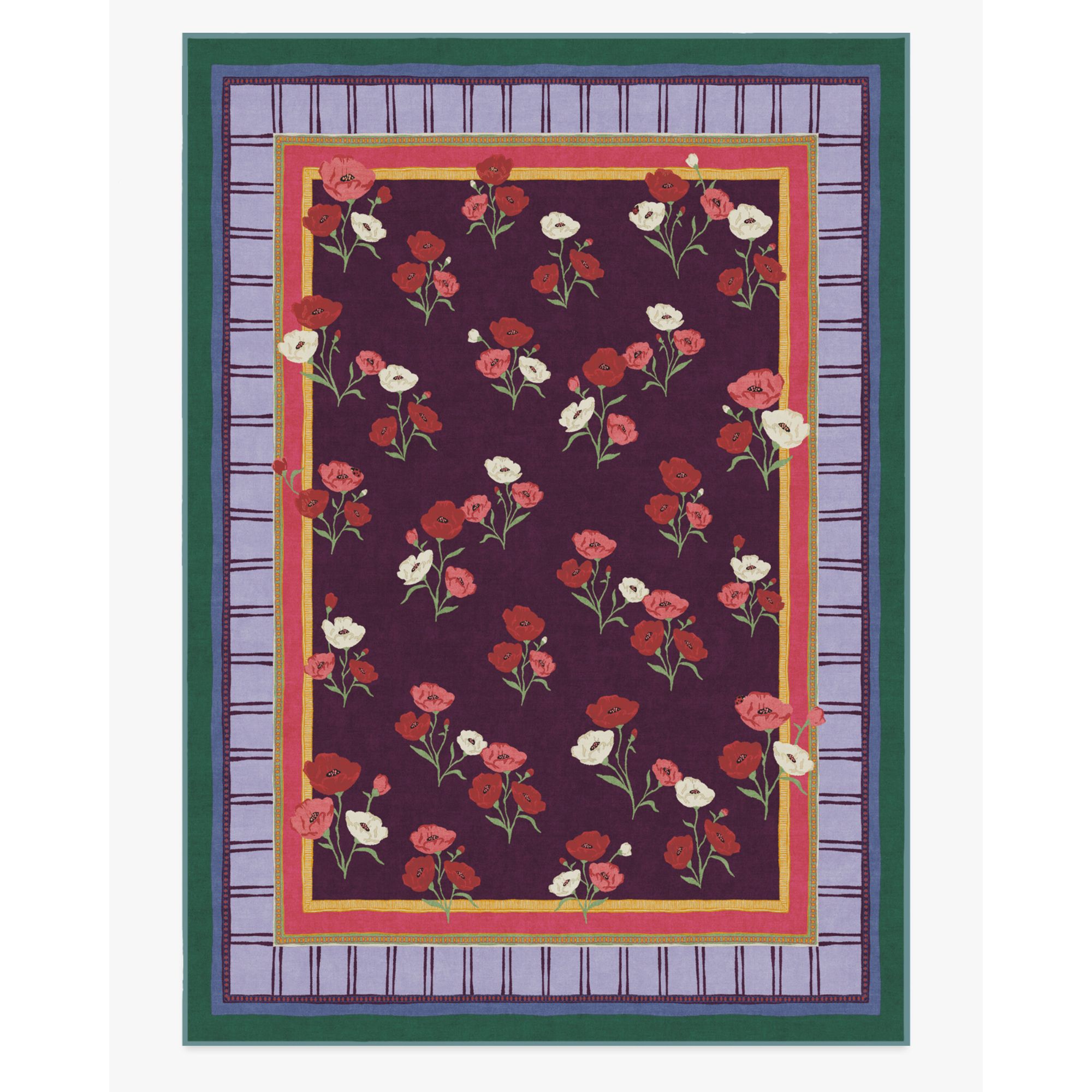
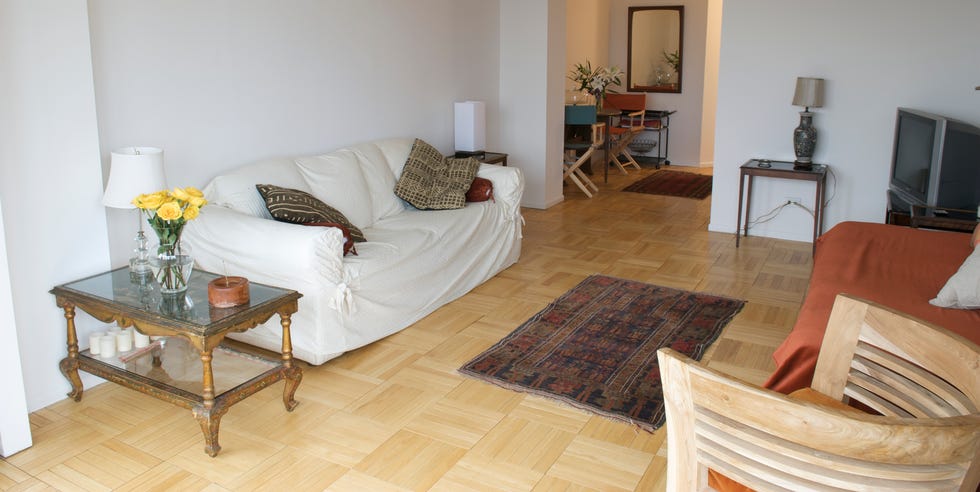
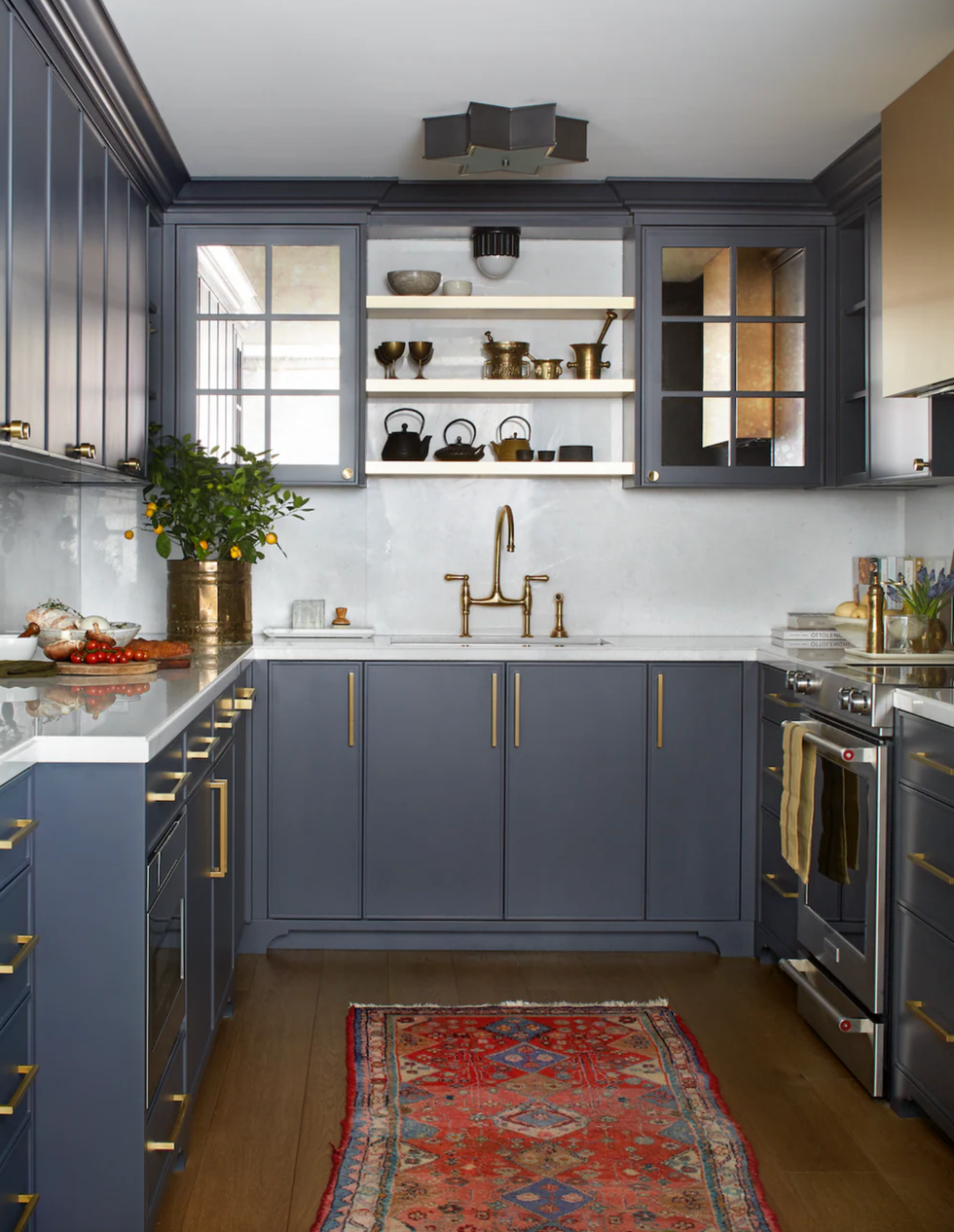
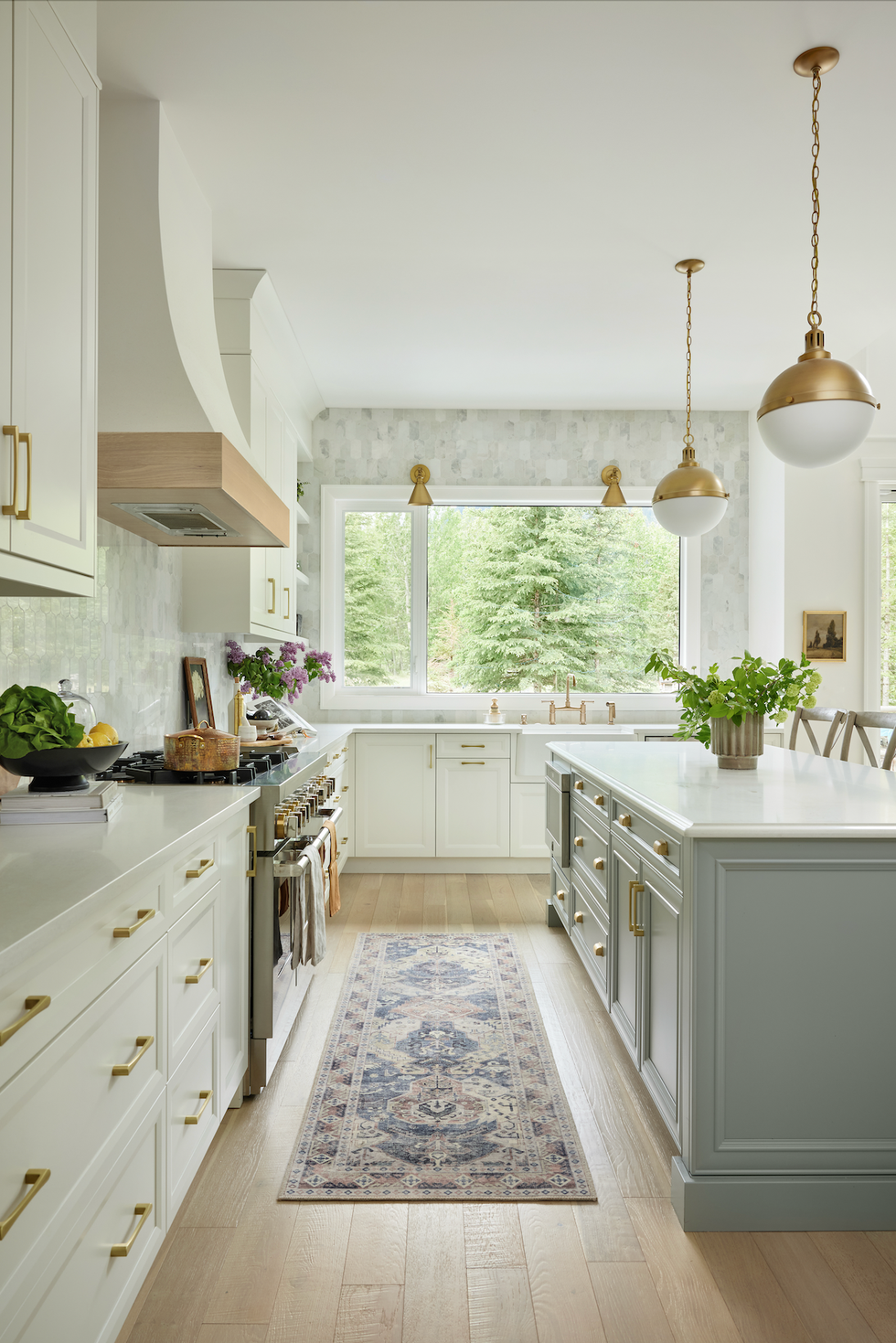
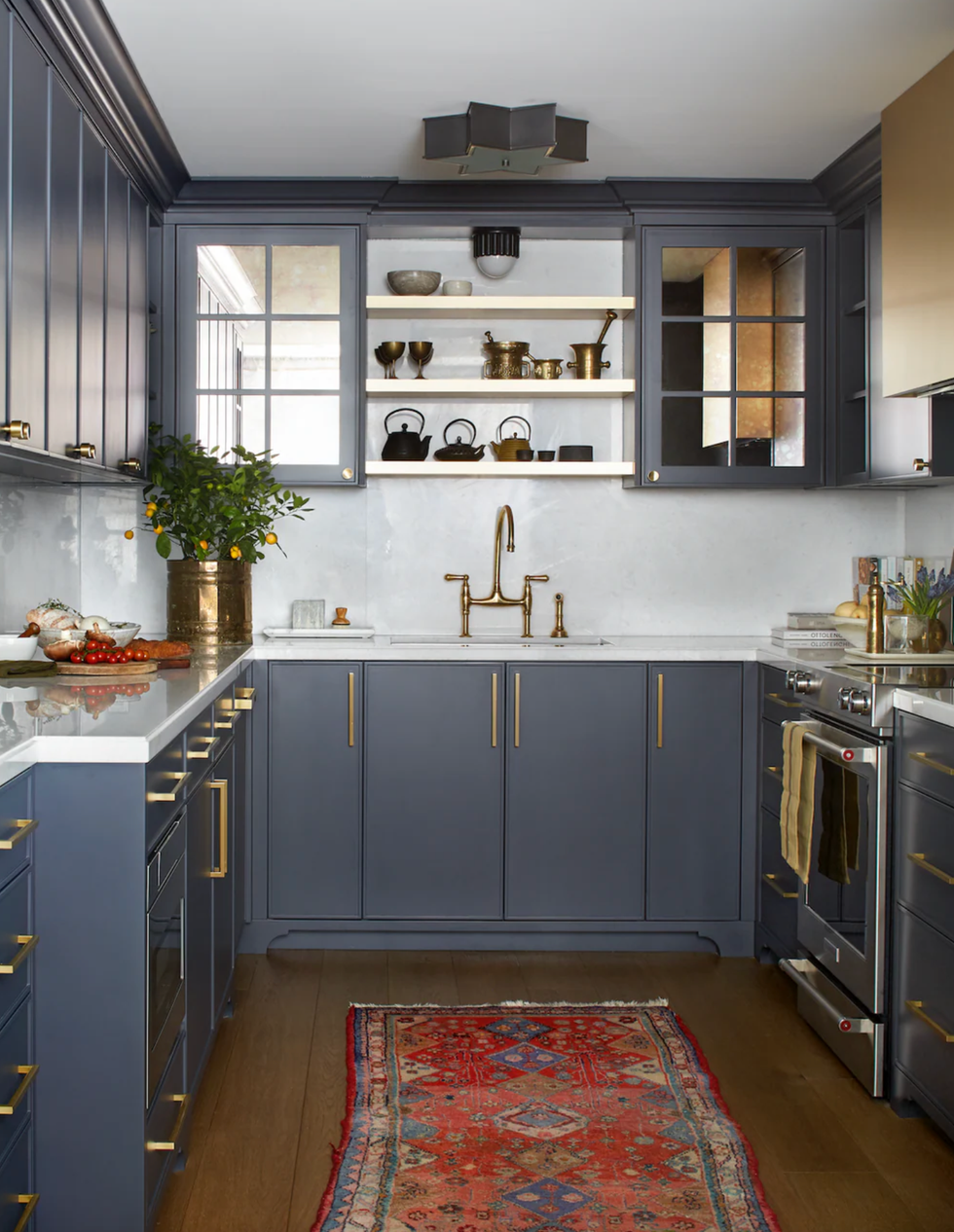
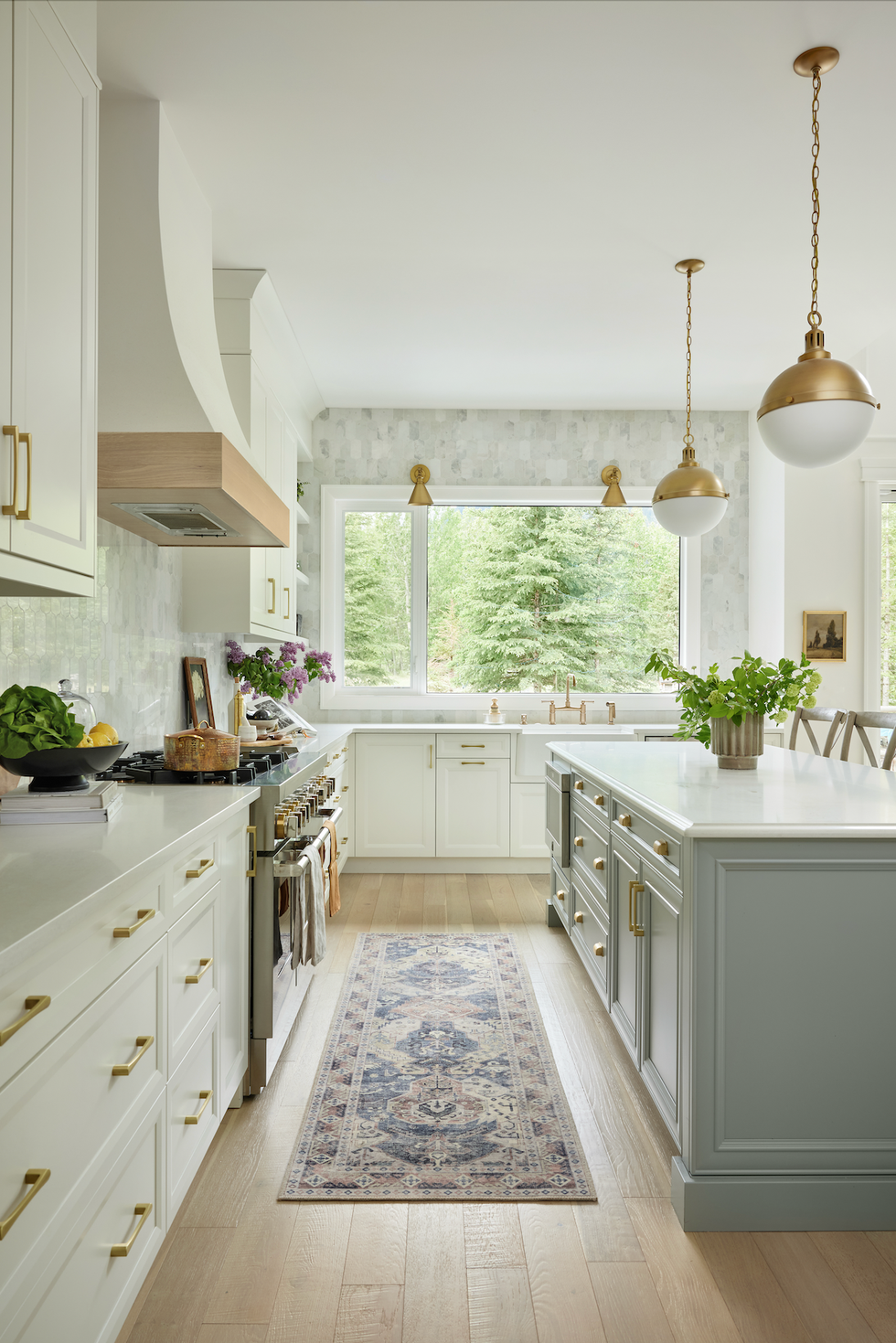
Accurate measurement is deemed critical for all purchases, from lighting to area rugs and artwork. Designers use methods like cardboard cutouts and blue tape to ensure that scale and placement are perfect. This meticulous approach prevents issues with pieces being too large or too small for a space. Related to this, the article stresses never to skimp on area rug size; rugs should be large enough to accommodate furniture either entirely or at least partially, grounding the room effectively.
Customization is presented as an essential way to reflect a client's personality, whether through custom curtains and furniture or simple DIY projects like swapping out a standard lampshade for a patterned or trimmed one. Designers also advise against designing based solely on current trends, preferring to focus on the client's individual tastes and comfort to create timeless and personal spaces.
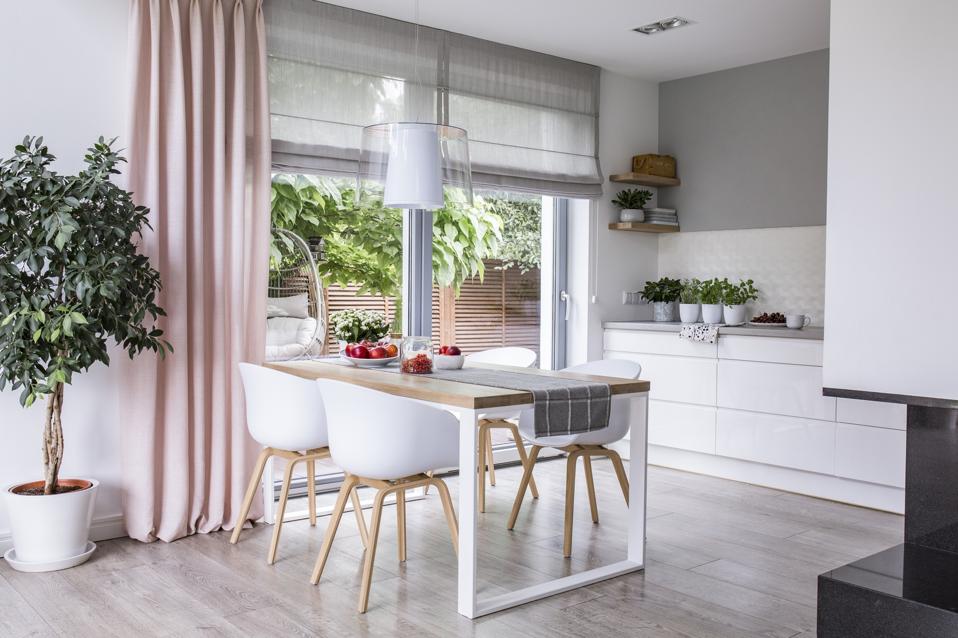
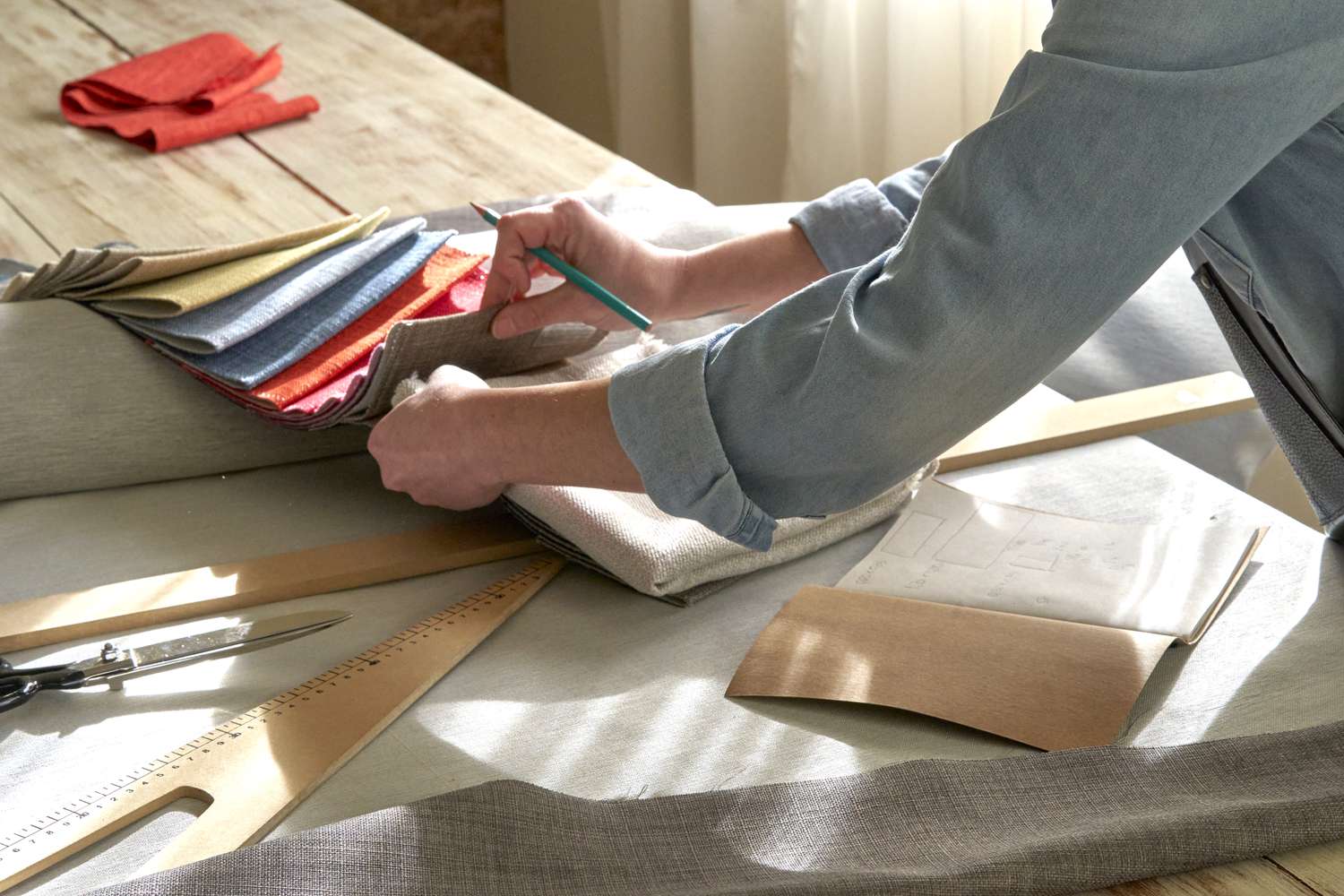
The article also touches on practical considerations such as understanding fabric repeats to avoid unexpected issues with patterned textiles, emphasizing the importance of checking this detail before purchasing. It highlights that the final layer of design—including art, pillows, and accessories—is just as crucial as the larger foundational pieces in completing a room's aesthetic. Lastly, designers express a strong aversion to blinds, favoring roman shades or drapery for their aesthetic appeal and ability to complement a room's design. They also suggest repurposing quality heirloom furniture rather than discarding it, and advocating for varied paint colors throughout a home to express personality, rather than a single, monotonous hue. A preference for bright and contrasting interiors over entirely tonal ones is also noted, even if it's just a small pop of color.
#InteriorDesign #HomeDecor #DesignTips #HomeRenovation #CustomFurniture #ColorPalettes #VintageDecor #SpacePlanning #InteriorDesign #HomeDecor #DesignTips #HomeRenovation #CustomFurniture #ColorPalettes #VintageDecor #SpacePlanning
Hay 0 comentarios en total
 Aún no hay comentarios
También te puede gustar
7 things interior designers never have in small living rooms

The 10 Biggest Interior Design No Nos According to Decorators

17 Secret "Affordable" Stores Interior Designers Don't Want You to Know About

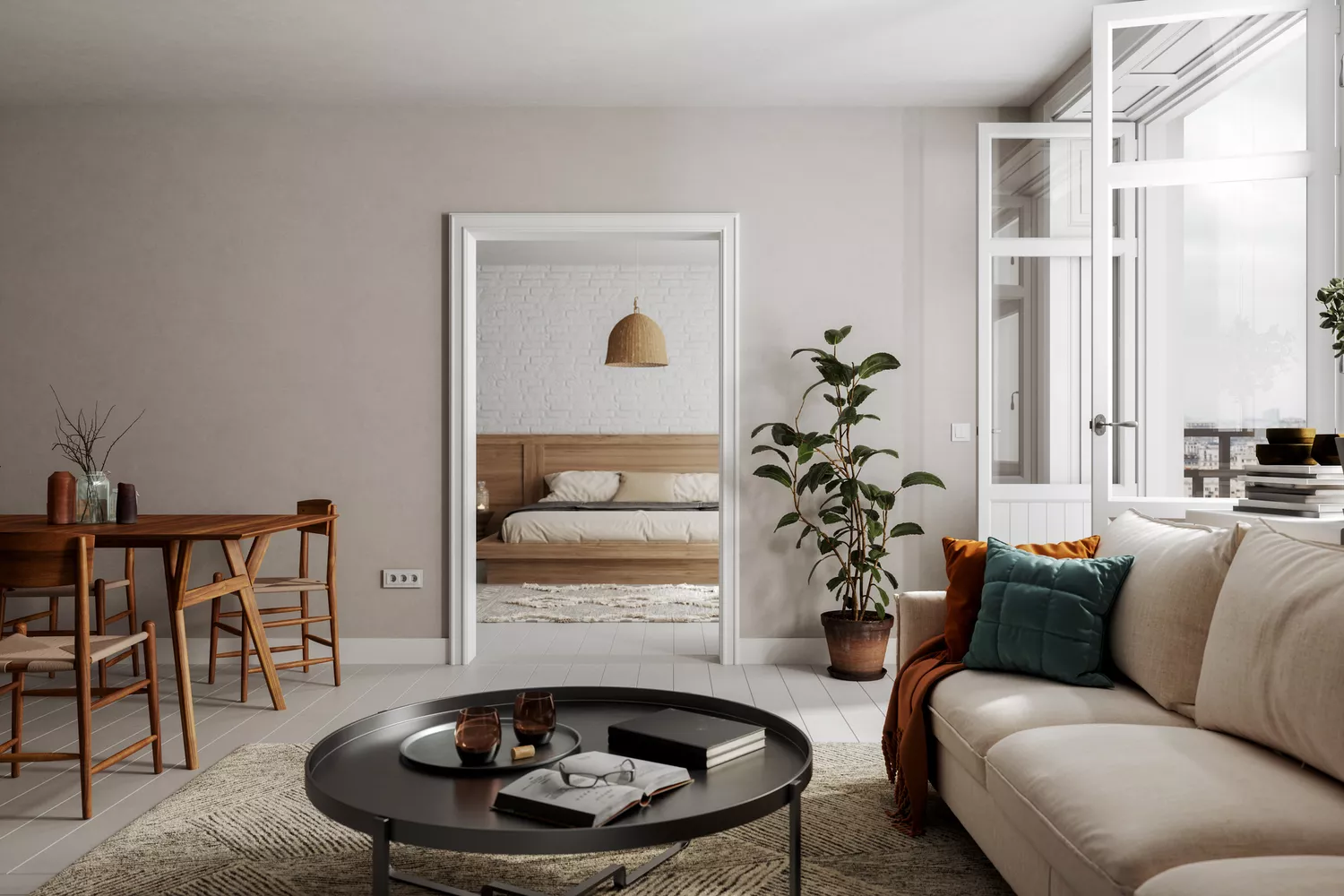
7 Decorating Mistakes That Always Make Interior Designers Cringe

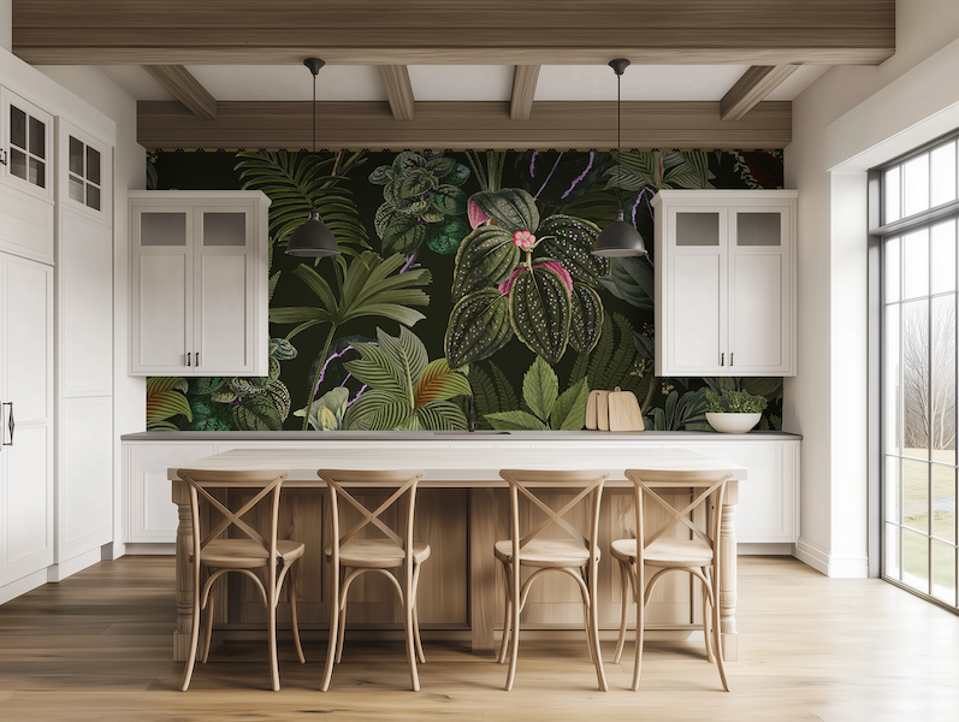
7 Design Mistakes Interior Designers Always Notice

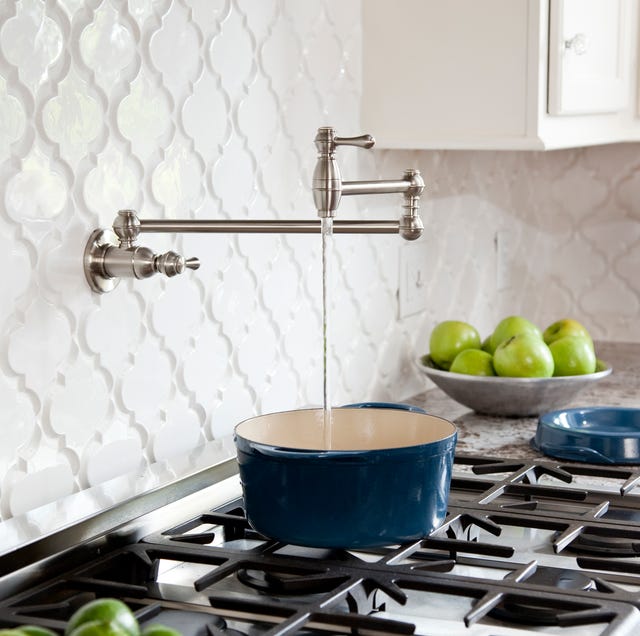
8 Things Designers Would NEVER Add to a Kitchen in 2025
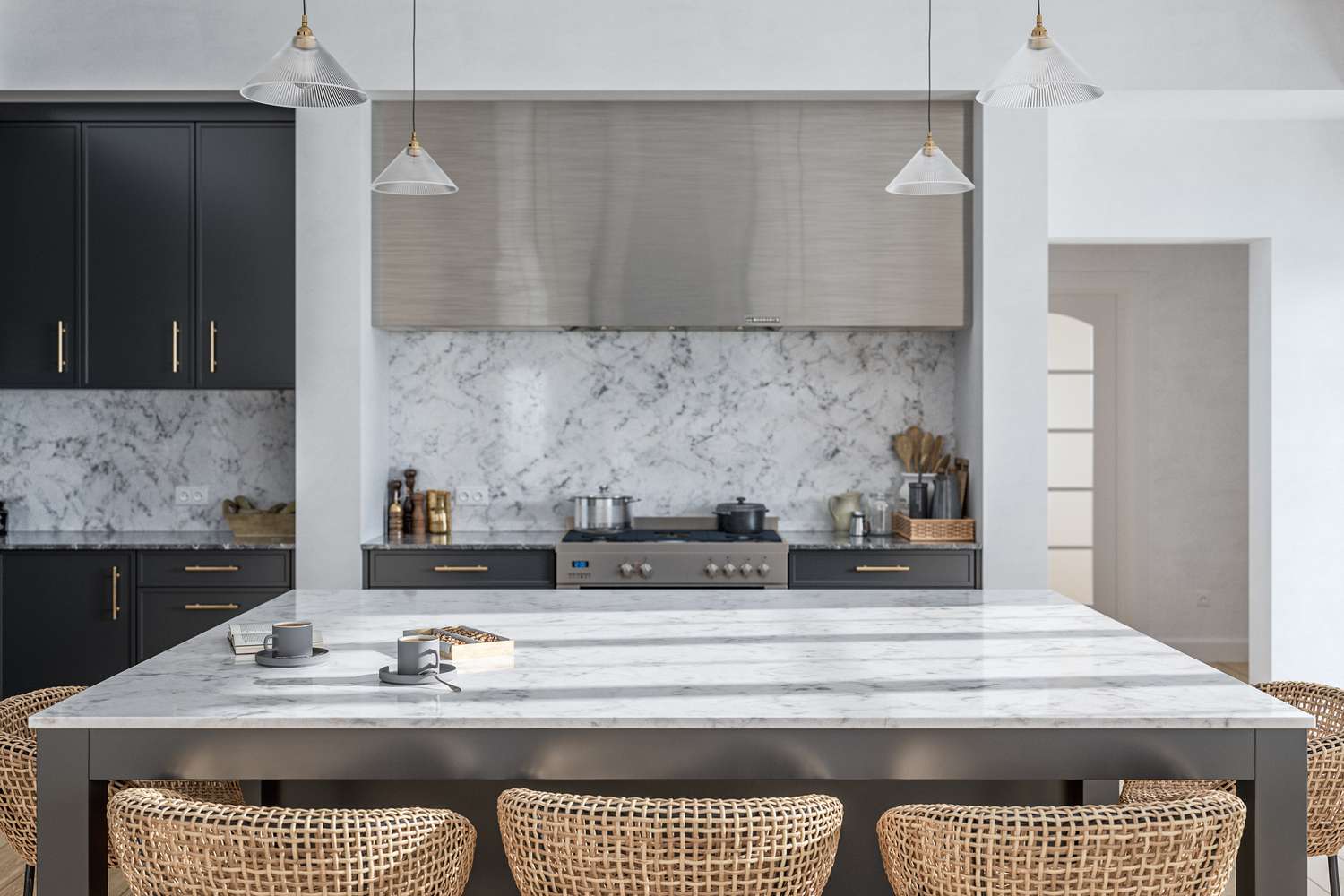
6 Popular Design Choices Designers Would Never Put in Their Own Homes
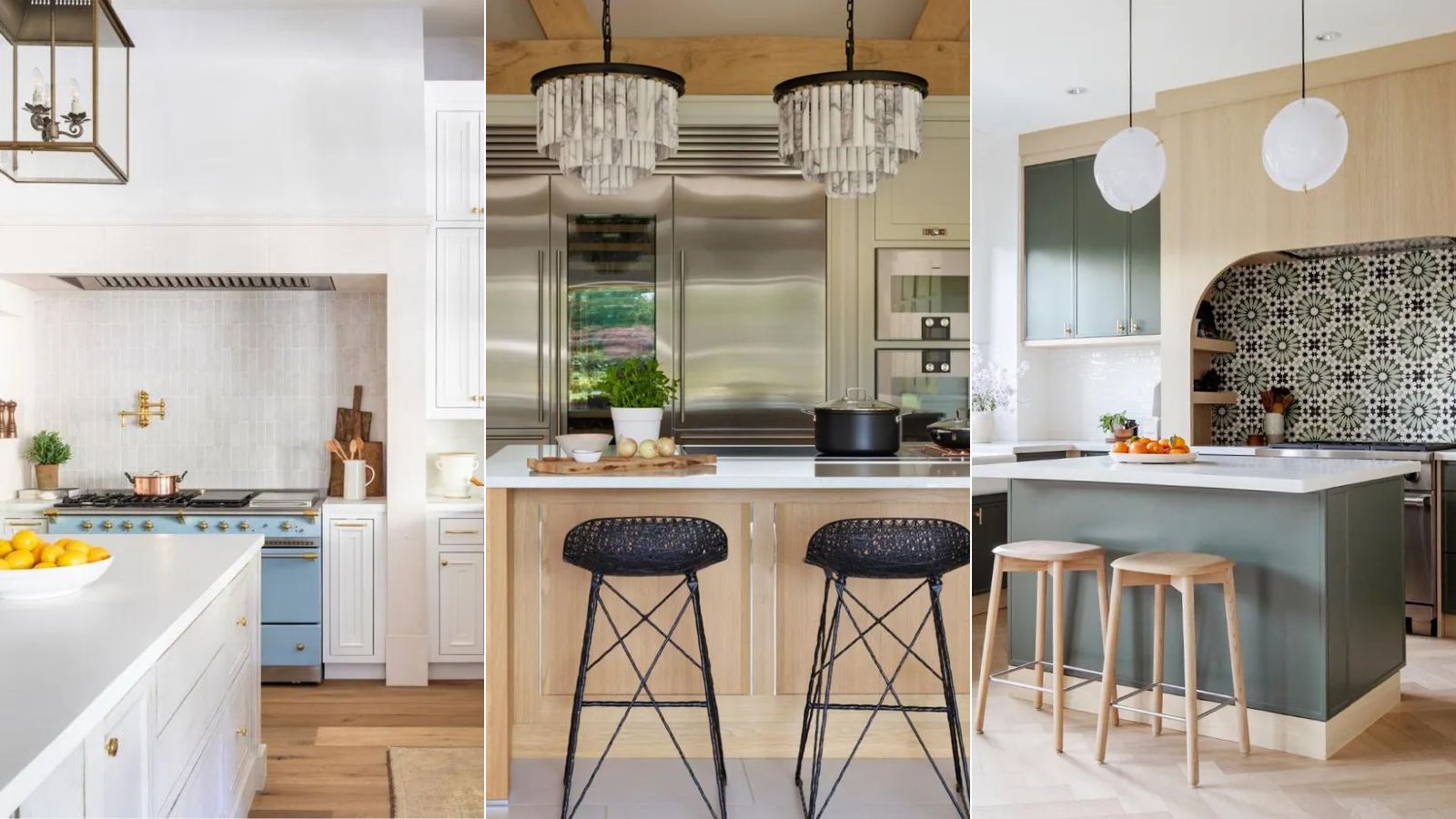
5 things to never put on your kitchen island, according to interior designers

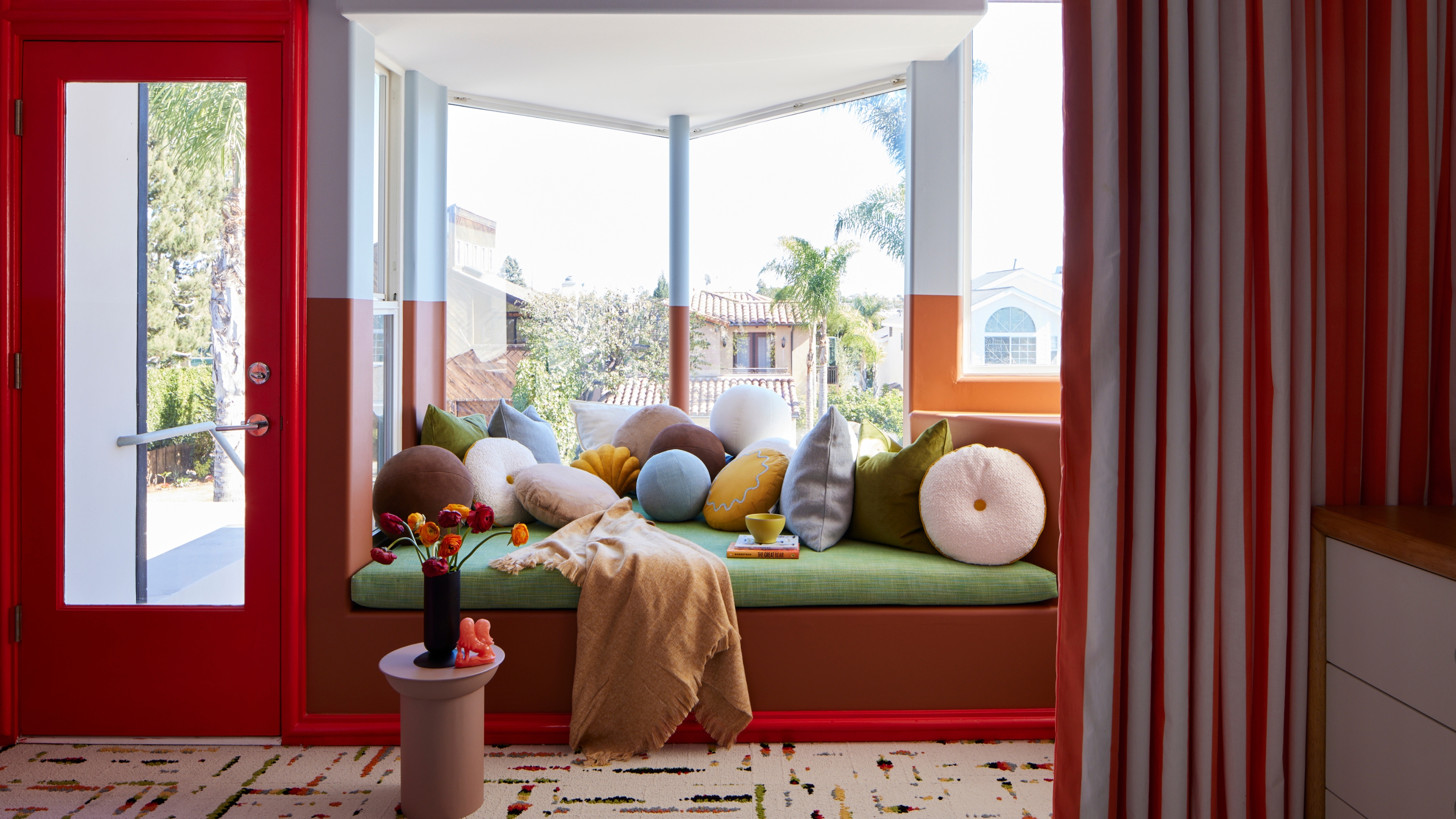
Stop! Step Away From the Paintbrush — Here's 4 Things Interior Designers Would Never, Ever Paint Around the Home

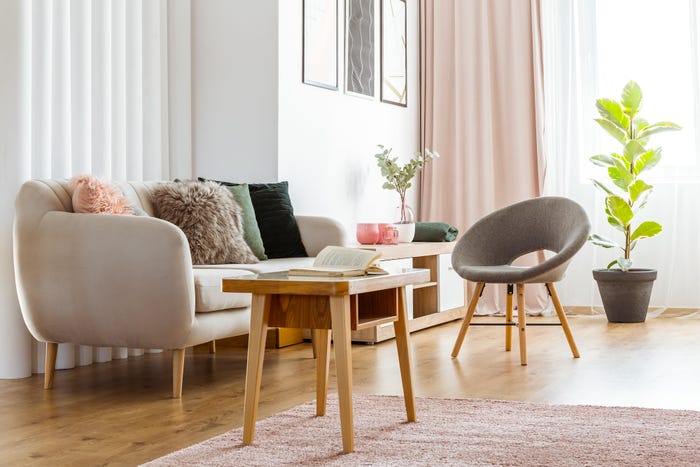
12 things a seasoned interior designer would never have in her own space
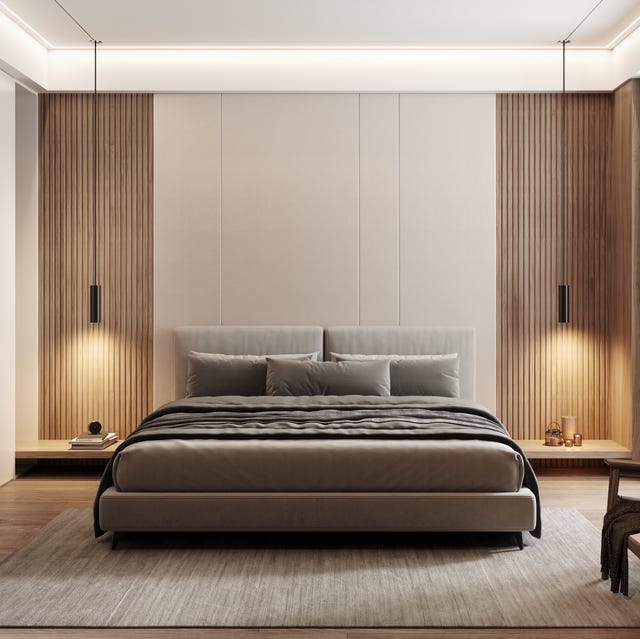
10 Mistakes Designers IMMEDIATELY Notice When They Walk Into Your Home
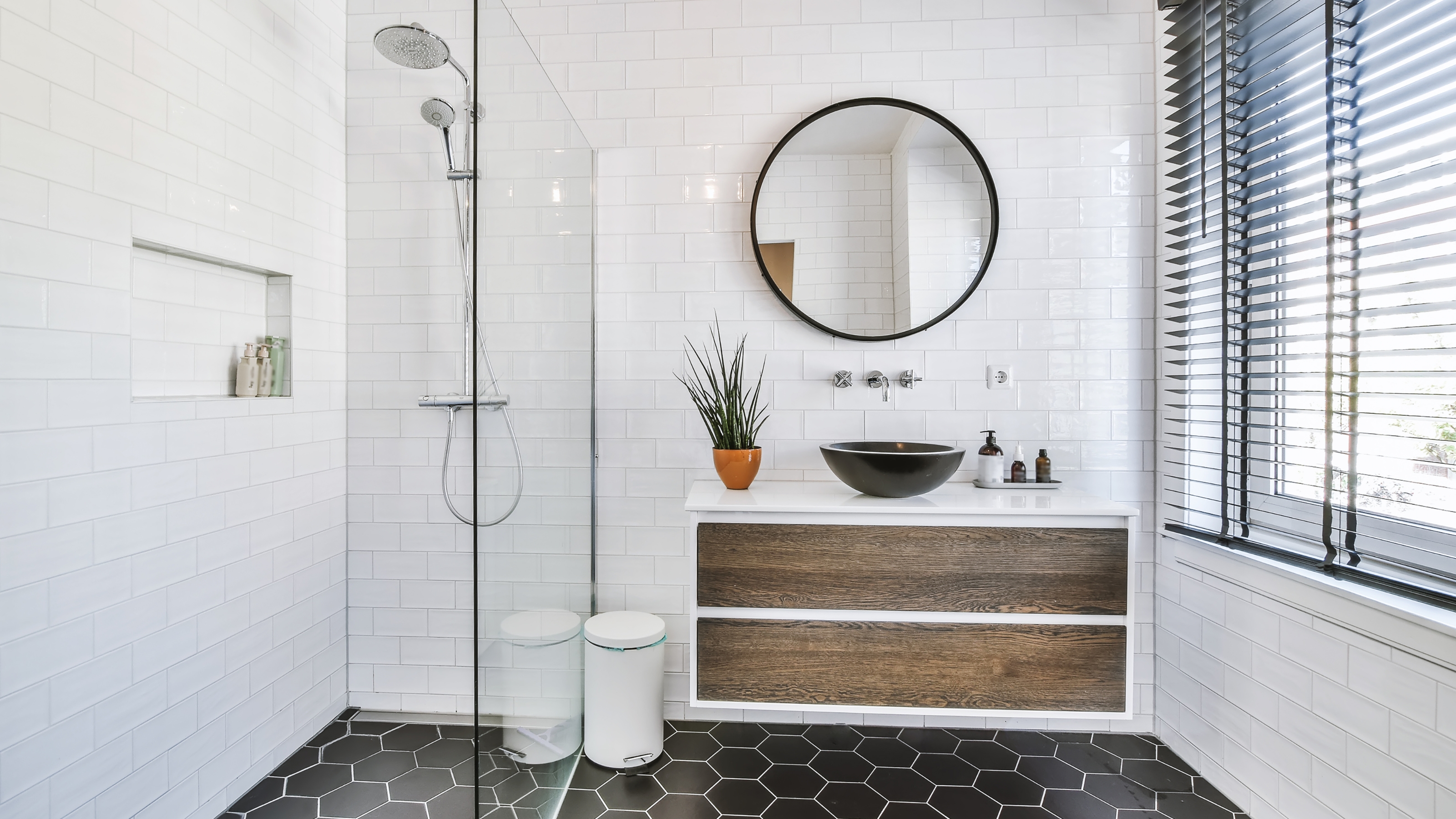
8 items interior designers never have in small bathrooms

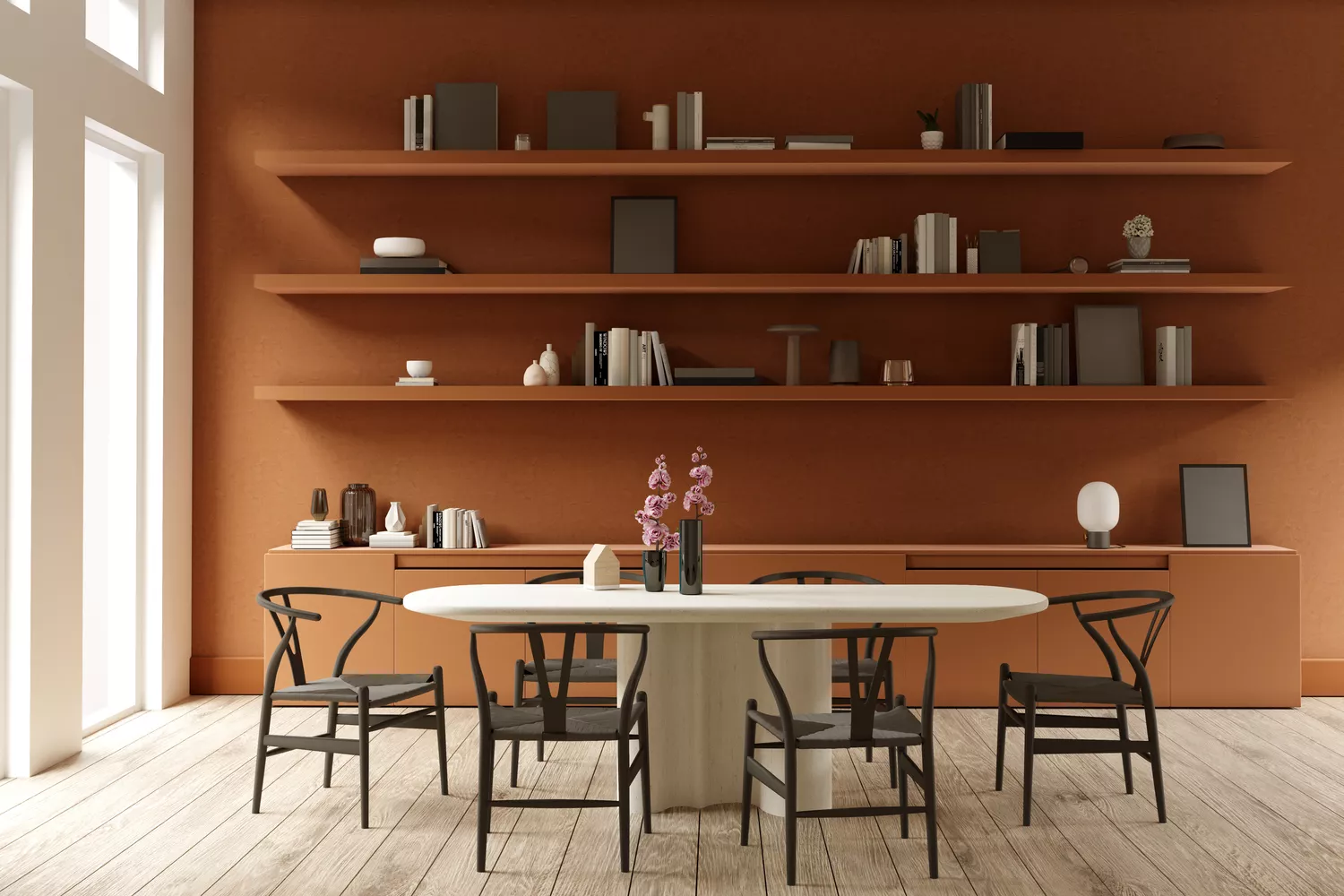
14 Controversial Things Interior Designers Would Never Have in Their Homes

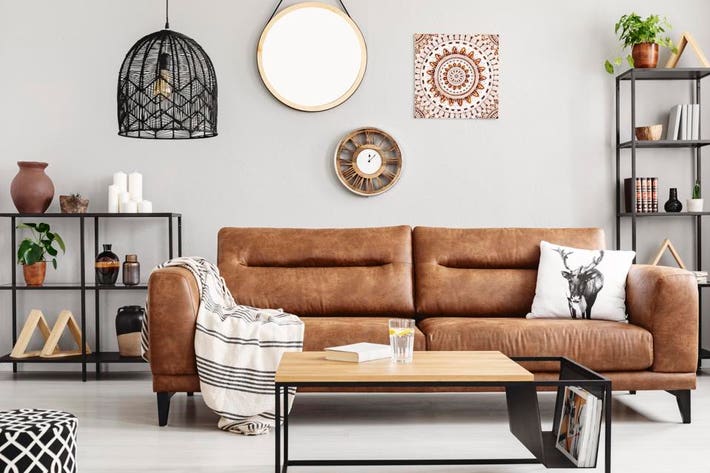
10 Interior Design Mistakes Experts Avoid In Their Own Homes
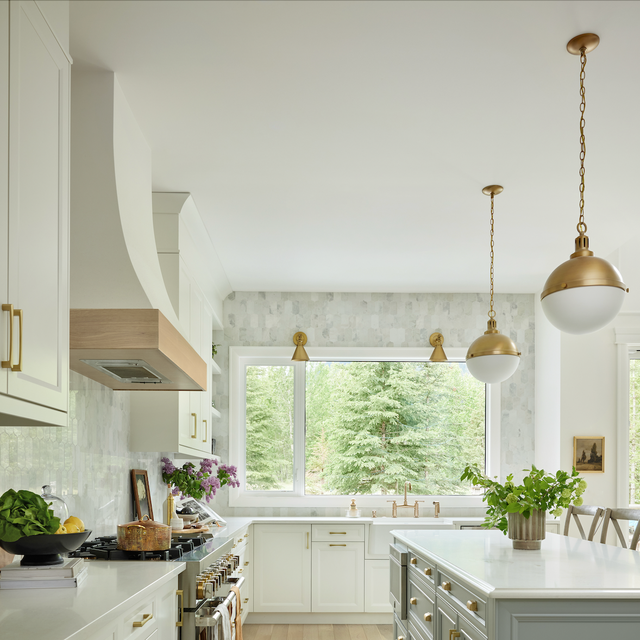
5 Kitchen Renovation Moves That Make Designers CRINGE
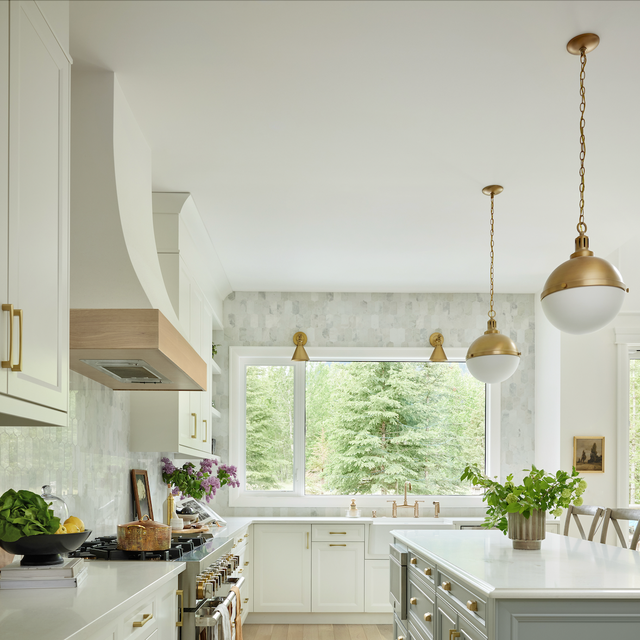
5 Kitchen Renovations Designers Wish Their Clients NEVER Asked for Again
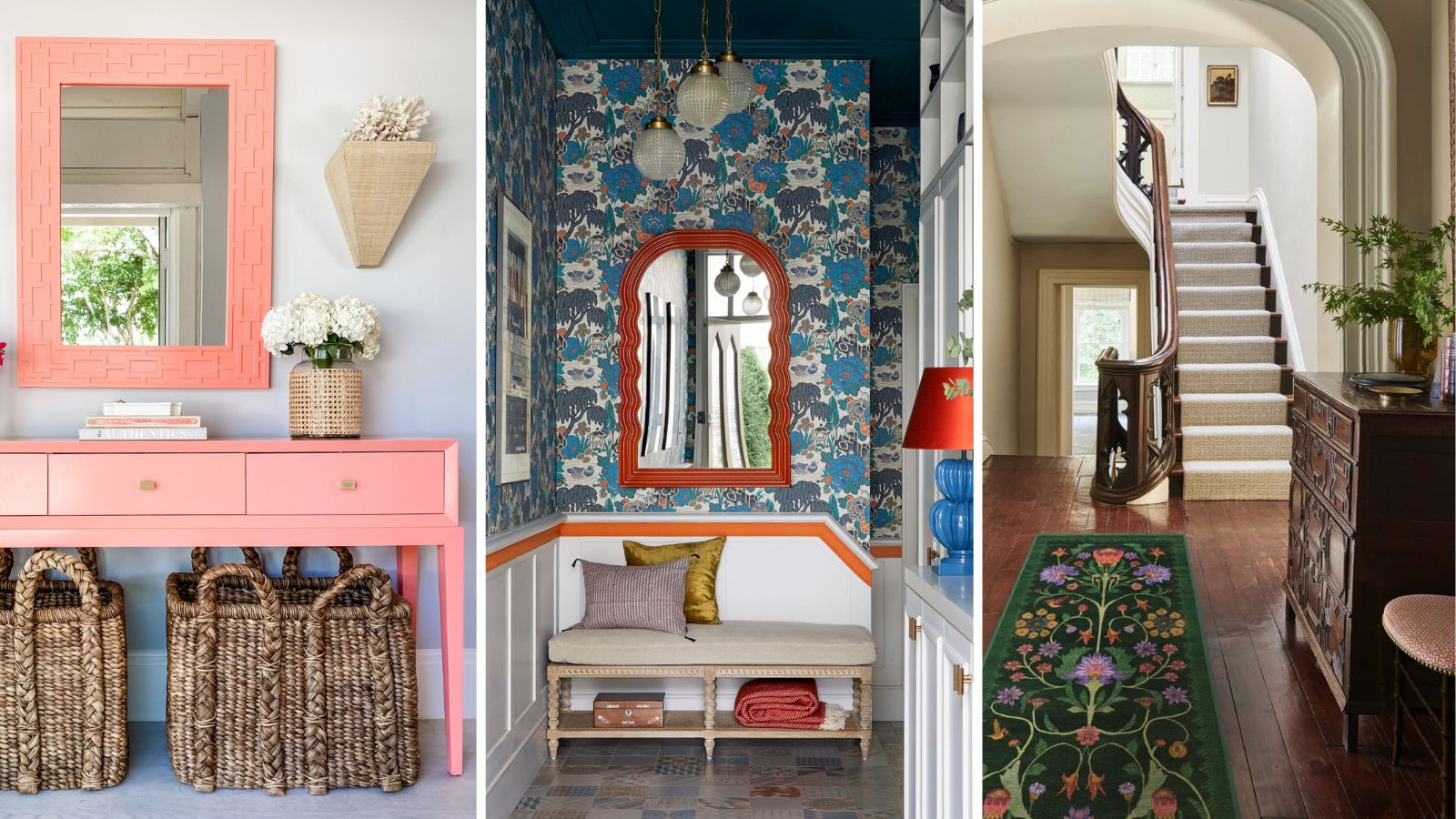
6 things to never put in an entryway, according to interior designers
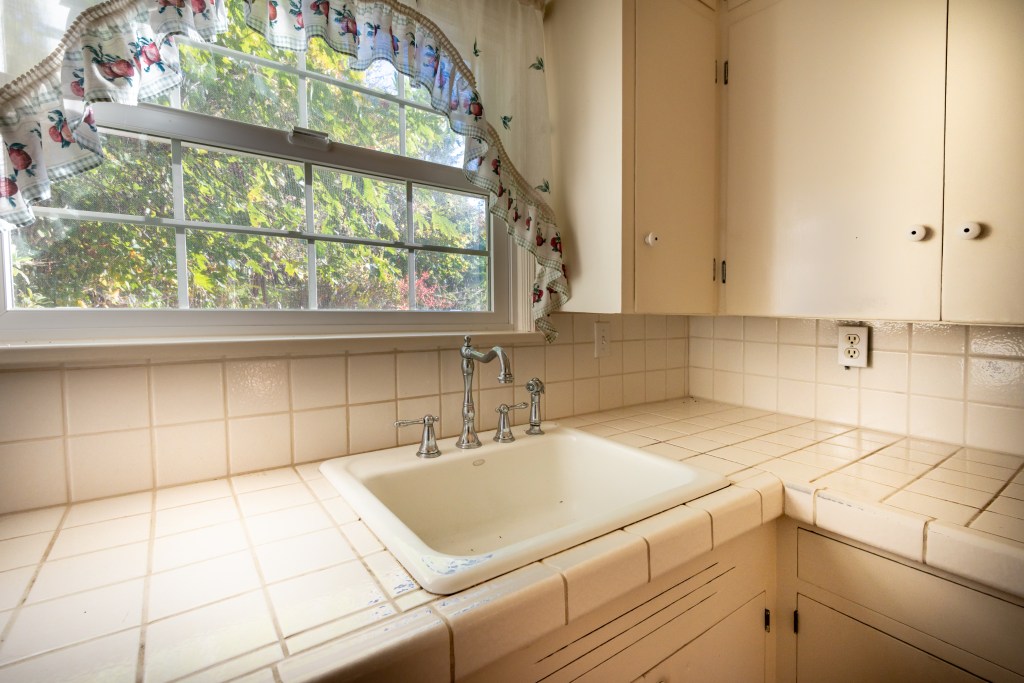
7 cheap and tacky interior design errors rich people never make — ban these aesthetic atrocities from your home
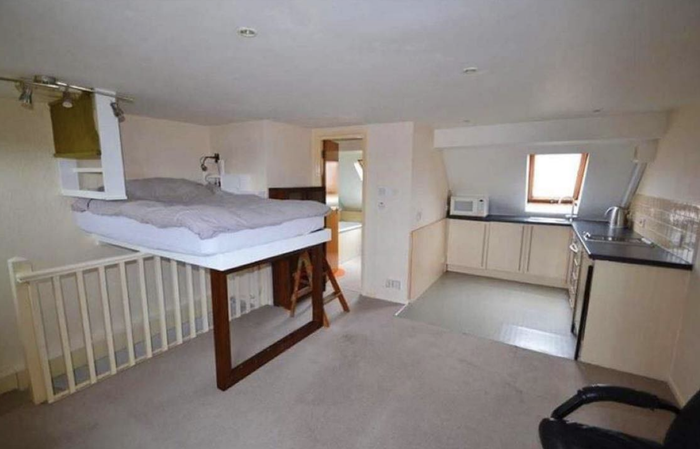
21 Home Design Fails That Are As Upsetting As They Are Impractical

7 Impractical Kitchen Trends Designers Never Recommend to Their Clients