1/7
7 cheap and tacky interior design errors rich people never make — ban these aesthetic atrocities from your home
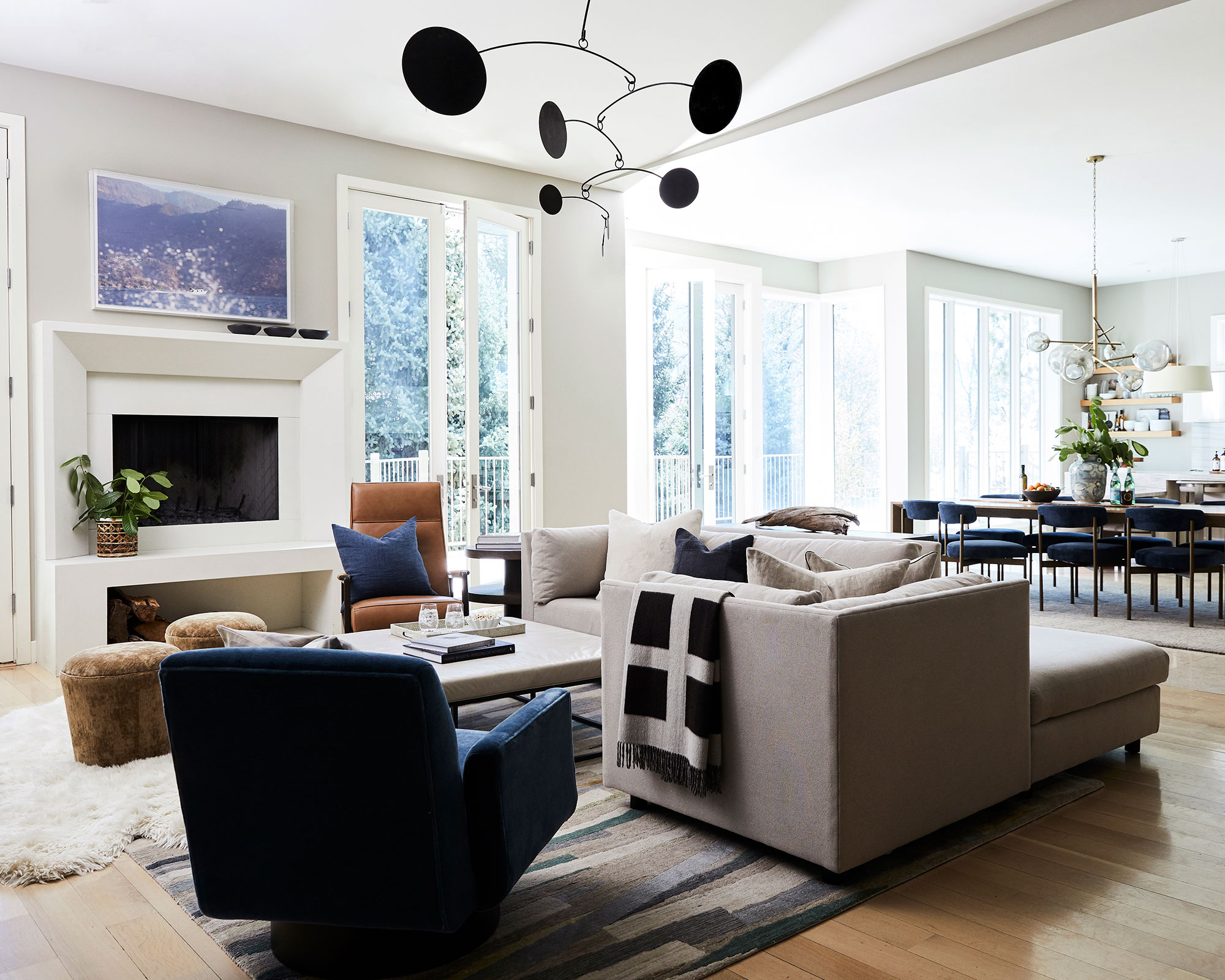
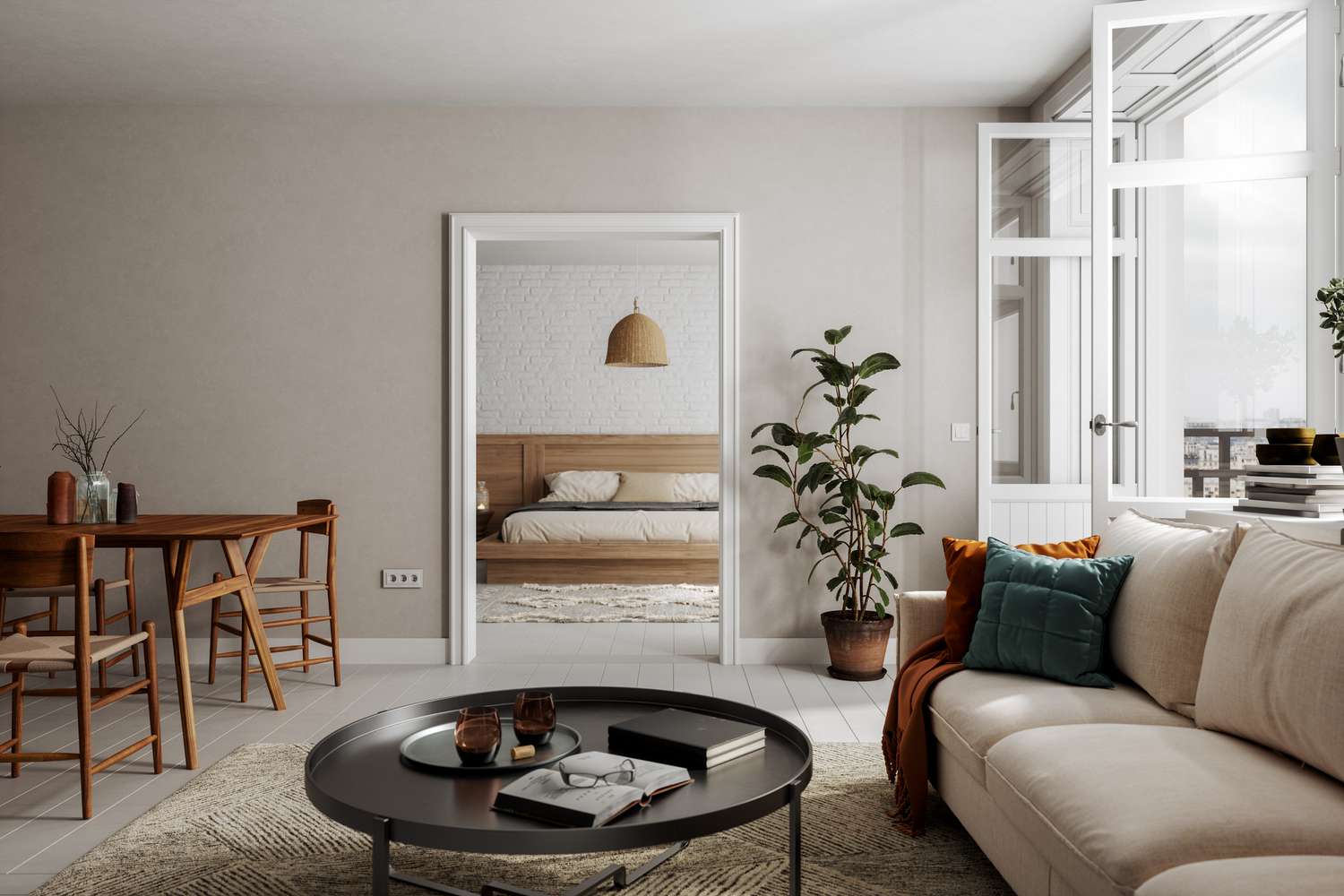
This article highlights seven common interior design mistakes that can make a home appear cheap or tacky, drawing insights from interior designer Bri MacDonald. The central premise is that while wealth isn't a prerequisite for a well-decorated home, certain design elements can diminish its overall appeal and value. By addressing these pitfalls, homeowners can create a more sophisticated and timeless living space.
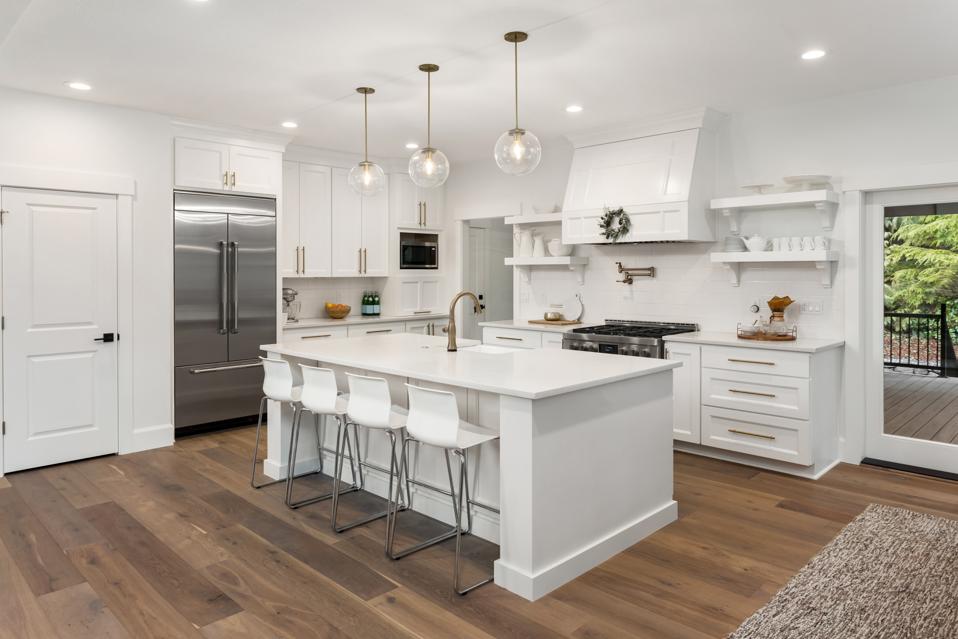
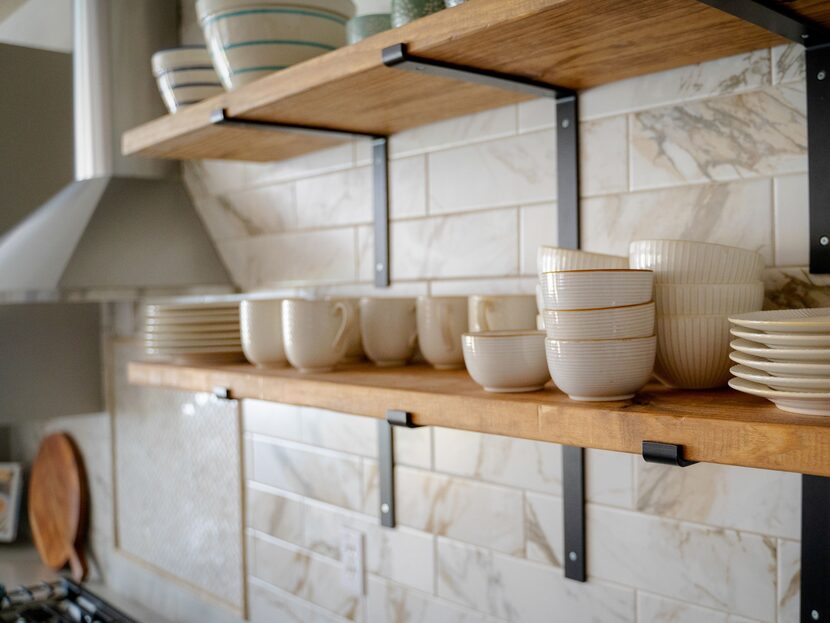
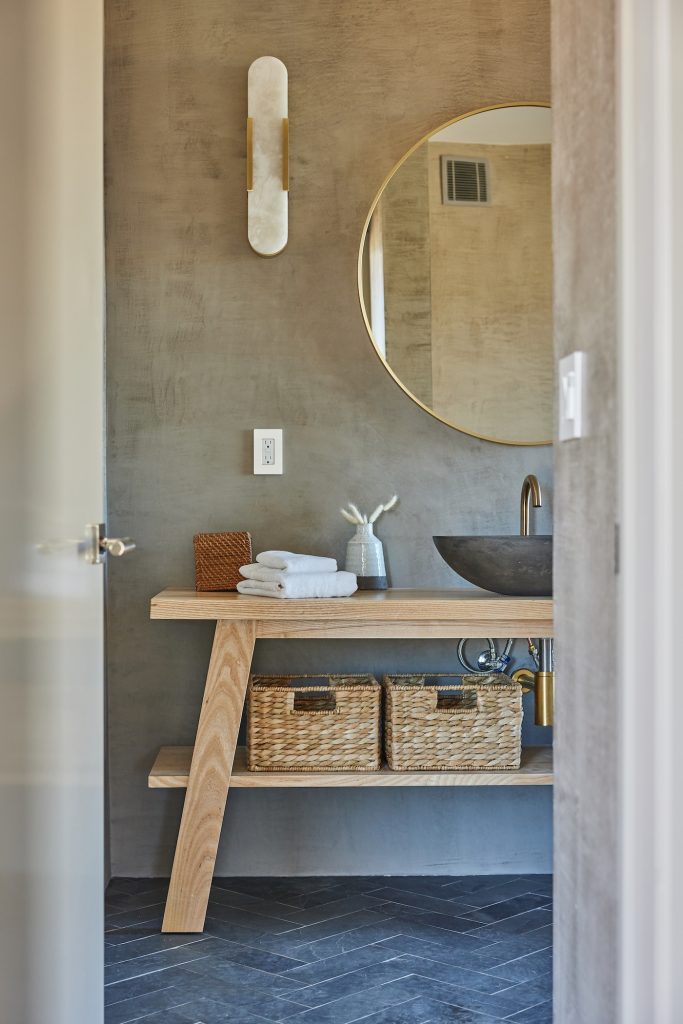
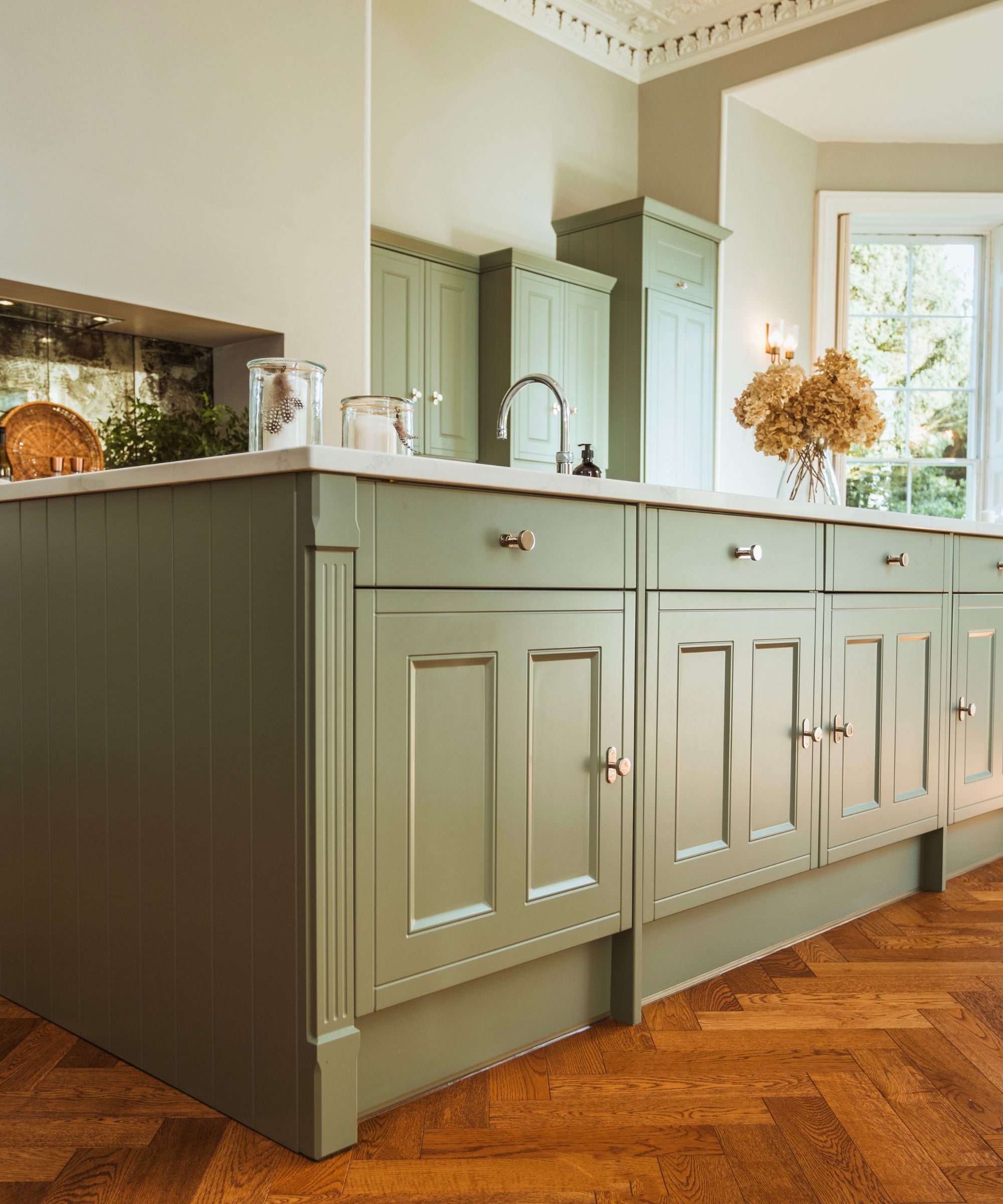
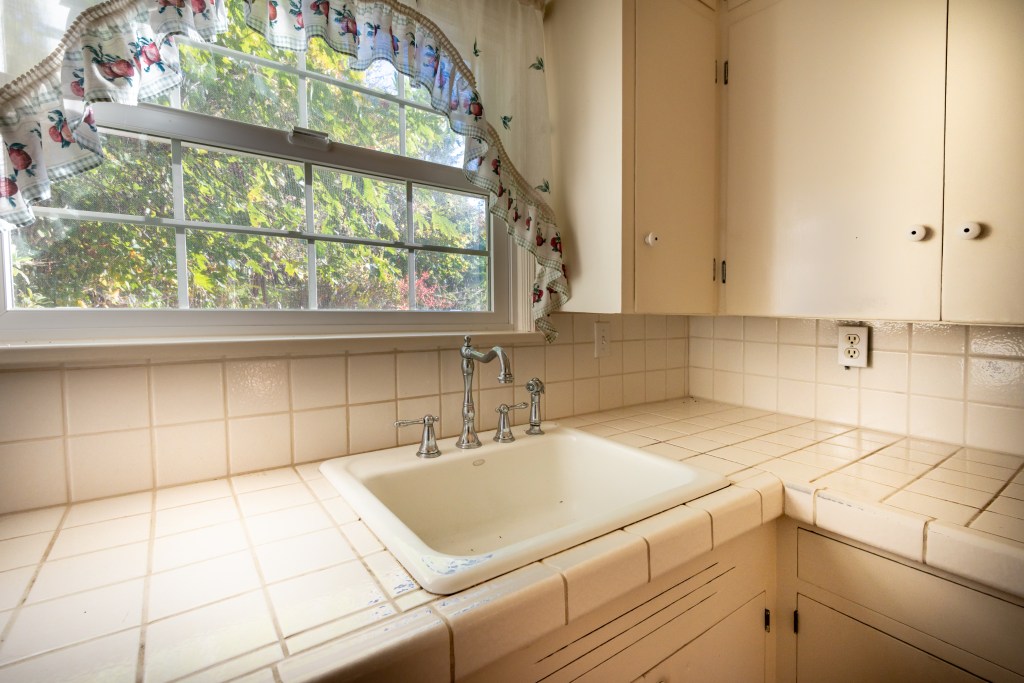
The first error identified is the use of low-quality hardware. Mismatched or standard-issue cabinet handles, doorknobs, and sink fixtures can detract from a room's luxury feel. The solution involves upgrading to high-quality materials like polished nickel or brass, or exploring unique options such as marble, glass, or ornate carved pieces. This small change is presented as an easy and effective way to instantly elevate a room's aesthetic.
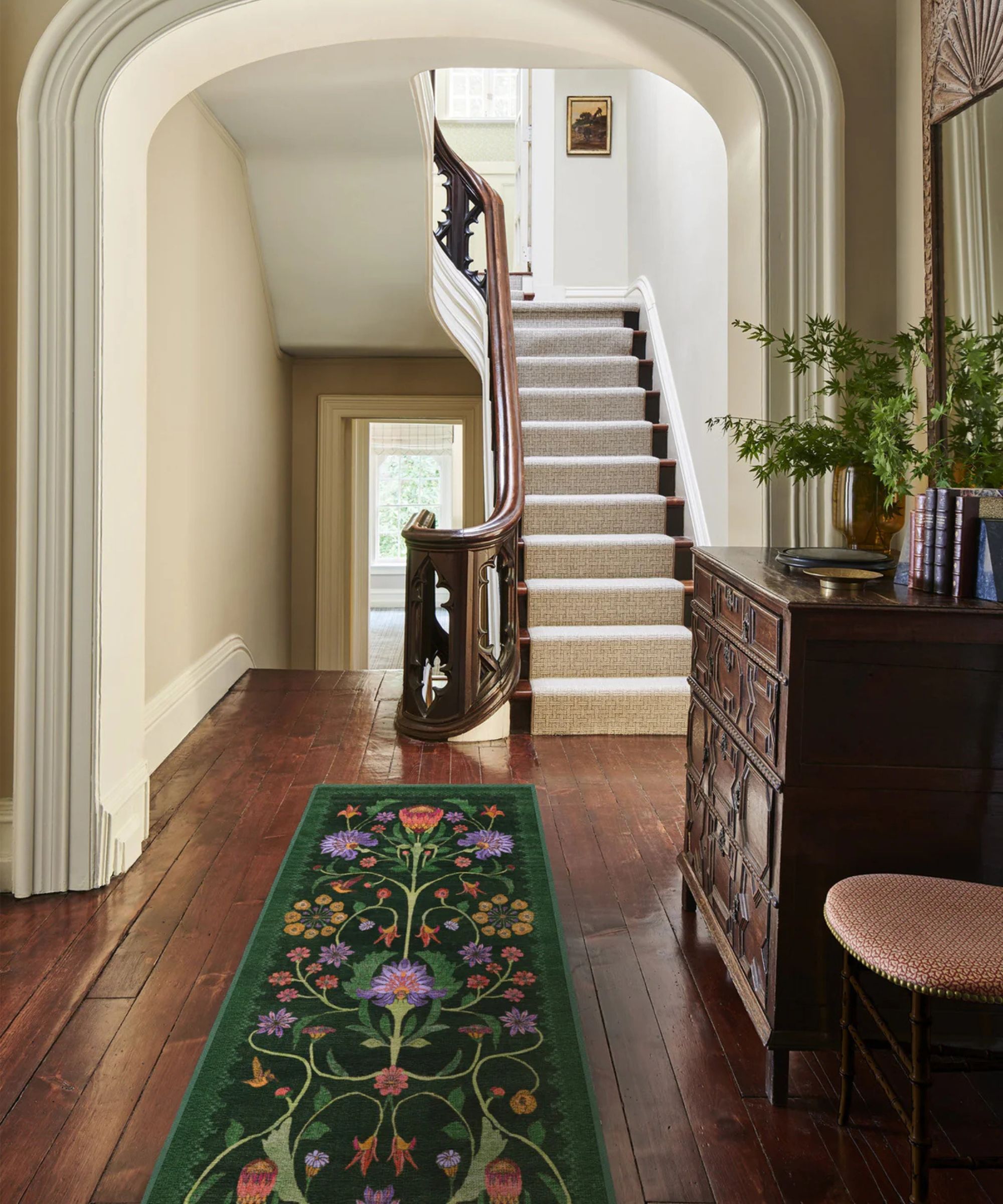
Sloppy wiring is another common issue. In an age dominated by electronic devices, managing cables, cords, and plugs is crucial for maintaining an organized and clean home. While completely hiding all wires might be impractical, strategic placement under rugs, behind furniture, or within decorative organizers like baskets can significantly improve a space's appearance. For a more permanent solution, rerouting wires within walls is suggested, though cable organizers attached to baseboards or walls can serve as a suitable alternative.
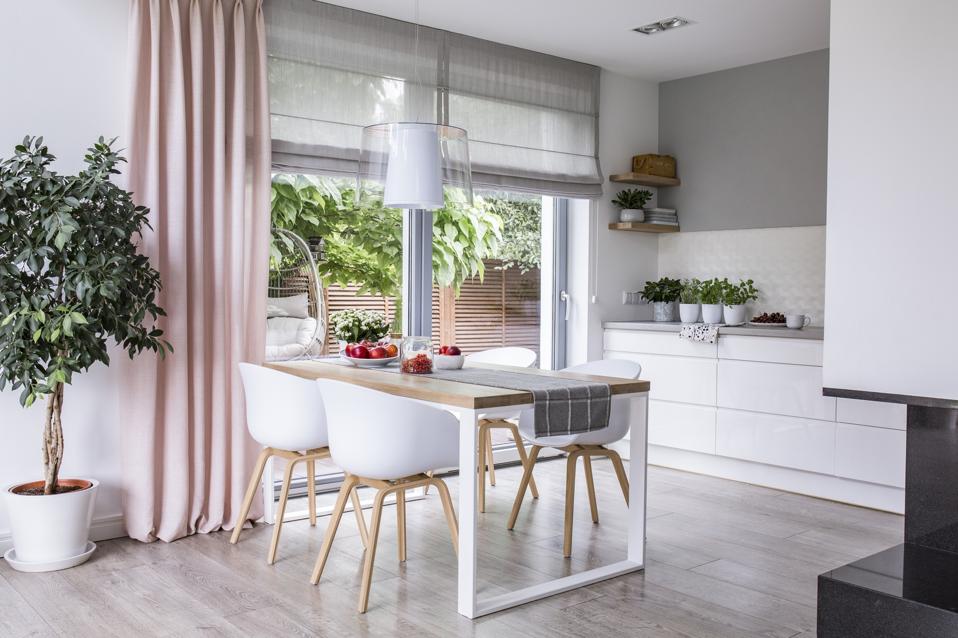
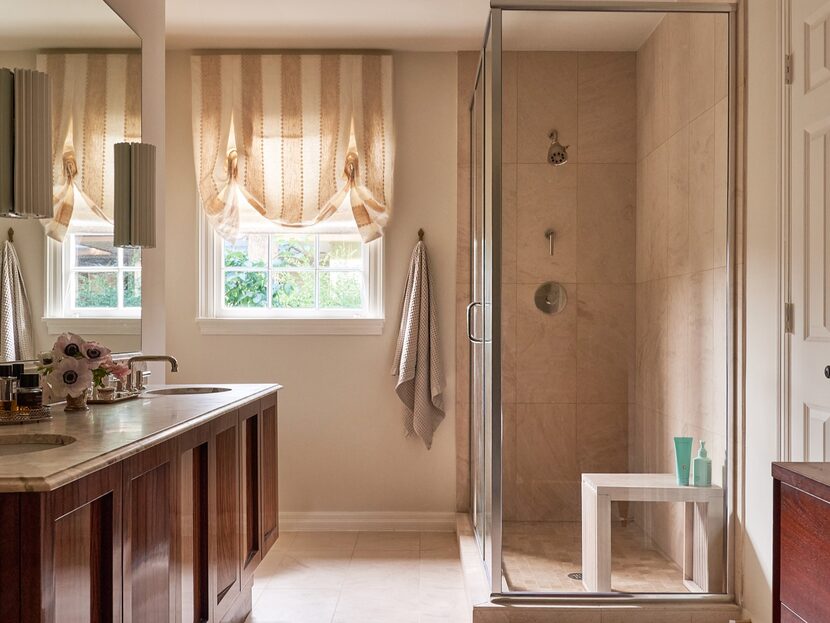
Generic-looking curtains are also cited as a design misstep. Thin, mass-produced curtains can make a home look inexpensive. Investing in fitted, proportional curtains and window treatments that effectively block sunlight and ensure privacy is recommended. For an added touch of luxury, layering heavier drapes with sheer paneled curtains underneath is proposed.
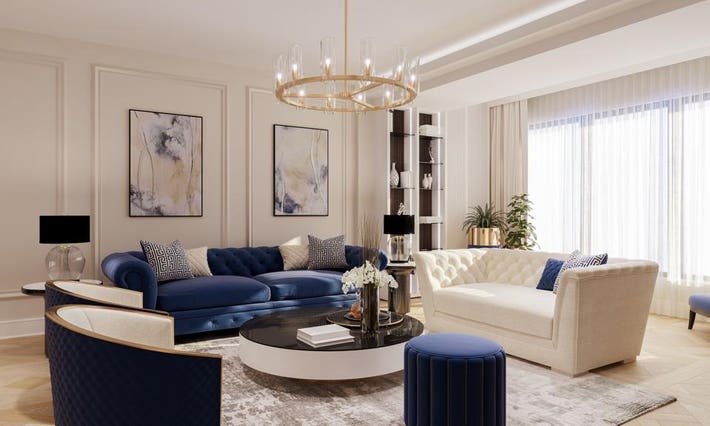
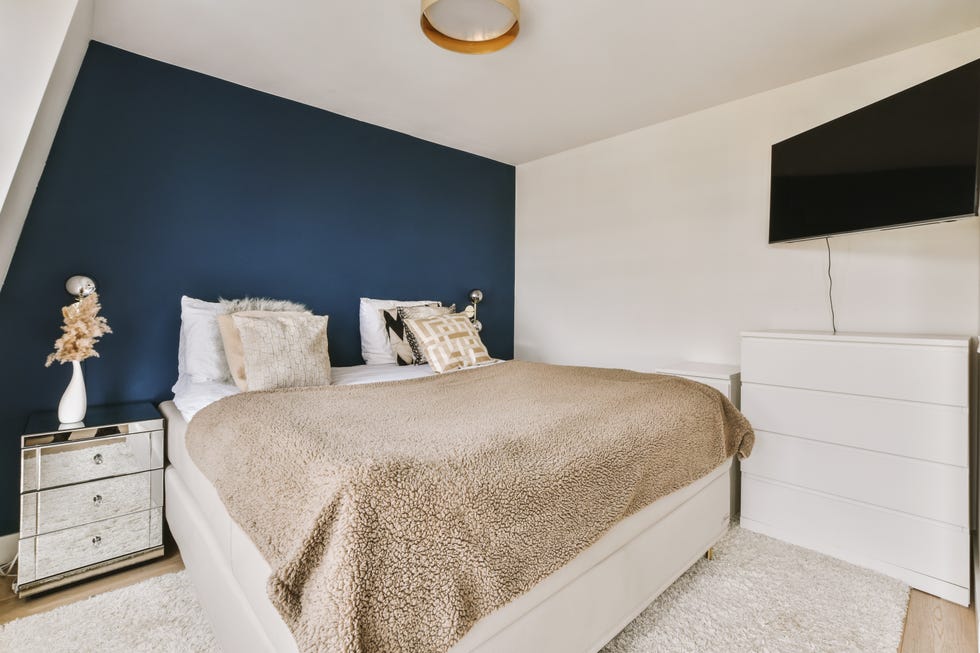
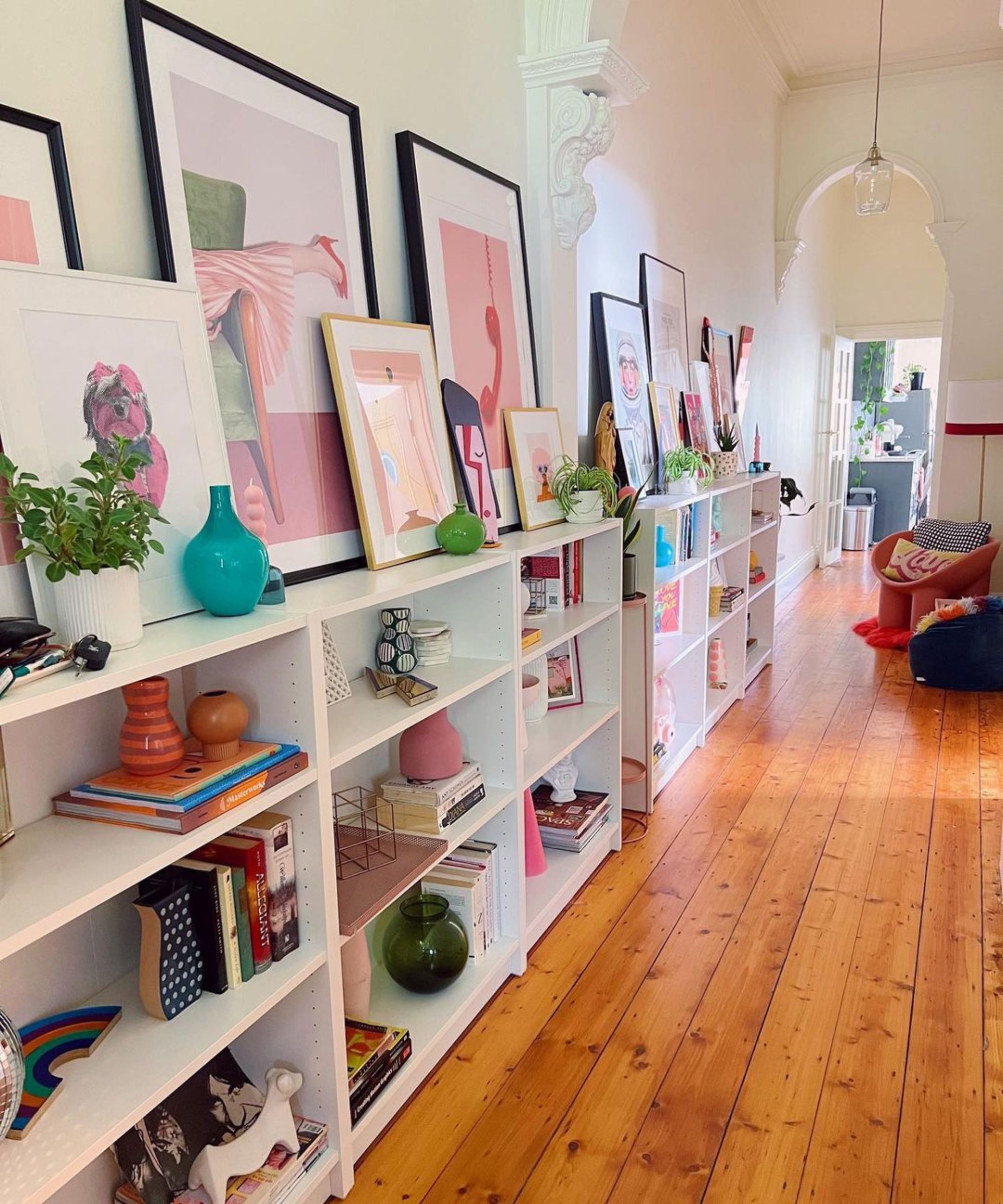
The article cautions against incorporating ultra-trendy details. Micro-trends, similar to those in fashion, can quickly date a home. While statement ceilings, color-drenched rooms, and maximalism might be popular for a season, they lack timeless appeal. To achieve an elegant space, the advice is to stick to classic finishes such as wood and marble, and to introduce fads only in small, easily changeable decorative elements.
Clutter is another significant detractor. Overfilling high-traffic areas like living rooms and kitchens with knick-knacks and trinkets can make a home feel chaotic rather than curated. The key is to strike a balance, thoughtfully arranging items on surfaces like coffee tables and bookshelves to create an impression of intentional design rather than haphazard accumulation.
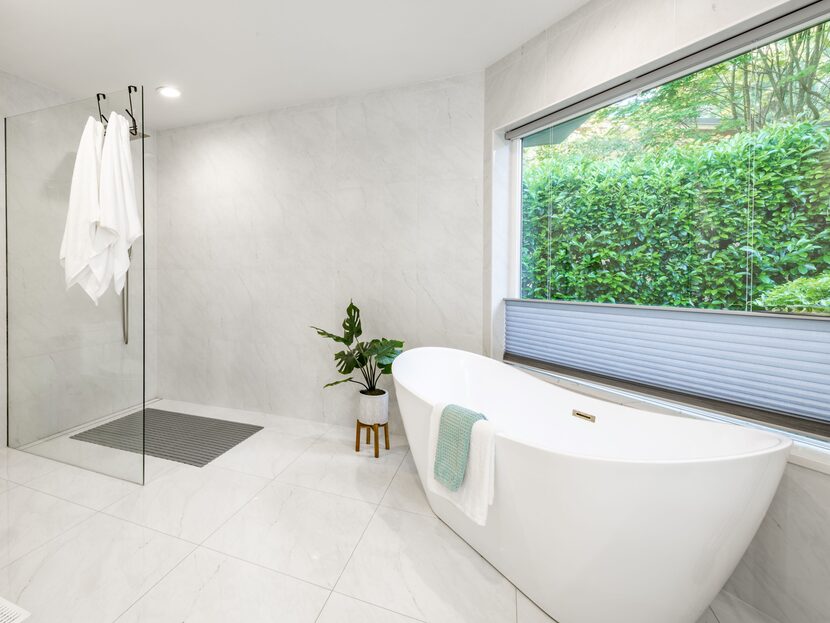
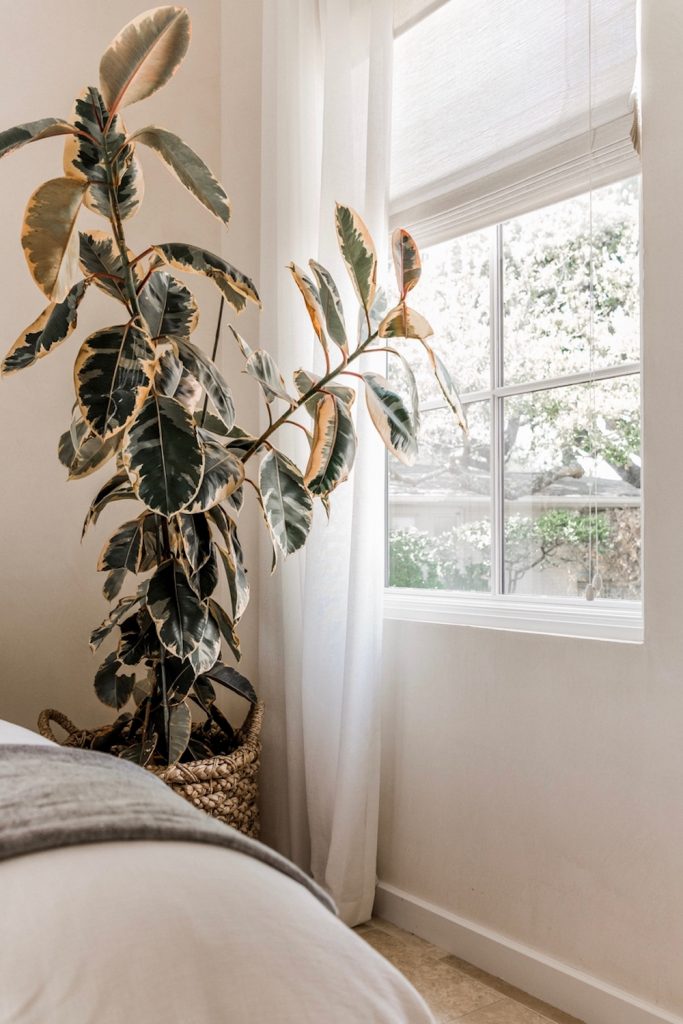
Artificial plants, particularly low-quality ones, are discouraged. While not everyone possesses a green thumb, opting for higher-quality fake plants or investing in low-maintenance natural vegetation like snake plants, fiddle leaf figs, or palm plants can add life to a home without cheapening its look.
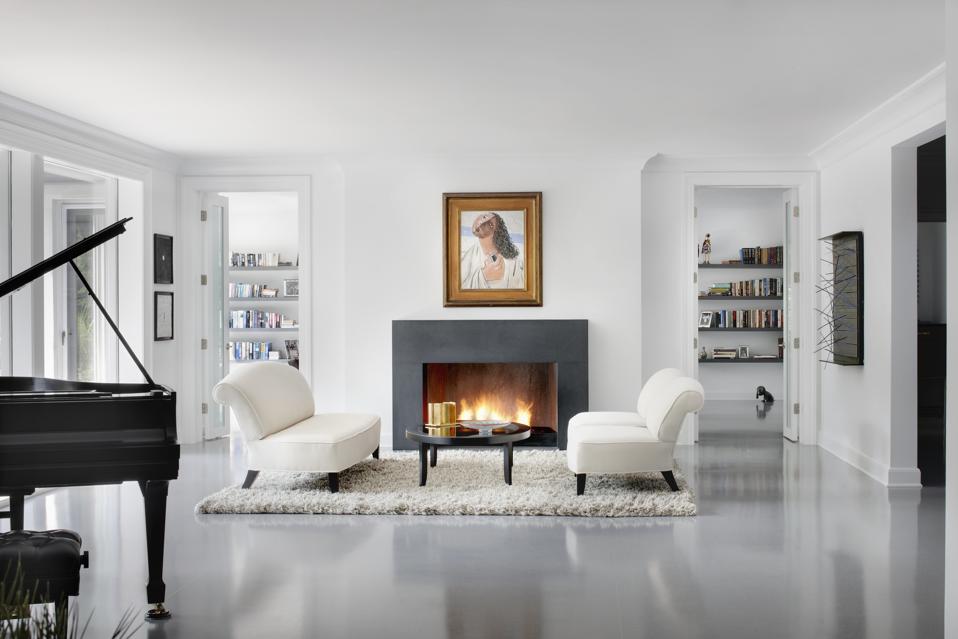
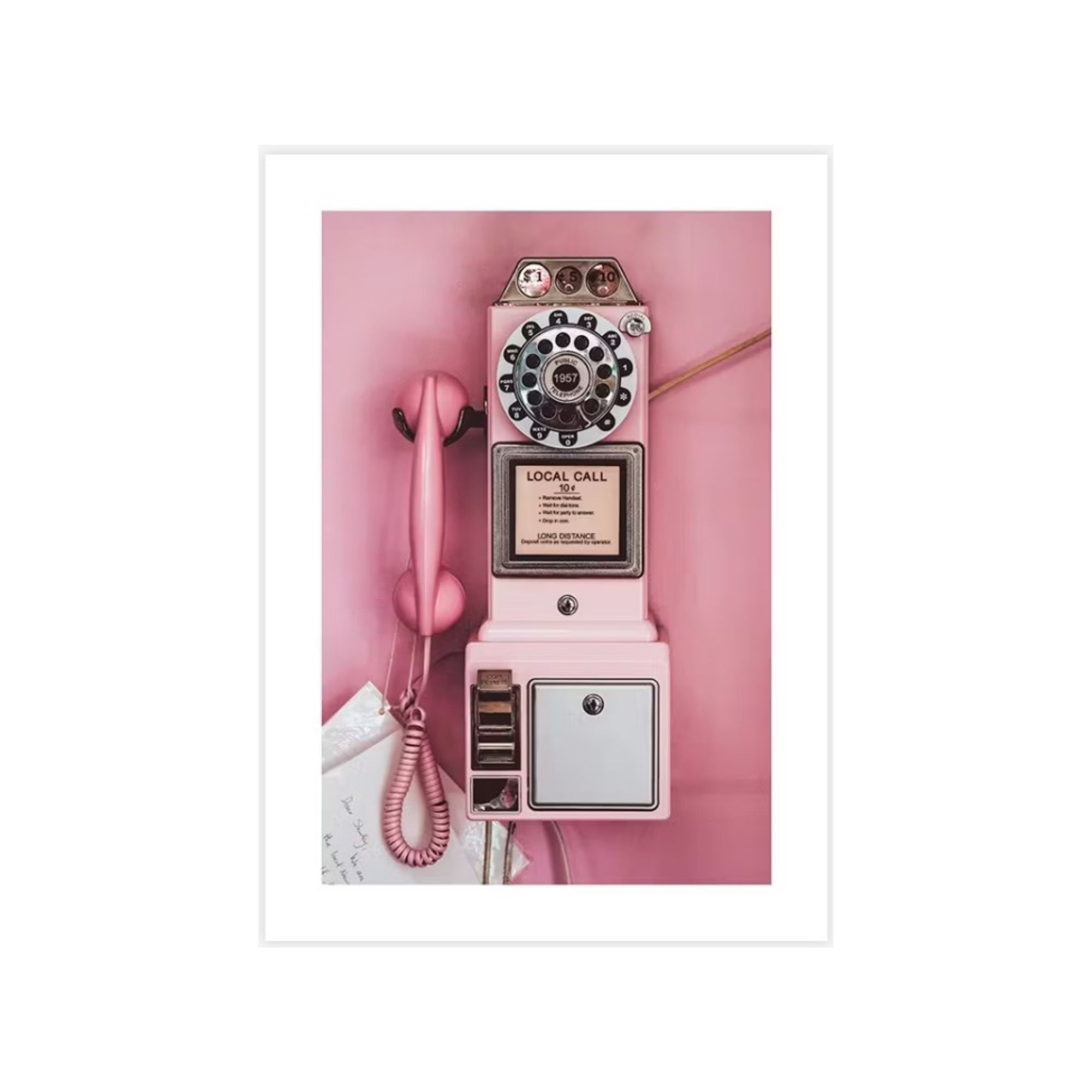
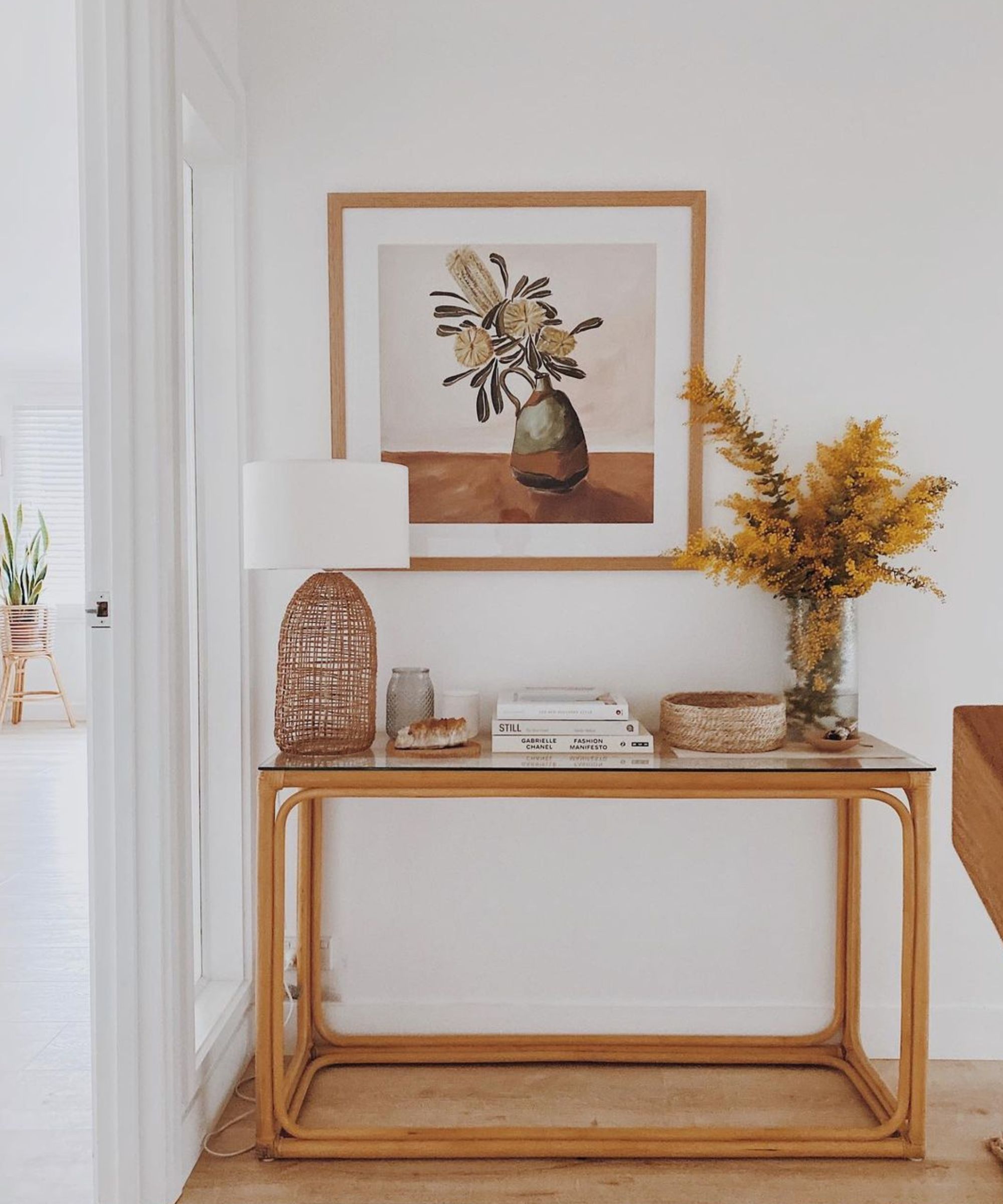
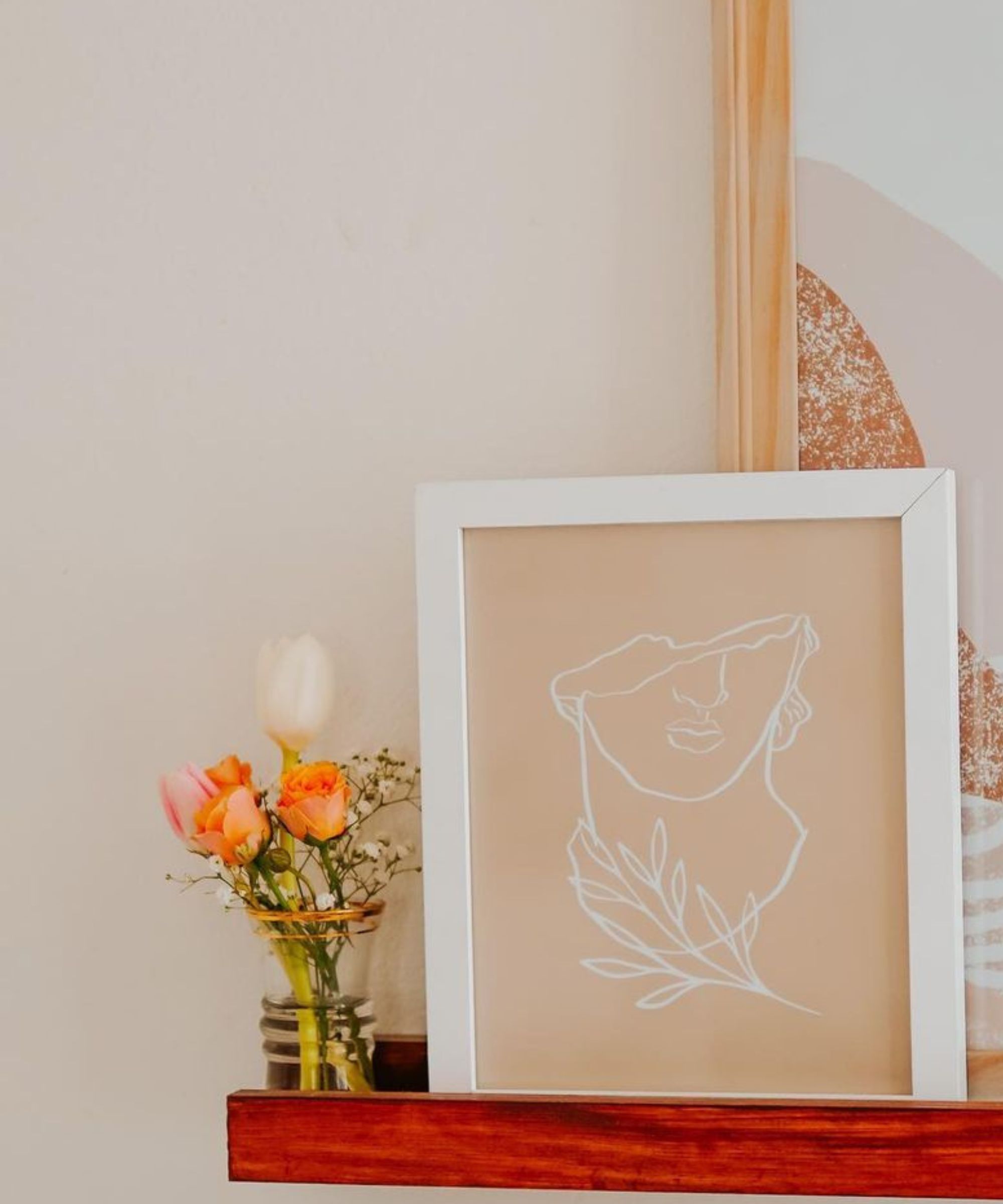
Finally, widely available wall decor, such as generic prints and posters, is identified as an aesthetic faux pas for a mature home. While acceptable for a college dorm, these impersonal pieces lack sentimentality. The article suggests replacing them with more personal items such as family photos, local art, or custom prints, which are often favored by high-end clients and contribute to a unique and sophisticated environment.
#InteriorDesign #HomeDecor #DesignTips #LuxuryHome #AestheticErrors #HardwareUpgrades #WireManagement #CurtainChoices #TimelessDesign #InteriorDesign #HomeDecor #DesignTips #LuxuryHome #AestheticErrors #HardwareUpgrades #WireManagement #CurtainChoices #TimelessDesign
0 comment in total
 No comments yet
You may also like
7 Design Mistakes Interior Designers Always Notice

7 home design trends to skip (and what to do instead)

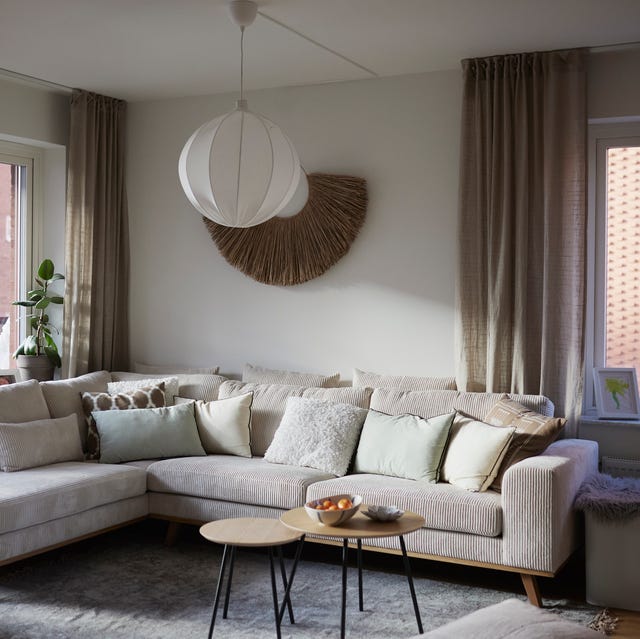
9 CONTROVERSIAL Decor Choices Designers Secretly Wish You’d Stop Making

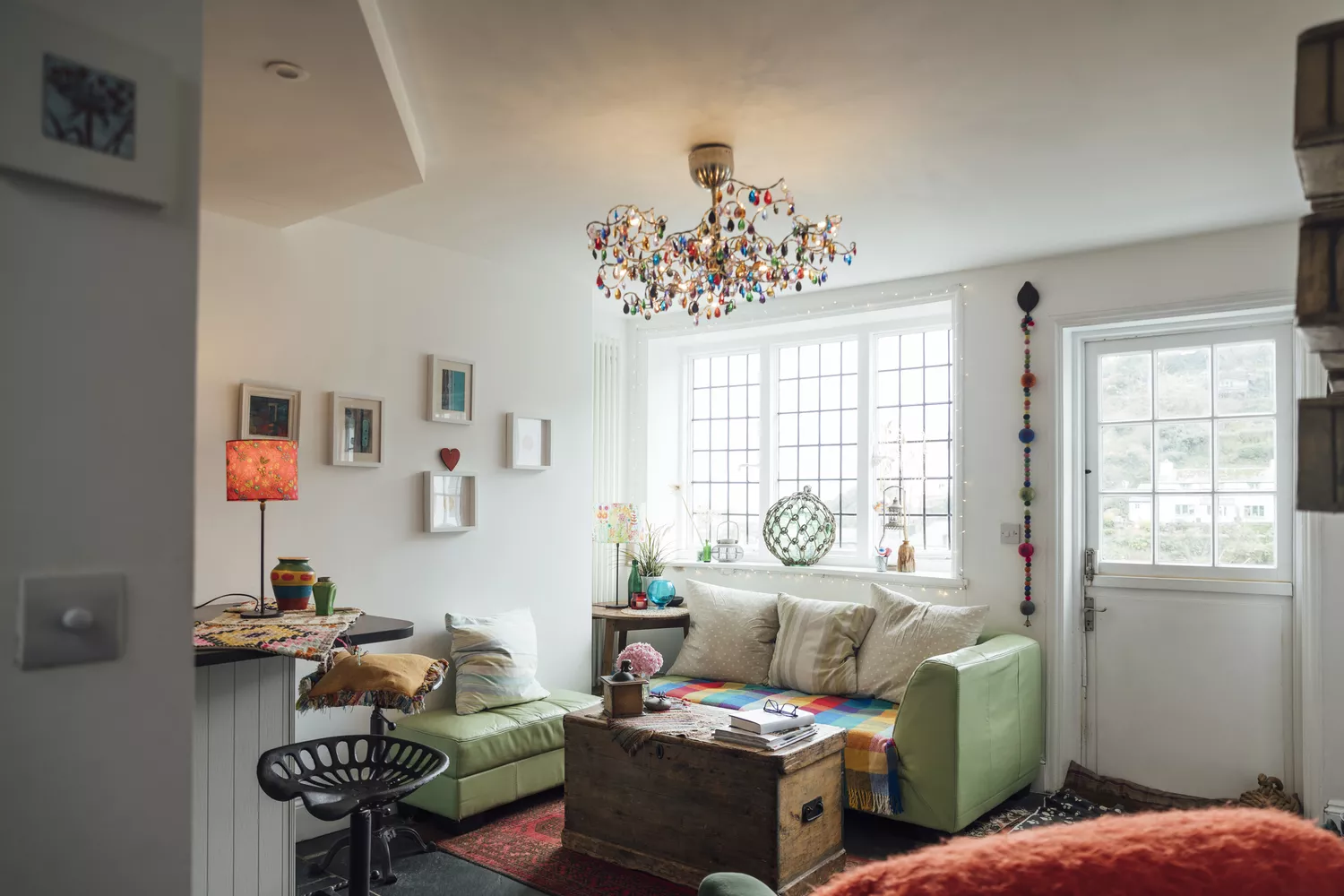
11 Decor Mistakes That Always Make Your Home Look Tacky, According to Designers

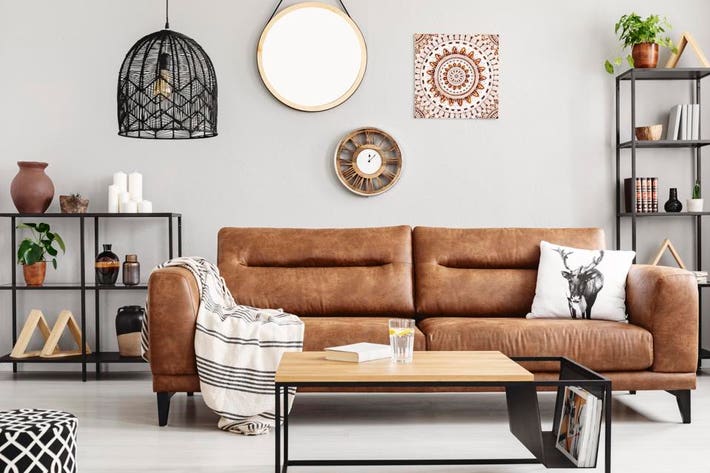
10 Interior Design Mistakes Experts Avoid In Their Own Homes
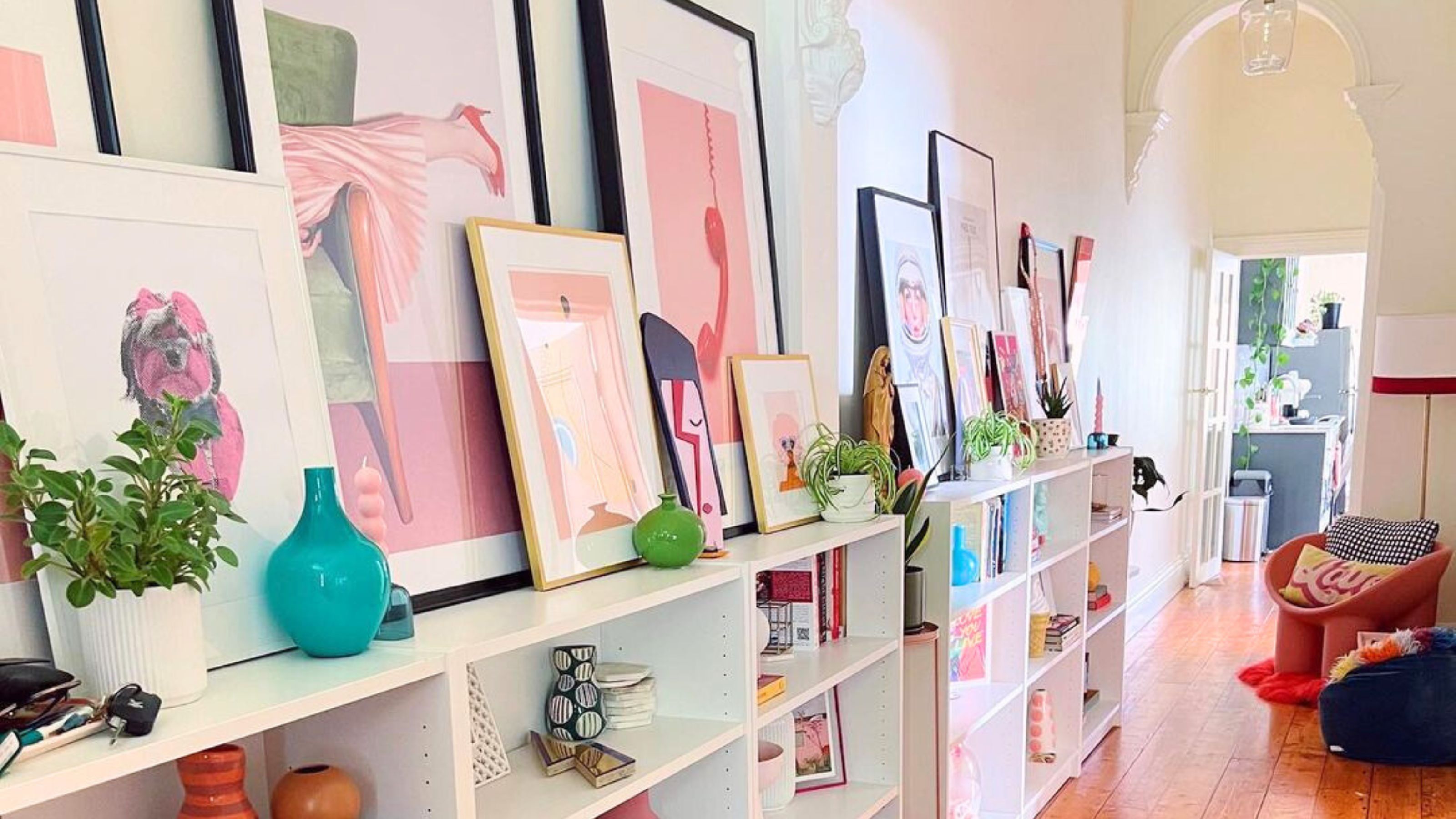
Don't make these 5 entryway decor mistakes

7 Home Décor Trends Designers Say Are a Waste of Money
6 things to never put in an entryway, according to interior designers

5 small living room mistakes – designers share the worst decorating disasters that we need to stop doing right now
7 Living Room Decorating Mistakes You Should Never Make
7 things interior designers never have in small living rooms

21 Home Design Fails That Are As Upsetting As They Are Impractical

7 Decorating Mistakes That Always Make Interior Designers Cringe
The 10 Biggest Interior Design No Nos According to Decorators

10 Mistakes Designers IMMEDIATELY Notice When They Walk Into Your Home
The Costly Decorating Mistake I’ll Never Make Again
7 Paint Mistakes That Make Designers Instantly Cringe When They Walk Into Someone's Home

The 7 kitchen island mistakes designers always avoid — and what you can try instead
Money-wasting home improvements to avoid

7 Home Decor Items You Should Never Buy Cheap