1/2
7 Decorating Mistakes That Always Make Interior Designers Cringe
This article highlights common interior design mistakes that professionals often observe and provides solutions to avoid them, ensuring a well-designed and functional living space. Drawing on insights from two interior designers, Rashmi Patel and Louis Duncan-He, the article outlines seven specific pitfalls homeowners should be aware of.
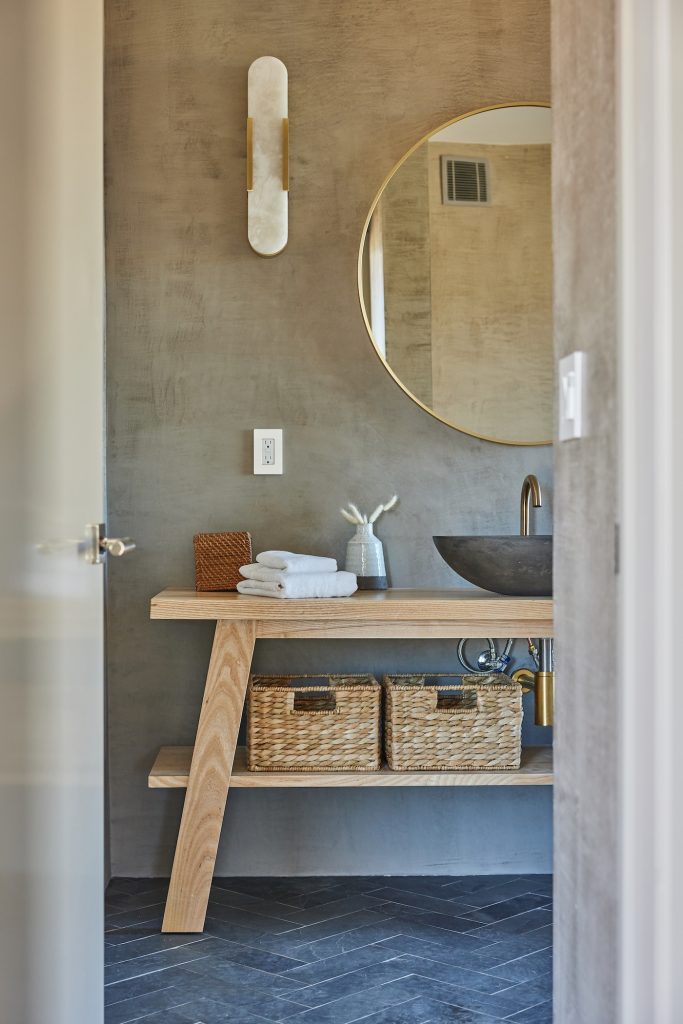
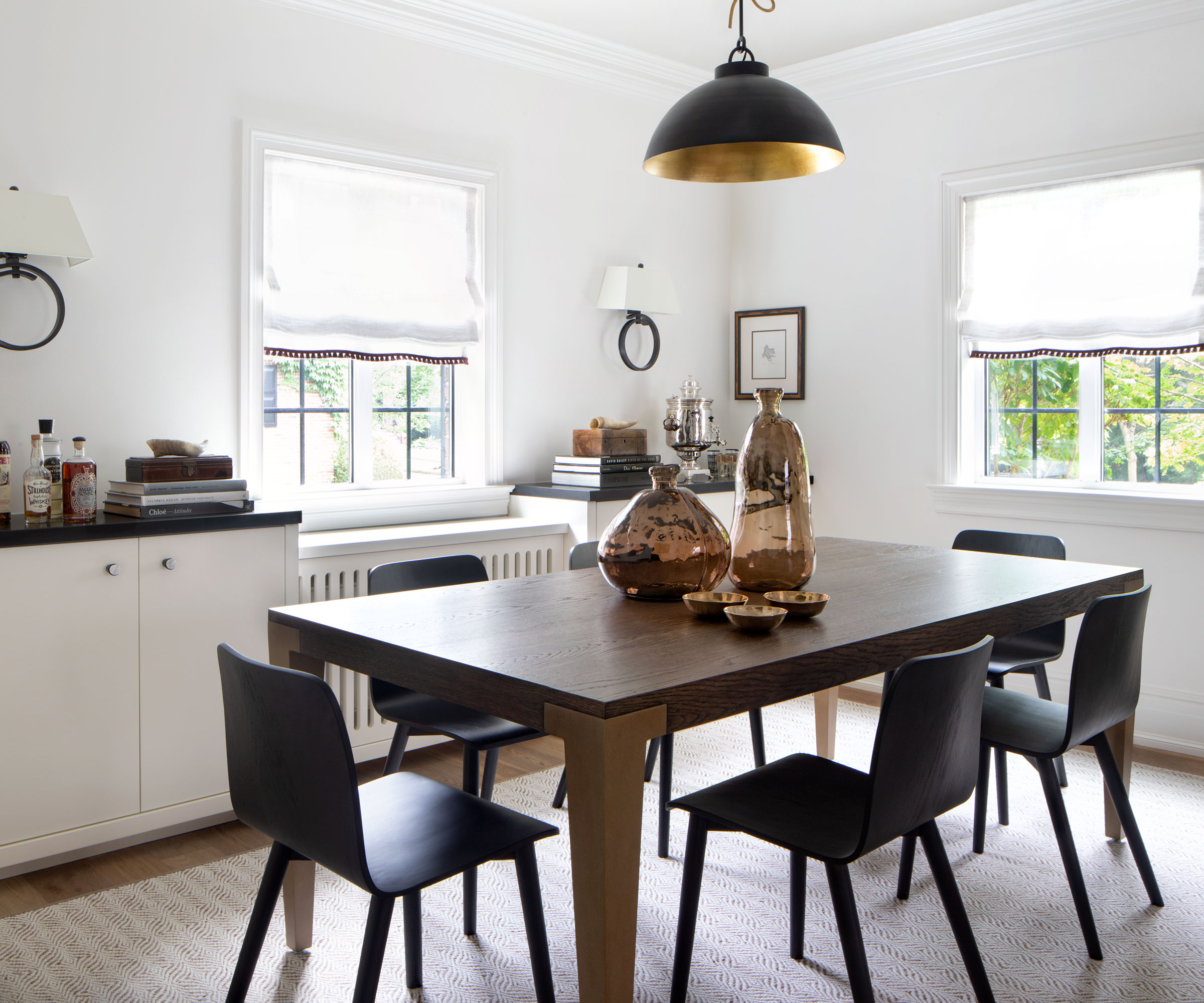
The first mistake discussed is ignoring scale when purchasing items, especially with the prevalence of online shopping. A common issue is buying furniture or decor that appears suitable in product photos but ends up being disproportionate or too small for the actual room. For instance, tiny mirrors on large walls fail to create balance. To counter this, it is recommended to meticulously measure the space before making purchases. When in doubt, opting for slightly larger pieces can contribute to a more cohesive and intentional aesthetic.
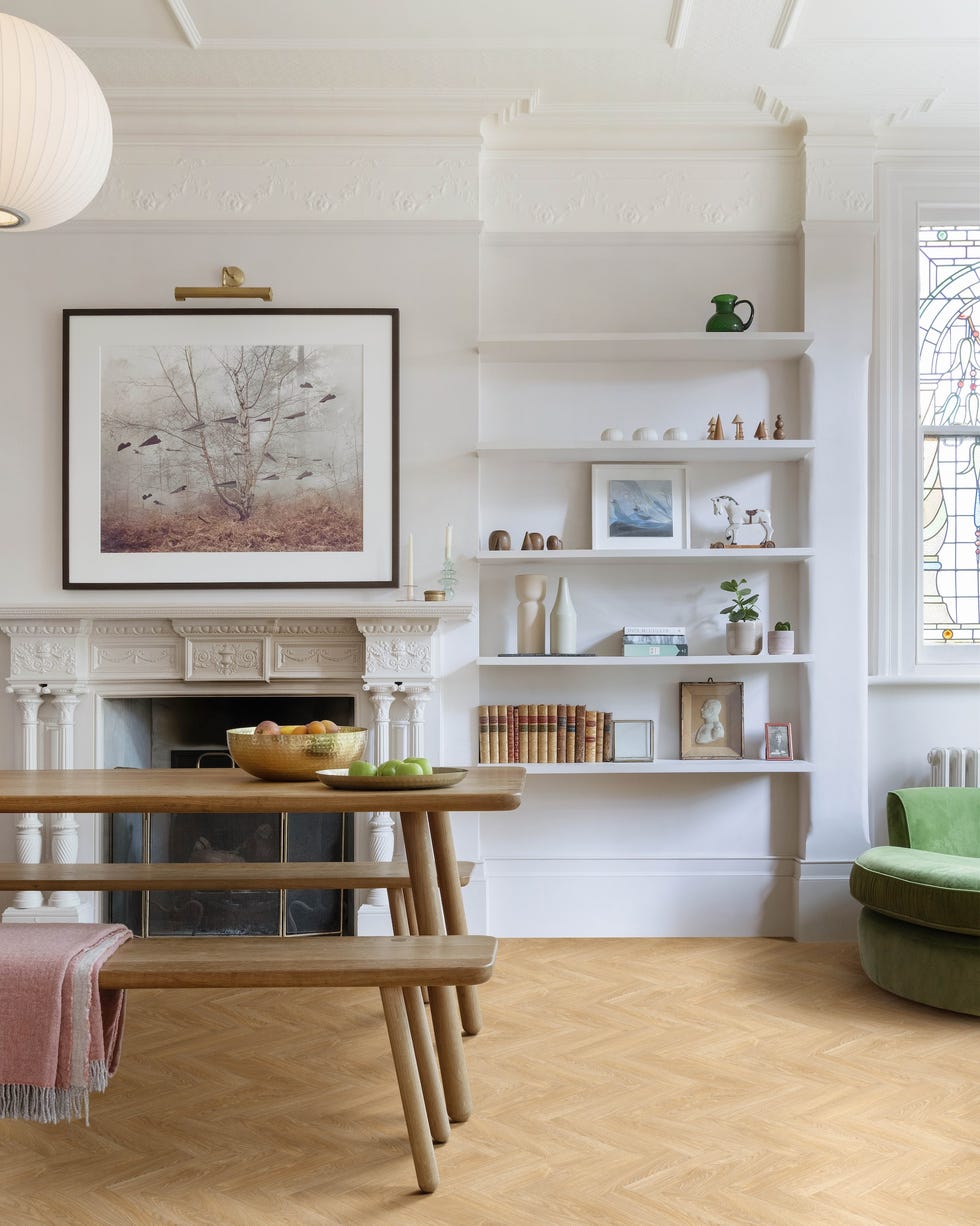
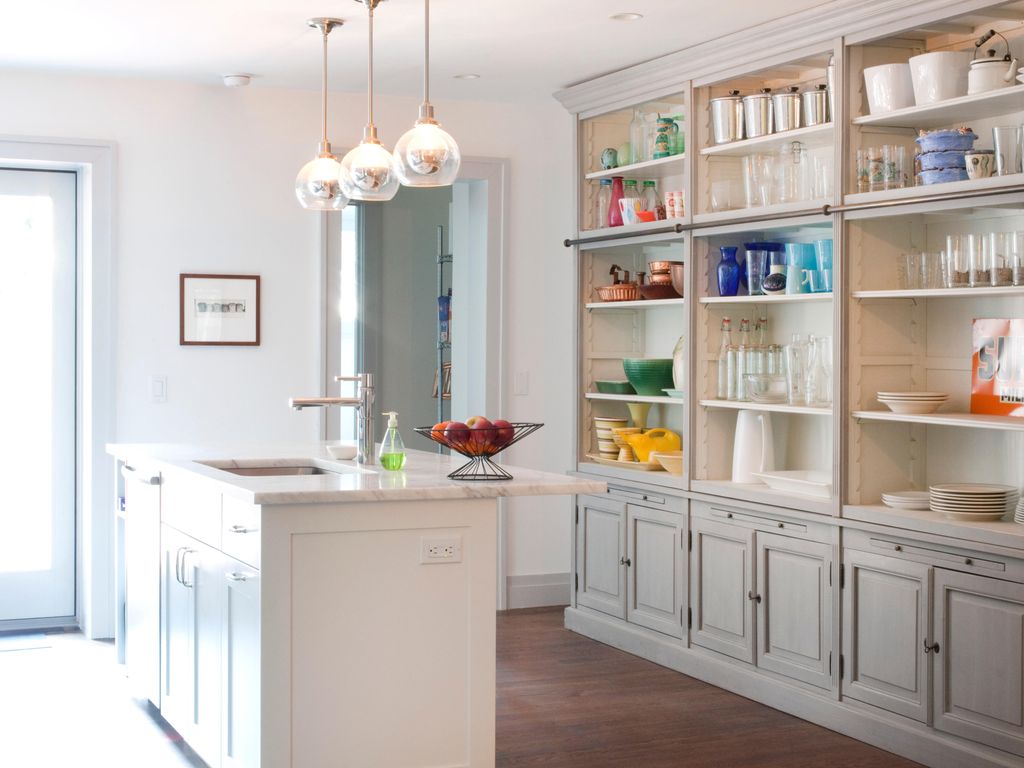
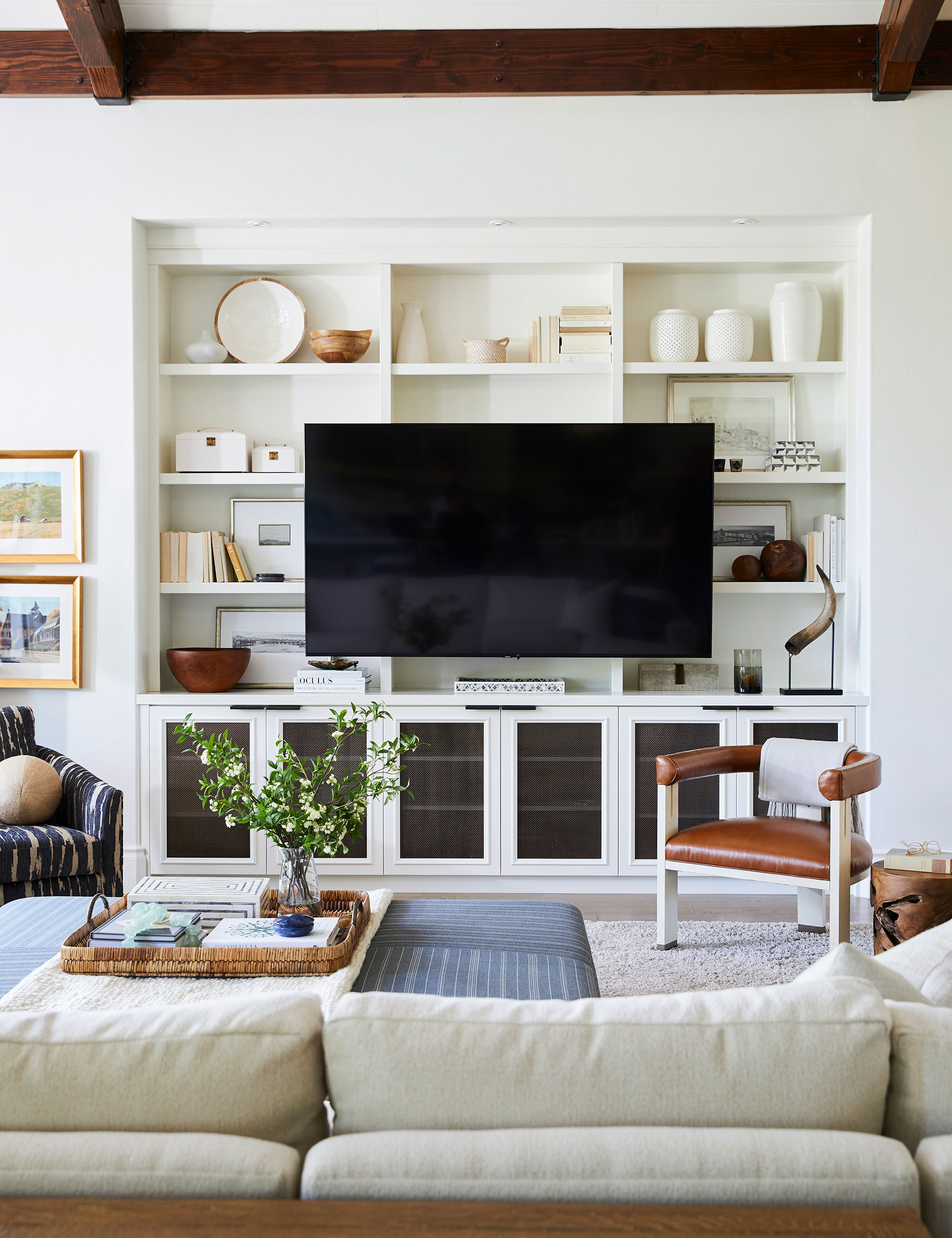
The second error involves using decor items of the same size on shelves. While one might assume uniformity creates cohesion, it can result in an unnatural and strange appearance. Interior designers advise aiming for contrast in shape, texture, and material when styling shelves. This approach allows for a layered and curated look, preventing the display from appearing monotonous or uninspired.
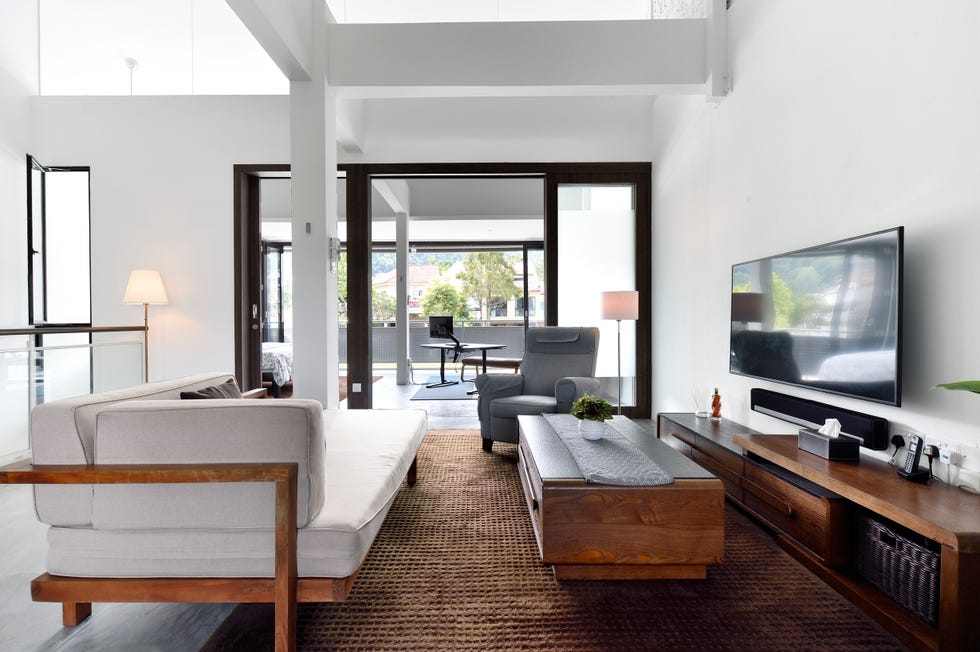
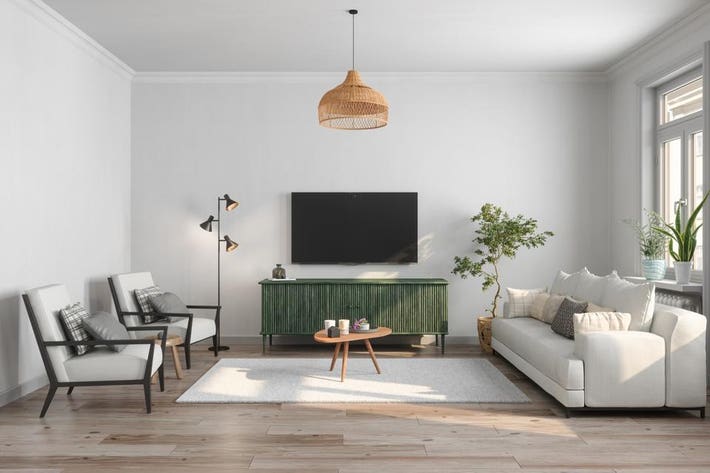
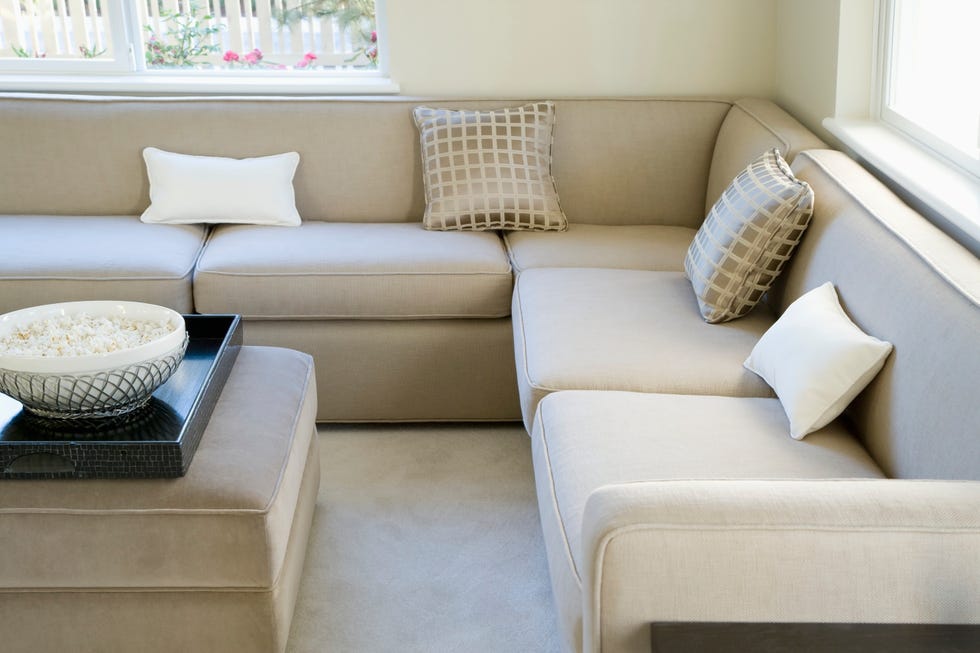
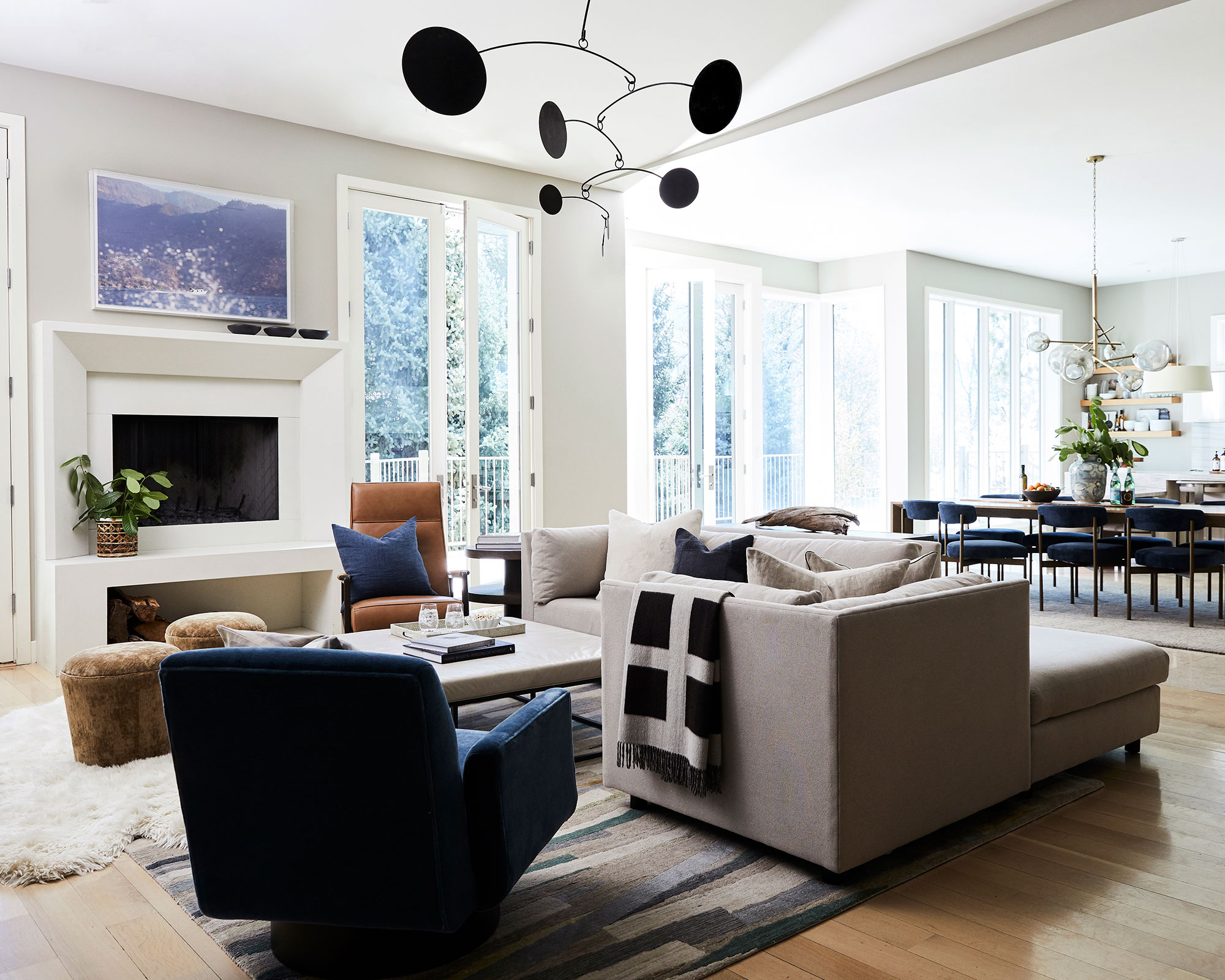
Choosing overly bulky seating for a space is identified as another frequent misstep. While comfortable, large furniture, particularly oversized sectionals in smaller rooms, can make the area feel cramped and obstruct natural pathways. Maintaining adequate clearance between furniture pieces is crucial for ensuring a smooth flow and an open feel within the room.
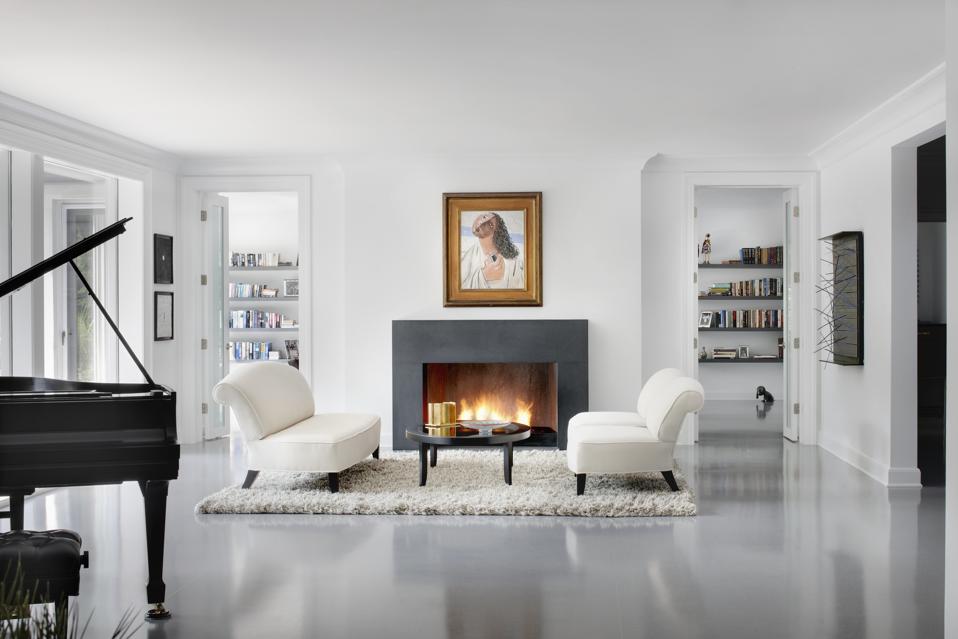
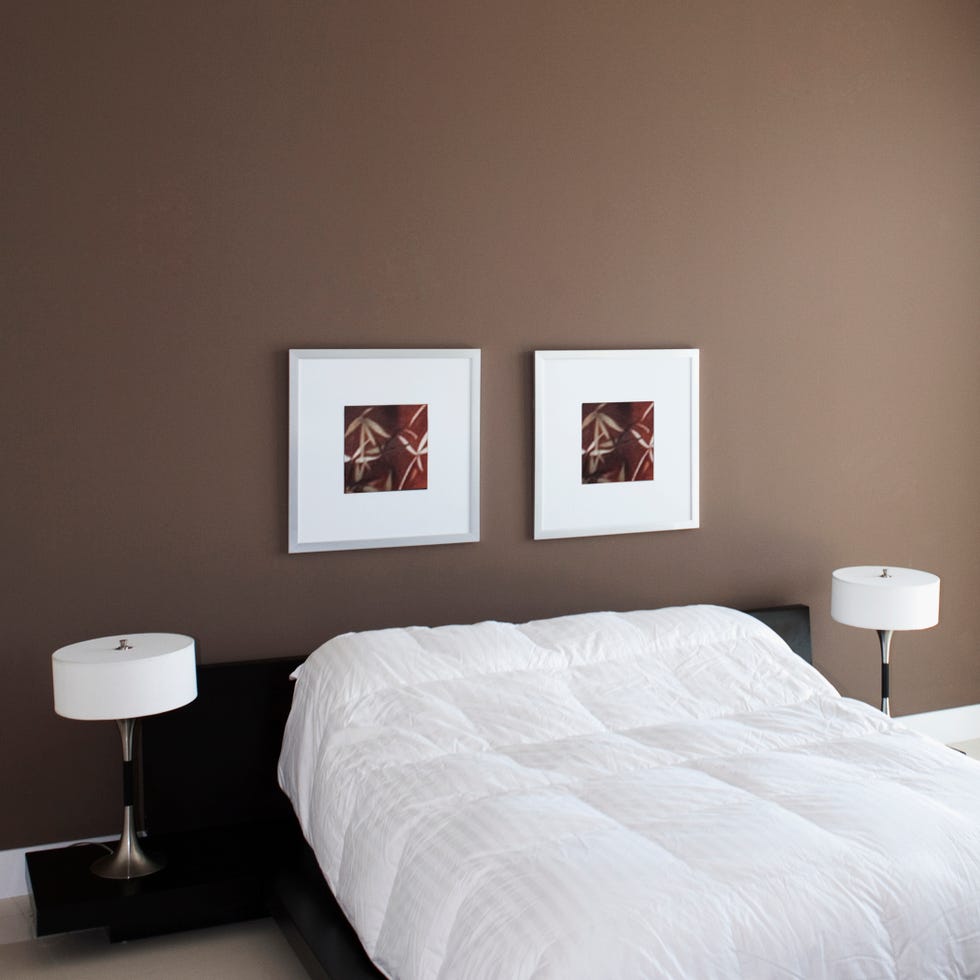
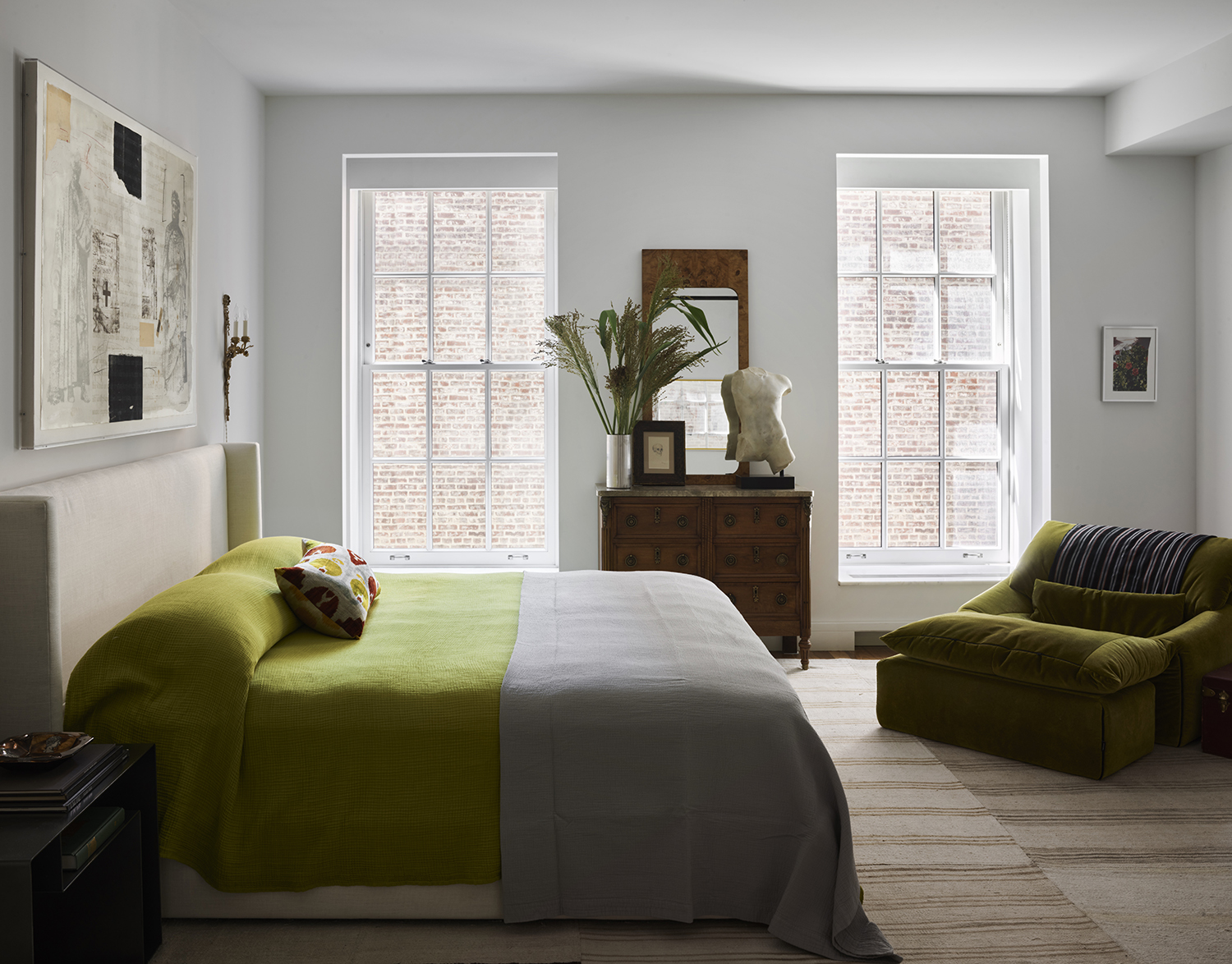
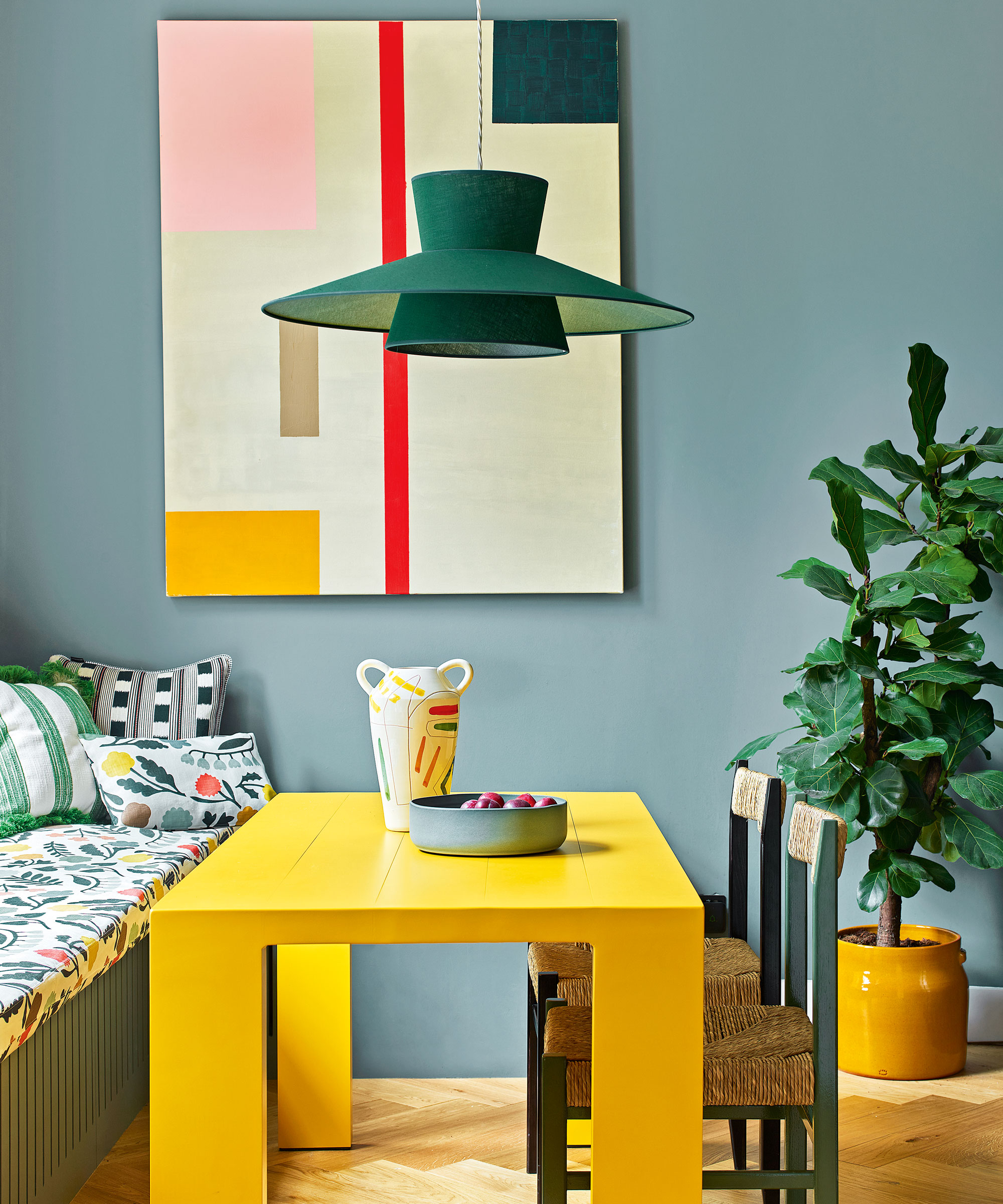
Another common mistake is displaying only small artwork. Many people tend to play it safe, fearing that large pieces might overwhelm a room. However, artwork that is too small for a wall can disrupt the room's balance. The recommendation is to lean towards larger artwork, as it projects confidence in design choices and makes a space feel more intentional.
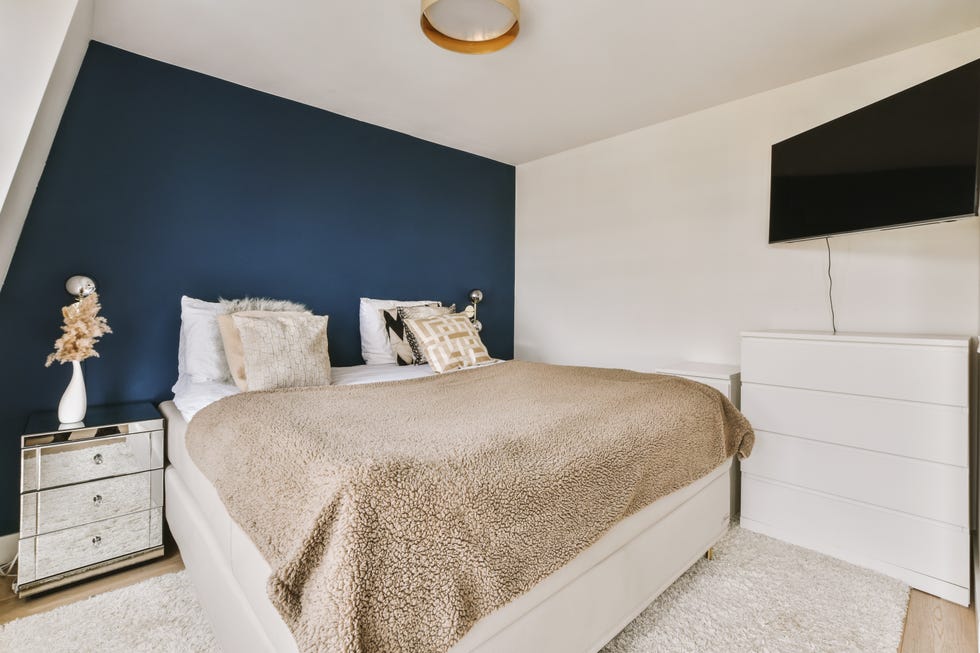
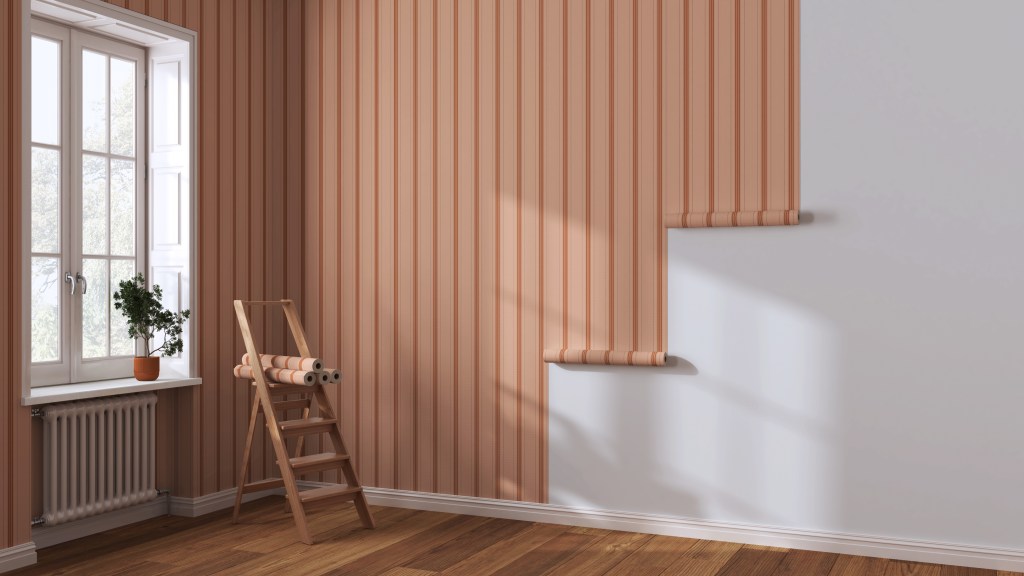
Overcrowding decor is also mentioned as a negative habit. The desire for change often leads to adding more items, but sometimes removing elements can have a more significant positive impact. The advice is to avoid excessive accessorizing. Instead of relying solely on small decor pieces like throw cushions for a refresh, considering bolder changes, such as a wallpapered accent wall, can transform a space more effectively.
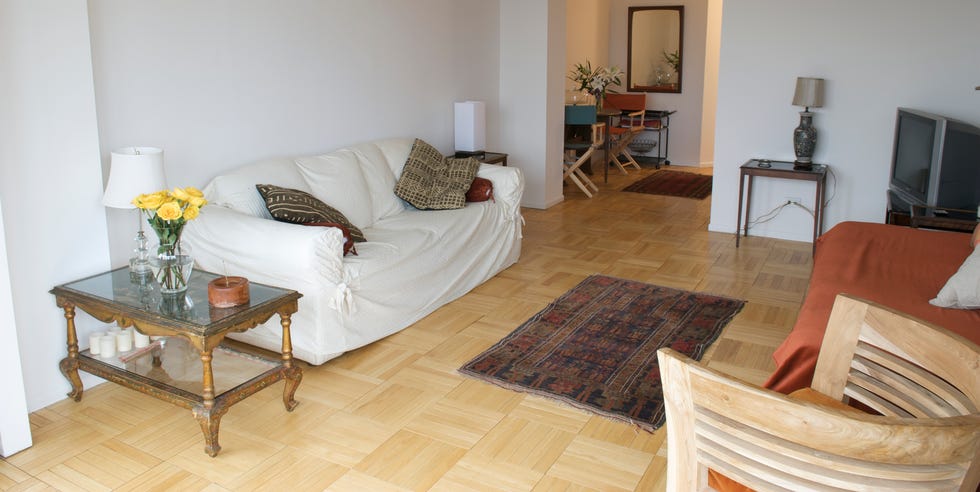
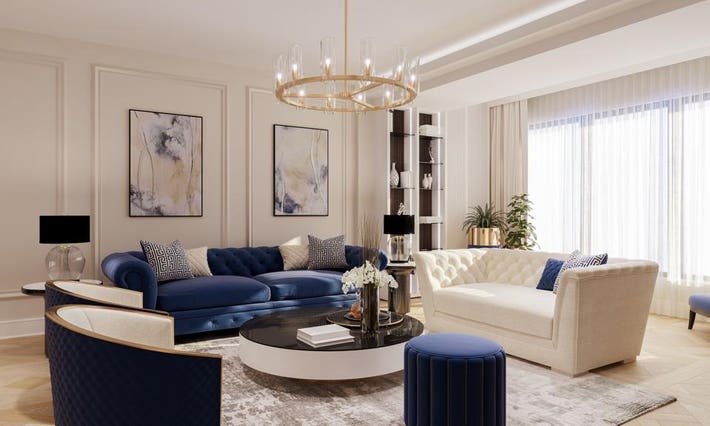
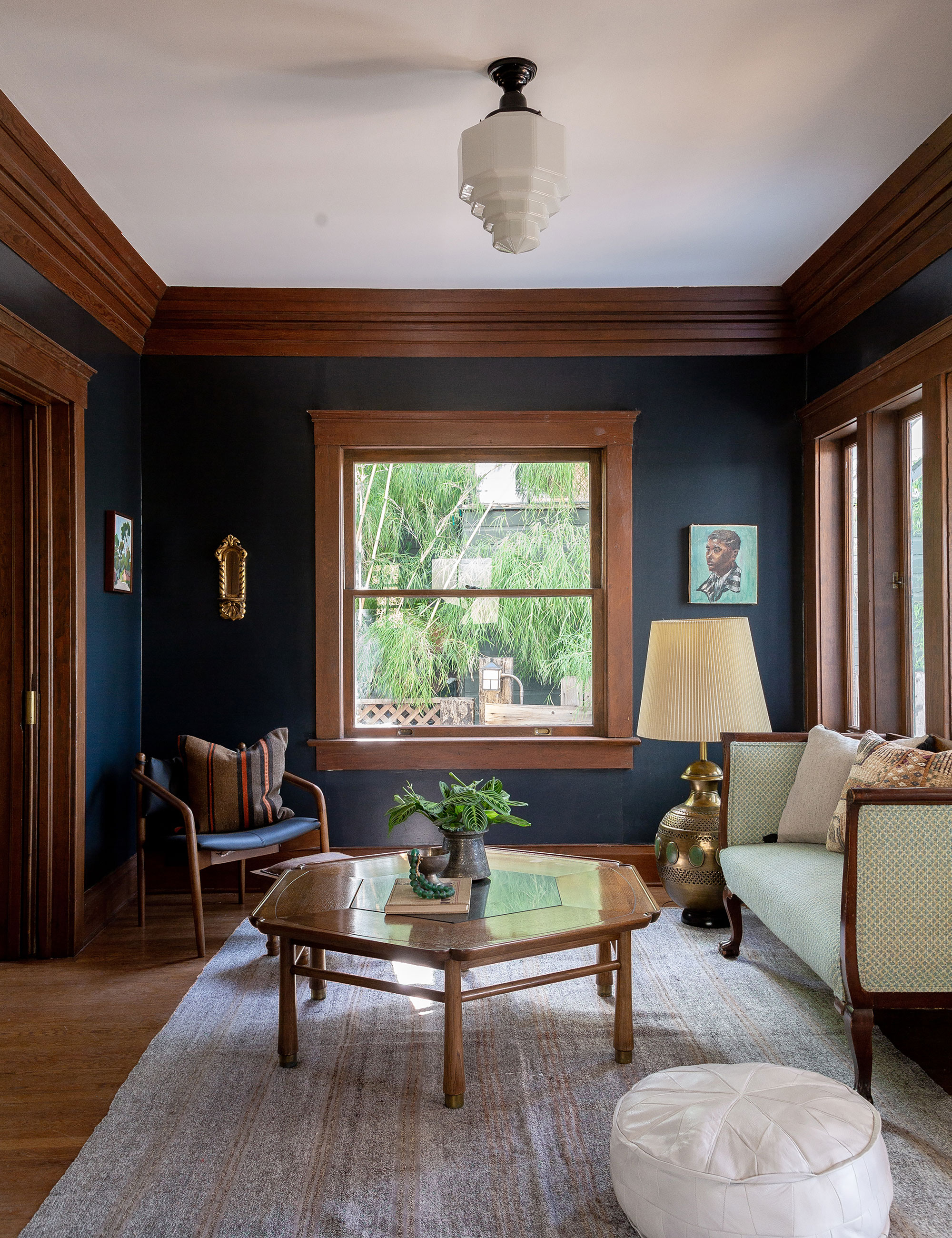
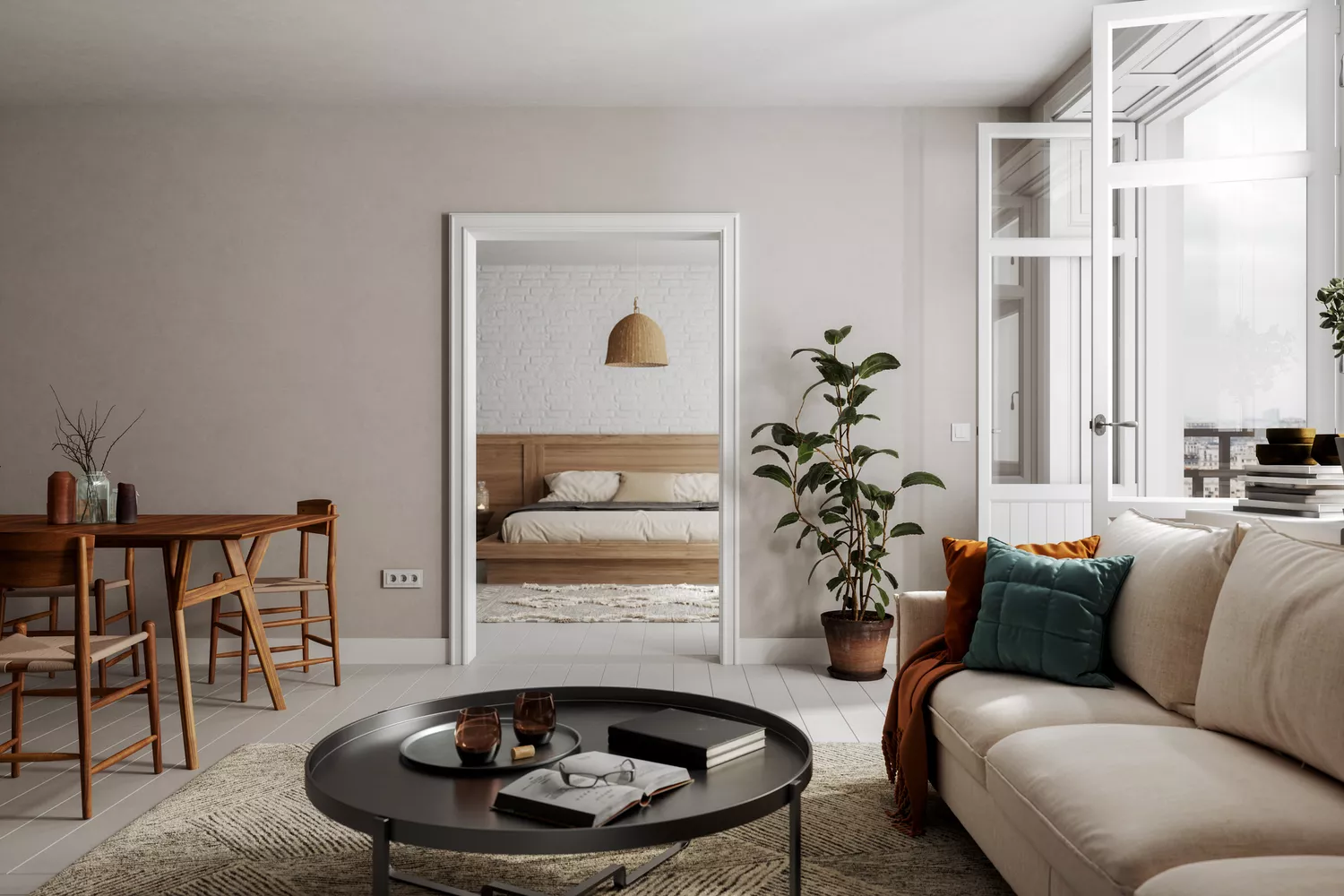
The penultimate mistake is selecting a rug that is too small for the area it occupies. A disproportionately small rug can make a room feel discordant and visually shrink the space. The article suggests choosing a rug large enough for at least 30 percent of each major furniture piece to rest on. This creates a visually expansive, cohesive, and grounded look.
Finally, overlooking functionality when decorating is a critical error. Aesthetics often take precedence, but many items that look good online prove to be impractical upon arrival. For example, a decorative ottoman might be appealing, but in a small space, a storage ottoman offers dual functionality by providing both seating and storage, helping to prevent clutter. Prioritizing dual-purpose furniture is particularly important in smaller living areas to maximize utility and maintain an organized environment.
#InteriorDesign #DecoratingMistakes #HomeDecor #SpacePlanning #FurnitureSelection #ArtworkPlacement #RugSizing #Functionality #InteriorDesign #DecoratingMistakes #HomeDecor #SpacePlanning #FurnitureSelection #ArtworkPlacement #RugSizing #Functionality
0 comment in total
 No comments yet
You may also like
7 Design Mistakes Interior Designers Always Notice

The 10 Biggest Interior Design No Nos According to Decorators

The 10 biggest bedroom furniture mistakes that interior designers always notice – and how to fix them

7 Entryway Mistakes Designers Instantly Notice When They Walk Into Your Home
7 Paint Mistakes That Make Designers Instantly Cringe When They Walk Into Someone's Home

10 Interior Design Mistakes Experts Avoid In Their Own Homes
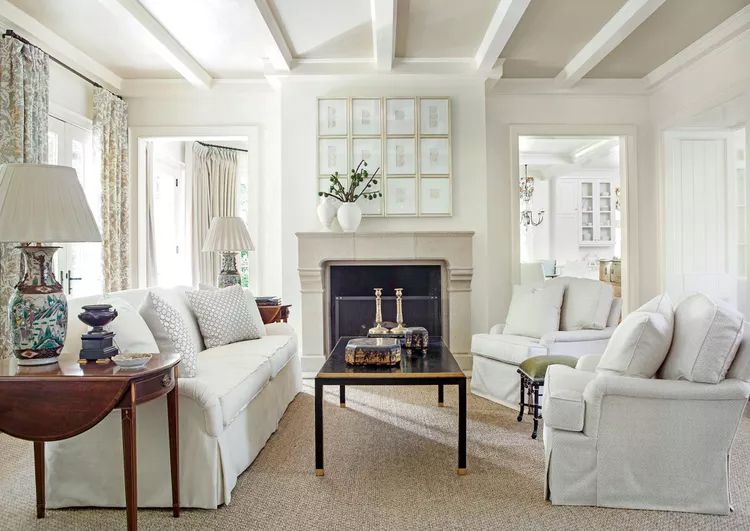
7 Living Room Decorating Mistakes You Should Never Make
8 shockingly common kitchen design mistakes according to a pro

7 cheap and tacky interior design errors rich people never make — ban these aesthetic atrocities from your home
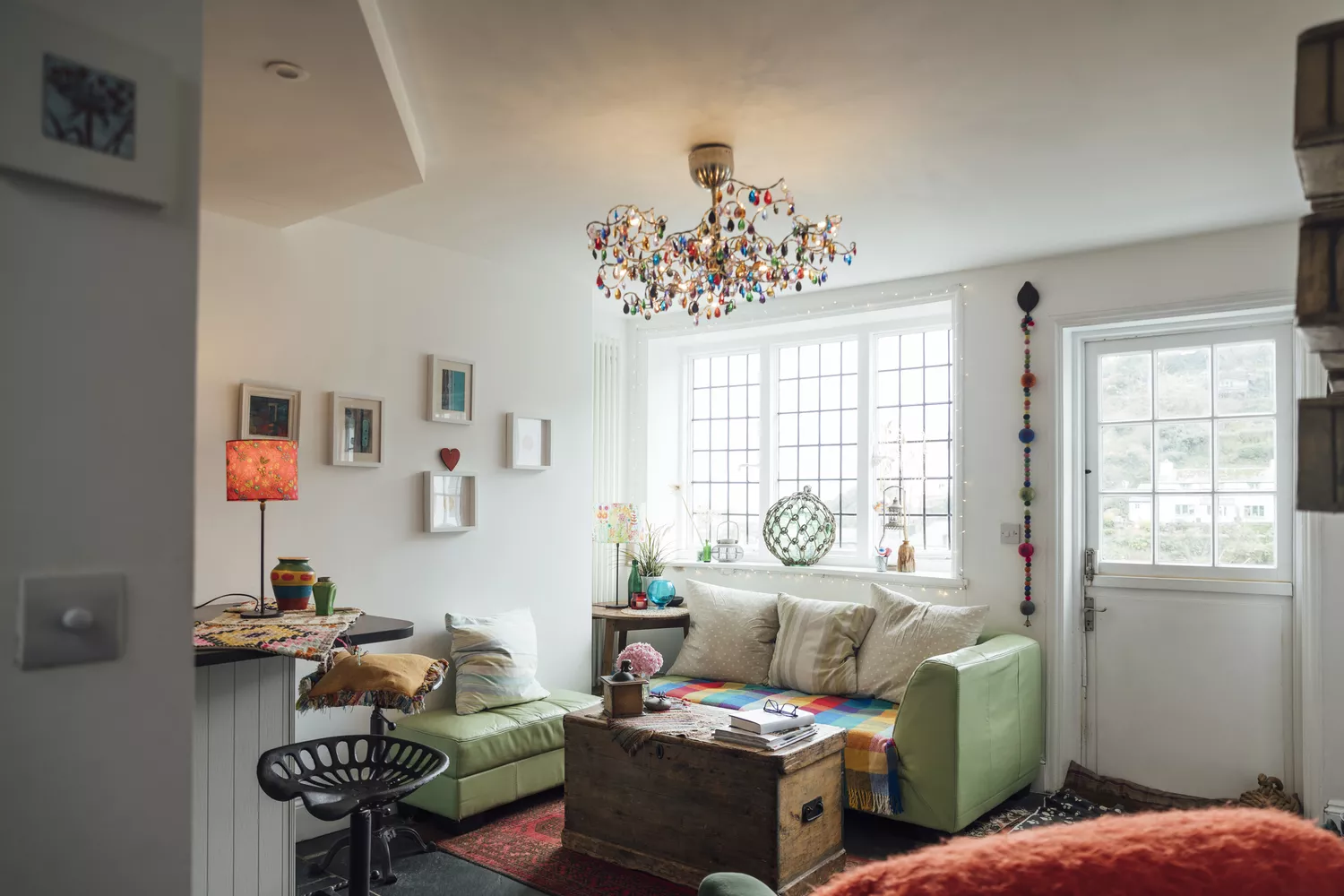
11 Decor Mistakes That Always Make Your Home Look Tacky, According to Designers
21 Home Design Fails That Are As Upsetting As They Are Impractical

7 major dining room layout mistakes to avoid, according to designers

6 Home Décor Mistakes Interior Designers Notice Right Away—and How to Fix Them
From the Wrong Rug Size to Too-Short Curtains, Interior Designers Share Their Biggest Pet Peeves
5 interior design regrets experts are always called in to fix

5 small living room mistakes – designers share the worst decorating disasters that we need to stop doing right now
10 Mistakes Designers IMMEDIATELY Notice When They Walk Into Your Home

9 CONTROVERSIAL Decor Choices Designers Secretly Wish You’d Stop Making
8 shockingly common kitchen design mistakes according to a pro

14 Controversial Things Interior Designers Would Never Have in Their Homes