1/9
15 of the best flooring materials for the home and why they work
Flooring is a fundamental element in home design, offering significant opportunities for creative expression. From diverse tiles to various carpet options and classic timbers, the choices for residential flooring are extensive. Interior designer Thomas Hamel emphasizes that flooring is his initial consideration when designing a room or an entire home, often integrating both soft and hard flooring to introduce warmth, durability, and style. The selection of appropriate flooring is crucial for both aesthetic appeal and practical functionality within a living space.
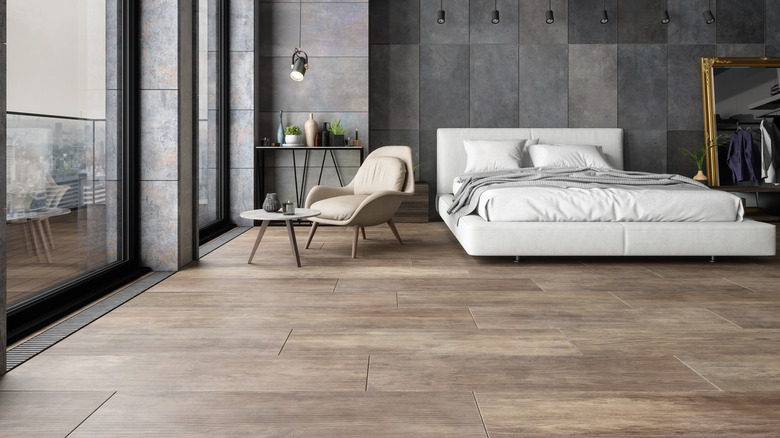
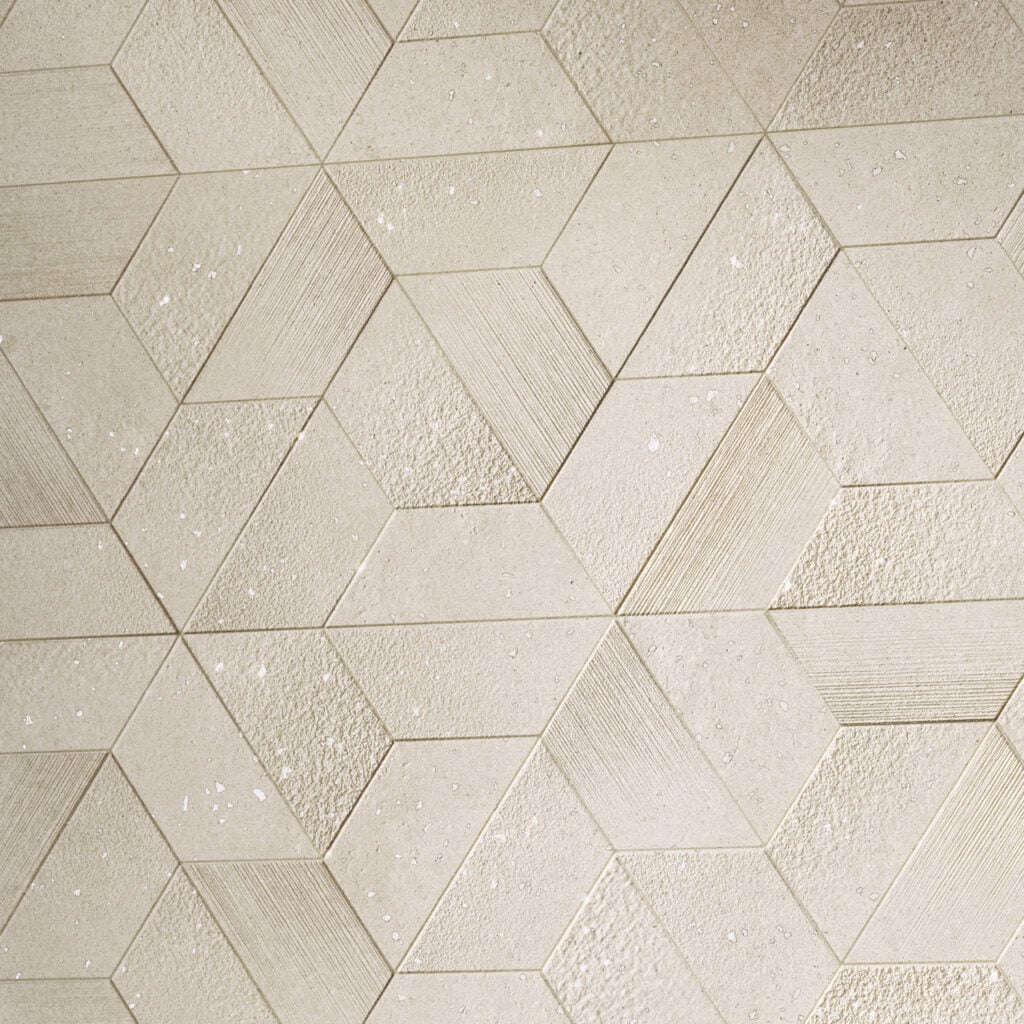
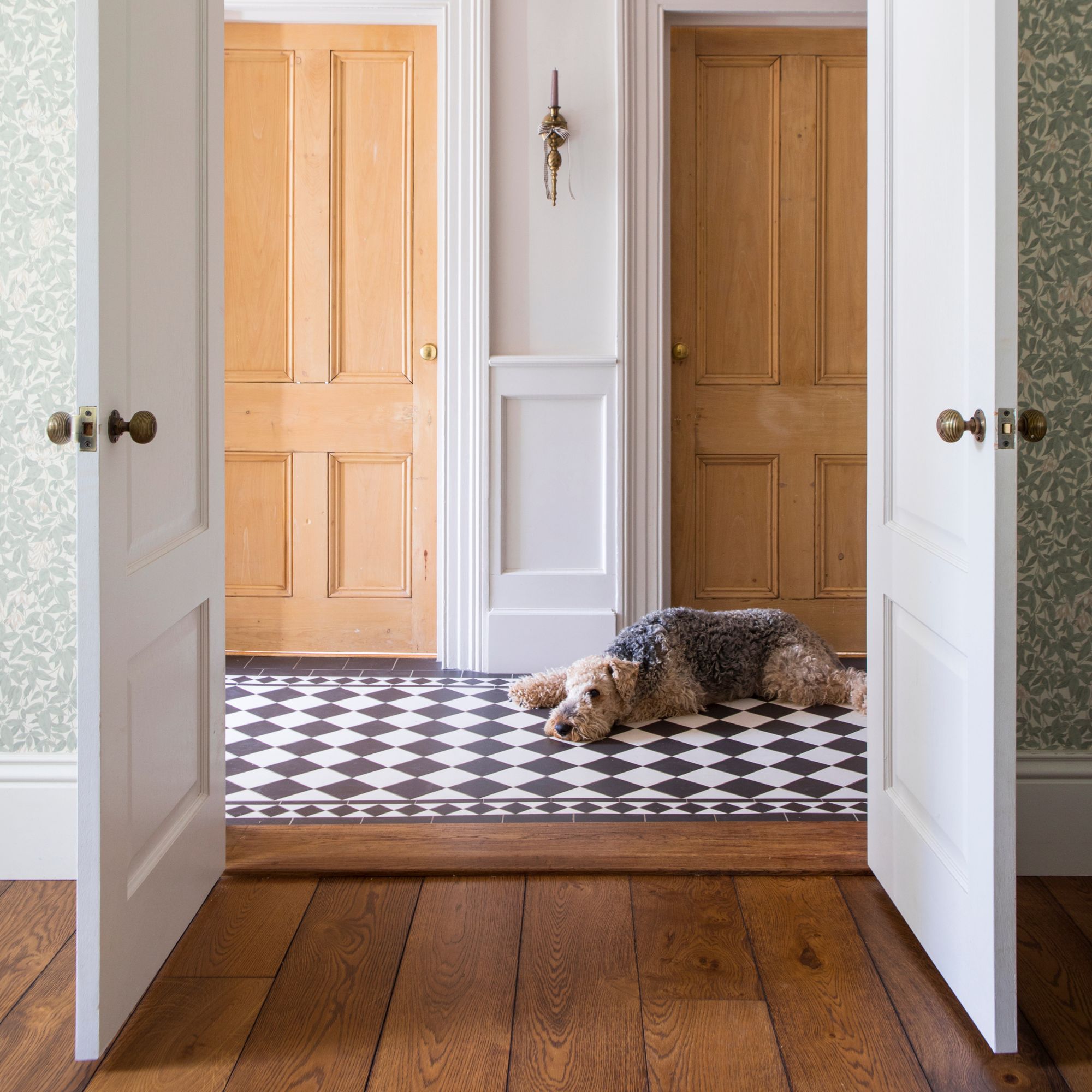
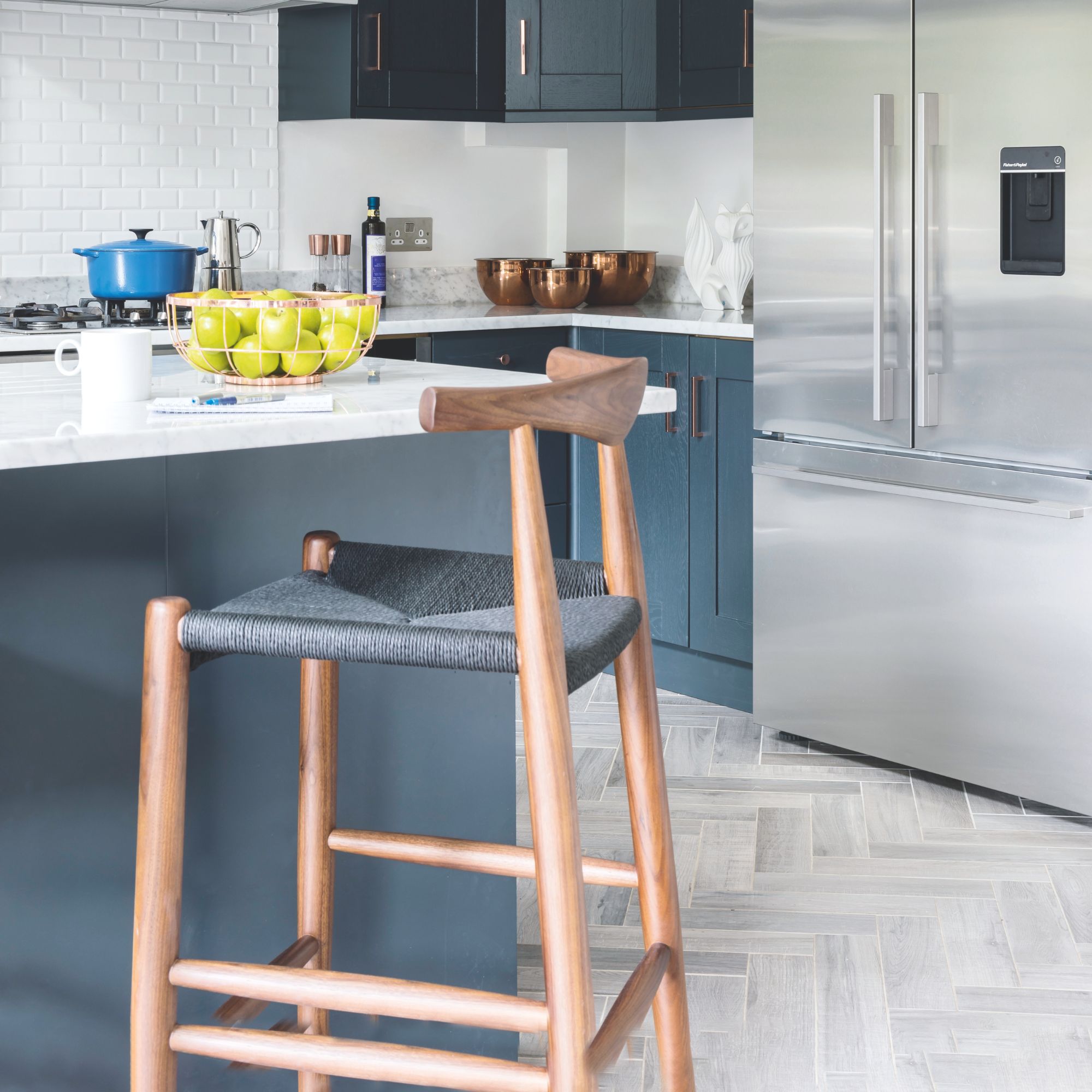
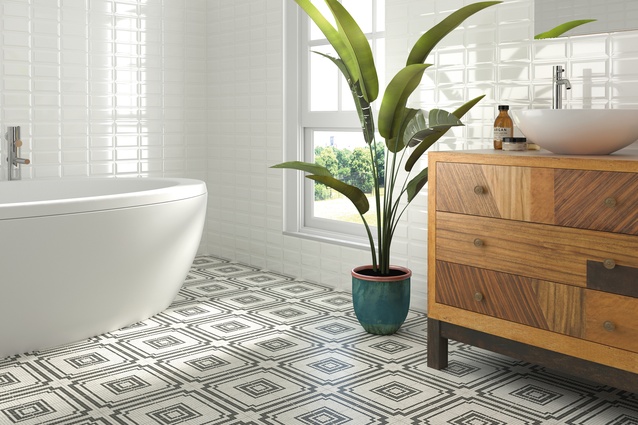
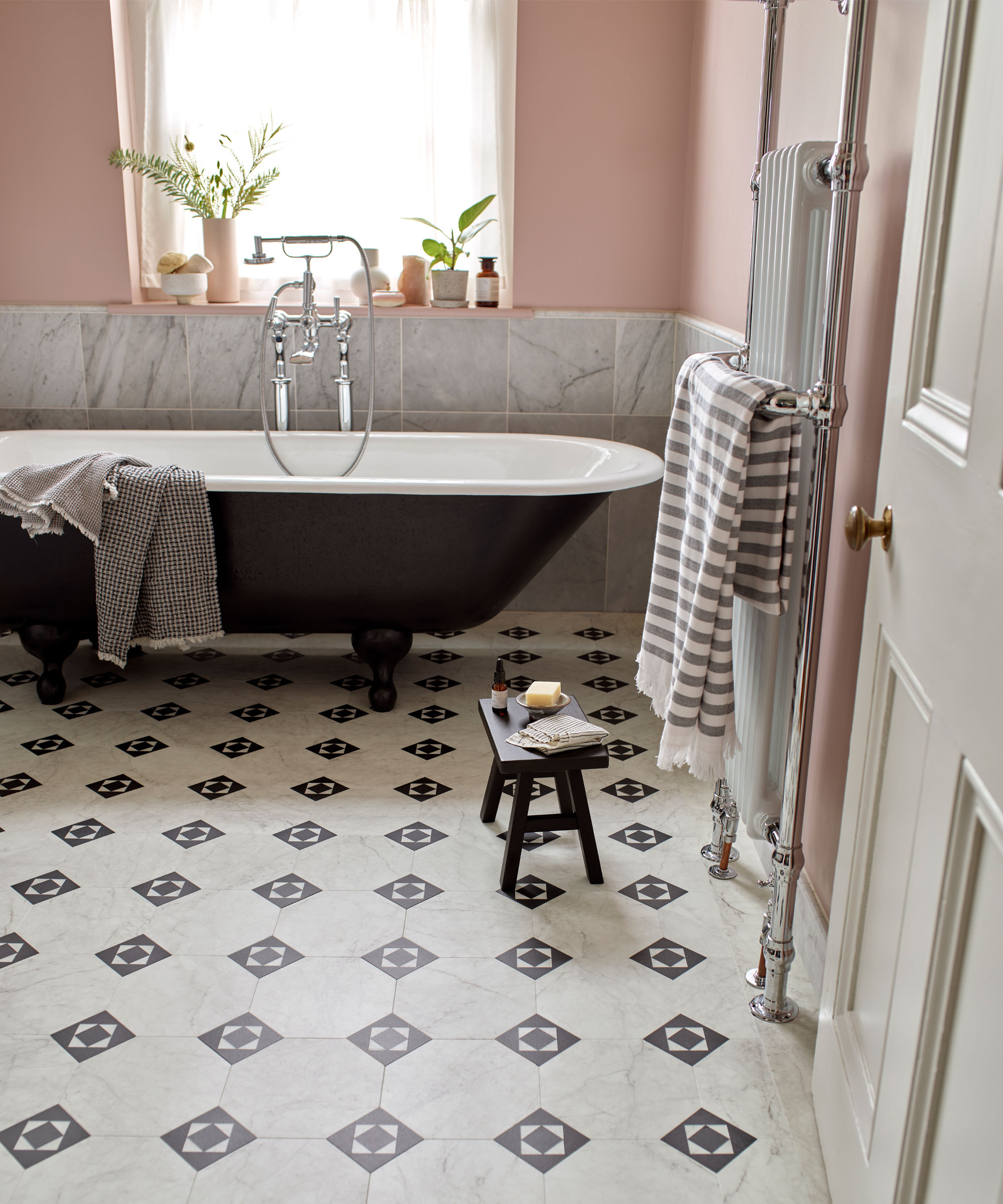
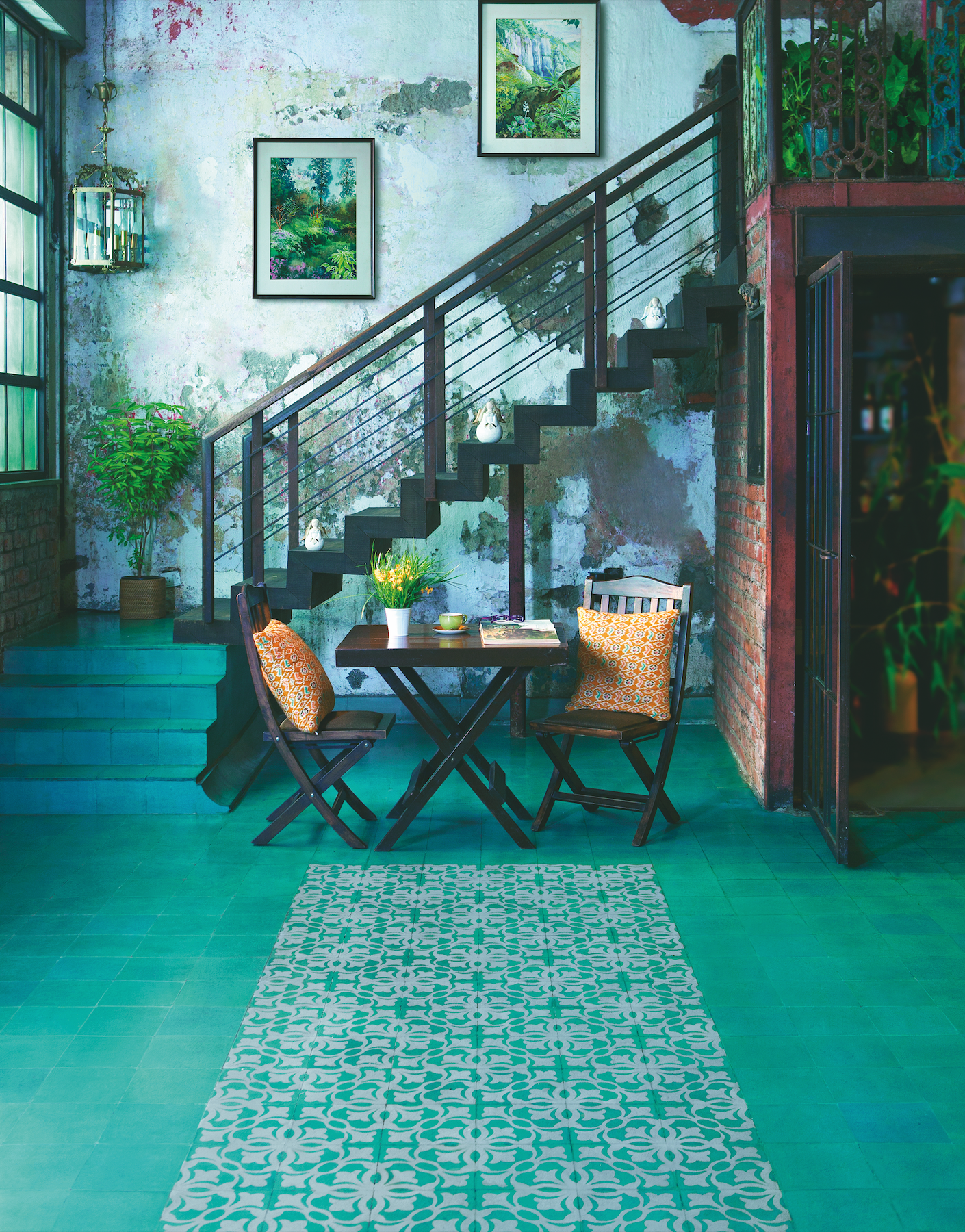
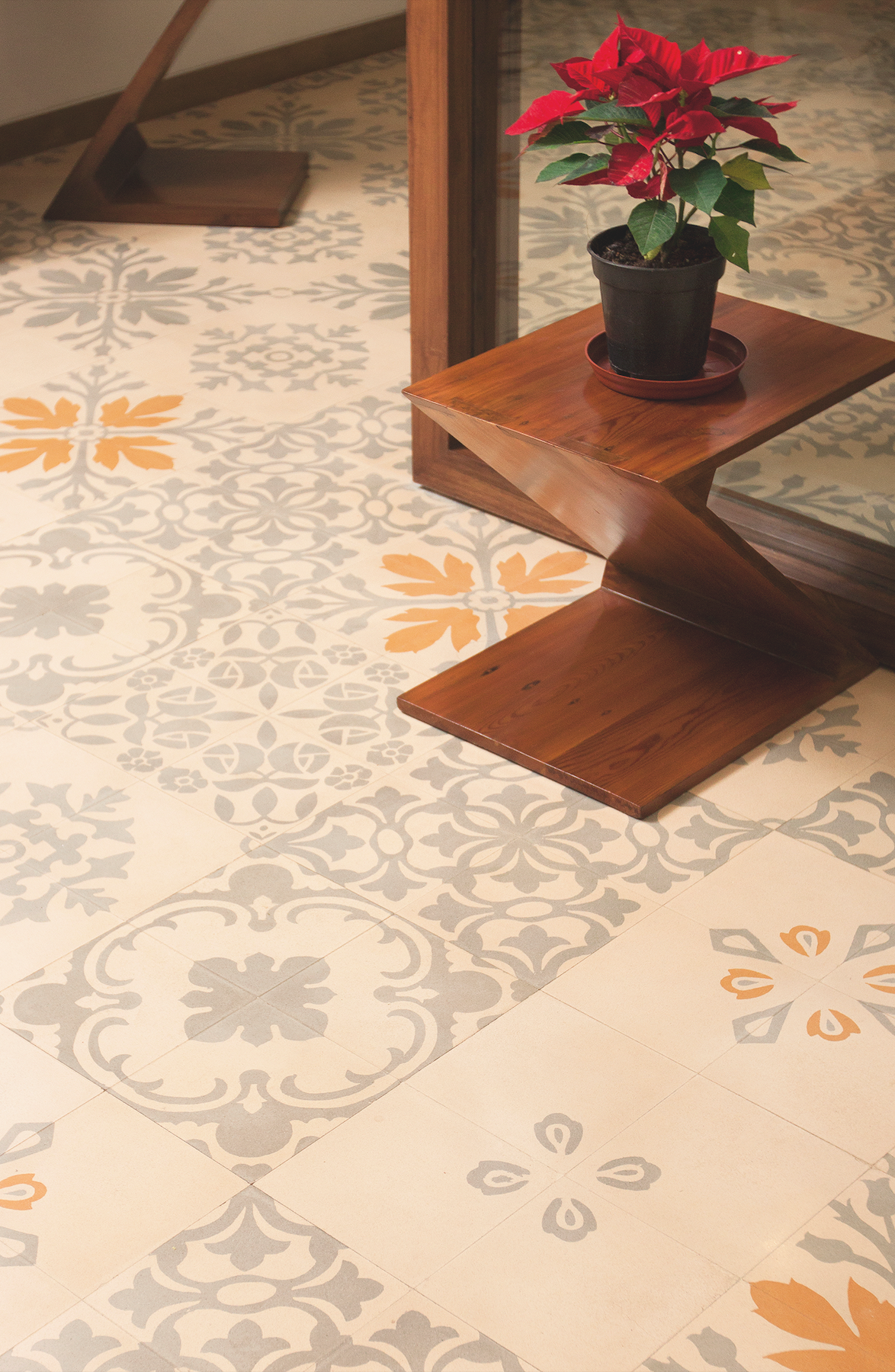
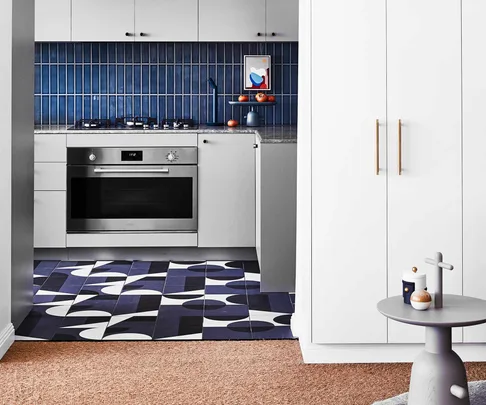
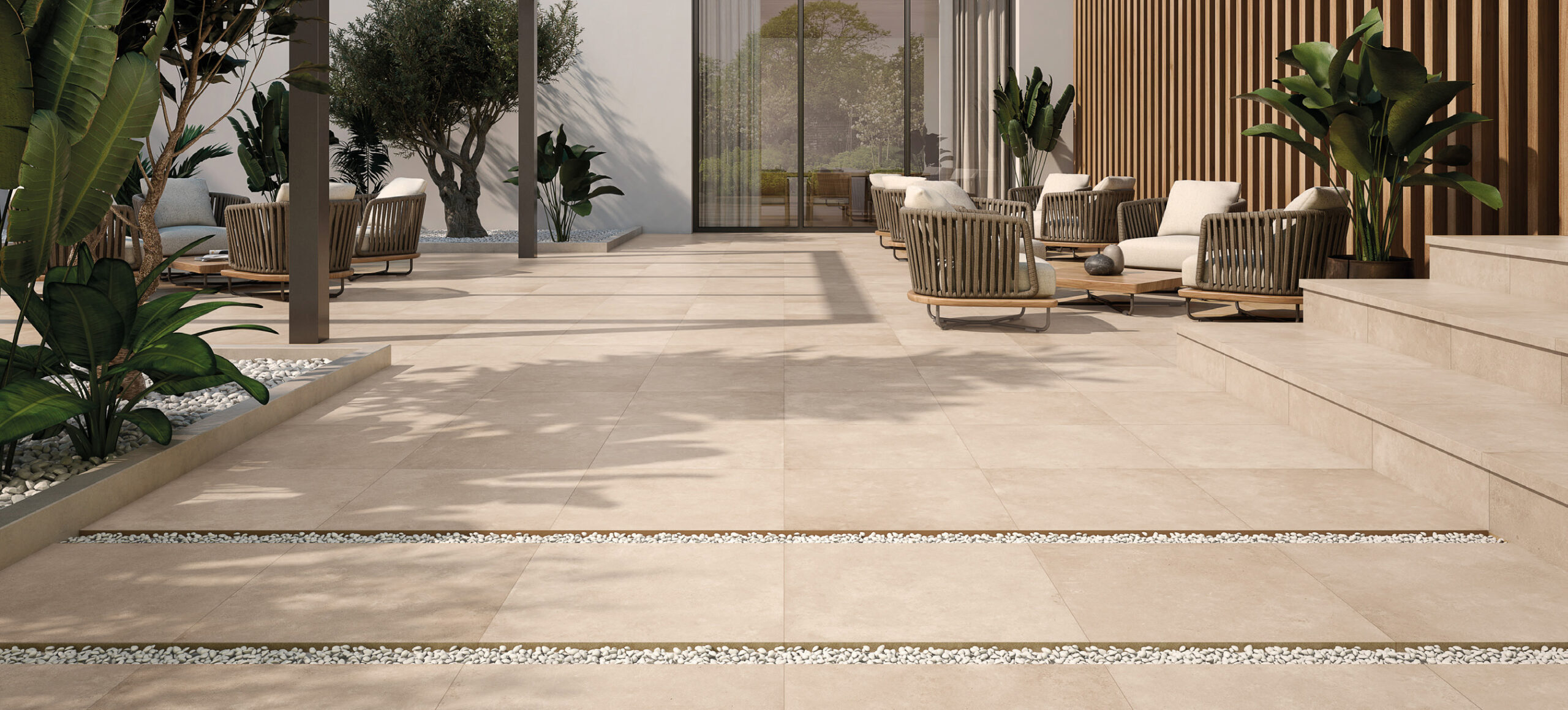
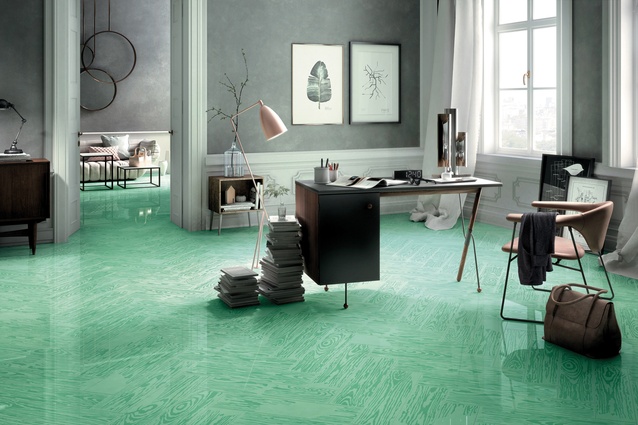
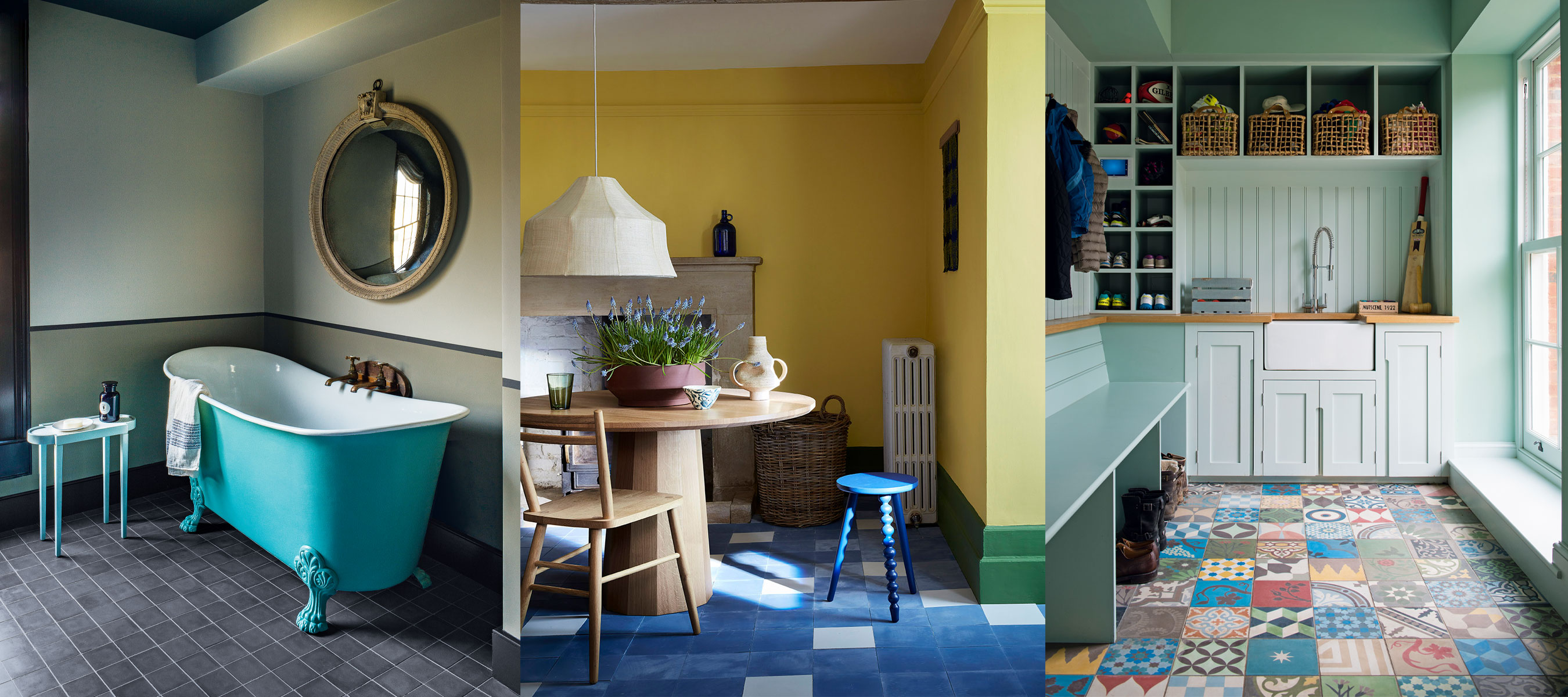
Tiles present numerous possibilities for incorporating color, shape, and pattern into a home's design. They are also recognized for their strength and practicality. Christie Wood from Beaumont Tiles highlights the ease of maintaining cleanliness and preventing stains with tiles, along with their health benefits due to reduced dust levels, particularly advantageous for individuals with asthma. Different types of tiles cater to various needs and aesthetic preferences. Terracotta, made from baked clay, excels in passive heating by absorbing and releasing solar warmth in bedrooms and living areas, though its porous nature makes it less suitable for wet environments without proper sealing. Patterned tiles serve as an effective means to inject personality into a home, with traditional or exotic motifs capable of defining decorative borders in spacious rooms or adding character to less frequently used areas like ensuites or laundries. Ceramic and porcelain tiles, including modern digital-print variations, offer durability and versatility, with options like timber- or stone-look styles being ideal for high-traffic zones.
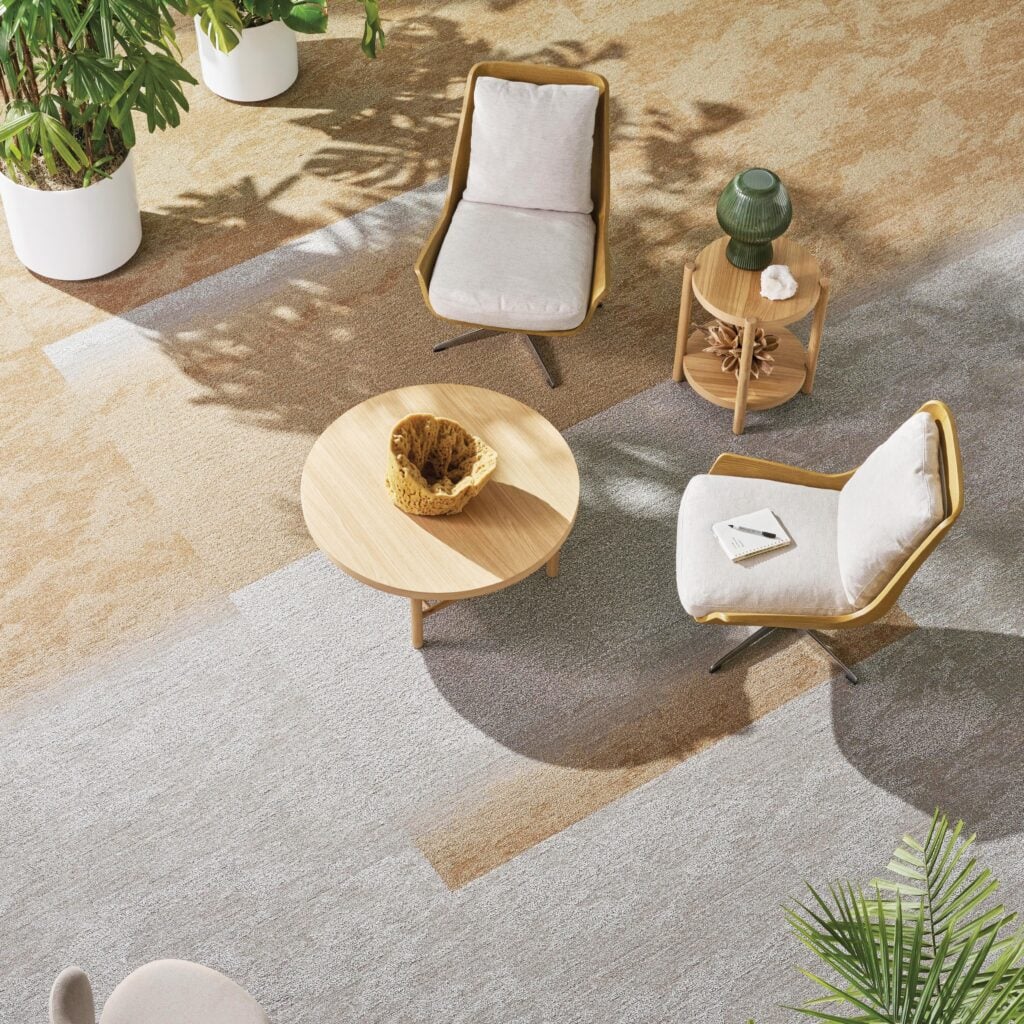
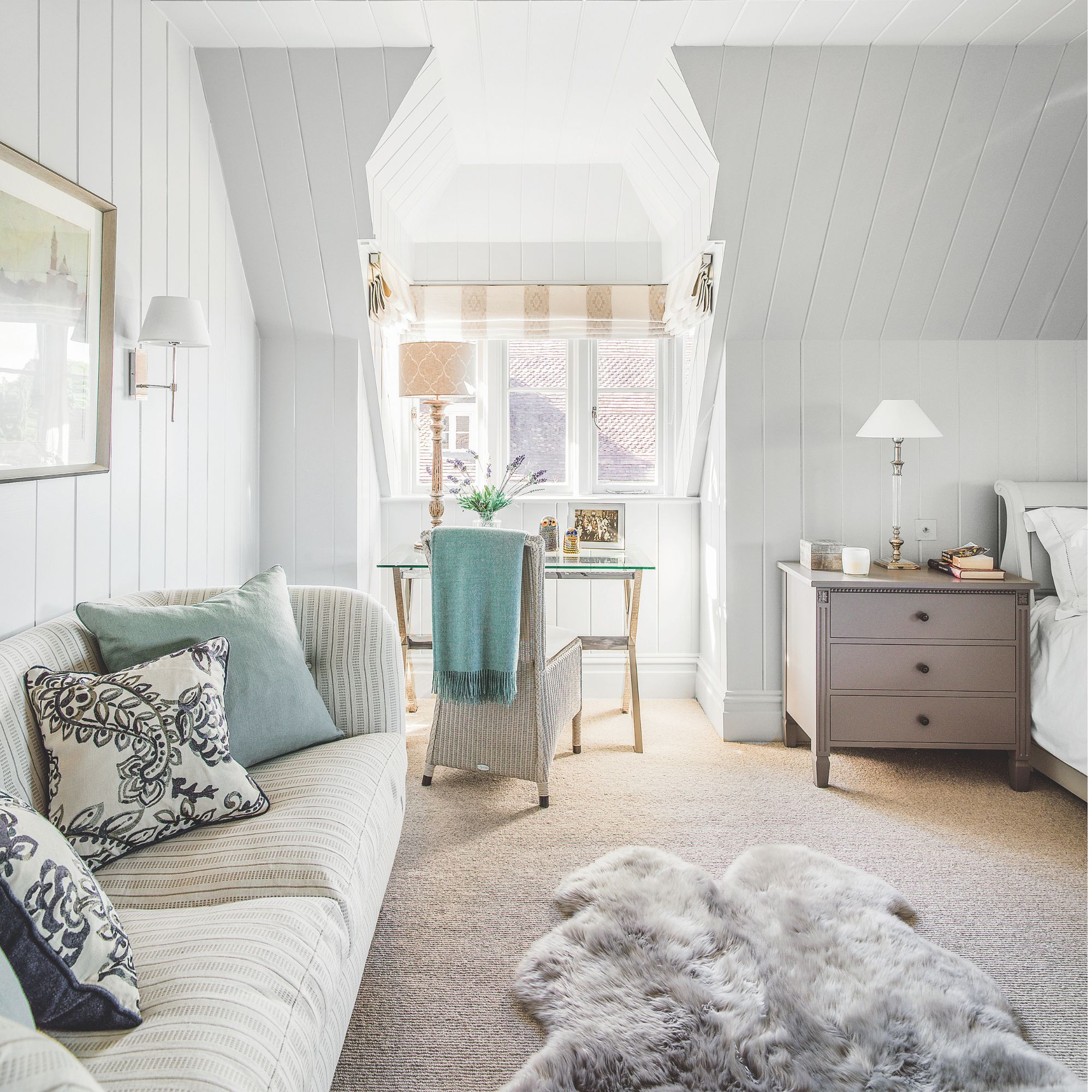
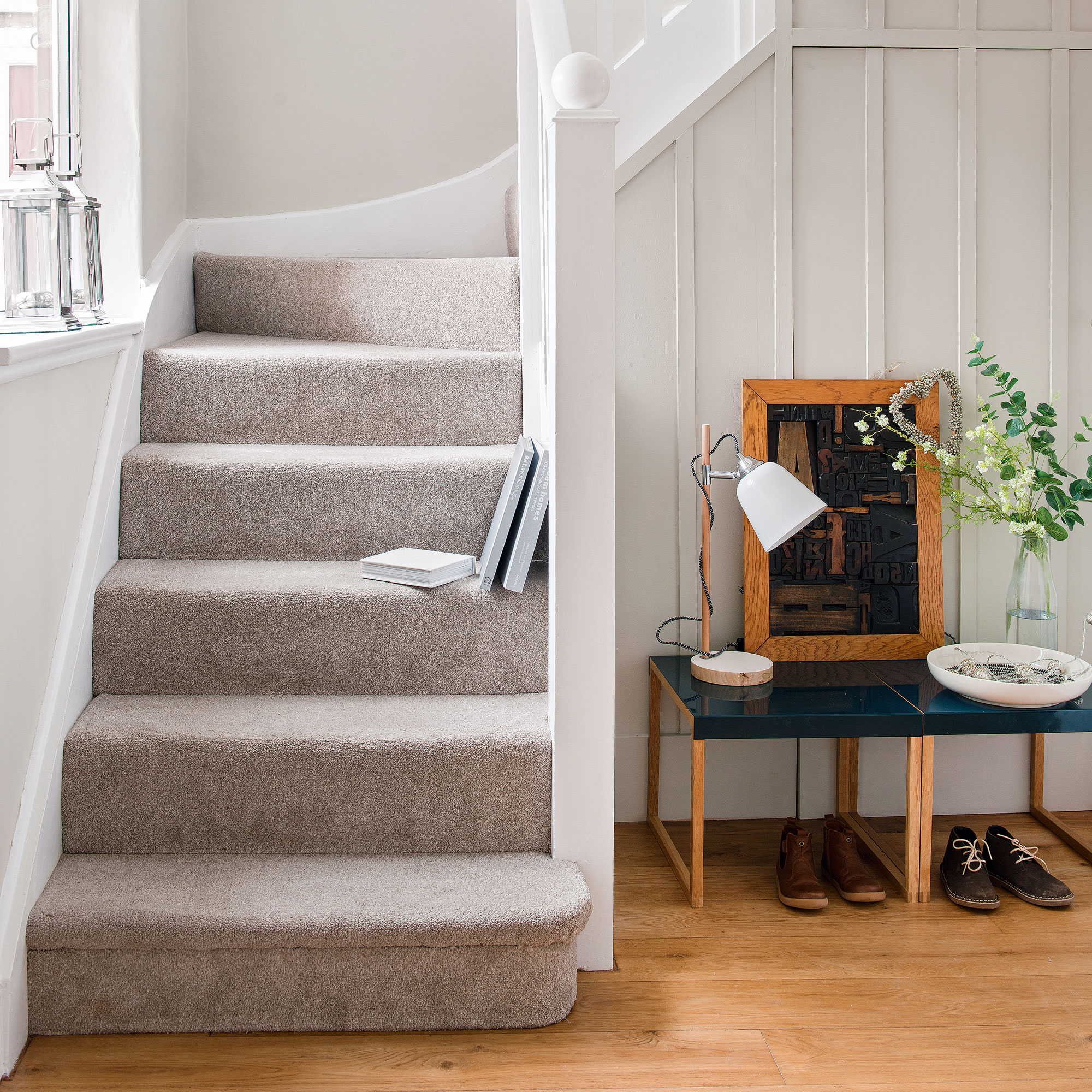
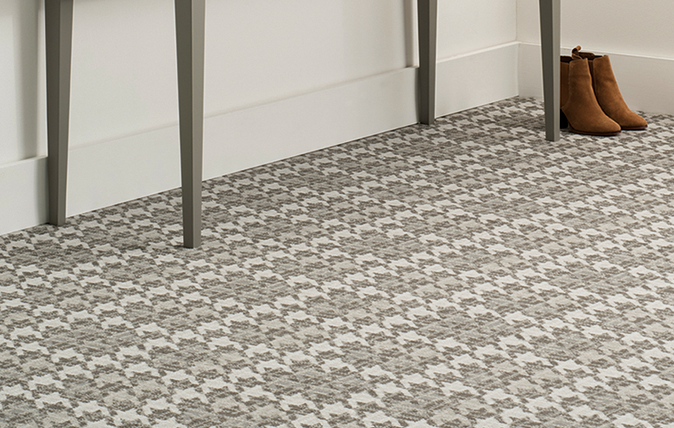
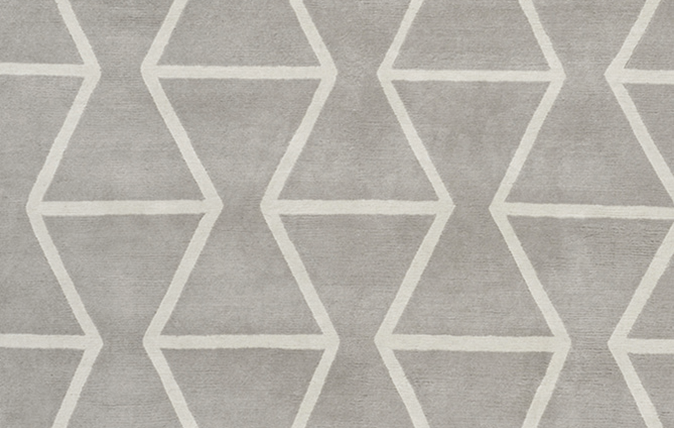
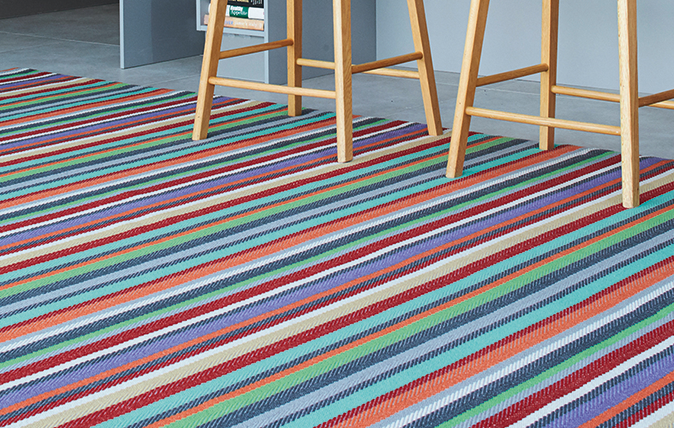
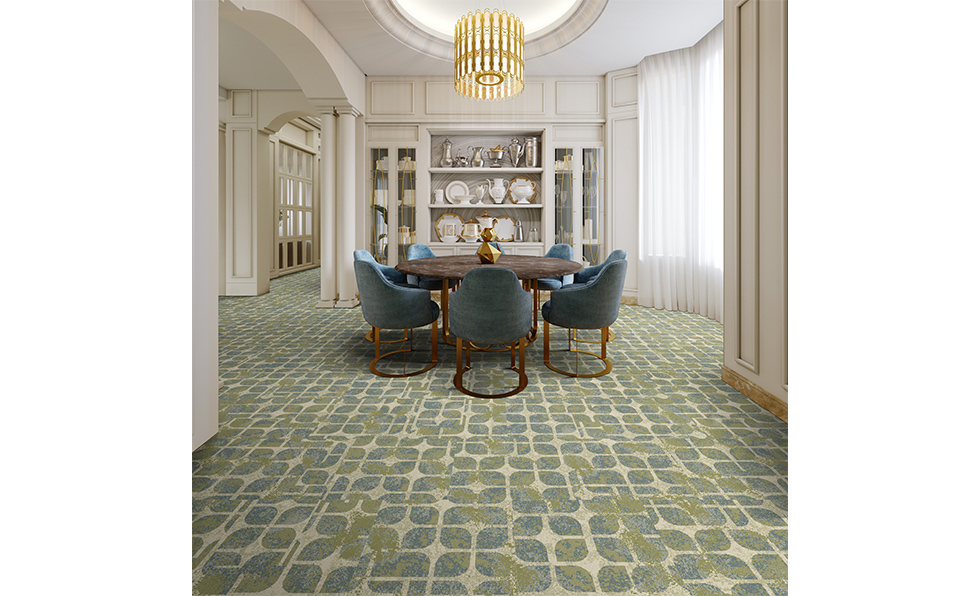
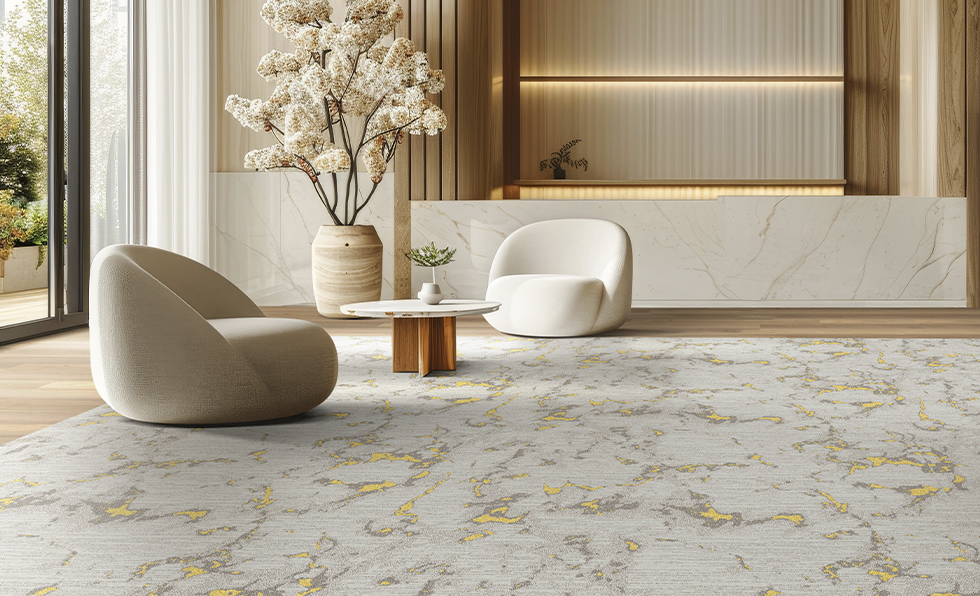
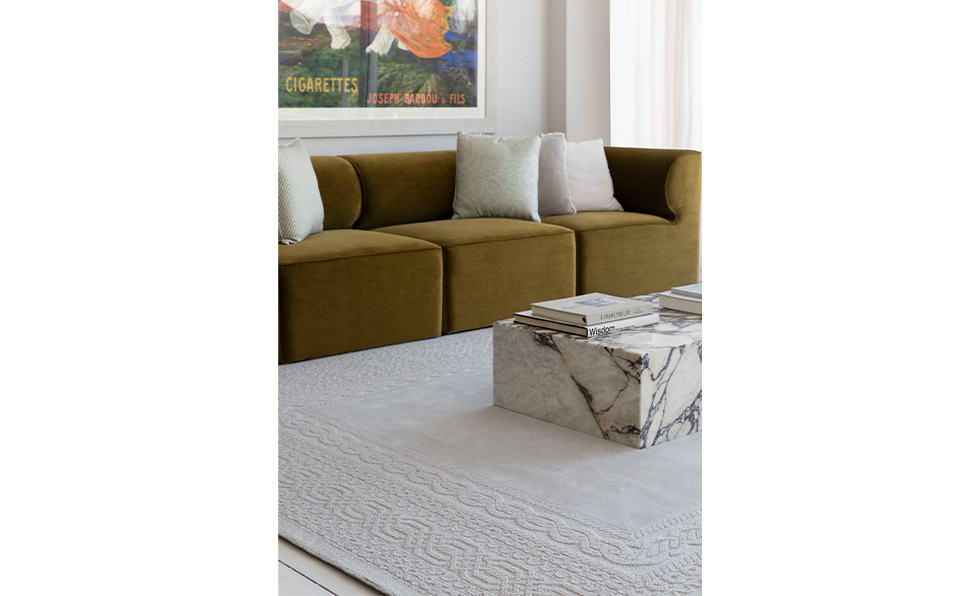
Carpet remains a popular choice for bedrooms and living areas, offering a soft and comfortable underfoot experience. Contemporary synthetic blends provide enhanced resistance to stains and fading, while natural fibers such as sisal, wool, and alpaca offer durability, luxury, and ecological benefits. For wool and alpaca carpets, mid-range to dark tones are recommended to mask wear, though lighter shades can endure daily use if the carpet possesses a heavy-duty rating. A high-quality underlay significantly improves performance. Sisal, coir, and seagrass are natural weaves known for their rustic charm and durability. Sisal, in particular, contains a tannin that deters dust mites, contributing to a healthier indoor environment. For a softer texture, sisal can be blended with wool. Rugs complement hard flooring by defining spaces, adding softness, and acting as focal points. Thomas Hamel often suggests Turkish Oushak-style rugs due to their subtle patterns that effectively conceal minor spills and wear.
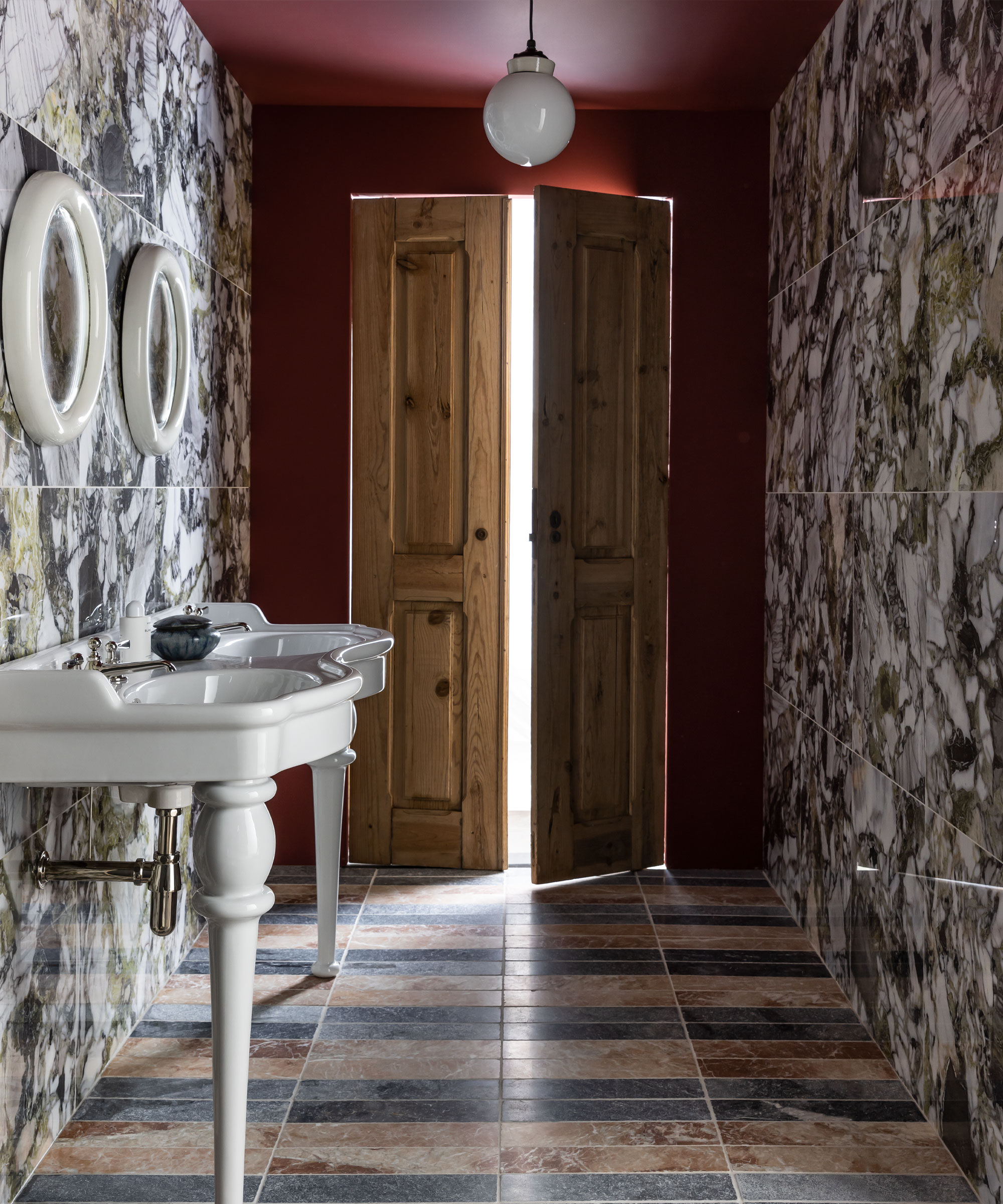
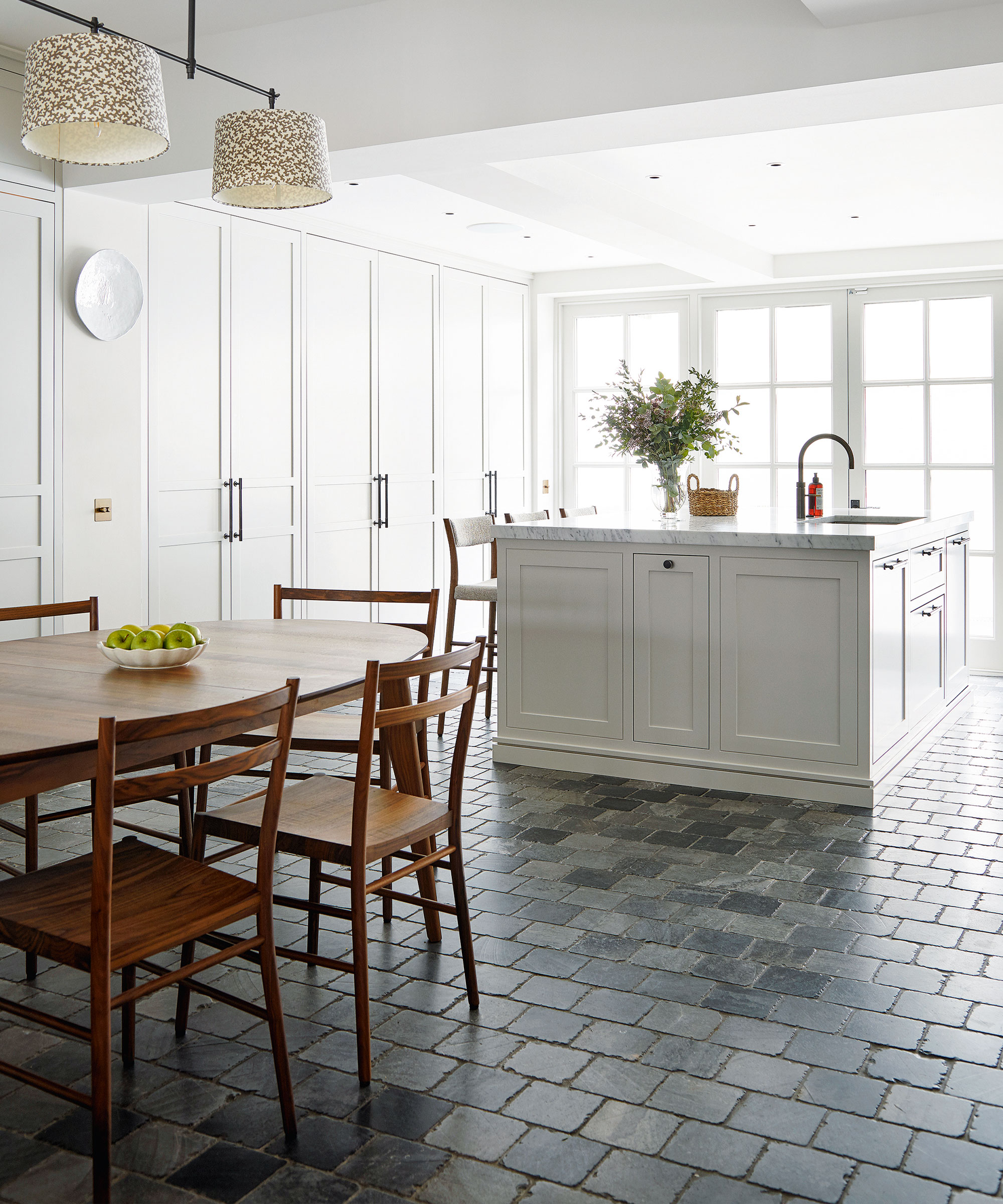
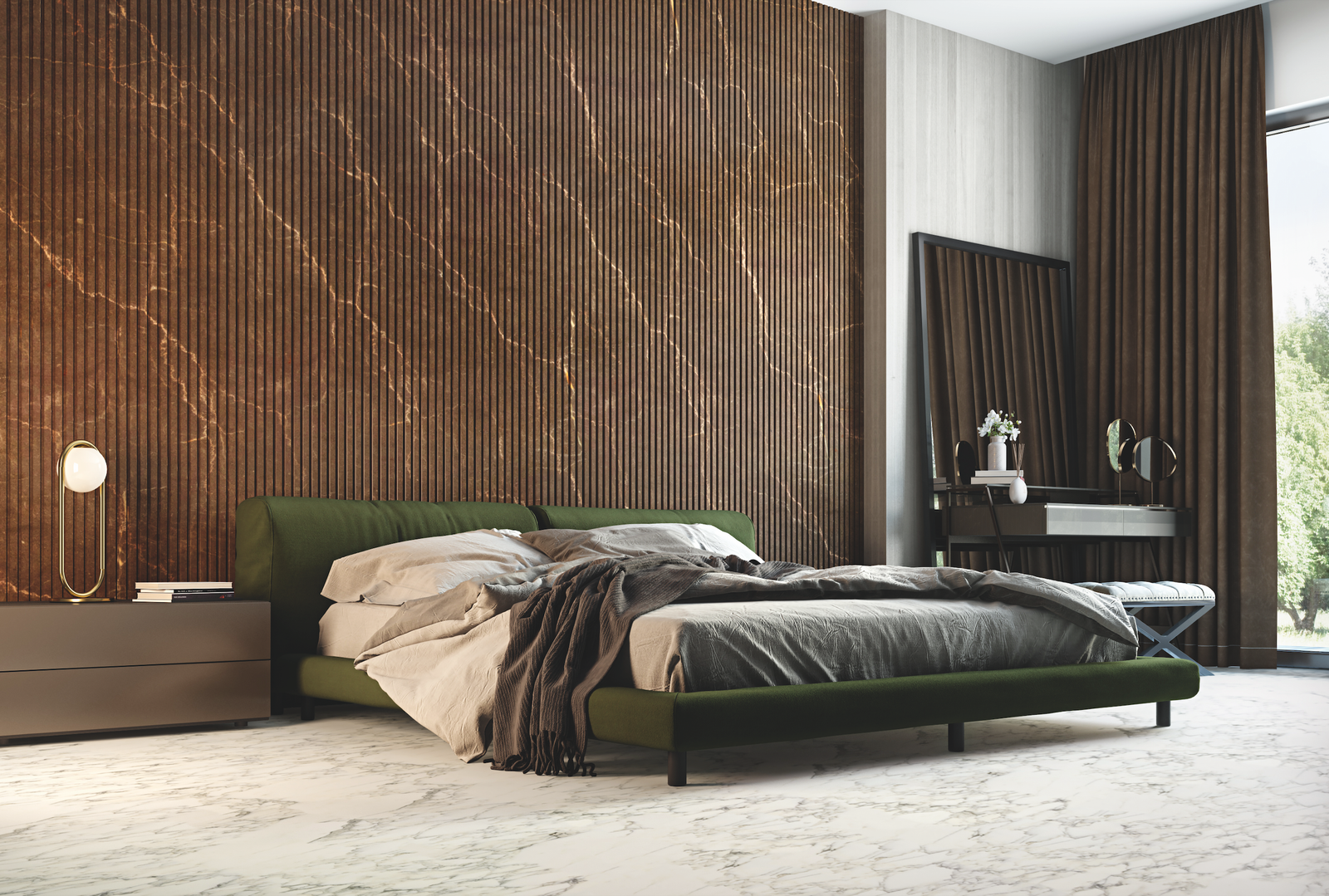
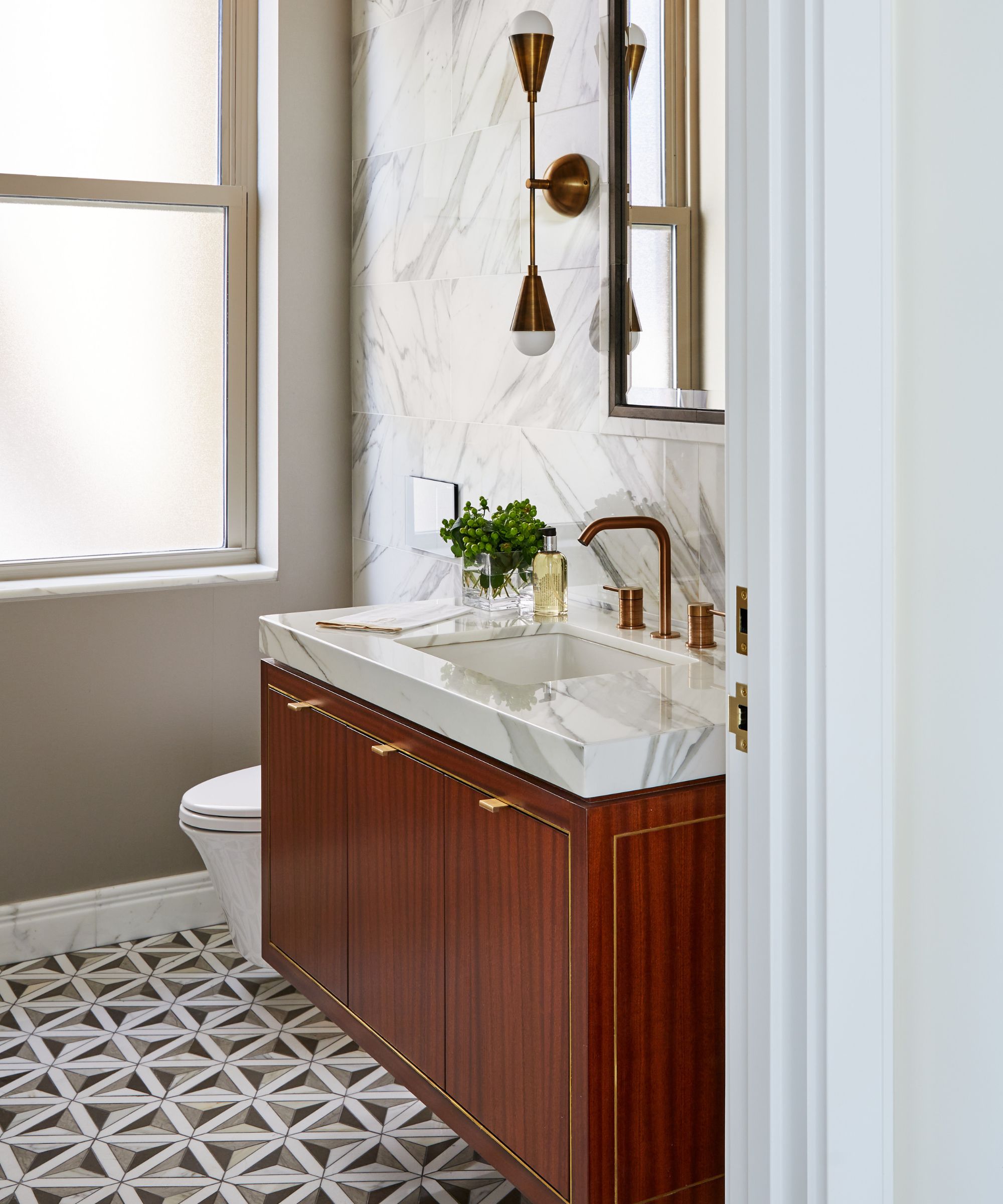
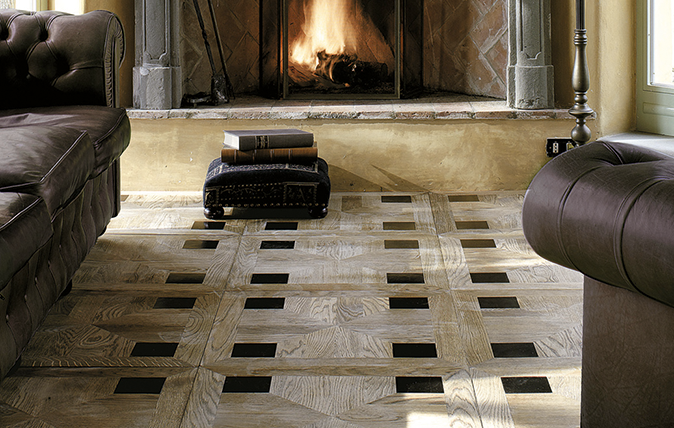
Stone and slate flooring options, including limestone, travertine, sandstone, granite, and slate, offer inherent beauty and variation. When laid in patterns such as the French pattern, using a combination of square and rectangular tiles, stone can achieve a traditional, rustic aesthetic. Stone floors are highly durable and long-lasting, having been utilized in architecture for millennia. Concerns about coldness can be alleviated with the installation of underfloor heating. Concrete offers a modern, equally durable, and stain-resistant alternative to stone when properly sealed. It can be enhanced with etching or subtle patterns for added character. Marble, with its distinctive grain and subtle coloration, imparts a luxurious feel to kitchens, bathrooms, and living areas, improving with age. Its original luster can be restored through repolishing.
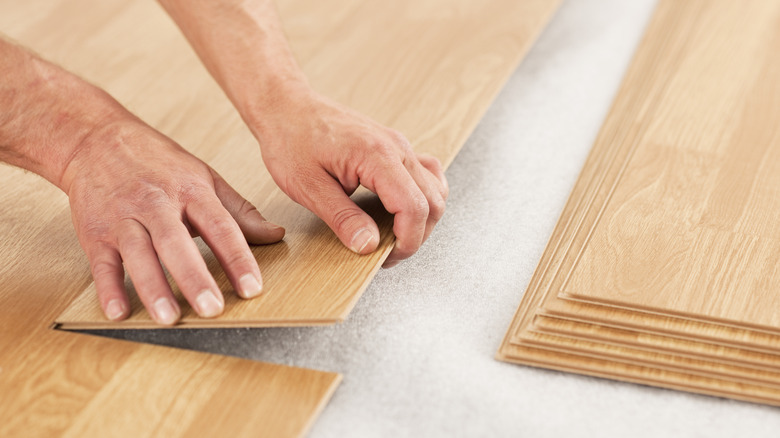
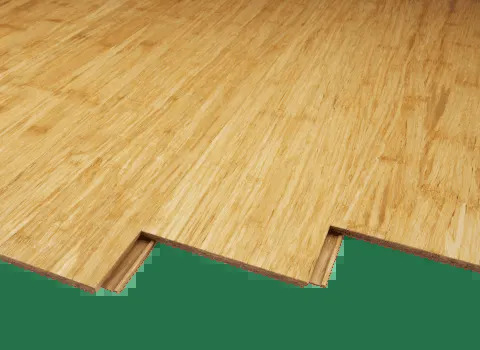
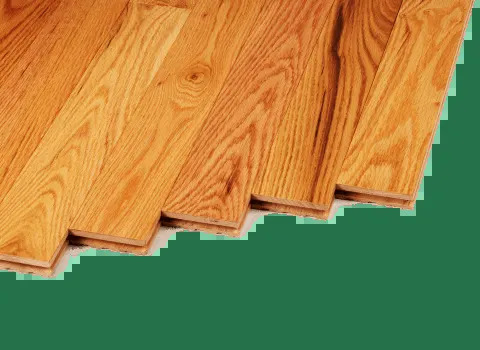
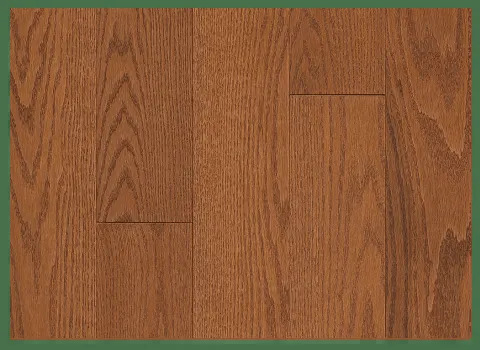
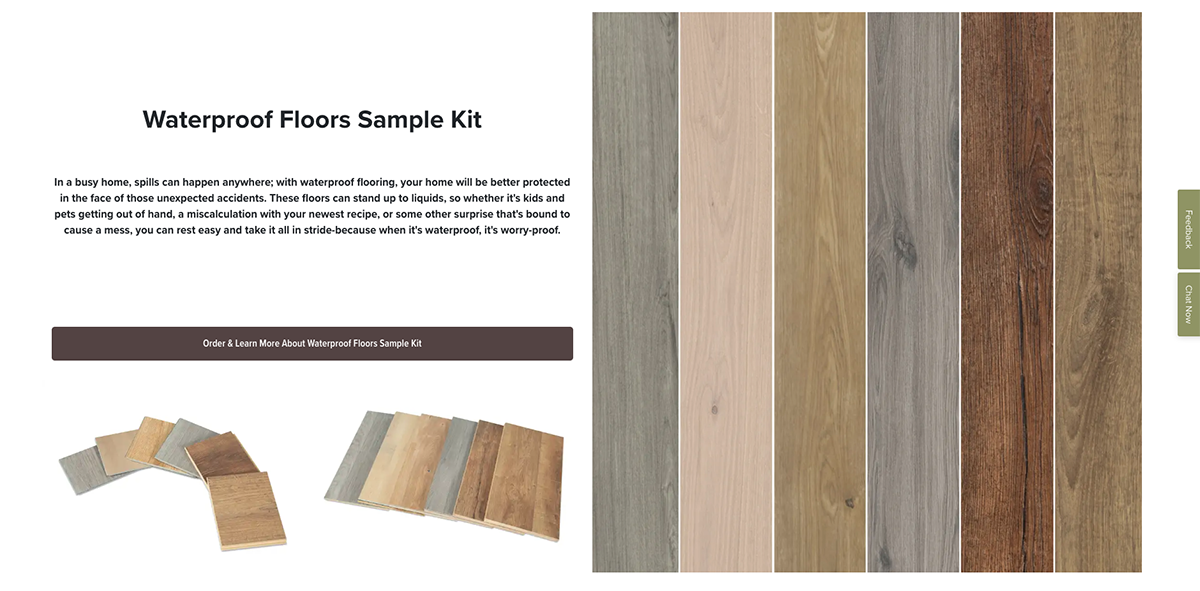
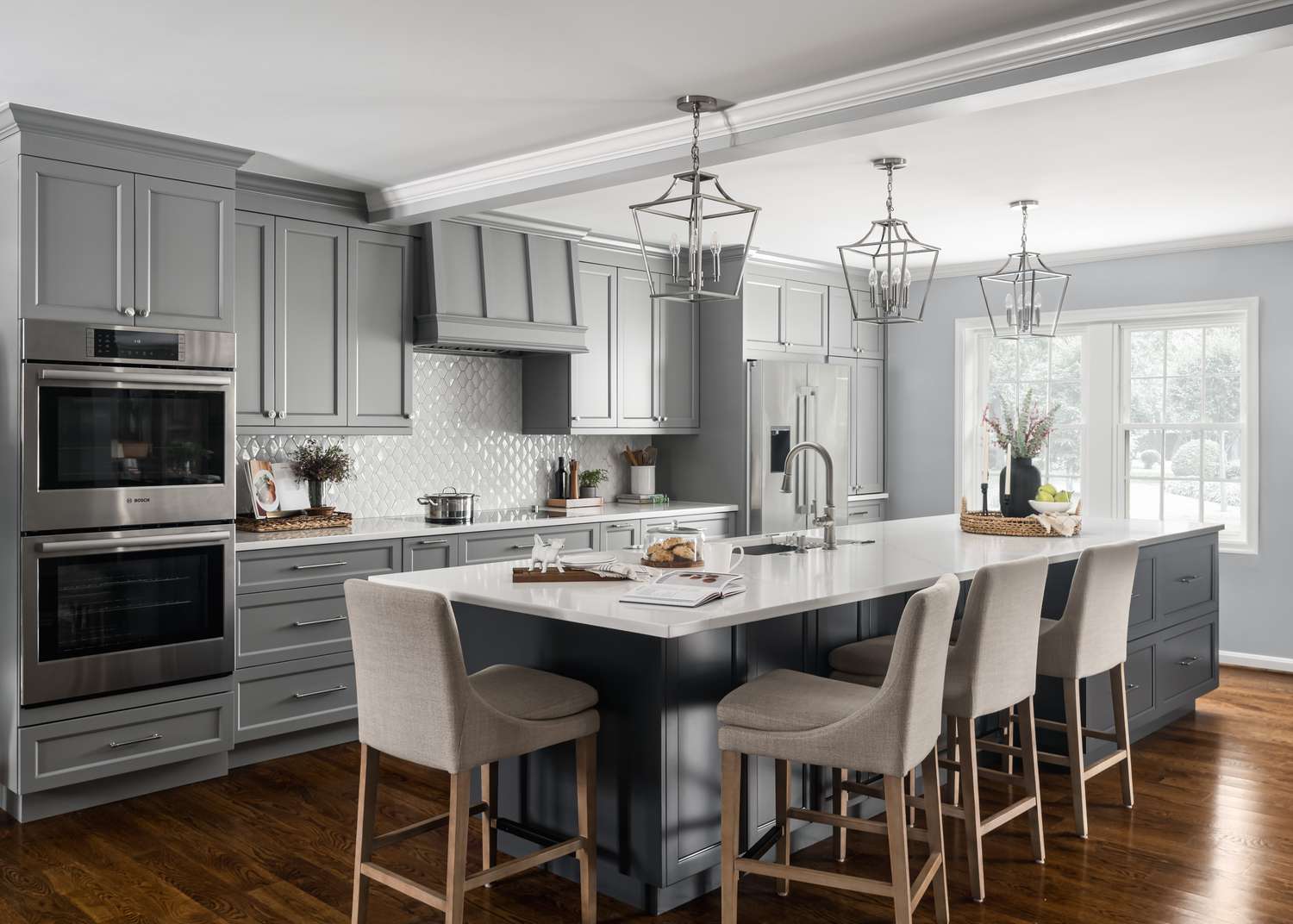
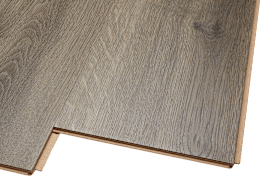
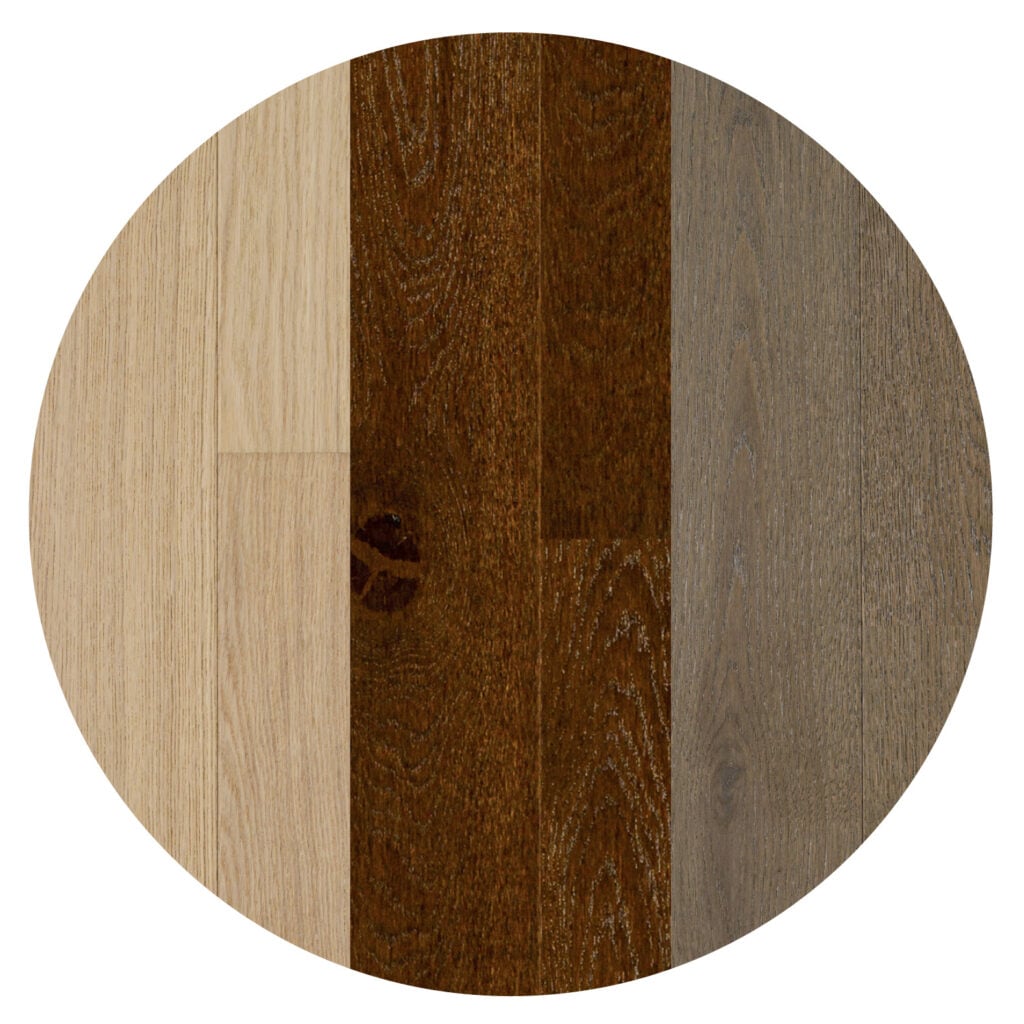
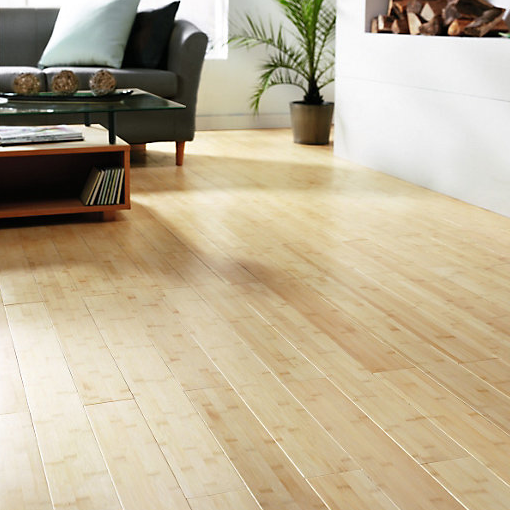
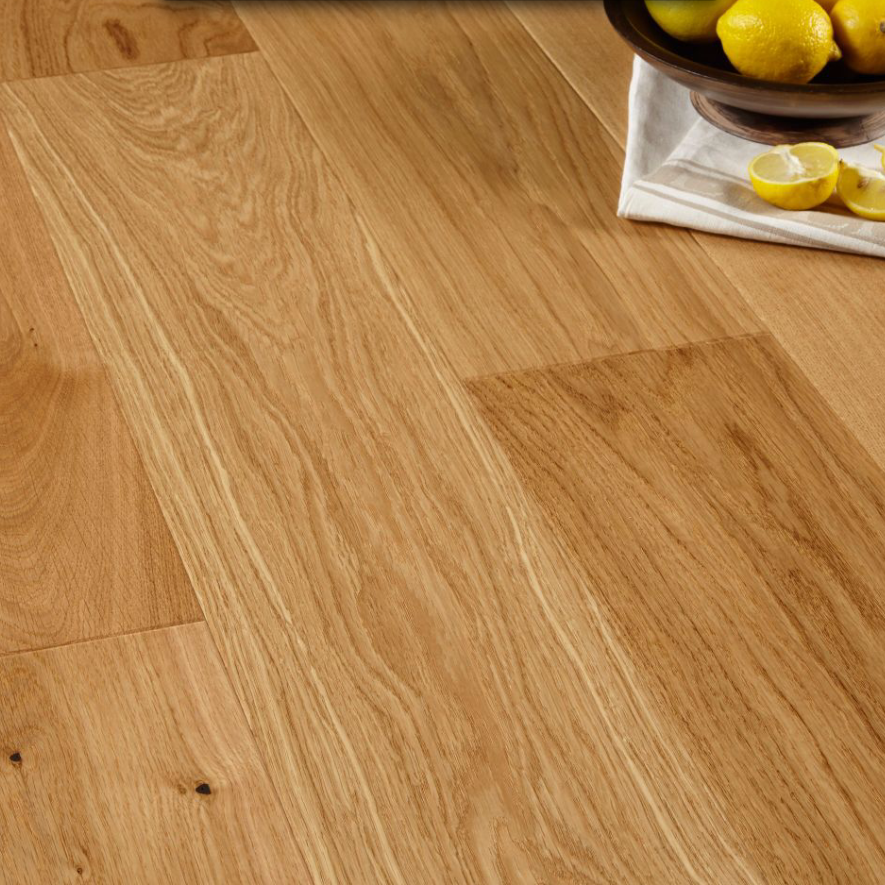
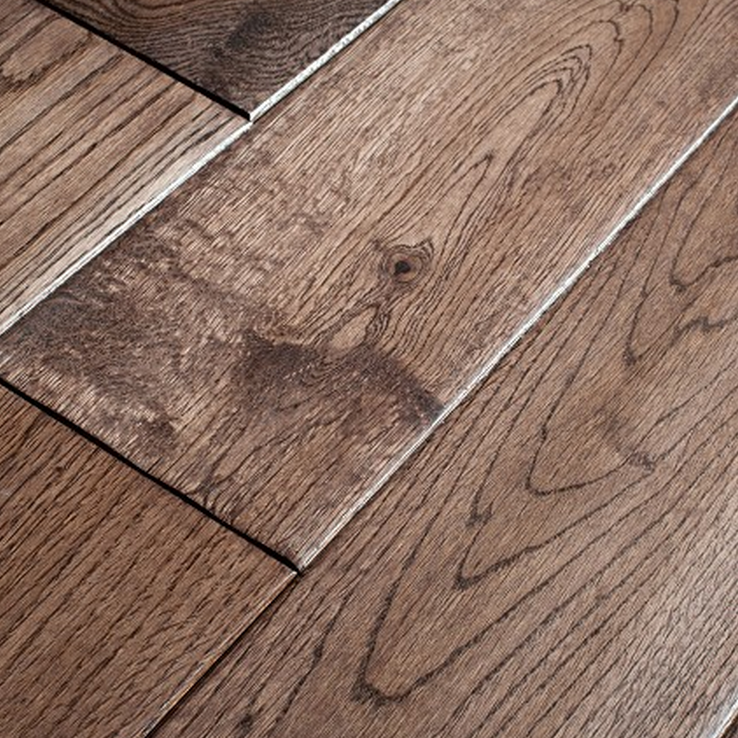
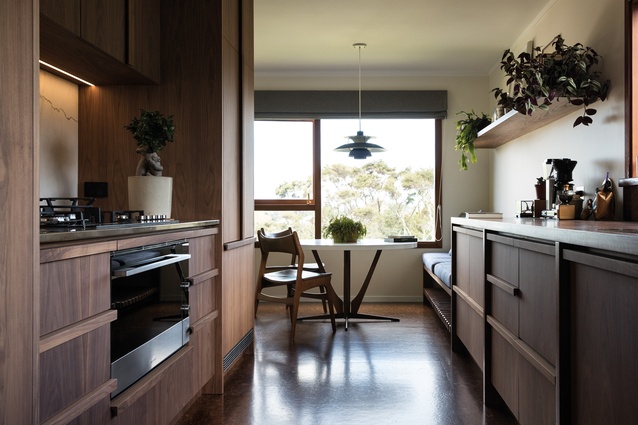
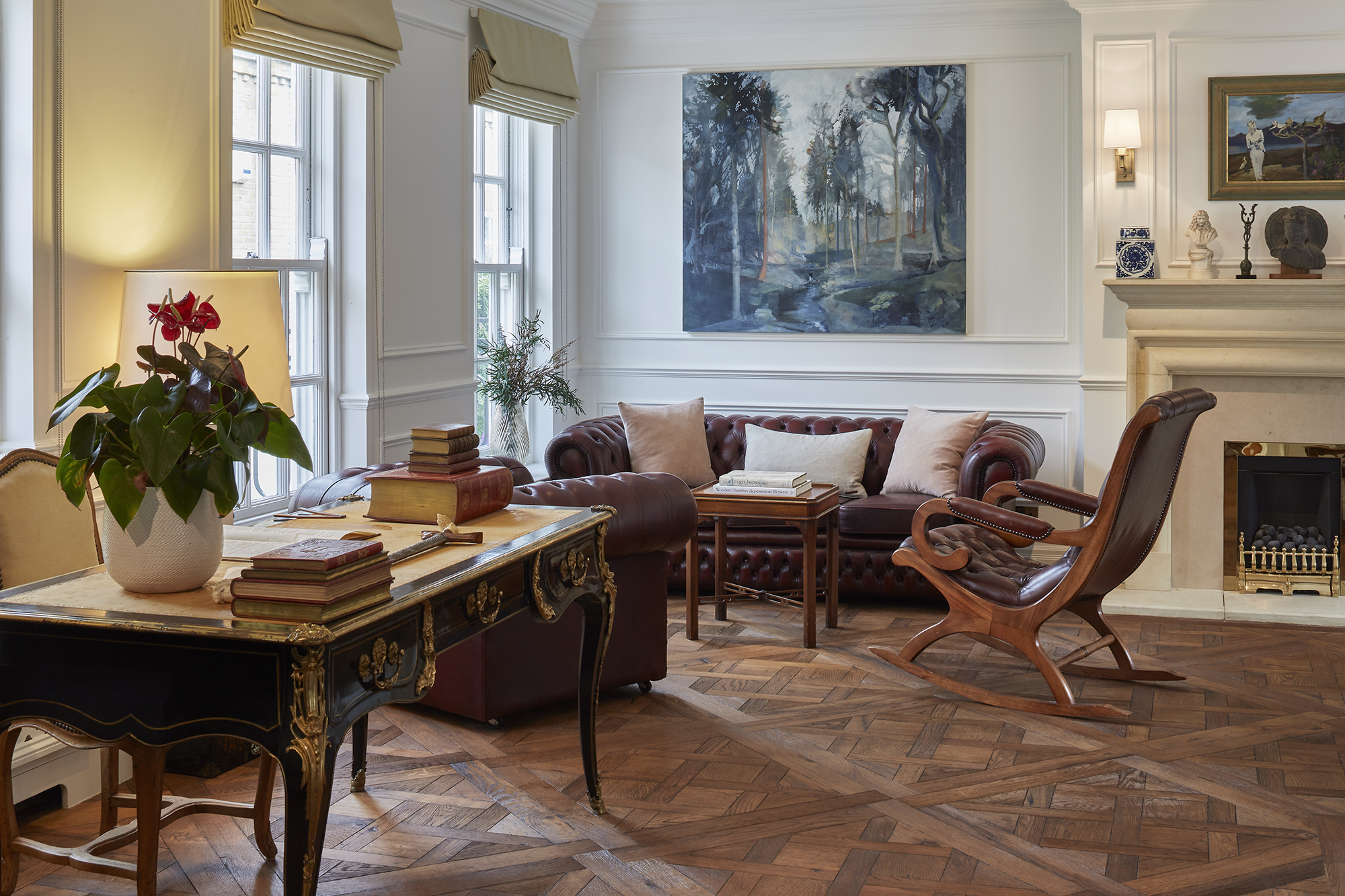
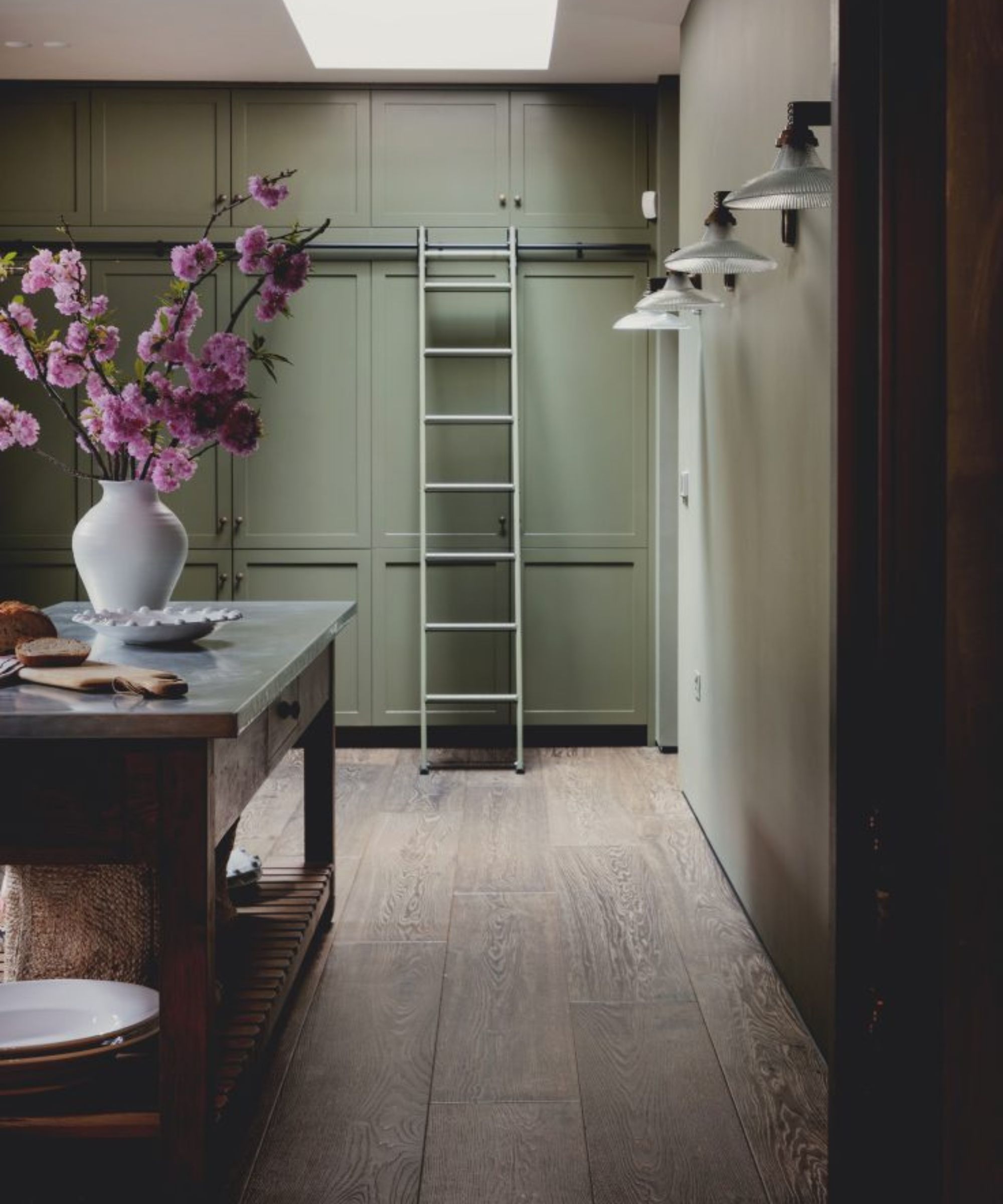
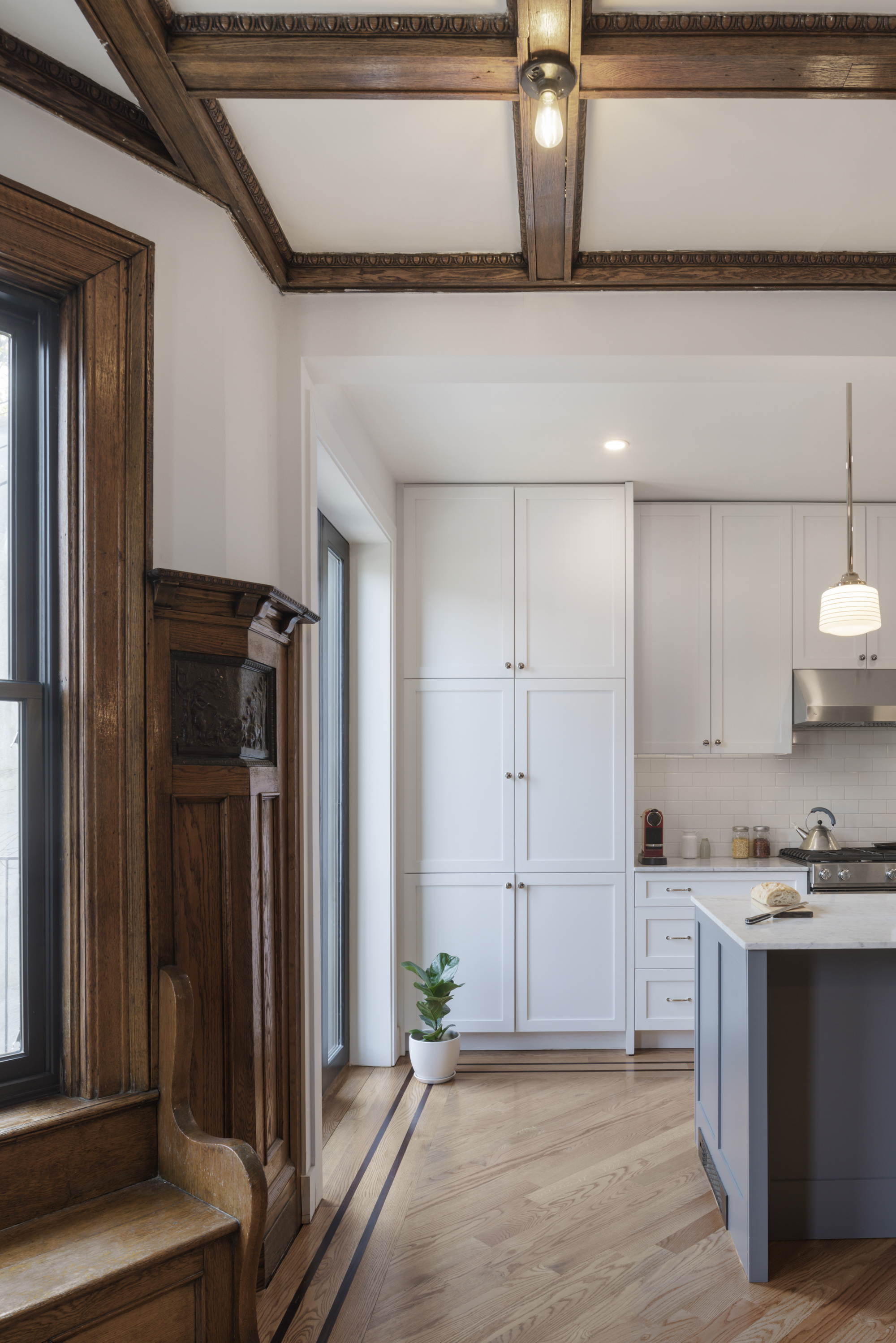
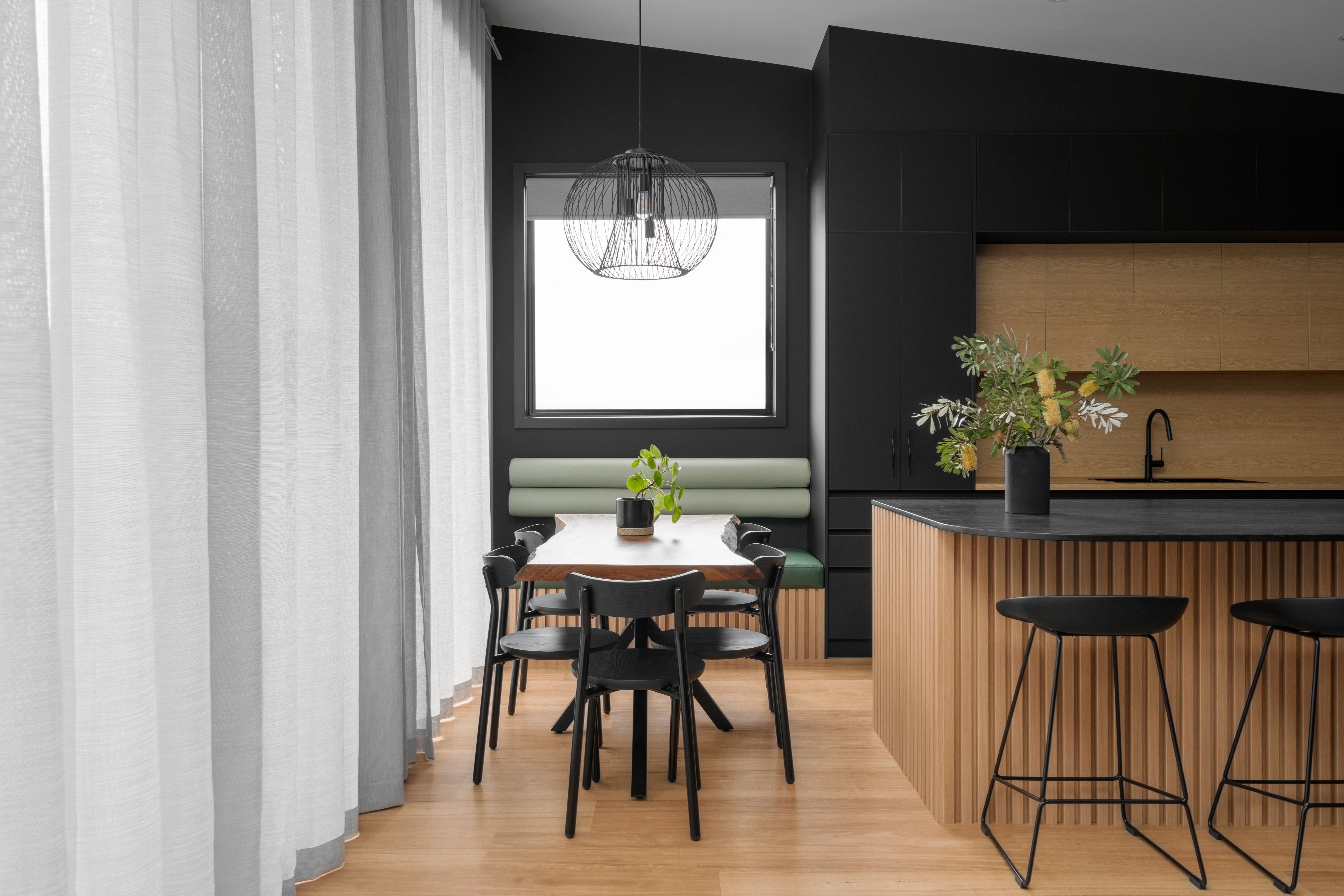
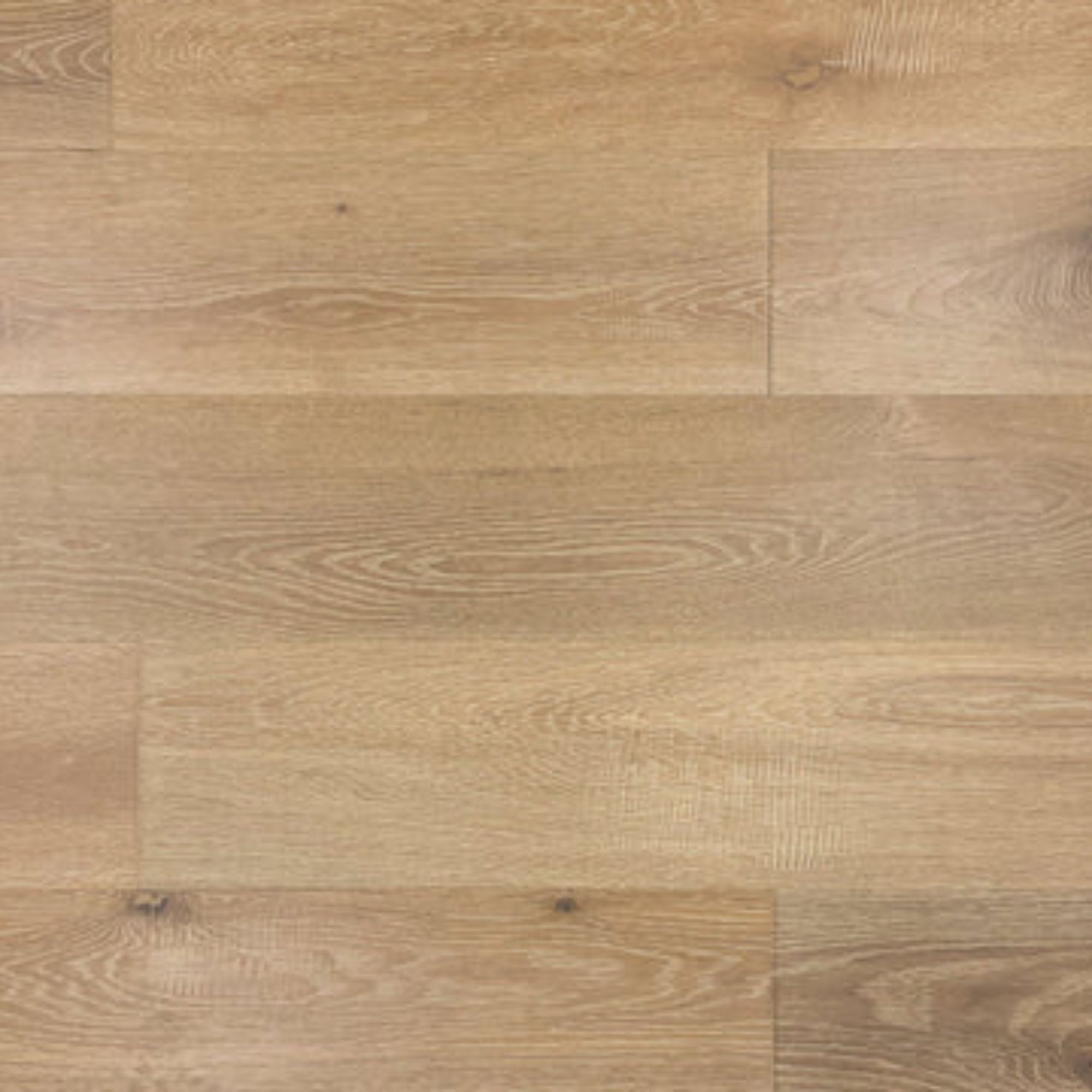
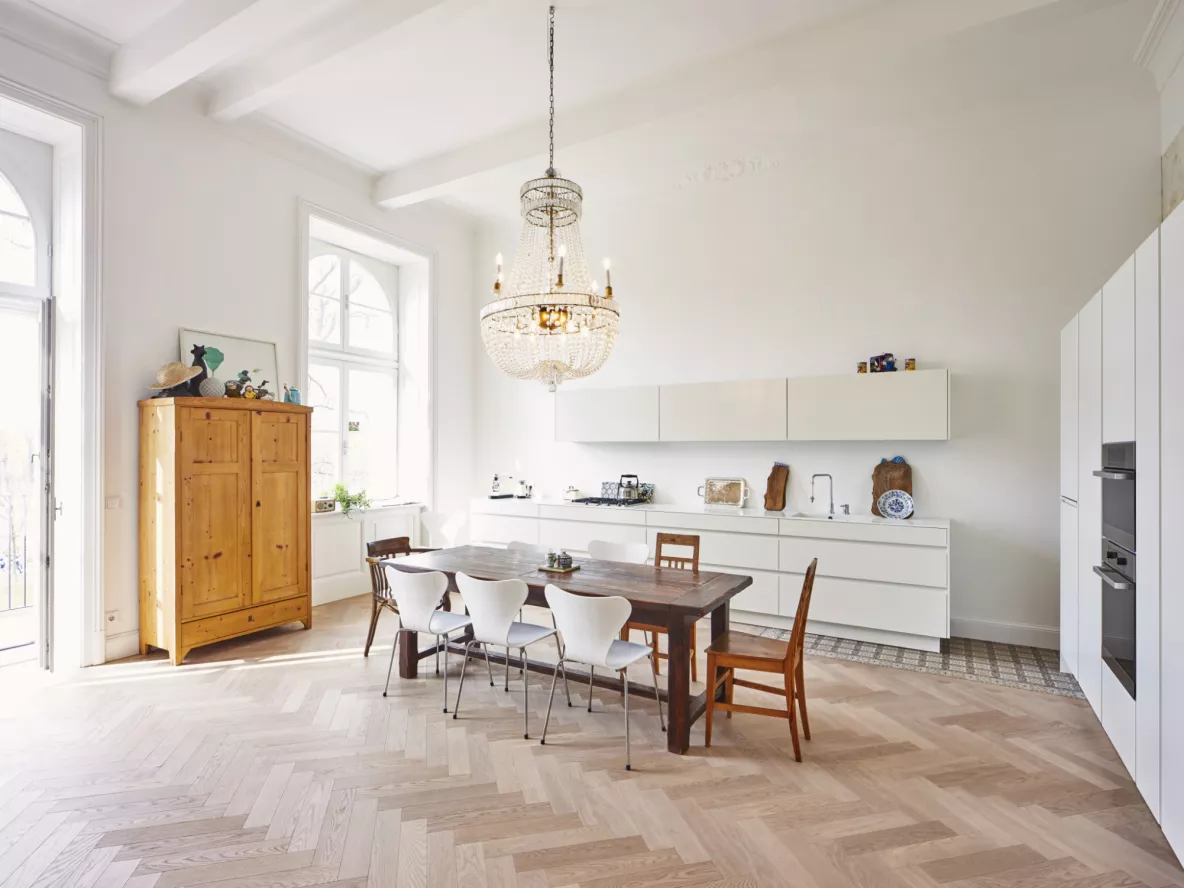
Timber flooring, including hardwood, remains a timeless favorite due to its warm and relaxed ambiance. To accentuate its natural character, a water-based matte stain or wax finish is recommended, as gloss finishes can highlight imperfections and reflections. Engineered timber, a composite material, offers superior stability and the possibility of wider boards compared to traditional timber. Parquetry, laid in traditional herringbone or block patterns, creates a warm, European aesthetic suitable for both classic and contemporary interiors. Recycled hardwood, whether reclaimed or re-milled, provides an environmentally conscious flooring solution, with imperfections adding unique character and historical depth. The advice is to choose a timber that is naturally appealing rather than relying on costly and temporary staining to alter its appearance. Each flooring material presents distinct advantages and aesthetic qualities, allowing for personalized and functional choices in home design. The article serves as a comprehensive guide to help homeowners make informed decisions about the most suitable flooring options for their needs and preferences. Ultimately, the choice of flooring significantly impacts the overall look, feel, and functionality of any living space, making it a critical consideration in home renovation and design projects.
#FlooringMaterials #HomeDesign #InteriorDesign #TileFlooring #CarpetOptions #TimberFlooring #StoneFlooring #RenovationIdeas #HomeDecor #FlooringMaterials #HomeDesign #InteriorDesign #TileFlooring #CarpetOptions #TimberFlooring #StoneFlooring #RenovationIdeas #HomeDecor
Hay 0 comentarios en total
 Aún no hay comentarios
También te puede gustar
Flooring Materials That Just Aren't Worth The Price, According To Our Experts
10 Flooring Products that Look Good and Work Hard

Walk on by: flooring focus
New options in flooring

Best Flooring From Consumer Reports' Tests
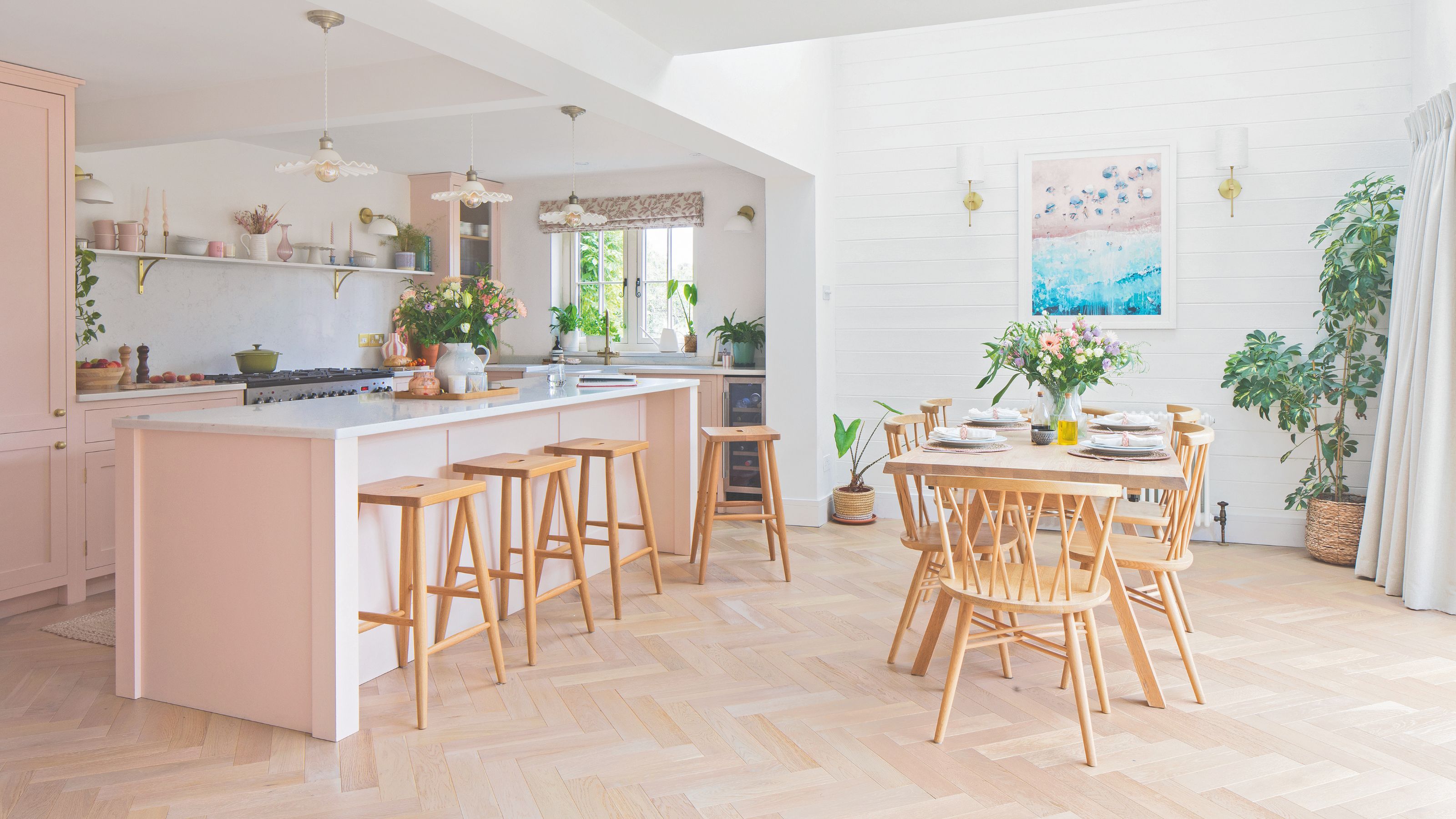
5 flooring choices that will make it harder to sell your home
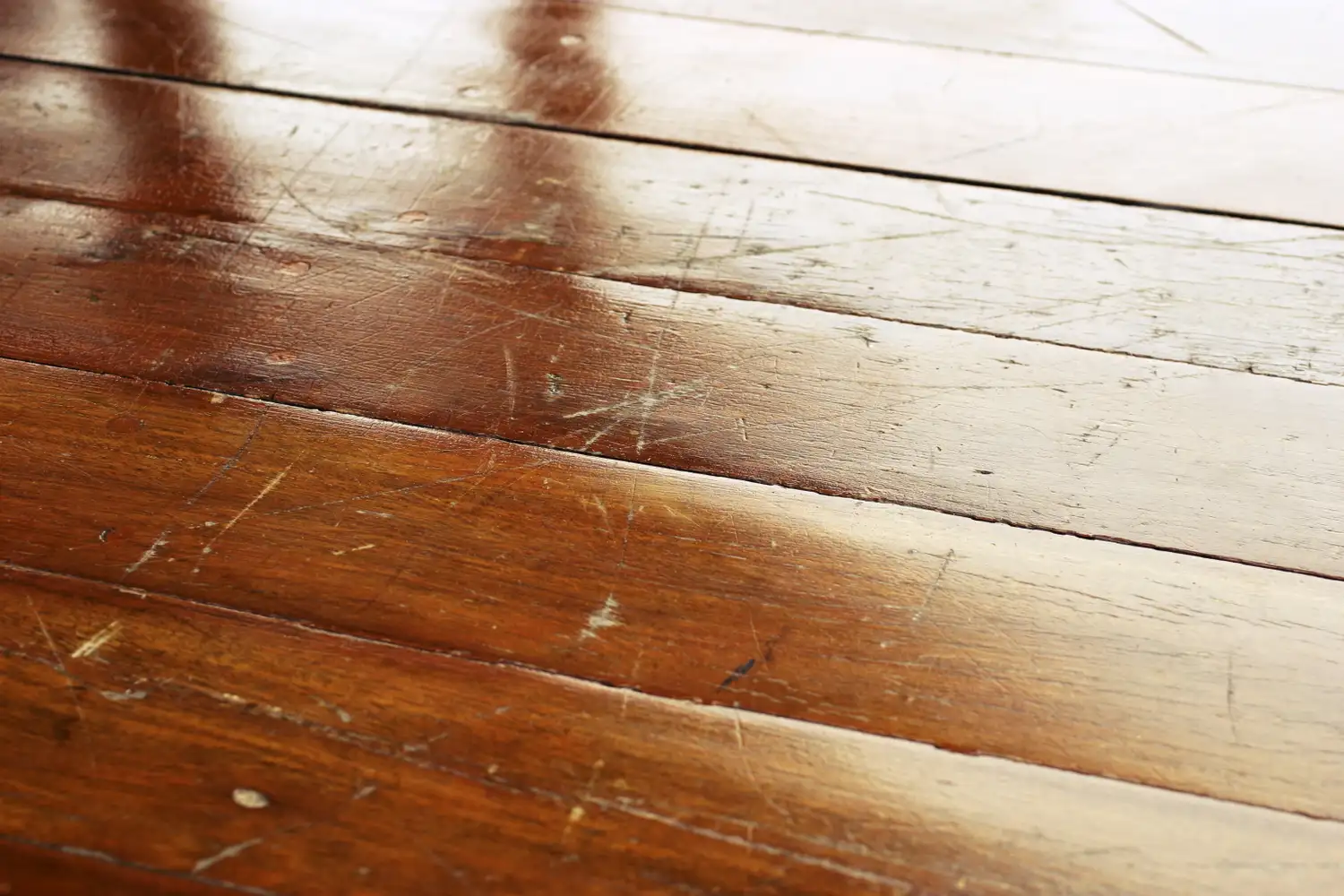
7 Flooring Choices That Always Show Dirt and Scuffs—No Matter How Often You Clean

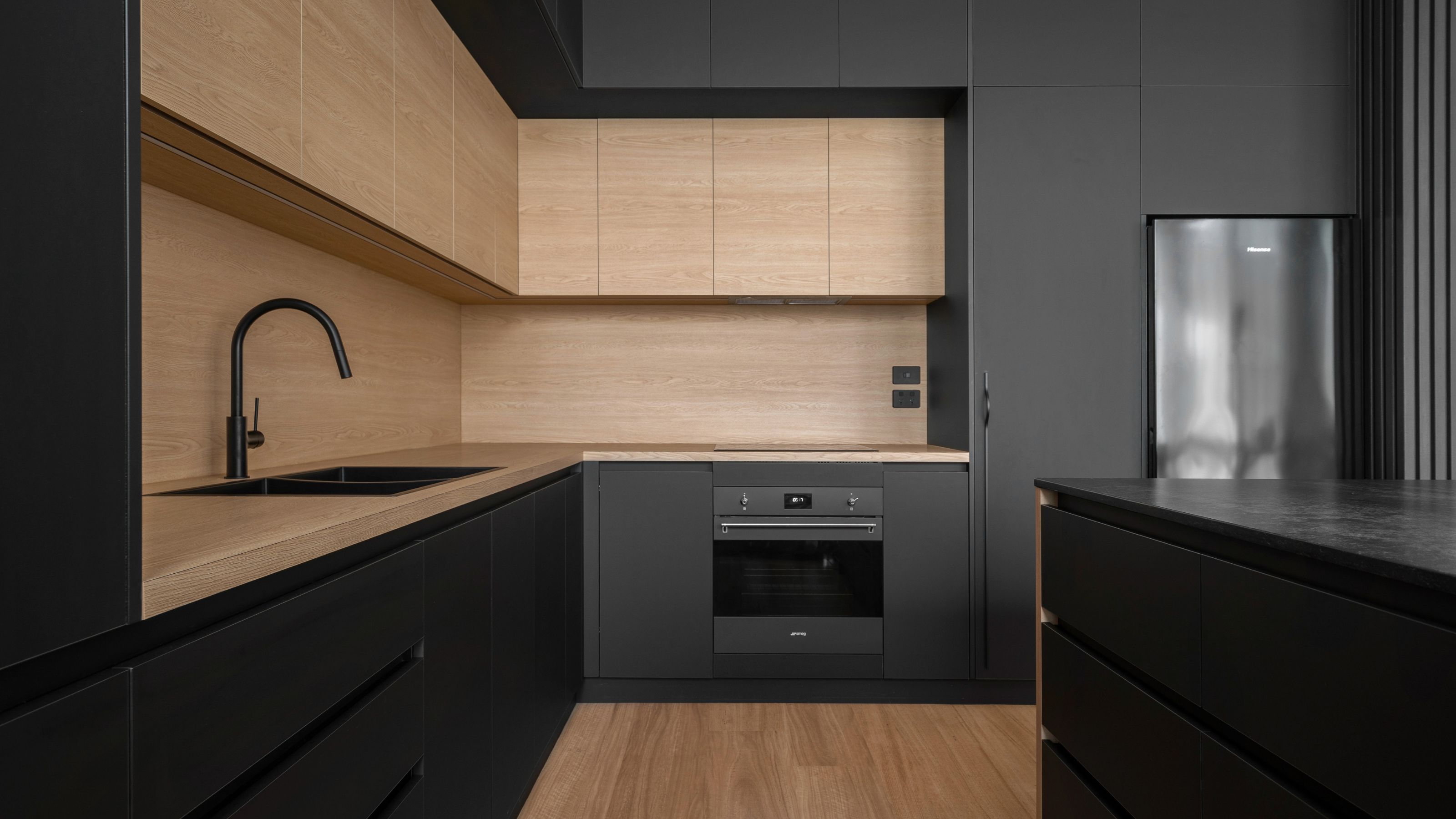
9 Durable Kitchen Flooring Finishes That Interior Designers Swear Will Look Good for Longer

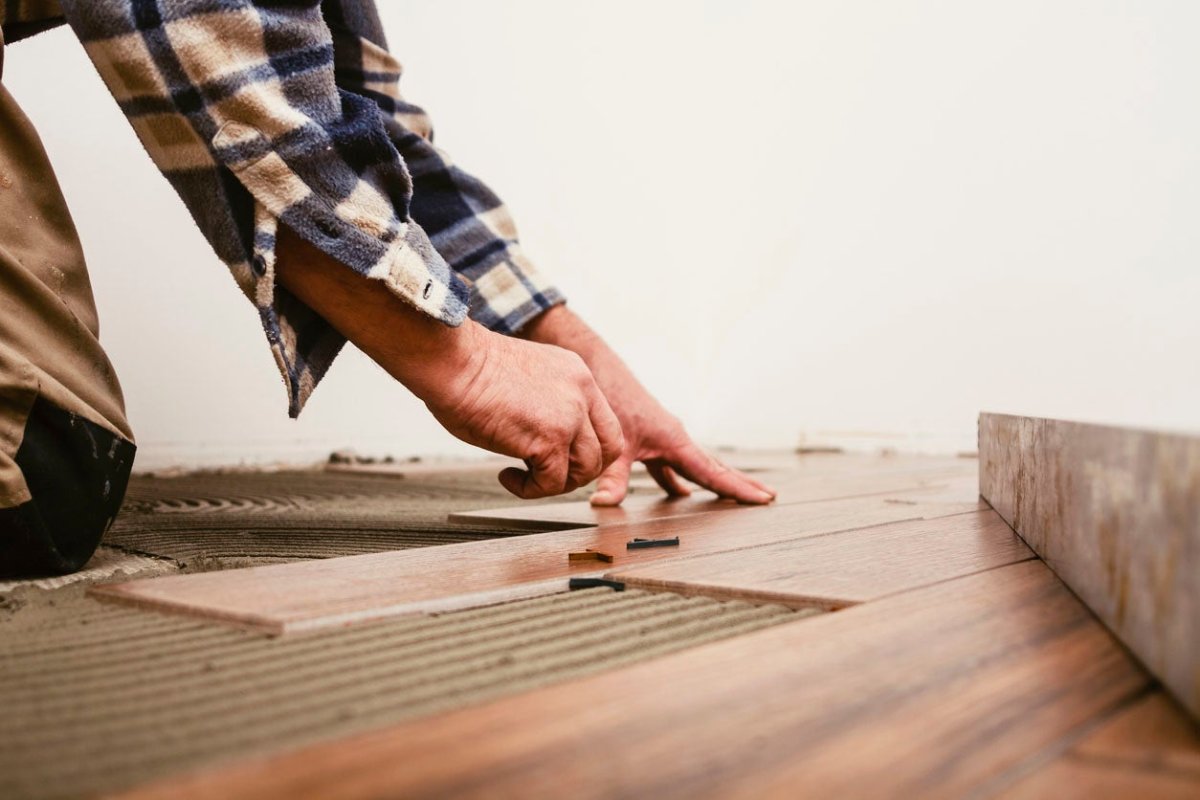
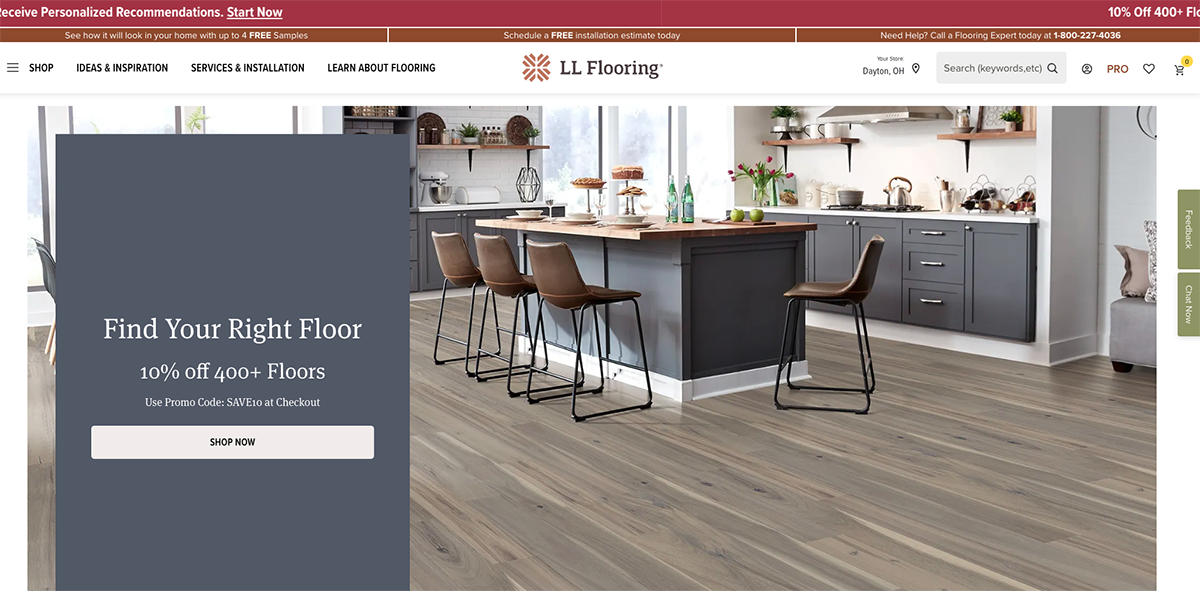
LL Flooring Boasts Hundreds of Flooring Choices—But Is It a Good Option for Homeowners?
7 Floor Materials Contractors Never Use (and You Shouldn't Either)

Floor tile ideas – 15 inspiring designs to transform your spaces

Flooring it: 10 ideas for beautiful carpet, wood, stone or ceramic floors
5 Flooring Choices Designers Completely Regret Using in Their Homes

Wood Flooring – Our Pick of the Best
Vogue's flooring guide will ensure you never look up
Set the Stage With These Flooring Options

Best Flooring of 2025
The best floor insulation options for your home, explained
Flooring trends 2024 – designers predict these 8 styles will lead the way in interiors this year
5 Flooring Choices Designers Always Use in Their Own Homes (and You Should Too)