1/7
Geothermal heat pumps for sustainable living.
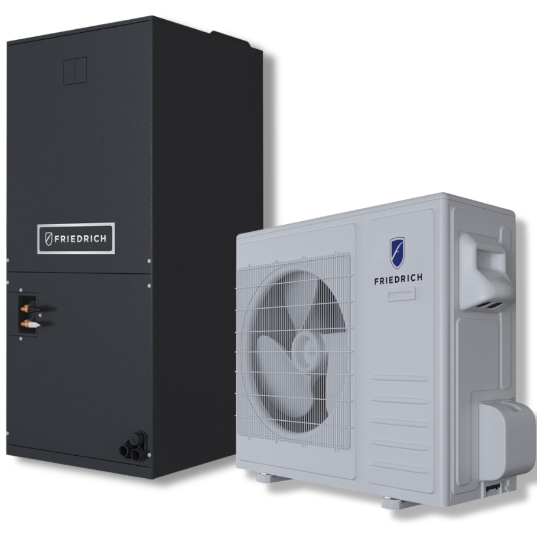
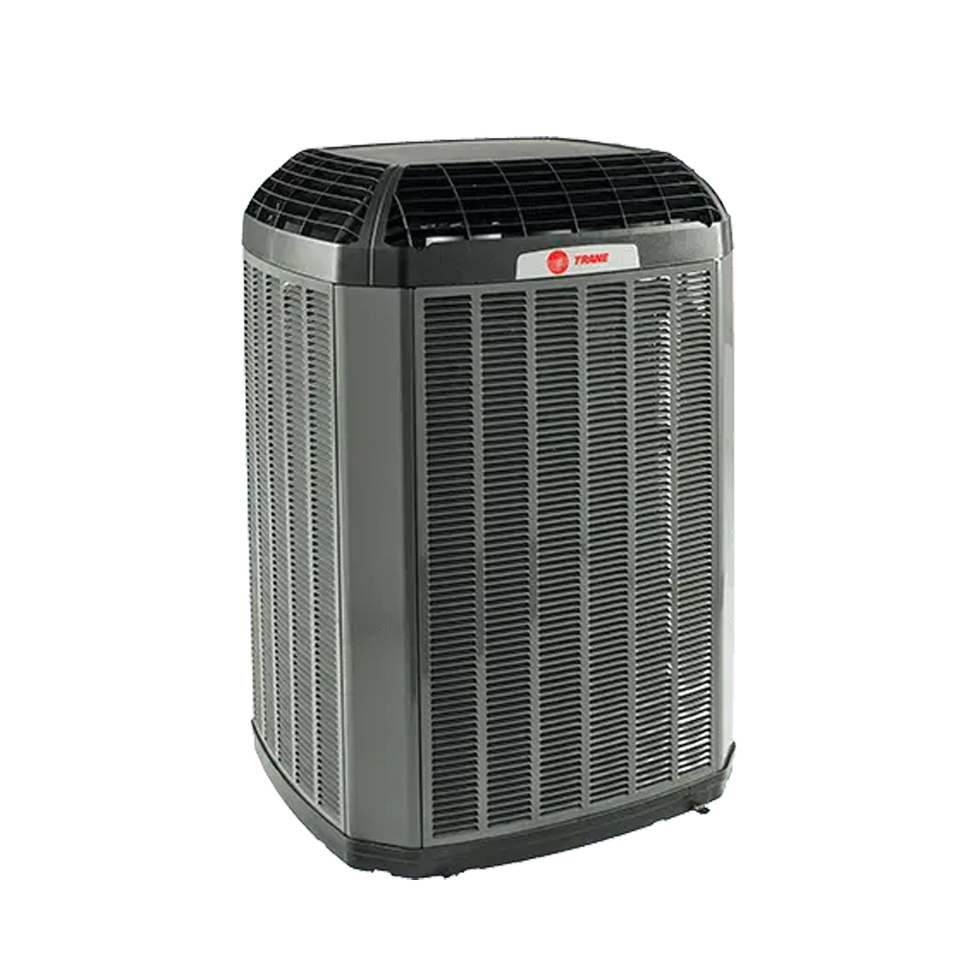
Geothermal heat pumps provide efficient and sustainable year-round heating and cooling for homes by leveraging the earth's stable temperatures. These systems achieve high EER and COP efficiency ratings, leading to significant reductions in energy consumption and potential savings on utility bills compared to traditional HVAC systems. Geothermal heat pumps operate quietly due to noise-reducing technology, ensuring a peaceful indoor environment. Designed for longevity, these indoor systems can last up to 20 years with minimal maintenance, offering durable performance.
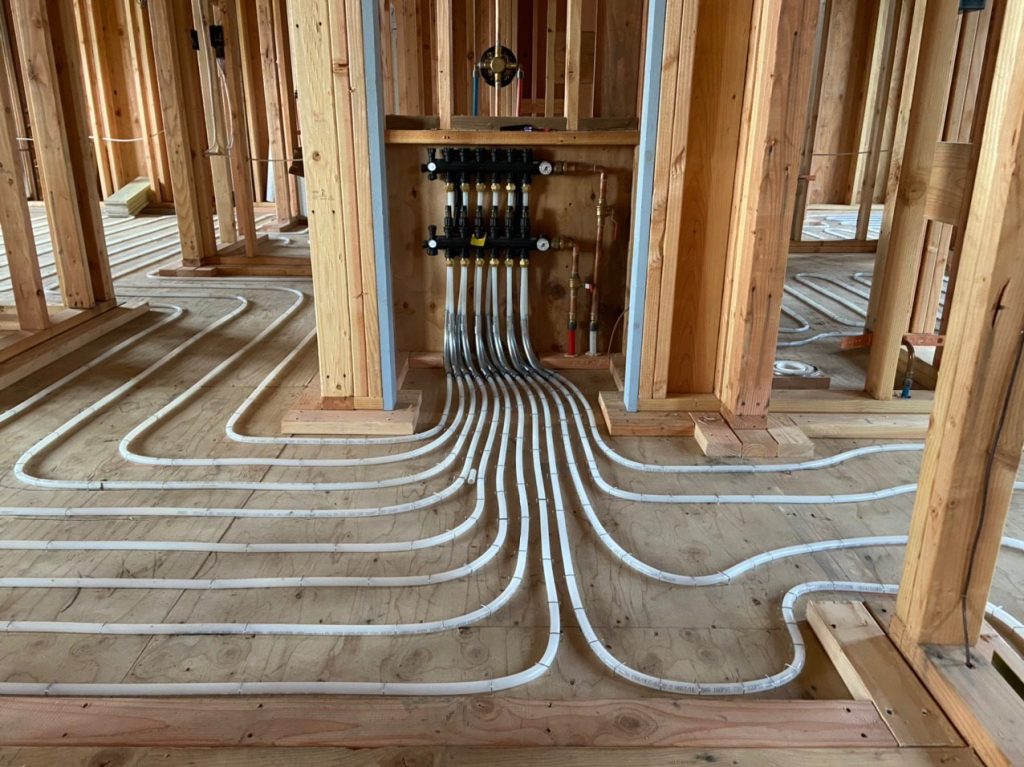
The core principle of a geothermal heat pump involves transferring heat between a home and the earth's consistent underground temperature. In winter, the system extracts warmth from the ground and circulates it throughout the home, while in summer, it removes heat from the home and dissipates it back into the earth. This process is facilitated by a ground loop system, typically a network of underground pipes circulating a water-based solution. This method provides superior efficiency because it is not subject to the fluctuating outdoor air temperatures that affect air-source systems. The result is lower energy costs, quieter operation, and reduced reliance on fossil fuels, contributing to a more sustainable home environment.
There are several types of geothermal heat pump systems, each adaptable to different property conditions. Closed-loop systems are the most common, including horizontal loops for properties with ample land and vertical loops for smaller or challenging terrains. Pond/lake loops are another closed-loop option for homes near a body of water. Open-loop systems, conversely, use a consistent and clean groundwater source, circulating it through the system before returning it. The selection of a specific system depends on factors such as soil conditions, land availability, and regional climate, necessitating professional consultation to determine the optimal configuration for a given home.
While the initial investment for a geothermal system, typically ranging from $12,000 to $45,000, is higher than traditional HVAC systems due to complex installation requirements, the total cost of ownership offers compelling long-term value. This upfront expense is offset by substantially lower operating costs and a longer system lifespan, leading to a superior return on investment. Additionally, federal tax incentives and local rebates can help mitigate the initial purchase price, making this advanced technology more accessible to homeowners. Despite the higher initial cost and site-dependent installation challenges, such as the need for adequate space for ground loops, geothermal heat pumps are recognized as one of the most energy-efficient heating and cooling solutions available. They significantly reduce greenhouse gas emissions, marking a crucial step towards sustainable home climate control.
#GeothermalHeatPumps #SustainableLiving #EnergyEfficiency #HomeComfort #HVACSystems #EcoFriendly #ReducedEnergyConsumption #LongTermInvestment #GreenTechnology #GeothermalHeatPumps #SustainableLiving #EnergyEfficiency #HomeComfort #HVACSystems #EcoFriendly #ReducedEnergyConsumption #LongTermInvestment #GreenTechnology
0 Kommentare insgesamt
 Noch keine Kommentare
Das könnte Ihnen auch gefallen
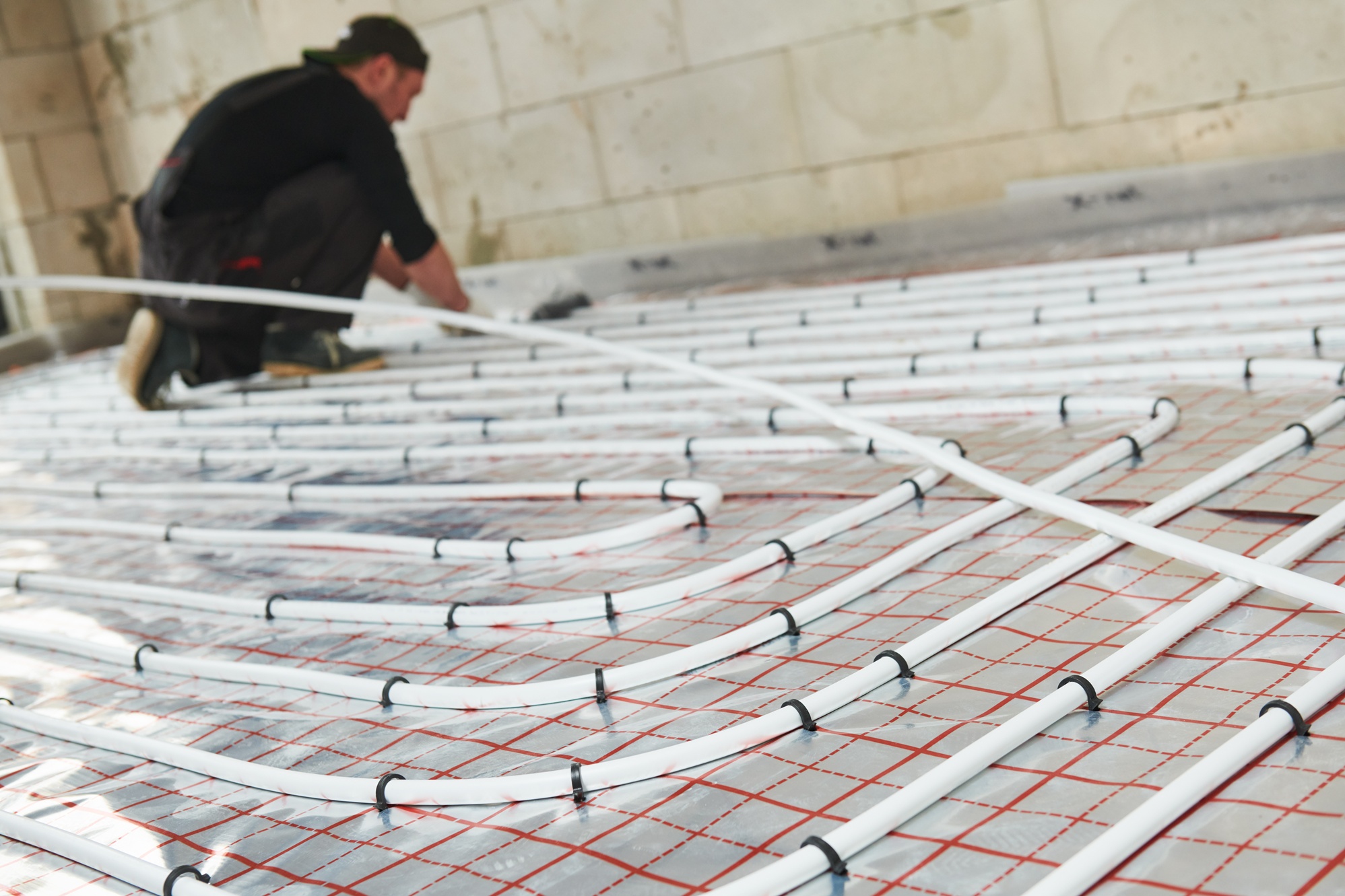
How Radiant Heat Can Transform Your Home for the Better With Barron Heating, AC, Electrical & Plumbing

6 of the best heater ideas to warm up your home this winter

A Retrofit for the Future


Upgrade your heating system to reduce bills and energy usage


This Central Heat Pump Water Heater In Chicago Was One Of The First To Be Installed In A Cold Climate

The Best Day of the Year — Heat Pump Water Heater Day — Is October 23
A House with Geothermal Heating and Cooling

Deep Retrofit 2023: Show me the money, how to pay for it all
What Do a National Lab, a Home Builder, and an Elephant Have in Common?
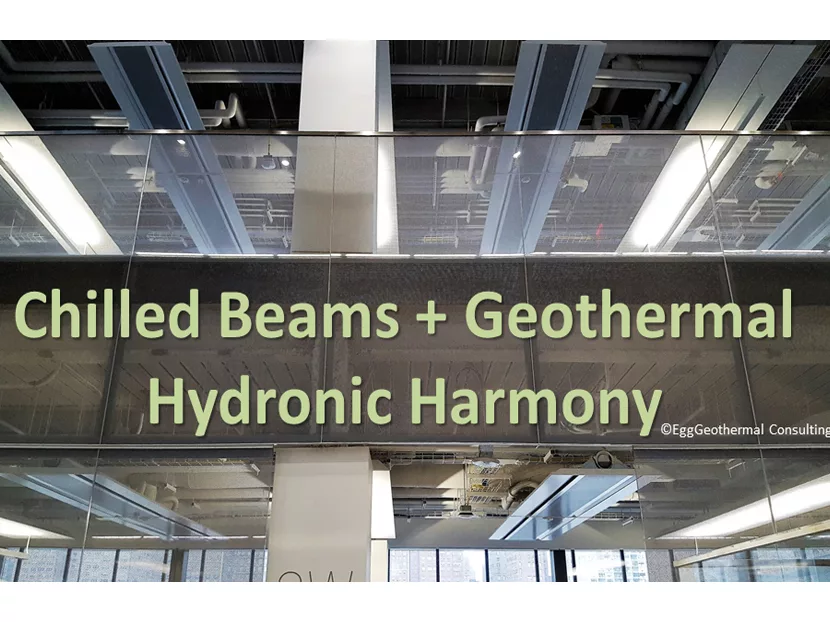
Radiant Floors and Ceilings Make Geothermal Even Better

A Heat Pump Might Be Right for Your Home—Here’s What to Know | Reviews by Wirecutter

Rammed Earth: Creating a 500-Year House
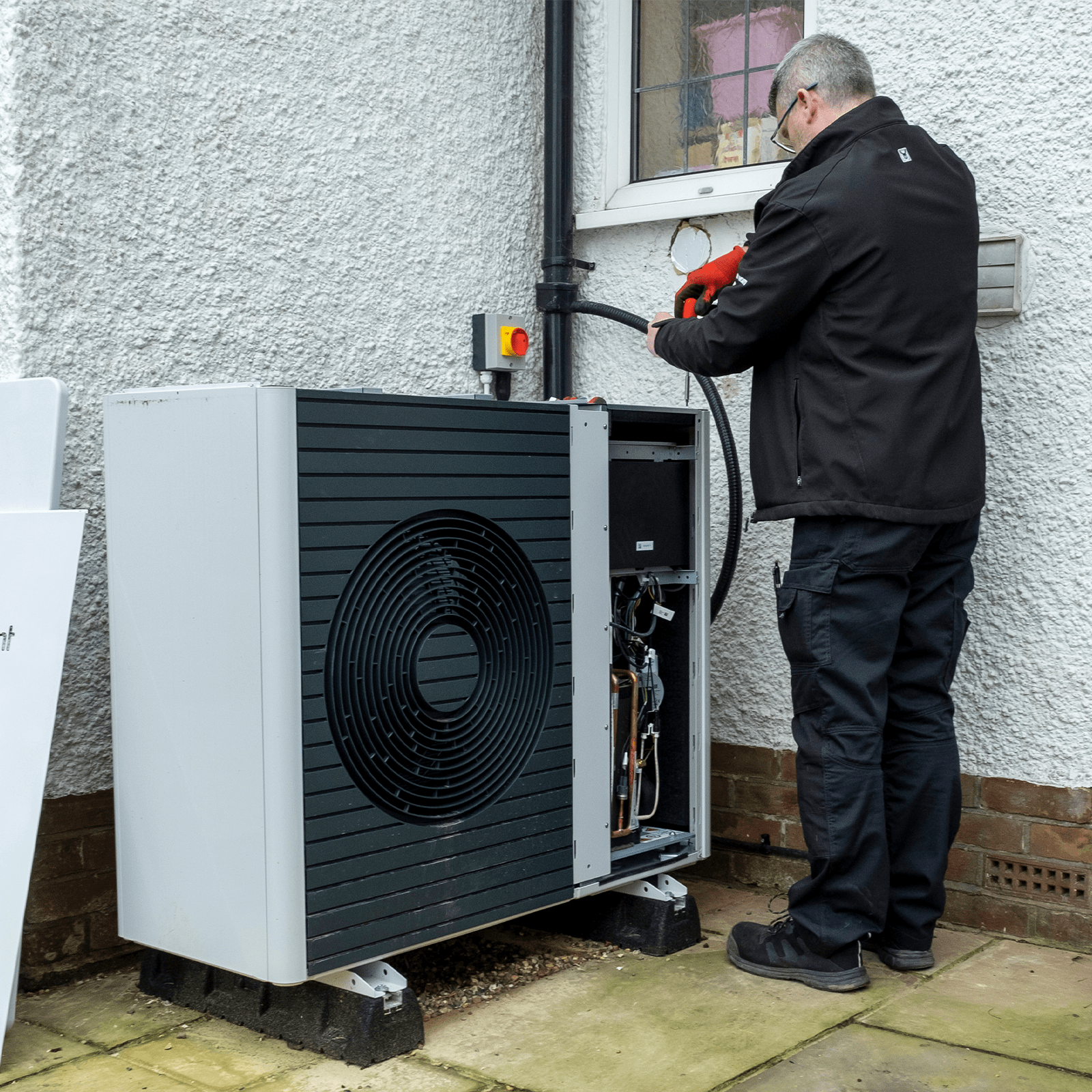
3 Eco-Friendly Heating Systems for Your Home in 2024


Rural housing: Options to decarbonise and improve efficiency

Is a Heat Pump Right for Your Home? Here's What You Need to Know.


Sustainable home improvements – 8 ways to make your home more energy efficient

The Best Heat Pumps for Cold Climates


How to hide a heat pump - 4 ways to conceal your exterior unit without compromising on efficiency or functionality

Today's Water Heaters Aren't Built Like They Once Were—They're Better

Guide: How to heat your country house