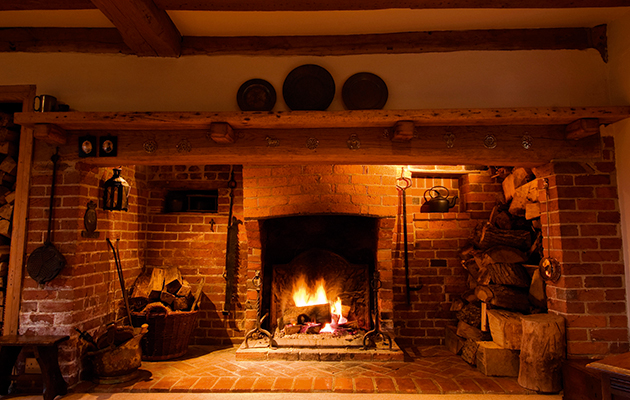
Guide: How to heat your country house
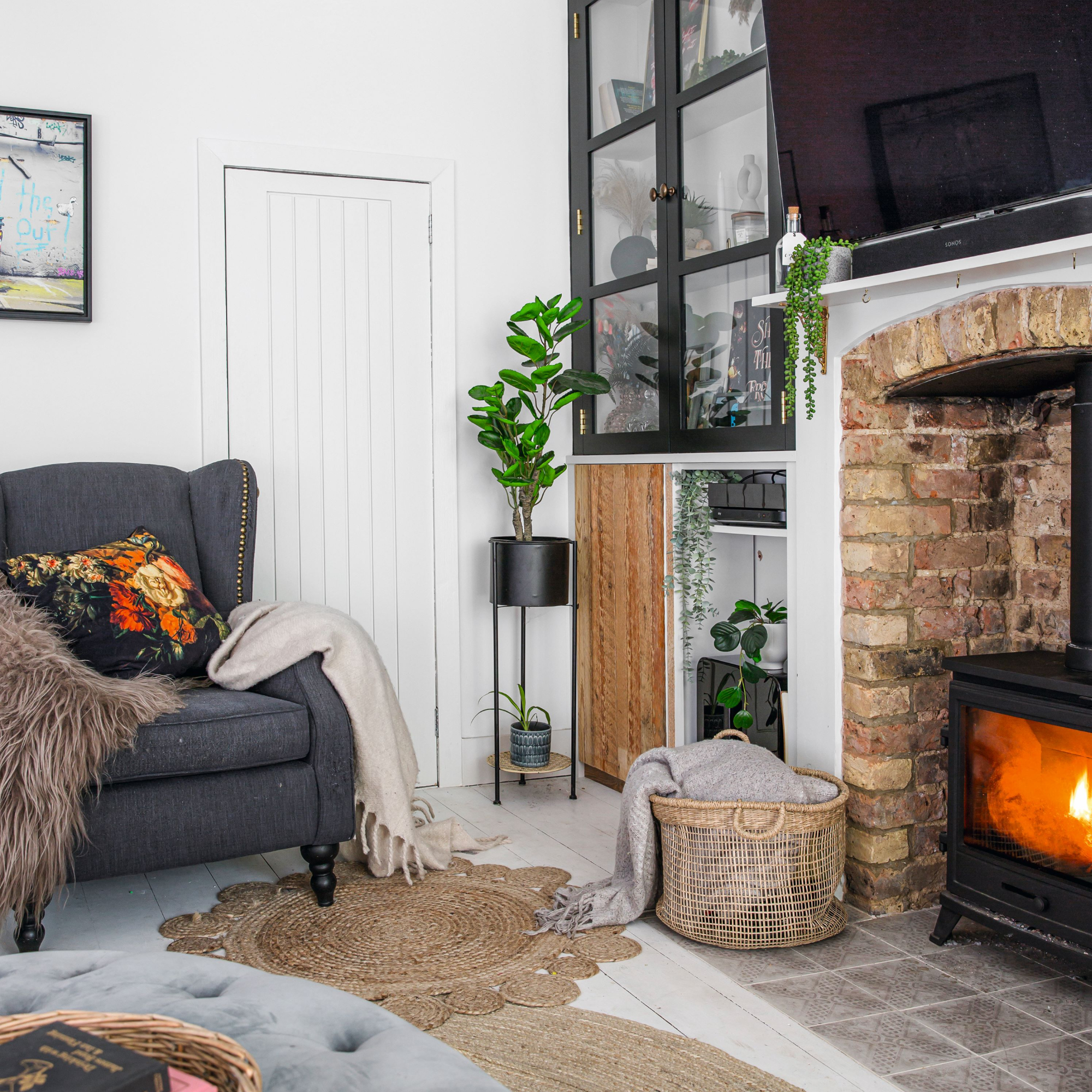
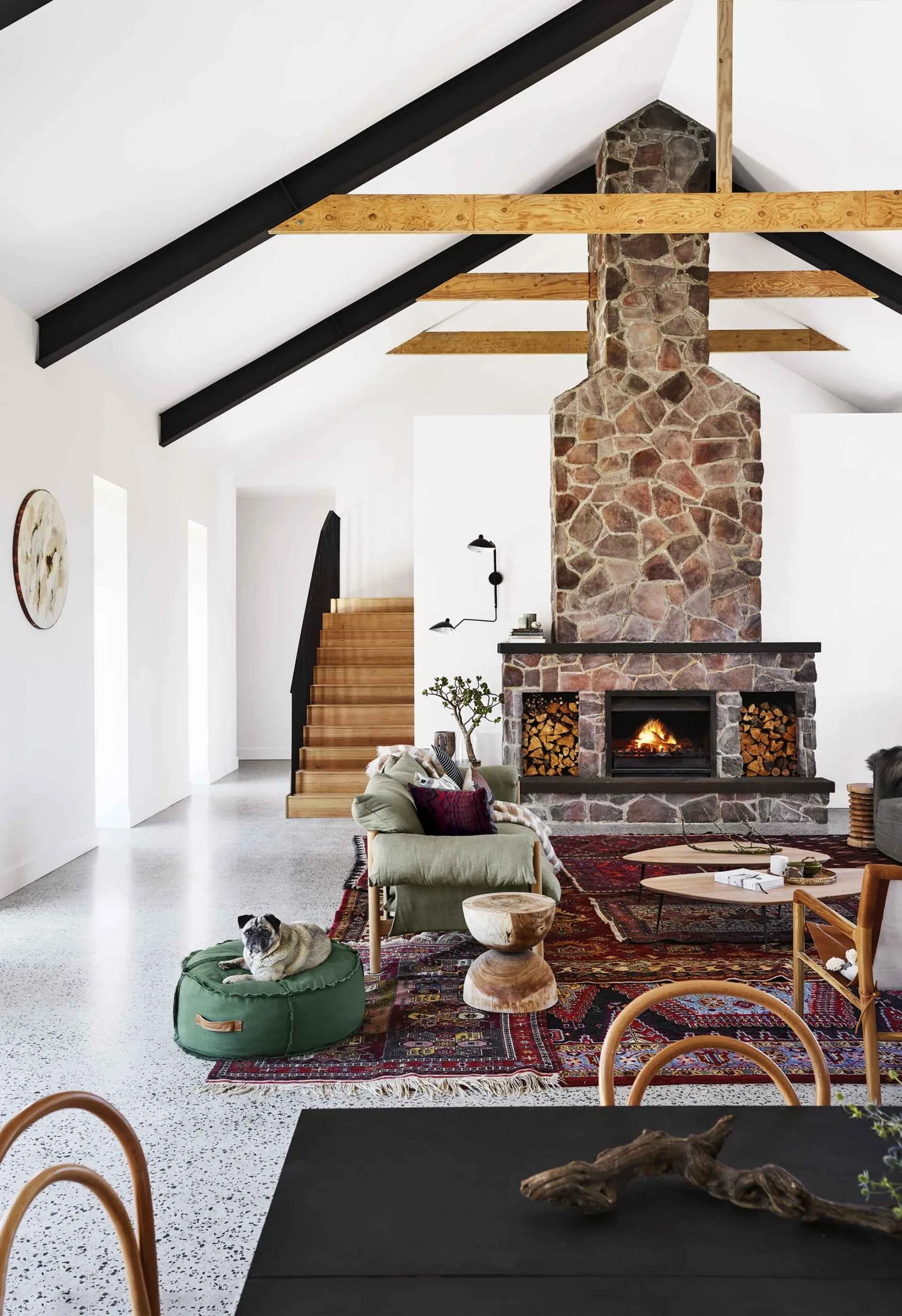
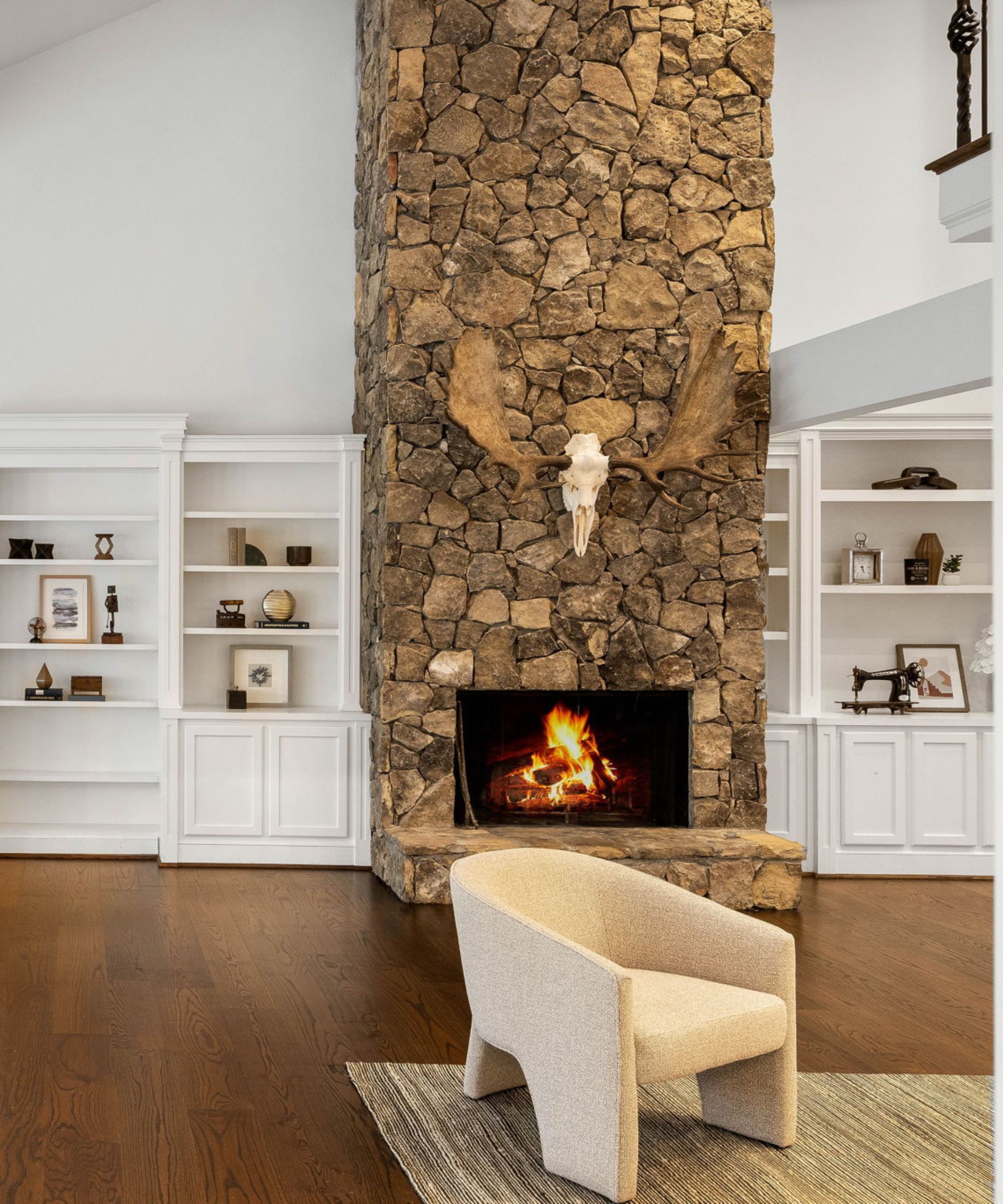
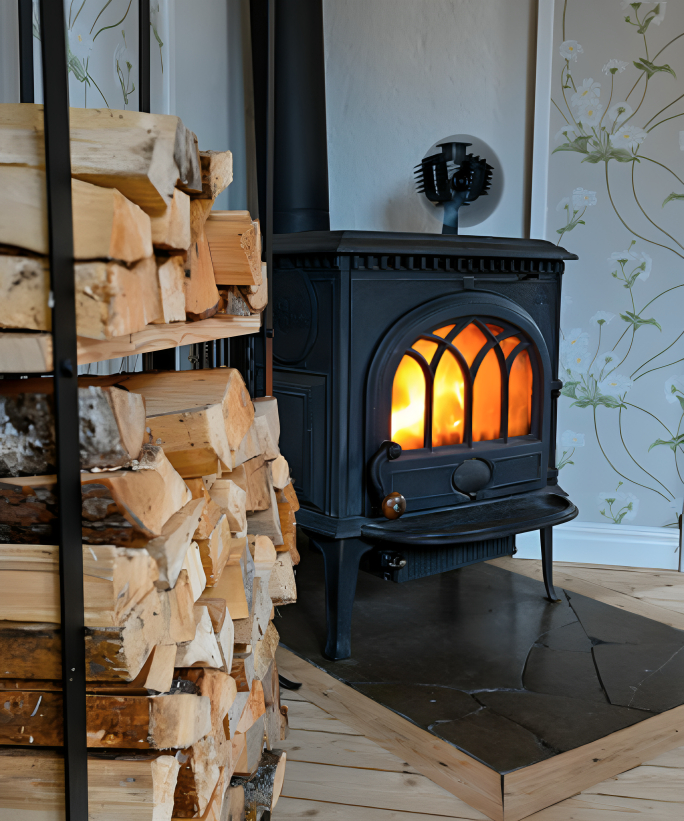
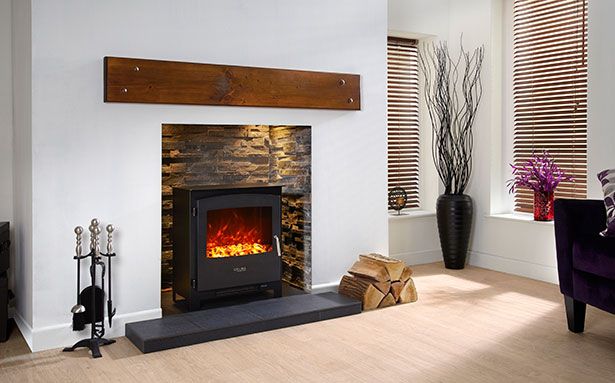
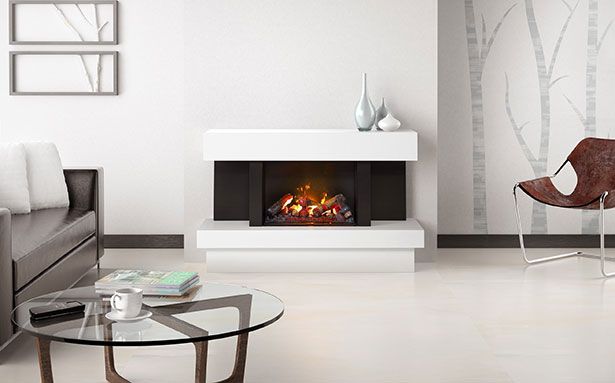
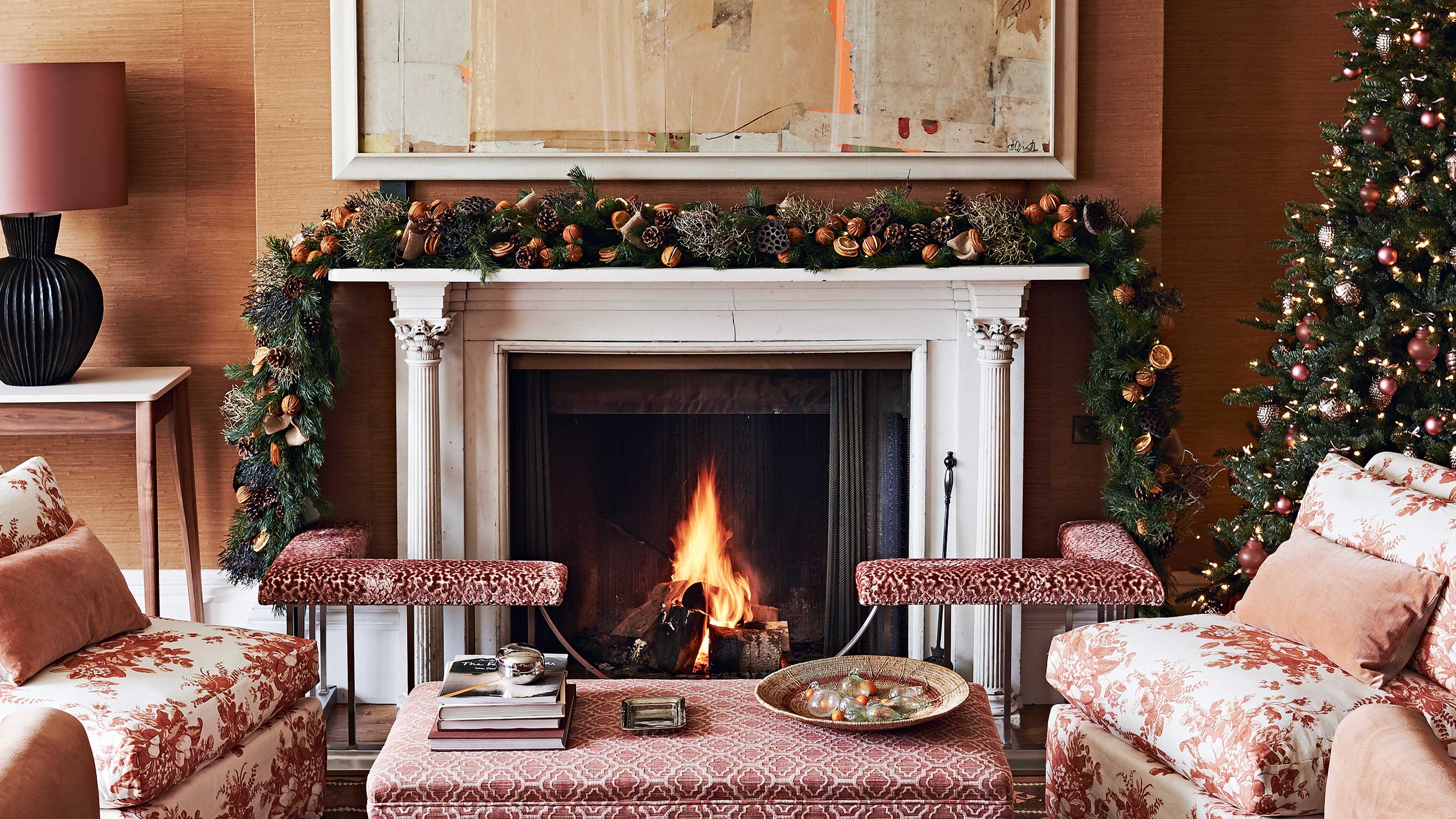
Heating a country house effectively and efficiently involves considering a variety of options, from traditional open fires and wood-burning stoves to modern underfloor heating and eco-friendly solutions. Each method offers distinct advantages and considerations regarding cost, installation, and environmental impact. For instance, open fires, while offering a quintessential rural aesthetic and ambiance with their crackling logs and flickering flames, are less efficient for heating large spaces. Philip Eddell of Savills and interior designer Emma Sims-Hilditch highlight the sensory appeal of open fires, noting their ability to create a welcoming atmosphere, especially after an outdoor excursion. However, wood-burning stoves provide superior heating efficiency for larger rooms. Angus Harley of Knight Frank suggests a combination: an open fire for guest areas and a wood burner for more private spaces like a snug, emphasizing the practical warmth and coziness provided by stoves. When installing a wood-burning stove, critical factors include selecting a durable design, with cast iron often preferred over steel for its heat resistance, and ensuring the correct size for the room. Professional advice is recommended to determine the appropriate stove size, considering room dimensions, existing heating, and wall depth, and to check flue requirements and safety.
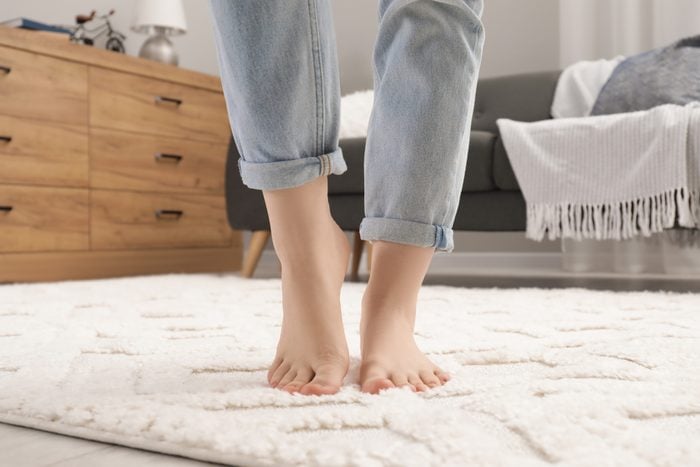
Regular maintenance and safety measures are crucial for both open fires and wood burners, especially in thatched properties. This includes annual chimney sweeping, installing smoke alarms and fire detectors, and never leaving an open fire unattended. The type of wood burned also impacts efficiency and safety; properly dry and well-stored firewood is essential. Beyond these traditional methods, supplementary heating systems are often necessary. Underfloor heating has gained significant popularity due to its space-saving benefits and ability to provide gentle, consistent warmth. Property owners can choose between electric and water-based systems, with electric being easier to install but potentially costlier to run. Both require suitable floor coverings, like stone, and can be powered by conventional or green energy sources.
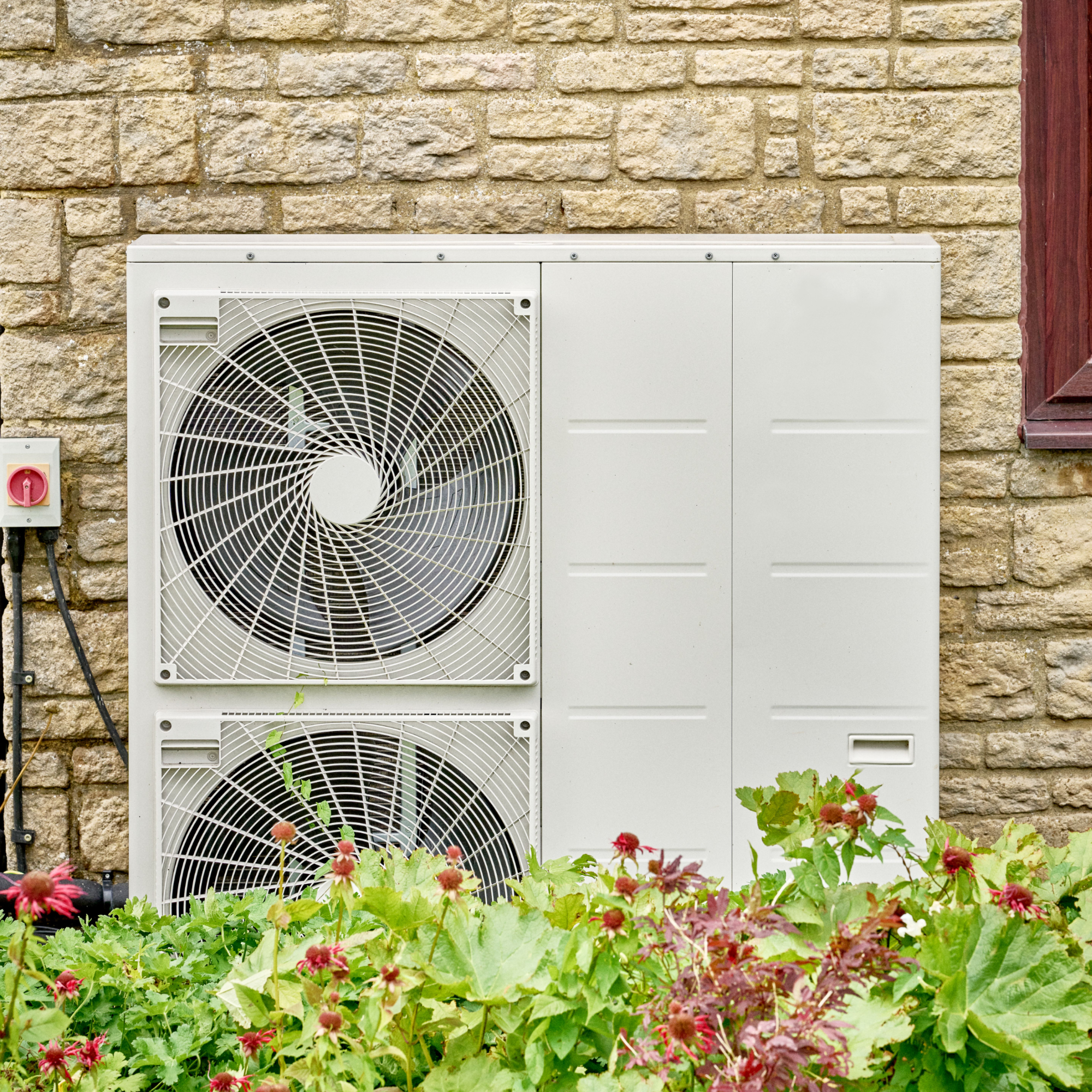
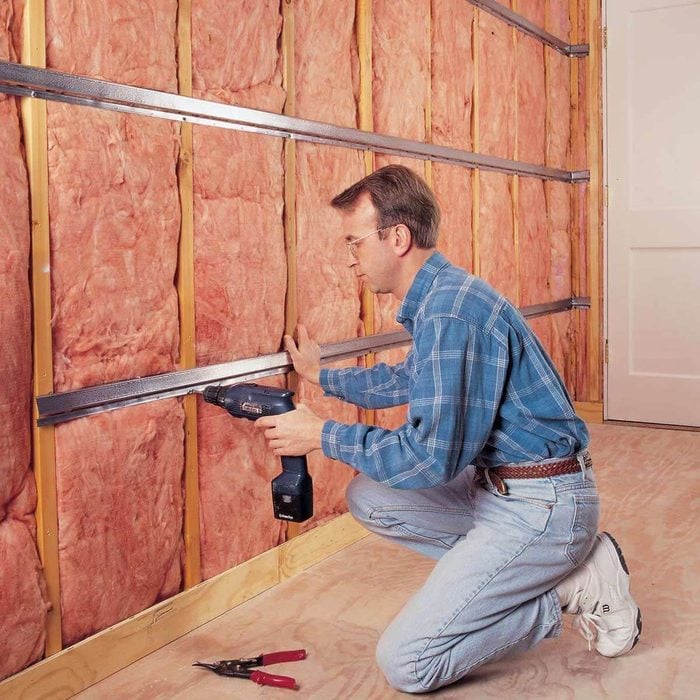
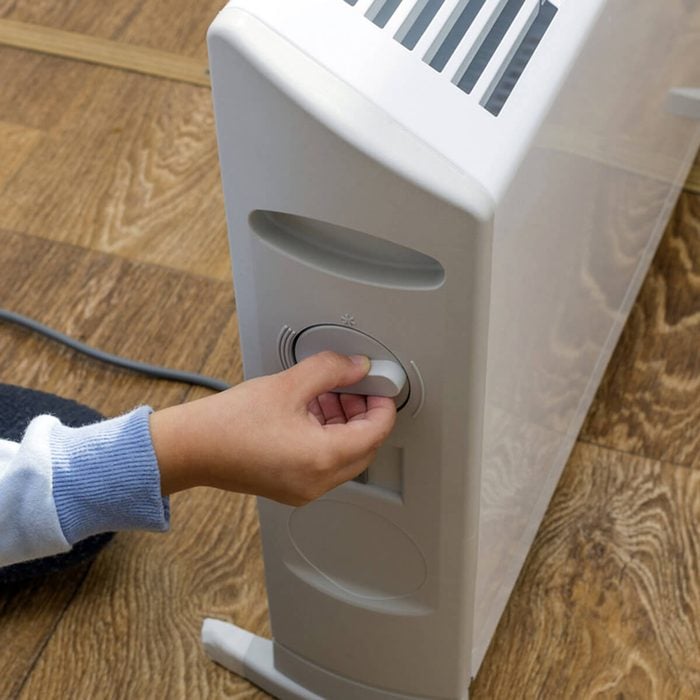
There is a growing demand for energy-efficient solutions, prompting buyers to inquire about heating costs and expect higher specifications. The most suitable green heating option depends on the property's nature, architecture, and history. Ground-source heat pumps, which transfer heat from the ground, are a viable option for most country houses. Although they involve a higher initial installation cost, they can lead to substantial long-term savings and are particularly effective for supplementary heating and swimming pools. Biomass boilers, which burn sustainable logs, wood pellets, or chips, offer significant savings over conventional heating and reduce environmental impact, providing renewable and clean energy. These can often be installed in outbuildings. However, the ideal heating solution is highly specific to each property, making thorough research and consultation with experienced energy professionals essential. It is advisable to seek advice from consultants with a proven track record to avoid overly complex or unreliable systems. The ease and cost of maintenance, alongside installation and running costs, should be factored into any investment decision. Simple, robust technologies from established suppliers are often preferred for their reliability and ease of repair. Regardless of the chosen system, controlling room temperature at the radiator level, in addition to a central thermostat, is vital for efficient operation. Investing in proper insulation, such as effective shutters, and smart software that adjusts thermostats based on weather forecasts, further contributes to optimizing heating efficiency.
#countryHouseHeating #woodBurningStoves #openFires #underfloorHeating #greenEnergy #groundSourceHeatPumps #biomassBoilers #energyEfficiency #propertyMaintenance #countryHouseHeating #woodBurningStoves #openFires #underfloorHeating #greenEnergy #groundSourceHeatPumps #biomassBoilers #energyEfficiency #propertyMaintenance
0 comment in total
 No comments yet
You may also like
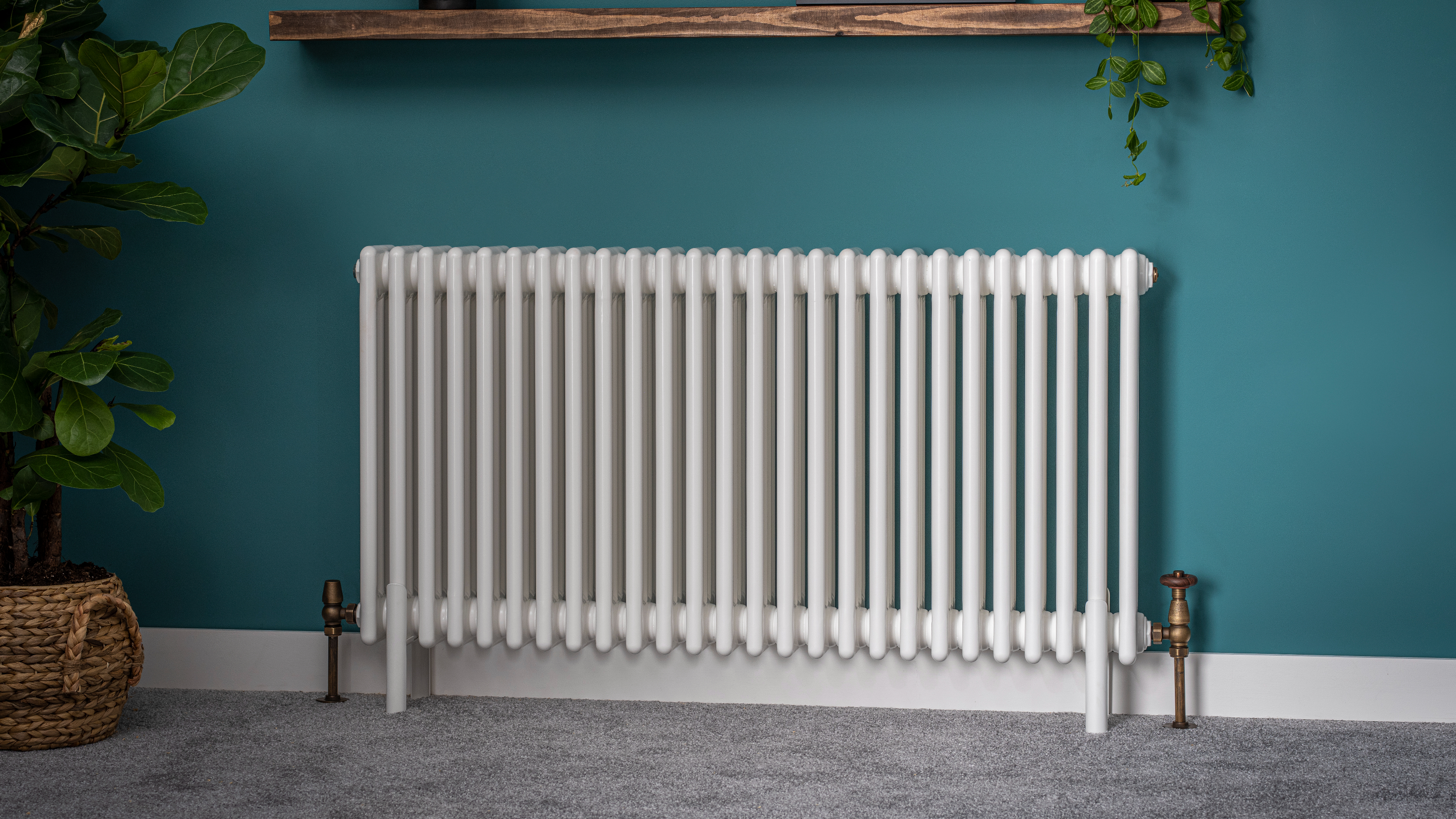
Central heating - everything you need to know about heating your home
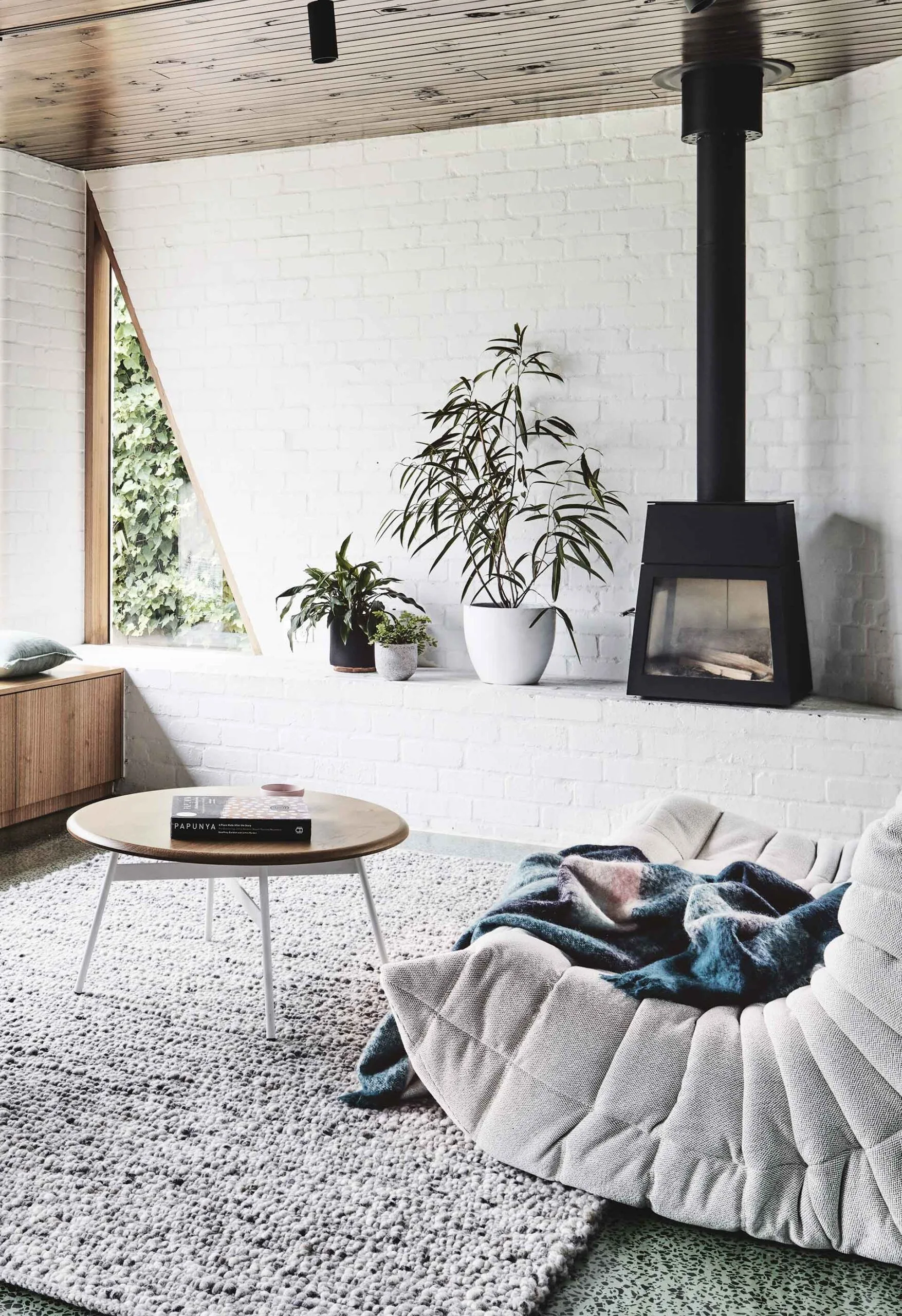
6 of the best heater ideas to warm up your home this winter


Choosing a heater

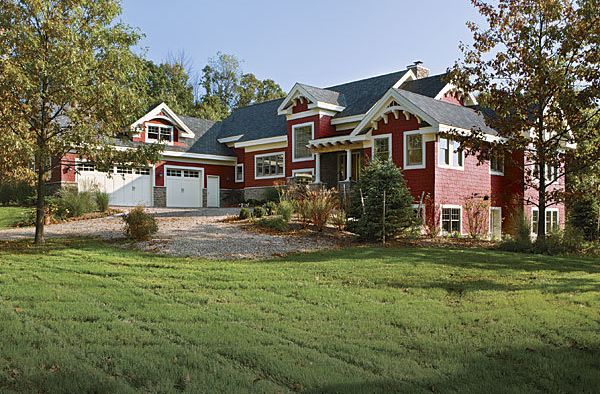
A House with Geothermal Heating and Cooling

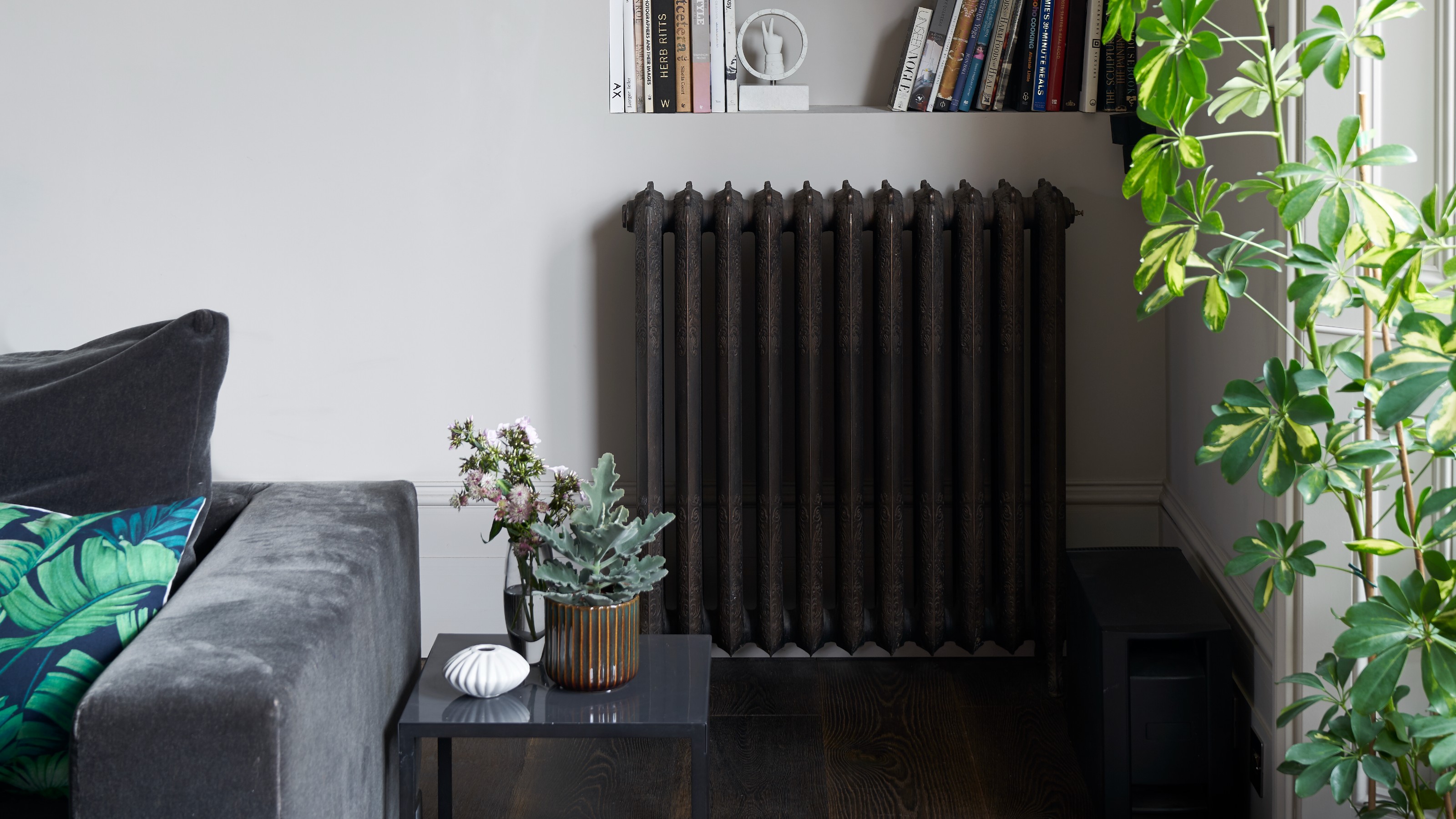
What’s the most efficient way to heat a house? How to heat your home for less, according to experts

9 cheap ways to heat your home this winter for under £10 each

Could This Ancient Relic Still Be the Best Way to Heat Your Home?
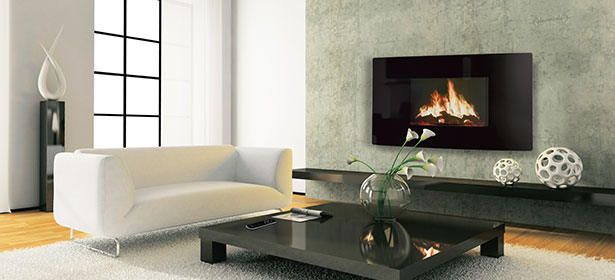
Complete guide to buying an electric fireplace
What is the cheapest electric heater to run? Experts reveal
The Ultimate Guide To Warmth: How To Choose The Best Room Heater For Your Home?
11 Best Ways to Heat a Garage In the Winter

How to make a conservatory warmer - ways to heat and insulate for all-year round use

Heat your home efficiently this winter

7 easy and efficient ways to keep your house warm this winter
6 Ways to Get More Heat From Your Fireplace and Stop Wasting It

29 warm and cosy country kitchens to add to your moodboard

17 Tips and Hacks to Help Keep Your House Warm This Winter
The Best Garage Heaters For Workshop Comfort, Tested

21 warm and inviting country kitchen ideas to add charm to the heart of your home
32 Country Kitchen Ideas to Create a Cozy and Warm Retreat You'll Love Cooking In