
1/5
Rural housing: Options to decarbonise and improve efficiency
Rural properties, particularly older farmhouses and cottages, face unique challenges in energy efficiency and decarbonization due to their off-mains gas grid location and traditional construction. These homes often rely on domestic heating oil, LPG, log burners, and open fires. With advancements in renewable technology and a strong political drive towards decarbonization, there's a growing need to transition these properties to more sustainable energy sources and improve their overall energy credentials.
Before undertaking any modifications, it is crucial to define clear objectives, which typically include reducing energy running costs, improving the Energy Performance Certificate (EPC) rating for compliance or market value, and decarbonizing energy use to minimize carbon emissions. Understanding the primary goal dictates the scale and type of improvements. Occupier comfort is another important consideration, with small interventions like draught-proofing significantly enhancing livability.
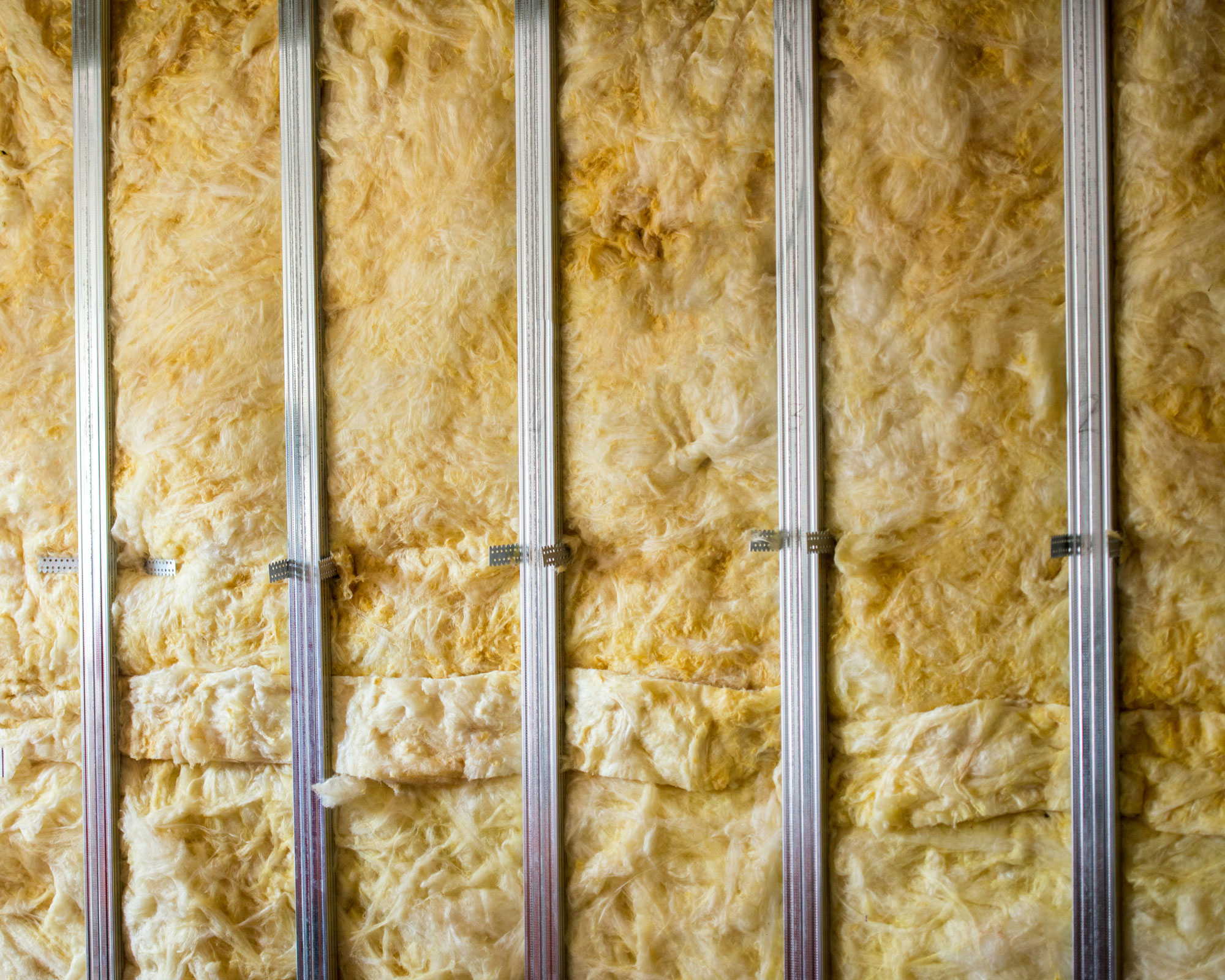
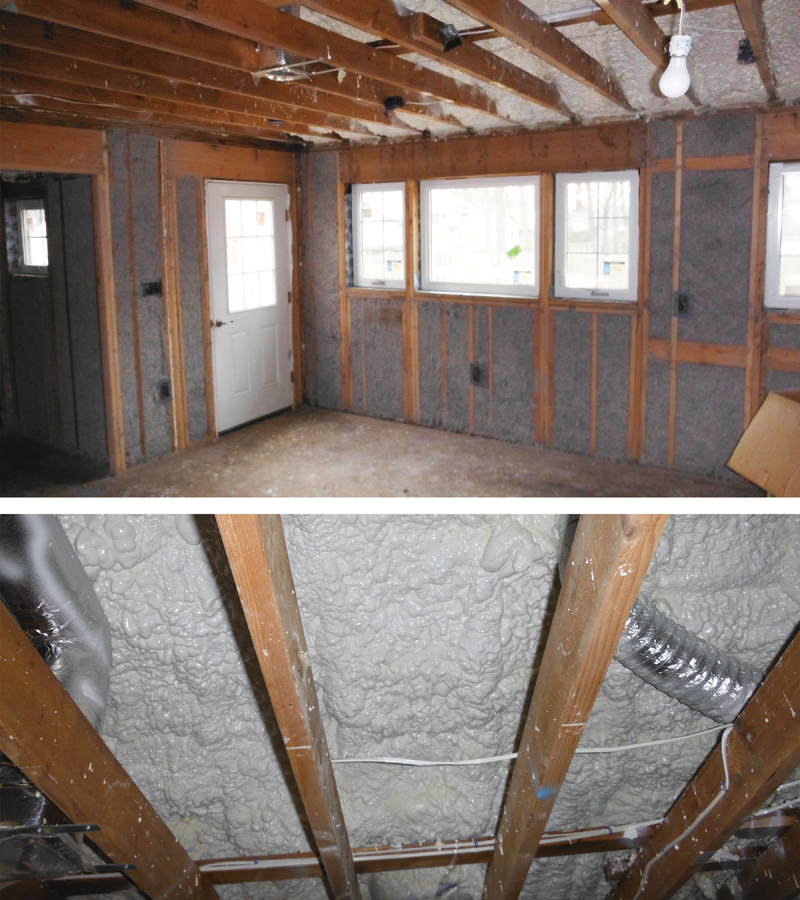
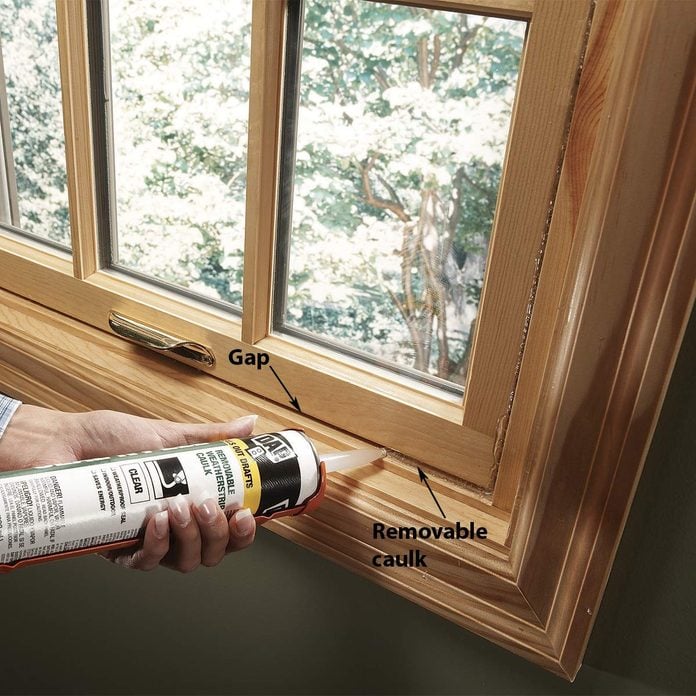
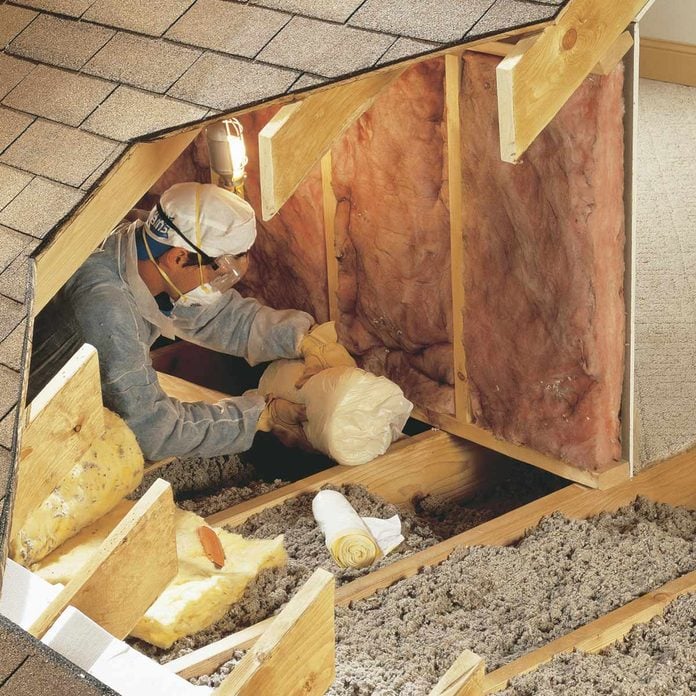
A "fabric first" approach is recommended, prioritizing improvements to the building's energy efficiency before investing in new heating technologies. This involves enhancing insulation in walls, roofs, and floors, as poor insulation drastically reduces the effectiveness of systems like heat pumps. Upgrades can range from simple measures like adding loft insulation to more complex internal or external wall insulation, which, while potentially disruptive and costly, offer long-term benefits. Stopping draughts, a significant source of heat loss in older buildings, through measures like fitting seals around openings and blocking disused chimneys (while ensuring ventilation) is also crucial.
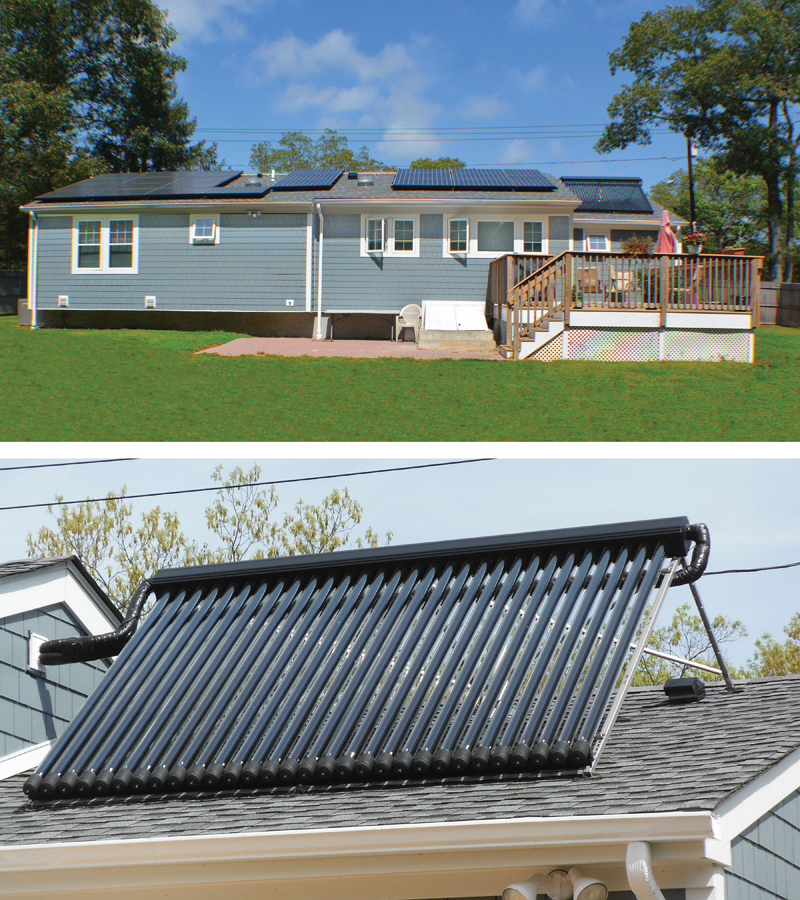
Once the building's fabric is optimized, alternative heating and hot water solutions can be considered. Air-source heat pumps are a viable option, especially for smaller properties, offering a grant of up to £7,500 through the Boiler Upgrade Scheme. However, they require well-insulated properties and work best with consistent background heating, operating at lower temperatures than traditional boilers. Running costs for air-source heat pumps can be slightly higher due to electricity consumption. Careful positioning of the external unit is necessary for optimal performance. Hot water can be supplemented by electric immersion heaters, ideally powered by solar PV panels with battery storage, which can divert excess power to hot water heating once batteries are charged.
For larger properties, high-temperature air-source heat pumps or ground-source heat pumps might be more suitable, though they come with higher capital costs. Ground-source heat pumps offer more consistent heating due to stable underground temperatures but require significant land for installation. A bivalent system, combining a traditional oil boiler with a heat pump, can provide a flexible solution for large farmhouses, allowing the heat pump to handle most heating and hot water needs while the oil boiler acts as a backup during peak demand or extreme cold. Solar PV arrays, potentially located on adjacent land, can further support electrification of heating requirements.
Biomass boilers are another option for larger properties, qualifying for grant support, but they involve high capital costs and more intensive management. The decision to retain or remove wood burners is often personal, balancing their heating contribution with potential negative impacts on EPC ratings. An emerging alternative is converting existing oil boilers to run on biofuel (hydrotreated vegetable oil or HVO), which offers significant carbon emission reductions with relatively low conversion costs, though HVO supply and pricing currently pose challenges. The article concludes by noting the limitations of the current domestic EPC system, which prioritizes fuel cost over carbon emissions, potentially leading to lower ratings for properties transitioning to electric, low-carbon technologies.
#RuralHousing #EnergyEfficiency #Decarbonisation #HeatPumps #SolarPV #Insulation #EPC #BiofuelConversion #FarmBuildings #RuralHousing #EnergyEfficiency #Decarbonisation #HeatPumps #SolarPV #Insulation #EPC #BiofuelConversion #FarmBuildings
0 comment in total
 No comments yet
You may also like
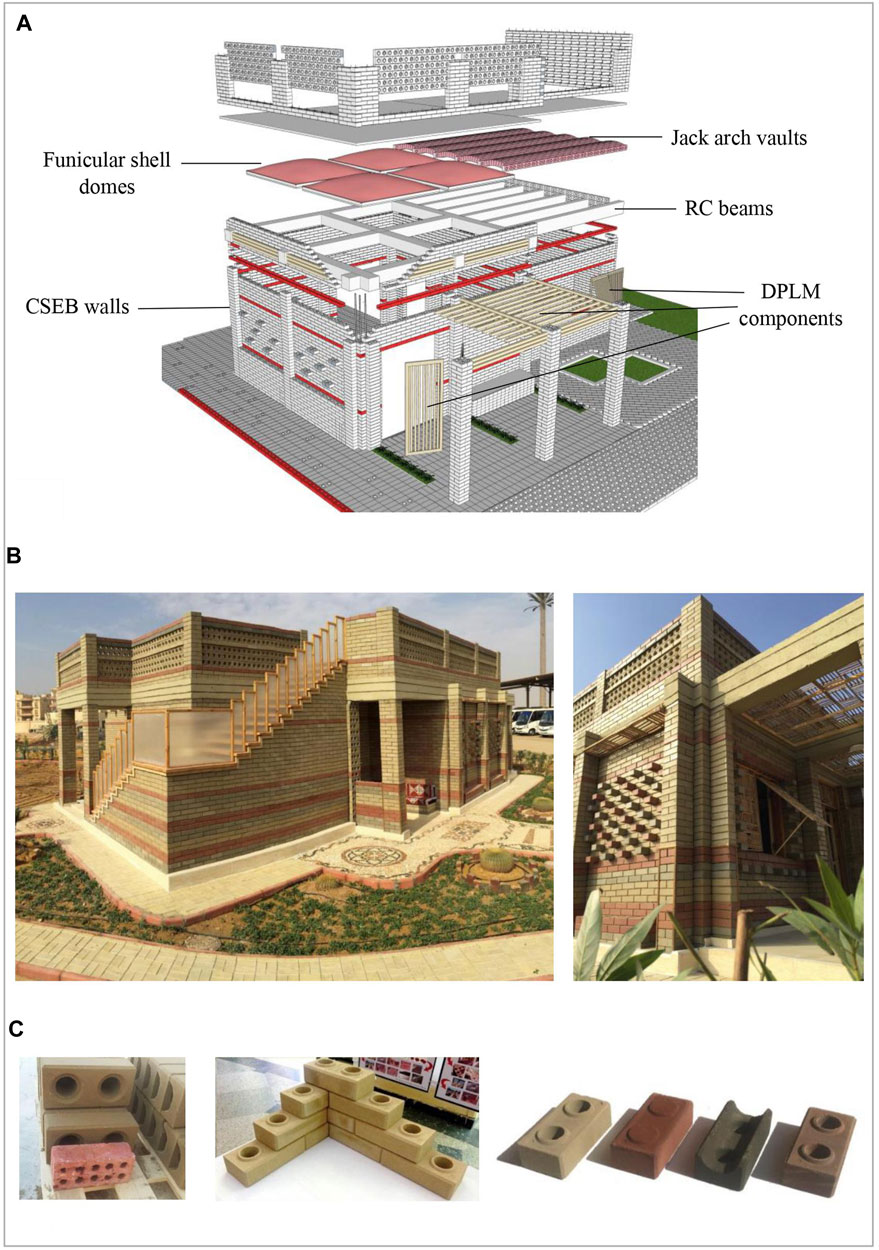
Cost-effectiveness and affordability evaluation of a residential prototype built with compressed earth bricks, hybrid roofs and palm midribs

Sustainable home improvements – 8 ways to make your home more energy efficient

Half is More - A House in Progress / Shard.Design + Studioboxx


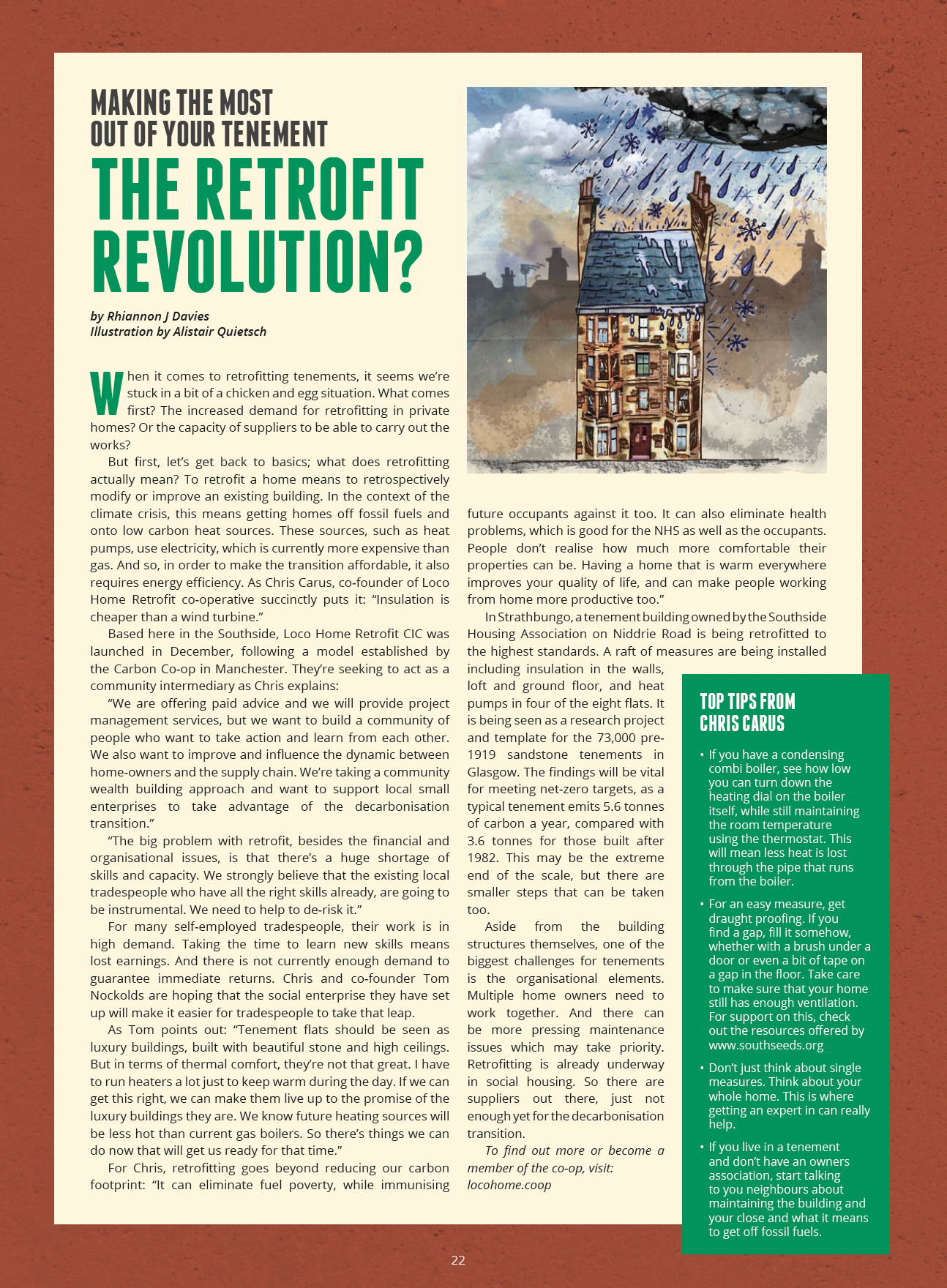
The Retrofit Revolution: Making the Most Out of Your Tenement

12 Ways To Create a More Sustainable Home

Deep Energy Retrofit for Affordable Housing

8 Sustainable Home Improvements You Can Make In 2025


How to save money on home renovations – 6 cost-effective ideas

Here Are 37 Ways to Make Your Home More Earth-Friendly


45 Degrees North: Home Improvement The Rural Way

A Sustainable Kitchen Remodel Can Actually Save You Money—Here’s How

Radiant heat can be used indoors or outside

Three experts on the best ways to retrofit housing
10 ways to make your home more sustainable

Dakivali: All materials used to build this home were found within 3 kms

BARNagain is Built From Recycled Old Barns


Experts swear by these 6 sustainable home renovation tips
50 Super Simple Ways to Save on Energy Costs

18 energy saving ideas

Guide: How to heat your country house