1/4
The Impact of 3D Rendering on Modern Fashion Design
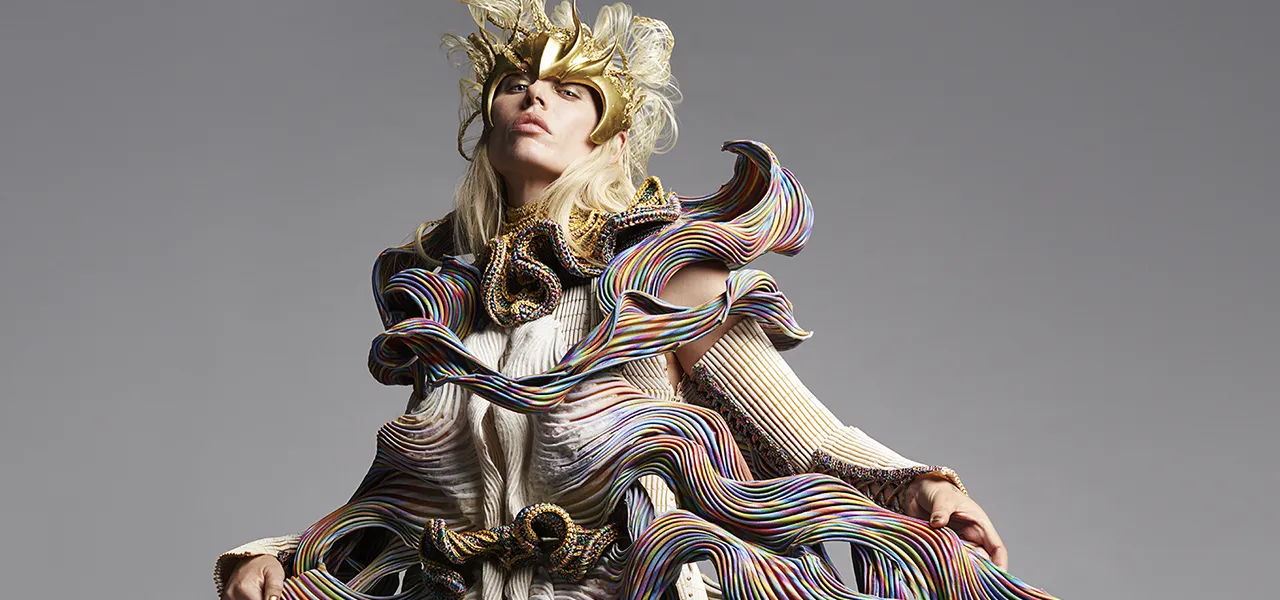
The fashion industry is undergoing a significant transformation driven by the adoption of digital tools, particularly 3D rendering. This technology is fundamentally changing how garments are conceptualized, developed, and presented, offering numerous advantages over traditional methods. 3D rendering allows designers to visualize, test, and refine their ideas in real-time, drastically cutting down development timelines, minimizing material waste, and introducing unparalleled flexibility into design workflows at every stage of production.
A key enabler of this digital shift is the reliance on cloud-based infrastructure to handle resource-intensive tasks. These systems facilitate the rapid processing of complex visual data, overcoming the limitations of local hardware and accelerating delivery schedules. Cloud render farms, which involve multiple computers working collaboratively to render large digital assets remotely, are a critical component of this infrastructure. By utilizing these external networks, designers can maintain high visual quality without overloading their local systems, making advanced rendering capabilities accessible even to smaller studios.
3D rendering provides superior design accuracy and real-time flexibility compared to traditional sketch-based design. It precisely simulates fabric drape, garment movement, and how colors appear under different lighting conditions, eliminating the need for physical prototypes in early stages. Designers can instantly adjust cut, proportion, and details, fostering continuous creative development and immediate feedback among team members. This iterative process enhances communication, improves decision-making, and significantly reduces the number of costly revisions typically associated with physical sampling.
Furthermore, 3D rendering offers substantial cost savings and speeds up the development cycle. Physical prototyping is both time-consuming and expensive, requiring materials, labor, and transportation. Digital iterations, conversely, incur no material waste or shipping costs, transforming a process that once took weeks into days or hours. This acceleration is particularly beneficial for fast fashion, which demands rapid production cycles in response to seasonal trends. The benefits extend beyond development, as digital assets created during the design phase can be repurposed for e-commerce imagery, advertising, and social media, reducing the need for traditional photoshoots and expanding marketing output at a lower cost.
In terms of sustainability, 3D rendering plays a crucial role by significantly reducing the need for physical samples. Each digital prototype saves fabric, trims, and transportation, thereby lowering the environmental impact of the design process through reduced material consumption and emissions. Digital tools also enable more precise planning, allowing designers to refine every detail before physical production, which minimizes overstock and improves inventory accuracy—major contributors to fashion waste.
For consumers, 3D rendering enhances the digital shopping experience by providing detail-rich product pages. Features such as 360-degree views, fabric zoom-ins, and augmented reality try-ons help shoppers better understand how garments will look and fit, reducing guesswork and increasing satisfaction. These rendered visuals are consistent across various platforms and adaptable to different uses, from desktops to mobile devices, and even AR/VR environments. Strong visuals ultimately lead to higher purchase intent and lower return rates.
Personalization and customization are also supported at scale through 3D tools, allowing shoppers to digitally explore different colorways, prints, and fits before making a purchase. This level of engagement fosters consumer interest and supports made-to-order models, which help reduce unsold inventory. For manufacturers, this means more accurate specifications and fewer post-sale adjustments, improving overall efficiency.
Fashion shows have also embraced this digital evolution, with designers now utilizing virtual lookbooks, CGI campaigns, and immersive digital presentations. These formats offer greater creative freedom, reduce logistical complexities, and eliminate travel and expenses associated with traditional shows. Rendered environments can be tailored to suit each collection's tone, giving designers more control over narrative and experience, and opening up broader audiences without additional infrastructure.
Platforms like CLO3D, Browzwear, and Blender are integral to modern fashion workflows, providing the necessary tools to build, test, and animate garments in realistic environments. To meet the computational demands of these applications, brands increasingly rely on scalable rendering services like RebusFarm. These services process complex visual data and generate high-resolution assets efficiently, enabling teams to maintain speed and consistency without hardware limitations and ensuring smooth integration of digital rendering into daily operations.
Early adopters such as Balenciaga, H&M, and Tommy Hilfiger have successfully integrated 3D rendering into their operations. Balenciaga utilized virtual runways for immersive digital experiences during lockdowns, while H&M reduced fabric waste by 30 percent through digital prototyping, demonstrating that efficiency and creativity can coexist. These examples highlight how digital rendering enhances both operational performance and creative output, offering scalable solutions for both large enterprises and smaller teams. Ultimately, 3D rendering has become a foundational element in fashion design, enabling precision, speed, adaptability, and sustainable growth, thereby preparing brands for a dynamic market with agile and efficient systems.
#3DRendering #FashionDesign #DigitalFashion #Sustainability #CloudComputing #ECommerce #Personalization #VirtualShows #FashionTechnology #3DRendering #FashionDesign #DigitalFashion #Sustainability #CloudComputing #ECommerce #Personalization #VirtualShows #FashionTechnology
0 comment in total
 No comments yet
You may also like
Bru closes imagination gap with digital textiles rendered with AWS

3DVIA

Beyond Aesthetics: How Tech is Redefining Interior Design
7 Examples of How to Show Off Interiors in Your 3D Models, As Selected by Sketchfab

Aztec Scenic Design Creates Custom 3D Printed Arabian-Inspired Ceiling and it’s Amazing!

Some of the most innovative uses of fabric in entertainment environments are found inside

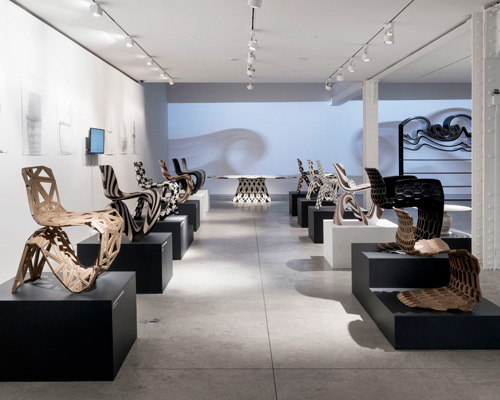
joris laarman bits and crafts: a digital fabrication exhibition at friedman benda
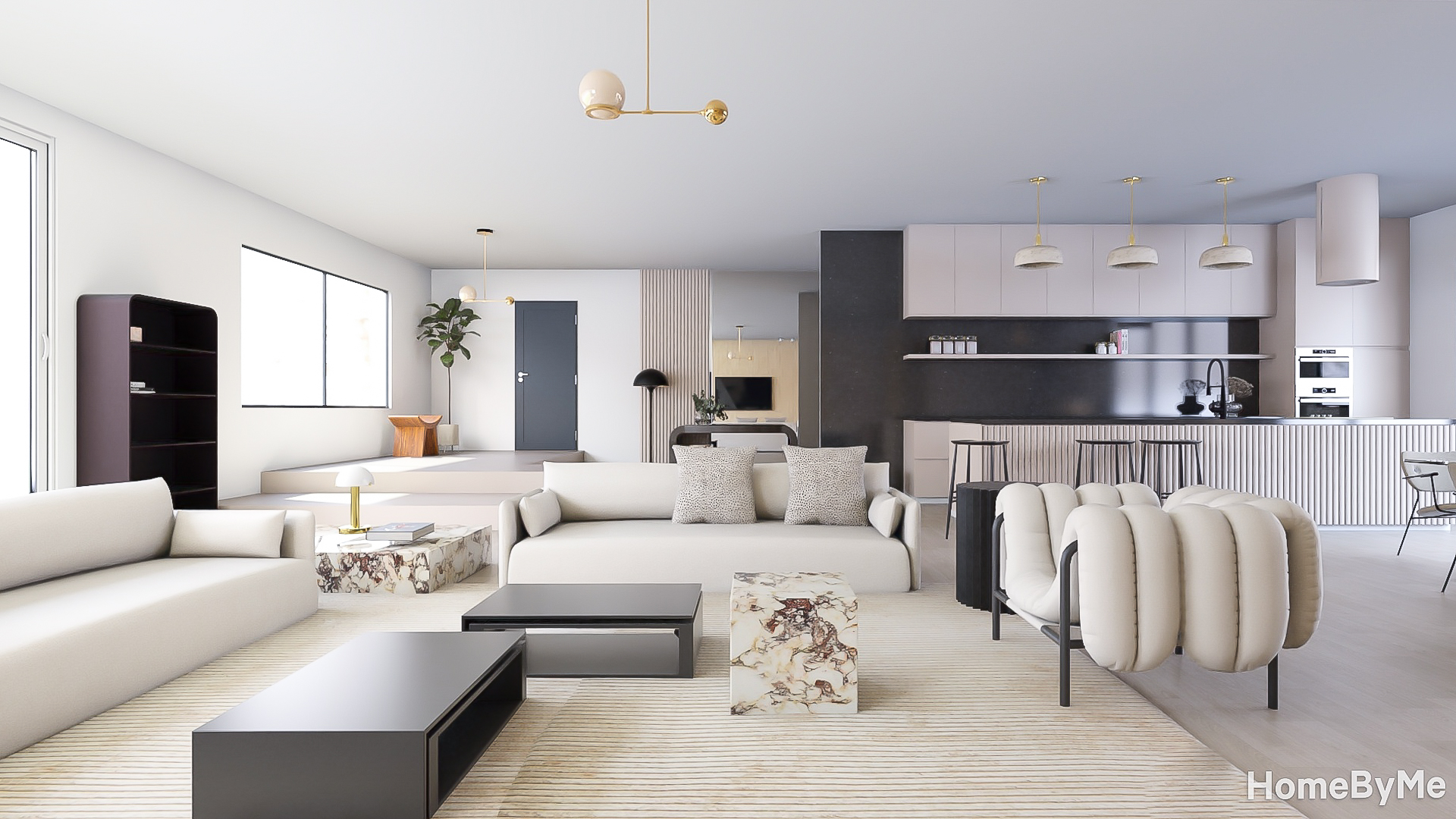
Online 3D Space Planning
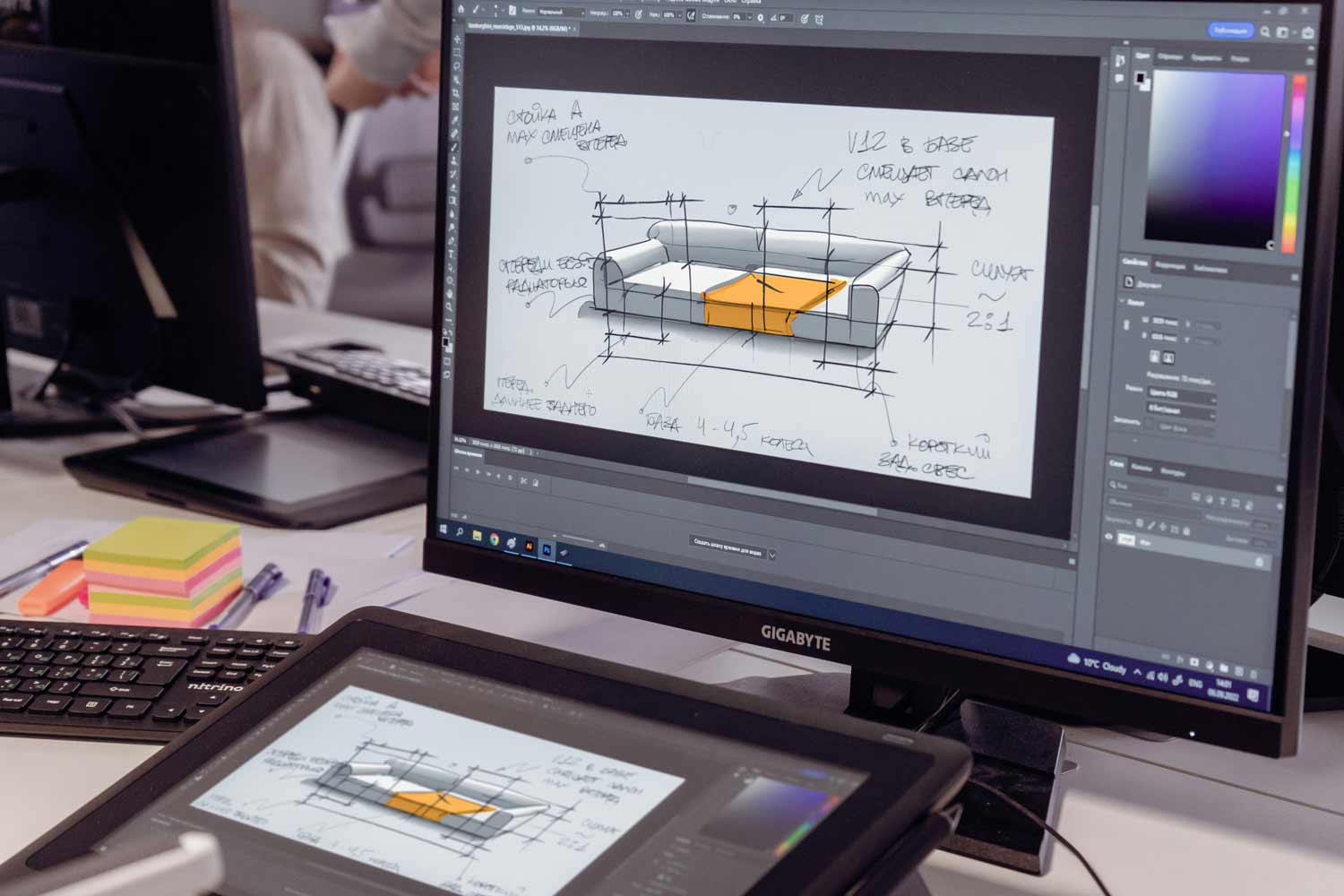
10 useful furniture design software for your personalized design solutions


3D-printed relief art: Michelle Larsen sees a trend reversal in interior design
Walk Through Buildings Before They Are Built

From Fringe Idea to Mainstream Imperative: The Future of Design Depends on Biomimicry

3d rendering architecture design
Milan Design Week: the 7 best fashion installations
Smart Design's Light Collaboration with Gantri is a Commendable Feat in 3D Printing

Nine creatives designing dreamy renderings
Exploring the use of generative AI for material texturing in 3D interior design spaces
edg Reveals 3-D Printed Cast Concrete Collection
The Design Industry’s Coolest Trend Is Hiding in Plain Sight
3D Architectural Rendering Services at Unbeatable Price / Cost