1/4
Some of the most innovative uses of fabric in entertainment environments are found inside
The article explores the innovative and impactful uses of fabric in creating unique entertainment environments, highlighting its versatility, cost-effectiveness, and ability to shape atmosphere and user experience. It emphasizes the intrinsic relationship between fabric and lighting, noting how skillfully backlit fabric can evoke visceral reactions and create unparalleled qualities in a space. Fabric is presented as a material that offers a market advantage due to its lower cost compared to other construction materials, ensuring its continued relevance in the entertainment sector where new and authentic experiences are highly valued, particularly by the millennial generation.
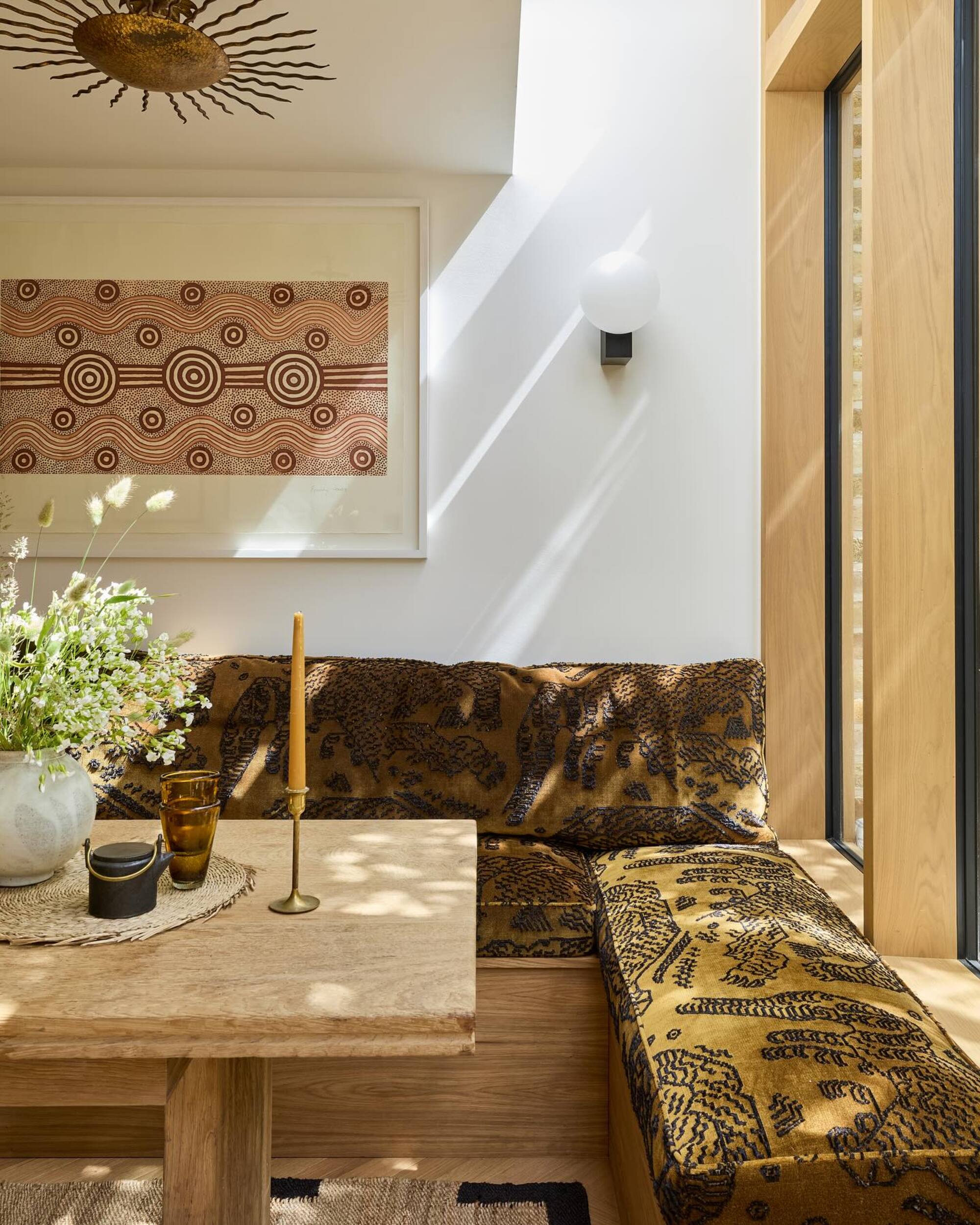
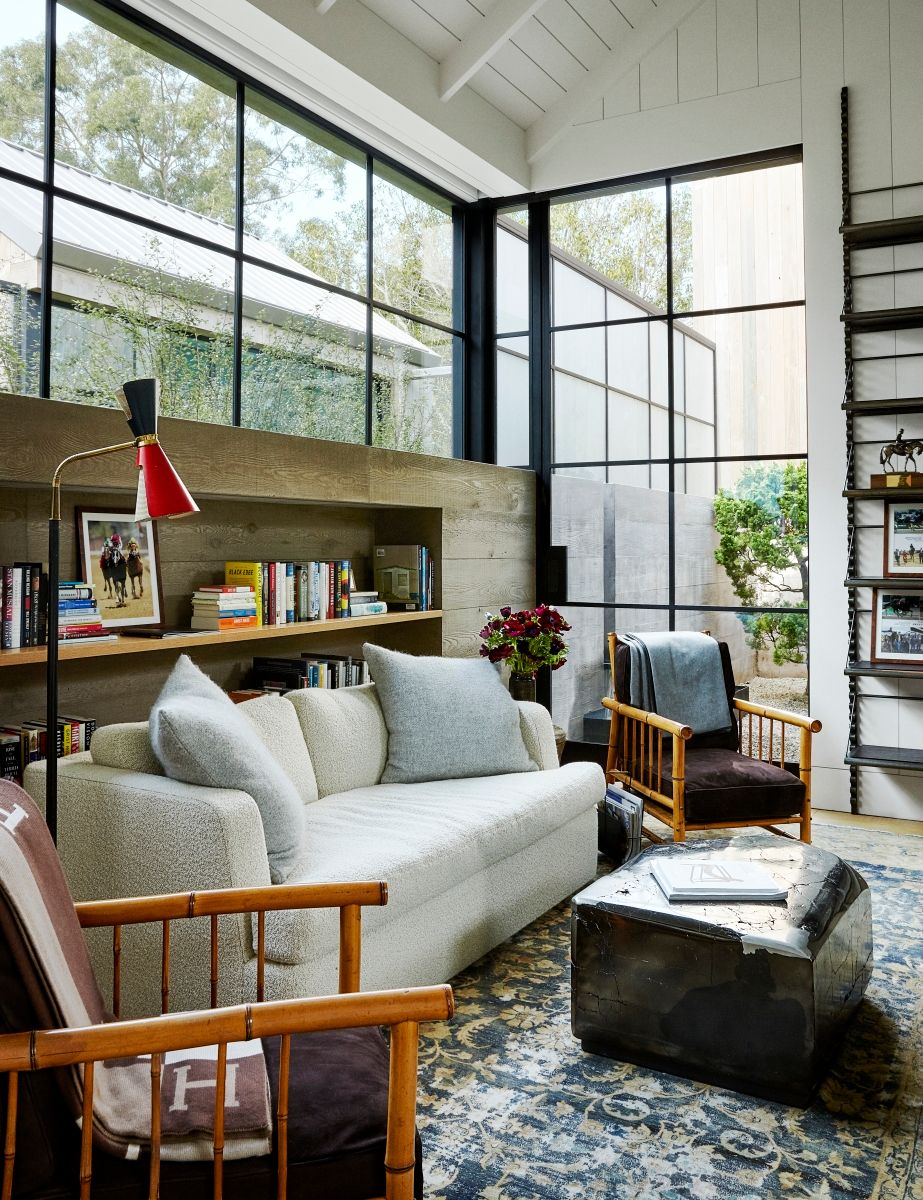
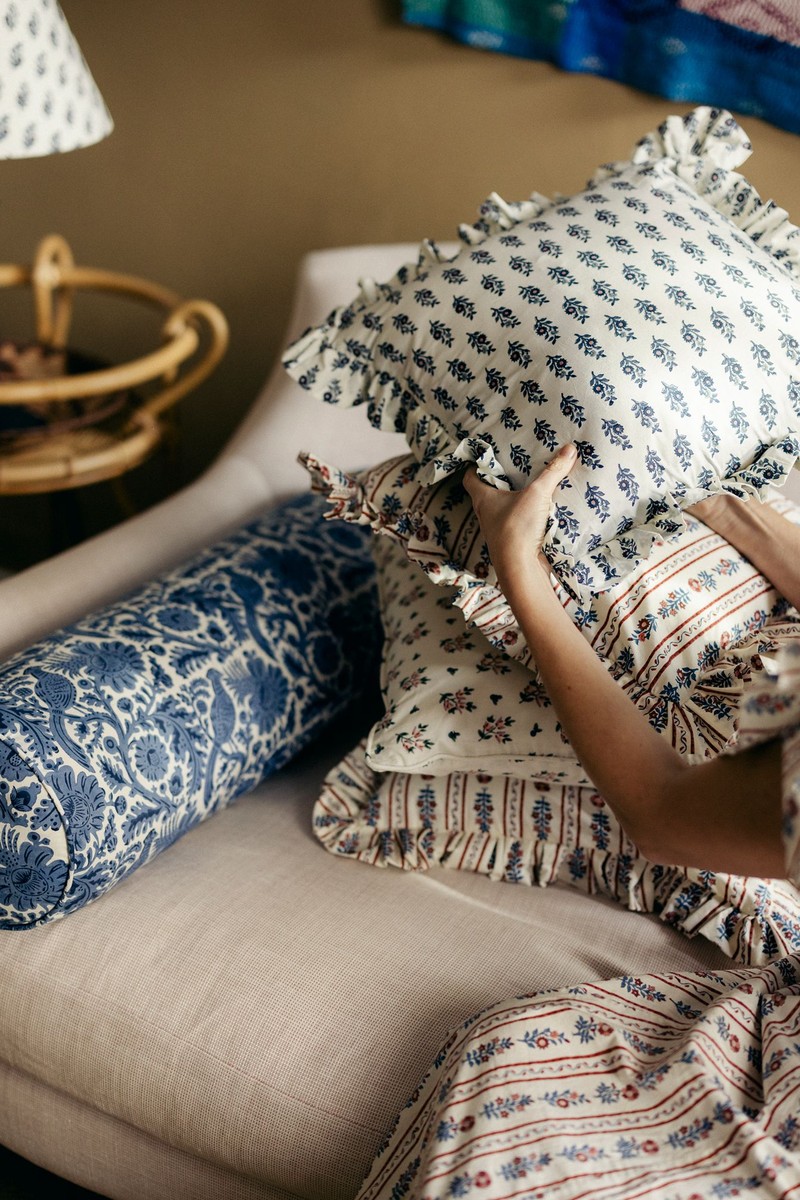
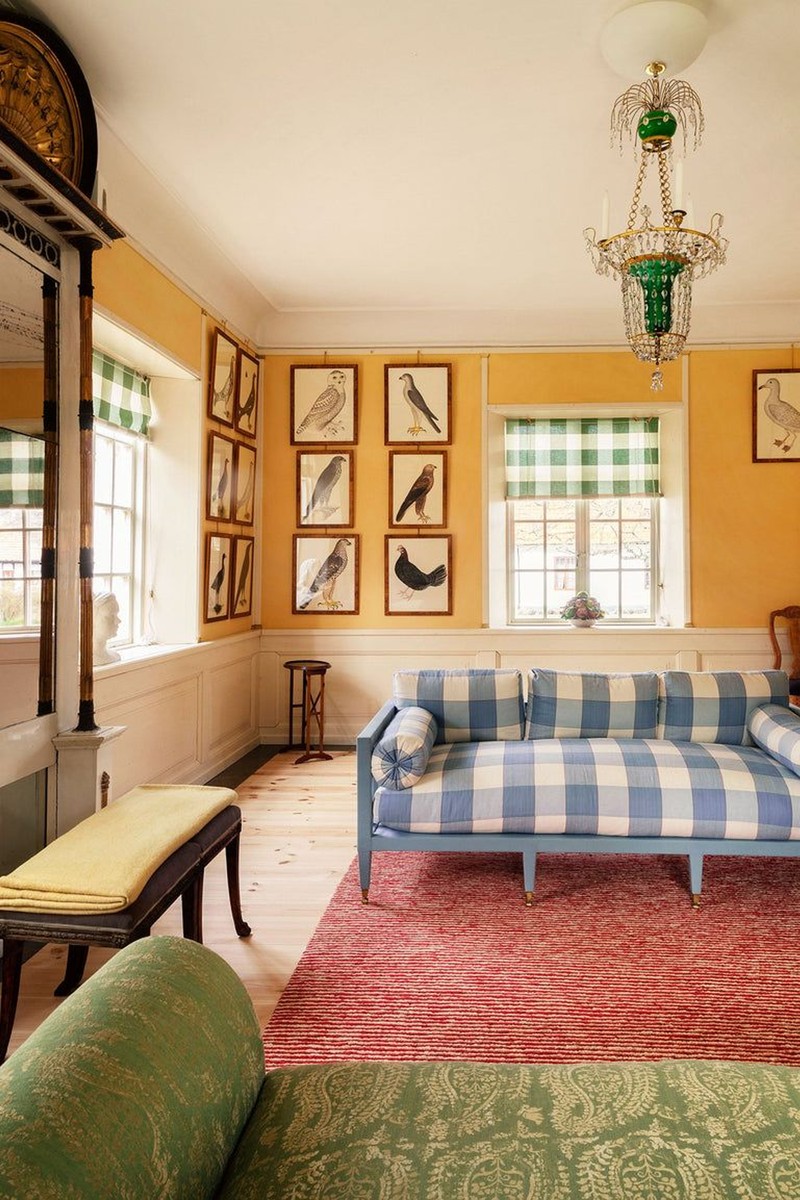
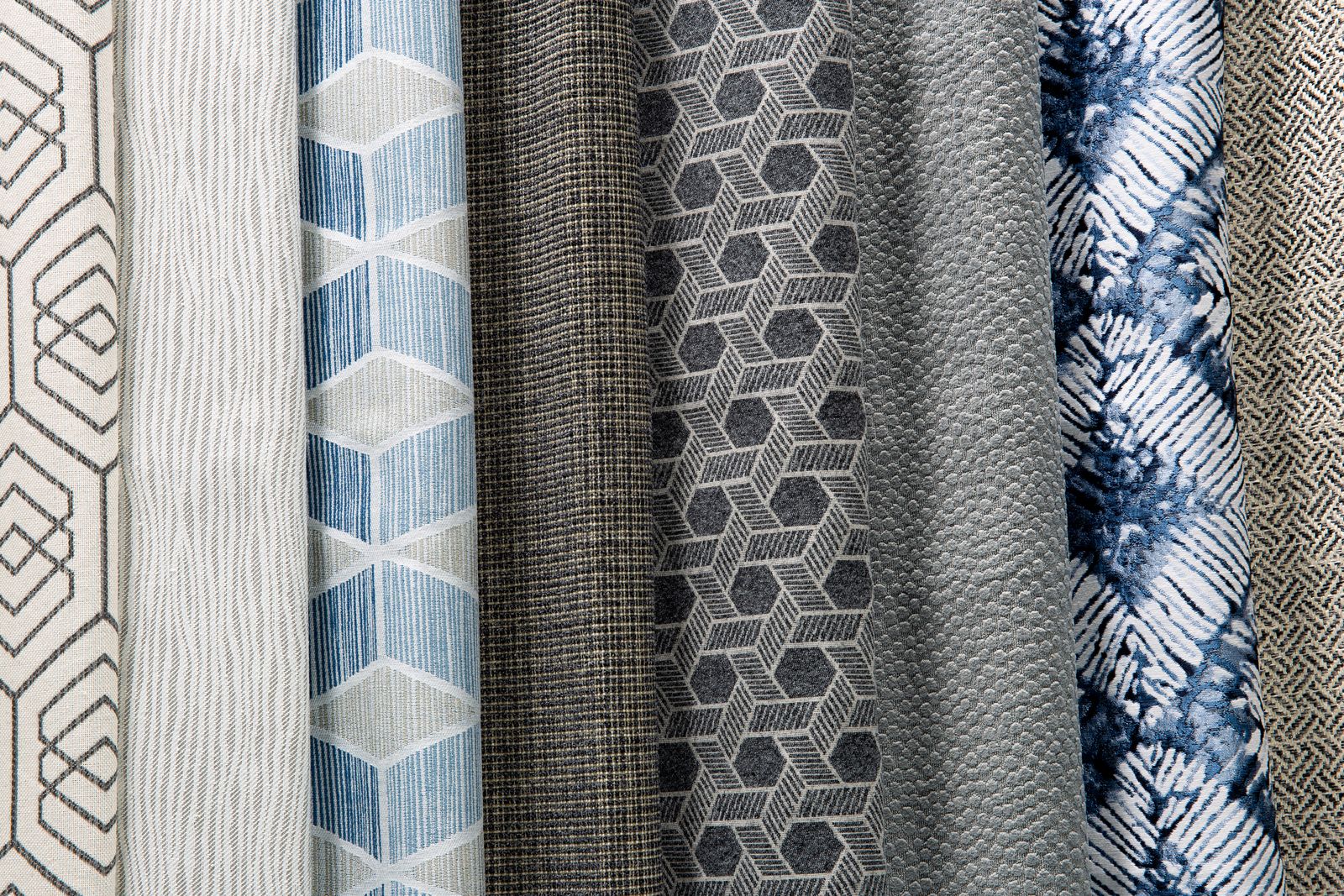
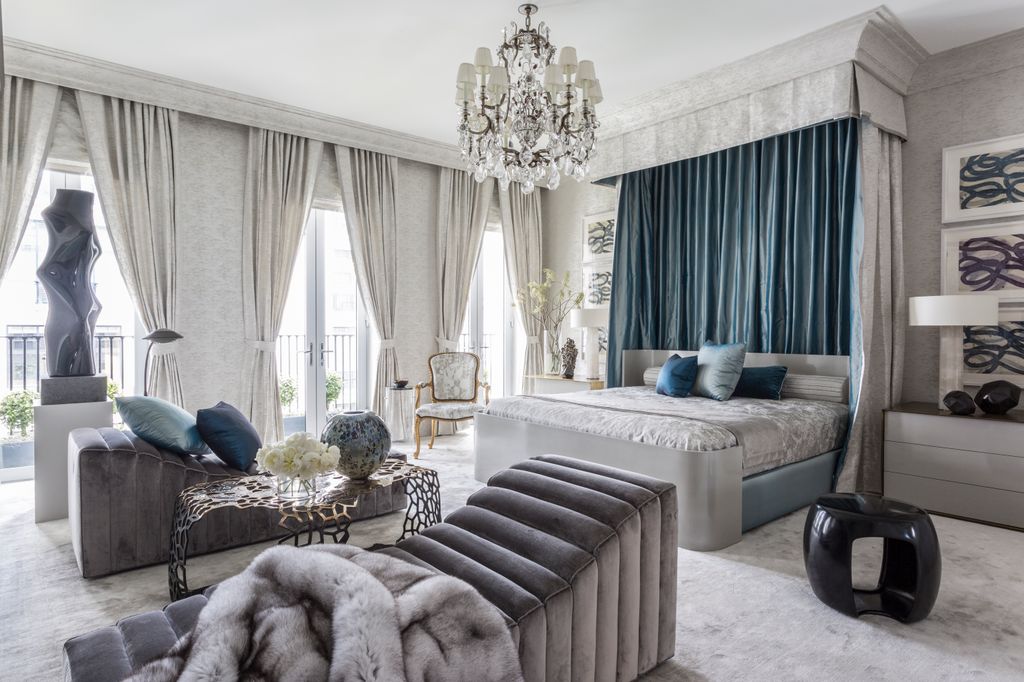
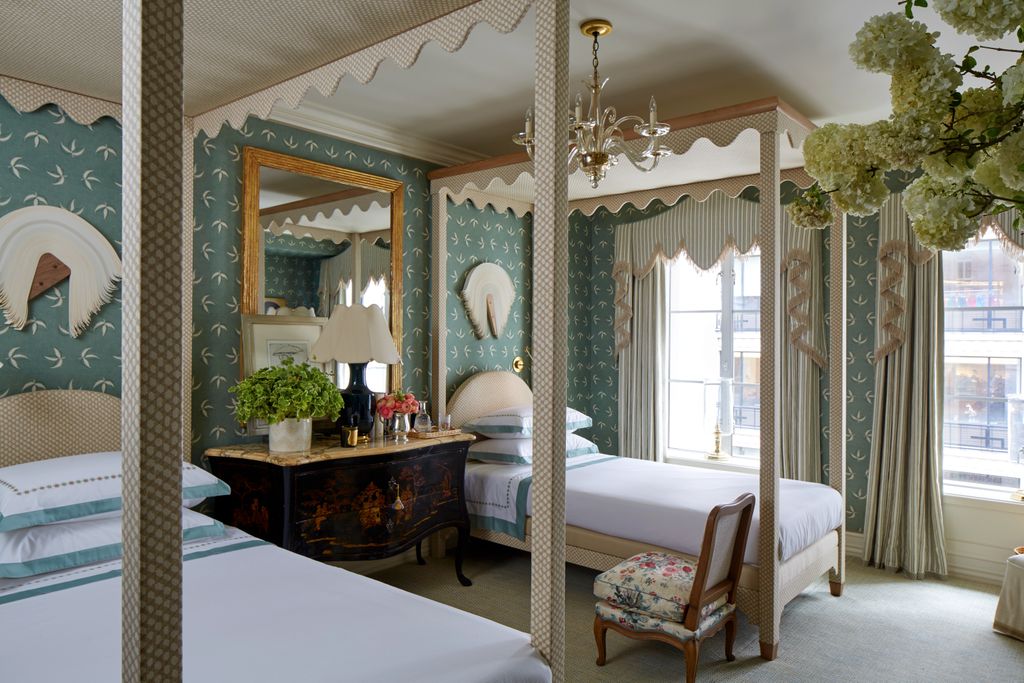
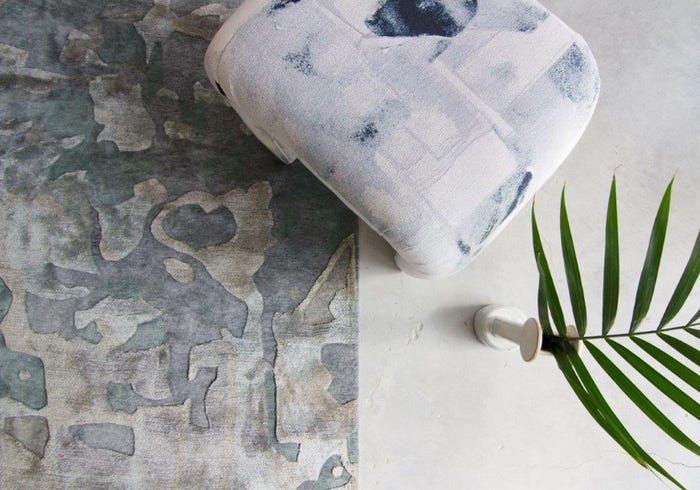
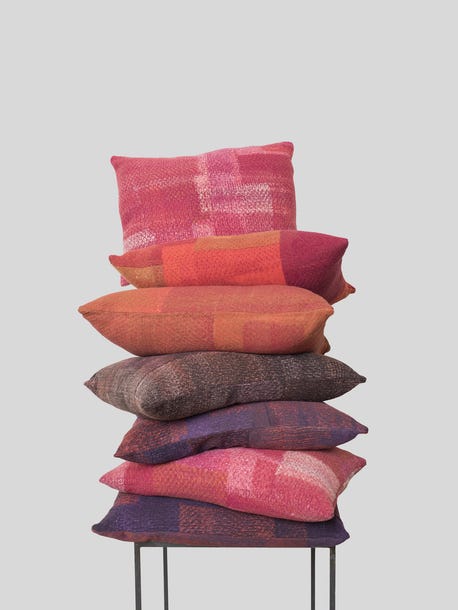
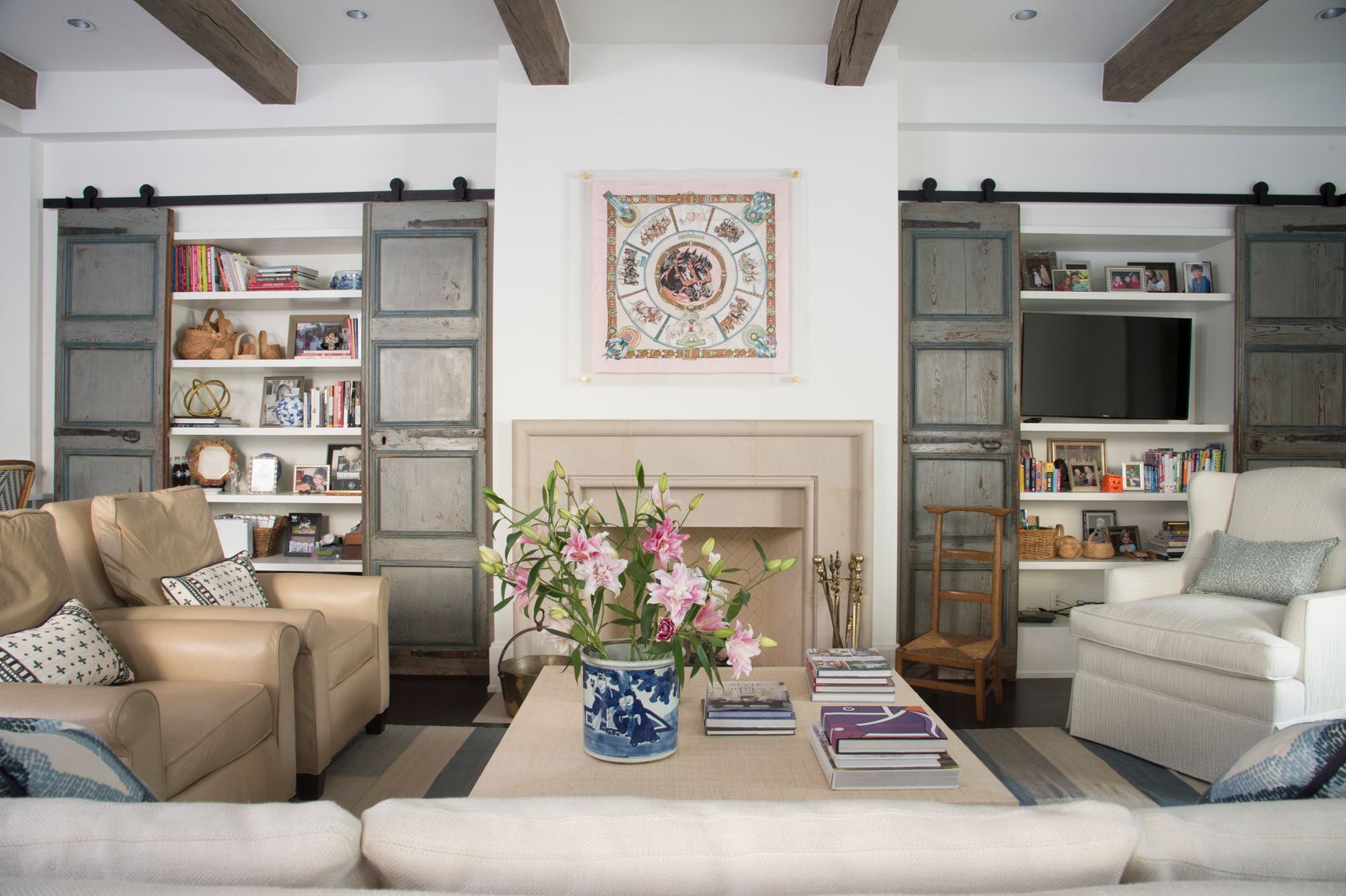
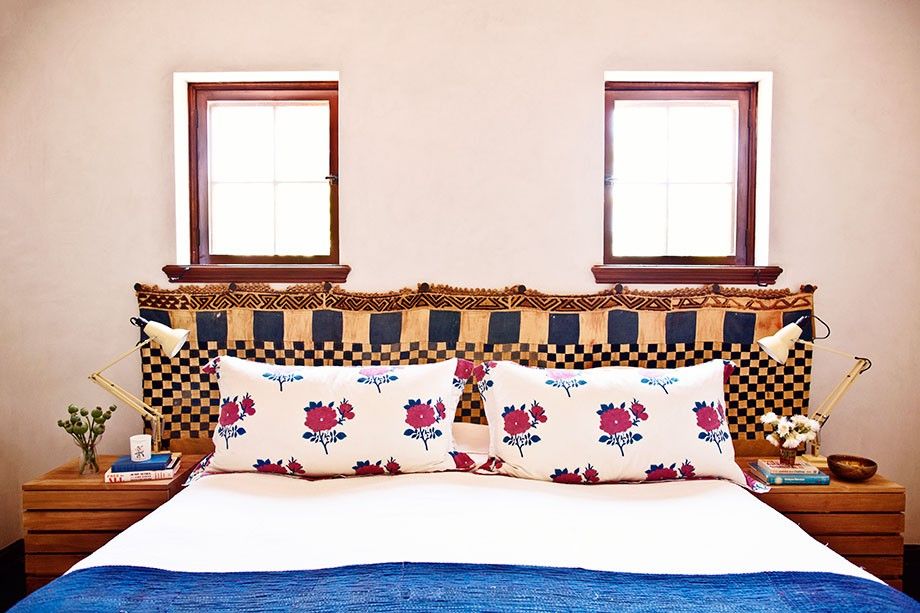
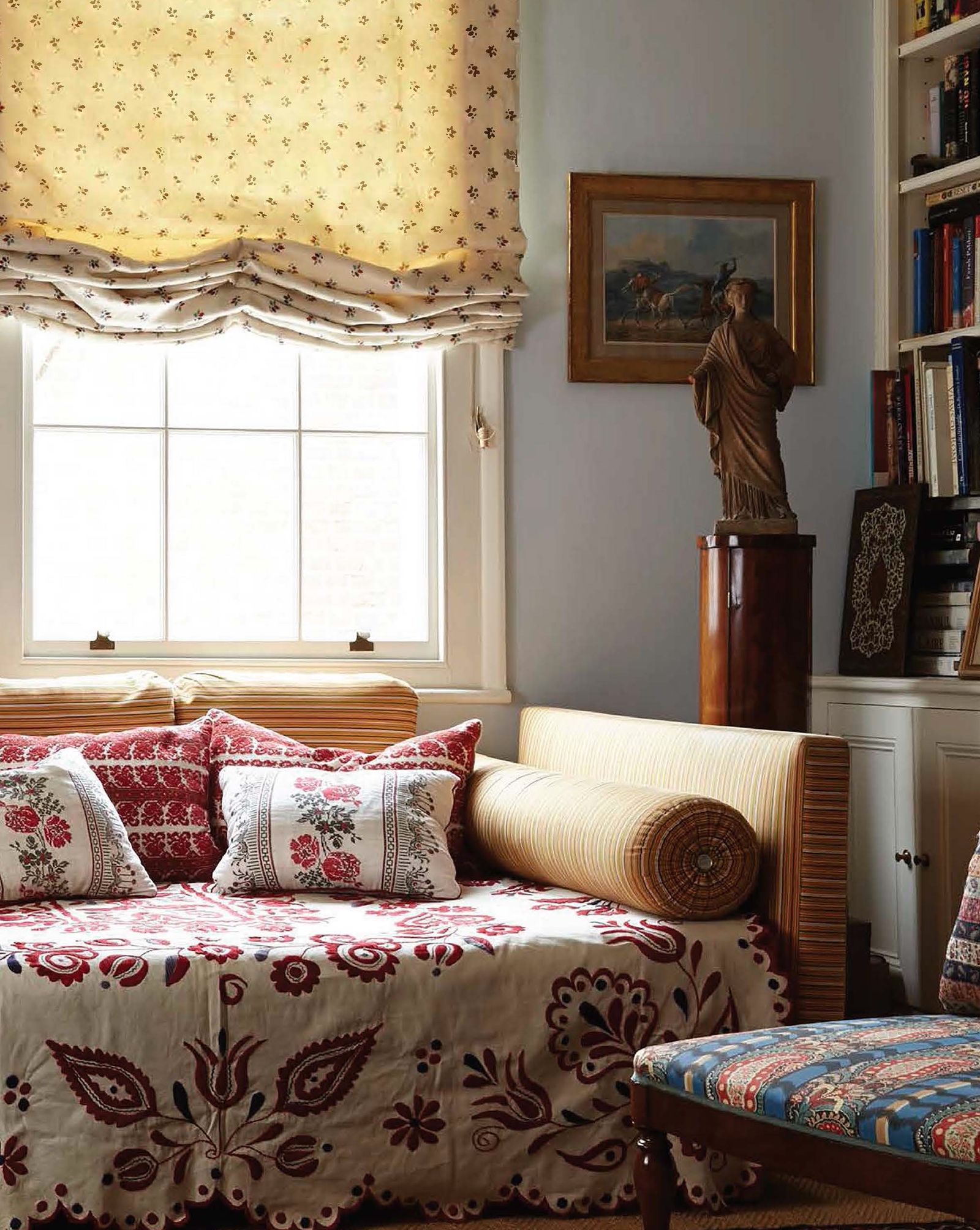
The article delves into how fabrics contribute to shaping real spaces, drawing parallels with the 'maker' movement's emphasis on handmade and tactile objects over virtual ones. Experts like Eric Bury of Eventscape and Catherine Stowell of Designtex explain that textiles often serve as the primary surface interacting with users, offering opportunities to add materiality, texture, pattern, and color. They note that the contrast between soft fabrics and hard surfaces can directly influence user experience by conveying warmth, familiarity, or luxury. Wade Wesson of Dazian highlights fabric's role in bringing elegance and essential acoustic properties to modern architectural environments, while Judy Dioszegi emphasizes its ability to set the 'atmosphere' or 'environment' of a space, coordinating with upholstery, wall coverings, and art to elicit subconscious reactions from clients.
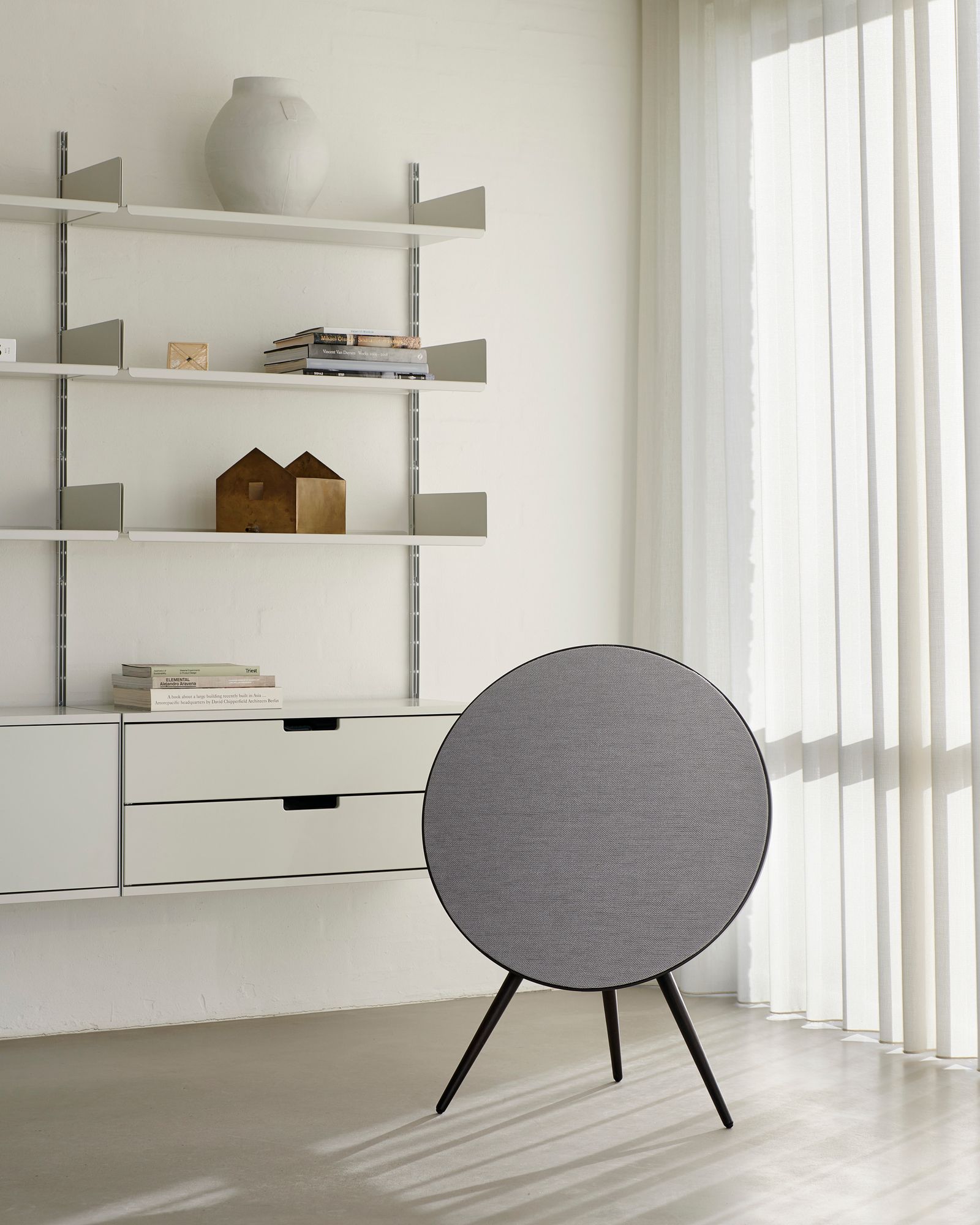
Furthermore, the piece discusses fabric's role in managing space, sound, and mood. Bury underscores fabric's limitless potential in architectural forms, from furnishing interiors to literally constructing building elements. He points out its versatility, ranging from tight and hard-edged to loose and soft, and its ability to span large areas or serve as small accent elements. Stowell highlights how textiles can create privacy and intimacy, particularly with new technological developments in fine sheer materials that allow light and visual transparency while providing significant acoustical properties. Wesson reinforces fabric's effectiveness in surface texture for LED lighting and its superior acoustic values for reducing noise in spaces where hardscape panels are not feasible, noting its affordability for post-construction acoustic issues.
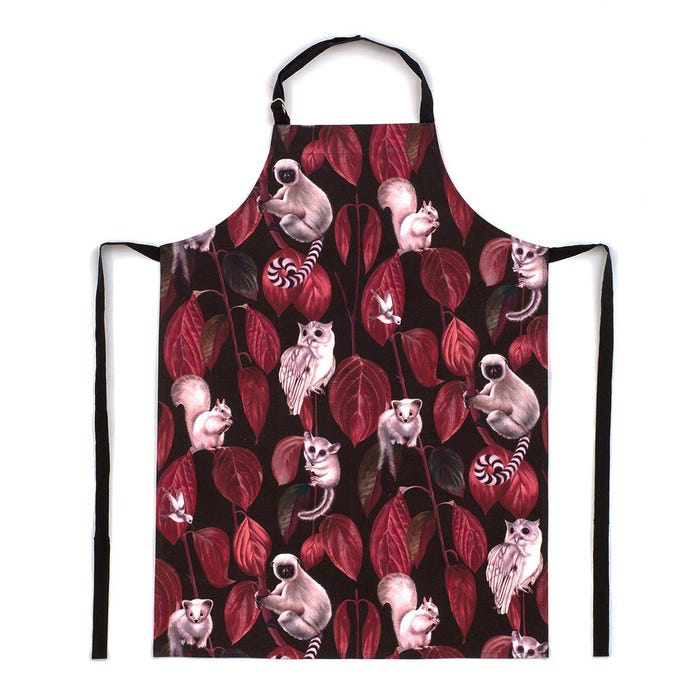
The article also presents a case study of the Toronto Centre for the Arts' renovation, where Eventscape engineered and installed an acoustical backlit panel solution that not only solved acoustic requirements but also allowed for programmable light shows, demonstrating a unique immersive experience. Dioszegi provides practical recommendations for using fabrics to enhance interior environments, such as suspending, gathering, or pleating fabrics to accentuate lighting, experimenting with different materials and positioning, and understanding how fabric properties like porosity and weight affect sound absorption. Wesson adds that digital printing on fabric enables custom designs and textures at an economical cost, and LED lighting has brought fabric back to the forefront for surface texture.
Looking to the future, the experts predict ongoing innovation in fabric applications. Dioszegi notes a trend towards incorporating industrial elements, often printed or appliquéd on fabric for atmosphere and acoustics. Wesson anticipates more complex, deconstructible architectural fabric structures driven by CAD-based software. Stowell foresees increasing opportunities for custom textiles, with manufacturers working closely with designers to tailor materials. Bury is particularly enthusiastic about fabric as a sculptural medium, citing groundbreaking projects like Anish Kapoor's work at the Tate Museum, Zaha Hadid Architects' Winton Gallery, and the use of ETFE in the Water Cube, alongside emerging trends in fabric formwork for concrete, integrated electronics, reactive surfaces, and 'smart' materials, all pointing to a dynamic future for fabric in architectural and entertainment design.
#FabricDesign #EntertainmentEnvironments #TextileInnovation #ArchitecturalFabric #AcousticProperties #InteriorDesign #EventDesign #LightingIntegration #FabricDesign #EntertainmentEnvironments #TextileInnovation #ArchitecturalFabric #AcousticProperties #InteriorDesign #EventDesign #LightingIntegration
0 comment in total
 No comments yet
You may also like
These Dynamic New Fabrics Will Make Any Room Come Alive
Amia chair by Miniforms among 10 new products on Dezeen Showroom
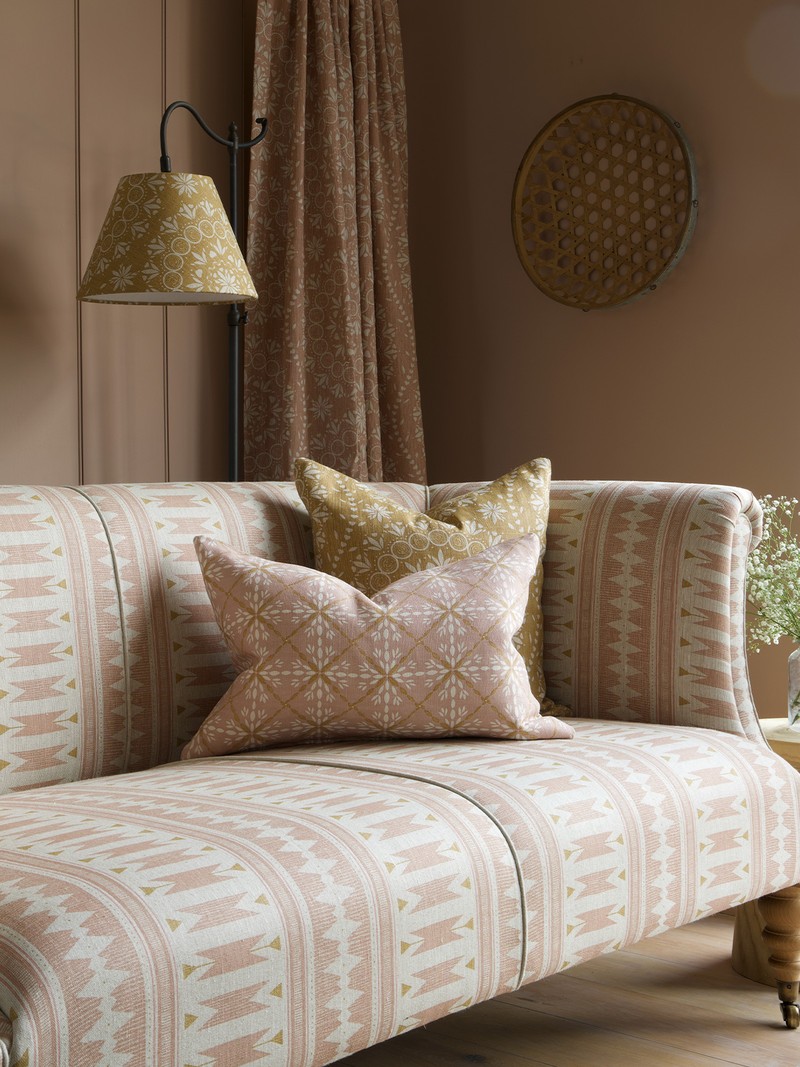
The New Fabric Launches Worth Knowing About
Meeting of minds - 5 Jun 2025 - Homes and Gardens - UK Magazine

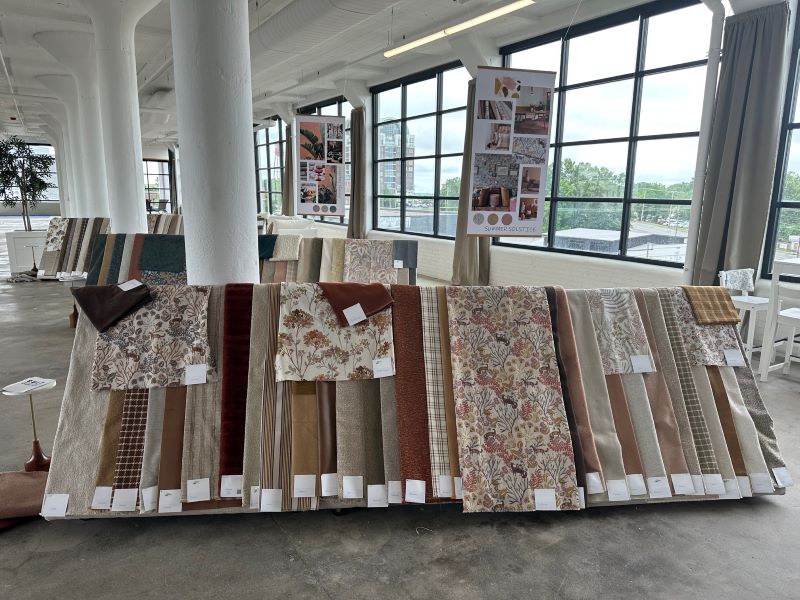
Seen at Interwoven May 2024

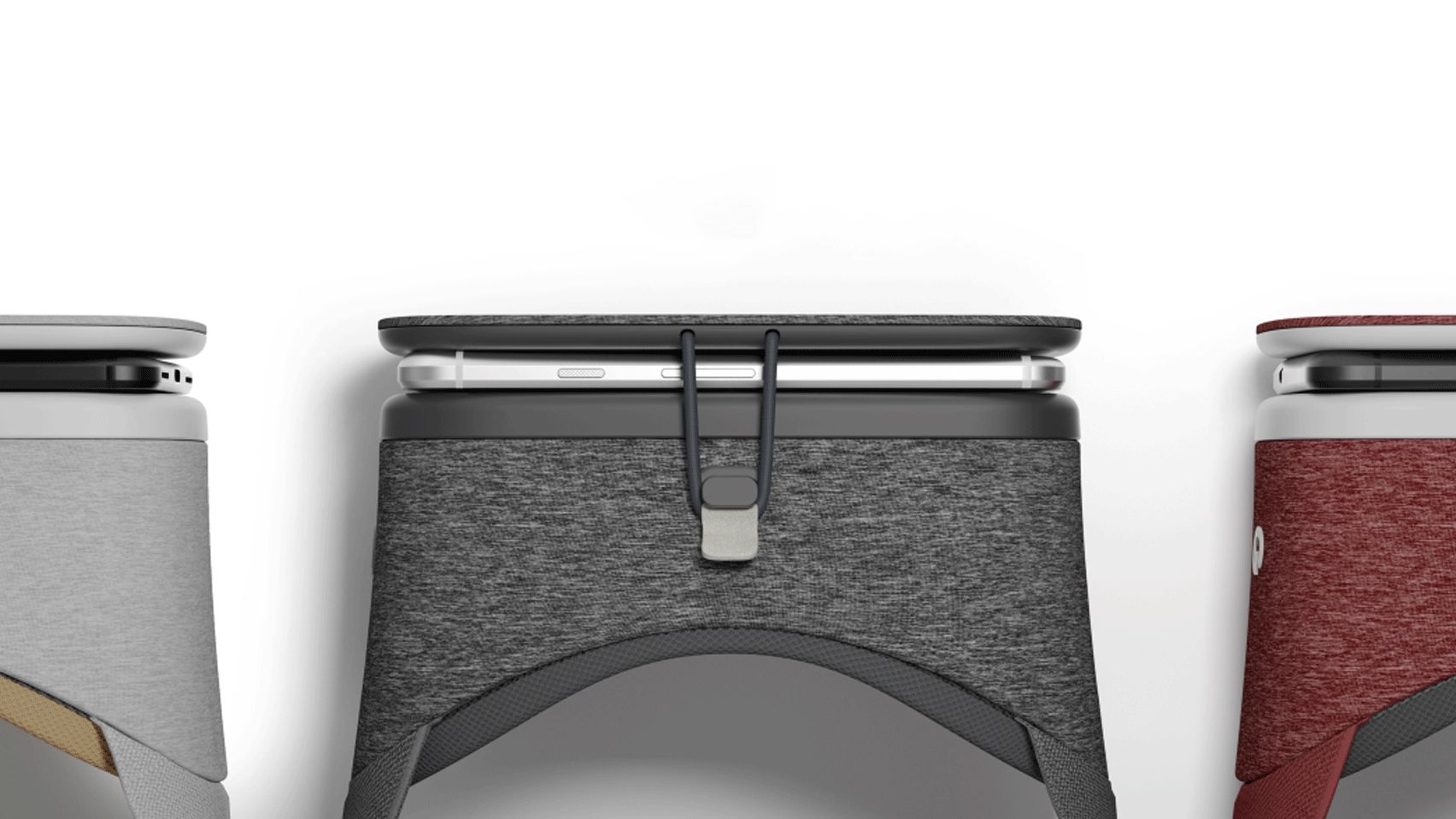
Twelve fabric-covered gadgets that show how technology can be more cosy
You Can Now Spec Kravet Fabric at Mitchell Gold + Bob Williams

The Best Ways to Show Off a Textile in Your Home
The 5 fabric trends ruling interiors now, according to the pros


Take a soft approach - 2 Oct 2024 - The English Home Magazine
Livingetc Style Awards 2025 — Decorating

The Reborn project creates furniture using old clothes

Innovations in Smart Textiles Transforming Home Décor

12 Fabric Brands Everyone Should Have in Their Little Black Book If You Want to Go Bespoke and Elevate Your Home
4 Creative Ways To Use Textiles in Your Home
32 Spectacular Fabrics and Trims Coming to Market This Year
Knowing the Ropes Explores the Textile Through a New Lens

The 5 Fabric Trends Ruling Interiors Now, According to the Pros
Homestyle: Attention to detail
5 Things All Trendy Living Rooms Will Have in 2025, According to Designers