1/8
The Best Ways to Show Off a Textile in Your Home
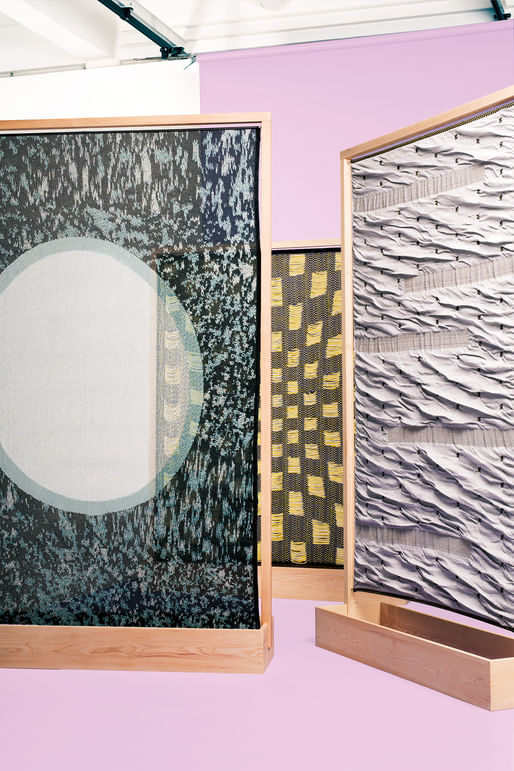
Textiles, whether brought back from international travels or sourced from local designers, offer a unique way to introduce narrative and texture into home decor. Beyond their aesthetic appeal, textiles carry the stories of different times and places, making them cherished keepsakes. The article explores various methods for displaying these pieces, moving beyond common applications like pillows to highlight more creative and impactful design solutions.
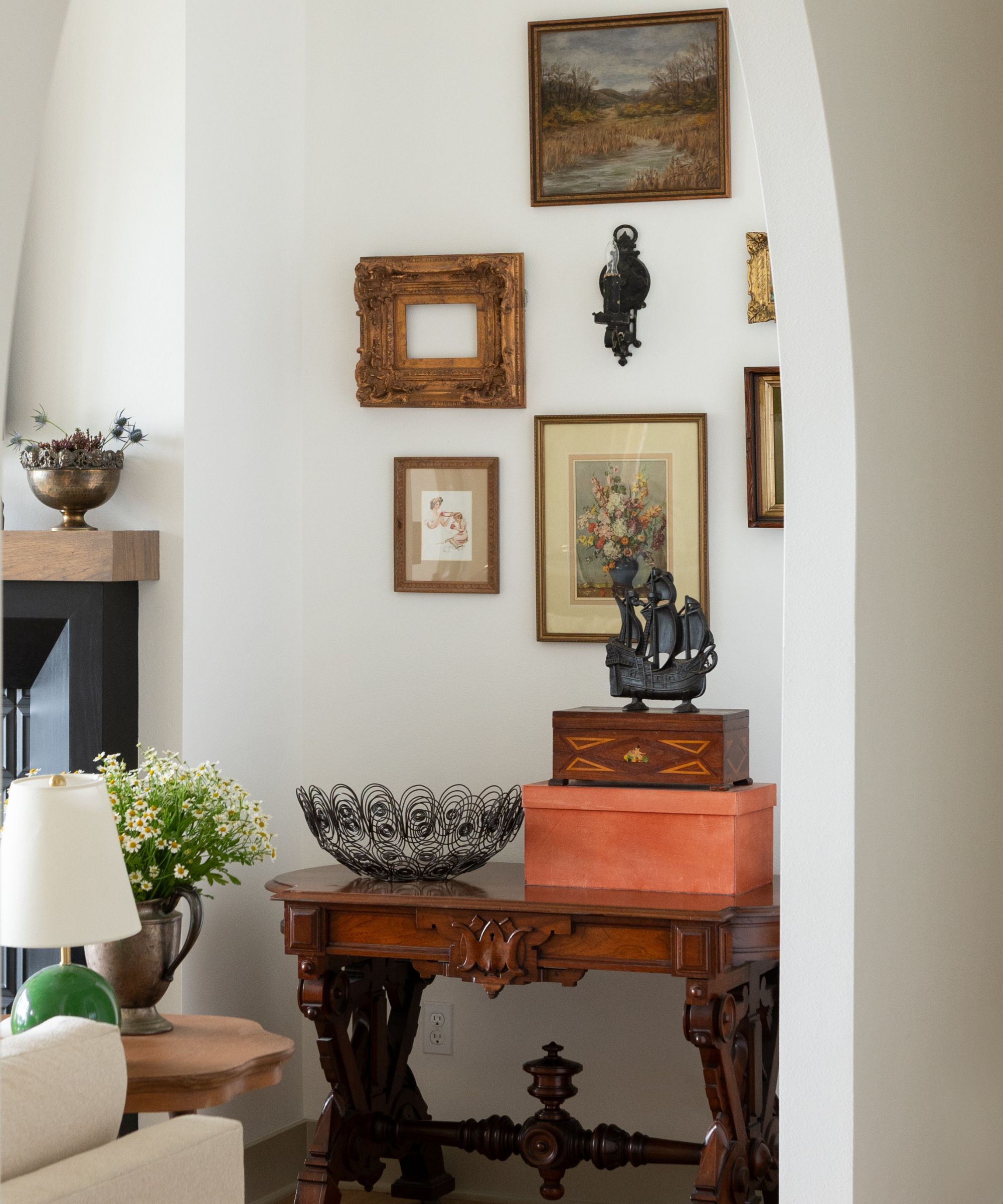
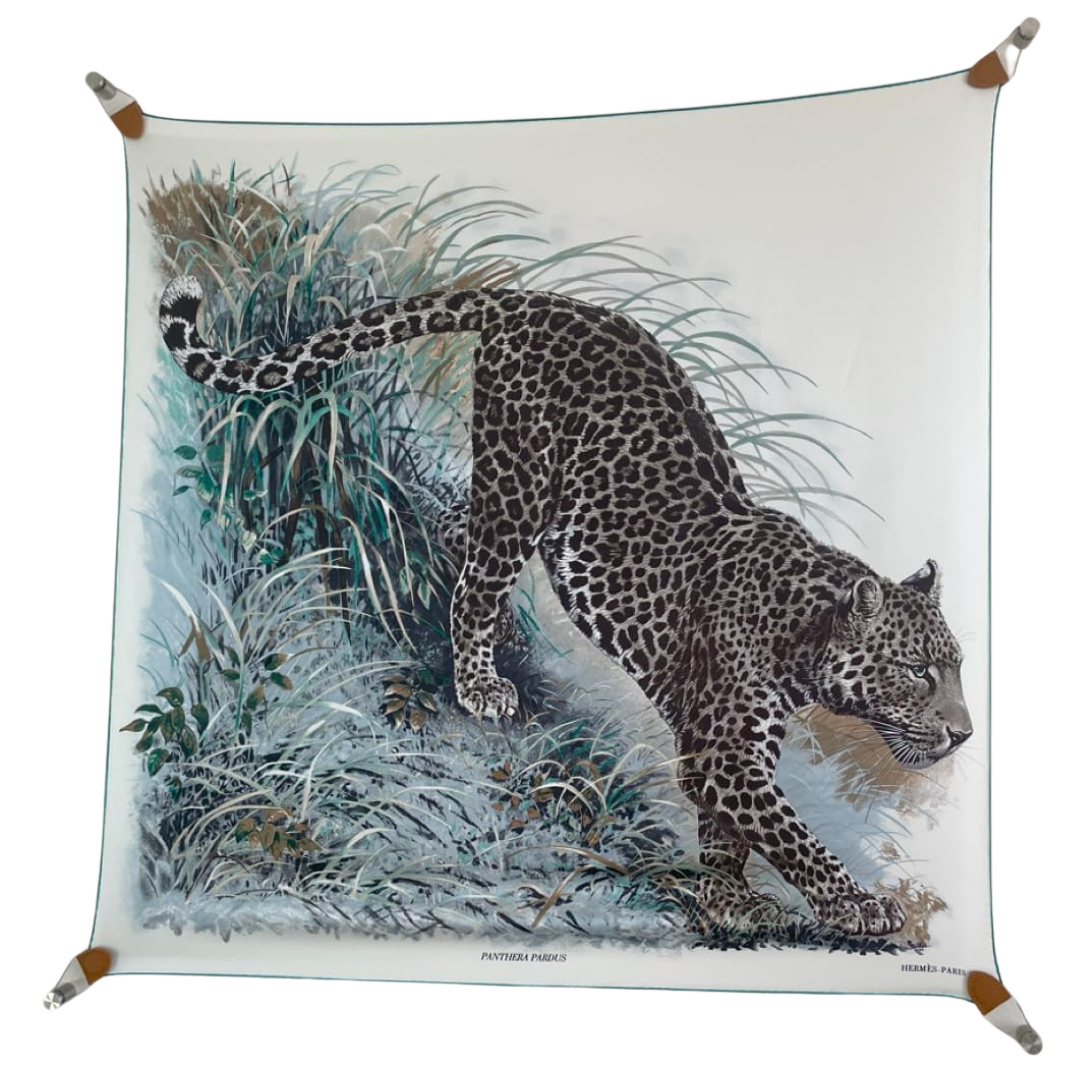
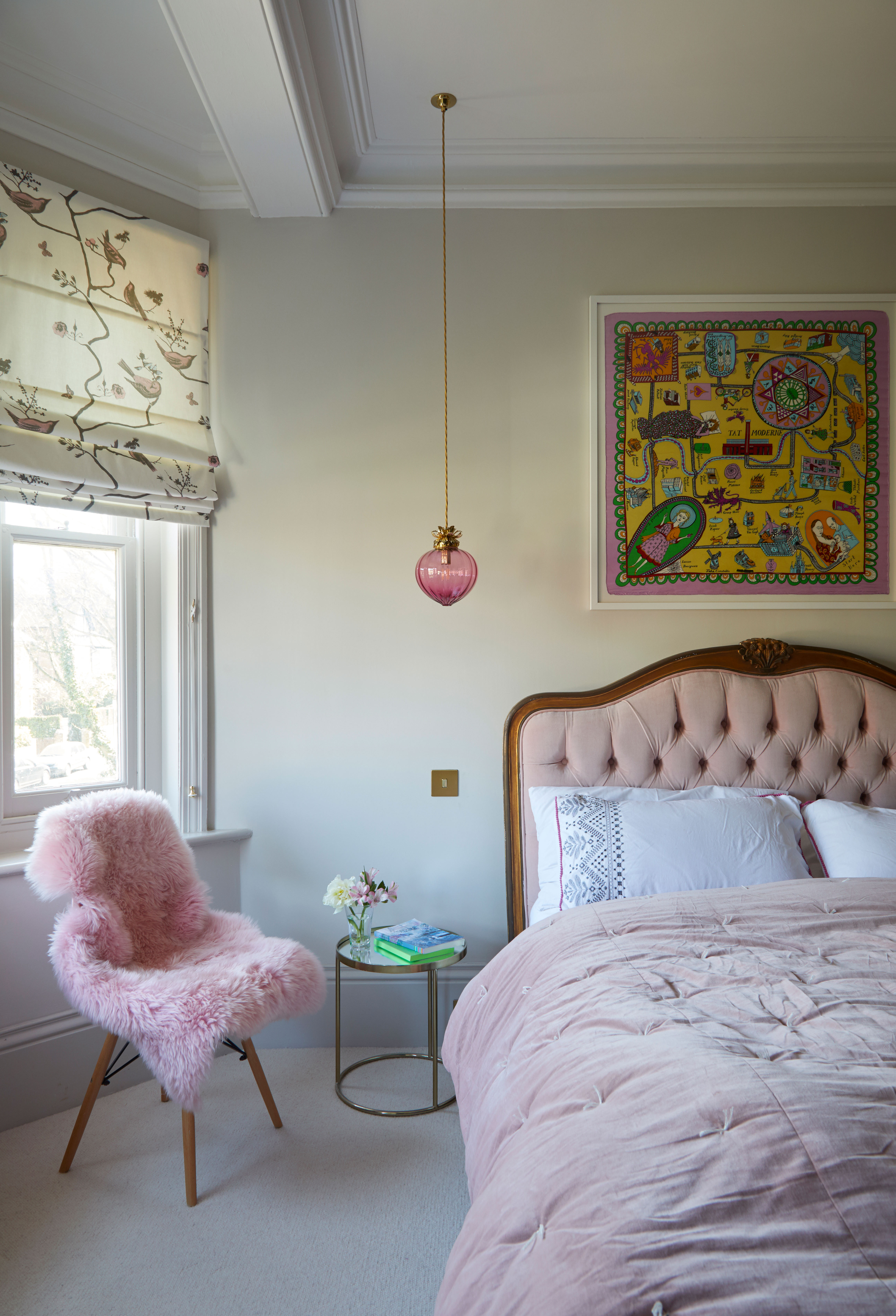
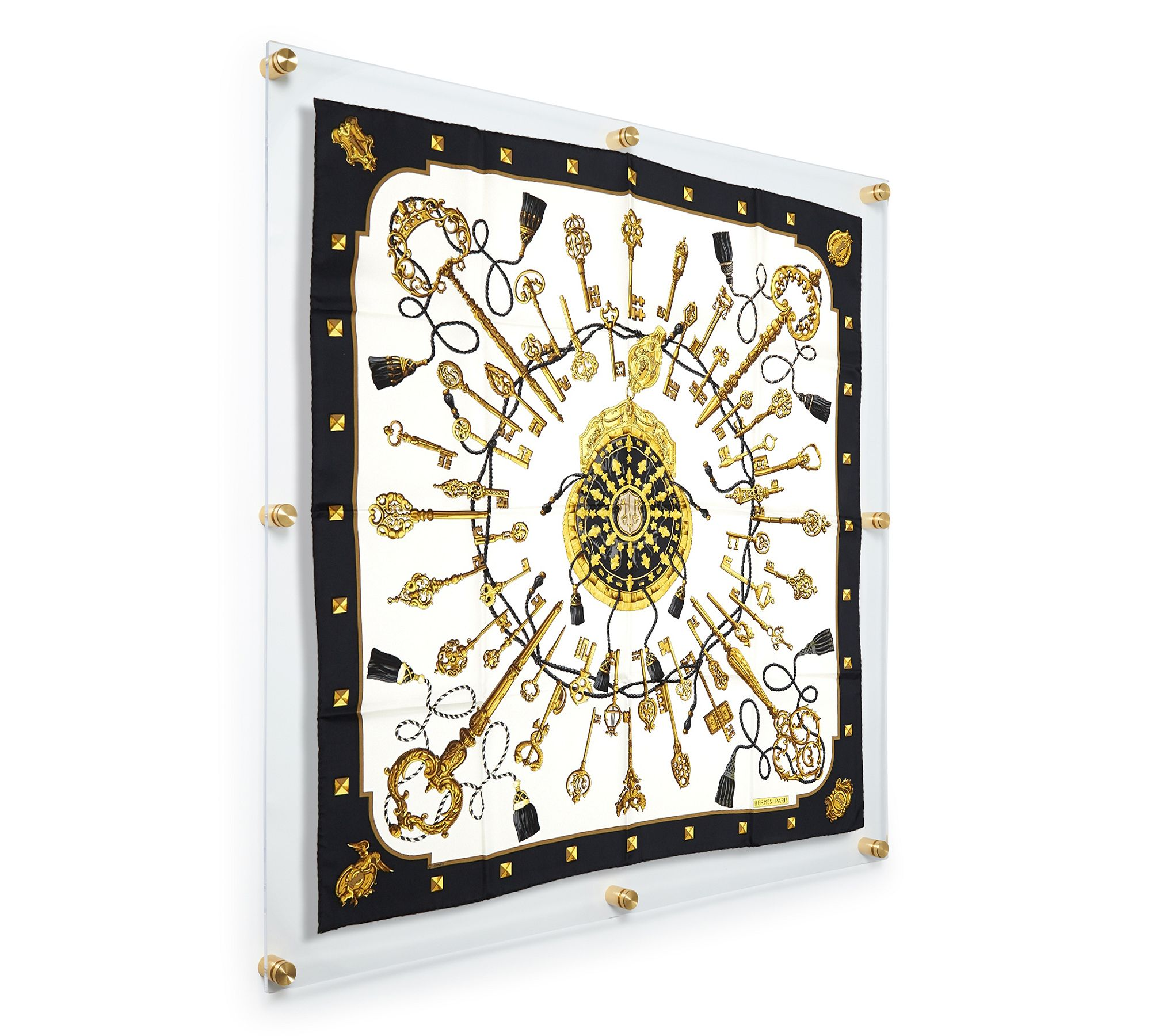
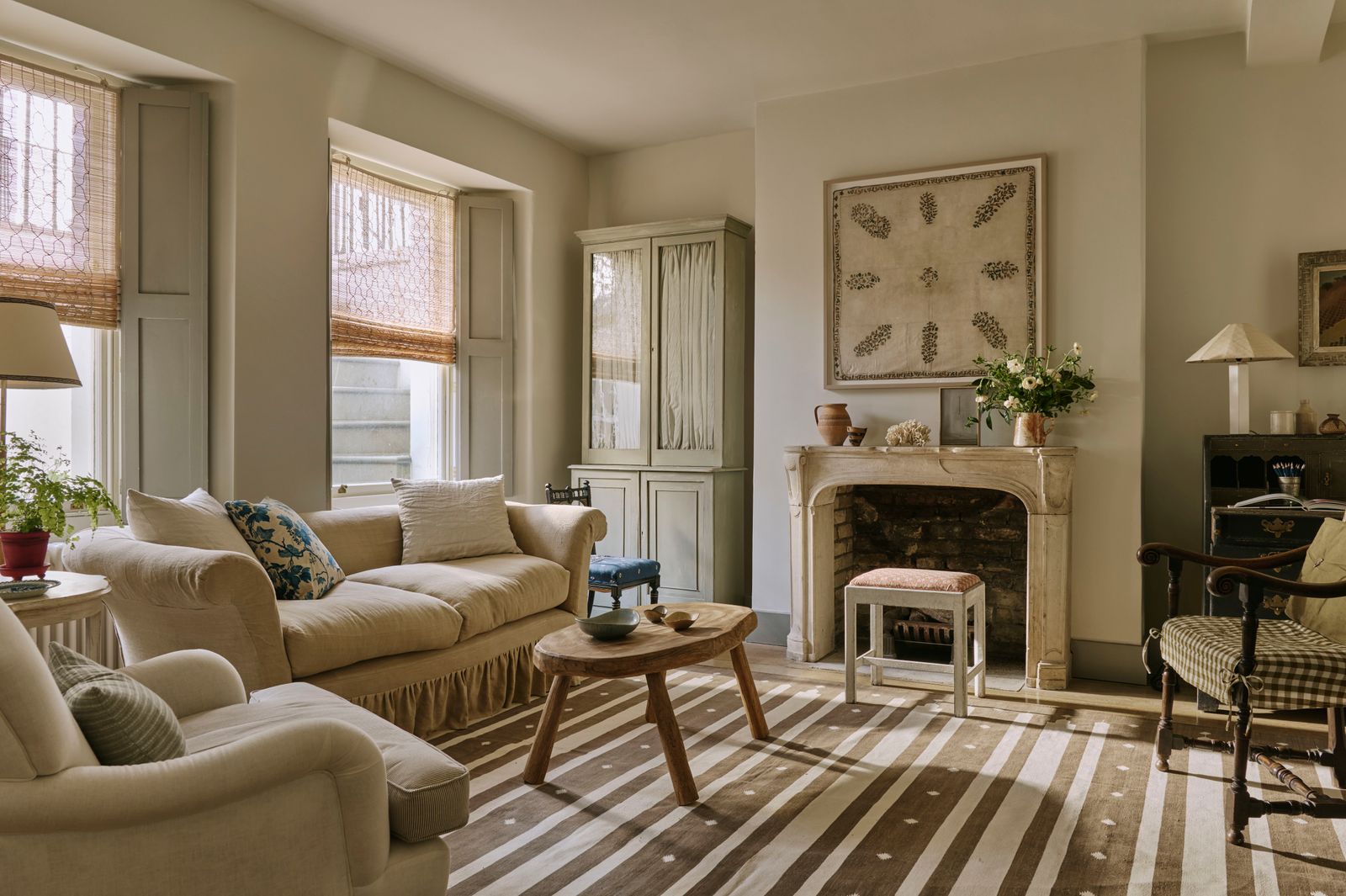
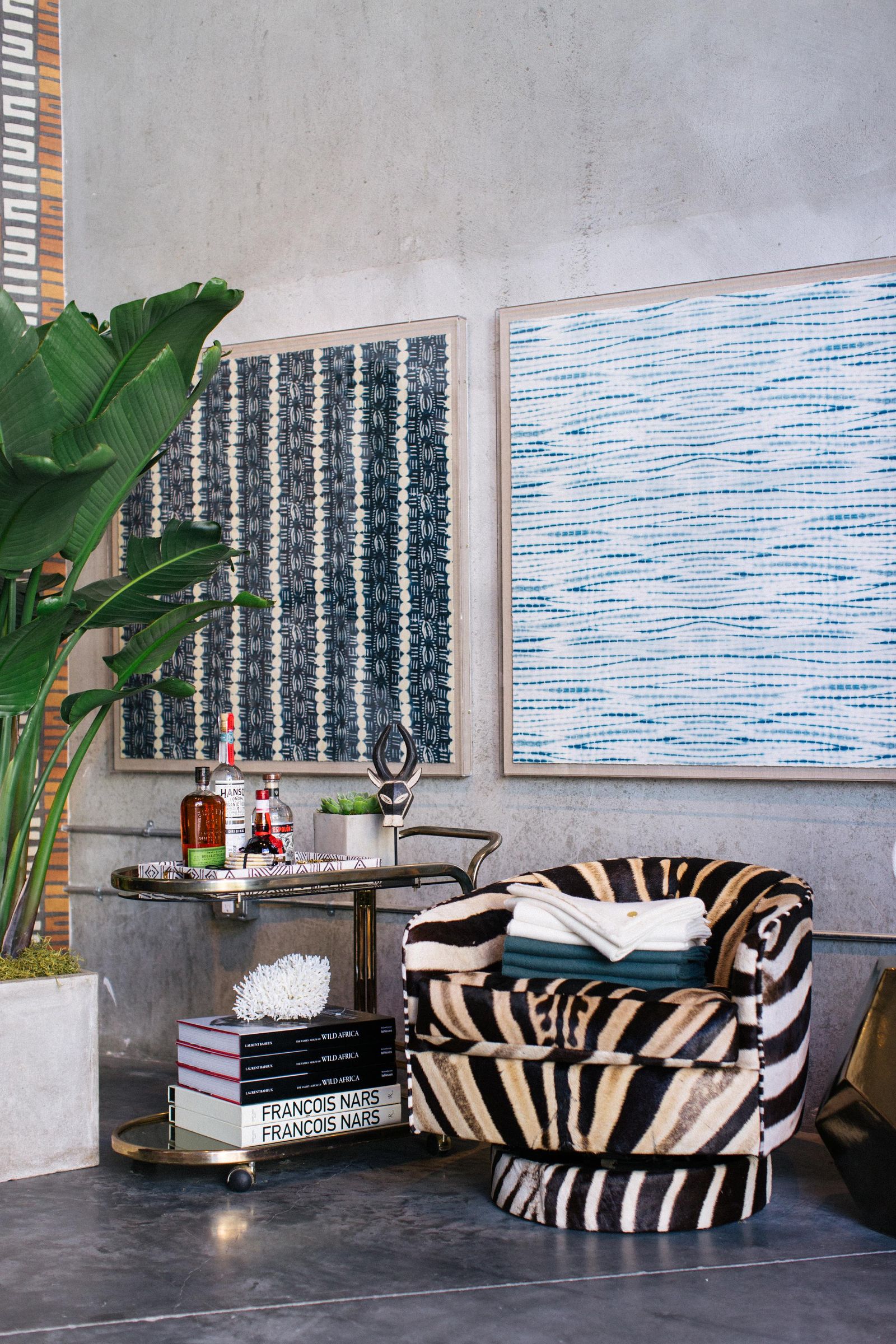
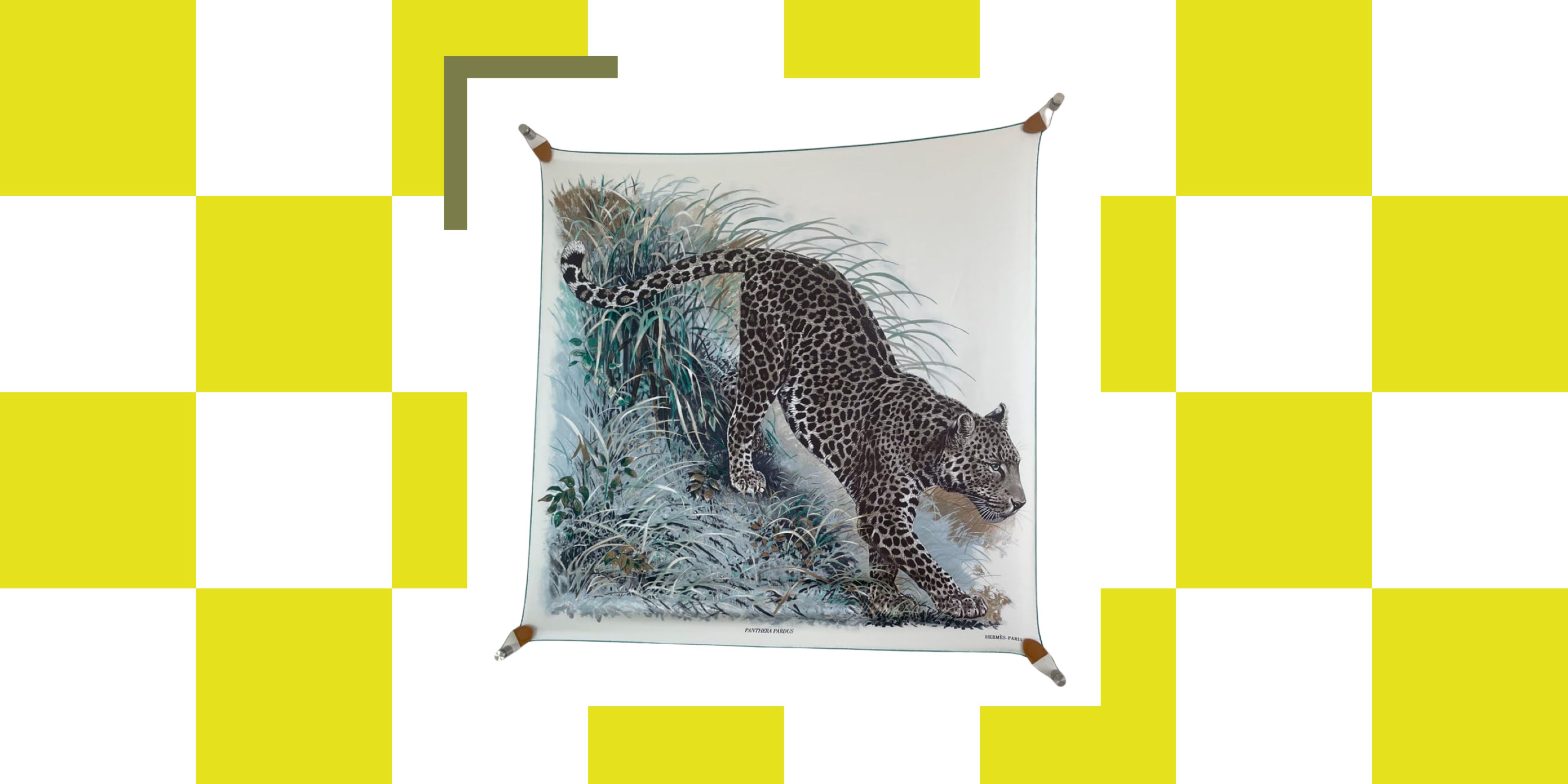
One effective approach is framing. Designer Christina Bryant, founder of St. Frank, advocates for framing textiles, particularly in acrylic box frames, which accentuate the handwork, three-dimensionality, and texture of the piece. This method also encourages sharing the textile's history and craftsmanship. An example showcases a framed scarf in a Houston living room designed by Meg Lonergan, demonstrating that not all textiles are raw fabric swatches.
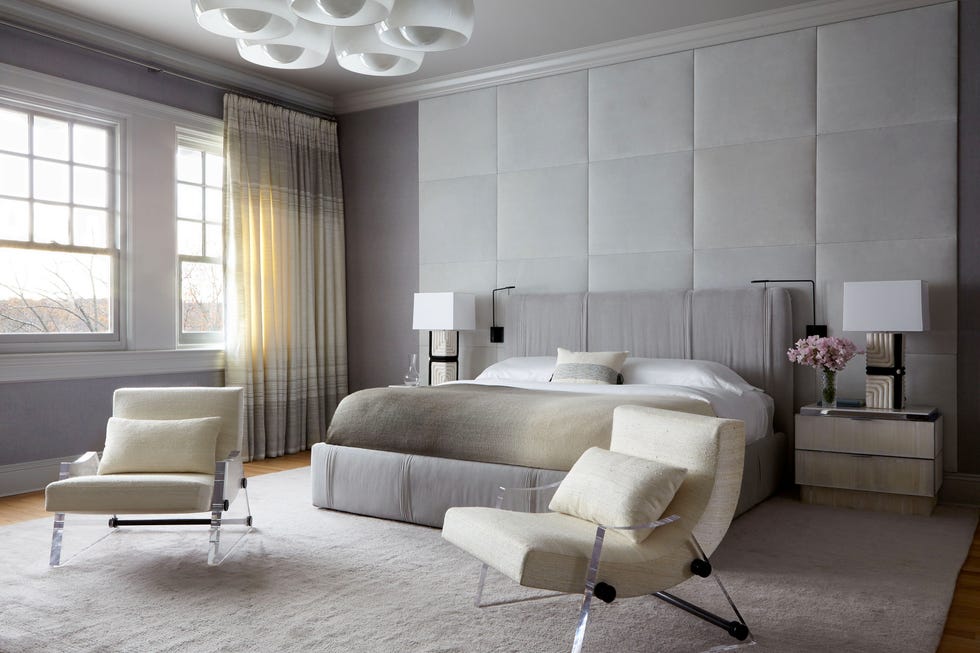
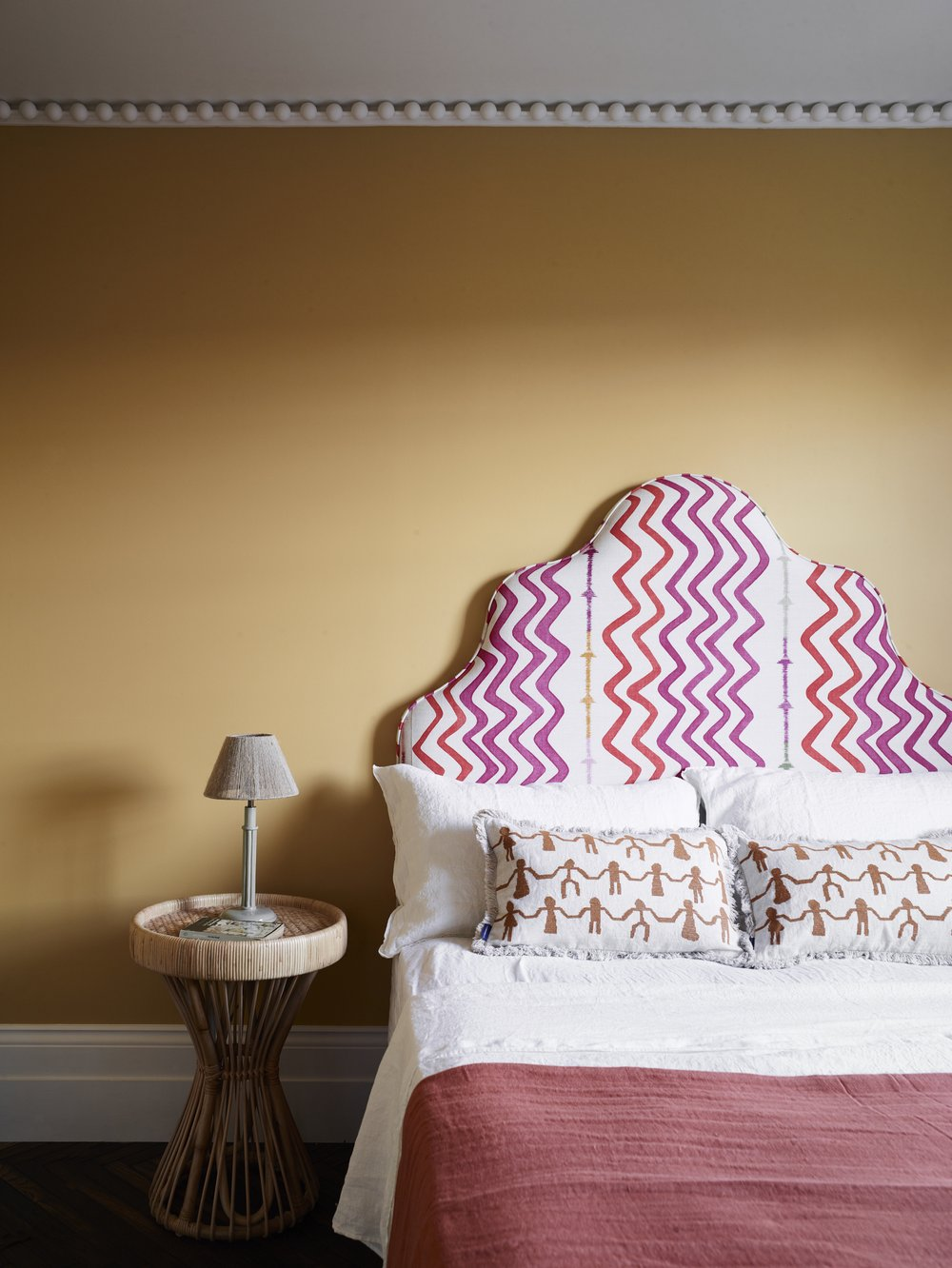
Another innovative use is transforming a textile into a headboard. Frances Merrill of Reath Design illustrates this by backing and upholstering an African textile with light padding, creating a comfortable and visually striking headboard. This method offers a distinctive alternative to traditional headboard designs, adding a personal and artistic touch to a bedroom.
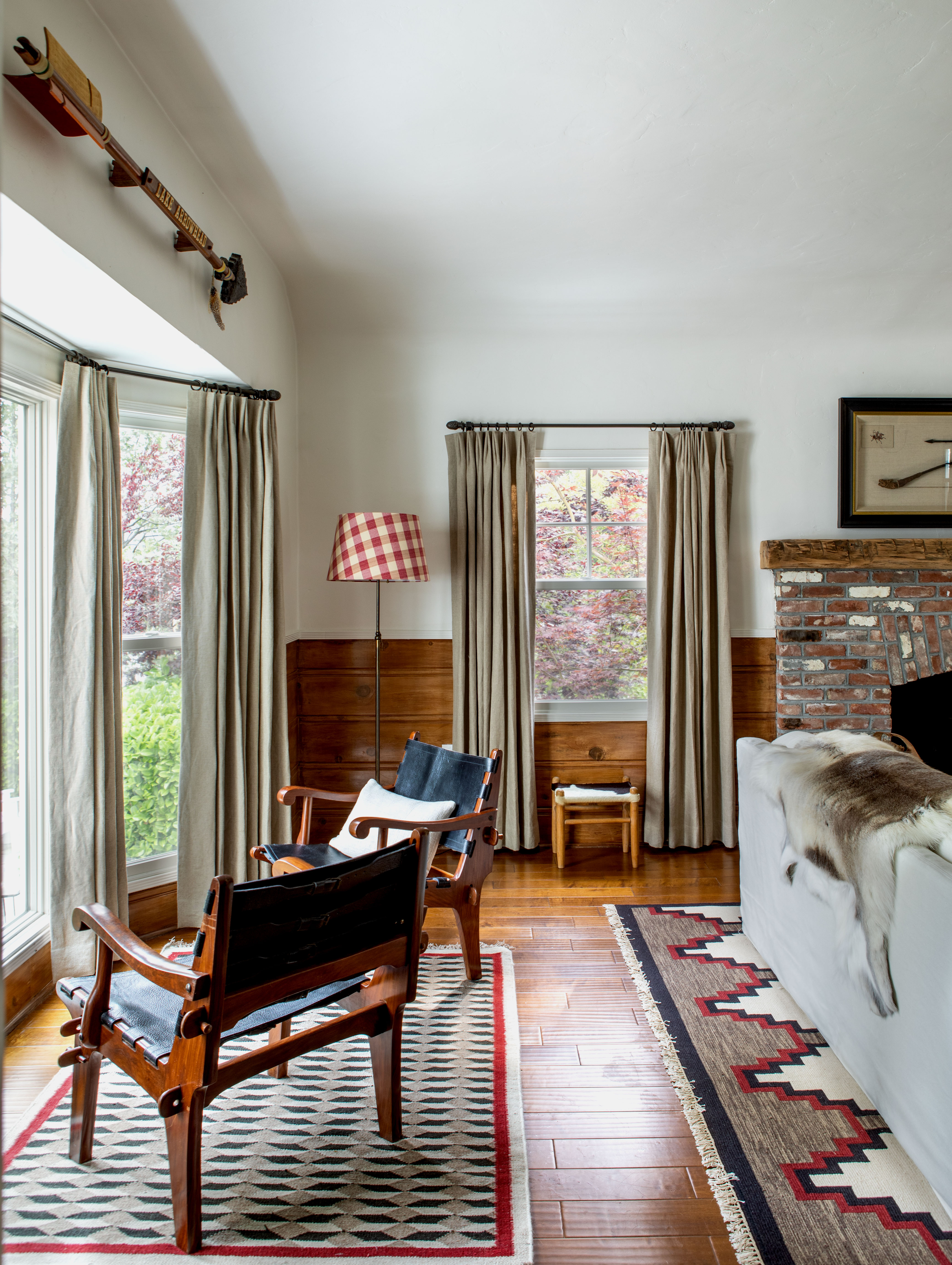
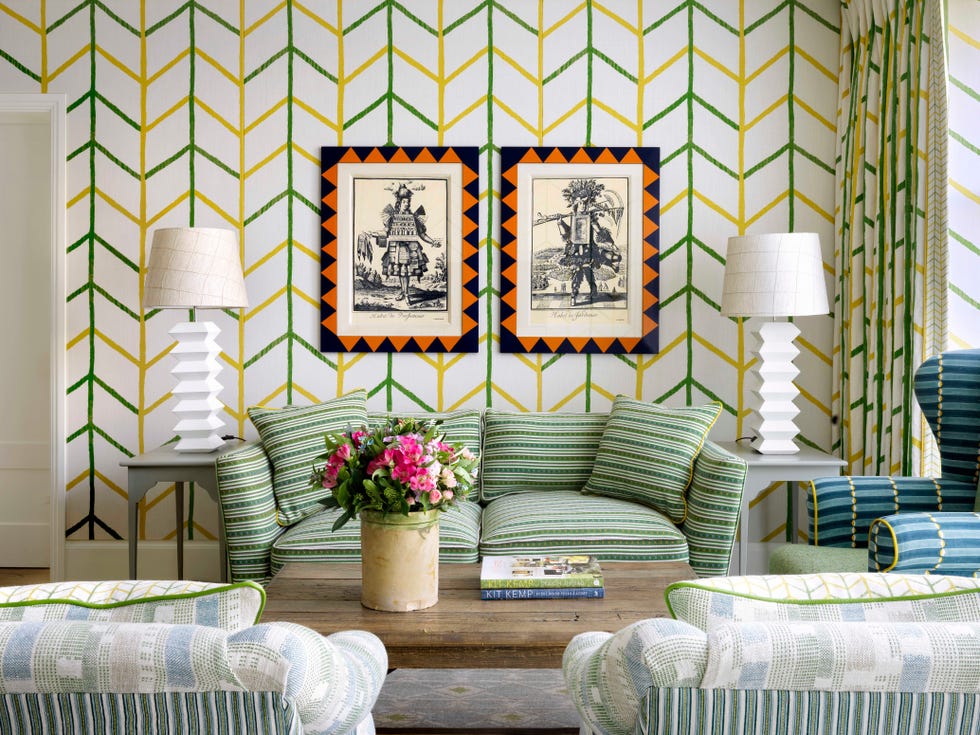
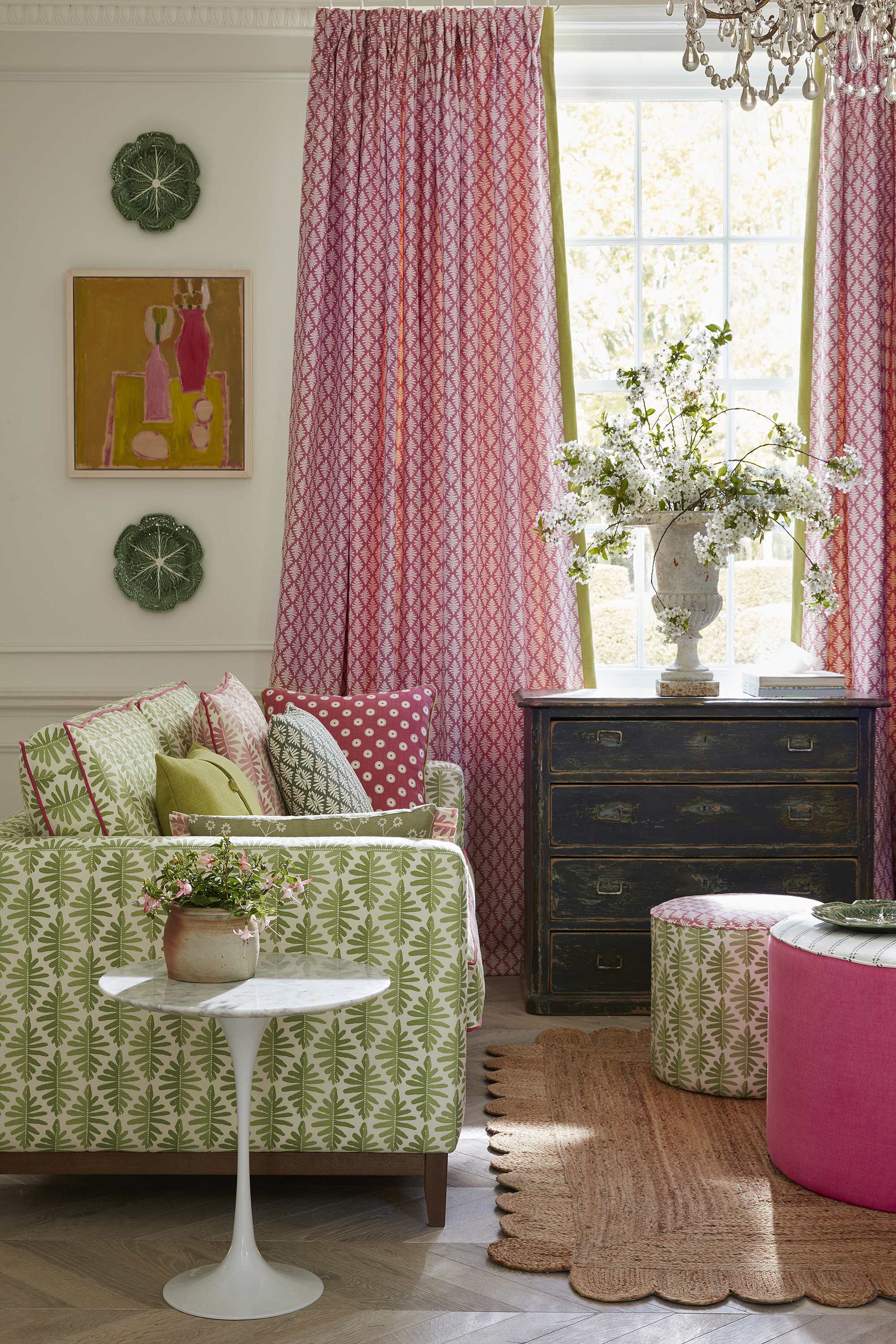
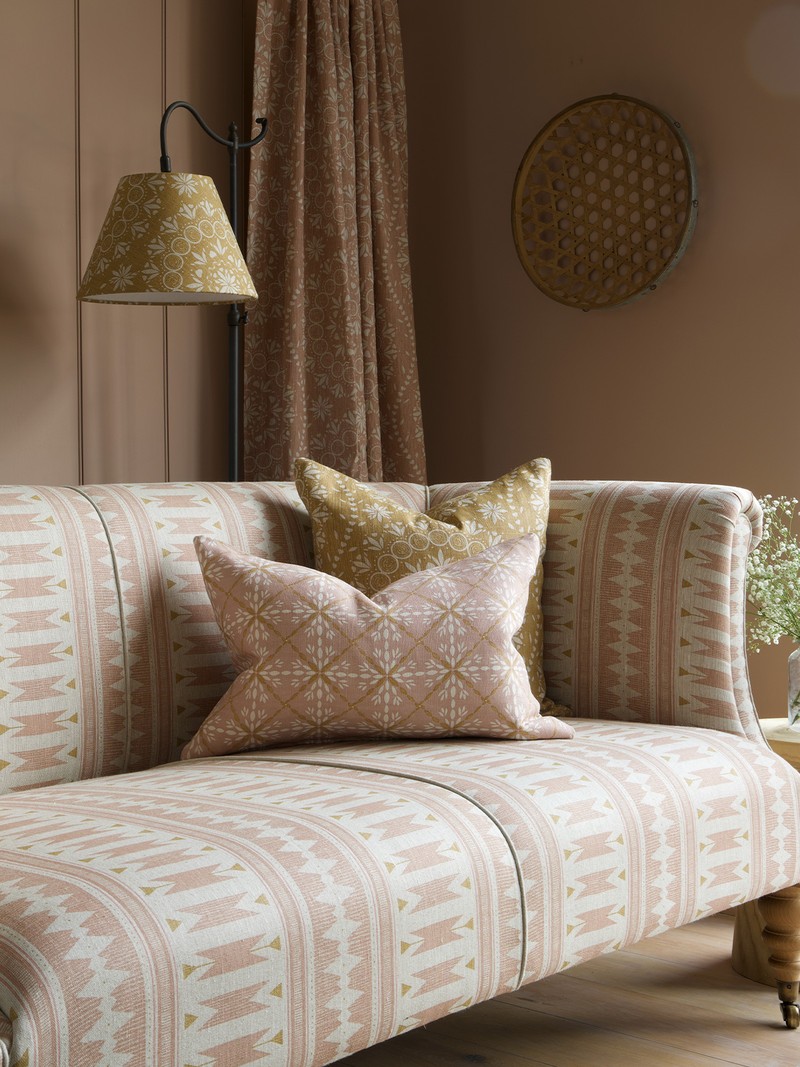
For those seeking a less permanent or upholstery-intensive solution, spreading a textile across the seat or back of a couch offers significant visual impact with minimal commitment. Textile designer Nathalie Farman-Farma of Décors Barbares, for instance, uses a vintage curtain to adorn her couch, achieving a dramatic effect without the need for professional upholstery. Similarly, Rebecca Atwood uses one of her original designs to enhance the back of a sofa, contributing to a calming room aesthetic.
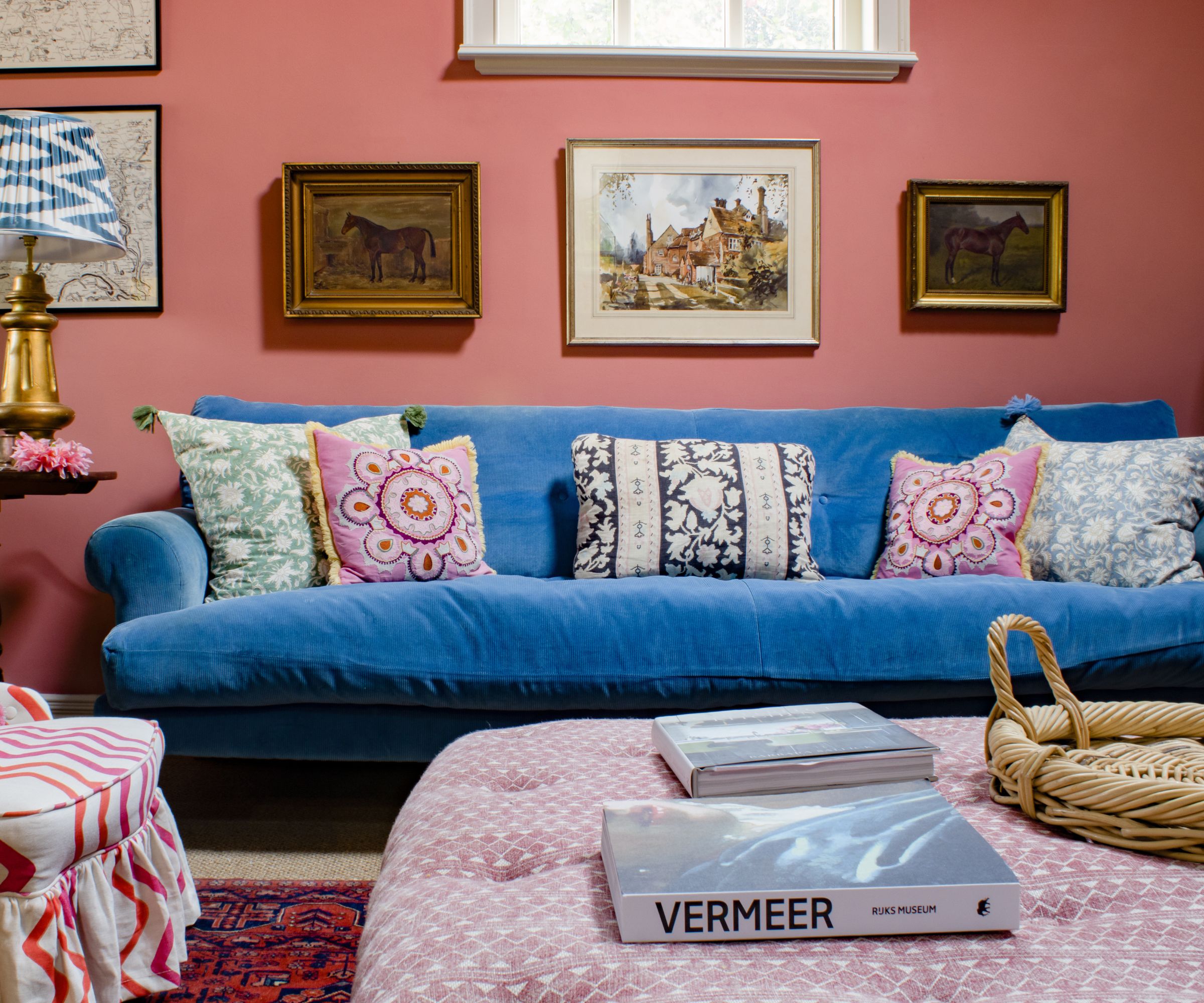
Smaller textile pieces can be repurposed into functional and decorative items such as poufs. Sally Breer of Co-Mingle Design utilizes kilims to create plush poufs, serving as additional seating and injecting color and pattern into a living room. Other small-scale upholstery projects mentioned include covering the seat of a chair, the front of a dresser, or the top of a bench.
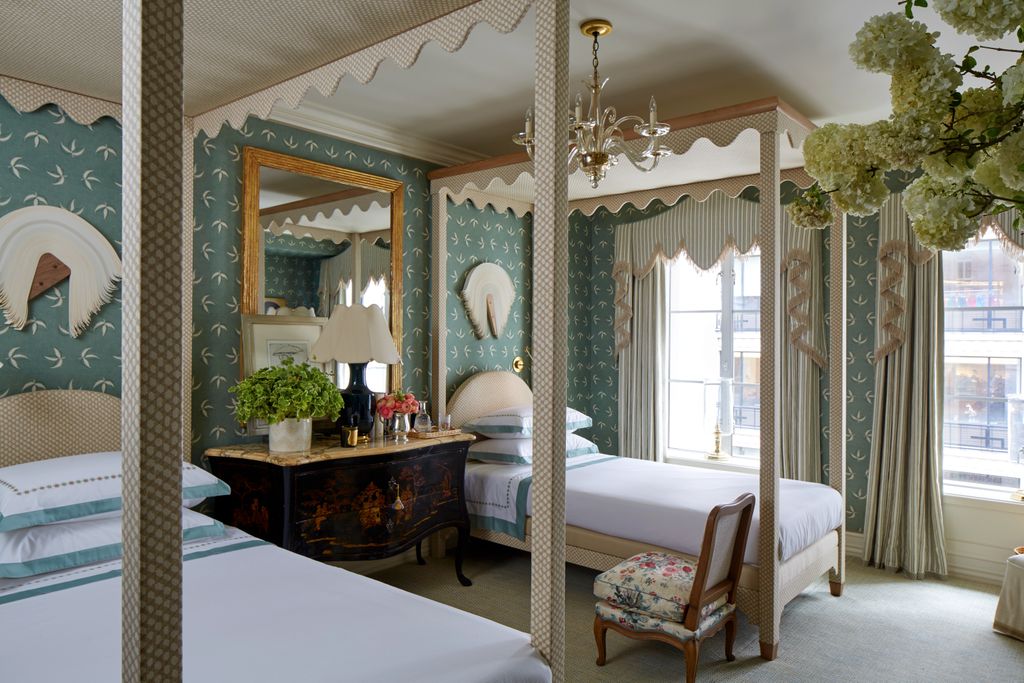
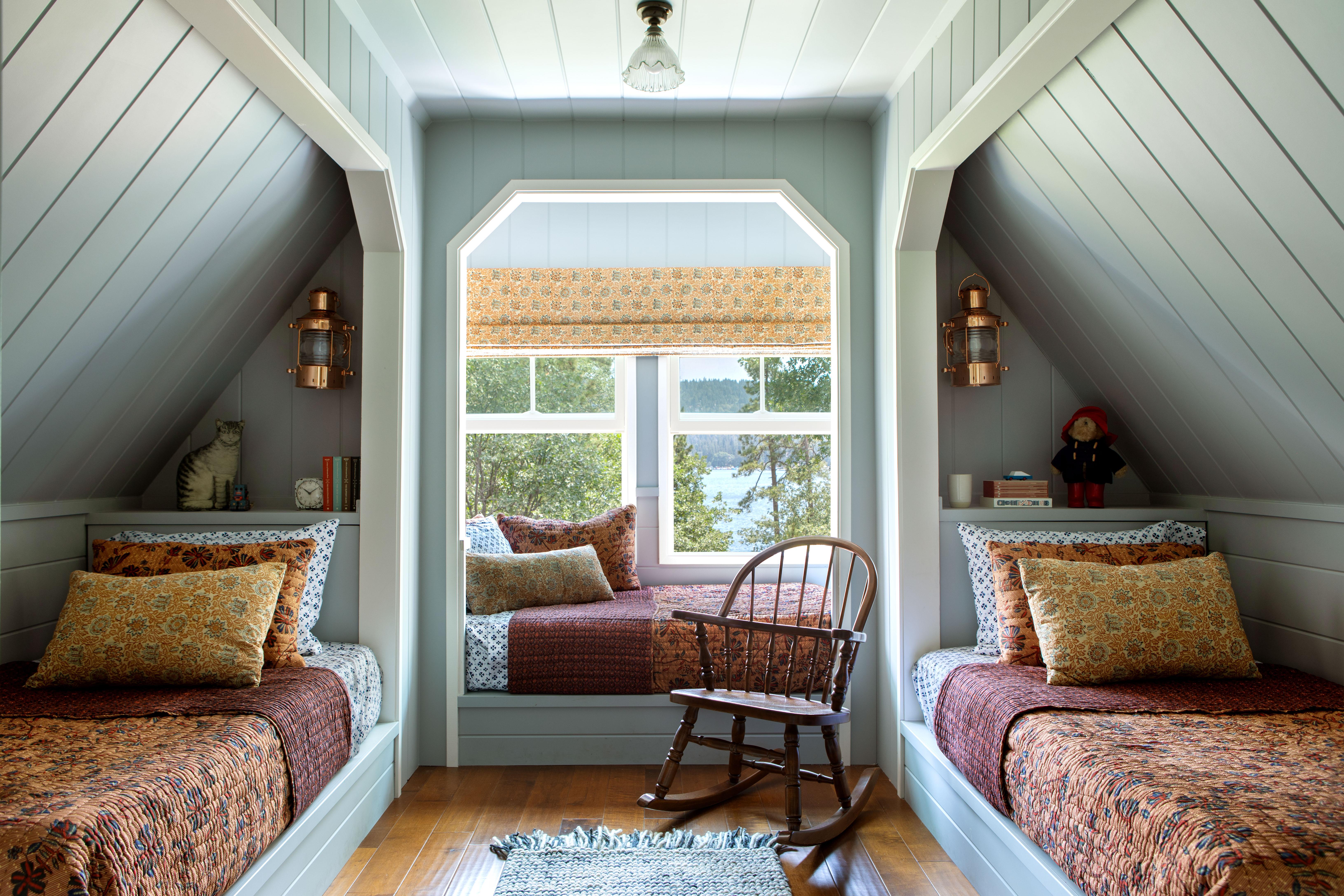
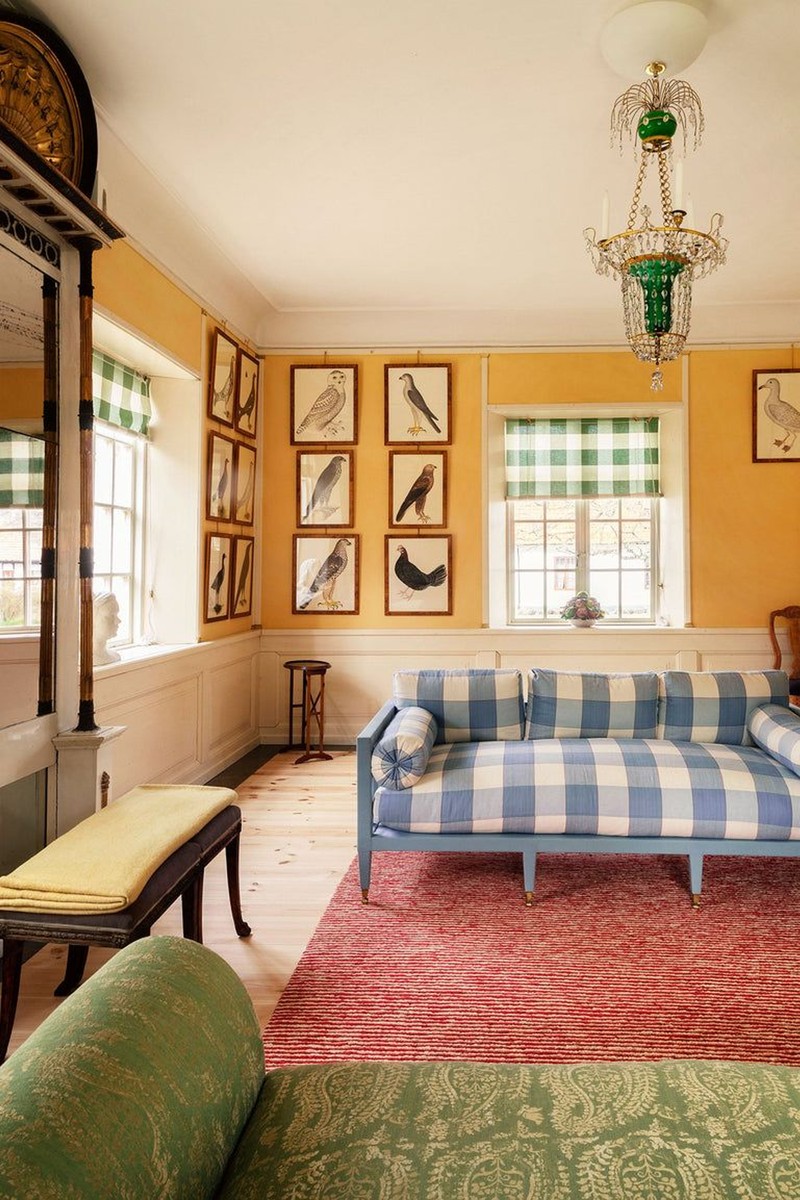
Textiles can also function as unique window treatments. Sally Breer suggests using vintage textiles for windows, especially those with unusual shapes or walls that need artistic enhancement, given their often-idiosyncratic sizes. This approach turns functional elements into decorative focal points, as seen in a stately living room with black and white Roman blinds.
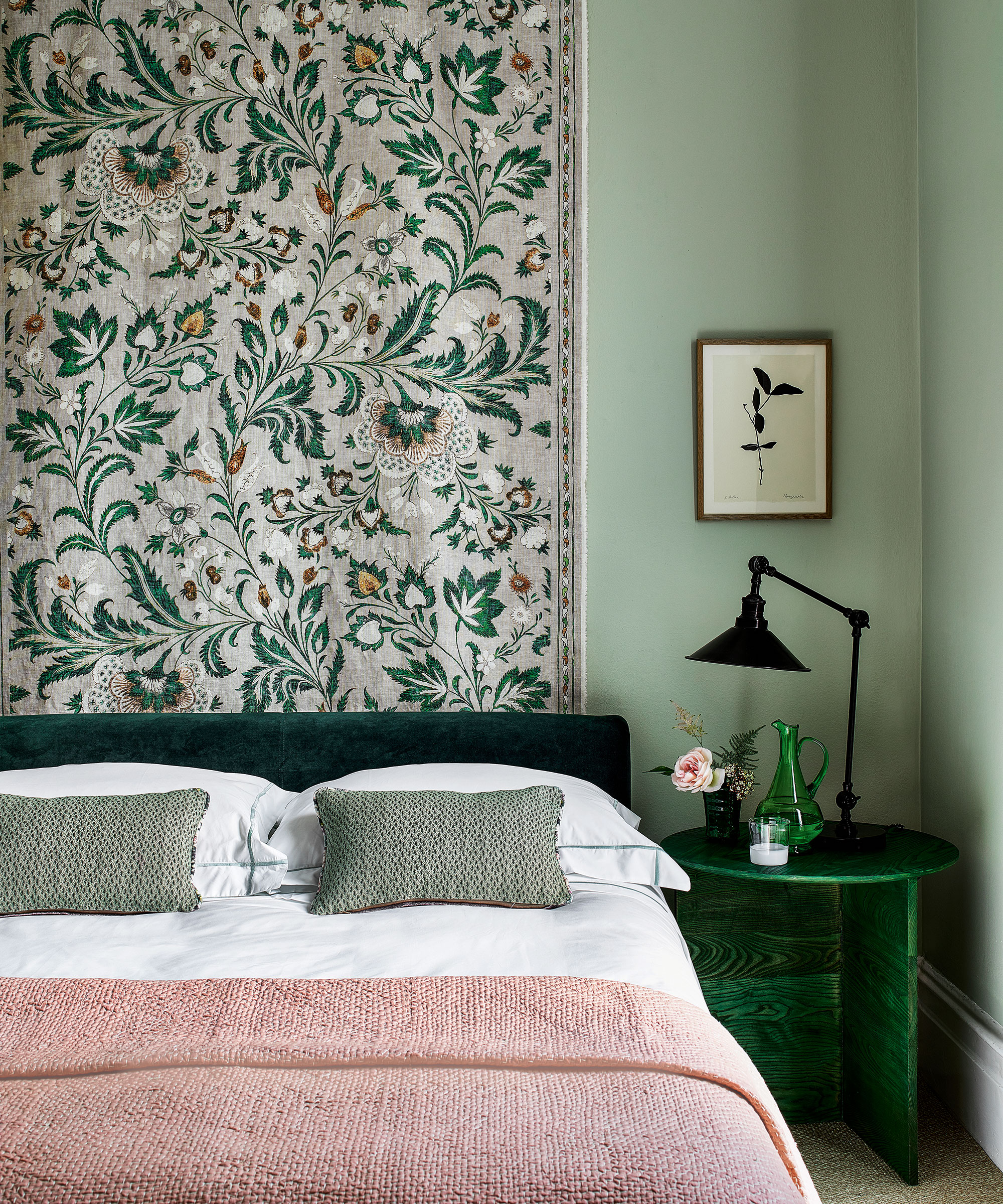
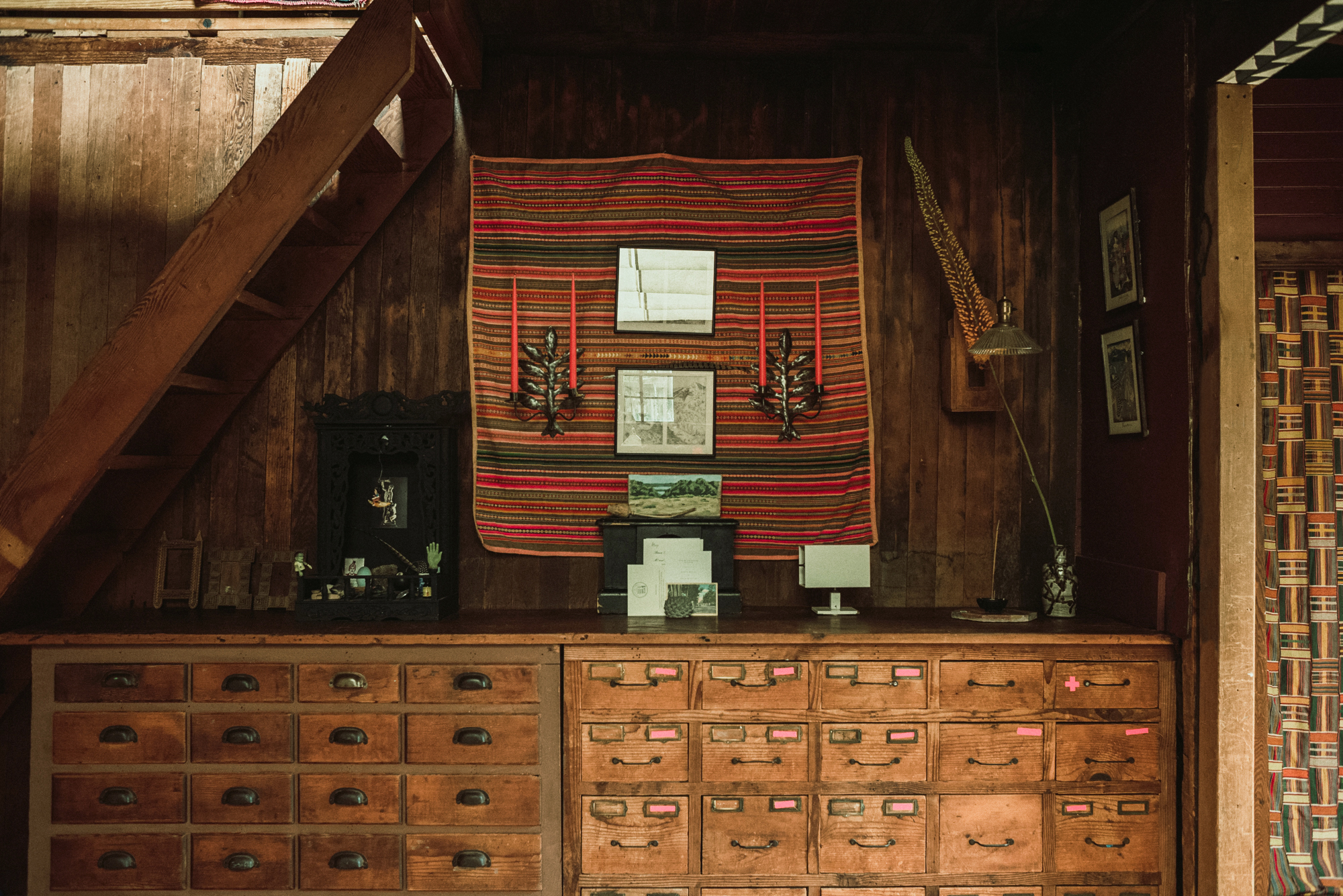
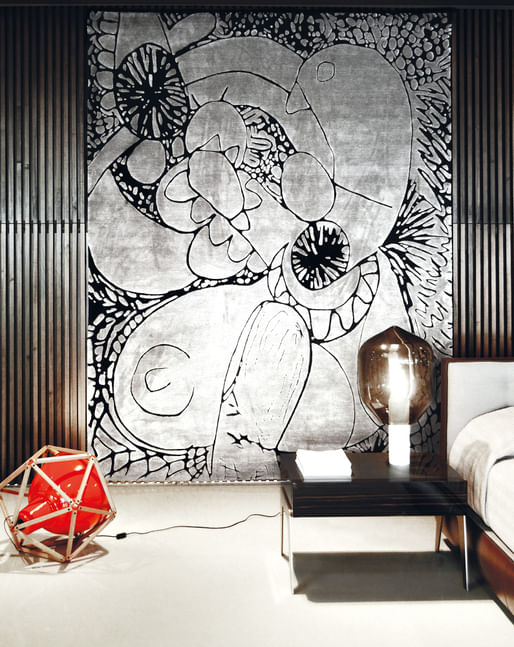
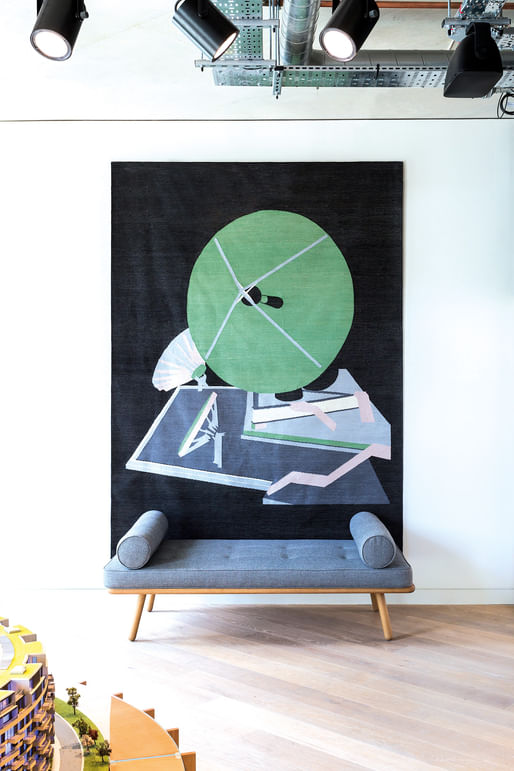
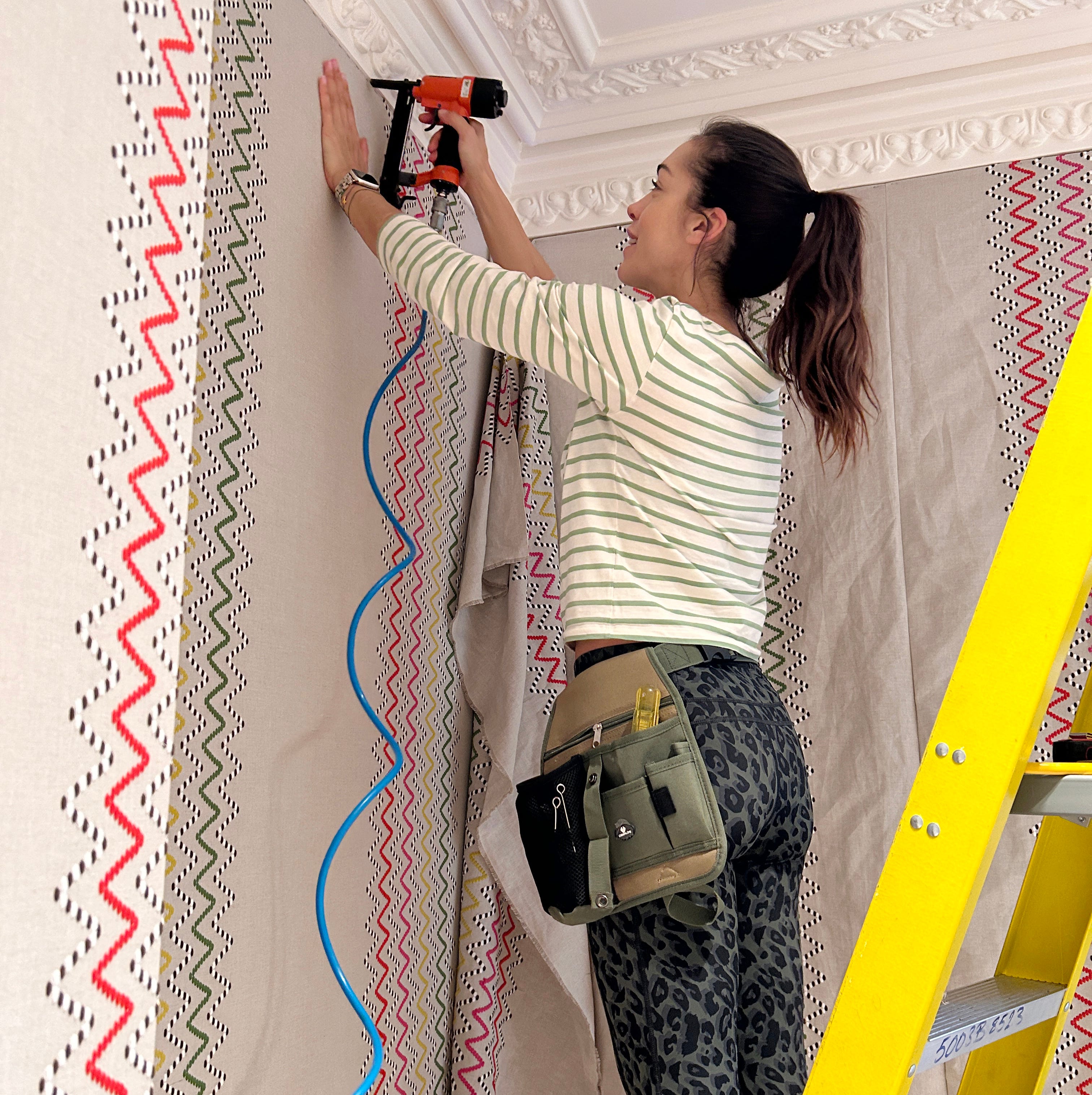
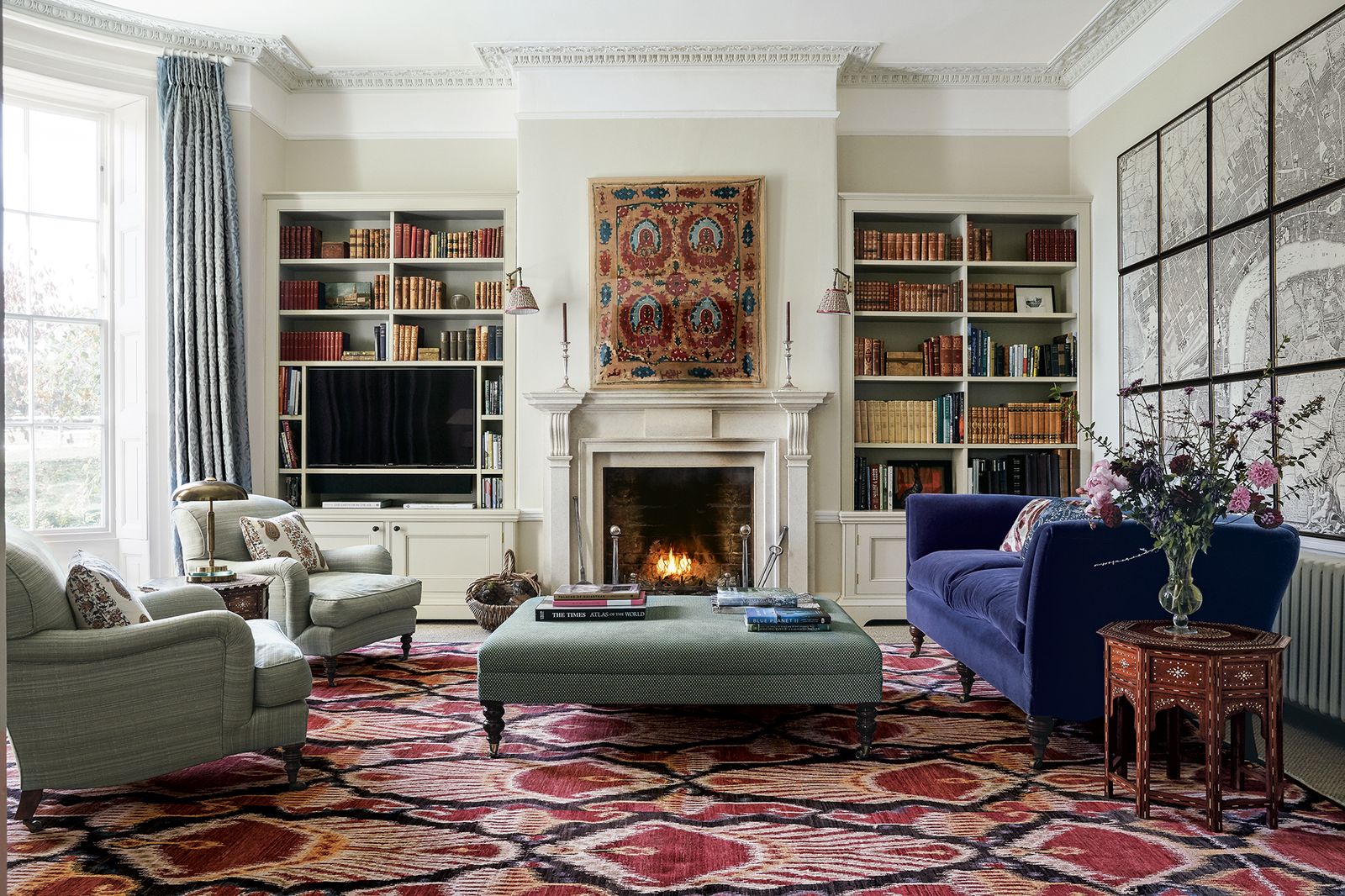
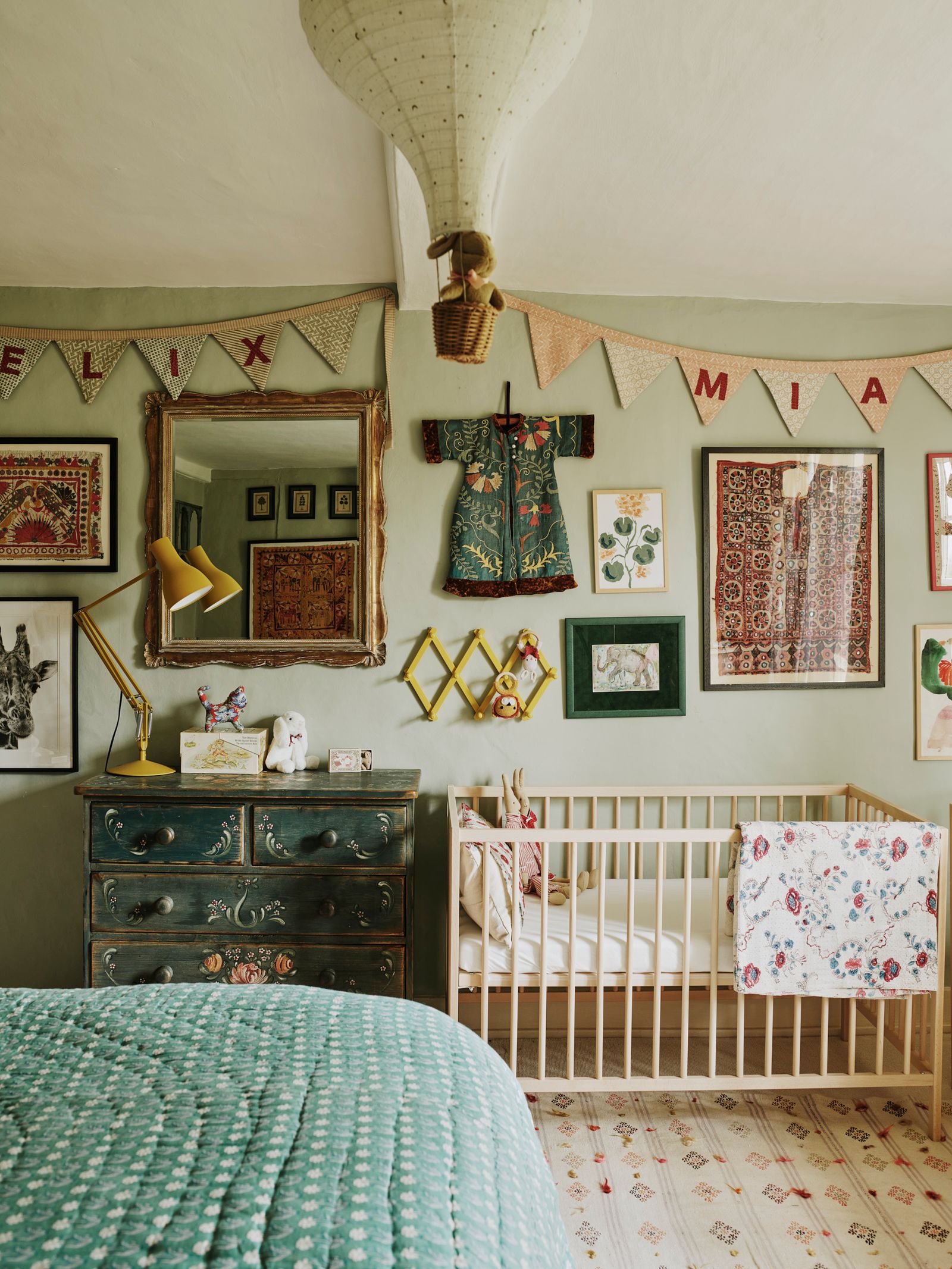
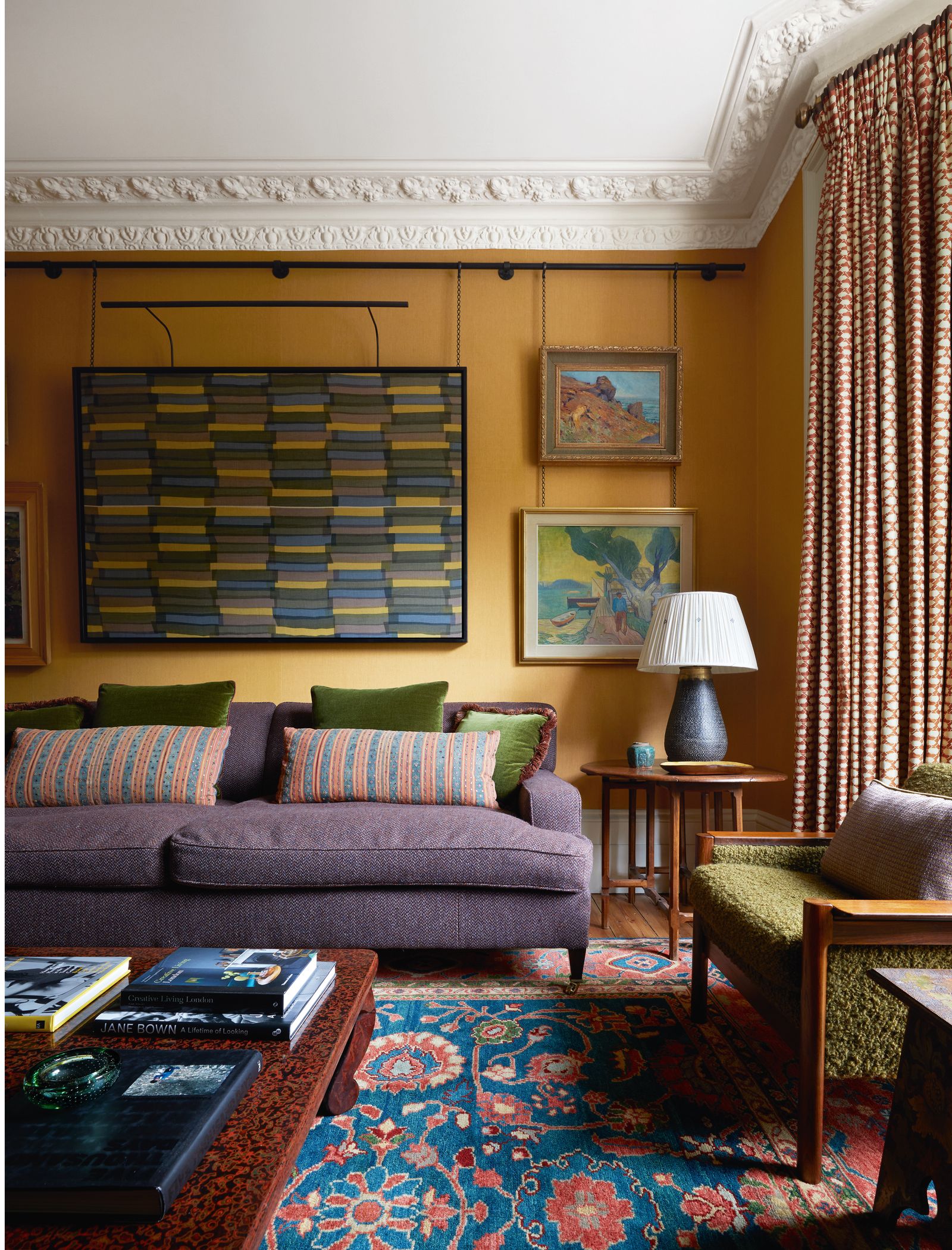
Finally, a simple yet impactful method is to hang textiles directly on the wall. British interior designer Abigail Ahern recommends draping a textile over a pole and mounting it, instantly transforming it into a piece of art. This technique, she explains, can make a space feel warm and cozy by elevating the textile to an artistic display. These diverse strategies allow textile enthusiasts to integrate their cherished pieces into their homes in creative and personalized ways, enhancing both the aesthetic and narrative of their living spaces.
#TextileArt #HomeDecor #InteriorDesign #TextileDisplay #FramedTextiles #HeadboardDesign #FurnitureAccents #WindowTreatments #WallHangings #TextileArt #HomeDecor #InteriorDesign #TextileDisplay #FramedTextiles #HeadboardDesign #FurnitureAccents #WindowTreatments #WallHangings
0 comment in total
 No comments yet
You may also like
4 Creative Ways To Use Textiles in Your Home
12 easy changes you can make to your living room to instantly elevate how it looks and feels

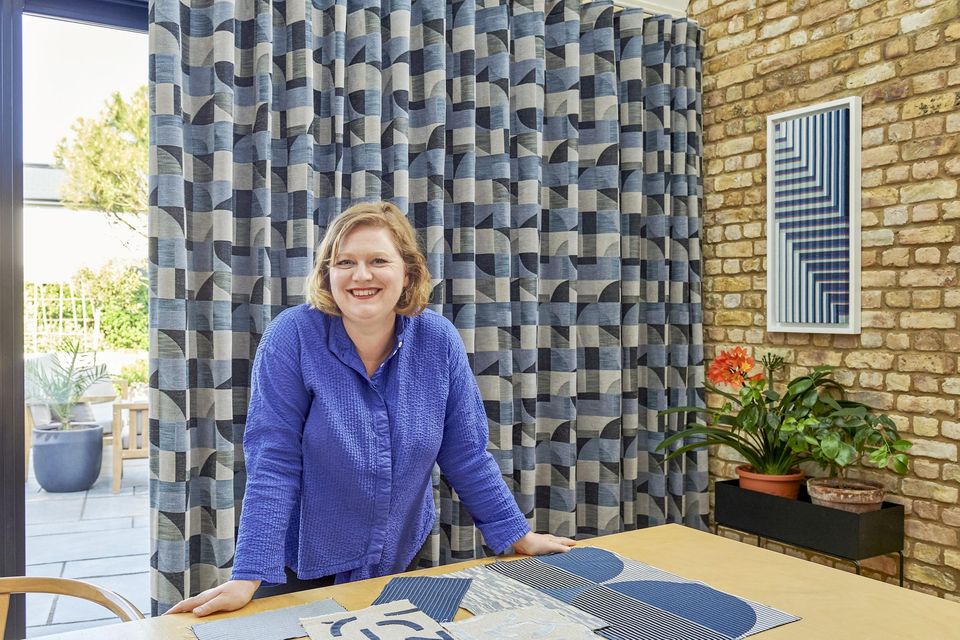
How to use woven fabrics to add texture to your interior space
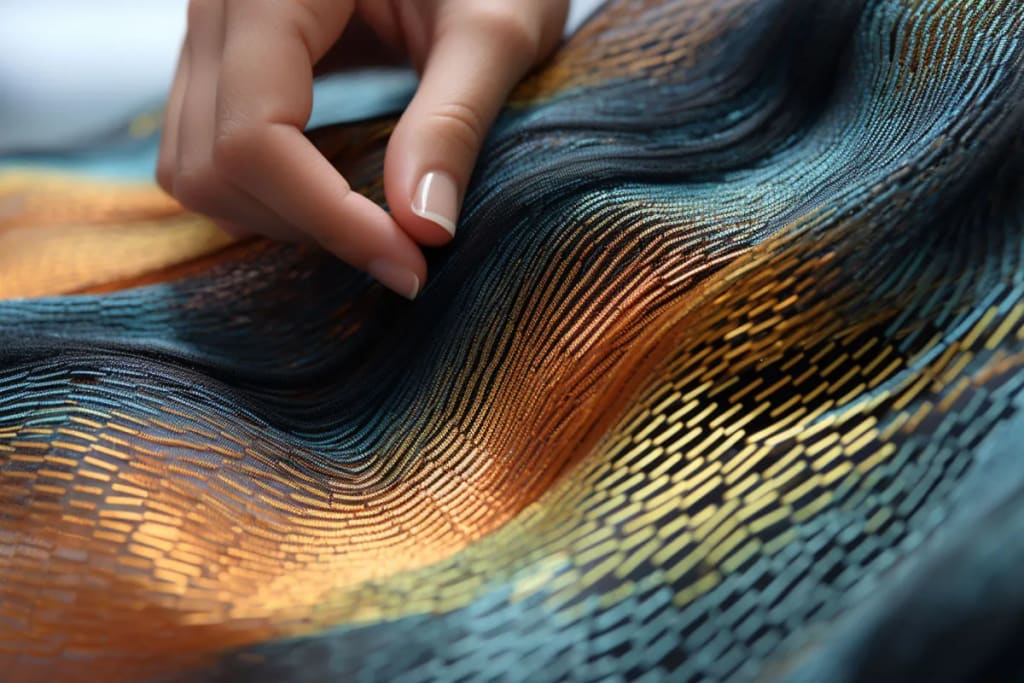
Innovations in Smart Textiles Transforming Home Décor

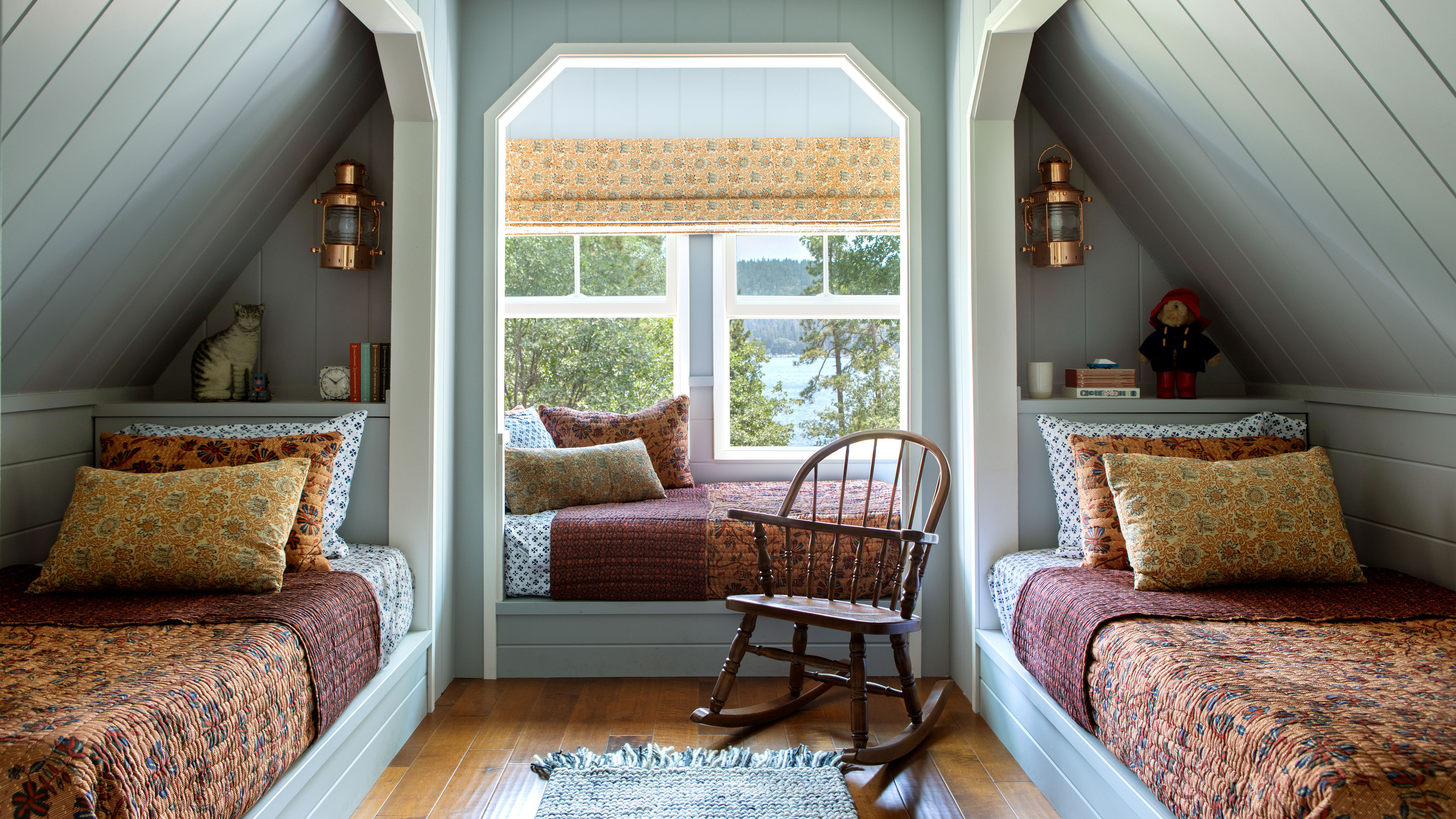
Is your room missing something? These are the 7 simple buys that designers always recommend to their clients to instantly pull a space together
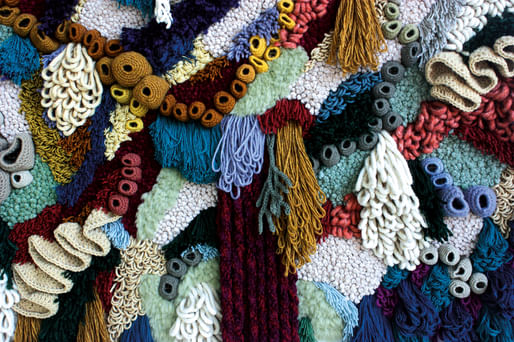
Rugs and Textiles go Vertical as Wall Art
Home textiles: The big opportunity
'These pieces add personality and prevent spaces from looking generic' – 10 things stylists never show up to a shoot without
How to decorate with antique textiles – designers share their tips for adding character with old fabrics

5 Secrets That Will Make Your Living Room Look Expensive, According to Designers

Decorating with pattern – 11 ways to embrace print at home
Is your home feeling lifeless? 5 layering hacks to make the interiors warm and inviting | Hindustan Times

This Wall-Decor Hack Is Even Easier Than Peel-and-Stick Wallpaper
The expert guide to decorating walls with fabric

5 Ways to Decorate with Bobbin Details in Your Home — From the Walls to Your Furniture, and Doors, Too
Why interior designers love framed textiles and where to buy the best ones
5 Fabrics and Materials to Elevate Your Home’s Style
The New Fabric Launches Worth Knowing About
This Clever, Luxe-Looking Buy Is the Easiest Way to Turn Your Designer Scarf Into Wall Art — No Frame, No Fuss
7 Things That Always Make Your Living Room Look Empty, According to Designers