Innovations in Smart Textiles Transforming Home Décor
The home textile industry is undergoing a significant transformation with the introduction of smart textiles, which are fabrics integrating advanced technology to enhance functionality, aesthetics, and sustainability. These innovative materials move beyond traditional considerations of color, texture, and pattern, incorporating features such as temperature regulation, self-cleaning capabilities, responsive lighting, and health-monitoring properties. This article explores how these smart textile innovations are reshaping modern living spaces and revolutionizing the home décor industry.
Smart textiles, also known as e-textiles or intelligent fabrics, embed digital components like sensors, microcontrollers, and conductive fibers. These fabrics are designed to interact with environmental conditions or user preferences, making home interiors more dynamic and adaptable. They are categorized into passive, active, and ultra-smart textiles. Passive smart textiles react to external stimuli without changing their state, such as thermochromic curtains that change color based on room temperature. Active smart textiles feature embedded electronics that respond dynamically to stimuli, exemplified by LED-embedded upholstery that illuminates upon touch. Ultra-smart textiles are advanced fabrics that analyze external conditions, react accordingly, and learn from past interactions, like AI-powered cushions that adjust firmness based on user posture.
One practical application is temperature-regulating textiles. Thermochromic curtains and blinds change color or opacity based on room temperature, reducing the need for artificial lighting and heating. Phase-change bedding, including smart blankets and mattress covers, uses phase-change materials (PCMs) to absorb or release heat, ensuring optimal sleeping conditions. Heated upholstery in sofas and chairs provides warmth in colder months, lessening reliance on central heating.
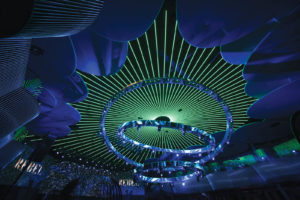
Innovations in textile-integrated lighting are also redefining home aesthetics. Interactive textiles with fiber optics and LEDs offer dynamic interior possibilities. Examples include illuminated curtains and rugs with LED-embedded fabrics that create ambient lighting, controllable via smartphone apps. Touch-sensitive upholstery lights up when touched or when movement is detected, enhancing convenience and aesthetics. Mood-responsive wall hangings change color or brightness based on detected mood, contributing to immersive home experiences.
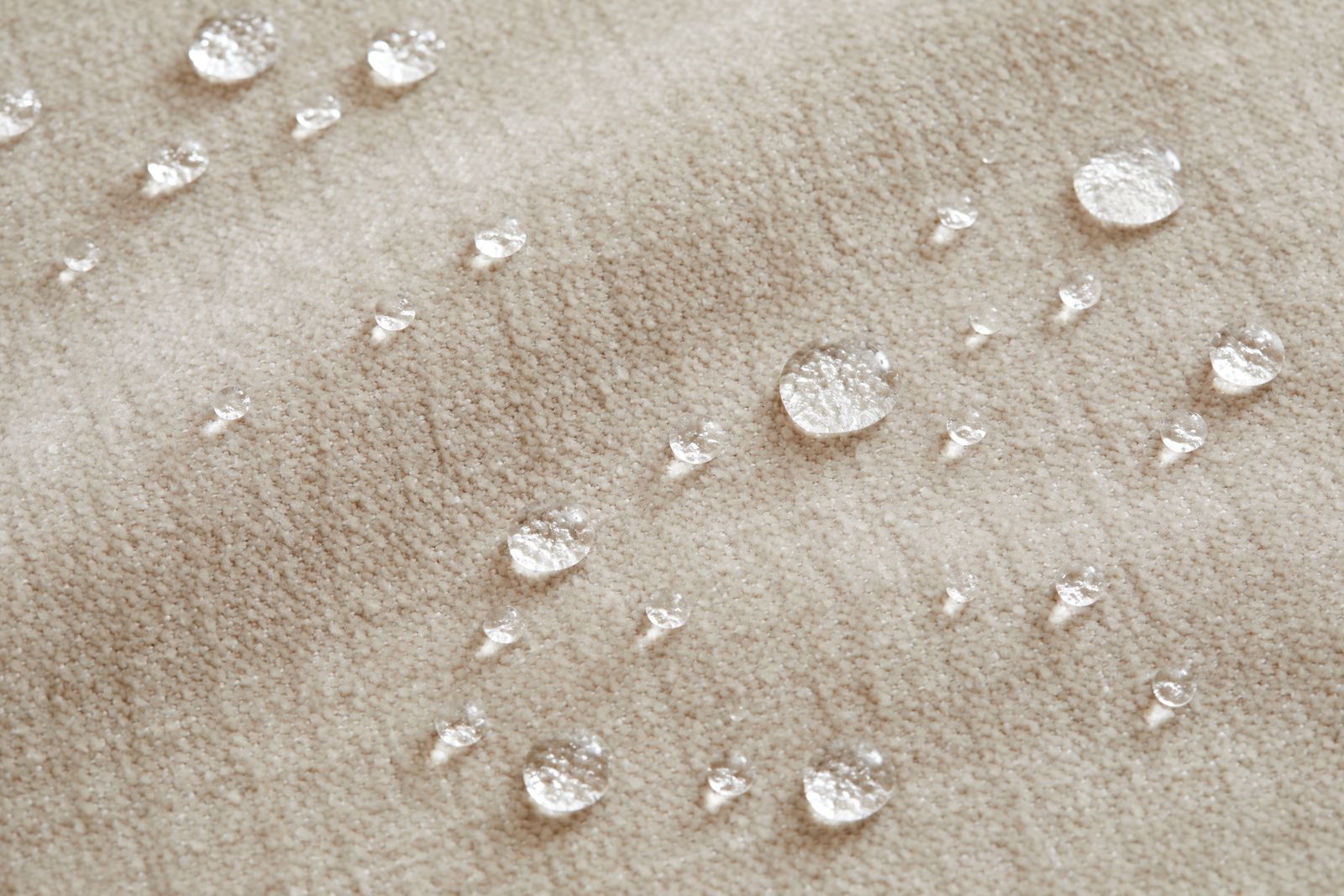
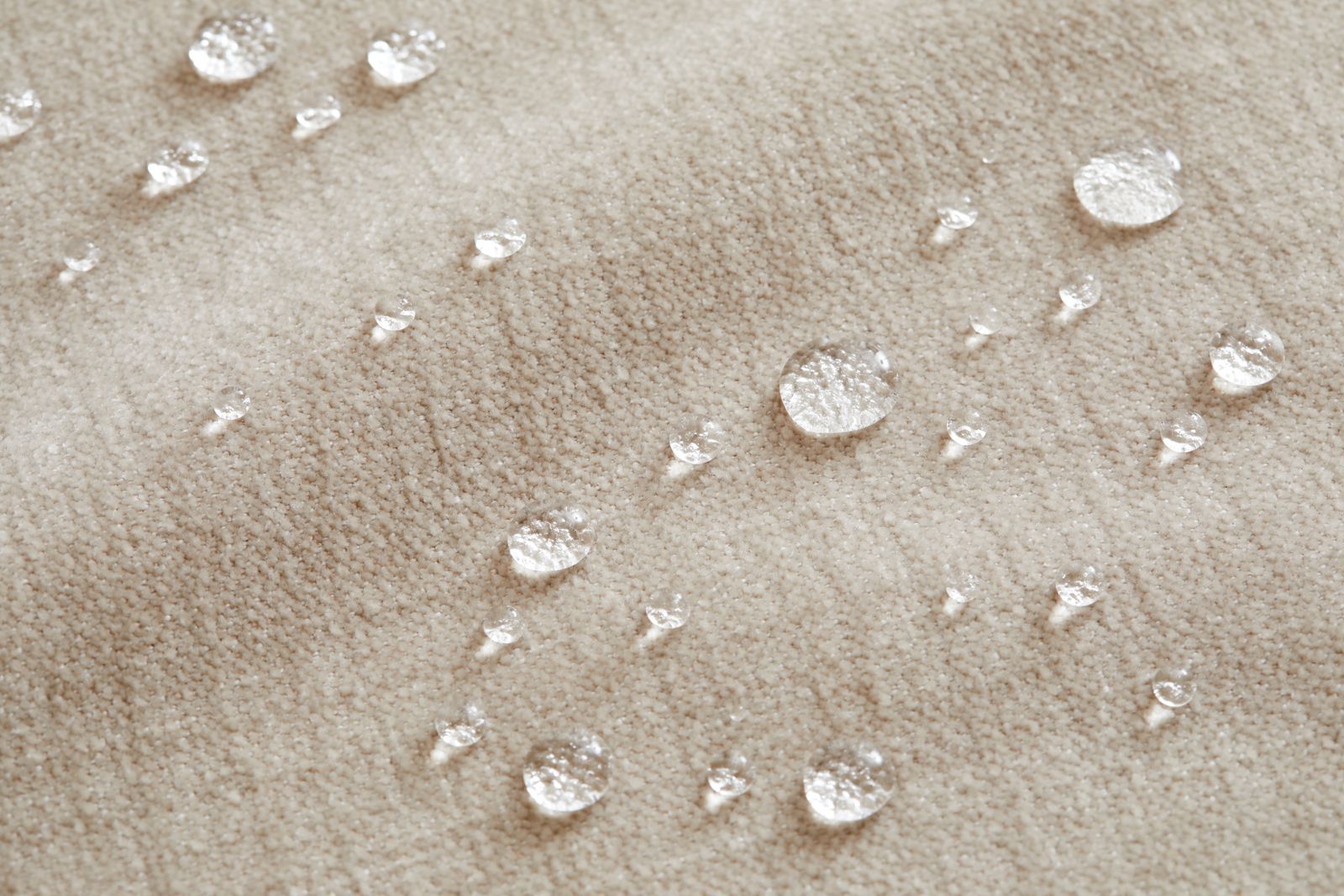
Hygiene is a priority, leading to self-cleaning and antibacterial textiles. Hydrophobic fabrics, treated with nanotechnology, are water- and stain-resistant, reducing washing frequency. Antibacterial upholstery, infused with silver ions and copper, prevents bacteria and fungi growth, ideal for high-contact surfaces. UV-activated self-cleaning curtains break down dust and pollutants when exposed to sunlight, promoting cleaner interiors.
Smart textiles also support health and wellness. Air-purifying fabrics filter airborne pollutants, improving indoor air quality. Pressure-sensitive cushions and mattresses monitor and adjust to sitting or sleeping postures to prevent discomfort. Stress-relieving textiles, like weighted blankets and biofeedback fabrics, help reduce anxiety and improve sleep quality.
Sustainability is another key aspect. Energy-generating fabrics can harvest energy from movement or sunlight to power small home devices. Biodegradable smart textiles, made from natural fibers with embedded biodegradable electronics, reduce electronic waste. Recyclable smart curtains and upholstery are designed for easy dismantling and efficient recycling of embedded technology.
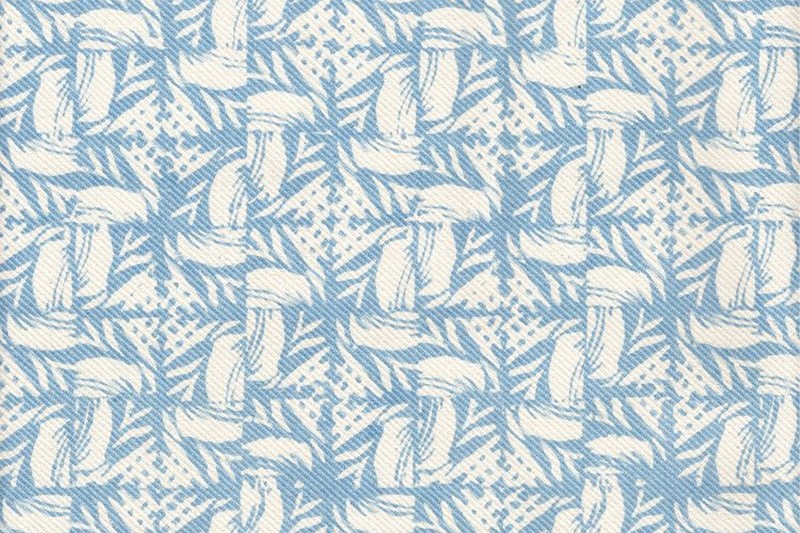
AI-driven textile design enables highly personalized home décor solutions. AI-generated patterns create unique fabric designs based on individual tastes. Smart dyes allow users to alter home décor elements with simple commands. Personalized home automation integration connects smart fabrics to automation systems, adjusting curtains, furniture, and lighting based on user habits.
The future of smart textiles in home décor predicts increased AI integration, making textiles more intuitive and adaptive. Augmented Reality (AR) textiles may allow users to visualize and modify patterns in real-time. As technology scales, smart fabrics are expected to become more affordable and accessible to mainstream consumers. Overall, smart textiles are transforming home décor by blending technology with functionality and aesthetics, creating smarter, healthier, and more sustainable living spaces.
#SmartTextiles #HomeDécor #TextileInnovation #SustainableDesign #SmartHome #InteriorDesign #ETextiles #FunctionalFabrics #SmartTextiles #HomeDécor #TextileInnovation #SustainableDesign #SmartHome #InteriorDesign #ETextiles #FunctionalFabrics
0 comment in total
 No comments yet
You may also like
The 5 fabric trends ruling interiors now, according to the pros

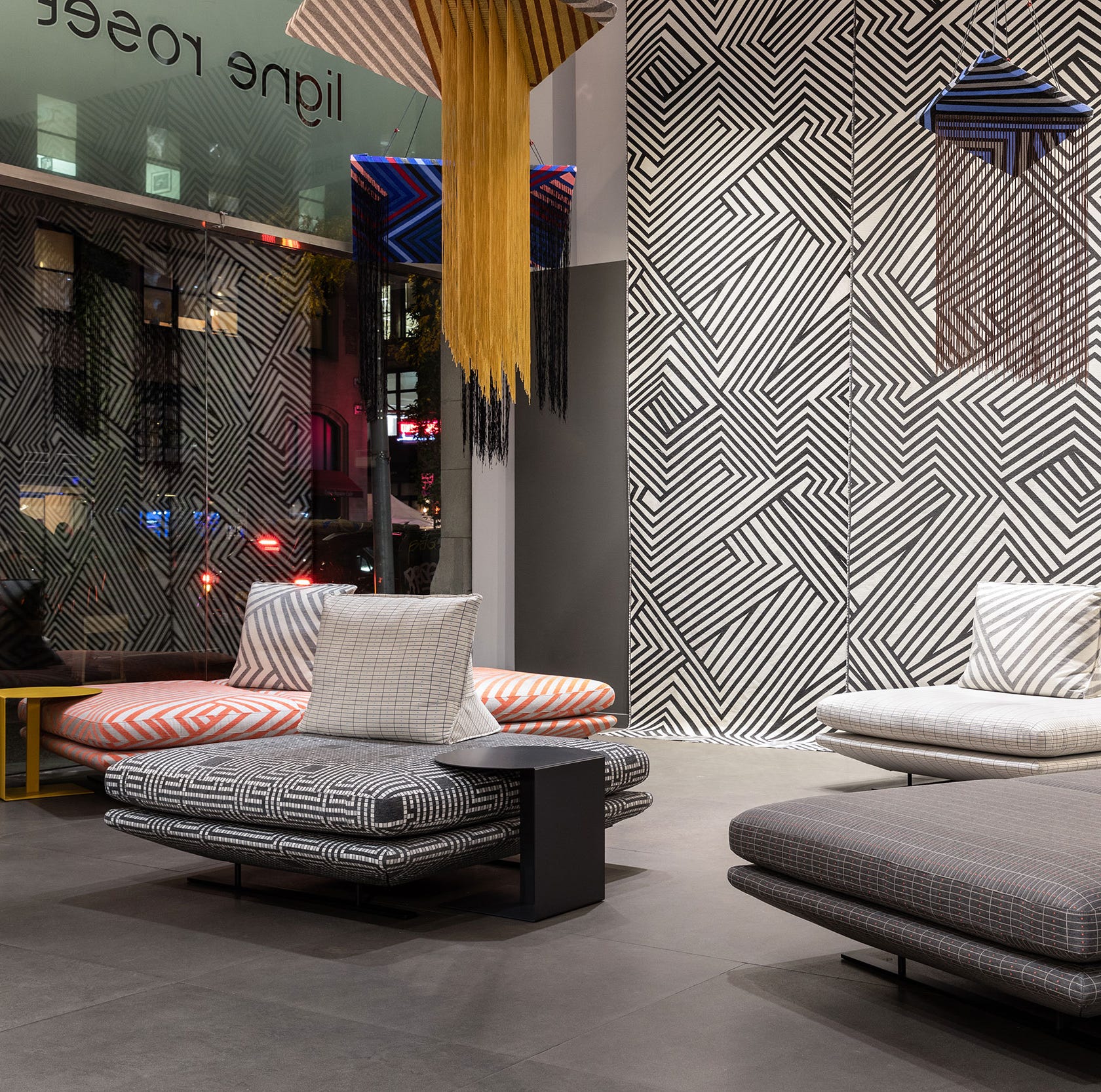
These Dynamic New Fabrics Will Make Any Room Come Alive
Some of the most innovative uses of fabric in entertainment environments are found inside

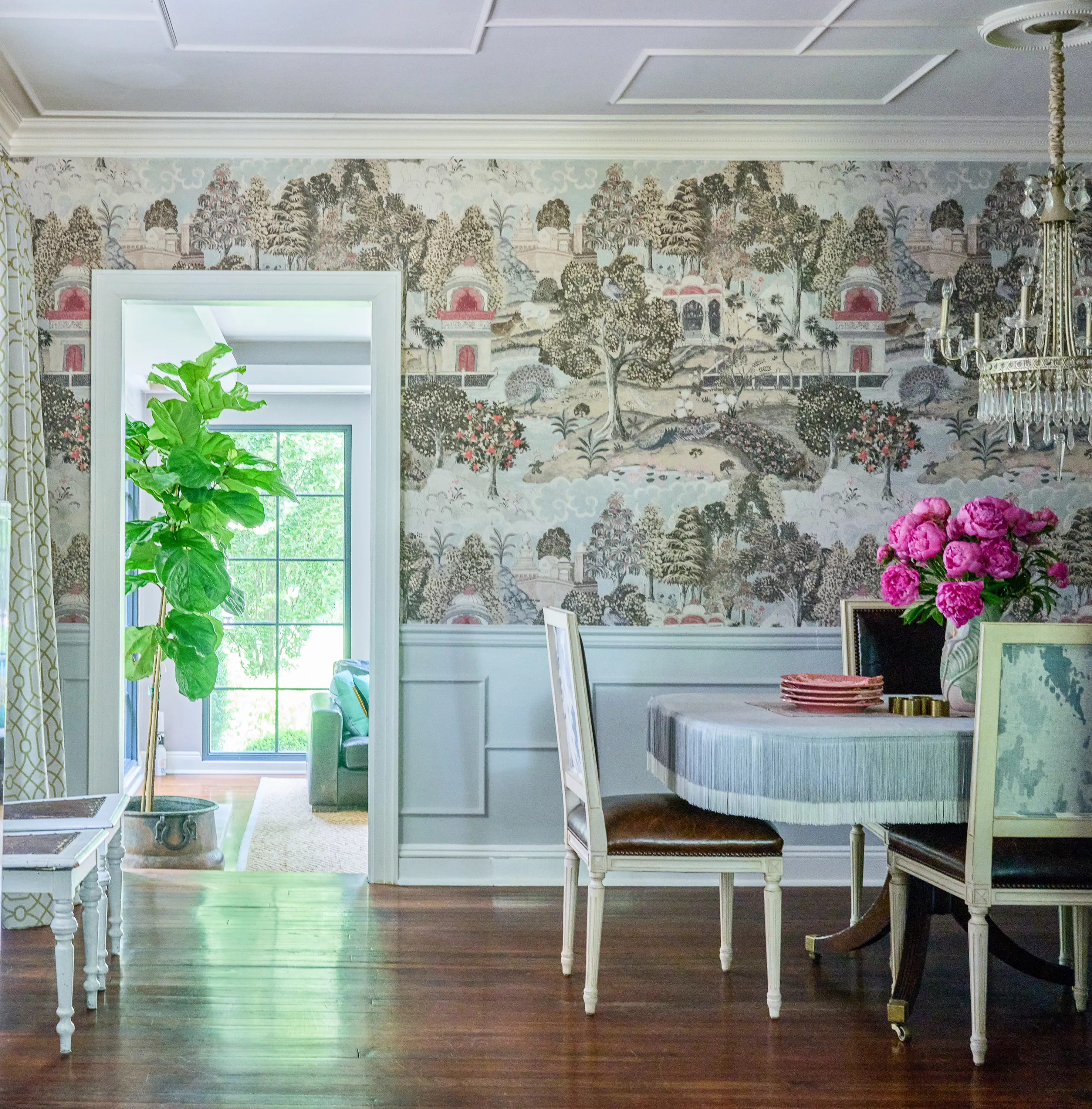
Fringe Is Back and Better Than Ever—Here's How Designers Are Embracing the Trend

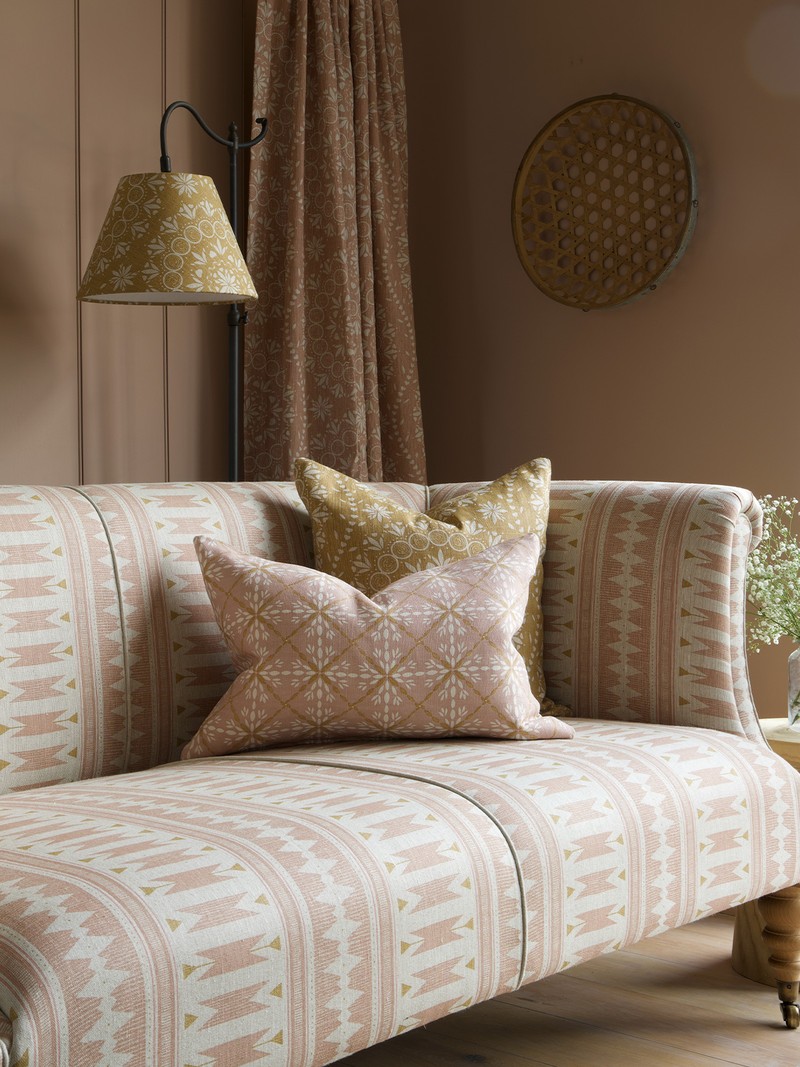
The New Fabric Launches Worth Knowing About
The Coziness Factor: Designers Share How They Create an Inviting Home

How AI and Automation Are Transforming Home Textile Technology: The Future of Smart and Sustainable Living
8 fiery flame-stitched designs for a fresh look

The 5 Fabric Trends Ruling Interiors Now, According to the Pros

Transforming Home Comfort

“We start with how a material lives in a home"

Technicolour textiles by Peter Saville for Kvadrat among new products on Dezeen Showroom
Why Smart Textiles Are the Future of Home Furnishings: The Intersection of Innovation and Comfort
32 Spectacular Fabrics and Trims Coming to Market This Year
Livingetc Style Awards 2025 — Decorating

Homestyle: Attention to detail
Twelve fabric-covered gadgets that show how technology can be more cosy
The 23 Best Home Decor Picks from Amazon to Add to Your Cart
Shop the Best Home Decor on Amazon, Starting at Just $9
Home Textile Industry News: Growth and Challenges in 2025