
Kitchen Transformations
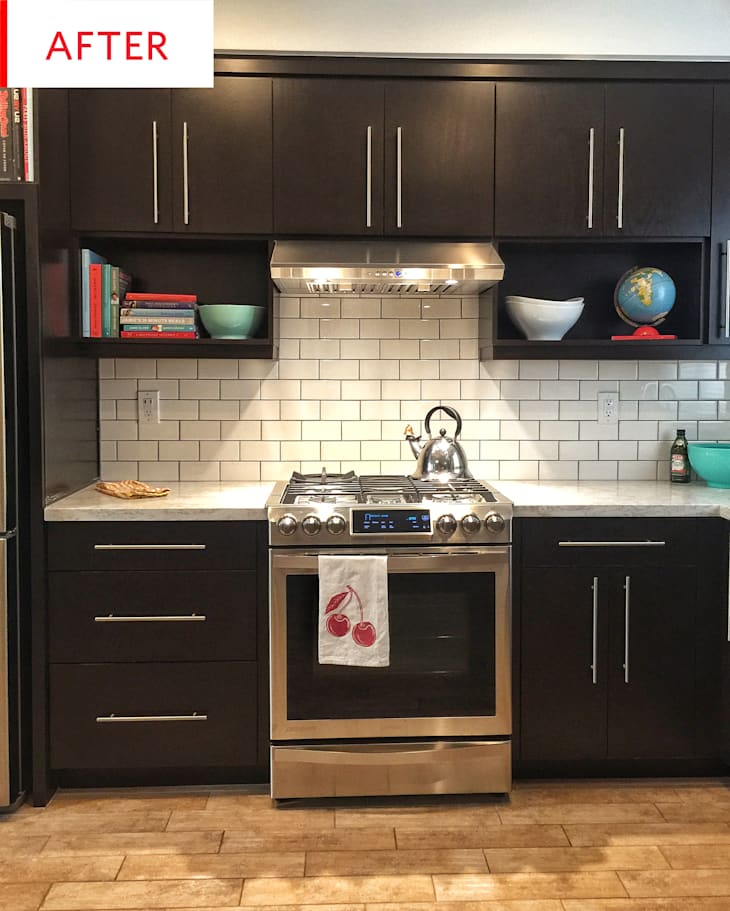
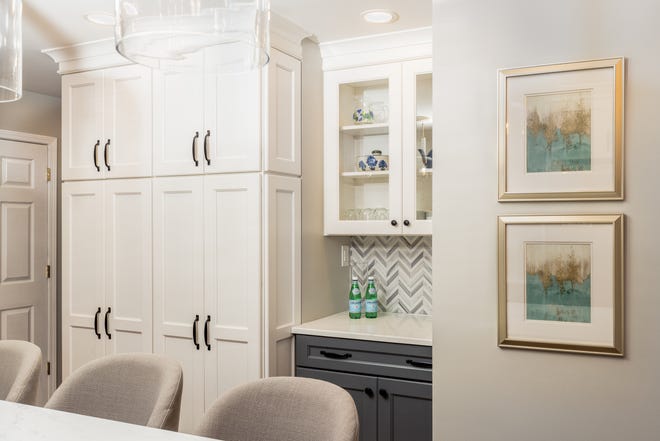
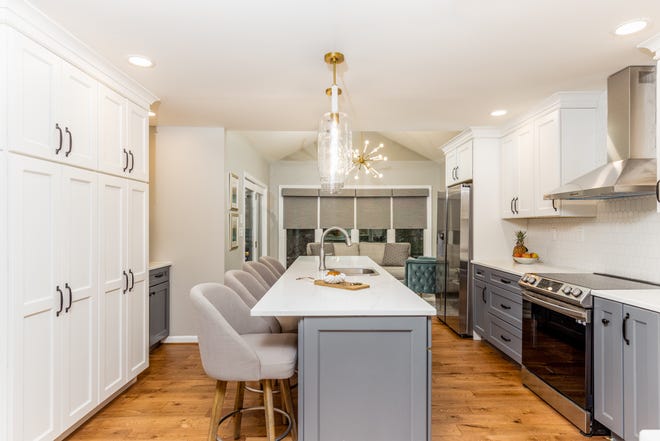
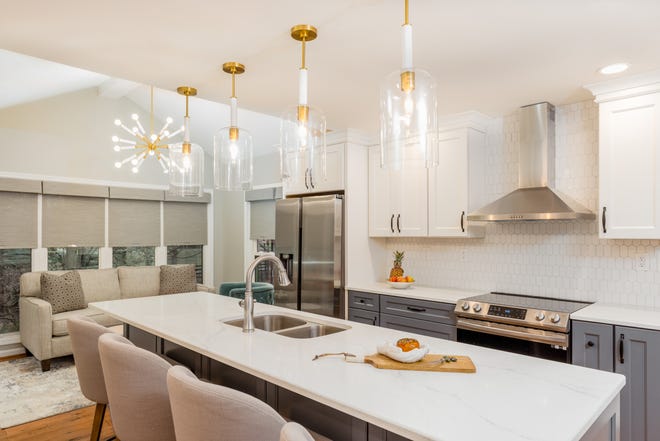
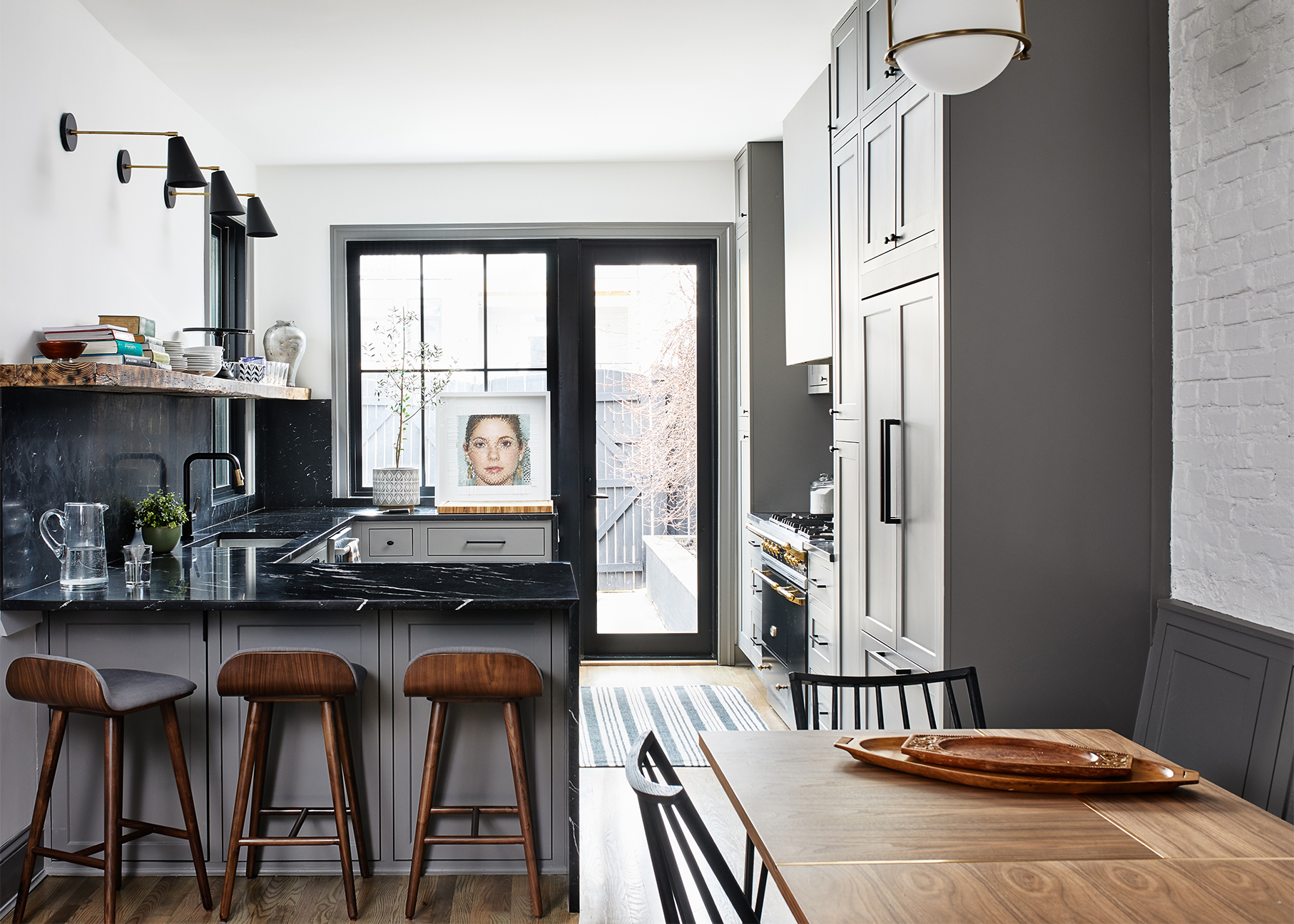
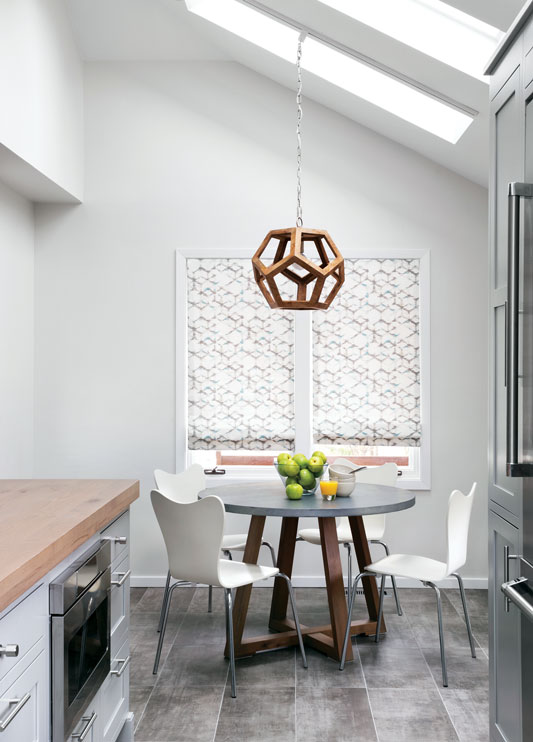
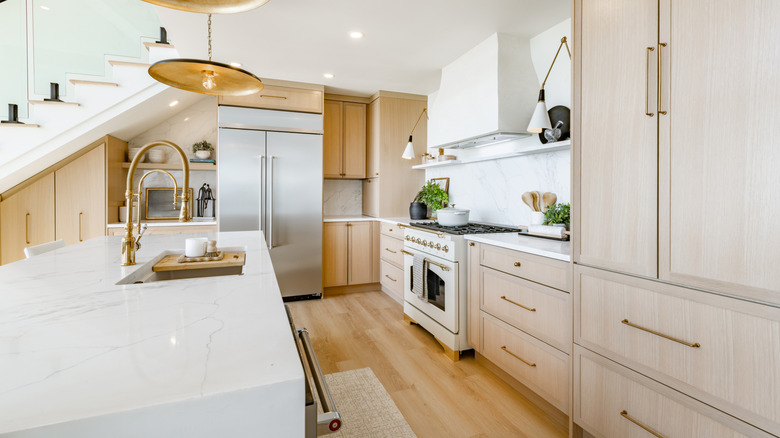
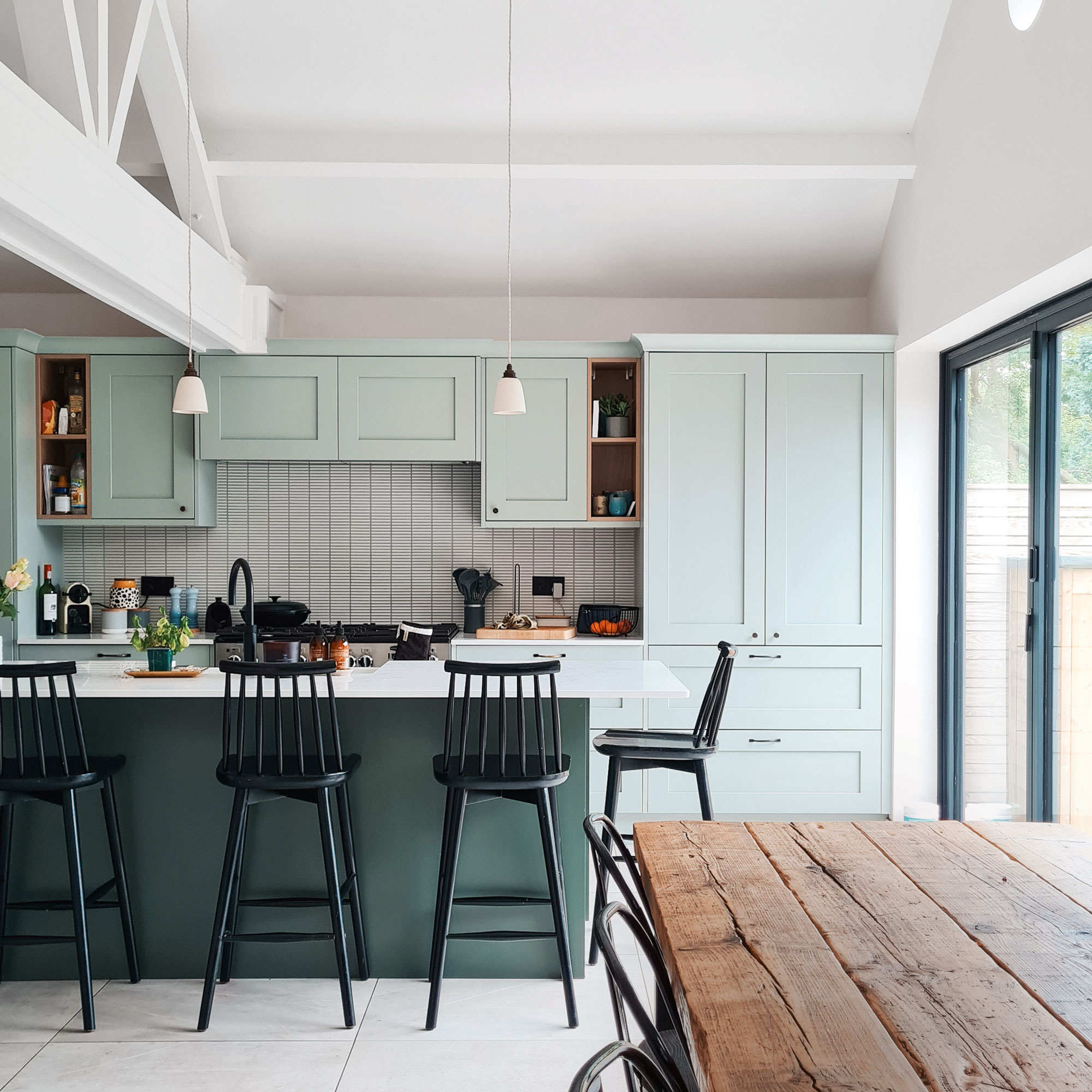
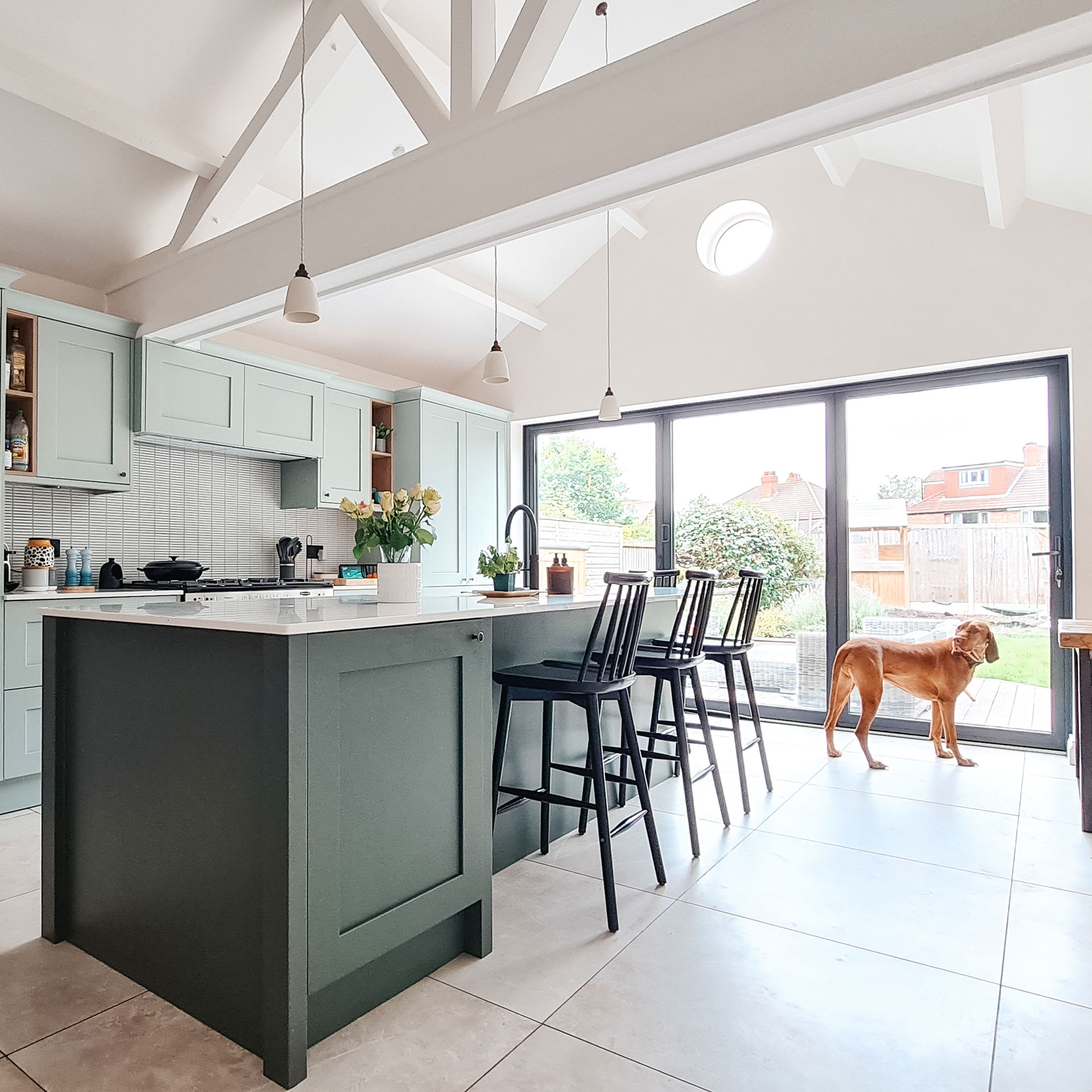
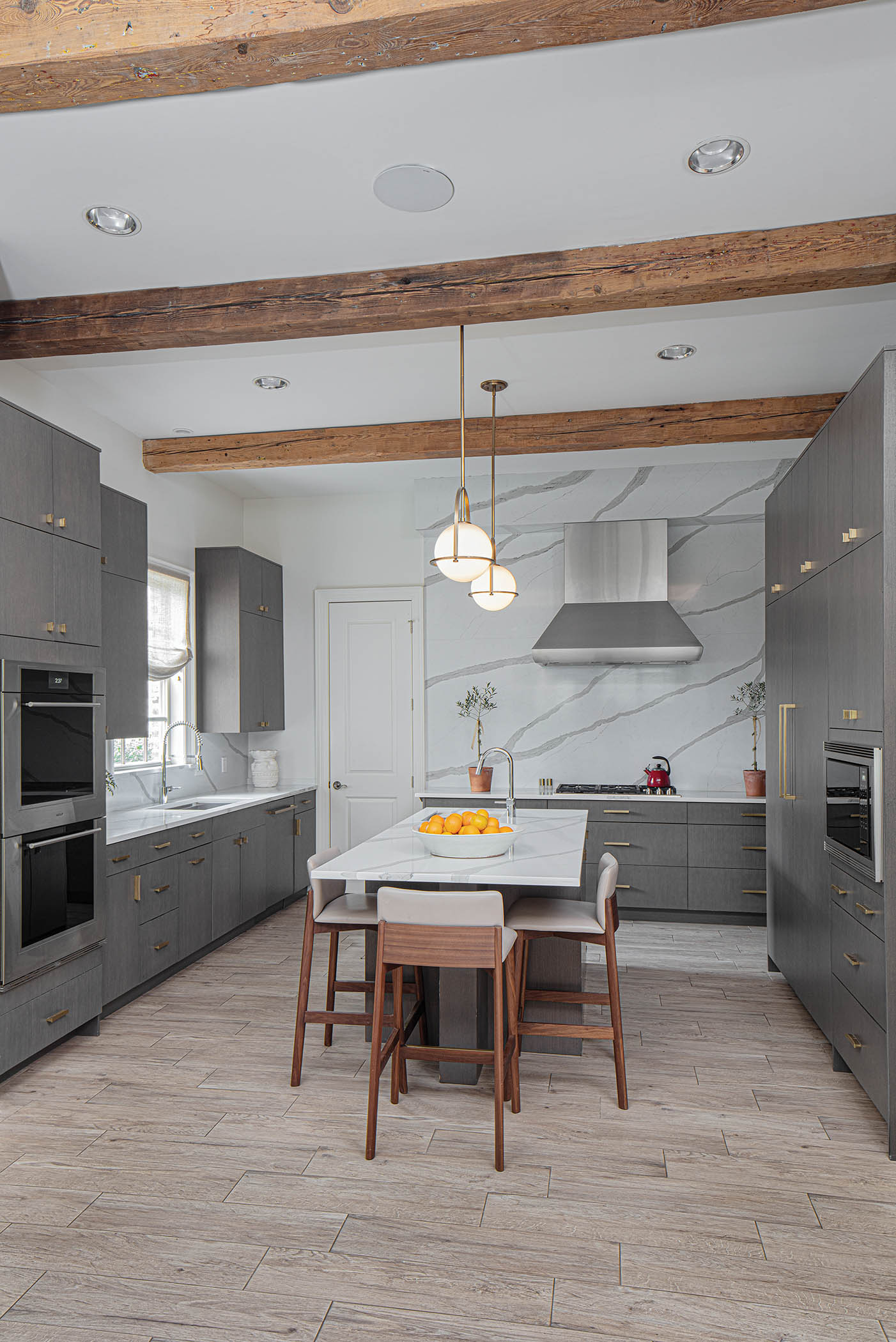
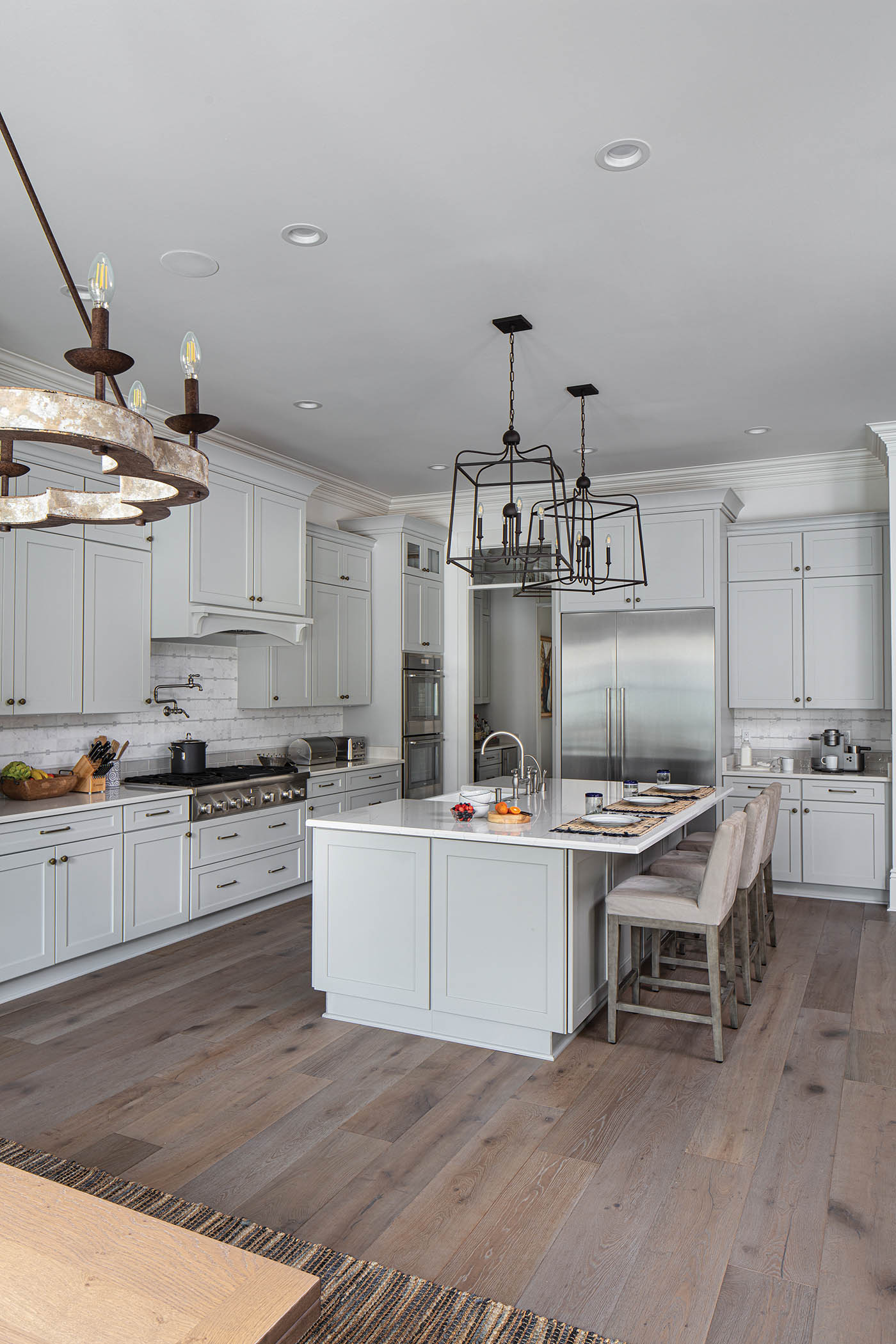
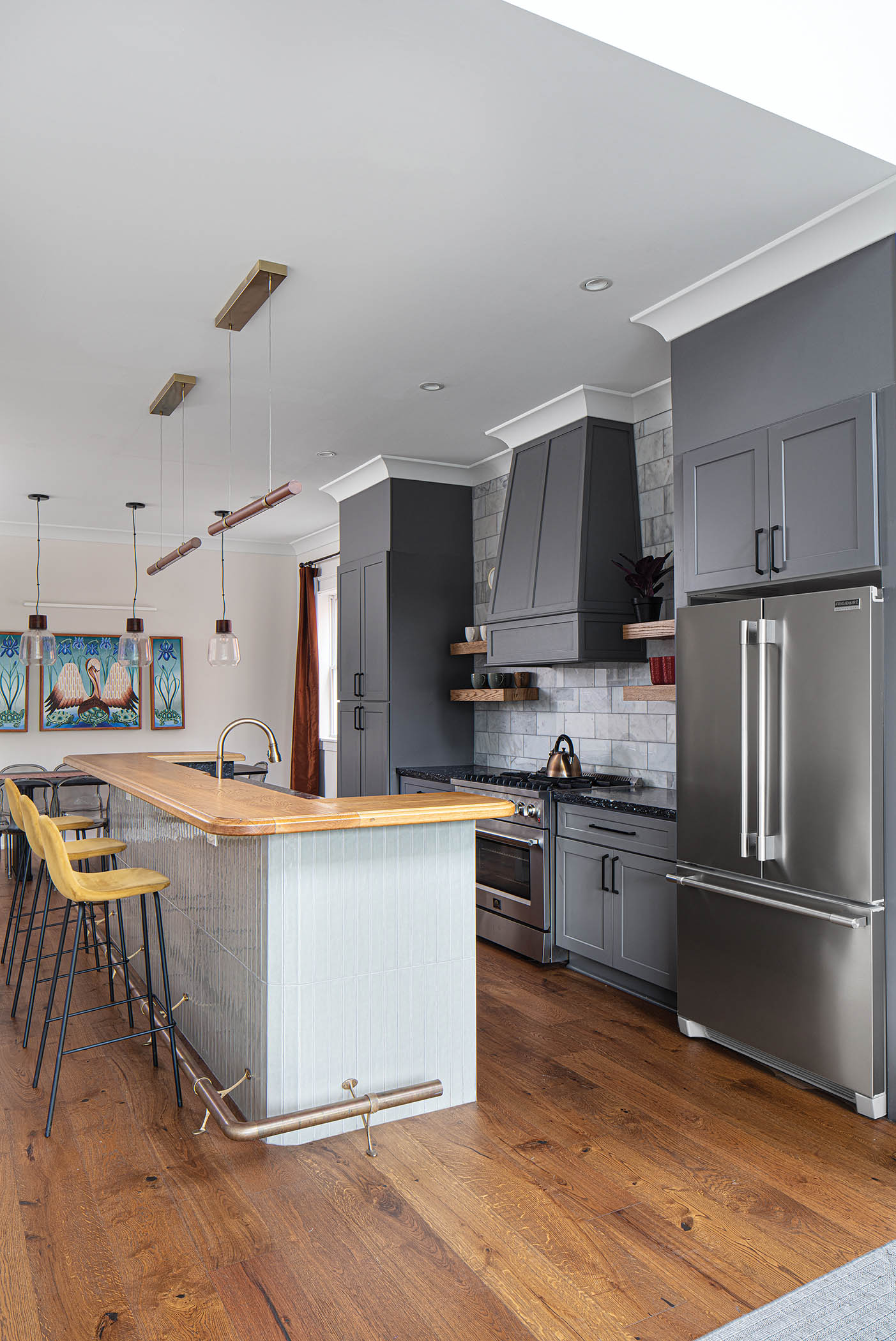
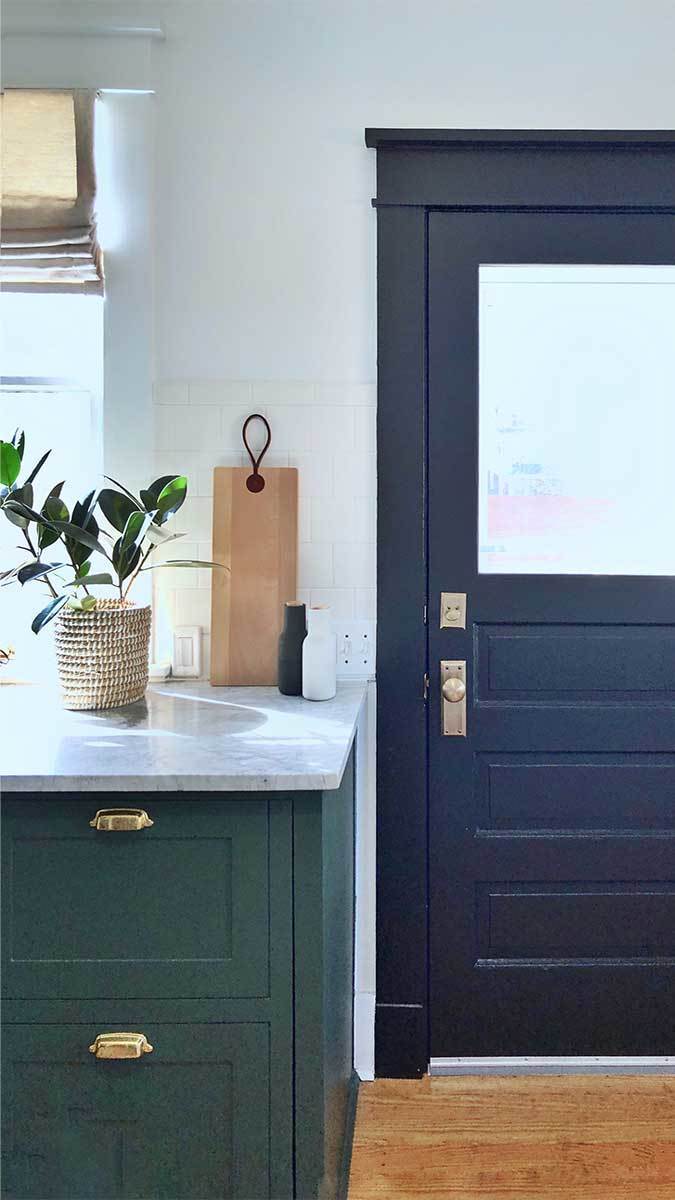
This article highlights four regional architects who renovated five outdated kitchens in Pittsburgh, transforming them from functional spaces into designer areas. The architectural projects emphasize improved layouts, increased natural light, and enhanced aesthetics, focusing on the kitchen as the central hub of the home.
Architect Mary Cerrone undertook two kitchen renovations. In Squirrel Hill, a 320-square-foot kitchen and deck addition aimed to improve the home's functional layout and views. The design incorporated durable materials such as linoleum over radiant floor heat, stainless steel, engineered stone countertops, stained maple cabinets, and porcelain tiles. A new deck connected to the kitchen expanded views and natural light. Cerrone maximized space by combining the kitchen with a small pantry, building out over the basement stair for a recessed refrigerator, and using a sliding screen door to eliminate door swings. In Upper Saint Clair, Cerrone transformed a 1,000-square-foot first-floor kitchen from a builder-style design into a streamlined, contemporary space. This involved redefining connections between the kitchen, eating area, laundry, and family room by adding windows and reorienting the kitchen workspace. The project featured end-matched walnut cabinets, aluminum and glass elements, Cambria countertops, and cork flooring. Storage was maximized by trading wall cabinet space for windows and installing an 8-foot length of full-height cabinets. The formal dining room was converted to a living room, and a generous eat-in area was created to accommodate twelve people.
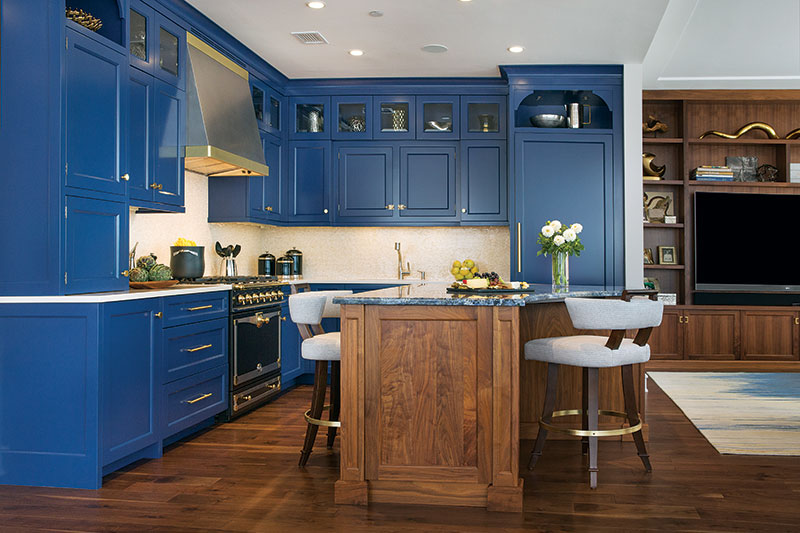
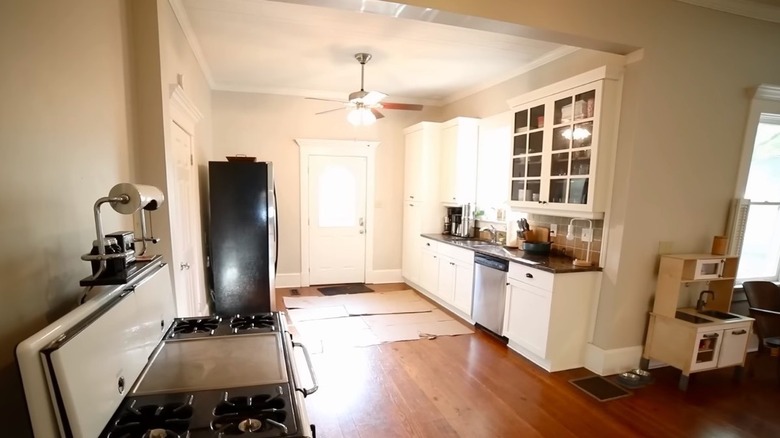
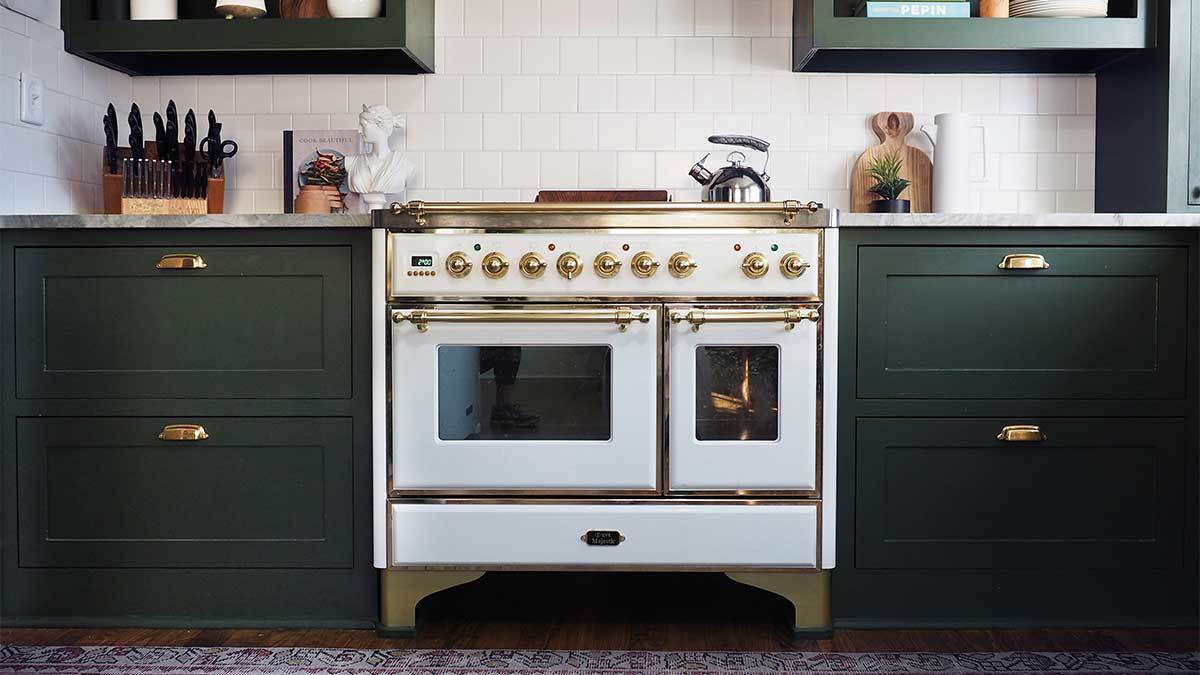
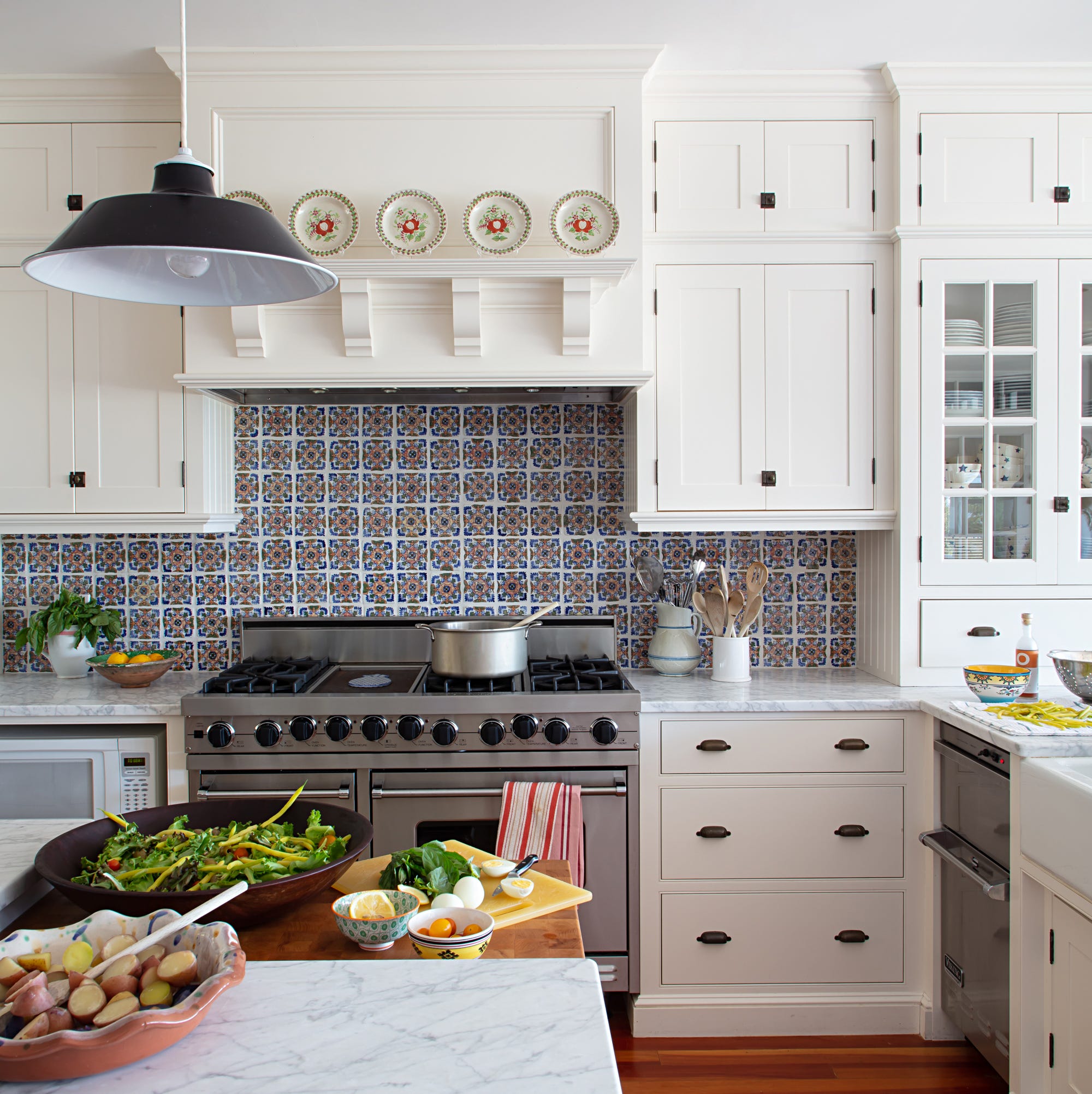
Fred M. Fargotstein focused on renovating a 1920s Pittsburgh home, changing its 1970s modern kitchen to a traditional style that aligned with the house's overall character. The renovation increased the kitchen size by 36 square feet by removing a servants’ stair. A colorful cast iron English import range became a focal point, featuring five commercial-style burners, two convection ovens, and a separate broiling compartment. Fargotstein improved efficiency by eliminating the problematic servants’ stair traffic pattern, creating a contiguous countertop work area, and ensuring the dishwasher did not obstruct access. A separate, fully functional work zone was incorporated in the pantry, complete with a prep sink and hot beverage station. Storage capacity was significantly increased by extending wall cabinets to the ceiling and incorporating glass doors for a sense of openness. Custom modifications included specialized storage for cookbooks and a nook for pet food bowls.
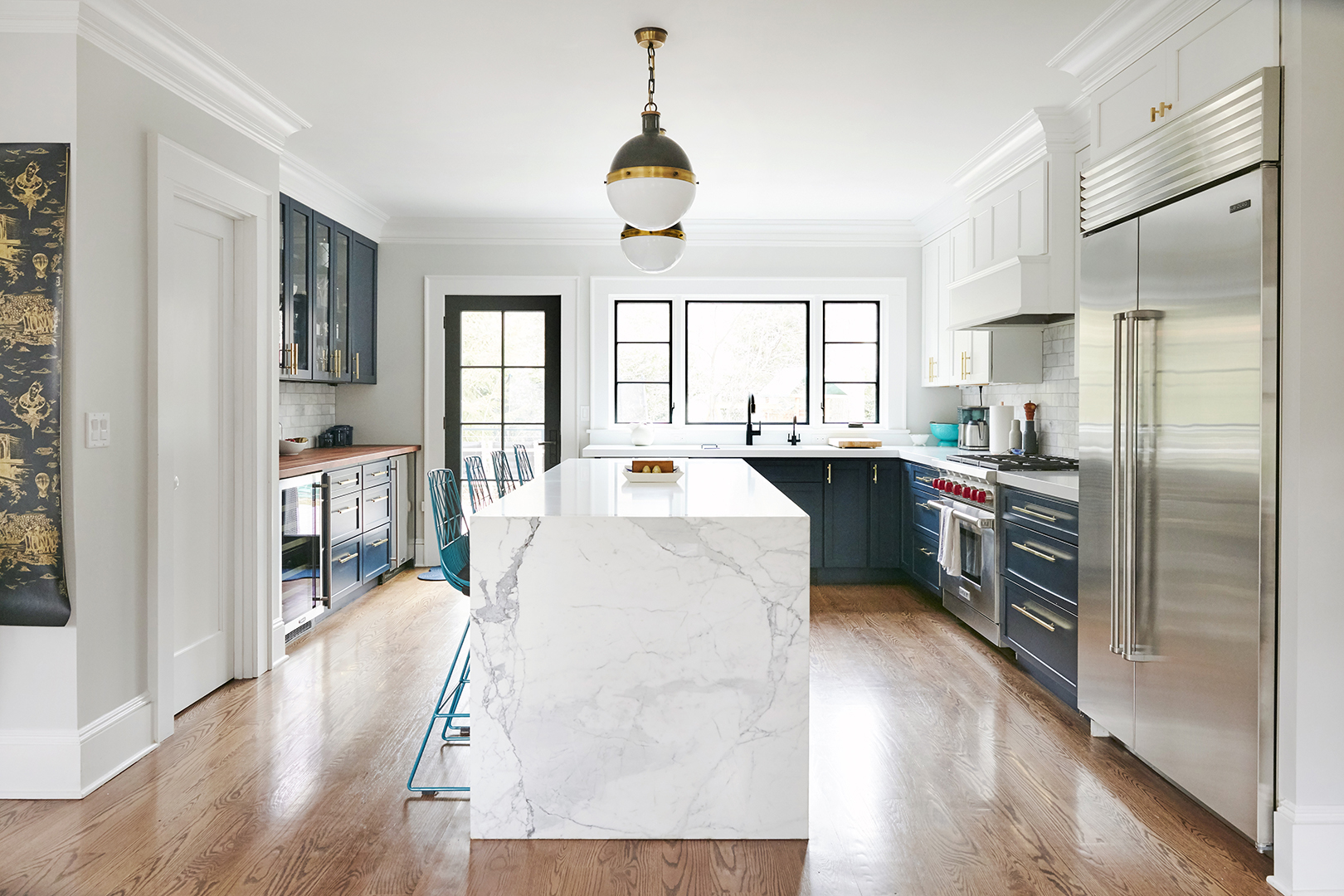
Paul J. Levine revamped his own 1920s French Tudor home's kitchen in Point Breeze. His goals included aligning the kitchen with the home’s style, complementing existing Mexican Saltillo tile floors, increasing home value, and creating an eco-friendly space. The small kitchen, measuring 8 by 15 feet, was designed in a Craftsman style. He maximized island cabinet space and countertop surface for a bar-type eating area, using frameless cabinet construction to enhance interior space. Custom features included extending wall cabinets to the ceiling, using drawers instead of roll-out shelves, and a specific drawer for flatware. Levine self-performed the construction, using low VOC paint, water-saving fixtures, and Energy Star-rated appliances. He replaced a drafty back door with an energy-efficient wood door and restored a transom window.
Gerald Lee Morosco led a kitchen remodel in Shadyside as part of a rehabilitation of a Dutch Colonial-style home. The existing kitchen, remodeled in the 1980s, lacked historical details. Morosco’s design aimed to reintegrate functionality with the home’s classic style. The kitchen was arranged into functional areas: a primary cooking area with a range and island, a cleanup area with dual dishwashers, a pantry with storage for a freezer and wine cabinet, and a breakfast space. Cabinet and drawer contents were meticulously planned for efficiency, with pull-out trays for pots and pans, and individual bins for garbage and recyclables. The island's non-working side included pull-up stools for guests, allowing them to engage without obstructing the cooking process.
#KitchenRenovation #HomeDesign #ArchitecturalDesign #InteriorDesign #SpaceMaximization #SustainableDesign #FunctionalKitchens #PittsburghHomes #HomeImprovements #KitchenRenovation #HomeDesign #ArchitecturalDesign #InteriorDesign #SpaceMaximization #SustainableDesign #FunctionalKitchens #PittsburghHomes #HomeImprovements
0 comment in total
 No comments yet
You may also like
Kitchen Renovation Unveils a New Angle

SEE IT: 3 creative interior design looks to help with your kitchen remodel
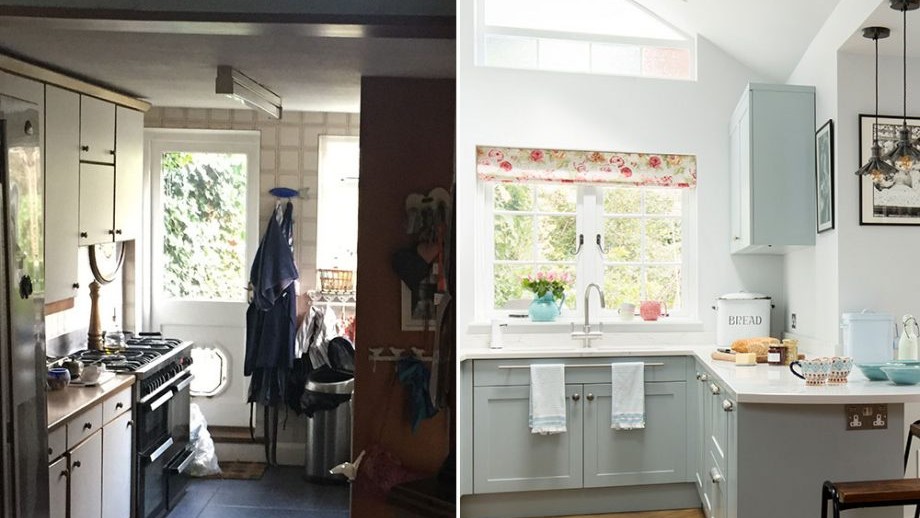
Before and after: this kitchen went from skinny galley to classy cook's dream
The Popular Kitchen Style You'll See Everywhere In 2026
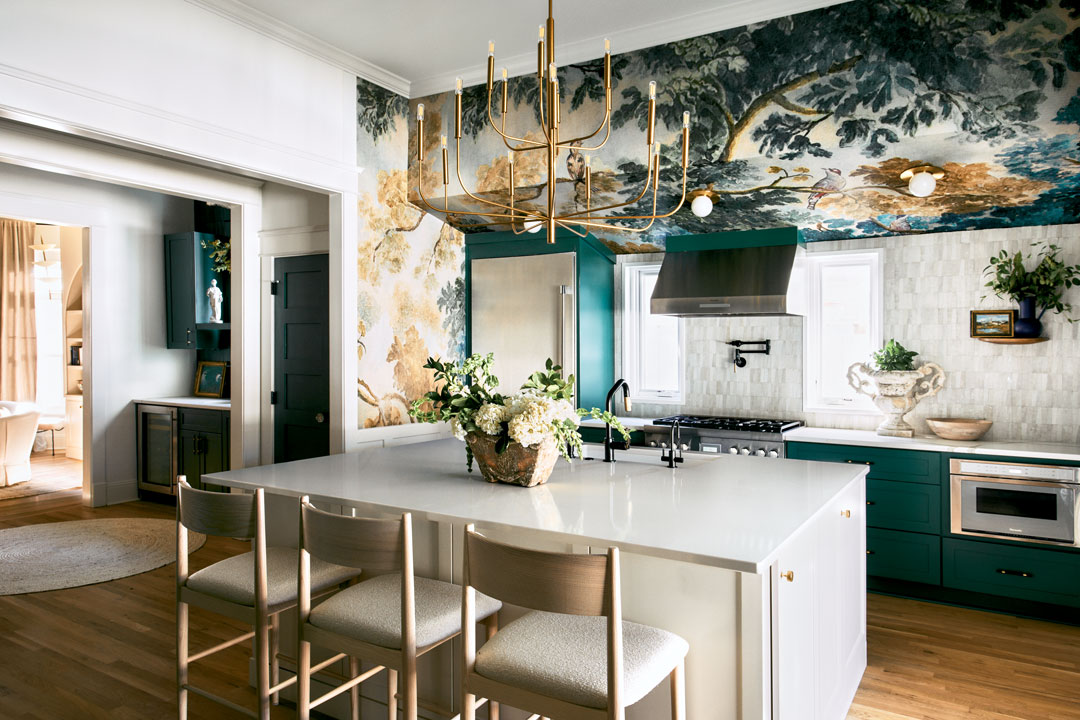
Updated Kitchen Tells a New Story
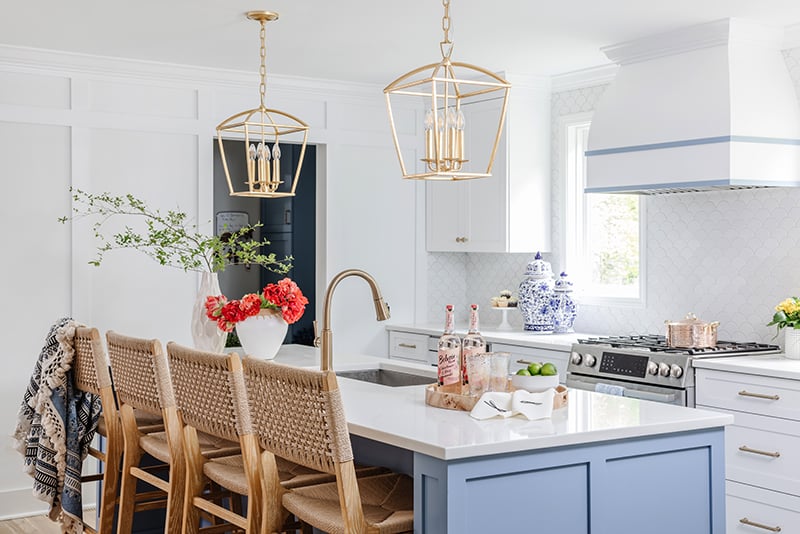
DESIGN: An Open Concept Kitchen Transformation

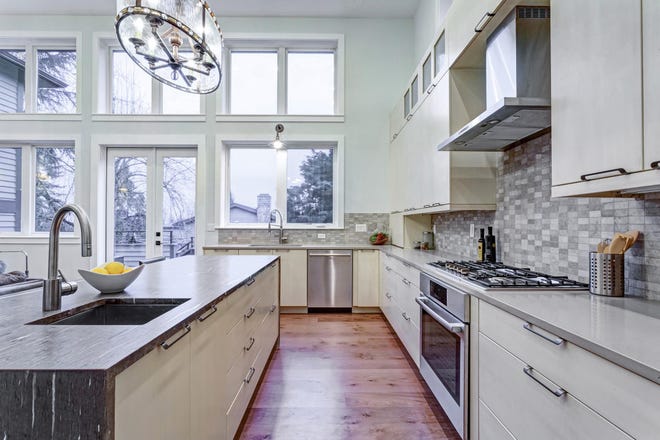
Top design styles for your kitchen remodel
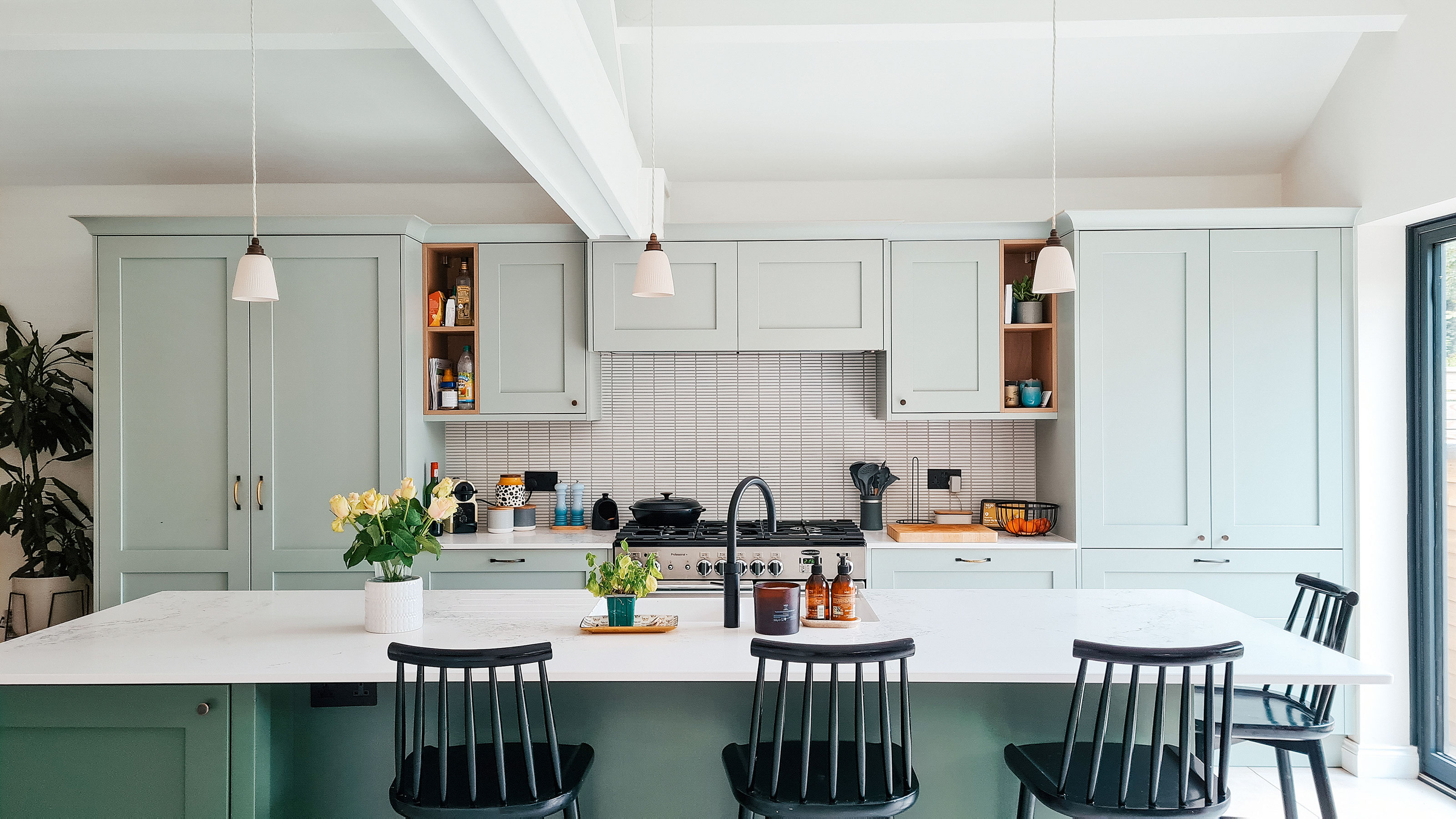
A reconfiguration and fresh colour scheme have brought new life to this once dark and dreary kitchen
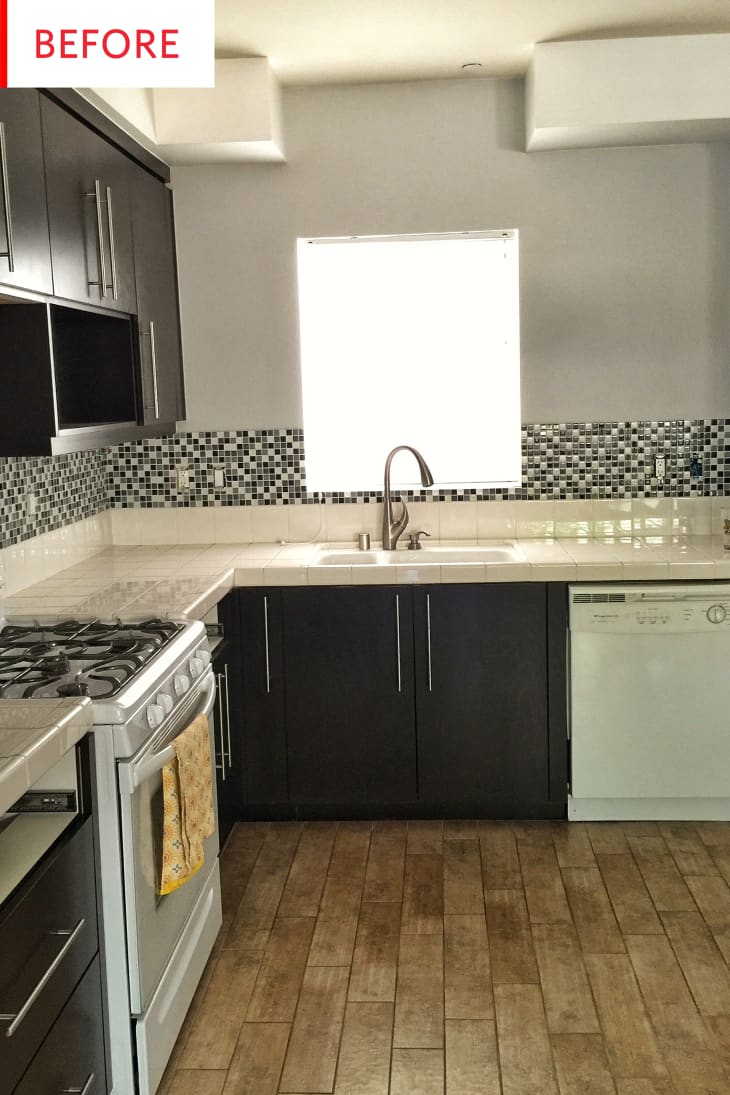
Before and After: 3 Changes Made a Big Difference in This $12K Kitchen
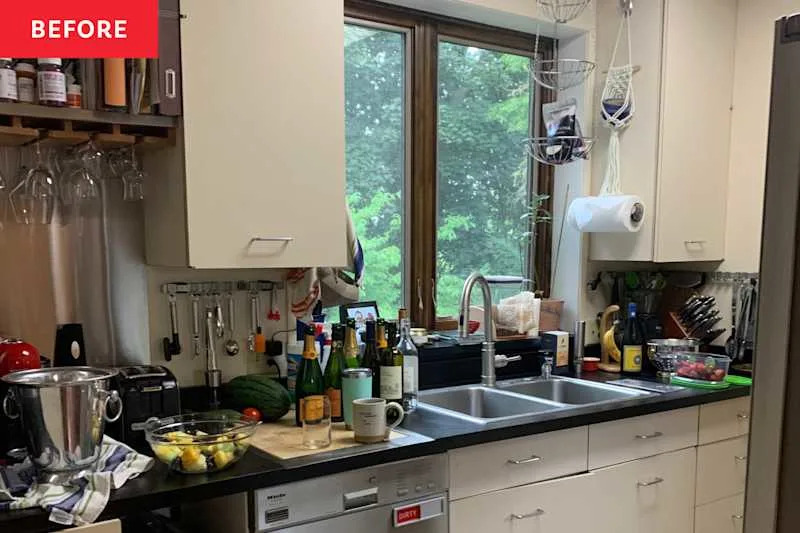
A “Dead-End Galley Kitchen” Transforms into a “Midi-malist” Modern Masterpiece

Designers Say Making This Small Change Can "Transform" Your Kitchen

Kitchens

A "Dead-End Galley Kitchen" Transforms into a "Midi-malist" Modern Masterpiece

A $1K Reno Decision Was the Key to Transforming This Narrow D.C. Kitchen
Before & After: You Won’t Recognize this Kitchen!
Historic Kitchen Reimagined

a colourful open-plan kitchen transformation

Look Through These Distinct Kitchen Renovations to Get the Style You Want


Married To Real Estate: 10 Best Kitchen Renovations According To Fans

27 Transitional Kitchen Ideas You’ll Wish You’d Seen Before Signing Off on Your Remodel