1/11
Inside a Historic Brooklyn Penthouse That Took Years to Remodel
The penthouse residence within a 37-story Neo-Romanesque luxury condominium tower in downtown Brooklyn underwent an extensive renovation, spearheaded by Jaklitsch/Gardner Architects. This landmark building, originally constructed in the 1920s as the Williamsburgh Savings Bank Tower, now houses 179 apartments. The transformation of the 3,000-square-foot penthouse proved to be a protracted endeavor, lasting seven to eight years, in stark contrast to the building's initial two-year construction period.
The extended timeline was largely due to the client's demanding schedule, which frequently caused project pauses, and also to unforeseen obstacles, including Hurricane Irene in 2011, which caused flooding in 40 units and significantly delayed work for months. Despite these challenges, the client's adventurous spirit in design collaboration pushed the architects to create a unique living space. The renovation unfolded in two primary phases: an architectural gut renovation followed by interior design.
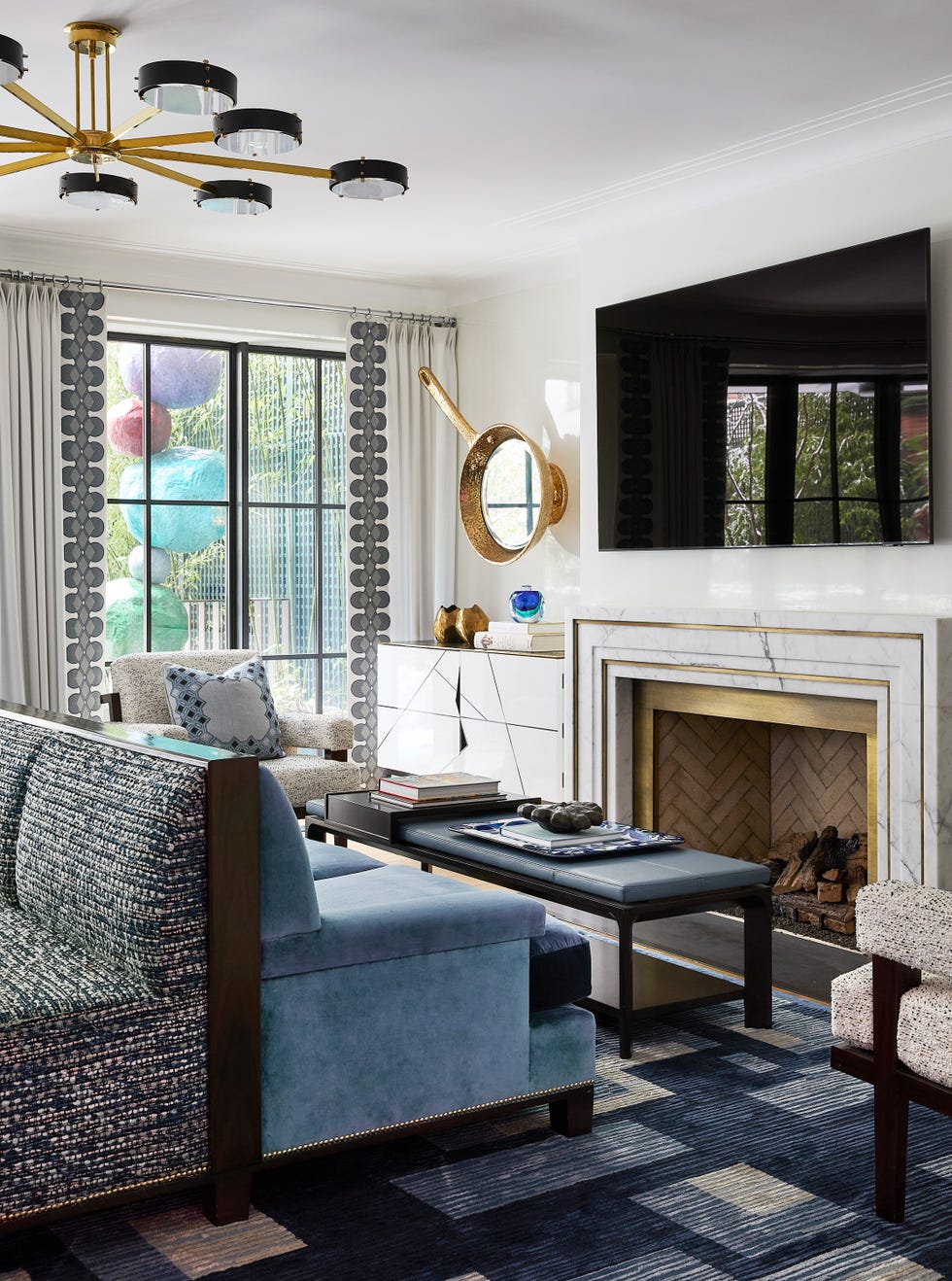
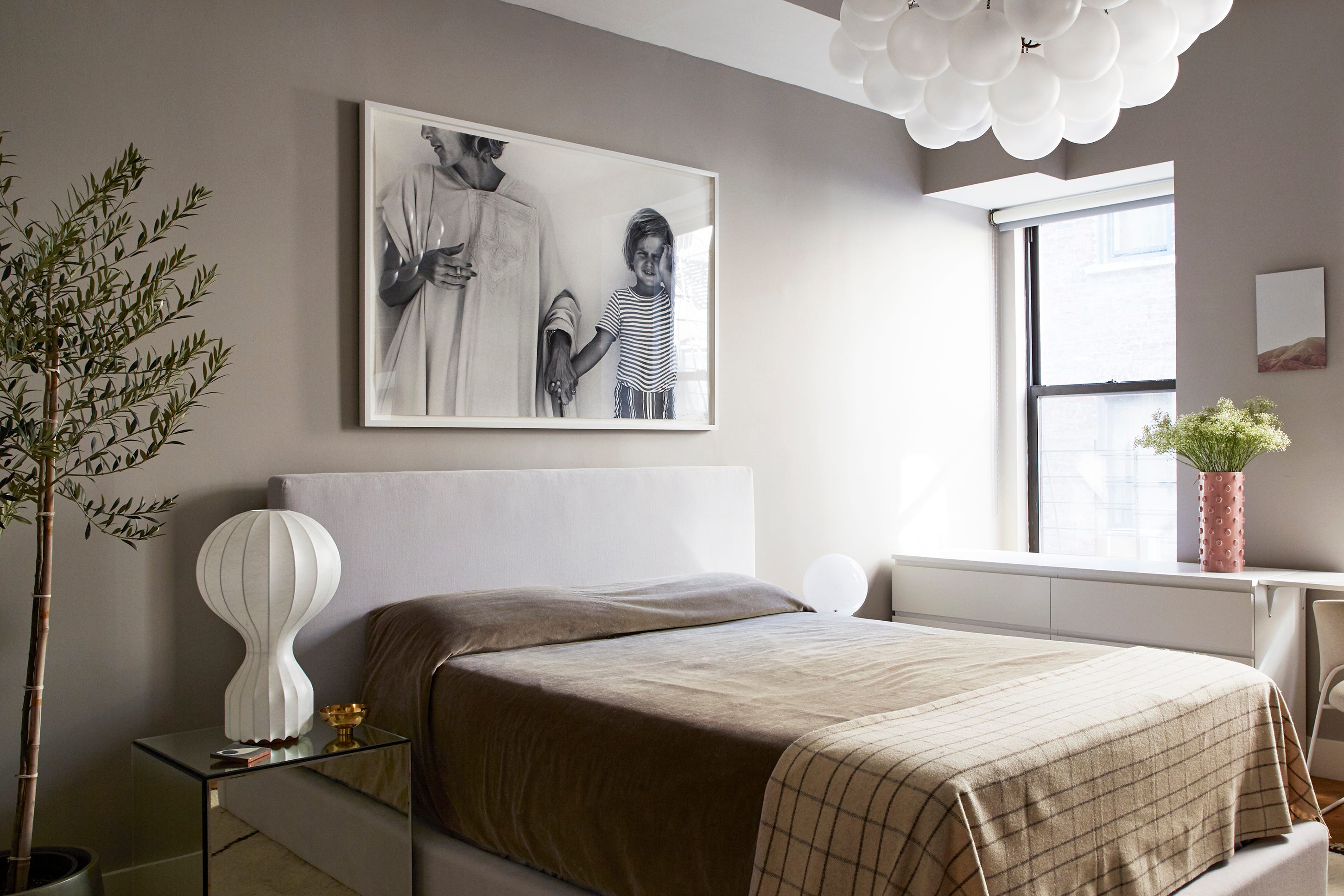
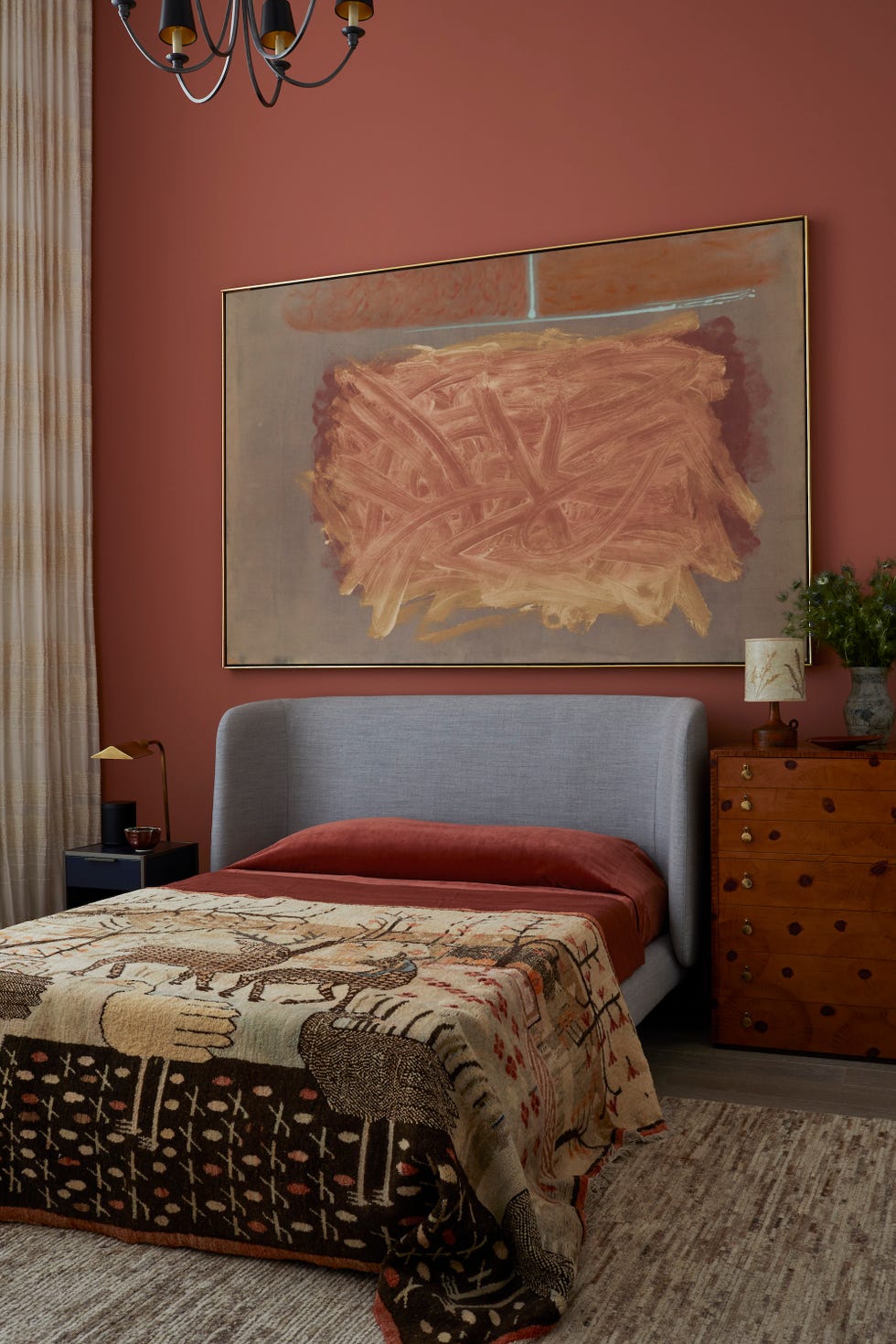
During the architectural phase, significant structural changes were implemented. The apartment's front door was relocated to open into the living area instead of the kitchen, creating a new vestibule and enhancing the sense of arrival and spaciousness. Two existing bedrooms were combined to form a primary bedroom and an adjacent sitting area, separated by three curved, telescoping wood walls. This innovative design allows for both connection and privacy within the expanded space. Throughout the apartment, ebony-stained white oak flooring was installed to provide a consistent and cohesive aesthetic.
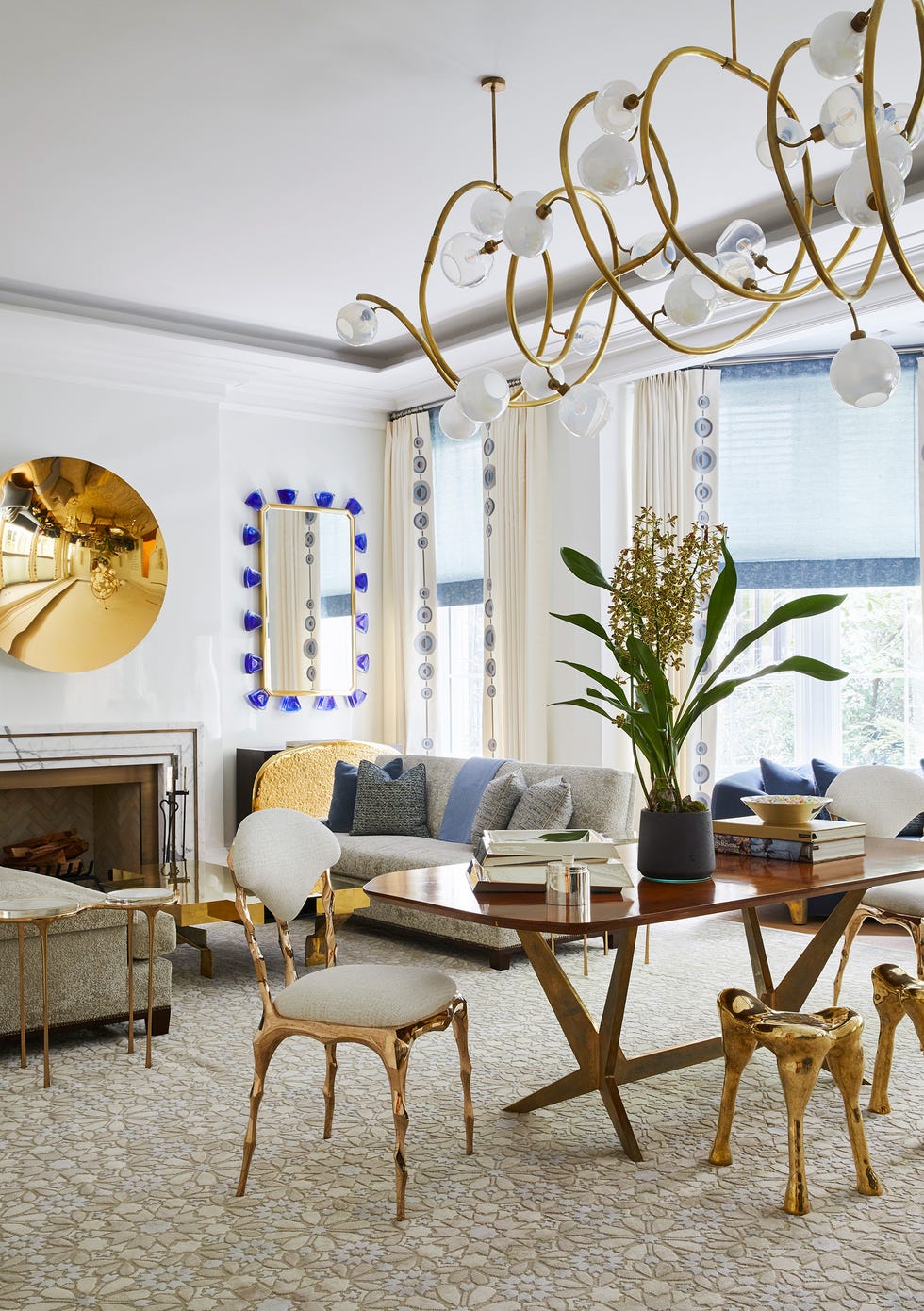
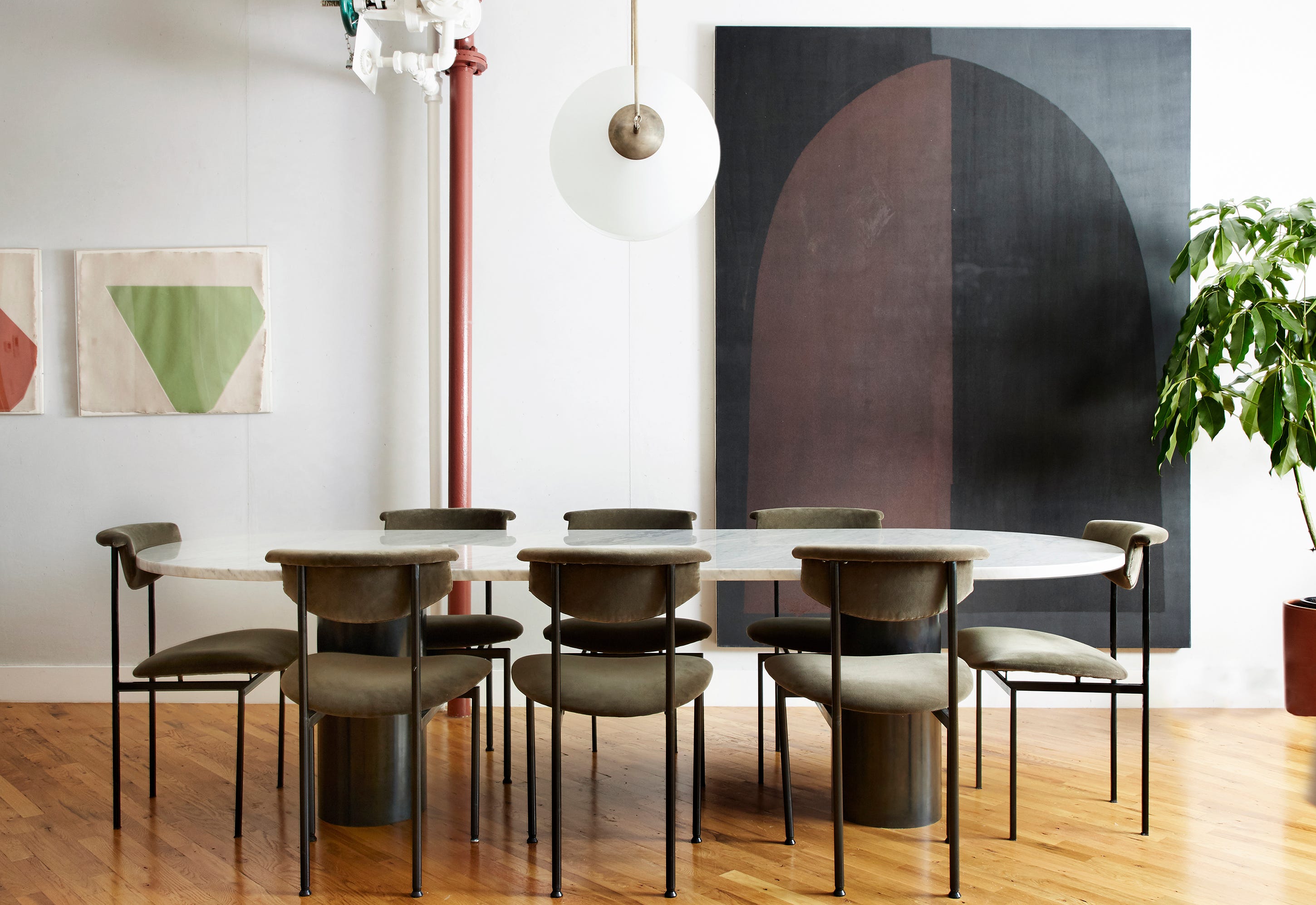
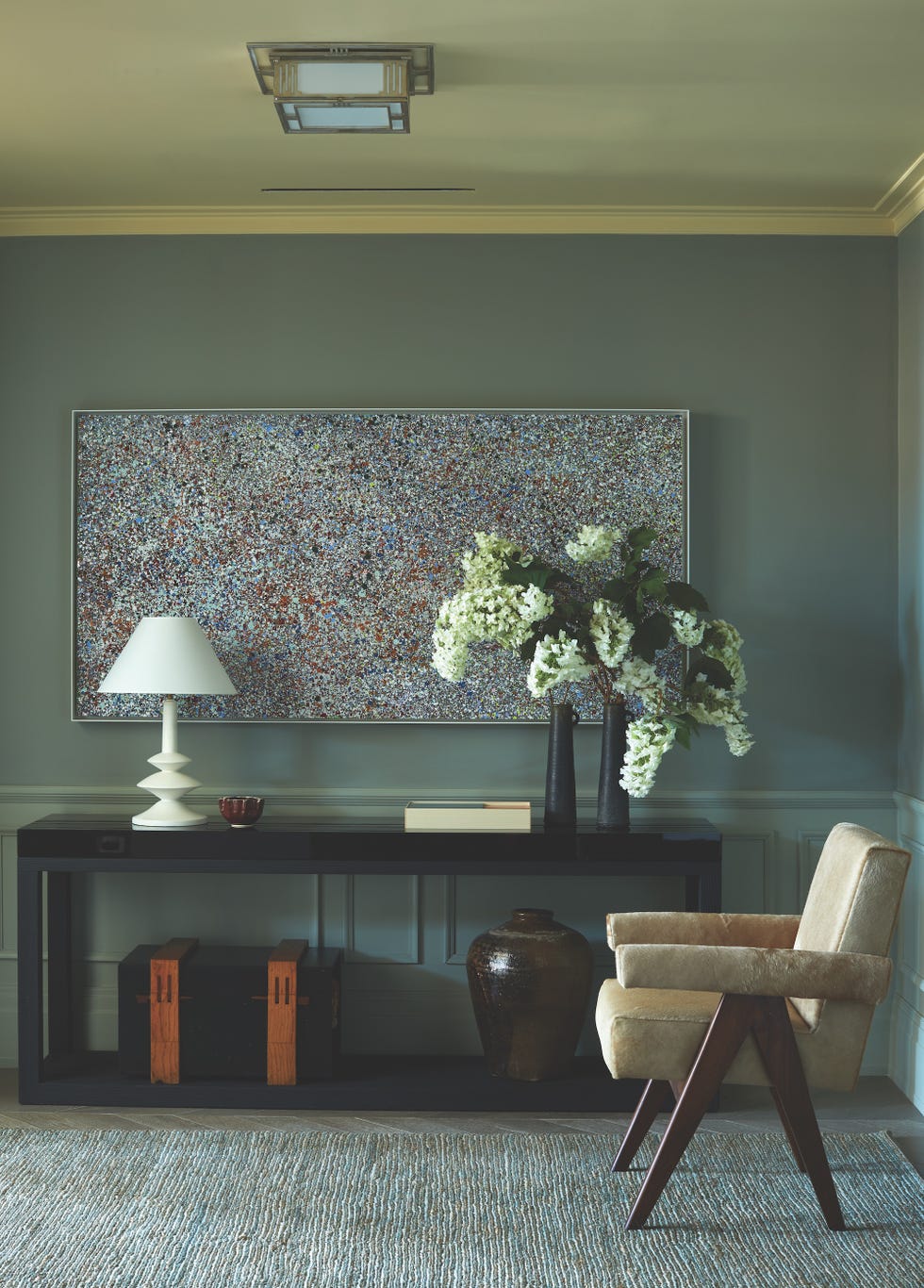
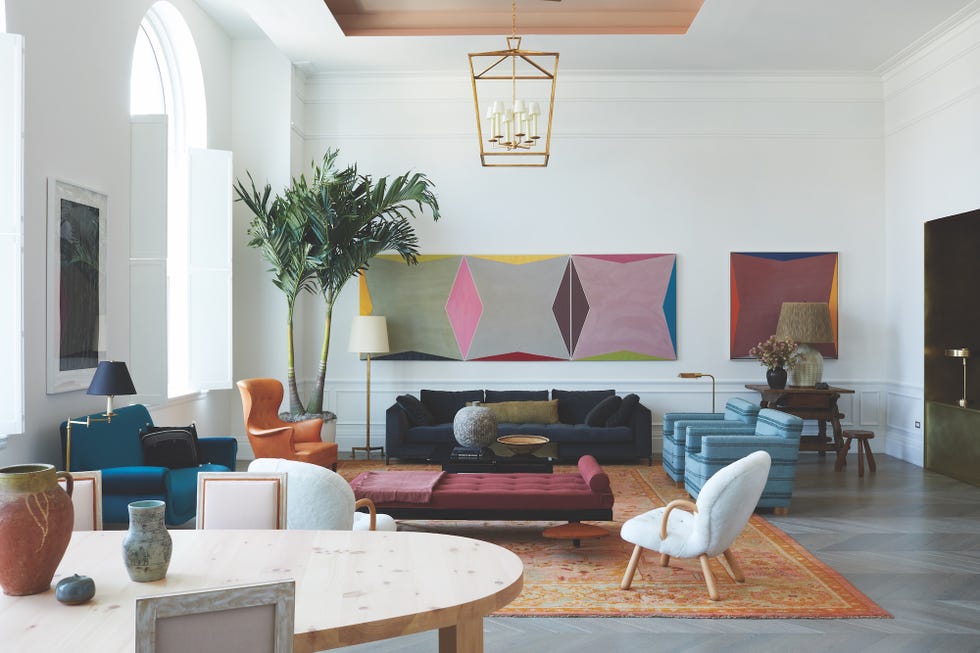
The interior design phase focused on creating a fluid landscape, where many custom-designed pieces serve as metaphorical representations of nature. Notable examples include a 'fountain' coat rack with looping brass arcs, a 'cumulus' chandelier featuring spheres of cast glass, and a record cabinet adorned with incised white flowers—all conceptualized and designed by Jaklitsch/Gardner Architects. The dining table, another bespoke piece from the firm, is composed of three configurable parts, allowing for flexible arrangements and evoking the appearance of a large tree stump when joined. The designers noted that the themes of 'celestial and landscape' symbolize the apartment's unique position between ground and sky.
Stephan Jaklitsch, who founded the firm in 1998, highlighted the intention behind the movable elements, which aim to provide tactility, psychological warmth, and a human scale to the residence. He also pointed out that the building's conversion from offices to residences in 2007 resulted in generic layouts and nondescript interiors, which the firm sought to overcome. The renovation capitalized on the penthouse's prime location, just three floors below the building's gilded, four-sided clock, offering panoramic views of New York City and infusing the interior with a distinctive character. The project ultimately created a sophisticated and unique living environment, harmonizing with the building's historic essence while incorporating modern, nature-inspired design elements.
#PenthouseRenovation #BrooklynArchitecture #HistoricBuilding #LuxuryDesign #JaklitschGardnerArchitects #CustomFurniture #InteriorDesign #ArchitecturalRenovation #NewYorkRealEstate #PenthouseRenovation #BrooklynArchitecture #HistoricBuilding #LuxuryDesign #JaklitschGardnerArchitects #CustomFurniture #InteriorDesign #ArchitecturalRenovation #NewYorkRealEstate
0 comment in total
 No comments yet
You may also like
19th Century Montclair Home Undergoes Stunning Makeover

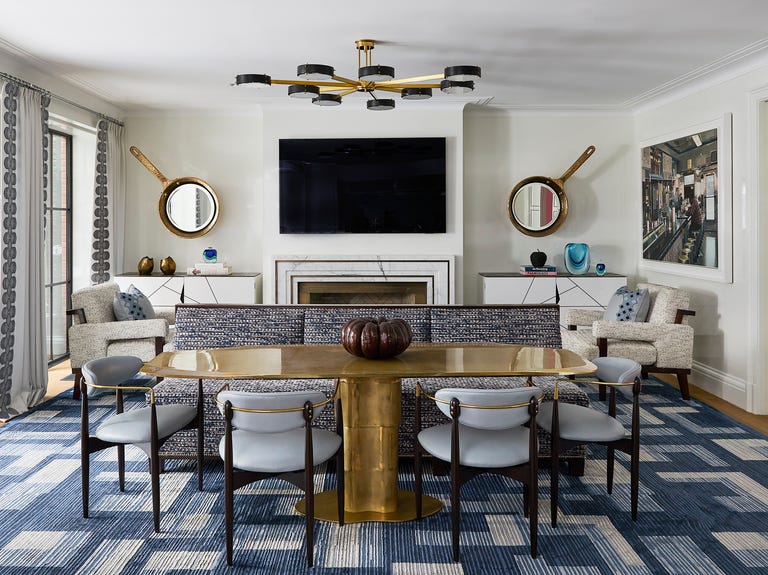
This Famous NYC “Show House” Is Home to the Most ENCHANTING Secret Garden—See Inside
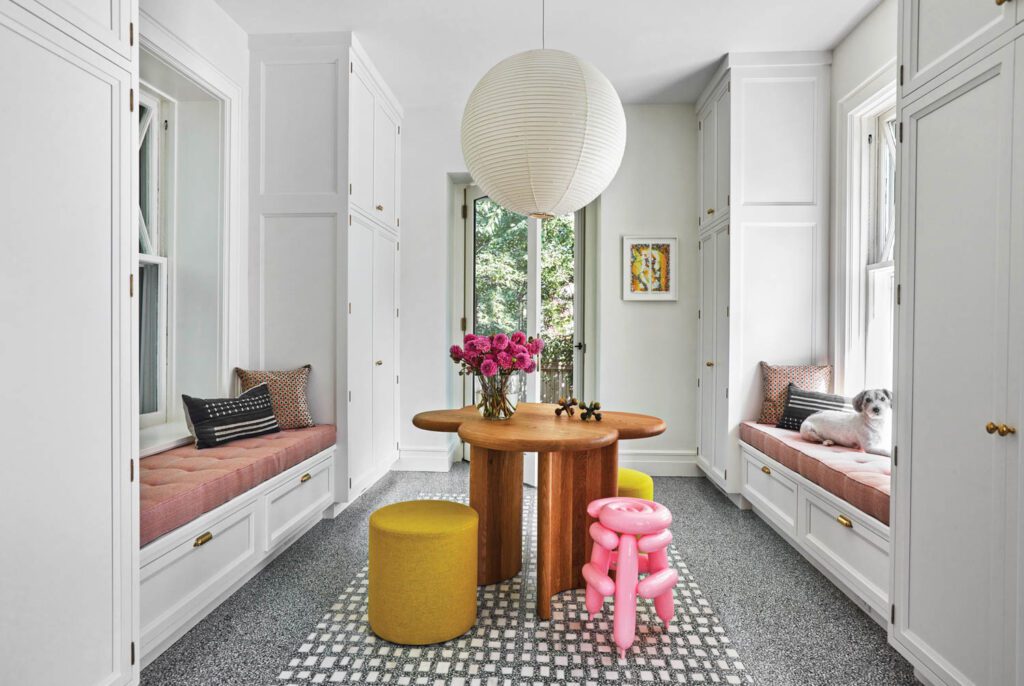
Dufner Heighes Transforms a Historic House in Pelham, New York into a Modern Family Home

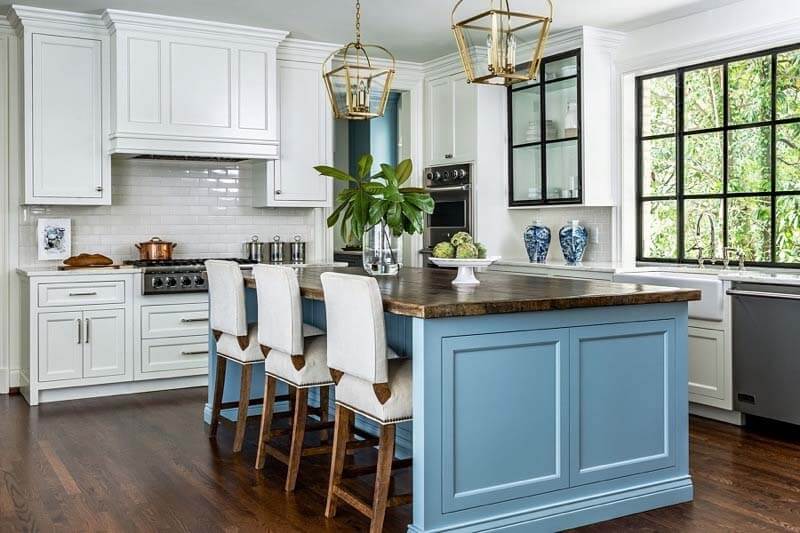
A Historic Buckhead Home Renovation

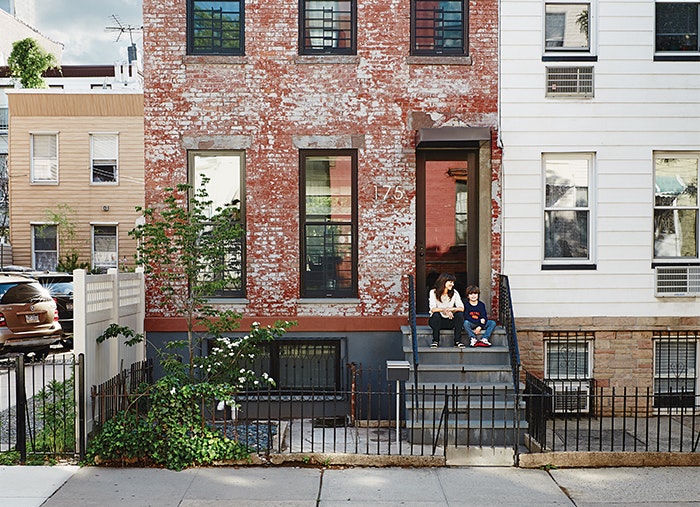
Brooklyn Home Keeps its Historic Bones While Getting a Much Needed Interior Update

House Tour: How One New Yorker Achieved Timeless Style In A Rented Loft
A 1950s Ranch-Style Home Gets A Dramatic Renovation
Tiffany Place jewel box-condo has a refined rustic vibe and a room of Tiffany blue

The Insider: Painstaking Reno Polishes a Brooklyn Heights Jewel, Creating Luxe One-Family Dwelling
Get Hygge with This Bright Harlem Townhouse

Light and Air Architecture transforms Brooklyn row house with "switchback" staircase
This New Jersey Family’s 900-Square-Foot Basement Got a High-Contrast Makeover
Chateau-style Mansion Welcomes Contemporary Zen Penthouse

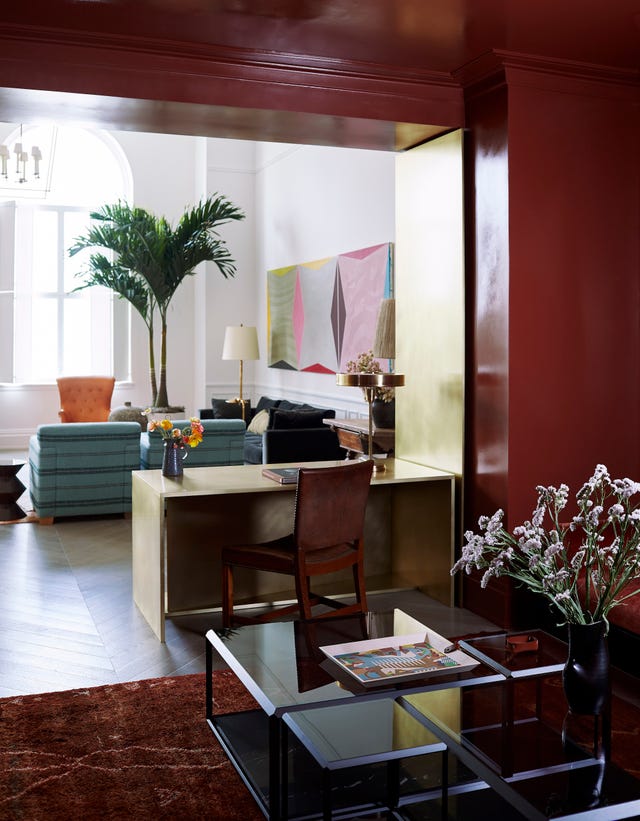
How This A-List Interior Designer Transformed a Luxury Manhattan Penthouse With Color

A Brownstone Dweller Brings Back the Glorious Details on a Distinguished Bed Stuy Block

Willow Place Colonnade Survivor With Marble Mantel Asks $3.45 Million
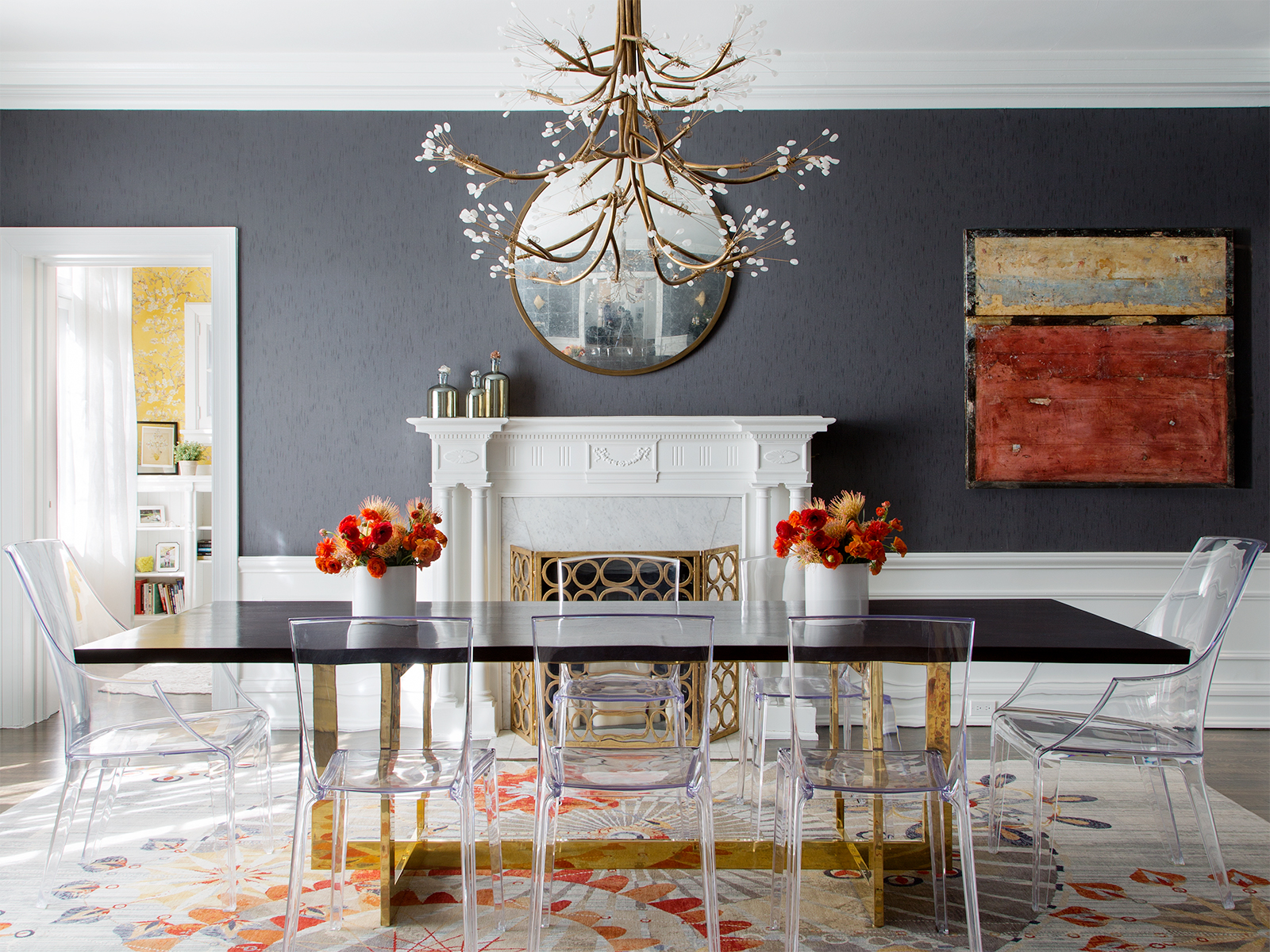
Peek Inside: A Century-Old Park Hill Home Gets a Major Facelift

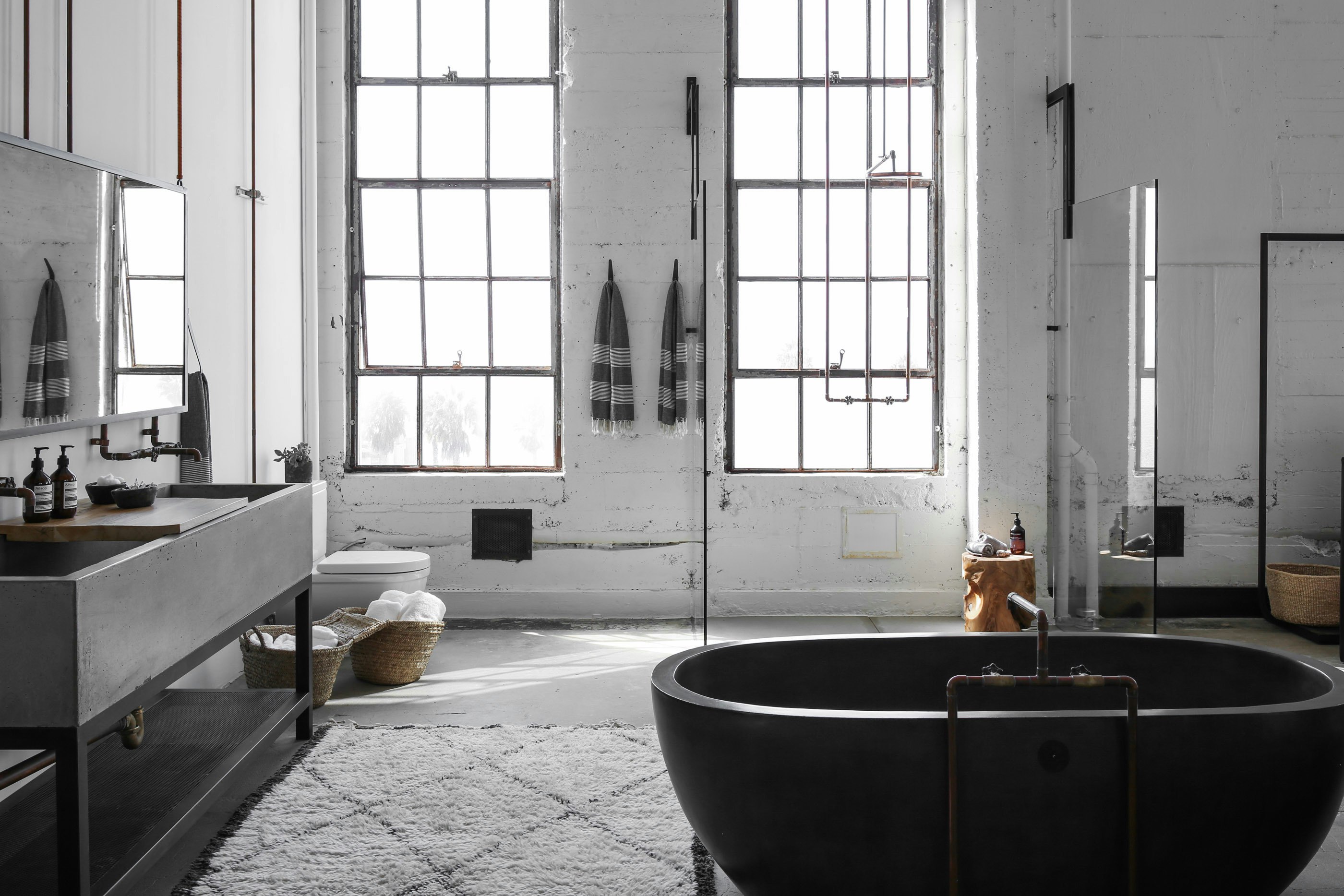
A 1920s Office Space Is Transformed Into a Polished Penthouse

Local Talent Dazzles With Whimsy, Bespoke Detail at Brooklyn Heights Showhouse
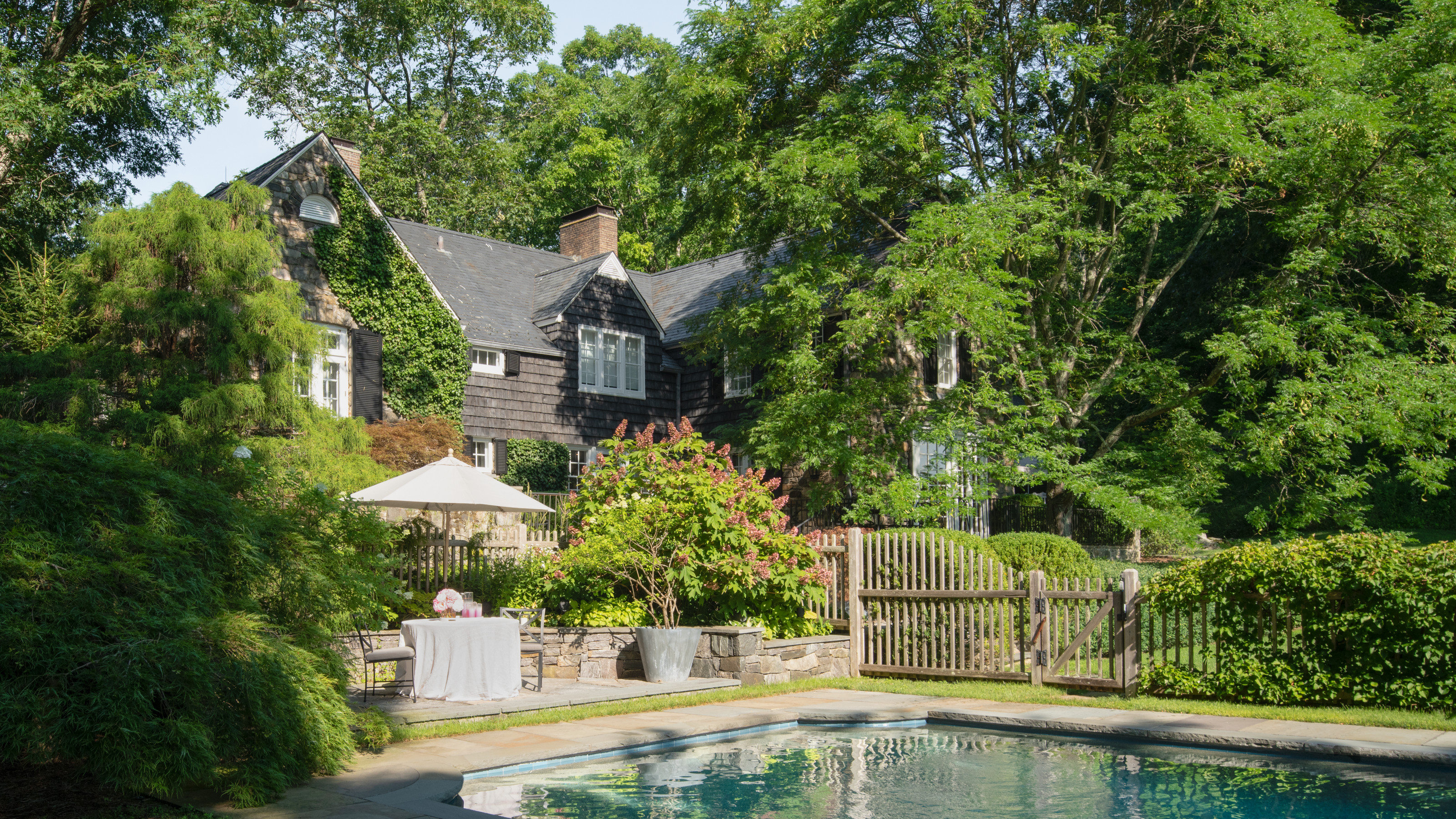
This historic country house has an elegant interior that stands the test of time