6 Wallpaper Mistakes Designers Immediately Notice in Any Home
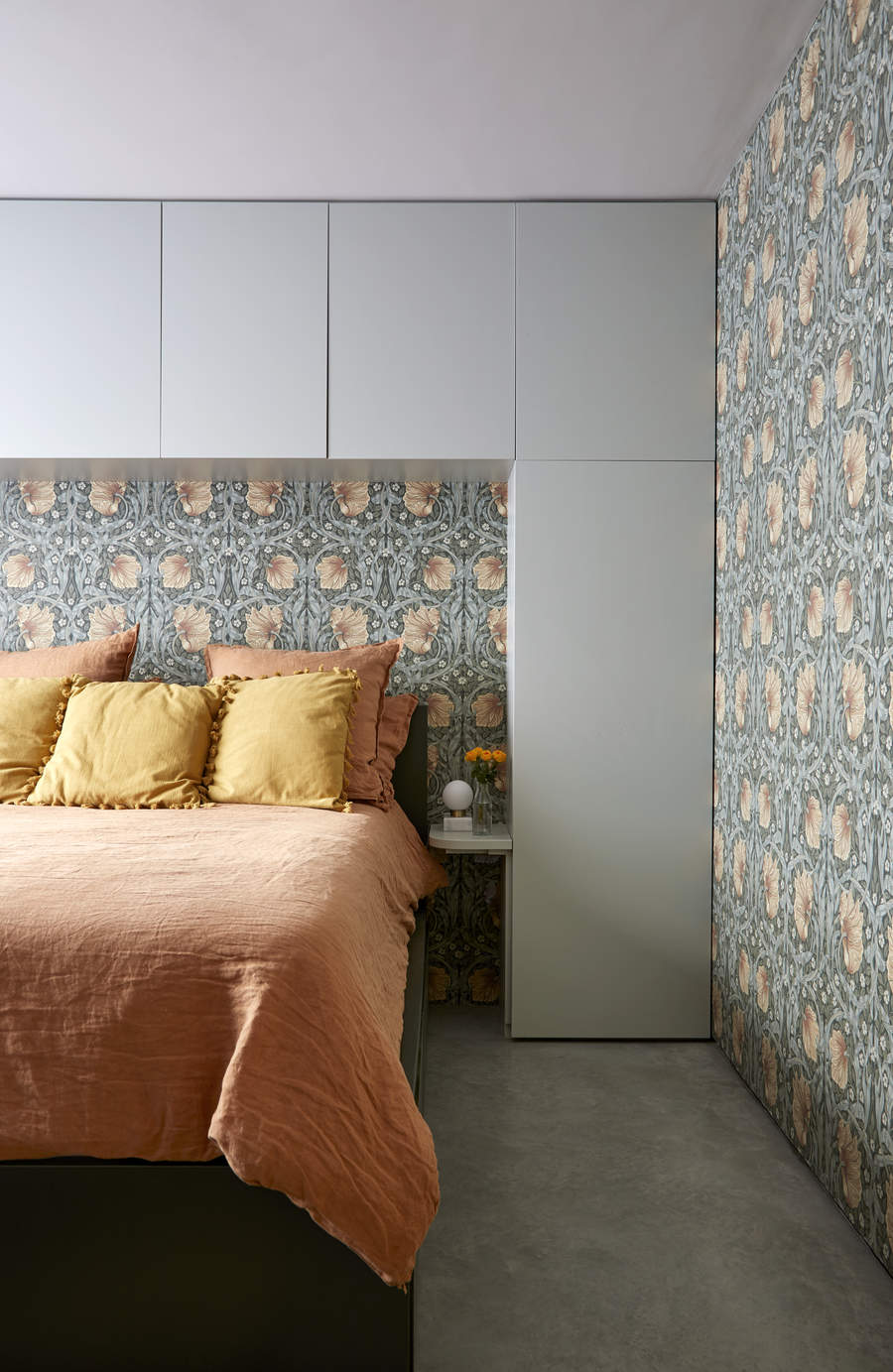
Wallpaper has experienced a significant resurgence in interior design, with new peel-and-stick varieties offering increased ease and affordability. However, design experts, including Catherine Jacob, head of design at Hovia, caution that traditional wallpaper generally provides a more refined and professional finish despite being more expensive and labor-intensive. For those opting for traditional pasted wallpaper, several common mistakes can undermine the desired aesthetic and durability.
One prevalent error is miscalculating the quantity of wallpaper needed. Many first-time purchasers underestimate the required rolls, often failing to account for potential application mishaps or pattern matching. Lior Kahana, operations manager at 123 Remodeling, highlights that different production batches can exhibit slight color variations, making re-ordering mid-project problematic. To avoid this, he advises ordering 10 to 15 percent more wallpaper than initially estimated, providing a buffer for errors and ensuring color consistency across the entire installation.
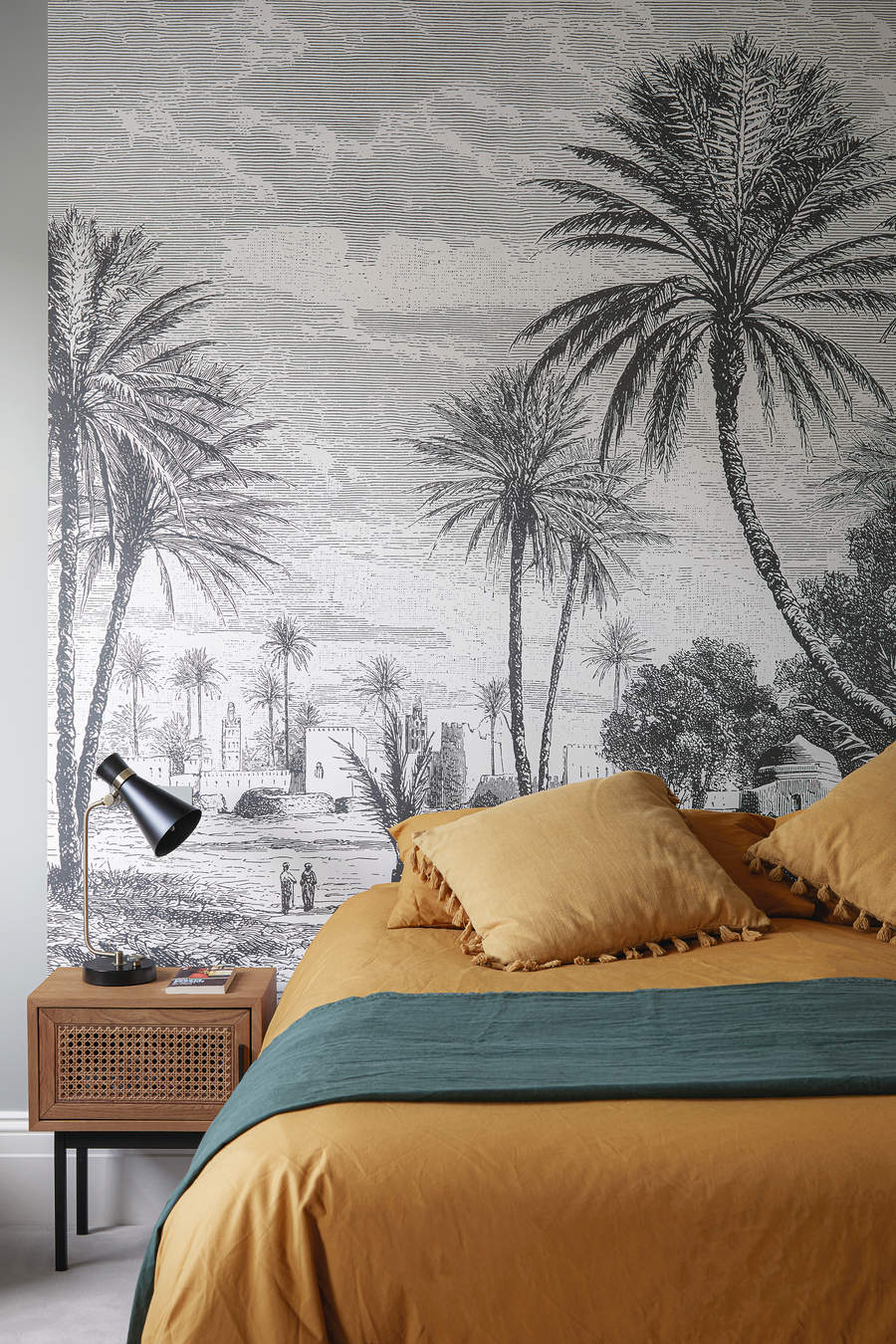
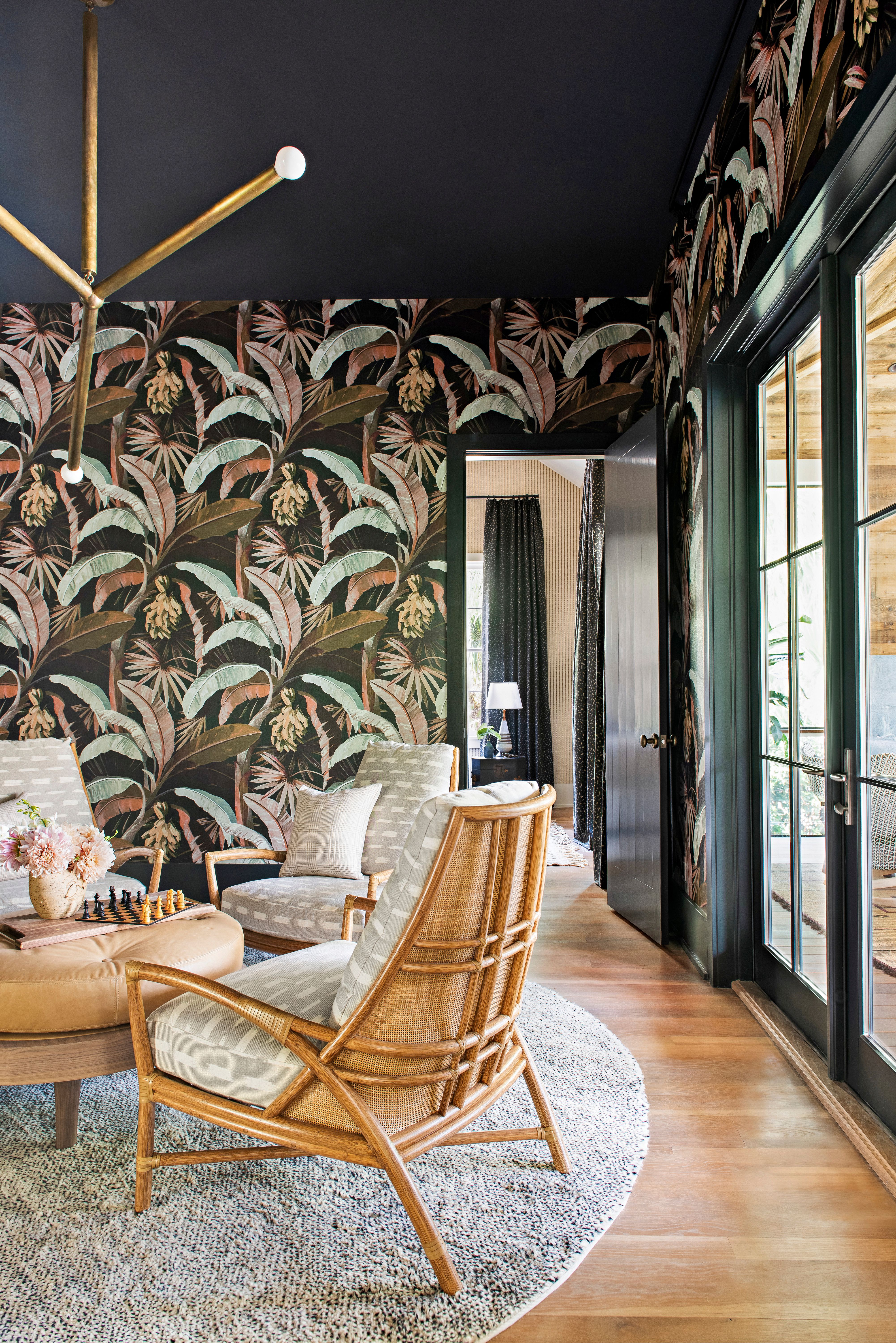
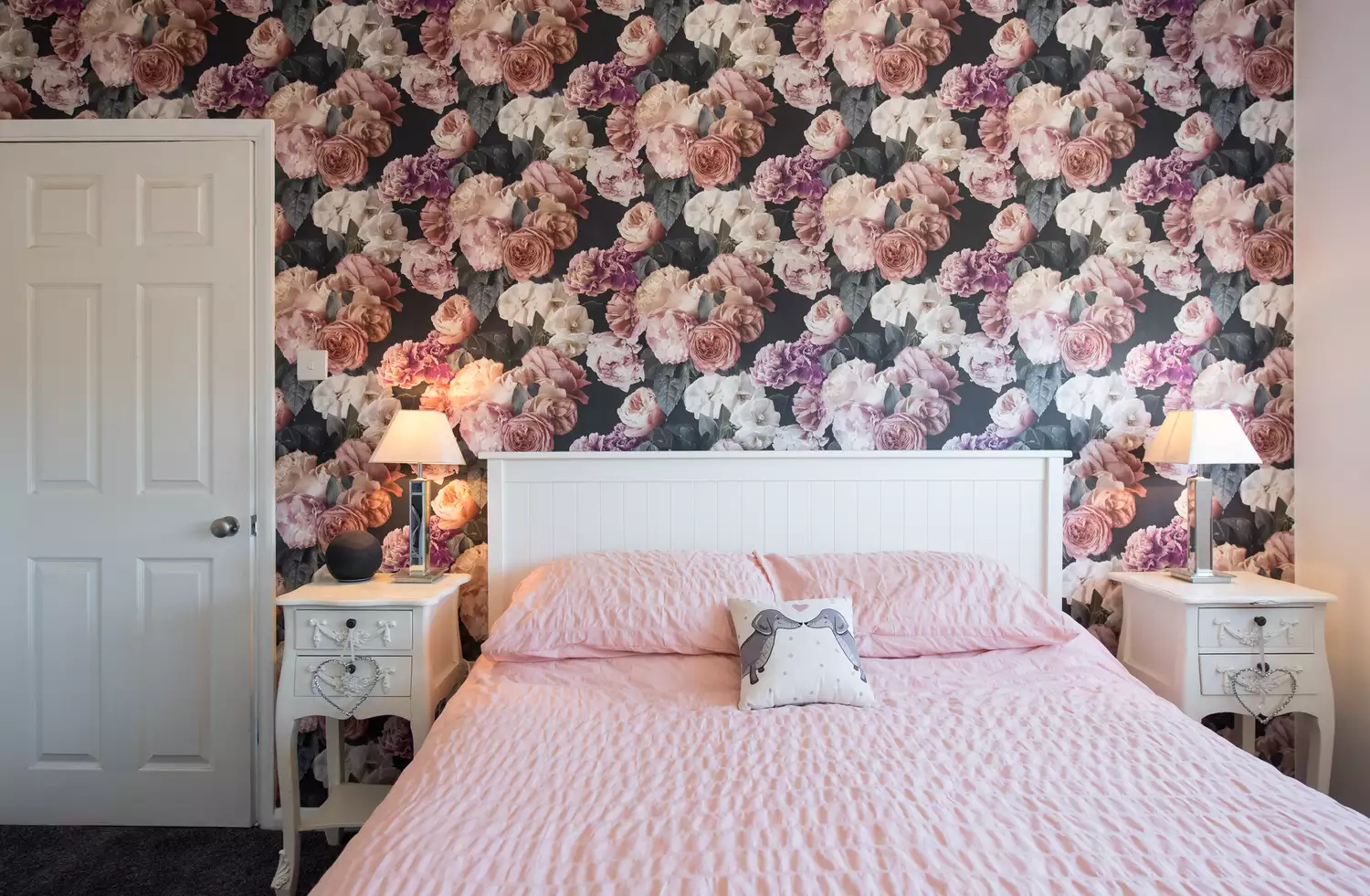
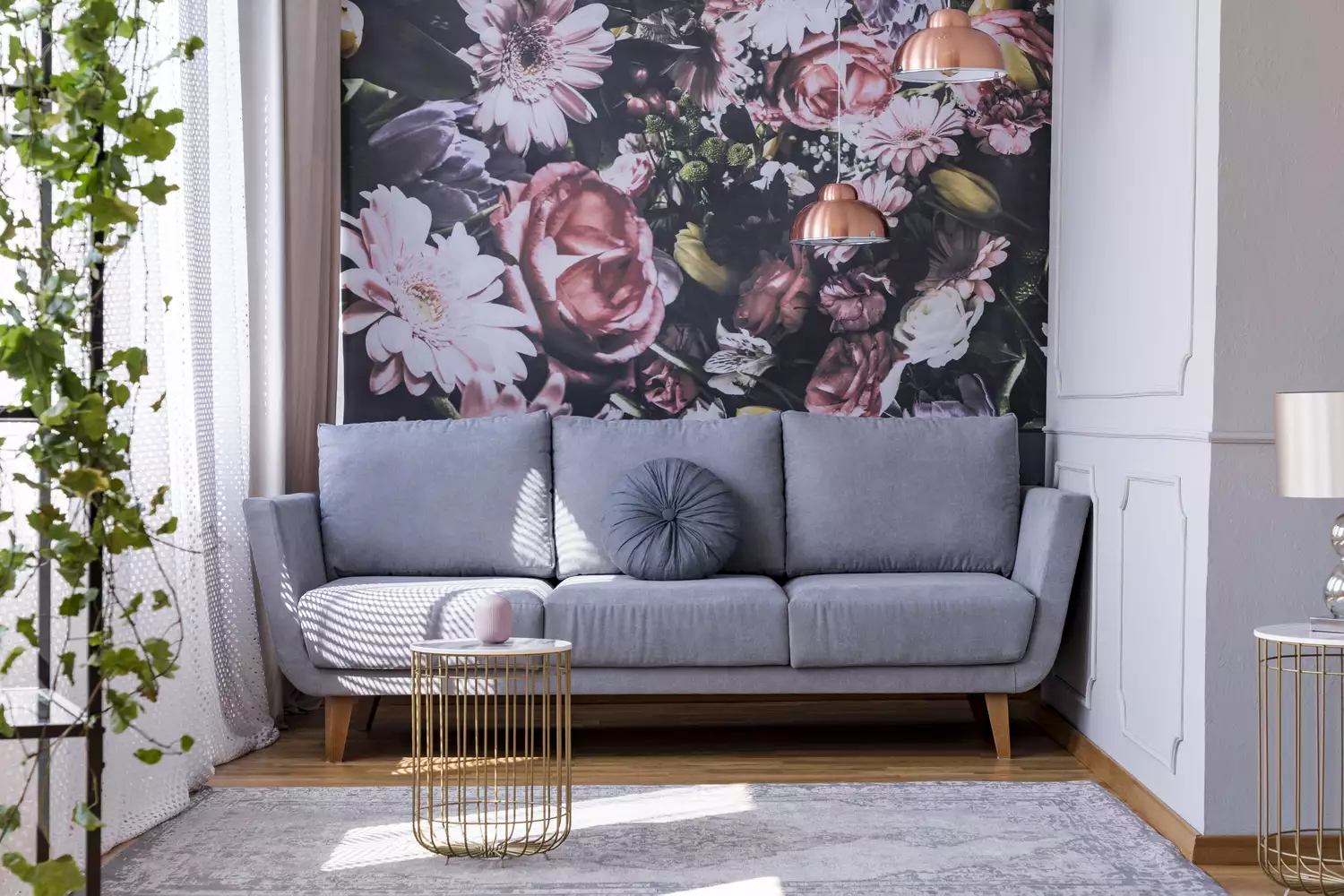
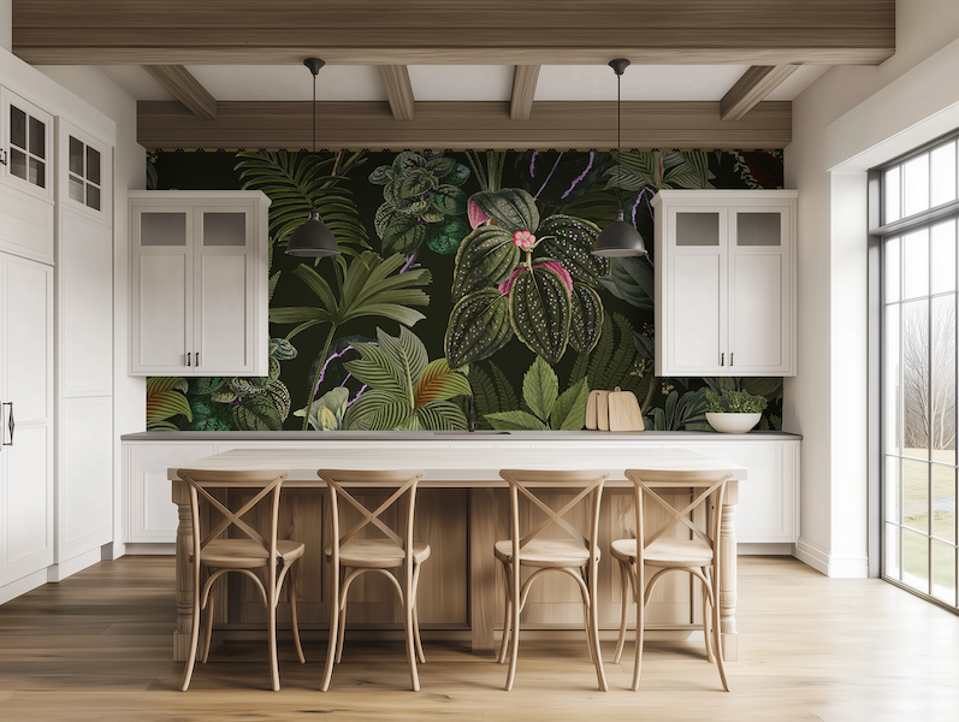
Another critical consideration is the suitability of the wallpaper for the specific space. Designers emphasize that personal preference for patterns and colors should be balanced with the room's characteristics. Armina Kasprowicz, owner and principal designer of Armina Interiors, suggests assessing the scale of the room; for instance, a mural-type wallpaper can visually enlarge a small space. She also stresses the importance of selecting designs that will maintain their appeal over time to withstand changing trends. For rooms that are frequently redecorated, such as nurseries or powder rooms, peel-and-stick options are more appropriate due to their easy removability.
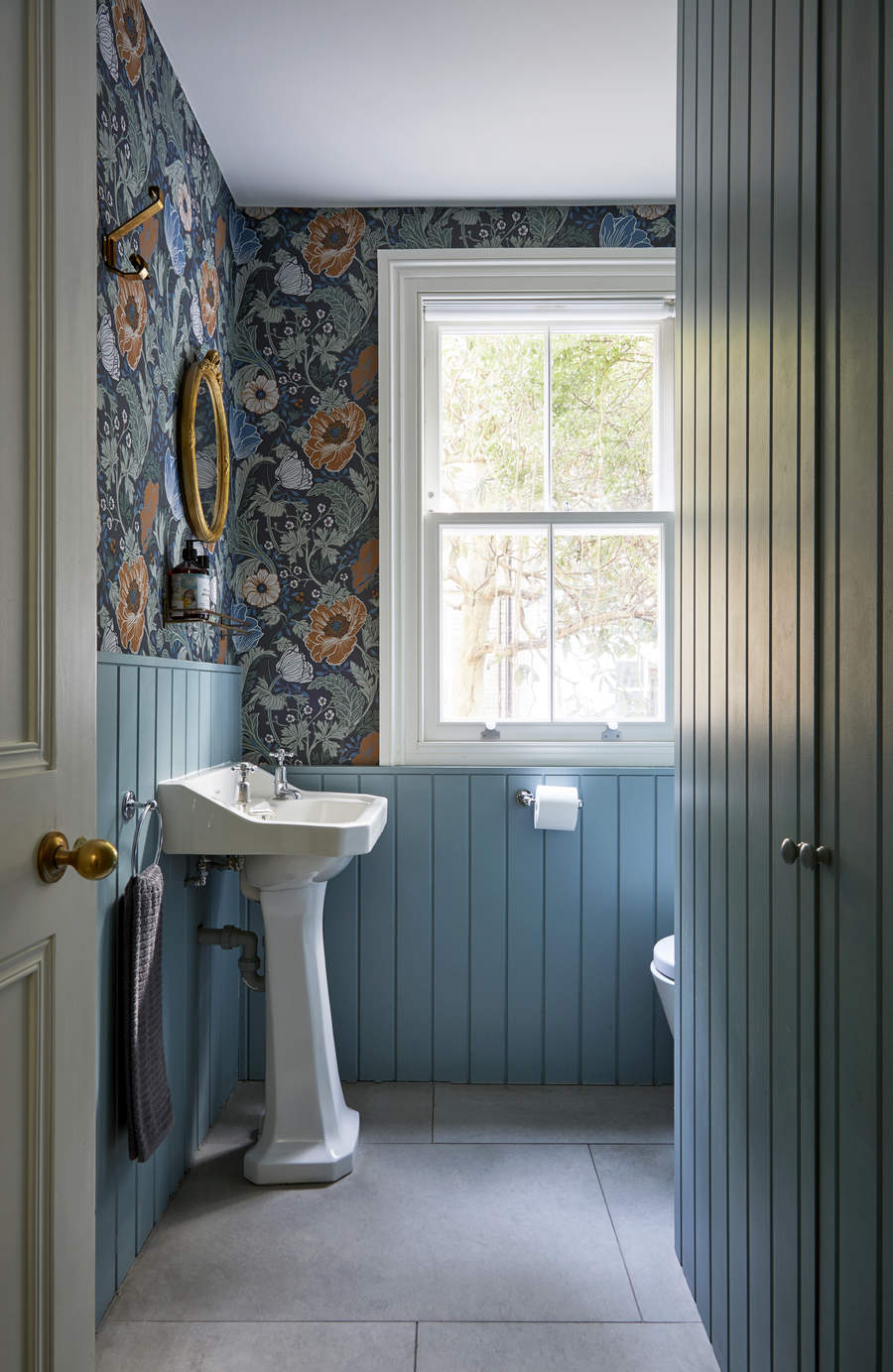
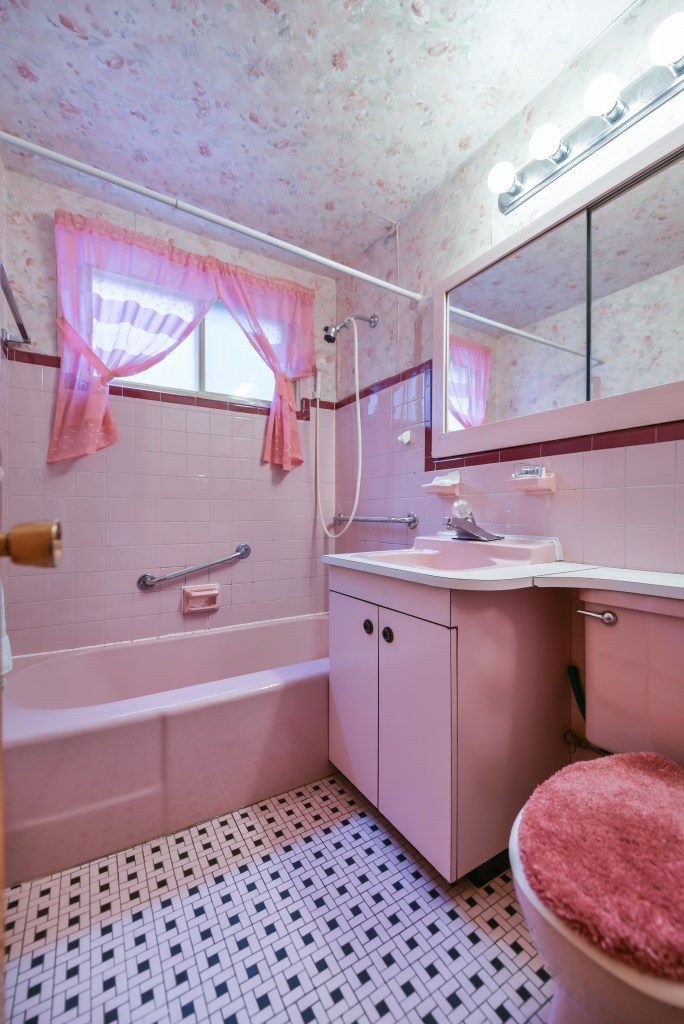
The environment of the room also plays a crucial role in wallpaper selection. High-humidity areas like bathrooms are unsuitable for peel-and-stick wallpaper, as its low-tack adhesive can fail when exposed to steam. Even traditional paper-based wallpapers are not ideal for such environments. Instead, water-repellent materials like vinyl are recommended for bathrooms, while natural materials such as grasscloth should be avoided in damp conditions.
Furthermore, the type of property being decorated influences wallpaper choices. In rental properties, where alterations might be restricted or temporary, peel-and-stick wallpaper is the preferred choice because it can be removed without damaging the underlying walls. Traditional pasted wallpaper, being more permanent, is generally better suited for owned homes where long-term application is desired.
Proper preparation and application techniques are essential to achieve a flawless finish. A common mistake is failing to draw a level line before starting the application. Assuming walls are perfectly straight can lead to a tilted pattern, which becomes evident and difficult to correct once strips are applied. Kahana recommends using a carpenter's or straightedge level to draw a vertical plumb line as a reliable starting point, double-checking its accuracy before applying the first strip.
Careful planning of the layout is also vital. Simply applying strips sequentially without forethought can result in misaligned patterns, especially with designs that do not have perfectly matched edges. In such cases, pre-cutting strips to ensure seamless pattern flow might be necessary. For complex murals or bold, large-scale patterns, Kasprowicz suggests hiring a professional installer to guarantee a high-quality outcome.
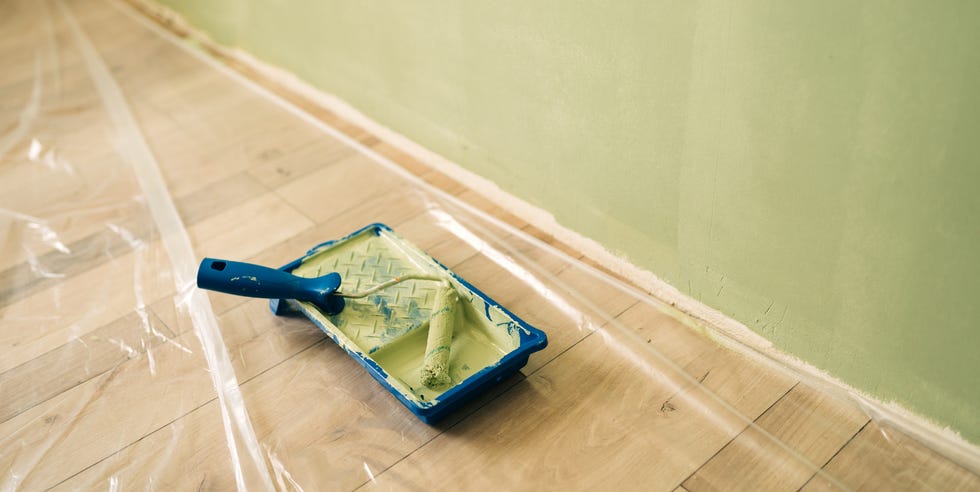
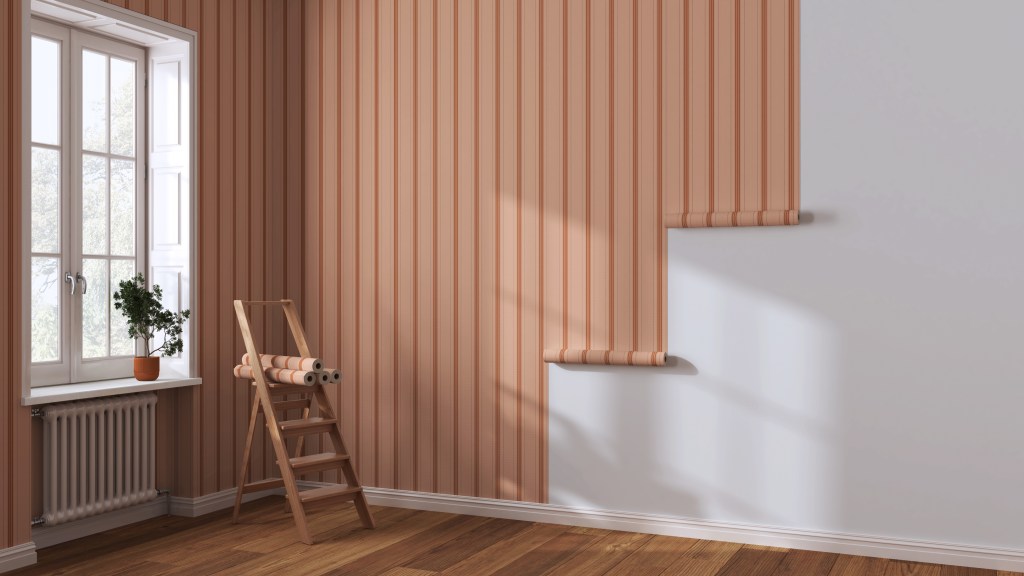
Finally, designers strongly advise against wallpapering over old wallpaper. The moisture from the new paste can reactivate the adhesive of the existing wallpaper, causing unsightly bubbles and an uneven surface. Therefore, thoroughly stripping off any old wallpaper and preparing the wall surface beforehand is a crucial step. Catherine Jacob also advises preparing the room by covering or moving furniture, protecting floors with plastic sheeting, and removing fixtures such as vents and light switch faceplates. Rushing the installation process is another pitfall, as traditional wallpaper requires time for the paste to activate and for careful smoothing to prevent wrinkles and air pockets. Following the specific instructions for the wallpaper paste is essential for a successful application.
#Wallpaper #HomeDecor #InteriorDesign #DIYHomeImprovement #DesignTips #HomeRenovation #Wallpaper #HomeDecor #InteriorDesign #DIYHomeImprovement #DesignTips #HomeRenovation
0 comment in total
 No comments yet
You may also like
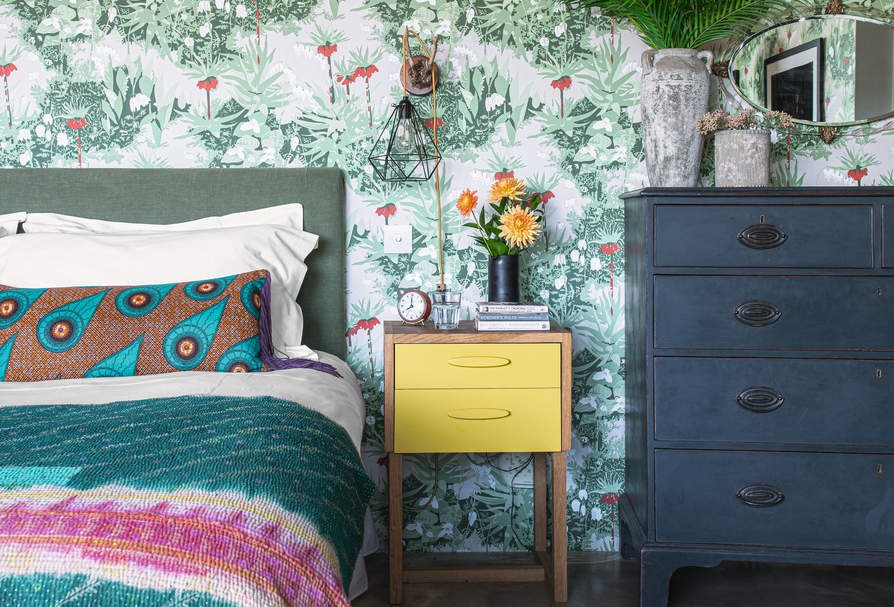
Wallpaper mistakes to avoid – 7 of the most common errors and how to solve them

7 Paint Mistakes That Make Designers Instantly Cringe When They Walk Into Someone's Home

Designers Say This Is the #1 Living Room Mistake Everyone Makes

7 Decorating Mistakes That Always Make Interior Designers Cringe
6 mistakes design experts instantly notice in your home – and how to fix them

5 common gallery wall mistakes designers warn to always avoid – to create the chicest of displays

Wallpaper is so back — but don't make these 7 mistakes when using it, according to interior designers
6 Feng Shui Houseplant Decorating Mistakes Practitioners Want to Warn You Against
10 Mistakes Designers IMMEDIATELY Notice When They Walk Into Your Home
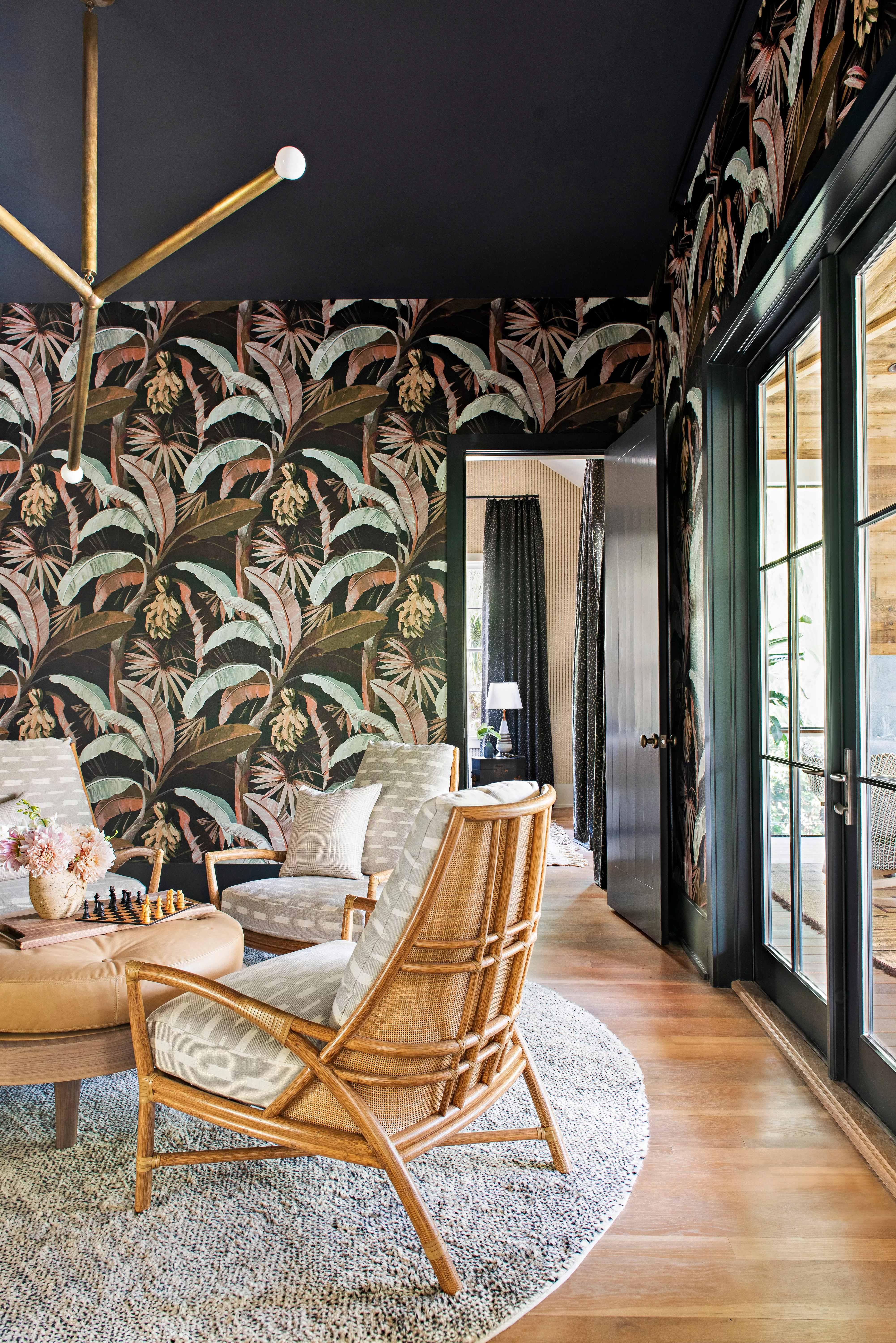
8 Common Wallpaper Mistakes (and How to Fix Them)

6 painting mistakes that are making your walls look 'dirtier' – and what you should be doing instead
5 Living Room Design Mistakes You Didn't Know You Were Making
6 Home Décor Mistakes Interior Designers Notice Right Away—and How to Fix Them
Don't make these 5 entryway decor mistakes

21 Home Design Fails That Are As Upsetting As They Are Impractical

6 things to never put in an entryway, according to interior designers
7 Design Mistakes Interior Designers Always Notice

7 cheap and tacky interior design errors rich people never make — ban these aesthetic atrocities from your home
6 interior design mistakes that could be affecting your sleep
6 Wallpaper Trends That Are So Outdated, According to Designers