1/10
6 Feng Shui Houseplant Decorating Mistakes Practitioners Want to Warn You Against
The article discusses common houseplant decorating mistakes from a Feng Shui perspective, emphasizing that plants are more than just accents; they are crucial elements influencing a home's energy. Feng Shui practitioners highlight six specific errors that can disrupt positive energy flow (chi) within a living space.
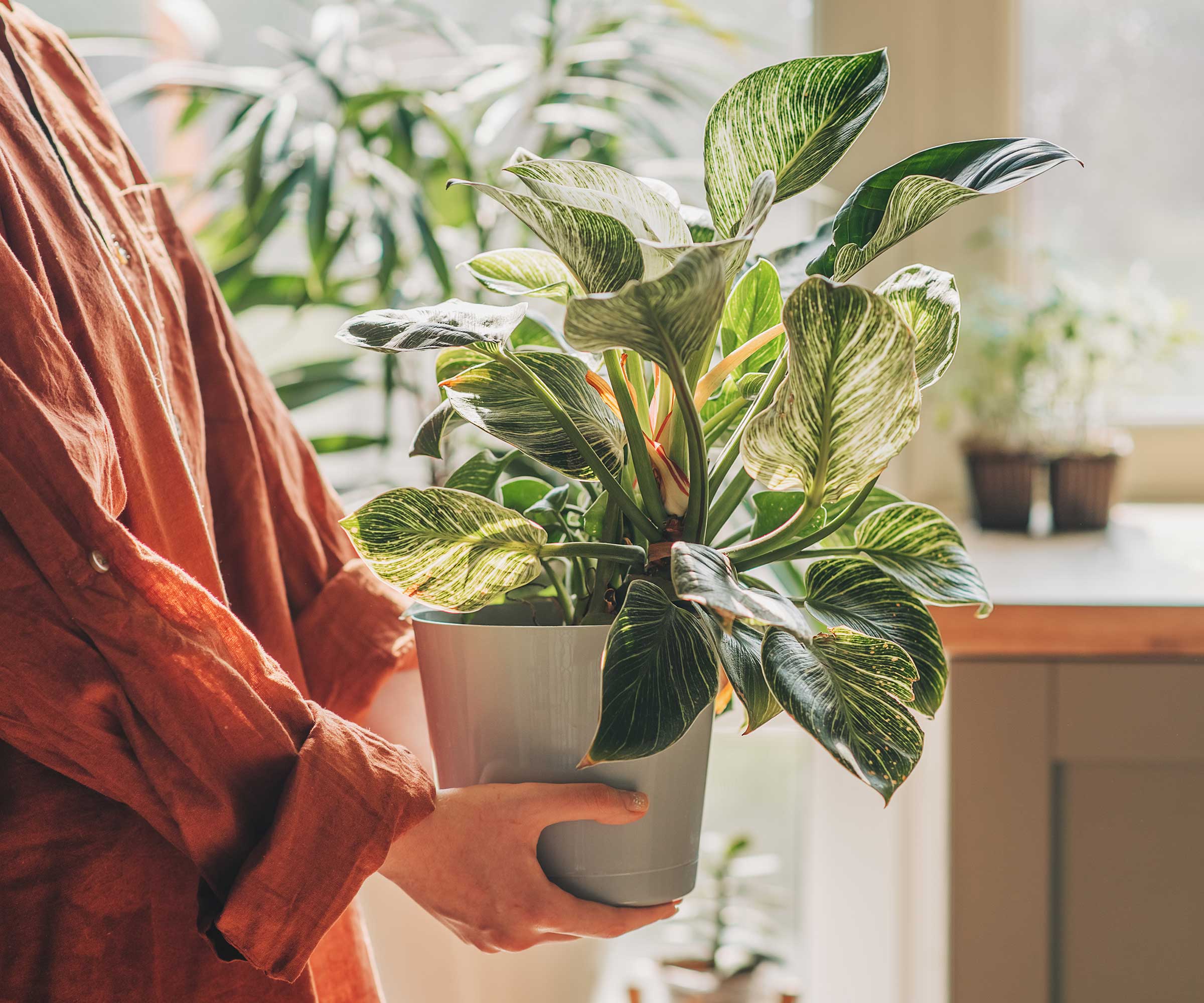
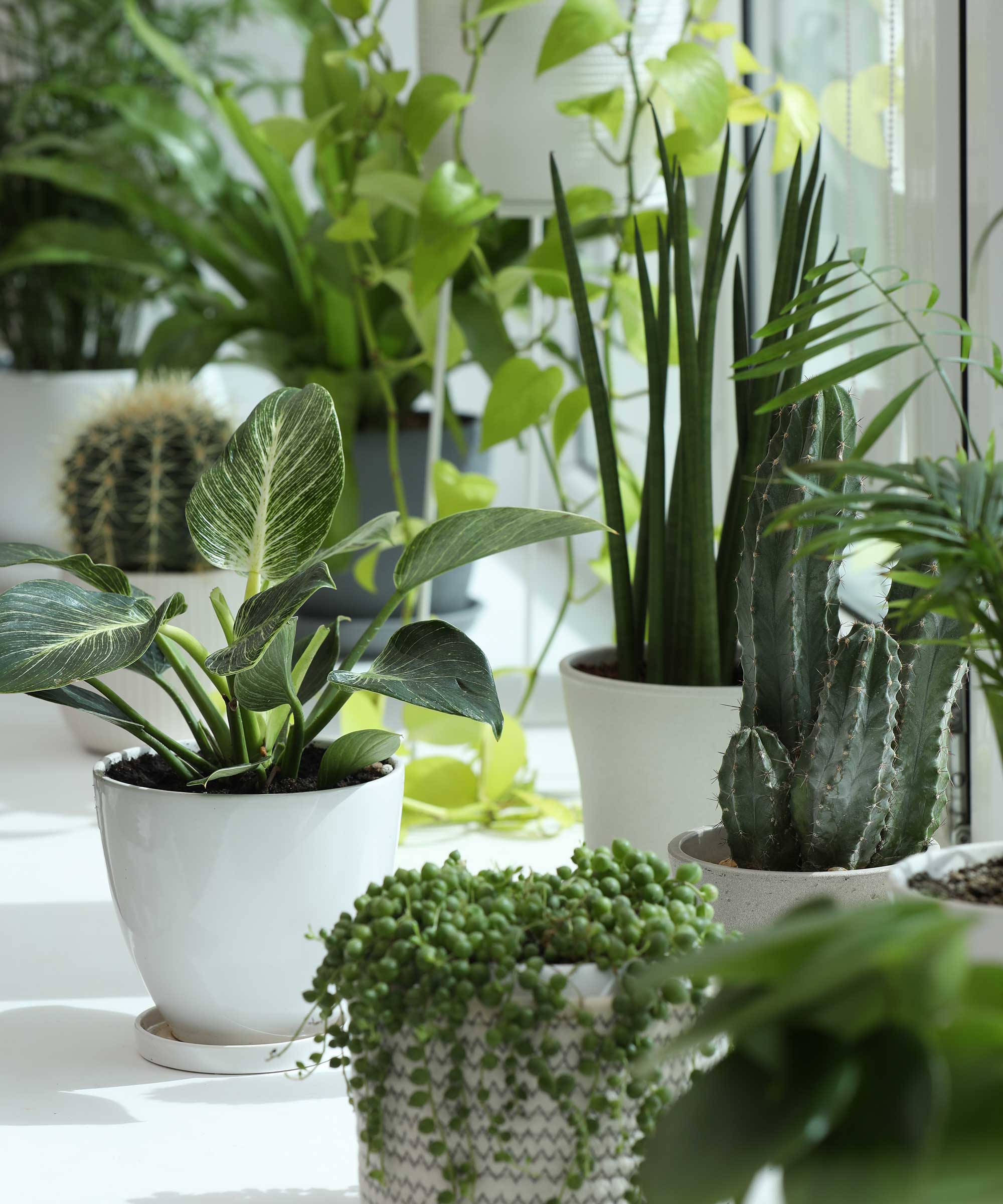
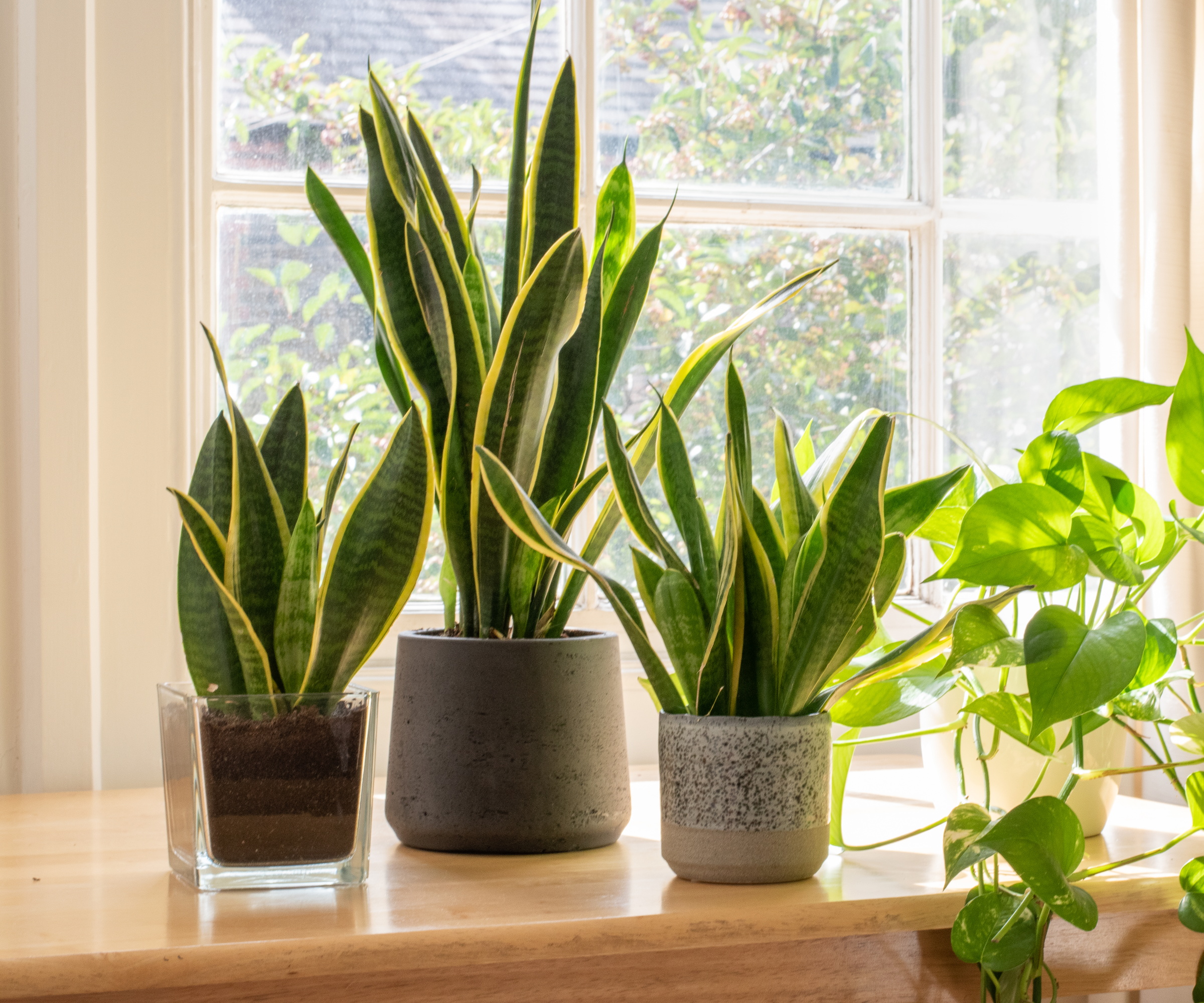
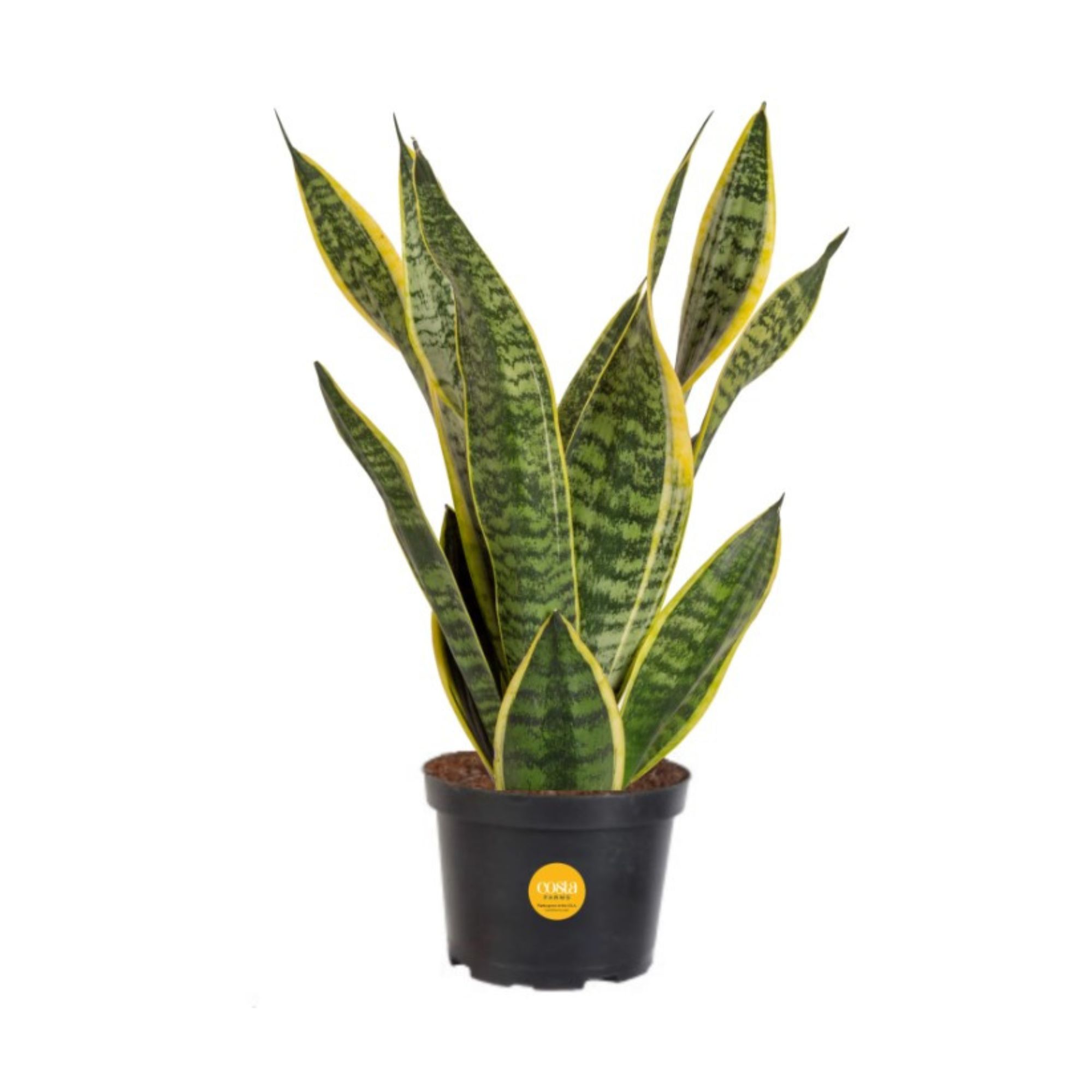
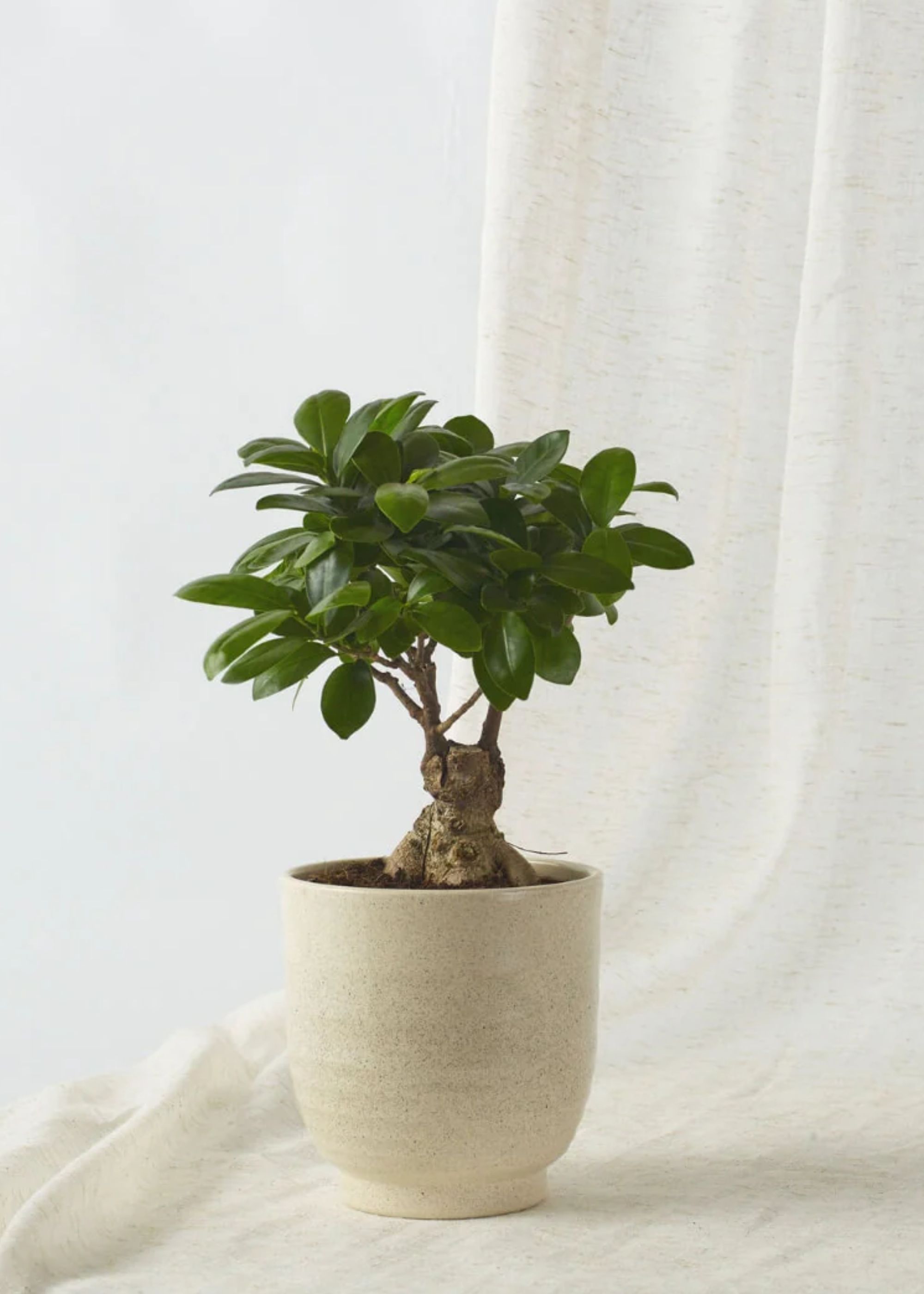
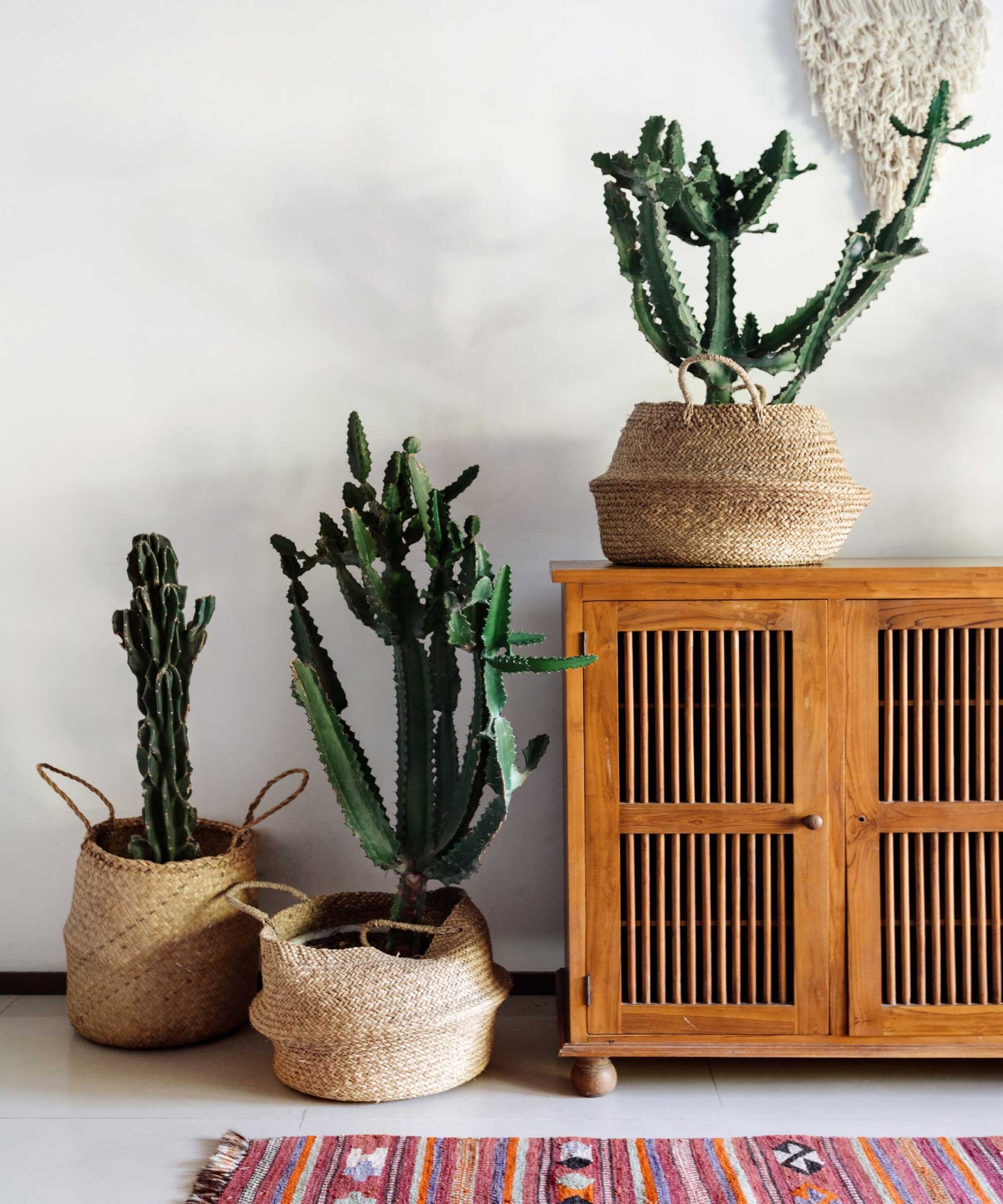
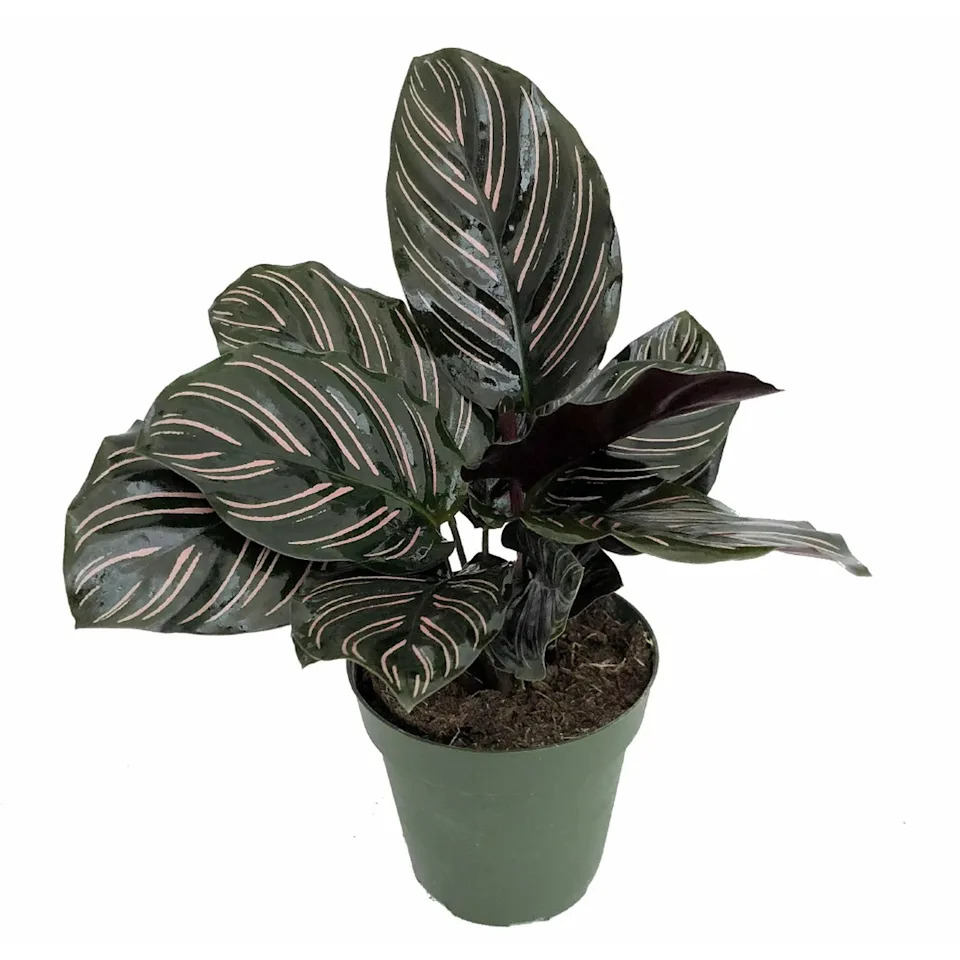
First, decorating with spiky plants indoors is discouraged. Feng Shui expert Zoë Vita James explains that spiky leaves can generate unhelpful energy, known as 'sha chi,' especially if their points are directed towards areas where people sit or sleep. Instead, the recommendation is to choose houseplants with rounded and lush leaves, such as the maranta or prayer plant, which are believed to promote abundance and a softer energy.
Second, the article advises against fostering high-maintenance plants that cannot thrive under the owner's care. Feng Shui practitioner Anjie Cho stresses the importance of selecting plants that align with one's care abilities and the available natural light. The rationale is that a struggling or dying plant generates negative energy, counteracting the desired health and growth. Therefore, honesty about one's gardening skills and choosing low-maintenance varieties are crucial for maintaining a healthy and happy indoor garden.
Third, the use of fake plants for Feng Shui purposes is generally not recommended, although they are acceptable in areas without natural light or in second homes where regular care is not possible. Anjie Cho clarifies that while fake plants can serve a decorative purpose, they do not impart the same life force energy (Chi) as living plants. For intentional Feng Shui adjustments, live plants are essential to facilitate positive energy changes.
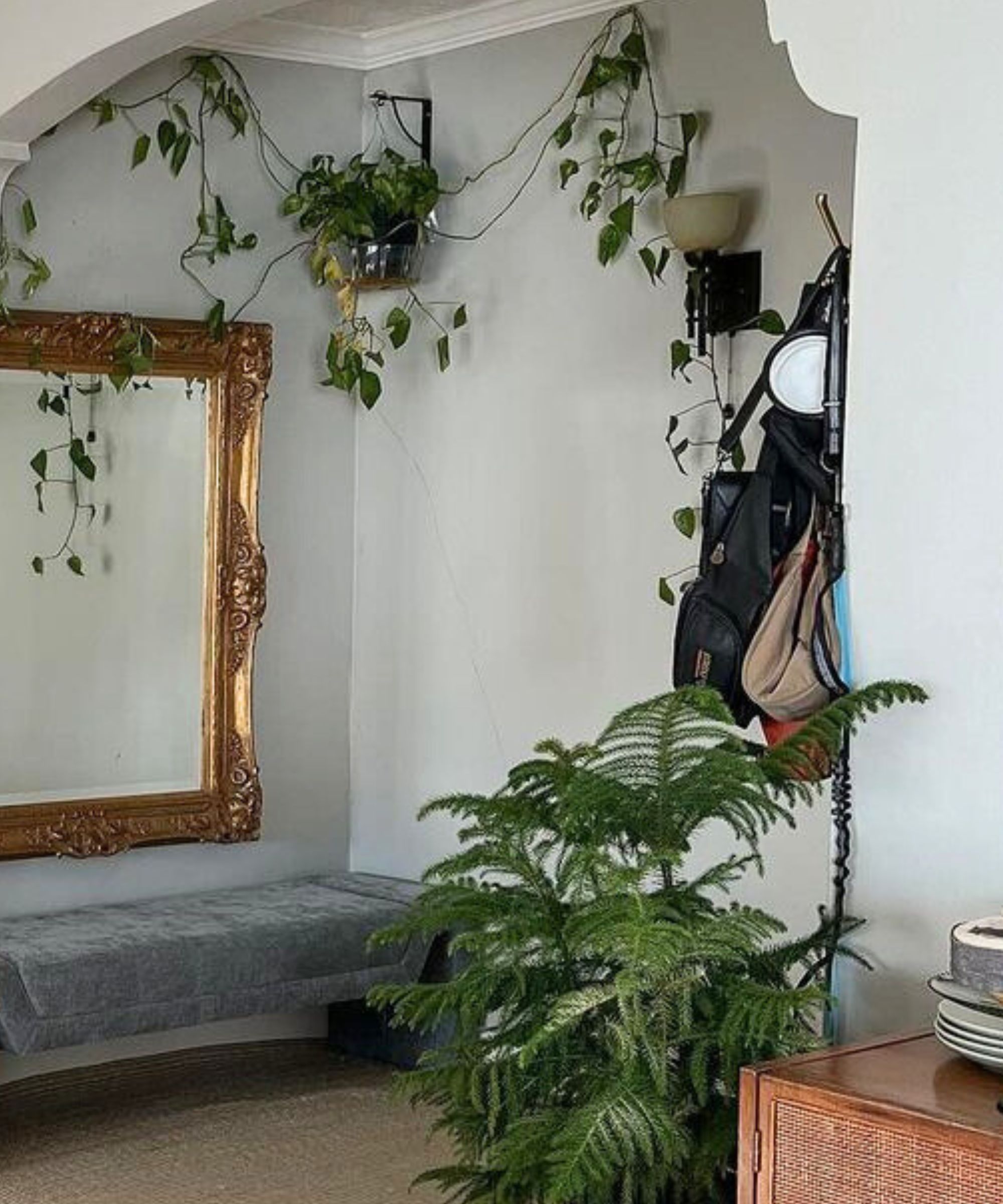
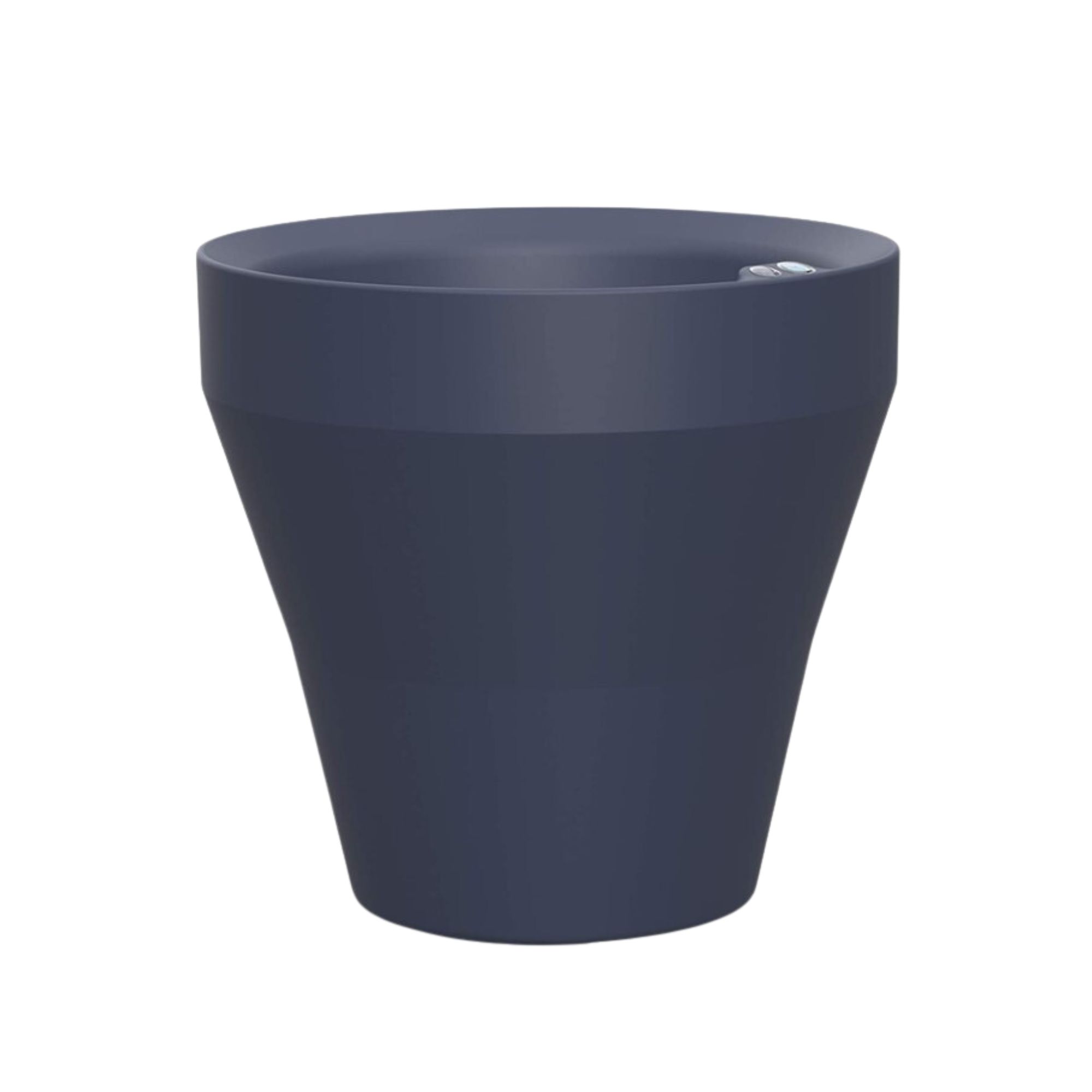
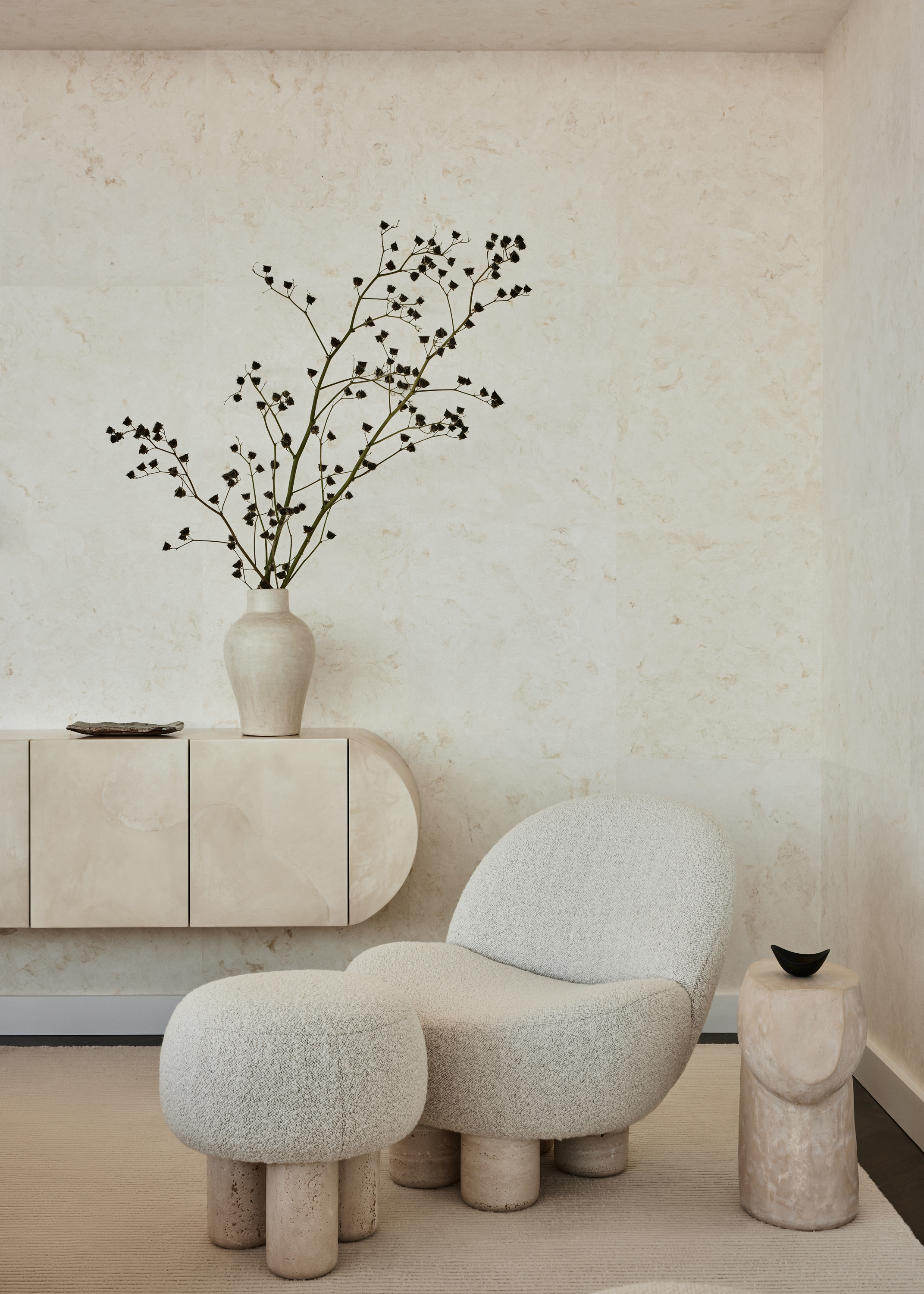
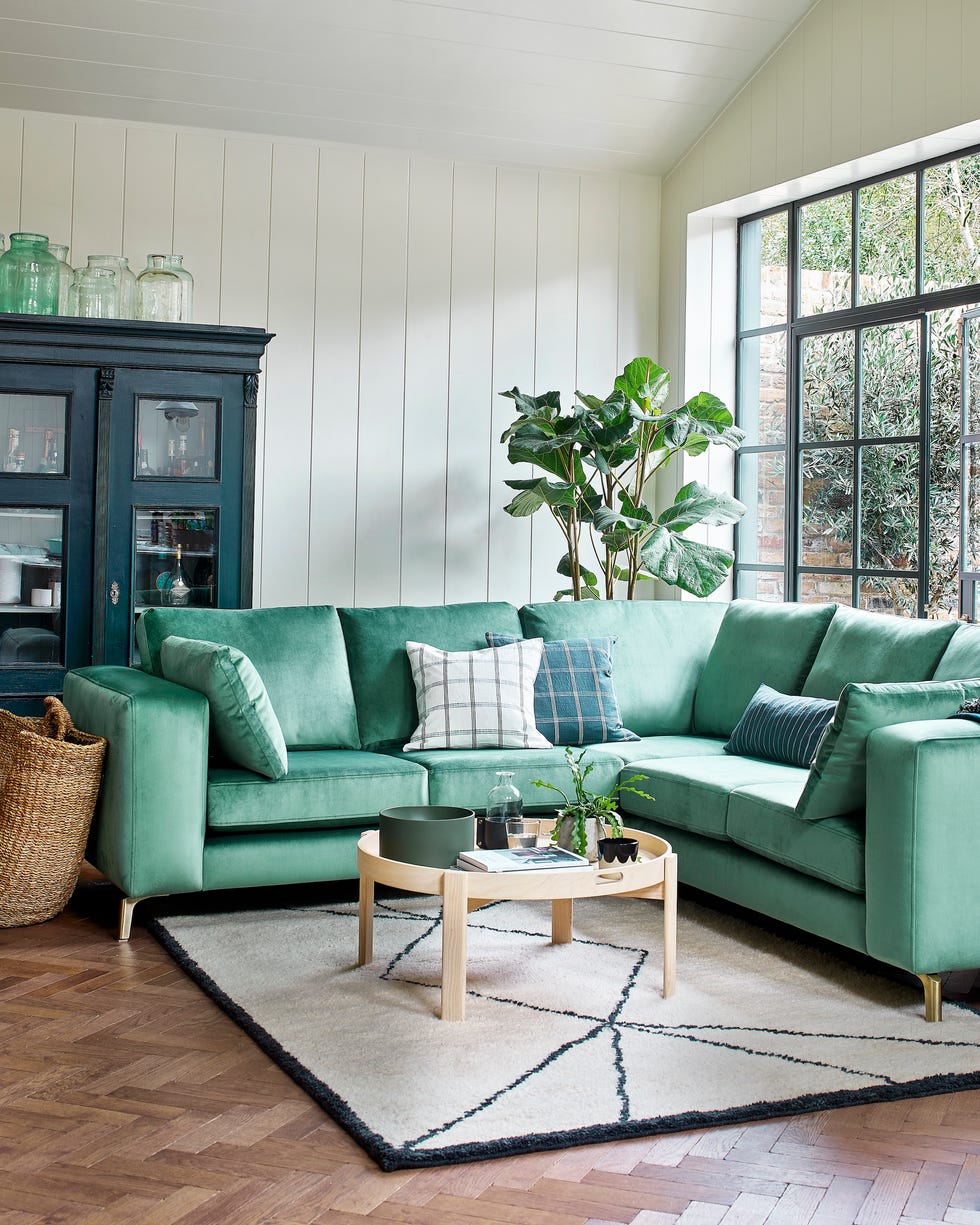
Fourth, ignoring the balance of yin and yang in plant arrangements is a significant mistake. Feng Shui master Marie Diamond notes that an excessive number of plants, particularly large leafy ones, can create an overabundance of active energy (yang), making a space feel heavy. The solution is to blend vibrant, yang-rich plants with calm, shaded areas or soft textures (yin). Additionally, using light-colored ceramic or natural material pots can help ground the energy.
Fifth, placing plants in incorrect Feng Shui zones can weaken specific life aspects. Marie Diamond explains that plants, representing the wood element, enhance certain areas while potentially detracting from others. For instance, they should be avoided in the north area of the home. Instead, beneficial zones for plants include the south, southeast, and east, as these areas are supported by the wood element.
Finally, allowing plant pots and leaves to accumulate dust is considered detrimental to positive energy. Marie warns that dusty, moldy, or broken plant containers signify neglect, and this negative energy can impact wealth, health, or relationships. Regular cleaning of leaves and containers, along with keeping the surrounding area tidy and intentional, is advised to maintain a vibrant and positive indoor environment. The article also touches upon the placement of plants in bedrooms, suggesting that while plants promote life force, large plants in bedrooms can disrupt restful Yin energy. For bedrooms, silk plants or botanical art are recommended alternatives to achieve a sense of greenery without activating too much energy.
#FengShui #HouseplantDecorating #IndoorPlants #HomeWellness #PlantCare #YinYangBalance #InteriorDesignMistakes #HomeDecor #ChiEnergy #FengShui #HouseplantDecorating #IndoorPlants #HomeWellness #PlantCare #YinYangBalance #InteriorDesignMistakes #HomeDecor #ChiEnergy
0 comment in total
 No comments yet
You may also like
5 Feng Shui houseplant mistakes to avoid for good fortune

7 Interior Trends That Experts Say Are Bad Feng Shui — Stay Clear of These If You Want Good Vibes at Home
5 entryway Feng Shui mistakes experts always notice as soon as they step foot into a home
6 Red Flags You Should Always Avoid When Shopping for Fall Home Decor, Designers Say

Feng Shui design mistakes to avoid – 5 things you may be getting wrong
3 common lighting mistakes you are making, according to Feng Shui experts

14 Best Plants for Boosting Your Home's Feng Shui, According to Experts

Feng Shui consultants say these are the unluckiest items to have in your home
5 Feng Shui living room mistakes you're making – and how the experts avoid them
6 Home Décor Mistakes Interior Designers Notice Right Away—and How to Fix Them
6 Mistakes With Your Kitchen Stove's Feng Shui to Avoid
5 Things You Should Never Put Above Your Bed — Especially If You Want Good Feng Shui in Your Home
6 Things You Should Never Put in Your Home if You Want Positive Feng Shui
Small entryway Feng Shui mistakes — 5 things the pros always avoid

4 Houseplants to Never Put in an Entryway, or Else They'll Throw Off Your Home's Feng Shui Balance
Feng Shui consultants say these are the unluckiest items to have in your home

6 Feng Shui Christmas decorating rules – and why getting them wrong could ruin the holiday
Are Fake Plants Bad Feng Shui? Probably Not, but You Shouldn't Put Them in These Places
6 mistakes design experts instantly notice in your home – and how to fix them
5 Red Flags to Avoid at All Costs When Thrifting Home Decor, According to Designers