1/5
Feng Shui consultants say these are the unluckiest items to have in your home
Feng Shui, an ancient Chinese practice, focuses on arranging living spaces to create harmony and balance with the natural world, influencing various aspects of life, including luck. While many commonly focus on introducing positive elements, it is equally important to remove items that may attract negative energy or promote stagnation. This article details six specific items identified by Feng Shui experts as particularly inauspicious and provides guidance on how to replace or manage them to foster a more positive environment.
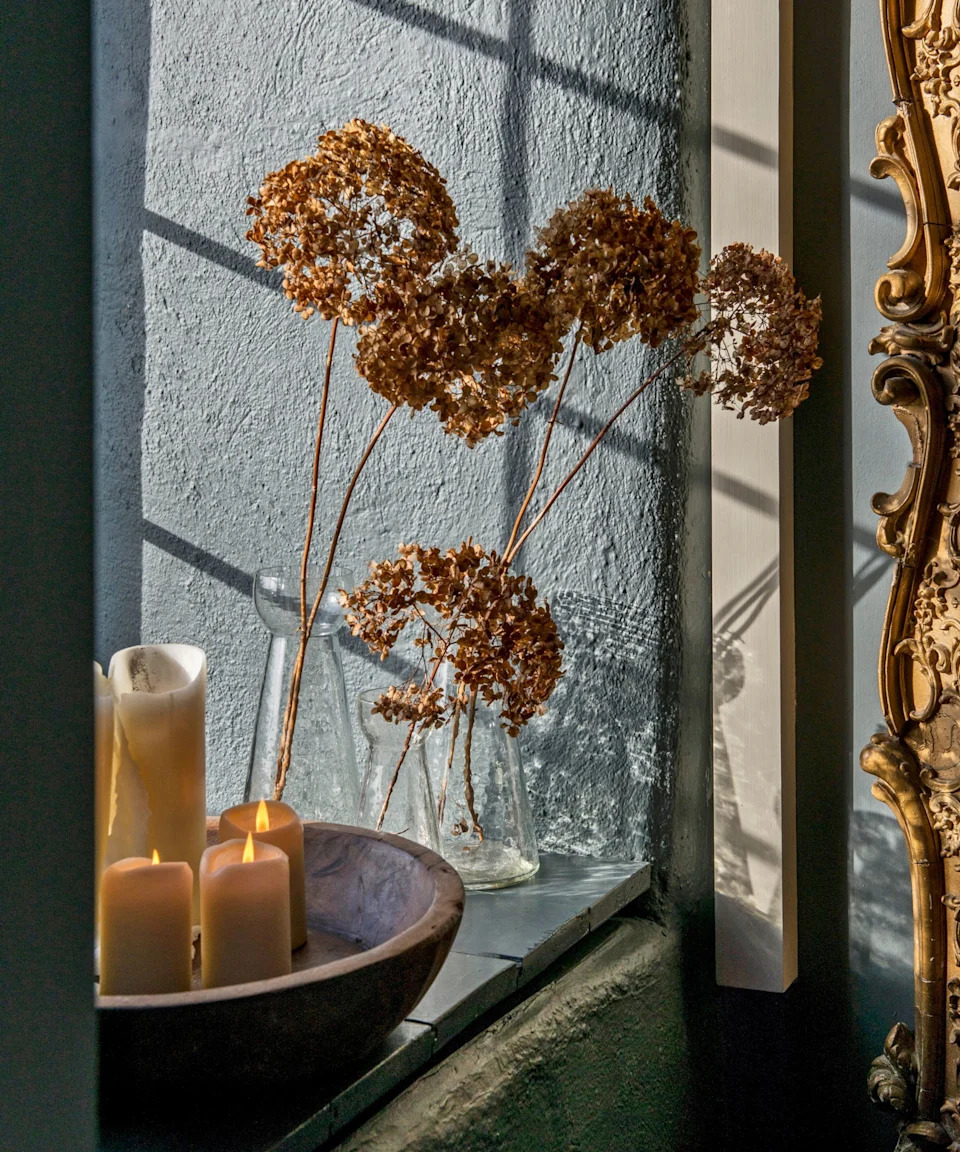
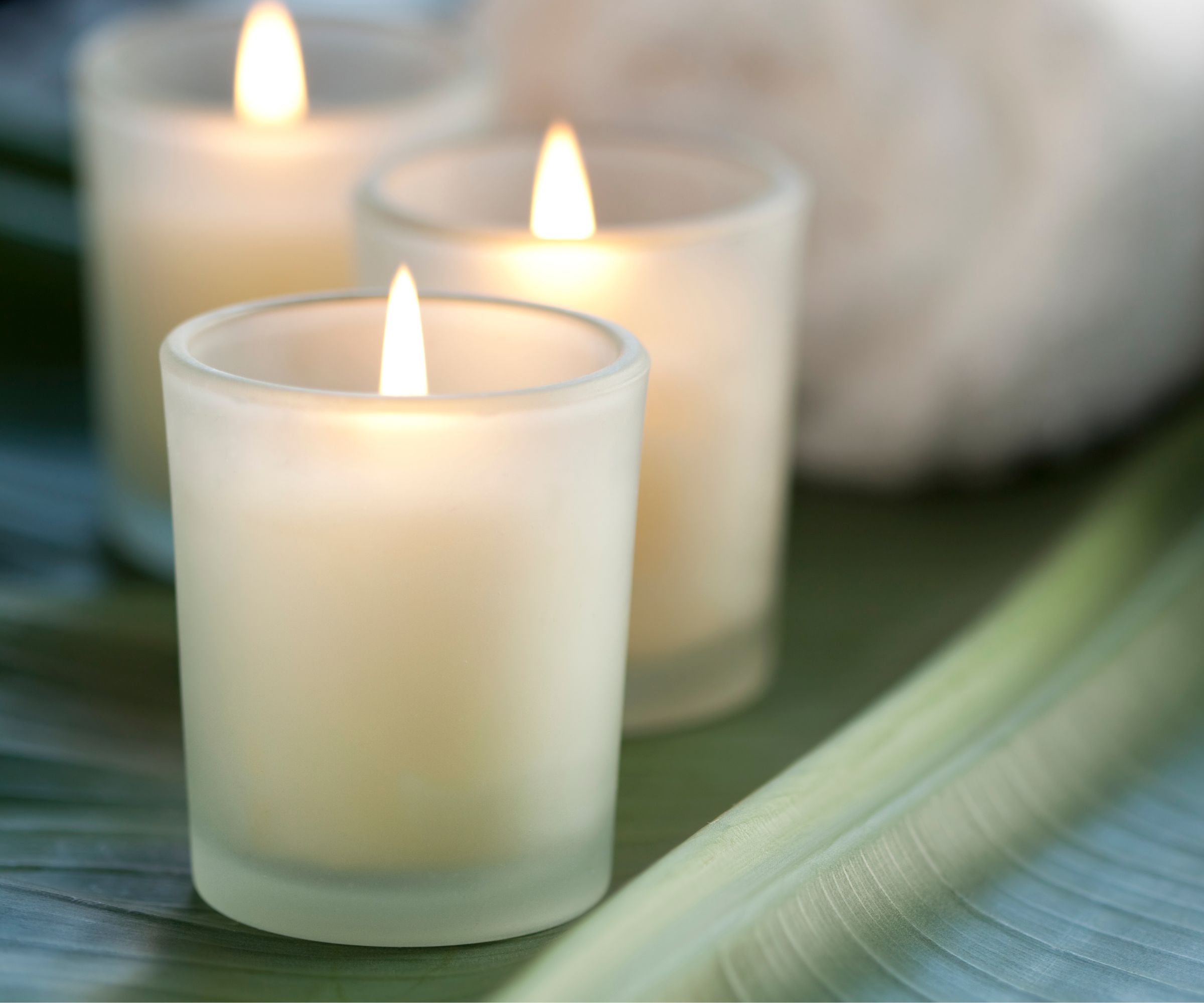
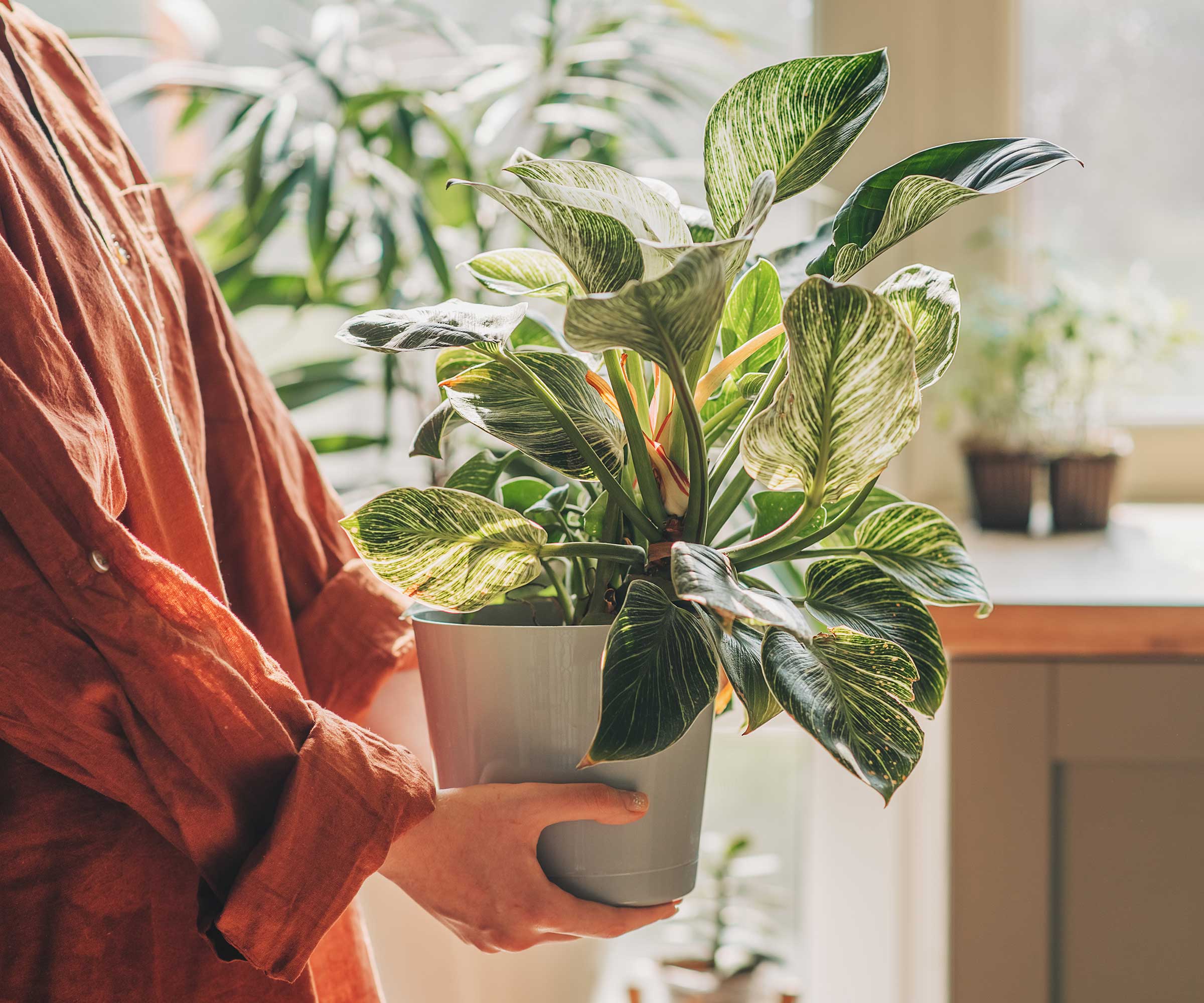
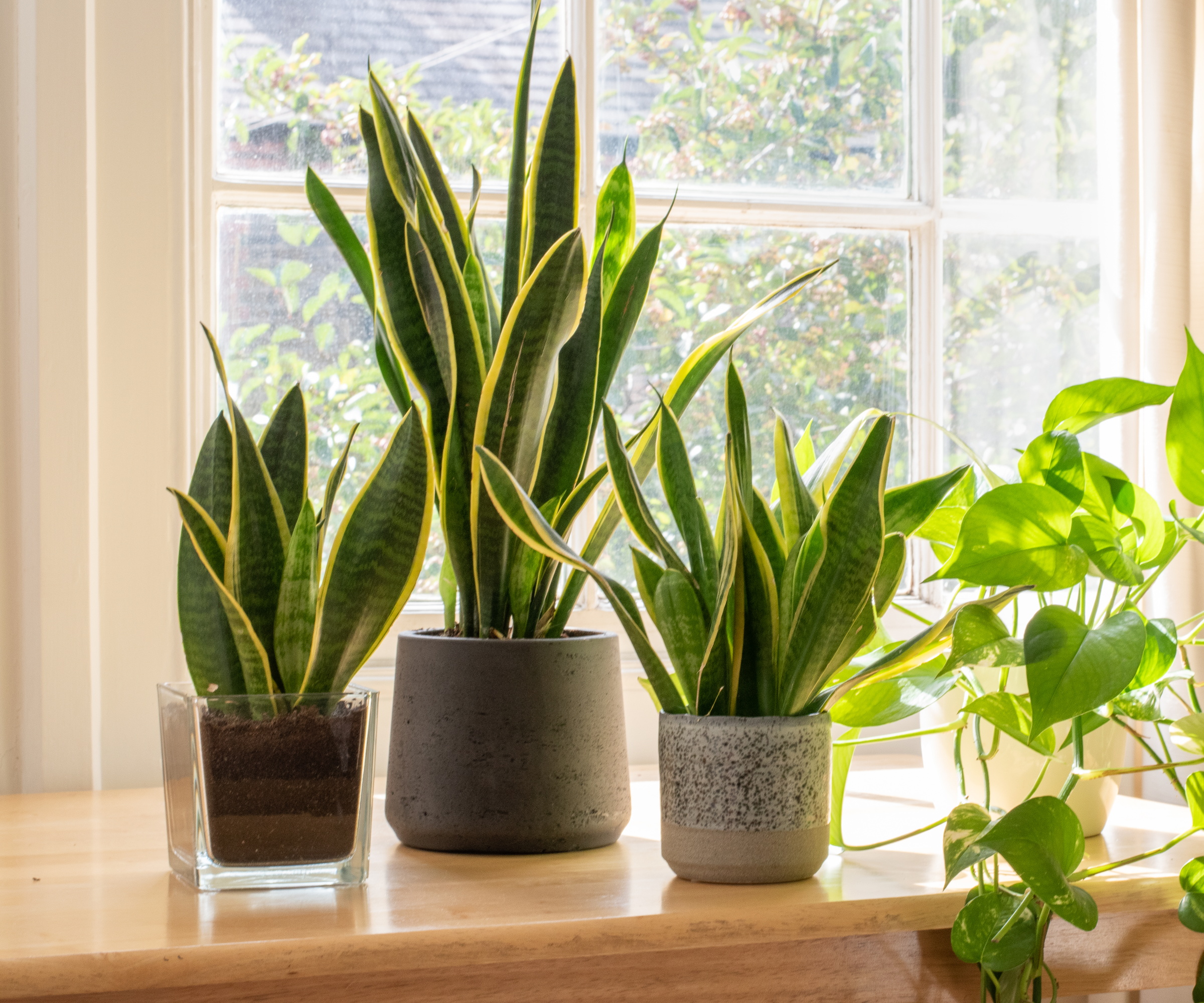
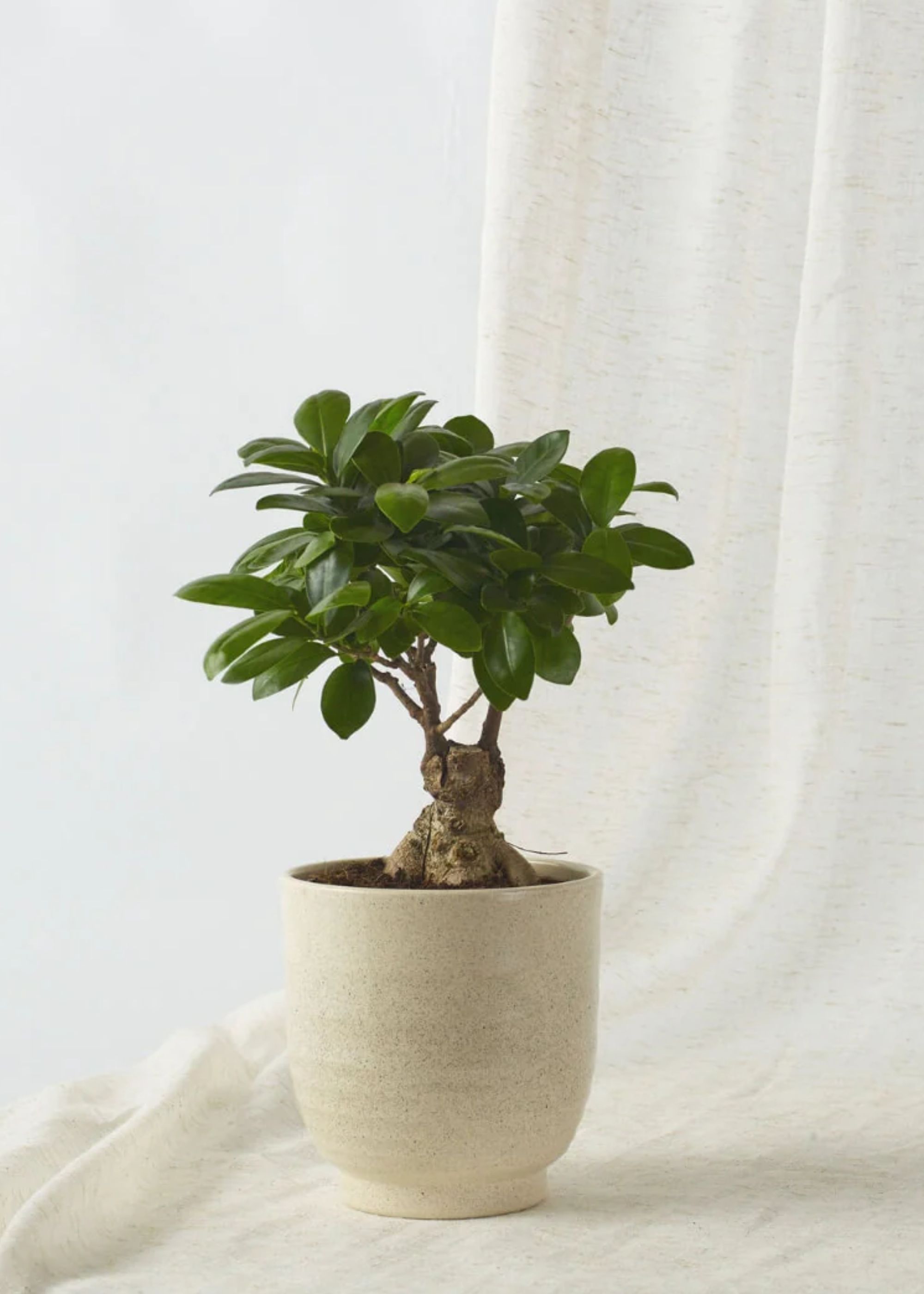
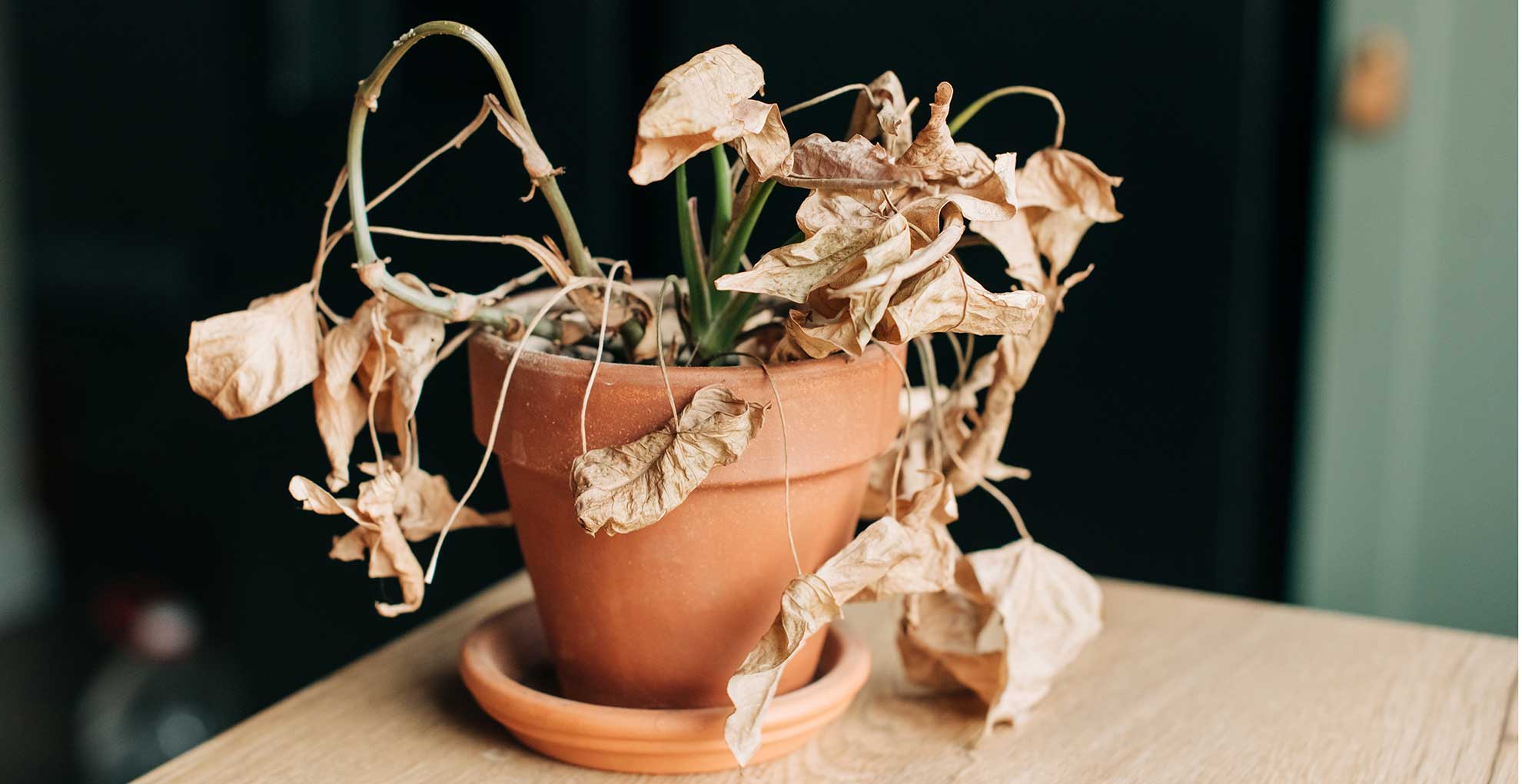
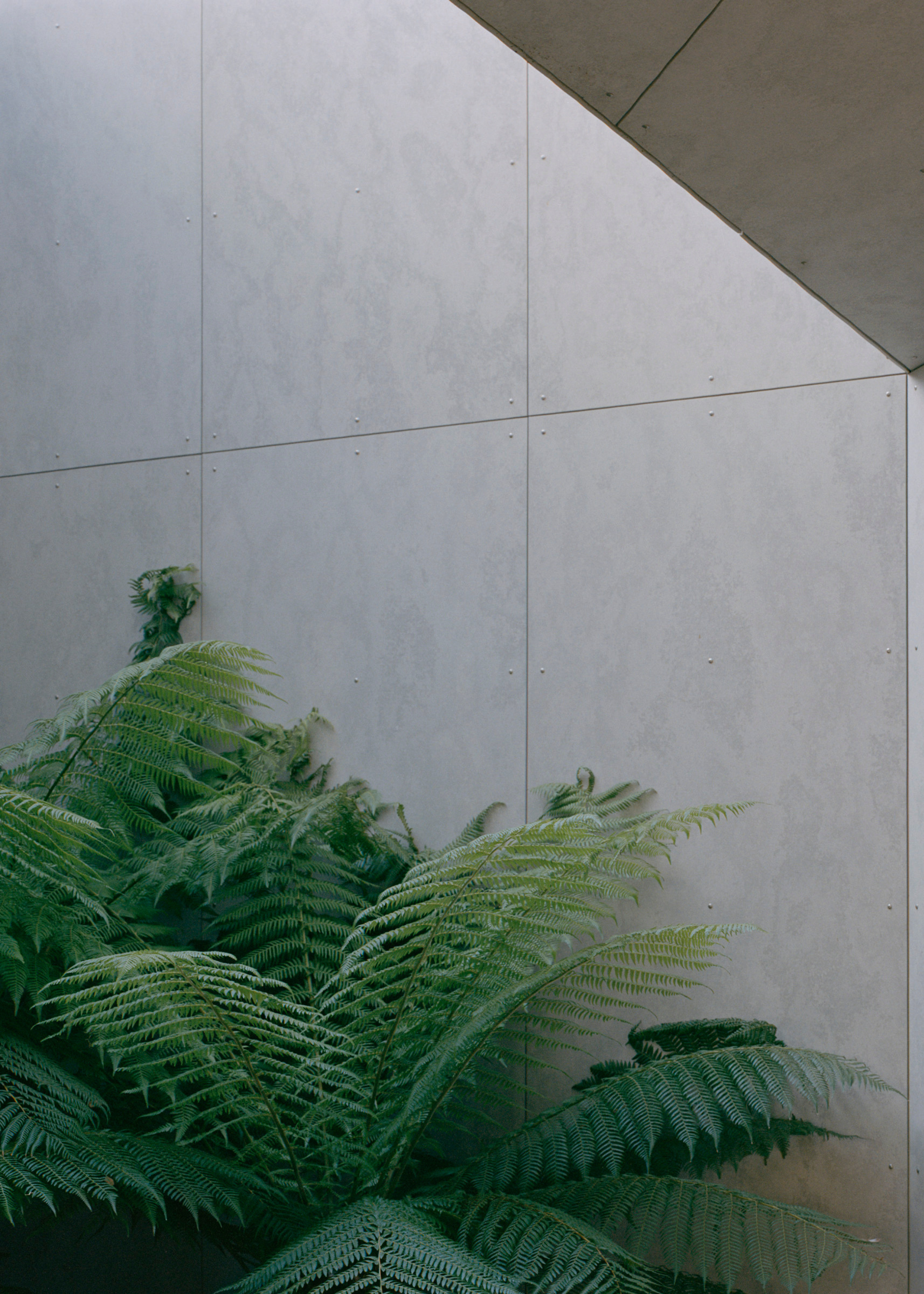
First, dried and dead plants are considered detrimental. While live houseplants are celebrated for their ability to purify air and bring nature indoors, their dried or deceased counterparts symbolize stagnation and a lack of vitality. Feng Shui consultant Joy Tan emphasizes the importance of fresh, vibrant plants that promote growth and positive energy. Instead of using dried arrangements for scent, a Zodiac candle home energy cleanse is suggested, which can also ground the space and banish negative energy. This practice highlights the principle that decaying elements can impede the flow of positive chi, or life force energy.
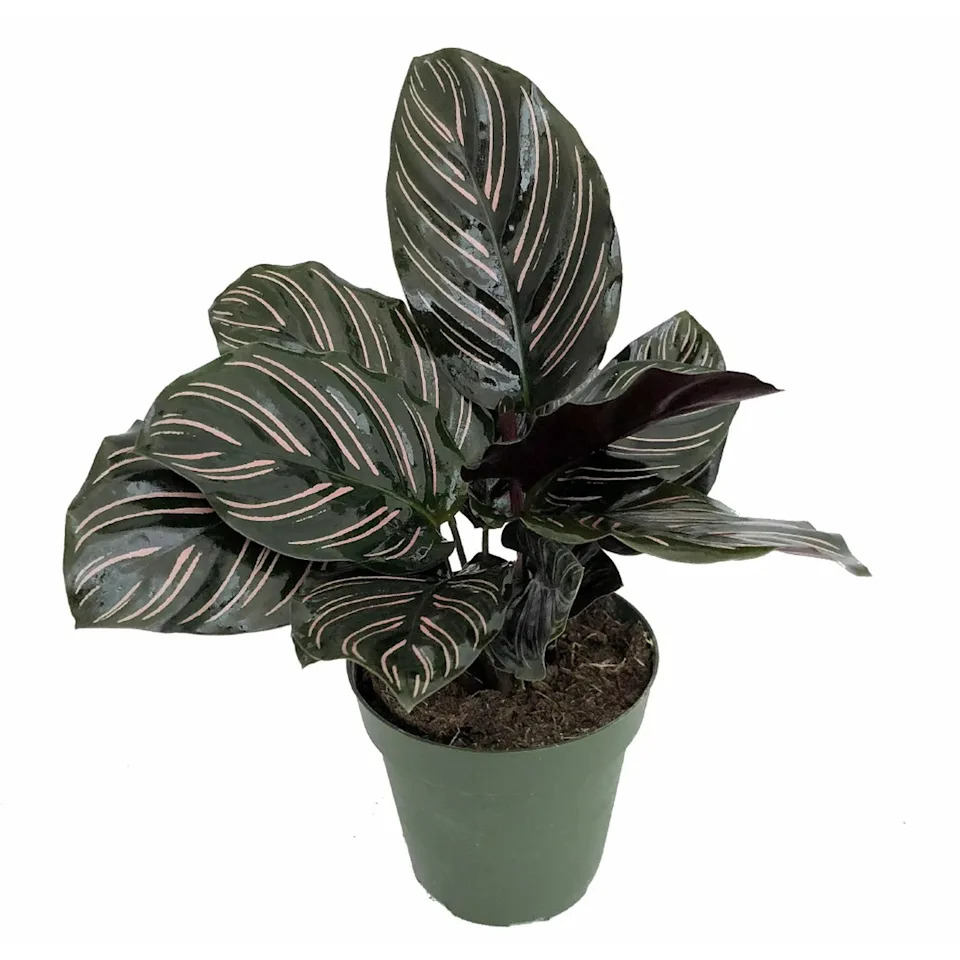
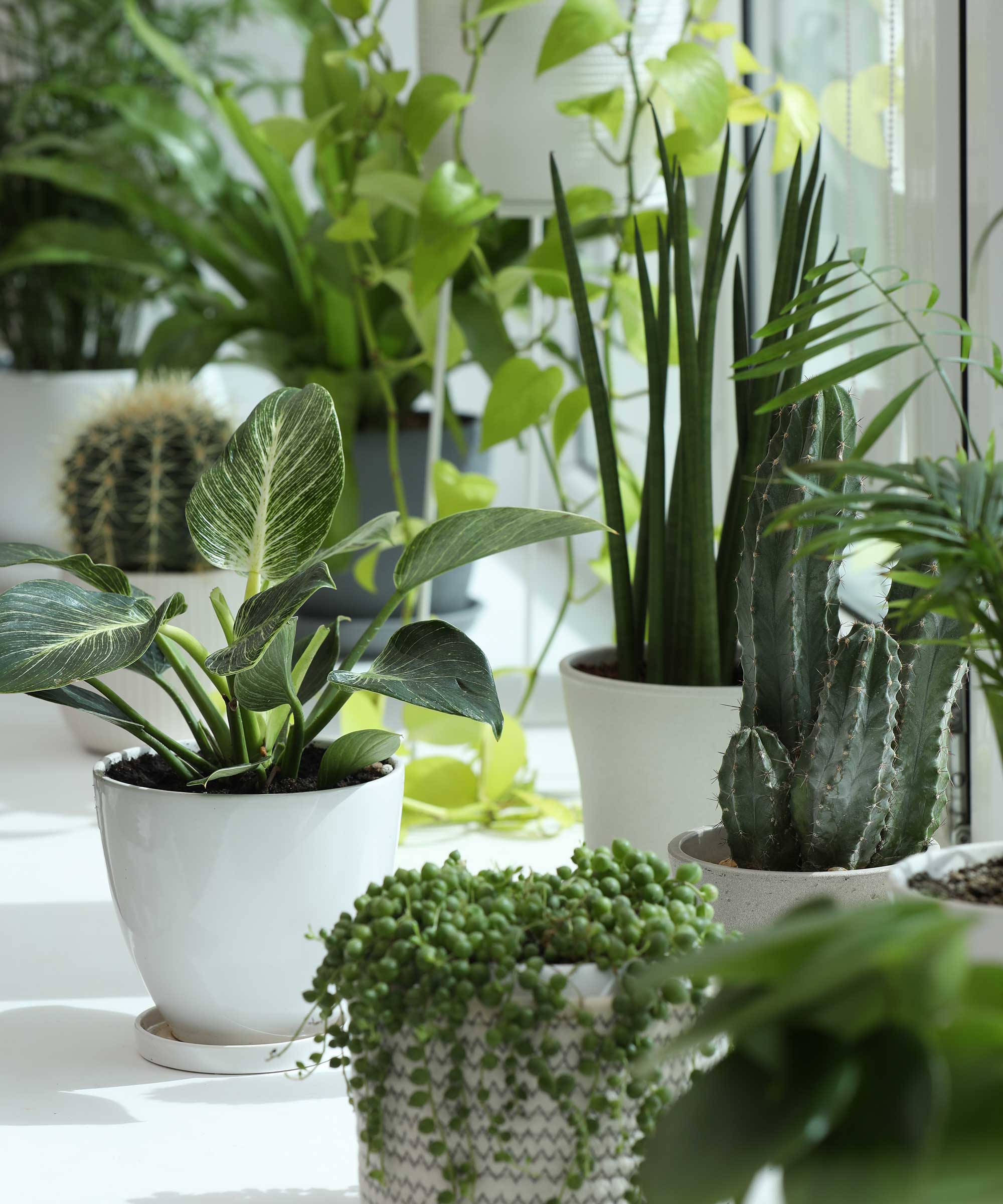
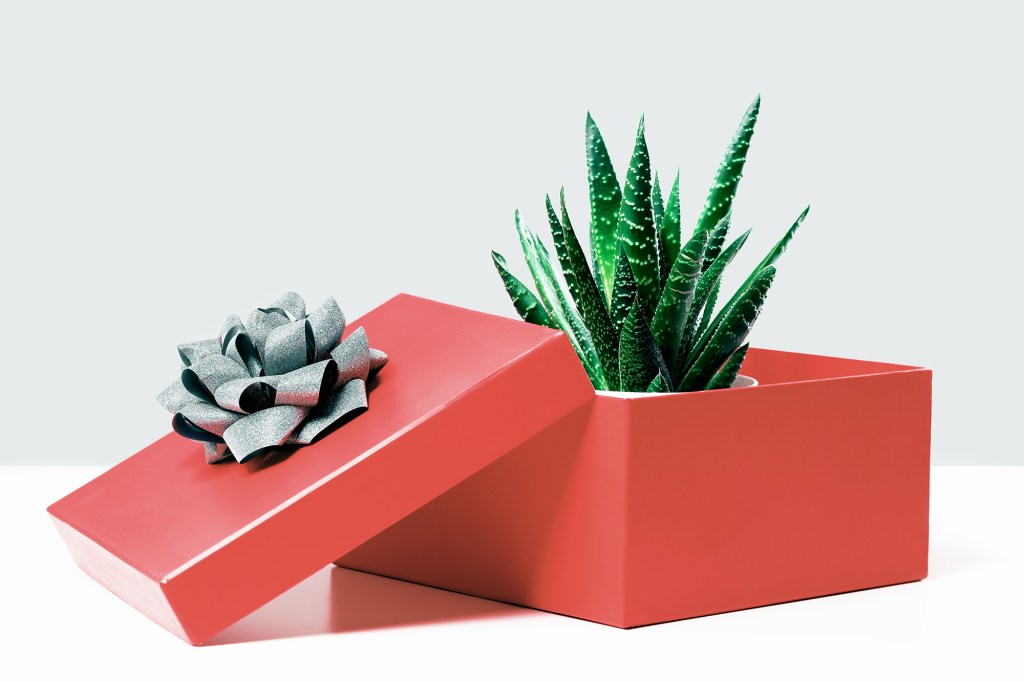
Second, cacti are identified as problematic due to their sharp, pointed features. Michelle Justice, a yogi and spiritualist, explains that such sharp objects can generate “sha chi,” an aggressive form of energy. While some may appreciate these desert plants, it is advised to keep them outdoors or in areas where minimal time is spent. A better alternative for indoor spaces includes rounded-leaf plants, which are believed to instill a sense of peace and calmness, promoting a gentler energy flow within the home.
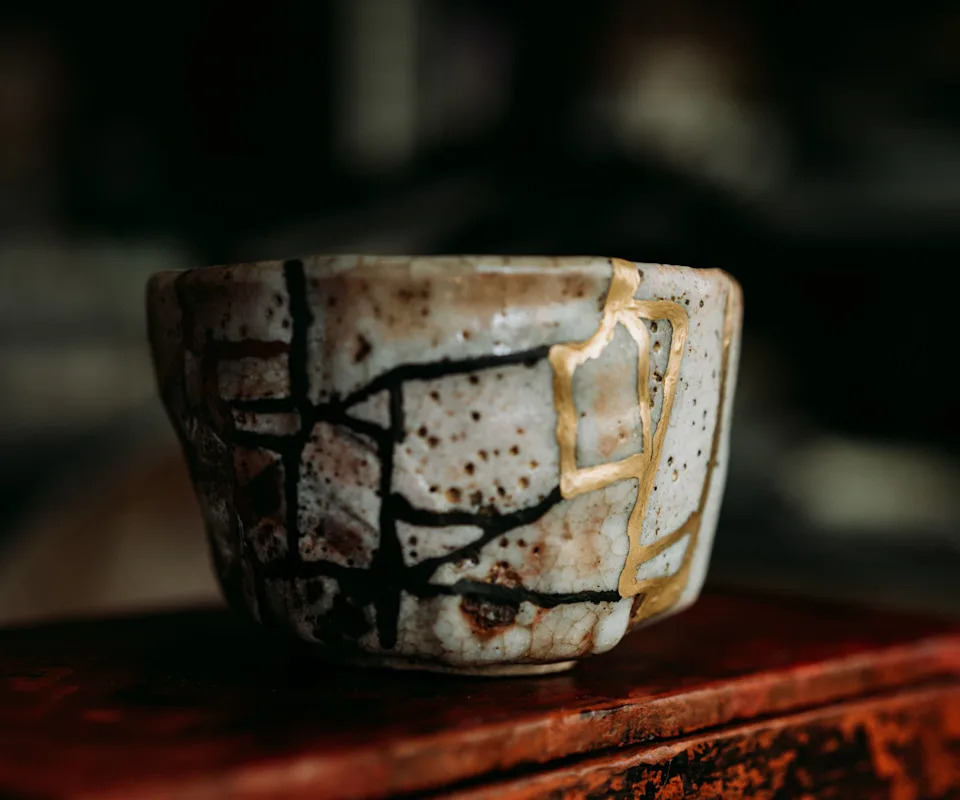
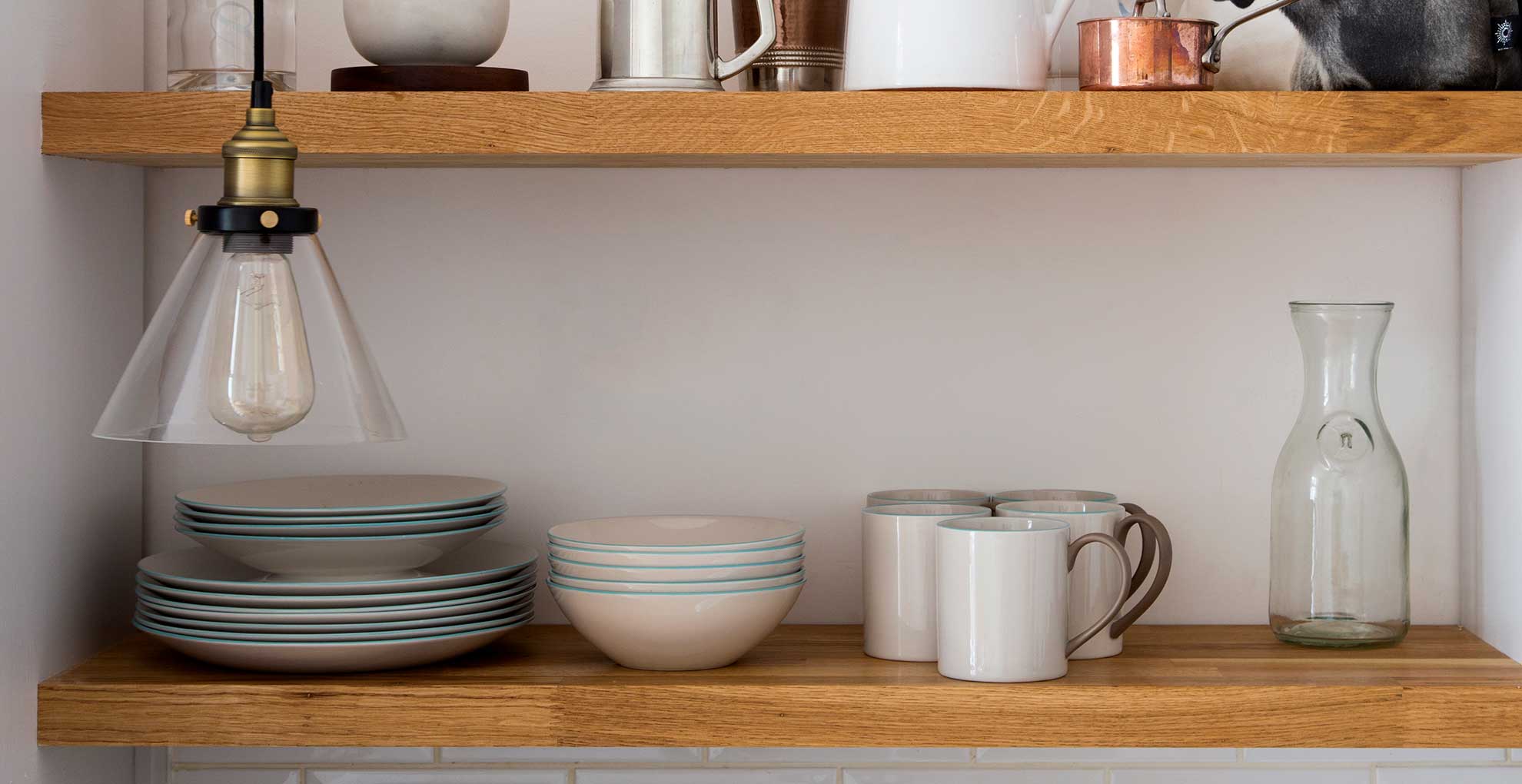
Third, broken objects are widely regarded as harbingers of bad Feng Shui. Dr. Jenelle Kim, a doctor of Chinese Medicine and Feng Shui consultant, states that broken or chipped items attract stagnant or negative energy, symbolizing decay, instability, or neglect. It is crucial to either replace or repair these items to restore harmony. If an object can be mended, methods like the Japanese art of Kintsugi can transform it, but it should not be left broken and waiting for repair for extended periods. The goal is to surround oneself with intact and well-maintained items that evoke wholeness and vitality, fostering a positive and uplifting atmosphere.
Fourth, stagnant water, particularly in indoor fountains or fish tanks, is believed to attract negative energies. While stagnant water outdoors can also negatively impact garden Feng Shui, indoor instances are equally concerning. Joy Tan advises ensuring that any water features are meticulously maintained, with clean, flowing water to prevent the accumulation of stagnant energy, which represents trapped or unmoving energy that can hinder progress.
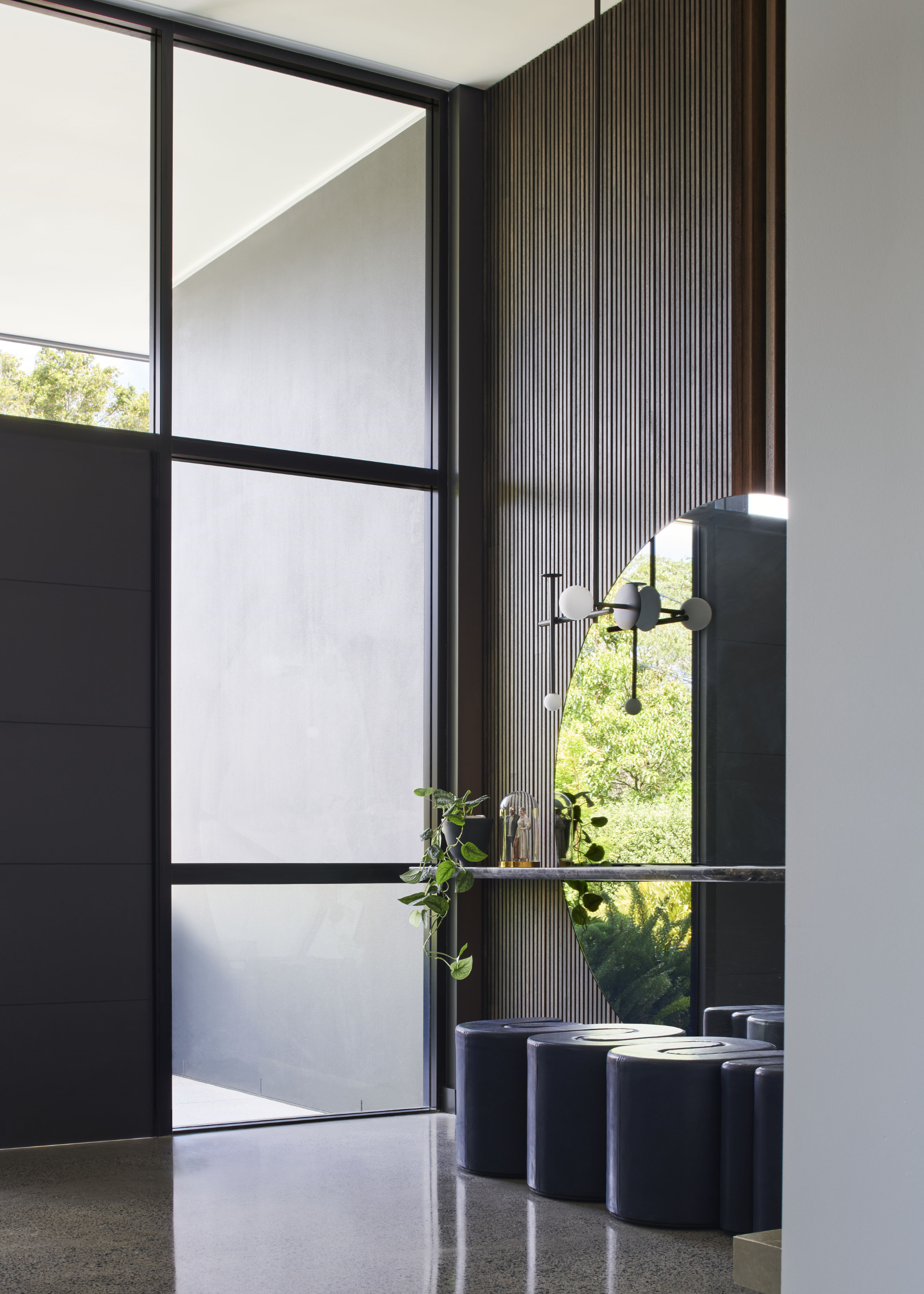
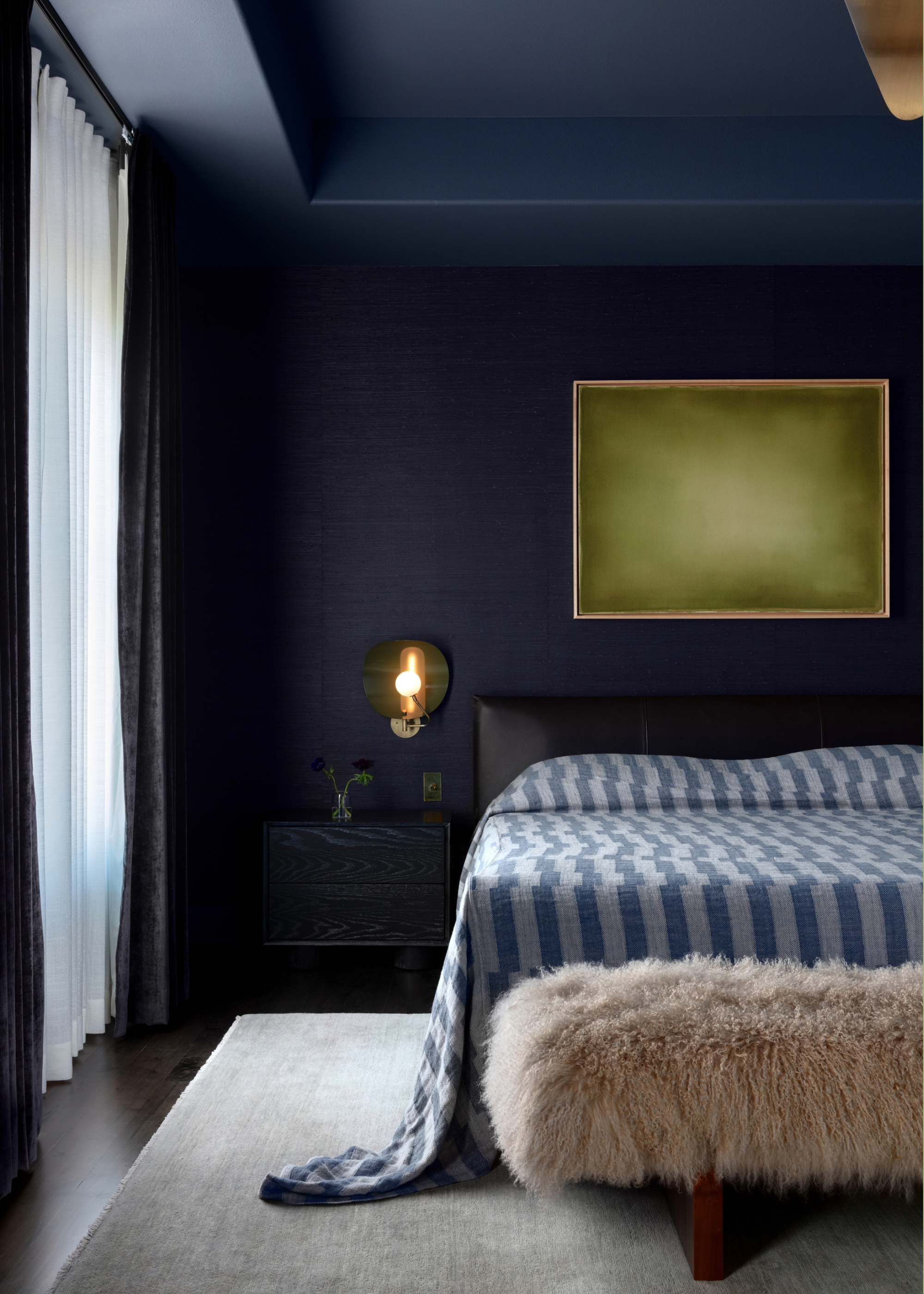
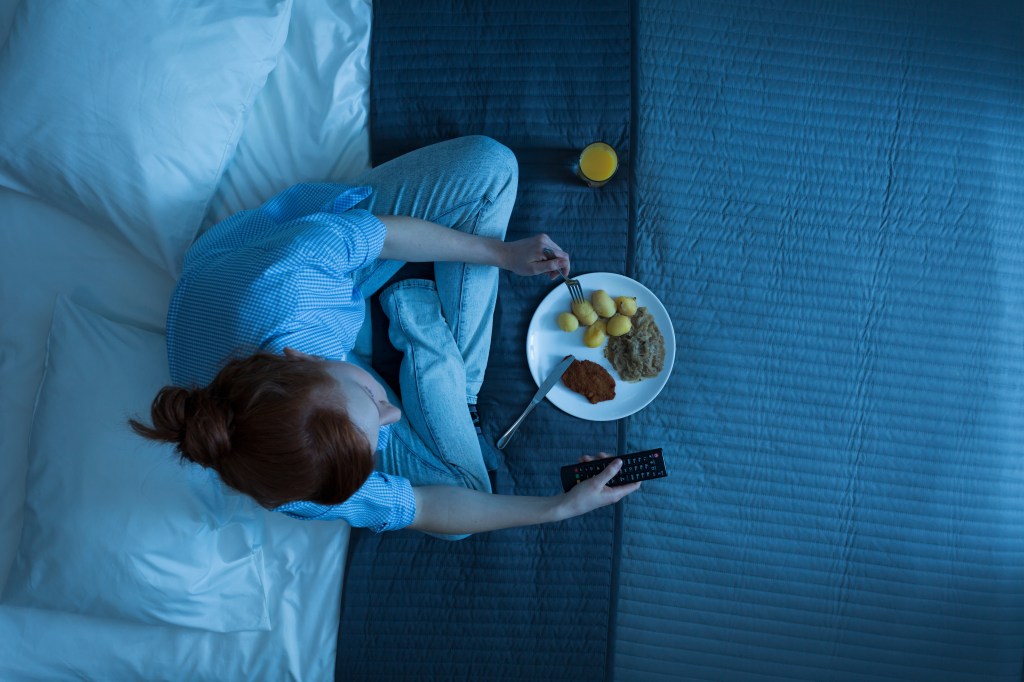
Fifth, mirrors in bedrooms require careful placement according to Feng Shui mirror rules. Specifically, mirrors should not face the bed. Michelle Justice clarifies that mirrors bounce energy around a room, potentially causing restlessness and amplifying worries during sleep. To promote a peaceful night's rest, mirrors should be placed in other areas of the house where they can encourage energy movement without disrupting sleep. In bedrooms, art pieces are recommended as alternatives to mirrors, reflecting personal style and contributing to a soothing atmosphere.
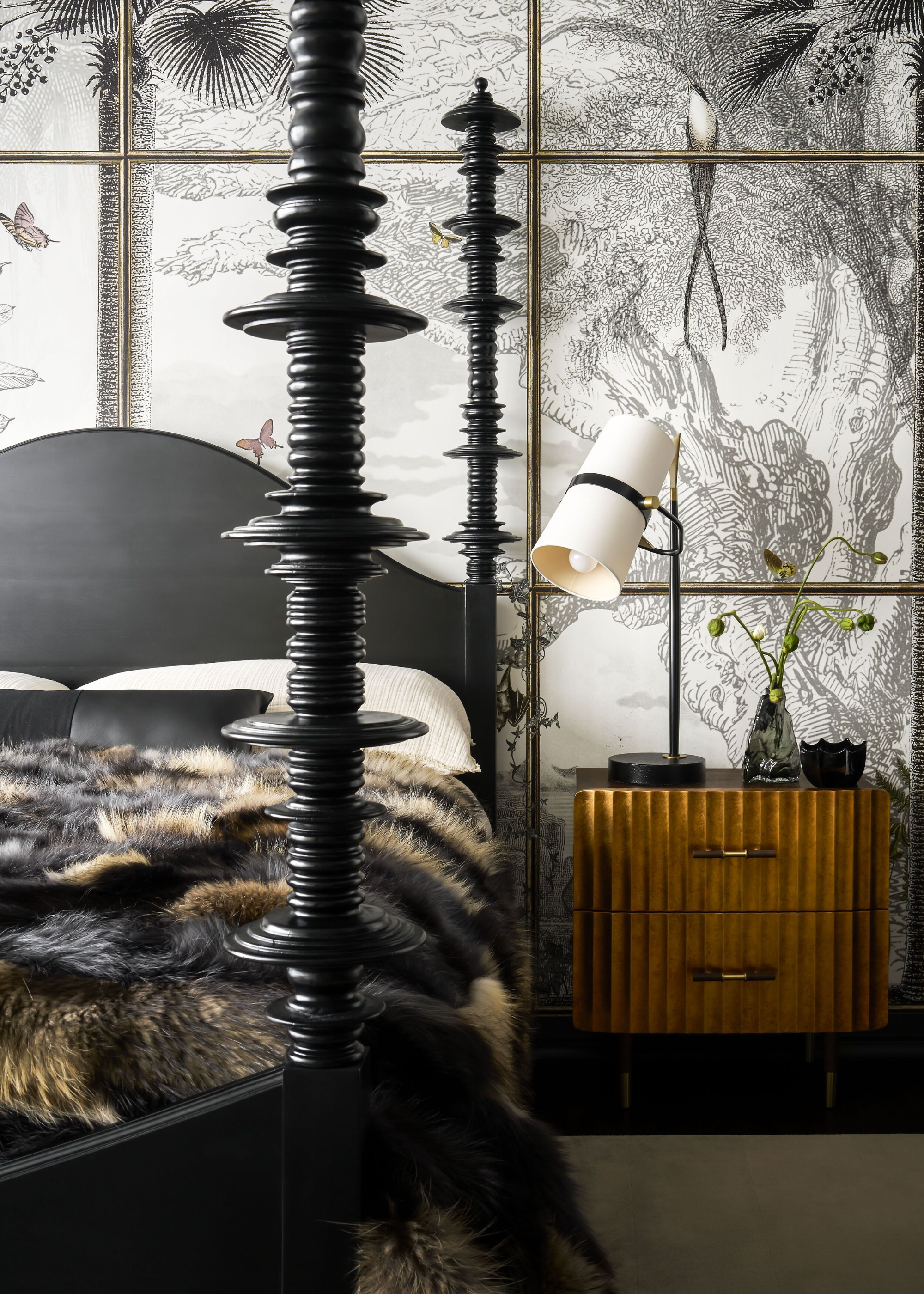
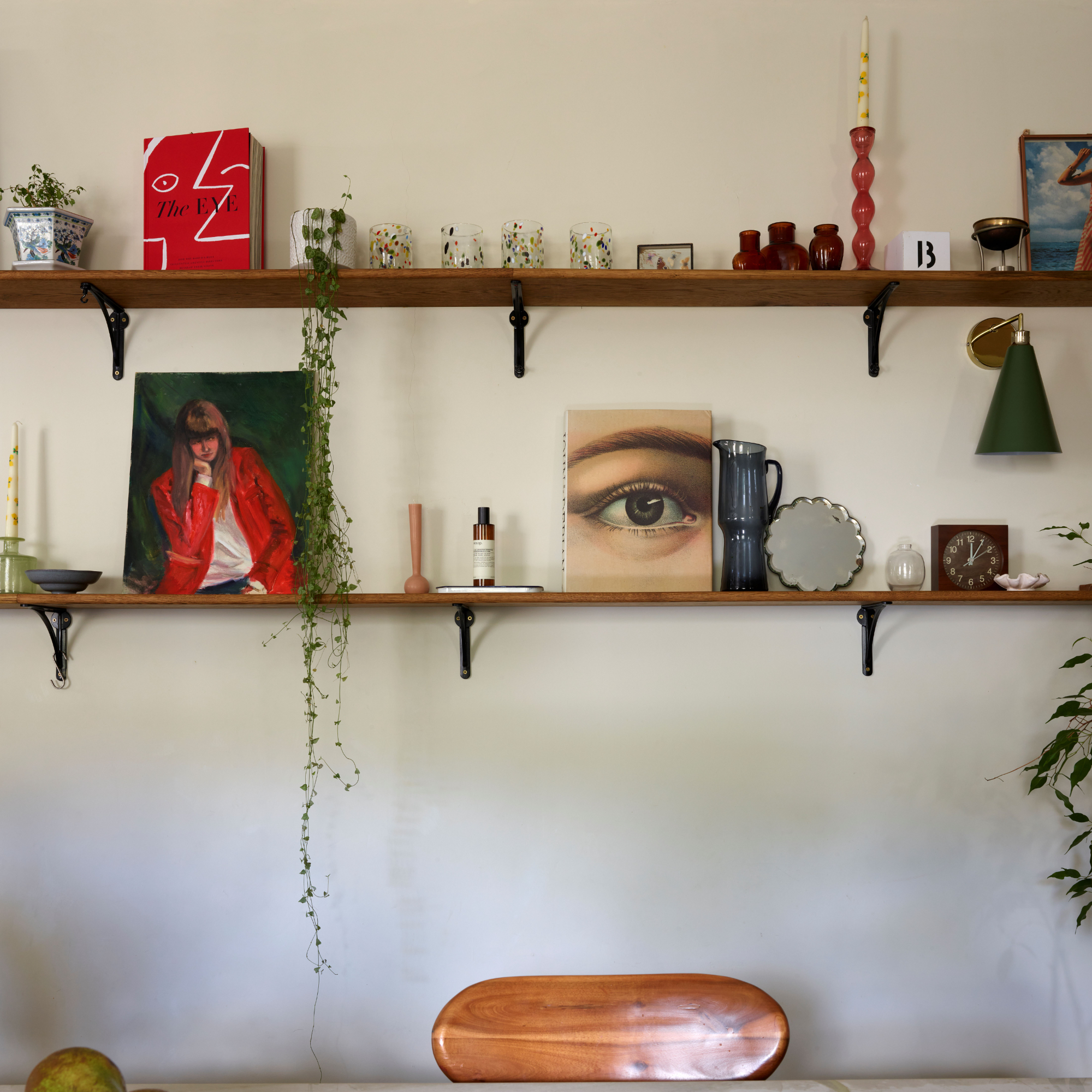
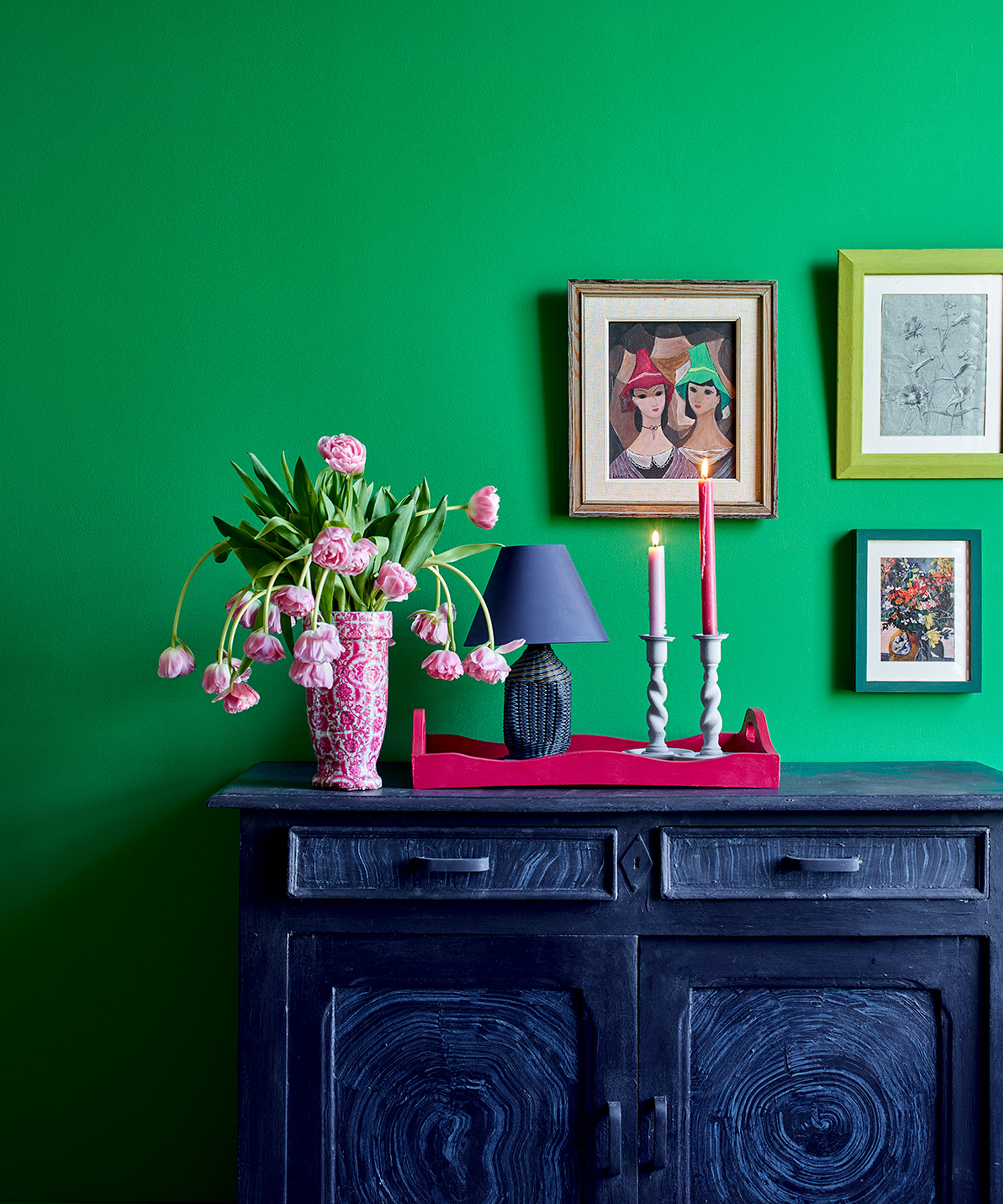
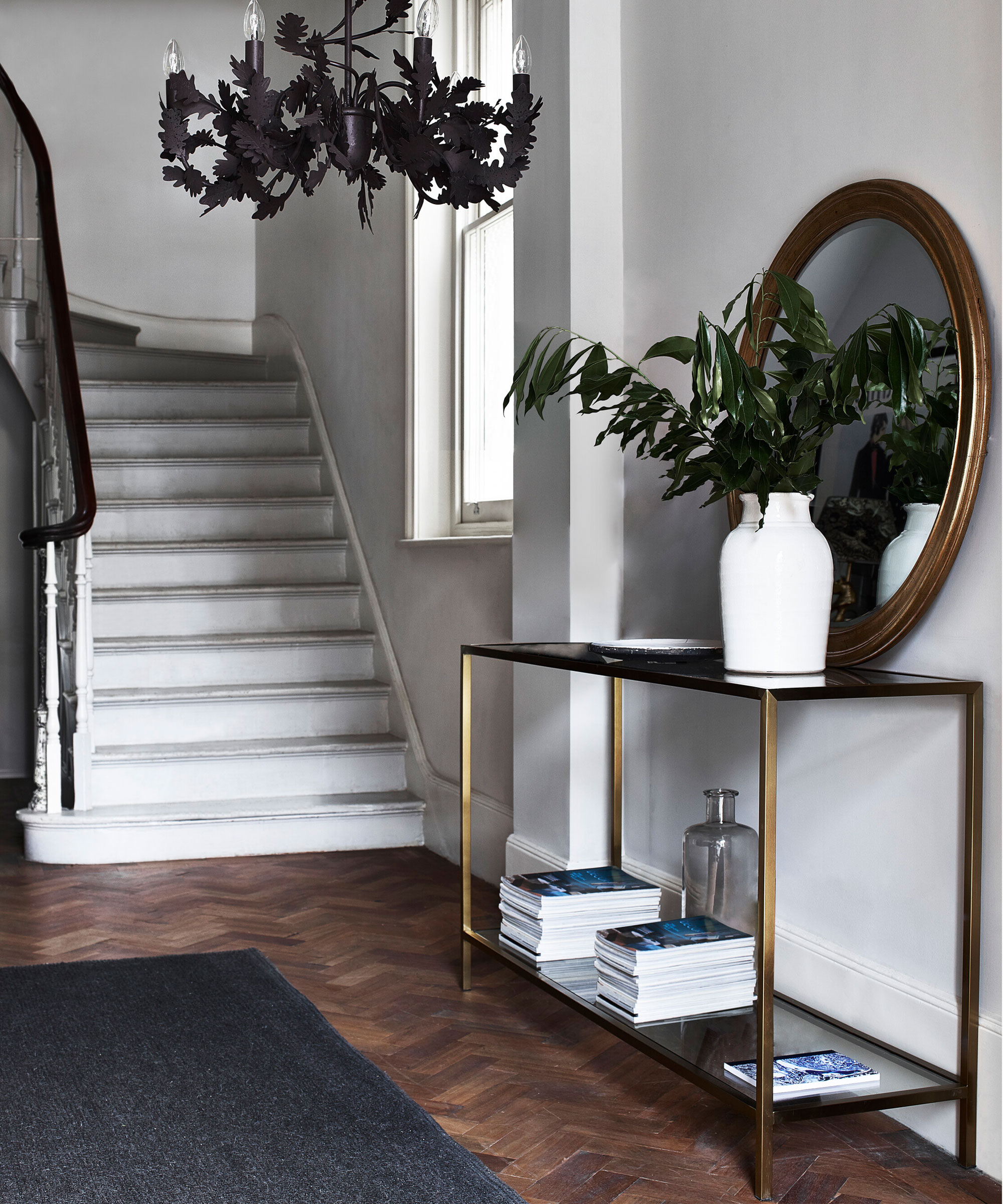
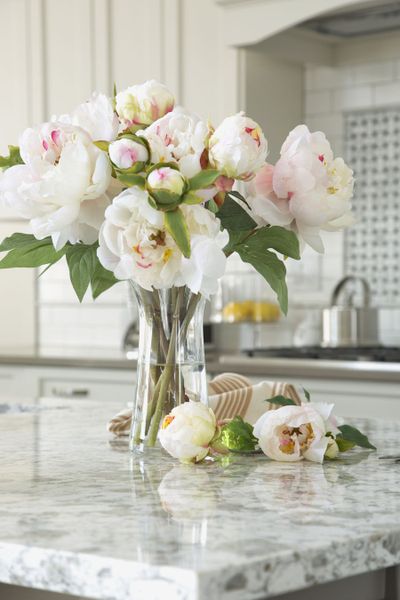
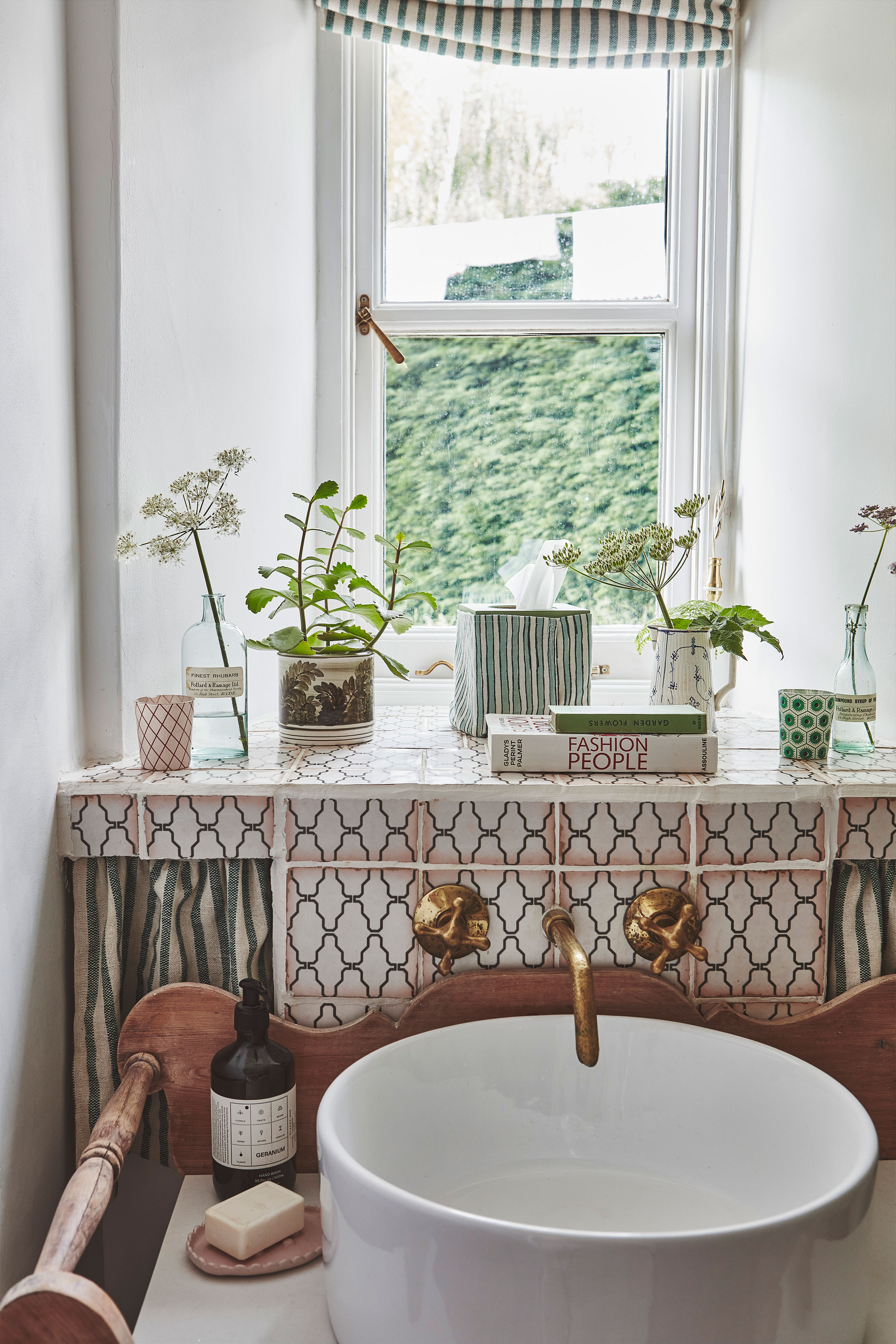
Finally, empty vases on display are considered unlucky. While fresh flowers in vases are excellent for enhancing positive energy, leaving vases empty, especially with residual water, is thought to invite emptiness into one's life and diminish luck in relationships. Feng Shui consultant Lauren Tessin recommends storing empty vases in cabinets or filling them with rounded flowers to maintain a continuous flow of positive energy and avoid symbolizing a void.
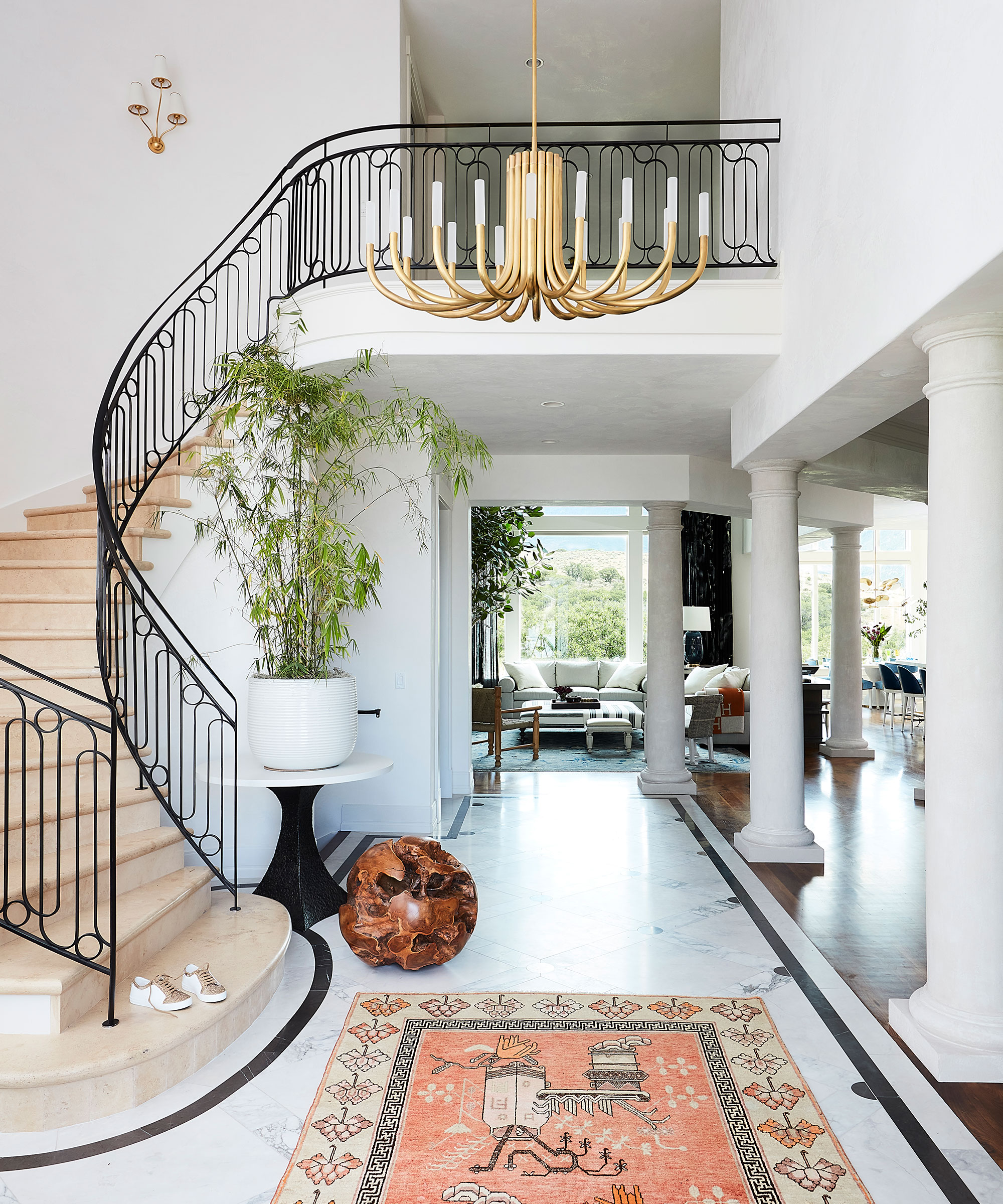
To enhance good fortune in a home, the article suggests introducing lucky bamboo, particularly in the east corner of a room or house, and ensuring its health and vitality. Gold is also highlighted as a lucky color, symbolizing wealth and prosperity, and incorporating gold accents through fixtures and decor can elevate positive energy. By avoiding these six unlucky items and introducing positive elements, individuals can align their living spaces with Feng Shui principles to foster better energy and luck.
#FengShui #HomeDecor #InteriorDesign #EnergyFlow #PositiveVibes #LuckAndFortune #MindfulLiving #Houseplants #FengShui #HomeDecor #InteriorDesign #EnergyFlow #PositiveVibes #LuckAndFortune #MindfulLiving #Houseplants
0 comment in total
 No comments yet
You may also like
Feng Shui consultants say these are the unluckiest items to have in your home

7 Interior Trends That Experts Say Are Bad Feng Shui — Stay Clear of These If You Want Good Vibes at Home

6 Feng Shui Houseplant Decorating Mistakes Practitioners Want to Warn You Against
7 Things That Are Secretly Making Your Mantel Look Bad, According to a Designer

10 household objects blocking your peace and prosperity, according to a Feng Shui expert

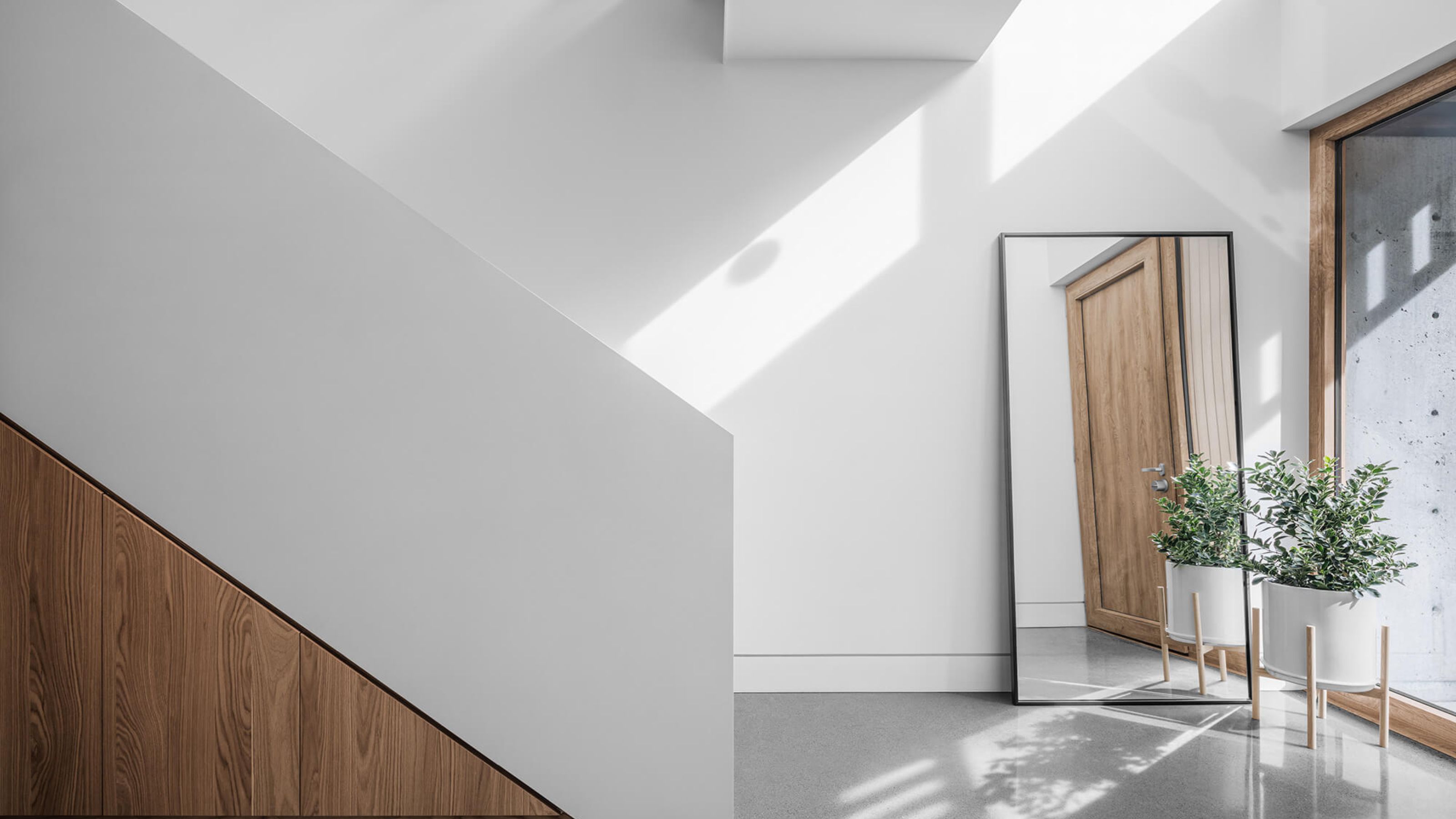
4 Houseplants to Never Put in an Entryway, or Else They'll Throw Off Your Home's Feng Shui Balance
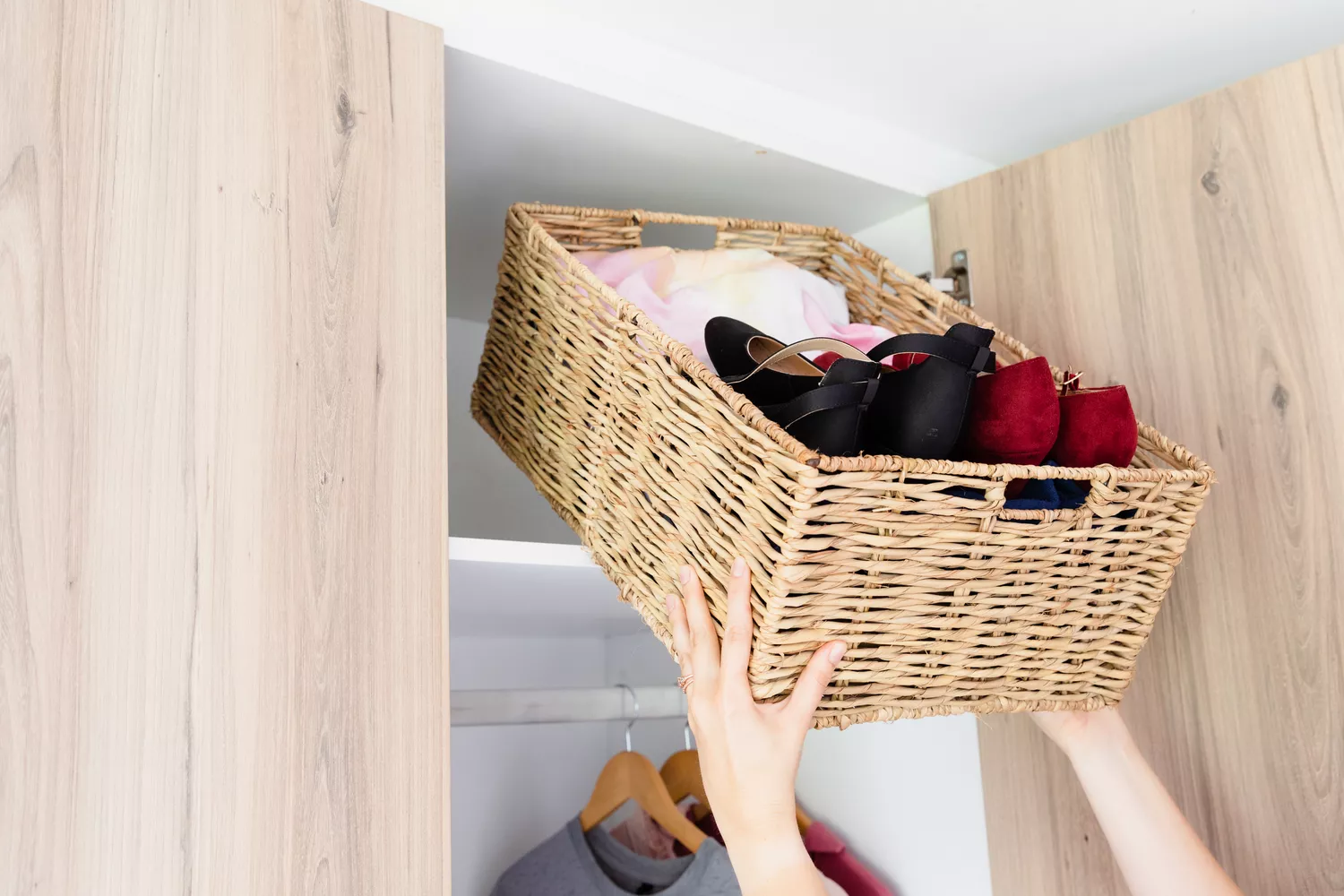
Organizers Say These 8 Things Don’t Belong in Your Closet — Here’s Why
Nine home items that can bring good luck
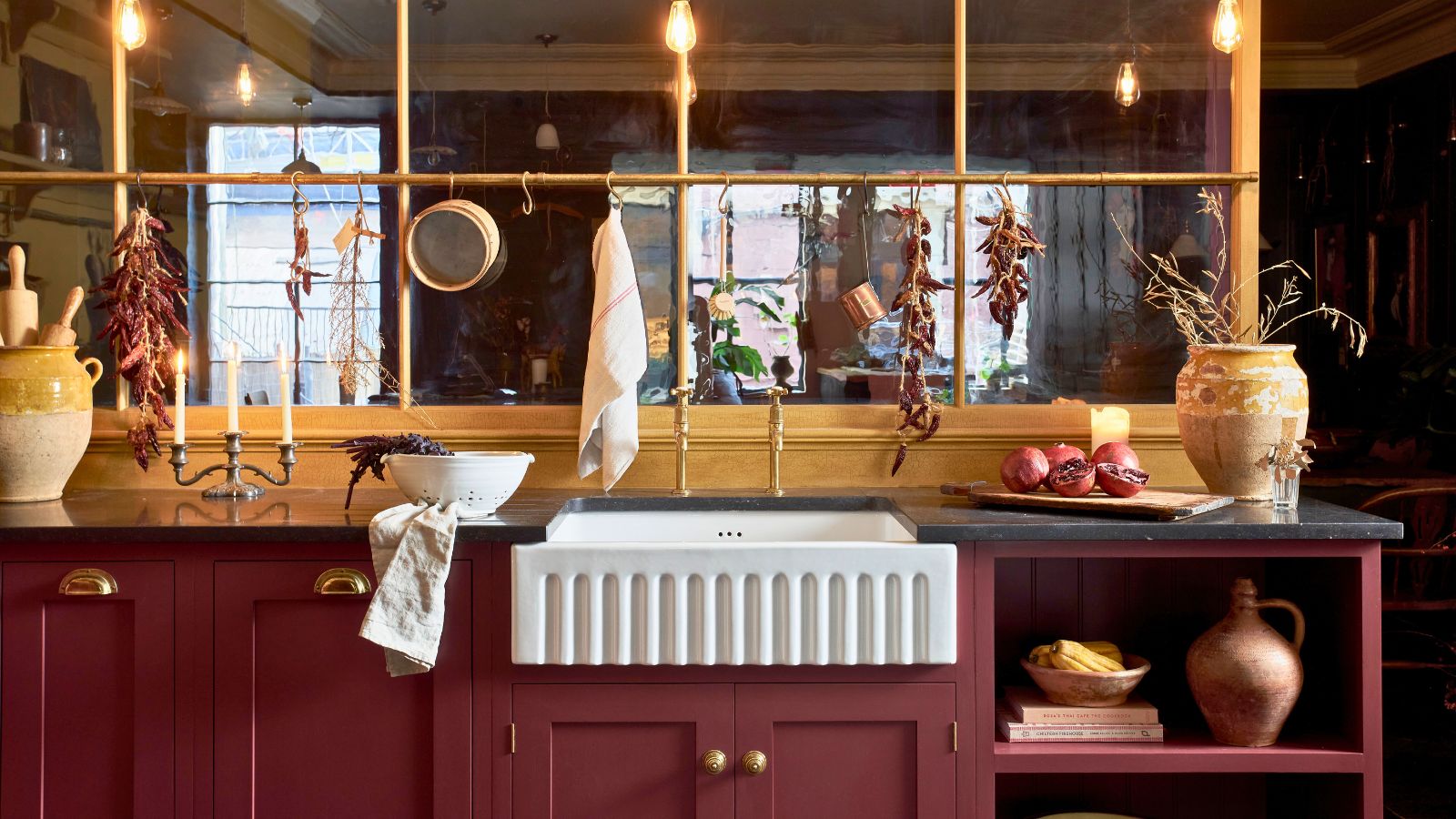
7 'bad energy culprits' Feng Shui experts warn never to store in your home – and what to do instead
5 Tacky Home Decor Items That Instantly Make a Home Look Bad, According to Designers
Open storage might be causing you bad luck – here's why Feng Shui experts advise against it
Are these 7 unlucky colours messing with your home's Vastu?

6 Things You Should Never Put in Your Home if You Want Positive Feng Shui

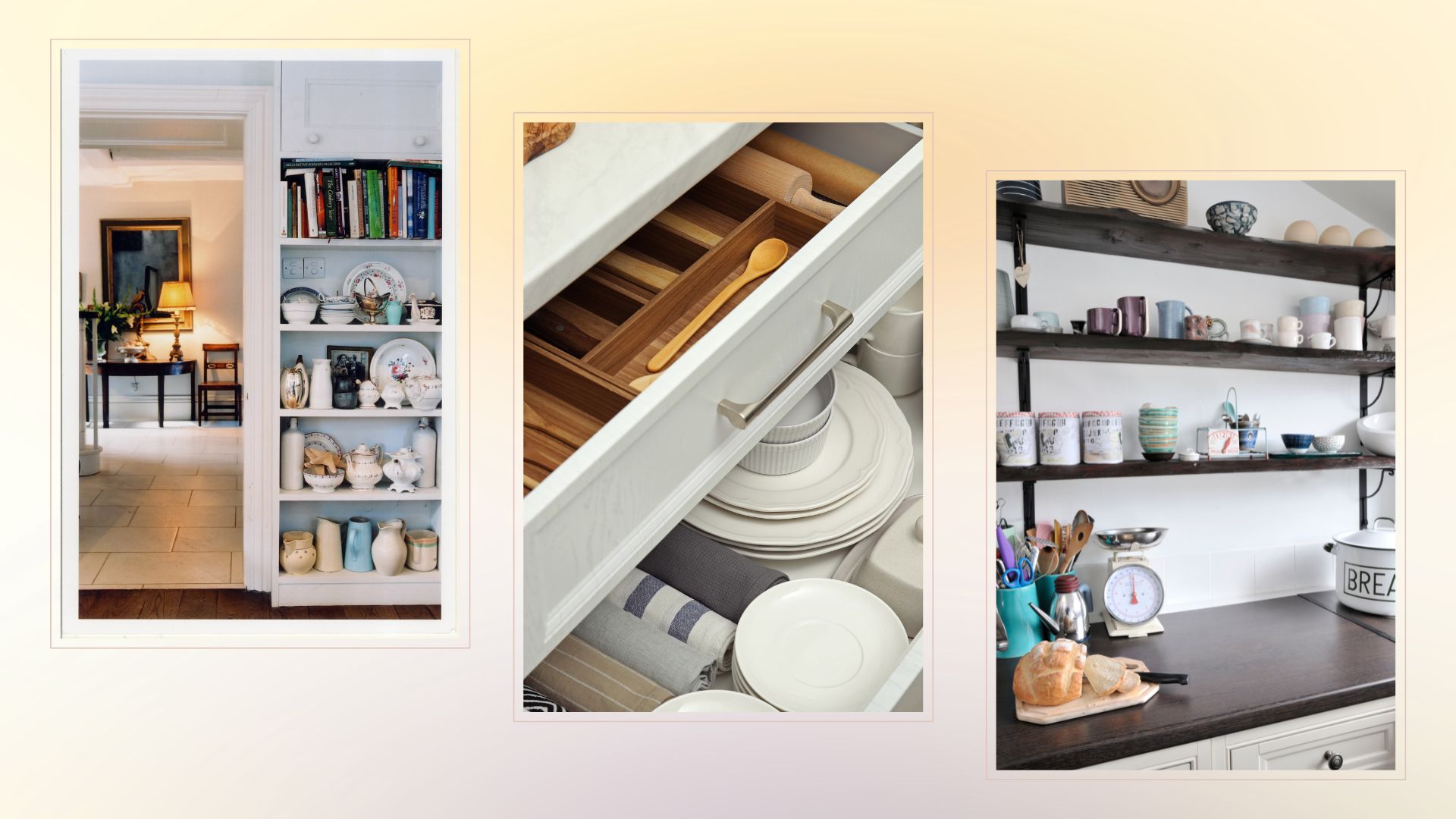
9 'negative' things you should declutter in 2025 to re-energise your home, according to Feng Shui experts
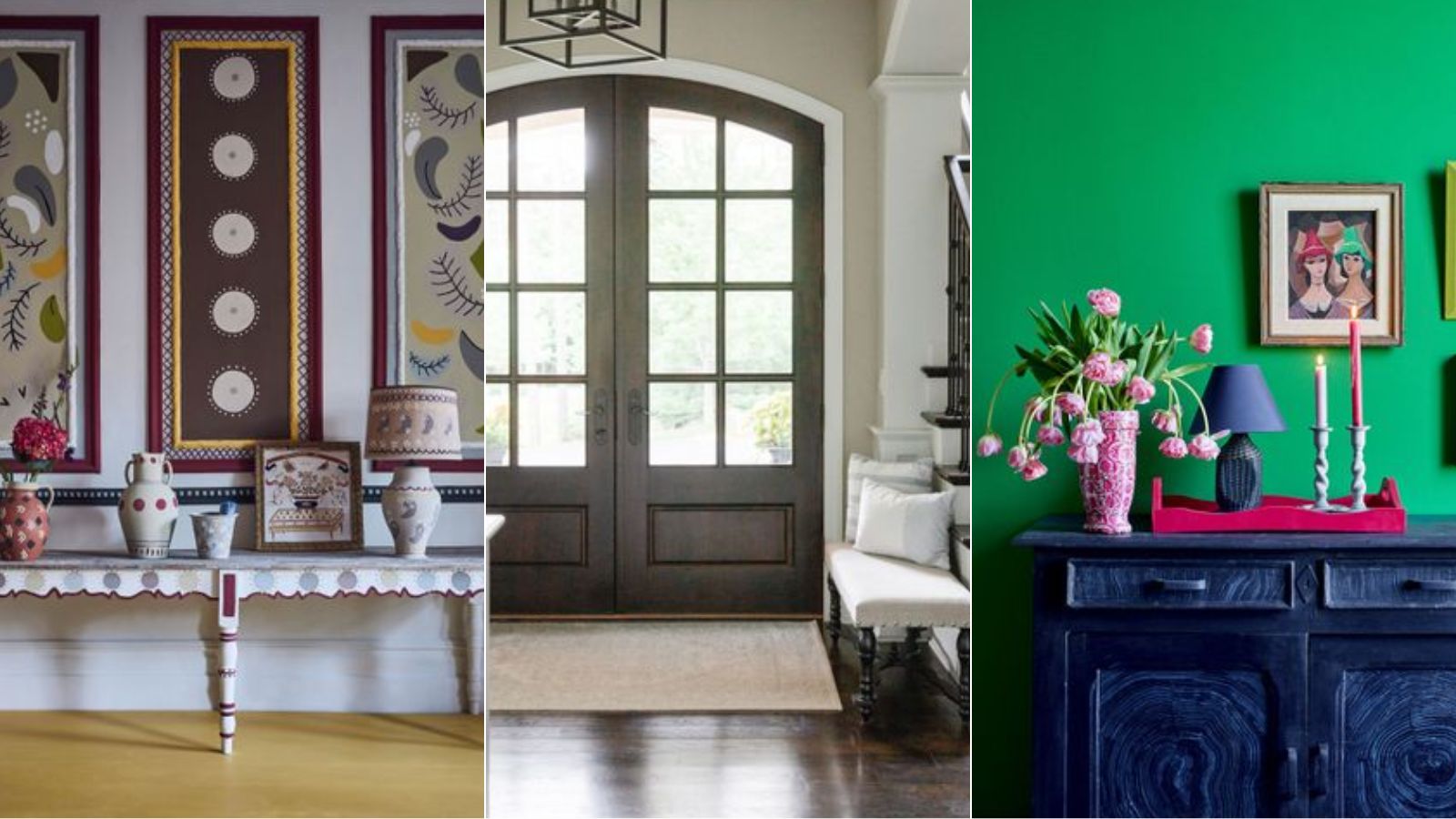
Items to never store in an entryway, according to cleaning, organizing and interiors experts
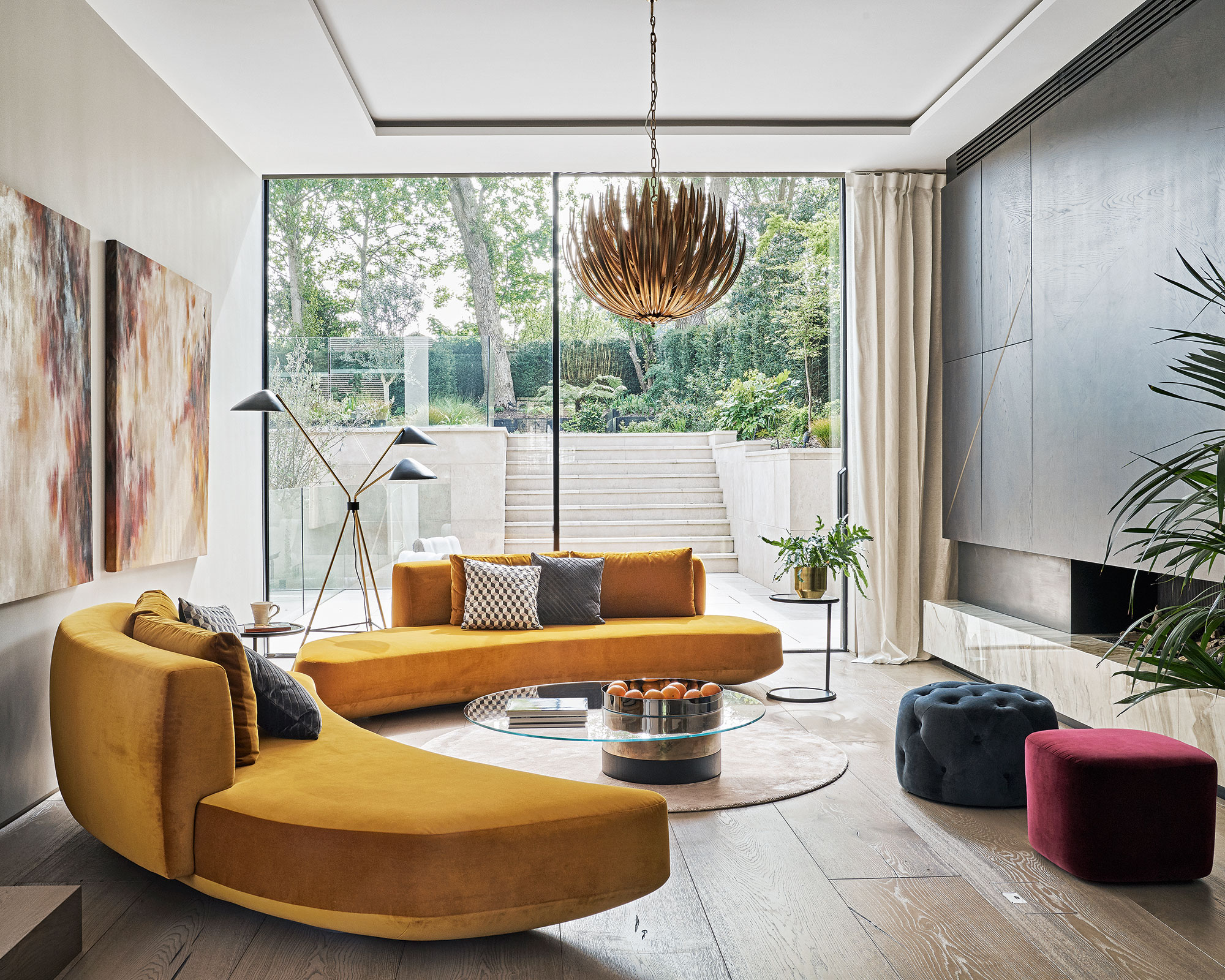
Feng Shui design mistakes to avoid – 5 things you may be getting wrong
5 Feng Shui houseplant mistakes to avoid for good fortune

5 Things You Should Never Put Above Your Bed — Especially If You Want Good Feng Shui in Your Home
Pre-holiday feng shui purge: 5 items you need to throw away today
Organizers Say These 5 Things Don’t Belong in Your Entryway Closet—Here’s Why