Organizers Say These 5 Things Don’t Belong in Your Entryway Closet—Here’s Why
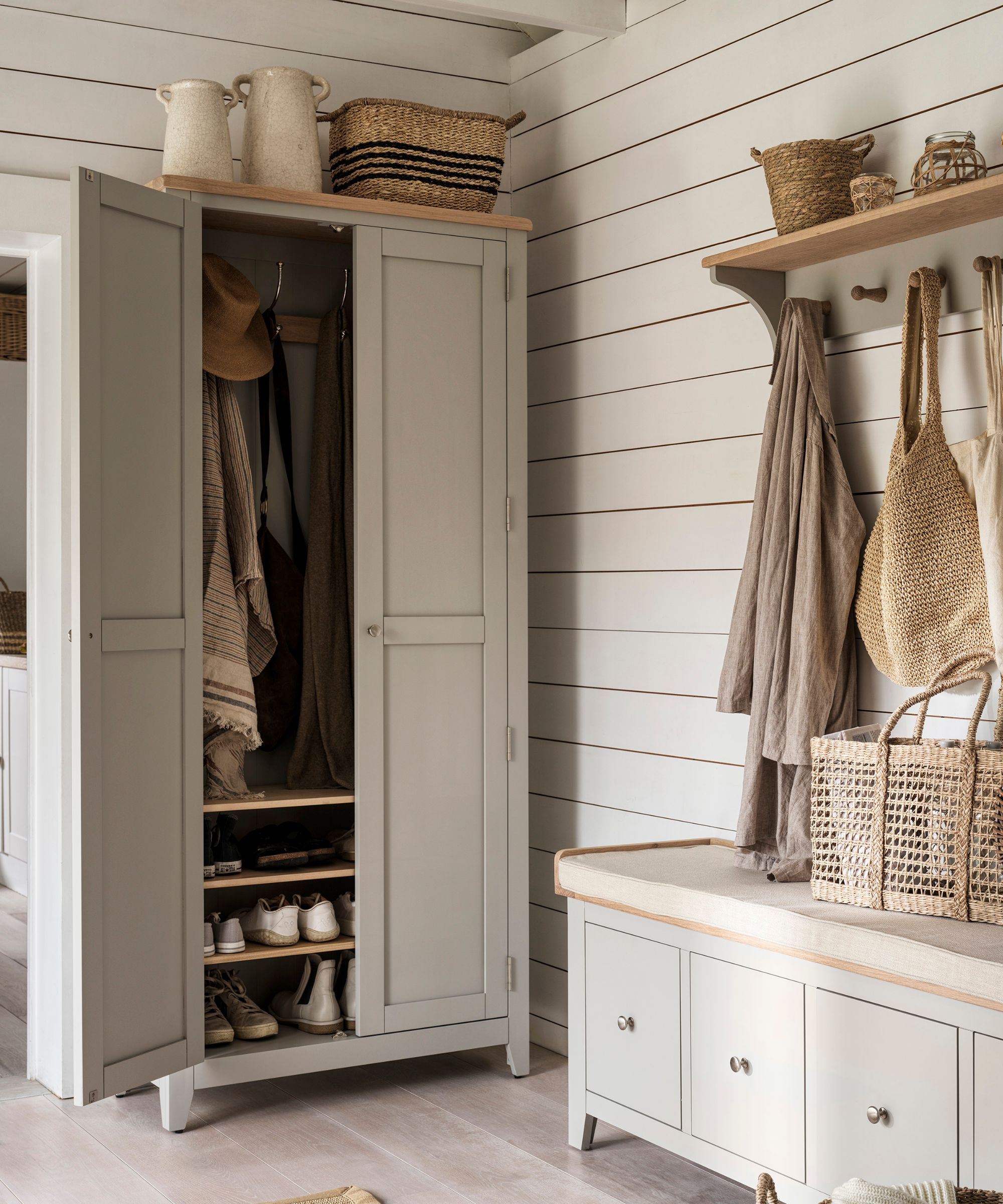
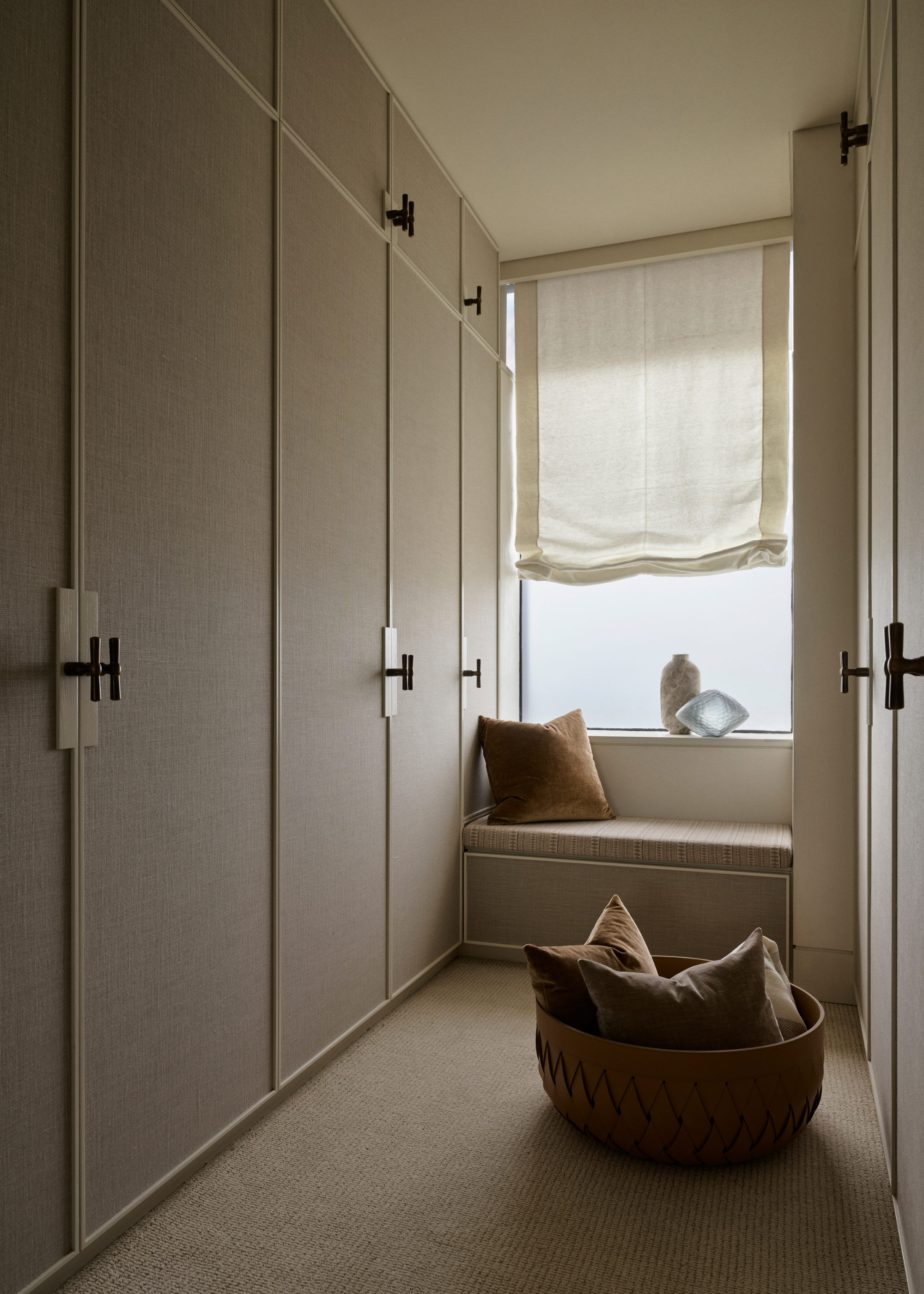
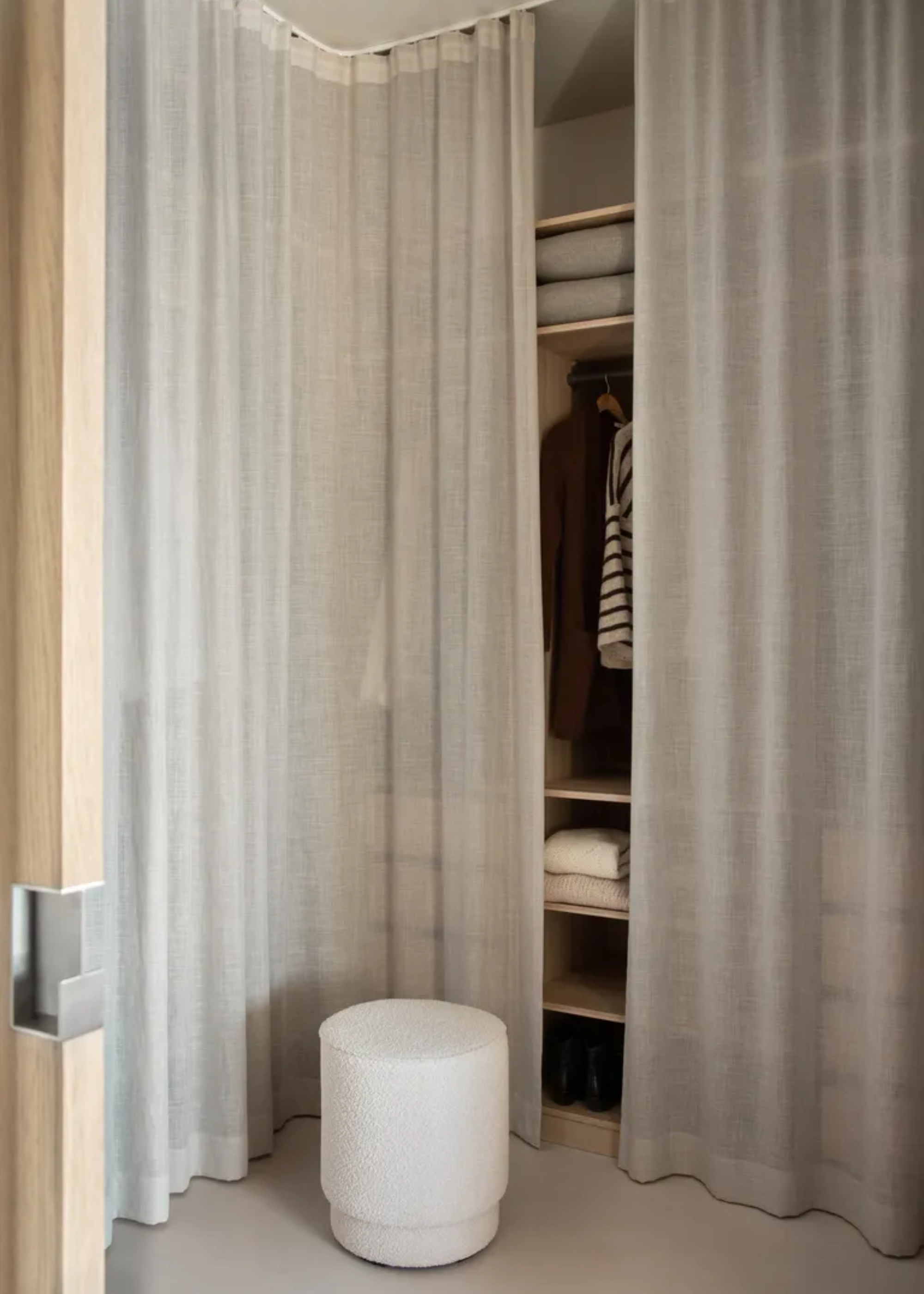
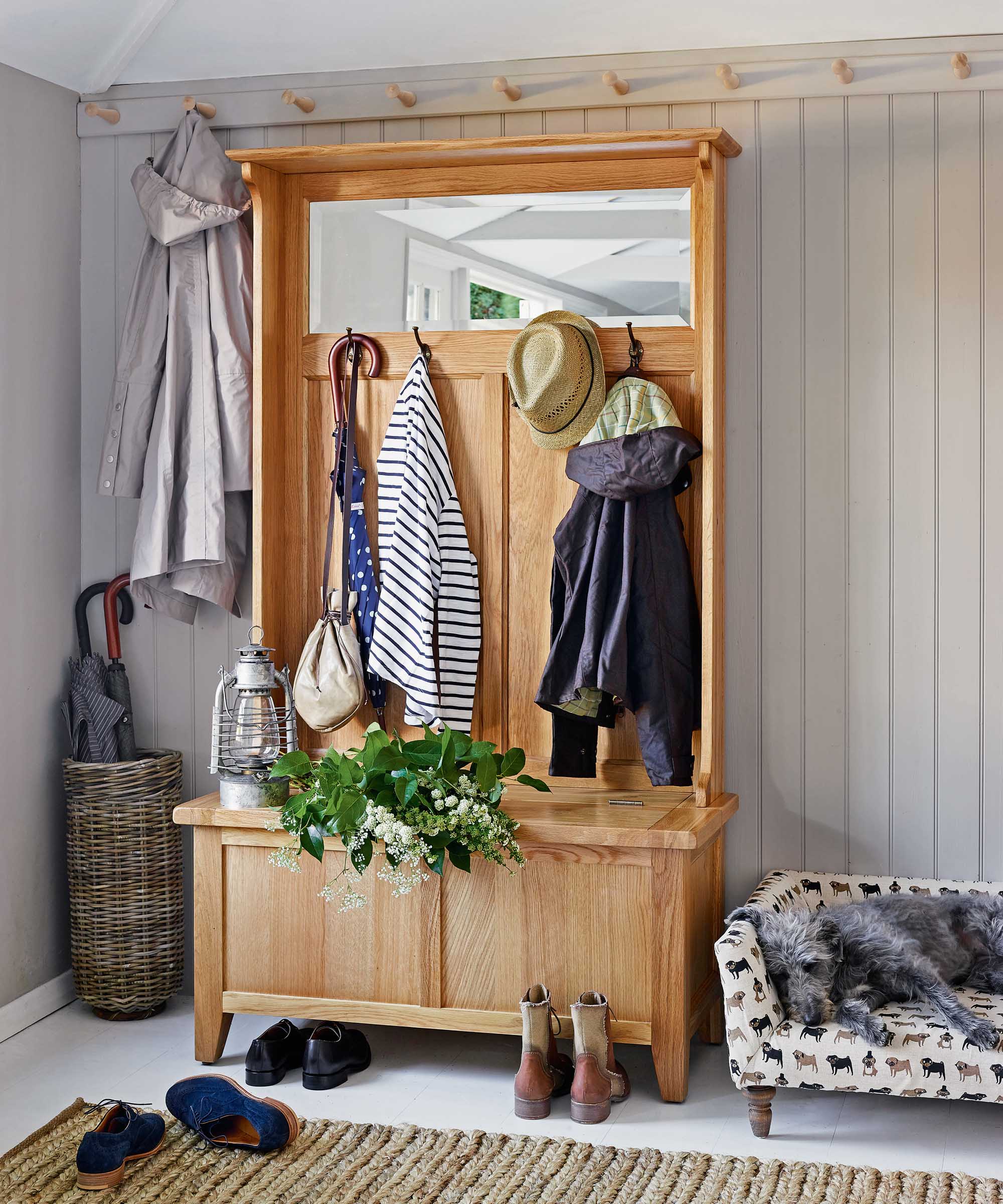
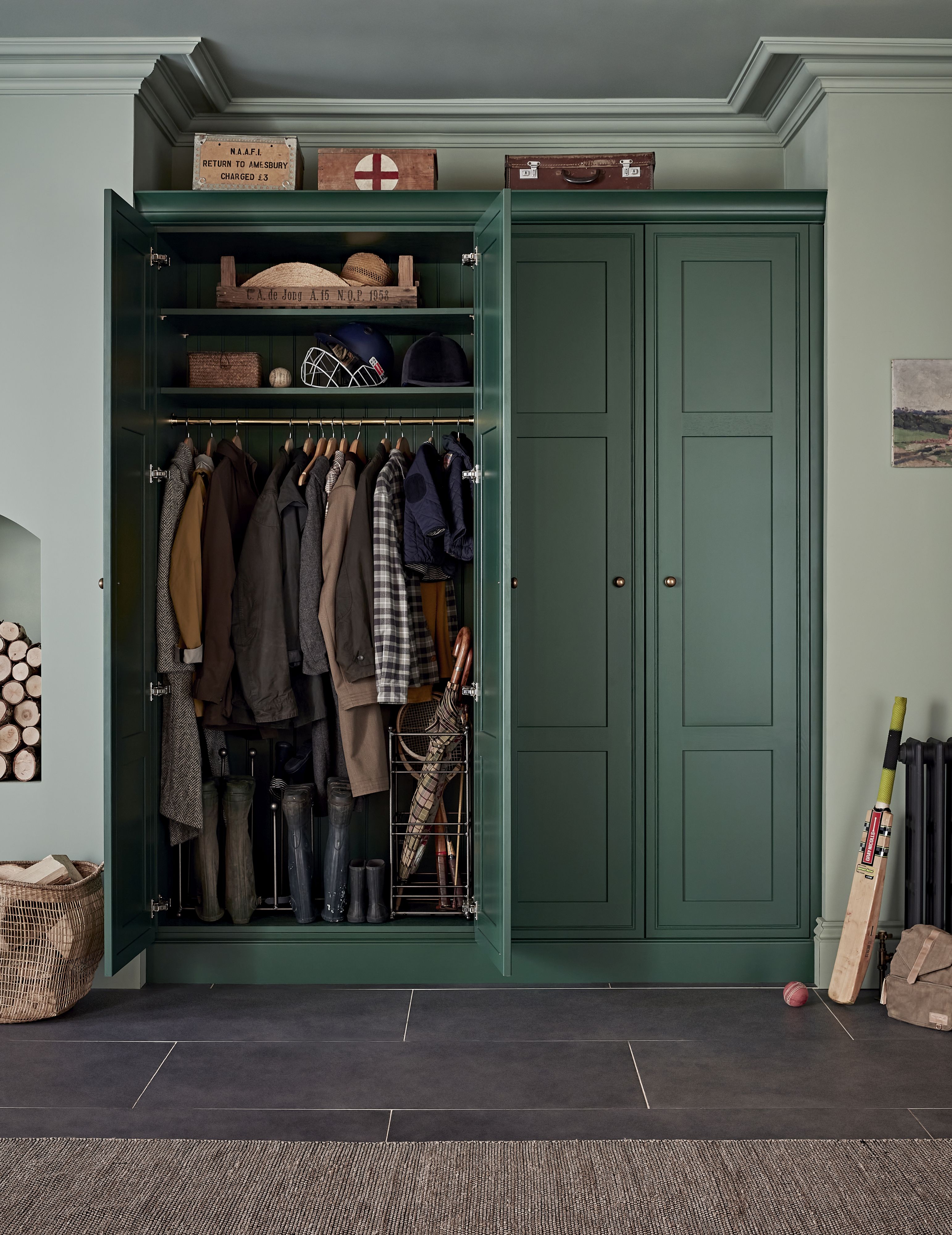
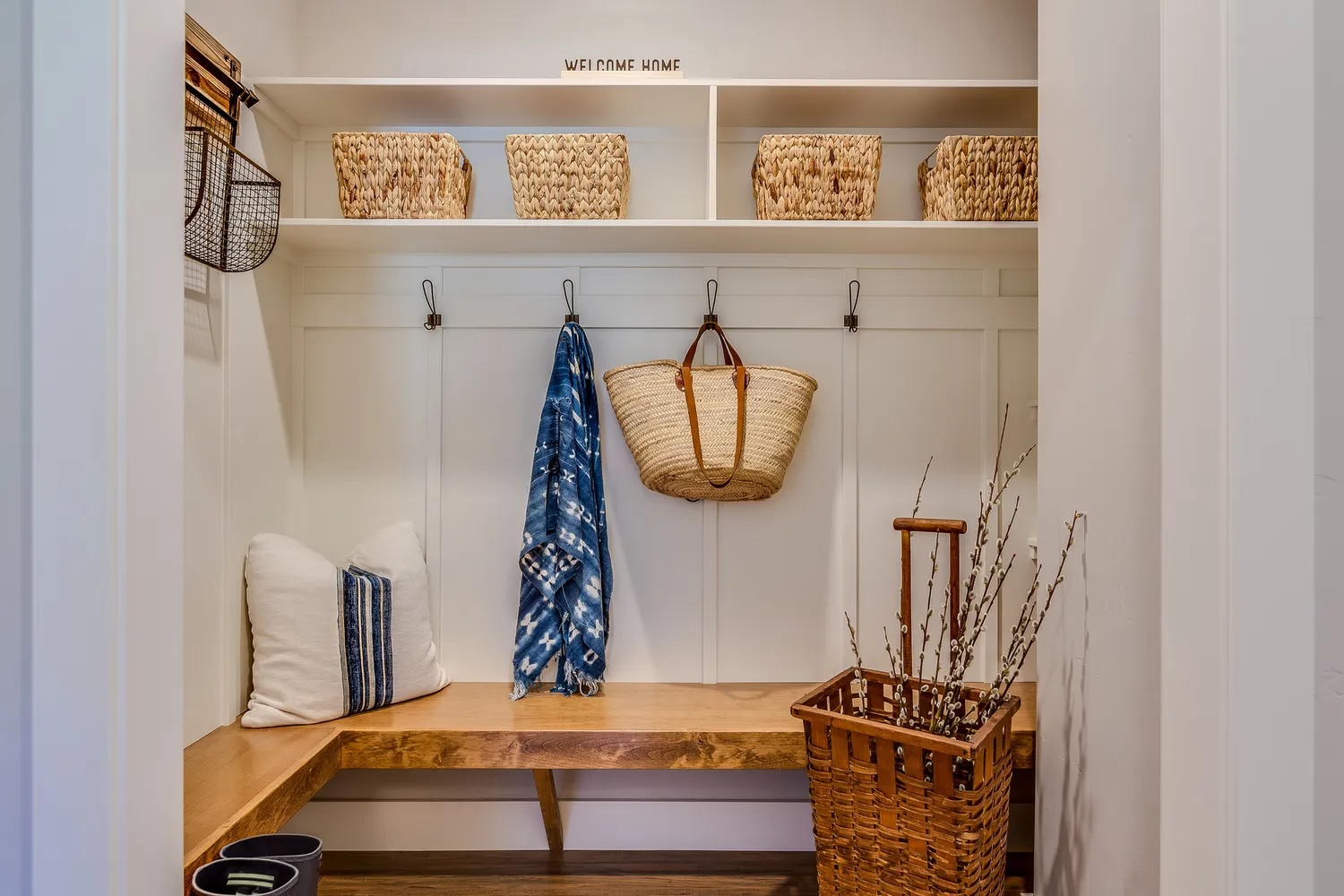
An entryway closet is intended as a functional landing pad for items needed when entering or exiting a home, but it often becomes a disorganized space. To prevent it from turning into a "black hole," professional organizer Lori Williamson, founder of Now It’s Clean, advises against storing certain items in this space. The primary concern with several of these items is the potential for strong odors to permeate clothing and other belongings, as entryway closets typically lack adequate ventilation.
First, pet food and litter, despite their bulk and weight making the closet seem like a convenient storage spot, should be avoided. These items carry strong odors that can cling to coats and shoes. Instead, pet supplies should be kept in well-ventilated areas, such as a pantry or laundry room, ideally in airtight containers, to protect the freshness of other items in the closet.
Similarly, cleaning products, even those with pleasant scents, are not suitable for entryway closet storage. While they are associated with cleanliness, many cleaning solutions emit strong fragrances that can transfer to garments. Williamson suggests that if cleaning supplies must be stored in the entryway, they should be non-scented and non-liquid items, like cleaning cloths or paper towels, placed in baskets to prevent spills and odor transfer.
Pantry items, such as potatoes and onions, are another category to exclude from the entryway closet. Although the cool, dark conditions might seem ideal for root vegetables when kitchen pantry space is limited, these items can be easily forgotten and eventually sprout or spoil. Aging vegetables release odors that can contaminate the entire closet. Therefore, food storage is best confined to the kitchen to prevent molding and unpleasant smells.
Mail is also a problematic item for entryway closets. It's common to toss mail into the closet, but this space often acts as a "Bermuda Triangle," where mail disappears and is forgotten. The "out of sight, out of mind" nature of a dark, enclosed closet means that important documents, coupons, or invitations can be overlooked, leading to missed deadlines or unpaid bills. Williamson recommends processing mail immediately upon entering the home: recycling junk mail, filing important documents, or dealing with bills promptly.
Finally, out-of-season clothing should not be stored in the entryway closet. While heavy winter coats are appropriate during cold months, keeping them there year-round can lead to a cluttered and dysfunctional space. A cramped closet makes it difficult to access items and can cause forgotten possessions. Williamson advises seasonal rotation of wardrobes, storing off-season clothing elsewhere, such as in another closet or storage area, to ensure the entryway closet remains accessible and functional for daily use. By following these guidelines and regularly editing the closet's contents, homeowners can maintain an organized and efficient entryway. Additionally, to maximize efficiency, small items like mittens and scarves should be corralled in baskets, sturdy hangers should be used for heavy outerwear, and shoes should be organized on a rack or tray and rotated seasonally.
#EntrywayCloset #HomeOrganization #Decluttering #ProfessionalOrganizer #StorageTips #SeasonalSwaps #OdorControl #HomeDesign #EntrywayCloset #HomeOrganization #Decluttering #ProfessionalOrganizer #StorageTips #SeasonalSwaps #OdorControl #HomeDesign
0 comment in total
 No comments yet
You may also like
Items to never store in an entryway, according to cleaning, organizing and interiors experts


6 things to never put in an entryway, according to interior designers

Never store these 6 things on open kitchen shelving, warn pro organisers
5 Things To Keep Out Of Your Mudroom
8 things a professional organiser would never keep in a hallway – and you shouldn’t either
'Where there are hooks, people will always hang coats' – 8 things you should never store in your entryway to avoid it becoming a dumping ground
6 Things You Should Never Store in Your Laundry Room, According to Pro Organizers

5 things to get rid of for a minimalist entryway – according to designers and organizers
5 small entryway storage mistakes designers want you to stop making

5 Outdated Closet Features You Should Never Add to Your Home, According to Designers
These 5 Linen Closet Organization Mistakes Are Costing You Space and Losing You Time


5 things to never put on your kitchen island, according to interior designers
Organizers Say These 8 Things Don’t Belong in Your Closet — Here’s Why

5 things minimalists never have in an entryway – items to ban for clutter-free style
5 Outdated Types of Kitchen Storage Experts Are Urging You to Avoid

5 Things You Should Never Put Above Your Bed — Especially If You Want Good Feng Shui in Your Home
Don't make these 5 entryway decor mistakes
5 places to never put a wardrobe in a bedroom, according to feng shui and interior designers
Give Your Wardrobe an Energy Glow-Up by Ditching These 5 Feng Shui Closet Mistakes Now (And Forevermore)
8 Closet Organization Mistakes That Annoy Pro Organizers—and Make Your Space Way Less Functional