6 Things You Should Never Put in Your Home if You Want Positive Feng Shui
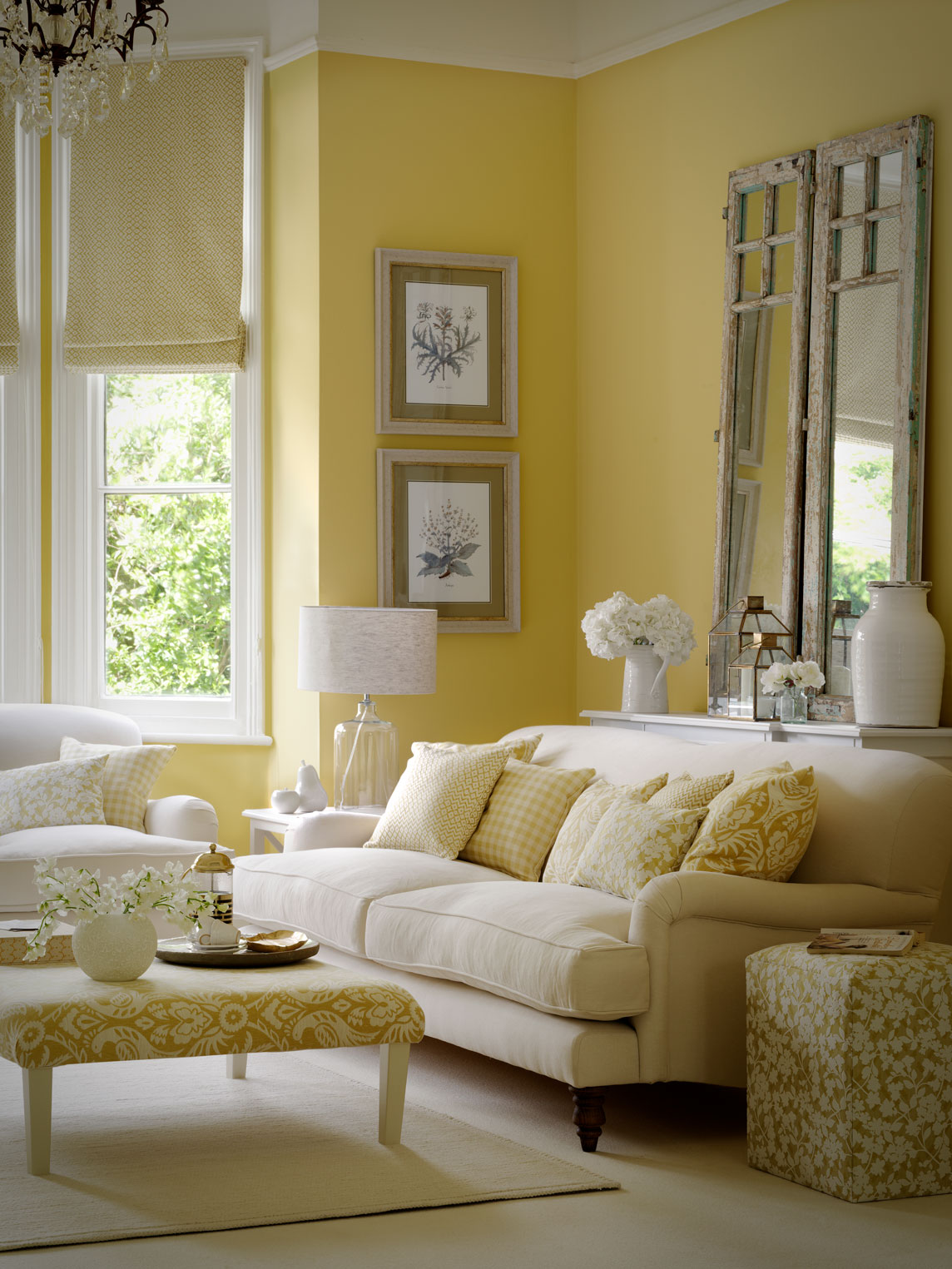
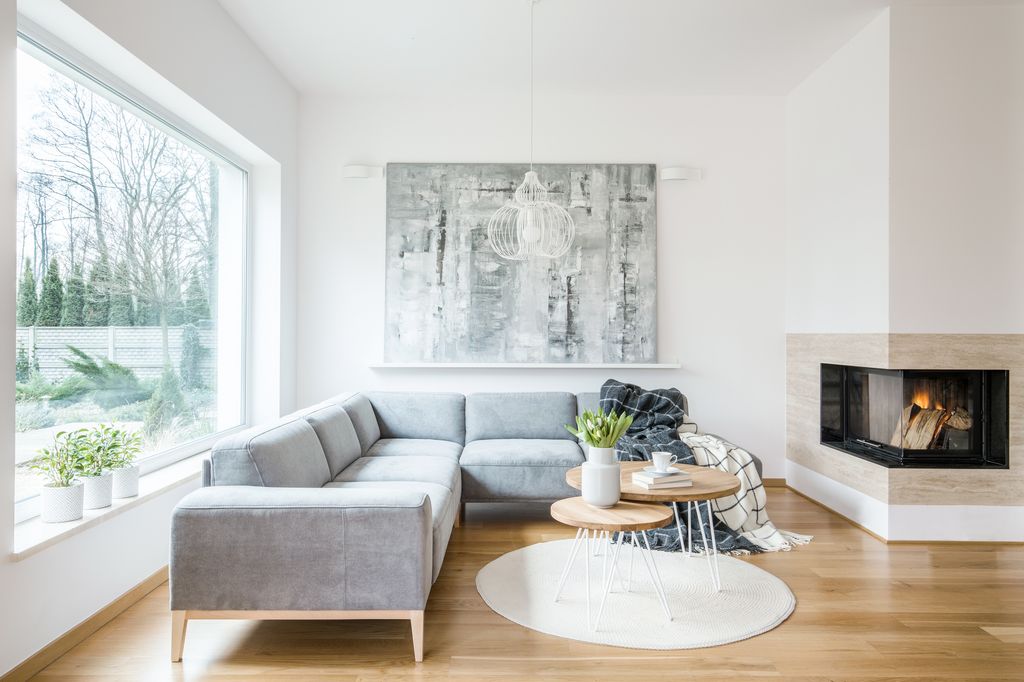
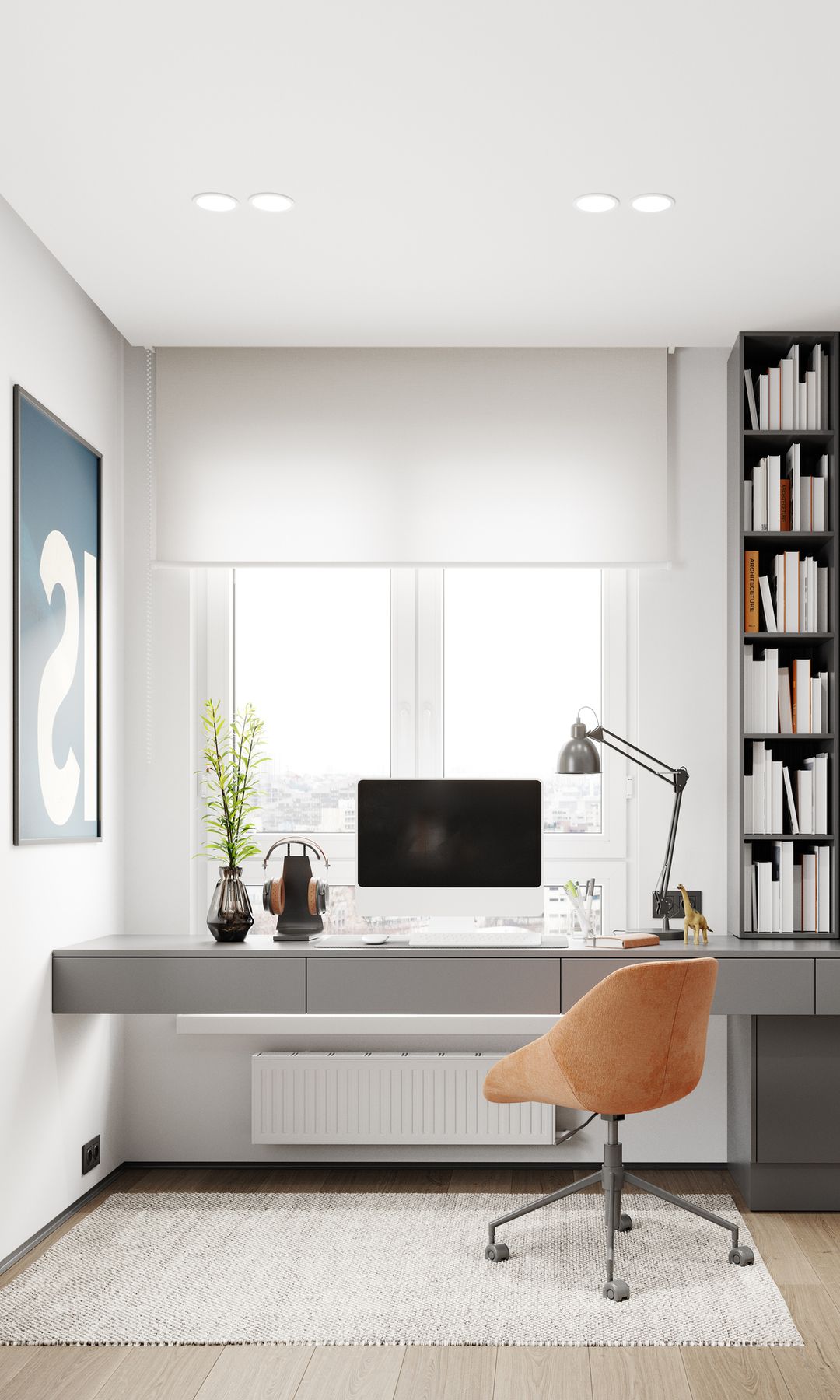
Feng shui, an ancient Chinese practice focused on creating harmonious energy flow, or chi, within a space, is crucial for fostering balance, clarity, and well-being in a home. The practice involves various elements, from furniture placement and color choices to deciding which items to keep or remove. This article, drawing on insights from feng shui experts Kristina Hollinger and Alejandra Brady, identifies six common elements that can disrupt a home's positive energy and offers guidance on how to address them.
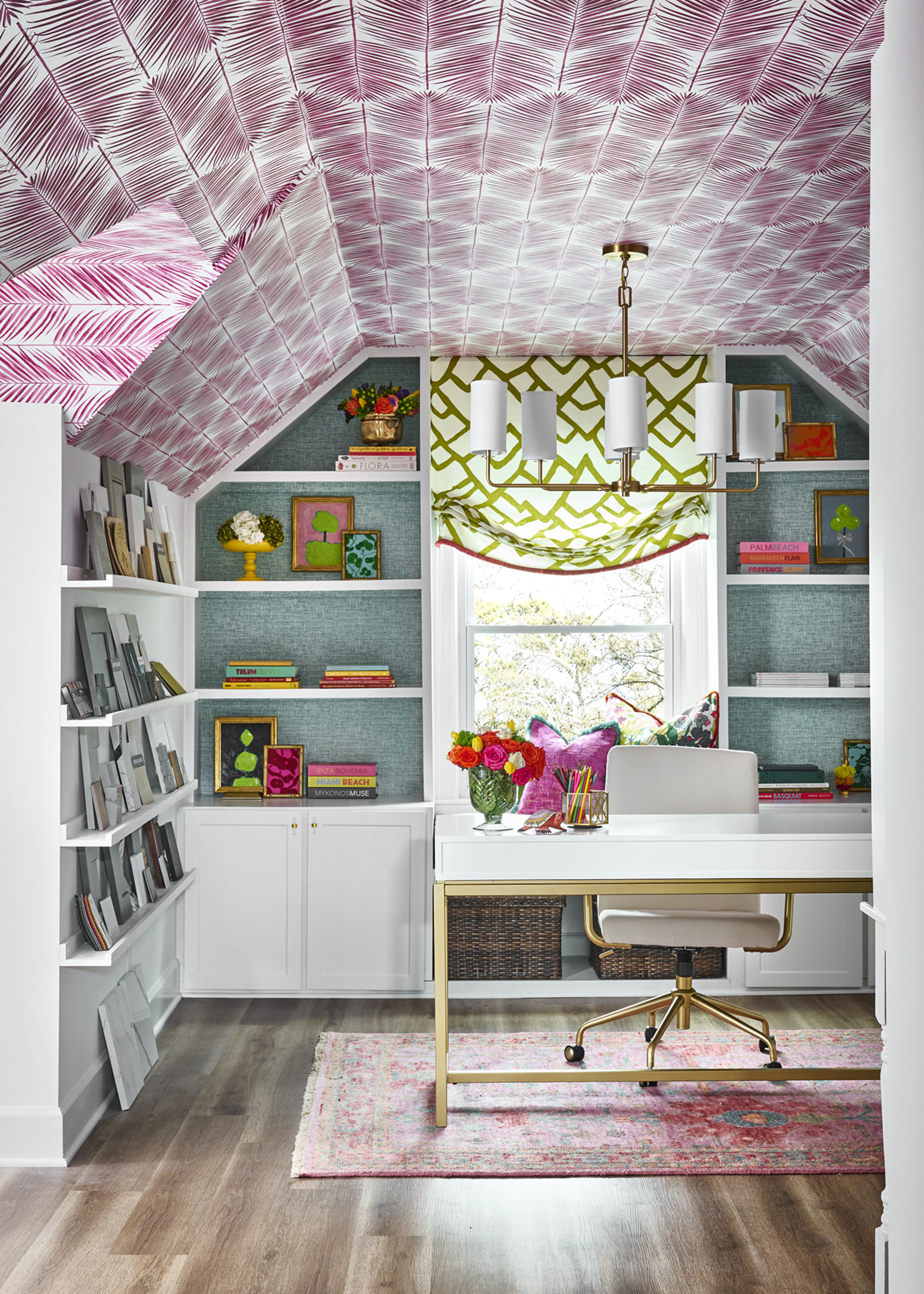
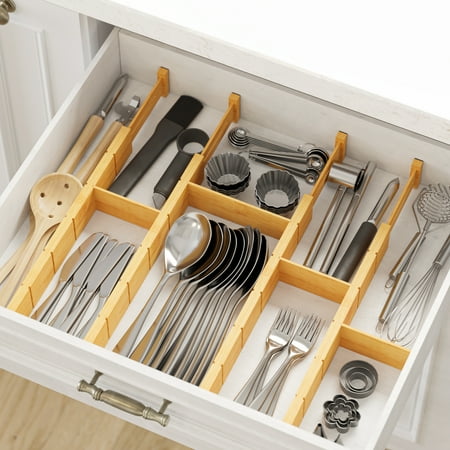
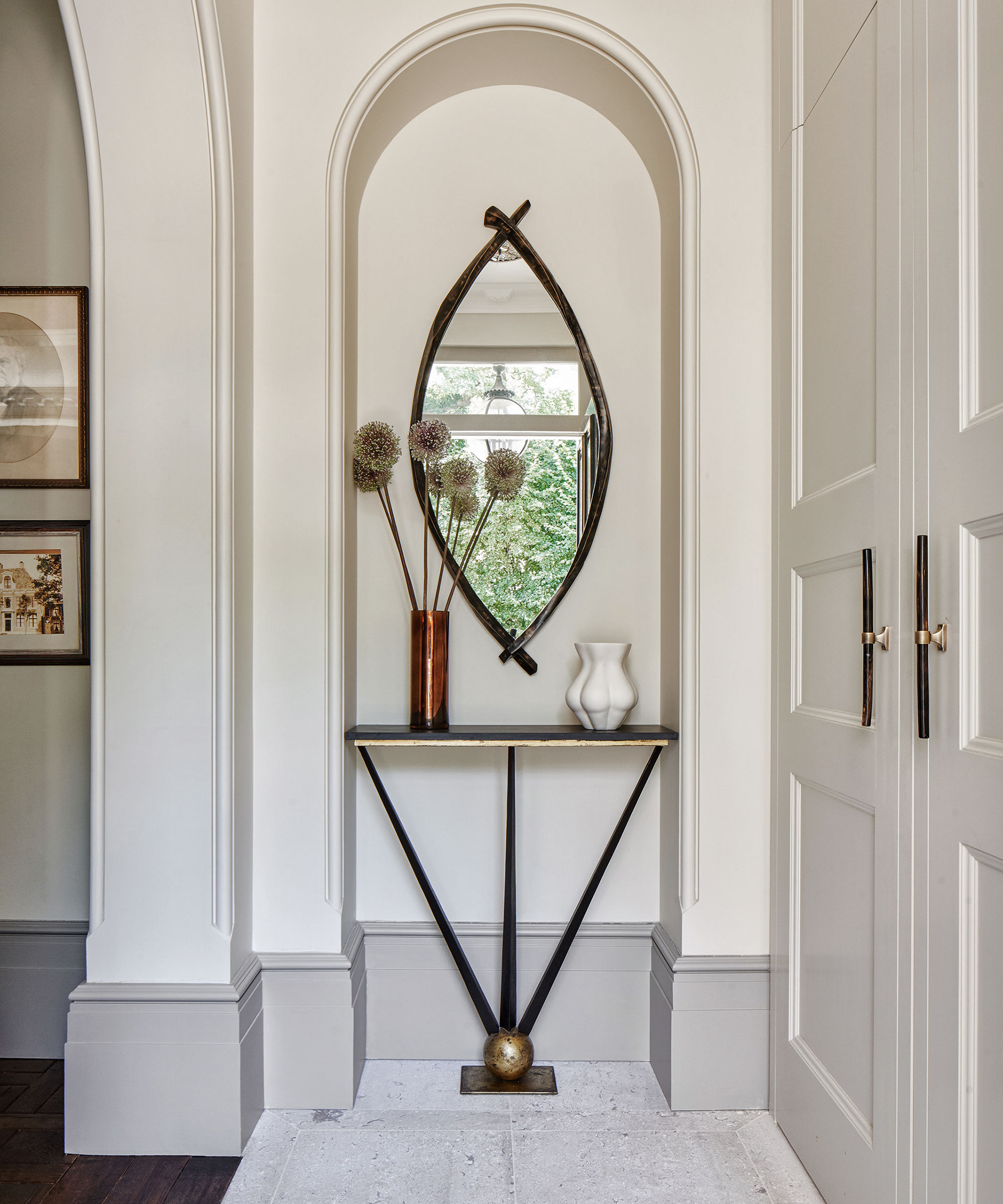
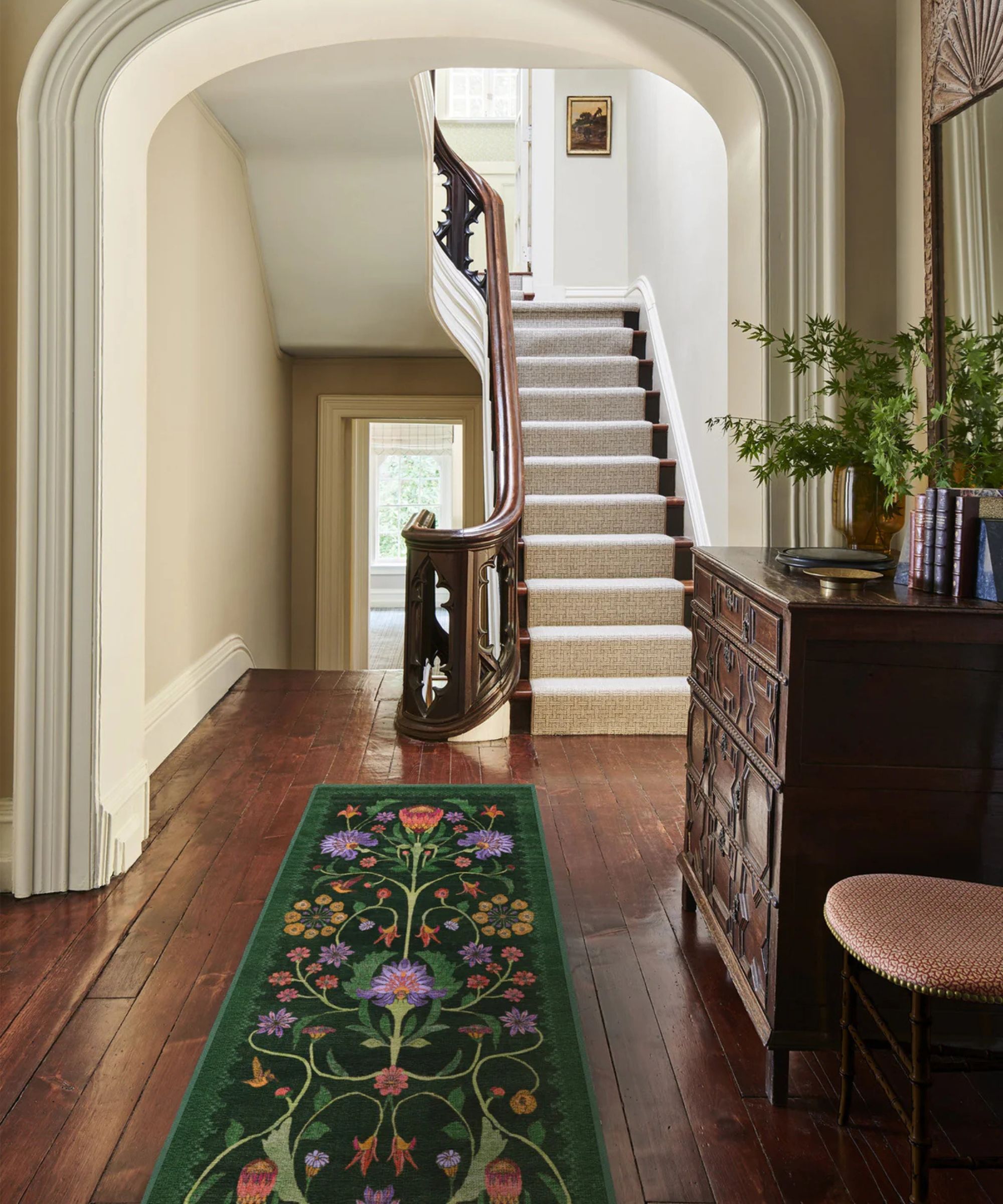
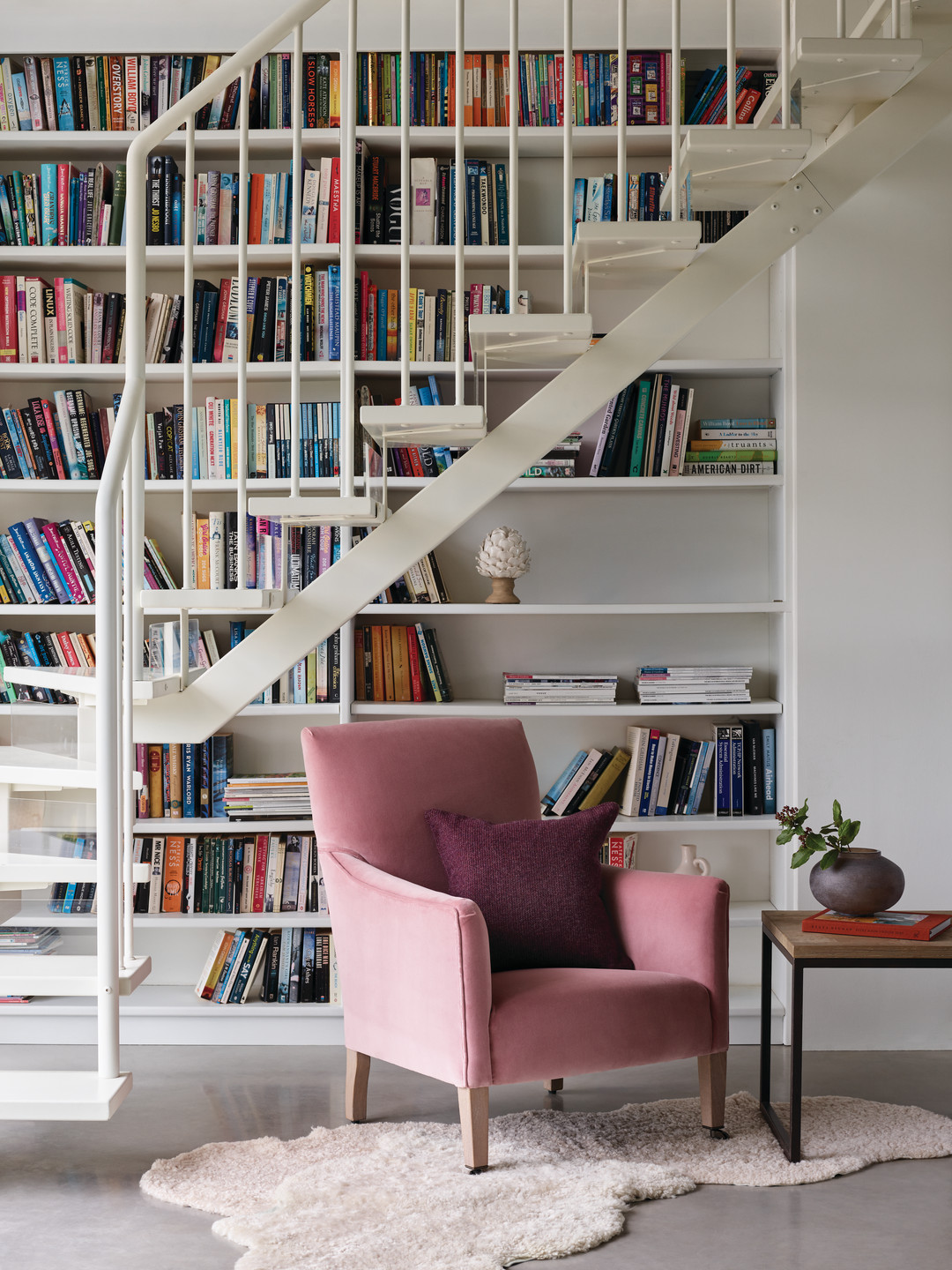
Clutter is the primary culprit identified by experts. Hollinger emphasizes that feng shui aims to create balance and opportunities, which is hindered by clutter representing blocked energy. Brady points out that clutter, especially in entryways and at eye level, can cause stress and anxiety. The recommendation is to minimize clutter, starting with entryways and extending to other storage areas, by getting rid of items that no longer bring joy. The article suggests that clutter is more than just untidiness; it actively obstructs the flow of chi and overall harmony.
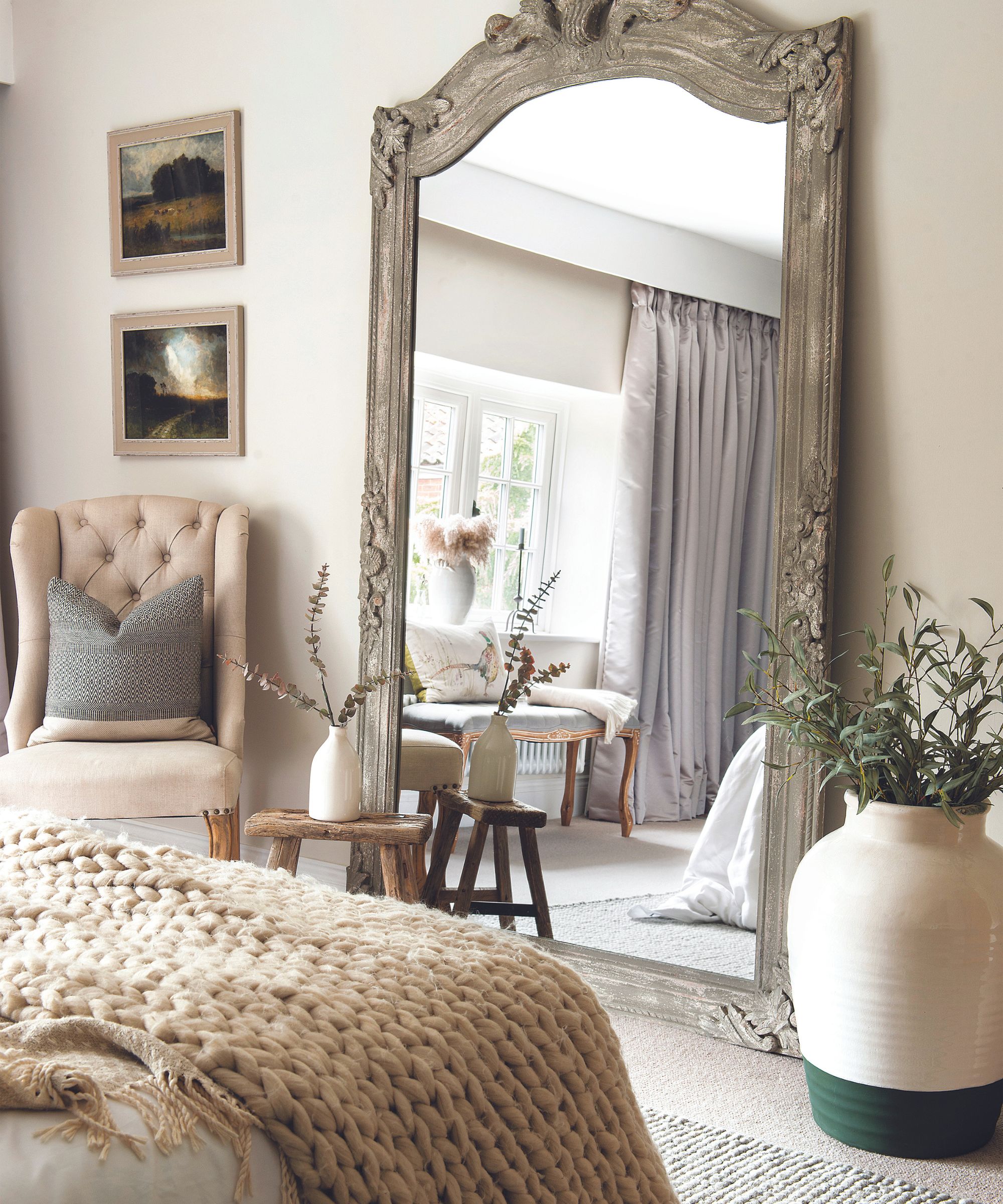
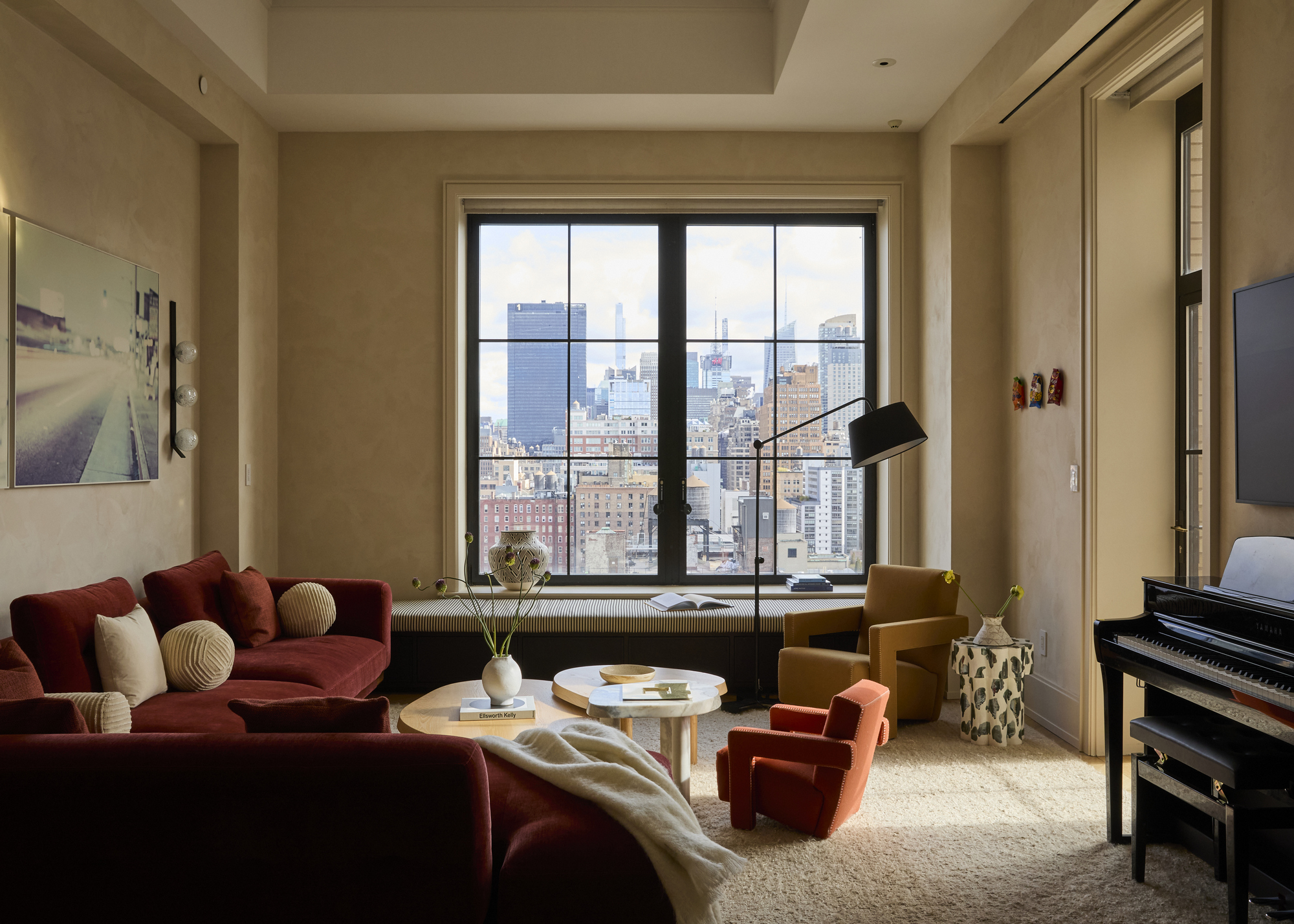
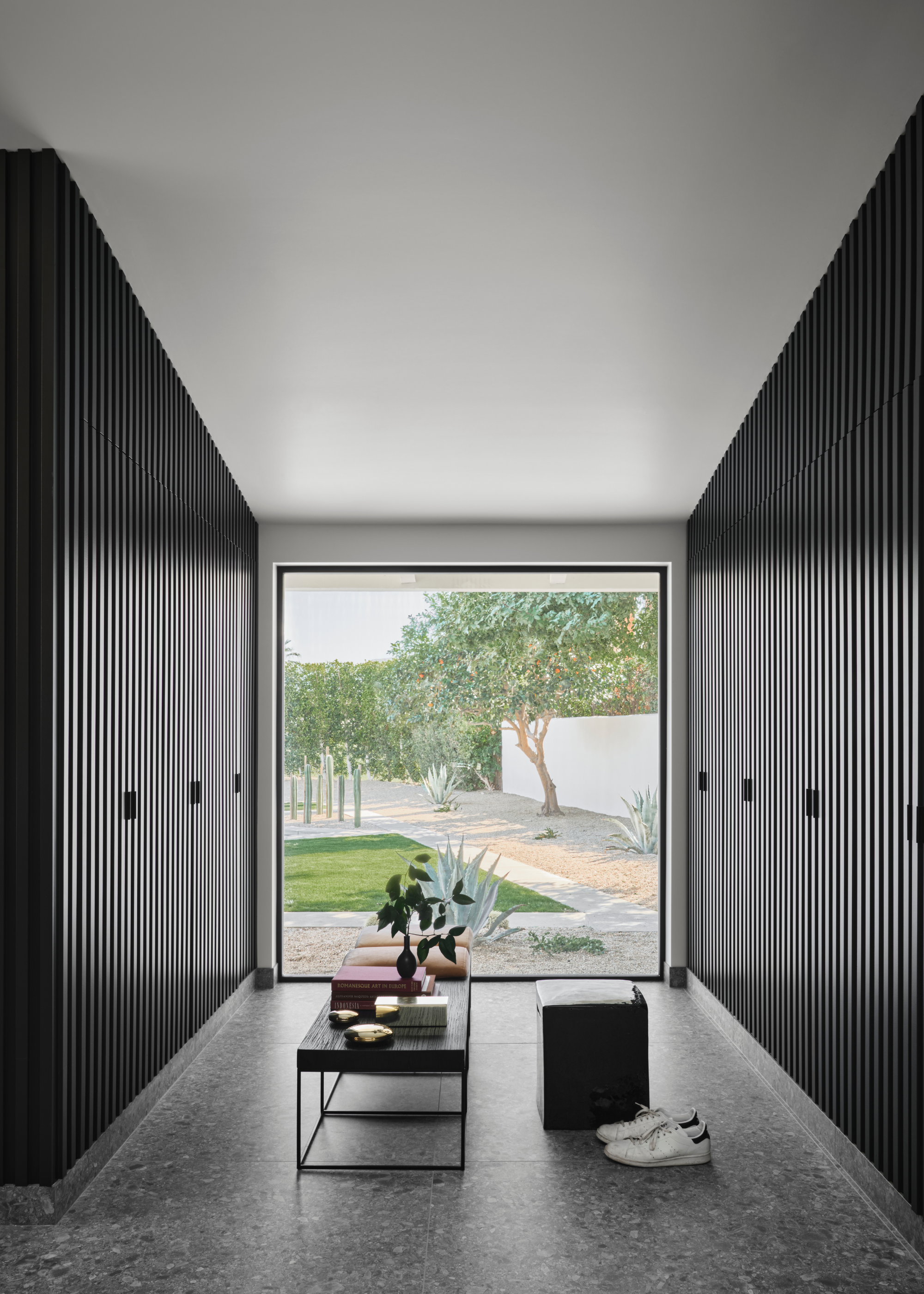
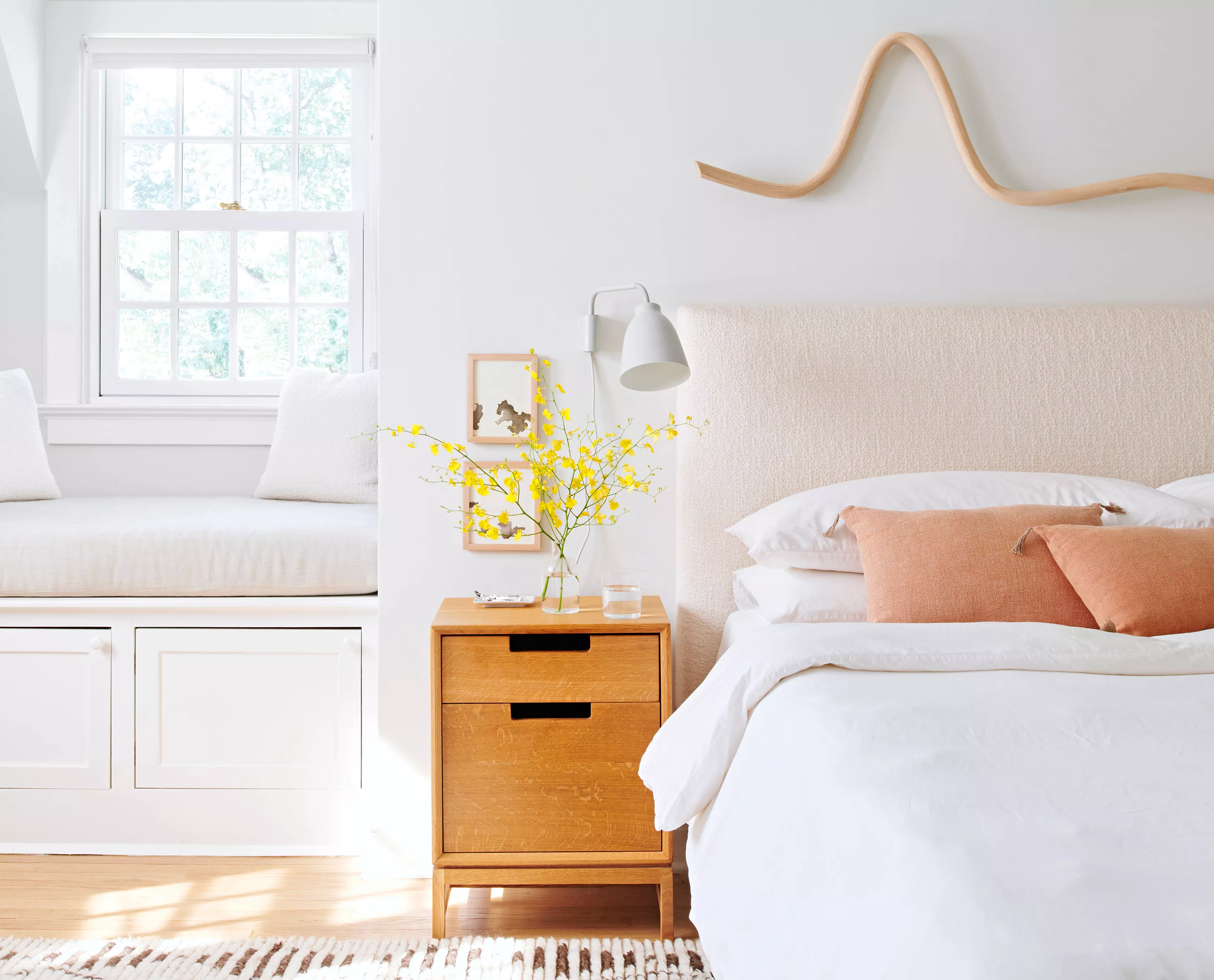
Oversized furniture is another element that can negatively impact a home's energy. Hollinger explains that furniture disproportionate to the space can make a room feel cramped and unbalanced. The goal is to harmonize rather than overwhelm a space, ensuring that furniture fits well and complements the room's purpose and style. To improve energy flow and functionality, it is advised to maintain at least 18–24 inches of clearance in walkways, allowing for easy movement.
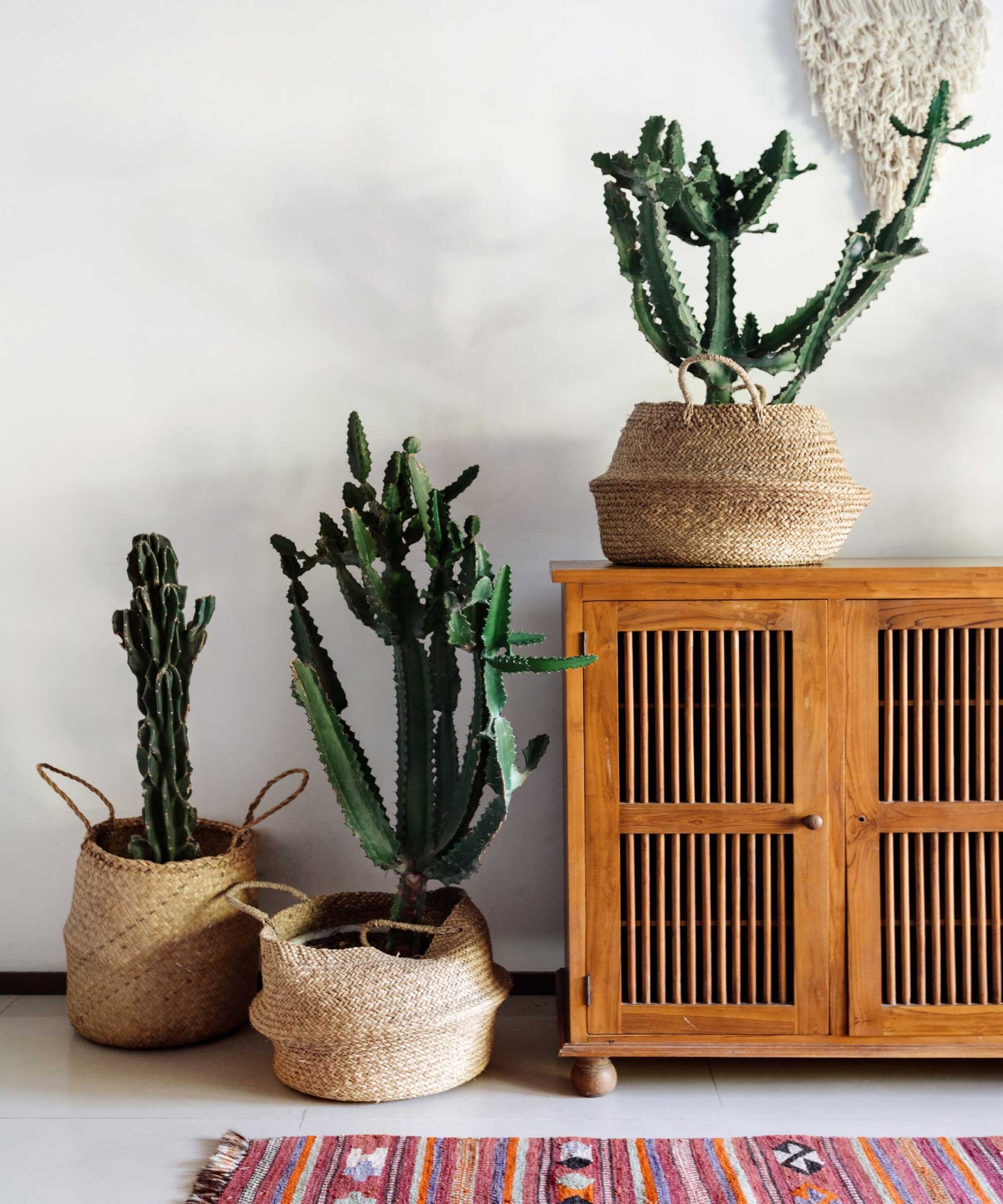
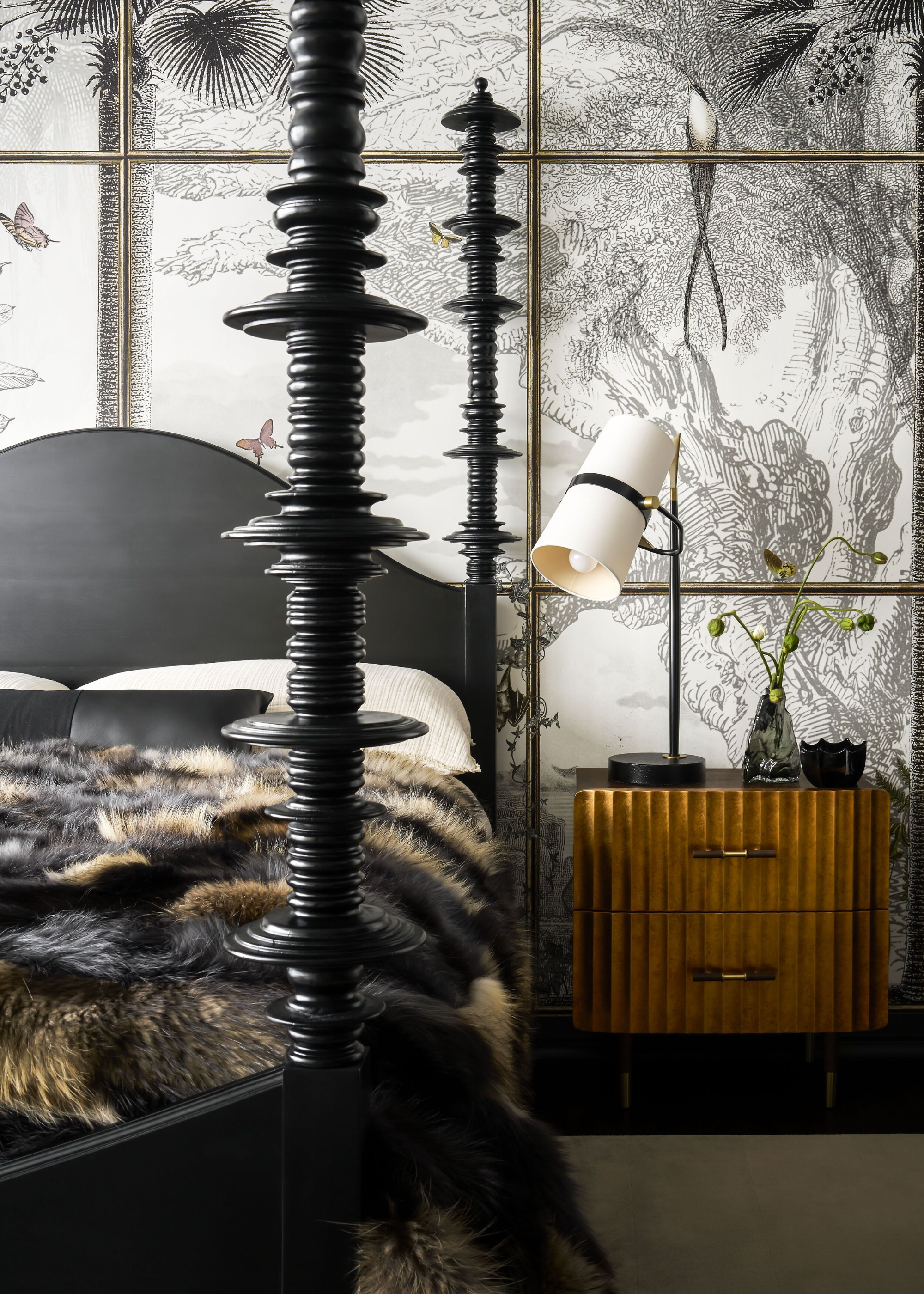
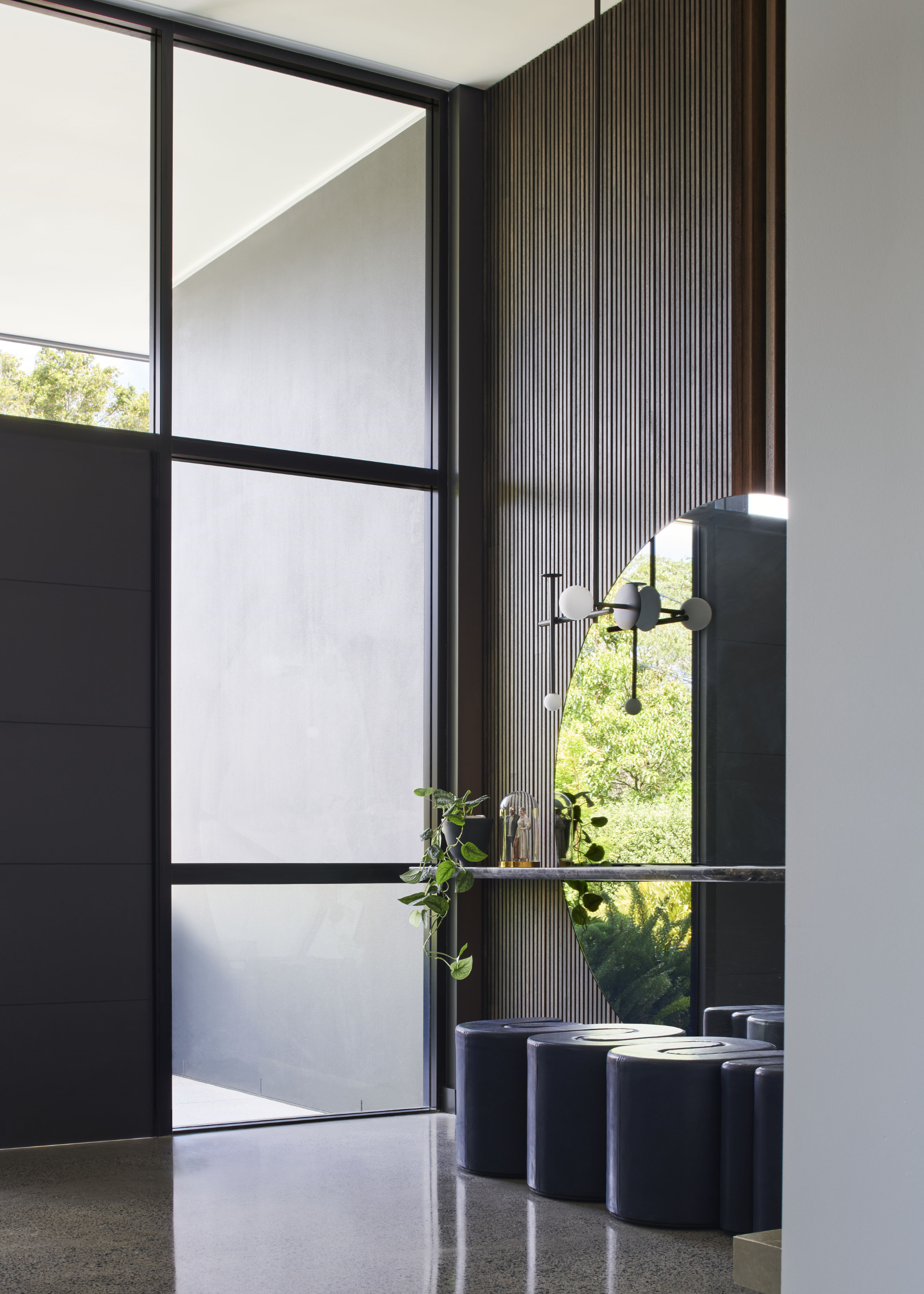
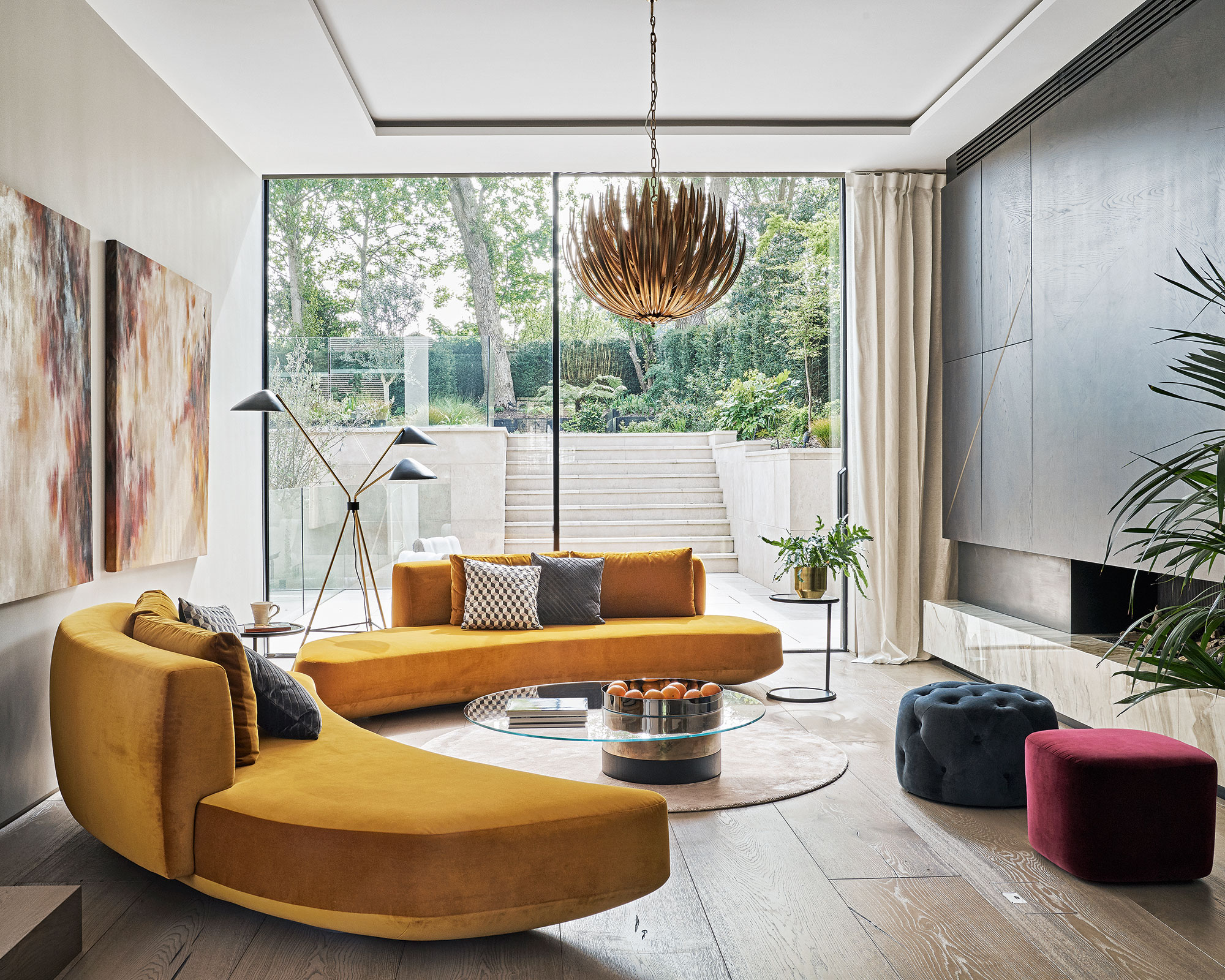
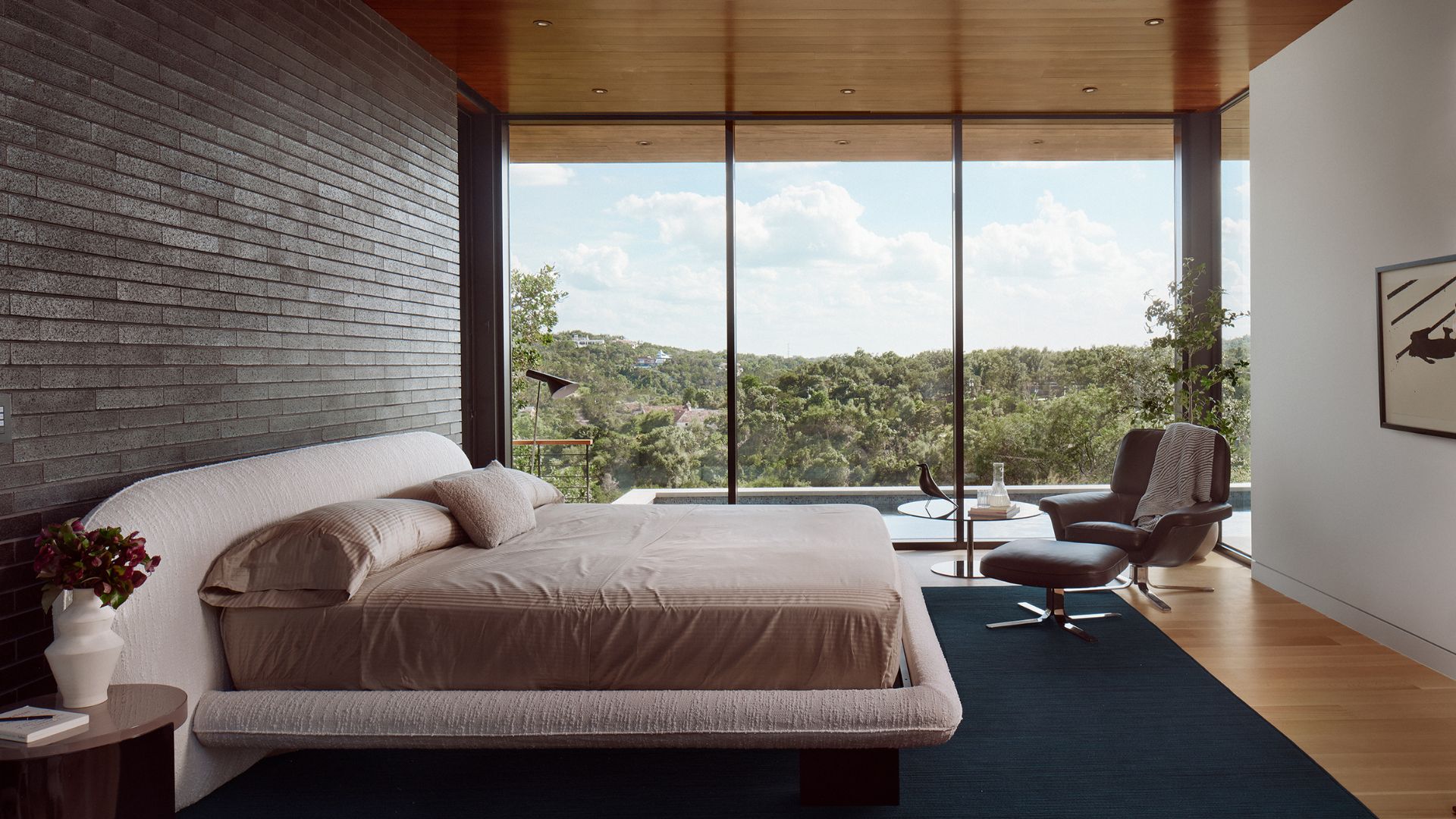
Sharp edges in furniture and decor are noted as disruptive to harmonious energy flow. The brain instinctively associates sharp angles with danger, which can disturb a room's peaceful ambiance. Conversely, rounded edges promote a smoother energy flow and contribute to a sense of calm. This preference for curved furniture is rooted in its ability to soften a room's energy and enhance tranquility.
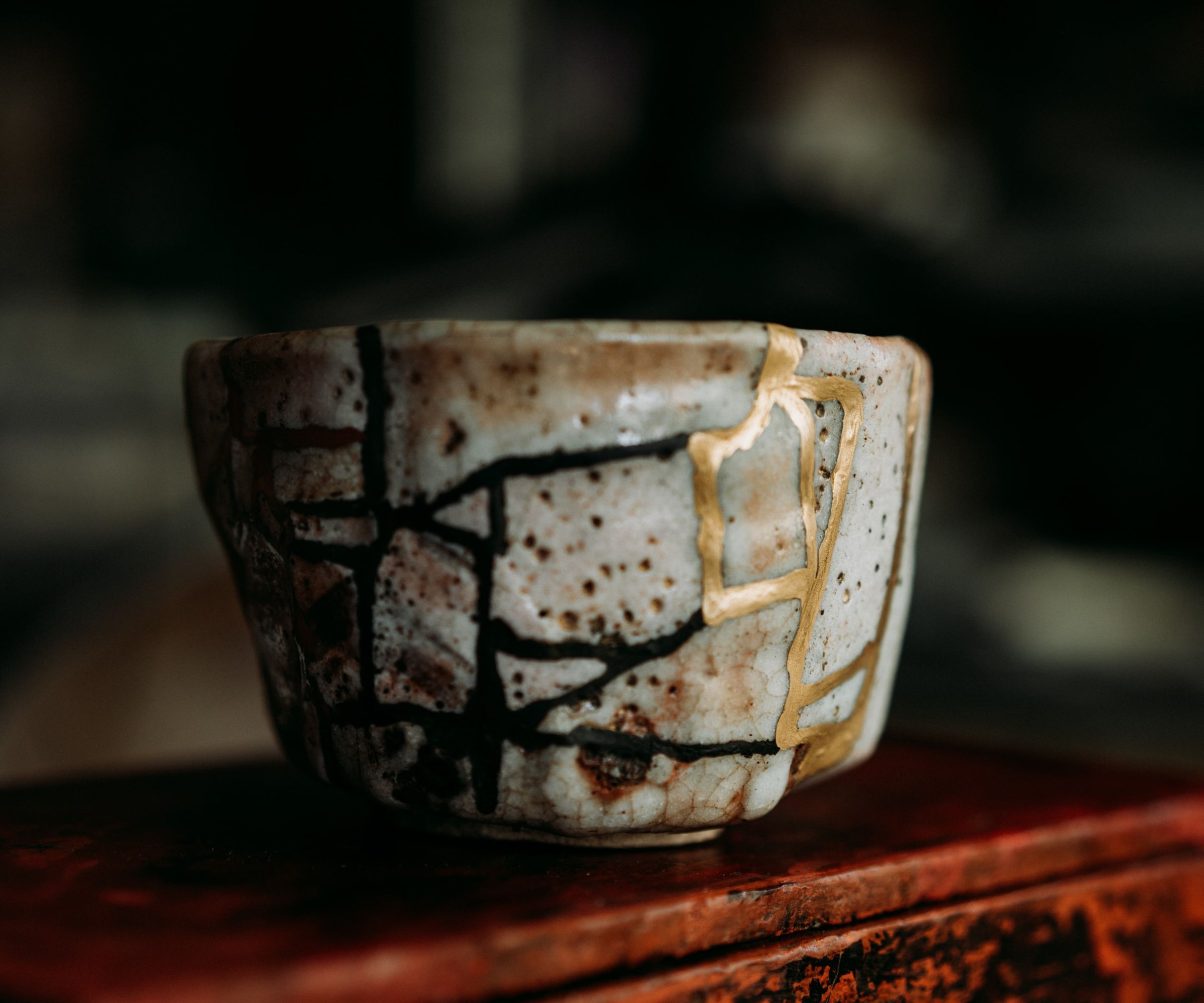
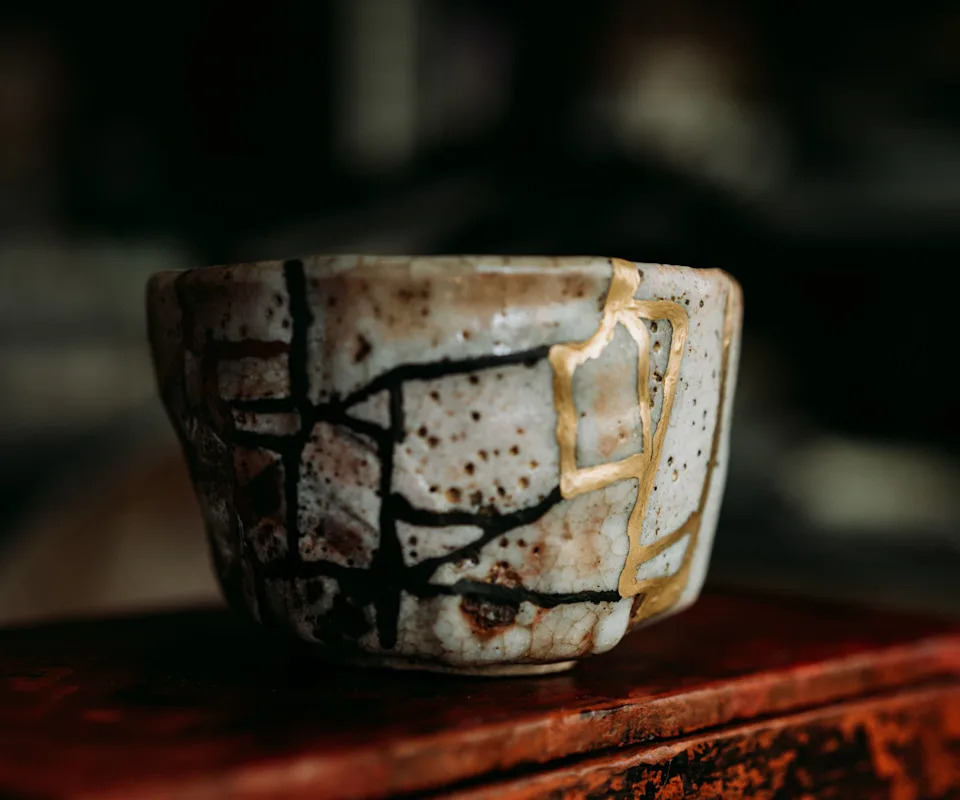
Broken belongings, such as non-functioning appliances or electronics, symbolize neglect and emit negative energy. Brady highlights that even minor issues like a burnt-out lightbulb or a broken clock (symbolizing stagnant time) can impact chi. The solution is to prioritize repairing these items or discarding those beyond repair. For cherished broken items, creative repair methods like visible mending or kintsugi-style gold glue can restore their positive energy and honor their story.
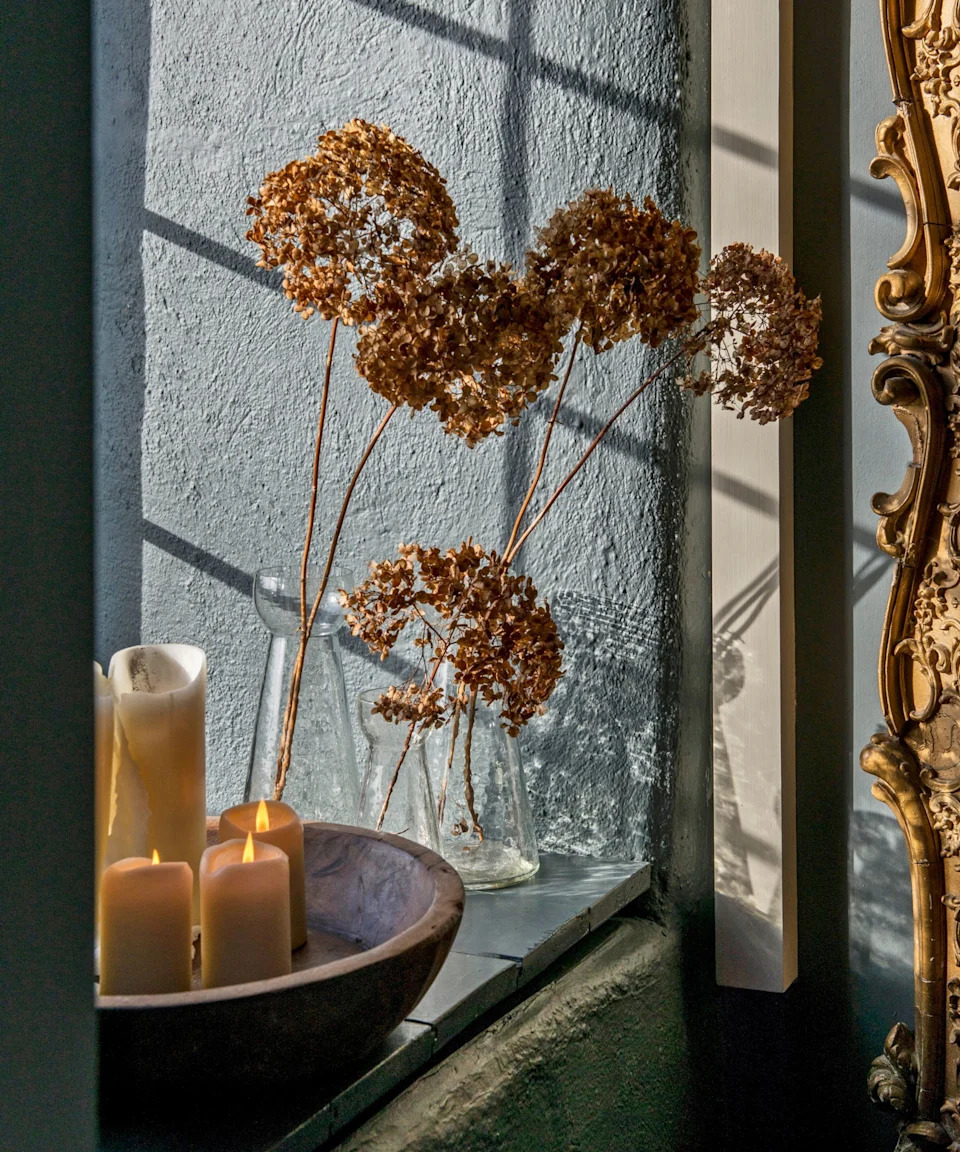
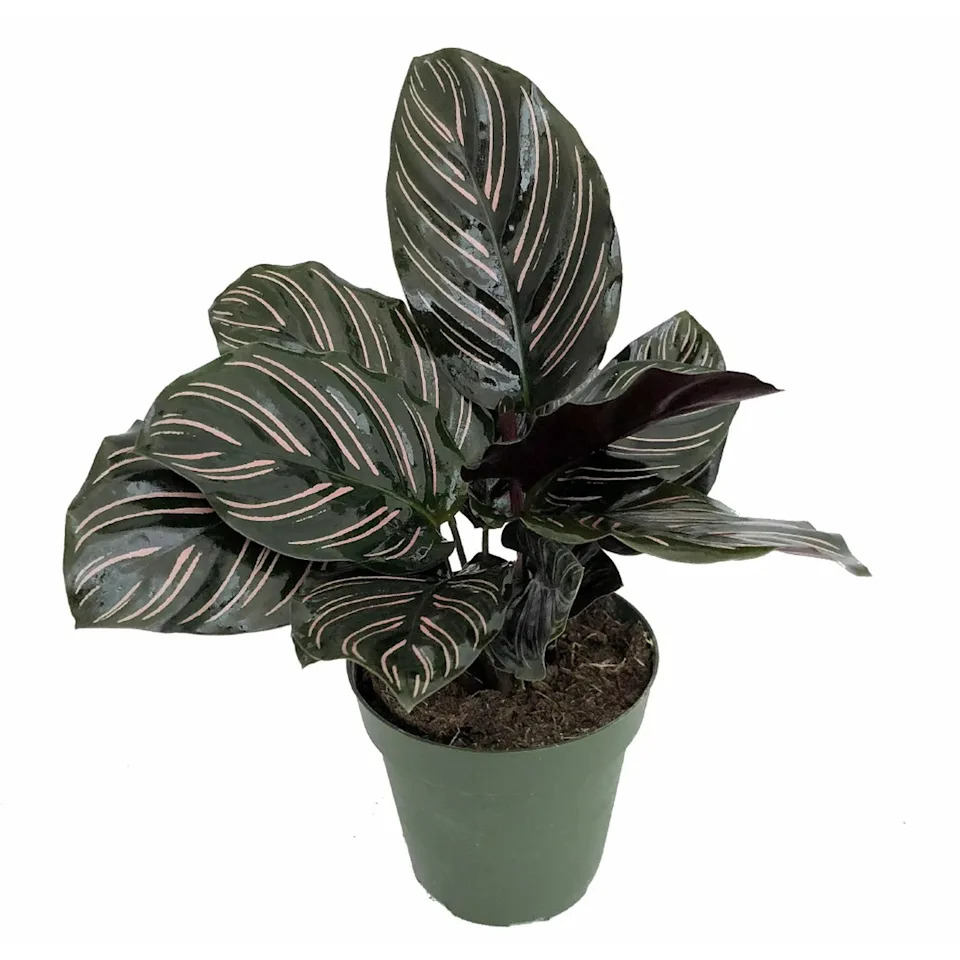
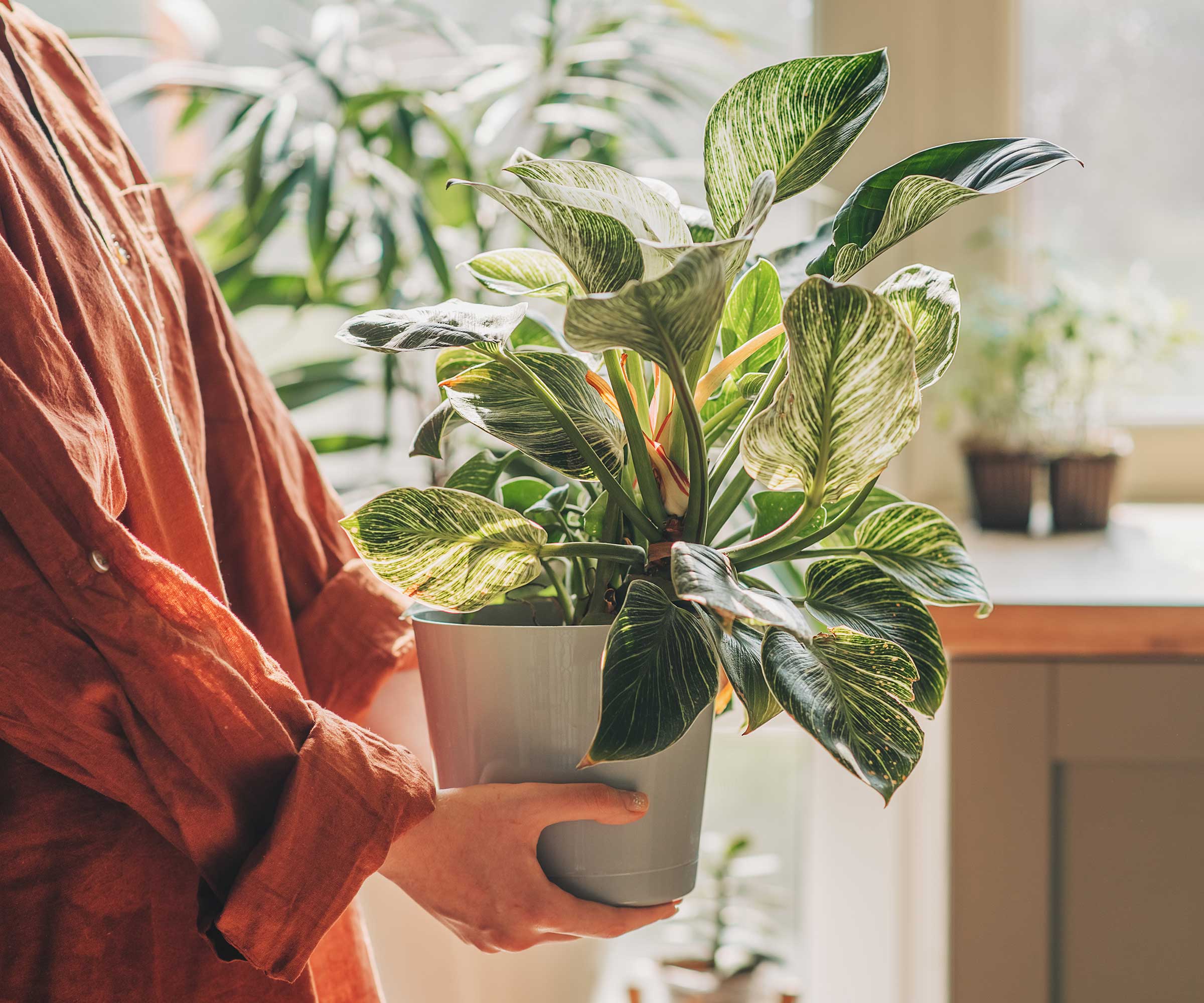
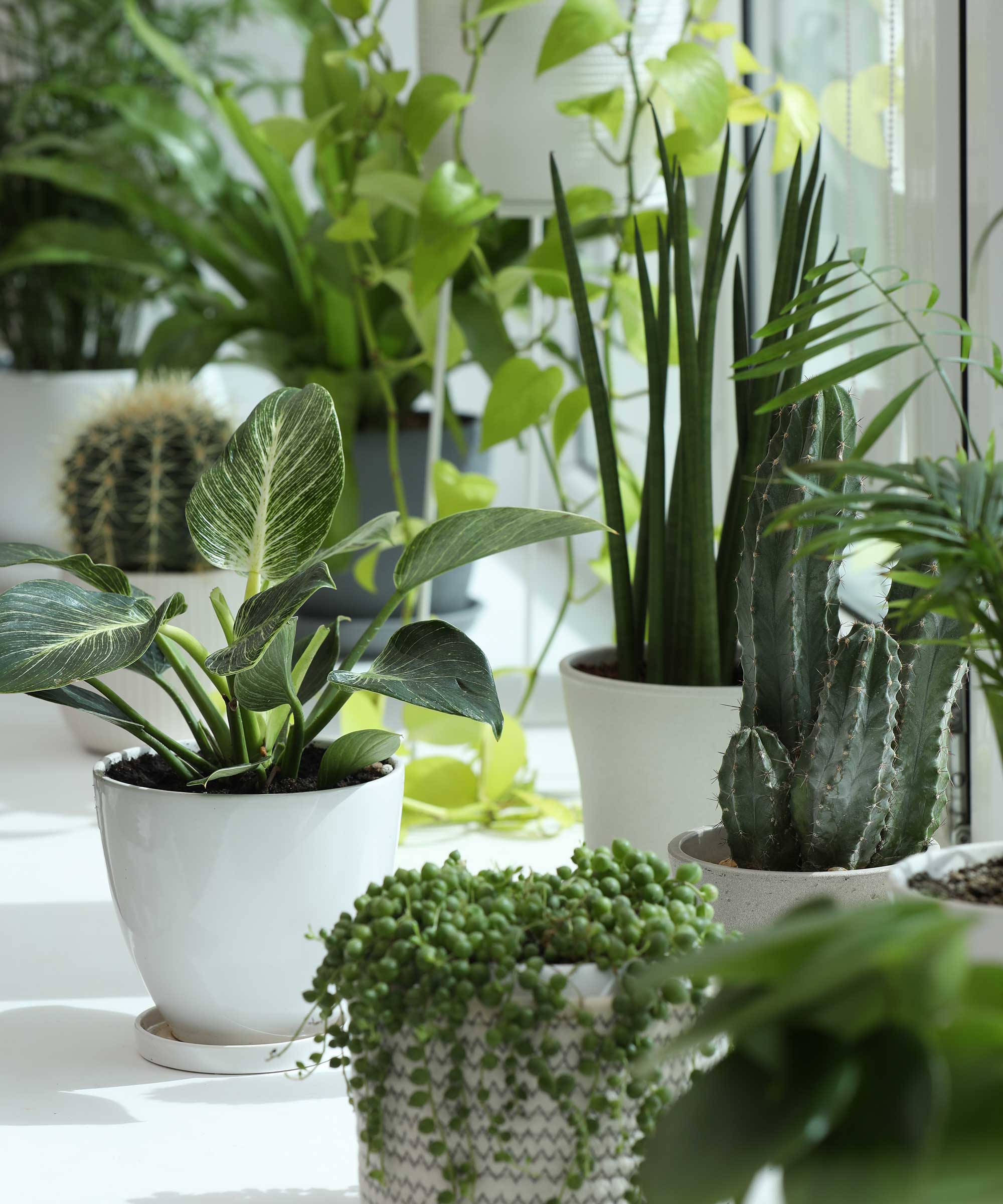
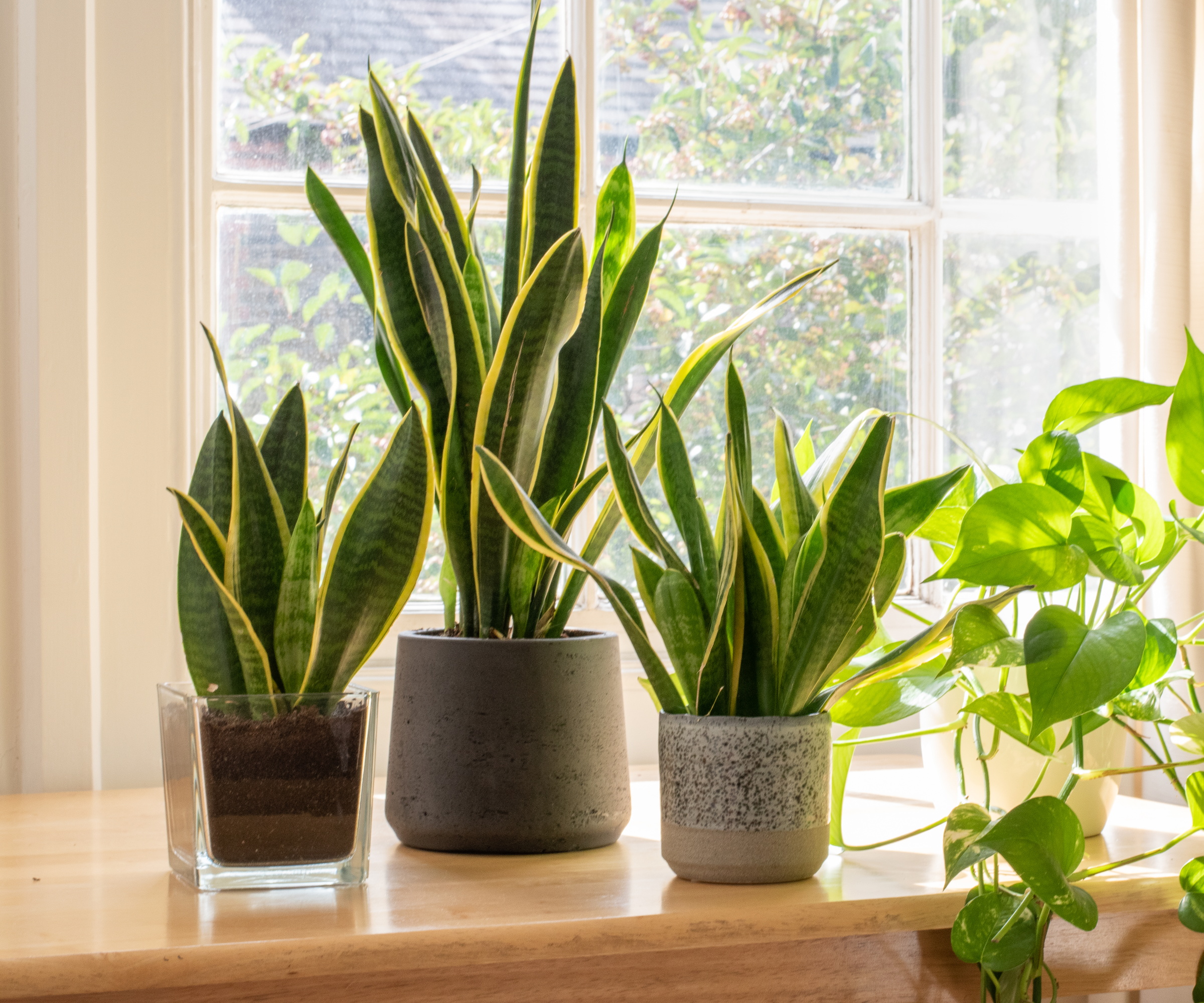
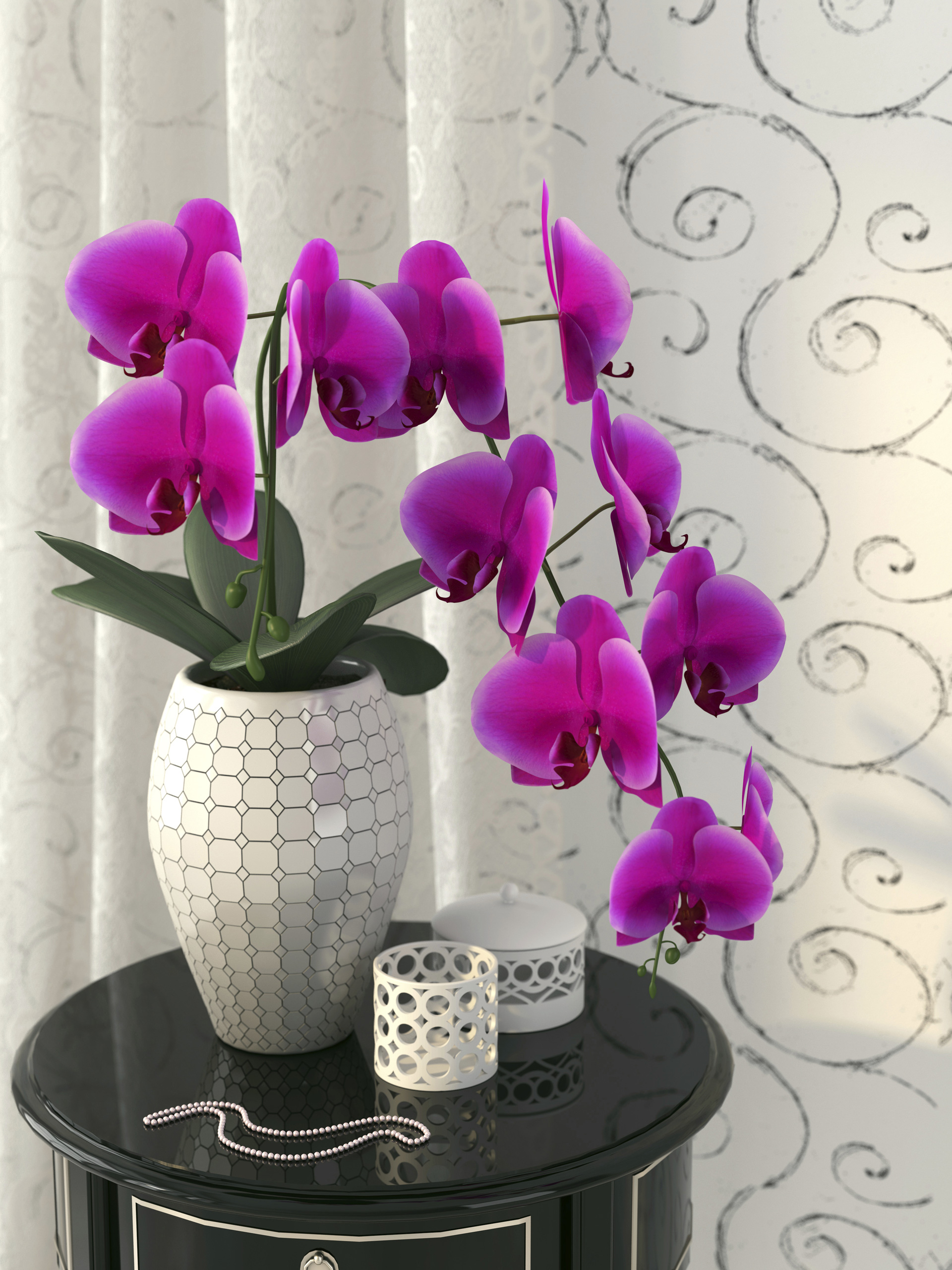
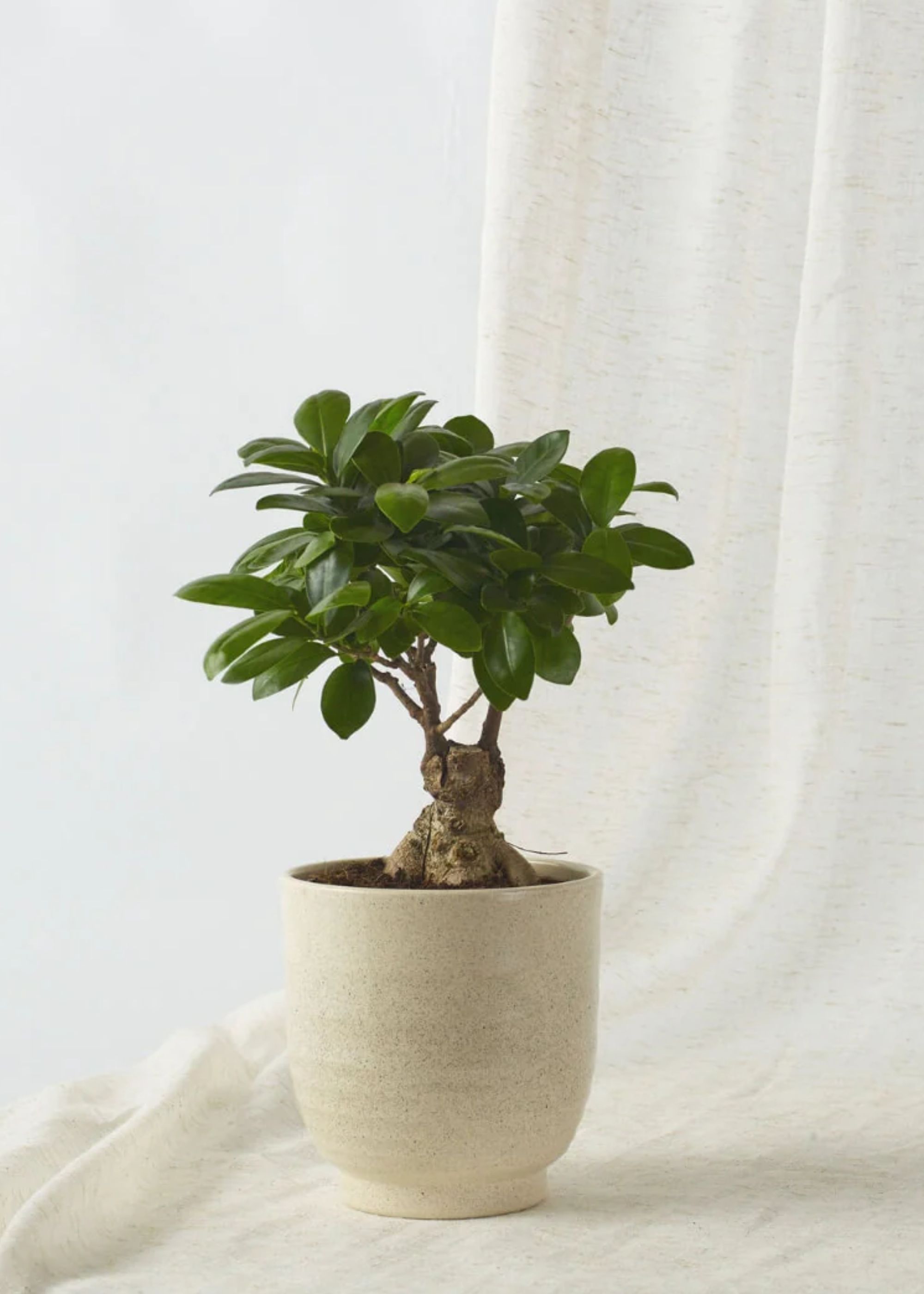
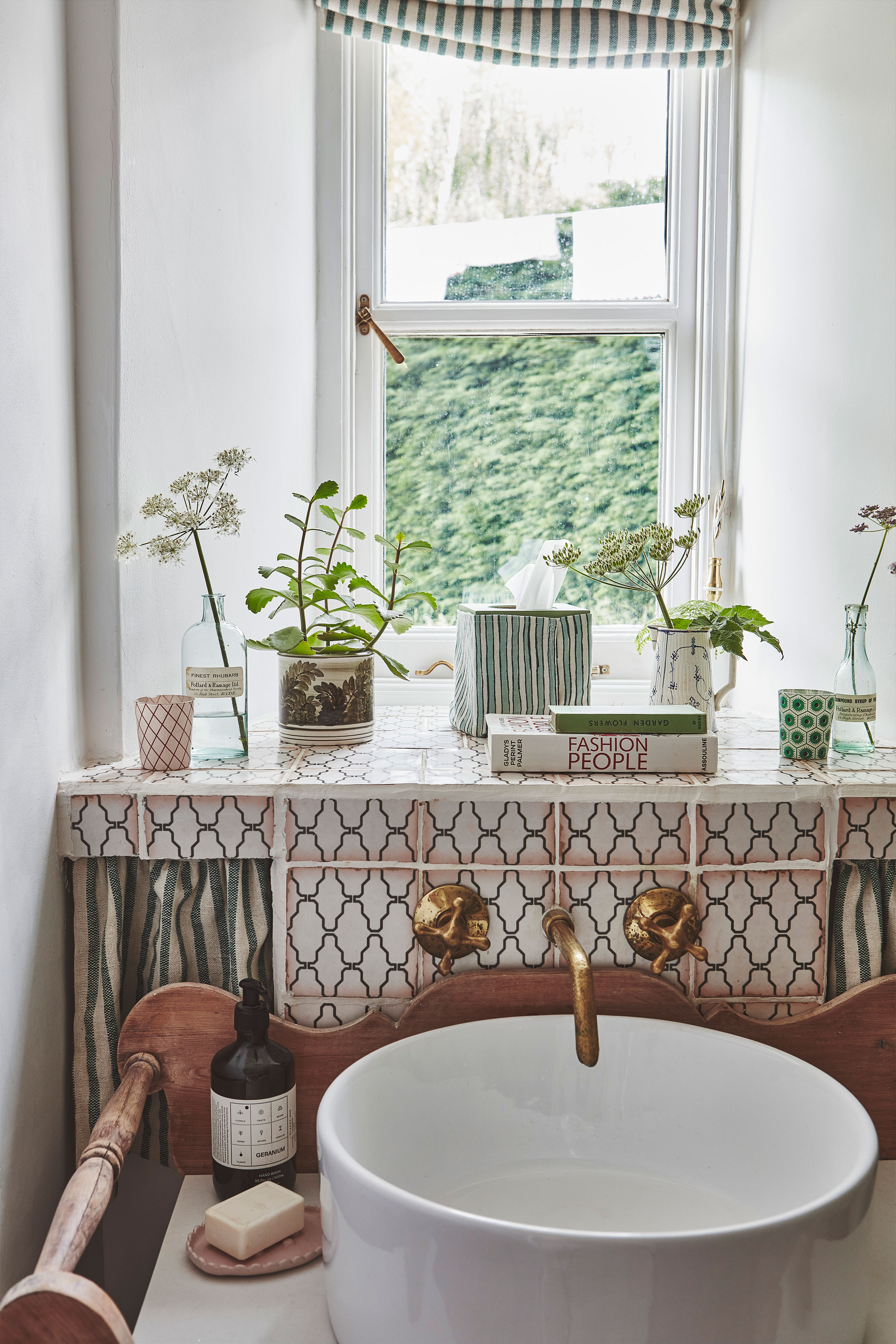
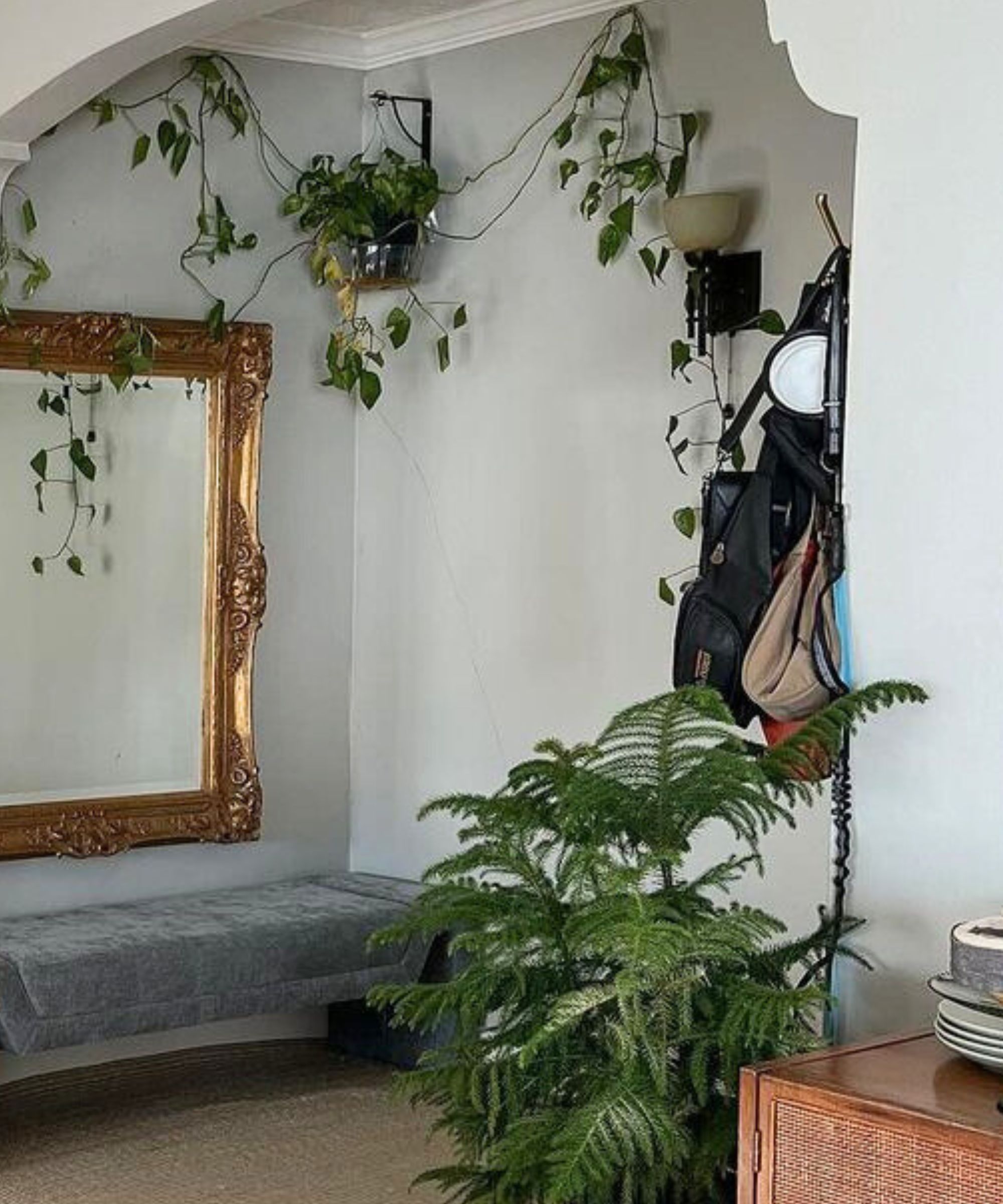
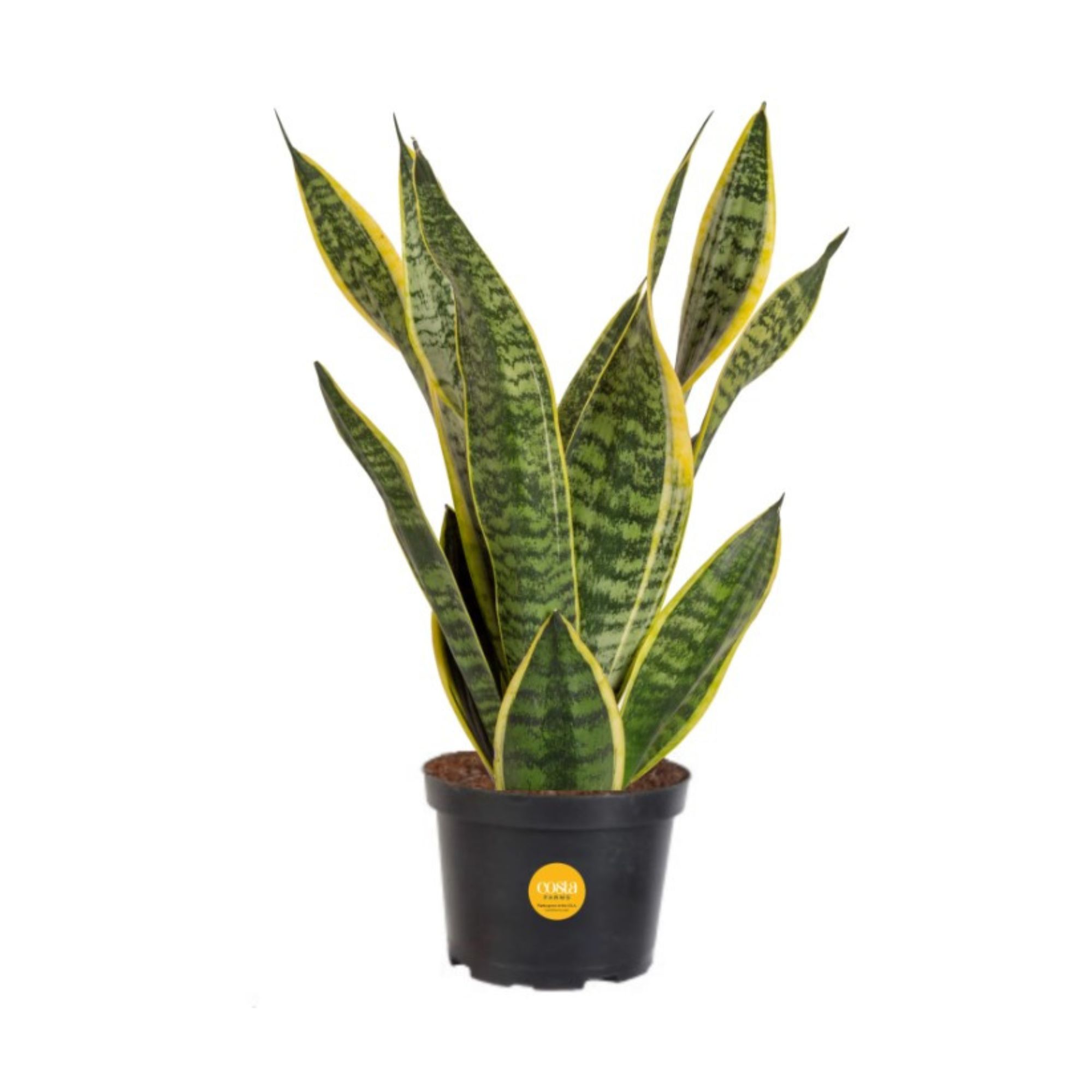
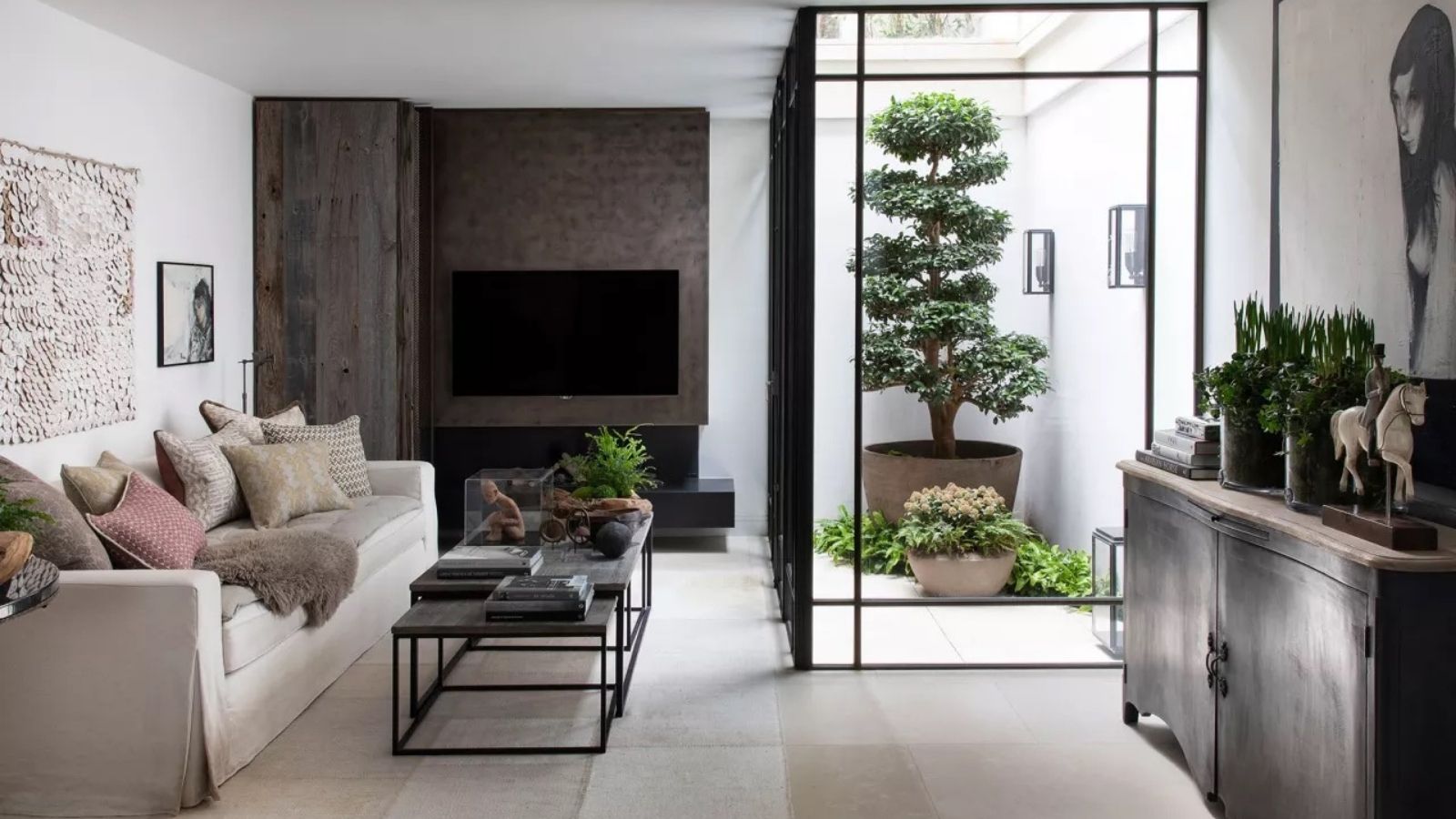
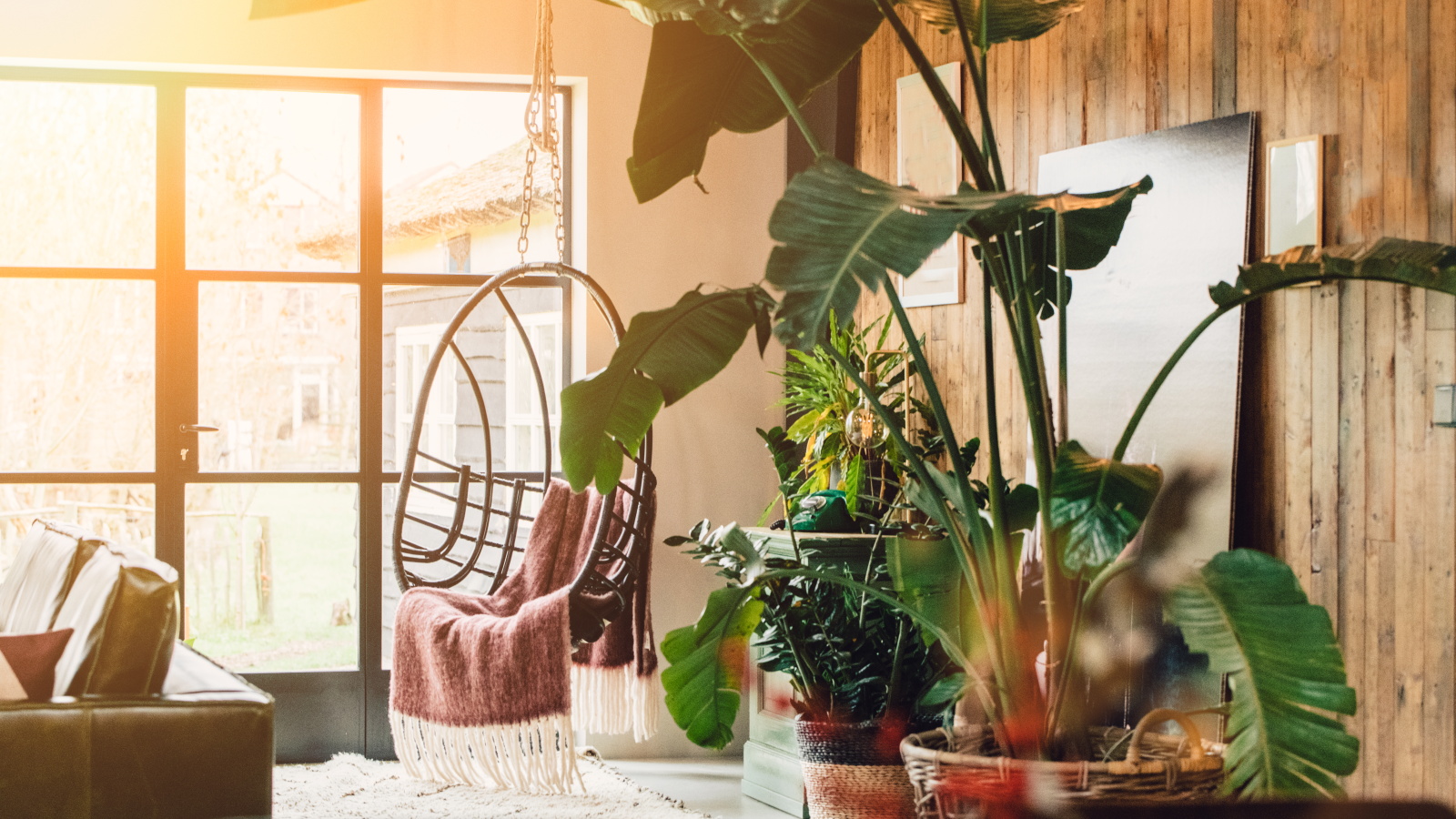
Dying plants also contribute to negative energy, mirroring the feeling of neglect associated with broken items. The article suggests learning how to revive struggling plants or removing those that cannot be saved. To boost positive energy, replacing dying plants with fresh flowers or houseplants known to symbolize good fortune and gratitude, as recommended by Brady, is beneficial.
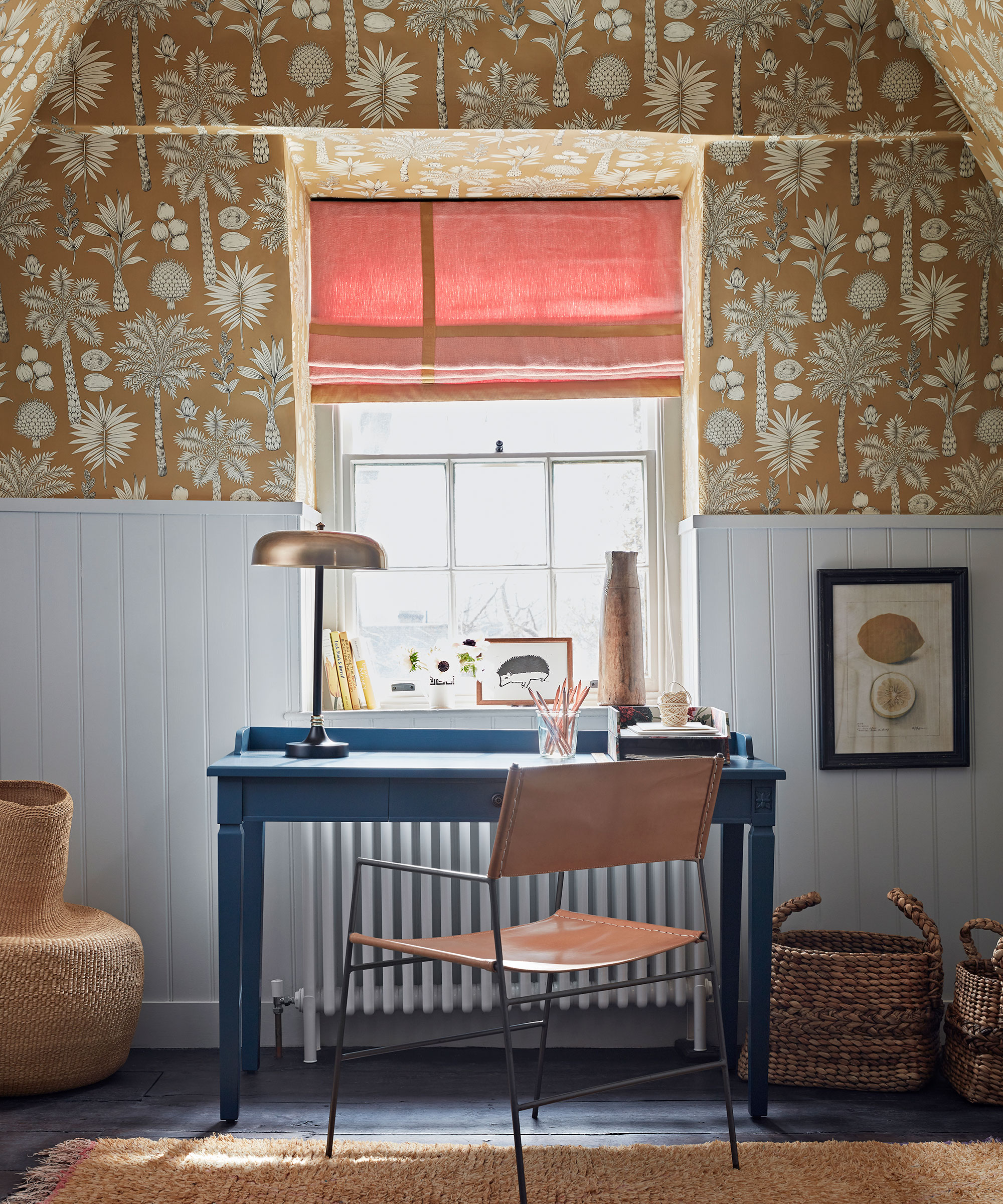
Finally, items with negative emotional energy, even if not physically cluttered, can disrupt a home's atmosphere. This category includes objects linked to unpleasant memories or stressful periods, such as old photos, cards, or gifts. Artwork depicting dark, chaotic, or violent themes can also introduce heaviness or unease, particularly in resting areas. Hollinger advises choosing art and objects that uplift and reflect desired life qualities, reminding readers that a home reflects one's inner world and can be cultivated for joy, peace, and prosperity through mindful adjustments.
#FengShui #HomeDecor #ClutterControl #InteriorDesign #EnergyFlow #MindfulLiving #HomeHarmony #DeclutterYourHome #PositiveEnergy #FengShui #HomeDecor #ClutterControl #InteriorDesign #EnergyFlow #MindfulLiving #HomeHarmony #DeclutterYourHome #PositiveEnergy
0 comment in total
 No comments yet
You may also like
Feng Shui consultants say these are the unluckiest items to have in your home

5 Feng Shui houseplant mistakes to avoid for good fortune
Feng Shui design mistakes to avoid – 5 things you may be getting wrong
Feng Shui Tips for Every Room in Your Home
Feng Shui consultants say these are the unluckiest items to have in your home

5 Things You Should Never Put Above Your Bed — Especially If You Want Good Feng Shui in Your Home

This furniture layout is one of the biggest Feng Shui mistakes you can make in a bedroom - here's how to fix it
10 household objects blocking your peace and prosperity, according to a Feng Shui expert

7 Interior Trends That Experts Say Are Bad Feng Shui — Stay Clear of These If You Want Good Vibes at Home
Bring a bit of feng shui into your home
6 things to never put in an entryway, according to interior designers
Pre-holiday feng shui purge: 5 items you need to throw away today
Interior designers share 6 things you should never have in your bedroom
7 'bad energy culprits' Feng Shui experts warn never to store in your home – and what to do instead
6 Mistakes With Your Kitchen Stove's Feng Shui to Avoid
Small entryway Feng Shui mistakes — 5 things the pros always avoid

6 Feng Shui Houseplant Decorating Mistakes Practitioners Want to Warn You Against
4 Houseplants to Never Put in an Entryway, or Else They'll Throw Off Your Home's Feng Shui Balance
5 Feng Shui living room mistakes you're making – and how the experts avoid them
6 Things You Should Never Store in Your Kitchen Cabinets—and Where to Keep Them Instead