1/6
5 Feng Shui houseplant mistakes to avoid for good fortune
Houseplants play a significant role in Feng Shui, influencing the flow of positive energy within a home. While certain indoor plants are considered ideal for promoting good fortune and a harmonious environment, their effective integration requires careful consideration beyond simply choosing the right species. Feng Shui expert Suzanne Roynon highlights that houseplants act as a 'wood remedy' in Feng Shui, enhancing growth and flexibility, and also support 'fire remedy,' which is often needed in various areas of a home. Understanding an individual home's unique energy through a Feng Shui energy map is crucial for optimal plant placement.
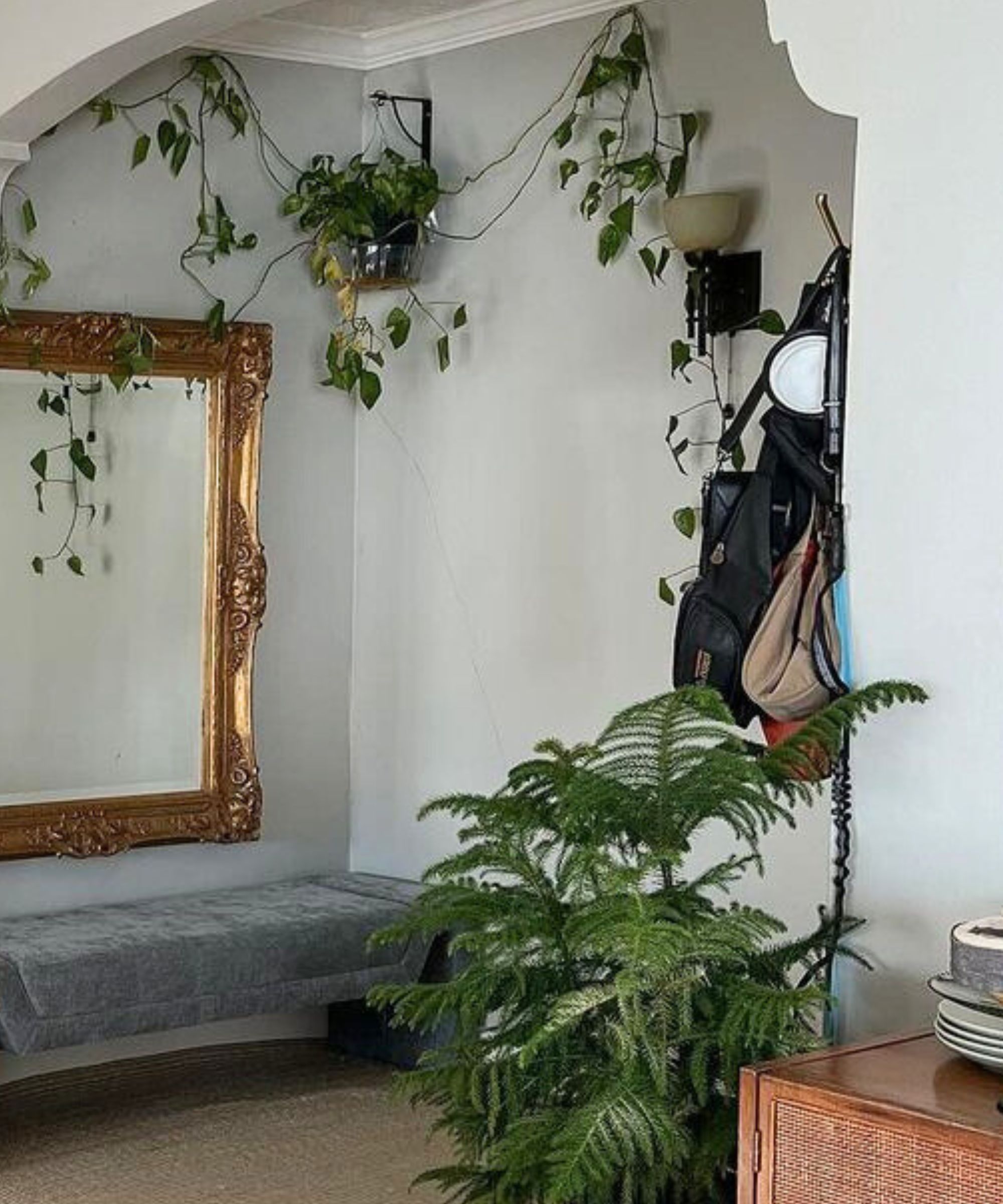
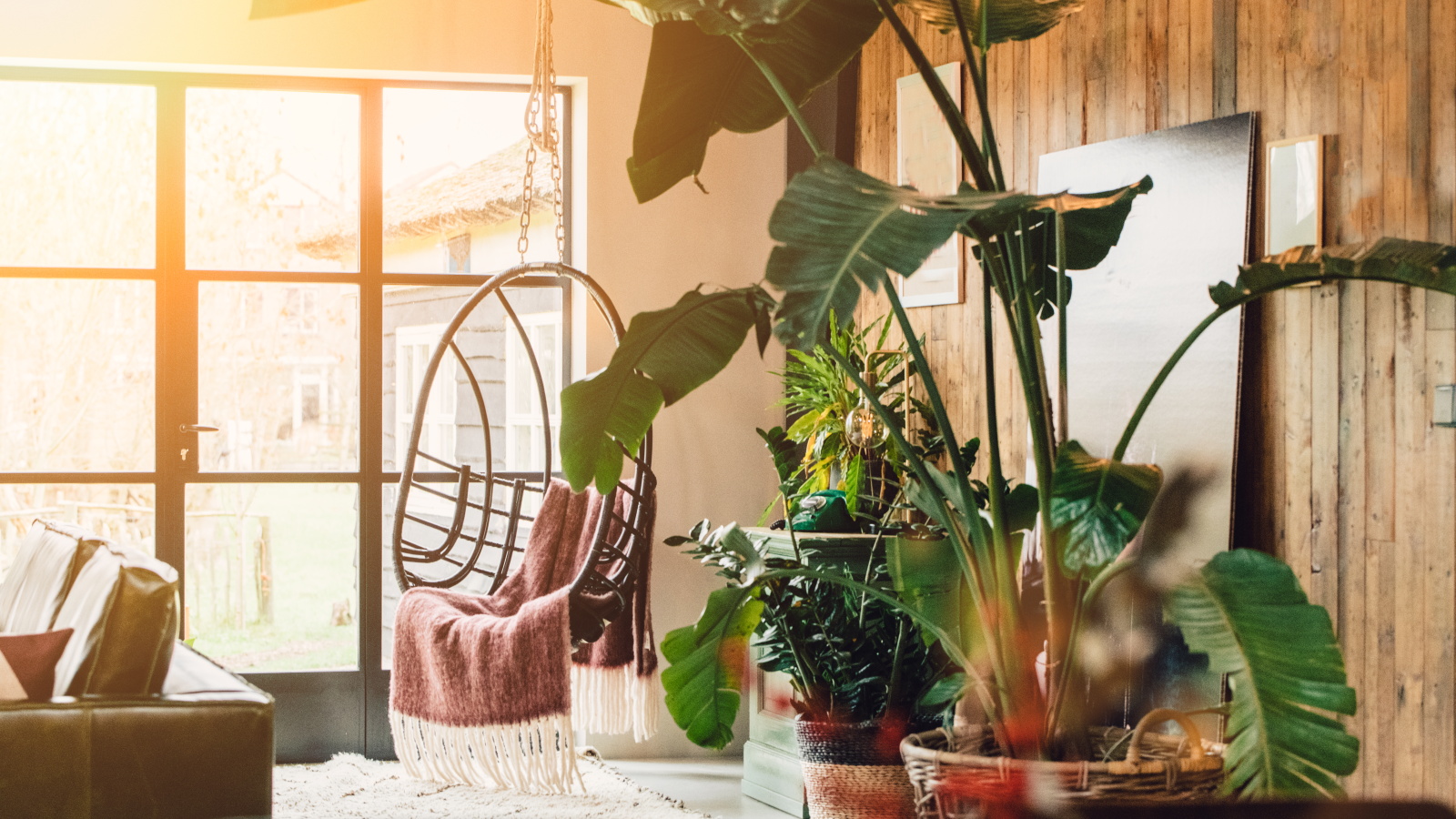
One common mistake is overcrowding a space with too many houseplants. While grouping plants can effectively increase humidity, an excessive number can lead to an overabundance of wood or fire energy, disrupting the home's balance. For instance, too many plants in a bedroom can over-activate the space, potentially causing sleep disturbances. Therefore, intentional placement rather than sheer quantity is advised to avoid blocking positive energy.
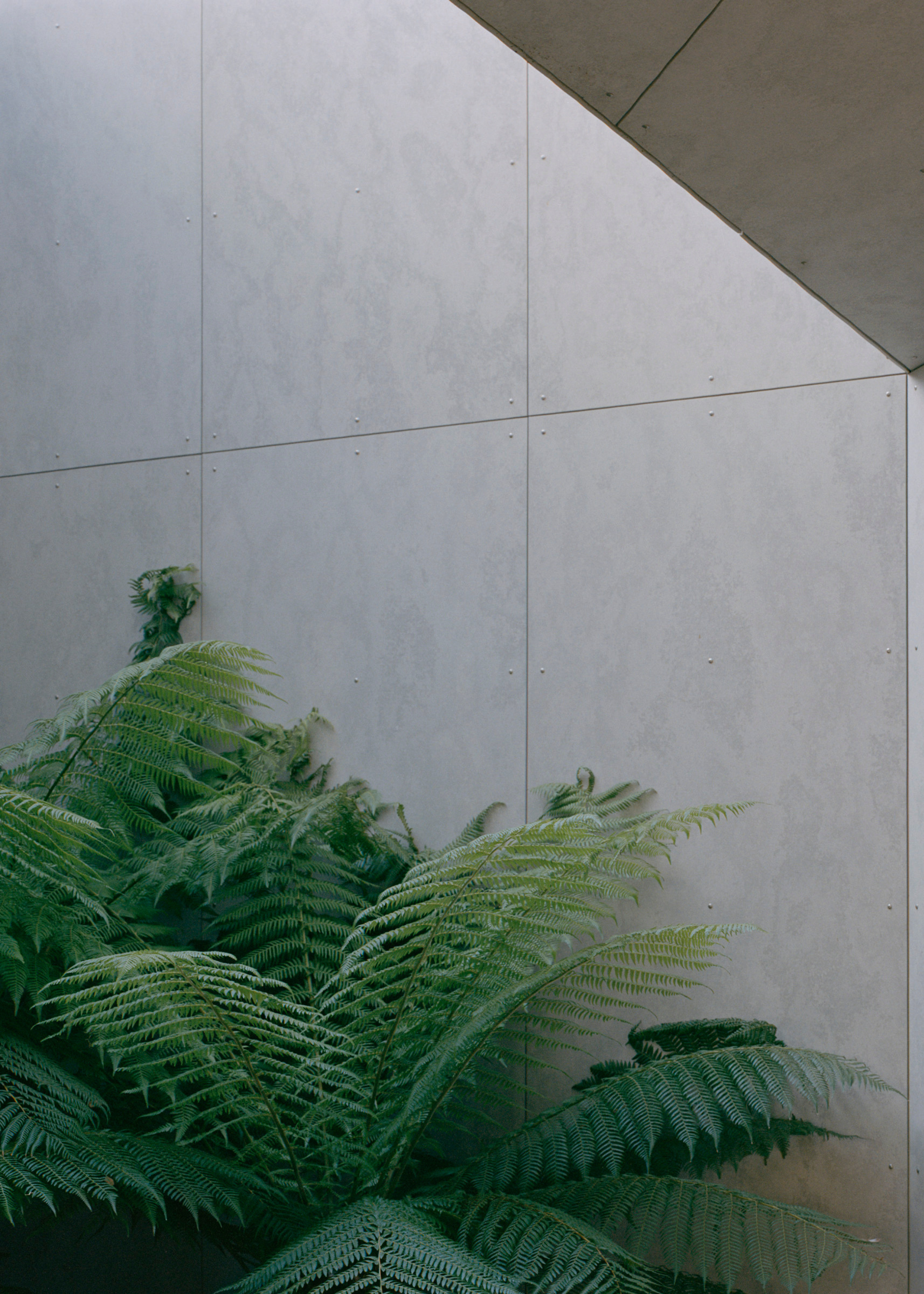
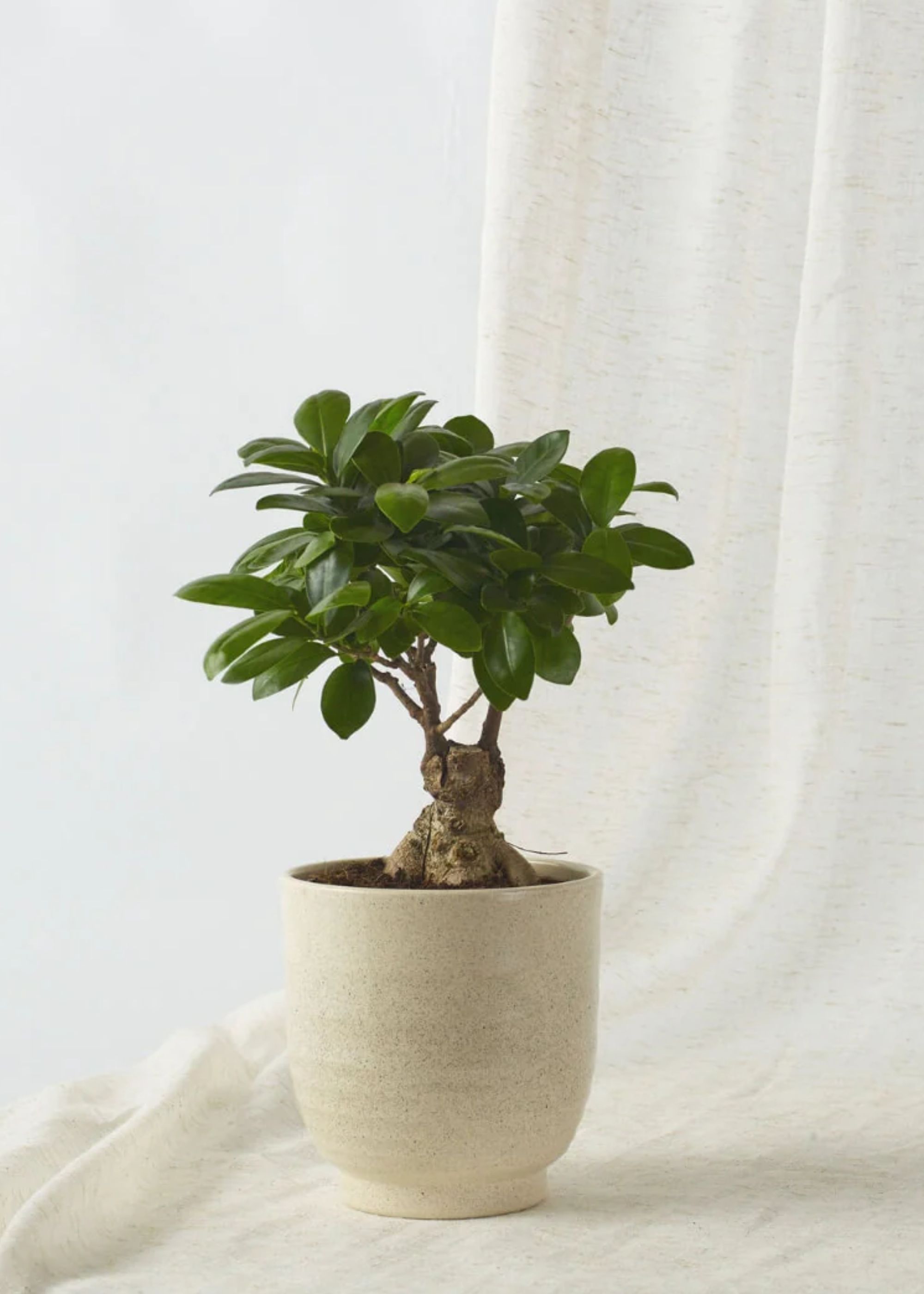
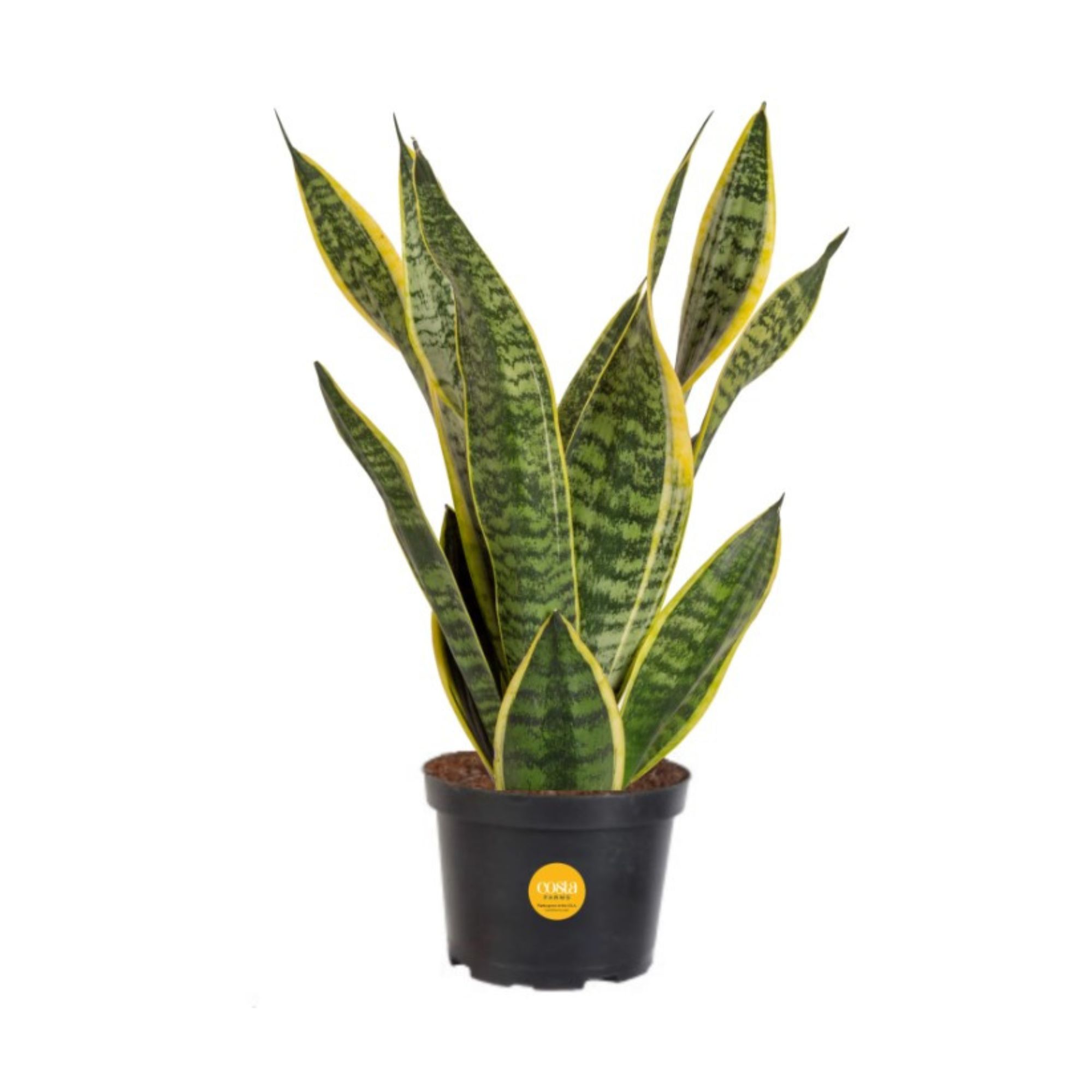
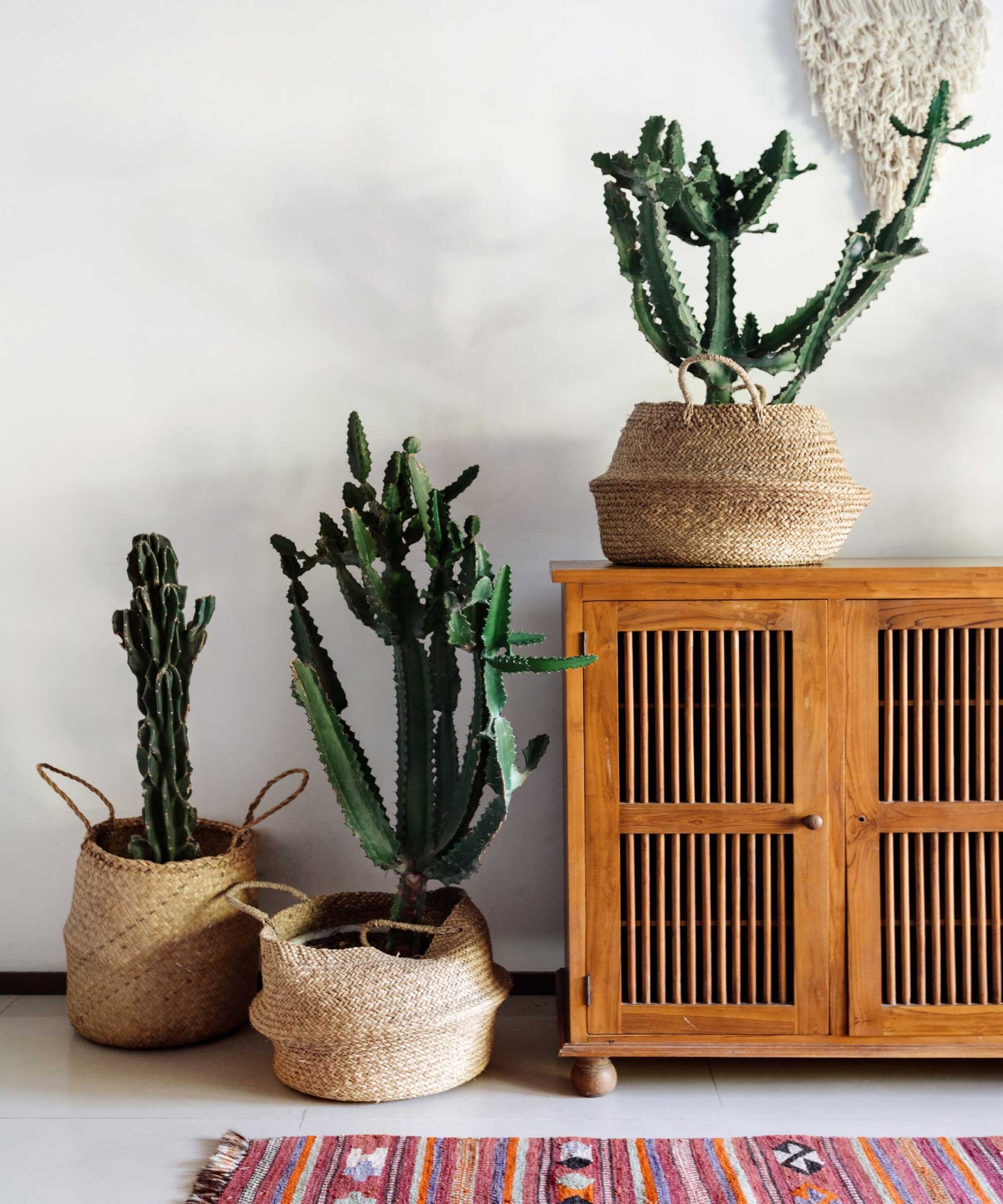
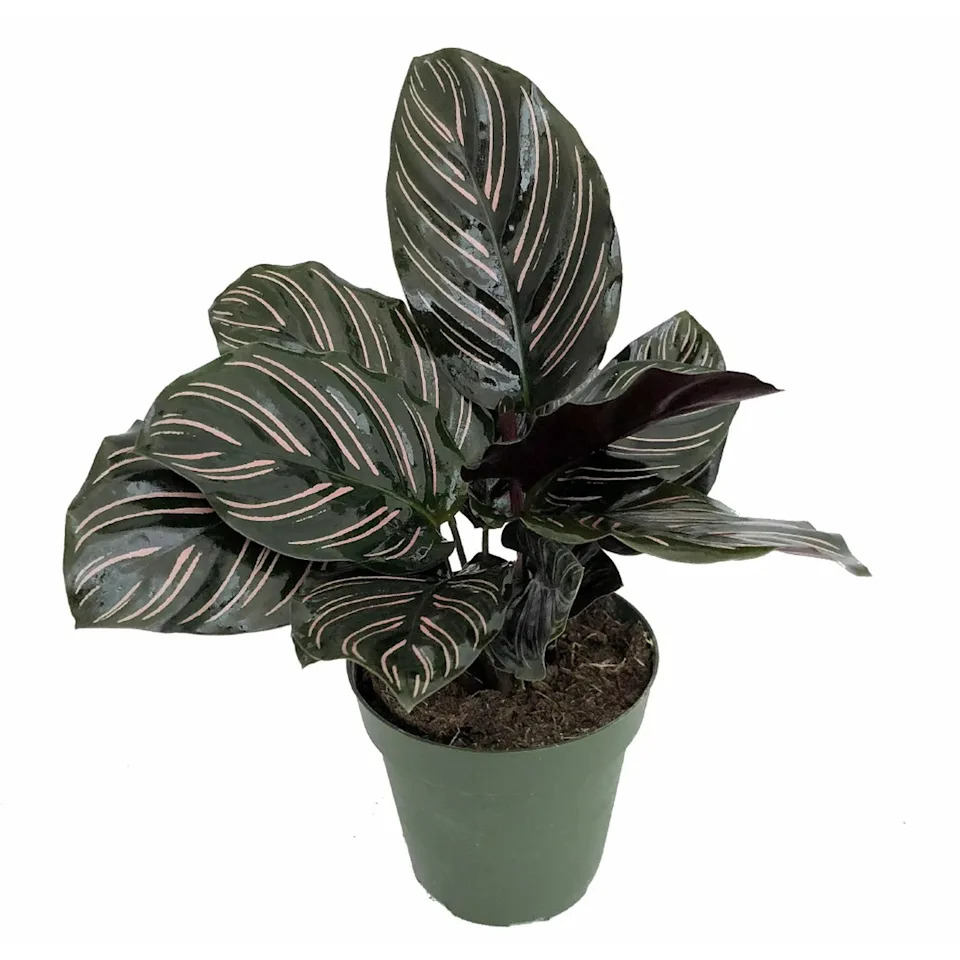
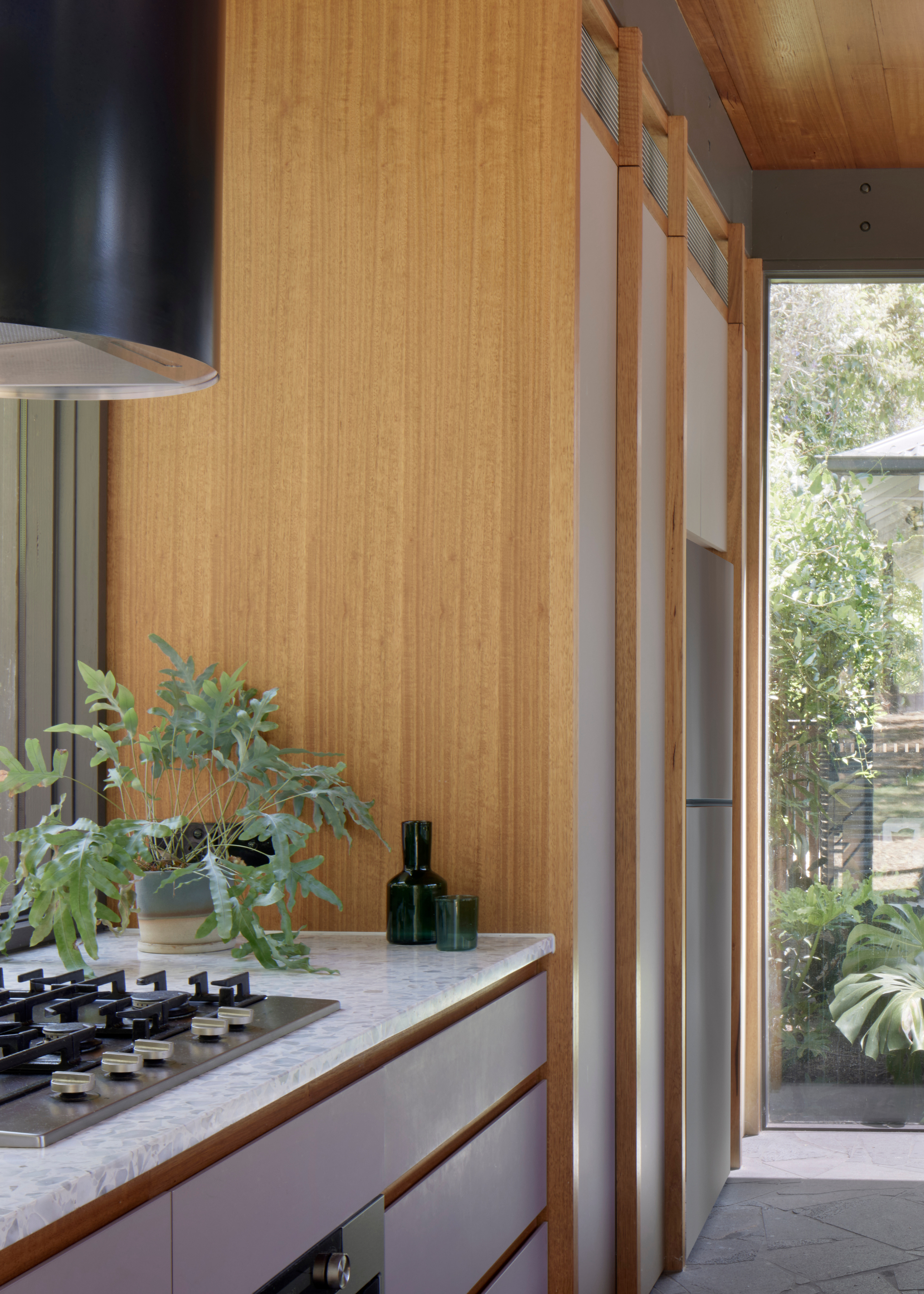
The shape of a plant's leaves is another important factor. Feng Shui principles recommend avoiding plants with sharp, sword-like, prickly, or thorny foliage, as these can introduce negative energy. Examples include snake plants, cacti, and some succulents. Such 'spiky' plants are believed to cut into the home's energy, potentially causing tension, irritability, and exhaustion among occupants. If a sharp-leaved plant like aloe vera is kept for practical use, it should be placed intentionally, avoiding areas like bedrooms. Plants with soft, rounded leaves are generally preferred for their welcoming and positive energy, including many ferns and certain indoor trees like money trees. It is also important to consider whether plants are toxic to pets and select pet-safe options to extend positive energy to all household members.
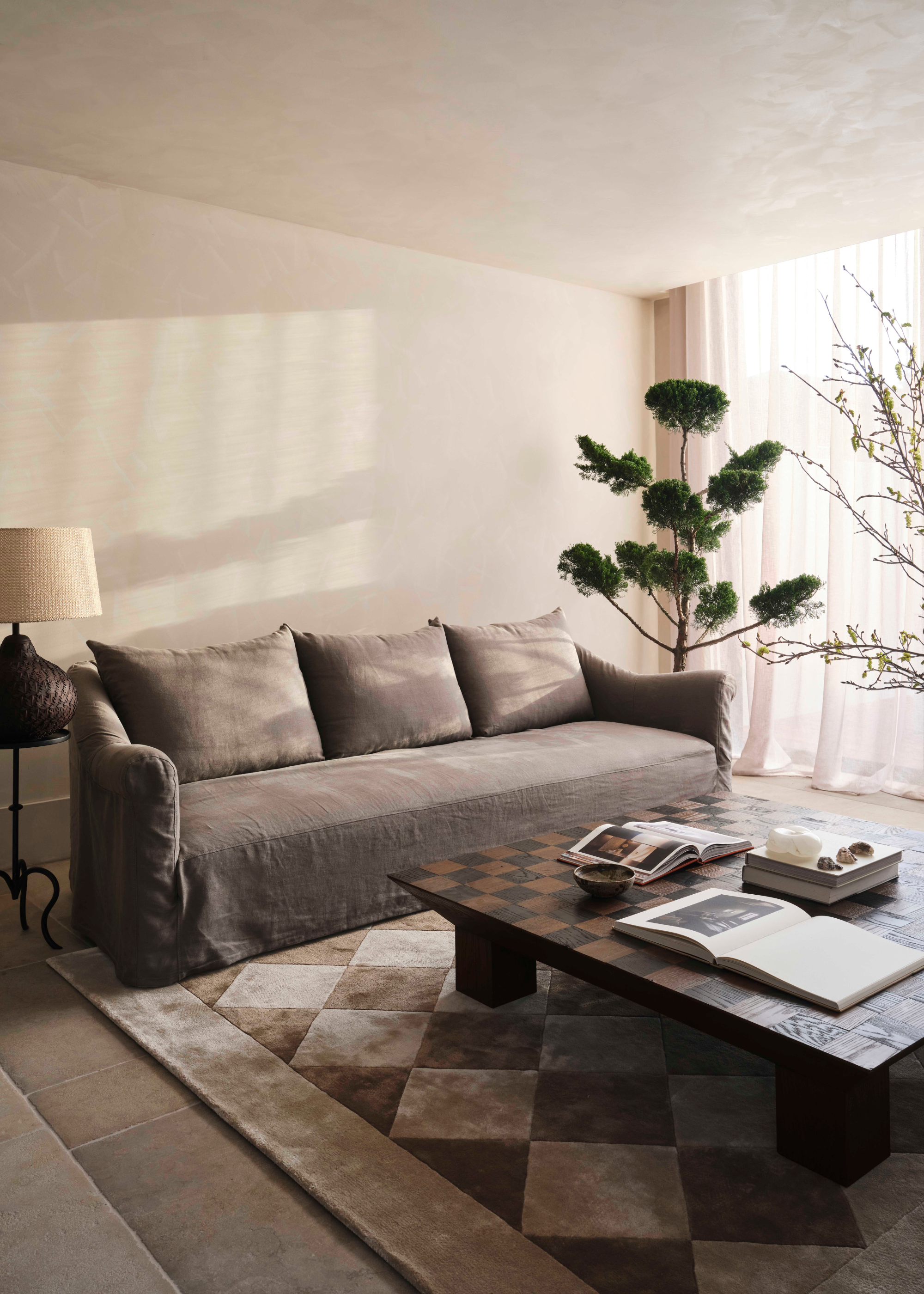
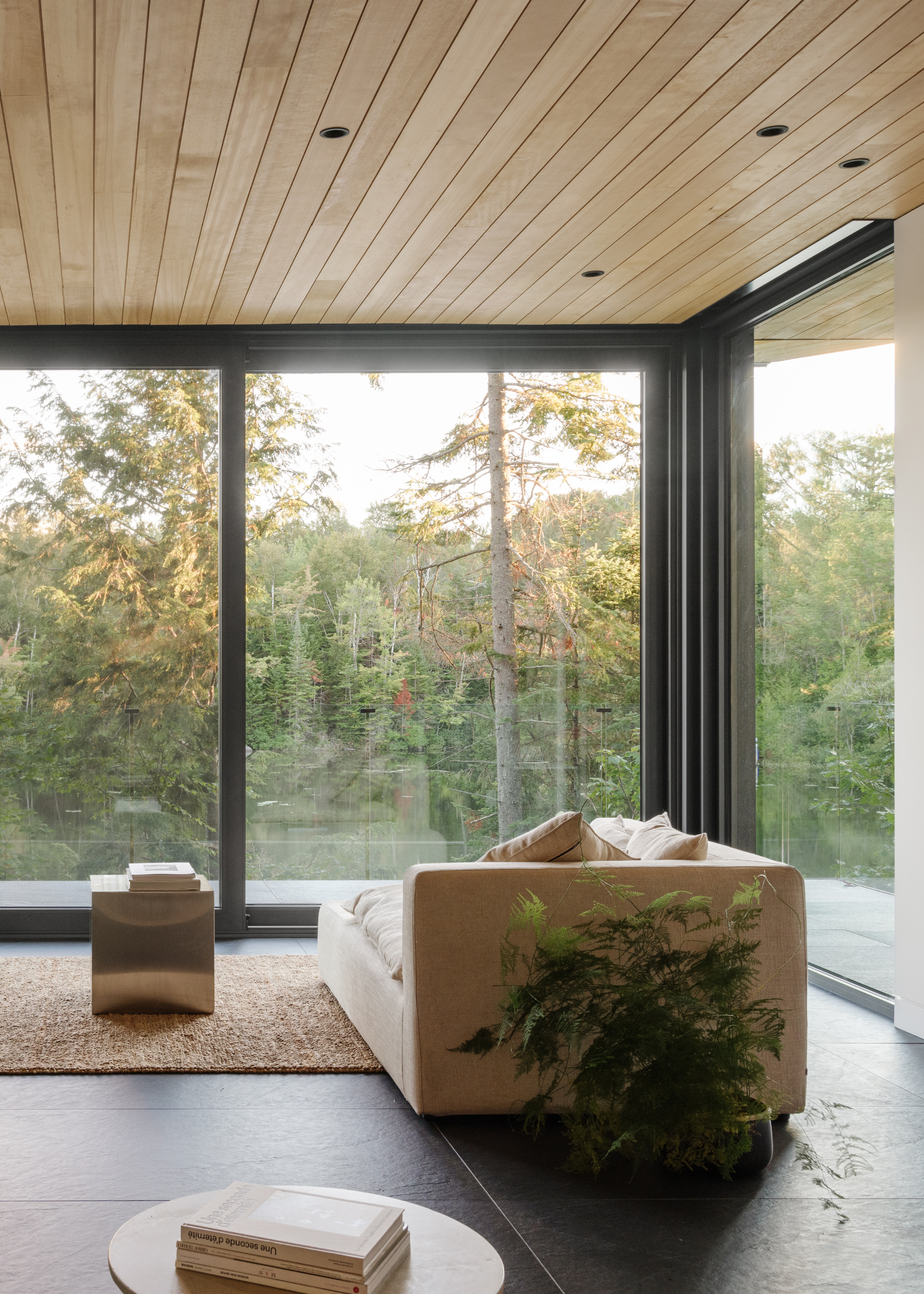
Matching plant size to the living space is essential. Placing overly large plants in rooms with low ceilings can create a sense of restriction, while tiny plants in vast open spaces might appear lost. The ideal approach involves selecting plants whose size complements the environment, and styling them to grow comfortably. Utilizing a variety of plant sizes can also contribute to a harmonious and aesthetically pleasing display.
Crucially, proper plant care is integral to maintaining positive Feng Shui. Neglected, sick, dying, or dead plants diminish the surrounding energy, negatively impacting the home and its inhabitants. Maintaining healthy soil, appropriate watering, and avoiding root-bound conditions are vital. A plant struggling to thrive indicates a need for intervention; if recovery is unlikely, removing it is advised to prevent negative energy. Tools such as soil moisture meters and grow lights can assist in proper plant maintenance, especially during darker seasons.
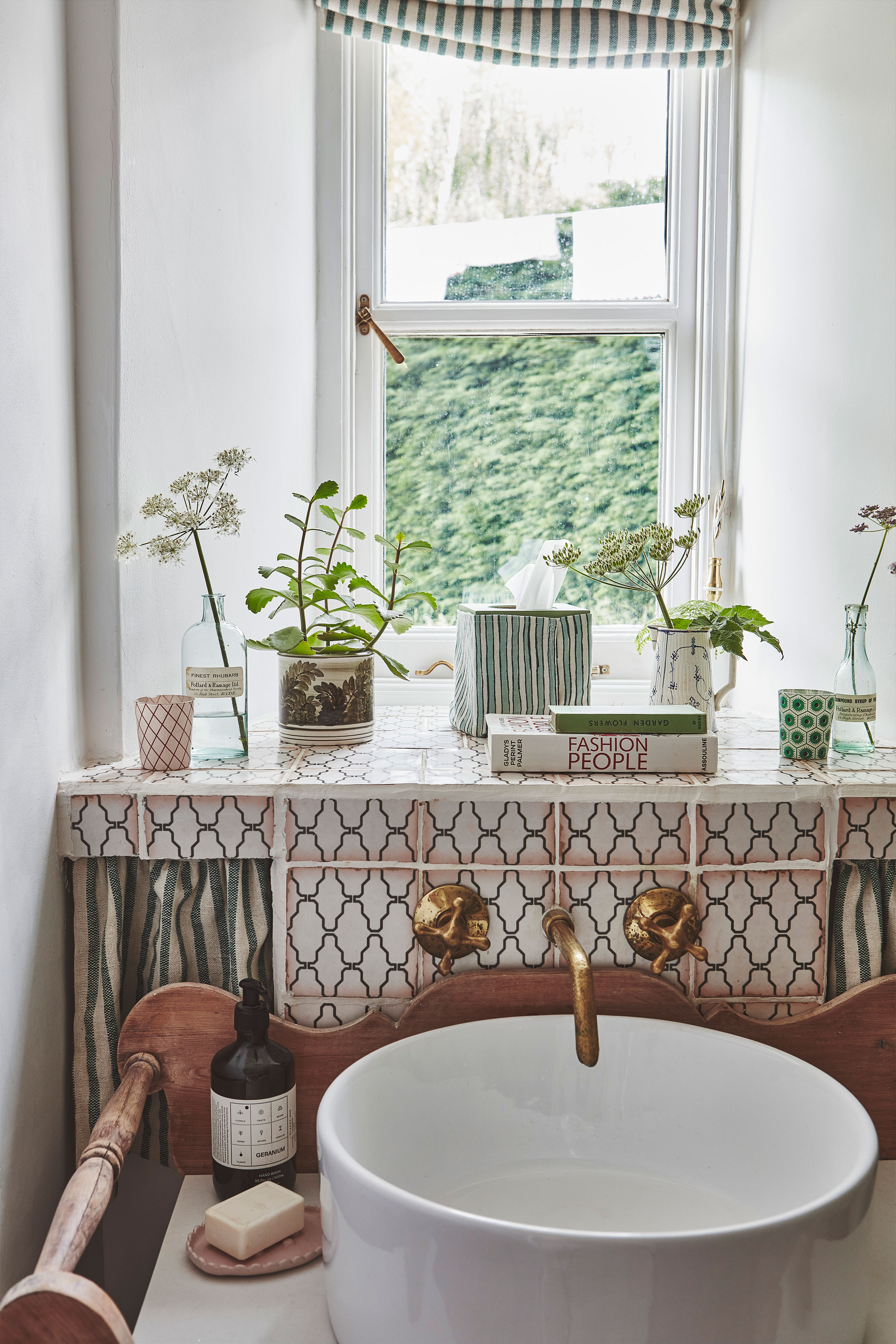
Finally, pairing incompatible plants can disrupt harmony. Different species have varying needs, and grouping plants with conflicting care requirements, such as a drought-loving succulent with a moisture-loving fern, can complicate watering routines, lead to declining plant health, and attract pests or diseases. Grouping plants with similar care needs simplifies maintenance and sustains positive energy. For large collections, a houseplant journal can help track fertilization and watering schedules. Overall, lucky Feng Shui plants typically feature soft, round foliage, and one's intuition about a plant's energy should also guide its presence in the home.
#FengShui #HouseplantCare #HomeDecor #IndoorPlants #PositiveEnergy #InteriorDesignTips #PlantPlacement #HomeHarmony #GardeningAdvice #FengShui #HouseplantCare #HomeDecor #IndoorPlants #PositiveEnergy #InteriorDesignTips #PlantPlacement #HomeHarmony #GardeningAdvice
0 comment in total
 No comments yet
You may also like
6 Feng Shui Houseplant Decorating Mistakes Practitioners Want to Warn You Against

Small entryway Feng Shui mistakes — 5 things the pros always avoid

Are Fake Plants Bad Feng Shui? Probably Not, but You Shouldn't Put Them in These Places
5 Backyard Staples You Should Never Splurge on, According to Designers


Feng Shui design mistakes to avoid – 5 things you may be getting wrong

5 entryway Feng Shui mistakes experts always notice as soon as they step foot into a home
This furniture layout is one of the biggest Feng Shui mistakes you can make in a bedroom - here's how to fix it

Give Your Wardrobe an Energy Glow-Up by Ditching These 5 Feng Shui Closet Mistakes Now (And Forevermore)
5 Feng Shui living room mistakes you're making – and how the experts avoid them
14 Best Plants for Boosting Your Home's Feng Shui, According to Experts

6 Mistakes With Your Kitchen Stove's Feng Shui to Avoid

5 Things You Should Never Put Above Your Bed — Especially If You Want Good Feng Shui in Your Home
6 Things You Should Never Put in Your Home if You Want Positive Feng Shui
Feng Shui consultants say these are the unluckiest items to have in your home
7 Interior Trends That Experts Say Are Bad Feng Shui — Stay Clear of These If You Want Good Vibes at Home
7 'bad energy culprits' Feng Shui experts warn never to store in your home – and what to do instead
4 Houseplants to Never Put in an Entryway, or Else They'll Throw Off Your Home's Feng Shui Balance
Feng Shui consultants say these are the unluckiest items to have in your home
3 common lighting mistakes you are making, according to Feng Shui experts

Feng Shui Tips for Every Room in Your Home