1/5
4 Houseplants to Never Put in an Entryway, or Else They'll Throw Off Your Home's Feng Shui Balance
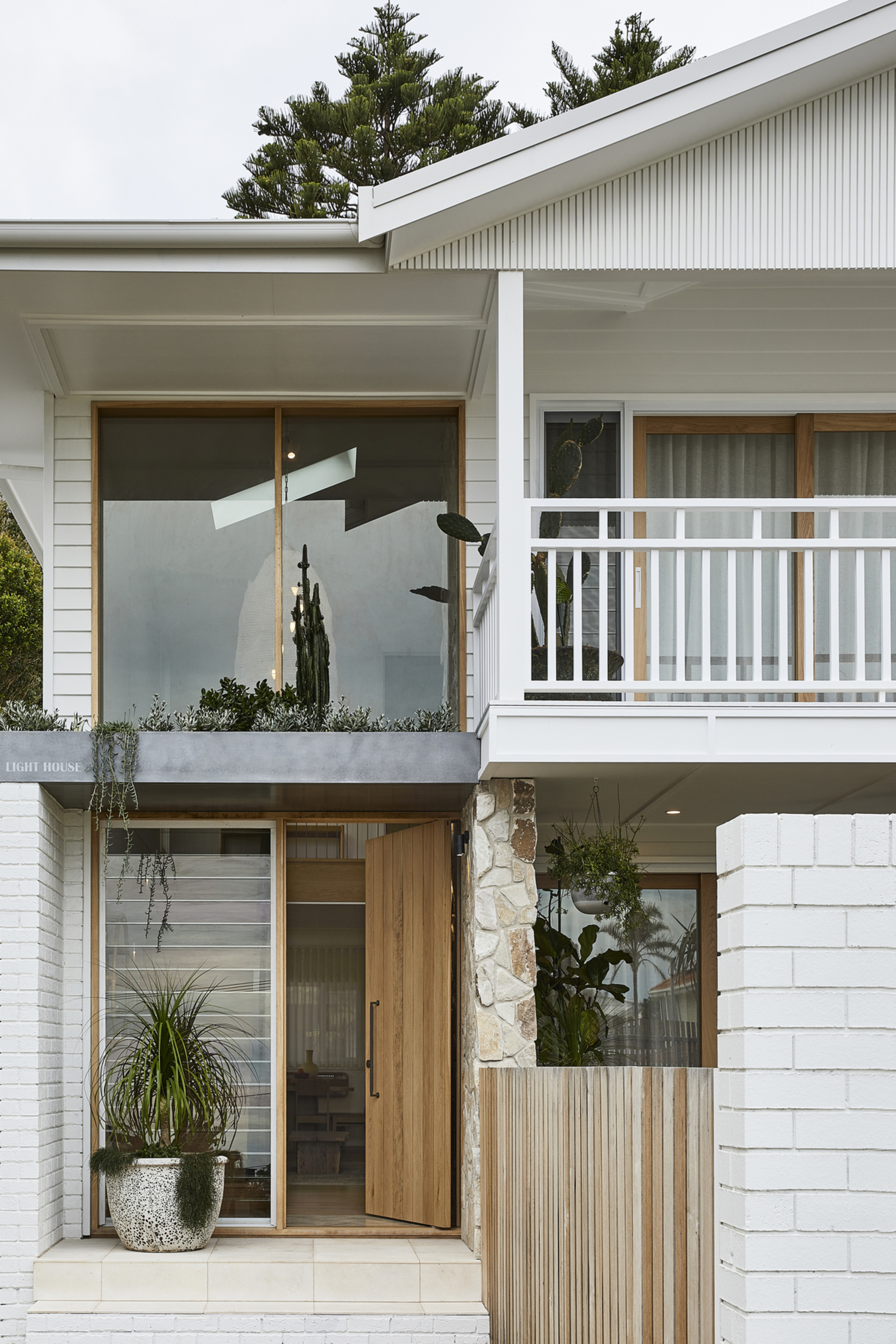
The entryway of a home is considered a crucial area in Feng Shui, acting as the 'mouth of chi' where fresh energy enters and circulates. The types of plants chosen for this space significantly influence the energy flow, potentially leading to harmony or disruption. While plants generally bring life-attracting abundance, not all are suitable for an entryway. Certain plants can introduce harsh energy, obstruct positive chi, or hinder good fortune.
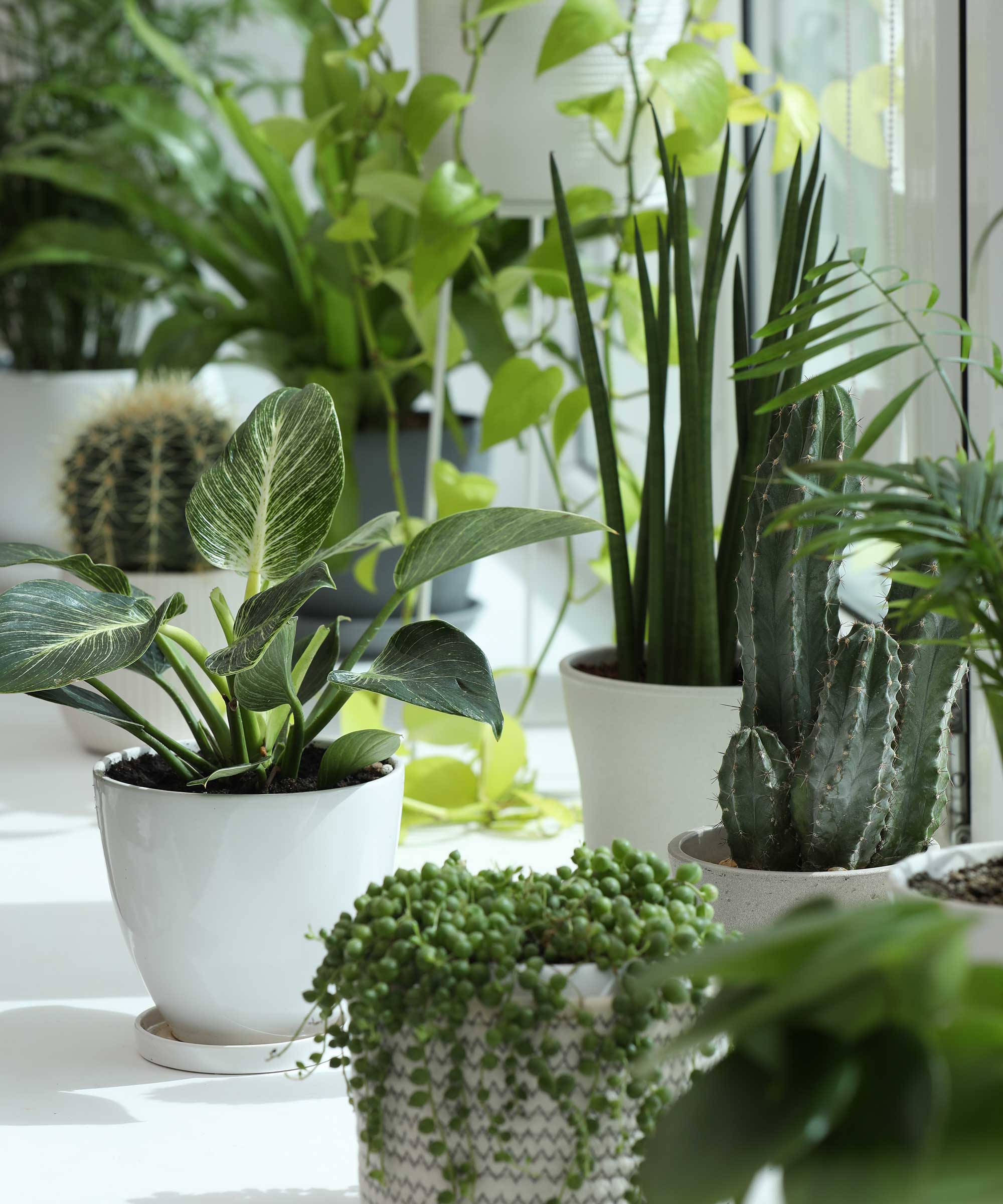
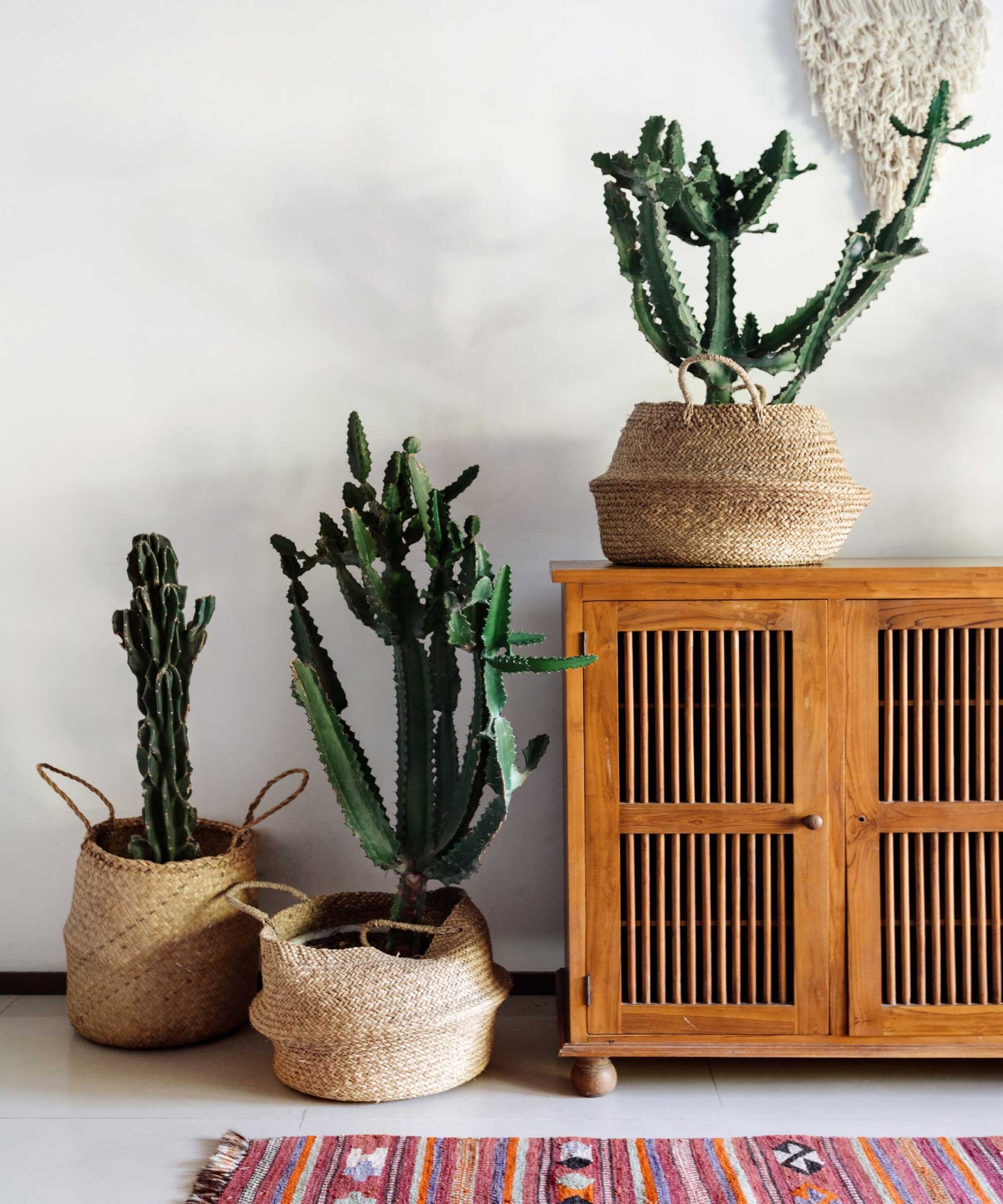
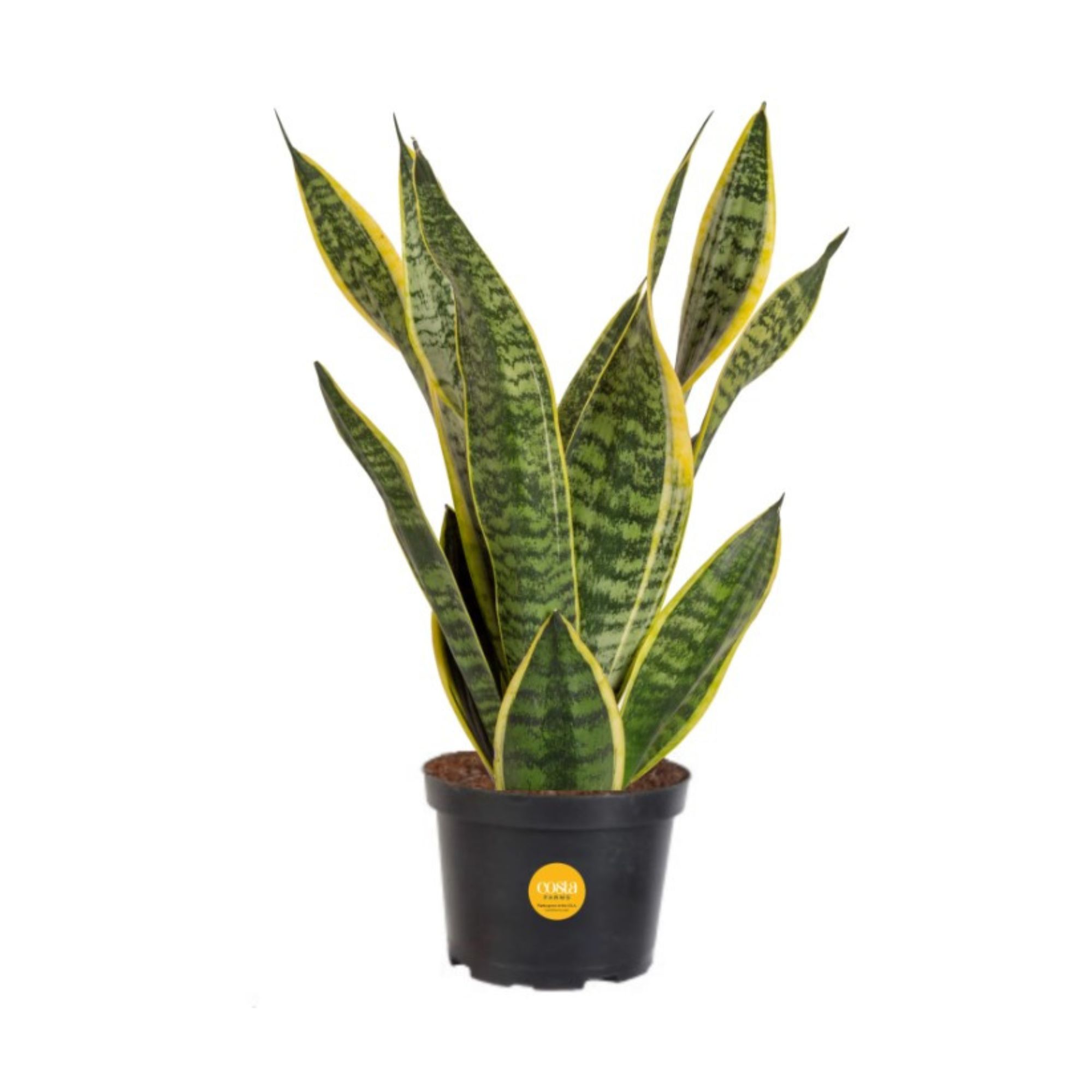
Cacti and other spiky plants are not recommended for entryways due to their sharp leaves, which emit 'sha chi' or 'cutting energy'. This aggressive energy can make the entryway feel unwelcoming, potentially deterring guests and good fortune. Feng Shui expert Marie Diamond notes that cacti can symbolize defense, isolation, and desolation due to their association with arid environments, possibly leading to financial stagnation or social difficulties. For those who appreciate cacti, it is advised to place them in a backyard or office where they can offer protection without negatively impacting the home's entrance energy.
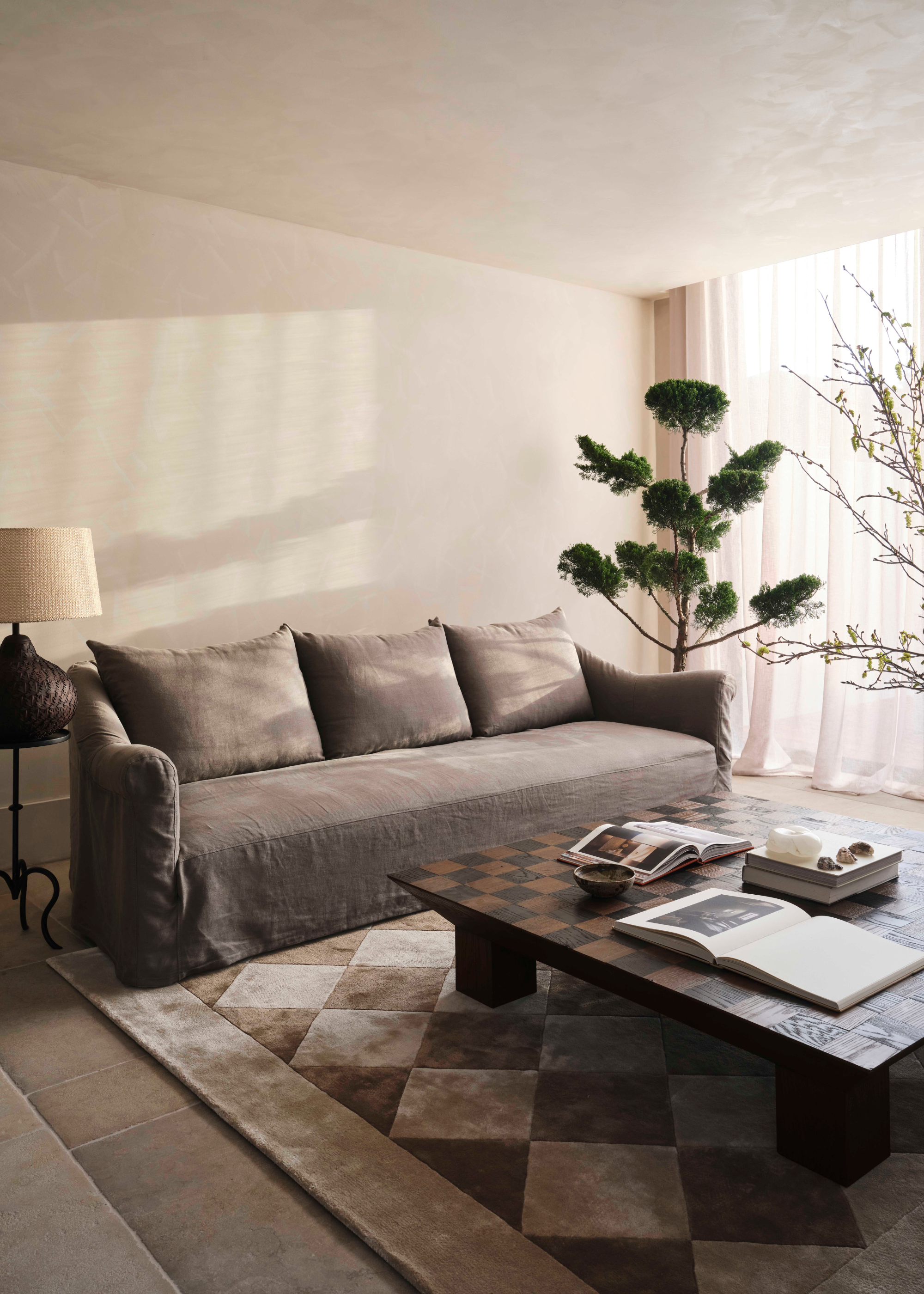
Bonsai trees, despite their aesthetic appeal, symbolize limited growth and constrained energy. Placing them in an entryway might unconsciously restrict career opportunities, financial growth, or personal development, according to Marie Diamond. As bonsai trees are intentionally kept small, they do not embody flourishing energy, making them an unsuitable choice for an entryway. If a bonsai tree is already present in an entryway, relocating it to a home office or wellness room is suggested, where its energy can instead promote focus and patience.
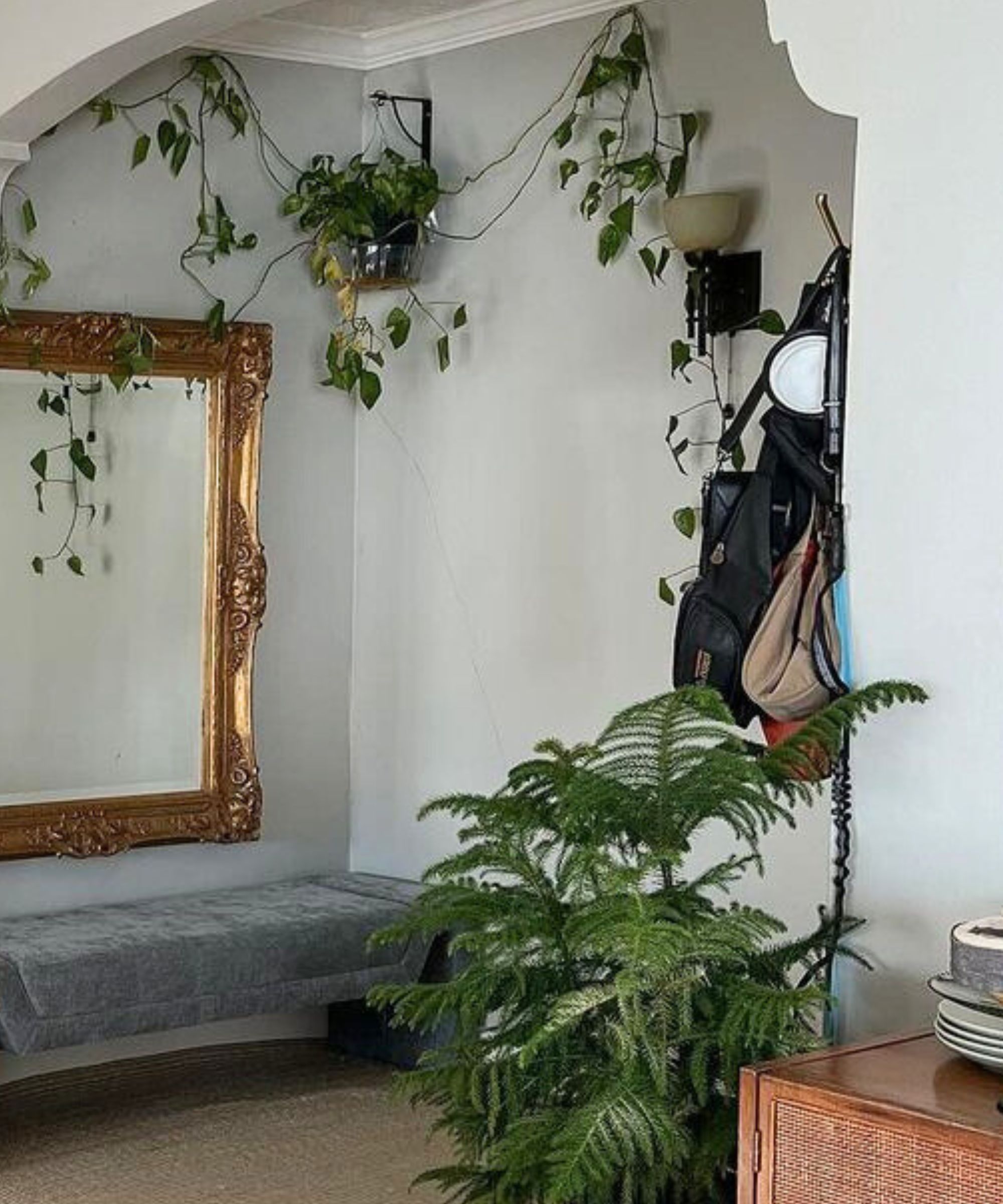
Climbing ivy and other trailing vines are also considered problematic for entryways. These plants tend to grow wild and tangled, which can attract chaos and disorder into the home. If vines obstruct the doorway, it can create a subconscious physical barrier for guests and give the impression of a poorly maintained home. It is recommended to keep ivy in backyards or on patios where it can offer a romantic or rustic charm without overwhelming the entryway. Other trailing houseplants, such as pothos, can be moved to living rooms or other auspicious spaces.
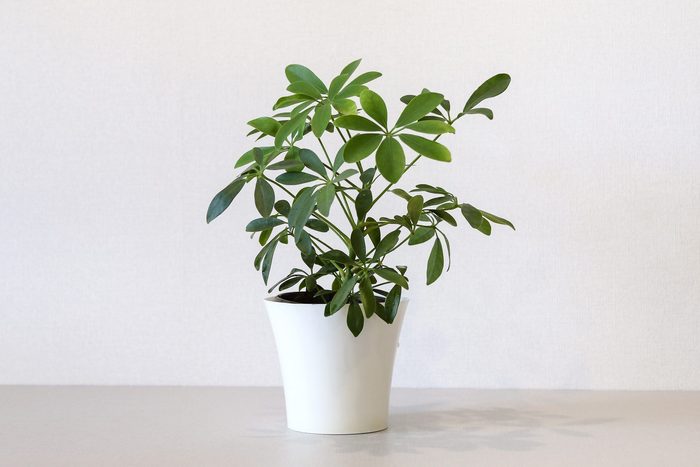
Weeping figs are another plant to avoid in entryways because they are notorious for constantly shedding leaves. In Feng Shui, this shedding symbolizes instability and inconsistency, which can represent financial struggles or frequent disruptions within the household. Weeping figs are also sensitive to changes in light and humidity, making them challenging to maintain in an entryway where light conditions can be limited. If a weeping fig is part of an indoor garden, it is suggested to move it to an office or living room where it can be cared for without negatively affecting the home's entrance energy.
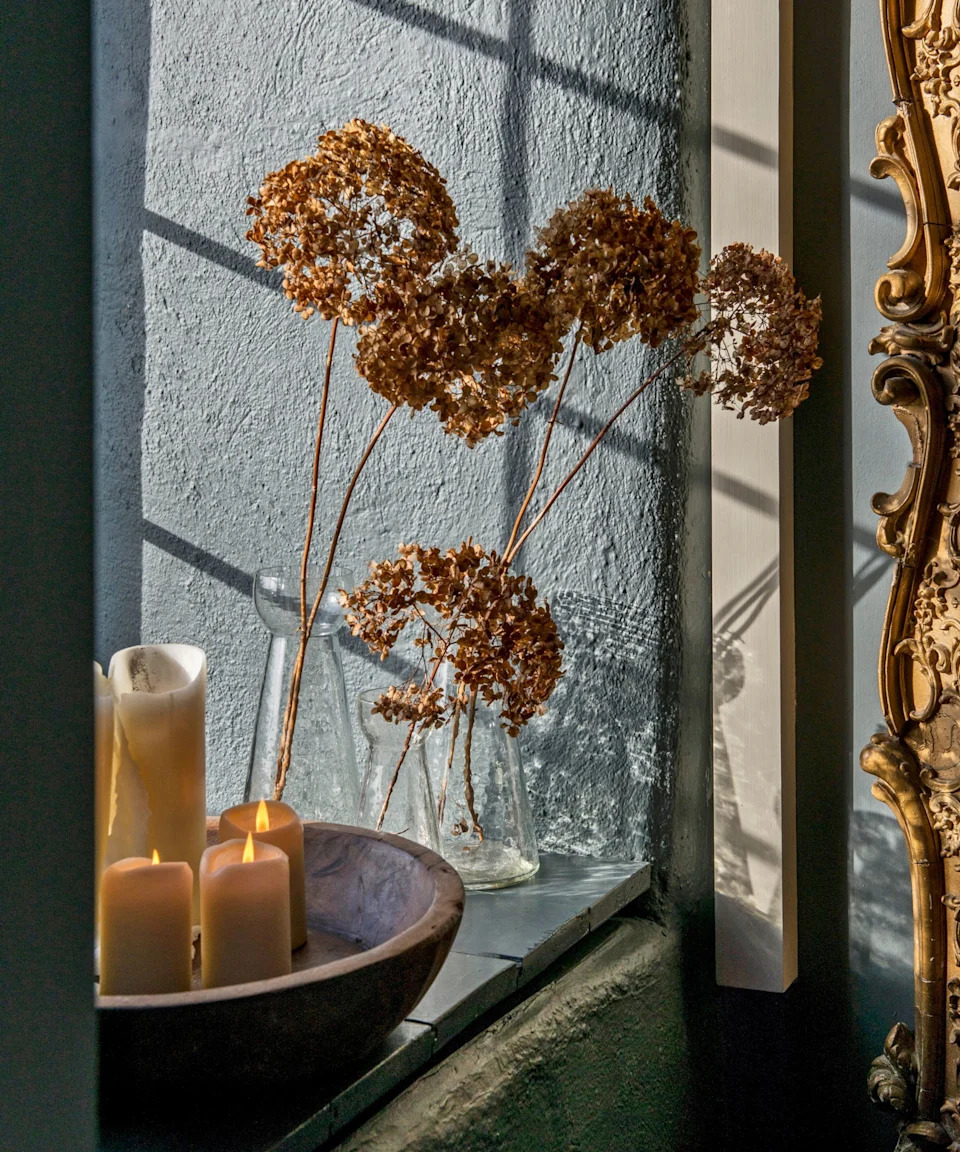
Instead of these plants, soft, round-leafed plants are generally recommended for entryways to promote harmonious energy. Examples include money plants, jade plants, and peace lilies. These plants are believed to attract positive chi and good fortune. Furthermore, it is important to avoid housing large, overgrown trees or bushes directly in front of the home's entrance, as they can block the free flow of chi, potentially leading to missed opportunities or career stagnation. Additionally, drying or dead plants should be avoided in entryways, as they create an association with decay and bad luck, failing to make a good impression on visitors or potential buyers. Maintaining a consistent houseplant care schedule is essential for all entryway plants to ensure they remain vibrant and healthy.
#FengShui #EntrywayPlants #HomeDecor #HouseplantCare #InteriorDesign #EnergyFlow #Cacti #BonsaiTrees #WeepingFigs #FengShui #EntrywayPlants #HomeDecor #HouseplantCare #InteriorDesign #EnergyFlow #Cacti #BonsaiTrees #WeepingFigs
0 comment in total
 No comments yet
You may also like
5 Feng Shui houseplant mistakes to avoid for good fortune

Feng Shui consultants say these are the unluckiest items to have in your home

7 Interior Trends That Experts Say Are Bad Feng Shui — Stay Clear of These If You Want Good Vibes at Home
The one room in your home you shouldn’t keep plants
6 Feng Shui Houseplant Decorating Mistakes Practitioners Want to Warn You Against
Small entryway Feng Shui mistakes — 5 things the pros always avoid

12 Toxic Flowers to Avoid in Your Garden

Don't make these 5 entryway decor mistakes

5 entryway Feng Shui mistakes experts always notice as soon as they step foot into a home
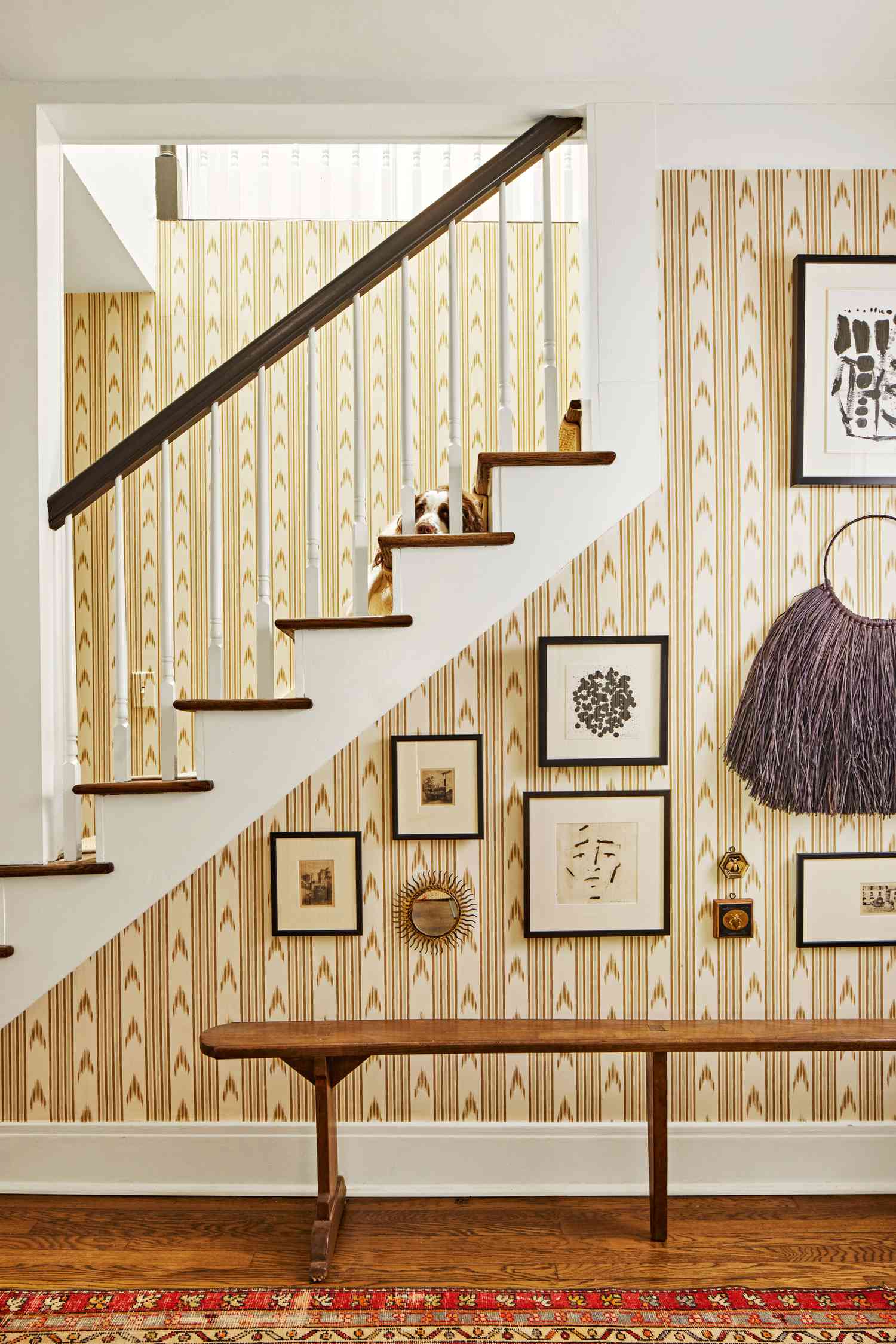
4 Things To Keep Out Of Your Entryway, According To Designers
7 'bad energy culprits' Feng Shui experts warn never to store in your home – and what to do instead
Feng Shui design mistakes to avoid – 5 things you may be getting wrong
6 Things You Should Never Put in Your Home if You Want Positive Feng Shui

Are Fake Plants Bad Feng Shui? Probably Not, but You Shouldn't Put Them in These Places
6 things to never put in an entryway, according to interior designers
10 Must-Have Indoor Plants To Liven Up Your Entryway

Feng Shui consultants say these are the unluckiest items to have in your home
5 entryway Feng Shui rules that will make you re-consider how you layout your home's entrance

5 Things You Should Never Put Above Your Bed — Especially If You Want Good Feng Shui in Your Home
14 Best Plants for Boosting Your Home's Feng Shui, According to Experts