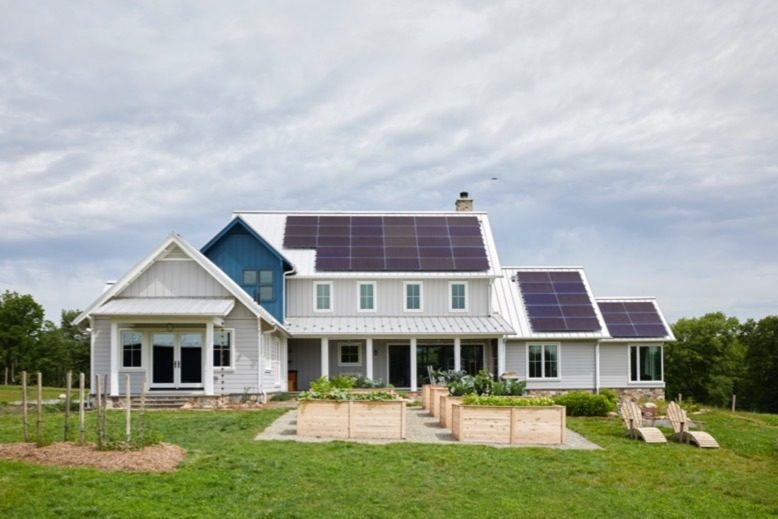
How This Hunterdon County Couple Created a Super-Sustainable Home
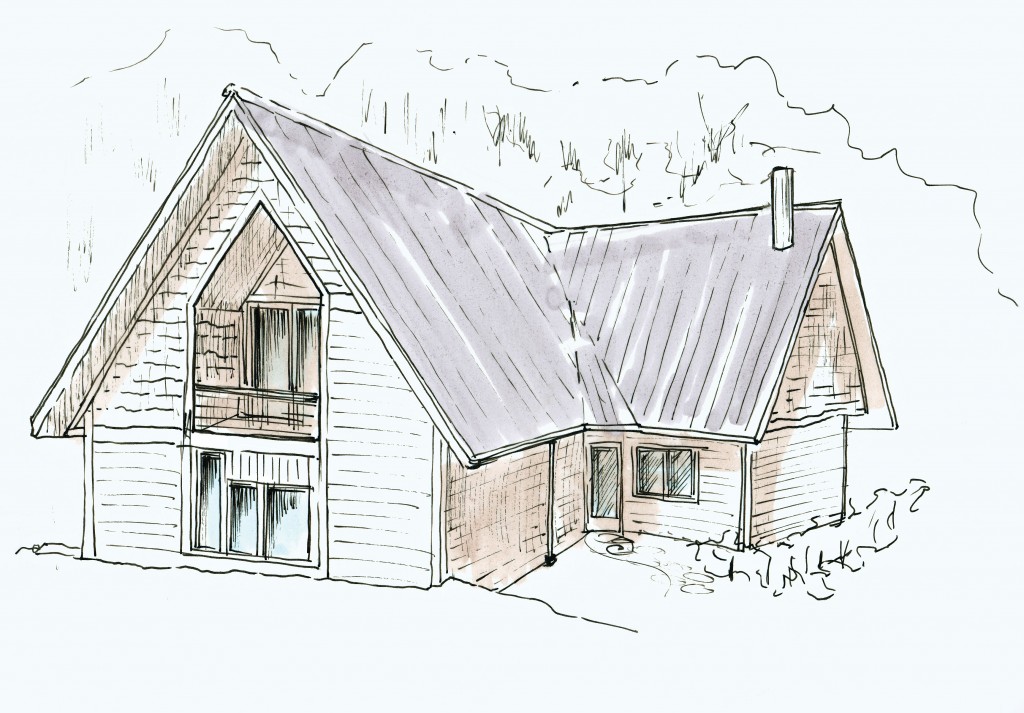
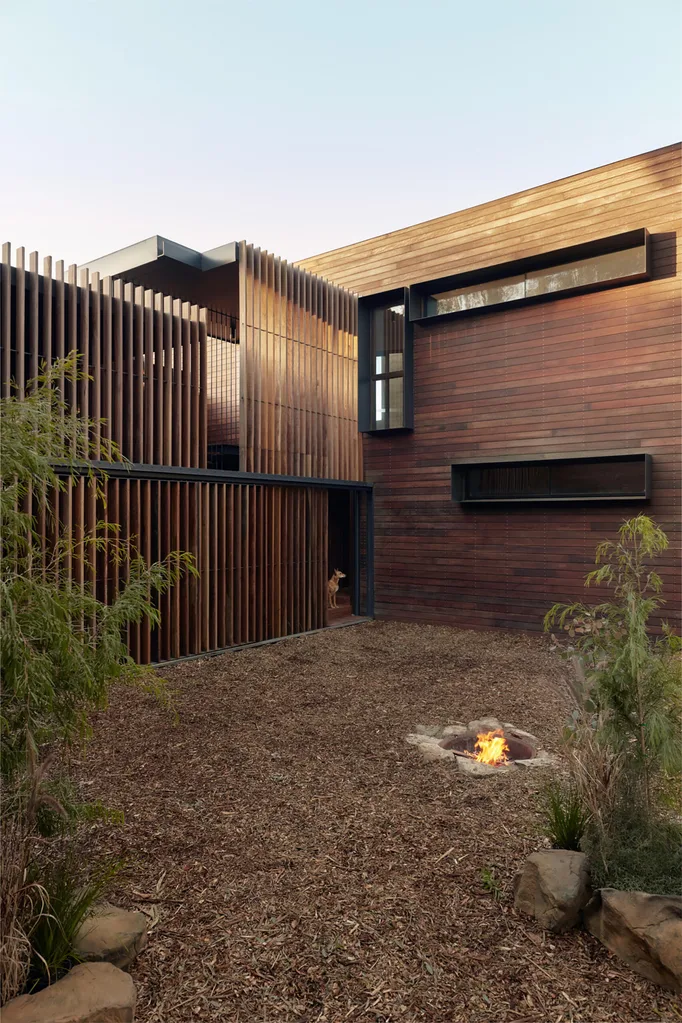
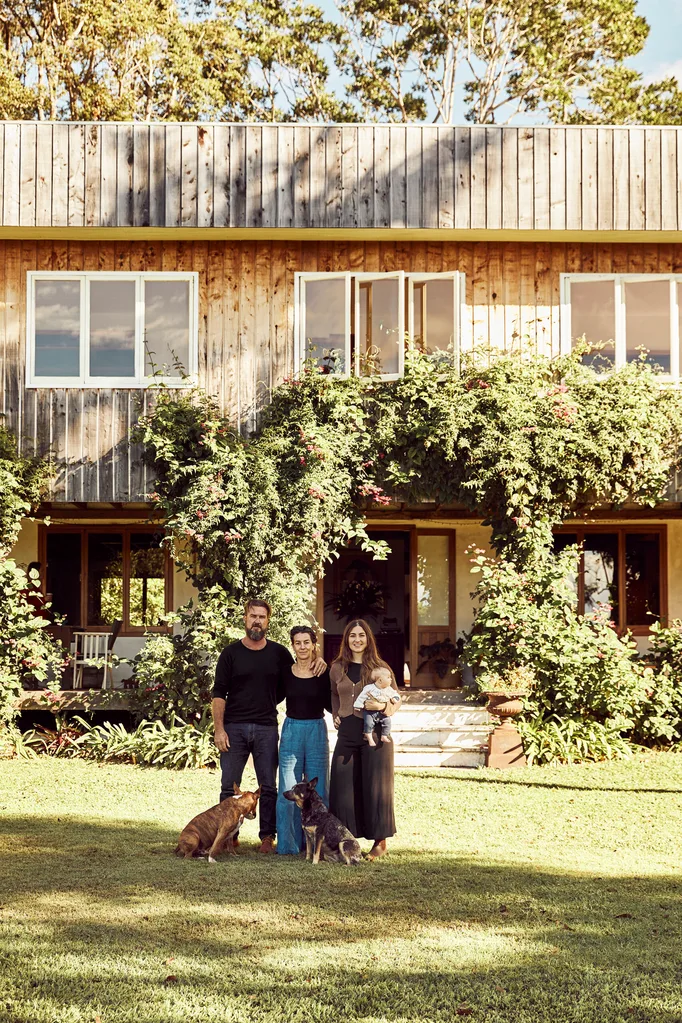
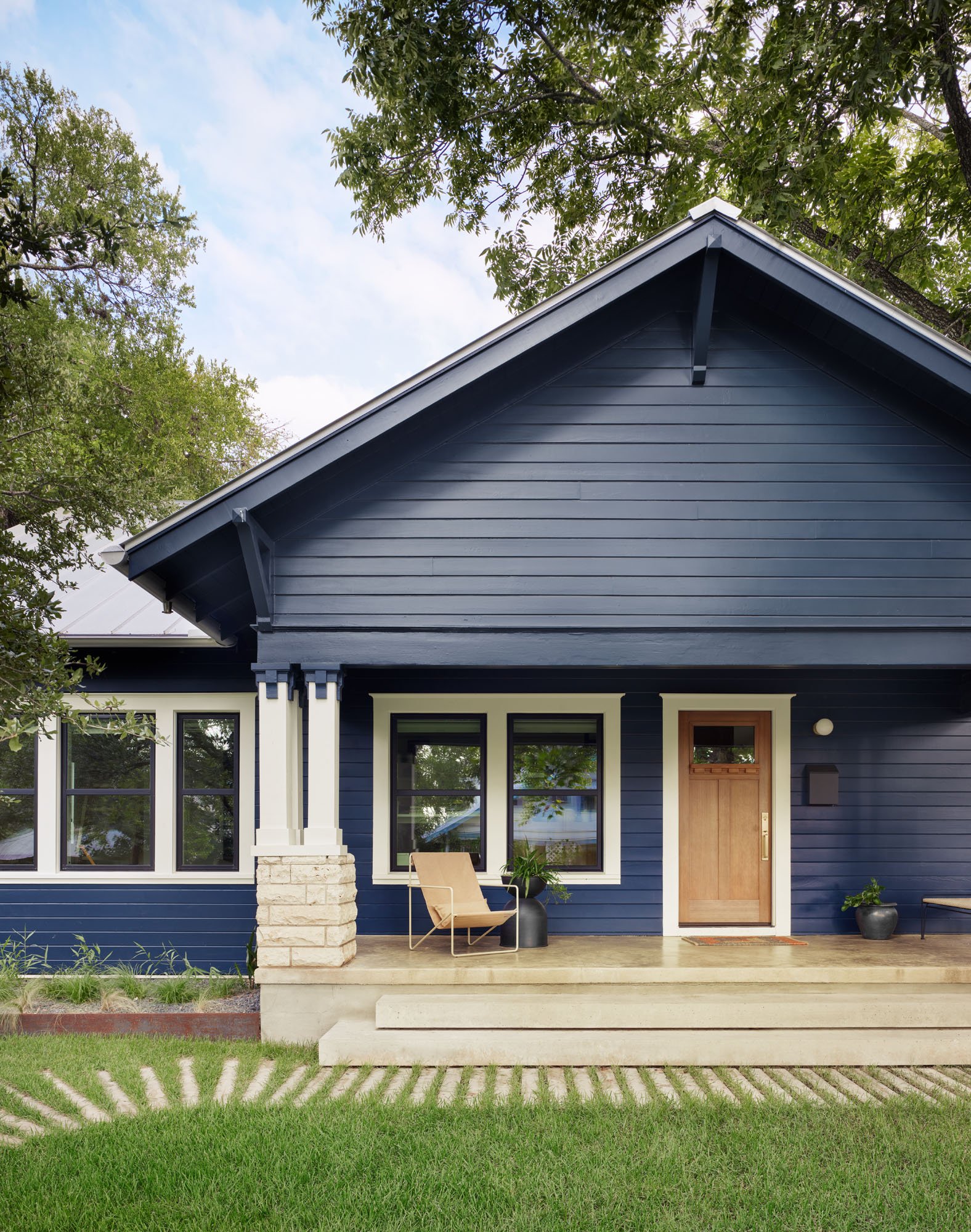
Deborah and Jason DeSalvo, a couple from Montclair, embarked on a multiyear project to construct an energy-efficient, environmentally friendly home in Hunterdon County. Their primary goal was to create a residence with a minimal carbon footprint, integrated holistically into its natural surroundings. They acquired 43 acres of farmland and, with a strong commitment to sustainable living, began an extensive research phase to determine the best building practices and materials. Their vision was a traditional-looking farmhouse that covertly incorporated advanced ecological features.
The DeSalvos collaborated with architect Bill Kaufman of WESKetch Architecture and Construction. Their detailed list of requirements included generating their own energy through solar panels and a geothermal heating/cooling system. They insisted on locally sourced materials, preferably from the United States and manufactured close to their home, to reduce transportation impact. Furthermore, they demanded a toxic-free environment, specifying all-electric, EPA-rated appliances and avoiding gas or propane. Jason DeSalvo emphasized his unwillingness to compromise on these stringent environmental criteria throughout the design and construction process.
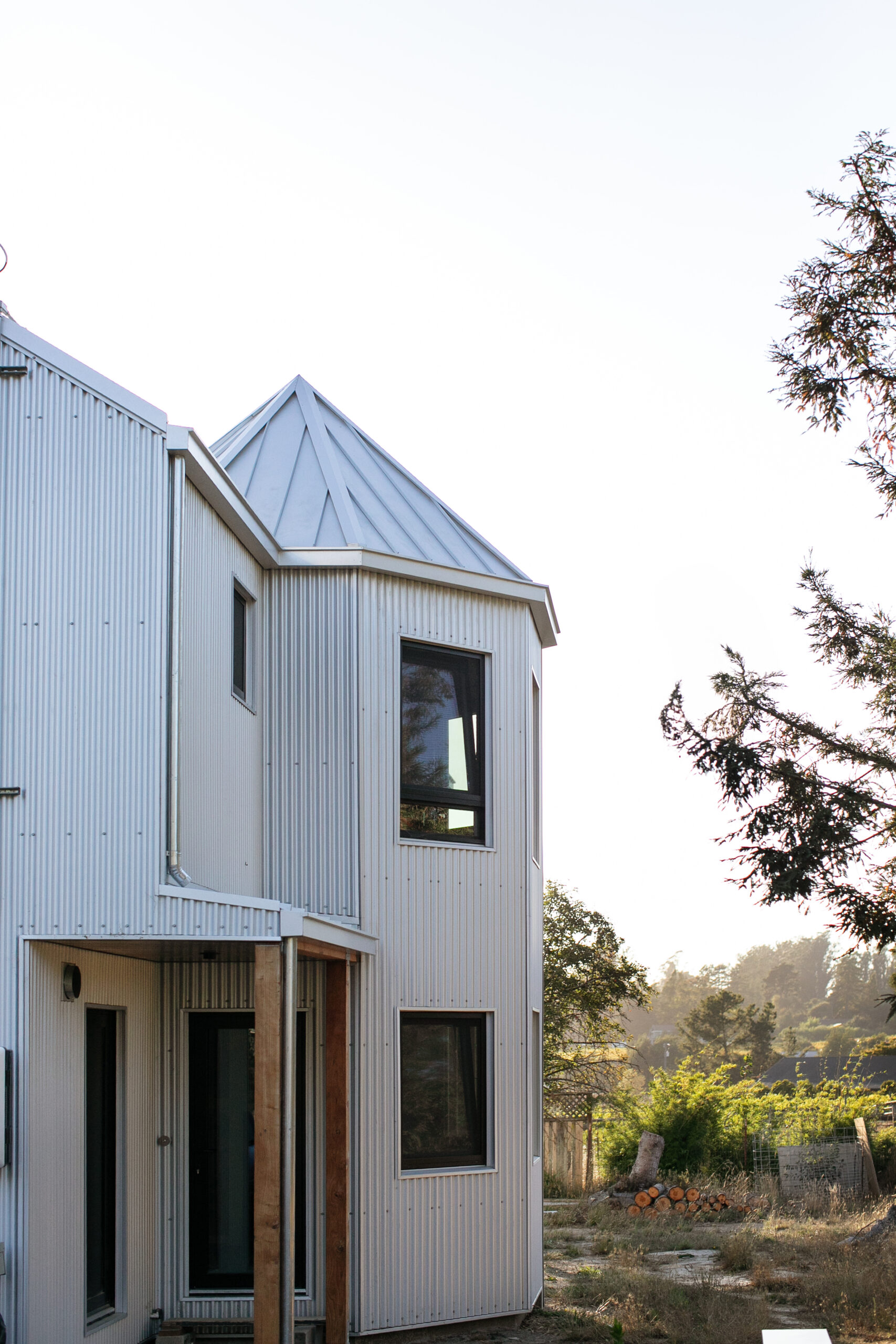
Kaufman embraced the challenge, applying the 'small-house architectural theory'—not necessarily meaning small in size, but rather small in environmental footprint. Although their house is 4,000 square feet, the design prioritizes efficient space utilization, ensuring every room serves a daily purpose. The layout also incorporates features for aging in place, such as first-floor living and accessibility without barriers. Kaufman described the final design as having outward simplicity but inward complexity, resulting in an attractive, livable home where the sustainable elements are largely undetectable to occupants.
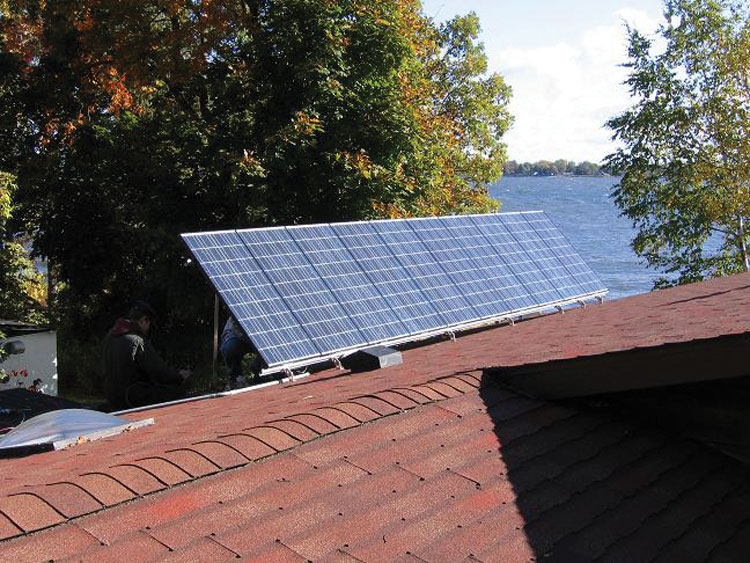
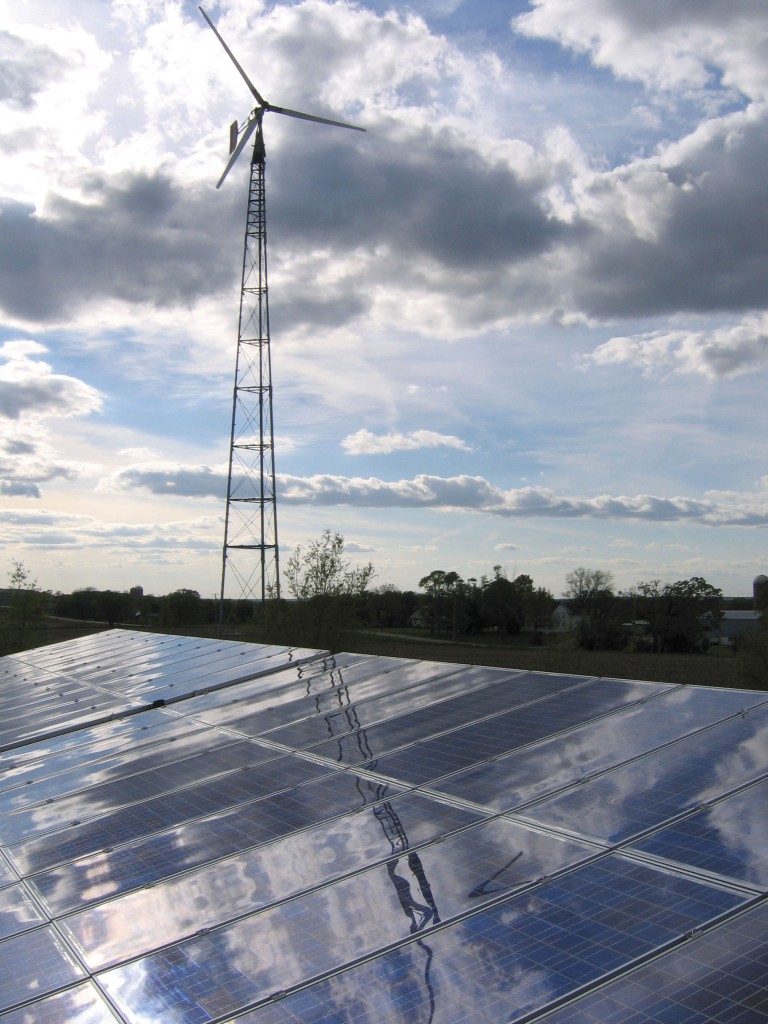
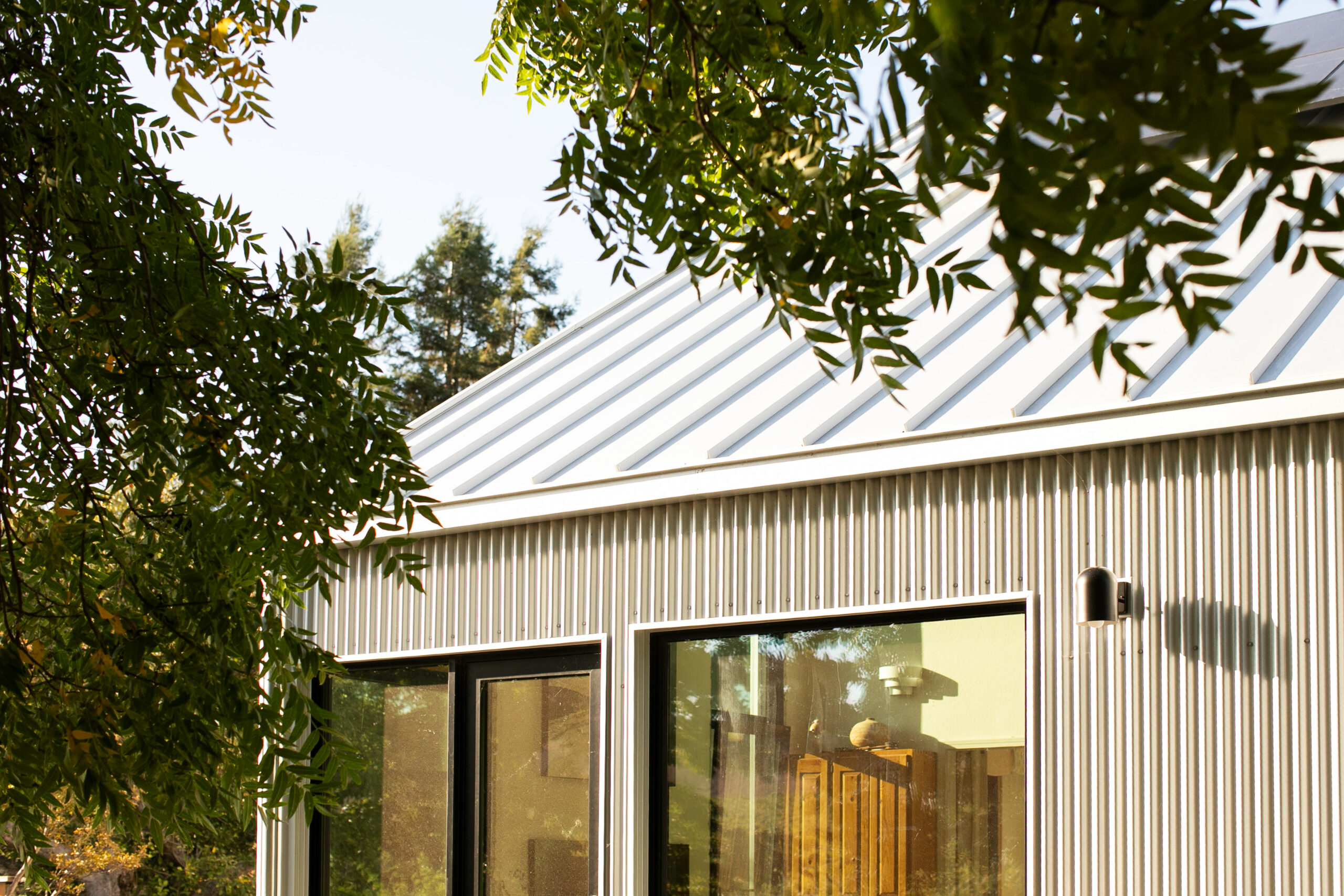
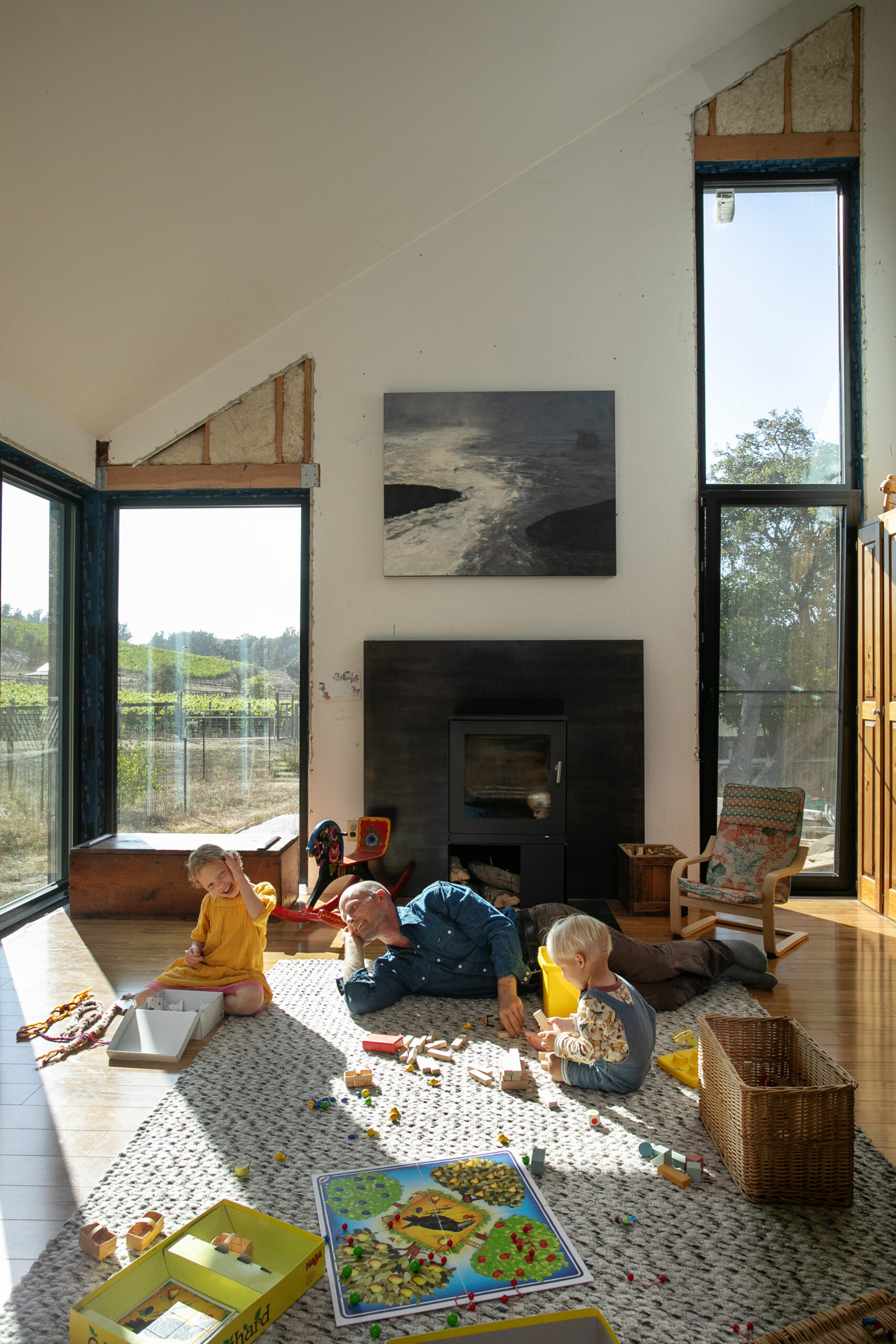
Functionality and design were inextricably linked in Cold Brook Farm's construction. Seventy-two south-facing solar panels and a sophisticated seven-zone geothermal system enable the house to achieve net-zero energy status, producing all the energy required for the household annually. This surplus energy is also sufficient to charge two electric cars for 15,000 miles each per year. A tightly sealed insulation envelope protects against external temperature fluctuations, while deep eaves regulate sunlight penetration, allowing warmth in winter and blocking excessive heat in summer. Extensive southern-facing windows maximize natural light, reducing the need for artificial lighting during the day.
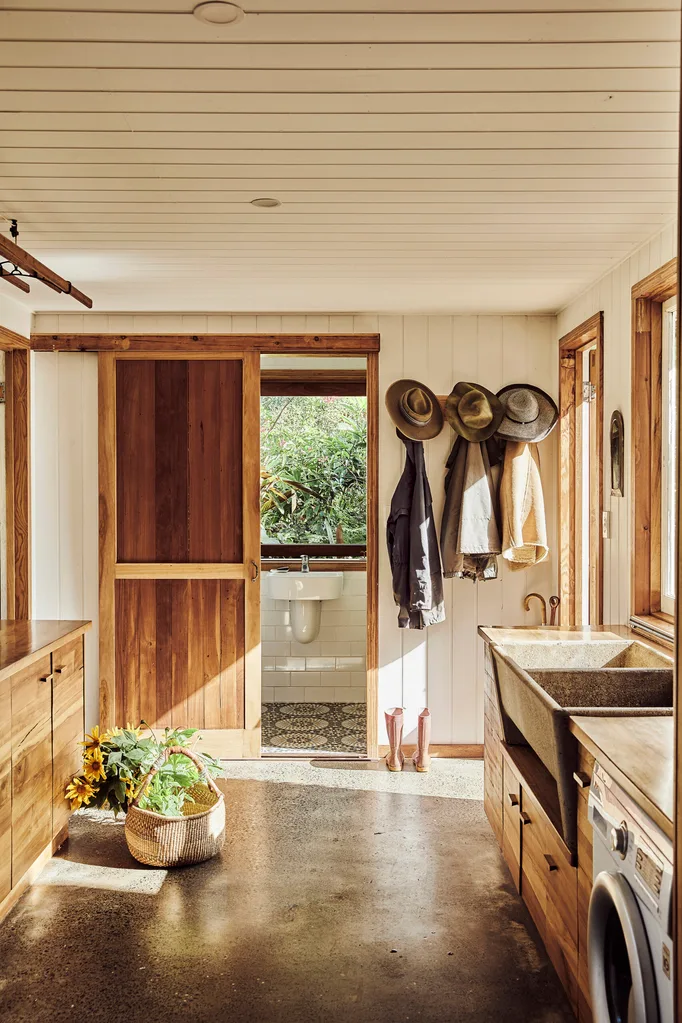
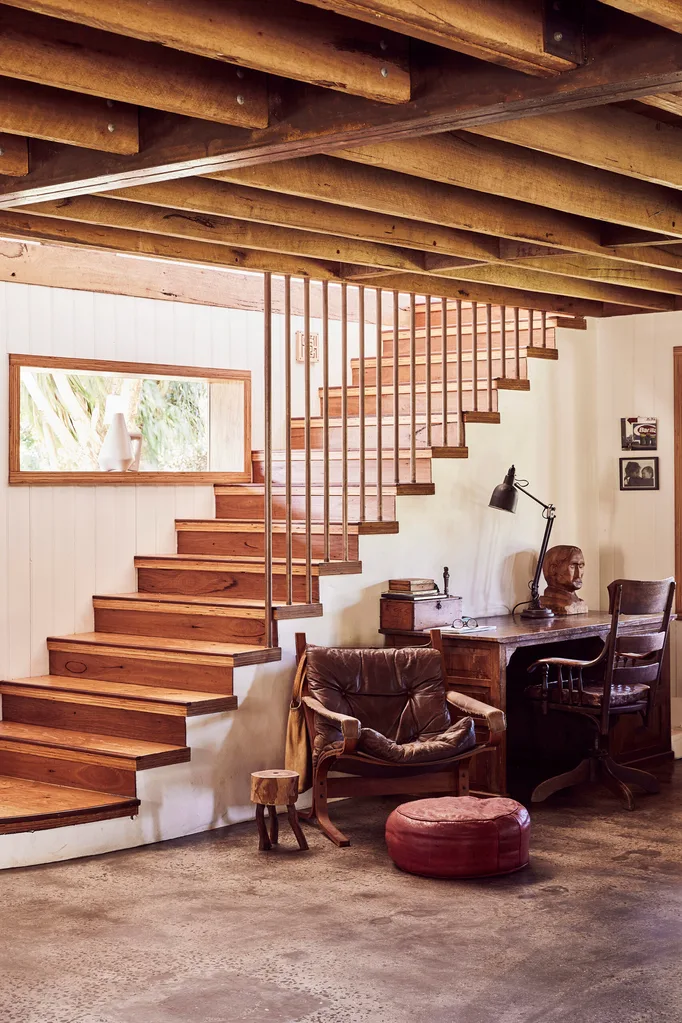
Interior design, spearheaded by Anastasia Harrison of ADH & Co., also adhered to strict sustainability guidelines. All materials were sourced from American companies and local craftsmen, with a focus on sustainability. Walnut beams in the living room were crafted from trees harvested on the property, and materials like ceramic tile resembling brick and soapstone countertops were chosen for their natural properties, requiring no toxic sealants. All paints used were non-VOC. The DeSalvos repurposed existing furniture and meticulously researched new items to ensure they were free from noxious chemicals and petroleum products. Their commitment extended to avoiding shingles, specific tiles, gas lights, and generators.
Beyond the house, the DeSalvos dedicated themselves to preserving and revitalizing their 43-acre land. They practice organic, regenerative farming, growing healthy food on 12.5 acres, including grain for flour. They preserved over 5 acres of wetland and 25 acres of natural woodland, reintroducing native plant species and removing invasive ones. Around the house, only edible plants or those beneficial to wildlife were used for landscaping. The DeSalvos acknowledged the higher initial cost, estimating a 30 percent premium over traditional construction, but highlighted the long-term environmental benefits and the anticipated 10-year payback period through reduced operating costs.
#SustainableHome #NetZeroEnergy #GreenBuilding #HunterdonCounty #SolarPanels #GeothermalHeating #EcoFriendly #OrganicFarming #LocalSourcing #SustainableHome #NetZeroEnergy #GreenBuilding #HunterdonCounty #SolarPanels #GeothermalHeating #EcoFriendly #OrganicFarming #LocalSourcing
0 comment in total
 No comments yet
You may also like
Sustainable Homes
Couple turn their cramped house into beautiful open plan living-space
The stunning Byron Bay home combining style and sustainability
DHaus sculpts eco-friendly home in surrey's countryside from rammed earth
A Sebastopol Couple Turned Their Home Into One of the Most Sustainable in the Nation
this DIY-savvy family makes the case for open-plan living

Look Inside My Home: This Couple Added DIY Built-Ins and Molding to Give Their Stafford New Build a Historic Home Feel

Young couple is putting energy into historic home renovations in the Stuart Neighborhood

This sustainable home is at one with nature

Biophilic Design Helps Homeowners Connect to Nature
7 Years of Design Decisions Went Into This Architect Couple’s Breezy Bungalow

How They Pulled It Off: A Terrace House Gets a Sustainable Glow-Up—With Help From Its Homeowners

Delaware Experts Share Advice on Creating a Sustainable Home
A multi-generational family home built from sustainable and recycled timbers
Calx Sustainable Houses / Pezestudio


How To Steal Mila Kunis And Ashton Kutcher's Elevated Rustic Home Style

How They Pulled It Off: Making a Midcentury Home Sustainable for the Next Century
An Austin Couple Turn a Ranch Home Into a Refreshing Live/Work Space
In Texas, a Passive House Blends Style and Sustainability

Look Inside a TN Architect’s Dream Home