1/9
How They Pulled It Off: Making a Midcentury Home Sustainable for the Next Century
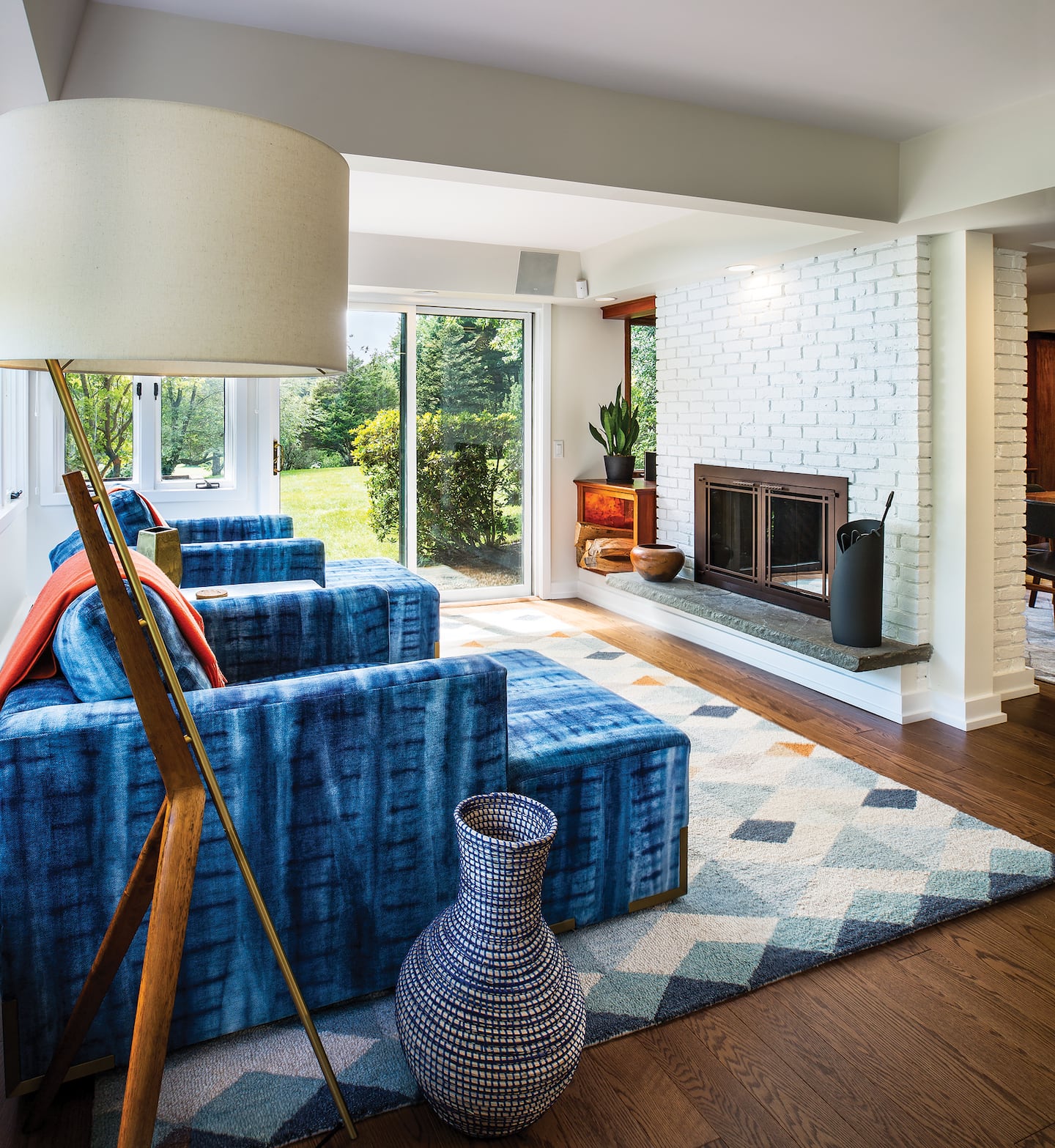
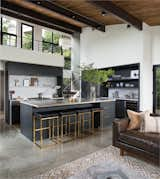
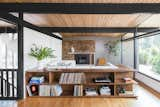
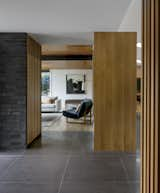
This article details the comprehensive sustainable renovation of a 1953 midcentury home located outside Chicago. The residence, originally featured in Better Homes & Gardens as "The House You Asked For" and inspired by California Case Study architecture, was known for its vibrant built-ins, modern wall treatments, and indoor/outdoor living. Despite its strong aesthetic and good bones, designed by local architects Brooks Buderus and Gerald Siegwart, it suffered from significant energy inefficiency due to its postwar construction which had little regard for sustainability.
A family of five, who initially rented and later purchased the three-bedroom H-shaped home, recognized its need for modernization. They engaged Tom Bassett-Dilley Architects, a firm renowned for passive and zero-energy buildings and experienced in updating midcentury designs. The family's extensive wish list aimed to preserve the home's midcentury essence while addressing aging electrical, HVAC, plumbing, roofing, and windows. Key aspirations included integrating solar panels, reclaiming wood, and incorporating a tornado-proof room.
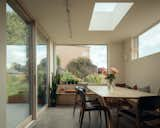
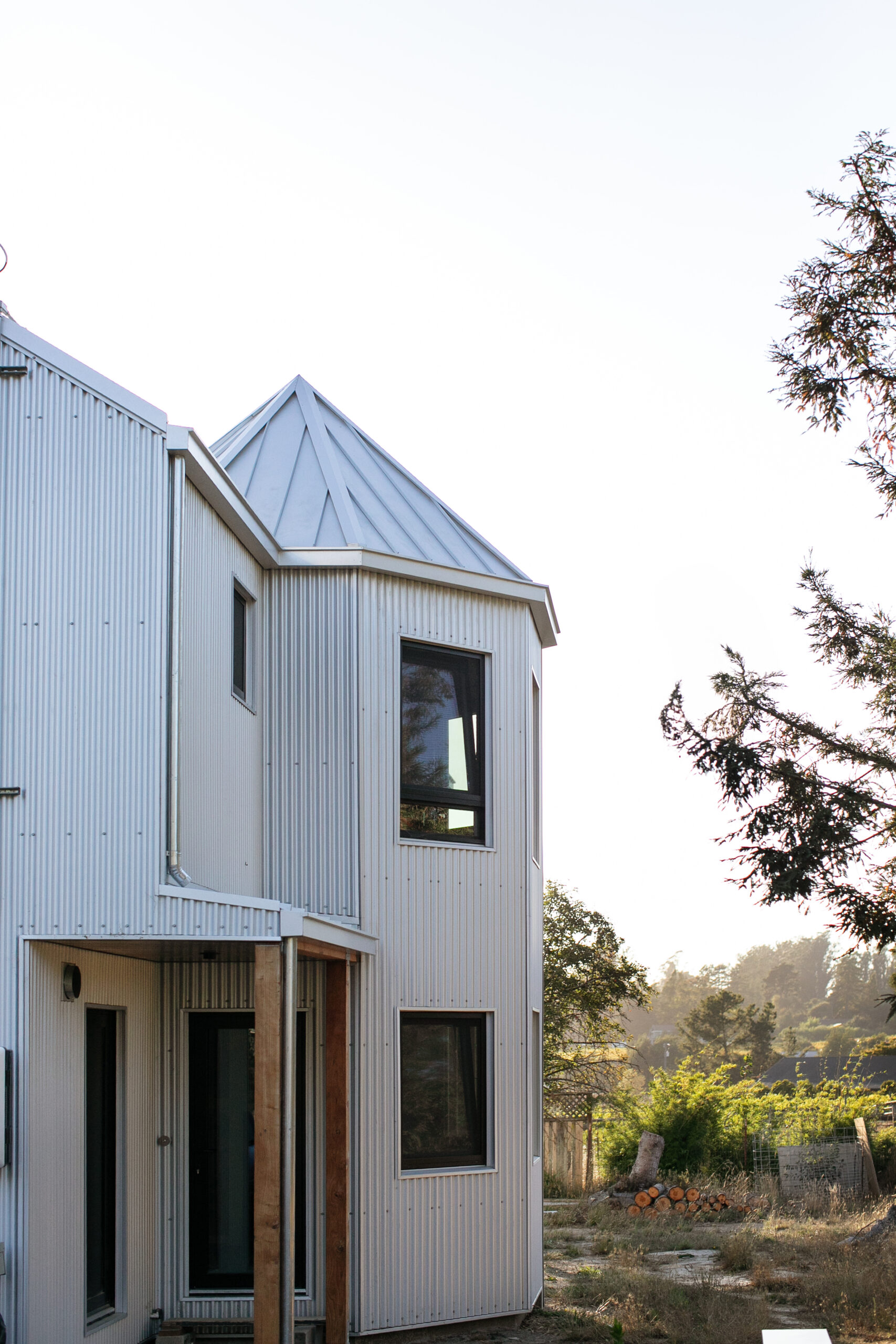
The architects implemented a strategy focused on enhancing energy efficiency, comfort, and safety without expanding the home's original footprint. Major upgrades included re-sloping the roof to improve drainage and reduce heat loss through the installation of tapered polyisocyanurate insulation. The building's envelope was significantly improved with a peel-and-stick air and water barrier (Henry Blueskin), continuous fiberboard insulation (Steico, a carbon-sequestering material), and new triple-glazed windows and patio doors (Alpen Zenith). Cellulose and wood fiberboard were utilized for cavity and exterior insulation, respectively, transforming the exterior into a robust and resilient enclosure while maintaining light and outdoor visual connections.
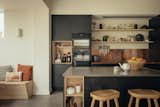
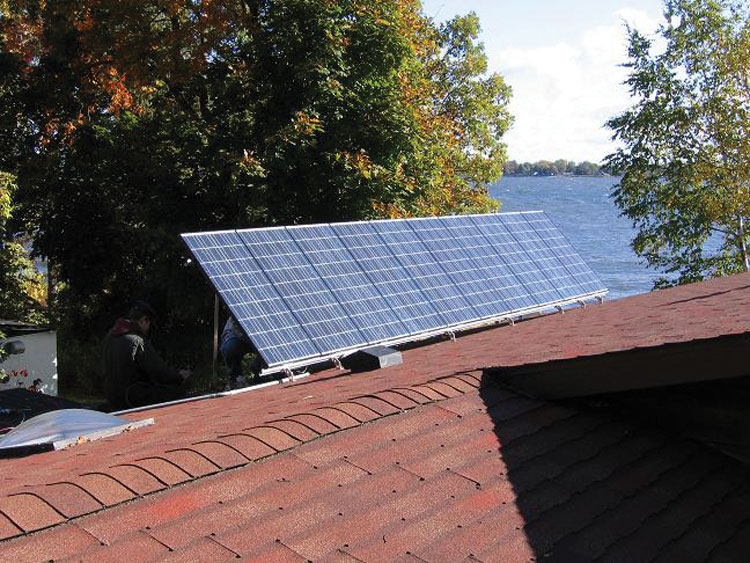
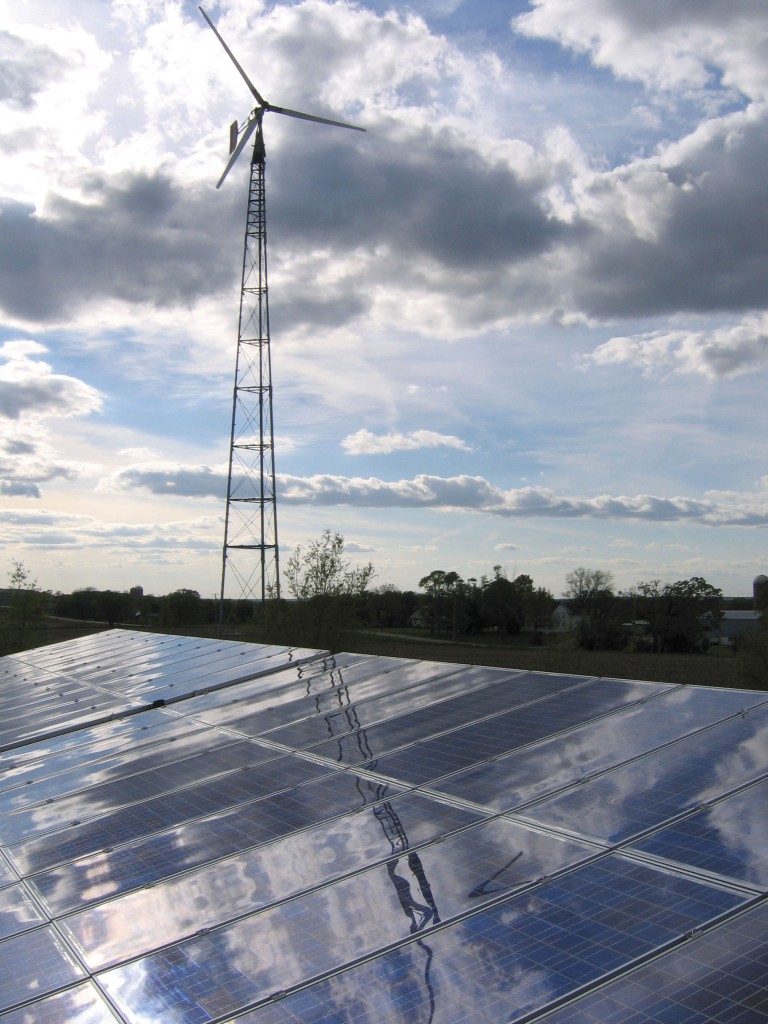
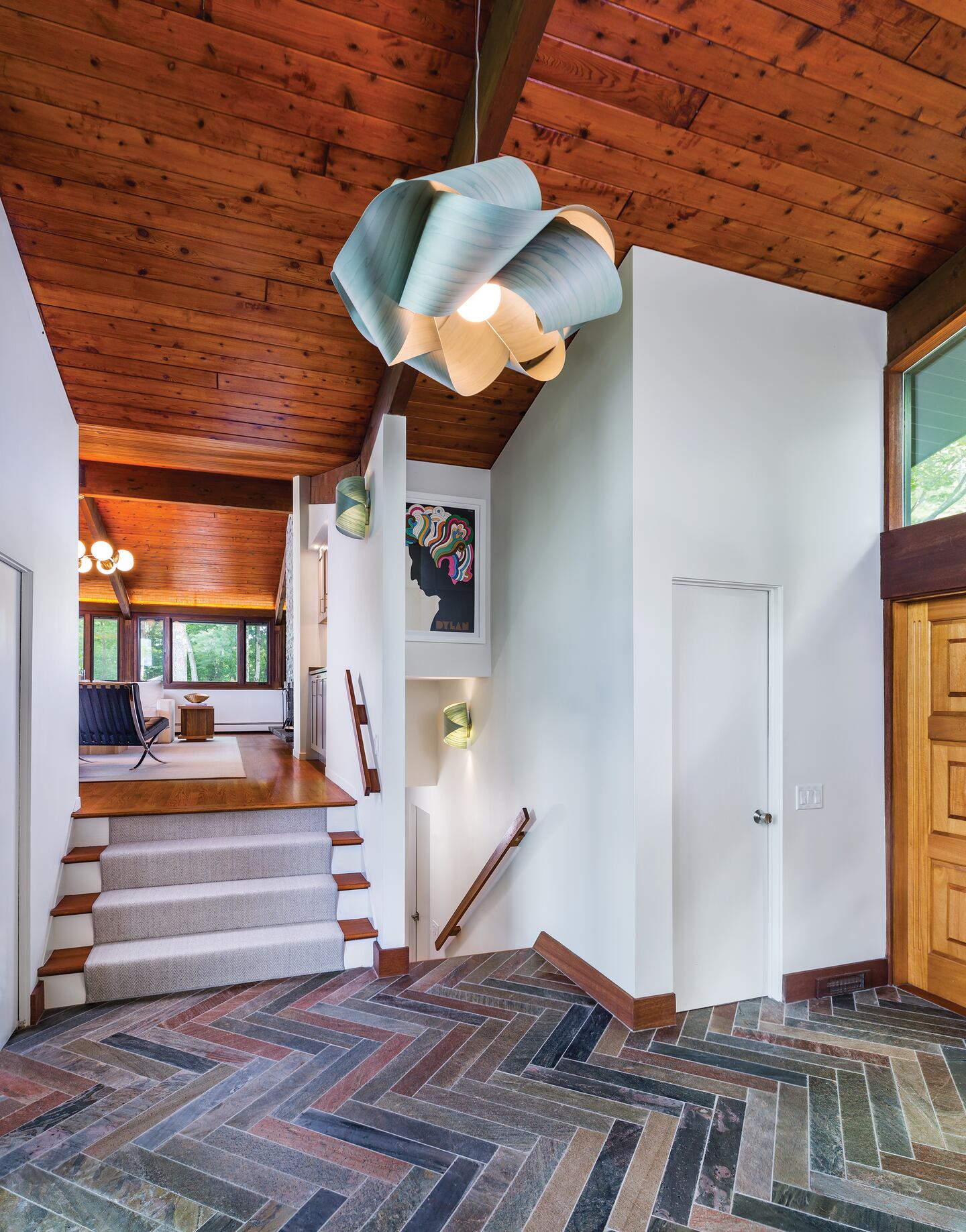
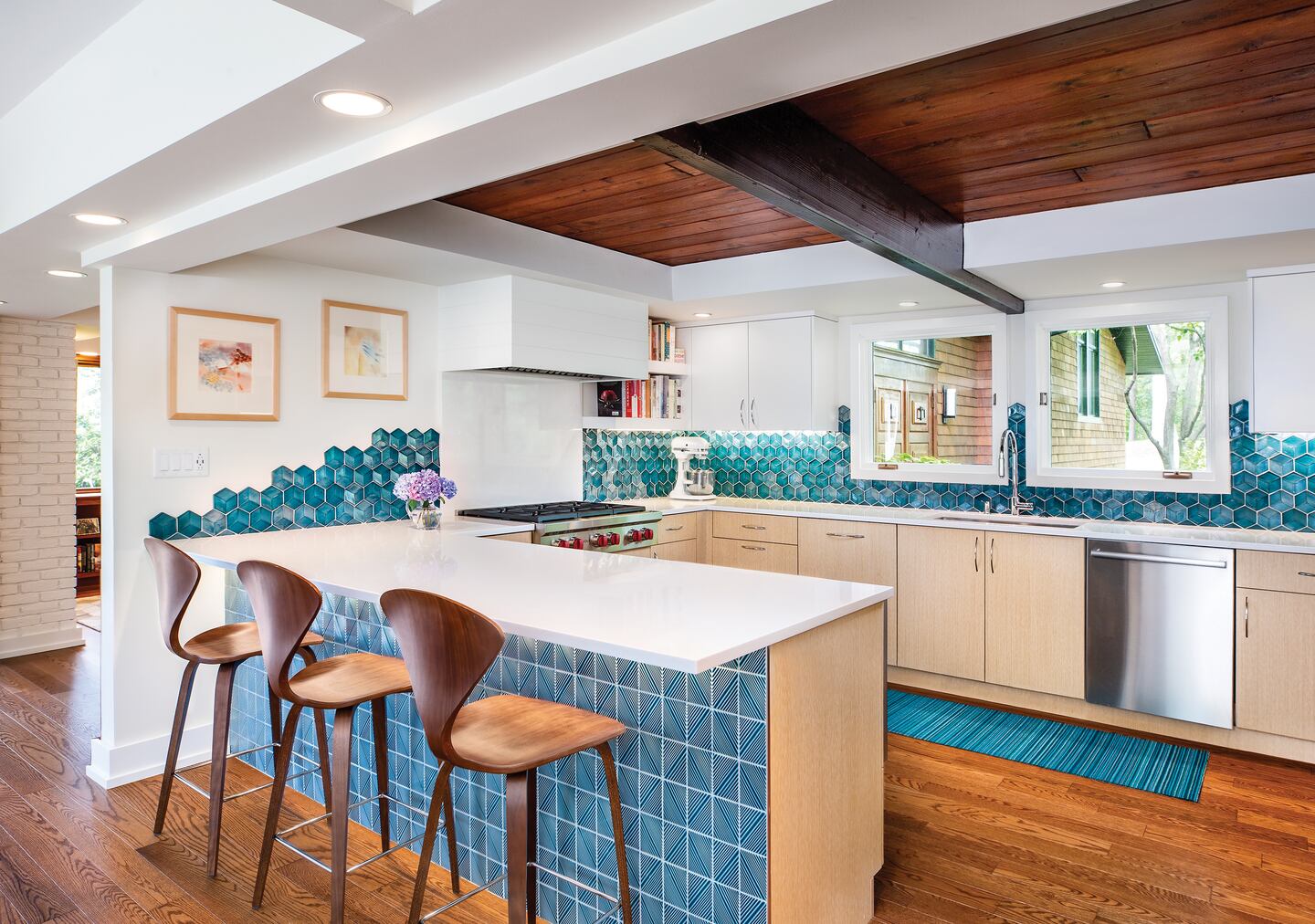
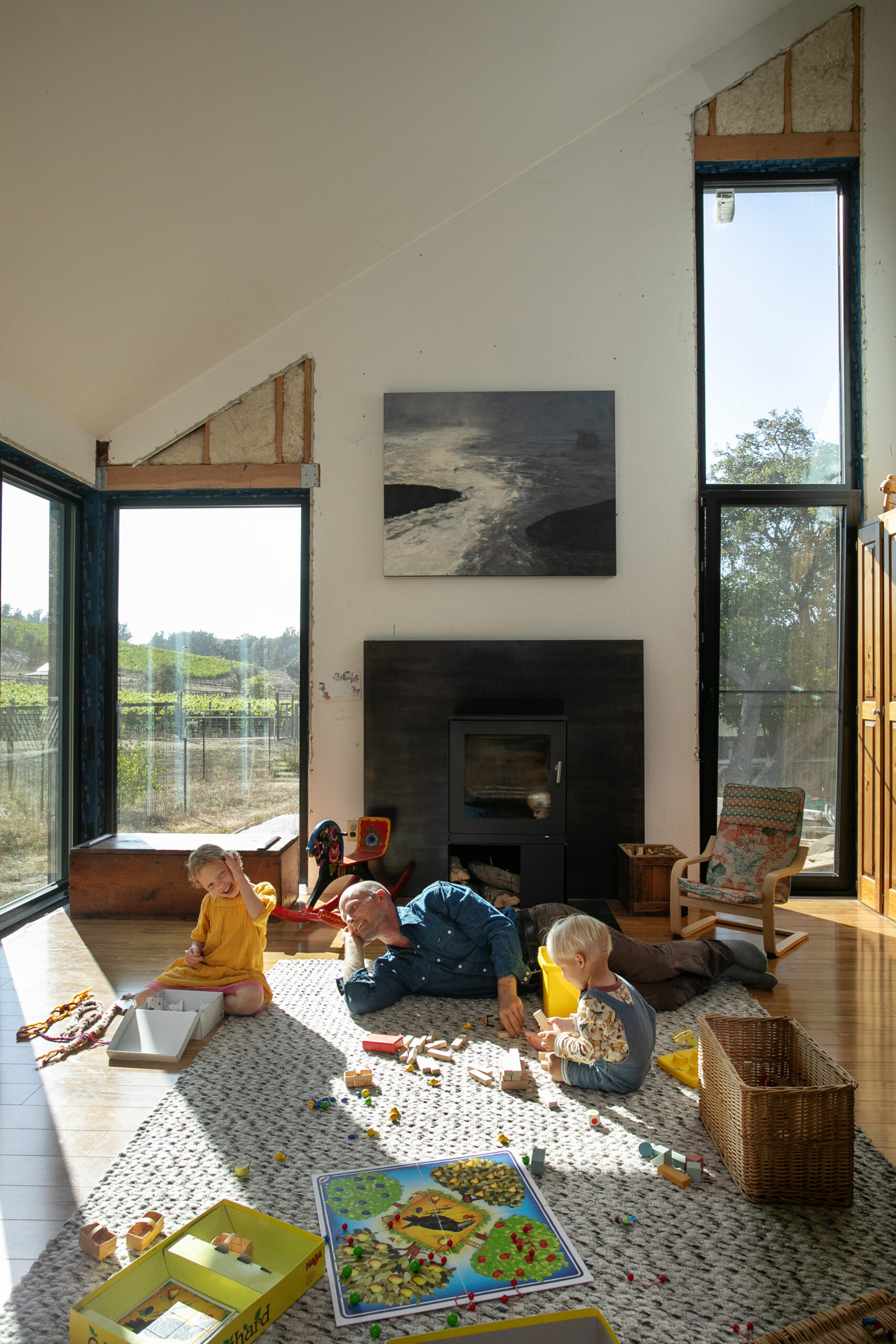
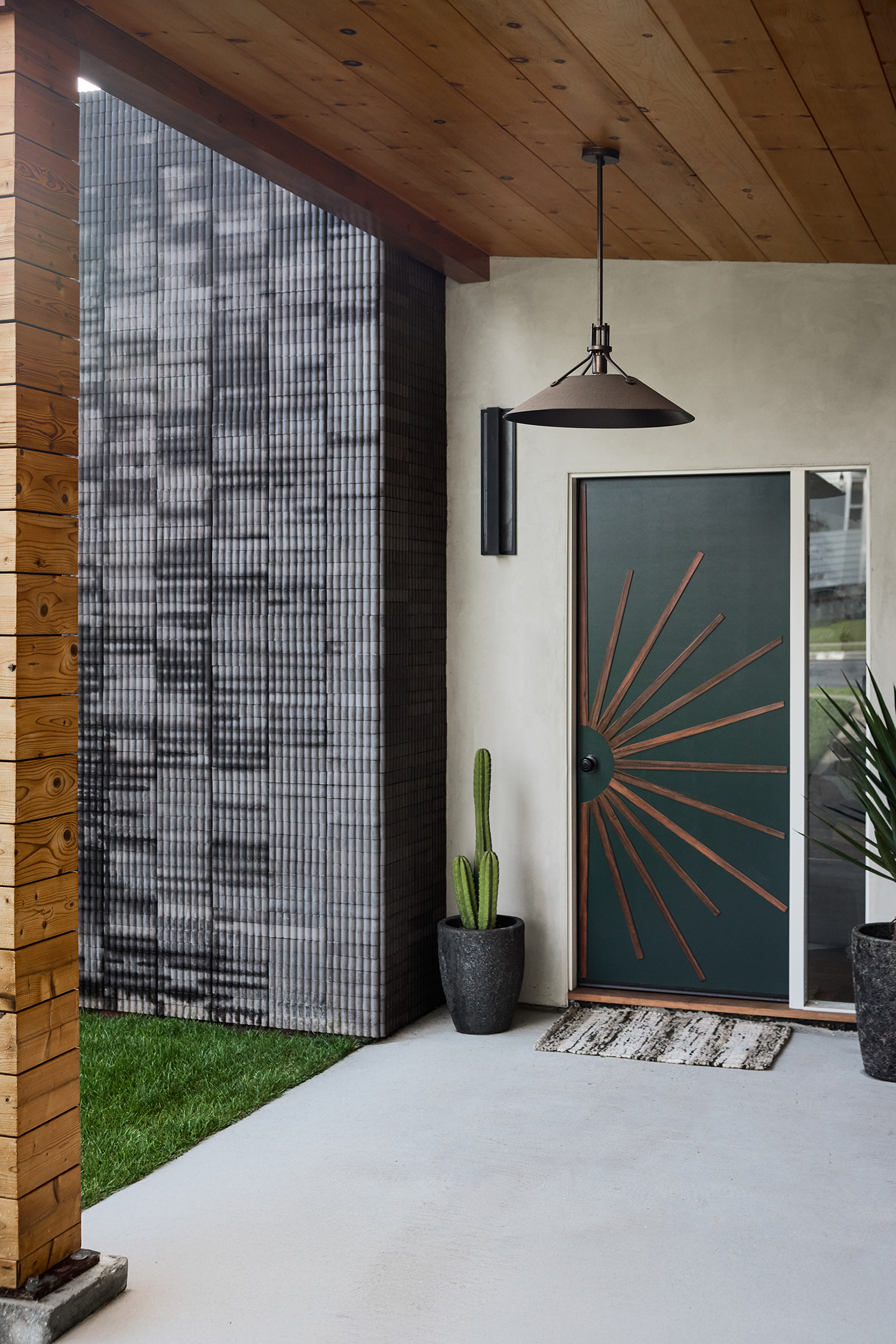
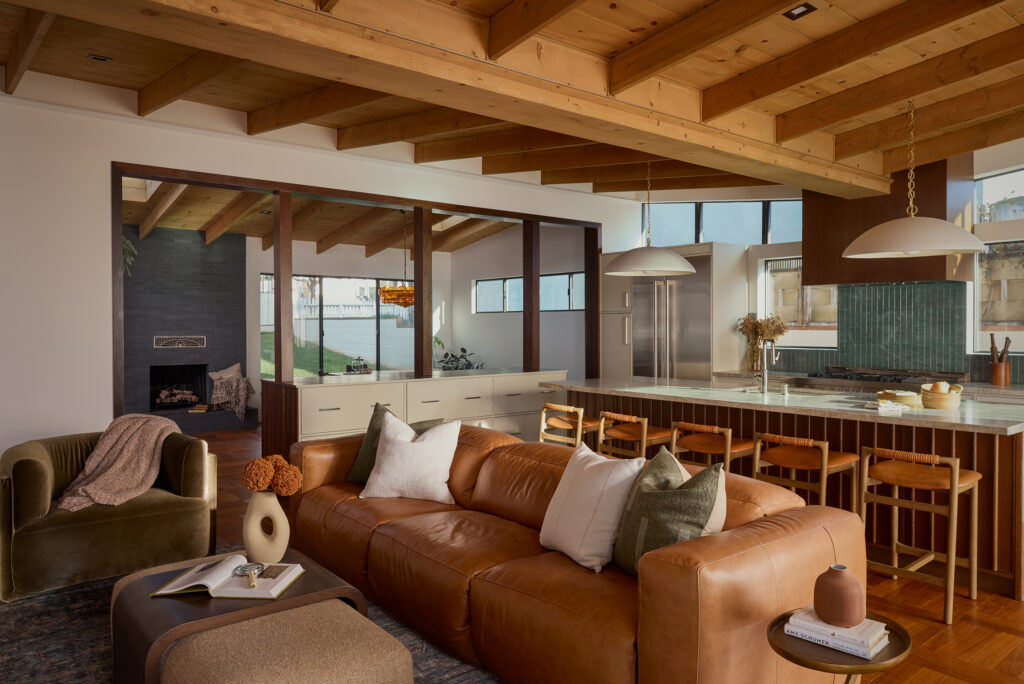
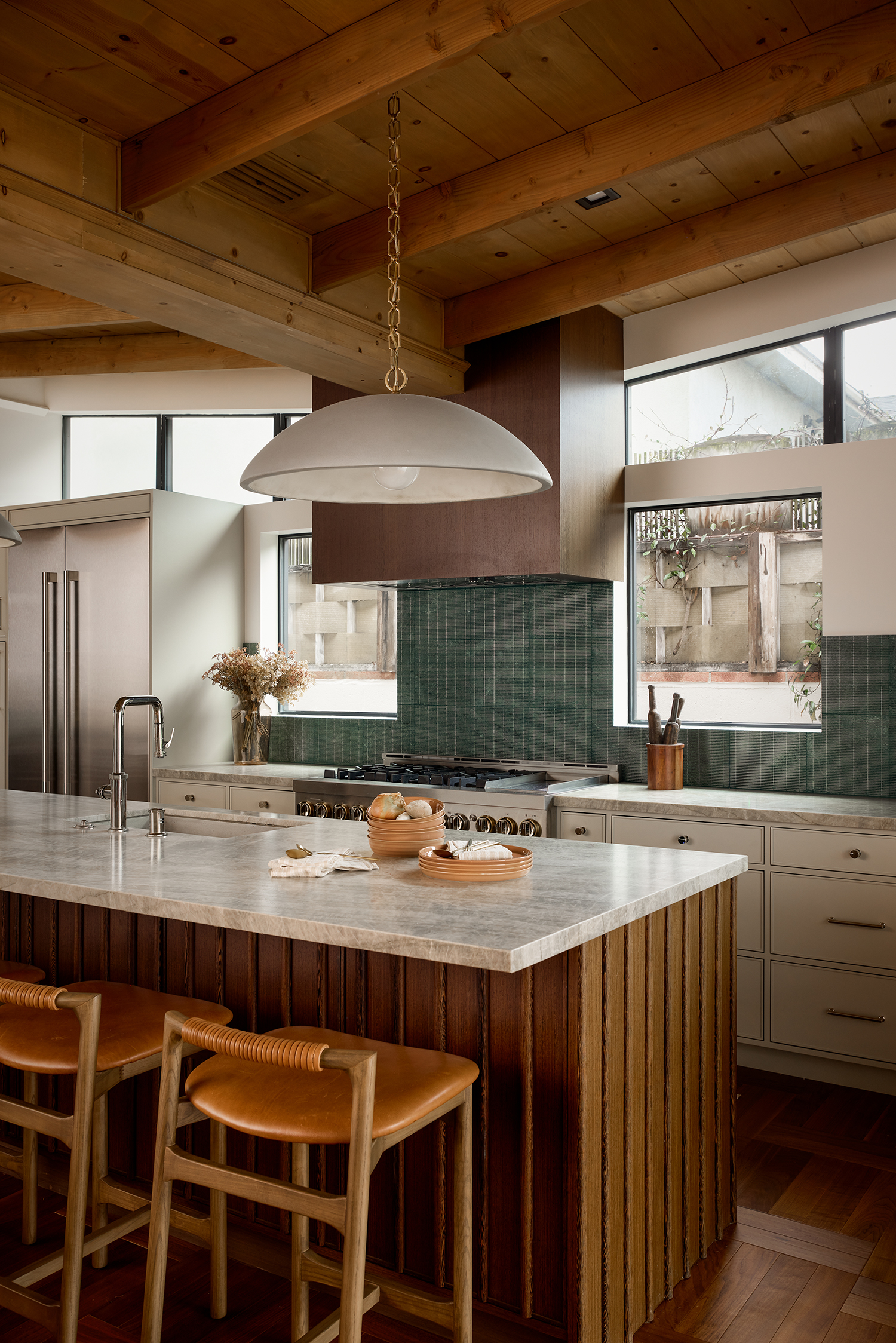
To manage heating and cooling, an all-electric system with solar panels was installed, removing the home's gas infrastructure for full decarbonization. A crucial innovation was the addition of a “doghouse” – a raised roof area – which created space for new ductwork to accommodate the heat pump heating and cooling and ERV (energy recovery ventilator) systems. This doghouse design allowed for mechanical ducts to be centrally located, enabling tall clerestory windows to flood the rooms below with natural light, thanks to gracefully curved ceilings. The ERV system, sourced from Renewaire, was integral to improving indoor air quality by continuously exchanging stale indoor air with fresh outdoor air, regulating temperature and humidity, and reducing the HVAC system's load. Water heating was also updated with a Rheem heat pump unit. Interior reconfigurations optimized space usage, including relocating the main entry to the mudroom/side entry to expand the kitchen and reorganizing bedrooms and bathrooms for efficiency. A concrete block “safe room” was added to the bedroom wing for tornado safety, addressing specific regional concerns.
These comprehensive deep energy upgrades resulted in a projected 93 percent reduction in the home's operational carbon footprint. The architects emphasized that addressing the thermal envelope—roof, walls, and windows—was the most significant factor in achieving energy reduction. Once the envelope was optimized, the integration of efficient electrical systems, HVAC, appliances, and solar panels completed the sustainability strategy, demonstrating that substantial environmental improvements are attainable through thoughtful design, even for older structures.
#MidcenturyModern #SustainableArchitecture #EnergyEfficiency #HomeRenovation #ZeroEnergyBuilding #PassiveHouseDesign #ChicagoArchitecture #ArchitecturalUpgrade #MidcenturyModern #SustainableArchitecture #EnergyEfficiency #HomeRenovation #ZeroEnergyBuilding #PassiveHouseDesign #ChicagoArchitecture #ArchitecturalUpgrade
0 comment in total
 No comments yet
You may also like
Can a midcentury house be sustainable? Yes, say the architects of this 1960s London townhouse

Stand Out with 2026 Home Trends
A 100-year-old home with modern interiors – here's how to get it right

How to Update an Older Home While Honoring Its History

How They Pulled It Off: A Terrace House Gets a Sustainable Glow-Up—With Help From Its Homeowners
Preserving artisanal craftsmanship: How this brand is redefining sustainable home decor

How The Home Improvement Industry Is Approaching Sustainability In An Uncertain Climate

12 Midcentury Renovated Revelations You Can Find in Seattle
Sustainable Homes
Delaware Experts Share Advice on Creating a Sustainable Home
A grand home in Sydney's north west that looks to the past and future for its design credentials

How This Dated Mid-Century Home Was Transformed into a Two-Story Stunner
How This Hunterdon County Couple Created a Super-Sustainable Home
A thoughtful renovation brings a 100-year-old home into the 21st century

How to Make Your Home More Sustainable, According to Design Experts

Home & Design | Built to Last

How they brought a 1970s deck house back to its mid-century modern-style glory

A Sebastopol Couple Turned Their Home Into One of the Most Sustainable in the Nation
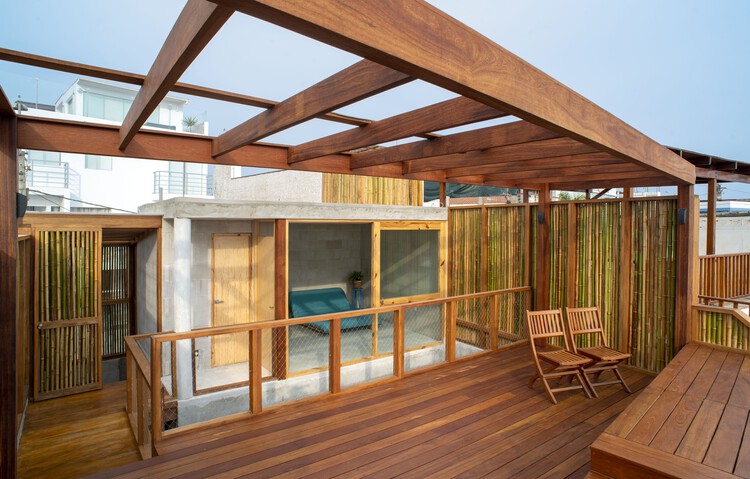
Calx Sustainable Houses / Pezestudio

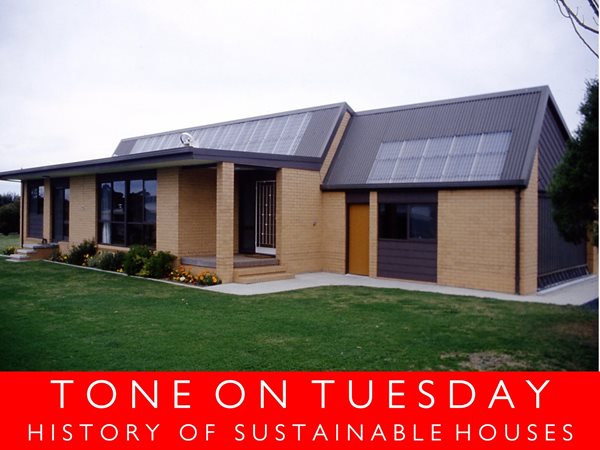
Tone on Tuesday 211: A short history of sustainable houses