1/2
3D Printing and Fabrics: The Unique Design Process Behind the Forma Fabrica Vase Collection
The increasing adoption of additive manufacturing has expanded the role of 3D printing beyond industrial applications, establishing it as a versatile medium in art studios and various creative fields. This technology facilitates the creation of innovative artistic, conceptual, and cultural works, and has even contributed to the digital preservation and reconstruction of historical artifacts and global heritage sites. While not always the central focus, 3D printing often serves as a crucial supporting tool, enabling designers, artists, and artisans to realize new designs and concepts.
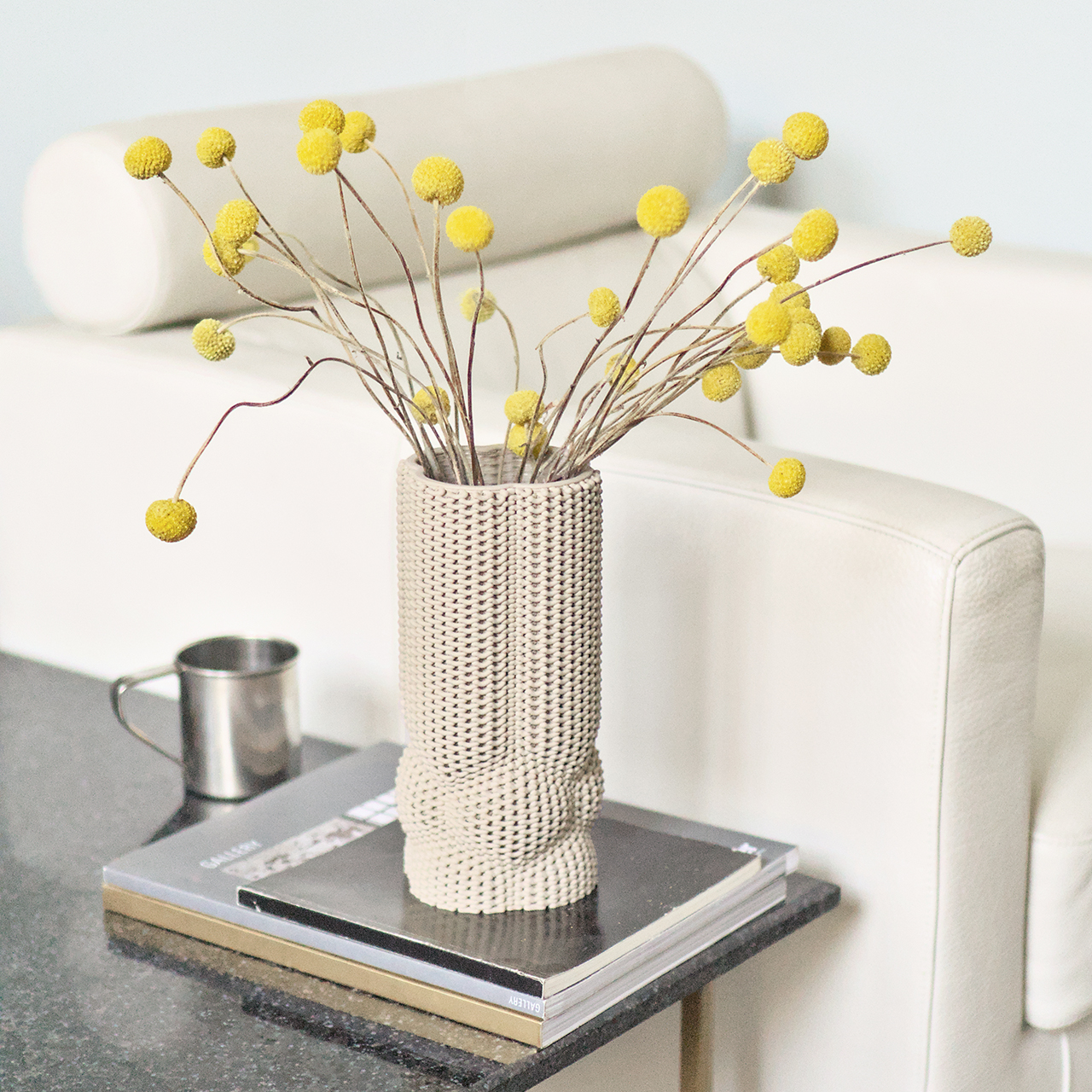
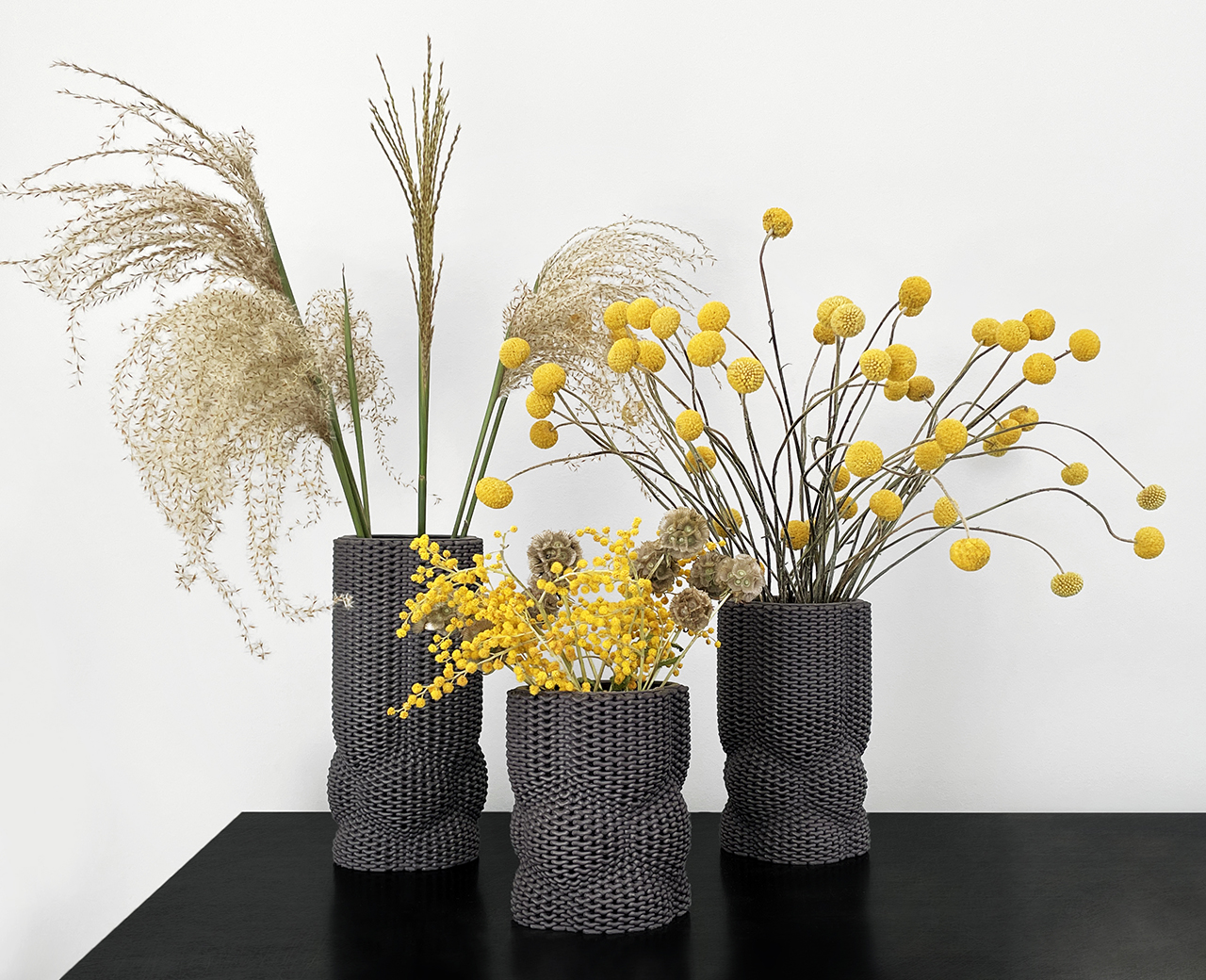
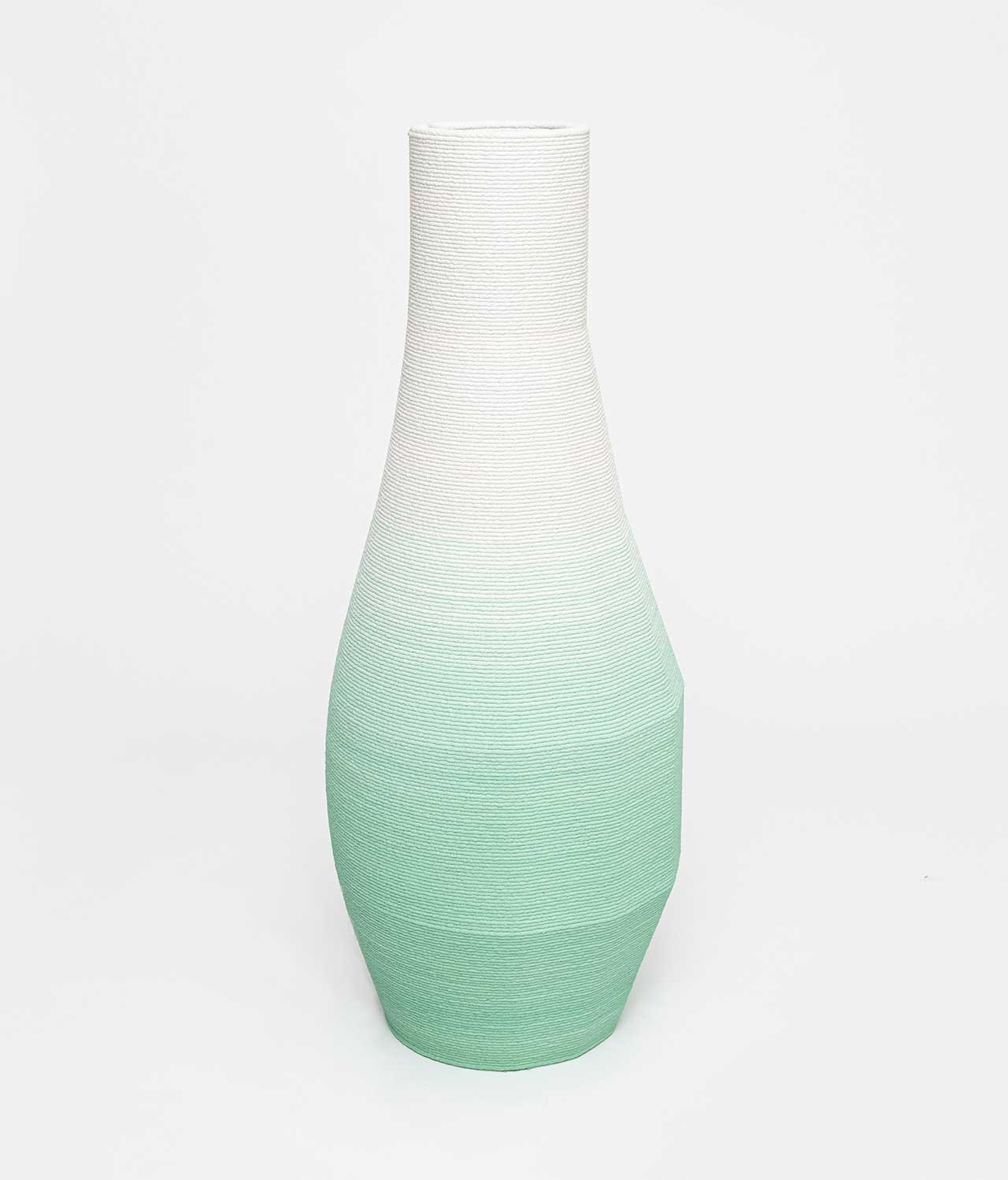
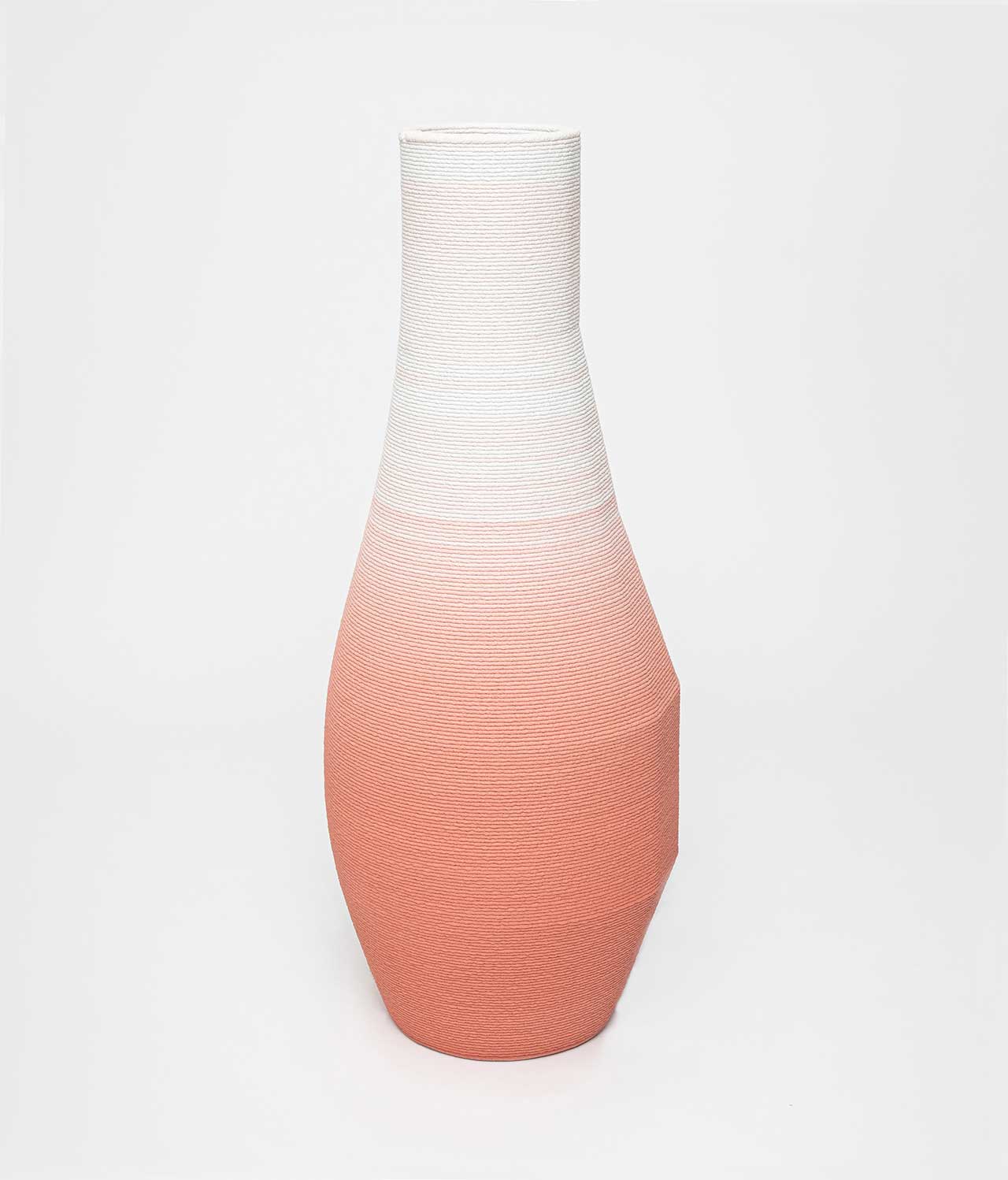
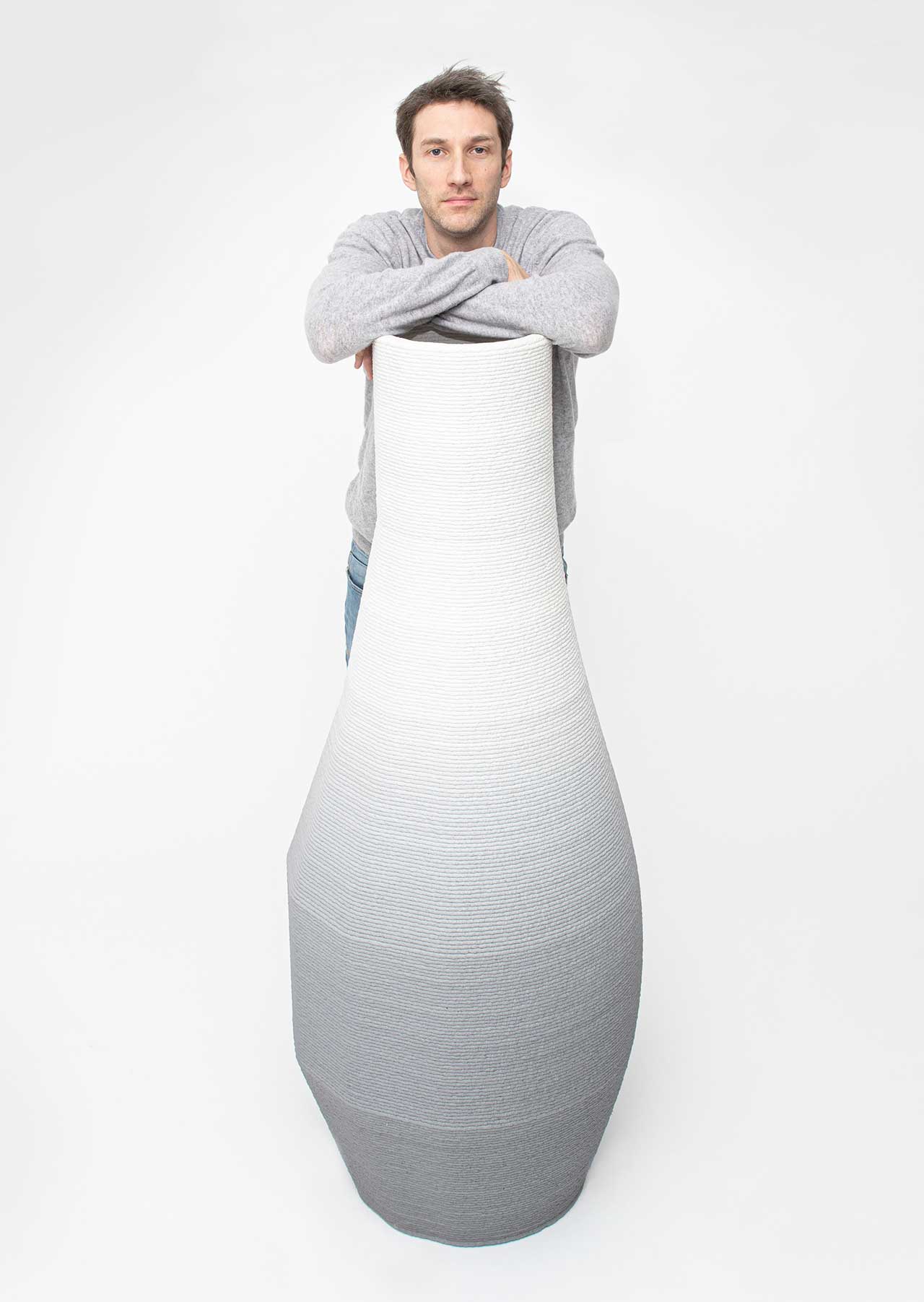
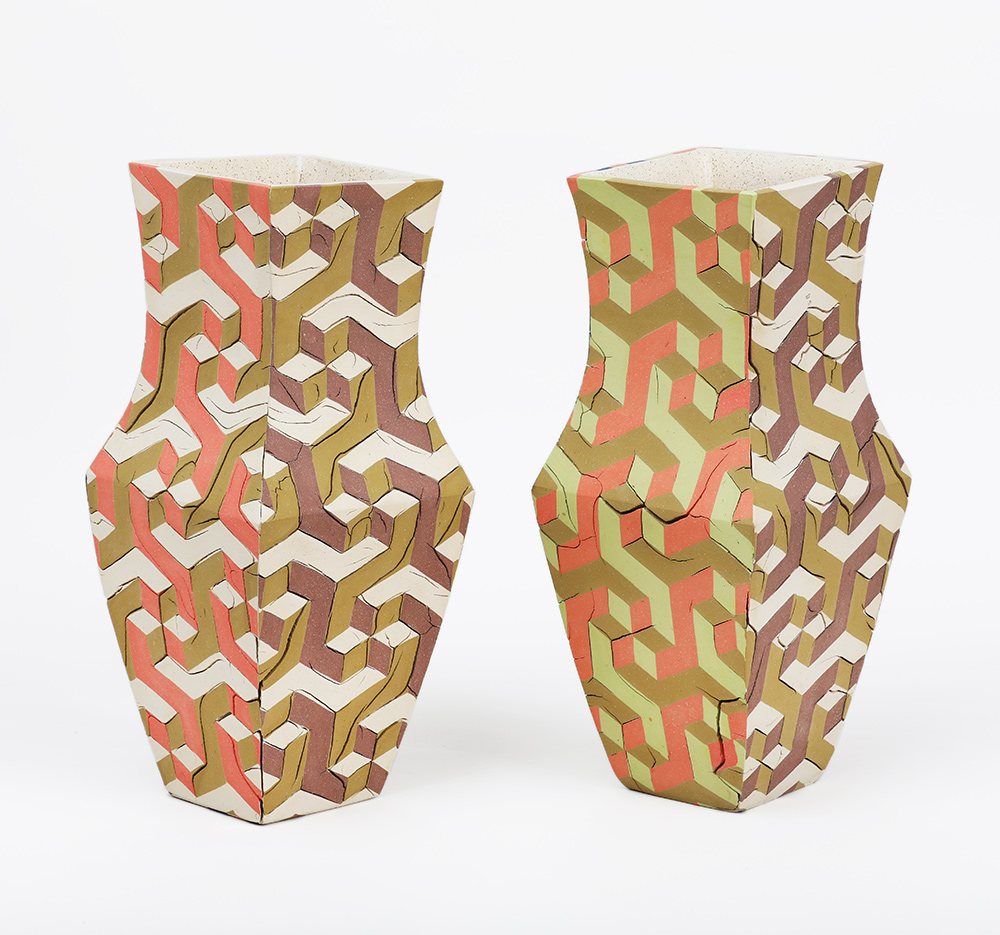
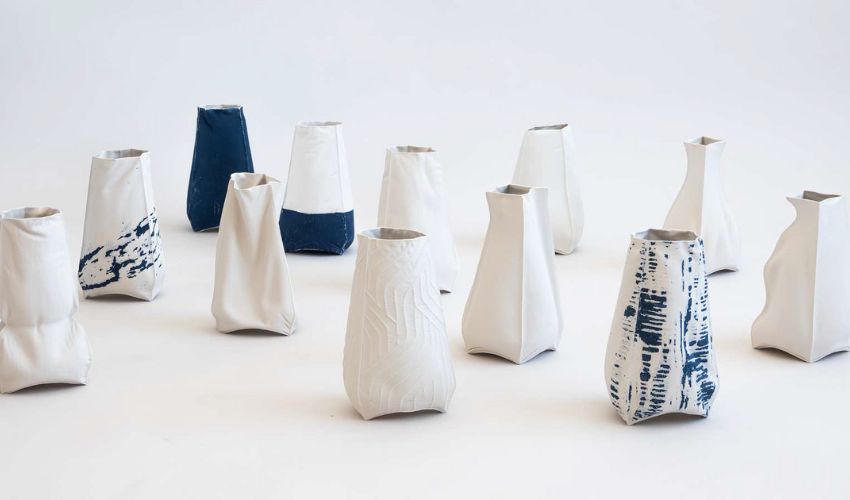
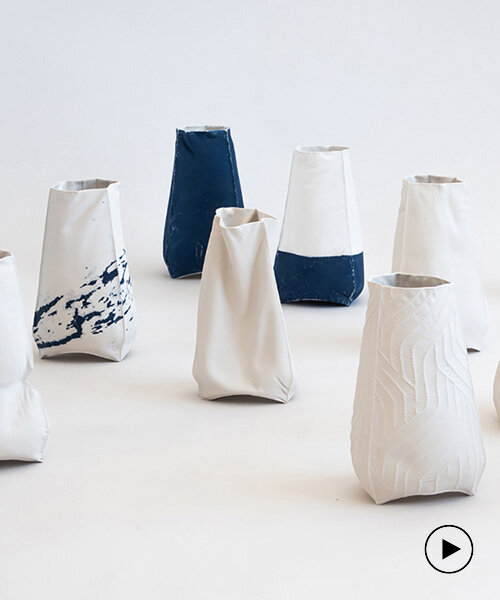
A prime example of this collaborative approach is found in the Forma Fabrica collection by industrial designer Nir Neria. This collection reinterprets the traditional porcelain vase by exploring the interplay between different materials and design processes. Neria's method integrates slip casting, a ceramic technique typically used for complex shapes that traditionally relies on plaster molds. However, Neria has modernized this ancient technique by combining it with 3D printing and textiles, resulting in a novel, sustainable, and reusable molding process.
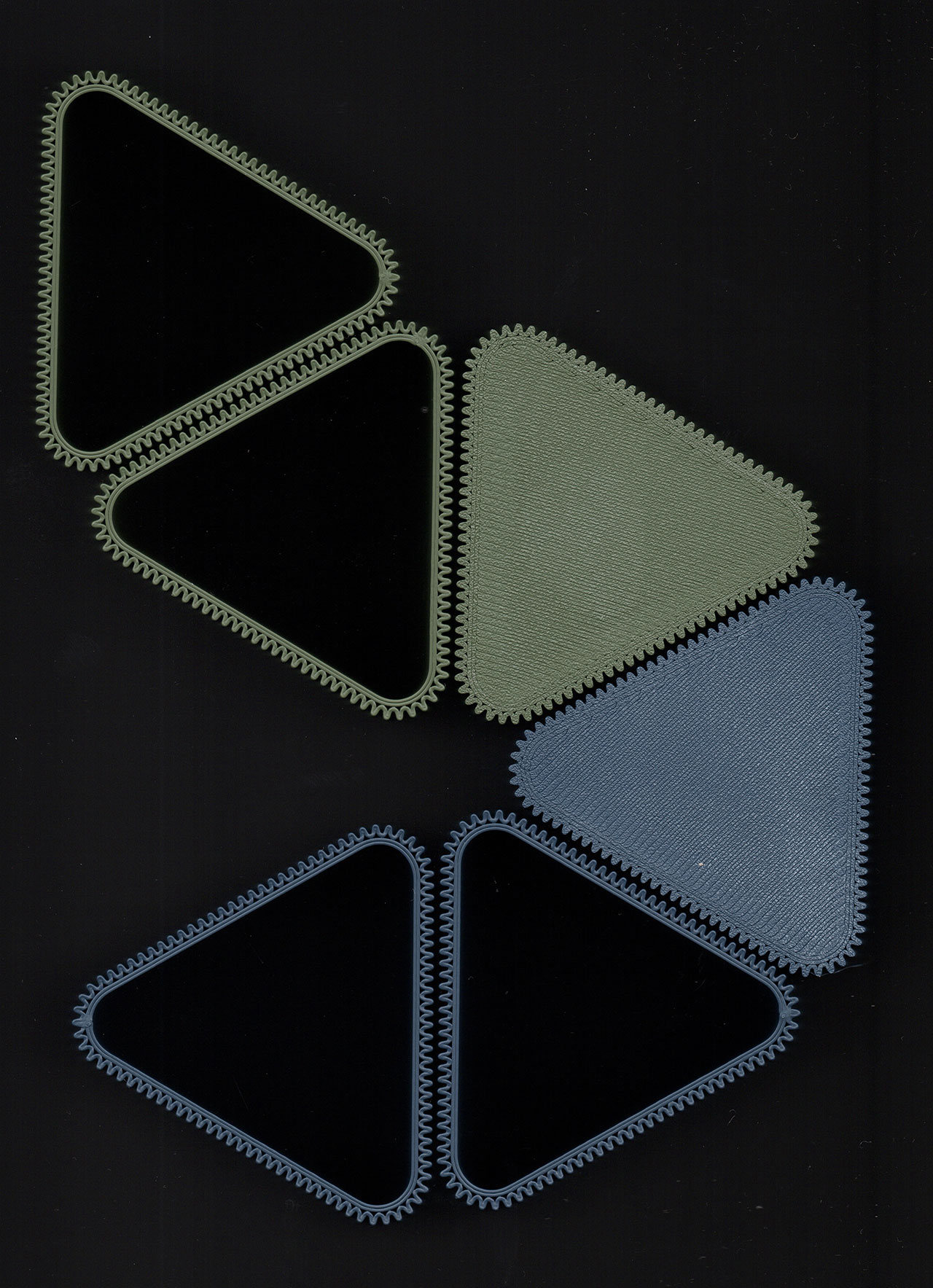
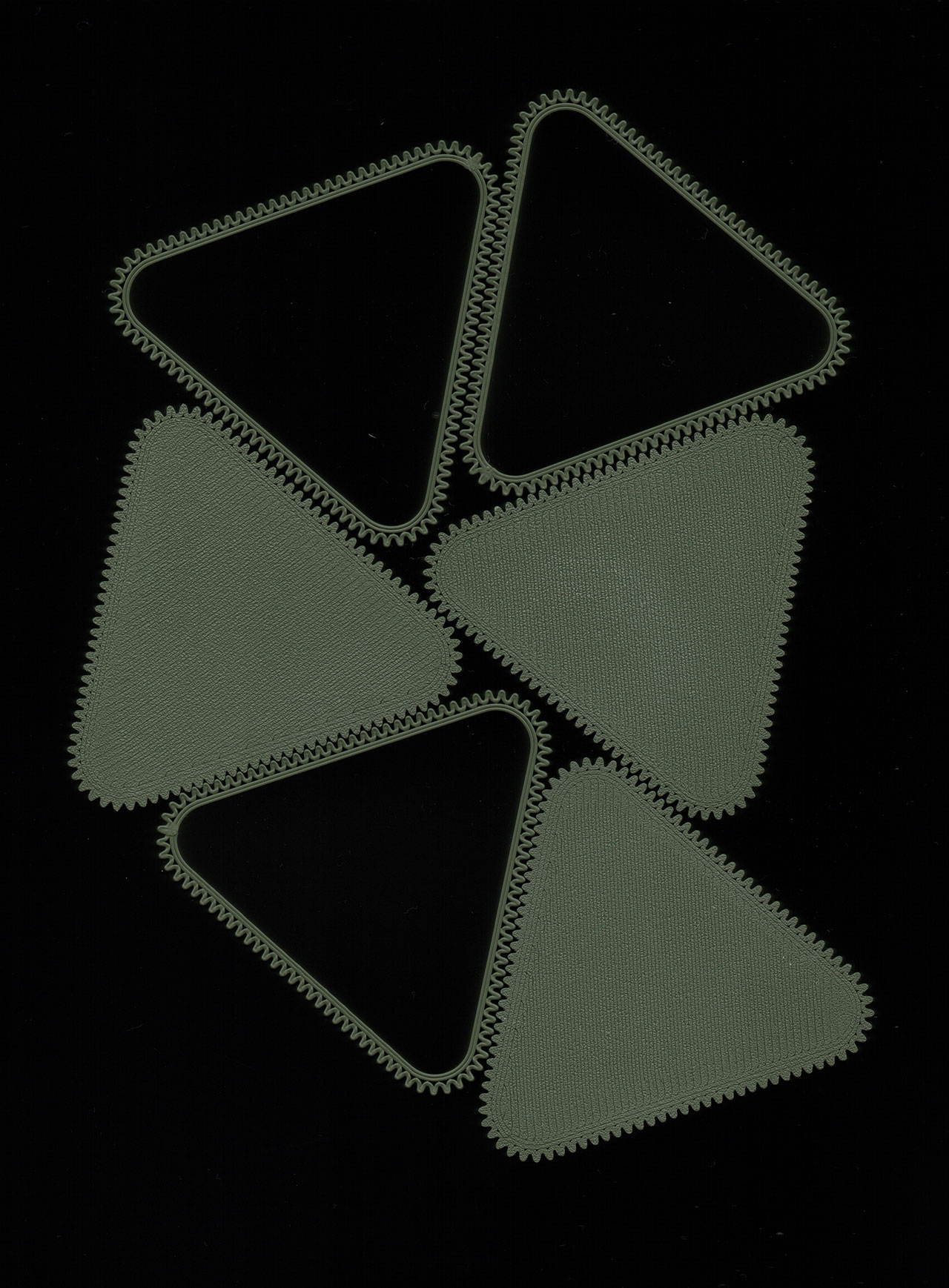
The design process begins with computer-aided design (CAD) software, where the vase is rendered in 3D. This digital stage allows for precise definition of each mold component and how they will interlock. Subsequently, these mold components are 3D printed. These printed parts are then integrated with fabric, which the artist sews together. The assembled fabric and 3D-printed elements form the mold, ready for porcelain slip casting.
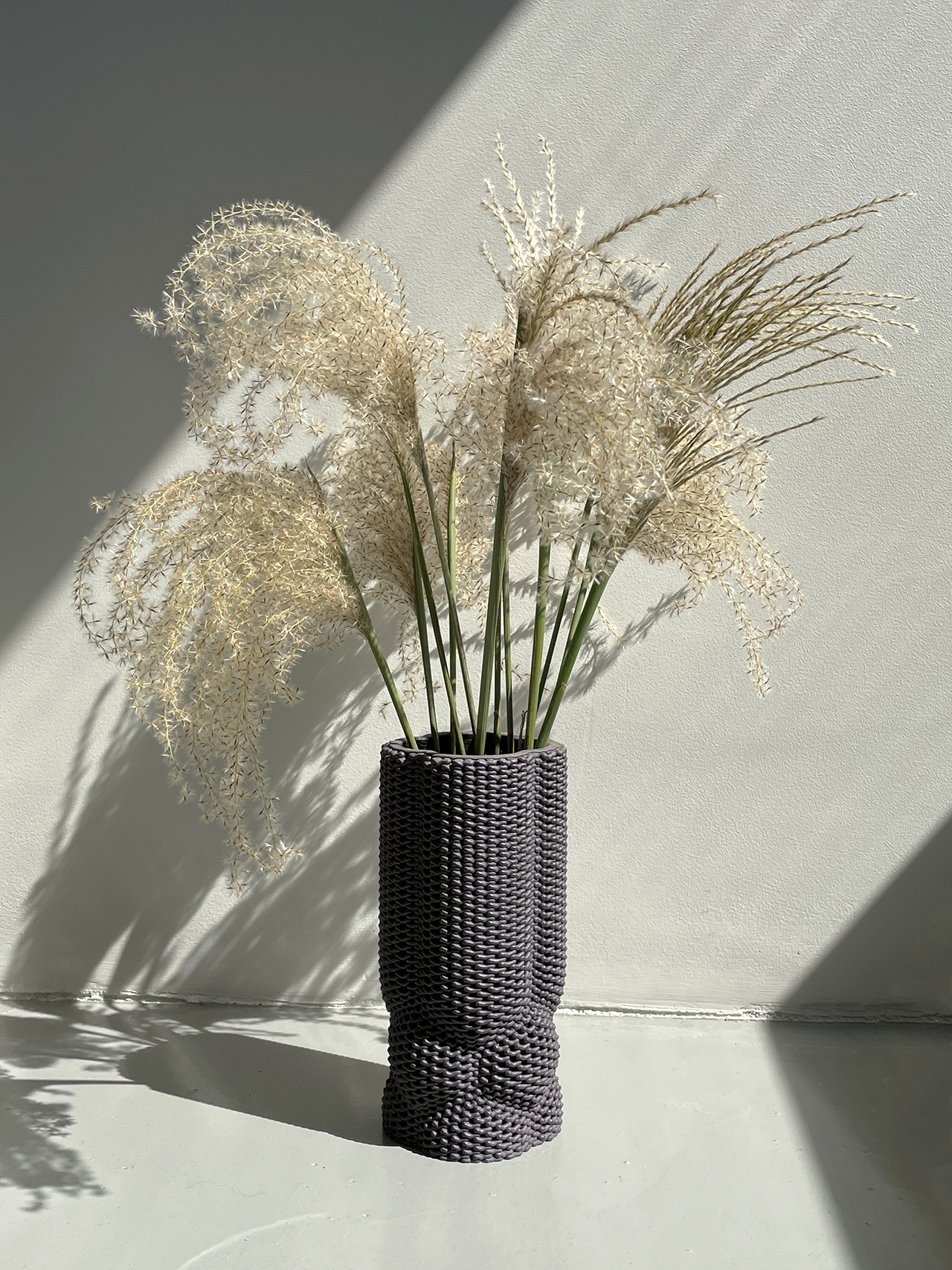
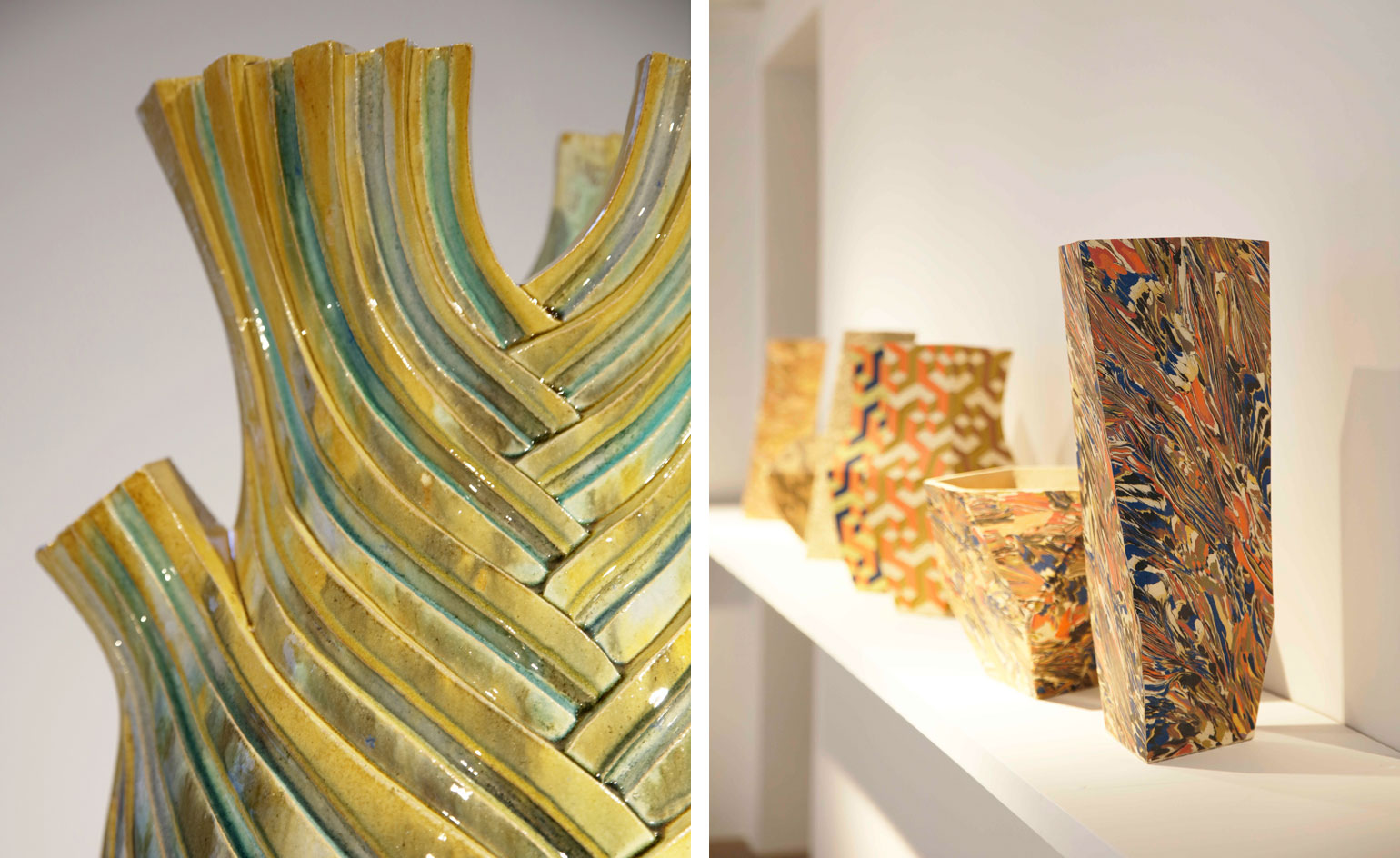
During casting, liquid porcelain is poured into the mold and then drained after a sufficient layer has adhered to the inner fabric walls. Once the porcelain reaches the desired firmness, the mold can be disassembled, and the piece is prepared for firing in a kiln. The use of fabric as a molding material imbues the finished vases with distinctive visual and tactile qualities. The impressions of the cloth's texture, stitching, and folds are visibly transferred to the surface of the vessels, creating an intriguing contrast between the perceived weight and malleability of the material. Furthermore, the application of pigments to the inner fabrics before casting introduces an additional dimension, infusing color that mimics marbling or even denim patterns.
A significant advantage of this method is the reusability of the mold. The modular nature of the 3D-printed support structure also allows for extensive customization, enabling the creation of numerous unique shapes and configurations from a relatively small set of initial components. The Forma Fabrica collection exemplifies Nir Neria's commitment to innovative design, with 3D printing and sustainable biomaterials increasingly central to his work.
#3DPrinting #AdditiveManufacturing #VaseDesign #CeramicArt #SlipCasting #IndustrialDesign #SustainableDesign #TextileIntegration #NirNeria #3DPrinting #AdditiveManufacturing #VaseDesign #CeramicArt #SlipCasting #IndustrialDesign #SustainableDesign #TextileIntegration #NirNeria
0 comment in total
 No comments yet
You may also like
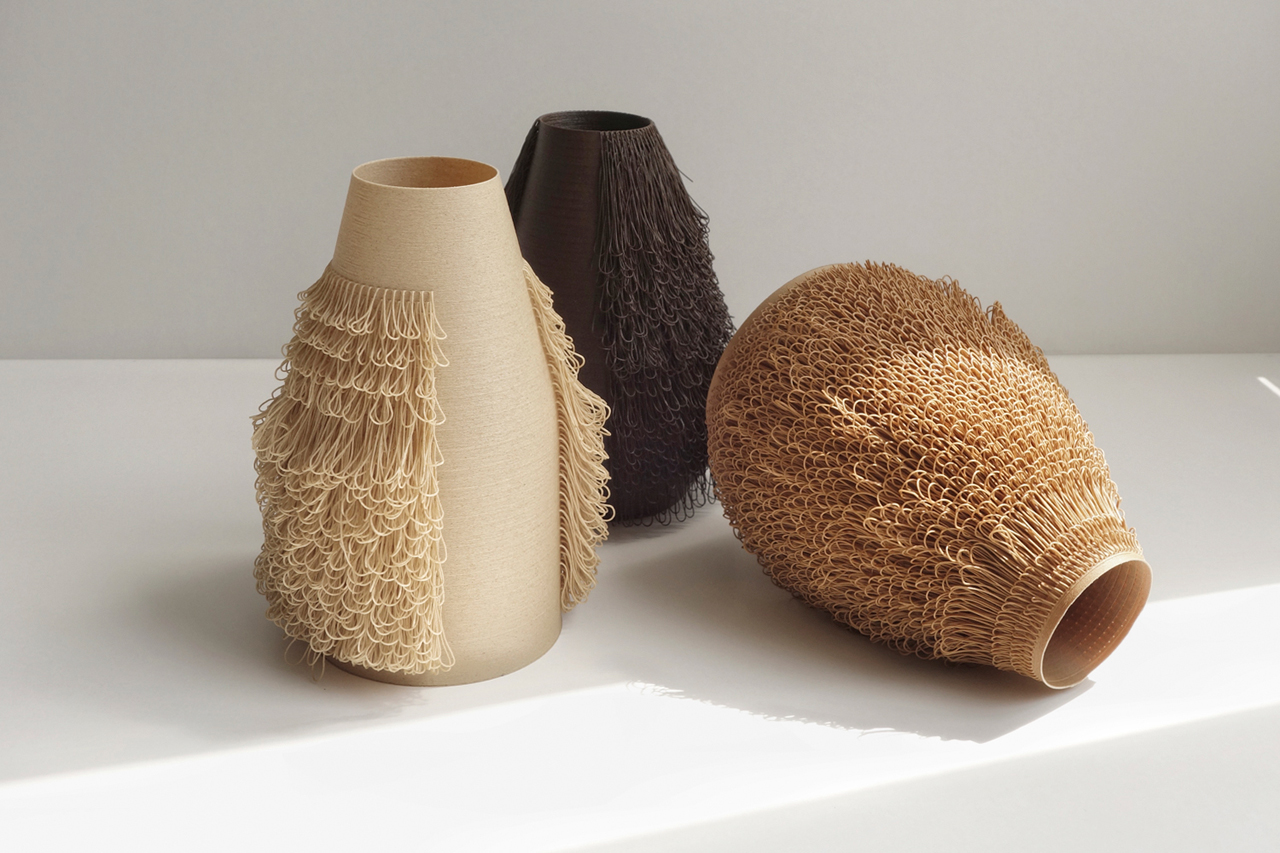
Poilu Vases Are 3D Printed with Implanted "Hair"
Aztec Scenic Design Creates Custom 3D Printed Arabian-Inspired Ceiling and it’s Amazing!

edg Reveals 3-D Printed Cast Concrete Collection
joris laarman bits and crafts: a digital fabrication exhibition at friedman benda
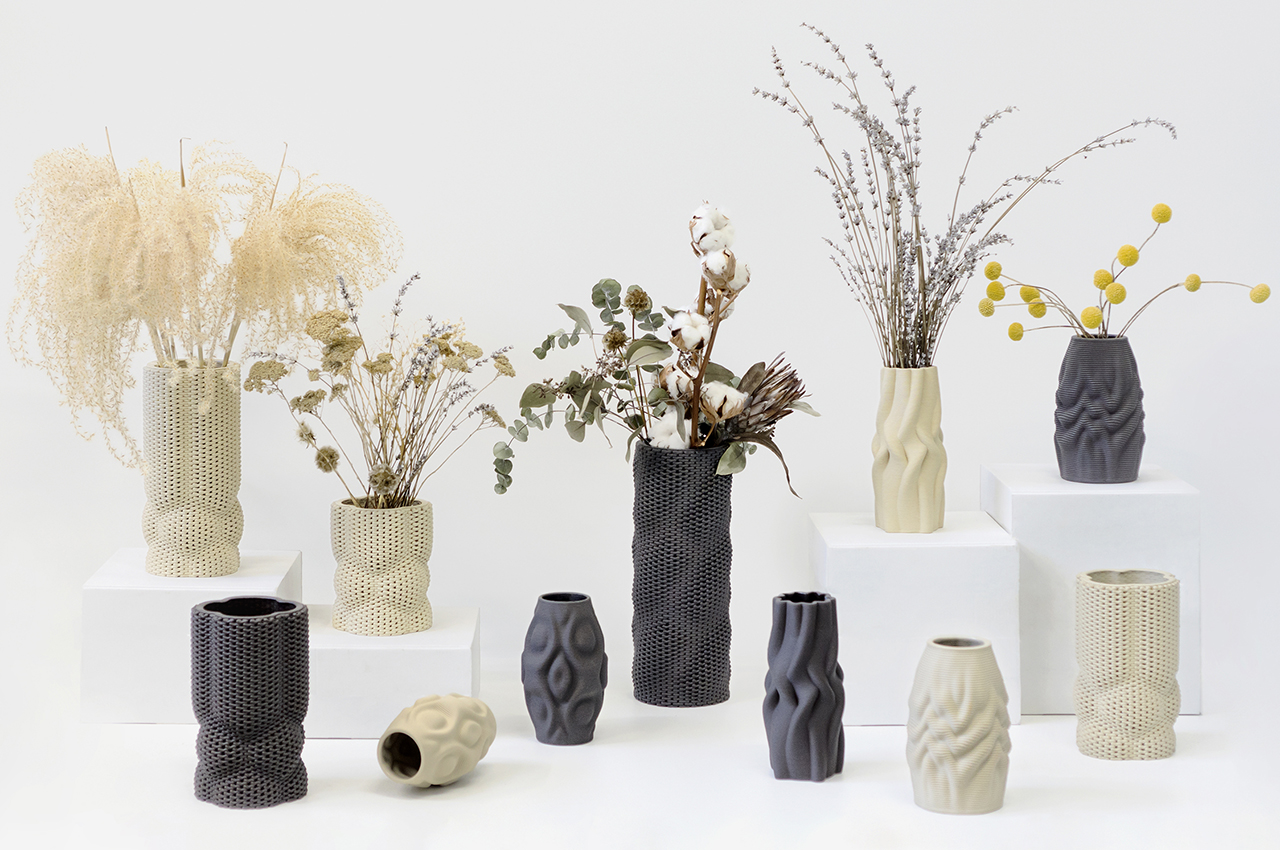
3D-Printed Ceramic Vases That Mimic Nature’s Patterns
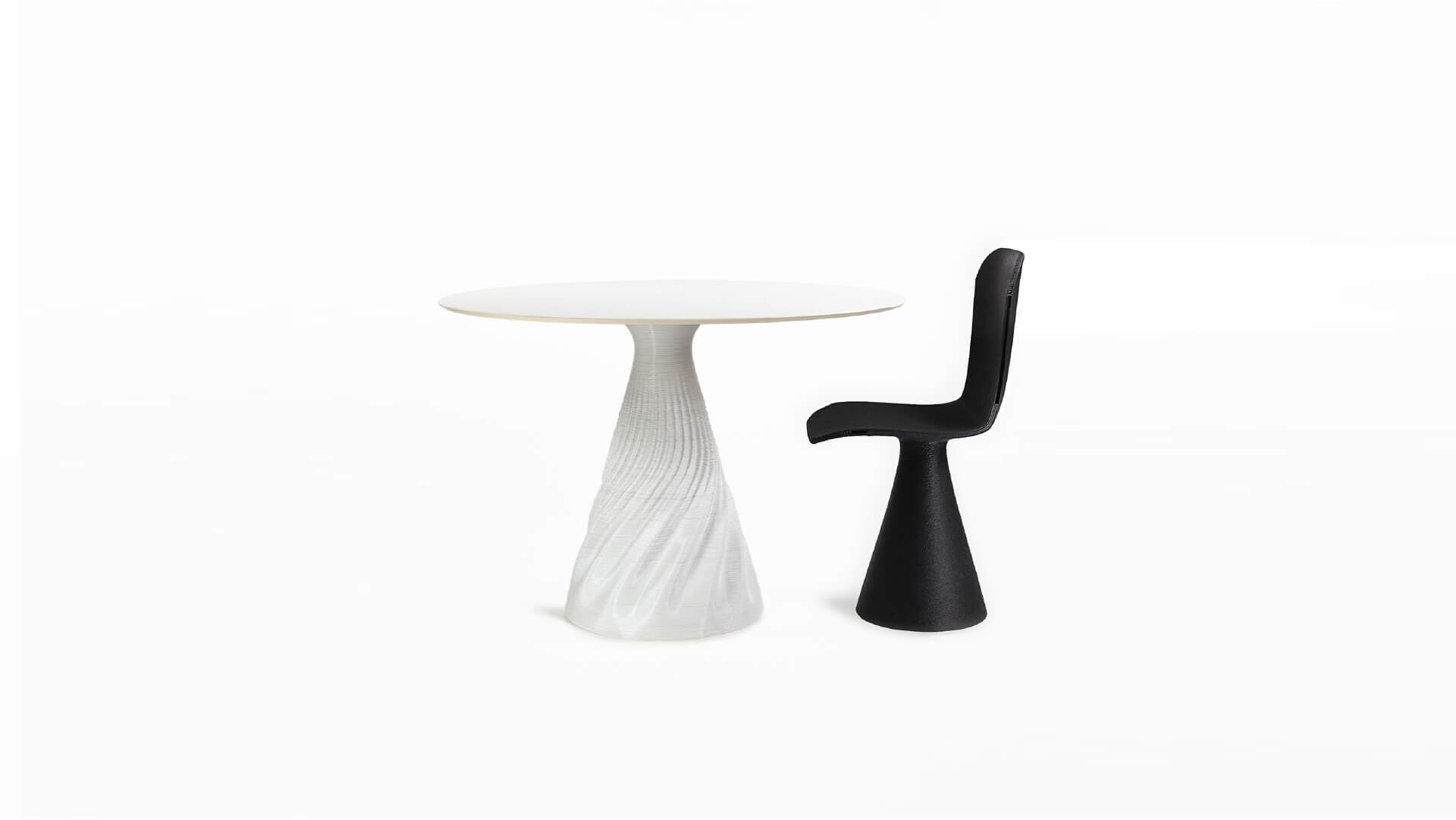
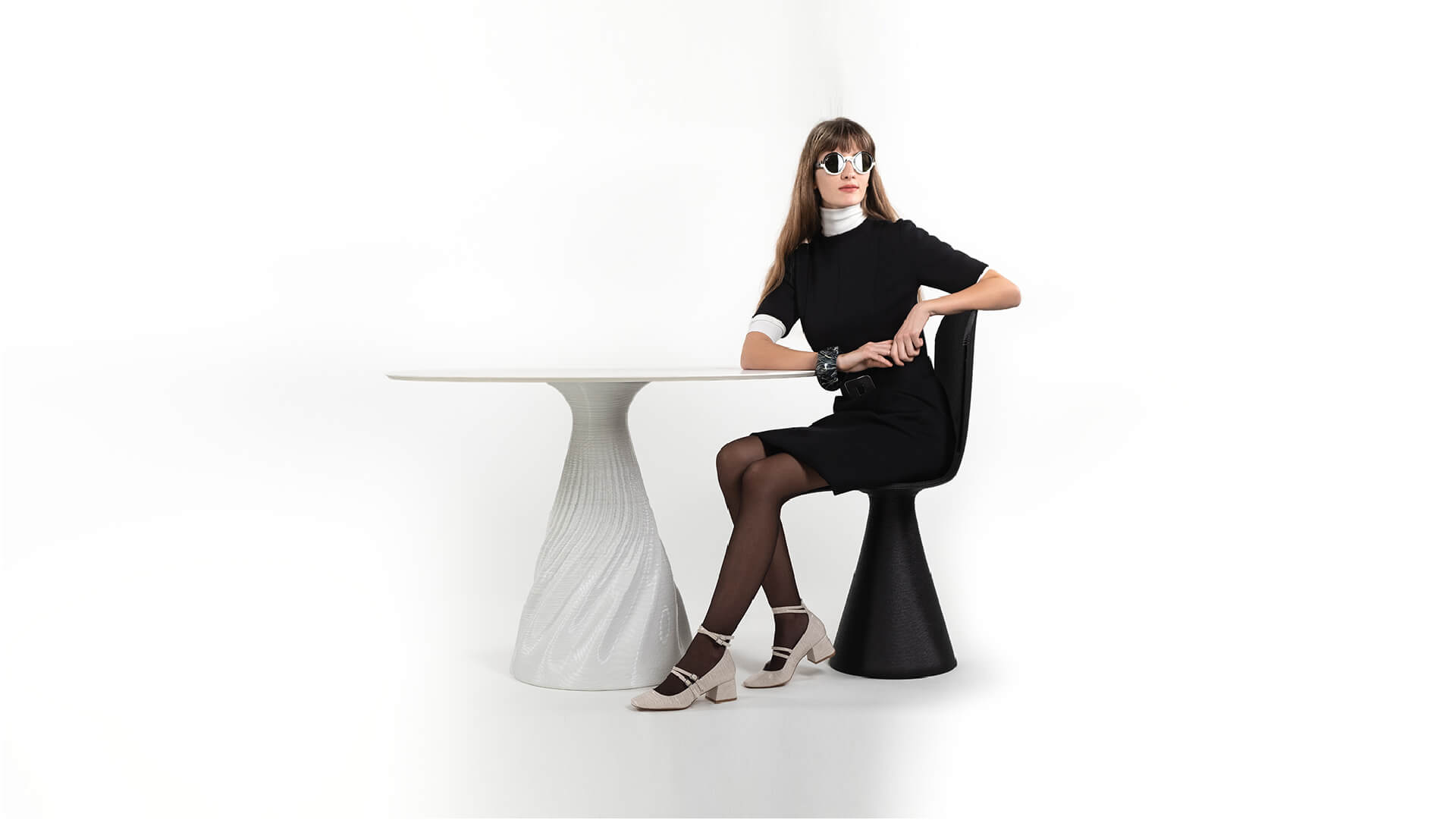
Marble-look surfaces top 3D-printed plastic bases in Elli’s furniture collection

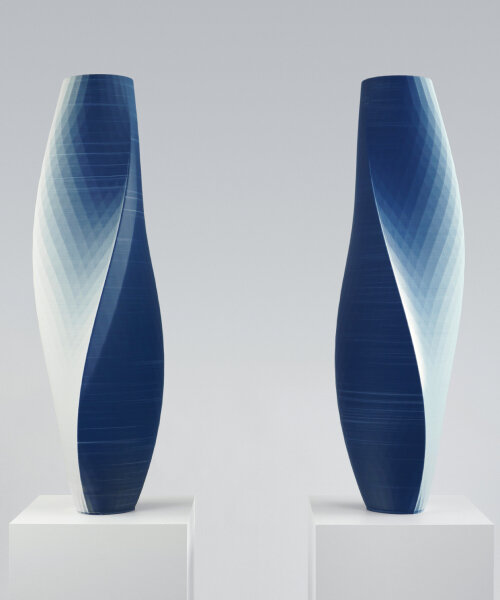
olivier van herpt’s 3D printer can form large-scale, white porcelain vases without collapsing
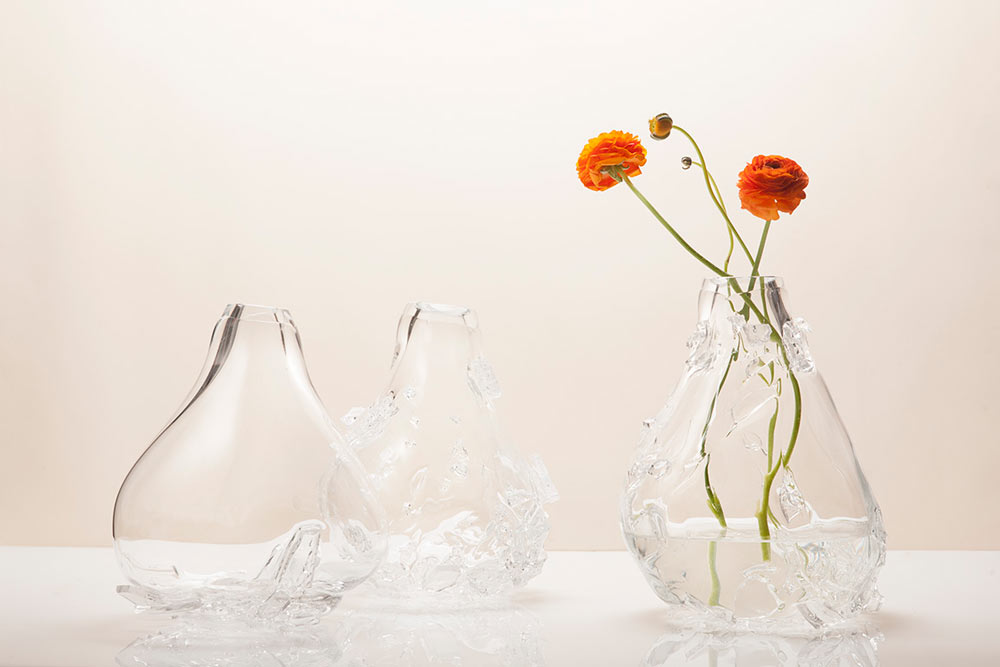
Glass Vases That Look Like They're Growing Ice Crystals
3D Printed Vases That Give New Life to Old Bottles
3D-printed porcelain vases by olivier van herpt in blue and white
High-tech production creates a handcrafted look

Some of the most innovative uses of fabric in entertainment environments are found inside

nir neria's porcelain fabric vases meld 3D printing and traditional craftsmanship
This Triangle Vase Gives You Freedom to Create a Unique Collection
3form’s Biophilic Graphic Patterns Celebrate the Duality of Perfection + Imperfection
The Impact of 3D Rendering on Modern Fashion Design

Philips MyCreation: illuminating a sustainable future with 3D printed design solutions
Philipp Aduatz Creates 3D-Printed Concrete Furniture and Vases
Vessel to vessel: cutting-edge contemporary vases that transcend their function

form found design explores robotics + fabric in façade construction