1/17
3D-Printed Ceramic Vases That Mimic Nature’s Patterns
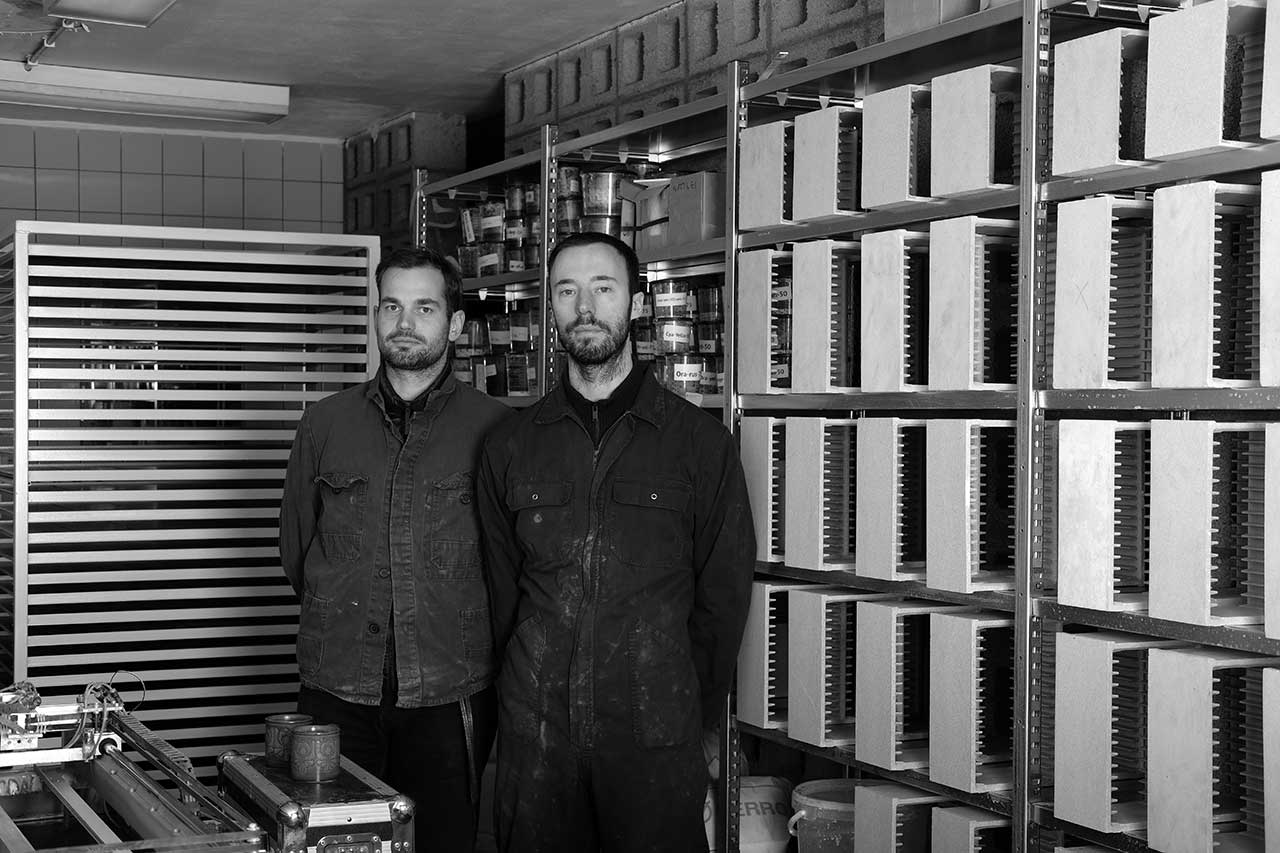
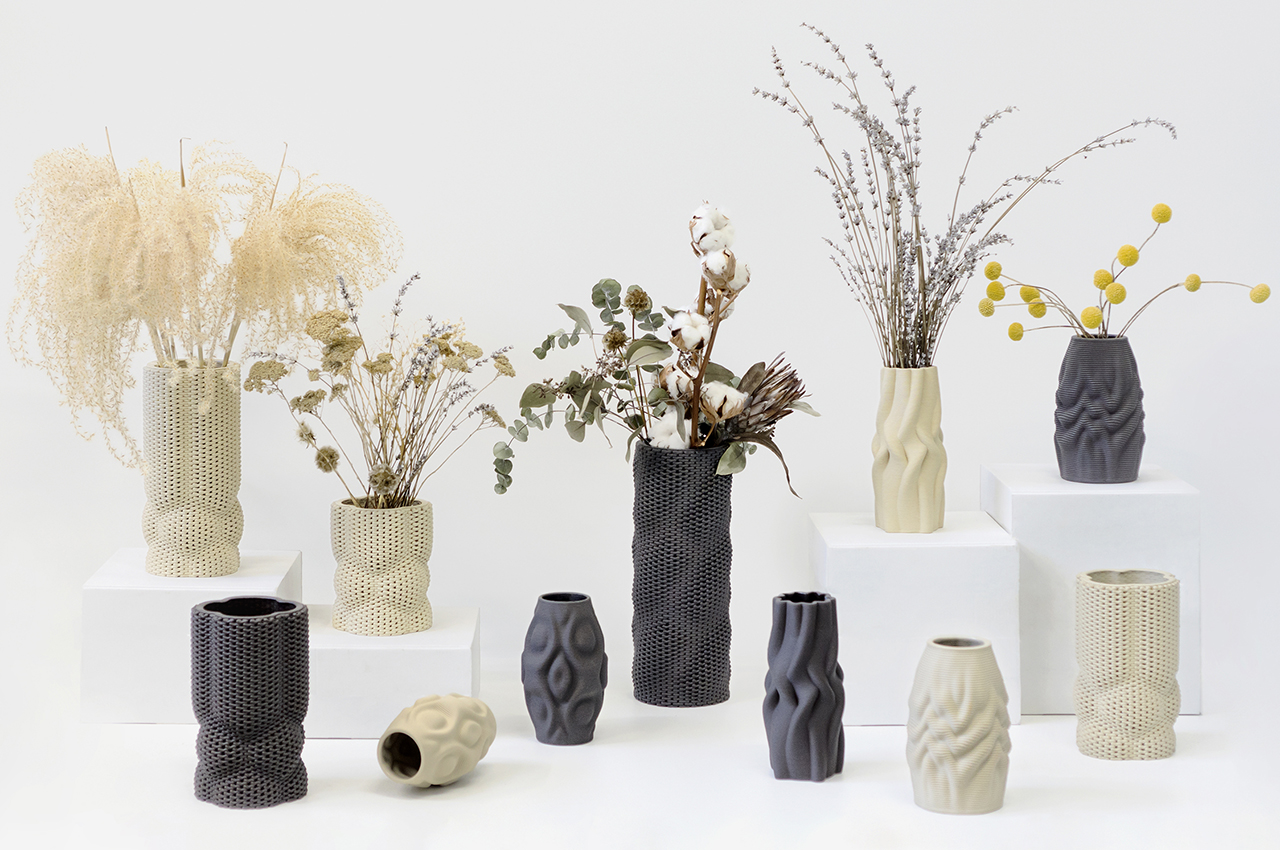
Drag And Drop, a Romanian design and manufacturing studio co-founded by Madalin Gheorghe and Dragos Sabareanu in 2019, is known for its innovative approach to design, merging advanced technology with artisanal techniques. The studio's ceramic collection showcases this philosophy by reimagining the function and aesthetics of everyday objects, specifically vases. The creation process leverages a large 3D-ceramic printer to produce intricate patterns, which are developed using sophisticated algorithmic modeling software. Throughout the design and manufacturing process, a strong emphasis is placed on sustainability, aesthetic appeal, and overall quality.
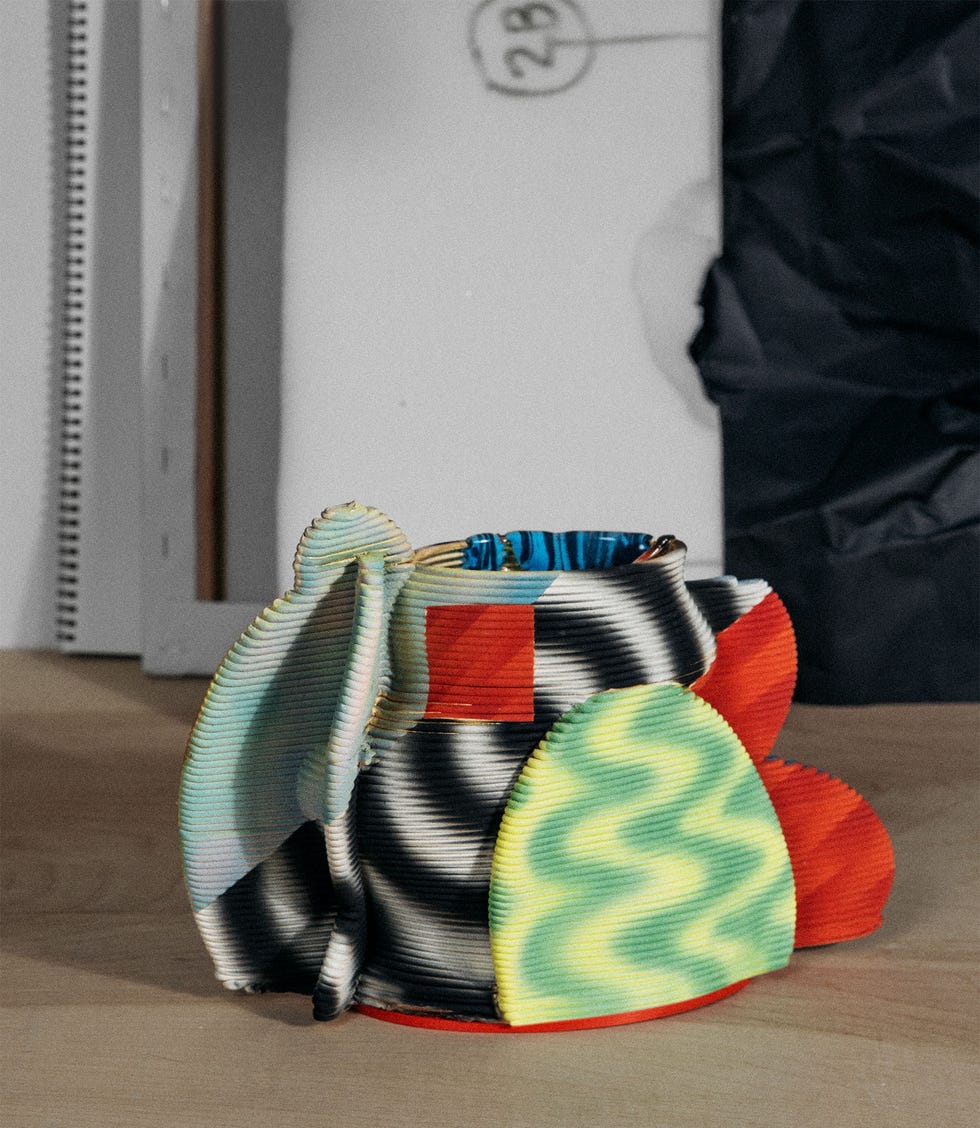
The collection features five distinct vase designs, each drawing inspiration from natural patterns and traditional craftsmanship. The 'Intertwined' vase, for instance, is characterized by its organic, interwoven geometric pattern, reminiscent of growth structures found in tree bark and root systems. This unique design is achieved through 3D printing using 100% natural clay. While the interior of the Intertwined vase is hand-glazed, its exterior maintains a matte finish, a consistent characteristic across the entire ceramic collection. This contrast highlights the intricate textures created by the 3D printing process.
Another design, 'Bulky,' is offered in three different sizes. This vase features a textile-like pattern that interacts with light throughout the day, creating varying visual effects. The design encourages tactile engagement, inviting individuals to explore its geometric forms and textures through touch. This interactive element adds another dimension to the appreciation of the piece, allowing for a more intimate connection with its design and material.
The 'Ripple' vase demonstrates the studio's ability to translate complex mathematical formulae into aesthetically pleasing natural patterns. Its design mimics the visual effect of rippling liquid, such as the concentric circles formed when a stone is dropped into water. This piece exemplifies how technology can be used to replicate and enhance natural phenomena, creating objects that are both visually striking and conceptually rich. The wave-like pattern provides a sense of movement and fluidity, despite the static nature of the ceramic material.
The 'Kilim' vase pays homage to the traditional tapestry-weaving methods employed in regions historically part of the Persian Empire. This design represents a contemporary reinterpretation of an ancient craft, demonstrating a harmonious blend of traditional artistry and modern industrial design. By translating the intricate patterns of kilim carpets into a 3D-printed ceramic form, the studio bridges the gap between historical techniques and cutting-edge manufacturing, creating a piece that is culturally resonant and technologically advanced.
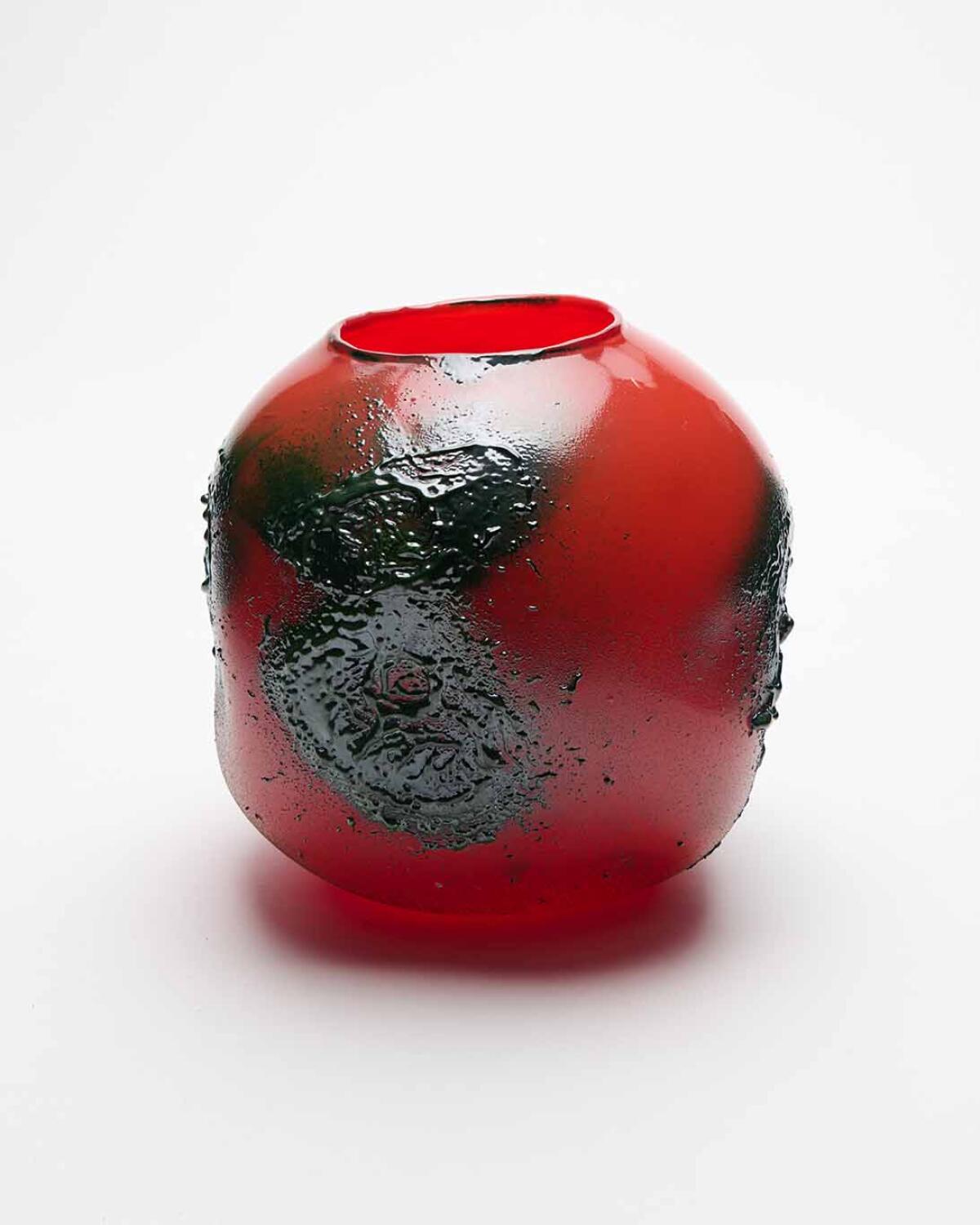
Finally, the 'Melting' vase directly incorporates its manufacturing process into its aesthetic. The design plays on the suppleness of wet clay during the layering process of 3D printing, creating the illusion of a soft object that appears to be melting. This visual effect is achieved despite the hard, finished ceramic product, creating an intriguing juxtaposition. The Melting vase challenges perceptions of material properties, making a rigid object appear fluid and malleable, highlighting the transformative potential of 3D printing in ceramic art.
#3DPrinting #CeramicVases #NatureInspiredDesign #AlgorithmicModeling #SustainableDesign #HomeDecor #ModernCraftsmanship #DragAndDropDesign #InteriorDesign #3DPrinting #CeramicVases #NatureInspiredDesign #AlgorithmicModeling #SustainableDesign #HomeDecor #ModernCraftsmanship #DragAndDropDesign #InteriorDesign
0 comment in total
 No comments yet
You may also like
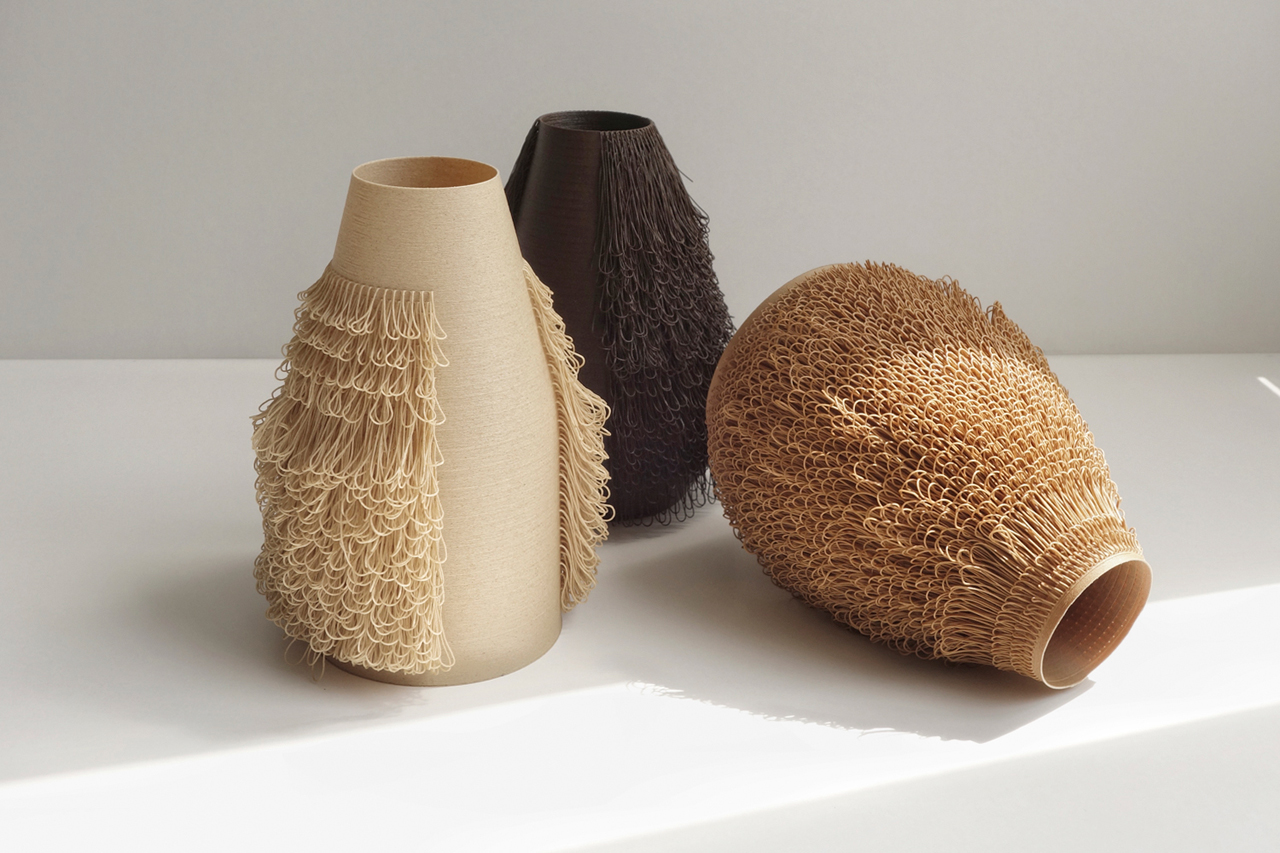
Poilu Vases Are 3D Printed with Implanted "Hair"
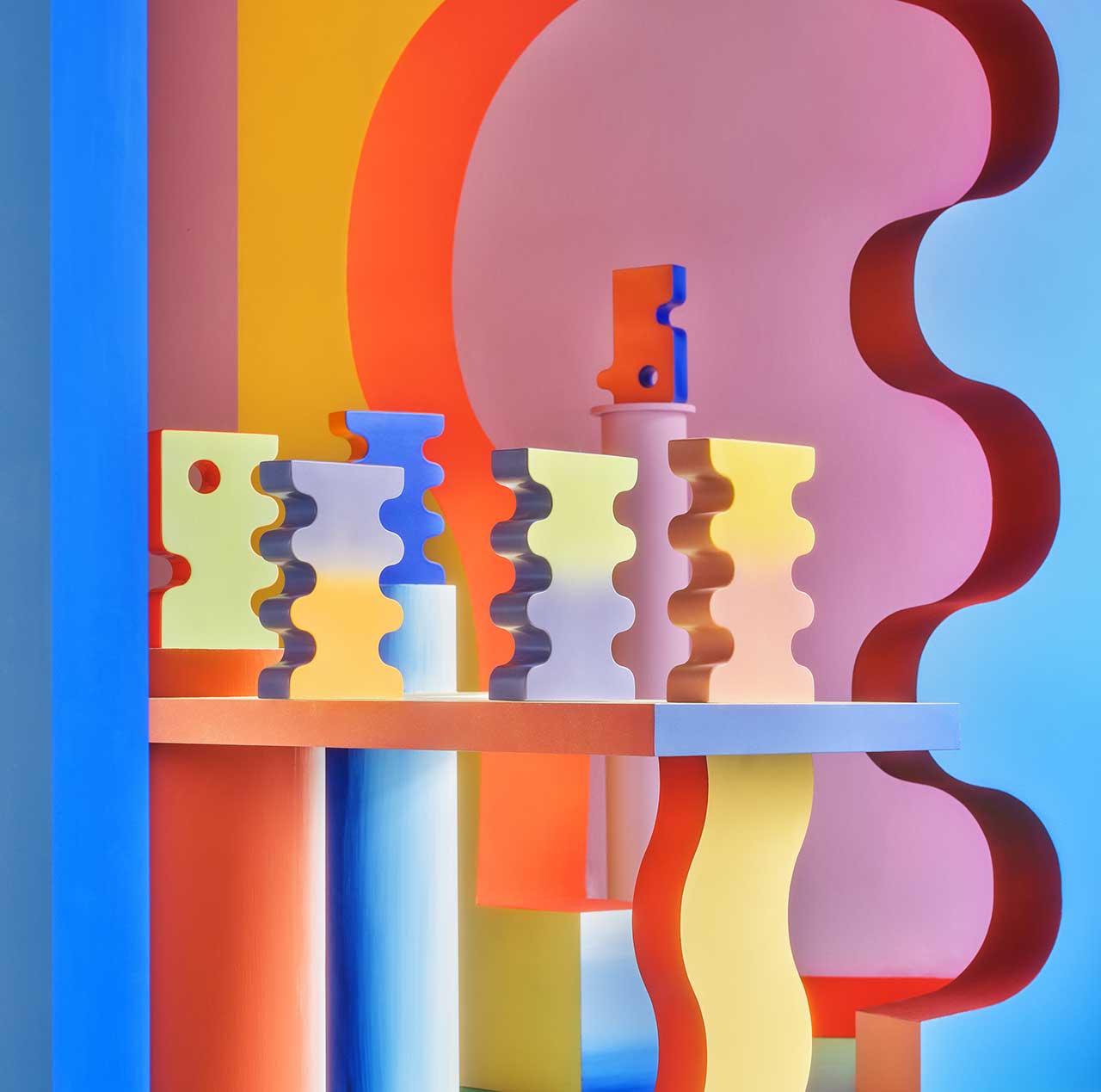
Vibrant Geometric Vases That Speak the Language of Painting
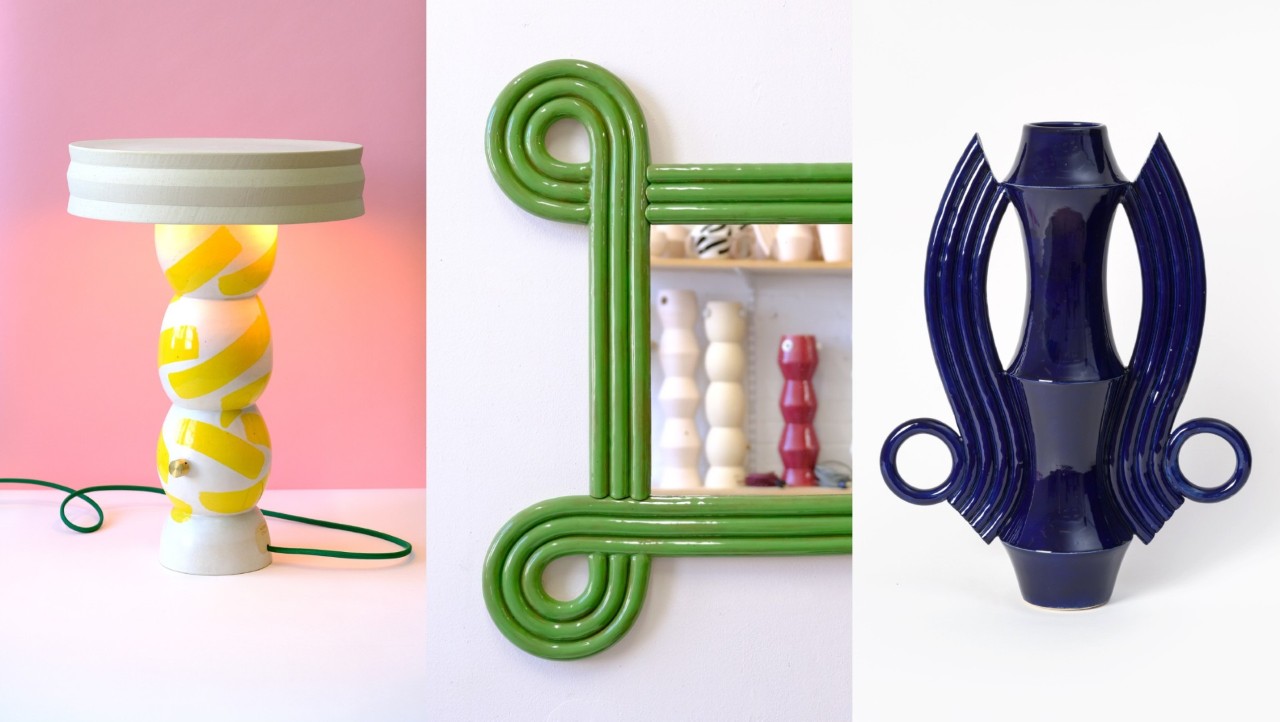
Beginner Ceramics Is Having Fun With Clay (And It Shows)
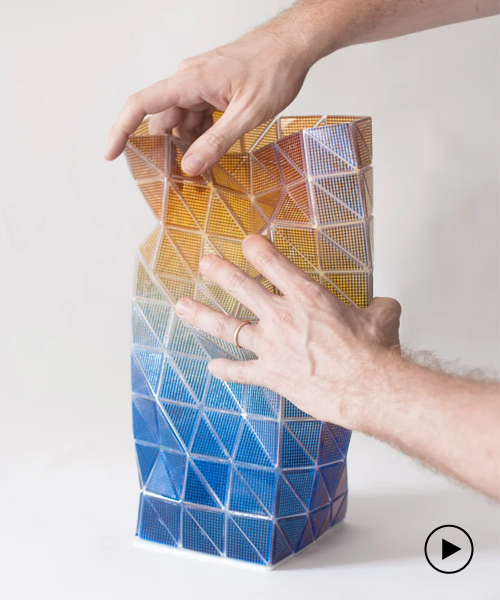
manipulate glass with the 'touch-me' vase collection by matteo silverio + stefano bullo
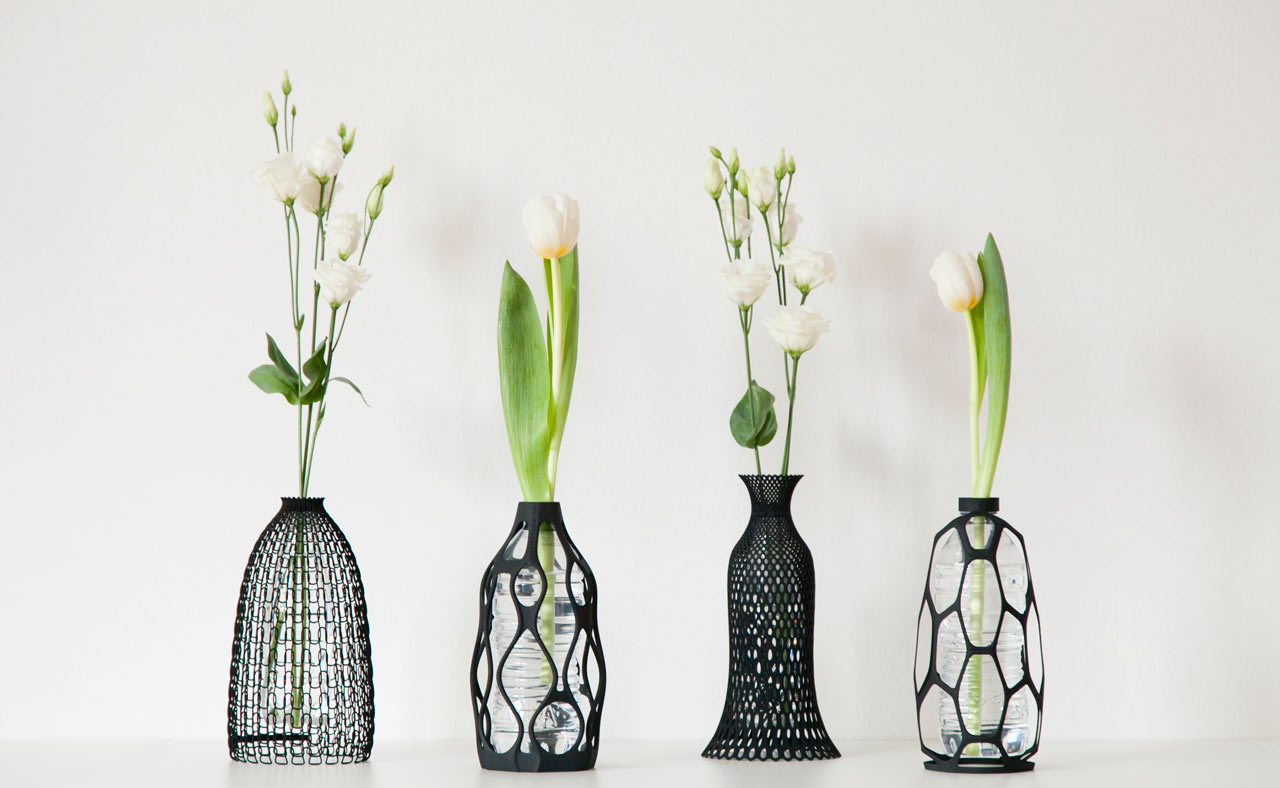
3D Printed Vases That Give New Life to Old Bottles
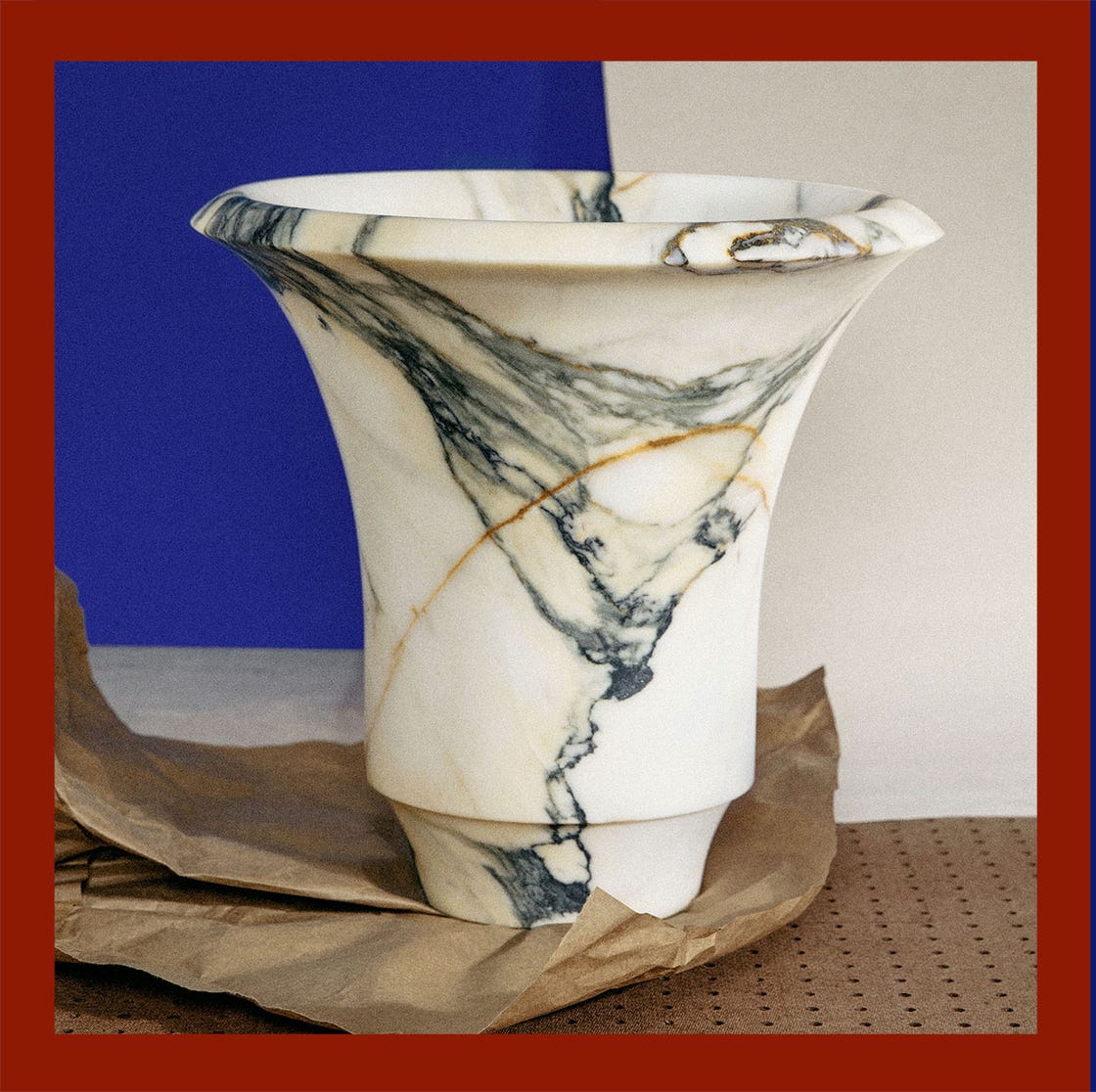
Expand Your Art Collection with These Gallery-Worthy Vessels
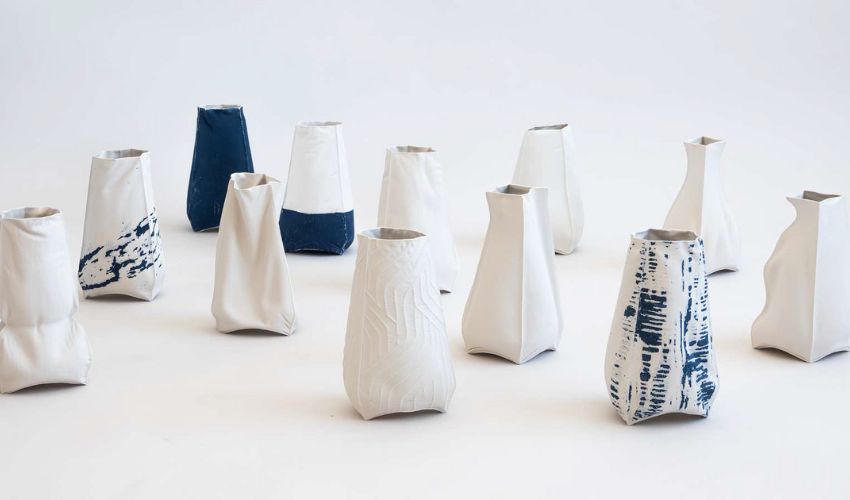
3D Printing and Fabrics: The Unique Design Process Behind the Forma Fabrica Vase Collection
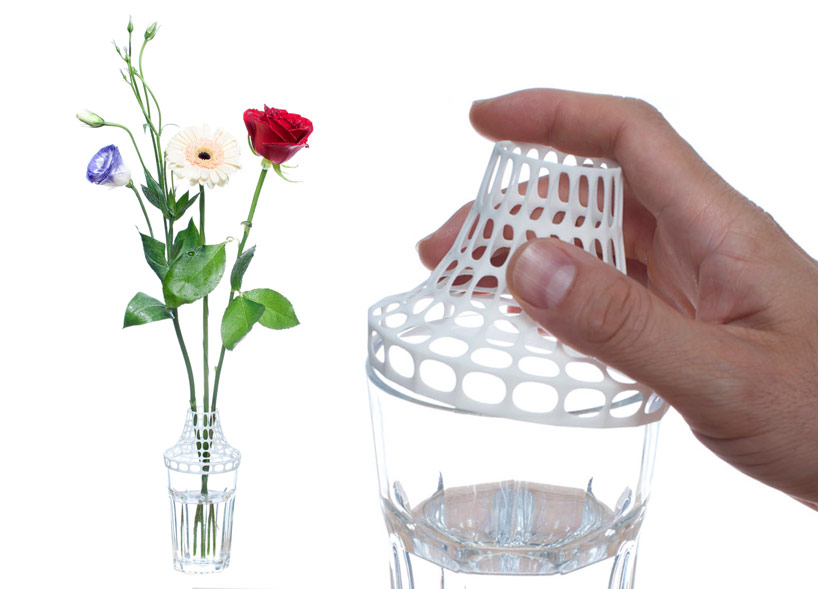
3D printed clip on vase modifies drinking glass

Hand-Blown Vases That Feel Like Tiny Planets
3D-printed porcelain vases by olivier van herpt in blue and white
Head vases are the next interior design trend
8 Beautiful Vases That Are True Works of Art, and Are Just As Investment-Worthy
nir neria's porcelain fabric vases meld 3D printing and traditional craftsmanship
Glass Vases That Look Like They're Growing Ice Crystals
9 Home Designs That Evoke the Flow of Water (Published 2024)
Marble, Stone and Wood Effect Floors: Ceramics Inspired by Nature

Material Innovation At Its Best: Explore Design Standouts

Elevate your living space this spring with these designer vases

Colorful, Trippy Tiles Made on a Custom-Built Machine
Ruffled Vases, Chaises Longues Made of Pipes, and More Design Finds