1/4
Hand-Blown Vases That Feel Like Tiny Planets
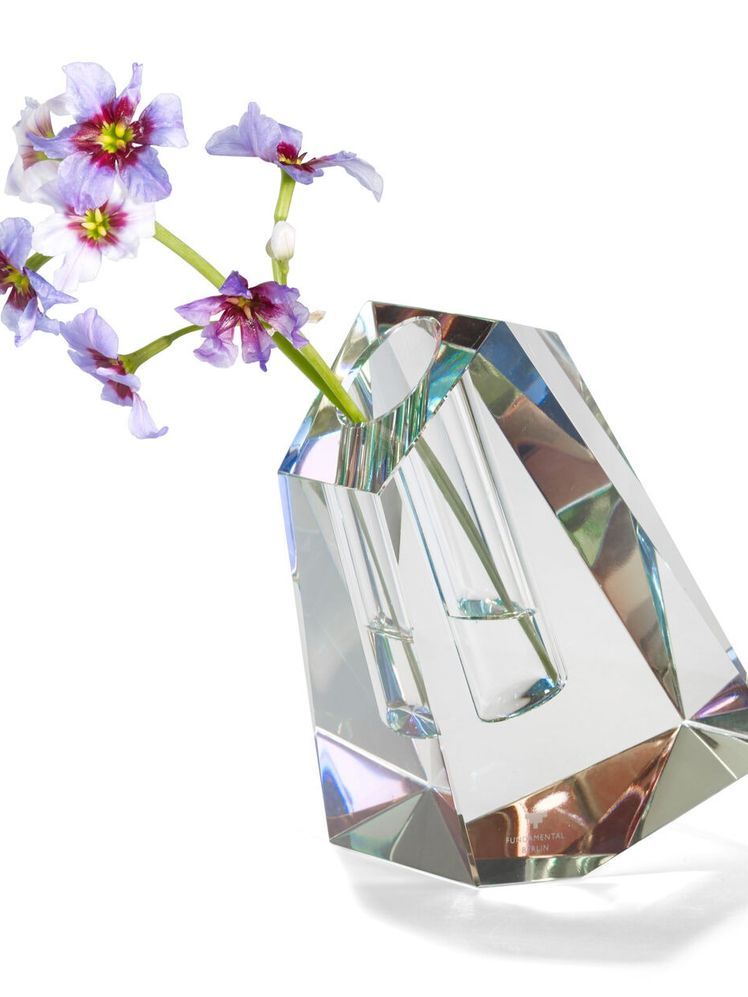
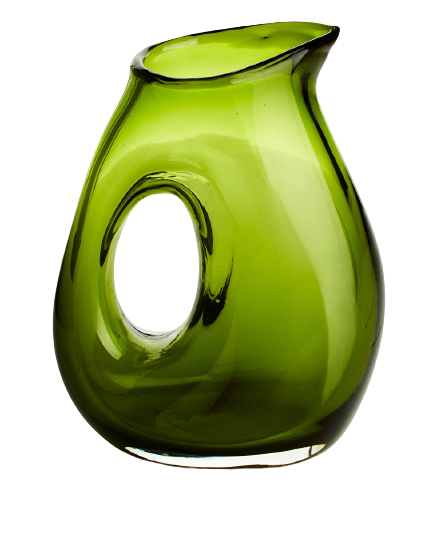
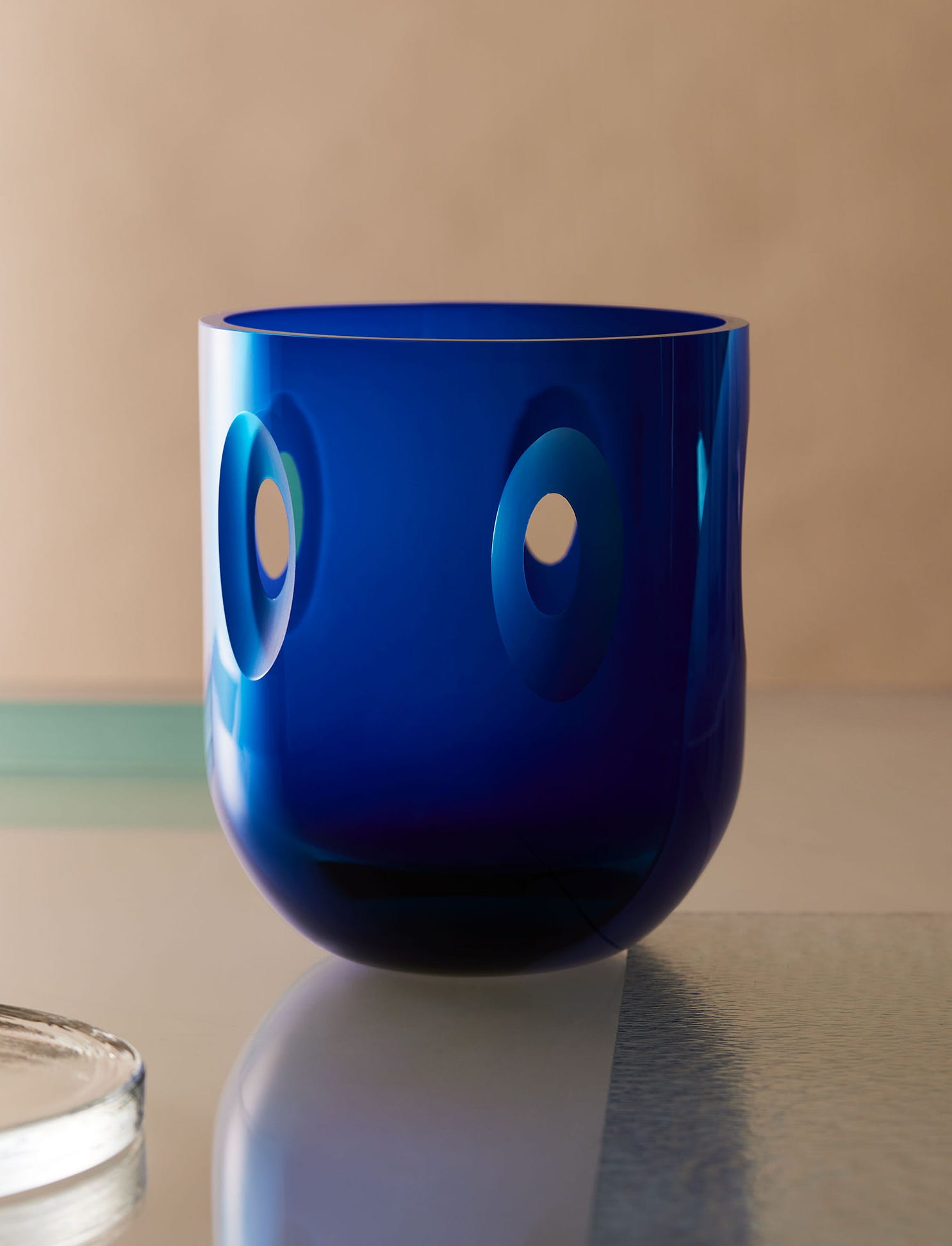
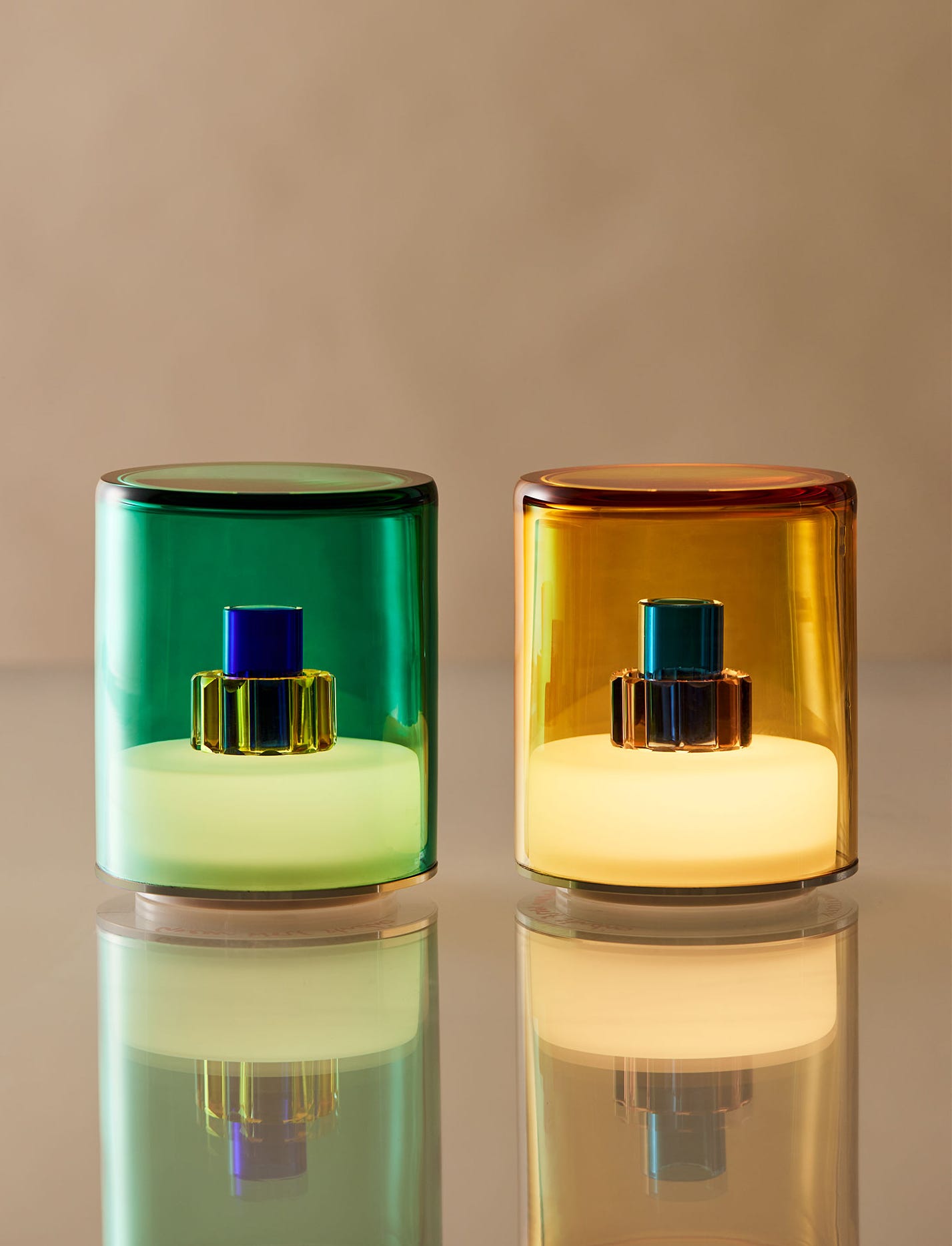
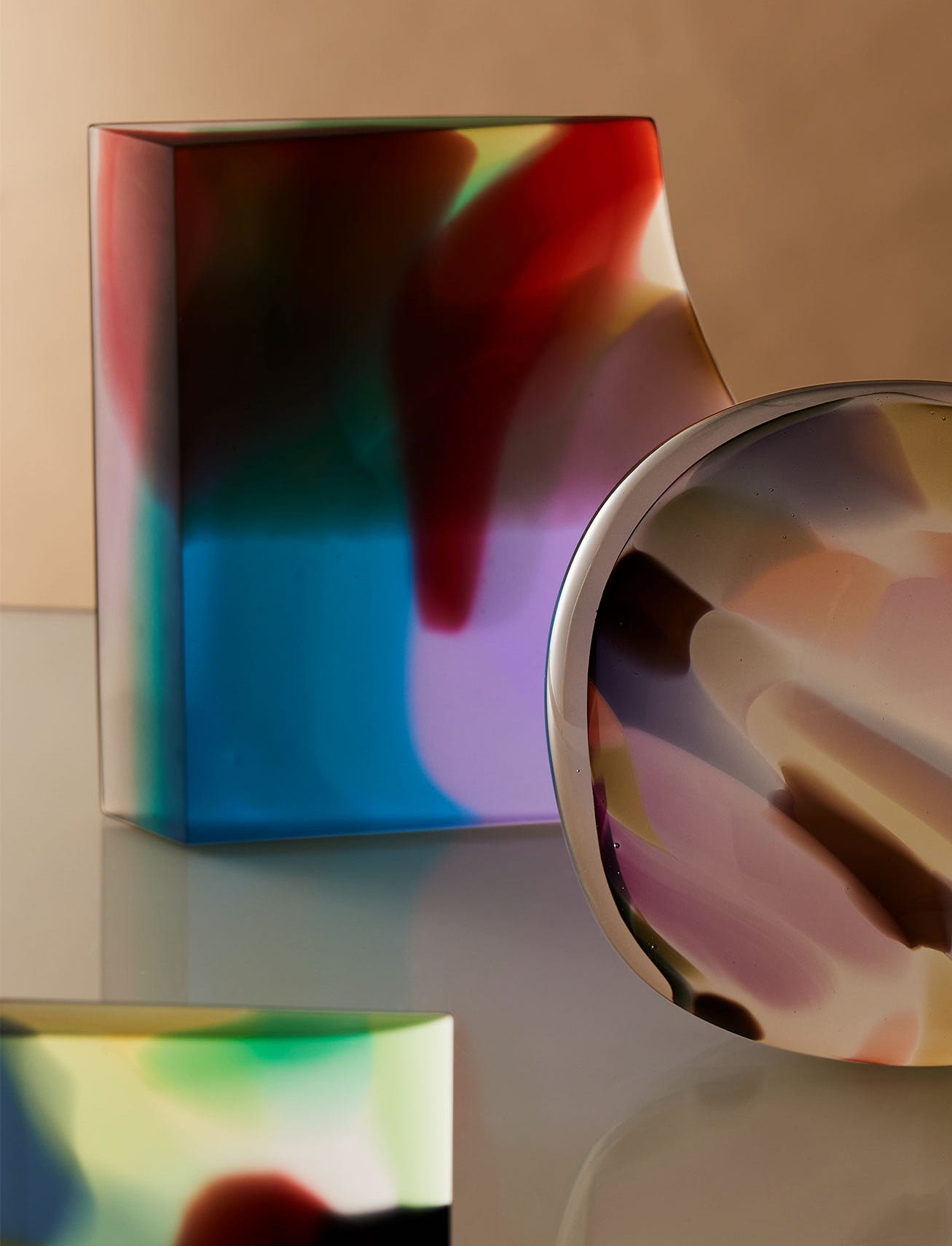
MOONARIJ, a Berlin-based design studio, in collaboration with Swiss artist Kaspar Müller, has unveiled a limited-edition 'Space Jars' collection. These hand-blown glass vases are inspired by planetary forms and cosmic landscapes, aiming to bridge the gap between sculptural art objects and functional decor. Johanna Wichelhaus, MOONARIJ's founder, emphasizes that each piece is sculptural yet grounded in purpose, designed to hold life. The collection features unique, acid-washed, mirror-finished, and vibrantly colored pieces, ensuring no two are identical. Kaspar Müller's conceptual approach to glass, shaped by spatial experience and installation, combines with Wichelhaus's precision in balancing functionality, form, and color to create these distinctive vessels. The production process involves traditional German hand-blown glass techniques, with finishing touches such as powder coats, mirror skins, and acid etches applied by Esteban Salazar at Brooklyn Glass.
The philosophy behind the Space Jars is described as a fusion of two distinct approaches, converging into a singular language that is both meditative and purposeful. Each vase is intended to evoke distant celestial bodies while remaining inherently practical, reflecting a dual identity that is both planetary and domestic. This balance, reminiscent of Earth itself—a celestial body vibrant with life, adrift in space—transforms the Space Jar into a metaphor for the interplay between expressive form and purposeful function. To enhance the artistic vision, Wichelhaus and Müller collaborated with photographer Lucas Confurius to create a visual campaign that positions the vases in cosmic settings, further emphasizing their otherworldly inspiration. MOONARIJ, founded in 2022 by Wichelhaus, is deeply rooted in Germany's glassmaking heritage and a passion for handcrafted design, working closely with small workshops in Berlin and Dresden.
The article also provides comprehensive guidance on how to style these Space Jars within various home interior aesthetics. For modern minimalist spaces, the recommendation is to allow the jar to float in negative space, placed solo on a console, low bench, or open shelf, letting its acid-etched textures and mirror surfaces interact with natural light. Suggestions include placing it on a stone or wood plinth, a floating shelf, or a marble coffee table. In midcentury or eclectic interiors, the vases can be juxtaposed with vintage wood, brass, or patterned wallpaper, layered with books, small ceramics, or records. Examples include pairing them with a bright midcentury lamp, clustering them with other vintage objects, or placing them on a sideboard with art books. For traditional or historic settings, the article suggests creating tension between old and new by placing a Space Jar under a classical oil painting or on a mantelpiece, emphasizing its ability to complement dark-wood library tables, antique candlesticks, or heavy gold-framed mirrors. In maximalist homes, the jar can integrate as another story in a vibrant mix of art and color, such as within a bookshelf display, in a cluster of three with varying finishes, or with fresh-cut flowers. For small spaces, a single Space Jar can serve as a focal point, working well on a windowsill, at the center of a small table, or even as a decorative element in a crowded kitchen, potentially glowing as a low-key nightlight or art installation among spices.
General styling tips include giving the Space Jar ample room to breathe to prevent its effect from being lost in clutter, paying attention to how light interacts with its surface throughout the day, and experimenting with its placement and rotation, both empty and filled with flowers. Beyond the high-concept art pieces, the article also briefly touches upon more functional and craft-oriented types of jars. It discusses the utility of spice jars for kitchen organization, advocating for uniform, clear glass containers with tight seals to maintain freshness and streamline cooking. It also introduces galaxy jars as an easy and creative craft project for all ages, detailing the simple process of layering cotton balls, colored water, and glitter in a clear jar to create a miniature nebula. These examples serve to highlight the diverse potential of containers, from artistic statements to practical organizational tools and engaging crafts, reinforcing the idea that everyday objects can be sources of beauty and order.
#HandBlownGlass #ArtVases #HomeDecor #InteriorDesign #MOONARIJ #KasparMüller #SculpturalArt #GermanDesign #Craftsmanship #HandBlownGlass #ArtVases #HomeDecor #InteriorDesign #MOONARIJ #KasparMüller #SculpturalArt #GermanDesign #Craftsmanship
0 comment in total
 No comments yet
You may also like
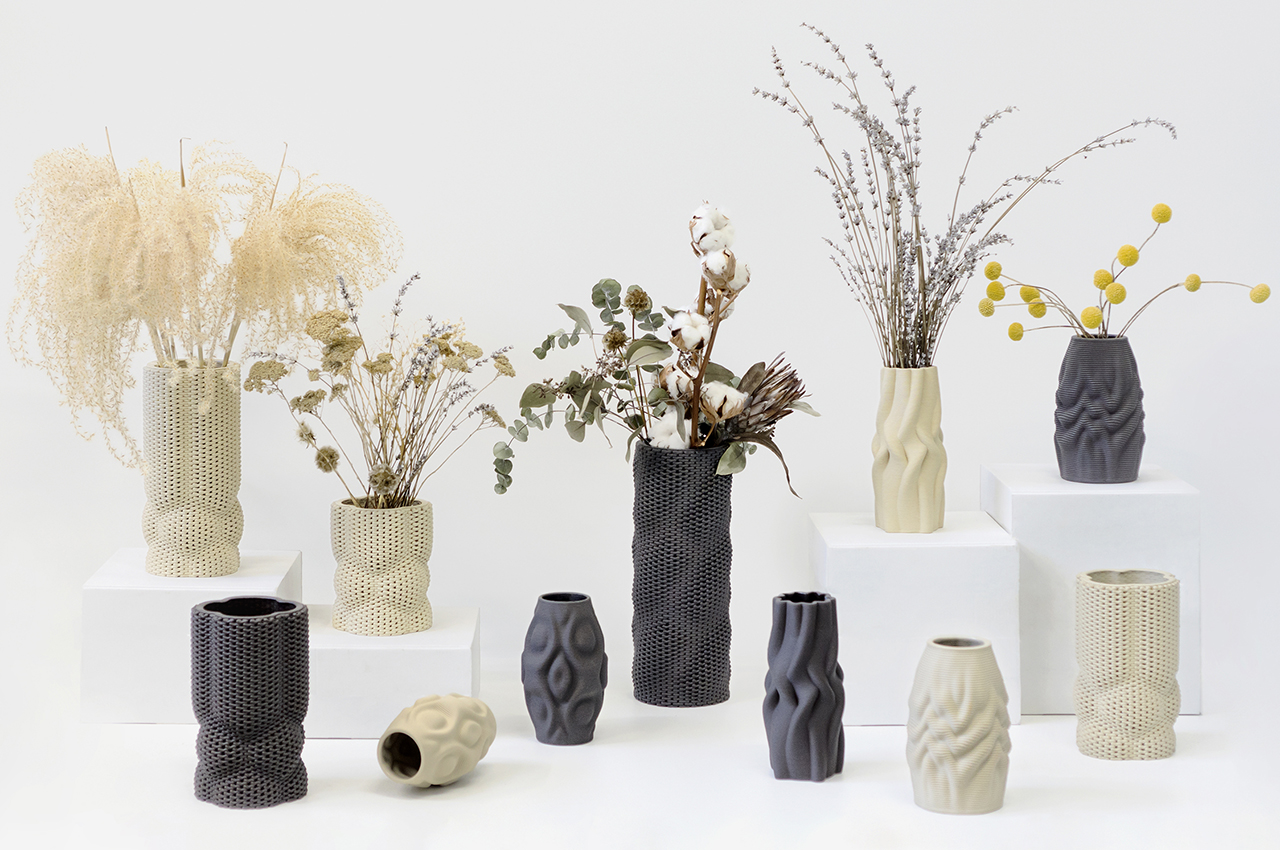
3D-Printed Ceramic Vases That Mimic Nature’s Patterns

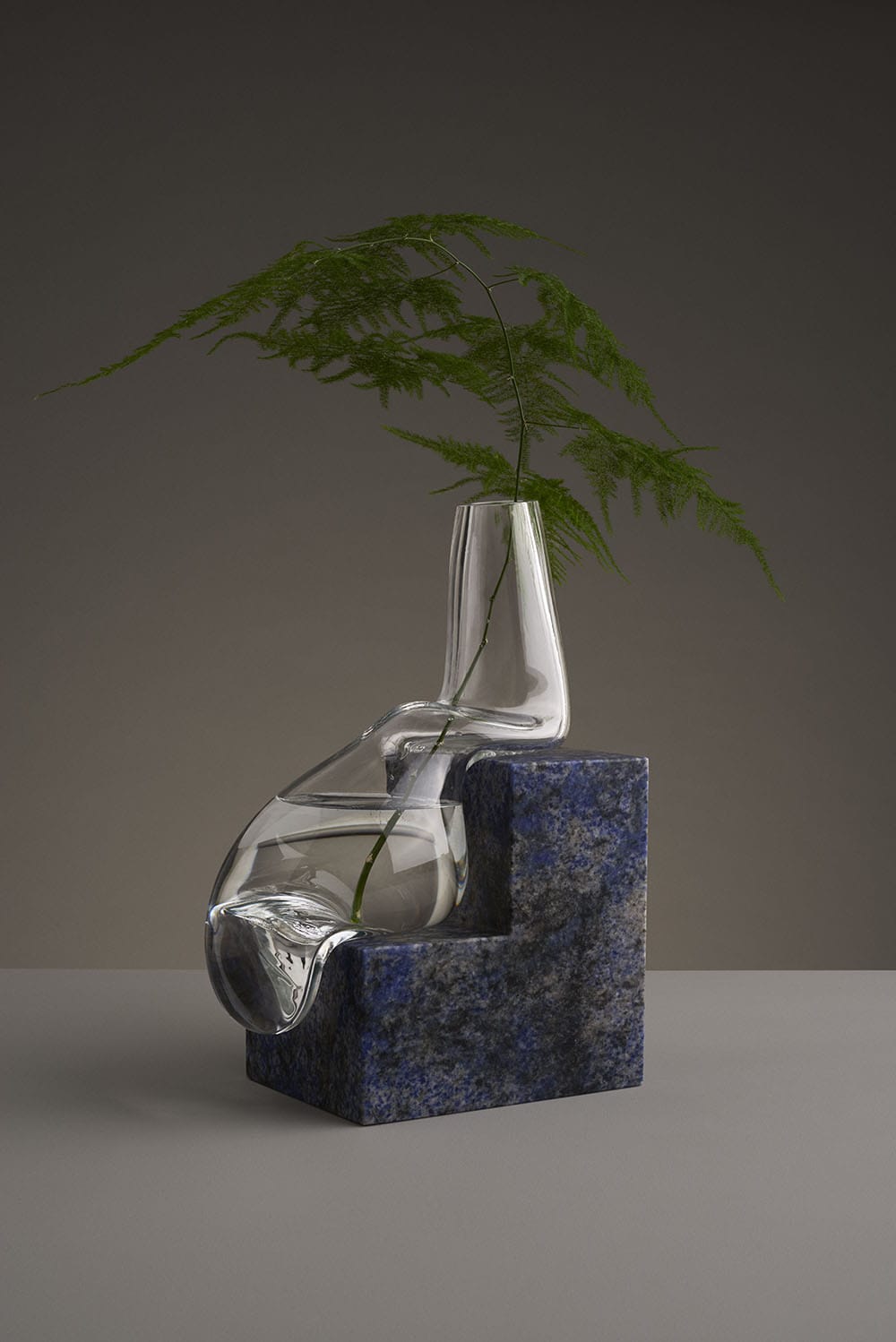
Misshapen Glass Vases by Studio E.O Appear to Melt Atop Angular Stone Platforms

These Chic, Affordable Vases Are Delivering All the Vibes
8 Highly Giftable Vases | Reviews by Wirecutter

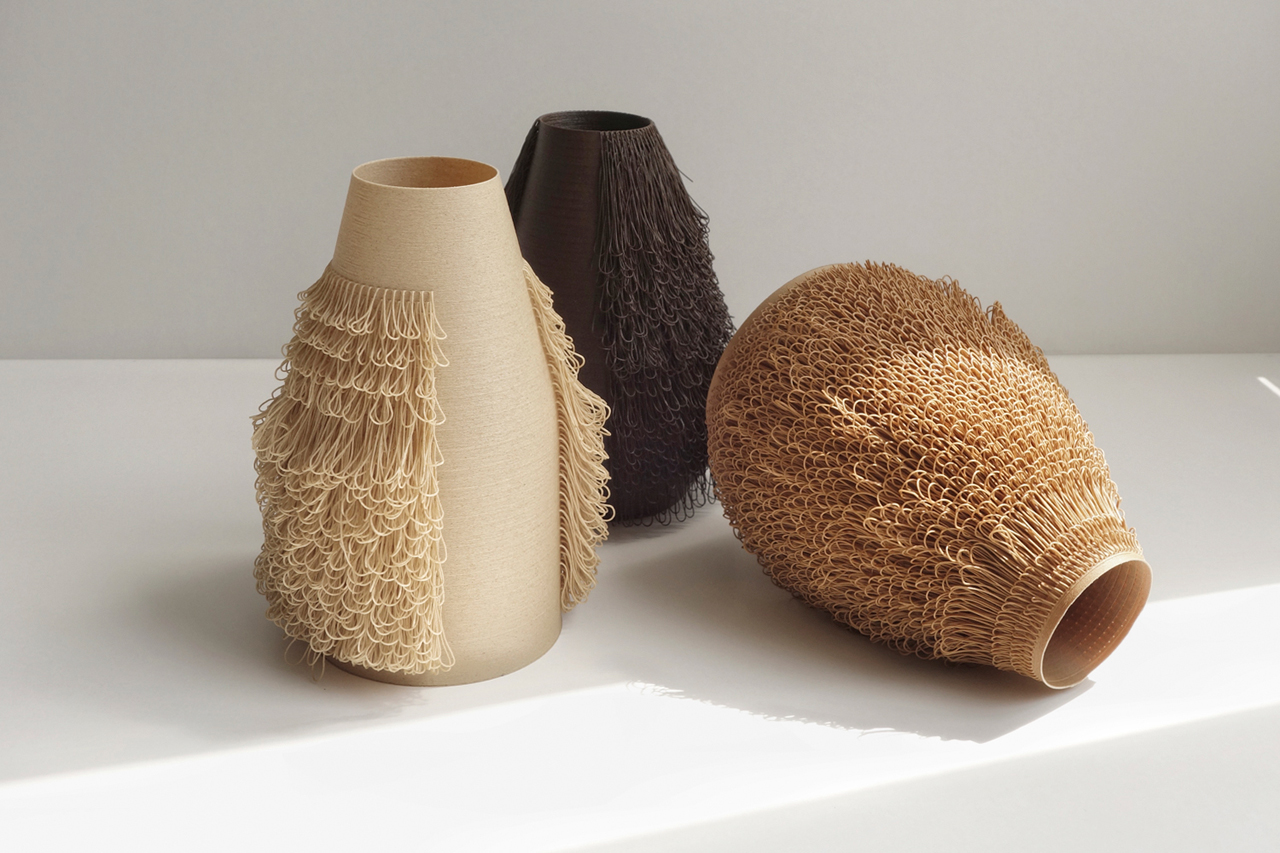
Poilu Vases Are 3D Printed with Implanted "Hair"
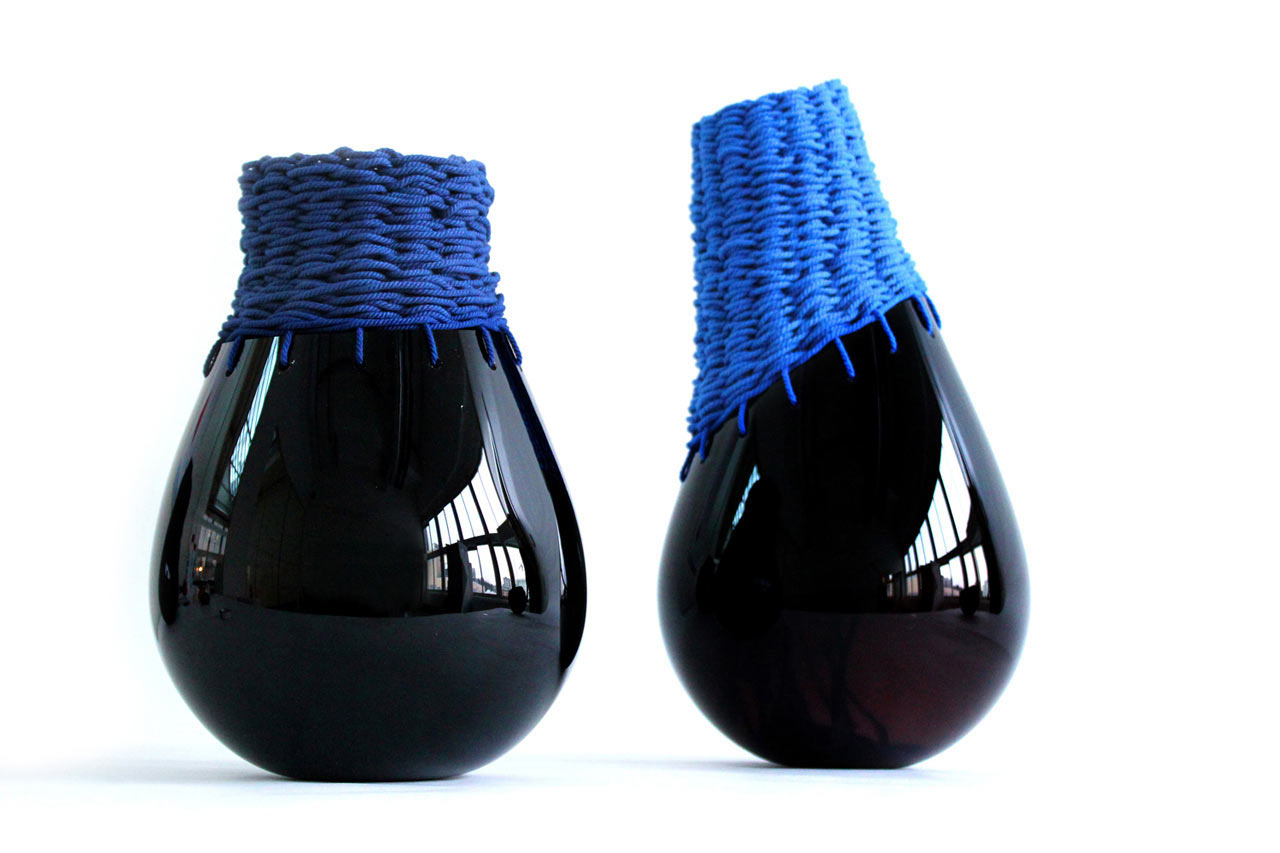
A Tale of Two Materials: Innesti Vases
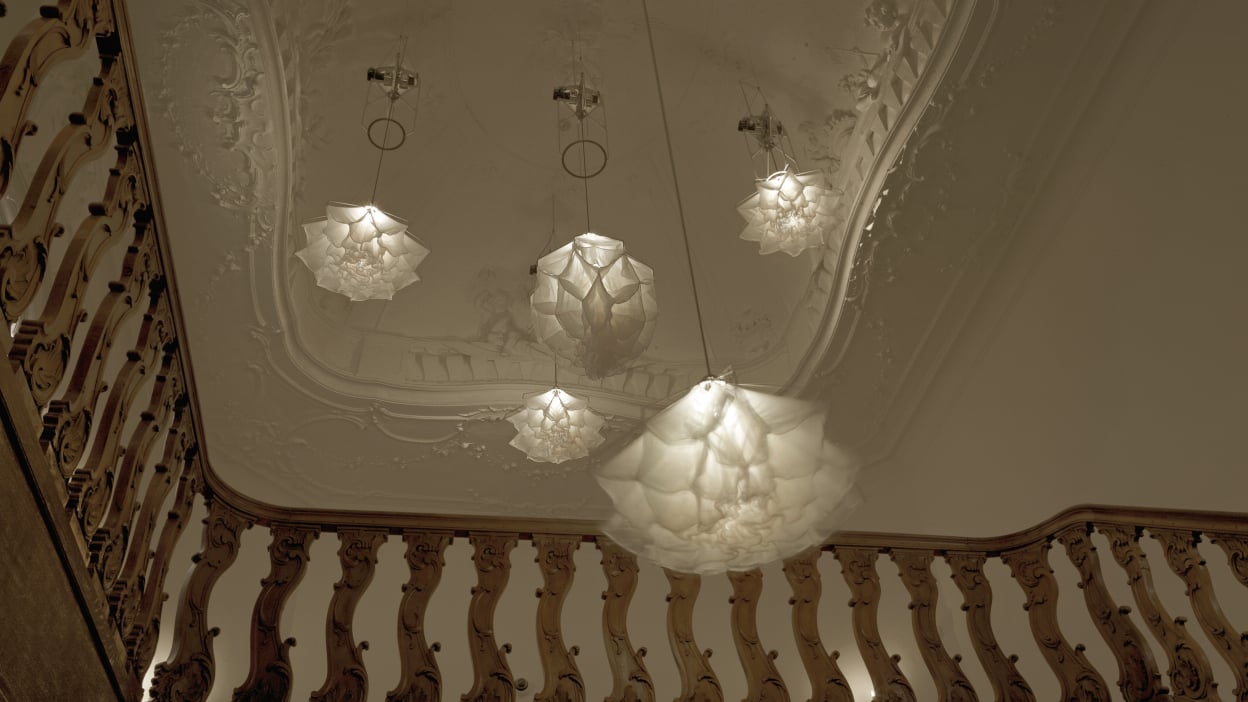
These hanging light sculptures bloom like flowers

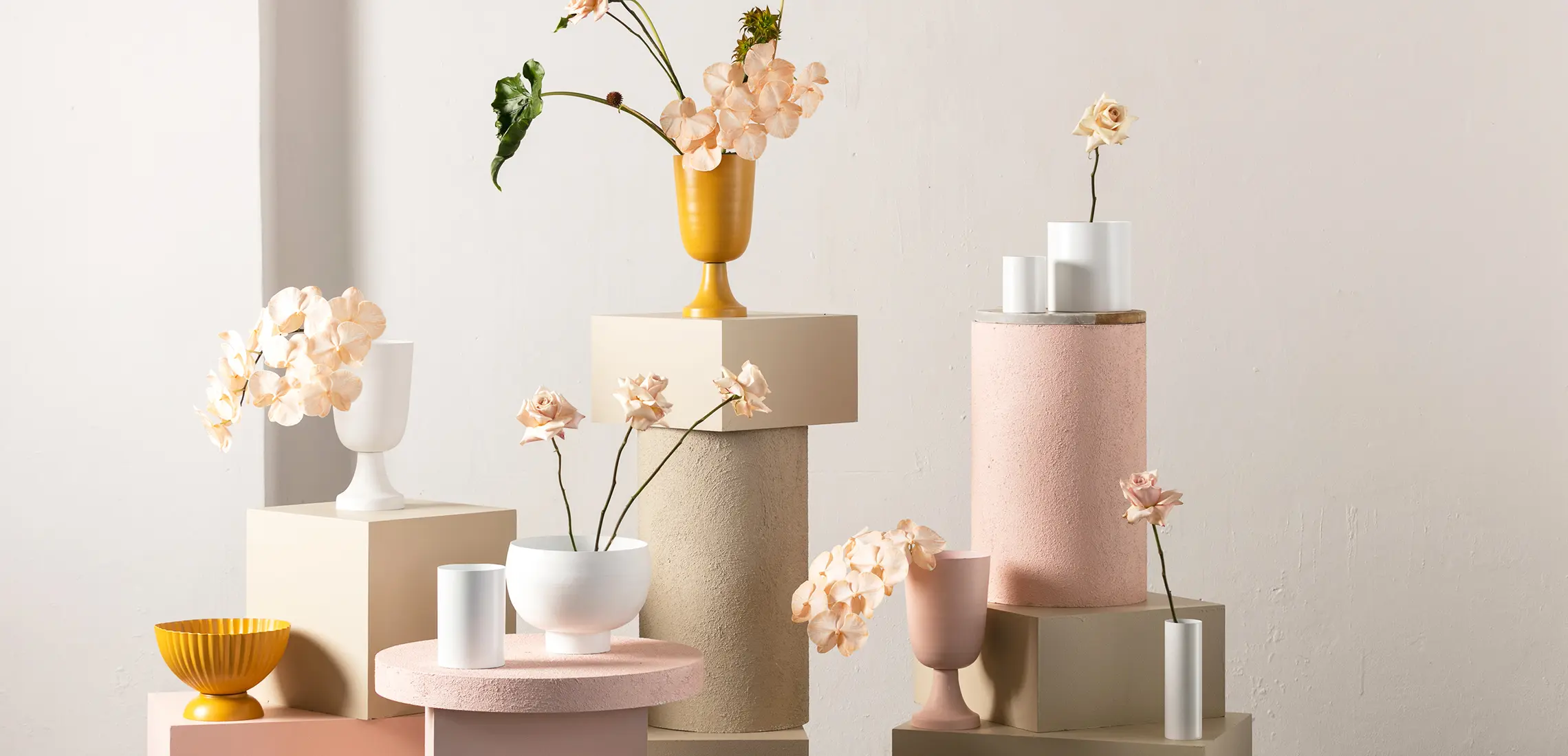
30 Funky/Statement Vases To Elevate Your Home
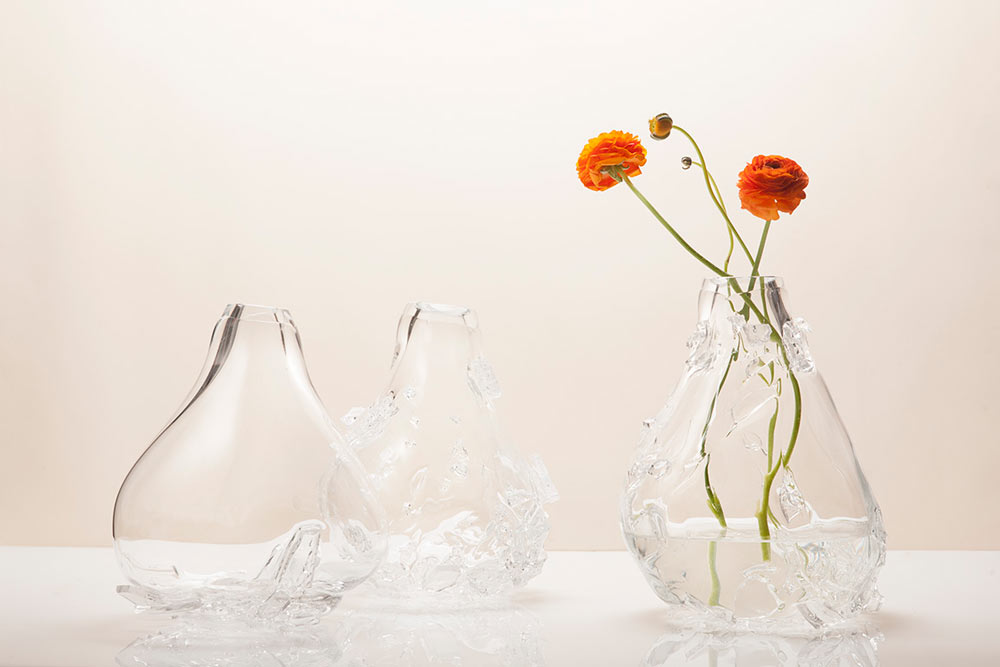
Glass Vases That Look Like They're Growing Ice Crystals
Ruffled Vases, Chaises Longues Made of Pipes, and More Design Finds
Bud Vases Are in Full Bloom

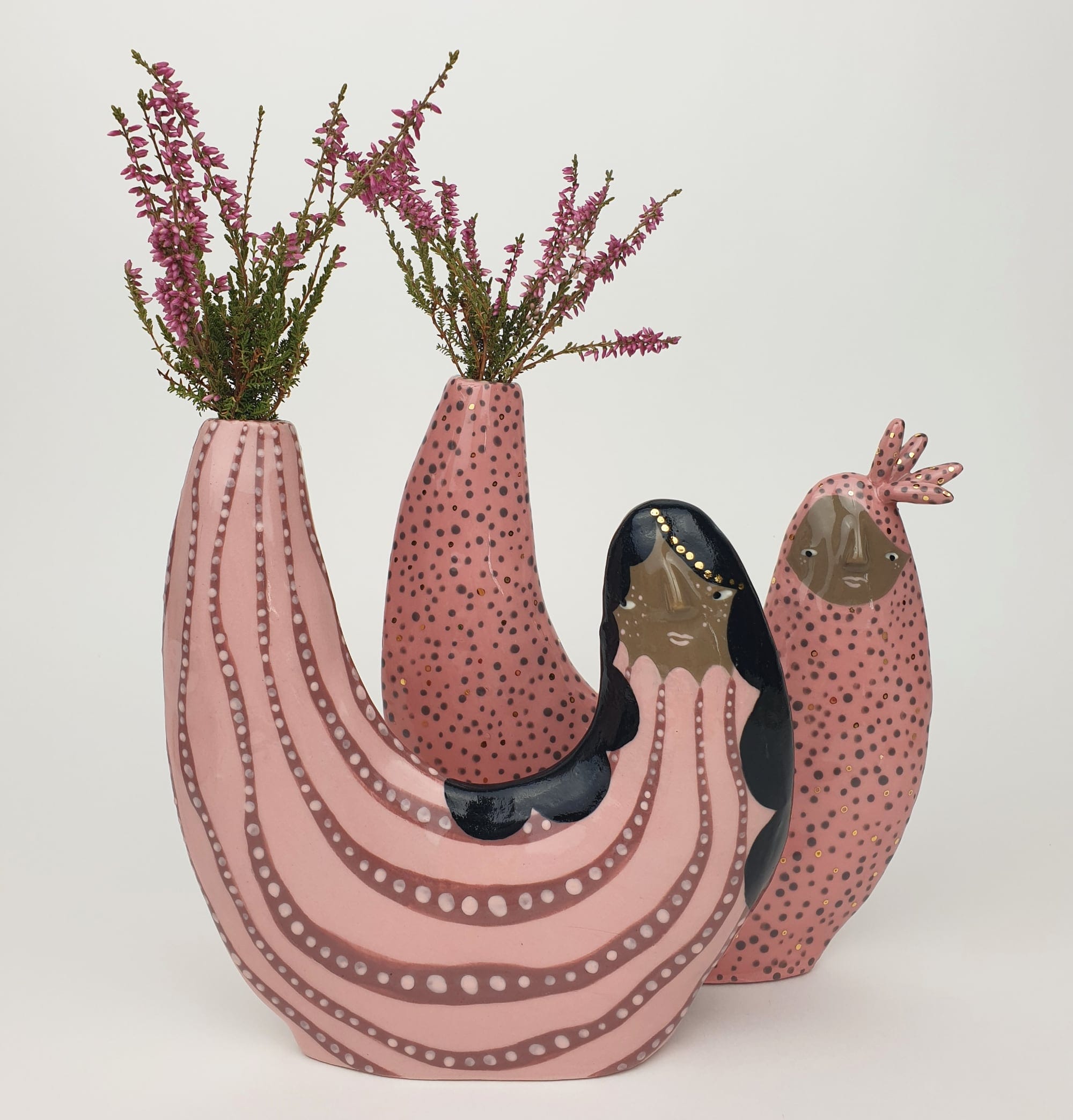
Minimal Faces Emerge From Sandra Apperloo’s Lanky Patterned Bud Vases
Upcycle jars into stunning vases with this woman's DIY hack

Elevate your living space this spring with these designer vases

Vibrant Vessels
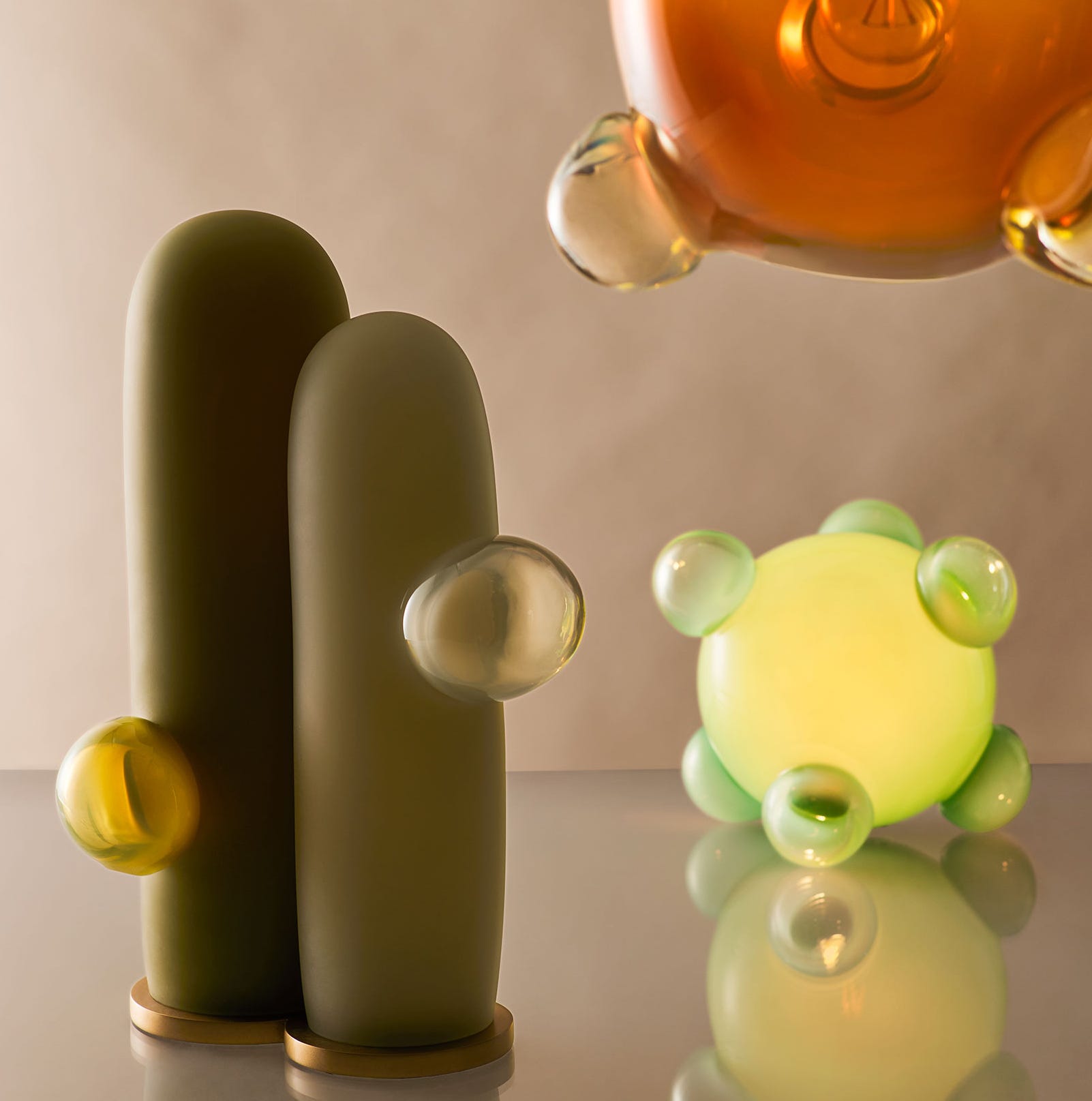
These Glassware Pieces Are Mind-Blowing
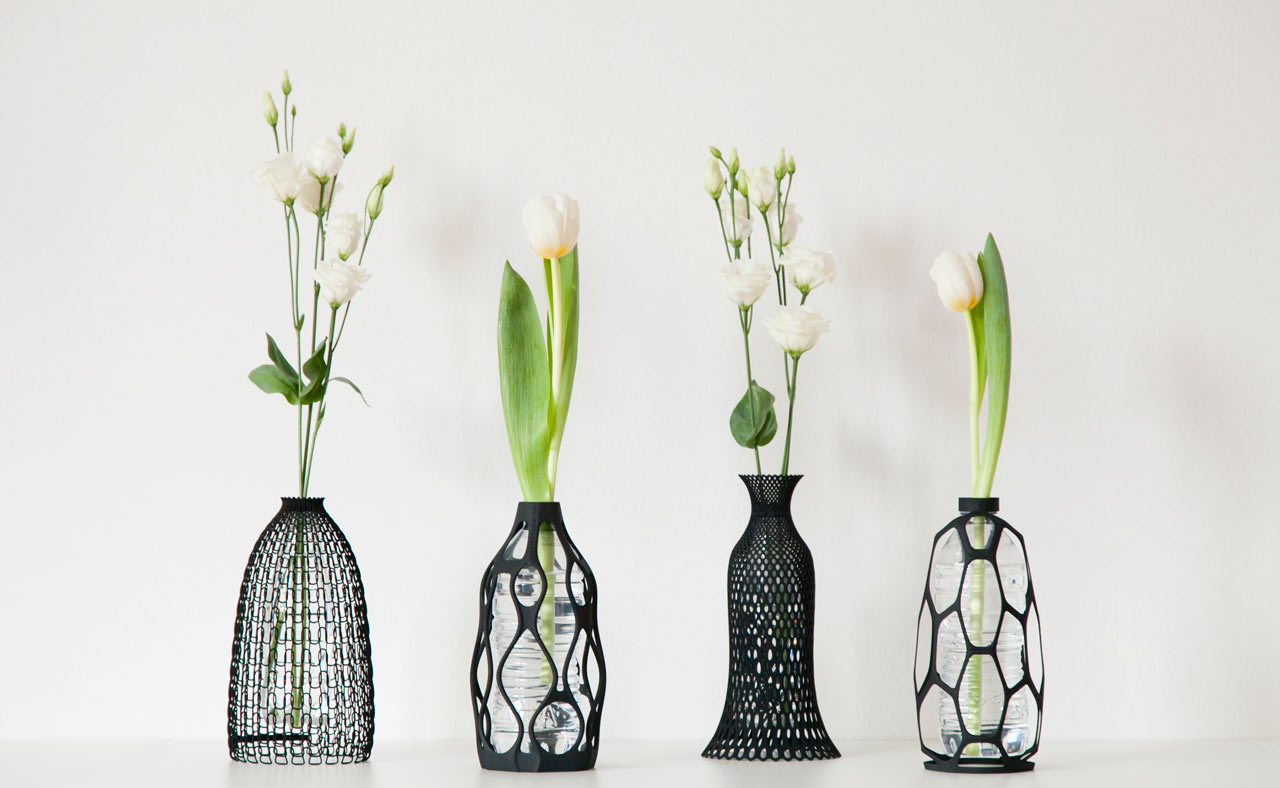
3D Printed Vases That Give New Life to Old Bottles
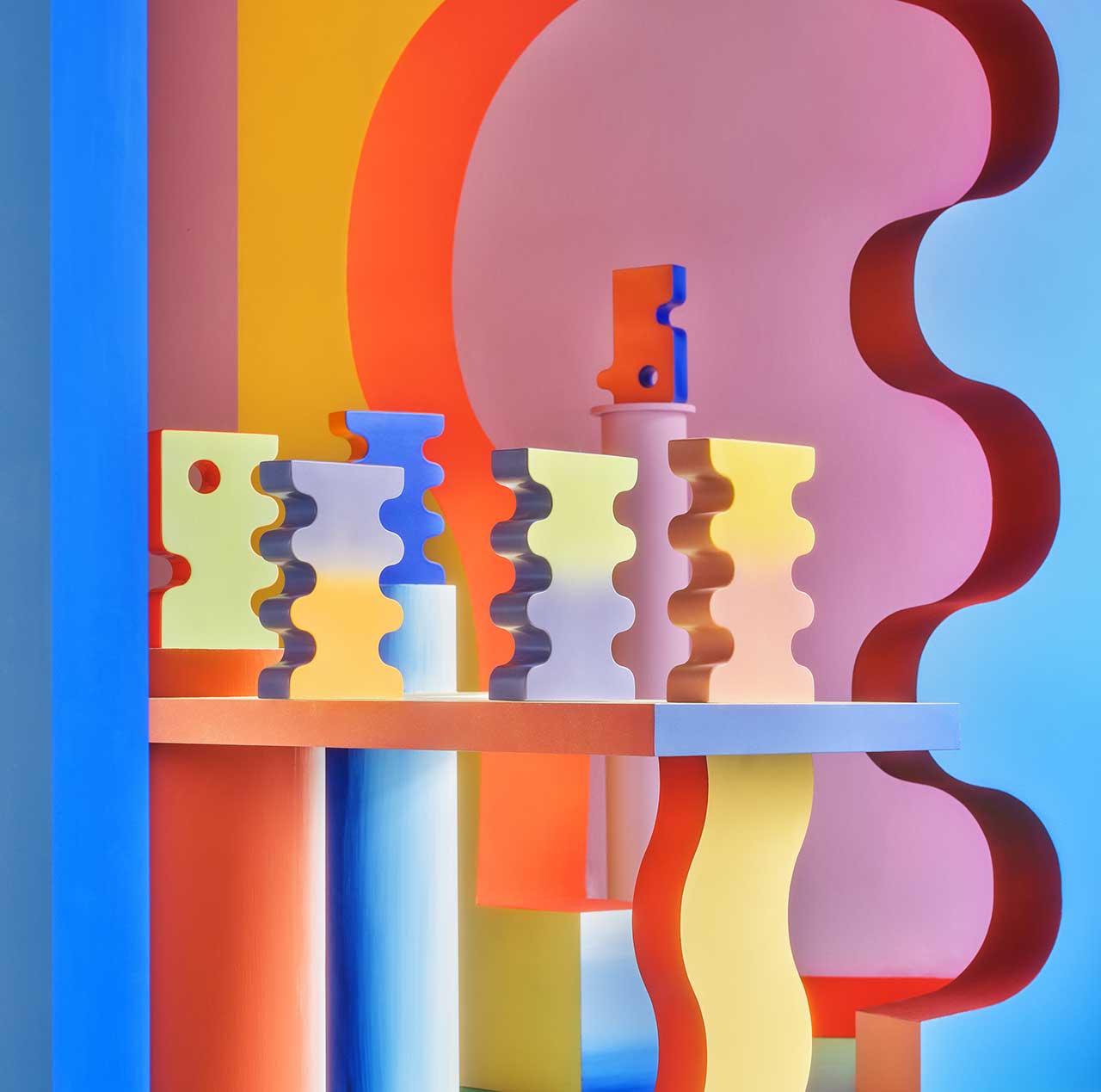
Vibrant Geometric Vases That Speak the Language of Painting
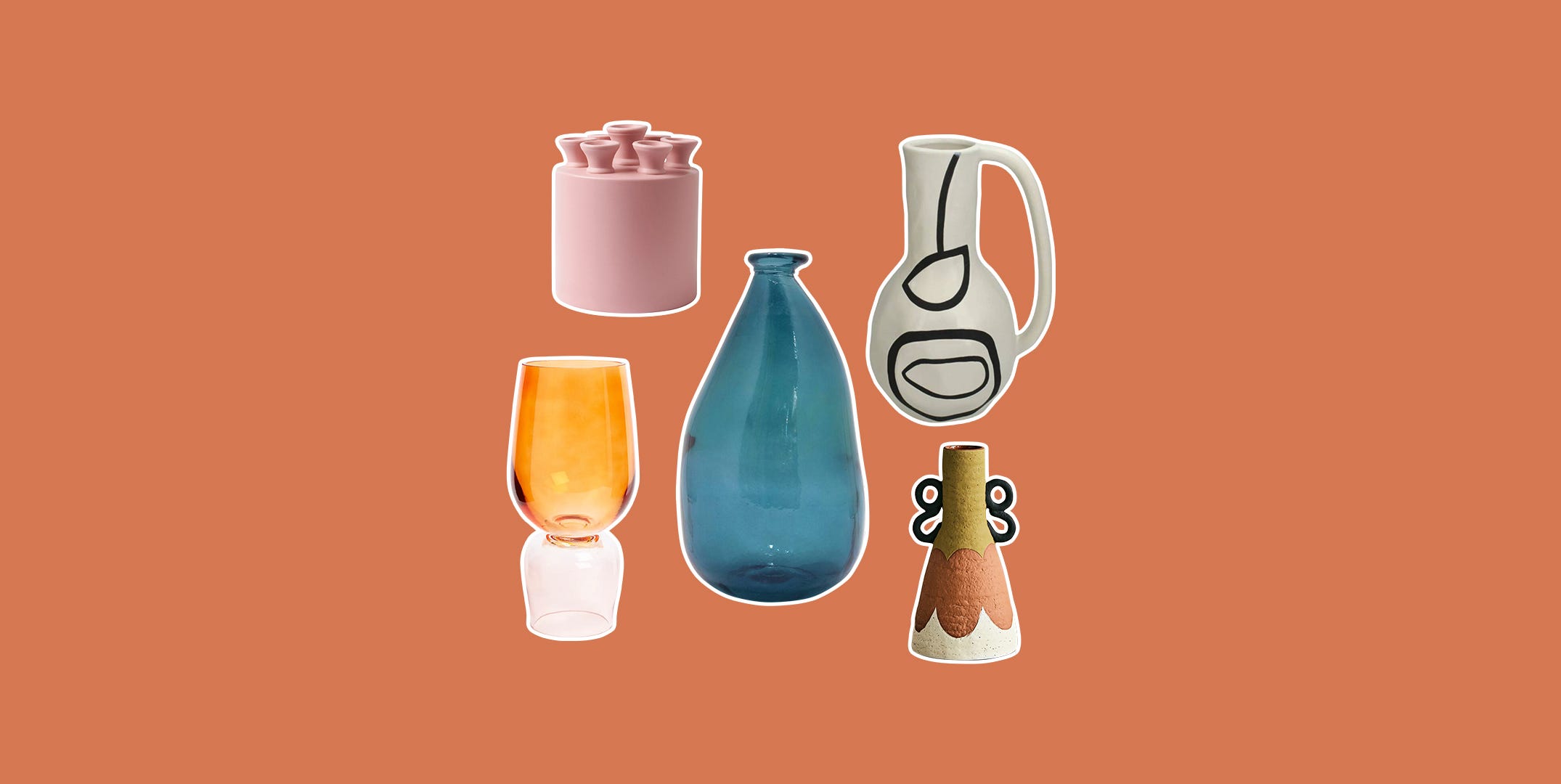
11 vases that will be the star of the shelf
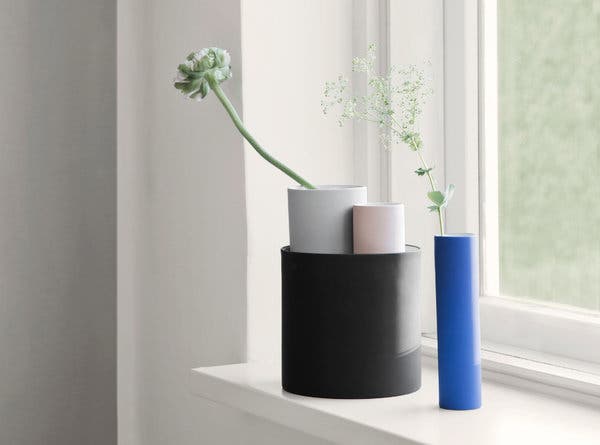
Shopping for Vases (Published 2017)